Category: Pharmaceuticals

  • Growing Focus On Personalized Medicine Is Fuelling The Growth Of Market Due To Rising Demand For Targeted And Rare Disease Therapies Is Supporting Development Across The Cell Culture Media Market For Regenerative Medicines Market

    Growing Focus On Personalized Medicine Is Fuelling The Growth Of Market Due To Rising Demand For Targeted And Rare Disease Therapies Is Supporting Development Across The Cell Culture Media Market For Regenerative Medicines Market

    The Business Research Company’s 2026 market reports feature advanced enhancements such as market attractiveness analysis, total addressable market evaluation, company benchmarking matrices, interactive Excel dashboards, expanded supply chain intelligence, emerging startup coverage, and detailed product insights, delivering more actionable and strategically valuable research.

    How Much Larger Will The Cell Culture Media Market For Regenerative Medicines Market Become By 2030 Compared To 2026?

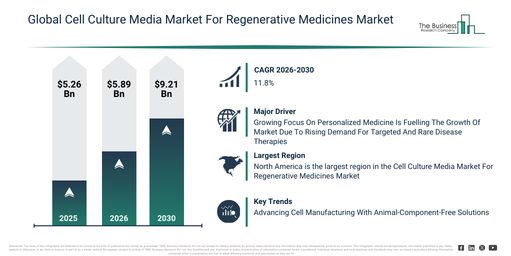
    The cell culture media market for regenerative medicines has witnessed substantial growth in recent years. It is anticipated to expand from $5.26 billion in 2025 to $5.89 billion in 2026, achieving a compound annual growth rate (CAGR) of 12.0%. This historical growth can be attributed to the rising utilization of cell culture in academic research, escalating investments in regenerative medicine, the continued reliance on traditional basal media formulations, the broadening scope of pharmaceutical and biotechnology research and development, and the increasing prevalence of chronic and degenerative diseases.

    The cell culture media market dedicated to regenerative medicines is poised for substantial growth in the upcoming years, with projections indicating it will reach **$9.21 billion by 2030**, driven by a compound annual growth rate (CAGR) of **11.8%**. This expansion during the forecast period is primarily due to advancements in stem cell and gene therapy development, a rising need for personalized regenerative treatments, the proliferation of cell therapy manufacturing facilities, increased adoption of chemically defined and specialty media, and a growing number of regulatory approvals for regenerative medicine products. Noteworthy trends for this period encompass a surge in demand for serum-free and chemically defined media, wider integration of cell culture media in stem cell and cell therapy applications, heightened focus on optimizing media for cell differentiation and proliferation, an increase in regenerative medicine research and clinical trials, and the growing necessity for scalable and reproducible cell culture solutions.

    Download A Free Sample Report For Comprehensive Market Insights:

    https://www.thebusinessresearchcompany.com/sample.aspx?id=27241&type=smp

    What Market Drivers Are Helping Shape The Cell Culture Media Market For Regenerative Medicines Market Expansion?

    The increasing emphasis on personalized medicine is projected to fuel the expansion of the cell culture media market for regenerative medicines. Personalized medicine is defined as a medical strategy that customizes treatment and prevention approaches based on an individual’s genetic makeup, environment, and lifestyle. The rising focus on personalized medicine is attributed to the growing necessity for targeted therapies in rare and complex diseases, a demand that is increasing due to enhancements in genomic research and access to precision diagnostics. The cell culture media market for regenerative medicines supports personalized medicine by enabling the development of specialized cell culture media designed to cultivate patient-specific cells for individualized regenerative therapies. For instance, in February 2024, as reported by the Personalized Medicine Coalition, a US-based nonprofit organization, the FDA approved 16 new personalized treatments for rare disease patients in 2023, an increase from 6 in 2022. Therefore, the expanding focus on personalized medicine is a significant driver of the cell culture media market for regenerative medicines.

    What Segment Types Are Included In The Cell Culture Media Market For Regenerative Medicines Market Analysis?

    The cell culture media market for regenerative medicines market covered in this report is segmented –

    1) By Type: Liquid Media, Semi-Solid And Solid Media

    2) By Application: Tissue Engineering, Stem Cell Research, Cell Therapy, Drug Discovery And Development, Other Applications

    3) By End User: Pharmaceutical And Biotechnology Companies, Academic And Research Institutes, Hospitals And Diagnostic Laboratories, Cell Banks, Other End Users

    Subsegments:

    1) By Liquid Media: Basal Media, Serum-Free Media, Chemically Defined Media, Protein-Free Media, Specialty Media

    2) By Semi-Solid And Solid Media: Agar-Based Media, Gelatin-Based Media, Collagen-Based Media, Methylcellulose Media

    Which Trends Are Supporting The Evolution Of The Cell Culture Media Market For Regenerative Medicines Market?

    Leading companies within the cell culture media market for regenerative medicines are concentrating on developing innovative products, such as animal-component-free mediums, to improve cell growth consistency, enhance safety, meet regulatory requirements, and support scalable clinical manufacturing. An animal-component-free medium refers to a cell culture solution formulated without any animal-derived materials, specifically designed to boost consistency, safety, and regulatory compliance in both research and therapeutic applications. As an illustration, in May 2023, Lonza Group AG, a Switzerland-based life sciences company, introduced TheraPEAK T-VIVO Cell Culture Medium. This novel, chemically defined, animal-component-free formulation is engineered to optimize CAR T-cell manufacturing. By eliminating the reliance on animal or human serum, which is traditionally linked to high variability, the risk of adventitious agents, and the necessity for extensive safety testing and batch stockpiling, the new medium significantly enhances process consistency, improves control, and streamlines regulatory compliance, ultimately cutting costs and accelerating time-to-market. Delivering high performance without the need for human serum supplementation, TheraPEAK T-VIVO signifies a strategic advancement in Lonza’s mission to expedite and simplify cell therapy commercialization for its global customer base.

    Which Companies Form The Competitive Landscape Of The Cell Culture Media Market For Regenerative Medicines Market?

    Major companies operating in the cell culture media market for regenerative medicines market are Thermo Fisher Scientific Inc., Danaher Corporation, Merck KGaA, Avantor Inc., Lonza Group AG, Cytiva Life Sciences, Sartorius AG, Bio-Techne Corporation, Miltenyi Biotec B.V. & Co. KG, STEMCELL Technologies Inc., FUJIFILM Irvine Scientific Inc., PromoCell GmbH, Cell Biologics Inc., Xcell Biosciences Inc.

    Access The Complete Cell Culture Media Market For Regenerative Medicines Market Report:

    https://www.thebusinessresearchcompany.com/report/cell-culture-media-market-for-regenerative-medicines-global-market-report

    Which Area Represents The Largest Portion Of The Cell Culture Media Market For Regenerative Medicines Market?

    North America was the largest region in the cell culture media market for regenerative medicines market in 2025. Asia-Pacific is expected to be the fastest-growing region in the forecast period. The regions covered in the cell culture media market for regenerative medicines market report are Asia-Pacific, South East Asia, Western Europe, Eastern Europe, North America, South America, Middle East, Africa.

    Access Cell Culture Media Market For Regenerative Medicines Market Report for Deeper Competitive Insights

    https://www.thebusinessresearchcompany.com/sample.aspx?id=27241&type=smp

    Browse Through More Reports Similar to the Global Cell Culture Media Market For Regenerative Medicines Market 2026, By The Business Research Company

    Quick Response Qr Codes Payment Market Report 2026

    https://www.thebusinessresearchcompany.com/report/quick-response-qr-codes-payment-global-market-report

    Digital Gift Card Market Report 2026

    https://www.thebusinessresearchcompany.com/report/digital-gift-card-global-market-report

    Pay Per Click Ppc Software Market Report 2026

    https://www.thebusinessresearchcompany.com/report/pay-per-click-ppc-software-global-market-report

    Get in touch with us:

    The Business Research Company: https://www.thebusinessresearchcompany.com/

    Americas: +1 310-496-7795

    Asia: +44 7882 955267 & +91 8897263534

    Europe: +44 7882 955267

    Email us at: marketing@tbrc.info

    Follow us on:

    LinkedIn: https://in.linkedin.com/company/the-business-research-company

    YouTube: https://www.youtube.com/channel/UC24_fI0rV8cR5DxlCpgmyFQ

    Global Market Model: https://www.thebusinessresearchcompany.com/global-market-model

  • Rising Pharmaceutical Drug Manufacturing Fuels Growth In The Cell Culture Media Market Is Supporting Development Across The Cell Culture Media Market

    Rising Pharmaceutical Drug Manufacturing Fuels Growth In The Cell Culture Media Market Is Supporting Development Across The Cell Culture Media Market

    The Business Research Company’s 2026 market reports feature advanced enhancements such as market attractiveness analysis, total addressable market evaluation, company benchmarking matrices, interactive Excel dashboards, expanded supply chain intelligence, emerging startup coverage, and detailed product insights, delivering more actionable and strategically valuable research.

    What Growth In Market Value Is Anticipated For The Cell Culture Media Market Between 2026 And 2030?

    The cell culture media market has experienced significant growth in recent times. It is anticipated to expand from $6.13 billion in 2025 to $6.9 billion in 2026, showing a compound annual growth rate (CAGR) of 12.6%. This historical expansion can be linked to factors such as increased demand for biopharmaceutical production, a surge in academic and clinical research activities, the advent of stem cell research, the evolution of classical media formulations, and a rising awareness of drug screening techniques.

    The cell culture media market is projected to experience substantial expansion over the upcoming years. Its valuation is anticipated to reach $10.41 billion by 2030, demonstrating a compound annual growth rate (CAGR) of 10.8%. This anticipated growth during the forecast timeframe is primarily driven by progress in precision medicine, the rising implementation of automated liquid handling systems, the expansion of applications in tissue engineering and regenerative medicine, the increasing need for serum-free and chemically defined media, and the broadening scope of cell-based diagnostics and therapies. Key trends identified for this period encompass customized cell culture media formulations, the broadening of stem cell research applications, the ongoing development of serum-free and chemically defined media, the integration of automation and high-throughput screening, and continued expansion within tissue engineering and regenerative medicine.

    Download A Free Sample Report For Comprehensive Market Insights:

    https://www.thebusinessresearchcompany.com/sample.aspx?id=14871&type=smp

    Which Significant Factors Are Encouraging Growth In The Cell Culture Media Market?

    The expanding manufacturing of pharmaceutical drugs is projected to propel the cell culture media market in the coming years. Pharmaceutical drugs refer to medicines or substances utilized for the prevention, treatment, or diagnosis of medical conditions in both humans and animals. The rise in pharmaceutical drug production is driven by the growing prevalence of chronic and infectious diseases, alongside an aging global population that requires more medications to manage age-related ailments. Cell culture media provide the essential nutrients and a suitable environment for the growth and maintenance of cells used during pharmaceutical drug manufacturing, ensuring optimal cell development and the creation of desired therapeutic proteins or molecules. For instance, in December 2024, the Association of the British Pharmaceutical Industry (ABPI), a UK-based organization, reported that the total number of clinical trials for drugs initiated in the UK saw an increase from 411 in 2022 to 426 in 2023. Thus, the increased production of pharmaceutical drugs is a key driver for the growth of the cell culture media market.

    Which Segment Divisions Form The Structure Of The Cell Culture Media Market?

    The cell culture media market covered in this report is segmented –

    1) By Media Format: Liquid Media, Semi-Solid And Solid Media

    2) By Product: Serum Free Media, Classical Media, Stem Cell Culture Media, Specialty Media, Chemically Defined Media, Other Cell Culture Media

    3) By Application: Biopharmaceutical Production, Diagnostics, Drug Screening And Development, Tissue Engineering And Regenerative Medicine, Other Applications

    4) By End User: Biotechnology And Pharmaceutical Industry, Academic Institute, Research Laboratory, Other End Users

    Subsegments:

    1) By Liquid Media: Classical Media, Chemically Defined Media, Serum-Free Media, Specialty Media (Protein-Free, Low-Glucose Media)

    2) By Semi-Solid And Solid Media: Semi-Solid Media (Agar-Based), Solid Media (Petri Dishes, Agar Plates For Colony Formation)

    What Trends Are Affecting The Growth Of The Cell Culture Media Market?

    Leading companies operating within the cell culture media market are concentrating on developing novel culture cell media, such as chemically defined and animal-component-free formulations, to secure a competitive advantage in the market. These chemically defined and animal-component-free formulations aim to enhance cell growth and protein production, ultimately boosting the scalability and efficiency of biopharmaceutical manufacturing processes. For instance, in July 2023, Lonza Group Ltd., a Switzerland-based healthcare company, unveiled TheraPRO CHO Media System, an innovative cell culture platform engineered to improve productivity and quality in therapeutic protein manufacture. This new system is specifically designed to optimize therapeutic monoclonal antibody production and features a chemically defined, animal-component-free, two-part production process, which simplifies media preparation and ensures scalability.

    Who Are The Key Market Participants In The Cell Culture Media Market?

    Major companies operating in the cell culture media market are Thermo Fisher Scientific Inc., Danaher Corporation, Merck KGaA, Becton Dickinson and Company, Corning Incorporated, Lonza Group AG, Sartorius AG, CYTIVA Lifesciences, Bio-Rad Laboratories Inc., STEMCELL Technologies Inc., Miltenyi Biotec, Takara Bio, MP Biomedicals, FUJIFILM Irvine Scientific Inc., Promocell Inc., InSphero AG, PeproTech Inc., HiMedia Laboratories Pvt. Ltd., Elabscience Biotechnology Inc., Capricorn Scientific GmbH, CAISSON Laboratories Inc., Cell Biologics Inc., Nucleus Biologics LLC

    Access The Complete Cell Culture Media Market Report:

    https://www.thebusinessresearchcompany.com/report/cell-culture-media-global-market-report

    Which Region Commands The Largest Share Of The Cell Culture Media Market?

    North America was the largest region in the cell culture media market in 2025. Asia-Pacific is expected to be the fastest-growing region in the forecast period. The regions covered in the cell culture media market report are Asia-Pacific, South East Asia, Western Europe, Eastern Europe, North America, South America, Middle East, Africa.

    Access Cell Culture Media Market Report for Deeper Competitive Insights

    https://www.thebusinessresearchcompany.com/sample.aspx?id=14871&type=smp

    Browse Through More Reports Similar to the Global Cell Culture Media Market 2026, By The Business Research Company

    Cell Culture Media Market Report 2026

    https://www.thebusinessresearchcompany.com/report/cell-culture-media-global-market-report

    Cell Cultures Market Report 2026

    https://www.thebusinessresearchcompany.com/report/cell-cultures-global-market-report

    Cell Culture Media Storage Containers Market Report 2026

    https://www.thebusinessresearchcompany.com/report/cell-culture-media-storage-containers-global-market-report

    Get in touch with us:

    The Business Research Company: https://www.thebusinessresearchcompany.com/

    Americas: +1 310-496-7795

    Asia: +44 7882 955267 & +91 8897263534

    Europe: +44 7882 955267

    Email us at: marketing@tbrc.info

    Follow us on:

    LinkedIn: https://in.linkedin.com/company/the-business-research-company

    YouTube: https://www.youtube.com/channel/UC24_fI0rV8cR5DxlCpgmyFQ

    Global Market Model: https://www.thebusinessresearchcompany.com/global-market-model
  • Surge In Demand For Personalized Medicine Driving Market Growth Due To Increased Need For Advanced Cell-Based Research Is Supporting Development Across The Cell Culture Market

    Surge In Demand For Personalized Medicine Driving Market Growth Due To Increased Need For Advanced Cell-Based Research Is Supporting Development Across The Cell Culture Market

    The Business Research Company’s 2026 market reports feature advanced enhancements such as market attractiveness analysis, total addressable market evaluation, company benchmarking matrices, interactive Excel dashboards, expanded supply chain intelligence, emerging startup coverage, and detailed product insights, delivering more actionable and strategically valuable research.

    What Is The Expected Market Value Outlook For The Cell Culture Market Through 2030?

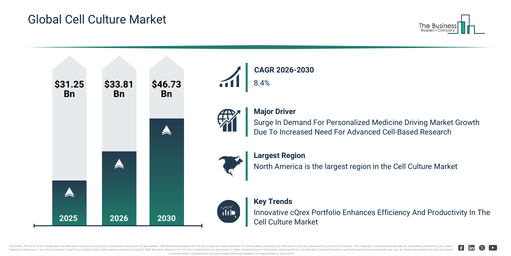
    The cell culture market has experienced substantial growth in recent years. It is forecast to expand from $31.25 billion in 2025 to $33.81 billion in 2026, at a compound annual growth rate (CAGR) of 8.2%. This historical expansion can be primarily attributed to developments like increased life science research, a rise in academic funding, the growth of the biopharmaceutical industry, the widespread application of cell lines, and a greater demand for in vitro testing.

    The cell culture market is poised for robust expansion in the coming years. It is projected to reach $46.73 billion by 2030, progressing at a compound annual growth rate (CAGR) of 8.4%. This anticipated growth is attributed to developments in regenerative medicine, increasing biologics development, innovations in cell culture media, the expansion of personalized medicine, and rising investments in research and development. Prominent trends for the forecast period include a growing demand for biopharmaceutical production, an increase in stem cell research, broader applications in cancer research, greater adoption of advanced cell lines, and a focus on the use of serum-free media.

    Download A Free Sample Report For Comprehensive Market Insights:

    https://www.thebusinessresearchcompany.com/sample.aspx?id=3392&type=smp

    What Core Drivers Are Transforming The Cell Culture Market?

    The increasing need for personalized medicine is projected to fuel the expansion of the cell culture market in the coming period. Personalized medicine, alternatively called precision medicine, refers to a type of medical treatment and therapy customized to the unique traits of individual patients. The surge in demand for personalized medicine stems from patients’ desire for healthcare aligned with their distinct genetic, molecular, and environmental profiles, resulting in better treatment results and fewer adverse reactions. Within personalized medicine, cell culture holds a vital position, acting as a fundamental instrument for research, drug creation, disease simulation, and patient-specific therapeutic uses. As an illustration, in February 2024, the Personalized Medicine Coalition, a US-based nonprofit organization advocating for individualized treatment strategies, reported that 20 out of 53 novel therapeutic molecular entities sanctioned by the Food and Drug Administration in 2023, coupled with six new gene and cell-based therapies, were categorized as personalized medicines. This constituted about 38% of all new molecular entities approved nationally. Consequently, the escalating demand for personalized medicine is a key impetus for the expansion of the cell culture market.

    How Are Different Segment Groups Identified Within The Cell Culture Market?

    The cell culture market covered in this report is segmented –

    1) By Type: Primary Cell Culture, Secondary Cell Culture, Cell Line

    2) By Media: Natural, Artificial

    3) By Applications: Stem Cell Technologies, Cancer Research, Biopharmaceutical, Tissue Engineering & Regenerative Medicine, Other Applications

    Subsegments:

    1) By Primary Cell Culture: Adherent Cell Culture, Suspension Cell Culture

    2) By Secondary Cell Culture: Continuous Cell Lines, Finite Cell Lines

    3) By Cell Line: Immortalized Cell Lines, Transformed Cell Lines

    Which Trends Are Influencing The Direction Of The Cell Culture Market?

    Leading companies within the cell culture market are actively developing innovative solutions, such as the cQrex portfolio, to enhance the efficiency and productivity of cell cultures and tackle associated challenges. The cQrex portfolio of cell culture ingredients is specifically designed to boost both efficiency and productivity. This portfolio comprises a suite of peptides and the keto acid AKG, engineered to optimize the supply of vital nutrients by improving their stability or solubility, thereby increasing overall productivity. For instance, in June 2023, Evonik Industries AG, a Germany-based specialty chemicals company, introduced the cQrex portfolio of cell culture ingredients to improve efficiency and productivity. It serves as an invaluable tool for cell culture scientists dedicated to refining the efficiency and productivity of their cell cultures. Its utility is particularly significant for cultures employed in generating high-value products, including monoclonal antibodies and vaccines. Its adoption stems from its exceptional purity, extensive range of applications, and ease of use. Furthermore, these ingredients empower cell culture scientists to elevate the efficiency and output of their cell cultures.

    Which Organizations Are Operating Within The Cell Culture Market?

    Major companies operating in the cell culture market are Becton Dickinson, Corning Incorporation, Eppendorf, GE Healthcare, Merck KGaA, Thermo Fisher Scientific, Lonza Group, HiMedia Laboratories, Agilent Technologies Inc., PromoCell GmbH, CellGenix GmbH, InvivoGen, Greiner Bio-One, Irvine Scientific, Cell Culture Company (CCC) LLC, Sera Care Life Sciences Incorporation, American Type Culture Collection, Miltenyi Biotec, Bel-Art Products Inc., Sumitomo Bakelite, EMD Millipore, VWR International LLC, WHEATON IndustriesInc, Sartorius AG, Nunc Systems, Pall Corporation

    Access The Complete Cell Culture Market Report:

    https://www.thebusinessresearchcompany.com/report/cell-cultures-global-market-report

    Which Region Accounts For The Highest Share Of The Cell Culture Market?

    North America was the largest region in the cell culture market in 2025. The Middle East is expected to be the fastest-growing region in the global cell culture market share during the forecast period. The regions covered in the cell culture market report are Asia-Pacific, South East Asia, Western Europe, Eastern Europe, North America, South America, Middle East, Africa.

    Access Cell Culture Market Report for Deeper Competitive Insights

    https://www.thebusinessresearchcompany.com/sample.aspx?id=3392&type=smp

    Browse Through More Reports Similar to the Global Cell Culture Market 2026, By The Business Research Company

    Cell Cultures Market Report 2026

    https://www.thebusinessresearchcompany.com/report/cell-cultures-global-market-report

    Cell Culture Media Market Report 2026

    https://www.thebusinessresearchcompany.com/report/cell-culture-media-global-market-report

    Primary Cell Culture Market Report 2026

    https://www.thebusinessresearchcompany.com/report/primary-cell-culture-global-market-report

    Get in touch with us:

    The Business Research Company: https://www.thebusinessresearchcompany.com/

    Americas: +1 310-496-7795

    Asia: +44 7882 955267 & +91 8897263534

    Europe: +44 7882 955267

    Email us at: marketing@tbrc.info

    Follow us on:

    LinkedIn: https://in.linkedin.com/company/the-business-research-company

    YouTube: https://www.youtube.com/channel/UC24_fI0rV8cR5DxlCpgmyFQ

    Global Market Model: https://www.thebusinessresearchcompany.com/global-market-model

  • Driving Growth Of Cell Banking Outsourcing Market Amid Rising Burden Of Chronic Diseases Is Supporting Development Across The Cell Banking Outsourcing Market

    Driving Growth Of Cell Banking Outsourcing Market Amid Rising Burden Of Chronic Diseases Is Supporting Development Across The Cell Banking Outsourcing Market

    The Business Research Company’s 2026 market reports feature advanced enhancements such as market attractiveness analysis, total addressable market evaluation, company benchmarking matrices, interactive Excel dashboards, expanded supply chain intelligence, emerging startup coverage, and detailed product insights, delivering more actionable and strategically valuable research.

    How Will The Market Value Of The Cell Banking Outsourcing Market Increase Between 2026 And 2030?

    The cell banking outsourcing market has experienced substantial growth in recent years. Its value is expected to increase from $12.86 billion in 2025 to $14.76 billion in 2026, with a compound annual growth rate (CAGR) of 14.8%. This historic expansion can be attributed to factors such as the rise in biologics manufacturing, a growing reliance on outsourced bioprocessing services, the development of vaccine production programs, an increased requirement for standardized cell line storage, and cost optimization strategies employed by pharmaceutical companies.

    Projections indicate significant expansion for the cell banking outsourcing market in the coming years. This sector is anticipated to reach a valuation of $24.12 billion in 2030, exhibiting a robust compound annual growth rate (CAGR) of 13.1%. Several factors are contributing to this forecasted expansion, including a significant increase in cell and gene therapy development pipelines, a heightened need for viral vector production, a greater emphasis from regulators on ensuring cell line traceability, the progression of personalized medicine, and the proliferation of contract development and manufacturing organizations. Key trends defining this period involve an uptick in outsourcing for GMP-compliant cell banking, a growing requirement for multi-species cell banking capacities, efforts to standardize cell line documentation and traceability, the broadening scope of viral and vector cell banking for advanced therapeutic applications, and a stronger inclination towards extended cell bank storage contracts.

    Download A Free Sample Report For Comprehensive Market Insights:

    https://www.thebusinessresearchcompany.com/sample.aspx?id=15754&type=smp

    Which Growth Factors Are Strengthening The Cell Banking Outsourcing Market Landscape?

    The cell banking outsourcing market is projected to expand due to the escalating prevalence of chronic diseases. These are enduring health conditions that manifest slowly and endure for lengthy durations, frequently necessitating continuous care. The growing impact of chronic diseases stems from evolving lifestyles, an aging global demographic, and inherited genetic factors. In its role, the cell banking outsourcing market aids chronic disease research through the provision of dedicated facilities, cutting-edge technologies, and skilled expertise, facilitating the effective storage, maintenance, and handling of cellular materials crucial for therapeutic advancements. For example, the NHS Confederation, a UK-based national association, reported in April 2025 that projections indicate 17% of the UK population might be afflicted with four or more chronic conditions by 2035. Consequently, the expanding burden of chronic illnesses is a primary catalyst for the growth of the cell banking outsourcing market.

    What Segment Categories Are Evaluated In The Cell Banking Outsourcing Market Study?

    The cell banking outsourcing market covered in this report is segmented –

    1) By Type: Master Cell Banking, Working Cell Banking, Viral Cell Banking

    2) By Cell Type: Stem Cell Banking, Non-Stem Cell Banking

    3) By Phase: Bank Storage, Bank Characterization And Testing, Bank Preparation

    Subsegments:

    1) By Master Cell Banking: Human Master Cell Bank, Animal Master Cell Bank

    2) By Working Cell Banking: Human Working Cell Bank, Animal Working Cell Bank

    3) By Viral Cell Banking: Virus Bank For Vaccine Production, Viral Vector Bank For Gene Therapy, Adenovirus Bank

    What Trends Are Driving Changes In The Cell Banking Outsourcing Market?

    Companies operating in the cell banking outsourcing market are prioritizing the development of sophisticated solutions, including single-cell potency characterization platforms. These platforms aim to deliver more precise potency assessments and support the creation of high-quality cell therapies. A single-cell potency characterization platform is defined as an advanced analytical system engineered to assess the functional capabilities and therapeutic potential of individual cells within heterogeneous cell populations, thereby offering enhanced insight into cell behavior, potency, and mechanism of action for both research and clinical development. Illustrating this trend, in January 2024, Cellply Srl, an Italy-based biotechnology company, unveiled VivaCyte. This comprehensive single-cell potency characterization platform integrates potency analysis with immunophenotyping, features fully automated operation, single-cell resolution, and rapid multi-parameter functional assessment, all designed to mitigate development time, cost, and risk while enabling an exhaustive evaluation of multiple cell therapy candidates across diverse process options.

    Who Are The Businesses Driving Activity In The Cell Banking Outsourcing Market?

    Major companies operating in the cell banking outsourcing market are Lonza Group Ltd., WuXi AppTec, Charles River Laboratories, Labcorp Drug Development, Covance Inc., SGS Life Sciences, Sartorius AG, BioReliance, Cleancells, Clean Biologics, Texcell, Goodwin Biotechnology Inc., Perfectus Biomed Limited, BioStorage Technologies Inc., Toxikon Corp., PX’Therapeutics SA, Sigma-Aldrich Co. Ltd., Transcell Biolife Pvt Ltd, Eurofins Scientific SE, ViruSure GmbH

    Access The Complete Cell Banking Outsourcing Market Report:

    https://www.thebusinessresearchcompany.com/report/cell-banking-outsourcing-global-market-report

    Which Region Is The Primary Market For The Cell Banking Outsourcing Market?

    North America was the largest region in the cell banking outsourcing market in 2025. Asia-Pacific is expected to be the fastest-growing region in the forecast period. The regions covered in the cell banking outsourcing market report are Asia-Pacific, South East Asia, Western Europe, Eastern Europe, North America, South America, Middle East, Africa.

    Access Cell Banking Outsourcing Market Report for Deeper Competitive Insights

    https://www.thebusinessresearchcompany.com/sample.aspx?id=15754&type=smp

    Browse Through More Reports Similar to the Global Cell Banking Outsourcing Market 2026, By The Business Research Company

    Cell Banking Outsourcing Market Report 2026

    https://www.thebusinessresearchcompany.com/report/cell-banking-outsourcing-global-market-report

    Hospital Outsourcing Market Report 2026

    https://www.thebusinessresearchcompany.com/report/hospital-outsourcing-global-market-report

    Call Center Outsourcing Market Report 2026

    https://www.thebusinessresearchcompany.com/report/call-center-outsourcing-global-market-report

    Get in touch with us:

    The Business Research Company: https://www.thebusinessresearchcompany.com/

    Americas: +1 310-496-7795

    Asia: +44 7882 955267 & +91 8897263534

    Europe: +44 7882 955267

    Email us at: marketing@tbrc.info

    Follow us on:

    LinkedIn: https://in.linkedin.com/company/the-business-research-company

    YouTube: https://www.youtube.com/channel/UC24_fI0rV8cR5DxlCpgmyFQ

    Global Market Model: https://www.thebusinessresearchcompany.com/global-market-model
  • Growing Number Of Clinical Trials Fuels Cell And Gene Therapy Market Growth Is Supporting Development Across The Cell and Gene Therapy Market

    Growing Number Of Clinical Trials Fuels Cell And Gene Therapy Market Growth Is Supporting Development Across The Cell and Gene Therapy Market

    The Business Research Company’s 2026 market reports feature advanced enhancements such as market attractiveness analysis, total addressable market evaluation, company benchmarking matrices, interactive Excel dashboards, expanded supply chain intelligence, emerging startup coverage, and detailed product insights, delivering more actionable and strategically valuable research.

    What Will Be The Estimated Market Size Of The Cell and Gene Therapy Market By 2030?

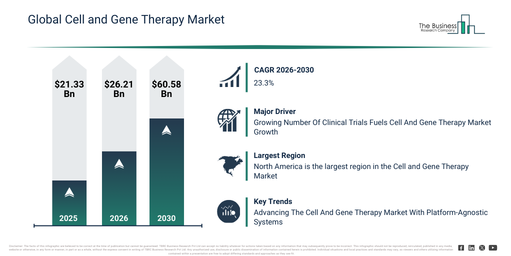
    The market for cell and gene therapy has witnessed significant expansion over recent years. It is projected to grow from $21.33 billion in 2025 to $26.21 billion in 2026, demonstrating a compound annual growth rate (CAGR) of 22.9%. Historically, this growth can be attributed to factors such as the limited availability of cell and gene therapies, reliance on conventional treatment modalities, the high cost of early-generation therapies, the growing incidence of oncology and neurological disorders, and a lack of specialized treatment centers.

    The cell and gene therapy market size is anticipated to experience substantial growth in the upcoming years. It is predicted to expand to $60.58 billion in 2030, demonstrating a compound annual growth rate (CAGR) of 23.3%. This expansion over the forecast period can be attributed to the progression of advanced CAR-T and genome editing therapies, an increase in clinical trials and research programs, the growing embrace of personalized medicine, enhanced government support and funding for rare disease treatments, and the incorporation of digital platforms for therapy monitoring and patient management. Significant trends during this period are expected to involve the increased adoption of CAR-T and stem cell therapies, a rise in investment for gene therapy in oncology and rare diseases, the development of personalized and targeted cell-based treatments, the expansion of hospitals and ambulatory surgical centers providing advanced therapies, and the integration of genome editing and viral vector-based technologies into clinical practice.

    Download A Free Sample Report For Comprehensive Market Insights:

    https://www.thebusinessresearchcompany.com/sample.aspx?id=3472&type=smp

    What Important Drivers Are Powering The Cell and Gene Therapy Market Growth?

    The increasing number of ongoing clinical trials is projected to fuel the expansion of the cell and gene therapy market moving forward. Clinical trials are investigative studies carried out with human participants to determine the safety and effectiveness of novel medical treatments, interventions, or diagnostic methods. These trials are fundamental to the progress and development of cell and gene therapy, offering a secure and regulated environment to test new therapies and acquire data concerning their safety and efficacy. For example, in December 2024, the Association of the British Pharmaceutical Industry (ABPI), a UK-based entity, indicated that the quantity of pharmaceutical industry trials initiated in the UK grew for the second successive year, climbing from 411 in 2022 to 426 in 2023. Thus, a rising volume of active clinical trials is stimulating the growth of the cell and gene therapy market.

    How Is The Cell and Gene Therapy Market Examined Through Segment Analysis?

    The cell and gene therapy market covered in this report is segmented –

    1) By Product: Cell Therapy, Gene Therapy

    2) By Application: Oncology, Neurological Disorders, Other Applications

    3) By End User: Hospitals, Ambulatory Surgical Centers, Cancer Care Centers, Wound Care Centers, Other End-Users

    Subsegments:

    1) By Cell Therapy: Autologous Cell Therapy, Allogeneic Cell Therapy, Stem Cell Therapy, CAR-T Cell Therapy

    2) By Gene Therapy: Viral Vector-Based Gene Therapy, Non-Viral Vector-Based Gene Therapy, Genome Editing Technologies, Antisense Oligonucleotide Therapy

    Which Trends Are Shaping The Cell and Gene Therapy Market Landscape?

    Leading companies in the cell and gene therapy market are intensifying their efforts to introduce agnostic systems, aiming to secure a competitive advantage. Agnostic systems are defined as those capable of integrating with various cell and gene therapy (CGT) software platforms, alongside biopharmaceutical or provider-facing platforms. For example, in April 2023, AmerisourceBergen, a US-based healthcare company, unveiled the Cell and Gene Therapy Integration Hub. This novel platform-agnostic system seeks to enhance connectivity throughout the cell and gene therapy (CGT) treatment journey, thereby improving the patient and provider experience. The hub operates using the company’s customer relationship management system and is built to accelerate the benefits investigation process, provide real-time visibility into therapy development and transportation status, and aid in coordinating patient support.

    Which Firms Are Competing In The Cell and Gene Therapy Market?

    Major companies operating in the cell and gene therapy market are Biogen Inc., Novartis AG, Gilead Sciences, Ionis Pharmaceuticals Inc., Alnylam Pharmaceuticals Inc., ArrowHead Pharmaceuticals Inc., Spark Therapeutics, Bluebird Bio Inc., RegenexBio, Mesoblast Limited, Stempeutics Research Pvt. Ltd., EdiGene Inc., Takara Bio, Oxford Biomedica plc, Merck, GenScript, Cellular Biomedicine Group, inStem, Bristol-Myers Squibb, Amgen, Pfizer, Kite Pharma, Freeline Therapeutics, PsiOxus Therapeutics, Herantis Pharma Plc, AstraZeneca

    Access The Complete Cell and Gene Therapy Market Report:

    https://www.thebusinessresearchcompany.com/report/cell-and-genes-therapy-global-market-report

    Which Geographic Region Represents The Largest Cell and Gene Therapy Market Share?

    North America was the largest region in the cell and gene therapy market in 2025. The regions covered in the cell and gene therapy market report are Asia-Pacific, South East Asia, Western Europe, Eastern Europe, North America, South America, Middle East, Africa.

    Access Cell and Gene Therapy Market Report for Deeper Competitive Insights

    https://www.thebusinessresearchcompany.com/sample.aspx?id=3472&type=smp

    Browse Through More Reports Similar to the Global Cell and Gene Therapy Market 2026, By The Business Research Company

    Cancer Biologics Market Report 2026

    https://www.thebusinessresearchcompany.com/report/cancer-biologics-global-market-report

    Nucleic Acid Based Gene Therapy Market Report 2026

    https://www.thebusinessresearchcompany.com/report/nucleic-acid-based-gene-therapy-global-market-report

    Genes Therapy Market Report 2026

    https://www.thebusinessresearchcompany.com/report/genes-therapy-global-market-report

    Get in touch with us:

    The Business Research Company: https://www.thebusinessresearchcompany.com/

    Americas: +1 310-496-7795

    Asia: +44 7882 955267 & +91 8897263534

    Europe: +44 7882 955267

    Email us at: marketing@tbrc.info

    Follow us on:

    LinkedIn: https://in.linkedin.com/company/the-business-research-company

    YouTube: https://www.youtube.com/channel/UC24_fI0rV8cR5DxlCpgmyFQ

    Global Market Model: https://www.thebusinessresearchcompany.com/global-market-model
  • Rise In Prevalence Of Diabetes Fueling The Growth Of The Market Due To Shared Autoimmune Links And Dietary Management Needs Is Supporting Development Across The Celiac Disease Treatment Market

    Rise In Prevalence Of Diabetes Fueling The Growth Of The Market Due To Shared Autoimmune Links And Dietary Management Needs Is Supporting Development Across The Celiac Disease Treatment Market

    The Business Research Company’s 2026 market reports feature advanced enhancements such as market attractiveness analysis, total addressable market evaluation, company benchmarking matrices, interactive Excel dashboards, expanded supply chain intelligence, emerging startup coverage, and detailed product insights, delivering more actionable and strategically valuable research.

    What Is The Estimated Growth In Market Size Of The Celiac Disease Treatment Market During 2026–2030?

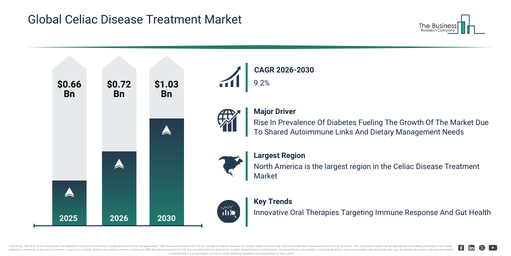
    The celiac disease treatment market has witnessed substantial growth in recent years. Its value is projected to increase from $0.66 billion in 2025 to $0.72 billion in 2026, at a compound annual growth rate (CAGR) of 9.3%. The historic growth in this market can be attributed to various factors, including limited pharmacological treatment options, a strong reliance on gluten-free diet management, rising diagnosis rates, increased awareness of autoimmune disorders, and the growing availability of diagnostic testing.

    The celiac disease treatment market size is anticipated to undergo significant expansion in the coming years. It is forecast to reach $1.03 billion in 2030, exhibiting a compound annual growth rate (CAGR) of 9.2%. This projected growth is driven by the emergence of non-dietary therapeutic solutions, the broadening of enzyme and immunotherapy development pipelines, the increasing worldwide incidence of celiac disease, enhanced diagnostic accuracy, and increased financial investment in healthcare for chronic autoimmune conditions. Notable trends for the forecast period include the increasing acceptance of gluten-free dietary management, advancements in enzyme-based therapies, a heightened focus on early detection and screening, the expansion of nutritional supplement-based treatments, and greater patient understanding and education about the disease.

    Download A Free Sample Report For Comprehensive Market Insights:

    https://www.thebusinessresearchcompany.com/sample.aspx?id=24186&type=smp

    Which Major Factors Are Contributing To The Development Of The Celiac Disease Treatment Market?

    The increasing occurrence of diabetes is projected to fuel the expansion of the celiac disease treatment market in the future. Diabetes, a chronic health condition, involves the body’s inability to properly manage blood sugar or glucose levels. The growing incidence of diabetes stems from common dietary management requirements, given that both diabetes and celiac disease necessitate precise food intake regulation to control blood sugar levels and avoid complications. Celiac disease treatment assists in managing diabetes by encouraging a gluten-free diet, which contributes to better digestive health and nutrient absorption. This approach helps achieve superior blood sugar regulation and lessens complications for people dealing with both ailments. As an illustration, in June 2024, data from the National Health Service, a UK-based government department, indicated that approximately 3,615,330 individuals registered with a general practitioner (GP) received a diagnosis of non-diabetic hyperglycemia or pre-diabetes in 2023. This represented an 18% rise from 3,065,825 cases recorded in 2022. Consequently, the escalating prevalence of diabetes is propelling the development of the celiac disease treatment market.

    Which Segment Groups Define The Celiac Disease Treatment Market Landscape?

    The celiac disease treatment market covered in this report is segmented –

    1) By Treatment Type: Vitamins And Minerals, Gluten Degrading Enzymes, Symptomatic Treatment, Other Treatments

    2) By Diagnosis: Serological Tests, Genetic Testing, Biopsy

    3) By Distribution Channel: Hospitals, Research Centres, Clinics, Other Distribution Channels

    Subsegments:

    1) By Vitamins and Minerals: Iron Supplements, Calcium Supplements, Vitamin D, Vitamin B12, Multivitamins

    2) By Gluten Degrading Enzymes: Endopeptidases, Exopeptidases, Combination Enzyme Formulations

    3) By Symptomatic Treatment: Antidiarrheal Medications, Antidepressants, Anti-inflammatory Drugs, Immunosuppressive Agents

    4) By Other Treatments: Probiotics, Immunotherapy, Experimental Therapies

    What Trends Are Influencing The Celiac Disease Treatment Market Outlook?

    Leading companies operating in the celiac disease treatment market are focusing on creating oral therapies, including small molecule therapies. These aim to provide precise relief by inhibiting immune reactions to gluten, improving patient compliance, and offering alternatives to rigorous gluten-free diets. Small molecule therapies are tiny medications designed to readily enter cells to target and treat proteins or enzymes that cause disease. For instance, in February 2025, Immunic Inc., a US-based biotechnology company, launched IMU-856. IMU-856 is a small molecule that works by increasing endogenous glucagon-like peptide-1 (GLP-1) levels, which helps enhance intestinal barrier function in celiac disease patients. It also improves nutrient absorption and alleviates symptoms without suppressing immune activity.

    Who Are The Major Companies Operating In The Celiac Disease Treatment Market?

    Major companies operating in the celiac disease treatment market are Pfizer Inc., Johnson And Johnson, F. Hoffmann-La Roche Ltd., Merck And Co. Inc., Sanofi S.A., Novartis AG, Takeda Pharmaceuticals Company Ltd., Amgen Inc., General Mills Inc., Viatris Inc., Teva Pharmaceutical Inc., Nestlé Health Science, Hikma Pharmaceuticals PLC, Amneal Pharmaceuticals LLC, Zydus Pharmaceuticals Inc., Glenmark Pharmaceuticals Company Ltd., West-Ward Pharmaceuticals Company Ltd, Innovate Biopharmaceutical, Acto Biosciences, ImmunogenX

    Access The Complete Celiac Disease Treatment Market Report:

    https://www.thebusinessresearchcompany.com/report/celiac-disease-treatment-global-market-report

    Which Region Leads The Celiac Disease Treatment Market By Size?

    North America was the largest region in the celiac disease treatment market in 2025. Asia-Pacific is expected to be the fastest-growing region in the forecast period. The regions covered in the celiac disease treatment market report are Asia-Pacific, South East Asia, Western Europe, Eastern Europe, North America, South America, Middle East, Africa.

    Access Celiac Disease Treatment Market Report for Deeper Competitive Insights

    https://www.thebusinessresearchcompany.com/sample.aspx?id=24186&type=smp

    Browse Through More Reports Similar to the Global Celiac Disease Treatment Market 2026, By The Business Research Company

    Constipation Treatment Market Report 2026

    https://www.thebusinessresearchcompany.com/report/constipation-treatment-global-market-report

    Inflammatory Bowel Disease Treatment Market Report 2026

    https://www.thebusinessresearchcompany.com/report/inflammatory-bowel-disease-treatment-global-market-report

    Crohns Disease Treatment Market Report 2026

    https://www.thebusinessresearchcompany.com/report/crohns-disease-treatment-global-market-report

    Get in touch with us:

    The Business Research Company: https://www.thebusinessresearchcompany.com/

    Americas: +1 310-496-7795

    Asia: +44 7882 955267 & +91 8897263534

    Europe: +44 7882 955267

    Email us at: marketing@tbrc.info

    Follow us on:

    LinkedIn: https://in.linkedin.com/company/the-business-research-company

    YouTube: https://www.youtube.com/channel/UC24_fI0rV8cR5DxlCpgmyFQ

    Global Market Model: https://www.thebusinessresearchcompany.com/global-market-model
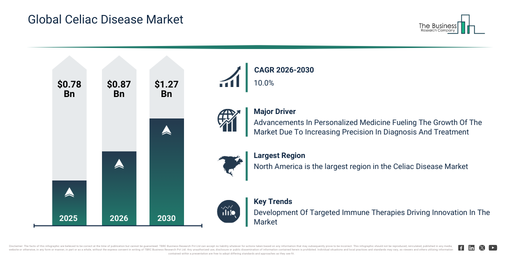
  • Advancements In Personalized Medicine Fueling The Growth Of The Market Due To Increasing Precision In Diagnosis And Treatment Is Supporting Development Across The Celiac Disease Market

    Advancements In Personalized Medicine Fueling The Growth Of The Market Due To Increasing Precision In Diagnosis And Treatment Is Supporting Development Across The Celiac Disease Market

    The Business Research Company’s 2026 market reports feature advanced enhancements such as market attractiveness analysis, total addressable market evaluation, company benchmarking matrices, interactive Excel dashboards, expanded supply chain intelligence, emerging startup coverage, and detailed product insights, delivering more actionable and strategically valuable research.

    What Market Value Expansion Is Expected For The Celiac Disease Market Over The Forecast Period?

    The celiac disease market has seen substantial growth recently. It is projected to increase from $0.78 billion in 2025 to $0.87 billion in 2026, reflecting a compound annual growth rate (CAGR) of 10.3%. This historical expansion can be attributed to several factors including greater awareness of autoimmune diseases, advancements in diagnostics, the uptake of dietary management strategies, comprehensive hospital gastroenterology care, and robust patient advocacy.

    The celiac disease market is projected to experience substantial expansion over the coming years. Its valuation is anticipated to reach $1.27 billion in 2030, demonstrating a compound annual growth rate (CAGR) of 10.0%. This anticipated growth during the forecast period is driven by factors such as the development of new drugs, advancements in gluten-free food products, personalized nutrition approaches, improved early screening initiatives, and ongoing microbiome research. Key developments expected during this period include an increase in the adoption of gluten-free diets, the expansion of packaged gluten-free food options, the proliferation of drug-based treatments, enhanced awareness and diagnosis of the disease, and a greater emphasis on microbiome-focused therapies.

    Download A Free Sample Report For Comprehensive Market Insights:

    https://www.thebusinessresearchcompany.com/sample.aspx?id=24497&type=smp

    What Key Growth Drivers Are Influencing The Celiac Disease Market?

    The expansion of personalized medicine is projected to propel the growth of the celiac disease market going forward. This approach to healthcare customizes medical care based on an individual’s genetic profile, environment, and lifestyle. The demand for personalized medicine is increasing due to the growing availability of genetic testing, which facilitates more accurate diagnoses and treatments specifically tailored to individual patient needs. Its advancement supports celiac disease treatment by enabling precise identification of genetic markers and individual immune responses, thereby leading to more targeted and effective management strategies for each patient. For instance, in February 2024, the US-based nonprofit organization, Personalized Medicine Coalition, stated that the FDA authorized 16 personalized therapies in 2023 targeting rare diseases, representing a rise compared to the 6 approved in 2022. Consequently, the growth of personalized medicine will boost the growth of the celiac disease market.

    What Key Segment Areas Are Included In The Celiac Disease Market Assessment?

    The celiac disease market covered in this report is segmented –

    1) By Treatment: Larazotide Acetate, Gluten Free Diet, Other Treatments

    2) By Route Of Administration: Oral, Parenteral

    3) By End Users: Hospitals, Homecare, Other End-Users

    Subsegments:

    1) By Larazotide Acetate: Clinical Trial Phase Products, Oral Capsule Formulation, Adult Celiac Patients, Pediatric Investigational Use, Monotherapy And Combination Therapy

    2) By Gluten Free Diet: Packaged Gluten-Free Foods, Gluten-Free Bakery Products, Gluten-Free Snacks, Gluten-Free Nutritional Supplements, Gluten-Free Beverages

    3) By Other Treatments: Corticosteroids, Immunosuppressive Drugs, Enzyme Therapies, Monoclonal Antibodies, Probiotics And Microbiome Modulators

    Which Trends Are Expected To Shape The Celiac Disease Market?

    Leading companies in the celiac disease market are concentrating on developing advanced solutions, such as anti-interleukin-15 (IL-15) antibodies, to mitigate tissue damage by curbing hyperactive immune cell activity. Anti-interleukin-15 (IL-15) antibodies are specialized proteins designed to inhibit the function of the IL-15 cytokine, thereby assisting in managing immune system responses and inflammation. For instance, in May 2025, Teva Pharmaceutical Industries, an Israel-based pharmaceutical company, announced that the U.S. Food and Drug Administration had granted Fast Track status for TEV-53408, an investigational anti-interleukin-15 (IL-15) antibody. This is an investigational monoclonal antibody created for individuals with celiac disease who maintain a gluten-free diet. It operates by blocking interleukin-15 (IL-15), a molecule involved in triggering the immune reaction that causes intestinal harm in celiac patients. The therapy is currently being assessed in a Phase 2a clinical trial to determine its safety and effectiveness.

    Which Companies Are Influencing The Celiac Disease Market?

    Major companies operating in the celiac disease market are Pfizer Inc., Sanofi SA, Novartis AG, Takeda Pharmaceutical Company Ltd., Chugai Pharmaceutical Co. Ltd., Dr Falk Pharma GmbH, Theriva Biologics Inc., Equillium Inc., Immunic Inc., Barinthus Biotherapeutics Plc, Allero Therapeutics, Anokion SA, Mozart Therapeutics, ImmunogenX, Topas Therapeutics GmbH, Parvus Therapeutics Inc., AMYRA Biotech AG, Provention Limited, Precigen Inc., Zedira GmbH, AnTolRx Inc., Nemysis Ltd., Entero Therapeutics Inc.

    Access The Complete Celiac Disease Market Report:

    https://www.thebusinessresearchcompany.com/report/celiac-disease-global-market-report

    Which Region Has The Strongest Presence In The Celiac Disease Market?

    North America was the largest region in the celiac disease market in 2025. Asia-Pacific is expected to be the fastest-growing region in the forecast period. The regions covered in the celiac disease market report are Asia-Pacific, South East Asia, Western Europe, Eastern Europe, North America, South America, Middle East, Africa.

    Access Celiac Disease Market Report for Deeper Competitive Insights

    https://www.thebusinessresearchcompany.com/sample.aspx?id=24497&type=smp

    Browse Through More Reports Similar to the Global Celiac Disease Market 2026, By The Business Research Company

    Rare Diseases Treatment Market Report 2026

    https://www.thebusinessresearchcompany.com/report/rare-diseases-treatment-global-market-report

    Rare Disease Diagnostics Market Report 2026

    https://www.thebusinessresearchcompany.com/report/rare-disease-diagnostics-global-market-report

    Rare Inflammatory Disease Treatment Market Report 2026

    https://www.thebusinessresearchcompany.com/report/rare-inflammatory-disease-treatment-global-market-report

    Get in touch with us:

    The Business Research Company: https://www.thebusinessresearchcompany.com/

    Americas: +1 310-496-7795

    Asia: +44 7882 955267 & +91 8897263534

    Europe: +44 7882 955267

    Email us at: marketing@tbrc.info

    Follow us on:

    LinkedIn: https://in.linkedin.com/company/the-business-research-company

    YouTube: https://www.youtube.com/channel/UC24_fI0rV8cR5DxlCpgmyFQ

    Global Market Model: https://www.thebusinessresearchcompany.com/global-market-model
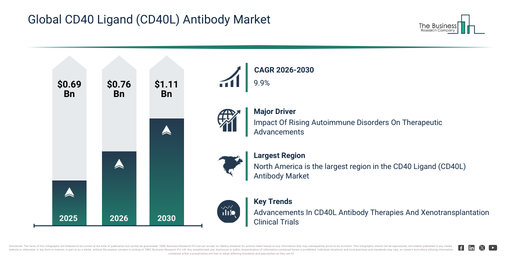
  • Impact Of Rising Autoimmune Disorders On Therapeutic Advancements Is Supporting Development Across The CD40 Ligand (CD40L) Antibody Market

    Impact Of Rising Autoimmune Disorders On Therapeutic Advancements Is Supporting Development Across The CD40 Ligand (CD40L) Antibody Market

    The Business Research Company’s 2026 market reports feature advanced enhancements such as market attractiveness analysis, total addressable market evaluation, company benchmarking matrices, interactive Excel dashboards, expanded supply chain intelligence, emerging startup coverage, and detailed product insights, delivering more actionable and strategically valuable research.

    How Will The Market Value Of The CD40 Ligand (CD40L) Antibody Market Change Between 2026 And 2030?

    The cd40 ligand (cd40l) antibody market has experienced rapid expansion in recent years. Its value is projected to increase from $0.69 billion in 2025 to $0.76 billion in 2026, demonstrating a compound annual growth rate (CAGR) of 10.0%. The factors contributing to this past growth include breakthroughs in immunology research, a rising prevalence of autoimmune diseases, advancements in biologics development, an increase in research funding, and enhancements in antibody engineering.

    The cd40 ligand (cd40l) antibody market size is anticipated to expand significantly over the next few years. It is projected to achieve a valuation of $1.11 billion by 2030, with a compound annual growth rate (CAGR) of 9.9%. This expansion during the forecast period is attributable to the growth in immunotherapy pipelines, a rise in transplant procedures, the broadening of targeted immune therapies, increasing clinical trial engagement, and growing investments in biotechnology. Prominent trends for the forecast period include escalating research in immune modulation therapies, the increasing creation of monoclonal cd40l antibodies, a heightened focus on autoimmune and transplant indications, the expansion of preclinical and clinical studies, and augmented collaboration between pharmaceutical companies and research institutions.

    Download A Free Sample Report For Comprehensive Market Insights:

    https://www.thebusinessresearchcompany.com/sample.aspx?id=21132&type=smp

    Which Core Factors Are Supporting The Expansion Of The CD40 Ligand (CD40L) Antibody Market?

    The CD40 ligand (CD40L) antibody market is projected to grow in the future due to the increasing prevalence of autoimmune disorders. Autoimmune disorders develop when the immune system mistakenly attacks the body’s own cells, causing damage, including conditions such as rheumatoid arthritis, lupus, and type 1 diabetes. The rising incidence of these disorders can be attributed to several factors, including environmental triggers, genetic predisposition, lifestyle modifications, and enhanced diagnostic awareness, all contributing to higher detection and occurrence rates. CD40 Ligand (CD40L) antibodies are emerging as a potential therapeutic option for managing autoimmune disorders by modulating the immune system’s overactive response. For instance, in May 2023, according to the University of Oxford, a UK-based research university, autoimmune disorders affect about one in ten individuals, with 13% of women and 7% of men impacted across 19 studied autoimmune diseases. Therefore, the increasing occurrences of autoimmune disorders are driving the expansion of the CD40 ligand (CD40L) antibody market.

    How Is Segment Classification Applied In The CD40 Ligand (CD40L) Antibody Market?

    The cd40 ligand (cd40l) antibody market covered in this report is segmented –

    1) By Type: Monoclonal Antibody, Polyclonal Antibody

    2) By Application: Flow Cytometry, Enzyme-Linked Immunosorbent Assay (ELISA), Western Blot, Immunoprecipitation, Immunofluorescence, Other Applications

    3) By End-User: Hospitals, Research Institutes, Specialty Clinics, Other End-Users

    Subsegments:

    1) By Monoclonal Antibody: Fully Human Monoclonal Antibodies, Humanized Monoclonal Antibodies, Chimeric Monoclonal Antibodies

    2) By Polyclonal Antibody: Rabbit Polyclonal Antibodies, Goat Polyclonal Antibodies, Mouse Polyclonal Antibodies

    What Trends Are Affecting The CD40 Ligand (CD40L) Antibody Market Dynamics?

    Leading firms within the CD40 ligand (CD40L) antibody market are concentrating their efforts on progressing clinical trials and broadening the range of therapeutic uses, such as CD40L-targeted immunomodulated xenotransplantation to improve graft survival in genetically modified porcine-to-human heart transplants. This particular method, CD40L-targeted immunomodulated xenotransplantation, involves interspecies transplantation of organs, tissues, or cells, where specific therapies inhibiting the CD40 ligand (CD40L) pathway are employed to regulate the recipient’s immune response, thereby diminishing organ rejection and enhancing graft survival. Illustratively, in September 2023, the US-based biotechnology firm Eledon Pharmaceuticals Inc. disclosed the inclusion of its Tegoprubart anti-CD40L antibody in a clinical trial subsequent to the second successful genetically modified pig heart transplant. The objective of this trial was to evaluate its effectiveness in averting organ rejection and extending therapeutic applications within organ transplantation. Furthermore, Tegoprubart has demonstrated promise in addressing autoimmune conditions by modulating immune system responses.

    Who Are The Companies Shaping The CD40 Ligand (CD40L) Antibody Market Landscape?

    Major companies operating in the cd40 ligand (cd40l) antibody market are Thermo Fisher Scientific Co. Ltd., Amgen Inc., Bio-Rad Laboratories Inc., Bio-Techne Corporation, Kiniksa Pharmaceuticals Ltd., BioLegend, Cytek Biosciences Inc., Sino Biological Inc., ACROBiosystems, Elabscience Biotechnology Inc., Cayman Chemical, Eledon Pharmaceuticals, Cell Signaling Technology, Enzo Biochem, GeneTex, GeminiBio, Creative Biolabs, BPS Bioscience Inc., LSBio, MyBiosource Inc., Boster Biological Technology, Bio X Cell, Assay Genie, Abeomics, Leinco Technologies Inc.

    Access The Complete CD40 Ligand (CD40L) Antibody Market Report:

    https://www.thebusinessresearchcompany.com/report/cd40-ligand-cd40l-antibody-global-market-report

    Which Region Stands As The Largest Contributor To The CD40 Ligand (CD40L) Antibody Market?

    North America was the largest region in the CD40 ligand (CD40L) antibody market in 2025. Asia-Pacific is expected to be the fastest-growing region in the forecast period. The regions covered in the cd40 ligand (cd40l) antibody market report are Asia-Pacific, South East Asia, Western Europe, Eastern Europe, North America, South America, Middle East, Africa.

    Access CD40 Ligand (CD40L) Antibody Market Report for Deeper Competitive Insights

    https://www.thebusinessresearchcompany.com/sample.aspx?id=21132&type=smp

    Browse Through More Reports Similar to the Global CD40 Ligand (CD40L) Antibody Market 2026, By The Business Research Company

    Monoclonal Antibodies Market Report 2026

    https://www.thebusinessresearchcompany.com/report/monoclonal-antibodies-global-market-report

    Next Generation Antibody Therapeutics Market Report 2026

    https://www.thebusinessresearchcompany.com/report/next-generation-antibody-therapeutics-global-market-report

    Monoclonal Antibodies Market Report 2026

    https://www.thebusinessresearchcompany.com/report/monoclonal-antibodies-global-market-report

    Get in touch with us:

    The Business Research Company: https://www.thebusinessresearchcompany.com/

    Americas: +1 310-496-7795

    Asia: +44 7882 955267 & +91 8897263534

    Europe: +44 7882 955267

    Email us at: marketing@tbrc.info

    Follow us on:

    LinkedIn: https://in.linkedin.com/company/the-business-research-company

    YouTube: https://www.youtube.com/channel/UC24_fI0rV8cR5DxlCpgmyFQ

    Global Market Model: https://www.thebusinessresearchcompany.com/global-market-model
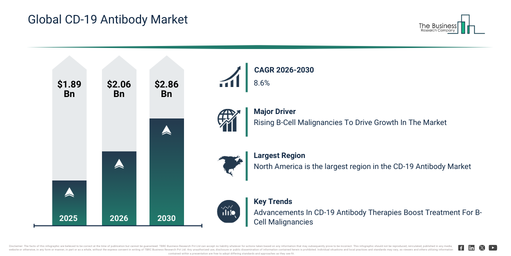
  • Rising B-Cell Malignancies To Drive Growth In The Market Is Supporting Development Across The CD-19 Antibody Market

    Rising B-Cell Malignancies To Drive Growth In The Market Is Supporting Development Across The CD-19 Antibody Market

    The Business Research Company’s 2026 market reports feature advanced enhancements such as market attractiveness analysis, total addressable market evaluation, company benchmarking matrices, interactive Excel dashboards, expanded supply chain intelligence, emerging startup coverage, and detailed product insights, delivering more actionable and strategically valuable research.

    What Is The Forecasted Rise In Market Size Of The CD-19 Antibody Market During The Forecast Period?

    The cd-19 antibody market has experienced significant expansion in recent years. It is projected to increase from $1.89 billion in 2025 to $2.06 billion in 2026, exhibiting a compound annual growth rate (CAGR) of 8.7%. This historic growth is attributable to advances in monoclonal antibody technology, the increasing incidence of leukemia and lymphoma, the expansion of immunotherapy approvals, growth in oncology research, and increased funding in hematology.

    The cd-19 antibody market size is projected for substantial expansion in the coming years. This market is anticipated to reach $2.86 billion by 2030, demonstrating a compound annual growth rate (CAGR) of 8.6%. The anticipated growth during the forecast period stems from factors such as advancements in cell and gene therapies, broader adoption of precision oncology, the widening scope of combination immunotherapies, a surge in cancer prevalence, and the proliferation of specialty oncology centers. Key developments expected over this period encompass a heightened utilization of cd19-targeted immunotherapies, increased application in treating b-cell malignancies, deeper integration with CAR-T cell therapies, accelerated development of monoclonal antibodies, and a sharpened focus on precision hematologic oncology.

    Download A Free Sample Report For Comprehensive Market Insights:

    https://www.thebusinessresearchcompany.com/sample.aspx?id=21130&type=smp

    What Are The Main Drivers Accelerating The Growth Of The CD-19 Antibody Market?

    The increasing occurrence of B-cell malignancies is anticipated to boost the expansion of the CD-19 antibody market in the future. These malignancies are a category of cancers stemming from irregular B lymphocytes, encompassing conditions like B-cell lymphomas and leukemias, which impact the immune system and can result in unregulated cellular proliferation. The growing incidence of B-cell malignancies is linked to various elements, including an aging demographic, genetic predispositions, environmental influences, lifestyle choices, enhanced diagnostic methods, and alterations in the immune system. The CD19 antibody offers a therapeutic approach for B-cell malignancies by precisely targeting the CD19 protein found on the exterior of cancerous B cells, which facilitates their elimination while preserving healthy cells and strengthening the body’s immune defense. To illustrate, the American Cancer Society, a US-based non-profit organization, projected that in the USA in January 2024, approximately 80,620 individuals would be diagnosed with non-Hodgkin lymphoma, and an estimated 20,240 fatalities, consisting of 44,590 males and 36,030 females, would occur from this condition. Consequently, the increasing prevalence of B-cell malignancies is propelling the expansion of the CD-19 antibody market.

    What Are The Core Segment Classifications In The CD-19 Antibody Market?

    The cd-19 antibody market covered in this report is segmented –

    1) By Disease Type: B-Cell Non-Hodgkin Lymphoma, Chronic Lymphocytic Leukemia, Acute Lymphoblastic Leukemia, Other Disease Types

    2) By Type: Polyclonal, Monoclonal

    3) By Route Of Administration: Intravenous, Subcutaneous

    4) By Application: Enzyme Linked Immunosorbent Assay, Flow Cytometry, Immunohistochemistry Frozen, Immunohistochemistry Paraffin, Other Applications

    Subsegments:

    1) By B-Cell Non-Hodgkin Lymphoma: Diffuse Large B-Cell Lymphoma (DLBCL), Follicular Lymphoma, Mantle Cell Lymphoma

    2) By Chronic Lymphocytic Leukemia: Relapsed Or Refractory CLL, Treatment-Naïve CLL

    3) By Acute Lymphoblastic Leukemia: B-Cell Precursor ALL, Philadelphia Chromosome-Positive ALL

    4) By Other Disease Types: Hairy Cell Leukemia, Waldenström’s Macroglobulinemia, Marginal Zone Lymphoma

    Which Trends Are Influencing The Expansion Of The CD-19 Antibody Market?

    Leading firms within the CD-19 antibody market are concentrating on advancing technological breakthroughs, like genetically modified autologous T-cell immunotherapy, to improve the effectiveness of cancer therapies, especially for blood cancers. This type of immunotherapy involves genetically altering a patient’s own T cells to identify and target cancer cells, subsequently reinfusing them into the patient to boost the body’s immune defense against the illness. As an illustration, in November 2024, Autolus Therapeutics plc, a US-based biopharmaceutical firm, declared the U.S. FDA’s authorization of AUCATZYL (obecabtagene autoleucel) for managing adult patients suffering from relapsed or refractory B-cell precursor acute lymphoblastic leukemia (ALL). The formulation is designed to mitigate excessive T-cell activation, consequently reducing toxicity and prolonging the viability of the therapeutic cells. Administration occurs through a split-dose infusion on days 1 and 10, with dosage tailored according to a bone marrow evaluation conducted before therapy.

    Which Industry Players Are Present In The CD-19 Antibody Market?

    Major companies operating in the cd-19 antibody market are Pfizer Inc., F. Hoffmann-La Roche Ltd., AstraZeneca plc, Novartis AG, Thermo Fisher Scientific Inc., Amgen Inc., Bio-Rad Laboratories Inc., Miltenyi Biotec GmbH, Abcam Plc, Kite Pharma Inc., BioLegend Inc., Xencor Inc., Juno Therapeutics Inc., BD Biosciences, Zenas BioPharma Inc., Cell Signaling Technology Inc., Santa Cruz Biotechnology Inc., Novus Biologicals LLC, Tonbo Biosciences Inc., Bio X Cell Inc.

    Access The Complete CD-19 Antibody Market Report:

    https://www.thebusinessresearchcompany.com/report/cd-19-antibody-global-market-report

    What Is The Largest Regional Market In The CD-19 Antibody Market?

    North America was the largest region in the CD-19 antibody market in 2025. The regions covered in the cd-19 antibody market report are Asia-Pacific, South East Asia, Western Europe, Eastern Europe, North America, South America, Middle East, Africa.

    Access CD-19 Antibody Market Report for Deeper Competitive Insights

    https://www.thebusinessresearchcompany.com/sample.aspx?id=21130&type=smp

    Browse Through More Reports Similar to the Global CD-19 Antibody Market 2026, By The Business Research Company

    Monoclonal Antibodies Market Report 2026

    https://www.thebusinessresearchcompany.com/report/monoclonal-antibodies-global-market-report

    Next Generation Antibody Therapeutics Market Report 2026

    https://www.thebusinessresearchcompany.com/report/next-generation-antibody-therapeutics-global-market-report

    Polyclonal Antibodies Market Report 2026

    https://www.thebusinessresearchcompany.com/report/polyclonal-antibodies-global-market-report

    Get in touch with us:

    The Business Research Company: https://www.thebusinessresearchcompany.com/

    Americas: +1 310-496-7795

    Asia: +44 7882 955267 & +91 8897263534

    Europe: +44 7882 955267

    Email us at: marketing@tbrc.info

    Follow us on:

    LinkedIn: https://in.linkedin.com/company/the-business-research-company

    YouTube: https://www.youtube.com/channel/UC24_fI0rV8cR5DxlCpgmyFQ

    Global Market Model: https://www.thebusinessresearchcompany.com/global-market-model

  • Rising B-Cell Malignancies To Drive Growth In The Market Is Supporting Development Across The CD-19 Antibody Market

    The Business Research Company’s 2026 market reports feature advanced enhancements such as market attractiveness analysis, total addressable market evaluation, company benchmarking matrices, interactive Excel dashboards, expanded supply chain intelligence, emerging startup coverage, and detailed product insights, delivering more actionable and strategically valuable research.

    What Is The Forecasted Rise In Market Size Of The CD-19 Antibody Market During The Forecast Period?

    The cd-19 antibody market has experienced significant expansion in recent years. It is projected to increase from $1.89 billion in 2025 to $2.06 billion in 2026, exhibiting a compound annual growth rate (CAGR) of 8.7%. This historic growth is attributable to advances in monoclonal antibody technology, the increasing incidence of leukemia and lymphoma, the expansion of immunotherapy approvals, growth in oncology research, and increased funding in hematology.

    The cd-19 antibody market size is projected for substantial expansion in the coming years. This market is anticipated to reach $2.86 billion by 2030, demonstrating a compound annual growth rate (CAGR) of 8.6%. The anticipated growth during the forecast period stems from factors such as advancements in cell and gene therapies, broader adoption of precision oncology, the widening scope of combination immunotherapies, a surge in cancer prevalence, and the proliferation of specialty oncology centers. Key developments expected over this period encompass a heightened utilization of cd19-targeted immunotherapies, increased application in treating b-cell malignancies, deeper integration with CAR-T cell therapies, accelerated development of monoclonal antibodies, and a sharpened focus on precision hematologic oncology.

    Download A Free Sample Report For Comprehensive Market Insights:

    https://www.thebusinessresearchcompany.com/sample.aspx?id=21130&type=smp

    What Are The Main Drivers Accelerating The Growth Of The CD-19 Antibody Market?

    The increasing occurrence of B-cell malignancies is anticipated to boost the expansion of the CD-19 antibody market in the future. These malignancies are a category of cancers stemming from irregular B lymphocytes, encompassing conditions like B-cell lymphomas and leukemias, which impact the immune system and can result in unregulated cellular proliferation. The growing incidence of B-cell malignancies is linked to various elements, including an aging demographic, genetic predispositions, environmental influences, lifestyle choices, enhanced diagnostic methods, and alterations in the immune system. The CD19 antibody offers a therapeutic approach for B-cell malignancies by precisely targeting the CD19 protein found on the exterior of cancerous B cells, which facilitates their elimination while preserving healthy cells and strengthening the body’s immune defense. To illustrate, the American Cancer Society, a US-based non-profit organization, projected that in the USA in January 2024, approximately 80,620 individuals would be diagnosed with non-Hodgkin lymphoma, and an estimated 20,240 fatalities, consisting of 44,590 males and 36,030 females, would occur from this condition. Consequently, the increasing prevalence of B-cell malignancies is propelling the expansion of the CD-19 antibody market.

    What Are The Core Segment Classifications In The CD-19 Antibody Market?

    The cd-19 antibody market covered in this report is segmented –

    1) By Disease Type: B-Cell Non-Hodgkin Lymphoma, Chronic Lymphocytic Leukemia, Acute Lymphoblastic Leukemia, Other Disease Types

    2) By Type: Polyclonal, Monoclonal

    3) By Route Of Administration: Intravenous, Subcutaneous

    4) By Application: Enzyme Linked Immunosorbent Assay, Flow Cytometry, Immunohistochemistry Frozen, Immunohistochemistry Paraffin, Other Applications

    Subsegments:

    1) By B-Cell Non-Hodgkin Lymphoma: Diffuse Large B-Cell Lymphoma (DLBCL), Follicular Lymphoma, Mantle Cell Lymphoma

    2) By Chronic Lymphocytic Leukemia: Relapsed Or Refractory CLL, Treatment-Naïve CLL

    3) By Acute Lymphoblastic Leukemia: B-Cell Precursor ALL, Philadelphia Chromosome-Positive ALL

    4) By Other Disease Types: Hairy Cell Leukemia, Waldenström’s Macroglobulinemia, Marginal Zone Lymphoma

    Which Trends Are Influencing The Expansion Of The CD-19 Antibody Market?

    Leading firms within the CD-19 antibody market are concentrating on advancing technological breakthroughs, like genetically modified autologous T-cell immunotherapy, to improve the effectiveness of cancer therapies, especially for blood cancers. This type of immunotherapy involves genetically altering a patient’s own T cells to identify and target cancer cells, subsequently reinfusing them into the patient to boost the body’s immune defense against the illness. As an illustration, in November 2024, Autolus Therapeutics plc, a US-based biopharmaceutical firm, declared the U.S. FDA’s authorization of AUCATZYL (obecabtagene autoleucel) for managing adult patients suffering from relapsed or refractory B-cell precursor acute lymphoblastic leukemia (ALL). The formulation is designed to mitigate excessive T-cell activation, consequently reducing toxicity and prolonging the viability of the therapeutic cells. Administration occurs through a split-dose infusion on days 1 and 10, with dosage tailored according to a bone marrow evaluation conducted before therapy.

    Which Industry Players Are Present In The CD-19 Antibody Market?

    Major companies operating in the cd-19 antibody market are Pfizer Inc., F. Hoffmann-La Roche Ltd., AstraZeneca plc, Novartis AG, Thermo Fisher Scientific Inc., Amgen Inc., Bio-Rad Laboratories Inc., Miltenyi Biotec GmbH, Abcam Plc, Kite Pharma Inc., BioLegend Inc., Xencor Inc., Juno Therapeutics Inc., BD Biosciences, Zenas BioPharma Inc., Cell Signaling Technology Inc., Santa Cruz Biotechnology Inc., Novus Biologicals LLC, Tonbo Biosciences Inc., Bio X Cell Inc.

    Access The Complete CD-19 Antibody Market Report:

    https://www.thebusinessresearchcompany.com/report/cd-19-antibody-global-market-report

    What Is The Largest Regional Market In The CD-19 Antibody Market?

    North America was the largest region in the CD-19 antibody market in 2025. The regions covered in the cd-19 antibody market report are Asia-Pacific, South East Asia, Western Europe, Eastern Europe, North America, South America, Middle East, Africa.

    Access CD-19 Antibody Market Report for Deeper Competitive Insights

    https://www.thebusinessresearchcompany.com/sample.aspx?id=21130&type=smp

    Browse Through More Reports Similar to the Global CD-19 Antibody Market 2026, By The Business Research Company

    Monoclonal Antibodies Market Report 2026

    https://www.thebusinessresearchcompany.com/report/monoclonal-antibodies-global-market-report

    Next Generation Antibody Therapeutics Market Report 2026

    https://www.thebusinessresearchcompany.com/report/next-generation-antibody-therapeutics-global-market-report

    Polyclonal Antibodies Market Report 2026

    https://www.thebusinessresearchcompany.com/report/polyclonal-antibodies-global-market-report

    Get in touch with us:

    The Business Research Company: https://www.thebusinessresearchcompany.com/

    Americas: +1 310-496-7795

    Asia: +44 7882 955267 & +91 8897263534

    Europe: +44 7882 955267

    Email us at: marketing@tbrc.info

    Follow us on:

    LinkedIn: https://in.linkedin.com/company/the-business-research-company

    YouTube: https://www.youtube.com/channel/UC24_fI0rV8cR5DxlCpgmyFQ

    Global Market Model: https://www.thebusinessresearchcompany.com/global-market-model