Category: Pharmaceuticals

  • Doxorubicin Market To Witness 7.2% CAGR Growth Through 2030: Key Industry Drivers

    Doxorubicin Market To Witness 7.2% CAGR Growth Through 2030: Key Industry Drivers

    Built to provide research that’s more actionable and strategically valuable, The Business Research Company’s 2026 market reports include market attractiveness analysis, total addressable market sizing, company benchmarking matrices, interactive Excel dashboards, broader supply chain intelligence, emerging startup tracking, and in-depth product insights.

    Doxorubicin Market Forecast: Value Set To Climb From $1.51 Billion To $2 Billion

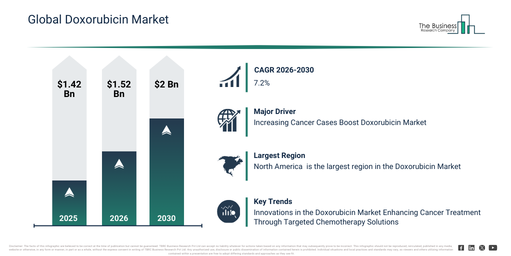
    The doxorubicin market has experienced robust expansion in recent times. Forecasts indicate its size will increase from $1.42 billion in 2025 to $1.52 billion in 2026, demonstrating a compound annual growth rate (CAGR) of 6.9%. Historically, this expansion has been driven by factors such as the rising global incidence of cancer, the broad acceptance of anthracyclines in clinical practice, the development of hospital oncology facilities, an increase in chemotherapy-based treatment approaches, and the prominent integration into national cancer treatment guidelines.

    The doxorubicin market size is projected to undergo significant expansion in the coming years. It is forecast to reach a value of $2 billion by 2030, demonstrating a compound annual growth rate (CAGR) of 7.2%. This expected increase during the forecast period is propelled by the growing need for affordable cancer therapies, the advancement of liposomal and targeted drug delivery systems, improved access to cancer care in developing territories, an increase in approvals for generic formulations, and heightened investment in oncology drug production. Prominent trends anticipated in the forecast period involve the rising acceptance of liposomal doxorubicin formulations, broader application in combination chemotherapy regimens, a growing demand for generic and biosimilar anthracyclines, the broadening of oncology treatment in emerging economies, and enhanced safety and cardiotoxicity management procedures.

    Get A Free Sample Report With In-Depth Market Insights:

    https://thebusinessresearchcompany.com/sample_request?id=73406141&type=smp&name=Doxorubicin%20Market%20Report%202026&utm_source=Blogs&utm_medium=Paid&utm_campaign=Oct_PR

    Doxorubicin Market Opportunity Drivers: What’s Unlocking New Revenue Potential?

    The rising occurrence of cancer is anticipated to propel the doxorubicin market. Cancer constitutes a set of illnesses characterized by the abnormal and uncontrolled proliferation of cells. Doxorubicin, a frequently utilized antibiotic in chemotherapy, addresses various cancer forms by impeding cancer cell growth through DNA damage. Consequently, the escalating incidence of cancer has fueled a greater need for doxorubicin. For example, figures released in January 2024 by the American Cancer Society, a non-profit organization based in the US, indicate that the United States is forecast to record 2,001,140 new cancer diagnoses and 611,720 fatalities from cancer in 2024, an increase compared to 1,958,310 cases and 609,820 deaths reported in 2023. Therefore, the expanding number of cancer patients is a significant impetus for the doxorubicin market.

    Doxorubicin Market Segment Landscape: Which Areas Lead Development?

    The doxorubicin market covered in this report is segmented –

    1) By Drug Formulation: Lyophilized Powder, Doxorubicin Injection

    2) By Application: Breast Cancer, Kidney Cancer, Liver Cancer, Sarcoma, Ovarian Cancer, Lung Cancer, Leukemia, Multiple Myeloma, Other Applications

    3) By Distribution Channel: Hospital Pharmacy, Retail Pharmacy, Online Pharmacy

    Subsegments:

    1) By Lyophilized Powder: Reconstituted Formulations, Freeze-Dried Preparations

    2) By Doxorubicin Injection: Ready-To-Use Solutions, Concentrated Solutions For Dilution, Liposomal Doxorubicin Injections

    Doxorubicin Market Innovation Trends Shaping Future Development

    Leading companies in the doxorubicin market are prioritizing the creation of innovative products, including chemotherapy medications, to boost treatment efficacy and lessen side effects for cancer patients. Chemotherapy medications are drugs employed in cancer treatment to specifically target and eliminate rapidly dividing cancer cells. While they can sometimes impact healthy cells, causing adverse reactions, ongoing developments aim to increase their precision and mitigate these effects. For instance, in August 2024, Lupin Limited, an India-based pharmaceutical company, introduced Doxorubicin Hydrochloride Liposome Injection. This injection is administered to treat advanced ovarian cancer, AIDS-related Kaposi’s sarcoma, and multiple myeloma. Its specialized liposomal formulation allows for targeted delivery, which in turn reduces systemic side effects and improves patient tolerance. This strategy significantly enhances treatment efficacy, establishing it as a crucial option within oncology therapies.

    Doxorubicin Market Industry Leaders And Competitive Landscape

    Major companies operating in the doxorubicin market are Pfizer Inc., Johnson and Johnson, Baxter International Inc., Teva Pharmaceutical Industries Ltd., Dr. Reddy’s Laboratories Ltd., Cipla Limited, Hikma Pharmaceuticals, Mylan Pharmaceuticals Inc., Accord Healthcare Ltd., TTY Biopharm Company Limited, Cadila Pharmaceuticals, Neon Laboratories Limited, APP Pharmaceuticals Manufacturing LLC, Sun Pharmaceutical Industries Ltd., Transo-Pharm Handels GmbH, LGM Pharma, Zhejiang Hisun Pharma, Actavis Pharma, Celon Laboratories Limited, Samarth Life Sciences Pvt. Ltd

    View The Full Doxorubicin Market Report:

    https://thebusinessresearchcompany.com/report/doxorubicin-global-market-report?utm_source=Blogs&utm_medium=Paid&utm_campaign=Oct_PR

    Doxorubicin Market Geographic Landscape: Which Region Dominates Industry Growth?

    North America was the largest region in the doxorubicin market in 2025. Asia-Pacific is expected to be the fastest-growing region in the forecast period. The regions covered in the doxorubicin market report are Asia-Pacific, South East Asia, Western Europe, Eastern Europe, North America, South America, Middle East, Africa.

    Reach Out To Our Team:

    The Business Research Company: https://www.thebusinessresearchcompany.com/

    Americas: +1 310-496-7795

    Asia: +44 7882 955267 & +91 8897263534

    Europe: +44 7882 955267

    Email us at: marketing@tbrc.info

    Follow us on:

    LinkedIn: https://in.linkedin.com/company/the-business-research-company

    YouTube: https://www.youtube.com/channel/UC24_fI0rV8cR5DxlCpgmyFQ

    Global Market Model: https://www.thebusinessresearchcompany.com/global-market-model
  • Dopamine Agonists Market Projected For Strong Expansion Through 2030: Key Trends And Future Outlook

    Dopamine Agonists Market Projected For Strong Expansion Through 2030: Key Trends And Future Outlook

    Backed by market attractiveness analysis, total addressable market sizing, company benchmarking matrices, interactive Excel dashboards, wider supply chain intelligence, emerging startup coverage, and detailed product-level insights, The Business Research Company’s 2026 market reports are designed to offer research that is more actionable and strategically valuable than ever.

    Dopamine Agonists Market Revenue Growth On Track For A 7.1% CAGR Through 2030

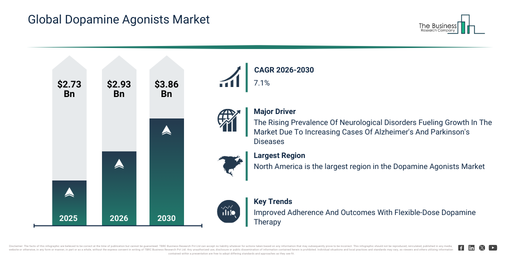
    The dopamine agonists market has experienced strong expansion in recent years. It is anticipated to increase in value from $2.73 billion in 2025 to $2.93 billion in 2026, demonstrating a compound annual growth rate (CAGR) of 7.3%. This historical growth can be attributed to factors such as the rising prevalence of Parkinson’s disease, the initial clinical success of dopamine therapies, the limited availability of alternative treatments for movement disorders, the expansion of neurology care centers, and improved rates of diagnosis.

    The dopamine agonists market is anticipated to experience robust expansion over the coming years. Its valuation is projected to reach $3.86 billion by 2030, exhibiting a compound annual growth rate (CAGR) of 7.1%. This projected growth during the forecast period is primarily driven by factors such as an increasingly elderly global population, the escalating prevalence of neurological disorders, the necessity for enhanced motor symptom management, the expansion of neurological care provided in home settings, and the innovation of formulations that are more convenient for patients. Key trends anticipated within this period encompass the increasing application in Parkinson’s disease treatment, the expanding embrace of non-ergot dopamine agonists, a heightened inclination towards formulations with prolonged action, the wider availability of transdermal administration methods, and a greater deployment in cases of restless legs syndrome.

    Get A Free Sample Report With In-Depth Market Insights:

    https://thebusinessresearchcompany.com/sample_request?id=11206521&type=smp&name=Dopamine%20Agonists%20Market%20Report%202026&utm_source=Blogs&utm_medium=Paid&utm_campaign=Oct_PR

    Dopamine Agonists Market Growth Momentum: What Factors Are Shaping Demand?

    The dopamine agonist market is anticipated to expand due to the increasing occurrence of neurological disorders, which are conditions impacting the brain, spine, or nerves, leading to difficulties with movement, thought processes, or behavior. The growth in the prevalence of neurological disorders is partly linked to extended life expectancies, as the likelihood of conditions such as Alzheimer’s and Parkinson’s increases with age. Dopamine agonists serve to manage neurological disorders, including Parkinson’s disease, by activating dopamine receptors in the brain, thereby enhancing control and alleviating symptoms. For example, in 2024, the Alzheimer’s Disease Facts and Figures report by the Alzheimer’s Association, a US-based nonprofit voluntary health organization that focuses on Alzheimer’s disease care, support, and research, indicated that in 2022, 6.5 million Americans aged 65 and older were diagnosed with Alzheimer’s dementia, a figure projected to rise to 6.9 million in 2024. Consequently, the growing incidence of neurological disorders will fuel the expansion of the dopamine agonist market.

    Dopamine Agonists Market Segments: Where Is Growth Concentrated?

    The dopamine agonists market covered in this report is segmented –

    1) By Product Type: Ergot Based Dopamine Agonists, Non Ergot Based Dopamine Agonists

    2) By Route of Administration: Oral, Parenteral, Transdermal Patches

    3) By Distribution Channel: Hospital Pharmacies, Retail Pharmacies, Other Pharmacies

    4) By Application: Parkinson’s Disease, Restless Legs Syndrome (RLS), Hyperprolactinemia

    5) By End User: Hospitals, Clinics, Home Care Settings

    Subsegments:

    1) By Ergot-Based Dopamine Agonists: Bromocriptine, Cabergoline, Pergolide

    2) By Non-Ergot-Based Dopamine Agonists: Pramipexole, Ropinirole, Rotigotine, Apomorphine

    Dopamine Agonists Market Trends Redefining Industry Growth

    Companies operating in the dopamine agonists market are concentrating on innovations like flexible-dose monotherapy to boost patient adherence, minimize side effects, and offer more individualized treatment options for neurological disorders. This approach involves a single medication with adaptable dosing, enabling doctors to customize the amount for each patient’s specific needs and response. For example, in December 2024, AbbVie Inc., a US-based biopharmaceutical company, reported positive topline results from its Phase 3 TEMPO-2 trial, showing that investigational tavapadon, a flexible-dose monotherapy (5-15 mg once daily), significantly improved motor function in early Parkinson’s disease patients. The trial successfully met its primary endpoint with a notable reduction in MDS-UPDRS Parts II and III scores and achieved key secondary endpoints, demonstrating meaningful improvement in daily motor activities. Tavapadon is the first D1/D5 partial agonist currently being investigated for once-daily Parkinson’s treatment.

    Dopamine Agonists Market Key Participants And Competitive Landscape

    Major companies operating in the dopamine agonists market are Boehringer Ingelheim International GmbH, Teva Pharmaceutical Industries Ltd., Intas Pharmaceuticals Ltd., Dr. Reddy’s Laboratories Ltd., Lupin Limited, Luye Pharma Group Ltd., Kissei Pharmaceutical Co. Ltd., Sun Pharmaceutical Industries Ltd., Aurobindo Pharma Limited, Cipla Limited, Torrent Pharmaceuticals Ltd., Zydus Lifesciences Ltd., Glenmark Pharmaceuticals Ltd., Alembic Pharmaceuticals Ltd., Hetero Drugs Ltd., Mylan N.V., Sandoz Group AG, Hikma Pharmaceuticals PLC, Apotex Inc., Alkem Laboratories Ltd

    View The Full Dopamine Agonists Market Report:

    https://thebusinessresearchcompany.com/report/dopamine-agonists-global-market-report?utm_source=Blogs&utm_medium=Paid&utm_campaign=Oct_PR

    Dopamine Agonists Market Largest Region: Which Geography Holds The Highest Market Share?

    North America was the largest region in the dopamine agonists market in 2025. Asia-Pacific is expected to be the fastest-growing region in the forecast period. The regions covered in the dopamine agonists market report are Asia-Pacific, South East Asia, Western Europe, Eastern Europe, North America, South America, Middle East, Africa.

    Reach Out To Our Team:

    The Business Research Company: https://www.thebusinessresearchcompany.com/

    Americas: +1 310-496-7795

    Asia: +44 7882 955267 & +91 8897263534

    Europe: +44 7882 955267

    Email us at: marketing@tbrc.info

    Follow us on:

    LinkedIn: https://in.linkedin.com/company/the-business-research-company

    YouTube: https://www.youtube.com/channel/UC24_fI0rV8cR5DxlCpgmyFQ

    Global Market Model: https://www.thebusinessresearchcompany.com/global-market-model
  • Neck Pain Treatment Solutions Market Analysis: How The Industry Is Evolving Toward A $8.78 Billion Future

    Neck Pain Treatment Solutions Market Analysis: How The Industry Is Evolving Toward A $8.78 Billion Future

    Backed by market attractiveness analysis, total addressable market sizing, company benchmarking matrices, interactive Excel dashboards, wider supply chain intelligence, emerging startup coverage, and detailed product-level insights, The Business Research Company’s 2026 market reports are designed to offer research that is more actionable and strategically valuable than ever.

    Neck Pain Treatment Solutions Market Expansion Outlook: What Revenue Opportunities Are Ahead?

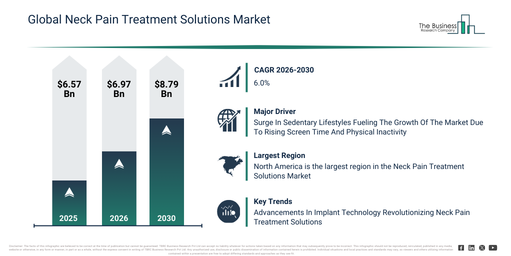
    The neck pain treatment solutions market has demonstrated substantial growth in recent years. Its valuation is anticipated to increase from $6.57 billion in 2025 to $6.97 billion in 2026, at a compound annual growth rate (CAGR) of 6.1%. Historically, this expansion has been driven by increasing sedentary lifestyles, rising workplace-related musculoskeletal disorders, a growing aging population, the expansion of physiotherapy services, and increased use of pain management medications.

    The neck pain treatment solutions market is anticipated to show significant expansion in the upcoming years. Its value is expected to reach $8.79 billion by 2030, growing at a compound annual growth rate (CAGR) of 6.0%. This projected growth stems from several factors, including the spread of remote work culture, a rising demand for sustained pain management, advancements in devices for pain relief, increased understanding of posture-related conditions, and the development of digital rehabilitation platforms. Prominent trends for this period include a greater adoption of diverse neck pain therapies, increased use of at-home neck pain remedies, a growing preference for treatments that are not invasive, the expansion of pain management through telehealth, and a heightened need for solutions focused on ergonomics and prevention.

    Get A Free Sample Report With In-Depth Market Insights:

    https://thebusinessresearchcompany.com/sample_request?id=95758916&type=smp&name=Neck%20Pain%20Treatment%20Solutions%20Market%20Report%202026&utm_source=Blogs&utm_medium=Paid&utm_campaign=Oct_PR

    Neck Pain Treatment Solutions Market Industry Drivers: What’s Behind The Revenue Growth?

    The growing trend of sedentary lifestyles is anticipated to boost the neck pain treatment solutions market in the coming years. Sedentary lifestyles are characterized by extended periods of physical inactivity, often involving prolonged sitting or lying down, which can contribute to various health issues, including discomfort in the neck. The increase in these inactive habits largely stems from extended screen time, which promotes prolonged sitting and reduces physical movement, leading to problems such as neck pain and poor posture. Neck pain treatment solutions provide targeted therapies aimed at alleviating discomfort, improving posture, and encouraging movement, thereby counteracting the negative impacts of prolonged sitting. For instance, in December 2023, the Australian Bureau Of Statistics, an Australia-based government body, reported that roughly 23.9% of people aged 15+ met physical activity guidelines, while 46.9% of employed adults aged 18–64 spent most of their workday sitting. Thus, the expansion of sedentary lifestyles is propelling the growth of the neck pain treatment solutions market.

    Neck Pain Treatment Solutions Market Breakdown By Product Type And Application

    The neck pain treatment solutions market covered in this report is segmented –

    1) By Product Type: Pharmaceuticals, Medical Devices, Physical Therapy, Alternative Treatments

    2) By Patient Age: Adults, Seniors

    3) By Pain Severity: Acute Neck Pain, Chronic Neck Pain, Persistent Neck Pain, Intermittent Neck Pain

    4) By Treatment Setting: In-Clinic Treatments, Home Care Solutions, Telehealth Services, Rehabilitation Centers, Hospital Visits

    5) By Distribution Channel: Online Pharmacies, Retail Pharmacies, Hospital Pharmacies

    Subsegments:

    1) By Pharmaceuticals: Non-Steroidal Anti-Inflammatory Drugs (NSAIDs), Muscle Relaxants, Analgesics, Antidepressants, Corticosteroids, Topical Pain Relievers

    2) By Medical Devices: Cervical Collars, Traction Devices, Electrotherapy Devices, Heat Therapy Devices, Cold Therapy Devices, Orthopedic Support Devices

    3) By Physical Therapy: Manual Therapy, Exercise Therapy, Ultrasound Therapy, Dry Needling, Hydrotherapy, Chiropractic Adjustments

    4) By Alternative Treatments: Acupuncture, Massage Therapy, Herbal Remedies, Yoga And Pilates

    #Neck Pain Treatment Solutions Market Growth Trends: What’s Shaping The Future Outlook?

    Major companies in the neck pain treatment solutions market are prioritizing advancements in medical technology, especially implant technology, to enhance patient outcomes. This focus aims to provide more effective, minimally invasive, and personalized treatment options that improve pain relief and spinal function. Implant technology involves medical devices crafted to replace, support, or augment missing or damaged biological structures inside the body, often made from biocompatible materials and featuring advanced elements such as sensors or drug delivery systems to optimize patient results. For instance, in June 2024, 4WEB Medical, a US-based orthopedic implant company, launched the Cervical Spine Integrated Plating Solution (CSTS-IPS). This innovative product represents the world’s first integrated plating and interbody fusion device specifically for cervical spine surgeries, utilizing advanced 3D-printing technology to offer a stable and simplified alternative to conventional separate plate and cage constructs in spinal fusion procedures.

    Neck Pain Treatment Solutions Market Company Landscape And Competitive Strategy

    Major companies operating in the neck pain treatment solutions market are GlaxoSmithKline (GSK), Medtronic Public Limited Company (Medtronic plc), Stryker Corporation, Globus Medical Inc., Hisamitsu Pharmaceutical Co. Inc., BenchMark Physical Therapy (a part of Upstream Rehabilitation), Nevro Corporation, Hinge Health Inc., Malouf Companies, NeuroSpine Institute, Camber Spine Technologies LLC, DAVID Health Solutions Ltd., ChoiceSpine LP, Converge Medical Technology, Sooma Oy, NeoSpine LLC, Mediflow Inc., Achieve Physical Therapy LLC, NeckCare AB, Coop Cooperative (Coop)

    View The Full Neck Pain Treatment Solutions Market Report:

    https://thebusinessresearchcompany.com/report/neck-pain-treatment-solutions-global-market-report?utm_source=Blogs&utm_medium=Paid&utm_campaign=Oct_PR

    Neck Pain Treatment Solutions Market Geographic Analysis: Where Is Demand Accelerating Fastest?

    North America was the largest region in the neck pain treatment solutions market in 2025. Asia-Pacific is expected to be the fastest-growing region in the forecast period. The regions covered in the neck pain treatment solutions market report are Asia-Pacific, South East Asia, Western Europe, Eastern Europe, North America, South America, Middle East, Africa.

    Reach Out To Our Team:

    The Business Research Company: https://www.thebusinessresearchcompany.com/

    Americas: +1 310-496-7795

    Asia: +44 7882 955267 & +91 8897263534

    Europe: +44 7882 955267

    Email us at: marketing@tbrc.info

    Follow us on:

    LinkedIn: https://in.linkedin.com/company/the-business-research-company

    YouTube: https://www.youtube.com/channel/UC24_fI0rV8cR5DxlCpgmyFQ

    Global Market Model: https://www.thebusinessresearchcompany.com/global-market-model
  • Nebivolol Tablets Market Outlook Through 2030: Understanding The Growth Opportunity

    Nebivolol Tablets Market Outlook Through 2030: Understanding The Growth Opportunity

    Featuring market attractiveness scoring, total addressable market sizing, company benchmarking matrices, interactive Excel dashboards, deeper supply chain intelligence, emerging startup tracking, and granular product-level insights, The Business Research Company’s 2026 market reports are built to deliver research that is both more actionable and more strategically valuable.

    Nebivolol Tablets Market Growth Potential: How Will Market Size Shift Through 2030?

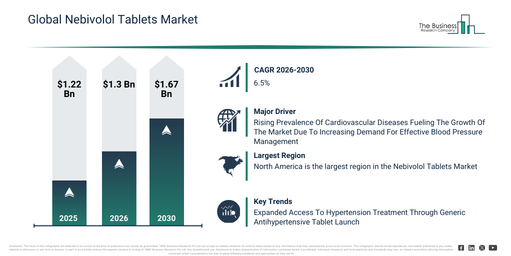
    The market size for nebivolol tablets has witnessed robust expansion over recent years. It is projected to increase from $1.22 billion in 2025 to $1.3 billion in 2026, exhibiting a compound annual growth rate (CAGR) of 6.6%. In the past, this growth was primarily due to factors like the restricted availability of beta-blocker alternatives, a surge in cardiovascular disease incidence, heightened awareness regarding heart health, reliance on hospital-based prescriptions, and traditional pharmacy distribution channels.

    The nebivolol tablets market is projected to experience robust expansion over the coming years. Its value is set to reach $1.67 billion in 2030, at a compound annual growth rate (CAGR) of 6.5%. This anticipated growth during the forecast period is primarily fueled by the creation of innovative nebivolol formulations, the increasing preference for extended-release tablets, the broadening reach of online pharmacy and telemedicine services, a rise in regulatory clearances and clinical studies, and greater understanding and adoption of patient-focused treatment methods. Significant developments anticipated during this period encompass the escalating incidence of hypertension and cardiovascular conditions, an expanding elderly demographic and higher burden of chronic illnesses, the embrace of personalized medicine and targeted treatments, the expansion of hospital and retail pharmacy networks, and the proliferation of online and e-pharmacy platforms.

    Get A Free Sample Report With In-Depth Market Insights:

    https://thebusinessresearchcompany.com/sample_request?id=47564800&type=smp&name=Nebivolol%20Tablets%20Market%20Report%202026&utm_source=Blogs&utm_medium=Paid&utm_campaign=Oct_PR

    Nebivolol Tablets Market Growth Factors: What’s Supporting Expansion?

    The increasing incidence of cardiovascular diseases is projected to fuel the expansion of the nebivolol tablets market in the future. Cardiovascular diseases encompass various conditions affecting the heart and blood vessels, frequently involving restricted blood flow that can result in serious events like heart attacks or strokes. The rise in these diseases is linked to sedentary lifestyles, which reduce physical activity and elevate the likelihood of developing conditions such as obesity, hypertension, and diminished heart function. Nebivolol tablets contribute to the prevention of cardiovascular diseases by lowering blood pressure through selective beta-1 receptor blockade and enhancing vasodilation related to nitric oxide, thereby improving blood circulation and lessening the heart’s exertion. For instance, in October 2024, data from the Centers for Disease Control and Prevention (CDC), a US-based government public health agency, revealed that 919,032 individuals in the United States succumbed to cardiovascular disease in 2023, accounting for approximately one in every three deaths nationwide. Consequently, the growing prevalence of cardiovascular diseases is boosting the growth of the nebivolol tablets market.

    Nebivolol Tablets Market Driver: Growing Demand For Generic Drugs Fueling The Growth Of The Market Due To Increasing Preference For Affordable Cardiovascular Medications

    The rising demand for generic drugs is anticipated to drive the growth of the nebivolol tablets market moving forward. Generic drugs are pharmaceutical products that possess the identical active ingredients, strength, dosage form, and administration route as their branded equivalents, yet they are marketed under their chemical designation once the original drug’s patent has expired. The appeal of generic drugs stems from their cost-effectiveness, as they offer the same therapeutic benefits as branded medications at considerably lower prices, thereby enhancing accessibility for a wider population. Nebivolol tablets play a role in the generic drug sector by providing a cost-effective and therapeutically equivalent option to brand-name treatments for high blood pressure and heart conditions. For example, in September 2024, the Association for Accessible Medicines (AAM), a US-based trade association, reported that savings from biosimilar use surged by over 30% to $12.4 billion in 2023, while total savings from both generics and biosimilars increased by $37 billion, reaching $445 billion from $408 billion in 2022. Thus, the increasing demand for generic drugs is propelling the growth of the nebivolol tablets market.

    Nebivolol Tablets Market Segment Analysis And Revenue Potential

    The nebivolol tablets market covered in this report is segmented –

    1) By Dosage Form: Immediate Release Tablets, Extended Release Tablets

    2) By Strength: 2.5 Mg Tablets, 5 Mg Tablets, 10 Mg Tablets

    3) By Distribution Channel: Hospital Pharmacies, Retail Pharmacies, Online Pharmacies, Other Distribution Channels

    4) By Application: Hypertension, Heart Failure, Other Applications

    Subsegments:

    1) By Immediate Release Tablets: Film-Coated Tablets, Uncoated Tablets, Dispersible Tablets, Orally Disintegrating Tablets

    2) By Extended Release Tablets: Modified-Release Matrix Tablets, Delayed-Release Tablets, Controlled-Release Tablets

    Nebivolol Tablets Market Industry Trends: What’s Reshaping Demand?

    Companies operating prominently in the nebivolol tablets market are concentrating on developing innovative products, such as generic antihypertensive tablets, to enhance the availability of vital hypertension treatments through more economical options. A generic antihypertensive tablet is an unbranded pharmaceutical compound that delivers the identical active ingredient, dosage, safety, and effectiveness as its branded counterpart to assist in managing elevated blood pressure. For instance, in May 2024, Apnar Pharma LP, a US-based pharmaceutical company, released a generic version of Bystolic (Nebivolol Hydrochloride Tablets). The product was introduced in all four available strengths, namely 2.5 milligrams, 5 milligrams, 10 milligrams, and 20 milligrams, offering a complete spectrum of dosage choices for both prescribers and patients. This introduction signifies the company’s strategic move into the United States antihypertensive market and contributes to widening access to an essential cardiovascular treatment.

    Nebivolol Tablets Market Key Players Shaping Industry Direction

    Major companies operating in the nebivolol tablets market are Viatris Inc., Sandoz International GmbH, Macleods Pharmaceuticals Ltd., Menarini Group, Aurobindo Pharma, Cipla Inc., Lupin Limited, Zydus Group, Ranbaxy Laboratories Ltd., Glenmark Pharmaceuticals, Alkem Laboratories Ltd., Torrent Pharmaceuticals Ltd., Zhejiang Huahai Pharmaceutical Co. Ltd., Aristo Pharmaceuticals Pvt. Ltd., Camber Pharmaceuticals Inc., Octavius Pharma

    View The Full Nebivolol Tablets Market Report:

    https://thebusinessresearchcompany.com/report/nebivolol-tablets-global-market-report?utm_source=Blogs&utm_medium=Paid&utm_campaign=Oct_PR

    Nebivolol Tablets Market Global Footprint: Which Region Leads The Industry?

    North America was the largest region in the nebivolol tablets market in 2025. Asia-Pacific is expected to be the fastest-growing region in the forecast period. The regions covered in the nebivolol tablets market report are Asia-Pacific, South East Asia, Western Europe, Eastern Europe, North America, South America, Middle East, Africa.

    Reach Out To Our Team:

    The Business Research Company: https://www.thebusinessresearchcompany.com/

    Americas: +1 310-496-7795

    Asia: +44 7882 955267 & +91 8897263534

    Europe: +44 7882 955267

    Email us at: marketing@tbrc.info

    Follow us on:

    LinkedIn: https://in.linkedin.com/company/the-business-research-company

    YouTube: https://www.youtube.com/channel/UC24_fI0rV8cR5DxlCpgmyFQ

    Global Market Model: https://www.thebusinessresearchcompany.com/global-market-model
  • Nausea Medicine Market Growth Potential: What The Latest Forecast Reveals

    Nausea Medicine Market Growth Potential: What The Latest Forecast Reveals

    Built to provide research that’s more actionable and strategically valuable, The Business Research Company’s 2026 market reports include market attractiveness analysis, total addressable market sizing, company benchmarking matrices, interactive Excel dashboards, broader supply chain intelligence, emerging startup tracking, and in-depth product insights.

    Nausea Medicine Market Value Analysis: What Growth Lies Ahead Over The Forecast Period?

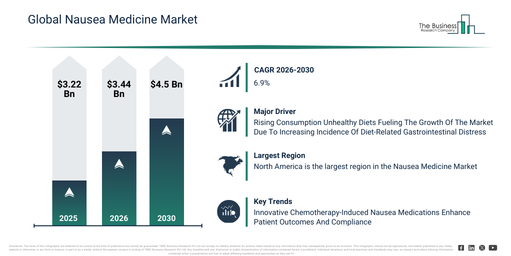
    The nausea medicine market size has exhibited strong expansion in recent years. The market is forecast to increase from $3.22 billion in 2025 to $3.44 billion in 2026, achieving a compound annual growth rate (CAGR) of 7.0%. Historically, this growth was driven by the widespread adoption of chemotherapy-induced nausea drugs, a growing incidence of gastrointestinal disorders, increased travel-related motion sickness, the expansion of hospital pharmacy networks, and the accessibility of otc antiemetic products.

    The nausea medicine market is anticipated to experience substantial expansion over the upcoming years. Projections indicate it will reach $4.5 billion in 2030, exhibiting a compound annual growth rate (CAGR) of 6.9%. This projected growth is driven by several factors, including an increase in cancer treatment volumes, a growing elderly demographic, an elevated need for home-based nausea solutions, ongoing innovations in antiemetic drug development, and the widening reach of online pharmacy platforms. Key trends anticipated during this period encompass the expanded application of antiemetics in oncology, a heightened demand for medications addressing motion sickness, increased uptake of multi-drug antiemetic regimens, the proliferation of over-the-counter nausea remedies, and a greater emphasis on developing drug formulations that are more convenient for patients.

    Get A Free Sample Report With In-Depth Market Insights:

    https://thebusinessresearchcompany.com/sample_request?id=47501048&type=smp&name=Nausea%20Medicine%20Market%20Report%202026&utm_source=Blogs&utm_medium=Paid&utm_campaign=Oct_PR

    Nausea Medicine Market Demand Drivers: What’s Powering Industry Growth?

    The increasing intake of unhealthy diets is projected to drive the expansion of the nausea medicine market in the future. An unhealthy diet involves consuming too many processed foods, sugars, unhealthy fats, and salt, while simultaneously lacking vital nutrients like vitamins, minerals, and fiber. This increase in unhealthy dietary patterns stems from the ease of access and cost-effectiveness of processed and fast foods, which are more readily available than nutritious alternatives. Nausea medicine aids health by alleviating nausea stemming from digestive problems, motion sickness, or adverse drug reactions, thereby helping to diminish the sensation of vomiting and offering relief from symptoms. For example, in April 2025, the American Journal of Preventive Medicine, a US-based government entity, reported that ultra-processed foods contribute to over 124,000 deaths annually in the United States. Consequently, the growing prevalence of unhealthy diets is fueling the expansion of the nausea medicine market.

    Nausea Medicine Market Segmentation And Category Overview

    The nausea medicine market covered in this report is segmented –

    1) By Type: Antagonists, Antihistamines, Canabinoids, Other Types

    2) By Indication: Oncology, Gastroesophageal Reflux Disease, Motion Sickness and Seasickness, Other Indications

    3) By Route of Administration: Oral, Injectable, Transdermal, Rectal, Other Route of Administrations

    4) By Distribution Channel: Retail Pharmacies, Hospital Pharmacies, Online Pharmacies, Other Distribution Channels

    5) By End User: Hospitals, Homecare settings, Ambulatory Surgical centres, Long-term Care Facilities, Individual Consumers

    Subsegments:

    1) By Antagonists: Serotonin Antagonists, Neurokinin-1 (NK1) Receptor Antagonists, Dopamine Antagonists

    2) By Antihistamines: H1 Antihistamines, H2 Antihistamines

    3) By Cannabinoids: THC (Tetrahydrocannabinol), CBD (Cannabidiol)

    4) By Other Types: Corticosteroids, Benzodiazepines, Ginger-Based Medications

    Nausea Medicine Market Innovation Trends: What Developments Are Reshaping The Industry?

    Key companies in the nausea medicine market are concentrating on developing innovative solutions, such as chemotherapy-induced nausea medication, to improve patient outcomes and address cases that are resistant to treatment. Chemotherapy-induced nausea medication refers to drugs specifically formulated to prevent or relieve nausea and vomiting caused by cancer chemotherapy, often by targeting serotonin or neurokinin receptors in the brain. For instance, in January 2023, Glenmark Pharmaceuticals, an India-based pharmaceutical company, introduced AKYNZEO I.V., a ready-to-dilute intravenous injection combining fosnetupitant and palonosetron, for the prevention of chemotherapy-induced nausea and vomiting (CINV). This single-dose intravenous medication combines fosnetupitant and palonosetron, offering protection against both the acute and delayed phases of CINV. This single 30-minute infusion effectively covers both acute and delayed phases of CINV, simplifying treatment by reducing the need for multiple antiemetic drugs and improving patient compliance.

    Nausea Medicine Market Competitive Analysis Of Leading Industry Participants

    Major companies operating in the nausea medicine market are Pfizer Inc., Johnson & Johnson, AbbVie Inc., Bayer Aktiengesellschaft, Merck & Co. Inc., Sanofi S.A., Novartis AG, AstraZeneca PLC, Abbott Laboratories, GlaxoSmithKline plc, Takeda Pharmaceutical Company Limited, Eli Lilly and Company, Helsinn Healthcare SA, Mylan N.V., Viatris Inc., Baxter International Inc., Teva Pharmaceutical Industries Limited, Sun Pharmaceutical Industries Limited, Zydus Lifesciences Limited, Amneal Pharmaceuticals Inc.

    View The Full Nausea Medicine Market Report:

    https://thebusinessresearchcompany.com/report/nausea-medicine-global-market-report?utm_source=Blogs&utm_medium=Paid&utm_campaign=Oct_PR

    Nausea Medicine Market Regional Distribution: Which Areas Power Market Growth?

    North America was the largest region in the nausea medicine market in 2025. Asia-Pacific is expected to be the fastest-growing region in the forecast period. The regions covered in the nausea medicine market report are Asia-Pacific, South East Asia, Western Europe, Eastern Europe, North America, South America, Middle East, Africa.

    Reach Out To Our Team:

    The Business Research Company: https://www.thebusinessresearchcompany.com/

    Americas: +1 310-496-7795

    Asia: +44 7882 955267 & +91 8897263534

    Europe: +44 7882 955267

    Email us at: marketing@tbrc.info

    Follow us on:

    LinkedIn: https://in.linkedin.com/company/the-business-research-company

    YouTube: https://www.youtube.com/channel/UC24_fI0rV8cR5DxlCpgmyFQ

    Global Market Model: https://www.thebusinessresearchcompany.com/global-market-model
  • Natural Killer (NK) Cell Therapeutics Market Growth Outlook: Why Analysts Expect Continued Expansion

    Natural Killer (NK) Cell Therapeutics Market Growth Outlook: Why Analysts Expect Continued Expansion

    Backed by market attractiveness analysis, total addressable market sizing, company benchmarking matrices, interactive Excel dashboards, wider supply chain intelligence, emerging startup coverage, and detailed product-level insights, The Business Research Company’s 2026 market reports are designed to offer research that is more actionable and strategically valuable than ever.

    Natural Killer (NK) Cell Therapeutics Market Size Forecast: How Big Could The Market Get By 2030?

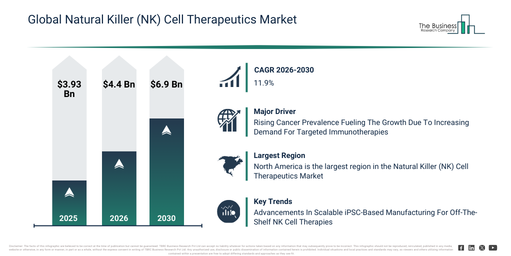
    The natural killer (nk) cell therapeutics market has experienced rapid growth in recent years. It is anticipated to expand from $3.93 billion in 2025 to $4.4 billion in 2026, exhibiting a compound annual growth rate (CAGR) of 12.0%. This historical market expansion is primarily attributable to the limitations of traditional cancer therapies, advancements in immunology research, the successful outcomes of early nk cell therapies, the development of cell therapy infrastructure, and increased funding for oncology research.

    The natural killer (nk) cell therapeutics market is anticipated to undergo significant expansion in the coming years, with its size expected to reach $6.9 billion in 2030, demonstrating a compound annual growth rate (CAGR) of 11.9%. This projected increase during the forecast period is fueled by the expansion of cell and gene therapy pipelines, a rising demand for safer immunotherapies, advancements in cell engineering technologies, increased investment in oncology biologics, and the growing acceptance of allogeneic cell therapies. Prominent trends observed in this timeframe include the rapid development of CAR-NK cell therapies, an increasing adoption of allogeneic NK cell treatments, a heightened focus on off-the-shelf cell therapies, the broader application of NK cells in oncology, and a rise in clinical trials for NK-directed antibodies.

    Get A Free Sample Report With In-Depth Market Insights:

    https://thebusinessresearchcompany.com/sample_request?id=25159766&type=smp&name=Natural%20Killer%20%28NK%29%20Cell%20Therapeutics%20Market%20Report%202026&utm_source=Blogs&utm_medium=Paid&utm_campaign=Oct_PR

    Natural Killer (NK) Cell Therapeutics Market Growth Drivers: What’s Behind The Acceleration?

    The anticipated increase in cancer incidence is projected to boost the expansion of the natural killer (NK) cell therapeutics market in the future. Cancer is characterized by diseases where irregular cells proliferate unchecked, infiltrating adjacent tissues and disseminating to various areas of the body. This condition disrupts typical cellular control, leading to tumor formation and compromising physiological functions. Exposure to environmental factors such as pollutants, tobacco smoke, and various chemicals can harm deoxyribonucleic acid (DNA) and disturb cellular operations, thereby elevating the likelihood of developing cancer. Natural killer (NK) cell therapeutics offer a treatment approach for cancer by directly targeting and eliminating tumor cells without requiring previous sensitization. For example, data from April 2024 by the American Cancer Society, a US-based non-profit organization, forecasts that by 2050, cancer diagnoses are expected to reach 35 million, solely attributed to anticipated population growth. Consequently, the escalating occurrence of cancer is a key factor propelling the expansion of the natural killer (NK) cell therapeutics market.

    Natural Killer (NK) Cell Therapeutics Market Segment Outlook: Which Categories Are Growing Fastest?

    The natural killer (nk) cell therapeutics market covered in this report is segmented –

    1) By Therapeutics: Natural Killer (NK) Cell Directed Antibodies, Natural Killer (NK) Cell Therapies

    2) By Application: Immunoproliferative Disorders, Gastrointestinal Diseases, Cancer, Other Applications

    3) By Distribution Channel: Hospital Pharmacies, Direct Tender, Other Distribution Channels

    4) By End User: Research And Academic Institutes, Hospitals, Specialty Clinics

    Subsegments:

    1) By Natural Killer (NK) Cell Directed Antibodies: Monoclonal Antibodies (mAbs), Bispecific Antibodies (BsAbs), Antibody-Drug Conjugates (ADCs)

    2) By Natural Killer (NK) Cell Therapies: Autologous NK Cell Therapies, Allogeneic NK Cell Therapies, Chimeric Antigen Receptor (CAR)-NK Cell Therapies

    Natural Killer (NK) Cell Therapeutics Market Trends: What’s Defining The Industry’s Next Phase?

    Major companies within the natural killer (NK) cell therapeutics market are focusing on advancements like developing scalable iPSC-based NK cell manufacturing platforms to enable cost-effective, off-the-shelf NK cell therapies. These platforms utilize induced pluripotent stem cells (iPSCs) to generate NK cells in a standardized, feeder-free, closed-system bioreactor environment, ensuring high yields and regulatory compliance. For instance, in April 2025, Cellistic, a Belgium-based biotechnology research company, launched the Echo-NK platform, which is an iPSC-based manufacturing solution for NK cell therapies. The platform offers scalable production of NK cells targeting blood cancers, solid tumors, and autoimmune diseases, with all critical expansion steps performed in bioreactor closed systems within Cellistic’s EMA-certified GMP facility. By integrating Cellistic’s Pulse cell line development capabilities and proprietary STAR-CRISPR technology, the Echo-NK platform accelerates timelines for developing stable iPSC cell lines with specific gene edits, providing a commercially viable solution for off-the-shelf NK cell therapies.

    Natural Killer (NK) Cell Therapeutics Market Leading Companies And Competitive Benchmarking

    Major companies operating in the natural killer (nk) cell therapeutics market are Sanofi S.A., Thermo Fisher Scientific, Lonza AG, Catalent, Kite Pharma, Fate Therapeutics, Artiva Biotherapeutics, Nkarta Inc, Celularity Inc., NKGen Biotech, Dragonfly Therapeutics, Cytovia Therapeutics, Glycostem Therapeutics, Gamida Cell, ONK Therapeutics, Wugen Inc., AGC Biologics, CytoImmune Therapeutics, XNK Therapeutics, Indapta Therapeutics, Neukio Biotherapeutics, Senti Biosciences, WuXi Advanced Therapies, Kiadis Pharma

    View The Full Natural Killer (NK) Cell Therapeutics Market Report:

    https://thebusinessresearchcompany.com/report/natural-killer-nk-cell-therapeutics-global-market-report?utm_source=Blogs&utm_medium=Paid&utm_campaign=Oct_PR

    Natural Killer (NK) Cell Therapeutics Market Leading Geography: Which Region Contributes The Most Revenue?

    North America was the largest region in the natural killer (NK) cell therapeutics market in 2025. Asia-Pacific is expected to be the fastest-growing region in the forecast period. The regions covered in the natural killer (nk) cell therapeutics market report are Asia-Pacific, South East Asia, Western Europe, Eastern Europe, North America, South America, Middle East, Africa.

    Reach Out To Our Team:

    The Business Research Company: https://www.thebusinessresearchcompany.com/

    Americas: +1 310-496-7795

    Asia: +44 7882 955267 & +91 8897263534

    Europe: +44 7882 955267

    Email us at: marketing@tbrc.info

    Follow us on:

    LinkedIn: https://in.linkedin.com/company/the-business-research-company

    YouTube: https://www.youtube.com/channel/UC24_fI0rV8cR5DxlCpgmyFQ

    Global Market Model: https://www.thebusinessresearchcompany.com/global-market-model
  • Natural Immune Booster Market Forecast Insights: The Road To $23.19 Billion By 2030

    Natural Immune Booster Market Forecast Insights: The Road To $23.19 Billion By 2030

    Featuring market attractiveness scoring, total addressable market sizing, company benchmarking matrices, interactive Excel dashboards, deeper supply chain intelligence, emerging startup tracking, and granular product-level insights, The Business Research Company’s 2026 market reports are built to deliver research that is both more actionable and more strategically valuable.

    Natural Immune Booster Market Revenue Outlook: What CAGR Lies Ahead Through 2030?

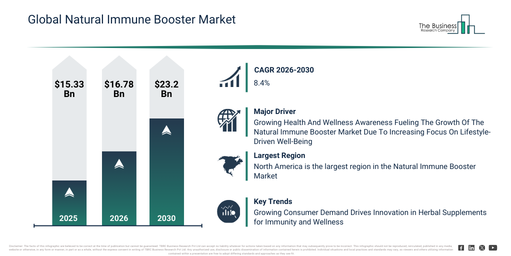
    The natural immune booster market size has demonstrated strong expansion in recent years. It will grow from $15.33 billion in 2025 to $16.78 billion in 2026 at a compound annual growth rate (CAGR) of 9.5%. Historically, this growth can be attributed to the traditional application of herbal remedies for immunity, increasing awareness of nutrition and wellness, a rise in seasonal infection occurrences, the burgeoning popularity of alternative medicine practices, and the early adoption of vitamin and mineral supplements.

    The natural immune booster market is projected to experience substantial growth in the upcoming years, reaching a value of $23.2 billion by 2030, expanding at a compound annual growth rate (CAGR) of 8.4%. This anticipated expansion throughout the forecast period stems from factors such as an increasing emphasis on holistic health and wellness, greater consumer confidence in natural products, the broadening reach of online retail for health supplements, heightened health awareness following the pandemic, and advancements in functional nutrition formulations. Key trends during this period are expected to encompass an escalating demand for plant-based and herbal immune boosters, an increasing consumer inclination towards preventive healthcare options, the proliferation of functional foods and beverages designed for immunity support, wider incorporation of probiotics for immune and gut health, and a stronger emphasis on clean-label and natural ingredients.

    Get A Free Sample Report With In-Depth Market Insights:

    https://thebusinessresearchcompany.com/sample_request?id=27850785&type=smp&name=Natural%20Immune%20Booster%20Market%20Report%202026&utm_source=Blogs&utm_medium=Paid&utm_campaign=Oct_PR

    Natural Immune Booster Market Growth Factors Behind Sustained Expansion

    The future expansion of the natural immune booster market is anticipated due to increasing consciousness regarding health and well-being. This awareness signifies a greater understanding of how lifestyle decisions like diet, exercise, sleep, and stress management directly impact one’s overall well-being. This heightened understanding is fueled by consumers’ growing preference for preventive health measures, clean-label goods, and natural options for immunity support. Natural immune boosters, including echinacea, vitamin C, elderberry, garlic, and probiotics, are vital in bolstering immune function and fostering general health. For example, data from Jun 2024, provided by the International Food Information Council (IFIC), a US based non profit organization, indicates that 54% of Americans continued to adhere to a specific diet or eating pattern over the last year. A majority of individuals are focused on increasing their protein consumption, with interest climbing from 59% in 2022 to 67% in 2023, and then to 71% in 2024. Furthermore, approximately half of consumers are actively seeking to incorporate more fresh foods, which are widely considered to be the most healthful dietary choices. Consequently, the increasing recognition of health and wellness is propelling the growth of the natural immune booster market.

    Natural Immune Booster Market Segment Landscape: Which Areas Lead Development?

    The natural immune booster market covered in this report is segmented –

    1) By Product Type: Herbal Supplements, Vitamins And Minerals, Probiotics, Functional Foods And Beverages, Essential Oils, Other Product Types

    2) By Distribution Channel: Health Food Stores, Online Retailers, Pharmacies And Drug Stores, Supermarkets And Hypermarkets, Other Distribution Channels

    3) By Application: Immune System Support, Cold And Flu Relief, Allergy Management, Respiratory Health, Digestive Health, Other Applications

    Subsegments:

    1) By Herbal Supplements: Echinacea, Elderberry, Astragalus, Ginseng, Turmeric Or Curcumin, Other Herbal Supplements

    2) By Vitamins And Minerals: Vitamin C, Vitamin D, Zinc, Vitamin E, Magnesium, Other Vitamins And Minerals

    3) By Probiotics: Lactobacillus, Bifidobacterium, Saccharomyces Boulardii, Other Probiotics

    4) By Functional Foods And Beverages: Immunity-Boosting Drinks (Fruit Juices, Smoothies), Fortified Foods (Fortified Snacks, Cereals), Functional Teas And Coffees, Energy Bars And Snacks

    5) By Essential Oils: Eucalyptus Oil, Tea Tree Oil, Oregano Oil, Peppermint Oil, Lavender Oil, Other Essential Oils

    6) By Other Product Types: Mushrooms (Reishi, Shiitake), Honey And Royal Jelly, Superfoods (Spirulina, Chlorella), Bee Propolis And Other Bee-Derived Products

    Natural Immune Booster Market Industry Trends Fueling Future Revenue Growth

    Leading companies in the natural immune booster market are concentrating on developing innovative products, such as herbal supplements, to meet the increasing consumer demand for clean, sustainable, and effective wellness solutions. An herbal supplement is a plant-derived product utilized to support health and wellness, frequently for enhancing immunity, improving digestion, or reducing inflammation, acting as a natural alternative to conventional medicine. For example, in August 2023, Herbalife, a US-based multi-level marketing corporation, launched Herbalife V. This supplement line features plant-based protein shakes with 20g of protein sourced from pea, pumpkin seeds, and chia, providing a vegan-friendly option for protein needs. The greens booster combines organic fruits, vegetables, superfoods, and green tea for additional nutritional benefits. The immune-support formula includes vitamins C and D, alongside zinc, to bolster immunity, while the digestive-support formula is formulated with oat and guar fiber to aid digestion. All products are USDA Organic, non-GMO, kosher, and certified vegan, offering a healthy and natural solution for diverse dietary requirements.

    Natural Immune Booster Market Industry Leaders And Competitive Landscape

    Major companies operating in the natural immune booster market are Herbalife Nutrition Ltd., Hansen A/S, The Clorox Company, Royal DSM N.V., Angel Yeast Co. Ltd., Lallemand Inc., Swanson Health Products Inc., NOW Health Group Inc., The Nature’s Bounty Co., Garden of Life LLC, Blackmores Limited, Nordic Naturals Inc., Jarrow Formulas Inc., Nature’s Way Products LLC, Rainbow Light Nutritional Systems Inc., Gaia Herbs LLC, Schiff Nutrition International Inc., MegaFood Inc., New Chapter Inc., Solgar Inc., Carlson Laboratories Inc., BioSchwartz LLC, Source Naturals Inc., Specialty Biotech Co. Ltd., Biotec Pharmacon ASA

    View The Full Natural Immune Booster Market Report:

    https://thebusinessresearchcompany.com/report/natural-immune-booster-global-market-report?utm_source=Blogs&utm_medium=Paid&utm_campaign=Oct_PR

    Natural Immune Booster Market Regional Outlook: Where Is Opportunity Concentrated?

    North America was the largest region in the natural immune booster market in 2025. Asia-Pacific is expected to be the fastest-growing region in the forecast period. The regions covered in the natural immune booster market report are Asia-Pacific, South East Asia, Western Europe, Eastern Europe, North America, South America, Middle East, Africa.

    Reach Out To Our Team:

    The Business Research Company: https://www.thebusinessresearchcompany.com/

    Americas: +1 310-496-7795

    Asia: +44 7882 955267 & +91 8897263534

    Europe: +44 7882 955267

    Email us at: marketing@tbrc.info

    Follow us on:

    LinkedIn: https://in.linkedin.com/company/the-business-research-company

    YouTube: https://www.youtube.com/channel/UC24_fI0rV8cR5DxlCpgmyFQ

    Global Market Model: https://www.thebusinessresearchcompany.com/global-market-model
  • Natural Baby Body Massage Oil Market Explained: What Is Fueling Growth To $2.21 Billion By 2030?

    Natural Baby Body Massage Oil Market Explained: What Is Fueling Growth To $2.21 Billion By 2030?

    Built to provide research that’s more actionable and strategically valuable, The Business Research Company’s 2026 market reports include market attractiveness analysis, total addressable market sizing, company benchmarking matrices, interactive Excel dashboards, broader supply chain intelligence, emerging startup tracking, and in-depth product insights.

    Natural Baby Body Massage Oil Market Growth Analysis: How Will Revenue Trend Over The Forecast Period?

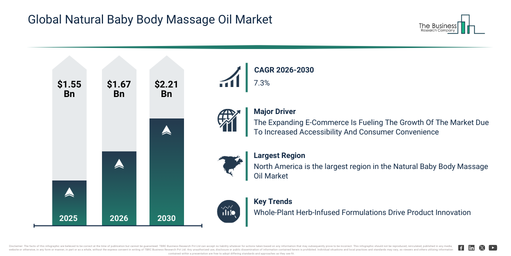
    The natural baby body massage oil market has seen significant expansion in recent years. It is anticipated to increase from $1.55 billion in 2025 to $1.67 billion in 2026, at a compound annual growth rate (CAGR) of 7.3%. The historical development of this market is linked to factors such as rising birth rates in emerging markets, increased awareness among parents regarding baby skincare, the growth of retail baby care brands, mounting worries about synthetic chemicals, and the broader expansion of natural personal care products.

    The natural baby body massage oil market size is anticipated to undergo significant expansion in the upcoming years. It is projected to reach $2.21 billion by 2030, demonstrating a compound annual growth rate (CAGR) of 7.3%. This projected growth can be attributed to several factors during the forecast period, including an escalating demand for certified organic baby products, an increase in disposable income among younger parents, the expansion of e-commerce platforms for baby care, a broader adoption of sustainable packaging, and the increasing influence of pediatric skincare recommendations. Prominent trends throughout the forecast period involve a rising consumer demand for organic and chemical-free baby products, a growing preference for plant-based and cold-pressed oils, enhanced awareness regarding infant skin health, the development of more premium baby care product lines, and an increase in online sales of natural baby care products.

    Get A Free Sample Report With In-Depth Market Insights:

    https://thebusinessresearchcompany.com/sample_request?id=72125301&type=smp&name=Natural%20Baby%20Body%20Massage%20Oil%20Market%20Report%202026&utm_source=Blogs&utm_medium=Paid&utm_campaign=Oct_PR

    Natural Baby Body Massage Oil Market Demand Drivers Opening New Revenue Streams

    The expansion of e-commerce is expected to significantly drive the growth of the natural baby body massage oil market. Electronic commerce (e-commerce) pertains to the online transaction of goods and services, with its proliferation fueled by increased internet penetration and smartphone usage, thereby making online shopping more accessible and convenient for consumers. Natural baby body massage oil contributes to e-commerce by offering an increasing array of safe, organic baby care products that appeal to health-conscious buyers, providing convenient online shopping options that allow parents to easily access high-quality, gentle products for their babies from the comfort of their homes. For instance, in February 2025, the United States Census Bureau, a U.S.-based government agency, indicated that total e-commerce sales in 2024 reached $1,192.6 billion, showing an 8.1% increase compared to 2023. This ongoing expansion of e-commerce is therefore a primary driver for the natural baby body massage oil market’s growth.

    Natural Baby Body Massage Oil Market Segments: Where Is Growth Concentrated?

    The natural baby body massage oil market covered in this report is segmented –

    1) By Product Type: Organic Baby Body Massage Oil, Non-Organic Baby Body Massage Oil

    2) By Ingredient Type: Coconut Oil, Olive Oil, Almond Oil, Jojoba Oil, Other Ingredients

    3) By Application: Moisturizing, Nourishing, Relaxation, Other Applications

    4) By Distribution Channel: Online Stores, Supermarkets And Hypermarkets, Specialty Stores, Pharmacies, Other Distribution Channels

    5) By End-User: Parents, Caregivers

    Subsegments:

    1) By Organic Baby Body Massage Oil: Cold-Pressed Oils, Essential Oil Blends, Herbal Oils, Certified Organic Oils

    2) By Non-Organic Baby Body Massage Oil: Highly Refined Plant-Based Oils, Blended Natural Oils Without Organic Certification, Cost-Optimized Plant-Derived Oils

    Natural Baby Body Massage Oil Market Trends Powering Strategic Industry Growth

    Major companies operating in the natural baby body massage oil market are increasingly focusing on whole-plant, herb-infused formulations. These plant-based massage oils are created by infusing entire botanical extracts into carrier oils (like jojoba or grapeseed), which are slowly infused with herbs (such as calendula or lavender), rather than simply adding concentrated essential oils. This method helps in retaining a broad spectrum of beneficial phytochemicals. For instance, in January 2025, WishGarden Herbs, a U.S.-based herbal wellness company, introduced a range of whole-plant herbal-infused oils and balms for mom and baby. This line included the Oh Baby Oil Lavender, formulated with lavender herb that is infused (not distilled), offering a gentle non-essential-oil scent, and based on non-comedogenic oils. The launch specifically highlighted the use of USDA-organic botanicals, the complete absence of synthetic fragrances, and the inclusion of sustainably wildcrafted herbs.

    Natural Baby Body Massage Oil Market Key Participants And Competitive Landscape

    Major companies operating in the natural baby body massage oil market are Johnson & Johnson, Pigeon Corporation, Artsana Group, Weleda AG, Honest Company, Himalaya Wellness Company, Mamaearth, Babyganics, Motherlove Herbal Company, Mustela, Aarshaveda, Earth Mama Organics, California Baby Inc., Biolane, Dabur India Limited, Little Twig, Nature’s Baby Organics, Sebapharma GmbH & Co. KG, Badger Balm, Prakrta

    View The Full Natural Baby Body Massage Oil Market Report:

    https://thebusinessresearchcompany.com/report/natural-baby-body-massage-oil-global-market-report?utm_source=Blogs&utm_medium=Paid&utm_campaign=Oct_PR

    Natural Baby Body Massage Oil Market Geographic Landscape: Which Region Leads Industry Growth?

    North America was the largest region in the natural baby body massage oil market in 2025. Asia-Pacific is expected to be the fastest-growing region in the forecast period. The regions covered in the natural baby body massage oil market report are Asia-Pacific, South East Asia, Western Europe, Eastern Europe, North America, South America, Middle East, Africa.

    Reach Out To Our Team:

    The Business Research Company: https://www.thebusinessresearchcompany.com/

    Americas: +1 310-496-7795

    Asia: +44 7882 955267 & +91 8897263534

    Europe: +44 7882 955267

    Email us at: marketing@tbrc.info

    Follow us on:

    LinkedIn: https://in.linkedin.com/company/the-business-research-company

    YouTube: https://www.youtube.com/channel/UC24_fI0rV8cR5DxlCpgmyFQ

    Global Market Model: https://www.thebusinessresearchcompany.com/global-market-model
  • Nasal Sprays Market Forecast To Reach $55.37 Billion By 2030: Key Trends Explained

    Nasal Sprays Market Forecast To Reach $55.37 Billion By 2030: Key Trends Explained

    Backed by market attractiveness analysis, total addressable market sizing, company benchmarking matrices, interactive Excel dashboards, wider supply chain intelligence, emerging startup coverage, and detailed product-level insights, The Business Research Company’s 2026 market reports are designed to offer research that is more actionable and strategically valuable than ever.

    Nasal Sprays Market Forecast: What Value Will The Market Reach By 2030?

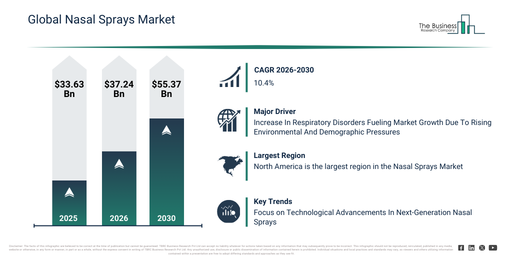
    The nasal sprays market size has witnessed rapid expansion over recent years. It is anticipated to grow from $33.63 billion in 2025 to $37.24 billion in 2026, demonstrating a compound annual growth rate (CAGR) of 10.7%. The expansion observed in the historic period can be attributed to elements such as the increasing prevalence of nasal allergies, a restricted variety of nasal spray formulations, a rise in hospital and clinic visits, a reliance on retail pharmacy distribution networks, and a heightened awareness of nasal hygiene and respiratory care.

    The nasal sprays market is anticipated to experience swift expansion over the coming years. This market is projected to reach $55.37 billion by 2030, exhibiting a compound annual growth rate (CAGR) of 10.4%. This projected growth is driven by factors such as the creation of sophisticated steroid and antihistamine formulations, an increase in the acceptance of home care treatments, the expansion of e-pharmacy platforms, a rise in vaccination initiatives using nasal sprays, and the launch of combination and anticholinergic sprays. Key trends during this period are expected to encompass a heightened demand for nasal sprays to treat allergic conditions, a stronger inclination towards over-the-counter (OTC) products, the broadening of online pharmacy distribution networks, the expanding application of nasal sprays in vaccine administration, and an emphasis on pioneering new formulations and combination sprays.

    Get A Free Sample Report With In-Depth Market Insights:

    https://thebusinessresearchcompany.com/sample_request?id=32696484&type=smp&name=Nasal%20Sprays%20Market%20Report%202026&utm_source=Blogs&utm_medium=Paid&utm_campaign=Oct_PR

    Nasal Sprays Market Growth Backed By Core Demand Fundamentals

    The escalating occurrence of respiratory conditions is anticipated to drive the expansion of the nasal sprays market moving forward. These conditions encompass chronic or acute ailments that impact the airways and lungs, including asthma and chronic obstructive pulmonary disease. Their prevalence continues to climb due to an aging global population and ongoing exposure to outdoor and indoor air pollutants. Nasal sprays cater to this escalating requirement by delivering swift and localized relief, enabling individuals to manage their symptoms more effectively. For instance, in November 2024, the Australian Institute of Health and Welfare, an Australia-based government health agency, reported that respiratory conditions accounted for 7.2% of the total disease burden in 2023, with chronic obstructive pulmonary disease (COPD) contributing 50% and asthma 35% of this burden. Therefore, the rising prevalence of respiratory disorders is propelling the growth of the nasal sprays market.

    Nasal Sprays Market Segment Analysis: What Are The Core Market Categories?

    The nasal sprays market covered in this report is segmented –

    1) By Product Type: Steroid Nasal Spray, Antihistamine Nasal Spray, Decongestion Nasal Spray, Saline Nasal Spray, Other Product Types

    2) By Prescription Or Availability: Over The Counter, Prescribed

    3) By Distribution Channel: Retail Pharmacies, Hospital Pharmacies, Online Pharmacies

    4) By Application: Nasal Congestion, Allergic And Non-Allergic Rhinitis, Central Nervous System Disorders, Vaccination, Other Applications

    5) By End-User: Home Care Settings, Hospitals, Clinics, Community Health Care

    Subsegments:

    1) By Steroid Nasal Spray: Fluticasone, Budesonide, Mometasone

    2) By Antihistamine Nasal Spray: Azelastine, Levocabastine, Olopatadine

    3) By Decongestion Nasal Spray: Oxymetazoline, Phenylephrine, Xylometazoline

    4) By Saline Nasal Spray: Isotonic saline, Buffered saline solutions, Hypertonic saline

    5) By Other Product Types: Combination sprays, Anticholinergic sprays, Homeopathic

    Nasal Sprays Market Growth Trends Reshaping The Competitive Landscape

    Leading companies in the nasal sprays market are prioritizing technological advancements, such as new-generation nasal sprays, to achieve improved drug delivery, enhanced bioavailability, and better patient compliance. These new-generation nasal sprays are sophisticated delivery systems with refined formulations and devices designed for precise dosing, superior absorption, faster onset, and greater patient adherence compared to traditional nasal sprays. For instance, in October 2023, Haleon Plc, a UK-based pharmaceutical company, introduced the Otrivin Nasal Mist, a next-generation nasal spray crafted to provide enhanced comfort and usability for individuals suffering from nasal congestion due to colds, allergies, or sinusitis. It offers quick, effective relief from nasal congestion by narrowing swollen blood vessels in the nose, enabling easier breathing within minutes and lasting up to 12 hours. Its gentle microdroplet mist and ergonomic design ensure comfortable, simple application without irritation or dripping.

    Nasal Sprays Market Top Companies Driving Competitive Growth

    Major companies operating in the nasal sprays market are Pfizer Inc., Johnson & Johnson Services, Merck & Co. Inc., Bayer AG, AstraZeneca plc., Novartis AG, GlazoSmithKline plc, Viatris Inc., Teva Pharmaceutical Industries Ltd., Sandoz International GmbH, Catalent Inc., AptarGroup, Cipla Ltd, Emergent, Assertio Therapeutics Inc., Aytu BioPharma Inc., Leeford Healthcare Ltd, Ultratech India Limited, Aishwarya Group, Aurena Laboratories, Innovus Pharmaceuticals Inc.

    View The Full Nasal Sprays Market Report:

    https://thebusinessresearchcompany.com/report/nasal-sprays-global-market-report?utm_source=Blogs&utm_medium=Paid&utm_campaign=Oct_PR

    Nasal Sprays Market Largest Region: Which Geography Holds The Biggest Share?

    North America was the largest region in the nasal sprays market in 2025. Asia-Pacific is expected to be the fastest-growing region in the forecast period. The regions covered in the nasal sprays market report are Asia-Pacific, South East Asia, Western Europe, Eastern Europe, North America, South America, Middle East, Africa.

    Reach Out To Our Team:

    The Business Research Company: https://www.thebusinessresearchcompany.com/

    Americas: +1 310-496-7795

    Asia: +44 7882 955267 & +91 8897263534

    Europe: +44 7882 955267

    Email us at: marketing@tbrc.info

    Follow us on:

    LinkedIn: https://in.linkedin.com/company/the-business-research-company

    YouTube: https://www.youtube.com/channel/UC24_fI0rV8cR5DxlCpgmyFQ

    Global Market Model: https://www.thebusinessresearchcompany.com/global-market-model
  • Nasal Corticosteroids Market Analysis: Understanding The Drivers Behind 8% CAGR Through 2030 Growth

    Nasal Corticosteroids Market Analysis: Understanding The Drivers Behind 8% CAGR Through 2030 Growth

    Featuring market attractiveness scoring, total addressable market sizing, company benchmarking matrices, interactive Excel dashboards, deeper supply chain intelligence, emerging startup tracking, and granular product-level insights, The Business Research Company’s 2026 market reports are built to deliver research that is both more actionable and more strategically valuable.

    Nasal Corticosteroids Market Size Outlook: How Quickly Will Revenue Expand Through 2030?

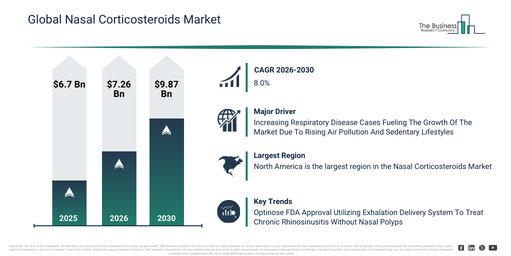
    The nasal corticosteroids market size has demonstrated significant expansion over recent years. This market is set to increase from $6.7 billion in 2025 to $7.26 billion in 2026, exhibiting a compound annual growth rate (CAGR) of 8.4%. The growth observed in previous periods was driven by factors including the constrained access to nasal corticosteroids, a reliance on hospital and clinic-centric distribution networks, rising public understanding of allergic rhinitis therapies, the widespread use of conventional aqueous sprays, and an uptick in regulatory clearances for generic drug formulations.

    The nasal corticosteroids market is anticipated to experience robust expansion over the coming years, with its size projected to reach $9.87 billion in 2030, demonstrating a compound annual growth rate (CAGR) of 8.0%. This projected growth during the forecast period is primarily driven by several factors, including the advancement of sophisticated non-aqueous and oil-based nasal sprays, an increasing inclination among patients towards self-administration, the rising incidence of chronic sinusitis and nasal polyps, the broadening scope of e-pharmacy and homecare distribution channels, and continued innovation in targeted corticosteroid formulations. Key developments expected within this period encompass a growing prevalence of allergic rhinitis and chronic sinusitis, wider adoption of both aqueous and non-aqueous nasal sprays, an increase in homecare and self-administration treatments, the expansion of both online and retail pharmacy networks, and a heightened focus on formulation innovation to enhance patient compliance.

    Get A Free Sample Report With In-Depth Market Insights:

    https://thebusinessresearchcompany.com/sample_request?id=12692370&type=smp&name=Nasal%20Corticosteroids%20Market%20Report%202026&utm_source=Blogs&utm_medium=Paid&utm_campaign=Oct_PR

    Nasal Corticosteroids Market Growth Catalysts And Demand Drivers

    The expanding occurrence of respiratory diseases is projected to boost the growth of the nasal corticosteroids market moving forward. Respiratory diseases are health conditions that impact the lungs, causing breathing difficulties, often accompanied by coughing or shortness of breath. The rising incidence of these diseases stems from increasing air pollution and contemporary busy lifestyles characterized by exposure to detrimental pollutants, smoking, and limited physical activity, all of which negatively affect lung health and elevate the risk of breathing problems. Nasal corticosteroids aid in managing respiratory diseases by reducing inflammation in the nasal passages, which eases breathing, alleviates symptoms such as congestion and sneezing, and improves overall airflow for enhanced respiratory comfort. For example, in June 2025, the Office for Health Improvement and Disparities, a UK-based government department, reported that between the financial years ending 2023 and 2024, emergency admissions for respiratory diseases in England saw a 7% increase, with specific rises of 9% for COPD, 17% for adult asthma, and 16% for pneumonia. Therefore, the growing prevalence of respiratory diseases is a key driver for the nasal corticosteroids market.

    Nasal Corticosteroids Market Segment Breakdown: Which Categories Lead On Revenue?

    The nasal corticosteroids market covered in this report is segmented –

    1) By Product Type: Aqueous Nasal Sprays, Non-Aqueous Nasal Sprays

    2) By Drug Type: Fluticasone Propionate, Budesonide, Beclomethasone Dipropionate, Mometasone Furoate, Triamcinolone Acetonide, Ciclesonide, Other Drug Types

    3) By Distribution Channel: Hospital Pharmacies, Retail Pharmacies, Online Pharmacies, Other Distribution Channels

    4) By Application: Allergic Rhinitis, Nasal Polyps, Sinusitis, Other Applications

    5) By End-User: Hospitals, Clinics, Homecare Settings, Other End-Users

    Subsegments:

    1) By Aqueous Nasal Sprays: Metered-Dose Aqueous Nasal Sprays, Pump-Action Aqueous Nasal Sprays

    2) By Non-Aqueous Nasal Sprays: Hydroalcoholic Nasal Sprays

    Nasal Corticosteroids Market Trends Shaping Long-Term Demand

    Major companies active in the nasal corticosteroids market are concentrating on achieving regulatory clearance for innovative treatments, particularly exhalation delivery systems (EDS)-based nasal sprays, to enhance the efficiency of drug delivery, improve therapeutic results, and boost patient adherence. Nasal sprays based on exhalation delivery systems work by using the patient’s exhaled air to close the soft palate and administer medication high and deep into the nasal passages, thereby improving the deposition of the drug at inflamed sites. For example, in May 2024, Optinose, Inc., a US-based pharmaceutical company, secured FDA approval for XHANCE (fluticasone propionate) nasal spray, positioning it as the inaugural and sole medication approved for treating adults with chronic rhinosinusitis without nasal polyps (CRSsNP). XHANCE utilizes a distinctive exhalation delivery system (EDS) technology to deliver corticosteroids profoundly into the nasal passages via a soft exhalation, providing targeted anti-inflammatory action for chronic rhinosinusitis. This technology offers an alternative to traditional nasal sprays, which frequently have limited reach within the nasal cavity, by enabling effective medication placement into difficult-to-reach inflamed areas. XHANCE aids in relieving nasal congestion and facial pressure connected with chronic rhinosinusitis without nasal polyps. It supports patients requiring long-term management of this condition while avoiding invasive procedures or the systemic adverse effects typically linked with oral corticosteroids.

    Nasal Corticosteroids Market Leading Players And Competitive Positioning

    Major companies operating in the nasal corticosteroids market are Pfizer Inc., Merck & Co Inc., Bayer AG, Sanofi S.A., GSK plc , Viatris Inc., Teva Pharmaceutical Industries Ltd., Sandoz International GmbH, Sun Pharmaceutical Industries Ltd., Apotex Inc., Perrigo Company plc, Aurobindo Pharma Limited, Cipla Limited, Glenmark Pharmaceuticals Ltd, Pharmascience Inc., Mylan N.V.

    View The Full Nasal Corticosteroids Market Report:

    https://thebusinessresearchcompany.com/report/nasal-corticosteroids-global-market-report?utm_source=Blogs&utm_medium=Paid&utm_campaign=Oct_PR

    Nasal Corticosteroids Market Regional Analysis: Which Geography Leads On Revenue?

    North America was the largest region in the nasal corticosteroids market in 2025. Asia-Pacific is expected to be the fastest-growing region in the forecast period. The regions covered in the nasal corticosteroids market report are Asia-Pacific, South East Asia, Western Europe, Eastern Europe, North America, South America, Middle East, Africa.

    Reach Out To Our Team:

    The Business Research Company: https://www.thebusinessresearchcompany.com/

    Americas: +1 310-496-7795

    Asia: +44 7882 955267 & +91 8897263534

    Europe: +44 7882 955267

    Email us at: marketing@tbrc.info

    Follow us on:

    LinkedIn: https://in.linkedin.com/company/the-business-research-company

    YouTube: https://www.youtube.com/channel/UC24_fI0rV8cR5DxlCpgmyFQ

    Global Market Model: https://www.thebusinessresearchcompany.com/global-market-model