Category: Pharmaceuticals

  • Global Injectable Targeted Therapy Market Expected To Reach $112.41 Billion By 2030 With 9.5% CAGR

    Global Injectable Targeted Therapy Market Expected To Reach $112.41 Billion By 2030 With 9.5% CAGR

    The Business Research Company’s 2026 market reports feature enhanced tools like market attractiveness analysis, TAM assessment, and company scoring matrices, along with interactive dashboards, deeper supply chain insights, and startup coverage strengthening the depth, usability, and strategic value of insights.

    What Is The Forecasted Market Size Trajectory Of The Injectable Targeted Therapy Market From 2026 To 2030?

    The injectable targeted therapy market has experienced swift expansion recently. This market is projected to expand from $64.22 billion in 2025 to $71.03 billion in 2026, demonstrating a compound annual growth rate (CAGR) of 10.6%. Historically, this growth is linked to factors such as rising cancer incidence rates, strides in monoclonal antibody development, greater acceptance of biologic therapies, the proliferation of oncology treatment centers, and heightened clinical research activities in targeted medications.

    The injectable targeted therapy market is anticipated to experience substantial growth in the upcoming years, projected to attain a size of $105.2 billion by 2030, expanding at a compound annual growth rate (CAGR) of 10.3%. This expansion during the forecast period is attributed to factors such as increasing approvals of targeted injectable therapies, rising investments in personalized medicine, the expansion of biologics manufacturing capacity, a growing focus on immunotherapy development, and an increasing demand for precision treatment protocols. Key trends for the same period encompass the increasing development of precision oncology injectables, the rising adoption of antibody-based therapeutics, a growing focus on targeted drug delivery systems, the expansion of combination injectable therapies, and an enhanced emphasis on reduced off-target toxicity.

    Access Your Free Sample Report For In-Depth Market Analysis:

    https://www.thebusinessresearchcompany.com/sample.aspx?id=28250&type=smp

    What Primary Drivers Are Shaping The Injectable Targeted Therapy Market?

    The escalating need for personalized medicine is anticipated to drive the expansion of the injectable targeted therapy market in the future. Personalized medicine defines a healthcare methodology that customizes prevention, diagnosis, and treatment according to an individual’s genetic, environmental, and lifestyle factors. The growth in personalized medicine is fueled by advancements in genomics, which provide a deeper understanding of individual genetic variations, thereby enabling more precise, targeted treatments that enhance patient outcomes and minimize trial-and-error in therapies. Injectable targeted therapy facilitates personalized medicine by delivering drugs specifically designed to address a patient’s unique molecular or genetic disease profile, leading to improved efficacy and fewer side effects. For instance, in February 2024, according to the Personalized Medicine Coalition, a US-based non-profit organization, in 2023, the FDA approved 16 new personalized treatments for rare disease patients, an increase from six in 2022. The newly approved personalized treatments for 2023 also encompassed seven cancer drugs and three for other diseases and conditions. Therefore, the rising demand for personalized medicine is powering the growth of the injectable targeted therapy market.

    How Is The Injectable Targeted Therapy Market Categorized Across Its Segment Groups?

    The injectable targeted therapy market covered in this report is segmented –

    1) By Type: Monoclonal Antibodies, Small-Molecules, Immunotoxins, Other Types

    2) By Mechanism Of Action: Targeted Inhibition of Signal Transduction Pathways, Targeted Delivery Of Cytotoxic Agents, Immunomodulation

    3) By Route Of Administration: Intravenous, Subcutaneous, Intramuscular

    4) By Application: Oncology, Cardiometabolism, Immunology, Infectious Diseases, Neuroscience, Ophthalmology, Other Applications

    5) By End User: Hospitals, Specialty Clinics, Research Laboratories

    Subsegments:

    1) By Monoclonal Antibodies: Fully Human Antibodies, Humanized Antibodies, Chimeric Antibodies

    2) By Small-Molecules: Tyrosine Kinase Inhibitors, Proteasome Inhibitors, Mtor Inhibitors

    3) By Immunotoxins: Recombinant Immunotoxins, Chemical Conjugates, Fusion Proteins

    4) By Other Types: Antibody-Drug Conjugates, Bispecific Antibodies, Peptide-Based Therapeutics

    What Trends Are Shaping The Future Of The Injectable Targeted Therapy Market?

    Leading firms within the injectable targeted therapy market are concentrating on creating novel approaches, including subcutaneous injections, to boost drug delivery effectiveness, improve patient adherence, and more precisely address specific disease pathways. A subcutaneous injection is defined as a technique for delivering medication beneath the skin into the adipose tissue directly below the dermis, facilitating a gradual absorption of the drug into the circulatory system. As an illustration, in August 2025, Eisai Co., Ltd., a pharmaceutical firm based in Japan, collaborated with Biogen Inc., a US biotechnology company, and obtained FDA approval for LEQEMBI IQLIK, designed to treat early Alzheimer’s disease. This formulation is a convenient, once-weekly subcutaneous injection intended for the ongoing management of early Alzheimer’s disease, enabling patients to perform self-administration at home following their initial intravenous treatment. Its mechanism involves slowing cognitive deterioration by targeting and eliminating amyloid beta plaques and protofibrils, which are significant contributors to the advancement of Alzheimer’s. This particular formulation decreases the required treatment duration, minimizes systemic adverse effects relative to IV infusions, and reduces the necessity for visits to infusion centers, thereby providing enhanced autonomy for both patients and their care partners.

    Which Firms Are Influencing Competition In The Injectable Targeted Therapy Market?

    Major companies operating in the injectable targeted therapy market are Johnson & Johnson Services Inc., F. Hoffmann-La Roche Ltd., Merck & Co. Inc., Pfizer Inc., AbbVie Inc., Bayer AG, Sanofi SA, Novartis AG, AstraZeneca plc, Bristol-Myers Squibb Company, GlaxoSmithKline plc, Eli Lilly and Company, Amgen Inc., Gilead Sciences Inc., Regeneron Pharmaceuticals Inc., Biogen Inc., Eisai Co. Ltd., Genentech Inc., Beigene Ltd., Agenus Inc., Xilio Therapeutics Inc.

    Get The Full Injectable Targeted Therapy Market Report:

    https://www.thebusinessresearchcompany.com/report/injectable-targeted-therapy-global-market-report

    Which Region Leads The Injectable Targeted Therapy Market In Overall Market Size?

    North America was the largest region in the injectable targeted therapy market in 2025. Asia-Pacific is expected to be the fastest-growing region in the forecast period. The regions covered in the injectable targeted therapy market report are Asia-Pacific, South East Asia, Western Europe, Eastern Europe, North America, South America, Middle East, Africa.

    Request A Customized Injectable Targeted Therapy Market Report For Competitive Insights:

    https://www.thebusinessresearchcompany.com/report/injectable-targeted-therapy-global-market-report

    Browse Through More Reports Similar to the Global Injectable Targeted Therapy Market 2026, By The Business Research Company

    Targeted Therapy Market Report 2026

    https://www.thebusinessresearchcompany.com/report/targeted-therapy-global-market-report

    Patient Controlled Injectors Market Report 2026

    https://www.thebusinessresearchcompany.com/report/patient-controlled-injectors-global-market-report

    Injectable Drug Delivery Devices Market Report 2026

    https://www.thebusinessresearchcompany.com/report/injectable-drug-delivery-devices-global-market-report

    Get in touch with us:

    The Business Research Company: https://www.thebusinessresearchcompany.com/

    Americas +1 310-496-7795

    Asia +44 7882 955267 & +91 8897263534

    Europe +44 7882 955267

    Email us at: marketing@tbrc.info

    Follow us on:

    LinkedIn: https://in.linkedin.com/company/the-business-research-company

    YouTube: https://www.youtube.com/channel/UC24_fI0rV8cR5DxlCpgmyFQ

    Global Market Model: https://www.thebusinessresearchcompany.com/global-market-model
  • Disposable Flow-Battery Bioreactor Market Insights Highlighting Opportunities Supporting Growth To 2030

    Disposable Flow-Battery Bioreactor Market Insights Highlighting Opportunities Supporting Growth To 2030

    The Business Research Company’s 2026 market reports feature enhanced tools like market attractiveness analysis, TAM assessment, and company scoring matrices, along with interactive dashboards, deeper supply chain insights, and startup coverage strengthening the depth, usability, and strategic value of insights.

    By 2030, What Market Size Is The Disposable Flow-Battery Bioreactor Market Expected To Reach Based On Its 2026 Value?

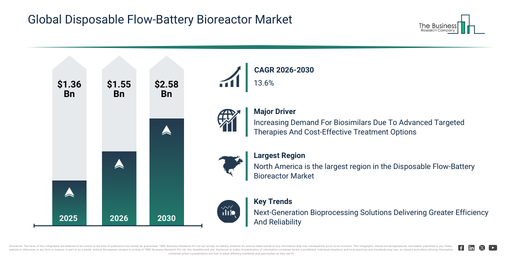
    The disposable flow-battery bioreactor market has experienced considerable expansion in recent years. This market is projected to increase from $1.36 billion in 2025 to $1.55 billion in 2026, exhibiting a compound annual growth rate (CAGR) of 13.9%. Historically, this growth can be attributed to the rise in biopharmaceutical manufacturing, the increasing need for flexible production systems, the expansion of contract manufacturing activities, wider adoption of disposable bioprocessing equipment, and an emphasis on mitigating contamination risks.

    The disposable flow-battery bioreactor market is projected to undergo significant expansion in the upcoming years, with its size expected to reach $2.58 billion by 2030, growing at a compound annual growth rate (CAGR) of 13.6%. This anticipated growth during the forecast period is propelled by increasing investments in advanced biomanufacturing technologies, the rising adoption of continuous processing models, the expansion of cell and gene therapy production, a growing emphasis on cost-efficient bioproduction methods, and an increasing demand for scalable single-use systems. Noteworthy trends for this period include the wider acceptance of single-use bioprocessing systems, a rising need for continuous bioproduction solutions, the increasing integration of energy-efficient flow technologies, the expansion of modular bioreactor designs, and an enhanced focus on ensuring sterility and process flexibility.

    Access Your Free Sample Report For In-Depth Market Analysis:

    https://www.thebusinessresearchcompany.com/sample.aspx?id=29037&type=smp

    What Primary Drivers Are Shaping The Disposable Flow-Battery Bioreactor Market?

    Anticipated to fuel the expansion of the disposable flow-battery bioreactor market in the future is the growing need for biosimilars. These biosimilars represent cost-effective alternatives to established biologics, sharing substantial similarity without significant clinical distinctions. Their heightened demand stems from patients and healthcare professionals increasingly looking for advanced, focused treatments that deliver better results, wider availability, and lower expenses for chronic and intricate health conditions. The disposable flow-battery bioreactor facilitates biosimilar production by offering an adaptable, scalable, and contamination-proof environment, which allows for effective cell culturing, accurate regulation of process variables, and quick production cycles. This, in turn, hastens development, lowers production expenditures, and guarantees the sustained quality and effectiveness of biosimilar items. For example, data from Samsung Bioepis Co. Ltd., a biopharmaceutical firm headquartered in South Korea, reveals that in 2024, the Food and Drug Administration (FDA), a US-based federal agency, granted approval to 45 biosimilars. Of these, 38 were subsequently introduced in the US, demonstrating robust market adoption relative to the total number of approvals. Consequently, the rising requirement for biologics and biosimilar production techniques is propelling the expansion of the disposable flow-battery bioreactor market.

    How Are Different Segments Classified In The Disposable Flow-Battery Bioreactor Market Segment Analysis?

    The disposable flow-battery bioreactor market covered in this report is segmented –

    1) By Product Type: Single-Use Flow-Battery Bioreactors, Multi-Use Disposable Flow-Battery Bioreactors

    2) By Application: Biopharmaceutical Production, Cell Therapy, Vaccine Manufacturing, Research and Development

    3) By End-User: Pharmaceutical And Biotechnology Companies, Academic And Research Institutes, Contract Manufacturing Organizations, Other End-Users

    Subsegments:

    1) By Single-Use Flow-Battery Bioreactors: Modular Single-Use Flow-Battery Bioreactors, Integrated Single-Use Flow-Battery Bioreactors, Compact Single-Use Flow-Battery Bioreactors, Large-Scale Single-Use Flow-Battery Bioreactors

    2) By Multi-Use Disposable Flow-Battery Bioreactors: Hybrid Multi-Use Disposable Flow-Battery Bioreactors, Automated Multi-Use Disposable Flow-Battery Bioreactors, Pilot-Scale Multi-Use Disposable Flow-Battery Bioreactors, Industrial-Scale Multi-Use Disposable Flow-Battery Bioreactors

    What Trends Are Shaping The Future Of The Disposable Flow-Battery Bioreactor Market?

    Leading companies in the disposable flow-battery bioreactor market are concentrating on advancements like single-use reactor systems to improve process efficiency, lessen contamination risks, and enable more rapid production of complex biologics. A single-use reactor functions as a disposable bioreactor system intended for one-time application in biopharmaceutical manufacturing, thereby removing the necessity for cleaning and sterilization between batches. For instance, in September 2024, Merck KGaA, a Germany-based biopharmaceutical enterprise, introduced the inaugural single-use reactor specifically engineered for the manufacturing of antibody drug conjugates (ADCs), which represent a rapidly expanding category of therapeutic agents that accurately target and eliminate tumor cells while preserving healthy tissue. This particular reactor boosts manufacturing efficiency by 70% when compared to conventional stainless steel or glass approaches, integrates Ultimus Film for superior leak resistance, and is recognized as the first scalable single-use mixer exclusively developed for ADC production.

    Who Are The Companies Driving Activity In The Disposable Flow-Battery Bioreactor Market?

    Major companies operating in the disposable flow-battery bioreactor market are Thermo Fisher Scientific, Sartorius AG, Merck KGaA, Eppendorf AG, GE Healthcare, PBS Biotech Inc., Getinge, Distek Inc., Donaldson (Solaris Biotech), Cellexus Ltd., ABEC Inc., Pierre Guerin Technologies, Bioengineering AG, Infors HT, ZETA GmbH, Corning Incorporated, Tofflon Life Sciences, CerCell ApS, Beckman Coulter, Meissner Filtration Products Inc

    Get The Full Disposable Flow-Battery Bioreactor Market Report:

    https://www.thebusinessresearchcompany.com/report/disposable-flow-battery-bioreactor-global-market-report

    Which Geographic Region Dominates The Disposable Flow-Battery Bioreactor Market?

    North America was the largest region in the disposable flow-battery bioreactor market in 2025. Asia-Pacific is expected to be the fastest-growing region in the forecast period. The regions covered in the disposable flow-battery bioreactor market report are Asia-Pacific, South East Asia, Western Europe, Eastern Europe, North America, South America, Middle East, Africa.

    Request A Customized Disposable Flow-Battery Bioreactor Market Report For Competitive Insights:

    https://www.thebusinessresearchcompany.com/report/disposable-flow-battery-bioreactor-global-market-report

    Browse Through More Reports Similar to the Global Disposable Flow-Battery Bioreactor Market 2026, By The Business Research Company

    Flow Battery Market Report 2026

    https://www.thebusinessresearchcompany.com/report/flow-battery-global-market-report

    Membrane Bioreactor Market Report 2026

    https://www.thebusinessresearchcompany.com/report/membrane-bioreactor-global-market-report

    Small Scale Bioreactors Market Report 2026

    https://www.thebusinessresearchcompany.com/report/small-scale-bioreactors-global-market-report

    Get in touch with us:

    The Business Research Company: https://www.thebusinessresearchcompany.com/

    Americas +1 310-496-7795

    Asia +44 7882 955267 & +91 8897263534

    Europe +44 7882 955267

    Email us at: marketing@tbrc.info

    Follow us on:

    LinkedIn: https://in.linkedin.com/company/the-business-research-company

    YouTube: https://www.youtube.com/channel/UC24_fI0rV8cR5DxlCpgmyFQ

    Global Market Model: https://www.thebusinessresearchcompany.com/global-market-model
  • Injectable Cytotoxic Drugs Market Future Outlook Showing Growth Toward $17.56 Billion By 2030

    Injectable Cytotoxic Drugs Market Future Outlook Showing Growth Toward $17.56 Billion By 2030

    The Business Research Company’s 2026 market reports feature enhanced tools like market attractiveness analysis, TAM assessment, and company scoring matrices, along with interactive dashboards, deeper supply chain insights, and startup coverage strengthening the depth, usability, and strategic value of insights.

    How Much Will The Market Value Of The Injectable Cytotoxic Drugs Market Grow Between 2026 And 2030?

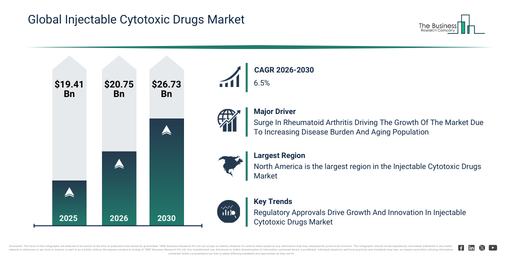
    The injectable cytotoxic drugs market size has demonstrated robust growth in recent years. It is anticipated to increase from $19.41 billion in 2025 to $20.75 billion in 2026, with a compound annual growth rate (CAGR) of 6.9%. The historical period’s expansion can be ascribed to the limited availability of injectable cytotoxic drugs, the reliance on traditional chemotherapy agents, rising cancer incidence rates, an increase in hospital oncology departments, and the absence of specialized oncology clinics.

    The market for injectable cytotoxic drugs is anticipated to experience substantial expansion in the coming years. This market is projected to reach $26.73 billion by 2030, exhibiting a compound annual growth rate (CAGR) of 6.5%. Several factors will fuel this growth during the forecast period, including the creation of new cytotoxic drug formulations, the broadening application of targeted and combination therapies, increased financial support from both government and private entities for cancer research, the integration of sophisticated drug delivery methods, and the proliferation of outpatient and ambulatory oncology centers. Key trends expected during this period involve the increasing application of injectable cytotoxic drugs in targeted chemotherapy, the expansion of oncology clinics and hospital cancer units, a rising embrace of personalized medicine and treatment strategies, heightened investment in cancer research and clinical trials, and a strengthened emphasis on drug safety, handling, and administration procedures.

    Access Your Free Sample Report For In-Depth Market Analysis:

    https://www.thebusinessresearchcompany.com/sample.aspx?id=25795&type=smp

    Which Major Drivers Are Influencing The Expansion Of The Injectable Cytotoxic Drugs Market?

    The growing occurrence of rheumatoid arthritis is anticipated to boost the injectable cytotoxic drugs market in the future. This chronic autoimmune condition is identified by ongoing joint inflammation, discomfort, and eventual damage to joints. The increase in rheumatoid arthritis cases is primarily linked to an aging population, as older age heightens the risk of genetic mutations and immune system problems that lead to this ailment. Injectable cytotoxic medications assist in treating rheumatoid arthritis by targeting swiftly dividing cells and moderating excessive immune responses, thus decelerating the disease’s advancement and alleviating its manifestations. For example, data from June 2024, provided by the Australian Institute of Health and Welfare, an Australian independent statutory agency, showed that rheumatoid arthritis led to 1,322 fatalities, which is 5.1 deaths per 100,000 individuals, making up 0.7% of all deaths in 2022. It also accounted for 2.0% of the total disease burden and 16% of the complete burden from all musculoskeletal conditions in 2023. Consequently, the rising prevalence of rheumatoid arthritis is fueling the expansion of the injectable cytotoxic drugs market.

    How Are Segments Identified Within The Injectable Cytotoxic Drugs Market Segment Framework?

    The injectable cytotoxic drugs market covered in this report is segmented –

    1) By Drug Type: Alkylating Agents, Antimetabolites, Plant Alkaloids, Antitumor Antibiotics, Platinum-Based Compounds, Cytotoxic Antibiotics, Other Drug Types

    2) By Route Of Administration: Intravenous (IV), Intramuscular (IM), Subcutaneous (SC)

    3) By Distribution Channel: Hospital Pharmacies, Retail Pharmacies, Online Pharmacies, Specialty Drug Stores

    4) By Application: Breast Cancer, Lung Cancer, Prostate Cancer, Colorectal Cancer, Ovarian Cancer, Lymphoma, Leukemia, Other Applications

    5) By End-User: Hospitals, Oncology Clinics, Ambulatory Surgical Centers, Research And Academic Institutes

    Subsegments:

    1) By Alkylating Agents: Cyclophosphamide, Melphalan, Busulfan

    2) By Antimetabolites: Methotrexate, 5-Fluorouracil (5-FU), Cytarabine, Gemcitabine

    3) By Plant Alkaloids: Vincristine, Vinblastine, Paclitaxel, Docetaxel

    4) By Antitumor Antibiotics: Doxorubicin, Daunorubicin, Epirubicin, Bleomycin

    5) By Platinum-Based Compounds: Cisplatin, Carboplatin, Oxaliplatin

    6) By Cytotoxic Antibiotics: Mitomycin, Actinomycin D, Plicamycin

    7) By Other Drug Types: Irinotecan, Etoposide, Denibulin, Trastuzumab Emtansine (ADC), Lutetium-177 Dotatate

    Which Trends Are Contributing To Changes In The Injectable Cytotoxic Drugs Market?

    Leading companies operating within the injectable cytotoxic drugs market are increasingly focusing on securing regulatory approvals to broaden their product portfolios and expedite their market entry. Regulatory approvals signify the official authorization granted by health authorities, confirming that a drug meets the required standards for safety, efficacy, and quality before it can be commercialized and prescribed. For example, in March 2024, Astellas Pharma Inc., a Japan-based pharmaceutical company, obtained approval for VYLOY (zolbetuximab) from Japan’s Ministry of Health, Labour, and Welfare (MHLW) for the management of CLDN18.2-positive, unresectable, advanced, or recurrent gastric cancer. This approval was substantiated by Phase III clinical trials (SPOTLIGHT and GLOW), which demonstrated that VYLOY, when used in conjunction with chemotherapy, considerably improves progression-free and overall survival. Patient eligibility for this therapy is determined through a companion diagnostic test that identifies CLDN18.2 expression in tumor cells. This treatment addresses a significant unfulfilled medical requirement in gastric cancer, a condition frequently diagnosed at an advanced stage and associated with a poor prognosis globally.

    Who Are The Companies Competing Within The Injectable Cytotoxic Drugs Market?

    Major companies operating in the injectable cytotoxic drugs market are Pfizer Inc., F. Hoffmann-La Roche Ltd., Sanofi S.A., Bristol-Myers Squibb, Novartis AG, Eli Lilly and Company, Merck KGaA, Baxter International Inc., Fresenius Kabi AG, Eisai Co. Ltd., Sun Pharmaceutical Industries Ltd., Apotex Inc., Dr. Reddy’s Laboratories Ltd., Hikma Pharmaceuticals plc, Amneal Pharmaceuticals Inc., Zydus Lifesciences Ltd., NATCO Pharma Ltd.

    Get The Full Injectable Cytotoxic Drugs Market Report:

    https://www.thebusinessresearchcompany.com/report/injectable-cytotoxic-drugs-global-market-report

    Which Region Is The Top Contributor To The Injectable Cytotoxic Drugs Market By Share?

    North America was the largest region in the injectable cytotoxic drugs market in 2025. Asia-Pacific is expected to be the fastest-growing region in the forecast period. The regions covered in the injectable cytotoxic drugs market report are Asia-Pacific, South East Asia, Western Europe, Eastern Europe, North America, South America, Middle East, Africa.

    Request A Customized Injectable Cytotoxic Drugs Market Report For Competitive Insights:

    https://www.thebusinessresearchcompany.com/report/injectable-cytotoxic-drugs-global-market-report

    Browse Through More Reports Similar to the Global Injectable Cytotoxic Drugs Market 2026, By The Business Research Company

    Cytotoxic Drugs Market Report 2026

    https://www.thebusinessresearchcompany.com/report/cytotoxic-drugs-global-market-report

    Injectable Drug Delivery Devices Market Report 2026

    https://www.thebusinessresearchcompany.com/report/injectable-drug-delivery-devices-global-market-report

    Small Molecule Injectable Drugs Market Report 2026

    https://www.thebusinessresearchcompany.com/report/small-molecule-injectable-drugs-global-market-report

    Get in touch with us:

    The Business Research Company: https://www.thebusinessresearchcompany.com/

    Americas +1 310-496-7795

    Asia +44 7882 955267 & +91 8897263534

    Europe +44 7882 955267

    Email us at: marketing@tbrc.info

    Follow us on:

    LinkedIn: https://in.linkedin.com/company/the-business-research-company

    YouTube: https://www.youtube.com/channel/UC24_fI0rV8cR5DxlCpgmyFQ

    Global Market Model: https://www.thebusinessresearchcompany.com/global-market-model

  • Dipeptide Peptidase 4 Inhibitors Market Forecast 2026–2030 Highlighting Expansion Across Industries

    Dipeptide Peptidase 4 Inhibitors Market Forecast 2026–2030 Highlighting Expansion Across Industries

    The Business Research Company’s 2026 market reports feature enhanced tools like market attractiveness analysis, TAM assessment, and company scoring matrices, along with interactive dashboards, deeper supply chain insights, and startup coverage strengthening the depth, usability, and strategic value of insights.

    What Is The Anticipated Rise In Market Value Of The Dipeptide Peptidase 4 Inhibitors Market During The Forecast Period?

    The dipeptide peptidase 4 inhibitors market size has experienced steady expansion in recent years. It is anticipated to increase from $11.81 billion in 2025 to $12.39 billion in 2026, achieving a compound annual growth rate (CAGR) of 5.0%. This historical growth can be ascribed to the rising global prevalence of type 2 diabetes, the necessity for glucose-lowering therapies associated with low hypoglycemia risk, the widespread clinical acceptance of incretin-based treatments, the availability of numerous branded DPP-4 inhibitors, and the growth in outpatient diabetes management.

    The market size for dipeptide peptidase 4 inhibitors is projected to experience consistent expansion over the upcoming years. This market is anticipated to reach $14.78 billion by 2030, exhibiting a compound annual growth rate (CAGR) of 4.5%. Factors driving this growth during the forecast timeframe include an expanding worldwide diabetic population, greater uptake of combined diabetes treatments, an increasing emphasis on accessible oral therapies, broader availability of diabetes care in developing economies, and persistent demand for economical options for blood sugar management. Key trends expected within this period involve the continued application of dpp-4 inhibitors as supplementary treatment for type 2 diabetes, a rising inclination towards oral antidiabetic drugs, an expanding utilization of dpp-4 inhibitors among older diabetic individuals, heightened demand for fixed-dose combination treatments, and a consistent move towards generic versions of dpp-4 inhibitor formulations.

    Access Your Free Sample Report For In-Depth Market Analysis:

    https://www.thebusinessresearchcompany.com/sample.aspx?id=15791&type=smp

    Which Major Drivers Are Influencing The Expansion Of The Dipeptide Peptidase 4 Inhibitors Market?

    An anticipated increase in diabetes cases is set to boost the expansion of the dipeptide peptidase 4 inhibitors market in the future. This condition, diabetes, is a long-term illness impacting how the body processes glucose, essential for cellular energy. The rise in diabetes incidence is largely attributed to prevalent inactive lifestyles and poor dietary choices in modern society. Dipeptidyl peptidase 4 inhibitors play a role in managing diabetes by improving glycemic control through preventing the breakdown of incretin hormones. For example, data from 2024, provided by the Belgium-based International Diabetes Federation, revealed that 537 million adults (1 in 10) had diabetes in 2021, with projections indicating an increase to 643 million by 2030 and 783 million by 2045. Consequently, the growing prevalence of diabetes acts as a key driver for the dipeptide peptidase 4 inhibitors market.

    How Is The Dipeptide Peptidase 4 Inhibitors Market Categorized Across Its Segment Groups?

    The dipeptide peptidase 4 inhibitors market covered in this report is segmented –

    1) By Type: Sitagliptin, Saxagliptin, Linagliptin, Alogliptin, Vildagliptin, Other Types

    2) By Distribution Channel: Hospital Pharmacies, Retail Pharmacies, Online Channels

    3) By Application: Type 2 Diabetes, Gestational Diabetes, Metabolic Syndrome, Other Applications

    Subsegments:

    1) By Sitagliptin: Branded Sitagliptin, Generic Sitagliptin, Sitagliptin Monotherapy, Sitagliptin Combination Therapy

    2) By Saxagliptin: Branded Saxagliptin, Generic Saxagliptin, Saxagliptin Monotherapy, Saxagliptin Combination Therapy

    3) By Linagliptin: Branded Linagliptin, Generic Linagliptin, Linagliptin Monotherapy, Linagliptin Combination Therapy

    4) By Alogliptin: Branded Alogliptin, Generic Alogliptin, Alogliptin Monotherapy, Alogliptin Combination Therapy

    5) By Vildagliptin: Branded Vildagliptin, Generic Vildagliptin, Vildagliptin Monotherapy, Vildagliptin Combination Therapy

    6) By Other Types: Teneligliptin, Anagliptin, Gemigliptin, Trelagliptin

    Which Firms Are Influencing Competition In The Dipeptide Peptidase 4 Inhibitors Market?

    Major companies operating in the dipeptide peptidase 4 inhibitors market are Merck & Co. Inc., Novartis AG, Bristol Myers Squibb Company, AstraZeneca Plc, Boehringer Ingelheim International GmbH, Takeda Pharmaceutical Company Limited, Daiichi Sankyo Company Limited, Macleods Pharmaceuticals Ltd., Mitsubishi Tanabe Pharma Corp., Dr. Reddy’s Laboratories Ltd., Cipla Limited, Cadila Healthcare Limited, Lupin Limited, Zydus Lifesciences Ltd., Glenmark Pharmaceuticals Ltd., Aurobindo Pharma Limited, Alkem Laboratories Ltd., Torrent Pharmaceuticals Limited, Biocon Limited, LG Life Sciences, USV Private Limited, Sanwa Kagaku Kenkyusho Co. Ltd., Kowa Company Ltd

    Get The Full Dipeptide Peptidase 4 Inhibitors Market Report:

    https://www.thebusinessresearchcompany.com/report/dipeptide-peptidase-4-inhibitors-global-market-report

    Which Region Is The Leading Market For The Dipeptide Peptidase 4 Inhibitors Market?

    Asia-Pacific was the largest region in the dipeptide peptidase 4 inhibitors market in 2025. Latin America is expected to be the fastest-growing region in the forecast period. The regions covered in the dipeptide peptidase 4 inhibitors market report are Asia-Pacific, South East Asia, Western Europe, Eastern Europe, North America, South America, Middle East, Africa.

    Request A Customized Dipeptide Peptidase 4 Inhibitors Market Report For Competitive Insights:

    https://www.thebusinessresearchcompany.com/report/dipeptide-peptidase-4-inhibitors-global-market-report

    Browse Through More Reports Similar to the Global Dipeptide Peptidase 4 Inhibitors Market 2026, By The Business Research Company

    Dipeptide Peptidase 4 Inhibitors Market Report 2026

    https://www.thebusinessresearchcompany.com/report/dipeptide-peptidase-4-inhibitors-global-market-report

    Peptide Therapeutics Market Report 2026

    https://www.thebusinessresearchcompany.com/report/peptide-therapeutics-global-market-report

    Proteasome Inhibitors Market Report 2026

    https://www.thebusinessresearchcompany.com/report/proteasome-inhibitors-global-market-report

    Get in touch with us:

    The Business Research Company: https://www.thebusinessresearchcompany.com/

    Americas +1 310-496-7795

    Asia +44 7882 955267 & +91 8897263534

    Europe +44 7882 955267

    Email us at: marketing@tbrc.info

    Follow us on:

    LinkedIn: https://in.linkedin.com/company/the-business-research-company

    YouTube: https://www.youtube.com/channel/UC24_fI0rV8cR5DxlCpgmyFQ

    Global Market Model: https://www.thebusinessresearchcompany.com/global-market-model
  • Inhaled Antibiotics Market Revenue Growth Forecast To Reach $16.5 Billion By 2030 At 9.6% CAGR

    Inhaled Antibiotics Market Revenue Growth Forecast To Reach $16.5 Billion By 2030 At 9.6% CAGR

    The Business Research Company’s 2026 market reports feature enhanced tools like market attractiveness analysis, TAM assessment, and company scoring matrices, along with interactive dashboards, deeper supply chain insights, and startup coverage strengthening the depth, usability, and strategic value of insights.

    What Changes In Market Value Are Expected For The Inhaled Antibiotics Market Over The 2026–2030 Period?

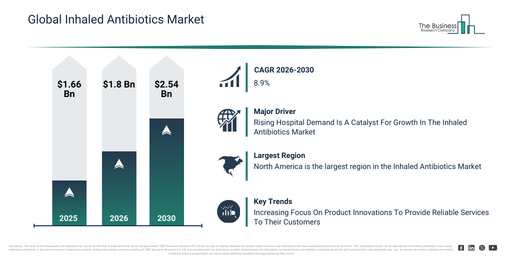
    The inhaled antibiotics market has shown robust expansion in recent years. It is projected to increase from $1.66 billion in 2025 to $1.8 billion in 2026, demonstrating a compound annual growth rate (CAGR) of 8.7%. The growth observed in the historical period stems from the rising prevalence of cystic fibrosis, an increasing incidence of hospital-acquired pneumonia, growing awareness of targeted drug delivery, clinical evidence supporting improved lung function, and the availability of established nebulizer technologies.

    The inhaled antibiotics market is projected to experience substantial expansion in the coming years. This market is anticipated to reach $2.54 billion by 2030, exhibiting a compound annual growth rate (CAGR) of 8.9%. The predicted growth during this period stems from factors such as escalating antibiotic resistance, a rise in the population suffering from chronic respiratory diseases, innovations in inhalation drug delivery systems, improved access to respiratory care within developing markets, and ongoing pipeline development for new inhaled antibiotics. Key trends anticipated for the forecast timeframe involve the broadened application of inhaled antibiotics for conditions like cystic fibrosis and persistent respiratory infections, the increasing uptake of dry powder inhaled antibiotic formulations, a heightened emphasis on minimizing systemic adverse effects through localized pulmonary administration, the growing utilization of nebulized antibiotics in hospitals for serious infections, and the creation of wide-spectrum inhaled antibiotics to combat drug-resistant pathogens.

    Access Your Free Sample Report For In-Depth Market Analysis:

    https://www.thebusinessresearchcompany.com/sample.aspx?id=8738&type=smp

    What Key Drivers Are Fueling The Growth Of The Inhaled Antibiotics Market?

    The increasing demand in hospitals is projected to foster the growth of the inhaled antibiotics market in the coming period. Hospitals are medical institutions or facilities established to deliver treatment, care, and services to individuals experiencing illness or injury. In the hospital environment, inhaled antibiotics are employed, especially for treating respiratory infections, with aims to lessen the effect on gut microbiota, personalize treatment regimens, improve patient cooperation, and decrease hospital admission rates. For example, in May 2023, data from the American Health Care Association, a US-based nonprofit organization, revealed that the United States possessed 6,129 hospitals, marking a 0.591% increase from the prior year’s total of 6,093 hospitals. This escalating demand within hospitals is thus propelling the expansion of the inhaled antibiotics market.

    What Are The Key Segment Divisions In The Inhaled Antibiotics Market Segment Structure?

    The inhaled antibiotics market covered in this report is segmented –

    1) By Product Type: Aerosol Or Metered Dose Inhaler, Dry Powder Formulation, Spray, Other Types

    2) By Application: Pneumonia, Bronchitis, Other Applications

    3) By End-User: Hospitals, Other End Users

    Subsegments:

    1) By Aerosol Or Metered Dose Inhaler: Levofloxacin Inhalation Solution, Tobramycin Inhalation Solution, Aztreonam Inhalation Solution

    2) By Dry Powder Formulation: Dry Powder Tobramycin, Dry Powder Colistin

    3) By Spray: Antibiotic Nasal Sprays, Inhaled Antibiotic Solutions

    4) By Other Types: Nebulized Antibiotics, Intranasal Antibiotics

    What Market Trends Are Affecting The Inhaled Antibiotics Market?

    Within the inhaled antibiotics market, major companies are concentrating on innovative products like Breyna to boost their revenues. Breyna is an inhalation aerosol comprising formoterol fumarate dihydrate and budesonide, designed to manage and prevent symptoms such as wheezing and shortness of breath caused by asthma or persistent lung diseases. For instance, in July 2023, Viatris Inc., a US-based pharmaceutical company, partnered with Kindeva Drug Delivery L.P., a US-based firm specializing in drug delivery technologies, to launch Breyna. Breyna inhalation is a combination product containing two medications: budesonide and formoterol. The drug is supplied as a metered-dose inhaler that combines budesonide with formoterol fumarate dihydrate as an inhalation aerosol. It is available in two strengths: 80mcg/4.5mcg and 160mcg/4.5mcg. The U.S. Food and Drug Administration (FDA) has approved Breyna (budesonide and formoterol fumarate dihydrate) inhalation aerosol, which represents the first generic version of AstraZeneca’s Symbicort.

    Which Organizations Are Engaged In The Inhaled Antibiotics Market?

    Major companies operating in the inhaled antibiotics market are Gilead Sciences Inc., Lupin Limited, Insmed Inc., Savara Inc., Joincare Pharmaceutical Group Industry Co. Ltd., Pharmaxis Ltd., Teva Pharmaceutical Industries Ltd., Raptor Pharmaceutical Corporation, Altan Pharma Limited, Cipla Limited, Novartis AG, Bayer AG, Pfizer Inc., Aridis Pharmaceuticals, Bayer HealthCare, Nektar Therapeutics, Parion Sciences Inc., Zambon Group, Transave Inc., Alitair Pharmaceuticals.

    Get The Full Inhaled Antibiotics Market Report:

    https://www.thebusinessresearchcompany.com/report/inhaled-antibiotics-global-market-report

    Which Region Represents The Largest Share Of The Inhaled Antibiotics Market?

    North America was the largest region in the inhaled antibiotics market share in 2025. The regions covered in the inhaled antibiotics market report are Asia-Pacific, South East Asia, Western Europe, Eastern Europe, North America, South America, Middle East, Africa.

    Request A Customized Inhaled Antibiotics Market Report For Competitive Insights:

    https://www.thebusinessresearchcompany.com/report/inhaled-antibiotics-global-market-report

    Browse Through More Reports Similar to the Global Inhaled Antibiotics Market 2026, By The Business Research Company

    Inhaled Antibiotics Market Report 2026

    https://www.thebusinessresearchcompany.com/report/inhaled-antibiotics-global-market-report

    Antibiotics Market Report 2026

    https://www.thebusinessresearchcompany.com/report/antibiotics-global-market-report

    Inhalable Drugs Market Report 2026

    https://www.thebusinessresearchcompany.com/report/inhalable-drugs-global-market-report

    Get in touch with us:

    The Business Research Company: https://www.thebusinessresearchcompany.com/

    Americas +1 310-496-7795

    Asia +44 7882 955267 & +91 8897263534

    Europe +44 7882 955267

    Email us at: marketing@tbrc.info

    Follow us on:

    LinkedIn: https://in.linkedin.com/company/the-business-research-company

    YouTube: https://www.youtube.com/channel/UC24_fI0rV8cR5DxlCpgmyFQ

    Global Market Model: https://www.thebusinessresearchcompany.com/global-market-model

  • Global Digital Therapeutics Post-Stroke Rehab Market Analysis For 2026–2030 With Strategic Insights

    Global Digital Therapeutics Post-Stroke Rehab Market Analysis For 2026–2030 With Strategic Insights

    The Business Research Company’s 2026 market reports feature enhanced tools like market attractiveness analysis, TAM assessment, and company scoring matrices, along with interactive dashboards, deeper supply chain insights, and startup coverage strengthening the depth, usability, and strategic value of insights.

    How Is The Market Size Of The Digital Therapeutics Post-Stroke Rehab Market Expected To Scale Between 2026 And 2030?

    The size of the digital therapeutics post-stroke rehab market has expanded substantially in recent years. It is anticipated to increase from $1.31 billion in 2025 to $1.58 billion in 2026, achieving a compound annual growth rate (CAGR) of 20.3%. During the historical period, this growth was primarily driven by the escalating incidence of stroke cases, the broadening of rehabilitation services, the growing adoption of tele-rehabilitation models, advancements in digital therapy platforms, and the increasing preference for home-based recovery solutions.

    The digital therapeutics post-stroke rehab market size is expected to see exponential growth in the next few years. It will grow to $3.28 billion in 2030 at a compound annual growth rate (CAGR) of 20.0%. The growth in the forecast period can be attributed to increasing investments in digital rehabilitation technologies, rising adoption of ai-driven therapy personalization, expansion of remote monitoring in post-acute care, growing focus on value-based rehabilitation outcomes, increasing integration with conventional therapy pathways. Major trends in the forecast period include increasing adoption of remote rehabilitation platforms, rising use of gamified therapy programs, growing integration of wearable motion sensors, expansion of virtual reality-based rehabilitation, enhanced focus on outcome tracking and analytics.

    Access Your Free Sample Report For In-Depth Market Analysis:

    https://www.thebusinessresearchcompany.com/sample.aspx?id=29029&type=smp

    What Key Drivers Are Fueling The Growth Of The Digital Therapeutics Post-Stroke Rehab Market?

    The digital therapeutics post-stroke rehab market is projected to expand moving forward, driven by the escalating healthcare expenditure. This expenditure refers to the total funds allocated to medical services, equipment, and technologies aimed at improving health outcomes. Its increase is attributed to the rising demand for advanced medical technologies, as hospitals and clinics invest more in cutting-edge equipment and digital solutions to enhance patient care and results. Higher healthcare expenditure supports digital therapeutics post-stroke rehab by enabling hospitals and rehabilitation centers to allocate greater funds towards comprehensive post-stroke care programs, including personalized therapy and continuous monitoring solutions. For example, according to the Centers for Medicare & Medicaid Services, a US-based government agency, national health expenditures (NHE) for 2023 grew by 7.5% to $4.9 trillion, reported in June 2025. This amounted to an average of $14,570 per person and represented 17.6% of the Gross Domestic Product (GDP). Spending on Medicare also increased by 8.1% to $1,029.8 billion, making up 21% of the total NHE. Therefore, the rising healthcare expenditure is a significant factor in the growth of the digital therapeutics post-stroke rehab market.

    How Are Segments Identified Within The Digital Therapeutics Post-Stroke Rehab Market Segment Framework?

    The digital therapeutics post-stroke rehab market covered in this report is segmented –

    1) By Product Type: Software, Devices, Services

    2) By Patient Type: Adult: Geriatric, Pediatric

    3) By Application: Motor Skills Rehabilitation, Cognitive Rehabilitation, Speech And Language Therapy

    4) By Distribution Channel: Online, Offline

    5) By End-User: Hospitals, Rehabilitation Centers, Homecare Settings

    Subsegments:

    1) By Software: Rehabilitation Management Platforms, Cognitive Retraining Applications, Virtual Reality Therapy Programs, Motion Tracking Software, Remote Patient Monitoring Systems, Gamified Exercise Applications

    2) By Devices: Wearable Motion Sensors, Robotic Rehabilitation Systems, Smart Gloves And Exoskeletons, Balance Training Devices, Neurostimulation Devices, Tablet And Mobile-Based Therapy Kits

    3) By Services: Tele-Rehabilitation Services, Clinical Support And Consultation, Patient Engagement And Coaching Services, Data Analytics And Outcome Tracking, Maintenance And Technical Support Services, Training And Integration Services

    What Market Trends Are Affecting The Digital Therapeutics Post-Stroke Rehab Market?

    Leading companies in the digital therapeutics post-stroke rehab market are prioritizing the formation of strategic collaborations to access new customer bases and markets that might be challenging to penetrate independently. These strategic collaborations involve partnerships between companies designed to collectively achieve objectives, leverage each other’s strengths, and expand their market presence. For instance, in September 2025, Flint Rehab, a US-based developer of stroke rehabilitation systems, partnered with Tenovi, a US-based medical equipment manufacturer, to launch a significant NIH-funded trial aimed at testing remote therapeutic monitoring (RTM) in stroke rehabilitation. This collaboration led to one of the country’s first randomized controlled trials utilizing an RTM program to track home exercises in stroke rehabilitation. It provides therapists with an innovative way to monitor patient progress and maintain engagement during the crucial early recovery period. The trial combines Flint Rehab’s FDA-listed MiGo Tracker, a wearable wrist device, with Tenovi’s Cellular-Connected Gateway to securely transmit exercise data in real time to Tenovi’s RTM platform. This user-friendly system eliminates the need for smartphones, apps, or Wi-Fi, offering therapists a simplified, Medicare-billable method to monitor patients, intervene promptly, and adjust care plans based on real-time activity.

    Who Are The Companies Competing Within The Digital Therapeutics Post-Stroke Rehab Market?

    Major companies operating in the digital therapeutics post-stroke rehab market are Fourier Intelligence Co. Ltd., OneStep HealthTech, kaia health, Neofect, SWORD Health, Tyromotion, XRHealth, Saebo, Blue Marble Health Co., Neuro Rehab VR, Bionik Laboratories Corp., Flint Rehab, Eodyne, Neurofenix Inc., GripAble Ltd., i-BrainTech Ltd., neurobridge LLC, medrhythms Inc., MIRA Rehab, Rehametrics, Rewire Rehab, Strolll, immersive Rehab.

    Get The Full Digital Therapeutics Post-Stroke Rehab Market Report:

    https://www.thebusinessresearchcompany.com/report/digital-therapeutics-post-stroke-rehab-global-market-report

    Where Is The Digital Therapeutics Post-Stroke Rehab Market Primarily Concentrated By Region?

    North America was the largest region in the digital therapeutics post-stroke rehab market in 2025. Asia-Pacific is expected to be the fastest-growing region in the forecast period. The regions covered in the digital therapeutics post-stroke rehab market report are Asia-Pacific, South East Asia, Western Europe, Eastern Europe, North America, South America, Middle East, Africa.

    Request A Customized Digital Therapeutics Post-Stroke Rehab Market Report For Competitive Insights:

    https://www.thebusinessresearchcompany.com/report/digital-therapeutics-post-stroke-rehab-global-market-report

    Browse Through More Reports Similar to the Global Digital Therapeutics Post-Stroke Rehab Market 2026, By The Business Research Company

    Digital Therapeutics Market Report 2026

    https://www.thebusinessresearchcompany.com/report/digital-therapeutics-global-market-report

    Stroke Management Market Report 2026

    https://www.thebusinessresearchcompany.com/report/stroke-management-global-market-report

    Medical Rehabilitation Services Market Report 2026

    https://www.thebusinessresearchcompany.com/report/medical-rehabilitation-services-global-market-report

    Get in touch with us:

    The Business Research Company: https://www.thebusinessresearchcompany.com/

    Americas +1 310-496-7795

    Asia +44 7882 955267 & +91 8897263534

    Europe +44 7882 955267

    Email us at: marketing@tbrc.info

    Follow us on:

    LinkedIn: https://in.linkedin.com/company/the-business-research-company

    YouTube: https://www.youtube.com/channel/UC24_fI0rV8cR5DxlCpgmyFQ

    Global Market Model: https://www.thebusinessresearchcompany.com/global-market-model

  • Digital Therapeutics For Tinnitus Market Outlook 2026–2030 Driven By Growth Factors And Projections

    Digital Therapeutics For Tinnitus Market Outlook 2026–2030 Driven By Growth Factors And Projections

    The Business Research Company’s 2026 market reports feature enhanced tools like market attractiveness analysis, TAM assessment, and company scoring matrices, along with interactive dashboards, deeper supply chain insights, and startup coverage strengthening the depth, usability, and strategic value of insights.

    What Level Of Market Value Growth Is Predicted For The Digital Therapeutics For Tinnitus Market From 2026 To 2030?

    The digital therapeutics for tinnitus market size has experienced exponential growth in recent years. This market is projected to expand from $1.78 billion in 2025 to $2.27 billion in 2026, at a compound annual growth rate (CAGR) of 27.3%. The growth observed in the historic period can be attributed to a rising incidence of hearing-related disorders, increased awareness of tinnitus management options, growth in mobile health application usage, the expansion of digital audiology services, and the limitations of conventional tinnitus treatments.

    The market size for digital therapeutics targeting tinnitus is projected to experience rapid expansion over the coming years. It is anticipated to grow to $5.89 billion in 2030, with a compound annual growth rate (CAGR) of 27.0%. This growth in the forecast period can be attributed to the escalating demand for individualized auditory treatments, the rising adoption of AI-driven sound optimization, the expansion of remote audiology services, the growing integration of digital therapeutics with hearing devices, and an increasing focus on long-term tinnitus symptom management. Significant trends within the forecast period include the increasing acceptance of sound therapy applications, the rising use of personalized tinnitus management programs, the growing integration of AI-based audio modulation, the expansion of mobile-based behavioral therapies, and an enhanced focus on continuous patient engagement.

    Access Your Free Sample Report For In-Depth Market Analysis:

    https://www.thebusinessresearchcompany.com/sample.aspx?id=29028&type=smp

    Which Drivers Are Supporting The Digital Therapeutics For Tinnitus Market Growth?

    The increasing integration of digital health solutions is anticipated to stimulate the expansion of the digital therapeutics for tinnitus market moving forward. Digital health refers to the utilization of digital technologies, interconnected tools, and data-driven platforms to enhance healthcare delivery, improve patient outcomes, and support health management. The embrace of digital health solutions is escalating as more individuals gain access to smartphones and the internet, allowing patients to connect with healthcare services at any time and from any location. Digital therapeutics for tinnitus capitalize on this connectivity by providing mobile health applications, telemedicine services, and evidence-based interventions that are both readily available and convenient. For instance, in December 2023, as per the National Health Service, a UK-based government department, digital health app users reached 33.6 million, an increase from 16.8 million in 2022, with monthly logins surging 54% from 16.8 million to 25.8 million. Consequently, the growing adoption of digital health solutions is propelling the growth of the digital therapeutics for tinnitus market.

    What Are The Key Segment Divisions In The Digital Therapeutics For Tinnitus Market Segment Structure?

    The digital therapeutics for tinnitus market covered in this report is segmented –

    1) By Product Type: Software Applications, Devices, Services

    2) By Therapy: Cognitive Behavioral Therapy, Sound Therapy, Educational Therapy, Other Therapies

    3) By Distribution Channel: Online Platforms, Hospitals And Clinics, Other Distribution Channels

    4) By End User: Adults, Pediatrics, Geriatrics

    Subsegments:

    1) By Software Application: Mobile Applications, Web Based Applications, Cloud Based Applications, Standalone Applications

    2) By Devices: Wearable Devices, Hearing Aids Integrated Devices, Sound Therapy Devices, Neuromodulation Devices

    3) By Services: Remote Monitoring Services, Counseling Services, Subscription Based Services, Customized Therapy Services

    Which Trends Are Influencing Demand In The Digital Therapeutics For Tinnitus Market?

    Major companies operating in the digital therapeutics for tinnitus market are primarily focused on technological advancement, such as digital therapeutic (DTx) for neuro-behavioral disorders, to enhance auditory processing and mental health outcomes. Digital therapeutic (DTx) for Neuro-Behavioral Disorders denotes software-driven, evidence-based therapeutic interventions crafted to prevent, manage, or treat neurological and behavioral conditions like tinnitus, depression, or anxiety, by delivering personalized digital programs that improve cognitive, emotional, or sensory functions. For instance, in February 2025, Neurive, a South Korea-based neurotechnology company, introduced SoriCLEAR, a digital therapeutic designed to address tinnitus and depression. Developed under the leadership of CEO Jae-Jun Song, a professor at Korea University specializing in neuromodulation, dementia, and depression, SoriCLEAR utilizes artificial intelligence to assess factors such as age, gender, tinnitus frequency, and severity. This data-driven approach enables the creation of personalized treatment plans tailored to individual patient profiles. SoriCLEAR has been approved by Korea’s Ministry of Food and Drug Safety, marking it as the country’s fifth digital therapeutic for tinnitus. The platform is currently available for use in clinical settings, offering a promising solution for patients seeking non-invasive treatment options for these challenging conditions.

    Which Organizations Are Engaged In The Digital Therapeutics For Tinnitus Market?

    Major companies operating in the digital therapeutics for tinnitus market are Sonova Holding AG, Starkey Hearing Technologies, Oticon A/S, ASKA Pharmaceutical Co. Ltd., Beltone, InfectoPharm Arzneimittel und Consilium GmbH, Signia, Oto Health Inc., Neuromod Devices Ltd., Mahana Therapeutics Inc., AudioCardio Inc., Neuromonics Inc., Treble Health Ltd., Sound Oasis LLC, AppyHapps Inc., Auricle Inc., TrueSilence Inc., MindEar Ltd., Tinnitracks, Tonal Tinnitus Therapy

    Get The Full Digital Therapeutics For Tinnitus Market Report:

    https://www.thebusinessresearchcompany.com/report/digital-therapeutics-for-tinnitus-global-market-report

    Which Region Has The Greatest Market Share In The Digital Therapeutics For Tinnitus Market?

    North America was the largest region in the digital therapeutics for tinnitus market in 2025. Asia-Pacific is expected to be the fastest-growing region in the forecast period. The regions covered in the digital therapeutics for tinnitus market report are Asia-Pacific, South East Asia, Western Europe, Eastern Europe, North America, South America, Middle East, Africa.

    Request A Customized Digital Therapeutics For Tinnitus Market Report For Competitive Insights:

    https://www.thebusinessresearchcompany.com/report/digital-therapeutics-for-tinnitus-global-market-report

    Browse Through More Reports Similar to the Global Digital Therapeutics For Tinnitus Market 2026, By The Business Research Company

    Digital Therapeutics Market Report 2026

    https://www.thebusinessresearchcompany.com/report/digital-therapeutics-global-market-report

    Neurology Devices Market Report 2026

    https://www.thebusinessresearchcompany.com/report/neurology-devices-global-market-report

    Otic Drugs Market Report 2026

    https://www.thebusinessresearchcompany.com/report/otic-drugs-global-market-report

    Get in touch with us:

    The Business Research Company: https://www.thebusinessresearchcompany.com/

    Americas +1 310-496-7795

    Asia +44 7882 955267 & +91 8897263534

    Europe +44 7882 955267

    Email us at: marketing@tbrc.info

    Follow us on:

    LinkedIn: https://in.linkedin.com/company/the-business-research-company

    YouTube: https://www.youtube.com/channel/UC24_fI0rV8cR5DxlCpgmyFQ

    Global Market Model: https://www.thebusinessresearchcompany.com/global-market-model
  • Inhalation Sedatives Market Expected To Grow Steadily And Approach $46.95 Billion By 2030

    Inhalation Sedatives Market Expected To Grow Steadily And Approach $46.95 Billion By 2030

    The Business Research Company’s 2026 market reports feature enhanced tools like market attractiveness analysis, TAM assessment, and company scoring matrices, along with interactive dashboards, deeper supply chain insights, and startup coverage strengthening the depth, usability, and strategic value of insights.

    By 2030, What Market Size Is The Inhalation Sedatives Market Expected To Reach Based On Its 2026 Value?

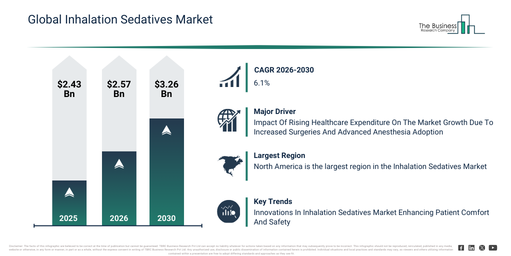
    The inhalation sedatives market has experienced substantial growth in recent years. This market is set to increase from $2.43 billion in 2025 to $2.57 billion in 2026, registering a compound annual growth rate (CAGR) of 5.7%. The historical expansion in this sector can be ascribed to factors such as the previously limited availability of inhalation sedatives, a reliance on traditional general anesthesia, the expansion of hospital and surgical center infrastructure, growing awareness of conscious sedation, and the adoption of nitrous oxide in dental practices.

    The inhalation sedatives market is projected to achieve robust growth in the coming years. Its valuation is expected to ascend to $3.26 billion by 2030, driven by a compound annual growth rate (CAGR) of 6.1%. This anticipated expansion during the forecast period is attributed to factors such as the development of new inhalation anesthetic agents, an increase in ambulatory surgical services, the growing adoption of sedation monitoring technologies, the integration of AI-based anesthesia management, and a rising demand for pediatric and outpatient sedation procedures. Major trends foreseen during this period include the increased acceptance of inhalation sedatives in both pediatric and adult surgeries, a greater use of nitrous oxide for dental analgesia and minor procedures, the expansion of outpatient and ambulatory surgical centers that utilize sedation, the incorporation of sedation techniques into pain management and anxiety reduction strategies, and a sustained focus on safety protocols and monitoring standards during sedation.

    Access Your Free Sample Report For In-Depth Market Analysis:

    https://www.thebusinessresearchcompany.com/sample.aspx?id=3468&type=smp

    Which Drivers Are Supporting The Inhalation Sedatives Market Growth?

    The Inhalation Sedatives market is anticipated to expand moving forward due to increasing healthcare expenditure. This spending represents the total financial resources allocated by individuals, organizations, or governments for preventing, treating, and managing health conditions. Healthcare expenditure is on the rise, primarily driven by advancements in medical technology, as new diagnostic tools, treatments, and innovative therapies frequently come with higher costs, leading to greater overall spending in the healthcare sector. Elevated healthcare spending enhances the utilization of inhalation sedatives by supporting a greater number of surgeries, advanced anesthesia equipment, improved patient access, and enhanced research and development for safer, more effective sedatives. For example, in December 2024, the Centers for Medicare & Medicaid Services, a US-based agency responsible for administering the Medicare and Medicaid programs, reported that U.S. health care expenditures in 2023 increased by 7.5%, reaching $4.9 trillion, equivalent to approximately $14,570 per individual. Therefore, the upward trend in healthcare expenditure is a significant driver for the growth of the Inhalation Sedatives market. The growing prevalence of respiratory diseases is expected to boost the growth of inhalation sedatives in the future. Respiratory diseases are medical conditions that affect the respiratory system, including components such as the lungs, bronchi, trachea, larynx, pharynx, and nasal passages. Inhalation sedatives are employed in the management of respiratory diseases to achieve several objectives, including reducing anxiety, improving patient comfort, facilitating medical procedures, and helping to enhance breathing and overall respiratory function. For instance, in December 2023, the National Center for Biotechnology Information, a US-based government agency, projected that the number of COPD cases would increase by 112 million, reaching a total of 592 million by 2050, which would constitute 9.5% of the eligible population. Consequently, the increasing prevalence of respiratory diseases will drive the future market for inhalation sedatives.

    Which Segment Categories Are Included In The Inhalation Sedatives Market Segment Analysis?

    The inhalation sedatives market covered in this report is segmented –

    1) By Product: Sevoflurane, Desflurane, Isoflurane, Nitrous Oxide

    2) By Application: Induction, Maintenance

    3) By End-User: Hospitals, Ambulatory Surgical Centers, Other End-Users

    Subsegments:

    1) By Sevoflurane: Pediatric Anesthesia, Adult Anesthesia

    2) By Desflurane: Outpatient Surgery, Maintenance Anesthesia

    3) By Isoflurane: Maintenance Of General Anesthesia, Induction Of General Anesthesia

    4) By Nitrous Oxide: Analgesia For Dental Procedures, Anesthesia For Minor Surgical Procedures

    Which Trends Are Influencing Demand In The Inhalation Sedatives Market?

    Leading firms within the inhalation sedatives market are introducing groundbreaking services, including inhalation sedation, to enhance patient well-being. This method, inhalation sedation, represents a secure and efficient approach employing sedative gases to mitigate apprehension and unease during dental treatments. A prime example is Platinum Dental Services, a dental provider located in Ghana, which introduced an inhalation sedation service in November 2023. This dental strategy focuses on elevating patient comfort by administering a mixture of sedative gases for inhalation during procedures. The technique is effective in diminishing anxiety and fear associated with dental appointments, proving particularly beneficial for adults and children who experience nervousness regarding dental care. Through the establishment of a secure and controlled environment, inhalation sedation allows patients to maintain a relaxed state while staying conscious and responsive throughout treatments, thereby cultivating an encouraging dental experience. This novel service aims to uplift general patient care and encourage individuals to undergo necessary dental treatments, free from the stress commonly linked with traditional dental appointments.

    Who Are The Active Companies Shaping The Inhalation Sedatives Market?

    Major companies operating in the inhalation sedatives market are AbbVie Inc., Baxter International Inc., Fresenius SE & Co. KGaA, Halocarbon Products Corporation, Hikma Pharmaceuticals plc, Jiangsu Hengrui Medicine Co. Ltd., Lunan Pharmaceutical Group Co. Ltd., Piramal Enterprises Ltd., Teva Pharmaceutical Industries Ltd., Sun Pharmaceutical Industries Ltd., Lupin Limited, Cipla Limited, Dr. Reddy’s Laboratories Ltd., Zydus Cadila Health Care Limited, Torrent Pharmaceuticals Ltd., Aurobindo Pharma Limited, Intas Pharmaceuticals Ltd., Wockhardt Limited, Glenmark Pharmaceuticals Limited, Alkem Laboratories Limited, Jubilant Life Sciences Limited

    Get The Full Inhalation Sedatives Market Report:

    https://www.thebusinessresearchcompany.com/report/inhalation-sedative-global-market-report

    Which Geographic Region Dominates The Inhalation Sedatives Market?

    North America was the largest region in the inhalation sedatives market in 2025. The regions covered in the inhalation sedatives market report are Asia-Pacific, South East Asia, Western Europe, Eastern Europe, North America, South America, Middle East, Africa.

    Request A Customized Inhalation Sedatives Market Report For Competitive Insights:

    https://www.thebusinessresearchcompany.com/report/inhalation-sedative-global-market-report

    Browse Through More Reports Similar to the Global Inhalation Sedatives Market 2026, By The Business Research Company

    Veterinary Medical Equipment Market Report 2026

    https://www.thebusinessresearchcompany.com/report/veterinary-medical-equipment-global-market-report

    Anesthesia And Respiratory Devices Market 2026

    https://www.thebusinessresearchcompany.com/report/anesthesia-and-respiratory-devices-market

    Veterinary Anesthesia Equipment Market Report 2026

    https://www.thebusinessresearchcompany.com/report/veterinary-anesthesia-equipment-global-market-report

    Get in touch with us:

    The Business Research Company: https://www.thebusinessresearchcompany.com/

    Americas +1 310-496-7795

    Asia +44 7882 955267 & +91 8897263534

    Europe +44 7882 955267

    Email us at: marketing@tbrc.info

    Follow us on:

    LinkedIn: https://in.linkedin.com/company/the-business-research-company

    YouTube: https://www.youtube.com/channel/UC24_fI0rV8cR5DxlCpgmyFQ

    Global Market Model: https://www.thebusinessresearchcompany.com/global-market-model

  • Digital Therapeutics For Migraine Market Developments And Opportunities Across 2026–2030

    Digital Therapeutics For Migraine Market Developments And Opportunities Across 2026–2030

    The Business Research Company’s 2026 market reports feature enhanced tools like market attractiveness analysis, TAM assessment, and company scoring matrices, along with interactive dashboards, deeper supply chain insights, and startup coverage strengthening the depth, usability, and strategic value of insights.

    How Will The Market Value Of The Digital Therapeutics For Migraine Market Progress Between 2026 And 2030?

    The digital therapeutics for migraine market size has seen remarkable growth over recent years. It is anticipated to expand from $1.7 billion in 2025 to $2.09 billion in 2026, demonstrating a compound annual growth rate (CAGR) of 23.5%. This historic period’s expansion can be ascribed to several factors, including the increasing occurrence of migraine disorders, the rising utilization of mobile health applications, enhanced accessibility to digital healthcare platforms, growing understanding of non-pharmacological migraine management methods, and the wider adoption of telemedicine.

    The digital therapeutics for migraine market is anticipated to undergo significant expansion in the coming years. It is predicted to climb to $4.82 billion by 2030, achieving a compound annual growth rate (CAGR) of 23.2%. This growth during the forecast period can be attributed to a rising need for preventive migraine care solutions, the increasing adoption of AI-enabled tools for migraine prediction, the broadening of remote patient engagement models, a growing integration of digital therapeutics into clinical workflows, and an intensified focus on personalized migraine treatment strategies. Noteworthy trends for the forecast period include a greater uptake of migraine tracking applications, an increased use of digital programs for behavior modification, the expanding integration of wearables for detecting triggers, a wider availability of preventive digital therapy solutions, and an enhanced emphasis on real-time patient feedback.

    Access Your Free Sample Report For In-Depth Market Analysis:

    https://www.thebusinessresearchcompany.com/sample.aspx?id=29027&type=smp

    What Key Factors Are Affecting The Digital Therapeutics For Migraine Market Demand?

    The rising adoption of smartphones is anticipated to fuel the expansion of the digital therapeutics for migraine market. These devices are mobile units that combine communication capabilities with advanced processing power, internet connectivity, and a diverse range of applications. Their increasing accessibility and cost-effectiveness are leading to a surge in smartphone penetration, providing wider access to mobile services and digital platforms. Greater smartphone penetration facilitates enhanced access to digital therapeutics for migraine, fostering wider utilization of app-based management and treatment options. For example, in February 2023, the GSM Association (GSMA), a UK-based industry body representing mobile network operators and companies, projected that smartphone penetration in sub-Saharan Africa would significantly increase, reaching 87% by 2030, a considerable rise from 51% in 2022. Consequently, the expanding reach of smartphones is acting as a catalyst for the growth of the digital therapeutics for migraine market.

    Which Segment Categories Are Included In The Digital Therapeutics For Migraine Market Segment Analysis?

    The digital therapeutics for migraine market covered in this report is segmented –

    1) By Product Type: Software, Devices, Services

    2) By Patient Type: Adult, Pediatric

    3) By Distribution Channel: Healthcare Providers, Online Platforms, Pharmacies

    4) By Application: Prevention, Acute Treatment, Patient Education, Other Applications

    5) By End User: Hospitals, Clinics, Homecare, Other End Users

    Subsegments:

    1) By Software: Mobile Applications, Web Applications, Desktop Applications

    2) By Devices: Wearable Devices, Monitoring Devices, Therapeutic Devices

    3) By Services: Consultation Services, Coaching Services, Support Services

    What Emerging Trends Are Seen In The Digital Therapeutics For Migraine Market?

    Leading companies in the digital therapeutics for migraine market are prioritizing advanced innovation, including prescription-grade mobile software, to elevate treatment efficacy, foster greater patient adherence, and address the increasing demand for non-pharmacological approaches to migraine management. Prescription-grade mobile software identifies mobile applications that have been clinically validated and approved by regulatory bodies to deliver evidence-based therapeutic solutions. For instance, in April 2025, Click Therapeutics, Inc., a US-based enterprise focused on prescription digital therapeutics, launched CT-132, which is the first prescription digital therapeutic approved by the FDA for the preventive treatment of episodic migraine in the United States. This regulated mobile application is engineered to deliver sustained and effective migraine management through software-based behavioral techniques. It incorporates clinically validated digital interventions aimed at assisting patients in managing stress-induced migraine risk and reducing the number of monthly migraine days. The solution guarantees significant treatment effectiveness, improved patient adherence, and seamless integration into formal healthcare systems, surpassing conventional wellness applications.

    Who Are The Active Companies Shaping The Digital Therapeutics For Migraine Market?

    Major companies operating in the digital therapeutics for migraine market are Pfizer Inc., Theranica Bio Electronics Ltd., Dr. Reddy’s Laboratories, Evidation Health Inc., Aptar Digital Health SAS, Click Therapeutics Inc., Salvia BioElectronics B.V., Tonix Pharmaceuticals Holding Corp, Neurolief Ltd., AndHealth LLC., Nordic Brain Tech AS., Curelator Inc., Lin Health Inc., Schmerzklinik Kiel GmbH., Juva Health Inc., Migrevention OÜ., Newsenselab GmbH., Ebby Health Inc., Care Tuner Inc., Peachy Day Inc.

    Get The Full Digital Therapeutics For Migraine Market Report:

    https://www.thebusinessresearchcompany.com/report/digital-therapeutics-for-migraine-global-market-report

    Which Region Accounts For The Largest Portion Of The Digital Therapeutics For Migraine Market?

    North America was the largest region in the digital therapeutics for migraine market in 2025. Asia-Pacific is expected to be the fastest-growing region in the forecast period. The regions covered in the digital therapeutics for migraine market report are Asia-Pacific, South East Asia, Western Europe, Eastern Europe, North America, South America, Middle East, Africa.

    Request A Customized Digital Therapeutics For Migraine Market Report For Competitive Insights:

    https://www.thebusinessresearchcompany.com/report/digital-therapeutics-for-migraine-global-market-report

    Browse Through More Reports Similar to the Global Digital Therapeutics For Migraine Market 2026, By The Business Research Company

    Migraine Drugs Market Report 2026

    https://www.thebusinessresearchcompany.com/report/migraine-drugs-global-market-report

    Migraine Treatment Market Report 2026

    https://www.thebusinessresearchcompany.com/report/migraine-treatment-global-market-report

    Acute Migraine Treatment Market Report 2026

    https://www.thebusinessresearchcompany.com/report/acute-migraine-treatment-global-market-report

    Get in touch with us:

    The Business Research Company: https://www.thebusinessresearchcompany.com/

    Americas +1 310-496-7795

    Asia +44 7882 955267 & +91 8897263534

    Europe +44 7882 955267

    Email us at: marketing@tbrc.info

    Follow us on:

    LinkedIn: https://in.linkedin.com/company/the-business-research-company

    YouTube: https://www.youtube.com/channel/UC24_fI0rV8cR5DxlCpgmyFQ

    Global Market Model: https://www.thebusinessresearchcompany.com/global-market-model
  • Inhalation CDMO Market Expansion Forecast Reaching $15.79 Billion By 2030 At 10.1% CAGR

    Inhalation CDMO Market Expansion Forecast Reaching $15.79 Billion By 2030 At 10.1% CAGR

    The Business Research Company’s 2026 market reports feature enhanced tools like market attractiveness analysis, TAM assessment, and company scoring matrices, along with interactive dashboards, deeper supply chain insights, and startup coverage strengthening the depth, usability, and strategic value of insights.

    What Is The Anticipated Rise In Market Value Of The Inhalation CDMO Market During The Forecast Period?

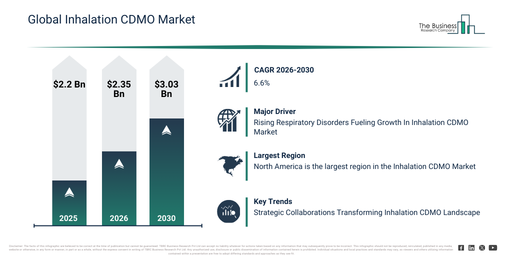
    The inhalation cdmo market size has seen substantial growth in recent years. It is anticipated to increase from $2.2 billion in 2025 to $2.35 billion in 2026, at a compound annual growth rate (CAGR) of 6.4%. This historical expansion can be attributed to several factors, including the increasing prevalence of asthma and copd, a heightened demand for inhalation therapies, the development of biologics and specialized drug formulations, continuous advancements in formulation technologies, and the rising trend of outsourcing by pharmaceutical companies.

    The inhalation cdmo market is projected to experience significant expansion in the coming years, with its size expected to reach $3.03 billion in 2030, growing at a compound annual growth rate (CAGR) of 6.6%. This anticipated growth throughout the forecast period is primarily driven by the proliferation of digital and smart inhalers, advancements in personalized medicine and precision therapy, increased capital expenditure in inhalation cdmo infrastructure, the growing adoption of sophisticated manufacturing technologies, and a rise in strategic partnerships between biotech companies and CDMOs. Prominent trends for the forecast period include the development of personalized inhalation therapies, the application of advanced formulation and drug delivery techniques, enhancements in regulatory compliance and quality assurance standards, an expansion of contract manufacturing services for small and medium-sized enterprises, and the integration of smart inhalers with digital health monitoring systems.

    Access Your Free Sample Report For In-Depth Market Analysis:

    https://www.thebusinessresearchcompany.com/sample.aspx?id=13864&type=smp

    What Key Factors Are Affecting The Inhalation CDMO Market Demand?

    The rising occurrence of respiratory illnesses is anticipated to fuel the expansion of the inhalation CDMO market in the future. These disorders encompass various medical conditions impacting the respiratory system, specifically the organs and structures essential for respiration. Inhalation CDMOs play a crucial role in creating and producing treatments for respiratory ailments, leveraging their proficiency in drug formulation and delivery to the lungs, and offering specialized expertise, infrastructure, and resources to pharmaceutical firms developing advanced inhalation therapies. For example, data from the National Library of Medicine, a US-based medical library, revealed in December 2023 that the worldwide incidence of chronic obstructive pulmonary disease (COPD) in individuals aged 25 and above is forecast to increase by 23% by 2050, potentially affecting almost 600 million people. Consequently, the growing frequency of respiratory conditions is propelling the development of the inhalation CDMO market.

    How Is The Inhalation CDMO Market Broken Down By Segment Categories?

    The inhalation cdmo market covered in this report is segmented –

    1) By Product: Dry Powder Inhaler (DPIs), Metered Dose Inhaler (MDIs), Nebulizer, Soft Mist Inhaler

    2) By Disease Indication: Asthma, Chronic Obstructive Pulmonary Disease (COPD), Pulmonary Arterial Hypertension, Acute Respiratory Distress Syndrome, Pulmonary Fibrosis

    3) By Technology: Manual Inhalers (SMI), Digital Inhalers

    4) By End-User: Big Pharmaceutical Companies, Small and Medium-sized Pharmaceutical Companies, Generic Pharmaceutical Companies, Other End-Users

    Subsegments:

    1) By Dry Powder Inhaler (DPIs): Capsule-Based DPIs, Diskus-Style DPIs, Multi-Dose DPIs, Unit-Dose DPIs

    2) By Metered Dose Inhaler (MDIs): Pressurized MDIs (pMDIs), Breath-Actuated MDIs, Soft Mist MDIs

    3) By Nebulizer: Jet Nebulizers, Ultrasonic Nebulizers, Mesh Nebulizers, Portable Nebulizers

    4) By Soft Mist Inhaler: Respimat Inhalers, Other Soft Mist Inhalation Devices

    What Emerging Trends Are Seen In The Inhalation CDMO Market?

    Leading companies within the inhalation CDMO sector are increasingly forming strategic alliances to deliver specialized drug development and delivery solutions. A strategic partnership denotes a long-standing, mutually beneficial arrangement between two or more entities collaborating to achieve common objectives. As an example, in May 2023, Hovione, a Contract Development and Manufacturing Organization situated in Portugal, joined forces with H&T Presspart, a UK-based producer of high-precision metal and plastic components for the pharmaceutical industry, to progress Presspart’s Sunrise Capsule-based Dry Powder Inhaler platform. This collaboration aims to innovate new technologies that facilitate the delivery of higher drug doses and enhance the efficiency of drug administration to the lungs.

    Which Players Are Present In The Inhalation CDMO Market Space?

    Major companies operating in the inhalation cdmo market are Baxter’s BioPharma Solutions, Lonza Group AG, Catalent Inc., Siegfried Holding AG, Recipharm AB, Stevanato Group SpA, CordenPharma, Nemera, Hovione FarmaCiencia SA, Vectura Group Ltd., CARBOGEN AMCIS, Kindeva Drug Delivery Ltd., Frontage Laboratories Inc, Sanner GmbH, H&T Presspart Ltd., Astech Projects Ltd, Cliantha Research, Copley Scientific, Cambrex Corporation, AptarGroup Inc.

    Get The Full Inhalation CDMO Market Report:

    https://www.thebusinessresearchcompany.com/report/inhalation-cdmo-global-market-report

    Which Region Is The Leading Market For The Inhalation CDMO Market?

    North America was the largest region in the inhalation contract development and manufacturing organization (CDMO) market in 2025. The regions covered in the inhalation cdmo market report are Asia-Pacific, South East Asia, Western Europe, Eastern Europe, North America, South America, Middle East, Africa.

    Request A Customized Inhalation CDMO Market Report For Competitive Insights:

    https://www.thebusinessresearchcompany.com/report/inhalation-cdmo-global-market-report

    Browse Through More Reports Similar to the Global Inhalation CDMO Market 2026, By The Business Research Company

    Inhalation Cdmo Market Report 2026

    https://www.thebusinessresearchcompany.com/report/inhalation-cdmo-global-market-report

    Inhalable Drugs Market Report 2026

    https://www.thebusinessresearchcompany.com/report/inhalable-drugs-global-market-report

    Inhalation Anesthesia Market Report 2026

    https://www.thebusinessresearchcompany.com/report/inhalation-anesthesia-global-market-report

    Get in touch with us:

    The Business Research Company: https://www.thebusinessresearchcompany.com/

    Americas +1 310-496-7795

    Asia +44 7882 955267 & +91 8897263534

    Europe +44 7882 955267

    Email us at: marketing@tbrc.info

    Follow us on:

    LinkedIn: https://in.linkedin.com/company/the-business-research-company

    YouTube: https://www.youtube.com/channel/UC24_fI0rV8cR5DxlCpgmyFQ

    Global Market Model: https://www.thebusinessresearchcompany.com/global-market-model