Category: Pharmaceuticals

  • Global Anti-Inflammatory Therapeutics Market Analysis For 2026–2030 With Strategic Insights

    Global Anti-Inflammatory Therapeutics Market Analysis For 2026–2030 With Strategic Insights

    The Business Research Company’s 2026 market reports feature enhanced tools like market attractiveness analysis, TAM assessment, and company scoring matrices, along with interactive dashboards, deeper supply chain insights, and startup coverage strengthening the depth, usability, and strategic value of insights.

    From Its 2026 Market Size, What Value Is The Anti-Inflammatory Therapeutics Market Projected To Reach By 2030?

    The market for anti-inflammatory therapeutics has shown consistent expansion in recent years. Projections indicate this market will expand from $117.28 billion in 2025 to $122.27 billion in 2026, achieving a compound annual growth rate (CAGR) of 4.3%. Historically, this growth was driven by factors including the increasing prevalence of arthritis, a rise in inflammatory bowel disease cases, the expansion of hospital pharmacy networks, the uptake of corticosteroids, and the demand for pain management drugs.

    The anti-inflammatory therapeutics market size is projected to experience substantial growth in the coming years, with an anticipated expansion to $152.04 billion by 2030, driven by a compound annual growth rate (CAGR) of 5.6%. This expected increase during the forecast period is attributed to several factors, including the development of targeted biologics, the integration of AI in drug discovery, the expansion of online pharmacies, an increasing geriatric population, and a rising focus on personalized medicine. Significant trends foreseen in this period involve personalized anti-inflammatory therapies, an increased adoption of biologic drugs, the development of minimally invasive drug delivery systems, a growth in chronic pain management solutions, and the further expansion of online pharmacy distribution.

    Access Your Free Sample Report For In-Depth Market Analysis:

    https://www.thebusinessresearchcompany.com/sample.aspx?id=12861&type=smp

    Which Strong Drivers Are Impacting The Anti-Inflammatory Therapeutics Market Growth?

    The escalating occurrence of inflammatory bowel disease is anticipated to fuel expansion within the anti-inflammatory therapeutics market moving ahead. Inflammatory bowel disease (IBD) is defined as a persistent condition characterized by inflammation of the digestive system. Anti-inflammatory treatments are vital for managing Crohn’s disease, effectively diminishing inflammation, alleviating its symptoms, and lowering the necessity for surgical intervention. An illustrative example comes from June 2023 data by Crohn’s and Colitis Canada, a Canadian non-profit, indicating that the number of individuals afflicted with inflammatory bowel disease (IBD) in Canada is projected to reach 470,000 by 2035, a rise from approximately 322,600 in 2023. Consequently, the rising incidence of inflammatory bowel disease is a key factor stimulating the expansion of the anti-inflammatory therapeutics market.

    Which Segment Types Are Examined In The Anti-Inflammatory Therapeutics Market Segment Study?

    The anti-inflammatory therapeutics market covered in this report is segmented –

    1) By Drug Class: Nonsteroidal Anti-Inflammatory Drugs (NSAIDs), Corticosteroids, Anti-Inflammatory Biologics

    2) By Indication: Arthritis, Respiratory Diseases, Multiple Sclerosis, Psoriasis, Inflammatory Bowel Diseases, Other Inflammatory Diseases

    3) By Distribution Channel: Retail Pharmacies, Hospital Pharmacies

    Subsegments:

    1) By Nonsteroidal Anti-Inflammatory Drugs (NSAIDs): Ibuprofen, Aspirin, Naproxen, Diclofenac, Celecoxib, Indomethacin, Ketoprofen

    2) By Corticosteroids: Prednisone, Dexamethasone, Hydrocortisone, Methylprednisolone, Triamcinolone, Betamethasone

    3) By Anti-Inflammatory Biologics: Tumor Necrosis Factor (TNF) Inhibitors, Interleukin Inhibitors, Monoclonal Antibodies, Recombinant Proteins, Fusion Proteins

    Which Trends Are Guiding The Direction Of The Anti-Inflammatory Therapeutics Market?

    Leading firms within the anti-inflammatory therapeutics market are concentrating on creating groundbreaking biologic treatments aimed at enhancing patient results for those suffering from chronic inflammatory ailments. Such sophisticated therapies are formulated to provide precise immune modulation, superior effectiveness, and improved patient tolerance in contrast to traditional approaches like corticosteroids. An example of this is the introduction of Kevzara (sarilumab) in February 2023 by Regeneron Pharmaceuticals Inc., a US-based biotechnology firm, and Sanofi, a France-based pharmaceutical and healthcare enterprise. This product is the inaugural and sole anti-inflammatory biologic endorsed for adult patients suffering from polymyalgia rheumatica (PMR) who exhibit insufficient response to corticosteroids or cannot endure corticosteroid dose reduction. As a novel IL-6 receptor inhibitor, Kevzara offers a more potent and steroid-conserving treatment alternative, thereby addressing a crucial unfulfilled requirement in PMR care and solidifying the market standing of these companies within the anti-inflammatory therapeutics sector.

    Which Players Are Part Of The Competitive Landscape Of The Anti-Inflammatory Therapeutics Market?

    Major companies operating in the anti-inflammatory therapeutics market are Pfizer Inc., Johnson and Johnson Limited, F. Hoffmann-La Roche Ltd., Merck and Co. Inc., AbbVie Inc., Bayer AG, Novartis AG, Sanofi-Aventis LLC, Bristol-Myers Squibb Company, AstraZeneca PLC, GlaxoSmithKline plc, Takeda Pharmaceutical Company Limited, Eli Lilly and Co. Ltd., Amgen Inc., Boehringer Ingelheim International GmbH, Viatris Inc., Teva Pharmaceutical Industries Ltd., Regeneron Pharmaceuticals Inc., Biogen Inc., Sun Pharmaceutical Industries Limited, Dr. Reddy’s Laboratories Ltd., Hikma Pharmaceuticals PLC, Cipla Inc., Zydus Lifesciences Ltd., Lupin Limited, Torrent Pharmaceuticals Ltd.

    Get The Full Anti-Inflammatory Therapeutics Market Report:

    https://www.thebusinessresearchcompany.com/report/anti-inflammatory-therapeutics-global-market-report

    Which Geographic Region Dominates The Anti-Inflammatory Therapeutics Market?

    North America was the largest region in the anti-inflammatory therapeutics market in 2025. Europe is expected to be the fastest-growing region in the forecast period. The regions covered in the anti-inflammatory therapeutics market report are Asia-Pacific, South East Asia, Western Europe, Eastern Europe, North America, South America, Middle East, Africa.

    Request A Customized Anti-Inflammatory Therapeutics Market Report For Competitive Insights:

    https://www.thebusinessresearchcompany.com/report/anti-inflammatory-therapeutics-global-market-report

    Browse Through More Reports Similar to the Global Anti-Inflammatory Therapeutics Market 2026, By The Business Research Company

    Anti Inflammatory Therapeutics Market Report 2026

    https://www.thebusinessresearchcompany.com/report/anti-inflammatory-therapeutics-global-market-report

    Non Steroidal Anti Inflammatory Drugs Market Report 2026

    https://www.thebusinessresearchcompany.com/report/non-steroidal-anti-inflammatory-drugs-global-market-report

    Rare Inflammatory Disease Treatment Market Report 2026

    https://www.thebusinessresearchcompany.com/report/rare-inflammatory-disease-treatment-global-market-report

    Get in touch with us:

    The Business Research Company: https://www.thebusinessresearchcompany.com/

    Americas +1 310-496-7795

    Asia +44 7882 955267 & +91 8897263534

    Europe +44 7882 955267

    Email us at: marketing@tbrc.info

    Follow us on:

    LinkedIn: https://in.linkedin.com/company/the-business-research-company

    YouTube: https://www.youtube.com/channel/UC24_fI0rV8cR5DxlCpgmyFQ

    Global Market Model: https://www.thebusinessresearchcompany.com/global-market-model

  • Anti-Inflammatory Drugs Market Outlook 2026–2030 Driven By Growth Factors And Projections

    Anti-Inflammatory Drugs Market Outlook 2026–2030 Driven By Growth Factors And Projections

    The Business Research Company’s 2026 market reports feature enhanced tools like market attractiveness analysis, TAM assessment, and company scoring matrices, along with interactive dashboards, deeper supply chain insights, and startup coverage strengthening the depth, usability, and strategic value of insights.

    How Much Growth In Market Value Is Expected For The Anti-Inflammatory Drugs Market Between 2026 And 2030?

    The anti-inflammatory drugs market has experienced substantial growth in recent years. This market is projected to expand from $152.08 billion in 2025 to $168.74 billion in 2026, reflecting a compound annual growth rate (CAGR) of 11.0%. The expansion observed in prior periods is attributable to factors such as arthritis prevalence, NSAID usage, hospital prescribing practices, the increasing burden of autoimmune diseases, and the widespread adoption of steroid therapy.

    The anti-inflammatory drugs market size is anticipated to experience substantial expansion in the upcoming years. It is projected to reach $252.87 billion by 2030, demonstrating a compound annual growth rate (CAGR) of 10.6%. The expansion observed during this forecast period can be linked to advancements such as biologic innovation, increased biosimilar penetration, an aging global population, the rising prevalence of autoimmune diseases, and the embrace of precision medicine. Prominent trends for the forecast period include the expanding utilization of biologics and biosimilars, a wider array of chronic inflammatory disease treatments, a pivot towards more targeted anti-inflammatory therapies, the growth of topical and localized drug formulations, and an intensified focus on long-term safety aspects.

    Access Your Free Sample Report For In-Depth Market Analysis:

    https://www.thebusinessresearchcompany.com/sample.aspx?id=24465&type=smp

    What Key Factors Are Shaping The Anti-Inflammatory Drugs Market Landscape?

    The increasing occurrence of arthritis is projected to boost expansion within the anti-inflammatory drugs market moving ahead. Arthritis is characterized by the inflammation of one or more joints, leading to pain, swelling, and stiffness that may intensify over time. This rise in arthritis cases is largely attributed to aging demographics; as individuals age, the natural deterioration of joints advances, significantly raising the probability of developing the condition. Anti-inflammatory medications assist in managing arthritis by alleviating joint inflammation and discomfort, thereby enabling patients to sustain improved mobility and execute everyday tasks more comfortably, consequently enhancing their overall quality of life. For example, data from July 2024, provided by Restored CDC, a US-based nonprofit health information organization, showed that approximately 21.2% of adults aged 18 and older in the US had an arthritis diagnosis in 2023. Consequently, the growing incidence of arthritis is a key factor propelling the expansion of the anti-inflammatory drugs market.

    How Are Different Segments Classified In The Anti-Inflammatory Drugs Market Segment Analysis?

    The anti-inflammatory drugs market covered in this report is segmented –

    1) By Drug Class: Steroids, Nonsteroidal Anti-Inflammatory Drugs (NSAIDs), Biologics And Biosimilars, Other Drug Classes

    2) By Route of Administration: Parenteral, Oral, Topical, Inhalation

    3) By Applications: Autoimmune Diseases, Respiratory Diseases, Other Diseases

    4) By Distribution Channel: Hospital Pharmacy, Retail Pharmacy, Online Pharmacy

    Subsegments:

    1) By Steroids: Corticosteroids, Mineralocorticoids

    2) By Nonsteroidal Anti-Inflammatory Drugs (NSAIDs): Non-Selective Nonsteroidal Anti-Inflammatory Drugs (NSAIDs), Selective Cyclooxygenase-2 (COX-2) Inhibitors

    3) By Biologics And Biosimilars: Tumor Necrosis Factor (TNF) Inhibitors, Interleukin (IL) Inhibitors, Janus Kinase (JAK) Inhibitors, Other Biologics And Biosimilars

    4) By Other Drug Classes: Disease-Modifying Anti-Rheumatic Drugs (DMARDs), Immunosuppressants

    What Trends Are Affecting The Growth Of The Anti-Inflammatory Drugs Market?

    Key companies in the anti-inflammatory drugs market are concentrating on developing innovative solutions, such as next-generation corticosteroid alternatives, to satisfy the increasing demand for safer long-term anti-inflammatory treatments. These next-generation corticosteroid alternatives are therapies engineered to maintain glucocorticoid anti-inflammatory effects while minimizing adverse outcomes often linked with traditional steroids, including bone loss, growth suppression, and weight gain. As an illustration, in October 2023, Santhera Pharmaceuticals, a Switzerland-based specialty pharmaceutical company, obtained US FDA approval for AGAMREE (vamorolone). AGAMREE is an oral dissociative steroid designed to deliver anti-inflammatory activity with reduced steroid-related side effects by selectively modulating glucocorticoid receptor pathways and stabilizing cell membranes. Compared to conventional corticosteroids such as prednisone and deflazacort, it provides a more favorable safety profile while preserving therapeutic benefits. It is used for the management of chronic muscle inflammation in children aged two years and older who have Duchenne muscular dystrophy.

    Who Are The Companies Driving Activity In The Anti-Inflammatory Drugs Market?

    Major companies operating in the anti-inflammatory drugs market are Merck & Co. Inc., AbbVie Inc., Bayer AG, Novartis AG, Sanofi S.A., Bristol-Myers Squibb Company, AstraZeneca plc, Gilead Sciences Inc., Amgen Inc., Regeneron Pharmaceuticals Inc., Biogen Inc., Vertex Pharmaceuticals Inc., UCB S.A., Sun Pharmaceutical Industries Ltd., Aurobindo Pharma Limited, Dr. Reddy’s Laboratories, Cipla Limited, Cadila Pharmaceuticals, Samsung Bioepis, Lupin Limited

    Get The Full Anti-Inflammatory Drugs Market Report:

    https://www.thebusinessresearchcompany.com/report/anti-inflammatory-drugs-global-market-report

    Which Region Is The Leading Market For The Anti-Inflammatory Drugs Market?

    North America was the largest region in the anti-inflammatory drugs market in 2025. Asia-Pacific is expected to be the fastest-growing region in the forecast period. The regions covered in the anti-inflammatory drugs market report are Asia-Pacific, South East Asia, Western Europe, Eastern Europe, North America, South America, Middle East, Africa.

    Request A Customized Anti-Inflammatory Drugs Market Report For Competitive Insights:

    https://www.thebusinessresearchcompany.com/report/anti-inflammatory-drugs-global-market-report

    Browse Through More Reports Similar to the Global Anti-Inflammatory Drugs Market 2026, By The Business Research Company

    Rheumatology Therapeutics Market Report 2026

    https://www.thebusinessresearchcompany.com/report/rheumatology-therapeutics-global-market-report

    Non Steroidal Anti Inflammatory Drugs Market Report 2026

    https://www.thebusinessresearchcompany.com/report/non-steroidal-anti-inflammatory-drugs-global-market-report

    Rare Inflammatory Disease Treatment Market Report 2026

    https://www.thebusinessresearchcompany.com/report/rare-inflammatory-disease-treatment-global-market-report

    Get in touch with us:

    The Business Research Company: https://www.thebusinessresearchcompany.com/

    Americas +1 310-496-7795

    Asia +44 7882 955267 & +91 8897263534

    Europe +44 7882 955267

    Email us at: marketing@tbrc.info

    Follow us on:

    LinkedIn: https://in.linkedin.com/company/the-business-research-company

    YouTube: https://www.youtube.com/channel/UC24_fI0rV8cR5DxlCpgmyFQ

    Global Market Model: https://www.thebusinessresearchcompany.com/global-market-model

  • Anti-Inflammatory Biologics Market Developments And Opportunities Across 2026–2030

    Anti-Inflammatory Biologics Market Developments And Opportunities Across 2026–2030

    The Business Research Company’s 2026 market reports feature enhanced tools like market attractiveness analysis, TAM assessment, and company scoring matrices, along with interactive dashboards, deeper supply chain insights, and startup coverage strengthening the depth, usability, and strategic value of insights.

    What Is The Estimated Market Size Of The Anti-Inflammatory Biologics Market In 2026, And How Will Its Value Evolve By 2030?

    The anti-inflammatory biologics market size has shown robust growth in recent years. It is anticipated to expand from $118.02 billion in 2025 to $128.84 billion in 2026, at a compound annual growth rate (CAGR) of 9.2%. This historical growth can be attributed to factors such as the limited availability of biologics, reliance on traditional anti-inflammatory drugs, the increasing prevalence of rheumatoid arthritis and psoriasis, the development of hospital and clinic infrastructure, and rising investment in immunology research.

    The anti-inflammatory biologics market is anticipated to experience substantial expansion over the upcoming years. This market is projected to reach $180.93 billion by 2030, exhibiting a compound annual growth rate (CAGR) of 8.9%. Several factors are contributing to this projected growth, including the advancement of next-generation cytokine inhibitors, the broadening availability of home care and self-administration methods, a rise in regulatory approvals alongside accelerated clinical trial procedures, increased funding directed towards precision medicine and biologics research and development, and the burgeoning collaborations between pharmaceutical and biotechnology firms. Key trends anticipated during this period encompass the increasing acceptance of targeted biologics for long-term inflammatory conditions, the broader application of subcutaneous and injectable drug delivery systems, a surge in clinical trials and investigations into new anti-inflammatory biologics, a greater emphasis on customized treatment strategies, and enhanced awareness and availability of biologics in emerging markets.

    Access Your Free Sample Report For In-Depth Market Analysis:

    https://www.thebusinessresearchcompany.com/sample.aspx?id=25695&type=smp

    Which Factors Are Influencing The Growth Of The Anti-Inflammatory Biologics Market?

    The increasing incidence of arthritis is projected to drive the expansion of the anti-inflammatory biologics market in the future. Arthritis is characterized by the inflammation or swelling of one or more joints, leading to discomfort, rigidity, and impaired mobility, frequently deteriorating as individuals age. This growing occurrence of arthritis largely stems from escalating obesity rates, given that surplus body weight exerts extra pressure on joints, contributing to inflammation and joint breakdown. For individuals suffering from moderate to severe arthritis, anti-inflammatory biologics prove beneficial by targeting particular elements of the immune system, thereby lessening inflammation, decelerating joint deterioration, alleviating symptoms, and enhancing physical capabilities and overall well-being. As an illustration, in January 2024, data from the Office for Health Improvement and Disparities, a UK government department, indicated that in 2023, 18.4% of individuals aged 16 and above reported experiencing a long-term MSK condition, which was an increase from 17.6% recorded in 2022. Consequently, the expanding occurrence of arthritis is stimulating the development of the anti-inflammatory biologics market.

    How Is The Anti-Inflammatory Biologics Market Categorized Across Its Segment Groups?

    The anti-inflammatory biologics market covered in this report is segmented –

    1) By Drug Class: Tumor Necrosis Factor Inhibitors, Interleukin Inhibitors, B-Cell Inhibitors, T-Cell Inhibitors, Other Drug Classes

    2) By Route Of Administration: Oral, Injection, Intravenous, Subcutaneous

    3) By Application: Rheumatoid Arthritis, Inflammatory Bowel Disease, Psoriasis, Other Applications

    4) By Distribution Channel: Hospital Pharmacies, Retail Pharmacies, Online Pharmacies, Other Distribution Channels

    5) By End-Users: Hospital, Clinics, Home Care Settings, Research And Academic Institutes

    Subsegments:

    1) By Tumor Necrosis Factor Inhibitors: Adalimumab, Infliximab, Etanercept, Golimumab, Certolizumab Pegol

    2) By Interleukin Inhibitors: Interleukin-1 Inhibitors, Interleukin-6 Inhibitors, Interleukin -12 Or 23 Inhibitors, Interleukin -17 Inhibitors, Interleukin -23 Inhibitors

    3) By B-Cell Inhibitors: Rituximab, Ocrelizumab, Ofatumumab

    4) By T-Cell Inhibitors: Abatacept, Alefacept

    5) By Other Drug Classes: Janus Kinase Inhibitors, Anti-IgE And Other Biologics

    Which Trends Are Shaping The Anti-Inflammatory Biologics Market?

    Major companies in the anti-inflammatory biologics market are concentrating on developing innovative solutions, such as interleukin-6 (IL-6) receptor antagonists, to target chronic inflammatory diseases with increased specificity and fewer side effects. Interleukin-6 (IL-6) receptor antagonists are biologic drugs that work by blocking the IL-6 receptor, thereby reducing inflammation and immune response in conditions like rheumatoid arthritis. For instance, in February 2023, Regeneron Pharmaceuticals Inc., a US-based biotechnology company, obtained approval from the US Food and Drug Administration (FDA) for Kevzara. This approval designated Kevzara as the first and only biologic treatment for patients with polymyalgia rheumatica (PMR) who do not adequately respond to corticosteroids. Kevzara is a fully human monoclonal antibody designed to block the IL-6 receptor, which helps mitigate inflammation linked to PMR, a condition primarily affecting older adults and causing muscle pain and stiffness. Unlike traditional steroids, which carry risks such as osteoporosis and diabetes with prolonged administration, Kevzara offers a more targeted, steroid-sparing approach, supporting enhanced patient outcomes and improved long-term safety.

    Which Firms Are Influencing Competition In The Anti-Inflammatory Biologics Market?

    Major companies operating in the anti-inflammatory biologics market are Pfizer Inc., Johnson And Johnson, Roche Holding AG, AbbVie Inc, Sanofi S.A, Bristol-Myers Squibb, Novartis AG, Eli Lilly and Company, Amgen Inc., Regeneron Pharmaceuticals Inc, UCB S.A

    Get The Full Anti-Inflammatory Biologics Market Report:

    https://www.thebusinessresearchcompany.com/report/anti-inflammatory-biologics-global-market-report

    Where Is The Anti-Inflammatory Biologics Market Primarily Concentrated By Region?

    North America was the largest region in the anti-inflammatory biologics market in 2025. Europe is expected to be the fastest-growing region in the forecast period. The regions covered in the anti-inflammatory biologics market report are Asia-Pacific, South East Asia, Western Europe, Eastern Europe, North America, South America, Middle East, Africa.

    Request A Customized Anti-Inflammatory Biologics Market Report For Competitive Insights:

    https://www.thebusinessresearchcompany.com/report/anti-inflammatory-biologics-global-market-report

    Browse Through More Reports Similar to the Global Anti-Inflammatory Biologics Market 2026, By The Business Research Company

    Anti Inflammatory Therapeutics Market Report 2026

    https://www.thebusinessresearchcompany.com/report/anti-inflammatory-therapeutics-global-market-report

    Non Steroidal Anti Inflammatory Drugs Market Report 2026

    https://www.thebusinessresearchcompany.com/report/non-steroidal-anti-inflammatory-drugs-global-market-report

    Rare Inflammatory Disease Treatment Market Report 2026

    https://www.thebusinessresearchcompany.com/report/rare-inflammatory-disease-treatment-global-market-report

    Get in touch with us:

    The Business Research Company: https://www.thebusinessresearchcompany.com/

    Americas +1 310-496-7795

    Asia +44 7882 955267 & +91 8897263534

    Europe +44 7882 955267

    Email us at: marketing@tbrc.info

    Follow us on:

    LinkedIn: https://in.linkedin.com/company/the-business-research-company

    YouTube: https://www.youtube.com/channel/UC24_fI0rV8cR5DxlCpgmyFQ

    Global Market Model: https://www.thebusinessresearchcompany.com/global-market-model

  • Anti-Hypertensive Drugs Market Forecast 2026–2030 Presenting Long-Term Industry Insights

    Anti-Hypertensive Drugs Market Forecast 2026–2030 Presenting Long-Term Industry Insights

    The Business Research Company’s 2026 market reports feature enhanced tools like market attractiveness analysis, TAM assessment, and company scoring matrices, along with interactive dashboards, deeper supply chain insights, and startup coverage strengthening the depth, usability, and strategic value of insights.

    How Does The Market Size Of The Anti-Hypertensive Drugs Market Compare Between 2026 And 2030?

    The anti-hypertensive drugs market has experienced marginal growth in terms of its size over recent years. It is forecast to increase from $38.03 billion in 2025 to $38.6 billion in 2026, exhibiting a compound annual growth rate (CAGR) of 1.5%. The historical growth can be attributed to several factors including the rising prevalence of hypertension, the adoption of beta blockers and ACE inhibitors, increasing awareness about cardiovascular diseases, the expansion of hospital and clinic networks, and substantial research and development investments in antihypertensive formulations.

    The anti-hypertensive drugs market size is projected to experience modest growth in the coming years. It is anticipated to expand to $41.72 billion by 2030, achieving a compound annual growth rate (CAGR) of 2.0%. This market expansion during the forecast period can be attributed to the advancement of precision medicine, increased adoption of telemedicine, a growing demand for homecare monitoring, innovations in drug delivery systems, and the broadening of operations in emerging markets. Significant trends expected during this period include personalized hypertension management, an expanding geriatric population, a rise in lifestyle-related hypertension, the expansion of homecare and remote monitoring solutions, and enhanced awareness and screening programs.

    Access Your Free Sample Report For In-Depth Market Analysis:

    https://www.thebusinessresearchcompany.com/sample.aspx?id=2410&type=smp

    What Leading Drivers Are Supporting The Anti-Hypertensive Drugs Market Expansion?

    The growing incidence of cardiovascular diseases is expected to drive the expansion of the anti-hypertensive drugs market. Cardiovascular diseases (CVDs) are conditions affecting the heart and blood vessels, often associated with risk factors such as smoking, high blood pressure, high cholesterol, diabetes, obesity, and a sedentary lifestyle. Anti-hypertensive drugs are prescribed to manage and reduce high blood pressure, which is a primary risk factor for cardiovascular diseases (CVDs) among older adults, and these medications aim to lessen the disease’s risk. For instance, in October 2024, according to the Centers for Disease Control and Prevention, a US-based federal agency, 919,032 people died from cardiovascular disease in 2023. That’s the equivalent of 1 in every 3 deaths. Consequently, the increasing prevalence of cardiovascular diseases is a key driver for the growth of the anti-hypertensive drugs market.

    How Are Segments Identified Within The Anti-Hypertensive Drugs Market Segment Framework?

    The anti-hypertensive drugs market covered in this report is segmented –

    1) By Therapeutics: Diuretics, Angiotensin Receptor Blockers (ARBs), Angiotensin Converting Enzyme (ACE) Inhibitors, Beta Blockers, Alpha Blockers, Calcium Channel Blockers, Renin Inhibitors, Vasodilators

    2) By Disease Source: Primary Hypertension, Secondary Hypertension

    3) By End Users: Hospitals, Clinics, Homecare

    Subsegments:

    1) By Diuretics: Thiazide Diuretics, Loop Diuretics, Potassium-Sparing Diuretics

    2) By Angiotensin Receptor Blockers (ARBs): Losartan, Valsartan, Irbesartan, Candesartan

    3) By Angiotensin Converting Enzyme (ACE) Inhibitors: Enalapril, Lisinopril, Ramipril, Benazepril

    4) By Beta Blockers: Metoprolol, Atenolol, Carvedilol, Bisoprolol

    5) By Alpha Blockers: Doxazosin, Prazosin, Terazosin

    6) By Calcium Channel Blockers: Amlodipine, Diltiazem, Verapamil, Nifedipine

    7) By Renin Inhibitors: Aliskiren

    8) By Vasodilators: Hydralazine, Minoxidil

    What Trends Are Influencing The Anti-Hypertensive Drugs Market?

    Leading firms within the anti-hypertensive drugs market are prioritizing securing regulatory clearances to broaden their product offerings and strengthen their position in the market. These approvals are formal authorizations issued by governmental bodies responsible for monitoring the safety and effectiveness of pharmaceutical products prior to their public sale and distribution. An illustrative example occurred in March 2024, when Idorsia Pharmaceuticals, a US pharmaceutical company, obtained FDA approval for aprocitentan, its latest medication, sold as Tryvio. This medication is developed specifically for managing resistant hypertension in adults whose condition is not sufficiently controlled by existing antihypertensive treatments. Aprocitentan stands out as the initial endothelin receptor antagonist sanctioned for this indication, introducing a novel treatment approach for hypertension.

    Who Are The Companies Competing Within The Anti-Hypertensive Drugs Market?

    Major companies operating in the anti-hypertensive drugs market are Pfizer Inc., Johnson & Johnson Ltd., F. Hoffmann-La Roche Ltd, Merck & Co. Inc., AbbVie Inc., Bayer AG, Novartis AG, Sanofi SA, AstraZeneca plc, Abbott Laboratories, GlaxoSmithKline plc, Takeda Pharmaceutical Company Limited, Eli Lilly and Company, C.H. Boehringer Sohn AG & Ko. KG, Teva Pharmaceutical Industries Ltd., Mylan N.V., Daiichi Sankyo Company Limited, Sun Pharmaceuticals LLC, Cipla Limited, Dr. Reddy’s Laboratories, Hikma Pharmaceuticals PLC, Lupin Limited, Torrent Pharmaceuticals Ltd, Noden Pharma DAC, Actelion Pharmaceuticals Ltd.

    Get The Full Anti-Hypertensive Drugs Market Report:

    https://www.thebusinessresearchcompany.com/report/anti-hypertensive-drugs-global-market-report

    Which Region Has The Greatest Market Share In The Anti-Hypertensive Drugs Market?

    North America was the largest region in the anti-hypertensive drugs market in 2025. The Middle East is expected to be the largest growing region in the global anti-hypertensive drugs market during the forecast period. The regions covered in the anti-hypertensive drugs market report are Asia-Pacific, South East Asia, Western Europe, Eastern Europe, North America, South America, Middle East, Africa.

    Request A Customized Anti-Hypertensive Drugs Market Report For Competitive Insights:

    https://www.thebusinessresearchcompany.com/report/anti-hypertensive-drugs-global-market-report

    Browse Through More Reports Similar to the Global Anti-Hypertensive Drugs Market 2026, By The Business Research Company

    Anti Hypertensive Drugs Market Report 2026

    https://www.thebusinessresearchcompany.com/report/anti-hypertensive-drugs-global-market-report

    Cardiovascular Drugs Market Report 2026

    https://www.thebusinessresearchcompany.com/report/cardiovascular-drugs-global-market-report

    Pulmonary Arterial Hypertension Market Report 2026

    https://www.thebusinessresearchcompany.com/report/pulmonary-arterial-hypertension-global-market-report

    Get in touch with us:

    The Business Research Company: https://www.thebusinessresearchcompany.com/

    Americas +1 310-496-7795

    Asia +44 7882 955267 & +91 8897263534

    Europe +44 7882 955267

    Email us at: marketing@tbrc.info

    Follow us on:

    LinkedIn: https://in.linkedin.com/company/the-business-research-company

    YouTube: https://www.youtube.com/channel/UC24_fI0rV8cR5DxlCpgmyFQ

    Global Market Model: https://www.thebusinessresearchcompany.com/global-market-model
  • Antiglaucoma Drugs Market Growth Analysis 2026–2030 Highlighting Innovation And Competitive Landscape

    Antiglaucoma Drugs Market Growth Analysis 2026–2030 Highlighting Innovation And Competitive Landscape

    The Business Research Company’s 2026 market reports feature enhanced tools like market attractiveness analysis, TAM assessment, and company scoring matrices, along with interactive dashboards, deeper supply chain insights, and startup coverage strengthening the depth, usability, and strategic value of insights.

    What Is The Forecasted Market Size Trajectory Of The Antiglaucoma Drugs Market From 2026 To 2030?

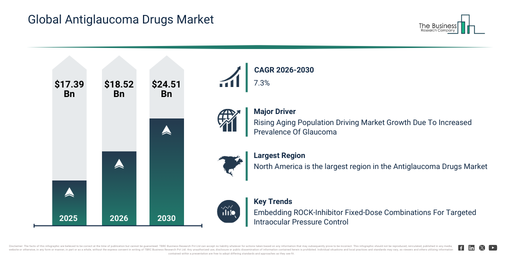
    The antiglaucoma drugs market has seen significant expansion in recent years. Its valuation is forecast to rise from $17.39 billion in 2025 to $18.52 billion in 2026, advancing at a compound annual growth rate (CAGR) of 6.5%. This historical growth can be linked to contributing factors such as an aging global population, proactive early diagnosis initiatives, the established application of beta blockers, the necessity for sustained glaucoma management, and the expansion of ophthalmology services.

    The antiglaucoma drugs market is anticipated to experience robust expansion over the coming years. This market is projected to reach $24.51 billion by 2030, driven by a compound annual growth rate (CAGR) of 7.3%. The growth observed in this forecast period is primarily due to an increase in vision impairment incidents, wider availability of eye care services, the development of new glaucoma medications, elevated awareness campaigns, and a demand for long-acting treatments. Significant developments expected during this period involve the increasing prevalence of glaucoma, a rise in the application of prostaglandin analogs, greater adoption of combination therapies, an expansion of over-the-counter eye care offerings, and improved patient compliance solutions.

    Access Your Free Sample Report For In-Depth Market Analysis:

    https://www.thebusinessresearchcompany.com/sample.aspx?id=3803&type=smp

    Which Key Factors Are Driving The Antiglaucoma Drugs Market Growth?

    The rise in the elderly population is anticipated to boost the antiglaucoma drugs market in the future. Glaucoma, a collection of eye conditions that harm the optic nerve, often stemming from elevated intraocular pressure, is more common among older individuals. This growth in the aging demographic is fueled by increased life expectancy, improved health services, and global demographic trends shifting towards older age groups. A larger elderly populace stimulates the antiglaucoma drugs market by creating more demand for medications that control intraocular pressure, hinder disease advancement, and lessen the chance of vision impairment in aging individuals. For instance, in October 2025, the World Health Organization, a Switzerland-based public health agency, projected that by 2030, one in six people globally will be sixty years or older, with this population expected to double to 2.1 billion by 2050. Consequently, the increasing old age population is driving the growth of the antiglaucoma drugs market going forward. The growing occurrence of myopia is projected to accelerate the expansion of the antiglacoma drugs market moving forward. Myopia is an eye condition where vision for nearby objects is clear, but focusing on distant objects becomes difficult. The increase in myopia cases results from more time spent on close-up activities like reading and extended digital screen use, coupled with less exposure to natural outdoor light. Antiglaucoma drugs represent the most effective treatment for both myopia progression and refractive regression in patients, thereby reducing the need for ophthalmic operations. For example, in September 2024, according to The Guardian, a UK-based news and media organization, myopia is expected to impact more than one in three children and teenagers globally, with case numbers predicted to surpass seven hundred forty million by 2050. Therefore, the increasing prevalence of myopia is driving the growth of the antiglacoma drugs market.

    What Are The Key Segment Divisions In The Antiglaucoma Drugs Market Segment Structure?

    The antiglaucoma drugs market covered in this report is segmented –

    1) By Mode Of Availability: Hospital Prescription Drugs, Non-Prescription Drugs

    2) By Product Type: Alpha Agonist, Beta Blockers, Prostaglandin Analogs, Combined Medication, Other Types

    3) By Disease Condition Type: Open-Angle Glaucoma, Angle-Closure Glaucoma, Normal-Tension Glaucoma, Congenital Glaucoma, Other Types Of Glaucoma

    Subsegments:

    1) By Hospital Prescription Drugs: Beta-Blockers (Timolol), Prostaglandin Analogs (Latanoprost), Alpha Agonists (Brimonidine), Carbonic Anhydrase Inhibitors (Dorzolamide), Rho Kinase Inhibitors (Netarsudil)

    2) By Non-Prescription Drugs: Ocular Lubricants, Natural Support Eye Drops

    Which Trends Are Shaping Growth In The Antiglaucoma Drugs Market?

    Antiglaucoma drug companies are prioritizing product innovation, particularly Rho-kinase (ROCK) inhibitor-based therapeutics, designed to correct trabecular meshwork (TM) dysfunction to enhance aqueous outflow and decrease intraocular pressure (IOP). Such therapies present a novel mode of action when contrasted with traditional glaucoma treatments, aiming at the fundamental causes of outflow obstruction for more effective disease control. As an illustration, in July 2023, Santen, an ophthalmology specialist from Japan, introduced Roclanda, a fixed-dose combination eye drop containing netarsudil and latanoprost, in the UK. Roclanda is prescribed for adults experiencing primary open-angle glaucoma or ocular hypertension who have not adequately responded to monotherapy. This netarsudil/latanoprost combination functions by increasing fluid outflow through both the conventional trabecular and uveoscleral pathways, utilizing synergistic mechanisms. Clinical findings from the MERCURY-3 trial indicated Roclanda achieved sustained intraocular pressure reduction similar to a bimatoprost/timolol combination over a six-month period, without significant treatment-related adverse events. The introduction of Roclanda represents the first new class of glaucoma medication in Europe in a quarter-century, signifying an evolution in glaucoma treatment towards targeted, mechanism-driven approaches.

    Which Organizations Are Engaged In The Antiglaucoma Drugs Market?

    Major companies operating in the antiglaucoma drugs market are Aerie Pharmaceuticals Inc., Allergan Inc., Novartis AG, Alcon AG, Santen Pharmaceutical Company Ltd., Bausch + Lomb Inc., Pfizer Inc., Merck & Co. Inc., Johnson & Johnson, Teva Pharmaceutical Industries Ltd., Sun Pharmaceutical Industries Ltd., Lupin Limited, Zydus Lifesciences Ltd., Wockhardt Ltd., Apotex Inc., Mylan N.V., Akorn Inc., Fera Pharmaceuticals LLC, Thea Pharma Inc., Rafarm S.A.

    Get The Full Antiglaucoma Drugs Market Report:

    https://www.thebusinessresearchcompany.com/report/antiglaucoma-drugs-global-market-report

    Which Region Accounts For The Largest Portion Of The Antiglaucoma Drugs Market?

    North America was the largest region in the antiglaucoma drugs market in 2025. Middle East is expected to be the fastest-growing region in the antiglaucoma drugs market during the forecast period. The regions covered in the antiglaucoma drugs market report are Asia-Pacific, South East Asia, Western Europe, Eastern Europe, North America, South America, Middle East, Africa.

    Request A Customized Antiglaucoma Drugs Market Report For Competitive Insights:

    https://www.thebusinessresearchcompany.com/report/antiglaucoma-drugs-global-market-report

    Browse Through More Reports Similar to the Global Antiglaucoma Drugs Market 2026, By The Business Research Company

    Antiglaucoma Drugs Market 2026

    https://www.thebusinessresearchcompany.com/report/antiglaucoma-drugs-market

    Sarcoma Drugs Market Report 2026

    https://www.thebusinessresearchcompany.com/report/sarcoma-drugs-global-market-report

    Antispasmodics Drugs Market Report 2026

    https://www.thebusinessresearchcompany.com/report/antispasmodics-drugs-global-market-report

    Get in touch with us:

    The Business Research Company: https://www.thebusinessresearchcompany.com/

    Americas +1 310-496-7795

    Asia +44 7882 955267 & +91 8897263534

    Europe +44 7882 955267

    Email us at: marketing@tbrc.info

    Follow us on:

    LinkedIn: https://in.linkedin.com/company/the-business-research-company

    YouTube: https://www.youtube.com/channel/UC24_fI0rV8cR5DxlCpgmyFQ

    Global Market Model: https://www.thebusinessresearchcompany.com/global-market-model
  • Antifungals Market Forecast Through 2030 With Insights On Market Patterns And Developments

    Antifungals Market Forecast Through 2030 With Insights On Market Patterns And Developments

    The Business Research Company’s 2026 market reports feature enhanced tools like market attractiveness analysis, TAM assessment, and company scoring matrices, along with interactive dashboards, deeper supply chain insights, and startup coverage strengthening the depth, usability, and strategic value of insights.

    How Much Will The Market Value Of The Antifungals Market Grow Between 2026 And 2030?

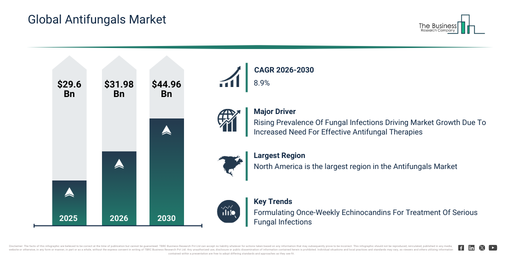
    The antifungals market size has experienced significant growth in recent years. It is projected to expand from $29.6 billion in 2025 to $31.98 billion in 2026, registering a compound annual growth rate (CAGR) of 8.1%. The expansion observed in the historic period stems from factors such as an increase in hospital-acquired infections, the widespread use of azoles, a rising immunosuppressed population, established antifungal therapies, and the global burden of mycoses.

    The antifungals market is projected to experience substantial expansion over the upcoming years. By 2030, this market is anticipated to reach $44.96 billion, demonstrating a compound annual growth rate (CAGR) of 8.9%. This projected growth is driven by several factors, including an increase in systemic fungal infections, worries about antifungal resistance, a need for safer treatment options, the expansion of hospital services, and improved diagnosis rates. Key trends expected during this period involve a rising occurrence of fungal infections, an increasing call for broad-spectrum antifungal agents, the proliferation of topical antifungal remedies, their greater application in immunocompromised individuals, and the creation of new classes of antifungal drugs.

    Access Your Free Sample Report For In-Depth Market Analysis:

    https://www.thebusinessresearchcompany.com/sample.aspx?id=2442&type=smp

    What Primary Drivers Are Shaping The Antifungals Market?

    The escalating occurrence of fungal infections is anticipated to stimulate the expansion of the antifungals market in the future. Fungal infections are illnesses resulting from fungi invading and growing within or on the body, impacting various areas such as the skin, nails, lungs, and mucous membranes. The increasing frequency of fungal infections can be attributed to climate change, which fosters conditions suitable for fungi to spread and adapt to elevated temperatures, thereby heightening human exposure and infection risks. Antifungals are vital in treating fungal diseases by hindering fungal growth and reproduction, either by damaging their cell wall or membrane, obstructing critical enzymatic processes, or impeding their ability to synthesize essential components, consequently diminishing fungal load, alleviating symptoms, and preventing the spread of infection within the body. For example, in May 2025, according to the UK Health Security Agency, a UK-based government department, bloodstream infections caused by yeast saw a 4% increase in 2024 compared with 2023, rising from 2,170 reported cases to 2,247. Hence, the growing incidence of fungal infections is a key factor propelling the antifungals market. The expansion of healthcare infrastructure is expected to propel the antifungals market forward. Healthcare infrastructure encompasses the physical and organizational structures, facilities, and systems that facilitate the provision of healthcare services. This rise in healthcare infrastructure is primarily driven by increased government support and investments, delivered through various policies and incentives that encourage the development of healthcare facilities. This infrastructure comprises the necessary facilities, systems, and resources required for delivering effective healthcare services for the management of fungal infections. For instance, in May 2024, Baker McKenzie, an Australia based law firm, reported that the Australian government allocated $1.82 billion (AUD 2.8 billion) to strengthen Medicare, building upon the $3.95 billion (AUD 6.1 billion) Medicare investment from the 2023-24 Federal Budget, and an additional USD 91.48million (AUD 141.1 million) for medical research and services for individuals living with chronic conditions such as bowel and skin cancer, diabetes, and dementia. Therefore, the expanding healthcare infrastructure is a significant driver for the growth of the antifungals market.

    Which Segment Categories Are Included In The Antifungals Market Segment Analysis?

    The antifungals market covered in this report is segmented –

    1) By Drug Type: Echinocandins, Azoles, Polyenes, Allylamines

    2) By Route of Administration: Oral, Parenteral, Topical

    3) By End users: Hospitals & Clinics, Dermatology clinics, Other Users

    Subsegments:

    1) By Echinocandins: Caspofungin, Micafungin, Anidulafungin

    2) By Azoles: Fluconazole, Itraconazole, Voriconazole, Posaconazole, Ketoconazole

    3) By Polyenes: Amphotericin B, Nystatin

    4) By Allylamines: Terbinafine, Naftifine

    What Trends Are Affecting The Direction Of The Antifungals Market?

    Major companies in the antifungals market are concentrating on product innovation and new formulations, such as long-acting echinocandin therapies, to boost patient adherence, decrease dosing frequency, and address outstanding clinical requirements for invasive fungal infections. By increasing their half-life and modifying pharmacokinetics, these next-generation antifungals ensure effective fungal suppression with more convenient administration schedules. For instance, in March 2023, Cidara Therapeutics, a US-based biotechnology company, alongside Melinta Therapeutics (U.S.), announced FDA approval for REZZAYO (rezafungin for injection) for managing candidemia and invasive candidiasis. Rezafungin functions as a once-weekly echinocandin, proving non-inferior efficacy compared to daily caspofungin in clinical trials (ReSTORE Phase 3), while maintaining a comparable safety profile. The extended dosing capability of REZZAYO bridges a significant gap in antifungal therapy, improving treatment continuity and lessening the hospital burden in acute-care settings.

    Who Are The Active Companies Shaping The Antifungals Market?

    Major companies operating in the antifungals market are Pfizer Inc., Novartis International AG, Merck & Co. Inc., Bayer AG, Abbott Laboratories, Sanofi S.A., Kramer Laboratories Inc., GlaxoSmithKline plc, Gilead Sciences Inc., Basilea Pharmaceutica AG, Sigma-Aldrich, Astellas Pharma Inc., Janssen Pharmaceutica NV, Zydus Cadila Healthcare Ltd., Teva Pharmaceutical Industries Ltd., Sun Pharmaceutical Industries Ltd., Sumitomo Dainippon Pharma Co. Ltd., Scynexis Inc., Mayne Pharma Inc., Cosmo Pharmaceuticals NV, Leadiant Biosciences Inc, Glenmark Pharmaceuticals Limited, Cidara Therapeutics, MATINAS BIOPHARMA, Mylan N.V., Perrigo Company plc, Wockhardt Ltd., Lupin Limited, Dr. Reddy’s Laboratories Ltd, Torrent Pharmaceuticals Ltd., Hikma Pharmaceuticals PLC, Mayne Pharma Group Limited, Fresenius Kabi AG, Baxter International Inc., Akorn Operating Company LLC, Amphastar Pharmaceuticals Inc., Mylan Institutional LLC, West-Ward Pharmaceuticals Corp., Gland Pharma Limited, Aurobindo Pharma Limited

    Get The Full Antifungals Market Report:

    https://www.thebusinessresearchcompany.com/report/antifungals-global-market-report

    Which Region Holds The Highest Market Share In The Antifungals Market?

    North America was the largest region in the drugs for antifungals market in 2025. The Middle East is expected to be the fastest-growing region in the antifungals market. The regions covered in the antifungals market report are Asia-Pacific, South East Asia, Western Europe, Eastern Europe, North America, South America, Middle East, Africa.

    Request A Customized Antifungals Market Report For Competitive Insights:

    https://www.thebusinessresearchcompany.com/report/antifungals-global-market-report

    Browse Through More Reports Similar to the Global Antifungals Market 2026, By The Business Research Company

    Antifungals Market Report 2026

    https://www.thebusinessresearchcompany.com/report/antifungals-global-market-report

    Fungicides Market Report 2026

    https://www.thebusinessresearchcompany.com/report/fungicides-global-market-report

    Candidiasis Therapeutics Market Report 2026

    https://www.thebusinessresearchcompany.com/report/candidiasis-therapeutics-global-market-report

    Get in touch with us:

    The Business Research Company: https://www.thebusinessresearchcompany.com/

    Americas +1 310-496-7795

    Asia +44 7882 955267 & +91 8897263534

    Europe +44 7882 955267

    Email us at: marketing@tbrc.info

    Follow us on:

    LinkedIn: https://in.linkedin.com/company/the-business-research-company

    YouTube: https://www.youtube.com/channel/UC24_fI0rV8cR5DxlCpgmyFQ

    Global Market Model: https://www.thebusinessresearchcompany.com/global-market-model
  • Antifibrinolytic Drugs Market Outlook For 2026–2030 Covering Growth Drivers And Industry Trends

    Antifibrinolytic Drugs Market Outlook For 2026–2030 Covering Growth Drivers And Industry Trends

    The Business Research Company’s 2026 market reports feature enhanced tools like market attractiveness analysis, TAM assessment, and company scoring matrices, along with interactive dashboards, deeper supply chain insights, and startup coverage strengthening the depth, usability, and strategic value of insights.

    What Changes In Market Value Are Expected For The Antifibrinolytic Drugs Market Over The 2026–2030 Period?

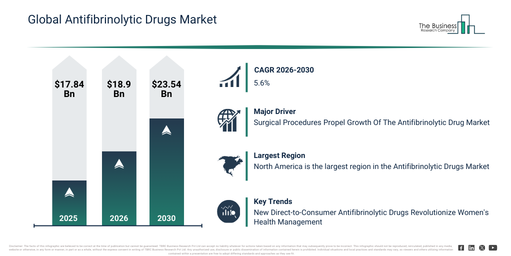
    The antifibrinolytic drugs market has experienced robust growth in recent years. This market is expected to expand from $17.84 billion in 2025 to $18.9 billion in 2026, exhibiting a compound annual growth rate (CAGR) of 6.0%. The historical growth of the market can be attributed to factors such as the expansion of surgical intervention volumes, increased awareness of perioperative bleeding control, the availability of generic antifibrinolytic drugs, clinical validation in trauma care, and their adoption in gynecological treatments.

    The antifibrinolytic drugs market is projected to experience substantial expansion over the upcoming years. This market is anticipated to reach $23.54 billion by 2030, demonstrating a compound annual growth rate (CAGR) of 5.6%. Key factors driving this growth during the projection period include the escalating demand from ambulatory surgical centers, an increasing emphasis on patient blood management initiatives, the expansion of emergency care facilities, the wider application in orthopedic and cardiovascular surgical procedures, and the ongoing creation of more secure formulations. Significant developments expected in this forecast timeframe encompass the expanding utilization of antifibrinolytics in surgical contexts, their heightened adoption in trauma and emergency medical services, the broader availability of both oral and injectable preparations, an intensified focus on effective blood loss management, and improved standardization of clinical protocols.

    Access Your Free Sample Report For In-Depth Market Analysis:

    https://www.thebusinessresearchcompany.com/sample.aspx?id=20466&type=smp

    Which Major Drivers Are Influencing The Expansion Of The Antifibrinolytic Drugs Market?

    The antifibrinolytic drugs market is anticipated to experience growth driven by a rising volume of surgical procedures. This increase in procedures stems from multiple factors such as progress in medical technology, an aging demographic, heightened public awareness, and various cultural and social influences. Antifibrinolytic drugs are instrumental in minimizing surgical bleeding by inhibiting the degradation of blood clots, thereby enhancing hemostasis and potentially reducing the necessity for blood transfusions. For instance, in 2023, the International Society of Aesthetic Plastic Surgery, a US-based professional body of aesthetic plastic surgeons, reported a 3.4% increase in total surgical and non-surgical procedures, totaling 34.9 million. Consequently, the growing volume of surgical interventions is a key factor propelling the expansion of the antifibrinolytic drugs market.

    How Is The Antifibrinolytic Drugs Market Broken Down By Segment Categories?

    The antifibrinolytic drugs market covered in this report is segmented –

    1) By Indication: Gynecology, Hereditary Angioedema, Fibrinolytic Response Testing, Surgeries, Other Indications

    2) By Route Of Administration: Injectable, Oral, Topical

    3) By End User: Hospitals And Clinics, Ambulatory Surgical Centers, Trauma Centers

    Subsegments:

    1) By Gynecology: Menorrhagia (Heavy Menstrual Bleeding), Postpartum Hemorrhage, Endometriosis-Related Bleeding

    2) By Hereditary Angioedema: Acute Attacks Of Hereditary Angioedema, Prophylaxis For Hereditary Angioedema

    3) By Fibrinolytic Response Testing: Testing For Fibrinolysis Activity in Trauma, Cardiac Surgery Fibrinolytic Response Testing, Testing In Coagulation Disorders

    4) By Surgeries: Orthopedic Surgeries, Cardiovascular Surgeries, Dental Surgeries, Neurosurgeries, Urological Surgeries

    5) By Other Indications: Trauma and Injury-Related Bleeding, Post-Operative Bleeding Management, Hemophilia-Related Bleeding Control

    What Trends Are Influencing The Evolution Of The Antifibrinolytic Drugs Market?

    Leading companies in the antifibrinolytic drugs market are concentrating on developing inventive solutions, such as the first-to-consumer strategy, to deliver readily accessible treatments for women experiencing discomfort. This first-to-consumer method entails directly promoting these medications to patients, bypassing conventional healthcare providers. For instance, in May 2024, Maxwellia Ltd., a UK-based healthcare firm, introduced two new pharmacy product lines: Evana Heavy Period Relief 500 mg tablets and Ultravana Period Pain Relief 250 mg gastro-resistant tablets. Evana is designed to decrease heavy menstrual bleeding by up to 60%, while Ultravana provides effective relief for period pain; both are obtainable without a prescription in UK pharmacies. Their importance resides in enhancing women’s health by addressing prevalent yet frequently overlooked menstrual conditions and empowering women to manage their symptoms more proficiently.

    Which Players Are Present In The Antifibrinolytic Drugs Market Space?

    Major companies operating in the antifibrinolytic drugs market are Pfizer Inc., F. Hoffmann-La Roche Ltd, Bayer AG, DAIICHI SANKYO COMPANY LIMITED, Sun Pharmaceutical Industries Ltd, Takeda Pharmaceuticals, Aurobindo Pharma Limited, Cipla Limited, Intas Pharmaceuticals, Lupin Limited, Zydus Lifesciences Ltd., Hetero Drugs Limited, Glenmark Pharmaceuticals, Alkem Laboratories, Torrent Pharmaceuticals Ltd, Macleods Pharmaceuticals Pvt Ltd, Mankind pharma Ltd, Emcure Pharmaceuticals ltd, Bharat Serums & Vaccines Ltd, Systopic Laboratories Pvt Ltd, Ozone Pharmaceuticals Ltd, ACIC Pharmaceuticals, AmeriGen Life Sciences LLP, Life Sciences Advanced Technologies Inc., Vitruvias Therapeutics Inc.

    Get The Full Antifibrinolytic Drugs Market Report:

    https://www.thebusinessresearchcompany.com/report/antifibrinolytic-drugs-global-market-report

    Where Is The Antifibrinolytic Drugs Market Most Concentrated Geographically?

    North America was the largest region in the antifibrinolytic drugs market in 2025. Asia-Pacific is expected to be the fastest-growing region in the forecast period. The regions covered in the antifibrinolytic drugs market report are Asia-Pacific, South East Asia, Western Europe, Eastern Europe, North America, South America, Middle East, Africa.

    Request A Customized Antifibrinolytic Drugs Market Report For Competitive Insights:

    https://www.thebusinessresearchcompany.com/report/antifibrinolytic-drugs-global-market-report

    Browse Through More Reports Similar to the Global Antifibrinolytic Drugs Market 2026, By The Business Research Company

    Hemophilia Market Report 2026

    https://www.thebusinessresearchcompany.com/report/hemophilia-global-market-report

    Acquired Hemophilia Treatment Market Report 2026

    https://www.thebusinessresearchcompany.com/report/acquired-hemophilia-treatment-global-market-report

    Pms And Menstrual Health Supplements Market Report 2026

    https://www.thebusinessresearchcompany.com/report/pms-and-menstrual-health-supplements-global-market-report

    Get in touch with us:

    The Business Research Company: https://www.thebusinessresearchcompany.com/

    Americas +1 310-496-7795

    Asia +44 7882 955267 & +91 8897263534

    Europe +44 7882 955267

    Email us at: marketing@tbrc.info

    Follow us on:

    LinkedIn: https://in.linkedin.com/company/the-business-research-company

    YouTube: https://www.youtube.com/channel/UC24_fI0rV8cR5DxlCpgmyFQ

    Global Market Model: https://www.thebusinessresearchcompany.com/global-market-model
  • Impact Of Rising Retinal Disease Incidence On The Beovu Is Supporting Expansion In The Antiepileptic Drugs Market

    Impact Of Rising Retinal Disease Incidence On The Beovu Is Supporting Expansion In The Antiepileptic Drugs Market

    The Business Research Company’s 2026 market reports feature enhanced tools like market attractiveness analysis, TAM assessment, and company scoring matrices, along with interactive dashboards, deeper supply chain insights, and startup coverage strengthening the depth, usability, and strategic value of insights.

    By 2030, What Market Size Is The Antiepileptic Drugs Market Expected To Reach Based On Its 2026 Value?

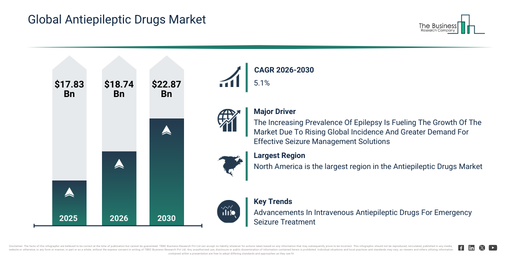
    The antiepileptic drugs market size has shown strong growth over recent years. It is anticipated to expand from $17.83 billion in 2025 to $18.74 billion in 2026, registering a compound annual growth rate (CAGR) of 5.1%. This historic growth can be linked to factors such as the rising prevalence of epilepsy, the ongoing reliance on first-generation drugs, the expansion of neurology departments in hospitals, increased awareness of seizure disorders, and the penetration of generic drugs.

    The antiepileptic drugs market is projected to experience robust expansion over the coming years. Its size is anticipated to reach $22.87 billion by 2030, demonstrating a compound annual growth rate (CAGR) of 5.1%. This growth during the projected period can be ascribed to factors such as the management of treatment-resistant epilepsy, the approval of novel antiepileptic drugs (AEDs), personalized approaches to neurological care, advancements in pediatric epilepsy diagnosis, and the development of long-acting drug formulations. Key trends for the forecast duration encompass a transition towards third-generation AEDs, an increasing reliance on combination therapy, the broadening scope of pediatric epilepsy management, a greater embrace of long-term seizure control methods, and the expansion of generic antiepileptic drugs.

    Access Your Free Sample Report For In-Depth Market Analysis:

    https://www.thebusinessresearchcompany.com/sample.aspx?id=24145&type=smp

    What Key Drivers Are Fueling The Growth Of The Antiepileptic Drugs Market?

    The increasing prevalence of epilepsy is anticipated to drive expansion in the antiepileptic drugs market moving ahead. Epilepsy is defined as a neurological condition marked by repetitive, spontaneous seizures stemming from irregular electrical activity within the brain. A rise in head injuries sustained from accidents increases the probability of individuals developing epilepsy, attributed to brain trauma and its impact on neural health. Antiepileptic drugs (AEDs) work to stabilize brain function by adjusting neurotransmitters and ion channels, thereby preventing neurons from firing excessively. This action diminishes both the frequency and intensity of seizures, consequently enhancing the quality of life for those afflicted with epilepsy. As an illustration, a study presented in September 2025 by BMC Neurology, a UK-based peer-reviewed open-access medical journal dedicated to neurological disorders, forecasts that the worldwide count of new epilepsy cases among individuals aged 15 to 39 years will climb from 1.23 million in 2022 to 1.47 million by 2044.

    What Are The Different Segment Types In The Antiepileptic Drugs Market Segment Breakdown?

    The antiepileptic drugs market covered in this report is segmented –

    1) By Drug: First Generation, Second Generation, Third Generation

    2) By Form: Dry, Liquid

    3) By Route Of Administration: Oral, Intravenous, Other Routes Of Administration

    4) By Distribution Channel: Hospital Pharmacies, Retail Pharmacies, Online Pharmacies, Drug Stores

    Subsegments:

    1) By First Generation: Phenobarbital, Phenytoin, Carbamazepine, Valproate, Primidone, Ethosuximide

    2) By Second Generation: Lamotrigine, Gabapentin, Topiramate, Levetiracetam, Oxcarbazepine, Tiagabine, Felbamate, Zonisamide

    3) By Third Generation: Lacosamide, Eslicarbazepine Acetate, Perampanel, Brivaracetam, Cenobamate

    Which Trends Are Impacting The Progress Of The Antiepileptic Drugs Market?

    Leading firms in the antiepileptic drugs market are prioritizing the creation of innovative items, like intravenous (IV) formulated antiepileptic drugs, aiming to provide superior therapeutic choices for severe seizures and urgent situations. These intravenous (IV) formulated antiepileptic drugs act quickly, administered directly into the bloodstream via injection or infusion, ensuring swift management of seizures, especially during crises or when oral treatments are inappropriate or fail. As an illustration, in January 2024, Eisai Co., Ltd., a pharmaceutical enterprise headquartered in Japan, secured manufacturing and sales authorization for Fycompa within Japan. Fycompa functions as a first-in-class, highly selective, non-competitive AMPA receptor antagonist, diminishing neuronal over-excitation associated with seizures by specifically influencing glutamate activity at AMPA receptors. This intravenous (IV) formulation was conceived as an alternative treatment for individuals with epilepsy temporarily unable to consume oral medication, for instance, during surgical procedures, thereby mitigating seizure dangers linked to stopping oral intake. Fycompa has received approval in over 75 countries and serves as an add-on therapy for partial-onset seizures and primary generalized tonic-clonic seizures in Japanese patients aged 4 years and older.

    Who Are The Well-Known Companies In The Antiepileptic Drugs Market?

    Major companies operating in the antiepileptic drugs market are Pfizer Inc., Sanofi S.A., Novartis AG, Teva Pharmaceutical Industries Ltd., UCB S.A., Eisai Co. Ltd., Sun Pharmaceutical Industries Ltd., Jazz Pharmaceuticals plc, Aurobindo Pharma Ltd., Dr. Reddy’s Laboratories Ltd., Cipla Ltd., Amneal Pharmaceuticals Inc., Lupin Limited, Zydus Lifesciences Ltd., Alkem Laboratories Ltd., Torrent Pharmaceuticals Ltd., Supernus Pharmaceuticals Inc., SK Biopharmaceuticals Co. Ltd., Immedica Pharma AB, Neurelis Inc.

    Get The Full Antiepileptic Drugs Market Report:

    https://www.thebusinessresearchcompany.com/report/antiepileptic-drugs-global-market-report

    Which Region Dominates The Antiepileptic Drugs Market By Market Share?

    North America was the largest region in the antiepileptic drugs market in 2025. Asia-Pacific is expected to be the fastest-growing region in the forecast period. The regions covered in the antiepileptic drugs market report are Asia-Pacific, South East Asia, Western Europe, Eastern Europe, North America, South America, Middle East, Africa.

    Request A Customized Antiepileptic Drugs Market Report For Competitive Insights:

    https://www.thebusinessresearchcompany.com/report/antiepileptic-drugs-global-market-report

    Browse Through More Reports Similar to the Global Antiepileptic Drugs Market 2026, By The Business Research Company

    Antiepileptic Drugs Market Report 2026

    https://www.thebusinessresearchcompany.com/report/antiepileptic-drugs-global-market-report

    Epilepsy Drugs Market Report 2026

    https://www.thebusinessresearchcompany.com/report/epilepsy-drugs-global-market-report

    Epileptic Seizures Treatment Market Report 2026

    https://www.thebusinessresearchcompany.com/report/epileptic-seizures-treatment-global-market-report

    Get in touch with us:

    The Business Research Company: https://www.thebusinessresearchcompany.com/

    Americas +1 310-496-7795

    Asia +44 7882 955267 & +91 8897263534

    Europe +44 7882 955267

    Email us at: marketing@tbrc.info

    Follow us on:

    LinkedIn: https://in.linkedin.com/company/the-business-research-company

    YouTube: https://www.youtube.com/channel/UC24_fI0rV8cR5DxlCpgmyFQ

    Global Market Model: https://www.thebusinessresearchcompany.com/global-market-model

  • Autoimmune Disease Rise Boosts Demand For Benlysta In SLE Treatment Is Contributing To Changes In The Antiemetics And Antinauseants Market

    Autoimmune Disease Rise Boosts Demand For Benlysta In SLE Treatment Is Contributing To Changes In The Antiemetics And Antinauseants Market

    The Business Research Company’s 2026 market reports feature enhanced tools like market attractiveness analysis, TAM assessment, and company scoring matrices, along with interactive dashboards, deeper supply chain insights, and startup coverage strengthening the depth, usability, and strategic value of insights.

    What Is The Anticipated Rise In Market Value Of The Antiemetics And Antinauseants Market During The Forecast Period?

    The antiemetics and antinauseants market has experienced consistent expansion in recent years. This market is set to increase from $8.48 billion in 2025 to $8.72 billion in 2026, achieving a compound annual growth rate (CAGR) of 2.8%. Historically, this growth can be linked to factors such as a rise in cancer cases, an increase in surgical procedures, heightened awareness of chemotherapy’s side effects, the expansion of hospital and clinic facilities, and advancements in antiemetic drug formulations.

    The antiemetics and antinauseants market is projected to experience consistent expansion in the coming years. Its valuation is anticipated to reach $10.01 billion by 2030, demonstrating a compound annual growth rate (CAGR) of 3.5%. This forecasted increase can be linked to a higher incidence of motion sickness, an expanding global elderly population, the increasing embrace of personalized medicine, advancements in new antiemetic drug delivery methods, and the broadening of outpatient chemotherapy and palliative care offerings. Key developments expected during this period involve the creation of personalized anti-nausea treatments, innovative drug delivery systems, combined therapeutic strategies, a growing need for chemotherapy support, and an increase in treatments for motion sickness and travel-related conditions.

    Access Your Free Sample Report For In-Depth Market Analysis:

    https://www.thebusinessresearchcompany.com/sample.aspx?id=2441&type=smp

    Which Drivers Are Supporting The Antiemetics And Antinauseants Market Growth?

    The rising incidence of tuberculosis is anticipated to drive the expansion of the antiemetics and antinauseants market. Tuberculosis (TB) is a contagious bacterial illness primarily affecting the respiratory system. Antiemetic and antinauseant drugs are utilized to manage nausea and vomiting resulting from anti-tuberculosis treatments. For example, as reported by the Centers for Disease Control and Prevention, a US federal agency, in March 2025, the United States saw a provisional total of 10,347 tuberculosis cases in 2024, representing a rate of 3.0 cases per 100,000 population, which was an increase of approximately 8% compared with 2023. Consequently, the growing prevalence of tuberculosis is projected to stimulate the growth of the antiemetics and antinauseants market. The growing volume of surgical procedures is anticipated to fuel the expansion of the antiemetic and antinauseant market in the future. Surgery involves medical professionals using instruments to address injuries, illnesses, or conditions by operating on the body or repairing internal structures. The increase in surgical interventions is attributed to the rising incidence of chronic diseases that frequently necessitate operative care. Antiemetic and antinauseant medications are administered during surgeries to avert or alleviate postoperative nausea and vomiting induced by anesthesia and the surgical process itself. For example, the Australian Institute of Health and Welfare, an Australian government body, stated in April 2025 that public hospitals in 2023–24 recorded 778,500 admissions from elective surgery waitlists, indicating a 5.8% increase compared with 735,500 admissions in 2022–23. Consequently, the rising number of surgeries is propelling the growth of the antiemetic and antinauseant market.

    Which Segment Classifications Are Used In The Antiemetics And Antinauseants Market Segment Analysis?

    The antiemetics and antinauseants market covered in this report is segmented –

    1) By Drug: Dopamine antagonists, NK1 receptor antagonist, Antihistamines (H1 histamine receptor antagonists), Cannabinoids, Benzodiazepines, Anticholinergics, Steroids, 5-HT3 receptor antagonists, Other Drug Types

    2) By Application: Chemotherapy, Motion sickness, Gastroenteritis, General anesthetics, Opioid analgesics, Dizziness, Pregnancy, Food poisoning, Emotional stress, Other Application Types

    3) By End Users: Hospital, Medical Center, Clinic, Research Institutes

    Subsegments:

    1) By Dopamine Antagonists: Metoclopramide, Prochlorperazine, Domperidone

    2) By NK1 Receptor Antagonists: Aprepitant, Fosaprepitant, Rolapitant

    3) By Antihistamines (H1 Histamine Receptor Antagonists): Dimenhydrinate, Meclizine, Diphenhydramine

    4) By Cannabinoids: Dronabinol, Nabilone

    5) By Benzodiazepines: Lorazepam, Diazepam

    6) By Anticholinergics: Scopolamine, Glycopyrrolate

    7) By Steroids: Dexamethasone, Methylprednisolone

    8) By 5-HT3 Receptor Antagonists: Ondansetron, Granisetron, Palonosetron

    9) By Other Drug Types: Herbal Remedies, Acupressure Devices

    What Trends Are Transforming The Antiemetics And Antinauseants Market?

    Leading companies in the antiemetic and antinauseant markets are engaged in developing novel product innovations, such as ready-to-use injectables, aimed at streamlining treatment protocols and improving patient adherence. These convenient formulations are designed to offer immediate efficacy, thereby reducing the time and complexity typically associated with traditional injectable medications. For instance, in July 2024, Amneal Pharmaceuticals, a US-based pharmaceutical company, launched FOCINVEZ, which is the first ready-to-use injectable formulation of fosaprepitant, specifically developed to prevent acute and delayed nausea and vomiting linked to highly emetogenic cancer chemotherapy. This product comes in a 150 mg/50 mL vial, is free of Polysorbate 80, and does not necessitate reconstitution or dilution, allowing for direct administration. FOCINVEZ is approved for use in adults and pediatric patients aged six months and older, and it has been assigned a unique J-Code (J1434) for reimbursement.

    Which Firms Are Contributing To The Antiemetics And Antinauseants Market Ecosystem?

    Major companies operating in the antiemetics and antinauseants market are Pfizer Inc., Johnson & Johnson Services Inc., Merck & Co. Inc., Bayer AG, Novartis AG, Sanofi SA, AstraZeneca plc, Abbott Laboratories, GlaxoSmithKline plc, Cipla Ltd., Eli Lilly and Company, F. Hoffmann-La Roche Ltd., Baxter International Inc., Teva Pharmaceutical Industries Ltd., Astellas Pharma Inc., Kyowa Hakko Kirin Pharma Co. Ltd., Daiichi Sankyo Company, Braun GmbH, Eisai Co. Ltd., Sun Pharmaceuticals Industries Ltd., Dr. Reddy’s Laboratories, Hikma Pharmaceuticals plc, IPCA Laboratories Ltd., Eagle Pharmaceuticals Inc., Cadila Pharmaceuticals Ltd., Bristol Laboratories Ltd., Tesaro Inc., SRS Pharmaceuticals Pvt. Ltd., Acacia Pharma Ltd., Algen Healthcare Ltd., Mirabilia Sciences Pvt. Ltd., Helsinn Healthcare SA

    Get The Full Antiemetics And Antinauseants Market Report:

    https://www.thebusinessresearchcompany.com/report/antiemetics-and-antinauseants-global-market-report

    Which Region Is The Largest In The Antiemetics And Antinauseants Market?

    North America was the largest region in the drugs for antiemetics and antinauseants market in 2025. The Middle East is expected to be the fastest-growing region in the global antiemetics and antinauseants market share. The regions covered in the antiemetics and antinauseants market report are Asia-Pacific, South East Asia, Western Europe, Eastern Europe, North America, South America, Middle East, Africa.

    Request A Customized Antiemetics And Antinauseants Market Report For Competitive Insights:

    https://www.thebusinessresearchcompany.com/report/antiemetics-and-antinauseants-global-market-report

    Browse Through More Reports Similar to the Global Antiemetics And Antinauseants Market 2026, By The Business Research Company

    Antiemetics And Antinauseants Market Report 2026

    https://www.thebusinessresearchcompany.com/report/antiemetics-and-antinauseants-global-market-report

    Anti Infective Drugs Market 2026

    https://www.thebusinessresearchcompany.com/report/anti-infective-drugs-market

    Anticholinergic Drugs Market Report 2026

    https://www.thebusinessresearchcompany.com/report/anticholinergic-drugs-global-market-report

    Get in touch with us:

    The Business Research Company: https://www.thebusinessresearchcompany.com/

    Americas +1 310-496-7795

    Asia +44 7882 955267 & +91 8897263534

    Europe +44 7882 955267

    Email us at: marketing@tbrc.info

    Follow us on:

    LinkedIn: https://in.linkedin.com/company/the-business-research-company

    YouTube: https://www.youtube.com/channel/UC24_fI0rV8cR5DxlCpgmyFQ

    Global Market Model: https://www.thebusinessresearchcompany.com/global-market-model
  • The Antidotes Market Is Evolving Due To Rising Hemophilia Prevalence And Improved Diagnostics Are Driving Benefix Growth

    The Antidotes Market Is Evolving Due To Rising Hemophilia Prevalence And Improved Diagnostics Are Driving Benefix Growth

    The Business Research Company’s 2026 market reports feature enhanced tools like market attractiveness analysis, TAM assessment, and company scoring matrices, along with interactive dashboards, deeper supply chain insights, and startup coverage strengthening the depth, usability, and strategic value of insights.

    How Is The Market Size Of The Antidotes Market Expected To Scale Between 2026 And 2030?

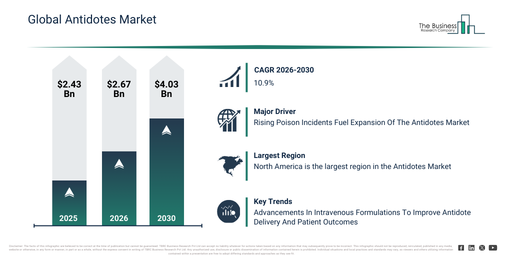
    The antidotes market size has witnessed robust expansion in recent years. It is projected to advance from $2.43 billion in 2025 to $2.67 billion in 2026, demonstrating a compound annual growth rate (CAGR) of 9.7%. The growth observed in the historic period stems from increasing cases of heavy metal poisoning, rising animal bite incidents, limited availability of supportive therapies, dependence on traditional antidotes, and growing hospital emergency visits.

    The antidotes market size is projected to experience substantial expansion in the coming years. It is forecast to reach $4.03 billion in 2030, exhibiting a compound annual growth rate (CAGR) of 10.9%. This projected growth can be attributed to advancements in pharmacological antidotes, increasing adoption of homecare, the development of targeted chelating agents, an expansion in specialty clinics, and a rising awareness of toxic substance management. Key trends during the forecast period include the rapid development of novel antidotes, an increasing incidence of poisoning cases, the expansion of emergency care infrastructure, a growing focus on animal bite management, and a rising demand for oral and injectable formulations.

    Access Your Free Sample Report For In-Depth Market Analysis:

    https://www.thebusinessresearchcompany.com/sample.aspx?id=13029&type=smp

    What Key Factors Are Affecting The Antidotes Market Demand?

    The antidotes market is projected to expand due to a rise in poison incidents. Poison incidents refer to scenarios where individuals are exposed to, consume, or come into contact with substances detrimental or toxic to their health. Antidotes are crucial in poisoning occurrences because they counteract the effects of dangerous substances. The antidote works by neutralizing, attenuating, or reversing the damaging effects of the poison. For instance, a report from the U.S.-based multinational news channel and website Cable News Network (CNN) in October 2023 indicated 112,024 overdose fatalities in May 2023, marking a 2.5% increase from the 109,261 recorded in May 2022. Consequently, an increase in poison incidents is driving the growth of the antidotes market.

    How Is The Antidotes Market Organized By Segment Classification?

    The antidotes market covered in this report is segmented –

    1) By Type: Chemical Antidotes, Physical Antidotes, Pharmacological Antidotes, Other Types

    2) By Route Of Administration: Injectable, Oral, Capsules And Tablets

    3) By Application: Heavy Metal Poisoning

    4) By End-User: Hospitals, Specialty Clinics, Other End-Users

    Subsegments:

    1) By Chemical Antidotes: Chelating Agents, Oxidizing Agents, Reducing Agents

    2) By Physical Antidotes: Activated Charcoal, Gastric Lavage

    3) By Pharmacological Antidotes: Opioid Antagonists, Benzodiazepine Antagonists, Cholinesterase Reactivators

    What Trends Are Shaping The Future Of The Antidotes Market?

    Major companies operating in the antidotes market are focusing on developing innovative solutions such as regulatory lifecycle management to streamline approval pathways, ensure ongoing compliance, and accelerate the availability of critical antidote therapies. Regulatory lifecycle management refers to the systematic process of planning, tracking, and maintaining all regulatory activities throughout a product’s lifecycle to ensure continuous compliance and efficient market access. For instance, in May 2024, Cumberland Pharmaceuticals Inc., a US-based pharmaceutical company, received an FDA approval for a supplemental New Drug Application (sNDA) for Acetadote (N-acetylcysteine for injection), used to treat acetaminophen overdose by replenishing glutathione, a vital antioxidant that protects the liver from toxic damage. Its main benefits include detoxifying the body, reducing liver injury, and improving respiratory conditions by breaking up mucus. The recent simplified dosing regimen enhances patient safety and treatment ease, making it a crucial therapy for preventing liver failure after acetaminophen toxicity.

    Who Are The Industry Participants Involved In The Antidotes Market?

    Major companies operating in the antidotes market are Pfizer Inc., Merck & Co., Bayer AG, Novartis AG, Bristol Myers Squibb, AstraZeneca plc, Sanofi S.A., Eli Lilly and Company, Baxter International Inc., Teva Pharmaceutical Industries Ltd., Mylan N.V., Fresenius Kabi AG, Aurobindo Pharma Limited, Dr. Reddy’s Laboratories Ltd., Hikma Pharmaceuticals plc, Lupin Limited, Zydus Lifesciences Ltd., Mallinckrodt Pharmaceuticals Ltd., Nichi-Iko Pharmaceutical Co. Ltd., Akorn Incorporated, Meridian Medical Technologies Inc., Wockhardt Limited, ADAPT Pharma Inc.

    Get The Full Antidotes Market Report:

    https://www.thebusinessresearchcompany.com/report/antidotes-global-market-report

    Which Region Leads The Antidotes Market In Terms Of Market Share?

    North America was the largest region in the antidotes market in 2025. Asia-Pacific is expected to be the fastest-growing region in the forecast period. The regions covered in the antidotes market report are Asia-Pacific, South East Asia, Western Europe, Eastern Europe, North America, South America, Middle East, Africa.

    Request A Customized Antidotes Market Report For Competitive Insights:

    https://www.thebusinessresearchcompany.com/report/antidotes-global-market-report

    Browse Through More Reports Similar to the Global Antidotes Market 2026, By The Business Research Company

    Antidotes Market Report 2026

    https://www.thebusinessresearchcompany.com/report/antidotes-global-market-report

    Antivenom Market Report 2026

    https://www.thebusinessresearchcompany.com/report/antivenom-global-market-report

    Antivirals Market Report 2026

    https://www.thebusinessresearchcompany.com/report/antivirals-global-market-report

    Get in touch with us:

    The Business Research Company: https://www.thebusinessresearchcompany.com/

    Americas +1 310-496-7795

    Asia +44 7882 955267 & +91 8897263534

    Europe +44 7882 955267

    Email us at: marketing@tbrc.info

    Follow us on:

    LinkedIn: https://in.linkedin.com/company/the-business-research-company

    YouTube: https://www.youtube.com/channel/UC24_fI0rV8cR5DxlCpgmyFQ

    Global Market Model: https://www.thebusinessresearchcompany.com/global-market-model