Category: Pharmaceuticals

  • Calcitonin Gene-Related Peptide Receptor Antagonist Market Insights Highlight Growth Drivers and Opportunities Through 2030

    Calcitonin Gene-Related Peptide Receptor Antagonist Market Insights Highlight Growth Drivers and Opportunities Through 2030

    The Business Research Company’s 2026 market reports include new capabilities such as market attractiveness scoring and analysis, total addressable market analysis, company scoring matrix, interactive excel data dashboard, improved supply chain analysis, upcoming startups in the market, and overview of key products, aimed at improving the depth, usability, and strategic value of the insights delivered.

    How Will The Market Size Of The Calcitonin Gene-Related Peptide Receptor Antagonist Market Evolve From 2026 To 2030?

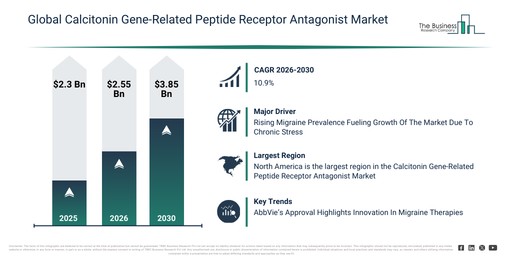
    The calcitonin gene-related peptide receptor antagonist market size has experienced significant expansion in recent years. This market is forecast to increase from $2.3 billion in 2025 to $2.55 billion in 2026, advancing at a compound annual growth rate (CAGR) of 11.2%. The historical growth of this market was primarily influenced by the limited availability of targeted migraine therapies, the reliance on traditional painkillers, increasing awareness of migraine conditions, a rise in hospital and clinic-based treatments, and early research into CGRP pathways.

    The calcitonin gene-related peptide receptor antagonist market is projected to experience substantial expansion over the upcoming years. This market is set to reach $3.85 billion by 2030, exhibiting a compound annual growth rate (CAGR) of 10.9%. Several factors are contributing to this growth during the forecast period, including the introduction of innovative small molecule antagonists, the broadened availability of peptide-based cgrp treatments, an increase in homecare treatment acceptance, greater pharmaceutical investments in migraine remedies, and a growing patient inclination towards medications with fewer adverse effects. Key developments anticipated during this timeframe encompass the increasing occurrence of migraines and cluster headaches, a rise in the uptake of targeted cgrp therapies, the expansion of treatment options in homecare and outpatient environments, the wider application of monoclonal antibody-based therapies, and a heightened emphasis on pain management centered around the patient.

    Download the Free Sample Report to Explore Key Market Insights:

    https://www.thebusinessresearchcompany.com/sample.aspx?id=25715&type=smp

    Which Growth Drivers Are Contributing To The Progress Of The Calcitonin Gene-Related Peptide Receptor Antagonist Market?

    The expanding occurrence of migraine is anticipated to fuel the expansion of the calcitonin gene-related peptide receptor antagonist market. Migraine describes a severe headache characterized by pulsating pain, frequently localized to one side of the head. This increase in migraine prevalence is primarily linked to greater exposure to ongoing stress, which interferes with neurological pathways and heightens the chance of frequent and intense migraine episodes. Calcitonin gene-related peptide receptor antagonists alleviate migraine symptoms by inhibiting CGRP, a protein known to dilate blood vessels and convey pain signals during a migraine, thereby diminishing headache pain and other associated discomforts. A relevant illustration comes from a report published in December 2025 by the National Center for Biotechnology Information (NCBI), a division of the US-based National Library of Medicine (NLM), which indicated that approximately 2.9 billion individuals globally suffered from headache disorders in 2023. Of these, migraine constituted about 487.5 cases per 100,000 population. Consequently, the growing incidence of migraine is propelling the development of the calcitonin gene-related peptide receptor antagonist market.

    Which Segment Areas Are Covered In The Calcitonin Gene-Related Peptide Receptor Antagonist Market Analysis?

    The calcitonin gene-related peptide receptor antagonist market covered in this report is segmented –

    1) By Type: Small Molecule Antagonists, Monoclonal Antibodies, Peptide-Based Antagonists

    2) By Drug Type: Zavegepant, Ubrogepant, Olcegepant, Telcegepant, Rimegepant, Other Drug Types

    3) By Application: Migraine Treatment, Pain Management, Cardiovascular Conditions, Bone Disorders

    4) By End-Users: Hospitals, Clinics, Homecare Settings, Pharmaceutical Companies

    Subsegments:

    1) By Small Molecule Antagonists: Oral Small Molecule Antagonists, Intranasal Small Molecule Antagonists, Injectable Small Molecule Antagonists

    2) By Monoclonal Antibodies: Erenumab, Fremanezumab, Galcanezumab, Eptinezumab

    3) By Peptide-Based Antagonists: CGRP Fragment-Based Antagonists, Peptidomimetic CGRP Antagonists

    What Key Developments And Trends Are Impacting The Calcitonin Gene-Related Peptide Receptor Antagonist Market?

    Leading companies within the calcitonin gene-related peptide receptor antagonist market are prioritizing the authorization of novel products, including oral CGRP receptor antagonists, aiming to improve the effectiveness of migraine treatment, broaden their therapeutic applications, and provide easier ways to administer medication. These oral CGRP receptor antagonists are small-molecule drugs designed to inhibit CGRP, a protein associated with migraine attacks, thereby assisting in migraine prevention. As an example, in April 2023, the US-based biotech firm, AbbVie Inc., secured approval from the U.S. Food and Drug Administration (FDA) for its product QULIPTA (atogepant) for the management of chronic migraine in adults. QULIPTA (atogepant) is an oral, daily calcitonin gene-related peptide (CGRP) receptor antagonist initially developed for adult migraine prevention, and it is now sanctioned in the United States for both episodic and chronic migraine forms. Its mechanism involves impeding the action of CGRP, a protein known to be elevated during migraine episodes and implicated in cerebral pain transmission and inflammation. QULIPTA comes in tablet strengths of 10 mg, 30 mg, and 60 mg, where the 60 mg dosage was specifically assessed for the prevention of chronic migraine.

    Which Global Companies Are Actively Competing In The Calcitonin Gene-Related Peptide Receptor Antagonist Market?

    Major companies operating in the calcitonin gene-related peptide receptor antagonist market are AbbVie Inc, Novartis AG, Eli Lilly and Company, Amgen Inc, Alder BioPharmaceuticals Inc, Satsuma Pharmaceuticals Inc, Allergan plc

    Read the full calcitonin gene-related peptide receptor antagonist market report here:

    https://www.thebusinessresearchcompany.com/report/calcitonin-gene-related-peptide-receptor-antagonist-global-market-report

    What Are The Leading Geographic Regions In The Calcitonin Gene-Related Peptide Receptor Antagonist Market?

    North America was the largest region in the calcitonin gene-related peptide receptor antagonist market in 2025. Asia-Pacific is expected to be the fastest-growing region in the forecast period. The regions covered in the calcitonin gene-related peptide receptor antagonist market report are Asia-Pacific, South East Asia, Western Europe, Eastern Europe, North America, South America, Middle East, Africa.

    Request A Tailored Calcitonin Gene-Related Peptide Receptor Antagonist Market Research Report For Competitive Advantage:

    https://www.thebusinessresearchcompany.com/customise?id=25715&type=smp

    Browse Through More Reports Similar to the Global Calcitonin Gene-Related Peptide Receptor Antagonist Market 2026, By The Business Research Company

    Peptide Therapeutics Market Report 2026

    https://www.thebusinessresearchcompany.com/report/peptide-therapeutics-global-market-report

    Cc Chemokine Receptor Type 5 Market Report 2026

    https://www.thebusinessresearchcompany.com/report/cc-chemokine-receptor-type-5-global-market-report

    Muscarinic Acetylcholine Receptor Market Report 2026

    https://www.thebusinessresearchcompany.com/report/muscarinic-acetylcholine-receptor-global-market-report

    Get in touch with us:

    The Business Research Company: https://www.thebusinessresearchcompany.com/

    Americas +1 310-496-7795

    Asia +44 7882 955267 & +91 8897263534

    Europe +44 7882 955267

    Email us at info@tbrc.info

    Follow us on:

    LinkedIn: https://in.linkedin.com/company/the-business-research-company

    YouTube: https://www.youtube.com/channel/UC24_fI0rV8cR5DxlCpgmyFQ

    Global Market Model: https://www.thebusinessresearchcompany.com/global-market-model
  • Global Calcitonin Gene-Related Peptide (CGRP) Inhibitors Market Forecast to Hit $5.02 Billion by 2030 with 9.8% CAGR

    Global Calcitonin Gene-Related Peptide (CGRP) Inhibitors Market Forecast to Hit $5.02 Billion by 2030 with 9.8% CAGR

    The Business Research Company’s 2026 market reports include new capabilities such as market attractiveness scoring and analysis, total addressable market analysis, company scoring matrix, interactive excel data dashboard, improved supply chain analysis, upcoming startups in the market, and overview of key products, aimed at improving the depth, usability, and strategic value of the insights delivered.

    What Is The Forecasted Market Value Of The Calcitonin Gene-Related Peptide (CGRP) Inhibitors Market Across 2026–2030?

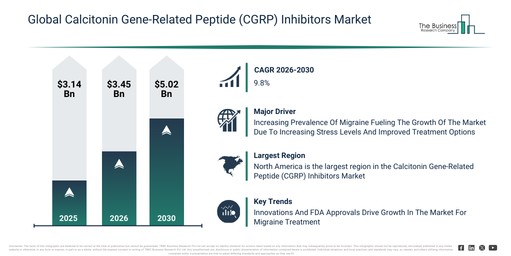
    The market for calcitonin gene-related peptide (cgrp) inhibitors has shown significant growth in recent years. It is anticipated to increase from $3.14 billion in 2025 to $3.45 billion in 2026, achieving a compound annual growth rate (CAGR) of 9.9%. This past growth can be attributed to a rising prevalence of migraine disorders, limitations associated with conventional migraine drugs, the growing clinical validation of the CGRP pathway, increased adoption by neurologists, and favorable reimbursement policies in developed markets.

    The calcitonin gene-related peptide (cgrp) inhibitors market is projected to experience substantial expansion over the upcoming years, reaching $5.02 billion by 2030, demonstrating a compound annual growth rate (CAGR) of 9.8%. This anticipated growth is fueled by factors such as a widening pool of chronic migraine patients, the ongoing development of oral CGRP inhibitors, a heightened need for sustained migraine prevention, enhanced patient compliance with specific treatments, and broadening market penetration in developing regions. Key developments expected during this period involve the increasing embrace of specialized migraine interventions, a growing focus on proactive migraine management, a stronger inclination towards non-opioid pain relief options, the proliferation of oral CGRP small molecule inhibitors, and improved recognition and diagnosis of chronic migraine.

    Download the Free Sample Report to Explore Key Market Insights:

    https://www.thebusinessresearchcompany.com/sample.aspx?id=24182&type=smp

    What Primary Drivers Are Shaping The Development Of The Calcitonin Gene-Related Peptide (CGRP) Inhibitors Market?

    The rising incidence of migraine is anticipated to fuel expansion in the calcitonin gene-related peptide (CGRP) inhibitors market in the coming years. Migraine, characterized by severe headaches often involving pulsating pain on one side of the head, frequently presents with symptoms like nausea, vomiting, and heightened sensitivity to light and sound. The growing occurrence of migraine can be attributed to elevated stress levels, as sustained stress triggers specific neural pathways. Calcitonin gene-related peptide (CGRP) inhibitors play a crucial role in managing migraine by providing a precise, preventive approach suitable for both acute and long-term treatment plans. They effectively diminish the frequency and intensity of headaches through efficient CGRP receptor blockade, thereby enhancing patients’ quality of life and daily activities. For example, a report from January 2023 by the National Library of Medicine, a US-based health information institution, indicated that the global prevalence of migraine ranges from 14% to 15%, accounting for 4.9% of the total global disease burden. Consequently, the increasing prevalence of migraine is stimulating the growth of the calcitonin gene-related peptide (CGRP) inhibitors market.

    What Segmentation Levels Are Considered In The Calcitonin Gene-Related Peptide (CGRP) Inhibitors Market?

    The calcitonin gene-related peptide (cgrp) inhibitors market covered in this report is segmented –

    1) By Type Of Inhibitor: Monoclonal Antibodies, Small Molecules, Peptides

    2) By Mechanism Of Action: Anti-Calcitonin Gene-Related Peptide (CGRP) Ligand, Calcitonin Gene-Related Peptide (CGRP) Receptor Antagonist

    3) By Route of Administration: Oral, Nasal, Intravenous

    4) By Treatment: Preventive Migraine Treatment, Acute Migraine Treatment

    5) By End User: Hospitals, Specialty Clinics, Mail Order Pharmacies, Retail Pharmacies

    Subsegments:

    1) By Monoclonal Antibodies: Erenumab (Aimovig), Eptinezumab (Vyepti), Fremanezumab (Ajovy), Galcanezumab (Emgality)

    2) By Small Molecules: Ubrogepant, Rimegepant, Atogepant, Zavegepant

    3) By Peptides: Calcitonin Gene-Related Peptide (CGRP) Antagonist Peptides, Modified Calcitonin Gene-Related Peptide (CGRP) Analogs, Intranasal Peptide Formulations, Peptide-Based Delivery Systems

    What Trends Are Projected To Affect The Calcitonin Gene-Related Peptide (CGRP) Inhibitors Market?

    Major companies in the calcitonin gene-related peptide (CGRP) inhibitors market are prioritizing the development of innovative products to gain approvals, such as calcitonin gene-related peptide (CGRP) receptor antagonists, aiming to enhance the effectiveness of migraine treatment, expand therapeutic uses, and introduce more convenient administration methods like oral and intranasal formulations. A calcitonin gene-related peptide (CGRP) receptor antagonist is a medication that works by inhibiting the calcitonin gene-related peptide (CGRP) receptor to block pain signaling linked to migraine. For instance, in April 2023, AbbVie Inc., a US-based biotech company, received approval from the U.S. Food and Drug Administration (FDA) for QULIPTA (atogepant) to treat chronic migraine in adults. QULIPTA is an oral calcitonin gene-related peptide (CGRP) receptor antagonist that functions by blocking calcitonin gene-related peptide (CGRP) receptors, which are involved in the pathophysiology of migraine, thereby assisting in the prevention of migraine attacks.

    Which Leading Firms Are Contributing To The Growth Of The Calcitonin Gene-Related Peptide (CGRP) Inhibitors Market?

    Major companies operating in the calcitonin gene-related peptide (cgrp) inhibitors market are Pfizer Inc., F. Hoffmann-La Roche AG, Merck & Co. Inc., AbbVie Inc., Bristol Myers Squibb Company, AstraZeneca plc, Novartis AG, Eli Lilly and Company, Amgen Inc., Otsuka Holdings Co. Ltd., Teva Pharmaceutical Industries Ltd., H. Lundbeck A/S, Kissei Pharmaceutical Co. Ltd., Shanghai Junshi Biosciences Co. Ltd., Shin Nippon Biomedical Laboratories Ltd., Sosei Group Corporation, Nuvie Bio Inc., Vaxxinity Inc., Acherx LLC, AfaSci Inc.

    Read the full calcitonin gene-related peptide (cgrp) inhibitors market report here:

    https://www.thebusinessresearchcompany.com/report/calcitonin-gene-related-peptide-cgrp-inhibitors-global-market-report

    How Does The Calcitonin Gene-Related Peptide (CGRP) Inhibitors Market Perform Across Major Global Regions?

    North America was the largest region in the calcitonin gene-related peptide (CGRP) inhibitors market in 2025. Asia-Pacific is expected to be the fastest-growing region in the forecast period. The regions covered in the calcitonin gene-related peptide (cgrp) inhibitors market report are Asia-Pacific, South East Asia, Western Europe, Eastern Europe, North America, South America, Middle East, Africa.

    Request A Tailored Calcitonin Gene-Related Peptide (CGRP) Inhibitors Market Research Report For Competitive Advantage:

    https://www.thebusinessresearchcompany.com/customise?id=24182&type=smp

    Browse Through More Reports Similar to the Global Calcitonin Gene-Related Peptide (CGRP) Inhibitors Market 2026, By The Business Research Company

    Peptide Therapeutics Market Report 2026

    https://www.thebusinessresearchcompany.com/report/peptide-therapeutics-global-market-report

    Peptide Based Metabolic Disorders Therapeutics Market Report 2026

    https://www.thebusinessresearchcompany.com/report/peptide-based-metabolic-disorders-therapeutics-global-market-report

    Cc Chemokine Receptor Type 5 Market Report 2026

    https://www.thebusinessresearchcompany.com/report/cc-chemokine-receptor-type-5-global-market-report

    Get in touch with us:

    The Business Research Company: https://www.thebusinessresearchcompany.com/

    Americas +1 310-496-7795

    Asia +44 7882 955267 & +91 8897263534

    Europe +44 7882 955267

    Email us at info@tbrc.info

    Follow us on:

    LinkedIn: https://in.linkedin.com/company/the-business-research-company

    YouTube: https://www.youtube.com/channel/UC24_fI0rV8cR5DxlCpgmyFQ

    Global Market Model: https://www.thebusinessresearchcompany.com/global-market-model
  • Calcineurin Inhibitors Market Outlook Suggests Growth to $13.78 Billion by 2030

    Calcineurin Inhibitors Market Outlook Suggests Growth to $13.78 Billion by 2030

    The Business Research Company’s 2026 market reports include new capabilities such as market attractiveness scoring and analysis, total addressable market analysis, company scoring matrix, interactive excel data dashboard, improved supply chain analysis, upcoming startups in the market, and overview of key products, aimed at improving the depth, usability, and strategic value of the insights delivered.

    What Market Size Increase Is Anticipated For The Calcineurin Inhibitors Market Over The 2026–2030 Period?

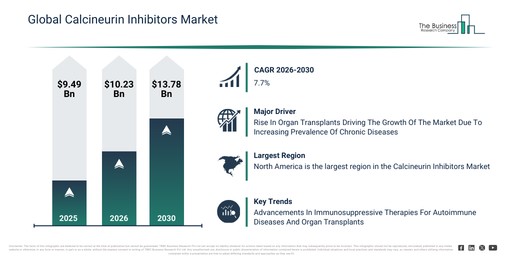
    The calcineurin inhibitors market has demonstrated robust expansion in recent years. Projections indicate this market will increase from $9.49 billion in 2025 to $10.23 billion in 2026, progressing at a compound annual growth rate (CAGR) of 7.8%. This historical growth can be attributed to an uptick in organ transplant procedures, the widespread clinical adoption of immunosuppressants, their long-term utilization in chronic autoimmune conditions, the expansion of hospital-based transplant centers, and the availability of branded formulations.

    The market for calcineurin inhibitors is projected to experience substantial expansion over the upcoming years. This market is anticipated to reach a valuation of $13.78 billion by 2030, demonstrating a compound annual growth rate (CAGR) of 7.7%. Factors contributing to this projected growth include longer transplant waiting lists, an increase in the prevalence of autoimmune diseases, the expansion of generic drug production, enhanced accessibility in developing markets, and advancements in drug delivery formulations. Key trends expected during this period involve their sustained application in organ transplant management, increasing acceptance for treating autoimmune conditions, a growing need for generic and biosimilar alternatives, expanded utilization of topical forms, and an emphasis on optimizing dosage and improving safety profiles.

    Download the Free Sample Report to Explore Key Market Insights:

    https://www.thebusinessresearchcompany.com/sample.aspx?id=23336&type=smp

    Which Major Factors Are Driving The Expansion Of The Calcineurin Inhibitors Market?

    A rise in the frequency of organ transplants is expected to boost the expansion of the calcineurin inhibitors market throughout the forecast period. Organ transplants involve a surgical operation where a malfunctioning or damaged organ is substituted with a healthy one from a donor. The prevalence of organ transplants is growing, mainly attributed to the increasing occurrence of chronic conditions like diabetes and hypertension, which cause organ failure and heighten the need for transplantation. Calcineurin inhibitors play a crucial role in organ transplantation by suppressing T-cell activation, thereby stopping the immune system from perceiving the new organ as an intruder and attacking it. This action lowers the chance of rejection and promotes the extended survival of the transplanted graft. For example, in January 2025, data from the Organ Procurement and Transplantation Network (OPTN), a US transplant information database, indicated that organ transplants exceeded 48,000 in 2024, representing a 3.3% rise from 2023. Consequently, the rising number of organ transplants is fueling the expansion of the calcineurin inhibitors market.

    How Is The Calcineurin Inhibitors Market Segmented Across Key Categories?

    The calcineurin inhibitors market covered in this report is segmented –

    1) By Product: Branded, Generic

    2) By Dosage: Tablets And Capsules, Ointments, Injections, Other Dosages

    3) By Indication: Organ Transplantation, Autoimmune Disease, Other Indications

    4) By End User: Hospitals, Homecare Settings, Pharmacies

    Subsegments:

    1) By Branded: Patented Drugs, Proprietary Formulations

    2) By Generic: Off-Patent Equivalents, Biosimilars

    Which Upcoming Trends Are Expected To Influence The Calcineurin Inhibitors Market?

    Leading companies within the calcineurin inhibitors market are prioritizing the creation of immunosuppressive treatments, including drugs for autoimmune conditions, aimed at managing heightened immune reactions, alleviating inflammation, and averting tissue harm. These medications for autoimmune diseases function by regulating the immune system, either by dampening overly active immune responses or by altering immune function to decrease inflammation and prevent tissue damage. Examples include corticosteroids, immunosuppressants, biologics, and disease-modifying antirheumatic drugs (DMARDs). As an illustration, in April 2024, the Indian biopharmaceutical firm Biocon Limited secured approval from the South African Health Products Regulatory Authority (SAHPRA) for its product, Tacrolimus. Tacrolimus, classified as a calcineurin inhibitor and immunosuppressant, is utilized to prevent the rejection of transplanted organs in patients. Its efficacy has led to its extensive application in renal transplant cases for over two decades. The mechanism of Tacrolimus involves binding to the immunophilin FKBP-12, thereby creating a complex that obstructs calcineurin activity. This suppression consequently hinders NF-AT dephosphorylation, resulting in diminished interleukin-2 (IL-2) production and T-cell proliferation, both of which are critical components of the immune response targeting transplanted organs.

    Who Are The Dominant Players Shaping The Calcineurin Inhibitors Market Landscape?

    Major companies operating in the calcineurin inhibitors market are Pfizer Inc., Roche Holding AG, Bristol-Myers Squibb Company, Novartis AG, Viatris Inc., Astellas Pharma Inc., Bausch Health Companies Inc., Huadong Medicine Co. Ltd., Sun Pharmaceutical Industries Ltd., Apotex Inc., Dr. Reddy’s Laboratories Ltd., Cipla Ltd., Lupin Pharmaceutical Inc., Zydus Cadila, Biocon Limited, Glenmark Pharmaceuticals Ltd., Accord Healthcare Ltd., Strides Pharma Science Limited, Harrow Inc., Panacea Biotec Ltd.

    Read the full calcineurin inhibitors market report here:

    https://www.thebusinessresearchcompany.com/report/calcineurin-inhibitors-global-market-report

    Which Region Currently Holds The Largest Share Of The Calcineurin Inhibitors Market?

    North America was the largest region in the calcineurin inhibitors market in 2025. Asia-Pacific is expected to be the fastest-growing region in the forecast period. The regions covered in the calcineurin inhibitors market report are Asia-Pacific, South East Asia, Western Europe, Eastern Europe, North America, South America, Middle East, Africa.

    Request A Tailored Calcineurin Inhibitors Market Research Report For Competitive Advantage:

    https://www.thebusinessresearchcompany.com/customise?id=23336&type=smp

    Browse Through More Reports Similar to the Global Calcineurin Inhibitors Market 2026, By The Business Research Company

    Enzyme Inhibitor Market Report 2026

    https://www.thebusinessresearchcompany.com/report/enzyme-inhibitor-global-market-report

    Calciphylaxis Treatment Market Report 2026

    https://www.thebusinessresearchcompany.com/report/calciphylaxis-treatment-global-market-report

    Tyrosine Kinase Inhibitors Market Report 2026

    https://www.thebusinessresearchcompany.com/report/tyrosine-kinase-inhibitors-global-market-report

    Get in touch with us:

    The Business Research Company: https://www.thebusinessresearchcompany.com/

    Americas +1 310-496-7795

    Asia +44 7882 955267 & +91 8897263534

    Europe +44 7882 955267

    Email us at info@tbrc.info

    Follow us on:

    LinkedIn: https://in.linkedin.com/company/the-business-research-company

    YouTube: https://www.youtube.com/channel/UC24_fI0rV8cR5DxlCpgmyFQ

    Global Market Model: https://www.thebusinessresearchcompany.com/global-market-model
  • C5 Complement Inhibitors Market Expected to Reach $14.93 Billion by 2030 at a CAGR of 13.7%

    C5 Complement Inhibitors Market Expected to Reach $14.93 Billion by 2030 at a CAGR of 13.7%

    The Business Research Company’s 2026 market reports include new capabilities such as market attractiveness scoring and analysis, total addressable market analysis, company scoring matrix, interactive excel data dashboard, improved supply chain analysis, upcoming startups in the market, and overview of key products, aimed at improving the depth, usability, and strategic value of the insights delivered.

    How Much Is The C5 Complement Inhibitors Market Expected To Grow In Terms Of Market Value Between 2026 And 2030?

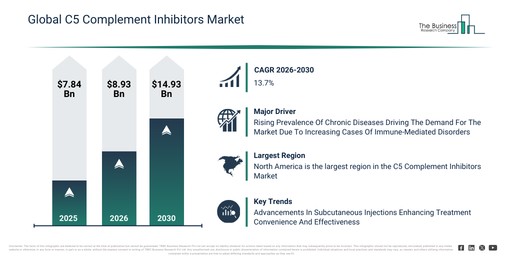
    In recent years, the c5 complement inhibitors market size has seen swift expansion. This market is projected to expand from $7.84 billion in 2025 to $8.93 billion in 2026, demonstrating a compound annual growth rate (CAGR) of 13.9%. Historically, this growth was driven by factors such as the approval of pioneering complement inhibitors, an increase in the diagnosis of rare hematological conditions, enhanced clinical understanding of complement pathways, the proliferation of specialized treatment facilities, and robust biologics development pipelines.

    The c5 complement inhibitors market size is anticipated to undergo substantial growth in the upcoming years. It is forecast to achieve a valuation of $14.93 billion by 2030, propelled by a compound annual growth rate (CAGR) of 13.7%. This expansion in the projected period can be attributed to the rising prevalence of autoimmune and rare diseases, the broadening scope of personalized medicine approaches, an expanding pipeline of next-generation inhibitors, increased biologics manufacturing capacity, and supportive regulatory frameworks for orphan drugs. Noteworthy trends for the forecast period include the increasing adoption of targeted immunotherapies, their growing application in rare complement-mediated disorders, a rising preference for long-acting formulations, the proliferation of combination treatment strategies, and an intensified focus on early diagnosis and intervention.

    Download the Free Sample Report to Explore Key Market Insights:

    https://www.thebusinessresearchcompany.com/sample.aspx?id=23334&type=smp

    What Key Drivers Are Influencing The Growth Of The C5 Complement Inhibitors Market?

    The projected expansion of the C5 complement inhibitors market is fueled by the rising incidence of chronic diseases. These are enduring health conditions characterized by gradual progression and prolonged duration, frequently necessitating ongoing medical care and supervision to avert complications. The growing occurrence of chronic diseases primarily stems from shifts in lifestyle, including inadequate nutrition, lack of physical activity, tobacco use, and stress, all of which lead to a gradual decline in health. C5 complement inhibitors assist individuals with chronic diseases by inhibiting the excessive activation of the complement system, which in turn diminishes inflammation, safeguards against tissue harm, and enhances patient results in conditions like PNH, aHUS, and other related disorders. For example, an April 2025 report from the International Diabetes Federation, a non-profit organization based in Belgium, indicated that in 2024, over 9.5 million individuals were affected by type 1 diabetes, a figure that included 1.9 million children and adolescents under 20. Projections suggest that the worldwide diabetes population will escalate to 853 million by 2050. Consequently, the rising occurrence of chronic illnesses is a key factor propelling the expansion of the C5 complement inhibitors market.

    What Major Segment Divisions Exist Within The C5 Complement Inhibitors Market?

    The c5 complement inhibitors market covered in this report is segmented –

    1) By Product: Long Acting C5 Inhibitors, Short Acting C5 Inhibitors

    2) By Drug: Eculizumab, Ravulizumab, Other Drugs

    3) By Route Of Administration: Intravenous, Subcutaneous

    4) By Distribution Channel: Hospital Pharmacies, Retail Pharmacies

    5) By Application: Paroxysmal Noctural Hemoglobuinuria, Atyptical Hemolytic Uremic Syndrome, Generalized Myasthenia Gravis, Neuromyelitis Optics Spectrum Disorder, Other Applications

    Subsegments:

    1) By Long Acting C5 Inhibitors: Crovalimab, Pozelimab, Tesidolumab, Other Long-Acting C5 Inhibitors

    2) By Short Acting C5 Inhibitors: Zilucoplan, Cemdisiran, Nomacopan, Other Short-Acting C5 Inhibitors

    How Are Trends Shaping The Direction Of The C5 Complement Inhibitors Market?

    Major companies operating in the C5 complement inhibitors market are concentrating on creating innovative therapies, including self-administered C5 inhibitors, to broaden the available treatment options for generalized myasthenia gravis. This kind of inhibitor serves as a targeted therapeutic agent that functions by blocking the complement C5 protein to mitigate inflammation and immune-mediated damage, and is designed for patient self-administration to address conditions such as paroxysmal nocturnal hemoglobinuria and atypical hemolytic uremic syndrome. An example of this occurred in October 2023, when Union Chimique Belge (UCB) SA, a Belgium-based biopharmaceutical company, revealed the approval of Zilbrysq (zilucoplan) by the Food and Drug Administration (FDA), a US-based government regulatory agency, for use in treating adults with generalized myasthenia gravis (gMG). This specific approval is applicable to patients identified as anti-acetylcholine receptor (AChR) antibody-positive, which is a common manifestation of the disease. Zilbrysq itself is a self-administered, once-daily, subcutaneous C5 complement inhibitor, thereby presenting a new therapeutic choice for gMG patients. The approval consequently enhances UCB’s neurology portfolio, extending the range of treatment choices for individuals affected by autoimmune neuromuscular disorders.

    Which Companies Are Leading Innovation In The C5 Complement Inhibitors Market?

    Major companies operating in the c5 complement inhibitors market are AstraZeneca plc, F. Hoffmann-La Roche AG, Chugai Pharmaceutical Co. Ltd., Swedish Orphan Biovitrum AB, Alnylam Pharmaceuticals Inc., BioCryst Pharmaceuticals Inc., Omeros Corporation, Dianthus Therapeutics Inc., Akari Therapeutics Plc, Regeneron Pharmaceuticals Inc., UCB Pharma SA, Astellas Pharma Inc., InflaRx NV, Alexion Pharmaceuticals Inc., Ra Pharmaceuticals Inc., ChemoCentryx Inc., Annexon Biosciences Inc., Iveric Bio Inc., Apellis Pharmaceuticals Inc., Kira Pharmaceuticals Inc.

    Read the full c5 complement inhibitors market report here:

    https://www.thebusinessresearchcompany.com/report/c5-complement-inhibitors-global-market-report

    Which Region Is Expected To Register The Fastest Growth In The C5 Complement Inhibitors Market?

    North America was the largest region in the C5 complement inhibitors market in 2025. Asia-Pacific is expected to be the fastest-growing region in the forecast period. The regions covered in the c5 complement inhibitors market report are Asia-Pacific, South East Asia, Western Europe, Eastern Europe, North America, South America, Middle East, Africa.

    Request A Tailored C5 Complement Inhibitors Market Research Report For Competitive Advantage:

    https://www.thebusinessresearchcompany.com/customise?id=23334&type=smp

    Browse Through More Reports Similar to the Global C5 Complement Inhibitors Market 2026, By The Business Research Company

    Cc Chemokine Receptor Type 5 Market Report 2026

    https://www.thebusinessresearchcompany.com/report/cc-chemokine-receptor-type-5-global-market-report

    Ace Inhibitors Market Report 2026

    https://www.thebusinessresearchcompany.com/report/ace-inhibitors-global-market-report

    Kinase Inhibitors Market Report 2026

    https://www.thebusinessresearchcompany.com/report/kinase-inhibitors-global-market-report

    Get in touch with us:

    The Business Research Company: https://www.thebusinessresearchcompany.com/

    Americas +1 310-496-7795

    Asia +44 7882 955267 & +91 8897263534

    Europe +44 7882 955267

    Email us at info@tbrc.info

    Follow us on:

    LinkedIn: https://in.linkedin.com/company/the-business-research-company

    YouTube: https://www.youtube.com/channel/UC24_fI0rV8cR5DxlCpgmyFQ

    Global Market Model: https://www.thebusinessresearchcompany.com/global-market-model
  • Budesonide Inhaler Market Anticipated to Grow Steadily, Approaching $10.25 Billion by 2030

    Budesonide Inhaler Market Anticipated to Grow Steadily, Approaching $10.25 Billion by 2030

    The Business Research Company’s 2026 market reports include new capabilities such as market attractiveness scoring and analysis, total addressable market analysis, company scoring matrix, interactive excel data dashboard, improved supply chain analysis, upcoming startups in the market, and overview of key products, aimed at improving the depth, usability, and strategic value of the insights delivered.

    What Market Value Is Expected For The Budesonide Inhaler Market At The End Of The 2026–2030 Forecast Period?

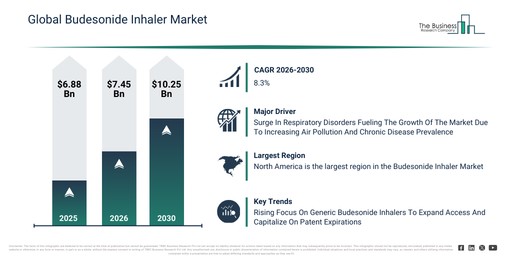
    The budesonide inhaler market size has seen significant expansion in recent years. Its valuation is set to increase from $6.88 billion in 2025 to $7.45 billion in 2026, advancing at a compound annual growth rate (CAGR) of 8.3%. The growth observed historically can be attributed to factors such as asthma prevalence growth, increased COPD diagnosis rates, corticosteroid inhaler adoption, the expansion of hospital respiratory care, and smoking-related respiratory disorders.

    The budesonide inhaler market is anticipated to observe robust expansion over the next few years. It is projected to climb to $10.25 billion by 2030, achieving a compound annual growth rate (CAGR) of 8.3%. This growth during the forecast period is largely attributable to the burden of chronic respiratory diseases, advancements in smart inhaler technology, the expansion of outpatient respiratory care, proactive asthma management strategies, and increasing demand from emerging markets. Prominent trends throughout the forecast period include a rising necessity for long-term respiratory control, increased adoption of combination inhalers, growth in homecare respiratory management, wider usage among pediatric and geriatric populations, and a strong focus on enhancing inhaler delivery efficiency.

    Download the Free Sample Report to Explore Key Market Insights:

    https://www.thebusinessresearchcompany.com/sample.aspx?id=24181&type=smp

    What Major Growth Drivers Are Shaping The Outlook Of The Budesonide Inhaler Market?

    The expanding prevalence of respiratory ailments is set to boost the budesonide inhaler market in the coming years. Respiratory disorders are medical conditions that affect the lungs and airways, making breathing difficult and often causing symptoms such as coughing, wheezing, and shortness of breath. These encompass conditions like asthma, chronic obstructive pulmonary disease (COPD), pneumonia, bronchitis, and various lung infections. The increase in respiratory disorders is primarily attributed to heightened air pollution, which elevates exposure to detrimental pollutants that irritate the airways and degrade lung function. Budesonide inhalers address respiratory disorders by directly delivering anti-inflammatory medication to the lungs, providing effective long-term control. Their compact design facilitates ease of use and portability, leading to a reduction in flare-ups and an improvement in respiratory health. For instance, in June 2025, Public Health Wales, a UK-based National Health Service organization in Wales, predicted that the number of patients on asthma and chronic obstructive pulmonary disease registers in Wales is projected to increase over the next 10 years. Additionally, asthma cases are expected to rise to over 256,000 registered cases from 237,400 cases in 2023-24, and chronic obstructive pulmonary disease cases are projected to increase to over 84,000 from 75,600 cases in 2023-24. Thus, the escalating incidence of respiratory disorders is a key driver for the growth of the budesonide inhaler market.

    What Segment Types Make Up The Budesonide Inhaler Market?

    The budesonide inhaler market covered in this report is segmented –

    1) By Product Type: Metered-Dose Inhalers (MDIs), Dry Powder Inhalers (DPIs), Nebulizers, Combination Inhalers

    2) By Dosage Form: Aerosols, Dry Powder, Suspension, Spray

    3) By Indication: Asthma, Chronic Obstructive Pulmonary Disease, Allergic Rhinitis

    4) By End User: Hospitals, Outpatient Clinics, Homecare Settings, Pharmacies

    Subsegments:

    1) By Metered-Dose Inhalers: Pressurized Metered-Dose Inhalers, Breath-Actuated Metered-Dose Inhalers, Spacer-Compatible Metered-Dose Inhalers, Hydrofluoroalkane Propellant-Based Metered-Dose Inhalers

    2) By Dry Powder Inhalers: Single-Dose Dry Powder Inhalers, Multi-Dose Dry Powder Inhalers, Capsule-Based Dry Powder Inhalers, Reservoir-Based Dry Powder Inhalers

    3) By Nebulizers: Jet Nebulizers, Ultrasonic Nebulizers, Mesh Nebulizers, Homecare Nebulizers, Hospital-Use Nebulizers

    4) By Combination Inhalers: Budesonide And Formoterol Inhalers, Budesonide And Salmeterol Inhalers, Budesonide, Glycopyrrolate, And Formoterol Inhalers, Budesonide And Vilanterol Inhalers

    Which Market Trends Are Creating New Opportunities In The Budesonide Inhaler Market?

    Key players in the budesonide inhaler market are increasingly concentrating on the development of novel offerings, particularly generic options, to improve affordability and broaden access to treatments for various respiratory conditions. Generic inhaled medications are defined as non-proprietary versions of inhaled drugs that provide the same active components, dosage, and therapeutic outcomes as their branded counterparts, typically at a reduced cost. A notable example occurred in July 2023, when Viatris Inc., a US-based pharmaceutical company, in partnership with Kindeva Drug Delivery L.P., a US-based pharmaceutical manufacturing company, unveiled Breyna (budesonide and formoterol fumarate dihydrate) inhalation aerosol. This product marked the initial Food and Drug Administration (FDA), a US-based federal agency-approved generic version of Symbicort. This combined drug-device solution is formulated to address both asthma and chronic obstructive pulmonary disease (COPD), operating by leveraging budesonide to lessen inflammation in the airways, while formoterol works to relax the muscles surrounding the airways, thereby providing patients with a more economical option.

    Who Are The Key Players Driving Competition In The Budesonide Inhaler Market?

    Major companies operating in the budesonide inhaler market are AstraZeneca plc, GSK plc, Takeda Pharmaceutical Company Limited, Viatris Inc., Teva Pharmaceutical Industries Ltd., Boehringer Ingelheim International GmbH, Sandoz International GmbH, Bausch Health Companies Inc., Sun Pharmaceutical Industries Ltd., Synmosa Biopharma Corporation, Chiesi Farmaceutici S.p.A., Aurobindo Pharma Limited, Cipla Limited, Hikma Pharmaceuticals PLC, Lupin Limited, Orion Corporation, Nephron Pharmaceuticals Corporation, Curia Global Inc., Kindeva Drug Delivery L.P., Minakem SAS, Axplora Group GmbH, Cosmo Pharmaceuticals N.V., Manus Aktteva Biopharma LLP, Tovec Pharma Pvt. Ltd., Nutra Respiro Healthcare Pvt. Ltd.

    Read the full budesonide inhaler market report here:

    https://www.thebusinessresearchcompany.com/report/budesonide-inhaler-global-market-report

    Which Regions Are Projected To Dominate The Budesonide Inhaler Market In The Coming Years?

    North America was the largest region in the budesonide inhaler market in 2025. Asia-Pacific is expected to be the fastest-growing region in the forecast period. The regions covered in the budesonide inhaler market report are Asia-Pacific, South East Asia, Western Europe, Eastern Europe, North America, South America, Middle East, Africa.

    Request A Tailored Budesonide Inhaler Market Research Report For Competitive Advantage:

    https://www.thebusinessresearchcompany.com/customise?id=24181&type=smp

    Browse Through More Reports Similar to the Global Budesonide Inhaler Market 2026, By The Business Research Company

    Albuterol Market Report 2026

    https://www.thebusinessresearchcompany.com/report/albuterol-global-market-report

    Smart Inhalers Market Report 2026

    https://www.thebusinessresearchcompany.com/report/smart-inhalers-global-market-report

    Respiratory Inhaler Devices Market Report 2026

    https://www.thebusinessresearchcompany.com/report/respiratory-inhaler-devices-global-market-report

    Get in touch with us:

    The Business Research Company: https://www.thebusinessresearchcompany.com/

    Americas +1 310-496-7795

    Asia +44 7882 955267 & +91 8897263534

    Europe +44 7882 955267

    Email us at info@tbrc.info

    Follow us on:

    LinkedIn: https://in.linkedin.com/company/the-business-research-company

    YouTube: https://www.youtube.com/channel/UC24_fI0rV8cR5DxlCpgmyFQ

    Global Market Model: https://www.thebusinessresearchcompany.com/global-market-model
  • Budesonide Inhaler Market Anticipated to Grow Steadily, Approaching $10.25 Billion by 2030

    Budesonide Inhaler Market Anticipated to Grow Steadily, Approaching $10.25 Billion by 2030

    The Business Research Company’s 2026 market reports include new capabilities such as market attractiveness scoring and analysis, total addressable market analysis, company scoring matrix, interactive excel data dashboard, improved supply chain analysis, upcoming startups in the market, and overview of key products, aimed at improving the depth, usability, and strategic value of the insights delivered.

    What Market Value Is Expected For The Budesonide Inhaler Market At The End Of The 2026–2030 Forecast Period?

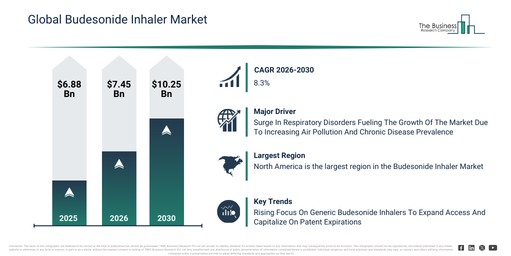
    The budesonide inhaler market size has seen significant expansion in recent years. Its valuation is set to increase from $6.88 billion in 2025 to $7.45 billion in 2026, advancing at a compound annual growth rate (CAGR) of 8.3%. The growth observed historically can be attributed to factors such as asthma prevalence growth, increased COPD diagnosis rates, corticosteroid inhaler adoption, the expansion of hospital respiratory care, and smoking-related respiratory disorders.

    The budesonide inhaler market is anticipated to observe robust expansion over the next few years. It is projected to climb to $10.25 billion by 2030, achieving a compound annual growth rate (CAGR) of 8.3%. This growth during the forecast period is largely attributable to the burden of chronic respiratory diseases, advancements in smart inhaler technology, the expansion of outpatient respiratory care, proactive asthma management strategies, and increasing demand from emerging markets. Prominent trends throughout the forecast period include a rising necessity for long-term respiratory control, increased adoption of combination inhalers, growth in homecare respiratory management, wider usage among pediatric and geriatric populations, and a strong focus on enhancing inhaler delivery efficiency.

    Download the Free Sample Report to Explore Key Market Insights:

    https://www.thebusinessresearchcompany.com/sample.aspx?id=24181&type=smp

    What Major Growth Drivers Are Shaping The Outlook Of The Budesonide Inhaler Market?

    The expanding prevalence of respiratory ailments is set to boost the budesonide inhaler market in the coming years. Respiratory disorders are medical conditions that affect the lungs and airways, making breathing difficult and often causing symptoms such as coughing, wheezing, and shortness of breath. These encompass conditions like asthma, chronic obstructive pulmonary disease (COPD), pneumonia, bronchitis, and various lung infections. The increase in respiratory disorders is primarily attributed to heightened air pollution, which elevates exposure to detrimental pollutants that irritate the airways and degrade lung function. Budesonide inhalers address respiratory disorders by directly delivering anti-inflammatory medication to the lungs, providing effective long-term control. Their compact design facilitates ease of use and portability, leading to a reduction in flare-ups and an improvement in respiratory health. For instance, in June 2025, Public Health Wales, a UK-based National Health Service organization in Wales, predicted that the number of patients on asthma and chronic obstructive pulmonary disease registers in Wales is projected to increase over the next 10 years. Additionally, asthma cases are expected to rise to over 256,000 registered cases from 237,400 cases in 2023-24, and chronic obstructive pulmonary disease cases are projected to increase to over 84,000 from 75,600 cases in 2023-24. Thus, the escalating incidence of respiratory disorders is a key driver for the growth of the budesonide inhaler market.

    What Segment Types Make Up The Budesonide Inhaler Market?

    The budesonide inhaler market covered in this report is segmented –

    1) By Product Type: Metered-Dose Inhalers (MDIs), Dry Powder Inhalers (DPIs), Nebulizers, Combination Inhalers

    2) By Dosage Form: Aerosols, Dry Powder, Suspension, Spray

    3) By Indication: Asthma, Chronic Obstructive Pulmonary Disease, Allergic Rhinitis

    4) By End User: Hospitals, Outpatient Clinics, Homecare Settings, Pharmacies

    Subsegments:

    1) By Metered-Dose Inhalers: Pressurized Metered-Dose Inhalers, Breath-Actuated Metered-Dose Inhalers, Spacer-Compatible Metered-Dose Inhalers, Hydrofluoroalkane Propellant-Based Metered-Dose Inhalers

    2) By Dry Powder Inhalers: Single-Dose Dry Powder Inhalers, Multi-Dose Dry Powder Inhalers, Capsule-Based Dry Powder Inhalers, Reservoir-Based Dry Powder Inhalers

    3) By Nebulizers: Jet Nebulizers, Ultrasonic Nebulizers, Mesh Nebulizers, Homecare Nebulizers, Hospital-Use Nebulizers

    4) By Combination Inhalers: Budesonide And Formoterol Inhalers, Budesonide And Salmeterol Inhalers, Budesonide, Glycopyrrolate, And Formoterol Inhalers, Budesonide And Vilanterol Inhalers

    Which Market Trends Are Creating New Opportunities In The Budesonide Inhaler Market?

    Key players in the budesonide inhaler market are increasingly concentrating on the development of novel offerings, particularly generic options, to improve affordability and broaden access to treatments for various respiratory conditions. Generic inhaled medications are defined as non-proprietary versions of inhaled drugs that provide the same active components, dosage, and therapeutic outcomes as their branded counterparts, typically at a reduced cost. A notable example occurred in July 2023, when Viatris Inc., a US-based pharmaceutical company, in partnership with Kindeva Drug Delivery L.P., a US-based pharmaceutical manufacturing company, unveiled Breyna (budesonide and formoterol fumarate dihydrate) inhalation aerosol. This product marked the initial Food and Drug Administration (FDA), a US-based federal agency-approved generic version of Symbicort. This combined drug-device solution is formulated to address both asthma and chronic obstructive pulmonary disease (COPD), operating by leveraging budesonide to lessen inflammation in the airways, while formoterol works to relax the muscles surrounding the airways, thereby providing patients with a more economical option.

    Who Are The Key Players Driving Competition In The Budesonide Inhaler Market?

    Major companies operating in the budesonide inhaler market are AstraZeneca plc, GSK plc, Takeda Pharmaceutical Company Limited, Viatris Inc., Teva Pharmaceutical Industries Ltd., Boehringer Ingelheim International GmbH, Sandoz International GmbH, Bausch Health Companies Inc., Sun Pharmaceutical Industries Ltd., Synmosa Biopharma Corporation, Chiesi Farmaceutici S.p.A., Aurobindo Pharma Limited, Cipla Limited, Hikma Pharmaceuticals PLC, Lupin Limited, Orion Corporation, Nephron Pharmaceuticals Corporation, Curia Global Inc., Kindeva Drug Delivery L.P., Minakem SAS, Axplora Group GmbH, Cosmo Pharmaceuticals N.V., Manus Aktteva Biopharma LLP, Tovec Pharma Pvt. Ltd., Nutra Respiro Healthcare Pvt. Ltd.

    Read the full budesonide inhaler market report here:

    https://www.thebusinessresearchcompany.com/report/budesonide-inhaler-global-market-report

    Which Regions Are Projected To Dominate The Budesonide Inhaler Market In The Coming Years?

    North America was the largest region in the budesonide inhaler market in 2025. Asia-Pacific is expected to be the fastest-growing region in the forecast period. The regions covered in the budesonide inhaler market report are Asia-Pacific, South East Asia, Western Europe, Eastern Europe, North America, South America, Middle East, Africa.

    Request A Tailored Budesonide Inhaler Market Research Report For Competitive Advantage:

    https://www.thebusinessresearchcompany.com/customise?id=24181&type=smp

    Browse Through More Reports Similar to the Global Budesonide Inhaler Market 2026, By The Business Research Company

    Albuterol Market Report 2026

    https://www.thebusinessresearchcompany.com/report/albuterol-global-market-report

    Smart Inhalers Market Report 2026

    https://www.thebusinessresearchcompany.com/report/smart-inhalers-global-market-report

    Respiratory Inhaler Devices Market Report 2026

    https://www.thebusinessresearchcompany.com/report/respiratory-inhaler-devices-global-market-report

    Get in touch with us:

    The Business Research Company: https://www.thebusinessresearchcompany.com/

    Americas +1 310-496-7795

    Asia +44 7882 955267 & +91 8897263534

    Europe +44 7882 955267

    Email us at info@tbrc.info

    Follow us on:

    LinkedIn: https://in.linkedin.com/company/the-business-research-company

    YouTube: https://www.youtube.com/channel/UC24_fI0rV8cR5DxlCpgmyFQ

    Global Market Model: https://www.thebusinessresearchcompany.com/global-market-model
  • Global Laviv Market 2026 strengthening regenerative medicine

    Global Laviv Market 2026 strengthening regenerative medicine

    The Business Research Company’s 2026 market reports include new capabilities such as market attractiveness scoring and analysis, total addressable market analysis, company scoring matrix, interactive excel data dashboard, improved supply chain analysis, upcoming startups in the market, and overview of key products, aimed at improving the depth, usability, and strategic value of the insights delivered.

    What Will Be The Estimated Market Valuation Of The Laviv Market By The End Of 2030?

    Historical growth can be attributed to the increasing embrace of aesthetic medical procedures, a heightened consumer awareness regarding regenerative medicine, the expansion of dermatology and cosmetic clinics, a rising demand for non-synthetic treatments, and continuous advancements in cell culturing technologies.

    The anticipated expansion during the projected timeframe stems from a greater embrace of customized regenerative aesthetic treatments, an aging demographic pursuing skin revitalization, the proliferation of high-end cosmetic procedure options, escalating financial commitments in cell-based therapeutic investigations, and a heightened inclination towards durable aesthetic outcomes.

    Prominent trends identified for the forecast span involve a broader uptake of autologous cell-derived aesthetic therapies, an escalating need for tailored skin revitalization approaches, a stronger concentration on less invasive cosmetic interventions, the broadening application of sophisticated cell cultivation and handling methods, and a more pronounced importance placed on naturally derived and body-friendly therapies.

    Download the Free Sample Report to Explore Key Market Insights:

    https://www.thebusinessresearchcompany.com/sample.aspx?id=20140&type=smp

    What Major Growth Drivers Are Shaping The Outlook Of The Laviv Market?

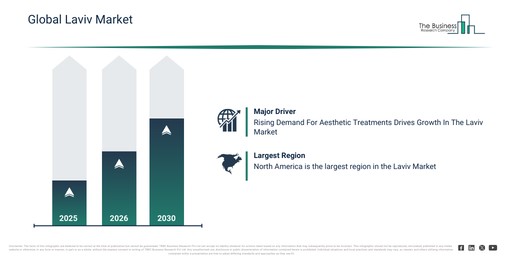
    The laviv market is anticipated to expand due to the increasing demand for aesthetic treatments. These non-surgical procedures aim to improve or rejuvenate one’s look, typically targeting the skin, facial characteristics, and body shape. This surge in demand stems from heightened awareness of personal aesthetics, innovations in non-invasive techniques, and a greater focus on self-care and beauty ideals. Laviv contributes to aesthetic treatments by enhancing skin appearance through collagen stimulation, assisting in wrinkle reduction, and boosting facial volume for a more youthful look. For instance, data from June 2024, provided by the International Society of Aesthetic Plastic Surgery (ISAPS), a US-based professional body for board-certified aesthetic plastic surgeons, revealed that in 2023, 34.9 million aesthetic procedures (both surgical and non-surgical) were performed globally, marking a 3.4% increase from 2022. Consequently, the increasing demand for aesthetic treatments is set to fuel the growth of the laviv market. The laviv market is projected to see accelerated expansion due to a greater emphasis on personalized medicine. This healthcare approach involves tailoring treatments and therapies based on an individual’s genetic profile, environmental factors, and lifestyle. The rising need for personalized medicine is fueled by progress in genomic medicine, a rise in chronic illnesses, enhanced diagnostic instruments, and a patient-centric philosophy in healthcare. As a personalized medicine, Laviv utilizes a patient’s own fibroblast cells to formulate a customized treatment, thereby stimulating collagen production, boosting skin repair, and delivering natural, individual-specific outcomes for both aesthetic and therapeutic uses. For example, in February 2024, the Personalized Medicine Coalition, a US-based hospital and healthcare organization, reported that in 2023, the FDA granted approval to 16 new personalized treatments for patients with rare diseases, an increase from six in 2022. Thus, the heightened focus on personalized medicine is propelling the growth of the laviv market.

    Which Segment Classifications Shape The Laviv Market?

    The laviv market covered in this report is segmented –

    1) By Formulation: Injectable Formulation (Cell-Based Therapy), Lyophilized Powder For Reconstitution

    2) By Indication: Treatment Of Facial Wrinkles, Treatment Of Acne Scars, Other Aesthetic Applications

    3) By Patient Demographics: Adult Patients, Geriatric Patients, Patients With Specific Skin Conditions

    4) By Distribution Channel: Direct Sales, Wholesalers And Distributors, Retail Pharmacies, Online Pharmacies

    5) By End User: Dermatology Clinics, Cosmetic Surgery Centers, Hospitals, Medical Spas

    Which Companies Are Expanding Their Footprint In The Laviv Market?

    Major companies operating in the laviv market are Fibrocell Science Inc.

    Read the full laviv market report here:

    https://www.thebusinessresearchcompany.com/report/laviv-global-market-report

    Which Regions Are Projected To Dominate The Laviv Market In The Coming Years?

    North America was the largest region in the laviv market in 2025. Asia-Pacific is expected to be the fastest-growing region in the forecast period. The regions covered in the laviv market report are Asia-Pacific, Western Europe, Eastern Europe, North America, South America, Middle East, Africa.

    Request A Tailored Laviv Market Research Report For Competitive Advantage:

    https://www.thebusinessresearchcompany.com/customise?id=20140&type=smp

    Browse Through More Reports Similar to the Global Laviv Market 2026, By The Business Research Company

    Esg Finance Market Report 2026

    https://www.thebusinessresearchcompany.com/report/esg-finance-global-market-report

    Vertical Market Software Market Report 2026

    https://www.thebusinessresearchcompany.com/report/vertical-market-software-global-market-report

    Market Research Services Market Report 2026

    https://www.thebusinessresearchcompany.com/report/market-research-services-global-market-report

    Get in touch with us:

    The Business Research Company: https://www.thebusinessresearchcompany.com/

    Americas +1 310-496-7795

    Asia +44 7882 955267 & +91 8897263534

    Europe +44 7882 955267

    Email us at info@tbrc.info

    Follow us on:

    LinkedIn: https://in.linkedin.com/company/the-business-research-company

    YouTube: https://www.youtube.com/channel/UC24_fI0rV8cR5DxlCpgmyFQ

    Global Market Model: https://www.thebusinessresearchcompany.com/global-market-model
  • Lantus Market 2026 expanding with insulin demand

    Lantus Market 2026 expanding with insulin demand

    The Business Research Company’s 2026 market reports include new capabilities such as market attractiveness scoring and analysis, total addressable market analysis, company scoring matrix, interactive excel data dashboard, improved supply chain analysis, upcoming startups in the market, and overview of key products, aimed at improving the depth, usability, and strategic value of the insights delivered.

    What Market Size Growth Is Projected For The Lantus Market During The Forecast Period 2026–2030?

    The expansion observed during the past period stemmed from an increase in the global incidence of diabetes, coupled with breakthroughs in insulin formulation science. Furthermore, the broad clinical adoption of basal insulin, the broadening of outpatient diabetes treatment, and enhanced tools for patient adherence also played significant roles.

    Expected expansion during the projected timeframe is driven by several factors, including heightened rivalry from biosimilar insulins, a greater emphasis on individualized insulin treatment, the broadening of digital tools for diabetes management, an increasing need for affordable insulin choices, and ongoing advancements in insulin delivery methods.

    Key developments anticipated during the forecast period encompass a greater uptake of long-acting insulin analogues, the broadening of initiatives for diabetes management, an emerging preference for insulin regimens administered once daily, a heightened emphasis on maintaining stable blood sugar levels, and an increasing deployment of pre-filled insulin delivery devices.

    Download the Free Sample Report to Explore Key Market Insights:

    https://www.thebusinessresearchcompany.com/sample.aspx?id=20139&type=smp

    What Drivers Are Expected To Influence The Lantus Market During The Forecast Period?

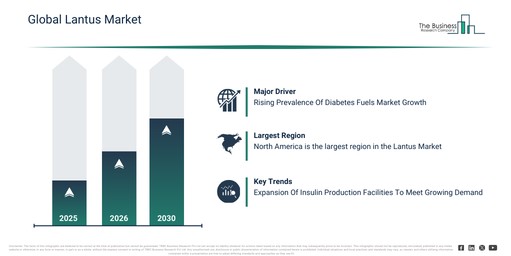
    The expanding occurrence of diabetes is projected to fuel the expansion of the Lantus market moving ahead. Diabetes is defined as a persistent health condition where the body either fails to generate sufficient insulin or cannot properly utilize the insulin it makes, resulting in elevated blood sugar levels. This growing incidence of diabetes stems from causes such as inactive lifestyles, poor eating habits, increasing rates of obesity, genetic factors, and an older demographic. Lantus offers advantages for diabetes by ensuring prolonged and steady blood sugar regulation for as long as 24 hours, thus lowering the chance of glucose spikes and enabling patients to sustain consistent glucose readings with fewer daily shots. For example, in March 2024, data from the Office for Health Improvement and Disparities, a UK government department, showed that by March 2023, the proportion of individuals with type 1 diabetes in England receiving 8 care processes at GP practices involved in the NDA increased to 43.8%, an increment from 35.2% in 2022. Consequently, the rising prevalence of diabetes is spurring the growth of the Lantus market.

    What Market Segments Are Evaluated Within The Lantus Market?

    The lantus market covered in this report is segmented –

    1) By Indication: Treatment Of Type 1 Diabetes, Treatment Of Type 2 Diabetes, Management Of Hyperglycemia

    2) By Formulation: Injectable Formulation (Solution For Injection), Pre-Filled Pens (Lantus SoloStar)

    3) By Patient Demographics: Pediatric Patients, Adult Patients, Geriatric Patients

    4) By Distribution Channel: Direct Sales, Wholesalers And Distributors, Retail Pharmacies, Online Pharmacies

    5) By End Use: Hospitals, Diabetes Clinics, Specialty Clinics, Home Healthcare Providers

    What Industry Trends Are Redefining The Lantus Market?

    A primary trend observed within the lantus market involves concentrating on expanding facilities to boost the output of insulin products. Such expansion for insulin production generally entails enhancing manufacturing capacity, modernizing equipment, and streamlining processes in order to satisfy the rising need for insulin. An illustrative example is Sanofi S.A., a France-based pharmaceutical industry company, which committed $1.40 billion (1.3 billion euros) in August 2024 towards a new insulin production site located at its current Frankfurt facility. This investment is designed to broaden Sanofi’s capacity for insulin production at its Frankfurt BioCampus, thereby increasing the manufacturing output for Lantus as well as other insulin products. This initiative will contribute to addressing the increasing requirement for diabetes treatments and securing a consistent global supply, further emphasizing the company’s dedication to global diabetes care.

    Who Are The Top Market Participants Influencing The Lantus Market?

    Major companies operating in the lantus market are Sanofi S.A.

    Read the full lantus market report here:

    https://www.thebusinessresearchcompany.com/report/lantus-global-market-report

    Which Region Is Forecast To Lead The Lantus Market In Terms Of Market Size?

    North America was the largest region in the lantus market in 2025. Asia-Pacific is expected to be the fastest-growing region in the forecast period. The regions covered in the lantus market report are Asia-Pacific, Western Europe, Eastern Europe, North America, South America, Middle East, Africa.

    Request A Tailored Lantus Market Research Report For Competitive Advantage:

    https://www.thebusinessresearchcompany.com/customise?id=20139&type=smp

    Browse Through More Reports Similar to the Global Lantus Market 2026, By The Business Research Company

    Data Lake Market Report 2026

    https://www.thebusinessresearchcompany.com/report/data-lake-global-market-report

    Inductor Market Market Report 2026

    https://www.thebusinessresearchcompany.com/report/inductor-market-global-market-report

    Consumer And Smb Nas Market Report 2026

    https://www.thebusinessresearchcompany.com/report/consumer-and-smb-nas-global-market-report

    Get in touch with us:

    The Business Research Company: https://www.thebusinessresearchcompany.com/

    Americas +1 310-496-7795

    Asia +44 7882 955267 & +91 8897263534

    Europe +44 7882 955267

    Email us at info@tbrc.info

    Follow us on:

    LinkedIn: https://in.linkedin.com/company/the-business-research-company

    YouTube: https://www.youtube.com/channel/UC24_fI0rV8cR5DxlCpgmyFQ

    Global Market Model: https://www.thebusinessresearchcompany.com/global-market-model
  • Lantidra Market 2026 advancing cell-based therapy innovation

    Lantidra Market 2026 advancing cell-based therapy innovation

    The Business Research Company’s 2026 market reports include new capabilities such as market attractiveness scoring and analysis, total addressable market analysis, company scoring matrix, interactive excel data dashboard, improved supply chain analysis, upcoming startups in the market, and overview of key products, aimed at improving the depth, usability, and strategic value of the insights delivered.

    How Will The Market Size Of The Lantidra Market Evolve From 2026 To 2030?

    Historical growth was driven by advancements in pancreatic cell biology, persistent unmet needs in type 1 diabetes management, developments in cell encapsulation technologies, greater investment in regenerative medicine, and the initial clinical success of cell therapies.

    The anticipated market expansion in the forecast period is propelled by factors such as the broadening scope of research into curative diabetes treatments, the rising integration of cell therapies in endocrinology, notable progress in immune protection strategies, an increased emphasis on solutions for long-term glucose management, and favorable regulatory environments supporting cell therapies.

    Key developments projected for the forecast period include the escalating creation of cell-based therapies for diabetes, the widening application of regenerative medicine approaches, a heightened focus on achieving insulin independence, the growing incorporation of gene-modified cell platforms, and improved outcomes for patient quality of life.

    Download the Free Sample Report to Explore Key Market Insights:

    https://www.thebusinessresearchcompany.com/sample.aspx?id=20138&type=smp

    What Drivers Are Influencing The Lantidra Market?

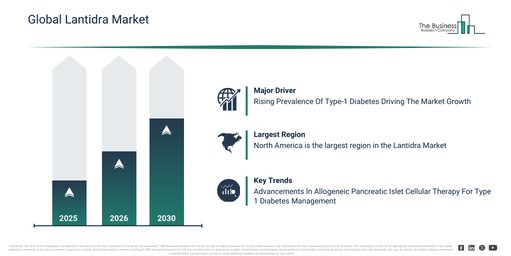
    An increasing incidence of type-1 diabetes is anticipated to fuel the expansion of the lantidra market in the foreseeable future. Type-1 diabetes is defined as a persistent ailment in which the immune system targets pancreatic cells responsible for insulin production, resulting in an insulin deficiency and necessitating continuous insulin treatment to manage blood sugar levels. The widespread occurrence of Type 1 diabetes stems from various elements including genetic susceptibility, ecological catalysts like viral infections, immune system irregularities, and enhanced diagnostic tools. Lantidra treatment entails implanting insulin-generating cells sourced from donor pancreases to re-establish natural insulin synthesis in individuals afflicted with type 1 diabetes. Such therapy enhances glycemic management, diminishes reliance on insulin, and potentially mitigates the likelihood of associated complications. As an illustration, in March 2024, data from the Office for Health Improvement & Disparities, a government body in the UK, indicated that from March 2022 to March 2023, the proportion of type 1 diabetes patients undergoing all eight suggested care processes saw a rise of 22%. Consequently, the growing incidence of type-1 diabetes is a key stimulant for the lantidra market’s expansion.

    Which Segment Areas Are Covered In The Lantidra Market Analysis?

    The lantidra market covered in this report is segmented –

    1) By Formulation: Injectable Formulation (Subcutaneous), Pre-Filled Syringes Or Auto-Injectors

    2) By Indication: Delay Of Clinical Type 1 Diabetes, Prevention Of Type 1 Diabetes, Treatment Of Newly Diagnosed Type 1 Diabetes

    3) By Patient Demographics: Pediatric Patients, Adult Patients, Geriatric Patients

    4) By Distribution Channel: Direct Sales, Wholesalers And Distributors, Retail Pharmacies, Online Pharmacies

    5) By End-User: Hospitals, Specialty Clinics, Home Healthcare Providers, Research Institutions

    What Key Developments And Trends Are Impacting The Lantidra Market?

    A significant trend in the lantidra market is the development of advanced treatments such as allogeneic (donor) pancreatic islet cellular therapy, designed to improve the management of type 1 diabetes by reducing the necessity for insulin injections. This cellular therapy involves transplanting insulin-producing islet cells from a healthy donor into a recipient. The treatment aims to restore insulin production in individuals with type 1 diabetes who have lost this capacity due to damaged pancreatic cells. For example, in June 2023, CellTrans Inc., a US-based biotechnology company, obtained U.S. Food and Drug Administration (FDA) approval for Lantidra, which provides insulin-producing beta cells, offering a potential solution for patients suffering from severe hypoglycemia and insulin dependency. Lantidra is administered as a single infusion into the liver’s portal vein and has the potential to lessen or entirely remove the need for insulin injections in some patients. The therapy’s approval comes with patient-directed labeling that emphasizes both its benefits and risks, including the requirement for immunosuppressive medications to ensure the continued function of the islet cells.

    Which Global Companies Are Actively Competing In The Lantidra Market?

    Major companies operating in the lantidra market are CellTrans Inc.

    Read the full lantidra market report here:

    https://www.thebusinessresearchcompany.com/report/lantidra-global-market-report

    Which Regions Are Expected To Experience Rapid Expansion In The Lantidra Market?

    North America was the largest region in the lantidra market in 2025. The regions covered in the lantidra market report are Asia-Pacific, Western Europe, Eastern Europe, North America, South America, Middle East, Africa.

    Request A Tailored Lantidra Market Research Report For Competitive Advantage:

    https://www.thebusinessresearchcompany.com/customise?id=20138&type=smp

    Browse Through More Reports Similar to the Global Lantidra Market 2026, By The Business Research Company

    Consumer And Smb Nas Market Report 2026

    https://www.thebusinessresearchcompany.com/report/consumer-and-smb-nas-global-market-report

    Direct Selling Market Report 2026

    https://www.thebusinessresearchcompany.com/report/direct-selling-global-market-report

    Data Lake Market Report 2026

    https://www.thebusinessresearchcompany.com/report/data-lake-global-market-report

    Get in touch with us:

    The Business Research Company: https://www.thebusinessresearchcompany.com/

    Americas +1 310-496-7795

    Asia +44 7882 955267 & +91 8897263534

    Europe +44 7882 955267

    Email us at info@tbrc.info

    Follow us on:

    LinkedIn: https://in.linkedin.com/company/the-business-research-company

    YouTube: https://www.youtube.com/channel/UC24_fI0rV8cR5DxlCpgmyFQ

    Global Market Model: https://www.thebusinessresearchcompany.com/global-market-model
  • Lamzede Market 2026–2035 strengthening rare metabolic disorder therapies

    Lamzede Market 2026–2035 strengthening rare metabolic disorder therapies

    The Business Research Company’s 2026 market reports include new capabilities such as market attractiveness scoring and analysis, total addressable market analysis, company scoring matrix, interactive excel data dashboard, improved supply chain analysis, upcoming startups in the market, and overview of key products, aimed at improving the depth, usability, and strategic value of the insights delivered.

    What Is The Forecasted Market Value Of The Lamzede Market Across 2026–2030?

    The historical period’s expansion was driven by progress in diagnosing rare diseases, official sanctions for orphan medications, enhanced manufacturing of recombinant enzymes, more widespread initiatives for disease understanding, and a proliferation of specialized care facilities.

    The anticipated growth during the forecast period is fueled by several factors, including the broadening of newborn screening programs, significant advancements in next-generation enzyme therapies, a heightened emphasis on managing diseases over the long term, greater availability of orphan drug reimbursement, and the expansion of personalized care for rare diseases. Concurrently, key developments expected in the forecast period encompass the rising uptake of enzyme replacement therapies, broader availability of therapies for lysosomal storage disorders, an intensifying commitment to the early diagnosis of rare diseases, accelerated creation of recombinant enzymes, and a surge in patient-centered treatment methodologies.

    Download the Free Sample Report to Explore Key Market Insights:

    https://www.thebusinessresearchcompany.com/sample.aspx?id=20137&type=smp

    What Drivers Are Shaping The Future Growth Of The Lamzede Market?

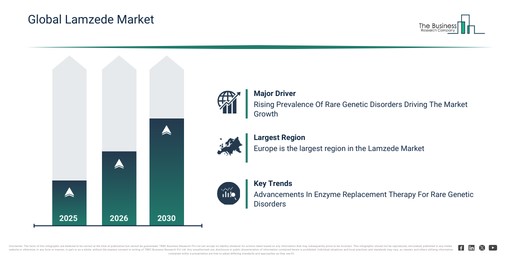
    An increasing occurrence of rare genetic disorders is projected to fuel the expansion of the lamzede market in the future. These disorders stem from genetic mutations seldom found in the general population, frequently leading to unique or severe health problems. Their growing prevalence is linked to progress in genetic testing, heightened awareness and diagnostic capabilities, and enhanced research technologies. Lamzede aids in managing rare genetic disorders by supplying a synthetic enzyme to break down excess sugars, thereby easing symptoms. It contributes to better motor and cognitive function, decelerates the disease’s advancement, and boosts the quality of life. For example, Clinical Trials Arena, a UK-based clinical research news platform, reported in December 2024 that hospital admissions for Mycoplasma pneumoniae saw a 461% increase from October 2023 to February 2024, escalating from 110 to 617 admissions. Consequently, the expanding prevalence of rare genetic disorders is stimulating the growth of the lamzede market. A heightened emphasis on personalized medicine is poised to accelerate the expansion of the Lamzede market in the coming period. Personalized medicine denotes a medical strategy that customizes healthcare interventions according to a person’s distinct genetic composition, surroundings, and way of life. The need for tailored therapies stems from elements like progress in genetic research, enhanced comprehension of diseases at a molecular scale, and superior diagnostic instruments. Lamzede contributes to personalized medicine by providing specific treatment for uncommon genetic conditions such as alpha-mannosidosis, targeting particular enzyme deficits. The therapy is adjusted to an individual’s genetic makeup for more efficient control of the ailment. For example, in February 2024, the US-based Personalized Medicine Coalition reported that in 2023, the FDA sanctioned 16 novel personalized treatments for rare disease patients, a significant increase from the six approved in 2022. Thus, the growing concentration on personalized medicine is propelling the Lamzede market’s expansion.

    What Segmentation Levels Are Considered In The Lamzede Market?

    The lamzede market covered in this report is segmented –

    1) By Formulation: Injectable Formulation (Intravenous), Lyophilized Powder For Reconstitution

    2) By Indication: Treatment Of Alpha-Mannosidosis, Management Of Symptoms Associated With Alpha-Mannosidosis

    3) By Patient Demographics: Pediatric Patients, Adult Patients, Geriatric Patients

    4) By Distribution Channel: Direct Sales, Wholesalers And Distributors, Retail Pharmacies, Online Pharmacies

    5) By End-User: Hospitals, Specialty Clinics, Home Healthcare Providers, Research Institutions

    What Trends Are Projected To Affect The Lamzede Market?

    A significant trend observed in the lamzede market involves a strong focus on creating sophisticated treatments, including enzyme replacement therapy (ERT), to meet the increasing need for successful interventions for uncommon genetic conditions. ERT represents a therapeutic strategy where absent or insufficient enzymes are supplied to the body to manage particular genetic ailments, most commonly lysosomal storage diseases, by introducing artificial forms of these enzymes. As an illustration, in February 2023, Chiesi Global Rare Diseases, a US-based biopharmaceutical firm, obtained U.S. Food and Drug Administration (FDA) clearance for Lamzede (velmanase alfa-tycv) for managing non-central nervous system symptoms of alpha-mannosidosis (AM) in patients across all age groups, including adults and children. This genetically engineered variant of human alpha-mannosidase aids in augmenting the enzyme a-mannosidase, thereby hindering the buildup of mannose-rich oligosaccharides within the system. Lamzede targets indicators like hearing impairment, muscle frailty, and bone deformities, presenting a crucial therapeutic alternative for this exceptionally rare, worsening lysosomal storage disorder.

    Which Leading Firms Are Contributing To The Growth Of The Lamzede Market?

    Major companies operating in the lamzede market are Chiesi Farmaceutici S.p.A.

    Read the full lamzede market report here:

    https://www.thebusinessresearchcompany.com/report/lamzede-global-market-report

    Which Geographic Regions Are Influencing Demand In The Lamzede Market?

    Europe was the largest region in the lamzede market in 2025. Asia-Pacific is expected to be the fastest-growing region in the forecast period. The regions covered in the lamzede market report are Asia-Pacific, Western Europe, Eastern Europe, North America, South America, Middle East, Africa.

    Request A Tailored Lamzede Market Research Report For Competitive Advantage:

    https://www.thebusinessresearchcompany.com/customise?id=20137&type=smp

    Browse Through More Reports Similar to the Global Lamzede Market 2026, By The Business Research Company

    Motor Lamination Market Report 2026

    https://www.thebusinessresearchcompany.com/report/motor-lamination-global-market-report

    Copper Clad Laminate Market Report 2026

    https://www.thebusinessresearchcompany.com/report/copper-clad-laminate-global-market-report

    Laminating Adhesives Market Report 2026

    https://www.thebusinessresearchcompany.com/report/laminating-adhesives-global-market-report

    Get in touch with us:

    The Business Research Company: https://www.thebusinessresearchcompany.com/

    Americas +1 310-496-7795

    Asia +44 7882 955267 & +91 8897263534

    Europe +44 7882 955267

    Email us at info@tbrc.info

    Follow us on:

    LinkedIn: https://in.linkedin.com/company/the-business-research-company

    YouTube: https://www.youtube.com/channel/UC24_fI0rV8cR5DxlCpgmyFQ

    Global Market Model: https://www.thebusinessresearchcompany.com/global-market-model