Category: Pharmaceuticals

  • Global Cancer Supportive Care Drugs Market Forecast 2026–2035 with Expansion Opportunities

    Global Cancer Supportive Care Drugs Market Forecast 2026–2035 with Expansion Opportunities

    The Business Research Company’s 2026 market reports include new capabilities such as market attractiveness scoring and analysis, total addressable market analysis, company scoring matrix, interactive excel data dashboard, improved supply chain analysis, upcoming startups in the market, and overview of key products, aimed at improving the depth, usability, and strategic value of the insights delivered.

    How Much Is The Cancer Supportive Care Drugs Market Expected To Grow In Terms Of Market Value Between 2026 And 2030?

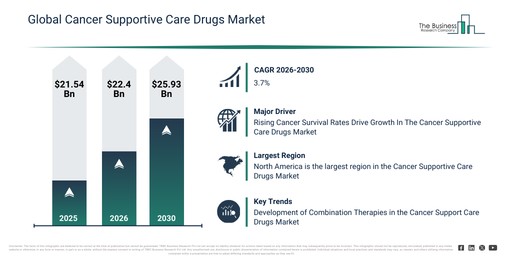
    The cancer supportive care drugs market has experienced consistent expansion in recent years. It is projected to increase from $21.54 billion in 2025 to $22.4 billion in 2026, achieving a compound annual growth rate (CAGR) of 4.0%. Historically, this market growth has been driven by factors such as the escalating global incidence of cancer, the wider adoption of chemotherapy and radiation therapies, increased understanding of treatment-related side effects, the development of hospital oncology infrastructure, and enhanced access to crucial supportive medications.

    The market for cancer supportive care drugs is projected to experience consistent expansion over the upcoming years, with its size anticipated to reach $25.93 billion by 2030, demonstrating a compound annual growth rate (CAGR) of 3.7%. This anticipated growth during the forecast period stems from factors such as an aging worldwide population, higher rates of cancer survivorship, an elevated emphasis on patient-focused cancer care, broader availability of oncology treatments in developing markets, and an increasing need for thorough symptom management. Key trends expected within this period encompass a heightened focus on enhancing quality-of-life outcomes in oncology, greater incorporation of supportive care alongside primary cancer treatments, an escalating requirement for pain and symptom management therapies, the broadening application of supportive care throughout both initial and prolonged treatment stages, and the wider implementation of multidisciplinary supportive care guidelines.

    Download the Free Sample Report to Explore Key Market Insights:

    https://www.thebusinessresearchcompany.com/sample.aspx?id=15749&type=smp

    Which Growth Drivers Are Contributing To The Progress Of The Cancer Supportive Care Drugs Market?

    The improved survival rate for cancer patients is projected to fuel the expansion of the cancer supportive care drugs market in the coming period. A cancer survival rate defines the percentage of individuals who continue to live for a specific timeframe, typically five years, after receiving a diagnosis of a particular cancer. The uptick in the survival rate for cancer patients stems from factors such as early disease detection, advancements in therapeutic methods, enhanced diagnostic tools, and improved access to high-quality healthcare. The cancer supportive care drugs market facilitates better survival outcomes by managing adverse effects linked to treatment, including nausea, anemia, pain, and the risk of infection, thus enabling patients to tolerate and complete their full course of therapy. As an illustration, in December 2024, the Cancer Council Australia, an Australia-based national non-profit organization, stated that in 2023, the five-year cancer survival rate in Victoria achieved 72%, a notable increase from 49% three decades earlier, with survival rates standing at 73% for females and 71% for males. Therefore, the enhanced survival rate among cancer patients is serving as a primary driver for the growth of the cancer supportive care drugs market.

    What Major Segment Divisions Exist Within The Cancer Supportive Care Drugs Market?

    The cancer supportive care drugs market covered in this report is segmented –

    1) By Type: Erythropoiesis Stimulating Agents, Granulocyte Colony Stimulating Factors, Antiemetics, Bisphosphonates, Opioids, Nonsteroidal Anti Inflammatory Drugs, Other Types

    2) By Application: Breast Cancer, Lung Cancer, Colorectal Cancer, Prostate Cancer, Liver Cancer, Stomach Cancer, Other Applications

    3) By Distribution Channel: Hospital Pharmacies, Retail Pharmacies, Online Pharmacies, Specialty Clinics, Other Channels

    Subsegments:

    1) By Erythropoiesis Stimulating Agents: Epoetin Alfa, Darbepoetin Alfa, Methoxy Polyethylene Glycol-Epoetin Beta

    2) By Granulocyte Colony Stimulating Factors: Filgrastim, Pegfilgrastim, Lenograstim

    3) By Antiemetics: 5-HT3 Receptor Antagonists, NK1 Receptor Antagonists, Corticosteroids

    4) By Bisphosphonates: Zoledronic Acid, Pamidronate, Ibandronate

    5) By Opioids: Morphine, Fentanyl, Oxycodone

    6) By Nonsteroidal Anti Inflammatory Drugs (NSAIDs): Ibuprofen, Diclofenac, Celecoxib

    7) By Other Types: Steroids, Anxiolytics, Appetite Stimulants

    How Are Trends Shaping The Direction Of The Cancer Supportive Care Drugs Market?

    Leading companies in the cancer support care drugs market are increasingly focusing on the development of advanced combination therapies. This strategic shift aims to address the inherent complexity of cancer treatment, amplify therapeutic effectiveness, and ultimately enhance patient outcomes. Combination therapies are defined as treatment methodologies that utilize two or more therapeutic agents concurrently to target multiple pathways contributing to cancer growth, progression, and resistance, offering more durable responses than therapies relying on a single agent. As a compelling example, in November 2023, Merck, a US-based pharmaceutical organization, received U.S. FDA approval for KEYTRUDA, an anti-PD-1 therapy. This approval was for its use in combination with gemcitabine and cisplatin for patients diagnosed with locally advanced unresectable or metastatic biliary tract cancer, which has resulted in improved overall survival outcomes and expanded the treatment options for a patient population that historically faced limited therapeutic choices.

    Which Companies Are Leading Innovation In The Cancer Supportive Care Drugs Market?

    Major companies operating in the cancer supportive care drugs market are Pfizer Inc., Johnson & Johnson, AbbVie Inc., Bayer AG, Sanofi SA, Novartis AG, F. Hoffmann-La Roche Ltd., Amgen Inc., Teva Pharmaceutical Industries Ltd., Baxter International Inc., Otsuka Pharmaceutical Co. Ltd., Eisai Co. Ltd., Merck, Bristol Myers Squibb Company, AstraZeneca plc, Takeda Pharmaceutical Company Limited, GlaxoSmithKline plc, Eli Lilly and Company, Astellas Pharma Inc., Heron Therapeutics Inc.

    Read the full cancer supportive care drugs market report here:

    https://www.thebusinessresearchcompany.com/report/cancer-supportive-care-drugs-global-market-report

    What Are The Leading Geographic Regions In The Cancer Supportive Care Drugs Market?

    North America was the largest region in the cancer supportive care drugs market in 2025. Asia-Pacific is expected to be the fastest-growing region in the forecast period. The regions covered in the cancer supportive care drugs market report are Asia-Pacific, South East Asia, Western Europe, Eastern Europe, North America, South America, Middle East, Africa.

    Request A Tailored Cancer Supportive Care Drugs Market Research Report For Competitive Advantage:

    https://www.thebusinessresearchcompany.com/customise?id=15749&type=smp

    Browse Through More Reports Similar to the Global Cancer Supportive Care Drugs Market 2026, By The Business Research Company

    Cancer Supportive Care Drugs Market Report 2026

    https://www.thebusinessresearchcompany.com/report/cancer-supportive-care-drugs-global-market-report

    Cancer Supportive Care Products Market Report 2026

    https://www.thebusinessresearchcompany.com/report/cancer-supportive-care-products-global-market-report

    Oncology Drugs Market 2026

    https://www.thebusinessresearchcompany.com/report/oncology-drugs-market

    Get in touch with us:

    The Business Research Company: https://www.thebusinessresearchcompany.com/

    Americas +1 310-496-7795

    Asia +44 7882 955267 & +91 8897263534

    Europe +44 7882 955267

    Email us at info@tbrc.info

    Follow us on:

    LinkedIn: https://in.linkedin.com/company/the-business-research-company

    YouTube: https://www.youtube.com/channel/UC24_fI0rV8cR5DxlCpgmyFQ

    Global Market Model: https://www.thebusinessresearchcompany.com/global-market-model
  • Cancer Monoclonal Antibodies Market Outlook 2026–2030 Focused on Innovation and Competitive Landscape

    Cancer Monoclonal Antibodies Market Outlook 2026–2030 Focused on Innovation and Competitive Landscape

    The Business Research Company’s 2026 market reports include new capabilities such as market attractiveness scoring and analysis, total addressable market analysis, company scoring matrix, interactive excel data dashboard, improved supply chain analysis, upcoming startups in the market, and overview of key products, aimed at improving the depth, usability, and strategic value of the insights delivered.

    What Market Value Is Expected For The Cancer Monoclonal Antibodies Market At The End Of The 2026–2030 Forecast Period?

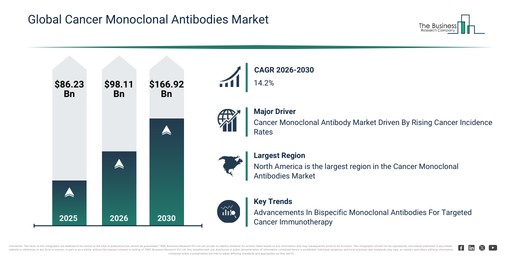
    The cancer monoclonal antibodies market size has experienced swift expansion in recent years. It is projected to increase from $86.23 billion in 2025 to $98.11 billion in 2026, achieving a compound annual growth rate (CAGR) of 13.8%. The historical growth of this market can be attributed to factors such as limited availability of monoclonal antibody therapies, reliance on traditional chemotherapy, growing incidence of breast and blood cancers, increasing physician awareness of targeted therapies, and expansion of hospital oncology departments.

    The market for cancer monoclonal antibodies is projected to experience swift expansion over the coming years. This market is forecast to reach $166.92 billion by 2030, exhibiting a compound annual growth rate (CAGR) of 14.2%. This anticipated growth during the forecast period is primarily driven by the introduction of new immuno-oncology monoclonal antibodies, the evolution of combination therapies, the expanding uptake of personalized cancer treatment strategies, enhanced research laboratory capacities, and increased funding in clinical trials and biologics production. Key trends identified for the forecast period encompass the growing acceptance of targeted monoclonal antibody therapies across different cancers, a surge in investment in immuno-oncology research and development, the broadening of personalized and precision cancer treatment initiatives, the expansion of hospital and research laboratory infrastructure dedicated to cancer therapy, and the incorporation of combination therapies and innovative biologics in cancer treatment.

    Download the Free Sample Report to Explore Key Market Insights:

    https://www.thebusinessresearchcompany.com/sample.aspx?id=3451&type=smp

    What Primary Drivers Are Shaping The Development Of The Cancer Monoclonal Antibodies Market?

    The global increase in cancer cases is projected to drive the expansion of the cancer monoclonal antibody market. Cancer is defined as a collection of diseases where abnormal cells multiply uncontrollably, invade tissues, and potentially disseminate to other body parts. This rising cancer prevalence is largely attributable to an aging population, as advanced age serves as the most significant risk factor for developing most cancer types, with the majority of cases affecting individuals over 65 years old. Cancer monoclonal antibody therapies provide support in cancer treatment by specifically identifying and binding to tumor-associated antigens, thereby directly inhibiting cancer cell growth, flagging malignant cells for immune system destruction, delivering cytotoxic agents precisely to tumors, and modifying the tumor microenvironment to enhance the body’s anti-cancer immune response. As an illustration, in July 2024, the Australian Institute of Health and Welfare, an Australia-based government agency, reported that the number of cancer cases diagnosed in Australia increased from 160,570 in 2022 to 164,694 in 2023, signifying a notable rise over the year. This upward pattern emphasizes the growing occurrence of cancer within the country. Worldwide, the four most prevalent types of cancer are lung, prostate, bowel, and female breast cancer, collectively accounting for 43 percent of all new cancer diagnoses. Thus, the escalating global cancer incidence rate is expected to significantly boost demand in the cancer monoclonal antibody market.

    What Segment Types Make Up The Cancer Monoclonal Antibodies Market?

    The cancer monoclonal antibodies market covered in this report is segmented –

    1) By Monoclonal Antibody Therapies: Avastin, Herceptin,Keytruda, Opdivo, Darzalex, Perjeta, Others

    2) By Application: Breast Cancer, Blood Cancer, Lung Cancer, Brain Tumor,Colorectal Cancer, Cervical Cancer, Gastric Cancer, Others

    3) By End-User: Hospitals, Research Laboratories, Others

    Subsegments:

    1) By Avastin: Colorectal Cancer Treatment, Lung Cancer Treatment, Renal Cell Carcinoma Treatment

    2) By Herceptin: Breast Cancer Treatment, Gastric Cancer Treatment

    3) By Keytruda: Melanoma Treatment, Non-Small Cell Lung Cancer (NSCLC) Treatment, Head And Neck Cancer Treatment

    4) By Opdivo: Melanoma Treatment, Renal Cell Carcinoma Treatment, Hodgkin Lymphoma Treatment

    5) By Darzalex: Multiple Myeloma Treatment, AL Amyloidosis Treatment

    6) By Perjeta: Breast Cancer Treatment, Neoadjuvant Therapy For HER2-Positive Breast Cancer

    7) By Others: Cetuximab (Erbitux) For Colorectal And Head And Neck Cancers, Rituximab (Rituxan) For Non-Hodgkin Lymphoma And Chronic Lymphocytic Leukemia, Atezolizumab (Tecentriq) For Various Cancers

    Which Market Trends Are Creating New Opportunities In The Cancer Monoclonal Antibodies Market?

    Leading companies within the cancer monoclonal antibodies market are prioritizing technological advancements in oncology, particularly bispecific antibody technology, to engage T-cells in the targeting of malignant B-cells. This bispecific antibody technology involves engineered antibodies designed to bind concurrently to two antigens, thereby facilitating accurate immune system activation against cancer cells. An example of this progress occurred in May 2023, when AbbVie Inc., a U.S.-based biopharmaceutical company, obtained FDA accelerated approval and subsequently introduced EPKINLY (epcoritamab-bysp). This treatment is intended for adult patients suffering from relapsed or refractory diffuse large B-cell lymphoma and high-grade B-cell lymphoma following two or more previous systemic therapies, utilizing bispecific antibody technology to attract T-cells for a focused and novel strategy in lymphoma therapy.

    Who Are The Key Players Driving Competition In The Cancer Monoclonal Antibodies Market?

    Major companies operating in the cancer monoclonal antibodies market are F. Hoffmann-La Roche Ltd, Merck & Co. Inc, Bristol Myers Squibb Company, Johnson & Johnson, Amgen Inc, AstraZeneca plc, Eli Lilly and Company, Pfizer Inc, Regeneron Pharmaceuticals Inc, Sanofi S.A, Innovent Biologics, Sino biological, Shanghai Henlius Biotech, Intas bio, Zydus Cadila, Ranbaxy, Takeda pharmaceuticals, AbbVie Inc, Biogen Idec, Bayer AG, Novartis AG, BiosanaPharma, WuXi, GlaxoSmithKline, Teva UK Limited, Abbott Laboratories, Fujifilm, Procos SpA, BSP Pharmaceuticals, Genmab, Insysbio, Gilead Sciences, Eurofarma, BIONOVIS BRASIL, Ache, Libbs Farmaceutica, Julphar, Spimaco Addwaeih, Hikma Pharmaceuticals, Tabuk, Genzyme

    Read the full cancer monoclonal antibodies market report here:

    https://www.thebusinessresearchcompany.com/report/cancer-monoclonal-antibodie-global-market-report

    How Does The Cancer Monoclonal Antibodies Market Perform Across Major Global Regions?

    North America was the largest region in the cancer monoclonal antibodies market in 2025. The regions covered in the cancer monoclonal antibodies market report are Asia-Pacific, South East Asia, Western Europe, Eastern Europe, North America, South America, Middle East, Africa.

    Request A Tailored Cancer Monoclonal Antibodies Market Research Report For Competitive Advantage:

    https://www.thebusinessresearchcompany.com/customise?id=3451&type=smp

    Browse Through More Reports Similar to the Global Cancer Monoclonal Antibodies Market 2026, By The Business Research Company

    Point Of Care Diagnostics Devices And Equipment Market Report 2026

    https://www.thebusinessresearchcompany.com/report/point-of-care-diagnostics-devices-and-equipment-global-market-report

    3D Cell Culture Technologies Market Report 2026

    https://www.thebusinessresearchcompany.com/report/3d-cell-culture-technologies-global-market-report

    Metabolomics Market Report 2026

    https://www.thebusinessresearchcompany.com/report/metabolomics-global-market-report

    Get in touch with us:

    The Business Research Company: https://www.thebusinessresearchcompany.com/

    Americas +1 310-496-7795

    Asia +44 7882 955267 & +91 8897263534

    Europe +44 7882 955267

    Email us at info@tbrc.info

    Follow us on:

    LinkedIn: https://in.linkedin.com/company/the-business-research-company

    YouTube: https://www.youtube.com/channel/UC24_fI0rV8cR5DxlCpgmyFQ

    Global Market Model: https://www.thebusinessresearchcompany.com/global-market-model
  • Cancer Immunotherapy Drug Discovery Outsourcing Market Forecast 2026–2035 with Industry Insights

    Cancer Immunotherapy Drug Discovery Outsourcing Market Forecast 2026–2035 with Industry Insights

    The Business Research Company’s 2026 market reports include new capabilities such as market attractiveness scoring and analysis, total addressable market analysis, company scoring matrix, interactive excel data dashboard, improved supply chain analysis, upcoming startups in the market, and overview of key products, aimed at improving the depth, usability, and strategic value of the insights delivered.

    What Is The Estimated Market Size Of The Cancer Immunotherapy Drug Discovery Outsourcing Market During 2026–2030?

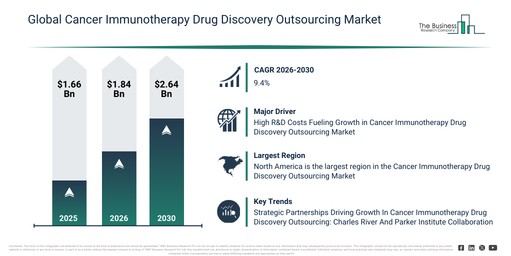
    The cancer immunotherapy drug discovery outsourcing market has witnessed significant growth in recent years. This market is set to expand from $1.66 billion in 2025 to $1.84 billion in 2026, advancing at a compound annual growth rate (CAGR) of 10.9%. The historical growth for this period can be attributed to rising global cancer prevalence, increasing r&d costs for immunotherapy drugs, limited in-house discovery capabilities, growth in biologics and monoclonal antibody pipelines, and the expansion of cro infrastructure.

    The cancer immunotherapy drug discovery outsourcing sector is anticipated to experience substantial expansion in the coming years. Its valuation is projected to reach $2.64 billion by 2030, exhibiting a compound annual growth rate (CAGR) of 9.4%. This projected growth stems from factors such as a heightened need for precision immuno-oncology treatments, an increase in biotech startup creations, the increasing intricacy of immunotherapy approaches, the urgency to reduce drug development timeframes, and a surge in funding for outsourced discovery solutions. Key developments expected during this period involve an uptick in outsourcing for early-stage immunotherapy research, a greater need for specialized CRO knowledge, the enlargement of cell-based and immune assay offerings, enhanced partnerships between pharmaceutical and biotechnology companies, and the expedited creation of advanced immunotherapies.

    Download the Free Sample Report to Explore Key Market Insights:

    https://www.thebusinessresearchcompany.com/sample.aspx?id=15528&type=smp

    Which Major Factors Are Driving The Expansion Of The Cancer Immunotherapy Drug Discovery Outsourcing Market?

    The considerable expenditure associated with research and development is projected to boost the expansion of the cancer immunotherapy drug discovery outsourcing market in the future. These R&D expenses signify the significant capital needed for scientific knowledge, sophisticated lab setups, intricate technologies, and speculative innovation procedures. The escalation in scientific complexity and the demand for highly specialized skills continuously drive up R&D costs. The cancer immunotherapy drug discovery outsourcing market assists pharmaceutical and biotechnology firms by providing economical entry to advanced research facilities through contract research organizations (CROs). For instance in August 2025 accroding to the The Office for National Statistics (ONS) a UK-based Statistics Authority in 2023, expenditure on research and development (R&D) performed in the UK amounted to $95.2 billion, an increase of $3.93 billion in current prices since 2022. Consequently, the substantial expense of internal research and development is fueling the growth of the cancer immunotherapy drug discovery outsourcing market.

    Cancer Immunotherapy Drug Discovery Outsourcing Market Driver: The Rise In Cancer Incidence Driving The Growth Of The Market Due To Increased Demand For Targeted Therapies

    How Are The Various Segments Of The Cancer Immunotherapy Drug Discovery Outsourcing Market Categorized?

    The cancer immunotherapy drug discovery outsourcing market covered in this report is segmented –

    1) By Drug Type: Monoclonal Antibodies, Immunomodulators, Oncolytic Viral Therapies And Cancer Vaccines, Other Drug Types

    2) By Service Type: Target Identification And Validation, Lead Screening And Characterization, Cell-Based Assays

    3) By Therapeutic Area: Lung Cancer, Breast Cancer, Melanoma, Other Therapeutic Areas

    Subsegments:

    1) By Monoclonal Antibodies: Checkpoint Inhibitors, Therapeutic Monoclonal Antibodies, Bispecific Antibodies, Antibody-Drug Conjugates (ADCs)

    2) By Immunomodulators: Cytokines, Immune Checkpoint Modulators, Toll-Like Receptor Agonists, Immune Adjuvants

    3) By Oncolytic Viral Therapies And Cancer Vaccines: Oncolytic Virus-Based Therapies, Cancer Vaccines, Viral Vectors For Immunotherapy

    4) By Other Drug Types: Adoptive Cell Therapy, Immune Cell Modulators, Small Molecule Immune Modulators, Gene Editing And Immunotherapy

    What Trends Are Affecting The Expansion Of The Cancer Immunotherapy Drug Discovery Outsourcing Market?

    Leading companies in the cancer immunotherapy drug discovery outsourcing market are adopting strategic partnerships to accelerate the development of novel therapies. These collaborations significantly propel the growth of the cancer immunotherapy drug discovery outsourcing market by providing access to advanced technologies, specialized expertise, and integrated services, thereby reducing development timelines and improving the efficiency of bringing innovative cancer immunotherapies to the clinic. For instance, in September 2025, Charles River Laboratories, a US-based contract research organization, partnered with the Parker Institute for Cancer Immunotherapy, a US-based non-profit cancer research institute, to accelerate the development of novel cancer therapies. This collaboration focuses on enhancing preclinical testing and manufacturing capabilities for cutting-edge cell and gene therapies. By combining Charles River’s expertise in contract research with the Parker Institute’s immunotherapy programs, the partnership aims to deliver innovative cancer treatments to patients more efficiently.

    Which Major Firms Influence Developments In The Cancer Immunotherapy Drug Discovery Outsourcing Market?

    Major companies operating in the cancer immunotherapy drug discovery outsourcing market are Thermo Fisher Scientific Inc., Danaher Corporation, Laboratory Corporation of America Holdings (LabCorp), Eurofins Scientific SE, WuXi AppTec Co Ltd., Charles River Laboratories International Inc., PerkinElmer Inc, Bio-Rad Laboratories Inc, QIAGEN N.V., Evotec SE, Shanghai ChemPartner Co. Ltd., Aragen Life Sciences Limited, GenScript Biotech Corporation, BGI Genomics Co. Ltd., NeoGenomics Laboratories Inc, ARUP Laboratories, Syngene International Limited, BioDuro-Sundia, Ambry Genetics Corporation, Selvita, Crown Bioscience International, CENTOGENE N.V., Oncodesign Services, Reaction Biology Corporation

    Read the full cancer immunotherapy drug discovery outsourcing market report here:

    https://www.thebusinessresearchcompany.com/report/cancer-immunotherapy-drug-discovery-outsourcing-global-market-report

    Which Region Currently Holds The Largest Share Of The Cancer Immunotherapy Drug Discovery Outsourcing Market?

    North America was the largest region in the cancer immunotherapy drug discovery outsourcing market in 2025. Asia-Pacific is expected to be the fastest-growing region in the forecast period. The regions covered in the cancer immunotherapy drug discovery outsourcing market report are Asia-Pacific, South East Asia, Western Europe, Eastern Europe, North America, South America, Middle East, Africa.

    Request A Tailored Cancer Immunotherapy Drug Discovery Outsourcing Market Research Report For Competitive Advantage:

    https://www.thebusinessresearchcompany.com/customise?id=15528&type=smp

    Browse Through More Reports Similar to the Global Cancer Immunotherapy Drug Discovery Outsourcing Market 2026, By The Business Research Company

    Cancer Immunotherapy Drug Discovery Outsourcing Market Report 2026

    https://www.thebusinessresearchcompany.com/report/cancer-immunotherapy-drug-discovery-outsourcing-global-market-report

    Advanced Therapeutics Pharmaceutical Outsourcing Market Report 2026

    https://www.thebusinessresearchcompany.com/report/advanced-therapeutics-pharmaceutical-outsourcing-global-market-report

    Biologics Outsourcing Market Report 2026

    https://www.thebusinessresearchcompany.com/report/biologics-outsourcing-global-market-report

    Get in touch with us:

    The Business Research Company: https://www.thebusinessresearchcompany.com/

    Americas +1 310-496-7795

    Asia +44 7882 955267 & +91 8897263534

    Europe +44 7882 955267

    Email us at info@tbrc.info

    Follow us on:

    LinkedIn: https://in.linkedin.com/company/the-business-research-company

    YouTube: https://www.youtube.com/channel/UC24_fI0rV8cR5DxlCpgmyFQ

    Global Market Model: https://www.thebusinessresearchcompany.com/global-market-model
  • Cancer Immunotherapy Market Outlook 2026–2030 Highlighting Growth Drivers and Trends

    Cancer Immunotherapy Market Outlook 2026–2030 Highlighting Growth Drivers and Trends

    The Business Research Company’s 2026 market reports include new capabilities such as market attractiveness scoring and analysis, total addressable market analysis, company scoring matrix, interactive excel data dashboard, improved supply chain analysis, upcoming startups in the market, and overview of key products, aimed at improving the depth, usability, and strategic value of the insights delivered.

    What Market Size Expansion Is Predicted For The Cancer Immunotherapy Market Between 2026 And 2030?

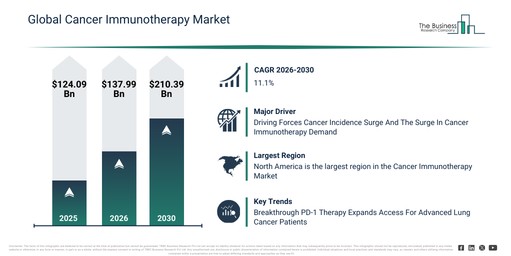
    The cancer immunotherapy market size has shown swift expansion in recent years. It is forecast to increase from $124.09 billion in 2025 to $137.99 billion in 2026, exhibiting a compound annual growth rate (CAGR) of 11.2%. This past growth can be ascribed to significant discoveries in tumor immunology, an escalating global incidence of cancer, the initial achievements of monoclonal antibodies, augmented funding for oncology research and development, and regulatory endorsements for checkpoint inhibitors.

    The cancer immunotherapy market is projected to experience substantial expansion in the coming years. Its value is anticipated to reach $210.39 billion by 2030, demonstrating a compound annual growth rate (CAGR) of 11.1%. This growth during the forecast period is attributable to factors such as the increasing uptake of CAR T-cell therapies, the broadening scope into solid tumor indications, heightened investment in cancer vaccines, a surge in demand for targeted combination therapies, and favorable reimbursement policies for immunotherapy. Key trends anticipated during the same period encompass the swift adoption of immune checkpoint inhibitors, an escalating reliance on combination immunotherapy regimens, the proliferation of cell-based cancer treatments, an intensified focus on personalized immunotherapy approaches, and a growing volume of oncology clinical trials.

    Download the Free Sample Report to Explore Key Market Insights:

    https://www.thebusinessresearchcompany.com/sample.aspx?id=6768&type=smp

    What Key Drivers Are Influencing The Growth Of The Cancer Immunotherapy Market?

    The increasing occurrence of cancer is anticipated to drive growth in the cancer immunotherapy market. Global cancer cases are escalating due to factors such as tobacco use, alcohol consumption, obesity, inactive lifestyles, and various environmental influences. This surge in cancer diagnoses is projected to heighten the demand for cancer immunotherapies, as patients increasingly opt for medical interventions promising improved recovery rates and reduced discomfort. For example, projections from Cancer Research UK, a UK-based cancer charity, indicate that in July 2024, cancer incidence rates in the United Kingdom are forecast to rise for the majority of cancer types between 2023-2025 and 2038-2040. These increases vary, from less than 1% for breast cancer up to 50% for eye cancer. Conversely, a few cancer types are expected to show a decrease, with declines ranging from 2% for lung cancer to 27% for mesothelioma. Consequently, the rising cancer incidence is poised to stimulate the demand for cancer immunotherapy throughout the forecast period.

    Which Market Segments Are Examined In The Cancer Immunotherapy Market Study?

    The cancer immunotherapy market covered in this report is segmented –

    1) By Product: Monoclonal Antibodies, Checkpoint Inhibitors, Immunomodulators, Vaccines, Cell Therapy

    2) By Application: Lung Cancer, Breast Cancer, Colorectal Cancer, Melanoma, Prostate Cancer, Multiple Myeloma

    3) By End User: Hospitals, Cancer Research Centers, Clinics

    Subsegments:

    1) By Monoclonal Antibodies: Chimeric Monoclonal Antibodies, Humanized Monoclonal Antibodies, Fully Human Monoclonal Antibodies

    2) By Checkpoint Inhibitors: PD-1 Inhibitors, PD-L1 Inhibitors, CTLA-4 Inhibitors

    3) By Immunomodulators: Cytokines, Oncolytic Viruses, Toll-Like Receptor (TLR) Agonists

    4) By Vaccines: Therapeutic Cancer Vaccines

    5) By Cell Therapy: CAR T-Cell Therapy, TCR Therapy, Natural Killer (NK) Cell Therapy

    Which Trends Are Influencing The Cancer Immunotherapy Market?

    Leading companies in the cancer immunotherapy market are concentrating on developing innovative solutions, such as PD-1 immunotherapies, to expand access to advanced immune-based treatment options for patients suffering from hard-to-treat cancers. A PD-1 immunotherapy functions as an immune checkpoint-targeting treatment designed to stimulate antitumor immune activity by impeding programmed death-1 pathway interactions. For instance, in August 2025, Intas Pharmaceuticals, an India-based pharmaceutical company specializing in oncology and biologics, released HETRONIFLY (Serplulimab). This therapy stands as the first programmed death-1 inhibitor approved globally for extensive-stage small cell lung cancer and operates through a dual mechanism targeting PD-L1 and PD-L2, featuring strong receptor internalization to boost immune engagement. Its demonstrated survival benefit and notably reduced cost compared with existing immunotherapies emphasize its clinical worth and broaden patient access to advanced cancer treatment in India.

    Who Are The Primary Competitors In The Cancer Immunotherapy Market?

    Major companies operating in the cancer immunotherapy market are Amgen Inc., AstraZeneca PLC, F. Hoffmann-La Roche Ltd, Bayer AG, Eli Lilly and Company, Adaptive Biotechnologies Corp., Argos Therapeutics Inc., Bristol-Myers Squibb Company, Cell Medica Limited, Cellular Biomedicine Group Inc., Gilead Sciences Inc., Gradalis Inc., Immatics Biotechnologies GmbH, Iovance Biotherapeutics Inc., Juno Therapeutics LLC, MacroGenics Inc., Merck & Co. Inc., Neon Therapeutics Inc., Neovii Biotech GmbH, Novartis International AG, Pfizer Inc., Regeneron Pharmaceuticals Inc., Roche Holding AG, Targovax ASA, Tessa Therapeutics Pte Ltd., TILT Biotherapeutics Ltd., Turnstone Biologics Corp., Xencor Inc., Kura Oncology Inc.

    Read the full cancer immunotherapy market report here:

    https://www.thebusinessresearchcompany.com/report/cancer-immunotherapy-global-market-report

    Which Region Is Expected To Register The Fastest Growth In The Cancer Immunotherapy Market?

    North America was the largest region in the cancer immunotherapy market in 2025. Asia-Pacific is expected to be the fastest-growing region in the forecast period. The regions covered in the cancer immunotherapy market report are Asia-Pacific, South East Asia, Western Europe, Eastern Europe, North America, South America, Middle East, Africa.

    Request A Tailored Cancer Immunotherapy Market Research Report For Competitive Advantage:

    https://www.thebusinessresearchcompany.com/customise?id=6768&type=smp

    Browse Through More Reports Similar to the Global Cancer Immunotherapy Market 2026, By The Business Research Company

    Cancer Immunotherapy Market Report 2026

    https://www.thebusinessresearchcompany.com/report/cancer-immunotherapy-global-market-report

    Cellulars Immunotherapy Market Report 2026

    https://www.thebusinessresearchcompany.com/report/cellulars-immunotherapy-global-market-report

    Allergy Immunotherapy Market Report 2026

    https://www.thebusinessresearchcompany.com/report/allergy-immunotherapy-global-market-report

    Get in touch with us:

    The Business Research Company: https://www.thebusinessresearchcompany.com/

    Americas +1 310-496-7795

    Asia +44 7882 955267 & +91 8897263534

    Europe +44 7882 955267

    Email us at info@tbrc.info

    Follow us on:

    LinkedIn: https://in.linkedin.com/company/the-business-research-company

    YouTube: https://www.youtube.com/channel/UC24_fI0rV8cR5DxlCpgmyFQ

    Global Market Model: https://www.thebusinessresearchcompany.com/global-market-model
  • Rising Cancer Incidence Acting as a Major Driver for the Cancer Clinical Decision Tools Market

    Rising Cancer Incidence Acting as a Major Driver for the Cancer Clinical Decision Tools Market

    The Business Research Company’s 2026 market reports include new capabilities such as market attractiveness scoring and analysis, total addressable market analysis, company scoring matrix, interactive excel data dashboard, improved supply chain analysis, upcoming startups in the market, and overview of key products, aimed at improving the depth, usability, and strategic value of the insights delivered.

    How Large Is The Cancer Clinical Decision Tools Market Projected To Become By 2030 Based On Its 2026 Valuation?

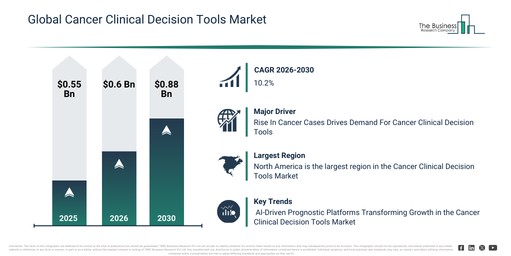
    The cancer clinical decision tools market has experienced significant growth in recent times. This market is projected to expand from $0.55 billion in 2025 to $0.6 billion by 2026, exhibiting a compound annual growth rate (CAGR) of 9.0%. Historical growth in this sector is due to factors such as increasing cancer incidence rates, the growing workload for primary care physicians, restricted early diagnostic options in primary care, a heightened focus on the precision of referrals, and the expansion of hospital and clinic facilities.

    The cancer clinical decision tools market size is predicted to undergo rapid expansion in the coming years. This market is projected to reach $0.88 billion by 2030, demonstrating a compound annual growth rate (CAGR) of 10.2%. The anticipated growth during this period is largely due to the advancement of AI-driven decision tools, the integration of genomic and risk profiling data, the increasing availability of digital health platforms, a rise in government screening initiatives, and the greater adoption of evidence-based oncology guidelines. Significant trends for the forecast period encompass the escalating use of clinical decision support tools in oncology, a stronger emphasis on early cancer detection and risk stratification, general practitioners’ increasing reliance on symptom checkers and risk calculators, the broadening of guideline-based referral and decision frameworks, and the seamless integration of cancer decision tools into primary care workflows.

    Download the Free Sample Report to Explore Key Market Insights:

    https://www.thebusinessresearchcompany.com/sample.aspx?id=3463&type=smp

    What Major Growth Drivers Are Shaping The Outlook Of The Cancer Clinical Decision Tools Market?

    The expanding prevalence of cancer is anticipated to propel the growth of the cancer clinical decision tools market in the foreseeable future. Cancer incidence quantifies the number of newly identified cancer cases within a specific demographic during a particular period, illustrating the disease’s occurrence rate. The increase in cancer incidence is attributed to heightened exposure to risk factors, such as unhealthy lifestyles, which can progressively lead to genetic mutations and anomalous cell development. Cancer clinical decision tools are instrumental in monitoring, forecasting, and managing cancer cases more effectively, facilitating early diagnosis and timely intervention that can influence observed cancer incidence trends. For instance, in October 2025, according to the NHS England, a UK-based publicly funded healthcare system, 354,820 new cancer diagnoses were recorded in 2023, marking an increase of 8,605 from 2022. Therefore, the global surge in cancer incidence rates will elevate the demand for the cancer clinical decision tools market.

    What Segment Groups Are Identified Within The Cancer Clinical Decision Tools Market?

    The cancer clinical decision tools market covered in this report is segmented –

    1) By Type: Risk Assessment Tool(RAT), Qcancer

    2) By End-User: Hospital, Clinics

    Subsegments:

    1) By Risk Assessment Tool (RAT): Family History Assessment, Genetic Testing and Counseling, Lifestyle and Environmental Risk Factors Evaluation

    2) By Qcancer: Symptom Checker, Risk Calculator, Guideline-Based Recommendations

    What Trends Are Advancing Progress In The Cancer Clinical Decision Tools Market?

    Major companies within the cancer clinical decision tools market are increasingly leveraging AI-powered prognostic decision support systems to address the rising demand for more personalized, data-driven oncology care. This demand is fueled by growing cancer incidence, the need for improved risk stratification, and the imperative to optimize treatment pathways. These AI prognostic systems utilize deep-learning models to analyze multimodal data, such as imaging, electronic health records, and clinical biomarkers, enabling them to predict outcomes like survival, recurrence risk, or treatment response with much greater precision than traditional rule-based tools. For example, in February 2025, Onc.AI, a US-based health-tech company, announced that its Serial CTRS (Cancer Treatment Risk Stratification) tool earned FDA Breakthrough Device Designation. This AI tool stratifies non–small cell lung cancer (NSCLC) patients into high- and low-risk mortality categories by analyzing diagnostic imaging scans with a deep-learning algorithm, consequently assisting oncologists in making more informed decisions regarding therapy intensity and follow-up. Serial CTRS’s capability to predict long-term survival outcomes facilitates enhanced patient stratification, more tailored treatment planning, and optimized resource allocation, signifying a major progression from conventional prognostic models that depend on limited clinical parameters.

    Which Companies Hold Significant Positions In The Cancer Clinical Decision Tools Market?

    Major companies operating in the cancer clinical decision tools market are McKesson Corporation, Philips Healthcare, Siemens Healthineers AG, Elsevier B.V., National Decision Support Company, Cerner Corporation, GE Healthcare, Allscripts Healthcare Solutions Inc., Epic Systems Corporation, RaySearch Laboratories AB, Elekta AB, Varian Medical Systems Inc., Accuray Incorporated, F. Hoffmann-La Roche Ltd., Flatiron Health Inc., Tempus Labs Inc., NantHealth Inc., Syapse Inc., Inspirata Inc., Prognos Health Inc., Deep 6 AI Inc., PathAI Inc.

    Read the full cancer clinical decision tools market report here:

    https://www.thebusinessresearchcompany.com/report/cancer-clinical-decision-tool-global-market-report

    Which Regions Are Projected To Dominate The Cancer Clinical Decision Tools Market In The Coming Years?

    North America was the largest region in the cancer clinical decision tools market in 2025. The regions covered in the cancer clinical decision tools market report are Asia-Pacific, South East Asia, Western Europe, Eastern Europe, North America, South America, Middle East, Africa.

    Request A Tailored Cancer Clinical Decision Tools Market Research Report For Competitive Advantage:

    https://www.thebusinessresearchcompany.com/customise?id=3463&type=smp

    Browse Through More Reports Similar to the Global Cancer Clinical Decision Tools Market 2026, By The Business Research Company

    Polymerase Chain Reactions Devices Reagents And Uses Market Report 2026

    https://www.thebusinessresearchcompany.com/report/polymerase-chain-reactions-devices-reagents-and-uses-global-market-report

    Cardiovascular Monitoring And Diagnostic Devices And Equipment Market Report 2026

    https://www.thebusinessresearchcompany.com/report/cardiovascular-monitoring-and-diagnostic-devices-and-equipment-global-market-report

    Veterinary Diagnostic Equipment Market Report 2026

    https://www.thebusinessresearchcompany.com/report/veterinary-diagnostic-equipment-global-market-report

    Get in touch with us:

    The Business Research Company: https://www.thebusinessresearchcompany.com/

    Americas +1 310-496-7795

    Asia +44 7882 955267 & +91 8897263534

    Europe +44 7882 955267

    Email us at info@tbrc.info

    Follow us on:

    LinkedIn: https://in.linkedin.com/company/the-business-research-company

    YouTube: https://www.youtube.com/channel/UC24_fI0rV8cR5DxlCpgmyFQ

    Global Market Model: https://www.thebusinessresearchcompany.com/global-market-model
  • Bispecific Antibody Innovations Accelerating Development in the Cancer Biologics Market

    Bispecific Antibody Innovations Accelerating Development in the Cancer Biologics Market

    The Business Research Company’s 2026 market reports include new capabilities such as market attractiveness scoring and analysis, total addressable market analysis, company scoring matrix, interactive excel data dashboard, improved supply chain analysis, upcoming startups in the market, and overview of key products, aimed at improving the depth, usability, and strategic value of the insights delivered.

    What Market Value Is Anticipated For The Cancer biologics Market Over The Period 2026–2030?

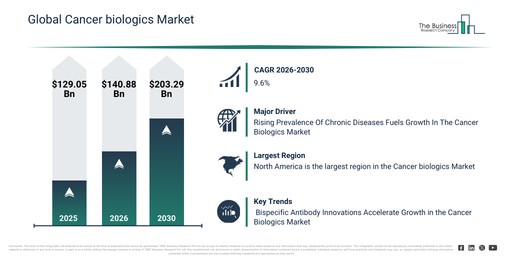
    The cancer biologics market size has demonstrated significant growth in recent years. It is anticipated to increase from $129.05 billion in 2025 to $140.88 billion in 2026, driven by a compound annual growth rate (CAGR) of 9.2%. This expansion during the historical period is primarily due to several factors: a rising global prevalence of cancer, an increasing demand for sophisticated cancer therapies, intensified oncology research initiatives, the inherent limitations of conventional chemotherapy, and the broadening network of hospital-based cancer treatment centers.

    The cancer biologics market is projected to experience substantial expansion over the upcoming years. This market is anticipated to reach a valuation of $203.29 billion by 2030, demonstrating a compound annual growth rate (CAGR) of 9.6%. This projected growth during the forecast period is primarily driven by progress in cell and gene therapy platforms, a rise in approvals for new biologics, the expansion of personalized oncology therapies, increased investment in research and development for cancer biologics, and an increase in biologics manufacturing capabilities. Key trends expected during this period involve the greater adoption of immunotherapy and targeted biologic treatments, a growing application of monoclonal antibodies in oncology, the development of cell and gene therapy-based approaches for cancer, an increase in cancer vaccine development initiatives, and an enhanced emphasis on combination biologic therapies.

    Download the Free Sample Report to Explore Key Market Insights:

    https://www.thebusinessresearchcompany.com/sample.aspx?id=2563&type=smp

    What Drivers Are Expected To Influence The Cancer biologics Market During The Forecast Period?

    The increasing incidence of chronic diseases stands as a primary catalyst for the expansion of the cancer biologics market. Chronic disorders, defined as long-lasting conditions that negatively impact the health of individuals, count cancer among their most prevalent forms. Commonly identified cancers encompass breast cancer, lung and bronchus cancer, prostate cancer, colon and rectum cancer, melanoma of the skin, bladder cancer, non-Hodgkin lymphoma, kidney and renal pelvis cancer, endometrial cancer, leukemia, pancreatic cancer, thyroid cancer, and liver cancer. For example, reports published in February 2024 by the Centers for Disease Control and Prevention (CDC), a US-based public health agency, indicate that a growing number of people in America manage multiple chronic conditions, with 42% having two or more and 12% experiencing five or more. Thus, the rising prevalence of chronic diseases is expected to stimulate the cancer biologics market growth in the coming years.

    How Is The Cancer biologics Market Divided Into Its Major Segments?

    The cancer biologics market covered in this report is segmented –

    1) By Type: Monoclonal Antibodies, Vaccines, Cell And Gene Therapy, Other Types

    2) By Application: Non-small Cell Lung Cancer, Prostate Cancer, Breast Cancer, Acute Myeloid Leukemia, Lymphoma, Multiple Myeloma, Ovarian Cancer, Colorectal Cancer, Gastric Cancers, Other Applications

    3) By Distribution Channel: Hospitals, Clinics, Other Distribution Channels

    Subsegments:

    1) By Monoclonal Antibodies: Naked Monoclonal Antibodies, Conjugated Monoclonal Antibodies, Bispecific Monoclonal Antibodies

    2) By Vaccines: Therapeutic Cancer Vaccines, Preventive Cancer Vaccines

    3) By Cell And Gene Therapy: CAR T-Cell Therapy, Tumor-Infiltrating Lymphocytes (TIL) Therapy, Oncolytic Virus Therapy

    4) By Other Types: Cytokines, Growth Factors, Fusion Proteins

    How Are Trends Transforming The Cancer biologics Market Landscape?

    Leading companies in the cancer biologics market are prioritizing the development of innovative treatments, such as bispecific antibodies and biomarker-guided biologics, to enhance treatment efficacy and more effectively target specific cancer cells. Bispecific antibodies are an advanced biologic therapy designed to bind to two separate epitopes or targets concurrently, while biomarker-guided biologics are specifically engineered to target tumor cells identified by particular molecular markers. For instance, in November 2024, Jazz Pharmaceuticals Public Limited Company, a Dublin-based global biopharmaceutical company, received acceleration approval from the U.S. Food & Drug Administration (FDA) for Ziihera (zanidatamab hrii) for adults with previously treated, unresectable or metastatic HER2 positive (IHC 3+) biliary tract cancer (BTC). This approval signifies the first and only dual HER2 targeted bispecific antibody for this indication, thereby extending the application of HER2-targeted biologic therapy into a new tumor type beyond its classical indications.

    Who Are The Prominent Organizations Shaping The Cancer biologics Market?

    Major companies operating in the cancer biologics market are AbbVie Inc., F. Hoffmann-La Roche AG, GlaxoSmithKline plc, Eli Lilly and Company, AmgenInc., Bristol-Myers Squibb Company, Johnson & Johnson, Merck & Co.Inc., Novartis AG, Pfizer Inc., Celgene Corporation, Daiichi Sankyo Company Ltd., Seagen Inc., Takeda Pharmaceutical Company Limited, Biogen Inc., Vertex Pharmaceuticals Incorporated, Incyte Corporation, Karyopharm Therapeutics Inc., Kyowa Kirin Co Ltd., Ipsen Biopharmaceuticals Inc., Bayer AG, Biocon Limited, Genentech Inc., Gilead Sciences Inc., Puma Biotechnology, Regeneron Pharmaceuticals Inc.

    Read the full cancer biologics market report here:

    https://www.thebusinessresearchcompany.com/report/cancer-biologics-global-market-report

    Which Region Is Forecast To Lead The Cancer biologics Market In Terms Of Market Size?

    North America was the largest region in the cancer biologics market in 2025. The Middle East is expected to be the fastest-growing region in the global cancer biologics market share during the forecast period. The regions covered in the cancer biologics market report are Asia-Pacific, South East Asia, Western Europe, Eastern Europe, North America, South America, Middle East, Africa.

    Request A Tailored Cancer biologics Market Research Report For Competitive Advantage:

    https://www.thebusinessresearchcompany.com/customise?id=2563&type=smp

    Browse Through More Reports Similar to the Global Cancer biologics Market 2026, By The Business Research Company

    Point Of Care Diagnostics Devices And Equipment Market Report 2026

    https://www.thebusinessresearchcompany.com/report/point-of-care-diagnostics-devices-and-equipment-global-market-report

    Cell Culture Consumables And Equipment Market Report 2026

    https://www.thebusinessresearchcompany.com/report/cell-culture-consumables-and-equipment-global-market-report

    Metabolomics Market Report 2026

    https://www.thebusinessresearchcompany.com/report/metabolomics-global-market-report

    Get in touch with us:

    The Business Research Company: https://www.thebusinessresearchcompany.com/

    Americas +1 310-496-7795

    Asia +44 7882 955267 & +91 8897263534

    Europe +44 7882 955267

    Email us at info@tbrc.info

    Follow us on:

    LinkedIn: https://in.linkedin.com/company/the-business-research-company

    YouTube: https://www.youtube.com/channel/UC24_fI0rV8cR5DxlCpgmyFQ

    Global Market Model: https://www.thebusinessresearchcompany.com/global-market-model
  • Advancements in Linker Technologies Enhancing Precision and Tumor Targeting in the Cancer Antibody Drug Conjugates Market

    Advancements in Linker Technologies Enhancing Precision and Tumor Targeting in the Cancer Antibody Drug Conjugates Market

    The Business Research Company’s 2026 market reports include new capabilities such as market attractiveness scoring and analysis, total addressable market analysis, company scoring matrix, interactive excel data dashboard, improved supply chain analysis, upcoming startups in the market, and overview of key products, aimed at improving the depth, usability, and strategic value of the insights delivered.

    What Is The Expected Market Size Of The Cancer Antibody Drug Conjugates Market From 2026 To 2030?

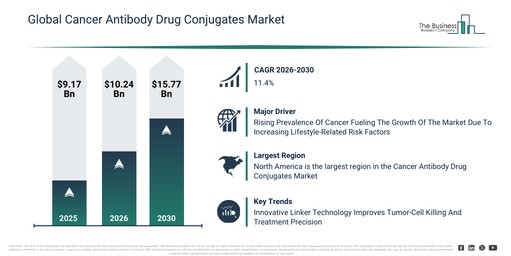
    The market for cancer antibody drug conjugates has experienced rapid expansion in recent years. It is projected to increase from $9.17 billion in 2025 to $10.24 billion in 2026, exhibiting a compound annual growth rate (CAGR) of 11.7%. The historical growth of this market can be attributed to advancements in monoclonal antibody engineering, rising cancer incidence rates, increased adoption of targeted oncology therapies, an expansion of clinical research in biologics, and early regulatory approvals for ADC treatments.

    The cancer antibody drug conjugates market size is anticipated to undergo significant expansion in the upcoming years. It is projected to reach $15.77 billion by 2030, demonstrating a compound annual growth rate (CAGR) of 11.4%. This projected growth during the forecast period is primarily driven by factors such as increasing investment in precision oncology pipelines, the growing utilization of combination cancer therapies, the expansion of ADC indications beyond solid tumors, a rising demand for safer targeted treatments, and continuous innovation in linker and payload technologies. Prominent trends expected in this period include the accelerating development of next-generation antibody drug conjugates, an increased focus on tumor-specific targeting mechanisms, the growing adoption of cleavable linker technologies, the expansion of ADC applications across diverse cancer types, and an enhanced emphasis on achieving an improved therapeutic index.

    Download the Free Sample Report to Explore Key Market Insights:

    https://www.thebusinessresearchcompany.com/sample.aspx?id=30217&type=smp

    What Drivers Are Influencing The Cancer Antibody Drug Conjugates Market?

    The expanding incidence of cancer is anticipated to drive the advancement of the cancer antibody drug conjugates market. Cancer prevalence defines the overall count of individuals, encompassing both recent and previous diagnoses, living with a history of cancer at a given moment. This increase in cancer prevalence stems from lifestyle factors such as inadequate diet, tobacco use, alcohol intake, and exposure to environmental contaminants, which heighten the likelihood of developing various cancers. Cancer antibody-drug conjugates facilitate cancer therapy by precisely delivering potent chemotherapy agents to cancer cells, thereby reducing damage to healthy tissues. They boost treatment accuracy by targeting particular tumor antigens, leading to enhanced therapeutic outcomes and fewer adverse reactions for patients. For example, in February 2025, Cancer Australia, a government agency based in Australia, reported 4,641 new pancreatic cancer cases in 2024, comprising 2,414 in males and 2,227 in females. Consequently, the increasing prevalence of cancer is fueling the expansion of the cancer antibody drug conjugates market.

    Which Segments Are Included In The Analysis Of The Cancer Antibody Drug Conjugates Market?

    The cancer antibody drug conjugates market covered in this report is segmented –

    1) By Type Of Antibody: Monoclonal Antibodies, Bispecific Antibodies, Low Molecular Weight Antibodies, Polyclonal Antibodies

    2) By Mechanism Of Action: Cell Death Signal (CDS) Inducers, Microtubule Disruptors, Deoxyribonucleic Acid (DNA) Damage Inducers, Immune Checkpoint Inhibitors

    3) By Technology: Cleavable Linker, Non-Cleavable Linker

    4) By Disease Indication: Breast Cancer, Blood Cancers, Lung Cancer, Gastrointestinal Cancers, Prostate Cancer

    5) By End-User: Hospitals, Specialty Clinics, Research Institutes

    Subsegments:

    1) By Monoclonal Antibodies: Fully Human Monoclonal Antibodies, Humanized Monoclonal Antibodies, Chimeric Monoclonal Antibodies, Murine Monoclonal Antibodies

    2) By Bispecific Antibodies: T Cell Engager Bispecific Antibodies, Dual Specific Antigen Targeting Bispecific Antibodies, Immune Checkpoint Modulating Bispecific Antibodies, Cytokine Redirecting Bispecific Antibodies

    3) By Low Molecular Weight Antibodies: Single Chain Variable Fragment Antibodies, Nanobody Antibodies, Antibody Fragment Antibodies, Domain Antibodies

    4) By Polyclonal Antibodies: Purified Polyclonal Antibodies, Recombinant Polyclonal Antibodies, Animal Derived Polyclonal Antibodies, Human Derived Polyclonal Antibodies

    Which Trends Are Impacting The Growth Of The Cancer Antibody Drug Conjugates Market?

    Major companies within the cancer antibody-drug conjugates market are concentrating on developing advanced technological solutions, notably cleavable tumor-activated linker technology, with the aim of boosting targeted delivery, treatment precision, and overall safety. This cleavable tumor-activated linker technology represents a specialized chemical system employed in antibody-drug conjugates (ADCs) that links the cytotoxic drug to the antibody, ensuring its release exclusively upon reaching the tumor microenvironment. As an illustration, in June 2025, Daiichi Sankyo Co. Ltd., a biopharmaceutical company based in Japan, secured United States Food and Drug Administration (FDA) approval for Datroway (datopotamab deruxtecan-dlnk). This particular product is a trophoblast cell surface antigen 2 (TROP-2)-directed antibody-drug conjugate incorporating a cleavable linker, designed for treating adult patients with locally advanced or metastatic EGFR-mutated non-small cell lung cancer (NSCLC) who have previously received EGFR-directed therapy and platinum-based chemotherapy. Datroway delivers targeted payload release, improved tumor-cell killing, which includes bystander activity, and enhanced treatment tolerability. Furthermore, it refines precision in drug delivery and expands therapeutic options for solid tumors that are difficult to treat.

    Which Key Industry Participants Are Active In The Cancer Antibody Drug Conjugates Market?

    Major companies operating in the cancer antibody drug conjugates market are Johnson & Johnson, Roche Holding AG, Merck and Co. Inc., Pfizer Inc., AbbVie Inc., Bayer AG, Sanofi S.A., AstraZeneca PLC, Bristol-Myers Squibb Company, GlaxoSmithKline PLC, Eli Lilly and Company, Takeda Pharmaceutical Company Limited, Amgen Inc., Gilead Sciences Inc., Astellas Pharma Inc., Daiichi Sankyo Company Limited, Byondis BV, Adienne Pharma and Biotech SA, Helix BioPharma Corp., Adcytherix SAS

    Read the full cancer antibody drug conjugates market report here:

    https://www.thebusinessresearchcompany.com/report/global-cancer-antibody-drug-conjugates-market-report

    Which Regions Are Expected To Experience Rapid Expansion In The Cancer Antibody Drug Conjugates Market?

    North America was the largest region in the cancer antibody drug conjugates market in 2025. Asia-Pacific is expected to be the fastest-growing region in the forecast period. The regions covered in the cancer antibody drug conjugates market report are Asia-Pacific, South East Asia, Western Europe, Eastern Europe, North America, South America, Middle East, Africa.

    Request A Tailored Cancer Antibody Drug Conjugates Market Research Report For Competitive Advantage:

    https://www.thebusinessresearchcompany.com/customise?id=30217&type=smp

    Browse Through More Reports Similar to the Global Cancer Antibody Drug Conjugates Market 2026, By The Business Research Company

    Antibody Drug Conjugates Market Report 2026

    https://www.thebusinessresearchcompany.com/report/antibody-drug-conjugates-global-market-report

    Anti Cancer Mabs Market Report 2026

    https://www.thebusinessresearchcompany.com/report/anti-cancer-mabs-global-market-report

    Metastatic Cancer Drugs Market Report 2026

    https://www.thebusinessresearchcompany.com/report/metastatic-cancer-drugs-global-market-report

    Get in touch with us:

    The Business Research Company: https://www.thebusinessresearchcompany.com/

    Americas +1 310-496-7795

    Asia +44 7882 955267 & +91 8897263534

    Europe +44 7882 955267

    Email us at info@tbrc.info

    Follow us on:

    LinkedIn: https://in.linkedin.com/company/the-business-research-company

    YouTube: https://www.youtube.com/channel/UC24_fI0rV8cR5DxlCpgmyFQ

    Global Market Model: https://www.thebusinessresearchcompany.com/global-market-model
  • Innovative Nutritional Solutions Supporting Holistic Health Emerging as a Key Trend in the Calorie Supplements Market

    Innovative Nutritional Solutions Supporting Holistic Health Emerging as a Key Trend in the Calorie Supplements Market

    The Business Research Company’s 2026 market reports include new capabilities such as market attractiveness scoring and analysis, total addressable market analysis, company scoring matrix, interactive excel data dashboard, improved supply chain analysis, upcoming startups in the market, and overview of key products, aimed at improving the depth, usability, and strategic value of the insights delivered.

    What Market Valuation Is Forecasted For The Calorie Supplements Market By 2030 Starting From Its 2026 Size?

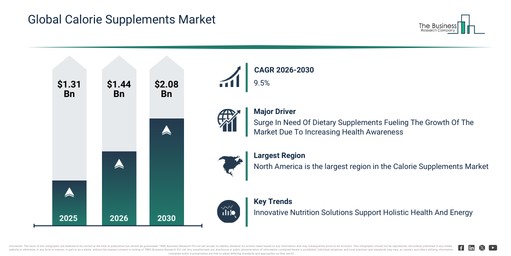
    The calorie supplements market size has demonstrated robust expansion over recent years. Projections indicate a rise from $1.31 billion in 2025 to $1.44 billion by 2026, exhibiting a compound annual growth rate (CAGR) of 9.8%. This historical growth can be linked to factors such as an increasing incidence of malnutrition and undernutrition, the growing application of nutritional supplementation in clinical settings, an expanding elderly demographic with greater energy requirements, the development of sports and fitness nutrition markets, and the broader availability of fortified nutritional products.

    The calorie supplements market size is anticipated to experience robust expansion over the next few years, with projections indicating a rise to $2.08 billion by 2030, demonstrating a compound annual growth rate (CAGR) of 9.5%. This growth during the forecast period is primarily fueled by a heightened emphasis on personalized nutrition solutions, an escalating demand for convenient nutritional formats, increasing public understanding of preventive healthcare nutrition, the broadening reach of e-commerce channels for supplement distribution, and a surge in innovative clean-label calorie supplement products. Key trends expected within this timeframe include a rising appetite for high-calorie medical nutrition products, the increasing embrace of ready-to-drink energy supplements, a concentrated focus on formulations with balanced macronutrient profiles, the continued growth of online nutritional supplement sales, and improved product customization catering to specific health requirements.

    Download the Free Sample Report to Explore Key Market Insights:

    https://www.thebusinessresearchcompany.com/sample.aspx?id=30216&type=smp

    What Drivers Are Shaping The Future Growth Of The Calorie Supplements Market?

    The expanding demand for dietary supplements is anticipated to drive the future expansion of the calorie supplements market. These supplements are orally consumed products containing nutrients or other compounds designed to complement one’s diet. This rising demand for dietary supplements stems from heightened health consciousness, with more people striving to fulfill their nutritional needs and preserve their general health. Within this broader market, calorie supplements represent a significant segment, offering concentrated energy and vital nutrients, thereby enabling individuals to more effectively achieve their daily calorie and nutrient intake. As an illustration, in September 2025, the Australian Bureau of Statistics, an Australia-based government department, revealed that 33.6% of individuals utilized dietary supplements in 2023. Among these, vitamin and mineral supplements were the most prevalent at 29.7%, highlighting a robust consumer emphasis on nutritional support that also bolsters wider categories like calorie supplements. Consequently, the increasing requirement for dietary supplements is fueling the expansion of the calorie supplements market.

    Which Segment Categories Define The Calorie Supplements Market?

    The calorie supplements market covered in this report is segmented –

    1) By Form: Ready to Drink, Ready to Mix

    2) By Packaging: Carton, Canister, Bottle, Cups, Cans, Box (Packets), Tub, Jars

    3) By Flavor: Unflavored, Flavored

    4) By Sales Channel: Offline Sales Channel, Online Sales Channel

    Subsegments:

    1) By Ready To Drink: Energy Drinks, Nutritional Shakes, Protein Beverages, Meal Replacement Drinks

    2) By Ready To Mix: Powdered Protein Mix, Nutrient Fortified Powder, Instant Meal Mix, Calorie Dense Powder

    What Major Market Trends Are Driving Changes In The Calorie Supplements Market?

    Major companies operating in the calorie supplements market are strategically concentrating on innovative formulations and comprehensive nutritional offerings, such as high-quality proteins, aimed at fostering overall health, boosting energy levels, and bridging dietary gaps in daily nutrition. High-quality proteins are defined as those containing all essential amino acids in sufficient quantities to facilitate growth, repair, and optimal body function. As an illustration, in July 2025, Torrent Pharmaceuticals Ltd., an India-based pharmaceutical company, introduced Shelcal Total. This adult nutrition powder, backed by scientific research, integrates protein, calcium, magnesium, vitamins D3 and K2, glucosamine, and bamboo shoot extract. The supplement is designed to support bone, joint, muscle, immunity, gut, brain, and skin health, while being made with vegetarian ingredients and free from added sugar or artificial colors, making it suitable for health-conscious adults managing their calorie intake. Through the provision of a convenient and complete nutritional solution, this innovation addresses contemporary dietary challenges, promotes holistic well-being, and strengthens consumer trust in science-driven supplement options.

    Who Are The Top Companies Competing In The Calorie Supplements Market?

    Major companies operating in the calorie supplements market are Abbott Laboratories, Danone S.A., Nestlé Health Science, Glanbia plc, Amway Corporation, MyProtein, Orgain Inc., Garden of Life LLC, MusclePharm Corp, MuscleTech, Instasure, Optimum Nutrition Inc., Nutricia International Pvt Ltd, Patanjali Foods Ltd, NOW Foods, Isopure, Pro 360, Dymatize Enterprises LLC, Herbaland Naturals Inc., Bright Lifecare Pvt Ltd

    Read the full calorie supplements market report here:

    https://www.thebusinessresearchcompany.com/report/global-calorie-supplements-market-report

    Which Geographic Regions Are Influencing Demand In The Calorie Supplements Market?

    North America was the largest region in the calorie supplements market in 2025. The regions covered in the calorie supplements market report are Asia-Pacific, South East Asia, Western Europe, Eastern Europe, North America, South America, Middle East, Africa.

    Request A Tailored Calorie Supplements Market Research Report For Competitive Advantage:

    https://www.thebusinessresearchcompany.com/customise?id=30216&type=smp

    Browse Through More Reports Similar to the Global Calorie Supplements Market 2026, By The Business Research Company

    Nutritional Supplements Market Report 2026

    https://www.thebusinessresearchcompany.com/report/nutritional-supplements-global-market-report

    Weight Loss Supplements Market Report 2026

    https://www.thebusinessresearchcompany.com/report/weight-loss-supplements-global-market-report

    Digestive Health Supplements Market Report 2026

    https://www.thebusinessresearchcompany.com/report/digestive-health-supplements-global-market-report

    Get in touch with us:

    The Business Research Company: https://www.thebusinessresearchcompany.com/

    Americas +1 310-496-7795

    Asia +44 7882 955267 & +91 8897263534

    Europe +44 7882 955267

    Email us at info@tbrc.info

    Follow us on:

    LinkedIn: https://in.linkedin.com/company/the-business-research-company

    YouTube: https://www.youtube.com/channel/UC24_fI0rV8cR5DxlCpgmyFQ

    Global Market Model: https://www.thebusinessresearchcompany.com/global-market-model
  • Rising Osteoporosis Cases Boosting Expansion in the Calcium Gluconate Market

    Rising Osteoporosis Cases Boosting Expansion in the Calcium Gluconate Market

    The Business Research Company’s 2026 market reports include new capabilities such as market attractiveness scoring and analysis, total addressable market analysis, company scoring matrix, interactive excel data dashboard, improved supply chain analysis, upcoming startups in the market, and overview of key products, aimed at improving the depth, usability, and strategic value of the insights delivered.

    How Is The Market Size Of The Calcium Gluconate Market Expected To Change Between 2026 And 2030?

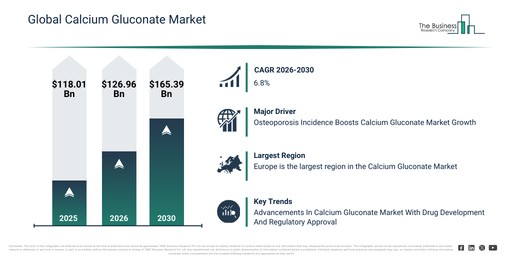
    The calcium gluconate market size has experienced robust growth in recent years. It is anticipated to expand from $118.01 billion in 2025 to $126.96 billion in 2026, exhibiting a compound annual growth rate (CAGR) of 7.6%. The market’s growth during the historic period can be attributed to the increasing prevalence of calcium deficiency, a rising number of osteoporosis cases among elderly individuals, the development of hospital and clinical infrastructure, the expansion of pharmaceutical distribution networks, and increasing awareness about bone health.

    The calcium gluconate market size is projected for substantial expansion in the coming years. By 2030, its size is anticipated to reach $165.39 billion, exhibiting a compound annual growth rate (CAGR) of 6.8%. This expansion during the forecast period is driven by factors such as increasing demand for nutraceuticals and dietary supplements, advancements in injectable calcium formulations, the broadening scope of geriatric and pediatric healthcare, greater embrace of preventive healthcare approaches, and the development of nascent markets, particularly in Asia-Pacific. Key trends expected within this period involve the increasing occurrence of hypocalcemia, the proliferation of osteoporosis awareness campaigns, a rise in the use of intravenous supplements, the expansion of nutraceutical and functional food categories, and the creation of specialized calcium formulations for pediatric and geriatric populations.

    Download the Free Sample Report to Explore Key Market Insights:

    https://www.thebusinessresearchcompany.com/sample.aspx?id=16005&type=smp

    Which Economic Or Industry Drivers Are Impacting The Calcium Gluconate Market?

    A growing prevalence of osteoporosis is projected to boost the calcium gluconate market’s expansion. This condition, osteoporosis, is defined by diminished bone density and strength, which elevates the likelihood of fractures. Factors contributing to the rise in osteoporosis cases include inactive lifestyles, insufficient calcium consumption, hormonal imbalances, and natural age-related bodily changes. The calcium gluconate market aids in managing osteoporosis by supplying an additional calcium source to enhance bone strength and lower the chance of fractures. For example, data from March 2025 by the British Pharmacological Society, a UK-based Association, showed that in 2023, female patients constituted the majority of those receiving osteoporosis treatments, specifically 90.9% for denosumab, 80.8% for bisphosphonates, 98.9% for SERMs, 99% for tibolone, and 86.8% for teriparatide. Consequently, the rising occurrence of osteoporosis is propelling the calcium gluconate market’s growth. The expanding spending on healthcare is anticipated to drive the future growth of the calcium gluconate market. Healthcare encompasses the structured framework of medical professionals, services, facilities, and resources dedicated to preserving and enhancing individuals’ physical and mental health. Elevated healthcare spending is attributed to an aging global population, the increasing burden of chronic diseases, ongoing advancements in medical technology, and a heightened demand for superior healthcare provisions. The calcium gluconate market fulfills healthcare requirements by offering an essential therapeutic solution for conditions stemming from inadequate calcium levels, such as hypocalcemia, various cardiac issues, and specific toxicological concerns. For example, in 2024, economic predictions from the Office for Budget Responsibility (OBR) and the UK Treasury, a non-departmental public body in the UK, indicated that the UK’s projected health expenditure would reach £192 billion ($244.43 billion) during the 2024/25 timeframe, an increase from £182 billion ($231.70 billion) in 2022/23. Consequently, the rising financial outlay on healthcare is propelling the calcium gluconate market’s expansion.

    How Is The Calcium Gluconate Market Structured Across Different Segments?

    The calcium gluconate market covered in this report is segmented –

    1) By Form: Liquid, Tablet, Powder, Gel

    2) By Grade: Pharmaceutical Grade, Food Grade

    3) By Application: Food And Beverage Manufacturers, Pharmaceutical, Nutraceutical, Cosmetic And Personal Care, Other Applications

    4) By End Use: Emulsifier, Bulking Agent, Thickening Agent

    Subsegments:

    1) By Liquid: Injectable Solution, Oral Liquid, IV Infusion

    2) By Tablet: Standard Tablets, Effervescent Tablets

    3) By Powder: Oral Powder, Injectable Powder

    4) By Gel: Topical Gel, Transdermal Gel

    Which Trends Are Shaping The Future Of The Calcium Gluconate Market?

    Major companies within the calcium gluconate market are intensifying their efforts on creating and securing approvals for new calcium gluconate drug formulations. This strategic focus aims to broaden treatment availability, ensure the provision of high-quality therapeutic alternatives, and more efficiently address calcium deficiencies along with related acute conditions. The comprehensive process of drug development and approval encompasses multiple phases, including discovery, preclinical evaluation, clinical testing, and rigorous regulatory review, ultimately confirming a medication’s safety, efficacy, and adherence to health authority standards before its distribution to patients. As an illustration, in September 2023, Amneal Pharmaceuticals Inc., a US-based generics and specialty pharmaceutical company, successfully obtained U.S. FDA abbreviated new drug application (ANDA) approval for calcium gluconate in sodium chloride injection. This approval included Competitive Generic Therapy designation, granting a 180-day exclusivity period. The product is available in 1000 mg/50 mL and 2000 mg/100 mL small-volume parenteral bags, designed for managing acute symptomatic hypocalcemia in both pediatric and adult patients.

    Which Major Players Dominate The Calcium Gluconate Market?

    Major companies operating in the calcium gluconate market are Merck & Co. Inc., Thermo Fisher Scientific Inc., Abbott Laboratories, Novartis AG, Eli Lilly and Company, Solvay, Viatris Inc., Baxter International Inc., Fresenius Kabi USA, Hikma Pharmaceuticals Inc., Amneal Pharmaceuticals Private Limited, Amphastar Pharmaceuticals, Jost Chemical Co., American Regent Inc., Coyne Chemical, Anhui Xingzhou Medicine Food Co. Ltd., Westco Chemicals Inc., Noah chemicals, ND Biotech Pvt Ltd, Global Calcium Private Limited, Foodchem, Pharma Cure Laboratories, Nivagen Pharmaceuticals Inc., Tianyi Food Additives Co. Ltd

    Read the full calcium gluconate market report here:

    https://www.thebusinessresearchcompany.com/report/calcium-gluconate-global-market-report

    What Are The Top-Performing Regions Within The Calcium Gluconate Market?

    Europe was the largest region in the calcium gluconate market in 2025. Asia-Pacific is expected to be the fastest-growing region in the forecast period. The regions covered in the calcium gluconate market report are Asia-Pacific, South East Asia, Western Europe, Eastern Europe, North America, South America, Middle East, Africa.

    Request A Tailored Calcium Gluconate Market Research Report For Competitive Advantage:

    https://www.thebusinessresearchcompany.com/customise?id=16005&type=smp

    Browse Through More Reports Similar to the Global Calcium Gluconate Market 2026, By The Business Research Company

    Calcium Gluconate Market Report 2026

    https://www.thebusinessresearchcompany.com/report/calcium-gluconate-global-market-report

    Calcium Aluminosilicate Market Report 2026

    https://www.thebusinessresearchcompany.com/report/calcium-aluminosilicate-global-market-report

    Calcium Hypochlorite Market Report 2026

    https://www.thebusinessresearchcompany.com/report/calcium-hypochlorite-global-market-report

    Get in touch with us:

    The Business Research Company: https://www.thebusinessresearchcompany.com/

    Americas +1 310-496-7795

    Asia +44 7882 955267 & +91 8897263534

    Europe +44 7882 955267

    Email us at info@tbrc.info

    Follow us on:

    LinkedIn: https://in.linkedin.com/company/the-business-research-company

    YouTube: https://www.youtube.com/channel/UC24_fI0rV8cR5DxlCpgmyFQ

    Global Market Model: https://www.thebusinessresearchcompany.com/global-market-model
  • Increasing Cardiovascular Disease Prevalence Driving Growth in the Calcitonin Salmon Market

    Increasing Cardiovascular Disease Prevalence Driving Growth in the Calcitonin Salmon Market

    The Business Research Company’s 2026 market reports include new capabilities such as market attractiveness scoring and analysis, total addressable market analysis, company scoring matrix, interactive excel data dashboard, improved supply chain analysis, upcoming startups in the market, and overview of key products, aimed at improving the depth, usability, and strategic value of the insights delivered.

    What Is The Market Size Of The Calcium Channel Blocker Market In 2026 And What Value Is Projected For 2030?

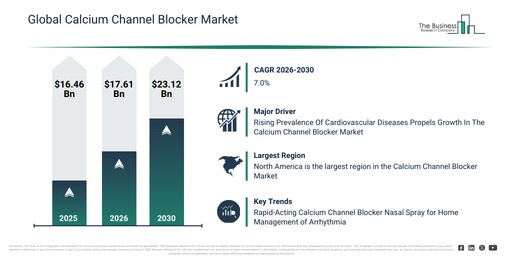
    The calcium channel blocker market has experienced robust growth in recent years. It is projected to increase from $16.46 billion in 2025 to $17.61 billion in 2026, demonstrating a compound annual growth rate (CAGR) of 7.0%. The expansion observed in the past can be attributed to factors such as the rising prevalence of hypertension, an increasing incidence of cardiovascular disorders, the growing aging population, the early adoption of dihydropyridine drugs, and awareness campaigns conducted by healthcare providers.

    The calcium channel blocker market size is projected to experience substantial growth over the coming years, reaching $23.12 billion by 2030, demonstrating a compound annual growth rate (CAGR) of 7.0%. This anticipated expansion during the forecast period is primarily driven by advancements in sustained-release formulations, a growing emphasis on personalized medicine, the integration of digital cardiac monitoring, the broadening of homecare services, and increasing capital directed towards combination therapies. Key developments anticipated in this period include personalized hypertension management, the creation of new combination therapies, sophisticated cardiac safety monitoring technologies, formulations tailored for pediatric and geriatric populations, and innovative oral sustained-release formulations.

    Download the Free Sample Report to Explore Key Market Insights:

    https://www.thebusinessresearchcompany.com/sample.aspx?id=9428&type=smp

    What Major Drivers Are Influencing Demand In The Calcium Channel Blocker Market?

    The increasing incidence of cardiovascular diseases is projected to significantly boost the expansion of the calcium channel blocker market. Cardiovascular disease encompasses various conditions affecting the heart or blood vessels, and calcium channel blockers (CCBs) are vital in reducing the risk of heart failure and stroke. As a result, the growing prevalence of these cardiovascular conditions will lead to an elevated demand for calcium channel blockers. For instance, data from the American Heart Association, a US-based non-profit organization, revealed in January 2024 that the age-adjusted death rate from cardiovascular disease climbed to 233.3 per 100,000 in 2024, marking a 4.0% increase from 224.4 per 100,000 recorded in 2023. This upward trend in cardiovascular disease prevalence is therefore a primary driver behind the growth of the calcium channel blocker market.

    What Are The Key Segments Of The Calcium Channel Blocker Market?

    The calcium channel blocker market covered in this report is segmented –

    1) By Drug Class: Dihydropyridine, Benzothiazepine, Phenylalkylamine, Other Drug Classes

    2) By Disease Indications: Hypertension, Chest Pain, Arrhythmias

    3) By Route Of Administration: Oral, Parenteral, Other Route Of Administration

    4) By End User: Hospitals, Homecare, Specialty Clinics, Other End Users

    What Key Trends Are Influencing The Development Of The Calcium Channel Blocker Market?

    Key companies operating in the calcium channel blocker market are concentrating on developing technological advancements, such as self-administered nasal spray formulations for acute arrhythmia management. These innovations aim to provide rapid symptom control, enhance patient convenience, and reduce hospital visits. A nasal spray formulation delivers the active calcium channel blocker directly through the nasal mucosa, enabling faster absorption compared to traditional oral tablets and avoiding the necessity of intravenous administration in clinical environments. For instance, in July 2025, Milestone Pharmaceuticals, a U.S.-based biopharmaceutical company, received FDA acceptance for the review of Cardamyst (etripamil) nasal spray, designed for paroxysmal supraventricular tachycardia (PSVT) and atrial fibrillation with rapid ventricular rate (AFib RVR). The product is a fast-acting, non-dihydropyridine L-type calcium channel blocker delivered intranasally, facilitating rapid AV node conduction modulation, restoring normal rhythm without the need for hospital supervision, and allowing patients to manage episodes at home.

    Who Are The Leading Companies Operating In The Calcium Channel Blocker Market?

    Major companies operating in the calcium channel blocker market are Pfizer Inc., GlaxoSmithKline plc, Novartis AG, Bausch Health Companies Inc., Lupin Pharmaceuticals Inc., Cadila Healthcare Limited, Covis Pharma BV, Glenmark Pharmaceuticals Inc., Amneal Pharmaceuticals LLC, Sofgen Pharmaceuticals, Teva Pharmaceutical Industries Ltd., Knoll Healthcare Private Limited, Sanofi S.A., Clearsynth Labs Ltd., Searle LLC, Bayer AG, AstraZeneca plc, Wyeth-Ayerst Lederle Inc., AbbVie Inc., Silvergate Pharmaceuticals Inc., Sun Pharmaceutical Industries Ltd.

    Read the full calcium channel blocker market report here:

    https://www.thebusinessresearchcompany.com/report/calcium-channel-blocker-global-market-report

    Which Region Shows The Strongest Potential For Future Growth In The Calcium Channel Blocker Market?

    North America was the largest region in the calcium channel blocker market in 2025. The regions covered in the calcium channel blocker market report are Asia-Pacific, South East Asia, Western Europe, Eastern Europe, North America, South America, Middle East, Africa.

    Request A Tailored Calcium Channel Blocker Market Research Report For Competitive Advantage:

    https://www.thebusinessresearchcompany.com/customise?id=9428&type=smp

    Browse Through More Reports Similar to the Global Calcium Channel Blocker Market 2026, By The Business Research Company

    Calcium Channel Blocker Market Report 2026

    https://www.thebusinessresearchcompany.com/report/calcium-channel-blocker-global-market-report

    Calcium Gluconate Market Report 2026

    https://www.thebusinessresearchcompany.com/report/calcium-gluconate-global-market-report

    Calcium Carbide Market Report 2026

    https://www.thebusinessresearchcompany.com/report/calcium-carbide-global-market-report

    Get in touch with us:

    The Business Research Company: https://www.thebusinessresearchcompany.com/

    Americas +1 310-496-7795

    Asia +44 7882 955267 & +91 8897263534

    Europe +44 7882 955267

    Email us at info@tbrc.info

    Follow us on:

    LinkedIn: https://in.linkedin.com/company/the-business-research-company

    YouTube: https://www.youtube.com/channel/UC24_fI0rV8cR5DxlCpgmyFQ

    Global Market Model: https://www.thebusinessresearchcompany.com/global-market-model