Category: Veterinary Healthcare

  • Ovine And Caprine Artificial Insemination Market Valued At $1.67 Billion In 2026: Key Trends And Growth Drivers

    Ovine And Caprine Artificial Insemination Market Valued At $1.67 Billion In 2026: Key Trends And Growth Drivers

    Featuring market attractiveness scoring, total addressable market sizing, company benchmarking matrices, interactive Excel dashboards, deeper supply chain intelligence, emerging startup tracking, and granular product-level insights, The Business Research Company’s 2026 market reports are built to deliver research that is both more actionable and more strategically valuable.

    Ovine And Caprine Artificial Insemination Market Growth Potential: How Will Market Size Shift Through 2030?

    The ovine and caprine artificial insemination market size has seen robust growth in recent years. It is projected to reach $1.3 billion in 2026 from $1.22 billion in 2025, demonstrating a compound annual growth rate (CAGR) of 6.7%. The expansion in the historic period can be ascribed to factors such as low genetic quality of livestock, traditional breeding methods, limited access to AI equipment, rising demand for higher wool and milk yield, and an increasing livestock population.

    The ovine and caprine artificial insemination market is set for robust expansion in the coming years. It is projected to reach $1.67 billion in 2030 at a compound annual growth rate (CAGR) of 6.4%. This anticipated growth during the forecast period is fueled by several factors, including advancements in AI techniques and equipment, a growing awareness of genetic improvement, increasing demand for high-quality semen, the expansion of veterinary reproductive services, and the adoption of precision livestock breeding technologies. Key trends influencing this period involve the increasing use of frozen and sexed semen for breeding, the broader availability of reproductive health monitoring services, a rise in the application of automated insemination equipment, the growing demand for hormonal reagents and ovulation induction kits, and the integration of breeding consultancy services aimed at livestock improvement.

    Get A Free Sample Report With In-Depth Market Insights:

    https://thebusinessresearchcompany.com/sample_request?id=20586&type=smp&name=Ovine%20And%20Caprine%20Artificial%20Insemination%20Market%20Report%202026&utm_source=Blogs&utm_medium=Paid&utm_campaign=Oct_PR

    Ovine And Caprine Artificial Insemination Market Demand Drivers: What’s Powering Industry Growth?

    The increasing consumption of meat is anticipated to propel the expansion of the ovine and caprine artificial insemination market in the future. Enhanced understanding of protein’s significance in a balanced diet and evolving preferences towards high-protein dietary approaches, such as ketogenic and paleo diets, have led to a heightened demand for meat as a primary protein source. Ovine and caprine artificial insemination improves the genetic quality and productivity of sheep and goats, leading to greater meat yields, better resistance to diseases, and more efficient meat production to meet the growing global demand for meat. For instance, in August 2024, an updated report on red meat and poultry production published by the United States Department of Agriculture, a US-based federal agency, indicated that red meat and poultry production rose from 31419.8 (million pounds) between January-July 2023 to 31775.4 (million pounds) in January-July 2024. Therefore, the increase in meat consumption is driving the growth of the ovine and caprine artificial insemination market.

    Ovine And Caprine Artificial Insemination Market Segment Trends And Revenue Contributors

    The ovine and caprine artificial insemination market covered in this report is segmented –

    1) By Species: Ovine, Caprine

    2) By Technique Or Method: Vaginal AI, Transcervical AI, Laparoscopic AI, Intravaginal Or Advanced AI

    3) By Application: Genetic Improvement, Commercial Meat Production, Dairy Production, Research And Breeding Programs

    4) By End-User: Farms And Livestock Producers, Veterinary Clinics, AI Service Providers Or Cooperatives, Research Institutions

    Subsegments:

    1) By Ovine: Sheep Breeding AI, Sheep Genetic Improvement Programs, Sheep Dairy AI, Sheep Meat Production AI

    2) By Caprine: Goat Breeding AI, Goat Genetic Improvement Programs, Goat Dairy AI, Goat Meat Production AI

    Ovine And Caprine Artificial Insemination Market Innovation Trends: What Developments Are Reshaping The Industry?

    Major companies in the ovine and caprine artificial insemination (AI) market are prioritizing advanced technologies, including genetic improvement technology and artificial insemination (AI), to enhance food security. Genetic improvement technology involves the selective breeding of animals with desirable characteristics such as high fertility, milk yield, or growth rate, aiming to improve the genetic quality of future generations. Artificial insemination (AI) is a reproductive technology where semen from a selected male goat is manually introduced into a female to enhance genetic quality. For instance, in June 2024, the International Center for Agricultural Research in the Dry Areas (ICARDA), a Lebanon-based research organization, launched Mali’s first-ever Community-Based Breeding Program (CBBP) for goats. This program aims to improve the genetic potential of small ruminants in Mali, focusing on both meat and milk productivity, and enhancing the livelihoods of small-scale livestock keepers. The initiative also includes the development of low-cost artificial insemination technologies to boost reproductive efficiency in goats.

    Ovine And Caprine Artificial Insemination Market Competitive Landscape: Who Leads The Industry?

    Major companies operating in the ovine and caprine artificial insemination market are Zoetis Services LLC, Ceva Santé Animale, Neogen Corporation, Minitube International, Nasco Education, Alta Genetics Inc., Vytelle LLC, Agtech Inc., Jorgensen Laboratories LLC, Cogent Breeding Ltd., Semex, Shearwell Data Ltd., Sterling Multi Technologies Ltd., IMV Technologies SA, B&D Genetics, SEK Genetics, Reproduction Provisions LLC, Xcell Breeding & Livestock Services Private Limited, Continental Genetics LLC, Sheep Ireland

    View The Full Ovine And Caprine Artificial Insemination Market Report:

    https://thebusinessresearchcompany.com/report/ovine-and-caprine-artificial-insemination-global-market-report?utm_source=Blogs&utm_medium=Paid&utm_campaign=Oct_PR

    Ovine And Caprine Artificial Insemination Market Geographic Landscape: Which Region Dominates Industry Growth?

    North America was the largest region in the ovine and caprine artificial insemination market in 2025. The regions covered in the ovine and caprine artificial insemination market report are Asia-Pacific, South East Asia, Western Europe, Eastern Europe, North America, South America, Middle East, Africa.

    Reach Out To Our Team:

    The Business Research Company: https://www.thebusinessresearchcompany.com/

    Americas: +1 310-496-7795

    Asia: +44 7882 955267 & +91 8897263534

    Europe: +44 7882 955267

    Email us at: marketing@tbrc.info

    Follow us on:

    LinkedIn: https://in.linkedin.com/company/the-business-research-company

    YouTube: https://www.youtube.com/channel/UC24_fI0rV8cR5DxlCpgmyFQ

    Global Market Model: https://www.thebusinessresearchcompany.com/global-market-model

  • Nutritional Feed Additives Market Size In 2026: Growth Outlook And Forecast Through 2030

    Nutritional Feed Additives Market Size In 2026: Growth Outlook And Forecast Through 2030

    Built to provide research that’s more actionable and strategically valuable, The Business Research Company’s 2026 market reports include market attractiveness analysis, total addressable market sizing, company benchmarking matrices, interactive Excel dashboards, broader supply chain intelligence, emerging startup tracking, and in-depth product insights.

    Nutritional Feed Additives Market Value Analysis: What Growth Lies Ahead Over The Forecast Period?

    The nutritional feed additives market has experienced robust growth in recent years. It is projected to expand from $2.74 billion in 2025 to $2.92 billion in 2026, achieving a compound annual growth rate (CAGR) of 6.4%. The market’s historical expansion can be attributed to several factors, including the increasing prevalence of commercial livestock farming, a heightened focus on animal productivity, a rising incidence of nutritional deficiencies within feed, the broad adoption of compound feeds, and the overall growth across the poultry and swine industries.

    The nutritional feed additives market is projected to experience robust expansion over the coming years. Its valuation is anticipated to reach $3.75 billion by 2030, demonstrating a compound annual growth rate (CAGR) of 6.5%. This growth during the forecast period is primarily driven by factors such as regulatory directives aimed at curbing antibiotic use, a growing need for premium animal protein, heightened recognition of animal health and nutritional requirements, the expansion of aquaculture output, and advancements in feed formulation technologies. Key trends anticipated during this period encompass a rising preference for non-antibiotic nutritional additives, greater incorporation of vitamins and minerals to ensure balanced nutrition, an uptick in the integration of probiotics and prebiotics into feed, a higher requirement for enzymes to enhance feed efficiency, and the broader application of mycotoxin detoxifiers to bolster feed safety.

    Get A Free Sample Report With In-Depth Market Insights:

    https://thebusinessresearchcompany.com/sample_request?id=2604&type=smp&name=Nutritional%20Feed%20Additives%20Market%20Report%202026&utm_source=Blogs&utm_medium=Paid&utm_campaign=Oct_PR

    Nutritional Feed Additives Market Growth Drivers: What’s Behind The Acceleration?

    The expansion of livestock farming is anticipated to drive the growth of the nutritional feed additives market in the future. This rise in livestock operations is mainly attributed to a growing global population and an increasing demand for animal-based products. Nutritional feed additives in livestock farming are dietary supplements designed to enhance animal health, growth, and productivity by supplying vital nutrients, vitamins, and minerals in their diets. For instance, in May 2024, the United States Department of Agriculture, a US-based government agency, projected that total livestock production in the 2023 period would reach 103.66 million metric tons, representing a 2% increase from the 102.09 million metric tons produced in 2022. Therefore, the ongoing growth in livestock farming is set to continue propelling the nutritional feed additives market in the forecast period.

    Nutritional Feed Additives Market Segment Analysis Spotlighting Growth Areas

    The nutritional feed additives market covered in this report is segmented –

    1) By Form: Dry, Liquid, Other Forms

    2) By Additive Type: Antibiotics, Vitamins, Antioxidants, Amino Acids, Enzymes, Mycotoxin Detoxifiers, Prebiotics, Probiotics, Flavors And Sweeteners, Pigments, Binders, Minerals

    3) By Livestock: Ruminants, Poultry, Swine, Aquatic

    4) By Distribution Channel: Direct, Indirect, Hypermarket Or Supermarket, Specialty Stores, Online Retail

    Subsegments:

    1) By Dry: Powdered, Granules, Pellets

    2) By Liquid: Solution, Suspension

    3) By Other Forms: Paste, Gel

    Nutritional Feed Additives Market Trends: What’s Defining The Industry’s Next Phase?

    Leading companies within the nutritional feed additives market are concentrating on creating innovative solutions, such as specialized nutritional support items and functional feed supplements. This focus aims to address the growing need for quicker recovery, muscle restoration, enhanced mobility, and comprehensive post-injury and post-surgical rehabilitation for both companion and production animals. These advanced nutritional support products are specifically designed to supplement physical rehabilitation programs by providing precise amino acids and essential nutrients that facilitate muscle regeneration, tissue repair, and metabolic recovery, offering a more tailored approach compared to conventional standard diets primarily focused on basic nutritional requirements. For example, in June 2023, Evonik Industries AG, a specialty chemicals and life sciences company based in Germany, introduced an updated version of its Biolys product for animal feeds. This innovative nutritional solution contains high-quality L-lysine sulfate, which aids in protein synthesis, muscle development, and efficient nutrient absorption. The updated Biolys boasts an optimized composition derived from natural fermentation processes, enhanced sustainability credentials, and superior bioavailability, rendering it ideal for assisting animals during critical recovery periods where rebuilding muscle strength and repairing tissues are crucial. This product can be incorporated into veterinary rehabilitation protocols as a dietary intervention to improve recovery outcomes, boost physical resilience, and support the overall long-term health of animals in conjunction with traditional rehabilitation services.

    Nutritional Feed Additives Market Company Landscape And Competitive Strategy

    Major companies operating in the nutritional feed additives market are BASF SE, Cargill Incorporated, Archer Daniels Midland Company, Evonik Industries AG, Nutreco N.V, Kemin Industries Inc., Adisseo Company, Alltech Biotechnology Pvt. Ltd., Phibro Animal Health Corporation, DuPont de Nemours Inc., Koninklijke DSM N.V, Novozymes A/S, InVivo Group, Lallemand Inc., Addcon Group, Aliphos Belgium S.A, The Archer-Daniels-Midland Company, Ajinomoto Group, Chr. Hansen A/S, AFB International, Vitablend Asia Pacific Pte Ltd., Biomin Holding GmbH, Danisco Animal Nutrition, Provimi Holding B.V., Pancosma S.A., Biovet JSC, BioResource International Inc., Novus International Inc., Zagro Corporation, Zinpro Corporation, Trouw Nutrition International B.V., Biostadt India Limited

    View The Full Nutritional Feed Additives Market Report:

    https://thebusinessresearchcompany.com/report/nutritional-feed-additives-global-market-report?utm_source=Blogs&utm_medium=Paid&utm_campaign=Oct_PR

    Nutritional Feed Additives Market Largest Region: Which Geography Holds The Highest Market Share?

    North America was the largest region in the nutritional feed additives market in 2025. Asia-Pacific was the second-largest region in the nutritional feed additives market report. The regions covered in the nutritional feed additives market report are Asia-Pacific, South East Asia, Western Europe, Eastern Europe, North America, South America, Middle East, Africa.

    Reach Out To Our Team:

    The Business Research Company: https://www.thebusinessresearchcompany.com/

    Americas: +1 310-496-7795

    Asia: +44 7882 955267 & +91 8897263534

    Europe: +44 7882 955267

    Email us at: marketing@tbrc.info

    Follow us on:

    LinkedIn: https://in.linkedin.com/company/the-business-research-company

    YouTube: https://www.youtube.com/channel/UC24_fI0rV8cR5DxlCpgmyFQ

    Global Market Model: https://www.thebusinessresearchcompany.com/global-market-model

  • Mycotoxin Feed Testing Market Trends Supporting 8.6% CAGR Growth Through 2030

    Mycotoxin Feed Testing Market Trends Supporting 8.6% CAGR Growth Through 2030

    Backed by market attractiveness analysis, total addressable market sizing, company benchmarking matrices, interactive Excel dashboards, wider supply chain intelligence, emerging startup coverage, and detailed product-level insights, The Business Research Company’s 2026 market reports are designed to offer research that is more actionable and strategically valuable than ever.

    Mycotoxin Feed Testing Market Size Forecast: How Big Could The Market Get By 2030?

    The mycotoxin feed testing market has shown substantial growth in recent years. It is projected to expand from $1.54 billion in 2025 to $1.66 billion in 2026, reflecting a compound annual growth rate (CAGR) of 7.7%. The market’s historical growth can be attributed to several factors, including the increasing occurrence of mycotoxin contamination in animal feed, a heightened awareness of feed safety among livestock producers, the constrained availability of advanced testing technologies, stringent food and feed safety regulations observed in Europe and North America, and the rising livestock production alongside a greater demand for safe feed.

    The mycotoxin feed testing market is projected to experience robust expansion in the coming years. It is forecast to reach $2.31 billion by 2030, exhibiting a compound annual growth rate (CAGR) of 8.6%. This expansion during the forecast period is driven by factors such as advancements in high-throughput mycotoxin detection technologies, the integration of AI and machine learning into feed testing processes, the extension of testing services across Asia-Pacific, the rising uptake of point-of-care testing devices, and increased partnerships between feed producers and testing service providers. Key trends anticipated over the same period encompass the swift creation of high-sensitivity detection kits, a heightened emphasis on animal health and safety standards, the implementation of portable and on-site testing solutions, the incorporation of automated feed quality monitoring systems, and improved regulatory compliance and reporting mechanisms.

    Get A Free Sample Report With In-Depth Market Insights:

    https://thebusinessresearchcompany.com/sample_request?id=10453&type=smp&name=Mycotoxin%20Feed%20Testing%20Market%20Report%202026&utm_source=Blogs&utm_medium=Paid&utm_campaign=Oct_PR

    Mycotoxin Feed Testing Market Growth Factors Behind Sustained Expansion

    The rising number of food-borne illness incidents is anticipated to stimulate the growth of mycotoxin feed testing moving forward. A food-borne illness is defined as a sickness or disease that results from consuming food or beverages contaminated with pathogens or microorganisms. The increase in these illnesses is attributed to the expanded use of commercial food services, new approaches to food production and distribution, novel or recurring infectious foodborne agents, changes in diet, and other factors. Mycotoxin feed testing helps to reduce the likelihood of ingesting contaminated food, thereby decreasing food-borne illnesses. For example, in October 2024, a report published by the World Health Organization (WHO), a Switzerland-based government agency responsible for international public health, stated that approximately 600 million, or almost 1 in 10 people globally, become ill each year after consuming contaminated food, and 420 000 die annually. Therefore, the increasing occurrences of food-borne illness are propelling the expansion of the mycotoxin feed testing market.

    Mycotoxin Feed Testing Market Segment Performance And Emerging Opportunities

    The mycotoxin feed testing market covered in this report is segmented –

    1) By Type: Aflatoxins, Alternaria, Cyclopiazonic Acid, Citrinin, Fusarium Toxins, Ergot Alkaloids

    2) By Sample: Cereals, Seeds And Seed Products, Forage And Silage, Other Samples

    3) By Technology: Chromatography Based, Immunoassay-Based, Lateral Flow Assay Based, Spectroscopy Based, Other Technologies

    4) By End-User: Food And Beverages, Animal Feed, Pharmaceuticals

    Subsegments:

    1) By Aflatoxins: Aflatoxin B1, Aflatoxin B2, Aflatoxin G1, Aflatoxin G2

    2) By Alternaria: Alternaria Toxins

    3) By Cyclopiazonic Acid: Testing For Cyclopiazonic Acid in Feed

    4) By Citrinin: Citrinin Testing In Feed Products

    5) By Fusarium Toxins: Deoxynivalenol (DON), Zearalenone, Fumonisins, T-2 Toxin

    6) By Ergot Alkaloids: Testing For Ergotamine And Ergocristine

    Mycotoxin Feed Testing Market Industry Trends Fueling Future Revenue Growth

    Leading companies in the mycotoxin feed testing market are concentrating on developing innovative products, such as rapid quantitative lateral flow mycotoxin testing strips. These advancements aim to facilitate faster, on-site detection of harmful mycotoxins and enhance food safety decision-making throughout feed and pet food value chains. A lateral flow mycotoxin testing strip functions as a portable immunoassay-based diagnostic instrument, designed for the quick quantification of toxic fungal metabolites in feed and food without requiring complex laboratory infrastructure. For instance, in May 2024, Waters Corporation, a US-based provider of analytical instruments, software, and food safety testing solutions, introduced the VICAM Fumo-V ONE Strip Test. This product provides quantitative results for key mycotoxins including aflatoxin, fumonisin, and DON directly at production sites in under 10 minutes, utilizing simple water extraction. The product empowers feed and pet food manufacturers to shift quality control further upstream, reduce their dependence on external laboratories, expedite release decisions, and mitigate the risk of contamination-related losses, thereby boosting overall safety, efficiency, and regulatory compliance in animal nutrition supply chains.

    Mycotoxin Feed Testing Market Key Players Shaping Industry Direction

    Major companies operating in the mycotoxin feed testing market are ALS Limited, AsureQuality Limited, Bureau Veritas SA, Eurofins Scientific SE, Intertek Group plc, Mérieux NutriSciences Corporation, SGS SA, Symbio Laboratories, Bio-Check Ltd., Charm Sciences Inc., EMSL Analytical Inc., IEH Laboratories and Consulting Group LLC, Neogen Corporation, Premier Analytical Services Inc., Romer Labs Division Holding GmbH, Tuv Sud Gesellschafterausschuss Gbr, Biomin Holding GmbH, CDX Laboratories Inc., Wettlab GmbH & Co. KG, Laboratoire du Nord, Astell Scientific Ltd., BioAnalytix GmbH, C&K Testing Services Co. Ltd.

    View The Full Mycotoxin Feed Testing Market Report:

    https://thebusinessresearchcompany.com/report/mycotoxin-feed-testing-global-market-report?utm_source=Blogs&utm_medium=Paid&utm_campaign=Oct_PR

    Mycotoxin Feed Testing Market Regional Analysis: Which Region Leads By Revenue?

    North America was the largest region in the mycotoxin feed testing market in 2025. Asia-Pacific is expected to be the fastest-growing region in the global mycotoxin feed testing market during the forecast period. The regions covered in the mycotoxin feed testing market report are Asia-Pacific, South East Asia, Western Europe, Eastern Europe, North America, South America, Middle East, Africa.

    Reach Out To Our Team:

    The Business Research Company: https://www.thebusinessresearchcompany.com/

    Americas: +1 310-496-7795

    Asia: +44 7882 955267 & +91 8897263534

    Europe: +44 7882 955267

    Email us at: marketing@tbrc.info

    Follow us on:

    LinkedIn: https://in.linkedin.com/company/the-business-research-company

    YouTube: https://www.youtube.com/channel/UC24_fI0rV8cR5DxlCpgmyFQ

    Global Market Model: https://www.thebusinessresearchcompany.com/global-market-model

  • Monoclonal Antibodies In Veterinary Health Market Forecast Highlights A $1.85 Billion Opportunity For Industry Participants

    Monoclonal Antibodies In Veterinary Health Market Forecast Highlights A $1.85 Billion Opportunity For Industry Participants

    Featuring market attractiveness scoring, total addressable market sizing, company benchmarking matrices, interactive Excel dashboards, deeper supply chain intelligence, emerging startup tracking, and granular product-level insights, The Business Research Company’s 2026 market reports are built to deliver research that is both more actionable and more strategically valuable.

    Monoclonal Antibodies In Veterinary Health Market Revenue Outlook: What CAGR Lies Ahead Through 2030?

    The monoclonal antibodies in veterinary health market size has experienced rapid expansion in recent years. This market is projected to increase from $0.92 billion in 2025 to $1.06 billion in 2026, at a compound annual growth rate (CAGR) of 15.2%. The historical growth can be attributed to the rising prevalence of canine cancers, the increasing incidence of autoimmune disorders in pets, the limited availability of targeted therapies, the expansion of veterinary hospitals, and a greater awareness of advanced veterinary treatments.

    The monoclonal antibodies in veterinary health market is expected to witness substantial expansion over the next few years. It is projected to grow to $1.85 billion by 2030, achieving a compound annual growth rate (CAGR) of 14.8%. This growth during the forecast period can be attributed to several factors, including technological advancements in mAb engineering, a rising adoption of species-specific therapies, increased investment in veterinary oncology and dermatology, the expansion of personalized veterinary medicine, and the strengthening of the global veterinary healthcare infrastructure. Significant trends anticipated in this period encompass the increase in monoclonal antibody-based treatments for canine cancer, a growing utilization of mabs for autoimmune disorders in dogs, broader application in veterinary dermatology, a surge in the adoption of targeted pain management therapies, and the creation of species-specific antibody treatments for cats, horses, and livestock.

    Get A Free Sample Report With In-Depth Market Insights:

    https://thebusinessresearchcompany.com/sample_request?id=20575&type=smp&name=Monoclonal%20Antibodies%20In%20Veterinary%20Health%20Market%20Report%202026&utm_source=Blogs&utm_medium=Paid&utm_campaign=Oct_PR

    Monoclonal Antibodies In Veterinary Health Market Demand Drivers Opening New Revenue Streams

    The increasing occurrence of animal diseases is projected to drive the expansion of the monoclonal antibodies in veterinary health market in the future. This escalation in animal disease cases stems from more intensive farming methods, heightening the risk of infectious disease propagation, alongside climate change, which broadens the habitats of disease-carrying agents like ticks and mosquitoes. Monoclonal antibodies prove very effective in addressing animal ailments because they precisely target particular pathogens or proteins central to disease mechanisms, providing accurate and potent therapeutic solutions. For example, a report released by GOV.UK, a UK-based government website, in June 2024, revealed that from April 2023 to March 2024, the number of animals slaughtered due to TB incidents increased by 5% in England, reaching 21,298, and by 17% in Wales, to 11,197. Consequently, the escalating animal disease incidences are clearly fueling the growth of the monoclonal antibodies in veterinary health market.

    Monoclonal Antibodies In Veterinary Health Market Segment Landscape And Growth Outlook

    The monoclonal antibodies in veterinary health market covered in this report is segmented –

    1) By Product: Monoclonal Antibodies (mAbs), Glucocorticoids, Antihistamines, Immunosuppressants, Other Products

    2) By Animal Type: Dogs, Cats, Horses, Livestock, Other Animals

    3) By Indication: Allergic Skin Disease, Autoimmune Disorders, Infectious Diseases, Cancer Or Tumor Therapy, Other Indications

    4) By Route Of Administration: Injectable, Oral, Topical

    5) By Distribution Channel: Veterinary Clinics, Specialized Animal Hospitals, Retail Pharmacies, Online Pharmacies, Other Distribution Channels

    Subsegments:

    1) By Monoclonal Antibodies: Lokivetmab, Felvetmab, Investigational Monoclonal Antibodies, Equine-specific mAbs

    2) By Glucocorticoids: Prednisone, Prednisolone, Dexamethasone, Methylprednisolone, Hydrocortisone, Triamcinolone

    3) By Antihistamines: Diphenhydramine, Hydroxyzine, Cetirizine, Loratadine, Chlorpheniramine

    4) By Immunosuppressants: Cyclosporine, Tacrolimus, Azathioprine, Mycophenolate Mofetil

    5) By Other Products: Essential Fatty Acid Supplements, Medicated Shampoos And Sprays, Allergen-Specific Immunotherapy (ASIT), Skin Barrier Repair Creams, Nutraceuticals And Probiotics

    Monoclonal Antibodies In Veterinary Health Market Trends Powering Strategic Industry Growth

    Major companies operating within the monoclonal antibodies in veterinary health market are concentrating on creating innovative veterinary therapeutic solutions, such as anti-NGF monoclonal antibody treatment, to tackle ailments like chronic pain and inflammation in animals. Anti-NGF monoclonal antibody treatment refers to a therapeutic approach that involves targeting and inhibiting nerve growth factor (NGF) to alleviate pain and inflammation in animals experiencing chronic pain conditions. For instance, in May 2023, Zoetis, a US-based animal health company, gained FDA approvals for Librela (bedinvetmab injection), which is the initial monoclonal antibody treatment for controlling pain associated with osteoarthritis (OA) in dogs, administered as a once-monthly injection. Additionally, they secured approval for Apoquel Chewable, the first chewable medication specifically designed for managing allergic itch and inflammation in dogs aged one year or older. Librela itself is a monoclonal antibody engineered to target and inhibit nerve growth factor (NGF). By blocking NGF, Librela helps prevent these pain signals from reaching the brain, consequently reducing the sensation of pain in dogs afflicted with osteoarthritis. Librela represents a notable advancement in veterinary pain management, introducing a novel method for addressing chronic pain in dogs.

    Monoclonal Antibodies In Veterinary Health Market Competitive Analysis Of Leading Industry Participants

    Major companies operating in the monoclonal antibodies in veterinary health market are Zoetis Inc, Boehringer Ingelheim International GmbH, MSD Animal Health, Elanco Animal Health Incorporated, Heska Corporation, Ceva Santé Animale S.A., Biogénesis Bagó S.A., PetMedix Ltd, Merck & Co Inc, Virbac SA, Kindred Biosciences Inc, Dechra Pharmaceuticals, Vetigenics, Akston Biosciences Corporation, MabGenesis Inc, IDEXX Laboratories Inc, Nexvet Biopharma, Epitopix LLC, Indian Immunologicals Ltd, Vetoquinol, Phibro Animal Health, Norbrook Laboratories, AnimalCare, Eco Animal Health, Venkys, Hester Biosciences Limited, ImmuCell

    View The Full Monoclonal Antibodies In Veterinary Health Market Report:

    https://thebusinessresearchcompany.com/report/monoclonal-antibodies-in-veterinary-health-global-market-report?utm_source=Blogs&utm_medium=Paid&utm_campaign=Oct_PR

    Monoclonal Antibodies In Veterinary Health Market Geographic Distribution And Regional Opportunities

    North America was the largest region in the monoclonal antibodies in veterinary health market in 2025. The regions covered in the monoclonal antibodies in veterinary health market report are Asia-Pacific, South East Asia, Western Europe, Eastern Europe, North America, South America, Middle East, Africa.

    Reach Out To Our Team:

    The Business Research Company: https://www.thebusinessresearchcompany.com/

    Americas: +1 310-496-7795

    Asia: +44 7882 955267 & +91 8897263534

    Europe: +44 7882 955267

    Email us at: marketing@tbrc.info

    Follow us on:

    LinkedIn: https://in.linkedin.com/company/the-business-research-company

    YouTube: https://www.youtube.com/channel/UC24_fI0rV8cR5DxlCpgmyFQ

    Global Market Model: https://www.thebusinessresearchcompany.com/global-market-model
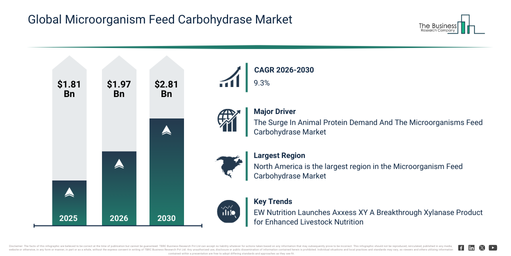
  • Microorganism Feed Carbohydrase Market Analysis: How The Industry Is Evolving Toward A $2.81 Billion Future

    Microorganism Feed Carbohydrase Market Analysis: How The Industry Is Evolving Toward A $2.81 Billion Future

    Built to provide research that’s more actionable and strategically valuable, The Business Research Company’s 2026 market reports include market attractiveness analysis, total addressable market sizing, company benchmarking matrices, interactive Excel dashboards, broader supply chain intelligence, emerging startup tracking, and in-depth product insights.

    Microorganism Feed Carbohydrase Market Growth Analysis: How Will Revenue Trend Over The Forecast Period?

    The microorganism feed carbohydrase market has witnessed strong expansion in recent years. Its valuation is forecast to grow from $1.81 billion in 2025 to $1.97 billion in 2026, achieving a compound annual growth rate (CAGR) of 8.6%. This past growth can be attributed to the increase in compound feed production, a growing livestock population, the demand for improved feed conversion ratios, the availability of microbial fermentation technologies, and rising feed raw material costs.

    The market for microorganism feed carbohydrase is projected to experience robust expansion over the coming years. This market is anticipated to reach $2.81 billion by 2030, exhibiting a compound annual growth rate (CAGR) of 9.3%. Factors contributing to this growth during the forecast period include a move towards sustainable feed additives, an increased emphasis on optimizing gut health, an expanding demand for aquaculture feed, a greater uptake of enzyme-based nutritional solutions, and regulatory initiatives aimed at curbing antibiotic usage. Key trends observed during this period involve a growing acceptance of microbial enzymes in feed formulations, an escalating need for enhanced feed digestibility, the increasing application of multi-enzyme carbohydrase mixtures, a broader scope of enzyme uses across various livestock species, and a preference for economical solutions that boost feed efficiency.

    Get A Free Sample Report With In-Depth Market Insights:

    https://thebusinessresearchcompany.com/sample_request?id=10452&type=smp&name=Microorganism%20Feed%20Carbohydrase%20Market%20Report%202026&utm_source=Blogs&utm_medium=Paid&utm_campaign=Oct_PR

    Microorganism Feed Carbohydrase Market Growth Backed By Core Demand Fundamentals

    The microorganisms feed carbohydrase market is anticipated to experience growth due to the increasing demand for animal protein, specifically meat. Meat, defined as animal flesh consumed for its beneficial supply of protein, vitamins, and minerals in a diet, is seeing higher demand as a result of global population expansion. A larger worldwide population inherently boosts the overall need for protein-rich foods to fulfill basic nutritional requirements. Microorganisms feed carbohydrase enzymes are commonly incorporated into animal feeds to mitigate the adverse effects of antinutritional components in feed raw materials and improve animal performance. This approach aids in supplying more meat per animal at a lower cost while simultaneously enhancing overall long-term well-being. For instance, in July 2025, data from the Department for Environment, Food and Rural Affairs (Defra), a UK-based government department, indicated that total UK meat production in 2024 reached 4,166 thousand tonnes, an increase from 4,059 thousand tonnes in 2023. Therefore, the rising demand for animal protein like meat is a significant factor driving the microorganisms feed carbohydrase market.

    Microorganism Feed Carbohydrase Market Breakdown By Product Type And Application

    The microorganism feed carbohydrase market covered in this report is segmented –

    1) By Type: Amylases, Cellulases, Pectinases, Lactase, Other Types

    2) By Form: Dry, Liquid

    3) By Livestock: Poultry, Swine, Ruminants, Aquatic Animals, Other Livestocks

    4) By Application: Food And Beverage, Animal Feed, Pharmaceuticals, Other Applications

    Subsegments:

    1) By Amylases: Alpha-Amylase, Beta-Amylase, Glucoamylase

    2) By Cellulases: Endocellulase, Exocellulase, Beta-Glucosidase

    3) By Pectinases: Polygalacturonase, Pectin Lyase, Pectinesterase

    4) By Lactase: Beta-Galactosidase

    5) By Other Types: Xylanases, Mannanases, Glucosidases

    Microorganism Feed Carbohydrase Market Growth Trends Reshaping The Competitive Landscape

    Leading companies operating in the microorganism feed carbohydrase market are concentrating on developing innovative products, such as xylanase, to enhance the digestibility of fiber-rich feed, thereby improving nutrient absorption and the overall performance of livestock. These xylanase products work by breaking down non-starch polysaccharides, like xylans, found within plant cell walls, which makes nutrients more accessible to animals. For example, in March 2024, EW Nutrition, an animal feed manufacturer based in Germany, introduced its xylanase product, Axxess XY. This new enzyme technology signifies a major step forward in feed efficiency and animal nutrition. The launch of Axxess XY is anticipated to reshape the enzyme market within the animal nutrition sector, providing feed producers with novel solutions that boost efficiency and cut costs. Additionally, the company intends to expand its offerings globally, illustrating a strong commitment to advancing enzyme technology for animal health and nutrition.

    Microorganism Feed Carbohydrase Market Leading Companies And Competitive Benchmarking

    Major companies operating in the microorganism feed carbohydrase market are BASF SE, Novozymes A/S, Cargill Incorporated, Associated British Foods plc, Royal DSM N.V, Amano Enzymes Inc., Adisseo S.A.S., Alltech Inc., Biomin Holding GmbH, BIOTEC Bioproducts Ltd., DSM Nutritional Products Ltd., ENZIMAS BIOSCIENCES GMBH, Kemin Industries Inc., Lallemand Inc., Phibro Group LLC, Biochem Valley Ltd., Bio-Enzytech Ltd., DuPont de Nemours Inc., AB Enzymes GmbH, Novus International Inc., Advanced Enzyme Technologies, Huvepharma AD, BIO-CAT Inc.

    View The Full Microorganism Feed Carbohydrase Market Report:

    https://thebusinessresearchcompany.com/report/microorganism-feed-carbohydrase-global-market-report?utm_source=Blogs&utm_medium=Paid&utm_campaign=Oct_PR

    Microorganism Feed Carbohydrase Market Largest Region By Revenue And Market Share

    North America was the largest region in the microorganism feed carbohydrase market in 2025. The regions covered in the microorganism feed carbohydrase market report are Asia-Pacific, South East Asia, Western Europe, Eastern Europe, North America, South America, Middle East, Africa.

    Reach Out To Our Team:

    The Business Research Company: https://www.thebusinessresearchcompany.com/

    Americas: +1 310-496-7795

    Asia: +44 7882 955267 & +91 8897263534

    Europe: +44 7882 955267

    Email us at: marketing@tbrc.info

    Follow us on:

    LinkedIn: https://in.linkedin.com/company/the-business-research-company

    YouTube: https://www.youtube.com/channel/UC24_fI0rV8cR5DxlCpgmyFQ

    Global Market Model: https://www.thebusinessresearchcompany.com/global-market-model

  • Medicated Feed Additives Market Outlook Through 2030: Understanding The Growth Opportunity

    Medicated Feed Additives Market Outlook Through 2030: Understanding The Growth Opportunity

    Backed by market attractiveness analysis, total addressable market sizing, company benchmarking matrices, interactive Excel dashboards, wider supply chain intelligence, emerging startup coverage, and detailed product-level insights, The Business Research Company’s 2026 market reports are designed to offer research that is more actionable and strategically valuable than ever.

    Medicated Feed Additives Market Forecast: What Value Will The Market Reach By 2030?

    The medicated feed additives market has shown steady growth in recent years. It is anticipated to increase from $14.3 billion in 2025 to $15.01 billion in 2026, achieving a compound annual growth rate (CAGR) of 5.0%. This past expansion can be linked to the extensive use of antibiotics in animal feed, the rise of intensive livestock farming, the increasing occurrence of parasitic and bacterial diseases, the demand for better feed efficiency, and the presence of standardized feed additive formulations.

    The medicated feed additives market size is anticipated to undergo significant expansion in the coming years. It is projected to reach $18.82 billion in 2030, growing at a compound annual growth rate (CAGR) of 5.8%. This expansion during the forecast period is attributable to stricter regulations concerning antibiotic application, an increasing need for sustainable animal farming practices, the development of functional feed additives, a heightened focus on animal immunity and gut health, and the growth of the aquaculture and poultry sectors. Prominent trends for the forecast duration include the wider use of medicated feed for disease prophylaxis, a growing requirement for non-therapeutic alternatives for growth enhancement, increasing adoption of probiotic and prebiotic feed additives, the enlargement of premix and concentrate-based feed solutions, and a stronger emphasis on health management programs centered on feed.

    Get A Free Sample Report With In-Depth Market Insights:

    https://thebusinessresearchcompany.com/sample_request?id=10253&type=smp&name=Medicated%20Feed%20Additives%20Market%20Report%202026&utm_source=Blogs&utm_medium=Paid&utm_campaign=Oct_PR

    Medicated Feed Additives Market Growth Catalysts And Demand Drivers

    The increasing acceptance of livestock farming is projected to stimulate the expansion of the medicated feed additives market in the future. Livestock farming, also known as animal husbandry, is the agricultural practice of breeding, raising, and managing domesticated animals for various purposes. The adoption of livestock farming is increasing due to a rising demand for animal-based food products, as farmers boost production to satisfy growing consumption needs and enhance income stability. Medicated feed additives serve a vital function in livestock farming to prevent and manage disease transmission, enhance animal health, improve growth rates and performance, optimize nutrition, decrease mortality rates, and boost the efficiency of feed utilization. For instance, in October 2024, Eurostat, a Luxembourg-based government administration, reported that the European Union’s livestock population in 2023 included 133 million pigs, 74 million bovine animals, and 68 million sheep and goats. Additionally, the EU’s poultry meat production reached 13.3 million tonnes in 2023, an increase from 13 million tonnes in 2022. Consequently, the growing adoption of livestock farming is a key driver for the growth of the medicated feed additives market.

    Medicated Feed Additives Market Segment Analysis And Revenue Potential

    The medicated feed additives market covered in this report is segmented –

    1) By Type: Antibiotics, Vitamins, Antioxidants, Amino Acids, Prebiotics, Probiotics, Enzymes, Other Types

    2) By Animal Type: Ruminants, Swine, Poultry, Aquaculture, Other Animal Types

    3) By Mixture Type: Supplements, Concentrates, Premixes, Base Mixes

    Subsegments:

    1) By Antibiotics: Tetracyclines, Macrolides, Penicillins, Sulfonamides

    2) By Vitamins: Vitamin A, Vitamin D, Vitamin E, Vitamin B Complex

    3) By Antioxidants: Synthetic Antioxidants, Natural Antioxidants

    4) By Amino Acids: Essential Amino Acids, Non-Essential Amino Acids

    5) By Prebiotics: Fructooligosaccharides (FOS), Mannanoligosaccharides (MOS)

    6) By Probiotics: Bacterial Probiotics, Yeast Probiotics

    7) By Enzymes: Digestive Enzymes, Metabolic Enzymes

    8) By Other Types: Phytogenics, Organic Acids

    Medicated Feed Additives Market Trends Shaping Long-Term Demand

    Leading market participants are directing their efforts toward developing innovative products, such as the creation of novel active ingredients, to foster market competition. These new active ingredients refer to recently developed or enhanced bioactive compounds engineered to improve the efficacy, safety, or performance of animal health or nutrition products. For example, in June 2023, Evonik Industries, a chemical manufacturing company situated in Germany, unveiled an upgraded iteration of its Biolys product, intended for animal feed. This improved formulation offers an elevated concentration of L-lysine, an indispensable amino acid crucial for optimal animal nutrition, particularly for pigs and poultry. The latest Biolys formulation provides a more effective source of L-lysine, thereby supporting enhanced growth and feed efficiency in livestock. Evonik’s progress in Biolys technology emphasizes its commitment to sustainability, efficiency, and superior nutritional advantages in animal feed.

    Medicated Feed Additives Market Industry Leaders And Competitive Landscape

    Major companies operating in the medicated feed additives market are Zoetis Services LLC, Purina Animal Nutrition LLC, Alltech, Zagro Corporation, Biostadt Limited, Nutreco NV, Phibro Animal Health Corporation, Chr. Hansen A/S, NOSAN CORPORATION, Kemin Industries Inc., Provimi Holding BV, Lallemand Inc., Novus International Inc., Trouw Nutrition International B.V., Elanco Animal Health Incorporated, Merck Animal Health, Adisseo Group, Huvepharma EOOD, Boehringer Ingelheim Animal Health GmbH, Virbac SA, Ceva Santé Animale S.A., Addcon, Nutriad, Biovet SA, De Heus Animal Nutrition, MSD Animal Health, Bayer Animal Health

    View The Full Medicated Feed Additives Market Report:

    https://thebusinessresearchcompany.com/report/medicated-feed-additives-global-market-report?utm_source=Blogs&utm_medium=Paid&utm_campaign=Oct_PR

    Medicated Feed Additives Market Regional Analysis And Leading Geography

    Asia-Pacific was the largest region in the medicated feed additives market in 2025. The regions covered in the medicated feed additives market report are Asia-Pacific, South East Asia, Western Europe, Eastern Europe, North America, South America, Middle East, Africa.

    Reach Out To Our Team:

    The Business Research Company: https://www.thebusinessresearchcompany.com/

    Americas: +1 310-496-7795

    Asia: +44 7882 955267 & +91 8897263534

    Europe: +44 7882 955267

    Email us at: marketing@tbrc.info

    Follow us on:

    LinkedIn: https://in.linkedin.com/company/the-business-research-company

    YouTube: https://www.youtube.com/channel/UC24_fI0rV8cR5DxlCpgmyFQ

    Global Market Model: https://www.thebusinessresearchcompany.com/global-market-model

  • Medical Feed Additives Market Growth Potential: What The Latest Forecast Reveals

    Medical Feed Additives Market Growth Potential: What The Latest Forecast Reveals

    Featuring market attractiveness scoring, total addressable market sizing, company benchmarking matrices, interactive Excel dashboards, deeper supply chain intelligence, emerging startup tracking, and granular product-level insights, The Business Research Company’s 2026 market reports are built to deliver research that is both more actionable and more strategically valuable.

    Medical Feed Additives Market Size Outlook: How Quickly Will Revenue Expand Through 2030?

    The medical feed additives market has experienced significant growth in recent years. It is forecast to expand from $16.09 billion in 2025 to $17.23 billion in 2026, achieving a compound annual growth rate (CAGR) of 7.1%. The market’s past expansion was primarily driven by the intensification of livestock farming, a rising occurrence of animal diseases, the increasing demand for enhanced feed efficiency, the extensive use of antibiotic feed additives, and the growth in commercial poultry and swine production.

    The medical feed additives market is projected to experience substantial expansion over the upcoming years. It will grow to $22.71 billion in 2030 at a compound annual growth rate (CAGR) of 7.1%. Factors contributing to this growth during the projected period include tighter regulations on antibiotic applications, an increasing need for secure and high-quality animal protein, the growing scale of aquaculture operations, breakthroughs in animal nutrition studies, and a heightened emphasis on proactive animal health measures. Key developments expected in this timeframe encompass a move towards non-antibiotic medical feed additives, increased integration of probiotics and prebiotics in animal feed, a greater emphasis on feed compositions that boost immunity, an escalating need for feed additives tailored to specific animal species, and broader utilization of functional amino acids and enzymes.

    Get A Free Sample Report With In-Depth Market Insights:

    https://thebusinessresearchcompany.com/sample_request?id=2452&type=smp&name=Medical%20Feed%20Additives%20Market%20Report%202026&utm_source=Blogs&utm_medium=Paid&utm_campaign=Oct_PR

    Medical Feed Additives Market Opportunity Drivers: What’s Unlocking New Revenue Potential?

    The projected growth of the medical feed additives market in the coming years is largely attributed to the expansion in livestock farm sizes. A livestock farm, defined as an agricultural operation focused on raising animals such as cattle, sheep, pigs, and chickens for products like meat, eggs, and dairy, increasingly demands feed additives. This necessity stems from the larger scale of these operations, which drives a need to enhance feed efficiency and maintain optimal animal health. Several factors contribute to this trend, including the escalating demand for livestock-derived goods, the imperative for improved feed efficiency, heightened focus on animal welfare, stringent regulations governing meat quality, the growing commercialization of livestock rearing, and geographical expansion. Illustratively, data from the United States Department of Agriculture, a US-based federal agency, indicated in February 2024 that the average farm size for 2023 reached 464 acres, a marginal increase from 463 acres in the preceding year. Consequently, the increasing dimensions of livestock farms are a significant market driver.

    Medical Feed Additives Market Segmentation And Category Overview

    The medical feed additives market covered in this report is segmented –

    1) By Type: Antioxidants, Antibiotics, Probiotics And Prebiotics, Enzymes, Amino Acids

    2) By Mixture Type: Supplements, Concentrates, Premix Feeds, Base Mixes

    3) By Class type: Type A, Type B, Type C

    4) By Livestock: Ruminants, Poultry, Swine, Aquaculture

    Subsegments:

    1) By Antioxidants: Vitamin E, Vitamin C, Selenium

    2) By Antibiotics: Tetracyclines, Penicillins, Sulfonamides, Macrolides

    3) By Probiotics And Prebiotics: Lactobacillus, Bifidobacterium, Other Probiotics, Fructooligosaccharides (FOS), Galactooligosaccharides (GOS)

    4) By Enzymes: Phytase, Protease, Amylase, Cellulase

    5) By Amino Acids: Lysine, Methionine, Threonine, Tryptophan

    Medical Feed Additives Market Innovation Trends Shaping Future Development

    Leading companies in the medical feed additives market are concentrating on developing novel products, such as the Biolys livestock feed formulation, to better serve their existing customer base. Livestock feed formulation involves creating a balanced diet for animals by carefully selecting and blending various nutrients from feed in suitable proportions to satisfy their dietary requirements. The primary goal of food formulation is to deliver an economical, palatable, and nutritionally complete diet that supports the animal’s optimal growth, health, and productivity. For instance, in June 2023, Evonik Industries AG, a chemical company based in Germany, unveiled an innovative Biolys, which is a recognized source of lysine for animal nutrition. The upgraded Biolys formulation boasts a concentration of 62.4 percent L-lysine (an 80 percent ratio to Lysine HCl), an increase from the 60 percent L-lysine (a 77 percent ratio to Lysine HCl) in its previous iteration. This product also incorporates advantageous fermentation residues, offering additional energy and minerals beneficial to livestock like pigs or chickens. The updated Biolys allows customers to more effectively address their animals’ essential amino acid L-lysine needs. Biolys is manufactured through fermentation, where microorganisms convert maize sugar dextrose into L-lysine. In this product, granulated L-lysine is combined with a nutrient-rich biomass.

    Medical Feed Additives Market Key Participants And Competitive Landscape

    Major companies operating in the medical feed additives market are Zoetis Inc., Cargill Incorporated, CHS Inc., Purina Animal Nutrition LLC, Archer Daniels Midland Company, Adisseo France Sas, Alltech Inc., Hipro Animal Nutrition, BASF SE, Biostadt India Limited, Zagro Co. Ltd., Koninklijke DSM NV, Novozymes AS, Nutreco N.V., Evonik Industries AG, Diamond V, Neovia Logistics Holdings Ltd., Delacon Biotech Nik GmbH, ForFarmers N.V, Kemin Industries, DuPont de Nemours Inc., Solvay SA, Ajinomoto Co. Inc., Chr. Hansen A/S, Red Nucleus, HI-PRO Feeds, Novus International Inc., Provimi Holding B.V., Lallemand Inc., Pancosma S.A., Trouw Nutrition International B.V., Anpario plc, Biovet JSC, BioResource International Inc.

    View The Full Medical Feed Additives Market Report:

    https://thebusinessresearchcompany.com/report/medical-feed-additives-global-market-report?utm_source=Blogs&utm_medium=Paid&utm_campaign=Oct_PR

    Medical Feed Additives Market Geographic Analysis: Where Is Demand Accelerating Fastest?

    North America was the largest region in the medical feed additives market in 2025. Asia-Pacific was the second-largest region in the medical feed additives market. The regions covered in the medical feed additives market report are Asia-Pacific, South East Asia, Western Europe, Eastern Europe, North America, South America, Middle East, Africa.

    Reach Out To Our Team:

    The Business Research Company: https://www.thebusinessresearchcompany.com/

    Americas: +1 310-496-7795

    Asia: +44 7882 955267 & +91 8897263534

    Europe: +44 7882 955267

    Email us at: marketing@tbrc.info

    Follow us on:

    LinkedIn: https://in.linkedin.com/company/the-business-research-company

    YouTube: https://www.youtube.com/channel/UC24_fI0rV8cR5DxlCpgmyFQ

    Global Market Model: https://www.thebusinessresearchcompany.com/global-market-model
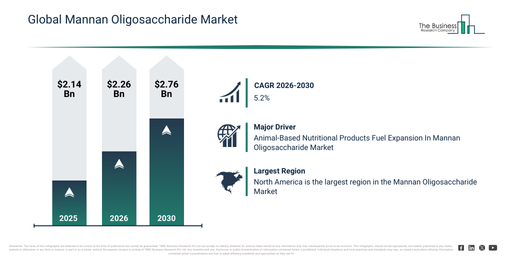
  • Mannan Oligosaccharide Market Growth Outlook: Why Analysts Expect Continued Expansion

    Mannan Oligosaccharide Market Growth Outlook: Why Analysts Expect Continued Expansion

    Built to provide research that’s more actionable and strategically valuable, The Business Research Company’s 2026 market reports include market attractiveness analysis, total addressable market sizing, company benchmarking matrices, interactive Excel dashboards, broader supply chain intelligence, emerging startup tracking, and in-depth product insights.

    Mannan Oligosaccharide Market Size, Value And Growth Trajectory Through 2030

    The mannan oligosaccharide market size has demonstrated robust growth over recent years. It is projected to expand from $2.14 billion in 2025 to $2.26 billion in 2026, showing a compound annual growth rate (CAGR) of 5.8%. The historical growth in this market can be attributed to factors such as the increasing adoption of prebiotics in animal feed, a rising awareness concerning gut health in livestock and pets, the growth experienced in poultry and aquaculture production, the expansion of the functional food and nutraceutical industry, and innovations in feed additive formulations.

    The mannan oligosaccharide market is projected for substantial expansion over the upcoming years. This market is predicted to reach a valuation of $2.76 billion by 2030, exhibiting a compound annual growth rate (CAGR) of 5.2%. This anticipated growth during the forecast period is driven by several factors, including a surging demand for natural and functional feed additives, a heightened emphasis on animal welfare and health, the expansion of the pet food and livestock feed sectors, innovations in feed-grade and pharma-grade MOS technologies, and the broadening scope of veterinary and therapeutic uses. Key trends expected over the forecast period encompass the increasing integration of prebiotics in animal nutrition, a heightened requirement for gut health supplements for livestock and poultry, an enhanced understanding of functional ingredients within pet food, the broadening of feed-grade mannan oligosaccharide uses, and advancements in pharma-grade MOS for medical applications.

    Get A Free Sample Report With In-Depth Market Insights:

    https://thebusinessresearchcompany.com/sample_request?id=16112&type=smp&name=Mannan%20Oligosaccharide%20Market%20Report%202026&utm_source=Blogs&utm_medium=Paid&utm_campaign=Oct_PR

    Mannan Oligosaccharide Market Growth Momentum: What Factors Are Shaping Demand?

    An increase in the consumption of animal-derived nutritional items is anticipated to fuel the expansion of the mannan oligosaccharide market in the coming period. These products include foods or supplements sourced from animals, offering vital nutrients like protein, vitamins, and minerals for human diets. This surge in consumption stems from heightened health consciousness and a desire for diets rich in protein. The use of mannan oligosaccharides is supported by the intake of animal-based nutrition, as it aids in fostering gut health, improving nutrient absorption, and bolstering the immune system in animals, ultimately leading to better growth and performance. For example, data from March 2025 by the Australian Bureau of Statistics (ABS), Australia’s official national statistical agency, indicated a 2.3% per capita increase in meat and poultry products compared to 2023. This illustrates a distinct increase in animal-derived protein consumption by weight within the national diet. Consequently, the growing intake of animal-based nutritional products is propelling the mannan oligosaccharide market forward.

    Mannan Oligosaccharide Market Segment Outlook: Which Categories Are Growing Fastest?

    The mannan oligosaccharide market covered in this report is segmented –

    1) By Type: Food Grade, Feed Grade, Pharma Grade

    2) By Application: Dietary Supplement, Medical Application, Veterinary Food, Other Applications

    3) By End Use: Pet Food Industry, Pharmaceuticals, Aquaculture, Other End Uses

    Subsegments:

    1) By Food Grade: Functional Food And Beverages, Nutraceuticals, Dietary Supplements

    2) By Feed Grade: Livestock Feed, Poultry Feed, Aquaculture Feed, Pet Food

    3) By Pharma Grade: Pharmaceutical Applications, Medical Supplements, Therapeutic Products

    Mannan Oligosaccharide Market Top Companies Driving Competitive Growth

    Major companies operating in the mannan oligosaccharide market are Lesaffre International SAS, Angel Yeast Co. Ltd., Alltech Inc., Lallemand Inc., Novus International Inc., Royal Canin SAS, Pancosma SA, AB Vista Co., JH Biotech Inc., Biorigin LLC, Phileo Lesaffre Animal Care, Titan Biotech Limited, Nutritech International Ltd., ICC Brazil Co., Hexon Laboratories Pvt. Ltd., Biofeed Technology Inc., Vet Biochem Animal Healthcare, Chr. Hansen Holding A/S, Kemin Industries Inc., ADM Animal Nutrition, Cargill Inc., DSM Nutritional Products, BIOMIN Holding GmbH

    View The Full Mannan Oligosaccharide Market Report:

    https://thebusinessresearchcompany.com/report/mannan-oligosaccharide-global-market-report?utm_source=Blogs&utm_medium=Paid&utm_campaign=Oct_PR

    Mannan Oligosaccharide Market Global Footprint: Which Region Leads The Industry?

    North America was the largest region in the mannan oligosaccharide market in 2025. Asia-Pacific is expected to be the fastest-growing region in the forecast period. The regions covered in the mannan oligosaccharide market report are Asia-Pacific, South East Asia, Western Europe, Eastern Europe, North America, South America, Middle East, Africa.

    Reach Out To Our Team:

    The Business Research Company: https://www.thebusinessresearchcompany.com/

    Americas: +1 310-496-7795

    Asia: +44 7882 955267 & +91 8897263534

    Europe: +44 7882 955267

    Email us at: marketing@tbrc.info

    Follow us on:

    LinkedIn: https://in.linkedin.com/company/the-business-research-company

    YouTube: https://www.youtube.com/channel/UC24_fI0rV8cR5DxlCpgmyFQ

    Global Market Model: https://www.thebusinessresearchcompany.com/global-market-model
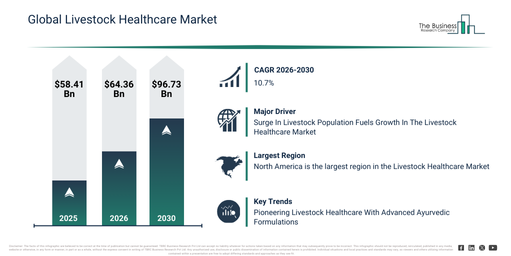
  • Livestock Healthcare Market Forecast Insights: The Road To $96.73 Billion By 2030

    Livestock Healthcare Market Forecast Insights: The Road To $96.73 Billion By 2030

    Backed by market attractiveness analysis, total addressable market sizing, company benchmarking matrices, interactive Excel dashboards, wider supply chain intelligence, emerging startup coverage, and detailed product-level insights, The Business Research Company’s 2026 market reports are designed to offer research that is more actionable and strategically valuable than ever.

    Livestock Healthcare Market CAGR Outlook And Future Development

    The livestock healthcare market’s size has significantly expanded in recent years. Projections indicate it will expand from $58.41 billion in 2025 to $64.36 billion in 2026, driven by a compound annual growth rate (CAGR) of 10.2%. This expansion observed in the past can be attributed to several factors, including an increasing livestock population, heightened awareness of livestock health and productivity, progress in veterinary pharmaceuticals and vaccines, the proliferation of veterinary hospitals and clinics, and a rising demand for animal-derived food products.

    The livestock healthcare market is projected to undergo substantial expansion in the next few years. It is forecast to reach $96.73 billion in 2030, demonstrating a compound annual growth rate (CAGR) of 10.7%. This anticipated growth can be attributed to several factors, including the increasing adoption of precision medicine and genomics in livestock care, the integration of digital diagnostics and cloud-based monitoring systems, and a rising demand for specialty and combination drugs. Further contributions to growth come from the expansion of point-of-care testing and in-house diagnostics, along with an increased focus on sustainable and welfare-driven livestock management. Major trends expected during the forecast period involve the growing acceptance of vaccines for preventing livestock diseases, an increased demand for prescription and over-the-counter pharmaceuticals, and the wider use of nutritional feed additives and probiotics. Additionally, the expansion of molecular and immunoassay diagnostics, coupled with the development of medical devices, laboratory equipment, and alternative treatments, will be prominent.

    Get A Free Sample Report With In-Depth Market Insights:

    https://thebusinessresearchcompany.com/sample_request?id=9404&type=smp&name=Livestock%20Healthcare%20Market%20Report%202026&utm_source=Blogs&utm_medium=Paid&utm_campaign=Oct_PR

    Livestock Healthcare Market Expansion Drivers: What’s Shaping Future Growth?

    A rising livestock population is projected to drive expansion within the livestock healthcare market. The term livestock population denotes the overall quantity of domesticated animals kept by humans for diverse uses, including food, fiber, work, and other commodities. This increase in livestock numbers stems from a greater demand for animal-derived food items, leading farmers to enlarge their herds to satisfy escalating consumption and capitalize on economic prospects. Essential for the livestock population, healthcare services are needed to uphold economic stability, guarantee food security, support agricultural producers’ incomes, encourage sustainable farming methods, and manage disease transmission. An illustrative example comes from March 2024 data by the UK’s Department for Environment, Food, and Rural Affairs, which indicated that hens and pullets producing eggs for consumption grew from 40.44 million in 2022 to 41.07 million in 2023. Concurrently, the breeding flock expanded from 52.46 million to 53.79 million over the identical timeframe. Consequently, the expanding livestock population acts as a key driver for the growth of the livestock healthcare market.

    Livestock Healthcare Market Segment Landscape: Which Areas Lead Development?

    The livestock healthcare market covered in this report is segmented –

    1) By Product Type: Vaccines, Pharmaceuticals, Feed Additives, Diagnostics, Other Types

    2) By Livestock Animal: Poultry, Swine, Cattle, Sheep And Goats, Horse, Other Animals

    3) By End User: Reference Laboratories, Point-of-care Testing or In-house Testing, Veterinary Hospitals and Clinics, Other End-Users

    Subsegments:

    1) By Vaccines: Live Attenuated Vaccines, Inactivated Vaccines, Subunit Vaccines, mRNA Vaccines, Viral Vector Vaccines, DNA Vaccines, Recombinant Vaccines

    2) By Pharmaceuticals: Prescription Medications, Over-the-Counter Medications, Biopharmaceuticals, Generic Drugs, Specialty Pharmaceuticals, Combination Drugs

    3) By Feed Additives: Nutritional Additives (Vitamins, Minerals), Antibiotics, Probiotics, Enzymes, Amino Acids, Flavoring Agents, Antioxidants

    4) By Diagnostics: Molecular Diagnostics, Immunoassays, Point-of-Care Testing, Imaging Diagnostics, Histopathology, Genetic Testing

    5) By Other Types: Medical Devices, Laboratory Equipment, Research Reagents, Therapeutic Devices, Alternative Treatments

    Livestock Healthcare Market Strategic Trends: What Defines The Next Growth Phase?

    Major companies in the livestock healthcare market are prioritizing the introduction of advanced remedies, including ayurvedic formulations, to achieve a competitive advantage. Ayurvedic formulations are traditional herbal preparations and treatments originating from Ayurveda, a historical system of medicine that relies on plants, animal extracts, and minerals. For example, in September 2023, Milma, an India-based dairy company, introduced ethno-veterinary medicines. These ethno-veterinary medicines are created from Ayurvedic formulations and aim to treat animal diseases. They offer low-cost alternatives to allopathic veterinary drugs, thereby easing the financial strain of veterinary expenses for farmers and presenting an economical option for animal healthcare. These medicines provide a straightforward, affordable, and farmer-friendly method, utilized for both disease prevention and treatment.

    Livestock Healthcare Market Leading Players And Competitive Positioning

    Major companies operating in the livestock healthcare market are Merck & Co Inc., Boehringer Ingelheim International GmbH, Zoetis Inc., Elanco Animal Health Incorporated, Alltech Inc., Virbac SA, Ceva Santé Animale, Phibro Animal Health Corporation, Avivagen Inc., Dechra Pharmaceuticals plc, Huvepharma AD, Vetoquinol SA, Laboratorios Hipra S.A., Anpario plc, Kemin Industries Inc., Norbrook Laboratories Ltd., Alivira Animal Health Limited, Intas Pharmaceuticals Ltd., Jurox Pty Ltd., Hester Biosciences Limited, Vets Plus Inc., Phytobiotics Futterzusatzstoffe GmbH, Delacon Biotechnik GmbH, Bimeda Holdings plc, Inovet

    View The Full Livestock Healthcare Market Report:

    https://thebusinessresearchcompany.com/report/livestock-healthcare-global-market-report?utm_source=Blogs&utm_medium=Paid&utm_campaign=Oct_PR

    Livestock Healthcare Market Regional Distribution: Which Areas Power Market Growth?

    North America was the largest region in the livestock healthcare market in 2025. The regions covered in the livestock healthcare market report are Asia-Pacific, South East Asia, Western Europe, Eastern Europe, North America, South America, Middle East, Africa.

    Reach Out To Our Team:

    The Business Research Company: https://www.thebusinessresearchcompany.com/

    Americas: +1 310-496-7795

    Asia: +44 7882 955267 & +91 8897263534

    Europe: +44 7882 955267

    Email us at: marketing@tbrc.info

    Follow us on:

    LinkedIn: https://in.linkedin.com/company/the-business-research-company

    YouTube: https://www.youtube.com/channel/UC24_fI0rV8cR5DxlCpgmyFQ

    Global Market Model: https://www.thebusinessresearchcompany.com/global-market-model

  • Livestock Genomics Testing Market Explained: What Is Fueling Growth To $3.31 Billion By 2030?

    Livestock Genomics Testing Market Explained: What Is Fueling Growth To $3.31 Billion By 2030?

    Featuring market attractiveness scoring, total addressable market sizing, company benchmarking matrices, interactive Excel dashboards, deeper supply chain intelligence, emerging startup tracking, and granular product-level insights, The Business Research Company’s 2026 market reports are built to deliver research that is both more actionable and more strategically valuable.

    Livestock Genomics Testing Market Set To Climb From $2.05 Billion In 2026 To $3.31 Billion By 2030

    The livestock genomics testing market size has experienced swift expansion in recent years. This market is projected to expand from $1.81 billion in 2025 to $2.05 billion in 2026, indicating a compound annual growth rate (CAGR) of 13.1%. The historic period’s growth can be linked to factors such as rising demand for selective breeding, an increased focus on livestock productivity, expansion within the dairy and meat industries, the early adoption of genomic tools in agriculture, and limited standardization in livestock genomics testing.

    The livestock genomics testing market is projected to experience substantial expansion in the coming years, reaching $3.31 billion by 2030, demonstrating a compound annual growth rate (CAGR) of 12.8%. This anticipated growth during the forecast period is driven by factors such as the incorporation of AI and predictive analytics into genomics, the proliferation of high-throughput sequencing services, the uptake of genomic selection for disease resistance, the expansion of precision livestock farming practices, and increasing financial commitment towards epigenetic and nutrigenomic testing. Key developments anticipated over the forecast period encompass embryo testing and preimplantation screening, comprehensive disease gene screening and hereditary disorder analysis, widespread genotyping services along with marker-assisted selection, advanced whole genome sequencing and functional genome annotation, and specialized trait testing to enhance productivity and reproductive performance.

    Get A Free Sample Report With In-Depth Market Insights:

    https://thebusinessresearchcompany.com/sample_request?id=30315&type=smp&name=Livestock%20Genomics%20Testing%20Market%20Report%202026&utm_source=Blogs&utm_medium=Paid&utm_campaign=Oct_PR

    Livestock Genomics Testing Market Development Factors: What’s Supporting Demand?

    The increasing need for animal protein and dairy products is projected to drive the expansion of the livestock genomics testing market in the future. These items, sourced from animals, include meat, eggs, fish, milk, and derivatives like cheese, butter, and yogurt, all crucial for human nutrition by supplying vital protein, vitamins, and minerals. The uptick in animal protein and dairy product consumption is linked to higher per capita incomes, enabling a broader population to afford and enjoy these nutrient-dense, animal-derived foods, consequently boosting their global demand. The substantial demand for these products makes livestock genomics testing crucial, facilitating the identification of animals possessing superior genetic traits for enhanced yield and quality, thereby guaranteeing efficient, sustainable production to fulfill worldwide nutritional needs. For instance, in July 2025, the Organisation for Economic Co-operation and Development (OECD), a France-based international organization, estimated global meat production to have grown by 1.3% in 2024, reaching 365 Mt. This escalating demand for animal protein and dairy products is thus stimulating the growth of the livestock genomics testing market.

    Livestock Genomics Testing Market Segments: Where Is Growth Concentrated?

    The livestock genomics testing market covered in this report is segmented –

    1) By Test Type: Embryo Testing, Disease Gene Screening, Genotyping Services, Whole Genome Sequencing (WGS), Trait Testing, Genomic Selection, Other Test Types

    2) By Livestock Type: Cattle, Poultry, Swine, Sheep And Goats, Other LiveStock Types

    3) By Application: Selective Breeding, Productivity Enhancement, Food Safety, Disease Resistance, Other Applications

    Subsegments:

    1) By Embryo Testing: Preimplantation Testing, Blastocyst Analysis, In Vitro Fertilization Screening

    2) By Disease Gene Screening: Genetic Disorder Detection, Susceptibility Marker Analysis, Hereditary Disease Profiling

    3) By Genotyping Services: Single Nucleotide Polymorphism Analysis, Microsatellite Marker Analysis, Marker Assisted Selection

    4) By Whole Genome Sequencing: Complete Genome Mapping, Comparative Genome Analysis, Functional Genome Annotation

    5) By Trait Testing: Growth And Development Traits, Milk And Meat Quality Traits, Reproductive Performance Traits

    6) By Genomic Selection: Breeding Value Estimation, Genetic Merit Prediction, Selection Index Development

    7) By Other Test Types: Epigenetic Testing, Metagenomic Analysis, Nutrigenomic Profiling

    Livestock Genomics Testing Market Transformation Trends: What Innovations Are Driving Change?

    Key companies operating within the livestock genomics testing market are focusing on developing advanced solutions, such as health-specific genomic tests, to enhance cattle health and productivity. A health-specific genomic test acts as a tool to identify genetic predispositions in livestock for particular diseases, empowering producers to make informed breeding and management decisions aimed at reducing mortality and economic losses. For instance, in January 2025, Neogen Corporation, a US-based life sciences company, introduced Igenity BCHF, a genomic test designed for bovine congestive heart failure. This innovation assesses an animal’s genetic risk for BCHF, scored on a 1-to-10 scale, which enables ranchers and feedlot operators to identify susceptible cattle early and implement preventive measures. Integrated with Neogen’s existing genetic testing portfolio, it provides actionable insights for herd management, breeding decisions, and health risk mitigation. This genomic test contributes to improved herd health, reduces mortality, and helps drive economic benefits for producers.

    Livestock Genomics Testing Market Competitive Overview And Top Companies

    Major companies operating in the livestock genomics testing market are Thermo Fisher Scientific Inc., Zoetis Inc., Illumina Inc., Hendrix Genetics B.V., CRV Holding B.V., STgenetics LLC, Genus Plc., Neogen Corporation, ABS Global Inc., AgResearch Limited, Semex Alliance, URUS Group, Eurofins Genomics GmbH, VikingGenetics, Animal Genetics Inc., XytoVet GmbH, VetGen LLC, Genetic Visions Inc., Labogena SAS, Accuvance

    View The Full Livestock Genomics Testing Market Report:

    https://thebusinessresearchcompany.com/report/global-livestock-genomics-testing-market-report?utm_source=Blogs&utm_medium=Paid&utm_campaign=Oct_PR

    Livestock Genomics Testing Market Leading Geography: Which Region Contributes The Most Revenue?

    North America was the largest region in the livestock genomics testing market in 2025. Asia-Pacific is expected to be the fastest-growing region in the forecast period. The regions covered in the livestock genomics testing market report are Asia-Pacific, South East Asia, Western Europe, Eastern Europe, North America, South America, Middle East, Africa.

    Reach Out To Our Team:

    The Business Research Company: https://www.thebusinessresearchcompany.com/

    Americas: +1 310-496-7795

    Asia: +44 7882 955267 & +91 8897263534

    Europe: +44 7882 955267

    Email us at: marketing@tbrc.info

    Follow us on:

    LinkedIn: https://in.linkedin.com/company/the-business-research-company

    YouTube: https://www.youtube.com/channel/UC24_fI0rV8cR5DxlCpgmyFQ

    Global Market Model: https://www.thebusinessresearchcompany.com/global-market-model