Category: Veterinary Healthcare

  • Companion Animal Arthritis Market Growth Potential: What The Latest Forecast Reveals

    Companion Animal Arthritis Market Growth Potential: What The Latest Forecast Reveals

    Built to provide research that’s more actionable and strategically valuable, The Business Research Company’s 2026 market reports include market attractiveness analysis, total addressable market sizing, company benchmarking matrices, interactive Excel dashboards, broader supply chain intelligence, emerging startup tracking, and in-depth product insights.

    Companion Animal Arthritis Market Poised To Hit $6.62 Billion By 2030 With A 10.2% CAGR

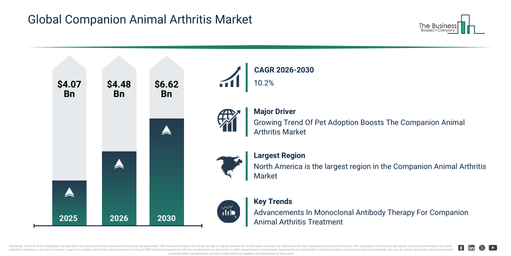
    The companion animal arthritis market size has seen rapid growth in recent years. It is projected to expand from $4.07 billion in 2025 to $4.48 billion in 2026, at a compound annual growth rate (CAGR) of 10.1%. The market’s historical growth can be attributed to an increase in companion animal ownership, the extended lifespans of dogs and cats, rising awareness of pet joint health, the expansion of veterinary care infrastructure, and the availability of anti-inflammatory medications.

    The companion animal arthritis market is projected to experience substantial expansion over the coming years. This market is forecast to reach a valuation of $6.62 billion by 2030, exhibiting a compound annual growth rate (CAGR) of 10.2%. Factors contributing to this growth include escalating pet humanization tendencies, a greater need for sophisticated arthritis treatments, an expanding population of older pets, the proliferation of online veterinary pharmacies, and advancements in combination therapies and nutritional supplements. Key trends anticipated during the forecast timeframe encompass a rising incidence of age-related arthritis among pets, increased expenditure by pet owners on chronic conditions, wider acceptance of nutraceuticals and joint supplements, a move towards prompt diagnosis and proactive care, and a growing requirement for enduring pain relief strategies.

    Get A Free Sample Report With In-Depth Market Insights:

    https://thebusinessresearchcompany.com/sample_request?id=7772&type=smp&name=Companion%20Animal%20Arthritis%20Market%20Report%202026&utm_source=Blogs&utm_medium=Paid&utm_campaign=Oct_PR

    Companion Animal Arthritis Market Opportunity Drivers: What’s Unlocking New Revenue Potential?

    The increasing inclination towards pet adoption is anticipated to drive expansion within the companion animal arthritis market. This practice involves acquiring a pet from an animal shelter or its former owner, then committing to provide it with proper care, nourishment, and a secure living environment. The uptick in pet adoption stems from heightened emotional consciousness, as an increasing number of individuals pursue companionship and enhance their mental well-being by looking after animals. Treatments for companion animal arthritis facilitate pet adoption by assuring prospective owners that age-related joint problems are manageable, thereby simplifying the care of older pets and boosting their adoptability. An illustrative example from 2024, data from Shelter Animals Count (SAC), a US-based nonprofit organization, shows that dog adoption rates (defined as the percentage of adoptions compared to intakes) climbed from 56% in 2023 to 57% in 2024. Consequently, the expanding trend of pet adoption plays a substantial role in the development of the companion animal arthritis market.

    Companion Animal Arthritis Market Breakdown By Product Type And Application

    The companion animal arthritis market covered in this report is segmented –

    1) By Type: Dogs, Cats, Other Types

    2) By Indication: Osteoarthritis, Inflammatory Arthritis

    3) By Treatment: Medication, Supplements, Other Treatments

    4) By Distribution Channel: Veterinary Hospitals And Clinics, Retail Pharmacies, Online Stores, Other Distribution Channels

    Subsegments:

    1) By Dogs: Large Breed Dogs, Small Breed Dogs, Senior Dogs

    2) By Cats: Domestic Cats, Senior Cats

    3) By Other Types: Rabbits, Ferrets

    Companion Animal Arthritis Market Innovation Trends Shaping Future Development

    Major companies in the companion animal arthritis market are increasingly concentrating on technological breakthroughs, such as advanced therapeutic items and supplements, aimed at providing pets with effective pain relief and improved joint health, ultimately ensuring a better quality of life for aging and arthritis-affected animals. Bonqat is a novel medicine developed for cats to help alleviate anxiety during stressful situations, including travel or veterinary visits, without causing sedation. The product seeks to calm cats, simplifying experiences for them and their owners during excursions or appointments. For instance, in April 2024, Zoetis Inc., a US-based company manufacturing medicines and vaccinations for pets and livestock, launched Bonqat (pregabalin oral solution) to relieve feline acute anxiety and fear associated with transportation and veterinary visits, which can often hinder routine care. This oral solution can be mixed with food or given directly to the cat, making administration easier for pet owners. The dosage is small (0.1 mL/kg), and a majority of cat owners have reported simple administration.

    Companion Animal Arthritis Market Leading Players And Competitive Positioning

    Major companies operating in the companion animal arthritis market are Zoetis Inc., Merck Animal Health, Boehringer Ingelheim, Bayer Animal Health, Vetoquinol, Ceva Santé Animale, Dechra Pharmaceuticals, PetMed Express, Pet Health Solutions, VetriScience, Canine Arthritis Management, Integrative Pet Care, The Honest Kitchen, Vetri-Science Laboratories, Anivive Lifesciences, Nutramax Laboratories, Hill’s Pet Nutrition, Royal Canin, Medivet, Virbac, Canna-Pet, Lintbells, Allivet, Petlab Co.

    View The Full Companion Animal Arthritis Market Report:

    https://thebusinessresearchcompany.com/report/companion-animal-arthritis-global-market-report?utm_source=Blogs&utm_medium=Paid&utm_campaign=Oct_PR

    Companion Animal Arthritis Market Regional Distribution: Which Areas Power Market Growth?

    North America was the largest region in the companion animal arthritis market in 2025. The regions covered in the companion animal arthritis market report are Asia-Pacific, South East Asia, Western Europe, Eastern Europe, North America, South America, Middle East, Africa.

    Reach Out To Our Team:

    The Business Research Company: https://www.thebusinessresearchcompany.com/

    Americas: +1 310-496-7795

    Asia: +44 7882 955267 & +91 8897263534

    Europe: +44 7882 955267

    Email us at: marketing@tbrc.info

    Follow us on:

    LinkedIn: https://in.linkedin.com/company/the-business-research-company

    YouTube: https://www.youtube.com/channel/UC24_fI0rV8cR5DxlCpgmyFQ

    Global Market Model: https://www.thebusinessresearchcompany.com/global-market-model

  • Cattle Feed & Feed Additives Market Growth Outlook: Why Analysts Expect Continued Expansion

    Cattle Feed & Feed Additives Market Growth Outlook: Why Analysts Expect Continued Expansion

    Backed by market attractiveness analysis, total addressable market sizing, company benchmarking matrices, interactive Excel dashboards, wider supply chain intelligence, emerging startup coverage, and detailed product-level insights, The Business Research Company’s 2026 market reports are designed to offer research that is more actionable and strategically valuable than ever.

    Cattle Feed & Feed Additives Market Size And Revenue Outlook Through 2030

    The cattle feed and feed additives market has demonstrated strong growth in recent years. It is anticipated to expand from $66.71 billion in 2025 to $70.76 billion in 2026, achieving a compound annual growth rate (CAGR) of 6.1%. The growth observed in previous periods was driven by factors such as the expansion of commercial cattle farming, an increase in the consumption of beef and dairy products, the growing utilization of compound cattle feed, the availability of inexpensive feed grains, and the rise of organized livestock farming.

    The cattle feed & feed additives market is anticipated to expand significantly, reaching a valuation of $90.27 billion in 2030, with a compound annual growth rate (CAGR) of 6.3%. This expansion is driven by several factors, including the increasing demand for superior animal protein, an intensified focus on enhancing cattle health and productivity, the wider adoption of amino acids and enzymes, stricter regulations concerning antibiotic use, and advancements in functional feed additives. Key trends observed during this period encompass a growing need for balanced and enriched cattle nutrition, an uptick in the utilization of non-antibiotic feed additives, a concerted effort to boost feed efficiency and weight gain, expansion in the market for calf starter and young cattle nutrition, and a move towards tailored feed formulations.

    Get A Free Sample Report With In-Depth Market Insights:

    https://thebusinessresearchcompany.com/sample_request?id=7670&type=smp&name=Cattle%20Feed%20%26%20Feed%20Additives%20Market%20Report%202026&utm_source=Blogs&utm_medium=Paid&utm_campaign=Oct_PR

    Cattle Feed & Feed Additives Market Growth Momentum: What Factors Are Shaping Demand?

    The expanding livestock and animal husbandry industry is anticipated to fuel the growth of the cattle feed and feed additives market moving forward. This sector involves the practice of raising and managing farm animals for food, fiber, and other useful products. Livestock and animal husbandry are experiencing an uplift due to the increasing demand for animal-based food, as global population growth leads to higher consumption of meat and dairy products worldwide. Cattle feed and feed additives assist livestock and animal husbandry by boosting animal nutrition, health, and productivity, resulting in enhanced growth and greater output. For instance, in June 2025, according to the Australian Bureau of Statistics, an Australia-based official national statistical agency, the expansion in livestock and animal husbandry is demonstrated by 2023–24 results showing pigs valued at $1.7 billion with 9.7% growth, and milk reaching $6.2 billion with a 2.6% increase. Thus, the burgeoning livestock and animal husbandry sector is propelling the growth of the cattle feed and feed additives market.

    Cattle Feed & Feed Additives Market Segment Analysis And Revenue Potential

    The cattle feed & feed additives market covered in this report is segmented –

    1) By ?ngr?d??nt: C?rn, ???b??n ???l, Wh??t, Oil Seeds And Grains, Other Ingredients

    2) By Product: Antibiotics, Vitamins, Antioxidants, Amino Acids, Feed Enzymes, Acidifiers, Other Products

    3) By ???l???t??n: ???f ??ttl?, D??r? ??ttl?, ??lv??, ?th?r Applications

    Subsegments:

    1) By Antibiotics: Tetracyclines, Penicillins, Macrolides, Sulfonamides

    2) By Vitamins: Vitamin A, Vitamin D, Vitamin E, B-complex Vitamins

    3) By Antioxidants: Butylated Hydroxyanisole (BHA), Butylated Hydroxytoluene (BHT), Tocopherols

    4) By Amino Acids: Lysine, Methionine, Threonine, Tryptophan

    5) By Feed Enzymes: Phytase, Cellulase, Protease, Amylase

    6) By Acidifiers: Organic Acids, Inorganic Acids

    7) By Other Products: Probiotics, Prebiotics, Flavoring Agents

    Cattle Feed & Feed Additives Market Trends Redefining Industry Growth

    Companies operating in the cattle feed and feed additives market are prioritizing the implementation of new technologies, such as feed additives for livestock, to improve animal nutrition, optimize growth performance, and elevate overall productivity. Feed additives for livestock are defined as substances incorporated into animal feed to enhance its nutritional content, stimulate growth, and promote health. As an example, in June 2023, Evonik, a chemical company based in Germany, unveiled an upgraded iteration of its Biolys product, a primary provider of L-lysine for animal feeds. This advanced formulation delivers 62.4% L-lysine, marking an increase from the earlier 60%, and is specifically engineered to more efficiently fulfill the dietary requirements of livestock such as swine and poultry. The product is manufactured through fermentation, converting dextrose derived from corn into L-lysine, and also contains supplementary nutrients and energy beneficial for animals. This updated Biolys not only boosts the effectiveness of amino acid delivery but also aligns with Evonik’s strategic aim to address the expanding global demand for high-quality animal protein while simultaneously reducing resource utilization.

    Cattle Feed & Feed Additives Market Competitive Overview And Top Companies

    Major companies operating in the cattle feed & feed additives market are Bluestar Adisseo Company, The Archer Daniels Midland Company, BASF SE, Biomin Pte Ltd., Cargill Inc., DuPont de Nemours Inc., Evonik Industries AG, Koninklijke DSM N.V., Ajinomoto Co. Inc., Novozymes A/S, Chr. Hansen A/S, Nutreco N.V., Kemin Industries Inc., Alltech, Land O’Lakes Inc., Provimi, ForFarmers NV, Cactus Feeders Inc., The Kent Nutrition Group, Ridley Corporation Limited, Nutriad International NV, Phibro Animal Health Corporation, The Scoular Company, Viterra Inc., Wilbur-Ellis Company Inc., Zoetis Inc.

    View The Full Cattle Feed & Feed Additives Market Report:

    https://thebusinessresearchcompany.com/report/cattle-feed-and-feed-additives-global-market-report?utm_source=Blogs&utm_medium=Paid&utm_campaign=Oct_PR

    Cattle Feed & Feed Additives Market Leading Geography: Which Region Contributes The Most Revenue?

    Asia-Pacific was the largest region in the cattle feed and feed additive market in 2025. The regions covered in the cattle feed & feed additives market report are Asia-Pacific, South East Asia, Western Europe, Eastern Europe, North America, South America, Middle East, Africa.

    Reach Out To Our Team:

    The Business Research Company: https://www.thebusinessresearchcompany.com/

    Americas: +1 310-496-7795

    Asia: +44 7882 955267 & +91 8897263534

    Europe: +44 7882 955267

    Email us at: marketing@tbrc.info

    Follow us on:

    LinkedIn: https://in.linkedin.com/company/the-business-research-company

    YouTube: https://www.youtube.com/channel/UC24_fI0rV8cR5DxlCpgmyFQ

    Global Market Model: https://www.thebusinessresearchcompany.com/global-market-model
  • Cattle Disinfectants Market Forecast Insights: The Road To $2.74 Billion By 2030

    Cattle Disinfectants Market Forecast Insights: The Road To $2.74 Billion By 2030

    Featuring market attractiveness scoring, total addressable market sizing, company benchmarking matrices, interactive Excel dashboards, deeper supply chain intelligence, emerging startup tracking, and granular product-level insights, The Business Research Company’s 2026 market reports are built to deliver research that is both more actionable and more strategically valuable.

    Cattle Disinfectants Market Growth From $2.28 Billion In 2026 To $2.74 Billion By 2030 At A CAGR Of 4.8%

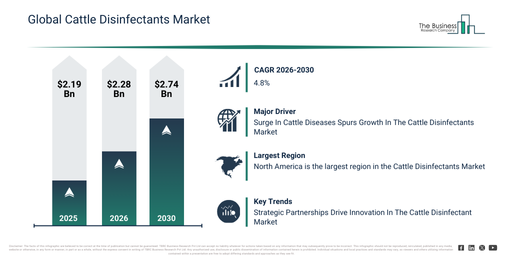
    The cattle disinfectants market has shown consistent expansion in recent years. This market is set to expand from $2.19 billion in 2025 to $2.28 billion in 2026, progressing at a compound annual growth rate (CAGR) of 4.0%. Historically, the market’s development was fueled by several factors, including a rise in cattle disease occurrences, the growth of commercial livestock farming, increased awareness regarding farm hygiene, governmental regulations on animal health, and the accessibility of chemical disinfectants.

    The cattle disinfectants market is projected to experience consistent expansion over the upcoming years. This market is anticipated to reach $2.74 billion by 2030, demonstrating a compound annual growth rate (CAGR) of 4.8%. Factors contributing to this growth during the forecast period include an elevated emphasis on biosecurity and disease prevention, a growing need for sustainable disinfectant products, the expansion of intensive cattle farming practices, more rigorous animal health regulations, and innovations in disinfectant formulations. Key trends anticipated in the same period involve a heightened uptake of proactive biosecurity strategies, an increasing preference for broad-spectrum disinfectants, the expanding utilization of environmentally benign disinfectant compounds, the broadening of hygiene standards in commercial cattle operations, and a sharper focus on preventing disease outbreaks.

    Get A Free Sample Report With In-Depth Market Insights:

    https://thebusinessresearchcompany.com/sample_request?id=12010&type=smp&name=Cattle%20Disinfectants%20Market%20Report%202026&utm_source=Blogs&utm_medium=Paid&utm_campaign=Oct_PR

    Cattle Disinfectants Market Expansion Drivers: What’s Shaping Future Growth?

    The escalating occurrence of cattle illnesses is projected to fuel the expansion of the cattle disinfectants market moving forward. Cattle diseases are defined as health conditions or sicknesses that can affect cattle, caused by various pathogens like bacteria, viruses, parasites, or fungi. The increasing incidence of these diseases stems from intensified livestock farming, which leads to higher animal density and conditions favorable for the transmission of infections and diseases among cattle. This growth in cattle diseases supports the cattle disinfectants market, as more frequent disease outbreaks drive the demand for disinfectants to maintain hygiene, prevent infections, and reduce the spread of harmful pathogens on livestock farms. For instance, in June 2025, the Department for Environment, Food, and Rural Affairs, a UK government department, reported 619 new tuberculosis (TB) incidents in the 12 months leading to March 2025, representing a 2% increase compared to the 607 new incidents recorded in the prior 12-month period. Therefore, the rising incidence of cattle diseases is a significant driver for the growth of the cattle disinfectants market.

    Cattle Disinfectants Market Segmentation And Category Overview

    The cattle disinfectants market covered in this report is segmented –

    1) By Product: Calcium Hypochlorite, Sodium Hypochlorite, Polymeric Biguanide, Formaldehyde, Glutaraldehyde, Hydrogen Peroxide, Other Products

    2) By Form: Liquid, Powder

    3) By Target Animal: Domestic Animals, Livestock, Aquatic

    Subsegments:

    1) By Calcium Hypochlorite: Granular Form, Tablet Form

    2) By Sodium Hypochlorite: Liquid Concentrate, Solution Form

    3) By Polymeric Biguanide: Liquid Form, Gel Form

    4) By Formaldehyde: Aqueous Solution, Gas Form

    5) By Glutaraldehyde: Liquid Solution, Concentrated Form

    6) By Hydrogen Peroxide: Low Concentration (3-10%), High Concentration (30% And Above)

    7) By Other Products: Quaternary Ammonium Compounds, Iodine-Based Disinfectants, Organic Acids

    Cattle Disinfectants Market Strategic Trends: What Defines The Next Growth Phase?

    Leading entities within the cattle disinfectant sector are embracing the Disinfectant 1 Wipe to fulfill various essential industry requirements. The Disinfectant 1 Wipe is characterized as a singular, pre-saturated disposable wipe containing disinfectant, designed for surface cleaning and germ eradication. As an illustration, during July 2024, Ecolab, a US-based Chemicals firm, introduced the Disinfectant 1 Wipe, notable as the inaugural EPA-registered disinfectant wipe that is 100% plastic-free and easily biodegradable. Constructed entirely from wood pulp fibers, these wipes offer 1-minute hospital-grade disinfection, proving effective against more than 40 broad-spectrum organisms, including SARS-CoV-2, in merely 30 seconds. This product claims a 36% decrease in overall wipe consumption compared to prominent alcohol-based alternatives, coupled with a two-year shelf life and significant biodegradation performance, reaching 94.3% biodegradation within 15 days. This introduction highlights Ecolab’s dedication to sustainability and operational efficiency within healthcare environments, providing an eco-friendly solution that addresses the rising need for effective hygiene protocols.

    Cattle Disinfectants Market Competitive Landscape: Which Companies Lead The Industry?

    Major companies operating in the cattle disinfectants market are The Dow Chemical Company, Evonik Industries AG, Solvay SA, Lanxess AG, GEA Group AG, Diversey Holdings Ltd., PCC SE, Kemin Industries Inc., Neogen Corporation, DeLaval Pvt Ltd., PROQUIMIA S.A., CID Lines NV, Kersia Group, Evans Vanodine International PLC, Albert Kerbl GmbH, Virox Technologies Inc., BioSafe Systems LLC, Fink Tec GmbH, Bio-Cide International Inc., Laboratoire M2 Inc., pulsFOG Dr. Stahl & Sohn GmbH

    View The Full Cattle Disinfectants Market Report:

    https://thebusinessresearchcompany.com/report/cattle-disinfectants-global-market-report?utm_source=Blogs&utm_medium=Paid&utm_campaign=Oct_PR

    Cattle Disinfectants Market Regional Outlook: Where Is Opportunity Concentrated?

    North America was the largest region in the cattle disinfectants market in 2025. Asia-Pacific is expected to be the fastest-growing region in the forecast period. The regions covered in the cattle disinfectants market report are Asia-Pacific, South East Asia, Western Europe, Eastern Europe, North America, South America, Middle East, Africa.

    Reach Out To Our Team:

    The Business Research Company: https://www.thebusinessresearchcompany.com/

    Americas: +1 310-496-7795

    Asia: +44 7882 955267 & +91 8897263534

    Europe: +44 7882 955267

    Email us at: marketing@tbrc.info

    Follow us on:

    LinkedIn: https://in.linkedin.com/company/the-business-research-company

    YouTube: https://www.youtube.com/channel/UC24_fI0rV8cR5DxlCpgmyFQ

    Global Market Model: https://www.thebusinessresearchcompany.com/global-market-model
  • Cat Vaccine Market Explained: What Is Fueling Growth To $1.93 Billion By 2030?

    Cat Vaccine Market Explained: What Is Fueling Growth To $1.93 Billion By 2030?

    Built to provide research that’s more actionable and strategically valuable, The Business Research Company’s 2026 market reports include market attractiveness analysis, total addressable market sizing, company benchmarking matrices, interactive Excel dashboards, broader supply chain intelligence, emerging startup tracking, and in-depth product insights.

    Cat Vaccine Market Expansion Outlook: What Revenue Opportunities Are Ahead?

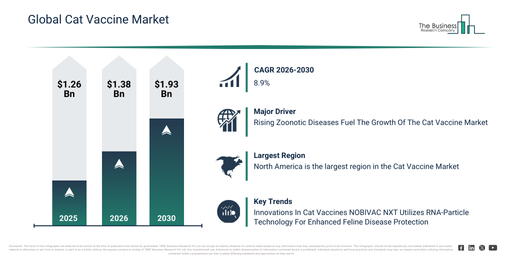
    The cat vaccine market size has shown robust growth in recent years. It is expected to increase from $1.26 billion in 2025 to $1.38 billion in 2026, at a compound annual growth rate (CAGR) of 9.2%. The expansion observed in the historic period can be attributed to a rising incidence of feline infectious diseases, limited availability of advanced vaccines, an increase in pet ownership, the proliferation of veterinary clinics, and government vaccination initiatives.

    The cat vaccine market size is projected to experience robust expansion over the coming years. It is anticipated to reach $1.93 billion by 2030, exhibiting a compound annual growth rate (CAGR) of 8.9%. This anticipated growth during the forecast period is attributable to several factors, including breakthroughs in vaccine technology, a growing preference for recombinant and DNA vaccines, heightened consciousness regarding preventative pet healthcare, the proliferation of online veterinary platforms, and the incorporation of AI and data analytics for disease surveillance. Key trends shaping the market over the forecast duration encompass a wider embrace of essential vaccination initiatives, the continued development of recombinant and DNA vaccines, the broadening scope of veterinary healthcare offerings, an enhanced understanding of pet wellness and illness prevention, and the incorporation of telemedicine alongside remote monitoring solutions in veterinary practice.

    Get A Free Sample Report With In-Depth Market Insights:

    https://thebusinessresearchcompany.com/sample_request?id=20526&type=smp&name=Cat%20Vaccine%20Market%20Report%202026&utm_source=Blogs&utm_medium=Paid&utm_campaign=Oct_PR

    Cat Vaccine Market Development Factors: What’s Supporting Demand?

    The rising occurrence of zoonotic diseases is anticipated to drive the expansion of the cat vaccine market in the future. These diseases are infections transmissible from animals to humans, stemming from pathogens like bacteria, viruses, fungi, or parasites. Their transmission can occur via direct contact, vectors, or polluted surroundings. Examples include Lyme disease, rabies, toxoplasmosis, salmonellosis, brucellosis, among others. The growing incidence of zoonotic diseases is attributed to factors such as climate change, antibiotic resistance, and both illicit and legal wildlife trade. Cat vaccines manage these diseases by lowering the likelihood of human transmission from felines, achieved through immunizing cats against conditions like toxoplasmosis and cat scratch fever. This preventative measure assists in lessening the impact of zoonotic diseases on human well-being, aids public health initiatives, and guarantees a safer habitat for pets and their owners. For example, a report from the Government of the United Kingdom, published in February 2024, indicated that England saw 335 confirmed Lyme disease cases in the fourth quarter of 2023, which was an increase from 273 cases documented in the corresponding period of 2022. Consequently, the rise in zoonotic diseases acts as a driver for the cat vaccine market.

    Cat Vaccine Market Segment Outlook: Which Categories Are Growing Fastest?

    The cat vaccine market covered in this report is segmented –

    1) By Vaccine Type: Modified Or Attenuated Live, Inactivated, Other Vaccine Types

    2) By Disease Type: Feline Leukemia, Feline Panleukopenia, Feline Respiratory Diseases, Feline Rabies, Other Disease Types

    3) By Technology: Attenuated Live Vaccines, Conjugate Vaccines, Inactivated Vaccines, Subunit Vaccines, Toxoid Vaccines, Deoxyribonucleic Acid (DNA) Vaccines, Recombinant Vaccines

    4) By Route Of Administration: Injectables, Intranasal, Oral

    5) By Distribution Channel: Veterinary Clinics, Pet Stores, Online Retailers

    Subsegments:

    1) By Modified Or Attenuated Live: Feline Viral Rhinotracheitis (FVR) Vaccine, Feline Calicivirus (FCV) Vaccine, Feline Panleukopenia (FPV) Vaccine

    2) By Inactivated: Inactivated Feline Leukemia Virus (FeLV) Vaccine, Inactivated Feline Infectious Peritonitis (FIP) Vaccine

    3) By Other Vaccine Types: Recombinant Vaccines, DNA Vaccines, Subunit Vaccines, Combination Vaccines

    Cat Vaccine Market Transformation Trends: What Innovations Are Driving Change?

    Leading companies in the cat vaccine market are concentrating on developing innovative products like NOBIVAC NXT vaccines, which leverage state-of-the-art Ribonucleic acid (RNA)-particle technology. This technology is intended to boost immune responses, improve vaccine efficacy, and offer specific protection against feline diseases. The cutting-edge Ribonucleic acid (RNA)-particle technology is an inventive method utilizing RNA molecules encapsulated in nanoparticles to deliver genetic instructions to cells, prompting them to generate particular proteins that stimulate a targeted immune response. For example, in June 2024, MSD Animal Health Inc., a US-based pharmaceutical company, launched the NOBIVAC NXT Rabies portfolio, comprising NOBIVAC NXT Feline-3 Rabies and NOBIVAC NXT Canine-3 Rabies. This comprehensive vaccination solution is designed to offer effective protection against rabies in cats and dogs. The NOBIVAC NXT vaccines are developed without adjuvants and preservatives, which enhances their safety profile while upholding their efficacy. These vaccines stimulate both humoral (antibody-mediated) and cell-mediated immune responses, providing broad protection against the rabies virus.

    Cat Vaccine Market Competitive Landscape: Who Leads The Industry?

    Major companies operating in the cat vaccine market are Merck & Co. Inc., Boehringer Ingelheim International GmbH, Zoetis Inc., MSD Animal Health, Elanco Animal Health Incorporated, Ceva Santé Animale, Virbac, HIPRA Corporation, Bioveta AS, Biogénesis Bagó SA, Torigen Pharmaceuticals Inc., Vetoquinol SA, Phibro Animal Health Corporation, IDT Biologika GmbH, Vaxxinova BV, Colorado Serum Company, Huvepharma NV, Bimeda Biologicals, CAVAC, Kyoto Biken Laboratories, Avimex Animal Health, Ringpu Biology, Wuhan Keqian Biology, Pulike Biological Engineering, Chengdu Kanghua Biological Products, Yebio, FATRO

    View The Full Cat Vaccine Market Report:

    https://thebusinessresearchcompany.com/report/cat-vaccine-global-market-report?utm_source=Blogs&utm_medium=Paid&utm_campaign=Oct_PR

    Cat Vaccine Market Geographic Landscape: Which Region Leads Industry Growth?

    North America was the largest region in the cat vaccine market in 2025. Asia-Pacific is expected to be the fastest-growing region in the forecast period. The regions covered in the cat vaccine market report are Asia-Pacific, South East Asia, Western Europe, Eastern Europe, North America, South America, Middle East, Africa.

    Reach Out To Our Team:

    The Business Research Company: https://www.thebusinessresearchcompany.com/

    Americas: +1 310-496-7795

    Asia: +44 7882 955267 & +91 8897263534

    Europe: +44 7882 955267

    Email us at: marketing@tbrc.info

    Follow us on:

    LinkedIn: https://in.linkedin.com/company/the-business-research-company

    YouTube: https://www.youtube.com/channel/UC24_fI0rV8cR5DxlCpgmyFQ

    Global Market Model: https://www.thebusinessresearchcompany.com/global-market-model
  • Canine Atopic Dermatitis Market Forecast To Reach $4.5 Billion By 2030: Key Trends Explained

    Canine Atopic Dermatitis Market Forecast To Reach $4.5 Billion By 2030: Key Trends Explained

    Backed by market attractiveness analysis, total addressable market sizing, company benchmarking matrices, interactive Excel dashboards, wider supply chain intelligence, emerging startup coverage, and detailed product-level insights, The Business Research Company’s 2026 market reports are designed to offer research that is more actionable and strategically valuable than ever.

    Canine Atopic Dermatitis Market Growth Potential: How Will Market Size Shift Through 2030?

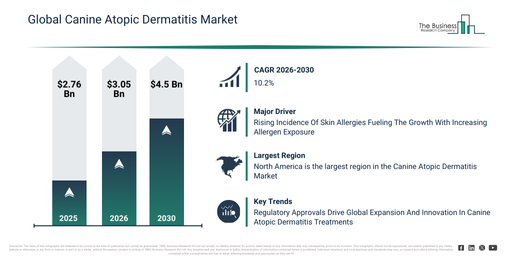
    The canine atopic dermatitis market size has experienced rapid expansion in recent years. It is anticipated to grow from $2.76 billion in 2025 to $3.05 billion in 2026, exhibiting a compound annual growth rate (CAGR) of 10.5%. This historical growth can be attributed to an increasing occurrence of allergic skin conditions in dogs, greater awareness among pet owners and veterinarians, a prior lack of specific therapeutic options, the utilization of glucocorticoids and antihistamines as initial treatments, and the growth of veterinary dermatology services.

    The canine atopic dermatitis market is set for significant expansion in the upcoming years. It is projected to climb to $4.5 billion in 2030, growing at a compound annual growth rate (CAGR) of 10.2%. The anticipated growth during this period is driven by factors such as the creation of novel biologics and monoclonal antibodies (mAbs), increasing financial commitment to precision medicine for companion animals, the expanding use of topical and systemic immunotherapies, the proliferation of online and retail distribution networks, and an emphasis on preventive and supportive care, including nutraceuticals. Prominent trends expected in the forecast timeframe involve the increasing application of monoclonal antibodies (mAbs) for focused treatments, the rising adoption of allergen-specific immunotherapy (ASIT) among dogs, a surge in the demand for medicated shampoos and topical applications, the wider availability of nutraceuticals and probiotics to bolster skin barrier health, and a dedicated focus on breed-specific treatment strategies for canine atopic dermatitis.

    Get A Free Sample Report With In-Depth Market Insights:

    https://thebusinessresearchcompany.com/sample_request?id=25717&type=smp&name=Canine%20Atopic%20Dermatitis%20Market%20Report%202026&utm_source=Blogs&utm_medium=Paid&utm_campaign=Oct_PR

    Canine Atopic Dermatitis Market Industry Drivers: What’s Behind The Revenue Growth?

    The canine atopic dermatitis market is anticipated to expand due to the growing incidence of skin allergies in dogs. These canine skin allergies involve atypical immune reactions to irritants like pollen, food, or flea bites, manifesting as itching, redness, and irritation of the skin. The uptick in canine skin allergy cases is partly linked to greater exposure to environmental contaminants and allergens, which can provoke intensified immune responses and skin irritation. Managing skin allergies in dogs through canine atopic dermatitis treatment aids in alleviating inflammation and itching, while also warding off secondary infections, thus enhancing their well-being and dermatological condition. For example, in January 2024, data from the National Institutes of Health (NIH), a US-based government entity, indicated that 7,915 dog owners (28.7%) stated their dogs had experienced skin-related problems. The frequency of reported skin problems showed a steady increase with age, commencing at 7% for puppies and climbing to 37% for older dogs. Consequently, the rising instances of skin allergies in dogs are fueling the expansion of the canine atopic dermatitis market.

    Canine Atopic Dermatitis Market Segment Landscape: Which Areas Lead Development?

    The canine atopic dermatitis market covered in this report is segmented –

    1) By Product: Glucocorticoids, Antihistamines, Immunosuppressants, Monoclonal Antibodies (mAbs), Other Products

    2) By Dog Breed: German Shepherd, Terriers, Retrievers, Other Dog Breeds

    3) By Indication: Ectoparasites, Food Allergy, Allergic Skin Infections, Other Indications

    4) By Route Of Administration: Oral, Topical, Injectable

    5) By Distribution Channel: Veterinary Clinics, Retail Pharmacies, Online Pharmacies, Other Distribution Channels

    Subsegments:

    1) By Glucocorticoids: Prednisone, Prednisolone, Dexamethasone, Methylprednisolone, Hydrocortisone, Triamcinolone

    2) By Antihistamines: Diphenhydramine, Hydroxyzine, Cetirizine, Loratadine, Chlorpheniramine

    3) By Immunosuppressants: Cyclosporine, Tacrolimus, Azathioprine, Mycophenolate Mofetil

    4) By Monoclonal Antibodies: Lokivetmab, Investigational Monoclonal Antibodies

    5) By Other Products: Essential Fatty Acid Supplements, Medicated Shampoos And Sprays, Allergen-Specific Immunotherapy (ASIT), Skin Barrier Repair Creams, Nutraceuticals And Probiotics

    #Canine Atopic Dermatitis Market Growth Trends: What’s Shaping The Future Outlook?

    Leading companies in the canine atopic dermatitis market are prioritizing the attainment of regulatory approvals to expand the availability and adoption of their treatments across global markets. These official permissions, granted by government health authorities, allow companies to commercialize and sell their medical products after rigorously demonstrating their safety, efficacy, and quality. For example, in September 2024, Elanco Animal Health Inc., a US-based pharmaceutical company specializing in animal health, obtained US FDA approval for Zenrelia, a once-daily oral JAK inhibitor for dogs with allergic and atopic dermatitis. Zenrelia’s approval signifies a considerable advancement in managing itchy dogs experiencing chronic, acute, or seasonal itch and inflammation, all provided in a single, once-daily tablet from the start. It operates by targeting the origin of the itch, obstructing the pathways responsible for allergic itch to break the itch-scratch cycle. Zenrelia offers noticeable improvement from the initial dose and lowers the likelihood of rebound itch, a frequent problem observed in many dogs treated with competing JAK inhibitors.

    Canine Atopic Dermatitis Market Company Landscape And Competitive Strategy

    Major companies operating in the canine atopic dermatitis market are Merck & Co. Inc., Zoetis Inc., Hill’s Pet Nutrition Inc., Royal Canin SAS, Ceva Santé Animale S.A., Virbac S.A., Elanco Animal Health Inc., Dechra Pharmaceuticals PLC, Vetoquinol S.A., Bioiberica S.A.U., Bimeda Animal Health Limited, Animal Dermatology Group Inc., Kindred Biosciences Inc., Nextmune AB, OKAVA Pharmaceuticals Inc., Boehringer Ingelheim International GmbH, Toray Industries Inc., LEO Pharma A/S, PetIQ Inc., Hester Biosciences Limited, Ourofino Saude Animal, Swedencare AB, Orion Corporation, Norbrook Laboratories Ltd., AB Science SA.

    View The Full Canine Atopic Dermatitis Market Report:

    https://thebusinessresearchcompany.com/report/canine-atopic-dermatitis-global-market-report?utm_source=Blogs&utm_medium=Paid&utm_campaign=Oct_PR

    Canine Atopic Dermatitis Market Largest Region: Which Geography Holds The Biggest Share?

    North America was the largest region in the canine atopic dermatitis market in 2025. Asia-Pacific is expected to be the fastest-growing region in the forecast period. The regions covered in the canine atopic dermatitis market report are Asia-Pacific, South East Asia, Western Europe, Eastern Europe, North America, South America, Middle East, Africa.

    Reach Out To Our Team:

    The Business Research Company: https://www.thebusinessresearchcompany.com/

    Americas: +1 310-496-7795

    Asia: +44 7882 955267 & +91 8897263534

    Europe: +44 7882 955267

    Email us at: marketing@tbrc.info

    Follow us on:

    LinkedIn: https://in.linkedin.com/company/the-business-research-company

    YouTube: https://www.youtube.com/channel/UC24_fI0rV8cR5DxlCpgmyFQ

    Global Market Model: https://www.thebusinessresearchcompany.com/global-market-model
  • Canine Arthritis Treatment Market Analysis: Understanding The Drivers Behind 4.7% CAGR Through 2030 Growth

    Canine Arthritis Treatment Market Analysis: Understanding The Drivers Behind 4.7% CAGR Through 2030 Growth

    Featuring market attractiveness scoring, total addressable market sizing, company benchmarking matrices, interactive Excel dashboards, deeper supply chain intelligence, emerging startup tracking, and granular product-level insights, The Business Research Company’s 2026 market reports are built to deliver research that is both more actionable and more strategically valuable.

    Canine Arthritis Treatment Market Value Analysis: What Growth Lies Ahead Over The Forecast Period?

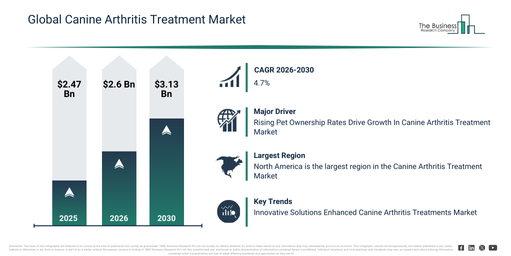
    The canine arthritis treatment market size has witnessed strong expansion in recent years. It is anticipated to grow from $2.47 billion in 2025 to $2.6 billion in 2026, at a compound annual growth rate (CAGR) of 5.4%. This historical growth can be attributed to the increasing prevalence of canine arthritis, heightened awareness among pet owners, innovations in veterinary pharmaceuticals, an expanding dog population, and the proliferation of veterinary clinics and hospitals.

    The canine arthritis treatment market is projected to experience consistent expansion in the coming years, reaching a valuation of $3.13 billion by 2030, driven by a compound annual growth rate (CAGR) of 4.7%. This anticipated growth is attributable to several factors, including the advancement of targeted biologic treatments, the rising integration of precision medicine in veterinary practices, breakthroughs in surgical methods for joint repair, the expansion of online and retail veterinary pharmacy services, and increased funding for stem cell and PRP research. Key trends anticipated during this period encompass the growing acceptance of non-steroidal anti-inflammatory drugs (NSAIDs), a greater reliance on joint supplements such as glucosamine and chondroitin, the expansion of stem cell therapy and platelet-rich plasma (PRP) treatments, an increase in minimally invasive surgical options for canines, and the incorporation of physical therapy and cold laser therapy into arthritis management protocols.

    Get A Free Sample Report With In-Depth Market Insights:

    https://thebusinessresearchcompany.com/sample_request?id=16007&type=smp&name=Canine%20Arthritis%20Treatment%20Market%20Report%202026&utm_source=Blogs&utm_medium=Paid&utm_campaign=Oct_PR

    Canine Arthritis Treatment Market Growth Factors: What’s Supporting Expansion?

    The escalating rate of pet ownership is anticipated to stimulate the advancement of the canine arthritis treatment market in the foreseeable future. Pet ownership encompasses the responsibility and care undertaken by individuals or households in catering to the necessities, well-being, and companionship of domesticated animals kept primarily for pleasure rather than practical purposes. This increase in pet ownership is driven by factors such as shifts in lifestyle, the humanization of pets, and elevated disposable incomes. Pet owners utilize canine arthritis treatments to control and ease the manifestations of arthritis in their dogs, with the goal of enhancing their pets’ quality of life and sustaining their mobility. For example, in April 2025, the Canadian Animal Health Institute, a Canada-based trade association, indicated that in 2024, Canada housed an estimated 7.2 million dogs and 8.2 million cats, demonstrating that pets are a vital component of more than half of Canadian households. Therefore, the growing pet ownership rate is a key factor propelling the expansion of the canine arthritis treatment market.

    Canine Arthritis Treatment Market Segments: Where Is Growth Concentrated?

    The canine arthritis treatment market covered in this report is segmented –

    1) By Treatment Type: Drugs, Supplements, Surgical Procedures, Other Treatment Types

    2) By Route Of Administration: Oral, Parenteral, Other Routes Of Administrations

    3) By Arthritis Type: Osteoarthritis, Rheumatoid Arthritis, Osteochondrosis, Traumatic Arthritis

    4) By Distribution Channels: Veterinary Clinics And Hospitals, Retail Pharmacies, Online Pharmacies

    Subsegments:

    1) By Drugs: Non-Steroidal Anti-Inflammatory Drugs (NSAIDs), Disease-Modifying Osteoarthritis Drugs (DMOADs), Corticosteroids, Analgesics And Pain Relievers

    2) By Supplements: Glucosamine And Chondroitin Supplements, Omega-3 Fatty Acids And Fish Oil, Hyaluronic Acid Supplements, MSM (Methylsulfonylmethane) Supplements, Collagen-Based Supplements

    3) By Surgical Procedures: Joint Replacement Surgery, Arthroscopy, Osteotomy, Synovectomy

    4) By Other Treatment Types: Physical Therapy, Stem Cell Therapy, Platelet-Rich Plasma (PRP) Therapy, Cold Laser Therapy (Low-Level Laser Therapy), Acupuncture

    Canine Arthritis Treatment Market Industry Trends: What’s Reshaping Demand?

    Leading firms within the canine arthritis treatment market are introducing novel therapies, specifically bedinvetmab injections, aimed at improving canine joint health and overall mobility. Bedinvetmab, a type of monoclonal antibody injection, functions by specifically targeting and deactivating nerve growth factor (NGF), which is a protein linked to pain in veterinary applications. For example, during May 2023, the US-based animal health corporation, Zoetis Inc., obtained approval from the Food and Drug Administration (FDA) for its product Librela, which is a bedinvetmab injection. This product marks the FDA’s initial approval of a monoclonal antibody (mAb) for canine use, operating by binding to and suppressing the biological effects of canine nerve growth factor (NGF), a key component in regulating pain linked to OA. Administered via subcutaneous injection just once a month, it presents a convenient and enduring option for managing osteoarthritic pain in dogs.

    Canine Arthritis Treatment Market Key Players Shaping Industry Direction

    Major companies operating in the canine arthritis treatment market are Merck & Co. Inc., Bayer AG, Eli Lilly and Company, Zoetis Inc., Boehringer Ingelheim Animal Health, Elanco Animal Health Incorporated, Royal Canin SAS, Virbac Group, Ceva Sante Animale S.A., Hill’s Pet Nutrition Inc., Vetoquinol SA, Norbrook Laboratories Limited, American Regent Inc., Thorne Healthtech Inc., VetStem Inc., Eltech K-Laser s.r.l., Liquid Health Inc, Nutri-Vet LLC, OrthoPets LLC, Rejuvenate Bio Inc.

    View The Full Canine Arthritis Treatment Market Report:

    https://thebusinessresearchcompany.com/report/canine-arthritis-treatment-global-market-report?utm_source=Blogs&utm_medium=Paid&utm_campaign=Oct_PR

    Canine Arthritis Treatment Market Regional Analysis: Which Geography Leads On Revenue?

    North America was the largest region in the canine arthritis treatment market in 2025. Asia-Pacifica is expected to be the fastest-growing region in the forecast period. The regions covered in the canine arthritis treatment market report are Asia-Pacific, South East Asia, Western Europe, Eastern Europe, North America, South America, Middle East, Africa.

    Reach Out To Our Team:

    The Business Research Company: https://www.thebusinessresearchcompany.com/

    Americas: +1 310-496-7795

    Asia: +44 7882 955267 & +91 8897263534

    Europe: +44 7882 955267

    Email us at: marketing@tbrc.info

    Follow us on:

    LinkedIn: https://in.linkedin.com/company/the-business-research-company

    YouTube: https://www.youtube.com/channel/UC24_fI0rV8cR5DxlCpgmyFQ

    Global Market Model: https://www.thebusinessresearchcompany.com/global-market-model
  • Bovine Artificial Insemination Market Growth To $4.5 Billion By 2030: What’s Driving The Expansion?

    Bovine Artificial Insemination Market Growth To $4.5 Billion By 2030: What’s Driving The Expansion?

    Built to provide research that’s more actionable and strategically valuable, The Business Research Company’s 2026 market reports include market attractiveness analysis, total addressable market sizing, company benchmarking matrices, interactive Excel dashboards, broader supply chain intelligence, emerging startup tracking, and in-depth product insights.

    Bovine Artificial Insemination Market Size Forecast: How Big Could The Market Get By 2030?

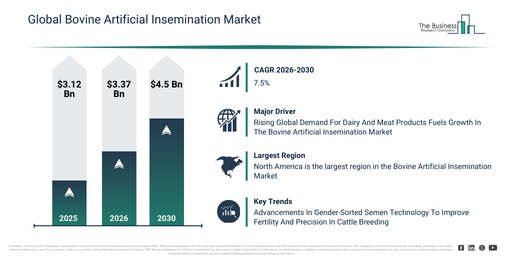
    The bovine artificial insemination market has experienced robust expansion in recent years. This market is projected to expand from $3.12 billion in 2025 to $3.37 billion in 2026, demonstrating a compound annual growth rate (CAGR) of 7.9%. Historically, this growth was influenced by factors such as restricted availability of superior semen, dependence on manual insemination methods, insufficient farmer knowledge regarding reproductive technologies, disjoined veterinary service infrastructures, and the increasing scale of dairy and meat cattle farming.

    The bovine artificial insemination market is projected to experience substantial expansion over the upcoming years. This market is anticipated to reach $4.5 billion by 2030, exhibiting a compound annual growth rate (CAGR) of 7.5%. Factors contributing to this growth during the forecast period include the uptake of automated rectovaginal insemination systems, the rising application of intrauterine and ultrasound-guided insemination techniques, the need for superior genetics and enhanced herd productivity, the enlargement of both private and public veterinary service offerings, and the incorporation of AI alongside digital reproductive monitoring instruments. Key developments anticipated during the forecast period encompass a greater embrace of automated rectovaginal insemination systems, an increase in ultrasound-guided intrauterine insemination, an escalating need for premium semen and genetic selection provisions, the broadening of AI-powered reproductive monitoring solutions for managing herds, and the inclusion of training and assistance services for agricultural producers and veterinary professionals.

    Get A Free Sample Report With In-Depth Market Insights:

    https://thebusinessresearchcompany.com/sample_request?id=20517&type=smp&name=Bovine%20Artificial%20Insemination%20Market%20Report%202026&utm_source=Blogs&utm_medium=Paid&utm_campaign=Oct_PR

    Bovine Artificial Insemination Market Demand Drivers: What’s Powering Industry Growth?

    An anticipated rise in the bovine artificial insemination market is linked to the increasing appetite for dairy and meat products. Dairy and meat products are consumable items, such as cheese, yogurt, beef, and pork, which originate from milk processing and livestock slaughter. A heightened understanding of the nutritional advantages, including protein, calcium, and various other nutrients, found in dairy and meat products has fueled their demand. Bovine artificial insemination contributes to meeting this rising demand by improving herd genetics, boosting reproductive efficiency, and enhancing the overall productivity and quality of livestock. As an illustration, data from August 2023, provided by the European Commission (EC), the executive body of the European Union (EU) based in Belgium, indicated that raw milk production within the EU grew by 0.8% in the initial six months of 2023. Consequently, the expanding demand for dairy and meat products is a key factor propelling the expansion of the bovine artificial insemination market.

    Bovine Artificial Insemination Market Segment Analysis: What Are The Core Market Categories?

    The bovine artificial insemination market covered in this report is segmented –

    1) By Technique: Rectovaginal Insemination (RVI), Intrauterine Insemination (IUI)

    2) By Solution Types: Equipment And Consumables, Semen, Services

    3) By Distribution Channel Outlook: Private, Public

    4) By Sector: Meat, Dairy

    5) By End-User: Veterinary Hospitals, Veterinary Clinics, Other End-Users

    Subsegments:

    1) By Rectovaginal Insemination (RVI): Conventional Rectovaginal Insemination, Automated Rectovaginal Insemination Systems

    2) By Intrauterine Insemination (IUI): Surgical Intrauterine Insemination, Non-Surgical Intrauterine Insemination, Ultrasound-Guided Intrauterine Insemination

    Bovine Artificial Insemination Market Innovation Trends: What Developments Are Reshaping The Industry?

    Leading companies within the bovine artificial insemination market are concentrating on inventive semen processing solutions, such as sophisticated gender-sorted semen, to elevate conception rates and improve the accuracy of sex selection. This advanced gender-sorted semen is a reproductive technology developed to enhance fertility outcomes by boosting the precision of sexed semen through improved sperm sorting and optimized freezing processes, leading to superior fertility and more dependable gender determination compared to older technologies. For example, in January 2025, Sexing Technologies (STgenetics), a US-based animal genetics and reproductive technology company, introduced Ultraplus gender-sorted semen. This state-of-the-art product leverages enhanced sperm sorting technology and optimized freezing processes to achieve 90 % or higher gender accuracy, while simultaneously maintaining some of the highest fertility rates achieved among sexed semen products. Ultraplus is manufactured using STgenetics’ most advanced sorting machines and is distributed through numerous laboratories globally, including mobile sorting units, thereby offering breeders and livestock operations improved accessibility, reliability, and performance for their specific dairy and beef breeding programs.

    Bovine Artificial Insemination Market Competitive Analysis Of Leading Industry Participants

    Major companies operating in the bovine artificial insemination market are Zoetis Inc., MSD Animal Health, Genus plc, STgenetics, Neogen Corporation, Livestock Improvement Corporation Limited, Semex Alliance, Select Sires Inc., Accelerated Genetics Inc., ABS Global Inc., URUS Group LP, Promar International, Masterrind GmbH, Munster Bovine, Genetics Australia, IMV Technologies, Cogent Breeding Ltd., Norwegian Red, CRV Holding, WestfaliaSurge GmbH, Genex Cooperative Inc., Bovine Elite

    View The Full Bovine Artificial Insemination Market Report:

    https://thebusinessresearchcompany.com/report/bovine-artificial-insemination-global-market-report?utm_source=Blogs&utm_medium=Paid&utm_campaign=Oct_PR

    Bovine Artificial Insemination Market Geographic Spread And Regional Opportunities

    North America was the largest region in the bovine artificial insemination market in 2025. Asia-Pacific is expected to be the fastest-growing region in the forecast period. The regions covered in the bovine artificial insemination market report are Asia-Pacific, South East Asia, Western Europe, Eastern Europe, North America, South America, Middle East, Africa.

    Reach Out To Our Team:

    The Business Research Company: https://www.thebusinessresearchcompany.com/

    Americas: +1 310-496-7795

    Asia: +44 7882 955267 & +91 8897263534

    Europe: +44 7882 955267

    Email us at: marketing@tbrc.info

    Follow us on:

    LinkedIn: https://in.linkedin.com/company/the-business-research-company

    YouTube: https://www.youtube.com/channel/UC24_fI0rV8cR5DxlCpgmyFQ

    Global Market Model: https://www.thebusinessresearchcompany.com/global-market-model
  • Bird Healthcare And Supplements Market Trends Reshaping Industry Growth Through 2030

    Bird Healthcare And Supplements Market Trends Reshaping Industry Growth Through 2030

    Backed by market attractiveness analysis, total addressable market sizing, company benchmarking matrices, interactive Excel dashboards, wider supply chain intelligence, emerging startup coverage, and detailed product-level insights, The Business Research Company’s 2026 market reports are designed to offer research that is more actionable and strategically valuable than ever.

    Bird Healthcare And Supplements Market Revenue Outlook: What CAGR Lies Ahead Through 2030?

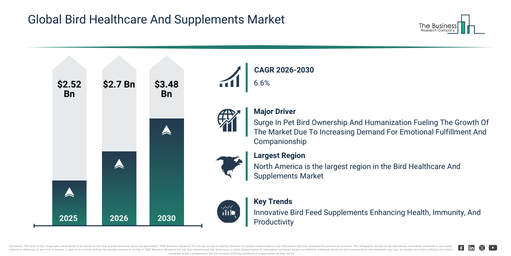
    The bird healthcare and supplements market has experienced robust expansion in recent years. It is projected to grow from $2.52 billion in 2025 to $2.7 billion in 2026, at a compound annual growth rate (CAGR) of 6.9%. This historical growth can be ascribed to factors such as an expanding pet bird population, conventional feeding practices, insufficient awareness of nutritional supplements, an increasing incidence of bird diseases, and a rise in veterinary clinics dedicated to birds.

    The bird healthcare and supplements market is projected to experience substantial expansion over the upcoming years, reaching a valuation of $3.48 billion in 2030, driven by a robust compound annual growth rate (CAGR) of 6.6%. This anticipated growth during the forecast period can be primarily attributed to several factors, including advancements in bird supplement compositions, an increasing need for preventive health measures, the broadening reach of e-commerce platforms, enhanced understanding of avian health and general well-being, and the rising prevalence of pet bird ownership in developing areas. Key trends shaping the forecast period encompass a greater reliance on vitamin and mineral supplements for birds, a surge in the incorporation of probiotics and herbal supplements for pet birds, heightened recognition of avian digestive and immune system health, an expansion of distribution networks through online platforms and specialized pet stores, and the introduction of innovative supplement forms such as gummies, soft chews, and liquid preparations.

    Get A Free Sample Report With In-Depth Market Insights:

    https://thebusinessresearchcompany.com/sample_request?id=24172&type=smp&name=Bird%20Healthcare%20And%20Supplements%20Market%20Report%202026&utm_source=Blogs&utm_medium=Paid&utm_campaign=Oct_PR

    Bird Healthcare And Supplements Market Growth Drivers: What’s Behind The Acceleration?

    An anticipated increase in pet bird ownership is projected to fuel the expansion of the bird healthcare and supplements market in the future. This ownership entails the duty of nurturing a pet bird and addressing its physical and emotional requirements. The trend of pet bird ownership is on an upward trajectory because more individuals are seeking emotional satisfaction and companionship, finding that birds provide an optimal mix of affection and intellect for forming strong connections, particularly in compact living environments. Furthermore, bird healthcare and supplements are crucial components of owning a bird, contributing to the maintenance of its health, the prevention of illnesses, and the enhancement of its overall well-being, thereby securing a longer and more joyful existence. As an illustration, data from the American Pet Products Association (APPA), a nonprofit industry research organization, indicates that by December 2025, bird owners are expected to spend an average of $40.52 per gift, representing a 42% rise from 2023, primarily influenced by Gen Z and Millennial owners. Consequently, the increasing prevalence of pet bird ownership is acting as a catalyst for the growth of the bird healthcare and supplements market.

    Bird Healthcare And Supplements Market Segment Breakdown: Which Categories Lead On Revenue?

    The bird healthcare and supplements market covered in this report is segmented –

    1) By Product Type: Vitamins, Probiotics, Herbal Supplements, Mineral Supplements, Other Product Types

    2) By Target Bird Species: Parrots, Canaries, Finches, Pigeons, Budgerigars

    3) By Formulation Type: Pills And Capsules, Powders, Liquids, Soft Chews, Gummies

    4) By Distribution Channel: Online Retail, Specialty Pet Stores, Veterinary Clinics, Supermarkets, Direct Sales, Other Distribution Channels

    5) By Application: Digestive Health, Immune Support, Bone Health, Other Applications

    Subsegments:

    1) By Vitamins: Vitamin A Supplements, Vitamin D3 Supplements, Vitamin E Supplements, Multivitamin Complexes, Water-Soluble Vitamin Blends

    2) By Probiotics: Lactobacillus-Based Supplements, Bacillus Subtilis Probiotics, Yeast-Based Probiotics, Multi-Strain Probiotic Blends, Prebiotic-Probiotic Combinations

    3) By Herbal Supplements: Echinacea Extract Supplements, Garlic-Based Immunity Boosters, Turmeric (Curcumin) Blends, Neem-Based Detox Supplements, Aloe Vera Digestive Aids

    4) By Mineral Supplements: Calcium And Phosphorus Blends, Zinc-Enriched Supplements, Iron Supplements, Magnesium Blends, Electrolyte And Trace Mineral Premixes

    5) By Other Product Types: Amino Acid Supplements, Omega-3 And Omega-6 Fatty Acid Supplements, Immune Enhancers, Enzyme Supplements, Anti-Stress Tonics And Appetite Stimulants

    Bird Healthcare And Supplements Market Trends: What’s Defining The Industry’s Next Phase?

    Leading companies in the bird healthcare and supplements market are concentrating on developing innovative formulations, such as bird feed supplements, to improve birds’ overall health, immune response, and productivity. Bird feed supplements are defined as additional products or ingredients added to a bird’s regular diet to supply essential nutrients, vitamins, minerals, or other beneficial compounds that might be present in insufficient quantities in standard feed. For instance, in March 2025, Refit Animal Care, an India-based manufacturer of veterinary products, introduced FEATHER GLOW, a revolutionary bird feed supplement designed to foster optimal feather growth, enhance skin health, and strengthen immunity in birds. This supplement is fortified with essential fatty acids, vitamins (A, D3, E, B6), minerals like zinc, and antioxidants to support healthy feathers, discourage feather picking, and improve skin moisture and elasticity. It also boosts overall bird vitality and assists in disease resistance.

    Bird Healthcare And Supplements Market Leading Companies And Competitive Benchmarking

    Major companies operating in the bird healthcare and supplements market are Hagen Group, Versele-Laga NV, Beaphar Limited, Kaytee Products Inc., Vetafarm Pty Ltd, The Higgins Group Corp., Avitech Nutrition Private Limited, HomeoPet LLC, Kaylor of Colorado Inc., Lafeber Company, Millpledge Limited, Nekton GmbH, Pretty Bird International Inc., Psittacus Catalonia S.L., Roudybush Inc., Sunseed Company Inc., The Birdcare Company Ltd., Totally Organic Pellets Inc., Vetark Products Limited, Birdtrac.

    View The Full Bird Healthcare And Supplements Market Report:

    https://thebusinessresearchcompany.com/report/bird-healthcare-and-supplements-global-market-report?utm_source=Blogs&utm_medium=Paid&utm_campaign=Oct_PR

    Bird Healthcare And Supplements Market Top Region By Revenue And Market Share

    North America was the largest region in the bird healthcare and supplements market in 2025. Asia-Pacific is expected to be the fastest-growing region in the forecast period. The regions covered in the bird healthcare and supplements market report are Asia-Pacific, South East Asia, Western Europe, Eastern Europe, North America, South America, Middle East, Africa.

    Reach Out To Our Team:

    The Business Research Company: https://www.thebusinessresearchcompany.com/

    Americas: +1 310-496-7795

    Asia: +44 7882 955267 & +91 8897263534

    Europe: +44 7882 955267

    Email us at: marketing@tbrc.info

    Follow us on:

    LinkedIn: https://in.linkedin.com/company/the-business-research-company

    YouTube: https://www.youtube.com/channel/UC24_fI0rV8cR5DxlCpgmyFQ

    Global Market Model: https://www.thebusinessresearchcompany.com/global-market-model
  • Berry Extracts For Feed Market Growth To $9.97 Billion Creates New Opportunities Across The Industry

    Berry Extracts For Feed Market Growth To $9.97 Billion Creates New Opportunities Across The Industry

    Featuring market attractiveness scoring, total addressable market sizing, company benchmarking matrices, interactive Excel dashboards, deeper supply chain intelligence, emerging startup tracking, and granular product-level insights, The Business Research Company’s 2026 market reports are built to deliver research that is both more actionable and more strategically valuable.

    Berry Extracts For Feed Market Growth Analysis: How Will Revenue Trend Over The Forecast Period?

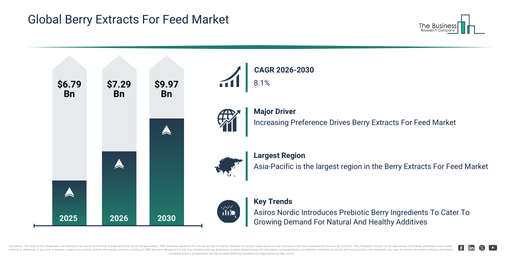
    The market for berry extracts in animal feed has shown strong expansion in recent years. It will grow from $6.79 billion in 2025 to $7.29 billion in 2026 at a compound annual growth rate (CAGR) of 7.3%. The historical period’s growth is attributable to an increasing livestock population, greater awareness of animal nutrition, expanded use of feed additives to improve yield, the availability of berry by-products from food processing, and the rise in commercial animal farming.

    The market for berry extracts in animal feed is anticipated to experience robust expansion over the next few years. It is projected to grow to $9.97 billion in 2030, achieving a compound annual growth rate (CAGR) of 8.1%. This expected growth during the forecast period can be attributed to factors such as the increasing demand for natural and organic feed ingredients, a growing emphasis on sustainable animal farming, advancements in functional feed formulations, rising investment in animal health and productivity, and the expansion of premium livestock feed markets. Key trends identified for the forecast period include the increasing adoption of natural feed additives, a rising demand for antioxidant-rich animal feed, a heightened focus on improving livestock health and productivity, the broader inclusion of plant-based ingredients in animal nutrition, and a growing preference for clean-label feed ingredients.

    Get A Free Sample Report With In-Depth Market Insights:

    https://thebusinessresearchcompany.com/sample_request?id=10508&type=smp&name=Berry%20Extracts%20For%20Feed%20Market%20Report%202026&utm_source=Blogs&utm_medium=Paid&utm_campaign=Oct_PR

    Berry Extracts For Feed Market Growth Factors Behind Sustained Expansion

    The expanding preference for animal-based protein is set to drive the growth of the berry extracts for feed market moving forward. Animal protein, sourced from items such as meat, poultry, fish, eggs, and dairy products, is considered a high-quality protein due to its complete profile of essential amino acids. This increasing consumer inclination towards animal-based protein is fueled by a heightened awareness of its significant nutritional benefits for overall health and muscle development, as individuals seek protein sources abundant in essential amino acids, vitamins, and minerals. The berry extracts for feed market supports this growing demand for animal-based protein by enhancing the nutritional content of animal feed, thereby promoting healthier animal growth and improving the quality of animal-derived protein products. For example, in March 2025, the Australian Bureau of Statistics (ABS), an Australia-based official national statistical agency, reported a 2.3% increase in meat and poultry products per capita compared with 2023, indicating a clear rise in animal-based protein intake by weight in the national diet. Consequently, the rising preference for animal-based protein is a key driver for the berry extracts for feed market.

    Berry Extracts For Feed Market Segmentation: How Does The Market Break Down By Category?

    The berry extracts for feed market covered in this report is segmented –

    1) By Form: Liquid, Powder, Pills

    2) By Source: Natural, Synthetic

    3) By Application: Pharmaceutical, Food And Beverage, Nutraceutical

    Subsegments:

    1) By Liquid: Concentrated Liquid, Diluted Liquid

    2) By Powder: Fine Powder, Coarse Powder

    3) By Pills: Soft Pills, Hard Pills

    Berry Extracts For Feed Market Industry Trends Fueling Future Revenue Growth

    Leading companies operating in the berry extract market are concentrating on innovative products, such as prebiotic berry ingredients, to satisfy the increasing demand for natural and healthy food and beverage additives, as well as dietary supplements. These prebiotic berry ingredients are formulated for various food, beverage, and consumer health applications, including dietary supplements, tablets, gummies, capsules, and powders. For example, in November 2023, Asiros Nordic A/S, a Denmark-based ingredient company, introduced prebiotic berry ingredients in the U.S. These prebiotic berry ingredients are specifically designed for food, beverage, and consumer health applications. They are solvent-free and standardized for safety, purity, potency, and efficacy. Additionally, the prebiotic juice powders are devoid of maltodextrin, an anti-caking agent typically employed in dry juice powders, instead utilizing Sunfiber or similar prebiotic fibers, which are supplied in certified organic and conventional formats.

    Berry Extracts For Feed Market Industry Leaders And Competitive Landscape

    Major companies operating in the berry extracts for feed market are Nutrition N.V., Kemin Industries Inc., Biomin Holding GmbH, Impextraco NV, Merck Animal Health, Novus International Inc., Alltech Inc., Archer-Daniels-Midland Company, Nutra Green Biotechnology Co. Ltd., FutureCeuticals Inc., Bio-Botanica Inc., Berrico Food Company B.V., Mazza Innovation Ltd., Carrubba Inc., Shaanxi Guanjie Bio-Technology Co. Ltd., Perstorp Holding AB, E. I. du Pont de Nemours and Company, BASF SE, Cargill Incorporated, Kalsec Inc., Martin Bauer GmbH & Co. KG, Naturex S.A., Nexira SAS, Kerry Group plc, Fytexia SAS, PT Phytochemindo Reksa, Sabinsa Corporation, Frutarom Industries Ltd., Batory Foods Inc., Indena S.p.A.

    View The Full Berry Extracts For Feed Market Report:

    https://thebusinessresearchcompany.com/report/berry-extracts-for-feed-global-market-report?utm_source=Blogs&utm_medium=Paid&utm_campaign=Oct_PR

    Berry Extracts For Feed Market Regional Analysis And Top Geography

    Asia-Pacific was the largest region in the berry extracts for feed market in 2025. The regions covered in the berry extracts for feed market report are Asia-Pacific, South East Asia, Western Europe, Eastern Europe, North America, South America, Middle East, Africa.

    Reach Out To Our Team:

    The Business Research Company: https://www.thebusinessresearchcompany.com/

    Americas: +1 310-496-7795

    Asia: +44 7882 955267 & +91 8897263534

    Europe: +44 7882 955267

    Email us at: marketing@tbrc.info

    Follow us on:

    LinkedIn: https://in.linkedin.com/company/the-business-research-company

    YouTube: https://www.youtube.com/channel/UC24_fI0rV8cR5DxlCpgmyFQ

    Global Market Model: https://www.thebusinessresearchcompany.com/global-market-model
  • Automatic And Smart Pet Feeder Market Forecast: Breaking Down The Numbers Behind Future Expansion

    Automatic And Smart Pet Feeder Market Forecast: Breaking Down The Numbers Behind Future Expansion

    Built to provide research that’s more actionable and strategically valuable, The Business Research Company’s 2026 market reports include market attractiveness analysis, total addressable market sizing, company benchmarking matrices, interactive Excel dashboards, broader supply chain intelligence, emerging startup tracking, and in-depth product insights.

    Automatic And Smart Pet Feeder Market Forecast: What Value Will The Market Reach By 2030?

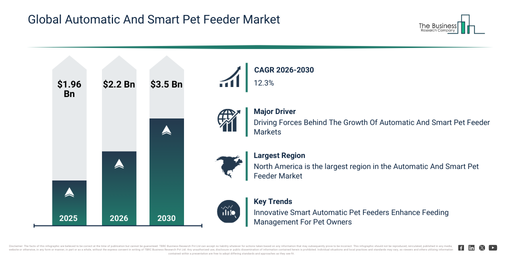
    The automatic and smart pet feeder market size has demonstrated significant expansion over recent years. This market is projected to expand from $1.96 billion in 2025 to $2.2 billion in 2026, showcasing a compound annual growth rate (CAGR) of 12.5%. Historically, several factors contributed to this growth, including an increase in pet ownership, enhanced awareness of pet health and nutrition, developments in automated feeding technology, the expansion of e-commerce and online retail channels, and the rising disposable income of pet owners.

    The automatic and smart pet feeder market size is projected to undergo significant expansion over the next few years. It is forecast to reach $3.5 billion in 2030, at a compound annual growth rate (CAGR) of 12.3%. This projected growth is primarily driven by the integration of AI and IoT technologies into pet feeders, the emergence of interactive and personalized feeding solutions, a growing demand for premium smart feeders, the proliferation of multi-functional feeding devices, and the expansion of global online pet care markets. Key trends anticipated during the forecast period include an increase in app-controlled and voice-activated feeders, the broader availability of portion control and interactive feeding solutions, the rising adoption of smart feeders for pet healthcare management, the integration of feeding devices with entertainment and communication systems, and a heightened focus on the convenience and safety of pet owners.

    Get A Free Sample Report With In-Depth Market Insights:

    https://thebusinessresearchcompany.com/sample_request?id=14045&type=smp&name=Automatic%20And%20Smart%20Pet%20Feeder%20Market%20Report%202026&utm_source=Blogs&utm_medium=Paid&utm_campaign=Oct_PR

    Automatic And Smart Pet Feeder Market Demand Drivers Opening New Revenue Streams

    A rising demand for pet ownership is anticipated to drive expansion in the automatic and smart pet feeder markets moving ahead. Pet ownership signifies a recognized bond, both legally and socially, where an individual or household takes on the main, enduring responsibility for the well-being, care, and management of a domesticated animal, generally for companionship. This surge in pet ownership demand stems from a growing desire for companionship and emotional comfort provided by pets. The act of owning pets encourages the uptake of automatic and smart pet feeders by generating a continuous requirement for dependable, time-efficient, and health-focused feeding options. These solutions assist owners in guaranteeing appropriate nutrition, adhering to feeding routines, and looking after their pets’ welfare, even when they have demanding schedules or are often away. As an illustration, in April 2025, data from the Canadian Animal Health Institute, a trade association based in Canada, indicated that in 2024, Canada housed approximately 7.2 million dogs and 8.2 million cats, establishing pets as a crucial component of more than half of Canadian households. Consequently, the escalating demand for pet ownership is a key factor propelling the expansion of the automatic and smart pet feeder markets.

    Automatic And Smart Pet Feeder Market Segment Trends And Revenue Contributors

    The automatic and smart pet feeder market covered in this report is segmented –

    1) By Product: Automatic Smart Feeder, Smart Pet Feeder

    2) By Pet Type: Dogs, Cats, Other Pet Types

    3) By Price Range: Low-Cost Feeder, Mid-Range Feeder, High-End-Feeder

    4) By Application: Pet Healthcare, Communication And Entertainment, Pet Owner Convenience, Pet Safety

    5) By Distribution Channel: Online E-Commerce Stores, Hypermarkets Or Supermarkets, Pet Care Stores And Clinics

    Subsegments:

    1) By Automatic Smart Feeder: Wi-Fi Enabled Feeders, Programmable Feeders, Voice-Controlled Feeders

    2) By Smart Pet Feeder: App-Controlled Feeders, Portion Control Feeders, Interactive Feeders

    Automatic And Smart Pet Feeder Market Trends Powering Strategic Industry Growth

    Major companies operating in the automatic and smart pet feeder market are actively developing innovative products, such as smart control, which ensures that pets receive their meals at regular intervals, even when the owner is not at home. Smart control utilizes technology to remotely manage and schedule feeding times, portion sizes, and meal types for pets. For instance, in December 2023, Xiaomi Inc., a China-based consumer electronics company, introduced the Xiaomi Mijia Pet Feeder 2, designed for extended periods of pet owner absence. This new smart automatic pet feeder offers a generous capacity of 5 liters, suitable for prolonged pet owner absences, and can store up to 2.5 kilograms of dry food. It incorporates smart control via a dedicated app, enabling users to program feeding times and portion sizes. The device also includes an emergency power supply to maintain uninterrupted operation during outages and ensures food freshness with a triple-sealed design. An intuitive LED screen provides real-time food levels and issues alerts when supplies are running low.

    Automatic And Smart Pet Feeder Market Key Participants And Competitive Landscape

    Major companies operating in the automatic and smart pet feeder market are Pets at Home Group Plc, Shenzhen Petlibro Pet Products Co Ltd, Tuya Global Inc, Radio Systems Corporation, Hangzhou Tianyuan Pet Products Co Ltd, Automated Pet Care Products Inc, OurPets Company, Petwant Co Ltd, Dogness (International) Corporation, Petcube Inc, Petkit Ltd, Petoneer Limited, iFetch LLC, PetSafe, WOPET, Furbo, Catit, Feed and Go, Nibbles, WANPY, Smarty Pet, CAMTOA, Skymee, iPet Companion, PawHut, Jempet, Petnet, CleverPet, CATLINK

    View The Full Automatic And Smart Pet Feeder Market Report:

    https://thebusinessresearchcompany.com/report/automatic-and-smart-pet-feeder-global-market-report?utm_source=Blogs&utm_medium=Paid&utm_campaign=Oct_PR

    Automatic And Smart Pet Feeder Market Geographic Analysis: Where Is Demand Rising Fastest?

    North America was the largest region in the automatic and smart pet feeders market in 2025. Asia-Pacific is expected to be the fastest-growing region in the forecast period. The regions covered in the automatic and smart pet feeder market report are Asia-Pacific, South East Asia, Western Europe, Eastern Europe, North America, South America, Middle East, Africa.

    Reach Out To Our Team:

    The Business Research Company: https://www.thebusinessresearchcompany.com/

    Americas: +1 310-496-7795

    Asia: +44 7882 955267 & +91 8897263534

    Europe: +44 7882 955267

    Email us at: marketing@tbrc.info

    Follow us on:

    LinkedIn: https://in.linkedin.com/company/the-business-research-company

    YouTube: https://www.youtube.com/channel/UC24_fI0rV8cR5DxlCpgmyFQ

    Global Market Model: https://www.thebusinessresearchcompany.com/global-market-model