Category: Veterinary Healthcare

  • Animal Transport Carriers Market Outlook Highlights The Next Major Growth Opportunities

    Animal Transport Carriers Market Outlook Highlights The Next Major Growth Opportunities

    Through market attractiveness analysis, total addressable market evaluation, company benchmarking matrices, interactive Excel dashboards, expanded supply chain intelligence, emerging startup coverage, and detailed product insights, The Business Research Company’s 2026 market reports provide more actionable and strategically valuable research.

    Animal Transport Carriers Market Revenue Outlook: What CAGR Is Expected Through 2030?

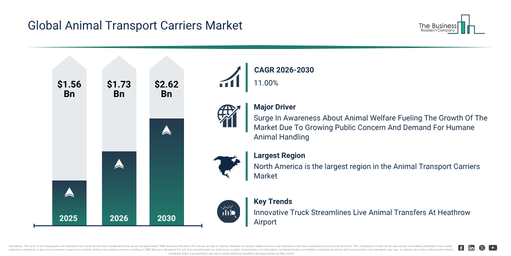
    The animal transport carriers market has experienced significant growth in recent years. Its value is anticipated to rise from $1.56 billion in 2025 to $1.73 billion in 2026, achieving a compound annual growth rate (CAGR) of 10.7%. The expansion observed in the past can be linked to a global increase in pet ownership, a rise in veterinary and animal healthcare operations, enhanced understanding of animal safety during transit, the broadening of commercial animal transportation services, and a greater embrace of robust and reusable transport carriers.

    The market for animal transport carriers is projected to experience substantial expansion in the coming years, reaching a valuation of $2.62 billion by 2030, exhibiting a compound annual growth rate (CAGR) of 11.0%. This anticipated growth during the forecast period is driven by several factors, including a heightened demand for premium and personalized pet travel items, the expanding influence of e-commerce platforms for pet accessories, a heightened emphasis on sustainable and biodegradable materials for carriers, stricter regulations concerning animal welfare and transportation safety, and the increasing incorporation of smart and interconnected technologies into animal carriers. Key trends identified for this period encompass the wider acceptance of smart GPS-equipped animal transport carriers, a rising preference for environmentally friendly and recyclable carrier materials, the growing integration of temperature and health tracking systems within carriers, an increased utilization of lightweight and collapsible transport options, and the expanding deployment of automated and ergonomic solutions for handling animals.

    Download A Free Sample Report For Comprehensive Market Insights:

    https://www.thebusinessresearchcompany.com/sample_request?id=76790987&type=smp

    #Animal Transport Carriers Market Growth Drivers And Industry Catalysts

    Growing consciousness regarding animal welfare is anticipated to boost the expansion of the animal transport carriers market in the future. Animal welfare encompasses the overall well-being of animals, guaranteeing their health, safety, and freedom from distress, along with the fulfillment of their physical and psychological requirements. This heightened awareness stems from increasing public concern, with individuals becoming more mindful of animal well-being and advocating for compassionate care. Animal transport carriers contribute to promoting animal welfare awareness by facilitating the secure and humane transit of animals, underscoring the necessity of appropriate care, comfort, and a calm approach during their journey. For example, data from June 2025, provided by the Royal Society for the Prevention of Cruelty to Animals, a UK-based animal welfare charity, revealed that wildlife protection emerged as the foremost animal welfare concern for the UK public, increasing to 61% from 56% in 2024, which signifies a rising emphasis on wildlife preservation. Consequently, the expanding awareness of animal welfare is serving as a primary impetus for the growth of the animal transport carriers market.

    Animal Transport Carriers Market Segment Analysis And Revenue Opportunities

    The animal transport carriers market covered in this report is segmented –

    1) By Product Type: Crates, Cages, Kennels, Carriers, Other Product Types

    2) By Material: Plastic, Metal, Fabric, Other Materials

    3) By Distribution Channel: Specialty Stores, Online Stores, Supermarkets Or Hypermarkets, Other Distribution Channels

    4) By Application: Commercial, Household, Veterinary, Other Applications

    5) By End User: Pet Owners, Veterinary Clinics, Animal Shelters, Zoos And Wildlife Organizations, Research Institutions

    Subsegments:

    1) By Crates: Plastic Crates, Wooden Crates, Metal Crates, Collapsible Crates

    2) By Cages: Wire Cages, Plastic Cages, Metal Cages, Stackable Cages

    3) By Kennels: Indoor Kennels, Outdoor Kennels, Portable Kennels, Insulated Kennels

    4) By Carriers: Handheld Carriers, Backpack Carriers, Wheeled Carriers, Soft-Sided Carriers

    5) By Other Product Types: Travel Bags, Pet Strollers, Animal Trolleys, Specialized Transport Boxes

    #Animal Transport Carriers Market Trends Influencing Long-Term Demand

    Major companies operating in the animal transport carriers market are focusing on developing advanced transport solutions, including dedicated live animal freight trucks, with the aim of enhancing animal welfare, reducing stress levels during transit, and improving operational efficiency. Dedicated live animal transport involves specialized vehicles and systems specifically engineered to safely move animals between locations, minimizing handling, noise exposure, and potential hazards, ultimately ensuring a smoother and safer journey. As an illustration, in March 2025, Animal Aircare, a UK-based animal transport and welfare company, introduced Heathrow’s first dedicated freight truck solely for live animal transfers. This vehicle allows for direct transfers from aircraft to the reception facility, thereby eliminating manual handling on the busy ramp. This innovation reduces stress and the risk of escape, speeds up processing times, and provides a calm, controlled environment for animals in transit, thereby setting a new standard for live animal transport at airports.

    Animal Transport Carriers Market Leading Players Shaping Industry Direction

    Major companies operating in the animal transport carriers market are Ferplast S. p. A, IRIS Ohyama Inc., Savic N. V., TRIXIE Heimtierbedarf GmbH And Co. KG, Petfond Co. Ltd., Snoozer Pet Products, MidWest Homes for Pets Inc., K&H Pet Products, Paws And Pals Inc., Diggs Inc., Pet Life LLC, MPS S. r. l, Sleeko, Hunter International Ltd., Pet Gear Inc., Sleepypod Inc., EliteField LLC, Prefer Pets Travel Gear, Karlie Flamingo, Stefanplast S. p. A

    Access The Complete Animal Transport Carriers Market Report:

    https://www.thebusinessresearchcompany.com/report/animal-transport-carriers-market-report

    Animal Transport Carriers Market Largest Region By Revenue And Market Share

    North America was the largest region in the animal transport carriers market in 2025. Asia-Pacific is expected to be the fastest-growing region in the forecast period. The regions covered in the animal transport carriers market report are Asia-Pacific, South East Asia, Western Europe, Eastern Europe, North America, South America, Middle East and Africa.

    Get in touch with us:

    The Business Research Company: https://www.thebusinessresearchcompany.com/

    Americas: +1 310-496-7795

    Asia: +44 7882 955267 & +91 8897263534

    Europe: +44 7882 955267

    Email us at: marketing@tbrc.info

    Follow us on:

    LinkedIn: https://in.linkedin.com/company/the-business-research-company

    YouTube: https://www.youtube.com/channel/UC24_fI0rV8cR5DxlCpgmyFQ

    Global Market Model: https://www.thebusinessresearchcompany.com/global-market-model

  • Animal Disease Outbreak Monitoring Market Trends And Growth Drivers Point To Strong Future Potential

    Animal Disease Outbreak Monitoring Market Trends And Growth Drivers Point To Strong Future Potential

    Delivering more actionable and strategically valuable research, The Business Research Company’s 2026 market reports feature market attractiveness analysis, total addressable market evaluation, company benchmarking matrices, interactive Excel dashboards, expanded supply chain intelligence, emerging startup coverage, and detailed product insights.

    Animal Disease Outbreak Monitoring Market Growth Analysis: How Will Revenue Expand During The Forecast Period?

    The animal disease outbreak monitoring market has observed substantial expansion in recent years. This market is forecasted to increase from $2.68 billion in 2025 to $2.96 billion in 2026, registering a compound annual growth rate (CAGR) of 10.6%. Historically, this growth can be attributed to the rising incidence of zoonotic and livestock diseases, an increasing government focus on animal health surveillance programs, the growing adoption of molecular diagnostic technologies, expanding livestock farming and animal trade activities, and increasing investments in veterinary healthcare infrastructure.

    The animal disease outbreak monitoring market size is anticipated to experience substantial growth in the upcoming years. It is projected to expand to $4.47 billion by 2030, achieving a compound annual growth rate (CAGR) of 10.9%. This expansion during the forecast period can be attributed to the increasing integration of AI-based disease prediction systems, a rising demand for cloud-based outbreak monitoring platforms, the growing adoption of next-generation sequencing technologies in veterinary diagnostics, the expanding utilization of connected sensors and smart monitoring devices, and a heightened focus on antimicrobial resistance monitoring and biosecurity management. Prominent trends observed in the forecast period encompass the increasing adoption of real-time animal disease surveillance systems, a growing demand for predictive outbreak monitoring platforms, the rising use of epidemiological data integration tools, an increasing emphasis on biosecurity and zoonotic disease prevention, and the growing implementation of rapid diagnostic and reporting technologies.

    Download A Free Sample Report For Comprehensive Market Insights:

    https://www.thebusinessresearchcompany.com/sample_request?id=55618691&type=smp

    Animal Disease Outbreak Monitoring Market Opportunity Drivers: What Is Creating New Revenue Potential?

    The animal disease outbreak monitoring market is set for growth due to the escalating incidence of zoonotic and transboundary animal diseases. These diseases, defined as illnesses caused by pathogens transmissible between animals and humans or those that rapidly cross borders, present concurrent dangers to animal health, human health, and food security. The expanding prevalence of such diseases is largely attributable to increased interaction between wildlife and domestic livestock, as agricultural expansion and habitat encroachment intensify cross-species contact and accelerate the spillover of novel pathogens from wild reservoirs into farmed animals. This increased incidence drives demand for outbreak monitoring systems, as timely detection and real-time surveillance are crucial for containing cross-species transmission, preventing large-scale spread, and facilitating rapid, coordinated responses. For example, a report published by the Government of Canada in January 2025 noted 158 rabies samples submitted in December 2024, an increase from 147 rabies samples submitted in November 2022. Thus, the escalating incidence of zoonotic and transboundary animal diseases is a key driver for the expansion of the animal disease outbreak monitoring market.

    Animal Disease Outbreak Monitoring Market Segmentation And Category Breakdown

    The animal disease outbreak monitoring market covered in this report is segmented –

    1) By Component: Software, Hardware, Services

    2) By Pathogen Type: Bacterial, Viral, Parasitic, Fungal, Other Pathogen Types

    3) By Technology: Polymerase Chain Reaction (PCR), Enzyme-Linked Immunosorbent Assay (ELISA), Next-Generation Sequencing (NGS), Immunoassays, Other Technologies

    4) By Deployment Mode: Cloud-Based, On-Premises

    5) By Application: Disease Surveillance, Outbreak Investigation, Antimicrobial Resistance Monitoring, Vaccine Development

    Subsegments:

    1) By Software: Data Collection Software, Data Analysis Software, Visualization Software, Reporting Software, Predictive Modeling Software

    2) By Hardware: Diagnostic Instruments, Sensors, Laboratory Equipment, Servers, Data Storage Devices

    3) By Services: Consultation Services, Training Services, Maintenance Services, Analytical Services, Support Services

    Animal Disease Outbreak Monitoring Market Innovation Trends Driving Future Development

    Key governments and public health entities within the animal disease outbreak monitoring market are emphasizing the reinforcement of animal disease surveillance infrastructure. This is being achieved via dedicated financial programs and integrated monitoring systems, aiming to improve early detection, prompt response, and the prevention of zoonotic and livestock diseases. These endeavors support data gathering, enhance diagnostic capabilities, and enable coordinated response mechanisms across different regions. For instance, in November 2024, the Government of India, an India-based government department, launched the Animal Health Security Strengthening initiative as part of its wider livestock health strategy, with financial support from the World Bank. The program’s goal is to upgrade disease surveillance networks, strengthen laboratory diagnostic abilities, and set up real-time monitoring systems to identify and react to emerging animal disease outbreaks, thereby safeguarding livestock productivity and public health.

    Animal Disease Outbreak Monitoring Market Competitive Analysis Of Major Industry Participants

    Major companies operating in the animal disease outbreak monitoring market are Merck & Co Inc., Thermo Fisher Scientific Inc., Boehringer Ingelheim International GmbH, Zoetis Inc., GEA Group Aktiengesellschaft, Elanco Animal Health Incorporated, bioMérieux SA, IDEXX Laboratories Inc., Bio Rad Laboratories Inc., QIAGEN NV, Ceva Santé Animale SA, Virbac SA, DeLaval Holding AB, Randox Laboratories Ltd, Nedap NV, Bioneer Corporation, Afimilk Ltd, Agrolabo SpA, Innovative Diagnostics SAS, Royal GD

    Access The Complete Animal Disease Outbreak Monitoring Market Report:

    https://www.thebusinessresearchcompany.com/report/animal-disease-outbreak-monitoring-market-report

    Animal Disease Outbreak Monitoring Market Regional Analysis And Leading Geography

    North America was the largest region in the animal disease outbreak monitoring market in 2025. Asia-Pacific is expected to be the fastest-growing region in the forecast period. The regions covered in the animal disease outbreak monitoring market report are Asia-Pacific, South East Asia, Western Europe, Eastern Europe, North America, South America, Middle East and Africa.

    Get in touch with us:

    The Business Research Company: https://www.thebusinessresearchcompany.com/

    Americas: +1 310-496-7795

    Asia: +44 7882 955267 & +91 8897263534

    Europe: +44 7882 955267

    Email us at: marketing@tbrc.info

    Follow us on:

    LinkedIn: https://in.linkedin.com/company/the-business-research-company

    YouTube: https://www.youtube.com/channel/UC24_fI0rV8cR5DxlCpgmyFQ

    Global Market Model: https://www.thebusinessresearchcompany.com/global-market-model
  • Animal Antibiotics Antimicrobials Market Expansion Is Reshaping Competitive Dynamics Across The Industry

    Animal Antibiotics Antimicrobials Market Expansion Is Reshaping Competitive Dynamics Across The Industry

    Enhanced with market attractiveness analysis, total addressable market evaluation, company benchmarking matrices, interactive Excel dashboards, expanded supply chain intelligence, emerging startup coverage, and detailed product insights, The Business Research Company’s 2026 market reports deliver more actionable and strategically valuable research.

    Animal Antibiotics Antimicrobials Market Forecast: What Market Value Is Expected By 2030?

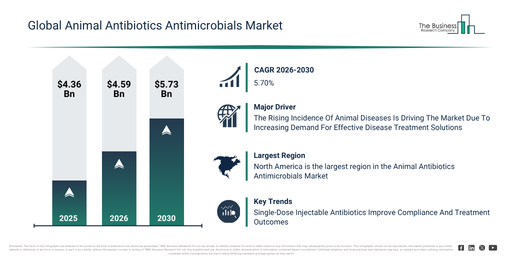
    The animal antibiotics antimicrobials market size has seen significant expansion in recent years. This market is set to increase from $4.36 billion in 2025 to $4.59 billion in 2026, registering a compound annual growth rate (CAGR) of 5.4%. The historical growth of this market is largely due to factors such as a rise in livestock disease outbreaks, a growing need for animal protein production, extensive use of antibiotics in animal farming, restricted veterinary healthcare infrastructure in developing regions, and the adoption of intensive farming practices.

    The animal antibiotics antimicrobials market is projected for robust expansion over the coming years, reaching $5.73 billion by 2030, at a compound annual growth rate (CAGR) of 5.7%. This growth during the forecast period is attributed to the tightening of global regulations on antimicrobial resistance, a growing move towards sustainable livestock farming, the increasing implementation of veterinary preventive healthcare programs, the wider availability of precision animal health solutions, and an escalating awareness of food safety and the control of zoonotic diseases. Significant trends expected in the forecast period include the rising adoption of precision veterinary antimicrobial therapies, a heightened focus on mitigating antimicrobial resistance in animal health, the expansion of preventive livestock disease management initiatives, an increase in antibiotic stewardship regulations within veterinary medicine, and a growing demand for alternative non-antibiotic growth promoters in animal husbandry.

    Download A Free Sample Report For Comprehensive Market Insights:

    https://www.thebusinessresearchcompany.com/sample_request?id=87296156&type=smp

    Animal Antibiotics Antimicrobials Market Growth Momentum: Which Factors Are Influencing Demand?

    The increasing occurrence of animal illnesses is anticipated to fuel the expansion of the animal antibiotics antimicrobials market in the future. These diseases encompass infections and various health issues, originating from bacteria, viruses, parasites, or fungi, which impact both livestock and companion animals, thereby diminishing their productivity and overall health. This escalation in animal disease incidence stems from the geographical dissemination of infectious agents into previously unaffected areas and diverse species. Animal antibiotics antimicrobials play a crucial role in alleviating the impact of animal diseases by facilitating successful infection treatment, enhancing recovery rates, and decreasing the spread of illnesses among animal populations. As an illustration, information from the World Organization for Animal Health, a French animal health body, indicated a substantial rise in avian influenza outbreaks among mammals in May 2025, escalating from 459 outbreaks in 2023 to 1,022 outbreaks in 2024 across 55 countries, highlighting a considerable increase in disease propagation. Consequently, the escalating frequency of animal diseases is a primary catalyst for the expansion of the animal antibiotics antimicrobials market.

    Animal Antibiotics Antimicrobials Market Segment Outlook: Which Categories Are Expanding The Fastest?

    The animal antibiotics antimicrobials market covered in this report is segmented –

    1) By Product: Tetracycline, Penicillin, Sulfonamide, Macrolide, Cephalosporin, Fluoroquinolone, Lincosamides

    2) By Mode Of Delivery: Premixes, Oral Powder, Injection, Other Mode Of Deliveries

    3) By Animal Type: Cattle, Pork, Poultry, Aquaculture, Other Livestock

    4) By Application: Therapeutic Use, Preventive Use, Growth Promotion

    5) By End User: Veterinary Hospitals And Clinics, Veterinary Research Institutes, Farms Or Commercial Producers, Home Care

    Subsegments:

    1) By Tetracycline: Chlortetracycline, Oxytetracycline, Tetracycline, Doxycycline, Minocycline

    2) By Penicillin: Natural Penicillins, Aminopenicillins, Antistaphylococcal Penicillins, Extended Spectrum Penicillins

    3) By Sulfonamide: Sulfadiazine, Sulfamethoxazole, Sulfisoxazole, Sulfadimethoxine, Sulfamethazine

    4) By Macrolide: Erythromycin, Azithromycin, Clarithromycin, Tylosin, Tilmicosin

    5) By Cephalosporin: First Generation, Second Generation, Third Generation, Fourth Generation, Fifth Generation

    6) By Fluoroquinolone: Enrofloxacin, Ciprofloxacin, Danofloxacin, Marbofloxacin, Orbifloxacin

    7) By Lincosamides: Lincomycin, Clindamycin, Pirlimycin

    Animal Antibiotics Antimicrobials Market Trends Reshaping Industry Growth

    Leading companies within the animal antibiotics antimicrobials market are focusing on developing innovative products, such as long-acting injectable antibiotics, to enhance treatment adherence and therapeutic effectiveness. A long-acting injectable antibiotic is a sustained-release antimicrobial formulation administered via injection, designed to maintain therapeutic drug levels over an extended period, thereby reducing the need for repeated dosing. For instance, in November 2025, Dechra Pharmaceuticals, a UK-based veterinary pharmaceuticals company, launched Solovecin. This product delivers a complete course of antibiotic therapy with a single in-clinic injection, addressing common compliance challenges associated with oral dosing in pets. It enhances treatment reliability and supports antimicrobial stewardship by reducing missed doses and incomplete therapy.

    Animal Antibiotics Antimicrobials Market Key Companies And Competitive Benchmarking

    Major companies operating in the animal antibiotics antimicrobials market are Merck & Co. Inc., Boehringer Ingelheim GmbH, Zoetis Inc., Zydus Lifesciences Limited, Ceva Santé Animale, Virbac S. A., Phibro Animal Health Corporation, Dechra Pharmaceuticals PLC, Neogen Corporation, China Animal Husbandry Industry Co. Ltd., HIPRA S. A., Vetoquinol S. A., Norbrook Laboratories Limited, Indian Immunologicals Limited, American Regent Inc., ECO Animal Health Group plc, Elanco Animal Health Incorporated, Bioveta a. s., Huvepharma EOOD, Inovet BV, Ashish Life Science Pvt. Ltd., Kyoritsu Seiyaku Corporation, UCBVET Saúde Animal Ltda, Lutim Pharma Private Limited

    Access The Complete Animal Antibiotics Antimicrobials Market Report:

    https://www.thebusinessresearchcompany.com/report/animal-antibiotics-antimicrobials-market-report

    Animal Antibiotics Antimicrobials Market Geographic Analysis: Where Is Demand Growing The Fastest?

    North America was the largest region in the animal antibiotics antimicrobials market in 2025. Asia-Pacific is expected to be the fastest-growing region in the forecast period. The regions covered in the animal antibiotics antimicrobials market report are Asia-Pacific, South East Asia, Western Europe, Eastern Europe, North America, South America, Middle East and Africa.

    Get in touch with us:

    The Business Research Company: https://www.thebusinessresearchcompany.com/

    Americas: +1 310-496-7795

    Asia: +44 7882 955267 & +91 8897263534

    Europe: +44 7882 955267

    Email us at: marketing@tbrc.info

    Follow us on:

    LinkedIn: https://in.linkedin.com/company/the-business-research-company

    YouTube: https://www.youtube.com/channel/UC24_fI0rV8cR5DxlCpgmyFQ

    Global Market Model: https://www.thebusinessresearchcompany.com/global-market-model
  • Zoonotic Disease Treatment Market Size Forecast To Achieve $57.7 Billion By 2030 With 6.2% CAGR

    Zoonotic Disease Treatment Market Size Forecast To Achieve $57.7 Billion By 2030 With 6.2% CAGR

    The Business Research Company’s 2026 market reports feature advanced enhancements such as market attractiveness analysis, total addressable market evaluation, company benchmarking matrices, interactive Excel dashboards, expanded supply chain intelligence, emerging startup coverage, and detailed product insights, delivering more actionable and strategically valuable research.

    What Is The Forecasted Rise In Market Size Of The Zoonotic Disease Treatment Market During The Forecast Period?

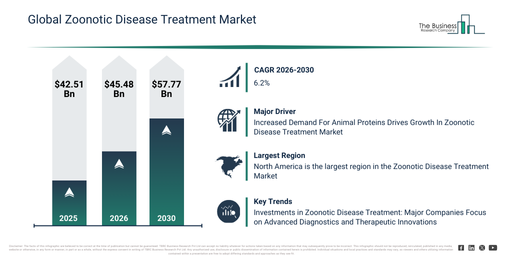
    The zoonotic disease treatment market has shown significant expansion in recent years. It is projected to increase from $42.51 billion in 2025 to $45.48 billion in 2026, achieving a compound annual growth rate (CAGR) of 7.0%. This historical growth can be linked to frequent zoonotic disease transmission events, limited disease surveillance in animal populations, a high reliance on conventional antibiotics, an absence of coordinated animal and human health strategies, and increased human-animal interaction.

    The zoonotic disease treatment market size is projected to experience substantial expansion in the coming years. This market is anticipated to reach $57.77 billion by 2030, demonstrating a compound annual growth rate (CAGR) of 6.2%. Key drivers for this growth during the forecast period include advancements in zoonotic disease diagnostics and therapies, a greater embrace of “One Health” strategies, increased governmental investment in controlling zoonotic diseases, broader animal vaccination programs, and the growth of worldwide disease surveillance initiatives. Significant trends expected over the forecast period encompass a rising frequency of zoonotic disease outbreaks, a heightened emphasis on preventative care and prophylaxis, an increasing need for wide-ranging anti-infective treatments, the broadening of integrated animal and human health initiatives, and a focus on prompt diagnosis and swift treatment commencement.

    Download A Free Sample Report For Comprehensive Market Insights:

    https://www.thebusinessresearchcompany.com/sample.aspx?id=15965&type=smp

    Which Drivers Are Advancing The Zoonotic Disease Treatment Market Growth?

    The increased demand for animal proteins is expected to propel the growth of the zoonotic disease treatment market going forward. Animal proteins are proteins derived from animal sources, such as meat, dairy, eggs, and fish, and contain all essential amino acids necessary for human health. The increased demand for animal proteins is due to the rising global population, higher income levels, urbanization, and growing awareness of the nutritional benefits of animal-based foods. Zoonotic disease treatments offer insights for managing diseases stemming from animal proteins, understanding transmission routes, developing effective therapies, and implementing preventive measures to mitigate public health risks. For instance, in March 2025, according to the Australian Bureau of Statistics (ABS) is an Australia-based official national statistical agency, meat and poultry products per capita increased by 2.3% compared with 2023-24. This reflects a clear rise in animal-based protein intake by weight in the national diet. Therefore, the increased demand for animal proteins is driving the growth of the zoonotic disease treatment market.

    Zoonotic Disease Treatment Market Driver: Surge In Global Livestock Production Driving The Growth Of The Market Due To Rising Demand For Animal-Based Food Products

    Growing global livestock production is expected to propel the growth of the zoonotic disease treatment market going forward. Livestock production refers to the systematic, human-managed breeding, raising, keeping, and utilization of domesticated animals (livestock) to generate food, fiber, labor, and other products for human consumption or use. Growing global livestock production is increasing due to the rising demand for animal-based food products driven by population growth and changing dietary preferences. Livestock production supports zoonotic disease treatment by serving as a critical interface for surveillance, research, and management of animal health, enabling early detection of pathogens, development of vaccines and therapeutics, and implementation of biosecurity practices that reduce transmission between animals and humans while strengthening integrated One Health responses. For instance, in July 2025, according to the official statistics, a UK-based government agencies, in 2024, the total value of livestock output in the UK was £20.1 ($23.69) billion, up £1.1 ($1.30) billion (+5.6%) compared with 2023. This growth was largely driven by higher prices and increased production in eggs, beef, and milk sectors. Therefore, growing global livestock production is driving the growth of the zoonotic disease treatment market.

    How Is The Zoonotic Disease Treatment Market Distributed Across Key Segments?

    The zoonotic disease treatment market covered in this report is segmented –

    1) By Disease Type: Rabies, Tuberculosis, Leishmaniasis, Ebola Virus Disease, Other Disease Types

    2) By Drug Class: Anti-Fungal, Anti-Bacterial, Antibiotics, Other Drug Classes

    3) By Causative Agent: Bacteria, Virus, Nematode, Rodents, Ticks, Other Causative Agents

    4) By Route Of Administration: Oral, Topical, Other Routes Of Administrations

    5) By Distribution Channel: Hospital Pharmacy, Retail Pharmacy, Online Pharmacy, Other Distribution Channels

    Subsegments:

    1) By Rabies: Post Exposure Prophylaxis (PEP), Pre-Exposure Prophylaxis (PrEP)

    2) By Tuberculosis: Latent Tuberculosis Treatment, Active Tuberculosis Treatment

    3) By Leishmaniasis: Visceral Leishmaniasis, Cutaneous Leishmaniasis, Mucocutaneous Leishmaniasis

    4) By Ebola Virus Disease: Pre-Exposure Vaccination, Post-Exposure Treatment

    5) By Other Disease Types: Zika Virus, Lassa Fever, Yellow Fever, Chikungunya

    What Trends Are Influencing The Zoonotic Disease Treatment Market?

    Major companies operating in the zoonotic disease treatment market are focused on investing in zoonotic disease treatment to enhance diagnostic capabilities and improving treatment protocols. This includes developing advanced diagnostic technologies, such as PCR kits, to facilitate quicker identification of zoonotic pathogens and implementing targeted therapeutic interventions. For instance, in October 2023, BioPerfectus, a China-based biotechnology company specializing in diagnostic solutions, launched the addition of thirteen new members to its Zoonotic Infectious Diseases Total PCR Solution. This enhancement aims to bolster its diagnostic capabilities for zoonotic diseases, which account for over 60% of known infectious diseases and 75% of emerging infections. The initiative is designed to improve health security preparedness and response, particularly as climate change facilitates the spread of infectious diseases to new regions. With these new products, the company aims to enable quicker diagnoses and better management of zoonotic infections, highlighting the importance of proactive public health measures.

    Which Key Players Are Active In The Zoonotic Disease Treatment Market?

    North America was the largest region in the zoonotic disease treatment market in 2025. Asia-Pacific is expected to be the fastest-growing region in the forecast period. The regions covered in the zoonotic disease treatment market report are Asia-Pacific, South East Asia, Western Europe, Eastern Europe, North America, South America, Middle East, Africa.

    Access The Complete Zoonotic Disease Treatment Market Report:

    https://www.thebusinessresearchcompany.com/report/zoonotic-disease-treatment-global-market-report

    Which Region Accounts For The Highest Share Of The Zoonotic Disease Treatment Market?

    North America was the largest region in the zoonotic disease treatment market in 2025. Asia-Pacific is expected to be the fastest-growing region in the forecast period. The regions covered in the zoonotic disease treatment market report are Asia-Pacific, South East Asia, Western Europe, Eastern Europe, North America, South America, Middle East, Africa.

    Access a Customized Zoonotic Disease Treatment Market Report for Deeper Competitive Insights

    https://www.thebusinessresearchcompany.com/sample.aspx?id=15965&type=smp

    Get in touch with us:

  • Yeast Probiotic Ingredient For Animal Market Forecast Covering Industry Demand And Market Evolution

    Yeast Probiotic Ingredient For Animal Market Forecast Covering Industry Demand And Market Evolution

    The Business Research Company’s 2026 market reports feature advanced enhancements such as market attractiveness analysis, total addressable market evaluation, company benchmarking matrices, interactive Excel dashboards, expanded supply chain intelligence, emerging startup coverage, and detailed product insights, delivering more actionable and strategically valuable research.

    How Is The Yeast Probiotic Ingredient For Animal Market’s Market Value Anticipated To Evolve From 2026 To 2030?

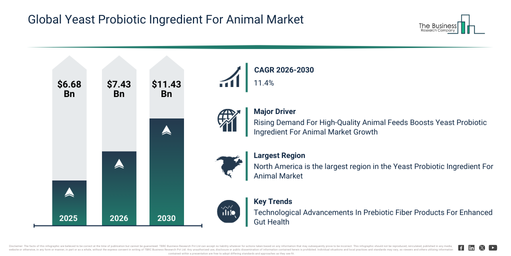
    The yeast probiotic ingredient for animal market has experienced rapid expansion in recent years. It is projected to grow from $6.68 billion in 2025 to $7.43 billion in 2026, at a compound annual growth rate (CAGR) of 11.2%. The market’s historical growth can be attributed to factors such as the ban on antibiotic growth promoters, rising livestock production volumes, increasing awareness of animal nutrition, the growth in commercial animal farming, and the proven benefits of yeast-based feed additives.

    The yeast probiotic ingredient for animal market size is projected to experience substantial expansion over the upcoming years. This market is anticipated to reach a valuation of $11.43 billion by 2030, exhibiting a compound annual growth rate (CAGR) of 11.4%. This forecasted growth is driven by several factors, including the escalating demand for sustainable animal protein, an intensified emphasis on enhancing animal immunity and preventing diseases, expansion within aquaculture and pet nutrition sectors, progress in developing probiotic strains, and the wider integration of functional feed ingredients. Key trends identified for this period encompass the growing acceptance of probiotics as alternatives to antibiotics, a heightened concentration on the gut health and immune systems of livestock, a rising inclination towards natural feed additives, the broader application of probiotics in poultry and swine nutrition, and the increased incorporation of yeast derivatives into animal feed formulations.

    Download A Free Sample Report For Comprehensive Market Insights:

    https://www.thebusinessresearchcompany.com/sample.aspx?id=9307&type=smp

    What Primary Factors Are Fueling The Expansion Of The Yeast Probiotic Ingredient For Animal Market?

    The increasing demand for high-quality animal feeds is expected to propel the growth of yeast probiotic ingredient for animal market going forward. High-quality animal feeds are nutritionally balanced formulations that provide essential nutrients to meet the specific dietary requirements of animals, promoting optimal health, growth, and performance. High-quality animal feeds are rising because livestock and pet owners are seeking better nutrition to improve animal health, growth, and productivity. Incorporating yeast probiotic ingredients into high-quality animal feeds is a strategic approach to support animal health, enhance performance, and address concerns related to sustainability and the responsible use of antibiotics in livestock farming. For instance, in February 2025, according to the Institute for Feed Education and Research (IFEEDER), a US-based feed advocacy nonprofit, U.S. livestock, poultry, and farmed aquaculture consumed approximately 283.6 million tons of feed in 2023, reflecting sustained large-scale feed use that underscores broad demand for quality nutrition inputs like probiotics that improve gut health and feed efficiency, compared with prior years’ totals showing similar scale. Therefore, the increasing demand for high-quality animal feeds is driving the growth of the yeast probiotic ingredient for animal market.

    How Does Segment Analysis Break Down The Yeast Probiotic Ingredient For Animal Market Structure?

    The yeast probiotic ingredient for animal market covered in this report is segmented –

    1) By Product Type: Live, Spent, Yeast Derivatives

    2) By Genus: Saccharomyces Spp, Kluyveromyces Spp

    3) By Livestock: Ruminants, Poultry, Swine, Aquatic Animals, Pets, Equine

    Subsegments:

    1) By Live: Probiotic Live Yeast Cultures, Fermented Live Yeast

    2) By Spent: Dried Spent Yeast, Liquid Spent Yeast

    3) By Yeast Derivatives: Yeast Extracts, Yeast Beta-Glucans, Yeast Cell Walls

    Which Trends Are Supporting The Evolution Of The Yeast Probiotic Ingredient For Animal Market?

    Major companies operating in the yeast probiotic ingredient market for animals are focused on developing technologically advanced products, such as prebiotic fiber, to gain a competitive advantage and expand their customer base. Prebiotic fiber is a specialized fiber technology that promotes the growth of beneficial gut bacteria. For instance, in September 2023, Alltech, a US-based nutrition company, launched Microbuild, an advanced prebiotic fiber designed to enhance gut health and support a resilient microbiome in pets, This cutting-edge prebiotic is dedicated to promoting overall well-being and ensuring gut health, especially in the presence of bacterial challenges. By boosting microbial diversity in the gut, Microbuild strengthens the natural defenses of the animal. Positioned as a nutritional technology, Microbuild assists pets in developing a diverse and healthy microbiome, offering tangible benefits that contribute to noticeable improvements in pet health for owners.

    Who Are The Leading Firms Participating In The Yeast Probiotic Ingredient For Animal Market?

    North America was the largest region in the yeast probiotic ingredient for animal market in 2025. The regions covered in the yeast probiotic ingredient for animal market report are Asia-Pacific, South East Asia, Western Europe, Eastern Europe, North America, South America, Middle East, Africa.

    Access The Complete Yeast Probiotic Ingredient For Animal Market Report:

    https://www.thebusinessresearchcompany.com/report/yeast-probiotic-ingredient-for-animal-global-market-report

    Which Region Is The Primary Market For The Yeast Probiotic Ingredient For Animal Market?

    North America was the largest region in the yeast probiotic ingredient for animal market in 2025. The regions covered in the yeast probiotic ingredient for animal market report are Asia-Pacific, South East Asia, Western Europe, Eastern Europe, North America, South America, Middle East, Africa.

    Access a Customized Yeast Probiotic Ingredient For Animal Market Report for Deeper Competitive Insights

    https://www.thebusinessresearchcompany.com/sample.aspx?id=9307&type=smp

    Get in touch with us:

  • Wildlife Health Market Trends And Growth Outlook Across The 2026–2030 Forecast Period

    Wildlife Health Market Trends And Growth Outlook Across The 2026–2030 Forecast Period

    The Business Research Company’s 2026 market reports feature advanced enhancements such as market attractiveness analysis, total addressable market evaluation, company benchmarking matrices, interactive Excel dashboards, expanded supply chain intelligence, emerging startup coverage, and detailed product insights, delivering more actionable and strategically valuable research.

    By 2030, How Much Growth In Market Size Is Expected For The Wildlife Health Market?

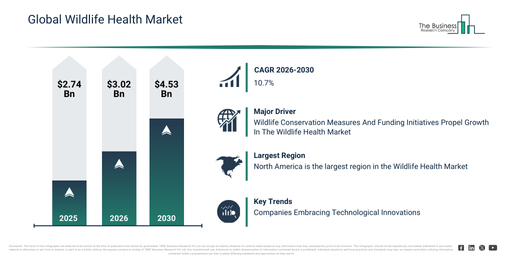
    The wildlife health market size has expanded significantly in recent years. It is anticipated to increase from $2.74 billion in 2025 to $3.02 billion in 2026, reflecting a compound annual growth rate (CAGR) of 10.0%. The historical growth in this market can be linked to several factors, including rising incidences of wildlife diseases, increased establishment of zoos and wildlife sanctuaries, expansion of veterinary interventions for mammals and birds, development of specialized wildlife medicines, and growing awareness about conservation and animal welfare.

    The wildlife health market size is projected to experience swift expansion over the coming years. It is anticipated to reach $4.53 billion by 2030, exhibiting a compound annual growth rate (CAGR) of 10.7%. This expansion during the forecast period is driven by improvements in wildlife medicine and therapeutic treatments, the implementation of digital monitoring and tracking solutions, rising governmental backing for wildlife health initiatives, expanding ecotourism and conservation efforts, and the incorporation of precision medicine into wildlife healthcare. Key developments expected during this period involve a heightened emphasis on wildlife disease monitoring, the use of specialized veterinary medications for wildlife, the enlargement of wildlife rescue and rehabilitation schemes, a rising need for habitat health and conservation oversight, and the application of injectable and oral treatments for various species.

    Download A Free Sample Report For Comprehensive Market Insights:

    https://www.thebusinessresearchcompany.com/sample.aspx?id=12183&type=smp

    Which Strategic Drivers Are Supporting The Wildlife Health Market Development?

    Wildlife conservation measures and funding activities are expected to propel the growth of the wildlife health market going forward. Wildlife conservation measures encompass a range of strategies and actions aimed at preserving and protecting biodiversity, often requiring substantial funding activities to support habitat restoration, anti-poaching efforts, research initiatives, and community engagement for sustainable wildlife management. The wildlife health market plays a pivotal role in supporting wildlife conservation measures and funding activities by providing essential services, diagnostics, and treatments that contribute to the overall well-being of wildlife populations, thereby reinforcing the foundations for sustainable conservation efforts. For instance, in September 2023, the United States Department of the Interior, a US-based executive department of the U.S. federal government, allocated over $40.6 million in grants through the U.S. Fish and Wildlife Service, leveraging an additional $17.6 million, to 10 states and the U.S., facilitating the acquisition and protection of 7,200 acres of habitat and supporting the implementation of state programs under the Endangered Species Act for the conservation and recovery of federally listed and at-risk species on non-federal lands. Therefore, wildlife conservation measures and funding activities are driving the growth of the wildlife health market.

    What Segment Types Are Included In The Wildlife Health Market Analysis?

    The wildlife health market covered in this report is segmented –

    1) By Animal Type: Mammals, Birds, Fish, Reptiles, Amphibians

    2) By Product: Medicine, Equipment And Consumables

    3) By Route Of Administration: Oral, Injectable, Other Routes Of Administration

    4) By End-User: Zoos, Wildlife Sanctuaries, Wildlife Rescue And Rehab Centers, Other End Users

    Subsegments:

    1) By Mammals: Large Mammals, Small Mammals

    2) By Birds: Raptors, Waterfowl, Songbirds

    3) By Fish: Freshwater Fish, Saltwater Fish

    4) By Reptiles: Snakes, Lizards, Turtles And Tortoises

    5) By Amphibians: Frogs, Salamanders, Newts

    Which Trends Are Expected To Shape The Wildlife Health Market?

    Major companies operating in the wildlife health market are adopting new technologies to sustain their position in the market. New technologies refer to advanced diagnostic tools, treatment methods, and monitoring systems designed to improve wildlife health management and disease prevention. For instance, in February 2023, the U.S. Department of Agriculture (USDA), a US-based federal agency, introduced new tests in 2023 to track and detect COVID variants in wild and domestic animals. These tools help manage the spread of zoonotic diseases. The USDA Animal and Plant Health Inspection Service (APHIS) is currently implementing a $300 million provision in the American Rescue Plan Act to conduct monitoring and surveillance of susceptible animals for the COVID virus. Through this initiative, ARS, in partnership with APHIS, is conducting five research projects to improve its understanding of the virus and to help APHIS accomplish its goal of building an early warning system to potentially prevent or limit the next zoonotic disease outbreak or global pandemic.

    Which Companies Are Engaged In The Wildlife Health Market Environment?

    North America was the largest region in the wildlife health market in 2025. The regions covered in the wildlife health market report are Asia-Pacific, South East Asia, Western Europe, Eastern Europe, North America, South America, Middle East, Africa.

    Access The Complete Wildlife Health Market Report:

    https://www.thebusinessresearchcompany.com/report/wildlife-health-global-market-report

    Which Geographic Region Represents The Largest Wildlife Health Market Share?

    North America was the largest region in the wildlife health market in 2025. The regions covered in the wildlife health market report are Asia-Pacific, South East Asia, Western Europe, Eastern Europe, North America, South America, Middle East, Africa.

    Access a Customized Wildlife Health Market Report for Deeper Competitive Insights

    https://www.thebusinessresearchcompany.com/sample.aspx?id=12183&type=smp

    Get in touch with us:

  • Veterinary Vaccines Market Expansion Outlook Through 2030 With Revenue Growth Insights

    Veterinary Vaccines Market Expansion Outlook Through 2030 With Revenue Growth Insights

    The Business Research Company’s 2026 market reports feature advanced enhancements such as market attractiveness analysis, total addressable market evaluation, company benchmarking matrices, interactive Excel dashboards, expanded supply chain intelligence, emerging startup coverage, and detailed product insights, delivering more actionable and strategically valuable research.

    What Market Value Trend Is Expected For The Veterinary Vaccines Market From 2026 To 2030?

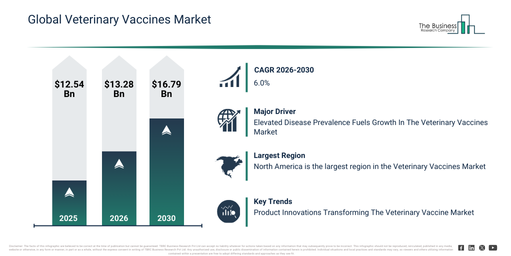
    The veterinary vaccines market size has expanded significantly in recent years. This market is projected to expand from $12.54 billion in 2025 to $13.28 billion in 2026, exhibiting a compound annual growth rate (CAGR) of 5.9%. Historically, this expansion has been driven by the increasing prevalence of animal diseases, a rising livestock population, the growth in companion animals, government regulations supporting vaccination, and advancements in vaccine research and production.

    The veterinary vaccines market is expected to experience significant expansion in the coming years. It is projected to reach $16.79 billion by 2030, exhibiting a compound annual growth rate (CAGR) of 6.0%. This growth throughout the forecast period can be attributed to several factors, including the emergence of new biopharmaceutical vaccine technologies, a rising demand for preventive veterinary care, the increasing adoption of DNA and recombinant vaccines, the broadening of vaccination programs in developing markets, and enhanced awareness regarding the prevention of zoonotic diseases. Notable trends anticipated during this period encompass the development of innovative livestock vaccines, the expansion of companion animal vaccination initiatives, the increased use of recombinant and toxoid vaccines, the integration of multi-disease combination vaccines, and a concentrated focus on preventing the transmission of zoonotic diseases.

    Download A Free Sample Report For Comprehensive Market Insights:

    https://www.thebusinessresearchcompany.com/sample.aspx?id=2456&type=smp

    What Major Growth Factors Are Impacting The Veterinary Vaccines Market?

    The increase in the number of animals suffering from a range of diseases is expected to propel the growth of veterinary vaccine market going forward. Animals suffering from a range of diseases refers to non-human animals experiencing the concurrent or sequential burden of multiple pathological conditions, resulting in compounded physical, psychological, and functional harm that severely compromises their welfare. The increase in the number of animals suffering from a range of diseases is rising due to poor sanitation and hygiene conditions in animal habitats. Veterinary vaccines support animals suffering from a range of diseases by stimulating their immune systems to prevent infections, reduce disease severity, limit transmission, and enhance overall animal health and welfare. For instance, July 2025, according to the UK Health Security Agency, a UK-based government agencies, in 2024, 154 confirmed and probable leptospirosis cases (a bacterial zoonotic infection) were reported, an 11.6% increase from the 138 cases recorded in 2023. Therefore, the increase in the number of animals suffering from a range of diseases is driving the growth of the veterinary vaccine market.

    Which Segment Divisions Form The Structure Of The Veterinary Vaccines Market?

    The veterinary vaccines market covered in this report is segmented –

    1) By Vaccine Type: Live Attenuated, Inactivated (Killed), Recombinant Or Subunit, mRNA And DNA, Other Vaccine Types

    2) By Animal Type: Canine, Feline, Equine, Bovine, Swine, Poultry, Other Animal Types

    3) By Disease Type: Viral Diseases, Bacterial Diseases, Parasitic Diseases, Other Disease Types

    4) By Route Of Administration: Injectable, Oral, Intranasal, Other Route Of Administrations

    5) By End-User Or Customer Type: Pet Owners Or Companion Animal Owners, Farm Or Livestock Owners, Veterinary Clinics Or Hospitals, Animal Shelters Or Rescue Organizations, Research Or Educational Institutions

    Subsegments:

    1) By Live Attenuated: Viral Vaccines, Bacterial Vaccines, Parasitic Vaccines

    2) By Inactivated (Killed): Viral Vaccines, Bacterial Vaccines, Parasitic Vaccines

    3) By Recombinant Or Subunit: Viral Vaccines, Bacterial Vaccines

    4) By mRNA And DNA: Viral Vaccines, Bacterial Vaccines

    5) By Other Vaccine Types: Toxoid Vaccines, Conjugate Vaccines, Vector-based Vaccines

    What Trends Are Impacting The Veterinary Vaccines Market?

    Major companies operating in the veterinary vaccine market are innovating new products to secure a competitive lead in the market. New products refer to advanced and disease-specific veterinary vaccines incorporating improved formulations, broader pathogen coverage, and enhanced safety and efficacy profiles. For instance, in June 2023, Merck Animal Health, a US-based pharmaceutical company launched a new three-in-one swine vaccine called Circumvent CML. This vaccine provides protection against Porcine Circovirus Type 2a (PCV-2a), Porcine Circovirus Type 2d (PCV-2d), Mycoplasma hyopneumoniae, and Lawsoniaintracellularis. The vaccine combines multiple antigens and adjuvant systems in a single bottle, reducing the required volume. It is administered as a single dose intramuscularly to pigs aged three weeks or older, simplifying the vaccination process and reducing stress for both animals and caretakers.

    Who Are The Prominent Players Across The Veterinary Vaccines Market?

    North America was the largest region in the veterinary vaccines market in 2025. Asia-Pacific was the second-largest region in the global veterinary vaccines market analysis. The regions covered in the veterinary vaccines market report are Asia-Pacific, South East Asia, Western Europe, Eastern Europe, North America, South America, Middle East, Africa.

    Access The Complete Veterinary Vaccines Market Report:

    https://www.thebusinessresearchcompany.com/report/veterinary-vaccines-global-market-report

    Which Region Leads The Veterinary Vaccines Market By Size?

    North America was the largest region in the veterinary vaccines market in 2025. Asia-Pacific was the second-largest region in the global veterinary vaccines market analysis. The regions covered in the veterinary vaccines market report are Asia-Pacific, South East Asia, Western Europe, Eastern Europe, North America, South America, Middle East, Africa.

    Access a Customized Veterinary Vaccines Market Report for Deeper Competitive Insights

    https://www.thebusinessresearchcompany.com/sample.aspx?id=2456&type=smp

    Get in touch with us:

  • Veterinary Telehealth Market Industry Analysis Covering Trends, Drivers, And Future Outlook

    Veterinary Telehealth Market Industry Analysis Covering Trends, Drivers, And Future Outlook

    The Business Research Company’s 2026 market reports feature advanced enhancements such as market attractiveness analysis, total addressable market evaluation, company benchmarking matrices, interactive Excel dashboards, expanded supply chain intelligence, emerging startup coverage, and detailed product insights, delivering more actionable and strategically valuable research.

    How Does The Forecasted Market Size Of The Veterinary Telehealth Market Compare Between 2026 And 2030?

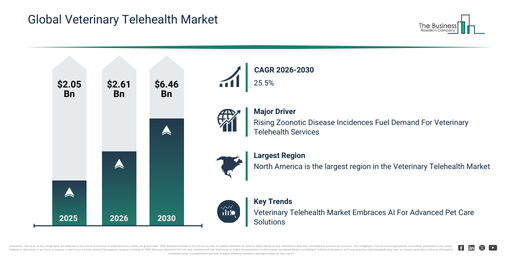
    The dimensions of the veterinary telehealth market have seen rapid expansion over the last few years. This market is projected to expand from $2.05 billion in 2025 to $2.61 billion by 2026, demonstrating a compound annual growth rate (CAGR) of 27.3%. Factors contributing to its historical growth include an increase in pet ownership, greater awareness regarding animal health, the integration of digital communication into veterinary services, the expansion of veterinary clinics and hospitals, and improvements in telecommunication infrastructure.

    The veterinary telehealth market is anticipated to experience rapid expansion in the coming years. This market is projected to reach $6.46 billion by 2030, exhibiting a compound annual growth rate (CAGR) of 25.5%. Factors contributing to this growth during the forecast period include the incorporation of AI-powered diagnostic tools, the broadening of telehealth platforms to cover various animal types, a surge in investment in mobile veterinary technologies, the escalating need for preventive care solutions, and the development of real-time remote monitoring services. Key trends identified for the forecast period encompass the wider availability of telemedicine services for companion animals, the rise of remote monitoring and teleconsulting, the embrace of mobile veterinary telehealth platforms, the integration of veterinary health data analytics, and an enhanced emphasis on preventive care facilitated by telehealth.

    Download A Free Sample Report For Comprehensive Market Insights:

    https://www.thebusinessresearchcompany.com/sample.aspx?id=9377&type=smp

    What Market Drivers Are Helping Shape The Veterinary Telehealth Market Expansion?

    The growing prevalence of zoonotic diseases in animals is expected to propel the growth of the veterinary healthcare market going forward. Zoonotic diseases are a group of common diseases caused by pathogenic germs such as viruses, bacteria, parasites, and fungi. These viruses can cause various ailments in humans and animals, from moderate to severe illness and even death. The growing prevalence of zoonotic diseases is increasing due to closer contact between humans and animals. Veterinary healthcare is essential in managing zoonotic diseases in animals by providing early diagnosis and treatment, enforcing preventive strategies, monitoring outbreaks, and promoting responsible animal care to safeguard both animal and human health. For instance, July 2025, according to the UK Health Security Agency, a UK-based government agencies, in 2024, 154 confirmed and probable leptospirosis cases (a bacterial zoonotic infection) were reported, an 11.6% increase from the 138 cases recorded in 2023. Therefore, the growing prevalence of zoonotic disease in animals will drive the veterinary telehealth market.

    How Are Different Segment Groups Identified Within The Veterinary Telehealth Market?

    The veterinary telehealth market covered in this report is segmented –

    1) By Animal Type: Canine, Feline, Equine, Bovine, Swine, Other Animal Types

    2) By Service Type: Telemedicine, Teleconsulting, Telemonitoring, Other Service Types

    3) By End-User Or Customer Type: Pet Owners Or Companion Animal Owners, Farm Or Livestock Owners, Veterinary Clinics Or Hospitals, Animal Shelters Or Rescue Organizations, Research Or Educational Institutions

    Subsegments:

    1) By Canine: Small Breed Dogs, Large Breed Dogs

    2) By Feline: Domestic Cats, Exotic Cats

    3) By Equine: Horses, Ponies

    4) By Bovine: Dairy Cattle, Beef Cattle

    5) By Swine: Pigs, Hogs

    6) By Other Animal Types: Poultry, Small Mammals, Reptiles

    Which Trends Are Affecting The Veterinary Telehealth Market Framework?

    Major companies operating in the veterinary telehealth market are focusing on advanced technologies such as artificial intelligence (AI) to strengthen their position in the market. AI algorithms analyze a pet’s medical history, genetic information, lifestyle factors, and even environmental data to develop customized treatment plans. For example, in May 2023, PetHub Inc., a US-based company that connects pet owners with resources, tools, savings, and a place to store key pet data, launched a new wellness tool for pet owners, powered by VetInsight. The PetHub Wellness Tools include unlimited 24/7 veterinary telehealth services, a comprehensive AI symptom checker, and a virtual food and treat finder that provides custom recommendations for pets. The Symptom Checker feature is an on-demand, artificial intelligence (AI) virtual veterinarian that allows pet owners to search their pet’s symptoms and receive recommendations for the next steps based on the information provided.

    Which Companies Form The Competitive Landscape Of The Veterinary Telehealth Market?

    North America was the largest region in the veterinary telehealth market in 2025. Asia-Pacific is expected to be the fastest-growing region in the forecast period. The regions covered in the veterinary telehealth market report are Asia-Pacific, South East Asia, Western Europe, Eastern Europe, North America, South America, Middle East, Africa.

    Access The Complete Veterinary Telehealth Market Report:

    https://www.thebusinessresearchcompany.com/report/veterinary-telehealth-global-market-report

    Which Region Has The Strongest Presence In The Veterinary Telehealth Market?

    North America was the largest region in the veterinary telehealth market in 2025. Asia-Pacific is expected to be the fastest-growing region in the forecast period. The regions covered in the veterinary telehealth market report are Asia-Pacific, South East Asia, Western Europe, Eastern Europe, North America, South America, Middle East, Africa.

    Access a Customized Veterinary Telehealth Market Report for Deeper Competitive Insights

    https://www.thebusinessresearchcompany.com/sample.aspx?id=9377&type=smp

    Get in touch with us:

  • Veterinary Surgical Instruments Market Forecast Assessing Growth Potential And Industry Direction

    Veterinary Surgical Instruments Market Forecast Assessing Growth Potential And Industry Direction

    The Business Research Company’s 2026 market reports feature advanced enhancements such as market attractiveness analysis, total addressable market evaluation, company benchmarking matrices, interactive Excel dashboards, expanded supply chain intelligence, emerging startup coverage, and detailed product insights, delivering more actionable and strategically valuable research.

    What Increase In Market Value Is Predicted For The Veterinary Surgical Instruments Market During The 2026–2030 Period?

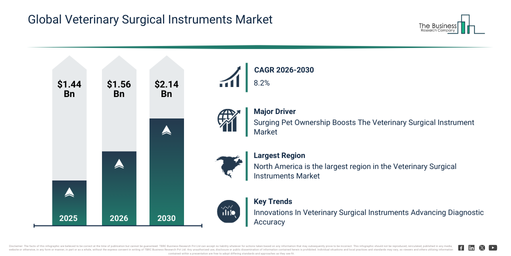
    The veterinary surgical instruments market has demonstrated significant growth over the past few years. This market is projected to expand from $1.44 billion in 2025 to $1.56 billion in 2026, achieving a compound annual growth rate (CAGR) of 8.1%. Historically, this expansion has been driven by factors such as a rise in companion animal ownership, the proliferation of veterinary hospitals and clinics, a higher occurrence of orthopedic and soft tissue conditions, innovations in fundamental veterinary surgical instruments, and enhanced availability of veterinary care.

    The veterinary surgical instruments market is set to experience robust expansion over the next few years, with projections indicating a rise to $2.14 billion by 2030, demonstrating a compound annual growth rate (CAGR) of 8.2%. This growth during the forecast period is fueled by an increase in complex and specialty animal surgeries, rising expenditures on advanced veterinary procedures, a growing need for precision surgical instruments, the expansion of veterinary healthcare infrastructure, and technological advancements in surgical devices. Major trends anticipated within the forecast period include an escalating demand for sophisticated surgical procedures in pets, the increasing adoption of minimally invasive veterinary surgeries, a heightened focus on surgical precision and safety, the expansion of specialized veterinary surgical services, and a growing volume of companion animal surgeries.

    Download A Free Sample Report For Comprehensive Market Insights:

    https://www.thebusinessresearchcompany.com/sample.aspx?id=9384&type=smp

    Which Significant Factors Are Encouraging Growth In The Veterinary Surgical Instruments Market?

    The rapid increase in pet ownership is expected to propel the growth of the veterinary surgical instrument market in the coming years. Pet ownership is the act of owning and caring for a domesticated animal as a companion, such as by taking on the duty of providing food, shelter, medical care, and emotional support for the animal’s well-being. Pet ownership is rising because more people are seeking companionship and emotional support from animals, leading to an increase in adoption and long-term care of pets. Veterinary surgical instruments help pet ownership by enabling safe and effective surgical treatments, improving animal health, recovery, and overall quality of life. For instance, in October 2023, according to the World Animal Foundation, a US-based website dedicated to animal rights, ethical pet ownership, and compassionate awareness, dog ownership was more common among all pets, featuring 65.1 million dogs in contrast to 46.5 million cats. Horse owners possess 2.2 million horses, whereas saltwater fish tanks are owned by 11 million people. Therefore, the rapid increase in pet ownership is driving the veterinary surgical instrument market.

    What Segment Categories Are Evaluated In The Veterinary Surgical Instruments Market Study?

    The veterinary surgical instruments market covered in this report is segmented –

    1) By Product: Sutures, Staplers, And Accessories, Handheld Devices, Electrosurgery Instruments, Other Products

    2) By Animal: Companion Animals, Farm Animals

    3) By Application: Soft Tissue Surgery, Sterilization Surgery, Gynecology And Urology Surgery, Dental Surgery, Orthopedic Surgery, Ophthalmic Surgery, Other Applications

    Subsegments:

    1) By Sutures, Staplers, And Accessories: Absorbable Sutures, Non-Absorbable Sutures, Surgical Staplers, Suture Removal Kits

    2) By Handheld Devices: Scalpels, Scissors, Forceps, Needle Holders

    3) By Electrosurgery Instruments: Electrosurgical Generators, Electrode Tips, Smoke Evacuators

    4) By Other Products: Surgical Drapes And Covers, Surgical Lights, Operating Tables, Sterilization Equipment

    Which Trends Are Supporting The Evolution Of The Veterinary Surgical Instruments Market?

    Major companies operating in the veterinary surgical instruments market are developing innovative instruments such as cutting-edge veterinary portable ultrasound systems to enhance diagnostic accuracy, improve mobility for field veterinarians, and provide real-time imaging capabilities during surgical procedures. A cutting-edge veterinary portable ultrasound system is an advanced diagnostic imaging device designed specifically for veterinary applications. For instance, in May 2024, Esaote North America Inc., a US-based company that offers medical products launched the MyLab Omega eXP VET, a state-of-the-art portable ultrasound system designed specifically for veterinary applications. This new system is positioned within the veterinary surgical instruments market and aims to enhance diagnostic imaging capabilities for veterinarians. This advanced technology provides high-resolution imaging from superficial to deeper tissues, ensuring clarity and precision in diagnostics.

    Who Are The Key Market Participants In The Veterinary Surgical Instruments Market?

    North America was the largest region in the veterinary surgical instruments market in 2025. Asia-Pacific is expected to be the fastest-growing region in the veterinary surgical instruments market report during the forecast period. The regions covered in the veterinary surgical instruments market report are Asia-Pacific, South East Asia, Western Europe, Eastern Europe, North America, South America, Middle East, Africa.

    Access The Complete Veterinary Surgical Instruments Market Report:

    https://www.thebusinessresearchcompany.com/report/veterinary-surgical-instruments-global-market-report

    Which Region Stands As The Largest Contributor To The Veterinary Surgical Instruments Market?

    North America was the largest region in the veterinary surgical instruments market in 2025. Asia-Pacific is expected to be the fastest-growing region in the veterinary surgical instruments market report during the forecast period. The regions covered in the veterinary surgical instruments market report are Asia-Pacific, South East Asia, Western Europe, Eastern Europe, North America, South America, Middle East, Africa.

    Access a Customized Veterinary Surgical Instruments Market Report for Deeper Competitive Insights

    https://www.thebusinessresearchcompany.com/sample.aspx?id=9384&type=smp

    Get in touch with us:

  • Veterinary Stereotactic Radiosurgery System Market Expected To Witness Revenue Growth Toward $5.9 Billion By 2030

    Veterinary Stereotactic Radiosurgery System Market Expected To Witness Revenue Growth Toward $5.9 Billion By 2030

    The Business Research Company’s 2026 market reports feature advanced enhancements such as market attractiveness analysis, total addressable market evaluation, company benchmarking matrices, interactive Excel dashboards, expanded supply chain intelligence, emerging startup coverage, and detailed product insights, delivering more actionable and strategically valuable research.

    How Will The Market Size Of The Veterinary Stereotactic Radiosurgery System Market Progress Through 2030?

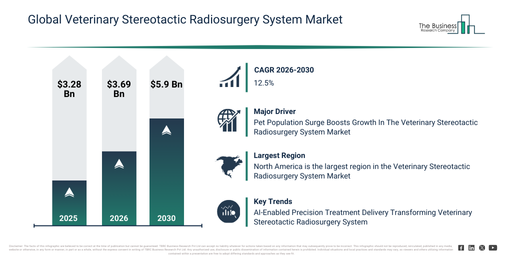
    The veterinary stereotactic radiosurgery system market has shown significant expansion in recent years. This market is expected to increase from $3.28 billion in 2025 to $3.69 billion in 2026, achieving a compound annual growth rate (CAGR) of 12.6%. The historical growth in this sector is linked to several factors, including the rising occurrence of cancer in companion animals, developments in veterinary oncology, the expansion of veterinary specialty hospitals, greater access to imaging technologies, and the demand for precise radiation therapy.

    The market size for veterinary stereotactic radiosurgery systems is anticipated to experience significant expansion over the next few years. This sector is projected to reach $5.9 billion by 2030, demonstrating a compound annual growth rate (CAGR) of 12.5%. The growth observed during the forecast period is primarily driven by the evolution of high-precision radiation delivery systems, the incorporation of AI into treatment planning, the increase in canine and feline oncology programs, rising investments in veterinary cancer care, and the expansion of contract research organizations (CROs) supporting animal oncology. Prominent trends for the forecast duration include a greater embrace of stereotactic radiosurgery in veterinary oncology, the emergence of minimally invasive treatment solutions, the integration of advanced imaging for accurate tumor targeting, the establishment of more specialized veterinary cancer centers, and a growing public awareness of options for pet cancer treatment.

    Download A Free Sample Report For Comprehensive Market Insights:

    https://www.thebusinessresearchcompany.com/sample.aspx?id=7805&type=smp

    What Core Drivers Are Transforming The Veterinary Stereotactic Radiosurgery System Market?

    The rise in the pet population is expected to propel the growth of the veterinary stereotactic radiosurgery system market going forward. Pet population refers to the total number of domesticated animals, such as dogs, cats, and other pets, that are kept and cared for by people within a specific area or community. Pet population is rising because more households are adopting animals for companionship, leading to an increase in the number of pets cared for in communities. Veterinary stereotactic radiosurgery systems help the pet population by providing precise, non-invasive treatment for tumors and other serious conditions, improving recovery outcomes and quality of life. For instance, in July 2025, according to the World Animal Foundation (WAF), a US-based organizations focused on animal welfare, pet ownership is now at 71% of U.S. households, up from 66% in 2023–2024. Therefore, the rise in the pet population is driving the growth of the veterinary stereotactic radiosurgery system market.

    How Is The Veterinary Stereotactic Radiosurgery System Market Examined Through Segment Analysis?

    The veterinary stereotactic radiosurgery system market covered in this report is segmented –

    1) By Product: Microsurgical Instrumentation, Imaging And Visualization Systems, Radiation Therapy Systems And Software

    2) By Modality: Gamma Knife, Linear Accelerator, Particle Beam Radiation Therapy, Cyber Knife

    3) By Application: Canine, Feline, Other Applications

    4) By End User: Hospitals, Contract Research Organizations (CROs), Other End Users

    Subsegments:

    1) By Microsurgical Instrumentation: Stereotactic Frames, Navigation Systems, Targeting Devices

    2) By Imaging And Visualization Systems: Imaging Systems, Surgical Microscopes

    3) By Radiation Therapy Systems And Software: Treatment Planning Software, Radiation Delivery Systems, Positioning Accessories Or Immobilization Devices

    What Trends Are Affecting The Growth Of The Veterinary Stereotactic Radiosurgery System Market?

    Major companies operating in the veterinary stereotactic radiosurgery system market are focusing on technological advancements, such as AI-driven image-guided treatment delivery platforms, to gain a competitive advantage. AI-driven image-guided treatment delivery platforms are integrated digital systems that combine artificial intelligence with imaging and robotic controls to plan, prescribe, and precisely deliver stereotactic radiation therapies within a prescription delivery service framework, improving treatment accuracy, reducing procedure times, and enhancing clinical workflow efficiency. For instance, in September 2024, Bluepearl Veterinary Partners LLC, a US-based veterinary care provider, introduced the CyberKnife System for veterinary use, featuring a robotic linear accelerator capable of delivering high-energy photon beams from numerous angles, real-time imaging guidance to minimize healthy tissue exposure, and sub-millimeter targeting precision for complex tumors. This deployment expands access to advanced oncology care for animals and strengthens specialty clinical capabilities but requires significant investment in training and infrastructure.

    Which Organizations Are Operating Within The Veterinary Stereotactic Radiosurgery System Market?

    North America was the largest region in the veterinary stereotactic radiosurgery system market in 2025. The regions covered in the veterinary stereotactic radiosurgery system market report are Asia-Pacific, South East Asia, Western Europe, Eastern Europe, North America, South America, Middle East, Africa.

    Access The Complete Veterinary Stereotactic Radiosurgery System Market Report:

    https://www.thebusinessresearchcompany.com/report/veterinary-stereotactic-radiosurgery-system-global-market-report

    What Is The Largest Regional Market In The Veterinary Stereotactic Radiosurgery System Market?

    North America was the largest region in the veterinary stereotactic radiosurgery system market in 2025. The regions covered in the veterinary stereotactic radiosurgery system market report are Asia-Pacific, South East Asia, Western Europe, Eastern Europe, North America, South America, Middle East, Africa.

    Access a Customized Veterinary Stereotactic Radiosurgery System Market Report for Deeper Competitive Insights

    https://www.thebusinessresearchcompany.com/sample.aspx?id=7805&type=smp

    Get in touch with us: