Category: Veterinary Healthcare

  • Ovine And Caprine Artificial Insemination Market Industry Outlook 2026–2030 Highlighting Growth Momentum And Market Trends

    Ovine And Caprine Artificial Insemination Market Industry Outlook 2026–2030 Highlighting Growth Momentum And Market Trends

    The Business Research Company’s 2026 market reports feature advanced enhancements such as market attractiveness analysis, total addressable market evaluation, company benchmarking matrices, interactive Excel dashboards, expanded supply chain intelligence, emerging startup coverage, and detailed product insights, delivering more actionable and strategically valuable research.

    How Does The Forecasted Market Size Of The Ovine And Caprine Artificial Insemination Market Compare Between 2026 And 2030?

    The ovine and caprine artificial insemination market size has demonstrated robust growth in recent years. It is projected to expand from $1.22 billion in 2025 to reach $1.3 billion by 2026, at a compound annual growth rate (CAGR) of 6.7%. Historically, this expansion has been attributed to the low genetic quality of livestock, prevalent traditional breeding methods, limited access to AI equipment, a rising demand for higher wool and milk yield, and an increasing livestock population.

    The ovine and caprine artificial insemination market size is expected to experience robust expansion over the coming years, with projections indicating a rise to $1.67 billion by 2030, demonstrating a compound annual growth rate (CAGR) of 6.4%. This anticipated growth is primarily fueled by advancements in AI techniques and equipment, a heightened awareness of genetic improvement benefits, increasing demand for high-quality semen, the expansion of veterinary reproductive services, and the adoption of precision livestock breeding technologies. Significant trends shaping the forecast period include the growing adoption of frozen and sexed semen for breeding, the broadening of reproductive health monitoring services, increased usage of automated insemination equipment, a rising demand for hormonal reagents and ovulation induction kits, and the integration of breeding consultancy services aimed at livestock improvement.

    Download A Free Sample Report For Comprehensive Market Insights:

    https://www.thebusinessresearchcompany.com/sample.aspx?id=20586&type=smp

    Which Growth Factors Are Strengthening The Ovine And Caprine Artificial Insemination Market Landscape?

    The rise in meat consumption is expected to propel the growth of the ovine and caprine artificial insemination market going forward. The growing awareness of the importance of protein in a balanced diet and changing preferences towards high-protein diets (such as ketogenic and paleo diets) has led to increased demand for meat as a primary protein source. Ovine and caprine artificial insemination improves sheep and goats’ genetic quality and productivity, leading to higher meat yields, better disease resistance, and more efficient meat production to meet the increasing global demand for meat. For instance, in August 2024, according to an updated report on red meat and poultry production published by the United States Department of Agriculture, a US-based federal agency, between January-July 2023, red meat and poultry production was 31419.8 (million pounds), which rose to 31775.4 (million pounds) in January-July 2024. Therefore, the rise in meat consumption is driving the growth of the ovine and caprine artificial insemination market.

    Which Segment Divisions Form The Structure Of The Ovine And Caprine Artificial Insemination Market?

    The ovine and caprine artificial insemination market covered in this report is segmented –

    1) By Species: Ovine, Caprine

    2) By Technique Or Method: Vaginal AI, Transcervical AI, Laparoscopic AI, Intravaginal Or Advanced AI

    3) By Application: Genetic Improvement, Commercial Meat Production, Dairy Production, Research And Breeding Programs

    4) By End-User: Farms And Livestock Producers, Veterinary Clinics, AI Service Providers Or Cooperatives, Research Institutions

    Subsegments:

    1) By Ovine: Sheep Breeding AI, Sheep Genetic Improvement Programs, Sheep Dairy AI, Sheep Meat Production AI

    2) By Caprine: Goat Breeding AI, Goat Genetic Improvement Programs, Goat Dairy AI, Goat Meat Production AI

    What Trends Are Affecting The Ovine And Caprine Artificial Insemination Market Dynamics?

    Major companies in the ovine and caprine artificial insemination (AI) market are focusing on advanced technologies such as genetic improvement technology and artificial insemination (AI) to enhance food security. Genetic improvement technology involves selectively breeding animals with desirable traits, such as high fertility, milk yield, or growth rate, to improve the genetic quality of future generations. Artificial insemination (AI) is a reproductive technology where semen from a selected male goat is manually inserted into a female to enhance genetic quality. For instance, in June 2024, the International Center for Agricultural Research in the Dry Areas (ICARDA), a Lebanon-based research organization, launched Mali’s first-ever Community-Based Breeding Program (CBBP) for goats. The program aims to improve the genetic potential of small ruminants in Mali, focusing on both meat and milk productivity, and enhancing the livelihoods of small-scale livestock keepers. This program includes the development of low-cost artificial insemination technologies to boost reproductive efficiency in goats.

    Who Are The Businesses Driving Activity In The Ovine And Caprine Artificial Insemination Market?

    North America was the largest region in the ovine and caprine artificial insemination market in 2025. The regions covered in the ovine and caprine artificial insemination market report are Asia-Pacific, South East Asia, Western Europe, Eastern Europe, North America, South America, Middle East, Africa.

    Access The Complete Ovine And Caprine Artificial Insemination Market Report:

    https://www.thebusinessresearchcompany.com/report/ovine-and-caprine-artificial-insemination-global-market-report

    Which Region Commands The Largest Share Of The Ovine And Caprine Artificial Insemination Market?

    North America was the largest region in the ovine and caprine artificial insemination market in 2025. The regions covered in the ovine and caprine artificial insemination market report are Asia-Pacific, South East Asia, Western Europe, Eastern Europe, North America, South America, Middle East, Africa.

    Access a Customized Ovine And Caprine Artificial Insemination Market Report for Deeper Competitive Insights

    https://www.thebusinessresearchcompany.com/sample.aspx?id=20586&type=smp

    Get in touch with us:

    The Business Research Company: https://www.thebusinessresearchcompany.com/

    Americas: +1 310-496-7795

    Asia: +44 7882 955267 & +91 8897263534

    Europe: +44 7882 955267

    Email us at: marketing@tbrc.info

    Follow us on:

    LinkedIn: https://in.linkedin.com/company/the-business-research-company

    YouTube: https://www.youtube.com/channel/UC24_fI0rV8cR5DxlCpgmyFQ

    Global Market Model: https://www.thebusinessresearchcompany.com/global-market-model
  • Nutritional Feed Additives Market Growth Forecast With Analysis Of Industry Progress Through 2030

    Nutritional Feed Additives Market Growth Forecast With Analysis Of Industry Progress Through 2030

    The Business Research Company’s 2026 market reports feature advanced enhancements such as market attractiveness analysis, total addressable market evaluation, company benchmarking matrices, interactive Excel dashboards, expanded supply chain intelligence, emerging startup coverage, and detailed product insights, delivering more actionable and strategically valuable research.

    What Increase In Market Value Is Predicted For The Nutritional Feed Additives Market During The 2026–2030 Period?

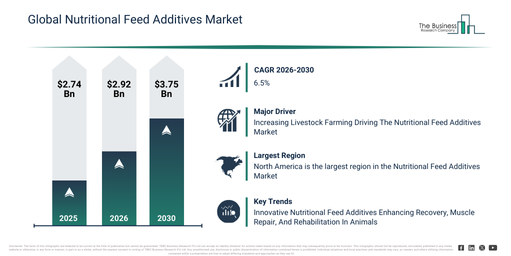
    The nutritional feed additives market has experienced strong growth in recent years. It is projected to expand from $2.74 billion in 2025 to $2.92 billion in 2026, demonstrating a compound annual growth rate (CAGR) of 6.4%. The historical expansion can be attributed to the increase in commercial livestock farming, a greater emphasis on animal productivity, a rising occurrence of nutritional deficiencies in feed, the extensive adoption of compound feeds, and the development of the poultry and swine industries.

    The nutritional feed additives market is projected to experience significant expansion in the coming years. It is anticipated to reach $3.75 billion by 2030, showing a compound annual growth rate (CAGR) of 6.5%. This growth throughout the forecast period stems from regulatory pressures aimed at reducing antibiotic use, an increasing need for high-quality animal protein, greater awareness concerning animal health and nutrition, the expansion of aquaculture production, and advancements in feed formulation technologies. Prominent trends for the forecast period include a developing preference for non-antibiotic nutritional additives, an increased incorporation of vitamins and minerals for comprehensive nutrition, a rising adoption of probiotics and prebiotics in feed, a higher demand for enzymes to enhance feed efficiency, and the broader use of mycotoxin detoxifiers to ensure feed safety.

    Download A Free Sample Report For Comprehensive Market Insights:

    https://www.thebusinessresearchcompany.com/sample.aspx?id=2604&type=smp

    What Important Drivers Are Powering The Nutritional Feed Additives Market Growth?

    Increasing livestock farming is expected to drive the growth of the nutritional feed additives market going forward. The increase in livestock farming is primarily driven by rising global population and growing demand for animal-based products. Nutritional feed additives in livestock farming are dietary supplements that enhance animal health, growth, and productivity by providing essential nutrients, vitamins, and minerals in animal diets. For instance, in May 2024, according to the United States Department of Agriculture, a US-based government agency, the forecast In the 2023 period, livestock production is expected to total 103.66 million metric tons, representing a 2% increase from the 102.09 million metric tons produced in 2022. Therefore, increasing livestock farming will continue to drive the nutritional feed additives market in the forecast period.

    How Are Different Segment Groups Identified Within The Nutritional Feed Additives Market?

    The nutritional feed additives market covered in this report is segmented –

    1) By Form: Dry, Liquid, Other Forms

    2) By Additive Type: Antibiotics, Vitamins, Antioxidants, Amino Acids, Enzymes, Mycotoxin Detoxifiers, Prebiotics, Probiotics, Flavors And Sweeteners, Pigments, Binders, Minerals

    3) By Livestock: Ruminants, Poultry, Swine, Aquatic

    4) By Distribution Channel: Direct, Indirect, Hypermarket Or Supermarket, Specialty Stores, Online Retail

    Subsegments:

    1) By Dry: Powdered, Granules, Pellets

    2) By Liquid: Solution, Suspension

    3) By Other Forms: Paste, Gel

    What Trends Are Influencing The Future Of The Nutritional Feed Additives Market?

    Major companies operating in the nutritional feed additives market are focusing on developing innovative solutions, such as advanced nutritional support products and functional feed supplements, to meet the rising demand for faster recovery, muscle repair, mobility improvement, and overall post-injury and post-surgical rehabilitation in companion and production animals. Advanced nutritional support products are designed to complement physical rehabilitation therapies by supplying targeted amino acids and nutrients that aid muscle regeneration, tissue repair, and metabolic recovery, offering a more specialized approach compared with traditional standard diets that primarily meet basic nutritional needs. For instance, in June 2023, Evonik Industries AG, a Germany-based specialty chemicals and life sciences company, launched the updated Biolys product for animal feeds, an innovative nutritional solution formulated with high-quality L-lysine sulfate that supports protein synthesis, muscle development, and efficient nutrient utilization. The updated Biolys features an optimized composition derived from natural fermentation processes, improved sustainability credentials, and enhanced bioavailability, making it suitable for supporting animals during recovery phases where muscle strength and tissue repair are critical. This product can be integrated into veterinary rehabilitation programs as a dietary intervention to enhance recovery outcomes, improve physical resilience, and support long-term animal health alongside conventional rehabilitation services.

    Which Firms Are Competing In The Nutritional Feed Additives Market?

    North America was the largest region in the nutritional feed additives market in 2025. Asia-Pacific was the second-largest region in the nutritional feed additives market report. The regions covered in the nutritional feed additives market report are Asia-Pacific, South East Asia, Western Europe, Eastern Europe, North America, South America, Middle East, Africa.

    Access The Complete Nutritional Feed Additives Market Report:

    https://www.thebusinessresearchcompany.com/report/nutritional-feed-additives-global-market-report

    Which Region Accounts For The Highest Share Of The Nutritional Feed Additives Market?

    North America was the largest region in the nutritional feed additives market in 2025. Asia-Pacific was the second-largest region in the nutritional feed additives market report. The regions covered in the nutritional feed additives market report are Asia-Pacific, South East Asia, Western Europe, Eastern Europe, North America, South America, Middle East, Africa.

    Access a Customized Nutritional Feed Additives Market Report for Deeper Competitive Insights

    https://www.thebusinessresearchcompany.com/sample.aspx?id=2604&type=smp

    Get in touch with us:

    The Business Research Company: https://www.thebusinessresearchcompany.com/

    Americas: +1 310-496-7795

    Asia: +44 7882 955267 & +91 8897263534

    Europe: +44 7882 955267

    Email us at: marketing@tbrc.info

    Follow us on:

    LinkedIn: https://in.linkedin.com/company/the-business-research-company

    YouTube: https://www.youtube.com/channel/UC24_fI0rV8cR5DxlCpgmyFQ

    Global Market Model: https://www.thebusinessresearchcompany.com/global-market-model

  • Global Mycotoxin Feed Testing Market Forecast Highlighting Expansion And Competitive Dynamics

    Global Mycotoxin Feed Testing Market Forecast Highlighting Expansion And Competitive Dynamics

    The Business Research Company’s 2026 market reports feature advanced enhancements such as market attractiveness analysis, total addressable market evaluation, company benchmarking matrices, interactive Excel dashboards, expanded supply chain intelligence, emerging startup coverage, and detailed product insights, delivering more actionable and strategically valuable research.

    How Will The Market Size Of The Mycotoxin Feed Testing Market Progress Through 2030?

    The mycotoxin feed testing market has experienced significant expansion in recent years, with its valuation expected to rise from $1.54 billion in 2025 to $1.66 billion in 2026, exhibiting a compound annual growth rate (CAGR) of 7.7%. This past growth is largely attributable to factors such as the increasing prevalence of mycotoxin contamination in animal feed, a heightened understanding of feed safety among livestock producers, the necessity to address the limited availability of advanced testing technologies, strict food and feed safety regulations enforced in europe and north america, and the growing output of livestock coupled with a stronger demand for safe feed.

    The mycotoxin feed testing market size is anticipated to undergo significant growth in the coming years, with expectations to reach $2.31 billion by 2030, demonstrating a compound annual growth rate (CAGR) of 8.6%. This expansion during the forecast period is primarily driven by advancements in high-throughput mycotoxin detection technologies, the integration of AI and machine learning into feed testing processes, the broadening of testing services in Asia-Pacific, the increasing uptake of point-of-care testing devices, and growing collaborations between feed producers and testing service providers. Furthermore, key trends for this period include the swift development of high-sensitivity detection kits, a heightened focus on animal health and safety standards, the adoption of portable and on-site testing solutions, the incorporation of automated feed quality monitoring systems, and improved regulatory compliance and reporting.

    Download A Free Sample Report For Comprehensive Market Insights:

    https://www.thebusinessresearchcompany.com/sample.aspx?id=10453&type=smp

    Which Major Factors Are Contributing To The Development Of The Mycotoxin Feed Testing Market?

    The increase in incidences of food-borne illness is expected to propel the growth of mycotoxin feed testing going forward. Food-borne illness refers to a disease or sickness that is caused by the consumption of foods or beverages that are contaminated with pathogens or microorganisms. Food-borne illnesses are increasing due to the increasing use of commercial food services, new methods of producing and distributing food, new or re-emerging infectious foodborne agents, changes in diet, and others. Mycotoxin feed testing will reduce the chances of ingesting contaminated food and hence, reduce food-borne illnesses. For instance, in October 2024, according to the report published by the World Health Organization (WHO), a Switzerland-based government agency responsible for international public health, an estimated 600 million, or almost 1 in 10 people in the world fall ill after eating contaminated food and 420 000 die every year. Therefore, the increase in incidences of food born illness is driving the growth of the mycotoxins feed testing market.

    What Segment Categories Are Evaluated In The Mycotoxin Feed Testing Market Study?

    The mycotoxin feed testing market covered in this report is segmented –

    1) By Type: Aflatoxins, Alternaria, Cyclopiazonic Acid, Citrinin, Fusarium Toxins, Ergot Alkaloids

    2) By Sample: Cereals, Seeds And Seed Products, Forage And Silage, Other Samples

    3) By Technology: Chromatography Based, Immunoassay-Based, Lateral Flow Assay Based, Spectroscopy Based, Other Technologies

    4) By End-User: Food And Beverages, Animal Feed, Pharmaceuticals

    Subsegments:

    1) By Aflatoxins: Aflatoxin B1, Aflatoxin B2, Aflatoxin G1, Aflatoxin G2

    2) By Alternaria: Alternaria Toxins

    3) By Cyclopiazonic Acid: Testing For Cyclopiazonic Acid in Feed

    4) By Citrinin: Citrinin Testing In Feed Products

    5) By Fusarium Toxins: Deoxynivalenol (DON), Zearalenone, Fumonisins, T-2 Toxin

    6) By Ergot Alkaloids: Testing For Ergotamine And Ergocristine

    Which Trends Are Contributing To Changes In The Mycotoxin Feed Testing Market?

    Major companies operating in the mycotoxin feed testing market are focusing on developing innovative products, such as rapid quantitative lateral flow mycotoxin testing strips, to enable faster, on-site detection of harmful mycotoxins and improve food safety decision-making across feed and pet food value chains. A lateral flow mycotoxin testing strip is a portable immunoassay-based diagnostic tool designed to quickly quantify toxic fungal metabolites in feed and food without complex laboratory infrastructure. For instance, in May 2024, Waters Corporation, a US-based provider of analytical instruments, software, and food safety testing solutions, launched the VICAM Fumo-V ONE Strip Test, which delivers quantitative results for key mycotoxins including aflatoxin, fumonisin, and DON directly at production sites in under 10 minutes using simple water extraction. The product enables feed and pet food manufacturers to move quality control upstream, reduce dependence on external laboratories, accelerate release decisions, and lower the risk of contamination-related losses, thereby enhancing overall safety, efficiency, and regulatory compliance in animal nutrition supply chains.

    Who Are The Major Companies Operating In The Mycotoxin Feed Testing Market?

    North America was the largest region in the mycotoxin feed testing market in 2025. Asia-Pacific is expected to be the fastest-growing region in the global mycotoxin feed testing market during the forecast period. The regions covered in the mycotoxin feed testing market report are Asia-Pacific, South East Asia, Western Europe, Eastern Europe, North America, South America, Middle East, Africa.

    Access The Complete Mycotoxin Feed Testing Market Report:

    https://www.thebusinessresearchcompany.com/report/mycotoxin-feed-testing-global-market-report

    Which Region Is The Primary Market For The Mycotoxin Feed Testing Market?

    North America was the largest region in the mycotoxin feed testing market in 2025. Asia-Pacific is expected to be the fastest-growing region in the global mycotoxin feed testing market during the forecast period. The regions covered in the mycotoxin feed testing market report are Asia-Pacific, South East Asia, Western Europe, Eastern Europe, North America, South America, Middle East, Africa.

    Access a Customized Mycotoxin Feed Testing Market Report for Deeper Competitive Insights

    https://www.thebusinessresearchcompany.com/sample.aspx?id=10453&type=smp

    Get in touch with us:

    The Business Research Company: https://www.thebusinessresearchcompany.com/

    Americas: +1 310-496-7795

    Asia: +44 7882 955267 & +91 8897263534

    Europe: +44 7882 955267

    Email us at: marketing@tbrc.info

    Follow us on:

    LinkedIn: https://in.linkedin.com/company/the-business-research-company

    YouTube: https://www.youtube.com/channel/UC24_fI0rV8cR5DxlCpgmyFQ

    Global Market Model: https://www.thebusinessresearchcompany.com/global-market-model

  • Monoclonal Antibodies In Veterinary Health Market Analysis Through 2030 Focusing On Demand Trends And Growth Drivers

    Monoclonal Antibodies In Veterinary Health Market Analysis Through 2030 Focusing On Demand Trends And Growth Drivers

    The Business Research Company’s 2026 market reports feature advanced enhancements such as market attractiveness analysis, total addressable market evaluation, company benchmarking matrices, interactive Excel dashboards, expanded supply chain intelligence, emerging startup coverage, and detailed product insights, delivering more actionable and strategically valuable research.

    What Is The Expected Market Size Of The Monoclonal Antibodies In Veterinary Health Market In 2026 And How Much Will It Reach By 2030?

    The monoclonal antibodies in veterinary health market has experienced substantial growth in recent years. It is forecast to rise from $0.92 billion in 2025 to $1.06 billion in 2026, achieving a compound annual growth rate (CAGR) of 15.2%. The expansion observed historically can be ascribed to the rising prevalence of canine cancers, an increasing incidence of autoimmune disorders in pets, the limited availability of targeted therapies, the growth of veterinary hospitals, and a greater awareness of advanced veterinary treatments.

    The monoclonal antibodies in veterinary health market is projected for significant expansion in the coming years, anticipated to reach $1.85 billion by 2030, exhibiting a compound annual growth rate (CAGR) of 14.8%. Several factors will drive this growth during the forecast period, including advancements in mAb engineering technology, a greater uptake of species-specific treatments, increased investment in veterinary oncology and dermatology fields, the evolution of personalized veterinary medicine, and the expansion of the global veterinary healthcare infrastructure. Key trends foreseen for the forecast period encompass an increase in monoclonal antibody-based treatments for canine cancer, a surge in the application of mAbs for autoimmune conditions in dogs, broader use of veterinary dermatology applications, enhanced adoption of targeted pain management solutions, and the creation of species-specific antibody therapies tailored for cats, horses, and livestock.

    Download A Free Sample Report For Comprehensive Market Insights:

    https://www.thebusinessresearchcompany.com/sample.aspx?id=20575&type=smp

    What Key Growth Drivers Are Influencing The Monoclonal Antibodies In Veterinary Health Market?

    The rising animal disease incidences are expected to propel the growth of the monoclonal antibodies in veterinary health market going forward. The rising incidence of animal diseases is driven by intensified farming practices, which increase the risk of infectious disease spread, and climate change, which expands the range of disease vectors such as ticks and mosquitoes. Monoclonal antibodies are highly useful for treating animal diseases as they target specific pathogens or proteins involved in disease processes, offering precise and effective treatments. For instance, in June 2024, according to a report published by the GOV.UK, a UK-based government website, between April 2023 and March 2024, the number of animals slaughtered due to TB incidents rose by 5% in England to 21,298, and by 17% in Wales to 11,197. The rising animal disease incidences are driving the growth of monoclonal antibodies in veterinary health market.

    How Is The Monoclonal Antibodies In Veterinary Health Market Examined Through Segment Analysis?

    The monoclonal antibodies in veterinary health market covered in this report is segmented –

    1) By Product: Monoclonal Antibodies (mAbs), Glucocorticoids, Antihistamines, Immunosuppressants, Other Products

    2) By Animal Type: Dogs, Cats, Horses, Livestock, Other Animals

    3) By Indication: Allergic Skin Disease, Autoimmune Disorders, Infectious Diseases, Cancer Or Tumor Therapy, Other Indications

    4) By Route Of Administration: Injectable, Oral, Topical

    5) By Distribution Channel: Veterinary Clinics, Specialized Animal Hospitals, Retail Pharmacies, Online Pharmacies, Other Distribution Channels

    Subsegments:

    1) By Monoclonal Antibodies: Lokivetmab, Felvetmab, Investigational Monoclonal Antibodies, Equine-specific mAbs

    2) By Glucocorticoids: Prednisone, Prednisolone, Dexamethasone, Methylprednisolone, Hydrocortisone, Triamcinolone

    3) By Antihistamines: Diphenhydramine, Hydroxyzine, Cetirizine, Loratadine, Chlorpheniramine

    4) By Immunosuppressants: Cyclosporine, Tacrolimus, Azathioprine, Mycophenolate Mofetil

    5) By Other Products: Essential Fatty Acid Supplements, Medicated Shampoos And Sprays, Allergen-Specific Immunotherapy (ASIT), Skin Barrier Repair Creams, Nutraceuticals And Probiotics

    What Trends Are Shaping The Monoclonal Antibodies In Veterinary Health Market Structure?

    Major companies operating in the monoclonal antibodies in veterinary health market are focusing on developing innovative veterinary therapeutic solutions, such as anti-NGF monoclonal antibody treatment to address conditions such as chronic pain and inflammation in animals. Anti-NGF monoclonal antibody treatment refers to a therapeutic approach that targets and inhibits nerve growth factor (NGF) to reduce pain and inflammation in animals suffering from chronic pain conditions. For instance, in May 2023, Zoetis, a US-based animal health company, received FDA approvals for Librela (bedinvetmab injection), the first monoclonal antibody treatment for controlling pain associated with osteoarthritis (OA) in dogs, which is administered as a once-monthly injection, and Apoquel Chewable, the first chewable medication specifically for managing allergic itch and inflammation in dogs aged one year or older. Librela is a monoclonal antibody that targets and inhibits nerve growth factor (NGF). By blocking NGF, Librela helps to prevent these pain signals from reaching the brain, thereby reducing the sensation of pain in dogs with osteoarthritis. Librela represents a significant advancement in veterinary pain management, providing a novel approach to treating chronic pain in dogs.

    Which Companies Are Influencing The Monoclonal Antibodies In Veterinary Health Market?

    North America was the largest region in the monoclonal antibodies in veterinary health market in 2025. The regions covered in the monoclonal antibodies in veterinary health market report are Asia-Pacific, South East Asia, Western Europe, Eastern Europe, North America, South America, Middle East, Africa.

    Access The Complete Monoclonal Antibodies In Veterinary Health Market Report:

    https://www.thebusinessresearchcompany.com/report/monoclonal-antibodies-in-veterinary-health-global-market-report

    Which Geographic Region Represents The Largest Monoclonal Antibodies In Veterinary Health Market Share?

    North America was the largest region in the monoclonal antibodies in veterinary health market in 2025. The regions covered in the monoclonal antibodies in veterinary health market report are Asia-Pacific, South East Asia, Western Europe, Eastern Europe, North America, South America, Middle East, Africa.

    Access a Customized Monoclonal Antibodies In Veterinary Health Market Report for Deeper Competitive Insights

    https://www.thebusinessresearchcompany.com/sample.aspx?id=20575&type=smp

    Get in touch with us:

    The Business Research Company: https://www.thebusinessresearchcompany.com/

    Americas: +1 310-496-7795

    Asia: +44 7882 955267 & +91 8897263534

    Europe: +44 7882 955267

    Email us at: marketing@tbrc.info

    Follow us on:

    LinkedIn: https://in.linkedin.com/company/the-business-research-company

    YouTube: https://www.youtube.com/channel/UC24_fI0rV8cR5DxlCpgmyFQ

    Global Market Model: https://www.thebusinessresearchcompany.com/global-market-model
  • Microorganism Feed Carbohydrase Market Projected To Surpass $2.8 Billion By 2030 At 9.3% CAGR

    Microorganism Feed Carbohydrase Market Projected To Surpass $2.8 Billion By 2030 At 9.3% CAGR

    The Business Research Company’s 2026 market reports feature advanced enhancements such as market attractiveness analysis, total addressable market evaluation, company benchmarking matrices, interactive Excel dashboards, expanded supply chain intelligence, emerging startup coverage, and detailed product insights, delivering more actionable and strategically valuable research.

    What Market Size Is Forecasted For The Microorganism Feed Carbohydrase Market By 2030 Based On Its 2026 Value?

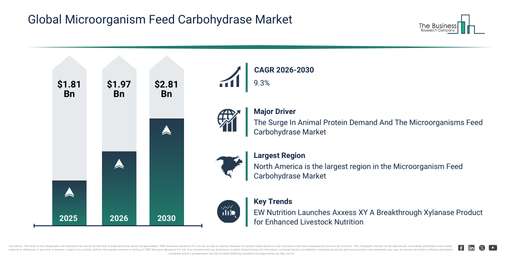
    The microorganism feed carbohydrase market size has experienced significant expansion in recent years. This market is anticipated to expand from $1.81 billion in 2025 to $1.97 billion in 2026, at a compound annual growth rate (CAGR) of 8.6%. Historically, this growth has been propelled by several factors, including the increase in compound feed production, a growing livestock population, the demand for improved feed conversion ratios, the availability of microbial fermentation technologies, and rising feed raw material costs.

    The microorganism feed carbohydrase market size is projected to experience substantial growth in the coming years. It is forecast to reach $2.81 billion by 2030, demonstrating a compound annual growth rate (CAGR) of 9.3%. This anticipated growth during the forecast period can be attributed to factors such as a shift toward sustainable feed additives, an increased focus on gut health optimization, the expansion of aquaculture feed demand, wider adoption of enzyme-based nutrition solutions, and regulatory pushes to reduce antibiotic use. Major trends for the forecast period include the rising integration of microbial enzymes in feed formulations, a growing demand for improved feed digestibility, the increasing use of multi-enzyme carbohydrase blends, the expansion of enzyme applications across various livestock species, and a preference for cost-effective feed efficiency enhancers.

    Download A Free Sample Report For Comprehensive Market Insights:

    https://www.thebusinessresearchcompany.com/sample.aspx?id=10452&type=smp

    Which Core Factors Are Supporting The Expansion Of The Microorganism Feed Carbohydrase Market?

    Rising demand for animal protein such as meat is expected to propel the growth of the microorganisms feed carbohydrase market going forward. Meat refers to the flesh of animals that are used for consumption to offer a good source of protein, vitamins, and minerals in a diet. Animal protein such as meat is rising due to population growth, as a larger global population increases overall demand for protein-rich foods to meet basic nutritional needs. Microorganisms feed carbohydrase enzymes are commonly employed in animal feeds to reduce the negative impacts of antinutritional elements in the structure of feed raw materials and improve performance, which helps to supply more meat per animal at a reduced cost while enhancing overall long-term well-being. For instance, in July 2025, according to the Department for Environment, Food and Rural Affairs (Defra), a UK-based government department, total UK meat production in 2024 was 4,166 thousand tonnes, up from 4,059 thousand tonnes in 2023. Therefore, rising demand for animal protein such as meat drives the microorganisms feed carbohydrase market.

    Which Segment Groups Define The Microorganism Feed Carbohydrase Market Landscape?

    The microorganism feed carbohydrase market covered in this report is segmented –

    1) By Type: Amylases, Cellulases, Pectinases, Lactase, Other Types

    2) By Form: Dry, Liquid

    3) By Livestock: Poultry, Swine, Ruminants, Aquatic Animals, Other Livestocks

    4) By Application: Food And Beverage, Animal Feed, Pharmaceuticals, Other Applications

    Subsegments:

    1) By Amylases: Alpha-Amylase, Beta-Amylase, Glucoamylase

    2) By Cellulases: Endocellulase, Exocellulase, Beta-Glucosidase

    3) By Pectinases: Polygalacturonase, Pectin Lyase, Pectinesterase

    4) By Lactase: Beta-Galactosidase

    5) By Other Types: Xylanases, Mannanases, Glucosidases

    What Trends Are Influencing The Microorganism Feed Carbohydrase Market?

    Major companies operating in the microorganism feed carbohydrase market are focusing on developing innovative products such as xylanase to improve the digestibility of fiber-rich feed, thereby enhancing the nutrient absorption and overall performance of livestock. These xylanase products break down non-starch polysaccharides, such as xylans, found in plant cell walls, making nutrients more accessible to animals. For instance, in March 2024, EW Nutrition, a Germany-based animal feed manufacturer, launched its xylanase product, Axxess XY. This new enzyme technology marks a significant advancement in feed efficiency and animal nutrition. The introduction of Axxess XY is expected to transform the enzyme market within the animal nutrition sector, offering feed producers innovative solutions that enhance efficiency and reduce costs. Additionally, the company plans to expand its offerings globally, demonstrating a strong commitment to advancing enzyme technology for animal health and nutrition.

    Who Are The Companies Shaping The Microorganism Feed Carbohydrase Market Landscape?

    North America was the largest region in the microorganism feed carbohydrase market in 2025. The regions covered in the microorganism feed carbohydrase market report are Asia-Pacific, South East Asia, Western Europe, Eastern Europe, North America, South America, Middle East, Africa.

    Access The Complete Microorganism Feed Carbohydrase Market Report:

    https://www.thebusinessresearchcompany.com/report/microorganism-feed-carbohydrase-global-market-report

    Which Region Leads The Microorganism Feed Carbohydrase Market By Size?

    North America was the largest region in the microorganism feed carbohydrase market in 2025. The regions covered in the microorganism feed carbohydrase market report are Asia-Pacific, South East Asia, Western Europe, Eastern Europe, North America, South America, Middle East, Africa.

    Access a Customized Microorganism Feed Carbohydrase Market Report for Deeper Competitive Insights

    https://www.thebusinessresearchcompany.com/sample.aspx?id=10452&type=smp

    Get in touch with us:

    The Business Research Company: https://www.thebusinessresearchcompany.com/

    Americas: +1 310-496-7795

    Asia: +44 7882 955267 & +91 8897263534

    Europe: +44 7882 955267

    Email us at: marketing@tbrc.info

    Follow us on:

    LinkedIn: https://in.linkedin.com/company/the-business-research-company

    YouTube: https://www.youtube.com/channel/UC24_fI0rV8cR5DxlCpgmyFQ

    Global Market Model: https://www.thebusinessresearchcompany.com/global-market-model
  • Veterinary Antibiotics Market Size Forecast To Achieve $3.4 Billion By 2030 With 8.4% CAGR

    Veterinary Antibiotics Market Size Forecast To Achieve $3.4 Billion By 2030 With 8.4% CAGR

    The Business Research Company’s 2026 market reports feature advanced enhancements such as market attractiveness analysis, total addressable market evaluation, company benchmarking matrices, interactive Excel dashboards, expanded supply chain intelligence, emerging startup coverage, and detailed product insights, delivering more actionable and strategically valuable research.

    What Increase In Market Value Is Predicted For The Veterinary Antibiotics Market During The 2026–2030 Period?

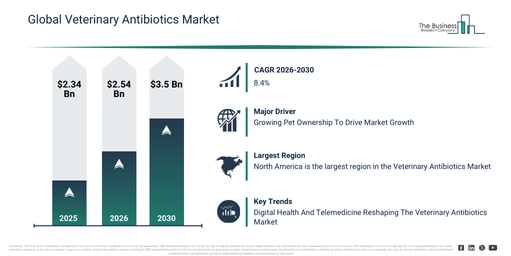
    The veterinary antibiotics market size has shown significant expansion in recent years. This market is expected to expand from $2.34 billion in 2025 to $2.54 billion in 2026, reflecting a compound annual growth rate (CAGR) of 8.3%. Historically, this growth can be ascribed to several factors, including the widespread presence of bacterial infections in livestock, the increasing population of companion animals, restricted access to early veterinary healthcare, the use of traditional injectable antibiotic formulations, and a growing consciousness regarding animal welfare.

    The veterinary antibiotics market is projected to experience substantial expansion in the coming years. This market is set to reach $3.5 billion by 2030, exhibiting a compound annual growth rate (CAGR) of 8.4%. Key factors contributing to this anticipated growth include the increasing adoption of precision medicine in veterinary services, advancements in oral and premix formulations, supportive regulatory frameworks for antibiotic stewardship, a rise in pet ownership and associated expenditures, and the integration of digital monitoring systems for antibiotic administration. Prominent trends expected during the forecast period involve a surging demand for anti-bacterial and anti-parasitic medications, the broadened application of antibiotics in companion animals, a move towards oral solutions and premixes for simpler administration, a heightened emphasis on NSAIDs for managing livestock pain, and the creation of multi-functional veterinary antibiotic formulations.

    Download A Free Sample Report For Comprehensive Market Insights:

    https://www.thebusinessresearchcompany.com/sample.aspx?id=2458&type=smp

    Which Drivers Are Advancing The Veterinary Antibiotics Market Growth?

    The rising pet ownership rate is expected to propel the growth of veterinary antibiotics market going forward. Pet ownership is the legally recognized and responsible act of having and caring for domesticated animals as companions, which involves providing for their physical, emotional, and medical needs. Pet ownership rate is rising due to increasing desire for companionship, as more individuals and families adopt pets to reduce loneliness and improve emotional well-being. Veterinary antibiotics help increase pet ownership rate by ensuring pets remain healthy and disease-free, giving owners confidence in their ability to care for them. For instance, in October 2024, according to the American Veterinary Medical Association, a US-based nonprofit professional association, the total number of dog-owning households in the U.S. is projected to increase by 59.8 million in 2024, which is 45.5%) of all U.S. households, and the number of cat-owning households has increased by 42.1 million in 2024, which is 32.1%) of all U.S. households. Therefore, the rising pet ownership rate is driving the growth of veterinary antibiotics market.

    What Key Segment Areas Are Included In The Veterinary Antibiotics Market Assessment?

    The veterinary antibiotics market covered in this report is segmented –

    1) By Product: Anti-Parasitic, Anti-Bacterial, Non-Steroidal Anti-Inflammatory Drug, Other Products

    2) By Administration: Premixes, Injections, Oral Powders, Oral Solutions, Other Administrations

    3) By End User: Farm Animals, Companion Animals

    Subsegments:

    1) By Anti-Parasitic: Endoparasiticides, Ectoparasiticides

    2) By Anti-Bacterial: Tetracyclines, Penicillins, Macrolides, Aminoglycosides, Sulfonamides

    3) By Non-Steroidal Anti-Inflammatory Drug (NSAID): Carprofen, Meloxicam, Aspirin

    4) By Other Products: Antifungal, Antiviral

    Which Trends Are Influencing The Direction Of The Veterinary Antibiotics Market?

    Major companies operating in the veterinary antibiotics market are developing telemedicine platforms for pet healthcare to gain a competitive edge in the market. Telemedicine is a healthcare practice that involves the remote diagnosis, consultation, treatment, and monitoring of patients using telecommunications technology, such as video conferencing, phone calls, or secure messaging platforms. For instance, in June 2023, Cargill Inc., a US-based food corporation launched Zoonivet, a digital pet-care app. This Telehealth platform simplifies pet healthcare by connecting pet parents with qualified veterinarians through video calls, making primary pet care accessible and convenient. Zoonivet also plans to provide surgery, home diagnostic services, medication, pet food, and pet boarding across key Indian markets.

    Which Key Players Are Active In The Veterinary Antibiotics Market?

    North America was the largest region in the veterinary antibiotics market in 2025. Asia-Pacific was the second-largest region in the global veterinary antibiotics market share. The regions covered in the veterinary antibiotics market report are Asia-Pacific, South East Asia, Western Europe, Eastern Europe, North America, South America, Middle East, Africa.

    Access The Complete Veterinary Antibiotics Market Report:

    https://www.thebusinessresearchcompany.com/report/veterinary-antibiotics-global-market-report

    Which Region Is The Primary Market For The Veterinary Antibiotics Market?

    North America was the largest region in the veterinary antibiotics market in 2025. Asia-Pacific was the second-largest region in the global veterinary antibiotics market share. The regions covered in the veterinary antibiotics market report are Asia-Pacific, South East Asia, Western Europe, Eastern Europe, North America, South America, Middle East, Africa.

    Access a Customized Veterinary Antibiotics Market Report for Deeper Competitive Insights

    https://www.thebusinessresearchcompany.com/sample.aspx?id=2458&type=smp

    Get in touch with us:

    The Business Research Company: https://www.thebusinessresearchcompany.com/

    Americas: +1 310-496-7795

    Asia: +44 7882 955267 & +91 8897263534

    Europe: +44 7882 955267

    Email us at: marketing@tbrc.info

    Follow us on:

    LinkedIn: https://in.linkedin.com/company/the-business-research-company

    YouTube: https://www.youtube.com/channel/UC24_fI0rV8cR5DxlCpgmyFQ

    Global Market Model: https://www.thebusinessresearchcompany.com/global-market-model

  • Veterinary Anesthesia Equipment Market Forecast Covering Industry Demand And Market Evolution

    Veterinary Anesthesia Equipment Market Forecast Covering Industry Demand And Market Evolution

    The Business Research Company’s 2026 market reports feature advanced enhancements such as market attractiveness analysis, total addressable market evaluation, company benchmarking matrices, interactive Excel dashboards, expanded supply chain intelligence, emerging startup coverage, and detailed product insights, delivering more actionable and strategically valuable research.

    How Will The Market Size Of The Veterinary Anesthesia Equipment Market Progress Through 2030?

    The veterinary anesthesia equipment market has experienced substantial expansion in recent years. This market is anticipated to grow from $1.17 billion in 2025 to $1.26 billion in 2026, achieving a compound annual growth rate (CAGR) of 7.4%. The upward trend in the historic period can be ascribed to a rise in veterinary surgical procedures, increasing global pet ownership, the expansion of veterinary hospitals and clinics, growing awareness surrounding animal pain management, and the accessibility of basic inhalation anesthesia systems.

    The veterinary anesthesia equipment market size is projected for substantial expansion over the upcoming years, with an anticipated rise to $1.71 billion by 2030, exhibiting a compound annual growth rate (CAGR) of 7.9%. This projected growth throughout the forecast period stems from factors such as the escalating demand for sophisticated veterinary care, increased spending on the well-being of companion animals, the proliferation of emergency and critical care services, advancements in anesthesia delivery system technology, and the broadening reach of homecare and mobile veterinary services. Key developments expected during this period include a heightened adoption of advanced anesthesia monitoring solutions, a surging preference for portable and compact anesthesia devices, an intensified emphasis on ensuring patient safety and precise anesthesia administration, the broadened application of anesthesia equipment within small animal practices, and an elevated use of inhalation-based anesthesia methodologies.

    Download A Free Sample Report For Comprehensive Market Insights:

    https://www.thebusinessresearchcompany.com/sample.aspx?id=2453&type=smp

    What Primary Factors Are Fueling The Expansion Of The Veterinary Anesthesia Equipment Market?

    Rising pet ownership is expected to propel the growth of the veterinary anesthesia equipment market in the coming years. Pet ownership is the act of keeping a tamed animal, such as a cat, dog, bird, fish, or similar small animal, and providing for its needs. Pet ownership entails obligations such as providing food, water, housing, physical activity, and healthcare for the animal. Veterinary anesthetic equipment is essential to pet ownership since it ensures the security of pets throughout surgical operations. The need for veterinary anesthetic equipment is predicted to rise as the number of pets grows. For instance, in October 2023, according to the World Animal Foundation, a US-based site that promotes animal rights, responsible pet ownership, and compassionate awareness, ownership of dogs was more prevalent, with 65.1 million dogs compared to 46.5 million cats. Horse owners own 2.2 million horses, while 11 million households have saltwater fish tanks. Therefore, rising pet ownership is driving the veterinary anesthesia equipment market.

    How Is Segment Classification Applied In The Veterinary Anesthesia Equipment Market?

    The veterinary anesthesia equipment market covered in this report is segmented –

    1) By Type: Standalone Anaesthesia Machines, Portable Anaesthesia Machines

    2) By Animal Type: Small, Large

    3) By End User: Veterinary Hospitals, Veterinary Clinics, Emergency Service Centres, Veterinary Homecare Settings

    Subsegments:

    1) By Standalone Anesthesia Machines: Conventional Standalone Anesthesia Machines, Advanced Standalone Anesthesia Machines

    2) By Portable Anesthesia Machines: Battery-operated Portable Anesthesia Machines, Lightweight Portable Anesthesia Machines

    What Trends Are Driving Changes In The Veterinary Anesthesia Equipment Market?

    Major companies operating in the veterinary anesthesia equipment market are focusing on developing innovative solutions, such as anaesthetic gas capture systems integrated with existing anesthesia equipment, to meet the rising demand for sustainable veterinary practices, reduced greenhouse gas emissions, and environmentally responsible surgical procedures in veterinary clinics and hospitals. Anaesthetic gas capture systems are designed to safely adsorb and remove exhaled anesthetic agents, such as isoflurane and sevoflurane, before they are released into the environment, representing a significant advancement over traditional anesthesia setups that release these gases into the atmosphere without mitigation. For instance, in April 2024, Mars Veterinary Health, a UK-based provider of veterinary care services, piloted an industry-leading anaesthetic gas capture system in partnership with SageTech Veterinary, an innovative technology provider, to integrate gas capture into veterinary anesthesia workflows; this system features specialized adsorption canisters, compact integration with existing machines, and minimal disruption to clinical procedures. By capturing waste anesthetic gases, the technology reduces environmental impact, supports compliance with sustainability targets, and maintains the precision and safety of anesthesia delivery, offering veterinary practices an eco-friendly alternative to conventional systems.

    Who Are The Leading Firms Participating In The Veterinary Anesthesia Equipment Market?

    North America was the largest region in the veterinary anesthesia equipment market in 2025. Asia-Pacific was the second-largest region in the global veterinary anesthesia equipment market share. The regions covered in the veterinary anesthesia equipment market report are Asia-Pacific, South East Asia, Western Europe, Eastern Europe, North America, South America, Middle East, Africa.

    Access The Complete Veterinary Anesthesia Equipment Market Report:

    https://www.thebusinessresearchcompany.com/report/veterinary-anesthesia-equipment-global-market-report

    Which Geographic Region Represents The Largest Veterinary Anesthesia Equipment Market Share?

    North America was the largest region in the veterinary anesthesia equipment market in 2025. Asia-Pacific was the second-largest region in the global veterinary anesthesia equipment market share. The regions covered in the veterinary anesthesia equipment market report are Asia-Pacific, South East Asia, Western Europe, Eastern Europe, North America, South America, Middle East, Africa.

    Access a Customized Veterinary Anesthesia Equipment Market Report for Deeper Competitive Insights

    https://www.thebusinessresearchcompany.com/sample.aspx?id=2453&type=smp

    Get in touch with us:

    The Business Research Company: https://www.thebusinessresearchcompany.com/

    Americas: +1 310-496-7795

    Asia: +44 7882 955267 & +91 8897263534

    Europe: +44 7882 955267

    Email us at: marketing@tbrc.info

    Follow us on:

    LinkedIn: https://in.linkedin.com/company/the-business-research-company

    YouTube: https://www.youtube.com/channel/UC24_fI0rV8cR5DxlCpgmyFQ

    Global Market Model: https://www.thebusinessresearchcompany.com/global-market-model

  • Veterinary Active Pharmaceutical Ingredients Manufacturing Market Trends And Growth Outlook Across The 2026–2030 Forecast Period

    Veterinary Active Pharmaceutical Ingredients Manufacturing Market Trends And Growth Outlook Across The 2026–2030 Forecast Period

    The Business Research Company’s 2026 market reports feature advanced enhancements such as market attractiveness analysis, total addressable market evaluation, company benchmarking matrices, interactive Excel dashboards, expanded supply chain intelligence, emerging startup coverage, and detailed product insights, delivering more actionable and strategically valuable research.

    What Is The Expected Market Size Of The Veterinary Active Pharmaceutical Ingredients Manufacturing Market In 2026 And How Much Will It Reach By 2030?

    The veterinary active pharmaceutical ingredients manufacturing market has shown substantial growth in recent years. Its size is expected to climb from $8.03 billion in 2025 to $8.71 billion in 2026, exhibiting a compound annual growth rate (CAGR) of 8.5%. Key drivers for this historical expansion include the increasing prevalence of animal diseases, the rising populations of livestock and companion animals, the expanding veterinary pharmaceutical industry, the development of conventional chemical-based APIs, and a growing demand for anti-infective and antiparasitic drugs.

    The veterinary active pharmaceutical ingredients manufacturing market size is set to experience substantial growth over the next few years. It is anticipated to expand to $12.06 billion by 2030, achieving a compound annual growth rate (CAGR) of 8.5%. This projected expansion can be linked to the increased adoption of biological and recombinant APIs, a rise in contract manufacturing services, the surging demand for highly potent APIs, favorable regulatory support for veterinary pharmaceutical production, and an escalating focus on vaccine API innovations. Key trends during the forecast period include the growth of contract manufacturing for veterinary APIs, the development of highly potent APIs, an expansion of in-house API production capabilities, a heightened emphasis on anti-infective and antiparasitic APIs, and ongoing innovation in vaccine API formulations.

    Download A Free Sample Report For Comprehensive Market Insights:

    https://www.thebusinessresearchcompany.com/sample.aspx?id=7942&type=smp

    Which Strategic Drivers Are Supporting The Veterinary Active Pharmaceutical Ingredients Manufacturing Market Development?

    The increasing prevalence of zoonotic diseases is expected to propel the growth of the veterinary active pharmaceutical ingredients manufacturing market going forward. A zoonotic disease, also known as zoonosis, is an infectious disease that can be transmitted naturally from animals to humans or from humans to animals. Zoonotic diseases are rising because increased human–animal interaction creates more opportunities for pathogens to spread from animals to people and establish new infections. Veterinary APIs are used in the development of vaccines that can prevent the spread of zoonotic diseases from animals to humans. The use of veterinary APIs can also help prevent antibiotic resistance, which is a major concern in the treatment of zoonotic diseases. For instance, in February 2023, according to the Council on Foreign Relations (CFR), a US-based independent, nonpartisan member organization, think tank, and publisher, up to 75% of newly discovered or emerging infectious diseases (EIDs) and 60% of recognized infectious diseases had zoonotic origins. Worldwide, zoonoses cause 2.7 million human fatalities and 2.5 billion episodes of disease in people each year. Therefore, the increasing prevalence of zoonotic diseases is driving the growth of the veterinary active pharmaceutical ingredients manufacturing market.

    What Are The Core Segment Classifications In The Veterinary Active Pharmaceutical Ingredients Manufacturing Market?

    The veterinary active pharmaceutical ingredients manufacturing market covered in this report is segmented –

    1) By Product: Antiparasitic, Anti-Infectives, Vaccines, NSAIDs

    2) By Service Type: In House, Contract Outsourcing

    3) By Synthesis Type: Chemical Based API, Biological API, Highly Potent API

    Subsegments:

    1) By Antiparasitic: Endectocides, Anthelmintics, Antiprotozoals

    2) By Anti-Infectives: Antibiotics, Antifungals, Antivirals

    3) By Vaccines: Inactivated Vaccines, Live Attenuated Vaccines, Recombinant Vaccines

    4) By Non-Steroidal Anti-Inflammatory Drugs (NSAIDs): Non-Selective NSAIDs, COX-2 Inhibitors

    Which Trends Are Shaping The Veterinary Active Pharmaceutical Ingredients Manufacturing Market Landscape?

    Major companies operating in the veterinary active pharmaceutical ingredient manufacturing market are focused on introducing manufacturing plants for APIs to gain a competitive edge in the market. Manufacturing plants for veterinary APIs are facilities that produce active pharmaceutical ingredients used in the formulation of veterinary drugs. For instance, in October 2023, Stallen South Asia Private Limited, an India-based animal health company, launched, unveiled, and started operations at a new veterinary API facility for Halquinol, a non-antibiotic growth promoter belonging to a group of hydroxyquinolines. It is a combination of 5-chloro-8-hydroxyquinoline, 5,7-dichloro-8-hydroxyquinoline, and 7-chloro-8-hydroxyquinoline. Produced products include Halquinol 98%, which is manufactured in accordance with British Pharmacopeia 1980 (BP 80) guidelines. In addition to the more typical 60% and 12%, Stallenis is able to sell 98% as a chemical API used in veterinary formulations and feed additives. Stallen wants to lessen the reliance on goods coming from China for the animal health industry by gradually introducing a wide range of APIs from this plant.

    Which Companies Are Engaged In The Veterinary Active Pharmaceutical Ingredients Manufacturing Market Environment?

    North America was the largest region in the veterinary active pharmaceutical ingredients manufacturing market in 2025. The regions covered in the veterinary active pharmaceutical ingredients manufacturing market report are Asia-Pacific, South East Asia, Western Europe, Eastern Europe, North America, South America, Middle East, Africa.

    Access The Complete Veterinary Active Pharmaceutical Ingredients Manufacturing Market Report:

    https://www.thebusinessresearchcompany.com/report/veterinary-active-pharmaceutical-ingredients-manufacturing-global-market-report

    Which Region Leads The Veterinary Active Pharmaceutical Ingredients Manufacturing Market By Size?

    North America was the largest region in the veterinary active pharmaceutical ingredients manufacturing market in 2025. The regions covered in the veterinary active pharmaceutical ingredients manufacturing market report are Asia-Pacific, South East Asia, Western Europe, Eastern Europe, North America, South America, Middle East, Africa.

    Access a Customized Veterinary Active Pharmaceutical Ingredients Manufacturing Market Report for Deeper Competitive Insights

    https://www.thebusinessresearchcompany.com/sample.aspx?id=7942&type=smp

    Get in touch with us:

    The Business Research Company: https://www.thebusinessresearchcompany.com/

    Americas: +1 310-496-7795

    Asia: +44 7882 955267 & +91 8897263534

    Europe: +44 7882 955267

    Email us at: marketing@tbrc.info

    Follow us on:

    LinkedIn: https://in.linkedin.com/company/the-business-research-company

    YouTube: https://www.youtube.com/channel/UC24_fI0rV8cR5DxlCpgmyFQ

    Global Market Model: https://www.thebusinessresearchcompany.com/global-market-model
  • Tick Repellent Market Expansion Outlook Through 2030 With Revenue Growth Insights

    Tick Repellent Market Expansion Outlook Through 2030 With Revenue Growth Insights

    The Business Research Company’s 2026 market reports feature advanced enhancements such as market attractiveness analysis, total addressable market evaluation, company benchmarking matrices, interactive Excel dashboards, expanded supply chain intelligence, emerging startup coverage, and detailed product insights, delivering more actionable and strategically valuable research.

    What Market Size Is Forecasted For The Tick Repellent Market By 2030 Based On Its 2026 Value?

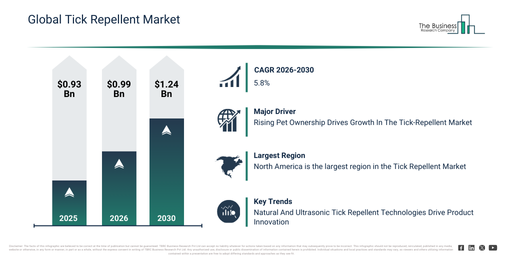
    The tick repellent market has observed substantial growth in recent years. Its valuation is expected to rise from $0.93 billion in 2025 to $0.99 billion in 2026, demonstrating a compound annual growth rate (CAGR) of 6.0%. This growth during the past period can be linked to the high prevalence of tick-borne diseases affecting pets, the restricted availability of convenient oral treatments, the continued use of traditional topical sprays, an increase in pet ownership, and a rise in veterinary consultations.

    The tick repellent market is projected to experience robust expansion over the forthcoming years. By 2030, this market is anticipated to reach $1.24 billion, demonstrating a compound annual growth rate (CAGR) of 5.8%. This anticipated growth during the forecast period stems from factors such as progress in oral chewable formulations, new developments in wearable tick repellent devices, an increase in online and modern trade distribution channels, heightened awareness regarding pet healthcare, and the broadening scope of preventive veterinary care programs. Key trends identified for the forecast period encompass a greater acceptance of oral chewables and pills for companion animals, an uptick in the application of topical spot-on treatments and sprays, the creation of collars and other wearable items for tick deterrence, enhanced understanding of tick-borne illnesses affecting pets, and the broadening of distribution networks through veterinary clinics.

    Download A Free Sample Report For Comprehensive Market Insights:

    https://www.thebusinessresearchcompany.com/sample.aspx?id=18485&type=smp

    What Major Growth Factors Are Impacting The Tick Repellent Market?

    The growth in pet ownership is expected to propel the growth of the tick repellent market going forward. Pet ownership is the responsibility of caring for an animal by providing it with food, shelter, healthcare, safety, and companionship as part of daily life. Pet ownership is rising due to increased emotional companionship needs and the growing recognition of pets’ positive impact on mental health. Tick repellents for pets are used to deter ticks from attaching to animals, protecting against tick-borne diseases such as Lyme disease and Ehrlichiosis. For instance, in April 2025, according to the Canadian Animal Health Institute, a Canada-based trade association, in 2024, Canada was home to an estimated 7.2 million dogs and 8.2 million cats, making pets an integral part of more than half of Canadian households. Therefore, the growth in pet ownership is driving the growth of the tick repellent market.

    How Is The Tick Repellent Market Structured Across Different Market Segments?

    The tick repellent market covered in this report is segmented –

    1) By Type: Pills And Chewables, Topical Treatments, Other Types

    2) By Distribution Channel: Modern Trade, Veterinary Clinics, Convenience Stores, Online Sales

    3) By Application: Dogs, Cats, Other Applications

    Subsegments:

    1) By Pills And Chewables: Oral Tablets, Oral Chewables

    2) By Topical Treatments: Spot-On Treatments, Sprays, Powders

    3) By Other Types: Collars, Shampoos, Wearable Devices

    What Trends Are Influencing The Tick Repellent Market Outlook?

    Major companies operating in the tick repellent market are focusing on developing innovative products such as chemical-free and wearable ultrasonic repellent devices to provide safer, eco-conscious protection for pets. Chemical-free and wearable ultrasonic repellent devices are designed to emit ultrasonic pulses that may help deter ticks and fleas without the use of toxic chemicals, offering pet owners a non-invasive, sustainable, and environmentally friendly solution for parasite prevention. These devices are lightweight, portable, and compatible with pets of various sizes, making them convenient for daily use both indoors and outdoors. For instance, in September–November 2024, ProtectOne Global Ltd, a Germany–Hungary-based pet care technology company, launched the Tickless Mini ultrasonic tick and flea repellent device. This innovative device features rechargeable operation, chemical-free protection, and long-lasting performance, ensuring continuous parasite deterrence. In addition, it incorporates user-friendly design elements such as easy-to-use controls, durable construction, and compact form factor, enabling pet owners to effortlessly integrate tick and flea prevention into their daily routines.

    Who Are The Prominent Players Across The Tick Repellent Market?

    North America was the largest region in the tick-repellent market in 2025. The regions covered in the tick repellent market report are Asia-Pacific, South East Asia, Western Europe, Eastern Europe, North America, South America, Middle East, Africa.

    Access The Complete Tick Repellent Market Report:

    https://www.thebusinessresearchcompany.com/report/tick-repellent-global-market-report

    Which Region Has The Strongest Presence In The Tick Repellent Market?

    North America was the largest region in the tick-repellent market in 2025. The regions covered in the tick repellent market report are Asia-Pacific, South East Asia, Western Europe, Eastern Europe, North America, South America, Middle East, Africa.

    Access a Customized Tick Repellent Market Report for Deeper Competitive Insights

    https://www.thebusinessresearchcompany.com/sample.aspx?id=18485&type=smp

    Get in touch with us:

    The Business Research Company: https://www.thebusinessresearchcompany.com/

    Americas: +1 310-496-7795

    Asia: +44 7882 955267 & +91 8897263534

    Europe: +44 7882 955267

    Email us at: marketing@tbrc.info

    Follow us on:

    LinkedIn: https://in.linkedin.com/company/the-business-research-company

    YouTube: https://www.youtube.com/channel/UC24_fI0rV8cR5DxlCpgmyFQ

    Global Market Model: https://www.thebusinessresearchcompany.com/global-market-model

  • Swine Feed Minerals Market Industry Analysis Covering Trends, Drivers, And Future Outlook

    The Business Research Company’s 2026 market reports feature advanced enhancements such as market attractiveness analysis, total addressable market evaluation, company benchmarking matrices, interactive Excel dashboards, expanded supply chain intelligence, emerging startup coverage, and detailed product insights, delivering more actionable and strategically valuable research.

    How Is The Market Value Of The Swine Feed Minerals Market Projected To Expand During 2026–2030?

    The swine feed minerals market size has experienced strong growth over recent years. It is projected to increase from $163.73 billion in 2025 to $180.07 billion in 2026, demonstrating a compound annual growth rate (CAGR) of 10.0%. The expansion during the historic period can be linked to several factors, including a rise in pork consumption, the traditional use of cereals and oilseed meals in feed, growing awareness regarding swine nutrition, the adoption of vitamins and antioxidants, and an increasing swine population, particularly within the Asia-Pacific region.

    The swine feed minerals market is expected to achieve substantial growth over the next few years, with its size projected to reach $262.58 billion by 2030, reflecting a compound annual growth rate (CAGR) of 9.9%. This anticipated expansion in the forecast period is driven by factors such as the increasing demand for antibiotic-free pork, the adoption of feed enzymes and acidifiers, a rise in the use of amino acids and nutritional supplements, a heightened focus on high-quality starter and grower feed, and the expansion of specialized sow and finisher feed products. Key trends foreseen during this period include a rising demand for nutritionally balanced swine feed, the increasing integration of feed enzymes and acidifiers, a growing emphasis on reducing antibiotic use in swine feed, the proliferation of specialized sow and grower feed products, and the selection of high-quality feed ingredients to promote better growth outcomes.

    Download A Free Sample Report For Comprehensive Market Insights:

    https://www.thebusinessresearchcompany.com/sample_request?id=246598b0-6b49-4c2b-9585-b94e6cc82877&name=Swine%C2%A0Feed%20Minerals%20Market%20Report%202026&type=smp

    What Market Drivers Are Helping Shape The Swine Feed Minerals Market Expansion?

    An increase in consumption of meat is expected to propel the growth of the swine feed mineral market going forward. Meat refers to the flesh of animals, typically livestock and poultry, that is used as a source of food. Consumption of meat is rising due to increasing demand for protein-rich diets, as people seek nutrient-dense foods to support health and active lifestyles. Swine feed minerals help increase meat consumption by improving pig health, growth, and productivity, resulting in a higher and more consistent supply of pork for consumers. For instance, in 2023, according to the Food and Agriculture Organization (FAO), a US-based food policy body, in 2023, global meat production rose to 371 million tonnes, an increase from 365 million tonnes in the prior year, indicating continued growth in global meat demand. Therefore, the increase in consumption of meat is driving the growth of the swine feed minerals market.

    Which Segment-Based Categories Are Covered In The Swine Feed Minerals Market?

    The swine feed minerals market covered in this report is segmented –

    1) By Product: Starter Feed Or Grower Feed, Sow Feed, Pig Grower Feed, Other Products

    2) By Ingredients: Cereal, Oilseed Meal, Oil, Molasses, Other Ingredients

    3) By Additives: Antibiotics, Vitamins, Antioxidants, Amino Acids, Feed Enzymes, Feed Acidifiers, Other Additives

    Subsegments:

    1) By Starter Feed Or Grower Feed: Pre-Starter Feed, Starter Grower Feed

    2) By Sow Feed: Gestation Sow Feed, Lactating Sow Feed

    3) By Pig Grower Feed: Grower Finisher Feed, Finishing Feed

    4) By Other Products: Supplementary Feed, Specialty Feed Additives

    Which Trends Are Expected To Shape The Swine Feed Minerals Market?

    Major companies operating in the swine feed minerals market are focusing on developing advanced solutions, such as data-driven predictive tools, to enhance sow health and performance. A predictive tool refers to a technology that provides actionable insights by analyzing animal health and productivity data, allowing producers to make early interventions and improve outcomes. For instance, in November 2025, Zinpro Corporation, a US-based animal nutrition company, launched the Zinpro Sow Excellence Index, the swine industry’s first data-driven benchmarking system. This innovation uses data from more than 30,000 individual sow assessments to correlate claw lesions with sow productivity, enabling producers to catch issues early before they impact performance. It delivers customized L-Index reports through Zinpro’s Feet First evaluation, allowing producers to adjust nutrition, housing, or management strategies effectively. Integrated with Zinpro’s trace mineral solutions, the index offers a comprehensive approach to improving sow welfare, longevity, and lifetime productivity while supporting sustainability. The Zinpro Sow Excellence Index strengthens producer decision-making, enhances herd health, and drives better performance outcomes.

    Which Companies Form The Competitive Landscape Of The Swine Feed Minerals Market?

    Asia-Pacific was the largest region in the swine feed minerals market in 2025. The regions covered in the swine feed minerals market report are Asia-Pacific, South East Asia, Western Europe, Eastern Europe, North America, South America, Middle East, Africa.

    Access The Complete Swine Feed Minerals Market Report:

    https://www.thebusinessresearchcompany.com/report/swine%C2%A0feed-minerals-global-market-report

    Which Region Stands As The Largest Contributor To The Swine Feed Minerals Market?

    Asia-Pacific was the largest region in the swine feed minerals market in 2025. The regions covered in the swine feed minerals market report are Asia-Pacific, South East Asia, Western Europe, Eastern Europe, North America, South America, Middle East, Africa.

    Access a Customized Swine Feed Minerals Market Report for Deeper Competitive Insights

    https://www.thebusinessresearchcompany.com/sample_request?id=246598b0-6b49-4c2b-9585-b94e6cc82877&name=Swine%C2%A0Feed%20Minerals%20Market%20Report%202026&type=smp

    Get in touch with us:

    The Business Research Company: https://www.thebusinessresearchcompany.com/

    Americas: +1 310-496-7795

    Asia: +44 7882 955267 & +91 8897263534

    Europe: +44 7882 955267

    Email us at: marketing@tbrc.info

    Follow us on:

    LinkedIn: https://in.linkedin.com/company/the-business-research-company

    YouTube: https://www.youtube.com/channel/UC24_fI0rV8cR5DxlCpgmyFQ

    Global Market Model: https://www.thebusinessresearchcompany.com/global-market-model