Category: Veterinary Healthcare

  • Veterinary Dermatology Drugs Market Forecast 2026–2035: How to Leverage Market Growth

    Veterinary Dermatology Drugs Market Forecast 2026–2035: How to Leverage Market Growth

    Uncover key drivers, emerging technologies, and competitive movements shaping the heterojunction (hjt) plasma-enhanced chemical vapor deposition (pecvd) machines market from 2026–2035 with trusted insights from The Business Research Company

    Starting from its 2026 valuation, what market size is the Veterinary Dermatology Drugs Market expected to reach by 2030?

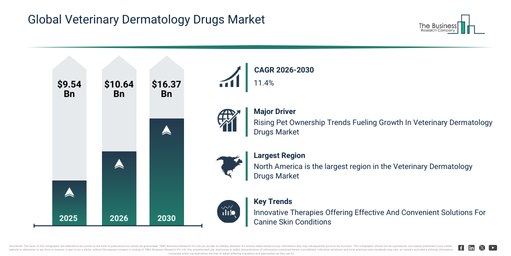
    The veterinary dermatology drugs market size has experienced rapid expansion in recent years. It is anticipated to expand from $9.54 billion in 2025 to $10.64 billion in 2026, achieving a compound annual growth rate (CAGR) of 11.5%. This growth observed in the past can be ascribed to several factors, including insufficient awareness of animal dermatology, an increasing occurrence of parasitic infections, the utilization of traditional antifungal and antibacterial medicines, the rise in companion animal ownership, and the creation of rudimentary topical treatments.

    The veterinary dermatology drugs market size is projected to experience substantial growth over the next few years. It is expected to expand to $16.37 billion by 2030, demonstrating a compound annual growth rate (CAGR) of 11.4%. The drivers for this growth during the forecast period include advancements in precision dermatology drugs, the increasing application of combination therapies, rising healthcare expenditure for companion animals, the growing incidence of allergic skin conditions, and the expansion of hospital and retail pharmacy distribution channels. Noteworthy trends in the forecast period encompass the rising prevalence of skin infections in companion animals, increasing demand for topical veterinary drugs, the expansion of online veterinary pharmacies, the wider availability of injectable and oral dermatology treatments, and the development of targeted antiparasitic therapies.

    Access Your Free Sample Report for In-Depth Market Insights:

    https://www.thebusinessresearchcompany.com/sample.aspx?id=8025&type=smp

    What Drivers Are Driving Adoption Within The Veterinary Dermatology Drugs Market?

    The escalating number of pet owners is anticipated to propel the veterinary dermatology drugs market forward. Pet owners are defined as individuals who possess or adopt a pet animal. The surge in pet ownership stems from more people seeking companionship to cope with demanding lifestyles and social isolation, consequently increasing the demand for pets as sources of emotional support and family members. Veterinary dermatology drugs offer assistance to pet owners by effectively treating skin conditions in their pets, which in turn enhances their comfort, health, and overall quality of life. For example, in 2023, the US-based non-governmental organization, Shelter Animals Count, reported that 4.8 million animals from shelters and rescues were adopted into loving homes. Therefore, the growing population of pet owners serves as a significant driver for the veterinary dermatology drugs market.

    How Is The Veterinary Dermatology Drugs Market Organized Into Various Segments?

    The veterinary dermatology drugs market covered in this report is segmented –

    1) By Product Type: Antifungal Drugs, Antibacterial Drugs, Antiparasitic Drugs

    2) By Animal Type: Companion Animal, Livestock Animal

    3) By Drug Indication: Parasitic Infections, Allergic Infections, Other Indications

    4) By Route Of Administration: Topical, Injectable, Oral

    5) By Distribution Channel: Retail, Hospital Pharmacies, Online

    Subsegments:

    1) By Antifungal Drugs: Azoles, Polyenes, Allylamines, Echinocandins

    2) By Antibacterial Drugs: Beta-lactams, Tetracyclines, Macrolides, Lincosamides, Aminoglycosides

    3) By Antiparasitic Drugs: Insecticides, Anthelmintics, Topical Treatments, Systemic Treatments

    Which Trends Are Guiding The Evolution Of The Veterinary Dermatology Drugs Market?

    Leading companies in the veterinary dermatology drugs market are concentrating on developing advanced therapies, including Janus kinase (JAK) inhibitors and targeted oral treatments, to improve therapeutic effectiveness and ease of use for canine patients. JAK inhibitors function as targeted therapies by blocking intracellular signaling pathways involved in allergic inflammation and pruritus, which helps to disrupt the itch–scratch cycle and reduce the severity of the disease. Meanwhile, once-daily oral therapies provide consistent dosing and simplify administration for the long-term management of chronic dermatological conditions. A notable example occurred in September 2024, when Elanco Animal Health Incorporated, a US-based global animal health company, announced the U.S. Food and Drug Administration (FDA) had approved Zenrelia (ilunocitinib tablets) for treating allergic and atopic dermatitis in dogs. Zenrelia is a once-daily oral JAK inhibitor that offers a safe, highly effective, and convenient treatment solution, demonstrating reduced rebound itch and improved clinical remission rates compared to current market options, thereby highlighting the increasing focus on targeted and patient-friendly advancements in veterinary dermatology.

    Who Are The Prominent Global Companies Shaping The Veterinary Dermatology Drugs Market Landscape?

    Major companies operating in the veterinary dermatology drugs market are Elanco Animal Health Inc., Merck & Co. Inc., Zoetis Inc., Vetoquinol SA, Ceva Santé Animale, Virbac S.A., Bimeda Inc., IDEXX Laboratories Inc., SavaVet, Vetmedica, Mars Incorporated, Kindred Biosciences, Bayer Animal Health, Boehringer Ingelheim Vetmedica, Dechra Pharmaceuticals PLC, Norbrook Laboratories Limited, Heska Corporation, Biogénesis Bagó, Nexvet, Aratana Therapeutics, Phibro Animal Health Corporation, HIPRA, Kyoritsu Seiyaku Corporation

    Access The Complete Report For Deeper Market Insights:

    https://www.thebusinessresearchcompany.com/report/veterinary-dermatology-drugs-global-market-report

    Which Geographic Areas Are Emerging As Strong Markets For The Veterinary Dermatology Drugs Market?

    North America was the largest region in the veterinary dermatology drugs market in 2025. Asia-Pacific is expected to be the fastest-growing region in the veterinary dermatology drugs market report forecast period. The regions covered in the veterinary dermatology drugs market report are Asia-Pacific, South East Asia, Western Europe, Eastern Europe, North America, South America, Middle East, Africa.

    Request Your Customized Veterinary Dermatology Drugs Market Research Report for Competitive Advantage:

    https://www.thebusinessresearchcompany.com/customise?id=8025&type=smp

    Browse Through More Reports Similar to the Global Veterinary Dermatology Drugs Market 2026, By The Business Research Company

    Dermatology Drugs Global Market Report 2026

    https://www.thebusinessresearchcompany.com/report/dermatology-drugs-global-market-report

    Veterinary Dermatology Drugs Global Market Report 2026

    https://www.thebusinessresearchcompany.com/report/veterinary-dermatology-drugs-global-market-report

    Veterinary Pharmaceuticals Global Market Report 2026

    https://www.thebusinessresearchcompany.com/report/veterinary-pharmaceuticals-global-market-report

    Get in touch with us:

    The Business Research Company: https://www.thebusinessresearchcompany.com/

    Americas +1 310-496-7795

    Asia +44 7882 955267 & +91 8897263534

    Europe +44 7882 955267

    Email us at info@tbrc.info

    Follow us on:

    LinkedIn: https://in.linkedin.com/company/the-business-research-company
  • Global Veterinary CRO And CDMO Market 2026–2030: Forecast Insights for Business Planning

    Global Veterinary CRO And CDMO Market 2026–2030: Forecast Insights for Business Planning

    Uncover key drivers, emerging technologies, and competitive movements shaping the heat stress prevention products market from 2026–2035 with trusted insights from The Business Research Company

    Across 2026–2030, what is the expected market valuation path of the Veterinary CRO And CDMO Market?

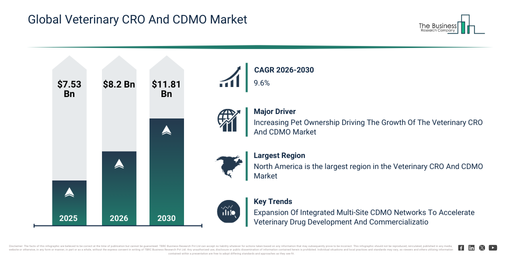
    The veterinary cro and cdmo market has experienced significant expansion in recent years. It is projected to expand from $7.53 billion in 2025 to $8.2 billion in 2026, achieving a compound annual growth rate (CAGR) of 8.9%. The market’s historical growth can be attributed to several factors, including the constrained in-house R&D capabilities of veterinary companies, an increasing companion animal population, a rise in the prevalence of animal diseases, the early adoption of CDM/O services within developed regions, and the demand for innovative veterinary biologics and drugs.

    The veterinary CRO and CDMO market is projected to experience substantial expansion in the coming years, anticipated to reach a valuation of $11.81 billion by 2030, demonstrating a compound annual growth rate (CAGR) of 9.6%. Key factors driving this growth during the forecast period include a rising demand for contract research and manufacturing services, progress in veterinary drug development technology, the expansion of veterinary biologics and pharmaceuticals, an increase in global regulatory compliance mandates, and the growing application of precision medicine in animal care. Significant trends expected in the forecast period encompass an uptick in the outsourcing of veterinary drug development, the broadening of preclinical and clinical trial offerings, an increasing need for regulatory consulting, the implementation of sophisticated analytical and formulation services, and a heightened emphasis on post-marketing surveillance and pharmacovigilance.

    Access Your Free Sample Report for In-Depth Market Insights:

    https://www.thebusinessresearchcompany.com/sample.aspx?id=12080&type=smp

    Which Drivers Are Supporting The Rise Of The Veterinary CRO And CDMO Market?

    The projected increase in pet ownership is anticipated to fuel the expansion of the veterinary CRO and CDMO market. Pet ownership refers to the status of a person or household primarily responsible for the welfare, care, and management of a domesticated animal, embodying a lasting legal and ethical dedication. This rise in pet ownership stems from a growing understanding of the emotional and health advantages pets offer, as individuals increasingly seek companionship, stress reduction, and overall improved well-being through caring for animals. The veterinary CRO and CDMO market plays a crucial role in supporting this trend, as the growing population of pets necessitates increased demand for the creation and production of veterinary pharmaceuticals, vaccines, and therapies to safeguard pet health and safety. For instance, data from the American Pet Products Association, a US-based non-profit organization, indicates that by March 2025, ninety-four (94) million U.S. households will own at least one pet, an increase from eighty-two (82) million in 2023. Consequently, the surge in pet ownership is expected to propel the veterinary CRO and CDMO market forward.

    What Segments Are Identified Within The Structure Of The Veterinary CRO And CDMO Market?

    The veterinary cro and cdmo market covered in this report is segmented –

    1) By Service Type: Discovery, Development, Manufacturing, Packaging And Labeling, Market Approval And Post-marketing

    2) By Animal Type: Companion Animals, Livestock Animals

    3) By Application: Medicines, Medical Devices, Pharmaceuticals, Biologics, Other Applications

    Subsegments:

    1) By Discovery: Target Identification, Target Validation, Lead Identification, Lead Optimization

    2) By Development: Preclinical Development, Clinical Development (Phase I, II, III), Regulatory Consulting

    3) By Manufacturing: API Manufacturing, Finished Dose Formulation, Analytical Services

    4) By Packaging And Labeling: Primary Packaging, Secondary Packaging, Label Design And Compliance

    5) By Market Approval And Post-marketing: Regulatory Submissions, Pharmacovigilance, Post-marketing Surveillance

    What Trends Are Projected To Support The Growth Of The Veterinary CRO And CDMO Market?

    Key players within the veterinary CRO and CDMO market are concentrating on developing innovative services, such as integrated multi-site CDMO networks that incorporate advanced sterile manufacturing, lyophilization, and specialized dosage capabilities. This strategic focus aims to streamline drug development processes and accelerate compliant routes to commercialization. Integrated multi-site CDMO networks are unified platforms combining multiple production locations and expert technologies, including sterile multidose systems, lyophilization, and flexible packaging, all managed under harmonized operational and quality frameworks to deliver comprehensive pharmaceutical development and manufacturing services. For instance, in April 2025, Meribel Pharma Solutions, a UK-based full-service CDMO offering drug development, formulation, analytical services, sterile and semi-solid manufacturing, and packaging solutions, launched its operations. This launch included a network of 13 facilities across France, Spain, and Sweden, designed to support products from early development stages through to commercial-scale production, establishing centers of excellence in oral solid dose, preservative-free multidose, and lyophilization technologies for both human and veterinary health products.

    Which Key Players Are Driving Competition In The Veterinary CRO And CDMO Market?

    Major companies operating in the veterinary cro and cdmo market are Eurofins Scientific SE, Charles River Laboratories Inc., IDEXX Laboratories Inc., Elanco India Private Limited, Aenova Group, Taconic Bioscience Inc., knoell Germany GmbH, ClinVet International Pty Ltd., VetPharm Inc., Vetio Animal Health Company, Ridgeway Research Ltd., Drayton Animal Health Ltd., KLIFOVET GmbH, Cebiphar, Veterinary Research Management (VRM) Ltd., Vetspin Srl, STATKING Animal Health CRO, Arcoblu S.r.l., Syneos Health Inc., Pharmaceutical Product Development Inc., Inotiv Inc., Promega Corporation, Triveritas Ltd.

    Access The Complete Report For Deeper Market Insights:

    https://www.thebusinessresearchcompany.com/report/veterinary-cro-and-cdmo-global-market-report

    Which Region Is Projected To Lead The Veterinary CRO And CDMO Market During The Forecast Period?

    North America was the largest region in the veterinary CRO and CDMO market in 2025. Asia-Pacific is expected to be the fastest-growing region in the forecast period. The regions covered in the veterinary cro and cdmo market report are Asia-Pacific, South East Asia, Western Europe, Eastern Europe, North America, South America, Middle East, Africa.

    Request Your Customized Veterinary CRO And CDMO Market Research Report for Competitive Advantage:

    https://www.thebusinessresearchcompany.com/customise?id=12080&type=smp

    Browse Through More Reports Similar to the Global Veterinary CRO And CDMO Market 2026, By The Business Research Company

    Biologics Cdmo Global Market Report 2026

    https://www.thebusinessresearchcompany.com/report/biologics-cdmo-global-market-report

    Healthcare Cro Services Global Market Report 2026

    https://www.thebusinessresearchcompany.com/report/healthcare-cro-services-global-market-report

    Preclinical Cro Global Market Report 2026

    https://www.thebusinessresearchcompany.com/report/preclinical-cro-global-market-report

    Get in touch with us:

    The Business Research Company: https://www.thebusinessresearchcompany.com/

    Americas +1 310-496-7795

    Asia +44 7882 955267 & +91 8897263534

    Europe +44 7882 955267

    Email us at info@tbrc.info

    Follow us on:

    LinkedIn: https://in.linkedin.com/company/the-business-research-company
  • Veterinary Chemistry Analyzer Market Outlook 2026–2035: Growth Drivers and Industry Forecast

    Veterinary Chemistry Analyzer Market Outlook 2026–2035: Growth Drivers and Industry Forecast

    Uncover key drivers, emerging technologies, and competitive movements shaping the health patch hydration sensor market from 2026–2035 with trusted insights from The Business Research Company

    What size range is anticipated for the Veterinary Chemistry Analyzer Market from 2026 to 2030?

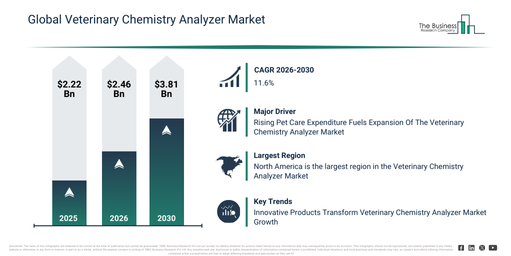
    The veterinary chemistry analyzer market has experienced substantial growth in recent years. It is projected to expand from $2.22 billion in 2025 to $2.46 billion in 2026, reflecting a compound annual growth rate (CAGR) of 11.0%. This growth observed in the historic period stems from advancements in veterinary diagnostics, an expanding companion animal population, an increase in the prevalence of animal diseases, the proliferation of veterinary hospitals and clinics, and technological innovation in benchtop analyzers.

    The veterinary chemistry analyzer market is projected to experience substantial expansion over the upcoming years. By 2030, this market is anticipated to reach a value of $3.81 billion, achieving a compound annual growth rate (CAGR) of 11.6%. This growth during the forecast period is fueled by several factors, including the expansion of point-of-care testing, the uptake of portable and handheld analyzers, a heightened need for rapid diagnostics, the integration of IoT-enabled monitoring systems, and the emergence of veterinary precision medicine. Key trends defining this period encompass an increasing need for point-of-care testing, the integration of portable veterinary chemistry analyzers, a greater emphasis on monitoring the health of companion animals, the escalating application of automated blood and urine analysis, and the broader implementation of glucose and electrolyte monitoring in livestock.

    Access Your Free Sample Report for In-Depth Market Insights:

    https://www.thebusinessresearchcompany.com/sample.aspx?id=10043&type=smp

    What Drivers Are Affecting Demand In The Veterinary Chemistry Analyzer Market?

    The escalating spending on pet care is projected to fuel the expansion of the veterinary chemistry analyzer market going forward. This pet care spending includes all costs associated with maintaining the health and general well-being of pets. The increase in pet care expenditures is a result of growing pet humanization, prompting owners to increasingly invest in premium food, healthcare, and wellness products to enhance their pets’ quality of life. Veterinary chemistry analyzers are utilized in pet care spending to conduct extensive blood and urine tests, which assist in diagnosing illnesses, monitoring pet health, leading to better treatment decisions, and improving overall care. For instance, in 2023, reports from the American Pet Products Association, a US-based non-profit industry association, estimated that the total spending on pets in the US is projected to reach $143.6 billion, an increase from the $136.8 billion spent in 2022. Therefore, the rising pet care spending is a significant driver for the growth of the veterinary chemistry analyzer market.

    Which Segments Are Gaining Traction In The Veterinary Chemistry Analyzer Market?

    The veterinary chemistry analyzer market covered in this report is segmented –

    1) By Analyzer Type: Benchtop, Portable

    2) By Product: Instruments, Consumables

    3) By Animal: Companion Animals, Livestock

    4) By Application: Blood Chemistry Analysis, Urinalysis, Glucose Monitoring, Blood Gas And Electrolyte Analysis

    5) By End Use: Veterinary Hospitals and Clinics, Point-Of-Care Testing, Other End Uses

    Subsegments:

    1) By Benchtop: Automated Benchtop Analyzers, Semi-Automated Benchtop Analyzers

    2) By Portable: Handheld Portable Analyzers, Compact Portable Analyzers

    Which Trends Are Influencing The Performance And Direction Of The Veterinary Chemistry Analyzer Market?

    Leading companies within the veterinary chemistry analyzer market are concentrating on product innovation, such as veterinary diagnostic tests for diagnosing kidney injury, which is expanding the veterinary industry. IDEXX Cystatin B is a biomarker test specific to felines, which helps in evaluating kidney function in cats and identifying early renal disease. For instance, in June 2023, IDEXX Laboratories Inc., a US-based medical device company, introduced the first veterinary diagnostic test, IDEXX Cystatin B, aimed at detecting kidney injury in cats and dogs. The IDEXX Cystatin B Test improves the understanding of kidney health by identifying the injury and offering additional insight in cases where alterations in kidney function may not be immediately apparent.

    Who Are The Top-Performing Companies In The Veterinary Chemistry Analyzer Market In Recent Years?

    Major companies operating in the veterinary chemistry analyzer market are IDEXX Laboratories Inc., Arkray Inc., Heska Corporation, Alfa Wassermann Inc., Randox Laboratories, Eurolyser Diagnostica GmbH, DiaSys Diagnostic Systems GmbH, Chengdu Seamaty Technology Co. Ltd., Abaxis Inc., Skyla Corporation, Biochemical Systems International S.p.A., Zoetis Inc., URIT Medical Electronic Co. Ltd., Diconex SA, Diatron MI plc, HORIBA ABX S.A., Bionote Inc., Carolina Liquid Chemistries Corporation, Bioevopeak Co. Ltd., Fujifilm Holdings Corporation, Scil Animal Care Company GmbH, ProtectLife International Biomedical Inc., Beckman Coulter Inc., Bio-Rad Laboratories Inc., Boule Diagnostics AB, Catalyst Biosciences Inc.

    Access The Complete Report For Deeper Market Insights:

    https://www.thebusinessresearchcompany.com/report/veterinary-chemistry-analyzer-global-market-report

    Which Region Currently Holds The Largest Share Of The Veterinary Chemistry Analyzer Market?

    North America was the largest region in the veterinary chemistry analysis market in 2025.Asia-Pacific is expected to be the fastest-growing region in the global veterinary chemistry analyzer market report forecast period. The regions covered in the veterinary chemistry analyzer market report are Asia-Pacific, South East Asia, Western Europe, Eastern Europe, North America, South America, Middle East, Africa.

    Request Your Customized Veterinary Chemistry Analyzer Market Research Report for Competitive Advantage:

    https://www.thebusinessresearchcompany.com/customise?id=10043&type=smp

    Browse Through More Reports Similar to the Global Veterinary Chemistry Analyzer Market 2026, By The Business Research Company

    Veterinary Reference Laboratory Global Market Report 2026

    https://www.thebusinessresearchcompany.com/report/veterinary-reference-laboratory-global-market-report

    Veterinary Hematology Analyzers Global Market Report 2026

    https://www.thebusinessresearchcompany.com/report/veterinary-hematology-analyzers-global-market-report

    Clinical Chemistry Analyzers Global Market Report 2026

    https://www.thebusinessresearchcompany.com/report/clinical-chemistry-analyzers-global-market-report

    Get in touch with us:

    The Business Research Company: https://www.thebusinessresearchcompany.com/

    Americas +1 310-496-7795

    Asia +44 7882 955267 & +91 8897263534

    Europe +44 7882 955267

    Email us at info@tbrc.info

    Follow us on:

    LinkedIn: https://in.linkedin.com/company/the-business-research-company
  • Veterinary Care Market 2026–2030: Emerging Trends and Forecast Opportunities

    Veterinary Care Market 2026–2030: Emerging Trends and Forecast Opportunities

    Uncover key drivers, emerging technologies, and competitive movements shaping the hazardous drug management systems market from 2026–2035 with trusted insights from The Business Research Company

    How is the Veterinary Care Market size predicted to change over the forecast window of 2026–2035?

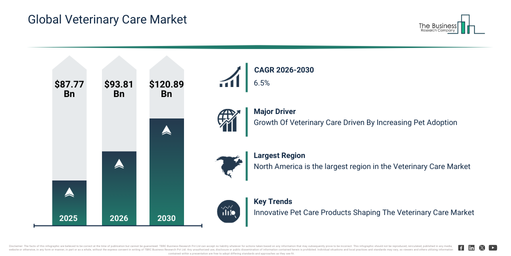
    The size of the veterinary care market has demonstrated robust growth in recent years. Projections indicate it will expand from $87.77 billion in 2025 to $93.81 billion in 2026, achieving a compound annual growth rate (CAGR) of 6.9%. This historical expansion is attributable to several factors, including an increasing companion animal population, heightened awareness regarding animal health and welfare, the growth of veterinary clinics and hospitals, advancements in conventional therapeutics and diagnostics, and government efforts in controlling zoonotic diseases.

    The veterinary care market size is projected to witness substantial expansion in the upcoming years, with an anticipated rise to $120.89 billion by 2030, exhibiting a compound annual growth rate (CAGR) of 6.5%. This growth during the forecast period is primarily driven by factors such as the increased embrace of telemedicine and remote monitoring, an escalating demand for preventive and specialized veterinary services, advancements in diagnostics and therapeutics, a heightened emphasis on livestock health and biosecurity, and the broader availability of animal insurance and wellness programs. Prominent trends for this period encompass telemedicine and remote veterinary consultations, animal preventive and wellness initiatives, the incorporation of one health approaches, sophisticated diagnostic imaging and laboratory services, and tailored nutritional and therapeutic plans.

    Access Your Free Sample Report for In-Depth Market Insights:

    https://www.thebusinessresearchcompany.com/sample.aspx?id=20682&type=smp

    Which Drivers Are Contributing To The Expansion Of The Veterinary Care Market?

    The rising trend of pet adoption is projected to drive the expansion of the veterinary care market moving forward. Pet adoption involves assuming responsibility for an animal from a shelter, rescue group, or former owner, offering them a new, permanent home, a process that includes legal and ethical commitments. Several factors contribute to the increase in pet adoption, such as evolving social trends, urbanization, and a rise in young adults postponing parenthood. Veterinary care plays a vital role in pet adoption, providing medical treatment and preventive services to ensure the pet’s well-being and address any immediate health needs. For instance, in June 2025, data from the Petfood Industry, a US-based organization, indicated that U.S. households owning pets climbed from 82 million in 2023 to 94 million in 2025, reflecting sustained growth in pet adoption and ownership that contributes to a higher demand for veterinary services. Therefore, the growing inclination towards pet adoption propels the veterinary care market.

    What Segment Categories Are Covered In The Veterinary Care Market?

    The veterinary care market covered in this report is segmented –

    1) By Product: Therapeutics, Diagnostics

    2) By Animal Type: Companion Animal, Production Animal

    3) By Type Of Care: Primary, Emergency, Critical, Specialty Services, Others Services

    4) By End-User: Veterinary Hospitals, Veterinary Clinics, Veterinary Laboratory Testing Services, Other End-User

    Subsegments:

    1) By Therapeutics: Anti-infective Drugs, Pain Management Medications, Vaccines, Anesthetics, Anti-inflammatory Drugs, Hormonal Therapies, Nutraceuticals And Supplements

    2) By Diagnostics: In-Vitro Diagnostic Tests, Imaging Equipment (X-ray, Ultrasound, MRI), Blood Testing Kits, Fecal Analysis Kits, Rapid Test Kits, Histopathology Products, Diagnostic Imaging Software

    What Long-Term Trends Are Expected To Shape The Future Of The Veterinary Care Market?

    Leading companies within the veterinary care market are concentrating on developing innovative products, such as pet first-aid kits, to enhance the health and well-being of animals, addressing a broad spectrum of needs from preventive care to the treatment of complex medical conditions. A pet first-aid kit is a compilation of essential supplies and tools intended to deliver initial care for pets in instances of minor injuries or emergencies before professional veterinary assistance can be acquired. A well-provisioned first-aid kit proves vital in managing common pet emergencies, including cuts, burns, or choking. For example, in August 2023, MySimplePetLab., a US-based company providing pet care from home or in the clinic, launched its first aid care dog kit in Target stores. This kit is formulated to offer immediate relief for wounds, cuts, and minor injuries, establishing it as an essential item for pet owners both at home and during travel. The kit contains necessary items such as a vet-approved care guide, wound cleansing, wound shield, bleed-stop powder, antiseptic wipes, antibiotic ointments, gauze pads, an instant cold pack, and more.

    Which Leading Companies Dominate The Veterinary Care Market Share?

    Major companies operating in the veterinary care market are Cargill Incorporated, Novartis AG, Mars Incorporated, C.H. Boehringer Sohn AG & Co. KG, The Merck Group, Zoetis Inc., Elanco Animal Health Incorporated, IDEXX Laboratories Inc., Ceva Santé Animale, Phibro Animal Health Corporation, Dechra Pharmaceuticals PLC, PetVet Care Centers LLC, VetStrategy Inc., Vetoquinol, Heska Corporation, Neogen Corporation , Sequent Scientific Ltd., Animal Care Group Plc, Medivet, Hester Bioscience Limited

    Access The Complete Report For Deeper Market Insights:

    https://www.thebusinessresearchcompany.com/report/veterinary-care-global-market-report

    How Does The Veterinary Care Market Perform Across Major Global Regions?

    North America was the largest region in the veterinary care market in 2025. Asia-Pacific is expected to be the fastest-growing region in the forecast period. The regions covered in the veterinary care market report are Asia-Pacific, South East Asia, Western Europe, Eastern Europe, North America, South America, Middle East, Africa.

    Request Your Customized Veterinary Care Market Research Report for Competitive Advantage:

    https://www.thebusinessresearchcompany.com/customise?id=20682&type=smp

    Browse Through More Reports Similar to the Global Veterinary Care Market 2026, By The Business Research Company

    Veterinary Anesthesia Equipment Global Market Report 2026

    https://www.thebusinessresearchcompany.com/report/veterinary-anesthesia-equipment-global-market-report

    Veterinary Patient Monitoring Equipment Global Market Report 2026

    https://www.thebusinessresearchcompany.com/report/veterinary-patient-monitoring-equipment-global-market-report

    Veterinary Diagnostic Equipment Global Market Report 2026

    https://www.thebusinessresearchcompany.com/report/veterinary-diagnostic-equipment-global-market-report

    Get in touch with us:

    The Business Research Company: https://www.thebusinessresearchcompany.com/

    Americas +1 310-496-7795

    Asia +44 7882 955267 & +91 8897263534

    Europe +44 7882 955267

    Email us at info@tbrc.info

    Follow us on:

    LinkedIn: https://in.linkedin.com/company/the-business-research-company

  • Global Veterinary Cardiology Market Forecast 2026–2035: Long-Term Growth Insights

    Global Veterinary Cardiology Market Forecast 2026–2035: Long-Term Growth Insights

    Uncover key drivers, emerging technologies, and competitive movements shaping the hand hygiene stations market from 2026–2035 with trusted insights from The Business Research Company

    What market expansion outlook does the Veterinary Cardiology Market show for the 2026–2030 period?

    The veterinary cardiology market has seen substantial growth in recent years. It is anticipated to expand from $3.1 billion in 2025 to $3.38 billion in 2026, exhibiting a compound annual growth rate (CAGR) of 9.1%. This historical expansion can be primarily attributed to the increased prevalence of congenital heart defects in pets, rising awareness about pet healthcare, a growing number of veterinary hospitals and clinics, advancements in diagnostic imaging technologies, and the adoption of conventional pharmaceuticals for cardiac diseases.

    The veterinary cardiology market is projected to experience substantial expansion over the coming years, with its size anticipated to reach $4.73 billion by 2030, exhibiting a compound annual growth rate (CAGR) of 8.7%. This expected growth during the forecast period is primarily driven by factors such as the increasing adoption of telemedicine within veterinary cardiology, an expansion in pet insurance coverage, the development of AI-enabled diagnostic tools, a heightened focus on preventive and personalized cardiac care, and the growing population of companion animals in urban areas. Significant trends identified for the forecast period include the rise of telecardiology and remote cardiac monitoring, the prevalence of minimally invasive cardiac procedures, the implementation of personalized treatment plans for companion animals, the use of advanced cardiac imaging techniques, and the integration of nutraceuticals and preventive cardiac care.

    Access Your Free Sample Report for In-Depth Market Insights:

    https://www.thebusinessresearchcompany.com/sample.aspx?id=20681&type=smp

    What Drivers Are Shaping The Development Of The Veterinary Cardiology Market?

    An anticipated surge in heart disease occurrences among domestic animals and farm animals is projected to fuel the expansion of the veterinary cardiology market moving ahead. These cardiac conditions in pets and livestock involve health issues impacting the heart’s anatomy and performance, resulting in poor blood flow, diminished heart effectiveness, and potential broader health problems. The escalating frequency of heart conditions in pets and livestock is attributable to various elements including longer life expectancies, excessive weight, inadequate nutrition, inherited tendencies, and insufficient routine veterinary attention. Furthermore, environmental pressures and alterations in their habitats may also play a role in the widespread occurrence of cardiovascular ailments among these animals. Specialized veterinary cardiac care aids in the diagnosis, treatment, and management of heart ailments in pets and livestock, utilizing advanced imaging techniques and novel interventions such as minimally invasive surgical operations to enhance cardiac well-being and overall quality of life. As an illustration, in March 2024, the American Veterinary Medical Association, a non-profit entity based in the U.S., reported that Myxomatous mitral valve degeneration (MMVD) represents the most common heart ailment observed in dogs across North America, accounting for 75% of all canine cardiac issues. Reports indicate that 85% of small dog breeds at 13 years of age exhibit indications of a myxomatous mitral valve lesion, although the mere existence of such a lesion does not always carry clinical importance. For dogs afflicted with MMVD, the projected mortality rate due to cardiac causes ranges from 40% to 70%. Consequently, the escalating incidence of heart ailments in pets and livestock is set to propel the expansion of the veterinary cardiology market.

    Which Segments Are Contributing To The Growth Of The Veterinary Cardiology Market?

    The veterinary cardiology market covered in this report is segmented –

    1) By Product: Pharmaceuticals, Diagnostics

    2) By Indication: Congestive Heart Failure, Myocardial (Heart Muscle) Disease, Arrhythmias, Other Indications

    3) By Animal Type: Companion Animals, Production Animals

    4) By End-User: Veterinary Hospitals, Clinics, Other End Users

    Subsegments:

    1) By Pharmaceuticals: Antihypertensives, Diuretics, Antiarrhythmic Drugs, Beta Blockers, ACE Inhibitors, Calcium Channel Blockers, Positive Inotropes, Nutraceuticals For Cardiac Health

    2) By Diagnostics: Electrocardiograms (ECG), Echocardiography Devices, Holter Monitors, Blood Pressure Monitors, Cardiac Biomarker Tests, Thoracic Radiography, Ultrasound Devices, Telemedicine Solutions for Cardiac Monitoring

    Which Market Trends Are Opening Growth Opportunities In The Veterinary Cardiology Market?

    Major companies active in the veterinary cardiology market are advancing technology, including transcatheter edge-to-edge mitral valve repair (TEER), to enhance the treatment of heart conditions in animals. These innovations aim to improve surgical outcomes and provide less invasive options for better patient recovery and quality of life. Transcatheter edge-to-edge mitral valve repair (TEER) itself is a minimally invasive cardiac procedure developed to correct mitral valve leakage by utilizing a clamp to optimize valve function and lessen strain on the heart. As an illustration, in February 2023, Willows Veterinary Centre, a veterinary referral center located in the UK, unveiled a novel heart treatment for dogs suffering from myxomatous mitral valve disease (MMVD), the most prevalent heart ailment in canines. This treatment is now recognized as a viable substitute for surgical intervention in human patients, with early clinical findings in dogs showing great promise. The procedure is performed under general anesthesia through a small incision in the chest wall, where a needle is inserted at the heart’s apex. Continuous X-ray and transesophageal ultrasound provide precise guidance for the accurate placement of a V-clamp across the mitral valve, thereby minimizing leakage.

    Who Are The Major Companies Operating In The Veterinary Cardiology Market?

    Major companies operating in the veterinary cardiology market are Merck & Co. Inc., Medtronic plc, Siemens Healthineers AG, Zoetis Inc., Boehringer Ingelheim Animal Health, Royal Canin, IDEXX Laboratories Inc., Ceva Santé Animale S.A., Fujifilm Healthcare Solutions, Dechra Pharmaceuticals PLC, Vetoquinol S.A., ESAOTE S.p.A., SonoScape Medical Corp., Jurox Pty Limited, Eickemeyer Veterinary Equipment GmbH, VetriScience Laboratories Inc., Bionet America Inc., Scil Animal Care Company, Woodley Equipment Company Ltd., Universal Imaging Corporation, VetBlue Inc., TeleVet

    Access The Complete Report For Deeper Market Insights:

    https://www.thebusinessresearchcompany.com/report/veterinary-cardiology-global-market-report

    Which Region Is Anticipated To See The Fastest Growth In The Veterinary Cardiology Market?

    North America was the largest region in the veterinary cardiology market in 2025. The regions covered in the veterinary cardiology market report are Asia-Pacific, South East Asia, Western Europe, Eastern Europe, North America, South America, Middle East, Africa.

    Request Your Customized Veterinary Cardiology Market Research Report for Competitive Advantage:

    https://www.thebusinessresearchcompany.com/customise?id=20681&type=smp

    Browse Through More Reports Similar to the Global Veterinary Cardiology Market 2026, By The Business Research Company

    Veterinary Pain Management Global Market Report 2026

    https://www.thebusinessresearchcompany.com/report/veterinary-pain-management-global-market-report

    Veterinary Reference Laboratory Global Market Report 2026

    https://www.thebusinessresearchcompany.com/report/veterinary-reference-laboratory-global-market-report

    Veterinary Stereotactic Radiosurgery System Global Market Report 2026

    https://www.thebusinessresearchcompany.com/report/veterinary-stereotactic-radiosurgery-system-global-market-report

    Get in touch with us:

    The Business Research Company: https://www.thebusinessresearchcompany.com/

    Americas +1 310-496-7795

    Asia +44 7882 955267 & +91 8897263534

    Europe +44 7882 955267

    Email us at info@tbrc.info

    Follow us on:

    LinkedIn: https://in.linkedin.com/company/the-business-research-company

  • Veterinary Biomarkers Market 2026–2030: Forecasting Business Opportunities Ahead

    Veterinary Biomarkers Market 2026–2030: Forecasting Business Opportunities Ahead

    Uncover key drivers, emerging technologies, and competitive movements shaping the hand hygiene smart badges with real-time location system (rtls) market from 2026–2035 with trusted insights from The Business Research Company

    What level of growth is expected in the Veterinary Biomarkers Market between 2026 and 2030?

    The veterinary biomarkers market has experienced substantial expansion in recent years. It is projected to increase from $0.91 billion in 2025 to $1.02 billion in 2026, exhibiting a compound annual growth rate (CAGR) of 12.4%. The historical growth of this market can be attributed to factors such as a reliance on conventional diagnostics, limited availability of biomarkers, the escalating prevalence of animal diseases, established veterinary research methods, and the low adoption of preclinical research tools.

    The veterinary biomarkers market size is projected for swift expansion in the upcoming years, reaching $1.61 billion by 2030, exhibiting a compound annual growth rate (CAGR) of 12.0%. This growth during the forecast period is attributed to advancements in biomarker discovery, increased investment in veterinary diagnostics, heightened awareness of animal health monitoring, the expansion of companion and production animal segments, and the adoption of automated biomarker readers and digital platforms. Significant trends for the forecast period encompass the broadening of diagnostic biomarker development, the rise in predictive and prognostic biomarker applications, increasing uptake of ELISA, PCR, and rapid test kits, a growing use of advanced biomarker readers and analytical devices, and an intensifying focus on the well-being of companion and production animals.

    Access Your Free Sample Report for In-Depth Market Insights:

    https://www.thebusinessresearchcompany.com/sample.aspx?id=20680&type=smp

    Which Drivers Are Expected To Impact The Veterinary Biomarkers Market During The Forecast Period?

    The veterinary biomarkers market is projected to experience growth due to increasing pet ownership in the future. Pet ownership refers to the condition of having one or more animals as companions, where individuals provide care, shelter, and attention to meet their animals’ requirements and welfare. Several factors contribute to the rise in pet ownership, including the desire for companionship, the advantages of pet therapy, and a growing understanding of the positive influence pets have on mental and physical well-being. Veterinary biomarkers are utilized in pet ownership for monitoring animal health, enabling early detection of diseases and the creation of personalized treatment plans. For instance, in June 2025, the Petfood Industry, a US-based organization, reported that 94 million U.S. households owned at least one pet, an increase from 82 million in 2023, indicating a substantial rise in pet ownership and an increased demand for pet care products and services. Therefore, the expanding trend of pet ownership is fueling the growth of the veterinary biomarkers market.

    How Is The Veterinary Biomarkers Market Divided Into Segments?

    The veterinary biomarkers market covered in this report is segmented –

    1) By Product Type: Biomarkers, Kits And Reagents, Biomarker Readers

    2) By Disease Type: Inflammatory And Infectious Diseases, Cardiovascular Diseases, Skeletal Muscle Diseases, Tumor, Other Disease Types

    3) By Animal Type: Companion Animals, Production Animals

    4) By Application: Disease Diagnostics, Preclinical Research, Other Applications

    Subsegments:

    1) By Biomarkers: Diagnostic Biomarkers, Prognostic Biomarkers, Predictive Biomarkers, Pharmacodynamic Biomarkers

    2) By Kits And Reagents: ELISA Kits, PCR Kits, Western Blotting Kits, Rapid Test Kits, Reagents For Biomarker Detection

    3) By Biomarker Readers: Optical Readers, Fluorescence Readers, Luminometers, Real-Time PCR Machines, Microplate Readers

    How Are Emerging Trends Affecting The Progression Of The Veterinary Biomarkers Market?

    Major companies in the veterinary biomarkers market are concentrating on forming strategic alliances to gain a competitive advantage. These strategic partnerships in the veterinary biomarkers field involve collaborations among companies, research institutions, and veterinary practices to advance the creation and implementation of diagnostic tools. For instance, in November 2025, Bionote USA, a US-based company focused on veterinary diagnostics, launched the Vcheck C1 In-Clinic Chemistry Analyzer. This affordable, compact biochemistry testing device is designed to expand point-of-care biomarker and diagnostic capabilities for veterinary practices. The Vcheck C1 enables the simultaneous analysis of up to 24 biochemical parameters from small animal samples in 10–12 minutes, delivering laboratory-grade accuracy with a simple workflow. It supports testing across 34 species, including canine, feline, equine, and bovine patients, with validated reference ranges for each species. Featuring broad test panels such as comprehensive chemistry, electrolyte, liver, kidney, and diabetes profiles, the analyzer helps clinicians quickly diagnose and monitor health conditions without sending samples to external labs. The product’s affordable pricing and multi-species support aim to enhance access to rapid, in-clinic biomarker diagnostics for a wide range of veterinary settings.

    Which Major Firms Are Strengthening Their Position In The Veterinary Biomarkers Market?

    Major companies operating in the veterinary biomarkers market are Thermo Fisher Scientific Inc., Zoetis Inc., IDEXX Laboratories Inc., Antech Diagnostics Inc., Neogen Corporation, Heska Corporation, Olink Proteomics, SomaLogic, Life Diagnostics Inc., INDICAL BIOSCIENCE GmbH., Mercodia AB, Bionote USA Inc., Acuvet Biotech, Alertix Veterinary Diagnostics AB., MI:RNA Diagnostics Ltd., Veterinary Biomarkers Inc., Vetmaya Healthcare Private Limited, VolitionRx, BioVet Diagnostics, Randox Laboratories Ltd., Bio-Rad Laboratories Inc., QIAGEN N.V., FidoCure, Scil Animal Care Company GmbH, Shenzhen Mindray Animal Medical Technology Co. Ltd., Esaote SPA, Innovative Diagnostics SAS, Ayoxxa Biosystems

    Access The Complete Report For Deeper Market Insights:

    https://www.thebusinessresearchcompany.com/report/veterinary-biomarkers-global-market-report

    Which Region Is Anticipated To See The Fastest Growth In The Veterinary Biomarkers Market?

    North America was the largest region in the veterinary biomarkers market in 2025. The regions covered in the veterinary biomarkers market report are Asia-Pacific, South East Asia, Western Europe, Eastern Europe, North America, South America, Middle East, Africa.

    Request Your Customized Veterinary Biomarkers Market Research Report for Competitive Advantage:

    https://www.thebusinessresearchcompany.com/customise?id=20680&type=smp

    Browse Through More Reports Similar to the Global Veterinary Biomarkers Market 2026, By The Business Research Company

    Veterinary Active Pharmaceutical Ingredients Manufacturing Global Market Report 2026

    https://www.thebusinessresearchcompany.com/report/veterinary-active-pharmaceutical-ingredients-manufacturing-global-market-report

    Veterinary Dermatology Drugs Global Market Report 2026

    https://www.thebusinessresearchcompany.com/report/veterinary-dermatology-drugs-global-market-report

    Veterinary Dietary Supplements Global Market Report 2026

    https://www.thebusinessresearchcompany.com/report/veterinary-dietary-supplements-global-market-report

    Get in touch with us:

    The Business Research Company: https://www.thebusinessresearchcompany.com/

    Americas +1 310-496-7795

    Asia +44 7882 955267 & +91 8897263534

    Europe +44 7882 955267

    Email us at info@tbrc.info

    Follow us on:

    LinkedIn: https://in.linkedin.com/company/the-business-research-company

  • Global Veterinary Biologics Market Report 2026–2035: Key Forecasts and Growth Areas

    Global Veterinary Biologics Market Report 2026–2035: Key Forecasts and Growth Areas

    Uncover key drivers, emerging technologies, and competitive movements shaping the green-pharma solvent systems market from 2026–2035 with trusted insights from The Business Research Company

    How much is the Veterinary Biologics Market valued at in 2026, and what valuation is forecast for 2030?

    The veterinary biologics market size has demonstrated significant expansion in recent years. It is projected to expand from $13.61 billion in 2025 to $14.61 billion in 2026, at a compound annual growth rate (CAGR) of 7.3%. The growth observed in the historic period can be ascribed to the increasing prevalence of livestock diseases, a rise in the companion animal population, advancements in vaccine development, increased government funding for veterinary research, and the expansion of veterinary healthcare infrastructure.

    The veterinary biologics market size is projected to undergo significant expansion over the next few years. It is expected to grow to $20.03 billion in 2030, achieving a compound annual growth rate (CAGR) of 8.2%. This anticipated growth during the forecast period stems from factors such as technological advancements in biologics, the increasing adoption of precision medicine in animals, a rise in global pet ownership, heightened awareness regarding zoonotic diseases, and the expanding veterinary diagnostics market. Prominent trends for the forecast period include an elevated focus on preventive animal healthcare, the growing uptake of rapid diagnostic solutions, the expansion of companion animal biologics, the integration of immunomodulators in veterinary treatments, and an increasing demand for livestock disease management solutions.

    Access Your Free Sample Report for In-Depth Market Insights:

    https://www.thebusinessresearchcompany.com/sample.aspx?id=12366&type=smp

    What Drivers Are Influencing The Growth Of The Veterinary Biologics Market?

    The future expansion of the veterinary biologics market is anticipated to be propelled by the rising trend of pet adoption. Pet adoption involves assuming care for a domesticated animal, often from a shelter or rescue organization, to provide it with a permanent and nurturing home. This increase in pet adoption stems from greater animal welfare awareness, as more individuals acknowledge the advantages of adopting rescued animals rather than purchasing pets. Veterinary biologics are instrumental in preventing the impact of various infectious diseases in pets, conferring immunity, managing zoonotic diseases, extending lifespan and improving quality of life, lowering veterinary healthcare costs, enhancing reproductive health, and offering more precise and customized treatment options. For instance, the American Pet Products Association, a US-based non-profit association, reported that in March 2025, ninety-four (94) million U.S. households owned at least one pet, an increase from eighty-two (82) million in 2023. Consequently, the rising rate of pet adoption is directly driving the growth of the veterinary biologics market.

    What Segments Are Included Within The Veterinary Biologics Market?

    The veterinary biologics market covered in this report is segmented –

    1) By Product: Vaccines, Diagnostic Kits, Immunomodulators, Antiserums And Antibodies, Other Products

    2) By Disease Type: Bluetongue, Foot And Mouth Disease, Brucellosis And Tuberculosis, Other Disease Types

    3) By Distribution Channel: Veterinary Hospitals, Veterinary Clinics, Other Distribution Channels

    4) By Application: Production Animal, Companion Animal

    Subsegments:

    1) By Vaccines: Live Attenuated Vaccines, Inactivated Vaccines, Recombinant Vaccines, DNA Vaccines

    2) By Diagnostic Kits: Rapid Tests, Elisa Kits, Pcr-Based Diagnostic Kits

    3) By Immunomodulators: Cytokines, Adjuvants, Immunostimulants

    4) By Antiserums And Antibodies: Monoclonal Antibodies, Polyclonal Antibodies, Hyperimmune Serums

    5) By Other Products: Probiotics, Prebiotics, Growth Factors, Toxoids

    Which Innovation Trends Are Advancing Developments Within The Veterinary Biologics Market?

    Leading companies in the veterinary biologics market are concentrating on developing innovative biologics, such as vaccines, to enhance animal welfare and prevent diseases. A vaccine functions by stimulating the immune system to identify and combat specific pathogens, thereby preventing infectious diseases through acquired immunity. For example, in August 2024, Merck Animal Health, a US-based global animal health company, launched an experimental autogenous vaccine designed to target avian metapneumovirus (aMPV) type B, after securing approval from the U.S. Department of Agriculture (USDA) for its manufacturing and sale. This vaccine, developed in collaboration with Cambridge Technologies, seeks to counter the severe respiratory issues in poultry caused by aMPV type B, which have resulted in substantial economic losses since late 2023. Manufactured at a modern facility in Minnesota, the vaccine incorporates an oil and water emulsion formulation intended to minimize tissue reactions post-vaccination, thereby addressing a crucial gap in the market where no commercially licensed vaccines were previously available.

    Who Are The Primary Competitors In The Global Veterinary Biologics Market?

    Major companies operating in the veterinary biologics market are Zoetis Inc., Merck Animal Health Inc., Boehringer Ingelheim Animal Health Inc., Elanco Animal Health, IDEXX Laboratories Inc., Virbac SA, Phibro Animal Health Corporation, Abaxis Inc., Bimeda Biologicals, Ceva Sante Animale S.A., Heska Corporation, Colorado Serum Company, Hester Biosciences Limited, INDICAL Bioscience GmbH, Intervet Inc., Hebei Veyong Animal Pharmaceutical Co. Ltd., Biomet Biologics LLC, CytoDyn Veterinary Medicine LLC, KM Biologics, HIPRA, Indian Immunologicals Ltd., Vetoquinol, Beijing SVA Vaccines Serums

    Access The Complete Report For Deeper Market Insights:

    https://www.thebusinessresearchcompany.com/report/veterinary-biologics-global-market-report

    Which Global Regions Are Shaping The Competitive Landscape Of The Veterinary Biologics Market?

    North America was the largest region in the veterinary biologics market in 2025. Asia-Pacific is expected to be the fastest-growing region in the forecast period. The regions covered in the veterinary biologics market report are Asia-Pacific, South East Asia, Western Europe, Eastern Europe, North America, South America, Middle East, Africa.

    Request Your Customized Veterinary Biologics Market Research Report for Competitive Advantage:

    https://www.thebusinessresearchcompany.com/customise?id=12366&type=smp

    Browse Through More Reports Similar to the Global Veterinary Biologics Market 2026, By The Business Research Company

    Veterinary Medicine Global Market Report 2026

    https://www.thebusinessresearchcompany.com/report/veterinary-medicine-global-market-report

    Veterinary Pharmaceuticals Global Market Report 2026

    https://www.thebusinessresearchcompany.com/report/veterinary-pharmaceuticals-global-market-report

    Veterinary Pharmaceuticals Global Market Report 2026

    https://www.thebusinessresearchcompany.com/report/veterinary-pharmaceuticals-global-market-report

    Get in touch with us:

    The Business Research Company: https://www.thebusinessresearchcompany.com/

    Americas +1 310-496-7795

    Asia +44 7882 955267 & +91 8897263534

    Europe +44 7882 955267

    Email us at info@tbrc.info

    Follow us on:

    LinkedIn: https://in.linkedin.com/company/the-business-research-company

  • Veterinary Autoimmune Disease Therapeutics Market 2026–2030: Forecast, Innovation, and Competitive Trends

    Veterinary Autoimmune Disease Therapeutics Market 2026–2030: Forecast, Innovation, and Competitive Trends

    Uncover key drivers, emerging technologies, and competitive movements shaping the gadolinium-based contrast agents market from 2026–2035 with trusted insights from The Business Research Company

    By how much is the Veterinary Autoimmune Disease Therapeutics Market expected to grow between 2026 and 2030?

    The veterinary autoimmune disease therapeutics market has seen strong expansion in recent years. It is anticipated to increase from $3.46 billion in 2025 to $3.69 billion in 2026, exhibiting a compound annual growth rate (CAGR) of 6.6%. The historical growth in this market can be attributed to factors such as limited available treatment options for animal autoimmune diseases, the high incidence of hypothyroidism and pemphigus, the reliance on corticosteroids as a primary therapy, growing pet ownership, and increasing veterinary consultations.

    The market for veterinary autoimmune disease therapeutics is anticipated to demonstrate significant expansion over the coming years. It is projected to achieve a valuation of $4.61 billion by 2030, progressing at a compound annual growth rate (CAGR) of 5.8%. The expansion during the forecast period is attributable to progress in immunomodulatory treatments, the creation of new oral and injectable medicines, increased recognition of autoimmune conditions in companion animals, the growth of veterinary hospital and clinic infrastructure, and the wider adoption of precision medicine techniques. Notable trends for the forecast period include a greater reliance on corticosteroids and immunosuppressive treatments, a heightened focus on managing autoimmune diseases in companion animals, the continued spread of veterinary hospital and clinic networks, the development of oral and injectable formulations to improve patient adherence, and a rising understanding of rare autoimmune diseases affecting animals.

    Access Your Free Sample Report for In-Depth Market Insights:

    https://www.thebusinessresearchcompany.com/sample.aspx?id=16208&type=smp

    Which Drivers Are Influencing Market Acceleration In The Veterinary Autoimmune Disease Therapeutics Market?

    The future expansion of the veterinary autoimmune disease therapeutics market is anticipated due to a rise in research funding for veterinary medicine. Veterinary medicine specifically focuses on preventing, diagnosing, and treating illnesses, conditions, and injuries in animals. This boost in research funding stems from factors such as increasing zoonotic illnesses, an expanding pet sector, innovations in animal health technology, agricultural requirements, and initiatives for wildlife preservation. Investments in veterinary autoimmune disease research facilitate investigations into disease processes, diagnostic methods, and therapeutic strategies, thereby improving the capacity of veterinary medicine to accurately identify and manage these ailments. An example is the USDA Veterinary Service Grant Program, which allocated $3.8 million in 2024, projected to increase to $15 million in following years, as reported by the American Veterinary Medical Association (AVMA), a US-based non-profit organization, in September 2025. Consequently, augmented research funding in veterinary medicine is fueling expansion within the veterinary autoimmune disease therapeutics market.

    What Leading Segments Are Studied In The Veterinary Autoimmune Disease Therapeutics Market?

    The veterinary autoimmune disease therapeutics market covered in this report is segmented –

    1) By Therapy Type: Corticosteroids, Azathioprine, Cyclosporine, Mycophenolate, Leflunomide, Cyclophosphamide

    2) By Animal Type: Companion Animals, Livestock Animals, Other Animal Types

    3) By Disease: Hypothyroidism, Pemphigus Disease, Canine Lupus, Auto-Immune Hemolytic Anemia, Bullous Pemphigoid, Discoid Lupus Erythematosus (DLE), Immune-Related Arthritis, Other Diseases

    4) By Distribution Channel: Veterinary Hospitals, Veterinary Clinics

    Subsegments:

    1) By Corticosteroids: Prednisone, Prednisolone, Dexamethasone, Methylprednisolone, Triamcinolone

    2) By Azathioprine: Azathioprine Oral Tablets, Azathioprine Injectable Formulation

    3) By Cyclosporine: Oral Cyclosporine (Atopica), Injectable Cyclosporine

    4) By Mycophenolate: Mycophenolate Mofetil (Oral Form), Mycophenolate Sodium (Injectable Form)

    5) By Leflunomide: Leflunomide Tablets (Oral), Leflunomide Injection

    6) By Cyclophosphamide: Oral Cyclophosphamide, Injectable Cyclophosphamide

    Which Competitive Trends Are Impacting The Structure Of The Veterinary Autoimmune Disease Therapeutics Market?

    Major companies within the veterinary autoimmune disease therapeutics market are concentrating on developing technologically advanced solutions. An example is RenBiologics, which aims to address several critical industry demands. RenBiologics specializes in crafting innovative therapies for kidney-related conditions and chronic diseases, with a strong focus on biologics and regenerative medicine to improve outcomes in areas such as renal function and transplant success. For instance, in January 2024, according to Biocytogen, a China-based biotechnology company, a new sub-brand named RenBiologics was launched to concentrate on the out-licensing of fully human antibodies for therapeutic development. This initiative seeks to leverage Biocytogen’s extensive library of over 400,000 fully human antibody sequences, generated via its proprietary RenMice platforms. RenBiologics will facilitate partnerships with pharmaceutical and biotechnology companies for the co-development and licensing of these antibodies, thereby enhancing the potential for novel antibody-based therapeutics. This launch highlights Biocytogen’s commitment to becoming a global resource in antibody discovery, with a vision to expedite the development of innovative treatments across various therapeutic areas.

    Which Key Market Players Are Investing In Expansion And Innovation Within The Veterinary Autoimmune Disease Therapeutics Market?

    Major companies operating in the veterinary autoimmune disease therapeutics market are Pfizer Inc, Merck & Co Inc, AbbVie Inc., Sanofi S.A., Novartis AG, GlaxoSmithKline, Takeda Pharmaceutical Company, Amgen Inc., Teva Pharmaceuticals Industries Ltd., Zoetis Inc, Boehringer Ingelheim International GmbH, Sumitomo Pharma Co. Ltd., IDEXX Laboratories Inc., Cipla Inc., Mallinckrodt Pharmaceuticals, Virbac S.A, Dechra Pharmaceuticals plc, Neogen Corporation, Vetoquinol S.A., Norbrook Laboratories Limited, Heska Corporation, Bimeda Holdings PLC, Bayer Animal Health Inc, Aratana Therapeutics Inc, Hester Biosciences Limited

    Access The Complete Report For Deeper Market Insights:

    https://www.thebusinessresearchcompany.com/report/veterinary-autoimmune-disease-therapeutics-global-market-report

    Which Regions Are Poised For Strategic Growth In The Veterinary Autoimmune Disease Therapeutics Market?

    North America was the largest region in the veterinary autoimmune disease therapeutics market in 2025. The regions covered in the veterinary autoimmune disease therapeutics market report are Asia-Pacific, South East Asia, Western Europe, Eastern Europe, North America, South America, Middle East, Africa.

    Request Your Customized Veterinary Autoimmune Disease Therapeutics Market Research Report for Competitive Advantage:

    https://www.thebusinessresearchcompany.com/customise?id=16208&type=smp

    Browse Through More Reports Similar to the Global Veterinary Autoimmune Disease Therapeutics Market 2026, By The Business Research Company

    Autoimmune Treatment Global Market Report 2026

    https://www.thebusinessresearchcompany.com/report/autoimmune-treatment-global-market-report

    Veterinary Vaccines Global Market Report 2026

    https://www.thebusinessresearchcompany.com/report/veterinary-vaccines-global-market-report

    Animal Therapeutics And Diagnostics Global Market Report 2026

    https://www.thebusinessresearchcompany.com/report/animal-therapeutics-and-diagnostics-global-market-report

    Get in touch with us:

    The Business Research Company: https://www.thebusinessresearchcompany.com/

    Americas +1 310-496-7795

    Asia +44 7882 955267 & +91 8897263534

    Europe +44 7882 955267

    Email us at info@tbrc.info

    Follow us on:

    LinkedIn: https://in.linkedin.com/company/the-business-research-company

  • Veterinary Assistive Reproduction Technology Market Forecast 2026–2035: Data Trends and Industry Insights

    Veterinary Assistive Reproduction Technology Market Forecast 2026–2035: Data Trends and Industry Insights

    Uncover key drivers, emerging technologies, and competitive movements shaping the fossil energy carbon capture solution market from 2026–2035 with trusted insights from The Business Research Company

    What is the estimated market size of the Veterinary Assistive Reproduction Technology Market by the end of 2030?

    The market size for veterinary assistive reproduction technology has experienced robust expansion recently. This market is projected to expand from $3.63 billion in 2025 to reach $3.91 billion by 2026, exhibiting a compound annual growth rate (CAGR) of 7.9%. Historically, factors such as dependence on natural breeding, restricted availability of reproductive technologies, increasing need for superior livestock, conventional veterinary practices, and insufficient knowledge regarding genetic improvement initiatives have contributed to this growth.

    The veterinary assistive reproduction technology market size is anticipated to experience robust expansion in the coming years. It is projected to climb to $5.24 billion by 2030, demonstrating a compound annual growth rate (CAGR) of 7.6%. This growth during the forecast period can be ascribed to the increasing adoption of AI, IVF, and embryo transfer technologies, the expansion of animal breeding centers, a heightened focus on genetic improvement, the proliferation of veterinary clinics offering ART services, and the integration of digital reproductive management solutions. Prominent trends expected in this period encompass the broadening of embryo transfer and IVF services, a rise in the application of frozen and fresh semen across diverse species, the development of genetic testing services in animal breeding, the implementation of ultrasound and advanced reproductive instruments, and an escalating demand for hormonal treatment and AI kits.

    Access Your Free Sample Report for In-Depth Market Insights:

    https://www.thebusinessresearchcompany.com/sample.aspx?id=20679&type=smp

    What Drivers Are Shaping Future Opportunities In The Veterinary Assistive Reproduction Technology Market?

    The growing need for livestock is projected to drive the future expansion of the veterinary assistive reproduction technology market. This rise in demand for livestock results from consumers’ heightened expectations for superior taste and nutritional value, coupled with advancements in breeding technologies that produce animals with desirable traits. Veterinary assistive reproduction technology (VART) is employed to enhance the efficiency of livestock breeding by assisting in the fertilization and development of embryos, which leads to improved genetic quality and productivity. For example, in August 2024, the Agriculture and Horticulture Development Board, a UK-based levy board representing farmers, indicated that by December 2023, the count of female cattle older than 24 months had increased by 5,000 head from the previous year, reaching a total of 235,000. Therefore, the increasing demand for livestock is significantly influencing the growth of the veterinary assistive reproduction technology market.

    Which Segment Groups Are Influencing The Veterinary Assistive Reproduction Technology Market?

    The veterinary assistive reproduction technology market covered in this report is segmented –

    1) By Type: Services, Semen, Instruments, Kit And Consumables

    2) By Animal Type: Bovine, Swine, Ovine, Caprine, Equine, Other Animal Types

    3) By Distribution Channel: Private, Public

    4) By Technology: Artificial Insemination (AI), In Vitro Fertilization (IVF), Embryo Transfer (MOET), Other Technologies

    5) By End-Use: Veterinary Clinics And Hospitals, Animal Breeding Centers, Research Institutes And Universities, Other End-Uses

    Subsegments:

    1) By Services: Artificial Insemination Services, In Vitro Fertilization (IVF) Services, Embryo Transfer Services, Genetic Testing Services

    2) By Semen: Frozen Semen, Fresh Semen, Semen Collection Kits, Semen Processing Services

    3) By Instruments: Insemination Cannulas, Embryo Transfer Instruments, Semen Storage Tanks, Ultrasound Machines

    4) By Kits And Consumables: Artificial Insemination Kits, Embryo Transfer Kits, Collection And Storage Consumables, Hormonal Treatment Kits

    What Industry Trends Are Transforming The Veterinary Assistive Reproduction Technology Market?

    Leading companies active in the veterinary assistive reproduction technology market are concentrating on developing novel products, such as advanced chelated minerals for the reproductive well-being of dairy animals, to elevate reproductive efficiency and bolster the health and productivity of livestock. Advanced chelated minerals designed for the reproductive health of dairy animals refer to a particular kind of dietary supplement crafted to boost fertility and reproductive performance in dairy cattle. For instance, in July 2023, Rodec Pharma Limited, an India-based producer of veterinary medicines, unveiled CMIN H8, a sophisticated chelated mineral feed specifically formulated to enhance the reproductive health of dairy animals. This groundbreaking product is engineered to tackle prevalent reproductive challenges encountered by the dairy sector, like infertility and other health-related problems that can obstruct productivity. By supplying essential minerals in a chelated structure, CMIN H8 improves the bioavailability of these nutrients, thereby ensuring that dairy animals receive prime support for their reproductive systems.

    Who Are The Core Companies Influencing Trends In The Veterinary Assistive Reproduction Technology Market?

    Major companies operating in the veterinary assistive reproduction technology market are Zoetis Inc., Merck Animal Health, IDEXX Laboratories Inc., Neogen Corporation, Genus plc, ABS Global Inc., Cryoport Inc., Minitube International Inc., Semex Alliance, Select Sires Inc., Cogent Breeding Ltd., Trans Ova Genetics LLC, Viking Genetics, Vytelle Inc., Agtech Inc., IMV Technologies, MOFA Global Inc., Emlab Genetics, Avantea Srl, Alta Genetics Inc., Aberekin S.L.

    Access The Complete Report For Deeper Market Insights:

    https://www.thebusinessresearchcompany.com/report/veterinary-assistive-reproduction-technology-global-market-report

    Which Regions Are Projected To Dominate The Veterinary Assistive Reproduction Technology Market In The Coming Years?

    North America was the largest region in the veterinary assistive reproduction technology market in 2025. The regions covered in the veterinary assistive reproduction technology market report are Asia-Pacific, South East Asia, Western Europe, Eastern Europe, North America, South America, Middle East, Africa.

    Request Your Customized Veterinary Assistive Reproduction Technology Market Research Report for Competitive Advantage:

    https://www.thebusinessresearchcompany.com/customise?id=20679&type=smp

    Browse Through More Reports Similar to the Global Veterinary Assistive Reproduction Technology Market 2026, By The Business Research Company

    Veterinary Anesthesia Equipment Global Market Report 2026

    https://www.thebusinessresearchcompany.com/report/veterinary-anesthesia-equipment-global-market-report

    Veterinary Patient Monitoring Equipment Global Market Report 2026

    https://www.thebusinessresearchcompany.com/report/veterinary-patient-monitoring-equipment-global-market-report

    Veterinary Diagnostic Equipment Global Market Report 2026

    https://www.thebusinessresearchcompany.com/report/veterinary-diagnostic-equipment-global-market-report

    Get in touch with us:

    The Business Research Company: https://www.thebusinessresearchcompany.com/

    Americas +1 310-496-7795

    Asia +44 7882 955267 & +91 8897263534

    Europe +44 7882 955267

    Email us at info@tbrc.info

    Follow us on:

    LinkedIn: https://in.linkedin.com/company/the-business-research-company

  • Veterinary Artificial Insemination Market Outlook 2026–2030: Key Business Drivers and Trends

    Veterinary Artificial Insemination Market Outlook 2026–2030: Key Business Drivers and Trends

    Uncover key drivers, emerging technologies, and competitive movements shaping the food ph control agent market from 2026–2035 with trusted insights from The Business Research Company

    What was the valuation of the Veterinary Artificial Insemination Market in 2026, and what figure is it projected to hit by 2030?

    The veterinary artificial insemination market size has experienced strong growth in recent years. It is forecast to rise from $4.56 billion in 2025 to $4.9 billion in 2026, at a compound annual growth rate (CAGR) of 7.6%. The expansion observed in the historic period can be ascribed to elements such as the use of natural breeding methods, an increasing livestock population, a heightened demand for high-quality animal progeny, the development of basic semen preservation techniques, and the early adoption of veterinary AI in cattle.

    The market for veterinary artificial insemination is projected to experience substantial expansion over the coming years. This market is anticipated to reach a valuation of $6.59 billion by 2030, exhibiting a compound annual growth rate (CAGR) of 7.7%. Key drivers for this growth during the projected period include innovations in sexed semen technology, increased funding for precision breeding initiatives, wider uptake of intracervical and intrauterine insemination methods, the expansion of veterinary AI services into developing regions, and a heightened emphasis on breeding programs for wildlife and companion animals. Significant trends observed during the forecast timeframe encompass the increasing utilization of sexed semen technology, a heightened dedication to enhancing livestock genetics, the broadening reach of veterinary AI services, the expanding application of frozen semen for breeding across long distances, and improved educational and outreach programs for agricultural producers.

    Access Your Free Sample Report for In-Depth Market Insights:

    https://www.thebusinessresearchcompany.com/sample.aspx?id=8624&type=smp

    Which Drivers Are Affecting Market Participation In The Veterinary Artificial Insemination Market?

    The increasing demand for livestock is anticipated to propel the future expansion of the veterinary artificial insemination market. Livestock refers to domesticated animals bred in agricultural settings to yield commodities such as meat, milk, eggs, wool, and leather. The surge in livestock numbers is a direct result of the growing demand for animal-based food products, which drives increased farming and breeding to meet nutritional and market needs. Veterinary artificial insemination (AI) is a widely utilized technique in livestock production, enabling animal breeding by introducing semen into the female reproductive tract without natural mating, thereby improving livestock quality and increasing productivity. For instance, in July 2023, the Food and Agriculture Organization, a US-based specialized agency, forecast world milk production in 2023 to increase to 944 million tonnes, up 0.9% from 2022. This projection reflects the rising demand for animal-source foods as incomes grow and diets shift towards protein. Consequently, the expanding demand for livestock is a primary driver for the growth of the veterinary artificial insemination market.

    What Segment Classifications Make Up The Veterinary Artificial Insemination Market?

    The veterinary artificial insemination market covered in this report is segmented –

    1) By Product: Normal Semen, Sexed Semen

    2) By Animal Type: Cattle, Swine, Ovine And Caprine, Equine, Other Animal Types

    3) By Technique: Intracervical Insemination, Intrauterine Insemination, Intrauterine Tub Peritoneal Insemination, Intratubal Insemination

    4) By End-Users: Veterinary Hospitals, Veterinary Clinics, Other End Users

    Subsegments:

    1) By Normal Semen: Fresh Semen, Frozen Semen

    2) By Sexed Semen: X-Sorted Semen (Female), Y-Sorted Semen (Male)

    What Trends Are Reshaping The Dynamics Of The Veterinary Artificial Insemination Market?

    Major companies and governments operating in the veterinary artificial insemination market are concentrating on developing innovative products, such as livestock care services, to offer reliable provisions to customers. Livestock care services involve a broad array of professional methods to foster the health, well-being, and productivity of farm animals. These services are vital for sustaining profitable and sustainable livestock production, guaranteeing the safety of animal products, and safeguarding public health. For instance, in April 2023, the Government of Himachal Pradesh, an India-based supreme governing authority, initiated Project Sanjeevani. It is uniquely formulated to deliver veterinary services directly to the doorstep, particularly in remote areas. The project tackles the challenges livestock owners face in getting access to timely and quality veterinary care. By employing teleconsultation and mobile applications, veterinary professionals can connect with farmers in remote areas, provide real-time recommendations, and facilitate timely interventions. The doorstep veterinary services are anticipated to supply curative treatment, vaccination, artificial insemination, preventive care, and all information related to animal husbandry.

    Which Major Industry Participants Are Leading The Veterinary Artificial Insemination Market Growth?

    Major companies operating in the veterinary artificial insemination market are Swine Genetics International, Semex, Gènes Diffusion, CRV Holding B.V., Select Sires Inc., Shipley Swine Genetics, STgenetics, Hamilton Thorne Inc., Microptic, Medical Electronic Systems LLC., Magapor S.L., Proiser, Zoetis India Limited, GenePro Inc., IMV Technologies, Neogen Corporation, Bovine Elite LLC., Agtech Inc., Genex Cooperative Inc., Alta Genetics Inc., ABS Global Inc., Cogent Breeding Ltd., Viking Genetics, Inseme S.r.l., Semen Cardona S.L., Genus PLC, Trans Ova Genetics, Cattle Genetics Ltd., Cattle Breeding Services

    Access The Complete Report For Deeper Market Insights:

    https://www.thebusinessresearchcompany.com/report/veterinary-artificial-insemination-global-market-report

    Which Region Is Expected To Experience The Fastest Growth In The Veterinary Artificial Insemination Market?

    North America was the largest region in the veterinary artificial insemination market in 2025. Asia-Pacific is expected to be the fastest-growing region in the forecast period. The regions covered in the veterinary artificial insemination market report are Asia-Pacific, South East Asia, Western Europe, Eastern Europe, North America, South America, Middle East, Africa.

    Request Your Customized Veterinary Artificial Insemination Market Research Report for Competitive Advantage:

    https://www.thebusinessresearchcompany.com/customise?id=8624&type=smp

    Browse Through More Reports Similar to the Global Veterinary Artificial Insemination Market 2026, By The Business Research Company

    Assisted Reproductive Technology Global Market Report 2026

    https://www.thebusinessresearchcompany.com/report/assisted-reproductive-technology-global-market-report

    Infertility Treatment Global Market Report 2026

    https://www.thebusinessresearchcompany.com/report/infertility-treatment-global-market-report

    Veterinary Healthcare Market 2026

    https://www.thebusinessresearchcompany.com/report/veterinary-healthcare-market

    Get in touch with us:

    The Business Research Company: https://www.thebusinessresearchcompany.com/

    Americas +1 310-496-7795

    Asia +44 7882 955267 & +91 8897263534

    Europe +44 7882 955267

    Email us at info@tbrc.info

    Follow us on:

    LinkedIn: https://in.linkedin.com/company/the-business-research-company