Blog

  • Haptic Virtual Reality (VR) Fitness Suit Market Size Projected To Increase From $2.04 Billion To $5.39 Billion During The Forecast Period

    Haptic Virtual Reality (VR) Fitness Suit Market Size Projected To Increase From $2.04 Billion To $5.39 Billion During The Forecast Period

    Delivering more actionable and strategically valuable research, The Business Research Company’s 2026 market reports feature market attractiveness analysis, total addressable market evaluation, company benchmarking matrices, interactive Excel dashboards, expanded supply chain intelligence, emerging startup coverage, and detailed product insights.

    Haptic Virtual Reality (VR) Fitness Suit Market Growth Potential: How Will Market Size Change Through 2030?

    The market for haptic virtual reality fitness suits has experienced substantial expansion lately, projecting a significant upswing from its 2025 valuation of $1.6 billion to $2.05 billion by 2026, fueled by a compound annual growth rate of 27.7%. This impressive growth trajectory during the past period has been bolstered by several key factors, including the surging popularity of virtual fitness applications, a heightened consumer appetite for deeply engaging workout experiences, advancements in wearable fitness technology, the widespread adoption of home fitness solutions, and continuous enhancements in the capabilities of haptic hardware.

    The market for haptic virtual reality (VR) fitness suits is poised for significant expansion, projected to reach $5.4 billion by 2030, reflecting a compound annual growth rate (CAGR) of 27.4% over the coming years. This surge is anticipated due to several key factors, including a greater embrace of AI-powered personalized fitness, an escalating need for remote and virtual training options, the broadening scope of VR in rehabilitation and therapy, the increasing incorporation of biometric feedback mechanisms, and innovations in developing lighter wearable materials. During this projected period, significant trends will shape the market, such as the growing popularity of immersive VR fitness experiences, the heightened integration of sophisticated haptic feedback systems, a greater demand for customized VR training programs, the further development of motion tracking and sensor fusion technologies, and an amplified emphasis on engaging gamified fitness solutions.

    Download A Free Sample Report For Comprehensive Market Insights:

    https://www.thebusinessresearchcompany.com/sample.aspx?id=28238&type=smp

    Haptic Virtual Reality (VR) Fitness Suit Market Industry Drivers: What Is Driving Revenue Growth?

    The increasing engagement in physical pursuits and consistent exercise routines is poised to be a significant catalyst for the expansion of the haptic virtual reality (VR) fitness suit sector. These activities, encompassing both organized training and spontaneous movements designed to boost physical condition, health, and general welfare, are seeing greater participation. This heightened involvement stems from a growing understanding of how these practices contribute to the prevention of chronic health issues, bolster mental wellness, and elevate overall quality of life. Haptic VR fitness suits serve to augment these physical endeavors by delivering immediate sensory feedback, thereby refining bodily alignment, precision in motion, and the depth of user immersion, ultimately leading to more impactful training sessions. Illustrating this trend, a report from PureGym Limited in November 2023 indicated a 2% year-over-year increase in UK gym memberships, with 16% of the populace now belonging to a gym, and an additional 16% planning to join in 2024. Consequently, the rising preference for active lifestyles and regular workouts directly fuels the market for haptic VR fitness suits.

    Haptic Virtual Reality (VR) Fitness Suit Market Segmentation: How Is The Market Structured Across Key Categories?

    The haptic virtual reality (vr) fitness suit market covered in this report is segmented –

    1) By Product Type: Full-Body Suits, Upper-Body Suits, Lower-Body Suits, Accessories

    2) By Technology: Force Feedback, Vibrotactile, Electroactive Polymers, Other Technologies

    3) By Distribution Channel: Online Stores, Specialty Stores, Retail Stores, Other Distribution Channels

    4) By Application: Personal Fitness, Professional Training, Rehabilitation, Gaming, Other Applications

    5) By End-User: Consumers, Fitness Centers, Rehabilitation Centers, Sports Institutes, Other End-Users

    Subsegments:

    1) By Full-Body Suits: Haptic Feedback Suits, Motion Capture Suits, Exoskeleton Suits

    2) By Upper-Body Suits: Haptic Vests, Haptic Arm Bands, Shoulder And Chest Harnesses

    3) By Lower-Body Suits: Haptic Leg Bands, Haptic Pants, Foot And Ankle Haptic Modules

    4) By Accessories: Haptic Gloves, Haptic Shoes Or Footwear, Wearable Sensors, Haptic Belts And Straps

    #Haptic Virtual Reality (VR) Fitness Suit Market Growth Trends: What Is Influencing The Future Outlook?

    Leading entities within the haptic virtual reality fitness suit industry are prioritizing innovation in areas like complete body tactile feedback systems to deepen user immersion during workouts, boost engagement, and accurately replicate physical feelings for more effective fitness regimens. This full-body approach utilizes numerous actuators woven into wearable fabrics, providing targeted force or vibrational responses that amplify movement and exercise guidance, thereby increasing the accuracy of live training. A notable example occurred in November 2024 when bHaptics Inc., a firm based in South Korea specializing in VR haptics, introduced the TactSuit Pro, a product designed to offer users engaging in virtual reality, fitness included, an enhanced blend of sensory immersion, user comfort, and ease of use. This suit incorporates thirty-two haptic motors engineered to produce localized tactile sensations, elevating the sense of reality during exercise or interactive virtual experiences. Additionally, a chest-mounted thumbwheel featuring an LED indicator ring gives users the ability to seamlessly modify the intensity of feedback in real time, catering to a spectrum of activities from vigorous training to more moderate routines.

    Haptic Virtual Reality (VR) Fitness Suit Market Competitive Landscape And Leading Companies

    Major companies operating in the haptic virtual reality (vr) fitness suit market are Shenzhen H&T Intelligent Control Co. Ltd, Ultraleap Limited, Dexta Robotics Inc., Woojer Ltd., Actronika SAS, HaptX Inc., SenseGlove B.V., Palladyne AI Inc., bHaptics Inc., Wave Company Inc., NeuroDigital Technologies S.L., AjnaLens Pvt. Ltd., Teslasuit Inc., SUBPAC Inc., VirZOOM Inc., AxonVR Inc., VRgluv Inc., Kaaya Tech Inc., Manus VR B.V., Valkyrie Industries Inc.

    Access The Complete Haptic Virtual Reality (VR) Fitness Suit Market Report:

    https://www.thebusinessresearchcompany.com/report/haptic-virtual-reality-vr-fitness-suit-global-market-report

    Haptic Virtual Reality (VR) Fitness Suit Market Geographic Analysis: Where Is Demand Growing The Fastest?

    North Americawas the largest region in the haptic virtual reality (VR) fitness suit market in 2025. Asia-Pacific is expected to be the fastest-growing region in the forecast period. The regions covered in the haptic virtual reality (vr) fitness suit market report are Asia-Pacific, South East Asia, Western Europe, Eastern Europe, North America, South America, Middle East, Africa.

    Get in touch with us:

    The Business Research Company: https://www.thebusinessresearchcompany.com/

    Americas: +1 310-496-7795

    Asia: +44 7882 955267 & +91 8897263534

    Europe: +44 7882 955267

    Email us at: marketing@tbrc.info

    Follow us on:

    LinkedIn: https://in.linkedin.com/company/the-business-research-company

    YouTube: https://www.youtube.com/channel/UC24_fI0rV8cR5DxlCpgmyFQ

    Global Market Model: https://www.thebusinessresearchcompany.com/global-market-model

  • Hand Foot Syndrome Market Growth Outlook Reveals A CAGR Of 6.4% And A Market Value Of $0.7 Billion By 2030

    Hand Foot Syndrome Market Growth Outlook Reveals A CAGR Of 6.4% And A Market Value Of $0.7 Billion By 2030

    Enhanced with market attractiveness analysis, total addressable market evaluation, company benchmarking matrices, interactive Excel dashboards, expanded supply chain intelligence, emerging startup coverage, and detailed product insights, The Business Research Company’s 2026 market reports deliver more actionable and strategically valuable research.

    Hand Foot Syndrome Market Value Analysis: What Growth Is Expected Over The Forecast Period?

    The global market for hand-foot syndrome treatments experienced robust expansion historically, with projections indicating continued upward momentum. This sector is anticipated to expand from an estimated $0.52 billion in 2025 to $0.55 billion in 2026, reflecting a compound annual growth rate of 6.3%. The preceding growth phase was significantly influenced by factors such as the broader adoption of chemotherapy protocols, an escalating prevalence of side effects impacting the skin due to medication, the amplification of cancer treatment initiatives, greater recognition of supportive therapies in oncology, and the accessibility of over-the-counter remedies designed for topical application.

    The hand-foot syndrome market is projected for substantial expansion, aiming for a valuation of $0.7 billion by 2030 with a compound annual growth rate (CAGR) of 6.4%. This anticipated upswing during the forecast period stems from a confluence of factors, including a heightened need for supportive oncology care, escalated funding for treatments bridging dermatology and oncology, broader implementation of home-based symptom management strategies, a greater emphasis on enhancing patients’ quality of life, and the ongoing development of sophisticated topical preparations. Key developments anticipated within this timeframe involve the advancement of specific topical treatments, a sharpened focus on managing symptoms with the patient’s needs at the forefront, increased utilization of multifaceted treatment plans, the broader integration of supportive dermatological care guidelines, and a more pronounced attention to ensuring treatment adherence.

    Download A Free Sample Report For Comprehensive Market Insights:

    https://www.thebusinessresearchcompany.com/sample.aspx?id=21996&type=smp

    Hand Foot Syndrome Market Growth Factors: Which Forces Are Supporting Market Expansion?

    The upward trend in cancer occurrences is anticipated to stimulate the expansion of the hand-foot syndrome market in the future. Cancer, a condition defined by the uncontrolled proliferation and metastasis of cells, is witnessing a surge attributed to an aging global population, evolving lifestyles, environmental influences, and enhanced diagnostic capabilities. This escalating cancer rate directly correlates with increased chemotherapy utilization, consequently elevating the incidence of hand-foot syndrome as an adverse effect of such treatments. For illustration, Macmillan Cancer Support, a UK charity aiding cancer patients, noted in August 2024 that more than 3 million individuals in the UK were diagnosed with cancer, a figure expected to climb to 3.5 million by 2025, 4 million by 2030, and a substantial 5.3 million by 2040. Consequently, the growing prevalence of cancer is poised to be a key driver for the hand-foot syndrome market.

    The augmenting need for customized medical interventions is projected to be a significant catalyst for the forward progression of the hand-foot syndrome market. Personalized treatments, which involve therapies specifically adapted to an individual’s unique genetic makeup, environmental exposures, and lifestyle habits, aim to maximize treatment efficacy while minimizing adverse reactions. This growing preference for tailored approaches stems from breakthroughs in genetic science, heightened consciousness surrounding individualized healthcare, and the widespread acknowledgment that bespoke therapies yield superior results and fewer side effects than conventional generalized methods. In the context of hand-foot syndrome, personalized treatment strategies are employed to customize preventative measures and management plans based on the patient’s specific condition severity, observed symptoms, and ongoing therapeutic regimen, thereby alleviating discomfort and facilitating the uninterrupted continuation of their cancer treatment. As an example, the Personalized Medicine Coalition, a non-profit entity based in the US, reported in February 2024 that the FDA had approved 16 novel personalized treatments for individuals with rare conditions in 2023, marking a notable increase from the six approvals granted in 2022. Thus, the escalating demand for personalized treatments is expected to propel the hand-foot syndrome market’s growth.

    Hand Foot Syndrome Market Segmentation Trends And Revenue Drivers

    The hand foot syndrome market covered in this report is segmented –

    1) By Treatment: Systemic Treatment, Topical Treatment

    2) By Application: Oncology, Dermatology, Other Applications

    3) By End-User: Hospitals, Clinics, Homecare Settings

    Subsegments:

    1) By Systemic Treatment: Corticosteroids, Analgesics, Anti-Inflammatory Drugs

    2) By Topical Treatment: Urea-Based Creams, Corticosteroid Creams, Moisturizers, Cooling Gels

    Hand Foot Syndrome Market Industry Leaders: Which Organizations Are Driving Competition?

    Major companies operating in the hand foot syndrome market are Pfizer Inc., Johnson & Johnson, F. Hoffmann-La Roche Ltd., Merck & Co. Inc., AbbVie Inc., Bayer AG, Sanofi S.A., Bristol-Myers Squibb Company, AstraZeneca PLC, Novartis International AG, Fresenius Kabi AG, GlaxoSmithKline plc, Takeda Pharmaceutical Company Limited, Eli Lilly and Company, Gilead Sciences Inc., Amgen Inc., Regeneron Pharmaceuticals Inc., Astellas Pharma Inc., UCB Pharma SA, Eisai Co. Ltd.

    Access The Complete Hand Foot Syndrome Market Report:

    https://www.thebusinessresearchcompany.com/report/hand-foot-syndrome-global-market-report

    Hand Foot Syndrome Market Global Footprint: Which Region Holds Market Leadership?

    Asia-Pacificwas the largest region in the hand food syndrome market in 2025. The regions covered in the hand foot syndrome market report are Asia-Pacific, South East Asia, Western Europe, Eastern Europe, North America, South America, Middle East, Africa.

    Get in touch with us:

    The Business Research Company: https://www.thebusinessresearchcompany.com/

    Americas: +1 310-496-7795

    Asia: +44 7882 955267 & +91 8897263534

    Europe: +44 7882 955267

    Email us at: marketing@tbrc.info

    Follow us on:

    LinkedIn: https://in.linkedin.com/company/the-business-research-company

    YouTube: https://www.youtube.com/channel/UC24_fI0rV8cR5DxlCpgmyFQ

    Global Market Model: https://www.thebusinessresearchcompany.com/global-market-model

  • Hair Restoration Market Forecast Highlights Expansion From $8.26 Billion To $12.94 Billion Through 2030

    Hair Restoration Market Forecast Highlights Expansion From $8.26 Billion To $12.94 Billion Through 2030

    Through market attractiveness analysis, total addressable market evaluation, company benchmarking matrices, interactive Excel dashboards, expanded supply chain intelligence, emerging startup coverage, and detailed product insights, The Business Research Company’s 2026 market reports provide more actionable and strategically valuable research.

    Hair Restoration Market Size Forecast: How Large Could The Market Become By 2030?

    The global marketplace for hair restoration solutions has experienced a significant upward trajectory lately, projecting a leap from $7.37 billion in 2025 to $8.26 billion by 2026, demonstrating a robust compound annual growth rate of 12.0%. This expansion during the preceding period was propelled by several key factors, including a greater societal embrace of cosmetic medical interventions, an escalating incidence of androgenetic alopecia (male and female pattern baldness), a proliferation of dedicated hair restoration facilities, advancements in the precision of surgical instruments, and heightened patient knowledge regarding available treatment modalities.

    The hair restoration sector is poised for significant expansion, projecting a market value of $12.94 billion by 2030, driven by an 11.9% compound annual growth rate. This anticipated surge is fueled by several key factors including the escalating demand for regenerative medicine, increased capital allocated to robotic-assisted treatments, the burgeoning medical tourism industry for hair restoration services, a growing inclination towards non-surgical solutions, and the enhanced utilization of data analytics in treatment strategy development. Prominent developments shaping this period involve a greater embrace of robotically-assisted hair transplant surgeries, a heightened need for less invasive restoration methods, the expanding application of stem cell and regenerative therapies, the proliferation of customized hair restoration plans, and a strengthened emphasis on achieving aesthetically natural results from transplant procedures.

    Download A Free Sample Report For Comprehensive Market Insights:

    https://www.thebusinessresearchcompany.com/sample.aspx?id=18384&type=smp

    Hair Restoration Market Demand Drivers: What Is Fueling Industry Growth?

    The increasing embrace of minimally invasive techniques is poised to significantly boost the hair restoration market. These procedures, characterized by small incisions or no cutting, offer patients quicker healing and reduced scarring. Key drivers behind this trend include shorter recovery periods and enhanced patient comfort, leading to greater patient satisfaction. Advanced techniques like follicular unit extraction exemplify the benefits of these methods, employing meticulous follicle transplantation with minimal scarring and delivering aesthetically pleasing, natural outcomes. Highlighting this trend, the Aesthetic Society reported that in August 2023, Americans allocated over $11.8 billion to aesthetic treatments, reflecting a 2% increase from the prior year. Consequently, the heightened demand for minimally invasive options is set to propel advancements and growth within the hair restoration sector.

    Hair Restoration Market Segment Analysis Highlighting Growth Areas

    The hair restoration market covered in this report is segmented –

    1) By Procedure: Follicular Unit Extraction, Follicular Unit Transplantation

    2) By Therapy: Low-Level Laser Therapy (LLLT), Stem Cell Hair Restoration, Platelet-Rich Plasma

    3) By Gender: Male, Female

    Subsegments:

    1) By Follicular Unit Extraction (FUE): Manual FUE, Automated FUE, Robotic FUE

    2) By Follicular Unit Transplantation (FUT): Strip Harvesting, Non-strip Harvesting

    Hair Restoration Market Innovation Trends: Which Developments Are Transforming The Industry?

    Leading enterprises within the hair restoration sector are actively pursuing cutting-edge regenerative therapies, including specialized scalp serums, aimed at revitalizing the scalp, stimulating hair regrowth, and addressing the issue of hair thinning. A scalp serum represents a targeted topical treatment meticulously crafted to bolster the well-being of both the scalp and the hair follicles. Illustratively, in March of 2024, BioPhotas Inc., a firm engaged in the manufacture of medical apparatus, introduced its Restore Hair Serum. This novel serum, developed as a complementary offering to their CellPhotas Inc. Celluma Light Therapy apparatus, provides a holistic approach to managing hair loss concerns. Presented in a convenient dropper bottle designed for seamless application and absorption into the scalp, the serum comprises a sophisticated mixture of peptides, essential vitamins, and bio-nutrients derived from plant sources. Among its principal components are recently, a substance that fortifies hair follicle stem cells and reinvigorates the growth process; capital, a peptide engineered to diminish DHT accumulation within follicles, thereby improving hair attachment and vitality; and energy, a proprietary plant-derived protein technology formulated to fortify and purify hair roots.

    Hair Restoration Market Leading Companies: Who Holds Significant Market Presence?

    Major companies operating in the hair restoration market are Johnson And Johnson, AbbVie Inc., Eli Lilly and Company, Shiseido Company Limited, NeoGraft Solutions, Bosley Inc., Venus Concept Inc, Advanced Hair Studio, Samumed LLC, Aclaris Therapeutics Inc., Capillus LLC, Eclipse Aesthetics, The Harley Street Hair Clinic, Theradome Inc., Lexington International, iRestore, Kintor Pharmaceuticals Ltd., Cassiopea S.p.A., Replicel Life Sciences Inc., Stemson Therapeutics, Follica Inc., Pfizer Inc., Merck And Co. Inc., RiverTown Therapeutics Inc., TissUse GmbH, Theracell Advanced Biotechnology Ltd.

    Access The Complete Hair Restoration Market Report:

    https://www.thebusinessresearchcompany.com/report/hair-restoration-global-market-report

    Hair Restoration Market Regional Distribution: Which Areas Drive Market Expansion?

    North Americawas the largest region in the hair restoration market in 2025. Asia-Pacificis expected to be the fastest-growing region in the forecast period. The regions covered in the hair restoration market report are Asia-Pacific, South East Asia, Western Europe, Eastern Europe, North America, South America, Middle East, Africa.

    Get in touch with us:

    The Business Research Company: https://www.thebusinessresearchcompany.com/

    Americas: +1 310-496-7795

    Asia: +44 7882 955267 & +91 8897263534

    Europe: +44 7882 955267

    Email us at: marketing@tbrc.info

    Follow us on:

    LinkedIn: https://in.linkedin.com/company/the-business-research-company

    YouTube: https://www.youtube.com/channel/UC24_fI0rV8cR5DxlCpgmyFQ

    Global Market Model: https://www.thebusinessresearchcompany.com/global-market-model
  • Hair Loss Telehealth Market Expected To Reach $7.44 Billion By 2030 As Growth Accelerates At 21.9% CAGR

    Hair Loss Telehealth Market Expected To Reach $7.44 Billion By 2030 As Growth Accelerates At 21.9% CAGR

    Delivering more actionable and strategically valuable research, The Business Research Company’s 2026 market reports feature market attractiveness analysis, total addressable market evaluation, company benchmarking matrices, interactive Excel dashboards, expanded supply chain intelligence, emerging startup coverage, and detailed product insights.

    Hair Loss Telehealth Market Revenue Outlook: What CAGR Is Expected Through 2030?

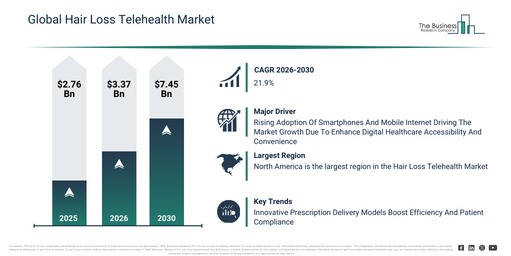
    The hair loss telehealth sector has experienced significant expansion lately. Projections show a rise from $2.76 billion in 2025 to $3.37 billion in 2026, reflecting a compound annual growth rate (CAGR) of 22.2%. Key factors driving this past growth include heightened consciousness surrounding hair loss therapies, the broader rollout of telemedicine infrastructure, greater adoption of remote medical appointments, the proliferation of direct-to-consumer healthcare approaches, and the accessibility of digital diagnostic resources.

    The domain of hair loss telehealth is poised for remarkable expansion in the coming years, projecting a market valuation of $7.45 billion by 2030, fueled by a compound annual growth rate of 21.9%. This upward trajectory is principally driven by heightened consumer interest in customized teledermatology solutions, the increasing integration of artificial intelligence for diagnostic purposes, the proliferation of healthcare applications, a greater emphasis on ongoing patient health oversight, and the seamless merging of telehealth with online pharmaceutical services. Key developments anticipated within this period encompass a wider acceptance of remote hair loss consultations, the escalating utilization of AI technologies for scalp assessments, a surge in requests for remote progress tracking, the growth of direct-to-consumer telehealth services, and a more concentrated effort on tailored hair loss treatment strategies.

    Download A Free Sample Report For Comprehensive Market Insights:

    https://www.thebusinessresearchcompany.com/sample.aspx?id=29073&type=smp

    Hair Loss Telehealth Market Growth Drivers: What Factors Are Accelerating Expansion?

    The expansion of the hair loss telehealth market is anticipated to be fueled by the increasing prevalence of smartphone usage and mobile internet access. This trend involves a greater number of individuals owning and utilizing internet-connected mobile devices, which in turn facilitates access to online services, applications, and digital health solutions from virtually any location at any time. Improvements in 5G network infrastructure and widespread availability of enhanced mobile broadband services, with telecommunication companies improving coverage and connection speeds in both urban and rural regions, are key drivers behind this surge in smartphone and mobile internet adoption, making online access more dependable and accessible to a broader demographic. Consequently, the ability to easily connect with hair loss specialists via virtual consultations, receive tailored treatment strategies based on images of one’s scalp submitted through mobile devices, and acquire prescribed medications through online channels without the necessity of in-person clinic visits is made possible by this technological shift. For example, data from the Federal Communications Commission, a US governmental body, indicated that by May 2025, total connections had seen an approximate 2.5% increase from June 2023 to June 2024, culminating in a total of 549 million connections; specifically, mobile connections experienced a 2.5% year-over-year rise to 416 million by June 2024, alongside a 2.3% increase in fixed connections, reaching 133 million during the identical timeframe. Thus, the escalating use of smartphones and mobile internet is a significant contributor to the growth trajectory of the hair loss telehealth sector.

    Hair Loss Telehealth Market Segment Performance And Strategic Opportunities

    The hair loss telehealth market covered in this report is segmented –

    1) By Service Type: Consultation, Diagnosis, Prescription, Follow-Up Care, Other Service Types

    2) By Platform: Web-Based, App-Based

    3) By Age Group: 18-34, 35-54, 55+

    4) By Provider: Direct-To-Consumer, Hospitals And Clinics, Other Providers

    5) By End-User: Men, Women, Other End-Users

    Subsegments:

    1) By Consultation: Initial Consultation, Specialist Consultation, Virtual Consultation, Follow-Up Consultation

    2) By Diagnosis: Scalp Examination, Blood Test Analysis, Genetic Testing, Dermatological Assessment

    3) By Prescription: Topical Medication Prescription, Oral Medication Prescription, Hair Growth Supplement Prescription, Customized Treatment Plan

    4) By Follow-Up Care: Routine Progress Monitoring, Treatment Adjustment Sessions, Teleconsultation Follow-Ups, Patient Support Programs

    5) By Other Service Types: Hair Transplant Guidance, Lifestyle And Nutritional Counseling, Psychological Support Services, Educational Resources And Workshops

    Hair Loss Telehealth Market Trends: What Is Shaping Future Industry Growth?

    Companies heavily involved in the hair loss telehealth sector are actively pursuing forward-thinking strategies, including the implementation of direct-to-consumer prescription delivery, aimed at bolstering patient convenience and their commitment to treatment regimens. This direct-to-consumer model, where pharmaceuticals are dispatched directly from the dispensing facility to the patient’s residence, serves to elevate user-friendliness, conserve valuable time, minimize the necessity for physical pharmacy attendance, foster better treatment compliance, and guarantee swifter procurement of essential medicines. Illustrating this trend, in November 2024, Amazon, a prominent American technology enterprise, introduced a telehealth offering characterized by minimal initial costs for its Prime subscribers, encompassing treatment strategies and swift, complimentary delivery of prescriptions for issues such as male pattern baldness, signs of aging, erectile dysfunction, eyelash enhancement, and travel sickness. Individuals utilizing this service can arrange virtual meetings with certified healthcare professionals via text or video communication, obtain tailored treatment blueprints, and have their prescriptions dispensed directly through the Amazon Pharmacy service. Prescribed items are dispatched with remarkable speed, frequently within a few hours, presented in discreet packaging, thereby delivering an uncomplicated and highly convenient patient encounter. This approach diminishes the requirement for patients to visit a physical pharmacy and elevates adherence to prescribed therapies by guaranteeing prompt receipt of recommended treatments. The transparent fee structure enables individuals to ascertain the comprehensive expenditure for consultations and medications beforehand, encouraging well-informed choices and mitigating financial obstacles to receiving care. The fusion of telehealth capabilities with direct-to-consumer prescription fulfillment solidifies Amazon’s position as a significant contributor within the hair loss and wider wellness telehealth landscape, effectively addressing the escalating consumer desire for ease, celerity, and accessibility in healthcare provisions.

    Hair Loss Telehealth Market Key Players: Which Companies Shape Industry Competition?

    Major companies operating in the hair loss telehealth market are Hims & Hers Health Inc., Ro Inc., LifeMD Inc., Shapiro MD Inc., Sesame Care Inc., Happy Head Inc., Numan Ltd., BosleyMD Inc., XYON Health Inc., GetHairMD Inc., Mdhair Inc., Hairguard Inc., Traya Health Inc., Triple Hair Group Inc., Dapper Care Inc., NonuCare Inc., Clinikally Ltd., Keeps Inc., Follica Inc., HairMax Inc.

    Access The Complete Hair Loss Telehealth Market Report:

    https://www.thebusinessresearchcompany.com/report/hair-loss-telehealth-global-market-report

    Hair Loss Telehealth Market Leading Geography: Which Region Generates The Most Revenue?

    North Americawas the largest region in the hair loss telehealth market in 2025. Asia-Pacificis expected to be the fastest-growing region in the forecast period. The regions covered in the hair loss telehealth market report are Asia-Pacific, South East Asia, Western Europe, Eastern Europe, North America, South America, Middle East, Africa.

    Get in touch with us:

    The Business Research Company: https://www.thebusinessresearchcompany.com/

    Americas: +1 310-496-7795

    Asia: +44 7882 955267 & +91 8897263534

    Europe: +44 7882 955267

    Email us at: marketing@tbrc.info

    Follow us on:

    LinkedIn: https://in.linkedin.com/company/the-business-research-company

    YouTube: https://www.youtube.com/channel/UC24_fI0rV8cR5DxlCpgmyFQ

    Global Market Model: https://www.thebusinessresearchcompany.com/global-market-model
  • Hair Growth Supplement And Treatment Market Set To Grow From $10.67 Billion In 2026 To $14.75 Billion By 2030 At A CAGR Of 8.4%

    Hair Growth Supplement And Treatment Market Set To Grow From $10.67 Billion In 2026 To $14.75 Billion By 2030 At A CAGR Of 8.4%

    Enhanced with market attractiveness analysis, total addressable market evaluation, company benchmarking matrices, interactive Excel dashboards, expanded supply chain intelligence, emerging startup coverage, and detailed product insights, The Business Research Company’s 2026 market reports deliver more actionable and strategically valuable research.

    Hair Growth Supplement And Treatment Market Growth Analysis: How Will Revenue Expand During The Forecast Period?

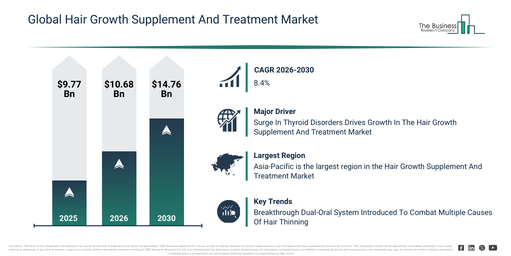
    The sector dedicated to hair growth supplements and treatments has experienced substantial expansion, projected to advance from an estimated $9.77 billion in 2025 to $10.68 billion by 2026, reflecting a compound annual growth rate of 9.3%. Factors contributing to this upward trajectory in the recent past include a heightened focus on hair health and appearance, a growing incidence of hair loss among the population, a broader accessibility of non-prescription supplements, endorsements for hair care solutions from dermatologists, and increased consumer spending on personal grooming.

    The market for hair growth supplements and treatments is poised for significant expansion, projected to reach $14.76 billion by 2030, reflecting a compound annual growth rate of 8.4%. This anticipated surge is fueled by several key factors, including a burgeoning desire for tailored and individualized hair care solutions, heightened investment in biotechnological approaches to hair regrowth, the increasing utilization of digital tools for hair health assessment, the wider availability through online sales platforms, and a growing consumer emphasis on proactive hair maintenance. During this same forecast period, several notable trends are expected to shape the market. These include a greater demand for supplements with clinical validation for hair growth, a rise in the use of combined topical and oral treatment methods, a stronger preference for products derived from natural and herbal ingredients, the proliferation of home-use devices for hair treatment, and an intensified focus on developing personalized routines for hair care.

    Download A Free Sample Report For Comprehensive Market Insights:

    https://www.thebusinessresearchcompany.com/sample.aspx?id=15815&type=smp

    Hair Growth Supplement And Treatment Market Growth Factors Supporting Long-Term Expansion

    Anticipated advancements in the hair growth supplement and treatment market are to be spurred by a rise in thyroid-related ailments. These conditions encompass situations where the thyroid gland either produces too few or too many hormones, or develops unusual growths. A confluence of environmental influences, hereditary predispositions, and shifts in daily habits contributes to the escalating incidence of thyroid disorders. Hair regrowth products and therapies serve as a crucial support for individuals facing such conditions, by mitigating the hair thinning or loss frequently associated with thyroid hormone imbalances, thereby providing a solution to lessen the repercussions of these health issues. As an illustration, The National Library of Medicine, a prominent US biomedical repository, projected in February 2025 that Hashimoto’s thyroiditis affects approximately 7.5% of the global population, with a particularly pronounced occurrence in economically disadvantaged and middle-income areas. Consequently, the growing number of individuals diagnosed with thyroid disorders is directly fueling the expansion of the hair growth supplement and treatment sector.

    Hair Growth Supplement And Treatment Market Segment Landscape And Growth Potential

    The hair growth supplement and treatment market covered in this report is segmented –

    1) By Type: Supplements, Pharmaceuticals, Devices

    2) By Form: Tablets And Capsules, Gummies And Soft Gels, Liquids, Powders

    3) By Distribution Channel: Hypermarkets Or Supermarkets, Specialty Stores, Drugstores And Pharmacies, Online Retail, Other Distribution Channels

    4) By End User: Men, Women

    Subsegments:

    1) By Supplements: Oral Tablets, Soft Gels, Powder Supplements, Liquid Supplements

    2) By Pharmaceuticals: Prescription Medications, Topical Treatments

    3) By Devices: Laser Devices, LED Devices, Dermarollers

    Hair Growth Supplement And Treatment Market Industry Trends Shaping Future Revenue Growth

    In the competitive landscape of the hair growth supplement and treatment sector, prominent businesses are actively creating novel approaches, exemplified by Dual Oral Supplementation, a strategy aimed at concurrently tackling various root causes of hair thinning. This innovative method involves a dual-pill regimen administered orally, engineered to work synergistically by employing complementary actions to combat a specific condition. As an illustration, dating back to July 2025, Vegamour, a distinguished American firm focused on botanical hair care, introduced its GRO+ Advanced system, a two-part oral supplement formulated to combat hair thinning from a comprehensive, scientifically validated perspective, addressing fundamental issues like hormonal disruption and scalp senescence. Furthermore, this integrated system delivers advanced scalp care benefits through an exosome serum, which serves to invigorate hair follicle regrowth and promote overall hair rejuvenation.

    Hair Growth Supplement And Treatment Market Competitive Landscape: Who Are The Leading Companies?

    Major companies operating in the hair growth supplement and treatment market are Johnson & Johnson Services Inc, Procter & Gamble Company, Unilever Plc, Merck and Co Inc, L’Oreal SA, Church & Dwight Co Inc, Amorepacific Corporation, ProCaps Laboratories Inc, Ultrax Labs, Hairfinity Limited, Wontech Co Ltd, Curallux LLC, Capillus LLC, iRestore Hair Growth System, ExoCoBio Inc, Revivogen Corporation, Nutrafol Inc, Hims & Hers Health Inc, Keeps Inc, Bosley Inc

    Access The Complete Hair Growth Supplement And Treatment Market Report:

    https://www.thebusinessresearchcompany.com/report/hair-growth-supplement-and-treatment-global-market-report

    Hair Growth Supplement And Treatment Market Regional Outlook: Where Are The Largest Opportunities Located?

    Asia-Pacificwas the largest region in the hair growth supplement and treatment market in 2025. Europeis expected to be the fastest-growing region in the forecast period. The regions covered in the hair growth supplement and treatment market report are Asia-Pacific, South East Asia, Western Europe, Eastern Europe, North America, South America, Middle East, Africa.

    Get in touch with us:

    The Business Research Company: https://www.thebusinessresearchcompany.com/

    Americas: +1 310-496-7795

    Asia: +44 7882 955267 & +91 8897263534

    Europe: +44 7882 955267

    Email us at: marketing@tbrc.info

    Follow us on:

    LinkedIn: https://in.linkedin.com/company/the-business-research-company

    YouTube: https://www.youtube.com/channel/UC24_fI0rV8cR5DxlCpgmyFQ

    Global Market Model: https://www.thebusinessresearchcompany.com/global-market-model

  • Hair Drug Testing Market Opportunities Are Emerging Beyond Traditional Growth Areas

    Hair Drug Testing Market Opportunities Are Emerging Beyond Traditional Growth Areas

    Through market attractiveness analysis, total addressable market evaluation, company benchmarking matrices, interactive Excel dashboards, expanded supply chain intelligence, emerging startup coverage, and detailed product insights, The Business Research Company’s 2026 market reports provide more actionable and strategically valuable research.

    Hair Drug Testing Market Forecast: What Market Value Is Expected By 2030?

    The hair drug testing sector has experienced substantial expansion lately. Projections indicate a rise from $2.07 billion in 2025 to $2.29 billion in 2026, reflecting a compound annual growth rate of 10.7%. Factors contributing to this growth during the preceding period include the wider implementation of workplace drug screening protocols, growing demands for drug screenings by law enforcement agencies, heightened understanding of addiction-related problems, the adoption of laboratory analysis techniques, and the accessibility of standardized testing supplies.

    The hair drug testing industry is poised for substantial expansion in the coming years, with projections indicating a market valuation of $3.4 billion by 2030, driven by a compound annual growth rate of 10.4%. This projected surge is fueled by several key factors: escalating investments in automated drug testing technologies, a heightened demand for efficient, high-throughput testing solutions, the broadening scope of workplace screening regulations, a greater emphasis on precision and the ability to track results, and the increasing integration of sophisticated mass spectrometry techniques. Within this forecast period, significant trends are anticipated to shape the market, including the wider embrace of advanced analytical testing methodologies, a growing need for solutions capable of long-term drug detection, the expanded utilization of automated laboratory analyzers, the further development of workplace and legal drug screening programs, and a heightened focus on developing tamper-resistant testing methods.

    Download A Free Sample Report For Comprehensive Market Insights:

    https://www.thebusinessresearchcompany.com/sample.aspx?id=29072&type=smp

    Hair Drug Testing Market Demand Drivers Creating New Revenue Opportunities

    Concerns regarding the escalating issue of substance abuse are anticipated to be a primary catalyst for the expansion of the hair drug testing market. This issue, defined by the detrimental consumption of psychoactive substances like alcohol and drugs, results in significant physical, psychological, or societal dysfunctions. An increasing awareness of substance abuse, often exacerbated by stress and mental health challenges, leads individuals to seek solace in drugs or alcohol as a means to cope with anxiety, depression, or life’s immense pressures. Hair drug testing plays a crucial role in managing substance abuse by offering a dependable, long-term method of detection, which facilitates prompt interventions, tracks recovery trajectories, and aids in preventing relapse. Illustrating this point, data from the Centers for Disease Control and Prevention, a governmental body in the US, indicated that in 2023, approximately 48.5 million people in the United States, aged 12 and above, which constitutes 17.1% of the populace, were diagnosed with a substance use disorder (SUD), as reported in April 2025. Consequently, the heightened awareness and impact of substance abuse are directly fueling the growth trajectory of the hair drug testing market.

    Hair Drug Testing Market Categorization By Product Type And Application

    The hair drug testing market covered in this report is segmented –

    1) By Product Type: Kits, Analyzers, Consumables

    2) By Drug Type: Cocaine, Marijuana, Opiates, Amphetamines, Other Drug Types

    3) By Application: Workplace Drug Testing, Law Enforcement, Drug Treatment, Other Applications

    4) By End-User: Workplace, Criminal Justice, Drug Treatment Centers, Hospitals, Other End Users

    Subsegments:

    1) By Kits: Single Test Kits, Multi Test Kits, Rapid Test Kits, Home Collection Kits, Laboratory Collection Kits

    2) By Analyzers: Immunoassay Analyzers, Chromatography Analyzers, Mass Spectrometry Analyzers, Automated Testing Analyzers, Benchtop Analyzers

    3) By Consumables: Sample Collection Tubes, Reagents And Buffers, Calibration Standards, Control Materials, Test Cartridges And Strips

    Hair Drug Testing Market Trends Driving Strategic Industry Expansion

    Companies at the forefront of the hair drug testing sector are prioritizing the creation of novel strategies, including sophisticated reporting analytics, to boost precision, simplify the understanding of outcomes, and facilitate evidence-based choices. Sophisticated reporting analytics involves leveraging cutting-edge software and data analysis instruments to arrange, interpret, and present testing findings, thereby yielding quicker, more precise, and practical insights than conventional manual reporting methods. As an illustration, in March 2025, Psychemedics Corporation, a United States-based publicly traded medical laboratory and research entity specializing in hair drug analysis, introduced its groundbreaking Quartile Reporting capability, a notable progression in drug testing that furnishes organizations with unmatched perspectives on test outcomes. This functionality empowers businesses to juxtapose individual results with a twelve-month collection of positive tests, segmented into four quartiles — lower, median, upper, and highest — thereby providing distinct context for improved decision-making processes. Through the provision of real-time analytics and in-depth data trends, Quartile Reporting equips organizations to make judicious selections concerning hiring, employee retention, and regulatory compliance.

    Hair Drug Testing Market Company Landscape And Strategic Competition

    Major companies operating in the hair drug testing market are Abbott Laboratories, Laboratory Corporation of America Holdings, Quest Diagnostics Incorporated, Eurofins Scientific, National Medical Services Inc., USA Mobile Drug Testing, DriverCheck Inc., MVZ Labor Dr. Limbach And Kollegen, Randox Testing Services, Phamatech Inc., The Drug Detection Agency, Accredited Drug Testing Inc., Crystal Health Group, AlphaBiolabs Ltd., Toxlogic Pty Ltd., American Screening Corporation Inc., Australian Workplace Drug Testing Services, DNA Forensics Laboratory Pvt. Ltd., US Health Testing, AMH Nationwide, Brassets Group.

    Access The Complete Hair Drug Testing Market Report:

    https://www.thebusinessresearchcompany.com/report/hair-drug-testing-global-market-report

    Hair Drug Testing Market Geographic Landscape: Which Region Dominates Industry Growth?

    North Americawas the largest region in the hair drug testing market in 2025. Asia-Pacificis expected to be the fastest-growing region in the forecast period. The regions covered in the hair drug testing market report are Asia-Pacific, South East Asia, Western Europe, Eastern Europe, North America, South America, Middle East, Africa.

    Get in touch with us:

    The Business Research Company: https://www.thebusinessresearchcompany.com/

    Americas: +1 310-496-7795

    Asia: +44 7882 955267 & +91 8897263534

    Europe: +44 7882 955267

    Email us at: marketing@tbrc.info

    Follow us on:

    LinkedIn: https://in.linkedin.com/company/the-business-research-company

    YouTube: https://www.youtube.com/channel/UC24_fI0rV8cR5DxlCpgmyFQ

    Global Market Model: https://www.thebusinessresearchcompany.com/global-market-model

  • Gyneco-Obstetric Ultrasound Systems Market Expansion Is Opening New Pathways For Strategic Investment

    Gyneco-Obstetric Ultrasound Systems Market Expansion Is Opening New Pathways For Strategic Investment

    Delivering more actionable and strategically valuable research, The Business Research Company’s 2026 market reports feature market attractiveness analysis, total addressable market evaluation, company benchmarking matrices, interactive Excel dashboards, expanded supply chain intelligence, emerging startup coverage, and detailed product insights.

    Gyneco-Obstetric Ultrasound Systems Market Size Outlook: How Fast Will Revenue Grow Through 2030?

    The market for obstetric and gynecologic ultrasound devices has experienced significant expansion lately, projected to rise from $2.98 billion in 2025 to $3.2 billion in 2026, reflecting a compound annual growth rate of 7.3%. This surge historically stems from the broadened scope of maternal healthcare, augmented access to diagnostic imaging facilities, the increasing prevalence of hospital-centered obstetric services, the routine incorporation of ultrasound in gynecological check-ups, and the embrace of enhanced imaging advancements.

    The market for gynecological and obstetrical ultrasound systems is poised for significant expansion over the coming years, projected to reach $4.21 billion by 2030 with a compound annual growth rate of 7.1%. This anticipated development stems from several key factors, including heightened financial commitment to diagnostic solutions for women’s health, a greater desire for point-of-care ultrasound devices, the proliferation of tele-ultrasound services, a stronger emphasis on monitoring pregnancies in their early stages, and the increasing incorporation of artificial intelligence into diagnostic tools. Key movements expected within this timeframe involve a broader embrace of AI-powered ultrasound imaging, a surge in the need for 3D and 4D imaging functionalities, more frequent utilization of portable ultrasound equipment, the broadening of screening initiatives for prenatal care and women’s health, and a continued drive for superior image quality and diagnostic precision.

    Download A Free Sample Report For Comprehensive Market Insights:

    https://www.thebusinessresearchcompany.com/sample.aspx?id=20823&type=smp

    Gyneco-Obstetric Ultrasound Systems Market Expansion Supported By Key Demand Factors

    The expanding prevalence of gynecological conditions is anticipated to be a significant catalyst for the advancement of the gyneco-obstetric ultrasound systems market in the future. These gynecological disorders encompass a range of ailments impacting the female reproductive organs, such as the uterus, ovaries, cervix, and vagina. Such a rise in these conditions can be linked to a confluence of elements including evolving lifestyles, increased rates of obesity, environmental influences, later pregnancies, and the pervasive effects of stress and mental well-being challenges. Gyneco-obstetric ultrasound systems play a crucial role in the diagnosis and ongoing management of these gynecological issues by generating comprehensive visual representations of the reproductive anatomy, thereby facilitating prompt identification and the formulation of effective treatment strategies. To illustrate, a report from the American Cancer Society in June 2024 indicated that an estimated 13,820 new invasive cervical cancer diagnoses were expected in the United States for 2024, with an unfortunate projection of 4,360 fatalities from this disease within the same year. Consequently, the escalating occurrence of gynecological disorders is a direct driver fueling the growth trajectory of the gyneco-obstetric ultrasound systems market.

    Gyneco-Obstetric Ultrasound Systems Market Segment Analysis And Revenue Opportunities

    The gyneco-obstetric ultrasound systems market covered in this report is segmented –

    1) By Product Type: 2D Ultrasound, 3D And 4D Ultrasound, Doppler Ultrasound

    2) By Modality: Portable, On-Platform

    3) By Application: Obstetrics, Gynecology

    4) By End-User: Hospitals, Diagnostic Centers, Gynecology Clinics

    Subsegments:

    1) By 2D Ultrasound: B-Mode Ultrasound, M-Mode Ultrasound

    2) By 3D And 4D Ultrasound: 3D Ultrasound, 4D Ultrasound (Real-Time Imaging)

    3) By Doppler Ultrasound: Color Doppler Ultrasound, Power Doppler Ultrasound, Duplex Ultrasound

    Gyneco-Obstetric Ultrasound Systems Market Growth Trends Influencing Competitive Dynamics

    Within the gyneco obstetric ultrasound systems sector, leading firms are prioritizing the incorporation of artificial intelligence and machine learning into their ultrasound devices to achieve automated image interpretation. These advanced technological capabilities aid in boosting diagnostic precision for identifying anomalies, optimizing operational workflows, and delivering immediate feedback crucial for informed clinical judgments concerning gyneco-obstetric ultrasound applications. As an illustration, Samsung Healthcare, a prominent firm in medical device production based in South Korea, introduced the HERA W10 Elite in February 2023, a sophisticated ultrasound device specifically engineered for obstetrical and gynecological purposes, characterized by its enhanced IT integration to elevate diagnostic precision and operational effectiveness, incorporating features such as the Advanced MV-Flow for vivid 2D and 3D renderings of microvascular flow, HeartAssist AI for the automatic measurement of fetal cardiac parameters, and the anticipated Biometry Assist tool offering a single-click solution for fetal growth evaluation, all complemented by its cutting-edge OLED display and novel transducers that establish new benchmarks in diagnostic imaging for women’s healthcare.

    Gyneco-Obstetric Ultrasound Systems Market Leading Players Shaping Industry Direction

    Major companies operating in the gyneco-obstetric ultrasound systems market are Samsung Medison Co. Ltd, Hitachi Ltd, Canon Medical Systems Corporation, Siemens Healthcare Private Limited, Toshiba Medical Systems Corporation, Fujifilm Holdings Corporation, Koninklijke Philips NV, GE Healthcare, Analogic Corporation, Shenzhen Mindray Bio-Medical Electronics Co Ltd, Mindray Medical International Limited, Esaote SPA, SonoScape Medical Corp, Chison Medical Imaging Co Ltd, Promed Group Co Ltd, Shenzhen Biocare Bio-Medical Equipment Co Ltd, SuperSonic Imagine, Draminski S.A., Caresono Technology Co Ltd, Xuzhou Kejian Hi-tech Co Ltd

    Access The Complete Gyneco-Obstetric Ultrasound Systems Market Report:

    https://www.thebusinessresearchcompany.com/report/gyneco-obstetric-ultrasound-systems-global-market-report

    Gyneco-Obstetric Ultrasound Systems Market Largest Region: Which Geography Holds The Highest Market Share?

    North Americawas the largest region in the gyneco-obstetric ultrasound systems market in 2025. Asia Pacificis expected to be the fastest-growing region in the forecast period. The regions covered in the gyneco-obstetric ultrasound systems market report are Asia-Pacific, South East Asia, Western Europe, Eastern Europe, North America, South America, Middle East, Africa.

    Get in touch with us:

    The Business Research Company: https://www.thebusinessresearchcompany.com/

    Americas: +1 310-496-7795

    Asia: +44 7882 955267 & +91 8897263534

    Europe: +44 7882 955267

    Email us at: marketing@tbrc.info

    Follow us on:

    LinkedIn: https://in.linkedin.com/company/the-business-research-company

    YouTube: https://www.youtube.com/channel/UC24_fI0rV8cR5DxlCpgmyFQ

    Global Market Model: https://www.thebusinessresearchcompany.com/global-market-model
  • Gynecomastia Procedures Market Trends Are Creating New Opportunities For Industry Leaders

    Gynecomastia Procedures Market Trends Are Creating New Opportunities For Industry Leaders

    Enhanced with market attractiveness analysis, total addressable market evaluation, company benchmarking matrices, interactive Excel dashboards, expanded supply chain intelligence, emerging startup coverage, and detailed product insights, The Business Research Company’s 2026 market reports deliver more actionable and strategically valuable research.

    Gynecomastia Procedures Market Size, Value And Growth Trends Through 2030

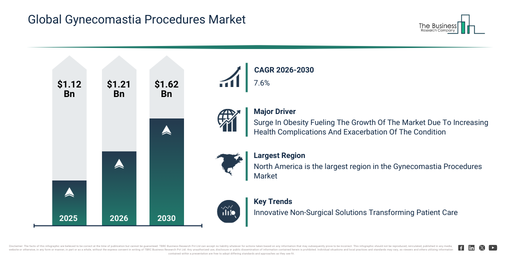
    The market for gynecomastia procedures has experienced robust expansion over the past few years, projecting a rise from $1.12 billion in 2025 to $1.21 billion in 2026, representing a compound annual growth rate of 7.9%. This historical growth trend has been fueled by several factors, including heightened public awareness regarding gynecomastia, a greater acceptance of cosmetic surgeries, the proliferation of private cosmetic surgery facilities, enhanced access to sophisticated surgical instruments, and more effective methods for diagnosing hormonal imbalances.

    The market for gynecomastia procedures is poised for significant expansion in the forthcoming years, projecting a rise to $1.62 billion by 2030, driven by a compound annual growth rate of 7.6%. This projected growth is propelled by several key factors, including a surge in demand for outpatient cosmetic interventions, a heightened utilization of energy-based devices that offer non-invasive solutions, increased investment in the field of aesthetic medicine, a greater emphasis on tailoring treatment plans to individual patient needs, and a rising acceptance of ultrasound-assisted procedures. Furthermore, the upcoming forecast period is expected to witness prominent trends such as a growing inclination toward minimally invasive interventions, an escalated demand for cosmetic treatments addressing male health concerns, the increasing implementation of sophisticated liposuction methodologies, an augmentation in the availability of non-surgical treatment alternatives, and a more pronounced concentration on achieving patient-centered results.

    Download A Free Sample Report For Comprehensive Market Insights:

    https://www.thebusinessresearchcompany.com/sample.aspx?id=24549&type=smp

    Gynecomastia Procedures Market Growth Drivers And Industry Catalysts

    The escalating incidence of obesity is poised to fuel the expansion of the gynecomastia procedures market in the future. Obesity, a condition defined by an excess accumulation of body fat, typically indicated by a body mass index (BMI) of 30 or above, can precipitate a multitude of health issues. This surge in obesity is largely attributable to increasingly inactive lifestyles, where insufficient physical activity and extended periods of sitting contribute to weight gain and diminished metabolic well-being. Gynecomastia procedures offer a means to manage the condition of male breast enlargement, a state frequently aggravated by obesity, as surplus adipose tissue in the pectoral region can either simulate or intensify the appearance of gynecomastia, thereby rendering surgical intervention a valuable course of action. Illustratively, in March 2023, data from the World Heart Foundation, a non-governmental entity headquartered in Switzerland, indicated that approximately 2.3 billion adults and children worldwide are either obese or overweight, and projections suggest that, given present obesity trends, this figure could climb to 2.7 billion by 2025. Consequently, the growing prevalence of obesity is acting as a catalyst for the gynecomastia procedures market’s advancement.”

    Gynecomastia Procedures Market Segmentation And Category Breakdown

    The gynecomastia procedures market covered in this report is segmented –

    1) By Procedure Type: Liposuction, Mastectomy, Thyroid Hormone Therapy, Medications, Ultrasound

    2) By Age Group: Adolescents, Adults, Elderly

    3) By End-User: Hospitals, Cosmetic Surgery Centers, Other End-Users

    Subsegments:

    1) By Liposuction: Tumescent Liposuction, Ultrasound-Assisted Liposuction, Power-Assisted Liposuction, Laser-Assisted Liposuction

    2) By Mastectomy: Subcutaneous Mastectomy, Bilateral Mastectomy, Nipple-Sparing Mastectomy

    3) By Thyroid Hormone Therapy: Synthetic Thyroid Hormones, Natural Desiccated Thyroid, Combination Therapy

    4) By Medications: Anti-Estrogen Medications, Aromatase Inhibitors, Selective Estrogen Receptor Modulators (SERMs)

    5) By Ultrasound: High-Intensity Focused Ultrasound (HIFU), Low-Intensity Focused Ultrasound, Acoustic Wave Therapy

    #Gynecomastia Procedures Market Trends Influencing Long-Term Demand

    The gynecomastia treatment sector is being shaped by key players who are prioritizing cutting-edge advancements, particularly non-surgical interventions. These innovations aim to minimize surgical complications, enhance patient recovery, and satisfy the demand for safer and more efficacious treatment options. A non-surgical cure involves therapies that bypass the need for an operation, utilizing either ingested drugs or treatments applied externally to manage conditions like gynecomastia, thus eliminating the necessity for incisions or anesthesia. Illustrating this trend, BioZen Limited, a United Kingdom based biotech firm, launched a pioneering daily oral regimen for gynecomastia treatment in June 2024. This unique therapeutic combination involves a modest dosage of tamoxifen (TAM) alongside indole-3-carbinol (I3C), a natural substance found in vegetables from the cabbage family, administered effectively as a single daily capsule. Early research by BioZen indicates that this combined treatment strategy can comprehensively rectify the hormonal irregularities underlying gynecomastia, presenting a potentially secure, successful, and widely applicable option as a substitute for surgical procedures.

    Gynecomastia Procedures Market Competitive Analysis Of Major Industry Participants

    Major companies operating in the gynecomastia procedures market are Spire Healthcare Group plc, InMode Ltd., Lumenis Ltd., Cynosure LLC, Max Healthcare Institute Limited, Alma Lasers Ltd., Pristyn Care Private Limited, Cutera Inc., Solta Medical Inc., Erchonia Corporation, MicroAire Surgical Instruments LLC, Allure Medspa, Florida Plastic Surgery Group P.A., The Aesthetica, Austin Gynecomastia Center, Apyx Medical Corporation

    Access The Complete Gynecomastia Procedures Market Report:

    https://www.thebusinessresearchcompany.com/report/gynecomastia-procedures-global-market-report

    Gynecomastia Procedures Market Regional Analysis: Which Region Leads By Revenue?

    North Americawas the largest region in the gynecomastia procedures market in 2025. Asia-Pacificis expected to be the fastest-growing region in the forecast period. The regions covered in the gynecomastia procedures market report are Asia-Pacific, South East Asia, Western Europe, Eastern Europe, North America, South America, Middle East, Africa.

    Get in touch with us:

    The Business Research Company: https://www.thebusinessresearchcompany.com/

    Americas: +1 310-496-7795

    Asia: +44 7882 955267 & +91 8897263534

    Europe: +44 7882 955267

    Email us at: marketing@tbrc.info

    Follow us on:

    LinkedIn: https://in.linkedin.com/company/the-business-research-company

    YouTube: https://www.youtube.com/channel/UC24_fI0rV8cR5DxlCpgmyFQ

    Global Market Model: https://www.thebusinessresearchcompany.com/global-market-model

  • Gynecology Robotic Surgery Market Growth Is Reshaping Competitive Advantage Across The Industry

    Gynecology Robotic Surgery Market Growth Is Reshaping Competitive Advantage Across The Industry

    Through market attractiveness analysis, total addressable market evaluation, company benchmarking matrices, interactive Excel dashboards, expanded supply chain intelligence, emerging startup coverage, and detailed product insights, The Business Research Company’s 2026 market reports provide more actionable and strategically valuable research.

    Gynecology Robotic Surgery Market CAGR Analysis And Future Market Development

    The market for robotic surgery in gynecology has experienced robust expansion lately. Projections suggest a progression from $3.24 billion in 2025 to $3.55 billion in 2026, signifying a compound annual growth rate (CAGR) of 9.5%. Factors contributing to this historical growth include a higher incidence of gynecological conditions, a growing inclination among patients towards less invasive surgical approaches, the wider adoption of robotic surgical systems within healthcare facilities, enhanced patient results achieved through robot-assisted operations, and the development of surgical expertise in this field.

    The field of robotic surgery for gynecological procedures is poised for substantial expansion, with projections indicating a market valuation of $5.05 billion by 2030, reflecting a compound annual growth rate of 9.2%. This anticipated surge in market value during the forecast period is driven by several key factors, including the accelerating uptake of advanced robotic systems, increased financial contributions towards self-governing surgical technologies, the broadening application of robotic surgery in ambulatory care centers, a heightened need for exactitude in women’s healthcare, and the greater incorporation of artificial intelligence in planning surgical interventions. Furthermore, significant developments shaping the future of this market encompass a greater prevalence of robotically-assisted gynecological operations, a rising preference for surgical approaches that involve minimal invasion, the extended utilization of robotic platforms within oncological treatments, an intensified emphasis on comprehensive training and proficiency development for surgeons, and improved incorporation of sophisticated visualization and guidance technologies.

    Download A Free Sample Report For Comprehensive Market Insights:

    https://www.thebusinessresearchcompany.com/sample.aspx?id=27298&type=smp

    Gynecology Robotic Surgery Market Opportunity Drivers: What Is Creating New Revenue Potential?

    The rising incidence of gynecological conditions is anticipated to fuel the expansion of the gynecology robotic surgery market. These conditions, which impact a woman’s reproductive organs including the uterus, ovaries, and cervix, significantly affect reproductive health and general wellness. Contributing factors to the heightened prevalence of these diseases include shifts in lifestyle, such as suboptimal dietary habits, insufficient physical activity, and escalating obesity levels, all of which can disrupt hormonal equilibrium and reproductive functions. Robotic surgery in the field of gynecology presents a sophisticated, less invasive method for addressing gynecological ailments, facilitating reduced discomfort, minimal blood loss, and accelerated recovery from procedures targeting conditions like fibroids, endometriosis, and various gynecologic cancers. Illustratively, as reported by Cancer Australia, a governmental entity in Australia, gynecological cancers were responsible for 2,171 fatalities in 2022 and are projected to cause an estimated 2,235 deaths in 2024, with Australian women facing a lifetime risk of 1 in 73 (1.4%) of succumbing to these cancers by age 85, underscoring the direct correlation between the surge in gynecological disease cases and the market’s upward trajectory.

    Gynecology Robotic Surgery Market Segment Outlook: Which Categories Are Expanding The Fastest?

    The gynecology robotic surgery market covered in this report is segmented –

    1) By Product: Robotic Platform, Instrument And Accessories, Robotic Platform Services

    2) By Type Of Procedure: Benign Gynecological Procedures, Procedures In Gynecological Oncology

    3) By Application: Hysterectomy, Myomectomy, Oophorectomy, Sacrocolpopexy, Other Applications

    4) By End-User: Hospitals, Ambulatory Surgical Centers, Specialty Clinics

    Subsegments:

    1) By Robotic Platform: Tethered Robotic Systems, Autonomous Robotic Systems, Teleoperated Robotic Systems, Portable Robotic Platforms

    2) By Instrument And Accessories: Surgical Instruments, Endoscopic Cameras, Trocars And Cannulas, Robotic Arm Accessories, Energy Devices

    3) By Robotic Platform Services: Installation And Integration Services, Maintenance And Repair Services, Training And Education Services, Software Upgrade Services, Remote Monitoring Services

    Gynecology Robotic Surgery Market Innovation Trends Driving Future Development

    Prominent players within the gynecology robotic surgery sector are concentrating their efforts on pioneering novel technological advancements, exemplified by sophisticated robotic-assisted surgical platforms engineered to elevate surgical accuracy, expedite procedure durations, and facilitate patient recuperation more effectively than traditional laparoscopic or open surgical methodologies. These advanced robotic surgical apparatuses amalgamate state-of-the-art robotic appendages, three-dimensional high-definition visual feedback systems, and surgeon-directed surgical implements, thereby conferring unparalleled dexterity, steadfastness, and reach for minimally invasive interventions. Illustratively, in October 2025, Medtronic Plc, a significant American medical device enterprise, initiated its third Investigational Device Exemption (IDE) investigation concerning the Hugo Robotic Surgery System, with a specific emphasis on gynecological operations. The Hugo system is characterized by its assembly of adaptable robotic arms, user-friendly surgeon workstations, and integrated visual and tool capabilities; its operational principle involves empowering surgeons to execute intricate surgical tasks with augmented precision, immediate visual comprehension, and smaller surgical openings; its distinctive attributes encompass a modular design, adaptability to a wide array of surgical instruments, and sophisticated touch sensation feedback; its utility extends to procedures such as hysterectomies, myomectomies, and other minimally invasive gynecological surgeries; the advantages derived from its use include decreased blood loss, abbreviated hospitalization periods, accelerated healing trajectories, and heightened surgical exactitude.

    Gynecology Robotic Surgery Market Key Companies And Competitive Benchmarking

    Major companies operating in the gynecology robotic surgery market are Medtronic PLC, Stryker Corporation, Intuitive Surgical Inc., KARL STORZ SE & Co. KG, Sina Robotics And Medical Innovators Co. Ltd., CMR Surgical Limited, SS Innovations International Inc., Distalmotion SA, Ronovo Surgical Inc., Levita Magnetics International Corp., Titan Medical Inc., Virtual Incision Corporation, Nanjing Perlove Medical Equipment Co. Ltd., Edge Medical Robotics Corporation, Momentis Surgical Ltd., Virtuoso Surgical Inc., Moon Surgical SAS, GynoBotics Inc., Harbin Sagebot Intelligent Medical Equipment Co. Ltd., Asensus Surgical Inc., Medicaroid Corporation

    Access The Complete Gynecology Robotic Surgery Market Report:

    https://www.thebusinessresearchcompany.com/report/gynecology-robotic-surgery-global-market-report

    Gynecology Robotic Surgery Market Geographic Distribution And Regional Opportunities

    North Americawas the largest region in the gynecology robotic surgery market in 2025. Asia-Pacificis expected to be the fastest-growing region in the forecast period. The regions covered in the gynecology robotic surgery market report are Asia-Pacific, South East Asia, Western Europe, Eastern Europe, North America, South America, Middle East, Africa.

    Get in touch with us:

    The Business Research Company: https://www.thebusinessresearchcompany.com/

    Americas: +1 310-496-7795

    Asia: +44 7882 955267 & +91 8897263534

    Europe: +44 7882 955267

    Email us at: marketing@tbrc.info

    Follow us on:

    LinkedIn: https://in.linkedin.com/company/the-business-research-company

    YouTube: https://www.youtube.com/channel/UC24_fI0rV8cR5DxlCpgmyFQ

    Global Market Model: https://www.thebusinessresearchcompany.com/global-market-model

  • Gut Microbiota Market Forecast Signals New Revenue Opportunities Through 2030

    Gut Microbiota Market Forecast Signals New Revenue Opportunities Through 2030

    Delivering more actionable and strategically valuable research, The Business Research Company’s 2026 market reports feature market attractiveness analysis, total addressable market evaluation, company benchmarking matrices, interactive Excel dashboards, expanded supply chain intelligence, emerging startup coverage, and detailed product insights.

    Gut Microbiota Market Expansion From $0.76 Billion In 2026 To $1.47 Billion In 2030

    The global gut microbiota market experienced significant expansion, projected to increase from $0.65 billion in 2025 to $0.77 billion by 2026, reflecting a compound annual growth rate of 18.0%. This notable growth throughout the historical period was fueled by several factors, including a deepening comprehension of the connection between gut health and the immune system, a surge in the consumption of dietary supplements, the burgeoning functional foods sector, intensified academic exploration into microbiota, and heightened consumer consciousness regarding digestive well-being.

    The microbiome therapeutics market is poised for significant expansion, with projections indicating a value of $1.47 billion by 2030, reflecting a compounded annual growth rate of 17.7% during this period. This upward trajectory is anticipated to be fueled by advancements in therapies aimed at the microbiome, heightened financial backing for gut health studies, the proliferation of individualized nutritional approaches, greater incorporation of microbiome-based diagnostics, and an escalating emphasis on proactive health strategies. Key developments expected to shape this market include a broader acceptance of probiotic and prebiotic offerings, a amplified concentration on bespoke dietary plans, intensified research into treatments derived from the microbiome, and an increase in the consumption of foods that are both functional and fermented, alongside more sophisticated utilization of diagnostic instruments for assessing gut health.

    Download A Free Sample Report For Comprehensive Market Insights:

    https://www.thebusinessresearchcompany.com/sample.aspx?id=23411&type=smp

    Gut Microbiota Market Growth Momentum: Which Factors Are Influencing Demand?

    The expansion of the gut microbiota market is anticipated to be fueled by the increasing interest in personalized medicine. This approach to healthcare focuses on customizing therapies based on a patient’s unique genetic makeup, environmental influences, and daily habits, ultimately aiming to enhance therapeutic results and elevate the standard of care. As technological progress in genomics and biotechnology allows for a more accurate understanding of genetic predispositions, the development of treatments specifically designed for individuals, thereby boosting efficacy and minimizing adverse reactions, is gaining traction. In relation to gut microbiota, personalized medicine plays a crucial role by developing therapies that consider an individual’s specific microbiome profile, thereby fostering optimal gut health and leading to better management of digestive and metabolic conditions. Demonstrating this trend, the U.S. Food and Drug Administration (FDA) authorized 26 novel personalized medicines in 2023, a notable increase from the 12 approvals in 2022, according to the Personalized Medicine Coalition (PMC), a non-profit entity based in the United States, as reported in February 2024. Consequently, the escalating demand for personalized medicine is acting as a significant catalyst for the growth of the gut microbiota market.

    Gut Microbiota Market Segment Landscape: Which Areas Lead Market Development?

    The gut microbiota market covered in this report is segmented –

    1) By Product: Prebiotics, Probiotics, Drugs, Supplements, Other Products

    2) By Application: Digestive Health, Immune Health, Weight Management, Mental Health, Cardiovascular Health

    3) By Distribution Channel: Pharmacies And Drugstores, Online Retail, Health Food Stores, Supermarkets And Hypermarkets, Specialty Stores

    4) By End-Users: Adults, Children, Elderly

    Subsegments:

    1) By Prebiotics: Fructooligosaccharides (Fos), Galactooligosaccharides (Gos), Inulin, Resistant Starch, Beta-Glucans, Arabinogalactans, Pectins

    2) By Probiotics: Lactobacillus, Bifidobacterium, Saccharomyces, Streptococcus, Bacillus, Escherichia

    3) By Drugs: Antibiotics, Bacteriophage Therapy, Gut Microbiota Modulators, Immunomodulators, Antidiarrheal Agents, Laxatives

    4) By Supplements: Synbiotics, Postbiotics, Enzyme Supplements, Vitamin D Supplements, Omega-3 Fatty Acids, Herbal Extracts

    5) By Other Products: Functional Foods, Fermented Foods, Beverages, Gut Health Diagnostic Kits, Dietary Fiber Products

    Gut Microbiota Market Trends Reshaping Industry Growth

    Within the gut microbiota sector, leading enterprises are prioritizing the creation of novel approaches, including ingestible fecal microbiota treatments, to combat a spectrum of digestive ailments. This oral administration technique involves consuming a capsule or tablet containing beneficial microbes sourced from a healthy individual’s stool, with the aim of re-establishing equilibrium in the intestinal ecosystem. As an illustration, during April 2023, Seres Therapeutics Inc., a biomedical firm based in the United States specializing in microbiome therapies, secured authorization from the FDA for Vowst, the inaugural oral fecal microbiota therapy aimed at preventing the recurrence of Clostridioides difficile infections (CDI) in adults over 18. Vowst is prescribed for use subsequent to antibiotic interventions for recurring CDI, representing a substantial leap forward in managing this condition by offering a more convenient and patient-centric option compared to conventional fecal microbiota transplants administered through invasive procedures like colonoscopy or enemas, potentially enhancing treatment compliance and broader acceptance of microbiome therapies in medical practice.

    Gut Microbiota Market Industry Leaders And Market Competition

    Major companies operating in the gut microbiota market are Danone S.A., DuPont de Nemours Inc., International Flavors & Fragrances Inc., Seres Therapeutics, Yakult Honsha Co. Ltd., Chr. Hansen Holding A/S, Lallemand Inc., Lifeway Foods Inc., BioGaia AB, Probi AB, Seed Health, Enterome, Vedanta Biosciences Inc., Evolve BioSystems Inc., Winclove Probiotics B.V., Kallyope Inc., Sun Genomics Inc., Synlogic Inc., OpenBiome, Codex Labs Corp.

    Access The Complete Gut Microbiota Market Report:

    https://www.thebusinessresearchcompany.com/report/gut-microbiota-global-market-report

    Gut Microbiota Market Largest Region By Revenue And Market Share

    North Americawas the largest region in the gut microbiota market in 2025. Asia-Pacificis expected to be the fastest-growing region in the forecast period. The regions covered in the gut microbiota market report are Asia-Pacific, South East Asia, Western Europe, Eastern Europe, North America, South America, Middle East, Africa.

    Get in touch with us:

    The Business Research Company: https://www.thebusinessresearchcompany.com/

    Americas: +1 310-496-7795

    Asia: +44 7882 955267 & +91 8897263534

    Europe: +44 7882 955267

    Email us at: marketing@tbrc.info

    Follow us on:

    LinkedIn: https://in.linkedin.com/company/the-business-research-company

    YouTube: https://www.youtube.com/channel/UC24_fI0rV8cR5DxlCpgmyFQ

    Global Market Model: https://www.thebusinessresearchcompany.com/global-market-model