Blog

  • Coagulation Factor Deficiency Market Forecast Reveals Where Future Industry Value Will Be Created

    Coagulation Factor Deficiency Market Forecast Reveals Where Future Industry Value Will Be Created

    Through market attractiveness analysis, total addressable market evaluation, company benchmarking matrices, interactive Excel dashboards, expanded supply chain intelligence, emerging startup coverage, and detailed product insights, The Business Research Company’s 2026 market reports provide more actionable and strategically valuable research.

    Coagulation Factor Deficiency Market Forecast: What Market Value Is Expected By 2030?

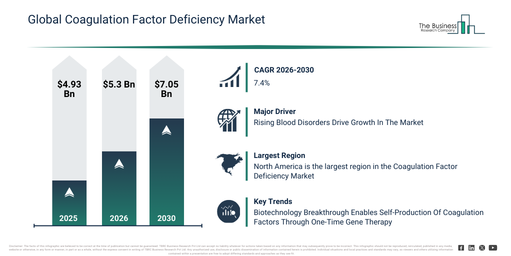
    The market for coagulation factor deficiencies has witnessed substantial expansion recently, projected to escalate from \$4.93 billion in 2025 to \$5.3 billion in 2026, reflecting a compound annual growth rate of 7.6%. Factors contributing to this growth during the preceding period included advancements in diagnosing bleeding disorders, a greater accessibility to therapies derived from plasma, the proliferation of hemophilia treatment facilities, enhanced patient education initiatives, and the overall development of specialized healthcare services.

    The market for coagulation factor deficiencies is poised for substantial expansion over the upcoming years, projecting a valuation of $7.05 billion by 2030, driven by a compound annual growth rate of 7.4%. This anticipated growth stems from significant progress in gene therapy research and development, an escalating need for tailored treatments for bleeding disorders, the broadening reach of home-based care strategies, a heightened emphasis on minimizing treatment intervals, and augmented financial backing for therapies targeting rare diseases. Key developments shaping this period prominently feature the increasing acceptance of recombinant coagulation factors, a surge in the application of gene therapy-driven interventions, a growing inclination towards preventative treatment plans, the wider availability of self-administered infusion therapies at home, and a concentrated effort on creating extended-duration clotting factor products, thereby improving patient convenience and adherence to treatment.

    Download A Free Sample Report For Comprehensive Market Insights:

    https://www.thebusinessresearchcompany.com/sample.aspx?id=21152&type=smp

    Coagulation Factor Deficiency Market Expansion Drivers: What Is Shaping Future Growth?

    The escalating prevalence of blood-related ailments is poised to be a significant catalyst for the expansion of the coagulation factor deficiency market. These blood disorders encompass a range of conditions impacting the generation, functionality, or makeup of blood cells, platelets, or plasma, consequently leading to complications such as anemia, impaired clotting, or compromised immunity. The rise in these conditions can be attributed to several factors, including an aging demographic, inherited tendencies, heightened public awareness, environmental influences, shifts in lifestyle habits, an increasing burden of chronic illnesses, and progress in diagnostic methods facilitating earlier identification. Coagulation factor deficiencies play a crucial role in addressing these blood-related disorders by supplying vital clotting components necessary for averting or mitigating excessive hemorrhaging in ailments like hemophilia, where the body’s innate capacity for clot formation is compromised. To illustrate, in September 2024, data from the Leukemia and Lymphoma Society indicated that every three minutes, an individual in the U.S. is diagnosed with leukemia, lymphoma, or myeloma, with an estimated 187,740 people facing these cancers in 2024, constituting 9.4% of the projected 2,001,140 new cancer diagnoses nationwide. Furthermore, in May 2024, the National Health Service (NHS) England reported that around 17,000 individuals in England live with sickle cell disease, a hereditary blood disorder, with approximately 250 new cases identified each year. Consequently, the growing incidence of blood-related disorders is directly fueling the market’s progression for coagulation factor deficiency treatments.

    Coagulation Factor Deficiency Market Segmentation Trends And Revenue Drivers

    The coagulation factor deficiency market covered in this report is segmented –

    1) By Product: Recombinant Coagulation Factor Concentrates, Plasma-Derived Coagulation Factor Concentrates, Biologics, Desmopressin, Other Product Types

    2) By Deficiency Type: Haemophilia A, Hemophilia B, Von Willebrand Disease, Factor XI Deficiency, Factor XIII Deficiency, Other Treatment Types

    3) By End Users: Hospitals, Clinics, Home Care, Other End Users

    Subsegments:

    1) By Recombinant Coagulation Factor Concentrates: Recombinant Factor VIII, Recombinant Factor IX, Recombinant Factor VIIa

    2) By Plasma-Derived Coagulation Factor Concentrates: Plasma-Derived Factor VIII, Plasma-Derived Factor IX, Plasma-Derived Factor VII

    3) By Biologics: Monoclonal Antibodies, Gene Therapy Products

    4) By Desmopressin: Intravenous Desmopressin, Intranasal Desmopressin

    5) By Other Product Types: Fresh Frozen Plasma (FFP), Prothrombin Complex Concentrates (PCC)

    Coagulation Factor Deficiency Market Strategic Trends: What Is Defining The Next Phase Of Growth?

    Leading entities within the coagulation factor deficiency market are prioritizing the creation of novel treatment approaches, exemplified by one-time gene therapies, aiming to offer enduring or curative outcomes for individuals suffering from bleeding conditions such as hemophilia, thereby diminishing the reliance on perpetual clotting factor infusions. This one-time gene therapy constitutes a medical intervention where genetic material is introduced or modified within a patient’s cells to address or eradicate a disease, with the objective of yielding sustained or permanent therapeutic benefits following a single application. Illustratively, in April 2024, Pfizer Inc., a prominent US-based pharmaceutical and biotechnology firm, disclosed that the U.S. Food and Drug Administration (FDA) granted approval for BEQVEZ (fidanacogene elaparvovec-dzkt) to manage hemophilia B in adult patients with moderate to severe cases who have been undergoing factor IX (FIX) prophylaxis. This therapy is characterized as a single-administration adeno-associated virus (AAV)-based gene therapy engineered to deliver a functional copy of the FIX gene, encoding a high-activity FIX variant, into the target cells, thereby empowering hemophilia B patients to generate their own FIX through this singular treatment, eliminating the necessity for repeated FIX infusions.

    #Coagulation Factor Deficiency Market Industry Leaders: Which Organizations Are Driving Competition?

    Major companies operating in the coagulation factor deficiency market are Pfizer Inc., Bayer HealthCare Pharmaceuticals, Sanofi Genzyme, Novo Nordisk A/S, Baxter International Inc., CSL Behring LLC, Grifols S.A., Octapharma AG, Takeda Pharmaceutical Company Limited, Swedish Orphan Biovitrum AB, Kedrion Biopharma Inc., Shanghai RAAS Blood Products Co. Ltd., LFB S.A., Biotest AG, BioMarin Pharmaceutical Inc., uniQure, Prothya Biosolutions, Bio Products Laboratory Ltd, Green Cross Corporation, Freeline Therapeutics, Aptevo Therapeutics, Hema Biologics LLC, Generation Bio Co, Intellia Therapeutics Inc.

    Access The Complete Coagulation Factor Deficiency Market Report:

    https://www.thebusinessresearchcompany.com/report/coagulation-factor-deficiency-global-market-report

    Coagulation Factor Deficiency Market Global Footprint: Which Region Holds Market Leadership?

    North Americawas the largest region in the coagulation factor deficiency market in 2025. Asia-Pacificis expected to be the fastest-growing region in the forecast period. The regions covered in the coagulation factor deficiency market report are Asia-Pacific, South East Asia, Western Europe, Eastern Europe, North America, South America, Middle East, Africa.

    Get in touch with us:

    The Business Research Company: https://www.thebusinessresearchcompany.com/

    Americas: +1 310-496-7795

    Asia: +44 7882 955267 & +91 8897263534

    Europe: +44 7882 955267

    Email us at: marketing@tbrc.info

    Follow us on:

    LinkedIn: https://in.linkedin.com/company/the-business-research-company

    YouTube: https://www.youtube.com/channel/UC24_fI0rV8cR5DxlCpgmyFQ

    Global Market Model: https://www.thebusinessresearchcompany.com/global-market-model
  • Cluster Of Differentiation 3 (CD3) Antibody Market Growth Through 2030 Creates New Strategic Opportunities

    Cluster Of Differentiation 3 (CD3) Antibody Market Growth Through 2030 Creates New Strategic Opportunities

    Delivering more actionable and strategically valuable research, The Business Research Company’s 2026 market reports feature market attractiveness analysis, total addressable market evaluation, company benchmarking matrices, interactive Excel dashboards, expanded supply chain intelligence, emerging startup coverage, and detailed product insights.

    Cluster Of Differentiation 3 (CD3) Antibody Market Size Outlook: How Fast Will Revenue Grow Through 2030?

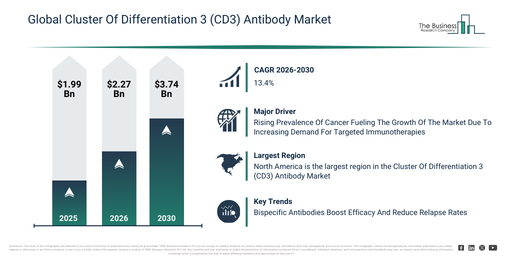
    The market for cluster of differentiation 3 (cd3) antibodies has experienced substantial expansion recently, with projections indicating a rise from $1.99 billion in 2025 to $2.27 billion in 2026, reflecting a compound annual growth rate (CAGR) of 13.7%. This historical growth trajectory has been propelled by significant progress in monoclonal antibody treatments, escalating investigations into T-cell biology, a growing incidence of oncological conditions, the widening scope of hospital-based immunotherapy initiatives, and the increasing involvement of contract research organizations.

    The market for Cluster of Differentiation 3 (CD3) antibodies is projected to experience substantial expansion over the upcoming years, reaching an estimated $3.74 billion by 2030 with a compound annual growth rate of 13.4%. This anticipated growth is fueled by several key factors, including an expanding pipeline of therapies designed to engage T-cells, a growing number of approved antibody-based immunotherapy treatments, escalating investment in cancer research, the advancement of personalized immune therapies, and a heightened emphasis on mitigating immune-related side effects. During this forecast period, significant trends anticipated to shape the market include the ongoing development of T-cell redirecting therapies, the increasing uptake of bispecific CD3 antibodies, the broader application of CD3 in cancer immunotherapy, the growth of FC-engineered antibody platforms, and a more refined approach to precision in immune modulation.

    Download A Free Sample Report For Comprehensive Market Insights:

    https://www.thebusinessresearchcompany.com/sample.aspx?id=30236&type=smp

    Cluster Of Differentiation 3 (CD3) Antibody Market Development Factors: Which Trends Are Supporting Demand?

    The escalating incidence of cancer is anticipated to be a primary catalyst for the expansion of the cluster of differentiation 3 (CD3) antibody market. Cancer prevalence, defined as the aggregate count of individuals, encompassing both recent and prior diagnoses, who are living with a cancer diagnosis at a given moment, is on the rise. Factors such as suboptimal dietary habits, tobacco use, excessive alcohol consumption, and exposure to environmental contaminants contribute to this increase, thereby heightening the susceptibility to diverse forms of cancer. CD3 antibodies play a crucial role in cancer therapy by empowering and redirecting T-cells to seek out and eliminate cancerous cells. They bolster the effectiveness of the immune system’s response, a characteristic that renders them valuable for treating both blood cancers and solid tumors, ultimately refining treatment accuracy and improving patient results. For example, data from Cancer Australia, a governmental body in Australia, indicated in February 2025 that there were 4,641 new cases of pancreatic cancer diagnosed in 2024, with males accounting for 2,414 cases and females for 2,227. Consequently, the increasing burden of cancer worldwide is fueling the growth trajectory of the CD3 antibody market.

    Cluster Of Differentiation 3 (CD3) Antibody Market Segment Analysis Highlighting Growth Areas

    The cluster of differentiation 3 (cd3) antibody market covered in this report is segmented –

    1) By Product Type: Monoclonal Antibodies, Bispecific Antibodies, Antibody-Drug Conjugates, Fragment Crystallizable (Fc) Engineering Products, Other Product Types

    2) By Molecular Weight: Low Molecular Weight, Medium Molecular Weight, High Molecular Weight

    3) By Formulation Type: Aqueous Formulations, Non-Aqueous Formulations

    4) By Therapeutic Application: Cancer Immunotherapy, Autoimmune Diseases, Transplant Rejection, Infectious Diseases, Other Applications

    5) By End-User: Hospitals, Research Institutes, Pharmaceutical Companies, Contract Research Organizations, Other End-Users

    Subsegments:

    1) By Monoclonal Antibodies: Humanized Monoclonal Antibodies, Fully Human Monoclonal Antibodies, Chimeric Monoclonal Antibodies, Murine Monoclonal Antibodies, Recombinant Monoclonal Antibodies

    2) By Bispecific Antibodies: T Cell Engager Bispecific Antibodies, Dual Immune Checkpoint Bispecific Antibodies, Cytokine Modulating Bispecific Antibodies, Tumor Associated Antigen Targeting Bispecific Antibodies

    3) By Antibody-Drug Conjugates: Payload Enhanced Conjugates, Linker Optimized Conjugates, Tumor Targeted Conjugates, Immune Stimulating Conjugates

    4) By Fragment Crystallizable (Fc) Engineering Products: Fragment Crystallizable (Fc) Glycoengineered Antibodies, Fragment Crystallizable (Fc) Mutant Antibodies, Fragment Crystallizable (Fc) Fused Therapeutic Proteins, Extended Half Life Fragment Crystallizable (Fc) Products

    5) By Other Product Types: Single Domain Antibodies, Polyclonal Antibodies, Receptor Fusion Proteins, Engineered Immune Activators

    Cluster Of Differentiation 3 (CD3) Antibody Market Transformation Trends: Which Innovations Are Driving Change?

    Within the cluster of differentiation 3 (CD3) antibody market, leading entities are channeling their efforts into pioneering sophisticated therapeutic modalities, notably bispecific antibodies, with the aims of augmenting treatment effectiveness, refining the precision of cancer cell targeting, and mitigating recurrence in individuals who have undergone extensive prior treatments. These innovative bispecific antibodies represent cutting-edge biological agents meticulously designed to establish connections with two distinct antigens concurrently, thereby leveraging the patient’s inherent immune system to identify and eradicate malignant cells. As an illustration, Johnson and Johnson, a prominent American pharmaceutical firm, secured approval from the U.S. Food and Drug Administration (FDA) in August 2023 for Talvey (talquetamab-tgvs), a therapeutic that harnesses bispecific T-cell engagement technology for those afflicted with relapsed or refractory multiple myeloma. This particular therapy functions by linking CD3 on T-cells to G protein-coupled receptor class C group 5 member D (GPRC5D) found on myeloma cells, offering advantages such as accurate T-cell redirection and immediate applicability without the complex requirement of personalized chimeric antigen receptor T-cell (CAR-T) manufacturing, ultimately enhancing treatment accessibility, facilitating immune-driven tumor destruction, and improving clinical results for patients with a history of intensive prior therapies.

    Cluster Of Differentiation 3 (CD3) Antibody Market Leading Companies: Who Holds Significant Market Presence?

    Major companies operating in the cluster of differentiation 3 (cd3) antibody market are Johnson and Johnson, Roche Holding AG, Pfizer Incorporated, AbbVie Inc., Novartis AG, Bristol-Myers Squibb Company, Thermo Fisher Scientific Incorporated, Eli Lilly and Company, Amgen Inc., Gilead Sciences Inc., Merck KGaA, Bio-Rad Laboratories Incorporated, Miltenyi Biotec B V and Co KG, Harbour BioMed Holding Limited, Zymeworks Inc., Adimab LLC, GeneTex Incorporated, Santa Cruz Biotechnology Incorporated, FabGennix Incorporated, EXBIO Praha spol s r o

    Access The Complete Cluster Of Differentiation 3 (CD3) Antibody Market Report:

    https://www.thebusinessresearchcompany.com/report/global-cluster-of-differentiation-3-cd3-antibody-market-report

    Cluster Of Differentiation 3 (CD3) Antibody Market Regional Distribution: Which Areas Drive Market Expansion?

    North Americawas the largest region in the cluster of differentiation 3 (CD3) antibody market in 2025. Asia-Pacificis expected to be the fastest-growing region in the forecast period. The regions covered in the cluster of differentiation 3 (cd3) antibody market report are Asia-Pacific, South East Asia, Western Europe, Eastern Europe, North America, South America, Middle East, Africa.

    Get in touch with us:

    The Business Research Company: https://www.thebusinessresearchcompany.com/

    Americas: +1 310-496-7795

    Asia: +44 7882 955267 & +91 8897263534

    Europe: +44 7882 955267

    Email us at: marketing@tbrc.info

    Follow us on:

    LinkedIn: https://in.linkedin.com/company/the-business-research-company

    YouTube: https://www.youtube.com/channel/UC24_fI0rV8cR5DxlCpgmyFQ

    Global Market Model: https://www.thebusinessresearchcompany.com/global-market-model
  • Cluster Of Differentiation (CD) 79a Antibody Market Size Projected To Increase From $1.35 Billion To $1.99 Billion During The Forecast Period

    Cluster Of Differentiation (CD) 79a Antibody Market Size Projected To Increase From $1.35 Billion To $1.99 Billion During The Forecast Period

    Enhanced with market attractiveness analysis, total addressable market evaluation, company benchmarking matrices, interactive Excel dashboards, expanded supply chain intelligence, emerging startup coverage, and detailed product insights, The Business Research Company’s 2026 market reports deliver more actionable and strategically valuable research.

    Cluster Of Differentiation (CD) 79a Antibody Market Size, Value And Growth Trends Through 2030

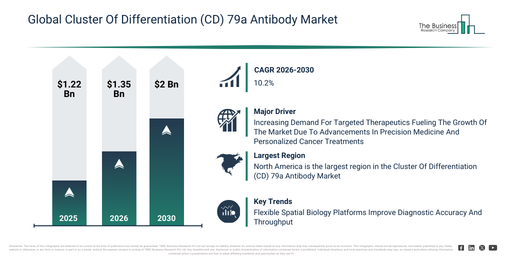
    The market for cluster of differentiation (CD) 79a antibodies has experienced swift expansion, projecting a rise from $1.22 billion in 2025 to $1.35 billion in 2026, demonstrating a compound annual growth rate of 10.5%. This past growth trajectory is underpinned by several key factors, including the broader application of immunohistochemistry within pathology practices, a mounting incidence of B-cell related cancers, an upsurge in academic research focused on immunology, enhanced accessibility to platforms for monoclonal antibody production, and a growing inclination towards employing flow cytometry methodologies.

    The market for Cluster of Differentiation (CD) 79a antibodies is projected for substantial expansion in the coming years, reaching an estimated $2 billion by 2030 with a compound annual growth rate of 10.2%. This projected increase is fueled by several key factors including an escalating need for highly accurate diagnostic tools, the broadening scope of personalized medicine research, increased financial backing for antibody development, the growing deployment of multi-analyte diagnostic tests, and the advancement of translational research efforts. Within this forecast period, significant trends are emerging, such as the greater acceptance of recombinant antibody forms, a heightened application of CD79a in identifying blood cancers, a surge in demand for B-cell markers offering superior precision, the proliferation of automated immunoassay systems, and a stronger emphasis on established standards for antibody verification.

    Download A Free Sample Report For Comprehensive Market Insights:

    https://www.thebusinessresearchcompany.com/sample.aspx?id=30235&type=smp

    Cluster Of Differentiation (CD) 79a Antibody Market Industry Drivers: What Is Driving Revenue Growth?

    The market for cluster of differentiation (CD) 79a antibodies is poised for expansion, largely fueled by the escalating need for highly specific therapeutic interventions. These advanced treatments are designed to precisely identify and block the molecular anomalies characteristic of cancers and other ailments, thereby enhancing treatment accuracy while simultaneously reducing collateral damage to healthy tissues. The growing emphasis on such targeted approaches is a direct consequence of progress in precision medicine, a field that facilitates tailored and more efficacious treatments by considering an individual’s unique genetic makeup. CD79a antibodies play a crucial role in enabling these targeted therapies, as their specific affinity for B-cell markers renders them exceptionally well-suited for precise treatment strategies in blood cancers. Their ability to facilitate the selective targeting of malignant B cells significantly boosts therapeutic efficacy, leading to improved patient results and a reduction in unintended side effects. A relevant example of this trend is the Food and Drug Administration’s (FDA) approval of six gene therapy products in 2023, an increase from the five approvals recorded in 2022, as noted by the American Society of Gene & Cell Therapy (ASGCT) in December 2024. Consequently, the expanding demand for specialized therapeutic options is a key driver behind the growth anticipated in the CD79a antibody market.

    Cluster Of Differentiation (CD) 79a Antibody Market Segment Performance And Strategic Opportunities

    The cluster of differentiation (cd) 79a antibody market covered in this report is segmented –

    1) By Product Type: Monoclonal Antibodies, Polyclonal Antibodies, Recombinant Antibodies

    2) By Technology: Western Blotting, Immunohistochemistry, Flow Cytometry, Enzyme-Linked Immunosorbent Assay (ELISA)

    3) By Distribution Channel: Direct Sales, Distributors, Online Sales

    4) By End Use: Biotechnology Companies, Pharmaceutical Companies, Academic And Research Institutes, Diagnostic Laboratories

    Subsegments:

    1) By Monoclonal Antibodies: Mouse Derived Antibodies, Rabbit Derived Antibodies, Human Derived Antibodies, Chimeric Antibodies, Humanized Antibodies

    2) By Polyclonal Antibodies: Goat Derived Antibodies, Rabbit Derived Antibodies, Sheep Derived Antibodies, Donkey Derived Antibodies, Horse Derived Antibodies

    3) By Recombinant Antibodies: Single Chain Variable Fragment Antibodies, Fragment Antigen Binding Antibodies, Bispecific Antibodies, Nanobodies, Engineered Full Length Antibodies

    #Cluster Of Differentiation (CD) 79a Antibody Market Growth Trends: What Is Influencing The Future Outlook?

    In the realm of the CD79a antibody market, key players are prioritizing the creation of sophisticated offerings, including adaptable multiplex immunohistochemistry (IHC) kits, with the aims of expediting scientific inquiry, elevating the caliber of research data, and simplifying intricate manual laboratory procedures. This advanced methodology, flexible multiplex IHC, facilitates the concurrent identification of numerous biological markers within a solitary tissue specimen while preserving their original arrangement. Illustrating this trend, in September of 2023, Cell Signaling Technology, a prominent biotechnology firm headquartered in the United States, introduced its SignalStar Multiplex IHC system. This particular spatial biology innovation functions as an adaptable, antibody-driven framework, engineered to support highly multiplexed investigations capable of detecting up to eight different targets across a tissue sample in a mere two-day timeframe. The platform further incorporates built-in assistance for designing experimental panels and refined protocols, thereby streamlining the process of biomarker identification and data acquisition without the need for substantial optimization efforts, ultimately boosting diagnostic precision, processing efficiency, and the level of detail observable in tissue examinations, representing a noteworthy stride forward within the 79a antibody market segment.

    Cluster Of Differentiation (CD) 79a Antibody Market Key Players: Which Companies Shape Industry Competition?

    Major companies operating in the cluster of differentiation (cd) 79a antibody market are Thermo Fisher Scientific Inc., Becton, Dickinson and Company, Bio-Rad Laboratories Inc., Bio-Techne Corporation, Miltenyi Biotec B.V. & Co. KG, GenScript Biotech Corporation, Cell Signaling Technology Inc., Sino Biological Inc., Proteintech Group Inc., Santa Cruz Biotechnology Inc., OriGene Technologies Inc., GeneTex Inc., Abnova Corporation, RayBiotech Life Inc., Wuhan Fine Biotech Co. Ltd. (commonly known as FineTest), Aviva Systems Biology Corporation, EXBIO Praha a.s., NSJ Bioreagents Inc., Boster Biological Technology Co. Ltd., Bioss Antibodies Inc.

    Access The Complete Cluster Of Differentiation (CD) 79a Antibody Market Report:

    https://www.thebusinessresearchcompany.com/report/global-cluster-of-differentiation-cd-79a-antibody-market-report

    Cluster Of Differentiation (CD) 79a Antibody Market Leading Geography: Which Region Generates The Most Revenue?

    North Americawas the largest region in the cluster of differentiation (CD) 79a antibody market in 2025. Asia-Pacificis expected to be the fastest-growing region in the forecast period. The regions covered in the cluster of differentiation (cd) 79a antibody market report are Asia-Pacific, South East Asia, Western Europe, Eastern Europe, North America, South America, Middle East, Africa.

    Get in touch with us:

    The Business Research Company: https://www.thebusinessresearchcompany.com/

    Americas: +1 310-496-7795

    Asia: +44 7882 955267 & +91 8897263534

    Europe: +44 7882 955267

    Email us at: marketing@tbrc.info

    Follow us on:

    LinkedIn: https://in.linkedin.com/company/the-business-research-company

    YouTube: https://www.youtube.com/channel/UC24_fI0rV8cR5DxlCpgmyFQ

    Global Market Model: https://www.thebusinessresearchcompany.com/global-market-model
  • Cluster Headache Syndrome Market Growth Outlook Reveals A CAGR Of 6.5% And A Market Value Of $1.16 Billion By 2030

    Cluster Headache Syndrome Market Growth Outlook Reveals A CAGR Of 6.5% And A Market Value Of $1.16 Billion By 2030

    Through market attractiveness analysis, total addressable market evaluation, company benchmarking matrices, interactive Excel dashboards, expanded supply chain intelligence, emerging startup coverage, and detailed product insights, The Business Research Company’s 2026 market reports provide more actionable and strategically valuable research.

    Cluster Headache Syndrome Market CAGR Analysis And Future Market Development

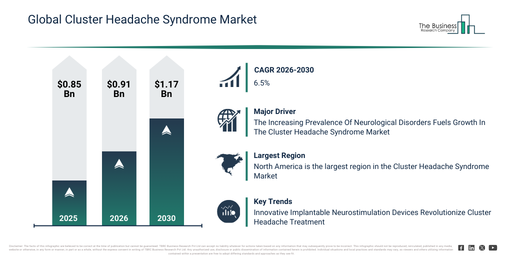
    The market for cluster headache syndrome demonstrated robust expansion recently, projected to increase from $0.85 billion in 2025 to $0.91 billion in 2026, reflecting a compound annual growth rate of 6.6%. This growth trajectory during the historical period was underpinned by several factors, including enhanced detection rates of neurological afflictions, heightened public and medical understanding of cluster headaches, the broadening accessibility of specialized neurological care, the availability of diverse pharmaceutical treatments, and the escalating utilization of diagnostic imaging techniques.

    The global market for cluster headache syndrome is poised for substantial expansion in the coming years, projecting a rise to $1.17 billion by 2030 with a compound annual growth rate of 6.5%. This anticipated growth is fueled by several key factors, including the ongoing development of innovative therapies for headaches, a heightened emphasis on individualized neurological care, the proliferation of specialized headache clinics, increased investment in neurological research, and a surging demand for treatments that offer quick relief. Prominent trends expected to shape this market during the forecast period involve the wider acceptance of precisely targeted drug therapies, a greater concentration on managing chronic cluster headaches, the increased utilization of sophisticated diagnostic imaging techniques, the broadening of personalized treatment strategies, and a stronger focus on providing prompt symptom alleviation.

    Download A Free Sample Report For Comprehensive Market Insights:

    https://www.thebusinessresearchcompany.com/sample.aspx?id=18301&type=smp

    #Cluster Headache Syndrome Market Growth Factors: Which Forces Are Supporting Market Expansion?

    Growing numbers of nervous system disorders are anticipated to boost the cluster headache syndrome market. Neurological disorders, encompassing conditions of the brain, spinal cord, and peripheral nerves, are becoming more common. This increase is attributed to factors like the widespread presence of risk factors such as diabetes, advancements in diagnostic capabilities, neurological complications arising from other health issues, and socio-economic disparities. Therapeutic interventions for these neurological conditions play a role in managing cluster headache syndrome by targeting overlapping pathways or addressing factors that influence headache symptoms and their underlying causes, thereby reducing how often and how intensely cluster headaches occur, as well as their overall impact. As an example, the World Federation of Neurology, based in Switzerland, indicated in October 2023 that over 40% of the world’s population currently faces some form of neurological condition, with projections suggesting this figure could nearly double by 2050. Consequently, the escalating incidence of neurological disorders is a key driver for the cluster headache syndrome market.

    #Cluster Headache Syndrome Market Segment Landscape And Growth Potential

    The cluster headache syndrome market covered in this report is segmented –

    1) By Type: Episodic, Chronic

    2) By Drug Type: Calcium Channel Blockers, Corticosteroids, Sumatriptan, Lithium Carbonate, Ergots, Melatonin, Anti-Seizure, Local Anesthetics

    3) By Diagnosis: Neurological Examination, Magnetic Resonance Imaging, Computed Tomography Scan

    4) By Route of Administration: Oral, Topical, Intravenous, Other Routes Of Administrations

    5) By Distribution Channel: Hospital Pharmacies, Retail Pharmacies, Online Stores, Other Distribution Channels

    Subsegments:

    1) By Episodic: Short-Duration Episodic Cluster Headaches, Long-Duration Episodic Cluster Headaches

    2) By Chronic: Chronic Cluster Headaches With Frequent Attacks, Chronic Cluster Headaches With Rare Attacks

    Cluster Headache Syndrome Market Industry Trends: What Changes Are Reshaping Demand?

    Key players within the cluster headache syndrome market are actively pursuing the advancement of novel therapeutic approaches, with a particular emphasis on implantable neurostimulation technology, aiming to offer enhanced treatment solutions for individuals afflicted by this condition. Implantable neurostimulation necessitates the surgical insertion of devices designed to transmit electrical impulses to targeted regions of the nervous system. As an illustration, in August 2023, Salvia BioElectronics Corporation, a medical device firm headquartered in the Netherlands, introduced a paper-thin neuromodulation device intended for the management of severe migraine and cluster headaches. This innovative device features ultra-thin bioelectronic foils that, once implanted, adapt to the wearer’s head, thereby administering electrical stimulation. Given the established connection between migraines and cluster headaches and heightened sensitivity in specific brain areas, the electrical pulses generated by the neuromodulation device serve to re-establish equilibrium and alleviate headache symptoms.

    Cluster Headache Syndrome Market Competitive Landscape: Who Are The Leading Companies?

    Major companies operating in the cluster headache syndrome market are Pfizer Inc., Bayer AG, GlaxoSmithKline plc, Takeda Pharmaceutical Company Limited, Eli Lilly and Company, Viatris Inc., Teva Pharmaceutical Industries Ltd., Otsuka Pharmaceutical Co. Ltd., Hikma Pharmaceuticals, Amneal Pharmaceuticals, Grünenthal GmbH, Mallinckrodt Pharmaceuticals, Upsher-Smith Laboratories, Zogenix Inc., Neurelis Inc., ElectroCore Medical LLC, Ceruvia Lifesciences, TrioxBio Inc., Winston Pharmaceuticals Inc., Zosano Pharma Corporation, Autonomic Technologies Inc., H. Lundbeck A/S

    Access The Complete Cluster Headache Syndrome Market Report:

    https://www.thebusinessresearchcompany.com/report/cluster-headache-syndrome-global-market-report

    Cluster Headache Syndrome Market Regional Outlook: Where Are The Largest Opportunities Located?

    North Americawas the largest region in the cluster headache syndrome market in 2025. Asia-Pacificis expected to be the fastest-growing region in the forecast period. The regions covered in the cluster headache syndrome market report are Asia-Pacific, South East Asia, Western Europe, Eastern Europe, North America, South America, Middle East, Africa.

    Get in touch with us:

    The Business Research Company: https://www.thebusinessresearchcompany.com/

    Americas: +1 310-496-7795

    Asia: +44 7882 955267 & +91 8897263534

    Europe: +44 7882 955267

    Email us at: marketing@tbrc.info

    Follow us on:

    LinkedIn: https://in.linkedin.com/company/the-business-research-company

    YouTube: https://www.youtube.com/channel/UC24_fI0rV8cR5DxlCpgmyFQ

    Global Market Model: https://www.thebusinessresearchcompany.com/global-market-model
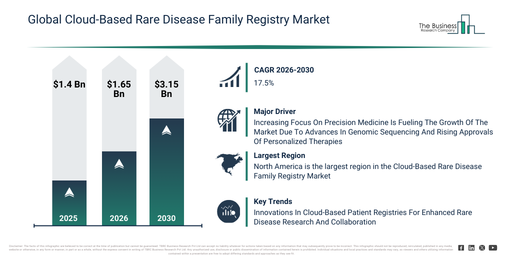
  • Cloud-Based Rare Disease Family Registry Market Forecast Highlights Expansion From $1.64 Billion To $3.14 Billion Through 2030

    Cloud-Based Rare Disease Family Registry Market Forecast Highlights Expansion From $1.64 Billion To $3.14 Billion Through 2030

    Delivering more actionable and strategically valuable research, The Business Research Company’s 2026 market reports feature market attractiveness analysis, total addressable market evaluation, company benchmarking matrices, interactive Excel dashboards, expanded supply chain intelligence, emerging startup coverage, and detailed product insights.

    Cloud-Based Rare Disease Family Registry Market Expansion From $1.64 Billion In 2026 To $3.14 Billion In 2030

    The market for cloud-based rare disease family registries has experienced substantial expansion recently, with a projected increase from $1.4 billion in 2025 to $1.65 billion in 2026, reflecting a compound annual growth rate of 17.7%. This upward trajectory during the historical period is largely attributable to the proliferation of rare disease research endeavors, heightened engagement from patient advocacy groups, the broadening of clinical trial infrastructures, greater utilization of electronic data capture technologies, and the fundamental requirement for unified systems to manage patient information.

    The market for cloud-based rare disease family registries is projected for significant expansion in the coming years, anticipating an increase to $3.15 billion by 2030, fueled by a compound annual growth rate (CAGR) of 17.5%. This projected increase during the forecast period is largely a consequence of heightened investments directed towards the development of orphan drugs, a surge in the need for real-world evidence, the broadening scope of precision medicine research, the increasing application of AI in data analysis, and a greater emphasis on research models centered around the patient. Key developments anticipated within this timeframe include a greater uptake of cloud-based patient registries, expanded utilization of digital platforms for rare disease research endeavors, enhanced integration between genomic and clinical data sets, improvements in global clinical trial recruitment instruments, and a more pronounced focus on safeguarding data through secure sharing practices.

    Download A Free Sample Report For Comprehensive Market Insights:

    https://www.thebusinessresearchcompany.com/sample.aspx?id=28178&type=smp

    Cloud-Based Rare Disease Family Registry Market Demand Drivers: What Is Fueling Industry Growth?

    The expansion of the cloud-based rare disease family registry market is anticipated to be driven by the growing emphasis on precision medicine. This approach to healthcare involves customizing treatment and preventative measures based on an individual’s genetic predispositions, surrounding environmental influences, and personal lifestyle choices. Advances in genomic sequencing technology have significantly contributed to the rise of precision medicine, enabling healthcare professionals to gain a more precise understanding of a patient’s genetic composition. Cloud-based registries for rare diseases play a crucial role in facilitating precision medicine by gathering and consolidating comprehensive patient data, encompassing genetic profiles, clinical histories, and therapeutic interventions. A compelling illustration of this trend emerged in February 2024 when the Personalized Medicine Coalition, a nonprofit entity based in the United States, announced that the U.S. Food and Drug Administration (FDA) had approved 16 novel personalized therapies for individuals suffering from rare diseases during 2023, a substantial increase from the six approvals recorded in 2022; among these newly sanctioned treatments, seven were specifically developed for cancer indications, while three addressed other ailments and conditions. Consequently, the escalating adoption of precision medicine is a key factor spurring the growth within the market for cloud-based rare disease family registries.

    Cloud-Based Rare Disease Family Registry Market Categorization By Product Type And Application

    The cloud-based rare disease family registry market covered in this report is segmented –

    1) By Component: Software, Services

    2) By Deployment Mode: Public Cloud, Private Cloud, Hybrid Cloud

    3) By Application: Patient Data Management, Research, Clinical Trials, Genetic Data Collection, Other Applications

    4) By End-User: Hospitals And Clinics, Research Institutes, Pharmaceutical And Biotechnology Companies, Patient Advocacy Groups, Other End-Users

    Subsegments:

    1) By Software: Electronic Data Capture, Data Management Platform, Analytics And Reporting Tools, Patient Engagement Tools, Clinical Trial Management System

    2) By Services: Implementation And Integration, Training And Support, Data Hosting And Security, Consulting Services, Maintenance And Upgrades

    Cloud-Based Rare Disease Family Registry Market Innovation Trends: Which Developments Are Transforming The Industry?

    Leading entities within the cloud-based rare disease family registry sector are actively pursuing technological advancements, including the implementation of bilingual federated registries, aiming to furnish patients, families, and researchers with robust, geographically dispersed data environments that foster greater engagement and facilitate immediate data gathering and examination. Such a bilingual federated registry represents a cloud-hosted architecture enabling data localization while accommodating diverse linguistic needs and adherence to local privacy mandates and consent protocols. By way of example, the National Organization for Rare Disorders (NORD), a non-profit organization based in the United States, had scheduled for June 2025 the introduction of two patient registries in Canada, specifically for PKU and MPS. These registries, conceived in partnership with Canadian patient advocacy organizations, researchers, and medical professionals, mark the inaugural instances within the IAMRARE Program to be situated beyond the U.S. Their design prioritizes compliance with provincial consent stipulations, empowers collaborative, real-time data acquisition and analysis, and aims to expedite research initiatives, deepen insights into rare metabolic conditions, and streamline the identification of suitable candidates for clinical studies.

    Cloud-Based Rare Disease Family Registry Market Company Landscape And Strategic Competition

    Major companies operating in the cloud-based rare disease family registry market are Thermo Fisher Scientific Inc., IQVIA Holdings Inc., ICON plc, Syneos Health Inc., Parexel International Corp., Medidata Solutions Inc., FIGMD Inc., OM1 Inc., Mission Health Labs Inc., TREAT-NMD Global Registries Platform, Seqster PDM Inc., ArborMetrix Inc., OpenClinica LLC, Pulse Infoframe Inc., Oracle Healthcare Pvt. Ltd., QuesGen Systems Inc., FTD Disorders Registry, Castor LLC, Data Registry Services LLC, Fibrolamellar Registry, Rare Central

    Access The Complete Cloud-Based Rare Disease Family Registry Market Report:

    https://www.thebusinessresearchcompany.com/report/cloud-based-rare-disease-family-registry-global-market-report

    Cloud-Based Rare Disease Family Registry Market Geographic Landscape: Which Region Dominates Industry Growth?

    North Americawas the largest region in the cloud-based rare disease family registry market in 2025. Asia-Pacific is expected to be the fastest-growing region in the forecast period. The regions covered in the cloud-based rare disease family registry market report are Asia-Pacific, South East Asia, Western Europe, Eastern Europe, North America, South America, Middle East, Africa.

    Get in touch with us:

    The Business Research Company: https://www.thebusinessresearchcompany.com/

    Americas: +1 310-496-7795

    Asia: +44 7882 955267 & +91 8897263534

    Europe: +44 7882 955267

    Email us at: marketing@tbrc.info

    Follow us on:

    LinkedIn: https://in.linkedin.com/company/the-business-research-company

    YouTube: https://www.youtube.com/channel/UC24_fI0rV8cR5DxlCpgmyFQ

    Global Market Model: https://www.thebusinessresearchcompany.com/global-market-model
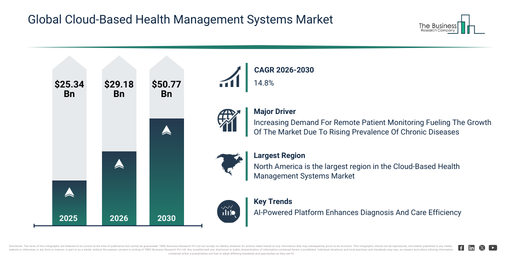
  • Cloud-Based Health Management Systems Market Expected To Reach $50.76 Billion By 2030 As Growth Accelerates At 14.8% CAGR

    Cloud-Based Health Management Systems Market Expected To Reach $50.76 Billion By 2030 As Growth Accelerates At 14.8% CAGR

    Enhanced with market attractiveness analysis, total addressable market evaluation, company benchmarking matrices, interactive Excel dashboards, expanded supply chain intelligence, emerging startup coverage, and detailed product insights, The Business Research Company’s 2026 market reports deliver more actionable and strategically valuable research.

    Cloud-Based Health Management Systems Market Forecast Highlighting Growth From $29.18 Billion To $50.76 Billion

    Demand for cloud-based health management systems has surged recently, projecting a significant expansion from $25.34 billion in 2025 to $29.18 billion by 2026, reflecting a compound annual growth rate (CAGR) of 15.1%. This accelerated growth trajectory during the past period was propelled by several key factors, including the widespread integration of electronic health records, mounting government and industry efforts toward healthcare digitalization, a heightened need for effective care coordination solutions, the proliferation of chronic disease management programs, and the increasing embrace of cloud computing technologies within the healthcare sector.

    The sector for health management systems hosted on the cloud is poised for substantial expansion over the forthcoming years, projecting a market valuation of $50.77 billion by the year 2030, driven by a compound annual growth rate of 14.8%. This anticipated upswing throughout the projection period is fueled by several key factors: escalating investments in digital health infrastructure, the broadened application of AI-powered clinical decision support, the proliferation of virtual care frameworks, an elevated need for population health analytics, and a heightened emphasis on delivering value-based healthcare. Furthermore, prominent developments anticipated in this timeframe encompass the increasing integration of cloud-based health platforms, a greater utilization of remote patient monitoring technologies, a growing requirement for health data systems that facilitate interoperability, the burgeoning expansion of telemedicine and virtual care provisions, and a reinforced commitment to data security and privacy measures.

    Download A Free Sample Report For Comprehensive Market Insights:

    https://www.thebusinessresearchcompany.com/sample.aspx?id=28177&type=smp

    Cloud-Based Health Management Systems Market Growth Drivers: What Factors Are Accelerating Expansion?

    The expansion of the market for cloud-based health management systems is anticipated to be significantly influenced by a surge in the adoption of remote patient monitoring. This method involves leveraging digital tools to gather and convey patient health information from environments outside of conventional healthcare facilities to medical professionals for evaluation and care delivery. The heightened need for remote patient monitoring stems from the rising incidence of chronic conditions, necessitating ongoing surveillance and prompt actions for individuals managing long-term illnesses to achieve better health results. Cloud solutions are instrumental in facilitating remote patient monitoring through their capacity to offer immediate access to health metrics, thereby enabling continuous patient health oversight. These systems foster improved care coordination by backing proactive interventions, ultimately leading to superior treatment results and a reduction in hospital readmissions. To illustrate, the National Library of Medicine (NLM) reported that in June 2025, the deployment of remote patient monitoring services within physician office settings witnessed a substantial increase, documenting 5,118,772 service instances in 2023, underscoring the escalating trend that is fueling the growth of the cloud-based health management systems sector.

    Cloud-Based Health Management Systems Market Segment Analysis And Revenue Opportunities

    The cloud-based health management systems market covered in this report is segmented –

    1) By Type: Electronic Health Records (EHR), Patient Portals, Telemedicine Solutions, Population Health Management, Remote Patient Monitoring

    2) By Size Of Organization: Small And Medium-Sized Enterprises (SMEs), Large Enterprises

    3) By Deployment Model: Public Cloud, Private Cloud, Hybrid Cloud

    4) By Application: Chronic Disease Management, Mental Health Management, Emergency Care Management, Rehabilitation Management, Wellness Management

    5) By End-User: Hospitals, Clinics, Insurance Companies, Pharmaceutical Companies, Research Organizations

    Subsegments:

    1) By Electronic Health Records: Inpatient Electronic Health Records, Outpatient Electronic Health Records, Ambulatory Electronic Health Records, Specialty Electronic Health Records, Cloud-Based Electronic Health Records

    2) By Patient Portals: Appointment Scheduling, Medical Records Access, Prescription Refill Requests, Patient-Provider Communication, Billing And Payments

    3) By Telemedicine Solutions: Video Consultations, Store-and-Forward Telemedicine, Remote Patient Monitoring Telemedicine, Mobile Health Applications, Telepsychiatry

    4) By Population Health Management: Risk Stratification, Care Coordination, Patient Engagement, Analytics And Reporting, Chronic Disease Management

    5) By Remote Patient Monitoring: Wearable Devices, Mobile Health Monitoring, In-Home Monitoring Systems, Chronic Condition Monitoring, Post-Acute Care Monitoring

    Cloud-Based Health Management Systems Market Trends: What Is Shaping Future Industry Growth?

    Leading players within the cloud-based health management systems market are preoccupied with engineering sophisticated functionalities, particularly AI-driven systems offering non-invasive diagnostic features, aiming to elevate diagnostic precision, patient outcomes, and the overall effectiveness of healthcare delivery. These AI-powered systems with non-invasive diagnostic capabilities essentially encompass artificial intelligence technologies designed to identify and track health statuses through information gathered from medical imaging, sensor devices, or wearable technology, bypassing the need for intrusive medical interventions. A noteworthy instance of this trend occurred in July 2025 when Blue Cloud Softech Solutions Ltd., an IT service provider based in India, introduced the BluHealth Platform v2.0, an enhanced digital healthcare ecosystem that integrates artificial intelligence functionalities with non-invasive diagnostic methodologies. This platform is specifically engineered for deployment across various healthcare settings, including hospitals, community health clinics, and mobile healthcare units, and boasts features such as AI-assisted clinical decision-making, automatic patient prioritization, remote monitoring of physiological signs, facial analysis for health assessments, and non-invasive measurement of HbA1c levels. The BluHealth Platform v2.0 functions via a protected cloud framework, thereby guaranteeing the security and availability of patient data while simultaneously augmenting the efficiency and patient journey within healthcare administration.

    Cloud-Based Health Management Systems Market Leading Players Shaping Industry Direction

    Major companies operating in the cloud-based health management systems market are UnitedHealth Group Incorporated, Oracle Corporation, Philips Healthcare, General Electric Healthcare, Epic Systems Corporation, Athenahealth Incorporated, N. Harris Computer Corporation, eClinicalWorks LLC, Medical Information Technology Incorporated, EverCommerce, Health Catalyst Incorporated, Greenway Health LLC, AdvancedMD Incorporated, CareCloud Incorporated, HelloHealth, Amazing Charts LLC, Microsoft Azure for Health, Populus Health Technologies

    Access The Complete Cloud-Based Health Management Systems Market Report:

    https://www.thebusinessresearchcompany.com/report/cloud-based-health-management-systems-global-market-report

    #Cloud-Based Health Management Systems Market Largest Region: Which Geography Holds The Highest Market Share?

    North Americawas the largest region in the cloud-based health management systems market in 2025. Asia-Pacific is expected to be the fastest-growing region in the forecast period. The regions covered in the cloud-based health management systems market report are Asia-Pacific, South East Asia, Western Europe, Eastern Europe, North America, South America, Middle East, Africa.

    Get in touch with us:

    The Business Research Company: https://www.thebusinessresearchcompany.com/

    Americas: +1 310-496-7795

    Asia: +44 7882 955267 & +91 8897263534

    Europe: +44 7882 955267

    Email us at: marketing@tbrc.info

    Follow us on:

    LinkedIn: https://in.linkedin.com/company/the-business-research-company

    YouTube: https://www.youtube.com/channel/UC24_fI0rV8cR5DxlCpgmyFQ

    Global Market Model: https://www.thebusinessresearchcompany.com/global-market-model
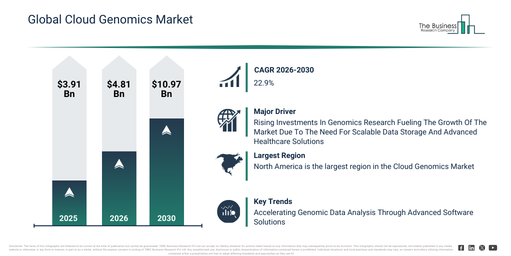
  • Cloud Genomics Market Set To Grow From $4.81 Billion In 2026 To $10.97 Billion By 2030 At A CAGR Of 22.9%

    Cloud Genomics Market Set To Grow From $4.81 Billion In 2026 To $10.97 Billion By 2030 At A CAGR Of 22.9%

    Through market attractiveness analysis, total addressable market evaluation, company benchmarking matrices, interactive Excel dashboards, expanded supply chain intelligence, emerging startup coverage, and detailed product insights, The Business Research Company’s 2026 market reports provide more actionable and strategically valuable research.

    Cloud Genomics Market Revenue Growth Supported By A CAGR Of 10.97% Through 2030

    The cloud genomics market has experienced remarkable expansion recently, projecting a rise from $3.91 billion in 2025 to $4.81 billion in 2026, which represents a compound annual growth rate of 23.2%. This growth trajectory, evident in past performance, is fueled by significant progress in DNA sequencing methods, a surge in the quantity of genomic data produced, expanded research efforts in both academic and clinical genomics, the growing adoption of bioinformatics software, and a continuous need for powerful computing infrastructure.

    The cloud genomics market is poised for significant expansion over the coming years, projecting a reach of $10.97 billion by 2030, driven by a compound annual growth rate of 22.9%. This surge is anticipated to be fueled by several key factors, including the widespread embrace of precision medicine, bolstered investments in genomics research infrastructure, the escalating integration of artificial intelligence into genetic analysis, the broadening scope of large-scale genomic studies, and a heightened demand for interconnected cloud platforms. Key developments expected during this period involve a greater uptake of cloud-based genomic data solutions, increased utilization of AI for genomic insights, a rising need for adaptable data storage, the proliferation of collaborative research settings in genomics, and a concentrated effort on ensuring data security and regulatory adherence.

    Download A Free Sample Report For Comprehensive Market Insights:

    https://www.thebusinessresearchcompany.com/sample.aspx?id=28176&type=smp

    Cloud Genomics Market Growth Factors Supporting Long-Term Expansion

    Increased financial backing for genomics studies is poised to stimulate the expansion of the cloud genomics sector. Genomics investigation entails a comprehensive examination of an organism’s complete DNA blueprint to understand gene activities, interdependencies, and their influence on biological mechanisms. The surge in genomics research investment stems from its capacity to facilitate tailor-made medical approaches, leading to more precise diagnoses and treatments customized to a person’s genetic profile. Consequently, this heightened investment translates into increased reliance on cloud genomics solutions, as the immense volume of generated genomic data necessitates robust, efficient, and economical cloud-based systems for both storage and processing. Illustratively, in March 2024, the National Human Genome Research Institute (NHGRI), a U.S. federal research body, disclosed a budget proposal of $663.7 million for the 2025 fiscal year, marking a modest increase from previous periods, with this sustained financial support underpinning cutting edge human genomics research, technological advancements, and the incorporation of clinical genomics. Thus, escalating investments in genomics research are directly fueling the advancement of the cloud genomics market.

    Cloud Genomics Market Segmentation And Category Breakdown

    The cloud genomics market covered in this report is segmented –

    1) By Component: Software, Hardware, Services

    2) By Deployment Mode: Public Cloud, Private Cloud, Hybrid Cloud

    3) By Application: Clinical Diagnostics, Drug Discovery And Development, Personalized Medicine, Research, Other Applications

    4) By End-User: Hospitals And Clinics, Research And Academic Institutions, Pharmaceutical And Biotechnology Companies, Other End-Users

    Subsegments:

    1) By Software: Genomic Data Analysis Software, Bioinformatics Tools, Laboratory Information Management Systems (LIMS), Data Visualization Software, Workflow Automation Software

    2) By Hardware: High-Performance Computing (HPC) Systems, Servers, Storage Systems, Sequencing Instruments, Networking Equipment

    3) By Services: Cloud Storage And Data Management Services, Data Analysis And Interpretation Services, Consulting And Implementation Services, Software-As-A-Service (SaaS) Solutions, Maintenance And Support Services

    Cloud Genomics Market Industry Trends Shaping Future Revenue Growth

    Leading cloud genomics market players are investing in cutting-edge tools, exemplified by software accelerators, to expedite the creation and implementation of sophisticated applications, with QIAGEN Digital Insights (QDI) demonstrating this trend. These accelerators are designed to boost the performance of software by streamlining data handling and computational processes. A prime illustration is QDI’s January 2023 release of QIAGEN CLC Genomics Workbench Premium, a solution engineered to overcome the analytical delays inherent in next-generation sequencing (NGS). This premium offering drastically shortens analysis times for the examination and interpretation of data from whole genome sequencing (WGS), whole exome sequencing (WES), and extensive panel sequencing. At its core is LightSpeed technology, a software accelerator skilled at swiftly transforming raw FASTQ sequence data from any paired-end short-read system into actionable genetic variant lists in VCF format. Notably, within conventional cloud settings, this technology facilitates the analysis of a complete human genome at 34x coverage on a typical computer in a mere 25 minutes, and a 50x whole exome in just 90 seconds. This technological advancement enables laboratories to conduct whole genome sequencing at a cost-effective price of approximately $1 per genome and whole exome sequencing for mere cents per exome, leveraging cloud infrastructure. Furthermore, QIAGEN CLC LightSpeed exhibits versatility, capable of operating effectively on present local hardware while delivering comparable high-speed results.

    Cloud Genomics Market Competitive Analysis Of Major Industry Participants

    Major companies operating in the cloud genomics market are Microsoft Corp., Amazon Web Services Inc., F. Hoffmann-La Roche Ltd., IBM Corporation, Oracle Corporation, Thermo Fisher Scientific Inc., Illumina Inc., PerkinElmer Inc., QIAGEN N.V., Element Biosciences Inc., Human Longevity Inc., Seven Bridges Genomics, DNAnexus Inc., Lifebit Biotech Ltd., Fabric Genomics Inc., PierianDx Inc., Veritas Genetics Inc., WuXi, NantOmics LLC, Saphetor SA, Nebula Genomics, Gene by Gene Ltd.

    Access The Complete Cloud Genomics Market Report:

    https://www.thebusinessresearchcompany.com/report/cloud-genomics-global-market-report

    Cloud Genomics Market Regional Analysis: Which Region Leads By Revenue?

    North Americawas the largest region in the cloud genomics market in 2025. Asia-Pacific is expected to be the fastest-growing region in the forecast period. The regions covered in the cloud genomics market report are Asia-Pacific, South East Asia, Western Europe, Eastern Europe, North America, South America, Middle East, Africa.

    Get in touch with us:

    The Business Research Company: https://www.thebusinessresearchcompany.com/

    Americas: +1 310-496-7795

    Asia: +44 7882 955267 & +91 8897263534

    Europe: +44 7882 955267

    Email us at: marketing@tbrc.info

    Follow us on:

    LinkedIn: https://in.linkedin.com/company/the-business-research-company

    YouTube: https://www.youtube.com/channel/UC24_fI0rV8cR5DxlCpgmyFQ

    Global Market Model: https://www.thebusinessresearchcompany.com/global-market-model
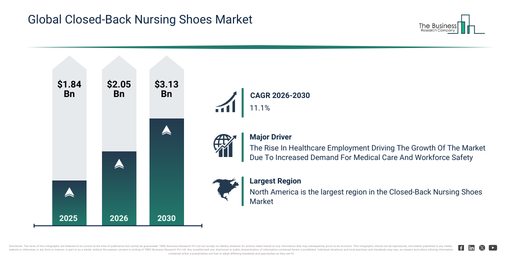
  • Closed-Back Nursing Shoes Market Opportunities Are Emerging Beyond Traditional Growth Areas

    Closed-Back Nursing Shoes Market Opportunities Are Emerging Beyond Traditional Growth Areas

    Delivering more actionable and strategically valuable research, The Business Research Company’s 2026 market reports feature market attractiveness analysis, total addressable market evaluation, company benchmarking matrices, interactive Excel dashboards, expanded supply chain intelligence, emerging startup coverage, and detailed product insights.

    Closed-Back Nursing Shoes Market Value Expansion And Long-Term Growth Outlook

    The market for closed-back nursing shoes has experienced significant expansion recently, projecting a rise from its 2025 valuation of $1.84 billion to $2.05 billion by 2026, demonstrating a compound annual growth rate of 11.3%. This historical growth trajectory is largely a consequence of the burgeoning healthcare workforce, a heightened consciousness regarding workplace safety regulations, the prevalence of extended working hours within the medical sector, the continuous development of hospital facilities, and a growing demand for sanitary professional attire.

    The market for closed-back nursing shoes is poised for substantial expansion over the upcoming years, projecting a reach of $3.13 billion by 2030, driven by a compound annual growth rate (CAGR) of 11.1%. This anticipated surge is largely fueled by escalating investments in healthcare facilities, a heightened awareness of employee comfort and well-being, the increasing embrace of higher-quality nursing footwear, the proliferation of in-home healthcare options, and a stronger emphasis on rigorous infection control protocols. Key developments shaping this market during the forecast period include a surging demand for footwear that offers superior slip resistance and protection, a growing trend toward ergonomically designed shoes, a preference for materials that are simple to maintain and clean, the increasing availability of lightweight and breathable shoe options, and a more pronounced focus on adhering to workplace safety regulations.

    Download A Free Sample Report For Comprehensive Market Insights:

    https://www.thebusinessresearchcompany.com/sample.aspx?id=28174&type=smp

    #Closed-Back Nursing Shoes Market Demand Drivers Creating New Revenue Opportunities

    A surge in healthcare sector employment is poised to be a significant catalyst for the expansion of the closed-back nursing shoes market. This burgeoning employment within healthcare encompasses professionals dedicated to delivering a spectrum of medical, clinical, and supportive services essential for individual and community well-being. Such an upswing in healthcare jobs can be attributed to a growing incidence of chronic health conditions, consequently elevating the need for medical attention, continuous therapies, and sustained patient care. Offering improved safety and comfort in professional environments, these specialized shoes indirectly bolster healthcare employment by mitigating exhaustion, preventing injuries, and ultimately reducing staff attrition rates. An illustrative projection from the Bureau of Labor Statistics in August 2025 indicates that between 2024 and 2034, employment for registered nurses is anticipated to grow by 5 percent, outpacing the average growth rate across all professions. Consequently, the expanding healthcare workforce is a primary driver fueling the closed-back nursing shoes market.

    The expanding landscape of healthcare infrastructure, marked by heightened investments, is anticipated to spearhead the advancement of the closed-back nursing shoes market. Such substantial capital injections into healthcare infrastructure involve the strategic deployment of finances and resources aimed at enhancing, enlarging, and updating medical centers, diagnostic tools, and operational frameworks to elevate the standards and reach of healthcare services. This upward trend in infrastructure investment is largely a consequence of an aging global population that necessitates more frequent and specialized medical interventions, thereby spurring the expansion and modernization of healthcare facilities. Consequently, these infrastructural upgrades, including the development of new hospitals and clinics, translate into a greater demand for robust, comfortable, and secure footwear like closed-back nursing shoes for the medical personnel. Providing a concrete example, the American Health Care Association in the US reported in May 2023 that the nation’s hospital count had risen by 0.591% year-over-year, increasing from 6,093 to 6,129 facilities. Thus, the escalating investment in healthcare infrastructure directly fuels the growth trajectory of the closed-back nursing shoes market.

    Closed-Back Nursing Shoes Market Segment Outlook: Which Categories Are Expanding The Fastest?

    The closed-back nursing shoes market covered in this report is segmented –

    1) By Product Type: Slip-resistant Shoes, Orthopedic Shoes, Waterproof Shoes, Breathable Shoes, Lightweight Shoes

    2) By Material: Leather, Synthetic Materials, Mesh Fabrics, Rubber Soles, Memory Foam

    3) By Purpose Of Use: Clinical Environments, Hospital Settings, Long-term Care Facilities, Home Care Assistance, Public Health Services

    4) By Distribution Channel: Online Stores, Supermarkets Or Hypermarkets, Specialty Stores, Other Distributions Channels

    5) By End-User: Hospitals, Clinics, Home Healthcare, Other End-Users

    Subsegments:

    1) By Slip-Resistant Shoes: Rubber Outsole, Textured Sole, Oil Resistant Sole, Non Marking Sole

    2) By Orthopedic Shoes: Arch Support Shoes, Extra Depth Shoes, Wide Toe Box Shoes, Cushioning Support Shoes

    3) By Waterproof Shoes: Water Repellent Coated Shoes, Seam Sealed Shoes, Synthetic Upper Shoes, Slip On Waterproof Shoes

    4) By Breathable Shoes: Mesh Upper Shoes, Ventilated Panel Shoes, Moisture Wicking Lining Shoes, Perforated Design Shoes

    5) By Lightweight Shoes: Foam Sole Shoes, Minimalist Design Shoes, Flexible Material Shoes, Low Profile Sole Shoes

    Closed-Back Nursing Shoes Market Key Companies And Competitive Benchmarking

    Major companies operating in the closed-back nursing shoes market are Skechers U.S.A. Inc., Birkenstock Holding plc, Rocky Brands Inc., Sanita Footwear A/S, Aetrex Worldwide Inc., Shoes For Crews LLC, Dansko LLC, Cherokee Global Brands Inc., Alpro Footwear GmbH, SafeTstep Footwear, Clove Shoes Inc., Alegria by PG Lite Inc., Lavoro Footwear S.A., Vionic Group LLC, Xiamen Seatyle Import And Export Co. Ltd., Latitudes Inc., Crocs Inc., NursingShoes.com Inc., Toffeln Ltd., Anywear Inc.

    Access The Complete Closed-Back Nursing Shoes Market Report:

    https://www.thebusinessresearchcompany.com/report/closed-back-nursing-shoes-global-market-report

    Closed-Back Nursing Shoes Market Geographic Distribution And Regional Opportunities

    North Americawas the largest region in the closed-back nursing shoes market in 2025. The regions covered in the closed-back nursing shoes market report are Asia-Pacific, South East Asia, Western Europe, Eastern Europe, North America, South America, Middle East, Africa.

    Get in touch with us:

    The Business Research Company: https://www.thebusinessresearchcompany.com/

    Americas: +1 310-496-7795

    Asia: +44 7882 955267 & +91 8897263534

    Europe: +44 7882 955267

    Email us at: marketing@tbrc.info

    Follow us on:

    LinkedIn: https://in.linkedin.com/company/the-business-research-company

    YouTube: https://www.youtube.com/channel/UC24_fI0rV8cR5DxlCpgmyFQ

    Global Market Model: https://www.thebusinessresearchcompany.com/global-market-model
  • Clopidogrel Market Expansion Is Opening New Pathways For Strategic Investment

    Clopidogrel Market Expansion Is Opening New Pathways For Strategic Investment

    Enhanced with market attractiveness analysis, total addressable market evaluation, company benchmarking matrices, interactive Excel dashboards, expanded supply chain intelligence, emerging startup coverage, and detailed product insights, The Business Research Company’s 2026 market reports deliver more actionable and strategically valuable research.

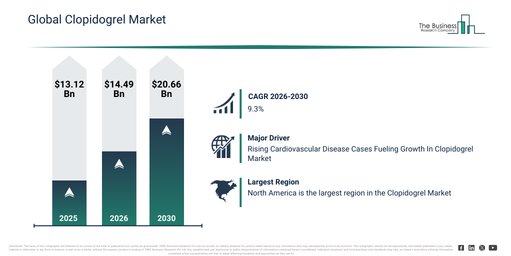
    Clopidogrel Market Expected To Reach $20.66 Billion By 2030 At 9.3% CAGR

    The clopidogrel market experienced substantial expansion, projecting a rise from $13.12 billion in 2025 to $14.49 billion by 2026, fueled by a compound annual growth rate (CAGR) of 10.5%. This upward trajectory in the historical period was significantly influenced by the escalating incidence of cardiovascular ailments, the broad acceptance and implementation of antiplatelet therapy regimens, a steadily increasing elderly demographic, advancements in hospital-based cardiac treatment facilities, and the presence of well-defined clinical directives.

    Anticipate robust expansion within the clopidogrel market over the coming years, with projections indicating a rise to $20.66 billion by 2030, driven by a compound annual growth rate of 9.3%. This projected advancement stems from several key factors, including a heightened emphasis on tailored cardiovascular treatments, a greater prevalence of combined antithrombotic strategies, the broadening availability in developing economies, an escalating commitment to strategies aimed at long-term risk mitigation, and a growing acceptance of digital tools for monitoring treatment adherence. Throughout this forecast period, prominent market dynamics will include a surge in demand for generic antiplatelet options, an increased focus on economically viable cardiovascular interventions, a wider embrace of combination therapy approaches, expanded applications in long-term secondary prevention, and a more concentrated effort on ensuring patient adherence to treatment.

    Download A Free Sample Report For Comprehensive Market Insights:

    https://www.thebusinessresearchcompany.com/sample.aspx?id=16376&type=smp

    Clopidogrel Market Expansion Supported By Key Demand Factors

    The escalating incidence of cardiovascular ailments is poised to stimulate the expansion of the clopidogrel market in the future. These conditions encompass a spectrum of heart-related issues affecting its structure or function, leading to compromised blood flow, irregular heartbeats, or other cardiac complications, attributed to factors such as demographic shifts and an aging populace, lifestyle choices, elevated stress levels, sedentary habits, strains on healthcare systems, and the interplay of genetic and environmental influences. Clopidogrel plays a crucial role in mitigating cardiovascular risks by inhibiting platelet aggregation, thereby diminishing the likelihood of clot formation, proving especially valuable in managing acute coronary syndromes, post-percutaneous coronary intervention care, stroke prevention, and peripheral arterial disease. Illustratively, a projection from the National Center for Biotechnology Information (NCBI) in August 2025 forecasts a substantial rise in cardiovascular prevalence by 90.0%, a 73.4% surge in crude mortality, and a 54.7% increase in crude Disability-Adjusted Life Years (DALYs) between 2025 and 2050, with an anticipated 35.6 million cardiovascular deaths occurring by 2050, up from 20.5 million in 2025, underscoring how the increasing burden of cardiovascular disease is fueling the clopidogrel market’s growth.

    The growing demographic of older adults is anticipated to be a key driver for the clopidogrel market’s advancement. This demographic shift, characterized by a larger proportion of individuals aged 65 and above, stems from enhanced longevity and decreasing birth rates. The heightened demand for clopidogrel within this segment of the population is crucial for the prevention of blood clots and the reduction of risks associated with heart attacks, strokes, and other cardiovascular events, which are more common in older individuals. As an illustration, the UK Parliament’s House of Commons Library reported in July 2024 that individuals aged 65 and over constituted 19% of the UK’s total population in 2022, numbering 12.7 million, and this figure is projected to reach 22.1 million, representing 27% of the population, by 2072, thereby confirming that the expanding elderly population is a significant contributor to the growth trajectory of the clopidogrel market.

    Clopidogrel Market Segment Landscape: Which Areas Lead Market Development?

    The clopidogrel market covered in this report is segmented –

    1) By Type: 25 Milligram (Mg), 75 Milligram (Mg), 300 Milligram (Mg)

    2) By Sales Channel: Direct Sale, Indirect Sale

    3) By Application: Hospitals, Private Clinics, Retail Pharmacies, Online Pharmacies, Other Applications

    4) By End-User: Heart Attack And Strokes, Peripheral Vascular Disease, Coronary Artery Disease, Cerebrovascular Disease, Other End-Users

    Subsegments:

    1) By 25 Milligram (mg) Clopidogrel: Standard 25 Milligram (mg) Tablets, Chewable 25 Milligram (mg) Tablets, Coated 25 Milligram (mg) Tablets, Combination 25 Milligram (mg) Formulations

    2) By 75 Milligram (mg) Clopidogrel: Standard 75 Milligram (mg) Tablets, Chewable 75 Milligram (mg) Tablets, Coated 75 Milligram (mg) Tablets, Combination 75 Milligram (mg) Formulations

    3) By 300 Milligram (mg) Clopidogrel: Standard 300 Milligram (mg) Tablets, Chewable 300 Milligram (mg) Tablets, Coated 300 Milligram (mg) Tablets, Combination 300 Milligram (mg) Formulations

    Clopidogrel Market Industry Leaders And Market Competition

    Major companies operating in the clopidogrel market are Johnson & Johnson, Bayer AG, Sanofi SA, Novartis AG, Bristol-Myers Squibb, Sun Pharmaceutical Industries Ltd, Dr. Reddy’s Laboratories Ltd, Cipla Inc, Torrent Pharmaceuticals GmbH, Lupin Limited, Glenmark Pharmaceuticals, Zydus Cadila Healthcare Ltd, Alkem Laboratories Ltd, Teva Pharmaceutical Industries Ltd, Pfizer Inc, Hetero Drugs Ltd, Wockhardt Ltd, Alembic Pharmaceuticals Ltd, Micro Labs Ltd, Unichem Laboratories Ltd, Jubilant Life Sciences Ltd, CSPC Pharmaceutical Group Ltd, Nanjing Chia-Tai Tianqing Pharmaceutical Co Ltd, Sihuan Pharmaceutical Holdings Group Ltd, Lepu Medical Technology Co Ltd, Gate Pharmaceuticals Ltd, KRKA d.d, Roxane Laboratories Ltd

    Access The Complete Clopidogrel Market Report:

    https://www.thebusinessresearchcompany.com/report/clopidogrel-global-market-report

    Clopidogrel Market Largest Region By Revenue And Market Share

    North Americawas the largest region in the clopidogrel market in 2025. Asia-Pacificis expected to be the fastest-growing region in the forecast period. The regions covered in the clopidogrel market report are Asia-Pacific, South East Asia, Western Europe, Eastern Europe, North America, South America, Middle East, Africa.

    Get in touch with us:

    The Business Research Company: https://www.thebusinessresearchcompany.com/

    Americas: +1 310-496-7795

    Asia: +44 7882 955267 & +91 8897263534

    Europe: +44 7882 955267

    Email us at: marketing@tbrc.info

    Follow us on:

    LinkedIn: https://in.linkedin.com/company/the-business-research-company

    YouTube: https://www.youtube.com/channel/UC24_fI0rV8cR5DxlCpgmyFQ

    Global Market Model: https://www.thebusinessresearchcompany.com/global-market-model
  • Clinical Communication And Collaboration Market Trends Are Creating New Opportunities For Industry Leaders

    Clinical Communication And Collaboration Market Trends Are Creating New Opportunities For Industry Leaders

    Through market attractiveness analysis, total addressable market evaluation, company benchmarking matrices, interactive Excel dashboards, expanded supply chain intelligence, emerging startup coverage, and detailed product insights, The Business Research Company’s 2026 market reports provide more actionable and strategically valuable research.

    #Clinical Communication And Collaboration Market Size And Revenue Forecast Through 2030

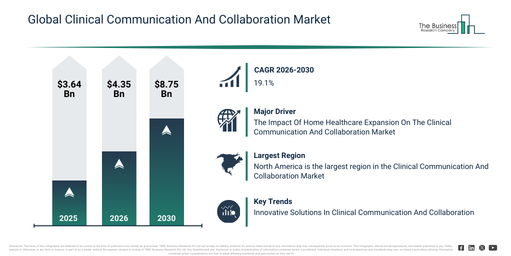
    The market for clinical communication and collaboration has experienced a significant expansion. Projections indicate a rise from $3.64 billion in 2025 to $4.35 billion in 2026, demonstrating a compound annual growth rate of 19.4%. This upward trajectory is fueled by several key factors observed during the historical period, including the increasing integration of digital technologies into hospital communication frameworks, a heightened demand for seamless care coordination among different healthcare departments, the widespread implementation of electronic health records, a greater emphasis on patient safety measures, and the growing utilization of mobile devices by healthcare professionals.

    The market for clinical communication and collaboration is poised for significant expansion, projecting a reach of $8.75 billion by 2030, fueled by a robust compound annual growth rate of 19.1%. This upward trajectory in the forecasted period is propelled by several key factors: escalating investments in connected healthcare infrastructure, a heightened need for immediate clinical collaboration, the expanding utilization of cloud-based healthcare solutions, the proliferation of telehealth and virtual care services, and a heightened emphasis on ensuring interoperability among diverse clinical systems. Key developments anticipated within this timeframe encompass a greater uptake of secure messaging platforms, increased implementation of mobile tools for clinical communication, the growing integration of real-time location services, the broader adoption of unified communication systems within hospital settings, and a strengthened focus on tools designed for workflow automation.

    Download A Free Sample Report For Comprehensive Market Insights:

    https://www.thebusinessresearchcompany.com/sample.aspx?id=19372&type=smp

    #Clinical Communication And Collaboration Market Growth Drivers And Industry Catalysts

    The increasing trend of receiving medical services at home is poised to be a significant catalyst for the expansion of the clinical communication and collaboration market. Home healthcare, which involves delivering a variety of medical treatments—such as chronic condition management, recovery therapies, intravenous treatments, and tailored care strategies—within a patient’s residence, offers a comfortable and economically viable alternative to traditional hospital settings. This move towards in-home care is largely a consequence of medical technology’s progress, an increasing elderly demographic, a desire for individualized and convenient treatment options, the inherent cost efficiencies over inpatient hospital care, and enhancements in remote patient monitoring and telemedicine capabilities. Effective clinical communication and collaboration are instrumental in bolstering home healthcare operations by facilitating smooth coordination among medical professionals and ensuring that patients receive prompt and efficient care management within their own homes. Illustrating this, data from the Bureau of Labor Statistics, a US government entity, indicated in April 2024 that roughly 12 million individuals across the United States benefit from home healthcare services each year, with a substantial 86% of these individuals being 65 years of age or older. Consequently, the growing reliance on home healthcare directly fuels the growth trajectory of the clinical communication and collaboration market.

    Clinical Communication And Collaboration Market Segments: Where Are The Largest Growth Opportunities?

    The clinical communication and collaboration market covered in this report is segmented –

    1) By Component: Solution, Services

    2) By Deployment: Hosted, On-Premise

    3) By End User: Hospitals, Clinical Labs, Physicians, Other End Users

    Subsegments:

    1) By Solution: Mobile Communication Solutions, Secure Messaging Platforms, Real-Time Location Services (RTLS), Video Conferencing Solutions, Unified Communication Systems, Patient Engagement Solutions, Clinical Workflow Automation Tools

    2) By Services: Implementation And Integration Services, Consulting Services For Clinical Communication, Managed Services For Communication Systems, Support And Maintenance Services, Training And Education Services

    #Clinical Communication And Collaboration Market Trends Influencing Long-Term Demand

    Leading entities within the clinical communication and collaboration sector are actively engaged in the creation of pioneering tools, including specialized language and communication platforms, aimed at bolstering remote patient oversight and virtual medical consultations while simultaneously fortifying data protection and user privacy. These sophisticated platforms incorporate cutting-edge functionalities such as secure messaging, immediate status notifications, and effortless integration with electronic health records (EHRs) to foster improved teamwork among medical professionals. For example, Canopy Innovations Inc., a digital health enterprise situated in the United States, introduced CanopySpeak in February 2024. This innovative language and communication solution is designed to streamline interactions between healthcare practitioners and patients who face language barriers. CanopySpeak facilitates instant, multi-language conversations between providers and patients, thereby promoting more efficient and effective healthcare services. By employing sophisticated language translation mechanisms, this application effectively overcomes communication obstacles and guarantees the precise transmission of vital information, even within demanding clinical environments.

    Clinical Communication And Collaboration Market Major Participants And Competitive Dynamics

    Major companies operating in the clinical communication and collaboration market are Microsoft Corporation, Cisco Systems Inc., Oracle Corporation, NEC Corporation, Siemens Healthineers AG, Koninklijke Philips N.V., Zebra Technologies Corporation, Epic Systems Corporation, Hill-Rom Holdings Inc., Avaya Holdings Corp., Nuance Communications Inc., BlackBerry Limited, Everbridge Inc., Ascom Holding AG, Jive Software Inc., Spok Holdings Inc., Orion Health Group Limited, G2 Inc., TeleTracking Technologies Inc., PerfectServe Inc., NantHealth Inc., Mobile Heartbeat Inc.

    Access The Complete Clinical Communication And Collaboration Market Report:

    https://www.thebusinessresearchcompany.com/report/clinical communication-and-collaboration-global-market-report

    Clinical Communication And Collaboration Market Regional Analysis And Leading Geography

    North Americawas the largest region in the clinical communication and collaboration market in 2025. Asia-Pacificis expected to be the fastest-growing region in the forecast period. The regions covered in the clinical communication and collaboration market report are Asia-Pacific, South East Asia, Western Europe, Eastern Europe, North America, South America, Middle East, Africa.

    Get in touch with us:

    The Business Research Company: https://www.thebusinessresearchcompany.com/

    Americas: +1 310-496-7795

    Asia: +44 7882 955267 & +91 8897263534

    Europe: +44 7882 955267

    Email us at: marketing@tbrc.info

    Follow us on:

    LinkedIn: https://in.linkedin.com/company/the-business-research-company

    YouTube: https://www.youtube.com/channel/UC24_fI0rV8cR5DxlCpgmyFQ

    Global Market Model: https://www.thebusinessresearchcompany.com/global-market-model