Blog

  • Image Guided And Robotic Assisted Procedures Market Insights Exploring Expansion Opportunities Through 2030

    Image Guided And Robotic Assisted Procedures Market Insights Exploring Expansion Opportunities Through 2030

    The Business Research Company’s 2026 market reports feature enhanced tools like market attractiveness analysis, TAM assessment, and company scoring matrices, along with interactive dashboards, deeper supply chain insights, and startup coverage strengthening the depth, usability, and strategic value of insights.

    What Market Size Is Forecasted For The Image Guided And Robotic Assisted Procedures Market By 2030 Based On Its 2026 Value?

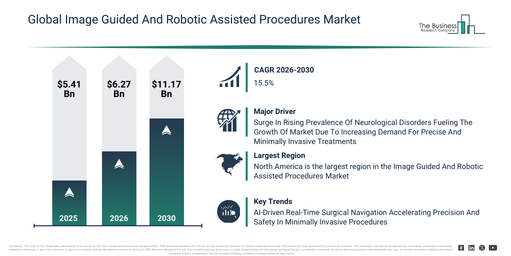
    The image guided and robotic assisted procedures market has seen substantial growth recently. It is projected to increase from $5.41 billion in 2025 to $6.27 billion in 2026, achieving a compound annual growth rate (CAGR) of 15.9%. This historical growth can be attributed to advancements in medical imaging technologies, a growing surgeon preference for minimally invasive procedures, the early adoption of robotic surgery systems in tertiary hospitals, improved patient outcomes and reduced recovery time, and the rising incidence of complex surgical conditions.

    The market for image guided and robotic assisted procedures is projected to experience swift expansion in the coming years. This market is anticipated to reach $11.17 billion by 2030, exhibiting a compound annual growth rate (CAGR) of 15.5%. Several factors will drive this growth during the forecast period, including swift advancements in surgical robotics, rising capital expenditure in intelligent operating room environments, wider acceptance in outpatient and ambulatory care facilities, the incorporation of AI-powered surgical decision support systems, and the broadening of training initiatives for robotic assistance in surgery. Key developments expected during this period involve the increasing uptake of minimally invasive robotic surgical techniques, enhanced fusion of real-time imaging with surgical navigation tools, a heightened need for exactness and accuracy in intricate medical operations, the spread of robot-assisted interventions across various medical fields, and an uptick in the utilization of simulation-based methods for surgical training.

    Download A Free Sample Report For Comprehensive Market Insights:

    https://www.thebusinessresearchcompany.com/sample.aspx?id=23426&type=smp

    Which Growth Drivers Are Expected To Support The Image Guided And Robotic Assisted Procedures Market Forward?

    The increasing occurrence of neurological conditions is anticipated to drive expansion in the image-guided and robotic-assisted procedures market in the future. These conditions encompass medical issues impacting the nervous system, specifically the brain, spinal cord, and nerves, resulting in hindered movement, cognitive abilities, and various bodily functions. Key factors contributing to their rising prevalence are lifestyle adjustments like inadequate diet, lack of physical activity, and persistent stress, which adversely affect brain health and functionality. Image-guided and robotic-assisted procedures improve neurological treatment by enhancing surgical accuracy, decreasing invasiveness, and shortening recovery periods, thereby becoming vital for managing intricate cases. For example, Dementia Australia, a non-profit organization in Australia, indicated in February 2024 that the country’s dementia prevalence is projected to climb by 93% by 2054, with 812,500 individuals anticipated to have dementia, an increase from 421,000 in 2024. Consequently, the growing incidence of neurological disorders is fueling the expansion of the image-guided and robotic-assisted procedures market.

    What Key Segment Areas Are Included In The Image Guided And Robotic Assisted Procedures Market Assessment?

    The image guided and robotic assisted procedures market covered in this report is segmented –

    1) By Product Type: MRI Guided Robot, X-Ray Computed Tomography Guided Robot, X-Ray Mammography Guided Robot, Optical Imaging Guided Robot, Ultrasound Imaging Guided Robot

    2) By Technology: Image-Guided Surgery, Robotic-Assisted Surgery, Augmented Reality (AR) Surgery, Virtual Reality (VR) Simulation

    3) By Specialty: Orthopedic Surgery, Neurology, Urology, Gynecology, Cardiothoracic Surgery

    4) By Application: Diagnostic Applications, Minimally Invasive Procedures

    5) By End User: Hospitals, Outpatient Facilities

    Subsegments:

    1) By MRI Guided Robot: Neurosurgery Robots, Prostate Biopsy Robots, Cardiac Catheterization Robots, Tumor Ablation Systems

    2) By X-Ray Computed Tomography (CT) Guided Robot: Interventional Radiology Robots, Spine Surgery Assistance Systems, Biopsy And Ablation Robots, Orthopedic Robotic Systems

    3) By X-Ray Mammography Guided Robot: Breast Biopsy Assistance Robots, Lesion Localization Systems, Automated Breast Imaging Robots

    4) By Optical Imaging Guided Robot: Robotic Endoscopy Systems, Robotic Fluorescence-Guided Surgery Tools, Ophthalmic Surgical Robots, Robotic Systems For Dental Imaging

    5) By Ultrasound Imaging Guided Robot: Robotic-Assisted Fetal Procedures, Liver And Kidney Biopsy Robots, Robotic Prostate Interventions, Needle Guidance Systems

    Which Trends Are Shaping The Image Guided And Robotic Assisted Procedures Market Landscape?

    Major companies within the image guided & robotic assisted procedures market are emphasizing real-time navigation, utilizing AI and computer vision techniques like light field surgical guidance, to achieve a competitive advantage. This real-time AI and computer-vision navigation processes live images to understand the environment, offering immediate directional guidance or actions. For example, in November 2024, Globus Medical, a US-based musculoskeletal-device company, introduced its ExcelsiusHub navigation platform, designed to improve surgical precision and safety. This system provides surgeons with three adaptable workflow options: automatic 3D registration, CT–fluoroscopy image merging, and 2D intraoperative navigation, allowing greater flexibility during complex procedures. It also incorporates real-time patient array monitoring to maintain accuracy throughout the surgery. Additionally, the platform features tissue-sparing drills that help minimize anatomical disruption and lower procedural risks. By reducing the need for continuous X-ray imaging, ExcelsiusHub fosters a safer operating environment for both surgeons and patients, while simultaneously enhancing efficiency and overall clinical outcomes.

    Which Organizations Are Involved In The Image Guided And Robotic Assisted Procedures Market?

    Major companies operating in the image guided and robotic assisted procedures market are Intuitive Surgical Inc., Medtronic plc, Johnson & Johnson, Stryker Corporation, Zimmer Biomet Holdings Inc., GE Healthcare, Siemens Healthineers AG, Koninklijke Philips N.V., Boston Scientific Corporation, Asensus Surgical Inc., Brainlab AG, Carl Zeiss Meditec AG, Karl Storz SE & Co. KG, Globus Medical Inc., Renishaw plc, Synaptive Medical Inc., MicroPort Scientific Corporation, CMR Surgical Ltd., THINK Surgical Inc., Auris Health Inc.

    Access The Complete Image Guided And Robotic Assisted Procedures Market Report:

    https://www.thebusinessresearchcompany.com/report/image-guided-and-robotic-assisted-procedures-global-market-report

    Which Region Has The Strongest Presence In The Image Guided And Robotic Assisted Procedures Market?

    North America was the largest region in the image-guided and robot-assisted surgical procedures market in 2025. Asia-Pacific is expected to be the fastest-growing region in the forecast period. The regions covered in the image guided and robotic assisted procedures market report are Asia-Pacific, South East Asia, Western Europe, Eastern Europe, North America, South America, Middle East, Africa.

    Access Image Guided And Robotic Assisted Procedures Market Report for Deeper Competitive Insights

    https://www.thebusinessresearchcompany.com/customise?id=23426&type=smp

    Browse Through More Reports Similar to the Global Image Guided And Robotic Assisted Procedures Market 2026, By The Business Research Company

    Vision Guided Robotics Software Global Market Report 2026

    https://www.thebusinessresearchcompany.com/report/vision-guided-robotics-software-global-market-report

    Automated Guided Vehicle Global Market Report 2026

    https://www.thebusinessresearchcompany.com/report/automated-guided-vehicle-global-market-report

    Automated Guided Vehicle Global Market Report 2026

    https://www.thebusinessresearchcompany.com/report/automated-guided-vehicle-global-market-report

    Get in touch with us:

    The Business Research Company: https://www.thebusinessresearchcompany.com/

    Americas: +1 310-496-7795

    Asia: +44 7882 955267 & +91 8897263534

    Europe: +44 7882 955267

    Email us at: marketing@tbrc.info

    Follow us on:

    LinkedIn: https://in.linkedin.com/company/the-business-research-company

    YouTube: https://www.youtube.com/channel/UC24_fI0rV8cR5DxlCpgmyFQ

    Global Market Model: https://www.thebusinessresearchcompany.com/global-market-model
  • Idiopathic Pulmonary Fibrosis Market Developments Influencing Industry Expansion Through 2030

    Idiopathic Pulmonary Fibrosis Market Developments Influencing Industry Expansion Through 2030

    The Business Research Company’s 2026 market reports feature enhanced tools like market attractiveness analysis, TAM assessment, and company scoring matrices, along with interactive dashboards, deeper supply chain insights, and startup coverage strengthening the depth, usability, and strategic value of insights.

    How Is The Market Value Of The Idiopathic Pulmonary Fibrosis Market Projected To Expand During 2026–2030?

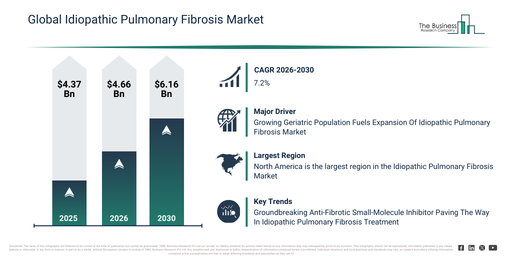
    The idiopathic pulmonary fibrosis market size has experienced robust growth in recent years. Projections indicate an expansion from $4.37 billion in 2025 to $4.66 billion in 2026, demonstrating a compound annual growth rate (CAGR) of 6.7%. Historically, this growth can be ascribed to factors such as the restricted availability of treatment options for fibrotic lung conditions, an increasing elderly demographic, enhanced clinical diagnosis of IPF, the introduction of nintedanib and pirfenidone, and a rise in hospital-based care for persistent lung ailments.

    The idiopathic pulmonary fibrosis market is projected for robust expansion over the coming years, with its size anticipated to reach $6.16 billion by 2030, exhibiting a compound annual growth rate (CAGR) of 7.2%. This anticipated growth during the forecast period stems from factors such as increased research funding for pulmonary fibrosis, the emergence of advanced antifibrotic medications, a greater reliance on real-world evidence for treatment choices, the broadening reach of online and specialized pharmacy outlets, and heightened public understanding of uncommon respiratory conditions. Key trends expected within this period involve the wider acceptance of antifibrotic treatments, an intensified emphasis on prompt and precise diagnosis, the escalating use of combined drug regimens, the growth of at-home and sustained disease management programs, and enhanced involvement in clinical trials for innovative treatments.

    Download A Free Sample Report For Comprehensive Market Insights:

    https://www.thebusinessresearchcompany.com/sample.aspx?id=12579&type=smp

    What Influential Factors Are Boosting The Idiopathic Pulmonary Fibrosis Market Demand?

    The idiopathic pulmonary fibrosis market is anticipated to experience enhanced growth driven by the increasing geriatric population, which comprises elderly or senior citizens within society. As aging leads to structural and functional alterations in the lungs, older individuals become more prone to respiratory ailments like IPF, thereby contributing to the overall demand for IPF treatments. For instance, in January 2024, the US-based non-profit organization, Population Reference Bureau, indicated that the number of Americans aged 65 and older is expected to increase from 58 million in 2022 to 82 million by 2050, marking a 47% rise. This expansion will see this age group’s share of the total U.S. population grow from 17% to 23% over the specified period. Thus, the escalating geriatric population is fueling the growth of the idiopathic pulmonary fibrosis market.

    How Is Segment Classification Applied In The Idiopathic Pulmonary Fibrosis Market?

    The idiopathic pulmonary fibrosis market covered in this report is segmented –

    1) By Drug Type: Nintedanib, Pirfenidone, Other Drug Types

    2) By Mode Of Action: Antifibrotic Agents, Tyrosine Kinase Inhibitors, Other Modes Of Action

    3) By Route Of Administration: Oral, Parenteral

    4) By Distribution Channel: Hospital Pharmacies, Retail Pharmacies, Online Providers

    5) By End Users: Hospitals And Clinics, Other End Users

    Subsegments:

    1) By Nintedanib: Indications, Dosage Forms, Administration Routes

    2) By Pirfenidone: Indications, Dosage Forms, Administration Routes

    3) By Other Drug Types: Specific Agents Or Classes, Emerging Therapies, Combination Therapies

    What Trends Are Influencing The Idiopathic Pulmonary Fibrosis Market Outlook?

    Leading companies within the idiopathic pulmonary fibrosis (IPF) market are prioritizing the development of novel products, particularly anti-fibrotic small-molecule inhibitors, to maintain their competitive standing. These inhibitors are a class of pharmaceutical compounds engineered to target and suppress fibrotic processes in the human body. As an illustration, in June 2023, Insilico Medicine, a US-based clinical-stage biotechnology firm leveraging generative artificial intelligence (AI), revealed the commencement of Phase II clinical trials for INS018_055. This compound is notable as the world’s first anti-fibrotic small molecule inhibitor conceived using generative AI. This significant event involved the initial administration of the drug to patients participating in the trial, which is a randomized, double-blind, placebo-controlled investigation designed to assess the safety, tolerability, pharmacokinetics, and initial effectiveness of a 12-week oral dosage of INS018_055 in individuals with idiopathic pulmonary fibrosis (IPF). This inventive method harnesses AI in the process of drug discovery, signaling a prospective leap forward in addressing idiopathic pulmonary fibrosis (IPF) conditions.

    Who Are The Firms Contributing To The Idiopathic Pulmonary Fibrosis Market Ecosystem?

    Major companies operating in the idiopathic pulmonary fibrosis market are F. Hoffmann-La Roche Ltd., Merck & Co. Inc., Novartis AG, Bristol-Myers Squibb Company, AstraZeneca PLC, Sanofi S.A., Gilead Sciences Inc., Toray Industries Inc., Boehringer Ingelheim International GmbH, Viatris Inc., Sun Pharmaceutical Industries Limited, Shionogi and Co. Ltd., Cipla Inc., Zydus Lifesciences Ltd., Chong Kun Dang Pharmaceutical Corp., Kyorin Pharmaceutical Co. Ltd., Galapagos NV, Veracyte Inc., Genentech Inc., FibroGen Inc., GNI Group Ltd., Pliant Therapeutics Inc., Pulmatrix Inc., Galimedix Therapeutics Inc., Avalyn Pharma Inc., MediciNova Inc., Liminal BioSciences Inc., Beijing Continent Pharmaceuticals Company, Galecto Inc.

    Access The Complete Idiopathic Pulmonary Fibrosis Market Report:

    https://www.thebusinessresearchcompany.com/report/idiopathic-pulmonary-fibrosis-global-market-report

    Which Region Stands As The Largest Contributor To The Idiopathic Pulmonary Fibrosis Market?

    North America was the largest region in the idiopathic pulmonary fibrosis market in 2025. Asia Pacific is expected to be the fastest-growing region in the forecast period. The regions covered in the idiopathic pulmonary fibrosis market report are Asia-Pacific, South East Asia, Western Europe, Eastern Europe, North America, South America, Middle East, Africa.

    Access Idiopathic Pulmonary Fibrosis Market Report for Deeper Competitive Insights

    https://www.thebusinessresearchcompany.com/customise?id=12579&type=smp

    Browse Through More Reports Similar to the Global Idiopathic Pulmonary Fibrosis Market 2026, By The Business Research Company

    Non Cystic Fibrosis Bronchiectasis Global Market Report 2026

    https://www.thebusinessresearchcompany.com/report/non-cystic-fibrosis-bronchiectasis-global-market-report

    Interstitial Lung Disease Global Market Report 2026

    https://www.thebusinessresearchcompany.com/report/interstitial-lung-disease-global-market-report

    Cystic Fibrosis Cf Therapeutics Global Market Report 2026

    https://www.thebusinessresearchcompany.com/report/cystic-fibrosis-cf-therapeutics-global-market-report

    Get in touch with us:

    The Business Research Company: https://www.thebusinessresearchcompany.com/

    Americas: +1 310-496-7795

    Asia: +44 7882 955267 & +91 8897263534

    Europe: +44 7882 955267

    Email us at: marketing@tbrc.info

    Follow us on:

    LinkedIn: https://in.linkedin.com/company/the-business-research-company

    YouTube: https://www.youtube.com/channel/UC24_fI0rV8cR5DxlCpgmyFQ

    Global Market Model: https://www.thebusinessresearchcompany.com/global-market-model
  • Idiopathic Intracranial Hypertension Treatment Market Size Forecast To Achieve $2 Billion By 2030 With 6.3% CAGR

    Idiopathic Intracranial Hypertension Treatment Market Size Forecast To Achieve $2 Billion By 2030 With 6.3% CAGR

    The Business Research Company’s 2026 market reports feature enhanced tools like market attractiveness analysis, TAM assessment, and company scoring matrices, along with interactive dashboards, deeper supply chain insights, and startup coverage strengthening the depth, usability, and strategic value of insights.

    What Are The Forecasted Market Size Figures For The Idiopathic Intracranial Hypertension Treatment Market In 2026 And 2030?

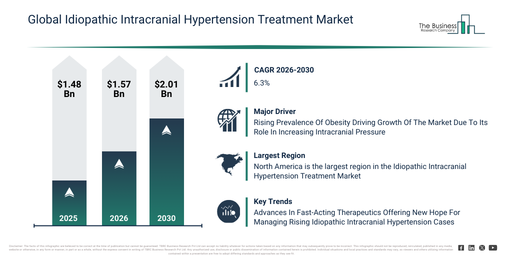
    The idiopathic intracranial hypertension treatment market has experienced robust expansion over recent years. This market is projected to expand from $1.48 billion in 2025 to $1.57 billion in 2026, demonstrating a compound annual growth rate (CAGR) of 6.5%. Historically, this growth can be attributed to several factors, including an increase in obesity-related neurological disorders, enhanced availability of neuroimaging techniques, greater awareness of vision-related complications, the prevalence of hospital-based management for severe cases, and the established application of acetazolamide therapy.

    The idiopathic intracranial hypertension treatment market size is projected to experience robust expansion over the coming years, set to reach $2.01 billion by 2030, exhibiting a compound annual growth rate (CAGR) of 6.3%. This anticipated growth can be attributed to the escalating global prevalence of obesity, continuous advancements in minimally invasive neurosurgical techniques, the proliferation of specialized neurology clinics, an intensified emphasis on early screening and diagnosis, and the emergence of innovative therapeutic strategies. Key trends during this period encompass the increasing application of pharmacological management as initial treatment, a heightened focus on prompt diagnosis to avert vision impairment, the growing acceptance of minimally invasive surgical options, the broadening of multidisciplinary care approaches for IIH management, and a stronger emphasis on programs for lifestyle and weight control.

    Download A Free Sample Report For Comprehensive Market Insights:

    https://www.thebusinessresearchcompany.com/sample.aspx?id=23425&type=smp

    Which Drivers Are Advancing The Idiopathic Intracranial Hypertension Treatment Market Growth?

    The expanding occurrence of obesity is projected to boost the idiopathic intracranial hypertension treatment market in the coming years. Obesity is defined as a medical state where an individual carries an unhealthy amount of body fat. The rise in obesity can be attributed to increasingly inactive ways of life alongside a heightened intake of high-calorie processed foods. This condition elevates intracranial pressure by encouraging overproduction of cerebrospinal fluid and hindering its absorption, thereby contributing to idiopathic intracranial hypertension. As an illustration, in 2024, a report from the Office for Health Improvement and Disparities, a UK-based government department responsible for maintaining public health policies, indicated that between 2022 and 2023, 64.0% of adults aged 18 and over in England were deemed overweight or living with obesity. Consequently, the rising rate of obesity is fueling the expansion of the idiopathic intracranial hypertension treatment market.

    What Are The Core Segment Classifications In The Idiopathic Intracranial Hypertension Treatment Market?

    The idiopathic intracranial hypertension treatment market covered in this report is segmented –

    1) By Treatment Type: Medications, Surgeries, Therapies

    2) By Treatment Administration: Oral Administration, Intrathecal Administration

    3) By Diagnostic Type: Neuroimaging, Lumbar Puncture, Visual Field Tests

    4) By End User: Hospitals, Specialty Clinics, Ambulatory Surgical Centres

    Subsegments:

    1) By Medications: Diuretics, Corticosteroids, Acetazolamide

    2) By Surgeries: Shunt Surgery, Optic Nerve Sheath Fenestration, Stenting

    3) By Therapies: Weight Management Programs, Lifestyle Modifications, Physical Therapy

    Which Trends Are Expected To Shape The Idiopathic Intracranial Hypertension Treatment Market?

    Key players within the idiopathic intracranial hypertension treatment market are prioritizing the creation of innovative, rapid-acting treatments designed to effectively lower intracranial pressure and enhance headache management, a trend bolstered by evolving clinical data, such as the encouraging phase two results for exenatide. An illustrative example is that in March 2023, researchers at the University of Birmingham (UK), a UK-based institute, revealed positive phase two trial findings suggesting exenatide, an injectable GLP-1 receptor agonist already used for type 2 diabetes, as a promising therapeutic option for idiopathic intracranial hypertension (IIH). This investigation, spearheaded by University of Birmingham neurologists, demonstrated that individuals treated with exenatide experienced a notable decrease in brain pressure in a matter of hours, with sustained benefits observed over 12 weeks. Furthermore, participants also indicated nearly eight fewer headache days per month compared with minimal changes in the placebo group. Given the increasing incidence of IIH correlating with global obesity trends, these encouraging findings represent a crucial stride towards developing a critically required approved treatment for a disorder capable of inducing intense headaches and impaired vision.

    Which Key Players Are Active In The Idiopathic Intracranial Hypertension Treatment Market?

    Major companies operating in the idiopathic intracranial hypertension treatment market are Siemens AG, Medtronic plc, Becton Dickinson and Company, Philips Healthcare, GE HealthCare Technologies Inc., Teva Pharmaceuticals, Boston Scientific Corporation, Henry Schein, Sun Pharmaceutical Industries, Zydus LifeSciences, Topcon Corporation, Natus Medical Incorporated, Canon Medical Systems Corporation, Carl Zeiss Meditec AG, Optopol Technology, Strides Pharma, NIDEK Co., Haag-Streit AG, Invex Therapeutics, Metrovision

    Access The Complete Idiopathic Intracranial Hypertension Treatment Market Report:

    https://www.thebusinessresearchcompany.com/report/idiopathic-intracranial-hypertension-treatment-global-market-report

    What Is The Largest Regional Market In The Idiopathic Intracranial Hypertension Treatment Market?

    North America was the largest region in the idiopathic intracranial hypertension treatment market in 2025. Asia-Pacific is expected to be the fastest-growing region in the forecast period. The regions covered in the idiopathic intracranial hypertension treatment market report are Asia-Pacific, South East Asia, Western Europe, Eastern Europe, North America, South America, Middle East, Africa.

    Access Idiopathic Intracranial Hypertension Treatment Market Report for Deeper Competitive Insights

    https://www.thebusinessresearchcompany.com/customise?id=23425&type=smp

    Browse Through More Reports Similar to the Global Idiopathic Intracranial Hypertension Treatment Market 2026, By The Business Research Company

    Anti Hypertensive Drugs Global Market Report 2026

    https://www.thebusinessresearchcompany.com/report/anti-hypertensive-drugs-global-market-report

    Intracranial Pressure Icp Monitoring Devices Global Market Report 2026

    https://www.thebusinessresearchcompany.com/report/intracranial-pressure-icp-monitoring-devices-global-market-report

    Cerebral Palsy Treatment Global Market Report 2026

    https://www.thebusinessresearchcompany.com/report/cerebral-palsy-treatment-global-market-report

    Get in touch with us:

    The Business Research Company: https://www.thebusinessresearchcompany.com/

    Americas: +1 310-496-7795

    Asia: +44 7882 955267 & +91 8897263534

    Europe: +44 7882 955267

    Email us at: marketing@tbrc.info

    Follow us on:

    LinkedIn: https://in.linkedin.com/company/the-business-research-company

    YouTube: https://www.youtube.com/channel/UC24_fI0rV8cR5DxlCpgmyFQ

    Global Market Model: https://www.thebusinessresearchcompany.com/global-market-model
  • ICU Beds Market Forecast Covering Industry Demand And Market Evolution

    ICU Beds Market Forecast Covering Industry Demand And Market Evolution

    The Business Research Company’s 2026 market reports feature enhanced tools like market attractiveness analysis, TAM assessment, and company scoring matrices, along with interactive dashboards, deeper supply chain insights, and startup coverage strengthening the depth, usability, and strategic value of insights.

    How Much Larger Will The ICU Beds Market Become By 2030 Compared To 2026?

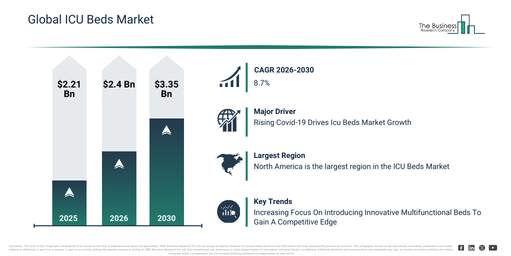
    The icu beds market has experienced substantial expansion recently. This market is projected to expand from $2.21 billion in 2025 to reach $2.4 billion by 2026, exhibiting a compound annual growth rate (CAGR) of 8.7%. Historically, this growth has been driven by factors such as a greater occurrence of critical illnesses and trauma, advancements in hospital infrastructure, higher expenditures on healthcare, an aging demographic requiring more ICU admissions, and insights gained from the pandemic’s impact on ICU demand.

    The icu beds market is projected to experience significant growth in the coming years. Its valuation is expected to reach $3.35 billion by 2030, demonstrating a compound annual growth rate (CAGR) of 8.7%. This expansion during the forecast period is attributed to the proliferation of smart hospital initiatives, the increasing adoption of connected medical devices, rising investments in critical care capacity, a growing demand for neonatal and pediatric ICU facilities, and an emphasis on sustainability and energy-efficient hospital equipment. Key trends for the period include the increasing integration of smart and connected ICU beds, a rising demand for electrically adjustable and bariatric ICU beds, a heightened focus on patient safety and ergonomic bed design, the expansion of ICU infrastructure in emerging economies, and a stronger preference for modular and flexible ICU bed configurations.

    Download A Free Sample Report For Comprehensive Market Insights:

    https://www.thebusinessresearchcompany.com/sample.aspx?id=2882&type=smp

    What Primary Factors Are Fueling The Expansion Of The ICU Beds Market?

    The market for ICU beds is undergoing rapid expansion. The global rise in COVID-19 cases is compelling governments in both developing and developed nations to enhance their intensive care capabilities. Public health systems are allocating funds to acquire necessary hospital infrastructure, with ICU beds representing a critical requirement. The increasing number of hospitals is projected to fuel the expansion of the ICU beds market. Hospitals serve as healthcare institutions staffed by medical experts and equipped with resources to deliver a broad spectrum of medical services, including diagnostics, treatment, surgery, and emergency care, to individuals with diverse health conditions. Within hospitals, ICU beds are essential for delivering critical care to patients with severe illnesses or injuries, providing advanced monitoring, life support, and specialized medical attention to improve recovery and survival rates. For example, data from May 2023, reported by the American Hospital Association, a US-based professional organization, indicated that the United States had 6,129 hospitals, marking a 0.591% increase from the 6,093 hospitals recorded in the preceding year. Consequently, the growing prevalence of hospitals is a key factor driving the growth of the ICU beds market.

    How Is The ICU Beds Market Structured Across Different Market Segments?

    The icu beds market covered in this report is segmented –

    1) By Type: Electric Beds, Semi-Electric Beds

    2) By Application: Pediatric Intensive Care Unit, Neonatal Intensive Care Unit, Cardiac Intensive Care Unit, Neurological Intensive Care Unit, Trauma Intensive Care Unit, Surgical Intensive Care Unit

    3) By End Use: General And Acute Care Hospitals, Specialized Hospitals, Multi-Specialty Hospitals

    Subsegments:

    1) By Electric Beds: Full Electric ICU Beds, Bariatric Electric ICU Beds

    2) By Semi-Electric Beds: Manual Head/Foot Control ICU Beds, Electric Height Adjustment ICU Beds

    What Trends Are Affecting The ICU Beds Market Dynamics?

    Major companies operating in the ICU beds market are intensifying their efforts to introduce multifunctional ICU beds, such as the Hillrom Progressa+, to achieve a competitive advantage. The Hillrom Progressa+ bed for the ICU is a next-generation solution, offering new technology and features to simplify patient care for nurses and support patient recovery. For instance, in June 2023, Baxter International Inc., a US-based healthcare company, launched the Hillrom Progressa+ bed for the ICU. This Progressa+ bed incorporates technologies designed to support pulmonary needs, protect skin, and facilitate early mobility protocols. It provides in-bed percussion, vibration, and continual lateral rotation therapies aimed at reducing pulmonary complications associated with immobility. The bed also offers flexible frame options for safe and easy patient movement, including one-button FullChair positioning with chair egress and an integrated 3-mode bed exit alarm to detect movement and help ensure patient safety while in bed.

    Who Are The Leading Firms Participating In The ICU Beds Market?

    Major companies operating in the icu beds market are Stryker Corporation, Hill-Rom Holdings Inc., Getinge AB, Invacare Corporation, Paramount Bed Holdings Co. Ltd., Joerns Healthcare LLC, LINET Group SE, Stiegelmeyer GmbH & Co. KG, Hebei Pukang Medical Instruments Co. Ltd., Malvestio SpA, Umano Medical Inc., Favero Health Projects Ltd., Graham-Field Health Products Inc., Drive Medical Limited, Medline Industries Inc., Merivaara Corp, Span-America Medical Systems Inc., Savion Industries Ltd., Nitrocare Medical Bed, Haelvoet NV, Nexus Medical LLC, Proma Reha Ltd., Jiangsu Saikang Medical Equipment Co. Ltd., Zhangjiagang Medi Medical Equipment Co. Ltd., Novum Medical Products Inc., Integrity Medical Solutions Inc., Missaglia SpA, Besco Medical Limited

    Access The Complete ICU Beds Market Report:

    https://www.thebusinessresearchcompany.com/report/icu-beds-global-market-report

    Which Region Contributes The Most To The ICU Beds Market?

    North America was the largest region in the ICU beds market in 2025. Western Europe was the second largest region in the ICU beds market. The regions covered in the icu beds market report are Asia-Pacific, South East Asia, Western Europe, Eastern Europe, North America, South America, Middle East, Africa.

    Access ICU Beds Market Report for Deeper Competitive Insights

    https://www.thebusinessresearchcompany.com/customise?id=2882&type=smp

    Browse Through More Reports Similar to the Global ICU Beds Market 2026, By The Business Research Company

    Hospital Beds Global Market Report 2026

    https://www.thebusinessresearchcompany.com/report/hospital-beds-global-market-report

    Medical Bed Global Market Report 2026

    https://www.thebusinessresearchcompany.com/report/medical-bed-global-market-report

    Hospital Bed Management Systems Global Market Report 2026

    https://www.thebusinessresearchcompany.com/report/hospital-bed-management-systems-global-market-report

    Get in touch with us:

    The Business Research Company: https://www.thebusinessresearchcompany.com/

    Americas: +1 310-496-7795

    Asia: +44 7882 955267 & +91 8897263534

    Europe: +44 7882 955267

    Email us at: marketing@tbrc.info

    Follow us on:

    LinkedIn: https://in.linkedin.com/company/the-business-research-company

    YouTube: https://www.youtube.com/channel/UC24_fI0rV8cR5DxlCpgmyFQ

    Global Market Model: https://www.thebusinessresearchcompany.com/global-market-model
  • Hysteroscopy Procedures Market Trends And Growth Outlook Across The 2026–2030 Forecast Period

    Hysteroscopy Procedures Market Trends And Growth Outlook Across The 2026–2030 Forecast Period

    The Business Research Company’s 2026 market reports feature enhanced tools like market attractiveness analysis, TAM assessment, and company scoring matrices, along with interactive dashboards, deeper supply chain insights, and startup coverage strengthening the depth, usability, and strategic value of insights.

    What Growth In Market Value Is Anticipated For The Hysteroscopy Procedures Market Between 2026 And 2030?

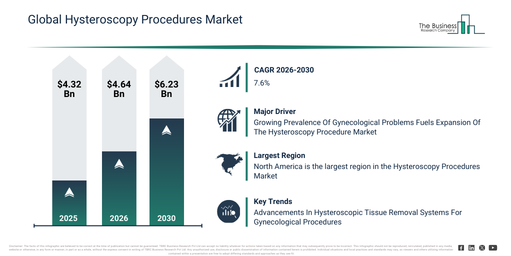
    The hysteroscopy procedures market has experienced substantial expansion in recent years. It is anticipated to increase from $4.32 billion in 2025 to $4.64 billion in 2026, exhibiting a compound annual growth rate (CAGR) of 7.4%. Historically, this market expansion has been driven by the rising prevalence of abnormal uterine bleeding, greater awareness of minimally invasive diagnostics, enhanced access to gynecological care, an increase in hospital-based surgical procedures, and advancements in optical and imaging technologies.

    The hysteroscopy procedures market size is projected to experience substantial expansion in the coming years. This market is anticipated to reach a valuation of $6.23 billion by 2030, exhibiting a compound annual growth rate (CAGR) of 7.6%. Several factors will fuel this growth during the forecast period, including an increased demand for fertility evaluation procedures, the proliferation of ambulatory surgery centers, a growing inclination towards outpatient diagnostics, advancements in flexible hysteroscopes technology, and greater investment in women’s healthcare. Key trends expected over the forecast period encompass the increasing acceptance of minimally invasive gynecological procedures, a notable move towards office-based and outpatient hysteroscopy, heightened demand for diagnostic hysteroscopy in addressing infertility, ongoing technological improvements in hysteroscopic visualization and instrumentation, and the broadening application of hysteroscopy for the early identification of uterine disorders.

    Download A Free Sample Report For Comprehensive Market Insights:

    https://www.thebusinessresearchcompany.com/sample.aspx?id=10710&type=smp

    Which Strategic Drivers Are Supporting The Hysteroscopy Procedures Market Development?

    The increasing occurrence of gynecological issues is anticipated to fuel the expansion of the hysteroscopy procedure market moving ahead. These disorders are conditions that disrupt the typical operation of the female reproductive system, encompassing issues like uterine fibroids, menstrual irregularities, or polycystic ovarian syndrome. Hysteroscopy methods are effective in mitigating the rising incidence of gynecological ailments by identifying and managing conditions responsible for unusual uterine bleeding, heavy menstrual flow, inconsistent spotting between cycles, and post-menopausal bleeding. For example, in January 2023, an article from the National Center for Biotechnology Information indicated that more than 70% of women will experience uterine fibroids by the onset of menopause, with 25% of women in their fertile years developing clinically discernible uterine fibroids. Additionally, in March 2023, the World Health Organization, a Switzerland-based organization overseeing global public health, reported that endometriosis impacts approximately 10% (190 million) of women and girls globally who are of reproductive age. Consequently, the growing prevalence of gynecological challenges is a key impetus for the development of the hysteroscopy procedure market.

    Which Segment-Based Categories Are Covered In The Hysteroscopy Procedures Market?

    The hysteroscopy procedures market covered in this report is segmented –

    1) By Product Type: Flexible Hysteroscopes, Forceps, Rigid Hysteroscopes, Scissors

    2) By Application: Hysteroscopy, Endometrial Ablation, Myomectomy, Polypectomy, Other Applications

    3) By End-User: Hospitals, Clinics, Ambulatory Surgery Centers, Other End-Users

    Subsegments:

    1) By Flexible Hysteroscopes: Diagnostic Flexible Hysteroscopes, Operative Flexible Hysteroscopes

    2) By Forceps: Biopsy Forceps, Grasping Forceps

    3) By Rigid Hysteroscopes: Diagnostic Rigid Hysteroscopes, Operative Rigid Hysteroscopes

    4) By Scissors: Curved Scissors, Straight Scissors

    Which Trends Are Influencing The Expansion Of The Hysteroscopy Procedures Market?

    Companies operating in the hysteroscopy procedures market are actively developing innovative solutions, such as hysteroscopic tissue removal systems, to render hysteroscopic procedures minimally invasive and straightforward. A hysteroscopic tissue removal system is a minimally invasive medical device designed for the resection or removal of abnormal tissues within the uterus, utilizing hysteroscopy to offer real-time visualization and accurate treatment. For instance, in July 2023, GenWorks Health Private Limited, an India-based equipment and technology solutions company, introduced its mechanical hysteroscopic tissue removal system. This mechanical hysteroscopic tissue removal system is engineered to facilitate the minimally invasive extraction of intrauterine tissues during hysteroscopic procedures. It operates on a simple mechanical principle, enabling the insertion of the hysteroscope into the uterus, where soft tissue shavers simultaneously cut and aspirate abnormal tissues, including endometrial fibroids and polyps. Its design permits direct visualization of the intrauterine cavity, ensuring precise targeting of abnormalities while also enabling tissue capture for pathological analysis. By reducing reliance on energy discharge and minimizing fluid usage, the system enhances both safety and efficiency, resulting in shorter procedure times and improved patient outcomes. With a streamlined process that demands fewer steps and only a single insertion, it proves to be a valuable asset in gynecological practice.

    Which Companies Are Engaged In The Hysteroscopy Procedures Market Environment?

    Major companies operating in the hysteroscopy procedures market are Hologic Inc., CooperSurgical Inc., Stryker Corp., Karl Storz SE & Co. KG, Medtronic plc, Johnson & Johnson Services Inc., Olympus Corporation, B. Braun SE, Richard Wolf GmbH, Erbe Elektromedizin GmbH, Boston Scientific Corporation, MedGyn Products Inc., LiNA Medical ApS, LUMINELLE, Meditrina Inc., Maxer Endoscopy GmbH, Smith & Nephew plc, Cook Medical LLC, Fujifilm Holdings Corporation, ConMed Corporation, Silex Medical LLC, Endo Optiks Inc.

    Access The Complete Hysteroscopy Procedures Market Report:

    https://www.thebusinessresearchcompany.com/report/hysteroscopy-procedures-global-market-report

    Which Regional Market Leads The Hysteroscopy Procedures Market?

    North America was the largest region in the hysteroscopy procedure market in 2025.Asia-Pacific is expected to be the fastest-growing region in the global hysteroscopy procedure market report during the forecast period. The regions covered in the hysteroscopy procedures market report are Asia-Pacific, South East Asia, Western Europe, Eastern Europe, North America, South America, Middle East, Africa.

    Access Hysteroscopy Procedures Market Report for Deeper Competitive Insights

    https://www.thebusinessresearchcompany.com/customise?id=10710&type=smp

    Browse Through More Reports Similar to the Global Hysteroscopy Procedures Market 2026, By The Business Research Company

    Laparoscopic Gynecological Procedures Global Market Report 2026

    https://www.thebusinessresearchcompany.com/report/laparoscopic-gynecological-procedures-global-market-report

    Non Surgical Cosmetic Procedures Global Market Report 2026

    https://www.thebusinessresearchcompany.com/report/non-surgical-cosmetic-procedures-global-market-report

    Laparoscopy Devices Global Market Report 2026

    https://www.thebusinessresearchcompany.com/report/laparoscopy-devices-global-market-report

    Get in touch with us:

    The Business Research Company: https://www.thebusinessresearchcompany.com/

    Americas: +1 310-496-7795

    Asia: +44 7882 955267 & +91 8897263534

    Europe: +44 7882 955267

    Email us at: marketing@tbrc.info

    Follow us on:

    LinkedIn: https://in.linkedin.com/company/the-business-research-company

    YouTube: https://www.youtube.com/channel/UC24_fI0rV8cR5DxlCpgmyFQ

    Global Market Model: https://www.thebusinessresearchcompany.com/global-market-model
  • Hypophosphatasia Treatment Market Expansion Outlook Through 2030 With Revenue Growth Insights

    Hypophosphatasia Treatment Market Expansion Outlook Through 2030 With Revenue Growth Insights

    The Business Research Company’s 2026 market reports feature enhanced tools like market attractiveness analysis, TAM assessment, and company scoring matrices, along with interactive dashboards, deeper supply chain insights, and startup coverage strengthening the depth, usability, and strategic value of insights.

    What Is The Expected Market Value Outlook For The Hypophosphatasia Treatment Market Through 2030?

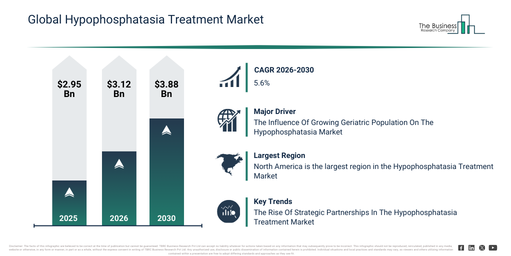
    The hypophosphatasia treatment market size has shown substantial growth in recent years. It is anticipated to expand from $2.95 billion in 2025 to $3.12 billion in 2026, achieving a compound annual growth rate (CAGR) of 5.9%. The historical expansion can be linked to factors such as the restricted availability of targeted therapies, an increased understanding of rare metabolic bone disorders, enhancements in diagnostic imaging and laboratory testing, the hospital-centric management of severe cases, and the incremental adoption of enzyme replacement therapy.

    The hypophosphatasia treatment market is projected to experience robust expansion over the coming years. This market is anticipated to reach $3.88 billion by 2030, exhibiting a compound annual growth rate (CAGR) of 5.6%. Factors contributing to this growth during the forecast period include the expansion of genetic testing and newborn screening programs, an increase in investment dedicated to rare disease drug development, the growing availability of sophisticated enzyme replacement therapies, increasing patient awareness and advocacy efforts, and enhanced access to specialized clinics. Key trends expected within this period encompass the wider adoption of enzyme replacement therapy, an intensified focus on early genetic diagnosis and screening, a surging demand for individualized treatment protocols, the proliferation of multidisciplinary care models designed for rare bone disorders, and advancements in long-term disease monitoring and supportive care.

    Download A Free Sample Report For Comprehensive Market Insights:

    https://www.thebusinessresearchcompany.com/sample.aspx?id=9424&type=smp

    What Major Growth Factors Are Impacting The Hypophosphatasia Treatment Market?

    The escalating geriatric population is anticipated to fuel the expansion of the hypophosphatasia treatment market in the coming years. Comprising individuals generally 65 years and older, often referred to as seniors or the elderly, this demographic is expanding. Their increasing numbers contribute significantly to the demand for hypophosphatasia-related healthcare, encompassing everything from early detection to ongoing care, while also promoting progress in understanding and treating the condition within this older group. For instance, data released in January 2024 by the Population Reference Bureau, a US-based non-profit, indicated a projected increase in Americans aged 65 and above from 58 million in 2022 to 82 million by 2050, representing a 47% surge. This growth implies their share of the total U.S. population will expand from 17% to 23% over the same timeframe. Consequently, the expanding geriatric demographic is a key impetus for the development of the hypophosphatasia treatment market.

    What Are The Major Segment Categories Within The Hypophosphatasia Treatment Market?

    The hypophosphatasia treatment market covered in this report is segmented –

    1) By Type: Odontohypophosphatasia, Pseudohypophosphatasia

    2) By Route Of Administration: Oral, Injectable

    3) By Distribution Channel: Hospital Pharmacy, Online Pharmacy, Retail Pharmacy

    4) By End User: Hospitals, Homecare, Specialty Clinics, Other End Users

    Subsegments:

    1) By Odontohypophosphatasia: Childhood Odontohypophosphatasia, Adult Odontohypophosphatasia

    2) By Pseudohypophosphatasia: Genetically Confirmed Pseudohypophosphatasia, Clinically Diagnosed Pseudohypophosphatasia

    Which Trends Are Expected To Shape The Hypophosphatasia Treatment Market?

    Leading companies in the Hypophosphatasia treatment market are concentrating on the development of innovative therapies, such as engineered B Cell Medicines and enzyme replacement treatments, to enhance patient outcomes and improve the management of this rare genetic disorder. B Cell Medicines (BCMs) represent engineered therapeutic approaches that utilize modified B cells to produce and secrete therapeutic proteins, offering potential treatments for various diseases, including genetic disorders and cancers. For instance, in June 2024, Be Biopharma, Inc., a US-based company specializing in B cell medicines for severe diseases, unveiled promising preclinical data regarding a novel B Cell Medicine (BCM) aimed at treating Hypophosphatasia (HPP), which is a rare genetic disorder characterized by a deficiency in tissue-nonspecific alkaline phosphatase (ALP). This research highlights the innovative use of CRISPR/Cas9-based precision gene engineering combined with artificial intelligence-guided protein design to amplify the therapeutic potential of BCMs.

    Who Are The Prominent Players Across The Hypophosphatasia Treatment Market?

    Major companies operating in the hypophosphatasia treatment market are Ultragenyx Pharmaceutical Inc, Alexion Pharmaceuticals Inc, BioMarin Pharmaceutical Inc, Inozyme Pharma Inc, Kyowa Kirin Co. Ltd., Shire plc, Takeda Pharmaceutical Company Limited, AstraZeneca plc, Pfizer Inc, Novartis AG, Sanofi S.A., Roche Holding AG, Amgen Inc, Eli Lilly and Company, Regeneron Pharmaceuticals Inc, Bristol Myers Squibb Company, Gilead Sciences Inc, AbbVie Inc, Merck & Co Inc, Johnson & Johnson

    Access The Complete Hypophosphatasia Treatment Market Report:

    https://www.thebusinessresearchcompany.com/report/hypophosphatasia-treatment-global-market-report

    Which Region Holds The Largest Share In The Hypophosphatasia Treatment Market?

    North America was the largest region in the hypophosphatasia treatment market in 2025. The regions covered in the hypophosphatasia treatment market report are Asia-Pacific, South East Asia, Western Europe, Eastern Europe, North America, South America, Middle East, Africa.

    Access Hypophosphatasia Treatment Market Report for Deeper Competitive Insights

    https://www.thebusinessresearchcompany.com/customise?id=9424&type=smp

    Browse Through More Reports Similar to the Global Hypophosphatasia Treatment Market 2026, By The Business Research Company

    Hypolipidemics Global Market Report 2026

    https://www.thebusinessresearchcompany.com/report/hypolipidemics-global-market-report

    Hydrocephalus Global Market Report 2026

    https://www.thebusinessresearchcompany.com/report/hydrocephalus-global-market-report

    Encephalitis Treatment Global Market Report 2026

    https://www.thebusinessresearchcompany.com/report/encephalitis-treatment-global-market-report

    Get in touch with us:

    The Business Research Company: https://www.thebusinessresearchcompany.com/

    Americas: +1 310-496-7795

    Asia: +44 7882 955267 & +91 8897263534

    Europe: +44 7882 955267

    Email us at: marketing@tbrc.info

    Follow us on:

    LinkedIn: https://in.linkedin.com/company/the-business-research-company

    YouTube: https://www.youtube.com/channel/UC24_fI0rV8cR5DxlCpgmyFQ

    Global Market Model: https://www.thebusinessresearchcompany.com/global-market-model
  • Hypertrophic Cardiomyopathy Treatment Market Industry Analysis Covering Trends, Drivers, And Future Outlook

    Hypertrophic Cardiomyopathy Treatment Market Industry Analysis Covering Trends, Drivers, And Future Outlook

    The Business Research Company’s 2026 market reports feature enhanced tools like market attractiveness analysis, TAM assessment, and company scoring matrices, along with interactive dashboards, deeper supply chain insights, and startup coverage strengthening the depth, usability, and strategic value of insights.

    How Will The Market Value Of The Hypertrophic Cardiomyopathy Treatment Market Increase Between 2026 And 2030?

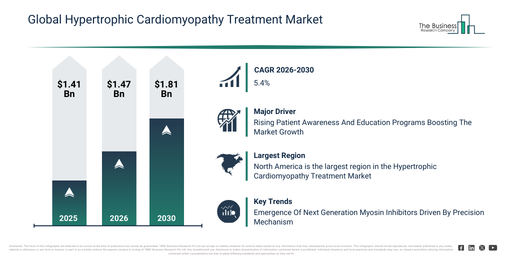
    The hypertrophic cardiomyopathy treatment market size has experienced consistent growth in recent years. It is forecast to rise from $1.41 billion in 2025 to $1.47 billion in 2026, achieving a compound annual growth rate (CAGR) of 4.2%. This historical expansion can be attributed to enhanced awareness of hypertrophic cardiomyopathy, the widespread utilization of beta blockers and calcium channel blockers, improved accessibility to echocardiography diagnostics, hospital-based management for symptomatic patients, and an increase in the identification of familial HCM cases.

    The hypertrophic cardiomyopathy treatment market size is anticipated to experience significant expansion over the forthcoming years. Its valuation is projected to reach $1.81 billion by 2030, exhibiting a compound annual growth rate (CAGR) of 5.4%. This projected growth during the forecast timeframe is attributable to several factors, including the increasing uptake of genetic testing and screening, a rising demand for implantable cardioverter defibrillators, the expanding application of targeted pharmacological treatments, the proliferation of specialized cardiology centers, and enhancements in long-term patient monitoring and subsequent care. Key developments anticipated within the forecast period encompass a growing embrace of precision medicine in hcm treatment, an increased utilization of advanced cardiac imaging for planning treatments, a heightened preference for minimally invasive septal reduction therapies, the broadening scope of implantable cardiac devices designed for sudden cardiac death prevention, and a sharpened emphasis on individualized long-term disease management.

    Download A Free Sample Report For Comprehensive Market Insights:

    https://www.thebusinessresearchcompany.com/sample.aspx?id=13017&type=smp

    What Market Drivers Are Helping Shape The Hypertrophic Cardiomyopathy Treatment Market Expansion?

    Enhanced patient awareness campaigns and educational initiatives are anticipated to fuel expansion within the hypertrophic cardiomyopathy treatment market in the foreseeable future. These programs serve to shape patient conduct, leading to shifts in their comprehension, outlook, and capabilities crucial for sustaining or improving health by supplying individuals with relevant information and insights. Hypertrophic cardiomyopathy, a rare and often unrecognized genetic condition, frequently leads to undiagnosed cases because of insufficient public knowledge about it. Implementing educational and awareness campaigns concerning this ailment helps mitigate its risks through prompt detection and intervention. As an illustration, data from September 2024, provided by the UK-based government department GOV.UK, indicates that adult engagement in further education and skills in the UK reached 1,627,320, representing a 0.9% increase since 2022/23. Furthermore, involvement in adult education and training saw a 4.6% rise, reaching 863,790. Consequently, the increasing prevalence of patient awareness and education initiatives is a key impetus for the hypertrophic cardiomyopathy treatment market.

    How Is The Hypertrophic Cardiomyopathy Treatment Market Distributed Across Key Segments?

    The hypertrophic cardiomyopathy treatment market covered in this report is segmented –

    1) By Disease Type: Obstructive Hypertrophic Cardiomyopathy Treatment, Non-Obstructive Hypertrophic Cardiomyopathy Treatment

    2) By Diagnosis: Chest X-Ray, Echocardiogram, Electrocardiogram (ECG), Treadmill Stress Test, Cardiac Catheterization, Cardiac MRI, Cardiac CT Scan, Blood Tests, Genetic Testing Or Screening

    3) By Treatment: Medication, Surgically Implanted Devices, Nonsurgical Procedures, Surgery

    4) By End-User: Hospitals, Research Institutes, Specialty Clinics

    Subsegments:

    1) By Obstructive Hypertrophic Cardiomyopathy Treatment: Medications, Surgical Procedures, Alcohol Septal Ablation, Implantable Cardioverter Defibrillators (ICDs)

    2) By Non-Obstructive Hypertrophic Cardiomyopathy Treatment: Medications, Lifestyle Modifications, Genetic Counseling And Testing, Monitoring And Follow-Up Care

    Which Trends Are Affecting The Hypertrophic Cardiomyopathy Treatment Market Framework?

    Major companies operating in the Hypertrophic Cardiomyopathy Treatment market are concentrating on selective cardiac myosin inhibition, such as small molecule allosteric myosin inhibitors, to gain a competitive advantage. These agents directly target hypercontractility in HCM by reducing the number of active actin-myosin cross bridges. For instance, in December 2024, Cytokinetics, a US-based biotechnology company, announced that the FDA accepted its New Drug Application for aficamten, a next generation cardiac myosin inhibitor, with a target action date of September 2025. Aficamten demonstrated statistically significant improvement in exercise capacity (peak VO₂), reductions in left ventricular outflow tract gradients, and favorable safety in the SEQUOIA HCM Phase III trial. This trend strengthens disease modifying approaches beyond symptom control, but long term safety and label competition (e.g., non obstructive HCM) remain hurdles.

    Which Companies Form The Competitive Landscape Of The Hypertrophic Cardiomyopathy Treatment Market?

    Major companies operating in the hypertrophic cardiomyopathy treatment market are Pfizer Inc., F. Hoffmann-La Roche AG, Merck & Co. Inc., Novartis AG, Sanofi S.A., Bristol-Myers Squibb Company, AstraZeneca plc, Abbott Laboratories Ltd., GlaxoSmithKline plc, Takeda Pharmaceutical Company Limited, Teva Pharmaceutical Industries Ltd., Boston Scientific Corporation, Mylan N.V., Sun Pharmaceutical Industries Ltd., Cipla Ltd., Aurobindo Pharma Ltd., Hikma Pharmaceuticals plc, Lupin Limited, Zydus Lifesciences Limited, XyloCor Therapeutics Inc., Cytokinetics Inc., Santhera Pharmaceuticals Holding AG, DiNAQOR AG, Correvio Pharma Corp, Cardurion Pharmaceuticals Inc.

    Access The Complete Hypertrophic Cardiomyopathy Treatment Market Report:

    https://www.thebusinessresearchcompany.com/report/hypertrophic-cardiomyopathy-treatment-global-market-report

    Which Region Is The Dominant Market In The Hypertrophic Cardiomyopathy Treatment Market?

    North America was the largest region in the hypertrophic cardiomyopathy treatment market in 2025. The regions covered in the hypertrophic cardiomyopathy treatment market report are Asia-Pacific, South East Asia, Western Europe, Eastern Europe, North America, South America, Middle East, Africa.

    Access Hypertrophic Cardiomyopathy Treatment Market Report for Deeper Competitive Insights

    https://www.thebusinessresearchcompany.com/customise?id=13017&type=smp

    Browse Through More Reports Similar to the Global Hypertrophic Cardiomyopathy Treatment Market 2026, By The Business Research Company

    Hypertrophic Cardiomyopathy Hcm Therapeutics Global Market Report 2026

    https://www.thebusinessresearchcompany.com/report/hypertrophic-cardiomyopathy-hcm-therapeutics-global-market-report

    Cardiometabolic Diseases Global Market Report 2026

    https://www.thebusinessresearchcompany.com/report/cardiometabolic-diseases-global-market-report

    Hypertrophic And Keloid Scar Treatment Global Market Report 2026

    https://www.thebusinessresearchcompany.com/report/hypertrophic-and-keloid-scar-treatment-global-market-report

    Get in touch with us:

    The Business Research Company: https://www.thebusinessresearchcompany.com/

    Americas: +1 310-496-7795

    Asia: +44 7882 955267 & +91 8897263534

    Europe: +44 7882 955267

    Email us at: marketing@tbrc.info

    Follow us on:

    LinkedIn: https://in.linkedin.com/company/the-business-research-company

    YouTube: https://www.youtube.com/channel/UC24_fI0rV8cR5DxlCpgmyFQ

    Global Market Model: https://www.thebusinessresearchcompany.com/global-market-model
  • Hypertrophic Cardiomyopathy (HCM) Therapeutics Market Forecast Assessing Growth Potential And Industry Direction

    Hypertrophic Cardiomyopathy (HCM) Therapeutics Market Forecast Assessing Growth Potential And Industry Direction

    The Business Research Company’s 2026 market reports feature enhanced tools like market attractiveness analysis, TAM assessment, and company scoring matrices, along with interactive dashboards, deeper supply chain insights, and startup coverage strengthening the depth, usability, and strategic value of insights.

    What Will Be The Estimated Market Size Of The Hypertrophic Cardiomyopathy (HCM) Therapeutics Market By 2030?

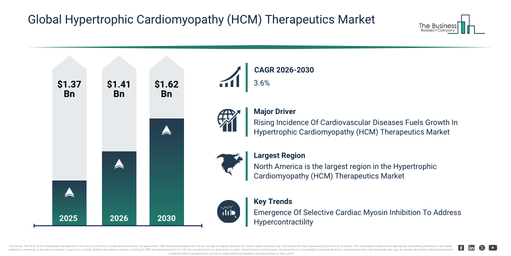
    The hypertrophic cardiomyopathy (hcm) therapeutics market has experienced consistent growth in recent years. It is projected to expand from $1.37 billion in 2025 to $1.41 billion in 2026, demonstrating a compound annual growth rate (CAGR) of 3.2%. This historical expansion can be attributed to several factors, including enhanced awareness of inherited cardiomyopathies, the widespread application of beta blockers and calcium channel blockers, greater access to diagnostic imaging, an increasing occurrence of genetic cardiac disorders, and the hospital-based care for high-risk individuals.

    The hypertrophic cardiomyopathy (hcm) therapeutics market is projected to experience consistent expansion over the upcoming years. This market is anticipated to reach $1.62 billion by 2030, demonstrating a compound annual growth rate (CAGR) of 3.6%. Factors contributing to this growth during the projection period include the increasing uptake of innovative myosin inhibitors, the expansion of genetic screening initiatives, a surge in the utilization of implantable defibrillators, a heightened emphasis on individualized cardiology treatments, and enhancements in long-term disease management results. Key trends foreseen in this period involve a greater embrace of targeted myosin inhibitors, an intensified focus on early detection and risk assessment, an increase in the deployment of implantable cardiac devices to prevent sudden death, the broadening of integrated drug and device-based therapeutic strategies, and an elevated importance placed on prolonged symptom control and overall quality of life.

    Download A Free Sample Report For Comprehensive Market Insights:

    https://www.thebusinessresearchcompany.com/sample.aspx?id=9914&type=smp

    Which Significant Factors Are Encouraging Growth In The Hypertrophic Cardiomyopathy (HCM) Therapeutics Market?

    The rising prevalence of cardiovascular diseases (CVD) is anticipated to drive the expansion of the hypertrophic cardiomyopathy (HCM) therapeutics market. CVD describes medical conditions impacting the heart or blood vessels. Such diseases encompass cardiac irregularities like atrial fibrillation, ventricular fibrillation, and atrioventricular block, which demand continuous monitoring. The principal objective of therapeutic treatment for hypertrophic cardiomyopathy is to mitigate symptoms and avert sudden cardiac death among high-risk patients. For example, in January 2024, the American Heart Association, a US-based non-profit organization, reported an increase in the age-adjusted death rate from cardiovascular disease to 233.3 per 100,000 in 2024, marking a 4.0% rise from 224.4 per 100,000 compared to 2023. This rise in the incidence of cardiovascular diseases (CVD) is therefore a key driver for the hypertrophic cardiomyopathy (HCM) therapeutics market.

    How Does Segment Analysis Break Down The Hypertrophic Cardiomyopathy (HCM) Therapeutics Market Structure?

    The hypertrophic cardiomyopathy (hcm) therapeutics market covered in this report is segmented –

    1) By Drug Type: Antiarrhythmic Agents, Anticoagulants, Beta Adrenergic Blocking Agents, Calcium Channel Blockers, Other Drug Types

    2) By Device Type: Defibrillators, Pacemakers, Other Device Types

    3) By End User: Hospitals, Clinics

    Subsegments:

    1) By Antiarrhythmic Agents: Class I Agents, Class II Agents, Class III Agents, Class IV Agents

    2) By Anticoagulants: Vitamin K Antagonists, Direct Oral Anticoagulants (DOACs), Low Molecular Weight Heparins (LMWH)

    3) By Beta Adrenergic Blocking Agents: Non-Selective Beta Blockers, Selective Beta Blockers

    4) By Calcium Channel Blockers: Dihydropyridines, Non-Dihydropyridines

    5) By Other Drug Types: Myosin Inhibitors, Antimetabolites

    What Trends Are Influencing The Hypertrophic Cardiomyopathy (HCM) Therapeutics Market?

    Major companies operating in the hypertrophic cardiomyopathy therapeutics market are concentrating on small molecule allosteric cardiac myosin inhibitors, like selective myosin modulation, to secure a competitive advantage. These agents mitigate excessive contractile force in the myocardium by limiting the formation of actin–myosin cross bridges. For instance, in December 2024, Cytokinetics, a U.S.-based biopharmaceutical company, obtained FDA acceptance for its New Drug Application for aficamten, a next generation myosin inhibitor, which showcased significant improvements in peak VO₂, reductions in outflow tract gradients, and a favorable safety profile in the pivotal SEQUOIA HCM Phase III trial. This methodology presents a disease-modifying alternative to therapies solely focused on symptom relief but introduces regulatory intricacies, highlighted by the submission of a risk mitigation plan (REMS) alongside the NDA.

    Who Are The Key Market Participants In The Hypertrophic Cardiomyopathy (HCM) Therapeutics Market?

    Major companies operating in the hypertrophic cardiomyopathy (hcm) therapeutics market are Merck & Co. Inc., Pfizer Inc., Sanofi SA, Teva Pharmaceutical Industries Ltd., Novartis AG, AstraZeneca plc, Gilead Sciences Inc., Bayer AG, Correvio Pharma Corp., Advanz Pharma Corp., Lupin Limited, Boston Scientific Corporation, Bristol-Myers Squibb Company, Johnson & Johnson, Medtronic plc, Cardiome Pharma Corp., Cytokinetics Inc., Daiichi Sankyo Company Limited, GlaxoSmithKline plc., HUYA Bioscience International LLC, Ionis Pharmaceuticals Inc., Kowa Company Ltd., Luitpold Pharmaceuticals Inc., Menarini Group, Mitsubishi Tanabe Pharma Corporation, Nippon Shinyaku Co. Ltd., Otsuka Holdings Co. Ltd., Servier Laboratories

    Access The Complete Hypertrophic Cardiomyopathy (HCM) Therapeutics Market Report:

    https://www.thebusinessresearchcompany.com/report/hypertrophic-cardiomyopathy-hcm-therapeutics-global-market-report

    Which Area Represents The Largest Portion Of The Hypertrophic Cardiomyopathy (HCM) Therapeutics Market?

    North America was the largest region in the hypertrophic cardiomyopathy (HCM) therapeutics market in 2025. Asia-Pacific is expected to be the fastest-growing region in the hypertrophic cardiomyopathy (HCM) therapeutics market report during the forecast period. The regions covered in the hypertrophic cardiomyopathy (hcm) therapeutics market report are Asia-Pacific, South East Asia, Western Europe, Eastern Europe, North America, South America, Middle East, Africa.

    Access Hypertrophic Cardiomyopathy (HCM) Therapeutics Market Report for Deeper Competitive Insights

    https://www.thebusinessresearchcompany.com/customise?id=9914&type=smp

    Browse Through More Reports Similar to the Global Hypertrophic Cardiomyopathy (HCM) Therapeutics Market 2026, By The Business Research Company

    Hypertrophic Cardiomyopathy Treatment Global Market Report 2026

    https://www.thebusinessresearchcompany.com/report/hypertrophic-cardiomyopathy-treatment-global-market-report

    Cardiometabolic Diseases Global Market Report 2026

    https://www.thebusinessresearchcompany.com/report/cardiometabolic-diseases-global-market-report

    Cardiovascular Monitoring And Diagnostic Devices And Equipment Global Market Report 2026

    https://www.thebusinessresearchcompany.com/report/cardiovascular-monitoring-and-diagnostic-devices-and-equipment-global-market-report

    Get in touch with us:

    The Business Research Company: https://www.thebusinessresearchcompany.com/

    Americas: +1 310-496-7795

    Asia: +44 7882 955267 & +91 8897263534

    Europe: +44 7882 955267

    Email us at: marketing@tbrc.info

    Follow us on:

    LinkedIn: https://in.linkedin.com/company/the-business-research-company

    YouTube: https://www.youtube.com/channel/UC24_fI0rV8cR5DxlCpgmyFQ

    Global Market Model: https://www.thebusinessresearchcompany.com/global-market-model
  • Hypertrophic And Keloid Scar Treatment Market Expected To Witness Revenue Growth Toward $13.76 Billion By 2030

    Hypertrophic And Keloid Scar Treatment Market Expected To Witness Revenue Growth Toward $13.76 Billion By 2030

    The Business Research Company’s 2026 market reports feature enhanced tools like market attractiveness analysis, TAM assessment, and company scoring matrices, along with interactive dashboards, deeper supply chain insights, and startup coverage strengthening the depth, usability, and strategic value of insights.

    What Is The Estimated Growth In Market Size Of The Hypertrophic And Keloid Scar Treatment Market During 2026–2030?

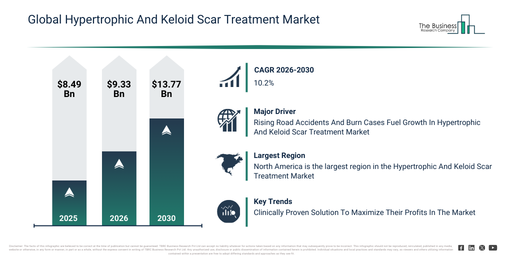
    The hypertrophic and keloid scar treatment market has observed robust growth in recent years. Its valuation is set to climb from $8.49 billion in 2025 to $9.33 billion in 2026, propelled by a compound annual growth rate (CAGR) of 9.9%. This historical expansion can be attributed to an increasing frequency of surgical procedures, a rise in the occurrence of trauma and burns, the widespread adoption of corticosteroid injections, the expansion of dermatology and cosmetic clinics, and the clearly noticeable aesthetic impact scars have.

    The hypertrophic and keloid scar treatment market is projected to experience significant growth in the coming years. It is expected to reach $13.77 billion by 2030, growing at a compound annual growth rate (CAGR) of 10.2%. This growth during the forecast period can be attributed to factors such as a growing preference for non-invasive scar treatments, the increasing adoption of laser and radiotherapy techniques, rising awareness of early scar management, the expansion of combination treatment protocols, and improving access to advanced dermatology services. Major trends anticipated in the forecast period include the increasing adoption of combination scar management therapies, a rising demand for minimally invasive and non-surgical treatments, the growing use of laser and energy-based scar revision techniques, the expansion of post-surgical and preventive scar care solutions, and a heightened focus on early intervention and long-term scar control.

    Download A Free Sample Report For Comprehensive Market Insights:

    https://www.thebusinessresearchcompany.com/sample.aspx?id=10692&type=smp

    What Core Drivers Are Transforming The Hypertrophic And Keloid Scar Treatment Market?

    The hypertrophic and keloid scar treatment market is anticipated to expand due to a rising incidence of road accidents and burn cases. Road incidents typically involve a vehicle and individuals on the road, while both road accidents and burn cases necessitate immediate attention, preventive strategies, and efficient medical interventions. Hypertrophic and keloid scar treatments are crucial for individuals injured in road accidents, working to reduce the prominence and firmness of scars. A surge in these types of injuries consequently fuels the expansion of the hypertrophic and keloid scar treatment market. Illustrating this, The Health Foundation, an independent UK organization, stated in January 2025 that 2023 data showed 43 serious or fatal casualties per billion miles traveled by car, alongside 1,032 for cyclists and 1,914 for motorcyclists. Furthermore, 92 pedestrians per million residents sustained fatal or serious injuries. Consequently, the growing frequency of road accidents and burn cases will be a key driver for the hypertrophic and keloid scar treatment market.

    What Segment Types Are Included In The Hypertrophic And Keloid Scar Treatment Market Analysis?

    The hypertrophic and keloid scar treatment market covered in this report is segmented –

    1) By Treatment: Cryotherapy, Surgical Excision, Pressure Dressings, Intralesional 5-Fluorouracil, Superficial X-Ray, Intralesional Corticosteroid Injection, Other Treatments

    2) By Products: Topical Products, Laser Products, Injectables, Other Products

    3) By Scar: Hypertrophic Scars, Keloid Scars

    4) By End-Use: Hospitals, Clinics, Other End-Users

    Subsegments:

    1) By Cryotherapy: Liquid Nitrogen Cryotherapy, Intralesional Cryotherapy

    2) By Surgical Excision: Simple Excision, Excision With Skin Grafting

    3) By Pressure Dressings: Elastic Bandage Pressure Dressings, Silicone Gel Pressure Dressings

    4) By Intralesional 5-Fluorouracil: Standalone 5-FU Treatment, Combination With Corticosteroids

    5) By Superficial X-Ray: Low-Dose X-Ray Therapy, Combination X-Ray With Other Treatments

    6) By Intralesional Corticosteroid Injection: Triamcinolone Acetonide Injection, Combination With 5-Fluorouracil

    7) By Other Treatments: Laser Therapy, Radiotherapy, Interferon Therapy

    Which Trends Are Guiding The Development Of The Hypertrophic And Keloid Scar Treatment Market?

    Leading companies in the hypertrophic and keloid scar treatment market are concentrating on developing clinically verified silicon-based solutions, such as medical-grade silicone strips, to maximize their financial gains. Medical-grade silicone strips are therapeutic items crafted from high-quality silicone material, specifically formulated to encourage scar healing and reduction. For example, in April 2023, Scar Erase, a UK-based company providing silicone-based scar reduction therapy, launched its Scar Erase silicone strips, presenting a clinically tested and affordable option for scar healing. Made from 3mm of medical-grade silicone, these strips assist in the treatment of diverse scar types, including hypertrophic, keloid, post-surgery, and stretch marks. This silicone technology effectively encases the scar area, promoting hydration and an optimal healing environment, resulting in significant improvements in scar texture, color, and height. It is engineered for comfort and discretion, offering an accessible at-home scar treatment solution.

    Which Organizations Are Operating Within The Hypertrophic And Keloid Scar Treatment Market?

    Major companies operating in the hypertrophic and keloid scar treatment market are Smith & Nephew plc, Merz Pharmaceutical LLC, Lumenis Ltd., Enaltus LLC, Sonoma Pharmaceuticals Inc., Molnlycke Health Care AB, Suneva Medical Inc., Pacific World Corporation, Perrigo Company plc, Cynosure Inc., Alliance Pharma plc, Newmedical Technology Inc., HRA Pharma, Scar Heal Inc., McKesson Medical Surgical Inc., Johnson & Johnson Private Limited, Medtronic plc, 3M Company, Sinclair Pharma plc, Avita Medical, Stratpharma AG, Biodermis, Mederma, Silagen

    Access The Complete Hypertrophic And Keloid Scar Treatment Market Report:

    https://www.thebusinessresearchcompany.com/report/hypertrophic-and-keloid-scar-treatment-global-market-report

    Which Region Commands The Largest Share Of The Hypertrophic And Keloid Scar Treatment Market?

    North America was the largest region in the hypertrophic and keloid scar treatment market in 2025. Asia-Pacific is expected to be the fastest-growing region in the global hypertrophic and keloid scar treatment market report during the forecast period. The regions covered in the hypertrophic and keloid scar treatment market report are Asia-Pacific, South East Asia, Western Europe, Eastern Europe, North America, South America, Middle East, Africa.

    Access Hypertrophic And Keloid Scar Treatment Market Report for Deeper Competitive Insights

    https://www.thebusinessresearchcompany.com/customise?id=10692&type=smp

    Browse Through More Reports Similar to the Global Hypertrophic And Keloid Scar Treatment Market 2026, By The Business Research Company

    Scar Treatment Global Market Report 2026

    https://www.thebusinessresearchcompany.com/report/scar-treatment-global-market-report

    Keloids Treatment Global Market Report 2026

    https://www.thebusinessresearchcompany.com/report/keloids-treatment-global-market-report

    Neurotrophic Keratitis Treatment Global Market Report 2026

    https://www.thebusinessresearchcompany.com/report/neurotrophic-keratitis-treatment-global-market-report

    Get in touch with us:

    The Business Research Company: https://www.thebusinessresearchcompany.com/

    Americas: +1 310-496-7795

    Asia: +44 7882 955267 & +91 8897263534

    Europe: +44 7882 955267

    Email us at: marketing@tbrc.info

    Follow us on:

    LinkedIn: https://in.linkedin.com/company/the-business-research-company

    YouTube: https://www.youtube.com/channel/UC24_fI0rV8cR5DxlCpgmyFQ

    Global Market Model: https://www.thebusinessresearchcompany.com/global-market-model
  • Hyperpigmentation Disorder Treatment Market Industry Outlook 2026–2030 Highlighting Growth Momentum And Market Trends

    Hyperpigmentation Disorder Treatment Market Industry Outlook 2026–2030 Highlighting Growth Momentum And Market Trends

    The Business Research Company’s 2026 market reports feature enhanced tools like market attractiveness analysis, TAM assessment, and company scoring matrices, along with interactive dashboards, deeper supply chain insights, and startup coverage strengthening the depth, usability, and strategic value of insights.

    What Market Value Expansion Is Expected For The Hyperpigmentation Disorder Treatment Market Over The Forecast Period?

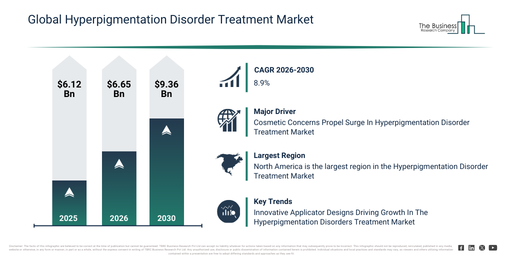
    The hyperpigmentation disorder treatment market size has observed significant expansion in recent years. It is projected to increase from $6.12 billion in 2025 to $6.65 billion in 2026, achieving a compound annual growth rate (CAGR) of 8.5%. The market’s historic growth is due to the increasing prevalence of melasma and PIH, rising aesthetic awareness, the expansion of dermatology clinics, the widespread adoption of topical depigmenting agents, and increased sun exposure.

    The hyperpigmentation disorder treatment market is anticipated to experience robust expansion over the next few years, with its size projected to reach $9.36 billion by 2030, exhibiting a compound annual growth rate (CAGR) of 8.9%. This growth in the forecast period is primarily attributed to factors like the increasing demand for laser and energy-based devices, the proliferation of personalized skincare treatments, an increase in disposable income, the heightened adoption of combination therapies, and the growing influence of aesthetic medicine. Significant trends during this period are expected to include a rising demand for non-invasive aesthetic treatments, a greater preference for combination therapy approaches, an increased application of preventive and maintenance skincare regimens, the expansion of medical-grade cosmeceuticals, and a higher uptake of advanced clinic-based procedures.

    Download A Free Sample Report For Comprehensive Market Insights:

    https://www.thebusinessresearchcompany.com/sample.aspx?id=10709&type=smp

    Which Growth Factors Are Strengthening The Hyperpigmentation Disorder Treatment Market Landscape?

    Increasing worries about appearance are anticipated to boost the expansion of the hyperpigmentation disorder treatment market in the future. These concerns relate to anxieties or considerations regarding one’s physical features, particularly their look, beauty, or aesthetic appeal. An uptick in cosmetic concerns encourages individuals to seek and undergo hyperpigmentation disorder treatments, thus stimulating advancements within the cosmetic and dermatological sectors and enhancing the overall experience for patients. For example, data from March 2025, sourced from the Yellow Bus ABA, a US-based therapy group, indicates that the global plastic surgery sector experienced significant activity in 2023, with approximately 34.9 million aesthetic procedures conducted globally, representing a 3.4% increase from 2022. Consequently, the escalating cosmetic concerns are fueling the expansion of the hyperpigmentation disorder treatment market.

    Which Segment Divisions Form The Structure Of The Hyperpigmentation Disorder Treatment Market?

    The hyperpigmentation disorder treatment market covered in this report is segmented –

    1) By Treatment Type: Cosmeceuticals, Laser Therapy, Chemical Peels, Microdermabrasion

    2) By Disease Indication: Melasma, Post-Inflammatory Hyperpigmentation, Solar Lentigines

    3) By End-Users: Hospitals, Esthetic Clinics And Dermatology Centers

    Subsegments:

    1) By Cosmeceuticals: Topical Creams and Gels, Serums and Lotions

    2) By Laser Therapy: Fractional Laser Resurfacing, Intense Pulsed Light (IPL) Therapy

    3) By Chemical Peels: Superficial Peels, Medium Depth Peels

    4) By Microdermabrasion: Crystal Microdermabrasion, Diamond Microdermabrasion

    What Trends Are Influencing The Future Of The Hyperpigmentation Disorder Treatment Market?

    Key players within the hyperpigmentation disorders treatment market are concentrating on developing solutions containing glycolic acid to enhance their market position and secure a competitive edge. These glycolic acid solutions are skincare formulations that incorporate glycolic acid, an alpha hydroxy acid (AHA) acclaimed for its exfoliating qualities, which work to refine skin texture, boost brightness, and improve overall appearance by accelerating cell turnover. For instance, in February 2024, L’Oréal SA, a personal care corporation from France, unveiled the Glycolic Bright Dark Circle Eye Serum, specifically designed to combat dark circles and dullness around the eyes. This sophisticated serum leverages glycolic acid for its exfoliating benefits, leading to more luminous skin and an enhanced texture. The formula also likely incorporates hydrating components to care for the delicate eye region.

    Who Are The Businesses Driving Activity In The Hyperpigmentation Disorder Treatment Market?

    Major companies operating in the hyperpigmentation disorder treatment market are Vivier Pharma, Obagi Cosmeceuticals LLC, EpiPharm AG, Laboratories Pierre Fabre, SkinCeuticals, Galderma S.A., Allergan PLC., Lumenis Be Ltd., Aerolase Corporation, Candela Corporation, Cynosure, PCA Skin, La Roche-Posay, L’Oréal S.A., Pierre Fabre Laboratories, Clinuvel Pharmaceuticals Ltd., Clarify Medical Inc., Dr. Reddy’s Laboratories Ltd., Glenmark Pharmaceuticals Ltd., SkinMedica Inc., Neutrogena Corporation, Paula’s Choice Inc., ZO Skin Health Inc., Estée Lauder Companies Inc.

    Access The Complete Hyperpigmentation Disorder Treatment Market Report:

    https://www.thebusinessresearchcompany.com/report/hyperpigmentation-disorder-treatment-global-market-report

    Which Region Accounts For The Highest Share Of The Hyperpigmentation Disorder Treatment Market?

    North America was the largest region in the hyperpigmentation disorders treatment market in 2025.Asia-Pacific is expected to be the fastest-growing region in the global hyperpigmentation disorder treatment market report during the forecast period. The regions covered in the hyperpigmentation disorder treatment market report are Asia-Pacific, South East Asia, Western Europe, Eastern Europe, North America, South America, Middle East, Africa.

    Access Hyperpigmentation Disorder Treatment Market Report for Deeper Competitive Insights

    https://www.thebusinessresearchcompany.com/customise?id=10709&type=smp

    Browse Through More Reports Similar to the Global Hyperpigmentation Disorder Treatment Market 2026, By The Business Research Company

    Retinal Disorder Treatment Global Market Report 2026

    https://www.thebusinessresearchcompany.com/report/retinal-disorder-treatment-global-market-report

    Ocular Hypertension Treatment Global Market Report 2026

    https://www.thebusinessresearchcompany.com/report/ocular-hypertension-treatment-global-market-report

    Pigmentation Disorders Treatment Global Market Report 2026

    https://www.thebusinessresearchcompany.com/report/pigmentation-disorders-treatment-global-market-report

    Get in touch with us:

    The Business Research Company: https://www.thebusinessresearchcompany.com/

    Americas: +1 310-496-7795

    Asia: +44 7882 955267 & +91 8897263534

    Europe: +44 7882 955267

    Email us at: marketing@tbrc.info

    Follow us on:

    LinkedIn: https://in.linkedin.com/company/the-business-research-company

    YouTube: https://www.youtube.com/channel/UC24_fI0rV8cR5DxlCpgmyFQ

    Global Market Model: https://www.thebusinessresearchcompany.com/global-market-model