Blog

  • Chronic Lower Back Pain Market Revenue Anticipated To Reach $10.05 Billion By 2030 With 4.6% CAGR

    Chronic Lower Back Pain Market Revenue Anticipated To Reach $10.05 Billion By 2030 With 4.6% CAGR

    The Business Research Company’s 2026 market reports feature enhanced tools like market attractiveness analysis, TAM assessment, and company scoring matrices, along with interactive dashboards, deeper supply chain insights, and startup coverage strengthening the depth, usability, and strategic value of insights.

    What Market Size Is Forecasted For The Chronic Lower Back Pain Market By 2030 Based On Its 2026 Value?

    The chronic lower back pain market size has experienced consistent expansion in recent years. Projections indicate it will grow from $8.04 billion in 2025 to $8.41 billion in 2026, achieving a compound annual growth rate (CAGR) of 4.6%. The historical growth can be attributed to an increasing aging population, a rising prevalence of musculoskeletal disorders, evolving sedentary lifestyles, a higher incidence of workplace-related back injuries, and expanded access to diagnostic imaging.

    The chronic lower back pain market is anticipated to experience consistent expansion over the next few years. It is projected to achieve a size of $10.06 billion by 2030, reflecting a compound annual growth rate (CAGR) of 4.6%. This growth during the forecast period is primarily driven by factors such as the increasing demand for non-invasive therapies, the escalating adoption of digital therapeutics, the broadening of outpatient pain management services, a heightened emphasis on personalized medicine, and augmented investments in chronic pain research. Key trends anticipated in the forecast period encompass the increasing embrace of multimodal pain management approaches, the rising utilization of minimally invasive interventions, the expanded integration of digital pain monitoring tools, the development of more personalized treatment pathways, and an intensified focus on non-opioid therapies.

    Download A Free Sample Report For Comprehensive Market Insights:

    https://www.thebusinessresearchcompany.com/sample.aspx?id=9946&type=smp

    What Market Drivers Are Helping Shape The Chronic Lower Back Pain Market Expansion?

    The chronic lower back pain market is anticipated to expand as the geriatric population increases. This demographic refers to individuals aged 65 years and above. Within this group, age-related neurodegenerative and musculoskeletal conditions, such as arthritis and osteoarthritis, progress rapidly, leading to weakness and painful complaints that result in chronic back pain and reduced physical activities. For instance, data from May 2024 by the Administration for Community Living, a US government agency, showed that in 2022, 17.3% of the population was 65 or older, and this percentage is projected to rise to 22% by 2040. Consequently, the expanding geriatric population is a significant driver for the growth of the chronic lower back pain market.

    Which Segment Divisions Form The Structure Of The Chronic Lower Back Pain Market?

    The chronic lower back pain market covered in this report is segmented –

    1) By Type Of Pain: Diskogenic Pain, Lumbar Spinal Stenosis, Sacroiliac Pain, Facet-Joint Pain, Radicular Pain, Muscular Pain, Other Types Of Pain

    2) By Diagnosis: Clinical History, Physical Examination, Imaging Guidelines, Assessment Of Pain

    3) By End-User: Hospitals, Orthopedic Clinics, Ambulatory Surgery Centers, Other End-Users

    Subsegments:

    1) By Diskogenic Pain: Herniated Disc, Degenerative Disc Disease, Disc Bulge, Lumbar Spinal Stenosis

    2) By Lumbar Spinal Stenosis: Central Stenosis, Lateral Stenosis

    3) By Sacroiliac Pain: Sacroiliac Joint Dysfunction, Inflammatory Conditions

    4) By Facet-Joint Pain: Facet Joint Syndrome, Osteoarthritis Of The Facet Joints

    5) By Radicular Pain: Sciatica, Nerve Root Compression

    6) By Muscular Pain: Muscle Strain, Muscle Spasm

    7) By Other Types Of Pain: Myofascial Pain Syndrome, Spondylolisthesis, Osteoporosis-Related Pain

    Which Trends Are Influencing The Direction Of The Chronic Lower Back Pain Market?

    Key companies in the chronic lower back pain market are creating offerings with advanced technologies, such as BurstDR SCS technology, to present new alternatives for patients. BurstDR SCS technology is an exclusive spinal cord stimulation (SCS) treatment designed to alter pain signals as they move from the spinal cord to the brain through the use of mild electrical pulses. For example, in May 2023, Abbott Laboratories, a US-based medical device enterprise, obtained FDA approval for its Spinal Cord Stimulation (SCS) devices, including the Proclaim SCS Family and the Eterna SCS System, for addressing chronic back pain. Abbott’s SCS devices utilize its proprietary BurstDR stimulation waveform, a superior therapy formulated to more closely mimic how pain signals reach the brain and to alleviate the emotional suffering associated with pain, unlike standard tonic stimulation.

    Which Companies Form The Competitive Landscape Of The Chronic Lower Back Pain Market?

    Major companies operating in the chronic lower back pain market are Pfizer Inc., Johnson & Johnson Private Limited, Sanofi S.A., Endo Pharmaceuticals plc, Merck Corporation, Vertebral Technologies Inc., Medtronic plc, Boston Scientific Corporation, BioWave Corporation, Koninklijke Philips N.V., Teva Pharmaceutical Industries Ltd., Astellas Pharma Inc., SpineThera Inc., Dr. Reddy’s Laboratories Ltd., Celgene Corporation, Axsome Therapeutics Inc., Mesoblast Limited, Frontier Biotechnologies Inc., Eli Lilly and Company, Persica Pharmaceuticals, Abbott Laboratories, Hisamitsu Pharmaceutical Co. Inc., Ipsen S.A., Daiichi Sankyo Company Ltd., Zimmer Biomet Holdings Inc., Novartis International AG, Janssen Pharmaceuticals Inc., Insys Therapeutics Inc., Collegium Pharmaceutical Inc., Cara Therapeutics Inc.

    Access The Complete Chronic Lower Back Pain Market Report:

    https://www.thebusinessresearchcompany.com/report/chronic-lower-back-pain-global-market-report

    Which Geographic Region Represents The Largest Chronic Lower Back Pain Market Share?

    North America was the largest region in the chronic lower back pain market in 2025. The regions covered in the chronic lower back pain market report are Asia-Pacific, South East Asia, Western Europe, Eastern Europe, North America, South America, Middle East, Africa.

    Access Chronic Lower Back Pain Market Report for Deeper Competitive Insights

    https://www.thebusinessresearchcompany.com/customise?id=9946&type=smp

    Browse Through More Reports Similar to the Global Chronic Lower Back Pain Market 2026, By The Business Research Company

    Liver Health Supplements Global Market Report 2026

    https://www.thebusinessresearchcompany.com/report/liver-health-supplements-global-market-report

    Hepatitis Therapeutics Global Market Report 2026

    https://www.thebusinessresearchcompany.com/report/hepatitis-therapeutics-global-market-report

    Fatty Liver Treatment Global Market Report 2026

    https://www.thebusinessresearchcompany.com/report/fatty-liver-treatment-global-market-report

    Get in touch with us:

    The Business Research Company: https://www.thebusinessresearchcompany.com/

    Americas: +1 310-496-7795

    Asia: +44 7882 955267 & +91 8897263534

    Europe: +44 7882 955267

    Email us at: marketing@tbrc.info

    Follow us on:

    LinkedIn: https://in.linkedin.com/company/the-business-research-company

    YouTube: https://www.youtube.com/channel/UC24_fI0rV8cR5DxlCpgmyFQ

    Global Market Model: https://www.thebusinessresearchcompany.com/global-market-model

  • Chronic Liver Diseases Therapeutics Market Outlook Assessing Future Opportunities And Growth Prospects

    Chronic Liver Diseases Therapeutics Market Outlook Assessing Future Opportunities And Growth Prospects

    The Business Research Company’s 2026 market reports feature enhanced tools like market attractiveness analysis, TAM assessment, and company scoring matrices, along with interactive dashboards, deeper supply chain insights, and startup coverage strengthening the depth, usability, and strategic value of insights.

    How Is The Market Value Of The Chronic Liver Diseases Therapeutics Market Projected To Expand During 2026–2030?

    The market size for chronic liver diseases therapeutics has experienced swift growth in recent years. It is anticipated to expand from $15.88 billion in 2025 to $17.56 billion in 2026, demonstrating a compound annual growth rate (CAGR) of 10.6%. The historical surge can be linked to several factors, including improved diagnosis of chronic liver conditions, expansion of antiviral therapy usage, increased management of autoimmune liver diseases, wider access to hospital-based liver care, and the growth of specialty hepatology services.

    The market for therapeutics addressing chronic liver diseases is projected to experience substantial expansion in the coming years. This market is anticipated to reach a valuation of $25.99 billion by 2030, demonstrating a compound annual growth rate (CAGR) of 10.3%. Factors contributing to this growth during the forecast timeframe include greater investments in therapies for NASH and fibrosis, an increasing need for precision liver medicine, the broader availability of biologic and targeted treatments, an enhanced emphasis on early intervention strategies, and elevated clinical trial activities related to liver diseases. Key trends anticipated within the forecast period encompass the heightened development of targeted liver therapies, a greater concentration on treatment approaches specific to individual diseases, the wider embrace of combination drug regimens, the growth of non-invasive methods for disease monitoring, and an intensified focus on decelerating the progression of liver diseases.

    Download A Free Sample Report For Comprehensive Market Insights:

    https://www.thebusinessresearchcompany.com/sample.aspx?id=21145&type=smp

    Which Significant Factors Are Encouraging Growth In The Chronic Liver Diseases Therapeutics Market?

    The chronic liver disease therapeutics market is projected to grow, propelled by the rising consumption of alcohol. Alcohol consumption refers to the intake of beverages containing ethanol, ranging from moderate to heavy use, which can have significant health impacts. This increase in alcohol consumption is fueled by factors such as growing social acceptance, higher incomes, and enhanced accessibility across the globe. Chronic liver disease therapeutics play a crucial role in managing liver damage caused by excessive alcohol intake, helping to slow the progression of the disease and improve liver function. For instance, in June 2024, data from the US financial institution First Citizens Bank revealed a 1.2% increase in direct-to-consumer (DTC) wine case sales in 2023 compared to 2022. Additionally, a report published in December 2023 by Kirin Holdings Company Limited, a Japan-based beverage company, indicated that roughly 192.1 million kiloliters of beer were consumed in 2022, representing a 2.9% increase from the prior year. Consequently, the increasing alcohol consumption is a key driver for the expansion of the chronic liver disease therapeutics market.

    How Are Different Segment Groups Identified Within The Chronic Liver Diseases Therapeutics Market?

    The chronic liver diseases therapeutics market covered in this report is segmented –

    1) By Treatment Type: Antiviral Drugs, Immunosuppressants Vaccines, Immunoglobulins, Corticosteroids, Targeted Therapy, Chemotherapy

    2) By Disease Type: Hepatitis, Autoimmune Diseases, Non-Alcoholic Fatty Liver Disease, Cancer, Genetic Disorders

    3) By Application: Hospital Pharmacies, Retail Pharmacies, Online Pharmacies

    Subsegments:

    1) By Antiviral Drugs: Nucleoside Or Nucleotide Analogues, Interferons, Direct-Acting Antivirals

    2) By Immunosuppressants Vaccines: Calcineurin Inhibitors, mTOR Inhibitors, Purine Synthesis Inhibitors

    3) By Immunoglobulins: Hepatitis B Immune Globulin, Intravenous Immunoglobulin

    4) By Corticosteroids: Prednisolone, Methylprednisolone, Dexamethasone

    5) By Targeted Therapy: Tyrosine Kinase Inhibitors, Monoclonal Antibodies

    6) By Chemotherapy: Systemic Chemotherapy, Transarterial Chemoembolization Agents

    What Trends Are Driving Changes In The Chronic Liver Diseases Therapeutics Market?

    Leading firms within the chronic liver disease therapeutics market are concentrating on creating novel therapies, including engineered autologous macrophage cell therapy, aimed at improving liver regeneration, slowing fibrosis advancement, and offering more specific, disease-modifying treatment alternatives. This specific cell therapy involves utilizing a patient’s own macrophages, which are genetically altered or functionally improved externally before being reinfused into the body to diminish liver inflammation, encourage tissue healing, and either decelerate or reverse fibrosis associated with chronic liver conditions. An illustrative instance occurred in June 2024, when Resolution Therapeutics Ltd., a biotechnology company based in the UK, obtained authorization from the UK Medicines and Healthcare Products Regulatory Agency (MHRA) to initiate its Phase I/II EMERALD study for their primary candidate, RTX001, which is intended for decompensated liver cirrhosis.

    Who Are The Key Market Participants In The Chronic Liver Diseases Therapeutics Market?

    Major companies operating in the chronic liver diseases therapeutics market are F. Hoffmann-La Roche AG, Merck & Co. Inc., AbbVie Inc., Bristol-Myers Squibb Company, Novartis AG, GlaxoSmithKline plc, Takeda Pharmaceutical Company Limited, Eli Lilly and Company, Gilead Sciences Inc., Novo Nordisk A/S, Dr. Reddy’s Laboratories Ltd., Vir Biotechnology Inc., Alnylam Pharmaceuticals Inc., Indian Immunologicals Limited, Intercept Pharmaceuticals Inc., Viking Therapeutics Inc., Ascletis Pharma Inc., Ochre Bio Limited, Tiziana Life Sciences Ltd., Antios Therapeutics Inc.

    Access The Complete Chronic Liver Diseases Therapeutics Market Report:

    https://www.thebusinessresearchcompany.com/report/chronic-liver-diseases-therapeutics-global-market-report

    Which Region Leads The Chronic Liver Diseases Therapeutics Market By Size?

    North America was the largest region in the chronic liver diseases therapeutics market in 2025. The regions covered in the chronic liver diseases therapeutics market report are Asia-Pacific, South East Asia, Western Europe, Eastern Europe, North America, South America, Middle East, Africa.

    Access Chronic Liver Diseases Therapeutics Market Report for Deeper Competitive Insights

    https://www.thebusinessresearchcompany.com/customise?id=21145&type=smp

    Browse Through More Reports Similar to the Global Chronic Liver Diseases Therapeutics Market 2026, By The Business Research Company

    Kidney Disease Global Market Report 2026

    https://www.thebusinessresearchcompany.com/report/kidney-disease-global-market-report

    Diabetic Kidney Disease Global Market Report 2026

    https://www.thebusinessresearchcompany.com/report/diabetic-kidney-disease-global-market-report

    Late Stage Chronic Kidney Disease Drugs Global Market Report 2026

    https://www.thebusinessresearchcompany.com/report/late-stage-chronic-kidney-disease-drugs-global-market-report

    Get in touch with us:

    The Business Research Company: https://www.thebusinessresearchcompany.com/

    Americas: +1 310-496-7795

    Asia: +44 7882 955267 & +91 8897263534

    Europe: +44 7882 955267

    Email us at: marketing@tbrc.info

    Follow us on:

    LinkedIn: https://in.linkedin.com/company/the-business-research-company

    YouTube: https://www.youtube.com/channel/UC24_fI0rV8cR5DxlCpgmyFQ

    Global Market Model: https://www.thebusinessresearchcompany.com/global-market-model

  • Chronic Kidney Disease Market Industry Forecast Reflecting Growth To $101.86 Billion By 2030

    Chronic Kidney Disease Market Industry Forecast Reflecting Growth To $101.86 Billion By 2030

    The Business Research Company’s 2026 market reports feature enhanced tools like market attractiveness analysis, TAM assessment, and company scoring matrices, along with interactive dashboards, deeper supply chain insights, and startup coverage strengthening the depth, usability, and strategic value of insights.

    What Are The Forecasted Market Size Figures For The Chronic Kidney Disease Market In 2026 And 2030?

    The chronic kidney disease market size has demonstrated strong growth in recent years. Its valuation is projected to rise from $74.87 billion in 2025 to $79.43 billion in 2026, expanding at a compound annual growth rate (CAGR) of 6.1%. This historic growth can be ascribed to several factors, including the increasing prevalence of diabetes and hypertension, enhanced availability of dialysis infrastructure, advancements in kidney function diagnostics, a rising awareness of chronic renal disorders, and the expansion of nephrology care services.

    The chronic kidney disease market size is projected to experience significant expansion in the coming years, with an anticipated growth to $101.87 billion by 2030, demonstrating a compound annual growth rate (CAGR) of 6.4%. This projected growth throughout the forecast period can be attributed to several factors, including the increasing development of innovative renal therapies, a rising demand for patient-centric dialysis alternatives, the expansion of digital kidney health monitoring systems, a growing emphasis on transplant preparedness, and increased investments in preventive nephrology. Furthermore, significant trends expected during this forecast period include a heightened focus on early detection of CKD, the increasing adoption of renoprotective drug treatments, a growing utilization of home dialysis solutions, the broadening of multidisciplinary care models, and an intensified effort to slow down the progression of the disease.

    Download A Free Sample Report For Comprehensive Market Insights:

    https://www.thebusinessresearchcompany.com/sample.aspx?id=11969&type=smp

    What Core Drivers Are Transforming The Chronic Kidney Disease Market?

    The growing incidence of kidney disease is anticipated to propel the chronic kidney disease market forward. Kidney diseases are a group of conditions that affect the kidneys’ structure and function. Medications for kidney disease are administered to patients to control blood pressure and reduce protein loss, aiming to halt the advancement of kidney impairment, alleviate symptoms, and prevent further consequences. For example, in June 2023, Kidney Research UK, a charity in the UK dedicated to funding kidney disease research, projected that by 2033, the population affected by CKD stages 3–5 will likely increase to around 3.9 million. This increasing prevalence of kidney disease is therefore a significant driver of growth for the chronic kidney disease market.

    What Segment Categories Are Evaluated In The Chronic Kidney Disease Market Study?

    The chronic kidney disease market covered in this report is segmented –

    1) By Diagnosis: Blood Test, Urine Test, Imaging Test, Kidney Biopsy

    2) By Treatment: Drugs, Dialysis, Kidney Transplant, ACE Inhibitors, Blood Test, Other Treatments

    3) By Route of Administration: Oral, Intravenous, Subcutaneous

    4) By End-User: Hospital And Clinics, Ambulatory Surgery Centers (ASCs), Dialysis Centers, Other End-Users

    Subsegments:

    1) By Blood Test: Serum Creatinine Test, Glomerular Filtration Rate (GFR) Test, Blood Urea Nitrogen (BUN) Test, Electrolyte Tests

    2) By Urine Test: Urinalysis, 24-hour Urine Collection, Urine Protein Test, Urine Albumin-To-Creatinine Ratio (ACR)

    3) By Imaging Test: Ultrasound, CT Scan, MRI, X-Ray

    4) By Kidney Biopsy: Percutaneous Kidney Biopsy, Open Kidney Biopsy, Laparoscopic Kidney Biopsy

    Which Trends Are Shaping The Chronic Kidney Disease Market Landscape?

    Leading companies operating within the chronic kidney disease market are increasingly adopting strategic partnership approaches to investigate the safety and efficacy of an enhanced Automated Wearable Artificial Kidney Peritoneal Dialysis (AWAK PD) device. Strategic partnerships are defined as a process where organizations combine their respective strengths and resources to achieve mutual benefits and success. As an illustration, in June 2023, AWAK Technologies Pte Ltd., a medical technology company based in Singapore, formed a partnership with Singapore General Hospital Pte Ltd. (SGH), an academic health science center and hospital also located in Singapore. The aim of this collaboration is to revolutionize the diagnosis, treatment, and management of kidney disease, encompassing the development and testing of a wearable and ultra-portable peritoneal dialysis (PD) system, known as AWAK PD, which will allow patients suffering from end-stage kidney disease to undergo dialysis conveniently at home and while on the move.

    Which Organizations Are Operating Within The Chronic Kidney Disease Market?

    Major companies operating in the chronic kidney disease market are Pfizer Inc, Johnson and Johnson Services Inc., F. Hoffmann-La Roche Ltd., AbbVie Inc., Bayer AG, Novartis International AG, Sanofi SA, Bristol-Myers Squibb Company, Abbott laboratories Inc., GlaxoSmithKline PLC, Takeda Pharmaceuticals Ltd., Eli Lilly and Company, Boehringer Ingelheim International GmbH, Amgen Inc., Novo Nordisk AS, Siemens Healthineers AG, AstraZeneca Pharmaceuticals LP, Teva Pharmaceutical Industries Ltd., Beckman Coulter Inc., Kissei Pharmaceutical Co. Ltd., Akebia Therapeutics Inc., Tricida Inc., Regulus Therapeutics Inc., Goldfinch Bio Co, Alio Inc., Monogram Health, Strive Health, Maze Therapeutics, ProKidney Corp

    Access The Complete Chronic Kidney Disease Market Report:

    https://www.thebusinessresearchcompany.com/report/chronic-kidney-disease-global-market-report

    Which Region Has The Strongest Presence In The Chronic Kidney Disease Market?

    North America was the largest region in the chronic kidney disease market in 2025. Asia-Pacific is expected to be the fastest-growing region in the forecast period. The regions covered in the chronic kidney disease market report are Asia-Pacific, South East Asia, Western Europe, Eastern Europe, North America, South America, Middle East, Africa.

    Access Chronic Kidney Disease Market Report for Deeper Competitive Insights

    https://www.thebusinessresearchcompany.com/customise?id=11969&type=smp

    Browse Through More Reports Similar to the Global Chronic Kidney Disease Market 2026, By The Business Research Company

    Peripheral Neuropathy Global Market Report 2026

    https://www.thebusinessresearchcompany.com/report/peripheral-neuropathy-global-market-report

    Chemotherapy Induced Peripheral Neuropathy Treatment Global Market Report 2026

    https://www.thebusinessresearchcompany.com/report/chemotherapy-induced-peripheral-neuropathy-treatment-global-market-report

    Optic Nerve Disorders Treatment Global Market Report 2026

    https://www.thebusinessresearchcompany.com/report/optic-nerve-disorders-treatment-global-market-report

    Get in touch with us:

    The Business Research Company: https://www.thebusinessresearchcompany.com/

    Americas: +1 310-496-7795

    Asia: +44 7882 955267 & +91 8897263534

    Europe: +44 7882 955267

    Email us at: marketing@tbrc.info

    Follow us on:

    LinkedIn: https://in.linkedin.com/company/the-business-research-company

    YouTube: https://www.youtube.com/channel/UC24_fI0rV8cR5DxlCpgmyFQ

    Global Market Model: https://www.thebusinessresearchcompany.com/global-market-model

  • Chronic Inflammatory Demyelinating Polyneuropathy (CIDP) Market Forecast Analysis Through 2030 With Insights On Industry Expansion

    Chronic Inflammatory Demyelinating Polyneuropathy (CIDP) Market Forecast Analysis Through 2030 With Insights On Industry Expansion

    The Business Research Company’s 2026 market reports feature enhanced tools like market attractiveness analysis, TAM assessment, and company scoring matrices, along with interactive dashboards, deeper supply chain insights, and startup coverage strengthening the depth, usability, and strategic value of insights.

    How Much Larger Will The Chronic Inflammatory Demyelinating Polyneuropathy (CIDP) Market Become By 2030 Compared To 2026?

    The market for chronic inflammatory demyelinating polyneuropathy (CIDP) has shown robust expansion in recent years. It is forecasted to grow from $2.27 billion in 2025 to $2.46 billion in 2026, at a compound annual growth rate (CAGR) of 8.1%. This historical growth can be attributed to factors such as heightened awareness of rare autoimmune neuropathies, greater accessibility of IVIG therapies, innovations in electrodiagnostic testing, an expansion of specialist neurology care, and more accurate classification of CIDP subtypes.

    The market size for chronic inflammatory demyelinating polyneuropathy (cidp) is anticipated to experience significant growth in the coming years. It is projected to expand to $3.32 billion by 2030, exhibiting a compound annual growth rate (CAGR) of 7.8%. This expansion during the forecast period can be attributed to the increasing development of targeted immunotherapies, a rising emphasis on minimizing treatment side effects, the broadening of remote patient monitoring, a growing demand for therapies that offer sustained remission, and increased investments in rare disease research. Prominent trends expected during the forecast period include the expanding use of IVIG as a first-line therapy, the rising adoption of personalized treatment regimens, the increasing integration of advanced diagnostic tools, the proliferation of home-based treatment models, and an enhanced focus on long-term disease management.

    Download A Free Sample Report For Comprehensive Market Insights:

    https://www.thebusinessresearchcompany.com/sample.aspx?id=21144&type=smp

    Which Growth Factors Are Strengthening The Chronic Inflammatory Demyelinating Polyneuropathy (CIDP) Market Landscape?

    The increasing healthcare expenditure is projected to fuel the expansion of the chronic inflammatory demyelinating polyneuropathy (CIDP) market in the future. This rise in healthcare spending is fueled by increased investments in medical infrastructure, a growing demand for advanced treatments, expanded insurance coverage, and government efforts to improve healthcare accessibility. Higher healthcare expenditure enables better access to advanced treatments, earlier diagnosis, and more effective management of CIDP, thereby enhancing patient outcomes and quality of life. For instance, in May 2024, the Office for National Statistics, a UK-based government department, stated that total healthcare expenditure witnessed a 5.6% increase in nominal terms from 2022 to 2023, which was a significant acceleration compared to the 0.9% growth observed in 2022. Consequently, the increasing healthcare expenditure is a primary driver for the growth of the chronic inflammatory demyelinating polyneuropathy (CIDP) market.

    How Is The Chronic Inflammatory Demyelinating Polyneuropathy (CIDP) Market Examined Through Segment Analysis?

    The chronic inflammatory demyelinating polyneuropathy (cidp) market covered in this report is segmented –

    1) By Treatment: Intravenous Immunoglobulin, Corticosteroids, Plasmapheresis, Physiotherapy, Other Treatments

    2) By Route Of Administration: Intravenous, Oral, Other Routes Of Administrations

    3) By Diagnosis: Electrodiagnostic Testing, Nerve Conduction, Electromyography (EMG), Spinal Fluid Analysis, Other Diagnosis

    4) By Distribution Channel: Hospitals, Pharmacies, Online Pharmacies, Specialty Clinics

    5) By End User: Hospitals, Research Institutions, Homecare Settings

    Subsegments:

    1) By Intravenous Immunoglobulin (IVIG): Standard IVIG Therapy, High-Dose IVIG Therapy

    2) By Corticosteroids: Oral Corticosteroids, Intravenous Corticosteroids

    3) By Plasmapheresis: Single-Exchange Plasmapheresis, Multiple-Exchange Plasmapheresis

    4) By Physiotherapy: Muscle Strengthening Exercises, Balance And Coordination Therapy

    5) By Other Treatments: Immunosuppressive Agents, Monoclonal Antibodies

    What Trends Are Influencing The Chronic Inflammatory Demyelinating Polyneuropathy (CIDP) Market Outlook?

    Major companies within the chronic inflammatory demyelinating polyneuropathy (CIDP) market are concentrating on innovations like intravenous immunoglobulin (IVIG) therapy to improve the effectiveness of treatments, achieve better patient results, and deliver more precise and efficient immune system modulation for CIDP management. Intravenous immunoglobulin (IVIG) therapy is a medical approach involving the infusion of concentrated antibodies from healthy donors to help regulate the immune system and decrease inflammation in autoimmune conditions. For example, in January 2024, Takeda Pharmaceutical Company Limited, a Japan-based biopharmaceutical company, announced FDA approval for GAMMAGARD LIQUID as an intravenous immunoglobulin (IVIG) therapy for adults with chronic inflammatory demyelinating polyneuropathy (CIDP). This approval allows its deployment as an induction therapy, commencing with an initial dose, followed by ongoing maintenance doses to support long-term disease control and enhance neuromuscular function.

    Who Are The Businesses Driving Activity In The Chronic Inflammatory Demyelinating Polyneuropathy (CIDP) Market?

    Major companies operating in the chronic inflammatory demyelinating polyneuropathy (cidp) market are Pfizer Inc., Johnson & Johnson, Sanofi SA, Novartis AG, Takeda Pharmaceutical Company Limited, Baxter International Inc., CSL Behring (CSL Limited), Grifols S.A., Mitsubishi Tanabe Pharma Corporation, Octapharma AG, Hualan Biological Engineering Inc, argenx SE, Bio Products Laboratory Ltd., Kedrion S.p.A, Biotest AG, Hansa Biopharma AB, UCB SA, Teva Pharmaceutical Industries Ltd, Merck & Co Inc, Roche Holding AG, Biogen Inc, Momenta Pharmaceuticals, Teijin Pharma Limited, Sanquin Plasma Products BV, Fresenius Kabi AG, Immunovant Sciences GmbH, Akari Therapeutics Plc, GeNeuro Pharmaceuticals, MedDay Pharmaceuticals, HanAll Pharma

    Access The Complete Chronic Inflammatory Demyelinating Polyneuropathy (CIDP) Market Report:

    https://www.thebusinessresearchcompany.com/report/chronic-inflammatory-demyelinating-polyneuropathy-cidp-global-market-report

    Which Region Stands As The Largest Contributor To The Chronic Inflammatory Demyelinating Polyneuropathy (CIDP) Market?

    North America was the largest region in the chronic inflammatory demyelinating polyneuropathy (CIDP) market in 2025. The regions covered in the chronic inflammatory demyelinating polyneuropathy (cidp) market report are Asia-Pacific, South East Asia, Western Europe, Eastern Europe, North America, South America, Middle East, Africa.

    Access Chronic Inflammatory Demyelinating Polyneuropathy (CIDP) Market Report for Deeper Competitive Insights

    https://www.thebusinessresearchcompany.com/customise?id=21144&type=smp

    Browse Through More Reports Similar to the Global Chronic Inflammatory Demyelinating Polyneuropathy (CIDP) Market 2026, By The Business Research Company

    Hepatitis B Virus Hbv Global Market Report 2026

    https://www.thebusinessresearchcompany.com/report/hepatitis-b-virus-hbv-global-market-report

    Preventive Vaccines Global Market Report 2026

    https://www.thebusinessresearchcompany.com/report/preventive-vaccines-global-market-report

    Viral Hepatitis Global Market Report 2026

    https://www.thebusinessresearchcompany.com/report/viral-hepatitis-global-market-report

    Get in touch with us:

    The Business Research Company: https://www.thebusinessresearchcompany.com/

    Americas: +1 310-496-7795

    Asia: +44 7882 955267 & +91 8897263534

    Europe: +44 7882 955267

    Email us at: marketing@tbrc.info

    Follow us on:

    LinkedIn: https://in.linkedin.com/company/the-business-research-company

    YouTube: https://www.youtube.com/channel/UC24_fI0rV8cR5DxlCpgmyFQ

    Global Market Model: https://www.thebusinessresearchcompany.com/global-market-model
  • Chronic Hepatitis B Market Growth Outlook Indicating Expansion To $4.73 Billion By 2030

    Chronic Hepatitis B Market Growth Outlook Indicating Expansion To $4.73 Billion By 2030

    The Business Research Company’s 2026 market reports feature enhanced tools like market attractiveness analysis, TAM assessment, and company scoring matrices, along with interactive dashboards, deeper supply chain insights, and startup coverage strengthening the depth, usability, and strategic value of insights.

    What Growth In Market Value Is Anticipated For The Chronic Hepatitis B Market Between 2026 And 2030?

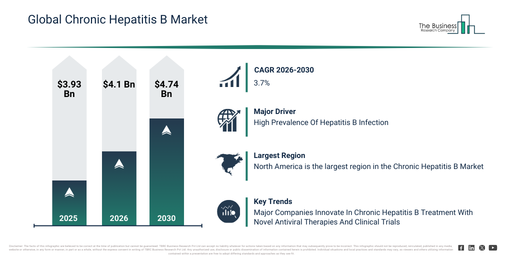
    The chronic hepatitis b market size has experienced consistent expansion in recent years. It is anticipated to increase from $3.93 billion in 2025 to $4.1 billion in 2026, achieving a compound annual growth rate (CAGR) of 4.2%. This historical growth can be attributed to enhancements in hepatitis B screening programs, wider availability of antiviral drugs, increased awareness concerning liver disease complications, greater adoption of nucleos(t)ide analogs, and the establishment of long-term disease monitoring protocols.

    The chronic hepatitis b market is projected to experience consistent expansion over the upcoming years. Its value is anticipated to reach $4.74 billion by 2030, demonstrating a compound annual growth rate (CAGR) of 3.7%. This projected increase during the forecast period is primarily driven by greater investments in next-generation HBV therapies, a growing need for finite-duration treatment regimens, the broadening of therapeutic vaccine development, a heightened emphasis on eradicating viral reservoirs, and more global initiatives aimed at eliminating hepatitis. Key trends identified for this period encompass the increased use of long-term antiviral treatments, the advancing development of functional cure methods, a stronger focus on early disease identification and monitoring, the broadening of immune-modulating treatment approaches, and improved patient adherence programs.

    Download A Free Sample Report For Comprehensive Market Insights:

    https://www.thebusinessresearchcompany.com/sample.aspx?id=17112&type=smp

    What Important Drivers Are Powering The Chronic Hepatitis B Market Growth?

    The significant prevalence of chronic hepatitis B infection is anticipated to drive the expansion of the chronic hepatitis B virus market in the future. Hepatitis B, a liver infection resulting from the hepatitis B virus (HBV), can be prevented through vaccination. The rise in hepatitis B infection rates is attributed to multiple factors, particularly in low- and middle-income regions, where insufficient vaccination coverage leads to increased transmission as many individuals remain unprotected. An escalation in hepatitis B infection rates is expected to heighten the demand for diagnostic tests and treatment options. For instance, in June 2024, a report issued by the Centers for Disease Control and Prevention (CDC), a US-based government entity, indicated that increasing global hepatitis B vaccination coverage to 90% and treatment access to 80% could prevent 26 million new infections and 9 million deaths attributable to hepatitis B between 2022 and 2050. In 2022, there were 1.2 million new cases of hepatitis B virus (HBV) infection. Therefore, the high prevalence of hepatitis B infection will stimulate the chronic hepatitis B virus market.

    Which Segment Groups Define The Chronic Hepatitis B Market Landscape?

    The chronic hepatitis b market covered in this report is segmented –

    1) By Drug Class: Antivirals, Immune Modulators

    2) By Gender: Male, Female

    3) By Distribution Channel: Hospital Pharmacies, Drug Stores And Retail Pharmacies, Online Providers

    Subsegments:

    1) By Antivirals: Nucleos(T) Ide Analogs (Tenofovir, Entecavir), Interferons (Pegylated Interferon)

    2) By Immune Modulators: Immune Checkpoint Inhibitors, Therapeutic Vaccines (HBV Vaccines Under Development)

    Which Trends Are Expected To Shape The Chronic Hepatitis B Market?

    A primary focus for major companies operating in the chronic hepatitis B market involves technological advancements, particularly novel antiviral therapies. These innovative medications are designed to combat viral infections, including resistant strains, by hindering viral replication and utilizing advanced delivery systems, with ongoing clinical trials assessing their safety and efficacy, such as bepirovirsen for chronic hepatitis B. An illustration of this progress occurred in February 2024, when GSK plc, a UK-based multinational pharmaceutical and biotechnology company specializing in the research, development, manufacturing, and marketing of a broad range of healthcare products, was granted U.S. Food and Drug Administration (FDA) Fast Track designation for bepirovirsen. This investigational antisense oligonucleotide (ASO) aims to treat chronic hepatitis B (CHB). Bepirovirsen functions by targeting and degrading the RNA of the hepatitis B virus (HBV), potentially enabling the immune system to regain command over the infection. The drug has demonstrated encouraging outcomes in Phase IIb trials, specifically the B-Clear and B-Sure studies, where it proved effective in lowering hepatitis B surface antigen (HBsAg) levels and achieving durable viral suppression.

    Which Firms Are Competing In The Chronic Hepatitis B Market?

    Major companies operating in the chronic hepatitis b market are Pfizer Inc., F Hoffmann-La Roche Ltd, Merck & Co Inc, Bristol-Myers Squibb Company, Novartis AG, GlaxoSmithKline plc, Dynavax Technologies Corporation, Gilead Sciences Inc, Viatris Inc., Teva Pharmaceutical Industries Limited, Sun Pharmaceutical Industries Ltd., Aurobindo Pharma Limited, Dr. Reddy’s Laboratories Ltd., Apotex Corp, Cipla Ltd, Hikma Pharmaceuticals, Lupin Pharmaceuticals Inc, Vir Biotechnology Inc, VBI Vaccines Inc, Shenzhen Hepalink Pharmaceutical Co. Ltd., Accord Healthcare Inc, Par Pharmaceutical Inc, Arrowhead Pharmaceuticals Inc, ViiV Healthcare, Arbutus Biopharma Corporation, Ascentage Pharma, ENYO Pharma, Zydus Pharmaceuticals Inc, Nucorion Pharmaceuticals

    Access The Complete Chronic Hepatitis B Market Report:

    https://www.thebusinessresearchcompany.com/report/chronic-hepatitis-b-global-market-report

    What Is The Largest Regional Market In The Chronic Hepatitis B Market?

    North America was the largest region in the chronic hepatitis B market in 2025. The regions covered in the chronic hepatitis b market report are Asia-Pacific, South East Asia, Western Europe, Eastern Europe, North America, South America, Middle East, Africa.

    Access Chronic Hepatitis B Market Report for Deeper Competitive Insights

    https://www.thebusinessresearchcompany.com/customise?id=17112&type=smp

    Browse Through More Reports Similar to the Global Chronic Hepatitis B Market 2026, By The Business Research Company

    Chronic Disease Management Global Market Report 2026

    https://www.thebusinessresearchcompany.com/report/chronic-disease-management-global-market-report

    Chronic Pain Global Market Report 2026

    https://www.thebusinessresearchcompany.com/report/chronic-pain-global-market-report

    Chronic Care Management Software Global Market Report 2026

    https://www.thebusinessresearchcompany.com/report/chronic-care-management-software-global-market-report

    Get in touch with us:

    The Business Research Company: https://www.thebusinessresearchcompany.com/

    Americas: +1 310-496-7795

    Asia: +44 7882 955267 & +91 8897263534

    Europe: +44 7882 955267

    Email us at: marketing@tbrc.info

    Follow us on:

    LinkedIn: https://in.linkedin.com/company/the-business-research-company

    YouTube: https://www.youtube.com/channel/UC24_fI0rV8cR5DxlCpgmyFQ

    Global Market Model: https://www.thebusinessresearchcompany.com/global-market-model

  • Global Chronic Fatigue Syndrome Treatment Market Anticipated To Grow To $3.07 Billion By 2030 At 7.9% CAGR

    Global Chronic Fatigue Syndrome Treatment Market Anticipated To Grow To $3.07 Billion By 2030 At 7.9% CAGR

    The Business Research Company’s 2026 market reports feature enhanced tools like market attractiveness analysis, TAM assessment, and company scoring matrices, along with interactive dashboards, deeper supply chain insights, and startup coverage strengthening the depth, usability, and strategic value of insights.

    What Is The Expected Market Value Outlook For The Chronic Fatigue Syndrome Treatment Market Through 2030?

    The chronic fatigue syndrome treatment market has shown considerable growth in recent years. It is anticipated to increase from $2.09 billion in 2025 to $2.26 billion in 2026, achieving a compound annual growth rate (CAGR) of 8.2%. This historical expansion was largely propelled by factors including greater clinical identification of chronic fatigue syndrome, the spread of hospital-based fatigue management programs, a broader adoption of antidepressants and sleep aids, increasing acceptance of cognitive behavioral therapy, and improved patient advocacy and public awareness.

    The chronic fatigue syndrome treatment market is projected to experience robust expansion over the coming years, anticipated to reach a valuation of $3.07 billion by 2030, demonstrating a compound annual growth rate (CAGR) of 7.9%. Factors driving this growth during the projection period include more intensive research into foundational biological mechanisms, a greater call for comprehensive and tailored care approaches, the proliferation of digital health support systems, an increased emphasis on enhancing long-term quality of life, and the broader incorporation of varied treatment methodologies. Key trends foreseen for the forecast period involve a greater embrace of integrated treatment strategies, an uptick in the application of non-drug therapies, an intensified concentration on programs for managing symptoms, the broadening of customized treatment options, and improvements in models of care centered around the patient.

    Download A Free Sample Report For Comprehensive Market Insights:

    https://www.thebusinessresearchcompany.com/sample.aspx?id=28164&type=smp

    Which Major Factors Are Contributing To The Development Of The Chronic Fatigue Syndrome Treatment Market?

    The chronic fatigue syndrome treatment market is projected to expand due to the increasing embrace of non-pharmacological alternatives. These options involve therapeutic methods that do not use pharmaceutical medications, instead focusing on supportive care and multidisciplinary symptom management techniques. This growing preference for non-drug approaches stems from a more profound understanding of chronic fatigue syndrome as a complex multisystem disorder, leading healthcare guidelines to shift from potentially harmful interventions towards safer, patient-centered management strategies. Non-pharmacological approaches directly boost the demand for chronic fatigue syndrome treatment, as patients and healthcare providers increasingly seek alternatives to pharmaceutical interventions that prioritize symptom control and improved quality of life. For instance, in May 2025, the National Health Service, a UK-based government department, stated that 670,000 people received a course of psychological therapy, including cognitive behavioral therapy (CBT), during the 2023/24 period. Consequently, the rising adoption of non-pharmacological options is a significant driver for the growth of the chronic fatigue syndrome treatment market.

    What Key Segment Areas Are Included In The Chronic Fatigue Syndrome Treatment Market Assessment?

    The chronic fatigue syndrome treatment market covered in this report is segmented –

    1) By Treatment Type: Pharmacological, Non-Pharmacological

    2) By Route Of Administration: Oral, Parenteral, Other Routes Of Administration

    3) By Distribution Channel: Hospital Pharmacies, Online Pharmacies, Retail Pharmacies

    4) By Application: Hospitals, Clinics, Research Institutes

    5) By End-User: Adults, Pediatrics

    Subsegments:

    1) By Pharmacological: Antidepressants, Sleep Aids, Pain Relievers, Antiviral Drugs, Central Nervous System (CNS) Stimulants, Immunomodulators

    2) By Non-Pharmacological: Cognitive Behavioral Therapy (CBT), Graded Exercise Therapy (GET), Dietary And Nutritional Supplements, Meditation And Mindfulness Practices, Acupuncture And Alternative Therapies, Counseling And Supportive Psychotherapy

    What Trends Are Affecting The Chronic Fatigue Syndrome Treatment Market Dynamics?

    Leading companies operating in the chronic fatigue syndrome treatment market are increasingly focusing on forming strategic partnerships to boost treatment availability and accelerate the market introduction of innovative therapies. These strategic alliances involve businesses collaborating to leverage each other’s resources and specialized knowledge for mutual advantages, with a primary focus on achieving shared business goals, such as fostering innovation and expanding their market presence. For instance, in March 2025, Lindus Health, a US-based biotechnology company, joined forces with Tiefenbacher Group, a Germany-based health care company, to announce the launch of ReMEdi, a Phase 2 clinical trial, designed to advance research and treatment for myalgic encephalomyelitis/chronic fatigue syndrome (ME/CFS). This trial will evaluate the efficacy of a therapeutic that has previously demonstrated success in treating other fatigue-related conditions, employing a virtual trial model crafted for patient convenience and accessibility. The overall aim of this collaboration is to enhance understanding and develop novel treatments, ultimately improving the quality of life for ME/CFS patients, a population deeply affected by debilitating symptoms and currently facing limited therapeutic options.

    Who Are The Major Companies Operating In The Chronic Fatigue Syndrome Treatment Market?

    Major companies operating in the chronic fatigue syndrome treatment market are Mayo Foundation for Medical Education and Research, Max Healthcare, Avadel Pharmaceuticals plc, HiFiBiO Therapeutics, Tonix Pharmaceuticals Holding Corp., Tiefenbacher Group, Lindus Health, Cortene Inc., Hemispherx Biopharma Inc., IncellDX Inc., Lin Health, PolyBio Research Foundation, Resolve Therapeutics LLC, Simmaron Research Inc., Statera Biopharma Inc., Bateman Horne Center, WinSanTor Inc, AIM ImmunoTech Inc., Axcella Health Inc, Coach For Mind

    Access The Complete Chronic Fatigue Syndrome Treatment Market Report:

    https://www.thebusinessresearchcompany.com/report/chronic-fatigue-syndrome-treatment-global-market-report

    Which Region Contributes The Most To The Chronic Fatigue Syndrome Treatment Market?

    North America was the largest region in the chronic fatigue syndrome treatment market in 2025. Asia-Pacific is expected to be the fastest-growing region in the forecast period. The regions covered in the chronic fatigue syndrome treatment market report are Asia-Pacific, South East Asia, Western Europe, Eastern Europe, North America, South America, Middle East, Africa.

    Access Chronic Fatigue Syndrome Treatment Market Report for Deeper Competitive Insights

    https://www.thebusinessresearchcompany.com/customise?id=28164&type=smp

    Browse Through More Reports Similar to the Global Chronic Fatigue Syndrome Treatment Market 2026, By The Business Research Company

    Cough And Cold Preparations Global Market Report 2026

    https://www.thebusinessresearchcompany.com/report/cough-and-cold-preparations-global-market-report

    Cough Remedies Global Market Report 2026

    https://www.thebusinessresearchcompany.com/report/cough-remedies-global-market-report

    Cough Hypersensitivity Syndrome Global Market Report 2026

    https://www.thebusinessresearchcompany.com/report/cough-hypersensitivity-syndrome-global-market-report

    Get in touch with us:

    The Business Research Company: https://www.thebusinessresearchcompany.com/

    Americas: +1 310-496-7795

    Asia: +44 7882 955267 & +91 8897263534

    Europe: +44 7882 955267

    Email us at: marketing@tbrc.info

    Follow us on:

    LinkedIn: https://in.linkedin.com/company/the-business-research-company

    YouTube: https://www.youtube.com/channel/UC24_fI0rV8cR5DxlCpgmyFQ

    Global Market Model: https://www.thebusinessresearchcompany.com/global-market-model
  • Chronic Cough Market Future Analysis Covering Industry Shifts And Growth Potential

    Chronic Cough Market Future Analysis Covering Industry Shifts And Growth Potential

    The Business Research Company’s 2026 market reports feature enhanced tools like market attractiveness analysis, TAM assessment, and company scoring matrices, along with interactive dashboards, deeper supply chain insights, and startup coverage strengthening the depth, usability, and strategic value of insights.

    How Will The Market Value Of The Chronic Cough Market Increase Between 2026 And 2030?

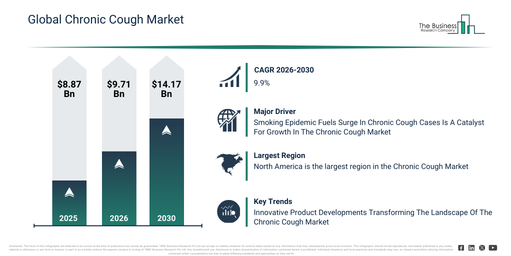
    The chronic cough market size has shown robust growth in recent times. It is anticipated to expand from $8.87 billion in 2025 to $9.71 billion in 2026, exhibiting a compound annual growth rate (CAGR) of 9.4%. This historical expansion can be linked to the increasing prevalence of asthma and allergies, heightened public understanding of chronic respiratory conditions, broader access to over-the-counter cough medications, refined diagnostic methods for respiratory disorders, and the expansion of outpatient respiratory care facilities.

    The chronic cough market size is anticipated to experience substantial growth over the next few years. It is projected to expand to $14.17 billion by 2030, achieving a compound annual growth rate (CAGR) of 9.9%. The projected increase can be attributed to a heightened focus on personalized respiratory treatments, rising investments in novel cough therapeutics, a growing demand for non-opioid cough suppressants, the expansion of telehealth-based respiratory care, and an increasing emphasis on long-term symptom management. Key trends during the forecast period include the increasing development of targeted antitussive therapies, a rising focus on combination drug formulations, the growing adoption of long-acting cough suppressants, the expansion of acid reflux-linked cough treatments, and an enhanced emphasis on differential diagnosis approaches.

    Download A Free Sample Report For Comprehensive Market Insights:

    https://www.thebusinessresearchcompany.com/sample.aspx?id=12109&type=smp

    What Key Growth Drivers Are Influencing The Chronic Cough Market?

    A rising incidence of smoking and tobacco use is projected to drive expansion in the chronic cough market. Smoking involves burning a substance, generally tobacco, and then inhaling the smoke or allowing it to be absorbed into the bloodstream. Tobacco consumption and smoking lead to various health issues such as airway irritation, chronic bronchitis, elevated mucus production, diminished lung function, a compromised immune system, disruption of the cough reflex, and an elevated risk of lung cancer. As an illustration, data from October 2024 by The Office for National Statistics (ONS), a UK-Based government department, indicated that in 2023, roughly 6.0 million adults in the UK, accounting for 11.9% of those aged 18 and over, were cigarette smokers. Consequently, the growing occurrence of smoking and tobacco consumption is fueling the expansion of the chronic cough market.

    How Is Segment Classification Applied In The Chronic Cough Market?

    The chronic cough market covered in this report is segmented –

    1) By Drug Class: Antihistamines, Corticosteroids, Decongestants, Combination Drug, Antibiotics, Acid Blockers, Other Drug Classes

    2) By Route Of Administration: Oral, Inhalational, Injectable, Other Route Of Administrations

    3) By Distribution Channel: Hospital Pharmacy, Online Pharmacy, Retail Pharmacy

    4) By End-Users: Hospitals, Homecare, Specialty Centers, Other End Users

    Subsegments:

    1) By Antihistamines: First-Generation Antihistamines, Second-Generation Antihistamines

    2) By Corticosteroids: Inhaled Corticosteroids, Systemic Corticosteroids

    3) By Decongestants: Oral Decongestants, Nasal Decongestants

    4) By Combination Drug: Antihistamine And Decongestant Combinations, Cough Suppressant And Expectorant Combinations

    5) By Antibiotics: Macrolides, Penicillins, Cephalosporins

    6) By Acid Blockers: Proton Pump Inhibitors (PPIs), H2-Receptor Antagonists

    7) By Other Drug Classes: Mucolytics, Cough Suppressants, Herbal Remedies

    Which Trends Are Influencing The Expansion Of The Chronic Cough Market?

    Companies operating in the chronic cough market are focusing on creating advanced products, such as biosimilars, to strengthen their competitive position. Biosimilars serve as cost-effective alternatives to current biologics, used for managing conditions like cancer, autoimmune diseases, and diabetes. For instance, in July 2024, the Switzerland-based pharmaceutical firm Sandoz introduced its biosimilar, Pyzchiva (ustekinumab), across Europe, targeting chronic inflammatory conditions such as plaque psoriasis, psoriatic arthritis, and Crohn’s disease. This biosimilar is particularly noteworthy as it represents the first of its kind in Europe to be available in all reference medicine strengths, including the introductory dose for Crohn’s disease. Developed in collaboration with Samsung Bioepis, Sandoz aims to improve access to beneficial treatments for millions affected by these conditions. This launch underscores Sandoz’s dedication to offering affordable healthcare solutions and enhancing the quality of life for patients throughout Europe.

    Which Companies Are Influencing The Chronic Cough Market?

    Major companies operating in the chronic cough market are Tris Pharma Inc., Pfizer Inc., Johnson & Johnson Co, Bayer AG, Novartis AG, Sanofi SA, Bristol-Myers Squibb Company, AstraZeneca plc, Glaxo SmithKline Plc, Merck KGaA, Reckitt Benckiser Group plc, Glenmark Pharmaceuticals Ltd, Teva Pharmaceutical Industries Ltd., Mylan NV, Aurobindo Pharma Ltd., Cipla Limited, Apotex Inc., Hikma Pharmaceuticals Plc, Amneal Pharmaceuticals LLC, Mount Sinai Health System, Biocon Ltd., BELLUS Health Inc., Trevi Therapeutics Inc., Sun Pharmaceutical Industries Ltd., NeRRe Therapeutics Ltd.

    Access The Complete Chronic Cough Market Report:

    https://www.thebusinessresearchcompany.com/report/chronic-cough-global-market-report

    Which Regional Market Leads The Chronic Cough Market?

    North America was the largest region in the chronic cough market in 2025. The regions covered in the chronic cough market report are Asia-Pacific, South East Asia, Western Europe, Eastern Europe, North America, South America, Middle East, Africa.

    Access Chronic Cough Market Report for Deeper Competitive Insights

    https://www.thebusinessresearchcompany.com/customise?id=12109&type=smp

    Browse Through More Reports Similar to the Global Chronic Cough Market 2026, By The Business Research Company

    Long Term Care Software Global Market Report 2026

    https://www.thebusinessresearchcompany.com/report/long-term-care-software-global-market-report

    Chronic Disease Management Global Market Report 2026

    https://www.thebusinessresearchcompany.com/report/chronic-disease-management-global-market-report

    Care Management Solutions Global Market Report 2026

    https://www.thebusinessresearchcompany.com/report/care-management-solutions-global-market-report

    Get in touch with us:

    The Business Research Company: https://www.thebusinessresearchcompany.com/

    Americas: +1 310-496-7795

    Asia: +44 7882 955267 & +91 8897263534

    Europe: +44 7882 955267

    Email us at: marketing@tbrc.info

    Follow us on:

    LinkedIn: https://in.linkedin.com/company/the-business-research-company

    YouTube: https://www.youtube.com/channel/UC24_fI0rV8cR5DxlCpgmyFQ

    Global Market Model: https://www.thebusinessresearchcompany.com/global-market-model

  • Chronic Care Management Software Market Analysis Reflecting Expansion Trends And Industry Performance

    Chronic Care Management Software Market Analysis Reflecting Expansion Trends And Industry Performance

    The Business Research Company’s 2026 market reports feature enhanced tools like market attractiveness analysis, TAM assessment, and company scoring matrices, along with interactive dashboards, deeper supply chain insights, and startup coverage strengthening the depth, usability, and strategic value of insights.

    What Will Be The Estimated Market Size Of The Chronic Care Management Software Market By 2030?

    The chronic care management software market size has seen significant growth in recent years. It is anticipated to expand from $15.26 billion in 2025 to $17.43 billion in 2026, exhibiting a compound annual growth rate (CAGR) of 14.3%. This historical expansion can be linked to factors such as the increasing prevalence of chronic diseases, the broader adoption of electronic health records, a rising demand for coordinated care delivery, the evolution of value-based healthcare models, and the availability of digital health infrastructure.

    The chronic care management software market size is projected to experience substantial growth in the coming years. This market is anticipated to reach a valuation of $27.48 billion by 2030, expanding at a compound annual growth rate (CAGR) of 12.0%. The growth observed during the forecast period can be attributed to the increasing adoption of AI-driven care management, a rising focus on population health management, the broader integration of telehealth, a growing demand for cost-efficient chronic care solutions, and increasing regulatory support for digital healthcare platforms. Prominent trends within this period include the expanding uptake of cloud-based chronic care platforms, the rising integration of remote patient monitoring tools, the growing utilization of data-driven care coordination solutions, the expansion of interoperable healthcare software systems, and an enhanced focus on patient engagement and outcomes.

    Download A Free Sample Report For Comprehensive Market Insights:

    https://www.thebusinessresearchcompany.com/sample.aspx?id=14668&type=smp

    Which Core Factors Are Supporting The Expansion Of The Chronic Care Management Software Market?

    Increased use of healthcare IT solutions is projected to fuel the expansion of the chronic care management software market in the future. These IT solutions involve digital systems and tools crafted to simplify healthcare operations, improve how patient care is provided, and elevate general healthcare results. The drive to employ healthcare information technology (IT) solutions stems from the need to increase effectiveness, improve patient services, optimize processes, and meet regulatory demands in an increasingly digital healthcare landscape. Chronic care management software, leveraging diverse IT solutions, enhances the quality of care for individuals with chronic illnesses through fostering improved communication, better coordination, and closer monitoring of their health requirements. For example, in January 2025, Deloitte Touche Tohmatsu Limited, a UK-based software company, reported that approximately 70% of respondents consider investments in digital tools and platforms crucial, 60% emphasize foundational technologies such as EMRs and ERP, and close to 90% of C-suite executives anticipate a quicker pace of digital technology adoption in 2025. Consequently, the rising implementation of healthcare information technology (IT) solutions is fueling the expansion of the chronic care management software market.

    What Are The Core Segment Classifications In The Chronic Care Management Software Market?

    The chronic care management software market covered in this report is segmented –

    1) By Type: Standalone Software, Integrated Software

    2) By Deployment: Cloud-Based, Web-Based, On-Premise

    3) By Application: Chronic Disease Management, Case Management, Communication And Collaboration, Other Applications

    4) By End User: Hospitals, Clinics, Specialty Centers, Other End Users

    Subsegments:

    1) By Standalone Software: Remote Patient Monitoring Software, Chronic Disease Tracking Software, Appointment Scheduling Software, Medication Management Software, Patient Engagement Software, Electronic Health Records (EHR) Software, Data Analytics and Reporting Tools

    2) By Integrated Software: Integrated Chronic Care Management Platforms, Telehealth and Telemedicine Integration, Health Information Exchange (HIE) Systems, Care Coordination and Communication Tools, Population Health Management Solutions, Billing and Revenue Cycle Management Integration, Patient Portal and Mobile App Integration

    Which Trends Are Expected To Shape The Chronic Care Management Software Market?

    Companies active in the chronic care management software market are intensifying their efforts to create sophisticated solutions, like EHR-integrated software, to gain a competitive advantage through better patient outcomes, improved care coordination, and more efficient workflows for healthcare providers. EHR-integrated software for chronic care enhances patient management by smoothly connecting real-time health information, treatment plans, and communication tools within a unified electronic health record system. As an illustration, in March 2024, Rimidi, a US-based digital health company, launched The Rimidi Care Network, a collaborative program for remote monitoring clinical service providers designed to expand access to remote patient monitoring (RPM) services. This initiative aims to link healthcare providers, payers, and technology vendors, allowing them to offer Rimidi’s solutions more effectively across a wider spectrum of healthcare environments. By integrating with electronic health records (EHR) and providing user-friendly RPM tools, Rimidi seeks to help organizations boost patient engagement, especially in the context of managing chronic conditions. The program intends to streamline remote care services, improve results, and broaden access for populations that benefit from remote health monitoring.

    Who Are The Companies Shaping The Chronic Care Management Software Market Landscape?

    Major companies operating in the chronic care management software market are McKesson Corporation, International Business Machines Corporation, Siemens Healthineers, Cognizant Technology Solutions, Koninklijke Philips N.V, Infosys Limited, Cerner Corporation, Epic Systems Corporation, EXL Service Holdings Inc, Allscripts Healthcare Solutions Inc, eClinicalWorks LLC, Waystar Revenue Cycle Technology, NextGen Healthcare Inc, MEDITECH, Medecision Inc, Greenway Health LLC, Vivify Health Inc, Casenet LLC, AdvancedMD Inc, Practice Fusion, ZeOmega Inc, Kareo Billing, ScienceSoft USA Corporation, Azalea Health, Care Sync (Vatica Health), InSync Healthcare Solutions, RxNT, ClinicTracker EHR, zHealth EHR, Chronic Care Management Inc.

    Access The Complete Chronic Care Management Software Market Report:

    https://www.thebusinessresearchcompany.com/report/chronic-care-management-software-global-market-report

    Which Region Holds The Largest Share In The Chronic Care Management Software Market?

    North America was the largest region in the chronic care management software market in 2025. Asia-Pacific is expected to be the fastest-growing region in the forecast period. The regions covered in the chronic care management software market report are Asia-Pacific, South East Asia, Western Europe, Eastern Europe, North America, South America, Middle East, Africa.

    Access Chronic Care Management Software Market Report for Deeper Competitive Insights

    https://www.thebusinessresearchcompany.com/customise?id=14668&type=smp

    Browse Through More Reports Similar to the Global Chronic Care Management Software Market 2026, By The Business Research Company

    Dna Sequencing Global Market Report 2026

    https://www.thebusinessresearchcompany.com/report/dna-sequencing-global-market-report

    Next Generation Sequencing Market 2026

    https://www.thebusinessresearchcompany.com/report/next-generation-sequencing-market

    Protein Sequencing Global Market Report 2026

    https://www.thebusinessresearchcompany.com/report/protein-sequencing-global-market-report

    Get in touch with us:

    The Business Research Company: https://www.thebusinessresearchcompany.com/

    Americas: +1 310-496-7795

    Asia: +44 7882 955267 & +91 8897263534

    Europe: +44 7882 955267

    Email us at: marketing@tbrc.info

    Follow us on:

    LinkedIn: https://in.linkedin.com/company/the-business-research-company

    YouTube: https://www.youtube.com/channel/UC24_fI0rV8cR5DxlCpgmyFQ

    Global Market Model: https://www.thebusinessresearchcompany.com/global-market-model

  • Global Chromatin immunoprecipitation (ChIP) Sequencing Market Revenue Expected To Reach $29.01 Billion By 2030

    Global Chromatin immunoprecipitation (ChIP) Sequencing Market Revenue Expected To Reach $29.01 Billion By 2030

    The Business Research Company’s 2026 market reports feature enhanced tools like market attractiveness analysis, TAM assessment, and company scoring matrices, along with interactive dashboards, deeper supply chain insights, and startup coverage strengthening the depth, usability, and strategic value of insights.

    What Is The Estimated Growth In Market Size Of The Chromatin immunoprecipitation (ChIP) Sequencing Market During 2026–2030?

    The chromatin immunoprecipitation (chip) sequencing market size has seen rapid development recently. It is projected to expand from $15.48 billion in 2025 to $17.42 billion in 2026, achieving a compound annual growth rate (CAGR) of 12.5%. This growth observed historically is primarily due to the broadening of basic genomics research, increased financial support for academic research, the widespread availability of next-generation sequencing platforms, a surging interest in chromatin biology, and the proliferation of molecular biology laboratories.

    The chromatin immunoprecipitation (chip) sequencing market is projected for significant expansion in the coming years, with its size anticipated to reach $29.02 billion by 2030, exhibiting a compound annual growth rate (CAGR) of 13.6%. This expansion during the forecast period is fueled by factors such as increased funding in epigenomics research, the growing embrace of AI-powered genomic analysis, the spread of precision medicine programs, rising demand for integrated multi-omics approaches, and the expanding utilization of cloud-based bioinformatics solutions. Furthermore, key trends predicted for this period encompass a greater emphasis on genome-wide protein-DNA interaction mapping, the increasing prevalence of high-throughput sequencing technologies, a surge in the need for epigenetics research instruments, the development of integrated bioinformatics analysis workflows, and a heightened focus on regulatory genomics investigations.

    Download A Free Sample Report For Comprehensive Market Insights:

    https://www.thebusinessresearchcompany.com/sample.aspx?id=13265&type=smp

    What Are The Main Drivers Accelerating The Growth Of The Chromatin immunoprecipitation (ChIP) Sequencing Market?

    The increasing prevalence of prostate cancer is expected to propel the growth of the chromatin immunoprecipitation (ChIP) sequencing market going forward. Prostate cancer is a type of cancer that develops in the prostate gland, a walnut-sized gland in men that produces fluid that helps semen. In prostate cancer research, ChIP-seq offers a comprehensive view of the molecular events driving the disease, providing critical information that can lead to a better understanding of its biology and the development of more targeted and effective therapeutic interventions. For instance, in January 2023, according to the American Cancer Society, a US-based cancer-fighting organization, in the US it is estimated that there were 288,300 new cases of prostate cancer and 34,700 deaths from prostate cancer in 2023. Therefore, the increasing prevalence of prostate cancer is driving the growth of the chromatin immunoprecipitation (ChIP) sequencing market.

    How Is The Chromatin immunoprecipitation (ChIP) Sequencing Market Structured Across Different Market Segments?

    The chromatin immunoprecipitation (chip) sequencing market covered in this report is segmented –

    1) By Type: DNase-Sequencing, FAIRE-Sequencing

    2) By Technology: Targeted Sequencing And Re-Sequencing, Whole Genome Sequencing And Whole Exome Sequencing

    3) By Workflow: Pre-Sequencing, Sequencing, Data Analysis

    4) By Application: Consumables And Reagents, Service, Other Applications

    5) By End-User: Academic Research Institutes, Clinical Research Institutes, Hospitals And Clinics, Pharmaceuticals And Biotechnology Companies, Other End Users

    Subsegments:

    1) By DNase-Sequencing: DNase I Hypersensitivity Mapping, DNase-Seq For Open Chromatin Regions

    2) By FAIRE-Sequencing: Formaldehyde-Assisted Isolation Of Regulatory Elements (FAIRE), FAIRE-Seq For Active Regulatory Regions

    Which Trends Are Affecting The Chromatin immunoprecipitation (ChIP) Sequencing Market Framework?

    Major companies in the chromatin immunoprecipitation (ChIP) sequencing market are prioritizing novel technologies, such as hmqChIP-seq (high-throughput multiplex quantitative Chromatin Immunoprecipitation sequencing), to improve the precision and effectiveness of epigenomic investigations, thereby fostering progress in drug development and tailored medical treatments. hmqChIP-seq (high-throughput multiplex quantitative Chromatin Immunoprecipitation sequencing) itself represents a sophisticated method crafted to refine the examination of epigenetic changes throughout the genome. As an illustration, in June 2024, Epigenica, a life sciences technology firm located in Sweden, introduced its EpiFinder Platform. This platform incorporates patented hmqChIP-seq technology, facilitating high-throughput, multiplex quantitative analysis within epigenomic research. The groundbreaking platform allows researchers to produce 192 genome-wide profiles concurrently from as many as 24 samples, thereby simplifying extensive experiments with unparalleled velocity and economic advantage.

    Which Industry Players Are Present In The Chromatin immunoprecipitation (ChIP) Sequencing Market?

    Major companies operating in the chromatin immunoprecipitation (chip) sequencing market are F. Hoffmann La Roche Ltd., Merck KGaA, Thermo Fisher Scientific Inc. , Becton Dickinson and Co., Eurofins Scientific SE, Agilent Technologies Inc., Illumina Inc. , PerkinElmer Inc., Bio-Rad Laboratories Inc., Qiagen N.V., Bio-Techne Corp., BGI Genomics Co. Ltd., Promega Corporation, GenScript Biotech Corporation, Abcam plc, BioLegend Inc., Hamilton Co., Takara Bio Inc., Novogene Co. Ltd., Oxford Nanopore Technologies plc, Porvair Sciences Ltd. , Creative Biolabs Inc., Cell Signaling Technology Inc., GENEWIZ Inc., Zymo Research Corporation, CD Genomics, Active Motif Inc., Psomagen Inc., EpiCypher Inc.

    Access The Complete Chromatin immunoprecipitation (ChIP) Sequencing Market Report:

    https://www.thebusinessresearchcompany.com/report/chromatin-immunoprecipitation-chip-sequencing-global-market-report

    Which Region Is The Dominant Market In The Chromatin immunoprecipitation (ChIP) Sequencing Market?

    North America was the largest region in the chromatin immunoprecipitation (ChIP) sequencing market in 2025. Asia-Pacific is expected to be the fastest-growing region in the forecast period. The regions covered in the chromatin immunoprecipitation (chip) sequencing market report are Asia-Pacific, South East Asia, Western Europe, Eastern Europe, North America, South America, Middle East, Africa.

    Access Chromatin immunoprecipitation (ChIP) Sequencing Market Report for Deeper Competitive Insights

    https://www.thebusinessresearchcompany.com/customise?id=13265&type=smp

    Browse Through More Reports Similar to the Global Chromatin immunoprecipitation (ChIP) Sequencing Market 2026, By The Business Research Company

    Intravascular Ultrasound Global Market Report 2026

    https://www.thebusinessresearchcompany.com/report/intravascular-ultrasound-global-market-report

    Vascular Imaging Global Market Report 2026

    https://www.thebusinessresearchcompany.com/report/vascular-imaging-global-market-report

    Ocular Hypertension Treatment Global Market Report 2026

    https://www.thebusinessresearchcompany.com/report/ocular-hypertension-treatment-global-market-report

    Get in touch with us:

    The Business Research Company: https://www.thebusinessresearchcompany.com/

    Americas: +1 310-496-7795

    Asia: +44 7882 955267 & +91 8897263534

    Europe: +44 7882 955267

    Email us at: marketing@tbrc.info

    Follow us on:

    LinkedIn: https://in.linkedin.com/company/the-business-research-company

    YouTube: https://www.youtube.com/channel/UC24_fI0rV8cR5DxlCpgmyFQ

    Global Market Model: https://www.thebusinessresearchcompany.com/global-market-model

  • Choroidal Neovascularization Market Insights Exploring Expansion Opportunities Through 2030

    Choroidal Neovascularization Market Insights Exploring Expansion Opportunities Through 2030

    The Business Research Company’s 2026 market reports feature enhanced tools like market attractiveness analysis, TAM assessment, and company scoring matrices, along with interactive dashboards, deeper supply chain insights, and startup coverage strengthening the depth, usability, and strategic value of insights.

    What Market Value Expansion Is Expected For The Choroidal Neovascularization Market Over The Forecast Period?

    The choroidal neovascularization market has experienced robust growth recently. It is projected to increase from $4.18 billion in 2025 to $4.5 billion in 2026, representing a compound annual growth rate (CAGR) of 7.7%. This historic expansion has been driven by factors such as the increasing prevalence of age-related macular degeneration, a rise in diabetic eye disease cases, the expansion of ophthalmology clinics, the availability of anti-angiogenic drugs, and improvements in retinal diagnostic capabilities.

    The choroidal neovascularization market is projected to demonstrate significant growth over the next few years. It is expected to expand to $5.99 billion by 2030, achieving a compound annual growth rate (CAGR) of 7.4%. This expansion during the forecast period can be attributed to an aging global population, a heightened emphasis on timely ophthalmic intervention, the wider adoption of combination therapy approaches, increasing financial commitments to retinal disease research, and the rising implementation of personalized treatment protocols. Prominent trends within this period include the increased uptake of anti-VEGF therapies, a growing reliance on treat-and-extend regimens, a surging requirement for early CNV diagnosis, the broader application of advanced retinal imaging techniques, and an intensified focus on therapies aimed at preserving vision.

    Download A Free Sample Report For Comprehensive Market Insights:

    https://www.thebusinessresearchcompany.com/sample.aspx?id=21142&type=smp

    Which Growth Drivers Are Expected To Support The Choroidal Neovascularization Market Forward?

    The increasing incidence of age-related macular degeneration (AMD) is anticipated to drive the expansion of the choroidal neovascularization (CNV) market in the future. Age-related macular degeneration (AMD) is an ocular condition characterized by progressive harm to the macula, resulting in the impairment of central vision, predominantly among the elderly. The growing occurrence of age-related macular degeneration (AMD) stems from an aging demographic, extended longevity, evolving lifestyle habits, hereditary predispositions, and heightened vulnerability to environmental hazards. Choroidal neovascularization (CNV) plays a role in aiding age-related macular degeneration (AMD) sufferers through its involvement in the emergence of wet AMD, a condition where the proliferation of atypical blood vessels under the retina causes a decline in vision, necessitating sophisticated interventions like anti-VEGF therapy to control choroidal neovascularization (CNV) and decelerate the advancement of age-related macular degeneration (AMD), thereby helping to maintain central vision for those impacted. For example, by 2025, the UHN Foundation, Canada-Based official fundraising arm, reports that age-related macular degeneration (AMD) will be the leading reason for substantial, permanent vision impairment in people aged over 50. While it currently impacts more than 200 million individuals globally, this figure is predicted to reach 288 million by 2040. Consequently, the growing incidence of age-related macular degeneration is fueling the expansion of the choroidal neovascularization market.

    Which Segment-Based Categories Are Covered In The Choroidal Neovascularization Market?

    The choroidal neovascularization market covered in this report is segmented –

    1) By Treatment Type: Anti-Angiogenic Therapy, Laser Photocoagulation, Photodynamic Therapy, Verteporfin Sodium, Ranibizumab, Bevacizumab, Aflibercept, Pegaptanib Sodium

    2) By Indication: Age-Related Macular Degeneration (AMD), Diabetic Macular Edema (DME), Central Serous Chorioretinopathy (CSC), Polypoidal Choroidal Vasculopathy (PCV), Myopic Macular Degeneration (MMD), Other Indications

    3) By Route Of Administration: Intravitreal, Subconjunctival, Periocular, Oral

    4) By End User: Hospitals, Ophthalmology Clinics, Ambulatory Surgical Centers, Research Centers

    Subsegments:

    1) By Anti-Angiogenic Therapy (Anti-VEGF Therapy): Ranibizumab, Bevacizumab, Aflibercept, Pegaptanib Sodium

    2) By Laser Photocoagulation: Thermal Laser Photocoagulation, MicroPulse Laser Therapy

    3) By Photodynamic Therapy (PDT): Standard PDT, Low-Fluence PDT, Half-Dose PDT

    4) By Verteporfin Sodium: Intravenous Administration, Combination Therapy With Anti-VEGF

    5) By Ranibizumab: Monthly Dosing, As-Needed Dosing, Treat-and-Extend Regimen

    6) By Bevacizumab: Off-Label Use, Compounded Intravitreal Injections

    7) By Aflibercept: Fixed-Dosing Regimen, Treat-and-Extend Regimen

    8) By Pegaptanib Sodium: Monotherapy, Combination Therapy

    What Trends Are Influencing The Choroidal Neovascularization Market?

    Major entities operating in the choroidal neovascularization market are concentrating on creating innovative treatments, such as photodynamic therapy, to provide eye care professionals with precise, efficient treatment alternatives that improve patient outcomes and the delivery of care. Photodynamic therapy (PDT) is a medical process that utilizes a photosensitizing agent activated by light to specifically target and destroy abnormal or cancerous cells. For example, in February 2023, Bausch & Lomb, a Canada-based healthcare company, and Modulight, a Finland-based biomedical company, disclosed the ML6710i photodynamic laser, which was approved by the Food and Drug Administration, a US-based federal agency. This therapy is authorized for use with Bausch + Lomb’s VISUDYNE therapy, which is specifically designed to treat choroidal neovascularization caused by age-related macular degeneration (AMD). This modern, mobile ophthalmic laser provides a targeted approach for treating abnormal blood vessels in the eye, helping to prevent further disease progression and preserve vision.

    Which Organizations Are Involved In The Choroidal Neovascularization Market?

    Major companies operating in the choroidal neovascularization market are Roche Holding AG, Regeneron Pharmaceuticals Incorporated, Bayer Aktiengesellschaft, Novartis AG, Apellis Pharmaceuticals Incorporated, Kodiak Sciences Incorporated, Adverum Biotechnologies Incorporated, Clearside Biomedical Incorporated, Graybug Vision Incorporated, Outlook Therapeutics Incorporated, Oxurion NV, 4D Molecular Therapeutics Incorporated, Opthea Limited, Eyepoint Pharmaceuticals Incorporated, Ocular Therapeutix Incorporated, OcuTerra Therapeutics Incorporated, Ocuphire Pharma Incorporated, Kubota Vision Incorporated, Amgen Incorporated, Coherus BioSciences Incorporated, Formycon AG, Alimera Sciences Incorporated, Neurotech Pharmaceuticals Incorporated, Alkeus Pharmaceuticals Incorporated, Aerie Pharmaceuticals Incorporated, Acucela Incorporated

    Access The Complete Choroidal Neovascularization Market Report:

    https://www.thebusinessresearchcompany.com/report/choroidal-neovascularization-global-market-report

    Which Area Represents The Largest Portion Of The Choroidal Neovascularization Market?

    North America was the largest region in the choroidal neovascularization market in 2025. Asia-Pacific is expected to be the fastest-growing region in the forecast period. The regions covered in the choroidal neovascularization market report are Asia-Pacific, South East Asia, Western Europe, Eastern Europe, North America, South America, Middle East, Africa.

    Access Choroidal Neovascularization Market Report for Deeper Competitive Insights

    https://www.thebusinessresearchcompany.com/customise?id=21142&type=smp

    Browse Through More Reports Similar to the Global Choroidal Neovascularization Market 2026, By The Business Research Company

    Cartilage Repair Global Market Report 2026

    https://www.thebusinessresearchcompany.com/report/cartilage-repair-global-market-report

    Knee Cartilage Repair Global Market Report 2026

    https://www.thebusinessresearchcompany.com/report/knee-cartilage-repair-global-market-report

    Regenerative Medicine For Cartilage Global Market Report 2026

    https://www.thebusinessresearchcompany.com/report/regenerative-medicine-for-cartilage-global-market-report

    Get in touch with us:

    The Business Research Company: https://www.thebusinessresearchcompany.com/

    Americas: +1 310-496-7795

    Asia: +44 7882 955267 & +91 8897263534

    Europe: +44 7882 955267

    Email us at: marketing@tbrc.info

    Follow us on:

    LinkedIn: https://in.linkedin.com/company/the-business-research-company

    YouTube: https://www.youtube.com/channel/UC24_fI0rV8cR5DxlCpgmyFQ

    Global Market Model: https://www.thebusinessresearchcompany.com/global-market-model