Blog

  • Warm Autoimmune Hemolytic Anemia (WAIHA) Treatment Market 2026 Outlook: Market Size, CAGR And Key Growth Opportunities

    Warm Autoimmune Hemolytic Anemia (WAIHA) Treatment Market 2026 Outlook: Market Size, CAGR And Key Growth Opportunities

    Featuring market attractiveness scoring, total addressable market sizing, company benchmarking matrices, interactive Excel dashboards, deeper supply chain intelligence, emerging startup tracking, and granular product-level insights, The Business Research Company’s 2026 market reports are built to deliver research that is both more actionable and more strategically valuable.

    Warm Autoimmune Hemolytic Anemia (WAIHA) Treatment Market CAGR Outlook And Future Development

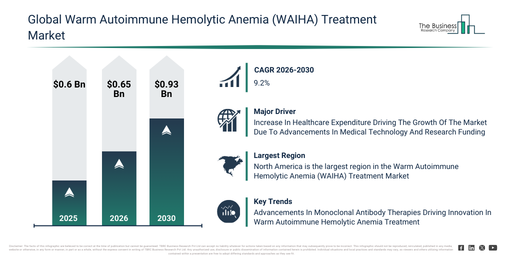
    The warm autoimmune hemolytic anemia (waiha) treatment market has demonstrated significant growth in size over recent years. It is projected to expand from $0.6 billion in 2025 to $0.65 billion in 2026, achieving a compound annual growth rate (CAGR) of 9.2%. The growth observed in prior periods can be attributed to factors such as reliance on corticosteroid therapy, limited treatment options, hospital-based autoimmune care, blood transfusion dependency, and low disease awareness.

    The market size for warm autoimmune hemolytic anemia (waiha) treatments is anticipated to experience substantial growth in the upcoming years. It is projected to expand to $0.93 billion by 2030, achieving a compound annual growth rate (CAGR) of 9.2%. The expansion during this forecast period can be attributed to advancements in biologic drugs, improved diagnostics for autoimmune conditions, the broadening application of precision medicine, an increasing geriatric population, and the growth of specialty hematology care. Significant trends expected during the forecast period include a greater utilization of monoclonal antibody therapies, the increasing adoption of steroid-sparing treatments, an expansion of personalized autoimmune therapies, the rising importance of IVIG in acute management, and enhanced diagnostic and monitoring protocols.

    Get A Free Sample Report With In-Depth Market Insights:

    https://thebusinessresearchcompany.com/sample_request?id=98639220&type=smp&name=Warm%20Autoimmune%20Hemolytic%20Anemia%20%28WAIHA%29%20Treatment%20Market%20Report%202026&utm_source=Blogs&utm_medium=Paid&utm_campaign=Oct_PR

    Warm Autoimmune Hemolytic Anemia (WAIHA) Treatment Market Growth Factors: What’s Supporting Expansion?

    Rising healthcare spending is anticipated to stimulate the expansion of the warm autoimmune hemolytic anemia (WAIHA) treatment market in the future. Healthcare expenditure encompasses the complete sum of funds allocated to health services, covering disease prevention, diagnosis, treatment, and management, by individuals, governmental bodies, and various organizations. Progress in medical technology is elevating healthcare spending, given that modern diagnostic methods and therapies frequently involve greater expenses for their development, deployment, and continuous patient support. This spending on healthcare bolsters warm autoimmune hemolytic anemia (WAIHA) treatment through financing research, enabling access to sophisticated diagnostic instruments, and securing specialized treatments essential for managing and controlling the condition. For example, in May 2024, data from the Office for National Statistics, a UK-based government agency, indicated that long-term health and social care expenditures saw a real-term increase of 2.8% in 2022, while total healthcare spending rose by 5.6% in 2023. Consequently, the growing healthcare expenditure is propelling the expansion of the warm autoimmune hemolytic anemia (WAIHA) treatment market.

    Warm Autoimmune Hemolytic Anemia (WAIHA) Treatment Market Segment Analysis And Revenue Potential

    The warm autoimmune hemolytic anemia (waiha) treatment market covered in this report is segmented –

    1) By Treatment Type: Corticosteroids, Monoclonal Antibodies, Intravenous Immunoglobulin (IVIG), Blood Transfusions, Splenectomy

    2) By Route Of Administration: Oral, Intravenous, Subcutaneous

    3) By Patient Demographics: Children, Adults, Geriatric

    4) By Therapeutic Area: Primary Autoimmune Disorders, Secondary Autoimmune Disorders, Genetic Predisposition

    5) By Distribution Channel: Hospital Pharmacies, Retail Pharmacies, Online Pharmacies

    Subsegments:

    1) By Corticosteroids: Prednisone, Dexamethasone, Methylprednisolone

    2) By Monoclonal Antibodies: Rituximab, Sutimlimab, Bortezomib

    3) By Intravenous Immunoglobulin: Standard IVIG, High-Dose IVIG Therapy, Pooled Plasma-Derived Immunoglobulins

    4) By Blood Transfusions: Leukoreduced RBC Transfusions, Emergency Transfusions, Phenotypically Matched RBC Transfusions

    5) By Splenectomy: Laparoscopic Splenectomy, Prophylactic Treatments Post-Splenectomy, Open Splenectomy

    Warm Autoimmune Hemolytic Anemia (WAIHA) Treatment Market Industry Trends: What’s Reshaping Demand?

    Leading companies in the warm autoimmune hemolytic anemia (WAIHA) treatment market are actively developing innovative solutions, such as monoclonal antibodies, to address outstanding clinical needs and enhance patient results. Monoclonal antibodies are proteins engineered in laboratories designed to target specific immune cells or pathways, thereby reducing the breakdown of red blood cells in warm autoimmune hemolytic anemia. For instance, in July 2023, IASO Biotechnology, a China-based biopharmaceutical company, announced the U.S. Food and Drug Administration (FDA) approval of its IASO-782 Injection for clinical studies within the United States for autoimmune hematological conditions, including warm autoimmune hemolytic anemia (WAIHA) and primary immune thrombocytopenia (ITP). This fully human monoclonal antibody targets CD19 and incorporates Fc mutations to boost ADCC activity while preserving other Fc functions. It specifically depletes CD19+ B cells, plasma blasts, and certain plasma cells that are responsible for generating auto-reactive antibodies. Given its unique mechanism, IASO-782 holds potential for treating autoimmune diseases driven by pathogenic B and plasma cells, such as ITP and AIHA.

    Warm Autoimmune Hemolytic Anemia (WAIHA) Treatment Market Key Players Shaping Industry Direction

    Major companies operating in the warm autoimmune hemolytic anemia (waiha) treatment market are F. Hoffmann-La Roche Ltd., Sanofi S.A., Novartis AG, Takeda Pharmaceutical Company Limited, Teva Pharmaceutical Industries Ltd., Agios Pharmaceuticals Inc., Incyte Corporation, Mallinckrodt Pharmaceuticals, Xencor Inc., Annexon Inc., Rigel Pharmaceuticals Inc., Apellis Pharmaceuticals Inc., Momenta Pharmaceuticals Inc., Immunovant Inc., Zenas BioPharma Inc., Alexion Pharmaceuticals Inc., CSL Behring, Grifols S.A., Octapharma AG, Kedrion Biopharma, LFB Group, ADMA Biologics Inc., Pfizer Inc., Bristol-Myers Squibb Company, Amgen Inc.

    View The Full Warm Autoimmune Hemolytic Anemia (WAIHA) Treatment Market Report:

    https://thebusinessresearchcompany.com/report/warm-autoimmune-hemolytic-anemia-waiha-treatment-global-market-report?utm_source=Blogs&utm_medium=Paid&utm_campaign=Oct_PR

    Warm Autoimmune Hemolytic Anemia (WAIHA) Treatment Market Largest Region: Which Geography Holds The Highest Market Share?

    North America was the largest region in the warm autoimmune hemolytic anemia (WAIHA) treatment market in 2025. Asia-Pacific is expected to be the fastest-growing region in the forecast period. The regions covered in the warm autoimmune hemolytic anemia (waiha) treatment market report are Asia-Pacific, South East Asia, Western Europe, Eastern Europe, North America, South America, Middle East, Africa.

    Reach Out To Our Team:

    The Business Research Company: https://www.thebusinessresearchcompany.com/

    Americas: +1 310-496-7795

    Asia: +44 7882 955267 & +91 8897263534

    Europe: +44 7882 955267

    Email us at: marketing@tbrc.info

    Follow us on:

    LinkedIn: https://in.linkedin.com/company/the-business-research-company

    YouTube: https://www.youtube.com/channel/UC24_fI0rV8cR5DxlCpgmyFQ

    Global Market Model: https://www.thebusinessresearchcompany.com/global-market-model
  • Vyndaqel Market Size Growth: From $2.22 Billion In 2026 To $4.19 Billion By 2030

    Vyndaqel Market Size Growth: From $2.22 Billion In 2026 To $4.19 Billion By 2030

    Built to provide research that’s more actionable and strategically valuable, The Business Research Company’s 2026 market reports include market attractiveness analysis, total addressable market sizing, company benchmarking matrices, interactive Excel dashboards, broader supply chain intelligence, emerging startup tracking, and in-depth product insights.

    Vyndaqel Market Set To Climb From $2.22 Billion In 2026 To $4.19 Billion By 2030

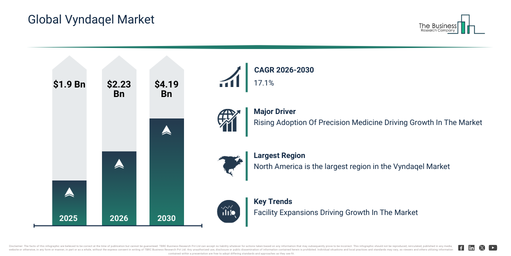
    The vyndaqel market has experienced substantial expansion in recent years. It is projected to expand from $1.9 billion in 2025 to $2.23 billion in 2026, demonstrating a compound annual growth rate (CAGR) of 17.4%. Historically, this growth can be ascribed to factors such as the approval of tafamidis, the scarcity of effective attr-cm treatments, advancements in cardiac imaging diagnostics, the expansion of rare disease programs, and a rise in cardiology referrals.

    The vyndaqel market is anticipated to undergo significant expansion in the next few years. It is projected to achieve a market size of $4.19 billion by 2030, exhibiting a compound annual growth rate (CAGR) of 17.1%. The primary drivers for this growth during the forecast period include an expanding aging population, heightened awareness regarding amyloid cardiomyopathy, the establishment of more specialty cardiology centers, greater acceptance of genetic testing, and increasing reimbursement support. Prominent trends expected in this period encompass the growing use of transthyretin stabilizers, an uptick in the diagnosis of ATTR cardiomyopathy, the availability of more oral therapies for rare cardiac conditions, a stronger emphasis on disease-modifying cardiac drugs, and the broader application of long-term amyloidosis treatments.

    Get A Free Sample Report With In-Depth Market Insights:

    https://thebusinessresearchcompany.com/sample_request?id=39370973&type=smp&name=Vyndaqel%20Market%20Report%202026&utm_source=Blogs&utm_medium=Paid&utm_campaign=Oct_PR

    Vyndaqel Market Demand Drivers: What’s Powering Industry Growth?

    The increasing adoption of precision medicine is projected to propel the growth of the Vyndaqel market moving forward. Precision medicine involves customizing medical treatment for individual patients based on their genetic, environmental, and lifestyle factors, leading to improved treatment effectiveness and better outcomes. The uptake of precision medicine is rising as both patients and healthcare providers increasingly prefer personalized therapies that ensure targeted treatment and more effective management of chronic diseases. Vyndaqel complements precision medicine by providing targeted therapy for transthyretin amyloidosis (ATTR), ensuring that patients most likely to benefit receive the treatment. For instance, in February 2024, according to the Personalized Medicine Coalition, a US-based non-profit organization, the US Food and Drug Administration (FDA) approved 16 novel personalized therapies for patients with rare diseases in 2023, a notable increase from six in 2022. Consequently, the growing adoption of precision medicine is driving the expansion of the Vyndaqel market. Rising healthcare expenditure is anticipated to fuel the expansion of the Vyndaqel market in the coming period. Healthcare expenditure refers to the total financial resources allocated to medical goods and services to maintain and enhance population health. Healthcare spending is increasing as an aging population requires more frequent medical care and long-term health services. Higher healthcare expenditure contributes to wider access to Vyndaqel by enabling greater funding for high-cost therapies and improving the diagnostic and care infrastructure necessary for managing transthyretin amyloid cardiomyopathy. For example, in April 2025, according to the Office for National Statistics, a UK-based government department, between 2023 and 2024, total healthcare spending increased by 6.5% in nominal terms, and by 2.4% in real terms after accounting for inflation. Therefore, the rising healthcare expenditure is driving the growth of the Vyndaqel market.

    Vyndaqel Market Segmentation And Category Overview

    The vyndaqel market covered in this report is segmented –

    1) By Product Type: Vyndaqel (Tafamidis 20 mg), Vyndamax (Tafamidis 61 mg)

    2) By Disease Type: Familial Amyloid Polyneuropathy (FAP), Wild-Type Or Hereditary Transthyretin-Mediated Amyloidosis Cardiomyopathy (ATTR-CM)

    3) By Distribution Channel: Hospital Pharmacies, Online Pharmacies, Retail Pharmacies

    Subsegments:

    1) By Vyndaqel (Tafamidis 20 mg): Oral Capsules, Once-Daily Dosing Regimen, Chronic Long-Term Therapy Use

    2) By Vyndamax (Tafamidis 61 mg): Oral Capsules, Once-Daily Dosing Regimen, Chronic Long-Term Therapy Use

    Vyndaqel Market Innovation Trends: What Developments Are Reshaping The Industry?

    Leading companies in the vyndaqel market are concentrating on expanding their facilities to produce active pharmaceutical ingredients, particularly transthyretin stabilizing therapeutics. These are designed to enhance cardiovascular outcomes and decrease hospital admissions for patients with ATTR-CM. A transthyretin stabilizing therapeutic refers to a pharmacological agent formulated to bind and stabilize transthyretin (TTR) tetramers, thereby preventing their breakdown into misfolded monomers which aggregate and form amyloid deposits. For example, in November 2024, BridgeBio Pharma, a US-based biopharmaceutical company specializing in genetic diseases, launched Attruby (acoramidis). This nearly complete (=90%) transthyretin (TTR) stabilizer was developed to address critical challenges in transthyretin amyloid cardiomyopathy (ATTR-CM). Attruby (acoramidis) binds to and stabilizes TTR tetramers, preventing their dissociation into misfolded monomers that form amyloid deposits in cardiac tissue. The therapy delivers considerable cardiovascular benefits, including a reduction in cardiovascular death and cardiovascular-related hospitalizations, while preserving TTR’s native physiological functions, making it an effective treatment for improving patient outcomes and managing ATTR-CM.

    Vyndaqel Market Competitive Analysis Of Leading Industry Participants

    Major companies operating in the vyndaqel market are Pfizer Inc.

    View The Full Vyndaqel Market Report:

    https://thebusinessresearchcompany.com/report/vyndaqel-global-market-report?utm_source=Blogs&utm_medium=Paid&utm_campaign=Oct_PR

    Vyndaqel Market Regional Analysis: Which Region Leads By Revenue?

    North America was the largest region in the vyndaqel market in 2025. Asia-Pacific is expected to be the fastest-growing region in the forecast period. The regions covered in the vyndaqel market report are Asia-Pacific, South East Asia, Western Europe, Eastern Europe, North America, South America, Middle East, Africa.

    Reach Out To Our Team:

    The Business Research Company: https://www.thebusinessresearchcompany.com/

    Americas: +1 310-496-7795

    Asia: +44 7882 955267 & +91 8897263534

    Europe: +44 7882 955267

    Email us at: marketing@tbrc.info

    Follow us on:

    LinkedIn: https://in.linkedin.com/company/the-business-research-company

    YouTube: https://www.youtube.com/channel/UC24_fI0rV8cR5DxlCpgmyFQ

    Global Market Model: https://www.thebusinessresearchcompany.com/global-market-model
  • Vutrisiran Market Analysis 2026: Market Size, Growth Trends And Industry Outlook

    Vutrisiran Market Analysis 2026: Market Size, Growth Trends And Industry Outlook

    Backed by market attractiveness analysis, total addressable market sizing, company benchmarking matrices, interactive Excel dashboards, wider supply chain intelligence, emerging startup coverage, and detailed product-level insights, The Business Research Company’s 2026 market reports are designed to offer research that is more actionable and strategically valuable than ever.

    Vutrisiran Market Forecast: Value Set To Climb From $0.75 Billion To $1.18 Billion

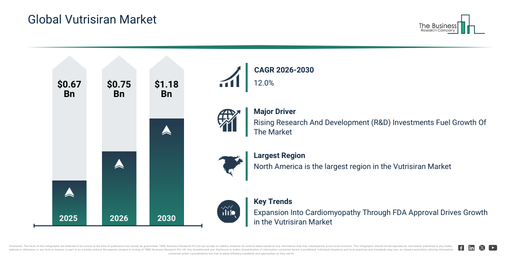
    The vutrisiran market has experienced rapid expansion in recent years. It is projected to expand from $0.67 billion in 2025 to $0.75 billion in 2026, demonstrating a compound annual growth rate (CAGR) of 12.1%. Historically, this growth has been driven by factors such as significant siRNA approval breakthroughs, persistent unmet requirements in hATTR amyloidosis, restrictions associated with liver transplant procedures, the broadening of orphan drug regulations, and advancements in genetic diagnostic methods.

    The vutrisiran market size is projected to experience substantial expansion in the coming years, reaching $1.18 billion in 2030, driven by a compound annual growth rate (CAGR) of 12.0%. This growth throughout the forecast period is primarily fueled by increasing awareness of rare diseases, the broadening pipeline of RNA therapeutics, the growing acceptance of long-acting treatments, enhanced genetic screening initiatives, and the proliferation of specialty care facilities. Prominent trends anticipated during this period include the expanding adoption of RNA interference therapies, a heightened focus on rare genetic conditions, the development of treatments with extended dosing intervals, a rising demand for targeted amyloidosis therapies, and the increased application of subcutaneous RNA drugs.

    Get A Free Sample Report With In-Depth Market Insights:

    https://thebusinessresearchcompany.com/sample_request?id=70426979&type=smp&name=Vutrisiran%20Market%20Report%202026&utm_source=Blogs&utm_medium=Paid&utm_campaign=Oct_PR

    Vutrisiran Market Growth Drivers: What’s Behind The Acceleration?

    Future expansion of the vutrisiran market is anticipated to be fueled by growing investments in research and development. Research and development (R&D) encompasses the systematic exploration and experimentation aimed at innovating and enhancing products, services, or processes. This rise in R&D investment stems from government support and funding, the escalating demands of the healthcare and pharmaceutical sectors, and increasing focus on sustainability and environmental issues. Financial backing for R&D enables pharmaceutical firms to undertake clinical trials, thereby proving the enduring efficacy and safety of drugs, which facilitates wider regulatory clearances. Furthermore, progress in RNA interference (RNAi) technology enhances the drug’s accuracy, resulting in fewer side effects and greater patient acceptance. As an illustration, according to the Office for National Statistics, a UK government department, in April 2025, the UK government’s net expenditure on research and development (R&D) climbed to roughly US $22.9 billion (£17.4 billion) in 2023, marking an increase from approximately US $20.0 billion (£16.1 billion) in 2022. Consequently, the expanding financial commitment to research and development is propelling the expansion of the vutrisiran market.

    Vutrisiran Market Segment Outlook: Which Categories Are Growing Fastest?

    The vutrisiran market covered in this report is segmented –

    1) By Drug Class: RNA Interference (RNAi) Therapeutics, GalNAc-Conjugated Nucleic Acid Drugs, Synthetic RNA-Based Therapeutics

    2) By Route Of Administration: Injectable, Subcutaneous

    3) By Patient Demographics: Adult, Geriatric

    4) By Distribution Channel: Hospital Pharmacies, Retail Pharmacies, Other Distribution Channels

    Subsegments:

    1) By RNA Interference (RNAi) Therapeutics: Small Interfering RNA (siRNA) Drugs, Gene-Silencing RNA Therapies

    2) By GalNAc-Conjugated Nucleic Acid Drugs: GalNAc-Conjugated siRNA Therapies, Hepatocyte-Targeted RNA Therapeutics

    3) By Synthetic RNA-Based Therapeutics: Chemically Modified RNA Therapeutics, Long-Acting RNA Therapeutics

    Vutrisiran Market Trends: What’s Defining The Industry’s Next Phase?

    Major companies in the vutrisiran market are extending its application to cardiomyopathy through regulatory approval, such as supplemental indications for ATTR CM, with the goal of broadening the patient base and maximizing long-term value. A supplemental new drug application (sNDA) is a regulatory submission that allows an approved drug to be used for new indications. For instance, in March 2025, Alnylam Pharmaceuticals, a US-based biotech company, obtained FDA approval for AMVUTTRA (vutrisiran) in adult patients with transthyretin amyloidosis cardiomyopathy (ATTR-CM), making it the first RNAi therapeutic approved for both polyneuropathy and cardiomyopathy types of the condition. Thus, the expansion into cardiomyopathy is a crucial trend driving growth in the vutrisiran market by increasing its clinical reach and patient access.

    Vutrisiran Market Leading Companies And Competitive Benchmarking

    Major companies operating in the vutrisiran market are Alnylam Pharmaceuticals Inc

    View The Full Vutrisiran Market Report:

    https://thebusinessresearchcompany.com/report/vutrisiran-global-market-report?utm_source=Blogs&utm_medium=Paid&utm_campaign=Oct_PR

    Vutrisiran Market Geographic Distribution And Regional Opportunities

    North America was the largest region in the vutrisiran market in 2025. Asia-Pacific is expected to be the fastest-growing region in the forecast period. The regions covered in the vutrisiran market report are Asia-Pacific, South East Asia, Western Europe, Eastern Europe, North America, South America, Middle East, Africa.

    Reach Out To Our Team:

    The Business Research Company: https://www.thebusinessresearchcompany.com/

    Americas: +1 310-496-7795

    Asia: +44 7882 955267 & +91 8897263534

    Europe: +44 7882 955267

    Email us at: marketing@tbrc.info

    Follow us on:

    LinkedIn: https://in.linkedin.com/company/the-business-research-company

    YouTube: https://www.youtube.com/channel/UC24_fI0rV8cR5DxlCpgmyFQ

    Global Market Model: https://www.thebusinessresearchcompany.com/global-market-model
  • Vitamins Market Forecast To 2030: Starting From $74.48 Billion In 2026

    Vitamins Market Forecast To 2030: Starting From $74.48 Billion In 2026

    Featuring market attractiveness scoring, total addressable market sizing, company benchmarking matrices, interactive Excel dashboards, deeper supply chain intelligence, emerging startup tracking, and granular product-level insights, The Business Research Company’s 2026 market reports are built to deliver research that is both more actionable and more strategically valuable.

    Vitamins Market Revenue Growth On Track For A 8.4% CAGR Through 2030

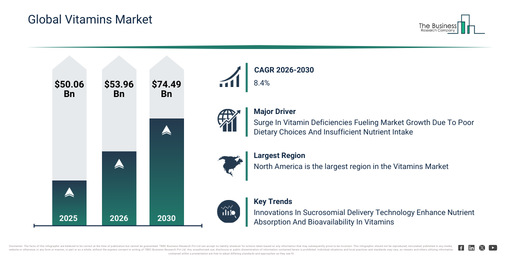
    The vitamins market has seen considerable expansion in recent years. It will grow from $50.06 billion in 2025 to $53.96 billion in 2026 at a compound annual growth rate (CAGR) of 7.8%. The historical growth can be attributed to several factors including limited consumer understanding of vitamin benefits, a reliance on synthetic vitamins, an increase in pharmaceutical vitamin formulations, greater fortification of food and beverages, and the expansion of retail distribution networks.

    The vitamins market size is anticipated to expand significantly over the coming years. It will grow to $74.49 billion in 2030 at a compound annual growth rate (CAGR) of 8.4%. This projected growth is driven by factors such as an increasingly health-aware populace, the expansion of e-commerce and online vitamin sales, a surge in demand for natural and organic vitamin products, the broadening scope of personalized nutrition and preventive healthcare, and improvements in vitamin extraction and formulation technologies. Key developments expected during this period involve heightened consumer understanding of nutritional supplements, an increase in functional foods and fortified drinks, greater emphasis on supporting immunity and mental well-being, the proliferation of personalized nutrition and wellness initiatives, and a rising preference for natural and clean-label vitamins.

    Get A Free Sample Report With In-Depth Market Insights:

    https://thebusinessresearchcompany.com/sample_request?id=67070990&type=smp&name=Vitamins%20Market%20Report%202026&utm_source=Blogs&utm_medium=Paid&utm_campaign=Oct_PR

    Vitamins Market Growth Factors Behind Sustained Expansion

    The rising occurrence of vitamin deficiencies is projected to boost the growth of the vitamins market in the future. Vitamin deficiency is defined as a state caused by insufficient consumption or absorption of crucial vitamins. This increasing prevalence of vitamin deficiencies is attributed to suboptimal dietary habits, as many individuals consume processed foods that lack vital vitamins and minerals. Vitamins aid in preventing and correcting these deficiencies by supplying essential nutrients that bolster immunity, energy metabolism, bone health, and cell repair, thereby re-establishing nutrient balance and averting related health problems. For instance, in January 2025, the National Health Service, a UK-based government department, stated that in 2023–24, there were 2,630 hospital admissions where B vitamin deficiency (excluding folate) was the primary diagnosis, representing a 15% increase from the 2022-2023 period. Therefore, the growing incidence of vitamin deficiencies is propelling the expansion of the vitamins market.

    Vitamins Market Segment Landscape: Which Areas Lead Development?

    The vitamins market covered in this report is segmented –

    1) By Type: Vitamin A, Vitamin B, Vitamin C, Vitamin D, Vitamin E, Vitamin K

    2) By Source: Natural, Synthetic

    3) By Distribution Channel: Hypermarket, Supermarket, Mass Merchandisers, Specialty Stores

    4) By Applications: Digestive Health, Immunity, Mental Health, Cosmetics, Performance, Digestive Disorders, Menstrual Health, Pregnancy, Sports And Performance

    5) By End Use Industry: Food And Beverages, Personal Care, Animal Feed, Pharmaceuticals

    Subsegments:

    1) By Vitamin A: Retinol, Beta-Carotene, Retinyl Palmitate, Retinyl Acetate

    2) By Vitamin B: Vitamin B1 (Thiamine), Vitamin B2 (Riboflavin), Vitamin B3 (Niacin), Vitamin B5 (Pantothenic Acid), Vitamin B6 (Pyridoxine), Vitamin B7 (Biotin), Vitamin B9 (Folate Or Folic Acid), Vitamin B12 (Cobalamin)

    3) By Vitamin C: Ascorbic Acid, Sodium Ascorbate, Calcium Ascorbate, Ascorbyl Palmitate

    4) By Vitamin D: Vitamin D2 (Ergocalciferol), Vitamin D3 (Cholecalciferol)

    5) By Vitamin E: Tocopherols (Alpha, Beta, Gamma, Delta), Tocotrienols (Alpha, Beta, Gamma, Delta)

    6) By Vitamin K: Vitamin K1 (Phylloquinone), Vitamin K2 (Menaquinone), Vitamin K3 (Menadione)

    Vitamins Market Industry Trends Fueling Future Revenue Growth

    Major companies in the vitamins market are prioritizing the use of advanced formulations, such as sucrosomial delivery technology, to improve nutrient absorption, increase bioavailability, and aid individuals with reduced gastrointestinal uptake. Sucrosomial delivery technologies are encapsulation-based systems that surround vitamins with a phospholipid–sugar–fat matrix, thereby protecting the active ingredient during digestion and enabling more efficient transport into the bloodstream compared to conventional tablets or softgels. For example, in October 2024, PharmaNutra, an Italy-based nutraceutical company, launched its Sidevit vitamin line. This line employs sucrosomial delivery technology designed to enhance absorption and uptake efficiency, featuring a 2,000 IU sucrosomial vitamin D3 tablet and an orodispersible sucrosomial vitamin B12 formulation combined with folic acid. Sidevit is designed to improve bioavailability, support better nutrient utilization, and enhance absorption in populations with compromised gastrointestinal function.

    Vitamins Market Industry Leaders And Competitive Landscape

    Major companies operating in the vitamins market are Nestlé S.A., Archer Daniels Midland Company (ADM), Pfizer Inc., BASF SE , Bayer AG, Sanofi S.A., Amway Corporation, Lonza Group AG, Glanbia plc, Herbalife Nutrition Ltd., Bluestar Adisseo Co. Ltd., Pharmavite LLC, Bactolac Pharmaceuticals Inc., Nordic Naturals Inc., Vertellus Holdings LLC, Farbest-Tallman Foods Corporation, Vitablend Nederland B.V. , SternVitamin GmbH, Rabar Pty. Ltd., Zagro Group Ltd.

    View The Full Vitamins Market Report:

    https://thebusinessresearchcompany.com/report/vitamins-global-market-report?utm_source=Blogs&utm_medium=Paid&utm_campaign=Oct_PR

    Vitamins Market Largest Region By Revenue And Market Share

    North America was the largest region in the vitamins market in 2025. Asia-Pacific is expected to be the fastest-growing region in the forecast period. The regions covered in the vitamins market report are Asia-Pacific, South East Asia, Western Europe, Eastern Europe, North America, South America, Middle East, Africa.

    Reach Out To Our Team:

    The Business Research Company: https://www.thebusinessresearchcompany.com/

    Americas: +1 310-496-7795

    Asia: +44 7882 955267 & +91 8897263534

    Europe: +44 7882 955267

    Email us at: marketing@tbrc.info

    Follow us on:

    LinkedIn: https://in.linkedin.com/company/the-business-research-company

    YouTube: https://www.youtube.com/channel/UC24_fI0rV8cR5DxlCpgmyFQ

    Global Market Model: https://www.thebusinessresearchcompany.com/global-market-model
  • Vitamin Tonics Market Size In 2026 And Beyond: Understanding Future Growth Potential

    Vitamin Tonics Market Size In 2026 And Beyond: Understanding Future Growth Potential

    Built to provide research that’s more actionable and strategically valuable, The Business Research Company’s 2026 market reports include market attractiveness analysis, total addressable market sizing, company benchmarking matrices, interactive Excel dashboards, broader supply chain intelligence, emerging startup tracking, and in-depth product insights.

    Vitamin Tonics Market Value Growth And Long-Term Outlook

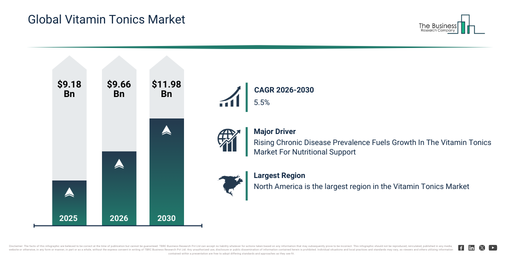
    The vitamin tonics market has experienced robust expansion over the past few years. It will grow from $9.18 billion in 2025 to $9.66 billion in 2026 at a compound annual growth rate (CAGR) of 5.3%. The historical expansion is driven by increased health consciousness, a rise in vitamin deficiencies, the development of retail pharmacy networks, a need for convenient supplementation, and the effects of urbanization and evolving lifestyles.

    The vitamin tonics market is projected to experience robust expansion over the coming years. It will grow to $11.98 billion in 2030 at a compound annual growth rate (CAGR) of 5.5%. This anticipated growth during the forecast period is fueled by progress in nutrigenomics, the increasing acceptance of personalized nutrition, the proliferation of e-commerce platforms, an uptick in functional and fortified beverages, and a heightened emphasis on preventive healthcare. Key developments expected in this period encompass tailored vitamin formulations, functional immunity-enhancing tonics, blends of natural and herbal vitamins, easy-to-use on-the-go vitamin options, and nutritional tonics designed for specific age groups.

    Get A Free Sample Report With In-Depth Market Insights:

    https://thebusinessresearchcompany.com/sample_request?id=87130440&type=smp&name=Vitamin%20Tonics%20Market%20Report%202026&utm_source=Blogs&utm_medium=Paid&utm_campaign=Oct_PR

    Vitamin Tonics Market Demand Drivers Opening New Revenue Streams

    The vitamin tonics market is anticipated to expand due to the growing prevalence of chronic diseases. These conditions are characterized by their prolonged duration, typically three months or more, and often necessitate ongoing medical attention, the restriction of daily activities, or both. Vitamin tonics play a crucial role in preventing and managing various deficiency conditions associated with chronic illnesses, including rickets, osteomalacia, angular stomatitis, and anemia. For illustration, a study from the Journal of Hematology and Oncology, a US-based oncology journal, indicates that the number of individuals in the United States aged 50 years and older suffering from at least one chronic disease is projected to rise by 99.5%, from 71.522 million in 2020 to 142.66 million by 2050. Consequently, the rising incidence of chronic diseases is a key factor driving the vitamin tonics market.

    Vitamin Tonics Market Segments: Where Is Growth Concentrated?

    The vitamin tonics market covered in this report is segmented –

    1) By Product: Syrup, Capsules, Tablets, Multivitamin Injections

    2) By Distribution Channel: Retail Pharmacies, Hospital Pharmacies, Online Pharmacies

    3) By End User: Adult, Children, Elderly

    Subsegments:

    1) By Syrup: Liquid Vitamin Syrups, Herbal Vitamin Syrups

    2) By Capsules: Softgel Capsules, Hard Capsules

    3) By Tablets: Chewable Tablets, Effervescent Tablets

    4) By Multivitamin Injections: Intravenous (IV) Vitamin Injections, Intramuscular (IM) Vitamin Injections

    Vitamin Tonics Market Key Participants And Competitive Landscape

    Major companies operating in the vitamin tonics market are Bayer AG, Abbott Laboratories, Royal DSM, Amway Corporation, GNC Holdings Inc., Jamieson Laboratories Ltd., Blackmores Ltd., Himalaya Drug Company, Nature’s Way Products LLC, Vitabiotics Ltd., Biotics Research Corporation, Douglas Laboratories, Albert David Limited, Raptakos Brett Co. Ltd., Vitane Pharmaceuticals Inc., Cerebos Ltd., BASF SE, The Procter & Gamble Company, Merck & Co. Inc., Xinfa Pharmaceutical Co. Ltd., New GPC Inc., Sapiens Pharmaceuticals Ltd., Thone Heathtech, Fitzroy International, Vitabiotics Ltd.

    View The Full Vitamin Tonics Market Report:

    https://thebusinessresearchcompany.com/report/vitamin-tonics-global-market-report?utm_source=Blogs&utm_medium=Paid&utm_campaign=Oct_PR

    Vitamin Tonics Market Regional Analysis And Leading Geography

    North America was the largest region in the vitamin tonics market in 2025. Asia-Pacific is expected to be the fastest-growing region in the forecast period. The regions covered in the vitamin tonics market report are Asia-Pacific, South East Asia, Western Europe, Eastern Europe, North America, South America, Middle East, Africa.

    Reach Out To Our Team:

    The Business Research Company: https://www.thebusinessresearchcompany.com/

    Americas: +1 310-496-7795

    Asia: +44 7882 955267 & +91 8897263534

    Europe: +44 7882 955267

    Email us at: marketing@tbrc.info

    Follow us on:

    LinkedIn: https://in.linkedin.com/company/the-business-research-company

    YouTube: https://www.youtube.com/channel/UC24_fI0rV8cR5DxlCpgmyFQ

    Global Market Model: https://www.thebusinessresearchcompany.com/global-market-model
  • Vitamin Supplements Market Reaches $94.03 Billion In 2026: Key Developments Shaping Expansion

    Vitamin Supplements Market Reaches $94.03 Billion In 2026: Key Developments Shaping Expansion

    Backed by market attractiveness analysis, total addressable market sizing, company benchmarking matrices, interactive Excel dashboards, wider supply chain intelligence, emerging startup coverage, and detailed product-level insights, The Business Research Company’s 2026 market reports are designed to offer research that is more actionable and strategically valuable than ever.

    Vitamin Supplements Market Poised To Hit $94.03 Billion By 2030 With A 9.4% CAGR

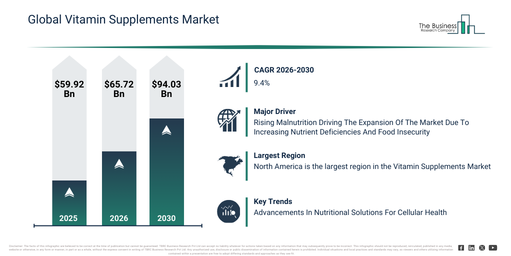
    The vitamin supplements market size has demonstrated robust growth in recent years. It is anticipated to expand from $59.92 billion in 2025 to $65.72 billion in 2026, exhibiting a compound annual growth rate (CAGR) of 9.7%. Key drivers for its expansion during previous periods include limited consumer awareness about vitamins, reliance on traditional pharmacies, the availability of single vitamin supplements, an increasing urban population, and a rise in disposable incomes.

    The vitamin supplements market size is anticipated to experience robust expansion over the coming years, projected to reach $94.03 billion in 2030, exhibiting a compound annual growth rate (CAGR) of 9.4%. This projected increase is driven by factors such as the growing embrace of preventive healthcare, the proliferation of e-commerce platforms, a heightened need for multivitamins and fortified food products, advancements in nutritional support for the elderly and children, and developments in personalized nutrition along with nutrigenomics. Key developments shaping the market during this period encompass a heightened awareness of health and the adoption of preventive nutrition strategies, an increasing desire for tailored vitamin supplements, the growth of online and digital retail channels, a greater inclination towards chewable (gummies) and liquid supplement formats, and an emphasis on fortified supplements designed for specific age demographics.

    Get A Free Sample Report With In-Depth Market Insights:

    https://thebusinessresearchcompany.com/sample_request?id=39741654&type=smp&name=Vitamin%20Supplements%20Market%20Report%202026&utm_source=Blogs&utm_medium=Paid&utm_campaign=Oct_PR

    Vitamin Supplements Market Growth Backed By Core Demand Fundamentals

    The increasing incidence of malnutrition is projected to drive the growth of the vitamin supplements market in the coming years. This state arises when the body does not obtain adequate, or consumes an excessive amount, of the necessary nutrients for optimal performance. Its rise is attributed to escalating food insecurity, as numerous individuals lack consistent access to affordable, nutritious food due to factors like poverty, conflict, or economic instability. The uptick in malnutrition consequently enhances the demand for vitamin supplements, with both individuals and healthcare providers increasingly viewing them as a convenient means to address nutritional deficits when balanced dietary options are unavailable. For instance, in March 2024, a report from the Switzerland-based intergovernmental organization, the World Health Organization, highlighted that globally, an estimated 149 million children under five experienced stunted growth from chronic undernutrition in 2022, while 45 million suffered from wasting, indicating acute weight loss and thinness for their height. Therefore, the increasing prevalence of malnutrition is set to boost the growth of the vitamin supplements market.

    Vitamin Supplements Market Segment Analysis: What Are The Core Market Categories?

    The vitamin supplements market covered in this report is segmented –

    1) By Product Type: Multivitamins, Single Vitamins

    2) By Form: Tablets, Capsules, Gummies, Powders, Liquids

    3) By Distribution Channel: Online Stores, Pharmacies, Supermarkets Or Hypermarkets, Specialty Stores

    4) By End-User: Adults, Children, Pregnant Women, Elderly

    Subsegments:

    1) By Multivitamins: Tablets, Capsules, Gummies, Powders, Liquids, Effervescent Tablets

    2) By Single Vitamins: Vitamin A, Vitamin B Complex, Vitamin C, Vitamin D, Vitamin E, Vitamin K

    Vitamin Supplements Market Growth Trends Reshaping The Competitive Landscape

    Leading companies within the vitamin supplements market are concentrating on developing advanced products, such as dietary supplements for cellular aging support, with the aim of delivering essential nutrients that may enhance energy levels. Cellular aging support nutritional supplements are products specifically designed to help safeguard cells from damage and encourage healthy cellular function as the body ages. For instance, in June 2024, Bayer Corporation, a Germany-based life science company, introduced One A Day Age Factor Cell Defense, a dietary supplement formulated to foster cellular health. It is uniquely composed to advance cellular well-being and assist healthy aging through potent ingredients like olive polyphenols derived from olive fruit extract. These antioxidants aid in protecting cells from oxidative stress, a significant element in the aging process. The formula is additionally enriched with omega-3 fatty acids, resveratrol, astaxanthin, vitamin C, vitamin D, and niacin to improve cellular resilience. Complementing this supplement, the Age Factor portfolio provides a free wellness app that delivers personalized insights and guidance for implementing gradual lifestyle improvements to support long-term healthy aging.

    Vitamin Supplements Market Top Companies Driving Competitive Growth

    Major companies operating in the vitamin supplements market are Nestlé SA, Pfizer Inc., BASF SE, Bayer AG, Abbott Laboratories Inc., Royal DSM NV, Lonza Group Ltd., Herbalife Nutrition, Amway Corp., GNC, Lifevision Healthcare, Now Foods, United Laboratories, Bionova Lifesciences, Stabicoat Vitamins, Wilson Drugs & Pharmaceuticals Pvt. Ltd., Asterisk Laboratories Pvt. Ltd., Greenwell Lifesciences, Conch Lifescience, Biobrick Pharma, Kabir Lifesciences

    View The Full Vitamin Supplements Market Report:

    https://thebusinessresearchcompany.com/report/vitamin-supplements-global-market-report?utm_source=Blogs&utm_medium=Paid&utm_campaign=Oct_PR

    Vitamin Supplements Market Geographic Analysis: Where Is Demand Accelerating Fastest?

    North America was the largest region in the vitamins supplements market in 2025. Asia-Pacific is expected to be the fastest-growing region in the forecast period. The regions covered in the vitamin supplements market report are Asia-Pacific, South East Asia, Western Europe, Eastern Europe, North America, South America, Middle East, Africa.

    Reach Out To Our Team:

    The Business Research Company: https://www.thebusinessresearchcompany.com/

    Americas: +1 310-496-7795

    Asia: +44 7882 955267 & +91 8897263534

    Europe: +44 7882 955267

    Email us at: marketing@tbrc.info

    Follow us on:

    LinkedIn: https://in.linkedin.com/company/the-business-research-company

    YouTube: https://www.youtube.com/channel/UC24_fI0rV8cR5DxlCpgmyFQ

    Global Market Model: https://www.thebusinessresearchcompany.com/global-market-model
  • Vitamin E Market Growth Outlook For 2026: Drivers, Trends And Future Opportunities

    Vitamin E Market Growth Outlook For 2026: Drivers, Trends And Future Opportunities

    Featuring market attractiveness scoring, total addressable market sizing, company benchmarking matrices, interactive Excel dashboards, deeper supply chain intelligence, emerging startup tracking, and granular product-level insights, The Business Research Company’s 2026 market reports are built to deliver research that is both more actionable and more strategically valuable.

    Vitamin E Market Size And Revenue Outlook Through 2030

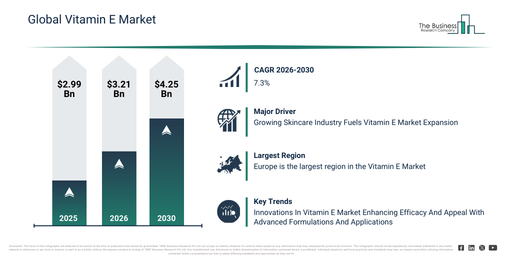
    The vitamin e market has experienced robust expansion in recent years. Its value is projected to increase from $2.99 billion in 2025 to $3.21 billion in 2026, demonstrating a compound annual growth rate (CAGR) of 7.6%. This historical growth can be linked to several factors, including heightened awareness of antioxidant advantages, increased intake of dietary supplements, expanding application of vitamin e in food preservation, the burgeoning cosmetics and personal care sector, and consistent demand from the animal feed industry.

    The vitamin e market is projected to undergo significant expansion in the foreseeable future. It will grow to $4.25 billion in 2030 at a compound annual growth rate (CAGR) of 7.3%. This anticipated growth is primarily fueled by a greater emphasis on preventive healthcare, an increasing preference for clean-label and natural ingredients, the development of functional and fortified foods, the expanding nutraceutical sector, and continuous research into the health benefits of tocotrienol. Noteworthy trends for the forecast period include a rising demand for antioxidant-rich dietary supplements, increased application of vitamin e in cosmetic and skincare formulations, a growing inclination towards naturally-sourced vitamin e, the broadening use of vitamin e in functional foods and beverages, and its increasing adoption in animal nutrition.

    Get A Free Sample Report With In-Depth Market Insights:

    https://thebusinessresearchcompany.com/sample_request?id=29581892&type=smp&name=Vitamin%20E%20Market%20Report%202026&utm_source=Blogs&utm_medium=Paid&utm_campaign=Oct_PR

    Vitamin E Market Growth Catalysts And Demand Drivers

    The projected growth of the vitamin E market is expected to be propelled by the increasing consumer demand for skin care products. Skincare items refer to a broad array of solutions designed to sustain and enhance the skin’s health and appearance. This heightened demand for skincare is largely due to greater awareness regarding skin health, often influenced by social media. Additionally, the rise of online retail and ongoing innovations in skincare products attract consumers seeking efficacious treatments. Vitamin E is a highly adaptable and beneficial component in skincare formulations, offering hydrating, protective, and restorative qualities that address various skin types and concerns. For instance, in February 2025, the Centre for the Promotion of Imports from Developing Countries, a Netherlands-based government organization, reported that Europe imported 437,542 units of natural ingredients for cosmetics in 2022, a volume that rose to 470,561 units in 2023, demonstrating a year-on-year expansion of approximately 7.6%. Thus, the expanding demand for skin care products is a key driver for the vitamin E market’s development.

    Vitamin E Market Segment Breakdown: Which Categories Lead On Revenue?

    The vitamin e market covered in this report is segmented –

    1) By Type: Tocopherol Vitamin E Products, Tocotrienol Vitamin E Products

    2) By Source: Naturally-Sourced Vitamin E, Synthetically-Sourced Vitamin E

    3) By Application: Dietary Supplements, Animal Feed, Food And Beverages, Cosmetics, Other Applications

    Vitamin E Market Trends Shaping Long-Term Demand

    Major companies in the vitamin E market are concentrating on enhancing health products with advanced ingredient combinations and formulations, such as vitamin E creams, to deliver extensive health benefits and address diverse consumer needs across various industries. Vitamin E cream is a topical skincare product that incorporates vitamin E, known for its antioxidant qualities, which help to moisturize, protect, and repair the skin. For instance, in April 2024, P&G Healths Evion, an India-based pharmaceutical product manufacturer, introduced Vitamin E Cream that combines Vitamin E with Aloe Vera, with the goal of improving skin nourishment and promoting a radiant look. This includes advancements in both natural and synthetic variants of Vitamin E, as well as new applications across various sectors like cosmetics, dietary supplements, and functional foods. The inherent health benefits of vitamin E establish it as a crucial component in health and wellness products.

    Vitamin E Market Leading Players And Competitive Positioning

    Major companies operating in the vitamin e market are Archer Daniels Midland Company (ADM), BASF SE, Brenntag AG, Evonik Industries AG, Kao Corporation, DSM Nutritional Products, Amway Corporation, Lonza Group AG, Glanbia Plc, Alfa Laval AB, Herbalife Nutrition Ltd., Sime Darby Plantation Berhad, Lubrizol Corporation, Kemin Industries Inc., Schwabe Group, Vitamin Shoppe Industries Inc., Naturex SA, Swanson Health Products Inc., Nature’s Way Products LLC, AstaReal AB, Kensing LLC, NutriScience Innovations LLC, Vitae Naturals, Hawkins Watts Limited

    View The Full Vitamin E Market Report:

    https://thebusinessresearchcompany.com/report/vitamin-e-global-market-report?utm_source=Blogs&utm_medium=Paid&utm_campaign=Oct_PR

    Vitamin E Market Global Footprint: Which Region Leads The Industry?

    Europe was the largest region in the vitamin E market in 2025. Asia-Pacific is expected to be the fastest-growing region in the forecast period. The regions covered in the vitamin e market report are Asia-Pacific, South East Asia, Western Europe, Eastern Europe, North America, South America, Middle East, Africa.

    Reach Out To Our Team:

    The Business Research Company: https://www.thebusinessresearchcompany.com/

    Americas: +1 310-496-7795

    Asia: +44 7882 955267 & +91 8897263534

    Europe: +44 7882 955267

    Email us at: marketing@tbrc.info

    Follow us on:

    LinkedIn: https://in.linkedin.com/company/the-business-research-company

    YouTube: https://www.youtube.com/channel/UC24_fI0rV8cR5DxlCpgmyFQ

    Global Market Model: https://www.thebusinessresearchcompany.com/global-market-model
  • Vitamin D Therapy Market Size Forecast From 2026 To 2030: Key Industry Trends

    Vitamin D Therapy Market Size Forecast From 2026 To 2030: Key Industry Trends

    Built to provide research that’s more actionable and strategically valuable, The Business Research Company’s 2026 market reports include market attractiveness analysis, total addressable market sizing, company benchmarking matrices, interactive Excel dashboards, broader supply chain intelligence, emerging startup tracking, and in-depth product insights.

    Vitamin D Therapy Market Growth From $3.66 Billion In 2026 To $6.05 Billion By 2030 At A CAGR Of 13.4%

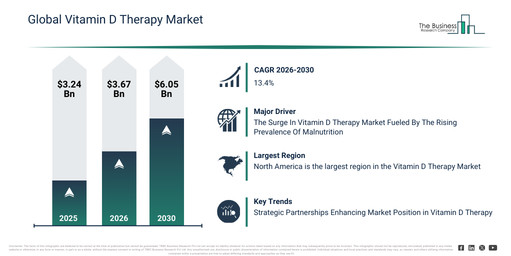
    The vitamin D therapy market has experienced substantial expansion in recent years. It is forecast to grow from $3.24 billion in 2025 to $3.67 billion in 2026, demonstrating a compound annual growth rate (CAGR) of 13.1%. This historical growth can be attributed to the increasing prevalence of vitamin D deficiency, heightened consumer awareness concerning bone health, the proliferation of over-the-counter vitamin D supplements, an expanding geriatric population, and the wider adoption of fortified foods and beverages.

    The vitamin D therapy market size is anticipated to undergo significant growth in the upcoming years. It is projected to achieve a valuation of $6.05 billion in 2030, with a compound annual growth rate (CAGR) of 13.4%. The expansion observed during this period can be attributed to advancements in personalized nutrition, the integration of vitamin D into functional food products, a rise in preventive healthcare practices, increasing government initiatives aimed at micronutrient supplementation, and a surge in chronic disease management efforts. Noteworthy trends for the forecast period include personalized vitamin D supplementation, the incorporation of fortified food and beverages, heightened awareness regarding vitamin D deficiency, an increased focus on bone health and immunity, and the growth of home healthcare solutions.

    Get A Free Sample Report With In-Depth Market Insights:

    https://thebusinessresearchcompany.com/sample_request?id=12201770&type=smp&name=Vitamin%20D%20Therapy%20Market%20Report%202026&utm_source=Blogs&utm_medium=Paid&utm_campaign=Oct_PR

    Vitamin D Therapy Market Opportunity Drivers: What’s Unlocking New Revenue Potential?

    A rise in malnutrition cases is projected to boost the vitamin D therapy market. Malnutrition involves inadequate or excessive nutrient intake, imbalances in essential nutrients, or impaired nutrient absorption. Vitamin D deficiency is widespread among malnourished hospitalized patients and is linked to higher long-term mortality, especially when individuals do not receive vitamin D treatment. Consequently, the growing incidence of malnutrition creates a need for vitamin D therapy. For example, in August 2025, UNICEF, a US-based United Nations agency, reported that over 251.7 million children under 5 in 64 countries were screened for wasting, surpassing the 200 million target; of these, more than 9.3 million severely wasted children were admitted for vital treatment. Thus, the increasing occurrence of malnutrition cases is fueling the expansion of the vitamin D therapy market. The escalating prevalence of chronic diseases is anticipated to drive demand in the vitamin D therapy market. A chronic disease is a persistent condition that progresses and typically worsens over time if no lifestyle adjustments are made. Examples include Alzheimer’s disease, rheumatoid arthritis, Parkinson’s disease, and various cancers. Vitamin D therapy plays a vital role in managing chronic diseases by addressing related complications and supporting overall health. Numerous studies emphasize the connection between vitamin D deficiency and an elevated risk of chronic conditions such as cardiovascular diseases, diabetes, and certain cancers. Sufficient vitamin D levels contribute to the regulation of the immune system, cardiovascular well-being, and metabolic function. Individuals with chronic diseases frequently exhibit lower vitamin D levels, and supplementation is recognized as a valuable addition to their treatment. For instance, in May 2024, the National Cancer Institute (NCI), a US-based federal government agency for cancer research and training, estimated that 2,001,140 new cancer cases would be diagnosed in the United States, with 611,720 people dying from cancer. Prostate, lung, and colorectal cancers are projected to account for an estimated 48% of all cancers diagnosed in men in 2024. For women, breast, lung, and colorectal cancers are the three most common, expected to make up an estimated 51% of all new cancer diagnoses in 2024. The number of cancer survivors is forecasted to rise to 22.5 million by 2032. Therefore, the rise in chronic diseases is propelling the growth of the vitamin D therapy market.

    Vitamin D Therapy Market Segmentation: How Does The Market Break Down By Category?

    The vitamin d therapy market covered in this report is segmented –

    1) By Administration: Oral, Parenteral

    2) By Purchasing: OTC Drugs, Prescription Drugs

    3) By Age Group: Children, Adults, Senior Adults

    4) By Application: Osteoporosis, Rickets, Skin Diseases, Muscle Weakness, Autoimmune Disorders

    Subsegments:

    1) By Oral: Vitamin D3 Supplements (Cholecalciferol), Vitamin D2 Supplements (Ergocalciferol), Vitamin D Fortified Foods And Beverages

    2) By Parenteral: Injectable Vitamin D3 (Cholecalciferol), Injectable Vitamin D2 (Ergocalciferol), Intravenous Vitamin D Preparations

    Vitamin D Therapy Market Innovation Trends Shaping Future Development

    Leading companies active in the vitamin D therapy market are engaging in partnerships to solidify their market presence. A strategic business partnership is defined as a formal collaboration between two or more commercial entities, typically established through one or more business agreements or contracts. For example, in July 2024, Catalyst Pharmaceuticals, Inc. Ltd., a US-based pharmaceutical company, entered into a License, Supply, and Commercialization Agreement with Kye Pharmaceuticals Inc, a Canada-based pharmaceutical company. This agreement granted Kye exclusive Canadian commercial rights to AGAMREE (vamorolone), a medication used to treat Duchenne muscular dystrophy (DMD), which is often linked to vitamin deficiency.

    Vitamin D Therapy Market Competitive Overview And Top Companies

    Major companies operating in the vitamin d therapy market are Abbott Laboratories, Sanofi SA, GlaxoSmithKline PLC, Pfizer Inc., Merck & Co Inc., Torrent Pharmaceuticals Ltd., Novartis International AG, Alkem Laboratories Ltd., Sun Pharmaceutical Industries Ltd., Cadila Healthcare Ltd., Biotics Research Corporation, Solvay Pharma India Pvt. Ltd., Forgo Pharmaceuticals Ltd., Mankind Pharmaceuticals Pvt. Ltd., Cipla Ltd., Ortho Molecular Products, Zhejiang Garden Biochemical High-tech Co. Ltd., Glenmark Pharmaceuticals Ltd., Dr. Reddy’s Laboratories Ltd., Emcure Pharmaceuticals Ltd., Intas Pharmaceuticals Ltd., Lupin Ltd., Macleods Pharmaceuticals Ltd., Mylan N.V., Teva Pharmaceutical Industries Ltd., Biocare Medical LLC, Mitsubishi Chemical Group, Zydus Cadila, DSM Nutritional Products AG, BASF SE, Fermenta Biotech Ltd., Taizhou Hisound Pharmaceutical Co. Ltd.

    View The Full Vitamin D Therapy Market Report:

    https://thebusinessresearchcompany.com/report/vitamin-D-therapy-global-market-report?utm_source=Blogs&utm_medium=Paid&utm_campaign=Oct_PR

    Vitamin D Therapy Market Regional Distribution: Which Areas Power Market Growth?

    North America was the largest region in the vitamin D therapy market share in 2025. Asia-Pacific is expected to be the fastest-growing region in the forecast period. The regions covered in the vitamin d therapy market report are Asia-Pacific, South East Asia, Western Europe, Eastern Europe, North America, South America, Middle East, Africa.

    Reach Out To Our Team:

    The Business Research Company: https://www.thebusinessresearchcompany.com/

    Americas: +1 310-496-7795

    Asia: +44 7882 955267 & +91 8897263534

    Europe: +44 7882 955267

    Email us at: marketing@tbrc.info

    Follow us on:

    LinkedIn: https://in.linkedin.com/company/the-business-research-company

    YouTube: https://www.youtube.com/channel/UC24_fI0rV8cR5DxlCpgmyFQ

    Global Market Model: https://www.thebusinessresearchcompany.com/global-market-model
  • Vitamin D Market 2026: Market Size, Growth Drivers And Emerging Opportunities

    Vitamin D Market 2026: Market Size, Growth Drivers And Emerging Opportunities

    Backed by market attractiveness analysis, total addressable market sizing, company benchmarking matrices, interactive Excel dashboards, wider supply chain intelligence, emerging startup coverage, and detailed product-level insights, The Business Research Company’s 2026 market reports are designed to offer research that is more actionable and strategically valuable than ever.

    Vitamin D Market Expansion Outlook: What Revenue Opportunities Are Ahead?

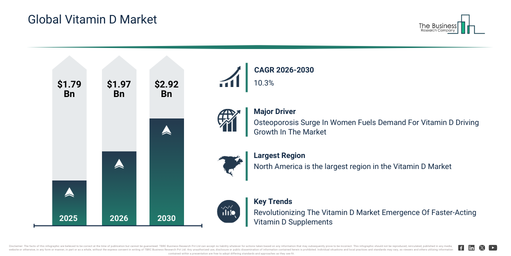
    The vitamin d market has observed rapid expansion in recent years. Its valuation is anticipated to increase from $1.79 billion in 2025 to $1.97 billion in 2026, achieving a compound annual growth rate (CAGR) of 10.2%. This growth over the past period is attributed to several factors including a rise in the occurrence of vitamin d deficiency, enhanced understanding of bone-related conditions, increased consumption of dairy and fortified products, the enlargement of pharmaceutical manufacturing capabilities, and more extensive research into nutritional supplements.

    The vitamin d market size is forecast to undergo significant expansion in the coming years. It is predicted to attain a valuation of $2.92 billion by 2030, exhibiting a compound annual growth rate (CAGR) of 10.3%. This anticipated growth can be linked to factors such as the embrace of personalized nutrition, the proliferation of direct-to-consumer supplement platforms, advancements in vitamin d formulation technologies, an expanding health-conscious population, and market penetration into emerging economies. Prominent trends for the forecast period encompass a heightened awareness of bone health, the fortification of various foods with vitamin d, individualized nutrition and supplementation approaches, an increase in pediatric and geriatric supplement consumption, and the broadening reach of online nutraceutical sales.

    Get A Free Sample Report With In-Depth Market Insights:

    https://thebusinessresearchcompany.com/sample_request?id=83711689&type=smp&name=Vitamin%20D%20Market%20Report%202026&utm_source=Blogs&utm_medium=Paid&utm_campaign=Oct_PR

    Vitamin D Market Growth Momentum: What Factors Are Shaping Demand?

    The increasing occurrence of osteoporosis in women is set to boost the vitamin D market. This bone condition results from a decrease in bone mineral density and mass, along with alterations in bone quality or structure. It typically arises from insufficient calcium and vitamin D, raising fracture risk, with other contributing factors including a family history of osteoporosis, a parent’s history of hip fracture, a lower body mass index (BMI), and being female due to naturally smaller, thinner bones than men. The growing incidence of osteoporosis among women will elevate the need for vitamin D, which is vital for the body’s absorption of calcium and phosphorus from diet, aiding in the development of stronger bones in women post-menopause. Vitamin D also assists in managing conditions causing bone weakness. For example, in September 2023, the National Center for Biotechnology Information, a US government agency, presented data from the Canadian Longitudinal Study on Aging, indicating that among older adult females living in the community, physician-diagnosed osteoporosis stood at 12.7%, and DXA-confirmed osteoporosis at 5.9%. Furthermore, a cross-sectional study by Buttros and colleagues identified a 24.6% prevalence of osteoporosis in postmenopausal women aged 40 to 75, determined through bone mineral density (BMD) measurements. Consequently, the rising instances of osteoporosis in women are expected to fuel the expansion of the vitamin D market.

    Vitamin D Market Segment Trends And Revenue Contributors

    The vitamin d market covered in this report is segmented –

    1) By Type: Vitamin D3, Vitamin D2

    2) By IU Strength: 500,000 IU, 100,000 IU, 40 MIU

    3) By Form: Oil, Powder

    4) By End User: Adults, Pregnant Women, Children

    Subsegments:

    1) By Vitamin D3: Cholecalciferol (Natural Source), Synthetic Vitamin D3

    2) By Vitamin D2: Ergocalciferol (Natural Source), Synthetic Vitamin D2

    Vitamin D Market Trends Redefining Industry Growth

    Leading companies within the vitamin D market are focusing on developing advanced solutions, such as more rapid-acting vitamin D formulations. This effort aims to address the growing demand for swift correction of severe vitamin D deficiency and improve treatment efficacy. Products designed for faster vitamin D action are engineered to achieve quicker increases in serum vitamin D levels compared to standard oral or oil-based preparations. They offer improved absorption, a faster therapeutic onset, and better support for patients requiring immediate replenishment. For instance, in February 2024, Cadila Pharmaceuticals Ltd., an India-based pharmaceutical company, introduced an aqueous vitamin D injection. This novel aqueous cholecalciferol formulation provides a rapid resolution of vitamin D deficiency, exhibiting enhanced pharmacokinetics and pharmacodynamics over traditional oil-based preparations, all while ensuring painless administration. This innovation addresses the urgent need for accelerated treatment outcomes, thereby boosting patient adherence to their regimens.

    Vitamin D Market Competitive Landscape: Which Companies Lead The Industry?

    Major companies operating in the vitamin d market are BASF SE, Koninklijke DSM NV, Fermenta Biotech Ltd., Xiamen Kingdomway Vitamin Co. Ltd., Zhejiang Medicine Co. Ltd., Abbott Laboratories, Bayer AG, Bluebonnet Nutrition, Carlson Labs, Country Life LLC, Doctor’s Best Inc., Douglas Laboratories, Garden of Life LLC, GlaxoSmithKline plc, Jarrow Formulas, Kirkland Signature, Life Extension, Merck & Co. Inc., Metagenics LLC, Pharmavite LLC, Nature’s Bounty Co. Ltd., Nestlé Health Science SA, Pfizer Inc., Protocol for Life Balance Inc., Pure Encapsulations Inc., Sanofi S. A., Source Naturals Inc., Sundown Naturals Inc., Swanson Health Products Inc., Twinlab Consolidated Corporation, Vital Nutrients Company Inc.

    View The Full Vitamin D Market Report:

    https://thebusinessresearchcompany.com/report/vitamin-D-global-market-report?utm_source=Blogs&utm_medium=Paid&utm_campaign=Oct_PR

    Vitamin D Market Leading Geography: Which Region Contributes The Most Revenue?

    North America was the largest region in the vitmain D market in 2025. The regions covered in the vitamin d market report are Asia-Pacific, South East Asia, Western Europe, Eastern Europe, North America, South America, Middle East, Africa.

    Reach Out To Our Team:

    The Business Research Company: https://www.thebusinessresearchcompany.com/

    Americas: +1 310-496-7795

    Asia: +44 7882 955267 & +91 8897263534

    Europe: +44 7882 955267

    Email us at: marketing@tbrc.info

    Follow us on:

    LinkedIn: https://in.linkedin.com/company/the-business-research-company

    YouTube: https://www.youtube.com/channel/UC24_fI0rV8cR5DxlCpgmyFQ

    Global Market Model: https://www.thebusinessresearchcompany.com/global-market-model

  • Vitamin Biomarkers Market Set To Expand From $7.18 Billion In 2026: Growth Outlook Through 2030

    Vitamin Biomarkers Market Set To Expand From $7.18 Billion In 2026: Growth Outlook Through 2030

    Featuring market attractiveness scoring, total addressable market sizing, company benchmarking matrices, interactive Excel dashboards, deeper supply chain intelligence, emerging startup tracking, and granular product-level insights, The Business Research Company’s 2026 market reports are built to deliver research that is both more actionable and more strategically valuable.

    Vitamin Biomarkers Market Growth Potential: How Will Market Size Shift Through 2030?

    The vitamin biomarkers market has experienced substantial expansion in recent times. Its valuation is predicted to climb from $4.02 billion in 2025 to $4.52 billion in 2026, demonstrating a compound annual growth rate (CAGR) of 12.4%. The surge observed historically can be ascribed to a combination of factors such as greater understanding of nutritional deficiencies, an increase in diagnostic laboratory facilities, the broader use of ELISA testing, better healthcare screening initiatives, and a rise in chronic health conditions.

    The vitamin biomarkers market is forecast to undergo significant expansion in the coming years. It is projected to reach $7.18 billion by 2030, exhibiting a compound annual growth rate (CAGR) of 12.3%. This expansion during the forecast period is driven by factors such as the increase in preventive healthcare, the growth of personalized nutrition, greater automation in diagnostics, the rise of home-based testing, and an aging population. Important trends anticipated for this period include a surging demand for nutritional deficiency testing, the increasing application of advanced diagnostic assays, a stronger emphasis on diagnostics for preventive healthcare, the broadening of laboratory-based vitamin analysis, and the increased uptake of high-precision testing methodologies.

    Get A Free Sample Report With In-Depth Market Insights:

    https://thebusinessresearchcompany.com/sample_request?id=74349310&type=smp&name=Vitamin%20Biomarkers%20Market%20Report%202026&utm_source=Blogs&utm_medium=Paid&utm_campaign=Oct_PR

    Vitamin Biomarkers Market Expansion Drivers: What’s Shaping Future Growth?

    The expanding occurrence of nutritional deficiencies is anticipated to fuel the expansion of the vitamin biomarkers market in the coming years. Nutritional deficiencies indicate an insufficient supply of vital nutrients in one’s diet, resulting in detrimental health consequences. The surge in nutritional deficiencies stems from greater intake of imbalanced diets and heavily processed foods, which frequently lack the crucial vitamins and minerals needed for optimal health. Vitamin biomarkers serve to diagnose nutritional shortfalls by quantifying particular vitamins in the bloodstream to evaluate an individual’s nutritional condition and direct appropriate actions. As an illustration, in January 2025, The Guardian, a news and media organization based in the UK, reported 191,927 hospital admissions attributable to iron deficiency in 2023-24, marking an 11 percent increase from 2022-23. Additionally, there were 2,630 admissions for B vitamin deficiency excluding folate, a rise of 15 percent from the prior year. Consequently, the growing incidence of nutritional deficiencies will stimulate the growth of the vitamin biomarkers market.

    Vitamin Biomarkers Market Segment Analysis Spotlighting Growth Areas

    The vitamin biomarkers market covered in this report is segmented –

    1) By Biomarker Type: Serum Retinol (Vitamin A), Ascorbic Acid (Vitamin C), Serum 25(OH)D (Vitamin D), Serum Alpha-tocopherol (Vitamin E), Serum Prothrombin (Vitamin K), Serum Thiamine Diphosphate (Vitamin B1), Serum Glycolate (Vitamin B2), Serum Niacin (Vitamin B3), Serum Plasma PLP (Vitamin B6), Other Biomarker Types

    2) By Product: Analyzers, Test Kits, Reagents And Consumables

    3) By Testing Method: Enzyme Linked Immunosorbent Assay (ELISA), Liquid Chromatography With Tandem Mass Spectrometry (LC MS MS), High Performance Liquid Chromatography (HPLC), Chemiluminescent Immunoassay (CLIA)

    4) By End User: Hospitals, Diagnostic Laboratories, Ambulatory Diagnostic Centers, Homecare Settings

    Subsegments:

    1) By Serum Retinol (Vitamin A): Retinol Measurement Kits, Retinol Assay Reagents

    2) By Ascorbic Acid (Vitamin C): Vitamin C Detection Kits, Ascorbic Acid Assay Reagents

    3) By Serum 25(OH)D (Vitamin D): Vitamin D Testing Kits, 25-Hydroxyvitamin D Assay Reagents

    4) By Serum Alpha-tocopherol (Vitamin E): Alpha-tocopherol Measurement Kits, Vitamin E Assay Reagents

    5) By Serum Prothrombin (Vitamin K): Prothrombin Time Testing Kits, Vitamin K Assay Reagents

    6) By Serum Thiamine Diphosphate (Vitamin B1): Thiamine Measurement Kits, Vitamin B1 Assay Reagents

    Vitamin Biomarkers Market Strategic Trends: What Defines The Next Growth Phase?

    Leading companies in the vitamin biomarker market are progressively developing at-home, lab-quality testing kits that empower users to conveniently, accurately, and affordably monitor crucial nutrients like vitamin D. These innovations bolster preventive healthcare by broadening access to nutrient-level data, enabling both individuals and clinicians to formulate personalized interventions informed by real-time biomarker insights. For example, in February 2023, Hurdle, a US-based diagnostics platform under Chronomics Inc., introduced a vitamin D test that employs a simple finger-prick sample to yield quantitative lab-quality results from home. The test provides results, along with explanations of vitamin D’s bodily function and potential reasons for abnormal levels, within three days via a secure personal dashboard. This launch corresponds with wider market trends, namely increasing global awareness of vitamin D deficiency, a rising demand for remote testing, and the integration of wellness diagnostics into telehealth and preventive care.

    Vitamin Biomarkers Market Leading Companies: Who Holds The Strongest Market Presence?

    Major companies operating in the vitamin biomarkers market are Thermo Fisher Scientific Inc., Abbott Laboratories, Merck KGaA, Siemens Healthineers AG, Roche Diagnostics International Ltd., Agilent Technologies Inc, PerkinElmer Inc, bioMérieux SA, Beckman Coulter Inc, Shimadzu Corporation, QuidelOrtho Corporation, Sysmex Corporation, Waters Corporation, Bio-Rad Laboratories Inc, Tecan Group Ltd, Randox Laboratories Ltd, Ortho Clinical Diagnostics Inc, Molecular Devices LLC, Cambridge Isotope Laboratories Inc, Luminex Corporation, DiaSorin SpA, Analytik Jena AG, SeraCare Life Sciences Inc, Biopanda Reagents Ltd, SiPhox Inc

    View The Full Vitamin Biomarkers Market Report:

    https://thebusinessresearchcompany.com/report/vitamin-biomarkers-global-market-report?utm_source=Blogs&utm_medium=Paid&utm_campaign=Oct_PR

    Vitamin Biomarkers Market Regional Outlook: Where Is Opportunity Concentrated?

    North America was the largest region in the vitamin biomarkers market in 2025. The regions covered in the vitamin biomarkers market report are Asia-Pacific, South East Asia, Western Europe, Eastern Europe, North America, South America, Middle East, Africa.

    Reach Out To Our Team:

    The Business Research Company: https://www.thebusinessresearchcompany.com/

    Americas: +1 310-496-7795

    Asia: +44 7882 955267 & +91 8897263534

    Europe: +44 7882 955267

    Email us at: marketing@tbrc.info

    Follow us on:

    LinkedIn: https://in.linkedin.com/company/the-business-research-company

    YouTube: https://www.youtube.com/channel/UC24_fI0rV8cR5DxlCpgmyFQ

    Global Market Model: https://www.thebusinessresearchcompany.com/global-market-model