Blog

  • Myelodysplastic Syndrome Drugs Market CAGR Forecast Through 2030: Key Trends Shaping Industry Expansion

    Myelodysplastic Syndrome Drugs Market CAGR Forecast Through 2030: Key Trends Shaping Industry Expansion

    Built to provide research that’s more actionable and strategically valuable, The Business Research Company’s 2026 market reports include market attractiveness analysis, total addressable market sizing, company benchmarking matrices, interactive Excel dashboards, broader supply chain intelligence, emerging startup tracking, and in-depth product insights.

    Myelodysplastic Syndrome Drugs Market Expansion Outlook: What Revenue Opportunities Are Ahead?

    The market size for myelodysplastic syndrome drugs has demonstrated robust growth over recent years. Projections indicate that it will increase from $2.44 billion in 2025 to $2.66 billion in 2026, registering a compound annual growth rate (CAGR) of 8.9%. Historically, this expansion has been driven by factors such as the scarcity of specific MDS treatments, the prevalent use of blood transfusions, insufficient understanding of MDS subtypes, constrained research and development funding, and elevated treatment expenses in developing economies.

    The myelodysplastic syndrome drugs market size is projected to experience substantial expansion over the upcoming years. It is anticipated to reach $3.84 billion by 2030, demonstrating a compound annual growth rate (CAGR) of 9.6%. This expected increase during the forecast period can be linked to factors such as the increasing occurrence of MDS among aging populations, greater investment in precision medicine, breakthroughs in genomics-based treatments, the development of healthcare infrastructure in APAC, and broader reimbursement policies for MDS medications. Key developments anticipated in this period include tailored MDS therapies, a rise in the use of erythropoiesis-stimulating agents (ESAs), the proliferation of outpatient treatment facilities, an increasing preference for administering drugs parenterally, and a heightened focus on the creation of generic MDS drugs.

    Get A Free Sample Report With In-Depth Market Insights:

    https://thebusinessresearchcompany.com/sample_request?id=83947350&type=smp&name=Myelodysplastic%20Syndrome%20Drugs%20Market%20Report%202026&utm_source=Blogs&utm_medium=Paid&utm_campaign=Oct_PR

    Myelodysplastic Syndrome Drugs Market Demand Drivers Opening New Revenue Streams

    The myelodysplastic syndrome drugs market is expected to grow, primarily driven by the increasing need for personalized medicine. This medical approach involves classifying individuals into distinct categories based on their medical history, genetic profile, and various other factors. For myelodysplastic syndrome, personalized medicine entails customizing treatment plans according to each individual’s specific genetic and molecular characteristics. This strategy helps to enhance therapeutic outcomes and minimize adverse effects in the management of this varied hematological disorder. For example, in February 2024, the Personalized Medicine Coalition, a US-based nonprofit organization, indicated that the USFDA approved 16 new personalized treatments for rare disease patients in 2023, marking a significant increase from 6 personalized treatments in 2022. Therefore, the rising demand for personalized medicine is a key factor propelling the growth of the myelodysplastic syndrome drugs market.

    Myelodysplastic Syndrome Drugs Market Segment Landscape: Which Areas Lead Development?

    The myelodysplastic syndrome drugs market covered in this report is segmented –

    1) By Therapeutic Class: Immunomodulatory Drugs, Hypomethylating Agents, Anti-anemics

    2) By Type of Syndrome: Refractory Cytopenia With Multilineage Dysplasia, Refractory Anemia, Refractory Anemia With Excess Blasts, Refractory Anemia With Ringed Sideroblasts

    3) By Route of Administration: Oral, Parenteral

    4) By Applications: Original, Generics

    5) By End-User: Hospitals, Clinics, Ambulatory Surgical Centers

    Subsegments:

    1) By Immunomodulatory Drugs: Thalidomide, Lenalidomide, Pomalidomide

    2) By Hypomethylating Agents: Azacitidine, Decitabine, Guadecitabine

    3) By Anti-anemics: Erythropoiesis-Stimulating Agents (ESAs), Iron Supplements, Blood Transfusion Products

    Myelodysplastic Syndrome Drugs Market Trends Powering Strategic Industry Growth

    Key companies within the myelodysplastic syndrome drugs market are engaged in developing telomerase inhibitors to target the enzyme telomerase. This effort aims to decelerate disease progression by limiting the uncontrolled division of abnormal cells. Telomerase inhibitors are beneficial in myelodysplastic syndrome treatments as they function by inhibiting the telomerase enzyme, which in turn slows the proliferation of abnormal cells, potentially leading to improved patient outcomes. For instance, in June 2024, Geron Corporation, a US-based biotechnology company, launched rytelo (imetelstat), an FDA-approved intravenous telomerase inhibitor designed for adults with low to intermediate-1 risk myelodysplastic syndromes (LR-MDS) and transfusion dependent anemia unresponsive to and ineligible for ESA. Rytelo offers durable transfusion independence, enhanced hemoglobin levels, and addresses a significant unmet need in the myelodysplastic syndrome drugs market, all coupled with a manageable safety profile.

    Myelodysplastic Syndrome Drugs Market Industry Leaders And Competitive Landscape

    Major companies operating in the myelodysplastic syndrome drugs market are Amgen Inc., Celgene Corporation, Otsuka Pharmaceutical Co. Ltd., Takeda Pharmaceutical Company Limited, Cipla Limited, Dr. Reddy’s Laboratories Ltd., Lupin Ltd., Onconova Therapeutics Inc., Sun Pharmaceutical Industries Limited, Aprea Therapeutics, Bayer AG, Bristol Myers Squibb, Celator Pharmaceuticals, AbbVie Inc., Geron Co., Hikma Pharmaceuticals plc, Jazz Pharmaceuticals Inc., Mylan NV, Novartis AG, Sandoz Inc., Teva Pharmaceutical Industries Ltd., Incyte Corporation, MEI Pharma Inc.

    View The Full Myelodysplastic Syndrome Drugs Market Report:

    https://thebusinessresearchcompany.com/report/myelodysplastic-syndrome-drugs-global-market-report?utm_source=Blogs&utm_medium=Paid&utm_campaign=Oct_PR

    Myelodysplastic Syndrome Drugs Market Largest Region: Which Geography Holds The Highest Market Share?

    North America was the largest region in the Myelodysplastic syndrome drugs market in 2025. Asia-Pacific is expected to be the fastest growing region in the global myelodysplastic syndrome drugs market report during the forecast period. The regions covered in the myelodysplastic syndrome drugs market report are Asia-Pacific, South East Asia, Western Europe, Eastern Europe, North America, South America, Middle East, Africa.

    Reach Out To Our Team:

    The Business Research Company: https://www.thebusinessresearchcompany.com/

    Americas: +1 310-496-7795

    Asia: +44 7882 955267 & +91 8897263534

    Europe: +44 7882 955267

    Email us at: marketing@tbrc.info

    Follow us on:

    LinkedIn: https://in.linkedin.com/company/the-business-research-company

    YouTube: https://www.youtube.com/channel/UC24_fI0rV8cR5DxlCpgmyFQ

    Global Market Model: https://www.thebusinessresearchcompany.com/global-market-model
  • Recothrom Market 2026 Market Size And Growth Forecast: Key Trends To Watch

    Recothrom Market 2026 Market Size And Growth Forecast: Key Trends To Watch

    Featuring market attractiveness scoring, total addressable market sizing, company benchmarking matrices, interactive Excel dashboards, deeper supply chain intelligence, emerging startup tracking, and granular product-level insights, The Business Research Company’s 2026 market reports are built to deliver research that is both more actionable and more strategically valuable.

    Recothrom Market CAGR Outlook And Future Development

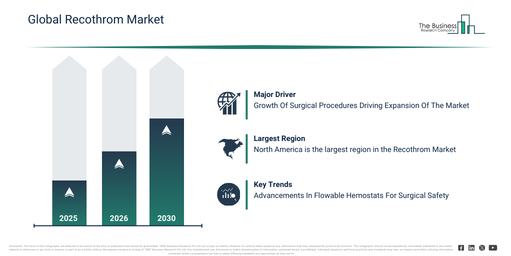
    Historical expansion is attributable to the increasing application of thrombin in surgical operations, its expanding acceptance in vascular and orthopedic procedures, the accessibility of recombinant protein technologies, the enlargement of hospital surgical capabilities, and an intensifying focus on localized hemorrhage control.

    Anticipated growth in the forecast period is propelled by several factors, including a surging demand for plasma-free hemostatic solutions, a heightened emphasis on reducing infection risks, the expansion of emergency and trauma care services, increasing uptake within ambulatory surgery centers, and augmented investments in recombinant biologics manufacturing. Concurrently, major trends for the period encompass the rising adoption of recombinant hemostatic agents, increased application of topical thrombin products, a growing imperative for rapid control of surgical bleeding, the broader deployment of hemostats in trauma care settings, and a reinforced commitment to the safety and purity of biological products.

    Get A Free Sample Report With In-Depth Market Insights:

    https://thebusinessresearchcompany.com/sample_request?id=38622229&type=smp&name=Recothrom%20Market%20Report%202026&utm_source=Blogs&utm_medium=Paid&utm_campaign=Oct_PR

    Recothrom Market Growth Factors Behind Sustained Expansion

    The expanding volume of surgical procedures is anticipated to fuel the progression of the recothrom market in the foreseeable future. These procedures are medical interventions carried out by surgeons to address or diagnose health conditions, frequently involving cuts, tissue removal or restoration, or the application of instruments to rectify physiological problems. The uptick in surgeries stems from the growing incidence of chronic illnesses, an aging global populace, and breakthroughs in medical technology, including less invasive methods that have enhanced patient results and promoted more operations. Recothrom aids in managing blood loss during these operations by encouraging clot formation and boosting the inherent blood coagulation process for quicker hemostasis. For example, the National Library of Medicine, a US-based biomedical library, reported in August 2024 that 2023 saw a 3.4% rise in the worldwide number of aesthetic procedures, with plastic surgeons performing a grand total of 34.9 million surgical and nonsurgical interventions. This comprised over 15.8 million surgical procedures and more than 19.1 million nonsurgical treatments globally. Consequently, the heightened frequency of surgical procedures is propelling the expansion of the recothrom market. Increasing healthcare investments are projected to drive the growth of the recothrom market in the coming years. These investments involve channeling financial capital into the healthcare industry, with the goal of achieving returns or fostering development across sectors like medical research, healthcare provision, pharmaceuticals, biotechnology, and health technology. The surge in healthcare funding can be attributed to elements like an aging demographic, progress in medical technology, escalating healthcare expenditures, and a heightened need for novel treatments and services. Such investments bolster recothrom by supplying a recombinant thrombin solution that enhances surgical results and reduces complications, thereby establishing it as an essential instrument in medical interventions. For instance, the Organisation for Economic Co-operation and Development, a France-based intergovernmental organization, stated in November 2025 that the average health expenditure in OECD nations for 2024 was projected to be nearly USD 6 000 per capita (when adjusted for purchasing power differences). Consequently, the expanding healthcare investments are fueling the progression of the recothrom market.

    Recothrom Market Segment Landscape And Growth Outlook

    The recothrom market covered in this report is segmented –

    1) By Indication: Surgical Procedures, Trauma Management

    2) By Formulation: Powder Form, Solution Form

    3) By Distribution Channel: Direct Sales, Distributors, Online Sales

    4) By End User: Hospitals, Ambulatory Surgical Centers, Tactical Combat Casualty Care

    Recothrom Market Industry Trends Fueling Future Revenue Growth

    Major companies operating in the recothrom market are concentrating on the development of innovative solutions, such as flowable hemostats, to fulfill the increasing demand for quicker, safer, and more effective surgical bleeding control. Flowable hemostats are gel-based substances engineered to conform to intricate anatomical areas where conventional hemostatic approaches might prove less effective. For instance, in April 2023, Baxter International Inc., a US-based healthcare company, introduced Floseal + Recothrom, an innovative flowable hemostat launched after 2022. This product integrates a flowable gelatin-based matrix with recombinant thrombin, produced using recombinant DNA technology. It removes the necessity for human blood components, thereby improving safety. The formulation facilitates faster preparation, over 1.5× quicker than traditional agents, while simultaneously enhancing hemostasis efficiency during surgical procedures.

    Recothrom Market Competitive Landscape: Who Leads The Industry?

    Major companies operating in the recothrom market are Baxter International Inc.

    View The Full Recothrom Market Report:

    https://thebusinessresearchcompany.com/report/recothrom-global-market-report?utm_source=Blogs&utm_medium=Paid&utm_campaign=Oct_PR

    Recothrom Market Geographic Spread And Regional Opportunities

    North America was the largest region in the recothrom market in 2025. Asia-Pacific is expected to be the fastest-growing region in the forecast period. The regions covered in the recothrom market report are Asia-Pacific, Western Europe, Eastern Europe, North America, South America, Middle East, Africa.

    Reach Out To Our Team:

    The Business Research Company: https://www.thebusinessresearchcompany.com/

    Americas: +1 310-496-7795

    Asia: +44 7882 955267 & +91 8897263534

    Europe: +44 7882 955267

    Email us at: marketing@tbrc.info

    Follow us on:

    LinkedIn: https://in.linkedin.com/company/the-business-research-company

    YouTube: https://www.youtube.com/channel/UC24_fI0rV8cR5DxlCpgmyFQ

    Global Market Model: https://www.thebusinessresearchcompany.com/global-market-model
  • Recombivax, Recombivax Hb Market Size Forecast: How The Industry Is Expected To Grow From 2026 To 2030

    Recombivax, Recombivax Hb Market Size Forecast: How The Industry Is Expected To Grow From 2026 To 2030

    Built to provide research that’s more actionable and strategically valuable, The Business Research Company’s 2026 market reports include market attractiveness analysis, total addressable market sizing, company benchmarking matrices, interactive Excel dashboards, broader supply chain intelligence, emerging startup tracking, and in-depth product insights.

    Recombivax, Recombivax Hb Market Value Growth And Long-Term Outlook

    Historically, the observed growth was driven by the broadening of childhood immunization plans, an increase in the prevalence of hepatitis B, enhanced vaccine accessibility, heightened awareness of bloodborne infections, and the expansion of national vaccination programs.

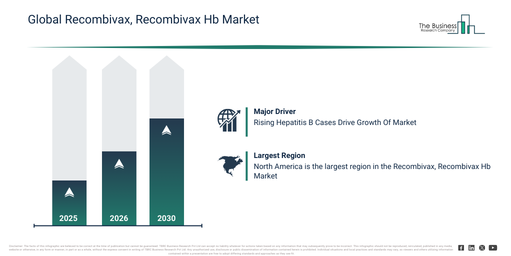
    The anticipated expansion throughout the forecast period is driven by a heightened emphasis on adult booster vaccinations, increased capital allocation towards vaccine self-sufficiency, and the wider reach of immunization efforts in high-risk groups. Additionally, the growing integration of digital platforms for vaccination tracking and advancements in recombinant vaccine technologies are key contributors. Major developments during this period are expected to include a greater uptake of recombinant hepatitis B vaccines, an intensified focus on routine immunization schedules, a surging requirement for vaccine formulations tailored for dialysis patients, and the broader implementation of government-led vaccination drives. Furthermore, enhanced systems for vaccine traceability are also emerging as significant trends.

    Get A Free Sample Report With In-Depth Market Insights:

    https://thebusinessresearchcompany.com/sample_request?id=21257727&type=smp&name=Recombivax%2C%20Recombivax%20Hb%20Market%20Report%202026&utm_source=Blogs&utm_medium=Paid&utm_campaign=Oct_PR

    Recombivax, Recombivax Hb Market Demand Drivers Opening New Revenue Streams

    The increasing occurrence of hepatitis B is anticipated to drive the expansion of the recombivax, recombivax Hb market in the future. Hepatitis B, a viral infection caused by the hepatitis B virus (HBV), leads to liver inflammation and can result in acute or chronic illness, liver damage, and severe complications. The rise in hepatitis B cases stems from factors like increased drug use, unsafe injection practices, and insufficient vaccination efforts, particularly among vulnerable groups and in areas with limited healthcare access. Recombivax and Recombivax Hb contribute to controlling hepatitis B by providing effective vaccination options that lower infection rates, especially for high-risk populations, and through broad immunization initiatives. For example, in April 2025, the Centers for Disease Control and Prevention, a US-based government agency, reported 2,214 new acute hepatitis B cases in 2023, along with 1,769 hepatitis B-related deaths that same year. Consequently, the growing prevalence of hepatitis B is fueling the growth of the recombivax, recombivax Hb markets. Government immunization programs are projected to stimulate the growth of the recombivax, recombivax Hb market moving forward. These programs are public health initiatives designed to provide free vaccines to populations, aiming to prevent diseases and reduce mortality rates through systematic vaccination against various infectious diseases. The increase in government immunization programs is propelled by factors such as greater awareness of vaccine-preventable diseases, the escalating burden of infectious illnesses, advancements in vaccine technology, and efforts to enhance public health outcomes. Government immunization programs play a crucial role in promoting the use of recombivax HB (a recombinant hepatitis B vaccine) by ensuring widespread access, particularly for high-risk groups, and backing public health strategies to prevent hepatitis B infection. For instance, in July 2024, the World Health Organization (WHO), a United Nations agency, indicated that human papillomavirus (HPV) vaccine coverage dramatically rose from 8% in 2023 to 48% in 2024. Furthermore, coverage with 3 doses of the pentavalent vaccine (DTP3) reached 92%, while the first and second doses of the measles-containing vaccine achieved 95% and 90% coverage, respectively. Thus, government immunization programs are boosting the expansion of the recombivax, recombivax Hb market.

    Recombivax, Recombivax Hb Market Breakdown By Product Type And Application

    The recombivax, recombivax hb market covered in this report is segmented –

    1) By Formulation: Standard Formulation, Dialysis Formulation

    2) By Clinical Indication: Pre-Exposure Prophylaxis, Post-Exposure Prophylaxis, Routine Immunization

    3) By End User: Pediatric, Adult, Geriatric, Dialysis Patients

    4) By Distribution Channel: Hospitals And Retail Pharmacies, Government Supplies, Other Channels

    Recombivax, Recombivax Hb Market Company Landscape And Competitive Strategy

    Major companies operating in the recombivax, recombivax hb market are Merck & Co. Inc.

    View The Full Recombivax, Recombivax Hb Market Report:

    https://thebusinessresearchcompany.com/report/recombivax-recombivax-hb-global-market-report?utm_source=Blogs&utm_medium=Paid&utm_campaign=Oct_PR

    Recombivax, Recombivax Hb Market Top Region By Revenue And Market Share

    North America was the largest region in the recombivax, recombivax Hb market in 2025. Asia-Pacific is expected to be the fastest-growing region in the forecast period. The regions covered in the recombivax, recombivax hb market report are Asia-Pacific, Western Europe, Eastern Europe, North America, South America, Middle East, Africa.

    Reach Out To Our Team:

    The Business Research Company: https://www.thebusinessresearchcompany.com/

    Americas: +1 310-496-7795

    Asia: +44 7882 955267 & +91 8897263534

    Europe: +44 7882 955267

    Email us at: marketing@tbrc.info

    Follow us on:

    LinkedIn: https://in.linkedin.com/company/the-business-research-company

    YouTube: https://www.youtube.com/channel/UC24_fI0rV8cR5DxlCpgmyFQ

    Global Market Model: https://www.thebusinessresearchcompany.com/global-market-model
  • Myelodysplastic Syndrome (MDS) Drugs Market To Witness 8.7% CAGR Growth Through 2030: Key Industry Drivers

    Myelodysplastic Syndrome (MDS) Drugs Market To Witness 8.7% CAGR Growth Through 2030: Key Industry Drivers

    Backed by market attractiveness analysis, total addressable market sizing, company benchmarking matrices, interactive Excel dashboards, wider supply chain intelligence, emerging startup coverage, and detailed product-level insights, The Business Research Company’s 2026 market reports are designed to offer research that is more actionable and strategically valuable than ever.

    Myelodysplastic Syndrome (MDS) Drugs Market Growth Potential: How Will Market Size Shift Through 2030?

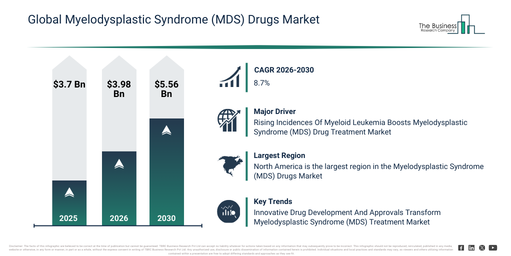
    The myelodysplastic syndrome (mds) drugs market size has experienced significant expansion in recent years. This growth is anticipated to proceed, with the market value forecast to rise from $3.7 billion in 2025 to $3.98 billion in 2026, exhibiting a compound annual growth rate (CAGR) of 7.6%. Factors contributing to this historical development include higher diagnosis rates for bone marrow disorders, the availability of hypomethylating agents, an increase in oncology treatment centers, the growing adoption of supportive transfusion therapies, and enhanced awareness of the disease.

    The myelodysplastic syndrome (mds) drugs market is projected to experience substantial expansion in the coming years. This market is set to reach $5.56 billion in 2030, exhibiting a compound annual growth rate (CAGR) of 8.7%. This anticipated growth during the forecast period is driven by several factors, including the increasing development of novel immunomodulatory drugs, the rising embrace of precision medicine in hematology, the expansion of clinical trial pipelines, a growing emphasis on enhancing patient quality of life, and increased healthcare expenditure on rare diseases. Key developments expected during this period involve the increasing utilization of targeted therapeutic regimens, the rising adoption of oral and parenteral combination therapies, a greater focus on personalized treatment methods, the expansion of supportive care therapies, and improved monitoring of treatment outcomes.

    Get A Free Sample Report With In-Depth Market Insights:

    https://thebusinessresearchcompany.com/sample_request?id=54202885&type=smp&name=Myelodysplastic%20Syndrome%20%28MDS%29%20Drugs%20Market%20Report%202026&utm_source=Blogs&utm_medium=Paid&utm_campaign=Oct_PR

    Myelodysplastic Syndrome (MDS) Drugs Market Growth Backed By Core Demand Fundamentals

    A rise in myeloid leukemia cases is anticipated to fuel the expansion of the myelodysplastic syndrome (MDS) drug treatment market. Myeloid leukemia is a type of cancer developing in the bone marrow, impacting cells vital for blood production. Myelodysplastic syndrome (MDS) drugs are designed to enhance bone marrow function by addressing the underlying cause of leukemia, thereby lowering the risk of complications from low blood cell counts, decreasing the necessity for chemotherapy and transplants, and boosting survival rates for individuals with myelodysplastic syndrome (MDS). For example, data from the American Cancer Society, a US-based health organization, indicated that approximately 20,380 cases and 11,310 deaths from acute myeloid leukemia (AML) were projected in adults for 2023. Consequently, the growing frequency of myeloid leukemia occurrences is a significant factor driving the myelodysplastic syndrome (MDS) drug market. The expansion of the myelodysplastic syndrome (MDS) drugs market is anticipated to be fueled by increasing research and development efforts. Research and development encompasses methodical scientific investigations and experiments aimed at discovering, formulating, and refining novel therapeutic agents and treatment methods. This surge in R&D stems from a deeper comprehension of MDS’s molecular origins and genetic mutations, empowering pharmaceutical firms and research bodies to pinpoint new therapeutic targets and devise precise medical strategies for this diverse condition. Elevated research and development directly contributes to market growth by broadening the range of experimental therapies, resulting in new drug approvals that offer more treatment choices for patients unresponsive to standard hypomethylating agent therapy or who need different interventions. As an illustration, the National Center for Science and Engineering Statistics (NCSES), a US-based government statistical agency, reported in February 2025 that U.S. research and development expenditures climbed from $892 billion in 2022 to $940 billion in 2023, signifying a $48 billion increase. Thus, increasing research and development is a key impetus for the myelodysplastic syndrome (MDS) drugs market’s growth.

    Myelodysplastic Syndrome (MDS) Drugs Market Segments: Where Is Growth Concentrated?

    The myelodysplastic syndrome (mds) drugs market covered in this report is segmented –

    1) By Drug Type: Chemotherapy, Immunomodulatory Drugs

    2) By Route Of Administration: Oral, Parenteral

    3) By Syndrome: Refractory Cytopenia With Multilineage Dysplasia, Refractory Anemia, Refractory Anemia With Ringed Sideroblasts

    4) By End User: Hospitals, Clinics, Ambulatory Surgical Centers

    Subsegments:

    1) By Chemotherapy: Hypomethylating Agents, Cytotoxic Agents

    2) By Immunomodulatory Drugs: Lenalidomide, Thalidomide, Pomalidomide

    Myelodysplastic Syndrome (MDS) Drugs Market Growth Trends Reshaping The Competitive Landscape

    Major companies active in the myelodysplastic syndrome (MDS) drugs market are concentrating on developing novel products, such as targeted therapy, to enhance patient outcomes, fulfill specific customer needs, and integrate effectively into the ecosystem. Targeted therapy for myelodysplastic syndromes (MDS) involves employing medications that specifically address genetic mutations or molecular irregularities in cancer cells, with the goal of improving results by selectively attacking abnormal cells while minimizing harm to healthy tissue. For instance, in October 2023, the U.S. Food and Drug Administration (FDA) approved Tibsovo (ivosidenib) for the treatment of adult patients with relapsed or refractory (R/R) myelodysplastic syndromes (MDS) who possess an isocitrate dehydrogenase-1 (IDH1) mutation. The efficacy of Tibsovo for this specific new indication was assessed in an open-label, single-arm, multicenter study involving 18 adult patients with relapsed or refractory MDS and an IDH1 mutation.

    Myelodysplastic Syndrome (MDS) Drugs Market Key Participants And Competitive Landscape

    Major companies operating in the myelodysplastic syndrome (mds) drugs market are Bristol Myers Squibb, Otsuka Pharmaceutical Co. Ltd., Teva Pharmaceutical Industries Ltd., Dr. Reddy’s Laboratories Ltd., Mylan NV, Cipla Limited, Acceleron Pharma Inc., Aprea Therapeutics, Onconova Therapeutics Inc., Geron Corporation, Amgen Inc., Sandoz, Gilead Sciences Inc., Johnson And Johnson, Lupin Ltd. Corporation, Ono Pharmaceutical Co. Ltd., Eisai Co. Ltd., Nippon Shinyaku Co. Ltd., Lupin Ltd., Accord Healthcare Inc., Kite Pharma Inc., Karyopharm Therapeutics Inc., Aprea Therapeutics Inc., Acceleron Pharma Inc., Astex Pharmaceuticals Inc., Stemline Therapeutics Inc., Geron Corporation, Onconova Therapeutics Inc., Actinium Pharmaceuticals Inc., Millennium Pharmaceuticals Inc.

    View The Full Myelodysplastic Syndrome (MDS) Drugs Market Report:

    https://thebusinessresearchcompany.com/report/myelodysplastic-syndrome-mds-drugs-global-market-report?utm_source=Blogs&utm_medium=Paid&utm_campaign=Oct_PR

    Myelodysplastic Syndrome (MDS) Drugs Market Regional Analysis: Which Region Leads By Revenue?

    North America was the largest region in the myelodysplastic syndrome (MDS) drugs market in 2025. The regions covered in the myelodysplastic syndrome (mds) drugs market report are Asia-Pacific, South East Asia, Western Europe, Eastern Europe, North America, South America, Middle East, Africa.

    Reach Out To Our Team:

    The Business Research Company: https://www.thebusinessresearchcompany.com/

    Americas: +1 310-496-7795

    Asia: +44 7882 955267 & +91 8897263534

    Europe: +44 7882 955267

    Email us at: marketing@tbrc.info

    Follow us on:

    LinkedIn: https://in.linkedin.com/company/the-business-research-company

    YouTube: https://www.youtube.com/channel/UC24_fI0rV8cR5DxlCpgmyFQ

    Global Market Model: https://www.thebusinessresearchcompany.com/global-market-model
  • Recombinate Market Reaches $ Billion In 2026: Forecast And Growth Opportunities

    Recombinate Market Reaches $ Billion In 2026: Forecast And Growth Opportunities

    Backed by market attractiveness analysis, total addressable market sizing, company benchmarking matrices, interactive Excel dashboards, wider supply chain intelligence, emerging startup coverage, and detailed product-level insights, The Business Research Company’s 2026 market reports are designed to offer research that is more actionable and strategically valuable than ever.

    Recombinate Market Value Growth And Long-Term Outlook

    The historical expansion was driven by better detection of hemophilia A, alongside more widespread access to recombinant factor VIII. This trend was further supported by the proliferation of specialized hemophilia treatment facilities, higher patient survival rates, and broadened availability of clotting therapies.

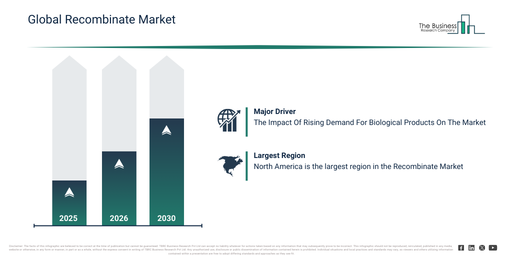
    Projected expansion over the forecast period is driven by the increasing integration of long-acting clotting factors, amplified investments in gene and protein-based therapies, the broadening scope of homecare infusion initiatives, a heightened emphasis on managing hemophilia in children, and advancements in recombinant protein production.

    Significant developments anticipated during the forecast period encompass a rising reliance on recombinant clotting factor treatments, an increased adoption of prophylactic approaches for hemophilia management, a stronger focus on at-home infusion support, the expansion of individualized strategies for bleeding disorder care, and the enhancement of patient monitoring technologies.

    Get A Free Sample Report With In-Depth Market Insights:

    https://thebusinessresearchcompany.com/sample_request?id=10732364&type=smp&name=Recombinate%20Market%20Report%202026&utm_source=Blogs&utm_medium=Paid&utm_campaign=Oct_PR

    Recombinate Market Growth Backed By Core Demand Fundamentals

    The increasing demand for biological products is projected to fuel the expansion of the recombinate market in the future. Biological products are intricate pharmaceutical substances derived from living organisms, utilized for the diagnosis, prevention, treatment, and cure of various diseases and medical conditions. The surge in demand for these products is driven by growing environmental consciousness, enhanced consumer awareness, and the pursuit of sustainable and effective alternatives to synthetic chemicals. Recombinate biologics enable the creation of recombinant antihemophilic factor through advanced biotechnology, producing proteins that mimic natural clotting factors to ensure effective treatment for hemophilia A. For example, in October 2024, the Multidisciplinary Digital Publishing Institute (MDPI), a Switzerland-based open-access academic publisher, reported that in 2024, the FDA approved 50 new medicines, including 16 biologics, highlighting a robust innovation pipeline, especially given the accelerated approval momentum observed in the first half of the year. Consequently, the rising demand for biological products will drive the growth of the recombinate market. A heightened focus on rare and orphan diseases is anticipated to propel the growth of the recombinate market moving forward. Rare and orphan diseases are medical conditions impacting a small percentage of the population, often with limited treatment options, leading to their categorization as orphan diseases. This increased attention to rare and orphan diseases is fueled by advancements in medical research, improved regulatory support, and a growing necessity to address unmet medical needs for small patient populations. Recombinant therapies contribute to treating rare and orphan diseases by providing precise, biologically engineered proteins that either replace or augment deficient or malfunctioning molecules in affected individuals. For instance, in July 2023, the Department of Health & Social Care, a UK-based government department, estimated that more than 7,000 rare diseases exist, with new conditions continually being discovered as research progresses. Approximately 80% of these rare diseases are known to have a genetic basis. Therefore, an increased focus on rare and orphan diseases will drive the growth of the recombinate market.

    Recombinate Market Segment Analysis And Revenue Potential

    The recombinate market covered in this report is segmented –

    1) By Clinical Indication: Hemophilia A, Hemophilia B, Other Indications

    2) By Distribution Channel: Hospitals, Specialty Clinics, Pharmacies

    3) By End User: Pediatric, Adult, Geriatric

    Recombinate Market Key Players Shaping Industry Direction

    Major companies operating in the recombinate market are Baxter Healthcare Corporation, Takeda Pharmaceutical Company Limited, Pfizer Inc.

    View The Full Recombinate Market Report:

    https://thebusinessresearchcompany.com/report/recombinate-global-market-report?utm_source=Blogs&utm_medium=Paid&utm_campaign=Oct_PR

    Recombinate Market Regional Analysis And Top Geography

    North America was the largest region in the Recombinate market in 2025. Asia-Pacific is expected to be the fastest-growing region in the forecast period. The regions covered in the recombinate market report are Asia-Pacific, Western Europe, Eastern Europe, North America, South America, Middle East, Africa.

    Reach Out To Our Team:

    The Business Research Company: https://www.thebusinessresearchcompany.com/

    Americas: +1 310-496-7795

    Asia: +44 7882 955267 & +91 8897263534

    Europe: +44 7882 955267

    Email us at: marketing@tbrc.info

    Follow us on:

    LinkedIn: https://in.linkedin.com/company/the-business-research-company

    YouTube: https://www.youtube.com/channel/UC24_fI0rV8cR5DxlCpgmyFQ

    Global Market Model: https://www.thebusinessresearchcompany.com/global-market-model
  • Myc Proto Oncogene Protein Market Projected For Strong Expansion Through 2030: Key Trends And Future Outlook

    Myc Proto Oncogene Protein Market Projected For Strong Expansion Through 2030: Key Trends And Future Outlook

    Featuring market attractiveness scoring, total addressable market sizing, company benchmarking matrices, interactive Excel dashboards, deeper supply chain intelligence, emerging startup tracking, and granular product-level insights, The Business Research Company’s 2026 market reports are built to deliver research that is both more actionable and more strategically valuable.

    Myc Proto Oncogene Protein Market Value Analysis: What Growth Lies Ahead Over The Forecast Period?

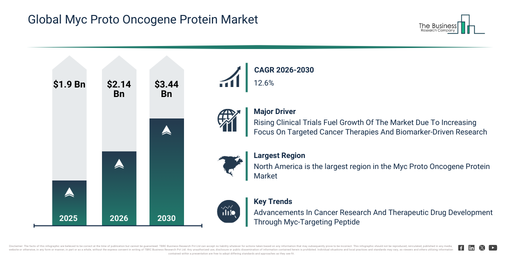
    The myc proto oncogene protein market size has shown rapid expansion in recent years. It is anticipated to increase from $1.9 billion in 2025 to $2.14 billion in 2026, achieving a compound annual growth rate (CAGR) of 12.9%. The market’s historical growth can be attributed to several factors including the limited availability of recombinant proteins, a reliance on conventional PCR and ELISA techniques, growing initiatives in cancer research, an increasing demand for myc-targeted diagnostics, and the adoption of standard laboratory protocols.

    The myc proto oncogene protein market is projected for significant expansion over the coming years, with an anticipated increase to $3.44 billion by 2030, demonstrating a compound annual growth rate (CAGR) of 12.6%. This projected growth during the forecast period is fueled by several factors, including advancements in next-generation sequencing and ChIP-seq technologies, increased funding directed towards biomarker discovery and therapeutic investigations, the broadening scope of pharmaceutical research and development activities, growing partnerships between academic institutions and biotechnology firms, and the incorporation of artificial intelligence and digital tools into research processes. Key trends anticipated during this period encompass the growing application of monoclonal antibodies and recombinant proteins, the increasing embrace of sophisticated gene expression and RNA interference methodologies, the broadening scope of cancer research and biomarker identification efforts, the expansion of applications in diagnostic and treatment development, and enhanced investment in academic and pharmaceutical research.

    Get A Free Sample Report With In-Depth Market Insights:

    https://thebusinessresearchcompany.com/sample_request?id=23861429&type=smp&name=Myc%20Proto%20Oncogene%20Protein%20Market%20Report%202026&utm_source=Blogs&utm_medium=Paid&utm_campaign=Oct_PR

    Myc Proto Oncogene Protein Market Growth Catalysts And Demand Drivers

    The expanding volume of clinical trials is projected to stimulate the growth of the myc proto oncogene protein market moving forward. These trials are research studies involving human participants, designed to assess the safety and efficacy of new medical treatments or interventions. The escalating number of clinical trials reflects efforts by researchers and companies to expedite the development of effective therapies, generate robust safety information, and introduce innovative treatments to patients more quickly. Furthermore, clinical trials are vital for evaluating targeted therapies aimed at myc proto-oncogene-driven cancers, scrutinizing their effectiveness, safety, and resistance mechanisms, and thus guiding the creation of MYC inhibitors and combination treatments. For example, in June 2025, the National Center for Biotechnology Information, a US-based international resource for scientific research, reported that registered studies increased from 437,497 in 2022 to 520,885 in 2024. Hence, the increasing prevalence of clinical trials is a significant driver for the myc proto oncogene protein market’s expansion.

    Myc Proto Oncogene Protein Market Segment Analysis: What Are The Core Market Categories?

    The myc proto oncogene protein market covered in this report is segmented –

    1) By Product Type: Monoclonal Antibodies, Recombinant Proteins, Polymerase Chain Reaction (PCR) Kits, Enzyme-Linked Immunosorbent Assay (ELISA) Kits

    2) By Molecular Variant: BGA-003, ES-4000, Galarmin, Other Types

    3) By Technology: Gene Expression Profiling, Chromatin Immunoprecipitation Sequencing (ChIP-Seq), Next-Generation Sequencing (NGS), Ribonucleic Acid Interference Techniques

    4) By Application: Cancer Research, Diagnostics, Treatment Development, Biomarker Discovery

    5) By End-User: Academic And Research Institutions, Biotechnology Companies, Pharmaceutical Companies, Hospitals And Diagnostic Laboratories

    Subsegments:

    1) By Monoclonal Antibodies: Therapeutic Monoclonal Antibodies, Diagnostic Monoclonal Antibodies, Research-Grade Monoclonal Antibodies

    2) By Recombinant Proteins: Recombinant Myc Proteins, Recombinant Fusion Proteins, Recombinant Antibody Fragments

    3) By Polymerase Chain Reaction (PCR) Kits: Quantitative PCR (Qpcr) Kits, Reverse Transcription PCR (Rt-Pcr) Kits, Digital PCR Kits

    4) By Enzyme-Linked Immunosorbent Assay (ELISA) Kits: Sandwich ELISA Kits, Competitive ELISA Kits, Indirect ELISA Kits

    Myc Proto Oncogene Protein Market Trends Shaping Long-Term Demand

    Leading firms within the myc proto oncogene protein market are increasingly prioritizing sophisticated treatments, particularly myc-targeting peptide therapeutics, with the aim of transforming cancer therapy. This type of therapeutic represents a new category of medication developed to suppress the myc oncogene, an entity that is unusually active in most cancers and is crucial for tumor development and spread. An example of this trend is observed in January 2025, when Peptomyc S.L., a biotechnology company based in Spain, commenced a new Phase 2 clinical trial for its myc-inhibitor medication, OMO-103, for individuals with advanced osteosarcoma. OMO-103 stands out as a pioneering myc-targeting peptide, engineered to disrupt myc’s role within cancer cells, demonstrating a favorable safety profile and significant anti-tumor effects. The objective of this trial is to evaluate the drug’s clinical effectiveness, safety, and how it affects the body, indicating a major advancement in precision treatments for challenging cancers like osteosarcoma.

    Myc Proto Oncogene Protein Market Top Companies Driving Competitive Growth

    Major companies operating in the myc proto oncogene protein market are Thermo Fisher Scientific Inc., Merck KGaA (Sigma-Aldrich), Abcam plc, Bio-Rad Laboratories Inc., Agilent Technologies Inc., RayBiotech Life Inc., Sino Biological Inc., GenScript Biotech Corporation, R&D Systems (Bio-Techne Corporation), Proteintech Group Inc., Cell Signaling Technology Inc., Santa Cruz Biotechnology Inc., Novus Biologicals (Bio-Techne), Creative Diagnostics Inc., Boster Biological Technology, OriGene Technologies Inc., Rockland Immunochemicals Inc., Elabscience Biotechnology Inc., MyBioSource Inc., ProSci Incorporated, LSBio (LifeSpan BioSciences Inc.), Cayman Chemical Company, Enzo Life Sciences Inc., BioLegend Inc., Atlas Antibodies AB, Abbexa Ltd., United States Biological (USBiological Life Sciences), Assay Genie Ltd., Wuhan Fine Biotech Co. Ltd., Aviva Systems Biology Corporation, Cloud-Clone Corp.

    View The Full Myc Proto Oncogene Protein Market Report:

    https://thebusinessresearchcompany.com/report/myc-proto-oncogene-protein-global-market-report?utm_source=Blogs&utm_medium=Paid&utm_campaign=Oct_PR

    Myc Proto Oncogene Protein Market Geographic Distribution And Regional Opportunities

    North America was the largest region in the myc proto oncogene protein market in 2025. Asia-Pacific is expected to be the fastest-growing region in the forecast period. The regions covered in the myc proto oncogene protein market report are Asia-Pacific, South East Asia, Western Europe, Eastern Europe, North America, South America, Middle East, Africa.

    Reach Out To Our Team:

    The Business Research Company: https://www.thebusinessresearchcompany.com/

    Americas: +1 310-496-7795

    Asia: +44 7882 955267 & +91 8897263534

    Europe: +44 7882 955267

    Email us at: marketing@tbrc.info

    Follow us on:

    LinkedIn: https://in.linkedin.com/company/the-business-research-company

    YouTube: https://www.youtube.com/channel/UC24_fI0rV8cR5DxlCpgmyFQ

    Global Market Model: https://www.thebusinessresearchcompany.com/global-market-model
  • Rebyota Market Growth In 2026: Market Size, Key Drivers And Future Outlook

    Rebyota Market Growth In 2026: Market Size, Key Drivers And Future Outlook

    Featuring market attractiveness scoring, total addressable market sizing, company benchmarking matrices, interactive Excel dashboards, deeper supply chain intelligence, emerging startup tracking, and granular product-level insights, The Business Research Company’s 2026 market reports are built to deliver research that is both more actionable and more strategically valuable.

    Rebyota Market Size And Revenue Outlook Through 2030

    The expansion observed during the historical timeframe can be linked to the frequent reoccurrence of C. difficile infections, the inadequacies of treatments relying solely on antibiotics, an evolving comprehension of the importance of gut microbiome health, a rising prevalence of infections acquired in healthcare settings, and initial positive outcomes from clinical trials of microbiota-based treatments.

    The projected growth during the forecast period can be attributed to an increasing incidence of recurrent C. difficile infections, expanding regulatory support for microbiome-based medications, growing adoption within gastroenterology practices, heightened investment in microbiome research, and improved patient outcomes driving broader uptake. Major trends anticipated in this period include the rising adoption of microbiota-based therapies, an increasing focus on the prevention of recurrent C. difficile infections, growing acceptance of live biotherapeutic products, the expansion of gut microbiome restoration treatments, and enhanced clinical outcomes for antibiotic-resistant infections.

    Get A Free Sample Report With In-Depth Market Insights:

    https://thebusinessresearchcompany.com/sample_request?id=12082679&type=smp&name=Rebyota%20Market%20Report%202026&utm_source=Blogs&utm_medium=Paid&utm_campaign=Oct_PR

    Rebyota Market Growth Catalysts And Demand Drivers

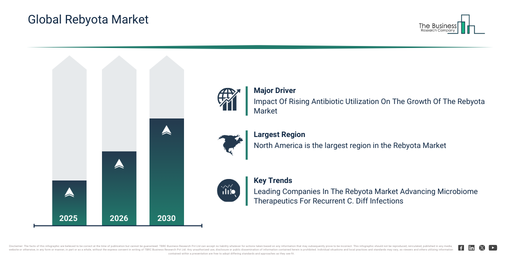
    The expanding use of antibiotics is projected to stimulate the future growth of the reboyta market. Antibiotics are medications crucial for managing numerous infectious diseases, as they treat bacterial infections by either killing bacteria or hindering their development. The increased uptake of antibiotics stems from factors like population growth, a rise in infectious disease rates, and enhanced healthcare accessibility. Rebyota, a fecal microbiota therapy, complements antibiotic use by restoring the gut microbiota balance disrupted by antibiotic treatments, thereby addressing complications such as recurrent Clostridioides difficile infections. For instance, in April 2023, the Centers for Disease Prevention and Control, a US-based health organization, reported that in 2023, U.S. community (retail) pharmacies issued approximately 251 million oral antibiotic prescriptions in outpatient settings, representing a rate of 752 prescriptions for every 1,000 people. Consequently, the increasing utilization of antibiotics is a driving force for the reboyta market.

    Rebyota Market Driver: Rising Number of Clinical Trials To Accelerate Growth In The Reboyta Market

    Rebyota Market Segmentation And Category Overview

    The rebyota market covered in this report is segmented –

    1) By Formulation: Rectal Suspension, Oral Capsules

    2) By Distribution Channel: Direct Sales, Pharmacies, Online Platforms

    3) By End User: Healthcare Facilities, Home Healthcare

    Rebyota Market Trends Shaping Long-Term Demand

    Leading companies in the rebyota market are spearheading developments in innovative solutions, including microbiome-based live therapeutics, to address unmet clinical needs in the prevention of recurrent infections. Microbiome-based live therapeutics leverage live microorganisms to re-establish equilibrium within the body’s microbiome, with the goal of enhancing health outcomes, especially for gastrointestinal, immune, and skin ailments. For instance, in April 2024, Ferring Pharmaceuticals, a Switzerland-based entity specializing in microbiome-based therapies and reproductive health, launched Rebyota in the US. This pioneering microbiota-based treatment utilizes a single-dose live microbial suspension to restore gut microbiota and avert recurrent C. diff infections, representing a transformative method for tackling a significant global health issue. This introduction marks a crucial moment for Ferring, as it expands its product portfolio into new therapeutic fields, particularly within microbiome-based therapeutics. The debut of Rebyota is part of Ferring’s broader strategic initiative to diversify its offerings and strengthen its standing in essential therapeutic areas such as gastroenterology and immunology.

    Rebyota Market Competitive Analysis Of Leading Industry Participants

    Major companies operating in the rebyota market are Ferring Pharmaceuticals

    View The Full Rebyota Market Report:

    https://thebusinessresearchcompany.com/report/rebyota-global-market-report?utm_source=Blogs&utm_medium=Paid&utm_campaign=Oct_PR

    Rebyota Market Geographic Analysis: Where Is Demand Rising Fastest?

    North America was the largest region in the rebyota market in 2025. The regions covered in the rebyota market report are Asia-Pacific, Western Europe, Eastern Europe, North America, South America, Middle East, Africa.

    Reach Out To Our Team:

    The Business Research Company: https://www.thebusinessresearchcompany.com/

    Americas: +1 310-496-7795

    Asia: +44 7882 955267 & +91 8897263534

    Europe: +44 7882 955267

    Email us at: marketing@tbrc.info

    Follow us on:

    LinkedIn: https://in.linkedin.com/company/the-business-research-company

    YouTube: https://www.youtube.com/channel/UC24_fI0rV8cR5DxlCpgmyFQ

    Global Market Model: https://www.thebusinessresearchcompany.com/global-market-model

  • Mutation Detection Kits In Genome Editing Market Outlook 2026–2030: Growth Trends, Market Dynamics And Emerging Opportunities

    Mutation Detection Kits In Genome Editing Market Outlook 2026–2030: Growth Trends, Market Dynamics And Emerging Opportunities

    Built to provide research that’s more actionable and strategically valuable, The Business Research Company’s 2026 market reports include market attractiveness analysis, total addressable market sizing, company benchmarking matrices, interactive Excel dashboards, broader supply chain intelligence, emerging startup tracking, and in-depth product insights.

    Mutation Detection Kits In Genome Editing Market Size Forecast: How Big Could The Market Get By 2030?

    The market for mutation detection kits in genome editing has experienced significant expansion recently. Its size is expected to climb from $1.14 billion in 2025 to $1.29 billion in 2026, achieving a compound annual growth rate (CAGR) of 13.2%. In the past, this growth was influenced by the limited availability of mutation detection kits, a dependence on manual and traditional detection techniques, the growth in genome editing research, an increasing need for precise validation tools, and the adoption of basic nucleic acid reagents.

    The mutation detection kits in genome editing market size is projected to experience swift expansion over the coming years. This market is set to reach a value of $2.1 billion in 2030, exhibiting a compound annual growth rate (CAGR) of 13.0%. This anticipated growth during the forecast period is driven by factors such as the creation of sophisticated CRISPR-based mutation validation kits, increased spending on next-generation sequencing technologies, the proliferation of cloud-based bioinformatics solutions, a growing number of applications in clinical diagnostics and personalized medicine, and the incorporation of AI-powered data interpretation tools. Key trends anticipated during this period encompass the growing acceptance of PCR-based and next-generation sequencing mutation detection kits, wider utilization of CRISPR mutation validation instruments in genome editing research, the advancement of software tools for genomic data analysis and visualization, broader implementation of mutation detection in drug development and clinical diagnostics, and the integration of cloud-based bioinformatics platforms for immediate data interpretation.

    Get A Free Sample Report With In-Depth Market Insights:

    https://thebusinessresearchcompany.com/sample_request?id=82362599&type=smp&name=Mutation%20Detection%20Kits%20In%20Genome%20Editing%20Market%20Report%202026&utm_source=Blogs&utm_medium=Paid&utm_campaign=Oct_PR

    Mutation Detection Kits In Genome Editing Market Opportunity Drivers: What’s Unlocking New Revenue Potential?

    An anticipated increase in the occurrence of genetic disorders is set to drive the expansion of mutation detection kits within the genome editing market. These disorders are defined as illnesses or conditions stemming from irregularities in a person’s DNA, potentially inherited from parents or arising from novel genetic mutations. Increased public understanding and sophisticated diagnostic tools contribute to this surge, facilitating prompt and precise identification of such conditions, which in turn leads to elevated reported incidence rates. Crucially, genome editing mutation detection kits play a vital role in tackling genetic disorders by precisely pinpointing disease-causing gene mutations, thereby facilitating focused research and the creation of accurate treatment approaches. An illustrative example comes from May 2024, where the National Health Service, a UK government body, reported that about 17,000 individuals in England are affected by sickle cell disease, an inherited blood disorder, with around 250 new diagnoses occurring annually. Consequently, the growing frequency of genetic disorders is indeed a key factor fueling the demand for mutation detection kits in the genome editing market.

    Mutation Detection Kits In Genome Editing Market Segment Breakdown: Which Categories Lead On Revenue?

    The mutation detection kits in genome editing market covered in this report is segmented –

    1) By Product Type: Reagents, Kits, Software Solutions

    2) By Technology: Clustered Regularly Interspaced Short Palindromic Repeats (CRISPR), Transcription Activator-Like Effector Nucleases Or Meganuclease-TAL Effector Nucleases (TALENs/MegaTALs), Zinc Finger Nucleases (ZFN), Other Technologies

    3) By Application: Research, Clinical Diagnostics, Drug Development, Other Applications

    4) By End Use: Academic Institutions, Hospitals And Diagnostic Centers, Biotechnology Companies

    Subsegments:

    1) By Reagents: Deoxyribonucleic Acid Polymerases (DNA) Polymerases, Nucleases, Buffers And Enzymes, Fluorescent Dyes And Probes, Primers And Oligonucleotides

    2) By Kits: Polymerase Chain Reaction (PCR)-Based Mutation Detection Kits, Next-Generation Sequencing-Based Mutation Analysis Kits, Clustered Regularly Interspaced Short Palindromic Repeats (CRISPR) Mutation Validation Kits, Gel Electrophoresis-Based Detection Kits

    3) By Software Solutions: Mutation Analysis And Visualization Tools, Clustered Regularly Interspaced Short Palindromic Repeats (CRISPR) Off-Target Prediction Software, Genomic Alignment and Annotation Software, Data Interpretation Platforms For Next-Generation Sequencing, Cloud-Based Bioinformatics Platforms

    Mutation Detection Kits In Genome Editing Market Innovation Trends Shaping Future Development

    Leading companies in the mutation detection kits segment of the genome editing market are concentrating on developing advanced products, such as ultrasensitive multiplexed assays, to enhance the accuracy, speed, and sensitivity in identifying genetic mutations. These ultrasensitive multiplexed assays are sophisticated diagnostic tests capable of concurrently detecting and quantifying multiple genetic mutations even at very low levels, which aids researchers and clinicians in achieving faster, more accurate, and comprehensive mutation analysis for improved disease diagnosis and treatment monitoring. For example, in April 2024, Bio-Rad Laboratories Inc., a US-based research company, introduced the ddPLEX ESR1 Mutation Detection Kit, an ultrasensitive multiplexed digital PCR assay specifically designed for breast cancer mutation detection. This kit allows for the simultaneous identification and precise quantification of seven ESR1 mutations with an analytical sensitivity reaching 0.01% variant allele fraction, supporting both plasma and tissue sample analysis. Such innovations underscore the industry’s commitment to enhancing diagnostic accuracy and enabling more effective disease monitoring and personalized treatment strategies.

    Mutation Detection Kits In Genome Editing Market Leading Players And Competitive Positioning

    Major companies operating in the mutation detection kits in genome editing market are F. Hoffmann-La Roche Ltd, Merck KGaA, Thermo Fisher Scientific Inc., QIAGEN N.V., Eurofins Scientific SE, Agilent Technologies Inc., Illumina Inc., Bio-Rad Laboratories Inc., Integrated DNA Technologies Inc., GenScript Biotech Corporation, Takara Bio Inc., Promega Corporation, Analytik Jena AG, Twist Bioscience Corporation, New England Biolabs Inc., Applied Biological Materials Inc., Synthego Corporation, BioVision Inc., Creative Biogene Corporation

    View The Full Mutation Detection Kits In Genome Editing Market Report:

    https://thebusinessresearchcompany.com/report/mutation-detection-kits-in-genome-editing-global-market-report?utm_source=Blogs&utm_medium=Paid&utm_campaign=Oct_PR

    Mutation Detection Kits In Genome Editing Market Largest Region By Revenue And Market Share

    North America was the largest region in the mutation detection kits in genome editing market in 2025. Asia-Pacific is expected to be the fastest-growing region in the forecast period. The regions covered in the mutation detection kits in genome editing market report are Asia-Pacific, South East Asia, Western Europe, Eastern Europe, North America, South America, Middle East, Africa.

    Reach Out To Our Team:

    The Business Research Company: https://www.thebusinessresearchcompany.com/

    Americas: +1 310-496-7795

    Asia: +44 7882 955267 & +91 8897263534

    Europe: +44 7882 955267

    Email us at: marketing@tbrc.info

    Follow us on:

    LinkedIn: https://in.linkedin.com/company/the-business-research-company

    YouTube: https://www.youtube.com/channel/UC24_fI0rV8cR5DxlCpgmyFQ

    Global Market Model: https://www.thebusinessresearchcompany.com/global-market-model
  • Reblozyl Market Size And Forecast 2026–2030: Trends Driving Industry Expansion

    Reblozyl Market Size And Forecast 2026–2030: Trends Driving Industry Expansion

    Built to provide research that’s more actionable and strategically valuable, The Business Research Company’s 2026 market reports include market attractiveness analysis, total addressable market sizing, company benchmarking matrices, interactive Excel dashboards, broader supply chain intelligence, emerging startup tracking, and in-depth product insights.

    Reblozyl Market Size And Revenue Outlook Through 2030

    Historical growth was driven by a rising prevalence of beta-thalassemia and MDS, the reliance on blood transfusion-based anemia management, the clinical validation of luspatercept therapy, the expansion of specialty hematology centers, and regulatory approvals for novel anemia treatments.

    During the forecast period, growth is expected to stem from the escalating demand for treatments that reduce the need for transfusions, the broader application of biologics in hematology care, a heightened emphasis on sustained anemia management, increased investment in therapies for rare diseases, and advancements in treatments specifically targeting bone marrow.

    Key trends anticipated in the upcoming period include the greater adoption of agents that promote erythroid maturation, a rising use of targeted therapies for anemia, the expansion of injectable biologic treatments, an intensifying focus on reducing transfusion dependency, and improved personalization of hematology care.

    Get A Free Sample Report With In-Depth Market Insights:

    https://thebusinessresearchcompany.com/sample_request?id=24135830&type=smp&name=Reblozyl%20Market%20Report%202026&utm_source=Blogs&utm_medium=Paid&utm_campaign=Oct_PR

    Reblozyl Market Opportunity Drivers: What’s Unlocking New Revenue Potential?

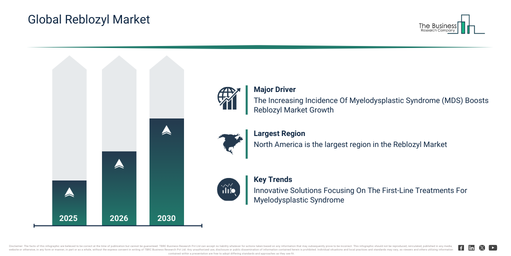
    The escalating prevalence of myelodysplastic syndrome (MDS) is anticipated to boost the reblozyl market’s expansion in the future. Myelodysplastic syndrome refers to a collection of disorders characterized by malfunctioning blood-forming cells in the bone marrow, resulting in inadequate production of healthy blood cells and a potential progression to leukemia. MDS primarily originates from DNA mutations within blood cells, frequently attributed to environmental elements, prior cancer treatments, or genetic predispositions. Reblozyl (luspatercept) is utilized to alleviate anemia in adults diagnosed with specific forms of myelodysplastic syndrome (MDS) by stimulating red blood cell maturation and diminishing the necessity for transfusions. For instance, in November 2024, the American Cancer Society Inc., a US-based non-profit organization, indicated that current projections estimate 10,000 to 15,000 new cases of myelodysplastic syndromes occur annually in the United States. Consequently, the rising incidence of myelodysplastic syndrome (MDS) is propelling the growth of the reblozyl market. Increasing healthcare expenditure is projected to advance the reblozyl market’s development moving forward. Healthcare expenditure signifies the total financial outlay on health services and related endeavors within a given timeframe, typically measured yearly. This upward trend in healthcare spending is fueled by factors such as an aging population, the prevalence of chronic illnesses, elevated service prices, heightened demand, increasing pharmaceutical costs, and income disparity. Enhanced healthcare spending improves access to Reblozyl, facilitating more effective treatment of anemia in patients with specific blood disorders. For instance, in May 2024, a report from the Office for National Statistics, a UK-based government agency, revealed that total healthcare expenditure saw a nominal increase of 5.6% from 2022 to 2023, a significant rise compared to the 0.9% growth in 2022. Moreover, overall long-term health and social care expenditure grew by 2.8% in real terms during 2022. Therefore, the expanding healthcare expenditure is a key driver for the growth of the reblozyl market.

    Reblozyl Market Segment Outlook: Which Categories Are Growing Fastest?

    The reblozyl market covered in this report is segmented –

    1) By Formulation: Lyophilized Powder For Injection (25 mg, 75 mg), Subcutaneous Injection

    2) By Indication: Beta-Thalassemia, Myelodysplastic Syndromes (MDS), Other Indications

    3) By Distribution Channel: Hospital Pharmacies, Retail Pharmacies, Online Pharmacies

    4) By End-User: Hospitals, Specialty Clinics, Homecare Settings

    Reblozyl Market Innovation Trends Shaping Future Development

    The reblozyl market’s predominant trend involves concentrating on advancing research efforts, particularly in developing first-line treatments. These initiatives aim to address anaemia in adult patients with very low- to intermediate-risk myelodysplastic syndromes (MDS) who have not previously used erythropoiesis-stimulating agents (ESA-naïve). First-line treatment, in this context, signifies the initial therapeutic intervention recommended for a condition, typically agreed upon by experts based on its effectiveness and safety. It stands as the preferred choice for patients not yet treated, guiding any subsequent treatment decisions if necessary. For example, in August 2023, Bristol Myers Squibb Company, a US-based pharmaceutical company, announced that the U.S. Food and Drug Administration (FDA) had given approval to reblozyl (luspatercept-aamt) as a first-line therapy for anemia in adults with lower-risk myelodysplastic syndromes (MDS) who may require transfusions. This authorization is specifically for adult patients diagnosed with very low- to intermediate-risk MDS who have not previously received erythropoiesis-stimulating agents (ESAs).

    Reblozyl Market Leading Companies And Competitive Benchmarking

    Major companies operating in the reblozyl market are Bristol-Myers Squibb Company and Merck & Co. Inc.

    View The Full Reblozyl Market Report:

    https://thebusinessresearchcompany.com/report/reblozyl-global-market-report?utm_source=Blogs&utm_medium=Paid&utm_campaign=Oct_PR

    Reblozyl Market Global Footprint: Which Region Leads The Market?

    North America was the largest region in the reblozyl market in 2025. Asia-Pacific is expected to be the fastest-growing region in the forecast period. The regions covered in the reblozyl market report are Asia-Pacific, Western Europe, Eastern Europe, North America, South America, Middle East, Africa.

    Reach Out To Our Team:

    The Business Research Company: https://www.thebusinessresearchcompany.com/

    Americas: +1 310-496-7795

    Asia: +44 7882 955267 & +91 8897263534

    Europe: +44 7882 955267

    Email us at: marketing@tbrc.info

    Follow us on:

    LinkedIn: https://in.linkedin.com/company/the-business-research-company

    YouTube: https://www.youtube.com/channel/UC24_fI0rV8cR5DxlCpgmyFQ

    Global Market Model: https://www.thebusinessresearchcompany.com/global-market-model
  • Rebinyn Or Refixia Market 2026 Outlook: Market Size, CAGR And Key Growth Opportunities

    Rebinyn Or Refixia Market 2026 Outlook: Market Size, CAGR And Key Growth Opportunities

    Backed by market attractiveness analysis, total addressable market sizing, company benchmarking matrices, interactive Excel dashboards, wider supply chain intelligence, emerging startup coverage, and detailed product-level insights, The Business Research Company’s 2026 market reports are designed to offer research that is more actionable and strategically valuable than ever.

    Rebinyn Or Refixia Market Expansion Outlook: What Revenue Opportunities Are Ahead?

    The historical expansion can be attributed to several factors, including the progression in clinical development of recombinant FIX therapies and the increasing rates of hemophilia B diagnosis. Furthermore, the early integration of long-acting factor products, alongside better accessibility to hemophilia care centers, played a significant role. Regulatory endorsements for biologics with extended half-life also contributed to this growth.

    Growth in the upcoming period is driven by the escalating demand for convenient hemophilia management options, the broader implementation of home-based treatment models, increased investments in next-generation clotting factors, a heightened focus on enhancing patient quality of life, and advancements in biologic drug engineering. Significant trends expected during this forecast include the rising adoption of extended half-life clotting factors, an increasing preference for prophylactic hemophilia treatments, the expansion of recombinant factor therapies, a growing emphasis on minimizing injection frequency, and the development of improved patient-centric treatment approaches.

    Get A Free Sample Report With In-Depth Market Insights:

    https://thebusinessresearchcompany.com/sample_request?id=53188119&type=smp&name=Rebinyn%20Or%20Refixia%20Market%20Report%202026&utm_source=Blogs&utm_medium=Paid&utm_campaign=Oct_PR

    Rebinyn Or Refixia Market Growth Momentum: What Factors Are Shaping Demand?

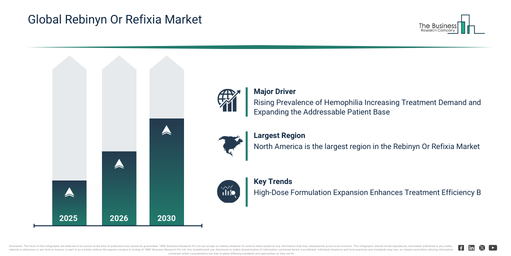
    The increasing occurrence of hemophilia is projected to boost the expansion of the Rebinyn/Refixia market in the future. Hemophilia refers to inherited conditions that cause bleeding, resulting from inadequate blood-clotting factors, and its growing prevalence indicates a rise in both diagnosed patients and newly discovered cases. Diagnostic rates are steadily climbing as healthcare professionals increasingly utilize enhanced genetic testing, leading to more confirmed diagnoses annually. The Rebinyn/Refixia market benefits from this trend because its extended half-life factor IX treatments enable patients to handle frequent bleeding episodes with fewer injections, thereby improving compliance and encouraging consistent long-term treatment. For example, in Aoril 2025, a report by Pfizer Inc, a US-based pharmaceutical and biotechnology company, indicated that during the 2023 to 24 period, the UK haemophilia A and B patient population surpassed 11,800 individuals, highlighting a substantial and clinically relevant treated demographic. Consequently, the increasing prevalence of hemophilia is a key driver for the Rebinyn/Refixia market’s growth.

    Rebinyn Or Refixia Market Segment Landscape: Which Areas Lead Development?

    The rebinyn or refixia market covered in this report is segmented –

    1) By Formulation: Intravenous Injection, Lyophilized Powder

    2) By Indication: Hemophilia B Management, Prevention Of Bleeding Episodes, On-Demand Bleeding Control

    3) By Patient Demographics: Pediatric Patients, Adults, Geriatric Patients

    4) By End Users: Hospitals, Clinics, Homecare Settings

    5) By Distribution Channel: Hospital Pharmacies, Retail Pharmacies, Online Pharmacies

    Rebinyn Or Refixia Market Trends Redefining Industry Growth

    Leading companies within the Rebinyn/Refixia market are prioritizing the development of high-dose formulations, including 3,000 IU Rebinyn vials, aiming to enhance dosing efficiency for patients who necessitate elevated factor IX levels. Such high-dose vials deliver a greater amount of factor IX per single administration, thereby assisting in lowering the frequency of infusions and streamlining prophylactic treatment for individuals requiring moderate to high dosages. An illustrative example occurred in 2023, when Novo Nordisk, a biopharmaceutical firm based in Denmark, introduced its Rebinyn 3,000 IU vial size. This new offering represented the peak available dose strength within the Rebinyn product range, served to lessen the infusion burden for adult patients requiring increased prophylactic levels, and incorporated the identical GlycoPEGylated extended-half-life technology found in its lower-dose counterparts. Consequently, this introduction bolstered therapeutic adaptability within the Rebinyn/Refixia market and broadened the choices available for tailored hemophilia B management.

    Rebinyn Or Refixia Market Industry Leaders And Competitive Landscape

    Major companies operating in the rebinyn or refixia market are Novo Nordisk A/S

    View The Full Rebinyn Or Refixia Market Report:

    https://thebusinessresearchcompany.com/report/rebinyn-or-refixia-global-market-report?utm_source=Blogs&utm_medium=Paid&utm_campaign=Oct_PR

    Rebinyn Or Refixia Market Regional Split: Which Areas Are Fueling Growth?

    North America was the largest region in the rebinyn or refixia market in 2025. Asia-Pacific is expected to be the fastest-growing region in the forecast period. The regions covered in the rebinyn or refixia market report are Asia-Pacific, Western Europe, Eastern Europe, North America, South America, Middle East, Africa.

    Reach Out To Our Team:

    The Business Research Company: https://www.thebusinessresearchcompany.com/

    Americas: +1 310-496-7795

    Asia: +44 7882 955267 & +91 8897263534

    Europe: +44 7882 955267

    Email us at: marketing@tbrc.info

    Follow us on:

    LinkedIn: https://in.linkedin.com/company/the-business-research-company

    YouTube: https://www.youtube.com/channel/UC24_fI0rV8cR5DxlCpgmyFQ

    Global Market Model: https://www.thebusinessresearchcompany.com/global-market-model