Blog

  • Familial Amyloid Polyneuropathy Market Forecast: Breaking Down The Numbers Behind Future Expansion

    Familial Amyloid Polyneuropathy Market Forecast: Breaking Down The Numbers Behind Future Expansion

    Built to provide research that’s more actionable and strategically valuable, The Business Research Company’s 2026 market reports include market attractiveness analysis, total addressable market sizing, company benchmarking matrices, interactive Excel dashboards, broader supply chain intelligence, emerging startup tracking, and in-depth product insights.

    Familial Amyloid Polyneuropathy Market Growth Analysis: How Will Revenue Trend Over The Forecast Period?

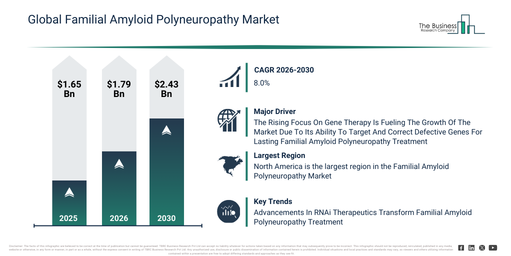
    The familial amyloid polyneuropathy market has experienced robust growth in recent years. It is anticipated to expand from $1.65 billion in 2025 to $1.79 billion in 2026, at a compound annual growth rate (CAGR) of 8.3%. The growth observed in the past can be attributed to elements like rare disease diagnosis, increasing genetic disorder awareness, advancements in transplant medicine development, dedicated neurology research, and the embrace of supportive care.

    The familial amyloid polyneuropathy market size is anticipated to undergo strong growth in the next few years. It is predicted to expand to $2.43 billion in 2030, at a compound annual growth rate (CAGR) of 8.0%. This expansion during the forecast period can be attributed to innovations in gene therapy, the availability of early genetic testing, increased funding for rare diseases, wider adoption of precision medicine, and the development of specialty pharmacies. Major trends expected during the forecast period involve the growing adoption of TTR stabilizers, the broader implementation of gene silencing therapies, enhanced genetic screening, a heightened focus on rare disease treatment, and the proliferation of specialty care centers.

    Get A Free Sample Report With In-Depth Market Insights:

    https://thebusinessresearchcompany.com/sample_request?id=95404699&type=smp&name=Familial%20Amyloid%20Polyneuropathy%20Market%20Report%202026&utm_source=Blogs&utm_medium=Paid&utm_campaign=Oct_PR

    Familial Amyloid Polyneuropathy Market Development Factors: What’s Supporting Demand?

    An increasing focus on gene therapy is projected to stimulate the growth of the familial amyloid polyneuropathy market in the future. Gene therapy serves as a treatment strategy designed to modify or replace defective genes, addressing the fundamental origins of diseases. It is becoming more prominent due to its ability to target and rectify faulty genes, offering lasting or permanent cures rather than merely providing symptomatic relief. Specifically for familial amyloid polyneuropathy, gene therapy aims to correct or silence the defective transthyretin (TTR) gene, thus preventing the formation of harmful amyloid protein. This process aids in reducing amyloid deposits, which slows disease progression and helps preserve nerve function. For example, in July 2023, information from the American Society of Gene & Cell Therapy (ASGCT), a US-based professional membership organization, and Citeline, a US-based provider of drugs and devices, indicated that 247 gene therapies were in Phase II at the close of the first quarter of 2023, a number that subsequently rose by 5% to reach 260 by the end of the second quarter. Therefore, the growing emphasis on gene therapy is a key driver for the familial amyloid polyneuropathy market’s expansion.

    Familial Amyloid Polyneuropathy Market Segment Landscape And Growth Outlook

    The familial amyloid polyneuropathy market covered in this report is segmented –

    1) By Treatment: Medication, Gene Therapy, Supportive Care, Pain Management, Symptomatic Treatment

    2) By Diagnosis: Genetic Testing, Biopsy, Imaging, Other Diagnosis

    3) By Patient Age Group: Pediatric, Adult, Geriatric

    4) By Distribution Channel: Hospital Pharmacies, Retail Pharmacies, Online Pharmacies, Specialty Pharmacies, Direct Sales

    5) By End-User: Hospitals, Specialty Clinics, Research Institutes, Other End-Users

    Subsegments:

    1) By Medication: Transthyretin (TTR) Stabilizers, Transthyretin (TTR) Gene Silencers, Tafamidis, Diflunisal, Patisiran

    2) By Gene Therapy: Clustered Regularly Interspaced Short Palindromic Repeats (CRISPR) Or Cas9-Based Therapy, RNA Interference (RNAi) Therapy, Antisense Oligonucleotides (ASO) Therapy

    3) By Supportive Care: Physical Therapy, Occupational Therapy, Nutritional Support, Psychological Counseling

    4) By Pain Management: Non-Steroidal Anti-Inflammatory Drugs (NSAIDs), Opioids, Antidepressants, Anticonvulsants

    5) By Symptomatic Treatment: Gastrointestinal Symptom Management, Cardiovascular Symptom Management, Autonomic Dysfunction Management, Orthostatic Hypotension Treatment

    Familial Amyloid Polyneuropathy Market Transformation Trends: What Innovations Are Driving Change?

    Leading companies within the familial amyloid polyneuropathy market are concentrating on developing advanced treatment solutions, such as RNA interference (RNAi) therapeutics, to slow the progression of the disease and improve patient outcomes. RNA interference (RNAi) therapeutics are sophisticated treatments that silence genes responsible for causing disease by targeting their messenger RNA (mRNA). This method effectively blocks the production of harmful proteins, thereby addressing genetic diseases at their fundamental source. For example, in March 2025, Alnylam Pharmaceuticals, a US-based biopharmaceutical company, launched AMVUTTRA (vutrisiran), which had previously received approval from the Food and Drug Administration (FDA) for the treatment of cardiomyopathy resulting from wild-type or hereditary transthyretin-mediated amyloidosis (ATTR-CM) in adult patients. It is administered as four subcutaneous doses per year and is designed to treat both ATTR-CM and the polyneuropathy associated with hereditary transthyretin-mediated amyloidosis (hATTR-PN). By reducing the production of the transthyretin (TTR) protein, identified as the root cause of the disease, it significantly decreases cardiovascular mortality, hospitalizations, and urgent heart failure visits, as evidenced in the HELIOS-B Phase 3 clinical trial.

    Familial Amyloid Polyneuropathy Market Competitive Landscape: Who Leads The Industry?

    Major companies operating in the familial amyloid polyneuropathy market are Pfizer Inc., AstraZeneca plc, Novo Nordisk A/S, Regeneron Pharmaceuticals Inc., NYU Langone Hospitals, Alexion Pharmaceuticals Inc., Mount Sinai Medical Center, PTC Therapeutics Inc., Mayo Foundation for Medical Education and Research, Arcturus Therapeutics Inc., Precision BioSciences Inc., Creative Biolabs, Stanford Health Care, Duke University Health System, YolTech Therapeutics

    View The Full Familial Amyloid Polyneuropathy Market Report:

    https://thebusinessresearchcompany.com/report/familial-amyloid-polyneuropathy-global-market-report?utm_source=Blogs&utm_medium=Paid&utm_campaign=Oct_PR

    Familial Amyloid Polyneuropathy Market Leading Geography: Which Region Contributes The Most Revenue?

    North America was the largest region in the familial amyloid polyneuropathy market in 2025. Asia-Pacific is expected to be the fastest-growing region in the forecast period. The regions covered in the familial amyloid polyneuropathy market report are Asia-Pacific, South East Asia, Western Europe, Eastern Europe, North America, South America, Middle East, Africa.

    Reach Out To Our Team:

    The Business Research Company: https://www.thebusinessresearchcompany.com/

    Americas: +1 310-496-7795

    Asia: +44 7882 955267 & +91 8897263534

    Europe: +44 7882 955267

    Email us at: marketing@tbrc.info

    Follow us on:

    LinkedIn: https://in.linkedin.com/company/the-business-research-company

    YouTube: https://www.youtube.com/channel/UC24_fI0rV8cR5DxlCpgmyFQ

    Global Market Model: https://www.thebusinessresearchcompany.com/global-market-model
  • Factor XII Inhibitors Market Expected To Grow At 10.8% CAGR Through 2030: What Businesses Need To Know

    Factor XII Inhibitors Market Expected To Grow At 10.8% CAGR Through 2030: What Businesses Need To Know

    Backed by market attractiveness analysis, total addressable market sizing, company benchmarking matrices, interactive Excel dashboards, wider supply chain intelligence, emerging startup coverage, and detailed product-level insights, The Business Research Company’s 2026 market reports are designed to offer research that is more actionable and strategically valuable than ever.

    Factor XII Inhibitors Market Forecast: What Value Will The Market Reach By 2030?

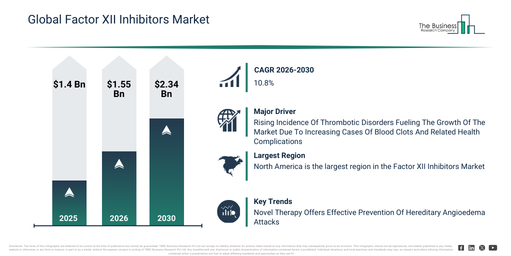
    The factor xii inhibitors market has expanded considerably in recent years. It is anticipated to increase from $1.4 billion in 2025 to $1.55 billion in 2026, registering a compound annual growth rate (CAGR) of 11.1%. The expansion observed historically can be attributed to progress in coagulation biology research, a rise in the occurrence of thrombotic disorders, deficiencies of conventional anticoagulants, early positive outcomes in fxii inhibition clinical trials, and increased investment in niche and specialized treatments.

    The market size for factor xii inhibitors is anticipated to grow significantly in the coming years. This market is forecast to reach a valuation of $2.34 billion in 2030, exhibiting a compound annual growth rate (CAGR) of 10.8%. Key drivers for this growth during the projection period include the broader scope of late-stage clinical trials, a surging need for safer antithrombotic treatments, the increasing integration of precision medicine, enhanced regulatory backing for new anticoagulants, and the application of fxii inhibitors in inflammatory conditions. Significant trends observed within this period encompass the escalating creation of non-bleeding anticoagulant solutions, a heightened emphasis on modulating targeted coagulation pathways, expanding clinical assessments of fxii selective inhibitors, the broader adoption of rna-based and peptide therapeutic approaches, and improved utilization of precision drug design.

    Get A Free Sample Report With In-Depth Market Insights:

    https://thebusinessresearchcompany.com/sample_request?id=21456993&type=smp&name=Factor%20XII%20Inhibitors%20Market%20Report%202026&utm_source=Blogs&utm_medium=Paid&utm_campaign=Oct_PR

    Factor XII Inhibitors Market Industry Drivers: What’s Behind The Revenue Growth?

    The increasing occurrence of thrombotic conditions is anticipated to fuel the expansion of the factor XII inhibitors market. Thromboembolic conditions involve the development of blood clots within veins or arteries, which can obstruct blood flow and lead to severe health issues. The prevalence of these disorders is growing due to the rise in inactive lifestyles, which contribute to inadequate blood circulation and an elevated chance of clot formation. In managing thrombotic disorders, Factor XII inhibitors assist in preventing pathological clot formation by obstructing the contact activation pathway without disturbing normal blood clotting. This facilitates effective management of thrombosis with a reduced chance of hemorrhage. For instance, in January 2025, according to the Centers for Disease Control and Prevention (CDC), a US-based government agency, approximately 900,000 people in the United States are affected by venous thromboembolism, of which an estimated 60,000-100,000 Americans die annually, while many others experience long-term complications. Consequently, the escalating incidence of thrombotic disorders is boosting the growth of the Factor XII inhibitors market.

    Factor XII Inhibitors Market Breakdown By Product Type And Application

    The factor xii inhibitors market covered in this report is segmented –

    1) By Drug Type: Monoclonal Antibodies, Small Molecule Inhibitors, Other Drug Types

    2) By Route Of Administration: Oral, Injectable, Other Routes Of Administration

    3) By Application: Hereditary Angioedema, Thrombosis, Inflammatory Disorders, Other Applications

    4) By End-User: Hospitals, Specialty Clinics, Research Institutes, Other End-Users

    Subsegments:

    1) By Monoclonal Antibodies: Fully Human Monoclonal Antibodies, Humanized Monoclonal Antibodies, Chimeric Monoclonal Antibodies, Bispecific Monoclonal Antibodies, Single-Chain Variable Fragment (scFv) Antibodies

    2) By Small Molecule Inhibitors: Direct Factor XII Inhibitors, Allosteric Factor XII Inhibitors, Reversible Inhibitors, Irreversible Inhibitors, Peptidomimetic Inhibitors

    3) By Other Drug Types: Peptide-Based Inhibitors, RNA Interference (RNAi) Therapeutics, Antisense Oligonucleotides, Combination Therapies

    #Factor XII Inhibitors Market Growth Trends: What’s Shaping The Future Outlook?

    Leading companies in the Factor XII Inhibitors market are concentrating on developing innovative products, such as anti-FXIIa monoclonal antibodies, to enhance therapeutic precision and treatment effectiveness. These anti-FXIIa monoclonal antibodies are targeted biologics designed to inhibit activated factor XII, preventing abnormal clot formation while preserving normal hemostasis. For instance, in February 2025, CSL Behring GmbH, a Germany-based biopharmaceutical company, received manufacturing and marketing approval from Japan’s Ministry of Health, Labour and Welfare (MHLW) for ANDEMBRY (garadacimab) subcutaneous (S.C.) injection 200 mg pens. This product is a novel, human anti-activated factor XII monoclonal antibody approved for the prevention of acute attacks of hereditary angioedema (HAE). It functions by targeting activated factor XIIa, a key driver in the initiation of HAE attacks, and is administered through a convenient subcutaneous injection pen.

    Factor XII Inhibitors Market Company Landscape And Competitive Strategy

    Major companies operating in the factor xii inhibitors market are Taylor & Francis Group, Santa Cruz Biotechnology Inc., CSL Limited, Bridge Medicines Inc., KalVista Pharmaceuticals Inc., Ovid Technologies Inc., Affinity Biologicals Inc., Lunac Therapeutics Ltd., Grantome LLC

    View The Full Factor XII Inhibitors Market Report:

    https://thebusinessresearchcompany.com/report/global-factor-xii-inhibitors-market-report?utm_source=Blogs&utm_medium=Paid&utm_campaign=Oct_PR

    Factor XII Inhibitors Market Regional Outlook: Where Is Opportunity Concentrated?

    North America was the largest region in the factor XII inhibitors market in 2025. Asia-Pacific is expected to be the fastest-growing region in the forecast period. The regions covered in the factor xii inhibitors market report are Asia-Pacific, South East Asia, Western Europe, Eastern Europe, North America, South America, Middle East, Africa.

    Reach Out To Our Team:

    The Business Research Company: https://www.thebusinessresearchcompany.com/

    Americas: +1 310-496-7795

    Asia: +44 7882 955267 & +91 8897263534

    Europe: +44 7882 955267

    Email us at: marketing@tbrc.info

    Follow us on:

    LinkedIn: https://in.linkedin.com/company/the-business-research-company

    YouTube: https://www.youtube.com/channel/UC24_fI0rV8cR5DxlCpgmyFQ

    Global Market Model: https://www.thebusinessresearchcompany.com/global-market-model
  • Limb Prosthetics Market Analysis Through 2030: Market Size, Growth Trends And Industry Outlook

    Limb Prosthetics Market Analysis Through 2030: Market Size, Growth Trends And Industry Outlook

    Backed by market attractiveness analysis, total addressable market sizing, company benchmarking matrices, interactive Excel dashboards, wider supply chain intelligence, emerging startup coverage, and detailed product-level insights, The Business Research Company’s 2026 market reports are designed to offer research that is more actionable and strategically valuable than ever.

    Limb Prosthetics Market Expansion Outlook: What Revenue Opportunities Are Ahead?

    The limb prosthetics market has experienced significant expansion in recent years. Its size is projected to increase from $1.78 billion in 2025 to $1.92 billion in 2026, exhibiting a compound annual growth rate (CAGR) of 7.9%. Historically, this expansion was driven by factors such as the restricted accessibility of sophisticated prosthetic technology, a dependence on traditional prosthetic devices, the elevated expense of initial prosthetic options, a rise in limb loss resulting from accidents and injuries, and the establishment of new orthopedics and O&P clinics.

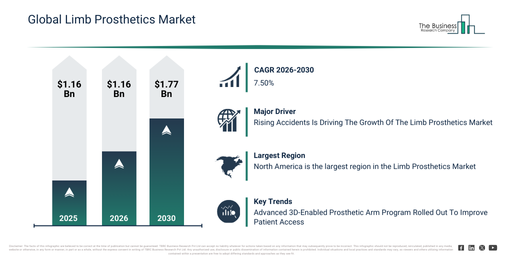
    The limb prosthetics market is anticipated to experience substantial expansion over the upcoming years. Its valuation is projected to reach $2.56 billion in 2030, exhibiting a compound annual growth rate (CAGR) of 7.5%. This projected growth is driven by factors such as advancements in electric and hybrid prosthetic technology, increased investment in prosthetic research and development, an expanding elderly population with evolving mobility needs, the incorporation of artificial intelligence and robotics into prosthetics, and the establishment of more rehabilitation and prosthetic service centers. Key trends anticipated during this period encompass a rise in the use of myoelectric and hybrid prosthetic devices, increasing demand for personalized prosthetics and sockets, a heightened emphasis on rehabilitation and enhancing mobility, the proliferation of orthotics and prosthetics (O&P) clinics, and the creation of lighter and more resilient prosthetic materials.

    Get A Free Sample Report With In-Depth Market Insights:

    https://thebusinessresearchcompany.com/sample_request?id=40375616&type=smp&name=Limb%20Prosthetics%20Market%20Report%202026&utm_source=Blogs&utm_medium=Paid&utm_campaign=Oct_PR

    Limb Prosthetics Market Opportunity Drivers: What’s Unlocking New Revenue Potential?

    The increasing occurrence of road accidents is projected to fuel the expansion of limb prosthetics in the future. A substantial rise in road accidents is observed, attributed to factors such as higher vehicle traffic, distracted drivers, excessive speed, and substandard road conditions. For individuals who survive road accidents, limb prosthetics offer crucial functional replacements for limbs that are lost or severely damaged, thereby boosting mobility and improving their quality of life through advanced technological solutions and personalized options. As an illustration, in June 2025, data from the Transport Accident Commission, an Australia-based government agency, revealed that a total of 296 people died on Victorian roads. This represented a 3.1% rise, or an increase of 9 deaths, when compared to the preceding 12-month period from July 2024 to June 2025. Consequently, the growing frequency of accidents is a significant factor propelling the growth of the limb prosthetics market.

    Limb Prosthetics Market Segment Breakdown: Which Categories Lead On Revenue?

    The limb prosthetics market covered in this report is segmented –

    1) By Type: Lower Limb Prosthetics, Upper Limb Prosthetics

    2) By Component: Socket, Appendage, Joint, Connecting Module, Other Components

    3) By Technology: Conventional Prosthetic Devices, Electric Prosthetic Devices, Hybrid Prosthetic Devices

    4) By End-User: Orthotics And Prosthetics (O&P) Clinics, Orthopedic Clinics, Other End-Users

    Subsegments:

    1) By Lower Limb Prosthetics: Below Knee Prosthetics (BK), Above Knee Prosthetics (AK), Transfemoral Prosthetics, Transtibial Prosthetics, Knee and Ankle Prosthetics, Prosthetic Feet

    2) By Upper Limb Prosthetics: Transradial Prosthetics, Transhumeral Prosthetics, Partial Hand Prosthetics, Myoelectric Prosthetics, Body-Powered Prosthetics, Prosthetic Hands

    Limb Prosthetics Market Innovation Trends Shaping Future Development

    Leading companies within the limb prosthetics sector are developing advanced assistive technologies, including personalized assistive solutions, to create highly customized mechanical prosthetic arms with enhanced speed and precision. Personalized assistive technology refers to custom-designed devices or tools specifically adapted to an individual’s distinct needs, capabilities, and daily routines to improve independence and overall quality of life. For example, in October 2025, Motorica, a medical technology firm based in Russia, introduced a Digital Prosthetics Program in India. This program utilizes a digital-first approach integrating 3D scanning, digital modeling, and 3D printing to deliver customized prosthetic arms more rapidly and accurately. By capturing limb measurements remotely using standard smartphone cameras, the initiative eliminates the requirement for physical molds and considerably shortens production and delivery schedules. The final design and manufacturing are conducted at Motorica’s sophisticated Moscow facility to ensure consistent quality. This program furnishes prosthetists with advanced digital tools, enabling them to concentrate on complex tasks, while offering patients quicker access to premium prosthetics. It also extends accessibility by diminishing geographical constraints and collaborating with hospitals, clinics, and NGOs across India to broaden inclusive and efficient prosthetic care.

    Limb Prosthetics Market Key Players Shaping Industry Direction

    Major companies operating in the limb prosthetics market are Össur Kristinsson, Ottobock SE & Co. KGaA, Hanger Inc., Kare Enterprise Private Limited, Blatchford Limited, Endolite India Ltd., Trulife India Private Limited, Steeper Inc., College Park Industries, Fillauer LLC, Freedom Innovations LLC, WillowWood Global LLC, Toughware Prosthetics, ALIMCO (Artificial Limbs Manufacturing Corporation of India), Streifeneder USA, Silipos Holding LLC, ST&G Corporation, Ortho Europe Ltd., Open Bionics, Mobius Bionics, exiii Inc, Integrum AB, Motorica

    View The Full Limb Prosthetics Market Report:

    https://thebusinessresearchcompany.com/report/limb-prosthetics-global-market-report?utm_source=Blogs&utm_medium=Paid&utm_campaign=Oct_PR

    Limb Prosthetics Market Regional Analysis: Which Region Leads By Revenue?

    North America was the largest region in the limb prosthetics market in 2025. The regions covered in the limb prosthetics market report are Asia-Pacific, South East Asia, Western Europe, Eastern Europe, North America, South America, Middle East, Africa.

    Reach Out To Our Team:

    The Business Research Company: https://www.thebusinessresearchcompany.com/

    Americas: +1 310-496-7795

    Asia: +44 7882 955267 & +91 8897263534

    Europe: +44 7882 955267

    Email us at: marketing@tbrc.info

    Follow us on:

    LinkedIn: https://in.linkedin.com/company/the-business-research-company

    YouTube: https://www.youtube.com/channel/UC24_fI0rV8cR5DxlCpgmyFQ

    Global Market Model: https://www.thebusinessresearchcompany.com/global-market-model
  • Facet-Joint Injection Market Forecast To Reach $4.1 Billion By 2030: Key Trends Explained

    Facet-Joint Injection Market Forecast To Reach $4.1 Billion By 2030: Key Trends Explained

    Featuring market attractiveness scoring, total addressable market sizing, company benchmarking matrices, interactive Excel dashboards, deeper supply chain intelligence, emerging startup tracking, and granular product-level insights, The Business Research Company’s 2026 market reports are built to deliver research that is both more actionable and more strategically valuable.

    Facet-Joint Injection Market Size Outlook: How Quickly Will Revenue Expand Through 2030?

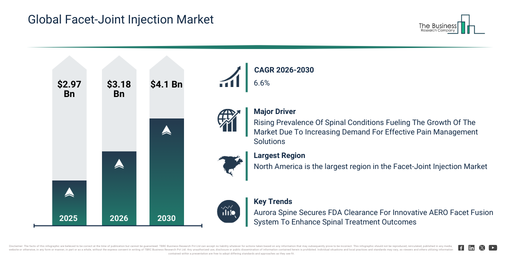
    The facet-joint injection market has seen robust expansion in recent years. It is projected to increase from $2.97 billion in 2025 to $3.18 billion in 2026, maintaining a compound annual growth rate (CAGR) of 6.9%. The market’s past growth is attributable to spinal degeneration prevalence, arthritis incidence, pain management awareness, corticosteroid use, and outpatient procedure growth.

    The facet-joint injection market size is expected to experience robust growth over the next few years. It is forecast to reach $4.1 billion in 2030, demonstrating a compound annual growth rate (CAGR) of 6.6%. This projected growth can be attributed to factors such as an aging population, a preference for minimally invasive treatments, the prevalence of chronic pain, the expansion of ambulatory care, and the use of imaging-guided procedures. Significant trends expected during the forecast period include a heightened demand for minimally invasive pain procedures, increased application in chronic back pain management, the proliferation of outpatient pain clinics, the adoption of image-guided injection techniques, and the growth of ambulatory surgical centers.

    Get A Free Sample Report With In-Depth Market Insights:

    https://thebusinessresearchcompany.com/sample_request?id=89885468&type=smp&name=Facet-Joint%20Injection%20Market%20Report%202026&utm_source=Blogs&utm_medium=Paid&utm_campaign=Oct_PR

    Facet-Joint Injection Market Growth Factors: What’s Supporting Expansion?

    The increasing incidence of spinal conditions and persistent back pain is anticipated to fuel the expansion of the facet-joint injection market moving forward. Spinal diseases and chronic back pain encompass long-term ailments affecting the spine, such as disc degeneration, arthritis, or nerve compression, which result in ongoing discomfort, limited mobility, and a reduced quality of life. The growing prevalence of these conditions is attributed to sedentary lifestyles and poor posture, prompting individuals to seek effective, low-disruption treatments to alleviate persistent discomfort and restore functional movement. Facet-joint injections address spinal diseases and chronic back pain by diminishing pain and inflammation in the spine, offering relief to individuals suffering from the increasing issue of spinal diseases and chronic back pain. For instance, in May 2023, Spinal Cord Inc., a US-based non-profit resource center, reported that in 2023, approximately 18,000 new spinal cord injury (SCI) cases are reported annually in the United States, with an estimated 302,000 individuals currently living with spinal cord injuries nationwide. Consequently, the rising occurrence of spinal diseases and chronic back pain is driving the growth of the facet-joint injection market. The expanding demand for minimally invasive procedures is expected to propel the growth of the facet-joint injection market in the coming years. Minimally invasive procedures are medical interventions performed through small incisions or without requiring extensive surgical cuts. The increasing adoption of minimally invasive procedures is due to a growing patient preference for quicker recovery times and reduced post-operative pain. Facet-joint injections enhance minimally invasive procedures by providing targeted pain relief and diagnostic accuracy without the necessity for major surgical intervention. For example, in 2023, the American Society of Plastic Surgeons, a US-based specialty organization, indicated that the total number of minimally invasive cosmetic procedures rose from 23.7 million in 2022 to 25.4 million in 2023. Therefore, the growing demand for minimally invasive procedures is driving the growth of the facet-joint injection market.

    Facet-Joint Injection Market Segment Analysis And Revenue Potential

    The facet-joint injection market covered in this report is segmented –

    1) By Product Type: Corticosteroids, Local Anesthetics, Hyaluronic Acid, Other Product Types

    2) By Application: Cervical Facet Joints, Thoracic Facet Joints, Lumbar Facet Joints

    3) By End-User: Hospitals, Ambulatory Surgical Centers, Specialty Clinics, Other End-Users

    Subsegments:

    1) By Corticosteroids: Triamcinolone Acetonide, Methylprednisolone Acetate, Dexamethasone Sodium Phosphate, Betamethasone

    2) By Local Anesthetics: Lidocaine, Bupivacaine, Ropivacaine, Prilocaine

    3) By Hyaluronic Acid: High Molecular Weight Hyaluronic Acid, Low Molecular Weight Hyaluronic Acid, Cross-Linked Hyaluronic Acid, Non-Cross-Linked Hyaluronic Acid

    4) By Other Product Types: Platelet-Rich Plasma, Biological Agents, Combination Formulations

    Facet-Joint Injection Market Industry Trends: What’s Reshaping Demand?

    Leading companies in the facet-joint injection market are concentrating on developing novel products, such as facet fusion systems, aimed at providing more prolonged relief and better treatment results. Facet fusion systems are medical devices specifically engineered to stabilize and fuse the spinal facet joints by encouraging bone growth connecting neighboring vertebrae. As an illustration, in March 2025, Aurora Spine Corporation, a medical device company situated in the US, revealed that the AEROTM Facet Fusion System, which is its latest product, obtained 510(k) clearance from the U.S. Food and Drug Administration (FDA). The system features an integrated titanium plasma spray coating designed to enhance osseointegration and its capacity for fusion. It supports a range of implant sizes to suit diverse patient anatomies and provides radiolucent instrumentation to improve visibility during surgical procedures. These attributes collectively strive to elevate procedural efficiency and the long-term effectiveness in addressing chronic back pain originating from facet joint disorders.

    Facet-Joint Injection Market Key Players Shaping Industry Direction

    Major companies operating in the facet-joint injection market are Abbott Laboratories, B. Braun Melsungen AG, BD (Becton Dickinson and Company), Cook Medical, Teleflex Incorporated, Merit Medical Systems Inc., Halyard Health, ICU Medical Inc., Pajunk GmbH Medizintechnologie, Avanos Medical Inc., Vygon SA, Cardinal Health Inc., Terumo Corporation, Nipro Corporation, Septodont Holding, Fresenius Kabi AG, Hikma Pharmaceuticals PLC, Sun Pharmaceutical Industries Ltd., Aurobindo Pharma Ltd., Zydus Lifesciences Ltd., Amneal Pharmaceuticals LLC, Lupin Limited, Piramal Pharma Limited, Intas Pharmaceuticals Ltd., Gland Pharma Limited, Amphastar Pharmaceuticals Inc., Fresenius Medical Care, Baxter International Inc., McKesson Corporation

    View The Full Facet-Joint Injection Market Report:

    https://thebusinessresearchcompany.com/report/facet-joint-injection-global-market-report?utm_source=Blogs&utm_medium=Paid&utm_campaign=Oct_PR

    Facet-Joint Injection Market Geographic Landscape: Which Region Leads Industry Growth?

    North America was the largest region in the facet-joint injection market in 2025. Asia-Pacific is expected to be the fastest-growing region in the forecast period. The regions covered in the facet-joint injection market report are Asia-Pacific, South East Asia, Western Europe, Eastern Europe, North America, South America, Middle East, Africa.

    Reach Out To Our Team:

    The Business Research Company: https://www.thebusinessresearchcompany.com/

    Americas: +1 310-496-7795

    Asia: +44 7882 955267 & +91 8897263534

    Europe: +44 7882 955267

    Email us at: marketing@tbrc.info

    Follow us on:

    LinkedIn: https://in.linkedin.com/company/the-business-research-company

    YouTube: https://www.youtube.com/channel/UC24_fI0rV8cR5DxlCpgmyFQ

    Global Market Model: https://www.thebusinessresearchcompany.com/global-market-model
  • Lightweight Electric Folding Wheelchair Market Outlook From 2026 To 2030: Key Growth Factors And Future Opportunities

    Lightweight Electric Folding Wheelchair Market Outlook From 2026 To 2030: Key Growth Factors And Future Opportunities

    Featuring market attractiveness scoring, total addressable market sizing, company benchmarking matrices, interactive Excel dashboards, deeper supply chain intelligence, emerging startup tracking, and granular product-level insights, The Business Research Company’s 2026 market reports are built to deliver research that is both more actionable and more strategically valuable.

    Lightweight Electric Folding Wheelchair Market Growth Potential: How Will Market Size Shift Through 2030?

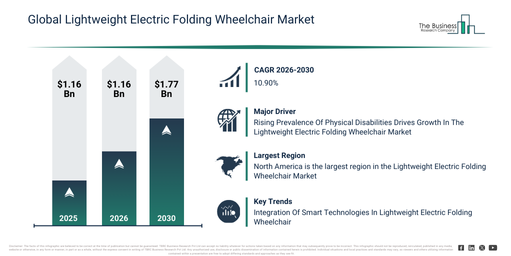
    The market for lightweight electric folding wheelchairs has experienced substantial expansion in recent years. This market is projected to expand from $5.71 billion in 2025 to reach $6.34 billion by 2026, demonstrating a compound annual growth rate (CAGR) of 11.0%. Historically, this growth can be ascribed to factors such as an increasing aging population, a rising prevalence of mobility impairments, the availability of lightweight materials, the expansion of home-based care solutions, and a growing awareness of accessibility.

    The market for lightweight electric folding wheelchairs is projected to experience substantial expansion over the coming years. By 2030, this market is anticipated to reach a valuation of $9.58 billion, driven by a compound annual growth rate (CAGR) of 10.9%. This projected growth is primarily attributable to several factors, including the rising need for portable mobility aids, increased uptake of electric assist features, the expansion of online sales channels for medical devices, a stronger emphasis on solutions for independent living, and ongoing advancements in battery efficiency. Key trends anticipated during this period encompass the wider adoption of ultra-lightweight frame designs, an increasing preference for compact folding electric wheelchairs, the enhanced integration of smart battery management systems, a broadening array of travel-friendly mobility options, and a heightened focus on user comfort and ergonomic design.

    Get A Free Sample Report With In-Depth Market Insights:

    https://thebusinessresearchcompany.com/sample_request?id=11661250&type=smp&name=Lightweight%20Electric%20Folding%20Wheelchair%20Market%20Report%202026&utm_source=Blogs&utm_medium=Paid&utm_campaign=Oct_PR

    Lightweight Electric Folding Wheelchair Market Growth Momentum: What Factors Are Shaping Demand?

    The increasing occurrence of physical disabilities is anticipated to boost the growth of the lightweight electric folding wheelchair market. These disabilities represent conditions that hinder a person’s capacity for physical activities or sustained mobility, and their prevalence is on the rise due to age-related ailments and a growing number of chronic health issues, which both contribute to a higher rate of physical impairments. Lightweight electric folding wheelchairs enhance mobility and independence for individuals with physical disabilities by providing easy transportability, reduced physical effort through powered movement, and customizable comfort and support. For instance, in December 2024, according to the Canadian Council on Rehabilitation and Work (CCRW), a Canada-based not-for-profit organization, youth aged 15–24 saw the sharpest rise, with disability prevalence climbing by 7% to reach 20% in 2023. Consequently, the escalating incidence of physical disabilities is a key driver for the lightweight electric folding wheelchair market.

    Lightweight Electric Folding Wheelchair Market Segmentation: How Does The Market Break Down By Category?

    The lightweight electric folding wheelchair market covered in this report is segmented –

    1) By Type: Center Wheel Drive Chair, Front Wheel Drive Chair, Rear Wheel Drive Chair

    2) By Category: Adults, Pediatric

    3) By Application: E-Commerce, Offline

    Subsegments:

    1) By Center Wheel Drive Chair: Standard Center Wheel Drive Wheelchairs, Lightweight Folding Center Wheel Drive Wheelchairs, Compact Center Wheel Drive Wheelchairs

    2) By Front Wheel Drive Chair: Standard Front Wheel Drive Wheelchairs, Lightweight Folding Front Wheel Drive Wheelchairs, Compact Lightweight Front Wheel Drive Wheelchairs

    3) By Rear Wheel Drive Chair: Standard Rear Wheel Drive Wheelchairs, Lightweight Folding Rear Wheel Drive Wheelchairs, Compact Rear Wheel Drive Wheelchairs

    Lightweight Electric Folding Wheelchair Market Trends Redefining Industry Growth

    Leading companies in the lightweight electric folding wheelchair market are concentrating their efforts on developing innovative solutions, such as compact folding carbon fiber power wheelchairs, to cater to the rising consumer demand for portability and ease of use. These compact folding carbon fiber power wheelchairs represent lightweight, durable mobility devices crafted for simple portability and storage, providing users with enhanced convenience and independence. For instance, in March 2024, Sunrise Medical, a Germany-based manufacturer specializing in manual and electric wheelchairs, announced the introduction of the Quickie Q700 M Mini. This pioneering power wheelchair integrates a lightweight carbon fiber frame with a folding design. It is promoted as the lightest of its kind, making it simpler for users to transport and operate. The Quickie Q700 M Mini features a compact frame, options for customized seating, and improved performance for both indoor and outdoor applications, thereby offering greater independence and mobility to individuals with challenges. This product launch underscores Sunrise Medical’s steadfast commitment to enhancing the quality of life for its clientele through the ongoing development of cutting-edge assistive technologies.

    Lightweight Electric Folding Wheelchair Market Competitive Analysis Of Leading Industry Participants

    Major companies operating in the lightweight electric folding wheelchair market are Dahao Smart Technology Co Ltd, Otto Bock HealthCare LP, Invacare Corporation, Permobil AB, Drive DeVilbiss Healthcare, Pride Mobility Products Corporation, Hoveround Corporation Inc, Airwheel Technology Holdings Limited, WHILL Inc., Golden Technologies Inc, KD Smart Chair Inc, Karman Healthcare Inc, SmartScoot LLC, Quickie Wheelchairs by Sunrise Medical, Wheelchair88 Limited, Tzora Active Systems Ltd, Pihsiang Machinery MFG Co Ltd, EZ Lite Cruiser LLC, eFoldi Limited, Forcemech Ltd, Mobiclinic S.L, Featherweight Wheelchair Co, Zip’r Mobility LLC

    View The Full Lightweight Electric Folding Wheelchair Market Report:

    https://thebusinessresearchcompany.com/report/lightweight-electric-folding-wheelchair-global-market-report?utm_source=Blogs&utm_medium=Paid&utm_campaign=Oct_PR

    Lightweight Electric Folding Wheelchair Market Geographic Distribution And Regional Opportunities

    North America was the largest region in the lightweight electric folding wheelchair market in 2025. The regions covered in the lightweight electric folding wheelchair market report are Asia-Pacific, South East Asia, Western Europe, Eastern Europe, North America, South America, Middle East, Africa.

    Reach Out To Our Team:

    The Business Research Company: https://www.thebusinessresearchcompany.com/

    Americas: +1 310-496-7795

    Asia: +44 7882 955267 & +91 8897263534

    Europe: +44 7882 955267

    Email us at: marketing@tbrc.info

    Follow us on:

    LinkedIn: https://in.linkedin.com/company/the-business-research-company

    YouTube: https://www.youtube.com/channel/UC24_fI0rV8cR5DxlCpgmyFQ

    Global Market Model: https://www.thebusinessresearchcompany.com/global-market-model
  • Life Science Tools Market Growth Forecast: Market Size, Key Trends And Emerging Opportunities Through 2030

    Life Science Tools Market Growth Forecast: Market Size, Key Trends And Emerging Opportunities Through 2030

    Built to provide research that’s more actionable and strategically valuable, The Business Research Company’s 2026 market reports include market attractiveness analysis, total addressable market sizing, company benchmarking matrices, interactive Excel dashboards, broader supply chain intelligence, emerging startup tracking, and in-depth product insights.

    Life Science Tools Market Value Analysis: What Growth Lies Ahead Over The Forecast Period?

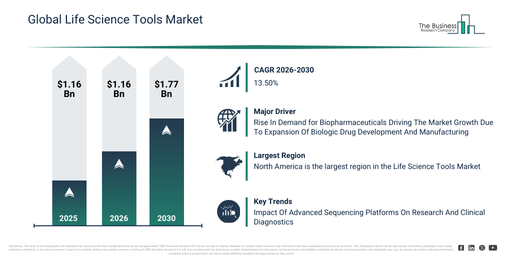
    The life science tools market has experienced swift expansion in recent years. It is anticipated to grow from $201.37 billion in 2025 to $229.1 billion in 2026, demonstrating a compound annual growth rate (CAGR) of 13.8%. The historic period’s growth can be linked to factors such as a reliance on traditional laboratory instruments, restricted access to high-quality reagents and consumables, an escalation in pharmaceutical and biotech research activities, the expansion of academic and research institutions, and the implementation of manual laboratory processes.

    The life science tools market is anticipated to experience significant expansion over the coming years, with its valuation projected to reach $379.95 billion in 2030, demonstrating a compound annual growth rate (CAGR) of 13.5%. This growth throughout the forecast period is primarily driven by the integration of automated and intelligent laboratory equipment, increased investments in genomics and proteomics research, the growing need for personalized medicine, the broadening scope of clinical diagnostics and drug discovery applications, and the implementation of cloud-based data analytics and digital laboratory solutions. Key developments anticipated during this period encompass the escalating adoption of high-throughput instruments and automation, a rising demand for sophisticated consumables and reagents, the broadening of genomic, proteomic, and cell biology research, an increasing emphasis on contract research organizations (CROS), and improved quality control and calibration services for life science tools.

    Get A Free Sample Report With In-Depth Market Insights:

    https://thebusinessresearchcompany.com/sample_request?id=58820508&type=smp&name=Life%20Science%20Tools%20Market%20Report%202026&utm_source=Blogs&utm_medium=Paid&utm_campaign=Oct_PR

    Life Science Tools Market Expansion Drivers: What’s Shaping Future Growth?

    The increasing need for biopharmaceuticals is projected to drive expansion in the life science tools market in the future. Biopharmaceuticals are defined as medical drugs manufactured through biotechnology, utilizing biological origins like living cells or organisms to develop treatments such as proteins, antibodies, or vaccines. This growing demand for biopharmaceuticals stems largely from their capacity to effectively manage intricate and persistent diseases that conventional small-molecule medications struggle to tackle sufficiently. Life science tools facilitate the creation and production of biopharmaceuticals by supplying critical technologies for research, analysis, and quality assurance during the entire drug manufacturing process, thereby guaranteeing precision, effectiveness, and adherence to regulatory norms. For example, data from Cardinal Health Inc., a US-based healthcare company, revealed that in January 2023, the US had 33 biosimilar products approved by the FDA as of January 2022, with 21 of these accessible in the market. By 2023, the count of FDA-approved biosimilars climbed to 40, with 25 now commercially accessible. Consequently, the increased need for biopharmaceuticals is fueling the expansion of the life science tools market.

    Life Science Tools Market Segment Trends And Revenue Contributors

    The life science tools market covered in this report is segmented –

    1) By Type: Instruments, Consumables, Services

    2) By Technology: Polymerase Chain Reaction(PCR) And Quantitative Polymerase Chain Reaction (qPCR), Sanger Sequencing, Separation Technologies, Flow Cytometry, Nucleic Acid Microarray, Mass Spectrometry, Other Technologies

    3) By Application: Drug Discovery And Development, Clinical Diagnostics, Genomic And Proteomic Research, Cell Biology Research, Other Applications

    4) By End-User: Academic And Research Institutions, Biotechnology And Pharmaceutical Companies, Hospitals And Diagnostic Laboratories, Contract Research Organizations (CROs), Government And Regulatory Agencies

    Subsegments:

    1) By Instruments: Microscopes, Sequencers, Analyzers, Spectrometers, Centrifuges, Chromatography Systems, Laboratory Automation Equipment

    2) By Consumables: Reagents, Kits, Culture Media, Pipettes And Tips, Plasticware, Laboratory Chemicals, Assay Kits

    3) By Services: Calibration Services, Maintenance And Repair, Laboratory Testing Services, Consulting Services, Training And Support, Research And Development Services

    Life Science Tools Market Strategic Trends: What Defines The Next Growth Phase?

    Key players within the life science tools market are concentrating on creating novel solutions, including automated sequencing platforms, to improve the efficiency, precision, and availability of genetic analysis, thus speeding up research and clinical diagnostic processes. These automated sequencing platforms represent sophisticated systems designed to carry out DNA or RNA sequencing with little human involvement, leveraging robotics and specialized software. This technology aids in boosting throughput, minimizing errors, and facilitating quicker, more dependable genetic investigations and diagnoses. An example of this trend is seen in October 2024, when Illumina Inc., a US-based biotechnology firm, introduced the MiSeq i100 series. These sequencers are described as their most straightforward and rapid benchtop models, intended to broaden access to next-generation sequencing for more laboratories. The recently introduced MiSeq i100 and MiSeq i100 Plus Systems allow for the storage and transportation of kits at room temperature, which removes delays associated with thawing reagents and supports workflows where samples can be analyzed on the same day. These systems deliver swift sequencing, with operational times as brief as four hours, along with affordable consumables and intuitive, simple workflows that cater to diverse applications across microbiology, infectious diseases, and oncology. This particular innovation highlights the industry’s movement towards sequencing instruments that are efficient, scalable, and user-friendly, benefiting both researchers and healthcare professionals.

    Life Science Tools Market Leading Companies And Competitive Benchmarking

    Major companies operating in the life science tools market are F. Hoffmann-La Roche Ltd., Merck KGaA, Thermo Fisher Scientific Inc., Danaher Corporation, Agilent Technologies Inc., Lonza Group Ltd., Illumina Inc., Sartorius AG, Shimadzu Corporation, Revvity Inc., Waters Corporation, Bio-Rad Laboratories Inc., Bruker Corporation, Eppendorf AG, Tecan Group Ltd., Bio-Techne Corporation, Takara Bio Inc., GenScript Biotech Corporation, 10x Genomics Inc., Hamilton Company.

    View The Full Life Science Tools Market Report:

    https://thebusinessresearchcompany.com/report/life-science-tools-global-market-report?utm_source=Blogs&utm_medium=Paid&utm_campaign=Oct_PR

    Life Science Tools Market Largest Region By Revenue And Market Share

    North America was the largest region in the life science tools market in 2025. Asia-Pacific is expected to be the fastest-growing region in the forecast period. The regions covered in the life science tools market report are Asia-Pacific, South East Asia, Western Europe, Eastern Europe, North America, South America, Middle East, Africa.

    Reach Out To Our Team:

    The Business Research Company: https://www.thebusinessresearchcompany.com/

    Americas: +1 310-496-7795

    Asia: +44 7882 955267 & +91 8897263534

    Europe: +44 7882 955267

    Email us at: marketing@tbrc.info

    Follow us on:

    LinkedIn: https://in.linkedin.com/company/the-business-research-company

    YouTube: https://www.youtube.com/channel/UC24_fI0rV8cR5DxlCpgmyFQ

    Global Market Model: https://www.thebusinessresearchcompany.com/global-market-model
  • Lichen Planus Market CAGR Forecast Through 2030: Key Trends Shaping Industry Expansion

    Lichen Planus Market CAGR Forecast Through 2030: Key Trends Shaping Industry Expansion

    Backed by market attractiveness analysis, total addressable market sizing, company benchmarking matrices, interactive Excel dashboards, wider supply chain intelligence, emerging startup coverage, and detailed product-level insights, The Business Research Company’s 2026 market reports are designed to offer research that is more actionable and strategically valuable than ever.

    Life Science And Chemical Instrumentation Market Size Forecast: How Big Could The Market Get By 2030?

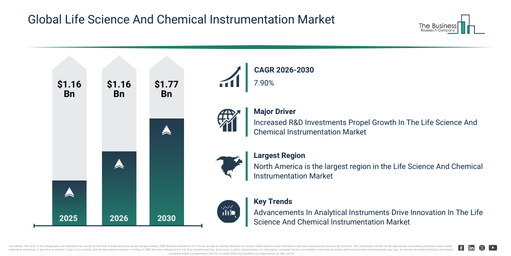
    The life science and chemical instrumentation market has shown strong growth in recent years. It is anticipated to increase from $61.82 billion in 2025 to $66.94 billion in 2026, achieving a compound annual growth rate (CAGR) of 8.3%. Historically, this growth can be ascribed to factors such as the expansion of pharmaceutical research activities, increasing laboratory automation, a rising demand for quality control testing, the growth of biotechnology research programs, and increasing academic research funding.

    The life science and chemical instrumentation market is projected to experience robust expansion in the coming years. This market is set to reach $90.58 billion by 2030, showing a compound annual growth rate (CAGR) of 7.9%. The anticipated growth during this period stems from factors such as the greater acceptance of advanced omics technologies, increased funding in personalized medicine research, the proliferation of digital laboratories, a heightened emphasis on automating regulatory compliance, and a rising need for immediate analytical data. Key developments during this forecast period encompass the wider use of automated analytical tools, a growing requirement for high-throughput testing setups, deeper integration of laboratory information systems, advancements in precision measurement techniques, and a stronger commitment to data integrity and adherence.

    Get A Free Sample Report With In-Depth Market Insights:

    https://thebusinessresearchcompany.com/sample_request?id=82792336&type=smp&name=Life%20Science%20And%20Chemical%20Instrumentation%20Market%20Report%202026&utm_source=Blogs&utm_medium=Paid&utm_campaign=Oct_PR

    Life Science And Chemical Instrumentation Market Development Factors: What’s Supporting Demand?

    Increasing allocations for research and development are projected to boost the expansion of the life science and chemical instrumentation market in the future. Research and development (R&D) encompasses structured and innovative efforts aimed at enhancing scientific understanding and creating novel or refined products, technologies, and processes. The rise in R&D activities stems from enhanced government financial support intended to hasten technological advancements and sustain economic competitive standing. The life science and chemical instrumentation sector is experiencing heightened demand, as the swift growth in R&D compels businesses to implement sophisticated analytical, detection, and measurement solutions for accurate scientific endeavors. As an illustration, in September 2025, Eurostat, a government agency located in Luxembourg, reported that research and development spending within the European Union attained 2.26% of GDP in 2023, representing an increase from 2.22% recorded in 2022. Consequently, the escalating investments in research and development are fueling the need for the life science and chemical instrumentation market.

    Life Science And Chemical Instrumentation Market Segment Analysis Spotlighting Growth Areas

    The life science and chemical instrumentation market covered in this report is segmented –

    1) By Technology: Polymerase Chain Reaction (PCR), DNA Sequencers and Amplifiers, Flow Cytometry, Spectroscopy, Electrophoresis, Chromatography, Centrifuges, Other Technologies

    2) By Application: Cell Culture And Cell Therapy, Cancer Research, Drug Discovery, Genomics, In Vitro Fertilization, Bioprocess, Metabolomics, Proteomics, Other Applications

    3) By End Users: Hospitals And Diagnostic Centers, Pharmaceutical And Biotechnology Companies, Contract Research Organization (CRO), Academia And Research Institutes

    Subsegments:

    1) By Polymerase Chain Reaction (PCR): Real-Time PCR, Digital PCR, Standard PCR

    2) By DNA Sequencers And Amplifiers: Next-Generation Sequencing (NGS), Sanger Sequencing

    3) By Flow Cytometry: Cell Sorting, Multiparameter Analysis

    4) By Spectroscopy: UV-Vis Spectroscopy, Mass Spectrometry, Infrared Spectroscopy

    5) By Electrophoresis: Gel Electrophoresis, Capillary Electrophoresis

    6) By Chromatography: Gas Chromatography (GC), High-Performance Liquid Chromatography (HPLC)

    7) By Centrifuges: Benchtop Centrifuges, Ultracentrifuges

    8) By Other Technologies: Microarray Technology, Immunoassay

    Life Science And Chemical Instrumentation Market Transformation Trends: What Innovations Are Driving Change?

    Leading companies in the life science and chemical instrumentation market are prioritizing the integration of scalable and energy-efficient analytical technologies, such as advanced gas chromatography (GC) systems, to enhance laboratory efficiency, analytical flexibility, and sustainability. These next-generation GC systems are sophisticated analytical platforms engineered to separate, detect, and quantify chemical compounds with greater throughput, reduced energy consumption, and smarter automation. This enables features like intelligent operation, decreased consumable usage, and seamless integration with complementary instruments. For example, in October 2023, Shimadzu Corporation, a Japan-based manufacturer of analytical instruments, unveiled the Brevis GC-2050. This instrument is designed for high scalability, supporting connections to auto-samplers, mass spectrometers, and other accessories, while maintaining a slender width of just 35 cm. It also features a 30% reduction in energy consumption compared to traditional models and minimizes helium usage, thereby promoting environmental sustainability. The Brevis GC-2050 is a compact and advanced gas chromatography system that incorporates intelligent automated features.

    Life Science And Chemical Instrumentation Market Industry Leaders And Competitive Landscape

    Major companies operating in the life science and chemical instrumentation market are Agilent Technologies Inc., Becton Dickinson and Company, Bio-Rad Laboratories Inc., Bruker Corporation, Danaher Corporation, PerkinElmer Inc., Thermo Fisher Scientific Inc., Waters Corporation, F. Hoffmann-La Roche Ltd., Illumina Inc., Shimadzu Corporation, General Electric Healthcare LLC, Hitachi High-Technologies Corporation, JEOL Ltd., Oxford Instruments PLC, Rigaku Corporation, Sigma-Aldrich Corporation, SRI Instruments, Analytik Jena AG, Biochrom Ltd., BioTek Instruments Inc., Cole-Parmer Instrument Company LLC, Eppendorf AG, Harvard Bioscience Inc., HORIBA Ltd., Labconco Corporation, Mettler-Toledo International Inc., New England Biolabs Inc., QIAGEN N.V.

    View The Full Life Science And Chemical Instrumentation Market Report:

    https://thebusinessresearchcompany.com/report/life-science-and-chemical-instrumentation-global-market-report?utm_source=Blogs&utm_medium=Paid&utm_campaign=Oct_PR

    Life Science And Chemical Instrumentation Market Regional Analysis And Leading Geography

    North America was the largest region in the life science and chemical instrumentation market share in 2025. Asia-Pacific is expected to be the fastest-growing region in the forecast period. The regions covered in the life science and chemical instrumentation market report are Asia-Pacific, South East Asia, Western Europe, Eastern Europe, North America, South America, Middle East, Africa.

    Reach Out To Our Team:

    The Business Research Company: https://www.thebusinessresearchcompany.com/

    Americas: +1 310-496-7795

    Asia: +44 7882 955267 & +91 8897263534

    Europe: +44 7882 955267

    Email us at: marketing@tbrc.info

    Follow us on:

    LinkedIn: https://in.linkedin.com/company/the-business-research-company

    YouTube: https://www.youtube.com/channel/UC24_fI0rV8cR5DxlCpgmyFQ

    Global Market Model: https://www.thebusinessresearchcompany.com/global-market-model
  • Fabry Disease Market Analysis Through 2030: Market Size, Growth Trends And Industry Outlook

    Fabry Disease Market Analysis Through 2030: Market Size, Growth Trends And Industry Outlook

    Built to provide research that’s more actionable and strategically valuable, The Business Research Company’s 2026 market reports include market attractiveness analysis, total addressable market sizing, company benchmarking matrices, interactive Excel dashboards, broader supply chain intelligence, emerging startup tracking, and in-depth product insights.

    Fabry Disease Market Size, Value And Growth Trajectory Through 2030

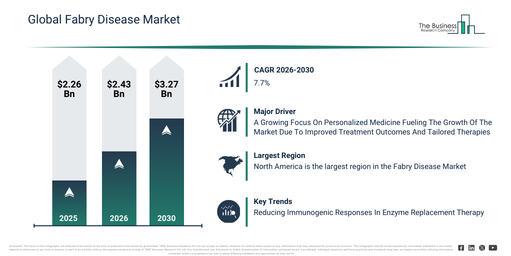
    The Fabry disease market has experienced robust expansion in recent years. It is projected to increase from $2.26 billion in 2025 to $2.43 billion in 2026, exhibiting a compound annual growth rate (CAGR) of 7.7%. Historically, this market growth can be attributed to heightened awareness of rare genetic disorders, the approval of enzyme replacement therapies, the expansion of specialty clinics, the growth in genetic screening programs, and rising diagnosis rates.

    The Fabry disease market is projected to undergo significant expansion in the coming years, with its size expected to reach $3.27 billion by 2030, demonstrating a compound annual growth rate (CAGR) of 7.7%. This anticipated growth during the forecast period is primarily driven by advancements in gene-based therapies, the broadening of newborn screening initiatives, increased healthcare investment in rare diseases, the evolution of personalized medicine, and the creation of next-generation oral therapies. Significant trends influencing this period include the rising adoption of enzyme replacement therapy, a heightened emphasis on diagnosing rare diseases, the growing application of genetic testing for early detection, the expansion of oral and adjunct treatment options, and the increasing implementation of patient-centric treatment approaches.

    Get A Free Sample Report With In-Depth Market Insights:

    https://thebusinessresearchcompany.com/sample_request?id=76502108&type=smp&name=Fabry%20Disease%20Market%20Report%202026&utm_source=Blogs&utm_medium=Paid&utm_campaign=Oct_PR

    Fabry Disease Market Demand Drivers: What’s Powering Industry Growth?

    An increasing emphasis on personalized medicine is anticipated to fuel the expansion of the fabry disease market in the future. This treatment approach utilizes an individual’s genetic, environmental, and lifestyle data to customize medical care and therapies, aiming for improved patient results. The heightened attention on personalized medicine stems from its capacity to enhance treatment efficacy and mitigate adverse effects through the customization of therapies for specific patient requirements. It facilitates the customization of treatment strategies according to a patient’s particular genetic mutation and the seriousness of their disease, thereby bettering outcomes and reducing unwarranted side effects. For instance, in February 2024, the Personalized Medicine Coalition, a US-based non-profit organization, reported that in 2023, the FDA granted approval for 16 new personalized treatments for rare disease patients, marking a substantial increase from the six approvals in 2022. Consequently, an increasing focus on personalized medicine is a key driver for the growth of the fabry disease market.

    Fabry Disease Market Segmentation And Category Overview

    The fabry disease market covered in this report is segmented –

    1) By Type: Type 1, Type 2, Other Types

    2) By Treatment: Enzyme Replacement Therapy, Oral Therapy, Adjunct Therapy, Other Treatments

    3) By Diagnosis: Blood Test, Genetic Test, Other Diagnosis

    4) By Distribution Channel: Hospital Pharmacy, Online Pharmacy, Retail Pharmacy

    5) By End User: Hospitals, Homecare, Specialty Clinics, Other End Users

    Subsegments:

    1) By Type 1: Classic Fabry Disease, Later-Onset Fabry Disease

    2) By Type 2: Cardiovascular-Focused Fabry Disease, Renal-Focused Fabry Disease

    3) By Other Types: Variant Fabry Disease, X-linked Fabry Disease

    Fabry Disease Market Innovation Trends: What Developments Are Reshaping The Industry?

    Major companies in the fabry disease market are concentrating on creating novel therapies, such as PEGylated enzyme replacement therapy (ERT). This focus aims to boost treatment effectiveness, improve patient adherence, and decrease immunogenic reactions often seen with traditional ERTs. PEGylated enzyme replacement therapy (ERT) represents an altered version of standard ERT, where polyethylene glycol (PEG) chains are joined to the enzyme. This modification serves to elevate its stability, extend its circulation duration within the body, and diminish reactions from the immune system. An illustrative example is the announcement in May 2023 by Chiesi Global Rare Diseases, a division of the Italy-based pharmaceutical company Chiesi Group, regarding the U.S. Food and Drug Administration (FDA), a US-based government agency, granting approval for PRX-102 (pegunigalsidase alfa) for treating adult Fabry disease patients. This approval stems from a comprehensive clinical program involving more than 140 patients, with long-term monitoring spanning up to 7.5 years. The program conclusively showed the therapy’s capability in lessening renal Gb3 deposits and sustaining kidney function, all while demonstrating a favorable safety profile.

    Fabry Disease Market Competitive Analysis Of Leading Industry Participants

    Major companies operating in the fabry disease market are Sanofi S.A., GlaxoSmithKline plc, Takeda Pharmaceutical Company Limited, JCR Pharmaceuticals Co. Ltd., Sumitomo Pharma Co. Ltd, Chiesi Farmaceutici S.p.A., Amicus Therapeutics Inc., Idorsia Pharmaceuticals Ltd, Sangamo Therapeutics Inc., uniQure N.V., Protalix BioTherapeutics Inc., Spur Therapeutics Inc., Exegenesis Bio Inc., ISU ABXIS Co. Ltd., Eleva GmbH, AceLink Therapeutics Inc., 4D Molecular Therapeutics Inc., iBio Inc., Freeline Therapeutics Holdings plc, Greenovation Biotech GmbH

    View The Full Fabry Disease Market Report:

    https://thebusinessresearchcompany.com/report/fabry-disease-global-market-report?utm_source=Blogs&utm_medium=Paid&utm_campaign=Oct_PR

    Fabry Disease Market Largest Region: Which Geography Holds The Biggest Share?

    North America was the largest region in the fabry disease market in 2025. Asia-Pacific is expected to be the fastest-growing region in the forecast period. The regions covered in the fabry disease market report are Asia-Pacific, South East Asia, Western Europe, Eastern Europe, North America, South America, Middle East, Africa.

    Reach Out To Our Team:

    The Business Research Company: https://www.thebusinessresearchcompany.com/

    Americas: +1 310-496-7795

    Asia: +44 7882 955267 & +91 8897263534

    Europe: +44 7882 955267

    Email us at: marketing@tbrc.info

    Follow us on:

    LinkedIn: https://in.linkedin.com/company/the-business-research-company

    YouTube: https://www.youtube.com/channel/UC24_fI0rV8cR5DxlCpgmyFQ

    Global Market Model: https://www.thebusinessresearchcompany.com/global-market-model
  • Lichen Planus Market To Witness 6.8% CAGR Growth Through 2030: Key Industry Drivers

    Lichen Planus Market To Witness 6.8% CAGR Growth Through 2030: Key Industry Drivers

    Featuring market attractiveness scoring, total addressable market sizing, company benchmarking matrices, interactive Excel dashboards, deeper supply chain intelligence, emerging startup tracking, and granular product-level insights, The Business Research Company’s 2026 market reports are built to deliver research that is both more actionable and more strategically valuable.

    Lichen Planus Market Revenue Outlook: What CAGR Lies Ahead Through 2030?

    The lichen planus market size has demonstrated significant growth in recent years. It is anticipated to expand from $1.26 billion in 2025 to $1.35 billion in 2026, achieving a compound annual growth rate (CAGR) of 7.1%. This historical growth can be attributed to an increased diagnosis of autoimmune skin disorders, the availability of corticosteroid therapies, the expansion of dermatology specialty clinics, improved clinical awareness of lichen planus, and the adoption of phototherapy techniques.

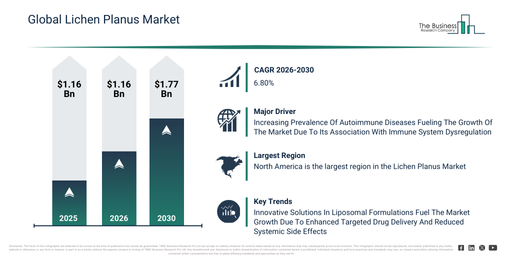
    The lichen planus market is projected to undergo significant expansion in the next few years. It is forecast to grow to $1.76 billion in 2030, showing a compound annual growth rate (CAGR) of 6.8%. This growth during the forecast period is fueled by an increasing demand for advanced immunotherapies, a greater emphasis on sustained symptom management, the broadening of research into biologic treatments, the rising integration of digital dermatology tools, and innovations in targeted anti-inflammatory drugs. Prominent trends anticipated in this period encompass the increased adoption of targeted immunomodulatory therapies, a surge in the use of combined topical and systemic treatments, a stronger focus on chronic disease management, the expansion of personalized dermatology care, and improved patient education alongside disease monitoring.

    Get A Free Sample Report With In-Depth Market Insights:

    https://thebusinessresearchcompany.com/sample_request?id=38699859&type=smp&name=Lichen%20Planus%20Market%20Report%202026&utm_source=Blogs&utm_medium=Paid&utm_campaign=Oct_PR

    Lichen Planus Market Industry Drivers: What’s Behind The Revenue Growth?

    The expanding presence of autoimmune conditions is anticipated to stimulate the development of the lichen planus market in the future. Autoimmune diseases are disorders where the body’s immune system mistakenly attacks its own healthy cells, including rheumatoid arthritis, lupus, type 1 diabetes, multiple sclerosis, and psoriasis. The increase in the prevalence of these conditions stems from genetic predisposition, as specific gene variations influence immune system activity and abnormalities in connective tissues. This rising incidence of autoimmune diseases not only indicates a broader issue with immune regulation but also contributes to an increased number of lichen planus cases. For example, in June 2024, data from the Australian Institute of Health and Welfare, an Australia-based government agency, revealed that approximately 514,000 (2.0%) people were afflicted with rheumatoid arthritis in 2022, which contributed to 2.0% of the total disease burden and 16% of the musculoskeletal conditions burden in 2023. Furthermore, 1,322 deaths (5.1 deaths per 100,000 population) linked to the condition were recorded in 2022, making up 0.7% of all deaths. Thus, the growing prevalence of autoimmune diseases is propelling the expansion of the lichen planus market.

    Lichen Planus Market Segment Performance And Emerging Opportunities

    The lichen planus market covered in this report is segmented –

    1) By Disease Type: Lichen Planus, Oral Lichen Planus, Genital Lichen Planus, Lichen Planus Pigmentosus

    2) By Treatment Type: Topical Therapies, Systemic Therapies, Phototherapy

    3) By Route Of Administration: Topical, Oral, Intravenous

    4) By End User: Hospitals, Homecare, Specialty Clinics, Other End-Users

    Subsegments:

    1) By Lichen Planus: Papular Lichen Planus, Hypertrophic Lichen Planus, Actinic Lichen Planus, Linear Lichen Planus, Annular Lichen Planus

    2) By Oral Lichen Planus: Reticular Oral Lichen Planus, Erosive Oral Lichen Planus, Atrophic Oral Lichen Planus, Plaque-Like Oral Lichen Planus, Bullous Oral Lichen Planus

    3) By Genital Lichen Planus: Erosive Genital Lichen Planus, Papular Genital Lichen Planus, Annular Genital Lichen Planus, Vulvovaginal-Gingival Syndrome

    4) By Lichen Planus Pigmentosus: Diffuse Lichen Planus Pigmentosus, Blotchy Lichen Planus Pigmentosus, Linear Lichen Planus Pigmentosus, Perifollicular Lichen Planus Pigmentosus, Flexural Lichen Planus Pigmentosus

    #Lichen Planus Market Growth Trends: What’s Shaping The Future Outlook?

    Companies within the lichen planus market are increasingly prioritizing the creation of advanced solutions, such as liposomal formulations, aimed at improving targeted drug delivery and reducing systemic adverse effects. These liposomal formulations are drug delivery systems designed to encapsulate active ingredients within liposomes—tiny, spherical vesicles made of lipid bilayers—which enhances drug stability, improves absorption, and facilitates precise delivery while minimizing systemic side effects. Illustratively, in February 2025, Lipella Pharmaceuticals Inc., a US-based biotechnology company specializing in therapies for serious diseases, secured US Food and Drug Administration approval for an expanded access program (EAP) concerning LP-310. This product is a liposomal formulation of tacrolimus, specifically developed to offer targeted relief for oral lichen planus (OLP) patients while ensuring minimal systemic exposure. The program enables individuals with serious or life-threatening conditions and unmet medical needs to access treatments prior to their official approval and outside of traditional clinical trials.

    Lichen Planus Market Key Participants And Competitive Landscape

    Major companies operating in the lichen planus market are Pfizer Inc., Johnson & Johnson Services Inc., F. Hoffmann-La Roche AG, Merck & Co. Inc, AbbVie Inc., Sanofi SA, Bristol-Myers Squibb Company, Novartis AG, GlaxoSmithKline plc, Takeda Pharmaceutical Company, Eli Lilly and Company, Teva Pharmaceutical Industries Ltd., Boehringer Ingelheim International GmbH, Dr. Reddy’s Laboratories Ltd, Amneal Pharmaceuticals Inc., Hikma Pharmaceuticals plc, LEO Pharma A/S, Basilea Pharmaceutica Ltd., UCB S.A., Almirall SA, Lipella Pharmaceuticals Inc.

    View The Full Lichen Planus Market Report:

    https://thebusinessresearchcompany.com/report/lichen-planus-global-market-report?utm_source=Blogs&utm_medium=Paid&utm_campaign=Oct_PR

    Lichen Planus Market Geographic Analysis: Where Is Demand Accelerating Fastest?

    North America was the largest region in the lichen planus market in 2025. The regions covered in the lichen planus market report are Asia-Pacific, South East Asia, Western Europe, Eastern Europe, North America, South America, Middle East, Africa.

    Reach Out To Our Team:

    The Business Research Company: https://www.thebusinessresearchcompany.com/

    Americas: +1 310-496-7795

    Asia: +44 7882 955267 & +91 8897263534

    Europe: +44 7882 955267

    Email us at: marketing@tbrc.info

    Follow us on:

    LinkedIn: https://in.linkedin.com/company/the-business-research-company

    YouTube: https://www.youtube.com/channel/UC24_fI0rV8cR5DxlCpgmyFQ

    Global Market Model: https://www.thebusinessresearchcompany.com/global-market-model
  • Library Preparation And Target Enrichment For Next-Generation Sequencing Product Market Projected For Strong Expansion Through 2030: Key Trends And Future Outlook

    Library Preparation And Target Enrichment For Next-Generation Sequencing Product Market Projected For Strong Expansion Through 2030: Key Trends And Future Outlook

    Built to provide research that’s more actionable and strategically valuable, The Business Research Company’s 2026 market reports include market attractiveness analysis, total addressable market sizing, company benchmarking matrices, interactive Excel dashboards, broader supply chain intelligence, emerging startup tracking, and in-depth product insights.

    Library Preparation And Target Enrichment For Next-Generation Sequencing Product Market Growth Analysis: How Will Revenue Trend Over The Forecast Period?

    The market for library preparation and target enrichment for next-generation sequencing products has witnessed rapid expansion in recent years. This market is projected to expand from $3.43 billion in 2025 to reach $3.84 billion in 2026, exhibiting a compound annual growth rate (CAGR) of 11.9%. This historical growth can be attributed to several factors, including an increase in cancer genomics research, the expansion of NGS platforms, a heightened demand for targeted sequencing, a rise in biomarker studies, and advancements in enrichment chemistry.

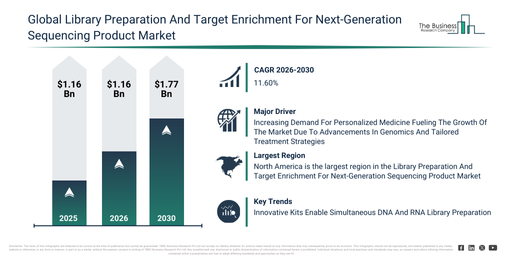
    The library preparation and target enrichment for next-generation sequencing product market is projected to experience substantial expansion over the upcoming years, reaching $5.96 billion in 2030, demonstrating a compound annual growth rate (CAGR) of 11.6%. This anticipated growth is driven by several factors, including the advancement of precision diagnostics, increased application in clinical laboratories, the broadening scope of rare disease testing, breakthroughs in enrichment efficiency, and supportive regulatory frameworks for genomics. Key trends anticipated during this period encompass the proliferation of targeted sequencing applications, a growing uptake of enrichment kits, the ongoing need for economical sequencing solutions, an expansion in clinical genomics testing, and the development of customized panels.

    Get A Free Sample Report With In-Depth Market Insights:

    https://thebusinessresearchcompany.com/sample_request?id=60410533&type=smp&name=Library%20Preparation%20And%20Target%20Enrichment%20For%20Next-Generation%20Sequencing%20Product%20Market%20Report%202026&utm_source=Blogs&utm_medium=Paid&utm_campaign=Oct_PR

    Library Preparation And Target Enrichment For Next-Generation Sequencing Product Market Growth Factors: What’s Supporting Expansion?

    The growing need for personalized medicine is expected to propel the expansion of the library preparation and target enrichment for next-generation sequencing product market in the future. Personalized medicine refers to a medical approach that customizes treatment and prevention strategies to an individual’s unique genetic makeup, lifestyle, and environment. The increasing adoption of personalized medicine is largely due to advancements in genomics, which facilitate precise identification of genetic variations and personalized treatments for individuals. Library preparation and target enrichment for next-generation sequencing products enhance personalized medicine by enabling accurate and efficient genomic analysis, making them ideal for identifying patient-specific genetic variations. These products reduce experimental complexity by offering streamlined workflows and targeted sequencing, thereby improving diagnostic accuracy and tailored treatment strategies. For instance, in February 2024, according to the Personalized Medicine Coalition (PMC), a US-based nonprofit organization, the U.S. Food and Drug Administration (FDA) approved 26 new personalized medicines in 2023, a significant increase from the 12 approved in 2022. Consequently, the increasing demand for personalized medicine is driving the growth of the library preparation and target enrichment for next-generation sequencing product market.

    Library Preparation And Target Enrichment For Next-Generation Sequencing Product Market Segment Landscape And Growth Outlook

    The library preparation and target enrichment for next-generation sequencing product market covered in this report is segmented –

    1) By Product Type: Library Preparation Kits, Target Enrichment Kits, Instrument Systems, Reagents, Consumables And Accessories

    2) By Technology: Targeted Sequencing, Whole Exome Sequencing, Whole Genome Sequencing, Ribonucleic Acid (RNA) Sequencing, Single-Cell Sequencing

    3) By Workflow Stage: Sample Preparation, Library Construction, Enrichment, Sequencing, Data Analysis

    4) By Application: Clinical Diagnostics, Research And Development, Forensic Applications, Other Applications

    5) By End User: Academic And Research Institutions, Clinical Laboratories, Pharmaceutical And Biotech Companies, Hospitals And Diagnostic Centers, Government And Non-Profit Organizations

    Subsegments:

    1) By Library Preparation Kits: Deoxyribonucleic Acid (DNA) Fragmentation Kits, Adapter Ligation Kits, Indexing Kits, Polymerase Chain Reaction (PCR) Amplification Kits

    2) By Target Enrichment Kits: Hybridization Capture Kits, Amplicon-Based Enrichment Kits, Custom Panel Kits, Pre-Capture Pooling Kits

    3) By Instrument Systems: Automated Library Preparation Systems, Automated Target Enrichment Systems, Quality Control And Quantification Systems, Integrated Next Generation Sequencing Workstations

    4) By Reagents: Deoxyribonucleic Acid (DNA) Polymerases, Ligases, Buffers And Enzymes, Nucleotides

    5) By Consumables And Accessories: Magnetic Beads, Microplates And Tubes, Cartridges And Columns, Pipette Tips And Seals

    Library Preparation And Target Enrichment For Next-Generation Sequencing Product Market Industry Trends: What’s Reshaping Demand?

    Leading companies active in the library preparation and target enrichment for next-generation sequencing market are concentrating on developing innovative solutions, such as multimodal NGS library preparation kits, to improve the efficiency, specificity, and coverage of genomic sequencing. A multimodal next-generation sequencing (NGS) library preparation kit is a laboratory solution designed to enable the simultaneous preparation of DNA and RNA sequencing libraries from a single biological sample, thereby reducing material usage, simplifying workflow complexity, and cutting down turnaround time while still supporting downstream target enrichment. For instance, in May 2024, QIAGEN N.V., a biotechnology company headquartered in the Netherlands, introduced the QIAseq Multimodal DNA or RNA Library Kit. This kit offers the first integrated method for producing both deoxyribonucleic acid (DNA) and ribonucleic acid (RNA) sequencing libraries from a single sample, accommodating diverse materials like blood, formalin-fixed paraffin-embedded tissue, and cell-free DNA, all while maintaining high sensitivity and variant detection capability. This innovation consolidates multiple laboratory workflows onto one platform, shortens preparation time, and broadens compatibility with various sequencing instruments and hybrid-capture enrichment panels, thereby fostering advanced research in complex diseases such as cancer.

    Library Preparation And Target Enrichment For Next-Generation Sequencing Product Market Top Companies Driving Competitive Growth

    Major companies operating in the library preparation and target enrichment for next-generation sequencing product market are F. Hoffmann-La Roche AG, Thermo Fisher Scientific Inc., Danaher Corporation, Becton Dickinson And Company, Eurofins Scientific SE, Agilent Technologies Inc., Illumina Inc., Sysmex Corporation, Bruker Corporation, Revvity Inc., Bio-Rad Laboratories Inc., QIAGEN N.V., Tecan Group Ltd., Hamilton Company, BGI Genomics Co. Ltd., Takara Bio Inc., Twist Bioscience Corporation, Pacific Biosciences of California Inc., New England Biolabs Inc., Zymo Research Corporation, Lexogen GmbH, Paragon Genomics Inc.

    View The Full Library Preparation And Target Enrichment For Next-Generation Sequencing Product Market Report:

    https://thebusinessresearchcompany.com/report/library-preparation-and-target-enrichment-for-next-generation-sequencing-product-global-market-report?utm_source=Blogs&utm_medium=Paid&utm_campaign=Oct_PR

    Library Preparation And Target Enrichment For Next-Generation Sequencing Product Market Global Footprint: Which Region Leads The Industry?

    North America was the largest region in the library preparation and target enrichment for next generation sequencing product market in 2025. Asia-Pacific is expected to be the fastest-growing region in the forecast period. The regions covered in the library preparation and target enrichment for next-generation sequencing product market report are Asia-Pacific, South East Asia, Western Europe, Eastern Europe, North America, South America, Middle East, Africa.

    Reach Out To Our Team:

    The Business Research Company: https://www.thebusinessresearchcompany.com/

    Americas: +1 310-496-7795

    Asia: +44 7882 955267 & +91 8897263534

    Europe: +44 7882 955267

    Email us at: marketing@tbrc.info

    Follow us on:

    LinkedIn: https://in.linkedin.com/company/the-business-research-company

    YouTube: https://www.youtube.com/channel/UC24_fI0rV8cR5DxlCpgmyFQ

    Global Market Model: https://www.thebusinessresearchcompany.com/global-market-model