Blog

  • Personalized Cancer Treatment Market Outlook From 2026 To 2030: Key Growth Factors And Future Opportunities

    Personalized Cancer Treatment Market Outlook From 2026 To 2030: Key Growth Factors And Future Opportunities

    Built to provide research that’s more actionable and strategically valuable, The Business Research Company’s 2026 market reports include market attractiveness analysis, total addressable market sizing, company benchmarking matrices, interactive Excel dashboards, broader supply chain intelligence, emerging startup tracking, and in-depth product insights.

    Personalized Cancer Treatment Market CAGR Outlook And Future Development

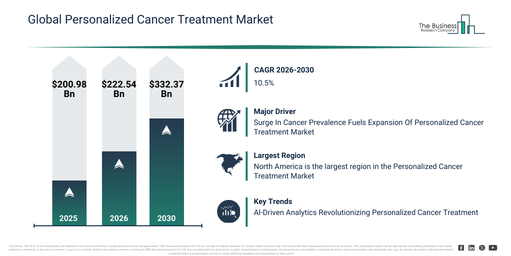
    The personalized cancer treatment market size has seen rapid expansion in recent years. It is anticipated to increase from $200.98 billion in 2025 to $222.54 billion in 2026, demonstrating a compound annual growth rate (CAGR) of 10.7%. Contributing to its growth in the historic period were factors such as limited access to genetic testing, a reliance on conventional chemotherapy, low awareness of personalized medicine benefits, a fragmented oncology healthcare infrastructure, and a lack of targeted therapy approvals.

    The personalized cancer treatment market is anticipated to experience substantial expansion over the coming years. This market is projected to reach $332.37 billion by 2030, demonstrating a compound annual growth rate (CAGR) of 10.5%. Factors contributing to this growth during the forecast period include increasing investment in genomics research, wider adoption of liquid biopsy and biomarker testing, a surge in demand for targeted therapies and immunotherapies, the incorporation of AI and big data into treatment planning, and the expansion of precision oncology clinical trials. Key trends anticipated during this period encompass the growing uptake of AI-based genomic analytics for cancer treatment, the expanding implementation of precision medicine platforms, greater utilization of biomarker-based diagnostic techniques, increasing integration of digital health solutions within oncology, and the rising adoption of immersive technologies for both patient monitoring and education.

    Get A Free Sample Report With In-Depth Market Insights:

    https://thebusinessresearchcompany.com/sample_request?id=15996720&type=smp&name=Personalized%20Cancer%20Treatment%20Market%20Report%202026&utm_source=Blogs&utm_medium=Paid&utm_campaign=Nov_PR

    Personalized Cancer Treatment Market Demand Drivers Opening New Revenue Streams

    The expanding occurrence of cancer is projected to drive the advancement of the personalized cancer treatment market in the future. This escalation in cancer cases is primarily linked to longer life expectancies, resulting in a greater number of individuals reaching ages prone to cancer, alongside increased exposure to risk factors like tobacco use, alcohol consumption, and obesity. Customized cancer therapies offer focused and potent solutions for addressing various cancer forms and progression stages, and this rising health challenge encourages investment and inventive developments in precision medicine, striving to enhance patient results via tailored treatment strategies.

    Personalized Cancer Treatment Market Breakdown By Product Type And Application

    The personalized cancer treatment market covered in this report is segmented –

    1) By Treatment Type: Targeted Therapy, Immunotherapy, Hormone Therapy, Chemotherapy, Radiation Therapy, Other Treatment Type

    2) By Diagnostic Techniques: Genomic Sequencing, Liquid Biopsy, Immunohistochemistry, In Situ Hybridization, Biomarker Testing, Other Diagnostic Techniques

    3) By Cancer Type: Breast Cancer, Lung Cancer, Colorectal Cancer, Prostate Cancer, Melanoma, Other Cancer Types

    4) By End-Users: Hospitals And Clinics, Research Institutes, Other End Users

    Subsegments:

    1) By Targeted Therapy: Monoclonal Antibodies, Small Molecule Inhibitors, Angiogenesis Inhibitors, Signal Transduction Inhibitors

    2) By Immunotherapy: Checkpoint Inhibitors, CAR T-Cell Therapy, Cancer Vaccines, Monoclonal Antibodies For Immunotherapy

    3) By Hormone Therapy: Anti-Estrogens, Aromatase Inhibitors, Progestins, LHRH Agonists

    4) By Chemotherapy: Alkylating Agents, Antimetabolites, Anthracyclines, Taxanes

    5) By Radiation Therapy: External Beam Radiation Therapy (EBRT), Brachytherapy, Radioimmunotherapy, Stereotactic Radiosurgery (SRS)

    6) By Other Treatment Types: Gene Therapy, Stem Cell Transplantation, Metabolic Therapy, Nanomedicine

    Personalized Cancer Treatment Market Transformation Trends: What Innovations Are Driving Change?

    Leading companies in the personalized cancer treatment market are concentrating on developing innovative solutions, such as artificial intelligence (AI)-enabled multimodal immune profile algorithmic tests. These aim to predict patient responses to immunotherapy and enhance personalized treatment strategies. An AI-enabled multimodal immune profile algorithmic test examines multiple types of data, including genomic, transcriptomic, and clinical biomarkers, to assess a patient’s immune profile and forecast their response to immunotherapy. This helps in patient stratification and guides personalized cancer treatments.

    Personalized Cancer Treatment Market Company Landscape And Competitive Strategy

    Major companies operating in the personalized cancer treatment market are Pfizer Inc., Johnson & Johnson, F. Hoffmann-La Roche, Merck & Co. Inc., Bristol Myers Squibb Company, Thermo Fisher Scientific Inc., AstraZeneca Plc, Novartis AG, BioNTech SE, Illumina Inc., Artera, Exact Sciences Corporation., Moffitt Cancer Center, Myriad Genetics, NeoGenomics Laboratories, Guardant Health, Caris Life Sciences, Tempus AI Inc., Foundation Medicine, Immatics, Fate Therapeutics, CureVac AG, TScan Therapeutics, CureMetrix, PDC*line Pharma

    View The Full Personalized Cancer Treatment Market Report:

    https://thebusinessresearchcompany.com/report/personalized-cancer-treatment-global-market-report?utm_source=Blogs&utm_medium=Paid&utm_campaign=Nov_PR

    Personalized Cancer Treatment Market Regional Analysis: Which Geography Leads On Revenue?

    North America was the largest region in the personalized cancer treatment market in 2025. Asia-Pacific is expected to be the fastest-growing region in the forecast period. The regions covered in the personalized cancer treatment market report are Asia-Pacific, South East Asia, Western Europe, Eastern Europe, North America, South America, Middle East, Africa.

    Reach Out To Our Team:

    The Business Research Company: https://www.thebusinessresearchcompany.com/

    Americas: +1 310-496-7795

    Asia: +44 7882 955267 & +91 8897263534

    Europe: +44 7882 955267

    Email us at: marketing@tbrc.info

    Follow us on:

    LinkedIn: https://in.linkedin.com/company/the-business-research-company

    YouTube: https://www.youtube.com/channel/UC24_fI0rV8cR5DxlCpgmyFQ

    Global Market Model: https://www.thebusinessresearchcompany.com/global-market-model
  • Personal Health Record Software Market Growth Forecast: Market Size, Key Trends And Emerging Opportunities Through 2030

    Personal Health Record Software Market Growth Forecast: Market Size, Key Trends And Emerging Opportunities Through 2030

    Backed by market attractiveness analysis, total addressable market sizing, company benchmarking matrices, interactive Excel dashboards, wider supply chain intelligence, emerging startup coverage, and detailed product-level insights, The Business Research Company’s 2026 market reports are designed to offer research that is more actionable and strategically valuable than ever.

    Personal Health Record Software Market Set To Climb From $12.05 Billion In 2026 To $17.38 Billion By 2030

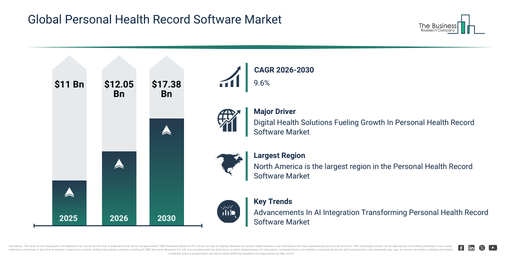
    The personal health record software market has experienced substantial growth in recent years. It is projected to expand from $11 billion in 2025 to $12.05 billion in 2026, achieving a compound annual growth rate (CAGR) of 9.5%. Historically, this market growth can be attributed to several factors, including the limited adoption of electronic health records, a lack of awareness regarding the benefits of personal health records, a continued reliance on paper-based health data, a fragmented healthcare IT infrastructure, and inconsistent data sharing between patients and providers.

    The personal health record software market is projected for significant expansion in the coming years, with its valuation anticipated to reach $17.38 billion by 2030, exhibiting a compound annual growth rate (CAGR) of 9.6%. This projected growth is driven by factors such as the increasing embrace of cloud-based healthcare solutions, the expanding utilization of mobile health applications, a heightened need for patient-centric care, the incorporation of AI and big data analytics into health records, and the broadening reach of telehealth and remote patient monitoring services. Key trends foreseen for this period encompass the escalating adoption of AI-powered personal health record management, the increasing integration of cloud-based health record systems, the expanding deployment of IoT-enabled health monitoring and tracking technologies, enhanced automation in health data processing, and a surge in the use of immersive digital experiences to engage patients.

    Get A Free Sample Report With In-Depth Market Insights:

    https://thebusinessresearchcompany.com/sample_request?id=69047081&type=smp&name=Personal%20Health%20Record%20Software%20Market%20Report%202026&utm_source=Blogs&utm_medium=Paid&utm_campaign=Nov_PR

    Personal Health Record Software Market Growth Backed By Core Demand Fundamentals

    The increasing demand for digital health solutions is projected to fuel the growth of the personal health record software market in the coming years. Digital health solutions encompass the integration of technology and digital tools into healthcare delivery, aiming to enhance efficiency, accessibility, quality of care, and patient outcomes. Personal health record software plays a crucial role within digital health solutions by empowering patients, improving care coordination, strengthening clinical decision-making, and promoting better health outcomes.

    Personal Health Record Software Market Segment Analysis And Revenue Potential

    The personal health record software market covered in this report is segmented –

    1) By Component: Software And Mobile Applications, Service

    2) By Deployment: Cloud-Based, Web-Based

    3) By Architecture: Payer-Tethered, Provider-Tethered, Standalone

    Subsegments:

    1) By Software And Mobile Applications: Personal Health Record (PHR) Software, Mobile Health (Mhealth) Apps, Cloud-Based Health Record Systems

    2) By Service: Implementation Services, Maintenance And Support Services, Training And Consulting Services

    #Personal Health Record Software Market Growth Trends: What’s Shaping The Future Outlook?

    Major companies in the personal health record software market are focusing on developments in AI advancement software, such as AWS HealthScribe, given the substantial advantages of AI integration in healthcare software solutions. AWS HealthScribe is a new generative AI-powered service that automatically generates clinical documentation from conversations between patients and clinicians.

    Personal Health Record Software Market Key Players Shaping Industry Direction

    Major companies operating in the personal health record software market are Cerner Corporation, Allscripts, eClinicalWorks, Athenahealth, NextGen Healthcare, Meditech, Greenway Health, CareCloud Inc., Kareo, E-MDs Inc., SoftClinic Software, Practice Fusion, AdvancedMD, HealthFusion, CureMD, Epic Systems Corporation, NoMoreClipboard, Amazing Charts, Validic Inc., Health Companion, Records For Living Inc., DrChrono, ChARM Health

    View The Full Personal Health Record Software Market Report:

    https://thebusinessresearchcompany.com/report/personal-health-record-software-global-market-report?utm_source=Blogs&utm_medium=Paid&utm_campaign=Nov_PR

    Personal Health Record Software Market Geographic Spread And Regional Opportunities

    North America was the largest region in the personal health record software market in 2025. The regions covered in the personal health record software market report are Asia-Pacific, South East Asia, Western Europe, Eastern Europe, North America, South America, Middle East, Africa.

    Reach Out To Our Team:

    The Business Research Company: https://www.thebusinessresearchcompany.com/

    Americas: +1 310-496-7795

    Asia: +44 7882 955267 & +91 8897263534

    Europe: +44 7882 955267

    Email us at: marketing@tbrc.info

    Follow us on:

    LinkedIn: https://in.linkedin.com/company/the-business-research-company

    YouTube: https://www.youtube.com/channel/UC24_fI0rV8cR5DxlCpgmyFQ

    Global Market Model: https://www.thebusinessresearchcompany.com/global-market-model
  • Personal Care Product Testing Market CAGR Forecast Through 2030: Key Trends Shaping Industry Expansion

    Personal Care Product Testing Market CAGR Forecast Through 2030: Key Trends Shaping Industry Expansion

    Featuring market attractiveness scoring, total addressable market sizing, company benchmarking matrices, interactive Excel dashboards, deeper supply chain intelligence, emerging startup tracking, and granular product-level insights, The Business Research Company’s 2026 market reports are built to deliver research that is both more actionable and more strategically valuable.

    Personal Care Product Testing Market Forecast: Value Set To Climb From $8.42 Billion To $11.1 Billion

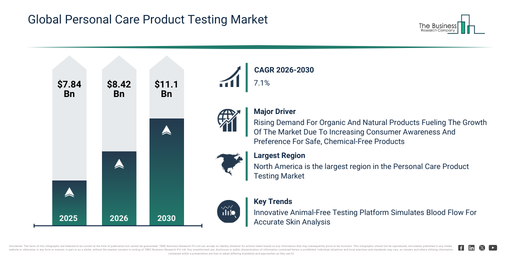
    The personal care product testing market size has witnessed significant growth in recent years. It is anticipated to increase from $7.84 billion in 2025 to $8.42 billion in 2026, registering a compound annual growth rate (CAGR) of 7.5%. The expansion observed in the past can be ascribed to the growing complexity of cosmetic formulations, the broader reach of global personal care brands, heightened consumer awareness regarding safety, the strengthening of cosmetic regulatory frameworks, and the proliferation of contract testing laboratories.

    The personal care product testing market is poised for significant expansion over the next few years. It is forecast to achieve a size of $11.1 billion by 2030, progressing at a compound annual growth rate (CAGR) of 7.1%. This projected growth can be ascribed to a rising demand for cruelty-free and alternative testing methodologies, an increasing concentration on sustainable and biodegradable formulations, the growth of personalized personal care products, a rise in the outsourcing of testing services, and intensified regulatory examination across international markets. Noteworthy trends during the forecast period include the increasing adoption of advanced toxicological testing methods, a growing requirement for dermatological and hypoallergenic assessments, a sharpened focus on regulatory compliance testing, the broadening scope of microbiological and contaminant analysis, and an elevated importance placed on product efficacy validation.

    Get A Free Sample Report With In-Depth Market Insights:

    https://thebusinessresearchcompany.com/sample_request?id=69415989&type=smp&name=Personal%20Care%20Product%20Testing%20Market%20Report%202026&utm_source=Blogs&utm_medium=Paid&utm_campaign=Nov_PR

    Personal Care Product Testing Market Growth Catalysts And Demand Drivers

    The future expansion of the personal care product testing market is anticipated to be driven by the increasing need for organic and natural products. These items are defined as products crafted from plant-, mineral-, or naturally derived ingredients, produced without synthetic chemicals, pesticides, or fertilizers. The heightened consumer awareness of potential health risks associated with synthetic chemical exposure is fueling this rising demand. The personal care product testing market actively supports this driver by validating ingredient purity, safety, and product performance, thereby ensuring regulatory compliance and building consumer trust.

    Personal Care Product Testing Market Segmentation And Category Overview

    The personal care product testing market covered in this report is segmented –

    1) By Type: Chemical And Microbiological Testing, Stability And Shelf Life Testing, Other Types

    2) By Application: Enterprise, Government

    3) By End User: Personal Care Product Manufacturers, Cosmetic And Skincare Brands, Research And Academic Institutions, Contract Research Organizations (CROs), Regulatory Authorities And Certification Bodies

    Subsegments:

    1) By Chemical And Microbiological Testing: Heavy Metals Testing, Preservative Efficacy Testing, Pathogen Detection, Allergen Testing, pH And Chemical Composition Analysis, Contaminant And Impurity Analysis, Antimicrobial Effectiveness Testing

    2) By Stability And Shelf Life Testing: Accelerated Stability Testing, Real-Time Stability Testing, Packaging Compatibility Testing, Photostability Testing, Thermal And Humidity Testing, Freeze-Thaw Cycle Testing, Microbial Challenge Testing For Shelf Life

    3) By Other Types: Toxicological Risk Assessment, Dermatological Testing, Safety And Regulatory Compliance Testing, Performance And Efficacy Testing, Biocompatibility Testing, Consumer Acceptability Studies, Environmental Impact And Biodegradability Testing

    Personal Care Product Testing Market Industry Trends: What’s Reshaping Demand?

    Major companies operating in the personal care product testing market are focusing on developing innovative solutions, such as animal-free cosmetics testing platforms, to ensure products are safe, effective, and ethically tested while complying with regulations. An animal-free cosmetics testing platform refers to a method for evaluating product safety and effectiveness without using animals, often utilizing cell cultures, 3D skin models, or computer simulations.

    Personal Care Product Testing Market Competitive Analysis Of Leading Industry Participants

    Major companies operating in the personal care product testing market are Henkel AG & Co. KGaA, SGS SA, Eurofins Scientific SE, Bureau Veritas SA, Intertek Group plc, TÜV SÜD AG, UL Solutions Inc., ALS Limited, NSF International, SGS Institut Fresenius GmbH, MSL Solution Providers Ltd., Biorius SPRL, Microchem Laboratory Inc., QACS Ltd. (Quality Assurance & Chemical Safety), Accugen Laboratories Inc., Dermatest GmbH, TRI/Princeton Inc., Genemarkers LLC, Helioscience SAS, Essex Test Services LLC

    View The Full Personal Care Product Testing Market Report:

    https://thebusinessresearchcompany.com/report/personal-care-product-testing-global-market-report?utm_source=Blogs&utm_medium=Paid&utm_campaign=Nov_PR

    Personal Care Product Testing Market Top Region By Revenue And Market Share

    North America was the largest region in the personal care product testing market in 2025. The regions covered in the personal care product testing market report are Asia-Pacific, South East Asia, Western Europe, Eastern Europe, North America, South America, Middle East, Africa.

    Reach Out To Our Team:

    The Business Research Company: https://www.thebusinessresearchcompany.com/

    Americas: +1 310-496-7795

    Asia: +44 7882 955267 & +91 8897263534

    Europe: +44 7882 955267

    Email us at: marketing@tbrc.info

    Follow us on:

    LinkedIn: https://in.linkedin.com/company/the-business-research-company

    YouTube: https://www.youtube.com/channel/UC24_fI0rV8cR5DxlCpgmyFQ

    Global Market Model: https://www.thebusinessresearchcompany.com/global-market-model
  • Persistent Epithelial Defect Management Market To Witness 16.5% CAGR Growth Through 2030: Key Industry Drivers

    Persistent Epithelial Defect Management Market To Witness 16.5% CAGR Growth Through 2030: Key Industry Drivers

    Built to provide research that’s more actionable and strategically valuable, The Business Research Company’s 2026 market reports include market attractiveness analysis, total addressable market sizing, company benchmarking matrices, interactive Excel dashboards, broader supply chain intelligence, emerging startup tracking, and in-depth product insights.

    Persistent Epithelial Defect Management Market Revenue Growth On Track For A 16.5% CAGR Through 2030

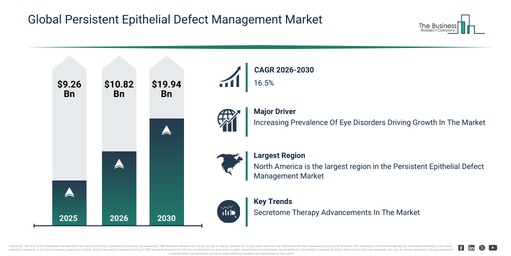
    The market for persistent epithelial defect management has experienced rapid expansion in recent years. This market is anticipated to increase from $9.26 billion in 2025 to $10.82 billion in 2026, exhibiting a compound annual growth rate (CAGR) of 16.9%. The historical growth of this market can be attributed to several factors, including limited awareness of persistent epithelial defects, a reliance on conventional lubricating eye drops, the slow adoption of autologous serum therapy, inadequate access to corneal specialists, and inconsistent follow-up and patient monitoring.

    The persistent epithelial defect management market size is anticipated to undergo significant expansion in the coming years. It is forecast to achieve a valuation of $19.94 billion in 2030, exhibiting a compound annual growth rate (CAGR) of 16.5%. The projected increase in market size is driven by advancements in stem cell and biologic therapies, the growing adoption of amniotic membrane transplantation, an increasing preference for bandage contact lenses, heightened awareness concerning early corneal defect management, and the proliferation of hospital and specialized eye care centers. Noteworthy trends during this forecast period include the increasing integration of AI-powered diagnostic and imaging tools, wider application of biologics and stem cell therapies, the incorporation of cloud-based patient monitoring systems, the development of IoT-enabled eye care devices, and progress in the automated manufacturing of ocular therapeutics.

    Get A Free Sample Report With In-Depth Market Insights:

    https://thebusinessresearchcompany.com/sample_request?id=87879947&type=smp&name=Persistent%20Epithelial%20Defect%20Management%20Market%20Report%202026&utm_source=Blogs&utm_medium=Paid&utm_campaign=Nov_PR

    Persistent Epithelial Defect Management Market Opportunity Drivers: What’s Unlocking New Revenue Potential?

    The increasing prevalence of eye disorders is expected to fuel the expansion of the persistent epithelial defect management market. Eye disorders refer to diverse medical conditions affecting the eyes’ structure, function, or health, potentially leading to vision impairment, discomfort, or blindness. This rise in prevalence stems from factors such as an aging global population, increased screen time, and environmental changes. Persistent epithelial defect management is vital for addressing eye disorders, as it aids healing, reduces inflammation, and prevents complications like infection or scarring.

    Persistent Epithelial Defect Management Market Segment Outlook: Which Categories Are Growing Fastest?

    The persistent epithelial defect management market covered in this report is segmented –

    1) By Disease Type: Epithelial Or Limbal, Inflammatory Disease, Neurotrophic Disease, Other Disease Types

    2) By Distribution Channel: Direct Sales, Online Pharmacy, Retail Pharmacy, Hospitals

    3) By End User: Hospitals And Specialty Eye Clinics, Physician Offices, Ophthalmology Specialty Centers, Other End Users

    Subsegments:

    1) By Epithelial Or Limbal: Limbal Stem Cell Deficiency (LSCD), Limbal Transplantation, Conjunctival Transplantation

    2) By Inflammatory Disease: Dry Eye Syndrome, Allergic Conjunctivitis, Uveitis

    3) By Neurotrophic Disease: Herpes Simplex Virus (HSV) Keratitis, Corneal Nerve Damage Associated Keratopathy, Neurotrophic Keratopathy

    4) By Other Disease Types: Chemical Burns, Trauma-Induced Defects, Congenital Corneal Opacities

    Persistent Epithelial Defect Management Market Innovation Trends: What Developments Are Reshaping The Industry?

    Major companies operating in the persistent epithelial defect management market are concentrating on creating advanced treatments, such as secretome therapy, to accelerate recovery and enhance patient outcomes for persistent epithelial defects. Secretome therapy involves leveraging bioactive molecules secreted by cells, including proteins, lipids, and extracellular vesicles, to facilitate tissue repair, regulate immune responses, and treat various conditions.

    Persistent Epithelial Defect Management Market Leading Companies And Competitive Benchmarking

    Major companies operating in the persistent epithelial defect management market are AbbVie Inc., Novartis AG, Johnson & Johnson Vision, RegeneRx Biopharmaceuticals Inc., Regeneron Pharmaceuticals Inc., Alcon Inc., Bausch Health Companies Inc., Hoya Vision Care, Santen Pharmaceutical Co. Ltd., Recordati Rare Diseases Inc., Dompé Farmaceutici S.p.A., TissueTech Inc., Ocular Therapeutix Inc., Amber Ophthalmics Inc., Noveome Biotherapeutics Inc., OcuNexus Therapeutics Inc., Lux Bio Inc., Eyenovia Inc., Kala Pharmaceuticals Inc., Aerie Pharmaceuticals Inc., EyePoint Pharmaceuticals Inc., Aldeyra Therapeutics Inc.

    View The Full Persistent Epithelial Defect Management Market Report:

    https://thebusinessresearchcompany.com/report/persistent-epithelial-defect-management-global-market-report?utm_source=Blogs&utm_medium=Paid&utm_campaign=Nov_PR

    Persistent Epithelial Defect Management Market Regional Analysis And Top Geography

    North America was the largest region in the persistent epithelial defect management market in 2025. Asia-Pacific is expected to be the fastest-growing region in the forecast period. The regions covered in the persistent epithelial defect management market report are Asia-Pacific, South East Asia, Western Europe, Eastern Europe, North America, South America, Middle East, Africa.

    Reach Out To Our Team:

    The Business Research Company: https://www.thebusinessresearchcompany.com/

    Americas: +1 310-496-7795

    Asia: +44 7882 955267 & +91 8897263534

    Europe: +44 7882 955267

    Email us at: marketing@tbrc.info

    Follow us on:

    LinkedIn: https://in.linkedin.com/company/the-business-research-company

    YouTube: https://www.youtube.com/channel/UC24_fI0rV8cR5DxlCpgmyFQ

    Global Market Model: https://www.thebusinessresearchcompany.com/global-market-model
  • Pernicious Anemia Diagnosis And Treatment Market Projected For Strong Expansion Through 2030: Key Trends And Future Outlook

    Pernicious Anemia Diagnosis And Treatment Market Projected For Strong Expansion Through 2030: Key Trends And Future Outlook

    Backed by market attractiveness analysis, total addressable market sizing, company benchmarking matrices, interactive Excel dashboards, wider supply chain intelligence, emerging startup coverage, and detailed product-level insights, The Business Research Company’s 2026 market reports are designed to offer research that is more actionable and strategically valuable than ever.

    Pernicious Anemia Diagnosis And Treatment Market Value Growth And Long-Term Outlook

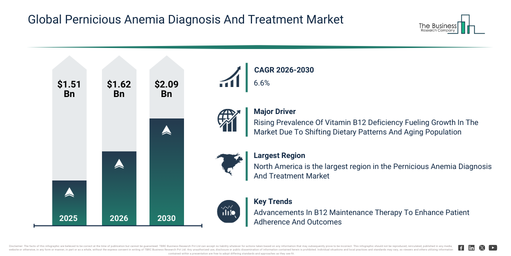
    The pernicious anemia diagnosis and treatment market has experienced robust growth in recent years. It is projected to expand from $1.51 billion in 2025 to $1.62 billion in 2026, demonstrating a compound annual growth rate (CAGR) of 6.8%. The historic period’s expansion is attributable to the high incidence of hospital-acquired infections, a reliance on conventional IV catheters, an increasing patient population requiring IV therapy, the limited availability of advanced safety catheters, and a fragmented healthcare infrastructure.

    The pernicious anemia diagnosis and treatment market size is anticipated to demonstrate substantial expansion over the upcoming years, projected to reach $2.09 billion by 2030, exhibiting a compound annual growth rate (CAGR) of 6.6%. This projected growth during the forecast period is driven by factors such as progress in safety IV catheter technologies, the increasing uptake of smart and antimicrobial catheters, an expansion of home healthcare provisions, a rising preference for integrated/closed IV systems, and the burgeoning demand for minimally invasive therapy administration. Key trends observed in this forecast period include the increasing adoption of AI-based catheter insertion guidance systems, a surge in the use of cloud-based patient monitoring for IV therapy, the ongoing development of antimicrobial and smart catheters, the growing integration of IoT-enabled devices for IV monitoring, and the increasing implementation of smart manufacturing processes for peripheral IV catheters.

    Get A Free Sample Report With In-Depth Market Insights:

    https://thebusinessresearchcompany.com/sample_request?id=77098332&type=smp&name=Pernicious%20Anemia%20Diagnosis%20And%20Treatment%20Market%20Report%202026&utm_source=Blogs&utm_medium=Paid&utm_campaign=Nov_PR

    Pernicious Anemia Diagnosis And Treatment Market Growth Momentum: What Factors Are Shaping Demand?

    The increasing occurrence of vitamin B12 deficiency is anticipated to propel expansion within the pernicious anemia diagnosis and treatment market moving ahead. This deficiency arises when the body possesses insufficient vitamin B12 to generate a proper amount of red blood cells, leading to symptoms such as fatigue, weakness, and neurological issues. The escalation of vitamin B12 deficiency can be attributed to the growing preference for plant-based diets, which frequently do not provide enough natural B12 and may cause insufficient consumption without appropriate supplementation. Low vitamin B12 levels directly impede red blood cell production, thereby facilitating the diagnosis and treatment of pernicious anemia by prompting medical professionals to prescribe B12 supplementation as a fundamental and potent therapeutic approach.

    Pernicious Anemia Diagnosis And Treatment Market Segment Landscape: Which Areas Lead Development?

    The pernicious anemia diagnosis and treatment market covered in this report is segmented –

    1) By Type: Complete Blood Count Test, Vitamin B12 Deficiency test, Intrinsic Factor Deficiency Test

    2) By Treatment: Vitamin B12 Injections, Vitamin B12 Pills, Spray

    3) By Route Of Administration: Injection, Oral, Intranasal

    4) By End-User: Hospitals, Clinics, Diagnostic Centres, Other End-users

    Subsegments:

    1) By Complete Blood Count (CBC) Test: Red Blood Cell Count, Hemoglobin Concentration, Hematocrit Levels, Mean Corpuscular Volume (MCV), White Blood Cell Count, Platelet Count

    2) By Vitamin B12 Deficiency Test: Serum Vitamin B12 Test, Methylmalonic Acid (MMA) Test, Homocysteine Test, Holotranscobalamin (Active B12) Test

    3) By Intrinsic Factor Deficiency Test: Intrinsic Factor Antibody Test, Parietal Cell Antibody Test, Schilling Test, Gastrin Level Test

    Pernicious Anemia Diagnosis And Treatment Market Trends: What’s Defining The Industry’s Next Phase?

    Leading companies within the pernicious anemia diagnosis and treatment market are concentrating on developing innovative solutions, such as vitamin B12 maintenance therapy solutions, with the aim of enhancing patient adherence and improving long-term disease management. These vitamin B12 maintenance therapies involve consistent, continuous supplementation administered through oral tablets, injections, or nasal sprays to sustain adequate B12 levels and prevent the recurrence of deficiency-related symptoms.

    Pernicious Anemia Diagnosis And Treatment Market Industry Leaders And Competitive Landscape

    Major companies operating in the pernicious anemia diagnosis and treatment market are Pfizer Inc., F. Hoffmann-La Roche Ltd., Bayer AG, Novartis AG, Sanofi S.A., Thermo Fisher Scientific Inc., GSK plc, Takeda Pharmaceutical Company Limited, Lupin Limited, Eli Lilly and Company, DSM Nutritional Products AG, Bio-Rad Laboratories Inc., CSL Vifor Pharma, Par Pharmaceutical Companies Inc., AdvaCare Pharma, Monobind Inc., Merck KGaA, Abbott Laboratories, Siemens Healthineers AG, Ortho Clinical Diagnostics Inc., Quest Diagnostics Incorporated, Bio-Techne Corporation

    View The Full Pernicious Anemia Diagnosis And Treatment Market Report:

    https://thebusinessresearchcompany.com/report/pernicious-anemia-diagnosis-and-treatment-global-market-report?utm_source=Blogs&utm_medium=Paid&utm_campaign=Nov_PR

    Pernicious Anemia Diagnosis And Treatment Market Geographic Analysis: Where Is Demand Rising Fastest?

    North America was the largest region in the pernicious anemia diagnosis and treatment market in 2025. The regions covered in the pernicious anemia diagnosis and treatment market report are Asia-Pacific, South East Asia, Western Europe, Eastern Europe, North America, South America, Middle East, Africa.

    Reach Out To Our Team:

    The Business Research Company: https://www.thebusinessresearchcompany.com/

    Americas: +1 310-496-7795

    Asia: +44 7882 955267 & +91 8897263534

    Europe: +44 7882 955267

    Email us at: marketing@tbrc.info

    Follow us on:

    LinkedIn: https://in.linkedin.com/company/the-business-research-company

    YouTube: https://www.youtube.com/channel/UC24_fI0rV8cR5DxlCpgmyFQ

    Global Market Model: https://www.thebusinessresearchcompany.com/global-market-model
  • Peritoneal Dialysis Equipment Market Outlook 2026–2030: Growth Trends, Market Dynamics And Emerging Opportunities

    Peritoneal Dialysis Equipment Market Outlook 2026–2030: Growth Trends, Market Dynamics And Emerging Opportunities

    Featuring market attractiveness scoring, total addressable market sizing, company benchmarking matrices, interactive Excel dashboards, deeper supply chain intelligence, emerging startup tracking, and granular product-level insights, The Business Research Company’s 2026 market reports are built to deliver research that is both more actionable and more strategically valuable.

    Peritoneal Dialysis Equipment Market Poised To Hit $5.32 Billion By 2030 With A 4.1% CAGR

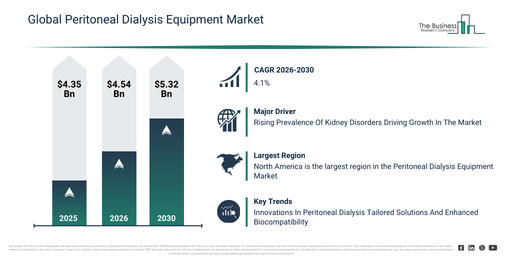
    The peritoneal dialysis equipment market has experienced consistent expansion in recent years. It is forecast to increase from $4.35 billion in 2025 to $4.54 billion in 2026, achieving a compound annual growth rate (CAGR) of 4.4%. This historical growth can be attributed to several factors including the limited provision of home dialysis systems, a strong reliance on hospital-based dialysis, the elevated cost of automated peritoneal dialysis systems, insufficient training programs for patients, and a shortage of advanced consumables.

    The peritoneal dialysis equipment market size is projected to experience consistent expansion in the coming years. It is anticipated to reach $5.32 billion by 2030, exhibiting a compound annual growth rate (CAGR) of 4.1%. This growth during the forecast period is attributable to several factors, including advancements in portable and automated PD systems, a growing preference for home-based dialysis solutions, heightened awareness regarding the advantages of peritoneal dialysis, increased embrace of continuous ambulatory and automated PD methods, and the expansion of dialysis infrastructure within hospitals and clinics. Key trends shaping the forecast period encompass a rising adoption of AI-enabled dialysis monitoring systems, the increasing integration of biotechnology and precision medicine into dialysis care, a growing utilization of cloud-based platforms and big data analytics for managing patients, an expanding deployment of IoT-enabled home dialysis systems, and advancements in automation and smart manufacturing within the production of dialysis equipment.

    Get A Free Sample Report With In-Depth Market Insights:

    https://thebusinessresearchcompany.com/sample_request?id=74595702&type=smp&name=Peritoneal%20Dialysis%20Equipment%20Market%20Report%202026&utm_source=Blogs&utm_medium=Paid&utm_campaign=Nov_PR

    Peritoneal Dialysis Equipment Market Expansion Drivers: What’s Shaping Future Growth?

    The rising occurrence of kidney ailments is anticipated to stimulate the expansion of the peritoneal dialysis equipment market in the future. Kidney disorders are defined as conditions that compromise the kidneys’ capacity to filter waste and uphold fluid and electrolyte equilibrium, encompassing everything from chronic conditions to sudden injuries and infections. This heightened prevalence of kidney disorders is largely attributable to escalating rates of diabetes, unhealthy lifestyle choices, an aging global demographic, and inadequate treatment at early stages. Peritoneal dialysis equipment offers support in kidney disorders by utilizing the peritoneum to extract waste and surplus fluids from the bloodstream when the kidneys fail to function correctly.

    Peritoneal Dialysis Equipment Market Segments: Where Is Growth Concentrated?

    The peritoneal dialysis equipment market covered in this report is segmented –

    1) By Product Type: Systems, Consumables

    2) By Treatment Type: Continuous Ambulatory Peritoneal Dialysis, Automated Peritoneal Dialysis

    3) By End-Users: Home Based Dialysis, Dialysis Center, Hospital-Based Dialysis

    Subsegments:

    1) By Systems: Automated Peritoneal Dialysis (APD) Systems, Continuous Ambulatory Peritoneal Dialysis (CAPD) Systems, Portable Peritoneal Dialysis Systems, Home Peritoneal Dialysis Machines, Remote Monitoring Enabled Peritoneal Dialysis Systems

    2) By Consumables: Peritoneal Dialysis Solution, Dialysis Catheters, Dialysis Bags, Transfer Sets, Catheter Insertion Kits, Filters And Connectors, Drainage Bags

    Peritoneal Dialysis Equipment Market Industry Trends Fueling Future Revenue Growth

    Leading firms within the peritoneal dialysis equipment market are concentrating on advancing novel solutions, including diverse dextrose concentrations. These advancements empower clinicians to finely adjust the osmotic gradient and customize the process of fluid removal, aligning with each patient’s specific ultrafiltration requirements. The term ‘multiple dextrose concentrations’ denotes the provision of varying dextrose strengths within peritoneal dialysis (PD) fluid, which facilitates the extraction of surplus fluid from the body during dialysis.

    Peritoneal Dialysis Equipment Market Key Participants And Competitive Landscape

    Major companies operating in the peritoneal dialysis equipment market are Fresenius Medical Care AG & Co. KGaA, Becton Dickinson and Company., Toray Medical Co. Ltd., Baxter International Inc., B. Melsungen AG, Terumo Corporation, Nipro Corp., Huaren Pharmaceutical Co. Ltd., Nikkiso Co. Ltd., JMS Co. Ltd., Polymedicure Limited., Rockwell Medical Inc., Amecath Srl., Infomed Fluids S.r.l., Mitra Industries Pvt. Ltd., Dialife SA, Kawasumi Laboratories Inc., Renax Biomedical Technology Co. Ltd., Weigao Group Medical Polymer Co. Ltd., Medionics International Inc., Farmasol, Medical Components Inc.

    View The Full Peritoneal Dialysis Equipment Market Report:

    https://thebusinessresearchcompany.com/report/peritoneal-dialysis-equipment-global-market-report?utm_source=Blogs&utm_medium=Paid&utm_campaign=Nov_PR

    Peritoneal Dialysis Equipment Market Global Footprint: Which Region Leads The Market?

    North America was the largest region in the peritoneal dialysis equipment market in 2025. Asia-Pacific is expected to be the fastest-growing region in the forecast period. The regions covered in the peritoneal dialysis equipment market report are Asia-Pacific, South East Asia, Western Europe, Eastern Europe, North America, South America, Middle East, Africa.

    Reach Out To Our Team:

    The Business Research Company: https://www.thebusinessresearchcompany.com/

    Americas: +1 310-496-7795

    Asia: +44 7882 955267 & +91 8897263534

    Europe: +44 7882 955267

    Email us at: marketing@tbrc.info

    Follow us on:

    LinkedIn: https://in.linkedin.com/company/the-business-research-company

    YouTube: https://www.youtube.com/channel/UC24_fI0rV8cR5DxlCpgmyFQ

    Global Market Model: https://www.thebusinessresearchcompany.com/global-market-model
  • Peripheral T-Cell Lymphoma Market Growth Outlook From $0.66 Billion In 2026 To $0.81 Billion By 2030

    Peripheral T-Cell Lymphoma Market Growth Outlook From $0.66 Billion In 2026 To $0.81 Billion By 2030

    Built to provide research that’s more actionable and strategically valuable, The Business Research Company’s 2026 market reports include market attractiveness analysis, total addressable market sizing, company benchmarking matrices, interactive Excel dashboards, broader supply chain intelligence, emerging startup tracking, and in-depth product insights.

    Peripheral T-Cell Lymphoma Market Size And Revenue Outlook Through 2030

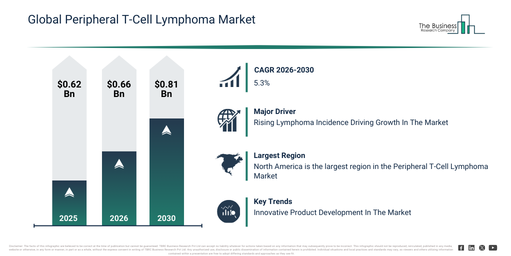
    The peripheral t-cell lymphoma market has experienced significant expansion in recent years. It is anticipated to increase from $0.62 billion in 2025 to $0.66 billion in 2026, achieving a compound annual growth rate (CAGR) of 5.5%. Historically, this growth can be ascribed to a limited supply of targeted therapies, a reliance on chemotherapy regimens, the disease’s high aggressiveness, late-stage diagnoses, and insufficient patient monitoring infrastructure.

    The market size for peripheral t-cell lymphoma is projected to experience substantial growth in the upcoming years. It is predicted to expand to $0.81 billion by 2030, achieving a compound annual growth rate (CAGR) of 5.3%. This anticipated growth during the forecast period is attributable to breakthroughs in immunotherapy and targeted therapy, the increasing integration of stem cell therapy, the rising application of monoclonal antibodies and HDAC inhibitors, the expanding availability of injectable and oral formulations, and the proliferation of specialty clinics and research institutes. Significant trends anticipated in this period include the wider adoption of AI-based diagnostic and prognostic tools, the growing use of genomics and precision medicine in PTCL treatment, increased reliance on big data analytics and cloud platforms for clinical decision support, the enhanced incorporation of Industry 4.0 technologies in PTCL drug development, and the rising implementation of IoT-enabled patient monitoring systems.

    Get A Free Sample Report With In-Depth Market Insights:

    https://thebusinessresearchcompany.com/sample_request?id=46539462&type=smp&name=Peripheral%20T-Cell%20Lymphoma%20Market%20Report%202026&utm_source=Blogs&utm_medium=Paid&utm_campaign=Nov_PR

    Peripheral T-Cell Lymphoma Market Development Factors: What’s Supporting Demand?

    The elevated occurrence of lymphoma is anticipated to boost the peripheral T-cell lymphoma market’s expansion. Lymphoma is defined as a cancer originating in the lymphatic system, an essential component of the body’s immune system. This elevated incidence of lymphoma stems from various factors, including genetic predisposition, environmental exposures, viral infections (like Epstein-Barr virus), immunodeficiency conditions, and lifestyle choices such as smoking and obesity. Peripheral T-cell lymphoma (PTCL) plays a role in the advancement of lymphoma; it develops from mature T-cells, resulting in aggressive disease characteristics, immune system imbalance, and diminished responsiveness to treatment when contrasted with other lymphoma categories.

    Peripheral T-Cell Lymphoma Market Segment Analysis: What Are The Core Market Categories?

    The peripheral t-cell lymphoma market covered in this report is segmented –

    1) By Type: Peripheral T-Cell Lymphoma Not Otherwise Specified (PTCL-NOS), Angioimmunoblastic T- Cell Lymphoma (AITL), Anaplastic Large Cell Lymphoma (ALCL), Adult T- Cell Leukaemia Or Lymphoma (ATLL), Enteropathy-Associated T- Cell Lymphoma (EATL), Hepatosplenic T- Cell Lymphoma, Other Types

    2) By Treatment Type: Chemotherapy, Target Therapy, Immunotherapy, Stem Cell Therapy, Radiation Therapy

    3) By Drug Class: Histone Deacetylase (HDAC) Inhibitors, Monoclonal Antibodies, Alkylating Angents, Antimetabolites, Other Drug Class

    4) By Route Of Administration: Oral, Injectable

    5) By End-User: Hospitals, Specialty Clinics, Ambulatory Surgical Center, Research Institute

    Subsegments:

    1) By Peripheral T-Cell Lymphoma Not Otherwise Specified (PTCL-NOS): Cutaneous PTCL, Systemic PTCL

    2) By Angioimmunoblastic T-Cell Lymphoma (AITL): Classical AITL, Variant AITL

    3) By Anaplastic Large Cell Lymphoma (ALCL): Systemic ALCL, Cutaneous ALCL

    4) By Adult T-Cell Leukaemia Or Lymphoma (ATLL): Acute ATLL, Chronic ATLL, Smoldering ATLL, Lymphoma Type ATLL

    5) By Enteropathy-Associated T-Cell Lymphoma (EATL): Type 1 EATL, Type 2 EATL

    6) By Hepatosplenic T-Cell Lymphoma: Hepatic Type, Splenic Type

    7) By Other Types: Subcutaneous T-Cell Lymphoma, Lymphomatoid Granulomatosis

    Peripheral T-Cell Lymphoma Market Trends Powering Strategic Industry Growth

    Leading companies active in the peripheral T-cell lymphoma market are concentrating on developing novel products, such as dihydrofolate reductase inhibitor, to enhance therapeutic efficacy and improve patient outcomes. A dihydrofolate reductase inhibitor is a pharmaceutical agent that inhibits the function of the enzyme dihydrofolate reductase, which is vital for DNA synthesis and cellular replication.

    Peripheral T-Cell Lymphoma Market Top Companies Driving Competitive Growth

    Major companies operating in the peripheral t-cell lymphoma market are Pfizer Inc., Johnson & Johnson, Bristol Myers Squibb Company, AstraZeneca plc, Novartis AG, Eli Lilly and Company, Eisai Co. Ltd., Kyowa Kirin Co. Ltd., Takeda Pharmaceutical Company Limited, BeiGene Ltd., Daiichi Sankyo Company Limited, Zymeworks Inc., Genor Biopharma Co. Ltd., Kura Oncology Inc., Spectrum Pharmaceuticals Inc., Verastem Inc., Astellas Pharma Inc., Autolus Therapeutics plc, Seagen Inc., Amgen Inc., Roche Holding AG, Gilead Sciences Inc.

    View The Full Peripheral T-Cell Lymphoma Market Report:

    https://thebusinessresearchcompany.com/report/peripheral-t-cell-lymphoma-global-market-report?utm_source=Blogs&utm_medium=Paid&utm_campaign=Nov_PR

    Peripheral T-Cell Lymphoma Market Regional Split: Which Areas Are Fueling Growth?

    North America was the largest region in the peripheral T-cell lymphoma market in 2025. Asia-Pacific is expected to be the fastest-growing region in the forecast period. The regions covered in the peripheral t-cell lymphoma market report are Asia-Pacific, South East Asia, Western Europe, Eastern Europe, North America, South America, Middle East, Africa.

    Reach Out To Our Team:

    The Business Research Company: https://www.thebusinessresearchcompany.com/

    Americas: +1 310-496-7795

    Asia: +44 7882 955267 & +91 8897263534

    Europe: +44 7882 955267

    Email us at: marketing@tbrc.info

    Follow us on:

    LinkedIn: https://in.linkedin.com/company/the-business-research-company

    YouTube: https://www.youtube.com/channel/UC24_fI0rV8cR5DxlCpgmyFQ

    Global Market Model: https://www.thebusinessresearchcompany.com/global-market-model
  • Peripheral Neuropathy Market Forecast To Reach $7.98 Billion By 2030: Key Growth Drivers And Industry Trends

    Peripheral Neuropathy Market Forecast To Reach $7.98 Billion By 2030: Key Growth Drivers And Industry Trends

    Backed by market attractiveness analysis, total addressable market sizing, company benchmarking matrices, interactive Excel dashboards, wider supply chain intelligence, emerging startup coverage, and detailed product-level insights, The Business Research Company’s 2026 market reports are designed to offer research that is more actionable and strategically valuable than ever.

    Peripheral Neuropathy Market Growth From $5.17 Billion In 2026 To $7.98 Billion By 2030 At A CAGR Of 11.5%

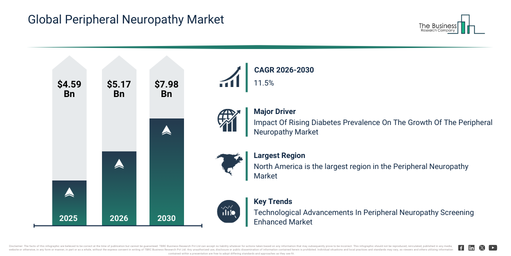
    The peripheral neuropathy market has witnessed rapid expansion in recent years. It is projected to expand from $4.59 billion in 2025 to $5.17 billion in 2026, demonstrating a compound annual growth rate (CAGR) of 12.7%. The market’s historical growth can be ascribed to the high prevalence of diabetic neuropathy, rising chemotherapy use, limited targeted therapies, reliance on conventional analgesics, and a lack of early diagnosis tools.

    The market for peripheral neuropathy is anticipated to expand rapidly over the coming years. This market is projected to reach $7.98 billion by 2030, exhibiting a compound annual growth rate (CAGR) of 11.5%. This expansion during the projection period stems from improvements in nerve stimulation treatments, a greater acceptance of physical therapy alongside non-pharmacological approaches, the increasing availability of both topical and systemic drugs, a surge in the utilization of online pharmacies and telemedicine services, and the proliferation of specialized clinics and ambulatory care facilities. Key developments expected during this timeframe encompass the wider application of AI-driven diagnostic tools for peripheral neuropathy, the growing incorporation of big data and cloud technologies into patient monitoring systems, an expanding reliance on genomics and precision medicine for managing peripheral neuropathy, the greater deployment of IoT-enabled wearable devices designed for nerve health, and the increased adoption of Industry 4.0 innovations in devices used for neuropathy treatment.

    Get A Free Sample Report With In-Depth Market Insights:

    https://thebusinessresearchcompany.com/sample_request?id=89901446&type=smp&name=Peripheral%20Neuropathy%20Market%20Report%202026&utm_source=Blogs&utm_medium=Paid&utm_campaign=Nov_PR

    Peripheral Neuropathy Market Industry Drivers: What’s Behind The Revenue Growth?

    The increasing incidence of diabetes is anticipated to fuel the expansion of the peripheral neuropathy market in the future. Diabetes is defined as a long-term ailment marked by elevated blood glucose concentrations, stemming from the body’s impaired capacity to generate or utilize insulin efficiently. This upward trend in diabetes cases is largely attributed to contributing factors like growing obesity rates, inactive lifestyles, and an aging demographic. Diabetes has the potential to induce peripheral neuropathy through nerve damage resulting from sustained elevated blood sugar, manifesting in symptoms such as pain, tingling, and numbness in the limbs. Proper management of blood glucose is vital to either avert or decelerate the advancement of this complication.

    Peripheral Neuropathy Market Segment Breakdown: Which Categories Lead On Revenue?

    The peripheral neuropathy market covered in this report is segmented –

    1) By Type: Chemotherapy-Induced, Diabetic, Human Immunodeficiency Virus (HIV) Or Acquired Immunodeficiency Syndrome (AIDS Associated), Idiopathic

    2) By Diagnosis: Blood Test, Biopsy, Imaging, Other Diagnosis

    3) By Treatment: Medications, Antidepressants, Anti-Seizure Medication, Pain Reliever, Topical Treatment, Therapies, Nerve Stimulation, Plasma Exchange, Physical Therapy, Other Treatments

    4) By End-User: Hospitals, Clinics, Ambulatory Centers

    Subsegments:

    1) By Chemotherapy-Induced: Taxane-Induced Peripheral Neuropathy, Platinum-Based Drug-Induced Neuropathy, Other Chemotherapy-Induced Neuropathies

    2) By Diabetic: Type 1 Diabetes-Induced Peripheral Neuropathy, Type 2 Diabetes-Induced Peripheral Neuropathy

    3) By Human Immunodeficiency Virus (HIV) Or Acquired Immunodeficiency Syndrome (AIDS) Associated: HIV-Associated Peripheral Neuropathy, AIDS-Related Peripheral Neuropathy

    4) By Idiopathic: Acute Idiopathic Neuropathy, Chronic Idiopathic Neuropathy

    Peripheral Neuropathy Market Growth Trends Reshaping The Competitive Landscape

    Leading companies operating within the peripheral neuropathy market are prioritizing the development of advanced solutions, such as point-of-care devices, to enhance the diagnosis and management of the condition. A point-of-care peripheral neuropathy quantitative screening test functions as a diagnostic instrument for the rapid detection of nerve damage in individuals’ extremities, particularly those with diabetes.

    Peripheral Neuropathy Market Leading Players And Competitive Positioning

    Major companies operating in the peripheral neuropathy market are Pfizer Inc., Merck and Co. Inc., Novartis AG, Bristol Myers Squibb Co, AstraZeneca Plc, Abbott Laboratories, Eli Lilly and Co., Daiichi Sankyo Co. Ltd., Sun Pharmaceutical Industries Ltd, Aurobindo Pharma, Cadila Pharmaceuticals Ltd., Dr. Reddy’s Laboratories, Cipla Ltd., Apotex Inc, Hikma Pharmaceuticals PLC, Lupin Limited, Grunenthal GmbH, Lexicon Pharmaceuticals, Johnson and Johnson, Teva Pharmaceutical Industries Ltd, Sanofi, GSK plc

    View The Full Peripheral Neuropathy Market Report:

    https://thebusinessresearchcompany.com/report/peripheral-neuropathy-global-market-report?utm_source=Blogs&utm_medium=Paid&utm_campaign=Nov_PR

    Peripheral Neuropathy Market Top Region: Where Does Most Revenue Come From?

    North America was the largest region in the peripheral neuropathy market in 2025. Asia-Pacific is expected to be the fastest-growing region in the forecast period. The regions covered in the peripheral neuropathy market report are Asia-Pacific, South East Asia, Western Europe, Eastern Europe, North America, South America, Middle East, Africa.

    Reach Out To Our Team:

    The Business Research Company: https://www.thebusinessresearchcompany.com/

    Americas: +1 310-496-7795

    Asia: +44 7882 955267 & +91 8897263534

    Europe: +44 7882 955267

    Email us at: marketing@tbrc.info

    Follow us on:

    LinkedIn: https://in.linkedin.com/company/the-business-research-company

    YouTube: https://www.youtube.com/channel/UC24_fI0rV8cR5DxlCpgmyFQ

    Global Market Model: https://www.thebusinessresearchcompany.com/global-market-model
  • Peripheral Neuritis Treatment Market Research 2026: Market Size, Trends, Segments And Growth Forecast

    Peripheral Neuritis Treatment Market Research 2026: Market Size, Trends, Segments And Growth Forecast

    Featuring market attractiveness scoring, total addressable market sizing, company benchmarking matrices, interactive Excel dashboards, deeper supply chain intelligence, emerging startup tracking, and granular product-level insights, The Business Research Company’s 2026 market reports are built to deliver research that is both more actionable and more strategically valuable.

    Peripheral Neuritis Treatment Market Expansion Outlook: What Revenue Opportunities Are Ahead?

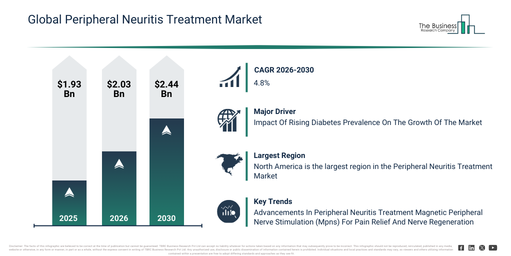
    The peripheral neuritis treatment market size has demonstrated strong growth in recent years. This market is expected to expand from $1.93 billion in 2025 to $2.03 billion in 2026, at a compound annual growth rate (CAGR) of 5.0%. The historical growth can be attributed to several factors including the high prevalence of diabetic neuropathy, the limited availability of targeted therapies, a reliance on conventional analgesics and anticonvulsants, increasing awareness of peripheral neuritis symptoms, and a fragmented healthcare infrastructure.

    The peripheral neuritis treatment market size is anticipated to experience consistent expansion in the coming years. This market is projected to reach $2.44 billion by 2030, exhibiting a compound annual growth rate (CAGR) of 4.8%. The projected growth is expected to stem from advancements in pharmacological therapies, a rise in the uptake of non-pharmacological treatments such as TENS and acupuncture, the expanding utilization of online and retail pharmacies, an increased emphasis on changes in lifestyle and diet, and the broadening of diabetic support initiatives and dedicated medical centers. Key developments anticipated during this timeframe involve the greater embrace of AI-powered monitoring instruments for peripheral neuritis, the growing incorporation of digital health solutions for managing peripheral neuropathy, the expanding application of genomic and personalized medicine strategies for peripheral neuritis, the wider deployment of IoT-enabled patient surveillance equipment, and the ongoing advancement of intelligent manufacturing processes for peripheral neuritis treatments.

    Get A Free Sample Report With In-Depth Market Insights:

    https://thebusinessresearchcompany.com/sample_request?id=93379521&type=smp&name=Peripheral%20Neuritis%20Treatment%20Market%20Report%202026&utm_source=Blogs&utm_medium=Paid&utm_campaign=Nov_PR

    Peripheral Neuritis Treatment Market Growth Factors: What’s Supporting Expansion?

    An increasing occurrence of diabetes is anticipated to drive expansion in the peripheral neuritis treatment market moving forward. Diabetes, a chronic ailment, arises when the body struggles to adequately control blood glucose levels. This growing incidence of diabetes stems from various factors including inactive lifestyles, poor dietary habits, obesity, an aging global population, and inherited genetic susceptibilities. Peripheral neuritis treatment offers support to diabetic patients by alleviating nerve discomfort, decreasing inflammation, and boosting nerve functionality, thereby improving their overall quality of life and preventing further complications.

    Peripheral Neuritis Treatment Market Segmentation: How Does The Market Break Down By Category?

    The peripheral neuritis treatment market covered in this report is segmented –

    1) By Treatment Type: Pharmacological Therapies, Non Pharmacological Therapies

    2) By Distribution Channel: Hospital Pharmacies, Retail Pharmacies, Online Pharmacies, Drug Stores

    3) By Application: Diabetic Peripheral Neuropathy, Chemotherapy-Induced Peripheral Neuropathy, Idiopathic Peripheral Neuropathy, Other Applications

    Subsegments:

    1) By Pharmacological Therapies: Pain Relievers (Analgesics), Antidepressants, Anticonvulsants, Topical Medications

    2) By Non-Pharmacological Therapies: Physical Therapy, Transcutaneous Electrical Nerve Stimulation (TENS), Acupuncture, Lifestyle And Dietary Modifications

    Peripheral Neuritis Treatment Market Trends Shaping Long-Term Demand

    Major companies in the peripheral neuritis treatment market are concentrating on developing innovative therapies, such as magnetic peripheral nerve stimulation (mPNS) treatment, to improve nerve regeneration and lessen neuropathic pain. Magnetic peripheral nerve stimulation (mPNS) treatment is a non-invasive neuromodulation technique that utilizes magnetic fields to stimulate peripheral nerves, assisting in pain management, promoting nerve regeneration, and enhancing motor function in conditions like neuropathy and musculoskeletal disorders.

    Peripheral Neuritis Treatment Market Competitive Overview And Top Companies

    Major companies operating in the peripheral neuritis treatment market are Pfizer Inc., Johnson & Johnson (J&J), AstraZeneca Plc, Novartis AG, GSK plc, Takeda Pharmaceuticals & Co. Ltd., Eli Lilly and Co., Mallinckrodt Pharmaceuticals plc, Viatris Inc., Teva Pharmaceutical Industries Ltd., Astellas Pharma Inc., Sun Pharmaceutical Industries Ltd., Apotex Inc., Dr Reddys Laboratories Ltd., Cipla Inc., Amneal Pharmaceuticals LLC, Lupin Ltd., Daiichi Sankyo Co. Ltd., Glenmark Pharmaceuticals Ltd., Cadila Pharmaceuticals Ltd.

    View The Full Peripheral Neuritis Treatment Market Report:

    https://thebusinessresearchcompany.com/report/peripheral-neuritis-treatment-global-market-report?utm_source=Blogs&utm_medium=Paid&utm_campaign=Nov_PR

    Peripheral Neuritis Treatment Market Regional Breakdown: Where Is Demand Concentrated?

    North America was the largest region in the peripheral neuritis treatment market in 2025. Asia-Pacific is expected to be the fastest-growing region in the forecast period. The regions covered in the peripheral neuritis treatment market report are Asia-Pacific, South East Asia, Western Europe, Eastern Europe, North America, South America, Middle East, Africa.

    Reach Out To Our Team:

    The Business Research Company: https://www.thebusinessresearchcompany.com/

    Americas: +1 310-496-7795

    Asia: +44 7882 955267 & +91 8897263534

    Europe: +44 7882 955267

    Email us at: marketing@tbrc.info

    Follow us on:

    LinkedIn: https://in.linkedin.com/company/the-business-research-company

    YouTube: https://www.youtube.com/channel/UC24_fI0rV8cR5DxlCpgmyFQ

    Global Market Model: https://www.thebusinessresearchcompany.com/global-market-model
  • Peripheral Nerve Stimulators Market Forecast 2026: Market Size, Competitive Landscape And Growth Drivers

    Peripheral Nerve Stimulators Market Forecast 2026: Market Size, Competitive Landscape And Growth Drivers

    Built to provide research that’s more actionable and strategically valuable, The Business Research Company’s 2026 market reports include market attractiveness analysis, total addressable market sizing, company benchmarking matrices, interactive Excel dashboards, broader supply chain intelligence, emerging startup tracking, and in-depth product insights.

    Peripheral Nerve Stimulators Market Growth Potential: How Will Market Size Shift Through 2030?

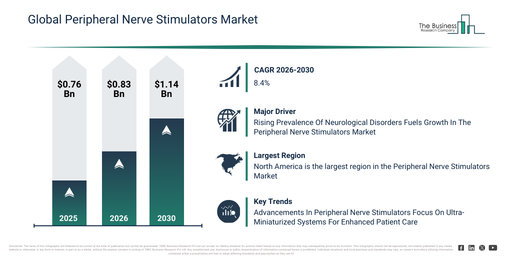
    The peripheral nerve stimulators market has demonstrated substantial growth in recent years. It is forecast to increase from $0.76 billion in 2025 to $0.83 billion in 2026, achieving a compound annual growth rate (CAGR) of 8.4%. Historically, this expansion was largely driven by the scarcity of non-invasive solutions for pain management, the extensive occurrence of chronic neuropathic pain, a dependency on pharmaceutical treatments, insufficient awareness regarding peripheral nerve stimulation therapies, and the dispersed distribution of neurostimulation devices.

    The peripheral nerve stimulators market size is anticipated to undergo significant growth over the next few years. It is forecast to reach $1.14 billion by 2030, exhibiting a compound annual growth rate (CAGR) of 8.4%. The expansion during the forecast period can be attributed to enhancements in implantable and percutaneous stimulators, the increasing uptake of transcutaneous electrical nerve stimulation (TENS) units, the proliferation of ambulatory surgical centers and physiotherapy clinics, a rising inclination towards rechargeable and disposable neurostimulation devices, and greater recognition of non-pharmacological pain management options. Major trends in the forecast period include the increasing adoption of AI-enabled pain management devices, a growing utilization of cloud-based patient monitoring for neurostimulation, the ongoing development of implantable and rechargeable neurostimulators, the increasing integration of IoT-enabled nerve stimulation systems, and the rising implementation of smart manufacturing techniques for peripheral nerve stimulators.

    Get A Free Sample Report With In-Depth Market Insights:

    https://thebusinessresearchcompany.com/sample_request?id=73223618&type=smp&name=Peripheral%20Nerve%20Stimulators%20Market%20Report%202026&utm_source=Blogs&utm_medium=Paid&utm_campaign=Nov_PR

    Peripheral Nerve Stimulators Market Demand Drivers: What’s Powering Industry Growth?

    The peripheral nerve stimulators market is anticipated to expand due to the rising occurrence of neurological disorders. These disorders are medical conditions impacting the brain, spinal cord, or peripheral nerves, resulting in functional, structural, or biochemical irregularities. Factors like aging populations, genetic predispositions, environmental influences, lifestyle choices, and improved awareness and diagnosis contribute to the increasing prevalence of neurological disorders. Peripheral nerve stimulators are vital in addressing the symptoms and improving the quality of life for individuals with these conditions, by offering focused relief from chronic pain, boosting motor function, and encouraging nerve regeneration in affected regions.

    Peripheral Nerve Stimulators Market Segment Trends And Revenue Contributors

    The peripheral nerve stimulators market covered in this report is segmented –

    1) By Product: Transcutaneous, Percutaneous, Implantable

    2) By Device: Stimulators, CPNB Catheters, Pain Pumps, Other Devices

    3) By Mode Of Purchase: Disposable Devices, Rechargeable Devices

    4) By Application: Hospitals, Physiotherapy Centers, Ambulatory Surgical Centers, Clinics, Other Applications

    Subsegments:

    1) By Transcutaneous: TENS (Transcutaneous Electrical Nerve Stimulation) Units, Surface Electrodes

    2) By Percutaneous: Single-Needle Percutaneous Stimulators, Multi-Needle Percutaneous Stimulators, Radiofrequency Percutaneous Stimulators

    3) By Implantable: Spinal Cord Stimulators (SCS), Peripheral Nerve Stimulation (PNS) Devices, Neurostimulator Implants

    Peripheral Nerve Stimulators Market Innovation Trends Shaping Future Development

    Companies active in the peripheral nerve stimulators market are prioritizing the development of innovative offerings, specifically ultra-miniaturized systems, to enhance comfort for patients, improve treatment outcomes, and expand their application across various therapeutic domains. Ultra-miniaturized systems denote highly compact and small-scale devices designed for advanced capabilities, frequently leveraging cutting-edge technologies to boost performance, portability, and seamless integration in diverse uses.

    Peripheral Nerve Stimulators Market Competitive Landscape: Which Companies Lead The Industry?

    Major companies operating in the peripheral nerve stimulators market are Abbott Laboratories, Medtronic plc, Boston Scientific Corp., Nevro Corp., Saluda Medical Pty Ltd., Stimwave Technologies Incorporated, Bioness Inc., SPR Therapeutics Inc., Neuspera Medical Inc., NeuroMetrix Inc., BioElectronics Corporation, Soterix Medical Inc., STIM Systems, NeuroSigma Inc., Synapse Biomedical Inc., BioControl Medical, Cardionomic Inc., Aleva Neurotherapeutics SA, NeuroPace Inc., Nervonik Inc., NeuraStim Technologies Inc., NeuroPulse Systems Inc., NeuroStim Devices Inc., Peripheral NeuroSolutions Ltd, BlueWind Medical, PINS Medical, Neurimpulse, Cala Health Inc.

    View The Full Peripheral Nerve Stimulators Market Report:

    https://thebusinessresearchcompany.com/report/peripheral-nerve-stimulators-global-market-report?utm_source=Blogs&utm_medium=Paid&utm_campaign=Nov_PR

    Peripheral Nerve Stimulators Market Geographic Landscape: Which Region Leads Industry Growth?

    North America was the largest region in the peripheral nerve stimulators market in 2025. Asia-Pacific is expected to be the fastest-growing region in the forecast period. The regions covered in the peripheral nerve stimulators market report are Asia-Pacific, South East Asia, Western Europe, Eastern Europe, North America, South America, Middle East, Africa.

    Reach Out To Our Team:

    The Business Research Company: https://www.thebusinessresearchcompany.com/

    Americas: +1 310-496-7795

    Asia: +44 7882 955267 & +91 8897263534

    Europe: +44 7882 955267

    Email us at: marketing@tbrc.info

    Follow us on:

    LinkedIn: https://in.linkedin.com/company/the-business-research-company

    YouTube: https://www.youtube.com/channel/UC24_fI0rV8cR5DxlCpgmyFQ

    Global Market Model: https://www.thebusinessresearchcompany.com/global-market-model