Blog

  • Asthma-Chronic Obstructive Pulmonary Disease (COPD) Overlap Treatment Market Analysis 2026: Market Size, Growth Trends And Industry Outlook

    Asthma-Chronic Obstructive Pulmonary Disease (COPD) Overlap Treatment Market Analysis 2026: Market Size, Growth Trends And Industry Outlook

    Backed by market attractiveness analysis, total addressable market sizing, company benchmarking matrices, interactive Excel dashboards, wider supply chain intelligence, emerging startup coverage, and detailed product-level insights, The Business Research Company’s 2026 market reports are designed to offer research that is more actionable and strategically valuable than ever.

    Asthma-Chronic Obstructive Pulmonary Disease (COPD) Overlap Treatment Market Revenue Outlook: What CAGR Lies Ahead Through 2030?

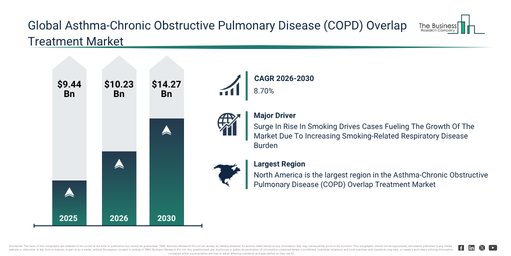
    The asthma-chronic obstructive pulmonary disease (COPD) overlap treatment market has experienced robust expansion in recent years. It is projected to increase from $9.44 billion in 2025 to $10.23 billion in 2026, demonstrating a compound annual growth rate (CAGR) of 8.4%. The growth observed in prior periods can be attributed to the rising occurrence of smoking-related respiratory illnesses, an increase in the misdiagnosis of asthma and COPD overlap conditions, insufficient personalized treatment options in respiratory care, a surge in hospital admissions resulting from exacerbations, and a reliance on traditional inhalation therapies.

    The asthma-chronic obstructive pulmonary disease (COPD) overlap treatment market size is anticipated to undergo significant expansion in the foreseeable future. It will grow to $14.27 billion by 2030 at a compound annual growth rate (CAGR) of 8.7%. The growth anticipated during the forecast period stems from the broadened application of biologics in respiratory disease management, the increasing adoption of digital respiratory monitoring equipment, a growing need for personalized treatment plans, the expansion of home-based chronic disease management, and advancements in targeted anti-inflammatory therapies. Noteworthy trends predicted for this period encompass personalized precision therapy tailored to asthma-COPD overlap phenotypes, digital monitoring of inhaler adherence coupled with connected respiratory care, the proliferation of biologic-based treatments for eosinophilic airway inflammation, the incorporation of remote patient monitoring into chronic respiratory disease management, and a transition towards combination inhalation therapies for enhanced airway control.

    Get A Free Sample Report With In-Depth Market Insights:

    https://thebusinessresearchcompany.com/sample_request?id=65617065&type=smp&name=Asthma-Chronic%20Obstructive%20Pulmonary%20Disease%20%28COPD%29%20Overlap%20Treatment%20Market%20Report%202026&utm_source=Blogs&utm_medium=Paid&utm_campaign=Oct_PR

    Asthma-Chronic Obstructive Pulmonary Disease (COPD) Overlap Treatment Market Growth Drivers: What’s Behind The Acceleration?

    The increasing incidence of cases primarily attributed to smoking is anticipated to fuel the expansion of the asthma chronic obstructive pulmonary disease (COPD) overlap treatment market moving forward. Such smoking-driven cases refer to instances of respiratory illnesses, including asthma or COPD, that arise predominantly from tobacco smoking. The surge in smoking-driven cases is observed due to a growing number of individuals using tobacco products, which results in inflammation of the lungs, harm to airways, and an elevated risk of developing chronic respiratory conditions. Asthma-COPD overlap treatment addresses these smoking-driven cases by offering specific therapies that concurrently manage the combined symptoms, restrictions in airflow, and lung damage caused by tobacco consumption, thereby enhancing respiratory function and the quality of life for patients afflicted with both asthma and COPD. For example, in February 2026, the Australian Institute of Health and Welfare, an Australia-based government agency, reported that chronic obstructive pulmonary disease (COPD) contributed to 3.7% of Australia’s total disease burden in 2024 and was the fundamental cause of 7,437 deaths in 2023, equivalent to 28 deaths per 100,000 people, representing 4.1% of all deaths. Consequently, the rise in smoking cases is projected to propel the growth of the asthma COPD overlap treatment market.

    Asthma-Chronic Obstructive Pulmonary Disease (COPD) Overlap Treatment Market Segment Breakdown: Which Categories Lead On Revenue?

    The asthma-chronic obstructive pulmonary disease (copd) overlap treatment market covered in this report is segmented –

    1) By Drug Class: Triple Therapy, Dual Therapy, Biologics, Systemic Therapies

    2) By Treatment Use Case: Exacerbation Prevention In Asthma Chronic Obstructive Pulmonary Disease Overlap Phenotypes, Severe Asthma With Fixed Airflow Limitation, Chronic Obstructive Pulmonary Disease With Eosinophilic Inflammation, Post Hospital Discharge Optimization, Comorbidity Driven Management

    3) By Route Of Administration: Inhalation, Oral

    4) By Patient Age Group: Pediatric, Adult, Geriatric

    5) By End User: Retail Pharmacy Channel, Hospitals, Pulmonology Clinics, Primary Care Centers, Other End Users

    Subsegments:

    1) By Triple Therapy: Inhaled Corticosteroid Long Acting Beta Agonist Long Acting Muscarinic Antagonist Combinations, Fixed Dose Combination Inhalers, Maintenance Therapy Combinations

    2) By Dual Therapy: Inhaled Corticosteroid Long Acting Beta Agonist Combinations, Long Acting Beta Agonist Long Acting Muscarinic Antagonist Combinations, Add On Bronchodilator Combinations

    3) By Biologics: Interleukin Five Inhibitors, Interleukin Four And Interleukin Thirteen Pathway Inhibitors, Immunoglobulin E Targeting Therapies, Monoclonal Antibody Treatments

    4) By Systemic Therapies: Oral Corticosteroids, Systemic Bronchodilators, Anti Inflammatory Agents, Immune Modulating Therapies

    Asthma-Chronic Obstructive Pulmonary Disease (COPD) Overlap Treatment Market Leading Companies And Competitive Benchmarking

    Major companies operating in the asthma-chronic obstructive pulmonary disease (copd) overlap treatment market are Pfizer Inc., Sanofi S. A., Novartis AG, AstraZeneca PLC, GlaxoSmithKline plc, Amgen Inc., Boehringer Ingelheim International GmbH, Teva Pharmaceutical Industries Ltd., Regeneron Pharmaceuticals Inc., Grifols S. A., Sun Pharmaceutical Industries Limited, Chiesi Farmaceutici S. p. A., Kyowa Kirin Co. Ltd., Cipla Limited, Hikma Pharmaceuticals PLC, Lupin Limited, Zydus Lifesciences Limited, Glenmark Pharmaceuticals Limited, Theravance Biopharma Inc., Orion Corporation

    View The Full Asthma-Chronic Obstructive Pulmonary Disease (COPD) Overlap Treatment Market Report:

    https://thebusinessresearchcompany.com/report/asthma-chronic-obstructive-pulmonary-disease-copd-overlap-treatment-market-report?utm_source=Blogs&utm_medium=Paid&utm_campaign=Oct_PR

    Asthma-Chronic Obstructive Pulmonary Disease (COPD) Overlap Treatment Market Top Region By Revenue And Market Share

    North America was the largest region in the asthma-chronic obstructive pulmonary disease (COPD) overlap treatment market in 2025. Asia-Pacific is expected to be the fastest-growing region in the forecast period. The regions covered in the asthma-chronic obstructive pulmonary disease (COPD) overlap treatment market report are Asia-Pacific, South East Asia, Western Europe, Eastern Europe, North America, South America, Middle East and Africa.

    Reach Out To Our Team:

    The Business Research Company: https://www.thebusinessresearchcompany.com/

    Americas: +1 310-496-7795

    Asia: +44 7882 955267 & +91 8897263534

    Europe: +44 7882 955267

    Email us at: marketing@tbrc.info

    Follow us on:

    LinkedIn: https://in.linkedin.com/company/the-business-research-company

    YouTube: https://www.youtube.com/channel/UC24_fI0rV8cR5DxlCpgmyFQ

    Global Market Model: https://www.thebusinessresearchcompany.com/global-market-model

  • Artificial Intelligence (AI)-Powered Diagnostic Radiogenomics Devices Market Size In 2026 And Beyond: Understanding Future Growth Potential

    Artificial Intelligence (AI)-Powered Diagnostic Radiogenomics Devices Market Size In 2026 And Beyond: Understanding Future Growth Potential

    Built to provide research that’s more actionable and strategically valuable, The Business Research Company’s 2026 market reports include market attractiveness analysis, total addressable market sizing, company benchmarking matrices, interactive Excel dashboards, broader supply chain intelligence, emerging startup tracking, and in-depth product insights.

    Artificial Intelligence (AI)-Powered Diagnostic Radiogenomics Devices Market Forecast: What Value Will The Market Reach By 2030?

    The market for artificial intelligence (AI)-powered diagnostic radiogenomics devices has experienced swift expansion recently. This market is projected to expand from $0.62 billion in 2025 to $0.74 billion in 2026, exhibiting a compound annual growth rate (CAGR) of 19.2%. Historically, this expansion has been driven by factors such as the increasing occurrence of chronic and complex illnesses, the greater uptake of sophisticated diagnostic imaging techniques, increased funding for precision medicine research, the broadening scope of genomic sequencing and molecular profiling applications, and the rising need for data-driven solutions in clinical decision-making.

    The market for artificial intelligence (AI)-powered diagnostic radiogenomics devices is anticipated to experience substantial expansion in the coming years. This market is projected to reach $1.5 billion by 2030, demonstrating a compound annual growth rate (CAGR) of 19.5%. This growth during the forecast period can be attributed to several factors, including a heightened demand for AI-enabled personalized treatment planning, the increasing embrace of cloud-based radiogenomic data analytics platforms, the expanding integration of genomics into diagnostic imaging workflows, greater investment in precision diagnostics for oncology and neurology, and an elevated focus on early disease detection and predictive healthcare technologies. Key trends expected during this period involve the rising adoption of platforms that integrate multimodal imaging and genomics, a surging demand for customized and precise diagnostic solutions, the expanding application of predictive analytics for assessing disease prognosis and therapy response, the increasing deployment of automated tools for radiogenomic data interpretation, and an enhanced emphasis on real-time clinical decision support within diagnostic workflows.

    Get A Free Sample Report With In-Depth Market Insights:

    https://thebusinessresearchcompany.com/sample_request?id=96296890&type=smp&name=Artificial%20Intelligence%20%28AI%29-Powered%20Diagnostic%20Radiogenomics%20Devices%20Market%20Report%202026&utm_source=Blogs&utm_medium=Paid&utm_campaign=Oct_PR

    Artificial Intelligence (AI)-Powered Diagnostic Radiogenomics Devices Market Demand Drivers Opening New Revenue Streams

    The future expansion of the AI-powered diagnostic radiogenomics devices market is anticipated to be fueled by the growing embrace of precision medicine approaches. These approaches involve medical strategies customized for disease prevention, diagnosis, and treatment, considering unique individual genetic makeup, environmental factors, and lifestyle choices. The heightened adoption of precision medicine primarily stems from the greater incorporation of genomic data into clinical decision-making processes within advanced healthcare systems. AI-powered diagnostic radiogenomics devices facilitate this trend through their ability to merge medical imaging with genomic information, thereby allowing for precise disease profiling, prompt diagnosis, and tailored treatment strategies. A notable example is provided by a February 2024 report from the Personalized Medicine Coalition (PMC), a US-based nonprofit organization, which indicated that personalized therapies constituted more than one-third of new drug approvals by the U. S. Food and Drug Administration for four consecutive years up to and including 2023. Consequently, the expanding embrace of precision medicine approaches is a primary catalyst for the growth of the AI-powered diagnostic radiogenomics devices market.

    Artificial Intelligence (AI)-Powered Diagnostic Radiogenomics Devices Market Segment Trends And Revenue Contributors

    The artificial intelligence (ai)-powered diagnostic radiogenomics devices market covered in this report is segmented –

    1) By Component: Hardware, Software, Services

    2) By Imaging Modality: Magnetic Resonance Imaging, Computed Tomography, Positron Emission Tomography, Ultrasound, X-Ray Or Mammography, Multi-Modal Fusion

    3) By Application: Oncology, Neurology, Cardiology, Infectious Diseases

    4) By End User: Hospitals And Clinics, Diagnostic Imaging Centers, Academic And Research Institutes And Biobanks, Pharmaceutical And Biotechnology Companies And Contract Research Organizations, Government And Public Health Programs

    Subsegments:

    1) By Hardware: Imaging Sensors, Computational Processing Units, Data Storage Systems, Networking And Connectivity Modules, User Interface Devices

    2) By Software: Radiogenomic Analysis Software, Artificial Intelligence Diagnostic Algorithms, Image Processing And Enhancement Software, Data Visualization And Reporting Tools, Machine Learning Model Management Software

    3) By Services: Installation And Setup Services, Calibration And Maintenance Services, Training And Support Services, Data Management And Integration Services, Clinical Workflow Optimization Services

    Artificial Intelligence (AI)-Powered Diagnostic Radiogenomics Devices Market Trends Powering Strategic Industry Growth

    Leading companies in the AI-powered diagnostic radiogenomics devices market are increasingly concentrating on technological advancements like imaging quality assessment tools to improve diagnostic accuracy and consistency. An imaging quality assessment tool is a software system that employs advanced algorithms to evaluate, standardize, and ensure the dependability of medical imaging data. For instance, in June 2025, Quibim, a Spain-based medical imaging technology company, launched AI-QUAL, a solution that applies artificial intelligence to automatically assess prostate magnetic resonance imaging quality, assign standardized scores, and detect artifacts that could compromise diagnostic outcomes. The tool streamlines radiology workflows and supports more reliable clinical decision-making by guaranteeing high-quality imaging data, which is vital for subsequent applications such as radiogenomics.

    Artificial Intelligence (AI)-Powered Diagnostic Radiogenomics Devices Market Key Participants And Competitive Landscape

    Major companies operating in the artificial intelligence (ai)-powered diagnostic radiogenomics devices market are Thermo Fisher Scientific Inc., Siemens Healthineers AG, Philips Healthcare (Koninklijke Philips N. V. ), GE HealthCare Technologies Inc., Agilent Technologies Inc., Canon Medical Systems Corporation, Tempus AI Inc., Aidoc Medical Ltd., Owkin Inc., SOPHiA GENETICS SA, Lunit Inc., Synaptive Medical Inc., Median Technologies SA, Perspectum Ltd., Quibim S. L., Seno Medical Instruments Inc., Ultromics Limited, QMENTA Inc., Imbio LLC, Mirada Medical Limited, VUNO Inc., Radiomics. bio Inc., Qlucore AB, CureMetrix Inc.

    View The Full Artificial Intelligence (AI)-Powered Diagnostic Radiogenomics Devices Market Report:

    https://thebusinessresearchcompany.com/report/artificial-intelligence-ai-powered-diagnostic-radiogenomics-devices-market-report?utm_source=Blogs&utm_medium=Paid&utm_campaign=Oct_PR

    Artificial Intelligence (AI)-Powered Diagnostic Radiogenomics Devices Market Geographic Analysis: Where Is Demand Rising Fastest?

    North America was the largest region in the artificial intelligence (AI)-powered diagnostic radiogenomics devices market in 2025. Asia-Pacific is expected to be the fastest-growing region in the forecast period. The regions covered in the artificial intelligence (AI)-powered diagnostic radiogenomics devices market report are Asia-Pacific, South East Asia, Western Europe, Eastern Europe, North America, South America, Middle East and Africa.

    Reach Out To Our Team:

    The Business Research Company: https://www.thebusinessresearchcompany.com/

    Americas: +1 310-496-7795

    Asia: +44 7882 955267 & +91 8897263534

    Europe: +44 7882 955267

    Email us at: marketing@tbrc.info

    Follow us on:

    LinkedIn: https://in.linkedin.com/company/the-business-research-company

    YouTube: https://www.youtube.com/channel/UC24_fI0rV8cR5DxlCpgmyFQ

    Global Market Model: https://www.thebusinessresearchcompany.com/global-market-model
  • Artificial Intelligence (AI)-Enabled Wound Analysis Market Growth Outlook For 2026: Drivers, Trends And Future Opportunities

    Artificial Intelligence (AI)-Enabled Wound Analysis Market Growth Outlook For 2026: Drivers, Trends And Future Opportunities

    Featuring market attractiveness scoring, total addressable market sizing, company benchmarking matrices, interactive Excel dashboards, deeper supply chain intelligence, emerging startup tracking, and granular product-level insights, The Business Research Company’s 2026 market reports are built to deliver research that is both more actionable and more strategically valuable.

    Artificial Intelligence (AI)-Enabled Wound Analysis Market Size, Value And Growth Trajectory Through 2030

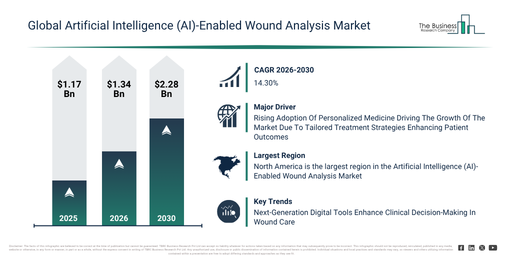
    The market for artificial intelligence (AI)-enabled wound analysis has expanded considerably in recent years. This market is projected to grow from $1.17 billion in 2025 to $1.34 billion in 2026, at a compound annual growth rate (CAGR) of 14.1%. Historically, this growth has been driven by factors such as the increasing prevalence of chronic wounds and diabetic ulcers, the limitations in accuracy of manual wound assessment, the rising workload in hospitals concerning wound care management, the growing adoption of digital imaging in clinical environments, and the need for standardized wound documentation practices.

    The artificial intelligence (AI)-enabled wound analysis market size is projected to experience rapid expansion in the coming years. It is forecast to grow to $2.28 billion by 2030, achieving a compound annual growth rate (CAGR) of 14.3%. The anticipated growth during this period stems from the increasing scope of remote patient monitoring and home healthcare, the greater utilization of AI-powered diagnostic imaging tools, the expanding integration of telemedicine in wound management, the heightened demand for predictive clinical analytics in treatment planning, and breakthroughs in computer vision for medical image analysis. Significant trends identified for the forecast period include the wider adoption of remote wound monitoring and telehealth integration, the emergence of AI-based systems for wound severity grading and classification, the rising implementation of automated chronic wound management platforms, the seamless integration of clinical decision support systems into wound care workflows, and an escalating application of predictive healing trajectory analytics.

    Get A Free Sample Report With In-Depth Market Insights:

    https://thebusinessresearchcompany.com/sample_request?id=58094623&type=smp&name=Artificial%20Intelligence%20%28AI%29-Enabled%20Wound%20Analysis%20Market%20Report%202026&utm_source=Blogs&utm_medium=Paid&utm_campaign=Oct_PR

    Artificial Intelligence (AI)-Enabled Wound Analysis Market Growth Catalysts And Demand Drivers

    The future expansion of the artificial intelligence (AI)-enabled wound analysis market is anticipated to be fueled by the increasing integration of personalized medicine approaches. This medical strategy customizes treatments based on a patient’s unique attributes, such as genetic makeup, biomarker levels, lifestyle, and specific disease aspects, aiming to enhance treatment effectiveness and lessen negative impacts. A primary catalyst for the wider acceptance of personalized medicine is the growing incorporation of genomic data into clinical care, given that progress in genetic profiling allows medical professionals to pinpoint disease susceptibilities and treatment responses with greater accuracy, leading to more precise and impactful therapeutic choices. AI-enabled wound analysis assists personalized medicine by real-time assessment of specific wound features like size, depth, tissue composition, and infection likelihood, empowering clinicians to customize treatment plans for each patient’s wound profile, thereby enhancing recovery and decreasing adverse events. As an illustration, in February 2024, a report from the US-based nonprofit Personalized Medicine Coalition (PMC) indicated that personalized therapies accounted for over one-third of new drug approvals by the U. S. Food and Drug Administration for four continuous years leading up to 2023. The approvals in 2023 specifically featured 16 rare disease treatments (an increase from six in 2022), along with seven oncology drugs and three addressing other conditions. Consequently, the expanding utilization of personalized medicine methods is a key contributor to the expansion of the artificial intelligence (AI)-enabled wound analysis market.

    Artificial Intelligence (AI)-Enabled Wound Analysis Market Segment Performance And Emerging Opportunities

    The artificial intelligence (AI)-enabled wound analysis market covered in this report is segmented –

    1) By Product Type: Smartphone Based Applications, Telemedicine Platforms, Electronic Medical Record Integration Software, Artificial Intelligence Enabled Imaging Hardware

    2) By Technology: Machine Learning, Deep Learning, Computer Vision

    3) By Application: Diabetic Foot Ulcers, Pressure Ulcers, Venous Leg Ulcers, Surgical Wounds, Burns

    4) By End User: Hospitals, Home Healthcare Agencies, Long Term Care Facilities, Specialty Clinics

    Subsegments:

    1) By Smartphone Based Applications: Chronic Wound Monitoring Applications, Post Surgical Wound Tracking Applications, Diabetic Ulcer Assessment Applications, Burn Wound Monitoring Applications, Infection Detection Applications

    2) By Telemedicine Platforms: Video Consultation Platforms, Remote Patient Monitoring Platforms, Cloud Based Wound Management Platforms, Mobile Health Teleconsultation Platforms, Virtual Care Coordination Platforms

    3) By Electronic Medical Record Integration Software: Hospital Information System Integration Software, Clinical Data Management Software, Interoperability And Data Exchange Software, Patient Record Management Software, Workflow Automation Software

    4) By Artificial Intelligence Enabled Imaging Hardware: Handheld Wound Imaging Devices, Three Dimensional Wound Imaging Systems, Thermal Imaging Devices For Wound Assessment, Optical Imaging Devices, Portable Diagnostic Imaging Devices

    Artificial Intelligence (AI)-Enabled Wound Analysis Market Trends Shaping Long-Term Demand

    Leading companies within the artificial intelligence (AI)-enabled wound analysis market are concentrating on creating sophisticated solutions, such as AI-powered digital platforms for wound assessment. These platforms aim to boost precision, standardize documentation, refine clinical decision-making, and quicken wound healing across various environments including home health, ambulatory, acute, and skilled nursing facilities. AI-driven digital wound assessment platforms utilize cutting-edge imaging, generative AI algorithms, and interoperability standards to deliver impartial diagnostics, exact measurements, and actionable clinical recommendations. For instance, in October 2024, Swift Medical, a Canadian digital wound care firm, introduced its Skin & Wound 2 platform, an AI-based digital wound care solution designed to assist patient evaluations across diverse care settings. This platform integrates FHIR standards, interfaces with EMR systems like Homecare Homebase, and employs AI to guarantee accurate and fair wound assessments for all skin tones. Skin & Wound 2 has been implemented in over 4,800 facilities, providing support to more than 21,000 clinicians and facilitating over 600,000 wound care evaluations in a single month, with the objective of improving healing rates and enhancing patient outcomes.

    Artificial Intelligence (AI)-Enabled Wound Analysis Market Leading Players And Competitive Positioning

    Major companies operating in the artificial intelligence (AI)-enabled wound analysis market are Smith + Nephew plc, Healthy. io Ltd., Spectral AI Inc., Swift Medical Inc., cureVision GmbH, ARANZ Medical Ltd., Entec Health Ltd., WoundVision LLC, eKare Inc., Intellicure LLC, MolecuLight Corp., Kent Imaging Inc., Mimosa Diagnostics Inc., CutoSense, WoundMatrix Inc., imito AG, KroniKare Pte Ltd., WoundZoom Inc., The Wound Pros Inc., Urgo Group

    View The Full Artificial Intelligence (AI)-Enabled Wound Analysis Market Report:

    https://thebusinessresearchcompany.com/report/artificial-intelligence-ai-enabled-wound-analysis-market-report?utm_source=Blogs&utm_medium=Paid&utm_campaign=Oct_PR

    Artificial Intelligence (AI)-Enabled Wound Analysis Market Regional Split: Which Areas Are Fueling Growth?

    North America was the largest region in the artificial intelligence (AI)-enabled wound analysis market in 2025. Asia-Pacific is expected to be the fastest-growing region in the forecast period. The regions covered in the artificial intelligence (AI)-enabled wound analysis market report are Asia-Pacific, South East Asia, Western Europe, Eastern Europe, North America, South America, Middle East and Africa.

    Reach Out To Our Team:

    The Business Research Company: https://www.thebusinessresearchcompany.com/

    Americas: +1 310-496-7795

    Asia: +44 7882 955267 & +91 8897263534

    Europe: +44 7882 955267

    Email us at: marketing@tbrc.info

    Follow us on:

    LinkedIn: https://in.linkedin.com/company/the-business-research-company

    YouTube: https://www.youtube.com/channel/UC24_fI0rV8cR5DxlCpgmyFQ

    Global Market Model: https://www.thebusinessresearchcompany.com/global-market-model
  • Animal Transport Carriers Market Size And Growth In 2026: Key Factors Shaping Future Demand

    Animal Transport Carriers Market Size And Growth In 2026: Key Factors Shaping Future Demand

    Built to provide research that’s more actionable and strategically valuable, The Business Research Company’s 2026 market reports include market attractiveness analysis, total addressable market sizing, company benchmarking matrices, interactive Excel dashboards, broader supply chain intelligence, emerging startup tracking, and in-depth product insights.

    Animal Transport Carriers Market Revenue Growth On Track For A 11% CAGR Through 2030

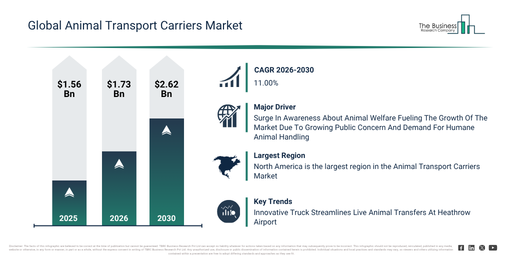
    The animal transport carriers market size has experienced rapid expansion over recent years. This market is projected to expand from $1. 56 billion in 2025 to $1. 73 billion in 2026, exhibiting a compound annual growth rate (CAGR) of 10. 7%. Historically, this expansion has been driven by factors such as increasing pet ownership worldwide, the rise in veterinary and animal healthcare services, heightened consciousness of animal safety during transit, the proliferation of commercial animal transportation offerings, and an increased preference for resilient and re-usable transport carriers.

    The animal transport carriers market is projected to experience substantial expansion over the upcoming years, with an anticipated rise to $2.62 billion by 2030, exhibiting a compound annual growth rate (CAGR) of 11.0%. This projected growth during the period can be attributed to several factors, including a heightened demand for high-end and personalized pet travel solutions, the expanding influence of e-commerce platforms for pet supplies, a reinforced emphasis on eco-friendly and decomposable carrier materials, tighter regulations concerning animal well-being and transit safety, and the increasing uptake of intelligent and networked animal carrier systems. Key trends anticipated within this timeframe encompass the wider acceptance of smart GPS-equipped animal transport carriers, an escalating desire for environmentally friendly and reusable carrier substances, the greater incorporation of temperature and health surveillance mechanisms within carriers, the increased utilization of light and foldable transport carriers, and the growing deployment of automated and user-friendly animal handling approaches.

    Get A Free Sample Report With In-Depth Market Insights:

    https://thebusinessresearchcompany.com/sample_request?id=94947861&type=smp&name=Animal%20Transport%20Carriers%20Market%20Report%202026&utm_source=Blogs&utm_medium=Paid&utm_campaign=Oct_PR

    Animal Transport Carriers Market Development Factors: What’s Supporting Demand?

    The growing consciousness regarding animal welfare is anticipated to drive the expansion of the animal transport carriers market in the future. Animal welfare encompasses the well-being of animals, ensuring their health, safety, and freedom from suffering, along with the satisfaction of their physical and psychological requirements. This increased awareness is fueled by mounting public concern, as individuals are becoming more attentive to animals’ well-being and advocating for their humane treatment. Animal transport carriers play a role in fostering animal welfare awareness by guaranteeing the safe and humane movement of animals, thereby highlighting the importance of appropriate care, comfort, and stress-free handling during transit. For instance, in June 2025, as reported by the Royal Society for the Prevention of Cruelty to Animals, a UK-based charity dedicated to animal welfare, safeguarding wildlife became the paramount animal welfare priority for the UK public, rising to 61% from 56% in 2024, which indicates a growing focus on wildlife conservation. Thus, the escalating awareness about animal welfare is propelling the growth of the animal transport carriers market.

    Animal Transport Carriers Market Segmentation And Category Overview

    The animal transport carriers market covered in this report is segmented –

    1) By Product Type: Crates, Cages, Kennels, Carriers, Other Product Types

    2) By Material: Plastic, Metal, Fabric, Other Materials

    3) By Distribution Channel: Specialty Stores, Online Stores, Supermarkets Or Hypermarkets, Other Distribution Channels

    4) By Application: Commercial, Household, Veterinary, Other Applications

    5) By End User: Pet Owners, Veterinary Clinics, Animal Shelters, Zoos And Wildlife Organizations, Research Institutions

    Subsegments:

    1) By Crates: Plastic Crates, Wooden Crates, Metal Crates, Collapsible Crates

    2) By Cages: Wire Cages, Plastic Cages, Metal Cages, Stackable Cages

    3) By Kennels: Indoor Kennels, Outdoor Kennels, Portable Kennels, Insulated Kennels

    4) By Carriers: Handheld Carriers, Backpack Carriers, Wheeled Carriers, Soft-Sided Carriers

    5) By Other Product Types: Travel Bags, Pet Strollers, Animal Trolleys, Specialized Transport Boxes

    Animal Transport Carriers Market Transformation Trends: What Innovations Are Driving Change?

    Leading companies in the animal transport carriers market are concentrating on developing advanced transportation solutions, including specialized live animal freight vehicles, to improve animal welfare, decrease stress during transit, and boost operational efficiency. Dedicated live animal transport refers to custom-built vehicles and systems designed for the safe movement of animals between locations, aiming to minimize handling, noise exposure, and potential dangers, thereby ensuring a smoother and more secure journey. As an illustration, in March 2025, Animal Aircare, a UK-based animal transport and welfare enterprise, unveiled Heathrow’s initial dedicated freight truck specifically for live animal transfers. This truck facilitates direct transfers from aircraft to the reception facility, eliminating manual handling on the busy ramp, reducing stress and the risk of escape, accelerating processing times, and providing a calm, regulated environment for animals in transit, thereby setting a new benchmark for live animal transport at airports.

    Animal Transport Carriers Market Company Landscape And Competitive Strategy

    Major companies operating in the animal transport carriers market are Ferplast S. p. A, IRIS Ohyama Inc., Savic N. V., TRIXIE Heimtierbedarf GmbH And Co. KG, Petfond Co. Ltd., Snoozer Pet Products, MidWest Homes for Pets Inc., K&H Pet Products, Paws And Pals Inc., Diggs Inc., Pet Life LLC, MPS S. r. l, Sleeko, Hunter International Ltd., Pet Gear Inc., Sleepypod Inc., EliteField LLC, Prefer Pets Travel Gear, Karlie Flamingo, Stefanplast S. p. A

    View The Full Animal Transport Carriers Market Report:

    https://thebusinessresearchcompany.com/report/animal-transport-carriers-market-report?utm_source=Blogs&utm_medium=Paid&utm_campaign=Oct_PR

    Animal Transport Carriers Market Largest Region: Which Geography Holds The Highest Market Share?

    North America was the largest region in the animal transport carriers market in 2025. Asia-Pacific is expected to be the fastest-growing region in the forecast period. The regions covered in the animal transport carriers market report are Asia-Pacific, South East Asia, Western Europe, Eastern Europe, North America, South America, Middle East and Africa.

    Reach Out To Our Team:

    The Business Research Company: https://www.thebusinessresearchcompany.com/

    Americas: +1 310-496-7795

    Asia: +44 7882 955267 & +91 8897263534

    Europe: +44 7882 955267

    Email us at: marketing@tbrc.info

    Follow us on:

    LinkedIn: https://in.linkedin.com/company/the-business-research-company

    YouTube: https://www.youtube.com/channel/UC24_fI0rV8cR5DxlCpgmyFQ

    Global Market Model: https://www.thebusinessresearchcompany.com/global-market-model
  • Animal Disease Outbreak Monitoring Market Forecast 2026–2030: Market Size, Trends And Growth Opportunities

    Animal Disease Outbreak Monitoring Market Forecast 2026–2030: Market Size, Trends And Growth Opportunities

    Backed by market attractiveness analysis, total addressable market sizing, company benchmarking matrices, interactive Excel dashboards, wider supply chain intelligence, emerging startup coverage, and detailed product-level insights, The Business Research Company’s 2026 market reports are designed to offer research that is more actionable and strategically valuable than ever.

    Animal Disease Outbreak Monitoring Market Value Growth And Long-Term Outlook

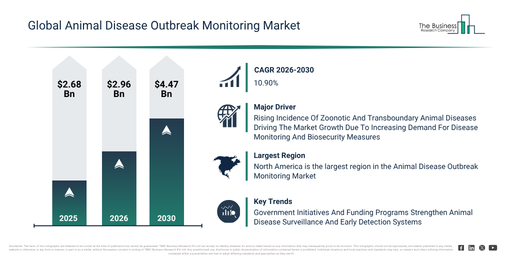
    The animal disease outbreak monitoring market size has experienced substantial growth in recent years. This market is projected to expand from $2.68 billion in 2025 to $2.96 billion in 2026, reflecting a compound annual growth rate (CAGR) of 10.6%. Driving this historical growth are factors such as the increasing prevalence of zoonotic and livestock illnesses, a greater emphasis by governments on animal health surveillance, the rising adoption of molecular diagnostic tools, the expansion of livestock farming and animal commerce, and increased investment in veterinary healthcare infrastructure.

    The animal disease outbreak monitoring market is projected to experience substantial expansion in the coming years, with its size anticipated to reach $4.47 billion by 2030, demonstrating a compound annual growth rate (CAGR) of 10.9%. This growth in the forecast period is primarily attributed to the increasing integration of AI-based disease prediction systems, a rising demand for cloud-based outbreak monitoring platforms, the growing adoption of next-generation sequencing technologies in veterinary diagnostics, the expanding use of connected sensors and smart monitoring devices, and an increased focus on antimicrobial resistance monitoring and biosecurity management. Major trends influencing this period include the escalating adoption of real-time animal disease surveillance systems, a growing demand for predictive outbreak monitoring platforms, the rising utilization of epidemiological data integration tools, an increasing emphasis on biosecurity and the prevention of zoonotic diseases, and the expanding implementation of rapid diagnostic and reporting technologies.

    Get A Free Sample Report With In-Depth Market Insights:

    https://thebusinessresearchcompany.com/sample_request?id=66028873&type=smp&name=Animal%20Disease%20Outbreak%20Monitoring%20Market%20Report%202026&utm_source=Blogs&utm_medium=Paid&utm_campaign=Oct_PR

    Animal Disease Outbreak Monitoring Market Industry Drivers: What’s Behind The Revenue Growth?

    An increasing prevalence of zoonotic and transboundary animal diseases is anticipated to propel the future growth of the animal disease outbreak monitoring market. These diseases are illnesses caused by pathogens that can be transmitted between animals and humans or spread rapidly across borders, simultaneously threatening animal health, human health, and food security. The expanding occurrence of these diseases is primarily driven by heightened interaction between wildlife and domestic livestock, as agricultural expansion and habitat encroachment intensify cross-species contact and accelerate the spillover of new pathogens from wild animal reservoirs into farmed populations. This rising incidence of zoonotic and transboundary animal diseases consequently boosts demand for outbreak monitoring systems, since early detection and real-time surveillance are crucial for containing cross-species transmission, preventing widespread dissemination, and enabling swift, coordinated responses. For instance, in January 2025, a report published by the Government of Canada, a Canada-based federal authority, stated that 158 rabies samples were submitted in December 2024, an increase from 147 rabies samples submitted in November 2022. Therefore, the growing incidence of zoonotic and transboundary animal diseases is driving the expansion of the animal disease outbreak monitoring market.

    Animal Disease Outbreak Monitoring Market Segment Outlook: Which Categories Are Growing Fastest?

    The animal disease outbreak monitoring market covered in this report is segmented –

    1) By Component: Software, Hardware, Services

    2) By Pathogen Type: Bacterial, Viral, Parasitic, Fungal, Other Pathogen Types

    3) By Technology: Polymerase Chain Reaction (PCR), Enzyme-Linked Immunosorbent Assay (ELISA), Next-Generation Sequencing (NGS), Immunoassays, Other Technologies

    4) By Deployment Mode: Cloud-Based, On-Premises

    5) By Application: Disease Surveillance, Outbreak Investigation, Antimicrobial Resistance Monitoring, Vaccine Development

    Subsegments:

    1) By Software: Data Collection Software, Data Analysis Software, Visualization Software, Reporting Software, Predictive Modeling Software

    2) By Hardware: Diagnostic Instruments, Sensors, Laboratory Equipment, Servers, Data Storage Devices

    3) By Services: Consultation Services, Training Services, Maintenance Services, Analytical Services, Support Services

    #Animal Disease Outbreak Monitoring Market Growth Trends: What’s Shaping The Future Outlook?

    Governments and public health entities active in the animal disease outbreak monitoring market are prioritizing the enhancement of animal disease surveillance infrastructure. This is being achieved through specialized funding programs and integrated monitoring systems aimed at improving early detection, swift response, and the prevention of zoonotic and livestock diseases. Such initiatives bolster data collection, diagnostic capacity, and coordinated response mechanisms across various regions. For instance, in November 2024, the Government of India, an India-based government department, unveiled its Animal Health Security Strengthening initiative as part of its wider livestock health strategy, with support from the World Bank. The program’s goals are to upgrade disease surveillance networks, strengthen laboratory diagnostic capabilities, and implement real-time monitoring systems to identify and address emerging animal disease outbreaks, thereby safeguarding livestock productivity and public health.

    Animal Disease Outbreak Monitoring Market Key Players Shaping Industry Direction

    Major companies operating in the animal disease outbreak monitoring market are Merck & Co Inc., Thermo Fisher Scientific Inc., Boehringer Ingelheim International GmbH, Zoetis Inc., GEA Group Aktiengesellschaft, Elanco Animal Health Incorporated, bioMérieux SA, IDEXX Laboratories Inc., Bio Rad Laboratories Inc., QIAGEN NV, Ceva Santé Animale SA, Virbac SA, DeLaval Holding AB, Randox Laboratories Ltd, Nedap NV, Bioneer Corporation, Afimilk Ltd, Agrolabo SpA, Innovative Diagnostics SAS, Royal GD

    View The Full Animal Disease Outbreak Monitoring Market Report:

    https://thebusinessresearchcompany.com/report/animal-disease-outbreak-monitoring-market-report?utm_source=Blogs&utm_medium=Paid&utm_campaign=Oct_PR

    Animal Disease Outbreak Monitoring Market Regional Analysis: Which Region Leads By Revenue?

    North America was the largest region in the animal disease outbreak monitoring market in 2025. Asia-Pacific is expected to be the fastest-growing region in the forecast period. The regions covered in the animal disease outbreak monitoring market report are Asia-Pacific, South East Asia, Western Europe, Eastern Europe, North America, South America, Middle East and Africa.

    Reach Out To Our Team:

    The Business Research Company: https://www.thebusinessresearchcompany.com/

    Americas: +1 310-496-7795

    Asia: +44 7882 955267 & +91 8897263534

    Europe: +44 7882 955267

    Email us at: marketing@tbrc.info

    Follow us on:

    LinkedIn: https://in.linkedin.com/company/the-business-research-company

    YouTube: https://www.youtube.com/channel/UC24_fI0rV8cR5DxlCpgmyFQ

    Global Market Model: https://www.thebusinessresearchcompany.com/global-market-model
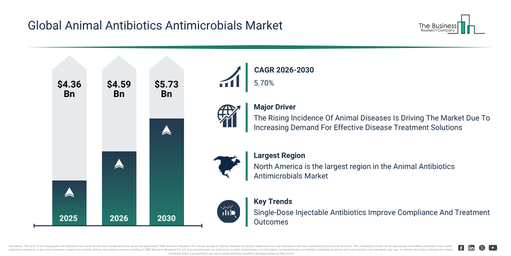
  • Animal Antibiotics Antimicrobials Market Size Reaches $4.59 Billion In 2026: What Is Driving Growth?

    Animal Antibiotics Antimicrobials Market Size Reaches $4.59 Billion In 2026: What Is Driving Growth?

    Featuring market attractiveness scoring, total addressable market sizing, company benchmarking matrices, interactive Excel dashboards, deeper supply chain intelligence, emerging startup tracking, and granular product-level insights, The Business Research Company’s 2026 market reports are built to deliver research that is both more actionable and more strategically valuable.

    Animal Antibiotics Antimicrobials Market Poised To Hit $5.73 Billion By 2030 With A 5.7% CAGR

    The animal antibiotics antimicrobials market size has exhibited robust expansion over recent years. It is anticipated to grow from $4.36 billion in 2025 to $4.59 billion in 2026, advancing at a compound annual growth rate (CAGR) of 5.4%. The historical growth in this market can be ascribed to rising livestock disease outbreaks, increasing demand for animal protein production, widespread use of antibiotics in animal farming, limited veterinary healthcare infrastructure in developing regions, and the growth in intensive farming practices.

    The animal antibiotics antimicrobials market is projected to experience substantial expansion in the coming years. This market is anticipated to reach $5.73 billion by 2030, exhibiting a compound annual growth rate (CAGR) of 5.7%. This projected growth during the forecast period is primarily driven by stricter worldwide regulations concerning antimicrobial resistance, a growing move towards sustainable livestock practices, increased implementation of veterinary preventive healthcare initiatives, the proliferation of precision animal health technologies, and heightened recognition of food safety alongside zoonotic disease management. Key trends anticipated within this period encompass the greater uptake of precision veterinary antimicrobial treatments, an escalating emphasis on reducing antimicrobial resistance in animal health, the broadening of preventive livestock disease management strategies, an increase in antibiotic stewardship rules within veterinary practice, and a heightened call for alternative non-antibiotic growth promoters in animal farming.

    Get A Free Sample Report With In-Depth Market Insights:

    https://thebusinessresearchcompany.com/sample_request?id=41529816&type=smp&name=Animal%20Antibiotics%20Antimicrobials%20Market%20Report%202026&utm_source=Blogs&utm_medium=Paid&utm_campaign=Oct_PR

    Animal Antibiotics Antimicrobials Market Growth Factors: What’s Supporting Expansion?

    The increasing occurrence of animal diseases is projected to drive the expansion of the animal antibiotics antimicrobials market in the foreseeable future. Animal diseases are health conditions and infections caused by bacteria, viruses, parasites, or fungi, affecting livestock and companion animals, thereby reducing their productivity and well-being. This surge in animal disease incidence results from the geographical spread of infectious diseases into new regions and species. Animal antibiotics antimicrobials are instrumental in alleviating the burden of these diseases by allowing effective infection treatment, enhancing recovery rates, and minimizing disease transmission among animal populations. For example, in May 2025, the World Organization for Animal Health, a France-based animal health organization, noted a significant rise in avian influenza outbreaks in mammals, from 459 outbreaks in 2023 to 1,022 outbreaks in 2024 across 55 countries, indicating a rapid increase in disease spread. Hence, the rising incidence of animal diseases is propelling the growth of the animal antibiotics antimicrobials market.

    Animal Antibiotics Antimicrobials Market Segment Landscape: Which Areas Lead Development?

    The animal antibiotics antimicrobials market covered in this report is segmented –

    1) By Product: Tetracycline, Penicillin, Sulfonamide, Macrolide, Cephalosporin, Fluoroquinolone, Lincosamides

    2) By Mode Of Delivery: Premixes, Oral Powder, Injection, Other Mode Of Deliveries

    3) By Animal Type: Cattle, Pork, Poultry, Aquaculture, Other Livestock

    4) By Application: Therapeutic Use, Preventive Use, Growth Promotion

    5) By End User: Veterinary Hospitals And Clinics, Veterinary Research Institutes, Farms Or Commercial Producers, Home Care

    Subsegments:

    1) By Tetracycline: Chlortetracycline, Oxytetracycline, Tetracycline, Doxycycline, Minocycline

    2) By Penicillin: Natural Penicillins, Aminopenicillins, Antistaphylococcal Penicillins, Extended Spectrum Penicillins

    3) By Sulfonamide: Sulfadiazine, Sulfamethoxazole, Sulfisoxazole, Sulfadimethoxine, Sulfamethazine

    4) By Macrolide: Erythromycin, Azithromycin, Clarithromycin, Tylosin, Tilmicosin

    5) By Cephalosporin: First Generation, Second Generation, Third Generation, Fourth Generation, Fifth Generation

    6) By Fluoroquinolone: Enrofloxacin, Ciprofloxacin, Danofloxacin, Marbofloxacin, Orbifloxacin

    7) By Lincosamides: Lincomycin, Clindamycin, Pirlimycin

    Animal Antibiotics Antimicrobials Market Industry Trends: What’s Reshaping Demand?

    Leading companies in the animal antibiotics antimicrobials market are concentrating on developing innovative products, such as long-acting injectable antibiotics, to improve treatment adherence and therapeutic efficacy. A long-acting injectable antibiotic is a sustained-release antimicrobial formulation given by injection that sustains therapeutic drug levels over an extended duration, thus lessening the requirement for frequent dosing. For instance, in November 2025, Dechra Pharmaceuticals, a UK-based veterinary pharmaceuticals company, introduced Solovecin. This product provides a complete course of antibiotic therapy with a single in-clinic injection, addressing common compliance issues associated with oral administration in pets. It enhances the reliability of treatment and supports antimicrobial stewardship by minimizing missed doses and incomplete therapy.

    Animal Antibiotics Antimicrobials Market Competitive Analysis Of Leading Industry Participants

    Major companies operating in the animal antibiotics antimicrobials market are Merck & Co. Inc., Boehringer Ingelheim GmbH, Zoetis Inc., Zydus Lifesciences Limited, Ceva Santé Animale, Virbac S. A., Phibro Animal Health Corporation, Dechra Pharmaceuticals PLC, Neogen Corporation, China Animal Husbandry Industry Co. Ltd., HIPRA S. A., Vetoquinol S. A., Norbrook Laboratories Limited, Indian Immunologicals Limited, American Regent Inc., ECO Animal Health Group plc, Elanco Animal Health Incorporated, Bioveta a. s., Huvepharma EOOD, Inovet BV, Ashish Life Science Pvt. Ltd., Kyoritsu Seiyaku Corporation, UCBVET Saúde Animal Ltda, Lutim Pharma Private Limited

    View The Full Animal Antibiotics Antimicrobials Market Report:

    https://thebusinessresearchcompany.com/report/animal-antibiotics-antimicrobials-market-report?utm_source=Blogs&utm_medium=Paid&utm_campaign=Oct_PR

    Animal Antibiotics Antimicrobials Market Geographic Distribution And Regional Opportunities

    North America was the largest region in the animal antibiotics antimicrobials market in 2025. Asia-Pacific is expected to be the fastest-growing region in the forecast period. The regions covered in the animal antibiotics antimicrobials market report are Asia-Pacific, South East Asia, Western Europe, Eastern Europe, North America, South America, Middle East and Africa.

    Reach Out To Our Team:

    The Business Research Company: https://www.thebusinessresearchcompany.com/

    Americas: +1 310-496-7795

    Asia: +44 7882 955267 & +91 8897263534

    Europe: +44 7882 955267

    Email us at: marketing@tbrc.info

    Follow us on:

    LinkedIn: https://in.linkedin.com/company/the-business-research-company

    YouTube: https://www.youtube.com/channel/UC24_fI0rV8cR5DxlCpgmyFQ

    Global Market Model: https://www.thebusinessresearchcompany.com/global-market-model

  • Allergy Point-Of-Care Testing Market Size In 2026: Growth Outlook And Forecast Through 2030

    Allergy Point-Of-Care Testing Market Size In 2026: Growth Outlook And Forecast Through 2030

    Backed by market attractiveness analysis, total addressable market sizing, company benchmarking matrices, interactive Excel dashboards, wider supply chain intelligence, emerging startup coverage, and detailed product-level insights, The Business Research Company’s 2026 market reports are designed to offer research that is more actionable and strategically valuable than ever.

    Allergy Point-Of-Care Testing Market Growth From $1.49 Billion In 2026 To $2.34 Billion By 2030 At A CAGR Of 12%

    The allergy point-of-care testing market size has experienced rapid expansion in recent years. It is projected to increase from $1.33 billion in 2025 to $1.49 billion in 2026, demonstrating a compound annual growth rate (CAGR) of 11.8%. The growth observed in preceding periods can be attributed to a global rise in the prevalence of allergic disorders, growing clinical recognition of early allergy diagnosis, the advancement of immunoassay technologies in diagnostics, an expanding infrastructure for hospital-based laboratory testing, and an escalation in pediatric allergy cases.

    The allergy point-of-care testing market is anticipated to experience significant expansion over the coming years. Its valuation is projected to reach $2.34 billion by 2030, demonstrating a compound annual growth rate (CAGR) of 12.0%. This projected increase during the forecast period stems from factors such as the wider uptake of point-of-care diagnostic methods, advancements in personalized medicine for allergy treatment, a growing need for quick home-based testing options, the incorporation of AI-powered diagnostic interpretation tools, and the ongoing trend of healthcare decentralization along with the expansion of outpatient services. Key trends anticipated in the same period encompass the growing acceptance of rapid immunoglobulin E-based allergy diagnostics, a heightened demand for portable point-of-care testing equipment, the broadening of decentralized allergy screening within primary care environments, the proliferation of immunoassay-based rapid allergy detection kits, and the greater integration of digital health platforms into allergy testing processes.

    Get A Free Sample Report With In-Depth Market Insights:

    https://thebusinessresearchcompany.com/sample_request?id=82188940&type=smp&name=Allergy%20Point-Of-Care%20Testing%20Market%20Report%202026&utm_source=Blogs&utm_medium=Paid&utm_campaign=Oct_PR

    Allergy Point-Of-Care Testing Market Growth Drivers: What’s Behind The Acceleration?

    The expanding occurrence of allergic conditions is projected to boost the allergy point of care testing market in the coming years. These conditions represent immune system dysfunctions where the body reacts excessively to innocuous substances, manifesting in symptoms like sneezing, skin irritations, and breathing difficulties. The escalation in allergic conditions is linked to greater exposure to environmental allergens, including pollen, dust, and pollution, which provoke immune system overreactions in prone individuals. Allergy point-of-care testing facilitates quick and accessible identification of specific allergens, empowering healthcare providers to promptly determine triggers, formulate tailored treatment strategies, and assist people in managing and mitigating the effects of allergic conditions efficiently. For instance, in November 2025, Asthma Australia, an Australia-based non-profit organization, reported that 322 women died from asthma last year compared with 156 men, a figure more than double. This trend has persisted since 2023, with half of the 478 total deaths affecting women aged 75 and over. Consequently, the growing incidence of allergic conditions is propelling the expansion of the allergy point of care testing market. The increasing outlay on healthcare is anticipated to stimulate the expansion of the allergy point-of-care testing market in the future. Healthcare expenditure encompasses the total financial resources allocated by governments, private entities, and individuals towards health services, medical goods, public health programs, and healthcare infrastructure. This expenditure is expanding owing to a heightened demand for medical services, as a greater number of patients seek consultations, treatments, and diagnostic evaluations, thereby increasing overall healthcare spending. Elevated healthcare spending fosters the growth of allergy point-of-care (POC) testing by facilitating investment in cutting-edge diagnostic tools, enabling swift testing at or close to patient care locations, lessening dependence on central laboratories, and enhancing overall healthcare efficiency and results. For instance, in January 2026, the Centers for Medicare & Medicaid Services, a US-based government agency, reported that in 2024, National Health Expenditure (NHE) rose by 7. 2% to attain $5. 3 trillion, averaging $15,474 per person, and constituted 18. 0% of the Gross Domestic Product (GDP). As a result, the upward trend in healthcare expenditure is fueling the growth of the allergy point-of-care testing market.

    Allergy Point-Of-Care Testing Market Segment Analysis: What Are The Core Market Categories?

    The allergy point-of-care testing market covered in this report is segmented –

    1) By Product Type: Rapid Specific Immunoglobulin E Kits, Skin Prick Testing Kits, Rapid Anaphylaxis Kits, Sample Collection Devices, Analyzers

    2) By Sample Type: Blood, Serum Or Plasma, Fingerstick Whole Blood

    3) By Allergen Type: Food Allergens, Environmental Allergens, Drug And Insect Venom Allergens

    4) By Application Focus: Primary Care Triage, Pediatric Clinic Workups, Emergency Care Support, Occupational Health Screening, Pharmacy Led Testing

    5) By End User: Specialty Clinics, Hospitals, Retail Pharmacies, Occupational Health Providers, Direct To Consumer

    Subsegments:

    1) By Rapid Specific Immunoglobulin E Kits: Food Allergy Kits, Inhalant Allergy Kits, Drug Allergy Kits, Environmental Allergy Kits

    2) By Skin Prick Testing Kits: Standard Allergen Panels, Custom Allergen Panels, Pediatric Testing Kits, Adult Testing Kits

    3) By Rapid Anaphylaxis Kits: Epinephrine Auto Injectors, Immediate Reaction Detection Kits, Allergic Response Monitoring Kits, Emergency Response Kits

    4) By Sample Collection Devices: Blood Collection Devices, Saliva Collection Devices, Skin Prick Sampling Devices, Capillary Sampling Devices

    5) By Analyzers: Immunoassay Analyzers, Chemiluminescence Analyzers, Integrated Analyzer Systems, Portable Point Of Care Analyzers

    Allergy Point-Of-Care Testing Market Trends: What’s Defining The Industry’s Next Phase?

    Companies operating in the allergy point-of-care testing market are prioritizing the creation of innovative products, such as semi-quantitative point-of-care diagnostic devices, to deliver swift and accurate allergy test results within clinical environments. These semi-quantitative point-of-care diagnostic devices are tools designed to measure approximate concentrations of specific biomarkers, including IgE, directly at the clinic, yielding rapid, dependable results that empower healthcare providers to quickly assess the severity of allergic responses and make immediate, informed treatment decisions without the delay of traditional laboratory tests. As an illustration, in June 2024, Kenota Health, a Canada-based medical technology company, obtained U. S. Food and Drug Administration (FDA) clearance and a CLIA waiver for its Kenota 1 Total IgE test system, allowing its deployment in point-of-care clinical settings. The Kenota 1 system functions as a semi-quantitative diagnostic device that measures total IgE levels from a minimal fingerstick blood sample, providing results in under 30 minutes through automated operation, which contrasts with traditional laboratory IgE tests that necessitate venous blood draws and several days for results. The system is engineered for rapid, in-office allergy assessment, offering features such as a small blood volume requirement of 4. 5 microliters per test, user-friendly operation, and the capacity to run 15–60 tests per session. Its applications include supporting the diagnosis of IgE-mediated allergic disorders and enabling clinicians to make immediate patient care decisions, thereby streamlining allergy management and improving patient outcomes.

    Allergy Point-Of-Care Testing Market Industry Leaders And Competitive Landscape

    Major companies operating in the allergy point-of-care testing market are Siemens Healthineers AG, F. Hoffmann-La Roche Ltd, Hitachi Chemical Diagnostic Inc., Thermo Fisher Scientific Inc., Abbott Laboratories, Eurofins Scientific SE, bioMérieux SA, Quidel Corporation, EUROIMMUN Medizinische Labordiagnostika AG, R-Biopharm AG, HOB Biotech Group Corp. Ltd., Hycor Biomedical Inc., Omega Diagnostics Ltd, Lincoln Diagnostics Inc., Alerchek Inc., Abionic SA, Kenota Health Inc.

    View The Full Allergy Point-Of-Care Testing Market Report:

    https://thebusinessresearchcompany.com/report/allergy-point-of-care-testing-market-report?utm_source=Blogs&utm_medium=Paid&utm_campaign=Oct_PR

    Allergy Point-Of-Care Testing Market Regional Analysis And Leading Geography

    North America was the largest region in the allergy point-of-care testing market in 2025. Asia-Pacific is expected to be the fastest-growing region in the forecast period. The regions covered in the allergy point-of-care testing market report are Asia-Pacific, South East Asia, Western Europe, Eastern Europe, North America, South America, Middle East and Africa.

    Reach Out To Our Team:

    The Business Research Company: https://www.thebusinessresearchcompany.com/

    Americas: +1 310-496-7795

    Asia: +44 7882 955267 & +91 8897263534

    Europe: +44 7882 955267

    Email us at: marketing@tbrc.info

    Follow us on:

    LinkedIn: https://in.linkedin.com/company/the-business-research-company

    YouTube: https://www.youtube.com/channel/UC24_fI0rV8cR5DxlCpgmyFQ

    Global Market Model: https://www.thebusinessresearchcompany.com/global-market-model
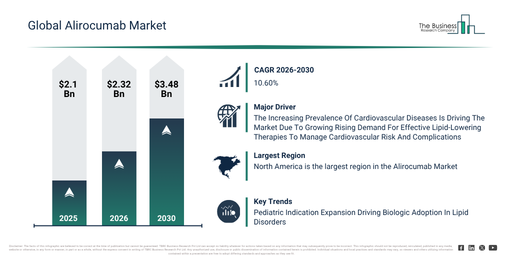
  • Alirocumab Market Trends Supporting 10.6% CAGR Growth Through 2030

    Alirocumab Market Trends Supporting 10.6% CAGR Growth Through 2030

    Featuring market attractiveness scoring, total addressable market sizing, company benchmarking matrices, interactive Excel dashboards, deeper supply chain intelligence, emerging startup tracking, and granular product-level insights, The Business Research Company’s 2026 market reports are built to deliver research that is both more actionable and more strategically valuable.

    Alirocumab Market Expansion Outlook: What Revenue Opportunities Are Ahead?

    The alirocumab market has experienced significant expansion recently. Its projected growth will take it from $2.1 billion in 2025 to $2.32 billion in 2026, demonstrating a compound annual growth rate (CAGR) of 10.4%. Historically, this expansion has been driven by factors such as an increase in LDL cholesterol prevalence, the growing burden of cardiovascular disease, limitations associated with statin therapy, the initial adoption of biologics in lipid management, and progress in clinical guidelines for hypercholesterolemia.

    The alirocumab market is projected to experience substantial expansion in the coming years, reaching $3.48 billion by 2030, demonstrating a compound annual growth rate (CAGR) of 10.6%. This anticipated expansion over the forecast period is primarily driven by factors such as the increasing global elderly population, the growing pipeline of PCSK9 inhibitors, enhanced reimbursement coverage for biologics, the rise of home-based self-administration treatments, and the broader implementation of cardiovascular preventive care initiatives. Key developments anticipated during this period include a greater uptake of PCSK9 inhibitor therapies, an increase in patients with statin intolerance, the expansion of cardiovascular risk screening programs, the development of monoclonal antibody-based lipid-lowering treatments, and a heightened demand for combination lipid-lowering regimens.

    Get A Free Sample Report With In-Depth Market Insights:

    https://thebusinessresearchcompany.com/sample_request?id=24829320&type=smp&name=Alirocumab%20Market%20Report%202026&utm_source=Blogs&utm_medium=Paid&utm_campaign=Oct_PR

    Alirocumab Market Growth Factors Behind Sustained Expansion

    The alirocumab market is poised for growth, primarily driven by the escalating prevalence of cardiovascular diseases. These diseases represent a collection of disorders affecting the heart and blood vessels, including conditions like coronary artery disease, cerebrovascular disease, and heart failure, which together impede the effective circulation of blood and oxygen throughout the body. A key factor behind this rising prevalence is the widespread embrace of sedentary lifestyles, as reduced physical activity contributes to metabolic dysfunction, promotes excess body fat accumulation, and accelerates the development of risk conditions such as hypertension and dyslipidemia, thereby significantly increasing the long-term likelihood of cardiovascular complications. Alirocumab functions by effectively lowering low-density lipoprotein cholesterol levels through proprotein convertase subtilisin or kexin type 9 inhibition, thus helping to mitigate cardiovascular risk and manage disease progression in populations increasingly grappling with these conditions. For instance, in June 2024, according to the data published by the American Heart Association Inc., a US-based non-profit organization, the prevalence of cardiovascular disease in the United States is projected to rise from approximately 50% of adults currently to 61% by 2050. This demonstrates why the increasing prevalence of cardiovascular diseases is driving the growth of the alirocumab market.

    Alirocumab Market Segment Breakdown: Which Categories Lead On Revenue?

    The alirocumab market covered in this report is segmented –

    1) By Indication: Familial Hypercholesterolemia, Atherosclerotic Cardiovascular Disease, Secondary Hyperlipidemia, High Cardiovascular Risk Patients

    2) By Administration Route: Subcutaneous Injection, Self-Administration

    3) By Patient Demographics: Geriatric, Pediatric, Gender-Based

    4) By Treatment Line: First-Line Treatment, Second-Line Treatment

    5) By Distribution Channel: Hospitals, Clinics, Online Pharmacies, Retail Pharmacies, Other Distribution Channels

    Subsegments:

    1) By Familial Hypercholesterolemia: Heterozygous Familial Hypercholesterolemia, Homozygous Familial Hypercholesterolemia

    2) By Atherosclerotic Cardiovascular Disease: Coronary Artery Disease, Peripheral Artery Disease, Cerebrovascular Disease

    3) By Secondary Hyperlipidemia: Diabetes Induced Hyperlipidemia, Obesity Related Hyperlipidemia, Hypothyroidism Induced Hyperlipidemia

    4) By High Cardiovascular Risk Patients: Hypertension Patients, Smokers At Risk, Elderly Population At Risk, Metabolic Syndrome Patients

    Alirocumab Market Industry Trends Fueling Future Revenue Growth

    Leading companies in the alirocumab market are focusing on developing innovative products, such as expanded indication biologics, to broaden patient eligibility and enhance early-stage disease management. An expanded indication biologic refers to a therapeutic agent that receives regulatory approval for use in additional patient populations or disease conditions beyond its original indication. For instance, in March 2024, Regeneron Pharmaceuticals Inc., a US-based biotechnology company, announced U. S. Food and Drug Administration approval for Praluent. This development extends the use of alirocumab to pediatric patients aged 8 years and older with heterozygous familial hypercholesterolemia, enabling earlier intervention in genetically predisposed individuals. The approval strengthens preventive cardiovascular care by improving low-density lipoprotein cholesterol management and expanding the therapy’s clinical and commercial scope.

    Alirocumab Market Key Participants And Competitive Landscape

    Major companies operating in the alirocumab market are Sanofi S. A., Regeneron Pharmaceuticals Inc.

    View The Full Alirocumab Market Report:

    https://thebusinessresearchcompany.com/report/alirocumab-market-report?utm_source=Blogs&utm_medium=Paid&utm_campaign=Oct_PR

    Alirocumab Market Geographic Analysis: Where Is Demand Accelerating Fastest?

    North America was the largest region in the alirocumab market in 2025. Asia-Pacific is expected to be the fastest-growing region in the forecast period. The regions covered in the alirocumab market report are Asia-Pacific, South East Asia, Western Europe, Eastern Europe, North America, South America, Middle East and Africa.

    Reach Out To Our Team:

    The Business Research Company: https://www.thebusinessresearchcompany.com/

    Americas: +1 310-496-7795

    Asia: +44 7882 955267 & +91 8897263534

    Europe: +44 7882 955267

    Email us at: marketing@tbrc.info

    Follow us on:

    LinkedIn: https://in.linkedin.com/company/the-business-research-company

    YouTube: https://www.youtube.com/channel/UC24_fI0rV8cR5DxlCpgmyFQ

    Global Market Model: https://www.thebusinessresearchcompany.com/global-market-model
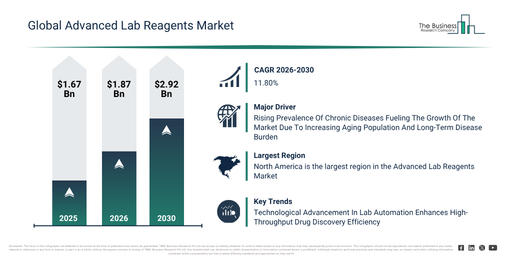
  • Advanced Lab Reagents Market Explained: What Is Fueling Growth To $2.92 Billion By 2030?

    Advanced Lab Reagents Market Explained: What Is Fueling Growth To $2.92 Billion By 2030?

    Built to provide research that’s more actionable and strategically valuable, The Business Research Company’s 2026 market reports include market attractiveness analysis, total addressable market sizing, company benchmarking matrices, interactive Excel dashboards, broader supply chain intelligence, emerging startup tracking, and in-depth product insights.

    Advanced Lab Reagents Market Size Outlook: How Quickly Will Revenue Expand Through 2030?

    The advanced lab reagents market size has experienced swift expansion in recent years. This market is forecast to grow from $1.67 billion in 2025 to $1.87 billion in 2026, exhibiting a compound annual growth rate (CAGR) of 11.5%. The historical growth of this market can be attributed to several factors including escalating pharmaceutical and biotechnology R&D endeavors, increased financial input into academic and research institutions, a rising occurrence of chronic and infectious diseases, the broader integration of molecular diagnostics technologies, and a growing need for high sensitivity analytical testing.

    The advanced lab reagents market is anticipated to experience substantial growth in the coming years. It is projected to reach $2.92 billion by 2030, exhibiting a compound annual growth rate (CAGR) of 11.8%. This expansion during the forecast period is attributable to the increasing spread of precision medicine applications, the rising adoption of automated laboratory workflows, a growing demand for cell and gene therapy research, the expanding use of biomarker-based diagnostics, and increasing investments in the development of advanced biologics and biosimilars. Major trends expected in this period include the increasing uptake of high purity and contamination-free reagents, a rising demand for reproducible and standardized laboratory workflows, a growing utilization of multiplex and high-throughput assay reagents, a heightened focus on customized and application-specific reagent formulations, and the expanding use of advanced reagents in clinical diagnostics and translational research.

    Get A Free Sample Report With In-Depth Market Insights:

    https://thebusinessresearchcompany.com/sample_request?id=29140690&type=smp&name=Advanced%20Lab%20Reagents%20Market%20Report%202026&utm_source=Blogs&utm_medium=Paid&utm_campaign=Oct_PR

    Advanced Lab Reagents Market Development Factors: What’s Supporting Demand?

    The increasing incidence of chronic illnesses is anticipated to fuel expansion in the advanced lab reagents market moving forward. These enduring medical conditions, exemplified by arthritis, cancer, and cardiovascular ailments, necessitate ongoing observation, identification, and management over prolonged durations. This escalation in chronic disease occurrence is largely attributed to aging demographics, making individuals more vulnerable to persistent health issues. Sophisticated laboratory reagents aid in addressing the growing prevalence of chronic diseases by facilitating precise biomarker identification, disease tracking, and rapid diagnostic analyses, thereby supporting prompt diagnosis and efficient control of long-term conditions. As an illustration, data from the Centers for Disease Control and Prevention in February 2024 indicated that the percentage of people in the US with multiple chronic conditions rose from 42% in 2024 to 51% in 2025. This reflects a significant rise compared to prior years, with a larger segment of the populace grappling with a greater disease burden. Consequently, the expanding incidence of chronic diseases is fueling the growth of the lung cancer screening market.

    Advanced Lab Reagents Market Segment Analysis And Revenue Potential

    The advanced lab reagents market covered in this report is segmented –

    1) By Type: Enzymes And Proteins, Antibodies And Immunoassays, Other Reagents

    2) By Technology: Molecular Biology Techniques, Cell Biology Techniques, Analytical Chemistry Techniques

    3) By Distribution Channel: Direct Sales, Distributors And Wholesalers, Online Sales Channels

    4) By End User: Pharmaceutical And Biotechnology Companies, Research And Academic Institutes, Clinical And Diagnostic Laboratories

    Subsegments:

    1) By Enzymes And Proteins: Restriction Enzymes, Polymerases, Ligases, Proteases, Kinases, Phosphatases, Recombinant Proteins, Native Proteins

    2) By Antibodies And Immunoassays: Monoclonal Antibodies, Polyclonal Antibodies, Secondary Antibodies, Immunoassay Kits, Enzyme Linked Immunosorbent Assay Kits, Western Blot Reagents, Immunohistochemistry Reagents, Flow Cytometry Reagents

    3) By Other Reagents: Buffers And Solutions, Stains And Dyes, Cell Culture Reagents, Nucleic Acid Reagents, Chromatography Reagents, Electrophoresis Reagents, Sample Preparation Reagents, Detection Reagents

    Advanced Lab Reagents Market Transformation Trends: What Innovations Are Driving Change?

    Major companies within the advanced lab reagents market are directing their attention towards technological advancements in lab automation, including solutions like automation-compatible internalization assay reagents, to elevate workflow efficiency, scalability, and data accuracy within drug discovery pipelines. These automation-compatible internalization assay reagents are specialized biochemical substances engineered to operate seamlessly with automated, plate-based laboratory systems, thereby enabling high-throughput analysis of cellular mechanisms such as receptor internalization with reduced manual effort. As an example, in June 2025, Revvity, Inc., a US-based life sciences corporation, introduced pHSense reagents, an innovative reagent technology developed for high-throughput internalization investigations in GPCR and antibody-drug conjugate (ADC) research. This product integrates a pH-sensitive dye with time-resolved fluorescence (TRF) to enhance detection sensitivity, provides robust kinetic measurements of internalization even with low receptor expression, and is fully compatible with standard plate readers and automated workflows, allowing for effortless incorporation into existing laboratory systems.

    Advanced Lab Reagents Market Key Players Shaping Industry Direction

    Major companies operating in the advanced lab reagents market are Thermo Fisher Scientific Inc., Merck KGaA, Danaher Corporation, Lonza Group AG, Agilent Technologies Inc., Sartorius AG, Waters Corporation, Bio-Rad Laboratories Inc., QIAGEN N. V., Bio-Techne Corporation, GenScript Biotech Corporation, Promega Corporation, New England Biolabs Inc., Cell Signaling Technology Inc., OriGene Technologies Inc., Elabscience Biotechnology Inc., RayBiotech Inc., Proteintech Group Inc., Santa Cruz Biotechnology Inc., Rockland Immunochemicals Inc., Creative Biolabs Inc., Bioss Antibodies Inc., Creative Diagnostics LLC, Boster Biological Technology Co. Ltd., Abbexa Ltd.

    View The Full Advanced Lab Reagents Market Report:

    https://thebusinessresearchcompany.com/report/advanced-lab-reagents-market-report?utm_source=Blogs&utm_medium=Paid&utm_campaign=Oct_PR

    Advanced Lab Reagents Market Regional Analysis: Which Geography Leads On Revenue?

    North America was the largest region in the advanced lab reagents market in 2025. Asia-Pacific is expected to be the fastest-growing region in the forecast period. The regions covered in the advanced lab reagents market report are Asia-Pacific, South East Asia, Western Europe, Eastern Europe, North America, South America, Middle East and Africa.

    Reach Out To Our Team:

    The Business Research Company: https://www.thebusinessresearchcompany.com/

    Americas: +1 310-496-7795

    Asia: +44 7882 955267 & +91 8897263534

    Europe: +44 7882 955267

    Email us at: marketing@tbrc.info

    Follow us on:

    LinkedIn: https://in.linkedin.com/company/the-business-research-company

    YouTube: https://www.youtube.com/channel/UC24_fI0rV8cR5DxlCpgmyFQ

    Global Market Model: https://www.thebusinessresearchcompany.com/global-market-model

  • Adaptive Brain Pacemaker Devices Market Growth To $0.93 Billion Creates New Opportunities Across The Industry

    Adaptive Brain Pacemaker Devices Market Growth To $0.93 Billion Creates New Opportunities Across The Industry

    Featuring market attractiveness scoring, total addressable market sizing, company benchmarking matrices, interactive Excel dashboards, deeper supply chain intelligence, emerging startup tracking, and granular product-level insights, The Business Research Company’s 2026 market reports are built to deliver research that is both more actionable and more strategically valuable.

    Adaptive Brain Pacemaker Devices Market Revenue Growth On Track For A 19.8% CAGR Through 2030

    The adaptive brain pacemaker devices market size has seen rapid growth in recent years. This market is projected to expand from $0.38 billion in 2025 to $0.45 billion in 2026, demonstrating a compound annual growth rate (CAGR) of 19.6%. The expansion observed in the historic period can be ascribed to factors such as the rising prevalence of neurological disorders, the increasing adoption of deep brain stimulation therapies, advancements in implantable medical device technologies, growing healthcare expenditure for neurological care, and increasing awareness regarding personalized treatment solutions.

    The adaptive brain pacemaker devices market is set to experience substantial growth over the next few years, with its valuation expected to reach $0.93 billion by 2030, progressing at a compound annual growth rate (CAGR) of 19.8%. This expansion during the projection period can be attributed to the increasing integration of AI-based neurostimulation algorithms, heightened investments in precision neurology research, a growing demand for remote neurological monitoring systems, more approvals for adaptive neurostimulation devices, and the ongoing development of rechargeable implantable systems. Significant trends anticipated in this period include the rising adoption of closed-loop neurostimulation systems, an increasing need for personalized neurological disorder treatments, greater use of real-time neural signal monitoring technologies, a growing preference for minimally invasive implantable devices, and an enhanced focus on remote patient monitoring and therapy optimization.

    Get A Free Sample Report With In-Depth Market Insights:

    https://thebusinessresearchcompany.com/sample_request?id=75099037&type=smp&name=Adaptive%20Brain%20Pacemaker%20Devices%20Market%20Report%202026&utm_source=Blogs&utm_medium=Paid&utm_campaign=Oct_PR

    Adaptive Brain Pacemaker Devices Market Growth Factors Behind Sustained Expansion

    The increasing occurrence of neurological disorders is projected to stimulate the growth of the adaptive brain pacemaker devices market. These conditions affect the central and peripheral nervous system, resulting in impairments across movement, cognition, or sensory functions. The rising prevalence of these disorders is largely attributable to an aging population, as extended life expectancies contribute to a higher incidence of age-related conditions. Adaptive brain pacemaker devices facilitate the management of certain neurological disorders, especially movement-related conditions, by providing targeted electrical stimulation to specific brain regions, thereby modulating abnormal neural activity and improving patient outcomes. For instance, in March 2025, reports by the Office for Health Improvement and Disparities, a UK-based government department, indicated that 483,000 individuals aged 65 and above were living with a formal dementia diagnosis in England by December 2024, underscoring the broader increase in age-related neurological conditions. Therefore, the expanding prevalence of neurological disorders is a key driver for the adaptive brain pacemaker devices market.

    Adaptive Brain Pacemaker Devices Market Segment Analysis: What Are The Core Market Categories?

    The adaptive brain pacemaker devices market covered in this report is segmented –

    1) By Product Type: Implantable Pulse Generators, Leads And Electrodes, Extensions, Chargers And Accessories, Software Or Algorithms And Sensing Modules

    2) By Channel: Single-Channel Systems, Dual-Channel (Multi-Channel) Systems

    3) By Indication: Parkinson’s Disease, Essential Tremor, Epilepsy, Dystonia, Obsessive-Compulsive Disorder (OCD) Or Depression, Pain Management, Other Neurological Disorders

    4) By End User: Hospitals And Neurology Centers, Ambulatory Surgical Centers, Specialized Neurology Or Movement-Disorder Clinics, Home-Based Monitoring And Remote Follow-Up

    Subsegments:

    1) By Implantable Pulse Generators: Rechargeable Implantable Pulse Generators, Non Rechargeable Implantable Pulse Generators, Constant Current Implantable Pulse Generators, Constant Voltage Implantable Pulse Generators

    2) By Leads And Electrodes: Directional Leads, Non Directional Leads, Depth Electrodes, Surface Electrodes

    3) By Extensions: Standard Length Extensions, Custom Length Extensions, High Flexibility Extensions, Reinforced Extensions

    4) By Chargers And Accessories: Wireless Chargers, Portable Chargers, Charging Bases And Stations, Patient Controller Devices, Protective Cases And Kits

    5) By Software Or Algorithms And Sensing Modules: Closed Loop Control Algorithms, Open Loop Control Algorithms, Neural Signal Sensing Modules, Data Analysis And Monitoring Software, Remote Programming Software

    Adaptive Brain Pacemaker Devices Market Industry Trends Fueling Future Revenue Growth

    Major companies operating in the adaptive brain pacemaker devices market are focusing on developing innovative advancements such as closed-loop neurostimulators to enable real-time, personalized neuromodulation therapy. A closed-loop neurostimulator is a neurostimulation device that dynamically modifies electrical output based on real-time neural feedback signals. For instance, in February 2025, Medtronic plc, an Ireland-based healthcare technology company, announced a U. S. Food and Drug Administration (FDA) approval of BrainSense Adaptive Deep Brain Stimulation. This system leverages brain-computer interface technology to continuously monitor neural signals and automatically adjust stimulation parameters without manual intervention. This advancement improves symptom control, reduces therapy fluctuations, and represents a significant step toward scalable, precision-based neuromodulation for neurological disorders.

    Adaptive Brain Pacemaker Devices Market Top Companies Driving Competitive Growth

    Major companies operating in the adaptive brain pacemaker devices market are Abbott Laboratories, Medtronic plc, Boston Scientific Corporation, LivaNova PLC, Synchron Inc., Neuralink Corp., NeuroPace Inc., Cala Health Inc., Inbrain Neuroelectronics, Neuroelectrics Barcelona S. L., Paradromics Inc., Blackrock Neurotech, Soterix Medical Inc., Flow Neuroscience AB, Magstim Company Ltd., Newronika S. r. l., Rune Labs Inc., Aleva Neurotherapeutics SA, CorTec GmbH, NeuroSigma Inc.

    View The Full Adaptive Brain Pacemaker Devices Market Report:

    https://thebusinessresearchcompany.com/report/adaptive-brain-pacemaker-devices-market-report?utm_source=Blogs&utm_medium=Paid&utm_campaign=Oct_PR

    Adaptive Brain Pacemaker Devices Market Global Footprint: Which Region Leads The Market?

    North America was the largest region in the adaptive brain pacemaker devices market in 2025. Asia-Pacific is expected to be the fastest-growing region in the forecast period. The regions covered in the adaptive brain pacemaker devices market report are Asia-Pacific, South East Asia, Western Europe, Eastern Europe, North America, South America, Middle East and Africa.

    Reach Out To Our Team:

    The Business Research Company: https://www.thebusinessresearchcompany.com/

    Americas: +1 310-496-7795

    Asia: +44 7882 955267 & +91 8897263534

    Europe: +44 7882 955267

    Email us at: marketing@tbrc.info

    Follow us on:

    LinkedIn: https://in.linkedin.com/company/the-business-research-company

    YouTube: https://www.youtube.com/channel/UC24_fI0rV8cR5DxlCpgmyFQ

    Global Market Model: https://www.thebusinessresearchcompany.com/global-market-model