Blog

  • Global Levofloxacin Market Valuation and Growth Prospects: $2.27 Billion by 2029

    Global Levofloxacin Market Valuation and Growth Prospects: $2.27 Billion by 2029

    Uncover key drivers, emerging technologies, and competitive movements shaping the levofloxacin market from 2025–2034 with trusted insights from The Business Research Company

    What Are The Future Growth Projections For The Levofloxacin Market Size?

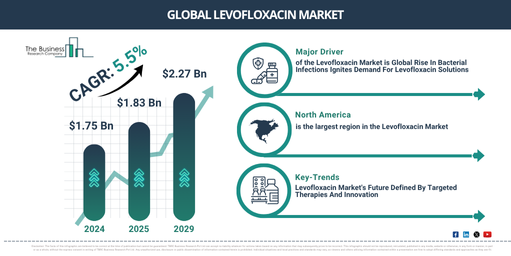
    The levofloxacin market size has experienced consistent growth in recent years. It is anticipated to expand from $1.75 billion in 2024 to $1.83 billion in 2025, achieving a compound annual growth rate (CAGR) of 4.5%. This historical expansion can be attributed to factors like the persistent demand for antibiotics, an increase in respiratory tract infections, a rise in skin and soft tissue infections, and the emergence of multidrug-resistant strains.

    The levofloxacin market is poised for robust expansion in the upcoming years. It is projected to reach a value of $2.27 billion by 2029, demonstrating a compound annual growth rate (CAGR) of 5.5%. This anticipated growth during the forecast period can be linked to factors such as an aging demographic, a rise in the incidence of respiratory infections, increasing occurrences of urinary tract infections, the global spread of antibiotic resistance, and the growing number of surgical procedures. Significant trends expected during this period include its utilization in urinary tract infection (UTI) treatment, the exploration of combination therapies, continuous oversight of its safety profile, a transition towards outpatient prescriptions, and enhanced global health readiness for infectious diseases.

    Access A Free Sample Of The Report:

    https://www.thebusinessresearchcompany.com/sample.aspx?id=10856&type=smp

    What Core Market Drivers Are Expanding The Levofloxacin Industry?

    The increasing prevalence of bacterial infections is anticipated to boost the expansion of the levofloxacin market in the coming years. A bacterial infection is defined as an illness resulting from bacteria, which are single-celled, microscopic organisms that invade the body. Levofloxacin is effective in relieving bacterial infections such as strep throat, tuberculosis (TB), whooping cough (pertussis), and their accompanying symptoms by hindering DNA topoisomerases, thereby disrupting DNA synthesis. For instance, in February 2024, a report from the UK Health Security Agency, a UK-based government agency, revealed that tuberculosis (TB) cases in England escalated by 10.7% in 2023, with 4,850 cases documented compared to 4,380 in 2022. Consequently, the escalating incidence of bacterial infections is a key factor propelling the growth of the levofloxacin market.

    What Segment Insights Are Highlighted In The Levofloxacin Market Report?

    The levofloxacin market covered in this report is segmented –

    1) By Type: 250 Mg Tablets, 500 Mg Tablets, 750 Mg Tablets

    2) By Distribution Channel: Hospital Pharmacies, Retail Pharmacies, Online Pharmacies

    3) By Application: Pneumonia, Skin Infection, Kidney Infection, Bladder Infection, Other Applications

    Subsegments:

    1) By 250 Mg Tablets: Generic 250 Mg Tablets, Branded 250 Mg Tablets

    2) By 500 Mg Tablets: Generic 500 Mg Tablets, Branded 500 Mg Tablets

    3) By 750 Mg Tablets: Generic 750 Mg Tablets, Branded 750 Mg Tablets

    Which Notable Trends Are Transforming The Levofloxacin Market Outlook?

    Advanced and targeted therapies have emerged as a prominent development gaining traction within the levofloxacin market. Key companies operating in the levofloxacin market are concentrating on developing innovative products to enhance their capabilities and maintain their competitive standing. For example, in February 2022, Santen Pharmaceutical, a Japan-based pharmaceutical and medical device company, launched Ducressa, which is a fixed-dose combination (FDC) of levofloxacin and dexamethasone eye drops. This product is designed for both the prevention and treatment of inflammation and infection associated with cataract surgery in adults. This novel prophylactic treatment combines the efficacy of levofloxacin, a broad-spectrum antibiotic, which reduces antibiotic exposure by 50%, thereby aligning with global efforts to combat antibiotic resistance.

    Which Firms Are Driving Innovation Within The Levofloxacin Market?

    Major companies operating in the levofloxacin market include Zydus Lifesciences Limited, Dr. Reddy’s Laboratories Limited, Lupin Limited, Pax Healthcare, Aden Healthcare, Allenge India Pharmaceuticals Private Limited, Alna Biotech Private Limited, Bestochem Formulations Limited, Divine Savior Healthcare Private Limited, Glenmark Pharmaceuticals Limited, Cipla Limited, Alkem Laboratories Ltd., Sanofi S.A., Pfizer Inc., Sun Pharmaceutical Industries Ltd., Unichem Laboratories, Macleods Pharmaceuticals Ltd., Aurobindo Pharma Ltd., Torrent Pharmaceuticals Ltd., Alembic Pharmaceuticals, Jubilant Pharmova Limited , Wockhardt, Hetero Drugs, Sandoz Group AG, Mankind Pharma, Intas Pharmaceuticals Ltd., Strides Pharma Science Ltd., Divis Laboratories Ltd., Ajanta Pharma Ltd., Panacea Biotec Limited

    Download The Full Report Here:

    https://www.thebusinessresearchcompany.com/report/levofloxacin-global-market-report

    What Regional Trends Are Shaping Growth In The Levofloxacin Market?

    North America was the largest region in the global levofloxacin market in 2024.Asia-Pacific is expected to be the fastest-growing region in the forecast period. The regions covered in the levofloxacin market report are Asia-Pacific, Western Europe, Eastern Europe, North America, South America, Middle East, Africa

    Get A Report Customized For You Here:

    https://www.thebusinessresearchcompany.com/customise?id=10856&type=smp

    Browse Through More Reports Similar to the Global Levofloxacin Market 2025, By The Business Research Company

    Veterinary Antibiotics Global Market Report 2025

    https://www.thebusinessresearchcompany.com/report/veterinary-antibiotics-global-market-report

    Animal Antibiotics And Antimicrobials Global Market Report 2025

    https://www.thebusinessresearchcompany.com/report/animal-antibiotics-and-antimicrobials-global-market-report

    Peptide Antibiotics Global Market Report 2025

    https://www.thebusinessresearchcompany.com/report/peptide-antibiotics-global-market-report

    Get in touch with us:

    The Business Research Company: https://www.thebusinessresearchcompany.com/

    Americas +1 310-496-7795

    Asia +44 7882 955267 & +91 8897263534

    Europe +44 7882 955267

    Email us at info@tbrc.info

    Follow us on:

    LinkedIn: https://in.linkedin.com/company/the-business-research-company

    YouTube: https://www.youtube.com/channel/UC24_fI0rV8cR5DxlCpgmyFQ

    Global Market Model: https://www.thebusinessresearchcompany.com/global-market-model
  • Late Stage Chronic Kidney Disease Drugs Market Insights: Revenue Expected to Surpass $12.11 Billion by 2029

    Late Stage Chronic Kidney Disease Drugs Market Insights: Revenue Expected to Surpass $12.11 Billion by 2029

    Uncover key drivers, emerging technologies, and competitive movements shaping the late stage chronic kidney disease drugs market from 2025–2034 with trusted insights from The Business Research Company

    What Is The Current Size And Expected Growth Outlook For The Late Stage Chronic Kidney Disease Drugs Market?

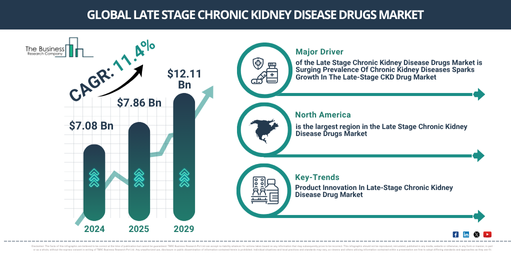
    The market for late stage chronic kidney disease drugs has experienced rapid expansion in recent years. It is forecast to increase from $7.08 billion in 2024 to $7.86 billion in 2025, growing at a compound annual growth rate (CAGR) of 11.1%. This growth during the historic period can be attributed to several factors including improvements in diagnostic capabilities, an aging population, an increased prevalence of diabetes and hypertension, rising awareness of kidney diseases, and the expansion of pharmaceutical research and development efforts.

    The late stage chronic kidney disease drugs market is projected to experience substantial growth in the upcoming years. It is anticipated to expand to $12.11 billion by 2029, reflecting a compound annual growth rate (CAGR) of 11.4%. This expansion during the forecast period is attributed to factors such as increasing healthcare expenditure, the adoption of precision medicine approaches, a heightened focus on regenerative medicine, a growing emphasis on patient-centered care, and global initiatives aimed at kidney disease awareness. Significant trends expected during this period include the broader application of regenerative medicine therapies, an increase in telemedicine services for CKD management, the development of combination therapies, a strategic focus on early intervention strategies, and rising interest in biomarker-based diagnostics.

    Access A Free Sample Of The Report:

    https://www.thebusinessresearchcompany.com/sample.aspx?id=12196&type=smp

    Which Growth Drivers Are Propelling The Late Stage Chronic Kidney Disease Drugs Market?

    The high incidence of chronic kidney conditions is anticipated to drive expansion in the late-stage chronic kidney disease drug market moving forward. These diseases encompass various ailments impacting the kidneys’ structure and how they function. Medications for late-stage chronic kidney disease are utilized to regulate patient blood pressure and reduce protein leakage, thereby slowing down kidney damage progression, alleviating symptoms, and preventing complications. As an illustration, data from May 2024, provided by the Centers for Disease Control and Prevention (CDC), a US-based public health agency, indicates that approximately 14% of U.S. adults, equating to about 35.5 million people, are estimated to have chronic kidney diseases. Consequently, the widespread occurrence of chronic kidney disease is fostering the expansion of the late-stage chronic kidney disease drug market.

    Which Segmentation Factors Are Most Significant In The Late Stage Chronic Kidney Disease Drugs Market Analysis?

    The late stage chronic kidney disease drugs market covered in this report is segmented –

    1) By Product Type: Calcimimetics, Vitamin D, Sterols, Potassium Binders, Calcium-Based Phosphate Binders

    2) By Indication Type: Late Stage Chronic Kidney Disease Induced Hyperparathyroidism, Late Stage Chronic Kidney Disease Induced Hyperphosphatemia, Late Stage Chronic Kidney Disease Induced Hyperkalemia

    3) By Distribution Channel: Hospital Pharmacies, Online Pharmacies, Retail Pharmacies

    Subsegments:

    1) By Calcimimetics: Cinacalcet, Etelcalcetide

    2) By Vitamin D: Calcitriol, Doxercalciferol, Paricalcitol

    3) By Sterols: Ergocalciferol, Cholecalciferol

    4) By Potassium Binders: Sodium Polystyrene Sulfonate, Patiromer, Sodium Zirconium Cyclosilicate

    5) By Calcium-Based Phosphate Binders: Calcium Acetate, Calcium Carbonate

    What New Opportunities Are Emerging From Trends In The Late Stage Chronic Kidney Disease Drugs Market?

    A significant trend observed in the late-stage chronic kidney disease drug market is the increasing focus on product innovation. Leading companies within the late-stage chronic kidney disease drug market are developing novel pharmaceutical products to maintain their competitive standing. As an example, in February 2022, Bayer, a pharmaceutical and biotechnology firm based in Germany, introduced Kerendia (finerenone) in India. Finerenone, classified as a first-in-class non-steroidal, selective mineralocorticoid receptor antagonist, is recommended for patients suffering from type two diabetes and chronic renal disease. Its mechanism involves preventing the excessive activation of the mineralocorticoid receptor (MR), an action believed to play a role in the progression of chronic kidney disease (CKD) and cardiovascular damage.

    Who Are The Most Influential Companies In The Late Stage Chronic Kidney Disease Drugs Market?

    Major companies operating in the late stage chronic kidney disease drugs market include Pfizer Inc., Johnson & Johnson, AbbVie Inc., Bayer AG, Novartis AG, Sanofi SA, Bristol-Myers Squibb Company, AstraZeneca plc, Eli Lilly and Company, C.H. Boehringer Sohn AG & Co. KG, Amgen Inc., Novo Nordisk A/S, Teva Pharmaceutical Industries Ltd., Otsuka Pharmaceutical Co. Ltd., Takeda Pharmaceutical Company Limited, Kyowa Kirin Co Ltd., OPKO Health Inc., Evotec SE, Ionis Pharmaceuticals Inc., Akebia Therapeutics Inc., Ardelyx Inc., Concert Pharmaceuticals Inc., Pharmaxis Limited, Deltanoid Pharmaceuticals Inc., Liminal BioSciences Inc., Chinook Therapeutics Inc., Allena Pharmaceuticals Inc, Shield Therapeutics Plc

    Download The Full Report Here:

    https://www.thebusinessresearchcompany.com/report/late-stage-chronic-kidney-disease-drugs-global-market-report

    Which Region Holds The Largest Share In The Late Stage Chronic Kidney Disease Drugs Market Today?

    North America was the largest region in the late-stage chronic kidney disease drugs market in 2024. The regions covered in the late-stage chronic kidney disease drugs market report are Asia-Pacific, Western Europe, Eastern Europe, North America, South America, Middle East, Africa.

    Get A Report Customized For You Here:

    https://www.thebusinessresearchcompany.com/customise?id=12196&type=smp

    Browse Through More Reports Similar to the Global Late Stage Chronic Kidney Disease Drugs Market 2025, By The Business Research Company

    Oil Accumulator Global Market Report 2025

    https://www.thebusinessresearchcompany.com/report/oil-accumulator-global-market-report

    Oil And Gas Pumps Global Market Report 2025

    https://www.thebusinessresearchcompany.com/report/oil-and-gas-pumps-global-market-report

    Oil Downstream Activities Global Market Report 2025

    https://www.thebusinessresearchcompany.com/report/oil-downstream-activities-global-market-report

    Get in touch with us:

    The Business Research Company: https://www.thebusinessresearchcompany.com/

    Americas +1 310-496-7795

    Asia +44 7882 955267 & +91 8897263534

    Europe +44 7882 955267

    Email us at info@tbrc.info

    Follow us on:

    LinkedIn: https://in.linkedin.com/company/the-business-research-company

    YouTube: https://www.youtube.com/channel/UC24_fI0rV8cR5DxlCpgmyFQ

    Global Market Model: https://www.thebusinessresearchcompany.com/global-market-model

  • Janus Kinase (JAK) Inhibitors Market Performance and Future Outlook at 18.9% CAGR Through 2029

    Janus Kinase (JAK) Inhibitors Market Performance and Future Outlook at 18.9% CAGR Through 2029

    Uncover key drivers, emerging technologies, and competitive movements shaping the janus kinase (jak) inhibitors market from 2025–2034 with trusted insights from The Business Research Company

    What Is The Predicted Size Of The Janus Kinase (JAK) Inhibitors Industry By 2029?

    The janus kinase (JAK) inhibitors market size has experienced rapid growth in recent years. It is projected to increase from $20.19 billion in 2024 to $23.56 billion in 2025, achieving a compound annual growth rate (CAGR) of 16.6%. This historical growth can be attributed to the recognition of the jak-stat signaling pathway’s role in diseases, the increased prevalence of autoimmune disorders, addressing unmet medical needs in rheumatology and dermatology, the development of targeted therapies for inflammatory conditions, and advancements in diagnostic capabilities for autoimmune diseases.

    The janus kinase (JAK) inhibitors market size is anticipated to experience significant growth in the upcoming years, expanding to $47.1 billion in 2029 at a compound annual growth rate (CAGR) of 18.9%. The market’s growth during the forecast period can be attributed to the rise in biopharmaceutical research and development, regulatory approvals for JAK inhibitors in specific indications, the broadening of clinical trials for JAK inhibitor drugs, advancements in personalized and precision medicine, the increasing adoption of JAK inhibitors in combination therapies, and the integration of digital health technologies in autoimmune care. Major trends within the forecast period include a focus on developing novel selective JAK inhibitors for enhanced safety profiles, the creation of JAK inhibitors with extended-release formulations, the integration of artificial intelligence in JAK inhibitor drug discovery, the exploration of JAK inhibitors in innovative drug delivery systems, and increased collaboration between pharmaceutical companies and research institutions.

    Access A Free Sample Of The Report:

    https://www.thebusinessresearchcompany.com/sample.aspx?id=12524&type=smp

    What Major Drivers Are Impacting The Janus Kinase (JAK) Inhibitors Market?

    The Janus kinase (JAK) inhibitors market is anticipated to expand due to the rising occurrence of autoimmune diseases. These disorders encompass a wide range of conditions where the immune system improperly targets and harms the body’s own healthy cells, tissues, and organs. Janus Kinase (JAK) inhibitors offer therapeutic advantages for autoimmune conditions by moderating the immune system, decreasing inflammation, and relieving symptoms like those seen in rheumatoid arthritis. For example, data from December 2022, provided by the National Psoriasis Foundation – a US non-profit assisting individuals with Psoriasis and psoriatic arthritis – indicated that Psoriasis impacted over 8 million people in America and 125 million individuals worldwide, representing 2 to 3% of the population. Additionally, in September 2022, the Centers for Disease Control and Prevention, a US national public health agency, reported that 28.7 million people across all age groups, or 8.7% of the US population, had been diagnosed with Diabetes. Among these, 5.7% of all US individuals with confirmed Diabetes, or 1.6 million people aged 20 and older, were reported to have type 1 diabetes and necessitated insulin. Consequently, the rising prevalence of autoimmune diseases is a significant factor propelling the expansion of the Janus kinase (JAK) inhibitors market.

    Which Segment Categories Are Driving Maximum Growth In The Janus Kinase (JAK) Inhibitors Market?

    The janus kinase (jak) inhibitors market covered in this report is segmented –

    1) By Inhibitors Type: Ruxolitinib, Tofacitinib, Oclacitinib, Baricitinib, Peficitinib, Other Inhibitor Types

    2) By Mode Of Administration: Injectable, Oral, Other Modes Of Administration

    3) By Distribution Channel: Hospital Pharmacies, Retail Pharmacies, Online Pharmacies

    4) By Application: Autoimmune Disorders, Oncology, Inflammatory Disorders, Metabolic Disorders

    Subsegments:

    1) By Ruxolitinib: Ruxolitinib Tablets, Ruxolitinib Cream, Ruxolitinib Oral Solution

    2) By Tofacitinib: Tofacitinib Tablets, Tofacitinib Extended-Release Tablets, Tofacitinib Oral Solution

    3) By Oclacitinib: Oclacitinib Tablets, Oclacitinib for Veterinary Use

    4) By Baricitinib: Baricitinib Tablets, Baricitinib Extended-Release Formulations

    5) By Peficitinib: Peficitinib Tablets, Peficitinib Oral Formulations

    6) By Other Inhibitor Types: Emerging JAK Inhibitors, Combination JAK Inhibitor Therapies, Non-Oral JAK Inhibitor Formulations

    Which Long-Term Trends Will Play A Crucial Role In The Janus Kinase (JAK) Inhibitors Market?

    Product innovation represents a significant trend gaining traction within the Janus kinase (JAK) inhibitors market. Key companies operating in the Janus kinase (JAK) inhibitors market are dedicating efforts to creating technologically advanced solutions to uphold their market position. For example, in May 2022, Eli Lilly and Company, a US-based pharmaceutical company, and Incyte, a Switzerland-based biopharmaceutical company, revealed that the U.S. Food and Drug Administration (FDA) had approved OLUMIANT (baricitinib). This medication is notable as the first and only JAK inhibitor FDA-approved for addressing COVID-19 in specific hospitalized individuals who require various levels of oxygen assistance. OLUMIANT has been approved for treating adult hospital patients with COVID-19 disease 2019 (COVID-19) who are utilizing extracorporeal membrane oxygenation (ECMO), or undergoing non-invasive or invasive mechanical breathing.

    Who Are The Dominant Players In The Janus Kinase (JAK) Inhibitors Market Today?

    Major companies operating in the janus kinase (JAK) inhibitors market include Pfizer Inc., Merck & Co. Inc., AbbVie Inc., Novartis AG, Sanofi SA, Bristol Myers Squibb Co., GSK Plc., Takeda Pharmaceutical Company Ltd., Eli Lilly and Co., Gilead Sciences Inc., Boehringer Ingelheim Group, Teva Pharmaceutical Industries Ltd., Astellas Pharma Inc., AstraZeneca PLC, Mitsubishi Tanabe Pharma Corporation, Incyte Corporation, Kyowa Hakko Kirin Co. Ltd., Galapagos NV, Sierra Oncology Inc., Dizal Pharmaceutical, Reistone Biopharma Co. Ltd., CTI BioPharma Corp., Celon Pharma SA, Theravance Biopharma Inc., Aclaris Therapeutics Inc., Alexion Pharmaceuticals Inc.

    Download The Full Report Here:

    https://www.thebusinessresearchcompany.com/report/janus-kinase-jak-inhibitors-global-market-report

    Which Region Is At The Forefront Of Innovation In The Janus Kinase (JAK) Inhibitors Market?

    North America was the largest region in the Janus kinase (JAK) inhibitors market in 2024. Asia-Pacific is expected to be the fastest-growing region in the forecast period. The regions covered in the janus kinase (JAK) inhibitors market report are Asia-Pacific, Western Europe, Eastern Europe, North America, South America, Middle East, Africa

    Get A Report Customized For You Here:

    https://www.thebusinessresearchcompany.com/customise?id=12524&type=smp

    Browse Through More Reports Similar to the Global Janus Kinase (JAK) Inhibitors Market 2025, By The Business Research Company

    Checkpoint Inhibitor Global Market Report 2025

    https://www.thebusinessresearchcompany.com/report/checkpoint-inhibitor-global-market-report

    Her2 Inhibitor Global Market Report 2025

    https://www.thebusinessresearchcompany.com/report/her2-inhibitor-global-market-report

    Interleukin Inhibitor Global Market Report 2025

    https://www.thebusinessresearchcompany.com/report/interleukin-inhibitor-global-market-report

    Get in touch with us:

    The Business Research Company: https://www.thebusinessresearchcompany.com/

    Americas +1 310-496-7795

    Asia +44 7882 955267 & +91 8897263534

    Europe +44 7882 955267

    Email us at info@tbrc.info

    Follow us on:

    LinkedIn: https://in.linkedin.com/company/the-business-research-company

    YouTube: https://www.youtube.com/channel/UC24_fI0rV8cR5DxlCpgmyFQ

    Global Market Model: https://www.thebusinessresearchcompany.com/global-market-model
  • Projected Growth of the Global Insulin biosimilars Market to Reach $6.04 Billion by 2029

    Projected Growth of the Global Insulin biosimilars Market to Reach $6.04 Billion by 2029

    Uncover key drivers, emerging technologies, and competitive movements shaping the insulin biosimilars market from 2025–2034 with trusted insights from The Business Research Company

    What CAGR And Valuation Are Anticipated For The Insulin biosimilars Market By The End Of 2029?

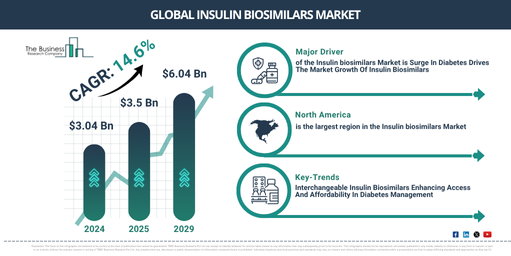
    The insulin biosimilars market has experienced substantial expansion in recent years. It is anticipated to increase from $3.04 billion in 2024 to $3.5 billion in 2025, progressing at a compound annual growth rate (CAGR) of 15.1%. The historical growth of this market can be attributed to a rise in diabetes prevalence, escalating healthcare costs, wider access to diabetes treatment, intense market competition and associated price pressures, and favorable regulatory support and approval pathways.

    The insulin biosimilars market is anticipated to experience substantial expansion over the coming years. By 2029, its valuation is projected to reach $6.04 billion, exhibiting a compound annual growth rate (CAGR) of 14.6%. This projected increase during the forecast period stems from factors such as the increasing global prevalence of diabetes, the expansion into emerging markets and improved access, the implementation of biosimilar adoption policies, a greater patient demand for cost-effective options, and strategic alliances within the biopharmaceutical sector. Key developments expected during this period involve a broadened range of insulin product offerings, deeper global market reach, the incorporation of advanced technology into insulin delivery methods, robust regulatory backing for biosimilar creation, and development strategies focused on patient needs.

    Access A Free Sample Of The Report:

    https://www.thebusinessresearchcompany.com/sample.aspx?id=10661&type=smp

    Which Business Drivers Are Underpinning The Growth Of The Insulin biosimilars Market?

    The rising incidence of diabetes is anticipated to drive the expansion of the insulin biosimilars market in the future. Diabetes is defined as chronic metabolic conditions marked by persistently elevated blood glucose levels. Biosimilars are vital in managing diabetes, offering an alternative for insulin treatment, which in turn means that the growing occurrence of diabetes boosts the demand for the insulin biosimilars market. As an illustration, data from July 2023 by the National Center for Biotechnology Information, a US government body focused on biomedical and genomic information access, indicates that the diabetes prevalence, at 10.5% in 2021, is forecast to increase to 11.3% by 2030 and then to 12.2% by 2040. Consequently, the expanding prevalence of diabetes fuels the insulin biosimilar market.

    What Are The Principal Segment Types In The Insulin biosimilars Market?

    The insulin biosimilars market covered in this report is segmented –

    1) By Biosimilars Type: Rapid Acting biosimilars, Long Acting biosimilars, Premixed Acting biosimilars

    2) By Disease Indication Type: Type I Diabetes, Type II Diabetes

    3) By Distribution Channel: Hospital Pharmacies, Retail Pharmacies, Online Pharmacies

    4) By End User: Hospitals, Ambulatory Surgical Centers, Other End Users

    Subsegments:

    1) By Rapid Acting Biosimilars: Insulin Aspart Biosimilars, Insulin Lispro Biosimilars, Insulin Glulisine Biosimilars

    2) By Long Acting Biosimilars: Insulin Glargine Biosimilars, Insulin Detemir Biosimilars, Insulin Degludec Biosimilars

    3) By Premixed Acting Biosimilars: Insulin Aspart Protamine Biosimilars, Insulin Lispro Protamine Biosimilars, Biphasic Insulin Biosimilars

    How Are Industry Trends Steering The Expansion Of The Insulin biosimilars Market?

    Key companies operating in the insulin biosimilars market are focused on creating interchangeable insulin products. This effort aims to expand patient access, reduce healthcare expenditures, and ensure reliable treatment outcomes for diabetes management. Interchangeable insulin holds vital importance in the insulin biosimilars market, as it improves access to cost-effective therapies for patients and encourages adherence to their treatment plans. For instance, in April 2023, Eli Lilly, a US-based pharmaceutical firm, introduced Rezvoglar (insulin glargine-aglr). This insulin glargine biosimilar is designed to improve glycemic control for both pediatric and adult patients with type 1 diabetes, as well as adults with type 2 diabetes. Its interchangeable designation allows pharmacists to substitute it for other insulin glargine prescriptions without needing physician approval, thereby boosting patient accessibility. This launch establishes Rezvoglar as the second interchangeable insulin biosimilar in the U.S., fostering increased competition and affordability within the insulin biosimilars market.

    Which Companies Are Contributing Significantly To The Insulin biosimilars Market Growth?

    Major companies operating in the insulin biosimilars market include Eli Lilly and Company, Boehringer Ingelheim GmbH, Merck & Co Inc., Pfizer Inc., Biocon Ltd., Mylan N.V., Wockhardt Limited, NOVO Nordisk A/S, Sanofi S.A, Fresenius Kabi AG, Sandoz International GmbH, Novartis International AG, Aurobindo Pharma Ltd., Intas Pharmaceuticals Ltd., Dr. Reddy’s Laboratories Ltd., Samsungbioepis Co. Ltd., Teva Pharmaceutical Industries Ltd., Stada Arzneimittel AG, Celltrion Inc., Fujifilm Kyowa Kirin Biologics Co. Ltd., Green Cross Corporation, Lupin Limited, Torrent Pharmaceuticals Ltd., Zydus Lifescience Ltd.

    Download The Full Report Here:

    https://www.thebusinessresearchcompany.com/report/insulin-biosimilars-global-market-report

    Which Region Offers The Most Opportunity For Insulin biosimilars Market Expansion?

    North America was the largest region in the insulin biosimilars market in 2024.Asia-Pacific is expected to be the fastest-growing region in the global insulin biosimilars market report during the forecast period. The regions covered in the insulin biosimilars market report are Asia-Pacific, Western Europe, Eastern Europe, North America, South America, Middle East, Africa

    Get A Report Customized For You Here:

    https://www.thebusinessresearchcompany.com/customise?id=10661&type=smp

    Browse Through More Reports Similar to the Global Insulin biosimilars Market 2025, By The Business Research Company

    Humic Based Biostimulants Market Global Market Report 2025

    https://www.thebusinessresearchcompany.com/report/humic-based-biostimulants-market-global-market-report

    Agroscience Global Market Report 2025

    https://www.thebusinessresearchcompany.com/report/agroscience-global-market-report

    Agricultural Biologics Global Market Report 2025

    https://www.thebusinessresearchcompany.com/report/agricultural-biologics-global-market-report

    Get in touch with us:

    The Business Research Company: https://www.thebusinessresearchcompany.com/

    Americas +1 310-496-7795

    Asia +44 7882 955267 & +91 8897263534

    Europe +44 7882 955267

    Email us at info@tbrc.info

    Follow us on:

    LinkedIn: https://in.linkedin.com/company/the-business-research-company

    YouTube: https://www.youtube.com/channel/UC24_fI0rV8cR5DxlCpgmyFQ

    Global Market Model: https://www.thebusinessresearchcompany.com/global-market-model
  • Microcarrier Market 2025–2029: Tracking 11.8% CAGR Toward $3.69 Billion in Revenue

    Microcarrier Market 2025–2029: Tracking 11.8% CAGR Toward $3.69 Billion in Revenue

    Uncover key drivers, emerging technologies, and competitive movements shaping the microcarrier market from 2025–2034 with trusted insights from The Business Research Company

    How Will The Microcarrier Market Size Evolve Between Now And 2029?

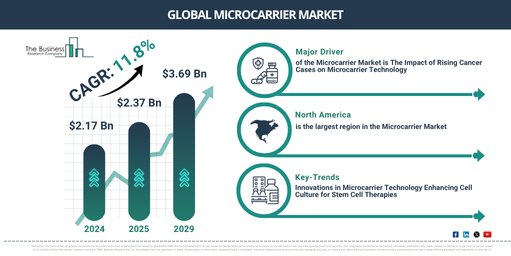
    The microcarrier market has experienced substantial growth in recent years. This market is projected to expand from $2.17 billion in 2024 to $2.37 billion in 2025, demonstrating a compound annual growth rate (CAGR) of 8.9%. Historically, this expansion has been driven by factors such as the rising demand for cell-based vaccines, an increase in government initiatives, enhanced private investment in cell and geneTherapy, the escalating prevalence of infectious diseases, and expanding research and development activities aimed at delivering therapeutically effective vaccine results.

    The microcarrier market is projected to experience substantial expansion in the coming years, reaching a valuation of “$3.69 billion by 2029, exhibiting a compound annual growth rate (CAGR) of 11.8%. This anticipated growth during the forecast period is driven by factors such as the rising incidence of cancer, the increasing need for cell-based vaccines, the growing impact of infectious and chronic diseases, heightened research and development efforts, and the expanding demand for regenerative medicine. Key trends expected during this period encompass the creation of scalable and high-density microcarriers, a move towards single-use microcarrier systems, the incorporation of advanced materials into microcarrier designs, the provision of tailored microcarrier solutions for distinct cell types, and a focus on sustainable and environmentally friendly microcarrier production.

    Access A Free Sample Of The Report:

    https://www.thebusinessresearchcompany.com/sample.aspx?id=7759&type=smp

    Which Key Drivers Are Powering Growth In The Microcarrier Market?

    The rising incidence of cancer cases is driving the expansion of the microcarrier market. A key contributor to cancer risk is the extended human lifespan. Furthermore, the global surge in cancer occurrences is linked to factors such as the adoption of Western lifestyles, inadequate dietary choices, higher dairy intake, the presence of food additives, regular consumption of non-vegetarian foods, environmental chemical pollution, and insufficient physical activity. This growing number of cancer cases involves the uncontrolled and abnormal proliferation of cells that extend beyond their usual boundaries, infiltrating various organs or tissues throughout the body. Microcarrier support functions as a matrix, facilitating the growth of adherent cells within bioreactors. It also aids in the proliferation of cancer cells and the development of microtissue for the repair and restoration of damaged or degenerated tissues. As an illustration, the American Cancer Society, a US-based nonprofit cancer advocacy organization, reported in January 2023 that cancer cases saw an increase from 1,898,160 in 2021 to 1,958,310 in 2023, showing a 3.16% rise. Consequently, the growing prevalence of cancer cases is propelling the microcarrier market growth.

    How Is The Global Microcarrier Market Structured By Key Segments?

    The microcarrier market covered in this report is segmented –

    1) By Product: Equipment, Consumables

    2) By Type: Cationic Microcarriers, Collagen-Coated Microcarriers, Protein-Coated Microcarriers, Untreated Microcarriers, Other Microcarriers

    3) By Material Type: Alginate-Based, Collagen-Based, Dextran-Based, Polystyrene-Based, Other Material Type

    4) By Application: Vaccine Manufacturing, Cell Therapy, Other Applications

    5) By End User: Pharmaceutical And Biotechnology Companies, Research Institutes, CROs

    Subsegments:

    1) By Equipment: Bioreactors, Microcarrier Culture Systems, Filtration Systems, Sensors And Monitors

    2) By Consumables: Microcarriers, Media And Supplements, Reagents And Kits, Other Consumables

    What Future-Focused Trends Are Anticipated In The Microcarrier Market?

    A prominent trend gaining traction within the microcarrier market is technological progress. The market has observed the application of microcarrier bead technology, enabling developers to cultivate adherent cell cultures at comparable densities within single-use bioreactors. This method involves affixing adherent cells onto carriers, subsequently cultivating them in SUT reactor designs, and scaling them up for clinical and commercial production requirements. Leading entities in the microcarrier industry are concentrating on technological innovations to maintain their standing in the market. For example, in May 2022, denovoMATRIX, a German designer of biomaterials, introduced an innovative microcarrier aimed at improving cell and gene therapy manufacturing. This particular microcarrier enhances the supply of premium mesenchymal stromal cells (MSCs) for use in stem cell-based treatments. The beadMATRIX product facilitates the efficient proliferation and harvesting of MSCs in Xeno/serum-free media, preserving high stemness.

    Which Companies Hold A Competitive Edge In The Microcarrier Market?

    Major companies operating in the microcarrier market include Thermo Fisher Scientific Inc., The Merck Group, GE Healthcare Technologies Inc., Corning Incorporated, Lonza Group AG, Microcarrier Global, Sartorius AG, Getinge AB, ChemoMetec, Cesco Bioengineering Co. Ltd., Himedia Laboratories Pvt. LTtd., Esco VacciXcell, Danaher Corporation, Eppendorf AG, Solida Biotech GmbH, CellGenix GmbH, FUJIFILM Irvine Scientific Inc., Stemcell Technologies Inc., Bio-Techne Corporation, InVitria Inc., CytoSMART Technologies BV, Synthace Limited, Cell Guidance Systems Ltd., BioLamina AB, Cell Culture Company LLC, Cell Applications Inc., CellSystems Biotechnologie Vertrieb GmbH, Cellon SA, Repligen corporation, VWR International

    Download The Full Report Here:

    https://www.thebusinessresearchcompany.com/report/microcarrier-global-market-report

    Which Region Is Expected To Lead The Microcarrier Market In The Next Few Years?

    North America was the largest region in the microcarrier market in 2024.Asia-Pacific is expected to be the fastest-growing region in the forecast period. The regions covered in the microcarrier market report are Asia-Pacific, Western Europe, Eastern Europe, North America, South America, Middle East, Africa

    Get A Report Customized For You Here:

    https://www.thebusinessresearchcompany.com/customise?id=7759&type=smp

    Browse Through More Reports Similar to the Global Microcarrier Market 2025, By The Business Research Company

    Cough And Cold Preparations Global Market Report 2025

    https://www.thebusinessresearchcompany.com/report/cough-and-cold-preparations-global-market-report

    Smart Pills Global Market Report 2025

    https://www.thebusinessresearchcompany.com/report/smart-pills-global-market-report

    Oral Contraceptive Pills Global Market Report 2025

    https://www.thebusinessresearchcompany.com/report/oral-contraceptive-pills-global-market-report

    Get in touch with us:

    The Business Research Company: https://www.thebusinessresearchcompany.com/

    Americas +1 310-496-7795

    Asia +44 7882 955267 & +91 8897263534

    Europe +44 7882 955267

    Email us at info@tbrc.info

    Follow us on:

    LinkedIn: https://in.linkedin.com/company/the-business-research-company

    YouTube: https://www.youtube.com/channel/UC24_fI0rV8cR5DxlCpgmyFQ

    Global Market Model: https://www.thebusinessresearchcompany.com/global-market-model
  • Inotropic Agents Market 2025–2029: Strategic Opportunities and Growth Insights

    Inotropic Agents Market 2025–2029: Strategic Opportunities and Growth Insights

    Uncover key drivers, emerging technologies, and competitive movements shaping the inotropic agents market from 2025–2034 with trusted insights from The Business Research Company

    What Are The Market Size Estimates For The Inotropic Agents Market Now And By 2029?

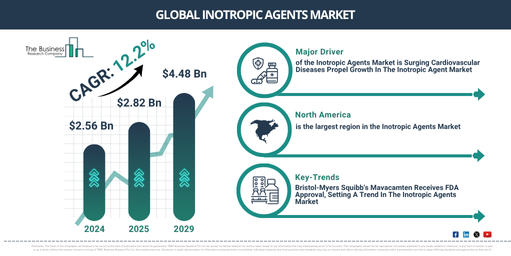
    The inotropic agents market has experienced rapid expansion in recent years. It is anticipated to expand from $2.56 billion in 2024 to $2.82 billion in 2025, exhibiting a compound annual growth rate (CAGR) of 10.5%. The historical growth of this market can be linked to factors such as education and awareness initiatives, the broadening of cardiac treatment options, the development of safer agents, improved patient outcomes, and various regulatory approvals.

    The inotropic agents market is projected to experience rapid expansion in the coming years, with its size anticipated to reach $4.48 billion by 2029, exhibiting a compound annual growth rate (CAGR) of 12.2%. This growth during the forecast period is primarily driven by the increasing burden of cardiovascular diseases, ongoing advancements in drug delivery systems, the adoption of a personalized medicine approach, a rise in research funding, and the growing demand for combination therapies. Significant trends expected in this period include enhanced patient education and awareness initiatives, targeted approaches for cardiomyopathies, a strengthened focus on heart failure management, the continued development of combination therapies, and the introduction of products with improved safety profiles.

    Access A Free Sample Of The Report:

    https://www.thebusinessresearchcompany.com/sample.aspx?id=10711&type=smp

    Which Long-Term Drivers Are Expected To Sustain The Inotropic Agents Market?

    The growing occurrence of cardiovascular diseases is propelling the inotropic agent market. Cardiovascular diseases (CVDs) encompass conditions affecting the heart and vascular system. Inotropic agents are utilized to manage cardiovascular diseases, enhancing heart contractility and function, addressing cardiac shock, and reducing heart rate, which collectively strengthens the heart’s pumping ability and increases blood flow, thus supporting the inotropic agent market. For example, according to reports from the US-based government agency, the Centers for Disease Control and Prevention, in October 2022, heart conditions were the primary cause of mortality in the US. Approximately 697,000 individuals succumbed to heart disease in 2020, representing roughly 1 in every 5 deaths. Additionally, about 20.1 million adults were affected by coronary artery disease, and roughly 805,000 people in the US experience a heart attack each year. Furthermore, in August 2022, the American College of Cardiology, a US-based nonprofit medical association, projected that the risk of stroke would rise by 33.8 percent to 15 million between 2025 and 2060. Consequently, the rising prevalence of cardiovascular diseases is accelerating the inotropic agent market.

    How Is The Inotropic Agents Market Classified By Different Segments?

    The inotropic agents market covered in this report is segmented –

    1) By Type: Positive Inotropic Drugs, Negative Inotropic Drugs, Other Types

    2) By Route Of Administration: Oral, Parenteral, Other Routes Of Administration

    3) By Indication: Heart Attack, Heart Failure, Angina, Arrhythmia, Other Indications

    4) By Distribution Channel: Hospital Pharmacy, Retail Pharmacy, Other Distribution Channels

    5) By End User: Hospital, Homecare, Specialty Centers, Other End Users

    Subsegments:

    1) By Positive Inotropic Drugs: Cardiac Glycosides, Catecholamines, Phosphodiesterase Inhibitors

    2) By Negative Inotropic Drugs: Beta Blockers, Calcium Channel Blockers

    3) By Other Types: Mixed Inotropic Drugs, Experimental Inotropic Agents

    What Current And Upcoming Trends Are Shaping The Inotropic Agents Market?

    A significant and increasingly prevalent trend in the inotropic agents market is the approval of new drugs. Leading market players are actively engaged in the creation of novel products and medications to maintain their competitive standing. As an illustration, in April 2022, Bristol-Myers Squibb., a US-based pharmaceutical developer and manufacturer, secured regulatory approval for Camzyos (mavacamten) from the U.S. Food and Drug Administration (FDA), which is a US-based national public health agency and regulator. This medication is prescribed for addressing class II-III obstructive hypertrophic cardiomyopathy (HCM) to enhance patients’ functional capacity and alleviate symptoms. The drug functions by curbing the over-contraction of the heart muscle, acting as a selective inhibitor of cardiac myosin, a protein crucial for muscle contraction. It is generally administered to patients with symptomatic obstructive HCM who have not shown sufficient response to alternative therapies like beta-blockers or calcium channel blockers.

    Who Are The Primary Market Leaders In The Inotropic Agents Market?

    Major companies operating in the inotropic agents market include Pfizer Inc., GSK plc, Novartis AG, Mylan N.V., Boehringer Ingelheim International GmbH, AstraZeneca plc, Johnson & Johnson, Bayer AG, Merck & Co. Inc., Bristol-Myers Squibb Company, Cipla Ltd., Eli Lilly And Company, Sanofi S.A., Baxter International Inc., Hikma Pharmaceuticals plc, Sun Pharmaceuticals Industries Ltd., Cadila Pharmaceuticals Ltd., AbbVie Inc., Allergan plc, Amgen Inc., Daiichi Sankyo Company Limited, Eisai Co. Ltd., Fresenius Kabi AG, Genentech Inc., GlaxoSmithKline plc, Intas Pharmaceuticals Ltd., Lupin Limited, Regeneron Pharmaceuticals Inc., Roche Holding AG, BioNTech SE

    Download The Full Report Here:

    https://www.thebusinessresearchcompany.com/report/inotropic-agents-global-market-report

    Which Regional Markets Are Emerging As Key Centers For The Inotropic Agents Market?

    North America was the largest region in the inotropic agents market in 2024.Asia-Pacific is expected to be the fastest-growing region in the global inotropic agents market report during the forecast period. The regions covered in the inotropic agents market report are Asia-Pacific, Western Europe, Eastern Europe, North America, South America, Middle East, Africa

    Get A Report Customized For You Here:

    https://www.thebusinessresearchcompany.com/customise?id=10711&type=smp

    Browse Through More Reports Similar to the Global Inotropic Agents Market 2025, By The Business Research Company

    Malted Wheat Flour Global Market Report 2025

    https://www.thebusinessresearchcompany.com/report/malted-wheat-flour-global-market-report

    Bakery And Confectionary Global Market Report 2025

    https://www.thebusinessresearchcompany.com/report/bakery-and-confectionary-global-market-report

    Flour Rice And Malt Global Market Report 2025

    https://www.thebusinessresearchcompany.com/report/flour-rice-and-malt-global-market-report

    Get in touch with us:

    The Business Research Company: https://www.thebusinessresearchcompany.com/

    Americas +1 310-496-7795

    Asia +44 7882 955267 & +91 8897263534

    Europe +44 7882 955267

    Email us at info@tbrc.info

    Follow us on:

    LinkedIn: https://in.linkedin.com/company/the-business-research-company

    YouTube: https://www.youtube.com/channel/UC24_fI0rV8cR5DxlCpgmyFQ

    Global Market Model: https://www.thebusinessresearchcompany.com/global-market-model
  • Global Medical Foods Market Valuation and Growth Prospects: $32.87 Billion by 2029

    Global Medical Foods Market Valuation and Growth Prospects: $32.87 Billion by 2029

    Uncover key drivers, emerging technologies, and competitive movements shaping the medical foods market from 2025–2034 with trusted insights from The Business Research Company

    What Are The Future Growth Projections For The Medical Foods Market Size?

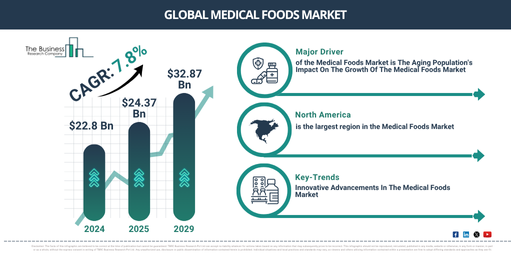
    Recently, the medical foods market has experienced strong growth. It is set to expand from $22.8 billion in 2024 to $24.37 billion in 2025, at a compound annual growth rate (CAGR) of 6.9%. This historic growth is attributable to the increased prevalence of chronic diseases, advances in medical and nutritional science, a growing aging population, a rise in awareness of The role of nutrition in managing health conditions, and regulatory support for medical foods.

    The medical foods market size is anticipated to experience substantial expansion in the coming years. It is projected to reach $32.87 billion by 2029, exhibiting a compound annual growth rate (CAGR) of 7.8%. This expansion during the forecast period can be attributed to several factors, including an increased emphasis on preventive healthcare, a rising need for tailored nutrition, broadened applications in managing metabolic disorders, breakthroughs in nutrigenomics and personalized medicine, and a growing consumer inclination towards functional foods. Key trends anticipated during this period encompass the creation of specialized medical food formulations for specific conditions, increased cooperation between the food and pharmaceutical sectors, an enlargement of sales avenues like e-commerce, the incorporation of digital solutions for personalized nutritional plans, and a stronger focus on natural and clean-label ingredients in medical foods.

    Access A Free Sample Of The Report:

    https://www.thebusinessresearchcompany.com/sample.aspx?id=6353&type=smp

    What Core Market Drivers Are Expanding The Medical Foods Industry?

    The expanding geriatric population is a significant contributor to the growth of the medical foods market. Aging, at the molecular and cellular levels, is caused by the progressive accumulation of various biomolecular damage over time. This process leads to a gradual decrease in functional capacity, an elevated risk of disease, and eventually, death. These alterations are not linear or continuous and are only distantly connected to a person’s chronological age. As individuals age, their reliance on specific nutritional provisions, especially medical foods, grows to manage their health from chronic and age-related diseases. For instance, in October 2022, a report from the World Health Organization (WHO), the Switzerland-based agency dedicated to international public health, indicated that one in six people globally is expected to be 60 or older by 2030. By 2050, the number of people worldwide aged 60 years or older will reach 2.1 billion. Thus, the rising geriatric population is anticipated to drive the expansion of the medical foods market.

    What Segment Insights Are Highlighted In The Medical Foods Market Report?

    The medical foods market covered in this report is segmented –

    1) By Type: Pills, Powder, Other Types

    2) By Application: Alzheimer’s Disease, Diabetic Neuropathy, Nutritional Deficiency, ADHD, Other Applications

    3) By Sales Channel: Retail Sales, Online Sales, Institutional Sales

    Subsegments:

    1) By Pills: Tablets, Capsules, Softgels

    2) By Powder: Nutritional Powders, Fiber Powders

    3) By Other Types: Liquid Formulations, Ready-To-Drink Products, Functional Bars And Snacks

    Which Notable Trends Are Transforming The Medical Foods Market Outlook?

    Leading companies within the medical foods market are developing innovative offerings such as foods for special medical purposes (FSMP) to attract broader customer bases, increase sales, and boost revenue. FSMP comprises a category of specifically formulated food products intended for individuals with particular medical conditions, disorders, or diseases. For example, in July 2022, Nestle, a Switzerland-based food company, introduced Si Yi Su, an FSMP crafted for individuals managing tumor-related conditions. The distinctive aspect of Si Yi Su is its formulation, which features arginine, fish oil omega-3, nucleotides, and other crucial nutritional components. This precise combination is engineered to target inflammation and enhance the compromised immunity of patients.

    Which Firms Are Driving Innovation Within The Medical Foods Market?

    Major companies operating in the medical foods market include Nestlé SA, Danone SA, Fresenius Kabi AG, Mead Johnson & Company LLC, Primus Pharmaceuticals Inc., Abbott Nutrition Inc., Accera Inc., Ajinomoto Cambrooke Inc., Applied Food Sciences Inc., Cambrooke Therapeutics Inc., Danone Nutricia North America Inc., Health and Happiness (H&H) Group Limited, RFI Ingredients LLC, Solace Nutrition LLC, Targeted Medical Pharma Inc., VAYA Pharma Inc., Baxter Healthcare Corporation, Braun Melsungen AG, DuPont Nutrition & Biosciences, Enteral Nutrition Holdings Inc., Fresenius Medical Care AG & Co. KGaA, Nutricia North America Inc., Otsuka Pharmaceutical Co. Ltd., Koninklijke DSM NV, Total Parenteral Nutrition Solutions Inc.

    Download The Full Report Here:

    https://www.thebusinessresearchcompany.com/report/medical-foods-global-market-report

    What Regional Trends Are Shaping Growth In The Medical Foods Market?

    North America was the largest region in the medical foods market in 2024.Asia-Pacific is expected to be the fastest-growing region in the forecast period. The regions covered in the medical foods market report are Asia-Pacific, Western Europe, Eastern Europe, North America, South America, Middle East, Africa

    Get A Report Customized For You Here:

    https://www.thebusinessresearchcompany.com/customise?id=6353&type=smp

    Browse Through More Reports Similar to the Global Medical Foods Market 2025, By The Business Research Company

    Electronic And Precision Equipment Repair And Maintenance Global Market Report 2025

    https://www.thebusinessresearchcompany.com/report/electronic-and-precision-equipment-repair-and-maintenance-global-market-report

    Research Antibodie And Reagent Global Market Report 2025

    https://www.thebusinessresearchcompany.com/report/research-antibodie-and-reagent-global-market-report

    Catalyst Fertilizer Global Market Report 2025

    https://www.thebusinessresearchcompany.com/report/catalyst-fertilizer-global-market-report

    Get in touch with us:

    The Business Research Company: https://www.thebusinessresearchcompany.com/

    Americas +1 310-496-7795

    Asia +44 7882 955267 & +91 8897263534

    Europe +44 7882 955267

    Email us at info@tbrc.info

    Follow us on:

    LinkedIn: https://in.linkedin.com/company/the-business-research-company

    YouTube: https://www.youtube.com/channel/UC24_fI0rV8cR5DxlCpgmyFQ

    Global Market Model: https://www.thebusinessresearchcompany.com/global-market-model
  • Leukemia Therapeutics Market Insights: Revenue Expected to Surpass $25.34 Billion by 2029

    Leukemia Therapeutics Market Insights: Revenue Expected to Surpass $25.34 Billion by 2029

    Uncover key drivers, emerging technologies, and competitive movements shaping the leukemia therapeutics market from 2025–2034 with trusted insights from The Business Research Company

    What Is The Current Size And Expected Growth Outlook For The Leukemia Therapeutics Market?

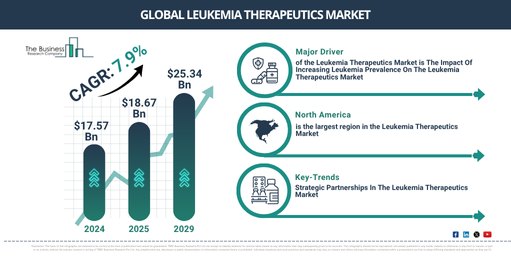
    The leukemia therapeutics market size has experienced strong growth in recent years. It is projected to expand from $17.57 billion in 2024 to $18.67 billion in 2025, exhibiting a compound annual growth rate (CAGR) of 6.3%. The historic period’s growth can be linked to the rising geriatric population, better diagnostics leading to early detection of leukemia, the increasing prevalence of leukemia, growing investment in research and development, and the wider adoption of personalized medicine approaches.

    The leukemia therapeutics market is anticipated to experience substantial expansion in the coming years. Its value is projected to reach “$25.34 billion by 2029, exhibiting a compound annual growth rate (CAGR) of 7.9%. This growth throughout the forecast period can be attributed to several factors, including the development of novel immunotherapies for leukemia, an increasing focus on precision medicine within leukemia treatment, the expansion of indications for existing leukemia therapies, the increased adoption of gene therapies, and advancements in supportive care for leukemia patients. Significant trends during the forecast period are expected to encompass the integration of biomarker-driven approaches, the rise of combination therapies for enhanced efficacy, an emphasis on minimal residual disease monitoring, the increasing use of CAR-T cell therapies, and the exploration of targeted therapies based on specific leukemia subtypes.

    Access A Free Sample Of The Report:

    https://www.thebusinessresearchcompany.com/sample.aspx?id=6358&type=smp

    Which Growth Drivers Are Propelling The Leukemia Therapeutics Market?

    The increasing occurrence of leukemia is propelling the expansion of the leukemia therapeutics market. This condition is a form of blood cancer originating in the bone marrow, characterized by the uncontrolled proliferation of blood cells. Enhanced global access to medical care for leukemia patients, alongside a wider array of available treatment modalities, has fueled the demand for leukemia therapeutics. For example, a report released by the American Cancer Society, a US-based health organization, in January 2023, projected approximately 59,610 new cases of all leukemia types and about 23,710 related deaths across the United States in 2023. Furthermore, an estimated 20,380 new diagnoses of acute myeloid leukemia (AML) and roughly 11,310 AML-related deaths are predicted for the identical year. Consequently, the growing incidence of leukemia is a significant factor driving the expansion of the leukemia therapeutics market.

    Which Segmentation Factors Are Most Significant In The Leukemia Therapeutics Market Analysis?

    The leukemia therapeutics market covered in this report is segmented –

    1) By Treatment Type: Chemotherapy, Immunotherapy, Targeted Therapy, Other Treatments

    2) By Type Of Leukemia: Acute Lymphocytic Leukemia, Acute Myeloid Leukemia, Chronic Lymphocytic Leukemia, Chronic Myeloid Leukemia, Other Type Of Leukemia

    3) By Molecule Type: Small Molecules, Biologics

    4) By End-Users: Hospitals, Homecare, Specialty Clinics, Other End-Users

    Subsegments:

    1) By Chemotherapy: Alkylating Agents, Antimetabolites, Plant Alkaloids, Corticosteroids

    2) By Immunotherapy: Monoclonal Antibodies, CAR T-Cell Therapy, Immune Checkpoint Inhibitors, Vaccines

    3) By Targeted Therapy: Tyrosine Kinase Inhibitors (TKIs), BCL-2 Inhibitors, IDH Inhibitors, Other Targeted Agents

    4) By Other Treatments: Radiation Therapy, Stem Cell Transplantation, Supportive Care Treatments

    What New Opportunities Are Emerging From Trends In The Leukemia Therapeutics Market?

    Leading firms within the leukemia therapeutics sector are employing strategic alliances to facilitate the introduction and market penetration of their initial advanced cancer therapies within the United States. These partnerships involve businesses utilizing one another’s capabilities and assets to secure shared advantages and favorable outcomes. For example, during February 2023, Xspray Pharma AB, a biotechnology company headquartered in Sweden, formed a collaboration with EVERSANA, a US-based firm specializing in commercial services for the life sciences sector. This alliance is designed to support the U.S. debut and market development of Xspray Pharma’s premier innovative cancer treatment, Dasynoc, which targets chronic myeloid leukemia (CML) and acute lymphoblastic leukemia (ALL). Xspray Pharma intends to maintain financial and strategic oversight, while granting EVERSANA exclusive commercialization rights to aid in the launch of Dasynoc, anticipated for the latter half of 2023.

    Who Are The Most Influential Companies In The Leukemia Therapeutics Market?

    Major companies operating in the leukemia therapeutics market include Novartis International AG, AbbVie Inc., Bristol Myers Squibb Company, F. Hoffmann-La Roche AG, Sanofi S. A., Agios Pharmaceuticals, Amgen Inc., Argenx SE, Astellas Pharma Inc., BioLineRx Ltd., Cellerant Therapeutics Inc., Daiichi Sankyo Company Limited, Forma Therapeutics Inc., Gilead Sciences Inc., Incyte Corporation, Jazz Pharmaceuticals plc, Johnson & Johnson, Mirati Therapeutics Inc., Molecular Templates Inc., Ono Pharmaceutical Co. Ltd., Pfizer Inc., Seattle Genetics Inc., Stemline Therapeutics Inc., Sunesis Pharmaceuticals Inc., Takeda Pharmaceutical Company Limited, TG Therapeutics Inc., Allogene Therapeutics Inc., Blueprint Medicines Corporation, Karyopharm Therapeutics Inc., Verastem Oncology Inc.

    Download The Full Report Here:

    https://www.thebusinessresearchcompany.com/report/leukemia-therapeutics-global-market-report

    Which Region Holds The Largest Share In The Leukemia Therapeutics Market Today?

    North America was the largest region in the leukemia therapeutics market in 2024.Asia-Pacific is expected to be the fastest-growing region in the forecast period. The regions covered in the leukemia therapeutics market report are Asia-Pacific, Western Europe, Eastern Europe, North America, South America, Middle East, Africa

    Get A Report Customized For You Here:

    https://www.thebusinessresearchcompany.com/customise?id=6358&type=smp

    Browse Through More Reports Similar to the Global Leukemia Therapeutics Market 2025, By The Business Research Company

    Blood Cancer Drugs Global Market Report 2025

    https://www.thebusinessresearchcompany.com/report/blood-cancer-drugs-global-market-report

    Cancer Biologics Global Market Report 2025

    https://www.thebusinessresearchcompany.com/report/cancer-biologics-global-market-report

    Rituximab Biosimilar Global Market Report 2025

    https://www.thebusinessresearchcompany.com/report/rituximab-biosimilar-global-market-report

    Get in touch with us:

    The Business Research Company: https://www.thebusinessresearchcompany.com/

    Americas +1 310-496-7795

    Asia +44 7882 955267 & +91 8897263534

    Europe +44 7882 955267

    Email us at info@tbrc.info

    Follow us on:

    LinkedIn: https://in.linkedin.com/company/the-business-research-company

    YouTube: https://www.youtube.com/channel/UC24_fI0rV8cR5DxlCpgmyFQ

    Global Market Model: https://www.thebusinessresearchcompany.com/global-market-model
  • Inhalable Drugs Market Trends, Drivers, and Regional Analysis 2025–2029

    Inhalable Drugs Market Trends, Drivers, and Regional Analysis 2025–2029

    Uncover key drivers, emerging technologies, and competitive movements shaping the inhalable drugs market from 2025–2034 with trusted insights from The Business Research Company

    How Is The Inhalable Drugs Market Size Expected To Expand Over 2029-2034?

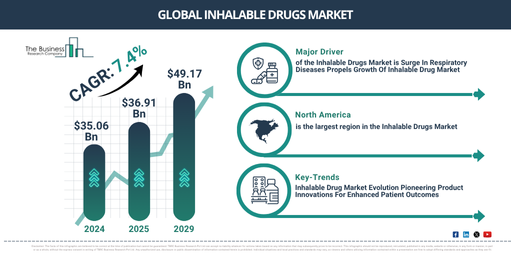
    The inhalable drugs market size has shown robust expansion in recent years. It is projected to expand from $35.06 billion in 2024 to $36.91 billion in 2025, demonstrating a compound annual growth rate (CAGR) of 5.3%. This historical growth can be linked to factors such as a rise in the geriatric population, patients’ preference for non-invasive treatments, a heightened focus on respiratory health, and the expansion of emerging markets.

    The market for inhalable drugs is anticipated to experience robust expansion over the coming years. This market is projected to reach $49.17 billion by 2029, exhibiting a compound annual growth rate (CAGR) of 7.4%. Key factors driving this growth during the forecast period include increasing healthcare expenditures, rising demand for biologics, a greater emphasis on personalized medicine, and regulatory backing for orphan drugs. Significant trends expected within this period encompass the development of advanced respiratory medications for veterinary use, ongoing technological advancements, and enhanced reimbursement frameworks.

    Access A Free Sample Of The Report:

    https://www.thebusinessresearchcompany.com/sample.aspx?id=12490&type=smp

    Which Market Factors Are Fueling The Inhalable Drugs Industry Growth?

    The future expansion of the inhalable drug market is anticipated to be driven by the rising occurrence of respiratory illnesses. These are health conditions impacting the respiratory system, encompassing organs such as the lungs, bronchi, trachea, larynx, pharynx, and nasal passages. Inhalable medications represent a vital and efficient treatment approach for various respiratory ailments, as they administer drugs directly into the lungs. For example, data released in December 2023 by the Australian Bureau of Statistics, an Australia-based government entity, indicated that in 2022, 2.5% of the populace (amounting to 638,100 individuals) suffered from COPD, with comparable figures observed for males (2.4%) and females (2.6%). The likelihood of having COPD was considerably higher among current daily smokers (8.1%) when contrasted with ex-smokers (4.4%) and individuals who had never smoked (1.6%). Consequently, the growing incidence of respiratory conditions will fuel the inhalable drug market in the future.

    Which Categories Are Covered In The Inhalable Drugs Market Segmentation Analysis?

    The inhalable drugs market covered in this report is segmented –

    1) By Product: Aerosol, Dry Powder Formulation, Spray

    2) By Distribution Channel: Hospital Pharmacy, Pharmacy Stores, Other Distribution Channels

    3) By Application: Respiratory Diseases, Non-Respiratory Diseases

    4) By End Users: Adults, Pediatric, Geriatric

    Subsegments:

    1) By Aerosol: Metered Dose Inhalers (MDIs), Nebulizers, Soft Mist Inhalers

    2) By Dry Powder Formulation: Dry Powder Inhalers (DPIs), Blister Packs, Capsules

    3) By Spray: Nasal Sprays, Oral Sprays, Subcutaneous Sprays

    Which Market Trends Are Expected To Define The Future Of The Inhalable Drugs Market?

    New product developments represent a significant and growing trend within the inhalable drug market. Leading firms active in the inhalable drug market are concentrating on improvements in inhalable medications to maintain their competitive standing. As an example, in July 2022, DMV-Fonterra Excipients GmbH & Co. KG, a German pharmaceutical company, broadened its range of dry powder inhalation (DPI) products by introducing Lactohale 400. This particular new variant offers customization for specific pharmaceutical company requirements and is collaboratively designed with formulators to guarantee favorable patient results. The wide array of lactose-based excipients aims to offer suitable properties for diverse inhaled treatments. Lactohale 400 is a type of crushed, dry lactose specifically suitable for DPI uses demanding strong flow and good cohesiveness. Its anhydrous composition distinguishes it from typical lactose carriers and delivers distinct aerosolization capabilities compared to lactose monohydrate of identical particle size.

    Which Organizations Are At The Forefront Of The Inhalable Drugs Market?

    Major companies operating in the inhalable drugs market include Pfizer Inc., Merck & Co. Inc., Novartis AG, Sanofi SA, AstraZeneca plc, GlaxoSmithKline Plc, Eli Lilly and Company, Boehringer Ingelheim International GmbH, Teva Pharmaceutical Industries Ltd., Catalent Inc., Sumitomo Pharma Co. Ltd., Intertek Group plc, AptarGroup Inc., Cipla Inc., Glenmark Pharmaceuticals Inc., Piramal Pharma Ltd., Zambon S.p.A., Sunovion Pharmaceuticals Inc., Nelson Laboratories LLC, Vectura Group Limited, Abiogen Pharma, Quotient Sciences, AeroGen Pharma, Alaxia S.A.S., Pharmaxis Ltd., Avalyn Pharma Inc., TFF Pharmaceuticals Inc.

    Download The Full Report Here:

    https://www.thebusinessresearchcompany.com/report/inhalable-drugs-global-market-report

    Which Geographic Areas Are Driving Strong Demand For The Inhalable Drugs Market?

    North America was the largest region in the inhalable drugs market in 2024. Asia-Pacific is expected to be the fastest-growing region in the forecast period. The regions covered in the inhalable drugs market report are Asia-Pacific, Western Europe, Eastern Europe, North America, South America, Middle East, Africa

    Get A Report Customized For You Here:

    https://www.thebusinessresearchcompany.com/customise?id=12490&type=smp

    Browse Through More Reports Similar to the Global Inhalable Drugs Market 2025, By The Business Research Company

    Bladder Cancer Drugs Global Market Report 2025

    https://www.thebusinessresearchcompany.com/report/bladder-cancer-drugs-global-market-report

    Blood Cancer Drugs Global Market Report 2025

    https://www.thebusinessresearchcompany.com/report/blood-cancer-drugs-global-market-report

    Brain Tumor Drugs Global Market Report 2025

    https://www.thebusinessresearchcompany.com/report/brain-tumor-drugs-global-market-report

    Get in touch with us:

    The Business Research Company: https://www.thebusinessresearchcompany.com/

    Americas +1 310-496-7795

    Asia +44 7882 955267 & +91 8897263534

    Europe +44 7882 955267

    Email us at info@tbrc.info

    Follow us on:

    LinkedIn: https://in.linkedin.com/company/the-business-research-company

    YouTube: https://www.youtube.com/channel/UC24_fI0rV8cR5DxlCpgmyFQ

    Global Market Model: https://www.thebusinessresearchcompany.com/global-market-model
  • Inhalation Anesthesia Market Performance and Future Outlook at 8.8% CAGR Through 2029

    Inhalation Anesthesia Market Performance and Future Outlook at 8.8% CAGR Through 2029

    Uncover key drivers, emerging technologies, and competitive movements shaping the inhalation anesthesia market from 2025–2034 with trusted insights from The Business Research Company

    What Is The Predicted Size Of The Inhalation Anesthesia Industry By 2029?

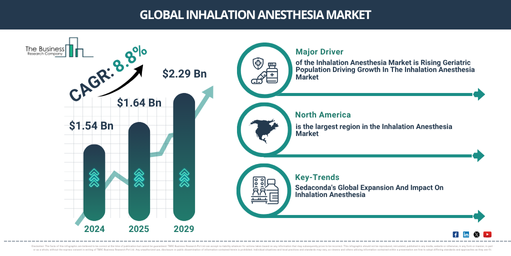
    The inhalation anesthesia market size has witnessed significant expansion in recent years. This market is set to increase from $1.54 billion in 2024 to $1.64 billion in 2025, exhibiting a compound annual growth rate (CAGR) of 5.9%. The historical growth can be attributed to a rise in surgical procedures requiring anesthesia, an expanding geriatric population, the evolution of inhalation anesthetics, the establishment of more ambulatory surgical centers, and a heightened prevalence of chronic ailments such as heart disease and cancer.

    The inhalation anesthesia market is poised for robust growth in the coming years, with its valuation expected to reach $2.29 billion by 2029, exhibiting a compound annual growth rate (CAGR) of 8.8%. This expansion during the forecast period is attributed to factors such as the increasing demand for minimally invasive surgeries, rising global healthcare expenditures, a growing number of surgical procedures in emerging markets, the adoption of inhalation anesthesia in veterinary medicine, and increased government funding for the research and development of innovative inhalation anesthetics. Key trends anticipated during this period include technological innovations in anesthesia delivery systems, the development of inhalation anesthesia devices for pediatric use, a shift towards sevoflurane and desflurane, a focus on eco-friendly anesthetic agents, and the integration of monitoring technologies into anesthesia delivery.

    Access A Free Sample Of The Report:

    https://www.thebusinessresearchcompany.com/sample.aspx?id=7198&type=smp

    What Major Drivers Are Impacting The Inhalation Anesthesia Market?

    The growing geriatric population is expected to drive the expansion of inhalation anesthesia during the forecast period. This demographic is boosting the inhalation anesthesia market due to their heightened susceptibility to degenerative diseases and chronic illnesses, which in turn leads to an increase in surgical procedures and therapeutic interventions. Furthermore, the rising number of older individuals, who are more prone to ailments such as cardiovascular, neurological, respiratory, and degenerative disorders, is propelling market growth. Administering anesthesia intravenously to geriatric patients is often challenging because of fragile blood vessels and issues with patient compliance. For instance, in October 2022, the World Health Organization, a Switzerland-based international public health organization, stated that the global population of individuals aged 60 years was projected to increase to 1.4 billion by 2022, compared to 1 billion in 2020. Moreover, it is estimated that 1 out of 6 people worldwide will be aged more than 60 years or older by 2030. Therefore, the increasing geriatric population is anticipated to significantly boost demand for inhalation anesthesia throughout the forecast period.

    Which Segment Categories Are Driving Maximum Growth In The Inhalation Anesthesia Market?

    The inhalation anesthesia market covered in this report is segmented –

    1) By Product: Sevoflurane, Desflurane, Isoflurane, Nitrous Oxide

    2) By Application: Induction, Maintenance

    3) By End User: Hospitals, Ambulatory Surgical Centers

    Subsegments:

    1) By Sevoflurane: Liquid Form, Gas Form

    2) By Desflurane: Liquid Form, Gas Form

    3) By Isoflurane: Liquid Form, Gas Form

    4) By Nitrous Oxide: Medical-Grade Nitrous Oxide, Industrial-Grade Nitrous Oxide

    Which Long-Term Trends Will Play A Crucial Role In The Inhalation Anesthesia Market?

    Numerous companies within the inhalation anesthesia sector are innovating products such as Sedaconda to address industry needs and bolster their market presence worldwide. Sedaconda serves as an inhaled sedation therapy, administered via the Anaesthetic Conserving Device (ACD), and is sanctioned for use in intensive care. For instance, in February 2022, Sedana Medical AB, a med tech and pharmaceutical company hailing from Sweden, introduced Sedaconda (isoflurane) to the German market. This Sedaconda (isoflurane) is delivered through the medical device known as Sedaconda ACD (Anaesthetic Conserving Device) and stands as the exclusive approved inhaled sedation therapy authorized for application in intensive care environments. After securing European DCP approval in July 2021, Sedaconda (isoflurane) has subsequently gained national approvals in 14 countries.

    Who Are The Dominant Players In The Inhalation Anesthesia Market Today?

    Major companies operating in the inhalation anesthesia market include Abbvie Inc., Baxter International Inc., Fresenius SE & Co. KGaA, Halocarbon Products Corporation, Hikma Pharmaceuticals PLC, B. Braun Melsungen AG, Lunan Pharmaceutical Group Co. Ltd., Maruishi Pharmaceutical Co. Ltd., Mylan N. V., Piramal Enterprises Ltd., Recipharm AB, Sandoz International GmbH, Sun Pharmaceutical Industries Ltd., Teva Pharmaceutical Industries Ltd., Wockhardt Ltd., AstraZeneca PLC, C. H. Boehringer Sohn AG & Co. KG, Bristol-Myers Squibb Company, Eisai Co. Ltd., GlaxoSmithKline PLC, Johnson & Johnson Inc., Merck & Co. Inc., Novartis AG, Pfizer Inc., F. Hoffmann-La Roche AG, Sanofi S. A., Takeda Pharmaceutical Company Limited, Teijin Pharma Limited, UCB S. A., Zydus Lifesciences Limited

    Download The Full Report Here:

    https://www.thebusinessresearchcompany.com/report/inhalation-anesthesia-global-market-report

    Which Region Is At The Forefront Of Innovation In The Inhalation Anesthesia Market?

    North America was the largest region in the inhalation anesthesia market in 2024. Asia-Pacific is expected to be the fastest-growing region in the forecast period. The regions covered in the inhalation anesthesia market report are Asia-Pacific, Western Europe, Eastern Europe, North America, South America, Middle East, Africa

    Get A Report Customized For You Here:

    https://www.thebusinessresearchcompany.com/customise?id=7198&type=smp

    Browse Through More Reports Similar to the Global Inhalation Anesthesia Market 2025, By The Business Research Company

    Anesthetics Global Market Report 2025

    https://www.thebusinessresearchcompany.com/report/anesthetics-global-market-report

    Inhalation Sedative Global Market Report 2025

    https://www.thebusinessresearchcompany.com/report/inhalation-sedative-global-market-report

    Central Nervous System Drugs Global Market 2025

    https://www.thebusinessresearchcompany.com/report/central-nervous-system-drugs-global-market

    Get in touch with us:

    The Business Research Company: https://www.thebusinessresearchcompany.com/

    Americas +1 310-496-7795

    Asia +44 7882 955267 & +91 8897263534

    Europe +44 7882 955267

    Email us at info@tbrc.info

    Follow us on:

    LinkedIn: https://in.linkedin.com/company/the-business-research-company

    YouTube: https://www.youtube.com/channel/UC24_fI0rV8cR5DxlCpgmyFQ

    Global Market Model: https://www.thebusinessresearchcompany.com/global-market-model