Blog

  • Artificial Intelligence In Life Sciences Industry Insights: Market Forecast to 2029

    Artificial Intelligence In Life Sciences Industry Insights: Market Forecast to 2029

    Unlock Global Insights – Save 20% on Market Reports with Code ONLINE20

    How Much Larger Is The Artificial Intelligence In Life Sciences Market Expected To Become By 2029 Compared With Its 2025 Level?

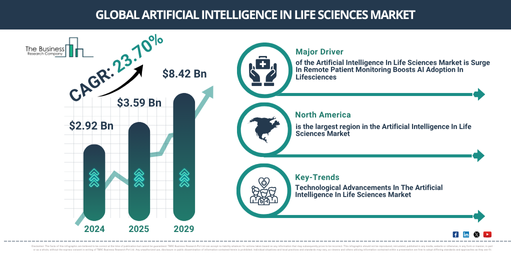
    The artificial intelligence in life sciences market has experienced substantial expansion in its size over recent years. This market is projected to grow from $2.92 billion in 2024 to reach $3.59 billion by 2025, demonstrating a compound annual growth rate (CAGR) of 23.2%. Historically, this growth has been driven by factors such as a rising volume of clinical trials, the expanding integration of AI in research and development activities, and a strong focus on advancing precision medicine and personalized drugs.

    The artificial intelligence in life sciences market size is projected to experience significant expansion in the coming years. It is anticipated to reach $8.42 billion by 2029, achieving a compound annual growth rate (CAGR) of 23.7%. This growth during the forecast period is primarily driven by the escalating interest in real-time remote patient monitoring (rpm) systems, the increasing need for AI in drug discovery, and the heightened integration of AI into medical imaging analysis. Prominent trends expected in this forecast period include strategic partnerships, product innovations, technological advancements, increased investments, and extensive research and development initiatives.

    Unlock Your Free Sample Report for Exclusive Market Data:

    https://www.thebusinessresearchcompany.com/sample.aspx?id=13587&type=smp

    Which Drivers Are Supporting Growth Of The Artificial Intelligence In Life Sciences Market?

    The anticipated expansion of artificial intelligence in the life sciences market is set to be driven by the surging interest in real-time remote patient monitoring (RPM) systems in the coming period. An RPM system functions as a technology-based healthcare solution crafted to oversee patients’ health outside of traditional medical facilities. AI in life sciences makes substantial contributions to remote patient monitoring by offering uninterrupted, individualized, and data-informed insights that facilitate forward-looking healthcare management. For example, a survey carried out by Livelink, a US-based digital healthcare company, indicated in August 2023 that clinicians’ engagement with remote patient monitoring (RPM) escalated from 20% in 2021 to 81% in 2022, marking an overall increase of 305%. Hence, the escalating appeal of real-time remote patient monitoring (RPM) systems is propelling the expansion of artificial intelligence in the life sciences market.

    How Is The Artificial Intelligence In Life Sciences Market Segmented?

    The artificial intelligence in life sciencesmarket covered in this report is segmented –

    1) By Offering: Software; Hardware; Services

    2) By Deployment: On-Premises; Cloud-Based

    3) By Application: Drug Discovery; Medical Diagnosis; Biotechnology; Clinical Trails; Precision And Personalized Medicine; Patient Monitoring

    Subsegments:

    1) By Software: Drug Discovery Software; Genomic Analysis Software; Clinical Trial Management Software; Personalized Medicine Software; Laboratory Information Management Systems (LIMS)

    2) By Hardware: AI-Enabled Laboratory Equipment; Robotics And Automation Systems; Imaging Devices And Equipment; Sensor Technologies

    3) By Services: Consulting Services; Data Analytics Services; Research And Development Services; Implementation And Integration Services; Training And Support Services

    Which Trends Are Impacting The Artificial Intelligence In Life Sciences Market?

    Major companies in the artificial intelligence in the life sciences market are prioritizing innovative products with advanced technology, like drug discovery software, to secure their market position. Drug discovery software refers to a category of computer programs and applications designed to assist pharmaceutical and biotechnology researchers in the process of identifying new drugs. For instance, in December 2023, Merck, a Germany-based science and technology company, unveiled AIDDISON, an innovative drug discovery software. As a pioneering tool, it connects virtual molecule design with real-world manufacturability, utilizing generative AI, machine learning, and computer-aided drug design. AIDDISON efficiently pinpoints potential drug candidates from a vast range of options, considering crucial properties such as non-toxicity and solubility. Its ability to bridge the gap between virtual molecule design and real-world manufacturability is a significant application of artificial intelligence in the life sciences sector.

    Which Leading Companies Dominate The Artificial Intelligence In Life Sciences Market Share?

    Major companies operating in the artificial intelligence in life sciences market report are Google LLC, Microsoft Corporation, Intel Corporation, IBM Corporation, Medtronic PLC, Nvidia Corporation, Novo Nordisk A/S, Siemens Healthineers AG, Philips Healthcare, Babylon Healthcare Services Ltd., Komodo Health Inc., Modernizing Medicine Inc., Viz.ai Inc., Butterfly Network Inc., Agueda, AiCure LLC, HealthTap Inc., Welltok Inc., Enlitic Inc., PathAI Inc., Nano-X Imaging Ltd., Berg LLC, Inserto, Sense.ly Inc., Subtle Medical Inc., Med sense Biometrics Limited, Immune, Atomwise Inc., Freenome Holdings Inc., Clouded Inc.

    Download The Full Report For Exclusive Market Findings:

    https://www.thebusinessresearchcompany.com/report/artificial-intelligence-in-life-sciences-global-market-report

    What Are The Regional Market Dynamics Impacting The Artificial Intelligence In Life Sciences Industry?

    North America was the largest region in the Artificial Intelligence In Life Sciences market in 2024. Asia-Pacific is expected to be the fastest-growing region in the forecast period. The regions covered in the artificial intelligence in life sciences market report are Asia-Pacific, Western Europe, Eastern Europe, North America, South America, Middle East, Africa.

    Request A Customized Version Of The Artificial Intelligence In Life Sciences Market Report:

    https://www.thebusinessresearchcompany.com/customise?id=13587&type=smp

    Browse Through More Reports Similar to the Global Artificial Intelligence In Life Sciences Market 2025, By The Business Research Company

    Enterprise Artificial Intelligence Global Market Report 2025

    https://www.thebusinessresearchcompany.com/report/enterprise-artificial-intelligence-global-market-report

    Artificial Intelligence Chipsets Global Market Report 2025

    https://www.thebusinessresearchcompany.com/report/artificial-intelligence-chipsets-global-market-report

    Artificial Intelligence In Hr Global Market Report 2025

    https://www.thebusinessresearchcompany.com/report/artificial-intelligence-in-hr-global-market-report

    Get in touch with us:

    The Business Research Company: https://www.thebusinessresearchcompany.com/

    Americas +1 310-496-7795

    Asia +44 7882 955267 & +91 8897263534

    Europe +44 7882 955267

    Email us at info@tbrc.info

    Follow us on:

    LinkedIn: https://in.linkedin.com/company/the-business-research-company

    YouTube: https://www.youtube.com/channel/UC24_fI0rV8cR5DxlCpgmyFQ

    Global Market Model: https://www.thebusinessresearchcompany.com/global-market-model
  • Artificial Intelligence (AI) In Respiratory Diseases Market Size and Growth Forecast for Businesses 2025–2029

    Artificial Intelligence (AI) In Respiratory Diseases Market Size and Growth Forecast for Businesses 2025–2029

    Unlock Global Insights – Save 20% on Market Reports with Code ONLINE20

    What Are The Current (2025) And Forecast (2029) Sizes Of The Artificial Intelligence (AI) In Respiratory Diseases Market?

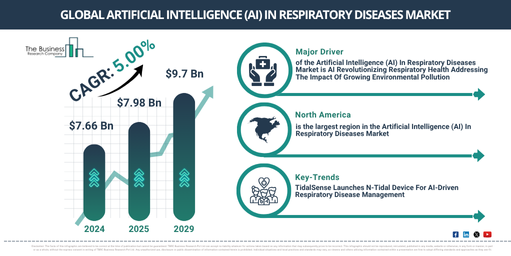
    The market size for artificial intelligence (AI) in respiratory diseases has demonstrated consistent expansion in recent years. It is anticipated to increase from $7.66 billion in 2024 to $7.98 billion in 2025, at a compound annual growth rate (CAGR) of 4.2%. The historical growth in this sector is largely due to increasing government regulations, growing environmental concerns, an increasing aging population, the development of patient-centric healthcare approaches, and a rise in healthcare infrastructure development.

    The market size for artificial intelligence (AI) applied to respiratory diseases is projected to experience consistent expansion over the upcoming years. This market is anticipated to reach $9.7 billion by 2029, demonstrating a compound annual growth rate (CAGR) of 5.0%. Factors driving this growth during the forecast period include the increasing incidence of respiratory ailments, the heightened demand for prompt detection and accurate diagnosis, escalating environmental contamination, increasing spending on healthcare, and ongoing research and development efforts. Key trends anticipated in the forecast period encompass advancements in technology, innovations in drug discovery and development, the adoption of tailored treatment strategies, and the expansion of telemedicine and remote patient monitoring.

    Unlock Your Free Sample Report for Exclusive Market Data:

    https://www.thebusinessresearchcompany.com/sample.aspx?id=13792&type=smp

    Which Drivers Are Shaping The Artificial Intelligence (AI) In Respiratory Diseases Industry’s Market Share?

    The increasing problem of environmental pollution is anticipated to drive the expansion of artificial intelligence (AI) within the respiratory disease market in the future. Environmental pollution is defined as the introduction of substances or energy into the environment at a pace exceeding its capacity for harmless dispersion or storage. AI’s application in respiratory diseases can considerably lessen environmental pollution’s effects on respiratory health by providing real-time surveillance, individualized risk evaluations, well-informed choices, and novel approaches for both people and populations. For example, data from June 2024, provided by the US Energy Information Administration, a governmental body in the US, indicated that CO2 emissions reached 35.72 billion metric tons in 2021, subsequently rising to 38.50 billion metric tons in 2022. Consequently, the rise in environmental pollution is stimulating the development of artificial intelligence (AI) in the respiratory disease market.

    What Are The Key Segments In The Artificial Intelligence (AI) In Respiratory Diseases Market?

    The artificial intelligence (AI) in respiratory diseasesmarket covered in this report is segmented –

    1) By Imaging Type: Magnetic Resonance Imaging (MRI); Computed Tomography (CT) Scan; Electronic Patient-Reported Outcomes (ePRO)

    2) By Indication: Chronic Obstructive Pulmonary Disease; Interstitial Lung Disease; Pulmonary Infection

    3) By End Use: Hospital; Diagnostic Centers; Ambulatory Surgical Centers; Other End-Users

    Subsegments:

    1) By Magnetic Resonance Imaging (MRI): Lung Imaging; Thoracic Imaging; Cardiopulmonary Imaging

    2) By Computed Tomography (CT) Scan: High-Resolution CT (HRCT); Low-Dose CT; Thoracic CT

    3) By Electronic Patient-Reported Outcomes (ePRO): Symptom Tracking; Medication Adherence Monitoring; Quality Of Life Assessments

    What Long-Term Trends Will Shape The Future Growth Of The Artificial Intelligence (AI) In Respiratory Diseases Industry?

    Leading companies active in the artificial intelligence (AI) in the respiratory diseases market are developing innovative products, such as N-Tidal devices, to monitor patients’ tidal breathing. The N-Tidal device quantifies the volume of air exchanged during normal breathing, offering crucial information regarding lung function. For instance, in August 2023, TidalSense, a UK-based respiratory technology company, launched N-Tidal, a regulated AI technology specifically for chronic obstructive pulmonary disease (COPD) diagnosis and management. This technology integrates N-Tidal’s CO2 sensor data with an artificial intelligence platform to measure changes in lung function, aiming to refine the diagnosis and management of this particular respiratory condition. Clinical studies have showcased the technology’s high accuracy, and it is projected to revolutionize the diagnostic process for respiratory diseases. This introduction represents a significant stride in leveraging AI for respiratory disease assessment, presenting a more comfortable and efficient substitute for current diagnostic tests.

    Who Are The Major Companies Operating In The Artificial Intelligence (AI) In Respiratory Diseases Market?

    Major companies operating in the artificial intelligence (AI) in respiratory diseases market report are Siemens Healthineers, Philips Healthcare, General Electric (GE) Healthcare, Verily Life Sciences LLC, DeepMind Health, Merative L.P., Innovaccer, Freenome, Aidoc Medical, Butterfly Network, Infervision, Imagen Technologies, Caption Health, Gauss Surgical Inc., Swaasa AI, Inspirata Inc., VIDA Diagnostics Inc., Enlitic, Thirona B.v., ArtiQ, Icometrix, Zynnon AG, Aidence, Arterys, Dectrocel Healthcare, PneumoWave Ltd.

    Download The Full Report For Exclusive Market Findings:

    https://www.thebusinessresearchcompany.com/report/artificial-intelligence-ai-in-respiratory-diseases-global-market-report

    Which Region Shows The Highest Potential For Future Expansion In The Artificial Intelligence (AI) In Respiratory Diseases Market?

    North America was the largest region in the artificial Intelligence (AI) in respiratory diseases market in 2024. Asia-Pacific is expected to be the fastest-growing region in the forecast period. The regions covered in the artificial intelligence (AI) in respiratory diseases market report are Asia-Pacific, Western Europe, Eastern Europe, North America, South America, Middle East, Africa.

    Request A Customized Version Of The Artificial Intelligence (AI) In Respiratory Diseases Market Report:

    https://www.thebusinessresearchcompany.com/customise?id=13792&type=smp

    Browse Through More Reports Similar to the Global Artificial Intelligence (AI) In Respiratory Diseases Market 2025, By The Business Research Company

    Artificial Intelligence Of Things Aiot Global Market Report 2025

    https://www.thebusinessresearchcompany.com/report/artificial-intelligence-of-things-aiot-global-market-report

    Artificial Intelligence In Cancer Diagnostics Global Market Report 2025

    https://www.thebusinessresearchcompany.com/report/artificial-intelligence-in-cancer-diagnostics-global-market-report

    Artificial Intelligence Ai Engineering Global Market Report 2025

    https://www.thebusinessresearchcompany.com/report/artificial-intelligence-ai-engineering-global-market-report

    Get in touch with us:

    The Business Research Company: https://www.thebusinessresearchcompany.com/

    Americas +1 310-496-7795

    Asia +44 7882 955267 & +91 8897263534

    Europe +44 7882 955267

    Email us at info@tbrc.info

    Follow us on:

    LinkedIn: https://in.linkedin.com/company/the-business-research-company

    YouTube: https://www.youtube.com/channel/UC24_fI0rV8cR5DxlCpgmyFQ

    Global Market Model: https://www.thebusinessresearchcompany.com/global-market-model

  • Global Artificial Intelligence (AI) In Remote Patient Monitoring Market Overview: Trends Shaping Growth to 2029

    Global Artificial Intelligence (AI) In Remote Patient Monitoring Market Overview: Trends Shaping Growth to 2029

    Unlock Global Insights – Save 20% on Market Reports with Code ONLINE20

    What Market Value Is The Artificial Intelligence (AI) In Remote Patient Monitoring Industry Expected To Reach By 2029, Starting From 2025 Levels?

    The artificial intelligence (AI) in remote patient monitoring market has seen substantial growth in its size over recent years. It is projected to increase from $2.23 billion in 2024 to $2.79 billion in 2025, demonstrating a compound annual growth rate (CAGR) of 25.1%. This historical expansion can be attributed to several factors including elevated chronic disease rates, advancements in data security, AI-driven applications that enhance patient engagement, integration with electronic health records (EHR), and the drive to reduce healthcare costs.

    The artificial intelligence (AI) in remote patient monitoring market is anticipated to experience substantial growth over the next few years, with its valuation expected to reach “$6.49 billion in 2029, exhibiting a compound annual growth rate (CAGR) of 23.5%. This projected expansion during the forecast period can be attributed to factors such as global health challenges, supportive regulatory frameworks, continuous advancements in AI-powered diagnostic applications, the widespread adoption of telehealth, and future innovations in predictive analytics. Prominent trends for this period include the proliferation of wearable technology, refinements in AI algorithms and machine learning techniques, enhanced cybersecurity and data privacy protocols, and the evolution of personalized medicine and treatment plans.

    Unlock Your Free Sample Report for Exclusive Market Data:

    https://www.thebusinessresearchcompany.com/sample.aspx?id=13791&type=smp

    What Are The Drivers Pushing New Developments In The Artificial Intelligence (AI) In Remote Patient Monitoring Market?

    Widespread utilization of telemedicine is anticipated to fuel the expansion of artificial intelligence (AI) within the remote patient monitoring market over the next few years. Telemedicine denotes the application of telecommunications tools, including video conversations, phone discussions, and digital messages, for delivering healthcare services from a distance. When integrated with telemedicine, AI in remote patient monitoring processes this information instantly, identifying minor alterations and notifying medical practitioners of prospective problems before they escalate into critical situations. For example, findings from a 2022 survey by Rock Health, a US-based non-profit organization, released in February 2023, revealed that 80% of participants had utilized telemedicine services at some point, marking an 8 percentage points rise from 72% recorded in 2021. Consequently, the extensive uptake of telemedicine will stimulate the advancement of artificial intelligence (AI) within the remote patient monitoring market.

    What Are The Leading Segments Analyzed In The Artificial Intelligence (AI) In Remote Patient Monitoring Market?

    The artificial intelligence (AI) in remote patient monitoringmarket covered in this report is segmented –

    1) By Solution: Software; Hardware; Services

    2) By Product: Vital Monitors; Special Monitors; Other Products

    3) By Technology: Natural Language Processing; Machine Learning; Querying Method; Speech Recognition

    4) By Application: Diabetes; Respiratory Issues; Weight Management And Fitness Monitoring; Cancer; Dehydration; Cardiovascular Diseases; Sleep Disorder; Viral Infection; Other Applications

    Subsegments:

    1) By Software: Predictive Analytics; Data Management; Monitoring Platforms; Mobile Applications

    2) By Hardware: Wearable Devices; Sensors; Medical Devices

    3) By Services: Implementation Services; Training And Education Services; Support And Maintenance Services

    Which Market Trends Are Creating New Opportunities In The Artificial Intelligence (AI) In Remote Patient Monitoring Industry?

    Key players within the artificial intelligence (AI) in remote patient monitoring market are concentrating on merging AI with wearable technologies, such as an AI-powered ambulatory connected patient monitoring system, to secure a market advantage and enhance healthcare service delivery. Such a system is defined as a healthcare solution that blends artificial intelligence (AI) with mobile monitoring capabilities to continuously observe and interpret a patient’s vital signs and health metrics without delay. Illustratively, in October 2023, Dozee, an Indian medical equipment producer, introduced ‘Dozee Pro Ex,’ a pioneering ambulatory connected patient monitoring system intended for worldwide distribution. This domestically produced solution incorporates wireless wearable sensors for constant oversight of crucial parameters, including ECG rhythm, blood pressure, heart rate, oxygen saturation, respiration rate, and temperature. Significantly, ‘Dozee Pro Ex’ incorporates an AI-driven early warning mechanism that evaluates trends in vital parameters, providing prompt notifications for potential health decline. This advanced offering seeks to revolutionize conventional healthcare limits by facilitating 24/7 patient surveillance, whether individuals are hospitalized, mobile within a facility, or at their residence.

    Which Global Market Leaders Are Shaping The Future Of The Artificial Intelligence (AI) In Remote Patient Monitoring Sector?

    Major companies operating in the artificial intelligence (AI) in remote patient monitoring market report are Medtronic plc, Siemens Healthineers, Koninklijke Philips N.V., GE Healthcare, DexCom Inc, Cerner Corporation, Infosys BPM, Tunstall Healthcare, Connect America LLC, American Well, Biofourmis, Tempus, Merative L.P., Vivify Health, Clarify Health Solutions, Current Health, BioIntelliSense, Preventice Solutions, AiCure LLC, Orbita, MobileHelp, EarlySense, Gyant, Myia Labs, Sentrian, Biobeat, ChroniSense Medical Ltd., Somatix Inc., Twistle, HealthWatch Technologies

    Download The Full Report For Exclusive Market Findings:

    https://www.thebusinessresearchcompany.com/report/artificial-intelligence-ai-in-remote-patient-monitoring-global-market-report

    How Is Artificial Intelligence (AI) In Remote Patient Monitoring Market Demand Varying Across Different Regions?

    North America was the largest region in the artificial intelligence (AI) in remote patient monitoring market in 2024. Asia-Pacific is expected to be the fastest-growing region in the forecast period. The regions covered in the artificial intelligence (AI) in remote patient monitoring market report are Asia-Pacific, Western Europe, Eastern Europe, North America, South America, Middle East, Africa.

    Request A Customized Version Of The Artificial Intelligence (AI) In Remote Patient Monitoring Market Report:

    https://www.thebusinessresearchcompany.com/customise?id=13791&type=smp

    Browse Through More Reports Similar to the Global Artificial Intelligence (AI) In Remote Patient Monitoring Market 2025, By The Business Research Company

    Artificial Intelligence In E Commerce Global Market Report 2025

    https://www.thebusinessresearchcompany.com/report/artificial-intelligence-in-e-commerce-global-market-report

    Artificial Intelligence Ai In Agriculture Global Market Report 2025

    https://www.thebusinessresearchcompany.com/report/artificial-intelligence-ai-in-agriculture-global-market-report

    Artificial Intelligence In Supply Chain Global Market Report 2025

    https://www.thebusinessresearchcompany.com/report/artificial-intelligence-in-supply-chain-global-market-report

    Get in touch with us:

    The Business Research Company: https://www.thebusinessresearchcompany.com/

    Americas +1 310-496-7795

    Asia +44 7882 955267 & +91 8897263534

    Europe +44 7882 955267

    Email us at info@tbrc.info

    Follow us on:

    LinkedIn: https://in.linkedin.com/company/the-business-research-company

    YouTube: https://www.youtube.com/channel/UC24_fI0rV8cR5DxlCpgmyFQ

    Global Market Model: https://www.thebusinessresearchcompany.com/global-market-model

  • AR/VR Medical Simulation Market Growth Opportunities: Insights from 2025–2029

    AR/VR Medical Simulation Market Growth Opportunities: Insights from 2025–2029

    Unlock Global Insights – Save 20% on Market Reports with Code ONLINE20

    What Is The Anticipated Size Of The AR/VR Medical Simulation Market Over The Five-Year Period 2025–2029?

    The ar/vr medical simulation market size has witnessed significant expansion recently. It is forecast to grow from $3.3 billion in 2024 to $3.96 billion in 2025, at a compound annual growth rate (CAGR) of 19.9%. This historical growth can be attributed to a focused approach on resuscitation training, the increasing demand for minimally invasive surgical procedures, the emergence of remote healthcare solutions, a rise in pediatric critical care training, heightened demand for healthcare services, and the broadened use of medical simulators.

    The ar/vr medical simulation market size is anticipated to experience substantial growth in the upcoming years. It is projected to expand to $7.84 billion by 2029, achieving a compound annual growth rate (CAGR) of 18.6%. This increase during the forecast period can be attributed to a rising demand for medical training solutions, escalating healthcare expenditures, a growing population, an increase in chronic diseases, and a strong focus on patient safety and quality care. Prominent trends for this period include the adoption of computer-based simulations, advancements in graphics and processing power, the development of virtual reality (VR) surgical simulations, improvements in medical imaging technologies, the push towards miniaturization and mobility, and continuous technological progress in surgical instruments.

    Unlock Your Free Sample Report for Exclusive Market Data:

    https://www.thebusinessresearchcompany.com/sample.aspx?id=15117&type=smp

    What Are The Emerging Market Drivers Creating New Opportunities In The AR/VR Medical Simulation Industry?

    The anticipated rise in surgical procedures is poised to drive the expansion of the AR/VR medical simulation market moving forward. Surgical procedures encompass medical interventions where a practitioner performs an operation on an individual to address an ailment or illness. The growing frequency of operations stems from multiple contributors, such as an aging demographic, progress in healthcare technology, and the escalating prevalence of long-term health conditions. Within the realm of surgeries, augmented reality (AR) and virtual reality (VR) medical simulations bolster instruction, elevate surgical results, and better patient attention by offering a secure and efficacious environment for acquiring knowledge, refining abilities, and preparing for operations. As an illustration, in March 2023, data from the Aesthetic Society, a US-based entity dedicated to plastic surgery and cosmetic medicine, indicated that the aggregate volume of surgical operations advanced by 2.9% between 2022 and 2023, and saw a 10.2% increase from 2019 to 2023. Consequently, the expanding volume of surgical interventions is fueling the development of the AR/VR medical simulation market.

    What Are The Segment Types Shaping The AR/VR Medical Simulation Market?

    The ar/vr medical simulationmarket covered in this report is segmented –

    1) By Product And Service: Medical Simulation Anatomical Models; Web Based Simulation; Medical Simulation Software; Simulation Training Services

    2) By Application: Medical Education; Patient Care Management; Other Applications

    3) By End-Users: Hospitals And Healthcare Institutions; Medical Schools And Universities; Military Organizations; Other End-Users

    Subsegments:

    1) By Medical Simulation Anatomical Models: Physical Models; AR Or VR Models

    2) By Web-Based Simulation: Online Training Platforms; Virtual Learning Modules

    3) By Medical Simulation Software: Patient Simulation Software; Surgical Simulation Software; Scenario-Based Training Software

    4) By Simulation Training Services: Instructor-Led Training; Remote Simulation Training; Technical Support And Maintenance

    How Are Trends Influencing The AR/VR Medical Simulation Market?

    Leading businesses in the AR/VR medical simulation market prioritize the creation of advanced solutions, such as medical virtual reality (VR) training platforms, to secure a competitive advantage. These platforms are digital systems employing virtual reality technology to construct realistic medical scenarios, procedures, and environments for purposes such as medical education, training, and skill enhancement. For instance, in March 2022, ORamaVR Inc., a Switzerland-based company specializing in medical virtual reality (VR) training instruments, introduced MAGES SDK, presented as the world’s first hyper-realistic VR authoring tool. This tool is engineered for swift surgical training and evaluation, enabling any organization or company to develop its own customized medical VR training or teaching simulation. It facilitates users in prototyping VR psychomotor simulations of medical procedures with minimal programming, making it ideal for accelerated VR simulation creation. The tool also supports multiplayer capabilities, accommodating one active user-instructor and numerous observers, with its cooperative mode proven effective for a minimum of 20 users utilizing diverse countries and headsets.

    Which Industry Leaders Are Driving Innovation Across The AR/VR Medical Simulation Market?

    Major companies operating in the AR/VR medical simulation market report are Siemens AG; Koninklijke Philips N.V.; GE HealthCare Technologies Inc.; Intuitive Surgical Operations Inc.; CAE Inc.; 3D Systems Healthcare Inc.; Surgical Science Sweden AB; Eon Reality Inc.; Gaumard Scientific Co.; Osso VR Inc.; FundamentalVR; Mentice AB; Limbs & Things Ltd.; Kyoto Kagaku Co. Ltd.; VirtaMed AG; BioDigital Inc.; Vuzix Corporation; Oxford Medical Simulation; Laerdal Medical AS; AppliedVR Inc.; SimforHealth; Precision OS; Medical Realities; UbiSim Inc.; GigXR; Virtual Education Systems (VRpatients); MedVR Education; PeriopSim; InfiVR.com

    Download The Full Report For Exclusive Market Findings:

    https://www.thebusinessresearchcompany.com/report/ar-or-vr-medical-simulation-global-market-report

    Which Geographies Are Emerging As Strong Markets For The AR/VR Medical Simulation Industry?

    North America was the largest region in the AR/VR medical simulation market in 2024. Asia-Pacific is expected to be the fastest growing region in the forecast period. The regions covered in the AR/VR medical simulation market report are Asia-Pacific, Western Europe, Eastern Europe, North America, South America, Middle East, Africa.

    Request A Customized Version Of The AR/VR Medical Simulation Market Report:

    https://www.thebusinessresearchcompany.com/customise?id=15117&type=smp

    Browse Through More Reports Similar to the Global AR/VR Medical Simulation Market 2025, By The Business Research Company

    Automated Breach And Attack Simulation Global Market Report 2025

    https://www.thebusinessresearchcompany.com/report/automated-breach-and-attack-simulation-global-market-report

    Biosimulation Global Market Report 2025

    https://www.thebusinessresearchcompany.com/report/biosimulation-global-market-report

    Military Simulation And Training Global Market Report 2025

    https://www.thebusinessresearchcompany.com/report/military-simulation-and-training-global-market-report

    Get in touch with us:

    The Business Research Company: https://www.thebusinessresearchcompany.com/

    Americas +1 310-496-7795

    Asia +44 7882 955267 & +91 8897263534

    Europe +44 7882 955267

    Email us at info@tbrc.info

    Follow us on:

    LinkedIn: https://in.linkedin.com/company/the-business-research-company

    YouTube: https://www.youtube.com/channel/UC24_fI0rV8cR5DxlCpgmyFQ

    Global Market Model: https://www.thebusinessresearchcompany.com/global-market-model
  • Appendiceal Cancer Treatment Market Expansion Outlook: $5.11 Billion by 2029 Forecast

    Appendiceal Cancer Treatment Market Expansion Outlook: $5.11 Billion by 2029 Forecast

    Unlock Global Insights – Save 20% on Market Reports with Code ONLINE20

    What Are The Forecasted Market Size Estimates For The Appendiceal Cancer Treatment Market Between 2025 And 2029?

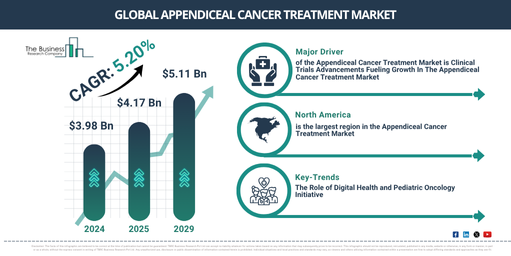
    The appendiceal cancer treatment market has shown consistent expansion in recent years. It is expected to rise from $3.98 billion in 2024 to $4.17 billion in 2025, exhibiting a compound annual growth rate (CAGR) of 4.6%. The historical growth of this market is attributable to developments in clinical research and trials, enhancements in diagnostic methods, collaborative and multidisciplinary strategies, government initiatives and funding, and efforts in awareness and education.

    The appendiceal cancer treatment market size is anticipated to undergo significant expansion in the coming years. It is projected to reach $5.11 billion by 2029, demonstrating a compound annual growth rate (CAGR) of 5.2%. This growth during the forecast period is primarily driven by progress in immunotherapy, the emergence of targeted therapies, advancements in genomic medicine, an increase in regulatory approvals, and a focus on patient-centric care. Noteworthy trends expected in this period encompass further developments in immunotherapy, the rise of precision medicine coupled with biomarker identification, the application of combination therapies, the adoption of digital health technologies, and the utilization of real-world evidence for data-driven decision-making.

    Unlock Your Free Sample Report for Exclusive Market Data:

    https://www.thebusinessresearchcompany.com/sample.aspx?id=13204&type=smp

    Which Drivers Are Impacting The Appendiceal Cancer Treatment Market?

    The future expansion of the appendiceal cancer treatment market is anticipated to be driven by a rise in the volume of clinical trials. These trials are defined as upcoming human participant biomedical or behavioral research studies, designed to investigate specific questions about interventions, encompassing both new treatments and existing ones requiring further scrutiny and comparison. They are crucial for enhancing knowledge of appendiceal cancer and refining patient treatment possibilities through more potent and precise disease management strategies. As an illustration, in May 2023, a report from Xtalks, a Canada-based digital medical company, indicated that a total of 452,604 clinical trials were registered worldwide on ClinicalTrials.gov by May 2023, with 64,838 of these actively seeking participants. This figure signifies a substantial rise from the more than 365,000 trials recorded in early 2021. Consequently, the growing number of clinical trials is fueling the expansion of the appendiceal cancer market.

    What Are The Different Segment Classifications Within The Appendiceal Cancer Treatment Market?

    The appendiceal cancer treatmentmarket covered in this report is segmented –

    1) By Type: Colonic-Type Adenocarcinoma; Mucinous Adenocarcinoma Of Appendix; Goblet Cell Adenocarcinoma; Neuroendocrine Carcinoma; Other Types

    2) By Treatment: Surgery; Chemotherapy; Radiation Therapy; Other Treatments

    3) By Route Of Administration: Oral; Intravenous; Other Routes Of Administration

    4) By End User: Hospitals; Cancer Research Institutes; Other End Users

    Subsegments:

    1) By Colonic-Type Adenocarcinoma: Stage I; Stage II; Stage III; Stage IV

    2) By Mucinous Adenocarcinoma Of Appendix: Low-Grade Mucinous Adenocarcinoma; High-Grade Mucinous Adenocarcinoma

    3) By Goblet Cell Adenocarcinoma: Mixed Type; Pure Goblet Cell Carcinoma

    4) By Neuroendocrine Carcinoma: Well-Differentiated Neuroendocrine Tumors; Poorly Differentiated Neuroendocrine Carcinomas

    5) By Other Types: Sarcomas; Lymphomas; Appendix Carcinoid Tumors

    What Key Innovation Trends Are Fueling Advancements In The Appendiceal Cancer Treatment Market?

    Major companies operating in the appendiceal cancer treatment market are developing advanced technologies such as digital health solutions, AI-driven diagnostic tools, personalized treatment platforms, and telemedicine services, which collectively aim to enhance patient engagement and streamline care delivery. Digital health solutions encompass technologies that leverage digital tools to improve healthcare provision, including services like telemedicine, mobile health applications, and remote patient monitoring systems. For instance, in October 2024, CancerX, a US-based biotechnology or healthcare company, launched its 2025 Accelerator Program. The 2025 cohort is set to introduce a specific emphasis on pediatric oncology, with two out of the fifteen available positions dedicated to startups innovating in this particular area. This partnership with KidsX is intended to utilize the strengths of over 30 pediatric hospitals to improve outcomes for young patients.

    Who Are The Key Multinational Companies Dominating The Appendiceal Cancer Treatment Market?

    Major companies operating in the appendiceal cancer treatment market report are Pfizer Inc., Roche Holding AG, F. Hoffman-La Roche Ltd., Merck & Co. Inc., AbbVie Inc., Bayer AG, Novartis AG, Sanofi S.A, Bristol-Myers Squibb Company, Fresenius Kabi USA, Eli Lilly & Company, Boehringer Ingelheim International GmbH, Gilead Sciences Inc., Amgen Inc., Johnsons & Johnsons, Becton Dickinson and Company, GE HealthCare Technologies Inc., Teva Pharmaceutical Industries Ltd., AstraZeneca PLC, Bausch Health Companies Inc., Sun Pharmaceutical Industries Ltd., Aurobindo Pharma Ltd., Cipla Inc., Genetech Inc., Lupin Limited, Gland Pharma Limited, Accord Healthcare Limited, ImmunoGen Inc.

    Download The Full Report For Exclusive Market Findings:

    https://www.thebusinessresearchcompany.com/report/appendiceal-cancer-treatment-global-market-report

    Which Region Is Projected To Lead The Appendiceal Cancer Treatment Market During The Forecast Period?

    North America was the largest region in the appendiceal cancer treatment market in 2024. Asia-Pacific is expected to be the fastest-growing region in the forecast period. The regions covered in the appendiceal cancer treatment market report are Asia-Pacific, Western Europe, Eastern Europe, North America, South America, Middle East, Africa

    Request A Customized Version Of The Appendiceal Cancer Treatment Market Report:

    https://www.thebusinessresearchcompany.com/customise?id=13204&type=smp

    Browse Through More Reports Similar to the Global Appendiceal Cancer Treatment Market 2025, By The Business Research Company

    Encephalitis Treatment Global Market Report 2025

    https://www.thebusinessresearchcompany.com/report/encephalitis-treatment-global-market-report

    Epidural Abscess Treatment Global Market Report 2025

    https://www.thebusinessresearchcompany.com/report/epidural-abscess-treatment-global-market-report

    Keloids Treatment Global Market Report 2025

    https://www.thebusinessresearchcompany.com/report/keloids-treatment-global-market-report

    Get in touch with us:

    The Business Research Company: https://www.thebusinessresearchcompany.com/

    Americas +1 310-496-7795

    Asia +44 7882 955267 & +91 8897263534

    Europe +44 7882 955267

    Email us at info@tbrc.info

    Follow us on:

    LinkedIn: https://in.linkedin.com/company/the-business-research-company

    YouTube: https://www.youtube.com/channel/UC24_fI0rV8cR5DxlCpgmyFQ

    Global Market Model: https://www.thebusinessresearchcompany.com/global-market-model
  • Global Antiphospholipid Syndrome Treatment Industry Trends: Where the Market Is Headed by 2029

    Global Antiphospholipid Syndrome Treatment Industry Trends: Where the Market Is Headed by 2029

    Unlock Global Insights – Save 20% on Market Reports with Code ONLINE20

    How Is The Antiphospholipid Syndrome Treatment Market Size Likely To Evolve From 2025 Through 2034?

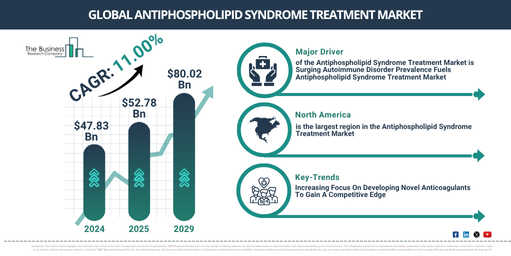
    The antiphospholipid syndrome treatment market size has seen rapid expansion in recent years. Its valuation is anticipated to increase from $47.83 billion in 2024 to $52.78 billion in 2025, progressing at a compound annual growth rate (CAGR) of 10.3%. Historically, this market’s growth is attributable to factors including pharmaceutical industry growth, dye and pigment manufacturing, photographic chemicals production, the polyurethane industry, and hair dye and cosmetic products.

    The antiphospholipid syndrome treatment market is projected to experience swift expansion in the coming years, with its valuation set to reach $80.02 billion by 2029, demonstrating a compound annual growth rate (CAGR) of 11.0%. This anticipated growth throughout the forecast period stems from factors such as sustained expansion within the pharmaceutical industry, an increasing demand for sustainable dyes and pigments, a surge in the popularity of natural and organic cosmetics, an elevated requirement for agrochemical solutions, and an uptick in the need for customized solutions. Key trends shaping the forecast period encompass innovation within the textile industry, technological strides in the photographic industry, novel developments in polyurethane applications, progress in production process technologies, and worldwide changes in manufacturing hubs.

    Unlock Your Free Sample Report for Exclusive Market Data:

    https://www.thebusinessresearchcompany.com/sample.aspx?id=13368&type=smp

    Which Industry Drivers Are Expected To Accelerate The Antiphospholipid Syndrome Treatment Market From 2025 To 2029?

    The rising occurrence of autoimmune conditions is anticipated to drive expansion in the antiphospholipid syndrome treatment market. Autoimmune disorders are a group of medical ailments marked by a faulty immune response where the body’s own immune system erroneously attacks its tissues and cells. Antiphospholipid syndrome (APS), itself an autoimmune condition, can lead to digestive system complications, such as irritable bowel syndrome (IBS), which is an autoimmune disorder impacting the intestinal tract. Treatment for antiphospholipid syndrome is administered to patients with inflammatory bowel diseases who are undergoing therapy with anti-TNF drugs. For example, data from June 2023, provided by Crohn’s and Colitis Canada, a Canada-based non-profit, estimated that more than 322,600 Canadians had inflammatory bowel diseases (IBD) in 2023, representing about 0.82% of the population. This number is projected to increase to approximately 470,000 Canadians living with IBD by 2035, which would be around 1.1% of the population, or 1 in every 91 individuals in the nation. Consequently, the rising incidence of autoimmune disorders is fueling the expansion of the antiphospholipid syndrome treatment market.

    What Are The Primary Types Of Segments Analyzed In The Antiphospholipid Syndrome Treatment Market?

    The antiphospholipid syndrome treatmentmarket covered in this report is segmented –

    1) By Treatment Type: Medications; Preventative (Prophylaxis) Therapy; Other Treatment Types

    2) By Indication Type: Primary Antiphospholipid Syndrome; Secondary Antiphospholipid Syndrome; Catastrophic Antiphospholipid Syndrome

    3) By Route of Administration: Oral; Parental; Other Routes of Administration

    4) By End-Users: Hospitals; Homecare; Specialty Centers; Other End-Users

    Subsegments:

    1) By Medications: Anticoagulants; Antiplatelet Agents; Immunosuppressive Drugs; Other Medications

    2) By Preventative (Prophylaxis) Therapy: Anticoagulation Therapy; Aspirin Therapy; Other Preventative Therapies

    3) By Other Treatment Types: Plasma Exchange; Intravenous Immunoglobulin (IVIG); Surgery; Other Treatments

    Which Ongoing Trends Are Expected To Shape The Antiphospholipid Syndrome Treatment Market Outlook?

    Leading companies in the antiphospholipid syndrome treatment market are intensifying their efforts to develop novel anticoagulants to secure a competitive edge. These innovative anticoagulants are a class of medications designed to prevent blood clot formation. Unlike conventional anticoagulants such as warfarin, novel anticoagulants operate by directly inhibiting specific clotting factors in the blood, including thrombin or factor Xa. For example, in August 2023, Cadrenal Therapeutics Inc., a US-based pharmaceutical company, expanded its assessment of tecarfarin as a treatment alternative for patients suffering from antiphospholipid syndrome (APS). Tecarfarin is a new oral and reversible anticoagulant that aids in blood thinning. It functions by hindering the production of clotting factors in the liver and is categorized as a vitamin K antagonist. Tecarfarin has participated in 11 human clinical trials, which include Phase 1, Phase 2, and Phase 2/3 clinical trials, involving over a thousand individuals.

    Which Leading Players Are Enhancing Their Antiphospholipid Syndrome Treatment Market Presence Worldwide?

    Major companies operating in the antiphospholipid syndrome treatment market report are Pfizer Inc., Johnson & Johnson, F. Hoffmann-La Roche Ltd., AbbVie Inc., Bayer AG, Novartis AG, Merck & Co., Bristol Myers Squibb, Abbott Laboratories, Sanofi S.A., GlaxoSmithKline PLC, Eli Lilly and Company, Cipla Ltd., Baxter International, Teva Pharmaceutical Industries Ltd., CSL Limited, Boehringer Ingelheim International GmbH, Fresenius Kabi, EisaiCo. Ltd., Aurobindo Pharma, Dr. Reddy’s Laboratories, Hikma Pharmaceutics PLC, Aspen Pharmacare, Zydus Lifesciences Limited, Sawai Pharmaceutical Co. Ltd., Leo Pharma, Daiichi Sankyo Company

    Download The Full Report For Exclusive Market Findings:

    https://www.thebusinessresearchcompany.com/report/antiphospholipid-syndrome-treatment-global-market-report

    What Are The Key Regional Factors Influencing The Antiphospholipid Syndrome Treatment Market Growth?

    North America was the largest region in the antiphospholipid syndrome treatment market in 2024. The regions covered in the antiphospholipid syndrome treatment market report are Asia-Pacific, Western Europe, Eastern Europe, North America, South America, Middle East, Africa.

    Request A Customized Version Of The Antiphospholipid Syndrome Treatment Market Report:

    https://www.thebusinessresearchcompany.com/customise?id=13368&type=smp

    Browse Through More Reports Similar to the Global Antiphospholipid Syndrome Treatment Market 2025, By The Business Research Company

    Zollinger Ellison Syndrome Treatment Global Market Report 2025

    https://www.thebusinessresearchcompany.com/report/zollinger-ellison-syndrome-treatment-global-market-report

    Acute Respiratory Distress Syndrome Ards Global Market Report 2025

    https://www.thebusinessresearchcompany.com/report/acute-respiratory-distress-syndrome-ards-global-market-report

    Severe Acute Respiratory Syndrome Treatment Global Market Report 2025

    https://www.thebusinessresearchcompany.com/report/severe-acute-respiratory-syndrome-treatment-global-market-report

    Get in touch with us:

    The Business Research Company: https://www.thebusinessresearchcompany.com/

    Americas +1 310-496-7795

    Asia +44 7882 955267 & +91 8897263534

    Europe +44 7882 955267

    Email us at info@tbrc.info

    Follow us on:

    LinkedIn: https://in.linkedin.com/company/the-business-research-company

    YouTube: https://www.youtube.com/channel/UC24_fI0rV8cR5DxlCpgmyFQ

    Global Market Model: https://www.thebusinessresearchcompany.com/global-market-model
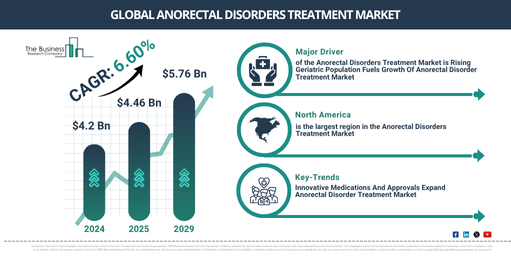
  • Anorectal Disorders Treatment Industry Forecast to Hit $5.76 Billion by 2029 With a Strong 6.6% CAGR

    Anorectal Disorders Treatment Industry Forecast to Hit $5.76 Billion by 2029 With a Strong 6.6% CAGR

    Unlock Global Insights – Save 20% on Market Reports with Code ONLINE20

    What Are The Growth Projections For The Anorectal Disorders Treatment Market Size During 2025–2029?

    The anorectal disorders treatment market has experienced robust expansion in recent years. Its valuation is anticipated to increase from $4.2 billion in 2024 to $4.46 billion in 2025, reflecting a compound annual growth rate (CAGR) of 6.2%. Historically, this market’s expansion has been fueled by an aging demographic, lifestyle influences, greater public awareness, and the adoption of non-surgical treatment options.

    The anorectal disorders treatment market is anticipated to show significant expansion in the upcoming years. It is projected to reach $5.76 billion by 2029, growing at a compound annual growth rate (CAGR) of 6.6%. This expected growth during the forecast period is propelled by factors such as the increasing demand for patient education, shifts in dietary habits, the rising need for telemedicine, and continuous research and development activities. Key trends identified for the forecast period include advancements in technology, innovations in endoscopy and imaging, and various public health initiatives.

    Unlock Your Free Sample Report for Exclusive Market Data:

    https://www.thebusinessresearchcompany.com/sample.aspx?id=12986&type=smp

    What Are The Top Growth Drivers Impacting The Anorectal Disorders Treatment Market Outlook?

    The increasing geriatric population is projected to fuel the expansion of the anorectal disorder treatment market moving forward. This demographic comprises older adults, generally defined as individuals aged 65 or above. Treatment for anorectal disorders delivers pain relief, improved hygiene, recurrence prevention, and elevates the quality of life for elderly individuals experiencing these conditions. For instance, in October 2022, the World Health Organization, a US-based specialized health agency, stated that globally, 1 in 6 people would be 60 or older by 2030, with the number of elderly individuals anticipated to reach 2.1 billion by 2050. Hence, the growing geriatric population is a significant impetus for the growth of the anorectal disorder treatment market.

    Which Key Segments Fueling The Anorectal Disorders Treatment Market?

    The anorectal disorders treatmentmarket covered in this report is segmented –

    1) By Treatment: Drugs; Surgery; Other Treatment

    2) By Disease: Diarrhea; Hemorrhoid; Abscesse; Fistula; Itching; Other Disease

    3) By Route Of Administration: Oral; Parenteral; Rectal; Other Route of administration

    4) By End-Users: Hospitals; Specialty Clinics; Other End-Users

    Subsegments:

    1) By Drugs: Topical Agents; Oral Medications; Rectal Suppositories

    2) By Surgery: Hemorrhoidectomy; Fistulotomy; Sphincterotomy; Other Surgical Procedures

    3) By Other Treatment: Lifestyle Modifications; Dietary Changes; Physical Therapy; Minimally Invasive Procedures

    Which Competitive Trends Are Defining The Anorectal Disorders Treatment Market Structure?

    Leading companies in the anorectal disorder treatment market are launching new medicines and obtaining their approval to strengthen their market presence. Such drug advancements expand the therapeutic choices for anorectal disorders, delivering more precise and efficacious treatment options for patients, including products like Budesonide 2mg Rectal Foam. For example, in April 2023, Padagis US LLC, a US-based pharmaceutical manufacturer, introduced Budesonide 2mg Rectal Foam, which is a generic form of Uceris, for the treatment of anorectal disorders, having received approval from the FDA (Food and Drug Administration), a US-based government agency. Uceris is a prescription corticosteroid drug prescribed to help control active, mild-to-moderate ulcerative colitis, an IBD (chronic inflammatory bowel disease) affecting the rectum and large intestine, and extending from the rectum to the sigmoid colon.

    Which Major Firms Are Strengthening Their Position In The Anorectal Disorders Treatment Industry?

    Major companies operating in the anorectal disorders treatment market are Cardinal Health Inc., Cigna Corporation., Pfizer Inc., F. Hoffmann-La Roche Ltd., AbbVie Inc., Novartis AG, AstraZeneca PLC, Merck and Co. Inc., Abbott Laboratories, GlaxoSmithKline PLC, Medtronic PLC, Takeda Pharmaceutical Company Limited, Eli Lilly and Company, McKesson Corporation, Teva Pharmaceutical Industries Ltd., Boston Scientific Corporation, Mylan N.V., B. Braun Melsungen AG, Bausch Health Companies Inc., Olympus Corporation, Sun Pharmaceutical Industries Ltd., Ethicon Inc., Coloplast A/S, Teleflex Incorporated, Cook Medical Inc., ConvaTec Group PLC, Lupin Limited, Akorn Inc., NATCO Pharma Limited.

    Download The Full Report For Exclusive Market Findings:

    https://www.thebusinessresearchcompany.com/report/anorectal-disorders-treatment-global-market-report

    How Do Regional Market Performances Compare Within The Anorectal Disorders Treatment Industry?

    North America was the largest region in the anorectal disorders treatment market in 2024. North America is expected to be the fastest-growing region in the forecast period. The regions covered in anorectal disorders treatment market report are Asia-Pacific, Western Europe, Eastern Europe, North America, South America, Middle East and Africa.

    Request A Customized Version Of The Anorectal Disorders Treatment Market Report:

    https://www.thebusinessresearchcompany.com/customise?id=12986&type=smp

    Browse Through More Reports Similar to the Global Anorectal Disorders Treatment Market 2025, By The Business Research Company

    Colorectal Cancer Drugs Global Market Report 2025

    https://www.thebusinessresearchcompany.com/report/colorectal-cancer-drugs-global-market-report

    Generic Pharmaceuticals Global Market Report 2025

    https://www.thebusinessresearchcompany.com/report/generic-pharmaceuticals-global-market-report

    Pharmacies And Drug Stores Global Market Report 2025

    https://www.thebusinessresearchcompany.com/report/pharmacies-and-drug-stores-global-market-report

    Get in touch with us:

    The Business Research Company: https://www.thebusinessresearchcompany.com/

    Americas +1 310-496-7795

    Asia +44 7882 955267 & +91 8897263534

    Europe +44 7882 955267

    Email us at info@tbrc.info

    Follow us on:

    LinkedIn: https://in.linkedin.com/company/the-business-research-company

    YouTube: https://www.youtube.com/channel/UC24_fI0rV8cR5DxlCpgmyFQ

    Global Market Model: https://www.thebusinessresearchcompany.com/global-market-model
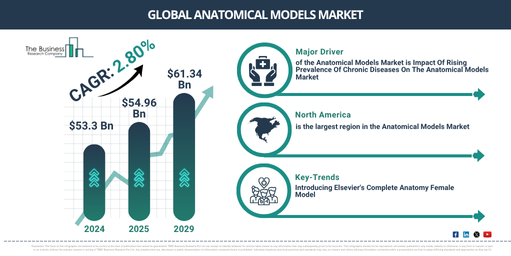
  • Anatomical Models Market to Reach $61.34 Billion by 2029, Growing at a CAGR of 2.8%

    Anatomical Models Market to Reach $61.34 Billion by 2029, Growing at a CAGR of 2.8%

    Unlock Global Insights – Save 20% on Market Reports with Code ONLINE20

    What Is The Global Market Value Of The Anatomical Models Industry In 2025?

    The anatomical models market has experienced consistent expansion in recent years. This market is projected to grow from $53.3 billion in 2024 to $54.96 billion in 2025, at a compound annual growth rate (CAGR) of 3.1%. The growth observed in the past can be attributed to advancements in 3D printing technology, a rising interest in realistic medical guidance tools, the expansion of healthcare infrastructure, the adoption of online teaching methods, and the demand for hands-on learning experiences.

    The anatomical models market size is projected to experience consistent expansion over the upcoming years. This market is anticipated to reach $61.34 billion by 2029, exhibiting a compound annual growth rate (CAGR) of 2.8%. The expansion during the forecast period is fueled by advancements such as rapid prototyping techniques, robust integration capabilities, the accelerated reconstruction of anatomical models, a heightened emphasis on personalized medical education, and the incorporation of augmented reality (AR) in medical training. Prominent trends throughout the forecast period include the continued evolution of rapid prototyping methods, powerful integration features, efficient rebuilding of anatomical models, a greater focus on individualized medical learning, and the increasing adoption of augmented reality (AR) in medical teaching.

    Unlock Your Free Sample Report for Exclusive Market Data:

    https://www.thebusinessresearchcompany.com/sample.aspx?id=14845&type=smp

    Which Major Market Drivers Are Shaping The Future Of The Anatomical Models Market?

    The increasing occurrence of chronic illnesses is anticipated to boost the expansion of the anatomical models’ market in the future. These conditions are defined as health issues that last for a long duration, generally not curable but manageable via lifestyle adjustments, medicines, and other treatments. The rise in chronic diseases stems from factors such as an aging demographic, inactive routines, poor dietary habits, and tobacco use. Anatomical models play a role in chronic disease management by improving patient understanding, fostering clearer dialogue between medical professionals and patients, and offering visual aids for enhanced comprehension. For example, global data from September 2022 by the World Health Organization, a specialized UN agency based in Switzerland, showed 41 million deaths, representing 74% of all fatalities, were attributed annually to non-communicable diseases (NCDs) or chronic illnesses. Specifically, cardiovascular diseases accounted for 17.9 million deaths, cancer for 9.3 million deaths, chronic respiratory diseases for 4.1 million deaths, and diabetes for 2.0 million deaths. Consequently, the growing incidence of chronic conditions is a key factor fueling the expansion of the anatomical model market.

    How Is The Anatomical Models Market Classified Into Different Segments?

    The anatomical modelsmarket covered in this report is segmented –

    1) By Type: Brain Model; Torso Model; Organ Model; Nervous System Model; Skeletal System Model; Hand Model; Eye Model; Tooth Model; Digestive System Model

    2) By Printing Technology: 2D Printing; 3D Printing; 4D Printing

    3) By End-User: Scientific Research Centers; Hospitals And Clinics; Education Centers; Rehabilitation Centers

    Subsegments:

    1) By Brain Model: Human Brain Models; Animal Brain Models

    2) By Torso Model: Human Torso Models; Animal Torso Models

    3) By Organ Model: Heart Model; Liver Model; Kidney Model; Lungs Model; Other Organ Models

    4) By Nervous System Model: Central Nervous System (CNS) Model; Peripheral Nervous System Model; Neuron Models

    5) By Skeletal System Model: Human Skeleton Models; Animal Skeleton Models; Joint and Bone Models

    6) By Hand Model: Human Hand Models; Animal Hand Models

    7) By Eye Model: Human Eye Model; Animal Eye Model

    8) By Tooth Model: Human Tooth Models; Animal Tooth Models

    9) By Digestive System Model: Human Digestive System Models; Animal Digestive System Models

    What Are The Latest Industry Trends Transforming The Anatomical Models Market?

    Major companies active in the anatomical models market are creating advanced technological solutions, such as the comprehensive complete anatomy female model, to address the varied requirements of medical education, research, and clinical practice. This complete anatomy female model functions as a detailed 3D representation encompassing the female human body’s anatomical structures, including its skeletal and muscular systems, internal organs, vasculature, nervous system, and other physiological components. For instance, in January 2022, Elsevier, a Netherlands-based publishing company, unveiled its own complete anatomy model. This innovative 3D solution marks a significant achievement in educational equity by depicting the full female anatomy, thereby tackling gender imbalance in medical education and healthcare. The model is specifically designed to reflect the female population, concentrating on regions like the thorax, pelvis, abdomen, and the entire body, with continuous input gathered from female colleagues to ensure consistent feedback.

    Who Are The Primary Competitors In The Global Anatomical Models Market?

    Major companies operating in the anatomical models market are Apollo Global Management Inc., AdamRouilly Limited, Laerdal Medical, 3D Systems Corporation, 3B Scientific GmbH, Nasco Healthcare, Denoyer-Geppert Science, Altay Scientific Group SRL, The Prometheus Group, Anatomage Inc., Sakamoto Model Corporation, A. Algeo Limited, Sawbones, Simulaids Inc., GPI Anatomicals, Dynamic Disc Designs Corp, ERLER-ZIMMER GMBH & CO. KG, 3DIEMME srl, Columbia Dentoform, Rudiger-Anatomie GmbH, Xilloc Holding BV, Frasaco GmbH, SOMSO, Anatomy Warehouse

    Download The Full Report For Exclusive Market Findings:

    https://www.thebusinessresearchcompany.com/report/anatomical-models-global-market-report

    Which Region Currently Holds The Largest Share Of The Anatomical Models Market?

    North America was the largest region in the anatomical models market in 2024. The regions covered in the anatomical models market report are Asia-Pacific, Western Europe, Eastern Europe, North America, South America, Middle East, Africa.

    Request A Customized Version Of The Anatomical Models Market Report:

    https://www.thebusinessresearchcompany.com/customise?id=14845&type=smp

    Browse Through More Reports Similar to the Global Anatomical Models Market 2025, By The Business Research Company

    Anatomic Pathology Equipment And Consumables Global Market Report 2025

    https://www.thebusinessresearchcompany.com/report/anatomic-pathology-equipment-and-consumables-global-market-report

    Residential Remodelers Global Market Report 2025

    https://www.thebusinessresearchcompany.com/report/residential-remodelers-global-market-report

    Multimodal Ai Global Market Report 2025

    https://www.thebusinessresearchcompany.com/report/multimodal-ai-global-market-report

    Get in touch with us:

    The Business Research Company: https://www.thebusinessresearchcompany.com/

    Americas +1 310-496-7795

    Asia +44 7882 955267 & +91 8897263534

    Europe +44 7882 955267

    Email us at info@tbrc.info

    Follow us on:

    LinkedIn: https://in.linkedin.com/company/the-business-research-company

    YouTube: https://www.youtube.com/channel/UC24_fI0rV8cR5DxlCpgmyFQ

    Global Market Model: https://www.thebusinessresearchcompany.com/global-market-model
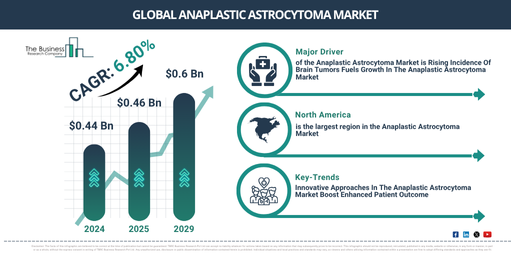
  • Global Anaplastic Astrocytoma Market Size Projected to Reach $0.6 Billion During the Forecast Period

    Global Anaplastic Astrocytoma Market Size Projected to Reach $0.6 Billion During the Forecast Period

    Unlock Global Insights – Save 20% on Market Reports with Code ONLINE20

    By How Much Is The Anaplastic Astrocytoma Market Expected To Expand Between 2025 And 2029?

    The anaplastic astrocytoma market size has exhibited significant growth in recent years. It is forecast to increase from $0.44 billion in 2024 to $0.46 billion in 2025, achieving a compound annual growth rate (CAGR) of 6.3%. The expansion observed in the historic period can be attributed to the rising adoption of targeted therapies, greater patient advocacy and awareness, the broadening of clinical trials, developments in healthcare policy and funding, and governmental initiatives.

    The anaplastic astrocytoma market is anticipated to experience robust expansion over the coming years. Its valuation is projected to reach $0.6 billion by 2029, exhibiting a compound annual growth rate (CAGR) of 6.8%. This expansion during the projection period stems from factors such as heightened research and development endeavors, the rising need for personalized therapeutic approaches, augmented investments, greater public understanding of the condition, and an uptick in stress and depression levels. Key developments expected during the forecast timeframe encompass improvements in neurosurgical techniques, progress in radiation therapy, ongoing clinical trials and extensive research, the integration of telemedicine and remote monitoring solutions, enhanced imaging capabilities, and innovations in biotechnology and pharmaceutical development.

    Unlock Your Free Sample Report for Exclusive Market Data:

    https://www.thebusinessresearchcompany.com/sample.aspx?id=12874&type=smp

    What Are The Main Drivers Boosting The Anaplastic Astrocytoma Industry’s Expansion?

    The increasing occurrence of primary malignant and non-malignant brain tumors is projected to boost the expansion of the anaplastic astrocytoma market. Brain tumors represent growths within the brain, categorized as either malignant (cancerous and invasive) or benign (non-cancerous and non-invasive), exhibiting diverse levels of aggression and metastatic potential. Treatment for anaplastic astrocytoma involves excising the tumor along with the affected surrounding tissue, all while maintaining neurological function. For example, data from March 2023, provided by the American Society of Clinical Oncology (ASCO), a US-based non-profit body, indicates that around 24,810 adults in the United States are anticipated to be diagnosed with primary cancerous tumors originating in the brain and spinal cord, comprising 14,280 cases among men and 10,530 among women. Consequently, the rising incidence of primary malignant and non-malignant brain tumors is poised to fuel the future expansion of the anaplastic astrocytoma market.

    What Are The Major Segments Identified In The Anaplastic Astrocytoma Market?

    The anaplastic astrocytomamarket covered in this report is segmented –

    1) By Disease Type: Grade I; Grade II; Grade III; Grade IV

    2) By Treatment Type: Surgery; Chemotherapy; Radiation

    3) By Treatment Phase: Pre-Registration Phase; Clinical Trial Phase

    4) By End-User: Hospitals And Clinics; Retail Pharmacy; Online Pharmacy

    Subsegments:

    1) By Grade I: Pilocytic Astrocytoma

    2) By Grade II: Diffuse Astrocytoma; Oligodendroglioma

    3) By Grade III: Anaplastic Astrocytoma; Anaplastic Oligodendroglioma

    4) By Grade IV: Glioblastoma Multiforme (GBM); Primary Glioblastoma; Secondary Glioblastoma

    What Trends Are Redefining The Anaplastic Astrocytoma Market Dynamics?

    Leading companies in the anaplastic astrocytoma market are introducing new treatment options to boost efficacy, reduce side effects, and improve patient outcomes. For instance, in June 2022, the U.S. Food and Drug Administration, a US-based federal agency, granted accelerated approval for a novel treatment combination. This combination features the oral drugs dabrafenib (Tafinlar) and trametinib (Mekinist) for advanced brain tumors that possess the BRAF V600E mutation. This approval covers both adult and pediatric patients with high-grade and low-grade gliomas that have progressed after prior treatment. The BRAF V600E mutation is commonly present in various glioma types, including low-grade gliomas, pleomorphic xanthoastrocytomas (PXA), gangliogliomas, and pilocytic astrocytoma. The basis for this approval was clinical trials of the Tafinlar-Mekinist combination therapy, which showed tumor shrinkage benefits for both adult and pediatric glioma patients, with a 33% response rate observed in high-grade glioma patients, a 50% response rate in low-grade glioma patients, and a 25% response rate in pediatric glioma patients.

    Which Key Market Players Are Investing In Expansion And Innovation Of Anaplastic Astrocytoma Market?

    Major companies operating in the anaplastic astrocytoma market are Pfizer Inc., Hoffmann-La Roche Ltd., Merck & Co. Inc., Novartis AG, Amgen Inc., Teva Pharmaceutical Industries Ltd., Mylan N.V., Eisai Co. Ltd., Boehringer Ingelheim International GmbH, Perrigo Company PLC, Ipsen SA, Genentech Inc., Cipla Limited, Novocure Ltd., Celon Laboratories Limited, Avid Bioservices Inc., EirGen Pharma Ltd., Monteris Medical Corporation, GLS Pharma Pvt. Ltd., Tocagen Inc., Pharma’s Almanac, Inovio Pharmaceuticals Inc., Isarna Therapeutics GmbH, Actiza Pharmaceutical Private Limited, Celldex Therapeutics Inc.

    Download The Full Report For Exclusive Market Findings:

    https://www.thebusinessresearchcompany.com/report/anaplastic-astrocytoma-global-market-report

    What Regional Growth Trends Are Shaping The Anaplastic Astrocytoma Market Outlook?

    North America was the largest region in the anaplastic astrocytoma market in 2024. Asia-Pacific is expected to be the fastest-growing region in the forecast period. The regions covered in anaplastic astrocytoma market report are Asia-Pacific, Western Europe, Eastern Europe, North America, South America, Middle East and Africa.

    Request A Customized Version Of The Anaplastic Astrocytoma Market Report:

    https://www.thebusinessresearchcompany.com/customise?id=12874&type=smp

    Browse Through More Reports Similar to the Global Anaplastic Astrocytoma Market 2025, By The Business Research Company

    Generic Central Nervous System Drugs Global Market Report 2025

    https://www.thebusinessresearchcompany.com/report/generic-central-nervous-system-drugs-global-market-report

    Nerve Repair And Regenerative Global Market Report 2025

    https://www.thebusinessresearchcompany.com/report/nerve-repair-and-regenerative-global-market-report

    Central Nervous System Biomarkers Global Market Report 2025

    https://www.thebusinessresearchcompany.com/report/central-nervous-system-biomarkers-global-market-report

    Get in touch with us:

    The Business Research Company: https://www.thebusinessresearchcompany.com/

    Americas +1 310-496-7795

    Asia +44 7882 955267 & +91 8897263534

    Europe +44 7882 955267

    Email us at info@tbrc.info

    Follow us on:

    LinkedIn: https://in.linkedin.com/company/the-business-research-company

    YouTube: https://www.youtube.com/channel/UC24_fI0rV8cR5DxlCpgmyFQ

    Global Market Model: https://www.thebusinessresearchcompany.com/global-market-model

  • Ambulatory Surgery Center Industry Anticipated to Expand at 5.1% CAGR During the Forecast Period

    Ambulatory Surgery Center Industry Anticipated to Expand at 5.1% CAGR During the Forecast Period

    Unlock Global Insights – Save 20% on Market Reports with Code ONLINE20

    What Is The Projected Market Size Of The Ambulatory Surgery Center Market By 2029?

    The ambulatory surgery center market has shown considerable growth in recent years. It is projected to expand from $83.34 billion in 2024 to $88.66 billion in 2025, exhibiting a compound annual growth rate (CAGR) of 6.4%. Historically, this expansion has been influenced by factors such as reimbursement policies, the regulatory environment, patient demand for convenience, advances in anesthesia, and market competition.

    The ambulatory surgery center market is anticipated to experience significant expansion in the coming years, with its size projected to reach $108.14 billion by 2029, demonstrating a compound annual growth rate (CAGR) of 5.1%. This growth during the forecast period can be attributed to factors such as global health events and preparedness, enhanced collaboration with health systems, the integration of telemedicine, a focused approach on chronic disease management, and effective population health management. Noteworthy trends for the forecast period encompass digital documentation and EHR optimization, improvements in technological infrastructure, continuous advancements in medical technology, broader digital health integration, the adoption of remote patient monitoring, and sustained collaboration with health systems.

    Unlock Your Free Sample Report for Exclusive Market Data:

    https://www.thebusinessresearchcompany.com/sample.aspx?id=13782&type=smp

    Which Factors And Drivers Are Influencing The Ambulatory Surgery Center Market In 2025?

    The projected rise in surgical procedures is anticipated to fuel the expansion of the ambulatory surgery center market over the next few years. Surgery, a medical discipline, involves manual or instrumental techniques to physically alter internal bodily functions, improve aesthetics, or eliminate or substitute unwanted tissues or foreign objects. These ambulatory surgery facilities deliver outpatient surgical care, promoting economical and specialized interventions with quicker patient recovery times compared to traditional hospital settings. For example, data from September 2023, compiled by the International Society of Aesthetic Plastic Surgery, a US-based international professional body, revealed that plastic surgeons globally carried out approximately 14.9 million surgical and 18.8 million non-surgical treatments in 2022, signifying an overall increase of 11.2%. Consequently, the growing volume of surgical operations is propelling the ambulatory surgery center market.

    What Are The Emerging Segments Gaining Attention In The Ambulatory Surgery Center Market?

    The ambulatory surgery centermarket covered in this report is segmented –

    1) By Components: Services; Software; Hardware

    2) By Center Type: Single Specialty Centers; Multispecialty Centers

    3) By Modality: Hospital-Based Ambulatory Surgical Center; Freestanding Ambulatory Surgical Center

    4) By Application: Orthopedics; Pain Management Or Spinal Injections; Gastroenterology; Ophthalmology; Plastic Surgery; Otolaryngology; Obstetrics Or Gynecology; Dental; Podiatry; Other Applications

    Subsegments:

    1) By Services: Surgical Services; Anesthesia Services; Post-Operative Care; Consulting Services

    2) By Software: Electronic Health Records (EHR); Practice Management Software; Billing And Coding Software; Surgical Scheduling Software

    3) By Hardware: Surgical Instruments; Anesthesia Equipment; Imaging Devices; Monitoring Equipment

    How Are Emerging Market Trends Shaping The Ambulatory Surgery Center Industry Landscape?

    Leading companies operating within the ambulatory surgery centers market are increasingly focusing on technologically advanced products, such as ambulatory cloud EHR software, to achieve superior usability, deliver value-based treatment, and enhance the patient experience. Ambulatory cloud EHR software denotes cloud-based electronic health record solutions specifically designed for outpatient care, facilitating accessible, scalable, and secure management of patient records and clinical workflows. For instance, in October 2023, eClinicalWorks, a US-based company offering cloud-based electronic health record software for ambulatory care, introduced an innovative EHR software version, V12. The V12 provides enhanced application performance, up to 40% quicker. It also includes a module for pre-visit planning, offers improved accessibility with click reductions and new drug management displays, and features a floating toolbar that grants simple access to critical workflow components like patient information, a virtual assistant, and documents.

    Who Are The Core Companies Influencing The Ambulatory Surgery Center Market Landscape?

    Major companies operating in the ambulatory surgery center market report are McKesson Corporation, HCA Healthcare, Medtronic PLC, Tenet Healthcare, Philips Healthcare, GE HealthCare Technologies Inc., Cerner Corporation, Zimmer Biomet, Optum Inc., Epic Systems Corporation, United Surgical Partners International, Surgery Partners, SCA Health, Athenahealth Inc., Prospect Medical Systems, eClinicalWorks, Medical Information Technology Inc, NextGen Healthcare, AMSURG, Hunterdon Healthcare, Surgical Information Systems, CureMD Healthcare, Advanced-Data Systems Corporation, Beaumont Health, HST Pathways, Meditouch, Ambulatory Surgical Centers of America, Pinnacle Surgery Center LLC, Center for Health Ambulatory Surgery Center LLC, Surg Center Gilbert

    Download The Full Report For Exclusive Market Findings:

    https://www.thebusinessresearchcompany.com/report/ambulatory-surgery-center-global-market-report

    Which Regional Markets Are Contributing Most To The Ambulatory Surgery Center Industry Expansion?

    North America was the largest region in the ambulatory surgery center market in 2024. Asia-Pacific is expected to be the fastest-growing region in the forecast period. The regions covered in the ambulatory surgery center market report are Asia-Pacific, Western Europe, Eastern Europe, North America, South America, Middle East, Africa.

    Request A Customized Version Of The Ambulatory Surgery Center Market Report:

    https://www.thebusinessresearchcompany.com/customise?id=13782&type=smp

    Browse Through More Reports Similar to the Global Ambulatory Surgery Center Market 2025, By The Business Research Company

    Radiosurgery And Radiotherapy Robotics Global Market Report 2025

    https://www.thebusinessresearchcompany.com/report/radiosurgery-and-radiotherapy-robotics-global-market-report

    Cardiovascular Surgery Devices And Equipment Global Market Report 2025

    https://www.thebusinessresearchcompany.com/report/cardiovascular-surgery-devices-and-equipment-global-market-report

    Neurosurgery Devices And Equipment Global Market Report 2025

    https://www.thebusinessresearchcompany.com/report/neurosurgery-devices-and-equipment-global-market-report

    Get in touch with us:

    The Business Research Company: https://www.thebusinessresearchcompany.com/

    Americas +1 310-496-7795

    Asia +44 7882 955267 & +91 8897263534

    Europe +44 7882 955267

    Email us at info@tbrc.info

    Follow us on:

    LinkedIn: https://in.linkedin.com/company/the-business-research-company

    YouTube: https://www.youtube.com/channel/UC24_fI0rV8cR5DxlCpgmyFQ

    Global Market Model: https://www.thebusinessresearchcompany.com/global-market-model