Blog

  • Postmenopausal Vaginal Atrophy Treatment Market Valued At $3.38 Billion In 2026: Key Trends And Growth Drivers

    Postmenopausal Vaginal Atrophy Treatment Market Valued At $3.38 Billion In 2026: Key Trends And Growth Drivers

    Backed by market attractiveness analysis, total addressable market sizing, company benchmarking matrices, interactive Excel dashboards, wider supply chain intelligence, emerging startup coverage, and detailed product-level insights, The Business Research Company’s 2026 market reports are designed to offer research that is more actionable and strategically valuable than ever.

    #Postmenopausal Vaginal Atrophy Treatment Market Expansion Outlook: What Revenue Opportunities Are Ahead?#_x000D_

    The postmenopausal vaginal atrophy treatment market size has seen strong growth in recent years. It is anticipated to increase from $2.28 billion in 2025 to $2.47 billion in 2026, achieving a compound annual growth rate (CAGR) of 8.5%. This historical expansion can be linked to factors such as limited awareness regarding vaginal atrophy symptoms, a dependency on estrogen-based therapies, insufficient diagnosis among postmenopausal women, restricted access to treatment through hospital environments, and the societal stigma associated with menopausal health._x000D_

    _x000D_

    The postmenopausal vaginal atrophy treatment market is anticipated to show significant expansion in the coming years, projected to reach $3.38 billion by 2030 at a compound annual growth rate (CAGR) of 8.2%. The growth during this forecast period is driven by an increasing aging female population, innovations in non-estrogen therapeutic approaches, a rising acceptance of sexual wellness treatments, the expansion of specialty clinics and telehealth services, and more robust regulatory approvals for novel therapies. Key developments expected during this period include a rising adoption of vaginal estrogen therapies, a growing demand for non-estrogen and hormone-free treatments, enhanced awareness of postmenopausal sexual health, a shift towards homecare and self-administered therapies, and the broadening of online and retail pharmacy distribution._x000D_

    _x000D_

    #Get A Free Sample Report With In-Depth Market Insights:#_x000D_

    https://thebusinessresearchcompany.com/sample_request?id=36119478&type=smp&name=Postmenopausal%20Vaginal%20Atrophy%20Treatment%20Market%20Report%202026&utm_source=Blogs&utm_medium=Paid&utm_campaign=Oct_PR_x000D_

    _x000D_

    #Postmenopausal Vaginal Atrophy Treatment Market Industry Drivers: What’s Behind The Revenue Growth?#_x000D_

    The postmenopausal vaginal atrophy treatment market is anticipated to experience growth, propelled by the expanding postmenopausal population. This population segment refers to women who have completed menopause, a period characterized by a natural reduction in estrogen, resulting in symptoms such as vaginal dryness, irritation, and discomfort. The rise in the postmenopausal population is primarily attributed to increased life expectancy and a globally aging demographic, leading to more women living longer in the postmenopausal phase. Postmenopausal Vaginal Atrophy Treatment offers benefits to this population by alleviating dryness, irritation, and discomfort, thereby enhancing sexual health, improving overall quality of life, and promoting urogenital well-being through targeted hormonal and non-hormonal therapeutic approaches. For instance, in March 2024, the Department for Work and Pensions, a UK government body, reported on a 2023 survey involving over 2,000 employed women in the UK, aged 40 to 60, who were potentially navigating the menopause transition. Therefore, the increasing postmenopausal population is a significant driver of the postmenopausal vaginal atrophy treatment market’s expansion._x000D_

    _x000D_

    #Postmenopausal Vaginal Atrophy Treatment Market Segment Landscape: Which Areas Lead Development?#_x000D_

    The postmenopausal vaginal atrophy treatment market covered in this report is segmented – _x000D_

    _x000D_

    1) By Therapy Type: Estrogen Based Drugs, Non-Estrogen Based Drugs, Other Therapy Types_x000D_

    2) By Route Of Administration: Oral, Intravaginal, Other Routes Of Administration_x000D_

    3) By Distribution Channel: Hospital Pharmacy, Online Pharmacy, Retail Pharmacy_x000D_

    4) By Application: Gynecology, Sexual Health, Pharmaceuticals_x000D_

    5) By End-User: Hospitals, Homecare, Specialty Clinics, Other End-Users_x000D_

    _x000D_

    Subsegments:_x000D_

    1) By Estrogen Based Drugs: Oral Estrogen Therapy, Transdermal Estrogen Therapy, Estrogen Implants, Vaginal Estrogen Therapy, Branded Products_x000D_

    2) By Non-Estrogen Based Drugs: Selective Estrogen Receptor Modulators, Prasterone, Other Non-Estrogen Hormonal Agents_x000D_

    3) By Other Therapy Types: Non-Drug Therapies, Over-The-Counter Products_x000D_

    _x000D_

    #Postmenopausal Vaginal Atrophy Treatment Market Growth Trends: What’s Shaping The Future Outlook?_x000D_

    Leading companies in the postmenopausal vaginal atrophy treatment market are concentrating on developing advanced solutions, such as estradiol vaginal inserts, to offer targeted relief from symptoms and enhance patient compliance with hormone therapy. Estradiol vaginal inserts are small devices placed in the vagina that release estrogen locally, aiding in the rebuilding of thinning vaginal tissue caused by menopause. They effectively alleviate symptoms like dryness, itching, and discomfort with minimal absorption into the bloodstream. For instance, in January 2024, Knight Therapeutics, a Canada-based pharmaceutical company, launched IMVEXXY in Canada. This product is designed to treat moderate to severe dyspareunia, a symptom of vulvar and vaginal atrophy due to menopause. It delivers 4 mcg or 10 mcg of estradiol directly to the vaginal tissue, promoting mucosal integrity and alleviating discomfort during intercourse. Its unique softgel formulation ensures rapid dissolution and minimal systemic absorption, making it suitable for women seeking localized therapy with a favorable safety profile. IMVEXXY distinguishes itself from traditional estrogen creams or tablets by offering a mess-free, easy-to-use, applicator-free option, which enhances patient compliance and comfort. This launch reflects the industry’s commitment to advancing patient-centric treatments that address the nuanced needs of postmenopausal women._x000D_

    _x000D_

    #Postmenopausal Vaginal Atrophy Treatment Market Industry Leaders And Competitive Landscape#_x000D_

    Major companies operating in the postmenopausal vaginal atrophy treatment market are Pfizer Inc., Bayer AG, Novartis AG, Viatris Inc., Teva Pharmaceutical Industries Ltd., Perrigo Company plc, Mayne Pharma Group Limited, TherapeuticsMD Inc., Dare Bioscience Inc., Amneal Pharmaceuticals LLC, Lupin Limited, Hikma Pharmaceuticals PLC, Alvogen, Upsher-Smith Laboratories LLC, Shionogi & Co. Ltd., Millicent Pharma Limited, Mylan N.V., AbbVie Women’s Health (Allergan Aesthetics), Ferring Pharmaceuticals, Besins Healthcare, Organon & Co., Exeltis Healthcare, Gedeon Richter Plc, Aspen Pharmacare Holdings Limited, Zydus Lifesciences Limited, Sun Pharmaceutical Industries Ltd., Glenmark Pharmaceuticals Ltd., Cipla Limited, Endoceutics Inc., Meda AB, Knight Therapeutics Inc., Torrent Pharmaceuticals Ltd., Intas Pharmaceuticals Ltd., Cadila Pharmaceuticals Ltd., Alembic Pharmaceuticals Ltd., Strides Pharma Science Ltd. _x000D_

    _x000D_

    #View The Full Postmenopausal Vaginal Atrophy Treatment Market Report:#_x000D_

    https://thebusinessresearchcompany.com/report/postmenopausal-vaginal-atrophy-treatment-global-market-report?utm_source=Blogs&utm_medium=Paid&utm_campaign=Oct_PR_x000D_

    _x000D_

    #Postmenopausal Vaginal Atrophy Treatment Market Geographic Landscape: Which Region Dominates Industry Growth?#_x000D_

    North America was the largest region in the postmenopausal vaginal atrophy treatment market in 2025. Asia-Pacific is expected to be the fastest-growing region in the forecast period. The regions covered in the postmenopausal vaginal atrophy treatment market report are Asia-Pacific, South East Asia, Western Europe, Eastern Europe, North America, South America, Middle East, Africa._x000D_

    _x000D_

    #Reach Out To Our Team:#_x000D_

    _x000D_

    The Business Research Company: https://www.thebusinessresearchcompany.com/_x000D_

    Americas: +1 310-496-7795_x000D_

    Asia: +44 7882 955267 & +91 8897263534_x000D_

    Europe: +44 7882 955267_x000D_

    Email us at: marketing@tbrc.info_x000D_

    _x000D_

    #Follow us on:#_x000D_

    _x000D_

    LinkedIn: https://in.linkedin.com/company/the-business-research-company_x000D_

    YouTube: https://www.youtube.com/channel/UC24_fI0rV8cR5DxlCpgmyFQ_x000D_

    Global Market Model: https://www.thebusinessresearchcompany.com/global-market-model

  • Post-Marketing Pharmacovigilance And Medical Information Market Size In 2026: Growth Outlook And Forecast Through 2030

    Post-Marketing Pharmacovigilance And Medical Information Market Size In 2026: Growth Outlook And Forecast Through 2030

    Featuring market attractiveness scoring, total addressable market sizing, company benchmarking matrices, interactive Excel dashboards, deeper supply chain intelligence, emerging startup tracking, and granular product-level insights, The Business Research Company’s 2026 market reports are built to deliver research that is both more actionable and more strategically valuable.

    #Post-Marketing Pharmacovigilance And Medical Information Market Growth Potential: How Will Market Size Shift Through 2030?#_x000D_

    The post-marketing pharmacovigilance and medical information market has observed rapid expansion in recent years. It will grow from $6.9 billion in 2025 to $7.71 billion in 2026 at a compound annual growth rate (CAGR) of 11.7%. The market’s historical growth can be linked to factors like a constrained post-marketing surveillance infrastructure, reliance on manual adverse drug reaction reporting, increasing regulatory mandates for drug safety, a rise in new drug approvals, and the absence of integrated hospital data systems._x000D_

    _x000D_

    The post-marketing pharmacovigilance and medical information market is projected to experience substantial expansion in the coming years. This market is set to reach $11.89 billion by 2030, exhibiting a compound annual growth rate (CAGR) of 11.4%. Factors contributing to this growth over the forecast period include the incorporation of AI and ML algorithms in signal detection, the increasing use of longitudinal patient data analysis, the expansion of monitoring linked to disease registries, a rise in digital app-based reporting, and greater investments in real-time pharmacovigilance technologies. Key trends anticipated during the forecast period involve the growing acceptance of electronic health record (EHR) mining, increased deployment of real-time adverse drug reaction (ADR) monitoring systems, a surge in reporting based on risk populations and therapeutic classes, the expansion of cohort event monitoring for new drug users, and the integration of digital and mobile platforms for pharmacovigilance reporting._x000D_

    _x000D_

    #Get A Free Sample Report With In-Depth Market Insights:#_x000D_

    https://thebusinessresearchcompany.com/sample_request?id=62415193&type=smp&name=Post-Marketing%20Pharmacovigilance%20And%20Medical%20Information%20Market%20Report%202026&utm_source=Blogs&utm_medium=Paid&utm_campaign=Oct_PR_x000D_

    _x000D_

    #Post-Marketing Pharmacovigilance And Medical Information Market Growth Factors: What’s Supporting Expansion?#_x000D_

    The expansion of the post-marketing pharmacovigilance and medical information market is anticipated to be driven by the growing occurrence of adverse drug reactions. These reactions are defined as undesirable or detrimental effects that arise when a medication is administered at its prescribed dosage for purposes such as prevention, diagnosis, or treatment. The frequency of adverse drug reactions is increasing due to the aging demographic’s rising need for managing multiple chronic health conditions. This often involves taking several medications concurrently, which escalates the potential for harmful drug interactions and unforeseen side effects. The post-marketing pharmacovigilance and medical information sector plays a crucial role in addressing adverse drug reactions by identifying, monitoring, and disseminating information about potential side effects once a drug has been released to the market, thereby helping to preserve its safety and efficacy. For example, data from January 2023, reported by Navikenz, a US-based IT services firm specializing in artificial intelligence, indicates that in the US, adverse drug reactions are estimated to be responsible for 200,000 to 400,000 deaths annually. This figure surpasses the combined fatalities from stroke and diabetes, with approximately 2.7 million cases occurring each year, leading to over 100,000 hospitalizations and more than 15,000 deaths. Consequently, the escalating incidence of adverse drug reactions is fueling the development of the post-marketing pharmacovigilance and medical information market._x000D_

    _x000D_

    #Post-Marketing Pharmacovigilance And Medical Information Market Segments: Where Is Growth Concentrated?#_x000D_

    The post-marketing pharmacovigilance and medical information market covered in this report is segmented – _x000D_

    _x000D_

    1) By Type: Spontaneous Reporting, Intensified Adverse Drug Reaction (ADR) Reporting, Targeted Spontaneous Reporting, Cohort Event Monitoring, Electronic Health Record (EHR) Mining_x000D_

    2) By Publication Type: Books, Online Media, Journals_x000D_

    3) By End User: Hospitals, Research Organizations, Other End-Users_x000D_

    _x000D_

    Subsegments:_x000D_

    1) By Spontaneous Reporting: Consumer Reporting, Healthcare Professional Reporting, Regulatory Authority Reporting, Pharmaceutical Company Reporting, Digital App-Based Reporting_x000D_

    2) By Intensified Adverse Drug Reaction (ADR) Reporting: Hospital-Based Surveillance, Program-Specific Monitoring, Disease-Specific Monitoring, Product-Specific Monitoring, Real-Time Monitoring Systems_x000D_

    3) By Targeted Spontaneous Reporting: Risk Population-Based Reporting, Therapeutic Class-Based Reporting, Adverse Drug Reaction Focused Reporting, Region-Specific Reporting, Healthcare Setting-Specific Reporting_x000D_

    4) By Cohort Event Monitoring: Prospective Cohort Monitoring, Retrospective Cohort Monitoring, Active Follow-Up Monitoring, New Drug User Monitoring, Disease Registry-Linked Monitoring_x000D_

    5) By Electronic Health Record (EHR) Mining: Natural Language Processing-Based Mining, Artificial Intelligence (AI) And Machine Learning Algorithms, Rule-Based Signal Detection, Longitudinal Patient Data Analysis, Integrated Hospital Data Systems_x000D_

    _x000D_

    #Post-Marketing Pharmacovigilance And Medical Information Market Industry Trends: What’s Reshaping Demand?#_x000D_

    Leading companies in the post-marketing pharmacovigilance and medical information market are focusing on developing sophisticated solutions, such as AI-driven pharmacovigilance workflows, to enhance the precision of adverse event detection and enable real-time safety oversight for improved patient outcomes. These AI-powered pharmacovigilance workflows utilize artificial intelligence to automate drug safety monitoring, facilitating quicker adverse event identification and improved adherence to regulations. For instance, in January 2024, PubHive Ltd., a UK-based cloud-based software-as-a-service (SaaS) company, unveiled a centralized Summary of Product Characteristics (SmPC) management system for life science companies and research organizations. This platform consolidates essential drug safety information into a single, easily accessible repository, automates literature surveillance and regulatory submissions, improves team collaboration, and optimizes compliance processes through advanced AI functionalities. This allows pharmacovigilance teams to operate with greater efficiency and proactivity, ensuring both patient well-being and conformity to regulatory standards._x000D_

    _x000D_

    #Post-Marketing Pharmacovigilance And Medical Information Market Key Participants And Competitive Landscape#_x000D_

    Major companies operating in the post-marketing pharmacovigilance and medical information market are Accenture plc, Sanofi S.A., Capgemini SE, Merck & Co. Inc., Cognizant Technology Solutions Corporation, IQVIA Holdings Inc., HCL Technologies Limited, ICON plc, Syneos Health Inc., Genpact Limited, Parexel International Corporation, Avalere Health LLC, Quanticate Limited, Inizio Consulting LLC _x000D_

    _x000D_

    #View The Full Post-Marketing Pharmacovigilance And Medical Information Market Report:#_x000D_

    https://thebusinessresearchcompany.com/report/post-marketing-pharmacovigilance-and-medical-information-global-market-report?utm_source=Blogs&utm_medium=Paid&utm_campaign=Oct_PR_x000D_

    _x000D_

    #Post-Marketing Pharmacovigilance And Medical Information Market Largest Region: Which Geography Holds The Highest Market Share?#_x000D_

    North America was the largest region in the post-marketing pharmacovigilance and medical information market in 2025. Asia-Pacific is expected to be the fastest-growing region in the forecast period. The regions covered in the post-marketing pharmacovigilance and medical information market report are Asia-Pacific, South East Asia, Western Europe, Eastern Europe, North America, South America, Middle East, Africa._x000D_

    _x000D_

    #Reach Out To Our Team:#_x000D_

    _x000D_

    The Business Research Company: https://www.thebusinessresearchcompany.com/_x000D_

    Americas: +1 310-496-7795_x000D_

    Asia: +44 7882 955267 & +91 8897263534_x000D_

    Europe: +44 7882 955267_x000D_

    Email us at: marketing@tbrc.info_x000D_

    _x000D_

    #Follow us on:#_x000D_

    _x000D_

    LinkedIn: https://in.linkedin.com/company/the-business-research-company_x000D_

    YouTube: https://www.youtube.com/channel/UC24_fI0rV8cR5DxlCpgmyFQ_x000D_

    Global Market Model: https://www.thebusinessresearchcompany.com/global-market-model

  • Post-Inflammatory Hyperpigmentation Treatment Market Trends Supporting 11.7% CAGR Growth Through 2030

    Post-Inflammatory Hyperpigmentation Treatment Market Trends Supporting 11.7% CAGR Growth Through 2030

    Built to provide research that’s more actionable and strategically valuable, The Business Research Company’s 2026 market reports include market attractiveness analysis, total addressable market sizing, company benchmarking matrices, interactive Excel dashboards, broader supply chain intelligence, emerging startup tracking, and in-depth product insights.

    #Post-Inflammatory Hyperpigmentation Treatment Market Value Analysis: What Growth Lies Ahead Over The Forecast Period?#_x000D_

    The post-inflammatory hyperpigmentation treatment market has experienced rapid expansion in its size during recent years. Projections indicate it will grow from $1.47 billion in 2025 to $1.65 billion in 2026, reflecting a compound annual growth rate (CAGR) of 11.9%. The growth observed in the historic period is attributable to the increasing prevalence of acne and inflammatory skin conditions, rising awareness of aesthetic dermatology treatments, expansion of dermatology clinics and medspas, growing consumer focus on skin appearance, and the availability of diverse topical formulations._x000D_

    _x000D_

    The post-inflammatory hyperpigmentation treatment market is anticipated to experience significant expansion in the coming years. This market is projected to reach $2.56 billion by 2030, exhibiting a compound annual growth rate (CAGR) of 11.7%. The expected expansion during the forecast period stems from factors such as increasing demand for customized dermatology solutions, the growing use of advanced laser and light treatments, a greater emphasis on procedures that are minimally invasive, the broadening availability of tele-dermatology services, and rising consumer expenditure on aesthetic interventions. Key trends identified for the forecast period encompass a greater integration of combination dermatological therapies, an escalating preference for non-invasive aesthetic procedures, a wider deployment of sophisticated laser-based treatments, the development of individualized skin treatment protocols, and a heightened commitment to managing long-term skin health._x000D_

    _x000D_

    #Get A Free Sample Report With In-Depth Market Insights:#_x000D_

    https://thebusinessresearchcompany.com/sample_request?id=79321829&type=smp&name=Post-Inflammatory%20Hyperpigmentation%20Treatment%20Market%20Report%202026&utm_source=Blogs&utm_medium=Paid&utm_campaign=Oct_PR_x000D_

    _x000D_

    #Post-Inflammatory Hyperpigmentation Treatment Market Demand Drivers: What’s Powering Industry Growth?#_x000D_

    The future expansion of the post-inflammatory hyperpigmentation treatment market is anticipated to be fueled by the rising need for non-invasive dermatological procedures. These treatments encompass medical or cosmetic methods aimed at enhancing or managing skin conditions without surgical intervention, often involving topical products, energy-based tools, or techniques that cause minimal disruption, thus avoiding cuts or tissue extraction. The primary impetus behind the escalating demand for these non-invasive treatments stems from a growing preference for methods that offer noticeable outcomes with short recovery periods, as individuals increasingly seek effective solutions that fit their active lifestyles and mitigate the risks and discomfort linked to surgical operations. Post-inflammatory hyperpigmentation treatment serves as a prime example of this trend, providing focused, non-surgical approaches to address uneven skin tone and discoloration, which in turn strengthens the attractiveness and uptake of non-invasive dermatological procedures. For instance, according to data from June 2024 provided by the American Society of Plastic Surgeons, a US-based specialty organization, minimally invasive procedures experienced a 7 percent growth in 2023, surpassing surgical procedures by 2 percent, with neuromodulator injections and hyaluronic acid fillers each exceeding 9 million and 5 million treatments, respectively. Consequently, the expanding demand for non-invasive dermatological treatments is a key driver for the post-inflammatory hyperpigmentation treatment market._x000D_

    _x000D_

    #Post-Inflammatory Hyperpigmentation Treatment Market Segment Analysis: What Are The Core Market Categories?#_x000D_

    The post-inflammatory hyperpigmentation treatment market covered in this report is segmented – _x000D_

    _x000D_

    1) By Product Type: Topical Creams, Oral Medications, Laser Therapy, Chemical Peels, Microdermabrasion, Other Product Type_x000D_

    2) By Distribution Channel: Hospital Pharmacies, Retail Pharmacies, Online Pharmacies, Other Distribution Channels_x000D_

    3) By End User: Hospitals, Dermatology Clinics, Homecare Settings, Other End Users_x000D_

    _x000D_

    Subsegments:_x000D_

    1) By Topical Creams: Hydroquinone, Kojic Acid, Azelaic Acid, Vitamin C, Retinoids_x000D_

    2) By Oral Medications: Tranexamic Acid, Polypodium Leucotomos Extract, Glutathione_x000D_

    3) By Laser Therapy: Fractional Laser, Q Switched Laser, Intense Pulsed Light_x000D_

    4) By Chemical Peels: Glycolic Acid, Salicylic Acid, TCA Peel, Lactic Acid_x000D_

    5) By Microdermabrasion: Crystal Microdermabrasion, Diamond Tip Microdermabrasion_x000D_

    6) By Product Type: Home Remedies, Natural Extracts, Cosmetic Masks_x000D_

    _x000D_

    #Post-Inflammatory Hyperpigmentation Treatment Market Innovation Trends: What Developments Are Reshaping The Industry?#_x000D_

    Major companies within the post-inflammatory hyperpigmentation treatment market are emphasizing the creation of innovative solutions, such as picosecond dermatology lasers, to broaden the range of clinically validated treatment options for complex pigmentary disorders. A picosecond dermatology laser is a medical device that emits extremely short pulses of laser energy at multiple wavelengths to fragment and disperse unwanted skin pigments or tattoos with minimal thermal injury to surrounding tissue. For instance, in March 2023, Candela Corporation, a US-based global medical aesthetic device company, launched the PicoWay laser system. The PicoWay system received clearance from the United States Food and Drug Administration and licensing from Health Canada to extend its use to difficult pigmentary conditions, including melasma, lentigines, café-au-lait macules, and Nevus of Ota. This expanded approval enhances the device’s ability to deliver ultra-short picosecond pulses that target pigment beneath the skin surface while minimizing heat-related risks, thereby offering a more versatile and safer option for treating a wide range of skin types and pigmentary disorders._x000D_

    _x000D_

    #Post-Inflammatory Hyperpigmentation Treatment Market Top Companies Driving Competitive Growth#_x000D_

    Major companies operating in the post-inflammatory hyperpigmentation treatment market are Johnson & Johnson, Procter & Gamble Co., Unilever plc, AbbVie Inc., Bayer AG, L’Oréal Group, Estée Lauder Companies Inc., Beiersdorf AG, Shiseido Company Limited, Coty Inc., Galderma S.A., Pierre Fabre Group, Amorepacific Corporation, Obagi Cosmeceuticals LLC (Waldencast Acquisition Corp), Mesoestetic, Murad LLC, Soma Medical Spa, The Naderi Center, Orange Coast Aesthetics, Cutis Medical Laser Clinics _x000D_

    _x000D_

    #View The Full Post-Inflammatory Hyperpigmentation Treatment Market Report:#_x000D_

    https://thebusinessresearchcompany.com/report/post-inflammatory-hyperpigmentation-treatment-global-market-report?utm_source=Blogs&utm_medium=Paid&utm_campaign=Oct_PR_x000D_

    _x000D_

    #Post-Inflammatory Hyperpigmentation Treatment Market Regional Analysis: Which Region Leads By Revenue?#_x000D_

    North America was the largest region in the post-inflammatory hyperpigmentation treatment market in 2025. Asia-Pacific is expected to be the fastest-growing region in the forecast period. The regions covered in the post-inflammatory hyperpigmentation treatment market report are Asia-Pacific, South East Asia, Western Europe, Eastern Europe, North America, South America, Middle East, Africa._x000D_

    _x000D_

    #Reach Out To Our Team:#_x000D_

    _x000D_

    The Business Research Company: https://www.thebusinessresearchcompany.com/_x000D_

    Americas: +1 310-496-7795_x000D_

    Asia: +44 7882 955267 & +91 8897263534_x000D_

    Europe: +44 7882 955267_x000D_

    Email us at: marketing@tbrc.info_x000D_

    _x000D_

    #Follow us on:#_x000D_

    _x000D_

    LinkedIn: https://in.linkedin.com/company/the-business-research-company_x000D_

    YouTube: https://www.youtube.com/channel/UC24_fI0rV8cR5DxlCpgmyFQ_x000D_

    Global Market Model: https://www.thebusinessresearchcompany.com/global-market-model

  • Postherpetic Neuralgia (PHN) Market Forecast Highlights A $1.05 Billion Opportunity For Industry Participants

    Postherpetic Neuralgia (PHN) Market Forecast Highlights A $1.05 Billion Opportunity For Industry Participants

    Backed by market attractiveness analysis, total addressable market sizing, company benchmarking matrices, interactive Excel dashboards, wider supply chain intelligence, emerging startup coverage, and detailed product-level insights, The Business Research Company’s 2026 market reports are designed to offer research that is more actionable and strategically valuable than ever.

    #Postherpetic Neuralgia (PHN) Market Size Forecast: How Big Could The Market Get By 2030?#_x000D_

    The postherpetic neuralgia (phn) market size has experienced robust expansion in recent years. It is projected to increase from $0.77 billion in 2025 to $0.82 billion in 2026, demonstrating a compound annual growth rate (CAGR) of 6.8%. Historically, this growth can be attributed to several factors, including an escalating incidence of herpes zoster infections, the limited availability of treatment options for neuropathic pain, a prevalent reliance on opioid-based pain management strategies, an expanding elderly population, and the gradual broadening of hospital-based pain management services._x000D_

    _x000D_

    The market size for postherpetic neuralgia (phn) is expected to demonstrate robust expansion in the coming years. It is projected to increase to $1.06 billion in 2030, achieving a compound annual growth rate (CAGR) of 6.5%. This anticipated growth can be attributed to several factors including the creation of targeted neuropathic pain treatments, the increasing uptake of biologic and branded pharmaceutical products, the expansion of online pharmacy distribution channels, a heightened focus on patient-centric pain management strategies, and the proliferation of outpatient and ambulatory care facilities. Prominent trends for the forecast period include the rising incidence of shingles within the aging population, a greater adoption of non-opioid pain management therapies, the increasing utilization of transdermal and topical pain relief solutions, a higher demand for long-term chronic pain management, and enhanced awareness alongside earlier diagnosis of phn._x000D_

    _x000D_

    #Get A Free Sample Report With In-Depth Market Insights:#_x000D_

    https://thebusinessresearchcompany.com/sample_request?id=43705044&type=smp&name=Postherpetic%20Neuralgia%20%28PHN%29%20Market%20Report%202026&utm_source=Blogs&utm_medium=Paid&utm_campaign=Oct_PR_x000D_

    _x000D_

    #Postherpetic Neuralgia (PHN) Market Growth Drivers: What’s Behind The Acceleration?#_x000D_

    The rising occurrence of chronic pain conditions is anticipated to drive the expansion of the postherpetic neuralgia (PHN) market in the future. Chronic pain is defined as discomfort that is ongoing or reoccurring for over three months, frequently extending past the typical recovery period of a sickness or wound, thereby impacting an individual’s everyday activities and overall well-being. The widespread nature of chronic pain conditions stems from the aging demographic, given that elderly individuals are more susceptible to degenerative ailments such as arthritis and neuropathy, which result in enduring pain. Postherpetic neuralgia offers valuable assistance for chronic pain research by presenting a distinct framework for investigating nerve-associated pain processes and assessing prolonged treatment approaches. For example, a January 2024 report from the Office for Health Improvement and Disparities, a government body in the UK, indicated that approximately 18.4% of individuals aged 16 and over stated they had a long-term musculoskeletal (MSK) condition in 2023, which was an increase from 17.6% in 2022. Consequently, the rising occurrence of chronic pain conditions is propelling the development of the postherpetic neuralgia (PHN) market._x000D_

    _x000D_

    #Postherpetic Neuralgia (PHN) Market Segment Breakdown: Which Categories Lead On Revenue?#_x000D_

    The postherpetic neuralgia (phn) market covered in this report is segmented – _x000D_

    _x000D_

    1) By Type: Patches, Drugs, Opioids_x000D_

    2) By Distribution Channel: Hospital Pharmacies, Retail Pharmacies, Online Pharmacies_x000D_

    3) By End Users: Hospitals, Clinics, Other End Users_x000D_

    _x000D_

    Subsegments:_x000D_

    1) By Patches: Transdermal Drug Delivery Patches, Analgesic Patches_x000D_

    2) By Drugs: Prescription Drugs, Over-The-Counter (OTC) Drugs, Generic Drugs, Branded Drugs, Biologic Drugs_x000D_

    3) By Opioids: Natural Opioids, Semi-Synthetic Opioids, Synthetic Opioids, Opioid Analgesics, Opioid Antagonists_x000D_

    _x000D_

    #Postherpetic Neuralgia (PHN) Market Trends: What’s Defining The Industry’s Next Phase?#_x000D_

    Leading companies active in the postherpetic neuralgia (PHN) market are concentrating on securing regulatory clearances to broaden their product offerings, gain a competitive edge, and address the substantial unmet clinical demand for more efficacious and tolerable treatments. Regulatory approvals denote the official permissions granted by governmental health bodies that allow a drug or therapy to be lawfully marketed and utilized for a particular medical condition. For instance, in February 2023, Zydus Lifesciences Ltd., an India-based pharmaceutical company, obtained final approval from the United States Food and Drug Administration to produce and commercialize once-daily generic Gabapentin Tablets in 300 mg and 600 mg strengths, designated for the management of postherpetic neuralgia (PHN). These gabapentin tablets are intended for treating PHN, which is a type of neuropathic pain resulting from nerve damage caused by the reactivation of the varicella-zoster virus. For PHN, the typical dosing begins with 300 mg on the first day, increases to 600 mg (300 mg twice daily) on the second day, and 900 mg (300 mg three times daily) on the third day, with titration up to a maximum of 1800 mg per day (600 mg three times daily) as required for pain relief._x000D_

    _x000D_

    #Postherpetic Neuralgia (PHN) Market Leading Players And Competitive Positioning#_x000D_

    Major companies operating in the postherpetic neuralgia (phn) market are Pfizer Inc., Merck & Co. Inc., Novartis AG, GlaxoSmithKline plc, Teva Pharmaceutical Industries Limited, Astellas Pharma Inc., Daiichi Sankyo Company Limited, Sun Pharmaceutical Industries Limited, Mylan N.V., Mallinckrodt plc, Merz Therapeutics GmbH, Acorda Therapeutics Inc., Scilex Holding Company, Elorac Inc., Oxford Cannabinoid Technologies Holdings plc, Teikoku Pharma USA Inc., Haisco Pharmaceutical Group Co. Ltd., Eli Lilly and Company, Johnson & Johnson, AbbVie Inc., AstraZeneca plc, Sanofi S.A., Grünenthal GmbH, Endo International plc, Purdue Pharma L.P., Hikma Pharmaceuticals plc, Cipla Limited, Lupin Limited, Dr. Reddy’s Laboratories Ltd., Torrent Pharmaceuticals Ltd., Zydus Lifesciences Ltd. _x000D_

    _x000D_

    #View The Full Postherpetic Neuralgia (PHN) Market Report:#_x000D_

    https://thebusinessresearchcompany.com/report/postherpetic-neuralgia-phn-global-market-report?utm_source=Blogs&utm_medium=Paid&utm_campaign=Oct_PR_x000D_

    _x000D_

    #Postherpetic Neuralgia (PHN) Market Geographic Distribution And Regional Opportunities#_x000D_

    North America was the largest region in the postherpetic neuralgia (PHN) market in 2025. The regions covered in the postherpetic neuralgia (phn) market report are Asia-Pacific, South East Asia, Western Europe, Eastern Europe, North America, South America, Middle East, Africa._x000D_

    _x000D_

    #Reach Out To Our Team:#_x000D_

    _x000D_

    The Business Research Company: https://www.thebusinessresearchcompany.com/_x000D_

    Americas: +1 310-496-7795_x000D_

    Asia: +44 7882 955267 & +91 8897263534_x000D_

    Europe: +44 7882 955267_x000D_

    Email us at: marketing@tbrc.info_x000D_

    _x000D_

    #Follow us on:#_x000D_

    _x000D_

    LinkedIn: https://in.linkedin.com/company/the-business-research-company_x000D_

    YouTube: https://www.youtube.com/channel/UC24_fI0rV8cR5DxlCpgmyFQ_x000D_

    Global Market Model: https://www.thebusinessresearchcompany.com/global-market-model

  • Portable Bioprocessing Bioreactors Market Analysis: How The Industry Is Evolving Toward A $5.03 Billion Future

    Portable Bioprocessing Bioreactors Market Analysis: How The Industry Is Evolving Toward A $5.03 Billion Future

    Featuring market attractiveness scoring, total addressable market sizing, company benchmarking matrices, interactive Excel dashboards, deeper supply chain intelligence, emerging startup tracking, and granular product-level insights, The Business Research Company’s 2026 market reports are built to deliver research that is both more actionable and more strategically valuable.

    #Portable Bioprocessing Bioreactors Market Revenue Outlook: What CAGR Lies Ahead Through 2030?#_x000D_

    The market size for portable bioprocessing bioreactors has experienced rapid expansion in recent years. It is anticipated to grow from $2.8 billion in 2025 to $3.16 billion in 2026, exhibiting a compound annual growth rate (CAGR) of 12.9%. The market’s past growth can be attributed to factors such as the restricted availability of portable bioreactors, a reliance on traditional stainless steel and glass systems, increasing academic research in cell culture and tissue engineering, a rising demand for biopharmaceuticals, and the development of vaccine production facilities._x000D_

    _x000D_

    The portable bioprocessing bioreactors market is anticipated to experience significant expansion in the next few years, with its size expected to grow to $5.03 billion in 2030, demonstrating a compound annual growth rate (CAGR) of 12.3%. This projected growth during the forecast period is driven by factors such as innovations in single-use and smart bioreactor technologies, increased funding in cell therapy and regenerative medicine, the enlargement of contract research organizations (CROs), the incorporation of AI-powered monitoring and automated processes, and the increasing demand for on-site and point-of-care bioprocessing solutions. Noteworthy trends for this period include the expanding adoption of single-use and intelligent bioreactor systems, the widening applications of cell therapy and regenerative medicine, an increase in vaccine and biologics development initiatives, a greater focus on enhancing biopharmaceutical production efficiency, and the integration of remote monitoring and data analytics into bioreactor operations._x000D_

    _x000D_

    #Get A Free Sample Report With In-Depth Market Insights:#_x000D_

    https://thebusinessresearchcompany.com/sample_request?id=50908710&type=smp&name=Portable%20Bioprocessing%20Bioreactors%20Market%20Report%202026&utm_source=Blogs&utm_medium=Paid&utm_campaign=Oct_PR_x000D_

    _x000D_

    #Portable Bioprocessing Bioreactors Market Growth Factors Behind Sustained Expansion#_x000D_

    The increasing need for gene therapies is anticipated to drive the expansion of the portable bioprocessing bioreactors market in the future. This medical approach, known as gene therapy, involves altering or substituting faulty genes to address or avert illnesses. The rising interest in gene therapy stems from progress in genetic sequencing and diagnostics, allowing for accurate identification of disease-initiating genes for focused interventions. Portable bioprocessing bioreactors facilitate gene therapies by providing flexible, on-site production capabilities within scalable and regulated environments. These bioreactors decrease the time and intricacy of processing, thereby enhancing the rapidity and effectiveness of creating customized therapies. As an illustration, information from December 2024, reported by the American Society of Gene & Cell Therapy (ASGCT), a US-based non-profit medical and scientific organization, indicated that the Food and Drug Administration (FDA) sanctioned six gene therapy products in 2023, an increase from five approvals in 2022. Consequently, the escalating demand for gene therapies is fueling the expansion of the portable bioprocessing bioreactors market._x000D_

    _x000D_

    #Portable Bioprocessing Bioreactors Market Segmentation: How Does The Market Break Down By Category?#_x000D_

    The portable bioprocessing bioreactors market covered in this report is segmented – _x000D_

    _x000D_

    1) By Product Type: Single-Use Bioreactors, Stainless Steel Bioreactors, Glass Bioreactors, Multi-Use Bioreactors, Smart Bioreactors_x000D_

    2) By Mode Of Operation: Batch Bioreactors, Fed-Batch Bioreactors, Continuous Bioreactors, Perfusion Bioreactors_x000D_

    3) By Capacity: 100L–500L, 50L–100L, 10L–50L, 1L–10L_x000D_

    4) By Application: Cell Therapy And Regenerative Medicine, Vaccine And Biologic Development, Biopharmaceutical Production, Biologics And Biosimilars Manufacturing, Tissue Engineering_x000D_

    5) By End-User: Academic And Research Institutions, Biopharmaceutical Companies, Contract Research Organizations (CROs), Food And Beverage Manufacturers, Chemical And Petrochemical Industries_x000D_

    _x000D_

    Subsegments:_x000D_

    1) By Single-Use Bioreactors: Disposable Bags, Stirred Tank, Rocking Motion, Fixed Bed, Wave Bioreactors_x000D_

    2) By Stainless Steel Bioreactors: Jacketed, Half Pipe, Coil, External, Internal_x000D_

    3) By Glass Bioreactors: Jacketed, Non-Jacketed, Double Jacketed_x000D_

    4) By Multi-Use Bioreactors: Airlift, Bubble Column_x000D_

    5) By Smart Bioreactors: Automated Control, Sensor Integrated, Remote Monitoring, Data Analytics Enabled_x000D_

    _x000D_

    #Portable Bioprocessing Bioreactors Market Industry Trends Fueling Future Revenue Growth#_x000D_

    Leading companies within the portable bioprocessing bioreactors market are concentrating on developing technologically advanced products, such as single-use bioreactors, to bolster flexibility and optimize cell therapy manufacturing. Single-use bioreactors function as disposable systems that employ pre-sterilized plastic bags rather than reusable vessels, enabling more rapid setup, diminished contamination, and lower cleaning expenses in biomanufacturing. A significant development occurred in April 2025, when Thermo Fisher Scientific, a US-based biotechnology company, unveiled the 5L DynaDrive single-use bioreactor. This state-of-the-art portable bioprocessing system was engineered to enhance scalability and process control for cell culture applications. The bioreactor supports seamless scaling from 1 to 5,000 liters while preserving consistent reactor design and film quality, ultimately yielding a 27% improvement in productivity compared to traditional glass bioreactors. Its design is compact and user-friendly for benchtop use, and it incorporates biobased films alongside BioTitan retention devices to minimize product loss and foster sustainability._x000D_

    _x000D_

    #Portable Bioprocessing Bioreactors Market Competitive Overview And Top Companies#_x000D_

    Major companies operating in the portable bioprocessing bioreactors market are Thermo Fisher Scientific Inc., Merck KGaA, Cytiva Bioscience Holding Ltd., Sartorius AG, PBS Biotech Inc., Culture Biosciences Inc., FermEx Inc. _x000D_

    _x000D_

    #View The Full Portable Bioprocessing Bioreactors Market Report:#_x000D_

    https://thebusinessresearchcompany.com/report/portable-bioprocessing-bioreactors-global-market-report?utm_source=Blogs&utm_medium=Paid&utm_campaign=Oct_PR_x000D_

    _x000D_

    #Portable Bioprocessing Bioreactors Market Largest Region By Revenue And Market Share#_x000D_

    North America was the largest region in the portable bioprocessing bioreactors market in 2025. Asia-Pacific is expected to be the fastest-growing region in the forecast period. The regions covered in the portable bioprocessing bioreactors market report are Asia-Pacific, South East Asia, Western Europe, Eastern Europe, North America, South America, Middle East, Africa._x000D_

    _x000D_

    #Reach Out To Our Team:#_x000D_

    _x000D_

    The Business Research Company: https://www.thebusinessresearchcompany.com/_x000D_

    Americas: +1 310-496-7795_x000D_

    Asia: +44 7882 955267 & +91 8897263534_x000D_

    Europe: +44 7882 955267_x000D_

    Email us at: marketing@tbrc.info_x000D_

    _x000D_

    #Follow us on:#_x000D_

    _x000D_

    LinkedIn: https://in.linkedin.com/company/the-business-research-company_x000D_

    YouTube: https://www.youtube.com/channel/UC24_fI0rV8cR5DxlCpgmyFQ_x000D_

    Global Market Model: https://www.thebusinessresearchcompany.com/global-market-model

  • Porcine Gelatin Market Outlook Through 2030: Understanding The Growth Opportunity

    Porcine Gelatin Market Outlook Through 2030: Understanding The Growth Opportunity

    Built to provide research that’s more actionable and strategically valuable, The Business Research Company’s 2026 market reports include market attractiveness analysis, total addressable market sizing, company benchmarking matrices, interactive Excel dashboards, broader supply chain intelligence, emerging startup tracking, and in-depth product insights.

    #Porcine Gelatin Market Growth Analysis: How Will Revenue Trend Over The Forecast Period?#_x000D_

    The porcine gelatin market has experienced substantial growth in recent years. It is anticipated to expand from $1.08 billion in 2025 to $1.15 billion in 2026, exhibiting a compound annual growth rate (CAGR) of 6.6%. This historical growth can be attributed to the extensive use of gelatin as a gelling agent in food, the accessibility of porcine raw materials, the expansion of the confectionery and bakery industries, increasing production of pharmaceutical capsules, and established procedures for collagen extraction._x000D_

    _x000D_

    The market size for porcine gelatin is projected to experience substantial expansion in the coming years. By 2030, its size is anticipated to reach $1.47 billion, advancing at a compound annual growth rate (CAGR) of 6.2%. This predicted growth can be attributed to several factors during the forecast period, including an increase in nutraceutical consumption, expanding applications in pharmaceuticals and drug delivery, heightened demand for processed and convenience foods, continuous advancements in gelatin processing technologies, and the broadening use in cosmetic and personal care formulations. Key trends emerging within this period involve the increasing need for gelatin in confectionery items and functional foods, the expanding application of porcine gelatin in pharmaceutical capsules, a growing preference for high-bloom strength gelatin, the diversification of gelatin applications in cosmetics and personal care products, and the rising consumer demand for clean-label and natural ingredients._x000D_

    _x000D_

    #Get A Free Sample Report With In-Depth Market Insights:#_x000D_

    https://thebusinessresearchcompany.com/sample_request?id=65868110&type=smp&name=Porcine%20Gelatin%20Market%20Report%202026&utm_source=Blogs&utm_medium=Paid&utm_campaign=Oct_PR_x000D_

    _x000D_

    #Porcine Gelatin Market Demand Drivers Opening New Revenue Streams#_x000D_

    The increasing consumption of dietary supplements is anticipated to drive the expansion of the porcine gelatin market in the future. Dietary supplements are oral products that contain nutrients or other substances aimed at supporting preventive health and overall wellness. The surge in supplement usage is fueled by a growing consumer emphasis on maintaining health and addressing nutritional deficiencies through daily supplementation. Porcine gelatin, sourced from the collagen of pigs, supports dietary supplements by functioning as a versatile excipient that enhances capsule formation, improves the stability and bioavailability of active ingredients, facilitates controlled release, and ensures an easily digestible delivery system for maximizing nutrient absorption and consumer compliance. For instance, in September 2024, HerbalGram, a US-based international nonprofit organization, reported that the total annual sales of herbal dietary supplements in the US climbed from $12.018 billion in 2022 to $12.551 billion in 2023, representing a growth of 4.4%. Thus, the escalating use of dietary supplements is propelling the growth of the porcine gelatin market._x000D_

    _x000D_

    #Porcine Gelatin Market Segment Trends And Revenue Contributors#_x000D_

    The porcine gelatin market covered in this report is segmented – _x000D_

    _x000D_

    1) By Product Type: Food Grade, Pharmaceutical Grade, Industrial Grade_x000D_

    2) By Source: Skin, Bones, Other Sources_x000D_

    3) By Distribution Channel: Online Retail, Supermarkets Or Hypermarkets, Specialty Stores, Other Distribution Channels_x000D_

    4) By Application: Chemical Industry, Food Industry, Pharmaceuticals, Other Applications_x000D_

    _x000D_

    Subsegments:_x000D_

    1) By Food Grade: Confectionery, Dairy Products, Bakery Products, Beverages, Meat Products, Nutraceuticals_x000D_

    2) By Pharmaceutical Grade: Capsule Shells, Tablet Coatings, Injectable Formulations, Wound Care Products, Diagnostics, Drug Delivery Systems_x000D_

    3) By Industrial Grade: Photographic Films, Adhesives, Cosmetics, Paper Coatings, Textile Finishing, Explosives_x000D_

    _x000D_

    #Porcine Gelatin Market Trends Powering Strategic Industry Growth#_x000D_

    Leading companies in the porcine gelatin market are concentrating on developing advanced products, such as pharmaceutical-grade gelatin, to address the increasing demand in the healthcare and nutraceutical sectors. Pharmaceutical-grade gelatin is a refined form of gelatin that adheres to stringent quality standards for medical products including capsules, tablets, and wound care. It ensures the safe, consistent, and effective delivery of drugs. For example, in December 2023, Gelita, a Germany-based manufacturer of gelatin and collagen peptides, introduced Easyseal gelatin, offered in both porcine and bovine forms, to considerably reduce waste and manufacturing costs linked to soft gel leakages. Easyseal improves seam formation, enhancing seam thickness and stability by up to 50%, which makes capsules more resilient to leaks even at elevated production speeds and with complex fillings, thereby decreasing processing costs and elevating product quality without requiring significant alterations to existing procedures._x000D_

    _x000D_

    #Porcine Gelatin Market Competitive Landscape: Which Companies Lead The Industry?#_x000D_

    Major companies operating in the porcine gelatin market are Darling Ingredients, Tessenderlo Group, Gelita AG, PB Leiner, Weishardt Group, Foodchem International Corporation, Juncà Gelatines S.L., Trobas Gelatine B.V., Nitta Gelatin Inc., Great Lakes Wellness, Norland Products Incorporated, Lapi Gelatine S.p.A., Geltech, Ewald Gelatine GmbH, Xiamen Gelken Gelatin Co. Ltd., Baotou Dongbao Bio-Tech, ITALGEL srl, Hebei Chengda Mingjiao, Reinert Gruppe Ingredients GmbH, Sterling Biotech Ltd., Jellice. _x000D_

    _x000D_

    #View The Full Porcine Gelatin Market Report:#_x000D_

    https://thebusinessresearchcompany.com/report/porcine-gelatin-global-market-report?utm_source=Blogs&utm_medium=Paid&utm_campaign=Oct_PR_x000D_

    _x000D_

    #Porcine Gelatin Market Regional Analysis And Leading Geography#_x000D_

    North America was the largest region in the porcine gelatin market in 2025. Asia-Pacific is expected to be the fastest-growing region in the forecast period. The regions covered in the porcine gelatin market report are Asia-Pacific, South East Asia, Western Europe, Eastern Europe, North America, South America, Middle East, Africa._x000D_

    _x000D_

    #Reach Out To Our Team:#_x000D_

    _x000D_

    The Business Research Company: https://www.thebusinessresearchcompany.com/_x000D_

    Americas: +1 310-496-7795_x000D_

    Asia: +44 7882 955267 & +91 8897263534_x000D_

    Europe: +44 7882 955267_x000D_

    Email us at: marketing@tbrc.info_x000D_

    _x000D_

    #Follow us on:#_x000D_

    _x000D_

    LinkedIn: https://in.linkedin.com/company/the-business-research-company_x000D_

    YouTube: https://www.youtube.com/channel/UC24_fI0rV8cR5DxlCpgmyFQ_x000D_

    Global Market Model: https://www.thebusinessresearchcompany.com/global-market-model

  • Porcine Epidemic Diarrhea Vaccines Market Growth Potential: What The Latest Forecast Reveals

    Porcine Epidemic Diarrhea Vaccines Market Growth Potential: What The Latest Forecast Reveals

    Backed by market attractiveness analysis, total addressable market sizing, company benchmarking matrices, interactive Excel dashboards, wider supply chain intelligence, emerging startup coverage, and detailed product-level insights, The Business Research Company’s 2026 market reports are designed to offer research that is more actionable and strategically valuable than ever.

    #Porcine Epidemic Diarrhea Vaccines Market Forecast: What Value Will The Market Reach By 2030?#_x000D_

    The porcine epidemic diarrhea vaccines market has experienced substantial growth in recent years. It is projected to increase from $1.8 billion in 2025 to $1.94 billion in 2026, reflecting a compound annual growth rate (CAGR) of 7.6%. The expansion observed in prior periods can be attributed to various factors, including recurring outbreaks of porcine epidemic diarrhea, high mortality rates among neonatal piglets, economic losses incurred by the swine industry, the limited efficacy of non-vaccine disease control measures, and an enhanced reliance on veterinary-led disease prevention strategies._x000D_

    _x000D_

    The porcine epidemic diarrhea vaccines market is projected to experience robust expansion in the coming years. By 2030, this market is anticipated to reach a valuation of $2.5 billion, growing at a compound annual growth rate (CAGR) of 6.7%. Several factors are expected to fuel this growth during the forecast period, including the proliferation of intensive pig farming practices, an increasing worldwide appetite for pork products, greater understanding of the advantages of herd immunity, the expansion of structured hog production facilities, and supportive government programs for animal health. Key trends shaping the market over the forecast period encompass a wider embrace of preventive vaccination within swine health management, a developing preference for live vaccines in areas where the disease is prevalent, an escalating focus on immunizing piglets early, the expansion of vaccination initiatives in commercial hog operations, and an enhanced focus on biosecurity and disease control measures._x000D_

    _x000D_

    #Get A Free Sample Report With In-Depth Market Insights:#_x000D_

    https://thebusinessresearchcompany.com/sample_request?id=55004263&type=smp&name=Porcine%20Epidemic%20Diarrhea%20Vaccines%20Market%20Report%202026&utm_source=Blogs&utm_medium=Paid&utm_campaign=Oct_PR_x000D_

    _x000D_

    #Porcine Epidemic Diarrhea Vaccines Market Growth Backed By Core Demand Fundamentals#_x000D_

    The anticipated expansion of pig farming is set to drive the future growth of the porcine epidemic diarrhea vaccine market. This practice encompasses the raising of domestic pigs for various purposes, including meat production, breeding, rearing, comprehensive management of animals from birth until they reach market weight, and the subsequent production and sale of pork products. This increase in pig farming is fueled by factors such as the rising global appetite for pork, progress in breeding and herd management techniques, enhancements in swine production technologies, and the widening reach of commercial pork markets. Within pig farming, porcine epidemic diarrhea (PED) vaccines are vital, contributing to the prevention and control of disease outbreaks, commonly administered during the gestation of sows to confer passive immunity to their newborn piglets. As an illustration, the U.S. Department of Agriculture, a US-based government agency, forecasted in April 2024 that U.S. pork production would hit 12.7 million metric tons, indicating a rise in swine output and reinforcing the ongoing growth of the pig farming industry. Consequently, the expansion of pig farming is a key driver for the growth of the porcine epidemic diarrhea vaccine market._x000D_

    _x000D_

    #Porcine Epidemic Diarrhea Vaccines Market Segment Analysis Spotlighting Growth Areas#_x000D_

    The porcine epidemic diarrhea vaccines market covered in this report is segmented – _x000D_

    _x000D_

    1) By Product: Live Vaccines, Killed Vaccines_x000D_

    2) By Application: Piglets, Adults Pigs_x000D_

    3) By End-User: Veterinary Hospitals, Hog Production Farms_x000D_

    _x000D_

    Subsegments:_x000D_

    1) By Live Vaccines: Oral Live Vaccines, Injectable Live Vaccines _x000D_

    2) By Killed Vaccines: Inactivated Injectable Vaccines, Inactivated Oral Vaccines_x000D_

    _x000D_

    #Porcine Epidemic Diarrhea Vaccines Market Growth Trends Reshaping The Competitive Landscape#_x000D_

    Leading companies in the Porcine Epidemic Diarrhea (PED) vaccines market are focusing on developing innovative solutions, such as next-generation inactivated and recombinant vaccines, to improve immunity and offer broader protection against emerging PEDV strains. These advanced next-generation inactivated and recombinant vaccines employ either killed viruses or engineered viral proteins to stimulate strong, targeted immunity while enhancing safety and defense against evolving disease strains. For example, in August 2024, Zoetis Inc., a US-based animal health company, secured a grant for Porcine Epidemic Diarrhea Virus (PEDV) vaccine research and was also granted a conditional license by the U.S. Department of Agriculture (USDA) for a PEDV vaccine for pigs. These actions solidify Zoetis’s position in developing advanced swine health solutions by supporting further research, boosting vaccine effectiveness, and extending protection against new PEDV strains._x000D_

    _x000D_

    #Porcine Epidemic Diarrhea Vaccines Market Leading Companies: Who Holds The Strongest Market Presence?#_x000D_

    Major companies operating in the porcine epidemic diarrhea vaccines market are Zoetis Inc., Merck Animal Health, MSD Animal Health, Elanco Animal Health, Boehringer Ingelheim Animal Health, Ceva Santé Animale, Phibro Animal Health Corporation, IDT Biologika GmbH, Vaxxinova, Qilu Animal Health Products Factory Co. Ltd., Green Cross Veterinary Products Co. Ltd., Nisseiken Co. Ltd., Ourofino Saúde Animal, Medgene Labs, Harrisvaccines Inc., Tecnovax, Komipharm International Co. Ltd., Bioveta a.s., HIPRA, CZ Vaccines _x000D_

    _x000D_

    #View The Full Porcine Epidemic Diarrhea Vaccines Market Report:#_x000D_

    https://thebusinessresearchcompany.com/report/porcine-epidemic-diarrhea-vaccines-global-market-report?utm_source=Blogs&utm_medium=Paid&utm_campaign=Oct_PR_x000D_

    _x000D_

    #Porcine Epidemic Diarrhea Vaccines Market Geographic Analysis: Where Is Demand Accelerating Fastest?#_x000D_

    Asia-Pacific was the largest region in the porcine epidemic diarrhea vaccines market in 2025. The regions covered in the porcine epidemic diarrhea vaccines market report are Asia-Pacific, South East Asia, Western Europe, Eastern Europe, North America, South America, Middle East, Africa._x000D_

    _x000D_

    #Reach Out To Our Team:#_x000D_

    _x000D_

    The Business Research Company: https://www.thebusinessresearchcompany.com/_x000D_

    Americas: +1 310-496-7795_x000D_

    Asia: +44 7882 955267 & +91 8897263534_x000D_

    Europe: +44 7882 955267_x000D_

    Email us at: marketing@tbrc.info_x000D_

    _x000D_

    #Follow us on:#_x000D_

    _x000D_

    LinkedIn: https://in.linkedin.com/company/the-business-research-company_x000D_

    YouTube: https://www.youtube.com/channel/UC24_fI0rV8cR5DxlCpgmyFQ_x000D_

    Global Market Model: https://www.thebusinessresearchcompany.com/global-market-model

  • Pontine Glioma Drugs Market Growth Outlook: Why Analysts Expect Continued Expansion

    Pontine Glioma Drugs Market Growth Outlook: Why Analysts Expect Continued Expansion

    Featuring market attractiveness scoring, total addressable market sizing, company benchmarking matrices, interactive Excel dashboards, deeper supply chain intelligence, emerging startup tracking, and granular product-level insights, The Business Research Company’s 2026 market reports are built to deliver research that is both more actionable and more strategically valuable.

    #Pontine Glioma Drugs Market Size Outlook: How Quickly Will Revenue Expand Through 2030?#_x000D_

    The market size for pontine glioma drugs has seen rapid expansion in recent years. It is projected to increase from $1.08 billion in 2025 to $1.2 billion in 2026, exhibiting a compound annual growth rate (CAGR) of 10.9%. This historical expansion can be traced to factors such as the restricted efficacy of traditional chemotherapy, a significant unmet medical demand in pediatric brain tumors, a heightened focus on clinical research for rare cancers, rising awareness regarding pontine glioma’s prognosis, and the dependence on hospital-based oncology care._x000D_

    _x000D_

    The pontine glioma drugs market is projected to experience robust expansion in the upcoming years, with an anticipated growth to $1.74 billion by 2030, demonstrating a compound annual growth rate (CAGR) of 9.8%. This growth during the forecast period is primarily fueled by advancements in molecular profiling of brain tumors, rising investment in orphan drug development, an increasing number of clinical trials for brainstem gliomas, the expanding use of precision oncology approaches, and improved collaboration between research institutes and hospitals. Key trends anticipated in this period include a growing focus on targeted therapies for diffuse pontine glioma, rising adoption of immunotherapy-based treatment approaches, the expansion of personalized medicine in pediatric brain tumors, increasing use of combination drug regimens in recurrent cases, and a greater emphasis on symptom management and quality of life._x000D_

    _x000D_

    #Get A Free Sample Report With In-Depth Market Insights:#_x000D_

    https://thebusinessresearchcompany.com/sample_request?id=33385485&type=smp&name=Pontine%20Glioma%20Drugs%20Market%20Report%202026&utm_source=Blogs&utm_medium=Paid&utm_campaign=Oct_PR_x000D_

    _x000D_

    #Pontine Glioma Drugs Market Growth Catalysts And Demand Drivers#_x000D_

    The increasing need for personalized medicine is projected to boost the expansion of the pontine glioma drugs market in the future. This medical strategy involves leveraging a patient’s genetic makeup, environmental factors, and lifestyle data to inform healthcare choices and improve treatment efficacy. The growing requirement for personalized medicine stems from the necessity for more precise treatments, progress in genomic research, the increasing intricacy of diseases, and enhanced regulatory backing. It improves the management of pontine gliomas through custom-designing treatment plans based on the tumor’s unique genetic characteristics, leading to more accurate and potentially successful interventions. An example illustrating this is that, in February 2024, the Personalized Medicine Coalition, a US non-profit group, reported that the FDA approved 16 novel personalized therapies for rare disease patients in 2023, a significant increase from the 6 approvals in 2022. Consequently, the expanding demand for personalized medicine is a key factor propelling the development of the pontine glioma drugs market._x000D_

    _x000D_

    #Pontine Glioma Drugs Market Segment Performance And Emerging Opportunities#_x000D_

    The pontine glioma drugs market covered in this report is segmented – _x000D_

    _x000D_

    1) By Type: Diffuse Brain Stem Glioma, Focal Brain Stem Glioma, Recurrent Brain Stem Glioma_x000D_

    2) By Distribution Channel: Hospital Pharmacy, Retail Pharmacy_x000D_

    3) By Application: Cancer Research Institutes, Hospitals_x000D_

    _x000D_

    Subsegments:_x000D_

    1) By Diffuse Brain Stem Glioma: Chemotherapy Treatments, Targeted Therapy, Immunotherapy Drugs_x000D_

    2) By Focal Brain Stem Glioma: Radiation Therapy Drugs, Chemotherapy Agents_x000D_

    3) By Recurrent Brain Stem Glioma: Experimental Drug Therapies, Combination Chemotherapy, Personalized Medicine Approaches_x000D_

    _x000D_

    #Pontine Glioma Drugs Market Trends Shaping Long-Term Demand#_x000D_

    Leading companies within the pontine glioma drugs market are concentrating on creating advanced solutions, such as targeted molecular therapies, with the aim of enhancing treatment outcomes and addressing the limited effectiveness of conventional options. Targeted molecular therapies are treatments engineered to specifically attack cancer cells by acting on the particular genes or proteins that drive the tumor’s growth, while largely preserving healthy cells. For instance, in August 2025, Jazz Pharmaceuticals Inc., an Ireland-based biopharmaceutical company, obtained approval from the U.S. Food and Drug Administration (FDA) for dordaviprone (Modeyso) to treat adults and children aged 1 year and older with diffuse midline glioma (DMG) harboring an H3 K27M mutation who have progressive disease after prior therapy. This approval was substantiated by clinical data from five trials involving 50 patients, which demonstrated a 22% overall response rate and a median response duration of 10.3 months. Dordaviprone functions as a first-in-class protease activator that targets the mitochondrial enzyme ClpP and dopamine receptors, and it carries safety warnings concerning hypersensitivity, QTc prolongation, and embryo-fetal toxicity._x000D_

    _x000D_

    #Pontine Glioma Drugs Market Key Players: Which Companies Lead Industry Competition?#_x000D_

    Major companies operating in the pontine glioma drugs market are Pfizer Inc., F. Hoffmann-La Roche AG, Merck & Co. Inc., Bristol-Myers Squibb Company, AstraZeneca, Novartis AG, Eli Lilly and Company, AbbVie Inc., Sanofi S.A., GlaxoSmithKline PLC, Y-mAbs Therapeutics, Agios Pharmaceuticals, Kazia Therapeutics, DNAtrix Inc., Medicenna Therapeutics, Alaunos Therapeutics, Biodexa Pharmaceuticals PLC, Kintara Therapeutics Inc., Daiichi Sankyo Company Limited, Teva Pharmaceutical Industries _x000D_

    _x000D_

    #View The Full Pontine Glioma Drugs Market Report:#_x000D_

    https://thebusinessresearchcompany.com/report/pontine-glioma-drugs-global-market-report?utm_source=Blogs&utm_medium=Paid&utm_campaign=Oct_PR_x000D_

    _x000D_

    #Pontine Glioma Drugs Market Global Footprint: Which Region Leads The Industry?#_x000D_

    North America was the largest region in the pontine glioma drugs market in 2025. Asia-Pacific is expected to be the fastest-growing region in the forecast period. The regions covered in the pontine glioma drugs market report are Asia-Pacific, South East Asia, Western Europe, Eastern Europe, North America, South America, Middle East, Africa._x000D_

    _x000D_

    #Reach Out To Our Team:#_x000D_

    _x000D_

    The Business Research Company: https://www.thebusinessresearchcompany.com/_x000D_

    Americas: +1 310-496-7795_x000D_

    Asia: +44 7882 955267 & +91 8897263534_x000D_

    Europe: +44 7882 955267_x000D_

    Email us at: marketing@tbrc.info_x000D_

    _x000D_

    #Follow us on:#_x000D_

    _x000D_

    LinkedIn: https://in.linkedin.com/company/the-business-research-company_x000D_

    YouTube: https://www.youtube.com/channel/UC24_fI0rV8cR5DxlCpgmyFQ_x000D_

    Global Market Model: https://www.thebusinessresearchcompany.com/global-market-model

  • Polydeoxyribonucleotide (PDRN) Repair Ampoule Market Forecast Insights: The Road To $0.86 Billion By 2030

    Polydeoxyribonucleotide (PDRN) Repair Ampoule Market Forecast Insights: The Road To $0.86 Billion By 2030

    Built to provide research that’s more actionable and strategically valuable, The Business Research Company’s 2026 market reports include market attractiveness analysis, total addressable market sizing, company benchmarking matrices, interactive Excel dashboards, broader supply chain intelligence, emerging startup tracking, and in-depth product insights.

    #Polydeoxyribonucleotide (PDRN) Repair Ampoule Market Size, Value And Growth Trajectory Through 2030#_x000D_

    The polydeoxyribonucleotide (pdrn) repair ampoule market has experienced substantial growth recently. Projections indicate its expansion from $0.48 billion in 2025 to $0.54 billion in 2026, demonstrating a compound annual growth rate (CAGR) of 12.7%. This historical expansion is linked to factors such as the rising appeal of aesthetic treatments, the escalating need for sophisticated skincare products, the proliferation of dermatology clinics, increasing knowledge about regenerative skin therapies, and initial scientific confirmation of pdrn’s effectiveness._x000D_

    _x000D_

    The polydeoxyribonucleotide (pdrn) repair ampoule market is projected to experience substantial expansion in the coming years, reaching $0.86 billion by 2030, demonstrating a compound annual growth rate (CAGR) of 12.4%. This anticipated growth is linked to factors such as a surge in consumer preference for bioactive skincare items, the growing popularity of non-invasive aesthetic procedures, a broadening range of medical-grade skincare products, a heightened emphasis on natural and regenerative components, and the expanding presence of professional skincare brands. Key trends expected during this period encompass a greater acceptance of regenerative skincare therapies, an escalating need for solutions for post-procedure skin repair, the increased utilization of pdrn-infused anti-aging products, an expansion in professional aesthetic uses, and a stronger emphasis on skin recovery and tissue renewal._x000D_

    _x000D_

    #Get A Free Sample Report With In-Depth Market Insights:#_x000D_

    https://thebusinessresearchcompany.com/sample_request?id=32295407&type=smp&name=Polydeoxyribonucleotide%20%28PDRN%29%20Repair%20Ampoule%20Market%20Report%202026&utm_source=Blogs&utm_medium=Paid&utm_campaign=Oct_PR_x000D_

    _x000D_

    #Polydeoxyribonucleotide (PDRN) Repair Ampoule Market Opportunity Drivers: What’s Unlocking New Revenue Potential?#_x000D_

    The escalating demand for non-surgical aesthetic procedures is projected to drive the future growth of the polydeoxyribonucleotide (PDRN) repair ampoule market. Non-surgical aesthetic procedures are cosmetic treatments that enhance appearance through methods like injections, lasers, or various devices, without requiring surgical intervention. The rise in these procedures is fueled by increasing consumer preference for quick, low-risk beauty enhancements that necessitate minimal downtime compared to traditional surgery. Polydeoxyribonucleotide (PDRN) repair ampoules support non-surgical aesthetic procedures by improving skin healing and stimulating collagen production, which helps restore skin texture, diminish wrinkles, and achieve a more youthful look. For instance, in June 2024, according to the International Society of Aesthetic Plastic Surgery (ISAPS), a US-based professional organization, botulinum toxin ranked as the leading non-surgical treatment for all genders and age groups, with 8.8 million procedures performed worldwide in 2023, while hyaluronic acid treatments experienced a 29% growth, totaling 5.5 million procedures. Thus, the increasing demand for non-surgical aesthetic procedures is a key driver for the growth of the polydeoxyribonucleotide (PDRN) repair ampoule market._x000D_

    _x000D_

    #Polydeoxyribonucleotide (PDRN) Repair Ampoule Market Segment Landscape And Growth Outlook#_x000D_

    The polydeoxyribonucleotide (pdrn) repair ampoule market covered in this report is segmented – _x000D_

    _x000D_

    1) By Product Type: Single-Use Ampoules, Multi-Use Ampoules_x000D_

    2) By Distribution Channel: Online Retail, Pharmacies, Specialty Stores, Other Distribution Channels_x000D_

    3) By Application: Skin Rejuvenation, Wound Healing, Anti-Aging, Post-Procedure Care, Other Applications_x000D_

    4) By End User: Dermatology Clinics, Hospitals, Aesthetic Centers, Homecare, Other End-Users_x000D_

    _x000D_

    Subsegments:_x000D_

    1) By Single-Use Ampoules: Glass Ampoules, Plastic Ampoules, Standard PDRN Solution, Enhanced Formulations, Topical Application, Microneedling Compatible_x000D_

    2) By Multi-Use Ampoules: Dropper Bottles, Airless Pumps, Preserved PDRN Blends, Natural Or Organic Formulations, Daily Skincare Routine, Professional Treatments_x000D_

    _x000D_

    #Polydeoxyribonucleotide (PDRN) Repair Ampoule Market Innovation Trends Shaping Future Development#_x000D_

    Leading firms within the polydeoxyribonucleotide (PDRN) repair ampoule market are prioritizing the creation of sophisticated products, including skin-strengthening ampoules, which aim to provide elevated levels of active ingredients directly onto the skin. These powerful skincare solutions are designed to fortify the skin’s inherent protective barrier, enhance its elasticity, and elevate its general well-being. An illustrative example is Hugel, an aesthetics company based in South Korea, which introduced its Hyper PDRN Repair Ampoule in August 2025; this product is engineered to internally strengthen the skin and impart a healthy, luminous appearance. A central characteristic of this ampoule is HA-PDRN, a unique blend comprising highly pure polydeoxyribonucleotide (PDRN) and Hugel’s 100% pure hyaluronic acid. Its dense formulation glides on smoothly and is rapidly absorbed, resulting in a fresh, non-tacky feel. This particular skin-strengthening ampoule offers instant relief, boosting skin comfort immediately after use, and has undergone clinical testing to confirm its safety for even delicate or easily irritated skin conditions._x000D_

    _x000D_

    #Polydeoxyribonucleotide (PDRN) Repair Ampoule Market Competitive Landscape: Who Leads The Industry?#_x000D_

    Major companies operating in the polydeoxyribonucleotide (pdrn) repair ampoule market are Huons Global Co. Ltd., Dongkook Pharmaceutical Co. Ltd., Hugel Inc., Medytox Inc., Croma Pharma GmbH, Koru Pharmaceuticals Co. Ltd., Bloomage Biotechnology Corporation Limited, Matrigen LLC, Rejuran Co. Ltd., Histolab Co. Ltd., Medicube Co. Ltd., Aethermed Inc., Metro Private Label, K-PrivateLabel, Blackbird Skincare, Oramore Group, Pharma Research Products Co. Ltd. _x000D_

    _x000D_

    #View The Full Polydeoxyribonucleotide (PDRN) Repair Ampoule Market Report:#_x000D_

    https://thebusinessresearchcompany.com/report/polydeoxyribonucleotide-pdrn-repair-ampoule-global-market-report?utm_source=Blogs&utm_medium=Paid&utm_campaign=Oct_PR_x000D_

    _x000D_

    #Polydeoxyribonucleotide (PDRN) Repair Ampoule Market Regional Distribution: Which Areas Power Market Growth?#_x000D_

    North America was the largest region in the polydeoxyribonucleotide (PDRN) repair ampoule market in 2025. Asia-Pacific is expected to be the fastest-growing region in the forecast period. The regions covered in the polydeoxyribonucleotide (pdrn) repair ampoule market report are Asia-Pacific, South East Asia, Western Europe, Eastern Europe, North America, South America, Middle East, Africa._x000D_

    _x000D_

    #Reach Out To Our Team:#_x000D_

    _x000D_

    The Business Research Company: https://www.thebusinessresearchcompany.com/_x000D_

    Americas: +1 310-496-7795_x000D_

    Asia: +44 7882 955267 & +91 8897263534_x000D_

    Europe: +44 7882 955267_x000D_

    Email us at: marketing@tbrc.info_x000D_

    _x000D_

    #Follow us on:#_x000D_

    _x000D_

    LinkedIn: https://in.linkedin.com/company/the-business-research-company_x000D_

    YouTube: https://www.youtube.com/channel/UC24_fI0rV8cR5DxlCpgmyFQ_x000D_

    Global Market Model: https://www.thebusinessresearchcompany.com/global-market-model
  • Polyclonal Antibodies Market Explained: What Is Fueling Growth To $2.09 Billion By 2030?

    Polyclonal Antibodies Market Explained: What Is Fueling Growth To $2.09 Billion By 2030?

    Backed by market attractiveness analysis, total addressable market sizing, company benchmarking matrices, interactive Excel dashboards, wider supply chain intelligence, emerging startup coverage, and detailed product-level insights, The Business Research Company’s 2026 market reports are designed to offer research that is more actionable and strategically valuable than ever.

    #Polyclonal Antibodies Market CAGR Outlook And Future Development#_x000D_

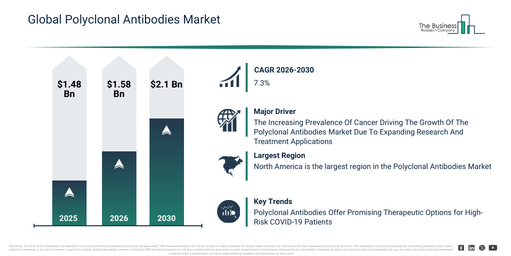
    The polyclonal antibodies market size has experienced significant growth in recent years. It is projected to increase from $1.48 billion in 2025 to $1.58 billion in 2026, demonstrating a compound annual growth rate (CAGR) of 6.4%. The factors contributing to its growth in the historic period include rising demand for immunoassays, the adoption of polyclonal antibodies in research, the expansion of the biotechnology sector, increasing academic research activities, and the availability of animal models for antibody production._x000D_

    _x000D_

    The market size for polyclonal antibodies is projected to demonstrate robust growth in the coming years. It will grow to $2.1 billion in 2030 at a compound annual growth rate (CAGR) of 7.3%. This anticipated expansion during the forecast period is driven by factors such as the broadening of precision medicine initiatives, an increase in therapeutic antibody applications, advancements in antibody production technology, escalating investments in diagnostics research, and enhanced collaborations between pharmaceutical companies and research institutions. Prominent trends for the forecast period encompass advanced methods for producing polyclonal antibodies, tailored antibody development services, a rise in their application in diagnostics, expanded use in therapeutic research, and a greater number of partnerships between academic and pharmaceutical research entities._x000D_

    _x000D_

    #Get A Free Sample Report With In-Depth Market Insights:#_x000D_

    https://thebusinessresearchcompany.com/sample_request?id=10790&type=smp&name=Polyclonal%20Antibodies%20Market%20Report%202026&utm_source=Blogs&utm_medium=Paid&utm_campaign=Oct_PR_x000D_

    _x000D_

    #Polyclonal Antibodies Market Growth Momentum: What Factors Are Shaping Demand?#_x000D_

    A rising incidence of cancer is anticipated to fuel the expansion of the polyclonal antibodies market in the future. Defined by uncontrolled cell growth and spread, often resulting in tissue damage and metastasis, cancer continues to be a primary contributor to illness and death globally. This increase in cancer diagnoses stems from influences like an aging global demographic, evolving lifestyle habits, and exposure to environmental elements. Polyclonal antibodies find extensive application in both cancer research and clinical treatment, including roles in biomarker identification, immunohistochemistry, targeted therapeutic approaches, and immunotherapies, thereby enhancing diagnostic accuracy, treatment efficacy, and overall patient results. For example, data released in February 2024 by the World Health Organization, an intergovernmental body located in Switzerland, forecasts more than 35 million new cancer cases by 2050. This signifies a 77% surge from the approximate 20 million cases recorded in 2022. Consequently, the growing occurrence of cancer is a key driver for the expansion of the polyclonal antibodies market._x000D_

    _x000D_

    #Polyclonal Antibodies Market Breakdown By Product Type And Application#_x000D_

    The polyclonal antibodies market covered in this report is segmented – _x000D_

    _x000D_

    1) By Product Type: Primary Antibody, Secondary Antibody_x000D_

    2) By Source: Rabbits, Goats, Sheep, Other Sources_x000D_

    3) By Application: Research, Diagnostics, Therapy_x000D_

    4) By End-User: Academic and Research Center , Pharmaceutical and Biotechnology Companies, Diagnostic Centers , Hospitals_x000D_

    _x000D_

    Subsegments:_x000D_

    1) By Primary Antibody: Immunoglobulin G (IgG), Immunoglobulin M (IgM), Immunoglobulin A (IgA), Immunoglobulin E (IgE)_x000D_

    2) By Secondary Antibody: Anti-Mouse IgG, Anti-Rabbit IgG, Anti-Goat IgG, Other Secondary Antibodies_x000D_

    _x000D_

    #Polyclonal Antibodies Market Trends Redefining Industry Growth#_x000D_

    Leading companies in the polyclonal antibodies market are concentrating on creating advanced remedies, such as hyperimmune antibody treatments, to boost patient results, lessen serious complications, and enhance immune reactions. Hyperimmune antibody treatments utilize polyclonal antibodies sourced from plasma donors possessing elevated levels of neutralizing antibodies, offering focused immune defense against viral infections. For example, in April 2023, SAB Biotherapeutics, a US-based biotechnology firm, disclosed encouraging Phase 3 trial findings for SAB-185, its entirely human polyclonal antibody therapy, among patients facing significant risk of severe COVID-19 complications. Intended to effectively neutralize SARS-CoV-2, SAB-185 demonstrated both safety and effectiveness, underscoring the potential of polyclonal antibody treatments to elevate treatment outcomes for susceptible patient groups._x000D_

    _x000D_

    #Polyclonal Antibodies Market Company Landscape And Competitive Strategy#_x000D_

    Major companies operating in the polyclonal antibodies market are Abcam plc, GenScript Biotech Corporation, Merck KGaA, Thermo Fisher Scientific Inc., Becton Dickinson and Company, BioLegend Inc., Bio-Rad Laboratories Inc., Cell Signaling Technology Inc., F. Hoffmann-La Roche Ltd., PerkinElmer Inc., Creative Diagnostics, Agilent Technologies, Analytik Jena GmbH, Atlas Antibodies, Danaher Corporation, DC Biosciences Ltd., ImmonoPresice Antibodies Ltd, Fujirebio, Omega BioTek Inc., Abnova Corporation, Santa Cruz Biotechnology Inc., Enzo Life Sciences Inc., Rockland Immunochemicals Inc., IGY Life Sciences, Genway Biotech, Good Biotech, Gallus Immunotech Inc., BioGenes GmbH, Capralogics Inc., Bio X Cell _x000D_

    _x000D_

    #View The Full Polyclonal Antibodies Market Report:#_x000D_

    https://thebusinessresearchcompany.com/report/polyclonal-antibodies-global-market-report?utm_source=Blogs&utm_medium=Paid&utm_campaign=Oct_PR_x000D_

    _x000D_

    #Polyclonal Antibodies Market Leading Geography: Which Region Contributes The Most Revenue?#_x000D_

    North America was the largest region in the polyclonal antibodies market in 2025. Asia-Pacific is expected to be the fastest-growing region in the global polyclonal antibodies market size forecast period. The regions covered in the polyclonal antibodies market report are Asia-Pacific, South East Asia, Western Europe, Eastern Europe, North America, South America, Middle East, Africa._x000D_

    _x000D_

    #Reach Out To Our Team:#_x000D_

    _x000D_

    The Business Research Company: https://www.thebusinessresearchcompany.com/_x000D_

    Americas: +1 310-496-7795_x000D_

    Asia: +44 7882 955267 & +91 8897263534_x000D_

    Europe: +44 7882 955267_x000D_

    Email us at: marketing@tbrc.info_x000D_

    _x000D_

    #Follow us on:#_x000D_

    _x000D_

    LinkedIn: https://in.linkedin.com/company/the-business-research-company_x000D_

    YouTube: https://www.youtube.com/channel/UC24_fI0rV8cR5DxlCpgmyFQ_x000D_

    Global Market Model: https://www.thebusinessresearchcompany.com/global-market-model