Blog

  • Rare Epilepsy Syndromes Therapeutics Market Expansion Outlook: $3.12 Billion by 2029 Forecast

    Rare Epilepsy Syndromes Therapeutics Market Expansion Outlook: $3.12 Billion by 2029 Forecast

    Unlock Global Insights – Save 20% on Market Reports with Code ONLINE20

    What Are The Forecasted Market Size Estimates For The Rare Epilepsy Syndromes Therapeutics Market Between 2025 And 2029?

    The rare epilepsy syndromes therapeutics market has experienced robust expansion over recent years. It is anticipated to expand from $2.07 billion in 2024 to $2.25 billion in 2025, reflecting a compound annual growth rate (CAGR) of 8.8%. This historical growth can be attributed to a combination of factors, including heightened awareness of rare neurological disorders, an increase in genetic epilepsy cases, a rising demand for symptomatic treatment options, intensified research into seizure management, and an increase in clinical trials for antiepileptic drugs.

    The rare epilepsy syndromes therapeutics market is projected to experience substantial expansion over the upcoming years, with its size anticipated to reach $3.13 billion by 2029, demonstrating a compound annual growth rate (CAGR) of 8.5%. This growth during the forecast period is primarily fueled by the increasing demand for precision medicine in epilepsy, the wider adoption of gene therapies, augmented investments in rare disease research, enhanced collaborations between biotechnology and pharmaceutical companies, and an intensified focus on personalized treatment approaches. Furthermore, significant trends expected during this period include technological progress in neurodiagnostic instruments, novel approaches in targeted drug delivery systems, substantial investment in RNA-based therapeutic platforms, advancements in gene editing technologies, and creative solutions in digital health monitoring.

    Unlock Your Free Sample Report for Exclusive Market Data:

    https://www.thebusinessresearchcompany.com/sample.aspx?id=28316&type=smp

    Which Drivers Are Supporting Growth Of The Rare Epilepsy Syndromes Therapeutics Market?

    The expanding occurrence of rare diseases is projected to drive the future growth of the rare epilepsy syndromes therapeutics market. These conditions are defined as medical ailments impacting a small segment of the populace, frequently being chronic, serious, and challenging to identify or manage. The rising occurrence of rare diseases is attributed to broader newborn and genomic screening efforts, which enlarge the pool of diagnosed patients, thereby generating increased demand for orphan drug services that aid in patient identification, clinical trials, and access initiatives. Treatments for rare epilepsy syndromes address rare diseases by providing specific therapies to manage seizures, improve patient results, and bridge crucial voids where current therapeutic choices are scarce. As an illustration, in November 2024, data from the Food and Drug Administration, a federal agency in the US, indicated that over 7,000 rare diseases affect more than 30 million people within the United States. Consequently, the expanding occurrence of rare diseases is a primary catalyst for the growth of the rare epilepsy syndromes therapeutics market.

    What Are The Different Segment Classifications Within The Rare Epilepsy Syndromes Therapeutics Market?

    The rare epilepsy syndromes therapeutics market covered in this report is segmented as

    1) By Drug Type: Antiepileptic Drugs, Steroids, Cannabinoids, Ketogenic Diet, Other Drug Types

    2) By Syndrome Type: Dravet Syndrome, Lennox-Gastaut Syndrome, Sturge-Weber Syndrome, Rasmussen’s Encephalitis, Other Syndrome Types

    3) By Route Of Administration: Oral, Intravenous, Other Route Of Administrations

    4) By Distribution Channel: Hospital Pharmacies, Retail Pharmacies, Online Pharmacies, Other Distribution Channels

    Subsegments:

    1) By Antiepileptic Drugs: Sodium Channel Blockers, Gamma-Aminobutyric Acid Modulators, Calcium Channel Blockers, Glutamate Inhibitors, Mixed Mechanism Agents

    2) By Steroids: Corticosteroids, Adrenocorticotropic Hormone, Immunosuppressive Steroids

    3) By Cannabinoids: Cannabidiol-Based Therapies, Tetrahydrocannabinol-Based Therapies, Synthetic Cannabinoid Formulations

    4) By Ketogenic Diet: Classic Ketogenic Diet, Modified Atkins Diet, Low Glycemic Index Treatment, Medium Chain Triglyceride Diet

    5) By Other Drug Types: Gene Therapies, Enzyme Replacement Therapies, Neurostimulation Therapies, Investigational Orphan Drugs

    Which Market Trends Are Creating New Opportunities In The Rare Epilepsy Syndromes Therapeutics Industry?

    Leading companies in the rare epilepsy syndromes therapeutics sector are prioritizing the creation of innovative treatment methods through strategic collaborations, aiming to enhance their research capabilities and broaden their therapeutic offerings. These strategic collaborations represent alliances among pharmaceutical companies, biotech firms, and research institutions that pool resources and specialized knowledge to accelerate drug development and expand treatment options for rare epilepsy syndromes. For example, in February 2025, Biogen Inc., a US-based biotechnology company, and Stoke Therapeutics, a US-based clinical-stage biotechnology company, initiated a collaboration focused on developing and commercializing zorevunersen. This investigational antisense oligonucleotide is designed to treat Dravet syndrome, a severe genetic epilepsy characterized by refractory seizures and neurodevelopmental impairments. This partnership integrates Stoke’s RNA technology with Biogen’s neurology expertise to address a crucial unmet need for a disease-modifying therapy for Dravet syndrome patients globally. Zorevunersen intends to boost NaV1.1 protein production by targeting the SCN1A gene mutation underlying Dravet syndrome, having demonstrated promising reductions in seizures and cognitive improvements in early studies.

    Which Key Market Players Are Investing In Expansion And Innovation Of Rare Epilepsy Syndromes Therapeutics Market?

    Major companies operating in the rare epilepsy syndromes therapeutics market are Roche Holding AG, Pfizer Inc., Medtronic plc, Takeda Pharmaceutical Company Limited, Biogen Inc., UCB Pharma Limited, Eisai Co. Ltd., Jazz Pharmaceuticals plc, Lundbeck A/S, SK Biopharmaceuticals Co. Ltd., LivaNova plc, PTC Therapeutics, Supernus Pharmaceuticals Inc., Regenxbio Inc., NeuroPace Inc., Encoded Therapeutics Inc., Neurelis Inc., Capsida Biotherapeutics, Stoke Therapeutics Inc., Xenon Pharmaceuticals Inc., Praxis Precision Medicines, Ovid Therapeutics Inc.

    Download The Full Report For Exclusive Market Findings:

    https://www.thebusinessresearchcompany.com/report/rare-epilepsy-syndromes-therapeutics-global-market-report

    Which Geographies Are Emerging As Strong Markets For The Rare Epilepsy Syndromes Therapeutics Industry?

    North America was the largest region in the rare epilepsy syndromes therapeutics market in 2024. The regions covered in rare epilepsy syndromes therapeutics report are Asia-Pacific, Western Europe, Eastern Europe, North America, South America, Middle East and Africa.

    Request A Customized Version Of The Rare Epilepsy Syndromes Therapeutics Market Report:

    https://www.thebusinessresearchcompany.com/customise?id=28316&type=smp

    Browse Through More Reports Similar to the Global Rare Epilepsy Syndromes Therapeutics Market 2025, By The Business Research Company

    Epilepsy Drugs Global Market Report 2025

    https://www.thebusinessresearchcompany.com/report/epilepsy-drugs-global-market-report

    Epileptic Seizures Treatment Global Market Report 2025

    https://www.thebusinessresearchcompany.com/report/epileptic-seizures-treatment-global-market-report

    Rare Neurological Disease Treatment Global Market Report 2025

    https://www.thebusinessresearchcompany.com/report/rare-neurological-disease-treatment-global-market-report

    Get in touch with us:

    The Business Research Company: https://www.thebusinessresearchcompany.com/

    Americas +1 310-496-7795

    Asia +44 7882 955267 & +91 8897263534

    Europe +44 7882 955267

    Email us at info@tbrc.info

    Follow us on:

    LinkedIn: https://in.linkedin.com/company/the-business-research-company

    YouTube: https://www.youtube.com/channel/UC24_fI0rV8cR5DxlCpgmyFQ

    Global Market Model: https://www.thebusinessresearchcompany.com/global-market-model
  • Global Rare Endocrine Disease Treatment Industry Trends: Where the Market Is Headed by 2029

    Global Rare Endocrine Disease Treatment Industry Trends: Where the Market Is Headed by 2029

    Unlock Global Insights – Save 20% on Market Reports with Code ONLINE20

    How Is The Rare Endocrine Disease Treatment Market Size Likely To Evolve From 2025 Through 2034?

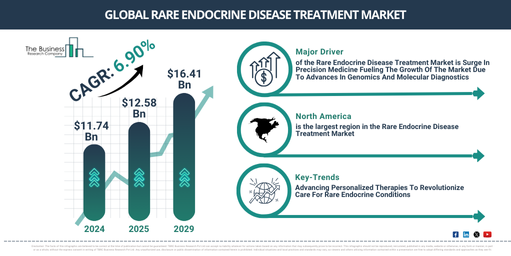
    The rare endocrine disease treatment market size has shown substantial growth in recent years. It is anticipated to expand from $11.74 billion in 2024 to $12.58 billion in 2025, exhibiting a compound annual growth rate (CAGR) of 7.2%. The historical development of this market can be attributed to heightened awareness of rare endocrine conditions, an escalating demand for hormone replacement therapies, the increasing incidence of genetic and hormonal disorders, a growing emphasis on specialized treatment centers, and increased funding directed towards rare disease research.

    The rare endocrine disease treatment market size is projected to experience substantial expansion in the coming years. Its valuation is anticipated to reach $16.41 billion by 2029, growing at a compound annual growth rate (CAGR) of 6.9%. This projected expansion is driven by several factors, including the rising creation of biologics and targeted therapies, a heightened emphasis on care centered around patients, increased financial commitments from pharmaceutical firms, an escalating need for digital health solutions and telemedicine in managing rare diseases, and enhanced government and non-profit assistance initiatives. Key developments expected during this period involve the incorporation of artificial intelligence into diagnostic and treatment strategies, enhancements in telemedicine platforms for managing chronic conditions, new developments in biologic and peptide-based treatments, progress in genetic and molecular investigations, and improvements in technologies for patient monitoring.

    Unlock Your Free Sample Report for Exclusive Market Data:

    https://www.thebusinessresearchcompany.com/sample.aspx?id=28315&type=smp

    Which Drivers Are Shaping The Rare Endocrine Disease Treatment Industry’s Market Share?

    The increasing emphasis on precision medicine is anticipated to drive expansion in the rare endocrine disease treatment market. Precision medicine represents a medical approach that customizes prevention, diagnosis, and treatment plans based on an individual’s genetic makeup, lifestyle, and environment. This heightened focus on precision medicine is due to advancements in genomics, enabling more accurate identification of disease mechanisms and tailored treatment strategies for individual patients. It supports the treatment of rare endocrine diseases by personalizing therapies according to a patient’s genetic, molecular, and hormonal profile, which allows for precise diagnoses and targeted interventions that enhance effectiveness and minimize side effects. For instance, in February 2024, the Personalized Medicine Coalition, a US-based non-profit organization, reported that in 2023, the United States Food and Drug Administration (FDA) approved 16 new personalized treatments for rare disease patients, marking an increase from six in 2022. The newly approved personalized treatments for 2023 also included seven cancer drugs and three for other diseases and conditions. Therefore, the rising focus on precision medicine is driving the growth of the rare endocrine disease treatment market.

    What Are The Primary Types Of Segments Analyzed In The Rare Endocrine Disease Treatment Market?

    The rare endocrine disease treatment market covered in this report is segmented as

    1) By Type: Biologics, Organic Compounds

    2) By Treatment: Hormone Replacement Therapy, Radiotherapy, Surgery, Targeted Therapy, Immunotherapy

    3) By Disease: Cushing’s Syndrome, Addison’s Disease, Acromegaly, Other Diseases

    4) By Distribution Channel: Hospital Pharmacies, Retail Pharmacies, Online Pharmacies, Direct Sales, Other Distribution Channels

    5) By End-User: Hospitals, Specialty Clinics, Research Institutes, Other End-Users

    Subsegments:

    1) By Biologics: Monoclonal Antibodies, Recombinant Proteins, Enzyme Replacement Therapies, Vaccines

    2) By Organic Compounds: Small Molecule Drugs, Peptide-Based Drugs, Steroidal Compounds, Non-Steroidal Compounds

    How Are Trends Influencing The Rare Endocrine Disease Treatment Market?

    Leading companies in the rare endocrine disease treatment market are focusing on developing advanced therapies, such as parathyroid hormone (PTH) prodrugs, to boost treatment efficacy and extend therapeutic duration for patients. PTH prodrugs are hormone-based treatments where polyethylene glycol (PEG) is attached to PTH, designed to improve stability, prolong circulation time, and deliver longer-lasting therapeutic effects for endocrine disorders. For instance, in August 2024, Ascendis Pharma A/S, a biopharmaceutical company from Denmark, received approval from the U.S. Food and Drug Administration (FDA) for YORVIPATH, the first and only treatment available for adult hypoparathyroidism, a rare endocrine disorder affecting an estimated 70,000 to 90,000 people in the United States. These medications provide continuous parathyroid hormone (PTH) exposure via Ascendis’ once-daily TransCon prodrug technology, which is engineered to extend pharmacodynamic activity through pegylation, decrease dosing frequency, and aid in normalizing serum calcium levels while minimizing dependence on conventional therapies. The phase 3 clinical trial results for this treatment indicated that many patients achieved normal calcium levels without needing extra vitamin D or high doses of calcium, representing a significant improvement over standard treatment methods. This therapy enhances clinical outcomes and improves the quality of life for adults with hypoparathyroidism by addressing both short- and long-term complications.

    Who Are The Core Companies Influencing The Rare Endocrine Disease Treatment Market Landscape?

    Major companies operating in the rare endocrine disease treatment market are Pfizer Inc., Bayer AG, AstraZeneca PLC, Eli Lilly and Company, Novo Nordisk A/S, Sandoz Group AG, Alexion Pharmaceuticals Inc., Ipsen S.A., Kyowa Kirin Co. Ltd., BioMarin Pharmaceutical Inc., Recordati S.p.A., Camurus AB, EMD Serono Inc., Corcept Therapeutics Inc., Ascendis Pharma A/S, Inozyme Pharma Inc., Spruce Biosciences Inc., MBX Biosciences Inc., Crinetics Pharmaceuticals Inc., Tiburio Therapeutics Inc.

    Download The Full Report For Exclusive Market Findings:

    https://www.thebusinessresearchcompany.com/report/rare-endocrine-disease-treatment-global-market-report

    Which Region Is Projected To Lead The Rare Endocrine Disease Treatment Market During The Forecast Period?

    North America was the largest region in the rare endocrine disease treatment market in 2024. Asia-Pacific is expected to be the fastest-growing region in the forecast period. The regions covered in rare endocrine disease treatment report are Asia-Pacific, Western Europe, Eastern Europe, North America, South America, Middle East and Africa.

    Request A Customized Version Of The Rare Endocrine Disease Treatment Market Report:

    https://www.thebusinessresearchcompany.com/customise?id=28315&type=smp

    Browse Through More Reports Similar to the Global Rare Endocrine Disease Treatment Market 2025, By The Business Research Company

    Rare Diseases Treatment Global Market Report 2025

    https://www.thebusinessresearchcompany.com/report/rare-diseases-treatment-global-market-report

    Neuroendocrine Tumor Treatment Global Market Report 2025

    https://www.thebusinessresearchcompany.com/report/neuroendocrine-tumor-treatment-global-market-report

    Rare Inflammatory Disease Treatment Global Market Report 2025

    https://www.thebusinessresearchcompany.com/report/rare-inflammatory-disease-treatment-global-market-report

    Get in touch with us:

    The Business Research Company: https://www.thebusinessresearchcompany.com/

    Americas +1 310-496-7795

    Asia +44 7882 955267 & +91 8897263534

    Europe +44 7882 955267

    Email us at info@tbrc.info

    Follow us on:

    LinkedIn: https://in.linkedin.com/company/the-business-research-company

    YouTube: https://www.youtube.com/channel/UC24_fI0rV8cR5DxlCpgmyFQ

    Global Market Model: https://www.thebusinessresearchcompany.com/global-market-model

  • Rare Disease Pharmaceutical Service Industry Forecast to Hit $217.36 Billion by 2029 With a Strong 13% CAGR

    Rare Disease Pharmaceutical Service Industry Forecast to Hit $217.36 Billion by 2029 With a Strong 13% CAGR

    Unlock Global Insights – Save 20% on Market Reports with Code ONLINE20

    What Are The Growth Projections For The Rare Disease Pharmaceutical Service Market Size During 2025–2029?

    The rare disease pharmaceutical service market size has witnessed rapid growth in recent years. It is projected to increase from $117.70 billion in 2024 to $133.40 billion in 2025, at a compound annual growth rate (CAGR) of 13.3%. This historical expansion is attributable to an increasing emphasis on genetic research, the rising adoption of advanced diagnostics, a growing number of patient registries, increasing collaborations between pharmaceutical and biotechnology companies, and heightened awareness of orphan drug incentives.

    The rare disease pharmaceutical service market is anticipated to experience substantial expansion in the coming years. It is projected to reach $217.37 billion by 2029, growing at a compound annual growth rate (CAGR) of 13.0%. This growth during the forecast period can be attributed to the increasing integration of artificial intelligence in drug discovery, a rising demand for personalized treatment plans, growing investment in rare disease clinical trials, the expanding use of real-world evidence in decision-making, and increasing regulatory support for rare disease therapies. Prominent trends expected in this period include advancements in AI-powered drug discovery, the integration of digital health platforms, technology-enabled patient monitoring, developments in biomarker-driven therapies, and progress in decentralized clinical trials.

    Unlock Your Free Sample Report for Exclusive Market Data:

    https://www.thebusinessresearchcompany.com/sample.aspx?id=28314&type=smp

    What Are The Drivers Pushing New Developments In The Rare Disease Pharmaceutical Service Market?

    The future expansion of the rare disease pharmaceutical service market is anticipated, driven by the increasing prevalence of personalized medicine. This approach involves customizing medical care to a patient’s genetic profile, lifestyle, and environment, aiming for more effective and precise treatment. The growth of personalized medicine is propelled by advancements in genomics, biomarker research, and data analytics, which facilitate the tailoring of treatments to an individual’s genetic makeup. This results in improved effectiveness, reduced side effects, and a more precise fulfillment of unmet patient needs compared to traditional standardized therapies. Pharmaceutical Service supports personalized medicine through the development of targeted therapies, the utilization of genetic and biomarker data, and the provision of customized treatment solutions to cater to individual patient requirements. For instance, in February 2024, the Personalized Medicine Coalition, a US-based non-profit organization, stated that the FDA approved 16 new personalized treatments for rare disease patients in 2023, an increase from 6 approvals in 2022. This demonstrates how the rise of personalized medicine is stimulating the growth of the rare disease pharmaceutical service market.

    Which Key Segments Fueling The Rare Disease Pharmaceutical Service Market?

    The rare disease pharmaceutical service market covered in this report is segmented as

    1) By Types: Drug Discovery, Clinical Trials, Other Types

    2) By Application: Congenital And Genetic Diseases, Tumors And Cancer, Endocrine Diseases

    3) By End User: Pharmaceutical Companies, Biotechnology Companies, Academic And Research Institutions, Hospitals And Specialty Clinics, Contract Research Organizations (CROs) And Contract Development And Manufacturing Organizations (CDMOs), Diagnostic Laboratories And Genetic Testing Centers

    Subsegments:

    1) By Drug Discovery: Target Identification And Validation, Preclinical Research And Toxicology Studies, Biomarker Discovery And Validation, Genomic And Proteomic Analysis, Computational Drug Design And Modeling, High-Throughput Screening (HTS), Lead Optimization And Candidate Selection

    2) By Clinical Trials: Clinical Trial Design And Protocol Development, Patient Recruitment And Retention, Site Management And Monitoring, Regulatory Affairs And Compliance Support, Data Management And Biostatistics, Pharmacovigilance And Safety Monitoring, Real-World Evidence (RWE) And Post-Marketing Studies

    3) By Other Types: Market Access And Pricing Strategy, Health Economics And Outcomes Research (HEOR), Regulatory Affairs And Compliance Services, Manufacturing And CMC (Chemistry, Manufacturing, and Controls) Support, Medical Affairs And Scientific Communication, Post-Marketing Surveillance, Consulting And Strategic Advisory

    What Key Innovation Trends Are Fueling Advancements In The Rare Disease Pharmaceutical Service Market?

    Major companies operating in the rare disease pharmaceutical service market are increasingly focusing on developing novel treatment approaches, such as acetylleucine, to improve treatment effectiveness, enhance patient outcomes, and address unmet needs in rare neurological and metabolic disorders. Acetylleucine, a modified amino acid (N-acetyl-L-leucine), is used as a therapeutic agent to support motor function, balance, and neurological health in affected patients. For instance, in September 2024, IntraBio, a US-based biopharmaceutical firm, received FDA approval for AQNEURSA, the first stand-alone therapy for Niemann-Pick Disease Type C, a rare, life-threatening neurodegenerative disorder. This milestone is significant, as the treatment demonstrated rapid and meaningful improvements in neurological symptoms, offering a groundbreaking therapeutic option for both pediatric and adult patients living with this rare disease.

    Which Major Industry Participants Are Leading The Rare Disease Pharmaceutical Service Market Growth?

    Major companies operating in the rare disease pharmaceutical service market are Johnson & Johnson, Merck & Co. Inc., Pfizer Inc., AbbVie Inc., Sanofi S.A., Novartis AG, AstraZeneca PLC, GlaxoSmithKline PLC (GSK), Takeda Pharmaceutical Company Limited, Amgen Inc., Biogen Inc., Chiesi Farmaceutici S.p.A., Recordati Industria Chimica e Farmaceutica S.p.A., BioMarin Pharmaceutical Inc., Sarepta Therapeutics Inc., Ultragenyx Pharmaceutical Inc., Amicus Therapeutics Inc., Travere Therapeutics Inc., Sciensus Healthcare Ltd., and SOM Innovation Biotech S.L.

    Download The Full Report For Exclusive Market Findings:

    https://www.thebusinessresearchcompany.com/report/rare-disease-pharmaceutical-service-global-market-report

    What Are The Key Regional Factors Influencing The Rare Disease Pharmaceutical Service Market Growth?

    North America was the largest region in the rare disease pharmaceutical service market in 2024. The regions covered in rare disease pharmaceutical service report are Asia-Pacific, Western Europe, Eastern Europe, North America, South America, Middle East and Africa.

    Request A Customized Version Of The Rare Disease Pharmaceutical Service Market Report:

    https://www.thebusinessresearchcompany.com/customise?id=28314&type=smp

    Browse Through More Reports Similar to the Global Rare Disease Pharmaceutical Service Market 2025, By The Business Research Company

    Rare Diseases Treatment Global Market Report 2025

    https://www.thebusinessresearchcompany.com/report/rare-diseases-treatment-global-market-report

    Drug Discovery Services Global Market Report 2025

    https://www.thebusinessresearchcompany.com/report/drug-discovery-services-global-market-report

    Rare Disease Diagnostics Global Market Report 2025

    https://www.thebusinessresearchcompany.com/report/rare-disease-diagnostics-global-market-report

    Get in touch with us:

    The Business Research Company: https://www.thebusinessresearchcompany.com/

    Americas +1 310-496-7795

    Asia +44 7882 955267 & +91 8897263534

    Europe +44 7882 955267

    Email us at info@tbrc.info

    Follow us on:

    LinkedIn: https://in.linkedin.com/company/the-business-research-company

    YouTube: https://www.youtube.com/channel/UC24_fI0rV8cR5DxlCpgmyFQ

    Global Market Model: https://www.thebusinessresearchcompany.com/global-market-model
  • Rare Disease Genome Editing Market to Reach $2.45 Billion by 2029, Growing at a CAGR of 17.6%

    Rare Disease Genome Editing Market to Reach $2.45 Billion by 2029, Growing at a CAGR of 17.6%

    Unlock Global Insights – Save 20% on Market Reports with Code ONLINE20

    What Is The Global Market Value Of The Rare Disease Genome Editing Industry In 2025?

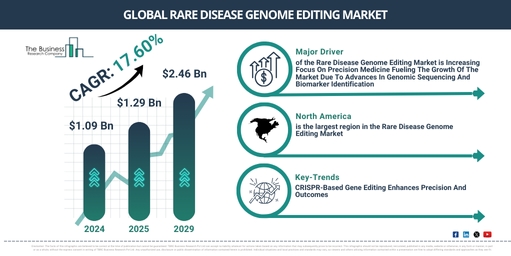
    The market for rare disease genome editing has experienced rapid expansion in recent years. It is forecast to increase from $1.09 billion in 2024 to $1.29 billion in 2025, achieving a compound annual growth rate (CAGR) of 17.9%. The market’s growth during the historical period was driven by increasing government funding for genetic research, a rising awareness of rare disease diagnosis, enhanced collaboration among biotech companies, and a surge in investment in personalized medicine.

    The rare disease genome editing market size is projected to experience substantial growth in the coming years. Its value is expected to reach $2.46 billion in 2029, demonstrating a compound annual growth rate (CAGR) of 17.6%. This expansion throughout the forecast period can be attributed to the increasing incorporation of AI in genome editing, a rising demand for targeted therapies, ongoing advancements in gene delivery systems, the growing prevalence of multi-gene disorders, and an increased emphasis on pediatric rare diseases. Noteworthy trends for the forecast period include enhancements in multi-gene editing techniques, the integration of AI-driven genomic analysis, personalized gene therapies facilitated by technology, developments in in vivo gene delivery systems, and progress in high-throughput genome screening.

    Unlock Your Free Sample Report for Exclusive Market Data:

    https://www.thebusinessresearchcompany.com/sample.aspx?id=28313&type=smp

    What Are The Emerging Market Drivers Creating New Opportunities In The Rare Disease Genome Editing Industry?

    The expanding emphasis on precision medicine is projected to drive the growth of the rare disease genome editing market in the coming years. Precision medicine involves customizing prevention, diagnosis, and treatment based on an individual’s unique genetic composition, environmental factors, and lifestyle. This tailored healthcare strategy leverages a patient’s genetics, surroundings, and habits to deliver more precise and efficacious treatments. The heightened attention to precision medicine stems from breakthroughs in genomic sequencing and the identification of biomarkers, which facilitate accurate detection and targeted interventions. The rare disease genome editing market aids precision medicine by allowing for the specific correction of genetic mutations, thereby making therapies more individualized and effective. It enhances healthcare by tackling the fundamental cause of rare conditions, leading to better patient outcomes and lessening dependence on managing symptoms. For instance, in March 2024, Novotech, an Australia-based biotechnology company, in 2023, 43% of the 217 FDA-approved oncology therapies were precision oncology treatments, with 78 incorporating DNA or NGS-detectable biomarkers. Consequently, the rising focus on precision medicine is propelling the growth of the rare disease genome editing market.

    How Is The Rare Disease Genome Editing Market Classified Into Different Segments?

    The rare disease genome editing market covered in this report is segmented as

    1) By Technology: Clustered Regularly Interspaced Short Palindromic Repeats (CRISPR) Or CRISPR-Associated Protein 9, Transcription Activator-Like Effector Nucleases (TALEN), Zinc Finger Nucleases (ZFN), Other Technologies

    2) By Disease Type: Monogenic Disorders, Multifactorial Disorders, Chromosomal Disorders

    3) By Application: Therapeutics, Research

    4) By End User: Biotechnology And Pharmaceutical Companies, Academic And Government Research Institutes, Hospitals

    Subsegments:

    1) By Clustered Regularly Interspaced Short Palindromic Repeats (CRISPR) Or CRISPR-Associated Protein 9: Clustered Regularly Interspaced Short Palindromic Repeats (CRISPR)-Associated Protein 9, Clustered Regularly Interspaced Short Palindromic Repeats (CRISPR)-Associated Protein 12, Clustered Regularly Interspaced Short Palindromic Repeats (CRISPR)-Associated Protein 13, Base Editing, Prime Editing

    2) By Transcription Activator-Like Effector Nucleases (TALEN): Standard Transcription Activator-Like Effector Nucleases (TALEN), Designer Transcription Activator-Like Effector Nucleases (dTALEN), Transcription Activator-Like Effector Nucleases (TALEN) Paired Nucleases

    3) By Zinc Finger Nucleases (ZFN): Standard Zinc Finger Nucleases (ZFN), Engineered Zinc Finger Nucleases (ZFN), Modular Zinc Finger Nucleases (ZFN)

    4) By Other Technologies: Meganucleases, Ribonucleic Acid (RNA)-Guided Nucleases, Clustered Regularly Interspaced Short Palindromic Repeats (CRISPR)-Associated Transposases

    Which Ongoing Trends Are Expected To Shape The Rare Disease Genome Editing Market Outlook?

    Leading companies within the rare disease genome editing market are concentrating on developing advanced therapeutic platforms, such as CRISPR-based gene editing systems, with the goal of enhancing treatment precision, improving therapeutic outcomes, and addressing genetic diseases previously deemed incurable. These CRISPR-based gene editing systems are innovative technologies designed to enable precise modifications to the genome, allowing for the correction of genetic defects or the introduction of therapeutic genes into cells. As an example, in December 2023, Vertex Pharmaceuticals Inc., a US-based biopharmaceutical company, partnered with CRISPR Therapeutics Inc., a US-based biotechnology research company, and obtained conditional marketing authorization from the United Kingdom (U.K.) Medicines and Healthcare products Regulatory Agency (MHRA) for CASGEVY (exagamglogene autotemcel, exa-cel). This therapy is indicated for patients aged 12 and older with sickle cell disease (SCD) experiencing recurrent vaso-occlusive crises or with transfusion-dependent beta thalassemia (TDT). Casgevy operates by editing a patient’s hematopoietic stem cells to reactivate fetal hemoglobin production, a process that reduces or eliminates disease symptoms and offers a potential functional cure for these conditions.

    Who Are The Prominent Global Companies Shaping The Rare Disease Genome Editing Market?

    Major companies operating in the rare disease genome editing market are Regeneron Pharmaceuticals Inc., Sarepta Therapeutics Inc., Ultragenyx Pharmaceutical Inc., Beam Therapeutics Inc., CRISPR Therapeutics AG, Rocket Pharmaceuticals Inc., Sangamo Therapeutics Inc., Arcturus Therapeutics Holdings Inc., Editas Medicine Inc., Krystal Biotech Inc., Caribou Biosciences Inc, Bluebird Bio Inc., SpliceBio S.L., Cellectis SA, Generation Bio Co., iECURE Inc., Affinia Therapeutics Inc., Precision Biosciences Inc., Intellia Therapeutics Inc., and MeiraGTx Holdings plc.

    Download The Full Report For Exclusive Market Findings:

    https://www.thebusinessresearchcompany.com/report/rare-disease-genome-editing-global-market-report

    How Do Regional Market Performances Compare Within The Rare Disease Genome Editing Industry?

    North America was the largest region in the rare disease genome editing market in 2024. Asia-Pacific is expected to be the fastest-growing region in the forecast period. The regions covered in rare disease genome editing report are Asia-Pacific, Western Europe, Eastern Europe, North America, South America, Middle East and Africa.

    Request A Customized Version Of The Rare Disease Genome Editing Market Report:

    https://www.thebusinessresearchcompany.com/customise?id=28313&type=smp

    Browse Through More Reports Similar to the Global Rare Disease Genome Editing Market 2025, By The Business Research Company

    Genome Editing Or Genome Engineering Global Market Report 2025

    https://www.thebusinessresearchcompany.com/report/genome-editing-or-genome-engineering-global-market-report

    Crispr Gene Editing Global Market Report 2025

    https://www.thebusinessresearchcompany.com/report/crispr-gene-editing-global-market-report

    Gene Editing Global Market Report 2025

    https://www.thebusinessresearchcompany.com/report/gene-editing-global-market-report

    Get in touch with us:

    The Business Research Company: https://www.thebusinessresearchcompany.com/

    Americas +1 310-496-7795

    Asia +44 7882 955267 & +91 8897263534

    Europe +44 7882 955267

    Email us at info@tbrc.info

    Follow us on:

    LinkedIn: https://in.linkedin.com/company/the-business-research-company

    YouTube: https://www.youtube.com/channel/UC24_fI0rV8cR5DxlCpgmyFQ

    Global Market Model: https://www.thebusinessresearchcompany.com/global-market-model

  • Global Rare Disease Community App Market Size Projected to Reach $1.51 Billion During the Forecast Period

    Global Rare Disease Community App Market Size Projected to Reach $1.51 Billion During the Forecast Period

    Unlock Global Insights – Save 20% on Market Reports with Code ONLINE20

    By How Much Is The Rare Disease Community App Market Expected To Expand Between 2025 And 2029?

    The rare disease community app market size has experienced rapid expansion in recent years. It is projected to climb from $0.81 billion in 2024 to $0.92 billion in 2025, demonstrating a compound annual growth rate (CAGR) of 13.7%. This past growth can be attributed to several factors, including enhanced patient engagement via online communities, increased reliance on mobile applications for health monitoring, greater availability of educational resources pertaining to rare diseases, a stronger focus on collecting data from patient-reported outcomes, and rising confidence in secure data-sharing platforms.

    The rare disease community app market is projected to expand quickly over the coming years, reaching a valuation of $1.52 billion by 2029, exhibiting a compound annual growth rate (CAGR) of 13.3%. This anticipated growth is driven by several factors, including the increasing integration of wearable devices with community applications, the expanded use of blockchain for secure patient data management, a rising demand for multi-language support within apps, a greater emphasis on virtual clinical trial recruitment via apps, and the incorporation of more gamification features to improve patient engagement. Key trends expected during this period encompass the integration of artificial intelligence–based chatbots, blockchain-enabled data security systems, the adoption of cloud-native microservices architecture, enhanced interoperability with electronic health records (EHRs), and the incorporation of genomic data analytics.

    Unlock Your Free Sample Report for Exclusive Market Data:

    https://www.thebusinessresearchcompany.com/sample.aspx?id=28312&type=smp

    Which Drivers Are Impacting The Rare Disease Community App Market?

    The expanding use of digital health technologies is anticipated to fuel the expansion of the rare disease community app market moving ahead. These solutions encompass the application of technology, software, and digital instruments to enhance healthcare provision, administration, and patient results. Their growing popularity stems from better patient oversight, facilitated by real-time data tracking and more tailored healthcare management. Digital health solutions expedite the uptake of rare disease community apps by providing easy access to virtual care, current health data, and customized tools, thereby increasing the value of these platforms for users. As an illustration, a survey by Rock Health, a US-based healthcare organization, revealed in February 2023 that, based on their 2022 Digital Health Consumer Adoption Survey, 80% of individuals surveyed had utilized telemedicine at least once in 2022. This marked an increase from 72% in 2021, showing an 8-percentage-point rise. Consequently, the rising acceptance of digital health solutions is propelling the expansion of the rare disease community app market.

    What Are The Major Segments Identified In The Rare Disease Community App Market?

    The rare disease community app market covered in this report is segmented as

    1) By Platform: iPhone Operating System, Android, Web-Based

    2) By Deployment Mode: Cloud-Based, On-Premises

    3) By Application: Patient Support, Disease Management, Clinical Trial Recruitment, Information Sharing, Other Applications

    4) By End-User: Patients, Caregivers, Healthcare Professionals, Researchers, Other End-Users

    Subsegments:

    1) By iPhone Operating System: iPhone App Store Apps, iPad Optimized Apps, Universal iOS Apps

    2) By Android: Google Play Store Apps, Android Tablet Apps, Hybrid Android Apps

    3) By Web-Based: Browser-Based Platforms, Progressive Web Apps (PWAs), Cloud-Hosted Web Portals

    Which Competitive Trends Are Defining The Rare Disease Community App Market Structure?

    Leading companies active in the rare disease community app market are spearheading digital transformation efforts by integrating advanced technologies, such as natural language processing (NLP) analytics. This integration aims to enhance patient participation, improve communication with healthcare providers, and deliver more effective solutions for managing diseases. Natural language processing (NLP) analytics refers to the application of artificial intelligence algorithms to comprehend, interpret, and condense human language data for generating actionable insights. As an illustration, in December 2024, Know Rare, Inc., a UK-based health technology company, introduced the HealthStoryAI app to assist individuals affected by rare diseases. The app enables users to log and monitor their daily health experiences, providing a structured method for tracking symptoms and health patterns. Utilizing AI, it automatically summarizes patient-reported experiences, simplifying the review of health trends over time. HealthStoryAI also offers personalized insights that help both patients and healthcare providers identify patterns and make informed care decisions. Fundamentally, the app empowers the rare disease community with tools for improved self-management and optimized healthcare services.

    Which Key Players Are Driving Competition In The Rare Disease Community App Market?

    Major companies operating in the rare disease community app market are Novartis AG, Takeda Pharmaceutical Company Limited, The Mighty Networks Inc., PicnicHealth Inc., Medisafe Inc., FDNA Inc., RareConnect, Carenity SAS, MyHealthTeam Inc., CureDuchenne Inc., Aparito Limited, Healp Inc., ThinkGenetic Inc., Know Rare Inc., OpenApp Limited, Rare Patient Voice LLC, Inspire Inc., Mejo Inc., RareGuru LLC, and Xperiome Ltd.

    Download The Full Report For Exclusive Market Findings:

    https://www.thebusinessresearchcompany.com/report/rare-disease-community-app-global-market-report

    Which Region Currently Holds The Largest Share Of The Rare Disease Community App Market?

    North America was the largest region in the rare disease community app market in 2024. Asia-Pacific is expected to be the fastest-growing region in the forecast period. The regions covered in rare disease community app report are Asia-Pacific, Western Europe, Eastern Europe, North America, South America, Middle East and Africa.

    Request A Customized Version Of The Rare Disease Community App Market Report:

    https://www.thebusinessresearchcompany.com/customise?id=28312&type=smp

    Browse Through More Reports Similar to the Global Rare Disease Community App Market 2025, By The Business Research Company

    Disease Management Apps Global Market Report 2025

    https://www.thebusinessresearchcompany.com/report/disease-management-apps-global-market-report

    Rare Disease Diagnostics Global Market Report 2025

    https://www.thebusinessresearchcompany.com/report/rare-disease-diagnostics-global-market-report

    Rare Diseases Treatment Global Market Report 2025

    https://www.thebusinessresearchcompany.com/report/rare-diseases-treatment-global-market-report

    Get in touch with us:

    The Business Research Company: https://www.thebusinessresearchcompany.com/

    Americas +1 310-496-7795

    Asia +44 7882 955267 & +91 8897263534

    Europe +44 7882 955267

    Email us at info@tbrc.info

    Follow us on:

    LinkedIn: https://in.linkedin.com/company/the-business-research-company

    YouTube: https://www.youtube.com/channel/UC24_fI0rV8cR5DxlCpgmyFQ

    Global Market Model: https://www.thebusinessresearchcompany.com/global-market-model

  • Rare Disease Clinical Trials Industry Anticipated to Expand at 10% CAGR During the Forecast Period

    Rare Disease Clinical Trials Industry Anticipated to Expand at 10% CAGR During the Forecast Period

    Unlock Global Insights – Save 20% on Market Reports with Code ONLINE20

    #What Is The Projected Market Size Of The Rare Disease Clinical Trials Market By 2029?

    The rare disease clinical trials market has experienced rapid expansion in recent years. It is forecast to grow from $12.06 billion in 2024 to $13.30 billion in 2025, achieving a compound annual growth rate (CAGR) of 10.3%. This historical market growth can be attributed to several factors: increasing awareness of genetic disorders among healthcare providers, a rising demand for specialized patient monitoring during trials, the advancement of personalized medicine approaches, the growing adoption of patient-centric trial methodologies, and an increasing need for global multi-center clinical studies.

    The rare disease clinical trials market is projected for significant expansion in the coming years, with its size anticipated to reach $19.45 billion by 2029, exhibiting a compound annual growth rate (CAGR) of 10.0%. This projected growth is attributed to several factors, including an increase in rare disease therapies progressing into clinical trials, greater regulatory support for orphan drug approvals, the development of more disease-specific patient registries and databases, a rise in cross-border clinical trials and multi-center studies, and enhanced funding initiatives for rare disease research infrastructure. Major trends expected during this forecast period include the advanced utilization of decentralized trial models, innovative strategies for patient recruitment, the integration of real-world evidence into trial designs, the continued development of precision medicine approaches, and a growing adoption of digital health technologies.

    Unlock Your Free Sample Report for Exclusive Market Data:

    https://www.thebusinessresearchcompany.com/sample.aspx?id=28311&type=smp

    Which Industry Drivers Are Expected To Accelerate The Rare Disease Clinical Trials Market From 2025 To 2029?

    The emergence of personalized medicine is anticipated to propel the expansion of the rare disease clinical trials market going forward. Personalized medicine involves customizing medical treatment to the distinct characteristics of each patient, including their genetics, lifestyle, and environment. The rise in personalized medicine is a result of improved treatment outcomes, as it tailors therapies to individual patient profiles for greater effectiveness and safety. Rare disease clinical trials contribute to personalized medicine by generating patient-specific insights that inform the development of targeted therapies uniquely designed for each individual’s genetic and molecular profile. For instance, in February 2024, data from the Personalized Medicine Coalition (PMC), a US-based nonprofit organization, indicated that the Food and Drug Administration (FDA) reported personalized medicines accounted for 34% of approvals in 2022, which subsequently increased to 38% in 2023. Consequently, the expansion of personalized medicine is a key driver for the growth of the rare disease clinical trials market.

    What Are The Emerging Segments Gaining Attention In The Rare Disease Clinical Trials Market?

    The rare disease clinical trials market covered in this report is segmented as

    1) By Phase: Phase I, Phase II, Phase III, Phase IV

    2) By Therapeutic Area: Oncology, Cardiovascular Disorders, Neurological Disorders, Infectious Disease, Genetic Disorders, Autoimmune And Inflammation, Hematologic Disorders, Musculoskeletal Disorders, Other Therapeutic Areas

    3) By Study Design: Interventional, Observational, Expanded Access

    4) By End-User: Pharmaceutical Companies, Biotechnology Companies, Research Institutes, Other End-Users

    Subsegments:

    1) By Phase I: First In Human Trials, Dose Escalation Studies, Safety And Tolerability Studies

    2) By Phase II: Proof Of Concept Studies, Dose Response Studies, Efficacy And Safety Studies

    3) By Phase III: Randomized Controlled Trials, Comparative Effectiveness Studies, Large Scale Multicenter Trials

    4) By Phase IV: Post Marketing Surveillance, Long Term Safety Studies, Real World Evidence Studies

    What Are The Latest Industry Trends Transforming The Rare Disease Clinical Trials Market?

    Major companies in the rare disease clinical trials market are focusing on implementing innovations, including adopting a client-focused strategy to deliver personalized trial designs, enhancing patient engagement, and accelerating the development of targeted therapies for rare conditions. This client-focused strategy involves prioritizing the needs, objectives, and preferences of biotech and pharmaceutical clients to provide customized and effective clinical trial solutions. For example, in March 2025, Evestia Clinical Limited, a US-based pharmaceutical research company, was launched as the new brand identity for EMAS Pharma. This rebranding represents a strategic move aimed at accelerating the company’s global expansion. Evestia Clinical Limited is committed to expediting the development of therapies for rare diseases by offering expert-led, personalized clinical trial solutions tailored to the unique challenges of these conditions, with this focus being a core part of its brand identity and service offering.

    Who Are The Top Performing Companies In The Rare Disease Clinical Trials Market In Recent Years?

    Major companies operating in the rare disease clinical trials market are F. Hoffmann-La Roche AG, Pfizer Inc., Novartis AG, AstraZeneca plc, Takeda Pharmaceutical Company Limited, IQVIA Holdings Inc., Laboratory Corporation of America Holdings, ICON plc, Moderna Inc., Charles River Laboratories International Inc., Parexel International Corporation, Revvity Inc., Sarepta Therapeutics Inc., TFS HealthScience, Inventiva S.A., Tonix Pharmaceuticals Holding Corp., SpringWorks Therapeutics Inc., OrphAI Therapeutics Inc., BBCR Consulting LLC, and Credevo Inc.

    Download The Full Report For Exclusive Market Findings:

    https://www.thebusinessresearchcompany.com/report/rare-disease-clinical-trials-global-market-report

    What Regional Growth Trends Are Shaping The Rare Disease Clinical Trials Market Outlook?

    North America was the largest region in the rare disease clinical trials market in 2024. The regions covered in rare disease clinical trials report are Asia-Pacific, Western Europe, Eastern Europe, North America, South America, Middle East and Africa.

    Request A Customized Version Of The Rare Disease Clinical Trials Market Report:

    https://www.thebusinessresearchcompany.com/customise?id=28311&type=smp

    Browse Through More Reports Similar to the Global Rare Disease Clinical Trials Market 2025, By The Business Research Company

    Rare Diseases Treatment Global Market Report 2025

    https://www.thebusinessresearchcompany.com/report/rare-diseases-treatment-global-market-report

    Rare Disease Diagnostics Global Market Report 2025

    https://www.thebusinessresearchcompany.com/report/rare-disease-diagnostics-global-market-report

    Rare Inflammatory Disease Treatment Global Market Report 2025

    https://www.thebusinessresearchcompany.com/report/rare-inflammatory-disease-treatment-global-market-report

    Get in touch with us:

    The Business Research Company: https://www.thebusinessresearchcompany.com/

    Americas +1 310-496-7795

    Asia +44 7882 955267 & +91 8897263534

    Europe +44 7882 955267

    Email us at info@tbrc.info

    Follow us on:

    LinkedIn: https://in.linkedin.com/company/the-business-research-company

    YouTube: https://www.youtube.com/channel/UC24_fI0rV8cR5DxlCpgmyFQ

    Global Market Model: https://www.thebusinessresearchcompany.com/global-market-model

  • Global Rare Dermatological Disease Treatment Market Projected to Expand at 6.2% CAGR by 2029

    Global Rare Dermatological Disease Treatment Market Projected to Expand at 6.2% CAGR by 2029

    Unlock Global Insights – Save 20% on Market Reports with Code ONLINE20

    How Much Was The Rare Dermatological Disease Treatment Market Worth In 2025, And What Is Its Anticipated Value By 2029?

    The rare dermatological disease treatment market size has shown significant expansion in recent years. It is anticipated to increase from $5.24 billion in 2024 to $5.57 billion in 2025, registering a compound annual growth rate (CAGR) of 6.4%. The drivers behind this growth in prior periods include increased patient awareness, a rising incidence of rare diseases, greater adoption of specialized treatments, the expansion of hospital and clinic infrastructure, and growing healthcare expenditure.

    The rare dermatological disease treatment market is projected to experience substantial expansion in the coming years. It is forecast to reach $7.08 billion by 2029, exhibiting a compound annual growth rate (CAGR) of 6.2%. This anticipated growth during the forecast period is propelled by factors such as an escalating demand for personalized medicine, the increasing integration of digital health technologies, greater investment in specialty drugs, the broader availability of telemedicine services, and an enhanced emphasis on patient-centric care. Key trends expected within this period encompass ongoing technological advancements, progress in targeted biologics, heightened investment in research and development, novel approaches in small molecule inhibitors, and the emergence of advanced therapeutics.

    Unlock Your Free Sample Report for Exclusive Market Data:

    https://www.thebusinessresearchcompany.com/sample.aspx?id=28310&type=smp

    What Are The Top Growth Drivers Impacting The Rare Dermatological Disease Treatment Market Outlook?

    The rising count of diagnosed cases of rare dermatological disorders is projected to stimulate the expansion of the rare dermatological disease treatment market. Infrequent skin conditions, including epidermolysis bullosa, pemphigus vulgaris, and cutaneous lupus erythematosus, impact a small portion of the populace yet demand specialized attention and targeted interventions. Advancements in genetic analysis, increased disease awareness, and prompt diagnosis have contributed to a greater number of identified instances worldwide. This heightened recognition generates a need for innovative therapies, such as gene therapies, advanced biologics, and supportive care solutions, designed to manage symptoms, foster wound healing, and improve patient outcomes. For instance, in January 2025, according to a CDC, a US-based public health agency, Vyjuvek (beremagene geperpavec-svdt), a redosable gene therapy for dystrophic epidermolysis bullosa, demonstrated significant wound closure in clinical studies, showcasing the profound effect of novel treatments on patient care. Therefore, the increasing occurrences of rare skin conditions are propelling the growth of the rare dermatological disease treatment market.

    What Are The Major Segment Types Covered In The Rare Dermatological Disease Treatment Market?

    The rare dermatological disease treatment market covered in this report is segmented as

    1) By Indication: Systemic Sclerosis, Epidermolysis Bullosa, Pemphigus Vulgaris, Cutaneous Lupus Erythematosus

    2) By Treatment: Corticosteroid, Immunosuppressants, Anti-Inflammatory Agents, Other Treatments

    3) By Distribution Channel: Hospital Pharmacies, Retail Pharmacies, Online Pharmacies

    4) By Technology: Gene Therapy, Stem Cell Therapy, Nanotechnology

    5) By Application: Epidermolysis Bullosa, Ichthyosis, Psoriasis, Other Rare Skin Conditions

    Subsegments:

    1) Systemic Sclerosis: Limited Cutaneous Systemic Sclerosis, Diffuse Cutaneous Systemic Sclerosis, Sine Scleroderma

    2) Epidermolysis Bullosa: Epidermolysis Bullosa Simplex, Junctional Epidermolysis Bullosa, Dystrophic Epidermolysis Bullosa, Kindler Syndrome

    3) Pemphigus Vulgaris: Mucosal Pemphigus Vulgaris, Mucocutaneous Pemphigus Vulgaris, Cutaneous Pemphigus Vulgaris

    4) Cutaneous Lupus Erythematosus: Acute Cutaneous Lupus Erythematosus, Subacute Cutaneous Lupus Erythematosus, Chronic Cutaneous Lupus Erythematosus (Discoid Lupus)

    What Trends Are Redefining The Rare Dermatological Disease Treatment Market Dynamics?

    Major companies in the rare dermatological disease treatment market are focusing on developing intelligent and advanced gene therapy technologies, such as redosable gene therapy, to enhance patient outcomes, simplify treatment procedures, and improve quality of life. A redosable gene therapy delivers functional COL7A1 genes directly to affected skin regions, allowing for repeated, noninvasive applications, sustained protein restoration, and accelerated wound closure. For instance, in May 2023, Krystal Biotech, a U.S.-based biotechnology company, launched Vyjuvek (beremagene geperpavec-svdt) for treating dystrophic epidermolysis bullosa. The product demonstrated that 65% of treated wounds achieved complete closure at 24 weeks, compared to 26% with placebo, enables once-weekly application to selected wounds, and reduces the need for surgical interventions. Vyjuvek also provides a noninvasive, clinic-administered option, although it requires specialized cold-chain storage to maintain its efficacy.

    Which Leading Companies Dominate The Rare Dermatological Disease Treatment Market Share?

    Major companies operating in the rare dermatological disease treatment market are Kyowa Kirin, Johnson and Johnson company, F. Hoffmann-La Roche Limited, Merck KGaA, Arcutis Biotherapeutics, Pfizer Inc., Abbvie, Sanofi, Novartis AG, AstraZeneca, Eli lilly and company, Amgen, Bristol Myers Squibb Company, Pierre Fabre Laboratories, LEO Pharma, Almirall, Castle Creek Biosciences, Inc., Azitra, Krystal Biotech, Inc., Avita Medical, NS Pharma, Replay, Eloxx Pharmaceuticals, Kamari Pharma, BPGbio.

    Download The Full Report For Exclusive Market Findings:

    https://www.thebusinessresearchcompany.com/report/rare-dermatological-disease-treatment-global-market-report

    Which Regional Markets Are Contributing Most To The Rare Dermatological Disease Treatment Industry Expansion?

    North America was the largest region in the personalized genomics market in 2024. Asia-Pacific is expected to be the fastest-growing region in the forecast period. The regions covered in rare dermatological disease treatment report are Asia-Pacific, Western Europe, Eastern Europe, North America, South America, Middle East and Africa.

    Request A Customized Version Of The Rare Dermatological Disease Treatment Market Report:

    https://www.thebusinessresearchcompany.com/customise?id=28310&type=smp

    Browse Through More Reports Similar to the Global Rare Dermatological Disease Treatment Market 2025, By The Business Research Company

    Rare Diseases Treatment Global Market Report 2025

    https://www.thebusinessresearchcompany.com/report/rare-diseases-treatment-global-market-report

    Rare Inflammatory Disease Treatment Global Market Report 2025

    https://www.thebusinessresearchcompany.com/report/rare-inflammatory-disease-treatment-global-market-report

    Veterinary Dermatology Drugs Global Market Report 2025

    https://www.thebusinessresearchcompany.com/report/veterinary-dermatology-drugs-global-market-report

    Get in touch with us:

    The Business Research Company: https://www.thebusinessresearchcompany.com/

    Americas +1 310-496-7795

    Asia +44 7882 955267 & +91 8897263534

    Europe +44 7882 955267

    Email us at info@tbrc.info

    Follow us on:

    LinkedIn: https://in.linkedin.com/company/the-business-research-company

    YouTube: https://www.youtube.com/channel/UC24_fI0rV8cR5DxlCpgmyFQ

    Global Market Model: https://www.thebusinessresearchcompany.com/global-market-model

  • Radiofrequency Eye Device Market to Grow at a CAGR of 16.1% from 2025 to 2029

    Radiofrequency Eye Device Market to Grow at a CAGR of 16.1% from 2025 to 2029

    Unlock Global Insights – Save 20% on Market Reports with Code ONLINE20

    What Is The Future Market Size Estimation For The Radiofrequency Eye Device Market Covering 2025–2034?

    The radiofrequency eye device market has experienced substantial expansion in recent years. Its projected growth trajectory indicates an increase from $0.86 billion in 2024 to $1.01 billion by 2025, demonstrating a compound annual growth rate (CAGR) of 16.5%. This historical growth can be linked to several key factors, including the increasing occurrence of ophthalmic conditions like dry eye syndrome, an expanding elderly demographic susceptible to vision and skin problems, the growing preference for minimally invasive cosmetic interventions, a rising prevalence of meibomian gland dysfunction, and the increasing presence of specialized eye clinics and dermatology facilities.

    The radiofrequency eye device market size is anticipated to experience rapid expansion in the coming years, with projections indicating it will reach $1.83 billion by 2029, exhibiting a compound annual growth rate (CAGR) of 16.1%. This growth during the forecast period is fueled by several factors, including the increasing embrace of at-home eye care and wellness devices, advancements in radiofrequency treatment technologies, rising consumer demand from urban areas grappling with digital eye strain, the broadening reach of e-commerce platforms for eye care products, and intensified government and private initiatives aimed at promoting eye health. Key trends expected over this period involve progress in artificial intelligence for eye diagnostics, the growing popularity of at-home eye care devices, the application of nanotechnology for precision eye treatments, the integration of AI-powered diagnostic tools for both skin and eyes, and the deployment of robotics in eye care and surgical assistance.

    Unlock Your Free Sample Report for Exclusive Market Data:

    https://www.thebusinessresearchcompany.com/sample.aspx?id=28309&type=smp

    Which Major Market Drivers Are Shaping The Future Of The Radiofrequency Eye Device Market?

    The expanding embrace of minimally invasive cosmetic procedures is anticipated to fuel the growth of the radiofrequency eye device market moving forward. These procedures are treatments involving minimal to no incisions or recovery time, delivering aesthetic improvements with quicker healing and reduced risks. The growing preference among patients for safe, effective treatments with little downtime is boosting the adoption of minimally invasive procedures. Radiofrequency eye devices facilitate minimally invasive cosmetic procedures by precisely delivering controlled RF energy to the delicate skin around the eyes, thereby stimulating collagen production, tightening tissues, diminishing fine lines and wrinkles, and improving skin texture with accuracy and minimal downtime, thus offering an effective alternative to surgical interventions. For example, in June 2023, data from the American Society of Plastic Surgeons, a US-based professional medical association, indicated that minimally invasive cosmetic procedures increased from 14.7 million in 13.7 million procedures in 2023, marking a 7% rise, while overall cosmetic surgical procedures saw a 5% increase during the identical period. Consequently, the rising adoption of minimally invasive cosmetic procedures is projected to propel the expansion of the radiofrequency eye device market.

    What Are The Major Segment Categories Driving The Radiofrequency Eye Device Market Growth?

    The radiofrequency eye device market covered in this report is segmented as

    1) By Product Type: Monopolar Radiofrequency Devices, Bipolar Radiofrequency Devices, Multipolar Radiofrequency Devices, Other Product Types

    2) By Distribution Channel: Direct Sales, Online Retail, Other Distribution Channels

    3) By Application: Dry Eye Treatment, Wrinkle Reduction, Skin Tightening, Other Applications

    4) By End-User: Hospitals, Ophthalmic Clinics, Ambulatory Surgical Centers, Other End-Users

    Subsegments:

    1) By Monopolar Radiofrequency Devices: Handheld Monopolar Radiofrequency Devices, Tabletop Or Stationary Monopolar Radiofrequency Devices

    2) By Bipolar Radiofrequency Devices: Handheld Bipolar Radiofrequency Devices, Tabletop Or Stationary Bipolar Radiofrequency Devices, Multi-Application Bipolar Radiofrequency Devices

    3) By Multipolar Radiofrequency Devices: Handheld Multipolar Radiofrequency Devices, Tabletop Or Stationary Multipolar Radiofrequency Devices, Multi-Functional Multipolar Radiofrequency Devices

    4) By Other Product Types: Fractional Radiofrequency Devices, Micro-Needling Radiofrequency Devices, Hybrid Or Combination Radiofrequency Devices

    How Are Emerging Market Trends Shaping The Radiofrequency Eye Device Industry Landscape?

    Key players in the radiofrequency eye device market are emphasizing progress in artificial intelligence for eye diagnostics, notably AI-assisted meibography analysis, to heighten precision and enhance patient results in addressing dry eye and other ocular surface ailments. AI-assisted meibography analysis involves utilizing deep learning algorithms for the automatic evaluation of meibomian gland structure and function from infrared eyelid images, allowing for early detection of meibomian gland dysfunction (MGD) and supporting more precise treatment decisions. For instance, in November 2023, Lumenis Ltd., an Israel-based ophthalmic technology company, introduced OptiPLUS, a dual-frequency radiofrequency device for dry-eye care. This device offers automatic electrode detection, treatment presets, and closed-loop temperature control, designed to target the meibomian glands while also boosting periorbital collagen. This synergy enables clinics to align AI diagnostic findings with bespoke radiofrequency treatment protocols, thereby improving outcomes for patients suffering from ocular surface disorders.

    Who Are The Major Companies Operating In The Radiofrequency Eye Device Market?

    Major companies operating in the radiofrequency eye device market are Johnson & Johnson Vision, Alcon Inc., Bausch + Lomb, InMode Ltd., Lumenis Ltd., Cynosure Inc., Venus Concept, YA-MAN Ltd., Quantel Medical, Alma Lasers, OCULUS Inc., Guangzhou Beautylife Tech, MiBo Medical Group, ESW Vision, Nidek Co. Ltd., Ziemer, Norlanya, Manhattan Face & Eye, AMIRO, Ophtho India Inc.

    Download The Full Report For Exclusive Market Findings:

    https://www.thebusinessresearchcompany.com/report/radiofrequency-eye-device-global-market-report

    How Does The Radiofrequency Eye Device Market Perform Across Key Geographic Regions?

    North America was the largest region in the radiofrequency eye device market in 2024. Asia-Pacific is expected to be the fastest-growing region in the forecast period. The regions covered in radiofrequency eye device report are Asia-Pacific, Western Europe, Eastern Europe, North America, South America, Middle East and Africa.

    Request A Customized Version Of The Radiofrequency Eye Device Market Report:

    https://www.thebusinessresearchcompany.com/customise?id=28309&type=smp

    Browse Through More Reports Similar to the Global Radiofrequency Eye Device Market 2025, By The Business Research Company

    Eye Testing Equipment Global Market Report 2025

    https://www.thebusinessresearchcompany.com/report/eye-testing-equipment-global-market-report

    Ophthalmic Devices Global Market Report 2025

    https://www.thebusinessresearchcompany.com/report/ophthalmic-devices-global-market-report

    Military Night Vision Device Global Market Report 2025

    https://www.thebusinessresearchcompany.com/report/military-night-vision-device-global-market-report

    Get in touch with us:

    The Business Research Company: https://www.thebusinessresearchcompany.com/

    Americas +1 310-496-7795

    Asia +44 7882 955267 & +91 8897263534

    Europe +44 7882 955267

    Email us at info@tbrc.info

    Follow us on:

    LinkedIn: https://in.linkedin.com/company/the-business-research-company

    YouTube: https://www.youtube.com/channel/UC24_fI0rV8cR5DxlCpgmyFQ

    Global Market Model: https://www.thebusinessresearchcompany.com/global-market-model

  • Global Quantum-Enhanced Predictive Genomics Market 2025–2029: Competitive Insights and Opportunities

    Global Quantum-Enhanced Predictive Genomics Market 2025–2029: Competitive Insights and Opportunities

    Unlock Global Insights – Save 20% on Market Reports with Code ONLINE20

    What Is The Expected Total Market Size Of The Quantum-Enhanced Predictive Genomics Industry By The Forecast Year 2029?

    The quantum-enhanced predictive genomics market has seen substantial growth in recent years. It is projected to expand from $1.45 billion in 2024 to reach $1.95 billion in 2025, recording a compound annual growth rate (CAGR) of 34.1%. This historical expansion can be primarily attributed to factors such as the increasing demand for precision medicine, the growing complexity of genomic data, enhanced investments in quantum computing, broader applications in disease prediction, and stronger collaborations between the technology and healthcare sectors.

    The market for quantum-enhanced predictive genomics is projected to experience rapid expansion in the coming years. This market is forecast to reach $6.26 billion by 2029, exhibiting a compound annual growth rate (CAGR) of 33.8%. Several factors are driving this anticipated growth, including the expanding embrace of personalized healthcare, greater integration of artificial intelligence with quantum genomics, a heightened emphasis on early disease identification, increased research and development funding from both government and private entities, and the broader availability of sophisticated genomic datasets. Key trends anticipated during this period encompass progress in quantum machine learning models, advancements in genomic data encryption and security methods, the incorporation of multi-omics data into quantum analytics, the creation of cloud-native quantum genomics platforms, and partnerships forming between quantum technology companies and biotechnology enterprises.

    Unlock Your Free Sample Report for Exclusive Market Data:

    https://www.thebusinessresearchcompany.com/sample.aspx?id=28308&type=smp

    What Are The Main Drivers Boosting The Quantum-Enhanced Predictive Genomics Industry’s Expansion?

    The increasing demand for personalized medicine is projected to drive the future growth of the quantum-enhanced predictive genomics market. Personalized medicine entails customizing medical treatments, care, and prevention strategies according to an individual’s specific genetic, biological, and clinical profile. The heightened interest in personalized medicine arises from its proven ability to improve treatment effectiveness, with therapies specifically designed for an individual’s genetic makeup leading to better outcomes and reduced adverse effects. Quantum-enhanced predictive genomics facilitates personalized medicine by enabling ultra-fast analysis of complex genomic data, thereby allowing clinicians to devise highly accurate, individualized treatment and prevention strategies. For example, in 2024, NHS England, a UK-based public health system, reported that its NHS genomic medicine service delivered over 810,000 personalized genomic tests for patients, an 8% increase from 2023, showcasing the expanding clinical requirement for genomic-led care. Therefore, the escalating demand for personalized medicine is anticipated to propel the growth of the quantum-enhanced predictive genomics market.

    How Is The Quantum-Enhanced Predictive Genomics Market Segmented?

    The quantum-enhanced predictive genomics market covered in this report is segmented as

    1) By Technology: Quantum Computing, Quantum Machine Learning, Quantum Cryptography, Other Technologies

    2) By Deployment Mode: On-Premises, Cloud-Based

    3) By Application: Disease Risk Assessment, Drug Discovery, Personalized Medicine, Genomic Data Analysis, Other Applications

    4) By End-User: Pharmaceutical And Biotechnology Companies, Research Institutes, Healthcare Providers, Other End-Users

    Subsegments:

    1) By Quantum Computing: Gate Based Quantum Computing, Quantum Annealing, Topological Quantum Computing, Photonic Quantum Computing

    2) By Quantum Machine Learning: Supervised Learning, Unsupervised Learning, Reinforcement Learning, Deep Learning

    3) By Quantum Cryptography: Quantum Key Distribution, Quantum Random Number Generation, Quantum Secure Communication, Post Quantum Cryptography

    4) By Other Technologies: Quantum Sensors, Quantum Simulation, Quantum Networking, Hybrid Quantum Classical Systems

    Which Key Trends Are Expected To Influence The Quantum-Enhanced Predictive Genomics Market In The Coming Years?

    Major companies in the quantum-enhanced predictive genomics market are concentrating on innovations such as high-throughput genomic data processing to accelerate the identification of genetic variations, enhance predictive accuracy in personalized medicine, and enable faster, more precise analysis of complex genomic datasets. High-throughput genomic data processing refers to the rapid, large-scale analysis of genomic sequences utilizing advanced computational methods. For instance, in June 2025, Norma Group, a Germany-based developer and manufacturer of engineered and standardized joining and fluid-handling technology, joined forces with Seoul National University Bundang Hospital (SNUBH) to apply quantum algorithms to large-scale genomic analysis. The project aims to accelerate the detection of genetic mutations through quantum-enhanced combinatorial optimization, thereby improving both the speed and accuracy of genomic data processing beyond classical computing methods. Key applications include precision diagnostics, personalized treatment planning, and genetic risk assessment for diseases such as cancer and neurological disorders.

    Which Global Market Leaders Are Shaping The Future Of The Quantum-Enhanced Predictive Genomics Sector?

    Major companies operating in the quantum-enhanced predictive genomics market are Google LLC, Microsoft Corporation, Alibaba Group Holding Limited, Amazon Web Services Inc., Johnson & Johnson Services Inc., F. Hoffmann-La Roche AG, Accenture plc, IBM Corporation, Pfizer Inc., Bayer AG, AstraZeneca plc, GlaxoSmithKline plc, Honeywell International Inc., Fujitsu Limited, Eviden, Xanadu Quantum Technologies Inc., Pasqal SA, Rigetti Computing Inc., IonQ Inc., D-Wave Systems Inc.

    Download The Full Report For Exclusive Market Findings:

    https://www.thebusinessresearchcompany.com/report/quantum-enhanced-predictive-genomics-global-market-report

    Which Region Is Expected To Witness The Fastest Growth In The Quantum-Enhanced Predictive Genomics Market?

    North America was the largest region in the quantum-enhanced predictive genomics market in 2024. Asia-Pacific is expected to be the fastest-growing region in the forecast period. The regions covered in quantum-enhanced predictive genomics report are Asia-Pacific, Western Europe, Eastern Europe, North America, South America, Middle East and Africa.

    Request A Customized Version Of The Quantum-Enhanced Predictive Genomics Market Report:

    https://www.thebusinessresearchcompany.com/customise?id=28308&type=smp

    Browse Through More Reports Similar to the Global Quantum-Enhanced Predictive Genomics Market 2025, By The Business Research Company

    Quantum Machine Learning Global Market Report 2025

    https://www.thebusinessresearchcompany.com/report/quantum-machine-learning-global-market-report

    Quantum Computing In Healthcare Global Market Report 2025

    https://www.thebusinessresearchcompany.com/report/quantum-computing-in-healthcare-global-market-report

    Enterprise Quantum Computing Global Market Report 2025

    https://www.thebusinessresearchcompany.com/report/enterprise-quantum-computing-global-market-report

    Get in touch with us:

    The Business Research Company: https://www.thebusinessresearchcompany.com/

    Americas +1 310-496-7795

    Asia +44 7882 955267 & +91 8897263534

    Europe +44 7882 955267

    Email us at info@tbrc.info

    Follow us on:

    LinkedIn: https://in.linkedin.com/company/the-business-research-company

    YouTube: https://www.youtube.com/channel/UC24_fI0rV8cR5DxlCpgmyFQ

    Global Market Model: https://www.thebusinessresearchcompany.com/global-market-model
  • Purvalanol A (CDK Inhibitor) Market Trends 2025–2029: Forecasts for Key Growth Segments

    Purvalanol A (CDK Inhibitor) Market Trends 2025–2029: Forecasts for Key Growth Segments

    Unlock Global Insights – Save 20% on Market Reports with Code ONLINE20

    How Does The Market Size Of The Purvalanol A (CDK Inhibitor) Industry Compare Between 2025 And 2029?

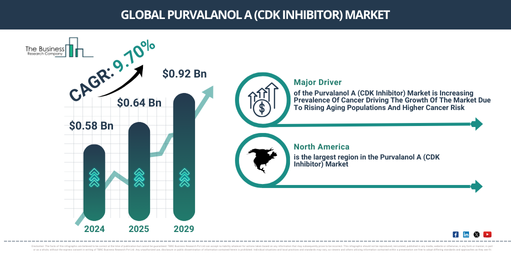
    The purvalanol A (CDK inhibitor) market has experienced rapid expansion in recent years. It is projected to increase from $0.58 billion in 2024 to $0.64 billion in 2025, demonstrating a compound annual growth rate (CAGR) of 10.1%. The growth observed in the past can be attributed to the increasing occurrence of cancer, greater investment in cancer research, a surging demand for targeted treatments, wider acceptance of CDK inhibitors, and a heightened understanding of personalized medicine.

    The market for purvalanol A (CDK inhibitor) is projected to experience robust expansion over the coming years. This market is forecast to reach $0.92 billion by 2029, exhibiting a compound annual growth rate (CAGR) of 9.7%. Factors contributing to this growth during the forecast period include an expanding elderly demographic, a higher prevalence of chronic illnesses, advancements in biotechnology, greater access to research-grade compounds, and an increase in partnerships between academic institutions and pharmaceutical companies. Key trends anticipated during this period encompass progress in selective CDK inhibitors, the creation of next-generation purvalanol derivatives, breakthroughs in targeted cancer treatments, enhancements in cell-permeable inhibitor formulations, and the evolution of combination therapy approaches.

    Unlock Your Free Sample Report for Exclusive Market Data:

    https://www.thebusinessresearchcompany.com/sample.aspx?id=28307&type=smp

    Which Factors And Drivers Are Influencing The Purvalanol A (CDK Inhibitor) Market In 2025?

    The expanding occurrence of cancer is projected to stimulate the growth of the purvalanol A (CDK inhibitor) market in the future. Cancer, a condition marked by the unchecked multiplication and dissemination of atypical cells that can penetrate tissues and organs, is becoming more common. This rise in cancer cases is attributed to lifestyle elements that heighten the likelihood of genetic changes and persistent inflammation. Purvalanol A (CDK Inhibitor) offers a solution to the rising incidence of cancer by specifically targeting cyclin-dependent kinases, thereby hindering cancer cell development and multiplication. As an illustration, in April 2024, Macmillan Cancer Support, a UK-based charity, predicted that the count of individuals living with cancer in the UK would surpass 3.5 million by 2025, reach 4 million by 2030, and climb to 5.3 million by 2040. Consequently, the growing frequency of cancer is a key factor propelling the expansion of the purvalanol A (CDK inhibitor) market. Increasing healthcare spending is anticipated to boost the purvalanol A (CDK inhibitor) market’s growth moving ahead. Healthcare expenditure encompasses all funds allocated to medical services, covering treatments, equipment, infrastructure, and staff, from governments, individuals, and private bodies. This spending is on the rise, primarily driven by the escalating occurrence of chronic illnesses demanding extensive and expensive care. Elevated healthcare expenditure facilitates the progress and utilization of Purvalanol A (CDK inhibitor) through financing cutting-edge research, clinical investigations, and improving access to specific cancer therapies. For example, in May 2024, the Office for National Statistics, a UK-based government department, reported that total healthcare spending witnessed a 5.6% rise in nominal terms between 2022 and 2023, a considerable acceleration compared to the 0.9% growth recorded in 2022. Thus, the expansion of healthcare expenditure is a significant catalyst for the growth of the purvalanol A (CDK inhibitor) market.

    What Are The Key Segments In The Purvalanol A (CDK Inhibitor) Market?

    The purvalanol a (CDK Inhibitor) market covered in this report is segmented as

    1) By Type: CDK1 Inhibition, CDK2 Inhibition, CDK4 Inhibition, CDK6 Inhibition, Dual CDK Inhibition

    2) By Application: Cancer Treatment, Cardiovascular Diseases, Autoimmune Diseases, Neurological Disorders, Infectious Diseases

    3) By End-User: Pharmaceutical Companies, Research Institutions, Biotechnology Firms, Hospitals, Diagnostic Laboratories

    Subsegment:

    1) By CDK1 Inhibition: ATP-Competitive Inhibitors, Non-ATP-competitive Inhibitors, Allosteric Inhibitors

    2) By CDK2 Inhibition: Selective CDK2 Inhibitors, Pan-CDK Inhibitors, Peptide-based Inhibitors

    3) By CDK4 Inhibition: Small Molecule Inhibitors, Monoclonal Antibodies, Combination Therapy Inhibitors

    4) By CDK6 Inhibition: ATP-competitive Inhibitors, Selective CDK6 Inhibitors, Dual CDK4/6 Inhibitors

    5) By Dual CDK Inhibition: CDK1/2 Dual Inhibitors, CDK4/6 Dual Inhibitors, Multi-CDK Inhibitors

    Which Industry Leaders Are Driving Innovation Across The Purvalanol A (CDK Inhibitor) Market?

    Major companies operating in the purvalanol a (cdk inhibitor) market are Merck Kommanditgesellschaft auf Aktien, Bio-Techne Corporation, Cayman Chemical Company Inc., Selleck Chemicals LLC, Santa Cruz Biotechnology Inc, TargetMol Chemicals Inc. , MedChemExpress LLC, DC Chemicals Co. Ltd., BOC Sciences, AdooQ BioScience LLC, Focus Biomolecules LLC, APExBIO Technology LLC, LKT Laboratories Inc., Medkoo Biosciences Inc. , Alomone Labs Ltd., Glentham Life Sciences Ltd., Global Life Sciences Solutions LLC, AdipoGen Life Sciences, Enzo Biochem Inc., Zibo Hangyu Biotechnology Development Co. Ltd.

    Download The Full Report For Exclusive Market Findings:

    https://www.thebusinessresearchcompany.com/report/purvalanol-a-cdk-inhibitor-global-market-report

    Which Global Regions Are Influencing The Competitive Landscape Of The Purvalanol A (CDK Inhibitor) Market?

    North America was the largest region in the purvalanol A (CDK inhibitor) market in 2024. Asia Pacific is expected to be the fastest-growing region in the forecast period. The regions covered in purvalanol A (CDK Inhibitor) report are Asia-Pacific, Western Europe, Eastern Europe, North America, South America, Middle East and Africa.

    Request A Customized Version Of The Purvalanol A (CDK Inhibitor) Market Report:

    https://www.thebusinessresearchcompany.com/customise?id=28307&type=smp

    Browse Through More Reports Similar to the Global Purvalanol A (CDK Inhibitor) Market 2025, By The Business Research Company

    Kinase Inhibitors Global Market Report 2025

    https://www.thebusinessresearchcompany.com/report/kinase-inhibitors-global-market-report

    Cyclin Dependent Kinase Cdk 4 Or 6 Inhibitor Drugs Global Market Report 2025

    https://www.thebusinessresearchcompany.com/report/cyclin-dependent-kinase-cdk-4-or-6-inhibitor-drugs-global-market-report

    Tyrosine Kinase Inhibitors Global Market Report 2025

    https://www.thebusinessresearchcompany.com/report/tyrosine-kinase-inhibitors-global-market-report

    Get in touch with us:

    The Business Research Company: https://www.thebusinessresearchcompany.com/

    Americas +1 310-496-7795

    Asia +44 7882 955267 & +91 8897263534

    Europe +44 7882 955267

    Email us at info@tbrc.info

    Follow us on:

    LinkedIn: https://in.linkedin.com/company/the-business-research-company

    YouTube: https://www.youtube.com/channel/UC24_fI0rV8cR5DxlCpgmyFQ

    Global Market Model: https://www.thebusinessresearchcompany.com/global-market-model