Blog

  • Global In Vivo Toxicology Market Overview: Trends Shaping Growth to 2029

    Global In Vivo Toxicology Market Overview: Trends Shaping Growth to 2029

    Unlock Global Insights – Save 20% on Market Reports with Code ONLINE20

    What Is The Expected Total Market Size Of The In Vivo Toxicology Industry By The Forecast Year 2029?

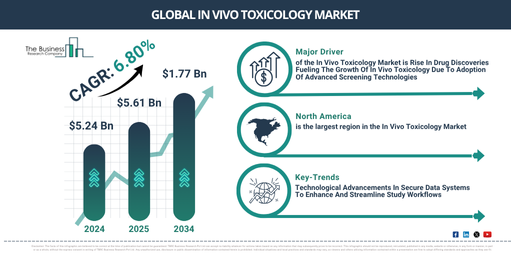
    The in-vivo toxicology market has experienced significant growth in recent years. It is anticipated to expand from $5.24 billion in 2024 to $5.61 billion in 2025, achieving a compound annual growth rate (CAGR) of 7.1%. This historical growth can be attributed to the increasing demand for GLP-compliant studies, the broadening of reach regulations, the rise in biologics and biosimilars requiring safety assessments, greater investment in oncology drug development, and the expansion of gene and cell therapy pipelines.

    The in-vivo toxicology market is projected to experience robust expansion over the coming years, reaching $7.31 billion by 2029, with a compound annual growth rate (CAGR) of 6.8%. This anticipated growth during the forecast period is fueled by several factors, including an increase in global drug development initiatives, a heightened demand for personalized medicine, a greater number of clinical trials, pharmaceutical companies’ increased outsourcing of toxicology testing, and heightened consumer safety concerns regarding food and personal care items. Key trends expected during this period encompass the creation of sophisticated animal models, the incorporation of imaging technologies into in vivo research, the rise of automated data collection mechanisms, the application of AI and ML for analyzing toxicology data, and advancements in animal telemetry and biomarker identification.

    Unlock Your Free Sample Report for Exclusive Market Data:

    https://www.thebusinessresearchcompany.com/sample.aspx?id=25791&type=smp

    What Are The Top Growth Drivers Impacting The In Vivo Toxicology Market Outlook?

    The escalating volume of drug discoveries is anticipated to fuel the expansion of the in vivo toxicology market moving forward. Drug discovery is defined as the scientific process of identifying and designing new compounds that can act as treatments or preventatives for various conditions. Advancements in biotechnology have significantly propelled this process by enhancing our comprehension of disease mechanisms and enabling the development of more targeted therapies. In this context, in vivo toxicology is indispensable, providing the means to assess the safety, tolerability, and potential adverse reactions of investigational compounds within whole organisms. It is instrumental in identifying dose-limiting toxicities and informing strategies for formulation and dosing before compounds advance to clinical development. As an illustration, in May 2025, a report from the Government of Canada, a Canada-based constitutional body, revealed that the worldwide count of medicines in clinical development reached 10,134 in March 2025, marking a 20% growth compared to September 2021. Thus, the growing number of drug discoveries is a primary driver for the in vivo toxicology market’s growth.

    Which Key Segments Fueling The In Vivo Toxicology Market?

    The in vivo toxicology market covered in this report is segmented –

    1) By Product: Consumables, Instruments

    2) By Testing Types: Chronic Toxicity Testing, Sub-Chronic Toxicity Testing, Sub-Acute Toxicity Testing, Acute Toxicity Testing

    3) By Methodology: In Vivo Animal Models, Genetically Modified Organisms, Non-Human Primate Studies, Rodent Models, Larger Mammals

    4) By Application: Immunotoxicity, Systemic Toxicity, Carcinogenicity, Genotoxicity, Developmental And Reproductive Toxicity (DART), Other Applications

    5) By End-User: Pharmaceutical Companies, Biosimilars Manufacturers, Contract Research Organizations (CROs), Academic And Research Institutions, Biotechnology Firms

    Subsegments:

    1) By Consumables: Animal Models, Reagents And Kits, Assay Kits, Toxicology Testing Media, Antibodies, Biochemicals, Buffers And Solutions, Disposable Labware, Animal Feed, Diluents

    2) By Instruments: Imaging Systems, Flow Cytometers, PCR Machines, Spectrophotometers, Microscopes, Analyzers, Centrifuges, Incubators, Animal Monitoring Systems, Automated Liquid Handling Systems

    What Trends Are Expected To Drive The In Vivo Toxicology Market?

    Leading firms within the in vivo toxicology market are concentrating on creating sophisticated solutions, including secure cloud-based real-time data platforms, aiming to optimize study management and accelerate decision-making processes. These secure cloud-based real-time data platforms facilitate remote and secure access for researchers and clients to toxicology study data, key milestones, planning utilities, and documentation, thereby fostering improved collaboration and transparency. An example of this is the launch of Apollo in March 2023 by Charles River Laboratories International Inc., a US-based contract research organization. Apollo is a secure cloud-based platform specifically designed to offer real-time access to toxicology study data. This particular platform is a secure, cloud-based system intended to assist in vivo general toxicology studies, providing instruments for data visualization, planning, and tracking significant milestones. By furnishing real-time access to crucial study data, it facilitates faster and more well-informed decision-making. Furthermore, the platform aids in streamlining both project planning and budget estimations across the entire drug development lifecycle. Through the digitization of toxicology workflows, Apollo significantly boosts precision, efficiency, and collaborative efforts within in vivo research.

    Which Major Industry Participants Are Leading The In Vivo Toxicology Market Growth?

    Major companies operating in the in vivo toxicology market are Thermo Fisher Scientific Inc., Laboratory Corporation of America Holdings (Labcorp), Sigma-Aldrich Co. LLC, Eurofins Scientific SE, SGS Société Générale de Surveillance SA, Agilent Technologies Inc., WuXi AppTec Co. Ltd., Charles River Laboratories International Inc., PerkinElmer Inc., Waters Corporation, Bio-Rad Laboratories Inc., Bruker Corporation, Jubilant Life Sciences Limited, Evotec SE, The Jackson Laboratory, Inotiv Inc., SRI International, MatTek Corporation, Transcure Bioservices Pvt. Ltd., Altogen Labs.

    Download The Full Report For Exclusive Market Findings:

    https://www.thebusinessresearchcompany.com/report/in-vivo-toxicology-global-market-report

    Which Global Regions Are Influencing The Competitive Landscape Of The In Vivo Toxicology Market?

    North America was the largest region in the in-vivo toxicology market in 2024. Asia-Pacific is expected to be the fastest-growing region in the forecast period. The regions covered in the in vivo toxicology market report are Asia-Pacific, Western Europe, Eastern Europe, North America, South America, Middle East, Africa.

    Request A Customized Version Of The In Vivo Toxicology Market Report:

    https://www.thebusinessresearchcompany.com/customise?id=25791&type=smp

    Browse Through More Reports Similar to the Global In Vivo Toxicology Market 2025, By The Business Research Company

    In Vitro Toxicology Testing Global Market Report 2025

    https://www.thebusinessresearchcompany.com/report/in-vitro-toxicology-testing-global-market-report

    Adme Toxicology Testing Global Market Report 2025

    https://www.thebusinessresearchcompany.com/report/adme-toxicology-testing-global-market-report

    Genetic Toxicology Testing Global Market Report 2025

    https://www.thebusinessresearchcompany.com/report/genetic-toxicology-testing-global-market-report

    Get in touch with us:

    The Business Research Company: https://www.thebusinessresearchcompany.com/

    Americas +1 310-496-7795

    Asia +44 7882 955267 & +91 8897263534

    Europe +44 7882 955267

    Email us at info@tbrc.info

    Follow us on:

    LinkedIn: https://in.linkedin.com/company/the-business-research-company

    YouTube: https://www.youtube.com/channel/UC24_fI0rV8cR5DxlCpgmyFQ

    Global Market Model: https://www.thebusinessresearchcompany.com/global-market-model
  • In Vivo Contract Research Organization Market Growth Opportunities: Insights from 2025–2029

    In Vivo Contract Research Organization Market Growth Opportunities: Insights from 2025–2029

    Unlock Global Insights – Save 20% on Market Reports with Code ONLINE20

    How Does The Market Size Of The In Vivo Contract Research Organization Industry Compare Between 2025 And 2029?

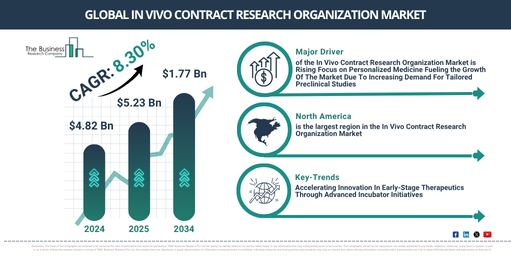
    The in vivo contract research organization market size has demonstrated strong growth over recent years. It is anticipated to expand from $4.82 billion in 2024 to $5.23 billion in 2025, achieving a compound annual growth rate (CAGR) of 8.5%. This historical growth can be attributed to rising drug development costs, an increasing prevalence of chronic diseases, a boost in pharmaceutical research and development investment, the expansion of biotech startups, and a high demand for novel therapeutics.

    The market size for in vivo contract research organizations is projected to experience substantial expansion over the coming years. This sector is anticipated to reach a valuation of $7.19 billion by 2029, exhibiting a compound annual growth rate (CAGR) of 8.3%. Factors contributing to this anticipated growth include an escalating demand for precision medicine, the worldwide expansion of contract research organization service networks, the emergence of personalized therapeutics, an increasing requirement for translational research, and a rising count of orphan drugs. Key trends expected within this period encompass advanced imaging methods for in vivo models, the implementation of automation in data processing and reporting, the incorporation of omics technologies, the utilization of cloud-based collaboration platforms, and advancements in biologics and biosimilars.

    Unlock Your Free Sample Report for Exclusive Market Data:

    https://www.thebusinessresearchcompany.com/sample.aspx?id=25790&type=smp

    Which Major Market Drivers Are Shaping The Future Of The In Vivo Contract Research Organization Market?

    An increasing emphasis on personalized medicine is anticipated to fuel the expansion of the in vivo contract research organization market moving ahead. This medical approach involves customizing treatment and preventative measures based on an individual’s genetic composition, lifestyle, and surroundings to achieve optimal health results. The heightened focus on personalized medicine stems from greater access to and lower costs of genomic sequencing technologies. These technological strides facilitate more precise detection of genetic mutations, leading to customized therapies that enhance patient outcomes and minimize experimental approaches in treatment. Consequently, this increased attention on personalized medicine is boosting demand within the in vivo CRO market, given the necessity for bespoke preclinical studies utilizing particular animal models to assess targeted therapies and their impact on unique genetic profiles. As an illustration, the Personalized Medicine Coalition (PMC), a US-based nonprofit organization, reported in February 2024 that the FDA cleared 16 new personalized treatments in 2023, marking an increase from six in 2022. For the fourth consecutive year, personalized medicines constituted over one-third of all novel drug approvals by the U.S. Food and Drug Administration (FDA). Thus, the increasing emphasis on personalized medicine is propelling the growth of the in vivo contract research organization market.

    How Is The In Vivo Contract Research Organization Market Classified Into Different Segments?

    The in vivo contract research organization market covered in this report is segmented –

    1) By Type: Rodent Based, Non-Rodent Based

    2) By Type Of Service: Clinical Trial Services, Preclinical Services, Post-Market Services

    3) By Good Laboratory Practice Type: Good Laboratory Practice Toxicology, Non Good Laboratory Practice

    4) By Applications: Oncology, Cardiovascular Diseases, Infectious Diseases, Neurological Disorders, Other Applications

    5) By End User: Pharmaceutical Companies, Biotechnology Companies, Contract Research Organizations (CROs), Academic And Research Institutes, Government And Regulatory Bodies

    Subsegments:

    1) By Rodent-Based: Mice Models, Rat Models, Genetically Engineered Rodents, Immunodeficient Rodents, Humanized Rodents

    2) By Non-Rodent-Based: Canine Models, Non-Human Primate Models, Swine Models, Rabbit Models, Zebrafish Models

    Which Trends Are Impacting The In Vivo Contract Research Organization Market?

    Leading companies within the in vivo contract research organization market are focusing on developing innovative solutions, such as advanced therapy incubator programs, to accelerate the progression of next-generation therapeutics and support early-stage clinical research. An advanced therapy incubator program is a specialized initiative crafted to assist early-stage biotechnology companies by supplying resources, guidance, and infrastructure to hasten the development of advanced therapies, including gene, cell, and RNA-based treatments. As an illustration, in April 2025, Charles River Laboratories International Inc., a US-based pharmaceutical company, initiated its first advanced therapy incubator program cohort. This innovative venture aims to support nascent biotech companies dedicated to advancing next-generation therapies. Participants in the program receive access to Charles River’s scientific knowledge, sophisticated laboratory facilities, and custom in vivo models, which allows them to quickly generate proof-of-concept data. The program furthermore offers a real-world preclinical setting for the validation of therapeutic candidates, contributing to a shorter time-to-clinic and an improved likelihood of regulatory success. This initiative plays a crucial role in progressing the domain of advanced therapies by connecting academic innovations with clinical development.

    Who Are The Prominent Global Companies Shaping The In Vivo Contract Research Organization Market?

    Major companies operating in the in vivo contract research organization market are Thermo Fisher Scientific Inc., IQVIA Inc., Labcorp Drug Development Inc., ICON plc, Pharmaceutical Product Development LLC, Eurofins Scientific SE, WuXi AppTec, Syneos Health Inc., Charles River Laboratories International Inc., Parexel International Corporation, Evotec SE, GemPharmatech Co Ltd., BIOQUAL Inc., Crown Bioscience Inc., PsychoGenics Inc., Janvier Labs SAS, Taconic Bioscience Inc., Xentech SAS, Pronexus Analytical AB, Altogen Labs Inc., AniLocus Inc.

    Download The Full Report For Exclusive Market Findings:

    https://www.thebusinessresearchcompany.com/report/in-vivo-contract-research-organization-global-market-report

    What Are The Regional Market Dynamics Impacting The In Vivo Contract Research Organization Industry?

    North America was the largest region in the in vivo contract research organization market in 2024. Asia-Pacific is expected to be the fastest-growing region in the forecast period. The regions covered in the in vivo contract research organization market report are Asia-Pacific, Western Europe, Eastern Europe, North America, South America, Middle East, Africa.

    Request A Customized Version Of The In Vivo Contract Research Organization Market Report:

    https://www.thebusinessresearchcompany.com/customise?id=25790&type=smp

    Browse Through More Reports Similar to the Global In Vivo Contract Research Organization Market 2025, By The Business Research Company

    Medical Device Contract Research Organization Global Market Report 2025

    https://www.thebusinessresearchcompany.com/report/medical-device-contract-research-organization-global-market-report

    Biologics Contract Development Global Market Report 2025

    https://www.thebusinessresearchcompany.com/report/biologics-contract-development-global-market-report

    Medical Device Contract Manufacturing Global Market Report 2025

    https://www.thebusinessresearchcompany.com/report/medical-device-contract-manufacturing-global-market-report

    Get in touch with us:

    The Business Research Company: https://www.thebusinessresearchcompany.com/

    Americas +1 310-496-7795

    Asia +44 7882 955267 & +91 8897263534

    Europe +44 7882 955267

    Email us at info@tbrc.info

    Follow us on:

    LinkedIn: https://in.linkedin.com/company/the-business-research-company

    YouTube: https://www.youtube.com/channel/UC24_fI0rV8cR5DxlCpgmyFQ

    Global Market Model: https://www.thebusinessresearchcompany.com/global-market-model
  • Immunology Biosimilars Market Expansion Outlook: $13.57 Billion by 2029 Forecast

    Immunology Biosimilars Market Expansion Outlook: $13.57 Billion by 2029 Forecast

    Unlock Global Insights – Save 20% on Market Reports with Code ONLINE20

    What Is The Predicted Market Size Trajectory For The Immunology Biosimilars Market From 2025 To 2034?

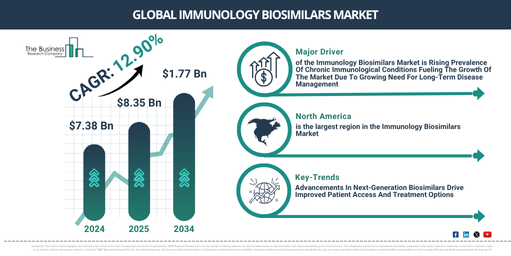
    The size of the immunology biosimilars market has experienced rapid expansion over recent years. This market is projected to expand from $7.38 billion in 2024 to $8.35 billion by 2025, demonstrating a compound annual growth rate (CAGR) of 13.1%. Factors contributing to its historical growth include the greater acceptance of biosimilars, a rising need for affordable biologics, an increase in autoimmune disease cases, broader patient understanding of biosimilar treatments, and enhanced regulatory backing for biosimilar authorizations.

    The immunology biosimilars market is projected to experience substantial expansion in the coming years, with its valuation anticipated to reach $13.57 billion by 2029, exhibiting a compound annual growth rate (CAGR) of 12.9%. This growth during the forecast period is attributable to an increased emphasis on curbing healthcare costs, the escalating incidence of chronic inflammatory conditions, deeper market penetration in emerging regions, broadened support for biosimilar interchangeability, and heightened investments from pharmaceutical firms. Key trends anticipated within the same period encompass advancements in biologics manufacturing technologies, collaborative efforts in research and development, the creation of next-generation biosimilars, breakthroughs in drug delivery mechanisms, and the integration of artificial intelligence into biosimilar development processes.

    Unlock Your Free Sample Report for Exclusive Market Data:

    https://www.thebusinessresearchcompany.com/sample.aspx?id=25789&type=smp

    What Are The Main Drivers Boosting The Immunology Biosimilars Industry’s Expansion?

    A rising incidence of chronic immunological conditions is projected to drive the expansion of the immunology biosimilars market in the foreseeable future. These long-term conditions involve the immune system malfunctioning, either by attacking the body’s own tissues or by being unable to provide effective protection. This increase in chronic immunological conditions stems from a growing population suffering from enduring immune system disorders, necessitating continuous therapeutic interventions, proactive disease management, and persistent healthcare assistance. Immunology biosimilars aid in managing chronic immunological conditions by offering cost-effective and efficient treatment alternatives, facilitating sustained disease management, and enhancing patient access to vital therapies designed to regulate immune system dysfunction. For example, in June 2024, data from the Australian Institute of Health and Welfare, an Australia-based government organization, indicated that rheumatoid arthritis, a systemic autoimmune disease, impacted approximately 514,000 people (2.0%) in 2022, comprising 2.5% of females and 1.6% of males afflicted by the condition. Consequently, the escalating occurrence of chronic immunological conditions is fueling expansion within the immunology biosimilars market.

    What Are The Major Segments Identified In The Immunology Biosimilars Market?

    The immunology biosimilars market covered in this report is segmented –

    1) By Drug Type: Monoclonal Antibodies, Fusion Proteins, Recombinant Proteins, Interferons, Other Biosimilar Immunomodulators

    2) By Disease: Inflammatory Bowel Disease, Arthritis, Other Diseases

    3) By Distribution Channel: Hospital Pharmacies, Retail Pharmacies, Online Pharmacies, Other Distribution Channels

    4) By End User: Hospitals, Clinics, Homecare Settings, Ambulatory Surgical Centers (ASCs)

    Subsegments:

    1) By Monoclonal Antibodies: Anti-Tumor Necrosis Factor Agents, Anti-Interleukin-6 Agents, Anti-Cluster of Differentiation 20 Agents, Anti-Interleukin-12/23 Agents, Other Monoclonal Antibodies

    2) By Fusion Proteins: Etanercept Biosimilars, Other Fusion Protein Biosimilars

    3) By Recombinant Proteins: Recombinant Human Insulin, Recombinant Human Growth Hormone, Recombinant Human Erythropoietin, Other Recombinant Protein Biosimilars

    4) By Interferons: Interferon Alpha, Interferon Beta, Interferon Gamma

    5) By Other Biosimilar Immunomodulators: Interleukin Inhibitors, Janus Kinase Inhibitors, Other Immunomodulatory Biosimilars

    What Long-Term Trends Will Shape The Future Growth Of The Immunology Biosimilars Industry?

    Leading corporations within the immunology biosimilars market are concentrating on developing advanced biosimilar innovations, such as an anticipated interchangeability designation, improved formulations with greater stability, and novel delivery methods, aiming to offer patients more accessible and effective treatment alternatives. An anticipated interchangeability designation indicates that the biosimilar is projected to fulfill regulatory criteria, enabling its substitution for the reference biologic directly at the pharmacy without requiring prescriber involvement. As an example, in February 2025, Sandoz Group AG, a pharmaceutical firm based in Switzerland, introduced Pyzchiva (ustekinumab-ttwe), a biosimilar counterpart to Stelara, intended for managing chronic autoimmune conditions including plaque psoriasis, psoriatic arthritis, Crohn’s disease, and ulcerative colitis. This launch, executed in collaboration with Samsung Bioepis Co. Ltd., a biopharmaceutical company from South Korea, underscores Sandoz’s dedication to broadening patient access to immunology biosimilars through a cost-effective and patient-focused treatment that provides various dosing options, enhanced stability, and the unique feature of being able to be re-refrigerated following initial cooling.

    Which Key Players Are Driving Competition In The Immunology Biosimilars Market?

    Major companies operating in the immunology biosimilars market are Pfizer Inc., Novartis AG, LG Chem Ltd., Amgen Inc., Teva Pharmaceutical Industries Ltd., Astellas Pharma Inc., Sandoz Group AG, Fresenius Kabi AG, Intas Pharmaceuticals Ltd., Stada Arzneimittel AG, Cipla Ltd., Kyowa Kirin Co. Ltd., Dr. Reddy’s Laboratories Ltd., Samsung Bioepis Co. Ltd., Gedeon Richter Plc, Celltrion Inc., Biocon Ltd., Innovent Biologics Inc., Biocad, Mabion S.A.

    Download The Full Report For Exclusive Market Findings:

    https://www.thebusinessresearchcompany.com/report/immunology-biosimilars-global-market-report

    Which Region Shows The Highest Potential For Future Expansion In The Immunology Biosimilars Market?

    North America was the largest region in the immunology biosimilars market in 2024. Asia-Pacific is expected to be the fastest-growing region in the forecast period. The regions covered in the immunology biosimilars market report are Asia-Pacific, Western Europe, Eastern Europe, North America, South America, Middle East, Africa.

    Request A Customized Version Of The Immunology Biosimilars Market Report:

    https://www.thebusinessresearchcompany.com/customise?id=25789&type=smp

    Browse Through More Reports Similar to the Global Immunology Biosimilars Market 2025, By The Business Research Company

    Biosimilar Global Market Report 2025

    https://www.thebusinessresearchcompany.com/report/biosimilar-global-market-report

    Biosimilar Global Market Report 2025

    https://www.thebusinessresearchcompany.com/report/biosimilar-global-market-report

    Bevacizumab Biosimilars Global Market Report 2025

    https://www.thebusinessresearchcompany.com/report/bevacizumab-biosimilars-global-market-report

    Get in touch with us:

    The Business Research Company: https://www.thebusinessresearchcompany.com/

    Americas +1 310-496-7795

    Asia +44 7882 955267 & +91 8897263534

    Europe +44 7882 955267

    Email us at info@tbrc.info

    Follow us on:

    LinkedIn: https://in.linkedin.com/company/the-business-research-company

    YouTube: https://www.youtube.com/channel/UC24_fI0rV8cR5DxlCpgmyFQ

    Global Market Model: https://www.thebusinessresearchcompany.com/global-market-model

  • Global Image-Guided Therapy Systems Industry Trends: Where the Market Is Headed by 2029

    Global Image-Guided Therapy Systems Industry Trends: Where the Market Is Headed by 2029

    Unlock Global Insights – Save 20% on Market Reports with Code ONLINE20

    How Much Larger Is The Image-Guided Therapy Systems Market Expected To Become By 2029 Compared With Its 2025 Level?

    The image-guided therapy systems market has witnessed strong expansion in recent years. It is anticipated to increase from $4.82 billion in 2024 to $5.13 billion in 2025, at a compound annual growth rate (CAGR) of 6.5%. This growth in previous periods stemmed from a rising demand for precision, the increasing prevalence of chronic diseases, an expanding global aging population, the growing number of minimally invasive procedures, and enhanced adoption in oncology.

    The image-guided therapy systems market size is anticipated to undergo significant expansion in the coming years. It is predicted to reach $6.55 billion by 2029, demonstrating a compound annual growth rate (CAGR) of 6.3%. This growth over the forecast period is fueled by factors such as an increasing preference for outpatient and ambulatory surgical procedures, rising global healthcare expenditure, growing investments in research and development, enhancing image resolution quality, and expanding hospital infrastructure. Noteworthy trends for the forecast period involve advancements in AI-enhanced imaging, the integration of multi-modal systems, technological developments in portable imaging devices, innovations in hybrid operating rooms, and progress in electromagnetic tracking.

    Unlock Your Free Sample Report for Exclusive Market Data:

    https://www.thebusinessresearchcompany.com/sample.aspx?id=25788&type=smp

    Which Factors And Drivers Are Influencing The Image-Guided Therapy Systems Market In 2025?

    The increasing adoption of minimally invasive surgeries is projected to boost the image-guided therapy systems market in the future. These surgical techniques involve making smaller and fewer incisions, thereby lessening patient trauma and shortening recovery periods. The heightened interest in minimally invasive surgeries stems primarily from their advantage of reduced recovery time, as these procedures typically entail smaller cuts, resulting in less tissue damage and allowing patients to resume normal activities more swiftly compared to conventional open surgeries. Image-guided therapy systems are crucial in supporting minimally invasive surgeries by providing real-time imaging capabilities, which enable surgeons to precisely guide instruments and pinpoint treatment areas while safeguarding surrounding healthy tissue. For example, in February 2024, data from the American Academy of Facial Plastic and Reconstructive Surgery, a US-based non-profit organization, indicated that in 2023, minimally invasive procedures constituted 83% of all medical procedures performed, with traditional surgical procedures making up the remaining 17%. Consequently, the expanding need for minimally invasive surgeries is a key factor fueling the growth of the image-guided therapy systems market.

    What Are The Emerging Segments Gaining Attention In The Image-Guided Therapy Systems Market?

    The image-guided therapy systems market covered in this report is segmented –

    1) By Product Type: Ultrasound Systems, Endoscopes, Magnetic Resonance Imaging (MRI), X-Ray Fluoroscopy Or C-Arms, Positron Emission Tomography (PET), Single-Photon Emission CT (SPECT), Other Product Types

    2) By Technology: Electromagnetic Navigation, Robotic-Assisted Imaging Guidance, Artificial Intelligence (AI)-Enhanced Real-Time 3D Or 4D Imaging, Augmented Or Mixed-Reality Visualization, Optical And Laser-Based Tracking

    3) By Modality Portability: Fixed Systems, Mobile C-Arms, Hand-Held Or Portable

    4) By Application: Cardiac Surgery, Neurosurgery, Orthopedic Surgery, Gastroenterology, Urology, Oncology, Ear, Nose, And Throat Surgery, Other Applications

    5) By End Use: Hospitals, Ambulatory Surgical Centers, Specialty Clinics, Research And Academic Institutions

    Subsegments:

    1) By Ultrasound Systems: Two-Dimensional (2D) Ultrasound Systems, Three-Dimensional (3D) And Four-Dimensional (4D) Ultrasound Systems, Doppler Ultrasound Systems, Contrast-Enhanced Ultrasound Systems, Portable and Handheld Ultrasound Devices

    2) By Endoscopes: Rigid Endoscope Systems, Flexible Endoscope Systems, Capsule Endoscope Systems, Robot-Assisted Endoscopic Systems, Single-Use (Disposable) Endoscope Systems

    3) By Magnetic Resonance Imaging (MRI): Open Magnetic Resonance Imaging Systems, Closed Magnetic Resonance Imaging Systems, Extremity Magnetic Resonance Imaging Systems, 1.5 Tesla Magnetic Resonance Imaging Systems, 3 Tesla Magnetic Resonance Imaging Systems, Intraoperative Magnetic Resonance Imaging (iMRI) Systems

    4) By X-Ray Fluoroscopy or C-Arms: Mobile C-Arm Imaging Systems, Mini C-Arm Imaging Systems, Fixed C-Arm Imaging Systems, Flat Panel Detector C-Arm Systems, Image Intensifier C-Arm Systems

    5) By Positron Emission Tomography (PET): Positron Emission Tomography–Computed Tomography (PET-CT) Systems, Positron Emission Tomography–Magnetic Resonance Imaging (PET-MRI) Systems, Time-Of-Flight (TOF) Positron Emission Tomography Systems, Digital Positron Emission Tomography Systems

    6) By Single-Photon Emission Computed Tomography (SPECT): Standalone Single-Photon Emission Computed Tomography Systems, Hybrid Single-Photon Emission Computed Tomography Or Computed Tomography Systems, Multi-Head Single-Photon Emission Computed Tomography Systems, Cardiac Single-Photon Emission Computed Tomography Systems

    7) By Other Product Types: Computed Tomography (CT) Imaging Systems, Optical Imaging Systems, Photoacoustic Imaging Systems, Hybrid Operating Room Systems, Gamma Camera Imaging Systems

    Which Market Trends Are Creating New Opportunities In The Image-Guided Therapy Systems Industry?

    Leading firms within the image-guided therapy systems market are prioritizing the creation of advanced solutions, like 3D imaging technologies, to boost diagnostic precision, streamline procedural effectiveness, and facilitate exact, minimally invasive treatments for superior patient results. These 3D imaging solutions represent sophisticated medical imaging innovations capable of generating three-dimensional visual depictions of internal bodily structures, allowing medical practitioners to examine anatomy with enhanced depth and clarity. As an illustration, in February 2024, Koninklijke Philips N.V., a healthcare technology firm based in the Netherlands, unveiled its new Azurion neuro biplane image-guided therapy system during the European Congress of Radiology (ECR) 2024. This system incorporates improved 2D and 3D imaging capabilities, automated beam rotation for orienting images, sophisticated C-arm angulation and rotation, and full table-side control for maintaining sterility. Additionally, it offers a head immobilizer to enhance stroke treatment and supports adaptable X-ray detector placement. Integrated with Philips’ ClarityIQ low-dose imaging technology and neuro suite software, this introduction highlights Philips’ dedication to fostering streamlined workflows, refining clinical decisions, and furthering patient outcomes in neurovascular interventions.

    Who Are The Top Performing Companies In The Image-Guided Therapy Systems Market In Recent Years?

    Major companies operating in the image-guided therapy systems market are Medtronic plc, Siemens Healthcare GmbH, FUJIFILM Holdings Corporation, Koninklijke Philips N.V., Stryker Corporation, GE HealthCare Technologies Inc., Boston Scientific Corporation, Zimmer Biomet Holdings Inc., Olympus Corporation, Smith & Nephew plc, Hologic Inc., Shimadzu Corporation, KARL STORZ SE & Co. KG, Cook Medical LLC, Elekta AB, Leica Microsystems GmbH, Brainlab AG, Analogic Corporation, Hyperfine Inc., Quest Medical Imaging B.V.

    Download The Full Report For Exclusive Market Findings:

    https://www.thebusinessresearchcompany.com/report/image-guided-therapy-systems-global-market-report

    How Is Image-Guided Therapy Systems Market Demand Varying Across Different Regions?

    North America was the largest region in the image-guided therapy systems market in 2024. Asia-Pacific is expected to be the fastest-growing region in the forecast period. The regions covered in the image-guided therapy systems market report are Asia-Pacific, Western Europe, Eastern Europe, North America, South America, Middle East, Africa.

    Request A Customized Version Of The Image-Guided Therapy Systems Market Report:

    https://www.thebusinessresearchcompany.com/customise?id=25788&type=smp

    Browse Through More Reports Similar to the Global Image-Guided Therapy Systems Market 2025, By The Business Research Company

    Image Guided Radiation Therapy Global Market Report 2025

    https://www.thebusinessresearchcompany.com/report/image-guided-radiation-therapy-global-market-report

    Image Guided Surgery Devices Global Market Report 2025

    https://www.thebusinessresearchcompany.com/report/image-guided-surgery-devices-global-market-report

    Medical Image Management Global Market Report 2025

    https://www.thebusinessresearchcompany.com/report/medical-image-management-global-market-report

    Get in touch with us:

    The Business Research Company: https://www.thebusinessresearchcompany.com/

    Americas +1 310-496-7795

    Asia +44 7882 955267 & +91 8897263534

    Europe +44 7882 955267

    Email us at info@tbrc.info

    Follow us on:

    LinkedIn: https://in.linkedin.com/company/the-business-research-company

    YouTube: https://www.youtube.com/channel/UC24_fI0rV8cR5DxlCpgmyFQ

    Global Market Model: https://www.thebusinessresearchcompany.com/global-market-model

  • Human Epidermal Growth Factor Receptor 2 (HER2)-Positive Gastric Cancer Industry Forecast to Hit $1.57 Billion by 2029 With a Strong 4.6% CAGR

    Human Epidermal Growth Factor Receptor 2 (HER2)-Positive Gastric Cancer Industry Forecast to Hit $1.57 Billion by 2029 With a Strong 4.6% CAGR

    Unlock Global Insights – Save 20% on Market Reports with Code ONLINE20

    #What Are The Current (2025) And Forecast (2029) Sizes Of The Human Epidermal Growth Factor Receptor 2 (HER2)-Positive Gastric Cancer Market?

    The market for human epidermal growth factor receptor 2 (HER2)-positive gastric cancer has experienced consistent growth in recent years. This market is anticipated to expand from $1.25 billion in 2024 to $1.31 billion in 2025, progressing at a compound annual growth rate (CAGR) of 4.8%. The observed growth in past periods can be attributed to several factors, including the increasing application of companion diagnostics, a heightened understanding of HER2 biomarkers among oncologists, an intensifying focus on personalized cancer treatments, a burgeoning interest in antibody-drug conjugates, and improved reimbursement policies for targeted therapies.

    The market size for human epidermal growth factor receptor 2 (HER2)-positive gastric cancer is projected to experience consistent expansion over the upcoming years. By 2029, this market is anticipated to reach a valuation of $1.57 billion, exhibiting a compound annual growth rate (CAGR) of 4.6%. The expansion during the forecast period can be attributed to the expanded accessibility of molecular diagnostic laboratories, intensified awareness initiatives for gastric cancer screening, the increased adoption of next-generation sequencing (NGS), a greater need for outpatient cancer care services, and a rise in worldwide regulatory approvals for HER2 drugs. Key trends predicted for the forecast period involve optimizing treatment sequences, leveraging nanotechnology for drug delivery, applying artificial intelligence in HER2 diagnostics, improving antibody-dependent cellular cytotoxicity, and progress in combined immunotherapy approaches.

    Unlock Your Free Sample Report for Exclusive Market Data:

    https://www.thebusinessresearchcompany.com/sample.aspx?id=25787&type=smp

    What Are The Key Drivers Of Growth In The Human Epidermal Growth Factor Receptor 2 (HER2)-Positive Gastric Cancer Market?

    The increasing embrace of targeted cancer therapy is set to stimulate expansion within the human epidermal growth factor receptor 2 (HER2)-positive gastric cancer market in the foreseeable future. This therapeutic approach, also referred to as personalized medicine, operates by employing specific drugs or agents to inhibit cancer growth, specifically focusing on particular molecules crucial for tumor development. Its expanding utilization stems primarily from progress in genetic profiling, which enables more exact treatments tailored to an individual’s distinct tumor characteristics, resulting in enhanced efficacy and reduced adverse effects. In the context of HER2-positive gastric cancer, targeted therapy functions by directly assailing the HER2 protein, which is found in excessive amounts in these tumors, thereby impeding disease progression and elevating patient results. A notable illustration is the February 2024 report from the Personalized Medicine Coalition, a US-based professional membership body, stating that the Food and Drug Administration (FDA) sanctioned 16 novel personalized medicines in 2023, encompassing 7 cancer drugs and 3 for other diverse conditions, marking a rise from 6 approvals in 2022. Consequently, the growing acceptance of targeted cancer therapy is serving as a key impetus for the expansion of the human epidermal growth factor receptor 2 (HER2)-positive gastric cancer market.

    What Are The Major Segment Types Covered In The Human Epidermal Growth Factor Receptor 2 (HER2)-Positive Gastric Cancer Market?

    The human epidermal growth factor receptor 2 (her2)-positive gastric cancer market covered in this report is segmented –

    1) By Therapy: Chemotherapy, Immunotherapy, Radiation Therapy, Targeted Therapy

    2) By Stage: Stage I, Stage II, Stage III, Stage IV

    3) By End-User: Ambulatory Surgery Centers, Hospitals And Specialty Clinics, Other End-Users

    Subsegments:

    1) By Chemotherapy: Fluoropyrimidines, Platinum-Based Agents, Taxanes, Irinotecan, Anthracyclines

    2) By Immunotherapy: Immune Checkpoint Inhibitors, Monoclonal Antibodies, Cancer Vaccines, Cytokine-Based Therapies

    3) By Radiation Therapy: External Beam Radiation Therapy, Intensity-Modulated Radiation Therapy, Stereotactic Body Radiation Therapy, 3D Conformal Radiation Therapy

    4) By Targeted Therapy: HER2-Targeted Therapies, Tyrosine Kinase Inhibitors, Antibody-Drug Conjugates, mTOR Inhibitors, PI3K/AKT/mTOR Pathway Inhibitors

    How Are Trends Influencing The Human Epidermal Growth Factor Receptor 2 (HER2)-Positive Gastric Cancer Market?

    Leading companies in the human epidermal growth factor receptor 2 (HER2)-positive gastric cancer market are concentrating on securing regulatory approvals for novel treatments, including advanced immunotherapy-enhanced combination regimens. These regimens, which integrate immune checkpoint inhibitors with targeted therapy and chemotherapy, aim to substantially enhance patient results in initial treatment scenarios. This strategy utilizes the body’s immune defenses by blocking programmed death (PD)-1 or programmed death (PD)-L1 interaction, concurrently targeting HER2 receptors, and employing chemotherapeutic agents, thereby boosting anti-tumor efficacy and improving survival rates. As an illustration, in March 2025, the U.S. Food and Drug Administration (FDA) granted approval to Merck & Co., Inc., a US-based biopharmaceutical company, for pembrolizumab (Keytruda) in combination with trastuzumab and chemotherapy. This was sanctioned as a frontline therapy for adult patients suffering from HER2-positive unresectable or metastatic gastric or gastroesophageal junction (GEJ) adenocarcinoma, specifically those whose tumors exhibit programmed death (PD)-L1 expression. This recently sanctioned combination treatment exhibited significant gains in both median progression-free survival and overall survival when benchmarked against conventional regimens. Achieving a higher overall response rate of 73% and an extended median duration of response, this therapy marks a transformative change in addressing advanced HER2-positive gastric cancers.

    Which Leading Companies Dominate The Human Epidermal Growth Factor Receptor 2 (HER2)-Positive Gastric Cancer Market Share?

    Major companies operating in the human epidermal growth factor receptor 2 (her2)-positive gastric cancer market are Pfizer Inc., Roche Holding AG, Merck & Co Inc., Bayer Aktiengesellschaft, Eli Lilly and Company, Bristol-Myers Squibb Company, AstraZeneca PLC, Novartis AG, Amgen Inc., Astellas Pharma Inc., Daiichi Sankyo Company Limited, Genentech Inc., Ono Pharmaceutical Co Ltd., Shanghai Henlius Biotech Inc., MacroGenics Inc., Hutchison Medipharma Limited , ALX Oncology Holdings Inc., Taiho Pharmaceutical Co Ltd., Ambrx Biopharma Inc., LintonPharm Co Ltd.

    Download The Full Report For Exclusive Market Findings:

    https://www.thebusinessresearchcompany.com/report/human-epidermal-growth-factor-receptor-2-her2-positive-gastric-cancer-global-market-report

    Which Geographies Are Emerging As Strong Markets For The Human Epidermal Growth Factor Receptor 2 (HER2)-Positive Gastric Cancer Industry?

    North America was the largest region in the human epidermal growth factor receptor 2 (HER2)-positive gastric cancer market in 2024. Asia-Pacific is expected to be the fastest-growing region in the forecast period. The regions covered in the human epidermal growth factor receptor 2 (her2)-positive gastric cancer market report are Asia-Pacific, Western Europe, Eastern Europe, North America, South America, Middle East, Africa.

    Request A Customized Version Of The Human Epidermal Growth Factor Receptor 2 (HER2)-Positive Gastric Cancer Market Report:

    https://www.thebusinessresearchcompany.com/customise?id=25787&type=smp

    Browse Through More Reports Similar to the Global Human Epidermal Growth Factor Receptor 2 (HER2)-Positive Gastric Cancer Market 2025, By The Business Research Company

    Gastric Cancer Drugs Global Market Report 2025

    https://www.thebusinessresearchcompany.com/report/gastric-cancer-drugs-global-market-report

    Gastric Cancer Diagnostic Procedure Global Market Report 2025

    https://www.thebusinessresearchcompany.com/report/gastric-cancer-diagnostic-procedure-global-market-report

    Intestine Cancer Therapeutics Global Market Report 2025

    https://www.thebusinessresearchcompany.com/report/intestine-cancer-therapeutics-global-market-report

    Get in touch with us:

    The Business Research Company: https://www.thebusinessresearchcompany.com/

    Americas +1 310-496-7795

    Asia +44 7882 955267 & +91 8897263534

    Europe +44 7882 955267

    Email us at info@tbrc.info

    Follow us on:

    LinkedIn: https://in.linkedin.com/company/the-business-research-company

    YouTube: https://www.youtube.com/channel/UC24_fI0rV8cR5DxlCpgmyFQ

    Global Market Model: https://www.thebusinessresearchcompany.com/global-market-model

  • Hormone Refractory Prostate Cancer Market to Reach $11.91 Billion by 2029, Growing at a CAGR of 10.1%

    Hormone Refractory Prostate Cancer Market to Reach $11.91 Billion by 2029, Growing at a CAGR of 10.1%

    Unlock Global Insights – Save 20% on Market Reports with Code ONLINE20

    What Market Value Is The Hormone Refractory Prostate Cancer Industry Expected To Reach By 2029, Starting From 2025 Levels?

    The hormone-refractory prostate cancer market has demonstrated rapid growth in recent years. Its valuation is projected to increase from $7.35 billion in 2024 to $8.12 billion in 2025, expanding at a compound annual growth rate (CAGR) of 10.4%. This historical expansion can be attributed to various factors such as the rising incidence of prostate cancer, an uptick in PSA (prostate-specific antigen) screening, enhanced physician awareness and specialization, increased utilization of palliative care, and a growing number of clinical trials.

    The hormone-refractory prostate cancer market size is poised for significant expansion in the coming years. It is projected to achieve a value of $11.91 billion by 2029, exhibiting a compound annual growth rate (CAGR) of 10.1%. This growth during the forecast period stems from factors such as the increasing application of genetic biomarkers, the rising embrace of precision medicine, the broadened availability of PARP inhibitors, improved global access to HRPC treatments, and the growing clinical adoption of combination regimens. Prominent trends for this period include the widespread use of combination therapies, advancements in radiopharmaceuticals, the utilization of next-generation sequencing (NGS), the integration of digital tools and remote monitoring, and the development of next-generation androgen receptor inhibitors and PARP inhibitors specifically for HRPC.

    Unlock Your Free Sample Report for Exclusive Market Data:

    https://www.thebusinessresearchcompany.com/sample.aspx?id=25786&type=smp

    Which Drivers Are Supporting Growth Of The Hormone Refractory Prostate Cancer Market?

    Increasing financial commitment to cancer investigation is anticipated to fuel the expansion of the hormone-refractory prostate cancer market moving ahead. This investment encompasses financial aid and resource allocation aimed at progressing novel methods for cancer identification, therapy, and prophylaxis. The uptick in cancer research funding is a direct response to the escalating worldwide prevalence of cancer, necessitating more potent and precise therapeutic interventions. Such financial backing in cancer research stimulates breakthroughs in managing hormone-refractory prostate cancer, facilitating sophisticated treatments like radioligand therapies and hormone-blocking agents. Additionally, it finances clinical studies and biomarker investigations, contributing to improved treatment accuracy and patient results. Illustratively, in August 2024, the Cancer Research Institute (CRI), a US-based nonprofit organization focused on advancing immunotherapy research, allocated approximately $22.8 million during the 2023–2024 fiscal year, supporting 64 new grants for investigators affiliated with 42 institutions spanning seven nations. Consequently, the expanding financial outlay in cancer research is a significant impetus behind the expansion of the hormone-refractory prostate cancer market.

    What Are The Major Segment Categories Driving The Hormone Refractory Prostate Cancer Market Growth?

    The hormone refractory prostate cancer market covered in this report is segmented –

    1) By Treatment Type: Chemotherapy, Hormonal Therapy, Immunotherapy, Radiation Therapy, Surgery

    2) By Distribution Channel: Hospital Pharmacies, Retail Pharmacies, Online Pharmacies

    3) By End-User: Hospitals, Ambulatory Surgical Centers, Specialty Clinics, Other End-Users

    Subsegments:

    1) By Chemotherapy: Docetaxel, Cabazitaxel, Mitoxantrone, Estramustin

    2) By Hormonal Therapy: Anti-Androgens, CYP17 Inhibitors, LHRH Agonists, LHRH Antagonists

    3) By Immunotherapy: Cancer Vaccines, Immune Checkpoint Inhibitors, Adoptive Cell Therapy

    4) By Radiation Therapy: External Beam Radiation Therapy (EBRT), Brachytherapy, Radionuclide Therapy

    5) By Surgery: Radical Prostatectomy, Orchiectomy, Transurethral Resection Of The Prostate (TURP)

    What Key Innovation Trends Are Fueling Advancements In The Hormone Refractory Prostate Cancer Market?

    Leading companies in the hormone-refractory prostate cancer market are concentrating on developing advanced treatments, such as intravenous radioligand therapy, to enhance survival rates for patients with resistant forms of the illness. Intravenous radioligand therapy functions as a targeted approach, utilizing radioactive molecules linked to ligands to identify and attach to cancer-specific markers, thereby destroying cancer cells internally while safeguarding surrounding healthy tissue. For example, in March 2025, Novartis AG, a pharmaceutical corporation from Switzerland, introduced Pluvicto (lutetium Lu 177 vipivotide tetraxetan), which had secured approval from the Food and Drug Administration (FDA). This treatment is intended for earlier administration in patients with prostate-specific membrane antigen (PSMA)-positive metastatic castration-resistant prostate cancer (mCRPC) who have received an androgen receptor pathway inhibitor (ARPI) and are suitable for delaying chemotherapy. The expanded indication, derived from the Phase III PSMAfore trial, approximately triples the eligible patient demographic and indicated that Pluvicto decreased the risk of radiographic progression or death by 59%, and more than doubled median radiographic progression-free survival when compared to an ARPI change. Pluvicto stands as the first targeted radioligand therapy authorized for use before chemotherapy in this specific context, presenting a novel treatment alternative that postpones disease progression with a favorable safety profile.

    Who Are The Major Companies Operating In The Hormone Refractory Prostate Cancer Market?

    Major companies operating in the hormone refractory prostate cancer market are Pfizer Inc., Johnson And Johnson, F. Hoffmann-La Roche Ltd., Merck & Co. Inc., AbbVie Inc., Bayer AG, Sanofi S.A., Bristol-Myers Squibb Company, Novartis AG, AstraZeneca plc, Takeda Pharmaceutical Company Limited, Eli Lilly and Company, Amgen Inc., Astellas Pharma Inc., Ipsen Pharma, Exelixis Inc., Orion Corporation, Lantheus Holdings Inc., Clovis Oncology Inc., Telix Pharmaceuticals, Dendreon Pharmaceuticals LLC

    Download The Full Report For Exclusive Market Findings:

    https://www.thebusinessresearchcompany.com/report/hormone-refractory-prostate-cancer-global-market-report

    Which Region Is Projected To Lead The Hormone Refractory Prostate Cancer Market During The Forecast Period?

    North America was the largest region in the hormone-refractory prostate cancer market in 2024. Asia-Pacific is expected to be the fastest-growing region in the forecast period. The regions covered in the hormone refractory prostate cancer market report are Asia-Pacific, Western Europe, Eastern Europe, North America, South America, Middle East, Africa.

    Request A Customized Version Of The Hormone Refractory Prostate Cancer Market Report:

    https://www.thebusinessresearchcompany.com/customise?id=25786&type=smp

    Browse Through More Reports Similar to the Global Hormone Refractory Prostate Cancer Market 2025, By The Business Research Company

    Prostate Cancer Drugs Global Market Report 2025

    https://www.thebusinessresearchcompany.com/report/prostate-cancer-drugs-global-market-report

    Prostate Cancer Diagnostics Global Market Report 2025

    https://www.thebusinessresearchcompany.com/report/prostate-cancer-diagnostics-global-market-report

    Prostate Cancer Nuclear Medicine Diagnostics Global Market Report 2025

    https://www.thebusinessresearchcompany.com/report/prostate-cancer-nuclear-medicine-diagnostics-global-market-report

    Get in touch with us:

    The Business Research Company: https://www.thebusinessresearchcompany.com/

    Americas +1 310-496-7795

    Asia +44 7882 955267 & +91 8897263534

    Europe +44 7882 955267

    Email us at info@tbrc.info

    Follow us on:

    LinkedIn: https://in.linkedin.com/company/the-business-research-company

    YouTube: https://www.youtube.com/channel/UC24_fI0rV8cR5DxlCpgmyFQ

    Global Market Model: https://www.thebusinessresearchcompany.com/global-market-model

  • Global Home Sleep Screening Devices Market Size Projected to Reach $5.66 Billion During the Forecast Period

    Global Home Sleep Screening Devices Market Size Projected to Reach $5.66 Billion During the Forecast Period

    Unlock Global Insights – Save 20% on Market Reports with Code ONLINE20

    What Is The Anticipated Size Of The Home Sleep Screening Devices Market Over The Five-Year Period 2025–2029?

    The home sleep screening devices market has seen rapid expansion recently. Its value is expected to rise from $3.51 billion in 2024 to $3.87 billion in 2025, exhibiting a compound annual growth rate (CAGR) of 10.2%. Historically, this market’s development can be attributed to the rising occurrence of sleep disorders, the increasing adoption of home-based diagnostic solutions, a need for sleep diagnostic tools, the growing demand for home diagnostics, and the expanding integration of health data applications.

    The home sleep screening devices market size is anticipated to experience substantial expansion over the upcoming years. Its valuation is projected to reach $5.66 billion by 2029, exhibiting a compound annual growth rate (CAGR) of 10.0%. This growth during the projection period stems from escalating backing from insurance providers, enhanced cost-effectiveness of HSAT solutions, wider embrace of telemedicine platforms, an expanding move towards remote diagnostics, and the increasing occurrence of obstructive sleep apnea. Significant developments expected within this forecast period encompass improvements in wearable sensors, connectivity with telehealth platforms, AI-powered sleep scoring technologies, incorporation into smart home ecosystems, and collaboration with telemedicine sleep clinics.

    Unlock Your Free Sample Report for Exclusive Market Data:

    https://www.thebusinessresearchcompany.com/sample.aspx?id=25785&type=smp

    Which Drivers Are Shaping The Home Sleep Screening Devices Industry’s Market Share?

    The rising incidence of sleep ailments is anticipated to fuel the expansion of the home sleep screening devices market in the coming years. Sleep ailments are health conditions that regularly impair an individual’s ability to achieve restful sleep, encompassing issues such as insomnia, sleep apnea, and restless legs syndrome. The surge in sleep disorders is attributed to increased screen usage before bedtime, as the blue light emitted disrupts melatonin production and postpones the onset of sleep. Home sleep screening devices play a crucial role by aiding in the early detection and continuous monitoring of these conditions, offering accessible, live data on sleep patterns and vital signs within the comfort of one’s residence. For example, in May 2025, a report from Fawcett Mattress, a Canada-based public high-quality organic latex mattress company, indicated that in 2024, approximately 48% of Canadian adults reported difficulty sleeping, with symptoms of nighttime insomnia affecting 23.1% of women and 14.8% of men. Consequently, the growing frequency of sleep disorders is propelling the development of the home sleep screening devices market.

    How Is The Home Sleep Screening Devices Market Segmented?

    The home sleep screening devices market covered in this report is segmented –

    1) By Type: Wearable Devices, Non-Wearable Devices, Smartphone Applications

    2) By Technology: Polysomnography, Actigraphy, Respiratory Monitoring

    3) By Distribution Channel: Online Retail, Brick-And-Mortar Stores, Healthcare Providers

    4) By Application: Sleep Apnea, Insomnia, Restless Leg Syndrome, Narcolepsy, Other Applications

    5) By End-User: Homecare Settings, Sleep Clinics, Hospitals

    Subsegments:

    1) By Wearable Devices: Smartwatches, Fitness Bands, Headbands, Ring-Based Sleep Monitors, Chest Straps

    2) By Non-Wearable Devices: Bedside Monitors, Mattress-Based Sensors, Under-Mattress Sensors, Contact-Free Sleep Trackers, Pillow Sensors

    3) By Smartphone Applications: Sound-Based Sleep Trackers, Motion Detection Apps, Sleep Diary and Analytics Apps, App-Integrated Device Controllers, Artificial Intelligence (AI)-Powered Sleep Coaching Apps

    Which Ongoing Trends Are Expected To Shape The Home Sleep Screening Devices Market Outlook?

    Leading companies within the home sleep screening devices market are prioritizing the development of innovative solutions, such as home sleep apnea tests, to facilitate the early diagnosis of sleep disorders, thereby enhancing patient access and improving outcomes. These home sleep apnea tests are compact devices engineered to monitor breathing, oxygen levels, and heart rate during sleep to identify indicators of sleep apnea. They present a convenient and cost-effective alternative for early diagnosis compared to traditional lab-based sleep studies. For example, in April 2025, ResMed, a US-based medical device company, launched its FDA-cleared NightOwl in the United States. This is a small, disposable device worn on the fingertip that records up to 10 nights of sleep data, including movement, pulse rate, and blood oxygen levels. Paired with a smartphone application, it enables users to conveniently complete the test at home, with results transmitted to a cloud-based platform for physician analysis. This innovation aims to simplify and expedite the diagnosis of obstructive sleep apnea, making it more accessible and user-friendly for both patients and healthcare providers.

    Which Global Market Leaders Are Shaping The Future Of The Home Sleep Screening Devices Sector?

    Major companies operating in the home sleep screening devices market are Koninklijke Philips N.V., ResMed Inc., Nihon Kohden Corporation, Natus Medical Incorporated, Vyaire Medical Inc., SleepMed Inc., Cadwell Industries Inc., Itamar Medical Ltd., BMC Medical Co. Ltd., Compumedics Limited, DeVilbiss Healthcare LLC, Snap Diagnostics, Sunrise SA, Cleveland Medical Devices Inc., Advanced Brain Monitoring Inc., Braebon Medical Corporation, SOMNOmedics AG, Belun Technology Company Limited, ReactDx, Nox Medical

    Download The Full Report For Exclusive Market Findings:

    https://www.thebusinessresearchcompany.com/report/home-sleep-screening-devices-global-market-report

    What Are The Key Regional Factors Influencing The Home Sleep Screening Devices Market Growth?

    North America was the largest region in the home sleep screening devices market in 2024. Asia-Pacific is expected to be the fastest-growing region in the forecast period. The regions covered in the home sleep screening devices market report are Asia-Pacific, Western Europe, Eastern Europe, North America, South America, Middle East, Africa.

    Request A Customized Version Of The Home Sleep Screening Devices Market Report:

    https://www.thebusinessresearchcompany.com/customise?id=25785&type=smp

    Browse Through More Reports Similar to the Global Home Sleep Screening Devices Market 2025, By The Business Research Company

    Sleep Tech Devices Global Market Report 2025

    https://www.thebusinessresearchcompany.com/report/sleep-tech-devices-global-market-report

    Sleep Study Equipment Global Market Report 2025

    https://www.thebusinessresearchcompany.com/report/sleep-study-equipment-global-market-report

    Sleep Testing Services Global Market Report 2025

    https://www.thebusinessresearchcompany.com/report/sleep-testing-services-global-market-report

    Get in touch with us:

    The Business Research Company: https://www.thebusinessresearchcompany.com/

    Americas +1 310-496-7795

    Asia +44 7882 955267 & +91 8897263534

    Europe +44 7882 955267

    Email us at info@tbrc.info

    Follow us on:

    LinkedIn: https://in.linkedin.com/company/the-business-research-company

    YouTube: https://www.youtube.com/channel/UC24_fI0rV8cR5DxlCpgmyFQ

    Global Market Model: https://www.thebusinessresearchcompany.com/global-market-model

  • Home Rehabilitation Products And Services Industry Anticipated to Expand at 6.9% CAGR During the Forecast Period

    Home Rehabilitation Products And Services Industry Anticipated to Expand at 6.9% CAGR During the Forecast Period

    Unlock Global Insights – Save 20% on Market Reports with Code ONLINE20

    What Are The Forecasted Market Size Estimates For The Home Rehabilitation Products And Services Market Between 2025 And 2029?

    The home rehabilitation products and services market size has shown significant growth over recent years. Its value is expected to rise from $99.56 billion in 2024 to $106.64 billion in 2025, exhibiting a compound annual growth rate (CAGR) of 7.1%. Key factors contributing to this growth in previous periods include government support and reimbursement policies, demands for post-surgical recovery, the expansion of tele-rehabilitation services, cost efficiencies compared to institutional care, and an increase in disability rates.

    The home rehabilitation products and services market size is anticipated to undergo significant expansion in the upcoming years. It is projected to reach $139.00 billion by 2029, demonstrating a compound annual growth rate (CAGR) of 6.9%. This projected growth is driven by various factors, including an increasing prevalence of non-communicable diseases (NCDs), initiatives aimed at controlling healthcare expenditures, the demand for recovery post-acute and post-surgical procedures, heightened awareness regarding early and preventive rehabilitation, and a rising consumer inclination towards receiving care at home. Prominent trends expected during the forecast period involve AI-powered rehabilitation devices, the use of wearable sensors for monitoring, robotic-assisted rehabilitation, smart home integration, and remote physiological monitoring facilitated by IoT.

    Unlock Your Free Sample Report for Exclusive Market Data:

    https://www.thebusinessresearchcompany.com/sample.aspx?id=25784&type=smp

    What Are The Drivers Pushing New Developments In The Home Rehabilitation Products And Services Market?

    The expansion of remote patient monitoring is projected to fuel the growth of the home rehabilitation products and services market moving forward. Remote patient monitoring (RPM) involves employing digital technologies to observe and collect patients’ health data outside traditional healthcare environments, enabling healthcare providers to track and manage patient progress remotely. The increasing adoption of remote patient monitoring is attributed to the growing demand for home-based care, particularly for aging populations, individuals recovering from surgeries or injuries, or those managing chronic conditions. Home rehabilitation products and services facilitate remote patient monitoring by furnishing patients with essential tools and therapies at home, while simultaneously allowing healthcare providers to monitor progress, adherence, and recovery in real time. For instance, in August 2023, Vivalink Inc., a US-based healthcare technology company, revealed that a recent survey found 81% of clinicians use remote patient monitoring (RPM), an increase from 20% in 2021, showing a 305% rise. Additionally, 84% of current RPM users intend to expand their usage in 2024. As a result, the surge in remote patient monitoring is propelling the expansion of the home rehabilitation products and services market.

    What Are The Key Segments In The Home Rehabilitation Products And Services Market?

    The home rehabilitation products and services market covered in this report is segmented –

    1) By Product Type: General Aids, Positioning Devices, Body Support Devices, Wheelchairs

    2) By Service Type: Occupational Therapy, Speech Therapy, Physical Therapy, Respiratory Therapy

    3) By Distribution Channel: Retail Store, Online Channel

    4) By Application: Disabilities, Geriatric People

    5) By End User: Homecare, Hospitals And Clinics, Ambulatory Care Center, Nursing Care Center

    Subsegments:

    1) By General Aids: Walkers, Crutches, Canes, Reaching Aids, Dressing Aids

    2) By Positioning Devices: Patient Transfer Boards, Slide Sheets, Bed Positioning Pillows, Wheelchair Cushions, Limb Positioning Supports

    3) By Body Support Devices: Braces And Orthotic Supports, Cervical Collars, Back Supports, Knee And Ankle Supports, Compression Garments

    4) By Wheelchairs: Manual Wheelchairs, Electric (Powered) Wheelchairs, Transport Wheelchairs, Standing Wheelchairs, Reclining Wheelchairs

    Which Competitive Trends Are Defining The Home Rehabilitation Products And Services Market Structure?

    Major companies in the home rehabilitation products and services market are prioritizing innovative solutions, such as integrated telehealth platforms, to improve remote care coordination, enhance treatment adherence, and offer patients continuous recovery experiences across clinical and home environments. Integrated telehealth platforms are cloud-based digital health systems that combine remote monitoring, video consultations, and data analytics, designed to connect patients with clinicians for real-time rehabilitation instruction and progress tracking. For example, in January 2024, Ekso Bionics Holdings Inc., a US-based firm specializing in medical exoskeletons, introduced the EksoNR GaitCoach software to boost gait training during rehabilitation therapy. This software operates as a real-time analytical instrument, providing therapists with intelligent gait feedback, assessing critical parameters like step symmetry, stride length, swing time, and trunk lean. It alerts therapists to gait deviations in a prioritized fashion, empowering them to make prompt, targeted adjustments during training sessions. The software also facilitates dynamic control, permitting immediate modifications to swing and stance assistance, thereby tailoring therapy to each patient’s specific needs.

    Which Industry Leaders Are Driving Innovation Across The Home Rehabilitation Products And Services Market?

    Major companies operating in the home rehabilitation products and services market are Medline Industries LP, Stryker Corporation, Bayada Home Health Care Inc., Maxim Healthcare Services Inc., LHC Group Inc., Enovis Corporation, Invacare Corporation, Norco Inc., Arjo Inc., Amedisys Inc., Drive DeVilbiss Healthcare LLC, Performance Health LLC, Handicare Stairlifts International, AliMed Inc., GF Health Products Inc., Dynatronics Corporation, Prism Medical Ltd., Ekso Bionics Holdings Inc., LL Corpus Cogere Inc., Medical Depot Inc.

    Download The Full Report For Exclusive Market Findings:

    https://www.thebusinessresearchcompany.com/report/home-rehabilitation-products-and-services-global-market-report

    How Do Regional Market Performances Compare Within The Home Rehabilitation Products And Services Industry?

    North America was the largest region in the home rehabilitation products and services market in 2024. Asia-Pacific is expected to be the fastest-growing region in the forecast period. The regions covered in the home rehabilitation products and services market report are Asia-Pacific, Western Europe, Eastern Europe, North America, South America, Middle East, Africa.

    Request A Customized Version Of The Home Rehabilitation Products And Services Market Report:

    https://www.thebusinessresearchcompany.com/customise?id=25784&type=smp

    Browse Through More Reports Similar to the Global Home Rehabilitation Products And Services Market 2025, By The Business Research Company

    Rehabilitation Products Global Market Report 2025

    https://www.thebusinessresearchcompany.com/report/rehabilitation-products-global-market-report

    Physiotherapy And Rehabilitation Products And Services Global Market Report 2025

    https://www.thebusinessresearchcompany.com/report/physiotherapy-and-rehabilitation-products-and-services-global-market-report

    Medical Rehabilitation Services Global Market Report 2025

    https://www.thebusinessresearchcompany.com/report/medical-rehabilitation-services-global-market-report

    Get in touch with us:

    The Business Research Company: https://www.thebusinessresearchcompany.com/

    Americas +1 310-496-7795

    Asia +44 7882 955267 & +91 8897263534

    Europe +44 7882 955267

    Email us at info@tbrc.info

    Follow us on:

    LinkedIn: https://in.linkedin.com/company/the-business-research-company

    YouTube: https://www.youtube.com/channel/UC24_fI0rV8cR5DxlCpgmyFQ

    Global Market Model: https://www.thebusinessresearchcompany.com/global-market-model
  • Neurology Clinical Trials Industry Forecast to Hit $7.54 Billion by 2029 With a Strong 6.8% CAGR

    Neurology Clinical Trials Industry Forecast to Hit $7.54 Billion by 2029 With a Strong 6.8% CAGR

    Unlock Global Insights – Save 20% on Market Reports with Code ONLINE20

    #What Are The Current (2025) And Forecast (2029) Sizes Of The Neurology Clinical Trials Market?

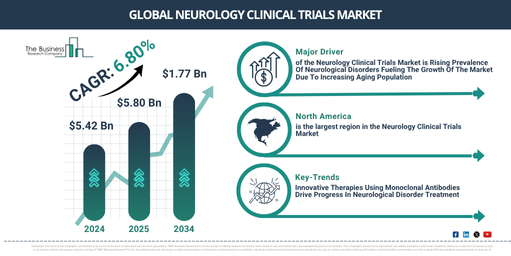
    The neurology clinical trials market size has experienced significant growth in recent years. This market is expected to expand from $5.42 billion in 2024 to $5.80 billion in 2025, achieving a compound annual growth rate (CAGR) of 7.0%. Historically, this growth has been driven by several factors, including the increasing prevalence of neurological disorders, a heightened demand for innovative treatment options, the rise in the aging population, increasing investments in research and development by pharmaceutical companies, and improving awareness and diagnosis rates for neurological conditions.

    The neurology clinical trials market is projected to experience substantial expansion over the upcoming years. This market is predicted to reach a size of $7.54 billion by 2029, exhibiting a compound annual growth rate (CAGR) of 6.8%. The anticipated growth during this period stems from several factors, including the increasing integration of precision medicine, a heightened emphasis on studies utilizing biomarkers, the growing application of artificial intelligence in designing trials, an expanding development pipeline for neurology drugs, and enhanced government backing and financial support for neurological investigations. Key trends anticipated for the forecast period encompass progress in neuroimaging technologies, sophisticated data analytics for categorizing patients, the evolution of adaptive trial designs, advancements in wearable devices for neurological monitoring, and the establishment of decentralized clinical trial approaches.

    Unlock Your Free Sample Report for Exclusive Market Data:

    https://www.thebusinessresearchcompany.com/sample.aspx?id=25847&type=smp

    Which Industry Drivers Are Expected To Accelerate The Neurology Clinical Trials Market From 2025 To 2029?

    The expanding prevalence of neurological disorders is projected to fuel the development of the neurology clinical trials market in the future. Neurological disorders are defined as conditions affecting the brain, spinal cord, or nerves, thereby disrupting the nervous system’s regular operation. The primary cause for the increase in neurological disorders is the growing elderly population, as older individuals are more vulnerable to age-related ailments such as Alzheimer’s and Parkinson’s disease. Neurology clinical trials are instrumental in tackling neurological disorders through the assessment of new treatments, medicines, or interventions aimed at refining diagnosis, managing manifestations, impeding disease advancement, and elevating patient outcomes. As an illustration, in September 2024, the Australian Institute of Health and Welfare, an Australia-based government agency, stated that the count of Australians suffering from dementia is anticipated to more than double, climbing from 411,100 in 2023 to 849,300 by 2058. Additionally, by 2058, an estimated 315,500 men and 533,800 women are expected to be affected by dementia. Thus, the escalating incidence of neurological disorders is a key catalyst for the expansion of the neurology clinical trials market.

    What Are The Major Segment Types Covered In The Neurology Clinical Trials Market?

    The neurology clinical trials market covered in this report is segmented –

    1) By Phase: Phase I, Phase II, Phase III, Phase IV

    2) By Study Design: Interventional, Observational, Expanded Access

    3) By Indication: Epilepsy, Parkinson’s Disease (PD), Huntington’s Disease, Stroke, Traumatic Brain Injury (TBI), Amyotrophic Lateral Sclerosis (ALS), Muscle Regeneration, Other Indications

    4) By End-User: Hospitals, Clinics, Research Institutes, Other End- Users

    Subsegments:

    1) By Phase I: Drug Safety Evaluation, Pharmacokinetics Assessment, Dosage Range Finding, Tolerability Studies

    2) By Phase II: Efficacy Evaluation, Dose Response Studies, Therapeutic Effectiveness, Biomarker Identification

    3) By Phase III: Large Scale Efficacy Studies, Safety Monitoring, Comparative Effectiveness, Risk Benefit Analysis

    4) By Phase IV: Post Marketing Surveillance, Long Term Safety Follow Up, Real World Evidence Collection, Quality Of Life Assessment

    What Trends Are Redefining The Neurology Clinical Trials Market Dynamics?

    Major entities engaged in the neurology clinical trials market are concentrating on formulating innovative solutions, such as monoclonal antibodies, to address specific neurological pathways, bolster treatment efficacy, and quicken the introduction of novel therapies. A monoclonal antibody is characterized as a laboratory-engineered molecule crafted to recognize and bind to particular proteins or antigens, frequently utilized to precisely target disease mechanisms in both treatments and diagnostics. For example, in July 2024, Eli Lilly and Company, a U.S.-based pharmaceutical company, launched Kisunla (donanemab-azbt) intended for the management of early symptomatic Alzheimer’s disease. This therapy slows cognitive and functional decline, thereby granting eligible patients more time to maintain independence and participate in everyday activities. It functions by targeting and reducing brain amyloid plaques, with clinical trials indicating a slowing of disease progression by up to 35% compared to placebo in those with less advanced disease.

    Which Major Industry Participants Are Leading The Neurology Clinical Trials Market Growth?

    Major companies operating in the neurology clinical trials market are AbbVie Inc., Sanofi S.A., Novartis AG, Eli Lilly and Company, Teva Pharmaceutical Industries Ltd., IQVIA Holdings Inc., Biogen Inc., ICON plc., Syneos Health, Charles River Laboratories International Inc., Parexel International Corporation, CMIC Holdings Co. Ltd., Medpace Holdings Inc., PSI CRO AG., Supernus Pharmaceuticals Inc., Worldwide Clinical Trials LLC., Ergomed plc., Biotrial S.A.S., Clinilabs Drug Development Corporation, Lindus Health Ltd.

    Download The Full Report For Exclusive Market Findings:

    https://www.thebusinessresearchcompany.com/report/neurology-clinical-trials-global-market-report

    What Regional Growth Trends Are Shaping The Neurology Clinical Trials Market Outlook?

    North America was the largest region in the neurology clinical trials market in 2024. Asia-Pacific is expected to be the fastest-growing region in the forecast period. The regions covered in the neurology clinical trials market report are Asia-Pacific, Western Europe, Eastern Europe, North America, South America, Middle East, Africa.

    Request A Customized Version Of The Neurology Clinical Trials Market Report:

    https://www.thebusinessresearchcompany.com/customise?id=25847&type=smp

    Browse Through More Reports Similar to the Global Neurology Clinical Trials Market 2025, By The Business Research Company

    Neurology Monitoring Global Market Report 2025

    https://www.thebusinessresearchcompany.com/report/neurology-monitoring-global-market-report

    Clinical Trial Imaging Global Market Report 2025

    https://www.thebusinessresearchcompany.com/report/clinical-trial-imaging-global-market-report

    Nephrologists Market Global Report 2020 2030 Covid 19 Implications And Growth 2025

    https://www.thebusinessresearchcompany.com/report/nephrologists-market-global-report-2020-2030-covid-19-implications-and-growth

    Get in touch with us:

    The Business Research Company: https://www.thebusinessresearchcompany.com/

    Americas +1 310-496-7795

    Asia +44 7882 955267 & +91 8897263534

    Europe +44 7882 955267

    Email us at info@tbrc.info

    Follow us on:

    LinkedIn: https://in.linkedin.com/company/the-business-research-company

    YouTube: https://www.youtube.com/channel/UC24_fI0rV8cR5DxlCpgmyFQ

    Global Market Model: https://www.thebusinessresearchcompany.com/global-market-model
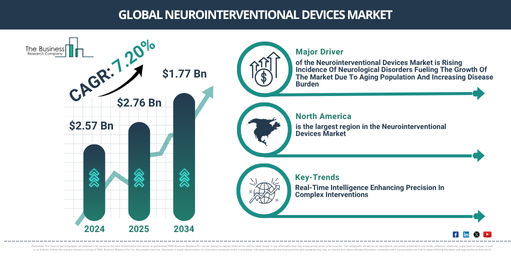
  • Neurointerventional Devices Market to Reach $3.65 Billion by 2029, Growing at a CAGR of 7.2%

    Neurointerventional Devices Market to Reach $3.65 Billion by 2029, Growing at a CAGR of 7.2%

    Unlock Global Insights – Save 20% on Market Reports with Code ONLINE20

    What Market Value Is The Neurointerventional Devices Industry Expected To Reach By 2029, Starting From 2025 Levels?

    The neurointerventional devices market has shown significant expansion in recent years. It is anticipated to expand from $2.57 billion in 2024 to $2.76 billion in 2025, progressing at a compound annual growth rate (CAGR) of 7.5%. The historical development of this market can be linked to factors such as increased recognition of early diagnosis, a growing number of dedicated neurointerventional centers, a rise in lifestyle-related illnesses like hypertension and diabetes, greater demand for superior patient outcomes, and enhanced support from public and private healthcare organizations.

    The neurointerventional devices market is projected to experience substantial expansion in the coming years, with forecasts indicating a rise to $3.65 billion by 2029, driven by a compound annual growth rate (CAGR) of 7.2%. This anticipated growth can be attributed to several factors, including an increasing preference for image-guided surgical procedures, heightened investment in neurovascular research, a growing number of approvals for innovative neurointerventional products, expanding partnerships and acquisitions among device manufacturers, and a rising demand for personalized treatment approaches. Concurrently, major trends expected during this period involve advancements in robotic-assisted neurointerventions, continuous innovation in catheter and stent design, more sophisticated integration of artificial intelligence in diagnostic imaging, the incorporation of augmented reality into surgical planning, and novel developments in embolization and thrombectomy techniques.

    Unlock Your Free Sample Report for Exclusive Market Data:

    https://www.thebusinessresearchcompany.com/sample.aspx?id=25846&type=smp

    What Are The Top Growth Drivers Impacting The Neurointerventional Devices Market Outlook?

    The expanding occurrence of neurological disorders is anticipated to stimulate the development of the neurointerventional devices market moving forward. Such disorders encompass any ailment impacting the brain, spinal cord, or nerves, thereby interfering with their normal operation. The surge in these conditions is fueled by an increasingly older global populace, as advanced age elevates the susceptibility to neurodegenerative issues owing to the inherent decrease in brain function and cellular repair processes. Neurointerventional devices are instrumental in addressing neurological disorders by facilitating minimally invasive interventions for the diagnosis and management of conditions like brain aneurysms, strokes, and vascular malformations, consequently diminishing risks, shortening recovery periods, and enhancing patient results. For instance, in April 2024, a report from the Alzheimer’s Association, a US-based nonprofit voluntary health organization, indicated that in 2022, 6.5 million Americans aged 65 and older had an Alzheimer’s dementia diagnosis, a figure that climbed to 6.9 million in 2024. Consequently, the escalating prevalence of neurological disorders is powering the expansion of the neurointerventional devices market.

    What Are The Major Segment Categories Driving The Neurointerventional Devices Market Growth?

    The neurointerventional devices market covered in this report is segmented –

    1) By Product: Embolic Coils, Carotid Stents, Intracranial Stents, Neurovascular Thrombectomy, Embolic Protection Device, Flow Diverters Device, Intrasaccular Device, Other Products

    2) By Indication: Brain Aneurysm, Stroke, Other Indications

    3) By Technique: Neurothrombectomy Procedure, Cerebral Angiography, Stenting, Coiling Procedures, Flow Disruption

    4) By End User: Hospitals, Ambulatory Surgical Centers, Specialty Clinics, Research Institutes

    Subsegments:

    1) By Embolic Coils: Bare Platinum Coils, Coated Or Modified Coils, Complex-Shaped Coils, Detachable Coils

    2) By Carotid Stents: Open-Cell Stents, Closed-Cell Stents, Hybrid-Cell Stents, Drug-Eluting Stents

    3) By Intracranial Stents: Self-Expanding Stents, Balloon-Expandable Stents, Drug-Eluting Stents

    4) By Neurovascular Thrombectomy Devices: Stent Retrievers, Aspiration Catheters, Combined Thrombectomy Systems

    5) By Embolic Protection Devices: Distal Filters, Proximal Occlusion Devices, Distal Occlusion Devices

    6) By Flow Diverters Devices: Braided Flow Diverters, Dual-Layer Flow Diverters, Coated Flow Diverters

    7) By Intrasaccular Devices: Woven Mesh Implants, Expandable Mesh Baskets, Flow Disrupting Implants

    8) By Other Products: Microcatheters, Guidewires, Balloon Catheters, Distal Access Catheters

    How Are Emerging Market Trends Shaping The Neurointerventional Devices Industry Landscape?

    Major companies in the neurointerventional devices market are emphasizing technological advancements, such as AI-assisted navigation systems, to improve procedural accuracy, decrease intervention time, and enhance patient results in complex neurovascular treatments. These advanced systems utilize artificial intelligence algorithms to guide neurointerventional procedures in real time, analyzing medical imaging data to provide superior visualization, automate path planning, and assist in precisely navigating devices through intricate brain vasculature, thus boosting precision, reducing procedure duration, and minimizing associated risks. For instance, in October 2022, Medtronic plc, an Ireland-based healthcare technology company, launched the Medtronic Neurovascular Co Lab Platform to accelerate innovation in stroke care. This platform promotes collaboration among startups, physicians, and institutions, offering an always-on virtual portal where ideas can be submitted. These submissions are then evaluated and advanced through access to Medtronic’s expertise, funding, and networks to rapidly develop promising neurovascular solutions and improve patient outcomes.

    Who Are The Prominent Global Companies Shaping The Neurointerventional Devices Market?

    Major companies operating in the neurointerventional devices market are Johnson & Johnson, Abbott Laboratories, Medtronic plc, Stryker Corporation, Boston Scientific Corporation, Terumo Corporation, Kaneka Corporation, Cook Medical LLC, Integra LifeSciences Holdings Corporation, Merit Medical Systems Inc., MicroPort Scientific Corporation, Penumbra Inc., Asahi Intecc Co. Ltd., MicroVention Inc., Phenox GmbH, Balton Sp. z o.o., Zylox-Tonbridge Medical Technology Co. Ltd., Balt Group SAS, Veiva Scientific Co. Ltd., InspireMD Inc.

    Download The Full Report For Exclusive Market Findings:

    https://www.thebusinessresearchcompany.com/report/neurointerventional-devices-global-market-report

    Which Regional Markets Are Contributing Most To The Neurointerventional Devices Industry Expansion?

    North America was the largest region in the neurointerventional market in 2024. The regions covered in the neurointerventional devices market report are Asia-Pacific, Western Europe, Eastern Europe, North America, South America, Middle East, Africa.

    Request A Customized Version Of The Neurointerventional Devices Market Report:

    https://www.thebusinessresearchcompany.com/customise?id=25846&type=smp

    Browse Through More Reports Similar to the Global Neurointerventional Devices Market 2025, By The Business Research Company

    Neurology Devices Global Market Report 2025

    https://www.thebusinessresearchcompany.com/report/neurology-devices-global-market-report

    Brain And Neuroimaging Devices Global Market Report 2025

    https://www.thebusinessresearchcompany.com/report/brain-and-neuroimaging-devices-global-market-report

    Neurostimulation Devices Global Market Report 2025

    https://www.thebusinessresearchcompany.com/report/neurostimulation-devices-global-market-report

    Get in touch with us:

    The Business Research Company: https://www.thebusinessresearchcompany.com/

    Americas +1 310-496-7795

    Asia +44 7882 955267 & +91 8897263534

    Europe +44 7882 955267

    Email us at info@tbrc.info

    Follow us on:

    LinkedIn: https://in.linkedin.com/company/the-business-research-company

    YouTube: https://www.youtube.com/channel/UC24_fI0rV8cR5DxlCpgmyFQ

    Global Market Model: https://www.thebusinessresearchcompany.com/global-market-model