Blog

  • Global Lyophilization Equipment Market Analysis 2025–2029: Opportunities for Strategic Growth

    Unlock Global Insights – Save 20% on Market Reports with Code ONLINE20

    How Much Larger Is The Lyophilization Equipment Market Expected To Become By 2029 Compared With Its 2025 Level?

    The lyophilization equipment market has experienced rapid expansion in recent years. It is projected to increase from $6.59 billion in 2024 to $7.32 billion in 2025, achieving a compound annual growth rate (CAGR) of 11.0%. The growth observed in the historic period can be attributed to several factors, including the increasing demand for vaccines, the rising adoption of biopharmaceuticals, a growing focus on preservation, an increasing demand for stability, a rising demand for storage capacity, and an escalating need for extended shelf life.

    The lyophilization equipment market is projected for swift expansion in the coming years, reaching $11.03 billion by 2029, exhibiting a compound annual growth rate (CAGR) of 10.8%. This anticipated growth during the forecast period is driven by several factors, including a heightened emphasis on cold chain logistics, a greater need for tailored solutions, expanding pharmaceutical manufacturing capabilities, a rising adoption of freeze-drying techniques, and more stringent regulatory compliance requirements. Key developments expected in the forecast period encompass the incorporation of automated control systems, the use of technology-enabled data analytics tools, progress in continuous lyophilization methods, improvements in multi-parameter instruments, and the creation of more energy-efficient systems.

    Unlock Your Free Sample Report for Exclusive Market Data:

    https://www.thebusinessresearchcompany.com/sample.aspx?id=25818&type=smp

    Which Drivers Are Shaping The Lyophilization Equipment Industry’s Market Share?

    The increasing occurrence of chronic conditions is projected to fuel the expansion of the lyophilization equipment market in the future. Chronic conditions are defined as persistent health issues that last for a minimum of one year and frequently necessitate continuous medical attention or restrict daily activities. The rise in chronic conditions is primarily attributed to the aging population, which exhibits a higher susceptibility to long-term illnesses such as heart disease, diabetes, and arthritis. Lyophilization equipment contributes to addressing chronic conditions by enabling the stable, extended preservation of biopharmaceuticals and injectable medications commonly employed in their treatment, thereby guaranteeing that these essential therapies remain effective, safe, and readily available for patients requiring ongoing care. For instance, in June 2024, according to the National Health Service, a UK-based government department, in 2023, 3,615,330 individuals registered with a GP were diagnosed with non-diabetic hyperglycemia, or pre-diabetes, marking an 18% increase from 3,065,825 cases in 2022. Thus, the escalating prevalence of chronic conditions is a significant driver for the growth of the lyophilization equipment market.

    What Are The Segment Types Shaping The Lyophilization Equipment Market?

    The lyophilization equipment market covered in this report is segmented –

    1) By Type Of Lyophilization Equipment: Freeze Dryers, Pharmaceutical Lyophilizers, Laboratory Freeze Dryers, Industrial Freeze Dryers, Portable Freeze Dryers

    2) By Product Form: Powders, Cakes, Granules, Semi-Solid Forms

    3) By Technology: Manifold Lyophilization, Tray Lyophilization, Batch Freeze Drying, Continuous Freeze Drying

    4) By Application: Autoimmune Diseases, Respiratory Diseases, Gastrointestinal Disorders, Oncology, Cardiovascular Diseases, Infectious Diseases, Metabolic Disorders, Other Applications

    5) By End User: Pharmaceutical Companies, Biotechnology Firms, Academic And Research Institutions, Food Manufacturers, Contract Research Organizations (CROs)

    Subsegments:

    1) By Freeze Dryers: Tray Freeze Dryers, Manifold Freeze Dryers, Rotary Freeze Dryers

    2) By Pharmaceutical Lyophilizers: Pilot-Scale Pharmaceutical Lyophilizers, Production-Scale Pharmaceutical Lyophilizers, GMP Pharmaceutical Lyophilizers

    3) By Laboratory Freeze Dryers: Benchtop Laboratory Freeze Dryers, Floor-Standing Laboratory Freeze Dryers, Small-Scale Research Freeze Dryers

    4) By Industrial Freeze Dryers: Food Processing Industrial Freeze Dryers, Bulk Production Industrial Freeze Dryers, Continuous Industrial Freeze Dryers

    5) By Portable Freeze Dryers: Home-Use Portable Freeze Dryers, Field-Use Portable Freeze Dryers, Compact Research Portable Freeze Dryers

    What Are The Major Trends Driving The Growth Of The Lyophilization Equipment Market?

    Major companies operating in the lyophilization equipment market are emphasizing technological advancements, such as integrated lyophilization isolator systems, to boost efficiency, sterility, and process control. Integrated lyophilization isolator systems refer to freeze-drying machines housed in a sterile, sealed environment to prevent contamination during the lyophilization process. For instance, in July 2022, NJM, a Canada-based automated pharmaceutical packaging company, launched Dara Coolvacuum freeze-drying equipment equipped with a range of lyophilization solutions. The equipment offers accurate temperature management, energy conservation, and scalability for both small and large batch production. Its primary goal is to enhance product stability and shelf life, and it features unique attributes like advanced automation with SCADA software for real-time observation, a compact footprint for space efficiency, energy-saving vacuum systems, a modular configuration for easy scalability from research and development to commercial manufacturing, and seamless integration with aseptic filling lines within isolators to maintain sterility throughout lyophilization.

    Who Are The Prominent Global Companies Shaping The Lyophilization Equipment Market?

    Major companies operating in the lyophilization equipment market are GEA Group AG, Azbil Corporation, ATS Automation Tooling Systems Inc., OPTIMA packaging group GmbH, Dara Pharmaceutical Equipment, Büchi Labortechnik AG, Tofflon Science and Technology Group Co Ltd., Spinco Biotech Pvt Ltd., Labconco Corporation, Hosokawa Micron Powder Systems, HOF Sonderanlagenbau GmbH, Harvest Righ LLC, Cuddon Freeze Dry, ZIRBUS technology GmbH, MechaTech Systems Ltd., IlShin BioBase Co Ltd., SP Industries Inc., Millrock Technology Inc., Tofflon Dehui Pharmaceutical Equipment Co Ltd., Freeze Drying Systems Pvt Ltd.

    Download The Full Report For Exclusive Market Findings:

    https://www.thebusinessresearchcompany.com/report/lyophilization-equipment-global-market-report

    Which Region Is Expected To Witness The Fastest Growth In The Lyophilization Equipment Market?

    North America was the largest region in the lyophilization equipment market in 2024. Asia-Pacific is expected to be the fastest-growing region in the forecast period. The regions covered in the lyophilization equipment market report are Asia-Pacific, Western Europe, Eastern Europe, North America, South America, Middle East, Africa.

    Request A Customized Version Of The Lyophilization Equipment Market Report:

    https://www.thebusinessresearchcompany.com/customise?id=25818&type=smp

    Browse Through More Reports Similar to the Global Lyophilization Equipment Market 2025, By The Business Research Company

    Crystallization Equipment Global Market Report 2025

    https://www.thebusinessresearchcompany.com/report/crystallization-equipment-global-market-report

    Sterilization Equipment Global Market Report 2025

    https://www.thebusinessresearchcompany.com/report/sterilization-equipment-global-market-report

    Cogeneration Equipment Global Market Report 2025

    https://www.thebusinessresearchcompany.com/report/cogeneration-equipment-global-market-report

    Get in touch with us:

    The Business Research Company: https://www.thebusinessresearchcompany.com/

    Americas +1 310-496-7795

    Asia +44 7882 955267 & +91 8897263534

    Europe +44 7882 955267

    Email us at info@tbrc.info

    Follow us on:

    LinkedIn: https://in.linkedin.com/company/the-business-research-company

    YouTube: https://www.youtube.com/channel/UC24_fI0rV8cR5DxlCpgmyFQ

    Global Market Model: https://www.thebusinessresearchcompany.com/global-market-model

  • Lyme Disease Testing Industry Overview 2025: Growth Projections and Market Trends

    Unlock Global Insights – Save 20% on Market Reports with Code ONLINE20

    #What Are The Current (2025) And Forecast (2029) Sizes Of The Lyme Disease Testing Market?

    The lyme disease testing market has experienced significant expansion in recent years. Its valuation is expected to climb from $9.77 billion in 2024 to $10.68 billion in 2025, demonstrating a compound annual growth rate (CAGR) of 9.3%. The historic growth can be linked to an elevated demand for prompt disease identification, the increasing accessibility of sophisticated diagnostic technologies, a surge in tick populations attributed to climate change, increased government expenditure for controlling vector-borne illnesses, and the advancement of healthcare infrastructure in rural and affected areas.

    The lyme disease testing market is projected to experience substantial growth in the coming years. It is anticipated to expand to $15.11 billion by 2029, demonstrating a compound annual growth rate (CAGR) of 9.1%. This expansion during the forecast period is driven by factors such as increased travel to endemic areas, broader adoption of multiplex diagnostic technologies, a surge in outdoor recreational pursuits, rising demand for home-based testing kits, and heightened apprehension regarding co-infections with other tick-borne illnesses. Significant trends expected in the forecast timeframe include progress in molecular diagnostic techniques, advancements in biomarker research, innovation in point-of-care testing devices, evolution in lab-on-a-chip (microfluidic) technology, and improvements in immunoassay technologies.

    Unlock Your Free Sample Report for Exclusive Market Data:

    https://www.thebusinessresearchcompany.com/sample.aspx?id=25817&type=smp

    What Are The Drivers Pushing New Developments In The Lyme Disease Testing Market?

    The escalating occurrence of tick-borne illnesses is anticipated to fuel the expansion of the lyme disease testing market. These illnesses encompass a range of diseases transmitted to humans via bites from infected ticks, which are small, blood-feeding parasites prevalent in grassy, wooded, or rural environments. The growing need for tick-borne illness treatments is largely propelled by climate change, which has broadened the geographic spread of ticks, consequently raising human exposure and infection rates. Since tick-borne illnesses are the primary means of contracting Lyme disease, there is a vital need for early detection and diagnosis to effectively manage the increasing number of infection cases, thereby boosting demand for testing. For instance, according to the Centers for Disease Control and Prevention, a US-based federal public health agency, 71,346 cases of tick-borne disease were reported in 2022 as of July 2024, marking an increase from 36,177 cases in 2021. Consequently, the rising prevalence of tick-borne illnesses is a significant driver for the growth of the lyme disease testing market.

    What Are The Different Segment Classifications Within The Lyme Disease Testing Market?

    The lyme disease testing market covered in this report is segmented –

    1) By Test Type: Serological Tests, Nucleic Acid Tests, Urine Antigen Tests, Other Test Types

    2) By Testing Methodology: Enzyme-Linked Immunosorbent Assay (ELISA), Weste Blot, Polymerase Chain Reaction (PCR), Immunofluorescence Assay (IFA), Other Emerging Technologies

    3) By Disease Stage: Early Lyme Disease, Disseminated Lyme Disease, Chronic Lyme Disease, Asymptomatic Lyme Disease Detection

    4) By Sample Type: Blood, Urine, Cerebrospinal Fluid(CSF), Other Blood Samples

    5) By End-User: Hospitals And Clinics, Diagnostic Laboratories, Home Care Settings, Research Institutions, Public Health Organizations

    Subsegments:

    1) By Serological Tests: Enzyme-Linked Immunosorbent Assay, Western Blot, Immunofluorescence Assay (IFA), Line Immunoassay (LIA)

    2) By Nucleic Acid Tests: Polymerase Chain Reaction (PCR), Loop-Mediated Isothermal Amplification (LAMP), Next-Generation Sequencing (NGS)

    3) By Urine Antigen Tests: Lateral Flow Assay, Enzyme Immunoassay (EIA), Immunoblot Urine Tests

    4) By Other Test Types: Culture-Based Tests, Tick-Borne Co-Infection Panels, Artificial Intelligence-Assisted Diagnostic Tools

    What Trends Are Expected To Drive The Lyme Disease Testing Market?

    Leading companies in the Lyme disease testing market are prioritizing technological innovations in diagnostic instruments to improve test accuracy, shorten turnaround times, and facilitate early detection of the condition. These diagnostic instruments include medical devices, kits, or technologies utilized to identify Lyme disease by detecting specific antibodies, antigens, or genetic material related to the Borrelia burgdorferi bacteria. For example, in August 2024, EpitogenX Ltd., a UK-based biotechnology firm, revealed the introduction of an advanced Lyme Disease Diagnostic Kit. This kit is an ELISA-based assay created using their proprietary EpitoGen platform, featuring approximately 120 distinct Borrelia epitopes, which provides high specificity and sensitivity, and is designed for research use only (RUO). It supports early, strain-specific detection and can be customized for various laboratory applications. Tailored for research and diagnostic labs, it is optimal for enhancing detection precision and fostering more comprehensive insights into Lyme disease.

    Which Key Players Are Driving Competition In The Lyme Disease Testing Market?

    Major companies operating in the lyme disease testing market are Roche Holding AG, Thermo Fisher Scientific Inc., Labcorp Holdings Inc., Quest Diagnostics Incorporated, Eurofins Scientific, BIOMÉRIEUX, Quidel Corporation, Bio-Rad Laboratories Inc., QIAGEN N.V., DiaSorin S.p.A, Meridian Bioscience, Everlywell, Trinity Biotech, T2 Biosystems, IGeneX, Viramed Biotech AG, Ceres Nanosciences, Galaxy Diagnostics, Novatein Biosciences, Lyme Diagnostics Ltd

    Download The Full Report For Exclusive Market Findings:

    https://www.thebusinessresearchcompany.com/report/lyme-disease-testing-global-market-report

    Which Global Regions Are Influencing The Competitive Landscape Of The Lyme Disease Testing Market?

    North America was the largest region in the lyme disease testing market in 2024. Asia-Pacific is expected to be the fastest-growing region in the forecast period. The regions covered in the lyme disease testing market report are Asia-Pacific, Western Europe, Eastern Europe, North America, South America, Middle East, Africa.

    Request A Customized Version Of The Lyme Disease Testing Market Report:

    https://www.thebusinessresearchcompany.com/customise?id=25817&type=smp

    Browse Through More Reports Similar to the Global Lyme Disease Testing Market 2025, By The Business Research Company

    Infectious Disease Diagnostics Testing Global Market Report 2025

    https://www.thebusinessresearchcompany.com/report/infectious-disease-diagnostics-testing-global-market-report

    Biologics Testing Global Market Report 2025

    https://www.thebusinessresearchcompany.com/report/biologics-testing-global-market-report

    Covid 19 Saliva Screening Test Potential Global Market Report 2025

    https://www.thebusinessresearchcompany.com/report/covid-19-saliva-screening-test-potential-global-market-report

    Get in touch with us:

    The Business Research Company: https://www.thebusinessresearchcompany.com/

    Americas +1 310-496-7795

    Asia +44 7882 955267 & +91 8897263534

    Europe +44 7882 955267

    Email us at info@tbrc.info

    Follow us on:

    LinkedIn: https://in.linkedin.com/company/the-business-research-company

    YouTube: https://www.youtube.com/channel/UC24_fI0rV8cR5DxlCpgmyFQ

    Global Market Model: https://www.thebusinessresearchcompany.com/global-market-model
  • Lung Cancer Surgery Market Size Forecast: Revenue and CAGR by 2029

    Unlock Global Insights – Save 20% on Market Reports with Code ONLINE20

    What Market Value Is The Lung Cancer Surgery Industry Expected To Reach By 2029, Starting From 2025 Levels?

    The market for lung cancer surgery has demonstrated robust expansion recently. This market is projected to expand from $5.07 billion in 2024 to $5.33 billion in 2025, reflecting a compound annual growth rate (CAGR) of 5.1%. Factors contributing to its historical growth include a high prevalence of smoking, an increase in lung cancer cases, the expansion of hospital infrastructure, broader insurance coverage, and an enhancement in surgeon expertise.

    The lung cancer surgery market size is projected to experience consistent expansion in the coming years. It is anticipated to reach $6.43 billion by 2029, exhibiting a compound annual growth rate (CAGR) of 4.8%. This anticipated growth throughout the forecast period stems from factors such as the world’s aging populace, an increase in non-small cell lung cancer occurrences, enhanced awareness in developing nations, a significant rise in robotic surgery platforms, and greater investment in cancer treatment. Key trends expected during the forecast timeframe encompass robotic-assisted thoracic surgery, the application of augmented reality within surgical procedures, 3-dimensional printing utilized for surgical simulation, artificial intelligence employed for surgical planning, and the advancement of smart surgical instruments.

    Unlock Your Free Sample Report for Exclusive Market Data:

    https://www.thebusinessresearchcompany.com/sample.aspx?id=25816&type=smp

    What Are The Emerging Market Drivers Creating New Opportunities In The Lung Cancer Surgery Industry?

    The rise in lung cancer cases is projected to drive forward the expansion of the lung cancer surgery market. Lung cancer is characterized by the unchecked proliferation of abnormal cells within one or both lungs, disrupting normal respiratory function. This heightened occurrence of lung cancer stems from extended exposure to air pollution, specifically excellent particulate matter; these minute particles can delve deep into the lungs, initiating inflammation, cellular harm, and mutations that pave the way for cancer development. Lung cancer surgery plays a crucial role in lowering lung cancer-associated fatalities by facilitating the early excision of malignant tumors before their dissemination or progression. For example, in June 2025, the Centers for Disease Control and Prevention, a US-based federal government agency, reported that in 2023, lung cancer led to 131,584 deaths in the United States, following 218,893 newly reported cases in 2022. Consequently, the growing prevalence of lung cancer is fueling the growth of the lung cancer surgery market.

    What Are The Primary Types Of Segments Analyzed In The Lung Cancer Surgery Market?

    The lung cancer surgery market covered in this report is segmented –

    1) By Type: Minimally Invasive Surgeries

    2) By Procedure: Lobectomy, Segmentectomy, Pneumonectomy, Sleeve Resection, Extended Reserction

    3) By Product: Thoracoscopes, Mediastinoscopes, Bronchoscopes, Robotic-Assistes Thoracic Surgery Systems, Surgical Staplers, Surgical Energy Instruments, Advanced Energy Instruments, Advanced Bipolar Instruments, Ultrasonic Instruments

    4) By Distribution Channels: Direct Tender, Retail Sales, Online Sales, Other Channels

    5) By End User: Hospitals, Ambulatory And Surgical Centres, Academic And Research Institutes, Specialiaty Cancer Care Centre, Other End Users

    Subsegments:

    1) By Thoracotomy: Lobectomy, Pneumonectomy, Segmentectomy, Wedge Resection

    2) By Minimally Invasive Surgeries: Video-Assisted Thoracoscopic Surgery (VATS), Robotic-Assisted Surgery

    Which Trends Are Impacting The Lung Cancer Surgery Market?

    Major enterprises operating within the lung cancer surgery domain are prioritizing the creation of cutting-edge technologies, such as robotic-assisted interventions, to refine surgical accuracy, shorten recovery periods, and improve patient health outcomes. Robotic-assisted surgeries are defined as minimally invasive operations carried out using robotic systems guided by surgeons to heighten precision, reduce adverse events, and facilitate better patient recuperation. For instance, in March 2025, Johnson & Johnson MedTech, a US-based medical devices and technology firm, publicized the regulatory approval of MONARCH QUEST under U.S. 510(k). The MONARCH QUEST robotic-assisted bronchoscopy platform offers superior reach and stability to access small, challenging-to-reach lung nodules, thereby enhancing the capacity for earlier lung cancer diagnosis. Its sophisticated maneuverability and integration with imaging technologies allow for more precise biopsies while simultaneously minimizing patient distress. Designed to broaden procedural scope and optimize workflow, the platform fosters increased clinical assurance and uniformity across a wider array of bronchoscopic procedures.

    Who Are The Top Performing Companies In The Lung Cancer Surgery Market In Recent Years?

    Major companies operating in the lung cancer surgery market are Johnson & Johnson, Medtronic plc, Siemens Healthcare GmbH, Fujifilm Holdings Corporation, GE Healthcare Technologies Inc., B. Braun Melsungen AG, Olympus Corporation, Intuitive Surgical Inc., Teleflex Incorporated, Varian Medical Systems Inc., Karl Storz SE, Lepu Medical Technology (Beijing) Co. Ltd., Ambu A/S, Accuray Incorporated, KLS Martin Group, Richard Wolf GmbH, Ethicon Inc., AngioDynamics Inc., Ackermann Instrument GmbH, Scanlan International Inc., Sontec Instruments Inc., Covidien LLC

    Download The Full Report For Exclusive Market Findings:

    https://www.thebusinessresearchcompany.com/report/lung-cancer-surgery-global-market-report

    What Are The Regional Market Dynamics Impacting The Lung Cancer Surgery Industry?

    North America was the largest region in the lung cancer surgery market in 2024. Asia-Pacific is expected to be the fastest-growing region in the forecast period. The regions covered in the lung cancer surgery market report are Asia-Pacific, Western Europe, Eastern Europe, North America, South America, Middle East, Africa.

    Request A Customized Version Of The Lung Cancer Surgery Market Report:

    https://www.thebusinessresearchcompany.com/customise?id=25816&type=smp

    Browse Through More Reports Similar to the Global Lung Cancer Surgery Market 2025, By The Business Research Company

    Lung Cancer Drugs Global Market Report 2025

    https://www.thebusinessresearchcompany.com/report/lung-cancer-drugs-global-market-report

    Lung Cancer Diagnostic And Screening Global Market Report 2025

    https://www.thebusinessresearchcompany.com/report/lung-cancer-diagnostic-and-screening-global-market-report

    Non Small Cell Lung Cancer Nsclc Global Market Report 2025

    https://www.thebusinessresearchcompany.com/report/non-small-cell-lung-cancer-nsclc-global-market-report

    Get in touch with us:

    The Business Research Company: https://www.thebusinessresearchcompany.com/

    Americas +1 310-496-7795

    Asia +44 7882 955267 & +91 8897263534

    Europe +44 7882 955267

    Email us at info@tbrc.info

    Follow us on:

    LinkedIn: https://in.linkedin.com/company/the-business-research-company

    YouTube: https://www.youtube.com/channel/UC24_fI0rV8cR5DxlCpgmyFQ

    Global Market Model: https://www.thebusinessresearchcompany.com/global-market-model
  • Wireless Cardiac Monitoring Systems Industry Overview 2025: Growth Projections and Market Trends

    Wireless Cardiac Monitoring Systems Industry Overview 2025: Growth Projections and Market Trends

    Unlock Global Insights – Save 20% on Market Reports with Code ONLINE20

    #What Are The Current (2025) And Forecast (2029) Sizes Of The Wireless Cardiac Monitoring Systems Market?

    The market size for wireless cardiac monitoring systems has expanded considerably in recent years. It is anticipated to increase from $3.72 billion in 2024 to $4.20 billion in 2025, achieving a compound annual growth rate (CAGR) of 13.0%. The expansion observed historically can be linked to the rising prevalence of cardiac arrhythmias, a growing need for early diagnosis, increased acceptance of ambulatory monitoring, the spread of telemedicine services, and higher healthcare spending on managing chronic diseases.

    The market for wireless cardiac monitoring systems is projected to experience swift expansion over the coming years. This market is set to reach $6.78 billion by 2029, exhibiting a compound annual growth rate (CAGR) of 12.7%. Several factors contribute to this growth during the forecast period, including the increasing utilization of remote patient monitoring, an expanding aging demographic suffering from heart conditions, the rising uptake of wearable health technology, the development of digital health infrastructure, and heightened understanding of proactive cardiac care. Key trends anticipated within this period encompass progress in miniaturizing sensors, novelties in mobile electrocardiogram technology, the evolution of cloud-based platforms for cardiac care, increased funding for cardiac diagnostics research, and the incorporation of artificial intelligence for identifying arrhythmias.

    Unlock Your Free Sample Report for Exclusive Market Data:

    https://www.thebusinessresearchcompany.com/sample.aspx?id=25937&type=smp

    What Are The Emerging Market Drivers Creating New Opportunities In The Wireless Cardiac Monitoring Systems Industry?

    The rising incidence of cardiovascular diseases is projected to propel the expansion of the wireless cardiac monitoring systems market. These disorders, affecting the heart and blood vessels, include conditions like coronary artery disease, heart failure, and stroke. The increased prevalence of cardiovascular diseases can be attributed to an aging demographic and unhealthy lifestyles, thereby escalating the demand for early detection, continuous oversight, and comprehensive long-term disease management solutions. Wireless cardiac monitoring systems play a crucial role in managing cardiovascular diseases by enabling constant, real-time surveillance of heart activity, which permits the prompt discovery of anomalies and timely medical intervention. For instance, in January 2024, the American Heart Association, a US-based non-profit organization, stated that cardiovascular disease-related fatalities climbed from 928,741 in 2023 to 931,578 in 2024. This growing prevalence of cardiovascular diseases is thus a key factor driving the growth of the wireless cardiac monitoring systems market.

    What Are The Different Segment Classifications Within The Wireless Cardiac Monitoring Systems Market?

    The wireless cardiac monitoring systems market covered in this report is segmented –

    1) By Type: Implantable Cardiac Monitors (ICM), Patch-Type Monitor, Mobile Cardiac Telemetry System, Other Types

    2) By Indication: Coronary Artery Disease, Angina Pectoris, Atherosclerosis, Heart Failure, Stroke, Other Indications

    3) By End Use: Hospitals, Specialty Clinics, Diagnostic Centers, Home Care Settings, Other End Use

    Subsegments:

    1) By Implantable Cardiac Monitors (ICM): Insertable Loop Recorders, Subcutaneous Monitors, Implantable Loop Recorders with Wireless Connectivity

    2) By Patch-Type Monitor: Single-Lead Patch Monitors, Multi-Lead Patch Monitors, Waterproof Patch Monitors, Extended Wear Patch Monitors

    3) By Mobile Cardiac Telemetry System: Portable Telemetry Devices, Wearable Telemetry Devices, Smartphone-Connected Telemetry Systems

    4) By Other Types: Handheld Cardiac Monitors, External Holter Monitors, Smartwatches with Cardiac Monitoring Features, Ambulatory Electrocardiogram Devices

    How Are Emerging Market Trends Shaping The Wireless Cardiac Monitoring Systems Industry Landscape?

    Key players in the wireless cardiac monitoring systems market are focusing on developing innovative technologies, such as adaptive nighttime filtering, to enhance the accuracy of arrhythmia detection and reduce false alarms. Adaptive nighttime filtering is a technology that adjusts detection parameters during sleep to lessen false alarms and improve precision in cardiac monitoring. For instance, in October 2023, Boston Scientific Corporation, a US-based medical technology company, launched the LUX-Dx II+ Insertable Cardiac Monitor, a next-generation device for long-term wireless monitoring of heart rhythm disorders such as atrial fibrillation and syncope. The system features advanced dual-stage algorithms that detect and verify arrhythmias, utilizing adaptive nighttime filtering to decrease false positives for greater accuracy. It also includes remote programming for clinician control without visits and a patient app for seamless symptom tracking and real-time data sharing, which enhances continuous cardiac care.

    Who Are The Key Multinational Companies Dominating The Wireless Cardiac Monitoring Systems Market?

    Major companies operating in the wireless cardiac monitoring systems market are Abbott Laboratories, Medtronic plc, Koninklijke Philips N.V., GE HealthCare Technologies Inc., Boston Scientific Corporation, BIOTRONIK SE & Co. KG, Shenzhen Mindray Bio-Medical Electronics Co. Ltd., Spacelabs Healthcare Inc., Schiller AG, BPL Medical Technologies Private Limited, AliveCor Inc., Vital Connect Inc., Biotricity Inc., Fukuda Denshi Co. Ltd., Aerotel Medical Systems Ltd., SmartCardia S.A., CardioComm Solutions Inc., MediBioSense Ltd., QT Medical Inc., CardiacSense Ltd.

    Download The Full Report For Exclusive Market Findings:

    https://www.thebusinessresearchcompany.com/report/wireless-cardiac-monitoring-systems-global-market-report

    Which Regional Markets Are Contributing Most To The Wireless Cardiac Monitoring Systems Industry Expansion?

    North America was the largest region in the wireless cardiac monitoring systems market in 2024. Asia-Pacific is expected to be the fastest-growing region in the forecast period. The regions covered in the wireless cardiac monitoring systems market report are Asia-Pacific, Western Europe, Eastern Europe, North America, South America, Middle East, Africa.

    Request A Customized Version Of The Wireless Cardiac Monitoring Systems Market Report:

    https://www.thebusinessresearchcompany.com/customise?id=25937&type=smp

    Browse Through More Reports Similar to the Global Wireless Cardiac Monitoring Systems Market 2025, By The Business Research Company

    Remote Cardiac Monitoring Global Market Report 2025

    https://www.thebusinessresearchcompany.com/report/remote-cardiac-monitoring-global-market-report

    Cardiac Arrhythmia Monitoring Devices Global Market Report 2025

    https://www.thebusinessresearchcompany.com/report/cardiac-arrhythmia-monitoring-devices-global-market-report

    Wearable Heart Monitoring Devices Global Market Report 2025

    https://www.thebusinessresearchcompany.com/report/wearable-heart-monitoring-devices-global-market-report

    Get in touch with us:

    The Business Research Company: https://www.thebusinessresearchcompany.com/

    Americas +1 310-496-7795

    Asia +44 7882 955267 & +91 8897263534

    Europe +44 7882 955267

    Email us at info@tbrc.info

    Follow us on:

    LinkedIn: https://in.linkedin.com/company/the-business-research-company

    YouTube: https://www.youtube.com/channel/UC24_fI0rV8cR5DxlCpgmyFQ

    Global Market Model: https://www.thebusinessresearchcompany.com/global-market-model
  • Wearable Skin Patch Market Size Forecast: Revenue and CAGR by 2029

    Wearable Skin Patch Market Size Forecast: Revenue and CAGR by 2029

    Unlock Global Insights – Save 20% on Market Reports with Code ONLINE20

    What Market Value Is The Wearable Skin Patch Industry Expected To Reach By 2029, Starting From 2025 Levels?

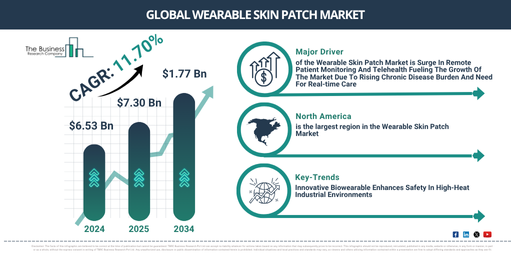
    The market for wearable skin patches has experienced substantial growth in recent years. It is anticipated to increase from $6.53 billion in 2024 to $7.30 billion by 2025, with a compound annual growth rate (CAGR) of 11.9%. This past growth can be ascribed to the increasing spread of chronic illnesses, the rising need for remote patient oversight, a surge in health and fitness consciousness, the growing acceptance of non-invasive drug delivery methods, and an expanding elderly demographic.

    The wearable skin patch market size is projected to experience substantial expansion over the coming years. Its value is anticipated to reach $11.37 billion by 2029, exhibiting a compound annual growth rate (CAGR) of 11.7%. This growth throughout the forecast period stems from factors such as the increasing integration of AI and IoT into wearable patches, a heightened emphasis on personalized healthcare, the rising uptake of telehealth services, the broadening applications in chronic disease management, and expanding investments in wearable health tech startups.

    Key trends expected during the forecast period encompass advancements in biosensor technologies, novel approaches in flexible and stretchable electronics, the incorporation of wireless connectivity features, progress in real-time data analytics, and developments in battery-free and self-powered patches.

    Unlock Your Free Sample Report for Exclusive Market Data:

    https://www.thebusinessresearchcompany.com/sample.aspx?id=25936&type=smp

    Which Drivers Are Impacting The Wearable Skin Patch Market?

    The future expansion of the wearable skin patch market is anticipated to be driven by the increasing need for remote patient monitoring and telehealth services. These services involve leveraging digital technologies to provide healthcare and keep track of patients’ well-being from a distance. This growing demand stems from the increasing incidence of chronic illnesses, which necessitate ongoing oversight and prompt action. Remote patient monitoring and telehealth facilitate this by allowing real-time data exchange and virtual consultations. Wearable skin patches play a crucial role in supporting these remote healthcare methods. They achieve this by continuously gathering physiological data, like glucose levels, heart rate, or body temperature, in real-time and relaying it to medical professionals, thus enabling proactive, distant care and rapid medical intervention. An example illustrating this trend is provided by the Department of Health and Aged Care, an Australia-based government department, which reported in March 2024 that telehealth utilization during 2022–23 peaked with GPs (20%) and allied health (12%). Furthermore, GPs and non-GP specialists were responsible for 75% and 48% of all video consultations, respectively. Consequently, the increased need for remote patient monitoring and telehealth is a key factor propelling the expansion of the wearable skin patch market.

    What Are The Primary Types Of Segments Analyzed In The Wearable Skin Patch Market?

    The wearable skin patch market covered in this report is segmented –

    1) By Types: Medicine Delivery Type, Indicator Monitoring Type

    2) By Technology: Regular Wearable, Connected Wearable

    3) By Application: Clinical, Non-Clinical

    Subsegments:

    1) By Medicine Delivery Type: Insulin Delivery Patches, Nicotine Patches, Hormone Replacement Patches, Pain Relief Patches, Contraceptive Patches, Anti-nausea Patches, Cardiovascular Drug Patches

    2) By Indicator Monitoring Type: Glucose Monitoring Patches, Temperature Monitoring Patches, Hydration Monitoring Patches, pH Level Monitoring Patches, Lactate Monitoring Patches, Sweat Biomarker Monitoring Patches, Oxygen Level Monitoring Patches

    Which Key Trends Are Expected To Influence The Wearable Skin Patch Market In The Coming Years?

    Leading companies in the wearable skin patch market are prioritizing the development of innovative products, such as sweat-sensing patches, to deliver real-time health data, enhance user safety, and address the growing demand for personalized and preventive healthcare solutions. A sweat-sensing patch is an advanced wearable system that monitors sweat biomarkers and provides real-time hydration insights via a connected mobile platform. For instance, in April 2024, Epicore Biosystems, a US-based biotechnology company, launched Connected Hydration, a sweat-sensing wearable patch coupled with a mobile app. This innovative device offers real-time, personalized insights regarding sweat volume, electrolyte loss, body temperature, and movement. It assists frontline industrial workers in anticipating and managing hydration needs before dehydration occurs. The bio wearable is specifically designed for physically demanding sectors like construction, energy, mining, agriculture, and logistics. It also supports military personnel in preventing heat stress and related injuries.

    Which Leading Players Are Enhancing Their Wearable Skin Patch Market Presence Worldwide?

    Major companies operating in the wearable skin patch market are Abbott Laboratories, 3M Company, Medtronic plc, Texas Instruments Incorporated, Nitto Denko Corporation, Dexcom Inc., Insulet Corporation, iRhythm Technologies Inc., Rusan Pharma Ltd., Tapecon Inc., VitalConnect Inc., Blue Spark Technologies Inc., Epicore Biosystems Inc., Beneli AB, UltraLinq Healthcare Solutions Inc., Gentag Inc., Xsensio SA, Nemaura Medical Inc., Zansors LLC, VivaLNK Inc.

    Download The Full Report For Exclusive Market Findings:

    https://www.thebusinessresearchcompany.com/report/wearable-skin-patch-global-market-report

    How Does The Wearable Skin Patch Market Perform Across Key Geographic Regions?

    North America was the largest region in the wearable skin patch market in 2024. Asia-Pacific is expected to be the fastest-growing region in the forecast period. The regions covered in the wearable skin patch market report are Asia-Pacific, Western Europe, Eastern Europe, North America, South America, Middle East, Africa.

    Request A Customized Version Of The Wearable Skin Patch Market Report:

    https://www.thebusinessresearchcompany.com/customise?id=25936&type=smp

    Browse Through More Reports Similar to the Global Wearable Skin Patch Market 2025, By The Business Research Company

    Electronic Skin Patch Global Market Report 2025

    https://www.thebusinessresearchcompany.com/report/electronic-skin-patch-global-market-report

    Transdermal Skin Patche Global Market Report 2025

    https://www.thebusinessresearchcompany.com/report/transdermal-skin-patche-global-market-report

    Skin Care Devices Global Market Report 2025

    https://www.thebusinessresearchcompany.com/report/skin-care-devices-global-market-report

    Get in touch with us:

    The Business Research Company: https://www.thebusinessresearchcompany.com/

    Americas +1 310-496-7795

    Asia +44 7882 955267 & +91 8897263534

    Europe +44 7882 955267

    Email us at info@tbrc.info

    Follow us on:

    LinkedIn: https://in.linkedin.com/company/the-business-research-company

    YouTube: https://www.youtube.com/channel/UC24_fI0rV8cR5DxlCpgmyFQ

    Global Market Model: https://www.thebusinessresearchcompany.com/global-market-model

  • Global Wearable Cardiac Devices Market Trends and Growth Analysis 2025–2029

    Global Wearable Cardiac Devices Market Trends and Growth Analysis 2025–2029

    Unlock Global Insights – Save 20% on Market Reports with Code ONLINE20

    What Is The Anticipated Size Of The Wearable Cardiac Devices Market Over The Five-Year Period 2025–2029?

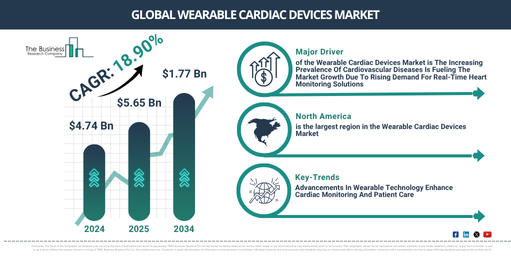
    The wearable cardiac devices market size has seen substantial expansion in recent years. It is projected to increase from $4.74 billion in 2024 to $5.65 billion in 2025, at a compound annual growth rate (CAGR) of 19.3%. The growth observed in the preceding period stems from the rising occurrence of cardiovascular diseases, greater public awareness regarding preventive healthcare, the integration of ECG capabilities into consumer electronics, an increase in the adoption of fitness tracking devices, and a heightened demand for remote patient monitoring solutions.

    The market for wearable cardiac devices is anticipated to experience significant expansion in the upcoming years. This market is projected to reach $11.31 billion by 2029, exhibiting a compound annual growth rate (CAGR) of 18.9%. This projected growth is driven by factors such as the rising uptake of telehealth services, an expanding elderly population, their integration into smartphone health ecosystems, the increasing need for continuous heart health monitoring, and the broader development of telehealth and digital health platforms. Key developments expected during this period involve the miniaturization of cardiac monitoring devices, seamless integration with smartphones and mobile applications, the creation of multi-parameter monitoring wearables, the use of wearable ECG for detecting arrhythmias, and the emergence of subscription models for health monitoring services.

    Unlock Your Free Sample Report for Exclusive Market Data:

    https://www.thebusinessresearchcompany.com/sample.aspx?id=25935&type=smp

    Which Industry Drivers Are Expected To Accelerate The Wearable Cardiac Devices Market From 2025 To 2029?

    The rising occurrence of cardiovascular diseases is projected to boost the expansion of the wearable cardiac devices market in the future. These diseases encompass various conditions impacting the heart and blood vessels, such as coronary artery disease, heart failure, stroke, and hypertension. The growing incidence of cardiovascular diseases is largely associated with several risk factors, notably excessive alcohol consumption, which has the potential to elevate blood pressure, cause irregular heart rhythms, and heighten the likelihood of heart failure and stroke. Wearable cardiac devices facilitate real-time monitoring of heart activity, allowing for prompt detection and management of cardiovascular diseases to avert severe health complications. They achieve this by continuously tracking essential parameters like heart rate, rhythm, and electrical signals, consequently aiding in timely medical interventions and enhancing patient outcomes. For example, data released in December 2023 by the Australian Institute of Health and Welfare, a government agency based in Australia, indicated that doctor-certified deaths from coronary heart disease (CHD) were 14,100 in 2021, increasing to 14,900 in 2022. Consequently, the rising prevalence of cardiovascular diseases is serving as a primary catalyst for the expansion of the wearable cardiac devices market.

    Which Key Segments Fueling The Wearable Cardiac Devices Market?

    The wearable cardiac devices market covered in this report is segmented –

    1) By Product: Holter Monitors, Smartwatches, Patch, Defibrillators, Pulse Oximeters, Other Products

    2) By Application: Arrhythmia Detection, Heart Rate Monitoring, Heart Disease Management

    3) By Distribution Channel: Online, Offline

    4) By End User: Hospitals, Clinics, Individual Consumers, Fitness Centers

    Subsegments:

    1) By Holter Monitors: Single-Channel Holter Monitors, Multi-Channel Holter Monitors, Wireless Holter Monitors

    2) By Smartwatches: Fitness And Wellness Smartwatches, Medical-Grade Smartwatches, Electrocardiogram (ECG)-Enabled Smartwatches

    3) By Patch: Adhesive Cardiac Monitoring Patches, Rechargeable Patch Monitors, Disposable Patch Monitors

    4) By Defibrillators: Wearable Cardioverter Defibrillators (WCDs), Automated External Defibrillators (AEDs) With Wearable Integration

    5) By Pulse Oximeters: Fingertip Wearable Oximeters, Wrist-Worn Oximeters, Ring-Type Oximeters

    6) By Other Products: Chest Straps, Smart Clothing, Portable Electrocardiogram (ECG) Monitors

    What Are The Major Trends Driving The Growth Of The Wearable Cardiac Devices Market?

    Companies specializing in the wearable cardiac device sector are prioritizing the creation of advanced products, like medical-grade smartwatches, to improve continuous heart activity monitoring and enable earlier identification of cardiovascular conditions. Medical-grade smartwatches are innovative wearable gadgets equipped with sophisticated health sensors that adhere to clinical accuracy benchmarks for tracking vital indicators such as heart rate, electrocardiograms (ECG), blood oxygen levels, and sleep patterns. These instruments empower both users and healthcare providers to oversee chronic ailments, detect irregularities promptly, and make well-informed health choices based on real-time information. For instance, in July 2022, Xplore Lifestyle Solutions Pvt Ltd, an Indian manufacturing firm, collaborated with Israel-based CardiacSense to unveil the CardiacSense medical watch, acclaimed as the globe’s inaugural medically-certified smartwatch designed for heart monitoring. This device integrates FDA-cleared photoplethysmography (PPG) and ECG sensors, delivering hospital-grade precision in identifying arrhythmias, atrial fibrillation, and various other cardiac anomalies. Its proprietary algorithms facilitate uninterrupted blood pressure monitoring without requiring calibration, while its sleek, round-the-clock wearable design also features fall detection and emergency SOS notifications.

    Which Major Firms Are Strengthening Their Position In The Wearable Cardiac Devices Industry?

    Major companies operating in the wearable cardiac devices market are Apple Inc., Samsung Electronics Co. Ltd., Abbott Laboratories, Medtronic plc, Garmin Ltd., Masimo Corporation, Nihon Kohden Corporation, iRhythm Technologies Inc., Biofourmis, Bittium Corporation, BPL Medical Technologies Pvt. Ltd., NeuroSky Inc., Bionet Co. Ltd., AliveCor Inc., Qardio Inc., Empatica Inc., VitalConnect Inc., Lifesignals Group, Biotricity Inc., Shimmer Research

    Download The Full Report For Exclusive Market Findings:

    https://www.thebusinessresearchcompany.com/report/wearable-cardiac-devices-global-market-report

    Which Region Is Expected To Witness The Fastest Growth In The Wearable Cardiac Devices Market?

    North America was the largest region in the wearable cardiac devices market in 2024. Asia-Pacific is expected to be the fastest-growing region in the forecast period. The regions covered in the wearable cardiac devices market report are Asia-Pacific, Western Europe, Eastern Europe, North America, South America, Middle East, Africa.

    Request A Customized Version Of The Wearable Cardiac Devices Market Report:

    https://www.thebusinessresearchcompany.com/customise?id=25935&type=smp

    Browse Through More Reports Similar to the Global Wearable Cardiac Devices Market 2025, By The Business Research Company

    Wearable Heart Monitoring Devices Global Market Report 2025

    https://www.thebusinessresearchcompany.com/report/wearable-heart-monitoring-devices-global-market-report

    Cardiac Arrhythmia Monitoring Devices Global Market Report 2025

    https://www.thebusinessresearchcompany.com/report/cardiac-arrhythmia-monitoring-devices-global-market-report

    Wearable Medical Devices Market 2025

    https://www.thebusinessresearchcompany.com/report/wearable-medical-devices-market

    Get in touch with us:

    The Business Research Company: https://www.thebusinessresearchcompany.com/

    Americas +1 310-496-7795

    Asia +44 7882 955267 & +91 8897263534

    Europe +44 7882 955267

    Email us at info@tbrc.info

    Follow us on:

    LinkedIn: https://in.linkedin.com/company/the-business-research-company

    YouTube: https://www.youtube.com/channel/UC24_fI0rV8cR5DxlCpgmyFQ

    Global Market Model: https://www.thebusinessresearchcompany.com/global-market-model
  • Wearable Bioelectronic Skin Patches Market Forecast: What to Expect by 2029

    Wearable Bioelectronic Skin Patches Market Forecast: What to Expect by 2029

    Unlock Global Insights – Save 20% on Market Reports with Code ONLINE20

    What Are The Forecasted Market Size Estimates For The Wearable Bioelectronic Skin Patches Market Between 2025 And 2029?

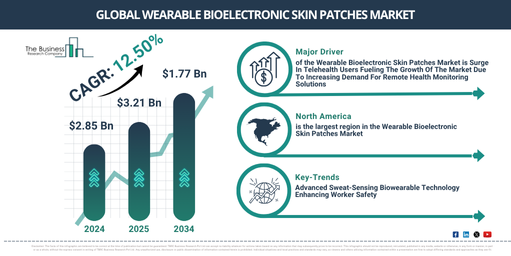
    The wearable bioelectronic skin patch market has seen rapid expansion in recent years. This market is set to increase from $2.85 billion in 2024 to $3.21 billion in 2025, achieving a compound annual growth rate (CAGR) of 12.7%. The historical growth of this market can be attributed to the escalating demand for remote health monitoring, wider adoption of flexible electronics, an increase in chronic disease prevalence, ongoing advancements in sensor technology, and heightened awareness concerning personalized healthcare.

    The wearable bioelectronic skin patch market size is anticipated to experience substantial growth over the next few years. It is projected to expand to $5.15 billion by 2029, achieving a compound annual growth rate (CAGR) of 12.5%. This expansion during the forecast period can be attributed to the increasing integration of artificial intelligence, a growing focus on real-time health analytics, a rising demand for non-invasive monitoring, increased investments in wearable healthcare technology, and the growing adoption of wireless connectivity in patches. Significant trends expected in the forecast period include advancements in flexible and stretchable materials, enhanced biosensor integration, innovations in energy harvesting technologies, the integration of AI and machine learning, and progress in real-time data processing.

    Unlock Your Free Sample Report for Exclusive Market Data:

    https://www.thebusinessresearchcompany.com/sample.aspx?id=25934&type=smp

    What Are The Top Growth Drivers Impacting The Wearable Bioelectronic Skin Patches Market Outlook?

    The increasing adoption of telehealth is projected to fuel the expansion of the wearable bioelectronic skin patches market moving forward. Telehealth users are individuals who access medical services remotely through digital communication tools such as video calls, applications, or phone consultations. The surge in telehealth users is attributed to enhanced convenience, as it enables patients to receive healthcare from their homes without the need for travel. Wearable bioelectronic skin patches support telehealth users by continuously monitoring vital signs and transmitting real-time health data to healthcare providers, which facilitates remote diagnosis, timely interventions, and customized care. For instance, in March 2024, the Department of Health and Aged Care, an Australia-based government department, reported that telehealth usage in 2022–23 was highest among general practitioner (GP) (20%) and allied health (12%), with general practitioner (GP) and non-general practitioner (GP) specialists accounting for 75% and 48% of all video consultations. Consequently, the rising number of telehealth users is propelling the growth of the wearable bioelectronic skin patches market.

    How Is The Wearable Bioelectronic Skin Patches Market Classified Into Different Segments?

    The wearable bioelectronic skin patches market covered in this report is segmented –

    1) By Type: Electrochemical Sensors, Electrocardiogram Sensors, Temperature Sensors, Electromyography Sensors, Other Types

    2) By Application: Fitness And Wellness, Medical Monitoring, Other Applications

    3) By End Use: Hospitals And Clinics, Home Care Settings, Other End Uses

    Subsegments:

    1) By Electrochemical Sensors: Glucose Monitoring Sensors, Lactate Monitoring Sensors, Potential of Hydrogen Sensors, Electrolyte Sensors, Cortisol Detection Sensors

    2) By Electrocardiogram (ECG) Sensors: Single-Lead Electrocardiogram Sensors, Multi-Lead Electrocardiogram Sensors, Dry Electrode Sensors, Wet Electrode Sensors, Wireless Electrocardiogram Patches

    3) By Temperature Sensors: Skin Surface Temperature Sensors, Core Body Temperature Sensors, Infrared Thermography Patches, Thermistor-Based Sensors, Phase Change Material (PCM) Sensors

    4) By Electromyography (EMG) Sensors: Surface Electromyography Patches, Wireless Electromyography Patches, Multi-Channel Electromyography Sensors, Dry Electrode Electromyography Sensors, Textile-Embedded Electromyography Sensors

    5) By Other Types: Optical Sensors, Mechanical Strain Sensors, Hydration Monitoring Sensors, Sweat Rate Sensors, Blood Pressure Sensors

    What Trends Are Expected To Drive The Wearable Bioelectronic Skin Patches Market?

    Leading companies in the wearable bioelectronic skin patches market are concentrating on creating sophisticated technologies, such as multi-sensor sweat-sensing systems. These innovations aim to provide personalized, real-time hydration monitoring and predictive health insights specifically for industrial workers. Such a multi-sensor system combines biosensors to gauge sweat rate, electrolyte loss, skin temperature, and movement, thereby producing immediate data crucial for avoiding dehydration and heat stress. An example of this advancement is Epicore Biosystems, a US-based digital health company, which introduced Connected Hydration, a biowearable patch accompanied by a mobile application, in April 2024. This adaptable, skin-worn device is engineered to monitor sweat volume, electrolyte depletion, body temperature, and movement utilizing numerous biosensors and machine learning algorithms, which were trained on over 420,000 data points. The patch offers instant dehydration warnings via haptic feedback and facilitates tracking of fluid intake through its associated mobile application. It boasts a battery life exceeding 1,000 hours without the need for recharging and adheres to an intrinsically safe design standard (CLASS I, DIV 2). This technological solution significantly aids predictive analytics within challenging work environments.

    Who Are The Primary Competitors In The Global Wearable Bioelectronic Skin Patches Market?

    Major companies operating in the wearable bioelectronic skin patches market are Abbott Laboratories, Medtronic plc, Dexcom Inc., Interuniversity Microelectronics Centre, iRhythm Technologies Inc., Biolinq Inc., Profusa Inc., VitalConnect Inc., Blue Spark Technologies Inc., Epicore Biosystems Inc., BioIntelliSense Inc., Gentag Inc., VivaLNK Inc., PKvitality S.A.S., G-Tech Medical Inc., Biobeat Technologies Ltd., Zansors Inc., Nemaura Medical Inc., QT Medical Inc., Cardiomo Care Inc.

    Download The Full Report For Exclusive Market Findings:

    https://www.thebusinessresearchcompany.com/report/wearable-bioelectronic-skin-patches-global-market-report

    Which Global Regions Are Influencing The Competitive Landscape Of The Wearable Bioelectronic Skin Patches Market?

    North America was the largest region in the wearable bioelectronic skin patches market in 2024. Asia-Pacific is expected to be the fastest-growing region in the forecast period. The regions covered in the wearable bioelectronic skin patches market report are Asia-Pacific, Western Europe, Eastern Europe, North America, South America, Middle East, Africa.

    Request A Customized Version Of The Wearable Bioelectronic Skin Patches Market Report:

    https://www.thebusinessresearchcompany.com/customise?id=25934&type=smp

    Browse Through More Reports Similar to the Global Wearable Bioelectronic Skin Patches Market 2025, By The Business Research Company

    Electronic Skin Patch Global Market Report 2025

    https://www.thebusinessresearchcompany.com/report/electronic-skin-patch-global-market-report

    Transdermal Skin Patche Global Market Report 2025

    https://www.thebusinessresearchcompany.com/report/transdermal-skin-patche-global-market-report

    Skin Care Devices Global Market Report 2025

    https://www.thebusinessresearchcompany.com/report/skin-care-devices-global-market-report

    Get in touch with us:

    The Business Research Company: https://www.thebusinessresearchcompany.com/

    Americas +1 310-496-7795

    Asia +44 7882 955267 & +91 8897263534

    Europe +44 7882 955267

    Email us at info@tbrc.info

    Follow us on:

    LinkedIn: https://in.linkedin.com/company/the-business-research-company

    YouTube: https://www.youtube.com/channel/UC24_fI0rV8cR5DxlCpgmyFQ

    Global Market Model: https://www.thebusinessresearchcompany.com/global-market-model
  • Water For Injection Industry Insights: Market Forecast to 2029

    Water For Injection Industry Insights: Market Forecast to 2029

    Unlock Global Insights – Save 20% on Market Reports with Code ONLINE20

    How Is The Water For Injection Market Size Likely To Evolve From 2025 Through 2034?

    The market for water for injection has experienced robust expansion over recent years. Projections indicate it will expand from $27.79 billion in 2024 to $30.45 billion in 2025, demonstrating a compound annual growth rate (CAGR) of 9.6%. Historically, this growth has stemmed from factors such as increasing demand for parenteral drugs, the stricter global implementation of GMP standards, a surge in biologics production, the rise of contract manufacturing, an increase in hospital-based manufacturing activities, and the growing adoption of aseptic packaging.

    The market for water for injection is anticipated to experience substantial expansion over the upcoming years. By 2029, this market is projected to reach $43.60 billion, demonstrating a compound annual growth rate (CAGR) of 9.4%. This projected growth throughout the forecast period stems from factors such as an increase in regulatory approvals for non-distillation approaches, expanding biopharmaceutical production in developing regions, a heightened need for quickly deployable plug-and-play water solutions, growing requirements from advanced therapy medicinal products, and the emergence of personalized medicine. Key developments expected during this period involve breakthroughs in decentralized generation systems, the implementation of IoT-enabled water for injection systems, the application of artificial intelligence and machine learning in water for injection production, the integrated use of vapor compression distillation, and the embrace of novel technologies.

    Unlock Your Free Sample Report for Exclusive Market Data:

    https://www.thebusinessresearchcompany.com/sample.aspx?id=25933&type=smp

    Which Major Market Drivers Are Shaping The Future Of The Water For Injection Market?

    The expanding incidence of diabetes is projected to drive the future growth of the water for injection market. Diabetes is defined as a chronic medical condition where the body struggles to effectively regulate blood sugar (glucose) levels, either due to insufficient insulin production or its ineffective use. The rising occurrence of diabetes is largely attributed to increasing global rates of obesity, as excess body fat interferes with the body’s ability to use insulin efficiently, leading to impaired blood sugar management and a heightened risk of developing the disease. Water for injection is commonly employed in diabetes management to reconstitute or dilute injectable medications such as insulin, ensuring these drugs are administered in a sterile and safe manner to maintain their effectiveness and prevent infections. For example, in February 2025, according to the Health Professional Academy, a UK-based personalized health professional learning platform, the number of people diagnosed with diabetes in the UK reached a record 4.6 million, an increase from 4.4 million the previous year. Consequently, the increasing prevalence of diabetes is propelling the growth of the water for injection market.

    What Are The Major Segments Identified In The Water For Injection Market?

    The water for injection market covered in this report is segmented –

    1) By Type: Single-Distilled Water For Injection, Double-Distilled Water For Injection, Sterile Water For Injection, Purified Water For Injection

    2) By Packaging: Vial And Ampule, Bottle, Drums And Bulk Container, Other Packaging

    3) By Production Technology: Distillation, Membrane Based Reverse Osmosis

    4) By Applications: Solvents And Diluents, Culture Media, Equipment Cleaning, Other Applications

    5) By End User: Pharmaceutical And Biotechnology Companies , Hospitals And Other Healthcare Facilities, Contract Research And Manufacturing Organizations, Other End Users

    Subsegments:

    1) By Single-Distilled Water For Injection: Glass Ampoules, Plastic Vials, Bulk Packaging For Manufacturing Use, Laboratory Use Packaging

    2) By Double-Distilled Water For Injection: Pharmaceutical Manufacturing, Biotechnology Applications, Injectable Formulation Processing, Analytical Testing Laboratories

    3) By Sterile Water For Injection: Prefilled Syringes, IV Infusion Bags, Vials For Reconstitution, Inhalation And Irrigation Uses

    4) By Purified Water For Injection: Bulk Supply For Pharmaceutical Manufacturing, Custom Formulations, Equipment Cleaning And Preparation, Research And Laboratory Use

    Which Trends Are Impacting The Water For Injection Market?

    Major companies within the water for injection market are concentrating on developing technologically advanced solutions, such as cold water for injection technology, aiming to reduce energy consumption and operational costs while maintaining compliance with regulatory standards. Cold water for injection technology involves producing water for injection through membrane-based purification methods at ambient temperatures, eliminating the need for distillation while still ensuring adherence to pharmacopeial standards. For example, in December 2024, CN Water Systems Pvt. Ltd., an India-based pharmaceutical company, introduced its innovative OSMOTRON Cold/Ambient Water for Injection (WFI) technology. This technology significantly decreases energy consumption and operational costs when compared to traditional distillation methods. It enables the direct generation of WFI from potable water without requiring water softening or dechlorination, by utilizing a triple-membrane barrier for improved safety and efficiency.

    Which Key Market Players Are Investing In Expansion And Innovation Of Water For Injection Market?

    Major companies operating in the water for injection market are Pfizer Inc., Veolia Water Technologies Inc., Thermo Fisher Scientific Inc., GlaxoSmithKline plc, Eli Lilly and Co., Boehringer Ingelheim, Amgen Inc., Merck KGaA, Fresenius SE and Co. KGaA, Asahi Kasei Medical Co. Ltd., Sandoz International GmbH, Baxter International Inc., B. Braun Melsungen AG, Lonza Group AG, Apotex Inc., BWT AG, Sartorius AG, Wuxi Biologics Cayman Inc., ICU Medical Inc., Evoqua Water Technologies, Cambrex Corporation.

    Download The Full Report For Exclusive Market Findings:

    https://www.thebusinessresearchcompany.com/report/water-for-injection-global-market-report

    What Are The Regional Market Dynamics Impacting The Water For Injection Industry?

    North America was the largest region in the water for injection market in 2024. Asia-Pacific is expected to be the fastest-growing region in the forecast period. The regions covered in the water for injection market report are Asia-Pacific, Western Europe, Eastern Europe, North America, South America, Middle East, Africa.

    Request A Customized Version Of The Water For Injection Market Report:

    https://www.thebusinessresearchcompany.com/customise?id=25933&type=smp

    Browse Through More Reports Similar to the Global Water For Injection Market 2025, By The Business Research Company

    Injection Pen Global Market Report 2025

    https://www.thebusinessresearchcompany.com/report/injection-pen-global-market-report

    Self Injections Global Market Report 2025

    https://www.thebusinessresearchcompany.com/report/self-injections-global-market-report

    Injectable Drug Delivery Devices Global Market Report 2025

    https://www.thebusinessresearchcompany.com/report/injectable-drug-delivery-devices-global-market-report

    Get in touch with us:

    The Business Research Company: https://www.thebusinessresearchcompany.com/

    Americas +1 310-496-7795

    Asia +44 7882 955267 & +91 8897263534

    Europe +44 7882 955267

    Email us at info@tbrc.info

    Follow us on:

    LinkedIn: https://in.linkedin.com/company/the-business-research-company

    YouTube: https://www.youtube.com/channel/UC24_fI0rV8cR5DxlCpgmyFQ

    Global Market Model: https://www.thebusinessresearchcompany.com/global-market-model

  • Visual Impairment Market Size and Growth Forecast for Businesses 2025–2029

    Visual Impairment Market Size and Growth Forecast for Businesses 2025–2029

    Unlock Global Insights – Save 20% on Market Reports with Code ONLINE20

    What Are The Growth Projections For The Visual Impairment Market Size During 2025–2029?

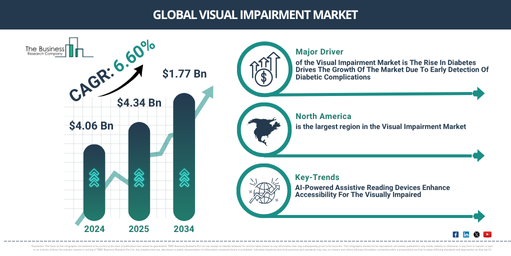
    The visual impairment market size has experienced significant growth in recent years. It is anticipated to increase from $4.06 billion in 2024 to $4.34 billion in 2025, exhibiting a compound annual growth rate (CAGR) of 6.8%. This historical expansion can be linked to the rising prevalence of age-related eye disorders, the increasing incidence of diabetic retinopathy among aging populations, the global surge in cases of glaucoma and macular degeneration, the wider implementation of vision screening programs in schools, and the growing number of occupational eye injuries in industrial sectors.

    The visual impairment market size is projected to experience substantial growth in the coming years, anticipated to reach $5.60 billion by 2029, exhibiting a compound annual growth rate (CAGR) of 6.6%. This expansion during the forecast period can be attributed to factors such as an expanding elderly demographic facing vision deterioration risks, increasing demand for electronic visual aids designed for low vision, greater healthcare investments in developing economies, a rising incidence of myopia among children and adolescents, and the wider availability of wearable vision enhancement devices. Key trends anticipated during this period include the development of multilingual voice assistants, creation of mobile-based navigation applications, incorporation of haptic feedback systems, integration of machine learning algorithms, and advancements in voice-activated devices.

    Unlock Your Free Sample Report for Exclusive Market Data:

    https://www.thebusinessresearchcompany.com/sample.aspx?id=25932&type=smp

    What Are The Main Drivers Boosting The Visual Impairment Industry’s Expansion?

    The increasing occurrence of diabetes is anticipated to fuel the expansion of the visual impairment market in the future. Diabetes is defined as a persistent metabolic condition marked by elevated blood sugar levels, stemming from deficiencies in either insulin production, insulin function, or both. This increase in diabetes cases is largely attributed to unhealthy lifestyle choices, including inadequate nutrition, lack of physical activity, and heightened stress, all of which lead to obesity and resistance to insulin. The presence of visual impairment can signal early complications associated with diabetes, thereby encouraging prompt diagnosis and treatment to avert additional health problems, particularly since conditions like diabetic retinopathy frequently manifest prior to other observable symptoms, enabling earlier medical intervention and improved management of the disease. For example, data from Diabetes UK, a British Diabetic Association based in the UK, indicated that in April 2023, 4.3 million individuals in the UK were living with a diagnosed case of diabetes, representing an increase of nearly 149,000 from the preceding year. Furthermore, over 2.4 million people across the nation are presently recognized as having a high risk of developing type 2 diabetes. Consequently, the increasing prevalence of diabetes is propelling the expansion of the visual impairment market.

    What Are The Emerging Segments Gaining Attention In The Visual Impairment Market?

    The visual impairment market covered in this report is segmented –

    1) By Type: Educational Devices And Software, Mobility Devices, Low Vision Devices, Other Types

    2) By Product Type: Assistive Technologies, Optical Devices, Non-Optical Devices, Other Product Types

    3) By Application: Blind Schools, Enterprises And Social Organizations, Personal Use, Hospitals, Other Applications

    4) By Distribution Channel: Online Stores, Specialty Stores, Retail Pharmacies, Other Distribution Channel

    Subsegments:

    1) By Educational Devices And Software: Screen Readers, Braille Displays, Braille Notetakers, Accessible Learning Platforms, Tactile Graphics Tools

    2) By Mobility Devices: White Canes, Smart Canes, Guide Robots, Wearable Mobility Assistants, Electronic Travel Aids

    3) By Low Vision Devices: Optical Magnifiers, Video Magnifiers, Screen Magnification Software, Telescopic Glasses, Wearable Low Vision Glasses

    4) By Other Types: Smart Home Assistive Devices, Voice-Activated Assistants, Vision Therapy Tools, Accessibility Apps, Braille Printers And Embossers

    What Long-Term Trends Will Shape The Future Growth Of The Visual Impairment Industry?

    Leading companies in the visual impairment market are concentrating on creating innovative solutions, including artificial intelligence-powered assistive reading devices, to improve reading accessibility and foster independence for visually impaired individuals. Artificial intelligence-powered assistive reading devices are intelligent tools that utilize AI technologies like text recognition and speech synthesis to enable people with visual impairments to have printed or digital text read aloud. For instance, in August 2023, OrCam Technologies Ltd., an Israel-based assistive technology company, introduced the OrCam Read 3, an all-in-one device crafted to assist individuals experiencing vision loss or reading fatigue. This advanced tool promptly reads aloud printed, handwritten, and digital text, recognizes faces, and scans barcodes, thereby granting users greater autonomy. It also functions as a smart magnifier and a stationary reader, incorporating advanced functionalities such as text summarization, intelligent navigation, and hands-free operation for a seamless and thorough reading experience.

    Who Are The Core Companies Influencing The Visual Impairment Market Landscape?

    Major companies operating in the visual impairment market are Eschenbach Optik GmbH, OrCam Technologies Ltd., NV Access Limited, Vispero Holdings Inc., HumanWare Group Inc., Freedom Scientific Inc., Aira Tech Corp., Enhanced Vision Systems Inc., MeiraGTx Holdings plc, Dolphin Computer Access Ltd., IrisVision Global Inc., Zoomax Technology Co. Limited, Ablenet Inc., HIMS Inc., Sight and Sound Technology, Bionic Vision Technologies Pty Ltd, Optelec U.S. Inc., Pixium-Vision, Low Vision International AB, Envision Technologies B.V.

    Download The Full Report For Exclusive Market Findings:

    https://www.thebusinessresearchcompany.com/report/visual-impairment-global-market-report

    Which Region Shows The Highest Potential For Future Expansion In The Visual Impairment Market?

    North America was the largest region in the visual impairment market in 2024. Asia-Pacific is expected to be the fastest-growing region in the forecast period. The regions covered in the visual impairment market report are Asia-Pacific, Western Europe, Eastern Europe, North America, South America, Middle East, Africa.

    Request A Customized Version Of The Visual Impairment Market Report:

    https://www.thebusinessresearchcompany.com/customise?id=25932&type=smp

    Browse Through More Reports Similar to the Global Visual Impairment Market 2025, By The Business Research Company

    Speech Impairment Global Market Report 2025

    https://www.thebusinessresearchcompany.com/report/speech-impairment-global-market-report

    Assistive Technologies For Visually Impaired Global Market Report 2025

    https://www.thebusinessresearchcompany.com/report/assistive-technologies-for-visually-impaired-global-market-report

    Night Blindness Treatment Global Market Report 2025

    https://www.thebusinessresearchcompany.com/report/night-blindness-treatment-global-market-report

    Get in touch with us:

    The Business Research Company: https://www.thebusinessresearchcompany.com/

    Americas +1 310-496-7795

    Asia +44 7882 955267 & +91 8897263534

    Europe +44 7882 955267

    Email us at info@tbrc.info

    Follow us on:

    LinkedIn: https://in.linkedin.com/company/the-business-research-company

    YouTube: https://www.youtube.com/channel/UC24_fI0rV8cR5DxlCpgmyFQ

    Global Market Model: https://www.thebusinessresearchcompany.com/global-market-model

  • Global Vision Impairment Devices Market Overview: Trends Shaping Growth to 2029

    Global Vision Impairment Devices Market Overview: Trends Shaping Growth to 2029

    Unlock Global Insights – Save 20% on Market Reports with Code ONLINE20

    What Is The Global Market Value Of The Vision Impairment Devices Industry In 2025?

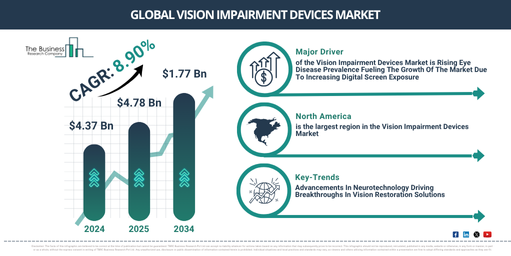
    The market for vision impairment devices has experienced substantial growth in recent years. This market is projected to expand from $4.37 billion in 2024 to $4.78 billion in 2025, demonstrating a compound annual growth rate (CAGR) of 9.2%. Historically, this expansion has been driven by factors such as government investment in assistive technology development, backing from insurance and reimbursement systems for low-vision assistance, an increase in healthcare infrastructure and expenditure, the incorporation of vision aids into public health initiatives and disability schemes, and international conventions on disability rights promoting advancements.

    The vision impairment devices market is projected to experience substantial expansion over the upcoming years. It is anticipated to reach a valuation of $6.71 billion by 2029, demonstrating a compound annual growth rate (CAGR) of 8.9%. This anticipated growth during the forecast period stems from several factors, including an increased desire for independent living among individuals with visual impairments, a growing preference among consumers for non-invasive assistive solutions, greater adoption of assistive wearables by younger demographics, the ability to customize and personalize devices for enhanced user comfort, and the broadening reach of e-commerce platforms for assistive technology. Key developments expected in this period encompass the creation of AI-powered visual aids, an uptick in wearable vision enhancement technologies, the integration of augmented reality (AR) and virtual reality (VR) into vision devices, advancements in portable optical character recognition (OCR) tools, and enhancements in mobile application-based assistive technologies.

    Unlock Your Free Sample Report for Exclusive Market Data:

    https://www.thebusinessresearchcompany.com/sample.aspx?id=25931&type=smp

    Which Factors And Drivers Are Influencing The Vision Impairment Devices Market In 2025?

    The increasing occurrence of eye conditions is expected to drive expansion in the vision impairment devices market over the foreseeable future. These diseases are medical conditions that interfere with the eye’s typical operation or structure, potentially leading to partial or total vision loss if left unaddressed. The surge in eye diseases stems from extended screen use on digital devices, resulting in sustained eye strain and accelerating the onset of issues like myopia and digital eye fatigue, especially among younger demographics. Vision impairment devices empower individuals suffering from eye diseases by boosting accessibility, enhancing day-to-day functionality, and fostering increased independence through sophisticated assistive technologies. A concrete example highlights this: In August 2024, a report from the World Health Organization, an intergovernmental body based in Switzerland, projected that the population affected by presbyopia would climb to 2.1 billion by 2030, and instances of myopia are predicted to rise to approximately 3.36 billion globally. Consequently, the growing incidence of eye conditions will stimulate the expansion of the vision impairment devices market.

    What Are The Major Segment Types Covered In The Vision Impairment Devices Market?

    The vision impairment devices market covered in this report is segmented –

    1) By Product Type: Educational Devices And Software, Mobility Devices, Low Vision Devices, Other Product Types

    2) By Distribution Channel: Online Retail, Offline Retail, Direct Sales, Pharmacies And Optical Stores

    3) By End-User: Blind Schools Or Educational Institutions, Enterprises And Social Organizations, Personal Use Or Individuals, Hospitals And Federations, Other End-Users

    Subsegments:

    1) By Educational Devices And Software: Screen Readers, Magnifying Software, Braille Translators, Educational Apps For Visually Impaired

    2) By Mobility Devices: Smart Canes, GPS-Based Navigation Aids, Electronic Travel Aids, Wearable Mobility Trackers

    3) By Low Vision Devices: Video Magnifiers, Telescopic Glasses, Magnifying Lenses, Text-To-Speech Devices

    4) By Other Product Types: Smart Glasses, Braille Watches, Accessible Home Devices, Tactile Displays

    Which Market Trends Are Creating New Opportunities In The Vision Impairment Devices Industry?

    Leading companies within the vision impairment devices market are concentrating on developing advanced solutions, such as microelectrode arrays, to achieve minimal invasiveness. Microelectrode arrays are compact devices equipped with numerous microscopic electrodes designed to detect or transmit electrical signals within neural or cellular networks with precise spatial resolution. For example, in September 2024, Neuralink, a US-based neurotechnology company, announced that its surgically placed device, Blindsight, had received U.S. Food and Drug Administration approval, aiming to help individuals who have lost their sight regain visual perception. Blindsight implants operate by inserting a microelectrode array into the brain’s visual cortex, thereby stimulating neurons essential for visual processing. This enables the brain to generate visual sensations without dependence on the eyes or optic nerves. A significant feature of this device is its ability to assist individuals who are completely blind or have non-functioning optic nerves, provided their visual cortex is intact. It may even facilitate visual perception for those who have never possessed sight since birth.

    Which Major Industry Participants Are Leading The Vision Impairment Devices Market Growth?

    Major companies operating in the vision impairment devices market are Carl Zeiss Meditec AG, Amedia, HumanWare Ltd., Freedom Scientific Inc., NeoLight, Dolphin Computer Access Ltd., Access Ingenuity, Adaptica SRL, Ambutech Inc., American Thermoform Corp., Analab Scientific Inst Pvt. Ltd., Biotech Healthcare Ltd., Carroll Store, En-Vision America Inc., LVI Low Vision International, NIDEK CO. LTD., Ocutech Inc., Beyond Sight, Blaxall Optics Ltd., Telesensory Corporation

    Download The Full Report For Exclusive Market Findings:

    https://www.thebusinessresearchcompany.com/report/vision-impairment-devices-global-market-report

    How Is Vision Impairment Devices Market Demand Varying Across Different Regions?

    North America was the largest region in the vision impairment devices market in 2024. Asia-Pacific is expected to be the fastest-growing region in the forecast period. The regions covered in the vision impairment devices market report are Asia-Pacific, Western Europe, Eastern Europe, North America, South America, Middle East, Africa.

    Request A Customized Version Of The Vision Impairment Devices Market Report:

    https://www.thebusinessresearchcompany.com/customise?id=25931&type=smp

    Browse Through More Reports Similar to the Global Vision Impairment Devices Market 2025, By The Business Research Company

    Vision Care Devices And Equipment Global Market Report 2025

    https://www.thebusinessresearchcompany.com/report/vision-care-devices-and-equipment-global-market-report

    Night Vision Devices Global Market Report 2025

    https://www.thebusinessresearchcompany.com/report/night-vision-devices-global-market-report

    Assistive Technologies For Visually Impaired Global Market Report 2025

    https://www.thebusinessresearchcompany.com/report/assistive-technologies-for-visually-impaired-global-market-report

    Get in touch with us:

    The Business Research Company: https://www.thebusinessresearchcompany.com/

    Americas +1 310-496-7795

    Asia +44 7882 955267 & +91 8897263534

    Europe +44 7882 955267

    Email us at info@tbrc.info

    Follow us on:

    LinkedIn: https://in.linkedin.com/company/the-business-research-company

    YouTube: https://www.youtube.com/channel/UC24_fI0rV8cR5DxlCpgmyFQ

    Global Market Model: https://www.thebusinessresearchcompany.com/global-market-model