Blog

  • Global Soft Contact Lenses Industry Trends: Where the Market Is Headed by 2029

    Global Soft Contact Lenses Industry Trends: Where the Market Is Headed by 2029

    Unlock Global Insights – Save 20% on Market Reports with Code ONLINE20

    How Much Larger Is The Soft Contact Lenses Market Expected To Become By 2029 Compared With Its 2025 Level?

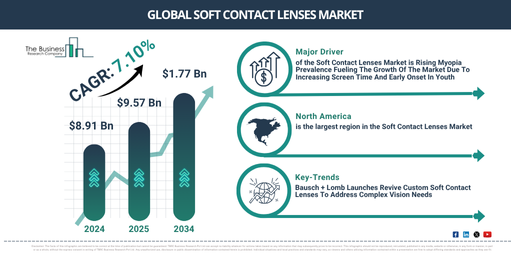
    The market size for soft contact lenses has demonstrated substantial growth in recent years. It is anticipated to increase from $8.91 billion in 2024 to $9.57 billion in 2025, achieving a compound annual growth rate (CAGR) of 7.4%. The historical expansion of this market can be attributed to several factors, including the increasing occurrence of refractive vision disorders, a growing inclination towards aesthetics rather than spectacles, increased engagement in sports and outdoor activities, wider availability of contact lenses through retail channels, and an uptick in disposable income and healthcare spending.

    The soft contact lenses market is projected to experience substantial expansion in the coming years. This market is anticipated to reach $12.61 billion by 2029, exhibiting a compound annual growth rate (CAGR) of 7.1%. Key factors contributing to this growth during the forecast period include increased digital screen exposure, an expanding elderly demographic experiencing presbyopia, a surge in demand for daily disposable lenses, the broadening of online direct-to-consumer sales platforms, and heightened public awareness regarding eye health. Significant trends identified for the forecast period encompass technological progress in lens materials, breakthroughs in drug delivery systems and therapeutic lenses, extensive research and development efforts in multifocal and toric lens designs, the integration of smart contact lens technologies, and a focus on sustainable practices for lens packaging and manufacturing.

    Unlock Your Free Sample Report for Exclusive Market Data:

    https://www.thebusinessresearchcompany.com/sample.aspx?id=25908&type=smp

    What Are The Key Drivers Of Growth In The Soft Contact Lenses Market?

    The rising incidence of myopia is anticipated to fuel the expansion of the soft contact lenses market moving forward. Myopia is defined as a common refractive error where distant objects appear blurry, while close objects are seen clearly, typically due to an elongated eyeball or excessive corneal curvature causing light to focus in front of the retina instead of directly on it. The increasing occurrence of myopia stems from the prolonged use of digital screens among children and adolescents, as heightened screen time and reduced outdoor activities contribute to its earlier onset and faster progression globally. Soft contact lenses help address myopia by providing comfortable, corrective options, including daily and extended-wear lenses that improve visual acuity and can incorporate advanced designs to slow myopic progression. For instance, in February 2025, the National Institutes of Health (NIH), a US-based government agency, projected that the global prevalence of myopia would climb to 36.59% by 2040 and 39.80% by 2050, with the overall number of cases expected to surpass 740 million by 2050. Consequently, the growing prevalence of myopia is driving the growth of the soft contact lenses market.

    What Are The Emerging Segments Gaining Attention In The Soft Contact Lenses Market?

    The soft contact lenses market covered in this report is segmented –

    1) By Product Type: Daily Disposable Lenses, Extended Wear Lenses, Frequent Replacement Lenses, Multifocal Lenses, Toric Lenses For Astigmatism

    2) By Material Composition: Hydrogel Lenses, Silicone Hydrogel Lenses, Polyhema Lenses, Non-Ionogenic Lenses, Ultraviolet Blocking Lenses

    3) By Age Group: Children, Teenagers, Young Adults, Middle Aged Adults, Senior Citizens

    4) By Distribution Channel: Online Retailers, Optical Stores, Pharmacies, Hospital And Clinic Sales, Direct To Consumer Brands

    5) By Application: Corrective, Therapeutic, Cosmetic, Prosthetic, Lifestyle Oriented

    Subsegments:

    1) By Daily Disposable Lenses: Single Vision Daily Disposable Lenses, Multifocal Daily Disposable Lenses, Toric Daily Disposable Lenses For Astigmatism, Colored Daily Disposable Lenses, Ultraviolet Blocking Daily Disposable Lenses

    2) By Extended Wear Lenses: Seven Day Continuous Wear Lenses, Fourteen Day Continuous Wear Lenses, Thirty Day Continuous Wear Lenses, Silicone Hydrogel Extended Wear Lenses, Overnight Therapeutic Extended Wear Lenses

    3) By Frequent Replacement Lenses: Two Week Replacement Contact Lenses, Monthly Replacement Contact Lenses, Custom Designed Replacement Lenses, Colored Frequent Replacement Lenses, Hydrogel Based Frequent Replacement Lenses

    4) By Multifocal Lenses: Daily Disposable Multifocal Contact Lenses, Extended Wear Multifocal Contact Lenses, Monthly Replacement Multifocal Lenses, Toric Multifocal Contact Lenses For Astigmatism, Aspheric Multifocal Contact Lenses

    5) By Toric Lenses For Astigmatism: Daily Disposable Toric Contact Lenses, Extended Wear Toric Contact Lenses, Monthly Replacement Toric Contact Lenses, Multifocal Toric Contact Lenses, Custom Fit Toric Contact Lenses

    What Trends Are Expected To Drive The Soft Contact Lenses Market?

    Leading companies within the soft contact lenses market are concentrating on introducing innovative solutions, such as customizable contact lenses, to improve visual correction, enhance wearer comfort, and cater to individuals with specific eye conditions or prescriptions. Customizable contact lenses are defined as lenses precisely engineered to an individual’s distinct eye shape, prescription, and vision requirements. These lenses can be modified for characteristics like curvature, diameter, material, and optical correction, thereby delivering superior comfort, fit, and visual performance compared to standard options. For example, in June 2022, Bausch + Lomb, a US-based eye health company, launched Revive custom soft contact lenses, a new range of highly adaptable lenses available in spherical, toric, multifocal, and multifocal toric configurations. These lenses are designed to address the vision requirements of a wider spectrum of patients, including those with high or unusual prescriptions such as high myopia, astigmatism, hyperopia, and presbyopia. Manufactured from a non-ionic material that resists protein deposits, Revive lenses can be worn daily for up to three months and offer flexible replacement schedules. The lenses incorporate adjustable parameters like diameter, base curve, and power to ensure an optimal fit, supported by Bausch + Lomb’s 120-day EZ-Exchange program and professional fitting assistance, empowering eye care professionals to better serve patients with challenging vision needs.

    Which Leading Players Are Enhancing Their Soft Contact Lenses Market Presence Worldwide?

    Major companies operating in the soft contact lenses market are Johnson & Johnson, EssilorLuxottica SA, Alcon Laboratories Inc., Hoya Corporation, Bausch & Lomb Incorporated, The Cooper Companies Inc., Carl Zeiss Meditec AG, Polytouch Contact Lens Co., Menicon Co. Ltd., ABB Optical Group LLC, Contamac Ltd., Art Optical Contact Lens Inc., Clearlab SG Pte Ltd., X-Cel Specialty Contacts, Daysoft Limited, Seed Co. Ltd., Blanchard Contact Lens Inc., Cantor & Nissel Ltd., Metro Optics Inc., SpecialEyes LLC, TruForm Optics Inc., UltraVision CLPL Limited, Viscon Contact Lens Mfg. Ltd.

    Download The Full Report For Exclusive Market Findings:

    https://www.thebusinessresearchcompany.com/report/soft-contact-lenses-global-market-report

    Which Global Regions Are Influencing The Competitive Landscape Of The Soft Contact Lenses Market?

    North America was the largest region in the soft contact lenses market in 2024. Asia-Pacific is expected to be the fastest-growing region in the forecast period. The regions covered in the soft contact lenses market report are Asia-Pacific, Western Europe, Eastern Europe, North America, South America, Middle East, Africa.

    Request A Customized Version Of The Soft Contact Lenses Market Report:

    https://www.thebusinessresearchcompany.com/customise?id=25908&type=smp

    Browse Through More Reports Similar to the Global Soft Contact Lenses Market 2025, By The Business Research Company

    Contact Lenses Global Market Report 2025

    https://www.thebusinessresearchcompany.com/report/contact-lenses-global-market-report

    Smart Contact Lenses Global Market Report 2025

    https://www.thebusinessresearchcompany.com/report/smart-contact-lenses-global-market-report

    Bionic Contact Lenses Global Market Report 2025

    https://www.thebusinessresearchcompany.com/report/bionic-contact-lenses-global-market-report

    Get in touch with us:

    The Business Research Company: https://www.thebusinessresearchcompany.com/

    Americas +1 310-496-7795

    Asia +44 7882 955267 & +91 8897263534

    Europe +44 7882 955267

    Email us at info@tbrc.info

    Follow us on:

    LinkedIn: https://in.linkedin.com/company/the-business-research-company

    YouTube: https://www.youtube.com/channel/UC24_fI0rV8cR5DxlCpgmyFQ

    Global Market Model: https://www.thebusinessresearchcompany.com/global-market-model

  • Antimicrobial Resistance Surveillance Industry Insights: Market Forecast to 2029

    Antimicrobial Resistance Surveillance Industry Insights: Market Forecast to 2029

    Unlock Global Insights – Save 20% on Market Reports with Code ONLINE20

    How Much Larger Is The Antimicrobial Resistance Surveillance Market Expected To Become By 2029 Compared With Its 2025 Level?

    The scope of the antimicrobial resistance surveillance market has seen significant expansion lately, projected to increase from a value of $6.77 billion in the year 2024 to $7.3 billion in 2025, reflecting a consistent compound annual growth rate of 7.9%; this robust upward trend during the past period stems from several key factors, including expanding antibiotic application within the agricultural sector, the frequent dispensing of antibiotics within medical settings, insufficient availability of diagnostic tools, inadequate maintenance of hygiene and infection management protocols, and the widespread interconnectedness fostered by international movement and commerce.

    Forecasting robust expansion, the market tracking antimicrobial resistance surveillance is projected to achieve a valuation of $10.05 billion by 2029, demonstrating a steady compound annual growth rate of 8.3% throughout the upcoming years. This upward trajectory is fueled by several key factors, notably the heightened global consciousness regarding antimicrobial resistance, technological leaps in diagnostic methods, amplified governmental support and financial investment, the escalating incidence of infections acquired in healthcare settings, and ongoing efforts in discovering novel antibiotics alongside alternative treatments. Within this same timeframe, significant market trends are anticipated to encompass the utilization of artificial intelligence techniques for sophisticated data interpretation, the deployment of next-generation sequencing platforms, the establishment of monitoring systems capable of real-time feedback, the broader adoption of molecular diagnostic instruments, and the leveraging of big data combined with machine learning capabilities to develop predictive models.

    Unlock Your Free Sample Report for Exclusive Market Data:

    https://www.thebusinessresearchcompany.com/sample.aspx?id=21100&type=smp

    Which Major Market Drivers Are Shaping The Future Of The Antimicrobial Resistance Surveillance Market?

    Anticipated expansion in the antimicrobial resistance surveillance market is fueled by the growing incidence of contagious ailments in the future. These contagious ailments arise from detrimental microscopic organisms like bacteria, viruses, molds, or protozoa that possess the capacity to transmit between people either directly or indirectly. A surge in the frequency of these infectious sicknesses stems from elements such as shifts in weather patterns, the movement of populations into cities, and international transit, all of which facilitate the dispersal of disease-causing agents and increase human contact with novel microbes. Monitoring antimicrobial resistance is vital for tracing the propagation of resistant strains, thereby shaping successful treatment regimens and furnishing the necessary data for health authorities to implement measures against outbreaks of infectious disease. As an illustration, data released in February 2024 by the UK Health Security Agency, a governmental body in the United Kingdom, indicated that cases of tuberculosis (TB) within England saw a rise of 10.7% throughout 2023, reaching 4,850 reported instances, up from 4,380 the previous year, 2022. Consequently, the escalating rate of infectious disease occurrence is the impetus behind the market growth for antimicrobial resistance surveillance.

    How Is The Antimicrobial Resistance Surveillance Market Segmented?

    The antimicrobial resistance surveillancemarket covered in this report is segmented –

    1) By Solution: Diagnostic Kits, Diagnostic Systems, Surveillance Software, Services

    2) By Application: Clinical Diagnostics, Public Health Surveillance, Other Applications

    3) By End User: Hospitals And Clinics, Research And Academic Institutes, Other End Users

    Subsegments:

    1) By Diagnostic Kits: PCR-Based Kits, Immunoassay Kits, Lateral Flow Assay Kits

    2) By Diagnostic Systems: Automated Susceptibility Testing Systems, Whole Genome Sequencing (WGS) Systems, Mass Spectrometry-Based Systems

    3) By Surveillance Software: Cloud-Based Surveillance Platforms, AI-Powered Data Analytics Tools, Electronic Health Record (EHR)-Integrated Systems

    4) By Services: Laboratory Testing Services, Data Management & Reporting Services, Consultation & Training Services

    What Long-Term Trends Will Shape The Future Growth Of The Antimicrobial Resistance Surveillance Industry?

    Leading firms within this sector are heavily invested in developing novel technological solutions, including advanced diagnostic instruments, with the aims of optimizing operational workflows, boosting overall performance, ensuring greater precision, lowering expenditures, and ultimately achieving superior results for both healthcare recipients and those utilizing the products. Speaking to the definition, a diagnostic tool encompasses any apparatus, application, hardware, or procedure employed to pinpoint, discover, or evaluate the existence of an ailment, sickness, operational failure, or specific problem. To offer a concrete illustration, in June of 2023, Sysmex Astrego AB, a Swedish entity specializing in the production and provision of diagnostic service offerings, unveiled the PA-100 AST Point-of-Care Testing System. This apparatus facilitates the swift and precise identification of microbial resistance right where care is administered, presenting a dramatic time saving when contrasted with conventional lab procedures that might necessitate days. Delivering findings within a mere half-hour empowers medical practitioners to enact prompt, data-driven choices regarding suitable infection therapies, thereby lessening the dependence on widespread antibiotic prescriptions and aiding the fight against the propagation of resistance to antimicrobials.

    Who Are The Key Multinational Companies Dominating The Antimicrobial Resistance Surveillance Market?

    Major companies operating in the antimicrobial resistance surveillance market are Roche Diagnostics, Thermo Fisher Scientific Inc., Abbott Laboratories, Danaher Corporation, Becton, Dickinson and Company, Viatris Inc., Wolters Kluwer NV, Hologic Inc., Biomerieux SA, Bio-Rad Laboratories Inc., Bruker Corporation, Qiagen NV, Cepheid Inc., Shionogi & Co. Ltd., Venatorx Pharmaceuticals Inc., Accelerate Diagnostics Inc., Paratek Pharmaceuticals Inc., Liofilchem Srl, Lumed Inc., OpGen Inc.

    Download The Full Report For Exclusive Market Findings:

    https://www.thebusinessresearchcompany.com/report/antimicrobial-resistance-surveillance-global-market-report

    Which Global Regions Are Influencing The Competitive Landscape Of The Antimicrobial Resistance Surveillance Market?

    North America was the largest region in the antimicrobial resistance surveillance market in 2024. Asia-Pacific is expected to be the fastest-growing region in the forecast period. The regions covered in the antimicrobial resistance surveillance market report are Asia-Pacific, Western Europe, Eastern Europe, North America, South America, Middle East, Africa.

    Request A Customized Version Of The Antimicrobial Resistance Surveillance Market Report:

    https://www.thebusinessresearchcompany.com/customise?id=21100&type=smp

    Browse Through More Reports Similar to the Global Antimicrobial Resistance Surveillance Market 2025, By The Business Research Company

    Antimicrobial Susceptibility Testing Global Market Report 2025

    https://www.thebusinessresearchcompany.com/report/antimicrobial-susceptibility-testing-global-market-report

    Antimicrobial Medical Device Coatings Global Market Report 2025

    https://www.thebusinessresearchcompany.com/report/antimicrobial-medical-device-coatings-global-market-report

    Antimicrobial Textile Global Market Report 2025

    https://www.thebusinessresearchcompany.com/report/antimicrobial-textile-global-market-report

    Get in touch with us:

    The Business Research Company: https://www.thebusinessresearchcompany.com/

    Americas +1 310-496-7795

    Asia +44 7882 955267 & +91 8897263534

    Europe +44 7882 955267

    Email us at info@tbrc.info

    Follow us on:

    LinkedIn: https://in.linkedin.com/company/the-business-research-company

    YouTube: https://www.youtube.com/channel/UC24_fI0rV8cR5DxlCpgmyFQ

    Global Market Model: https://www.thebusinessresearchcompany.com/global-market-model

  • Acute Care Syndromic Testing Market Size and Growth Forecast for Businesses 2025–2029

    Acute Care Syndromic Testing Market Size and Growth Forecast for Businesses 2025–2029

    Unlock Global Insights – Save 20% on Market Reports with Code ONLINE20

    #What Are The Current (2025) And Forecast (2029) Sizes Of The Acute Care Syndromic Testing Market?

    The market for acute care syndromic testing has experienced swift expansion lately, projected to climb from a valuation of $4.08 billion in 2024 to $4.59 billion by 2025, showcasing a compound annual growth rate (CAGR) amounting to 12.3%. This upward trajectory during the past period stems from several contributing factors, including heightened consciousness regarding antimicrobial resistance, an upswing in governmental financial support directed towards infectious disease initiatives, augmented investment flowing into healthcare facilities, a greater emphasis placed on syndromic testing methodologies, the broader adoption of telemedicine, and an overall increase in the incidence of infectious diseases.

    Anticipated within the upcoming years is substantial expansion for the acute care syndromic testing sector; by the year 2029, its valuation is projected to reach $7.39 billion, achieving a compound annual growth rate (CAGR) of 12.7%, with this upward trajectory being fueled by several key factors, including the increasing incidence of infectious ailments, a heightened need for expedited diagnostic methods, the broadening scope of medical services offered, increased deployment of syndromic panels capable of simultaneous testing, and the aging demographic bulge. Furthermore, the forthcoming period is set to be characterized by significant shifts such as a move towards diagnostics administered at the point of care, the incorporation of web-based infrastructures, wider acceptance of multi-analyte panels, advancements in artificial intelligence integrated tools, and greater automation within the testing protocols themselves.

    Unlock Your Free Sample Report for Exclusive Market Data:

    https://www.thebusinessresearchcompany.com/sample.aspx?id=21078&type=smp

    What Are The Main Drivers Boosting The Acute Care Syndromic Testing Industry’s Expansion?

    The expanding prevalence of communicable ailments is anticipated to boost the market for acute care syndromic testing moving ahead. These infections, stemming from detrimental microbes like bacteria, viruses, fungi, or parasites that transfer between individuals, creatures, or the surroundings, are becoming more frequent due to elements such as demographic increase, city expansion, international movement, resistance to antimicrobials, and shifts in climate, thus heightening the demand for successful prophylaxis and therapy. Acute care syndromic analysis plays a crucial role in managing these health threats by swiftly pinpointing causal agents and concurrent infections leveraging panels of molecular diagnostic tests, which consequently facilitates prompt, focused therapeutic strategy implementation. As an illustration, data released by the UK’s Health Security Agency in February 2024 revealed that for the fourth week of 2024, the confirmed rate of influenza positivity climbed to 16.6%, a step up from the 14.0% recorded the week immediately preceding it; similarly, consultations related to influenza-like illness (ILI) saw an uptick, registering 9.8 per 100,000 individuals versus the 7.5 per 100,000 reported in the earlier week, while influenza-related hospital admissions also escalated, moving to 7.63 per 100,000 from the previous week’s figure of 5.12 per 100,000. Consequently, the rising tide of infectious diseases serves as a significant impetus for the growth of the acute care syndromic testing sector.

    What Are The Key Segments In The Acute Care Syndromic Testing Market?

    The acute care syndromic testingmarket covered in this report is segmented –

    1) By Disease Type: Respiratory Diseases, Gastrointestinal Diseases, Genitourinary Diseases, Tropical Diseases, Other Disease Types

    2) By Sample Type: Blood, Urine, Biofluids, Stool, Swabs, Other Sample Types

    3) By Target: Bacteria, Viruses, Fungi, Parasites

    4) By End User: Hospitals, Clinical And Diagnostic Laboratories, Research And Academic Institutions, Other End Users

    Subsegments:

    1) By Respiratory Diseases: Influenza, Respiratory Syncytial Virus (RSV), COVID-19, Tuberculosis, Other Respiratory Diseases

    2) By Gastrointestinal Diseases: Clostridium Difficile Infection, Norovirus, Rotavirus, Salmonella, Other Gastrointestinal Diseases

    3) By Genitourinary Diseases: Urinary Tract Infections (UTIs), Sexually Transmitted Infections (STIs), Vaginal Infections, Other Genitourinary Diseases

    4) By Tropical Diseases: Malaria, Dengue, Chikungunya, Zika Virus, Other Tropical Diseases

    5) By Other Disease Types: Meningitis, Sepsis, Other Emerging Infectious Diseases

    Which Market Trends Are Creating New Opportunities In The Acute Care Syndromic Testing Industry?

    Leading firms within the acute care syndromic testing sector are concentrating efforts on refining existing technologies, notably multiplexed real-time polymerase chain reaction (PCR), with the objectives of boosting diagnostic precision, facilitating swift identification of disease agents, optimizing laboratory operational efficiency, decreasing the time needed to receive results, and ultimately, yielding superior patient results via highly accurate and prompt therapeutic actions.This sophisticated molecular diagnostic approach, known as multiplex real-time PCR, allows for the simultaneous identification and measurement of numerous infectious agents or genetic markers within one PCR run, thereby boosting both the efficiency and exactness of disease identification processes.To illustrate this development, in April of 2023, QIAGEN N.V., a biotechnology firm headquartered in the Netherlands, introduced its QIAstat-Dx syndromic testing platform across Japan, which incorporates a respiratory panel capable of identifying more than twenty distinct pathogens sourced from just one patient specimen, achieving fast outcomes with considerably less effort than employing separate, singular PCR analyses.As of the close of 2022, this system had seen worldwide deployment, exceeding 3,500 installed units, assisting clinicians in diagnosing illnesses affecting the respiratory system, the gastrointestinal tract, and those related to meningitis, with the platform now accessible in more than a hundred nations, significantly broadening the global reach of syndromic testing capabilities.

    Which Leading Players Are Enhancing Their Acute Care Syndromic Testing Market Presence Worldwide?

    Major companies operating in the acute care syndromic testing market are Siemens Healthineers AG, F. Hoffmann-La Roche Ltd, Thermo Fisher Scientific Inc., Danaher Corporation, Becton, Dickinson and Company, Seegene Inc., bioMérieux SA, Sysmex Corporation, Bio-Rad Laboratories Inc., QIAGEN N.V., Werfen, DiaSorin S.p.A., Quidel Corporation, Luminex Corporation, Biocartis NV, Microbiologics Inc., QuantuMDx Group Ltd., Curetis GmbH by OpGen Inc., Genetic Signatures Ltd., Applied BioCode Inc.

    Download The Full Report For Exclusive Market Findings:

    https://www.thebusinessresearchcompany.com/report/acute-care-syndromic-testing-global-market-report

    What Are The Regional Market Dynamics Impacting The Acute Care Syndromic Testing Industry?

    North America was the largest region in the acute care syndromic testing market in 2024. The regions covered in the acute care syndromic testing market report are Asia-Pacific, Western Europe, Eastern Europe, North America, South America, Middle East, Africa.

    Request A Customized Version Of The Acute Care Syndromic Testing Market Report:

    https://www.thebusinessresearchcompany.com/customise?id=21078&type=smp

    Browse Through More Reports Similar to the Global Acute Care Syndromic Testing Market 2025, By The Business Research Company

    Post Acute Care Global Market Report 2025

    https://www.thebusinessresearchcompany.com/report/post-acute-care-global-market-report

    Autoimmune Disease Diagnosis Global Market Report 2025

    https://www.thebusinessresearchcompany.com/report/autoimmune-disease-diagnosis-global-market-report

    Acute Ischemic Stroke Diagnosis Global Market Report 2025

    https://www.thebusinessresearchcompany.com/report/acute-ischemic-stroke-diagnosis-global-market-report

    Get in touch with us:

    The Business Research Company: https://www.thebusinessresearchcompany.com/

    Americas +1 310-496-7795

    Asia +44 7882 955267 & +91 8897263534

    Europe +44 7882 955267

    Email us at info@tbrc.info

    Follow us on:

    LinkedIn: https://in.linkedin.com/company/the-business-research-company

    YouTube: https://www.youtube.com/channel/UC24_fI0rV8cR5DxlCpgmyFQ

    Global Market Model: https://www.thebusinessresearchcompany.com/global-market-model

  • Smart Sports Fitness Trackers Industry Forecast to Hit $88.25 Billion by 2029 With a Strong 13.5% CAGR

    Smart Sports Fitness Trackers Industry Forecast to Hit $88.25 Billion by 2029 With a Strong 13.5% CAGR

    Unlock Global Insights – Save 20% on Market Reports with Code ONLINE20

    #What Are The Current (2025) And Forecast (2029) Sizes Of The Smart Sports Fitness Trackers Market?

    The market size for smart sports fitness trackers has experienced swift growth in recent years. It is projected to expand from $46.77 billion in 2024 to $53.20 billion in 2025, reflecting a compound annual growth rate (CAGR) of 13.8%. The historical growth can be attributed to increasing awareness of personal health, rising adoption of wearable technology, growing popularity of fitness tracking among youth, expansion of smartphone integration features, and increasing participation in recreational sports.

    The smart sports fitness trackers market is poised for significant expansion in the coming years, with its size expected to reach $88.25 billion by 2029, demonstrating a compound annual growth rate of 13.5%. This anticipated growth is primarily driven by the increasing demand for real-time health monitoring, a heightened health consciousness within aging populations, the expanding fitness and wellness industry, a stronger focus on preventive healthcare, and the rising adoption in remote patient monitoring. Throughout this forecast period, prominent trends will include advancements in biometric sensor technology, continuous innovations in wearable design, the integration of personalized fitness insights, extensive research and development in health algorithms, and the creation of multifunctional fitness tracking devices.

    Unlock Your Free Sample Report for Exclusive Market Data:

    https://www.thebusinessresearchcompany.com/sample.aspx?id=25907&type=smp

    Which Drivers Are Supporting Growth Of The Smart Sports Fitness Trackers Market?

    Increased consciousness regarding health, fitness, and preventive care is anticipated to drive the expansion of the smart sports fitness trackers market in the future. This awareness signifies a recognition of the value of upholding physical well-being through consistent physical activity, beneficial habits, and proactive steps to avert sickness. The rise in health, fitness, and preventive care awareness stems from the expanding accessibility of information via digital platforms, providing individuals with straightforward access to health content through websites, social media, and mobile apps that educate them on the advantages of a healthy lifestyle. Smart sports fitness trackers contribute to health, fitness, and preventive care by monitoring activity levels, overseeing vital signs, and providing data-driven insights that empower individuals to make well-informed choices and identify possible health concerns promptly. As an illustration, a survey study conducted in May 2022 by the International Food Information Council, a US-based non-profit, among 1,005 American adults aged 18–80 and adult Gen Z consumers ages 18–24, revealed that in 2022, approximately 52% of participants indicated adhering to a particular diet or eating pattern, an increase from 39% in 2021. The most frequently adopted strategies included clean eating (16%), mindful eating (14%), and calorie counting (13%). Consequently, the increasing awareness surrounding health, fitness, and preventive care is fueling the growth of the smart sports fitness trackers market.

    What Are The Major Segment Types Covered In The Smart Sports Fitness Trackers Market?

    The smart sports fitness trackers market covered in this report is segmented –

    1) By Product Type: Wristbands, Smartwatches, Chest Straps, Other Product Types

    2) By Price: Economy, Mid, Premium, Super-Premium

    3) By Application: Activity Tracking, Sleep Monitoring, Heart Rate Monitoring, Augmenting Nutrition Plan, Coaching

    4) By Distribution Channel: Hypermarkets Or Supermarkets, Departmental Stores, Online Retail, Sports Stores

    5) By End-User: Professional Athletes, Fitness Enthusiasts, Other End-Users

    Subsegments:

    1) By Wristbands: Basic Fitness Trackers, Advanced Fitness Trackers With Heart Rate Monitoring, Waterproof Fitness Trackers

    2) By Smartwatches: Standalone Smartwatches, Bluetooth-Connected Smartwatches, Hybrid Smartwatches

    3) By Chest Straps: Heart Rate Monitoring Straps, Respiratory Monitoring Straps, Multi-Sensor Chest Straps

    4) By Other Product Types: Clip-On Trackers, Smart Rings, Smart Clothing Sensors

    Which Trends Are Impacting The Smart Sports Fitness Trackers Market?

    Leading firms within the smart sports fitness trackers market are prioritizing the creation of intelligent connectivity features for their devices, including emergency safety overhead system (SOS) functionality, aiming to offer enhanced user safety in addition to precise health and fitness data capture. This emergency safety overhead system (SOS) enables users to rapidly notify emergency contacts for assistance through a particular button combination on their gadget. For example, in February 2024, Samsung Electronics Co. Ltd., an electronics and technology firm based in South Korea, introduced the Galaxy Fit 3 in India. This entry-level fitness tracker boasts a 1.6-inch AMOLED display, numerous health sensors, and more than 100 workout modes. The product incorporates sophisticated fitness and safety functionalities like thorough sleep monitoring, emergency fall detection, and blood oxygen level tracking during sleep. Furthermore, it features water resistance rated at 5 ATM, IP68 certification, and handy smartphone control capabilities, positioning it as an exceptionally adaptable and dependable wearable for monitoring health, fitness, and activities across diverse settings.

    Which Major Firms Are Strengthening Their Position In The Smart Sports Fitness Trackers Industry?

    Major companies operating in the smart sports fitness trackers market are Apple Inc., Samsung Electronics Co. Ltd., Huawei Technologies Co. Ltd., Sony Corporation, Lenovo Group Limited, LG Corporation, Nike Inc., Xiaomi Corporation, Under Armour Inc., Garmin Ltd., Fossil Group Inc., Polar Electro Oy, TomTom International B.V., Bellabeat Inc., MOKO Smart Technology Limited, COROS Wearables Inc., Amazfit (by Zepp Health Corporation), Ultrahuman Healthcare Private Limited, Moov Inc., Starmax Technology Co. Ltd.

    Download The Full Report For Exclusive Market Findings:

    https://www.thebusinessresearchcompany.com/report/smart-sports-fitness-trackers-global-market-report

    What Are The Regional Market Dynamics Impacting The Smart Sports Fitness Trackers Industry?

    North America was the largest region in the smart sports fitness trackers market in 2024. Asia-Pacific is expected to be the fastest-growing region in the forecast period. The regions covered in the smart sports fitness trackers market report are Asia-Pacific, Western Europe, Eastern Europe, North America, South America, Middle East, Africa.

    Request A Customized Version Of The Smart Sports Fitness Trackers Market Report:

    https://www.thebusinessresearchcompany.com/customise?id=25907&type=smp

    Browse Through More Reports Similar to the Global Smart Sports Fitness Trackers Market 2025, By The Business Research Company

    Fitness Tracker Global Market Report 2025

    https://www.thebusinessresearchcompany.com/report/fitness-tracker-global-market-report

    Sports Tracking Global Market Report 2025

    https://www.thebusinessresearchcompany.com/report/sports-tracking-global-market-report

    Smarts Sports Equipment Global Market Report 2025

    https://www.thebusinessresearchcompany.com/report/smarts-sports-equipment-global-market-report

    Get in touch with us:

    The Business Research Company: https://www.thebusinessresearchcompany.com/

    Americas +1 310-496-7795

    Asia +44 7882 955267 & +91 8897263534

    Europe +44 7882 955267

    Email us at info@tbrc.info

    Follow us on:

    LinkedIn: https://in.linkedin.com/company/the-business-research-company

    YouTube: https://www.youtube.com/channel/UC24_fI0rV8cR5DxlCpgmyFQ

    Global Market Model: https://www.thebusinessresearchcompany.com/global-market-model

  • Global Wearable Electroencephalogram (EEG) Device Market Overview: Trends Shaping Growth to 2029

    Global Wearable Electroencephalogram (EEG) Device Market Overview: Trends Shaping Growth to 2029

    Unlock Global Insights – Save 20% on Market Reports with Code ONLINE20

    What Market Value Is The Wearable Electroencephalogram (EEG) Device Industry Expected To Reach By 2029, Starting From 2025 Levels?

    The market for wearable electroencephalogram (eeg) devices has experienced swift expansion lately, projected to ascend from a valuation of $1.32 billion in 2024 to $1.48 billion the following year, reflecting a compound annual growth rate (CAGR) of 12.3%. This historical upswing owes its momentum to several factors, including heightened consciousness regarding conditions affecting the nervous system, escalating requirements for tailored medical care solutions, the broader integration of neurofeedback techniques, the broadening scope of use within studies concerning cognition and mental wellbeing, and augmented financial support from governmental sources.

    Anticipation surrounds the wearable electroencephalogram (EEG) device sector, projecting substantial expansion in the coming years, with valuations set to reach $2.38 billion by 2029, reflecting a compounded annual growth rate of 12.5% over the projection interval; this upward trajectory is fueled by several factors, notably the escalating need for non-intrusive surveillance methods, the rising incidence of psychological disorders, the broader implementation of remote patient oversight, augmented personal spending power, and a greater requirement for mobile brain monitoring apparatuses.Concurrently, the forthcoming years are characterized by significant shifts within the market, encompassing the incorporation of artificial intelligence to refine data analysis; the incorporation of EEG technologies into cognitive enhancement and mental well-being programs; the ongoing creation of smaller, more comfortable hardware; improvements in the capability to track cerebral activity instantaneously; along with the strengthening of measures related to data confidentiality and security.

    Unlock Your Free Sample Report for Exclusive Market Data:

    https://www.thebusinessresearchcompany.com/sample.aspx?id=21005&type=smp

    Which Factors And Drivers Are Influencing The Wearable Electroencephalogram (EEG) Device Market In 2025?

    The anticipated surge in attention toward psychological well-being is poised to fuel the expansion of the market for portable electroencephalogram (EEG) apparatuses moving ahead. This rising consciousness regarding mental health stems from several converging elements, such as amplified press reporting, educational campaigns, endorsements by groups championing mental wellness, and a broader acknowledgment of how emotional fitness affects general physical condition. As these wearable EEG instruments furnish crucial data for tailoring treatments and bolstering techniques like biofeedback and neurofeedback, they prove instrumental in overseeing and tracking mental health issues. A concrete illustration involves data released in April 2024, as detailed in a document from FAIR Health Inc., a US entity, which showed that the proportion of individuals diagnosed with mental health conditions across the United States climbed from 17.9% in 2022 to 18.9% in 2023. Consequently, elevated mental health awareness is acting as a primary impetus for the wearable electroencephalogram (EEG) device market.

    What Are The Leading Segments Analyzed In The Wearable Electroencephalogram (EEG) Device Market?

    The wearable electroencephalogram (eeg) devicemarket covered in this report is segmented –

    1) By Type: Battery, Charge

    2) By Channel Type: 5-Channel Type, 14-Channel Type, 32-Channel Type, Other Channel Types

    3) By Application: Hospitals And Clinics, Neurology Centers, Research And Academics, Other Applications

    Subsegments:

    1) Battery: Rechargeable Battery EEG Devices, Non-Rechargeable Battery EEG Devices, Lithium-Ion Battery EEG Devices

    2) Charge: Wired Charging EEG Devices, Wireless Charging EEG Devices, Quick Charge EEG Devices

    How Are Trends Influencing The Wearable Electroencephalogram (EEG) Device Market?

    Key players within the wearable electroencephalogram (EEG) market are concentrating efforts on incorporating brainwave analysis methodologies, including auditory stimulation techniques, to deliver treatments for brain observation that do not require physical penetration. The application of acoustic stimulation via headphones leverages sound frequencies or physical vibrations to boost the desired therapeutic results, serving as an accompaniment to electrical impulses for achieving better neurological or mental health endpoints. As an illustration, in the sixth month of 2024, Elemind Technologies, Inc., an American firm specializing in neurotechnology, introduced a head-worn device. This specific sleep band provides instantaneous tracking of brain activity, aiming to significantly improve how quickly users achieve slumber, with reports suggesting an up to 74% reduction in time taken to fall asleep. It employs sophisticated, artificially intelligent algorithms to administer tailored acoustic cues, guiding the user’s brainwaves from an awake state toward sleep. Furthermore, the hardware connects to a mobile application, furnishing comprehensive data regarding the length, effectiveness, and phases of the user’s sleep cycle. This whole framework evolves over time, adjusting itself to each person’s unique sleeping habits, thereby leading to sustained increases in its efficacy.

    Which Major Firms Are Strengthening Their Position In The Wearable Electroencephalogram (EEG) Device Industry?

    Major companies operating in the wearable electroencephalogram (EEG) device market are Brain Products GmbH, EMOTIV Inc., BrainCo Inc., BioSemi B.V., NeuroSky Inc., Beacon Biosignals Inc., Neurable Inc., Advanced Brain Monitoring Inc., Elemind Technologies Inc., Muse, OpenBCI Inc., Brainbit Inc., Wearable Sensing, MyndPlay Ltd., Epitel Inc., Mentalab, Cogwear LLC, AAVAA Inc., NEEURO PTE LTD., Nexstem India Private Limited, Pankhtech India Private Limited

    Download The Full Report For Exclusive Market Findings:

    https://www.thebusinessresearchcompany.com/report/wearable-electroencephalogram-eeg-device-global-market-report

    Which Region Shows The Highest Potential For Future Expansion In The Wearable Electroencephalogram (EEG) Device Market?

    North America was the largest region in the wearable electroencephalogram (EEG) device market in 2024. The regions covered in the wearable electroencephalogram (EEG) device market report are Asia-Pacific, Western Europe, Eastern Europe, North America, South America, Middle East, Africa.

    Request A Customized Version Of The Wearable Electroencephalogram (EEG) Device Market Report:

    https://www.thebusinessresearchcompany.com/customise?id=21005&type=smp

    Browse Through More Reports Similar to the Global Wearable Electroencephalogram (EEG) Device Market 2025, By The Business Research Company

    Wearable Blood Pressure Monitors Global Market Report 2025

    https://www.thebusinessresearchcompany.com/report/wearable-blood-pressure-monitors-global-market-report

    Smart Wearables Global Market Report 2025

    https://www.thebusinessresearchcompany.com/report/smart-wearables-global-market-report

    Wearable Injectors Global Market Report 2025

    https://www.thebusinessresearchcompany.com/report/wearable-injectors-global-market-report

    Get in touch with us:

    The Business Research Company: https://www.thebusinessresearchcompany.com/

    Americas +1 310-496-7795

    Asia +44 7882 955267 & +91 8897263534

    Europe +44 7882 955267

    Email us at info@tbrc.info

    Follow us on:

    LinkedIn: https://in.linkedin.com/company/the-business-research-company

    YouTube: https://www.youtube.com/channel/UC24_fI0rV8cR5DxlCpgmyFQ

    Global Market Model: https://www.thebusinessresearchcompany.com/global-market-model
  • Varicose Vein Treatment Devices Market Growth Opportunities: Insights from 2025–2029

    Varicose Vein Treatment Devices Market Growth Opportunities: Insights from 2025–2029

    Unlock Global Insights – Save 20% on Market Reports with Code ONLINE20

    What Is The Anticipated Size Of The Varicose Vein Treatment Devices Market Over The Five-Year Period 2025–2029?

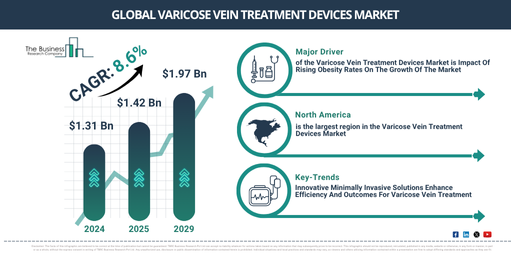
    The overall valuation of the varicose vein treatment apparatus sector has experienced robust expansion lately, projected to ascend from its 2024 figure of $1.31 billion to reach $1.42 billion by 2025, reflecting an annualized growth rate (CAGR) of 8.2 percent; this upward trajectory during the preceding years stems from several factors, including an expanding elderly demographic, heightened public knowledge concerning varicose veins, escalating preference for less invasive surgical options, greater spending on medical services, and an increase in ailments linked to modern living habits.

    Anticipation surrounds the varicose vein treatment devices sector, forecasting considerable expansion across the forthcoming years, with projections detailing a market valuation reaching $1.97 billion by the year 2029, underpinned by a robust compound annual growth rate (CAGR) of 8.6%. This upward trajectory throughout the projection timeframe is principally fueled by heightened public cognizance regarding vein health, an escalation in readily available funds among consumers, the growing incidence of varicose vein conditions, the broadening scope of medical facilities in developing economic regions, and the increasing number of individuals classified as obese. Key developments shaping this market landscape moving forward encompass a noticeable pivot towards procedures conducted without overnight hospital stays, heightened utilization of laser and radiofrequency-based modalities, continuous technological innovation within the field, greater incorporation of ambulatory care settings, and a surging requirement for devices facilitating treatment within the patient’s own residence.

    Unlock Your Free Sample Report for Exclusive Market Data:

    https://www.thebusinessresearchcompany.com/sample.aspx?id=20996&type=smp

    What Are The Key Drivers Of Growth In The Varicose Vein Treatment Devices Market?

    Anticipated increases in obesity rates are projected to fuel the expansion of the marketplace for varicose vein treatment instruments moving ahead. This medical state, defined by an overaccumulation of corporeal lipids, predisposes individuals to numerous severe ailments, including diabetes, cardiac conditions, and musculoskeletal issues. The escalating prevalence of obesity stems primarily from a confluence of suboptimal nutritional habits, decreased engagement in physical exercise, and environmental elements encouraging unhealthful consumption patterns, although social and economic circumstances, inherent biological factors, and psychological well-being also play substantial roles in its propagation. Devices employed in treating varicose veins serve to elevate the living standards of obese persons by mitigating complications associated with veins, fostering improved blood flow, diminishing discomfort and edema resulting from increased mass, and promoting enhanced physical movement and comprehensive vascular well-being. To illustrate this scale, data reported in March 2023 by the World Heart Foundation, a non-governmental international collective focused on cardiovascular health based in Switzerland, indicated that presently around 2.3 billion adults and minors across the globe are either overweight or obese, and if current patterns persist, this figure is estimated to climb to 2.7 billion by the year 2025, consequently establishing the rising burden of obesity as a stimulant for the varicose veins treatment devices sector’s growth.

    What Are The Segment Types Shaping The Varicose Vein Treatment Devices Market?

    The varicose vein treatment devicesmarket covered in this report is segmented –

    1) By Device Type: Ablation Devices, Venous Closure Products, Other Device Products

    2) By Treatment Type: Sclerotherapy, Endovenous Ablation, Surgical Ligation And Stripping, Other Treatment Type

    3) By Patient Type: Adults, Elderly

    4) By End-User: Specialty Clinics, Hospitals, Ambulatory Surgical Services, Other End-Users

    Subsegments:

    1) By Ablation Devices: Radiofrequency Ablation (RFA) Devices, Laser Ablation Devices, Endovenous Laser Therapy (EVLT) Devices, Cryoablation Devices, Ultrasound-Guided Foam Sclerotherapy Devices

    2) By Venous Closure Products: VenaSeal Closure System, ClariVein Closure System, Mechanical Endovenous Ablation Devices, Stenting Systems For Venous Closure

    3) By Other Device Products: Sclerotherapy Kits, Varicose Vein Removal Lasers, Compression Therapy Devices, Surgical Instruments For Vein Stripping, Endovenous Laser Fibers

    What Key Innovation Trends Are Fueling Advancements In The Varicose Vein Treatment Devices Market?

    Leading enterprises engaged in the varicose veins treatment devices sector are prioritizing the creation of novel approaches, particularly leveraging minimally invasive methodologies to deliver highly accurate treatments accompanied by diminished patient distress and accelerated recuperation periods. Such minimally invasive techniques involve surgical methodologies employing diminutive incisions and sophisticated apparatus, like endoscopic and robotic platforms, facilitating procedures that result in less tissue damage, faster healing, and decreased likelihood of adverse events when contrasted with conventional surgical exposure. As an illustration, in the month of June 2023, Biolitec AG, an Austrian firm specializing in medical technology, launched the Elves Radial 2ring Pro laser fiber alongside the Leonardo 1940 laser, specifically engineered for addressing varicose veins. The defining characteristic of the Elves Radial 2ring Pro laser fiber is its supplementary port designed for saline infusion, which facilitates the dilation of veins just prior to laser application, whereas the Leonardo 1940 laser’s selected wavelength boosts vein wall uptake, consequently lessening both bruising and the duration required for recovery. These technological leaps contribute substantially to improving both the efficacy and the cosmetic results derived from varicose vein interventions, presenting a more enduring remedy for the extraction of extensive and convoluted venous structures.

    Who Are The Primary Competitors In The Global Varicose Vein Treatment Devices Market?

    Major companies operating in the varicose vein treatment devices market are Medtronic Plc, Boston Scientific Corporation, Teleflex Incorporated, Merit Medical Systems, Lumenis Be Ltd., AngioDynamics Inc., Candela Medical, Alma Lasers, Dornier Medtech, Fotona d.o.o., Sciton Inc., Won Tech Co. Ltd, Quanta System SpA, biolitec Holding GmbH & Co KG, Eufoton SRL, Myovatec Surgical Systems, Chemische Fabrik Kreussler & Co., Ad Rem Technology, VB Devices, Theraclion, InVera Medical

    Download The Full Report For Exclusive Market Findings:

    https://www.thebusinessresearchcompany.com/report/varicose-vein-treatment-devices-global-market-report

    How Is Varicose Vein Treatment Devices Market Demand Varying Across Different Regions?

    North America was the largest region in the varicose vein treatment devices market in 2024. Asia-Pacific is expected to be the fastest-growing region in the forecast period. The regions covered in the varicose vein treatment devices market report are Asia-Pacific, Western Europe, Eastern Europe, North America, South America, Middle East, Africa.

    Request A Customized Version Of The Varicose Vein Treatment Devices Market Report:

    https://www.thebusinessresearchcompany.com/customise?id=20996&type=smp

    Browse Through More Reports Similar to the Global Varicose Vein Treatment Devices Market 2025, By The Business Research Company

    Vein Illuminator Global Market Report 2025

    https://www.thebusinessresearchcompany.com/report/vein-illuminator-global-market-report

    Deep Vein Thrombosis Global Market Report 2025

    https://www.thebusinessresearchcompany.com/report/deep-vein-thrombosis-global-market-report

    Retinal Vein Occlusion Global Market Report 2025

    https://www.thebusinessresearchcompany.com/report/retinal-vein-occlusion-global-market-report

    Get in touch with us:

    The Business Research Company: https://www.thebusinessresearchcompany.com/

    Americas +1 310-496-7795

    Asia +44 7882 955267 & +91 8897263534

    Europe +44 7882 955267

    Email us at info@tbrc.info

    Follow us on:

    LinkedIn: https://in.linkedin.com/company/the-business-research-company

    YouTube: https://www.youtube.com/channel/UC24_fI0rV8cR5DxlCpgmyFQ

    Global Market Model: https://www.thebusinessresearchcompany.com/global-market-model

  • Urinary Tract Obstruction Treatment Devices Market Expansion Outlook: $1.77 Billion by 2029 Forecast

    Urinary Tract Obstruction Treatment Devices Market Expansion Outlook: $1.77 Billion by 2029 Forecast

    Unlock Global Insights – Save 20% on Market Reports with Code ONLINE20

    What Are The Forecasted Market Size Estimates For The Urinary Tract Obstruction Treatment Devices Market Between 2025 And 2029?

    Significant recent expansion has characterized the market for urinary tract obstruction treatment devices, with projections indicating a climb from a valuation of $1.32 billion in 2024 to $1.4 billion in 2025, reflecting a compound annual growth rate of 6.0% over that span; this upswing during the past period has been fueled by the increasing incidence of various urological ailments, the escalating requirement for more sophisticated therapeutic modalities, the broader uptake of less invasive surgical procedures, the burgeoning demand for cutting-edge catheter and stent innovations, and a greater emphasis on employing robotic assistance in surgical interventions.

    Significant expansion is predicted for the market encompassing medical devices used to address urinary tract obstructions, projecting a valuation of $1.77 billion by 2029, fueled by a consistent compound annual growth rate of 6.1%. This upward trajectory over the projection timeframe is primarily underpinned by the increasing incidence of various ailments affecting the urinary system, a greater consumer appetite for customized therapeutic approaches, the expanding utilization of surgical procedures guided by robotics, and enhanced health literacy among the populace. Key developments set to shape this market during the coming years involve progress in techniques that require smaller incisions, the creation of therapies that are both more effective and less uncomfortable, breakthroughs in the substances utilized for these devices, and the incorporation of sophisticated methods for imaging and diagnosis.

    Unlock Your Free Sample Report for Exclusive Market Data:

    https://www.thebusinessresearchcompany.com/sample.aspx?id=20989&type=smp

    Which Drivers Are Supporting Growth Of The Urinary Tract Obstruction Treatment Devices Market?

    The escalating incidence of renal ailments is anticipated to be a significant factor boosting the market for devices used in treating urinary tract obstructions. Kidney dysfunction, characterized by damage impairing the blood’s vital cleansing process, is becoming more widespread, a trend fueled by demographic shifts toward older age, surging occurrences of diabetes and high blood pressure, and generally less healthy living patterns. Medical necessity mandates treatment to alleviate pressures on these organs and safeguard remaining kidney capability. As these conditions progress, blockages within the urinary tract appear more frequently, consequently heightening the demand for apparatus capable of managing these issues and forestalling additional renal detriment. To illustrate this trend, data from a June 2023 publication by Kidney Research UK, a charitable body in the United Kingdom, indicated that roughly 7.2 million UK residents currently cope with long-term kidney disease, constituting more than ten percent of the total populace; specifically, 3.25 million exhibit advanced-stage illness, whereas another 3.9 million are in earlier phases. Projections suggest this figure will climb further, potentially reaching 7.61 million individuals suffering from chronic kidney disease by the year 2033. Consequently, the expanding presence of kidney disease is set to fuel the expansion of the market dedicated to devices for managing urinary tract obstructions.

    What Are The Different Segment Classifications Within The Urinary Tract Obstruction Treatment Devices Market?

    The urinary tract obstruction treatment devicesmarket covered in this report is segmented –

    1) By Type: Urinary Catheter, Ureteroscope, Shock Wave Lithotripters, Laser Therapy Systems, Other Types

    2) By Application: Cancers, Stones, Benign Prostatic Hyperplasia (BPH), Hydronephrosis

    3) By End-User: Hospitals, Ambulatory Surgical Centers, Surgical Centers, Other End-Users

    Subsegments:

    1) By Urinary Catheter: Foley Urinary Catheters, Intermittent Urinary Catheters, External Urinary Catheters, Supra-Pubic Urinary Catheters, Hydrophilic-Coated Urinary Catheters

    2) By Ureteroscope: Rigid Ureteroscopes, Flexible Ureteroscopes, Semi-Rigid Ureteroscopes, Digital Ureteroscopes

    3) By Shock Wave Lithotripters: Extracorporeal Shock Wave Lithotripters (ESWL), Pneumatic Shock Wave Lithotripters, Electrohydraulic Shock Wave Lithotripters, Laser-Assisted Shock Wave Lithotripters

    4) By Laser Therapy Systems: Holmium Laser Therapy Systems, Thulium Laser Therapy Systems, Diode Laser Therapy Systems, Nd:YAG Laser Therapy Systems

    5) By Other Types: Stents For Urinary Tract Obstruction, Percutaneous Nephrostomy Devices, Ureteral Balloon Dilation Catheters, Ureteral Access Sheaths, Urological Drainage Devices

    Which Ongoing Trends Are Expected To Shape The Urinary Tract Obstruction Treatment Devices Market Outlook?

    Leading enterprises within the sphere of urinary tract obstruction treatment devices are dedicating efforts towards innovating sophisticated offerings, notably intermittent urological catheters, intended to furnish enduring remedies for addressing blockages in the urinary tract. This type of catheter serves the purpose of facilitating the brief evacuation of urine from the bladder for patients who cannot void spontaneously, thereby mitigating risks like urinary tract infections, harm to the bladder, and subsequent kidney problems by ensuring a consistent routine of bladder decompression. Illustratively, in August of 2022, the Japanese pharmaceutical entity, Otsuka Pharmaceutical Factory, Inc., unveiled the arrival of its OT-Balloon Catheter; this novel, reusable device was conceived specifically to aid those experiencing challenges with unassisted urination, functioning by securing a temporary position within the bladder via the inflation of an internal balloon tip, which consequently supports self-catheterization and lessens the necessity for repeated insertions, aligning with Otsuka’s continuous pledge to elevate patient outcomes through tools that foster enhanced autonomy in managing bodily functions.

    Which Key Market Players Are Investing In Expansion And Innovation Of Urinary Tract Obstruction Treatment Devices Market?

    Major companies operating in the urinary tract obstruction treatment devices market are Medtronic Plc, Becton Dickinson and Company, Stryker Corporation, Boston Scientific Corporation, Olympus Corporation, Coloplast Corporation, Smiths Group plc, Bio-Rad Laboratories, Teleflex Incorporated, Paul Hartmann AG, Karl Storz SE & Co. KG, Cook Medical, Hollister Incorporated, Amsino International Inc., Richard Wolf GmbH, Braun Melsungen AG, Angiplast Pvt. Ltd., Mais India Medical Devices Pvt. Ltd., Convatec Inc., VYGON (UK) LTD., United Endoscopy, Advin Health Care, Manish Medi Innovation, MicroPort Urocare (Jiaxing) Co. Ltd., Nikotech Pvt Ltd.

    Download The Full Report For Exclusive Market Findings:

    https://www.thebusinessresearchcompany.com/report/urinary-tract-obstruction-treatment-devices-global-market-report

    Which Geographies Are Emerging As Strong Markets For The Urinary Tract Obstruction Treatment Devices Industry?

    North America was the largest region in the urinary tract obstruction treatment devices market in 2024. The regions covered in the urinary tract obstruction treatment devices market report are Asia-Pacific, Western Europe, Eastern Europe, North America, South America, Middle East, Africa.

    Request A Customized Version Of The Urinary Tract Obstruction Treatment Devices Market Report:

    https://www.thebusinessresearchcompany.com/customise?id=20989&type=smp

    Browse Through More Reports Similar to the Global Urinary Tract Obstruction Treatment Devices Market 2025, By The Business Research Company

    Urinary Incontinence Global Market Report 2025

    https://www.thebusinessresearchcompany.com/report/urinary-incontinence-global-market-report

    Urinary Tract Cancer Global Market Report 2025

    https://www.thebusinessresearchcompany.com/report/urinary-tract-cancer-global-market-report

    Bioabsorbable Stents Global Market Report 2025

    https://www.thebusinessresearchcompany.com/report/bioabsorbable-stents-global-market-report

    Get in touch with us:

    The Business Research Company: https://www.thebusinessresearchcompany.com/

    Americas +1 310-496-7795

    Asia +44 7882 955267 & +91 8897263534

    Europe +44 7882 955267

    Email us at info@tbrc.info

    Follow us on:

    LinkedIn: https://in.linkedin.com/company/the-business-research-company

    YouTube: https://www.youtube.com/channel/UC24_fI0rV8cR5DxlCpgmyFQ

    Global Market Model: https://www.thebusinessresearchcompany.com/global-market-model

  • Smart Orthopedic Implants Market to Reach $31.77 Billion by 2029, Growing at a CAGR of 5.2%

    Smart Orthopedic Implants Market to Reach $31.77 Billion by 2029, Growing at a CAGR of 5.2%

    Unlock Global Insights – Save 20% on Market Reports with Code ONLINE20

    What Market Value Is The Smart Orthopedic Implants Industry Expected To Reach By 2029, Starting From 2025 Levels?

    The smart orthopedic implants market size has witnessed significant expansion in recent years. This market is anticipated to expand from $24.57 billion in 2024 to $25.92 billion in 2025, achieving a compound annual growth rate (CAGR) of 5.5%. The notable growth observed in the past can be ascribed to the increasing occurrence of musculoskeletal disorders, a growing elderly demographic, the rising need for minimally invasive surgeries, enhancements in orthopedic surgical methods, and the timely adoption by developed healthcare infrastructures.

    The smart orthopedic implants market is projected to experience significant expansion in the coming years, with its size expected to reach $31.77 billion by 2029, growing at a compound annual growth rate (CAGR) of 5.2%. This anticipated increase during the forecast period is attributed to several factors, including the widening scope of remote patient monitoring, the growing need for personalized orthopedic care, increased acceptance in emerging economies, a rise in sports-related injuries, and a heightened focus on monitoring postoperative outcomes. Prominent trends for the forecast period include advancements in implant materials technology, ongoing innovation in sensor miniaturization, an increase in research and development collaborations, the integration of telehealth with implant platforms, and the development of cloud-based implant data ecosystems.

    Unlock Your Free Sample Report for Exclusive Market Data:

    https://www.thebusinessresearchcompany.com/sample.aspx?id=25906&type=smp

    Which Drivers Are Shaping The Smart Orthopedic Implants Industry’s Market Share?

    The increasing occurrence of musculoskeletal disorders is projected to boost the expansion of the smart orthopedic implants market in the future. These disorders are conditions impacting bones, muscles, joints, tendons, and ligaments, frequently resulting in persistent pain and reduced movement. The rise in sedentary habits, fueled by the increase in remote work and screen-focused leisure, contributes to the growing prevalence of musculoskeletal disorders by intensifying muscle atrophy and joint stress. Smart orthopedic implants provide support to individuals with musculoskeletal disorders by offering immediate biomechanical data and prompt warning alerts, thus enhancing postoperative care and lowering the likelihood of further surgeries. For example, in June 2024, data from the Australian Institute of Health and Welfare, an Australia-based national agency for information and statistics on Australia’s health and welfare, indicated that around 7.3 million people in Australia, representing 29% of the population, were estimated to be suffering from chronic musculoskeletal conditions. Moreover, in 2022, these conditions were cited as the primary or contributing factor in 10,446 deaths, equating to 40 deaths per 100,000 people. This number constituted 5.5% of all deaths recorded that year. Consequently, the rising incidence of musculoskeletal disorders is propelling the growth of the smart orthopedic implants market.

    What Are The Major Segment Categories Driving The Smart Orthopedic Implants Market Growth?

    The smart orthopedic implants market covered in this report is segmented –

    1) By Type Of Implant: Smart Knee Implants, Smart Hip Implants, Smart Spine Implants, Smart Shoulder Implants, Smart Ankle Implants

    2) By Material: Ceramic Implants, Metallic Implants, Polymeric Implants

    3) By Technology Integration: Data Analytics And Artificial Intelligence Integration, Microelectronic Sensors, Telemedicine Capabilities, Wearable Technology

    4) By Application: Fracture Fixation, Joint Replacement, Osteotomy, Spinal Fusion

    5) By End-Use: Ambulatory Surgical Centers, Hospitals, Specialty Clinics, Other End-Uses

    Subsegments:

    1) By Smart Knee Implants: Total Knee Replacement, Partial Knee Replacement, Unicompartmental Knee Implants, Revision Knee Implants

    2) By Smart Hip Implants: Total Hip Replacement, Partial Hip Replacement, Hip Resurfacing Implants, Revision Hip Implants

    3) By Smart Spine Implants: Cervical Spine Implants, Thoracolumbar Spine Implants, Interbody Fusion Devices, Pedicle Screw Systems

    4) By Smart Shoulder Implants: Total Shoulder Replacement, Reverse Shoulder Replacement, Partial Shoulder Replacement, Revision Shoulder Implants

    5) By Smart Ankle Implants: Total Ankle Replacement, Ankle Fusion Implants, Revision Ankle Implants, Ankle Fracture Fixation Devices

    What Long-Term Trends Will Shape The Future Growth Of The Smart Orthopedic Implants Industry?

    Leading companies in the smart orthopedic implants market are focusing on forming strategic alliances to broaden their global reach in providing advanced patient care solutions. A strategic partnership is a structured collaboration between two or more organizations designed to combine their strengths and achieve shared long-term objectives. It enables them to share resources, knowledge, and innovation while maintaining their independent status. For example, in June 2025, NanoHive Medical LLC, a US-based 3D-printed spinal implant company, collaborated with DirectSync Surgical, a US-based manufacturer of human-powered smart implants, to develop Hive Soft Titanium spinal interbody fusion, a smart spine implant. This collaboration seeks to integrate bone-stimulating and remote monitoring sensor technology into NanoHive’s proprietary 3D-printed spinal fusion devices, leveraging their unique rhombic dodecahedron lattice to efficiently transfer energy from the piezoelectric sensors. This initiative aims to enhance patient care by improving data collection, bone stimulation, and connectivity with advanced surgical technologies and AI.

    Who Are The Primary Competitors In The Global Smart Orthopedic Implants Market?

    Major companies operating in the smart orthopedic implants market are Johnson & Johnson, Medtronic plc, Medline Industries LP, Stryker Corporation, Zimmer Biomet Holdings Inc., Enovis Corporation, Orthofix Medical Inc., Exactech Inc., GPC Medical Ltd., Xenco Medical LLC, Heraeus Medical GmbH, Uteshiya Medicare, Intelligent Implants GmbH, Statera Medical Inc., SpineGuard SA, BoneTag Technologies, DirectSync Surgical Inc., AK Medical Holdings Limited, Bonebridge GmbH, Mathys Ltd.

    Download The Full Report For Exclusive Market Findings:

    https://www.thebusinessresearchcompany.com/report/smart-orthopedic-implants-global-market-report

    Which Region Shows The Highest Potential For Future Expansion In The Smart Orthopedic Implants Market?

    North America was the largest region in the smart orthopedic implants market in 2024. Asia-Pacific is expected to be the fastest-growing region in the forecast period. The regions covered in the smart orthopedic implants market report are Asia-Pacific, Western Europe, Eastern Europe, North America, South America, Middle East, Africa.

    Request A Customized Version Of The Smart Orthopedic Implants Market Report:

    https://www.thebusinessresearchcompany.com/customise?id=25906&type=smp

    Browse Through More Reports Similar to the Global Smart Orthopedic Implants Market 2025, By The Business Research Company

    Smart Implants Global Market Report 2025

    https://www.thebusinessresearchcompany.com/report/smart-implants-global-market-report

    Advanced Orthopedic Technologies Implants And Regenerative Products Global Market Report 2025

    https://www.thebusinessresearchcompany.com/report/advanced-orthopedic-technologies-implants-and-regenerative-products-global-market-report

    Pediatric Orthopedic Implants Global Market Report 2025

    https://www.thebusinessresearchcompany.com/report/pediatric-orthopedic-implants-global-market-report

    Get in touch with us:

    The Business Research Company: https://www.thebusinessresearchcompany.com/

    Americas +1 310-496-7795

    Asia +44 7882 955267 & +91 8897263534

    Europe +44 7882 955267

    Email us at info@tbrc.info

    Follow us on:

    LinkedIn: https://in.linkedin.com/company/the-business-research-company

    YouTube: https://www.youtube.com/channel/UC24_fI0rV8cR5DxlCpgmyFQ

    Global Market Model: https://www.thebusinessresearchcompany.com/global-market-model

  • Global Urinary Tract Infection Testing Devices Industry Trends: Where the Market Is Headed by 2029

    Global Urinary Tract Infection Testing Devices Industry Trends: Where the Market Is Headed by 2029

    Unlock Global Insights – Save 20% on Market Reports with Code ONLINE20

    How Is The Urinary Tract Infection Testing Devices Market Size Likely To Evolve From 2025 Through 2034?

    The market for devices used in testing urinary tract infections has experienced robust expansion recently; projections indicate this segment will expand from a valuation of $0.62 billion in 2024 to $0.66 billion the following year, reflecting a compound annual growth rate of 7.2%, this historical upward trajectory is primarily driven by the increasing worldwide burden of the disease, a mounting frequency of UTIs across the globe, the widespread presence of diabetes, particularly in countries with lower and middle incomes, a rise in infections acquired within healthcare settings, and the growing challenge posed by UTIs that resist antibiotics.

    The market pertaining to urinary tract infection testing devices anticipates robust expansion over the coming years, projecting a valuation of $0.85 billion by 2029, reflecting a compound annual growth rate (CAGR) of 6.2%; this projected rise is fueled by the growing adoption of self-testing and at-home kits, a heightened demand for prompt diagnostic procedures, and the critical need to address escalating antibiotic resistance, while key developments shaping this period involve the incorporation of artificial intelligence and machine learning, leaps forward in point-of-care testing solutions, general technological progress, the emergence of diagnostics based on nanotechnology, and the introduction of tools utilizing CRISPR technology.

    Unlock Your Free Sample Report for Exclusive Market Data:

    https://www.thebusinessresearchcompany.com/sample.aspx?id=20988&type=smp

    Which Drivers Are Shaping The Urinary Tract Infection Testing Devices Industry’s Market Share?

    The escalating frequency of urinary tract infections (UTIs) is projected to be the primary catalyst fueling the expansion of the market dedicated to urinary tract infection testing equipment. These infections, which can affect any segment of the urinary tract such as the bladder, urethra, ureters, or kidneys, are predominantly bacterial in origin, with E. coli standing out as the chief causative agent. Factors contributing to the increased prevalence of UTIs include extended periods of catheterization, insufficient standards of personal hygiene, and rising resistance to antimicrobials among individuals receiving inpatient care. Diagnostic tools for UTIs are crucial as they facilitate swift and precise identification of these infections, enabling clinicians to pinpoint the exact pathogens involved and implement specific therapies without delay, resulting in fewer adverse events, better patient recovery, and a reduction in the dissemination of drug-resistant organisms in clinical environments. Illustratively, data from the University of New South Wales, an Australian public research institution, indicated in March 2024 that UTIs represent an extremely common ailment, affecting populations worldwide at a rate exceeding 400 million instances annually. Consequently, this high and increasing rate of UTIs is the direct impetus motivating the market for UTI testing apparatus.

    What Are The Primary Types Of Segments Analyzed In The Urinary Tract Infection Testing Devices Market?

    The urinary tract infection testing devicesmarket covered in this report is segmented –

    1) By Product type: Instruments, Kits

    2) By Test Type: Urinalysis, Urine Cultures, Susceptibility Testing

    3) By End-User: Hospitals, Diagnostic Labs, Other End Users

    Subsegments:

    1) By Instruments: Automated UTI Analyzers, UTI Culture Systems, UTI Microscopes, UTI Diagnostic Devices (Handheld Devices)

    2) By Kits: UTI Test Strips, UTI Reagents, Urine Culture Kits, UTI Home Testing Kits

    Which Competitive Trends Are Defining The Urinary Tract Infection Testing Devices Market Structure?

    Leading firms engaged in the market for urinary tract infection testing equipment are placing significant emphasis on developing point-of-care (POC) testing instruments, aiming to facilitate quicker and handier diagnostic procedures, thereby enhancing results for those affected. POC testing gadgets encompass medical analysis conducted right where the patient is receiving attention, which could be in a physician’s practice, adjacent to a hospital bed, or even within the patient’s residence, entirely bypassing the requirement to transport specimens to a laboratory setting. As an illustration, in the month of June 2023, Sysmex Corporation, a firm headquartered in Japan specializing in the creation of UTI testing apparatus, introduced the PA-100 AST System, a system designed for point-of-care testing intended to pinpoint antimicrobial sensitivity. This apparatus is capable of determining whether bacteria are present or absent and evaluating how well antimicrobials work in a brief timeframe. It communicates the detection of multiplying bacteria in urine specimens in about ten minutes and delivers outcomes from susceptibility testing in less than half an hour, enabling medical practitioners to conduct immediate analysis directly utilizing urine samples from individuals believed to have UTIs.

    Who Are The Core Companies Influencing The Urinary Tract Infection Testing Devices Market Landscape?

    Major companies operating in the urinary tract infection testing devices market are Cardinal Health Inc., F. Hoffmann-La Roche Ltd., Thermo Fisher Scientific Inc., Abbott Laboratories, Medtronic plc, Siemens Healthcare GmbH, Stryker Corporation, Laboratory Corporation of America Holdings, Biomerieux Pvt. Ltd., Coloplast A/S, Sysmex Corporation, Quidel Corporation, Teleflex Incorporated, Teleflex Incorporated, Bio-Rad Laboratories, QIAGEN NV, ACON Laboratories Inc., Randox Laboratories Ltd., ARKRAY Inc., T2 Biosystems Inc.

    Download The Full Report For Exclusive Market Findings:

    https://www.thebusinessresearchcompany.com/report/urinary-tract-infection-testing-devices-global-market-report

    Which Region Is Projected To Lead The Urinary Tract Infection Testing Devices Market During The Forecast Period?

    North America was the largest region in the urinary tract infection testing devices market in 2024. Asia Pacific is expected to be the fastest-growing region in the forecast period. The regions covered in the urinary tract infection testing devices market report are Asia-Pacific, Western Europe, Eastern Europe, North America, South America, Middle East, Africa.

    Request A Customized Version Of The Urinary Tract Infection Testing Devices Market Report:

    https://www.thebusinessresearchcompany.com/customise?id=20988&type=smp

    Browse Through More Reports Similar to the Global Urinary Tract Infection Testing Devices Market 2025, By The Business Research Company

    Urinary Stone Treatment Devices And Equipment Global Market Report 2025

    https://www.thebusinessresearchcompany.com/report/urinary-stone-treatment-devices-and-equipment-global-market-report

    Urinary Drainage Bags Global Market Report 2025

    https://www.thebusinessresearchcompany.com/report/urinary-drainage-bags-global-market-report

    Urinary Tract Infection Treatment Global Market Report 2025

    https://www.thebusinessresearchcompany.com/report/urinary-tract-infection-treatment-global-market-report

    Get in touch with us:

    The Business Research Company: https://www.thebusinessresearchcompany.com/

    Americas +1 310-496-7795

    Asia +44 7882 955267 & +91 8897263534

    Europe +44 7882 955267

    Email us at info@tbrc.info

    Follow us on:

    LinkedIn: https://in.linkedin.com/company/the-business-research-company

    YouTube: https://www.youtube.com/channel/UC24_fI0rV8cR5DxlCpgmyFQ

    Global Market Model: https://www.thebusinessresearchcompany.com/global-market-model
  • Urethral Stricture Treatment Devices Industry Forecast to Hit $1.99 Billion by 2029 With a Strong 7.9% CAGR

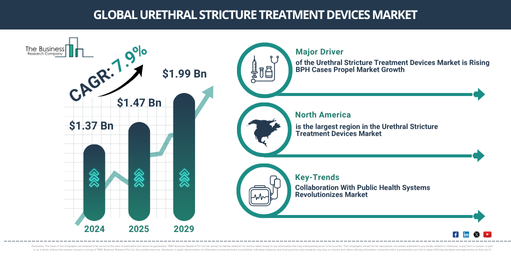
    Urethral Stricture Treatment Devices Industry Forecast to Hit $1.99 Billion by 2029 With a Strong 7.9% CAGR

    Unlock Global Insights – Save 20% on Market Reports with Code ONLINE20

    What Are The Growth Projections For The Urethral Stricture Treatment Devices Market Size During 2025–2029?

    The market encompassing urethral stricture treatment devices has experienced significant expansion lately, projecting an increase from a valuation of $1.37 billion in 2024 to $1.47 billion in 2025, thereby reflecting a compound annual growth rate of 7.2% during this forecast period; historical expansion in this sector owes its momentum to several key factors, which include a heightened incidence of urethral strictures, greater utilization of less invasive therapeutic approaches, heightened public and professional awareness regarding various urological conditions, escalating spending on healthcare across industrialized nations, and enhancements in the methods used for diagnosis.

    Anticipation suggests considerable expansion for the market encompassing urethral stricture treatment apparatus, projected to achieve a valuation of $1.99 billion by the year 2029, reflecting a compound annual growth rate pegged at 7.9%; this upward trajectory during the projection timeframe is fundamentally driven by several factors, namely the escalating requirement for procedures conducted on an outpatient basis, the intensifying emphasis placed upon care models centered around the patient, the progressive augmentation of medical facilities, particularly within developing economies, the increasing incidence of strictures resulting from physical injury, and proactive educational initiatives undertaken by various health bodies.Significant observable developments set to characterize this period involve a noticeable pivot towards surgical interventions that require less invasive techniques, the incorporation of artificial intelligence capabilities into diagnostic instruments, continuous refinements in the engineering of surgical equipment, improvements in modalities for medical visualization, alongside a strategic concentration on customizing therapeutic interventions for individual patients.

    Unlock Your Free Sample Report for Exclusive Market Data:

    https://www.thebusinessresearchcompany.com/sample.aspx?id=20986&type=smp

    What Are The Drivers Pushing New Developments In The Urethral Stricture Treatment Devices Market?

    Anticipated growth in the market for urethral stricture treatment devices is set to be fueled by the increasing occurrence of both benign prostatic hyperplasia (BPH) and neurogenic bladder conditions. BPH constitutes a widespread ailment among elderly males, stemming from an enlarged prostate that frequently causes urinary blockage and heightens the susceptibility to urethral strictures. This escalating frequency of BPH is fundamentally linked to the aging process, presenting a greater impact on men past their fiftieth year, while elements related to lifestyle, hormonal shifts, and ongoing health issues also play a role in its development. Devices designed for treating urethral strictures find common utility in urological scenarios like BPH, given that complications following surgery or extended periods of catheter use can result in urethral narrowing, thereby necessitating procedures involving dilators, stents, or urethrotomy instruments to reestablish typical urine passage. To illustrate this point, data released in September 2023 by the Royal Pharmaceutical Society, a professional organization based in the UK, indicated that roughly 3 million individuals across the UK currently experience BPH, showing an occurrence rate near 50 percent for men between 60 and 70 years old, which subsequently increases to 90 percent for males over 80. Consequently, the expanding incidence rates of BPH and neurogenic bladder are poised to serve as major catalysts for the urethral stricture treatment device market.

    Which Key Segments Fueling The Urethral Stricture Treatment Devices Market?

    The urethral stricture treatment devicesmarket covered in this report is segmented –

    1) By Product Type: Urethral Dilators, Urethral Stents, Urethral Balloon Dilation Catheters, Urinary Catheters

    2) By Stricture Location: Anterior, Posterior

    3) By End-User: Hospitals, Specialty Clinics, Other End-Users

    Subsegments:

    1) By Urethral Dilators: Semi-Rigid Urethral Dilators, Flexible Urethral Dilators, Balloon Urethral Dilators, Graded Urethral Dilators

    2) By Urethral Stents: Self-Expanding Urethral Stents, Balloon-Expandable Urethral Stents, Metallic Urethral Stents, Silicone Urethral Stents

    3) By Urethral Balloon Dilation Catheters: Single-Balloon Dilation Catheters, Double-Balloon Dilation Catheters, Coaxial Balloon Dilation Catheters, Hydrophilic-Coated Balloon Dilation Catheters

    4) By Urinary Catheters: Foley Urinary Catheters, Intermittent Urinary Catheters, External Urinary Catheters, Supra-Pubic Urinary Catheters

    What Are The Latest Industry Trends Transforming The Urethral Stricture Treatment Devices Market?

    Leading firms within the urethral stricture treatment apparatus sector are pursuing cooperative alliances as a method for boosting technological incorporation and broadening their sphere of influence. Such a strategic partnership involves a joint venture between multiple entities, pooling their assets, specialized knowledge, and undertakings to fulfill shared aims. To cite an example from April 2024, Laborie Medical Technologies Corp., an American firm specializing in diagnostic and therapeutic medical apparatus, entered into an agreement with the NHS Specialized Services Device Programme (SSDP) for the inclusion of its Optilume Urethral Drug-Coated Balloon (DCB) within that scheme. This specific teamwork guarantees that NHS facilities across England receive coverage for the device, thereby improving availability for patients needing this novel instrument. Optilume functions by combining the widening action of a balloon with the application of an anti-proliferative medication to lower the likelihood of urethral narrowing recurring. This method, which requires minimal invasiveness, offers a significant advancement over conventional surgical procedures or the necessity for repeated interventions, meeting a vital requirement among urological practitioners.

    Which Major Industry Participants Are Leading The Urethral Stricture Treatment Devices Market Growth?

    Major companies operating in the urethral stricture treatment devices market are Cardinal Health, Medtronic plc, Siemens Healthineers AG, Medline Industries LP., Becton Dickinson and Company, Stryker Corporation, Boston Scientific Corporation, B. Braun SE, Olympus Corporation, Coloplast Ltd, Teleflex Incorporated, Karl Storz SE & Co. KG, Cook Medical, ConvaTec Inc., Ambu A/S, Richard Wolf GmbH, Laborie Medical Technologies, Bactiguard AB, UROMED Kurt Drews KG, Pnn Medical A/S, Hydrumedical SA, Allium Ltd., Med pro Medical B.V., Urotronic Inc., Rocamed SAM, Zhejiang ChuangXiang Medical Technology Co. Ltd

    Download The Full Report For Exclusive Market Findings:

    https://www.thebusinessresearchcompany.com/report/urethral-stricture-treatment-devices-global-market-report

    What Are The Key Regional Factors Influencing The Urethral Stricture Treatment Devices Market Growth?

    North America was the largest region in the urethral stricture treatment devices market in 2024. The regions covered in the urethral stricture treatment devices market report are Asia-Pacific, Western Europe, Eastern Europe, North America, South America, Middle East, Africa.

    Request A Customized Version Of The Urethral Stricture Treatment Devices Market Report:

    https://www.thebusinessresearchcompany.com/customise?id=20986&type=smp

    Browse Through More Reports Similar to the Global Urethral Stricture Treatment Devices Market 2025, By The Business Research Company

    Urinary Incontinence And Pelvic Organ Prolapse Devices And Equipment Global Market Report 2025

    https://www.thebusinessresearchcompany.com/report/urinary-incontinence-and-pelvic-organ-prolapse-devices-and-equipment-global-market-report

    Urinary Stone Treatment Devices And Equipment Global Market Report 2025

    https://www.thebusinessresearchcompany.com/report/urinary-stone-treatment-devices-and-equipment-global-market-report

    Urinary Drainage Bags Global Market Report 2025

    https://www.thebusinessresearchcompany.com/report/urinary-drainage-bags-global-market-report

    Get in touch with us:

    The Business Research Company: https://www.thebusinessresearchcompany.com/

    Americas +1 310-496-7795

    Asia +44 7882 955267 & +91 8897263534

    Europe +44 7882 955267

    Email us at info@tbrc.info

    Follow us on:

    LinkedIn: https://in.linkedin.com/company/the-business-research-company

    YouTube: https://www.youtube.com/channel/UC24_fI0rV8cR5DxlCpgmyFQ

    Global Market Model: https://www.thebusinessresearchcompany.com/global-market-model