Blog

  • Hair Supplements Market Trends 2025–2029: Forecasts for Key Growth Segments

    Hair Supplements Market Trends 2025–2029: Forecasts for Key Growth Segments

    Unlock Global Insights – Save 20% on Market Reports with Code ONLINE20

    How Does The Market Size Of The Hair Supplements Industry Compare Between 2025 And 2029?

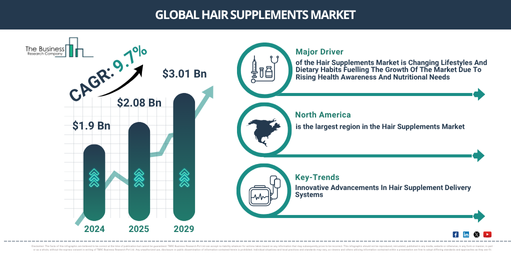
    Strong expansion has been witnessed recently in the market dedicated to hair supplements; projections indicate this segment will expand from $1.9 billion in 2024 to reach $2.08 billion by 2025, reflecting a consistent compound annual growth rate (CAGR) of 9.2%. This notable growth observed over the past period stems from several key factors, including a greater incidence of hair thinning linked to elevated stress levels and evolving lifestyles, a heightened consumer consciousness regarding self-care and appearance maintenance, the aging demographic actively searching for remedies to combat hair fall, the pervasive impact of social media platforms and shifting beauty ideals, increases in discretionary spending capabilities, alongside a rising preference shown by consumers for items formulated with natural and organic ingredients.

    Anticipated vigorous expansion characterizes the future trajectory of the hair supplements valuation, projecting its reach to $3.01 billion by 2029, driven forward by a consistent annual escalation rate (CAGR) of 9.7%; this upward momentum across the projection timeframe is fundamentally fueled by several key factors, such as escalating consumer desires for tailored nutritional strategies, a heightened emphasis on male grooming standards, the surging inclination among purchasers toward products boasting transparent, clean ingredient labels, the incorporation of artificial intelligence to refine product suggestions, greater public understanding of dietary shortfalls, cooperative ventures established with skincare specialists and beauty establishments, with prominent market shifts on the horizon encompassing the leverage of nanotechnology to enhance nutrient uptake, the deployment of augmented reality for virtual styling consultations, the application of blockchain technology to ensure clarity throughout the distribution network, the crafting of nutrient forms exhibiting superior biological availability, the integration of metrics gathered from wearable health devices to inform supplement prescriptions, and the advent of three-dimensional printing techniques for crafting meticulously customized supplement quantities, alongside the adoption of sophisticated extraction processes for components derived from botanical sources.

    Unlock Your Free Sample Report for Exclusive Market Data:

    https://www.thebusinessresearchcompany.com/sample.aspx?id=24230&type=smp

    Which Factors And Drivers Are Influencing The Hair Supplements Market In 2025?

    The progression of the hair supplements market is expected to receive a significant boost from evolving patterns in daily living and nutritional intake. These patterns encompass the routine activities, ingrained behaviours, and foodstuff choices that affect an individual’s comprehensive health status. A key factor contributing to shifts in these habits is the ongoing move towards urban settings, which typically correlates with more demanding schedules and a greater reliance on easily accessible, pre-prepared foods over customary home-prepared meals. Health-aware approaches to life and better eating regimens have a favorable effect on the market for hair supplements by heightening consumer recognition of nutrition’s essential contribution to hair vitality, thereby stimulating greater need for ingestible products that promote beauty from the inside. Illustratively, data released in April 2023 by the International Food Information Council, an American non-profit entity, revealed from a survey involving 1,022 US residents aged 18 to 80 that 52 percent adhered to a specific eating plan within the preceding year, with younger cohorts showing the highest adherence rates—66 percent of Generation Z and 63 percent of Millennials—contrasted with 50 percent of Generation X and 41 percent of Baby Boomers (an increase from 29 percent the previous year). The preferred dietary approaches encompassed high-protein plans (cited by 18 percent), attentive eating practices (17 percent), along with caloric restriction, clean consumption patterns, and intermittent fasting, each chosen by 12 percent. Consequently, these shifts in personal routines and eating customs are set to propel the expansion of the hair supplement sector.

    What Are The Key Segments In The Hair Supplements Market?

    The hair supplementsmarket covered in this report is segmented –

    1) By Product Type: Vitamins, Minerals, Proteins, Other Product Types

    2) By Form: Tablets, Capsules, Gummies, Powders, Other Forms

    3) By Nature: Organic, Conventional

    4) By Application: Hair Growth, Hair Strengthening, Hair Loss Prevention, Other Applications

    5) By Distribution Channel: Online Stores, Pharmacies, Supermarkets Or Hypermarkets, Specialty Stores

    Subsegments:

    1) By Vitamins: Biotin, Vitamin A, Vitamin C, Vitamin D, Vitamin E, B-Complex Vitamins

    2) By Minerals: Zinc, Iron, Magnesium, Selenium, Copper, Calcium

    3) By Proteins: Collagen, Keratin, Hydrolyzed Wheat Protein, Silk Protein, Soy Protein

    4) By Other Product Types: Omega-3 And Omega-6 Fatty Acids, Herbal Extracts, Amino Acids, Probiotics

    Which Competitive Trends Are Defining The Hair Supplements Market Structure?

    Leading entities within the hair supplements sector are focusing on creating sophisticated product offerings, exemplified by vitamin capsule supplements designed for the efficient delivery of vital nutrients that might be absent in standard dietary intake. These oral dietary provisions supply concentrated essential vitamins intended to bolster general well-being and rectify inadequate nutritional status. For illustration, in the month of September in 2023, the US personal care and wellness firm, Divi, introduced To the Roots Hair Vitamins; these hair-specific vitamins incorporate scientifically validated components and employ a slow-release beadlet mechanism engineered to promote robust hair development, yielding superior outcomes through a potent blend of vitamins, minerals, and Divi’s proprietary Roots-9 Complex, a distinctive nutrient amalgamation crucial for hair vitality.

    Which Industry Leaders Are Driving Innovation Across The Hair Supplements Market?

    Major companies operating in the hair supplements market are Procter & Gamble, Unilever PLC, Nestlé Health Science S.A., Church & Dwight Co. Inc., Amway Corp., Invite Health, Hum Nutrition Inc., New Nordic Healthbrands AB, Brock Beauty Inc., SMP Nutra​, Codeage LLC, SugarBearHair, Philip Kingsley, BosleyMD, Laboratoires Nutrimea, Power Gummies, Viva Naturals Inc., Nutri&Co​, Valebio, Olly Nutrition

    Download The Full Report For Exclusive Market Findings:

    https://www.thebusinessresearchcompany.com/report/hair-supplements-global-market-report

    Which Global Regions Are Influencing The Competitive Landscape Of The Hair Supplements Market?

    North America was the largest region in the hair supplements market in 2024. Asia-Pacific is expected to be the fastest-growing region in the forecast period. The regions covered in the hair supplements market report are Asia-Pacific, Western Europe, Eastern Europe, North America, South America, Middle East, Africa.

    Request A Customized Version Of The Hair Supplements Market Report:

    https://www.thebusinessresearchcompany.com/customise?id=24230&type=smp

    Browse Through More Reports Similar to the Global Hair Supplements Market 2025, By The Business Research Company

    Hair Care Stores Global Market Report 2025

    https://www.thebusinessresearchcompany.com/report/hair-care-stores-global-market-report

    Hair Transplant Global Market Report 2025

    https://www.thebusinessresearchcompany.com/report/hair-transplant-global-market-report

    Laser Hair Remover Global Market Report 2025

    https://www.thebusinessresearchcompany.com/report/laser-hair-remover-global-market-report

    Get in touch with us:

    The Business Research Company: https://www.thebusinessresearchcompany.com/

    Americas +1 310-496-7795

    Asia +44 7882 955267 & +91 8897263534

    Europe +44 7882 955267

    Email us at info@tbrc.info

    Follow us on:

    LinkedIn: https://in.linkedin.com/company/the-business-research-company

    YouTube: https://www.youtube.com/channel/UC24_fI0rV8cR5DxlCpgmyFQ

    Global Market Model: https://www.thebusinessresearchcompany.com/global-market-model

  • Fragile X Syndrome (FXS) Treatment Market Forecast 2025–2034: Where Businesses Should Invest Next

    Fragile X Syndrome (FXS) Treatment Market Forecast 2025–2034: Where Businesses Should Invest Next

    Unlock Global Insights – Save 20% on Market Reports with Code ONLINE20

    What Is The Predicted Market Size Trajectory For The Fragile X Syndrome (FXS) Treatment Market From 2025 To 2034?

    The market valuation for fragile X syndrome (FXS) therapeutics has experienced a robust expansion lately, projected to climb from $1.92 billion at the close of 2024 to $2.07 billion by 2025, reflecting a consistent compound annual growth rate of 7.8%. This upward trajectory during the review period stems from several key factors, including heightened cognizance concerning fragile X syndrome, the increasing incidence of inherited conditions, greater uptake of timely detection and screening protocols, augmented governmental financial support channelled into rare disease investigation, and a burgeoning requirement for tailor-made therapeutic interventions.

    Projections indicate substantial expansion within the fragile x syndrome (fxs) treatment sector over the coming years, with the market value anticipated to reach $2.79 billion by 2029, marking a 7.7% compound annual growth rate (CAGR). This upward trajectory is fundamentally driven by several factors, including the escalating need for precise, focused treatments, greater emphasis being placed on gene-based medical interventions, increased public and professional recognition of uncommon inherited conditions, wider acceptance of remote healthcare services for medical discussions, and the broadening scope of insurance provisions that cover therapies for rare ailments. Key developments shaping this future landscape encompass sophisticated progress in genetic diagnostic techniques, breakthroughs in gene modification treatments, heightened capital investment channeled into investigation and development activities, the emergence of customized therapeutic strategies, and enhancements to therapeutic methods addressing behavioral aspects of the syndrome.

    Unlock Your Free Sample Report for Exclusive Market Data:

    https://www.thebusinessresearchcompany.com/sample.aspx?id=24220&type=smp

    What Are The Key Drivers Of Growth In The Fragile X Syndrome (FXS) Treatment Market?

    Anticipated future expansion of the market dedicated to treating fragile X syndrome (FXS) is set to be significantly spurred by governmental financial support channeled towards rare diseases. Broadly defined as medical ailments impacting a minimal fraction of the populace, these conditions frequently manifest as debilitating, worsening over time, and carrying significant threats to life. The greater frequency with which rare diseases are being identified stems mainly from refinements in diagnostic techniques, where progress in genetic analysis, advanced imaging tools, and sophisticated data interpretation allows medical professionals to pinpoint and categorize previously unlabelled or incorrectly identified ailments with greater precision. The crucial role played by FXS treatment in securing this governmental financial backing for rare conditions highlights the necessity of specialized therapeutic approaches and prompt care initiation, thereby boosting overall recognition and directing essential resources toward intensified investigation and healthcare initiatives. Illustratively, the United Kingdom’s governing body, via its House of Commons Library, announced in February 2024 a commitment of 14 million pounds sterling (equivalent to 17.3 million US dollars) to institute a nationwide infrastructure for rare disease research, structured around eleven distinct research centers spread throughout the country, all managed by a central coordination point. Consequently, the allocation of public funds toward rare disease research and treatment directly fuels the momentum behind the growth trajectory of the market focused on managing fragile X syndrome.

    What Are The Leading Segments Analyzed In The Fragile X Syndrome (FXS) Treatment Market?

    The fragile x syndrome (fxs) treatmentmarket covered in this report is segmented –

    1) By Treatment Type: Pharmacological Treatment, Psychotherapy, Education And Training

    2) By Route of Administration: Oral, Injectable, Topical

    3) By Related Disorder: Fragile X Syndrome, Fragile X Mental Retardation 1 (FMR1)-Related Primary Ovarian Insufficiency, Fragile X-linked Fragile E (XE) Syndrome, Renpenning Syndrome, Other Related Disorders

    4) By Patient Age Group: Children, Adults, Elderly

    5) By End-User: Hospitals, Specialty Clinics, Other End Users

    Subsegments:

    1) By Pharmacological Treatment: Antidepressants, Antipsychotics, Stimulants, Anticonvulsants, Anti-Anxiety Medications, mGluR5 Antagonists (Metabotropic Glutamate Receptor 5 Antagonists), GABA Agonists (Gamma-Aminobutyric Acid Agonists)

    2) By Psychotherapy: Cognitive Behavioral Therapy (CBT), Family Therapy, Social Skills Training, Occupational Therapy, Speech And Language Therapy, Applied Behavior Analysis (ABA)

    3) By Education And Training: Special Education Programs, Individualized Education Programs (IEPs), Parent Training And Support, Behavioral Intervention Plans, Skill-Building Workshops, Inclusive Classroom Strategies

    What Are The Latest Industry Trends Transforming The Fragile X Syndrome (FXS) Treatment Market?

    Leading pharmaceutical entities within the fragile X syndrome (FXS) therapeutic sphere are channeling efforts into creating novel agents, specifically focusing on calcium-activated potassium (BK) channel activators, with the objective of addressing the foundational neurological dysfunctions and achieving superior patient responses via these interventions. A BK channel activator, functioning as a substance that boosts the function of these potassium channels, plays a vital role in modulating how excitable cells are, alongside governing the release of chemical messengers between neurons. Illustratively, in the month starting January 2025, the US biotechnology firm Spinogenix Inc. secured Fast Track status from the US regulatory body, the FDA, for their experimental drug SPG601, which is classified as a BK channel activator intended for treating FXS; this regulatory acceleration facilitates a quicker path through clinical trials and government evaluation, thus moving a new treatment designed to correct synaptic problems nearer to those affected. This important classification emphasizes both the pressing requirement for successful interventions against fragile X syndrome and the promising prospect that SPG601 holds for alleviating impairments in cognition and behavior by targeting the central neurological processes involved.

    Who Are The Key Multinational Companies Dominating The Fragile X Syndrome (FXS) Treatment Market?

    Major companies operating in the fragile X syndrome (FXS) treatment market are F. Hoffmann-La Roche Ltd, Shionogi & Co. Ltd., Marinus Pharmaceuticals Inc., Healx Ltd, Neuren Pharmaceuticals Limited, Vincerx Pharma Inc., Fulcrum Therapeutics Inc., Neuronascent Inc., Autifony Therapeutics Limited, Quadrant Biosciences Inc., Neurolixis Inc., Taysha Gene Therapies Inc., Ovid Therapeutics Inc., Spinogenix Inc., Epigen Biosciences Inc., Confluence Pharmaceuticals Inc., Actinogen Medical Limited, Sentinel Oncology Limited, Anavex Life Sciences Corp., FRAXA Research Foundation Inc.

    Download The Full Report For Exclusive Market Findings:

    https://www.thebusinessresearchcompany.com/report/fragile-x-syndrome-fxs-treatment-global-market-report

    What Are The Regional Market Dynamics Impacting The Fragile X Syndrome (FXS) Treatment Industry?

    North America was the largest region in the fragile X syndrome FXS treatment market in 2024. Asia-Pacific is expected to be the fastest-growing region in the forecast period. The regions covered in the fragile X syndrome (FXS) treatment market report are Asia-Pacific, Western Europe, Eastern Europe, North America, South America, Middle East, Africa.

    Request A Customized Version Of The Fragile X Syndrome (FXS) Treatment Market Report:

    https://www.thebusinessresearchcompany.com/customise?id=24220&type=smp

    Browse Through More Reports Similar to the Global Fragile X Syndrome (FXS) Treatment Market 2025, By The Business Research Company

    Wolff Parkinson White Syndrome Global Market Report 2025

    https://www.thebusinessresearchcompany.com/report/wolff-parkinson-white-syndrome-global-market-report

    Gardner Syndrome Treatment Global Market Report 2025

    https://www.thebusinessresearchcompany.com/report/gardner-syndrome-treatment-global-market-report

    Hepatorenal Syndrome Treatment Global Market Report 2025

    https://www.thebusinessresearchcompany.com/report/hepatorenal-syndrome-treatment-global-market-report

    Get in touch with us:

    The Business Research Company: https://www.thebusinessresearchcompany.com/

    Americas +1 310-496-7795

    Asia +44 7882 955267 & +91 8897263534

    Europe +44 7882 955267

    Email us at info@tbrc.info

    Follow us on:

    LinkedIn: https://in.linkedin.com/company/the-business-research-company

    YouTube: https://www.youtube.com/channel/UC24_fI0rV8cR5DxlCpgmyFQ

    Global Market Model: https://www.thebusinessresearchcompany.com/global-market-model
  • Global Epithelioma Treatment Market Analysis 2025–2029: Opportunities for Strategic Growth

    Global Epithelioma Treatment Market Analysis 2025–2029: Opportunities for Strategic Growth

    Unlock Global Insights – Save 20% on Market Reports with Code ONLINE20

    How Much Larger Is The Epithelioma Treatment Market Expected To Become By 2029 Compared With Its 2025 Level?

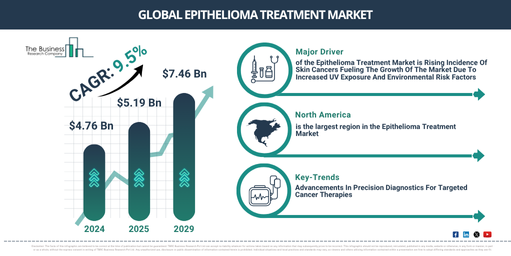
    Significant expansion has been observed in the market for epithelioma treatments recently. Projections indicate a rise from a valuation of $4.76 billion in 2024 to $5.19 billion in 2025, reflecting a consistent compound annual growth rate of 9.0%. This upward trajectory during the past period stems from several factors, including a greater prevalence of epithelioma occurrences, progress in radiotherapy techniques, increased utilization of surgical procedures, heightened public understanding of skin cancer, and the introduction of new chemotherapy regimens.

    Projections indicate robust expansion for the epithelioma treatment sector over the upcoming years, with the market valuation anticipated to reach $7.46 billion by 2029, reflecting a compound annual growth rate of 9.5%; this upward trajectory is fueled by escalating acceptance of targeted treatment modalities, augmented investigation into immunotherapy solutions, greater need for procedures that involve less tissue disruption, improvements in healthcare facilities across developing economies, and the successful clearance of new epithelioma pharmaceuticals by regulatory bodies. Key movements shaping this period encompass advances in tailoring treatments to individual patients, incorporating artificial intelligence into the detection processes for skin cancer, an uptick in employing combination therapeutic regimens, a greater number of ongoing studies testing novel interventions, and the broadening application of treatment methods that do not necessitate surgical incision.

    Unlock Your Free Sample Report for Exclusive Market Data:

    https://www.thebusinessresearchcompany.com/sample.aspx?id=24217&type=smp

    Which Drivers Are Supporting Growth Of The Epithelioma Treatment Market?

    The escalating frequency of skin cancer diagnoses is anticipated to serve as a primary catalyst for the expansion of the epithelioma treatment sector in the forthcoming period. This uncontrolled proliferation of abnormal skin cell development, stemming from accumulated, uncorrected DNA damage that initiates cellular mutations, is precisely what defines skin cancer. A confluence of environmental elements, notably the progressive depletion of the ozone layer, alongside heightened exposure to ultraviolet rays originating from both solar exposure and artificial tanning devices, stands as the main contributor to the marked increase observed in skin cancer occurrences. Therapeutic interventions for epithelioma focus on eradicating these malignant epithelial cells, thus providing a direct countermeasure to the fundamental pathology of skin malignancies. To illustrate this trend, data released in January 2024 by the American Cancer Society, a charitable entity based in the United States, foreshadowed approximately 100,640 new instances of melanoma within the U.S. for that year, distributed as roughly 59,170 cases among males and 41,470 among females. Consequently, this upward trajectory in skin cancer morbidity is directly fueling the market’s progression for epithelioma treatments.

    What Are The Segment Types Shaping The Epithelioma Treatment Market?

    The epithelioma treatmentmarket covered in this report is segmented –

    1) By Disease Type: Basal Cell Epithelioma, Squamous Cell Epithelioma, Malignant Epithelioma

    2) By Treatment Type: Drug Class, Surgical Treatments, Radiation Therapy, Photodynamic Therapy, Combination Therapies

    3) By Distribution Channel: Hospital Pharmacies, Retail Pharmacies, E-Commerce, Other Distribution Channels

    4) By End-User: Hospitals, Specialty Clinics, Ambulatory Surgical Centers, Research And Academic Institutes

    Subsegments:

    1) By Basal Cell Epithelioma: Superficial Basal Cell Epithelioma, Nodular Basal Cell Epithelioma, Infiltrative Basal Cell Epithelioma, Morpheaform (Sclerosing) Basal Cell Epithelioma, Pigmented Basal Cell Epithelioma

    2) By Squamous Cell Epithelioma: Cutaneous Squamous Cell Carcinoma, Oral Squamous Cell Carcinoma, Esophageal Squamous Cell Carcinoma, Pulmonary Squamous Cell Carcinoma, Cervical Squamous Cell Carcinoma

    3) By Malignant Epithelioma: Epithelioid Sarcoma, Clear Cell Sarcoma, Spindle Cell Carcinoma, Adenoid Cystic Carcinoma, Mucoepidermoid Carcinoma

    What Trends Are Redefining The Epithelioma Treatment Market Dynamics?

    Within the field of epithelioma treatment, leading enterprises are heavily investing in the creation of novel, cutting-edge therapeutic modalities, including companion diagnostics, with the ultimate goals of refining treatment accuracy, boosting positive results for patients, and advancing personalized medical care. These companion diagnostics function as crucial assessments, signaling which individuals are most likely to benefit from a specific medication, thereby maximizing both safety profiles and therapeutic effectiveness. To illustrate this commitment, in November of 2024, the Swiss pharmaceutical giant, Roche Holdings AG, secured clearance from the U.S. Food and Drug Administration (FDA) for an expanded scope of use pertaining to their PATHWAY anti-HER2/neu (4B5) rabbit monoclonal primary antibody test. This authorization permits the utilization of the test to pinpoint individuals suffering from HER2-positive biliary tract cancer (BTC) that is either previously treated, inoperable, or metastatic, who might be suitable candidates for receiving Ziihera (zanidatamab-hrii). Through the provision of this dependable diagnostic instrument designed to inform decisions regarding targeted interventions for BTC sufferers, Roche strives to elevate the standard of individualized healthcare provision.

    Which Leading Players Are Enhancing Their Epithelioma Treatment Market Presence Worldwide?

    Major companies operating in the epithelioma treatment market are Pfizer Inc., F. Hoffmann-La Roche Ltd, Merck & Co., Inc., Sanofi, Bristol-Myers Squibb Company, Novartis AG, Eli Lilly and Company, Amgen Inc., Regeneron Pharmaceuticals Inc., Sun Pharmaceutical Industries Ltd., Zhejiang Hisun Pharmaceutical Co. Ltd., Verrica Pharmaceuticals Inc., Sirnaomics Inc., MediWound Ltd, Philogen SpA, PellePharm, Inc., Kintor Pharmaceutical Limited, DermBiont, Transgene SA, AiViva BioPharma Inc.

    Download The Full Report For Exclusive Market Findings:

    https://www.thebusinessresearchcompany.com/report/epithelioma-treatment-global-market-report

    Which Region Shows The Highest Potential For Future Expansion In The Epithelioma Treatment Market?

    North America was the largest region in the epithelioma treatment market in 2024. Asia-Pacific is expected to be the fastest-growing region in the forecast period. The regions covered in the epithelioma treatment market report are Asia-Pacific, Western Europe, Eastern Europe, North America, South America, Middle East, Africa.

    Request A Customized Version Of The Epithelioma Treatment Market Report:

    https://www.thebusinessresearchcompany.com/customise?id=24217&type=smp

    Browse Through More Reports Similar to the Global Epithelioma Treatment Market 2025, By The Business Research Company

    Medical Radiation Detection Monitoring And Safety Global Market Report 2025

    https://www.thebusinessresearchcompany.com/report/medical-radiation-detection-monitoring-and-safety-global-market-report

    Radiation Hardened Electronics Global Market Report 2025

    https://www.thebusinessresearchcompany.com/report/radiation-hardened-electronics-global-market-report

    Image Guided Radiation Therapy Global Market Report 2025

    https://www.thebusinessresearchcompany.com/report/image-guided-radiation-therapy-global-market-report

    Get in touch with us:

    The Business Research Company: https://www.thebusinessresearchcompany.com/

    Americas +1 310-496-7795

    Asia +44 7882 955267 & +91 8897263534

    Europe +44 7882 955267

    Email us at info@tbrc.info

    Follow us on:

    LinkedIn: https://in.linkedin.com/company/the-business-research-company

    YouTube: https://www.youtube.com/channel/UC24_fI0rV8cR5DxlCpgmyFQ

    Global Market Model: https://www.thebusinessresearchcompany.com/global-market-model

  • Enzyme-Linked Immunosorbent Assay (ELISA) Analyzers Industry Overview 2025: Growth Projections and Market Trends

    Enzyme-Linked Immunosorbent Assay (ELISA) Analyzers Industry Overview 2025: Growth Projections and Market Trends

    Unlock Global Insights – Save 20% on Market Reports with Code ONLINE20

    #What Are The Current (2025) And Forecast (2029) Sizes Of The Enzyme-Linked Immunosorbent Assay (ELISA) Analyzers Market?

    The overall valuation of the enzyme-linked immunosorbent assay (elisa) analyzers sector has seen robust expansion lately, projected to advance from a base of $0.71 billion in 2024 to reach $0.75 billion a year later, reflecting a compound annual growth rate (CAGR) of 5.6%. This upward trajectory observed during the retrospective timeframe stems from several key factors, including heightened requirements for rapid screening methods within pharmaceutical development pipelines, the expanding elderly demographic which typically faces greater health risks, broader uptake of diagnostic testing at the patient’s location, escalating worldwide spending on medical services, and a persistent market pull for diagnostic instruments that offer dependability and consistent results.

    Anticipation is for the market encompassing enzyme-linked immunosorbent assay (elisa) analyzers to experience robust expansion in the immediately forthcoming years, projecting an augmented valuation reaching $0.95 billion by 2029, propelled by a compound annual growth rate (CAGR) of 6.1%. This projected upswing throughout the forecast window is fundamentally underpinned by several key factors: the escalating need for tailored therapeutic approaches, a heightened emphasis on highly accurate diagnostic procedures, augmented capital outlay directed towards healthcare research and development initiatives, strengthening partnerships linking academic research bodies with clinical testing corporations, and a broader uptake of smaller, more transportable diagnostic instruments. Prominent developments poised to shape this period include progress in simultaneous multi-analyte detection capabilities, greater incorporation of artificial intelligence to scrutinize acquired data, novel developments in mobile and handheld elisa units, the merging of elisa technology with microfluidic systems to achieve quicker turnaround times for results, and enhancements in automated processes and robotics supporting extensive high-volume screening operations.

    Unlock Your Free Sample Report for Exclusive Market Data:

    https://www.thebusinessresearchcompany.com/sample.aspx?id=24216&type=smp

    Which Drivers Are Shaping The Enzyme-Linked Immunosorbent Assay (ELISA) Analyzers Industry’s Market Share?

    The increasing incidence of communicable ailments is anticipated to fuel the expansion of the market for enzyme-linked immunosorbent assay (ELISA) analyzers moving ahead.These maladies, brought on by detrimental microbes like bacteria, viruses, fungi, or protozoa, spread either directly or indirectly among people, and their growing frequency is largely a consequence of enhanced contact between humans and their surroundings, alongside heightened global links.ELISA apparatus contribute to identifying these transmissible conditions by locating particular immune markers or disease agents within blood specimens, thus facilitating prompt and precise identification, which proves crucial for tracking and controlling disease outbreaks.To illustrate this impact, the World Health Organization, an international body situated in Switzerland, reported in March 2025 that in the year 2023, an estimated 10.8 million individuals globally contracted Tuberculosis, a prevalent bacterial affliction, this total comprising 6.0 million males, 3.6 million females, and 1.3 million minors; consequently, the greater occurrence of infectious diseases underpins the expansion trajectory of the ELISA analyzers market.

    What Are The Different Segment Classifications Within The Enzyme-Linked Immunosorbent Assay (ELISA) Analyzers Market?

    The enzyme-linked immunosorbent assay (elisa) analyzersmarket covered in this report is segmented –

    1) By Product Type: Bench-Top Enzyme-Linked Immunosorbent Assay (ELISA) Analyzers, Portable Enzyme-Linked Immunosorbent Assay (ELISA) Analyzers, Automated Enzyme-Linked Immunosorbent Assay (ELISA) Workstations, Microplate Readers

    2) By Technology: Colorimetric Enzyme-Linked Immunosorbent Assay (ELISA) Analyzers, Fluorescence Enzyme-Linked Immunosorbent Assay (ELISA) Analyzers, Chemiluminescence Enzyme-Linked Immunosorbent Assay (ELISA) Analyzers, Electrochemical Enzyme-Linked Immunosorbent Assay (ELISA) Analyzers

    3) By Application: Vaccines Development, Immunology, Diagnosis, Toxicology, Drug Monitoring And Pharmaceutical Industry, Other Applications

    4) By End-User: Diagnostic Laboratories, Research Institutions, Food And Beverage Industry

    Subsegments:

    1) By Bench-Top ELISA Analyzers: Manual Bench-Top Enzyme-Linked Immunosorbent Assay (ELISA) Analyzers, Semi-Automated Bench-Top Enzyme-Linked Immunosorbent Assay (ELISA) Analyzers, Fully Automated Bench-Top Enzyme-Linked Immunosorbent Assay (ELISA) Analyzers

    2) By Portable ELISA Analyzers: Handheld Enzyme-Linked Immunosorbent Assay (ELISA) Analyzers, Compact Desktop Enzyme-Linked Immunosorbent Assay (ELISA) Analyzers, Battery-Powered Enzyme-Linked Immunosorbent Assay (ELISA) Analyzers

    3) By Automated Enzyme-Linked Immunosorbent Assay (ELISA) Workstations: Single-Channel Automated Enzyme-Linked Immunosorbent Assay (ELISA) Workstations, Multi-Channel Automated Enzyme-Linked Immunosorbent Assay (ELISA) Workstations, High-Throughput Automated Enzyme-Linked Immunosorbent Assay (ELISA) Workstations

    4) By Microplate Readers: Colorimetric Microplate Readers, Fluorescence Microplate Readers, Luminescence Microplate Readers, Multimode Microplate Readers

    How Are Emerging Market Trends Shaping The Enzyme-Linked Immunosorbent Assay (ELISA) Analyzers Industry Landscape?

    Leading entities within the enzyme-linked immunosorbent assay (ELISA) analyzer sector are concentrating efforts on innovating superior instrumentation, particularly multi-mode microplate readers, to facilitate rapid screening across numerous diagnostic and investigative uses. These adaptable multi-mode microplate readers consolidate several detection methodologies onto a singular apparatus, thereby supporting varied testing procedures like ELISA and quantifying nucleic acids, which significantly boosts laboratory efficacy, precision, and output capacity. A prime illustration of this trend is the introduction, in April of 2022, of SpectraMax by Molecular Devices, LLC, a provider of sophisticated life science tools based in the United States; this device was engineered as a small, economical option tailored for academic and biotechnology research settings. This reader, designed with the capability for future user enhancements, can handle up to three distinct detection settings, including absorbance across the UV-visible spectrum, fluorescence measurement, and luminescence detection, thus supporting a broad spectrum of assays such as ELISA, quantification of DNA or proteins, evaluation of reporter gene activity, and viability assessments of cell cultures. Furthermore, it is compatible with plate configurations ranging from 6 to 384 wells, possesses an expanded spectral range for fluorescence detection (reaching from 250 to 850 nm) powered by a xenon flash lamp, and provides straightforward operation through simple filter cube insertion. Facilitating streamlined process management and thorough data evaluation, the instrument incorporates SoftMax Pro Software, establishing it as a flexible and compact instrument well-suited for research facilities.

    Which Major Firms Are Strengthening Their Position In The Enzyme-Linked Immunosorbent Assay (ELISA) Analyzers Industry?

    Major companies operating in the enzyme-linked immunosorbent assay (ELISA) analyzers market are Thermo Fisher Scientific Inc., Abbott Laboratories, Agilent Technologies Inc., Shenzhen Mindray Bio-Medical Electronics Co. Ltd., BioMerieux, Beckman Coulter Inc., Bio-Rad Laboratories Inc., Tecan Group Ltd., EUROIMMUN Medizinische Labordiagnostika AG, Molecular Devices LLC, Quanterix, Berthold Technologies GmbH and Co. KG, Trinity Biotech Public Limited Company, Erba Mannheim GmbH, Dynex Technologies Inc., BMG Labtech GmbH, Awareness Technology Inc., Medicon Hellas S.A., Adaltis S.r.l., Gold Standard Diagnostics Corp.

    Download The Full Report For Exclusive Market Findings:

    https://www.thebusinessresearchcompany.com/report/enzyme-linked-immunosorbent-assay-elisa-analyzers-global-market-report

    How Is Enzyme-Linked Immunosorbent Assay (ELISA) Analyzers Market Demand Varying Across Different Regions?

    North America was the largest region in the enzyme-linked immunosorbent assay (ELISA) analyzers market in 2024. Asia-Pacific is expected to be the fastest-growing region in the forecast period. The regions covered in the enzyme-linked immunosorbent assay (ELISA) analyzers market report are Asia-Pacific, Western Europe, Eastern Europe, North America, South America, Middle East, Africa.

    Request A Customized Version Of The Enzyme-Linked Immunosorbent Assay (ELISA) Analyzers Market Report:

    https://www.thebusinessresearchcompany.com/customise?id=24216&type=smp

    Browse Through More Reports Similar to the Global Enzyme-Linked Immunosorbent Assay (ELISA) Analyzers Market 2025, By The Business Research Company

    Hemostasis Analyzers Global Market Report 2025

    https://www.thebusinessresearchcompany.com/report/hemostasis-analyzers-global-market-report

    Hematology Analyzers And Reagents Global Market Report 2025

    https://www.thebusinessresearchcompany.com/report/hematology-analyzers-and-reagents-global-market-report

    Tunable Diode Laser Analyzer Global Market Report 2025

    https://www.thebusinessresearchcompany.com/report/tunable-diode-laser-analyzer-global-market-report

    Get in touch with us:

    The Business Research Company: https://www.thebusinessresearchcompany.com/

    Americas +1 310-496-7795

    Asia +44 7882 955267 & +91 8897263534

    Europe +44 7882 955267

    Email us at info@tbrc.info

    Follow us on:

    LinkedIn: https://in.linkedin.com/company/the-business-research-company

    YouTube: https://www.youtube.com/channel/UC24_fI0rV8cR5DxlCpgmyFQ

    Global Market Model: https://www.thebusinessresearchcompany.com/global-market-model
  • Digital Health For Cardiovascular Market Size Forecast: Revenue and CAGR by 2029

    Digital Health For Cardiovascular Market Size Forecast: Revenue and CAGR by 2029

    Unlock Global Insights – Save 20% on Market Reports with Code ONLINE20

    What Market Value Is The Digital Health For Cardiovascular Industry Expected To Reach By 2029, Starting From 2025 Levels?

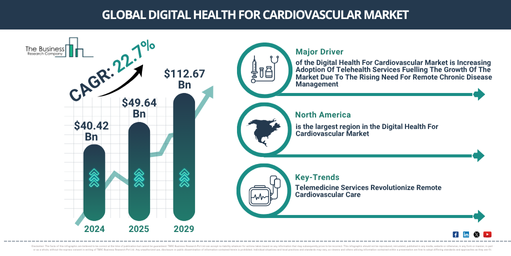
    The valuation for the digital health sector focused on cardiovascular applications has seen a remarkable surge lately, projected to progress from $40.42 billion in the year 2024 to reach $49.64 billion by 2025, demonstrating a substantial compound annual growth rate (CAGR) of 22.8%. This upward trajectory observed during the past period is fueled by several key factors: a growing incidence of heart conditions, expanding utilization of telemedicine platforms, heightened consumer desire for tailored medical attention, supportive governmental policies and regulatory adjustments within the health sector, and escalating overall healthcare expenditures.

    The digital health sector catering to cardiovascular conditions anticipates substantial, rapid expansion over the forthcoming years, reaching a market valuation of $112.67 billion by 2029, propelled by a compound annual growth rate (CAGR) of 22.7%. This upward trajectory during the projection phase is fundamentally driven by several key factors: the increasing deployment of 5G infrastructure, the demographic shift toward an older global populace, the widening application of artificial intelligence in tailoring medical treatments, heightened public consciousness regarding health and preventative measures, and a growing inclination among consumers to receive medical attention in domestic settings. Significant developments characterizing this forecast period encompass diagnostic tools leveraging AI capabilities, the seamless incorporation of telemedicine services, the utilization of 5G for instantaneous data transmission, specialized telecardiology systems, and cloud infrastructures dedicated to health data management.

    Unlock Your Free Sample Report for Exclusive Market Data:

    https://www.thebusinessresearchcompany.com/sample.aspx?id=24210&type=smp

    What Are The Drivers Pushing New Developments In The Digital Health For Cardiovascular Market?

    The expanding utilization of remote healthcare options is forecasted to fuel the expansion of the digital health segment dedicated to heart health in the time ahead. These remote medical appointments, facilitated through telephonic conversations, video links, or specific applications, permit individuals to converse with medical professionals without the necessity of physically attending a medical facility. The rising trend in utilizing remote care is motivated by the ease with which medical attention can be obtained directly from one’s residence, which is particularly beneficial for ongoing management of long-term ailments like heart conditions. Cardiovascular digital health solutions bolster these remote consultations by facilitating continuous oversight and virtual meetings, thereby simplifying patient access to necessary medical attention. This ultimately boosts the effectiveness of healthcare delivery by furnishing immediate data, leading to refined diagnostic procedures and therapeutic strategies, consequently lessening the requirement for face-to-face interactions. As an illustration, data from the Australian Digital Health Agency revealed that throughout 2022, a substantial 118.2 million remote health interactions were completed, reaching 18 million individuals, with over 95,000 clinicians employing these methods; consequently, the greater integration of telehealth is a primary catalyst for the market growth in digital cardiovascular care solutions.

    What Are The Primary Types Of Segments Analyzed In The Digital Health For Cardiovascular Market?

    The digital health for cardiovascularmarket covered in this report is segmented –

    1) By Product Type: Remote Monitoring Devices, Mobile Health Applications, Diagnostic Software, Wearable ECG Monitors, Blood Pressure Monitors, Biosensors

    2) By Technology: Artificial Intelligence (AI), Internet Of Things (IoT), Telemedicine, Wearable Devices, Big Data Analytics, Blockchain

    3) By Deployment: On-Premise, Cloud

    4) By Application: Cardiac Monitoring, Diagnosis And Early Detection, Post-Surgical Care, Preventive Care, Rehabilitation Management

    5) By End User: Hospitals And Clinics, Homecare Settings, Ambulatory Care Centers, Academic And Research Institutes

    Subsegments:

    1) By Remote Monitoring Devices: Implantable Loop Recorders, Holter Monitors, Mobile Cardiac Telemetry Devices, Patch Monitors

    2) By Mobile Health Applications: Heart Rate Monitoring Apps, Blood Pressure Monitoring Apps, Medication Adherence Apps, Diet And Lifestyle Management Apps

    3) By Diagnostic Software: Electrocardiogram (ECG) Interpretation Software, Artificial intelligence (AI)-Powered Diagnostic Tools, Cardiac Imaging Analysis Software, Risk Assessment Tools

    4) By Wearable Electrocardiogram (ECG) Monitors: Smartwatches With Electrocardiogram (ECG) Functionality, Chest Strap Electrocardiogram (ECG) Monitors, Wristband Electrocardiogram (ECG) Monitors, Clothing-Integrated Electrocardiogram (ECG) Sensors

    5) By Blood Pressure Monitors: Arm Cuff Monitors, Wrist Cuff Monitors, Finger Monitors, Wireless Blood Pressure (BP) Monitors

    6) By Biosensors: Implantable Biosensors, Skin Patch Biosensors, Sweat-Based Sensors, Multi-Parameter Biosensors

    Which Key Trends Are Expected To Influence The Digital Health For Cardiovascular Market In The Coming Years?

    Leading entities within the digital health sector targeting cardiovascular conditions are heavily invested in forging novel offerings, notably expanding remote patient oversight through the introduction of telemedicine capabilities aimed at boosting care accessibility and enabling prompt medical reactions for those afflicted with heart ailments. Telemedicine, by definition, encompasses leveraging electronic communication tools like mobile applications, remote sensing apparatus, and video conferencing to deliver healthcare advice, assessments, and therapeutic plans across distances. As an illustration, consider Withings, a consumer electronics firm established in France, which in January 2025 debuted Cardio Check-Up, a telemedicine feature integrated into its Withings Plus subscription plan, allowing subscribers to utilize any Withings gadget capable of ECG data collection to secure expert evaluations of their cardiac well-being, particularly through the provision of four yearly electrocardiogram analyses supported by Heartbeat Health.

    Who Are The Primary Competitors In The Global Digital Health For Cardiovascular Market?

    Major companies operating in the digital health for cardiovascular market are Cardinal Health Inc., Abbott Laboratories, Medtronic plc, Siemens Healthineers AG, Philips Healthcare, GE Healthcare Technologies Inc., Boston Scientific Corporation, Orange Business Services SA, Edwards Lifesciences Corporation, Biotronik SE & Co. KG, LivaNova PLC, HeartFlow Inc., Viz.ai Inc., Bardy Diagnostics Inc., Ultromics Limited, RSIP Vision Ltd., Cardiologs Technologies SAS, NXGN Management LLC, Aktiia SA, FibriCheck, Cleerly Inc.

    Download The Full Report For Exclusive Market Findings:

    https://www.thebusinessresearchcompany.com/report/digital-health-for-cardiovascular-global-market-report

    Which Geographies Are Emerging As Strong Markets For The Digital Health For Cardiovascular Industry?

    North America was the largest region in the digital health for cardiovascular market in 2024. Asia-Pacific is expected to be the fastest-growing region in the forecast period. The regions covered in the digital health for cardiovascular market report are Asia-Pacific, Western Europe, Eastern Europe, North America, South America, Middle East, Africa.

    Request A Customized Version Of The Digital Health For Cardiovascular Market Report:

    https://www.thebusinessresearchcompany.com/customise?id=24210&type=smp

    Browse Through More Reports Similar to the Global Digital Health For Cardiovascular Market 2025, By The Business Research Company

    Pediatric Interventional Cardiology Global Market Report 2025

    https://www.thebusinessresearchcompany.com/report/pediatric-interventional-cardiology-global-market-report

    Cardiometabolic Diseases Global Market Report 2025

    https://www.thebusinessresearchcompany.com/report/cardiometabolic-diseases-global-market-report

    Artificial Intelligence In Cardiology Global Market Report 2025

    https://www.thebusinessresearchcompany.com/report/artificial-intelligence-in-cardiology-global-market-report

    Get in touch with us:

    The Business Research Company: https://www.thebusinessresearchcompany.com/

    Americas +1 310-496-7795

    Asia +44 7882 955267 & +91 8897263534

    Europe +44 7882 955267

    Email us at info@tbrc.info

    Follow us on:

    LinkedIn: https://in.linkedin.com/company/the-business-research-company

    YouTube: https://www.youtube.com/channel/UC24_fI0rV8cR5DxlCpgmyFQ

    Global Market Model: https://www.thebusinessresearchcompany.com/global-market-model

  • Global Dietary Supplements In An Age Of Personalized Nutrition Market Trends and Growth Analysis 2025–2029

    Global Dietary Supplements In An Age Of Personalized Nutrition Market Trends and Growth Analysis 2025–2029

    Unlock Global Insights – Save 20% on Market Reports with Code ONLINE20

    What Is The Anticipated Size Of The Dietary Supplements In An Age Of Personalized Nutrition Market Over The Five-Year Period 2025–2029?

    The dietary supplements sector within the personalized nutrition marketplace has observed swift expansion lately, projected to climb from a valuation of $88.53 billion in 2024 to $97.46 billion by the following year, reflecting a compound annual growth rate of 10.1%. This upward trajectory during the preceding years stems from several factors, notably augmented consciousness regarding health and overall well-being, a greater emphasis on self-directed care and proactive health measures, the expansion of goods derived from organic and natural sources, enhanced accessibility to nutritional supplements, a growing concentration on foods and drinks offering specific health benefits, alongside a deeper comprehension of nutritional science and individual genetic profiles.

    The market segment dedicated to dietary supplements, set against the backdrop of evolving personalized nutrition, is anticipated to experience swift expansion in the coming years, projecting a valuation of $145.17 billion by 2029, underpinned by a compound annual growth rate (CAGR) pegged at 10.5%. This upward trajectory throughout the projection timeframe is fueled by several key factors, notably heightened public consciousness regarding health matters, the proliferation of chronic, lifestyle-related ailments, the expanding adoption of wearable health technology, a surging desire for customized medical care, the increasing proportion of older individuals in the population, and a growing consumer prioritization of proactive health maintenance. Key market developments during this forecast period encompass the integration of artificial intelligence for tailoring supplement suggestions, the utilization of genetic screening to ascertain specific nutrient requirements, the application of machine learning methods for detailed data interpretation, the creation of intelligent supplements featuring instantaneous monitoring capabilities, the implementation of biofeedback mechanisms to guide supplementation, and the deployment of blockchain technology to ensure both supply chain traceability and product legitimacy.

    Unlock Your Free Sample Report for Exclusive Market Data:

    https://www.thebusinessresearchcompany.com/sample.aspx?id=24207&type=smp

    What Are The Emerging Market Drivers Creating New Opportunities In The Dietary Supplements In An Age Of Personalized Nutrition Industry?

    Due to the escalating frequency of long-term illnesses, which are defined as persistent medical conditions that usually develop gradually and necessitate continuous care, such as diabetes, cardiovascular ailments, high blood pressure, joint inflammation, persistent respiratory disorders, malignancies, and excessive weight, the dietary supplements in an age of personalized nutrition sector is anticipated to see increased expansion moving ahead. These rising rates of chronic conditions are largely attributed to shifts in lifestyle, notably inadequate eating habits and insufficient physical exertion, both of which predispose individuals to enduring health problems. Dietary support products tailored to individual nutritional needs aid in handling these chronic ailments by delivering customized nutrient regimens aligned with distinct patient profiles, thereby addressing particular insufficiencies and fostering focused well-being that ultimately improves general health results and curtails issues connected to the diseases. As an illustration, data from the UK’s National Health Service reported in June 2024 indicated that pre-diabetes diagnoses in England climbed by 549,000 individuals (an 18 percent jump), moving from 3,065,825 cases in 2022 to 3,615,330 in 2023, with an even sharper 25 percent surge observed specifically among those below forty years old, increasing from 173,166 to 216,440 cases; consequently, this expanding burden of chronic disease is a key impetus behind the market’s growth for dietary supplements in the era of personalized nutrition.

    Which Key Segments Fueling The Dietary Supplements In An Age Of Personalized Nutrition Market?

    The dietary supplements in an age of personalized nutritionmarket covered in this report is segmented –

    1) By Product Type: Vitamins, Minerals, Amino Acids, Herbal And Botanicals, Other Product Types

    2) By Technological: Mobile Applications, Wearable Devices, Health Monitoring Software

    3) By Dosage Form: Capsules, Powder, Liquids, Soft Gels, Other Dosage Forms

    4) By Application: General Wellness, Sports Nutrition, Immune Support, Skin Health, Other Applications

    5) By End-User: Children, Adults, Elderly

    Subsegments:

    1) By Vitamins: Vitamin A, Vitamin B-Complex, Vitamin C, Vitamin D, Vitamin E, Vitamin K

    2) By Minerals: Calcium, Magnesium, Zinc, Iron, Potassium, Selenium

    3) By Amino Acids: Essential Amino Acids, Non-Essential Amino Acids, Branched-Chain Amino Acids (BCAAs), Amino Acid Blends

    4) By Herbal and Botanicals: Ginseng, Turmeric, Ashwagandha, Ginkgo Biloba, Green Tea Extract, Milk Thistle

    5) By Other Product Types: Probiotics, Omega Fatty Acids, Enzymes, Fiber Supplements, Collagen Supplements

    What Are The Major Trends Driving The Growth Of The Dietary Supplements In An Age Of Personalized Nutrition Market?

    Leading corporations within the sphere of dietary supplements, specifically addressing the trend toward individualized nutrition, are heavily invested in engineering novel approaches, typified by personalized vitamin evaluations, designed to furnish patrons with health remedies precisely suited to their unique dietary requirements, thereby boosting general well-being and fostering preventative health strategies. Such a customized vitamin assessment constitutes a bespoke appraisal that scrutinizes a person’s distinct nutritional deficiencies, daily habits, and desired health targets to suggest an optimal allocation of vitamins and supplementary products. Illustratively, in the eleventh month of 2024, Persona Nutrition, an American firm specializing in personalized nutrition, rolled out a white label offering intended to empower other brands in delivering bespoke supplement packages, deepening consumer connection, and simplifying the handling of recurring orders. This novel advancement in dietary supplementation incorporates the capability for customized vitamin assessment, empowering enterprises to deploy offerings specific to individual customers, elevate subscriber loyalty, and achieve efficient expansion within the tailored nutrition sector. This white label facility boasts substantial flexibility, facilitating smooth customization across a spectrum of wellness concerns by employing customized vitamin assessments to convey exact supplement suggestions and significantly boost client interaction.

    Which Key Market Players Are Investing In Expansion And Innovation Of Dietary Supplements In An Age Of Personalized Nutrition Market?

    Major companies operating in the dietary supplements in an age of personalized nutrition market are Amway Corporation, McKesson Corporation, Athletic Greens, Niagen Bioscience, ​Darwin AG, Viome Life Sciences Inc., Oshi Health Inc., ​Harbin Pharmaceutical Group Co. Ltd., DNALYSIS Biotechnology, Panaceutics Nutrition, Segterra Inc., GenoPalate Inc., Bioniq Health-Tech Solutions Ltd., Vous Vitamin LLC, Nourished, NutriStyle Inc., Vitable, Quantbiome Inc., Elo Health, Cuure.

    Download The Full Report For Exclusive Market Findings:

    https://www.thebusinessresearchcompany.com/report/dietary-supplements-in-an-age-of-personalized-nutrition-global-market-report

    Which Region Is Projected To Lead The Dietary Supplements In An Age Of Personalized Nutrition Market During The Forecast Period?

    North America was the largest region in the dietary supplements in an age of personalized nutrition market in 2024. Asia-Pacific is expected to be the fastest-growing region in the forecast period. The regions covered in the dietary supplements in an age of personalized nutrition market report are Asia-Pacific, Western Europe, Eastern Europe, North America, South America, Middle East, Africa.

    Request A Customized Version Of The Dietary Supplements In An Age Of Personalized Nutrition Market Report:

    https://www.thebusinessresearchcompany.com/customise?id=24207&type=smp

    Browse Through More Reports Similar to the Global Dietary Supplements In An Age Of Personalized Nutrition Market 2025, By The Business Research Company

    Probiotics Dietary Supplements Global Market Report 2025

    https://www.thebusinessresearchcompany.com/report/probiotics-dietary-supplements-global-market-report

    Veterinary Dietary Supplements Global Market Report 2025

    https://www.thebusinessresearchcompany.com/report/veterinary-dietary-supplements-global-market-report

    Dietary Fibers Global Market Report 2025

    https://www.thebusinessresearchcompany.com/report/dietary-fibers-global-market-report

    Get in touch with us:

    The Business Research Company: https://www.thebusinessresearchcompany.com/

    Americas +1 310-496-7795

    Asia +44 7882 955267 & +91 8897263534

    Europe +44 7882 955267

    Email us at info@tbrc.info

    Follow us on:

    LinkedIn: https://in.linkedin.com/company/the-business-research-company

    YouTube: https://www.youtube.com/channel/UC24_fI0rV8cR5DxlCpgmyFQ

    Global Market Model: https://www.thebusinessresearchcompany.com/global-market-model

  • Dental Restorative Materials Market Forecast: What to Expect by 2029

    Dental Restorative Materials Market Forecast: What to Expect by 2029

    Unlock Global Insights – Save 20% on Market Reports with Code ONLINE20

    What Are The Forecasted Market Size Estimates For The Dental Restorative Materials Market Between 2025 And 2029?

    The dental restorative materials sector has experienced significant expansion lately, projecting a market valuation increase from $2.87 billion in 2024 to $3.01 billion in the subsequent year, reflecting a compound annual growth rate (CAGR) of precisely 5.1%. This robust expansion observed during the historical period stems from several key factors, including an increasing elderly demographic worldwide, the upward mobility of the global middle class, heightened population concentration in urban settings, heightened public consciousness regarding proper oral hygiene practices, and broader availability of dental insurance plans.

    The sphere of dental restorative materials is projected to experience significant expansion over the coming years, reaching a valuation of $3.74 billion by 2029, fueled by a compound annual growth rate (CAGR) of 5.5 percent; this anticipated surge is fundamentally driven by shifts in public eating patterns, rising tobacco usage, supportive governmental actions concerning oral hygiene, heightened intake of manufactured foodstuffs, and the proliferation of dental care facilities, while key developments shaping this market involve the incorporation of CAD or CAM platforms to ensure restorative accuracy, progress in bonding agents, the creation of biologically active substances, the application of nanotechnology within dental components, and the adoption of artificial intelligence for diagnostic procedures.

    Unlock Your Free Sample Report for Exclusive Market Data:

    https://www.thebusinessresearchcompany.com/sample.aspx?id=24204&type=smp

    Which Drivers Are Impacting The Dental Restorative Materials Market?

    An expanding frequency of ailments affecting the teeth is anticipated to fuel the progression of the dental restorative materials sector in the near future. When discussing dental disorders, these encompass various states impacting both teeth and gum tissues, including conditions like caries, gum disease, and edentulism, all demanding restorative procedures to preserve aesthetic appeal and proper chewing function. This upward trend is largely attributable to suboptimal practices in cleaning the mouth, which facilitate the buildup of film and microbial proliferation, thus elevating the likelihood of developing cavities and related dental complications. Consequently, the escalating occurrence of these oral health problems stimulates the need for restorative compounds by creating a necessity for competent methods to mend and handle damage sustained by the teeth. As an illustration, data released in November 2022 by the World Health Organization, an international body headquartered in Switzerland, indicated an estimation of roughly 389,846 new instances along with 188,438 fatalities globally that year attributed to malignancies impacting the mouth and lips. Hence, the heightened incidence of various dental problems is set to propel the expansion trajectory of the market concerned with materials used for dental restoration.

    How Is The Dental Restorative Materials Market Classified Into Different Segments?

    The dental restorative materialsmarket covered in this report is segmented –

    1) By Product: Amalgam, Resin Based Composite, Glass Ionomer, Resin Modified Glass Ionomer, Porcelain-Fused-to-Metal

    2) By Restoration Type: Direct, Indirect

    3) By Application: Prosthodontics, Periodontics, Endodontics, Other Applications

    4) By End-User Type: Hospital, Dental Clinic, Laboratory

    Subsegments:

    1) By Amalgam: Silver Amalgam, Non-Silver Amalgam

    2) By Resin-Based Composite: Light-Cured Resin Composite, Chemically Cured Resin Composite, Dual-Cured Resin Composite

    3) By Glass Ionomer: Conventional Glass Ionomer, Resin-Modified Glass Ionomer

    4) By Resin Modified Glass Ionomer: Light-Cured Resin Modified Glass Ionomer, Chemically Cured Resin Modified Glass Ionomer

    5) By Porcelain-Fused-To-Metal (PFM): High Noble Porcelain-Fused-to-Metal (PFM), Noble Porcelain-Fused-to-Metal (PFM), Base Metal Porcelain-Fused-to-Metal (PFM)

    What Are The Major Trends Driving The Growth Of The Dental Restorative Materials Market?

    Key players within the dental restorative materials sector are concentrating their efforts on innovating sophisticated offerings, exemplified by flexible splints designed to enhance patient ease and thereby improve adherence throughout recovery.These dental aids, composed of moldable substances, serve to temporarily secure compromised or dislodged teeth while still permitting minor motion essential for the repair process.As a specific illustration, in the eleventh month of 2023, the American dental equipment producer Dentsply Sirona introduced two new 3D printing composite materials, the Primeprint Splint ST and Primeprint Splint SF.The entire Primeprint System represents a markedly streamlined additive manufacturing platform that reduces hands-on involvement, such as intensive post-printing buffing, while achieving a lustrous finish following polymerization and effortless detachment from the support structures.Furthermore, its dedicated Primeprint Material Unit Type S boosts overall procedural speed via print protocols tailored to particular uses.The Primeprint Splint ST and SF composites are suitable for fabricating thin structures merely 0.8 mm thick and can be sourced in varying severities of firmness and suppleness to align with distinct clinical demands.Moreover, these resins are formulated without MMA, THF-MA, and TPO2, resulting in an odorless and flavorless product that contributes positively to the patient experience.

    Who Are The Core Companies Influencing The Dental Restorative Materials Market Landscape?

    Major companies operating in the dental restorative materials market are Mitsui Chemicals, 3M Company, Zimmer Biomet Holdings Inc., KURARAY CO. LTD., Dentsply Sirona Inc., Envista, Premier Dental Co., Ivoclar Vivadent AG, Ultradent Products Inc., Kulzer LLC, Kerr Corporation, Coltene Holding AG, Septodont Inc., VOCO GmbH, Keystone Dental Inc., Shining 3D, Den-Mat Holdings LLC, DMG Chemisch-Pharmazeutische Fabrik GmbH, Bisco Inc., GC India Dental Pvt. Ltd., Dental Technologies Inc., Sdi Limited, Parkell Inc., Tokoyama Dental Corp., Scheu-Dental GmbH, Imes-Icore GmbH, Dreve Dentamid GmbH, SHOFU Dental GmbH, Silmet Dental Ltd.

    Download The Full Report For Exclusive Market Findings:

    https://www.thebusinessresearchcompany.com/report/dental-restorative-materials-global-market-report

    What Are The Key Regional Factors Influencing The Dental Restorative Materials Market Growth?

    North America was the largest region in the dental restorative materials market in 2024. Asia-Pacific is expected to be the fastest-growing region in the forecast period. The regions covered in the dental restorative materials market report are Asia-Pacific, Western Europe, Eastern Europe, North America, South America, Middle East, Africa.

    Request A Customized Version Of The Dental Restorative Materials Market Report:

    https://www.thebusinessresearchcompany.com/customise?id=24204&type=smp

    Browse Through More Reports Similar to the Global Dental Restorative Materials Market 2025, By The Business Research Company

    Dental Implants And Prosthetics Global Market Report 2025

    https://www.thebusinessresearchcompany.com/report/dental-implants-and-prosthetics-global-market-report

    Dental Restorative And Regenerative Material Global Market Report 2025

    https://www.thebusinessresearchcompany.com/report/dental-restorative-and-regenerative-material-global-market-report

    Pet Dental Health Global Market Report 2025

    https://www.thebusinessresearchcompany.com/report/pet-dental-health-global-market-report

    Get in touch with us:

    The Business Research Company: https://www.thebusinessresearchcompany.com/

    Americas +1 310-496-7795

    Asia +44 7882 955267 & +91 8897263534

    Europe +44 7882 955267

    Email us at info@tbrc.info

    Follow us on:

    LinkedIn: https://in.linkedin.com/company/the-business-research-company

    YouTube: https://www.youtube.com/channel/UC24_fI0rV8cR5DxlCpgmyFQ

    Global Market Model: https://www.thebusinessresearchcompany.com/global-market-model
  • Dental Restoration Cement Industry Insights: Market Forecast to 2029

    Dental Restoration Cement Industry Insights: Market Forecast to 2029

    Unlock Global Insights – Save 20% on Market Reports with Code ONLINE20

    How Is The Dental Restoration Cement Market Size Likely To Evolve From 2025 Through 2034?

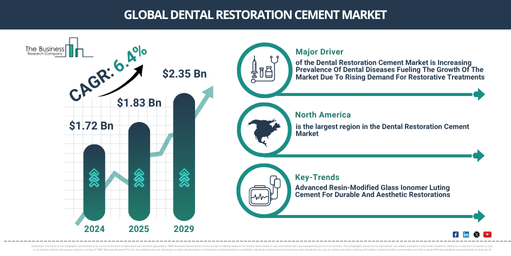
    The sector for dental restoration cement has experienced robust expansion lately, projected to increase its valuation from $1.72 billion in 2024 to $1.83 billion by 2025, reflecting a consistent compound annual growth rate of 6.0%; this upward trajectory during the preceding years is linked to several factors, including a higher incidence of tooth decay, the demographic shift towards an older population, escalating consumer interest in aesthetic dental procedures, greater public understanding regarding oral hygiene, and an increase in the total number of dental care facilities.

    Projections indicate robust expansion for the dental restoration cement sector across the forthcoming years, with the market anticipated to reach a valuation of $2.35 billion by 2029, expanding at a compound annual growth rate (CAGR) of 6.4%; this upward trajectory is fueled by advancements such as nanotechnology-enabled cements, the incorporation of bioactive dental components, the rise of light-cure resin cements, the utilization of self-adhesive resin cements, and the development of antibacterial cement solutions.

    Unlock Your Free Sample Report for Exclusive Market Data:

    https://www.thebusinessresearchcompany.com/sample.aspx?id=24203&type=smp

    Which Industry Drivers Are Expected To Accelerate The Dental Restoration Cement Market From 2025 To 2029?

    A rise in the incidence of dental ailments is anticipated to fuel the expansion of the dental restoration cement sector moving ahead. These conditions, which negatively impact the health and utility of teeth and adjacent structures, encompass issues like caries, periodontal issues, tooth loss, and oral malignancies. This growing frequency of dental problems stems largely from insufficient oral care practices, as a significant population neglects consistent brushing and flossing routines, thus permitting plaque accumulation that subsequently causes gum affliction and tooth decomposition. Dental restoration cement serves a crucial role in mitigating these diseases by firmly adhering prosthetic work to teeth, thereby reinstating full functionality and halting additional deterioration or microbial invasion. Illustratively, data released by the United Kingdom’s government agency, the National Health Service, indicated that in England across the 2023-2024 period, 34 million courses of dental care were provided, representing a 4.3 percent surge over the figures from 2022-2023, highlighting the continuous demand for solutions like dental restoration cement.

    What Are The Major Segments Identified In The Dental Restoration Cement Market?

    The dental restoration cementmarket covered in this report is segmented –

    1) By Product: Cement-Based Restoratives, Resin-Based Cements, Glass Ionomer Cements, Composite Cements, Temporary Cements

    2) By Application: Direct Restoration, Indirect Restoration, Implant Restoration, Crown And Bridge Cementation, Orthodontic Applications

    3) By End-User: Dentists, Dental Hospitals, Dental Clinics, Academic And Research Institutions, Dental Laboratories

    Subsegments:

    1) By Cement-Based Restoratives: Zinc Phosphate Cements, Polycarboxylate Cements, Silicate Cements, Zinc Oxide Eugenol (Zoe) Cements, Copper Cements

    2) By Resin-Based Cements: Light-Cure Resin Cements, Self-Cure Resin Cements, Dual-Cure Resin Cements, Adhesive Resin Cements, Self-Adhesive Resin Cements

    3) By Glass Ionomer Cements (GIC): Conventional Glass Ionomer Cements, Resin-Modified Glass Ionomer Cement (Rmgic), High-Viscosity Glass Ionomer Cements, Metal-Reinforced Glass Ionomer Cements, Light-Cured Glass Ionomer Cements

    4) By Composite Cements: Microfilled Composite Cements, Nanohybrid Composite Cements, Flowable Composite Cements, Fiber-Reinforced Composite Cements, Dual-Cure Composite Cements

    5) By Temporary Cements: Eugenol-Based Temporary Cements, Non-Eugenol Temporary Cements, Resin-Based Temporary Cements, Zinc Oxide-Based Temporary Cements, Light-Cure Temporary Cements

    What Trends Are Expected To Drive The Dental Restoration Cement Market?

    Leading firms in the dental cement sector for restorations are concentrating efforts on innovating sophisticated dental substances, notably resin-modified glass ionomer luting cement, aiming to boost the longevity, visual appeal, and user-friendliness in various dental applications. This RMGI cement integrates the beneficial characteristics found in both conventional glass ionomer cement and resin compositions. To illustrate this trend, in July of 2024, SDI Limited, an Australian manufacturer specializing in dental tools and provisions, introduced the Riva Cem Automix, a new resin-modified glass ionomer luting cement specifically engineered for the firm setting of ceramic, metal, and orthodontic restorations. This material, which cures by itself, possesses radiopacity and releases fluoride, incorporating SDI’s exclusive ionglass system to improve both ion liberation and bonding power. Providing excellent adherence to both dentine and enamel, coupled with great flexural resilience, it permits a brief light tack cure allowing simple removal of surplus material, while its automix tip reduces material wastage and guarantees enduring shade stability, thus presenting practitioners with a practical and economical option for achieving restorations that are both strong and attractive.

    Which Major Industry Participants Are Leading The Dental Restoration Cement Market Growth?

    Major companies operating in the dental restoration cement market are 3M Company, Ultradent Products, Kerr Corporation, Coltene Whaledent AG, Septodont Holding, Shofu Inc., ACTEON GROUP, VOCO GmbH, Dentsply Sirona Inc., Ivoclar Vivadent AG, GC Corporation, META-BIOMED, DenMat Holdings LLC, Cavex Holland BV, BISCO Inc., Pulpdent Corporation, Parkell Inc, Tokuyama Dental Corporation, Kuraray Noritake Dental Inc., Biodinâmica

    Download The Full Report For Exclusive Market Findings:

    https://www.thebusinessresearchcompany.com/report/dental-restoration-cement-global-market-report

    How Do Regional Market Performances Compare Within The Dental Restoration Cement Industry?

    North America was the largest region in the dental restoration cement market in 2024. Asia-Pacific is expected to be the fastest-growing region in the forecast period. The regions covered in the dental restoration cement market report are Asia-Pacific, Western Europe, Eastern Europe, North America, South America, Middle East, Africa.

    Request A Customized Version Of The Dental Restoration Cement Market Report:

    https://www.thebusinessresearchcompany.com/customise?id=24203&type=smp

    Browse Through More Reports Similar to the Global Dental Restoration Cement Market 2025, By The Business Research Company

    Dental Implants And Prosthetics Global Market Report 2025

    https://www.thebusinessresearchcompany.com/report/dental-implants-and-prosthetics-global-market-report

    Dental Restorative And Regenerative Material Global Market Report 2025

    https://www.thebusinessresearchcompany.com/report/dental-restorative-and-regenerative-material-global-market-report

    Pet Dental Health Global Market Report 2025

    https://www.thebusinessresearchcompany.com/report/pet-dental-health-global-market-report

    Get in touch with us:

    The Business Research Company: https://www.thebusinessresearchcompany.com/

    Americas +1 310-496-7795

    Asia +44 7882 955267 & +91 8897263534

    Europe +44 7882 955267

    Email us at info@tbrc.info

    Follow us on:

    LinkedIn: https://in.linkedin.com/company/the-business-research-company

    YouTube: https://www.youtube.com/channel/UC24_fI0rV8cR5DxlCpgmyFQ

    Global Market Model: https://www.thebusinessresearchcompany.com/global-market-model

  • Dental 3D Printing Market Size and Growth Forecast for Businesses 2025–2029

    Dental 3D Printing Market Size and Growth Forecast for Businesses 2025–2029

    Unlock Global Insights – Save 20% on Market Reports with Code ONLINE20

    What Are The Growth Projections For The Dental 3D Printing Market Size During 2025–2029?

    Expansive recent growth marks the trajectory of the dental 3D printing market, which is projected to increase its valuation from $2.96 billion in 2024 to $3.57 billion the following year, reflecting a robust compound annual growth rate of 20.5%. This upswing experienced during the historical timeframe is primarily fueled by the benefits derived from customized and personalized solutions, the rising incidence of various dental ailments, an escalating demand for cosmetic dental procedures, reductions in service delivery durations, plus the positive impact of attaining necessary regulatory clearances and adhering to established standards.

    Anticipated to experience rapid expansion, the dental 3D printing market is projected to reach a valuation of $7.53 billion by the year 2029, demonstrating a robust compound annual growth rate (CAGR) of 20.5% over the upcoming years; this upward trajectory is fueled by several key factors, including heightened recognition of the advantages offered by the technology, the increasing availability of customized dental treatments, a rise in dental-related travel across borders, broader implementation within the field of orthodontics, and significant financial backing from both public and private sectors.Dominating the landscape during this projection timeframe are several notable developments, such as a shift towards design and fabrication processes leveraging cloud infrastructure, improvements in methods for finishing printed items, the integration of artificial intelligence and sophisticated learning algorithms, alongside ongoing innovation in creating materials suitable for biological interaction and capable of multi-material printing capabilities.

    Unlock Your Free Sample Report for Exclusive Market Data:

    https://www.thebusinessresearchcompany.com/sample.aspx?id=24201&type=smp

    What Are The Top Growth Drivers Impacting The Dental 3D Printing Market Outlook?

    The rising incidence of oral ailments is anticipated to catalyze the expansion of the dental 3D printing sector in the forthcoming period. These oral ailments encompass a range of conditions, including but not limited to cavities, periodontal issues, missing teeth, oral malignancies, and various other pathologies impacting the condition and utility of the dentition and adjacent structures. A main contributor to the surge in these diseases is inadequate dental care, evidenced by numerous individuals overlooking routine cleaning and flossing, thereby permitting significant plaque accumulation which subsequently results in gingivitis and decay. Dental 3D printing offers substantial advantages for those suffering from dental irregularities by facilitating the creation of bespoke implants and replacement parts that achieve superior individual fit, thereby enhancing both user satisfaction and efficacy. Furthermore, this technology streamlines the manufacturing of dental apparatus, consequently shortening the duration required for therapeutic interventions. To illustrate this demand, official data released by the National Health Service, a governmental body in the United Kingdom, showed that in England over the 2023/24 period, a total of 34 million courses of dental treatment were administered, representing a 4.3 percent year-over-year rise from the 2022/23 figures. Consequently, the growing frequency of dental sicknesses acts as a major impetus for the advancement of the dental 3D printing market.

    What Are The Emerging Segments Gaining Attention In The Dental 3D Printing Market?

    The dental 3d printingmarket covered in this report is segmented –

    1) By Product And Service Type: Equipment, Materials, Services

    2) By Technology Type: Vat PhotopolymerizatIon, Selective Laser Sintering, Other Technology Types

    3) By Application Type: Orthodontics, Prosthodontics, Implantology

    4) By End-User: Dental Laboratories, Dental Clinics, Hospitals And Clinics, Academic and Research Institute, Other End Users

    Subsegments:

    1) By Equipment: 3D Printers, Post-Processing Equipment, Scanning Devices

    2) By Materials: Dental Resins, Metals, Ceramics, Polymers

    3) By Services: Design And Prototyping Services, Customization And Consultation Services, Printing And Production Services, Post-Processing And Finishing Services

    Which Trends Are Impacting The Dental 3D Printing Market?

    Leading entities within the dental additive manufacturing sector are concentrating their efforts on pioneering sophisticated denture systems that utilize several materials during the 3D printing process, aiming to boost accuracy, extend product lifespan, and broaden the accessibility of tailored dental treatments. This advancement, known as multi-material 3D-printed denture solutions, involves a dental fabrication technique where various substances are concurrently deposited and solidified in successive strata to fabricate a single, unified prosthetic appliance. As an illustration of this trend, in February of 2024, 3D Systems Inc., a firm situated in the United States specializing in 3D printing technologies, introduced its Nextdent Jetted Denture Solution, representing a sophisticated evolution in 3D-printed dentures. This innovation fundamentally alters prosthetic dentistry by merging heightened resilience—stemming from the use of fracture-resistant materials for the gum section and abrasion-resistant materials for the teeth—with aesthetically pleasing characteristics, such as firm, discoloration-resistant teeth alongside vivacious gum appearances, resulting in superior patient contentment and comfort. Furthermore, the unified manufacturing process simplifies operations for dental laboratories, facilitating the production of large quantities while demanding less manual intervention, thus accelerating completion times and decreasing overhead expenditures.

    Who Are The Prominent Global Companies Shaping The Dental 3D Printing Market?

    Major companies operating in the dental 3D printing market are Renishaw plc, Stratasys Ltd., 3D Systems Corporation, Kulzer GmbH, Formlabs Inc., Desktop Metal Inc., Carbon Inc., Prodways Group SA, Voco GmbH, Keystone Industries Limited, Shanghai Union Technology Corporation, Roland DGA, SprintRay Inc., BEGO GmbH & Co. KG, Rapid Shape GmbH, Nexa3D Inc, Eplus3D Tech Co Ltd., MiiCraft, Dentona AG, Micron Dental Technologies.

    Download The Full Report For Exclusive Market Findings:

    https://www.thebusinessresearchcompany.com/report/dental-3d-printing-global-market-report

    Which Region Currently Holds The Largest Share Of The Dental 3D Printing Market?

    North America was the largest region in the dental 3D printing market in 2024. Asia-Pacific is expected to be the fastest-growing region in the forecast period. The regions covered in the dental 3D printing market report are Asia-Pacific, Western Europe, Eastern Europe, North America, South America, Middle East, Africa.

    Request A Customized Version Of The Dental 3D Printing Market Report:

    https://www.thebusinessresearchcompany.com/customise?id=24201&type=smp

    Browse Through More Reports Similar to the Global Dental 3D Printing Market 2025, By The Business Research Company

    Dental Equipment And Supplies Global Market Report 2025

    https://www.thebusinessresearchcompany.com/report/dental-equipment-and-supplies-global-market-report

    Dental Services Market 2025

    https://www.thebusinessresearchcompany.com/report/dental-services-market

    Therapeutic Dental Equipment Global Market Report 2025

    https://www.thebusinessresearchcompany.com/report/therapeutic-dental-equipment-global-market-report

    Get in touch with us:

    The Business Research Company: https://www.thebusinessresearchcompany.com/

    Americas +1 310-496-7795

    Asia +44 7882 955267 & +91 8897263534

    Europe +44 7882 955267

    Email us at info@tbrc.info

    Follow us on:

    LinkedIn: https://in.linkedin.com/company/the-business-research-company

    YouTube: https://www.youtube.com/channel/UC24_fI0rV8cR5DxlCpgmyFQ

    Global Market Model: https://www.thebusinessresearchcompany.com/global-market-model

  • Global Computed Tomography (CT) Scanner Market Overview: Trends Shaping Growth to 2029

    Global Computed Tomography (CT) Scanner Market Overview: Trends Shaping Growth to 2029

    Unlock Global Insights – Save 20% on Market Reports with Code ONLINE20

    What Is The Global Market Value Of The Computed Tomography (CT) Scanner Industry In 2025?

    The market valuation for computed tomography (CT) scanners has experienced robust expansion lately, projected to advance from its current standing of $7.58 billion in 2024 to reach $8.22 billion by 2025, reflecting an impressive compound annual growth rate (CAGR) of 8.5%; this upward trajectory throughout the historical timeframe is linked to several key factors, including the increasing incidence of long-term illnesses, a heightened need for diagnostic procedures that are both prompt and precise, the demographic shift towards an older populace, escalating expenditures within the healthcare sector, greater utilization in identifying malignancies, and a growing preference for diagnostic techniques that are less intrusive.

    Projections indicate robust expansion for the computed tomography (CT) scanner market, anticipating a valuation reaching $11.58 billion by the year 2029, reflecting a compound annual growth rate (CAGR) of 8.9%. This upward trajectory throughout the forecast timeframe is fueled by several key factors, such as the escalating need for mobile CT apparatuses, greater incorporation of CT technology within proactive medical care strategies, heightened capital outlay directed towards medical facility enhancements, a stronger emphasis on individualized treatment approaches, the surge in medical travel to developing regions, and governmental programs encouraging the modernization of healthcare systems. Significant market developments anticipated during this period involve the creation of image analysis tools leveraging artificial intelligence, progress in CT scanners that utilize reduced radiation doses, the proliferation of compact and transportable CT devices, enhancements across three-dimensional and four-dimensional CT visualization capabilities, the emergence of technologies enabling instantaneous CT imaging, alongside an increased level of mechanization in both the operational procedures and documentation processes associated with computed tomography.

    Unlock Your Free Sample Report for Exclusive Market Data:

    https://www.thebusinessresearchcompany.com/sample.aspx?id=24196&type=smp

    Which Major Market Drivers Are Shaping The Future Of The Computed Tomography (CT) Scanner Market?

    The escalating incidence of cancer is anticipated to fuel the expansion of the market for computed tomography (CT) scanners in the future.Cancer, defined as a collection of ailments marked by the unrestrained proliferation and dissemination of aberrant cells within an organism, is becoming more common chiefly because the world population is aging; longer lifespans mean a greater number of people reach advanced years, a period where accumulated genetic alterations, environmental insults, and diminished immunological defenses substantially heighten the likelihood of developing diverse forms of malignancy.CT scanners are instrumental in oncology management, offering intricate sectional and volumetric imagery essential for the timely identification, exact spatial mapping, proper classification, therapeutic organization, and continual surveillance of neoplasms, thereby equipping healthcare providers to render well-founded judgments and enhance results for patients across the entire spectrum of cancer treatment.To illustrate this trend, the American Cancer Society, a key professional body in the US, reported in April 2024 that approximately 20 million new cancer diagnoses were made, leading to 9.7 million fatalities globally in 2022, with projections indicating that this figure will climb to 35 million cases annually by the year 2050; consequently, the rising occurrence of cancer is directly motivating the advancement of the computed tomography scanner industry.

    What Are The Major Segment Types Covered In The Computed Tomography (CT) Scanner Market?

    The computed tomography (ct) scannermarket covered in this report is segmented –

    1) By Type: Stationary Computed Tomography Scanner, Portable Computed Tomography Scanner

    2) By Architecture: O-Arm, C-Arm

    3) By Technology: High-Slice Computed Tomography, Mid-Slice Computed Tomography, Low-Slice Computed Tomography, Cone Beam Computed Tomography

    4) By Application: Neurology, Oncology, Cardiovascular, Orthopedics, Other Applications

    5) By End Users: Hospitals And Diagnostics Centers, Research Laboratories, Academic Institutes And Contract Research Organizations, Ambulatory Care Centers, Veterinary Clinics And Hospitals, Other End Users

    Subsegments:

    1) By Stationary Computed Tomography Scanner: Single-Slice Computed Tomography Scanner, Multi-Slice Computed Tomography Scanner, Cone Beam Computed Tomography Scanner, Dual-Source Computed Tomography Scanner

    2) By Portable Computed Tomography Scanner: Handheld Computed Tomography Scanner, Mobile Computed Tomography Scanner

    What Long-Term Trends Will Shape The Future Growth Of The Computed Tomography (CT) Scanner Industry?

    Key players within the computed tomography (CT) scanner sector are concentrating efforts on pioneering advancements like volume imaging techniques, which aim to substantially elevate the clarity of captured images, expedite the duration required for scanning procedures, decrease patient exposure to radiation, and boost the precision of diagnoses across various medical uses. This volume imaging capability facilitates the capture of complete anatomical sections during a single rotational sweep, resulting in notably sharper image resolution and a reduction in distortions caused by patient movement. As a concrete illustration, in the third month of 2025, GE Healthcare Technologies Inc., a medical device and diagnostics firm headquartered in the United States, introduced its Revolution Vibe CT platform, which incorporates capabilities such as uninterrupted single-heartbeat cardiac imaging alongside workflow improvements driven by artificial intelligence. Equipped to produce superior imagery even in complicated scenarios like atrial fibrillation or severely calcified coronary arteries, this apparatus streamlines preparatory steps for those receiving scans since it bypasses the previous necessity for electrocardiogram hookups, ultimately seeking to bolster diagnostic certainty and patient ease while simultaneously boosting operational throughput.

    Which Key Players Are Driving Competition In The Computed Tomography (CT) Scanner Market?

    Major companies operating in the computed tomography (CT) scanner market are Medtronic plc, Siemens Healthineers AG, FUJIFILM Holdings Corporation, Koninklijke Philips N.V., GE HealthCare Technologies Inc., Konica Minolta Inc., Hologic Inc., Shimadzu Corporation, Neusoft Medical Systems Co. Ltd., Shanghai United Imaging Healthcare Co. Ltd., Carestream Health Inc., Accuray Incorporated, Analogic Corporation, Trivitron Healthcare Private Limited, Ziehm Imaging GmbH, Shenzhen Anke High-tech Co. Ltd., Planmed Oy, Xoran Technologies LLC, SinoVision Technologies (Beijing) Co. Ltd., Samsung Medison Co. Ltd., Koning Corporation, CurveBeam AI Inc.

    Download The Full Report For Exclusive Market Findings:

    https://www.thebusinessresearchcompany.com/report/computed-tomography-ct-scanner-global-market-report

    What Regional Growth Trends Are Shaping The Computed Tomography (CT) Scanner Market Outlook?

    North America was the largest region in the computed tomography (CT) scanner market in 2024. Asia-Pacific is expected to be the fastest-growing region in the forecast period. The regions covered in the computed tomography (CT) scanner market report are Asia-Pacific, Western Europe, Eastern Europe, North America, South America, Middle East, Africa.

    Request A Customized Version Of The Computed Tomography (CT) Scanner Market Report:

    https://www.thebusinessresearchcompany.com/customise?id=24196&type=smp

    Browse Through More Reports Similar to the Global Computed Tomography (CT) Scanner Market 2025, By The Business Research Company

    Computed Tomography Ct Scanners Devices And Equipment Global Market Report 2025

    https://www.thebusinessresearchcompany.com/report/computed-tomography-ct-scanners-devices-and-equipment-global-market-report

    Scanner Global Market Report 2025

    https://www.thebusinessresearchcompany.com/report/scanner-global-market-report

    Narcotics Scanner Global Market Report 2025

    https://www.thebusinessresearchcompany.com/report/narcotics-scanner-global-market-report

    Get in touch with us:

    The Business Research Company: https://www.thebusinessresearchcompany.com/

    Americas +1 310-496-7795

    Asia +44 7882 955267 & +91 8897263534

    Europe +44 7882 955267

    Email us at info@tbrc.info

    Follow us on:

    LinkedIn: https://in.linkedin.com/company/the-business-research-company

    YouTube: https://www.youtube.com/channel/UC24_fI0rV8cR5DxlCpgmyFQ

    Global Market Model: https://www.thebusinessresearchcompany.com/global-market-model