Blog

  • Respiratory Biologics Market Size Forecast: How The Industry Is Expected To Grow From 2026 To 2030

    Respiratory Biologics Market Size Forecast: How The Industry Is Expected To Grow From 2026 To 2030

    Built to provide research that’s more actionable and strategically valuable, The Business Research Company’s 2026 market reports include market attractiveness analysis, total addressable market sizing, company benchmarking matrices, interactive Excel dashboards, broader supply chain intelligence, emerging startup tracking, and in-depth product insights.

    Respiratory Biologics Market Growth Potential: How Will Market Size Shift Through 2030?

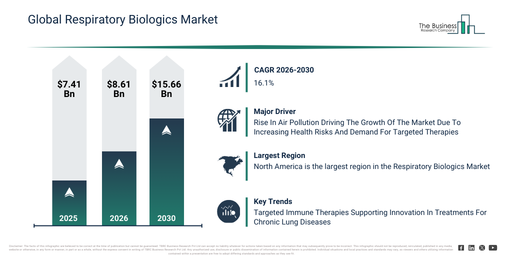
    The respiratory biologics market has experienced rapid expansion in recent years. Its valuation is set to rise from $7.41 billion in 2025 to $8.61 billion in 2026, reflecting a compound annual growth rate (CAGR) of 16.3%. Factors contributing to its historical growth include the constraints of conventional inhalers, an increase in severe asthma cases, the authorization of biologic therapies, advancements in immunology research, and the expansion of specialty clinics.

    The respiratory biologics market is anticipated to expand significantly over the next few years, projected to reach $15.66 billion by 2030, with a compound annual growth rate (CAGR) of 16.1%. This expansion during the forecast period is propelled by the advancement of precision respiratory medicine, the broadening of biologics pipelines, increased healthcare spending, enhancements in reimbursement policies, and the persisting unmet needs in severe respiratory diseases. Key trends during this period are expected to involve the rising adoption of targeted biologic therapies, an expansion of treatments for severe asthma, increased reliance on biomarker-based patient selection, a growing use of injectable respiratory drugs, and a shift towards long-acting biologic agents.

    Get A Free Sample Report With In-Depth Market Insights:

    https://thebusinessresearchcompany.com/sample_request?id=66943313&type=smp&name=Respiratory%20Biologics%20Market%20Report%202026&utm_source=Blogs&utm_medium=Paid&utm_campaign=Oct_PR

    Respiratory Biologics Market Demand Drivers Opening New Revenue Streams

    The future expansion of the respiratory biologics market is anticipated to be driven by increasing air pollution. This phenomenon, known as air pollution, involves the existence of detrimental elements like gases, microscopic particles, and organic compounds within Earth’s atmosphere, posing risks to both human well-being and ecological systems. The escalation of air pollution stems from greater industrial development and urban expansion, resulting in elevated pollutant discharges from manufacturing plants, transportation, and building projects. Respiratory biologics offer a solution to mitigate the health consequences of air pollution by delivering precise treatments designed to lessen inflammation and enhance pulmonary function for those exposed to airborne contaminants. As an illustration, the Environmental Protection Agency, a US-based government entity, reported in January 2025 that the United States emitted more than 66 million tons of pollutants into the atmosphere during 2023. Consequently, the upward trend in air pollution serves as a primary impetus for the expansion of the respiratory biologics market.

    Respiratory Biologics Market Segmentation And Category Overview

    The respiratory biologics market covered in this report is segmented –

    1) By Disease Indication: Asthma, Chronic Rhinosinasitis, Hypereosinophilic Syndrome

    2) By Route Of Administration: Intravenous, Subcutaneous

    3) By Sales Channel: Hospitals, Specialty Clinics, Retail Pharmacies, Mail Order Pharmacies

    Subsegments:

    1) By Asthma: Severe Eosinophilic Asthma, Allergic Asthma, Non-Allergic Asthma

    2) By Chronic Rhinosinasitis: Chronic Rhinosinusitis: Chronic Rhinosinusitis with Nasal Polyps, Chronic Rhinosinusitis without Nasal Polyps

    3) By Hypereosinophilic Syndrome (HES): Idiopathic HES, Lymphocytic Variant HES, Myeloproliferative HES

    Respiratory Biologics Market Trends Powering Strategic Industry Growth

    Major companies in the respiratory biologics market are focusing on developing innovative biologic therapies, such as targeted immune therapies for chronic respiratory diseases, with the goal of providing precise treatments that lessen inflammation and improve lung function. Targeted immune therapies for chronic respiratory diseases are interventions designed to help manage the body’s immune system, thereby reducing swelling and respiratory issues in individuals with long-term lung conditions. For example, in September 2024, Sanofi S.A., a France-based pharmaceutical company, announced that the US Food and Drug Administration (FDA) had approved Dupixent (dupilumab) as an add-on maintenance therapy for adults with inadequately controlled chronic obstructive pulmonary disease (COPD) who presented an eosinophilic phenotype. This approval marked a significant achievement, as Dupixent became the first biologic medicine authorized in the US for treating this specific population of COPD patients.

    Respiratory Biologics Market Competitive Analysis Of Leading Industry Participants

    Major companies operating in the respiratory biologics market are Sanofi S.A., AstraZeneca plc, GlaxoSmithKline plc, Regeneron Pharmaceuticals Inc., Novartis AG, F. Hoffmann-La Roche Ltd., Amgen Inc., Swedish Orphan Biovitrum AB, Teva Pharmaceutical Industries Ltd., AbbVie Inc., Pfizer Inc., Merck & Co. Inc., Bristol Myers Squibb Company, Johnson & Johnson, Boehringer Ingelheim International GmbH, Biogen Inc., Vertex Pharmaceuticals Incorporated, Glenmark Pharmaceuticals Ltd., Kiniksa Pharmaceuticals Ltd., Pieris Pharmaceuticals Inc.

    View The Full Respiratory Biologics Market Report:

    https://thebusinessresearchcompany.com/report/respiratory-biologics-global-market-report?utm_source=Blogs&utm_medium=Paid&utm_campaign=Oct_PR

    Respiratory Biologics Market Regional Breakdown: Where Is Demand Concentrated?

    North America was the largest region in the respiratory biologics market in 2025. Asia-Pacific is expected to be the fastest-growing region in the forecast period. The regions covered in the respiratory biologics market report are Asia-Pacific, South East Asia, Western Europe, Eastern Europe, North America, South America, Middle East, Africa.

    Reach Out To Our Team:

    The Business Research Company: https://www.thebusinessresearchcompany.com/

    Americas: +1 310-496-7795

    Asia: +44 7882 955267 & +91 8897263534

    Europe: +44 7882 955267

    Email us at: marketing@tbrc.info

    Follow us on:

    LinkedIn: https://in.linkedin.com/company/the-business-research-company

    YouTube: https://www.youtube.com/channel/UC24_fI0rV8cR5DxlCpgmyFQ

    Global Market Model: https://www.thebusinessresearchcompany.com/global-market-model
  • Research-Grade Proteins Market Reaches $3.18 Billion In 2026: Forecast And Growth Opportunities

    Research-Grade Proteins Market Reaches $3.18 Billion In 2026: Forecast And Growth Opportunities

    Backed by market attractiveness analysis, total addressable market sizing, company benchmarking matrices, interactive Excel dashboards, wider supply chain intelligence, emerging startup coverage, and detailed product-level insights, The Business Research Company’s 2026 market reports are designed to offer research that is more actionable and strategically valuable than ever.

    Research-Grade Proteins Market Value Analysis: What Growth Lies Ahead Over The Forecast Period?

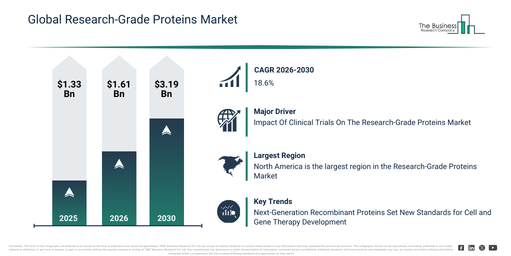
    The market size for research-grade proteins has witnessed substantial growth in recent years. This market is forecasted to increase from $1.33 billion in 2025 to $1.61 billion in 2026, at a compound annual growth rate (CAGR) of 20.8%. Historically, this expansion was driven by several factors, including the growth of academic life sciences research, the increasing utilization of proteins in molecular biology experiments, the expansion of biopharmaceutical R&D activities, the availability of recombinant protein expression systems, and rising funding for basic biomedical research.

    The research-grade proteins market is anticipated to experience significant expansion in the coming years. It will grow to $3.19 billion in 2030 at a compound annual growth rate (CAGR) of 18.6%. This growth during the forecast period stems from an amplified emphasis on precision medicine research, a heightened demand for protein-based drug targets, advancements in cell and gene therapy studies, broader applications of proteins in structural biology, and pharmaceutical companies increasingly outsourcing their research endeavors. Prominent trends foreseen for this period encompass a surge in demand for high-purity proteins in drug discovery, the increasing deployment of recombinant proteins in cell and molecular biology investigations, wider acceptance of research-grade proteins in immunology and oncology research, the proliferation of protein-based assays and functional studies, and a stronger inclination towards tailored and specific-application proteins.

    Get A Free Sample Report With In-Depth Market Insights:

    https://thebusinessresearchcompany.com/sample_request?id=87883603&type=smp&name=Research-Grade%20Proteins%20Market%20Report%202026&utm_source=Blogs&utm_medium=Paid&utm_campaign=Oct_PR

    Research-Grade Proteins Market Growth Backed By Core Demand Fundamentals

    The increasing volume of clinical trials is anticipated to drive expansion in the research-grade proteins market. Clinical trials are defined as investigative studies that examine the safety and effectiveness of new medical treatments, interventions, or devices when applied to human subjects. The rise in the number of these trials can be attributed to advancements in medical research, the existing burden of various diseases, shifts in regulatory frameworks, growing patient demands, and significant industry investment. Research-grade proteins play a crucial role in clinical trials by serving as indispensable tools for developing biomarkers and assays, identifying drug targets, performing quality control, and establishing reference standards, thereby ensuring the accuracy and reliability of experimental outcomes. For instance, in December 2024, the Association of the British Pharmaceutical Industry (ABPI), a UK-based organization, indicated that the number of pharmaceutical industry trials launched in the UK increased for the second consecutive year, rising from 411 in 2022 to 426 in 2023. Thus, the growing number of clinical trials is a key factor propelling the growth of the research-grade proteins market.

    Research-Grade Proteins Market Segment Outlook: Which Categories Are Growing Fastest?

    The research-grade proteins market covered in this report is segmented –

    1) By Product: Cytokines And Growth Factors, Antibodies, Immune Checkpoint Proteins, Virus Antigens, Enzymes, Recombinant Regulatory Proteins, Hormones, Other Products

    2) By Host Cell: Mammalian Cells, Bacterial Cells, Fungi And Yeast, Insect Cells, Other Host Cells

    3) By End-Use: Pharmaceutical And Biotechnology Companies, Academic And Research Institute, Other End-Uses

    Subsegments:

    1) By Cytokines And Growth Factors: Interleukins, Interferons, Colony Stimulating Factors, Erythropoietin, Granulocyte Macrophage Colony-Stimulating Factor

    2) By Antibodies: Monoclonal Antibodies, Polyclonal Antibodies, Recombinant Antibodies, Conjugated Antibodies

    3) By Immune Checkpoint Proteins: PD-1 Inhibitors, PD-L1 Inhibitors, CTLA-4 Inhibitors

    4) By Virus Antigens: HIV Antigens, Hepatitis Antigens, Influenza Antigens, Hepatitis B Antigens

    5) By Enzymes: Restriction Enzymes, Proteases, Ligases, Kinases

    6) By Recombinant Regulatory Proteins: Transcription Factors, Regulatory Enzymes, Epigenetic Modifiers

    7) By Hormones: Insulin, Thyroid Hormones, Growth Hormones, Adrenaline

    8) By Other Products: Peptides, Serum Proteins, Antigen-Binding Proteins

    Research-Grade Proteins Market Growth Trends Reshaping The Competitive Landscape

    Major companies in the research-grade proteins market are concentrating on creating innovative solutions, such as high-purity, animal-origin-free recombinant proteins, to enhance consistency, safety, and performance in advanced cell and gene therapy workflows. These high-purity, animal-origin-free recombinant proteins are laboratory-produced proteins made without any animal-derived components and purified to very high standards, ensuring consistency, safety, and reliability for research and therapeutic applications. For instance, in October 2025, Qkine Ltd., a UK-based manufacturing company, introduced a new range of Cell Therapy Grade recombinant proteins specifically engineered to meet the stringent requirements of cell therapy research, process development, and GMP manufacturing. These high-purity, animal-origin-free proteins feature low endotoxin levels and minimal host cell contaminants, produced using defined manufacturing standards with comprehensive regulatory documentation. Their consistent performance supports smooth scalability from early research to GMP clinical workflows. Designed for advanced applications like CAR-T, iPSC differentiation, and ex vivo gene editing, these regulatory-ready proteins help accelerate therapy development while reducing risks.

    Research-Grade Proteins Market Leading Companies And Competitive Benchmarking

    Major companies operating in the research-grade proteins market are Thermo Fisher Scientific Inc., Bio-Rad Laboratories Inc., Bio-Techne, Stemcell Technologies Inc., Miltenyi Biotec, GenScript Biotech Corporation, Sino Biological Inc., ACROBiosystems, OriGene Technologies Inc., RayBiotech Inc., Rockland Immunochemicals Inc., Proteintech Group Inc., Novus Biologicals LLC, Active Motif, Aviva Systems Biology Corporation, StressMarq Biosciences Inc., Abnova Corporation, AnaSpec, Biomatik, Prospec-Tany Technogene Ltd., Cusabio Technology LLC, United States Biological, Laurus Bio, Boster Biological Technology, AMS Biotechnology Europe Ltd (AMSBIO)

    View The Full Research-Grade Proteins Market Report:

    https://thebusinessresearchcompany.com/report/research-grade-proteins-global-market-report?utm_source=Blogs&utm_medium=Paid&utm_campaign=Oct_PR

    Research-Grade Proteins Market Geographic Landscape: Which Region Dominates Industry Growth?

    North America was the largest region in the research-grade proteins market in 2025. Asia-Pacific is expected to be the fastest-growing region in the forecast period. The regions covered in the research-grade proteins market report are Asia-Pacific, South East Asia, Western Europe, Eastern Europe, North America, South America, Middle East, Africa.

    Reach Out To Our Team:

    The Business Research Company: https://www.thebusinessresearchcompany.com/

    Americas: +1 310-496-7795

    Asia: +44 7882 955267 & +91 8897263534

    Europe: +44 7882 955267

    Email us at: marketing@tbrc.info

    Follow us on:

    LinkedIn: https://in.linkedin.com/company/the-business-research-company

    YouTube: https://www.youtube.com/channel/UC24_fI0rV8cR5DxlCpgmyFQ

    Global Market Model: https://www.thebusinessresearchcompany.com/global-market-model

  • Research Antibodies and Reagents Market Growth In 2026: Market Size, Key Drivers And Future Outlook

    Research Antibodies and Reagents Market Growth In 2026: Market Size, Key Drivers And Future Outlook

    Featuring market attractiveness scoring, total addressable market sizing, company benchmarking matrices, interactive Excel dashboards, deeper supply chain intelligence, emerging startup tracking, and granular product-level insights, The Business Research Company’s 2026 market reports are built to deliver research that is both more actionable and more strategically valuable.

    Research Antibodies and Reagents Market Size Forecast: How Big Could The Market Get By 2030?

    The research antibodies and reagents market size has demonstrated strong growth in recent years. It is anticipated to expand from $17.43 billion in 2025 to $18.65 billion in 2026, achieving a compound annual growth rate (CAGR) of 7.0%. This historical expansion can be primarily ascribed to factors such as increased funding for basic life science research, the greater utilization of western blot and ELISA techniques, the expansion of academic and research institutes, the rising prevalence of chronic and infectious diseases, and the early adoption of antibody-based detection methods.

    The research antibodies and reagents market is anticipated to experience substantial expansion in the coming years, reaching a valuation of $24.39 billion by 2030, progressing at a compound annual growth rate (CAGR) of 6.9%. This projected expansion is attributable to several factors, including developments in proteomics and genomics research, the expanding R&D pipelines within the pharmaceutical and biotechnology sectors, the increasing need for precision and translational medicine, the proliferation of contract research organizations, and the broader scope of cell and gene therapy investigations. Key trends during this period are expected to encompass the increased acceptance of recombinant and monoclonal antibodies, a heightened requirement for highly specific and validated antibodies, the broadening availability of multiplex and high-throughput assay reagents, the rising utilization of pre-packaged antibody and reagent kits, and the development of customized antibodies for particular research applications.

    Get A Free Sample Report With In-Depth Market Insights:

    https://thebusinessresearchcompany.com/sample_request?id=3418&type=smp&name=Research%20Antibodies%20and%20Reagents%20Market%20Report%202026&utm_source=Blogs&utm_medium=Paid&utm_campaign=Oct_PR

    Research Antibodies and Reagents Market Growth Catalysts And Demand Drivers

    Enhanced financial commitment to medical and health research and development (R&D) is projected to drive growth in the research antibodies and reagents market. In the realm of life science research, antibodies and reagents serve as fundamental elements for investigating biological processes or the origins of diseases through careful experimentation, observation, laboratory work, analysis, and testing. For instance, according to the Office for National Statistics, a UK-based government agency, the UK government’s net R&D spending escalated to £17.4 ($22.1 billion) billion in 2023, an increase from £16.1 billion ($20.45 billion) in 2022, representing an 8.2% rise. Therefore, increased investment in healthcare R&D is expected to boost the market utilization of research antibodies and reagents.

    Research Antibodies and Reagents Market Segment Landscape: Which Areas Lead Development?

    The research antibodies and reagents market covered in this report is segmented –

    1) By Technology: Western Blot, Immunofluorescence, Immunohistochemistry, Flow Cytometry, Enzyme-Linked Immunosorbent Assay (Elisa), Others

    2) By Application: Proteomics, Genomics, Other Applications

    3) By End User: Pharmaceutical & Biotechnology Industry, Academic & Research Institutes, Contract Research Organizations (CROs)

    Subsegments:

    1) By Western Blot: Primary Antibodies For Western Blot, Secondary Antibodies For Western Blot, Detection Kits

    2) By Immunofluorescence: Primary Antibodies For Immunofluorescence, Secondary Antibodies For Immunofluorescence, Fluorescent Dyes And Probes

    3) By Immunohistochemistry: Primary Antibodies For Immunohistochemistry, Secondary Antibodies For Immunohistochemistry, Detection Kits

    4) By Flow Cytometry: Fluorochrome-Conjugated Antibodies, Isotype Controls, Flow Cytometry Kits

    5) By Enzyme-Linked Immunosorbent Assay (ELISA): Capture Antibodies, Detection Antibodies, ELISA Kits

    6) By Others: Proteomics Reagents, Cell Culture Reagents, Antibody Conjugation Kits

    Research Antibodies and Reagents Market Trends Shaping Long-Term Demand

    Leading companies in the research antibodies and reagents market are concentrating on developing reagent solutions for immunohistochemistry to gain a competitive edge. A reagent solution employed in immunohistochemistry typically contains antibodies and blocking agents within a buffered solution. For instance, in March 2023, Aptamer Group PLC, a UK-based developer of optimer binders in the life sciences sector, unveiled Optimer-Fc, intended for use in automated immunohistochemistry (IHC) workflows. Optimer-Fc is a novel solution that pairs an Optimer binder with the Fc domain of an antibody, functioning as a viable replacement for primary detecting antibodies in various IHC applications. This innovative strategy allows for Optimer-Fc to be seamlessly integrated into existing workflows, effectively substituting the primary detecting antibody without compromising the process’s integrity.

    Research Antibodies and Reagents Market Industry Leaders And Competitive Landscape

    Major companies operating in the research antibodies and reagents market are Thermo Fisher Scientific Inc., Abcam plc, Cell Signaling Technology Inc., Merck KGaA, Santa Cruz Biotechnology Inc., Bio-Rad Laboratories Inc., Danaher Corporation, Johnson & Johnson, F. Hoffmann-La Roche AG, Becton Dickinson and Company, Immunochina, Takara Bio, GE Healthcare, Zhejiang Kangte Biotechnology Co. Ltd., Wuxi Tech-star Technology Co. Ltd., Shaanxi Bloom Tech Co. Ltd., PerkinElmer Inc., Lonza Group AG, GenScript Biotech Corporation, Bio-Techne Corporation

    View The Full Research Antibodies and Reagents Market Report:

    https://thebusinessresearchcompany.com/report/Research-Antibodie-and-Reagent-global-market-report?utm_source=Blogs&utm_medium=Paid&utm_campaign=Oct_PR

    Research Antibodies and Reagents Market Largest Region: Which Geography Holds The Highest Market Share?

    North America was the largest region in the research antibodies and reagents market in 2025. The regions covered in the research antibodies and reagents market report are Asia-Pacific, South East Asia, Western Europe, Eastern Europe, North America, South America, Middle East, Africa.

    Reach Out To Our Team:

    The Business Research Company: https://www.thebusinessresearchcompany.com/

    Americas: +1 310-496-7795

    Asia: +44 7882 955267 & +91 8897263534

    Europe: +44 7882 955267

    Email us at: marketing@tbrc.info

    Follow us on:

    LinkedIn: https://in.linkedin.com/company/the-business-research-company

    YouTube: https://www.youtube.com/channel/UC24_fI0rV8cR5DxlCpgmyFQ

    Global Market Model: https://www.thebusinessresearchcompany.com/global-market-model
  • Renin-Angiotensin-System (RAS)-Acting Agents Market Size And Forecast 2026–2030: Trends Driving Industry Expansion

    Renin-Angiotensin-System (RAS)-Acting Agents Market Size And Forecast 2026–2030: Trends Driving Industry Expansion

    Built to provide research that’s more actionable and strategically valuable, The Business Research Company’s 2026 market reports include market attractiveness analysis, total addressable market sizing, company benchmarking matrices, interactive Excel dashboards, broader supply chain intelligence, emerging startup tracking, and in-depth product insights.

    Renin-Angiotensin-System (RAS)-Acting Agents Market Revenue Outlook: What CAGR Lies Ahead Through 2030?

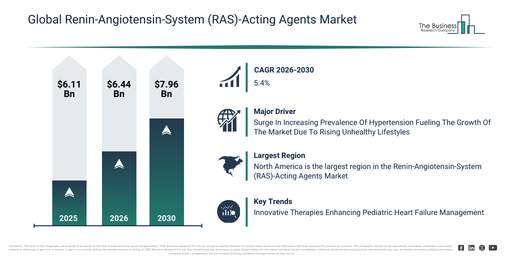
    The market for renin-angiotensin-system (ras)-acting agents has seen significant growth in recent years. It will grow from $6.11 billion in 2025 to $6.44 billion in 2026 at a compound annual growth rate (CAGR) of 5.5%. This historical expansion is attributable to several factors, including the high prevalence of hypertension, the increasing demographic of the aging population, the widespread acceptance of ACE inhibitors, enhanced cardiovascular screening initiatives, and the cost-effectiveness of generic drugs.

    The renin-angiotensin-system (ras)-acting agents market is projected to experience significant expansion over the next few years. It is expected to reach $7.96 billion by 2030, demonstrating a compound annual growth rate (CAGR) of 5.4%. This anticipated growth during the forecast period is attributed to the burden of chronic kidney disease, the demand for cardiometabolic drugs, improved treatment adherence, the expansion into emerging markets, and approvals for combination therapies. Key trends in the forecast period include the increasing use of combination antihypertensive treatments, the development of long-acting cardiovascular drugs, a rising focus on renal protection therapies, the expansion of generic RAS drug production, and a shift towards fixed-dose combinations.

    Get A Free Sample Report With In-Depth Market Insights:

    https://thebusinessresearchcompany.com/sample_request?id=85451176&type=smp&name=Renin-Angiotensin-System%20%28RAS%29-Acting%20Agents%20Market%20Report%202026&utm_source=Blogs&utm_medium=Paid&utm_campaign=Oct_PR

    Renin-Angiotensin-System (RAS)-Acting Agents Market Opportunity Drivers: What’s Unlocking New Revenue Potential?

    The expansion of the renin-angiotensin system (RAS)-acting agents market is anticipated to be driven by the growing incidence of hypertension. Hypertension, commonly known as elevated blood pressure, is a chronic medical condition marked by consistently high force of blood against artery walls. The rising occurrence of hypertension stems from unhealthy dietary choices, particularly diets high in salt and processed foods, which contribute to increased blood pressure and strain on the cardiovascular system. Renin-angiotensin system (RAS)-acting agents play a role in reducing hypertension by regulating blood pressure. They achieve this by inhibiting angiotensin II, a hormone known to constrict blood vessels and promote fluid retention, thereby fostering vasodilation and lowering blood pressure. For example, the World Health Organization, a Switzerland-based intergovernmental organization, estimated in September 2025 that in 2024, around 1.4 billion adults aged 30–79 worldwide were experiencing hypertension, which accounted for approximately 33% of individuals within this age group. This increasing prevalence of hypertension is therefore a significant factor propelling the growth of the renin-angiotensin system (RAS)-acting agents market.

    Renin-Angiotensin-System (RAS)-Acting Agents Market Segments: Where Is Growth Concentrated?

    The renin-angiotensin-system (ras)-acting agents market covered in this report is segmented –

    1) By Drug Class: Angiotensin-Converting Enzyme (ACE) Inhibitors, Angiotensin II Receptor Blockers (ARBs), Renin Inhibitors, Aldosterone Antagonists, Other Drug Classes

    2) By Indication: Hypertension, Heart Failure, Chronic Kidney Disease, Diabetic Nephropathy, Coronary Artery Disease

    3) By Distribution Channel: Hospital Pharmacies, Retail Pharmacies, Online Pharmacies, Specialty Clinics

    4) By End-User: Hospitals, Research Institutes, Pharmaceutical Companies, Other End-Users

    Subsegments:

    1) By Angiotensin-Converting Enzyme (ACE) Inhibitors: Captopril, Enalapril, Lisinopril, Ramipril, Perindopril

    2) By Angiotensin II Receptor Blockers (ARBs): Losartan, Valsartan, Irbesartan, Olmesartan, Telmisartan

    3) By Renin Inhibitors: Aliskiren

    4) By Aldosterone Antagonists: Spironolactone, Eplerenone

    5) By Other Drug Classes: Dual Angiotensin Receptor-Neprilysin Inhibitors (ARNIs), Vasopeptidase Inhibitors, Mineralocorticoid Receptor Antagonists (MRAs), Angiotensin Receptor Blockers With Neprilysin Inhibitors (ARNBIs)

    Renin-Angiotensin-System (RAS)-Acting Agents Market Innovation Trends Shaping Future Development

    Major companies within the renin-angiotensin system (RAS)-acting agents market are intently focused on creating novel renin-angiotensin system (RAS) inhibitors, including angiotensin-converting enzyme (ACE) inhibitors. This development aims to boost effectiveness, lessen adverse effects, increase patient adherence, and address conditions such as hypertension, heart failure, and kidney diseases. An angiotensin-converting enzyme (ACE) inhibitor is a medication that works by lowering blood pressure through blocking the enzyme responsible for converting angiotensin I into angiotensin II, a substance known to narrow blood vessels. For example, in November 2023, Proveca Ltd., a UK-based pharmaceutical company, was awarded a grant by the European Commission for pediatric use marketing authorization (PUMA) for Aqumeldi (enalapril maleate) orodispersible tablets. These tablets are intended for the management of heart failure in children from birth to less than 18 years. Aqumeldi functions as an angiotensin-converting enzyme (ACE) inhibitor, treating pediatric heart failure patients by inhibiting the angiotensin-converting enzyme (ACE), thus preventing the conversion of angiotensin I to angiotensin II, which consequently relaxes blood vessels, improves blood flow, and decreases the heart’s workload.

    Renin-Angiotensin-System (RAS)-Acting Agents Market Key Participants And Competitive Landscape

    Major companies operating in the renin-angiotensin-system (ras)-acting agents market are Novartis AG, AstraZeneca plc, Boehringer Ingelheim GmbH, Teva Pharmaceutical Industries Ltd., Sandoz International GmbH, Aurobindo Pharma Limited, Cipla Limited, Dr. Reddy’s Laboratories Ltd., Glenmark Pharmaceuticals Ltd., Torrent Pharmaceuticals Ltd., Pfizer Inc., Sanofi S.A., Bayer AG, Daiichi Sankyo Company Limited, Astellas Pharma Inc., Biocon Limited, Lupin Limited, Sun Pharmaceutical Industries Ltd., Mylan N.V., Zydus Lifesciences Limited

    View The Full Renin-Angiotensin-System (RAS)-Acting Agents Market Report:

    https://thebusinessresearchcompany.com/report/renin-angiotensin-system-ras-acting-agents-global-market-report?utm_source=Blogs&utm_medium=Paid&utm_campaign=Oct_PR

    Renin-Angiotensin-System (RAS)-Acting Agents Market Regional Analysis: Which Region Leads By Revenue?

    North America was the largest region in the renin-angiotensin-system (RAS)-acting agents market in 2025. Asia-Pacific is expected to be the fastest-growing region in the forecast period. The regions covered in the renin-angiotensin-system (ras)-acting agents market report are Asia-Pacific, South East Asia, Western Europe, Eastern Europe, North America, South America, Middle East, Africa.

    Reach Out To Our Team:

    The Business Research Company: https://www.thebusinessresearchcompany.com/

    Americas: +1 310-496-7795

    Asia: +44 7882 955267 & +91 8897263534

    Europe: +44 7882 955267

    Email us at: marketing@tbrc.info

    Follow us on:

    LinkedIn: https://in.linkedin.com/company/the-business-research-company

    YouTube: https://www.youtube.com/channel/UC24_fI0rV8cR5DxlCpgmyFQ

    Global Market Model: https://www.thebusinessresearchcompany.com/global-market-model
  • Remicade Biosimilar Market 2026 Outlook: Market Size, CAGR And Key Growth Opportunities

    Remicade Biosimilar Market 2026 Outlook: Market Size, CAGR And Key Growth Opportunities

    Backed by market attractiveness analysis, total addressable market sizing, company benchmarking matrices, interactive Excel dashboards, wider supply chain intelligence, emerging startup coverage, and detailed product-level insights, The Business Research Company’s 2026 market reports are designed to offer research that is more actionable and strategically valuable than ever.

    Remicade Biosimilar Market Growth Analysis: How Will Revenue Trend Over The Forecast Period?

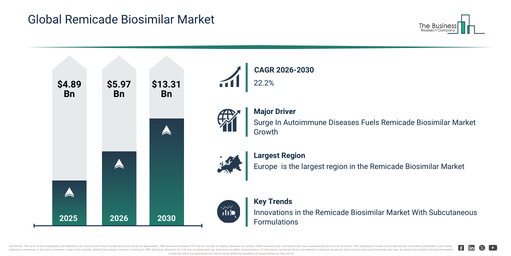
    The remicade biosimilar market size has seen remarkable growth in recent years. It is forecast to increase from $4.89 billion in 2025 to $5.97 billion in 2026, exhibiting a compound annual growth rate (CAGR) of 22.2%. The expansion witnessed in prior periods can be attributed to the considerable expense of branded biologics, the expiration of remicade’s patent, an increasing occurrence of autoimmune diseases, government assistance for biosimilar approvals, and hospital-led bulk purchasing strategies.

    The remicade biosimilar market size is set for significant expansion over the coming years. It is projected to reach $13.31 billion in 2030, demonstrating a compound annual growth rate (CAGR) of 22.2%. This anticipated growth in the forecast period is fueled by a rising demand for affordable biologic treatments, the expansion of biosimilar development pipelines, increasing healthcare expenditure in emerging economies, growing acceptance among both medical professionals and patients, and favorable reimbursement policies. Key trends for the forecast period include a wider adoption of cost-effective biosimilars, enhanced prescriber confidence in infliximab biosimilars, an expansion of their indications across autoimmune disorders, competitive pricing models alongside tender-based procurement, and deeper market penetration in developing healthcare markets.

    Get A Free Sample Report With In-Depth Market Insights:

    https://thebusinessresearchcompany.com/sample_request?id=18560418&type=smp&name=Remicade%20Biosimilar%20Market%20Report%202026&utm_source=Blogs&utm_medium=Paid&utm_campaign=Oct_PR

    Remicade Biosimilar Market Growth Momentum: What Factors Are Shaping Demand?

    The increasing occurrence of autoimmune conditions is anticipated to drive expansion in the remicade biosimilar market. These conditions involve the immune system erroneously targeting and harming the body’s own tissues and organs. Remicade biosimilars serve as a vital therapeutic choice for managing autoimmune diseases, effectively controlling symptoms and diminishing related inflammation. For example, data from February 2024 by Arthritis Australia, an advocacy group for individuals with arthritis and musculoskeletal issues, indicates that roughly 562,378 Australians are projected to have rheumatoid arthritis (RA) by 2025, making up 14% of the overall arthritis demographic. This figure for RA sufferers is forecast to climb by 33% to about 748,721 by 2040. Consequently, the increasing prevalence of autoimmune diseases is a key factor boosting the remicade biosimilar market.

    Remicade Biosimilar Market Segment Analysis: What Are The Core Market Categories?

    The remicade biosimilar market covered in this report is segmented –

    1) By Type: 100mg/10ml, 500mg/50ml

    2) By Disease Indication: Ulcerative Colitis, Rheumatoid Arthritis, Ankylosing Spondylitis, Crohn’s Disease, Psoriatic Arthritis, Plaque Psoriasis

    3) By Application: Blood Disorders, Oncology Diseases

    Remicade Biosimilar Market Trends Redefining Industry Growth

    Companies operating in the remicade biosimilar market are primarily focused on developing innovative solutions, such as subcutaneous formulations, to gain a competitive advantage. These subcutaneous formulations of Remicade offer an alternative administration method for treating autoimmune diseases, facilitating self-administration and potentially enhancing patient adherence to therapy. For instance, in March 2024, Celltrion, a South Korea-based biopharmaceutical company, launched Zymfentra, a biosimilar to Remicade (infliximab) for $6,181.08 for two doses over four weeks, which received FDA approval as the first subcutaneous infliximab formulation for maintaining therapy in adults with moderate-to-severe ulcerative colitis and Crohn’s disease. Eligible commercially insured patients can receive copay assistance of $5 per month, while uninsured or underinsured patients may obtain Zymfentra at no cost.

    Remicade Biosimilar Market Top Companies Driving Competitive Growth

    Major companies operating in the remicade biosimilar market are Novartis AG, Amgen Inc, Viatris Inc., Teva Pharmaceutical Industries Ltd., Biogen Inc., LG Chem Ltd., Nippon Kayaku Co. Ltd., Celltrion Inc., Nichi-iko Pharmaceutical Co. Ltd., Biocon Limited, Alvotech S.A., MabPharm Ltd., Genor Biopharma Co. Ltd, Shanghai Biomabs Pharmaceuticals Co. Ltd., Samsung Bioepis Co. Ltd., Biocad Biopharmaceutical Co, EPIRUS Biopharmaceuticals Inc., BioXpress Therapeutics SA, Mabion S.A

    View The Full Remicade Biosimilar Market Report:

    https://thebusinessresearchcompany.com/report/remicade-biosimilar-global-market-report?utm_source=Blogs&utm_medium=Paid&utm_campaign=Oct_PR

    Remicade Biosimilar Market Geographic Distribution And Regional Opportunities

    Europe was the largest region in the remicade biosimilar market in 2025. The regions covered in the remicade biosimilar market report are Asia-Pacific, South East Asia, Western Europe, Eastern Europe, North America, South America, Middle East, Africa.

    Reach Out To Our Team:

    The Business Research Company: https://www.thebusinessresearchcompany.com/

    Americas: +1 310-496-7795

    Asia: +44 7882 955267 & +91 8897263534

    Europe: +44 7882 955267

    Email us at: marketing@tbrc.info

    Follow us on:

    LinkedIn: https://in.linkedin.com/company/the-business-research-company

    YouTube: https://www.youtube.com/channel/UC24_fI0rV8cR5DxlCpgmyFQ

    Global Market Model: https://www.thebusinessresearchcompany.com/global-market-model
  • Remdesivir Market Size Growth: From $11.17 Billion In 2026 To $17.96 Billion By 2030

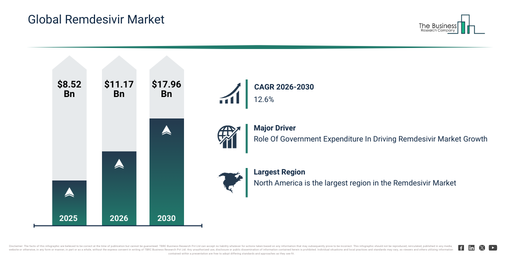
    Remdesivir Market Size Growth: From $11.17 Billion In 2026 To $17.96 Billion By 2030

    Featuring market attractiveness scoring, total addressable market sizing, company benchmarking matrices, interactive Excel dashboards, deeper supply chain intelligence, emerging startup tracking, and granular product-level insights, The Business Research Company’s 2026 market reports are built to deliver research that is both more actionable and more strategically valuable.

    Remdesivir Market Forecast: What Value Will The Market Reach By 2030?

    The remdesivir market size has experienced significant expansion over recent years. It is anticipated to increase from $8.52 billion in 2025 to $11.17 billion in 2026, demonstrating a compound annual growth rate (CAGR) of 31.2%. The historical growth of this market can be attributed to the emergency use authorization of remdesivir, elevated hospitalization rates during COVID-19 peaks, limited choices for antiviral treatments, increasing public awareness of antiviral therapies, and the rapid establishment of hospital procurement channels.

    The remdesivir market is anticipated to experience substantial expansion in the coming years. This market is projected to reach $17.96 billion by 2030, exhibiting a compound annual growth rate (CAGR) of 12.6%. This expansion during the forecast period is attributable to factors such as the creation of new remdesivir formulations, wider acceptance of oral and pre-filled injectable solutions, the proliferation of telemedicine for antiviral delivery, an increase in government efforts for COVID-19 treatment, and the rise of online pharmacies and home delivery options. Key trends anticipated for the forecast period encompass an escalating demand for intravenous antiviral treatments, greater uptake of oral antiviral types, an increase in hospitalizations and intensive care needs for COVID-19, the broadening of online and physical pharmacy distribution networks, and the introduction of ready-to-administer injectable and powdered solutions.

    Get A Free Sample Report With In-Depth Market Insights:

    https://thebusinessresearchcompany.com/sample_request?id=56944995&type=smp&name=Remdesivir%20Market%20Report%202026&utm_source=Blogs&utm_medium=Paid&utm_campaign=Oct_PR

    Remdesivir Market Expansion Drivers: What’s Shaping Future Growth?

    The increasing government expenditure is expected to propel the growth of the remdesivir market going forward. Government expenditure, also known as government spending, refers to the total amount of money that a government or public sector entity allocates and disburses to finance its operations, programs, services, and projects. Government expenditure is instrumental in the growth and accessibility of Remdesivir, especially during public health crises. By providing funding, regulatory support, purchasing power, and research investments, governments can contribute to the availability and affordability of this critical antiviral medication. For instance, in April 2025, according to the American Medical Association, a US-based Professional organizations, in 2023, U.S. health spending climbed 7.5% to $4.9 trillion, or $14,570 per capita, outpacing the 4.6% increase seen in 2022. Therefore, the increasing government spending is driving the growth of the remdesivir market.

    Remdesivir Market Segment Breakdown: Which Categories Lead On Revenue?

    The remdesivir market covered in this report is segmented –

    1) By Route Of Administration: Oral, Intravenous

    2) By Dosage Form: Tablets, Frozen Solution, Lyophilized Solution

    3) By Distribution Channel: Hospitals, Clinics, Drug Stores/Pharmacies, Online, Other Distribution Channels

    Subsegments:

    1) By Oral: Tablet Formulation, Liquid Formulation

    2) By Intravenous: Ready-To-Use Injectable, Lyophilized Powder For Injection

    Remdesivir Market Leading Players And Competitive Positioning

    Major companies operating in the remdesivir market are Gilead Sciences Inc., BrightGene Bio-Medical Technology Co Ltd, Hainan Haiyao Co. Ltd., Sichuan Kelun Pharmaceutical Co. Ltd., Hunan Warrant Pharmaceutical, Cipla Limited, Dr Reddy’s Laboratories Ltd., Shenzhen BORUI Pharmaceutical Technology Co. Ltd., Hetero Labs Limited, Mylan N.V., Zydus Cadila Health Care Limited, Syngene International Limited, Sun Pharmaceutical Industries Ltd., Aurobindo Pharma Limited, Teva Pharmaceutical Industries, Ferozsons Laboratories Limited, Jubilant Life Sciences, Laurus Labs, Macleods Pharmaceuticals, Natco Pharma, Sandoz Group AG, Strides Pharma Science Limited, Torrent Pharmaceuticals, Beximco Pharmaceuticals Ltd., Fresenius Kabi, Gland Pharma Limited, Hikma Pharmaceuticals, Lark Laboratories

    View The Full Remdesivir Market Report:

    https://thebusinessresearchcompany.com/report/Remdesivir-global-market-report?utm_source=Blogs&utm_medium=Paid&utm_campaign=Oct_PR

    Remdesivir Market Largest Region By Revenue And Market Share

    North America was the largest region in the remdesivir market in 2025. Middle East is expected to be the fastest growing region in the remdesivir market report during the forecast period. The regions covered in the remdesivir market report are Asia-Pacific, South East Asia, Western Europe, Eastern Europe, North America, South America, Middle East, Africa.

    Reach Out To Our Team:

    The Business Research Company: https://www.thebusinessresearchcompany.com/

    Americas: +1 310-496-7795

    Asia: +44 7882 955267 & +91 8897263534

    Europe: +44 7882 955267

    Email us at: marketing@tbrc.info

    Follow us on:

    LinkedIn: https://in.linkedin.com/company/the-business-research-company

    YouTube: https://www.youtube.com/channel/UC24_fI0rV8cR5DxlCpgmyFQ

    Global Market Model: https://www.thebusinessresearchcompany.com/global-market-model

  • Regenerative Medicine For Cartilage Market Analysis 2026: Market Size, Growth Trends And Industry Outlook

    Regenerative Medicine For Cartilage Market Analysis 2026: Market Size, Growth Trends And Industry Outlook

    Built to provide research that’s more actionable and strategically valuable, The Business Research Company’s 2026 market reports include market attractiveness analysis, total addressable market sizing, company benchmarking matrices, interactive Excel dashboards, broader supply chain intelligence, emerging startup tracking, and in-depth product insights.

    Regenerative Medicine For Cartilage Market Size Outlook: How Quickly Will Revenue Expand Through 2030?

    The regenerative medicine for cartilage market has experienced significant growth in recent years. Its expansion is projected to continue, with the market increasing from $4.68 billion in 2025 to $4.96 billion in 2026, reflecting a compound annual growth rate (CAGR) of 6.1%. The consistent growth observed in previous periods can be attributed to several factors, including the increasing occurrence of knee osteoarthritis, a rise in sports-related cartilage injuries, the limitations associated with conventional pain management strategies, a growing number of orthopedic surgical procedures, and the early adoption of autologous chondrocyte implantation.

    The regenerative medicine for cartilage market is expected to demonstrate significant growth over the next few years. It is predicted to expand to $6.33 billion in 2030 at a compound annual growth rate (CAGR) of 6.3%. This anticipated growth during the forecast period can be attributed to several factors such as progress in regenerative biologics, the expanding elderly population, an increasing desire for joint preservation therapies, the proliferation of outpatient surgical centers, and improved reimbursement for regenerative treatments. Key trends identified for this period include the wider implementation of autologous chondrocyte implantation procedures, a growing adoption of minimally invasive cartilage repair surgeries, increasing clinical evidence supporting stem cell-based cartilage therapies, a rising demand for long-lasting solutions for knee cartilage regeneration, and the standardization of cartilage repair protocols in orthopedic practice.

    Get A Free Sample Report With In-Depth Market Insights:

    https://thebusinessresearchcompany.com/sample_request?id=88962703&type=smp&name=Regenerative%20Medicine%20For%20Cartilage%20Market%20Report%202026&utm_source=Blogs&utm_medium=Paid&utm_campaign=Oct_PR

    Regenerative Medicine For Cartilage Market Development Factors: What’s Supporting Demand?

    The rising incidence of chronic ailments is anticipated to fuel the expansion of the regenerative medicine for cartilage market. These are health issues characterized by their long-term duration, frequently lasting throughout an individual’s life. Medical specialty bags are vital for addressing and managing chronic diseases. The widespread occurrence of chronic illnesses, especially those impacting the musculoskeletal framework, presents an advantage for the realm of regenerative medicine, encompassing regenerative medicine for cartilage. As an illustration, in June 2024, data from the National Health Service, a UK government body, indicated that 3,615,330 individuals registered with a general practitioner (GP) received a diagnosis of non-diabetic hyperglycemia or pre-diabetes (a condition with elevated blood sugar levels, not high enough to be classified as diabetes) in 2023. This represented an 18% rise from 3,065,825 cases in 2022. Consequently, the escalating incidence of chronic illnesses is stimulating the expansion of the regenerative medicine for cartilage market.

    Regenerative Medicine For Cartilage Market Segmentation: How Does The Market Break Down By Category?

    The regenerative medicine for cartilage market covered in this report is segmented –

    1) By Product: Cell Based, Gene Based, Tissue Based

    2) By End-Use: Ambulatory Surgical Centers, Hospitals And Clinics, Others

    3) By Application: Musculoskeletal, Oncology, Dental, Wound Care, Others

    Subsegments:

    1) By Cell-Based: Chondrocyte-Based Therapies, Mesenchymal Stem Cell (MSC) Therapies, Induced Pluripotent Stem Cell (iPSC) Therapies, Embryonic Stem Cell (ESC) Therapies

    2) By Gene-Based: Gene Modification Therapies, CRISPR-Based Gene Editing, Viral Vector Gene Therapies, Non-Viral Gene Therapies

    3) By Tissue-Based: Autologous Tissue Grafts, Allogeneic Tissue Grafts, Xenogeneic Tissue Grafts, Synthetic Scaffolds

    Regenerative Medicine For Cartilage Market Transformation Trends: What Innovations Are Driving Change?

    Leading companies operating within the regenerative medicine for the cartilage market are developing bioactive materials to enhance cartilage regeneration and improve treatment outcomes. These bioactive materials are designed to emulate the natural extracellular matrix, fostering cell proliferation, differentiation, and tissue repair. For instance, in August 2024, Researchers at Northwestern University, a US-based private research university, created a bioactive material that successfully regenerated high-quality hyaline cartilage in a sheep model. The biomaterial combines a bioactive peptide that binds to transforming growth factor beta-1 (TGFb-1) with chemically modified hyaluronic acid. This combination promotes the self-organization of nanoscale fibers, mimicking natural cartilage formation and boosting cellular repair processes. This material could potentially prevent knee replacements and treat degenerative diseases.

    Regenerative Medicine For Cartilage Market Competitive Overview And Top Companies

    Major companies operating in the regenerative medicine for cartilage market are Smith & Nephew plc, Integra LifeSciences, Stryker Corporation, MiMedx Group Inc., Zimmer Biomet Holdings Inc., B. Braun Melsungen AG, AbbVie, CONMED Corporation, Arthrex Inc., Baxter International Inc., China Regenerative Medicine International, ABLbio, Cellgenix GmbH, BioTissue Technologies, Corin Group, Medical Import Ltd., Orthonika, Merete, 3di GmbH, Aditus Medical GmbH, Anton Hipp GmbH, AREX SAS, Acelity L.P. Inc., StemCells Inc, Organogenesis Inc, NuVasive Inc, Japan Tissue Engineering Co. Ltd, Advantagene Inc., Mesoblast Ltd, Globus Medical, DePuy Synthes, Cryolife Inc, Johnson & Johnson, Medtronic Plc, Rti Surgical, CartiHeal Inc., DJO Global Inc., Wright Medical Group, Auxein, Aesculap Inc, AMEGA Biotech

    View The Full Regenerative Medicine For Cartilage Market Report:

    https://thebusinessresearchcompany.com/report/regenerative-medicine-for-cartilage-global-market-report?utm_source=Blogs&utm_medium=Paid&utm_campaign=Oct_PR

    Regenerative Medicine For Cartilage Market Regional Analysis And Leading Geography

    Europe was the largest region in regenerative medicine for cartilage in 2025. The regions covered in the regenerative medicine for cartilage market report are Asia-Pacific, South East Asia, Western Europe, Eastern Europe, North America, South America, Middle East, Africa.

    Reach Out To Our Team:

    The Business Research Company: https://www.thebusinessresearchcompany.com/

    Americas: +1 310-496-7795

    Asia: +44 7882 955267 & +91 8897263534

    Europe: +44 7882 955267

    Email us at: marketing@tbrc.info

    Follow us on:

    LinkedIn: https://in.linkedin.com/company/the-business-research-company

    YouTube: https://www.youtube.com/channel/UC24_fI0rV8cR5DxlCpgmyFQ

    Global Market Model: https://www.thebusinessresearchcompany.com/global-market-model
  • Regenerative Aesthetics Market Forecast To 2030: Starting From $28.88 Billion In 2026

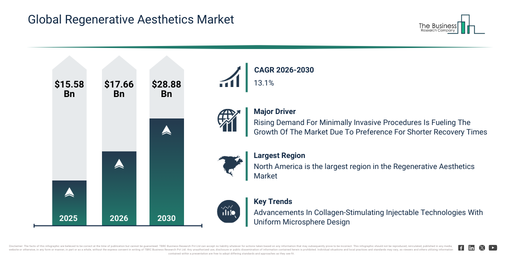
    Regenerative Aesthetics Market Forecast To 2030: Starting From $28.88 Billion In 2026

    Backed by market attractiveness analysis, total addressable market sizing, company benchmarking matrices, interactive Excel dashboards, wider supply chain intelligence, emerging startup coverage, and detailed product-level insights, The Business Research Company’s 2026 market reports are designed to offer research that is more actionable and strategically valuable than ever.

    Regenerative Aesthetics Market Size, Value And Growth Trajectory Through 2030

    The regenerative aesthetics market has experienced swift expansion in recent years. It will grow from $15.58 billion in 2025 to $17.66 billion in 2026 at a compound annual growth rate (CAGR) of 13.4%. The market’s historic expansion can be attributed to the limited availability of regenerative aesthetic products, a reliance on traditional cosmetic procedures, growing awareness of aesthetic treatments, an increasing number of dermatology and aesthetic clinics, and the early adoption of stem cell-based therapies.

    The regenerative aesthetics market is projected to experience swift expansion over the coming years. This market is set to reach $28.88 billion in 2030, exhibiting a compound annual growth rate (CAGR) of 13.1%. This anticipated growth is largely due to the advancement of exosome and peptide-based treatments, the wider availability of regenerative products for home use, increased funding for formulations enriched with growth factors, the incorporation of digital monitoring and tele-aesthetics, and a growing consumer inclination towards natural and durable outcomes. Key trends expected during this period involve the increasing adoption of exosome-based therapies for rejuvenating skin and hair, a rise in the application of platelet-rich plasma (prp) and autologous conditioned serum, a surging need for treatments aimed at scar reduction and wound healing, the expansion of anti-inflammatory and combined regenerative therapies, and a growing inclination towards aesthetic procedures that are minimally invasive and offer a natural appearance.

    Get A Free Sample Report With In-Depth Market Insights:

    https://thebusinessresearchcompany.com/sample_request?id=27405&type=smp&name=Regenerative%20Aesthetics%20Market%20Report%202026&utm_source=Blogs&utm_medium=Paid&utm_campaign=Oct_PR

    Regenerative Aesthetics Market Industry Drivers: What’s Behind The Revenue Growth?

    The anticipated expansion of the regenerative aesthetics market is fueled by the increasing demand for minimally invasive procedures. These procedures involve medical or surgical methods carried out via small incisions or natural bodily apertures, as opposed to extensive surgical openings. The surge in minimally invasive procedures stems from a growing inclination towards quicker recovery periods, enabling individuals to swiftly return to their everyday routines. Regenerative aesthetics complements minimally invasive procedures by leveraging the body’s inherent healing mechanisms to achieve enduring enhancements with minimal recovery time. As an illustration, in June 2024, data from the American Society of Plastic Surgeons, a US-based non-profit organization, revealed that hyaluronic acid filler minimally invasive procedures reached 5.29 million in 2023, representing an 8% rise compared to 2022. Consequently, the increasing requirement for minimally invasive procedures is stimulating growth within the regenerative aesthetics market.

    Regenerative Aesthetics Market Segment Trends And Revenue Contributors

    The regenerative aesthetics market covered in this report is segmented –

    1) By Product Type: Exosome-Based Therapies, Other Product Types

    2) By Application: Skin Rejuvenation, Hair Restoration, Scar Reduction And Wound Healing, Anti-Inflammatory Treatments, Combination Therapies

    3) By End-User: Aesthetic Clinics, Dermatology Clinics, Home Use

    Subsegments:

    1) By Exosome-Based Therapies: Stem Cell Derived Exosomes, Platelet Derived Exosomes, Plant Derived Exosomes

    2) By Other Product Types: Platelet Rich Plasma, Autologous Conditioned Serum, Peptide Based Products, Growth Factor Enriched Formulations

    #Regenerative Aesthetics Market Growth Trends: What’s Shaping The Future Outlook?

    Leading companies within the regenerative aesthetics market are concentrating on developing innovative technologies, such as uniform microsphere technology, to provide advanced collagen-stimulating injectables that offer a smoother application, precise treatment, and consistent outcomes. Uniform microsphere technology represents a formulation design that generates microspheres of even size and shape, thereby ensuring smooth injection, accurate placement, and consistent therapeutic performance. For example, in July 2025, Koru Pharma Co. Ltd., a biopharmaceutical company based in South Korea, unveiled Reversal Neo, a next-generation collagen-stimulating injectable created from high-purity Poly-L-Lactic Acid (PLLA) engineered to deliver smoother injection performance, enhanced precision, and long-lasting, natural-looking aesthetic results. Reversal Neo introduces a next-generation collagen biostimulator comprising 200 mg of high-purity Poly-L-Lactic Acid (PLLA) and features a uniform microsphere structure for silkier, more precise injections. Its advanced formulation ensures ongoing collagen regeneration for natural and enduring results, while the product also provides excellent biocompatibility, minimal inflammation, and heightened patient comfort.

    Regenerative Aesthetics Market Competitive Landscape: Which Companies Lead The Industry?

    Major companies operating in the regenerative aesthetics market are ABG Lab LLC, Koru Pharma Co. Ltd., Global Stem Cells Group, Cytori Therapeutics Inc., Aesthetic Regenerative Therapies Inc., EmCyte Corp., Geneo, Plasmolifting World GmbH, ReGen Lab, RepliCel Life Sciences Inc.,

    View The Full Regenerative Aesthetics Market Report:

    https://thebusinessresearchcompany.com/report/regenerative-aesthetics-global-market-report?utm_source=Blogs&utm_medium=Paid&utm_campaign=Oct_PR

    Regenerative Aesthetics Market Geographic Analysis: Where Is Demand Accelerating Fastest?

    North America was the largest region in the regenerative aesthetics market in 2025. Asia-Pacific is expected to be the fastest-growing region in the forecast period. The regions covered in the regenerative aesthetics market report are Asia-Pacific, South East Asia, Western Europe, Eastern Europe, North America, South America, Middle East, Africa.

    Reach Out To Our Team:

    The Business Research Company: https://www.thebusinessresearchcompany.com/

    Americas: +1 310-496-7795

    Asia: +44 7882 955267 & +91 8897263534

    Europe: +44 7882 955267

    Email us at: marketing@tbrc.info

    Follow us on:

    LinkedIn: https://in.linkedin.com/company/the-business-research-company

    YouTube: https://www.youtube.com/channel/UC24_fI0rV8cR5DxlCpgmyFQ

    Global Market Model: https://www.thebusinessresearchcompany.com/global-market-model

  • Raynauds Disease Treatment Market Size In 2026 And Beyond: Understanding Future Growth Potential

    Raynauds Disease Treatment Market Size In 2026 And Beyond: Understanding Future Growth Potential

    Featuring market attractiveness scoring, total addressable market sizing, company benchmarking matrices, interactive Excel dashboards, deeper supply chain intelligence, emerging startup tracking, and granular product-level insights, The Business Research Company’s 2026 market reports are built to deliver research that is both more actionable and more strategically valuable.

    Raynauds Disease Treatment Market CAGR Outlook And Future Development

    The raynauds disease treatment market has experienced significant growth over recent years. It is projected to expand from $1.49 billion in 2025 to $1.6 billion in 2026, showing a compound annual growth rate (CAGR) of 7.6%. The market’s growth during the historical period was influenced by factors including limited awareness of raynauds disease, a dependency on conventional medication, the development of hospital and specialty clinic infrastructure, a shortage of homecare alternatives, and seasonal shifts in demand.

    The raynauds disease treatment market is projected for significant expansion in the coming years. This market is anticipated to reach $2.13 billion by 2030, exhibiting a compound annual growth rate (CAGR) of 7.3%. This projected growth is driven by several factors including the emergence of new pharmacological treatments, the increasing use of wearable thermal therapy devices, heightened focus on preventive care and lifestyle management, the expansion of homecare and telehealth provisions, and the integration of digital health monitoring alongside biofeedback technologies. Key trends expected during this period involve a greater uptake of calcium channel blockers and vasodilators, a surge in the utilization of thermal therapy devices and biofeedback systems, an increasing inclination towards minimally invasive surgical interventions, the broadening of homecare and specialty clinic environments, and a significant emphasis on lifestyle and stress management initiatives.

    Get A Free Sample Report With In-Depth Market Insights:

    https://thebusinessresearchcompany.com/sample_request?id=81639936&type=smp&name=Raynauds%20Disease%20Treatment%20Market%20Report%202026&utm_source=Blogs&utm_medium=Paid&utm_campaign=Oct_PR

    Raynauds Disease Treatment Market Growth Factors: What’s Supporting Expansion?

    The rising occurrence of autoimmune conditions is anticipated to fuel the expansion of the raynauds disease treatment market. These conditions are characterized by the immune system mistakenly attacking healthy body tissues, leading to inflammation and damage. The growing prevalence of autoimmune diseases is linked to individuals residing in more urbanized and hygienic settings, which results in reduced immune system training, alongside contemporary lifestyle elements such as poor nutrition, stress, and environmental contaminants. Raynaud’s disease treatment aids autoimmune conditions by facilitating better symptom management, minimizing tissue harm, and averting complications stemming from impaired blood flow. For example, Clinical Trials Arena, a UK platform focused on clinical trials and pharmaceutical developments, reported in February 2024 that global rheumatoid arthritis (RA) cases are projected to increase significantly, with prevalence expected to climb by 80.2% and impact nearly 1% of the global population by 2050. Consequently, the increasing prevalence of autoimmune diseases is propelling the growth of the raynauds disease treatment market.

    Raynauds Disease Treatment Market Segment Analysis Spotlighting Growth Areas

    The raynauds disease treatment market covered in this report is segmented –

    1) By Treatment Type: Medication, Thermal Therapies, Surgical Procedures, Alteative Therapies

    2) By Drug Class: Calcium Channel Blockers, Vasodilators, Antiplatelet Agents

    3) By Route of Administration: Oral, Topical, Injectable, Intravenous

    4) By End-User: Hospitals, Specialty Clinics, Homecare Settings, Pharmacies

    Subsegments:

    1) By Medication: Calcium Channel Blockers, Alpha Blockers, Vasodilators, Topical Nitrates, Selective Serotonin Reuptake Inhibitors (SSRIs), Phosphodiesterase Inhibitors, Angiotensin Receptor Blockers (ARBs)

    2) By Thermal Therapies: Hand Warmers, Thermal Gloves, Heated Pads, Biofeedback-Controlled Thermal Devices

    3) By Surgical Procedures: Sympathectomy, Nerve Decompression Surgery, Vascular Surgery

    4) By Alternative Therapies: Acupuncture, Biofeedback Therapy, Herbal Remedies, Nutritional Supplements, Stress Management Techniques

    Raynauds Disease Treatment Market Industry Trends: What’s Reshaping Demand?

    Leading companies in the raynauds disease treatment market are concentrating on developing innovative solutions for managing Raynaud’s disease, such as oral calcium channel blockers designed to improve blood flow by relaxing and widening blood vessels, thereby lessening the frequency and intensity of vasospastic attacks. An oral calcium channel blocker is a medication taken by mouth that aids in relaxing and widening blood vessels by impeding calcium entry into the muscle cells of the heart and blood vessel walls. For instance, in June 2023, Aisa Pharma Inc., a US-based clinical-stage biopharmaceutical company, commenced the second phase of its Phase 2b RECONNOITER trial. This trial is evaluating Profervia (cilnidipine), an oral calcium channel blocker, for the treatment of Raynaud’s phenomenon in individuals with systemic sclerosis (SSc). This initiative follows promising results from the first phase, where Profervia demonstrated a greater reduction in both Raynaud’s attack frequency and SSc disease severity compared to other calcium channel blockers, alongside exhibiting a favorable safety profile and good tolerability. The ongoing trial, which is progressing with a 20 mg dose, aims to address the urgent need for effective therapies for Raynaud’s in SSc, a condition currently without approved treatments.

    Raynauds Disease Treatment Market Leading Companies: Who Holds The Strongest Market Presence?

    Major companies operating in the raynauds disease treatment market are Pfizer Inc., Johnson & Johnson, Bayer AG, Novartis AG, Sanofi SA, AstraZeneca PLC, GlaxoSmithKline plc, Takeda Pharmaceutical Company Limited, Merck & Co. Inc., Teva Pharmaceutical Industries Ltd., CSL Vifor, Orion Corporation, Apricus Biosciences Inc., Vicore Pharma Holding AB, MediQuest Therapeutics Inc., Gesynta Pharma AB, Aisa Pharma Inc., Abbott Laboratories, Boehringer Ingelheim International GmbH, Viatris Inc., Lupin Limited, Sun Pharmaceutical Industries Ltd., Dr. Reddy’s Laboratories Ltd., Cipla Limited, Torrent Pharmaceuticals Ltd., Zydus Lifesciences Ltd., Aurobindo Pharma Ltd., Glenmark Pharmaceuticals Ltd., Intas Pharmaceuticals Ltd., Hikma Pharmaceuticals PLC, Alkem Laboratories Ltd.

    View The Full Raynauds Disease Treatment Market Report:

    https://thebusinessresearchcompany.com/report/raynauds-disease-treatment-global-market-report?utm_source=Blogs&utm_medium=Paid&utm_campaign=Oct_PR

    Raynauds Disease Treatment Market Global Footprint: Which Region Leads The Industry?

    North America was the largest region in the raynauds disease treatment market in 2025. Asia-Pacific is expected to be the fastest-growing region in the forecast period. The regions covered in the raynauds disease treatment market report are Asia-Pacific, South East Asia, Western Europe, Eastern Europe, North America, South America, Middle East, Africa.

    Reach Out To Our Team:

    The Business Research Company: https://www.thebusinessresearchcompany.com/

    Americas: +1 310-496-7795

    Asia: +44 7882 955267 & +91 8897263534

    Europe: +44 7882 955267

    Email us at: marketing@tbrc.info

    Follow us on:

    LinkedIn: https://in.linkedin.com/company/the-business-research-company

    YouTube: https://www.youtube.com/channel/UC24_fI0rV8cR5DxlCpgmyFQ

    Global Market Model: https://www.thebusinessresearchcompany.com/global-market-model

  • Rare Kidney Diseases Market Reaches $4.88 Billion In 2026: Key Developments Shaping Expansion

    Rare Kidney Diseases Market Reaches $4.88 Billion In 2026: Key Developments Shaping Expansion

    Built to provide research that’s more actionable and strategically valuable, The Business Research Company’s 2026 market reports include market attractiveness analysis, total addressable market sizing, company benchmarking matrices, interactive Excel dashboards, broader supply chain intelligence, emerging startup tracking, and in-depth product insights.

    Rare Kidney Diseases Market Set To Climb From $3.31 Billion In 2026 To $4.88 Billion By 2030

    The rare kidney diseases market size has seen robust growth over recent years. It is forecast to grow from $3.03 billion in 2025 to $3.32 billion in 2026, at a compound annual growth rate (CAGR) of 9.5%. The expansion witnessed in the past can be ascribed to several factors, including the scarcity of treatment options for rare renal disorders, increasing understanding of genetic kidney diseases, a rise in the prevalence of autoimmune-related nephropathies, the establishment of more nephrology specialty care centers, and the early adoption of immunosuppressive therapies.

    The rare kidney diseases market is anticipated to experience substantial growth over the next few years. It is projected to expand to $4.88 billion in 2030, demonstrating a compound annual growth rate (CAGR) of 10.2%. This market’s expansion during the forecast period can be attributed to advancements in genomics-based drug discovery, an increase in orphan drug approvals, greater investment in rare disease research, the growing application of personalized medicine strategies, and an expanding pipeline of complement and immune-targeted therapies. Noteworthy trends for the same period include a heightened focus on targeted therapies for rare renal disorders, increased clinical trial activity for orphan kidney drugs, the rising adoption of biologics in immune-mediated kidney diseases, the spread of companion diagnostics for early disease detection, and more regulatory incentives for rare disease drug development.

    Get A Free Sample Report With In-Depth Market Insights:

    https://thebusinessresearchcompany.com/sample_request?id=28386678&type=smp&name=Rare%20Kidney%20Diseases%20Market%20Report%202026&utm_source=Blogs&utm_medium=Paid&utm_campaign=Oct_PR

    Rare Kidney Diseases Market Demand Drivers: What’s Powering Industry Growth?

    The rising occurrence of chronic kidney disease (CKD) significantly contributes to the rare kidney disease market. CKD is defined as a disorder where kidneys are damaged and cannot properly filter blood. This increased prevalence of chronic kidney diseases heightens the chances of patients developing rare kidney diseases, subsequently boosting the demand for therapeutics for these conditions. For example, in August 2025, the National Kidney Foundation, Inc., a U.S.-based voluntary nonprofit health organization, reported that the Senate approved a $5 million increase in the FY 2026 Labor, Health and Human Services, and Education appropriations bill to support kidney transplant reform and early detection efforts. This funding increase brings the total for the Organ Procurement and Transplantation Network (OPTN) Modernization Initiative to $59 million. Thus, the growing prevalence of chronic kidney disease (CKD) will drive the rare kidney disease market.

    Rare Kidney Diseases Market Segment Performance And Emerging Opportunities

    The rare kidney diseases market covered in this report is segmented –

    1) By Target Indication: IgA Nephropathy, Lupus Nephritis, Focal Segmental Glomerular Sclerosis, Membranous Nephropathy, C3 Glomerulopathy, Other Target Indications

    2) By Type Of Molecule: Small Molecules, Biologics

    3) By Route Of administration: Oral, Intravenous, Subcutaneous, Other Routes Of Administration

    Subsegments:

    1) By IgA Nephropathy: Immunosuppressive Therapy, Supportive Care And Symptomatic Management

    2) By Lupus Nephritis: Corticosteroids, Antimalarial Agents, Biologics

    3) By Focal Segmental Glomerular Sclerosis (FSGS): Corticosteroids, Angiotensin Receptor Blockers (ARBs), Other Immunosuppressive Agents

    4) By Membranous Nephropathy: Corticosteroids, Immunosuppressive Therapy, Monoclonal Antibodies

    5) By C3 Glomerulopathy: Complement Inhibitors, Supportive Care, Immunosuppressive Therapies

    6) By Other Target Indications: Alport Syndrome, Thin Basement Membrane Nephropathy, Other Rare Kidney Disorders

    Rare Kidney Diseases Market Innovation Trends: What Developments Are Reshaping The Industry?

    Major companies within the rare kidney diseases market are primarily directing their efforts towards the development of non-immunosuppressive therapies for managing these conditions. This distinctive non-immunosuppressive treatment offers a unique approach for patients afflicted with progressive kidney diseases, a feat not achievable by conventional therapies currently utilized for rare kidney diseases. As an illustration, in February 2023, Travere Therapeutics, a biopharmaceutical firm based in the US, unveiled sparsentan, commercially known as Filspari. This medication stands as the inaugural non-immunosuppressive therapy granted approval for primary immunoglobulin A nephropathy (IgAN). Filspari operates with a unique mode of action by obstructing angiotensin and endothelin receptors. This particular characteristic differentiates Filspari from angiotensin-targeting ACE inhibitors and ARBs, which are familiar medications primarily prescribed for hypertension but have been repurposed for IgAN treatment due to their capacity to reduce blood pressure within the kidney.

    Rare Kidney Diseases Market Key Players: Which Companies Lead Industry Competition?

    Major companies operating in the rare kidney diseases market are Merck & Co. Inc., Novartis AG, Sanofi S.A, AstraZeneca plc, Otsuka Pharmaceutical Co Ltd., Alexion Pharmaceuticals Inc., Horizon Therapeutics plc., Recordati S.p.A., Amicus Therapeutics Inc., Akebia Therapeutics Inc., Travere Therapeutics, FibroGen Inc., Aurinia Pharmaceuticals Inc., Calliditas Therapeutics AB, Apellis Pharmaceuticals Inc., Protalix Biotherapeutics Inc., ChemoCentryx Inc., Omeros Corporation, Celtaxsys Inc., Corbus Pharmaceuticals Holdings Inc., Chinook Therapeutics Inc., OxThera AB, Advicenne Pharma SA, Reata Pharmaceuticals Inc.

    View The Full Rare Kidney Diseases Market Report:

    https://thebusinessresearchcompany.com/report/rare-kidney-diseases-global-market-report?utm_source=Blogs&utm_medium=Paid&utm_campaign=Oct_PR

    Rare Kidney Diseases Market Regional Distribution: Which Areas Power Market Growth?

    North America was the leading region in the rare kidney disease market in 2025. The regions covered in the rare kidney diseases market report are Asia-Pacific, South East Asia, Western Europe, Eastern Europe, North America, South America, Middle East, Africa.

    Reach Out To Our Team:

    The Business Research Company: https://www.thebusinessresearchcompany.com/

    Americas: +1 310-496-7795

    Asia: +44 7882 955267 & +91 8897263534

    Europe: +44 7882 955267

    Email us at: marketing@tbrc.info

    Follow us on:

    LinkedIn: https://in.linkedin.com/company/the-business-research-company

    YouTube: https://www.youtube.com/channel/UC24_fI0rV8cR5DxlCpgmyFQ

    Global Market Model: https://www.thebusinessresearchcompany.com/global-market-model