Blog

  • Focal Segmental Glomerulosclerosis Market Trends 2025–2029: Forecasts for Key Growth Segments

    Focal Segmental Glomerulosclerosis Market Trends 2025–2029: Forecasts for Key Growth Segments

    Unlock Global Insights – Save 20% on Market Reports with Code ONLINE20

    By How Much Is The Focal Segmental Glomerulosclerosis Market Expected To Expand Between 2025 And 2029?

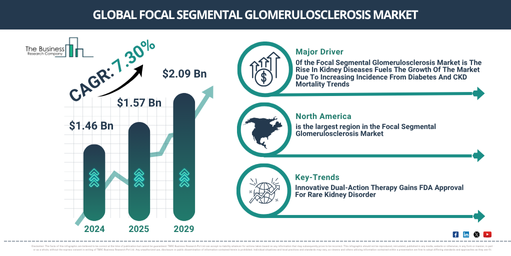
    The market size for focal segmental glomerulosclerosis has demonstrated robust expansion in recent years. It is anticipated to grow from $1.46 billion in 2024 to $1.57 billion in 2025, achieving a compound annual growth rate (CAGR) of 7.6%. The historical growth in this market can be attributed to factors such as the increasing prevalence of chronic kidney diseases, rising awareness concerning kidney disorders, the escalating incidence of end-stage renal disease, growing investment in research and development, and an expanding geriatric population.

    The focal segmental glomerulosclerosis market is projected to experience substantial expansion over the coming years, set to reach $2.09 billion by 2029, exhibiting a compound annual growth rate (CAGR) of 7.3%. This growth during the forecast period is attributed to an expanding volume of clinical trials, enhancements in healthcare infrastructure, a heightened need for personalized medicine, improved access to and availability of immunosuppressive medications, and an increasing call for customized therapeutic solutions. Key trends observed over the forecast duration encompass progress in genetic research, the incorporation of precision medicine, technological breakthroughs in diagnostic instruments, novel developments in immunosuppressive drug formulations, and improvements in biomarker identification.

    Unlock Your Free Sample Report for Exclusive Market Data:

    https://www.thebusinessresearchcompany.com/sample.aspx?id=24541&type=smp

    What Are The Top Growth Drivers Impacting The Focal Segmental Glomerulosclerosis Market Outlook?

    The expanding occurrence of kidney conditions is projected to stimulate the growth of the focal segmental glomerulosclerosis market in the coming period. These conditions are characterized by impaired kidney function and structure, thereby hindering their capacity to filter waste, maintain fluid equilibrium, and regulate vital bodily processes. A primary contributor to the increasing incidence of kidney diseases is diabetes, where prolonged elevated blood sugar levels inflict damage upon the kidney’s filtering units, resulting in diabetic nephropathy. Focal segmental glomerulosclerosis itself signifies the gradual scarring of these kidney filters, serving as a crucial indicator and objective for comprehending, diagnosing, and managing chronic kidney ailments. For example, in December 2024, data from the Australian Institute of Health and Welfare, an Australia-based government agency, indicated a year-on-year increase in chronic kidney disease (CKD) mortality rates for both 2021 and 2022, specifically by 4.2% and 6.2%, respectively. Consequently, the rising prevalence of kidney diseases is a significant driver for the focal segmental glomerulosclerosis market.

    What Are The Primary Types Of Segments Analyzed In The Focal Segmental Glomerulosclerosis Market?

    The focal segmental glomerulosclerosis market covered in this report is segmented –

    1) By Disease Type: Primary Focal Segmental Glomerulosclerosis, Secondary Focal Segmental Glomerulosclerosis

    2) By Treatment: Drug Therapy, Dialysis, Kidney Transplant, Other Treatments

    3) By Drug Class: Immunosuppressants, Angiotensin Inhibitors, Corticosteroids

    4) By Route Of Administration: Oral, Parenteral

    5) By End User: Hospitals, Homecare, Specialty Clinics, Other End Users

    Subsegments:

    1) By Primary Focal Segmental Glomerulosclerosis: Idiopathic Focal Segmental Glomerulosclerosis, Genetic Or Familial Focal Segmental Glomerulosclerosis, Collapsing Variant, Tip Lesion Variant, Cellular Variant, Perihilar Variant

    2) By Secondary Focal Segmental Glomerulosclerosis: Virus-Associated Focal Segmental Glomerulosclerosis, Drug-Induced Focal Segmental Glomerulosclerosis, Adaptive Or Compensatory Focal Segmental Glomerulosclerosis, Other Secondary Causes

    Which Key Trends Are Expected To Influence The Focal Segmental Glomerulosclerosis Market In The Coming Years?

    Companies operating within the focal segmental glomerulosclerosis market are increasingly concentrating on developing innovative therapies, such as non-immunosuppressive oral medication, to enhance patient outcomes and mitigate treatment side effects. A non-immunosuppressive oral medication is an orally taken drug designed to treat diseases without weakening the immune system, thereby assisting in the management of focal segmental glomerulosclerosis by directly targeting kidney damage while avoiding immune-related complications. For example, in May 2025, Travere Therapeutics Inc., a US-based biopharmaceutical company, secured traditional approval from the U.S. Food and Drug Administration (FDA) for its supplemental New Drug Application (sNDA) for FILSPARI (sparsentan), specifically for the treatment of focal segmental glomerulosclerosis (FSGS). FILSPARI stands as a first-in-class therapy that operates by simultaneously blocking the endothelin type A receptor (ETAR) and the angiotensin II type 1 receptor (AT1R). This dual mechanism effectively reduces proteinuria in conditions such as FSGS and IgA nephropathy. Relative to existing treatments, FILSPARI delivers superior kidney protection while maintaining a favorable safety profile.

    Who Are The Primary Competitors In The Global Focal Segmental Glomerulosclerosis Market?

    Major companies operating in the focal segmental glomerulosclerosis market are Pfizer Inc., Merck And Co. Inc., Sanofi S.A., Eli Lilly and Company, Boehringer Ingelheim GmbH, Astellas Pharma Inc., Vertex Pharmaceuticals Incorporated, Mallinckrodt ARD LLC, Kyowa Kirin Co. Ltd., Aurinia Pharmaceuticals Inc., Travere Therapeutics Inc., Eledon Pharmaceuticals Inc., ZyVersa Therapeutics Inc., Complexa Inc., Certa Therapeutics, Delta 4 GmbH, Dimerix Limited, Goldfinch Bio Inc., Oraxion Therapeutics Inc., Variant Pharmaceuticals Inc.

    Download The Full Report For Exclusive Market Findings:

    https://www.thebusinessresearchcompany.com/report/focal-segmental-glomerulosclerosis-global-market-report

    How Does The Focal Segmental Glomerulosclerosis Market Perform Across Key Geographic Regions?

    North America was the largest region in the focal segmental glomerulosclerosis market in 2024. Asia-Pacific is expected to be the fastest-growing region in the forecast period. The regions covered in the focal segmental glomerulosclerosis market report are Asia-Pacific, Western Europe, Eastern Europe, North America, South America, Middle East, Africa.

    Request A Customized Version Of The Focal Segmental Glomerulosclerosis Market Report:

    https://www.thebusinessresearchcompany.com/customise?id=24541&type=smp

    Browse Through More Reports Similar to the Global Focal Segmental Glomerulosclerosis Market 2025, By The Business Research Company

    Focal Segmental Glomerulosclerosis Drugs Global Market Report 2025

    https://www.thebusinessresearchcompany.com/report/focal-segmental-glomerulosclerosis-drugs-global-market-report

    Kidney Disease Global Market Report 2025

    https://www.thebusinessresearchcompany.com/report/kidney-disease-global-market-report

    Rare Kidney Diseases Global Market Report 2025

    https://www.thebusinessresearchcompany.com/report/rare-kidney-diseases-global-market-report

    Get in touch with us:

    The Business Research Company: https://www.thebusinessresearchcompany.com/

    Americas +1 310-496-7795

    Asia +44 7882 955267 & +91 8897263534

    Europe +44 7882 955267

    Email us at info@tbrc.info

    Follow us on:

    LinkedIn: https://in.linkedin.com/company/the-business-research-company

    YouTube: https://www.youtube.com/channel/UC24_fI0rV8cR5DxlCpgmyFQ

    Global Market Model: https://www.thebusinessresearchcompany.com/global-market-model
  • Celiac Disease Market Size Forecast: Revenue and CAGR by 2029

    Celiac Disease Market Size Forecast: Revenue and CAGR by 2029

    Unlock Global Insights – Save 20% on Market Reports with Code ONLINE20

    What Is The Global Market Value Of The Celiac Disease Industry In 2025?

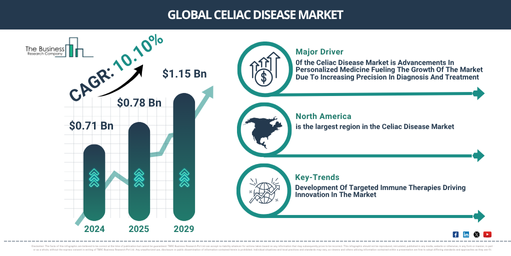
    The celiac disease market size has seen significant expansion in recent years. It is anticipated to increase from $0.71 billion in 2024 to $0.78 billion in 2025, achieving a compound annual growth rate (CAGR) of 10.4%. The factors contributing to this growth in previous periods include the escalating prevalence of celiac disease, heightened public knowledge of gluten-related conditions, increased financial support for autoimmune disease research, a rise in occurrences of food allergies and sensitivities, and a greater emphasis on health among consumers.

    The celiac disease market is projected to experience substantial expansion over the upcoming years. This market is set to reach a valuation of $1.15 billion by 2029, exhibiting a compound annual growth rate (CAGR) of 10.1%. The anticipated growth during this period is driven by factors such as the increasing call for personalized medicine, the broadening of healthcare infrastructure, a greater need for nutritional counseling services, an increase in pediatric diagnosis rates, and an emphasis on early life screening and preventative measures. Key developments anticipated in the forecast period encompass the wider availability of diagnostic testing, progress in genetic testing technologies, enhanced screening protocols within primary care, technological breakthroughs in ELISA and serological testing, and the increasing uptake of non-invasive diagnostic methods.

    Unlock Your Free Sample Report for Exclusive Market Data:

    https://www.thebusinessresearchcompany.com/sample.aspx?id=24497&type=smp

    What Are The Top Growth Drivers Impacting The Celiac Disease Market Outlook?

    The celiac disease market is anticipated to expand due to the advancement of personalized medicine. This healthcare method tailors treatments to an individual’s unique genetic makeup, environmental factors, and lifestyle choices. The demand for personalized medicine is increasing, driven by wider access to genetic testing, which allows for more precise diagnoses and therapies specifically designed for each patient. In the context of celiac disease treatment, personalized medicine facilitates the exact identification of genetic markers and distinct immune responses, resulting in more focused and efficient management plans for every patient. As an illustration, the Personalized Medicine Coalition, a US-based nonprofit, reported in February 2024 that the FDA cleared 16 personalized therapies for rare diseases in 2023, representing an increase from the 6 approved in 2022. Consequently, the expansion of personalized medicine is set to propel the celiac disease market forward.

    What Are The Key Segments In The Celiac Disease Market?

    The celiac disease market covered in this report is segmented –

    1) By Treatment: Infliximab, Larazotide Acetate, Gluten Free Diet, Other Treatments

    2) By Route Of Administration: Oral, Parenteral

    3) By End Users: Hospitals, Homecare, Other End-Users

    Subsegments:

    1) By Infliximab: Biosimilar Infliximab, Branded Infliximab, Intravenous Administration, Hospital-Based Usage, Off-Label Use In Refractory Celiac Disease,

    2) By Larazotide Acetate: Clinical Trial Phase Products, Oral Capsule Formulation, Adult Celiac Patients, Pediatric Investigational Use, Monotherapy And Combination Therapy

    3) By Gluten Free Diet: Packaged Gluten-Free Foods, Gluten-Free Bakery Products, Gluten-Free Snacks, Gluten-Free Nutritional Supplements, Gluten-Free Beverages

    4) By Other Treatments: Corticosteroids, Immunosuppressive Drugs, Enzyme Therapies, Monoclonal Antibodies, Probiotics And Microbiome Modulators

    Which Market Trends Are Creating New Opportunities In The Celiac Disease Industry?

    Leading companies within the celiac disease market are prioritizing the creation of advanced interventions, such as anti-interleukin-15 (IL-15) antibodies, to mitigate tissue damage by reining in excessive immune cell activity. These anti-interleukin-15 (IL-15) antibodies are specialized proteins designed to inhibit the function of the IL-15 cytokine, thereby assisting in the regulation of immune system activity and inflammation. For example, in May 2025, Teva Pharmaceutical Industries, an Israel-based pharmaceutical company, publicized that the U.S. Food and Drug Administration had granted Fast Track status to TEV-53408, an investigational anti-interleukin-15 (IL-15) antibody. This particular investigational monoclonal antibody is being developed for individuals with celiac disease who continue to follow a gluten-free diet. Its mode of action involves blocking interleukin-15 (IL-15), a molecule instrumental in initiating the immune response that results in intestinal harm for celiac patients. The therapy is presently undergoing a Phase 2a clinical trial to assess both its safety and effectiveness.

    Who Are The Core Companies Influencing The Celiac Disease Market Landscape?

    Major companies operating in the celiac disease market are Pfizer Inc., Sanofi SA, Novartis AG, Takeda Pharmaceutical Company Ltd., Chugai Pharmaceutical Co. Ltd., Dr Falk Pharma GmbH, Theriva Biologics Inc., Equillium Inc., Immunic Inc., Barinthus Biotherapeutics Plc, Allero Therapeutics, Anokion SA, Mozart Therapeutics, ImmunogenX, Topas Therapeutics GmbH, Parvus Therapeutics Inc., AMYRA Biotech AG, Provention Limited, Precigen Inc., Zedira GmbH, AnTolRx Inc., Nemysis Ltd., Entero Therapeutics Inc.

    Download The Full Report For Exclusive Market Findings:

    https://www.thebusinessresearchcompany.com/report/celiac-disease-global-market-report

    How Is Celiac Disease Market Demand Varying Across Different Regions?

    North America was the largest region in the celiac disease market in 2024. Asia-Pacific is expected to be the fastest-growing region in the forecast period. The regions covered in the celiac disease market report are Asia-Pacific, Western Europe, Eastern Europe, North America, South America, Middle East, Africa.

    Request A Customized Version Of The Celiac Disease Market Report:

    https://www.thebusinessresearchcompany.com/customise?id=24497&type=smp

    Browse Through More Reports Similar to the Global Celiac Disease Market 2025, By The Business Research Company

    Rare Diseases Treatment Global Market Report 2025

    https://www.thebusinessresearchcompany.com/report/rare-diseases-treatment-global-market-report

    Rare Disease Diagnostics Global Market Report 2025

    https://www.thebusinessresearchcompany.com/report/rare-disease-diagnostics-global-market-report

    Rare Inflammatory Disease Treatment Global Market Report 2025

    https://www.thebusinessresearchcompany.com/report/rare-inflammatory-disease-treatment-global-market-report

    Get in touch with us:

    The Business Research Company: https://www.thebusinessresearchcompany.com/

    Americas +1 310-496-7795

    Asia +44 7882 955267 & +91 8897263534

    Europe +44 7882 955267

    Email us at info@tbrc.info

    Follow us on:

    LinkedIn: https://in.linkedin.com/company/the-business-research-company

    YouTube: https://www.youtube.com/channel/UC24_fI0rV8cR5DxlCpgmyFQ

    Global Market Model: https://www.thebusinessresearchcompany.com/global-market-model
  • Fluoropolymer In Healthcare Market Forecast 2025–2034: Where Businesses Should Invest Next

    Fluoropolymer In Healthcare Market Forecast 2025–2034: Where Businesses Should Invest Next

    Unlock Global Insights – Save 20% on Market Reports with Code ONLINE20

    #What Is The Projected Market Size Of The Fluoropolymer In Healthcare Market By 2029?

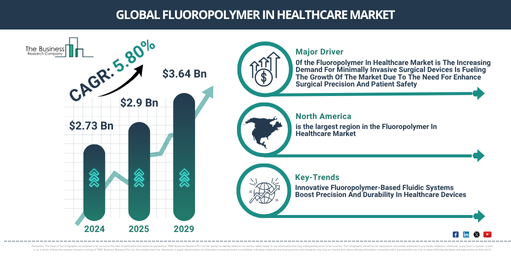
    The fluoropolymer in healthcare market has demonstrated robust expansion in recent years. This market is expected to expand from $2.73 billion in 2024 to $2.9 billion in 2025, achieving a compound annual growth rate (CAGR) of 6.2%. Historically, the market’s growth can be attributed to the increasing adoption of medical catheters, the rising use of minimally invasive surgeries, the growing demand for biocompatible materials, the increasing preference for disposable medical equipment, and the rising prevalence of chronic diseases.

    The market for fluoropolymer in healthcare is projected to experience substantial expansion over the upcoming years. This market is anticipated to reach a valuation of $3.64 billion by 2029, exhibiting a compound annual growth rate (CAGR) of 5.8%. Factors contributing to this projected growth include the escalating demand for sophisticated drug delivery methods, the expanding application of fluoropolymer coatings on surgical tools, heightened investment in healthcare infrastructure, greater emphasis on infection prevention, and the heightened requirement for materials capable of withstanding extreme temperatures. Key trends anticipated during this period encompass breakthroughs in medical tubing design, the evolution of biocompatible fluoropolymers, progress in additive manufacturing techniques, investigations into sustainable fluoropolymer materials, and the incorporation of intelligent fluoropolymer devices.

    Unlock Your Free Sample Report for Exclusive Market Data:

    https://www.thebusinessresearchcompany.com/sample.aspx?id=24540&type=smp

    Which Major Market Drivers Are Shaping The Future Of The Fluoropolymer In Healthcare Market?

    The growing need for minimally invasive surgical devices is anticipated to boost the expansion of fluoropolymers within the healthcare market in the coming years. Minimally invasive surgical devices, or MISDs, are sophisticated tools that enable operations through small cuts, intending to reduce healing periods and lessen adverse effects. The increasing adoption of these devices stems from a desire for faster recuperation, as they lessen physical trauma and decrease the duration of hospital stays. Fluoropolymers are crucial for minimally invasive surgical devices due to their resistance to chemicals, minimal friction, and biological compatibility, which improves both device effectiveness and patient well-being. Furthermore, their resilience ensures accurate and dependable surgical interventions. An illustration of this trend is provided by Intuitive Surgical, Inc., a US-based medical device company, which reported in January 2025 that in 2024, their surgical products were used in nearly 2.7 million procedures, representing a 17% increase from 2023. Consequently, the rising demand for minimally invasive surgical devices is propelling the growth of fluoropolymers in the healthcare market.

    Which Key Segments Fueling The Fluoropolymer In Healthcare Market?

    The fluoropolymer in healthcare market covered in this report is segmented –

    1) By Type: Polytetrafluoroethylene (PTFE), Polyvinylidene Difluoride (PVDF), Fluorinated Ethylene Propylene (FEP), Ethylene Tetrafluoroethylene (ETFE), Polyvinyl Fluoride (PVF), Other Types

    2) By Form: Films, Coatings, Wrappings, Tubings

    3) By Application: Medical Devices, Pharmaceutical Packaging, Laboratory Equipment, Protective Clothing

    4) By End-User: Hospitals And Clinics, Pharmaceutical Companies, Research Laboratories, Contract Manufacturing Organizations (CMOs)

    Subsegments:

    1) By Polytetrafluoroethylene (PTFE): Expanded Polytetrafluoroethylene (ePTFE), Virgin Polytetrafluoroethylene, Filled Polytetrafluoroethylene, Sintered Polytetrafluoroethylene

    2) By Polyvinylidene Difluoride (PVDF): Homopolymer Polyvinylidene Difluoride (PVDF), Copolymer Polyvinylidene Difluoride (PVDF), Melt-processable Polyvinylidene Difluoride (PVDF), Polyvinylidene Difluoride (PVDF) Membranes

    3) By Fluorinated Ethylene Propylene (FEP): Virgin Fluorinated Ethylene Propylene (FEP), Filled Fluorinated Ethylene Propylene (FEP), Transparent Fluorinated Ethylene Propylene (FEP), High Melt Flow Fluorinated Ethylene Propylene (FEP)

    4) By Ethylene Tetrafluoroethylene (ETFE): Virgin Ethylene Tetrafluoroethylene (ETFE), Filled Ethylene Tetrafluoroethylene (ETFE), Ethylene Tetrafluoroethylene (ETFE) Films, Ethylene Tetrafluoroethylene (ETFE) Coatings

    5) By Polyvinyl Fluoride (PVF): Polyvinyl Fluoride (PVF) Films, Polyvinyl Fluoride (PVF) Coatings, Laminated Polyvinyl Fluoride (PVF), Polyvinyl Fluoride (PVF) Sheets

    6) By Other Types: Perfluoroalkoxy (PFA), Fluorinated Elastomers, Chlorotrifluoroethylene (CTFE), Fluoroethylene Vinyl Ether (FEVE)

    What Are The Major Trends Driving The Growth Of The Fluoropolymer In Healthcare Market?

    Leading companies in the fluoropolymers for healthcare market are focused on developing advanced products, such as fluoropolymer-based fluidic systems, to boost the precision and durability of medical devices and diagnostics. Fluoropolymer materials are utilized in these fluidic systems to accurately and safely control fluid flow in medical and laboratory settings. Their chemical resistance, low friction, and biocompatibility ensure dependable performance in critical healthcare applications. For example, in May 2023, Biotech Fluidics AB, a Sweden-based provider of degassing and fluidic solutions, launched a new range of traceable, certified PEEK and fluoropolymer flexible tubing specifically designed for regulated environments like medical and life sciences. This product meets stringent standards, including ISO 10993, US Pharmacopeia Class VI, FDA Title 21, and EU Regulation 1907/2006 (DEHP content). Available in bulk and pre-cut quantities with full traceability, it can also be provided sterilized in cleanroom assemblies if needed. This tubing is engineered to satisfy several rigorous international standards and regulatory requirements, confirming its suitability for critical applications where safety, biocompatibility, and traceability are paramount.

    Which Key Market Players Are Investing In Expansion And Innovation Of Fluoropolymer In Healthcare Market?

    Major companies operating in the fluoropolymer in healthcare market are Saint-Gobain S.A., Daikin Industries Ltd., 3M Company, Solvay S.A., AGC Inc., DuPont de Nemours Inc., Arkema S.A., Orbia, The Chemours Company, Datwyler, Kureha Corporation, Pexco, Gujarat Fluorochemicals Ltd., Specialty Coating Systems Inc., W.L. Gore & Associates, Duke Empirical, Halopolymer OJSC, Fluorotherm, Dalau Limited, Everflon Fluoropolymers

    Download The Full Report For Exclusive Market Findings:

    https://www.thebusinessresearchcompany.com/report/fluoropolymer-in-healthcare-global-market-report

    Which Region Is Expected To Witness The Fastest Growth In The Fluoropolymer In Healthcare Market?

    North America was the largest region in the fluoropolymers in the healthcare market in 2024. Asia-Pacific is expected to be the fastest-growing region in the forecast period. The regions covered in the fluoropolymer in healthcare market report are Asia-Pacific, Western Europe, Eastern Europe, North America, South America, Middle East, Africa.

    Request A Customized Version Of The Fluoropolymer In Healthcare Market Report:

    https://www.thebusinessresearchcompany.com/customise?id=24540&type=smp

    Browse Through More Reports Similar to the Global Fluoropolymer In Healthcare Market 2025, By The Business Research Company

    High Performance Fluoropolymers Global Market Report 2025

    https://www.thebusinessresearchcompany.com/report/high-performance-fluoropolymers-global-market-report

    Fluoropolymer Films Global Market Report 2025

    https://www.thebusinessresearchcompany.com/report/fluoropolymer-films-global-market-report

    Fluorotelomers Global Market Report 2025

    https://www.thebusinessresearchcompany.com/report/fluorotelomers-global-market-report

    Get in touch with us:

    The Business Research Company: https://www.thebusinessresearchcompany.com/

    Americas +1 310-496-7795

    Asia +44 7882 955267 & +91 8897263534

    Europe +44 7882 955267

    Email us at info@tbrc.info

    Follow us on:

    LinkedIn: https://in.linkedin.com/company/the-business-research-company

    YouTube: https://www.youtube.com/channel/UC24_fI0rV8cR5DxlCpgmyFQ

    Global Market Model: https://www.thebusinessresearchcompany.com/global-market-model
  • Global Catecholamines Market Trends and Growth Analysis 2025–2029

    Global Catecholamines Market Trends and Growth Analysis 2025–2029

    Unlock Global Insights – Save 20% on Market Reports with Code ONLINE20

    By How Much Is The Catecholamines Market Expected To Expand Between 2025 And 2029?

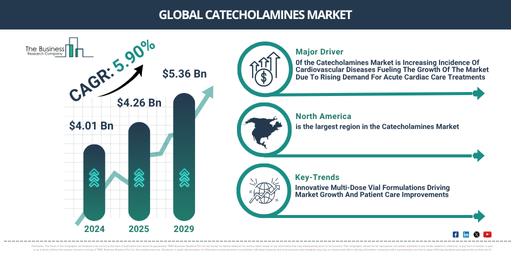
    The catecholamines market has witnessed strong expansion in recent years. This market is expected to increase from $4.01 billion in 2024 to $4.26 billion in 2025, exhibiting a compound annual growth rate (CAGR) of 6.3%. Key drivers for this historical growth include the increasing incidence of cardiac arrest, a rise in parkinson’s disease cases, a growing demand for emergency care drugs, enhanced awareness of acute care medications, and an uptick in surgical procedures.

    The catecholamines market is anticipated to experience substantial growth in the upcoming years. It is projected to expand to $5.36 billion by 2029, achieving a compound annual growth rate (CAGR) of 5.9%. This expansion during the forecast period is attributable to increasing investments in critical care research, a rising geriatric population with chronic conditions, intensified pharmaceutical research and development efforts centered on neurotransmitter modulation, the expansion of telemedicine-guided emergency care, and the incorporation of artificial intelligence into critical care decision-making. Significant trends expected in the forecast period encompass advancements in drug formulation, the creation of synthetic and longer-acting catecholamines, improvements in auto-injector and prefilled syringe technologies, the adoption of 3-dimensional printing for personalized injectables, and the development of extended-release catecholamine formulations.

    Unlock Your Free Sample Report for Exclusive Market Data:

    https://www.thebusinessresearchcompany.com/sample.aspx?id=24496&type=smp

    Which Major Market Drivers Are Shaping The Future Of The Catecholamines Market?

    The rising incidence of cardiovascular diseases is projected to propel the growth of the catecholamines market in the coming years. Cardiovascular diseases (CVDs) are a category of disorders impacting the heart and blood vessels, including conditions such as coronary artery disease, heart failure, and stroke. The rising prevalence of these diseases is primarily linked to physical inactivity, as a sedentary lifestyle contributes to risk factors like obesity, hypertension, and poor cardiovascular health. Catecholamines aid in managing cardiovascular diseases by enhancing cardiac output, regulating vascular tone, and supporting blood pressure through their stimulatory effects on adrenergic receptors. This action improves perfusion to vital organs, stabilizes hemodynamics in acute conditions such as heart failure or shock, and facilitates short-term compensation for impaired cardiac function. For instance, in December 2023, according to the Australian Institute of Health and Welfare, an Australia-based government agency, doctor-certified deaths due to coronary heart disease (CHD) in Australia increased from 14,100 in 2021 to 14,900 in 2022. Therefore, the escalating incidence of cardiovascular diseases is driving the growth of the catecholamines market.

    What Are The Leading Segments Analyzed In The Catecholamines Market?

    The catecholamines market covered in this report is segmented –

    1) By Type: Epinephrine, Norepinephrine, Dopamine

    2) By Indication: Anaphylaxis, Cardiac arrest, Shock, Acute Asthma, Hypertension, Other Indications

    3) By Formulation Type: Syrups, Injectables, Tablets, Inhalants

    4) By Distribution Channel: Hospital Pharmacy, Online Pharmacy, Retail Pharmacy

    5) By End-User: Hospitals And Clinics, Pharmaceutical Companies, Research Institutions, Emergency Medical Services

    Subsegments:

    1) By Epinephrine: Auto-Injectors, Prefilled Syringes, Vials And Ampoules

    2) By Norepinephrine: Concentrated Solution For Dilution, Ready-To-Use Formulations, Combination Therapies

    3) By Dopamine: Dopamine Hydrochloride Injection, Dopamine Infusion Concentrates, Pediatric And Adult-Specific Formulations

    How Are Trends Influencing The Catecholamines Market?

    Major companies in the catecholamines market are concentrating on developing innovative formulations like multi-dose vials to improve dosing flexibility, enhance patient compliance, reduce medication waste, and streamline administration in critical care settings. Multi-dose vials are containers designed to hold multiple doses of a medication, allowing repeated access without contamination. They contribute to reducing packaging waste, lowering treatment costs, and providing convenient dosing options for healthcare providers and patients. For instance, in May 2025, Fresenius Kabi AG, a Germany-based pharmaceutical company, launched Epinephrine Injection, USP, in 30 mg per 30 mL multi-dose vials, marking a strategic expansion of their injectable portfolio in the U.S. healthcare market. This formulation is intended for the emergency treatment of allergic reactions, including anaphylaxis, in both adults and pediatric patients, as well as for increasing mean arterial blood pressure in adult patients with hypotension associated with septic shock.

    Which Major Industry Participants Are Leading The Catecholamines Market Growth?

    Major companies operating in the catecholamines market are Pfizer Inc., Fresenius Kabi USA LLC, Teva Pharmaceutical Industries Limited, Baxter International Inc., Amneal Pharmaceuticals Inc., Glenmark Pharmaceuticals Limited, Amphastar Pharmaceuticals Inc., ARS Pharmaceuticals Inc., Breckenridge Pharmaceutical Inc., Long Grove Pharmaceuticals LLC, Midas Pharma GmbH, Otto Chemie Private Limited, Central Drug House (P) Ltd., Kanto Chemical Co. Inc., Bowmed Ibisqus Limited, Lexicare Pharma Private Limited, Alice Pharma Private Limited, Junsei Chemical Co. Ltd., Adamis Pharmaceuticals Corporation, Nevakar Injectables Inc.

    Download The Full Report For Exclusive Market Findings:

    https://www.thebusinessresearchcompany.com/report/catecholamines-global-market-report

    Which Geographies Are Emerging As Strong Markets For The Catecholamines Industry?

    North America was the largest region in the catecholamines market in 2024. Asia-Pacific is expected to be the fastest-growing region in the forecast period. The regions covered in the catecholamines market report are Asia-Pacific, Western Europe, Eastern Europe, North America, South America, Middle East, Africa.

    Request A Customized Version Of The Catecholamines Market Report:

    https://www.thebusinessresearchcompany.com/customise?id=24496&type=smp

    Browse Through More Reports Similar to the Global Catecholamines Market 2025, By The Business Research Company

    Cholinergic Drugs Global Market Report 2025

    https://www.thebusinessresearchcompany.com/report/cholinergic-drugs-global-market-report

    Anticholinergic Drugs Global Market Report 2025

    https://www.thebusinessresearchcompany.com/report/anticholinergic-drugs-global-market-report

    Anti Parkinson Drugs Global Market Report 2025

    https://www.thebusinessresearchcompany.com/report/anti-parkinson-drugs-global-market-report

    Get in touch with us:

    The Business Research Company: https://www.thebusinessresearchcompany.com/

    Americas +1 310-496-7795

    Asia +44 7882 955267 & +91 8897263534

    Europe +44 7882 955267

    Email us at info@tbrc.info

    Follow us on:

    LinkedIn: https://in.linkedin.com/company/the-business-research-company

    YouTube: https://www.youtube.com/channel/UC24_fI0rV8cR5DxlCpgmyFQ

    Global Market Model: https://www.thebusinessresearchcompany.com/global-market-model
  • Global Flow Diverters Market Analysis 2025–2029: Opportunities for Strategic Growth

    Global Flow Diverters Market Analysis 2025–2029: Opportunities for Strategic Growth

    Unlock Global Insights – Save 20% on Market Reports with Code ONLINE20

    How Much Was The Flow Diverters Market Worth In 2025, And What Is Its Anticipated Value By 2029?

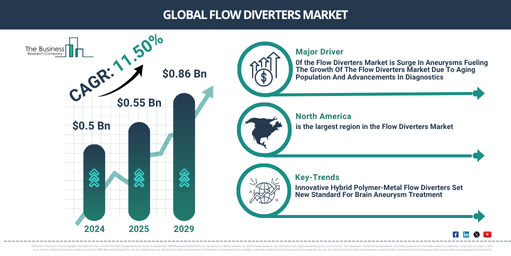
    The flow diverters market size has demonstrated significant expansion in recent years. It is anticipated to increase from $0.5 billion in 2024 to $0.55 billion in 2025, achieving a compound annual growth rate (CAGR) of 11.7%. The historical growth of this market can be attributed to the rising prevalence of intracranial aneurysms across the globe, the increased adoption of endovascular procedures, heightened awareness among both physicians and patients, a global increase in healthcare expenditure, and a growing preference for minimally invasive and outpatient procedures.

    The flow diverters market is projected to experience substantial expansion over the upcoming years. It is anticipated to reach a valuation of $0.86 billion by 2029, demonstrating a compound annual growth rate (CAGR) of 11.5%. This projected growth during the forecast period is fueled by several factors, including a rising count of positive clinical results and practical evidence, escalating investments in research and development efforts, an expanding older adult demographic, broader reimbursement coverage, and a heightened occurrence of hypertension and atherosclerosis. Key trends anticipated during this period encompass enhancements in flow diverter device architecture, the incorporation of sophisticated imaging methods, technological progress in bioabsorbable and biocompatible substances, improvements in delivery mechanisms, and progress in the field of personalized medicine.

    Unlock Your Free Sample Report for Exclusive Market Data:

    https://www.thebusinessresearchcompany.com/sample.aspx?id=24539&type=smp

    What Are The Main Drivers Boosting The Flow Diverters Industry’s Expansion?

    The increasing occurrence of aneurysms is anticipated to significantly boost the expansion of the flow diverters market in the future. Aneurysms are defined as atypical bulges or balloon-like formations within the wall of a blood vessel, usually resulting from a weakened vessel wall. The growing incidence of aneurysms stems from a larger aging demographic and advancements in diagnostic techniques, which facilitate higher detection rates and increased public awareness, consequently leading to a greater number of identified cases. Flow diverters play a crucial role in managing the increasing prevalence of aneurysms by rerouting blood flow away from the compromised vessel area, thereby fostering recovery, mitigating the likelihood of rupture, and presenting a less invasive alternative to conventional surgical procedures. For instance, in February 2022, data from the Brain Aneurysm Foundation, a U.S.-based advocacy organization, indicated that approximately 6.5 million Americans, or about 1 in 50, live with an unruptured brain aneurysm, and around 30,000 suffer a rupture each year. Consequently, the rising prevalence of aneurysms is fueling the growth of the flow diverters market.

    How Is The Flow Diverters Market Classified Into Different Segments?

    The flow diverters market covered in this report is segmented –

    1) By Type: Pipeline Embolization Device, Silk Flow Diverter, Surpass Flow Diverter, Flow Redirection Endoluminal Device, Other Types

    2) By Material: Nitinol, Cobalt-Chromium Alloy, Stainless Steel, Other Materials

    3) By Application: Intracranial Aneurysms, Arteriovenous Malformations, Carotid Artery Disease, Other Applications

    4) By End-User: Hospital And Clinics, Ambulatory Surgical Centre

    Subsegments:

    1) By Pipeline Embolization Device: Classic Pipeline Embolization Device, Pipeline Flex Embolization Device, Pipeline Shield Technology

    2) By Silk Flow Diverter: Silk+ Flow Diverter, Silk Vista Baby

    3) By Surpass Flow Diverter: Surpass Streamline, Surpass Evolve

    4) By Flow Redirection Endoluminal Device: FRED Jr., FRED X

    5) By Other Types: DERIVO Embolization Device, p64 Flow Modulation Device, Tubridge Flow Diverter

    What Trends Are Expected To Drive The Flow Diverters Market?

    Major companies operating in the flow diverters market are concentrating on advancements in material science, particularly polymer-based neurovascular stents, to improve device performance, enhance biocompatibility, encourage natural vessel healing, and decrease the necessity for long-term blood-thinning medication. A polymer-based neurovascular stent serves as a medical implant designed to maintain and support the patency of blood vessels within the brain’s neurovasculature, primarily for treating conditions such as aneurysms, stenosis, or vascular malformations. For instance, in June 2023, Fluid Biomed, a Canada-based medical device start-up, announced the world’s first implantation of a polymer-based neurovascular stent into human patients. This innovative device, known as the ReSolv stent, is specifically engineered to treat brain aneurysms. Unlike traditional hybrid polymer-metal stents, the ReSolv stent is entirely polymer-based and is designed to gradually dissolve as the blood vessel undergoes healing. This unique design has the potential to minimize the requirement for long-term blood-thinning medication while simultaneously supporting the vessel’s natural recovery process.

    Who Are The Core Companies Influencing The Flow Diverters Market Landscape?

    Major companies operating in the flow diverters market are Johnson & Johnson, Medtronic plc, Stryker Corporation, Terumo Corporation, MicroPort Scientific Corporation, Penumbra Inc., Phenox GmbH, Sino Medical Sciences Technology Inc., Balt Extrusion S.A.S., Sequent Medical Inc., Wallaby Medical Ltd., Zylox-Tonbridge Medical Technology Co. Ltd., Acandis GmbH & Co. KG, Fluid Biomed Inc., InspireMD Inc., INVAMED Medical Innovation, Oxford Endovascular Ltd., Qvanteq AG, EndoStream Medical Ltd., Endomimetics LLC.

    Download The Full Report For Exclusive Market Findings:

    https://www.thebusinessresearchcompany.com/report/flow-diverters-global-market-report

    Which Global Regions Are Influencing The Competitive Landscape Of The Flow Diverters Market?

    North America was the largest region in the flow diverters market in 2024. Asia-Pacific is expected to be the fastest-growing region in the forecast period. The regions covered in the flow diverters market report are Asia-Pacific, Western Europe, Eastern Europe, North America, South America, Middle East, Africa.

    Request A Customized Version Of The Flow Diverters Market Report:

    https://www.thebusinessresearchcompany.com/customise?id=24539&type=smp

    Browse Through More Reports Similar to the Global Flow Diverters Market 2025, By The Business Research Company

    Crude Oil Flow Improvers Global Market Report 2025

    https://www.thebusinessresearchcompany.com/report/crude-oil-flow-improvers-global-market-report

    Flow Chemistry Global Market Report 2025

    https://www.thebusinessresearchcompany.com/report/flow-chemistry-global-market-report

    Oil Downstream Products Global Market Report 2025

    https://www.thebusinessresearchcompany.com/report/oil-downstream-products-global-market-report

    Get in touch with us:

    The Business Research Company: https://www.thebusinessresearchcompany.com/

    Americas +1 310-496-7795

    Asia +44 7882 955267 & +91 8897263534

    Europe +44 7882 955267

    Email us at info@tbrc.info

    Follow us on:

    LinkedIn: https://in.linkedin.com/company/the-business-research-company

    YouTube: https://www.youtube.com/channel/UC24_fI0rV8cR5DxlCpgmyFQ

    Global Market Model: https://www.thebusinessresearchcompany.com/global-market-model
  • Fibroblast Growth Factors (FGFs) Industry Overview 2025: Growth Projections and Market Trends

    Fibroblast Growth Factors (FGFs) Industry Overview 2025: Growth Projections and Market Trends

    Unlock Global Insights – Save 20% on Market Reports with Code ONLINE20

    What Is The Future Market Size Estimation For The Fibroblast Growth Factors (FGFs) Market Covering 2025–2034?

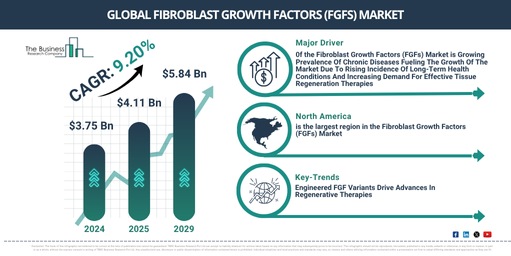
    The market for fibroblast growth factors (fgfs) has demonstrated robust expansion in recent years. This market is anticipated to expand from $3.75 billion in 2024 to $4.11 billion in 2025, exhibiting a compound annual growth rate (CAGR) of 9.5%. The expansion during the preceding period is attributable to several factors, including the increasing demand for regenerative medicine, enhanced application in wound healing, an uptick in cancer research funding, escalating biopharmaceutical innovations, and growing recognition of the therapeutic potential of fibroblast growth factors (FGFs).

    The market for fibroblast growth factors (fgfs) is projected to experience robust expansion over the coming years. This market is anticipated to reach $5.84 billion by 2029, exhibiting a compound annual growth rate (CAGR) of 9.2%. Key drivers for this growth throughout the forecast period include increasing investments directed towards personalized medicine, a growing acceptance of therapies based on fibroblast growth factors (FGFs), an uptick in the prevalence of chronic diseases, ongoing advancements in biotechnology, and heightened collaboration between pharmaceutical companies and research institutions. Significant trends identified for this period encompass progress in targeted drug delivery, the development of advanced biomaterials for fibroblast growth factors (FGFs) delivery, breakthroughs in gene editing technologies, improvements in sustained-release formulations, and novel approaches in combination therapies.

    Unlock Your Free Sample Report for Exclusive Market Data:

    https://www.thebusinessresearchcompany.com/sample.aspx?id=24538&type=smp

    Which Factors And Drivers Are Influencing The Fibroblast Growth Factors (FGFs) Market In 2025?

    The increasing occurrence of chronic illnesses is expected to drive the growth of the fibroblast growth factors (FGFs) market in the coming period. Chronic diseases are long-lasting health conditions that develop slowly and persist for an extended duration, often demanding continuous medical attention. The rising incidence of chronic diseases is partly attributed to inactive lifestyles, as prolonged sitting and minimal physical activity heighten the risk of cardiac issues and diabetes. Fibroblast growth factors (FGFs) assist in managing chronic diseases by fostering tissue repair and regeneration, making them valuable in addressing long-term conditions. They enhance healing processes and decelerate disease progression, ultimately improving patient outcomes and overall quality of life. For example, in June 2024, the National Health Service, a UK government department, reported that 3,615,330 individuals registered with a general practitioner (GP) were diagnosed with non-diabetic hyperglycemia or pre-diabetes (a condition with elevated blood sugar levels, not severe enough to be classified as diabetes) in 2023, reflecting an 18% increase from 3,065,825 cases in 2022. Therefore, the expanding prevalence of chronic diseases is fueling the growth of the fibroblast growth factors (FGFs) market.

    What Are The Major Segments Identified In The Fibroblast Growth Factors (FGFs) Market?

    The fibroblast growth factors (FGFs) market covered in this report is segmented –

    1) By Product Type: Recombinant Fibroblast Growth Factor, Purified Fibroblast Growth Factor, Endogenous Fibroblast Growth Factor, Other Product Types

    2) By Type: Palifermin, Erdafitnib, Infigratinib, Futibatinib, Other Types

    3) By Application: Oncology, Hematology, Wound Healing, Dermatology, Cardiovascular Disease, Bone Disorders, Musculoskeletal Disorders, Tissue Regeneration, Other Applications

    4) By End User: Pharmaceutical Companies, Research Institutes, Biotechnology Companies, Other End Users

    Subsegments:

    1) By Recombinant Fibroblast Growth Factor: Recombinant Fibroblast Growth Factor (FGF)-1, Recombinant Fibroblast Growth Factor (FGF)-2, Recombinant Fibroblast Growth Factor (FGF)-7, Recombinant Fibroblast Growth Factor (FGF)-10

    2) By Purified Fibroblast Growth Factor: Purified Fibroblast Growth Factor (FGF)-1, Purified Fibroblast Growth Factor (FGF)-2, Purified Fibroblast Growth Factor (FGF)-7, Purified Fibroblast Growth Factor (FGF)-21

    3) By Endogenous Fibroblast Growth Factor: Endogenous Fibroblast Growth Factor (FGF)-1, Endogenous Fibroblast Growth Factor (FGF)-2, Endogenous Fibroblast Growth Factor (FGF)-8, Endogenous Fibroblast Growth Factor (FGF)-23

    4) By Other Product Types: Synthetic Fibroblast Growth Factors, Modified Fibroblast Growth Factors, Fusion Protein Fibroblast Growth Factors (FGFs), Fibroblast Growth Factors (FGFs) Derived From Stem Cells

    Which Trends Are Impacting The Fibroblast Growth Factors (FGFs) Market?

    Leading companies in the fibroblast growth factors (FGFs) market are focused on developing technologically advanced products, such as engineered FGF variants, to improve therapeutic effectiveness, reduce negative effects, and support regenerative treatments for chronic and degenerative diseases. Engineered fibroblast growth factor (FGF) variants refer to modified forms of fibroblast growth factors specifically designed to enhance stability, specificity, and potency for superior therapeutic outcomes in tissue regeneration and disease treatment. For instance, in October 2022, Zhittya Genesis Medicine, a US-based biotechnology company, launched a novel FGF-1 therapy aimed at treating Parkinson’s disease. This innovative therapy employs intranasal delivery to foster angiogenesis and neuronal regeneration within the brain. The FGF-1 treatment offers a promising strategy for slowing the progression of the disease and improving the quality of life for patients.

    Which Major Industry Participants Are Leading The Fibroblast Growth Factors (FGFs) Market Growth?

    Major companies operating in the fibroblast growth factors (FGFs) market are Merck & Co. Inc., Bristol-Myers Squibb Company, Thermo Fisher Scientific Inc., Novartis AG, FUJIFILM Wako Pure Chemical Corporation, Lonza Group AG, Miltenyi Biotec B.V. & Co. KG, GenScript Biotech Corporation, 89bio Inc., R&D Systems Inc., ACROBiosystems Co. Ltd., Elabscience Biotechnology Inc., Cell Signaling Technology Inc., BPS Bioscience Inc., Proteintech Group Inc., Akero Therapeutics Inc., MedChemExpress LLC, Defined Bioscience Inc., Gold Biotechnology Inc. (GoldBio), Nucleus Biologics LLC, ZellBio GmbH, Affinity Biosciences Ltd., GeneCards

    Download The Full Report For Exclusive Market Findings:

    https://www.thebusinessresearchcompany.com/report/fibroblast-growth-factors-fgfs-global-market-report

    What Are The Regional Market Dynamics Impacting The Fibroblast Growth Factors (FGFs) Industry?

    North America was the largest region in the fibroblast growth factors (FGFs) market in 2024. Asia-Pacific is expected to be the fastest-growing region in the forecast period. The regions covered in the fibroblast growth factors (FGFs) market report are Asia-Pacific, Western Europe, Eastern Europe, North America, South America, Middle East, Africa.

    Request A Customized Version Of The Fibroblast Growth Factors (FGFs) Market Report:

    https://www.thebusinessresearchcompany.com/customise?id=24538&type=smp

    Browse Through More Reports Similar to the Global Fibroblast Growth Factors (FGFs) Market 2025, By The Business Research Company

    Hair Growth Supplement And Treatment Global Market Report 2025

    https://www.thebusinessresearchcompany.com/report/hair-growth-supplement-and-treatment-global-market-report

    Follicle Stimulating Hormone Global Market Report 2025

    https://www.thebusinessresearchcompany.com/report/follicle-stimulating-hormone-global-market-report

    Hair Growth Serum Global Market Report 2025

    https://www.thebusinessresearchcompany.com/report/hair-growth-serum-global-market-report

    Get in touch with us:

    The Business Research Company: https://www.thebusinessresearchcompany.com/

    Americas +1 310-496-7795

    Asia +44 7882 955267 & +91 8897263534

    Europe +44 7882 955267

    Email us at info@tbrc.info

    Follow us on:

    LinkedIn: https://in.linkedin.com/company/the-business-research-company

    YouTube: https://www.youtube.com/channel/UC24_fI0rV8cR5DxlCpgmyFQ

    Global Market Model: https://www.thebusinessresearchcompany.com/global-market-model
  • Castration-Resistant Prostate Cancer (CRPC) Or Hormone-Refractory Prostate Cancer (HRPCA) Therapeutics Market Forecast: What to Expect by 2029

    Castration-Resistant Prostate Cancer (CRPC) Or Hormone-Refractory Prostate Cancer (HRPCA) Therapeutics Market Forecast: What to Expect by 2029

    Unlock Global Insights – Save 20% on Market Reports with Code ONLINE20

    #What Is The Projected Market Size Of The Castration-Resistant Prostate Cancer (CRPC) Or Hormone-Refractory Prostate Cancer (HRPCA) Therapeutics Market By 2029?

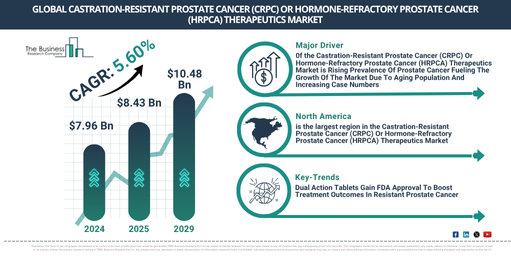
    The market for castration-resistant prostate cancer (crpc) or hormone-refractory prostate cancer (hrpca) therapeutics has experienced substantial growth in recent years. It is projected to increase from $7.96 billion in 2024 to $8.43 billion in 2025, at a compound annual growth rate (CAGR) of 5.9%. This historical expansion can be attributed to the increasing incidence of prostate cancer, the rising use of androgen deprivation therapy (ADT) leading to resistance, an increasing availability of targeted therapy options, growing diagnostic imaging capabilities, and rising healthcare investments in oncology infrastructure.

    The castration-resistant prostate cancer (crpc) or hormone-refractory prostate cancer (hrpca) therapeutics market is projected to experience substantial expansion over the forthcoming years. This market is anticipated to reach a valuation of $10.48 billion by 2029, exhibiting a compound annual growth rate (CAGR) of 5.6%. Factors contributing to this anticipated growth include the increasing integration of precision oncology and therapies reliant on biomarkers, an escalating need for advanced hormonal treatments and radioligand therapy, an expanding array of clinical trials for progressive prostate cancer, an increasing number of targeted and immuno-oncology agents in development, and a heightened preference for tailored medicine strategies. Key developments expected during this forecast timeframe encompass the formulation of combination immunotherapy protocols, the incorporation of genomic profiling into clinical judgments, the adoption of digital health instruments for patient oversight, advancements in bispecific T-cell engagers, and the creation of tumor microenvironment modulators.

    Unlock Your Free Sample Report for Exclusive Market Data:

    https://www.thebusinessresearchcompany.com/sample.aspx?id=24495&type=smp

    What Are The Main Drivers Boosting The Castration-Resistant Prostate Cancer (CRPC) Or Hormone-Refractory Prostate Cancer (HRPCA) Therapeutics Industry’s Expansion?

    The escalating occurrence of prostate cancer is anticipated to stimulate the expansion of the castration-resistant prostate cancer (CRPC) or hormone-refractory prostate cancer (HRPCA) therapeutics market moving forward. Prostate cancer is characterized as a malignancy developing in the prostate gland, a small gland in men situated below the bladder and in front of the rectum. This surge in prostate cancer cases is primarily attributed to the aging population, as the risk significantly increases with age. Castration-resistant prostate cancer (CRPC) or hormone-refractory prostate cancer (HRPCA) therapeutics are instrumental in treating prostate cancer by targeting advanced stages that no longer respond to conventional hormone therapy. These treatments enhance patient outcomes by decelerating disease progression and managing symptoms, thereby elevating the quality of life. For instance, in November 2024, the National Health Service, a UK-based government department, reported that new prostate cancer cases reached 54,732 in 2022, signifying an increase of 11,354 cases compared to 2021. Thus, the growing prevalence of prostate cancer is a significant driver for the growth of the castration-resistant prostate cancer (CRPC) or hormone-refractory prostate cancer (HRPCA) therapeutics market.

    What Are The Segment Types Shaping The Castration-Resistant Prostate Cancer (CRPC) Or Hormone-Refractory Prostate Cancer (HRPCA) Therapeutics Market?

    The castration-resistant prostate cancer (CRPC) or hormone-refractory prostate cancer (HRPCA) therapeutics market covered in this report is segmented –

    1) By Therapy Type: Hormonal Therapy, Chemotherapy, Immunotherapy, Targeted Therapy, Radiation Therapy

    2) By Route Of Administration: Oral, Injectable, Intravenous

    3) By End User: Hospitals, Oncology Centers, Ambulatory Surgical Centers, Other End Users

    Subsegments:

    1) By Hormonal Therapy: Androgen Receptor (AR) Inhibitors, Androgen Synthesis Inhibitors, Luteinizing Hormone-Releasing Hormone (LHRH) Agonists Or Antagonists, Gonadotropin-Releasing Hormone (GnRH) Agonists Or Antagonists

    2) By Chemotherapy: Taxanes, Platinum-Based Agents, Other Chemotherapies

    3) By Immunotherapy: Immune Checkpoint Inhibitors, Cancer Vaccines, Cytokine Therapy, Adoptive Cell Therapy

    4) By Targeted Therapy: Poly ADP-Ribose Polymerase (PARP) Inhibitors, Phosphoinositide 3-Kinase (PI3K) Or Protein Kinase B (PI3K) Or Mammalian Target Of Rapamycin (mTOR) Inhibitors, Tyrosine Kinase Inhibitors (TKIs), Deoxyribonucleic Acid Damage Response (DDR) Inhibitors

    5) By Radiation Therapy: External Beam Radiation Therapy, Brachytherapy, Radiopharmaceuticals

    What Key Innovation Trends Are Fueling Advancements In The Castration-Resistant Prostate Cancer (CRPC) Or Hormone-Refractory Prostate Cancer (HRPCA) Therapeutics Market?

    Leading companies active in the castration-resistant prostate cancer (CRPC) or hormone-refractory prostate cancer (HRPCA) therapeutics market are concentrating on developing innovative products and securing approvals, such as for dual-action tablets, to improve treatment efficacy and patient outcomes. Dual-action tablets are advanced formulations that combine two therapeutic agents in a single dose to simultaneously target multiple pathways in castration-resistant prostate cancer (CRPC) treatment. For example, in August 2023, Janssen Pharmaceuticals, a Belgium-based pharmaceutical company, received U.S. Food and Drug Administration (FDA) approval for Akeega, a new tablet designed for the treatment of adults with BRCA-mutated metastatic castration-resistant prostate cancer (mCRPC). Akeega is a precision medicine that integrates a PARP inhibitor (niraparib) with a CYP17 inhibitor (abiraterone acetate), specifically intended for patients with BRCA mutations. When administered alongside prednisone, it significantly enhances radiographic progression-free survival (rPFS) compared to conventional hormonal therapy alone.

    Who Are The Prominent Global Companies Shaping The Castration-Resistant Prostate Cancer (CRPC) Or Hormone-Refractory Prostate Cancer (HRPCA) Therapeutics Market?

    Major companies operating in the castration-resistant prostate cancer (CRPC) or hormone-refractory prostate cancer (HRPCA) therapeutics market are Pfizer Inc., Johnson And Johnson, Merck & Co. Inc., Bayer AG, Novartis AG, Sanofi S.A., Bristol-Myers Squibb Company, AstraZeneca plc, Takeda Pharmaceutical Company Limited, Astellas Pharma Inc., Daiichi Sankyo Co. Ltd., Lantheus Holdings Inc., POINT Biopharma Global Inc., Clovis Oncology Inc., Arvinas Inc., Clarity Pharmaceuticals Ltd, Modra Pharmaceuticals B.V., Oncternal Therapeutics Inc., Zenith Epigenetics Ltd., ESSA Pharma Inc.

    Download The Full Report For Exclusive Market Findings:

    https://www.thebusinessresearchcompany.com/report/castration-resistant-prostate-cancer-crpc-or-hormone-refractory-prostate-cancer-hrpca-therapeutics-global-market-report

    Which Region Is Projected To Lead The Castration-Resistant Prostate Cancer (CRPC) Or Hormone-Refractory Prostate Cancer (HRPCA) Therapeutics Market During The Forecast Period?

    North America was the largest region in the castration-resistant prostate cancer (CRPC) or hormone-refractory prostate cancer (HRPCA) therapeutics market in 2024. Asia-Pacific is expected to be the fastest-growing region in the forecast period. The regions covered in the castration-resistant prostate cancer (CRPC) or hormone-refractory prostate cancer (HRPCA) therapeutics market report are Asia-Pacific, Western Europe, Eastern Europe, North America, South America, Middle East, Africa.

    Request A Customized Version Of The Castration-Resistant Prostate Cancer (CRPC) Or Hormone-Refractory Prostate Cancer (HRPCA) Therapeutics Market Report:

    https://www.thebusinessresearchcompany.com/customise?id=24495&type=smp

    Browse Through More Reports Similar to the Global Castration-Resistant Prostate Cancer (CRPC) Or Hormone-Refractory Prostate Cancer (HRPCA) Therapeutics Market 2025, By The Business Research Company

    Prostate Cancer Drugs Global Market Report 2025

    https://www.thebusinessresearchcompany.com/report/prostate-cancer-drugs-global-market-report

    Urothelial Carcinoma Treatment Global Market Report 2025

    https://www.thebusinessresearchcompany.com/report/urothelial-carcinoma-treatment-global-market-report

    Prostate Cancer Nuclear Medicine Diagnostics Global Market Report 2025

    https://www.thebusinessresearchcompany.com/report/prostate-cancer-nuclear-medicine-diagnostics-global-market-report

    Get in touch with us:

    The Business Research Company: https://www.thebusinessresearchcompany.com/

    Americas +1 310-496-7795

    Asia +44 7882 955267 & +91 8897263534

    Europe +44 7882 955267

    Email us at info@tbrc.info

    Follow us on:

    LinkedIn: https://in.linkedin.com/company/the-business-research-company

    YouTube: https://www.youtube.com/channel/UC24_fI0rV8cR5DxlCpgmyFQ

    Global Market Model: https://www.thebusinessresearchcompany.com/global-market-model
  • Fibroblast Cells Market Size Forecast: Revenue and CAGR by 2029

    Fibroblast Cells Market Size Forecast: Revenue and CAGR by 2029

    Unlock Global Insights – Save 20% on Market Reports with Code ONLINE20

    What Is The Expected Total Market Size Of The Fibroblast Cells Industry By The Forecast Year 2029?

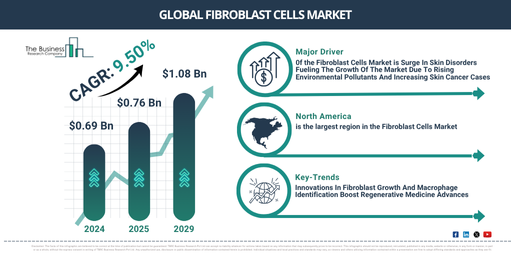
    The fibroblast cells market size has observed substantial growth in recent years. It is anticipated to expand from $0.69 billion in 2024 to $0.76 billion in 2025, exhibiting a compound annual growth rate (CAGR) of 9.8%. The expansion witnessed in the past can be attributed to increasing applications in cosmetic and anti-aging products, a rise in the adoption of 3D cell culture models, growing government funding for cell therapy, heightened awareness concerning personalized medicine, and an increased usage in drug discovery and toxicology testing.

    The market for fibroblast cells is projected to experience robust expansion over the coming years. This market is set to reach $1.08 billion by 2029, achieving a compound annual growth rate (CAGR) of 9.5%. This anticipated growth during the forecast period stems from a heightened emphasis on personalized cell therapies, a rising need for anti-aging and aesthetic solutions, increased acceptance of stem cell and regenerative medicine, greater investment in cell-based research, and a growing fascination with 3D bioprinting and organ-on-chip innovations. Key developments expected during this period encompass enhancements in 3D cell culture methods, sophisticated applications in tissue engineering and wound healing, pioneering work in serum-free and chemically defined media, the incorporation of AI and machine learning into cell research, and breakthroughs in gene editing techniques for modifying fibroblasts.

    Unlock Your Free Sample Report for Exclusive Market Data:

    https://www.thebusinessresearchcompany.com/sample.aspx?id=24537&type=smp

    What Are The Key Drivers Of Growth In The Fibroblast Cells Market?

    The rising occurrence of various skin conditions is projected to boost the expansion of the fibroblast cells market in the coming years. Skin ailments are any conditions or diseases impacting the skin, leading to symptoms like rashes, itching, inflammation, redness, dryness, or lesions. The escalation in skin disorders is attributable to increased exposure to environmental pollutants, which impair the skin barrier, causing inflammation and heightened vulnerability to skin issues. Fibroblast cells assist in managing skin disorders by fostering tissue repair and regeneration through the creation of collagen and other extracellular matrix components, which reinstate skin strength and elasticity. For instance, in February 2025, according to Cancer Australia, an Australia-based government agency, 18,257 new cases of melanoma of the skin were diagnosed in 2023. Thus, the increasing prevalence of various skin disorders is a driving force behind the growth of the fibroblast cells market.

    What Are The Emerging Segments Gaining Attention In The Fibroblast Cells Market?

    The fibroblast cells market covered in this report is segmented –

    1) By Type: Tissue-Specific Fibroblasts, Disease-Specific Fibroblasts, Serum-Free Fibroblast Culture Medium

    2) By Application: Adults, Neonatal

    3) By End-Users: Hospitals, Clinics, Research And Academic Institutes, Other End-Users

    Subsegments:

    1) By Tissue-Specific Fibroblasts: Dermal Fibroblasts, Lung Fibroblasts, Cardiac Fibroblasts, Gingival Fibroblasts, Corneal Fibroblasts, Mammary Fibroblasts, Intestinal Fibroblasts, Foreskin Fibroblasts

    2) By Disease-Specific Fibroblasts: Cancer-Associated Fibroblasts (CAFs), Idiopathic Pulmonary Fibrosis Fibroblasts, Scleroderma Fibroblasts, Diabetic Wound Fibroblasts, Rheumatoid Arthritis Fibroblasts, Keloid Fibroblasts, Psoriatic Fibroblasts

    3) By Serum-Free Fibroblast Culture Medium: Dermal Fibroblast Medium, Lung Fibroblast Medium, Cardiac Fibroblast Medium, Cancer-Associated Fibroblast Medium, Human Gingival Fibroblast Medium, Fibroblast Growth Medium (Xeno-Free), Custom Or Defined Media For Fibroblast Expansion

    What Long-Term Trends Will Shape The Future Growth Of The Fibroblast Cells Industry?

    Leading companies in the fibroblast cells market are focused on developing sophisticated solutions, such as macrophage phenotype identification, to deepen the understanding of cell interactions and enhance the efficacy of fibroblast-based therapies. Macrophage phenotype identification refers to the process of differentiating between various types of macrophages, primarily M1 and M2, based on their functional roles and molecular markers. For instance, in December 2024, Creative Biolabs, a US-based biotech company, launched Fibroblast Growth Factor 2. It comprises two versions, Fibroblast Growth Factor 2 and Fibroblast Growth Factor 2 STAB, which were developed to foster the growth and proliferation of human mesenchymal stem cells (MSCs) and normal human dermal fibroblasts (NHDFs), thereby supporting advancements in stem cell and regenerative medicine research.

    Who Are The Prominent Global Companies Shaping The Fibroblast Cells Market?

    Major companies operating in the fibroblast cells market are Thermo Fisher Scientific Inc., Lonza Group AG, Sigma-Aldrich Corporation, Bio-Techne Corporation, STEMCELL Technologies Inc., American Type Culture Collection, Creative Bioarray, PromoCell GmbH, Coriell Institute for Medical Research, REPROCELL Inc., Axol Bioscience Ltd., ScienCell Research Laboratories Inc., Cell Applications Inc., ZenBio Inc., Cell Biologics Inc., Lifeline Cell Technology, Celprogen Inc., AMS Biotechnology (Europe) Ltd., Neuromics Inc., Evercyte GmbH, FUJIFILM Irvine Scientific Inc.

    Download The Full Report For Exclusive Market Findings:

    https://www.thebusinessresearchcompany.com/report/fibroblast-cells-global-market-report

    Which Region Shows The Highest Potential For Future Expansion In The Fibroblast Cells Market?

    North America was the largest region in the fibroblast cells market in 2024. The regions covered in the fibroblast cells market report are Asia-Pacific, Western Europe, Eastern Europe, North America, South America, Middle East, Africa.

    Request A Customized Version Of The Fibroblast Cells Market Report:

    https://www.thebusinessresearchcompany.com/customise?id=24537&type=smp

    Browse Through More Reports Similar to the Global Fibroblast Cells Market 2025, By The Business Research Company

    Cell Therapy Technologies Global Market Report 2025

    https://www.thebusinessresearchcompany.com/report/cell-therapy-technologies-global-market-report

    Cell Cultures Global Market Report 2025

    https://www.thebusinessresearchcompany.com/report/cell-cultures-global-market-report

    Cells Therapy Global Market Report 2025

    https://www.thebusinessresearchcompany.com/report/cells-therapy-global-market-report

    Get in touch with us:

    The Business Research Company: https://www.thebusinessresearchcompany.com/

    Americas +1 310-496-7795

    Asia +44 7882 955267 & +91 8897263534

    Europe +44 7882 955267

    Email us at info@tbrc.info

    Follow us on:

    LinkedIn: https://in.linkedin.com/company/the-business-research-company

    YouTube: https://www.youtube.com/channel/UC24_fI0rV8cR5DxlCpgmyFQ

    Global Market Model: https://www.thebusinessresearchcompany.com/global-market-model
  • Casein Protein Industry Insights: Market Forecast to 2029

    Casein Protein Industry Insights: Market Forecast to 2029

    Unlock Global Insights – Save 20% on Market Reports with Code ONLINE20

    How Much Was The Casein Protein Market Worth In 2025, And What Is Its Anticipated Value By 2029?

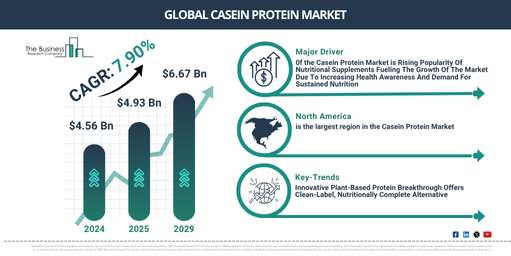
    The casein protein market has demonstrated significant expansion in recent years. Its valuation is set to climb from $4.56 billion in 2024 to $4.93 billion in 2025, reflecting a compound annual growth rate (CAGR) of 8.2%. The past growth witnessed in this market is largely attributable to the increasing popularity of high-protein diets, its expanded utilization in clinical nutrition, the proliferation of sports nutrition applications, its growing integration into functional foods, and elevated demand from the infant nutrition sector.

    The casein protein market is projected to experience robust expansion in the upcoming years. Its valuation is set to reach $6.67 billion by 2029, exhibiting a compound annual growth rate (CAGR) of 7.9%. This anticipated growth is driven by factors such as the expanding vegan and vegetarian demographic, increased preference for proteins that digest slowly, wider use in cosmetic products, a surge in the consumption of protein-enriched foods, and a growing segment of health-aware consumers. Key trends anticipated during this period encompass enhancements in protein extraction techniques for casein-derived supplements, the creation of protein products with clean labels, novel developments in ready-to-drink protein drinks, and the establishment of environmentally friendly dairy farming methods.

    Unlock Your Free Sample Report for Exclusive Market Data:

    https://www.thebusinessresearchcompany.com/sample.aspx?id=24494&type=smp

    Which Factors And Drivers Are Influencing The Casein Protein Market In 2025?

    The future expansion of the casein protein market is anticipated to be significantly boosted by the increasing appeal of nutritional supplements. These supplements are orally consumed products that provide essential nutrients like vitamins, minerals, amino acids, or herbs, designed to complement one’s diet and promote general health. The growing demand for nutritional supplements is attributed to heightened health consciousness, as more people are actively seeking to prevent diseases, enhance their immune systems, and maintain overall well-being through diligent nutrition. Casein protein itself serves as a nutritional supplement, distinguished by its slow digestion and sustained release of amino acids, which makes it excellent for muscle recovery and upkeep. It ensures extended nourishment, particularly during periods of fasting, thereby boosting the overall efficacy of supplementation. As an illustration, in December 2024, data from the United Nations International Children’s Emergency Fund, a US-based humanitarian aid organization, revealed that approximately 480 million vitamin A capsules were distributed across 71 countries in 2023. This effort enabled over 320 million children to receive two doses of vitamin A supplementation, marking a 26% rise from the 252 million children reached in 2021. Consequently, the escalating popularity of nutritional supplements is indeed propelling the growth of the casein protein market.

    What Are The Different Segment Classifications Within The Casein Protein Market?

    The casein protein market covered in this report is segmented –

    1) By Product Type: Micellar Casein, Casein Hydrolysate, Other Product Types

    2) By Function: Stabilizing, Emulsification, Foaming, Other Functions

    3) By Distribution Channel: Online Stores, Supermarkets Or Hypermarkets, Specialty Stores, Other Distribution Channels

    4) By Application: Nutritional Supplements, Food And Beverage, Agriculture Or Animal Feed, Cosmetics, Pharmaceutical, Other Applications

    5) By End-User: Athletes, Bodybuilders, General Consumers, Other End-Users

    Subsegments:

    1) By Micellar Casein: Micellar Casein Concentrate, Micellar Casein Isolate

    2) By Casein Hydrolysate: Partially Hydrolyzed Casein, Fully Hydrolyzed Casein

    3) By Other Product Types: Caseinates, Acid Casein, Rennet Casein

    Which Ongoing Trends Are Expected To Shape The Casein Protein Market Outlook?

    Major companies in the casein protein market are concentrating on developing innovative products, such as plant-based casein, to satisfy the growing consumer demand for sustainable and alternative protein sources. Plant-based casein refers to protein items designed to emulate the functional and nutritional qualities of dairy casein but are entirely derived from plant sources instead of milk. For instance, in May 2025, Pureture Co. Ltd., a US-based biotechnology company, launched an emulsifier-free, plant-based casein protein engineered to closely mirror the texture and nutritional characteristics of traditional dairy casein. This advancement removes the necessity for additives like emulsifiers or stabilizers, thereby providing a cleaner label that appeals to health-conscious consumers. It delivers a complete amino acid profile with a PDCAAS score of 1.0, equivalent to the nutritional value of dairy casein, while simultaneously supporting clean-label and allergen-free product formulations.

    Which Key Players Are Driving Competition In The Casein Protein Market?

    Major companies operating in the casein protein market are Groupe Lactalis S.A., Arla Foods amba, Fonterra Co-operative Group Limited, Royal FrieslandCampina N.V., Agropur Dairy Cooperative, Leprino Foods Company Inc., Glanbia Nutritionals Inc., Actus Nutrition Inc., Sachsenmilch Leppersdorf GmbH, Ingredia SA, Numidia B.V, BioHealth Nutrition Inc., VRS Foods Ltd, Interfood Holding B.V., Eurial Groupe Agrial, American Casein Company, Clarion Casein Ltd., Pure Product Australia Pty Ltd, Swasthum Wellness Pvt. Ltd., Classik Casein Manufacturing Company

    Download The Full Report For Exclusive Market Findings:

    https://www.thebusinessresearchcompany.com/report/casein-protein-global-market-report

    What Are The Key Regional Factors Influencing The Casein Protein Market Growth?

    North America was the largest region in the casein protein market in 2024. Asia-Pacific is expected to be the fastest-growing region in the forecast period. The regions covered in the casein protein market report are Asia-Pacific, Western Europe, Eastern Europe, North America, South America, Middle East, Africa.

    Request A Customized Version Of The Casein Protein Market Report:

    https://www.thebusinessresearchcompany.com/customise?id=24494&type=smp

    Browse Through More Reports Similar to the Global Casein Protein Market 2025, By The Business Research Company

    Casein Protein In Animal Feed Application Global Market Report 2025

    https://www.thebusinessresearchcompany.com/report/casein-protein-in-animal-feed-application-global-market-report

    Protein Analyzer Global Market Report 2025

    https://www.thebusinessresearchcompany.com/report/protein-analyzer-global-market-report

    Protein Supplements Global Market Report 2025

    https://www.thebusinessresearchcompany.com/report/protein-supplements-global-market-report

    Get in touch with us:

    The Business Research Company: https://www.thebusinessresearchcompany.com/

    Americas +1 310-496-7795

    Asia +44 7882 955267 & +91 8897263534

    Europe +44 7882 955267

    Email us at info@tbrc.info

    Follow us on:

    LinkedIn: https://in.linkedin.com/company/the-business-research-company

    YouTube: https://www.youtube.com/channel/UC24_fI0rV8cR5DxlCpgmyFQ

    Global Market Model: https://www.thebusinessresearchcompany.com/global-market-model

  • Global Fibroblast Activation Protein Inhibitors Market Trends and Growth Analysis 2025–2029

    Global Fibroblast Activation Protein Inhibitors Market Trends and Growth Analysis 2025–2029

    Unlock Global Insights – Save 20% on Market Reports with Code ONLINE20

    How Does The Market Size Of The Fibroblast Activation Protein Inhibitors Industry Compare Between 2025 And 2029?

    The fibroblast activation protein inhibitors market size has demonstrated significant growth in recent years. It is projected to expand from $2.74 billion in 2024 to $3.02 billion in 2025, achieving a compound annual growth rate (CAGR) of 10.0%. This past period’s expansion is attributable to a greater emphasis on personalized medicine, increased capital directed towards oncology drug discovery, a rise in biomarker-driven drug development, growing collaborations between biotech firms, and an increasing focus on tumor stroma as a therapeutic target.

    The fibroblast activation protein inhibitors market size is anticipated to expand significantly over the coming years. Its valuation is set to reach $4.37 billion by 2029, exhibiting a compound annual growth rate (CAGR) of 9.7%. This projected growth during the forecast timeframe stems from several factors, including an expanding pipeline of fibroblast activation protein inhibitors, broader applications in non-oncology conditions, increased utilization of combination therapies, enhanced government funding for cancer studies, and heightened engagement from pharmaceutical firms. Key trends anticipated during the forecast period encompass progress in targeted drug delivery systems, the creation of next-generation fibroblast inhibitors, breakthroughs in companion diagnostic instruments, improvements in immunotherapy combinations, and the formulation of oral medications for better patient adherence.

    Unlock Your Free Sample Report for Exclusive Market Data:

    https://www.thebusinessresearchcompany.com/sample.aspx?id=24536&type=smp

    Which Drivers Are Supporting Growth Of The Fibroblast Activation Protein Inhibitors Market?

    The market for fibroblast activation protein inhibitors is anticipated to experience growth going forward due to the rising occurrence of cancer. Cancer is a condition marked by the uncontrolled multiplication of abnormal cells, which can invade and spread to other areas of the body, originating in various tissues and organs and categorized based on the specific cell or tissue type it starts from. The increased frequency of cancer cases is attributed to an aging demographic, changes in lifestyle, environmental influences, and better detection techniques. Fibroblast activation protein inhibitors are utilized in cancer treatment to specifically target and disrupt tumor-supporting fibroblasts, thereby enhancing the efficacy of diagnostic imaging and therapeutic drug delivery. For instance, in August 2024, according to the Macmillan Cancer Support, a UK-based charitable organization dedicated to supporting cancer patients, it was reported that, in 2024, more than 3 million people in the UK are living with cancer; this figure is projected to increase to 3.5 million by 2025, 4 million by 2030, and 5.3 million by 2040. Consequently, the growing incidence of cancer is a significant driver for the expansion of the fibroblast activation protein inhibitors market.

    What Are The Major Segment Types Covered In The Fibroblast Activation Protein Inhibitors Market?

    The fibroblast activation protein inhibitors market covered in this report is segmented –

    1) By Type: Small Molecule Inhibitors, Monoclonal Antibodies, Peptide Inhibitors

    2) By Indication: Interstitial Cystitis, Crohn’s, Irritable Bowel, Chronic Prostatitis, Other Indications

    3) By Route Of Administration: Oral, Intravenous, Subcutaneous

    4) By Distribution Channel: Hospital Pharmacy, Online Pharmacy, Retail Pharmacy

    5) By End User: Hospitals, Homecare, Specialty Clinics, Other End Users

    Subsegments:

    1) By Small Molecule Inhibitors: Kinase Inhibitors, Protease Inhibitors, Multi-Targeted Agents

    2) By Monoclonal Antibodies: Humanized Antibodies, Fully Human Antibodies, Bispecific Antibodies

    3) By Peptide Inhibitors: Synthetic Peptides, Natural Peptide Derivatives, Peptide-Based Conjugates

    Which Market Trends Are Creating New Opportunities In The Fibroblast Activation Protein Inhibitors Industry?

    Key companies within the fibroblast activation protein inhibitors market are dedicated to integrating SAR chelator technology with FAP, aiming to boost targeted radiopharmaceutical delivery, refine diagnostic imaging accuracy, and elevate therapeutic effectiveness in cancer treatment. SAR chelator technology leverages specialized molecules that strongly bind radioactive metals, assisting researchers in examining how structural alterations influence performance. Its primary application involves directing radioactive drugs precisely to cancer cells for either imaging or therapy. For instance, in December 2024, Clarity Pharmaceuticals, an Australia-based radiopharmaceutical company, introduced its cutting-edge optimized fibroblast activation protein (FAP)-targeted radiopharmaceutical, a groundbreaking therapy conceptualized for precision oncology applications. This initiative extends Clarity’s range of offerings, presenting a highly focused treatment method for cancers characterized by high FAP expression, with the potential to enhance diagnostic precision and patient outcomes. This innovation underscores Clarity’s firm commitment to advancing radiopharmaceuticals for individualized cancer care.

    Which Key Players Are Driving Competition In The Fibroblast Activation Protein Inhibitors Market?

    Major companies operating in the fibroblast activation protein inhibitors market are Roche Ltd., Bristol-Myers Squibb Company, AstraZeneca plc, Novartis AG, Teva Pharmaceutical Industries Ltd., Jazz Pharmaceuticals Inc., Prestige Consumer Healthcare Inc., SOFIE Biosciences Inc., Molecular Partners, FibroGen Inc., Elicio Therapeutics Inc., Huya Bioscience International, Agios Pharmaceuticals Inc., MedChemExpress, Boster Biological Technology, Nordic Nanovector, Ferronova, InvivoChem, PsiOxus Therapeutics, Angion Biomedica Corp.

    Download The Full Report For Exclusive Market Findings:

    https://www.thebusinessresearchcompany.com/report/fibroblast-activation-protein-inhibitors-global-market-report

    How Is Fibroblast Activation Protein Inhibitors Market Demand Varying Across Different Regions?

    North America was the largest region in the fibroblast activation protein inhibitors market in 2024. The regions covered in the fibroblast activation protein inhibitors market report are Asia-Pacific, Western Europe, Eastern Europe, North America, South America, Middle East, Africa.

    Request A Customized Version Of The Fibroblast Activation Protein Inhibitors Market Report:

    https://www.thebusinessresearchcompany.com/customise?id=24536&type=smp

    Browse Through More Reports Similar to the Global Fibroblast Activation Protein Inhibitors Market 2025, By The Business Research Company

    Plasma Protein Therapeutics Global Market Report 2025

    https://www.thebusinessresearchcompany.com/report/plasma-protein-therapeutics-global-market-report

    Ace Inhibitors Global Market Report 2025

    https://www.thebusinessresearchcompany.com/report/ace-inhibitors-global-market-report

    Kinase Inhibitors Global Market Report 2025

    https://www.thebusinessresearchcompany.com/report/kinase-inhibitors-global-market-report

    Get in touch with us:

    The Business Research Company: https://www.thebusinessresearchcompany.com/

    Americas +1 310-496-7795

    Asia +44 7882 955267 & +91 8897263534

    Europe +44 7882 955267

    Email us at info@tbrc.info

    Follow us on:

    LinkedIn: https://in.linkedin.com/company/the-business-research-company

    YouTube: https://www.youtube.com/channel/UC24_fI0rV8cR5DxlCpgmyFQ

    Global Market Model: https://www.thebusinessresearchcompany.com/global-market-model