Blog

  • Audiometric Screening Equipment Market Forecast: What to Expect by 2029

    Audiometric Screening Equipment Market Forecast: What to Expect by 2029

    Unlock Global Insights – Save 20% on Market Reports with Code ONLINE20

    What Is The Predicted Market Size Trajectory For The Audiometric Screening Equipment Market From 2025 To 2034?

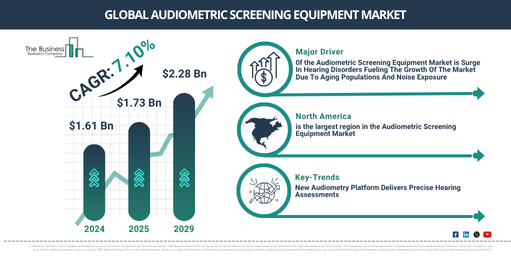
    The audiometric screening equipment market has experienced strong expansion in recent years. This market is projected to increase from $1.61 billion in 2024 to $1.73 billion in 2025, exhibiting a compound annual growth rate (CAGR) of 7.4%. The growth observed in the past can be credited to the rising occurrence of hearing loss, an expanding older population, increased public awareness regarding early hearing assessments, a growing need for school hearing screening initiatives, and stricter regulations concerning occupational noise exposure.

    The audiometric screening equipment market is projected to experience substantial growth in the next few years. Its valuation is expected to reach $2.28 billion by 2029, exhibiting a compound annual growth rate (CAGR) of 7.1%. This anticipated growth during the forecast period is attributed to factors such as the increasing adoption of tele-audiology solutions, a rising demand for portable audiometric devices, the expanding healthcare infrastructure in emerging markets, and growing government initiatives dedicated to hearing care. Key trends foreseen in the forecast period include advancements in wireless audiometric technologies, enhanced integration of cloud-based data management, innovations in portable and user-friendly screening devices, improvements in noise reduction and calibration features, and sophisticated customization options for pediatric audiometric tools.

    Unlock Your Free Sample Report for Exclusive Market Data:

    https://www.thebusinessresearchcompany.com/sample.aspx?id=24475&type=smp

    What Are The Top Growth Drivers Impacting The Audiometric Screening Equipment Market Outlook?

    The increasing incidence of hearing disorders is projected to boost the expansion of the audiometric screening equipment market moving forward. Hearing disorders are defined as conditions that impede an individual’s capacity to effectively perceive, process, or interpret sounds. The growth in these disorders is propelled by an aging population and increased exposure to noise pollution, leading to a greater need for hearing care solutions. Audiometric screening equipment aids in determining the frequency of hearing disorders by allowing for quick and precise detection of hearing loss among large groups of people. For instance, in March 2024, information from the European Federation of Hard of Hearing People, a Belgium-based, non-governmental organization, reported that around 59 million Europeans suffer from daily communication-impairing hearing loss, affecting 20.7% of those aged 65 and older. Therefore, the rising prevalence of hearing disorders is driving the growth of the audiometric screening equipment market.

    What Are The Major Segment Categories Driving The Audiometric Screening Equipment Market Growth?

    The audiometric screening equipment market covered in this report is segmented –

    1) By Product Type: Pure-Tone Audiometers, Tympanometers, Otoacoustic Emissions (OAE) Devices, Hearing Screening Systems, Portable And Handheld Audiometers

    2) By Technology: Analog Audiometers, Digital Audiometers, Hybrid Audiometers, Software-Based Audiometric Systems, Tele-audiometry Solutions

    3) By Application: Routine Screening, Diagnostic Assessment, Research Purposes, Occupational Health Screening, Pediatric Audiometry

    4) By End Users: Hospitals And Clinics, Diagnostic Laboratories, Educational Institutions, Hearing Aid Manufacturers, Research Institutions

    Subsegments:

    1) By Pure-Tone Audiometers: Diagnostic Pure-Tone Audiometers, Screening Pure-Tone Audiometers, Clinical Pure-Tone Audiometers, PC-Based Pure-Tone Audiometers, Manual Pure-Tone Audiometers, Automatic Pure-Tone Audiometers

    2) By Tympanometers: Single-Frequency Tympanometers, Multi-Frequency Tympanometers, Automated Tympanometers, Portable Tympanometers

    3) By Otoacoustic Emissions (OAE) Devices: Transient Evoked OAE (TEOAE) Devices, Distortion Product OAE (DPOAE) Devices, Automated OAE Screening Devices, Diagnostic OAE Devices

    4) By Hearing Screening Systems: Newborn Hearing Screening Systems, School Hearing Screening Systems, Workplace Hearing Screening Systems, Mobile Hearing Screening Systems

    5) By Portable And Handheld Audiometers: Battery-Operated Portable Audiometers, PC-Based Portable Audiometers, Smartphone-Connected Handheld Audiometers, Wireless Handheld Audiometers

    What Are The Major Trends Driving The Growth Of The Audiometric Screening Equipment Market?

    Major companies within the audiometric screening equipment market are prioritizing the development of technologically advanced solutions, including accurate hearing evaluations, to boost diagnostic precision, enhance patient results, and streamline clinical operations. Precise hearing assessments involve thorough and accurate evaluations of an individual’s hearing capacity across various frequencies and sound intensities. For instance, in September 2024, AURITEC, a Germany-based medical equipment manufacturing company, introduced its innovative AT2000 audiometry platform. This state-of-the-art device provides highly accurate hearing assessments through its advanced multichannel audiometer. It further incorporates improved testing methodologies for heightened diagnostic accuracy and is engineered with cutting-edge features to fulfill the requirements of modern audiology.

    Which Industry Leaders Are Driving Innovation Across The Audiometric Screening Equipment Market?

    Major companies operating in the audiometric screening equipment market are Sonova Holding AG, Welch Allyn Inc., Demant A/S, GN Store Nord A/S, Amplifon S.p.A., WS Audiology A/S, Cochlear Limited, Starkey Hearing Technologies Inc., Beltone, Casper Sleep Inc., Hearing Life, Grason-Stadler Inc., Auditdata A/S, GN Otometrics A/S, Amplivox Ltd., Inventis Srl, MAICO Diagnostics GmbH, Natus Medical Incorporated, Frye Electronics Inc., Path Medical GmbH.

    Download The Full Report For Exclusive Market Findings:

    https://www.thebusinessresearchcompany.com/report/audiometric-screening-equipment-global-market-report

    Which Region Is Expected To Witness The Fastest Growth In The Audiometric Screening Equipment Market?

    North America was the largest region in the audiometric screening equipment market in 2024. Asia-Pacific is expected to be the fastest-growing region in the forecast period. The regions covered in the audiometric screening equipment market report are Asia-Pacific, Western Europe, Eastern Europe, North America, South America, Middle East, Africa.

    Request A Customized Version Of The Audiometric Screening Equipment Market Report:

    https://www.thebusinessresearchcompany.com/customise?id=24475&type=smp

    Browse Through More Reports Similar to the Global Audiometric Screening Equipment Market 2025, By The Business Research Company

    Audio Equipment Global Market Report 2025

    https://www.thebusinessresearchcompany.com/report/audio-equipment-global-market-report

    Audiology Devices Global Market Report 2025

    https://www.thebusinessresearchcompany.com/report/audiology-devices-global-market-report

    Home Audio Equipment Global Market Report 2025

    https://www.thebusinessresearchcompany.com/report/home-audio-equipment-global-market-report

    Get in touch with us:

    The Business Research Company: https://www.thebusinessresearchcompany.com/

    Americas +1 310-496-7795

    Asia +44 7882 955267 & +91 8897263534

    Europe +44 7882 955267

    Email us at info@tbrc.info

    Follow us on:

    LinkedIn: https://in.linkedin.com/company/the-business-research-company

    YouTube: https://www.youtube.com/channel/UC24_fI0rV8cR5DxlCpgmyFQ

    Global Market Model: https://www.thebusinessresearchcompany.com/global-market-model

  • Attention Deficit Hyperactivity Disorder (ADHD) Apps Industry Insights: Market Forecast to 2029

    Attention Deficit Hyperactivity Disorder (ADHD) Apps Industry Insights: Market Forecast to 2029

    Unlock Global Insights – Save 20% on Market Reports with Code ONLINE20

    How Much Larger Is The Attention Deficit Hyperactivity Disorder (ADHD) Apps Market Expected To Become By 2029 Compared With Its 2025 Level?

    The attention deficit hyperactivity disorder (adhd) apps market size has observed substantial growth in recent years. It is projected to expand from $1.91 billion in 2024 to $2.22 billion in 2025, achieving a compound annual growth rate (CAGR) of 16.6%. This historical development can be attributed to several factors: a rise in ADHD diagnosis rates in children and adults, an increasing acceptance of digital therapeutics, broader smartphone and internet penetration, a growing adoption of cognitive behavioral tools, and an escalating demand for non-pharmacological interventions.

    The market size for attention deficit hyperactivity disorder (ADHD) apps is anticipated to experience substantial growth over the next few years. It is projected to expand to $4.06 billion by 2029, demonstrating a compound annual growth rate (CAGR) of 16.2%. This expected expansion throughout the forecast period stems from a heightened focus on adult ADHD care, the increasing incorporation of artificial intelligence into mental health applications, a greater emphasis on neurodiversity inclusion, rising investments in mental health startups, and the expanding utilization of gamification and behavioral science. Prominent trends for the upcoming period involve improvements in digital therapeutics, the integration of cognitive behavioral therapy frameworks, advancements in brain-computer interfaces and neurofeedback, connectivity with wearables and digital biomarkers, and enhanced gamification for behavioral therapy.

    Unlock Your Free Sample Report for Exclusive Market Data:

    https://www.thebusinessresearchcompany.com/sample.aspx?id=24474&type=smp

    Which Major Market Drivers Are Shaping The Future Of The Attention Deficit Hyperactivity Disorder (ADHD) Apps Market?

    The increasing incidence of mental health conditions is anticipated to drive the expansion of the attention deficit hyperactivity disorder (ADHD) apps market in the future. These disorders encompass various conditions impacting an individual’s thoughts, emotions, actions, or state of mind, including examples like depression, anxiety disorders, schizophrenia, and bipolar disorder. The growing occurrence of mental health issues is largely linked to increased exposure to persistent stress, which interferes with emotional balance, impairs coping abilities, and leads to conditions such as anxiety, depression, and burnout. Attention deficit hyperactivity disorder (ADHD) apps offer assistance for mental health disorders by delivering customized tools that enhance concentration, emotional control, and behavioral strategies via accessible, technology-driven interventions. For example, data from the National Institute of Mental Health, a US-based federal agency focused on mental disorder research, indicated that in 2023, approximately 58.7 million U.S. adults, representing 22.8% of the adult population, experienced a mental illness. Additionally, more than 5.3 million adolescents (20.3%) were diagnosed with a mental or behavioral condition, with anxiety being the predominant one at 16.1%. Consequently, the increased occurrence of mental health disorders is fueling the expansion of the attention deficit hyperactivity disorder (ADHD) apps market.

    How Is The Attention Deficit Hyperactivity Disorder (ADHD) Apps Market Segmented?

    The attention deficit hyperactivity disorder (ADHD) apps market covered in this report is segmented –

    1) By Type: IPhone Operating System(IoS), Android

    2) By Application: Children, Adult

    By End-Use: Personal Use, Clinical Or Therapist Guided Use, School Or Educational Settings

    Subsegments

    1) By iPhone Operating System (iOS): Attention Deficit Hyperactivity Disorder Tracking And Monitoring Apps, Attention Deficit Hyperactivity Disorder Learning And Educational Apps, Attention Deficit Hyperactivity Disorder Medication Reminder Apps, Attention Deficit Hyperactivity Disorder Therapy And Behavioral Support Apps, Attention Deficit Hyperactivity Disorder Gamified Cognitive Training Apps

    2) By Android: Attention Deficit Hyperactivity Disorder Symptom Management Apps, Attention Deficit Hyperactivity Disorder Focus And Productivity Apps, Attention Deficit Hyperactivity Disorder Parent And Caregiver Support Apps, Attention Deficit Hyperactivity Disorder Mindfulness And Relaxation Apps, Attention Deficit Hyperactivity Disorder Scheduling And Time Management Apps

    What Trends Are Expected To Drive The Attention Deficit Hyperactivity Disorder (ADHD) Apps Market?

    Prominent companies operating within the attention deficit hyperactivity disorder (ADHD) apps market are focusing their efforts on creating inventive solutions, such as digital health offerings, to improve symptom oversight and enhance patient participation. Digital health solutions are technology-driven tools and platforms including applications, wearable devices, and telehealth services that support healthcare delivery by providing customized symptom tracking, behavior monitoring, and therapeutic exercises to improve treatment adherence and daily functioning for individuals with ADHD. For instance, in October 2024, Bonding Health Corporation, a US-based digital health company, unveiled an innovative ADHD parenting app to offer parents personalized, research-backed digital interventions. This application features symptom-by-symptom management tools, sequential audio guides, and a community platform, aiming to transform ADHD parenting by making effective support both accessible and affordable.

    Who Are The Key Multinational Companies Dominating The Attention Deficit Hyperactivity Disorder (ADHD) Apps Market?

    Major companies operating in the attention deficit hyperactivity disorder (ADHD) apps market are Asana Inc., LearningRx Inc., Evernote Corporation, Doist Ltd., Cogmed Systems AB, Focus@Will Labs, Amazing GmbH, Summay Inc., ModelMaker Tools, Remember The Milk Inc., Focus Bear Pty Ltd, IdeasOnCanvas GmbH, XMind Ltd., iFocus Health Inc., Auto Train Brain Inc., Iluria Ltd., Obsevera Inc., Akili Interactive Labs Inc., Mightier Inc., Inflow Inc., Shimmer Inc., Joon Inc., Tiimo ApS, Numo Inc.

    Download The Full Report For Exclusive Market Findings:

    https://www.thebusinessresearchcompany.com/report/attention-deficit-hyperactivity-disorder-adhd-apps-global-market-report

    Which Global Regions Are Influencing The Competitive Landscape Of The Attention Deficit Hyperactivity Disorder (ADHD) Apps Market?

    North America was the largest region in the attention deficit hyperactivity disorder (ADHD) apps market in 2024. Asia-Pacific is expected to be the fastest-growing region in the forecast period. The regions covered in the attention deficit hyperactivity disorder (ADHD) apps market report are Asia-Pacific, Western Europe, Eastern Europe, North America, South America, Middle East, Africa.

    Request A Customized Version Of The Attention Deficit Hyperactivity Disorder (ADHD) Apps Market Report:

    https://www.thebusinessresearchcompany.com/customise?id=24474&type=smp

    Browse Through More Reports Similar to the Global Attention Deficit Hyperactivity Disorder (ADHD) Apps Market 2025, By The Business Research Company

    Autism Spectrum Disorders Treatment Global Market Report 2025

    https://www.thebusinessresearchcompany.com/report/autism-spectrum-disorders-treatment-global-market-report

    Mental Health Apps Global Market Report 2025

    https://www.thebusinessresearchcompany.com/report/mental-health-apps-global-market-report

    Behavioral Health Software Global Market Report 2025

    https://www.thebusinessresearchcompany.com/report/behavioral-health-software-global-market-report

    Get in touch with us:

    The Business Research Company: https://www.thebusinessresearchcompany.com/

    Americas +1 310-496-7795

    Asia +44 7882 955267 & +91 8897263534

    Europe +44 7882 955267

    Email us at info@tbrc.info

    Follow us on:

    LinkedIn: https://in.linkedin.com/company/the-business-research-company

    YouTube: https://www.youtube.com/channel/UC24_fI0rV8cR5DxlCpgmyFQ

    Global Market Model: https://www.thebusinessresearchcompany.com/global-market-model

  • Artificial Intelligence (AI) In Orthopedic Surgery Market Expansion Outlook: $0.68 Billion by 2029 Forecast

    Artificial Intelligence (AI) In Orthopedic Surgery Market Expansion Outlook: $0.68 Billion by 2029 Forecast

    Unlock Global Insights – Save 20% on Market Reports with Code ONLINE20

    What Are The Forecasted Market Size Estimates For The Artificial Intelligence (AI) In Orthopedic Surgery Market Between 2025 And 2029?

    The market for artificial intelligence (AI) in orthopedic surgery has experienced substantial growth in recent years. Its valuation is projected to increase from $0.2 billion in 2024 to $0.26 billion in 2025, demonstrating a compound annual growth rate (CAGR) of 27.7%. Historically, this expansion was driven by factors such as the development of digital imaging technologies, the increasing number of orthopedic surgeries, advancements in computational power, the expanding availability of extensive datasets, and heightened investment in healthcare.

    The market for artificial intelligence (AI) in orthopedic surgery is projected to experience substantial growth over the coming years. This market is anticipated to reach $0.68 billion by 2029, demonstrating a compound annual growth rate (CAGR) of 27.3%. This expansion during the forecast period is fueled by several factors, including the expanding integration of AI with robotic-assisted orthopedic procedures, advancements in personalized medicine, the emergence of real-time intraoperative AI analytics, the rising application of AI for predictive analysis, and strengthened partnerships among AI developers. Key trends expected in this period encompass enhancements in imaging analysis, the widespread adoption of robotic-assisted surgery, the development of AI-driven predictive models, the incorporation of virtual and augmented reality, and the implementation of automated patient monitoring systems.

    Unlock Your Free Sample Report for Exclusive Market Data:

    https://www.thebusinessresearchcompany.com/sample.aspx?id=24470&type=smp

    Which Drivers Are Supporting Growth Of The Artificial Intelligence (AI) In Orthopedic Surgery Market?

    The increasing occurrence of musculoskeletal disorders is projected to fuel the expansion of the artificial intelligence (AI) in orthopedic surgery market moving ahead. Musculoskeletal disorders are defined as injuries or conditions impacting muscles, bones, joints, tendons, or ligaments, frequently resulting in pain and restricted mobility. The increase in these disorders stems from sedentary lifestyles, where extended periods of inactivity lead to weakened muscles and strained joints. AI in orthopedics assists in managing musculoskeletal disorders by offering accurate and early diagnoses through advanced image analysis and recognition of data patterns. Furthermore, it aids in personalized treatment planning and foresees potential outcomes, thereby improving patient care and speeding up recovery. As an illustration, data from June 2024 by the Australian Institute of Health and Welfare, an Australia-based national agency, indicated that in 2022, approximately 7.3 million individuals in Australia, representing 29% of its population, were estimated to suffer from chronic musculoskeletal conditions. These conditions were cited as the primary or contributing factor in 10,446 fatalities, which equates to 40 deaths per 100,000 people. This figure constituted 5.5% of total annual deaths. Consequently, the escalating prevalence of musculoskeletal disorders is propelling the expansion of the artificial intelligence (AI) in orthopedic surgery market.

    What Are The Different Segment Classifications Within The Artificial Intelligence (AI) In Orthopedic Surgery Market?

    The artificial intelligence (AI) in orthopedic surgery market covered in this report is segmented –

    1) By Component Type: Software, Services, Hardware

    2) By Technology: Machine Learning, Natural Language Processing, Computer Vision, Context-Aware Computing

    3) By Anatomy: Knee, Hip, Spine, Other Anatomies

    4) By End-User: Hospitals, Orthopedic Clinics, Other End-Users

    Subsegments:

    1) By Software: Clinical Decision Support Systems (CDSS), Drug Interaction Software, Electronic Health Record (EHR) Integration Modules, Prescription Management Software, Patient Monitoring Software

    2) By Services: Consulting Services, Training and Education, Support and Maintenance, Implementation Services, Drug Distribution Services

    3) By Hardware: Robotic Surgical Systems, Handheld Navigation Devices, Wearable Monitoring Devices, Imaging Systems, Sensors and Actuators, Computing Infrastructure

    How Are Trends Influencing The Artificial Intelligence (AI) In Orthopedic Surgery Market?

    Major companies within the artificial intelligence (AI) orthopedic surgery market are concentrating on developing advanced solutions, such as AI-based surgical guidance systems, to improve surgical accuracy and enhance patient outcomes. An AI-based surgical guidance system leverages real-time data, imaging, and predictive algorithms to aid surgeons with precise navigation and informed decision-making during procedures, thereby increasing surgical accuracy and reducing the likelihood of errors. For instance, in April 2025, Proprio, a US-based provider of AI-powered surgical technology, launched the Paradigm platform, which received clearance from the Food and Drug Administration (FDA). This platform enables real-time, 3D, dynamic measurement and visualization of anatomy during surgery. This innovation allows surgeons to assess and quantify surgical outcomes immediately, eliminating the need for intraoperative X-rays or CT scans and thereby reducing both delays and radiation exposure. The technology is set to transform surgical procedures, particularly in spine surgery, by providing continuous, data-driven guidance and improving patient outcomes.

    Which Key Market Players Are Investing In Expansion And Innovation Of Artificial Intelligence (AI) In Orthopedic Surgery Market?

    Major companies operating in the artificial intelligence (AI) in orthopedic surgery market are Medtronic plc, Stryker Corporation, Zimmer Biomet Holdings Inc., Smith & Nephew PLC, Globus Medical Inc., Brainlab AG, Narayana Hrudayalaya Ltd, Proprio, Augmedics LTD, OrthAlign Inc., Caresyntax, Activ Surgical, THINK Surgical Inc., Perlove Medical, Pixee Medical, Formus Labs, Sensoria Health, Exer Labs Inc., PEEK HEALTH S.A., Monogram Technologies, Alexandra Hospital.

    Download The Full Report For Exclusive Market Findings:

    https://www.thebusinessresearchcompany.com/report/artificial-intelligence-ai-in-orthopedic-surgery-global-market-report

    Which Geographies Are Emerging As Strong Markets For The Artificial Intelligence (AI) In Orthopedic Surgery Industry?

    North America was the largest region in the AI in orthopedic surgery market in 2024. The regions covered in the artificial intelligence (AI) in orthopedic surgery market report are Asia-Pacific, Western Europe, Eastern Europe, North America, South America, Middle East, Africa.

    Request A Customized Version Of The Artificial Intelligence (AI) In Orthopedic Surgery Market Report:

    https://www.thebusinessresearchcompany.com/customise?id=24470&type=smp

    Browse Through More Reports Similar to the Global Artificial Intelligence (AI) In Orthopedic Surgery Market 2025, By The Business Research Company

    Ai Based Surgical Robots Global Market Report 2025

    https://www.thebusinessresearchcompany.com/report/ai-based-surgical-robots-global-market-report

    Artificial Intelligence Products Global Market Report 2025

    https://www.thebusinessresearchcompany.com/report/artificial-intelligence-products-global-market-report

    Ai In Medical Devices Global Market Report 2025

    https://www.thebusinessresearchcompany.com/report/ai-in-medical-devices-global-market-report

    Get in touch with us:

    The Business Research Company: https://www.thebusinessresearchcompany.com/

    Americas +1 310-496-7795

    Asia +44 7882 955267 & +91 8897263534

    Europe +44 7882 955267

    Email us at info@tbrc.info

    Follow us on:

    LinkedIn: https://in.linkedin.com/company/the-business-research-company

    YouTube: https://www.youtube.com/channel/UC24_fI0rV8cR5DxlCpgmyFQ

    Global Market Model: https://www.thebusinessresearchcompany.com/global-market-model
  • At-Home Genetic Testing Market Size and Growth Forecast for Businesses 2025–2029

    At-Home Genetic Testing Market Size and Growth Forecast for Businesses 2025–2029

    Unlock Global Insights – Save 20% on Market Reports with Code ONLINE20

    #What Are The Current (2025) And Forecast (2029) Sizes Of The At-Home Genetic Testing Market?

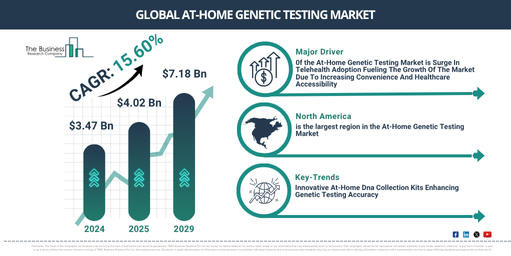
    The at-home genetic testing market has seen a rapid expansion in recent years. Its size is expected to increase from $3.47 billion in 2024 to $4.02 billion in 2025, achieving a compound annual growth rate (CAGR) of 15.9%. The growth observed in prior periods is attributable to several factors, including an increased demand for pharmacogenomics, a rise in the quantity of companies, the development of more mobile applications, a growing consumer inclination towards privacy, and boosted investments in consumer genetic startups.

    The at-home genetic testing market size is poised for substantial growth over the next few years. This market is forecasted to achieve a value of $7.18 billion by 2029, exhibiting a compound annual growth rate (CAGR) of 15.6%. The expansion during the forecast period is driven by factors such as the increasing occurrence of chronic diseases, heightened public awareness regarding genetic testing, a rise in genetic disorders, elevated healthcare expenditure, and consumers’ rising demand for customized health insights. Significant trends expected during this period include continuous technological advancements, the integration of artificial intelligence, progress in data analytics, the growing adoption of telemedicine, and the increasing prominence of pharmacogenomics.

    Unlock Your Free Sample Report for Exclusive Market Data:

    https://www.thebusinessresearchcompany.com/sample.aspx?id=24473&type=smp

    What Are The Main Drivers Boosting The At-Home Genetic Testing Industry’s Expansion?

    The increasing adoption of telehealth is anticipated to propel the expansion of the at-home genetic testing market going forward. Telehealth involves leveraging digital information and communication technologies, such as computers, smartphones, and video conferencing, to remotely provide and manage healthcare services. The rising use of telehealth stems from its convenience and ability to improve access to healthcare, particularly for people in remote, rural, or underserved areas. At-home genetic testing supports telehealth by supplying personalized genetic information that healthcare providers can utilize during virtual consultations. This data assists doctors in tailoring treatment plans, managing chronic conditions, and offering precise health recommendations remotely. For instance, in February 2023, according to a survey conducted with 8,014 respondents from July to August 2022 by Rock Health, a US-based company focused on digital health and healthcare innovation, 80% of participants reported having used telemedicine at least once in the 2022 survey, marking an increase of 8% from 72% in 2021. Consequently, the growing adoption of telehealth drives the growth of the at-home genetic testing market.

    What Are The Key Segments In The At-Home Genetic Testing Market?

    The at-home genetic testing market covered in this report is segmented –

    1) By Test Type: Ancestry Testing, Health And Wellness Testing, Disease Risk Assessment, Carrier Testing, Other Test Types

    2) By Sample Type: Saliva, Blood, Cheek Swab, Urine, Other Specimens

    3) By Technology: Next-Generation Sequencing, Polymerase Chain Reaction, Microarray, Other Technologies

    4) By Application: Personal Use, Clinical Use, Research Use, Pharmaceutical Use, Nutritional Use

    5) By Distribution Channel: Online Platforms, Retail Pharmacies, Other Distribution Channels

    Subsegments:

    1) By Ancestry Testing: Ethnicity Estimation, Genetic Heritage Mapping, Migration Pattern Analysis, Deep Ancestry Tracing

    2) By Health And Wellness Testing: Nutrigenomics, Fitness and Exercise Response, Sleep Pattern Analysis, Stress and Behavioral Traits, Skin and Aging Traits

    3) By Disease Risk Assessment: Cardiovascular Disease Risk, Cancer Risk Assessment, Neurological Disorder Risk, Autoimmune Disease Risk, Metabolic Disorder Risk

    4) By Carrier Testing: Cystic Fibrosis Carrier Screening, Tay-Sachs Disease Screening, Sickle Cell Anemia Carrier Testing, Thalassemia Carrier Testing, Fragile X Syndrome Screening

    5) By Other Test Types: Pharmacogenomics (Drug Response), Prenatal Genetic Testing, Pediatric Genetic Testing, Rare Disease Screening, Behavioral Trait Testing

    Which Trends Are Impacting The At-Home Genetic Testing Market?

    Companies operating within the at-home genetic testing market are concentrating on developing innovative solutions, such as at-home DNA collection kits, to enhance and improve sample accuracy. These user-friendly tools enable individuals to gather DNA samples, typically through saliva or cheek swabs, without the need for a clinic visit. For example, in February 2022, DNALABS, a Canada-based biotechnology company, introduced at-home genetic testing solutions, allowing individuals to collect DNA samples using a simple cheek swab kit. These kits are designed to offer personalized insights into health, wellness, and medication response, based on a person’s unique genetic makeup. Each kit generally includes a cheek swab, a collection vial, instructions, a consent form, and a prepaid return envelope. Once the sample is sent to a certified lab, users receive detailed reports that assist in guiding informed decisions about health, nutrition, fitness, and treatment strategies.

    Which Leading Players Are Enhancing Their At-Home Genetic Testing Market Presence Worldwide?

    Major companies operating in the at-home genetic testing market are Labcorp Holdings Inc., AncestryDNA, Myriad Genetics Inc., 23andMe Inc., LetsGetChecked, Helix OpCo LLC, Everlywell Inc., Genos Inc., Vitagene Inc., Orig3n Inc., Mapmygenome India Limited, CircleDNA, Alpha Biolaboratories Limited, EasyDNA Limited, African Ancestry Inc., Futura Genetics Ltd., Living DNA Ltd., Nebula Genomics Inc., TellmeGen S.L., Xcode Life Sciences Pvt. Ltd., Color Health Inc.

    Download The Full Report For Exclusive Market Findings:

    https://www.thebusinessresearchcompany.com/report/at-home-genetic-testing-global-market-report

    What Are The Regional Market Dynamics Impacting The At-Home Genetic Testing Industry?

    North America was the largest region in the at-home genetic testing market in 2024. Asia-Pacific is expected to be the fastest-growing region in the forecast period. The regions covered in the at-home genetic testing market report are Asia-Pacific, Western Europe, Eastern Europe, North America, South America, Middle East, Africa.

    Request A Customized Version Of The At-Home Genetic Testing Market Report:

    https://www.thebusinessresearchcompany.com/customise?id=24473&type=smp

    Browse Through More Reports Similar to the Global At-Home Genetic Testing Market 2025, By The Business Research Company

    Genetic Testing Global Market Report 2025

    https://www.thebusinessresearchcompany.com/report/genetic-testing-global-market-report

    Molecular Breeding Global Market Report 2025

    https://www.thebusinessresearchcompany.com/report/molecular-breeding-global-market-report

    Genetic Testing Services Global Market Report 2025

    https://www.thebusinessresearchcompany.com/report/genetic-testing-services-global-market-report

    Get in touch with us:

    The Business Research Company: https://www.thebusinessresearchcompany.com/

    Americas +1 310-496-7795

    Asia +44 7882 955267 & +91 8897263534

    Europe +44 7882 955267

    Email us at info@tbrc.info

    Follow us on:

    LinkedIn: https://in.linkedin.com/company/the-business-research-company

    YouTube: https://www.youtube.com/channel/UC24_fI0rV8cR5DxlCpgmyFQ

    Global Market Model: https://www.thebusinessresearchcompany.com/global-market-model

  • Global Asthma And Chronic Obstructive Pulmonary Disease (COPD) Drugs Market Overview: Trends Shaping Growth to 2029

    Global Asthma And Chronic Obstructive Pulmonary Disease (COPD) Drugs Market Overview: Trends Shaping Growth to 2029

    Unlock Global Insights – Save 20% on Market Reports with Code ONLINE20

    What Market Value Is The Asthma And Chronic Obstructive Pulmonary Disease (COPD) Drugs Industry Expected To Reach By 2029, Starting From 2025 Levels?

    The market for asthma and chronic obstructive pulmonary disease (COPD) drugs has demonstrated robust expansion over recent years. This market is anticipated to expand from $32.52 billion in 2024 to reach $35.66 billion by 2025, reflecting a compound annual growth rate (CAGR) of 9.6%. The expansion observed in prior periods can be attributed to several factors, including rising air pollution levels, increased rates of tobacco smoking, heightened public awareness of respiratory illnesses, the broader adoption of corticosteroids and bronchodilators, and an increase in healthcare expenditure.

    The market for asthma and chronic obstructive pulmonary disease (copd) drugs is anticipated to experience substantial expansion over the coming years. This market is projected to reach $50.99 billion by 2029, exhibiting a compound annual growth rate (CAGR) of 9.4%. This expansion throughout the forecast period can be attributed to factors such as the rising demand for personalized medicine, the increasing integration of biologics and cutting-edge therapies, a higher occurrence of environmental allergies, a surge in clinical trials and subsequent approvals, and the escalating prevalence of non-communicable diseases. Key trends anticipated during this period encompass smart inhalers enhanced by technology, the development of bronchodilators with dual actions, the merging of electronic health records (EHR) with drug-related data, breakthroughs in biopharmaceutical molecules, and the incorporation of machine learning into the process of drug discovery.

    Unlock Your Free Sample Report for Exclusive Market Data:

    https://www.thebusinessresearchcompany.com/sample.aspx?id=24472&type=smp

    Which Factors And Drivers Are Influencing The Asthma And Chronic Obstructive Pulmonary Disease (COPD) Drugs Market In 2025?

    The expanding occurrence of smoking is anticipated to fuel the expansion of the asthma and COPD drugs market in the future. Smoking refers to the practice of consuming tobacco products by inhaling the smoke, which can lead to serious health issues such as lung cancer and heart disease. The rising prevalence of smoking is primarily driven by social influence, where peer pressure, cultural norms, and social environments encourage individuals to start and continue smoking. Medications for asthma and chronic obstructive pulmonary disease (COPD) assist in mitigating the respiratory damage caused by smoking by reducing inflammation, relaxing airway muscles, and improving airflow, thereby alleviating symptoms and enhancing lung function. For instance, in 2024, according to the European Respiratory Society’s (ERS), a Switzerland-based non-profit organization, a study on smoking trends among young people showed a notable increase in smoking rates, rising from 22.5% of respondents in 2022 to 40.1% in 2024. Therefore, the growing frequency of smoking is driving the growth of the asthma and COPD drugs market.

    What Are The Leading Segments Analyzed In The Asthma And Chronic Obstructive Pulmonary Disease (COPD) Drugs Market?

    The asthma and chronic obstructive pulmonary disease (COPD) drugs market covered in this report is segmented –

    1) By Drug Class: Bronchodilators, Corticosteroids, Combination Drugs, Leukotriene Modifiers

    2) By Route Of Administration: Inhalation, Oral, Injection, Nasal, Other Route Of Administrations

    3) By Patient Group: Adult, Pediatric, Geriatric

    4) By Application: Asthma, Chronic Obstructive Pulmonary Disease, Allergic Rhinitis, Pulmonary Hypertension

    5) By Distribution Channel: Hospital Pharmacies, Retail Pharmacies, Online Pharmacies, Drug Stores

    Subsegments

    1) By Bronchodilators: Short-Acting Beta-2 Agonists (SABA), Long-Acting Beta-2 Agonists (LABA), Anticholinergics, Long-Acting Muscarinic Antagonists, Methylxanthines

    2) By Corticosteroids: Inhaled Corticosteroids (ICS), Oral Corticosteroids, Intravenous Corticosteroids

    3) By Combination Drugs: Long-Acting Beta-Agonist + Inhaled Corticosteroid, Long-Acting Beta-Agonist + Long-Acting Muscarinic Antagonist, Long-Acting Beta-Agonist + Long-Acting Muscarinic Antagonist + Inhaled Corticosteroid

    4) By Leukotriene Modifiers: Leukotriene Receptor Antagonists, Leukotriene Synthesis Inhibitors

    What Long-Term Trends Will Shape The Future Growth Of The Asthma And Chronic Obstructive Pulmonary Disease (COPD) Drugs Industry?

    Leading companies in the asthma and COPD drugs market are prioritizing the creation of innovative formulations, such as fixed-dose combination (FDC) drugs, to enhance treatment adherence and therapeutic effectiveness. A fixed-dose combination (FDC) drug is a singular dosage form that incorporates two or more active ingredients, aiding in the management of asthma and COPD by merging bronchodilators and anti-inflammatories to improve symptom regulation and patient compliance. For example, in June 2022, Glenmark Pharmaceuticals Limited, an India-based pharmaceutical company, launched Indamet, a novel fixed-dose combination (FDC) drug comprising Indacaterol, a long-acting beta-agonist (LABA), and Mometasone Furoate, an inhaled corticosteroid (ICS), intended for the treatment of uncontrolled asthma. Indamet represents the first FDC of its kind to be approved by the Drug Controller General of India (DCGI) and introduced in the nation, available in three strengths: Indacaterol 150 mcg combined with Mometasone 80 mcg, 160 mcg, or 320 mcg, administered once daily. This specific formulation is designed to optimize lung function, enhance symptom control, reduce the frequency of exacerbations, and improve treatment adherence among adult and adolescent patients aged 12 years and above.

    Which Major Firms Are Strengthening Their Position In The Asthma And Chronic Obstructive Pulmonary Disease (COPD) Drugs Industry?

    Major companies operating in the asthma and chronic obstructive pulmonary disease (COPD) drugs market are Pfizer Inc., Johnson & Johnson, F. Hoffmann-La Roche Ltd. (Roche), Merck & Co. Inc., Sanofi, AstraZeneca Plc, Novartis AG, GlaxoSmithKline Plc (GSK), Eli Lilly and Company, Amgen, Teva Pharmaceutical Industries Ltd., Boehringer Ingelheim, Astellas Pharma, AptarGroup, Chiesi Farmaceutici S.p.A., Dr. Reddy’s Laboratories, Cipla Inc., Lupin Limited, Zydus Cadila, Glenmark Pharmaceuticals, Vectura Group, Aurobindo Pharma

    Download The Full Report For Exclusive Market Findings:

    https://www.thebusinessresearchcompany.com/report/asthma-and-chronic-obstructive-pulmonary-disease-copd-drugs-global-market-report

    Which Region Shows The Highest Potential For Future Expansion In The Asthma And Chronic Obstructive Pulmonary Disease (COPD) Drugs Market?

    North America was the largest region in the asthma and COPD drugs market in 2024. Asia-Pacific is expected to be the fastest-growing region in the forecast period. The regions covered in the asthma and chronic obstructive pulmonary disease (COPD) drugs market report are Asia-Pacific, Western Europe, Eastern Europe, North America, South America, Middle East, Africa.

    Request A Customized Version Of The Asthma And Chronic Obstructive Pulmonary Disease (COPD) Drugs Market Report:

    https://www.thebusinessresearchcompany.com/customise?id=24472&type=smp

    Browse Through More Reports Similar to the Global Asthma And Chronic Obstructive Pulmonary Disease (COPD) Drugs Market 2025, By The Business Research Company

    Anti Asthmatics And Copd Drugs Global Market Report 2025

    https://www.thebusinessresearchcompany.com/report/anti-asthmatics-and-copd-drugs-global-market-report

    Digital Dose Inhalers Global Market Report 2025

    https://www.thebusinessresearchcompany.com/report/digital-dose-inhalers-global-market-report

    Inhaled Antibiotics Global Market Report 2025

    https://www.thebusinessresearchcompany.com/report/inhaled-antibiotics-global-market-report

    Get in touch with us:

    The Business Research Company: https://www.thebusinessresearchcompany.com/

    Americas +1 310-496-7795

    Asia +44 7882 955267 & +91 8897263534

    Europe +44 7882 955267

    Email us at info@tbrc.info

    Follow us on:

    LinkedIn: https://in.linkedin.com/company/the-business-research-company

    YouTube: https://www.youtube.com/channel/UC24_fI0rV8cR5DxlCpgmyFQ

    Global Market Model: https://www.thebusinessresearchcompany.com/global-market-model
  • Asperger Syndrome Market Growth Opportunities: Insights from 2025–2029

    Asperger Syndrome Market Growth Opportunities: Insights from 2025–2029

    Unlock Global Insights – Save 20% on Market Reports with Code ONLINE20

    What Is The Anticipated Size Of The Asperger Syndrome Market Over The Five-Year Period 2025–2029?

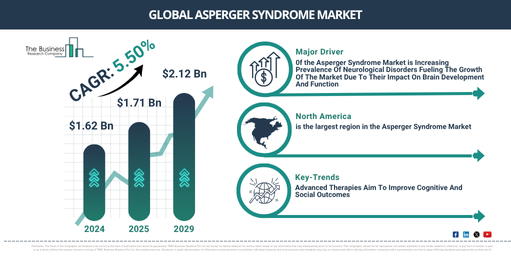
    The asperger syndrome market size has experienced significant expansion in recent years. It is anticipated to grow from $1.62 billion in 2024 to $1.71 billion in 2025, reflecting a compound annual growth rate (CAGR) of 5.8%. This historical development can be attributed to increased understanding of autism spectrum disorders, a surge in funding for neurological research, an uptick in prevalence rates, favorable government schemes, the expansion of mental health services, and stronger advocacy efforts by organizations dedicated to autism.

    The asperger syndrome market is projected to experience substantial expansion in the coming years. It is anticipated to reach $2.12 billion by 2029, exhibiting a compound annual growth rate (CAGR) of 5.5%. This anticipated growth during the forecast period is propelled by factors such as increased public understanding of autism spectrum disorders, the broader implementation of early diagnostic methods, the expanding accessibility of behavioral and developmental therapies, favorable governmental efforts and healthcare policies, the broadening scope of telehealth and mental health provisions, and the increasing incidence of mental health issues. Key trends expected over this period encompass improvements in early diagnostic technologies leveraging artificial intelligence (AI), the integration of teletherapy solutions, progress in individualized behavioral treatments, and the creation of wearable monitoring equipment.

    Unlock Your Free Sample Report for Exclusive Market Data:

    https://www.thebusinessresearchcompany.com/sample.aspx?id=24471&type=smp

    What Are The Key Drivers Of Growth In The Asperger Syndrome Market?

    The asperger syndrome market is anticipated to expand, driven by the increasing prevalence of neurological disorders. These conditions are defined as medical ailments impacting the brain, spinal cord, and nerves, resulting in a spectrum of symptoms such as cognitive, motor, and sensory difficulties. The growing occurrence of neurological disorders is connected to the world’s aging population, given that aging gradually compromises neuronal function, diminishes brain plasticity, and heightens oxidative stress, collectively fostering the development and advancement of these conditions. Neurological disorders play a role in asperger syndrome by affecting brain development and function, especially in regions vital for social interaction and communication. They shape behavioral patterns, leading to difficulties with social cues, engaging in repetitive actions, and developing highly focused interests, all of which are defining features of the condition. For instance, data from July 2024, released by the National Health Service, a UK-based government agency, indicated that 487,432 patients had been diagnosed with dementia (a progressive brain disorder affecting memory, thinking, and daily activities) by June 30, 2024. This represented an increase of 3,155 cases from May 31, 2024. Consequently, the rising prevalence of neurological disorders is a significant force propelling the expansion of the asperger syndrome market.

    What Are The Segment Types Shaping The Asperger Syndrome Market?

    The asperger syndrome market covered in this report is segmented –

    1) By Type: Asperger Syndrome, Pervasive Developmental Disorder, Autistic Disorder, Disintegrative Disorder

    2) By Treatment: Drug Therapies, Antipsychotic Drugs, Selective Serotonin Reuptake Inhibitors (SSRIs), Stimulants, Sleep Medication

    3) By Diagnosis: Diagnostic And Statistical Manual Of Mental Disorders (DSM)-IV, Differential Diagnosis, Childhood Asperger Syndrome Test, Gilliam Asperger’s Disorder Scale (Gads), Krug Asperger’s Disorder Index (Kadi), Other Diagnosis

    4) By Age Group: Children, Adolescents, Adults

    5) By End-User: Hospitals, Clinics, Diagnostic Centres, Drug Stores, Pharmacies, Other End-Users

    Segmentation:

    1) By Asperger Syndrome: Mild Asperger Syndrome, Moderate Asperger Syndrome, Severe Asperger Syndrome

    2) By Pervasive Developmental Disorder: Pervasive Developmental Disorder-Not Otherwise Specified (PDD-NOS), Rett Syndrome, Childhood Disintegrative Disorder

    3) By Autistic Disorder: High-functioning Autism, Low-functioning Autism, Classic Autism

    4) By Disintegrative Disorder: Late-Onset Autism, Regressive Autism, Behavioral Disintegration Subtypes

    Which Market Trends Are Creating New Opportunities In The Asperger Syndrome Industry?

    Leading companies operating within the asperger syndrome market are concentrating on developing sophisticated therapeutic options, such as gene therapies, to address underlying genetic causes, improve cognitive and social outcomes, and enable tailored treatment approaches. Gene therapies are medical interventions that involve modifying or altering a person’s genes to treat or prevent disease. For instance, in January 2024, Jaguar Gene Therapy, a US-based biotechnology company, secured U.S. Food and Drug Administration (FDA) clearance for its investigational new drug (IND) application for JAG201. This innovative gene therapy is designed for a genetic form of autism spectrum disorder (ASD) and Phelan-McDermid syndrome (PMS). This approval opens the way for clinical trials to assess JAG201’s ability to correct SHANK3 deficiency, a primary genetic cause of these conditions, and highlights Jaguar’s commitment to advancing transformative treatments for severe neurodevelopmental disorders where therapeutic options are currently limited.

    Who Are The Primary Competitors In The Global Asperger Syndrome Market?

    Major companies operating in the asperger syndrome market are Pfizer Inc., Johnson & Johnson, F. Hoffmann-La Roche Ltd., AbbVie Inc., Bristol-Myers Squibb Company, Novartis AG, GSK plc, Takeda Pharmaceutical Company Limited, Eli Lilly and Company, Boehringer Ingelheim, Otsuka Pharmaceutical Co. Ltd., Sun Pharmaceutical Industries Ltd., Neurocrine Biosciences Inc., Acadia Pharmaceuticals Inc., PsychoGenics Inc., AdvaCare Pharma, Sage Therapeutics Inc., Curemark LLC, PaxMedica Inc., Yamo Pharmaceuticals

    Download The Full Report For Exclusive Market Findings:

    https://www.thebusinessresearchcompany.com/report/asperger-syndrome-global-market-report

    How Is Asperger Syndrome Market Demand Varying Across Different Regions?

    North America was the largest region in the asperger syndrome market in 2024. The regions covered in the asperger syndrome market report are Asia-Pacific, Western Europe, Eastern Europe, North America, South America, Middle East, Africa.

    Request A Customized Version Of The Asperger Syndrome Market Report:

    https://www.thebusinessresearchcompany.com/customise?id=24471&type=smp

    Browse Through More Reports Similar to the Global Asperger Syndrome Market 2025, By The Business Research Company

    Autism Spectrum Disorder Diagnostics Global Market Report 2025

    https://www.thebusinessresearchcompany.com/report/autism-spectrum-disorder-diagnostics-global-market-report

    Autism Spectrum Disorders Treatment Global Market Report 2025

    https://www.thebusinessresearchcompany.com/report/autism-spectrum-disorders-treatment-global-market-report

    Major Depressive Disorder Global Market Report 2025

    https://www.thebusinessresearchcompany.com/report/major-depressive-disorder-global-market-report

    Get in touch with us:

    The Business Research Company: https://www.thebusinessresearchcompany.com/

    Americas +1 310-496-7795

    Asia +44 7882 955267 & +91 8897263534

    Europe +44 7882 955267

    Email us at info@tbrc.info

    Follow us on:

    LinkedIn: https://in.linkedin.com/company/the-business-research-company

    YouTube: https://www.youtube.com/channel/UC24_fI0rV8cR5DxlCpgmyFQ

    Global Market Model: https://www.thebusinessresearchcompany.com/global-market-model

  • Artificial Intelligence (AI) In Orthopedic Surgery Market Expansion Outlook: $0.68 Billion by 2029 Forecast

    Artificial Intelligence (AI) In Orthopedic Surgery Market Expansion Outlook: $0.68 Billion by 2029 Forecast

    Unlock Global Insights – Save 20% on Market Reports with Code ONLINE20

    What Are The Forecasted Market Size Estimates For The Artificial Intelligence (AI) In Orthopedic Surgery Market Between 2025 And 2029?

    The market for artificial intelligence (AI) in orthopedic surgery has experienced substantial growth in recent years. Its valuation is projected to increase from $0.2 billion in 2024 to $0.26 billion in 2025, demonstrating a compound annual growth rate (CAGR) of 27.7%. Historically, this expansion was driven by factors such as the development of digital imaging technologies, the increasing number of orthopedic surgeries, advancements in computational power, the expanding availability of extensive datasets, and heightened investment in healthcare.

    The market for artificial intelligence (AI) in orthopedic surgery is projected to experience substantial growth over the coming years. This market is anticipated to reach $0.68 billion by 2029, demonstrating a compound annual growth rate (CAGR) of 27.3%. This expansion during the forecast period is fueled by several factors, including the expanding integration of AI with robotic-assisted orthopedic procedures, advancements in personalized medicine, the emergence of real-time intraoperative AI analytics, the rising application of AI for predictive analysis, and strengthened partnerships among AI developers. Key trends expected in this period encompass enhancements in imaging analysis, the widespread adoption of robotic-assisted surgery, the development of AI-driven predictive models, the incorporation of virtual and augmented reality, and the implementation of automated patient monitoring systems.

    Unlock Your Free Sample Report for Exclusive Market Data:

    https://www.thebusinessresearchcompany.com/sample.aspx?id=24470&type=smp

    Which Drivers Are Supporting Growth Of The Artificial Intelligence (AI) In Orthopedic Surgery Market?

    The increasing occurrence of musculoskeletal disorders is projected to fuel the expansion of the artificial intelligence (AI) in orthopedic surgery market moving ahead. Musculoskeletal disorders are defined as injuries or conditions impacting muscles, bones, joints, tendons, or ligaments, frequently resulting in pain and restricted mobility. The increase in these disorders stems from sedentary lifestyles, where extended periods of inactivity lead to weakened muscles and strained joints. AI in orthopedics assists in managing musculoskeletal disorders by offering accurate and early diagnoses through advanced image analysis and recognition of data patterns. Furthermore, it aids in personalized treatment planning and foresees potential outcomes, thereby improving patient care and speeding up recovery. As an illustration, data from June 2024 by the Australian Institute of Health and Welfare, an Australia-based national agency, indicated that in 2022, approximately 7.3 million individuals in Australia, representing 29% of its population, were estimated to suffer from chronic musculoskeletal conditions. These conditions were cited as the primary or contributing factor in 10,446 fatalities, which equates to 40 deaths per 100,000 people. This figure constituted 5.5% of total annual deaths. Consequently, the escalating prevalence of musculoskeletal disorders is propelling the expansion of the artificial intelligence (AI) in orthopedic surgery market.

    What Are The Different Segment Classifications Within The Artificial Intelligence (AI) In Orthopedic Surgery Market?

    The artificial intelligence (AI) in orthopedic surgery market covered in this report is segmented –

    1) By Component Type: Software, Services, Hardware

    2) By Technology: Machine Learning, Natural Language Processing, Computer Vision, Context-Aware Computing

    3) By Anatomy: Knee, Hip, Spine, Other Anatomies

    4) By End-User: Hospitals, Orthopedic Clinics, Other End-Users

    Subsegments:

    1) By Software: Clinical Decision Support Systems (CDSS), Drug Interaction Software, Electronic Health Record (EHR) Integration Modules, Prescription Management Software, Patient Monitoring Software

    2) By Services: Consulting Services, Training and Education, Support and Maintenance, Implementation Services, Drug Distribution Services

    3) By Hardware: Robotic Surgical Systems, Handheld Navigation Devices, Wearable Monitoring Devices, Imaging Systems, Sensors and Actuators, Computing Infrastructure

    How Are Trends Influencing The Artificial Intelligence (AI) In Orthopedic Surgery Market?

    Major companies within the artificial intelligence (AI) orthopedic surgery market are concentrating on developing advanced solutions, such as AI-based surgical guidance systems, to improve surgical accuracy and enhance patient outcomes. An AI-based surgical guidance system leverages real-time data, imaging, and predictive algorithms to aid surgeons with precise navigation and informed decision-making during procedures, thereby increasing surgical accuracy and reducing the likelihood of errors. For instance, in April 2025, Proprio, a US-based provider of AI-powered surgical technology, launched the Paradigm platform, which received clearance from the Food and Drug Administration (FDA). This platform enables real-time, 3D, dynamic measurement and visualization of anatomy during surgery. This innovation allows surgeons to assess and quantify surgical outcomes immediately, eliminating the need for intraoperative X-rays or CT scans and thereby reducing both delays and radiation exposure. The technology is set to transform surgical procedures, particularly in spine surgery, by providing continuous, data-driven guidance and improving patient outcomes.

    Which Key Market Players Are Investing In Expansion And Innovation Of Artificial Intelligence (AI) In Orthopedic Surgery Market?

    Major companies operating in the artificial intelligence (AI) in orthopedic surgery market are Medtronic plc, Stryker Corporation, Zimmer Biomet Holdings Inc., Smith & Nephew PLC, Globus Medical Inc., Brainlab AG, Narayana Hrudayalaya Ltd, Proprio, Augmedics LTD, OrthAlign Inc., Caresyntax, Activ Surgical, THINK Surgical Inc., Perlove Medical, Pixee Medical, Formus Labs, Sensoria Health, Exer Labs Inc., PEEK HEALTH S.A., Monogram Technologies, Alexandra Hospital.

    Download The Full Report For Exclusive Market Findings:

    https://www.thebusinessresearchcompany.com/report/artificial-intelligence-ai-in-orthopedic-surgery-global-market-report

    Which Geographies Are Emerging As Strong Markets For The Artificial Intelligence (AI) In Orthopedic Surgery Industry?

    North America was the largest region in the AI in orthopedic surgery market in 2024. The regions covered in the artificial intelligence (AI) in orthopedic surgery market report are Asia-Pacific, Western Europe, Eastern Europe, North America, South America, Middle East, Africa.

    Request A Customized Version Of The Artificial Intelligence (AI) In Orthopedic Surgery Market Report:

    https://www.thebusinessresearchcompany.com/customise?id=24470&type=smp

    Browse Through More Reports Similar to the Global Artificial Intelligence (AI) In Orthopedic Surgery Market 2025, By The Business Research Company

    Ai Based Surgical Robots Global Market Report 2025

    https://www.thebusinessresearchcompany.com/report/ai-based-surgical-robots-global-market-report

    Artificial Intelligence Products Global Market Report 2025

    https://www.thebusinessresearchcompany.com/report/artificial-intelligence-products-global-market-report

    Ai In Medical Devices Global Market Report 2025

    https://www.thebusinessresearchcompany.com/report/ai-in-medical-devices-global-market-report

    Get in touch with us:

    The Business Research Company: https://www.thebusinessresearchcompany.com/

    Americas +1 310-496-7795

    Asia +44 7882 955267 & +91 8897263534

    Europe +44 7882 955267

    Email us at info@tbrc.info

    Follow us on:

    LinkedIn: https://in.linkedin.com/company/the-business-research-company

    YouTube: https://www.youtube.com/channel/UC24_fI0rV8cR5DxlCpgmyFQ

    Global Market Model: https://www.thebusinessresearchcompany.com/global-market-model
  • Arthroscopic Orthopedic Surgery Instrument Industry Forecast to Hit $5.02 Billion by 2029 With a Strong 4.9% CAGR

    Arthroscopic Orthopedic Surgery Instrument Industry Forecast to Hit $5.02 Billion by 2029 With a Strong 4.9% CAGR

    Unlock Global Insights – Save 20% on Market Reports with Code ONLINE20

    What Are The Growth Projections For The Arthroscopic Orthopedic Surgery Instrument Market Size During 2025–2029?

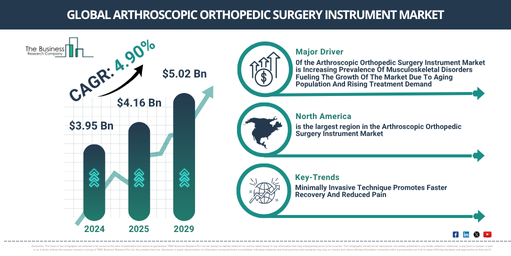
    The arthroscopic orthopedic surgery instrument market has demonstrated strong expansion in recent years. It is anticipated to increase from $3.95 billion in 2024 to $4.16 billion in 2025, exhibiting a compound annual growth rate (CAGR) of 5.1%. The growth observed in the past can be attributed to the wider embrace of minimally invasive procedures, a rising elderly demographic, an increase in sports injuries and trauma incidents, and enhanced awareness regarding orthopedic health and rehabilitation.

    The size of the arthroscopic orthopedic surgery instrument market is projected for consistent expansion over the upcoming years. It is anticipated to reach $5.02 billion by 2029, expanding at a compound annual growth rate (CAGR) of 4.9%. This growth during the forecast period is attributable to several factors, including the increasing demand for outpatient surgical interventions, greater investments in healthcare infrastructure, the rising incidence of musculoskeletal disorders, and the broadening uses of arthroscopy within orthopedic treatments. Key trends for the forecast period encompass progress in robotic-assisted arthroscopic surgery, sophisticated imaging techniques, breakthroughs in biodegradable arthroscopic instruments, developments in wireless and smart surgical tools, and novel applications of 3D printing for personalized instruments.

    Unlock Your Free Sample Report for Exclusive Market Data:

    https://www.thebusinessresearchcompany.com/sample.aspx?id=24468&type=smp

    What Are The Drivers Pushing New Developments In The Arthroscopic Orthopedic Surgery Instrument Market?

    The expanding occurrence of musculoskeletal disorders is projected to boost the arthroscopic orthopedic surgery instrument market’s growth in the future. These disorders encompass conditions impacting muscles, bones, joints, tendons, and ligaments, leading to pain or restricted movement. The growing incidence of musculoskeletal disorders stems from the world’s aging population, given that individuals naturally encounter joint deterioration and lower bone density with age. Arthroscopic orthopedic surgery instruments facilitate the treatment of musculoskeletal disorders through minimally invasive operations, thereby lessening tissue harm and encouraging quicker recuperation. Such instruments improve surgical accuracy, resulting in better patient results and enhanced efficiency in orthopedic treatment. For example, data from January 2024, provided by the Office for Health Improvement and Disparities, a UK-based government department, indicated that 18.4% of self-reported individuals aged 16 and over had long-term musculoskeletal (MSK) conditions in 2023, marking an increase from 17.6% in 2022. Consequently, the rising occurrence of musculoskeletal disorders is fueling the expansion of the arthroscopic orthopedic surgery instrument market.

    Which Key Segments Fueling The Arthroscopic Orthopedic Surgery Instrument Market?

    The arthroscopic orthopedic surgery instrument market covered in this report is segmented –

    1) By Type: Arthroscopic Shavers, Arthroscopic Scissors, Arthroscopic Probe, Arthroscopic Graspers, Arthroscopic Scalpels, Arthroscopic Cannulas

    2) By Product Design: Rigid Instruments, Flexible Instruments, Reusable Instruments, Single-Use Instruments

    3) By Application: Knee Surgery, Shoulder Surgery, Hip Surgery, Ankle Surgery, Elbow Surgery

    4) By End-User: Hospitals, Ambulatory Surgical Centers (ASCs), Orthopedic Clinics

    Subsegments:

    1) By Arthroscopic Shavers: Blade Shavers, Burr Shavers, Handpiece Shavers, Disposable Shavers, Reusable Shavers

    2) By Arthroscopic Scissors: Straight Scissors, Curved Scissors, Hook Scissors, Micro Scissors

    3) By Arthroscopic Probe: Straight Probes, Angled Probes, Calibrated Probes, Hook Probes

    4) By Arthroscopic Graspers: Straight Graspers, Curved Graspers, Rotating Graspers, Alligator Graspers, Punch Graspers

    5) By Arthroscopic Scalpels: Retractable Scalpels, Disposable Scalpels, Reusable Scalpels, Mini Scalpels

    6) By Arthroscopic Cannulas: Slotted Cannulas, Threaded Cannulas, Smooth Cannulas, Metal Cannulas, Plastic Cannulas

    Which Ongoing Trends Are Expected To Shape The Arthroscopic Orthopedic Surgery Instrument Market Outlook?

    Leading companies in the arthroscopic orthopedic surgery instrument market are concentrating on developing advanced innovations, such as minimally invasive techniques offering faster recovery, to enhance surgical precision, improve patient outcomes, and reduce overall healthcare costs. These minimally invasive techniques with faster recovery involve surgical methods that utilize small incisions and specialized instruments to minimize tissue damage, resulting in less discomfort, shorter hospital stays, and a quicker return to daily activities. For instance, in January 2024, Arthrex, a US-based minimally invasive surgical technology company, launched TheNanoExperience.com, an online platform focused on patients. This procedure aims to alleviate pain and accelerate recovery, enabling patients to resume activities sooner. It also includes detailed videos, testimonials, and procedure explanations to support patients in making informed decisions about their care.

    Which Major Industry Participants Are Leading The Arthroscopic Orthopedic Surgery Instrument Market Growth?

    Major companies operating in the arthroscopic orthopedic surgery instrument market are Johnson & Johnson, Medtronic plc, Stryker Corporation, Zimmer Biomet Holdings Inc., Olympus Corporation, Smith & Nephew plc, Shenzhen Mindray Bio-Medical Electronics Co. Ltd., Arthrex Inc., Globus Medical Inc., Karl Storz SE & Co. KG, Integra LifeSciences Holdings Corporation, CONMED Corporation, B. Braun Melsungen AG, Gauthier Biomedical Inc., Sklar Surgical Instruments Inc., GPC Medical Ltd., Medicon eG, Millennium Surgical Corp., Devesh Meditech Pvt. Ltd., Rudolf Medical GmbH + Co. KG, Genuine Medica Pvt. Ltd.

    Download The Full Report For Exclusive Market Findings:

    https://www.thebusinessresearchcompany.com/report/arthroscopic-orthopedic-surgery-instrument-global-market-report

    What Are The Key Regional Factors Influencing The Arthroscopic Orthopedic Surgery Instrument Market Growth?

    North America was the largest region in the arthroscopic orthopedic surgery instruments market in 2024. Asia-Pacific is expected to be the fastest-growing region in the forecast period. The regions covered in the arthroscopic orthopedic surgery instrument market report are Asia-Pacific, Western Europe, Eastern Europe, North America, South America, Middle East, Africa.

    Request A Customized Version Of The Arthroscopic Orthopedic Surgery Instrument Market Report:

    https://www.thebusinessresearchcompany.com/customise?id=24468&type=smp

    Browse Through More Reports Similar to the Global Arthroscopic Orthopedic Surgery Instrument Market 2025, By The Business Research Company

    Orthopedic Imaging Equipment Global Market Report 2025

    https://www.thebusinessresearchcompany.com/report/orthopedic-imaging-equipment-global-market-report

    Open Surgery Instruments Global Market Report 2025

    https://www.thebusinessresearchcompany.com/report/open-surgery-instruments-global-market-report

    Orthopedic Devices Global Market Report 2025

    https://www.thebusinessresearchcompany.com/report/orthopedic-devices-global-market-report

    Get in touch with us:

    The Business Research Company: https://www.thebusinessresearchcompany.com/

    Americas +1 310-496-7795

    Asia +44 7882 955267 & +91 8897263534

    Europe +44 7882 955267

    Email us at info@tbrc.info

    Follow us on:

    LinkedIn: https://in.linkedin.com/company/the-business-research-company

    YouTube: https://www.youtube.com/channel/UC24_fI0rV8cR5DxlCpgmyFQ

    Global Market Model: https://www.thebusinessresearchcompany.com/global-market-model
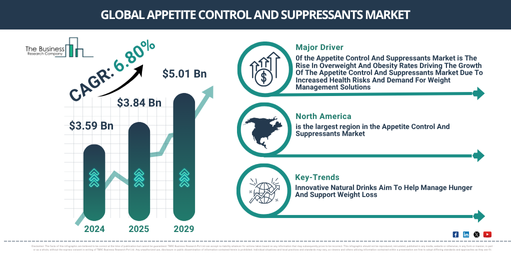
  • Appetite Control And Suppressants Market to Reach $5.01 Billion by 2029, Growing at a CAGR of 6.8%

    Appetite Control And Suppressants Market to Reach $5.01 Billion by 2029, Growing at a CAGR of 6.8%

    Unlock Global Insights – Save 20% on Market Reports with Code ONLINE20

    What Is The Global Market Value Of The Appetite Control And Suppressants Industry In 2025?

    The appetite control and suppressants market size has seen significant growth in recent years. It is anticipated to expand from $3.59 billion in 2024 to $3.84 billion by 2025, achieving a compound annual growth rate (CAGR) of 7.1%. This past growth can be attributed to increased awareness of health risks linked to obesity, the growing appeal of natural and herbal supplements, a rise in lifestyle-related diseases, enhanced availability of over-the-counter weight loss aids, and the increasing adoption of low-calorie diets and intermittent fasting.

    The appetite control and suppressants market size is projected to experience robust expansion over the coming years, anticipated to reach $5.01 billion by 2029, expanding at a compound annual growth rate (CAGR) of 6.8%. This growth during the forecast period can be attributed to an intensifying focus on preventive healthcare and weight management, a rising demand for personalized nutrition and weight solutions, the increasing popularity of vegan and keto dietary plans, a surge in demand for organic and clean-label products, and the growing influence of social media on body image. Major trends expected in this period include the development of multi-target suppressants, the integration of appetite suppressants with behavioral therapy, their integration with telehealth platforms, innovations in synthetic appetite suppressants, and the creation of long-acting formulations.

    Unlock Your Free Sample Report for Exclusive Market Data:

    https://www.thebusinessresearchcompany.com/sample.aspx?id=24467&type=smp

    What Are The Emerging Market Drivers Creating New Opportunities In The Appetite Control And Suppressants Industry?

    The increasing incidence of overweight and obesity issues is anticipated to fuel the expansion of the appetite control and suppressants market in the future. These conditions involve an accumulation of excess body fat that could potentially compromise health. The surge in overweight and obesity rates stems from inadequate diets rich in calories, sugars, and harmful fats, coupled with insufficient nutrient consumption. Products for appetite control and suppression aid in tackling overweight and obesity by diminishing sensations of hunger, restricting caloric intake, and facilitating successful weight management. As an illustration, data from September 2023, provided by the Centers for Disease Control and Prevention, a US government body, showed that the United States reported an adult obesity rate of 35% or greater in 2022, a rise from 19 in 2021. Consequently, the escalating prevalence of overweight and obesity challenges is serving as a primary impetus for the expansion of the appetite control and suppressants market.

    How Is The Appetite Control And Suppressants Market Classified Into Different Segments?

    The appetite control and suppressants market covered in this report is segmented –

    1) By Product Type: Prescription Appetite Suppressants, Over-The-Counter (OTC) Appetite Suppressants, Natural Or Herbal Appetite Suppressants, Meal Replacements And Shakes, Dietary Fiber Supplements

    2) By Form: Tablets And Capsules, Powders, Gummies And Chews, Liquids, Bars

    3) By Distribution Channel: Pharmacies And Drug Stores, Supermarkets And Hypermarkets, Online Retailers, Specialty Stores, Healthcare Providers And Clinics

    4) By End-User: Adults, Geriatric, Adolescents

    Subsegments

    1) By Prescription Appetite Suppressants: Phentermine, Lorcaserin (Belviq), Diethylpropion, Other Prescription Drugs

    2) By Over-The-Counter (OTC) Suppressants: Herbal Supplements, Fiber-Based Suppressants, Caffeine-Based Products, Meal Replacements

    3) By Natural or Herbal Appetite Suppressants: Green Tea Extract, Garcinia Cambogia, Glucomannan, Yerba Mate, Fenugreek, Conjugated Linoleic Acid

    4) Meal Replacements and Shakes: Protein Shakes, Meal Replacement Bars, Low-Calorie Shakes, High-Protein Smoothies, Keto Meal Replacements

    5) Dietary Fiber Supplements: Glucomannan, Psyllium Husk, Methylcellulose, Inulin, Beta-Glucan

    Which Competitive Trends Are Defining The Appetite Control And Suppressants Market Structure?

    Leading companies in the appetite control and suppressants market are concentrating on developing innovative products, such as natural appetite suppressant beverages, to provide safer and more effective weight management solutions. These natural appetite suppressant drinks are concoctions made from herbs, fruits, or fibers that naturally assist in reducing hunger and controlling cravings. For example, in December 2024, Nestlé S.A., a food and beverage company based in Switzerland, launched Boost Pre-Meal Hunger Support, a natural appetite suppressant drink. This product is designed to emulate the effects of weight-loss medications like Ozempic and Wegovy. It is a 45-calorie, 10-gram whey protein shot intended for consumption 10 to 30 minutes before meals. By stimulating the body’s natural GLP-1 hormone response, it helps to decrease appetite and enhance feelings of fullness. Its formula incorporates fast-digesting peptides and whey protein microgels to extend satiety, making it suitable for individuals on weight-loss plans or those utilizing GLP-1-based treatments.

    Who Are The Prominent Global Companies Shaping The Appetite Control And Suppressants Market?

    Major companies operating in the appetite control and suppressants market are Nestlé S.A, Pfizer Inc., AbbVie Inc., Eli Lilly and Company, Amgen Inc., Novo Nordisk A/S, Herbalife Nutrition Ltd, Amway Corporation, GNC Holdings, Inc., Medifast Inc, Nature’s Sunshine Products, Inc., The Boots Company PLC, BPI Sports LLC, Grenade (UK) Limited, Currax Pharmaceuticals LLC, VIVUS Inc, Orexigen Therapeutics Inc, NOW Health Group Inc, Nutrabay Retail Private Limited, GAT Sport

    Download The Full Report For Exclusive Market Findings:

    https://www.thebusinessresearchcompany.com/report/appetite-control-and-suppressants-global-market-report

    How Do Regional Market Performances Compare Within The Appetite Control And Suppressants Industry?

    North America was the largest region in the appetite control and suppressants market in 2024. Asia-Pacific is expected to be the fastest-growing region in the forecast period. The regions covered in the appetite control and suppressants market report are Asia-Pacific, Western Europe, Eastern Europe, North America, South America, Middle East, Africa.

    Request A Customized Version Of The Appetite Control And Suppressants Market Report:

    https://www.thebusinessresearchcompany.com/customise?id=24467&type=smp

    Browse Through More Reports Similar to the Global Appetite Control And Suppressants Market 2025, By The Business Research Company

    Weight Loss Drugs Global Market Report 2025

    https://www.thebusinessresearchcompany.com/report/weight-loss-drugs-global-market-report

    Diet Pills Global Market Report 2025

    https://www.thebusinessresearchcompany.com/report/diet-pills-global-market-report

    Medicated Feed Additives Global Market Report 2025

    https://www.thebusinessresearchcompany.com/report/medicated-feed-additives-global-market-report

    Get in touch with us:

    The Business Research Company: https://www.thebusinessresearchcompany.com/

    Americas +1 310-496-7795

    Asia +44 7882 955267 & +91 8897263534

    Europe +44 7882 955267

    Email us at info@tbrc.info

    Follow us on:

    LinkedIn: https://in.linkedin.com/company/the-business-research-company

    YouTube: https://www.youtube.com/channel/UC24_fI0rV8cR5DxlCpgmyFQ

    Global Market Model: https://www.thebusinessresearchcompany.com/global-market-model
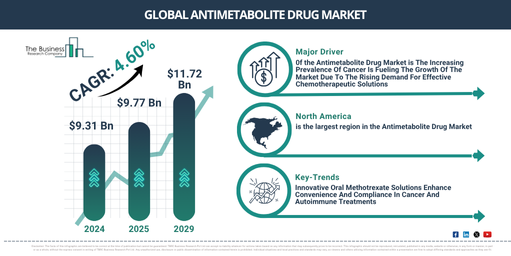
  • Global Antimetabolite Drug Market Size Projected to Reach $11.72 Billion During the Forecast Period

    Global Antimetabolite Drug Market Size Projected to Reach $11.72 Billion During the Forecast Period

    Unlock Global Insights – Save 20% on Market Reports with Code ONLINE20

    By How Much Is The Antimetabolite Drug Market Expected To Expand Between 2025 And 2029?

    The antimetabolite drug market size has demonstrated significant expansion in recent years. It is projected to increase from $9.31 billion in 2024 to $9.77 billion in 2025, reflecting a compound annual growth rate (CAGR) of 5.0%. The historical growth of this market can be traced to rising cancer incidence, increasing chemotherapy adoption, the expansion of hospital infrastructure, rising government cancer initiatives, and growing early drug discovery efforts.

    The antimetabolite drug market size is anticipated to observe consistent expansion in the forthcoming years. It is projected to increase to $11.72 billion by 2029, achieving a compound annual growth rate (CAGR) of 4.6%. This growth during the forecast period can be attributed to the rising acceptance of targeted cancer therapies, the development of personalized medicine, an increasing aging population, government healthcare expenditure, higher cancer screening rates, and pharmaceutical investments. Noteworthy trends identified for the forecast period include progress in combination therapy, enhancements in oral antimetabolite formulations, expanding research and development in oncology, the integration of immunotherapy, and increasing telemedicine support for oncology.

    Unlock Your Free Sample Report for Exclusive Market Data:

    https://www.thebusinessresearchcompany.com/sample.aspx?id=24466&type=smp

    Which Drivers Are Impacting The Antimetabolite Drug Market?

    The escalating prevalence of cancer is projected to boost the expansion of the antimetabolite drug market. Cancer, characterized by the swift, uncontrolled multiplication of abnormal cells that can invade and harm adjacent tissues and organs, is seeing rising rates primarily due to carcinogen exposure, like tobacco smoke, which induces genetic mutations leading to unregulated cell proliferation and tumor development. Antimetabolite drugs address cancer by impeding DNA and RNA synthesis, thereby preventing cancer cells from multiplying. They achieve this by mimicking natural metabolites to disrupt vital metabolic pathways, effectively stopping tumor progression. Supporting this trend, in February 2024, the World Health Organization, a Switzerland-based intergovernmental body, projected more than 35 million new cancer cases by 2050, signifying a 77% surge from the estimated 20 million cases in 2022. Consequently, the growing incidence of cancer is a key driver for the antimetabolite drug market’s growth.

    What Are The Major Segments Identified In The Antimetabolite Drug Market?

    The antimetabolite drug market covered in this report is segmented –

    1) By Type: Purine Analogues, Pyrimidine Analogues, Folic Acid Analogs, Other Types

    2) By Route Of Administration: Oral, Intravenous, Subcutaneous, Topical

    3) By Distribution Channel: Hospital Pharmacy, Retail Pharmacy, Online Pharmacy

    4) By Application: Cancer, Autoimmune Disorders, Organ Transplantation, Infectious Diseases

    5) By End-Use: Hospitals, Clinics, Homecare Settings

    Subsegments:

    1) By Purine Analogues: 6-Mercaptopurine (6-MP), Thioguanine (6-TG), Fludarabine, Cladribine, Pentostatin

    2) Pyrimidine Analogues: 5-Fluorouracil (5-FU), Capecitabine, Cytarabine (Ara-C), Gemcitabine, Decitabine

    3) By Folic Acid Analogs: Methotrexate, Pemetrexed, Raltitrexed, Pralatrexate

    4) By Other Types: Hydroxyurea, Trifluridine Or Tipiracil, Nelarabine, Azacitidine

    What Are The Latest Industry Trends Transforming The Antimetabolite Drug Market?

    Leading companies operating within the antimetabolite drug market are concentrating on developing advanced offerings, such as oral methotrexate solution, to provide more convenient and effective treatment options for cancer. This oral methotrexate solution is a liquid form of the drug, facilitating easier swallowing and accurate dosing. It serves to treat cancers and autoimmune disorders by hindering cell growth and adjusting the immune system. For instance, in October 2024, Shorla Oncology, an Ireland-based pharmaceutical company, announced the expansion of Jylamvo, which has been approved by the US Food and Drug Administration (FDA), a US-based government organization. This product is specifically designed for children with acute lymphoblastic leukemia and polyarticular juvenile idiopathic arthritis, positioning it as the only liquid methotrexate that offers a palatable, easy-to-administer alternative for those who find swallowing pills difficult. Additionally, it features an orange-flavored formulation alongside a dedicated dosing syringe for precise measurement, stability at room temperature for up to 90 days after opening, thereby removing the necessity for refrigeration, and a user-friendly design that simplifies storage, preparation, and adherence for both patients and their caregivers.

    Which Key Players Are Driving Competition In The Antimetabolite Drug Market?

    Major companies operating in the antimetabolite drug market are Pfizer Inc., Johnson And  Johnson, F Hoffmann-La Roche Ltd., Merck & Co Inc., Bayer AG, Sanofi S.A., Bristol-Myers Squibb Company, AstraZeneca plc, Novartis AG, GlaxoSmithKline Plc, Eli Lilly and Company, Amgen Inc., Teva Pharmaceutical Industries, Fresenius Kabi AG, Aurobindo Pharma, Lupin Pharmaceuticals, Glenmark Pharmaceuticals, Torrent Pharmaceuticals, Natco Pharma, Shorla Oncology

    Download The Full Report For Exclusive Market Findings:

    https://www.thebusinessresearchcompany.com/report/antimetabolite-drug-global-market-report

    Which Region Currently Holds The Largest Share Of The Antimetabolite Drug Market?

    North America was the largest region in the antimetabolite drug market in 2024. The regions covered in the antimetabolite drug market report are Asia-Pacific, Western Europe, Eastern Europe, North America, South America, Middle East, Africa.

    Request A Customized Version Of The Antimetabolite Drug Market Report:

    https://www.thebusinessresearchcompany.com/customise?id=24466&type=smp

    Browse Through More Reports Similar to the Global Antimetabolite Drug Market 2025, By The Business Research Company

    Ethical Pharmaceuticals Global Market Report 2025

    https://www.thebusinessresearchcompany.com/report/ethical-pharmaceuticals-global-market-report

    Antiparasitic Drugs Global Market Report 2025

    https://www.thebusinessresearchcompany.com/report/antiparasitic-drugs-global-market-report

    Antiglaucoma Drugs Global Market Report 2025

    https://www.thebusinessresearchcompany.com/report/antiglaucoma-drugs-global-market-report

    Get in touch with us:

    The Business Research Company: https://www.thebusinessresearchcompany.com/

    Americas +1 310-496-7795

    Asia +44 7882 955267 & +91 8897263534

    Europe +44 7882 955267

    Email us at info@tbrc.info

    Follow us on:

    LinkedIn: https://in.linkedin.com/company/the-business-research-company

    YouTube: https://www.youtube.com/channel/UC24_fI0rV8cR5DxlCpgmyFQ

    Global Market Model: https://www.thebusinessresearchcompany.com/global-market-model