Blog

  • Vyndaqel Industry Forecast to Hit $3.58 Billion by 2029 With a Strong 17.3% CAGR

    Vyndaqel Industry Forecast to Hit $3.58 Billion by 2029 With a Strong 17.3% CAGR

    Unlock Global Insights – Save 20% on Market Reports with Code ONLINE20

    #What Are The Current (2025) And Forecast (2029) Sizes Of The Vyndaqel Market?

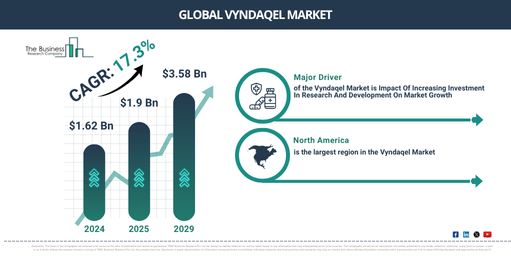
    The vyndaqel market size has seen substantial growth recently and is anticipated to expand from $1.62 billion in 2024 to $1.9 billion in 2025, achieving a compound annual growth rate (CAGR) of 17.0%. The growth observed in previous periods is attributable to factors including heightened awareness of transthyretin amyloidosis, an increased occurrence of transthyretin-mediated amyloidosis cardiomyopathy, a greater focus on rare diseases, augmented government support, a rise in clinical trials, and an expanding geriatric demographic.

    The market for vyndaqel is projected to experience swift expansion in the coming years. Its valuation is anticipated to reach $3.58 billion by 2029, exhibiting a compound annual growth rate (CAGR) of 17.3%. Factors contributing to this expansion during the forecast period include enhanced investment in research and development activities, the rising acceptance of precision medicine, greater recognition among physicians, wider access to diagnostic instruments, and expanding governmental programs. Key trends anticipated in this timeframe encompass the proliferation of telemedicine, strategic partnerships, significant progress in genetic testing, the integration of digital health solutions, and the push towards personalized medicine.

    Unlock Your Free Sample Report for Exclusive Market Data:

    https://www.thebusinessresearchcompany.com/sample.aspx?id=21321&type=smp

    What Are The Key Drivers Of Growth In The Vyndaqel Market?

    The future expansion of the vyndaqel market is expected to be driven by increasing investment in research and development. This involves the systematic investigation and experimentation aimed at innovating and improving products, services, or processes. The heightened investment in this area is a result of the rising prevalence of neurological disorders, ongoing advancements in medical technology, a growing awareness and demand for novel treatments, and substantial funding initiatives from both government and private sectors. Such investment accelerates the development and optimization of therapies, thereby enhancing their efficacy and accessibility for patients. Specifically for vyndaqel, it propels advancements, improving its effectiveness, accessibility, and potential for expanded indications. For instance, according to a July 2024 report from the UK’s Department of Health and Social Care, the business enterprise sector in the UK conducted pharmaceutical research and development worth approximately $11.1 billion in 2922, representing 0.36% of the nation’s gross domestic product. Consequently, the increasing investment in research and development is a key factor driving the growth of the vyndaqel market.

    What Are The Major Segment Types Covered In The Vyndaqel Market?

    The vyndaqel market covered in this report is segmented –

    1) By Product Type: Vyndaqel (Tafamidis 20 mg), Vyndamax (Tafamidis 61 mg)

    2) By Disease Type: Familial Amyloid Polyneuropathy (FAP), Wild-Type Or Hereditary Transthyretin-Mediated Amyloidosis Cardiomyopathy (ATTR-CM)

    3) By Distribution Channel: Hospital Pharmacies, Online Pharmacies, Retail Pharmacies

    Subsegments:

    1) By Vyndaqel (Tafamidis 20 mg): Oral Tablets, Oral Solution

    2) By Vyndamax (Tafamidis 61 mg): Oral Capsules, Oral Suspension

    Which Leading Companies Dominate The Vyndaqel Market Share?

    Major companies operating in the vyndaqel market are Pfizer Inc.

    Download The Full Report For Exclusive Market Findings:

    https://www.thebusinessresearchcompany.com/report/vyndaqel-global-market-report

    Which Geographies Are Emerging As Strong Markets For The Vyndaqel Industry?

    North America was the largest region in the vyndaqel market in 2024. Asia-Pacific is expected to be the fastest-growing region in the forecast period. The regions covered in the vyndaqel market report are Asia-Pacific, Western Europe, Eastern Europe, North America, South America, Middle East, Africa.

    Request A Customized Version Of The Vyndaqel Market Report:

    https://www.thebusinessresearchcompany.com/customise?id=21321&type=smp

    Browse Through More Reports Similar to the Global Vyndaqel Market 2025, By The Business Research Company

    Hereditary Cancer Testing Global Market Report 2025

    https://www.thebusinessresearchcompany.com/report/hereditary-cancer-testing-global-market-report

    Hereditary Angioedema Therapeutics Global Market Report 2025

    https://www.thebusinessresearchcompany.com/report/hereditary-angioedema-therapeutics-global-market-report

    Hereditary Breast And Ovarian Cancer Syndrome Treatment Global Market Report 2025

    https://www.thebusinessresearchcompany.com/report/hereditary-breast-and-ovarian-cancer-syndrome-treatment-global-market-report

    Get in touch with us:

    The Business Research Company: https://www.thebusinessresearchcompany.com/

    Americas +1 310-496-7795

    Asia +44 7882 955267 & +91 8897263534

    Europe +44 7882 955267

    Email us at info@tbrc.info

    Follow us on:

    LinkedIn: https://in.linkedin.com/company/the-business-research-company

    YouTube: https://www.youtube.com/channel/UC24_fI0rV8cR5DxlCpgmyFQ

    Global Market Model: https://www.thebusinessresearchcompany.com/global-market-model
  • Global Vesicular Monoamine Transporter 2 (VMAT2) Inhibitor Market Size Projected to Reach $1.83 Billion During the Forecast Period

    Global Vesicular Monoamine Transporter 2 (VMAT2) Inhibitor Market Size Projected to Reach $1.83 Billion During the Forecast Period

    Unlock Global Insights – Save 20% on Market Reports with Code ONLINE20

    What Is The Anticipated Size Of The Vesicular Monoamine Transporter 2 (VMAT2) Inhibitor Market Over The Five-Year Period 2025–2029?

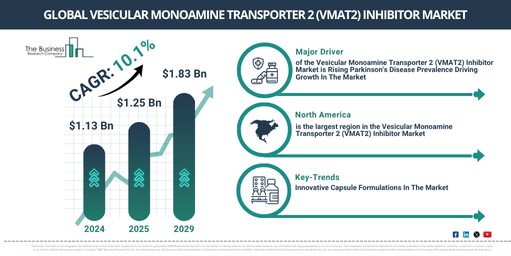
    The market size for vesicular monoamine transporter 2 (vmat2) inhibitors has experienced significant growth in recent years. It is forecast to increase from $1.13 billion in 2024 to $1.25 billion in 2025, at a compound annual growth rate (CAGR) of 10.3%. This historical expansion can be ascribed to factors such as the increasing prevalence of movement disorders, a growing demand for effective treatment options, rising awareness about tardive dyskinesia, an increasing geriatric population, and a growing preference for oral formulations.

    The vesicular monoamine transporter 2 (vmat2) inhibitor market size is anticipated to experience significant growth in the forthcoming years. It is projected to expand to $1.83 billion in 2029, achieving a compound annual growth rate (CAGR) of 10.1%. This expansion during the forecast period is attributed to the increasing prevalence of neurodegenerative diseases, the growing adoption of targeted therapies, an intensified focus on personalized medicine, increased investment in research and development, and rising awareness regarding psychiatric and movement disorders. Key trends expected over this period include breakthroughs in neurological research, improvements in drug formulations, a transition towards personalized and precision medicine, the development of advanced VMAT2 inhibitors, and the integration of digital health technologies.

    Unlock Your Free Sample Report for Exclusive Market Data:

    https://www.thebusinessresearchcompany.com/sample.aspx?id=21317&type=smp

    Which Drivers Are Shaping The Vesicular Monoamine Transporter 2 (VMAT2) Inhibitor Industry’s Market Share?

    The escalating incidence of Parkinson’s disease is projected to fuel the expansion of the vesicular monoamine transporter 2 (VMAT2) inhibitor market in the future. Parkinson’s disease is defined as a degenerative neurological condition that impacts motor function, resulting from the loss of dopamine-producing neurons in the brain. The growing prevalence of Parkinson’s disease is mainly attributed to an increasingly elderly population, advancements in diagnostic capabilities, environmental elements such as toxins, genetic factors, and increased recognition of the illness. VMAT2 inhibitors aid in managing Parkinson’s manifestations by regulating dopamine secretion and reducing involuntary movements and dyskinesia. For example, in December 2022, the Parkinson’s Foundation, a US-based nonprofit organization, stated that approximately 90,000 individuals were diagnosed with Parkinson’s disease in the U.S., marking a 50% increase from the prior estimate of 60,000 annual diagnoses. Therefore, the rising prevalence of Parkinson’s disease is a key driver for growth within the vesicular monoamine transporter 2 (VMAT2) inhibitor market.

    How Is The Vesicular Monoamine Transporter 2 (VMAT2) Inhibitor Market Segmented?

    The vesicular monoamine transporter 2 (vmat2) inhibitor market covered in this report is segmented –

    1) By Drugs: Tetrabenazine, Deutetrabenazine, Valbenazine, Other Drugs

    2) By Route Of Administration: Oral, Other Administrations

    3) By Distribution Channel: Hospital Pharmacy, Online Pharmacy, Retail Pharmacy

    4) By Application: Huntington’s Disease, Tardive Dyskinesia, Other Applications

    5) By End User: Hospitals, Homecare, Specialty Clinics, Other End Users

    Subsegments:

    1) By Tetrabenazine: Huntington’s Disease Treatment, Tardive Dyskinesia Management, Tourette Syndrome Treatment

    2) By Deutetrabenazine: Huntington’s Disease Chorea, Tardive Dyskinesia Treatment, Off-Label Movement Disorders

    3) By Valbenazine: Tardive Dyskinesia Treatment, Tourette Syndrome Research, Other Hyperkinetic Movement Disorders

    4) By Other Drugs: Investigational VMAT2 Inhibitors, Emerging Therapies For Movement Disorders, Off-Label Use In Neurological Conditions

    Which Ongoing Trends Are Expected To Shape The Vesicular Monoamine Transporter 2 (VMAT2) Inhibitor Market Outlook?

    Leading companies in the vesicular monoamine transporter 2 (VMAT2) inhibitors market are concentrating on developing innovative formulations, such as capsules, to enhance patient compliance, improve drug stability, and optimize therapeutic efficacy. Capsules, which are solid dosage forms enclosed in a gelatin or HPMC shell, assist VMAT2 inhibitors by boosting drug stability, ensuring precise dosing, and increasing patient compliance. For instance, in July 2024, Neurocrine Biosciences Inc., a US-based biopharmaceutical company, launched Ingrezza Sprinkle (valbenazine) capsules. This new formulation of the VMAT2 inhibitor Ingrezza was specifically designed to ease administration for adults with tardive dyskinesia and chorea associated with Huntington’s disease who experience dysphagia or difficulty swallowing. Ingrezza Sprinkle offers the same effective dosing options as Ingrezza and can be administered by sprinkling the capsule’s contents onto soft food or by swallowing the capsule whole.

    Which Global Market Leaders Are Shaping The Future Of The Vesicular Monoamine Transporter 2 (VMAT2) Inhibitor Sector?

    Major companies operating in the vesicular monoamine transporter 2 (VMAT2) inhibitor market are Thermo Fisher Scientific Inc., Eli Lilly and Company, Merck KGaA, Teva Pharmaceutical Industries Ltd., Otsuka Pharmaceutical Co. Ltd., Otsuka Pharmaceutical, Astellas Pharma, Bausch Health Companies Inc., Avantor Inc., Sun Pharmaceutical Industries Limited, Sumitomo Dainippon Pharma, Dr. Reddy’s Laboratories Ltd., H. Lundbeck A/S, Hikma Pharmaceuticals plc, Lupin Limited, Neurocrine Biosciences Inc., Luye Pharma Group Ltd., Ventegra Inc., Mitsubishi Tanabe Pharma Corporation, Biomol GmbH

    Download The Full Report For Exclusive Market Findings:

    https://www.thebusinessresearchcompany.com/report/vesicular-monoamine-transporter-2-vmat2-inhibitor-global-market-report

    What Are The Key Regional Factors Influencing The Vesicular Monoamine Transporter 2 (VMAT2) Inhibitor Market Growth?

    North America was the largest region in the vesicular monoamine transporter 2 (VMAT2) inhibitor market in 2024. The regions covered in the vesicular monoamine transporter 2 (VMAT2) inhibitor market report are Asia-Pacific, Western Europe, Eastern Europe, North America, South America, Middle East, Africa.

    Request A Customized Version Of The Vesicular Monoamine Transporter 2 (VMAT2) Inhibitor Market Report:

    https://www.thebusinessresearchcompany.com/customise?id=21317&type=smp

    Browse Through More Reports Similar to the Global Vesicular Monoamine Transporter 2 (VMAT2) Inhibitor Market 2025, By The Business Research Company

    Alpha Glucosidase Inhibitors Global Market Report 2025

    https://www.thebusinessresearchcompany.com/report/alpha-glucosidase-inhibitors-global-market-report

    Tyrosine Kinase Inhibitors Global Market Report 2025

    https://www.thebusinessresearchcompany.com/report/tyrosine-kinase-inhibitors-global-market-report

    Interleukin Inhibitor Global Market Report 2025

    https://www.thebusinessresearchcompany.com/report/interleukin-inhibitor-global-market-report

    Get in touch with us:

    The Business Research Company: https://www.thebusinessresearchcompany.com/

    Americas +1 310-496-7795

    Asia +44 7882 955267 & +91 8897263534

    Europe +44 7882 955267

    Email us at info@tbrc.info

    Follow us on:

    LinkedIn: https://in.linkedin.com/company/the-business-research-company

    YouTube: https://www.youtube.com/channel/UC24_fI0rV8cR5DxlCpgmyFQ

    Global Market Model: https://www.thebusinessresearchcompany.com/global-market-model
  • VELETRI Industry Anticipated to Expand at 7.5% CAGR During the Forecast Period

    VELETRI Industry Anticipated to Expand at 7.5% CAGR During the Forecast Period

    Unlock Global Insights – Save 20% on Market Reports with Code ONLINE20

    What Are The Forecasted Market Size Estimates For The VELETRI Market Between 2025 And 2029?

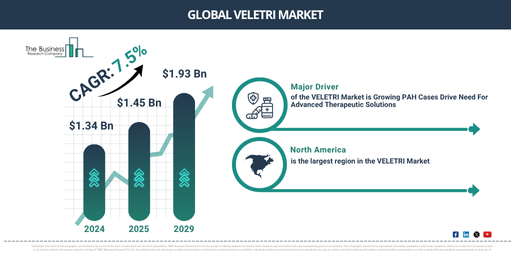
    The market for VELETRI has experienced substantial growth in recent years. It is anticipated to increase from $1.34 billion in 2024 to $1.45 billion in 2025, at a compound annual growth rate (CAGR) of 7.6%. This historical expansion can be attributed to factors such as the rising prevalence of pulmonary arterial hypertension (PAH), increasing awareness about PAH, a growing geriatric population, a global increase driven by lifestyle changes, and expanding healthcare expenditure.

    The VELETRI market is projected to experience substantial expansion over the upcoming years. By 2029, its value is anticipated to reach $1.93 billion, progressing at a compound annual growth rate (CAGR) of 7.5%. This growth throughout the forecast period stems from factors such as the rising incidence of venous diseases, enhanced awareness leading to earlier diagnosis, increased expenditure on chronic illnesses, advancements in healthcare infrastructure, and an expanding patient base. Key trends during this period are expected to encompass technological innovations, strategic alliances between pharmaceutical firms and research bodies, a strong pipeline of clinical studies, an uptick in research and development endeavors, and the introduction of biosimilar and generic products.

    Unlock Your Free Sample Report for Exclusive Market Data:

    https://www.thebusinessresearchcompany.com/sample.aspx?id=21314&type=smp

    What Are The Drivers Pushing New Developments In The VELETRI Market?

    The increasing incidence of pulmonary arterial hypertension (PAH) is projected to drive the expansion of the VELETRI market moving ahead. PAH is an uncommon, progressive medical condition defined by elevated blood pressure within the arteries of the lungs, which can result in heart failure if left untreated. This upward trend in PAH prevalence is linked to advancements in diagnostic methods, a growing elderly population, and greater public awareness of the illness. VELETRI is employed in the management of pulmonary arterial hypertension (PAH), enhancing patients’ exercise capacity and retarding disease progression through vasodilation. For example, data from October 2022 provided by the American College of Cardiology Foundation, a US-based non-profit medical society, states that PAH is a rare condition, impacting approximately 15 to 30 people per million. Thus, the escalating prevalence of pulmonary arterial hypertension (PAH) is significantly contributing to the growth of the VELETRI market.

    What Are The Key Segments In The VELETRI Market?

    The veletri market covered in this report is segmented –

    1) By Product Type: Injectable, Inhalation

    2) By Application: Pulmonary Arterial Hypertension, Other Applications

    3) By Distribution Channel: Hospital Pharmacies, Retail Pharmacies, Online Pharmacies

    Subsegments:

    1) By Injectable: Intravenous (IV) Injection, Subcutaneous (SC) Injection

    2) By Inhalation: Nebulized Inhalation, Dry Powder Inhalation

    Which Industry Leaders Are Driving Innovation Across The VELETRI Market?

    Major companies operating in the veletri market are Johnson & Johnson, Bayer Pharma AG, Novartis AG, GlaxoSmithKline plc, Gilead Sciences Inc., Teva Pharmaceutical Industries Ltd., Boehringer Ingelheim International GmbH, Sandoz International GmbH, Sun Pharmaceutical Industries Ltd., Actelion Pharmaceuticals Ltd., Euroapi S.A., United Therapeutics Corporation, Pfizer CentreOne, Sai Life Sciences Limited, Zhejiang Ausun Pharmaceutical Co. Ltd., Yonsung Fine Chemicals Co. Ltd., Cayman Pharma S.r.o., Meitheal Pharmaceuticals Inc., Smiths Medical, Guangzhou Tosun Pharmaceutical Co. Ltd.

    Download The Full Report For Exclusive Market Findings:

    https://www.thebusinessresearchcompany.com/report/veletri-global-market-report

    How Do Regional Market Performances Compare Within The VELETRI Industry?

    North America was the largest region in the VELETRI market in 2024. Asia-Pacific is expected to be the fastest-growing region in the forecast period. The regions covered in the veletri market report are Asia-Pacific, Western Europe, Eastern Europe, North America, South America, Middle East, Africa.

    Request A Customized Version Of The VELETRI Market Report:

    https://www.thebusinessresearchcompany.com/customise?id=21314&type=smp

    Browse Through More Reports Similar to the Global VELETRI Market 2025, By The Business Research Company

    Pulmonary Arterial Hypertension Global Market Report 2025

    https://www.thebusinessresearchcompany.com/report/pulmonary-arterial-hypertension-global-market-report

    Chronic Obstructive Pulmonary Disease Copd Treatment Global Market Report 2025

    https://www.thebusinessresearchcompany.com/report/chronic-obstructive-pulmonary-disease-copd-treatment-global-market-report

    Idiopathic Pulmonary Fibrosis Global Market Report 2025

    https://www.thebusinessresearchcompany.com/report/idiopathic-pulmonary-fibrosis-global-market-report

    Get in touch with us:

    The Business Research Company: https://www.thebusinessresearchcompany.com/

    Americas +1 310-496-7795

    Asia +44 7882 955267 & +91 8897263534

    Europe +44 7882 955267

    Email us at info@tbrc.info

    Follow us on:

    LinkedIn: https://in.linkedin.com/company/the-business-research-company

    YouTube: https://www.youtube.com/channel/UC24_fI0rV8cR5DxlCpgmyFQ

    Global Market Model: https://www.thebusinessresearchcompany.com/global-market-model
  • Global Treprostinil Sodium Market Projected to Expand at 9.5% CAGR by 2029

    Global Treprostinil Sodium Market Projected to Expand at 9.5% CAGR by 2029

    Unlock Global Insights – Save 20% on Market Reports with Code ONLINE20

    How Is The Treprostinil Sodium Market Size Likely To Evolve From 2025 Through 2034?

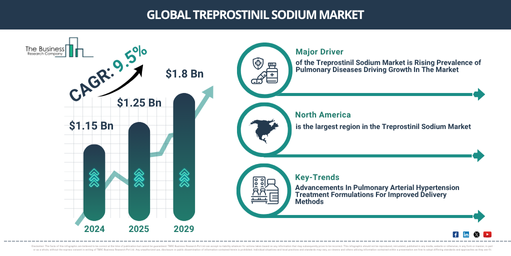
    The treprostinil sodium market has experienced robust expansion in recent years. Its value is projected to climb from $1.15 billion in 2024 to $1.25 billion in 2025, demonstrating a compound annual growth rate (CAGR) of 9.2%. This historical growth can be attributed to several factors, including the increasing demand for treprostinil sodium, the rising prevalence of pulmonary arterial hypertension (PAH), the expanding need for treprostinil drugs, greater awareness of the importance of respiratory health, and enhanced investment in healthcare infrastructure.

    The treprostinil sodium market size is anticipated to experience significant expansion over the next few years. It is forecast to reach $1.8 billion by 2029, demonstrating a compound annual growth rate (CAGR) of 9.5%. This projected growth during the forecast period is primarily driven by progress in drug delivery technologies, the increasing adoption of combination therapies, heightened investment in clinical trials and research endeavors, an expanding geriatric population, and rising healthcare expenditures. Prominent trends for the forecast period include the advancement of improved nebulized and dry powder inhaler formulations, developments in sustained-release formulations, the broader embrace of combination therapies, the creation of more stable and bioavailable oral formulations, and ongoing clinical trials exploring new therapeutic uses.

    Unlock Your Free Sample Report for Exclusive Market Data:

    https://www.thebusinessresearchcompany.com/sample.aspx?id=21306&type=smp

    What Are The Emerging Market Drivers Creating New Opportunities In The Treprostinil Sodium Industry?

    The growing incidence of pulmonary diseases is projected to drive the treprostinil sodium market. These conditions affect the lungs and respiratory system, impairing breathing and oxygen delivery. Their rise is attributed to factors like air pollution, smoking, environmental toxins, and an expanding aging population. Treprostinil sodium acts as a vasodilator, relaxing lung blood vessels, decreasing pressure, enhancing breathing, and offering adaptable treatment for pulmonary diseases. For example, the Australian Institute of Health and Welfare, an Australia-based government agency, reported in June 2024 that chronic obstructive pulmonary disease (COPD) caused 7,691 deaths in 2022, equivalent to 29.6 deaths per 100,000 population, making up 4.0% of all fatalities. Consequently, the surge in pulmonary disease cases is fueling the expansion of the treprostinil sodium market.

    What Are The Leading Segments Analyzed In The Treprostinil Sodium Market?

    The treprostinil sodium market covered in this report is segmented –

    1) By Product Type: Injectable, Inhalable, Oral

    2) By Applications: Pulmonary Arterial Hypertension, Chronic Thromboembolic Pulmonary Hypertension, Other Applications

    3) By Distribution Channel: Hospitals, Specialty Clinics, Online Pharmacies, Retail Pharmacies

    Subsegments:

    1) By Injectable: Subcutaneous Injection, Intravenous Infusion

    2) By Inhalable: Inhalation Aerosol, Nebulizer Solution

    3) By Oral: Extended-Release Tablets, Oral Suspension

    What Are The Latest Industry Trends Transforming The Treprostinil Sodium Market?

    Companies leading in the treprostinil sodium market are prioritizing the development of advanced pulmonary arterial hypertension product formulations to provide more accessible delivery methods. Pulmonary arterial hypertension (PAH) product formulation involves crafting medicines with a specific composition to effectively manage PAH while minimizing adverse effects. These formulations are engineered to ensure the best possible delivery of active ingredients for peak therapeutic advantage. For example, in April 2023, Dr. Reddy’s Laboratories, an India-based pharmaceutical company, declared the release of Treprostinil Injection in the U.S. market, having secured approval from the Food and Drug Administration, a US-based government agency. Treprostinil injection is a therapeutically equivalent generic alternative to Remodulin (treprostinil) injection, which falls under a class of agents known as prostacyclin mimetics, utilized for treating pulmonary arterial hypertension to lessen symptoms linked to physical activity. It is available in vials of 20 mg/20 mL, 50 mg/20 mL, 100 mg/20 mL, or 200 mg/20 mL.

    Who Are The Key Multinational Companies Dominating The Treprostinil Sodium Market?

    Major companies operating in the treprostinil sodium market are Eli Lilly and Company, Teva Pharmaceutical Industries Ltd., Sandoz International GmbH, Dr. Reddy’s Laboratories, United Therapeutics Corporation, Euroapi SA, Alembic Pharmaceuticals Ltd., Cayman Chemical, Chirogate International, Farbe Firma Pvt Ltd., Simson Pharma Limited, YONSUNG Fine Chemicals Co. Ltd., Liquidia Corporation, ChemWerth Inc., Mylan Laboratories Limited, Nuray Chemicals Private Limited, Endo International plc, LGM Pharma, Northern Therapeutics Inc, KPS Chemicals Pharmaceuticals

    Download The Full Report For Exclusive Market Findings:

    https://www.thebusinessresearchcompany.com/report/treprostinil-sodium-global-market-report

    Which Region Currently Holds The Largest Share Of The Treprostinil Sodium Market?

    North America was the largest region in the treprostinil sodium market in 2024. The regions covered in the treprostinil sodium market report are Asia-Pacific, Western Europe, Eastern Europe, North America, South America, Middle East, Africa.

    Request A Customized Version Of The Treprostinil Sodium Market Report:

    https://www.thebusinessresearchcompany.com/customise?id=21306&type=smp

    Browse Through More Reports Similar to the Global Treprostinil Sodium Market 2025, By The Business Research Company

    Sodium Cocoyl Isethionate Global Market Report 2025

    https://www.thebusinessresearchcompany.com/report/sodium-cocoyl-isethionate-global-market-report

    Sodium Reduction Ingredients Global Market Report 2025

    https://www.thebusinessresearchcompany.com/report/sodium-reduction-ingredients-global-market-report

    Sodium Lauryl Ether Sulfate Sles Global Market Report 2025

    https://www.thebusinessresearchcompany.com/report/sodium-lauryl-ether-sulfate-sles-global-market-report

    Get in touch with us:

    The Business Research Company: https://www.thebusinessresearchcompany.com/

    Americas +1 310-496-7795

    Asia +44 7882 955267 & +91 8897263534

    Europe +44 7882 955267

    Email us at info@tbrc.info

    Follow us on:

    LinkedIn: https://in.linkedin.com/company/the-business-research-company

    YouTube: https://www.youtube.com/channel/UC24_fI0rV8cR5DxlCpgmyFQ

    Global Market Model: https://www.thebusinessresearchcompany.com/global-market-model
  • Tenosynovitis Drugs Market to Grow at a CAGR of 7.6% from 2025 to 2029

    Tenosynovitis Drugs Market to Grow at a CAGR of 7.6% from 2025 to 2029

    Unlock Global Insights – Save 20% on Market Reports with Code ONLINE20

    What Are The Growth Projections For The Tenosynovitis Drugs Market Size During 2025–2029?

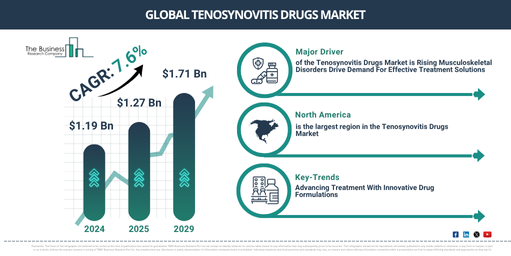
    The tenosynovitis drugs market size has experienced strong growth in recent years. It is projected to increase from $1.19 billion in 2024 to $1.27 billion in 2025, exhibiting a compound annual growth rate (CAGR) of 7.2%. This historical expansion can be attributed to factors such as a rise in the incidence of sport injuries, the growing aging population, increased healthcare expenditure, greater awareness regarding tenosynovitis, and the increasing adoption of biologic treatments.

    The tenosynovitis drugs market is anticipated to experience significant expansion over the next few years. It is projected to reach $1.71 billion by 2029, achieving a compound annual growth rate (CAGR) of 7.6%. This growth during the forecast period is propelled by the increase in telehealth services, the broader reach of global health initiatives, the rising incidence of musculoskeletal disorders, the escalating demand for tenosynovitis drugs, and the increasing prevalence of chronic diseases. Key trends within the forecast period encompass advancements in surgical techniques, the integration of robotics into surgery, progress in minimally invasive procedures, innovations in nanotechnology, and new developments in drug formulation.

    Unlock Your Free Sample Report for Exclusive Market Data:

    https://www.thebusinessresearchcompany.com/sample.aspx?id=21297&type=smp

    Which Drivers Are Impacting The Tenosynovitis Drugs Market?

    The increasing occurrence of musculoskeletal disorders is anticipated to fuel the expansion of the tenosynovitis drugs market. These disorders encompass injuries impacting muscles, tendons, ligaments, nerves, and joints, leading to impaired movement and discomfort. The rise in musculoskeletal disorders is often linked to an aging global population, inactive lifestyles, and increased workplace risks. Tenosynovitis drugs, which include anti-inflammatory medications and corticosteroids, are utilized to lessen swelling and relieve pain in musculoskeletal conditions specifically affecting tendons and their protective sheaths. For instance, in March 2023, data from the Office for Health Improvement and Disparities, a UK-based government department focused on public health, indicated that in 2022, 17.6% of individuals aged 16 and over reported having a long-term musculoskeletal (MSK) condition, such as arthritis or persistent back or joint issues, an increase from 17.0% in 2021. Consequently, the escalating prevalence of musculoskeletal disorders is propelling the growth of the tenosynovitis drugs market.

    What Are The Segment Types Shaping The Tenosynovitis Drugs Market?

    The tenosynovitis drugs market covered in this report is segmented –

    1) By Drug Type: Nonsteroidal Anti-Inflammatory Drugs (NSAIDS), Corticosteroids, Antibiotics, Other Drug Types

    2) By Indication: De Quervain Tenosynovitis, Stenosing Tenosynovitis, Trigger Finger, Other Indications

    3) By Route Of Administration: Oral, Injectable, Topical

    4) By Distribution Channel: Hospital Pharmacies, Retail Pharmacies, Online Pharmacies

    Subsegments:

    1) By Nonsteroidal Anti-Inflammatory Drugs (NSAIDs): Ibuprofen, Naproxen, Diclofenac, Celecoxib

    2) By Corticosteroids: Prednisone, Methylprednisolone, Dexamethasone, Triamcinolone

    3) By Antibiotics: Penicillins, Cephalosporins, Fluoroquinolones, Macrolides

    4) By Other Drug Types: Disease-Modifying Anti-Rheumatic Drugs (DMARDs), Biologics, Analgesics

    What Trends Are Redefining The Tenosynovitis Drugs Market Dynamics?

    Leading companies active in the tenosynovitis drugs market are concentrating on formulation enhancements to improve effectiveness, minimize side effects, and boost patient adherence. Advanced drug formulations, such as delayed-release and controlled-release technologies, help provide prolonged therapeutic effects, reduce dosing frequency, and minimize gastrointestinal irritation, which enhances overall patient comfort and compliance. For instance, in July 2024, ANI Pharmaceuticals Inc., a US-based pharmaceutical company, announced that it had received U.S. Food and Drug Administration (FDA) approval for its abbreviated new drug application (ANDA) and had launched Naproxen delayed-release tablets, USP. This medication was introduced as the generic equivalent of the reference listed drug (RLD), EC-Naprosyn, providing the same therapeutic benefits at a more affordable price. The delayed-release formulation was designed to offer extended pain relief while reducing gastric irritation, making it a beneficial treatment for inflammatory conditions such as arthritis, tendonitis, and tenosynovitis.

    Which Leading Players Are Enhancing Their Tenosynovitis Drugs Market Presence Worldwide?

    Major companies operating in the tenosynovitis drugs market are Pfizer Inc., Roche Holding AG, Bayer AG, Sanofi S.A., AstraZeneca plc, GSK plc, Takeda Pharmaceutical Company Limited, Eli Lilly and Company, Amgen Inc., Teva Pharmaceutical Industries Ltd., Sun Pharmaceutical Industries Ltd., Perrigo Company plc, Cipla Limited, Dr. Reddy’s Laboratories Ltd., Aurobindo Pharma Limited, Endo International plc, Lupin Limited, Mallinckrodt Pharmaceuticals, Zydus Cadila Healthcare, AdvaCare Pharma.

    Download The Full Report For Exclusive Market Findings:

    https://www.thebusinessresearchcompany.com/report/tenosynovitis-drugs-global-market-report

    What Regional Growth Trends Are Shaping The Tenosynovitis Drugs Market Outlook?

    North America was the largest region in the tenosynovitis drugs market in 2024. The regions covered in the tenosynovitis drugs market report are Asia-Pacific, Western Europe, Eastern Europe, North America, South America, Middle East, Africa.

    Request A Customized Version Of The Tenosynovitis Drugs Market Report:

    https://www.thebusinessresearchcompany.com/customise?id=21297&type=smp

    Browse Through More Reports Similar to the Global Tenosynovitis Drugs Market 2025, By The Business Research Company

    Drugs For Immunotherapy Global Market Report 2025

    https://www.thebusinessresearchcompany.com/report/drugs-for-immunotherapy-global-market-report

    Skin Cancer Drugs Global Market Report 2025

    https://www.thebusinessresearchcompany.com/report/skin-cancer-drugs-global-market-report

    Pancreatic Cancer Drugs Global Market Report 2025

    https://www.thebusinessresearchcompany.com/report/pancreatic-cancer-drugs-global-market-report

    Get in touch with us:

    The Business Research Company: https://www.thebusinessresearchcompany.com/

    Americas +1 310-496-7795

    Asia +44 7882 955267 & +91 8897263534

    Europe +44 7882 955267

    Email us at info@tbrc.info

    Follow us on:

    LinkedIn: https://in.linkedin.com/company/the-business-research-company

    YouTube: https://www.youtube.com/channel/UC24_fI0rV8cR5DxlCpgmyFQ

    Global Market Model: https://www.thebusinessresearchcompany.com/global-market-model
  • Sphingosine 1 Phosphate Receptor (S1PR) Modulator Drugs Market Trends 2025–2029: Forecasts for Key Growth Segments

    Sphingosine 1 Phosphate Receptor (S1PR) Modulator Drugs Market Trends 2025–2029: Forecasts for Key Growth Segments

    Unlock Global Insights – Save 20% on Market Reports with Code ONLINE20

    By How Much Is The Sphingosine 1 Phosphate Receptor (S1PR) Modulator Drugs Market Expected To Expand Between 2025 And 2029?

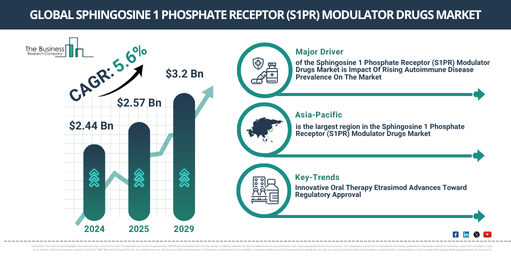
    The sphingosine 1 phosphate receptor (S1PR) modulator drugs market has observed significant expansion in recent years. This market is anticipated to increase from $2.44 billion in 2024 to $2.57 billion in 2025, progressing at a compound annual growth rate (CAGR) of 5.3%. The historical surge can be linked to the increasing occurrence of autoimmune diseases, heightened investment in autoimmune drug innovation, the broadening of their approved uses, a greater understanding of autoimmune disease management, and an escalation in healthcare expenditure.

    The market for sphingosine 1 phosphate receptor (S1PR) modulator drugs is projected to experience robust expansion over the coming years. This market is anticipated to reach “$3.2 billion in 2029, exhibiting a compound annual growth rate (CAGR) of 5.6%. This anticipated growth during the forecast period is driven by several factors, including an increasing preference for oral treatments over injectable options, the rising incidence of autoimmune conditions, a global increase in healthcare spending, enhanced awareness and improved diagnosis of illnesses such as multiple sclerosis, and an expanding elderly demographic susceptible to autoimmune disorders. Key trends expected within this period encompass progress in receptor selectivity, obtaining regulatory clearances for novel applications, incorporating real-world evidence (RWE), innovations in drug delivery technologies, a movement towards oral therapeutic options, and the formation of strategic partnerships and acquisitions.

    Unlock Your Free Sample Report for Exclusive Market Data:

    https://www.thebusinessresearchcompany.com/sample.aspx?id=21288&type=smp

    What Are The Top Growth Drivers Impacting The Sphingosine 1 Phosphate Receptor (S1PR) Modulator Drugs Market Outlook?

    The expanding occurrence of autoimmune conditions is anticipated to fuel the expansion of the sphingosine 1-phosphate receptor (S1PR) modulator drugs market. These conditions involve the immune system erroneously targeting the body’s healthy cells, leading to inflammation and harm. This increase in autoimmune disease prevalence stems from genetic predispositions, environmental factors, shifts in lifestyle, and better diagnostic methods. S1PR modulator drugs are employed in treating autoimmune diseases to control the movement of immune cells, thereby lessening inflammation in conditions such as multiple sclerosis and ulcerative colitis. As an illustration, data released in May 2024 by the National Center for Health Statistics (NCHS), a US-based health statistics agency, showed that the prevalence of current asthma among adults aged 18 and above in the United States rose from 8.4% in 2021 to 8.7% in 2022. Furthermore, for the same age group, the incidence of asthma episodes experienced over the preceding 12 months went up from 3.3% in 2021 to 3.7% in 2022. Consequently, the growing occurrence of autoimmune diseases is fostering the expansion of the sphingosine 1-phosphate receptor (S1PR) modulator drugs market.

    What Are The Primary Types Of Segments Analyzed In The Sphingosine 1 Phosphate Receptor (S1PR) Modulator Drugs Market?

    The sphingosine 1 phosphate receptor (s1pr) modulator drugs market covered in this report is segmented –

    1) By Type: Fingolimod, Ozanimod

    2) By Route Of Administration: Oral, Injectable, Topical

    3) By Application: Multiple Sclerosis, Cardiovascular Diseases, Transplant Rejection

    4) By End User: Hospital, Rehabilitation Centres, Retail Pharmacies

    Subsegments:

    1) By Fingolimod: Branded Formulations, Generic Formulations

    2) By Ozanimod: Oral Capsules, Other Formulations

    Which Key Trends Are Expected To Influence The Sphingosine 1 Phosphate Receptor (S1PR) Modulator Drugs Market In The Coming Years?

    Leading companies in the sphingosine 1 phosphate receptor (S1PR) modulator drugs market are increasingly focusing on developing innovative therapies, particularly oral therapy, to improve patient adherence, enhance drug efficacy, and broaden the therapeutic scope of S1PR modulator drugs in treating autoimmune diseases and related conditions. Oral therapy involves administering these medications in pill or tablet form, providing a convenient and less invasive treatment alternative for patients with autoimmune diseases. For instance, in March 2022, Pfizer, a US-based pharmaceutical and biotechnology company, reported positive phase 3 trial results for etrasimod in patients suffering from ulcerative colitis. The drug successfully met its primary and key secondary endpoints, showing significant improvements in remission rates, endoscopic outcomes, and symptom relief. These findings emphasize etrasimod’s potential as a new treatment option for moderate-to-severe ulcerative colitis. Pfizer plans to expedite regulatory submissions, thereby strengthening its immuno-inflammatory disease portfolio. The outcomes further underscore the company’s unwavering commitment to delivering innovative healthcare solutions.

    Who Are The Primary Competitors In The Global Sphingosine 1 Phosphate Receptor (S1PR) Modulator Drugs Market?

    Major companies operating in the sphingosine 1 phosphate receptor (S1PR) modulator drugs market are Pfizer Inc., Johnson & Johnson, Merck & Co. Inc., AbbVie Inc., Bristol Myers Squibb Company, Novartis International AG, Biogen Inc., Eisai Co. Ltd., Sun Pharmaceutical Industries Ltd., Ono Pharmaceutical Co. Ltd., Actelion Pharmaceuticals Ltd., KYORIN Pharmaceutical Co. Ltd., Vanda Pharmaceuticals Inc., Celgene Corporation, Ventyx Biosciences Inc., Idorsia Pharmaceuticals Ltd., Cayman Chemical Company, Juvisé Pharmaceuticals, Priothera Limited, Arena Pharmaceuticals.

    Download The Full Report For Exclusive Market Findings:

    https://www.thebusinessresearchcompany.com/report/sphingosine-1-phosphate-receptor-s1pr-modulator-drugs-global-market-report

    How Does The Sphingosine 1 Phosphate Receptor (S1PR) Modulator Drugs Market Perform Across Key Geographic Regions?

    Asia-Pacific was the largest region in the sphingosine 1 phosphate receptor (S1PR) modulator drugs market in 2024. The regions covered in the sphingosine 1 phosphate receptor (S1PR) modulator drugs market report are Asia-Pacific, Western Europe, Eastern Europe, North America, South America, Middle East, Africa.

    Request A Customized Version Of The Sphingosine 1 Phosphate Receptor (S1PR) Modulator Drugs Market Report:

    https://www.thebusinessresearchcompany.com/customise?id=21288&type=smp

    Browse Through More Reports Similar to the Global Sphingosine 1 Phosphate Receptor (S1PR) Modulator Drugs Market 2025, By The Business Research Company

    Hyperphosphatemia Treatment Global Market Report 2025

    https://www.thebusinessresearchcompany.com/report/hyperphosphatemia-treatment-global-market-report

    Phosphate Fertilizer Global Market Report 2025

    https://www.thebusinessresearchcompany.com/report/phosphate-fertilizer-global-market-report

    Lithium Iron Phosphate Battery Global Market Report 2025

    https://www.thebusinessresearchcompany.com/report/lithium-iron-phosphate-battery-global-market-report

    Get in touch with us:

    The Business Research Company: https://www.thebusinessresearchcompany.com/

    Americas +1 310-496-7795

    Asia +44 7882 955267 & +91 8897263534

    Europe +44 7882 955267

    Email us at info@tbrc.info

    Follow us on:

    LinkedIn: https://in.linkedin.com/company/the-business-research-company

    YouTube: https://www.youtube.com/channel/UC24_fI0rV8cR5DxlCpgmyFQ

    Global Market Model: https://www.thebusinessresearchcompany.com/global-market-model
  • Short-Acting Insulin Market Forecast 2025–2034: Where Businesses Should Invest Next

    Short-Acting Insulin Market Forecast 2025–2034: Where Businesses Should Invest Next

    Unlock Global Insights – Save 20% on Market Reports with Code ONLINE20

    #What Is The Projected Market Size Of The Short-Acting Insulin Market By 2029?

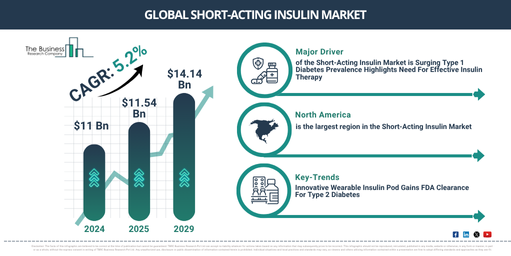
    The short-acting insulin market size has shown steady expansion in recent years. It is anticipated to increase from $11 billion in 2024 to reach $11.54 billion by 2025, exhibiting a compound annual growth rate (CAGR) of 4.8%. This growth observed in the past can be attributed to factors such as an expanding population of individuals with type 1 diabetes, an aging demographic, a rise in research and development investments, the widespread occurrence of diagnosed cases, and increasing urbanization.

    The short-acting insulin market is projected to experience substantial expansion over the upcoming years, reaching “$14.14 billion by 2029, exhibiting a compound annual growth rate (CAGR) of 5.2%. This anticipated growth during the forecast period can be primarily attributed to several factors: a surge in governmental initiatives and support, rapid advancements in manufacturing processes, the growing acceptance of insulin therapy, and the emergence of personalized medicine. Key trends anticipated during this period encompass progress in insulin delivery devices and associated technologies, the introduction of innovative fast-acting insulin analogs, the continuous development of biosimilars, a noticeable shift towards patient-focused care, and improvements in formulation techniques.

    Unlock Your Free Sample Report for Exclusive Market Data:

    https://www.thebusinessresearchcompany.com/sample.aspx?id=21287&type=smp

    Which Major Market Drivers Are Shaping The Future Of The Short-Acting Insulin Market?

    The growing occurrence of Type 1 diabetes is projected to boost the expansion of the short-acting insulin market in the future. Type 1 diabetes represents an autoimmune ailment characterized by the immune system attacking insulin-generating cells, necessitating continuous insulin treatment. The increasing incidence of Type 1 diabetes stems from genetic predispositions, environmental factors, and a rise in autoimmune conditions. Short-acting insulin assists in managing Type 1 diabetes by offering prompt regulation of blood sugar levels and emulating the body’s natural insulin action. As an illustration, data from Diabetes Australia, an Australian organization dedicated to diabetes awareness, indicated that in 2022, around 134,000 Australians had Type 1 diabetes. This number saw an increase, reaching 135,423 in 2023. Consequently, the escalating prevalence of Type 1 diabetes is propelling the growth of the short-acting insulin market.

    Which Key Segments Fueling The Short-Acting Insulin Market?

    The short-acting insulin market covered in this report is segmented –

    1) By Formulation: Regular Insulin, Rapid-Acting Insulin

    2) By Dosage Form: Vials, Pre-filled Pens, Cartridges

    3) By Route Of Administration: Subcutaneous, Intravenous

    4) By Patient Type: Type 1 Diabetes, Type 2 Diabetes

    5) By Distribution Channel: Pharmacies, Hospital Pharmacies, Online Pharmacies

    Subsegments:

    1) By Regular Insulin: Human Regular Insulin, Animal-Derived Regular Insulin, Other Regular Insulin

    2) By Rapid-Acting Insulin: Insulin Lispro, Insulin Aspart, Insulin Glulisine

    What Are The Major Trends Driving The Growth Of The Short-Acting Insulin Market?

    Major companies active in the short-acting insulin market are focusing on innovative products, such as insulin pods, to provide continuous insulin infusion and adherence for individuals with diabetes. An insulin pod is defined as a tubeless, wearable insulin delivery system that offers continuous insulin infusion for diabetes management. For instance, in April 2023, Insulet Corporation, a US-based medical device company, announced U.S. Food and Drug Administration (FDA) clearance for Omnipod GO, a groundbreaking basal-only insulin pod specifically designed for adults with type 2 diabetes. This tubeless, wearable device ensures continuous insulin delivery without requiring a separate controller. Omnipod GO simplifies diabetes management by eliminating daily injections and providing pre-programmed insulin rates. With its user-friendly design and pharmacy accessibility, it enhances convenience for both patients and healthcare providers. This launch reinforces Insulet’s commitment to improving diabetes care through innovative technology.

    Which Key Market Players Are Investing In Expansion And Innovation Of Short-Acting Insulin Market?

    Major companies operating in the short-acting insulin market are Sanofi S.A., Eli Lilly and Company, Novo Nordisk A/S, Baxter International Inc., Eisai Co. Ltd., Sumitomo Pharma Co. Ltd., Biocon Limited, Kissei Pharmaceutical Co. Ltd., Lupin Limited, Wockhardt Ltd., Lannett Co. Inc., MannKind Corporation, Sihuan Pharmaceutical Holdings Group Ltd., Julphar(Gulf Pharmaceutical Industries), Geropharm LLC, Bioton S.A., hec pharm co. ltd, ADOCIA SAS, Gan & Lee Pharmaceuticals Co. Ltd., Adocia S.A.S.

    Download The Full Report For Exclusive Market Findings:

    https://www.thebusinessresearchcompany.com/report/short-acting-insulin-global-market-report

    Which Region Is Expected To Witness The Fastest Growth In The Short-Acting Insulin Market?

    North America was the largest region in the short-acting insulin market in 2024. Asia-Pacific is expected to be the fastest-growing region in the forecast period. The regions covered in the short-acting insulin market report are Asia-Pacific, Western Europe, Eastern Europe, North America, South America, Middle East, Africa.

    Request A Customized Version Of The Short-Acting Insulin Market Report:

    https://www.thebusinessresearchcompany.com/customise?id=21287&type=smp

    Browse Through More Reports Similar to the Global Short-Acting Insulin Market 2025, By The Business Research Company

    Insulin Drugs Global Market Report 2025

    https://www.thebusinessresearchcompany.com/report/insulin-drugs-global-market-report

    Smart Insulin Pens Global Market Report 2025

    https://www.thebusinessresearchcompany.com/report/smart-insulin-pens-global-market-report

    Insulin Pens Syringes Pumps And Injectors Global Market Report 2025

    https://www.thebusinessresearchcompany.com/report/insulin-pens-syringes-pumps-and-injectors-global-market-report

    Get in touch with us:

    The Business Research Company: https://www.thebusinessresearchcompany.com/

    Americas +1 310-496-7795

    Asia +44 7882 955267 & +91 8897263534

    Europe +44 7882 955267

    Email us at info@tbrc.info

    Follow us on:

    LinkedIn: https://in.linkedin.com/company/the-business-research-company

    YouTube: https://www.youtube.com/channel/UC24_fI0rV8cR5DxlCpgmyFQ

    Global Market Model: https://www.thebusinessresearchcompany.com/global-market-model
  • Global Roxadustat Market Analysis 2025–2029: Opportunities for Strategic Growth

    Global Roxadustat Market Analysis 2025–2029: Opportunities for Strategic Growth

    Unlock Global Insights – Save 20% on Market Reports with Code ONLINE20

    How Much Was The Roxadustat Market Worth In 2025, And What Is Its Anticipated Value By 2029?

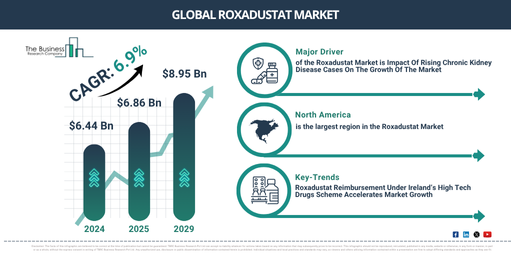
    The market for roxadustat has experienced robust expansion recently. Projections indicate it will expand from $6.44 billion in 2024 to reach $6.86 billion by 2025, demonstrating a compound annual growth rate (CAGR) of 6.5%. Historically, this expansion can be linked to factors such as regulatory clearances in key markets, impressive outcomes from clinical trials, the rising incidence of chronic kidney disease, enhanced understanding of anemia management, and governmental backing for anemia therapies.

    The roxadustat market is anticipated to experience substantial expansion over the upcoming years. It is projected to reach $8.95 billion by 2029, demonstrating a compound annual growth rate (CAGR) of 6.9%. This projected growth stems from several factors, including continuous research into novel indications, a rise in healthcare spending, the increasing need for non-injectable anemia therapies, broadening reimbursement policies, and an expanding elderly demographic. Key developments expected during this forecast timeframe encompass a move towards oral anemia treatments, heightened rivalry from other therapeutic options, more extensive licensing agreements, increased capital allocation for hypoxia-inducible factor research, and a greater emphasis on patient-focused treatment strategies.

    Unlock Your Free Sample Report for Exclusive Market Data:

    https://www.thebusinessresearchcompany.com/sample.aspx?id=21280&type=smp

    What Are The Main Drivers Boosting The Roxadustat Industry’s Expansion?

    The increasing prevalence of individuals with chronic kidney disease (CKD) is projected to boost the growth of the Roxadustat market. CKD is a long-term ailment where kidneys gradually lose their functional capacity, frequently leading to renal failure if left unaddressed. The global number of people suffering from CKD is expanding due to factors like an aging population, rising incidence of diabetes and hypertension, and unhealthy lifestyle choices. Roxadustat helps manage this condition by stimulating erythropoietin production, which increases red blood cell count and helps combat anemia commonly associated with CKD, thus enhancing overall kidney function and patient quality of life. For example, a report released in December 2024 by the Australian Institute of Health and Welfare (AIHW), an Australia-based government agency, showed that chronic kidney disease mortality rates saw a modest annual increase, specifically 4.2% in 2021 and 6.2% in 2022. Hence, the increasing number of individuals with chronic kidney disease (CKD) is a primary driver for the expansion of the Roxadustat market.

    How Is The Roxadustat Market Classified Into Different Segments?

    The roxadustat market covered in this report is segmented –

    1) By Type: 20mg, 50mg

    2) By Product Formulation: Oral Tablets

    3) By Distribution Channel: Hospitals, Specialty Pharmacies, Dialysis Centers

    4) By End-User Application: Chronic Kidney Disease-Associated Anemia, Other Anemia Conditions

    What Trends Are Expected To Drive The Roxadustat Market?

    Leading companies in the Roxadustat market are pursuing reimbursement through the high-tech drugs scheme to ensure wider patient access by mitigating financial barriers, thereby enhancing market adoption and showcasing the economic benefit of their innovative treatments. This high-tech drugs scheme is a government-managed initiative, primarily in Ireland, that offers reimbursement for the dispensing of expensive, highly specialized medications typically prescribed within hospital environments. As an illustration, in September 2022, Astellas Pharma Company Ltd., a US-based pharmaceutical company, announced that its product EVRENZO (Roxadustat) was granted reimbursement under the High-Tech Drugs Scheme in Ireland. Roxadustat is the initial orally administered hypoxia-inducible factor prolyl hydroxylase (HIF PH) inhibitor in its class to be both licensed and reimbursed in Ireland. The outcomes demonstrated that Roxadustat was effective in reaching and sustaining target hemoglobin levels (10-12g/dL) in patients suffering from symptomatic anemia of CKD, independent of their dialysis status and any prior ESA treatment.

    Who Are The Core Companies Influencing The Roxadustat Market Landscape?

    Major companies operating in the roxadustat market are AstraZeneca PLC, Viatris Inc., Astellas Pharma Inc., Dr. Reddy’s Laboratories Ltd., Hetero Drugs Limited, Akebia Therapeutics Inc., Metrochem API Private Limited, FibroGen Inc., AMI Lifesciences, Lee Pharma Ltd., Faran Shimi Pharmaceutical Company, Maithri Drugs Pvt. Ltd., Clearsynth Labs Ltd., Bal Pharma, HEMA Pharmaceuticals Pvt. Ltd., Zhejiang Hengkang Pharmaceutical Co. Ltd., Kimia Biosciences Pvt. Ltd., Lewens Labs Pvt. Ltd., Hangzhou Longshine Bio-Tech Co. Ltd., GLR Innovations, Suzhou Biosyntech Co. Ltd., Shanvr Life Sciences Pvt. Ltd.

    Download The Full Report For Exclusive Market Findings:

    https://www.thebusinessresearchcompany.com/report/roxadustat-global-market-report

    Which Global Regions Are Influencing The Competitive Landscape Of The Roxadustat Market?

    North America was the largest region in the Roxadustat market in 2024. Asia-Pacific is expected to be the fastest-growing region in the forecast period. The regions covered in the roxadustat market report are Asia-Pacific, Western Europe, Eastern Europe, North America, South America, Middle East, Africa.

    Request A Customized Version Of The Roxadustat Market Report:

    https://www.thebusinessresearchcompany.com/customise?id=21280&type=smp

    Browse Through More Reports Similar to the Global Roxadustat Market 2025, By The Business Research Company

    Anemia And Other Blood Disorder Drugs Global Market Report 2025

    https://www.thebusinessresearchcompany.com/report/anemia-and-other-blood-disorder-drugs-global-market-report

    Chemotherapy Induced Anemia Global Market Report 2025

    https://www.thebusinessresearchcompany.com/report/chemotherapy-induced-anemia-global-market-report

    Diabetic Kidney Disease Global Market Report 2025

    https://www.thebusinessresearchcompany.com/report/diabetic-kidney-disease-global-market-report

    Get in touch with us:

    The Business Research Company: https://www.thebusinessresearchcompany.com/

    Americas +1 310-496-7795

    Asia +44 7882 955267 & +91 8897263534

    Europe +44 7882 955267

    Email us at info@tbrc.info

    Follow us on:

    LinkedIn: https://in.linkedin.com/company/the-business-research-company

    YouTube: https://www.youtube.com/channel/UC24_fI0rV8cR5DxlCpgmyFQ

    Global Market Model: https://www.thebusinessresearchcompany.com/global-market-model
  • Prescription Orthopedic Drugs Industry Overview 2025: Growth Projections and Market Trends

    Prescription Orthopedic Drugs Industry Overview 2025: Growth Projections and Market Trends

    Unlock Global Insights – Save 20% on Market Reports with Code ONLINE20

    What Is The Future Market Size Estimation For The Prescription Orthopedic Drugs Market Covering 2025–2034?

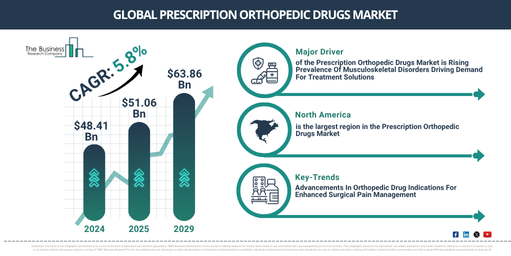
    The prescription orthopedic drugs market size has experienced strong expansion in recent years. It is forecast to grow from $48.41 billion in 2024 to $51.06 billion in 2025, achieving a compound annual growth rate (CAGR) of 5.5%. This historic growth is primarily due to the increased prevalence of musculoskeletal disorders, an expanding geriatric population, heightened awareness regarding osteoporosis treatments, broader healthcare access in developing regions, and a global rise in sports-related injuries.

    The market for prescription orthopedic drugs is projected to experience robust expansion in the coming years. This market is set to reach $63.86 billion by 2029, exhibiting a compound annual growth rate (CAGR) of 5.8%. Factors contributing to this growth during the forecast period include the increasing demand for biologics, a rising older adult population, wider access to healthcare in developing regions, the growing occurrence of chronic musculoskeletal conditions, and heightened investment in research and development for orthopedic drugs. Key trends anticipated in the forecast period encompass progress in targeted biologics, the integration of regenerative medicine treatments, customized drug preparations, improvements in less invasive delivery techniques, improved drug effectiveness via gene therapy, new developments in injectable forms, and breakthroughs in artificial intelligence for both drug creation and clinical choices.

    Unlock Your Free Sample Report for Exclusive Market Data:

    https://www.thebusinessresearchcompany.com/sample.aspx?id=21263&type=smp

    Which Factors And Drivers Are Influencing The Prescription Orthopedic Drugs Market In 2025?

    The expanding occurrence of musculoskeletal disorders is projected to propel the growth of the prescription orthopedic drugs market. Musculoskeletal disorders (MSDs) refer to injuries and conditions that impair the movement and function of the body’s musculoskeletal system, encompassing muscles, tendons, ligaments, nerves, and joints, leading to pain and restricted mobility. The rising prevalence of these disorders largely stems from factors such as aging, work-related activities involving repetitive motions and awkward body positions, lifestyle choices like physical inactivity and poor diet, and genetic predispositions. Prescription orthopedic drugs are crucial for managing MSDs by relieving pain, reducing inflammation, and enhancing recovery, thereby improving mobility and overall quality of life. For example, in March 2023, the Office for Health Improvement and Disparities, a UK-based government department, reported that in 2022, 17.6% of individuals aged 16 and over had a long-term musculoskeletal condition, such as arthritis or persistent back or joint issues, an increase from 17.0% in 2021. Furthermore, in July 2022, the World Health Organization, an intergovernmental organization based in Switzerland, estimated that approximately 1.71 billion people globally suffer from musculoskeletal disorders. Consequently, the escalating incidence of musculoskeletal disorders is a key factor driving the expansion of the prescription orthopedic drugs market.

    What Are The Major Segments Identified In The Prescription Orthopedic Drugs Market?

    The prescription orthopedic drugs market covered in this report is segmented –

    1) By Drug Type: Nonsteroidal Anti-Inflammatory Drugs (NSAIDs), Opioids, Corticosteroids, Disease-Modifying Antirheumatic Drugs (DMARDs), Other Drug Types

    2) By Application: Osteoarthritis, Rheumatoid Arthritis, Osteoporosis, Other Applications

    3) By Distribution Channel: Hospital Pharmacies, Retail Pharmacies, Online Pharmacies

    Subsegments:

    1) By Nonsteroidal Anti-Inflammatory Drugs (NSAIDs): Ibuprofen, Naproxen, Diclofenac, Celecoxib, Indomethacin

    2) By Opioids: Morphine, Oxycodone, Hydrocodone, Fentanyl, Tramadol

    3) By Corticosteroids: Prednisone, Methylprednisolone, Dexamethasone, Hydrocortisone, Betamethasone

    4) By Disease-Modifying Antirheumatic Drugs (DMARDs): Methotrexate, Hydroxychloroquine, Leflunomide, Sulfasalazine, Azathioprine

    5) By Other Drug Types: Bisphosphonates, Calcitonin, Monoclonal Antibodies, Muscle Relaxants, Hyaluronic Acid Injections

    Which Trends Are Impacting The Prescription Orthopedic Drugs Market?

    Companies active in the prescription orthopedic drugs market are concentrating on broadening the approved uses for their medications to expand their market reach, improve patient results, and address unmet medical demands in various orthopedic conditions. For example, in January 2023, Heron Therapeutics Inc., a US-based biotechnology company, gained FDA approval for the extended application of ZYNRELEF (bupivacaine and meloxicam) in soft tissue and orthopedic procedures, encompassing foot and ankle surgeries. This extended-release solution is specifically formulated to deliver prolonged pain alleviation for up to 72 hours, thereby minimizing or negating the need for opioids following surgery. The expanded indication now includes further orthopedic and soft tissue procedures, such as foot and ankle surgeries, thereby enhancing its utility in clinical practice. Its innovative combination of two drugs provides both local anesthetic and anti-inflammatory effects, positioning it as a comprehensive approach for managing post-operative pain with superior patient outcomes.

    Which Major Industry Participants Are Leading The Prescription Orthopedic Drugs Market Growth?

    Major companies operating in the prescription orthopedic drugs market are Pfizer Inc., Johnson & Johnson, Roche Holding AG, Merck KGaA, AbbVie Inc., Bayer AG, Sanofi S.A., Bristol-Myers Squibb Company, AstraZeneca plc, GSK Plc, Takeda Pharmaceutical Company Limited, Eli Lilly and Company, Amgen Inc., Teva Pharmaceutical Industries Ltd., Mylan N.V., Biogen Inc., UCB S.A., Allergan plc, Penardo Biotech Pvt. Ltd., Horizon Therapeutics plc

    Download The Full Report For Exclusive Market Findings:

    https://www.thebusinessresearchcompany.com/report/prescription-orthopedic-drugs-global-market-report

    What Are The Regional Market Dynamics Impacting The Prescription Orthopedic Drugs Industry?

    North America was the largest region in the prescription orthopedic drugs market in 2024. The regions covered in the prescription orthopedic drugs market report are Asia-Pacific, Western Europe, Eastern Europe, North America, South America, Middle East, Africa.

    Request A Customized Version Of The Prescription Orthopedic Drugs Market Report:

    https://www.thebusinessresearchcompany.com/customise?id=21263&type=smp

    Browse Through More Reports Similar to the Global Prescription Orthopedic Drugs Market 2025, By The Business Research Company

    Dermatology Medical Lasers Global Market Report 2025

    https://www.thebusinessresearchcompany.com/report/dermatology-medical-lasers-global-market-report

    Dermatology Devices Global Market Report 2025

    https://www.thebusinessresearchcompany.com/report/dermatology-devices-global-market-report

    Veterinary Dermatology Drugs Global Market Report 2025

    https://www.thebusinessresearchcompany.com/report/veterinary-dermatology-drugs-global-market-report

    Get in touch with us:

    The Business Research Company: https://www.thebusinessresearchcompany.com/

    Americas +1 310-496-7795

    Asia +44 7882 955267 & +91 8897263534

    Europe +44 7882 955267

    Email us at info@tbrc.info

    Follow us on:

    LinkedIn: https://in.linkedin.com/company/the-business-research-company

    YouTube: https://www.youtube.com/channel/UC24_fI0rV8cR5DxlCpgmyFQ

    Global Market Model: https://www.thebusinessresearchcompany.com/global-market-model
  • Prescription Dermatological Drugs Market Size Forecast: Revenue and CAGR by 2029

    Prescription Dermatological Drugs Market Size Forecast: Revenue and CAGR by 2029

    Unlock Global Insights – Save 20% on Market Reports with Code ONLINE20

    What Is The Expected Total Market Size Of The Prescription Dermatological Drugs Industry By The Forecast Year 2029?

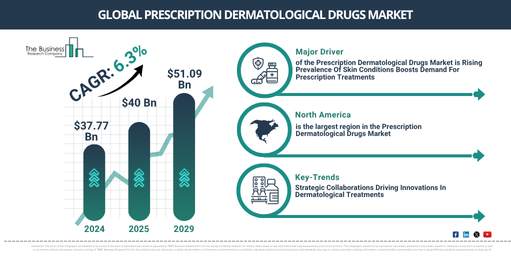
    The prescription dermatological drugs market has experienced substantial growth in recent years. Its size is projected to expand from $37.77 billion in 2024 to $40 billion in 2025, demonstrating a compound annual growth rate (CAGR) of 5.9%. Factors contributing to this historical expansion include an increase in the occurrence of skin conditions, heightened awareness of skin health, the proliferation of dermatology clinics, a growing elderly demographic, increased expenditure on healthcare, and greater investments in research and development.

    The prescription dermatological drugs market is anticipated to experience robust growth in the coming years. It is projected to expand to $51.09 billion by 2029, achieving a compound annual growth rate (CAGR) of 6.3%. This projected growth can be attributed to several factors, including the increasing occurrence of skin disorders, heightened awareness of dermatological well-being, the expanding use of telemedicine for dermatology consultations, the rising prominence of skin care aesthetics, improved insurance coverage for dermatological treatments, and a growing demand for personalized medicine and precision dermatology. Notable trends expected during the forecast period involve the development of targeted biologic therapies, the integration of gene editing for skin conditions, advancements in drug delivery systems, the implementation of personalized treatments based on genetic profiling, the utilization of topical medications with enhanced absorption, and the application of artificial intelligence to optimize drug formulations and treatment plans.

    Unlock Your Free Sample Report for Exclusive Market Data:

    https://www.thebusinessresearchcompany.com/sample.aspx?id=21262&type=smp

    What Are The Key Drivers Of Growth In The Prescription Dermatological Drugs Market?

    The rising incidence of dermatological conditions is anticipated to fuel the expansion of the prescription dermatological drugs market moving forward. These conditions are defined as disorders of the skin, hair, or nails, including eczema, psoriasis, and acne, which demand medical treatment for effective symptom management. The increased occurrence of dermatological conditions primarily stems from heightened exposure to environmental pollutants, evolving lifestyle habits, and escalating stress levels. Prescription dermatological drugs are essential in managing these conditions by providing specific treatments to reduce symptoms and foster long-term skin health. For example, in March 2022, Europe PubMed Central, a UK-based organization hosted by EMBL’s European Bioinformatics Institute for biomedical research, reported that a study conducted across 27 European countries found approximately 43.35% of participants, equivalent to around 185 million individuals, had experienced at least one skin condition, with fungal infections, atopic dermatitis, and acne being the most common. Thus, the growing prevalence of dermatological conditions is propelling the growth of the prescription dermatological drugs market.

    What Are The Emerging Segments Gaining Attention In The Prescription Dermatological Drugs Market?

    The prescription dermatological drugs market covered in this report is segmented –

    1) By Drug Class: Corticosteroids, Retinoids, Calcineurin Inhibitors, Antifungal Agents, Antibiotics, Other Drug Classes

    2) By Indication: Acne, Psoriasis, Dermatitis, Fungal Skin Infections, Other Indications

    3) By Distribution Channel: Hospital Pharmacies, Retail Pharmacies, Online Pharmacies, Other Distribution Channels

    Subsegments:

    1) By Corticosteroids: Topical Corticosteroids, Oral Corticosteroids, Injectable Corticosteroids

    2) By Retinoids: Topical Retinoids, Oral Retinoids

    3) By Calcineurin Inhibitors: Topical Calcineurin Inhibitors, Oral Calcineurin Inhibitors

    4) By Antifungal Agents: Topical Antifungals, Oral Antifungals

    5) By Antibiotics: Topical Antibiotics, Oral Antibiotics

    6) By Other Drug Classes: Immunosuppressants, Phototherapy Agents

    What Long-Term Trends Will Shape The Future Growth Of The Prescription Dermatological Drugs Industry?

    Leading companies in the prescription dermatological drugs market are prioritizing the development of innovative treatments, such as those targeting prurigo nodularis, to address unmet medical needs and provide more effective solutions for individuals experiencing chronic and challenging skin conditions. Prurigo nodularis is a long-term dermatological disorder characterized by the presence of intensely itchy, raised, and firm nodules or bumps on the skin. For example, in September 2022, Regeneron Pharmaceuticals Inc., a US-based biotechnology company, collaborated with Sanofi S.A., a France-based pharmaceutical company, and obtained approval from the U.S. Food and Drug Administration (FDA) for Dupixent (dupilumab). This represents the initial and only FDA-approved treatment for prurigo nodularis, a chronic skin ailment marked by severely itchy nodules. The approval was granted following clinical trials that showed significant improvements in the severity of itching and skin lesions in patients treated with Dupixent, as opposed to those who received a placebo.

    Who Are The Prominent Global Companies Shaping The Prescription Dermatological Drugs Market?

    Major companies operating in the prescription dermatological drugs market are Pfizer Inc., Johnson & Johnson, Merck KGaA, AbbVie Inc., Bayer AG, Novartis AG, GSK plc, Amgen Inc., Teva Pharmaceutical Industries Ltd., Intas Pharmaceuticals Inc., Regeneron Pharmaceuticals Inc., Mylan NV, Sun Pharmaceutical Industries Ltd., Cipla Limited, Dr. Reddy’s Laboratories Ltd., Zydus Cadila Health Care Limited, Leo Pharma A/S, Glenmark Pharmaceuticals Limited, Almirall S.A., DermBiont Inc.

    Download The Full Report For Exclusive Market Findings:

    https://www.thebusinessresearchcompany.com/report/prescription-dermatological-drugs-global-market-report

    Which Region Shows The Highest Potential For Future Expansion In The Prescription Dermatological Drugs Market?

    North America was the largest region in the prescription dermatological drugs market in 2024. Asia-Pacific is expected to be the fastest-growing region in the forecast period. The regions covered in the prescription dermatological drugs market report are Asia-Pacific, Western Europe, Eastern Europe, North America, South America, Middle East, Africa.

    Request A Customized Version Of The Prescription Dermatological Drugs Market Report:

    https://www.thebusinessresearchcompany.com/customise?id=21262&type=smp

    Browse Through More Reports Similar to the Global Prescription Dermatological Drugs Market 2025, By The Business Research Company

    Dermatology Medical Lasers Global Market Report 2025

    https://www.thebusinessresearchcompany.com/report/dermatology-medical-lasers-global-market-report

    Dermatology Devices Global Market Report 2025

    https://www.thebusinessresearchcompany.com/report/dermatology-devices-global-market-report

    Veterinary Dermatology Drugs Global Market Report 2025

    https://www.thebusinessresearchcompany.com/report/veterinary-dermatology-drugs-global-market-report

    Get in touch with us:

    The Business Research Company: https://www.thebusinessresearchcompany.com/

    Americas +1 310-496-7795

    Asia +44 7882 955267 & +91 8897263534

    Europe +44 7882 955267

    Email us at info@tbrc.info

    Follow us on:

    LinkedIn: https://in.linkedin.com/company/the-business-research-company

    YouTube: https://www.youtube.com/channel/UC24_fI0rV8cR5DxlCpgmyFQ

    Global Market Model: https://www.thebusinessresearchcompany.com/global-market-model