Blog

  • Fracture Management Products Market to Grow at a CAGR of 6.1% from 2025 to 2029

    Fracture Management Products Market to Grow at a CAGR of 6.1% from 2025 to 2029

    Unlock Global Insights – Save 20% on Market Reports with Code ONLINE20

    What Are The Growth Projections For The Fracture Management Products Market Size During 2025–2029?

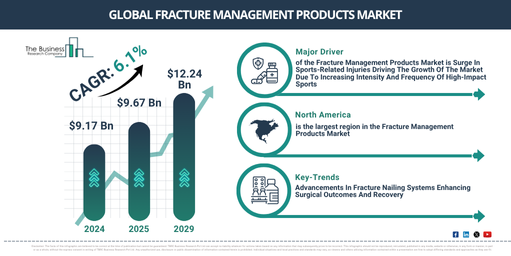
    The fracture management products market has shown significant growth in recent years. It is anticipated to expand from $9.17 billion in 2024 to $9.67 billion in 2025, achieving a compound annual growth rate (CAGR) of 5.5%. This historical development can be credited to the escalating demand for orthopedic implants for fracture management, the increasing occurrence of osteoporosis, the rising prevalence of chronic conditions, an uptick in outpatient surgical procedures, and the widening insurance coverage for fracture treatments.

    The fracture management products market size is projected to experience robust expansion over the next few years. It is forecast to reach $12.24 billion by 2029, growing at a compound annual growth rate (CAGR) of 6.1%. This anticipated growth during the forecast period is fueled by the increasing incidence of fractures among an aging population, a rising number of road accidents and injuries resulting in fractures, enhanced awareness of various fracture management alternatives, increasing healthcare spending, and a surge in sports-related injuries and fractures among athletes. Significant trends expected in this period include ongoing advancements in fracture management technology, progress in biomaterials used for fracture fixation devices, the adoption of 3D printing technologies for tailored fracture management solutions, the advent of robotic-assisted surgeries for fracture treatment, and developments in bone grafting and substitute products.

    Unlock Your Free Sample Report for Exclusive Market Data:

    https://www.thebusinessresearchcompany.com/sample.aspx?id=24219&type=smp

    Which Factors And Drivers Are Influencing The Fracture Management Products Market In 2025?

    An increasing occurrence of sports-related injuries is expected to drive the growth of the fracture management products market in the coming years. These injuries involve physical damage to the musculoskeletal system, often resulting from overuse, impact, or improper technique during athletic activities or exercise. The heightened frequency of such injuries is attributed to the increasing intensity and regularity of high-impact sports, which place significant strain on the body and elevate injury risks, especially as professional and amateur athletes push their limits without adequate recovery or preventive measures. Fracture management products are vital for stabilizing broken bones, ensuring proper alignment, and promoting healing, thus enabling athletes to regain full function and return to their sport. For instance, in July 2024, a report by the Australian Institute of Health and Welfare, an Australia-based government agency, highlighted that during the 2021–22 timeframe, soft-tissue injuries comprised 17% (9,300 cases) of all sports injury hospitalizations, with fractures making up more than half (53% or 29,900). Additionally, falls and transport accidents accounted for over half (56%) of all hospitalizations for sports injuries. Therefore, the rising incidence of sports-related injuries significantly boosts the growth of the fracture management products market.

    What Are The Segment Types Shaping The Fracture Management Products Market?

    The fracture management products market covered in this report is segmented –

    1) By Product Type: Internal Fixation Devices, External Fixation Devices, Fracture Fixation Consumables

    2) By Material Type: Stainless Steel, Titanium, Biodegradable Materials, Polymer-Based Products, Composite Materials

    3) By Distribution Channel: Direct Sales, Online Sales, Distributors And Wholesalers, Retail Pharmacies, Speciality Centers

    4) By Application: Upper Extremity Fractures, Lower Extremity Fractures, Other Applications

    5) By End-User: Hospitals, Orthopedic Clinics, Ambulatory Surgery Centers, Rehabilitation Centers, Research Institutes, Home Care Settings

    Subsegments:

    1) By Internal Fixation Devices: Plates And Screws, Intramedullary Nails Or Rods, Pins And Wires, Bone Screws, Orthopedic Compression Devices

    2) By External Fixation Devices: Unilateral And Bilateral Fixators, Circular Fixators, Hybrid Fixators, Bone Lengthening Devices

    3) By Fracture Fixation Consumables: Orthopedic Drills And Blades, Bone Cements, Bone Grafts And Substitutes, Surgical Sutures, Screws And Pins

    How Are Trends Influencing The Fracture Management Products Market?

    Major companies within the fracture management products market are prioritizing the development of technologically advanced solutions, such as fracture nailing systems, to mitigate the risk of complications and improve overall patient recovery. Fracture-nailing systems consist of internal fixation devices, typically metal rods or nails, which are inserted into the bone marrow to stabilize and align fractures, particularly in long bones like the femur or tibia. As an illustration, in March 2024, Stryker Corporation, a US-based medical technology firm, launched the Gamma4 Hip Fracture Nailing System. This system features an advanced intramedullary nailing design for hip and femur fractures, engineered for a better anatomical fit through the use of the SOMA database, which comprises over 34,000 3D bone models. Its chamfered distal tip, a proximal body that is 5 mm shorter, and a length-dependent radius of curvature for long nails are among its beneficial attributes. A precision pin is another component of the system, designed to minimize skiving by 66% and offer enhanced resistance to pull-out compared to conventional Ø3.2 K-wires. Additionally, Gamma4 and T2Alpha nails can be utilized with the same instrument platform, which streamlines surgical operations and harmonizes procedures.

    Who Are The Core Companies Influencing The Fracture Management Products Market Landscape?

    Major companies operating in the fracture management products market are Johnson & Johnson Inc, Medtronic plc, Stryker Corporation, Zimmer Biomet Holdings Inc., Olympus Corporation, Smith & Nephew plc, DePuy Synthes Inc, Arthrex Inc., Integra LifeSciences Corporation, NuVasive Inc., Conmed Corporation, Globus Medical Inc, DJO Global Inc., Ossur hf., Wright Medical Group, KLS Martin SE, Orthofix Medical Inc., Richard Wolf GmbH, Acumed LLC, B. Braun Melsungen AG, Paragon 28 Inc., Narang Medical Ltd., TriMed Inc., Sonoma Orthopedic Products Inc, Extremity Medical LLC, Synthes Inc.

    Download The Full Report For Exclusive Market Findings:

    https://www.thebusinessresearchcompany.com/report/fracture-management-products-global-market-report

    Which Geographies Are Emerging As Strong Markets For The Fracture Management Products Industry?

    North America was the largest region in the fracture management products market in 2024. Asia-Pacific is expected to be the fastest-growing region in the forecast period. The regions covered in the fracture management products market report are Asia-Pacific, Western Europe, Eastern Europe, North America, South America, Middle East, Africa.

    Request A Customized Version Of The Fracture Management Products Market Report:

    https://www.thebusinessresearchcompany.com/customise?id=24219&type=smp

    Browse Through More Reports Similar to the Global Fracture Management Products Market 2025, By The Business Research Company

    Minimally Invasive Vertebral Compression Fracture Treatment Global Market Report 2025

    https://www.thebusinessresearchcompany.com/report/minimally-invasive-vertebral-compression-fracture-treatment-global-market-report

    Medical Waste Management Global Market Report 2025

    https://www.thebusinessresearchcompany.com/report/medical-waste-management-global-market-report

    Patient Blood Management Global Market Report 2025

    https://www.thebusinessresearchcompany.com/report/patient-blood-management-global-market-report

    Get in touch with us:

    The Business Research Company: https://www.thebusinessresearchcompany.com/

    Americas +1 310-496-7795

    Asia +44 7882 955267 & +91 8897263534

    Europe +44 7882 955267

    Email us at info@tbrc.info

    Follow us on:

    LinkedIn: https://in.linkedin.com/company/the-business-research-company

    YouTube: https://www.youtube.com/channel/UC24_fI0rV8cR5DxlCpgmyFQ

    Global Market Model: https://www.thebusinessresearchcompany.com/global-market-model
  • Non-Alcoholic Steatohepatitis (NASH) Market to Grow at a CAGR of 32.3% from 2025 to 2029

    Non-Alcoholic Steatohepatitis (NASH) Market to Grow at a CAGR of 32.3% from 2025 to 2029

    Unlock Global Insights – Save 20% on Market Reports with Code ONLINE20

    What Is The Future Market Size Estimation For The Non-Alcoholic Steatohepatitis (NASH) Market Covering 2025–2034?

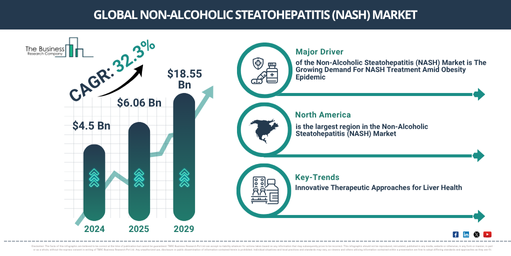
    The market size for non-alcoholic steatohepatitis (NASH) has experienced substantial expansion in recent years. Projections indicate it will advance from $4.5 billion in 2024 to $6.06 billion by 2025, propelled by a compound annual growth rate (CAGR) of 34.7%. This historical market expansion is primarily attributable to factors such as the increasing prevalence of NASH, the global obesity epidemic, rising awareness and diagnostic efforts, evolving lifestyle and dietary patterns, and improvements in healthcare infrastructure.

    The non-alcoholic steatohepatitis (NASH) market size is anticipated to undergo significant expansion over the next few years. It is projected to reach $18.55 billion by 2029, growing at a compound annual growth rate (CAGR) of 32.3%. This growth during the forecast period can be attributed to advancements in NASH drug development, increasing NASH screening initiatives, rising healthcare expenditure, collaborative research efforts, and government support and regulations. Prominent trends expected in this period include a focus on lifestyle interventions and patient education, enhanced collaboration in clinical research, regulatory improvements and pathway designations, and the integration of artificial intelligence in diagnosis and monitoring.

    Unlock Your Free Sample Report for Exclusive Market Data:

    https://www.thebusinessresearchcompany.com/sample.aspx?id=8805&type=smp

    Which Major Market Drivers Are Shaping The Future Of The Non-Alcoholic Steatohepatitis (NASH) Market?

    The increasing prevalence of obesity is fueling demand for the non-alcoholic steatohepatitis (NASH) market moving forward. Obesity is defined as an abnormal or excessive accumulation of fat that poses a health risk, or body weight exceeding what is considered healthy or typical for an individual of a specific height. As non-alcoholic fatty liver disease has become more common due to the rising obesity pandemic, NASH is anticipated to become the most widespread cause of severe liver disease in the coming decades, thereby driving the need for NASH treatments and related drugs. For instance, in March 2024, the World Health Organization (WHO), a UK-based international public health organization, reported that in 2022, approximately 2.5 billion adults aged 18 and older were categorized as overweight, with 890 million of them experiencing obesity. Consequently, the increase in obesity cases will propel the growth of the non-alcoholic steatohepatitis (NASH) market.

    What Are The Major Segment Categories Driving The Non-Alcoholic Steatohepatitis (NASH) Market Growth?

    The non-alcoholic steatohepatitis (nash) market covered in this report is segmented –

    1) By Type: Solid, Liquid

    2) By Product: Vitamin E and Pioglitazone, Ocaliva, Elafibranor, Selonsertib and Cenicriviroc, Other Products

    3) By Disease Cause: Hypertension, Heart Disease, High Blood Lipid, Type 2 Diabetes, Obesity

    4) By Sales Channel: Hospital Pharmacy, Retail Pharmacy, Online Provider

    5) By Application: Oral, Parenteral

    Subsegments:

    1) By Solid: Tablets, Capsules, Other Solid Dosage Forms

    2) By Liquid: Oral Solutions, Syrups, Injectable Solutions, Other Liquid Dosage Forms

    Which Key Trends Are Expected To Influence The Non-Alcoholic Steatohepatitis (NASH) Market In The Coming Years?

    Major companies in the non-alcoholic steatohepatitis (NASH) market are developing thyroid hormone receptor-beta (THR-beta) agonists with the goal of improving liver metabolism, decreasing liver fat accumulation, and enhancing liver function. Thyroid hormone receptor-beta (THR-beta) agonists are compounds that specifically activate the thyroid hormone receptor-beta subtype, a vital receptor involved in regulating metabolism, growth, and development. For instance, in March 2024, the Food and Drug Administration, a US-based regulatory body, approved Rezdiffra (resmetirom), a thyroid hormone receptor-beta agonist, as the first treatment for adults experiencing noncirrhotic NASH with moderate to advanced liver scarring (fibrosis). By selectively engaging the THR-beta receptor, Rezdiffra aids in regulating lipid metabolism, which leads to a reduction in intrahepatic triglycerides and overall liver fat accumulation.

    Who Are The Major Companies Operating In The Non-Alcoholic Steatohepatitis (NASH) Market?

    Major companies operating in the non-alcoholic steatohepatitis (NASH) market include NGM Biopharmaceuticals Inc., Novartis AG, AstraZeneca plc., GlaxoSmithKline plc., F. Hoffmann-La Roche AG, The Takeda Pharmaceutical Company Limited, Gilead Sciences Inc., Novo Nordisk A/S, Genfit SA, Cadila Pharmaceuticals Ltd., Intercept Pharmaceuticals Inc., Enanta Pharmaceuticals Inc., Blade Therapeutics Inc., Galmed Pharmaceuticals Inc., Immuron Limited, Terns Pharmaceuticals Inc., Tobira Therapeutics Inc., Arena Pharmaceuticals Inc., Galectin Therapeutics Inc., Viking Therapeutics, Madrigal Pharmaceuticals Inc., Cirius Therapeutics, Akero Therapeutics Inc., Echosens.

    Download The Full Report For Exclusive Market Findings:

    https://www.thebusinessresearchcompany.com/report/non-alcoholic-steatohepatitis-nash-global-market-report

    How Does The Non-Alcoholic Steatohepatitis (NASH) Market Perform Across Key Geographic Regions?

    North America was the largest region in the non alcoholic steatohepatitis (NASH) market share in 2024. The regions covered in the non-alcoholic steatohepatitis (nash) market report are Asia-Pacific, Western Europe, Eastern Europe, North America, South America, Middle East, Africa.

    Request A Customized Version Of The Non-Alcoholic Steatohepatitis (NASH) Market Report:

    https://www.thebusinessresearchcompany.com/customise?id=8805&type=smp

    Browse Through More Reports Similar to the Global Non-Alcoholic Steatohepatitis (NASH) Market 2025, By The Business Research Company

    Alcoholic Beverages Global Market Report 2025

    https://www.thebusinessresearchcompany.com/report/alcoholic-beverages-global-market-report

    Grain Products Global Market Report 2025

    https://www.thebusinessresearchcompany.com/report/grain-products-global-market-report

    Grain Farming Global Market Report 2025

    https://www.thebusinessresearchcompany.com/report/grain-farming-global-market-report

    Get in touch with us:

    The Business Research Company: https://www.thebusinessresearchcompany.com/

    Americas +1 310-496-7795

    Asia +44 7882 955267 & +91 8897263534

    Europe +44 7882 955267

    Email us at info@tbrc.info

    Follow us on:

    LinkedIn: https://in.linkedin.com/company/the-business-research-company

    YouTube: https://www.youtube.com/channel/UC24_fI0rV8cR5DxlCpgmyFQ

    Global Market Model: https://www.thebusinessresearchcompany.com/global-market-model
  • Global Fabry Disease Market 2025–2029: Competitive Insights and Opportunities

    Global Fabry Disease Market 2025–2029: Competitive Insights and Opportunities

    Unlock Global Insights – Save 20% on Market Reports with Code ONLINE20

    What Is The Global Market Value Of The Fabry Disease Industry In 2025?

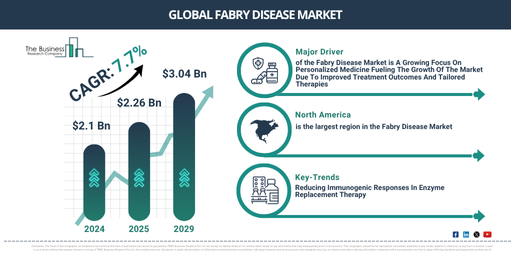
    The fabry disease market size has experienced strong growth in recent years. It is forecast to expand from $2.1 billion in 2024 to $2.26 billion in 2025, reflecting a compound annual growth rate (CAGR) of 7.2%. The historical increase can be attributed to several factors such as greater awareness and diagnosis of rare diseases, the development of specialized healthcare infrastructure, government incentives and orphan drug designations, an increase in funding for rare disease research, and the initial market introduction of therapies.

    The market size for Fabry disease is projected to experience robust growth in the coming years. It is anticipated to expand to $3.04 billion by 2029, exhibiting a compound annual growth rate (CAGR) of 7.7%. This expansion during the forecast period is primarily driven by the proliferation of newborn screening programs, increased regulatory support for orphan and rare disease medications, enhanced access to healthcare, the rise of telemedicine and remote care services, and the escalating demand for personalized medicine. Noteworthy trends anticipated in this period include the wider adoption of enzyme replacement therapy, continuous progress in genetic testing, the integration of AI and digital tools for earlier detection, the development of AI-powered diagnostic algorithms, and breakthroughs in gene therapy.

    Unlock Your Free Sample Report for Exclusive Market Data:

    https://www.thebusinessresearchcompany.com/sample.aspx?id=24218&type=smp

    What Are The Key Drivers Of Growth In The Fabry Disease Market?

    The fabry disease market is anticipated to expand due to an increasing emphasis on personalized medicine. This treatment approach involves customizing medical care and therapies for individuals by utilizing information about their genes, environment, and lifestyle to achieve better outcomes. The rising focus on personalized medicine is fueled by its capacity to improve treatment effectiveness and reduce side effects through tailoring therapies to individual patient needs. It helps formulate treatment plans based on a patient’s specific genetic mutation and disease severity, thereby enhancing outcomes and minimizing unnecessary side effects. For instance, in February 2024, the Personalized Medicine Coalition, a US-based non-profit organization, highlighted that in 2023, the FDA granted approval for 16 new personalized treatments for rare disease patients, which was a substantial increase from the six approvals in 2022. Thus, the growing attention on personalized medicine is propelling the growth of the fabry disease market.

    What Are The Different Segment Classifications Within The Fabry Disease Market?

    The fabry disease market covered in this report is segmented –

    1) By Type: Type 1, Type 2, Other Types

    2) By Treatment: Enzyme Replacement Therapy, Oral Therapy, Adjunct Therapy, Other Treatments

    3) By Diagnosis: Blood Test, Genetic Test, Parenteral Test, Other Diagnosis

    4) By Distribution Channel: Hospital Pharmacy, Online Pharmacy, Retail Pharmacy

    5) By End User: Hospitals, Homecare, Specialty Clinics, Other End Users

    Subsegments:

    1) By Type 1: Classic Fabry Disease, Later-Onset Fabry Disease

    2) By Type 2: Cardiovascular-Focused Fabry Disease, Renal-Focused Fabry Disease

    3) By Other Types: Variant Fabry Disease, X-linked Fabry Disease

    What Key Innovation Trends Are Fueling Advancements In The Fabry Disease Market?

    Leading firms in the fabry disease market are concentrating on creating novel treatments, including PEGylated enzyme replacement therapy (ERT), with the aim of boosting treatment effectiveness, increasing patient adherence, and lowering immune reactions commonly linked to standard ERTs. PEGylated enzyme replacement therapy (ERT) represents an altered version of conventional ERT, where polyethylene glycol (PEG) chains are linked to the enzyme to improve its stability, extend its presence in the body’s circulation, and diminish immune system responses. As an illustration, in May 2023, Chiesi Global Rare Diseases, which is a part of the Chiesi Group, an Italy-based pharmaceutical company, revealed that the U.S. Food and Drug Administration (FDA), a US-based government agency, had granted approval for PRX-102 (pegunigalsidase alfa) to treat adult Fabry disease patients. This approval stems from a comprehensive clinical program involving more than 140 patients and a follow-up period extending up to 7.5 years, showcasing the therapy’s effectiveness in decreasing renal Gb3 deposits and sustaining kidney function, alongside a positive safety record.

    Which Major Industry Participants Are Leading The Fabry Disease Market Growth?

    Major companies operating in the fabry disease market are Sanofi S.A., GlaxoSmithKline plc, Takeda Pharmaceutical Company Limited, JCR Pharmaceuticals Co. Ltd., Sumitomo Pharma Co. Ltd, Chiesi Farmaceutici S.p.A., Amicus Therapeutics Inc., Idorsia Pharmaceuticals Ltd, Sangamo Therapeutics Inc., uniQure N.V., Protalix BioTherapeutics Inc., Spur Therapeutics Inc., Exegenesis Bio Inc., ISU ABXIS Co. Ltd., Eleva GmbH, AceLink Therapeutics Inc., 4D Molecular Therapeutics Inc., iBio Inc., Freeline Therapeutics Holdings plc, Greenovation Biotech GmbH

    Download The Full Report For Exclusive Market Findings:

    https://www.thebusinessresearchcompany.com/report/fabry-disease-global-market-report

    Which Region Is Projected To Lead The Fabry Disease Market During The Forecast Period?

    North America was the largest region in the fabry disease market in 2024. Asia-Pacific is expected to be the fastest-growing region in the forecast period. The regions covered in the fabry disease market report are Asia-Pacific, Western Europe, Eastern Europe, North America, South America, Middle East, Africa.

    Request A Customized Version Of The Fabry Disease Market Report:

    https://www.thebusinessresearchcompany.com/customise?id=24218&type=smp

    Browse Through More Reports Similar to the Global Fabry Disease Market 2025, By The Business Research Company

    Genetic Testing Global Market Report 2025

    https://www.thebusinessresearchcompany.com/report/genetic-testing-global-market-report

    Epigenetics Global Market Report 2025

    https://www.thebusinessresearchcompany.com/report/epigenetics-global-market-report

    Genetic Testing Market 2025

    https://www.thebusinessresearchcompany.com/report/genetic-testing-market

    Get in touch with us:

    The Business Research Company: https://www.thebusinessresearchcompany.com/

    Americas +1 310-496-7795

    Asia +44 7882 955267 & +91 8897263534

    Europe +44 7882 955267

    Email us at info@tbrc.info

    Follow us on:

    LinkedIn: https://in.linkedin.com/company/the-business-research-company

    YouTube: https://www.youtube.com/channel/UC24_fI0rV8cR5DxlCpgmyFQ

    Global Market Model: https://www.thebusinessresearchcompany.com/global-market-model
  • Global Multivitamin Capsules And Tablets Market 2025–2029: Competitive Insights and Opportunities

    Unlock Global Insights – Save 20% on Market Reports with Code ONLINE20

    What Is The Expected Total Market Size Of The Multivitamin Capsules And Tablets Industry By The Forecast Year 2029?

    The multivitamin capsules and tablets market has experienced robust expansion over recent years. This market is set to increase from $28.49 billion in 2024 to $29.95 billion in 2025, achieving a compound annual growth rate (CAGR) of 5.1%. The historical growth can be credited to factors like a surge in health consciousness, the advancement and expansion of the pharmaceuticals industry, an increase in dietary supplement usage, higher healthcare spending, and growing health concerns related to the COVID-19 pandemic.

    The multivitamin capsules and tablets market is poised for significant expansion in the coming years. Its valuation is projected to reach $38.25 billion by 2029, exhibiting a compound annual growth rate (CAGR) of 6.3%. This anticipated growth throughout the forecast period stems from factors such as new product introductions, an uptick in the use of sports-related nutritional supplements, and a growing elderly populace. Prominent trends within this forecast timeframe include product launches, increasing consumption of sports-based nutritional supplements, and an expanding geriatric population.

    Unlock Your Free Sample Report for Exclusive Market Data:

    https://www.thebusinessresearchcompany.com/sample.aspx?id=5299&type=smp

    What Are The Main Drivers Boosting The Multivitamin Capsules And Tablets Industry’s Expansion?

    A growing emphasis on personal health among individuals is fueling the market for multivitamin capsules and tablets. Doctors frequently recommend multivitamin tablets or capsules to manage or prevent vitamin deficiencies resulting from poor diets, specific illnesses, or pregnancy, as these products contain various vitamins commonly found in foods and other natural origins. The demand for multivitamins also experienced a surge due to heightened health concerns related to the COVID-19 pandemic. For example, in May 2022, a report from the International Food Information Council, a US-based nonprofit consumer research organization, revealed that the number of Americans adopting particular diet and eating patterns rose by 52% from 2021 to 2022. Consequently, this increasing health consciousness is anticipated to propel the multivitamin capsules and tablets market throughout the forecast period.

    How Is The Multivitamin Capsules And Tablets Market Segmented?

    The multivitamin capsules and tablets market covered in this report is segmented –

    1) By Type: Multivitamins Tablets, Multivitamins Capsules

    2) By Distribution Channel: Store Based, Non-Store Based

    3) By Application: Energy And Weight Management, General Health, Bone And Joint Health, Gastrointestinal Health, Immunity, Cardiac Health, Diabetes, Anti-Cancer, Other Applications

    4) By End User: Adults, Geriatric, Pregnant Women, Children, Infants

    Subsegments:

    1) By Multivitamins Tablets: Chewable Tablets, Effervescent Tablets, Coated Tablets, Standard Tablets

    2) By Multivitamins Capsules: Softgel Capsules, Hard Capsules, Liquid-Filled Capsules

    What Are The Major Trends Driving The Growth Of The Multivitamin Capsules And Tablets Market?

    The multivitamin capsules and tablets market is being influenced by a change in consumer preference for flavored gummy vitamins across all age groups. This shift is driven by consumers seeking more enjoyable and convenient ways to take supplements, resulting in a transition to flavored gummy alternatives. For example, in May 2023, SmartyPants Vitamins, a US-based producer of gummy multivitamins, introduced a new range of gelatin-free multivitamin gummies, which became available at Walmart. These gummies are crafted with pectin sourced from citrus fruits and apples, making them appropriate for vegetarians and individuals who avoid gelatin due to dietary restrictions or religious beliefs. Furthermore, their Kids & Toddler gummies are formulated with less sugar compared to major market competitors, presenting a healthier choice.

    Which Global Market Leaders Are Shaping The Future Of The Multivitamin Capsules And Tablets Sector?

    Major companies operating in the multivitamin capsules and tablets market include Abbott Laboratories, Otsuka Holdings Co., Glaxosmithkline Plc, Bayer, Natures Bounty Co., Glanbia Plc, Nu Skin Entreprises, Arkopharma, Nutramarks, Nestle S.A, Usana Health Sciences Inc, Cipla Ltd, Lasons India Pvt. Ltd, VOOST, Berocca, Blackmores, Swisse, Nature’s Way, Centrum, Cenovis, MuscleBlaze MB-Vite, HK Vitals, Rainbow Light, One A Day Men’s Multivitamin, CSPS Pharmaceutical, Zhejiang NHU, G&G, Simply Supplements, Evolution Organics, Nutri-Link, BioCare, Naturex, Microphyt, Ynsect, Olygose, VTF, Solgar, Evalar, Biovea, Mcepharma, Terezia, Archer Daniels Midland Company, Herbalife Ltd, NBTY, Inc, Forever Living, Grupo Omnilife, Shaklee Corporation, American Health Inc, Atrium Innovations, Pfizer, Inc, NOW Foods, HealthVit, Nature Made, GNC Holdings, Inc, Merck KGaA, Ascendis Health, Inova Pharmaceuticals, Vital Health Foods, Vitabiotics Ltd, Adcock Ingram, SA Natural Products, Beauty Gen, BSN, Grenade, Nature’s Nutrition, NPL, PharmaFreak.

    Download The Full Report For Exclusive Market Findings:

    https://www.thebusinessresearchcompany.com/report/multivitamin-capsules-and-tablets-global-market-report

    Which Region Is Expected To Witness The Fastest Growth In The Multivitamin Capsules And Tablets Market?

    Asia-Pacific was the largest region in the multivitamin capsules and tablets market in 2024. North America was the second-largest market in the multivitamin capsules and tablets market. The regions covered in the multivitamin capsules and tablets market report are Asia-Pacific, Western Europe, Eastern Europe, North America, South America, Middle East, Africa.

    Request A Customized Version Of The Multivitamin Capsules And Tablets Market Report:

    https://www.thebusinessresearchcompany.com/customise?id=5299&type=smp

    Browse Through More Reports Similar to the Global Multivitamin Capsules And Tablets Market 2025, By The Business Research Company

    Hormonal Contraceptives Global Market Report 2025

    https://www.thebusinessresearchcompany.com/report/hormonal-contraceptives-global-market-report

    Cough And Cold Preparations Global Market Report 2025

    https://www.thebusinessresearchcompany.com/report/cough-and-cold-preparations-global-market-report

    Smart Pills Global Market Report 2025

    https://www.thebusinessresearchcompany.com/report/smart-pills-global-market-report

    Get in touch with us:

    The Business Research Company: https://www.thebusinessresearchcompany.com/

    Americas +1 310-496-7795

    Asia +44 7882 955267 & +91 8897263534

    Europe +44 7882 955267

    Email us at info@tbrc.info

    Follow us on:

    LinkedIn: https://in.linkedin.com/company/the-business-research-company

    YouTube: https://www.youtube.com/channel/UC24_fI0rV8cR5DxlCpgmyFQ

    Global Market Model: https://www.thebusinessresearchcompany.com/global-market-model
  • Electrocompetent Cells Market Trends 2025–2029: Forecasts for Key Growth Segments

    Electrocompetent Cells Market Trends 2025–2029: Forecasts for Key Growth Segments

    Unlock Global Insights – Save 20% on Market Reports with Code ONLINE20

    By How Much Is The Electrocompetent Cells Market Expected To Expand Between 2025 And 2029?

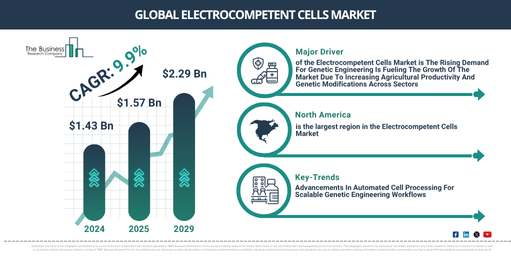
    The electrocompetent cells market has shown strong growth in recent years. It is anticipated to expand from $1.43 billion in 2024 to $1.57 billion in 2025, achieving a compound annual growth rate (CAGR) of 9.9%. The market’s historical expansion can be attributed to several factors, including the rising demand for recombinant protein production, an uptick in academic and government research funding, the broadening scope of molecular biology studies, the implementation of gene cloning techniques, and the presence of high-efficiency E. coli strains.

    The market for electrocompetent cells is projected to experience substantial expansion over the coming years. This market is anticipated to reach “$2.29 billion by 2029, exhibiting a compound annual growth rate (CAGR) of 9.9%.” Factors contributing to this growth during the forecast period include the expanding use in synthetic biology, the escalating need for CRISPR-based gene editing solutions, the increasing scope of personalized medicine research, the advent of automation within transformation protocols, and heightened financial backing from biotech startups. Key developments foreseen in this period encompass CRISPR-compatible electrocompetent cells, the development of high-efficiency transformation strains, the incorporation of chemically defined growth media, increased automation in cell preparation processes, and the adoption of cold-chain optimized packaging to ensure stability.

    Unlock Your Free Sample Report for Exclusive Market Data:

    https://www.thebusinessresearchcompany.com/sample.aspx?id=24214&type=smp

    Which Drivers Are Supporting Growth Of The Electrocompetent Cells Market?

    The escalating requirement for genetic engineering is anticipated to boost the expansion of the electrocompetent cells market in the future. Genetic engineering involves the deliberate alteration of an organism’s genetic makeup to adjust its characteristics or actions. This increase in genetic engineering stems from the necessity for enhanced agricultural output, enabling the development of crops with improved yields and natural resistance to pests, thereby reducing dependence on chemicals. Consequently, the expanding necessity for genetic engineering stimulates the requirement for electrocompetent cells, which are vital for effective DNA transformation processes. With genetic modifications becoming more prevalent across various sectors like research, healthcare, and agriculture, the demand for high-quality electrocompetent cells is escalating. A notable example is from April 2025, when the Economic Research Service, a US-based government agency, reported that in 2024, genetically engineered, insect-resistant seeds were applied to 90 percent of cotton acres in the U.S. Thus, the increasing demand for genetic engineering is significantly propelling the growth of the electrocompetent cells market.

    What Are The Primary Types Of Segments Analyzed In The Electrocompetent Cells Market?

    The electrocompetent cells market covered in this report is segmented –

    1) By Product Type: Bacterial Electrocompetent Cells, Yeast Electrocompetent Cells, Plant Electrocompetent Cells, Mammalian Electrocompetent Cells

    2) By Technology: Electroporation Technology, Chemical Transformation Technology, Other Technologies

    3) By Packaging Format: Tubes, Plates, Custom Formats

    4) By Application: Gene Cloning, Protein Expression, Transfection Studies, Gene Editing, Therapeutic Applications, Other Applications

    5) By End-User: Pharmaceutical And Biotechnology Companies, Academic And Research Institutes, Contract Research Organizations (CROs), Other End-Users

    Subsegments:

    1) By Bacterial Electrocompetent Cells: E. coli Electrocompetent Cells, Salmonella Electrocompetent Cells, Clostridium Electrocompetent Cells, Bacillus Electrocompetent Cells

    2) By Yeast Electrocompetent Cells: Saccharomyces Cerevisiae Electrocompetent Cells, Pichia Pastoris Electrocompetent Cells, Schizosaccharomyces Pombe Electrocompetent Cells

    3) By Plant Electrocompetent Cells: Arabidopsis Thaliana Electrocompetent Cells, Nicotiana Benthamiana Electrocompetent Cells, Maize Electrocompetent Cells

    4) By Mammalian Electrocompetent Cells: HEK293 Electrocompetent Cells, Chinese Hamster Ovary (CHO) Electrocompetent Cells, NIH 3T3 Electrocompetent Cells

    Which Ongoing Trends Are Expected To Shape The Electrocompetent Cells Market Outlook?

    Major companies engaged in the electrocompetent cells market are prioritizing the development of advanced solutions, such as automated cell processing technology, to improve the scalability of genetic engineering workflows. This automated cell processing technology involves software-driven systems that oversee the handling, cultivation, modification, and preservation of cells with minimal manual intervention. This methodology significantly enhances operational efficiency, standardization, and scalability in areas like cell therapy, regenerative medicine, and biomanufacturing. For example, in March 2022, Thermo Fisher Scientific Inc., a US-based biotechnology company, launched the Gibco CTS Xenon electroporation system, presenting a highly customizable, large-volume electroporation platform engineered to facilitate rapid, efficient, and non-viral gene modification for cell therapy development and manufacturing. This system allows developers to effortlessly scale from clinical development to commercial manufacturing by offering programmable electroporation conditions, ensuring high cell viability (up to 80%), and efficient gene knockout (up to 90%) for hard-to-transfect cell types, all within a contained, sterile, and flexible operational framework.

    Who Are The Prominent Global Companies Shaping The Electrocompetent Cells Market?

    Major companies operating in the electrocompetent cells market are Thermo Fisher Scientific Inc., Merck KGaA, Agilent Technologies Inc., Lonza Biosciences, Bio-Rad Laboratories Inc., Takara Bio Inc., Promega Corporation, New England Biolabs, OriGene Technologies, MaxCyte, LGC Biosearch Technologies, IBA GmbH, Zymo Research, Creative Biolabs, Inovio Pharmaceuticals Inc., Canvax, Yeastern Biotech, ZellBio GmbH, Scarab Genomics LLC, Intact Genomics.

    Download The Full Report For Exclusive Market Findings:

    https://www.thebusinessresearchcompany.com/report/electrocompetent-cells-global-market-report

    What Are The Key Regional Factors Influencing The Electrocompetent Cells Market Growth?

    North America was the largest region in the electrocompetent cells market in 2024. Asia-Pacific is expected to be the fastest-growing region in the forecast period. The regions covered in the electrocompetent cells market report are Asia-Pacific, Western Europe, Eastern Europe, North America, South America, Middle East, Africa.

    Request A Customized Version Of The Electrocompetent Cells Market Report:

    https://www.thebusinessresearchcompany.com/customise?id=24214&type=smp

    Browse Through More Reports Similar to the Global Electrocompetent Cells Market 2025, By The Business Research Company

    Cell Based Assays Global Market Report 2025

    https://www.thebusinessresearchcompany.com/report/cell-based-assays-global-market-report

    Stem Cell Global Market Report 2025

    https://www.thebusinessresearchcompany.com/report/stem-cell-global-market-report

    Cellular Telephone Global Market Report 2025

    https://www.thebusinessresearchcompany.com/report/cellular-telephone-global-market-report

    Get in touch with us:

    The Business Research Company: https://www.thebusinessresearchcompany.com/

    Americas +1 310-496-7795

    Asia +44 7882 955267 & +91 8897263534

    Europe +44 7882 955267

    Email us at info@tbrc.info

    Follow us on:

    LinkedIn: https://in.linkedin.com/company/the-business-research-company

    YouTube: https://www.youtube.com/channel/UC24_fI0rV8cR5DxlCpgmyFQ

    Global Market Model: https://www.thebusinessresearchcompany.com/global-market-model
  • Ketolides Market Forecast: What to Expect by 2029

    Ketolides Market Forecast: What to Expect by 2029

    Unlock Global Insights – Save 20% on Market Reports with Code ONLINE20

    #What Is The Projected Market Size Of The Ketolides Market By 2029?

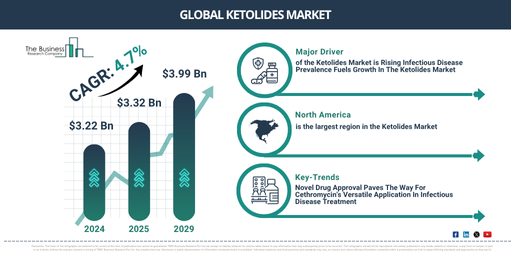
    The ketolides market size has observed steady expansion over recent years. It is anticipated to expand from $3.22 billion in 2024 to $3.32 billion in 2025, achieving a compound annual growth rate (CAGR) of 3.1%. This historic period’s growth can be linked to the rising incidence of infectious diseases, increased consumption of antibiotics, the necessity for effective and convenient treatments for infectious diseases, and various government initiatives.

    The ketolides market is projected to experience consistent expansion over the upcoming years. This market is forecast to reach $3.99 billion by 2029, exhibiting a compound annual growth rate (CAGR) of 4.7%. This anticipated growth during the forecast period stems from factors such as increased investments in ketolides research and development activities, an expanding array of screening initiatives for infectious diseases, rising healthcare expenditure, and heightened understanding of antimicrobial stewardship. Key trends expected over the forecast horizon encompass novel therapeutic approaches for infectious diseases, the creation of targeted treatments, enhancements in the diagnosis and management of infectious diseases, and the introduction of new ketolide formulations.

    Unlock Your Free Sample Report for Exclusive Market Data:

    https://www.thebusinessresearchcompany.com/sample.aspx?id=12918&type=smp

    What Are The Main Drivers Boosting The Ketolides Industry’s Expansion?

    The escalating occurrence of infectious diseases is projected to stimulate the expansion of the ketolides market moving forward. Infectious diseases are ailments caused by agents such as bacteria, viruses, fungi, or parasites that can spread among individuals, leading to a broad spectrum of symptoms and health complications. Tuberculosis is one such infectious disease. Ketolides, employed in managing infectious diseases, have been evaluated for their possible role in treating tuberculosis due to their high levels of intracellular activity, which are vital in tuberculosis treatment. For instance, in February 2024, according to the GOV.UK, a UK-based government department, tuberculosis (TB) cases in England saw an increase of 10.7% in 2023, rising from 4,380 in 2022 to 4,850. Thus, the increasing prevalence of infectious diseases is propelling the growth of the ketolides market.

    What Are The Segment Types Shaping The Ketolides Market?

    The ketolides market covered in this report is segmented –

    1) By Drug Type: Telithromycin, Cethromycin, Solithromycin

    2) By Indication: Bronchitis, Pneumonia, Sinusitis, Tonsillitis Or Pharyngitis

    3) By Microorganism: Streptococcus Pneumoniae, Haemophilus Influenzae, Moraxella Catarrhalis, Chlamydophila Pneumoniae, Mycoplasma Pneumoniae

    4) By Distribution Channel: Hospital Pharmacies, Retail Pharmacies, Online Pharmacies, Other Distribution Channels

    What Key Innovation Trends Are Fueling Advancements In The Ketolides Market?

    Key players in the ketolides market are primarily focused on developing innovative drugs and treatments to achieve competitive advantages and sustain their presence in the market. For example, in June 2023, AliquantumRx Inc., a US-based biotechnical research company, announced that the United States Patent and Trademark Office (USPTO), a US Department of Commerce agency, had approved its patent ‘salts and polymorphs of cethromycin for the treatment of bacterial and protozoan disease.’ Cethromycin, a ketolide antibiotic, is effective against various infectious disorders caused by bacteria and protozoa, including malaria, babesiosis, toxoplasmosis, and diarrhea. This new patent is anticipated to increase the company’s prospects and reduce the risks involved in cethromycin’s commercialization by broadening its application to conditions beyond malaria.

    Who Are The Prominent Global Companies Shaping The Ketolides Market?

    Major companies operating in the ketolides market are Pfizer Inc., F. Hoffmann-La Roche Ltd., Merck & Co. Inc., Bayer AG, Novartis AG, Sanofi S.A., Bristol-Myers Squibb Company, AstraZeneca PLC, Abbott Laboratories, GSK PLC, Takeda Pharmaceutical Company Limited, Eli Lilly and Company, Teva Pharmaceutical Industries Ltd., Astellas Pharma Inc., Daiichi Sankyo Company Limited, Shionogi & Company Limited, Dr. Reddys Laboratories Ltd., Taisho Pharmaceutical Co. Ltd., Glenmark Pharmaceuticals Ltd., Zhejiang Yongtai Technology Co. Ltd., Corden Pharma GmbH, Optimer Pharmaceuticals Inc., Vivimed Labs Limited, Wockhardt Ltd., Advanced Life Sciences Holdings Inc.

    Download The Full Report For Exclusive Market Findings:

    https://www.thebusinessresearchcompany.com/report/ketolides-global-market-report

    Which Region Is Projected To Lead The Ketolides Market During The Forecast Period?

    North America was the largest region in the ketolides market in 2024. The regions covered in ketolides market report are Asia-Pacific, Western Europe, Eastern Europe, North America, South America, Middle East and Africa.

    Request A Customized Version Of The Ketolides Market Report:

    https://www.thebusinessresearchcompany.com/customise?id=12918&type=smp

    Browse Through More Reports Similar to the Global Ketolides Market 2025, By The Business Research Company

    Antibiotic Resistance Global Market Report 2025

    https://www.thebusinessresearchcompany.com/report/antibiotic-resistance-global-market-report

    Carbapenem Based Antibiotics Global Market Report 2025

    https://www.thebusinessresearchcompany.com/report/carbapenem-based-antibiotics-global-market-report

    Antibiotics Global Market Report 2025

    https://www.thebusinessresearchcompany.com/report/antibiotics-global-market-report

    Get in touch with us:

    The Business Research Company: https://www.thebusinessresearchcompany.com/

    Americas +1 310-496-7795

    Asia +44 7882 955267 & +91 8897263534

    Europe +44 7882 955267

    Email us at info@tbrc.info

    Follow us on:

    LinkedIn: https://in.linkedin.com/company/the-business-research-company

    YouTube: https://www.youtube.com/channel/UC24_fI0rV8cR5DxlCpgmyFQ

    Global Market Model: https://www.thebusinessresearchcompany.com/global-market-model
  • Microbiome Market Trends 2025–2029: Forecasts for Key Growth Segments

    Microbiome Market Trends 2025–2029: Forecasts for Key Growth Segments

    Unlock Global Insights – Save 20% on Market Reports with Code ONLINE20

    How Does The Market Size Of The Microbiome Industry Compare Between 2025 And 2029?

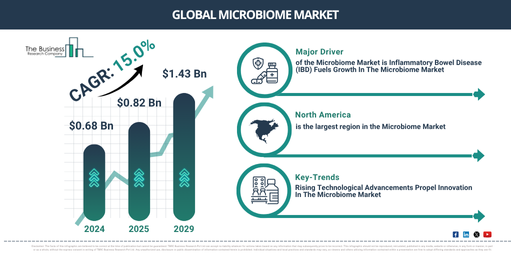
    The microbiome market has seen substantial growth in recent years. It is anticipated to increase from $0.68 billion in 2024 to $0.82 billion in 2025, at a compound annual growth rate (CAGR) of 20.1%. The expansion observed in the past can be linked to a greater need for immunology, a rise in collaborations, governmental initiatives, increased healthcare spending, and an increase in the number of healthcare facilities.

    The microbiome market is expected to experience significant expansion in the upcoming years. Its valuation is projected to reach $1.43 billion by 2029, achieving a compound annual growth rate (CAGR) of 15.0%. This anticipated growth across the forecast period can be attributed to factors such as rising healthcare expenditures, an increasing need for personalized medicine, growing investment, technological advancements, and the escalating incidence of chronic diseases. Prominent trends for the forecast period include the integration of artificial intelligence, the formation of strategic collaborations and agreements, initiatives to boost revenues and establish market dominance, an increase in pipeline studies for developing microbiome therapeutics to address various diseases, considering investment in oncology microbiome therapeutics, and improvements in the productivity, efficiency, and accuracy of precision technologies.

    Unlock Your Free Sample Report for Exclusive Market Data:

    https://www.thebusinessresearchcompany.com/sample.aspx?id=3397&type=smp

    Which Factors And Drivers Are Influencing The Microbiome Market In 2025?

    The rising incidence of inflammatory bowel disease (IBD) is a significant driver for the future expansion of the microbiome market. IBD encompasses a set of long-term inflammatory conditions primarily impacting the gastrointestinal (GI) tract. This focus on inflammatory bowel disease has illuminated the critical role of the gut microbiome in its pathology, leading to a significant increase in research, diagnostic tools, and therapeutic interventions centered on the microbiome, thereby propelling the growth of the microbiome market. An example illustrating this trend is data from September 2022, where the American Gastroenterological Association (AGA), a US-based medical association of gastroenterologists, reported that 40% of Americans had to stop their daily routines due to uncomfortable bowel symptoms. Furthermore, 60-70 million Americans contend with gastrointestinal diseases that profoundly disrupt their daily existence. Thus, the escalating incidence of inflammatory bowel disease (IBD) is projected to stimulate the expansion of the microbiome market.

    What Are The Key Segments In The Microbiome Market?

    The microbiome market covered in this report is segmented –

    1) By Type: Bacteria, Archaea, Viruses, Other Microbiomes

    2) By Product: Therapeutics, Diagnostics

    4) By Technology: Genomics, Proteomics, Metabolomics

    3) By End-Use: Infectious Diseases, Gastrointestinal Disorders, Metabolic Disorders, Cancers, Other Diseases

    Subsegments:

    1) By Bacteria: Probiotic Bacteria, Pathogenic Bacteria, Environmental Bacteria, Bacterial Communities In Various Ecosystems

    2) By Archaea: Methanogens, Halophiles, Acidophiles, Other Extremophiles

    3) By Viruses: Bacteriophages, Eukaryotic Viruses, Environmental Viruses

    4) By Other Microbiomes: Fungi, Protists, Helminths, Mycobiome

    What Trends Are Expected To Drive The Microbiome Market?

    Increasing technological advancements represent a significant and expanding trend within the microbiome market. Leading firms within the microbiome industry are prioritizing the creation of sophisticated technological solutions pertaining to microbiomes. As an example, Seed, a recently established microbiome enterprise, launched its Probiotic and Prebiotic Daily Synbiotic, designed for both women and men. This Daily Synbiotic Seed stands out as the pioneer in employing a microbe-system approach, offering strain-specific benefits that extend beyond digestive wellness to include cardiac safety, skin health, immune regulation, reproductive well-being, gut barrier integrity, and combating oxidative stress.

    Which Industry Leaders Are Driving Innovation Across The Microbiome Market?

    Major companies operating in the microbiome market include Seres Therapeutics, Enterome Bioscience, Ferring Pharmaceuticals, Vedanta BioSciences, Second Genome Inc., Microbiotica, Rebiotix, Inc, Locus Biosciences, Osel Inc., Xbiome Co., Ltd, Microba Life Sciences, Biome Australia, Shoreline Biome, Leucine Rich Bio Pvt Ltd, BugSpeaks, KINS Co., Ltd, Yeda Research and Development Co. Ltd, China National Pharmaceutical Group Corporation, Atlas Biomed, BiomX Ltd, ImmuneBiotech Medical Sweden AB, MetaboGen AB, ADM Biopolis, Viome, PharmaBiome, NCCR Microbiomes, MaaT Pharma, Eligo Bioscience, T3 Pharmaceuticals, MicroBiome Therapeutics LLC, OpenBiome, Microbiome Insights Inc., Lallemand Health Solutions, Mybiotics Pharma, DayTwo, Next Biosciences, ViThera Pharmaceuticals Inc., Inqaba Biotechnical Industries (Pty), SNIPR Biome, MyBiome

    Download The Full Report For Exclusive Market Findings:

    https://www.thebusinessresearchcompany.com/report/microbiomes-global-market-report

    Which Global Regions Are Influencing The Competitive Landscape Of The Microbiome Market?

    North America was the largest region in the microbiome market in 2024. The regions covered in the microbiome market report are Asia-Pacific, Western Europe, Eastern Europe, North America, South America, Middle East, Africa

    Request A Customized Version Of The Microbiome Market Report:

    https://www.thebusinessresearchcompany.com/customise?id=3397&type=smp

    Browse Through More Reports Similar to the Global Microbiome Market 2025, By The Business Research Company

    Human Microbiome Therapeutics Market 2025

    https://www.thebusinessresearchcompany.com/report/human-microbiome-therapeutics-market

    Microbiome Therapeutics Global Market Report 2025

    https://www.thebusinessresearchcompany.com/report/microbiome-therapeutics-global-market-report

    Crispr Technology Market 2025

    https://www.thebusinessresearchcompany.com/report/crispr-technology-market

    Get in touch with us:

    The Business Research Company: https://www.thebusinessresearchcompany.com/

    Americas +1 310-496-7795

    Asia +44 7882 955267 & +91 8897263534

    Europe +44 7882 955267

    Email us at info@tbrc.info

    Follow us on:

    LinkedIn: https://in.linkedin.com/company/the-business-research-company

    YouTube: https://www.youtube.com/channel/UC24_fI0rV8cR5DxlCpgmyFQ

    Global Market Model: https://www.thebusinessresearchcompany.com/global-market-model
  • Digital Assistants In Health care Market Forecast 2025–2034: Where Businesses Should Invest Next

    Digital Assistants In Health care Market Forecast 2025–2034: Where Businesses Should Invest Next

    Unlock Global Insights – Save 20% on Market Reports with Code ONLINE20

    #What Is The Projected Market Size Of The Digital Assistants In Health care Market By 2029?

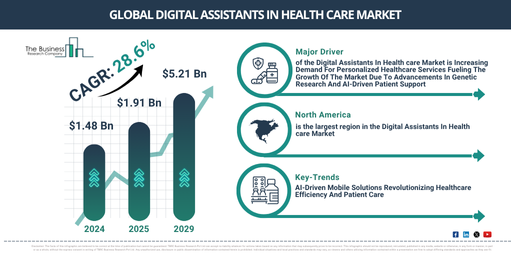
    The market size for digital assistants in health care has experienced rapid growth in recent years. It is forecast to expand from $1.48 billion in 2024 to $1.91 billion in 2025, exhibiting a compound annual growth rate (CAGR) of 28.8%. This historical growth can be attributed to factors such as increasing demand for personalized healthcare, a rise in healthcare data, the growing need for efficient healthcare delivery, and an aging population along with healthcare cost reduction.

    The digital assistants in health care market is projected to experience rapid expansion in the coming years. This market is predicted to reach $5.21 billion by 2029, demonstrating a compound annual growth rate (CAGR) of 28.6%. This anticipated growth during the forecast period is attributable to factors such as the increasing acceptance of electronic health records, the broadening scope of remote patient monitoring, enhancements in patient engagement instruments, the need for greater operational efficiency, and the escalation in chronic disease management. Key trends anticipated for the forecast period encompass the integration of artificial intelligence, progress in natural language processing, the development of machine learning algorithms, the emergence of voice recognition technology, the application of augmented reality in healthcare, and the incorporation with the internet of medical things (IoMT) along with real-time data analytics.

    Unlock Your Free Sample Report for Exclusive Market Data:

    https://www.thebusinessresearchcompany.com/sample.aspx?id=24208&type=smp

    Which Drivers Are Shaping The Digital Assistants In Health care Industry’s Market Share?

    The escalating need for personalized healthcare services is expected to propel the growth of the digital assistants in healthcare market. Personalized healthcare refers to medical care customized to an individual’s genetics, lifestyle, and medical history, aiming for more accurate and effective treatment. This includes personalized medicines, customized treatments, diagnostics, and wellness plans. The growth in personalized healthcare is primarily driven by advancements in genetic research, which allow for more targeted and effective treatments tailored to an individual’s genetic profile. Digital assistants in healthcare enhance these personalized services by providing tailored health information and support through AI-driven interactions. They further streamline patient engagement by automating symptom checking and appointment scheduling, thereby improving care accessibility and efficiency. For instance, in February 2024, the U.S. Food and Drug Administration (FDA) approved 26 new personalized medicines in 2023, according to the Personalized Medicine Coalition (PMC), a US-based nonprofit organization, marking a significant increase from the 12 approvals in 2022. Thus, the increasing demand for personalized healthcare services is a major driver for the expansion of the digital assistants in healthcare market.

    Which Key Segments Fueling The Digital Assistants In Health care Market?

    The digital assistants in health care market covered in this report is segmented –

    1) By Type: Smart Speaker, Chatbot, Other Types

    2) By Technology: Artificial Intelligence (AI)-Powered Assistants, Rule-Based Assistants, Natural Language Processing (NLP) Assistants, Machine Learning Assistants, Robotic Process Automation (RPA) Assistants

    3) By Application: Diagnosis, Virtual Nursing Assistance, Patient Tracking, Other Applications

    4) By End-User: Healthcare Providers, Healthcare Payers, Patients, Other End Users

    Subsegments:

    1) By Smart Speaker: Voice-activated Healthcare Assistants, Speech Recognition Systems for Healthcare, Virtual Health Assistants (VHA)

    2) By Chatbot: Symptom Checking Chatbots, Patient Support and Engagement Chatbots, Virtual Health Coaching Chatbots, Mental Health Support Chatbots

    Which Competitive Trends Are Defining The Digital Assistants In Health care Market Structure?

    Major companies operating in the digital assistants in healthcare market are prioritizing the development of technologically advanced solutions, such as artificial intelligence (AI)-powered mobile solutions, to automate routine tasks, improve patient care, and support clinical decision-making. An AI-powered mobile solution is defined as a mobile application that leverages artificial intelligence to provide personalized, efficient, and data-driven services, enhancing user experience and facilitating healthcare tasks like diagnostics, patient engagement, and remote monitoring. For instance, in July 2024, Oracle Corporation, a US-based computer software company, introduced its Oracle Clinical Digital Assistant. This mobile solution is integrated with the Oracle health electronic health record (EHR) and employs artificial intelligence (AI) and voice technology to automate clinical documentation and streamline workflows, substantially reducing the administrative load on physicians. This innovation empowers doctors to save time, foster better patient interaction, and enhance overall healthcare efficiency.

    Which Key Players Are Driving Competition In The Digital Assistants In Health care Market?

    Major companies operating in the digital assistants in health care market are Amazon.com Inc., Apple Inc., Google LLC, Samsung Electronics Co. Ltd, Microsoft Corporation, IBM Corporation, Siemens Healthineers AG, Koninklijke Philips N.V., GE HealthCare Technologies Inc., Babylon Holdings Limited, Verint Systems Inc., eGain Corporation, Suki Inc., Ada Health GmbH, K Health Inc., Infermedica Sp. z o.o, Your.MD Ltd, Fabric Labs Inc., Mediktor, MediSprout

    Download The Full Report For Exclusive Market Findings:

    https://www.thebusinessresearchcompany.com/report/digital-assistants-in-health-care-global-market-report

    How Do Regional Market Performances Compare Within The Digital Assistants In Health care Industry?

    North America was the largest region in the digital assistants in the healthcare market in 2024. Asia-Pacific is expected to be the fastest-growing region in the forecast period. The regions covered in the digital assistants in health care market report are Asia-Pacific, Western Europe, Eastern Europe, North America, South America, Middle East, Africa.

    Request A Customized Version Of The Digital Assistants In Health care Market Report:

    https://www.thebusinessresearchcompany.com/customise?id=24208&type=smp

    Browse Through More Reports Similar to the Global Digital Assistants In Health care Market 2025, By The Business Research Company

    Digital Health Global Market Report 2025

    https://www.thebusinessresearchcompany.com/report/digital-health-global-market-report

    Digital Health Market 2025

    https://www.thebusinessresearchcompany.com/report/digital-health-market

    Digital Health Monitoring Devices Global Market Report 2025

    https://www.thebusinessresearchcompany.com/report/digital-health-monitoring-devices-global-market-report

    Get in touch with us:

    The Business Research Company: https://www.thebusinessresearchcompany.com/

    Americas +1 310-496-7795

    Asia +44 7882 955267 & +91 8897263534

    Europe +44 7882 955267

    Email us at info@tbrc.info

    Follow us on:

    LinkedIn: https://in.linkedin.com/company/the-business-research-company

    YouTube: https://www.youtube.com/channel/UC24_fI0rV8cR5DxlCpgmyFQ

    Global Market Model: https://www.thebusinessresearchcompany.com/global-market-model
  • Meningococcal Vaccines Market Forecast 2025–2034: Where Businesses Should Invest Next

    Meningococcal Vaccines Market Forecast 2025–2034: Where Businesses Should Invest Next

    Unlock Global Insights – Save 20% on Market Reports with Code ONLINE20

    What Is The Predicted Market Size Trajectory For The Meningococcal Vaccines Market From 2025 To 2034?

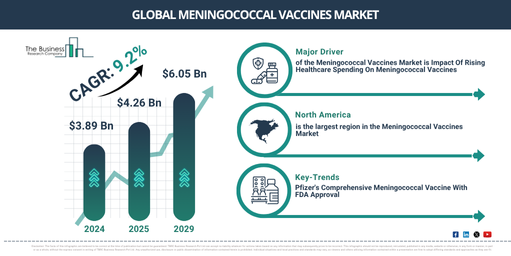
    The meningococcal vaccines market has experienced significant growth in recent years. Projections indicate it will expand from $3.89 billion in 2024 to $4.26 billion in 2025, driven by a compound annual growth rate (CAGR) of 9.3%. This historical expansion can be attributed to factors such as disease incidence, global travel trends, enhancements in healthcare infrastructure, epidemic preparedness, and the scope of health insurance coverage.

    The market for meningococcal vaccines is projected to experience robust expansion in the coming years. This market is anticipated to reach $6.05 billion by 2029, exhibiting a compound annual growth rate (CAGR) of 9.2%. Several factors contribute to this projected growth, including the appearance of novel strains, rising globalization, increased healthcare spending, various health programs, and an evolving regulatory environment. Key developments expected during this period encompass personalized vaccines, electronic vaccination records, gene editing advancements, multi-valent vaccine formulations, and subscription-based vaccine access models.

    Unlock Your Free Sample Report for Exclusive Market Data:

    https://www.thebusinessresearchcompany.com/sample.aspx?id=8013&type=smp

    What Are The Key Drivers Of Growth In The Meningococcal Vaccines Market?

    An expected rise in healthcare spending is poised to accelerate the expansion of the meningococcal vaccine market. Healthcare, in this context, refers to residential care institutions, nursing facilities, and intermediate care facilities for individuals with mental illnesses or retardation. The high cost associated with new vaccine generations, when contrasted with their predecessors, has become central to debates regarding whether their benefits warrant the price. Consequently, assessing the comprehensive social and economic benefits of vaccination is an increasingly vital area of study. Illustratively, healthcare spending in the United States surged by 9.7% to $4.1 trillion, or $12,530 per person, in May 2022, according to an article published by the American Medical Association. This growth pace was notably higher than the 4.3% recorded in 2019. Therefore, this upward trend in healthcare spending is a primary impetus for the growth of the meningococcal vaccine market.

    What Are The Leading Segments Analyzed In The Meningococcal Vaccines Market?

    The meningococcal vaccines market covered in this report is segmented –

    1) By Vaccine Type: Meningococcal Conjugate Vaccine, Polysaccharide, Subcapsular Vaccine

    2) By Serotype: Men Acwy, Men B/Bc, Men C

    3) By Age Group: Infants, Children, Adolescents and Young Adults, Adults

    4) By Distribution Channel:: Pharmacies, Community Clinics, Public Health Agencies, Other Channels

    5) By End user: Hospitals, Research, Academic Institutes

    Subsegments:

    1) By Meningococcal Conjugate Vaccine: Quadrivalent Conjugate Vaccine (MenACWY), Bivalent Conjugate Vaccine

    2) By Polysaccharide Vaccine: Meningococcal Polysaccharide Vaccine (MPSV4), Group C Polysaccharide Vaccine

    3) By Subcapsular Vaccine: Meningococcal B Vaccine (MenB), Combination Subcapsular Vaccines

    Which Trends Are Impacting The Meningococcal Vaccines Market?

    Leading companies within the meningococcal vaccines market are focusing on the development of novel vaccines to prevent various serogroups, aiming to enhance their market profitability. These vaccines serve as a prophylactic measure, safeguarding individuals from infections attributed to particular serogroups of the Neisseria meningitidis bacteria. An example of this is Pfizer Inc., a pharmaceutical company based in the US, which secured FDA approval for its PENBRAYA vaccine in October 2023. PENBRAYA stands out as the most extensive U.S.-approved meningococcal vaccine, offering protection across a broad spectrum of serogroups, specifically A, B, C, W, and Y. The FDA’s endorsement was based on strong Phase 2 and 3 trial results, which demonstrated immunogenicity comparable to Trumenba + Menveo for all serogroups, alongside a positive safety profile. Furthermore, Pfizer had announced in September 2022 the encouraging findings from a Phase 3 trial, which assessed PENBRAYA’s safety, tolerability, and immunogenicity against other currently licensed meningococcal vaccines.

    Who Are The Key Multinational Companies Dominating The Meningococcal Vaccines Market?

    Major companies operating in the meningococcal vaccines market include Pfizer Inc., GlaxoSmithKline plc, Sanofi Pasteur, Merck & Co. Inc., Serum Institute of India Pvt. Ltd., Bio-Manguinhos, Walvax Biotechnology Co. Ltd., Bavarian Nordic A/S, Hualan Biological Engineering Inc., China National Pharmaceutical Group (Sinopharm), Bharat Biotech, Incepta Pharmaceuticals Ltd., Biological E. Limited, Chongqing Zhifei Biological Products Co. Ltd., Biokangtai, Biomed Pvt Ltd., Biocine SCL, Panacea Biotec Ltd., Grifols S.A., CSL Limited, Minhai Biotechnology Co. Ltd., Chiron Behring Vaccines Pvt. Ltd., Shenzhen Kangtai Biological Products Co. Ltd.

    Download The Full Report For Exclusive Market Findings:

    https://www.thebusinessresearchcompany.com/report/meningococcal-vaccines-global-market-report

    What Are The Regional Market Dynamics Impacting The Meningococcal Vaccines Industry?

    North America was the largest region in the meningococcal vaccines market in 2024. Asia-Pacific is expected to be the fastest-growing region in the meningococcal vaccines market report during the forecast period. The regions covered in the meningococcal vaccines market report are Asia-Pacific, Western Europe, Eastern Europe, North America, South America, Middle East, Africa.

    Request A Customized Version Of The Meningococcal Vaccines Market Report:

    https://www.thebusinessresearchcompany.com/customise?id=8013&type=smp

    Browse Through More Reports Similar to the Global Meningococcal Vaccines Market 2025, By The Business Research Company

    Vaccines Global Market Report 2025

    https://www.thebusinessresearchcompany.com/report/vaccines-global-market-report

    Pediatric Vaccine Global Market Report 2025

    https://www.thebusinessresearchcompany.com/report/pediatric-vaccine-global-market-report

    Cancer Vaccine Global Market Report 2025

    https://www.thebusinessresearchcompany.com/report/cancer-vaccine-global-market-report

    Get in touch with us:

    The Business Research Company: https://www.thebusinessresearchcompany.com/

    Americas +1 310-496-7795

    Asia +44 7882 955267 & +91 8897263534

    Europe +44 7882 955267

    Email us at info@tbrc.info

    Follow us on:

    LinkedIn: https://in.linkedin.com/company/the-business-research-company

    YouTube: https://www.youtube.com/channel/UC24_fI0rV8cR5DxlCpgmyFQ

    Global Market Model: https://www.thebusinessresearchcompany.com/global-market-model

  • Global Dermatology Market Analysis 2025–2029: Opportunities for Strategic Growth

    Global Dermatology Market Analysis 2025–2029: Opportunities for Strategic Growth

    Unlock Global Insights – Save 20% on Market Reports with Code ONLINE20

    How Much Was The Dermatology Market Worth In 2025, And What Is Its Anticipated Value By 2029?

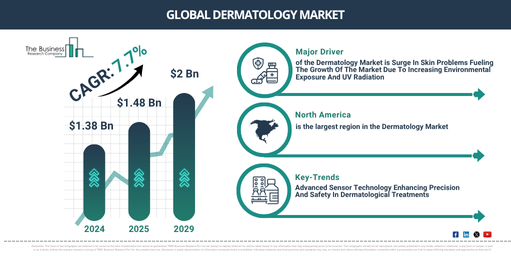
    The dermatology market size has experienced robust growth in recent years. It is projected to expand from $1.38 billion in 2024 to $1.48 billion in 2025, at a compound annual growth rate (CAGR) of 7.8%. This historical expansion can be attributed to a rise in the prevalence of skin disorders, increased awareness of skin health, the growth in aesthetic and cosmetic procedures, an expanding aging population, improved access to dermatology care, and an increase in demand for over-the-counter skincare products.

    The dermatology market size is anticipated to experience robust expansion over the coming years. Its valuation is projected to reach $2 billion by 2029, exhibiting a compound annual growth rate (CAGR) of 7.7%. This projected growth during the forecast timeframe is attributable to several factors, including a surge in skin disorder prevalence, heightened awareness regarding skin health, an uptick in aesthetic and cosmetic procedures, a burgeoning aging demographic, enhanced accessibility to dermatology care, and a rising consumer demand for over-the-counter skincare products. Key trends anticipated during this period encompass the integration of AI-powered diagnostic tools, progress in teledermatology services, the creation of personalized skincare treatments, the widespread use of non-invasive and laser-based procedures, breakthroughs in biologics and immunotherapies, and improvements in wearable devices for skin health monitoring.

    Unlock Your Free Sample Report for Exclusive Market Data:

    https://www.thebusinessresearchcompany.com/sample.aspx?id=24205&type=smp

    What Are The Drivers Pushing New Developments In The Dermatology Market?

    The increasing occurrence of skin conditions is expected to boost the growth of the dermatology market moving forward. Skin problems encompass issues that impact the skin’s health, appearance, or functionality, such as irritation, inflammation, or infections. This rise in skin problems is largely attributed to greater exposure to environmental pollutants and UV radiation, which can harm the skin and trigger various conditions. Dermatology addresses these problems through a combination of topical and oral medications, medical procedures, and lifestyle recommendations specifically tailored to the particular condition. For example, in February 2025, Cancer Australia, an Australia-based government agency, reported an estimated 18,257 new cases of melanoma of the skin were diagnosed, accounting for 11% of all new cancer cases, and 1,314 melanoma-related deaths, making up 2.6% of cancer deaths. Therefore, the escalating incidences of skin problems are propelling the expansion of the dermatology market.

    How Is The Dermatology Market Classified Into Different Segments?

    The dermatology market covered in this report is segmented –

    1) By Type: Medical Dermatology, Surgical Dermatology, Pediatric Dermatology, Cosmetic Dermatology, Cutaneous Lymphoma, Dermatoimmunology, Other Types

    2) By Application: Acne, Dermatitis, Psoriasis, Skin Cancer, Rosacea, Alopecia, Other Applications

    3) By End-User: Hospitals, Skin Clinics, Other End-Users

    Subsegments:

    1) By Medical Dermatology: Acne Treatment, Psoriasis Treatment, Eczema Treatment, Rosacea Management, Skin Infections, Skin Cancer Diagnosis and Treatment

    2) By Surgical Dermatology: Mohs Surgery, Laser Surgery, Cryosurgery, Electrosurgery, Excision Surgery

    3) By Pediatric Dermatology: Atopic Dermatitis, Birthmark Treatments, Infantile Hemangiomas, Pediatric Psoriasis, Genetic Skin Disorders

    4) By Cosmetic Dermatology: Botulinum Toxin Treatments, Dermal Fillers, Chemical Peels, Microdermabrasion, Laser Skin Resurfacing, Hair Restoration

    5) By Cutaneous Lymphoma: Mycosis Fungoides, Sézary Syndrome, Primary Cutaneous B-cell Lymphomas, Primary Cutaneous T-cell Lymphomas

    6) By Dermatoimmunology: Lupus Erythematosus, Vitiligo Treatment, Pemphigus and Pemphigoid Disorders, Dermatomyositis

    7) By Other Types: Wound Care Management, Pigmentation Disorders, Nail Disorders, Hyperhidrosis Treatment

    What Are The Latest Industry Trends Transforming The Dermatology Market?

    Leading companies within the dermatology market are concentrating on advanced innovations, such as positioning sensors, to ensure accurate energy delivery during treatments, enhance patient safety, and improve the overall effectiveness of dermatological procedures. Positioning sensors refer to technology integrated into medical devices that tracks and adjusts the device’s position to ensure accurate alignment and optimal energy distribution, thereby increasing treatment precision and patient safety. For instance, in June 2024, Biofrontera Inc., a US-based pharmaceutical company, launched the RhodoLED XL Lamp to enhance the effectiveness of photodynamic therapy (PDT) by offering a larger illumination area, improved patient positioning, and optimized energy delivery, setting a new standard in dermatological treatments for actinic keratoses. The device is engineered for maneuverability and can accommodate various patient positions, making it easier for healthcare providers to optimize treatment delivery. Positioning sensors are integrated to ensure that patients receive the correct energy dosage from the LED array, further enhancing treatment precision and safety.

    Who Are The Top Performing Companies In The Dermatology Market In Recent Years?

    Major companies operating in the dermatology market are Pfizer Inc, Johnson And Johnson, Unilever Plc, AbbVie Inc., Sanofi S.A., Bristol Myers Squibb, Novartis AG, Eli Lilly & Company, Amgen Inc., Bausch Health Companies Inc., UCB S.A, Galderma, Incyte Corporation, Dr. Reddy’s Laboratories, Zydus Healthcare Limited, Lupin Limited, LEO Pharma, Alkem Laboratories, Merz Therapeutics, Lumenis

    Download The Full Report For Exclusive Market Findings:

    https://www.thebusinessresearchcompany.com/report/dermatology-global-market-report

    Which Region Currently Holds The Largest Share Of The Dermatology Market?

    North America was the largest region in the dermatology market in 2024. Asia-Pacific is expected to be the fastest-growing region in the forecast period. The regions covered in the dermatology market report are Asia-Pacific, Western Europe, Eastern Europe, North America, South America, Middle East, Africa.

    Request A Customized Version Of The Dermatology Market Report:

    https://www.thebusinessresearchcompany.com/customise?id=24205&type=smp

    Browse Through More Reports Similar to the Global Dermatology Market 2025, By The Business Research Company

    Dermatology Drugs Global Market Report 2025

    https://www.thebusinessresearchcompany.com/report/dermatology-drugs-global-market-report

    Pharmaceutical Drugs And Biologics Logistics Market 2025

    https://www.thebusinessresearchcompany.com/report/pharmaceutical-drugs-and-biologics-logistics-market

    Dermatology Medical Lasers Global Market Report 2025

    https://www.thebusinessresearchcompany.com/report/dermatology-medical-lasers-global-market-report

    Get in touch with us:

    The Business Research Company: https://www.thebusinessresearchcompany.com/

    Americas +1 310-496-7795

    Asia +44 7882 955267 & +91 8897263534

    Europe +44 7882 955267

    Email us at info@tbrc.info

    Follow us on:

    LinkedIn: https://in.linkedin.com/company/the-business-research-company

    YouTube: https://www.youtube.com/channel/UC24_fI0rV8cR5DxlCpgmyFQ

    Global Market Model: https://www.thebusinessresearchcompany.com/global-market-model