Blog

  • Artificial Tears Market to Reach $4.76 Billion by 2029, Growing at a CAGR of 6.2%

    Artificial Tears Market to Reach $4.76 Billion by 2029, Growing at a CAGR of 6.2%

    Unlock Global Insights – Save 20% on Market Reports with Code ONLINE20

    What Is The Global Market Value Of The Artificial Tears Industry In 2025?

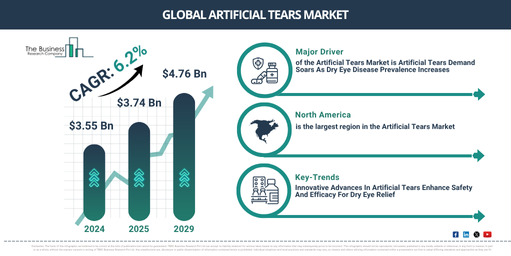
    The artificial tears market has experienced significant growth in recent years. This market is set to increase from $3.55 billion in 2024 to $3.74 billion in 2025, achieving a compound annual growth rate (CAGR) of 5.5%. Historically, this expansion has been driven by factors such as an aging population, increased prolonged screen time, growing healthcare expenditure, a transition from prescription to over-the-counter products, and shifts in regulatory frameworks.

    The artificial tears market is projected to experience substantial expansion over the upcoming years. This market is anticipated to reach a valuation of $4.76 billion by 2029, exhibiting a compound annual growth rate (CAGR) of 6.2%. This anticipated growth throughout the forecast period stems from factors such as the rising incidence of dry eye syndrome, greater use of contact lenses, worldwide urbanization, escalating pollution levels, and the expansion of e-commerce. Key trends influencing the market during this period encompass technological innovations, the incorporation of AI and other technologies, collaborations with healthcare professionals, the inclusion of natural components, progress in product development, sophisticated drug delivery mechanisms, and the introduction of sustainable and environmentally friendly offerings.

    Unlock Your Free Sample Report for Exclusive Market Data:

    https://www.thebusinessresearchcompany.com/sample.aspx?id=13799&type=smp

    What Are The Emerging Market Drivers Creating New Opportunities In The Artificial Tears Industry?

    The growing incidence of dry eye disease is projected to drive expansion within the artificial tear market. This condition, characterized by insufficient or poor-quality tear production, leads to irritation and discomfort, which artificial tears address by supplementing natural tear production to provide lubrication and relief. For instance, a March 2022 survey of 5,000 individuals by Macquarie University, an Australia-based public research university, revealed that among respondents aged 50 and above, 13% (15 out of 120) exhibited clinical indicators of dry eye disease (DED), broken down into 8.2% mild, 2.5% moderate, and 1.6% severe cases. Furthermore, in March 2022, Eyes On Eyecare, a US-based digital ophthalmology news provider, noted an increase in the utilization of prescription and in-office treatments for dry eye disease, from 5.8% in 2021 to 7.56% in 2022, with specific prescription treatments like topical steroids seeing a substantial rise from 0.9% to 9.1% during the identical timeframe. Consequently, the increasing prevalence of dry eye disease is acting as a key driver for the growth of the artificial tear market.

    How Is The Artificial Tears Market Classified Into Different Segments?

    The artificial tears market covered in this report is segmented –

    1) By Type: Glycerin Tears, Cellulose Tears, Oil-Based Emulsion Tears, Polyethylene Glycol-based Tears, Sodium Hyaluronate Based Artificial Tears, Propylene Glycol-based Tears

    2) By Dosage: Suspensions, Solution, Ointment, Emulsion, Gel, Spray

    3) By Indication: Dry Eye Syndrome, Allergies, Infections, UV And Blue Light Protection, Contact Lens Moisture Retention, Other Indications

    4) By Distribution: Retail Pharmacies, Hospital Pharmacies, Online Pharmacies, Ophthalmic Stores

    Subsegments:

    1) By Glycerin Tears: Preserved Glycerin Tears, Preservative-Free Glycerin Tears

    2) By Cellulose Tears: Hydroxypropyl Methylcellulose (HPMC) Tears, Carboxymethylcellulose (CMC) Tears

    3) By Oil-Based Emulsion Tears: Mineral Oil-based Tears, Castor Oil-based Tears

    4) By Polyethylene Glycol-based Tears: PEG 400 Tears, PEG 3350 Tears

    5) By Sodium Hyaluronate Based Artificial Tears: Low Molecular Weight Sodium Hyaluronate Tears, High Molecular Weight Sodium Hyaluronate Tears

    6) By Propylene Glycol-based Tears: Preserved Propylene Glycol Tears, Preservative-Free Propylene Glycol Tears

    Which Competitive Trends Are Defining The Artificial Tears Market Structure?

    Leading companies in the artificial tears market are developing products that incorporate advanced technologies, such as patented PureFlow technology, to enhance both product safety and usability. This patented PureFlow technology refers to a specialized delivery system utilizing a one-way valve to ensure the sterile dispensing of preservative-free eye drops, thereby preventing contamination and maintaining product integrity. For instance, in January 2022, Alcon Inc., a Switzerland-based medical device and pharmaceutical company, launched Systane Complete Preservative-Free Lubricant Eye Drops. These sophisticated artificial tears are specifically formulated to alleviate symptoms associated with all major types of dry eye, including evaporative dry eye and aqueous tear deficiency. As a preservative-free solution, they deliver up to eight hours of sustained relief by hydrating and protecting every layer of the tear film. Leveraging nano-droplet technology, the drops provide rapid hydration to the eye surface, which helps prevent tear evaporation and offers quick, effective comfort. Packaged in a convenient multi-dose bottle featuring PureFlow technology, its design ensures safety by preventing contamination, making it an excellent choice for regular users and individuals with sensitive eyes.

    Who Are The Prominent Global Companies Shaping The Artificial Tears Market?

    Major companies operating in the artificial tears market report are Pfizer Inc., Johnson & Johnson, AbbVie Inc., Novartis AG, Abbott Laboratories, Otsuka Pharmaceutical Co. Ltd., Alcon, Bausch Health Companies Inc., Sun Pharmaceutical Industries Ltd., Dr Reddy’s Laboratories, Santen Pharmaceutical Co. Ltd., Lupin Limited, Rohto Pharmaceutical Co. Ltd., Prestige Consumer Healthcare Inc., Thea Pharma Inc., OPTIMA pharma GmbH, Sentiss Pharma Pvt. Ltd., VISUfarma B.V., OASIS Medical Inc., Hilco Vision, Similasan Corporation, Eyevance Pharmaceuticals LLC, Nicox S.A., I-MED Pharma Inc., Velocity Pharma LLC

    Download The Full Report For Exclusive Market Findings:

    https://www.thebusinessresearchcompany.com/report/artificial-tears-global-market-report

    How Do Regional Market Performances Compare Within The Artificial Tears Industry?

    North America was the largest region in the artificial tears market in 2024. Asia-Pacific is expected to be the fastest-growing region in the forecast period. The regions covered in the artificial tears market report are Asia-Pacific, Western Europe, Eastern Europe, North America, South America, Middle East, Africa.

    Request A Customized Version Of The Artificial Tears Market Report:

    https://www.thebusinessresearchcompany.com/customise?id=13799&type=smp

    Browse Through More Reports Similar to the Global Artificial Tears Market 2025, By The Business Research Company

    Artificial Intelligence Chipsets Global Market Report 2025

    https://www.thebusinessresearchcompany.com/report/artificial-intelligence-chipsets-global-market-report

    Artificial Intelligence Software As A Service Saas Global Market Report 2025

    https://www.thebusinessresearchcompany.com/report/artificial-intelligence-software-as-a-service-saas-global-market-report

    Artificial Intelligence In Healthcare Diagnosis Global Market Report 2025

    https://www.thebusinessresearchcompany.com/report/artificial-intelligence-in-healthcare-diagnosis-global-market-report

    Get in touch with us:

    The Business Research Company: https://www.thebusinessresearchcompany.com/

    Americas +1 310-496-7795

    Asia +44 7882 955267 & +91 8897263534

    Europe +44 7882 955267

    Email us at info@tbrc.info

    Follow us on:

    LinkedIn: https://in.linkedin.com/company/the-business-research-company

    YouTube: https://www.youtube.com/channel/UC24_fI0rV8cR5DxlCpgmyFQ

    Global Market Model: https://www.thebusinessresearchcompany.com/global-market-model
  • Alopecia Treatment Market Trends 2025–2029: Forecasts for Key Growth Segments

    Alopecia Treatment Market Trends 2025–2029: Forecasts for Key Growth Segments

    Unlock Global Insights – Save 20% on Market Reports with Code ONLINE20

    By How Much Is The Alopecia Treatment Market Expected To Expand Between 2025 And 2029?

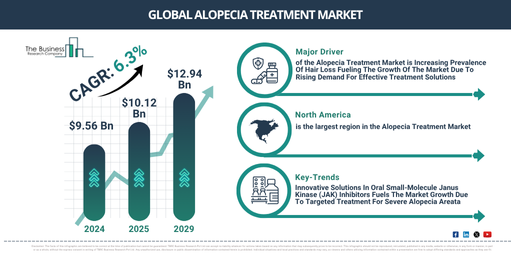
    The alopecia treatment market size has experienced significant expansion over recent years. It is anticipated to increase from $9.56 billion in 2024 to $10.12 billion in 2025, progressing at a compound annual growth rate (CAGR) of 5.9%. This past growth can be attributed to factors like the rising occurrence of alopecia, an aging global demographic, various hormonal alterations, inherited genetic predispositions, greater public knowledge about hair loss solutions, the development of cosmetic and dermatology fields, and enhanced availability of healthcare services.

    The alopecia treatment market is poised for significant expansion over the upcoming years. By 2029, its value is projected to reach $12.94 billion, exhibiting a compound annual growth rate (CAGR) of 6.3%. This projected growth is driven by several factors, including the rising adoption of non-invasive treatment options, an expanding need for personalized medicine, a heightened emphasis on mental well-being and self-esteem, greater consumer understanding of hair loss triggers and available treatments, and a surge in clinical trials for alopecia interventions. Key developments expected during this timeframe encompass progress in stem cell-based hair regeneration, the application of platelet-rich plasma (PRP) therapy, the creation of jake inhibitors to address autoimmune alopecia, breakthroughs in laser hair therapy, and the emergence of wearable technology designed to stimulate hair growth.

    Unlock Your Free Sample Report for Exclusive Market Data:

    https://www.thebusinessresearchcompany.com/sample.aspx?id=24140&type=smp

    Which Drivers Are Supporting Growth Of The Alopecia Treatment Market?

    The expanding occurrence of hair loss is anticipated to drive the future expansion of the alopecia treatment market. This condition refers to when an individual experiences either partial or complete loss of hair from their scalp or other areas of the body. The increasing incidence of hair loss is attributed to rising stress levels, which can disrupt the normal hair growth cycle and trigger conditions like telogen effluvium, leading to excessive hair shedding. As more individuals seek effective solutions to manage and reverse hair loss, the demand for advanced and accessible alopecia treatments is growing. For instance, in October 2024, according to the American Academy of Dermatology, a US-based professional medical association focused on dermatology, 80 million Americans were affected by hair loss, including 50 million men and 30 million women. Therefore, the growing prevalence of hair loss is propelling the growth of the alopecia treatment market.

    What Are The Primary Types Of Segments Analyzed In The Alopecia Treatment Market?

    The alopecia treatment market covered in this report is segmented –

    1) By Dosage Form: Drug Therapy, Hair Transplant Services, Low-Level Laser Therapy

    2) By Route of Administration: Topical, Injectable, Oral

    3) By Indication: Alopecia Areata, Alopecia Totalis, Alopecia Universalis, Alopecia Barbae, Chemotherapy Induced Alopecia, Other Indications

    4) By Gender Type: Male, Female

    5) By End User: Hospitals And Physicians Offices, Dermatology Clinics, Other End Users

    Subsegments:

    1) By Drug Therapy: Topical Solutions, Oral Medications, Injectable Treatments, Immunosuppressants, Janus Kinase Inhibitors

    2) By Hair Transplant Services: Follicular Unit Transplantation (FUT), Follicular Unit Extraction (FUE), Robotic Hair Transplantation, Direct Hair Implantation (DHI)

    3) By Low-Level Laser Therapy (LLLT): Laser Helmets, Laser Combs, Laser Caps, In-Clinic Laser Devices

    Which Ongoing Trends Are Expected To Shape The Alopecia Treatment Market Outlook?

    Leading companies within the alopecia treatment market are prioritizing the creation of advanced solutions, including oral small-molecule Janus kinase (JAK) inhibitors. These innovations aim to improve treatment effectiveness, quicken hair regrowth, and deliver focused therapy for individuals experiencing severe or persistent forms of alopecia areata. Oral small-molecule Janus kinase (JAK) inhibitors represent a category of targeted pharmaceutical medications developed to obstruct the function of one or more Janus kinase enzymes, specifically JAK1, JAK2, JAK3, and TYK2. As an illustration, in July 2024, Sun Pharmaceutical Industries Limited, an Indian pharmaceutical firm, obtained approval from the US Food and Drug Administration (FDA) for LEQSELVI. This oral Janus kinase (JAK) inhibitor is intended for treating severe alopecia areata in adults. LEQSELVI specifically targets and inhibits JAK1 and JAK2 enzymes, which play a role in the immune system’s attack on hair follicles in this autoimmune condition. The prescribed dose is 8 mg taken orally twice daily, irrespective of meals. The authorization of LEQSELVI provides a significant new and effective therapeutic choice for patients afflicted by this disorder, which can significantly affect physical, emotional, and social well-being.

    Who Are The Prominent Global Companies Shaping The Alopecia Treatment Market?

    Major companies operating in the alopecia treatment market are Pfizer Inc., Eli Lilly and Company, Sun Pharmaceutical Industries Inc., Incyte Corporation, Hims & Hers Health Inc., Bosley Inc., Hair Club Co., Dermavant Sciences Inc., Histogen Inc., Capillus llc, Aclaris Therapeutics Inc., Nutrafol, Alvi Armani Co, Rogaine, Theradome Inc., Viviscal Ltd, Arena Pharmaceuticals Ltd, Cassiopea SA, Follica Inc., RepliCel Life Sciences Inc., HairClone Ltd, Revian Inc., Nioxin.

    Download The Full Report For Exclusive Market Findings:

    https://www.thebusinessresearchcompany.com/report/alopecia-treatment-global-market-report

    What Are The Key Regional Factors Influencing The Alopecia Treatment Market Growth?

    North America was the largest region in the alopecia treatment market in 2024. Asia-Pacific is expected to be the fastest-growing region in the forecast period. The regions covered in the alopecia treatment market report are Asia-Pacific, Western Europe, Eastern Europe, North America, South America, Middle East, Africa.

    Request A Customized Version Of The Alopecia Treatment Market Report:

    https://www.thebusinessresearchcompany.com/customise?id=24140&type=smp

    Browse Through More Reports Similar to the Global Alopecia Treatment Market 2025, By The Business Research Company

    Alopecia Areata Global Market Report 2025

    https://www.thebusinessresearchcompany.com/report/alopecia-areata-global-market-report

    Alopecia Global Market Report 2025

    https://www.thebusinessresearchcompany.com/report/alopecia-global-market-report

    Hair Care Stores Global Market Report 2025

    https://www.thebusinessresearchcompany.com/report/hair-care-stores-global-market-report

    Get in touch with us:

    The Business Research Company: https://www.thebusinessresearchcompany.com/

    Americas +1 310-496-7795

    Asia +44 7882 955267 & +91 8897263534

    Europe +44 7882 955267

    Email us at info@tbrc.info

    Follow us on:

    LinkedIn: https://in.linkedin.com/company/the-business-research-company

    YouTube: https://www.youtube.com/channel/UC24_fI0rV8cR5DxlCpgmyFQ

    Global Market Model: https://www.thebusinessresearchcompany.com/global-market-model
  • Albuterol Sulfate Metered Dose Inhalers Market Forecast 2025–2034: Where Businesses Should Invest Next

    Unlock Global Insights – Save 20% on Market Reports with Code ONLINE20

    #What Is The Projected Market Size Of The Albuterol Sulfate Metered Dose Inhalers Market By 2029?

    The albuterol sulfate metered dose inhalers market has experienced robust expansion in recent years. Projections indicate it will grow from $4.78 billion in 2024 to $5.15 billion in 2025, at a compound annual growth rate (CAGR) of 7.8%. The expansion witnessed in the historic period can be attributed to heightened awareness regarding respiratory health, increasing adoption of fast-relief bronchodilators, a growing demand for portable inhalation devices, a rising frequency of respiratory emergencies, and an increase in approvals for generic inhalers.

    The market for albuterol sulfate metered dose inhalers is projected to experience robust expansion over the coming years. This market is anticipated to reach a valuation of $7.04 billion by 2029, exhibiting a compound annual growth rate (CAGR) of 8.1%. Key factors driving this growth during the forecast period include an escalating demand for economical treatment solutions, a heightened emphasis on proactive respiratory care, increased funding directed towards inhaler advancements, expanding public awareness initiatives by health bodies, and the spreading occurrence of respiratory allergies. Significant trends identified for this period encompass breakthroughs in drug formulations to boost effectiveness, the incorporation of digital systems for dose monitoring, sophisticated production methods ensuring uniform dosing, the development of environmentally conscious propellants, and the integration of telemedicine services with inhaler usage.

    Unlock Your Free Sample Report for Exclusive Market Data:

    https://www.thebusinessresearchcompany.com/sample.aspx?id=24139&type=smp

    Which Drivers Are Shaping The Albuterol Sulfate Metered Dose Inhalers Industry’s Market Share?

    An anticipated expansion of the albuterol sulfate metered-dose inhalers market is linked to the increasing occurrence of respiratory ailments. These conditions are illnesses affecting the lungs and airways, causing breathing difficulties and lower oxygen levels, and include asthma, chronic obstructive pulmonary disease (COPD), pneumonia, bronchitis, and various lung infections. The rise in respiratory conditions stems from increasing air pollution, which elevates exposure to harmful irritants that inflame airways and impair lung function. Albuterol sulfate metered-dose inhalers relieve respiratory symptoms by relaxing muscles in the airways, thereby enhancing airflow and facilitating easier breathing. They provide prompt relief by rapidly diminishing wheezing, coughing, and shortness of breath. As an illustration, the Australian Bureau of Statistics, an Australian government body, reported in December 2023 that the incidence of chronic obstructive pulmonary disease (COPD) climbed from 2.4% in 2021 to 2.5% in 2022. Consequently, the increased occurrence of respiratory conditions is a key factor driving the expansion of the albuterol sulfate metered-dose inhalers market.

    Which Key Segments Fueling The Albuterol Sulfate Metered Dose Inhalers Market?

    The albuterol sulfate metered dose inhalers market covered in this report is segmented –

    1) By Product Type: Pressurized Metered Dose Inhalers (pMDIs), Breath-Activated Metered Dose Inhalers

    2) By Formulation: Single-Unit Dose Inhalers, Multiple-Unit Dose Inhalers

    3) By Distribution Channel: Hospital Pharmacies, Retail Pharmacies, Online Pharmacies, Other Distribution Channels

    4) By Application: Asthma, Chronic Obstructive Pulmonary Disease (COPD), Other Applications

    Subsegments:

    1) By Pressurized Metered Dose Inhalers (pMDIs): Chlorofluorocarbon-Based Pressurized Metered Dose Inhalers, Hydrofluoroalkane-Based Pressurized Metered Dose Inhalers

    2) By Breath-Activated Metered Dose Inhalers: Passive Breath-Activated Inhalers, Active Breath-Activated Inhalers

    Which Competitive Trends Are Defining The Albuterol Sulfate Metered Dose Inhalers Market Structure?

    Leading companies in the albuterol sulfate metered-dose inhalers market are concentrating on developing advanced offerings, such as generic inhalation products, to enhance accessibility for individuals suffering from chronic respiratory conditions. These generic inhalation products are unbranded versions of inhaled medicines that deliver the exact same active ingredients, dosage, and therapeutic effects as their branded counterparts, typically at a lower price. For instance, in May 2024, Amphastar Pharmaceuticals Inc., a US-based pharmaceutical company, secured abbreviated new drug application (ANDA) approval from the Food and Drug Administration (FDA) for Albuterol Sulfate inhalation aerosol, intended for the treatment or prevention of bronchospasm in patients aged four years and older. Albuterol sulfate inhalation aerosol functions by relaxing the muscles in the airways to expand them and improve airflow, thereby offering rapid relief from symptoms such as wheezing and shortness of breath in ailments like asthma.

    Which Key Players Are Driving Competition In The Albuterol Sulfate Metered Dose Inhalers Market?

    Major companies operating in the albuterol sulfate metered dose inhalers market are AstraZeneca PLC, GlaxoSmithKline plc, Teva Pharmaceutical Industries Ltd., Boehringer Ingelheim International GmbH, Sandoz Group AG, Agilent Technologies Inc, AptarGroup Inc., Chiesi Farmaceutici S.p.A., Dr. Reddy’s Laboratories, Cipla Limited, Mundipharma International Limited, Lupin Limited, Zydus Pharmaceuticals Inc, Recipharm, Nephron Pharmaceuticals Corporation, Perrigo Company plc, Vectura Group Limited, BioCare Group, Nanopharm Ltd., Prasco Laboratories

    Download The Full Report For Exclusive Market Findings:

    https://www.thebusinessresearchcompany.com/report/albuterol-sulfate-metered-dose-inhalers-global-market-report

    How Do Regional Market Performances Compare Within The Albuterol Sulfate Metered Dose Inhalers Industry?

    North America was the largest region in the albuterol sulfate metered dose inhalers market in 2024. Asia-Pacific is expected to be the fastest-growing region in the forecast period. The regions covered in the albuterol sulfate metered dose inhalers market report are Asia-Pacific, Western Europe, Eastern Europe, North America, South America, Middle East, Africa.

    Request A Customized Version Of The Albuterol Sulfate Metered Dose Inhalers Market Report:

    https://www.thebusinessresearchcompany.com/customise?id=24139&type=smp

    Browse Through More Reports Similar to the Global Albuterol Sulfate Metered Dose Inhalers Market 2025, By The Business Research Company

    Smart Inhalers Global Market Report 2025

    https://www.thebusinessresearchcompany.com/report/smart-inhalers-global-market-report

    Respiratory Inhaler Devices Global Market Report 2025

    https://www.thebusinessresearchcompany.com/report/respiratory-inhaler-devices-global-market-report

    Dry Powder Inhaler Global Market Report 2025

    https://www.thebusinessresearchcompany.com/report/dry-powder-inhaler-global-market-report

    Get in touch with us:

    The Business Research Company: https://www.thebusinessresearchcompany.com/

    Americas +1 310-496-7795

    Asia +44 7882 955267 & +91 8897263534

    Europe +44 7882 955267

    Email us at info@tbrc.info

    Follow us on:

    LinkedIn: https://in.linkedin.com/company/the-business-research-company

    YouTube: https://www.youtube.com/channel/UC24_fI0rV8cR5DxlCpgmyFQ

    Global Market Model: https://www.thebusinessresearchcompany.com/global-market-model
  • Global Albuterol Market Analysis 2025–2029: Opportunities for Strategic Growth

    Global Albuterol Market Analysis 2025–2029: Opportunities for Strategic Growth

    Unlock Global Insights – Save 20% on Market Reports with Code ONLINE20

    How Much Was The Albuterol Market Worth In 2025, And What Is Its Anticipated Value By 2029?

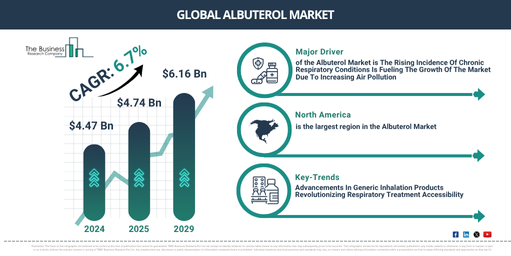
    The albuterol market has demonstrated robust expansion over recent years. Its value is set to increase from $4.47 billion in 2024 to $4.74 billion in 2025, achieving a compound annual growth rate (CAGR) of 6.0%. This historical growth can be attributed to heightened awareness concerning respiratory health, an uptick in air pollution levels, a rising demand for quick-relief inhalers, the increasing adoption of nebulizers, and the expanding availability of generic albuterol.

    The albuterol market is anticipated to experience robust expansion over the coming years, projected to reach “$6.16 billion by 2029, demonstrating a compound annual growth rate (CAGR) of 6.7%. This expansion during the forecast period is driven by factors such as the increasing need for home healthcare options, heightened investment in respiratory medication research, a growing emphasis on tailored medicine, the wider uptake of digital inhalers, and the rising occurrence of lifestyle-associated respiratory conditions. Significant developments expected in this period encompass advancements in inhaler devices, novel patient monitoring systems, progress in AI-powered treatment strategies, the incorporation of telemedicine into respiratory care, and innovative approaches to personalized asthma management.

    Unlock Your Free Sample Report for Exclusive Market Data:

    https://www.thebusinessresearchcompany.com/sample.aspx?id=24138&type=smp

    What Are The Drivers Pushing New Developments In The Albuterol Market?

    The anticipated expansion of the albuterol market is linked to the increasing occurrence of chronic respiratory ailments. These conditions are defined as persistent illnesses impacting the lungs and respiratory passages, leading to continuous difficulties in breathing, exemplified by asthma, chronic obstructive pulmonary disease (COPD), and bronchitis. A contributing factor to the heightened prevalence of respiratory conditions is escalating air pollution, which elevates exposure to detrimental pollutants that inflame airways and impair lung function. Albuterol offers relief for chronic respiratory condition symptoms by relaxing muscles in the airways, thereby enhancing airflow and facilitating easier respiration. It provides swift alleviation of wheezing, coughing, and shortness of breath, delivering immediate comfort. As an illustration, data from December 2023, sourced from the Australian Bureau of Statistics, an Australia-based government entity, indicated that the prevalence of chronic obstructive pulmonary disease (COPD) increased from 2.4% in 2021 to 2.5% in 2022. Consequently, the escalating frequency of chronic respiratory conditions is a primary catalyst for the growth of the albuterol market.

    How Is The Albuterol Market Classified Into Different Segments?

    The albuterol market covered in this report is segmented –

    1) By Product Type: Inhalers, Nebulizers, Tablets, Syrups

    2) By Route Of Administration: Inhalation, Oral, Intravenous

    3) By Distribution Channel: Hospital Pharmacies, Retail Pharmacies, Online Pharmacies, Other Distribution Channels

    4) By Application: Asthma, Chronic Obstructive Pulmonary Disease (COPD), Bronchospasm, Other Applications

    5) By End-User: Hospitals, Clinics, Home Care Settings, Pharmacies

    Subsegments:

    1) By Inhalers: Metered Dose Inhalers (MDIs), Dry Powder Inhalers (DPIs), Soft Mist Inhalers (SMIs)

    2) By Nebulizers: Jet Nebulizers, Ultrasonic Nebulizers, Mesh Nebulizers

    3) By Tablets: Immediate-Release Tablets, Extended-Release Tablets

    4) By Syrups: Pediatric Formulation, Adult Formulation

    What Are The Latest Industry Trends Transforming The Albuterol Market?

    Leading companies in the albuterol market are prioritizing the development of sophisticated products, like generic inhalation products, to enhance access for individuals with long-term respiratory illnesses. Generic inhalation products are non-proprietary versions of inhaled medicines that deliver the identical active components, dosage, and therapeutic outcomes as their branded equivalents, typically at a reduced price. For example, in May 2024, Amphastar Pharmaceuticals Inc., a US-based pharmaceutical firm, obtained abbreviated new drug application (ANDA) approval from the Food and Drug Administration (FDA) for Albuterol Sulfate inhalation aerosol, indicated for the management or prevention of bronchospasm in patients aged four years and older. Albuterol sulfate inhalation aerosol functions by relaxing the muscles in the airways to widen them and improve airflow, offering quick relief from symptoms such as wheezing and shortness of breath in conditions like asthma.

    Who Are The Top Performing Companies In The Albuterol Market In Recent Years?

    Major companies operating in the albuterol market are Merck And Co. Inc., AstraZeneca PLC, GlaxoSmithKline plc, Viatris Inc., Teva Pharmaceutical Industries Ltd., Boehringer Ingelheim International GmbH, Mylan N.V., Sandoz Group AG, Sun Pharmaceutical Industries Ltd., Perrigo Company plc, AptarGroup Inc., Chiesi Farmaceutici S.p.A., Cipla Limited, Hikma Pharmaceuticals PLC, Amneal Pharmaceuticals Inc., Lupin Limited, Zydus Lifesciences Limited, Nephron Pharmaceuticals Corporation, Glenmark Pharmaceuticals Limited, Amphastar Pharmaceuticals Inc., Arven Pharmaceuticals A.S., Hi-Tech Pharmaceuticals Inc., Jewim Pharmaceutical (Shandong) Co. Ltd

    Download The Full Report For Exclusive Market Findings:

    https://www.thebusinessresearchcompany.com/report/albuterol-global-market-report

    Which Region Currently Holds The Largest Share Of The Albuterol Market?

    North America was the largest region in the albuterol market in 2024. Asia-Pacific is expected to be the fastest-growing region in the forecast period. The regions covered in the albuterol market report are Asia-Pacific, Western Europe, Eastern Europe, North America, South America, Middle East, Africa.

    Request A Customized Version Of The Albuterol Market Report:

    https://www.thebusinessresearchcompany.com/customise?id=24138&type=smp

    Browse Through More Reports Similar to the Global Albuterol Market 2025, By The Business Research Company

    Lung Cancer Drugs Global Market Report 2025

    https://www.thebusinessresearchcompany.com/report/lung-cancer-drugs-global-market-report

    Lung Cancer Diagnostic And Screening Global Market Report 2025

    https://www.thebusinessresearchcompany.com/report/lung-cancer-diagnostic-and-screening-global-market-report

    Small Cell Lung Cancer Therapeutics Global Market Report 2025

    https://www.thebusinessresearchcompany.com/report/small-cell-lung-cancer-therapeutics-global-market-report

    Get in touch with us:

    The Business Research Company: https://www.thebusinessresearchcompany.com/

    Americas +1 310-496-7795

    Asia +44 7882 955267 & +91 8897263534

    Europe +44 7882 955267

    Email us at info@tbrc.info

    Follow us on:

    LinkedIn: https://in.linkedin.com/company/the-business-research-company

    YouTube: https://www.youtube.com/channel/UC24_fI0rV8cR5DxlCpgmyFQ

    Global Market Model: https://www.thebusinessresearchcompany.com/global-market-model
  • Adeno-Associated Virus (AVV) Vectors In Gene Therapy Industry Overview 2025: Growth Projections and Market Trends

    Adeno-Associated Virus (AVV) Vectors In Gene Therapy Industry Overview 2025: Growth Projections and Market Trends

    Unlock Global Insights – Save 20% on Market Reports with Code ONLINE20

    What Is The Future Market Size Estimation For The Adeno-Associated Virus (AVV) Vectors In Gene Therapy Market Covering 2025–2034?

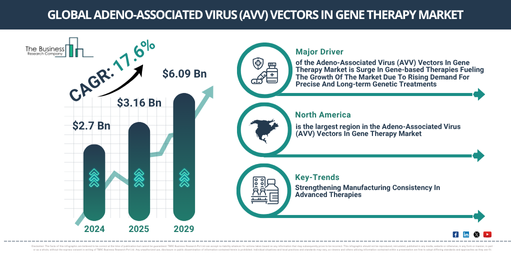
    The adeno-associated virus (avv) vectors in gene therapy market has witnessed rapid growth in recent years. It is anticipated to increase from $2.7 billion in 2024 to $3.16 billion in 2025, exhibiting a compound annual growth rate (CAGR) of 16.7%. This historical expansion can be attributed to augmented investment in gene therapy research, the growing embrace of gene editing technologies, a surge in genetic disorders and unaddressed medical requirements, heightened demand for targeted therapies, and an uptick in collaborations between biotechnology companies and research institutions.

    The adeno-associated virus (AVV) vectors in gene therapy market size is projected for substantial expansion in the coming years, reaching $6.09 billion by 2029 with a compound annual growth rate (CAGR) of 17.6%. This anticipated growth is driven by rising advancements in AAV capsid engineering, an increasing focus on precision medicine, growing investment in genetic research and biotechnology, a rise in gene therapy clinical trials and approvals, and increasing demand for personalized treatments. Major trends foreseen for this period include advancements in artificial intelligence applied to AAV capsid engineering, the development of hybrid AAV vectors designed for larger genetic payloads, innovation in bispecific antibody-mediated AAV targeting, progress in scalable AAV production and purification technologies, and the creation of flexible AAV platforms that support diverse viral vectors.

    Unlock Your Free Sample Report for Exclusive Market Data:

    https://www.thebusinessresearchcompany.com/sample.aspx?id=24135&type=smp

    What Are The Emerging Market Drivers Creating New Opportunities In The Adeno-Associated Virus (AVV) Vectors In Gene Therapy Industry?

    A growing emphasis on gene-based therapies is anticipated to drive the expansion of adeno-associated virus (AAV) vectors within the gene therapy market in the future. Such therapies involve modifying or manipulating genes to address, treat, or prevent diseases at a molecular level. Progress in genetic research fuels this heightened focus on developing gene-based therapies, as these advancements boost the precision and efficacy of gene editing methods. Adeno-associated virus (AAV) vectors in gene therapy contribute to the creation of gene-based therapies by ensuring the safe and efficient delivery of therapeutic genes into target cells, thanks to their low immunogenicity and capacity for sustained gene expression. For example, data from IQVIA, a US-based provider of advanced analytics and technology solutions for the life sciences industry, indicated that global expenditure on cell and gene therapies reached $5.9 billion in 2023, marking a 38% rise compared to 2022. Consequently, the expanding focus on developing gene-based therapies is stimulating the growth of the adeno-associated virus (AAV) vectors market.

    What Are The Major Segments Identified In The Adeno-Associated Virus (AVV) Vectors In Gene Therapy Market?

    The adeno-associated virus (avv) vectors in gene therapy market covered in this report is segmented –

    1) By Type of Therapy: Gene Augmentation, Immunotherapy, Other Type of Therapy

    2) By Type of Gene Delivery Method Used: Ex Vivo, In Vivo

    3) By Scale of Operation: Preclinical, Clinical, Commercial

    4) By Target Therapeutic Area: Genetic Disorders, Hematological Disorders, Infectious Diseases, Metabolic Disorders, Ophthalmic Disorders, Muscle Disorders, Neurological Disorders, Other Target Therapeutic Area

    Subsegments:

    1) By Gene Augmentation: Monogenic Disorders, Neurological Disorders, Muscular Disorders, Ophthalmological Disorders, Metabolic Disorders

    2) By Immunotherapy: Oncology, Infectious Diseases, Autoimmune Disorders, Vaccine Development, T-Cell Engineering

    3) By Other Type of Therapy: Gene Editing Support, RNA Interference, Neuroprotection and Neuroregeneration, Anti-Inflammatory Applications, Regenerative Medicine

    What Trends Are Redefining The Adeno-Associated Virus (AVV) Vectors In Gene Therapy Market Dynamics?

    Major companies engaged in the adeno-associated virus (AAV) vectors within the gene therapy market are concentrating on advanced innovations, notably tailored vector diversity for assay versatility. This approach aims to enhance target tissue specificity, improve therapeutic efficacy, and accelerate the development of customized gene therapies for a wide range of indications. Tailored vector diversity for assay versatility refers to the strategic use of multiple AAV serotypes or constructs to support diverse analytical tests and therapeutic applications. For instance, in May 2024, Charles River Laboratories, a US-based pharmaceutical company, introduced new reference materials for adeno-associated virus (AAV) and lentiviral vectors (LVV). These materials are intended to support the expanding requirements of cell and gene therapy (CGT) development. The comprehensive portfolio facilitates a smoother transition from early-stage research to GMP-grade production, helping to standardize processes and improve consistency in viral vector manufacturing. This launch effectively addresses a critical challenge in scaling CGT programs towards clinical and commercial readiness.

    Which Leading Companies Dominate The Adeno-Associated Virus (AVV) Vectors In Gene Therapy Market Share?

    Major companies operating in the adeno-associated virus (AVV) vectors in gene therapy market are F. Hoffmann-La Roche Ltd., Sanofi S.A., Novartis AG, Astellas Gene Therapies Inc., Biogen Inc., Sarepta Therapeutics Inc., Oxford BioMedica plc, Rocket Pharmaceuticals Inc., Aldevron LLC, REGENXBIO Inc., uniQure N.V., Passage Bio Inc., Voyager Therapeutics Inc., Dyno Therapeutics Inc., MeiraGTx Holdings plc, Abeona Therapeutics Inc., 4D Molecular Therapeutics Inc., GenSight Biologics S.A., Taysha Gene Therapies Inc., LogicBio Therapeutics Inc.

    Download The Full Report For Exclusive Market Findings:

    https://www.thebusinessresearchcompany.com/report/adeno-associated-virus-avv-vectors-in-gene-therapy-global-market-report

    What Regional Growth Trends Are Shaping The Adeno-Associated Virus (AVV) Vectors In Gene Therapy Market Outlook?

    North America was the largest region in the adeno-associated virus (AVV) vectors in gene therapy market in 2024. The regions covered in the adeno-associated virus (AVV) vectors in gene therapy market report are Asia-Pacific, Western Europe, Eastern Europe, North America, South America, Middle East, Africa.

    Request A Customized Version Of The Adeno-Associated Virus (AVV) Vectors In Gene Therapy Market Report:

    https://www.thebusinessresearchcompany.com/customise?id=24135&type=smp

    Browse Through More Reports Similar to the Global Adeno-Associated Virus (AVV) Vectors In Gene Therapy Market 2025, By The Business Research Company

    Gene Editing Global Market Report 2025

    https://www.thebusinessresearchcompany.com/report/gene-editing-global-market-report

    Nucleic Acid Based Gene Therapy Global Market Report 2025

    https://www.thebusinessresearchcompany.com/report/nucleic-acid-based-gene-therapy-global-market-report

    Genes Therapy Global Market Report 2025

    https://www.thebusinessresearchcompany.com/report/genes-therapy-global-market-report

    Get in touch with us:

    The Business Research Company: https://www.thebusinessresearchcompany.com/

    Americas +1 310-496-7795

    Asia +44 7882 955267 & +91 8897263534

    Europe +44 7882 955267

    Email us at info@tbrc.info

    Follow us on:

    LinkedIn: https://in.linkedin.com/company/the-business-research-company

    YouTube: https://www.youtube.com/channel/UC24_fI0rV8cR5DxlCpgmyFQ

    Global Market Model: https://www.thebusinessresearchcompany.com/global-market-model
  • Artificial Intelligence (AI) In Biopharmaceuticals Industry Anticipated to Expand at 33% CAGR During the Forecast Period

    Artificial Intelligence (AI) In Biopharmaceuticals Industry Anticipated to Expand at 33% CAGR During the Forecast Period

    Unlock Global Insights – Save 20% on Market Reports with Code ONLINE20

    #What Is The Projected Market Size Of The Artificial Intelligence (AI) In Biopharmaceuticals Market By 2029?

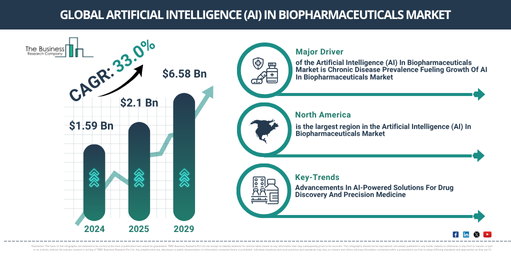
    The artificial intelligence (AI) in biopharmaceuticals market has experienced rapid expansion recently. Its size is projected to increase from $1.59 billion in 2024 to $2.1 billion in 2025, demonstrating a compound annual growth rate (CAGR) of 32.2%. This historical growth has been driven by several factors, including advancements in computational power, the biomedical data explosion, the precision medicine paradigm, and regulatory support and guidance.

    The artificial intelligence (AI) in biopharmaceuticals market is anticipated to undergo significant growth over the next few years, with its size expected to ascend to $6.58 billion by 2029, demonstrating a compound annual growth rate (CAGR) of 33.0%. This expansion during the forecast period is primarily driven by breakthroughs in computational biology, the incorporation of multi-modal data, the convergence of AI and life sciences, supportive regulatory frameworks, and the implementation of ethical and fair AI principles. Noteworthy trends during this time encompass the integration of multi-omics data, AI-powered drug design and discovery, the acceptance of explainable AI by regulators, ongoing technological advancements, developments in regulation, and the identification of new opportunities.

    Unlock Your Free Sample Report for Exclusive Market Data:

    https://www.thebusinessresearchcompany.com/sample.aspx?id=14251&type=smp

    Which Industry Drivers Are Expected To Accelerate The Artificial Intelligence (AI) In Biopharmaceuticals Market From 2025 To 2029?

    The increasing incidence of chronic illnesses is anticipated to fuel the expansion of artificial intelligence (AI) in biopharmaceuticals market in the future. These are enduring health conditions that typically develop gradually and can last for extended periods or even a person’s entire life. Their emergence is linked to lifestyle choices, an older demographic, genetic susceptibilities, and environmental influences. Artificial intelligence in biopharmaceuticals finds increasing application in managing chronic diseases due to its capacity to analyze vast amounts of varied data, detect underlying patterns, and tailor therapeutic strategies. For example, data from November 2023 from the Department of Health and Human Services, a US-based government department, indicated an 11 percent rise in new chronic hepatitis B cases in 2022 compared to 2021. Consequently, the rising occurrence of chronic ailments acts as a significant catalyst for the growth of artificial intelligence (AI) in the biopharmaceuticals market.

    What Are The Emerging Segments Gaining Attention In The Artificial Intelligence (AI) In Biopharmaceuticals Market?

    The artificial intelligence (ai) in biopharmaceuticals market covered in this report is segmented –

    1) By Offering: Hardware, Software, Services

    2) By Deployment: Cloud, On-Premises

    3) By Technology: Machine Learning, Natural Language Processing, Deep Learning, Other Technologies

    4) By Application: Business Process And Supply Chain, Drug Discovery, Medical Imaging And Diagnostics, Precision Medicine

    5) By End-Users: Manufacturers, Contract Research Organizations, Academic And Government Research Institutes

    Subsegments:

    1) By Hardware: High-Performance Computing Systems, AI-Enabled Laboratory Equipment, Data Storage Solutions

    2) By Software: Drug Discovery Platforms, Clinical Trial Management Software, Predictive Analytics Tools, Natural Language Processing Solutions

    3) By Services: Consulting Services, Implementation And Integration Services, Data Management And Analytics Services, Training And Support Services

    What Trends Are Redefining The Artificial Intelligence (AI) In Biopharmaceuticals Market Dynamics?

    Leading companies leveraging artificial intelligence (AI) in biopharmaceuticals are concentrating on creating pioneering advancements, such as AI-driven target and lead identification suite solutions, to accelerate drug discovery and precision medicine and, in turn, transform life sciences organizations. These solutions for drug discovery and precision medicine integrate diverse innovative methodologies for developing novel drugs and customizing treatments for individual patients. As an illustration, in May 2023, Google LLC, a US-based cloud computing service provider, unveiled two new AI-powered instruments, known as target and lead identification suites, intended to aid researchers in forecasting and deciphering protein structures, a foundational element of drug development. Furthermore, this suite will empower researchers to ingest, store, analyze, and share vast quantities of genomic data, which is vital for precision medicine. These tools are also designed to streamline the drug discovery process, minimize costs, and expedite the introduction of new treatments to the market. By offering efficient data management, precise predictions of protein structures, and sophisticated genomic analysis capabilities, these tools aspire to revolutionize drug development workflows and enhance patient outcomes.

    Who Are The Top Performing Companies In The Artificial Intelligence (AI) In Biopharmaceuticals Market In Recent Years?

    Major companies operating in the artificial intelligence (AI) in biopharmaceuticals market are Apple Inc., Google LLC, Microsoft Corporation, Tencent Holdings Limited, Amazon Web Services Inc., International Business Machines Corporation, Exscientia Limited, NVIDIA Corporation, Amgen Inc., DeepMind Technologies Limited, Schrödinger Inc., XtalPi Inc., ConcertAI Inc., Insilico Medicine Inc., Recursion Pharmaceuticals, BenevolentAI, BioXcel Therapeutics, Atomwise Inc., BioAge Labs Inc., GNS Healthcare, Berg Health, Deep 6 AI Inc., Cloud Pharmaceuticals Inc., Numerate Inc., AI Therapeutics, Envisagenics, twoXAR Inc., Cyclica Inc.

    Download The Full Report For Exclusive Market Findings:

    https://www.thebusinessresearchcompany.com/report/artificial-intelligence-ai-in-biopharmaceuticals-global-market-report

    What Regional Growth Trends Are Shaping The Artificial Intelligence (AI) In Biopharmaceuticals Market Outlook?

    North America was the largest region in the artificial intelligence (AI) in biopharmaceuticals market in 2024. Asia-Pacific is expected to be the fastest-growing region in the forecast period. The regions covered in the artificial intelligence (AI) in biopharmaceuticals market report are Asia-Pacific, Western Europe, Eastern Europe, North America, South America, Middle East, Africa.

    Request A Customized Version Of The Artificial Intelligence (AI) In Biopharmaceuticals Market Report:

    https://www.thebusinessresearchcompany.com/customise?id=14251&type=smp

    Browse Through More Reports Similar to the Global Artificial Intelligence (AI) In Biopharmaceuticals Market 2025, By The Business Research Company

    Artificial Intelligence Ai In Agriculture Global Market Report 2025

    https://www.thebusinessresearchcompany.com/report/artificial-intelligence-ai-in-agriculture-global-market-report

    Artificial Intelligence In Cancer Diagnostics Global Market Report 2025

    https://www.thebusinessresearchcompany.com/report/artificial-intelligence-in-cancer-diagnostics-global-market-report

    Artificial Intelligence In Cardiology Global Market Report 2025

    https://www.thebusinessresearchcompany.com/report/artificial-intelligence-in-cardiology-global-market-report

    Get in touch with us:

    The Business Research Company: https://www.thebusinessresearchcompany.com/

    Americas +1 310-496-7795

    Asia +44 7882 955267 & +91 8897263534

    Europe +44 7882 955267

    Email us at info@tbrc.info

    Follow us on:

    LinkedIn: https://in.linkedin.com/company/the-business-research-company

    YouTube: https://www.youtube.com/channel/UC24_fI0rV8cR5DxlCpgmyFQ

    Global Market Model: https://www.thebusinessresearchcompany.com/global-market-model
  • Acquired Autoimmune Hemolytic Anemia Market Size Forecast: Revenue and CAGR by 2029

    Acquired Autoimmune Hemolytic Anemia Market Size Forecast: Revenue and CAGR by 2029

    Unlock Global Insights – Save 20% on Market Reports with Code ONLINE20

    What Is The Expected Total Market Size Of The Acquired Autoimmune Hemolytic Anemia Industry By The Forecast Year 2029?

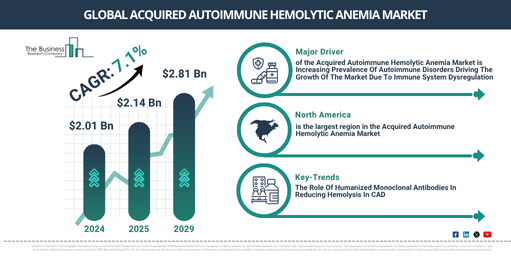
    The market for acquired autoimmune hemolytic anemia has demonstrated robust expansion over the past few years. Projections indicate its size will expand from $2.01 billion in 2024 to $2.14 billion in 2025, reflecting a compound annual growth rate (CAGR) of 6.5%. This historical growth is linked to factors such as increasing diagnosis rates, the rising incidence of secondary AIHA, the expansion of hospital hematology units, government and regulatory support, and increased investment in hematology.

    The market for acquired autoimmune hemolytic anemia is anticipated to experience substantial growth in the coming years. It is forecast to grow to “$2.81 billion in 2029, achieving a compound annual growth rate (CAGR) of 7.1%. This expansion during the projection period can be attributed to the rising prevalence of autoimmune diseases, a deeper understanding of the complement system’s function, increased partnerships between biopharma and academic institutions, the growing implementation of personalized medicine, and the expanding elderly demographic. Prominent trends expected in the forecast period include the integration of targeted biologic therapies, advancements in complement pathway inhibitors, the use of AI and data analytics in disease management, AI-driven clinical trial design, and innovations in orphan drugs.

    Unlock Your Free Sample Report for Exclusive Market Data:

    https://www.thebusinessresearchcompany.com/sample.aspx?id=24132&type=smp

    Which Drivers Are Impacting The Acquired Autoimmune Hemolytic Anemia Market?

    The future expansion of the acquired autoimmune hemolytic anemia market is projected to be propelled by the increasing occurrence of autoimmune disorders. Autoimmune disorders are characterized by the immune system erroneously targeting the body’s own healthy cells and tissues, mistaking them for dangerous invaders. The rising prevalence of these disorders is largely attributed to a surge in environmental triggers and changes in lifestyle that can disrupt immune system regulation. This increased prevalence of autoimmune disorders contributes to a higher incidence of acquired autoimmune hemolytic anemia, as individuals with autoimmune conditions are more susceptible to developing secondary AIHA due to immune system dysregulation. For instance, in 2022, according to the autoimmune registry, a US-based organization specializing in gathering and evaluating information about autoimmune disorders, the proportion of patients diagnosed with multiple autoimmune conditions rose from 52% in 2021 to 55% in 2022. Therefore, the expanding prevalence of autoimmune disorders will drive the growth of the acquired autoimmune hemolytic anemia market.

    What Are The Emerging Segments Gaining Attention In The Acquired Autoimmune Hemolytic Anemia Market?

    The acquired autoimmune hemolytic anemia market covered in this report is segmented –

    1) By Diagnosis Method: Complete Blood Count, Peripheral Blood Smear, Direct Coombs Test, Indirect Coombs Test

    2) By Treatment Type: Corticosteroids, Immunosuppressive Agents, Intravenous Immunoglobulin, Rituximab

    3) By Severity: Mild, Moderate, Severe

    4) By End User: Hospitals, Specialty Clinics, Research Institutions

    Subsegments:

    1) By Complete Blood Count: Hemoglobin Level, Hematocrit (HCT), Reticulocyte Count, White Blood Cell Count, Platelet Count

    2) By Peripheral Blood Smear: Spherocytes, Polychromasia, Schistocytes, Increased Reticulocyte Count

    3) By Direct Coombs Test: Immunoglobulin G Coombs Test, Immunoglobulin M Coombs Test, Complement Coombs Test

    4) By Indirect Coombs Test: Screening For Alloantibodies, Detection Of Sensitizing Antibodies, Crossmatch Testing

    How Are Emerging Market Trends Shaping The Acquired Autoimmune Hemolytic Anemia Industry Landscape?

    Leading companies within the acquired autoimmune hemolytic anemia market are prioritizing developments in targeted therapeutic approaches, specifically humanized monoclonal antibodies, aiming to enhance treatment effectiveness, mitigate adverse reactions, and offer more tailored care solutions for individuals afflicted with autoimmune hemolytic anemia. A humanized monoclonal antibody, a protein engineered in laboratories, is crafted to replicate human antibodies, possessing a predominantly human structure yet incorporating minor non-human (typically mouse) antibody segments to bolster its capacity to precisely target particular antigens and reduce the likelihood of immune system rejection. Illustratively, in February 2022, Sanofi, a healthcare company based in France, secured approval from the U.S. Food and Drug Administration (FDA), a US-based government agency, for Enjaymo (sutimlimab-jome), marking it as the initial and sole therapy for cold agglutinin disease (CAD), which is a rare form of autoimmune hemolytic anemia. This treatment functions by specifically inhibiting C1s within the classical complement pathway, thereby preventing the immune system from assaulting and eradicating healthy red blood cells and consequently diminishing the requirement for red blood cell transfusions among CAD patients. Enjaymo specifically targets C1-activated hemolysis, leaving the lectin or alternative complement pathways unaffected.

    Who Are The Major Companies Operating In The Acquired Autoimmune Hemolytic Anemia Market?

    Major companies operating in the acquired autoimmune hemolytic anemia market are Johnson & Johnson, F. Hoffmann-La Roche Ltd., AbbVie Inc., Sanofi SA, Novartis AG, Amgen Inc., Incyte Corporation, Alexion Pharmaceuticals Inc., BioCryst Pharmaceuticals Inc., Annexon Inc., Rigel Pharmaceuticals Inc., Nanjing IASO Biotherapeutics Co. Ltd., Apellis Pharmaceuticals Inc., Momenta Pharmaceuticals Inc., Zenas BioPharma Inc., Immunovant Sciences GmbH, Alpine Immune Sciences Inc., Agios Pharmaceuticals Inc., Rakshit Drugs Private Limited, Aarti Pharmalabs Ltd.

    Download The Full Report For Exclusive Market Findings:

    https://www.thebusinessresearchcompany.com/report/acquired-autoimmune-hemolytic-anemia-global-market-report

    Which Regional Markets Are Contributing Most To The Acquired Autoimmune Hemolytic Anemia Industry Expansion?

    North America was the largest region in the acquired autoimmune hemolytic anemia market in 2024. Europe is expected to be the fastest-growing region in the forecast period. The regions covered in the acquired autoimmune hemolytic anemia market report are Asia-Pacific, Western Europe, Eastern Europe, North America, South America, Middle East, Africa.

    Request A Customized Version Of The Acquired Autoimmune Hemolytic Anemia Market Report:

    https://www.thebusinessresearchcompany.com/customise?id=24132&type=smp

    Browse Through More Reports Similar to the Global Acquired Autoimmune Hemolytic Anemia Market 2025, By The Business Research Company

    Anemia And Other Blood Disorder Drugs Global Market Report 2025

    https://www.thebusinessresearchcompany.com/report/anemia-and-other-blood-disorder-drugs-global-market-report

    Chemotherapy Induced Anemia Global Market Report 2025

    https://www.thebusinessresearchcompany.com/report/chemotherapy-induced-anemia-global-market-report

    Autoimmune Disease Diagnosis Global Market Report 2025

    https://www.thebusinessresearchcompany.com/report/autoimmune-disease-diagnosis-global-market-report

    Get in touch with us:

    The Business Research Company: https://www.thebusinessresearchcompany.com/

    Americas +1 310-496-7795

    Asia +44 7882 955267 & +91 8897263534

    Europe +44 7882 955267

    Email us at info@tbrc.info

    Follow us on:

    LinkedIn: https://in.linkedin.com/company/the-business-research-company

    YouTube: https://www.youtube.com/channel/UC24_fI0rV8cR5DxlCpgmyFQ

    Global Market Model: https://www.thebusinessresearchcompany.com/global-market-model
  • Global Zoledronic Acid Market Trends and Growth Analysis 2025–2029

    Global Zoledronic Acid Market Trends and Growth Analysis 2025–2029

    Unlock Global Insights – Save 20% on Market Reports with Code ONLINE20

    How Does The Market Size Of The Zoledronic Acid Industry Compare Between 2025 And 2029?

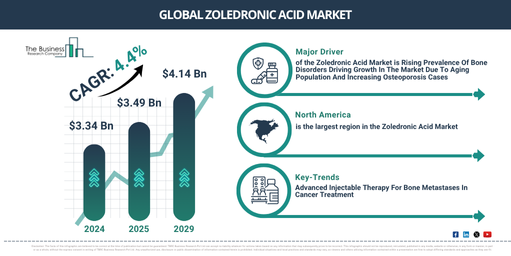
    The zoledronic acid market has demonstrated steady expansion in recent years. Its value is expected to increase from $3.34 billion in 2024 to $3.49 billion by 2025, exhibiting a compound annual growth rate (CAGR) of 4.4%. The historical progress can be linked to the development of home healthcare services, a heightened call for personalized medicine, increased education concerning bone health, and an uptick in obesity occurrences.

    The market for zoledronic acid is projected to experience consistent expansion over the upcoming years. This market is anticipated to reach ” $4.14 billion by 2029, exhibiting a compound annual growth rate (CAGR) of 4.4%. Factors contributing to this growth during the projection period include an increase in bone disorders, the growing occurrence of osteoporosis, the escalating need for zoledronic acid, and the emergence of telemedicine. Significant trends expected within the forecast timeframe encompass improvements in healthcare infrastructure, the creation of novel formulations, the evolution of combination therapies, and the production of biosimilars.

    Unlock Your Free Sample Report for Exclusive Market Data:

    https://www.thebusinessresearchcompany.com/sample.aspx?id=23588&type=smp

    Which Industry Drivers Are Expected To Accelerate The Zoledronic Acid Market From 2025 To 2029?

    The zoledronic acid market is projected to grow as a result of the rising incidence of bone disorders, which are medical conditions affecting the structure, strength, and function of bones. This increase in bone disorders is attributed to aging populations, given that bone density naturally decreases with age, raising susceptibility to conditions such as osteoporosis and fractures. Zoledronic acid aids in treating these conditions by inhibiting osteoclast activity, reducing bone resorption, increasing bone density, and preventing fractures. For instance, in June 2024, the Australian Institute of Health and Welfare reported that in 2022, an estimated 853,600 Australians, representing 3.4% of the population, were living with osteoporosis or osteopenia. Moreover, in the 2021–22 period, there were 9,500 hospitalizations due to osteoporosis, which equates to 89 cases per 100,000 people aged 45 and over. Thus, the increasing prevalence of bone disorders is driving the expansion of the zoledronic acid market.

    What Are The Major Segment Types Covered In The Zoledronic Acid Market?

    The zoledronic acid market covered in this report is segmented –

    1) By Product Form: Injection, Powder

    2) By Distribution Channel: Pharmacies, Online Pharmacies, Hospital Pharmacies

    3) By Application: Metastatic Bone Cancers, Systemic Metabolic Bone Diseases, Osteoporosis, Paget’s Disease, Other Applications

    4) By End-Users: Hospitals, Clinics, Home Healthcare

    Subsegments:-

    1) By Injection: Single-Dose Vial, Multi-Dose Vial, Prefilled Syringe

    2) By Powder: Lyophilized Powder, Sterile Powder For Reconstitution

    Which Key Trends Are Expected To Influence The Zoledronic Acid Market In The Coming Years?

    Leading companies within the zoledronic acid market are concentrating on developing advanced products, such as injectable treatments for bone metastases originating from solid tumors, with the aim of boosting treatment effectiveness, minimizing skeletal-related events, and enhancing patient outcomes. An injectable treatment for bone metastases of solid tumors is a medicine administered via injection to help manage and alleviate complications that arise when cancer spreads to the bones. For example, in February 2025, Avenacy Inc., a US-based pharmaceutical company, introduced Zoledronic Acid Injection, USP, into the U.S. market. This FDA-approved therapeutic generic equivalent of Zometa is indicated for treating hypercalcemia of malignancy, multiple myeloma, and bone metastases from solid tumors, used in combination with standard antineoplastic therapy. The product is available in 4 mg/5 mL single-dose vials and includes specialized packaging designed to improve medication accuracy.

    Which Global Market Leaders Are Shaping The Future Of The Zoledronic Acid Sector?

    Major companies operating in the zoledronic acid market are Abbott Laboratories, Novartis AG, Intas Pharmaceuticals Limited, Hetero Labs Limited, Dr. Reddy’s Laboratories Ltd., Cipla Limited, Alkem Laboratories Limited, Emcure Pharmaceuticals Limited, Accord Healthcare Limited, NATCO Pharma Limited, Taj Pharmaceuticals Limited, ScinoPharm Taiwan Ltd., Panacea Biotec Limited, GLS Pharma Private Limited, Miracalus Pharma Pvt. Ltd., Midas Pharma GmbH, AdvaCare Pharma, Tecoland Corporation, Eugia Pharma Specialties Limited, Lianyungang Runzhong Pharmaceutical Co. Ltd.

    Download The Full Report For Exclusive Market Findings:

    https://www.thebusinessresearchcompany.com/report/zoledronic-acid-global-market-report

    How Does The Zoledronic Acid Market Perform Across Key Geographic Regions?

    North America was the largest region in the zoledronic acid market in 2024. The regions covered in the zoledronic acid market report are Asia-Pacific, Western Europe, Eastern Europe, North America, South America, Middle East, Africa.

    Request A Customized Version Of The Zoledronic Acid Market Report:

    https://www.thebusinessresearchcompany.com/customise?id=23588&type=smp

    Browse Through More Reports Similar to the Global Zoledronic Acid Market 2025, By The Business Research Company

    Feed Acidifiers Global Market Report 2025

    https://www.thebusinessresearchcompany.com/report/feed-acidifiers-global-market-report

    Glutamic Acid Global Market Report 2025

    https://www.thebusinessresearchcompany.com/report/glutamic-acid-global-market-report

    Hyaluronic Acid Based Dermal Fillers Global Market Report 2025

    https://www.thebusinessresearchcompany.com/report/hyaluronic-acid-based-dermal-fillers-global-market-report

    Get in touch with us:

    The Business Research Company: https://www.thebusinessresearchcompany.com/

    Americas +1 310-496-7795

    Asia +44 7882 955267 & +91 8897263534

    Europe +44 7882 955267

    Email us at info@tbrc.info

    Follow us on:

    LinkedIn: https://in.linkedin.com/company/the-business-research-company

    YouTube: https://www.youtube.com/channel/UC24_fI0rV8cR5DxlCpgmyFQ

    Global Market Model: https://www.thebusinessresearchcompany.com/global-market-model

  • Global Antiparasitic Drugs Market Projected to Expand at 6.8% CAGR by 2029

    Global Antiparasitic Drugs Market Projected to Expand at 6.8% CAGR by 2029

    Unlock Global Insights – Save 20% on Market Reports with Code ONLINE20

    How Much Was The Antiparasitic Drugs Market Worth In 2025, And What Is Its Anticipated Value By 2029?

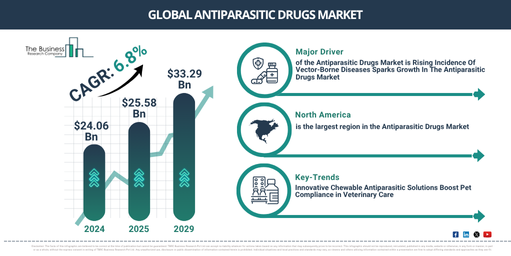
    The antiparasitic drugs market size has demonstrated significant expansion in recent years. This market is expected to increase from $24.06 billion in 2024 to $25.58 billion in 2025, at a compound annual growth rate (CAGR) of 6.3%. The historical growth for this market can be linked to the widespread prevalence of parasitic infections, the growing resistance to current treatments, and various global health initiatives.

    The antiparasitic drugs market is projected to experience substantial expansion over the upcoming years. Its size is anticipated to reach $33.29 billion by 2029, demonstrating a compound annual growth rate (CAGR) of 6.8%. This growth during the forecast period is attributable to factors such as emerging parasitic threats, climate change and vector-borne diseases, a heightened focus on global health security, and improved access to healthcare. Significant developments expected in this period encompass advances in drug development, the use of targeted therapies, combination therapies, public-private partnerships, alongside telemedicine and remote diagnosis.

    Unlock Your Free Sample Report for Exclusive Market Data:

    https://www.thebusinessresearchcompany.com/sample.aspx?id=12927&type=smp

    What Are The Top Growth Drivers Impacting The Antiparasitic Drugs Market Outlook?

    The antiparasitic drugs market is anticipated to expand in the future due to the rising occurrence of vector-borne diseases. Vector-borne diseases are defined as infectious illnesses passed to humans or animals via the bites of arthropods, mainly insects such as mosquitoes, ticks, and flies. Examples of these diseases encompass malaria, dengue, and yellow fever. Antiparasitic drugs are crucial for halting the spread of vector-borne diseases by targeting and eradicating the causative parasites. Certain antiparasitic medications, such as chloroquine, doxycycline, and atovaquone-proguanil, are widely administered for malaria treatment. As an illustration, data from the Centers for Disease Control and Prevention, a US-based Government agency, indicated that in June 2024, from January to June 2024, the Americas saw over 9.7 million dengue cases reported, which was more than double the 4.6 million cases recorded in 2023. Within the United States, Puerto Rico alone recorded 1,498 dengue cases, with an additional 745 cases noted among U.S. travelers coming back from affected regions. Consequently, the escalating occurrence of vector-borne diseases fuels the expansion of the antiparasitic drugs market.

    What Are The Major Segment Types Covered In The Antiparasitic Drugs Market?

    The antiparasitic drugs market covered in this report is segmented –

    1) By Product Type: Anthelmintics, Antiprotozoals, Ectoparasiticide, Other Products

    2) By Treatment: Avermectins, Bezimidazoles, Pyrimidines, Organophosphates, Imidazolesthiazoles

    3) By Route of Administration: Oral, Injectable, Topical

    4) By End User: Hospitals, Homecare, Specialty Clinics, Other End Users

    Subsegments:

    1) By Anthelmintics: Benzimidazoles, Ivermectin, Pyrantel Pamoate, Praziquantel

    2) By Antiprotozoals: Metronidazole, Tinidazole, Nitazoxanide, Pentamidine

    3) By Ectoparasiticides: Permethrin, Malathion, Lindane, Fipronil

    4) By Other Products: Combination Antiparasitic Drugs, Novel Antiparasitic Agents

    How Are Emerging Market Trends Shaping The Antiparasitic Drugs Industry Landscape?

    Leading entities within the antiparasitic drugs market are concentrating on creating novel offerings, including chewable veterinary products, to simplify delivery and boost pet adherence to treatment. These chewable veterinary products are essentially palatable, simple-to-administer tablets or treats specifically formulated for administering medication to animals. Their primary benefit lies in improving pet cooperation by rendering the treatment experience more enjoyable and less stressful. As an illustration, in April 2024, C.H. Boehringer Sohn AG and Co. KG, a pharmaceutical firm based in Germany, introduced NexGard Spectra with the aim of delivering extensive parasite management. NexGard SPECTRA is presented as a soft, tasty chewable product designed to offer complete internal and external parasite protection for dogs, effectively addressing fleas, ticks, heartworms, and different types of intestinal worms with just one dose each month. This product exhibits quick efficacy, eliminating fleas within four hours of being given and reaching over 99% effectiveness against a range of parasites soon after.

    Which Leading Companies Dominate The Antiparasitic Drugs Market Share?

    Major companies operating in the antiparasitic drugs market are Pfizer Inc., Johnson & Johnson, Cadila Pharmaceuticals, Merck & Co.Inc., Bayer AG, Novartis AG, Sanofi S.A., GlaxoSmithKline PLC, Takeda Pharmaceutical Company Limited, Boehringer Ingelheim group, Zoetis Inc., Eisai Co. Ltd., Covetrus Inc., IDEXX Laboratories Inc., Dr. Reddy’s Laboratories, Intas Pharmaceuticals Ltd., Alkem Laboratories Ltd., Ceva Sante Animale S.A., Elanco Animal Health Incorporated, Phibro Animal Health Corporation, Norbrook Laboratories Ltd., Mankind Pharma, Neogen Corporation, Bimeda Inc., Indoco Remedies Ltd., ECO Animal Health, Lincoln Pharmaceuticals Ltd., Laboratorios Calier.

    Download The Full Report For Exclusive Market Findings:

    https://www.thebusinessresearchcompany.com/report/antiparasitic-drugs-global-market-report

    Which Regional Markets Are Contributing Most To The Antiparasitic Drugs Industry Expansion?

    North America was the largest region in the antiparasitic drugs market in 2024. Asia-Pacific is expected to be the fastest-growing region in the forecast period. The regions covered in antiparasitic drugs market report are Asia-Pacific, Western Europe, Eastern Europe, North America, South America, Middle East and Africa.

    Request A Customized Version Of The Antiparasitic Drugs Market Report:

    https://www.thebusinessresearchcompany.com/customise?id=12927&type=smp

    Browse Through More Reports Similar to the Global Antiparasitic Drugs Market 2025, By The Business Research Company

    Veterinary Parasiticides Global Market Report 2025

    https://www.thebusinessresearchcompany.com/report/veterinary-parasiticides-global-market-report

    Antibiotic Resistance Global Market Report 2025

    https://www.thebusinessresearchcompany.com/report/antibiotic-resistance-global-market-report

    Carbapenem Based Antibiotics Global Market Report 2025

    https://www.thebusinessresearchcompany.com/report/carbapenem-based-antibiotics-global-market-report

    Get in touch with us:

    The Business Research Company: https://www.thebusinessresearchcompany.com/

    Americas +1 310-496-7795

    Asia +44 7882 955267 & +91 8897263534

    Europe +44 7882 955267

    Email us at info@tbrc.info

    Follow us on:

    LinkedIn: https://in.linkedin.com/company/the-business-research-company

    YouTube: https://www.youtube.com/channel/UC24_fI0rV8cR5DxlCpgmyFQ

    Global Market Model: https://www.thebusinessresearchcompany.com/global-market-model

  • Wingless-Related Integration Site (WNT) Signaling Pathway Inhibitor Market Forecast: What to Expect by 2029

    Unlock Global Insights – Save 20% on Market Reports with Code ONLINE20

    What Is The Predicted Market Size Trajectory For The Wingless-Related Integration Site (WNT) Signaling Pathway Inhibitor Market From 2025 To 2034?

    The WNT signaling pathway inhibitor market has experienced significant expansion in recent years. This market is set to increase from $2.84 billion in 2024 to $3.1 billion in 2025, achieving a compound annual growth rate of 9.2%. Key contributors to its historical growth include the escalating incidence of cancer, the rising occurrence of chronic diseases, advancements in drug development, and the growing prevalence of pulmonary arterial hypertension.

    The market size for wingless-related integration site (WNT) signaling pathway inhibitors anticipates robust expansion over the upcoming years. This market is projected to reach $4.5 billion by 2029, exhibiting a compound annual growth rate (CAGR) of 9.7%. Drivers for this expansion during the forecast period include the increasing uptake of therapies, more supportive regulations, a rise in clinical trials, the growing acceptance of precision medicine, and higher investment in research and development. Key trends shaping the forecast period encompass the increasing adoption of therapies, supportive regulatory frameworks, a surge in clinical trial activities, and the expanding use of precision medicine.

    Unlock Your Free Sample Report for Exclusive Market Data:

    https://www.thebusinessresearchcompany.com/sample.aspx?id=23583&type=smp

    What Are The Top Growth Drivers Impacting The Wingless-Related Integration Site (WNT) Signaling Pathway Inhibitor Market Outlook?

    The future expansion of the wingless-related integration site (WNT) signaling pathway inhibitor market is anticipated due to the increasing need for targeted therapies. These treatments specifically focus on particular molecules or pathways involved in disease progression. The development of targeted therapies is driven by precision medicine, which enhances their effectiveness by concentrating on specific genetic mutations and minimizing side effects. WNT signaling pathway inhibitors assist in targeted therapies by blocking the atypical activation of the WNT pathway, which is often implicated in the proliferation and spread of cancer cells, thereby slowing tumor progression and improving treatment outcomes. For instance, in July 2024, according to the American Society of Gene and Cell Therapy (ASGCT), a US-based professional membership organization, 76 gene therapy trials were initiated in the second quarter of 2024, marking a 25% increase compared to the previous quarter. Therefore, the growing demand for targeted therapies is a key factor propelling the wingless-related integration site (WNT) signaling pathway inhibitor market.

    What Are The Major Segment Categories Driving The Wingless-Related Integration Site (WNT) Signaling Pathway Inhibitor Market Growth?

    The wingless-related integration site (wnt) signaling pathway inhibitor market covered in this report is segmented –

    1) By Drug Type: Small molecule Inhibitors, Monoclonal Antibodies, Gene Therapies

    2) By Mechanism Of Action: Porcupine Inhibitors, Frizzled Inhibitors, β-Catenin Inhibitors, Wingless-Related Integration Site (WNT)-Protein Inhibitors

    3) By Stage Of Development: Pre-Clinical, Clinical Trials, Approved Products

    4) By Indications: Cancers, Bone Diseases, Neurological Disorders

    5) By End-Users: Pharmaceutical Companies, Research Institutions, Hospitals, Diagnostic Laboratories

    Subsegments:

    1) By Small Molecule Inhibitors: Porcupine Inhibitors, Tankyrase Inhibitors, β-Catenin Inhibitors

    2) By Monoclonal Antibodies: Wingless-Related Integration Site (WNT) Ligand-Targeting Antibodies, Frizzled Receptor-Blocking Antibodies, Dickkopf (DKK) Antibodies

    3) By Gene Therapies: Clustered Regularly Interspaced Short Palindromic Repeats (CRISPR)-Based Gene Editing, RNA Interference (RNAi) Therapies, Antisense Oligonucleotides (ASOs)

    What Are The Major Trends Driving The Growth Of The Wingless-Related Integration Site (WNT) Signaling Pathway Inhibitor Market?

    Major companies within the wingless-related integration site (WNT) signaling pathway inhibitor market are concentrating on developing advanced solutions, such as conducting clinical trials for WNT signaling pathway inhibitors, to broaden treatment options and tackle drug resistance issues. Clinical trials for WNT signaling pathway inhibitors assess the efficacy and potential advantages of drugs targeting the WNT pathway, which plays a critical role in cancer development and other diseases. For example, in June 2023, FogPharma, a US-based biopharmaceutical company, reported the first patient being dosed in its Phase 1/2 clinical trial for FOG-001, a novel TCF-blocking ß-catenin inhibitor aimed at advanced solid tumors, including colorectal cancer. This non-randomized, open-label study is designed to enroll up to 200 patients to evaluate the safety, tolerability, pharmacokinetics, pharmacodynamics, and antitumor activity of FOG-001, which functions by disrupting ß-catenin-dependent signaling in the Wnt pathway, a primary driver of oncogenesis.

    Which Industry Leaders Are Driving Innovation Across The Wingless-Related Integration Site (WNT) Signaling Pathway Inhibitor Market?

    Major companies operating in the wingless-related integration site (WNT) signaling pathway inhibitor market are Bayer AG, Novartis AG, Merck KGaA, Eisai Co. Ltd, STEMCELL Technologies Inc., Abcam Limited, MedChemExpress LLC, Enzo Life Sciences International Inc., FogPharma Inc., Selleck Chemicals LLC, Santa Cruz Biotechnology, Inc., Creative BioMart Inc., Redx Pharma plc, REPROCELL Inc., CHEMDIV INC, PRISM BioLab Co., Ltd., Allarity Therapeutics Inc., Verastem Oncology Inc., OncoMed Pharmaceuticals Inc, Allied-Bristol Life Sciences LLC.

    Download The Full Report For Exclusive Market Findings:

    https://www.thebusinessresearchcompany.com/report/wingless-related-integration-site-wnt-signaling-pathway-inhibitor-global-market-report

    Which Region Is Expected To Witness The Fastest Growth In The Wingless-Related Integration Site (WNT) Signaling Pathway Inhibitor Market?

    North America was the largest region in the wingless-related integration site (WNT) signaling pathway inhibitor market in 2024. Asia-Pacific is expected to be the fastest-growing region in the forecast period. The regions covered in the wingless-related integration site (WNT) signaling pathway inhibitor market report are Asia-Pacific, Western Europe, Eastern Europe, North America, South America, Middle East, Africa.

    Request A Customized Version Of The Wingless-Related Integration Site (WNT) Signaling Pathway Inhibitor Market Report:

    https://www.thebusinessresearchcompany.com/customise?id=23583&type=smp

    Browse Through More Reports Similar to the Global Wingless-Related Integration Site (WNT) Signaling Pathway Inhibitor Market 2025, By The Business Research Company

    Vascular Endothelial Growth Factor Inhibitors Global Market Report 2025

    https://www.thebusinessresearchcompany.com/report/vascular-endothelial-growth-factor-inhibitors-global-market-report

    Tnf Alpha Inhibitor Global Market Report 2025

    https://www.thebusinessresearchcompany.com/report/tnf-alpha-inhibitor-global-market-report

    Interleukin Inhibitor Global Market Report 2025

    https://www.thebusinessresearchcompany.com/report/interleukin-inhibitor-global-market-report

    Get in touch with us:

    The Business Research Company: https://www.thebusinessresearchcompany.com/

    Americas +1 310-496-7795

    Asia +44 7882 955267 & +91 8897263534

    Europe +44 7882 955267

    Email us at info@tbrc.info

    Follow us on:

    LinkedIn: https://in.linkedin.com/company/the-business-research-company

    YouTube: https://www.youtube.com/channel/UC24_fI0rV8cR5DxlCpgmyFQ

    Global Market Model: https://www.thebusinessresearchcompany.com/global-market-model