Blog

  • Global Non-Therapeutic Biomolecules Market Overview: Trends Shaping Growth to 2029

    Global Non-Therapeutic Biomolecules Market Overview: Trends Shaping Growth to 2029

    Unlock Global Insights – Save 20% on Market Reports with Code ONLINE20

    What Market Value Is The Non-Therapeutic Biomolecules Industry Expected To Reach By 2029, Starting From 2025 Levels?

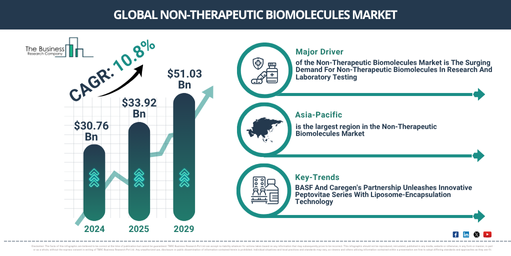
    The non-therapeutic biomolecules market has experienced substantial expansion in recent years. Its valuation is projected to increase from $30.76 billion in 2024 to $33.92 billion in 2025, demonstrating a compound annual growth rate (CAGR) of 10.3%. The market’s past growth can be attributed to factors such as increased research and development (R&D) investments, expanding applications in research and diagnostics, rising awareness and adoption, strategic collaborations and partnerships, and regulatory support.

    The non-therapeutic biomolecules market is projected to experience swift expansion over the coming years. This market is set to reach $51.03 billion by 2029, exhibiting a compound annual growth rate (CAGR) of 10.8%. The anticipated growth during this period stems from factors such as new market opportunities, progress in data analytics and integration, a heightened emphasis on precision medicine, increased funding in personalized healthcare, and broader application domains. Key developments expected during the forecast period encompass technological innovations, strategic partnerships, a surge in agricultural applications, an enlarged presence in industrial processes, and enhanced customization along with personalization.

    Unlock Your Free Sample Report for Exclusive Market Data:

    https://www.thebusinessresearchcompany.com/sample.aspx?id=8769&type=smp

    Which Drivers Are Impacting The Non-Therapeutic Biomolecules Market?

    The non-therapeutic biomolecules market is projected to grow as the number of research and laboratory testing procedures rapidly increases. Laboratory testing refers to a medical process involving the analysis of blood, urine, or other bodily substances to identify and monitor diseases, thereby aiding in the creation of a treatment plan. Research, on the other hand, involves the generation of new knowledge or the innovative application of existing knowledge to establish new concepts, theories, and understandings. Non-therapeutic biomolecules are utilized in laboratory testing to assess the presence or concentration of a biomarker molecule indicative of disease, thereby enhancing the test’s sensitivity and specificity. For example, in July 2024, the National Health Service (NHS), a UK-based hospital and healthcare provider, stated that diagnostic activity in 2023 had surpassed pre-pandemic levels, with a 21% increase in tests performed in May 2024 compared to the previous year. Therefore, the rapidly growing volume of research and laboratory testing is a key driver for the expansion of the non-therapeutic biomolecules market.

    What Are The Leading Segments Analyzed In The Non-Therapeutic Biomolecules Market?

    The non-therapeutic biomolecules market covered in this report is segmented –

    1) By Trad Pharma: Enzymes, Recombinant Proteins, Plasmids, Peptides, Oligonucleotides, Monoclonal Antibodies

    2) By End User: Research, Pharma, In Vitro Diagnostics(IVD)

    Subsegments:

    1) By Enzymes: Industrial Enzymes, Diagnostic Enzymes

    2) By Recombinant Proteins: Antigens, Cytokines, Growth Factors

    3) By Plasmids: Research Plasmids, Expression Plasmids

    4) By Peptides: Antimicrobial Peptides, Signaling Peptides

    5) By Oligonucleotides: Antisense Oligonucleotides, RNAi Oligonucleotides

    6) By Monoclonal Antibodies: Research Antibodies, Diagnostic Antibodies

    Which Competitive Trends Are Defining The Non-Therapeutic Biomolecules Market Structure?

    Product innovation is a prominent trend gaining traction in the non-therapeutic biomolecules market. Leading companies operating in this sector are concentrating on research and development for product advancements to maintain their market position. For instance, in January 2022, BASF SE, a Germany-based multinational chemical company, partnered with Caregen, a Korean-based firm specializing in biomimetic peptide research and development. This collaboration led to the introduction of the Peptovitae series, manufactured using liposome-encapsulation technology, aiming to expand BASF’s dermo-cosmetics portfolio and offer innovative, differentiated solutions for a wide array of skin concerns. Liposomal encapsulation is a technique that utilizes fats to deliver essential vitamins or medications to specific body sections within tiny bubbles, without affecting other body parts. The Peptovitae series addresses a broader spectrum of skin issues than typically associated with peptides, such as signs of aging, enhancing skin brightness, soothing skin prone to dryness and itching, and moisturizing the skin.

    Which Global Market Leaders Are Shaping The Future Of The Non-Therapeutic Biomolecules Sector?

    Major companies operating in the non-therapeutic biomolecules market are Amgen Inc., Genentech Inc., Merck KGaA, Lonza Group AG, Bio-Rad Laboratories Inc., Thermo Fisher Scientific Inc., Agilent Technologies Inc., Charles River Laboratories International Inc., GE Healthcare Life Sciences, Fujifilm Diosynth Biotechnologies, Evonik Industries AG, Seikagaku Corporation, Takeda Pharmaceutical Company Limited, MilliporeSigma, Covance Inc., Sartorius AG, Sanofi S.A., CordenPharma International, Bayer AG, WuXi AppTec, Ginkgo Bioworks, Synlogic Inc., 3M Company, Eppendorf AG, Medtronic Plc, Bio-Techne Corporation, Iovance Biotherapeutics Inc., Vectalys, Avid Bioservices Inc., Sientra Inc.

    Download The Full Report For Exclusive Market Findings:

    https://www.thebusinessresearchcompany.com/report/non-therapeutic-biomolecules-global-market-report

    How Do Regional Market Performances Compare Within The Non-Therapeutic Biomolecules Industry?

    Asia-Pacific was the largest region in the non-therapeutic biomolecules market share in 2024. The regions covered in the non-therapeutic biomolecules market report are Asia-Pacific, Western Europe, Eastern Europe, North America, South America, Middle East, Africa.

    Request A Customized Version Of The Non-Therapeutic Biomolecules Market Report:

    https://www.thebusinessresearchcompany.com/customise?id=8769&type=smp

    Browse Through More Reports Similar to the Global Non-Therapeutic Biomolecules Market 2025, By The Business Research Company

    Small Animal Imaging In Vivo Global Market Report 2025

    https://www.thebusinessresearchcompany.com/report/small-animal-imaging-in-vivo-global-market-report

    Renal Biomarkers Global Market Report 2025

    https://www.thebusinessresearchcompany.com/report/renal-biomarkers-global-market-report

    Biologics Market 2025

    https://www.thebusinessresearchcompany.com/report/biologics-market

    Get in touch with us:

    The Business Research Company: https://www.thebusinessresearchcompany.com/

    Americas +1 310-496-7795

    Asia +44 7882 955267 & +91 8897263534

    Europe +44 7882 955267

    Email us at info@tbrc.info

    Follow us on:

    LinkedIn: https://in.linkedin.com/company/the-business-research-company

    YouTube: https://www.youtube.com/channel/UC24_fI0rV8cR5DxlCpgmyFQ

    Global Market Model: https://www.thebusinessresearchcompany.com/global-market-model
  • Non-Steroidal Anti-inflammatory Drugs Market Growth Opportunities: Insights from 2025–2029

    Non-Steroidal Anti-inflammatory Drugs Market Growth Opportunities: Insights from 2025–2029

    Unlock Global Insights – Save 20% on Market Reports with Code ONLINE20

    What Is The Anticipated Size Of The Non-Steroidal Anti-inflammatory Drugs Market Over The Five-Year Period 2025–2029?

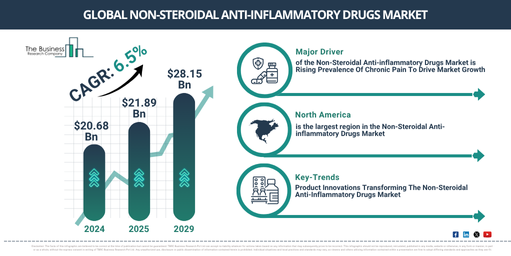
    The non-steroidal anti-inflammatory drugs market has experienced robust growth over recent years. This market is anticipated to expand from $20.68 billion in 2024 to $21.89 billion in 2025, achieving a compound annual growth rate (CAGR) of 5.8%. The historical growth in this sector is largely due to factors including chronic inflammatory diseases, postoperative pain management, sports injuries, the availability of these drugs over-the-counter, an aging population, and increased consumer awareness.

    The non-steroidal anti-inflammatory drugs market size is anticipated to undergo significant expansion over the next few years. It is forecast to grow to $28.15 billion in 2029, achieving a compound annual growth rate (CAGR) of 6.5%. This growth during the projection period can be attributed to several factors including evolving pain management therapies, regulatory adjustments, increased telehealth adoption, worldwide wellness trends, biosimilar rivalry, shifts in patient preferences, and personalized medicine strategies. Prominent trends for the forecast period encompass the dominance of the over-the-counter (OTC) market, a rising preference for cox-2 inhibitors, the influence of generics and market competition, and the integration of digital health technologies.

    Unlock Your Free Sample Report for Exclusive Market Data:

    https://www.thebusinessresearchcompany.com/sample.aspx?id=8023&type=smp

    Which Industry Drivers Are Expected To Accelerate The Non-Steroidal Anti-inflammatory Drugs Market From 2025 To 2029?

    An increasing prevalence of chronic pain is anticipated to stimulate the expansion of the non-steroidal anti-inflammatory drugs market moving forward. Chronic pain is defined as persistent discomfort lasting beyond six months. Non-steroidal anti-inflammatory drugs are employed to alleviate injuries and address chronic pain. For example, in April 2022, a report from the CDC (Centers for Disease Control and Prevention), a US-based government agency, revealed that chronic pain frequently stemmed from arthritis, a condition affecting millions of people across the US. Approximately one in four adults among 15 million individuals with arthritis experience severe joint pain attributed to the condition. Thus, the escalating incidence of chronic pain is propelling the growth of the non-steroidal anti-inflammatory drugs market.

    What Are The Segment Types Shaping The Non-Steroidal Anti-inflammatory Drugs Market?

    The non-steroidal anti-inflammatory drugs market covered in this report is segmented –

    1) By Route Of Administration: Oral, Topical, Other Route Of Administration

    2) By Disease Indication: Arthritis, Migraine, Ophthalmic Diseases, Other Disease Indications

    3) By Distribution Channel: Hospital Pharmacy, Retail Pharmacy, Online Pharmacy

    Subsegments:

    1) By Oral: Tablets, Capsules, Liquids Or Solutions

    2) By Topical: Gels, Creams, Patches

    3) By Other Route Of Administration: Injectable (Intravenous And Intramuscular), Suppositories

    What Are The Latest Industry Trends Transforming The Non-Steroidal Anti-inflammatory Drugs Market?

    Product innovation represents a significant development in the non-steroidal anti-inflammatory drugs market. Major companies operating in the non-steroidal anti-inflammatory drugs market are focusing on developing new technological solutions. For instance, in March 2024, Endo International plc, an Ireland-based pharmaceutical company, introduced ibuprofen-famotidine 800 mg/26.6 mg tablets. Ibuprofen-famotidine 800 mg/26.6 mg tablets integrate the pain-relieving and anti-inflammatory properties of ibuprofen with the gastroprotective benefits of famotidine. This unique formulation is engineered to relieve pain while simultaneously reducing the likelihood of gastrointestinal side effects commonly linked to the extended use of nonsteroidal anti-inflammatory drugs (NSAIDs) such as ibuprofen.

    Which Industry Leaders Are Driving Innovation Across The Non-Steroidal Anti-inflammatory Drugs Market?

    Major companies operating in the non-steroidal anti-inflammatory drugs market are Pfizer Inc., Bayer AG, Johnson & Johnson, Sun Pharmaceutical Industries Ltd., Assertio Therapeutics Inc., Iroko Pharmaceuticals Inc., Reckitt Benckiser Group PLC, Perrigo Company PLC, Hikma Pharmaceuticals Public Limited Company, Glenmark Pharmaceuticals Limited, Septodont, Aspen Pharmacare Holdings Limited, Sagent Pharmaceuticals Inc., Advanced Pharma Inc., Akorn Operating Company LLC, Alembic Pharmaceuticals Limited, Torrent Pharmaceuticals Limited, Lupin Limited, Cipla Limited, Zydus Cadila Healthcare Limited, Aurobindo Pharma Limited, Sanofi S.A., GlaxoSmithKline PLC, Horizon Therapeutics PLC, Zyla Life sciences, Novartis AG, Roche Holding AG, AbbVie Inc., Bristol-Myers Squibb Company

    Download The Full Report For Exclusive Market Findings:

    https://www.thebusinessresearchcompany.com/report/non-steroidal-anti-inflammatory-drugs-global-market-report

    Which Region Currently Holds The Largest Share Of The Non-Steroidal Anti-inflammatory Drugs Market?

    North America was the largest region in the non-steroidal anti-inflammatory drugs market in 2024. Asia-Pacific is expected to be the fastest-growing region in the non-steroidal anti-inflammatory drugs market during the forecast period. The regions covered in the non-steroidal anti-inflammatory drugs market report are Asia-Pacific, Western Europe, Eastern Europe, North America, South America, Middle East, Africa.

    Request A Customized Version Of The Non-Steroidal Anti-inflammatory Drugs Market Report:

    https://www.thebusinessresearchcompany.com/customise?id=8023&type=smp

    Browse Through More Reports Similar to the Global Non-Steroidal Anti-inflammatory Drugs Market 2025, By The Business Research Company

    Corticosteroid Global Market Report 2025

    https://www.thebusinessresearchcompany.com/report/corticosteroid-global-market-report

    Antiemetics And Antinauseants Global Market Report 2025

    https://www.thebusinessresearchcompany.com/report/antiemetics-and-antinauseants-global-market-report

    Inflammatory Bowel Disease Treatment Global Market Report 2025

    https://www.thebusinessresearchcompany.com/report/inflammatory-bowel-disease-treatment-global-market-report

    Get in touch with us:

    The Business Research Company: https://www.thebusinessresearchcompany.com/

    Americas +1 310-496-7795

    Asia +44 7882 955267 & +91 8897263534

    Europe +44 7882 955267

    Email us at info@tbrc.info

    Follow us on:

    LinkedIn: https://in.linkedin.com/company/the-business-research-company

    YouTube: https://www.youtube.com/channel/UC24_fI0rV8cR5DxlCpgmyFQ

    Global Market Model: https://www.thebusinessresearchcompany.com/global-market-model
  • Non-Alcoholic Steatohepatitis Treatment Market Expansion Outlook: $13.57 Billion by 2029 Forecast

    Non-Alcoholic Steatohepatitis Treatment Market Expansion Outlook: $13.57 Billion by 2029 Forecast

    Unlock Global Insights – Save 20% on Market Reports with Code ONLINE20

    What Are The Forecasted Market Size Estimates For The Non-Alcoholic Steatohepatitis Treatment Market Between 2025 And 2029?

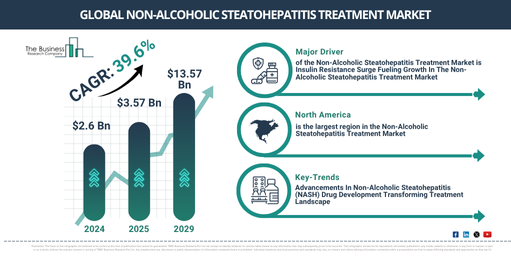
    The non-alcoholic steatohepatitis treatment market has experienced rapid expansion in recent years. Its valuation is set to climb from $2.6 billion in 2024 to $3.57 billion in 2025, progressing at a strong compound annual growth rate of 37.5%. Key contributors to this historical growth include the escalating incidence of NASH, heightened awareness and diagnostic rates, widespread lifestyle modifications and the obesity crisis, ongoing clinical research, improvements in healthcare infrastructure and access, and positive regulatory backing coupled with clinical trials.

    The non-alcoholic steatohepatitis treatment market size is projected for substantial expansion in the coming years. This market is anticipated to reach $13.57 billion by 2029, exhibiting a compound annual growth rate (CAGR) of 39.6%. This projected increase during the forecast period stems from progress in drug development, greater awareness of the disease, an increase in its prevalence and associated risk factors, and a move towards personalized medicine. Key developments expected in this timeframe encompass a patient-centric approach, technological advancements, the emergence of targeted therapies, an evolving regulatory landscape, and breakthroughs in research.

    Unlock Your Free Sample Report for Exclusive Market Data:

    https://www.thebusinessresearchcompany.com/sample.aspx?id=8595&type=smp

    What Are The Top Growth Drivers Impacting The Non-Alcoholic Steatohepatitis Treatment Market Outlook?

    The expansion of the non-alcoholic steatohepatitis treatment market is being driven by a rise in the incidence of insulin resistance. This condition develops when muscle, fat, and liver cells fail to respond sufficiently to insulin, impeding their ability to absorb glucose from the bloodstream, which leads to elevated blood sugar levels. Factors contributing to this include an unhealthy lifestyle, high sugar intake, and genetic predisposition. The prevalence of insulin resistance has escalated due to the growing cases of diabetes and various liver problems, both of which are addressed by non-alcoholic steatohepatitis treatment. For example, a January 2022 report by the International Diabetes Federation, a Belgium-based global diabetes community, indicated that diabetes impacts 537 million individuals (20-79 years old), representing one in every ten people, with projections showing an increase to 643 million by 2030 and 783 million by 2045. Additionally, in January 2024, the American Cancer Society, a US-based nonprofit cancer advocacy organization, forecasted that new liver cancer cases would total 41,630 in 2024, an increase from 41,210 in 2023. Consequently, the rising prevalence of insulin resistance, stemming from numerous liver and diabetes conditions, is set to propel the non-alcoholic steatohepatitis treatment market.

    What Are The Different Segment Classifications Within The Non-Alcoholic Steatohepatitis Treatment Market?

    The non-alcoholic steatohepatitis treatment market covered in this report is segmented –

    1) By Drug Type: Vitamin E And Pioglitazone, Ocaliva, Elafibranor, Selonsertib And cenicriviroc, Obeticholic Acid, Other Drugs Types

    2) By Test Type: Blood Tests, Liver Biopsy, Imaging Procedures

    3) By End User: Hospital Pharmacies, Retail And Specialty Pharmacies, Other End Users

    Subsegments:

    1) By Vitamin E And Pioglitazone: Vitamin E Supplements, Pioglitazone-Based Formulations.

    2) By Ocaliva: Ocaliva (Obeticholic Acid) For NASH

    3) By Elafibranor: Elafibranor-Based Treatments

    4) By Selonsertib And Cenicriviroc: Selonsertib Formulations, Cenicriviroc Formulations

    5) By Obeticholic Acid: Other Formulations Of Obeticholic Acid

    6) By Other Drug Types: Novel Agents In Clinical Trials, Combination Therapies

    What Trends Are Redefining The Non-Alcoholic Steatohepatitis Treatment Market Dynamics?

    The advancement of non-alcoholic steatohepatitis (NASH) drugs represents a key trend growing in popularity within the non-alcoholic steatohepatitis treatment market. Numerous companies are channeling investments into creating innovative drugs for treating liver diseases, focusing on reducing their side effects. For instance, in May 2022, Pfizer Inc., an American pharmaceutical and biotechnology company, was granted fast-track designation by the U.S. Food and Drug Administration (FDA) to accelerate the development of its non-alcoholic steatohepatitis (NASH) drugs, specifically ervogastat and clesacostat. The Fast Track initiative is tailored for Pfizer’s experimental combination therapy aimed at non-alcoholic steatohepatitis (NASH) with liver fibrosis, which includes ervogastat (PF-06865571, a diacylglycerol O-acyltransferase 2 inhibitor, or DGAT2i) and clesacostat (PF-05221304, an acetyl-CoA carboxylase inhibitor, or ACCi).

    Who Are The Key Multinational Companies Dominating The Non-Alcoholic Steatohepatitis Treatment Market?

    Major companies operating in the non-alcoholic steatohepatitis treatment market are AstraZeneca PLC, Galmed Pharmaceuticals Ltd., Genfit S.A., Zydus Cadila Healthcare Limited, Bristol-Myers Squibb Company, Gilead Sciences Inc., Novo Nordisk A/S, Immuron Ltd., Inventiva Pharma SA, NGM Biopharmaceuticals Inc., Galectin Therapeutics Inc., Madrigal Pharmaceuticals Corporation, Intercept Pharmaceuticals Inc., Cirius Therapeutics Inc., Viking Therapeutics Inc., Eli Lilly and Company, Terns Pharmaceuticals Inc., Pfizer Inc., Merck & Co. Inc., AbbVie Inc., Johnson & Johnson Private Limited, Sanofi S.A., F. Hoffmann-La Roche Ltd., C.H. Boehringer Sohn AG & Co. KG

    Download The Full Report For Exclusive Market Findings:

    https://www.thebusinessresearchcompany.com/report/non-alcoholic-steatohepatitis-treatment-global-market-report

    What Regional Growth Trends Are Shaping The Non-Alcoholic Steatohepatitis Treatment Market Outlook?

    North America was the largest region in the non-alcoholic steatohepatitis treatment market share in 2024. The regions covered in the non-alcoholic steatohepatitis treatment market report are Asia-Pacific, Western Europe, Eastern Europe, North America, South America, Middle East, Africa.

    Request A Customized Version Of The Non-Alcoholic Steatohepatitis Treatment Market Report:

    https://www.thebusinessresearchcompany.com/customise?id=8595&type=smp

    Browse Through More Reports Similar to the Global Non-Alcoholic Steatohepatitis Treatment Market 2025, By The Business Research Company

    Nutritional Analysis Global Market Report 2025

    https://www.thebusinessresearchcompany.com/report/nutritional-analysis-global-market-report

    Probiotics Dietary Supplements Global Market Report 2025

    https://www.thebusinessresearchcompany.com/report/probiotics-dietary-supplements-global-market-report

    Protein Supplements Global Market Report 2025

    https://www.thebusinessresearchcompany.com/report/protein-supplements-global-market-report

    Get in touch with us:

    The Business Research Company: https://www.thebusinessresearchcompany.com/

    Americas +1 310-496-7795

    Asia +44 7882 955267 & +91 8897263534

    Europe +44 7882 955267

    Email us at info@tbrc.info

    Follow us on:

    LinkedIn: https://in.linkedin.com/company/the-business-research-company

    YouTube: https://www.youtube.com/channel/UC24_fI0rV8cR5DxlCpgmyFQ

    Global Market Model: https://www.thebusinessresearchcompany.com/global-market-model
  • Global Nicotine Addiction Treatment Industry Trends: Where the Market Is Headed by 2029

    Global Nicotine Addiction Treatment Industry Trends: Where the Market Is Headed by 2029

    Unlock Global Insights – Save 20% on Market Reports with Code ONLINE20

    How Is The Nicotine Addiction Treatment Market Size Likely To Evolve From 2025 Through 2034?

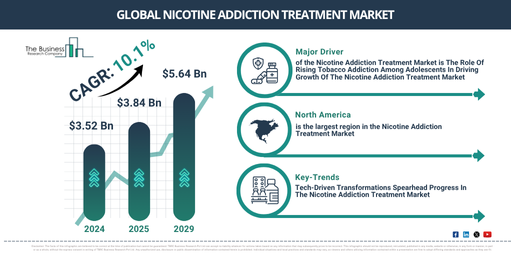
    The size of the nicotine addiction treatment market has demonstrated substantial growth in recent years. This market is expected to expand from $3.52 billion in 2024 to $3.84 billion in 2025, reflecting a compound annual growth rate (CAGR) of 9.1%. Historically, its growth can be linked to progress in scientific research, various public health initiatives, new developments in treatment approaches, shifts in cultural perspectives, and the advocacy efforts of healthcare professionals.

    The nicotine addiction treatment market is anticipated to experience substantial growth in the upcoming years. It is projected to reach $5.64 billion by 2029, demonstrating a compound annual growth rate (CAGR) of 10.1%. This expansion during the forecast period is primarily driven by government regulations and policies, progress in clinical research and development, shifts in consumer behavior and trends, intense market competition and industry strategies, and increased healthcare system integration. Prominent trends expected in this period include personalized treatment approaches, technology-based interventions, innovative alternative therapies and products, the rise of telemedicine and remote support, and the robust integration of behavioral support.

    Unlock Your Free Sample Report for Exclusive Market Data:

    https://www.thebusinessresearchcompany.com/sample.aspx?id=9316&type=smp

    Which Major Market Drivers Are Shaping The Future Of The Nicotine Addiction Treatment Market?

    The increasing incidence of tobacco dependence among adolescents is anticipated to fuel the expansion of the nicotine addiction treatment market in the future. Tobacco addiction, alternatively termed nicotine dependency, manifests as a compulsion to consume tobacco, often in cigarettes, which harbor the potent addictive substance, nicotine. Adolescents commence smoking early due to its perceived capabilities to alleviate anxiety, elevate mood, and cope with depression. This surge in tobacco addiction consequently generates substantial demand for interventions addressing nicotine dependence. As an illustration, data from October 2024, provided by the Centers for Disease Control and Prevention, a US-based government public health agency, indicated that in 2024, 1 out of every 29 middle school students (3.5%) acknowledged using electronic cigarettes within the preceding 30 days. Consequently, the escalating occurrence of tobacco addiction among the teenage population is a key factor propelling the expansion of the nicotine addiction treatment market.

    What Are The Primary Types Of Segments Analyzed In The Nicotine Addiction Treatment Market?

    The nicotine addiction treatment market covered in this report is segmented –

    1) By Type: Pharmacological, Therapies, Other Types

    2) By Distribution Channel: Hospital Pharmacy, Retail Pharmacy, Online Pharmacy

    3) By End-User: Generation Z, Millennials, Generation X, Silent Generation

    Subsegments:

    1) By Pharmacological: Nicotine Replacement Therapies (NRTs), Prescription Medications

    2) By Therapies: Behavioral Therapy, Cognitive Behavioral Therapy (CBT), Group Therapy, Hypnotherapy

    3) By Other Types: Mobile Applications, Support Groups, Online Counseling Services

    How Are Emerging Market Trends Shaping The Nicotine Addiction Treatment Industry Landscape?

    Innovative approaches are emerging as a significant and increasingly popular trend within the nicotine addiction treatment market. Leading companies in the nicotine addiction treatment market are concentrating on introducing novel solutions to maintain their competitive standing. For instance, in February 2022, the World Health Organization (WHO), the Switzerland-based specialized agency of the United Nations responsible for international public health, launched the ‘Quit Tobacco App’ to assist people in stopping smoking. This application is notable as the first to specifically target all tobacco products, supporting users in quitting by helping them identify triggers, set goals, control cravings, and maintain focus. Such inventive methods, including this app, are critically important for assisting individuals in discontinuing tobacco use, which many recognize as hazardous yet find difficult to cease for various reasons.

    Which Leading Players Are Enhancing Their Nicotine Addiction Treatment Market Presence Worldwide?

    Major companies operating in the nicotine addiction treatment market include Cipla Limited, Pfizer Inc., Glenmark Pharmaceuticals Limited, Johnson & Johnson Private Limited, Japan Tobacco Inc., British American Tobacco PLC, Imperial Brands PLC, GlaxoSmithKline plc, Perrigo Company PLC, NJOY LLC, Takeda Pharmaceutical Company Limited, Dr. Reddy’s Laboratories Limited, Cerecor Inc., Embera NeuroTherapeutics Inc., Hager Biosciences LLC, RTI International, Novartis International AG, Sanofi S.A., Sandoz International GmbH, Boehringer Ingelheim International GmbH, Alkermes plc, Teva Pharmaceutical Industries Ltd.

    Download The Full Report For Exclusive Market Findings:

    https://www.thebusinessresearchcompany.com/report/nicotine-addiction-treatment-global-market-report

    Which Regional Markets Are Contributing Most To The Nicotine Addiction Treatment Industry Expansion?

    North America was the largest region in the nicotine addiction treatment market in 2024. The regions covered in the nicotine addiction treatment market report are Asia-Pacific, Western Europe, Eastern Europe, North America, South America, Middle East, Africa

    Request A Customized Version Of The Nicotine Addiction Treatment Market Report:

    https://www.thebusinessresearchcompany.com/customise?id=9316&type=smp

    Browse Through More Reports Similar to the Global Nicotine Addiction Treatment Market 2025, By The Business Research Company

    Gastrointestinal Bleeding Treatment Devices Global Market Report 2025

    https://www.thebusinessresearchcompany.com/report/gastrointestinal-bleeding-treatment-devices-global-market-report

    Gastrointestinal Devices Global Market Report 2025

    https://www.thebusinessresearchcompany.com/report/gastrointestinal-devices-global-market-report

    Medical Equipment Maintenance Global Market Report 2025

    https://www.thebusinessresearchcompany.com/report/medical-equipment-maintenance-global-market-report

    Get in touch with us:

    The Business Research Company: https://www.thebusinessresearchcompany.com/

    Americas +1 310-496-7795

    Asia +44 7882 955267 & +91 8897263534

    Europe +44 7882 955267

    Email us at info@tbrc.info

    Follow us on:

    LinkedIn: https://in.linkedin.com/company/the-business-research-company

    YouTube: https://www.youtube.com/channel/UC24_fI0rV8cR5DxlCpgmyFQ

    Global Market Model: https://www.thebusinessresearchcompany.com/global-market-model
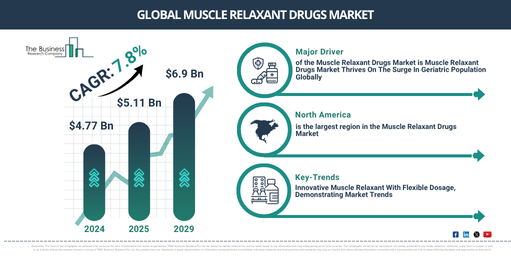
  • Muscle Relaxant Drugs Industry Forecast to Hit $6.9 Billion by 2029 With a Strong 7.8% CAGR

    Muscle Relaxant Drugs Industry Forecast to Hit $6.9 Billion by 2029 With a Strong 7.8% CAGR

    Unlock Global Insights – Save 20% on Market Reports with Code ONLINE20

    What Are The Growth Projections For The Muscle Relaxant Drugs Market Size During 2025–2029?

    The muscle relaxant drugs market size has experienced substantial growth in recent years. It is anticipated to expand from $4.77 billion in 2024 to $5.11 billion in 2025, progressing at a compound annual growth rate (CAGR) of 7.0%. The historical period’s expansion is due to a shift in treatment approaches, chronic pain management, pharmaceutical innovation in drug formulations, a rise in surgical procedures, and the expansion in physical rehabilitation practices.

    The muscle relaxant drugs market is projected to experience substantial expansion in the coming years, anticipated to reach $6.9 billion by 2029, exhibiting a compound annual growth rate (CAGR) of 7.8%. Key factors contributing to this growth during the forecast period include the adoption of multidisciplinary pain management strategies, an aging demographic coupled with prevalent chronic conditions, ongoing research into targeted therapies, an increasing emphasis on non-pharmacological methods for pain relief, and continuous advancements in overall pain management therapies. Significant trends expected in the same period involve improvements in the side effect profiles of these drugs, a shift towards personalized medicine approaches, exploration of alternative therapeutic options, the increasing integration of muscle relaxants into standard pain management protocols, and the growing use of botulinum toxin injections.

    Unlock Your Free Sample Report for Exclusive Market Data:

    https://www.thebusinessresearchcompany.com/sample.aspx?id=8751&type=smp

    What Are The Main Drivers Boosting The Muscle Relaxant Drugs Industry’s Expansion?

    The increasing elderly population is projected to stimulate the expansion of the muscle relaxant drugs market in the future. The geriatric population consists of individuals 65 years and beyond. Muscle relaxant drugs are utilized for sedation and pain reduction in this demographic, as they are more susceptible to musculoskeletal disorders. For instance, in October 2022, data from the World Health Organization, an international public health body based in Switzerland, indicated that the global population aged 60 years is expected to climb to 1.4 billion by 2022, compared to 1 billion in 2020. Furthermore, by 2030, 1 out of 6 people worldwide will be aged 60 years or older. Thus, the growing number of older adults is a key driver for the muscle relaxant drugs market.

    Which Key Segments Fueling The Muscle Relaxant Drugs Market?

    The muscle relaxant drugs market covered in this report is segmented –

    1) By Drug Type: Facial Muscle Relaxant Drugs, Skeletal Muscle Relaxant Drugs, Neuromuscular Blocking Agents

    2) By Formulation: Cyclobenzaprine, Carisoprodol, Chlorzoxazone, Metaxalone, Methocarbamol, Baclofen, Tizanidine, Orphenadrine, Dantrolene

    3) By Route Of Administration: Oral, Injectable, Spray, Ointment

    4) By End-User: Hospitals, Homecare, Specialty Clinics, Other End-Users

    Subsegments:

    1) By Facial Muscle Relaxant Drugs: Botulinum Toxin, Dysport, Xeomin

    2) By Skeletal Muscle Relaxant Drugs: Centrally Acting Muscle Relaxants, Peripherally Acting Muscle Relaxants

    3) By Neuromuscular Blocking Agents: Non-Depolarizing Agents, Depolarizing Agents

    Which Key Trends Are Expected To Influence The Muscle Relaxant Drugs Market In The Coming Years?

    Product innovations are emerging as a prominent trend in the muscle relaxant drug market. Major companies operating in this sector are introducing novel drugs tailored for specific medical applications, such as generic versions of muscle relaxants, medications for animals, and formulations offering flexible, customized dosing, all aimed at securing their market standing. For instance, in June 2022, Amneal Pharmaceuticals Inc., a US-based integrated specialty pharmaceutical company, launched LYVISPAH, a baclofen oral granule (5, 10, and 20 mg) specialty product. This product received approval from the US Food and Drug Administration for the management of spasticity associated with multiple sclerosis and other spinal cord disorders. LYVISPAH delivers adaptable, tailored dosing through 5 mg, 10 mg, and 20 mg single-dose packets of granules, which are used to alleviate muscle stiffness, spasms, and pain stemming from multiple sclerosis. The rapidly dissolving, flavored granules provide an alternative for patients with spasticity who also experience difficulty swallowing pills. The product can be administered in three distinct ways: directly into the patient’s mouth with or without water, mixed with liquids or foods, or delivered via an enteral feeding tube.

    Which Major Firms Are Strengthening Their Position In The Muscle Relaxant Drugs Industry?

    Major companies operating in the muscle relaxant drugs market are Pfizer Inc., Ipsen Pharma SA, Teijin Limited, Par Pharmaceutical Companies Inc., Orient Phaarma Co. Ltd., Novartis AG, Accord Healthcare Ltd., Amneal Pharmaceuticals LLC, Fresenius Kabi India Pvt. Ltd., Aurobindo Pharma Ltd., Mylan NV, Hikma Pharmaceuticals PLC, Akorn Incorporated, Merck & Co. Inc., Teva Pharmaceuticals Industries Ltd., Lifesciences Limited, Neurana Pharmaceuticals Inc., Dr. Reddy’s Laboratories, Lannett Company Inc., Unichem Laboratories, SteriMax Inc., Endo Pharmaceuticals Inc., Abbvie Inc., Merz Pharmaceuticals LLC, Vertical Pharmaceuticals LLC, Mallinckrodt Pharmaceuticals, Eisai Co. Ltd., Metacel Pharmaceuticals LLC, Sun Pharmaceutical Industries Ltd., Cadila Healthcare Ltd., Torrent Pharmaceuticals Ltd., Alembic Pharmaceuticals Ltd., Wockhardt Ltd., Glenmark Pharmaceuticals Ltd., Cipla Ltd., Lupin Ltd., Intas Pharmaceuticals Ltd., Alkem Laboratories Ltd.

    Download The Full Report For Exclusive Market Findings:

    https://www.thebusinessresearchcompany.com/report/muscle-relaxant-drugs-global-market-report

    How Does The Muscle Relaxant Drugs Market Perform Across Key Geographic Regions?

    North America was the largest region in the muscle relaxant drugs market share in 2024. The regions covered in the muscle relaxant drugs market report are Asia-Pacific, Western Europe, Eastern Europe, North America, South America, Middle East, Africa.

    Request A Customized Version Of The Muscle Relaxant Drugs Market Report:

    https://www.thebusinessresearchcompany.com/customise?id=8751&type=smp

    Browse Through More Reports Similar to the Global Muscle Relaxant Drugs Market 2025, By The Business Research Company

    Drug Delivery Devices Global Market Report 2025

    https://www.thebusinessresearchcompany.com/report/drug-delivery-devices-global-market-report

    Drugs For Immunotherapy Global Market Report 2025

    https://www.thebusinessresearchcompany.com/report/drugs-for-immunotherapy-global-market-report

    Drugs For Hormonal Replacement Therapy Global Market Report 2025

    https://www.thebusinessresearchcompany.com/report/drugs-for-hormonal-replacement-therapy-global-market-report

    Get in touch with us:

    The Business Research Company: https://www.thebusinessresearchcompany.com/

    Americas +1 310-496-7795

    Asia +44 7882 955267 & +91 8897263534

    Europe +44 7882 955267

    Email us at info@tbrc.info

    Follow us on:

    LinkedIn: https://in.linkedin.com/company/the-business-research-company

    YouTube: https://www.youtube.com/channel/UC24_fI0rV8cR5DxlCpgmyFQ

    Global Market Model: https://www.thebusinessresearchcompany.com/global-market-model
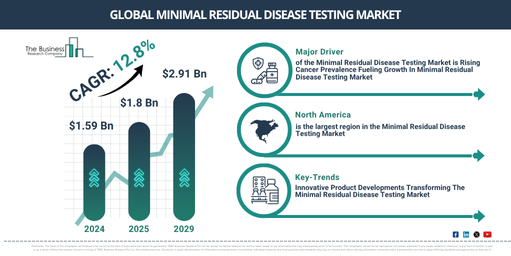
  • Minimal Residual Disease Testing Market to Reach $2.91 Billion by 2029, Growing at a CAGR of 12.8%

    Minimal Residual Disease Testing Market to Reach $2.91 Billion by 2029, Growing at a CAGR of 12.8%

    Unlock Global Insights – Save 20% on Market Reports with Code ONLINE20

    What Is The Global Market Value Of The Minimal Residual Disease Testing Industry In 2025?

    The minimal residual disease testing market has experienced substantial growth in recent years. Its value is expected to increase from $1.59 billion in 2024 to $1.8 billion in 2025, reflecting a compound annual growth rate (CAGR) of 12.9%. The expansion observed historically stems from advancements in cancer research, the necessity for treatment monitoring, compelling clinical evidence, regulatory backing, and improvements in patient outcomes.

    The minimal residual disease testing market is anticipated to experience swift expansion over the coming years. It is projected to reach $2.91 billion by 2029, demonstrating a compound annual growth rate (CAGR) of 12.8%. This projected growth during the forecast period stems from factors such as increasing cancer incidence, therapeutic advancements, precision medicine trends, a shift toward early detection, and healthcare system integration. Noteworthy trends anticipated in this period encompass the integration of liquid biopsy approaches, a strong focus on the early detection of relapse, the expansion of MRD testing in clinical trials, its growing adoption in pediatric oncology, and increased collaborations for research and development.

    Unlock Your Free Sample Report for Exclusive Market Data:

    https://www.thebusinessresearchcompany.com/sample.aspx?id=9970&type=smp

    Which Factors And Drivers Are Influencing The Minimal Residual Disease Testing Market In 2025?

    The rising occurrence of cancer is anticipated to drive expansion in the minimal residual disease testing market moving ahead. Cancer is defined as a state where some of the body’s cells proliferate uncontrollably and disseminate to various parts of the body. Minimal residual disease testing, a highly sensitive technique for identifying cancer cells in the human body, is the primary means of detecting cancer stages. This enables cancer patients to avert the illness early, thereby stimulating the minimal residual disease testing market. As an illustration, for 2022, reports from the American Cancer Society Inc., a US-based nonprofit organization, indicated that around 1.9 million new cases of cancer were expected to be diagnosed, resulting in an estimated 609,360 cancer-related deaths in the United States. Consequently, the expanding incidence of cancer is propelling the minimal residual disease testing market’s growth.

    How Is The Minimal Residual Disease Testing Market Classified Into Different Segments?

    The minimal residual disease testing market covered in this report is segmented –

    1) By Test Type: DNA – Based Test, RNA- Based Test, Immunological Test

    2) By Technology: Flow Cytometry, Polymerase Chain Reaction (PCR), Next-Generation Sequencing (NGS), Other Technologies

    3) By Application: Hematological Malignancies, Leukemia, Lymphoma, Solid Tumors, Other Application

    4) By End User: Hospitals And Specialty Clinics, Diagnostic Laboratories, Academic And Research Institutes, Other End Users

    Subsegments:

    1) By DNA-Based Test: Polymerase Chain Reaction (PCR) Tests, Next-Generation Sequencing (NGS), Digital PCR

    2) By RNA-Based Test: Reverse Transcription PCR (RT-PCR), RNA Sequencing, Quantitative PCR (qPCR)

    3) By Immunological Test: Flow Cytometry, Enzyme-Linked Immunosorbent Assay (ELISA), Immunohistochemistry

    What Are The Major Trends Driving The Growth Of The Minimal Residual Disease Testing Market?

    Product innovations are a significant trend gaining traction in the minimal residual disease testing market. Major companies active in the minimal residual disease testing market are developing novel products to maintain their industry standing. For instance, in 2022, Twist Bioscience, a US-based synthetic biology and genomics company, launched the Twist MRD Panel to advance research and development for minimal residual disease (MRD) detection in cancer screening. The Twist MRD Panel is a customizable gene panel capable of identifying very low concentrations of residual cancer cells in a patient’s blood. Designed for high flexibility and customization, the Twist MRD Panel seamlessly integrates into typical next-generation sequencing (NGS) workflows, allowing for the detection of minimum residual disease (MRD) in just five days.

    Who Are The Primary Competitors In The Global Minimal Residual Disease Testing Market?

    Major companies operating in the minimal residual disease testing market include Natera Inc., Guardant Health Inc., Laboratory Corporation of America Holdings, QIAGEN NV, F. Hoffmann-La Roche Ltd., Bio-Techne Corporation, Bio-Rad Laboratories Inc., Sysmex Corporation, Exact Sciences Corporation, GRAIL LLC, Veracyte Inc., Cergentis B.V, Mdxhealth SA, NeoGenomics Laboratories Inc., Adaptive Biotechnologies, OPKO Health Inc., Thermo Fisher Scientific Inc., Siemens Healthineers AG, PerkinElmer Inc., Agilent Technologies Inc., ArcherDx Inc., Asuragen Inc., Becton, Dickinson and Company, Cepheid Inc., Fluidigm Corporation, Illumina Inc., Invitae Corporation, Janssen Diagnostics LLC, Luminex Corporation, Menarini Silicon Biosystems S.p.A.

    Download The Full Report For Exclusive Market Findings:

    https://www.thebusinessresearchcompany.com/report/minimal-residual-disease-testing-global-market-report

    Which Region Is Expected To Witness The Fastest Growth In The Minimal Residual Disease Testing Market?

    North America was the largest region in the minimal residual disease testing market in 2024. The regions covered in the minimal residual disease testing market report are Asia-Pacific, Western Europe, Eastern Europe, North America, South America, Middle East, Africa

    Request A Customized Version Of The Minimal Residual Disease Testing Market Report:

    https://www.thebusinessresearchcompany.com/customise?id=9970&type=smp

    Browse Through More Reports Similar to the Global Minimal Residual Disease Testing Market 2025, By The Business Research Company

    Healthcare Analytical Testing Services Global Market Report 2025

    https://www.thebusinessresearchcompany.com/report/healthcare-analytical-testing-services-global-market-report

    Automotive Testing Inspection And Certification Global Market Report 2025

    https://www.thebusinessresearchcompany.com/report/automotive-testing-inspection-and-certification-global-market-report

    Cold Plasma Global Market Report 2025

    https://www.thebusinessresearchcompany.com/report/cold-plasma-global-market-report

    Get in touch with us:

    The Business Research Company: https://www.thebusinessresearchcompany.com/

    Americas +1 310-496-7795

    Asia +44 7882 955267 & +91 8897263534

    Europe +44 7882 955267

    Email us at info@tbrc.info

    Follow us on:

    LinkedIn: https://in.linkedin.com/company/the-business-research-company

    YouTube: https://www.youtube.com/channel/UC24_fI0rV8cR5DxlCpgmyFQ

    Global Market Model: https://www.thebusinessresearchcompany.com/global-market-model
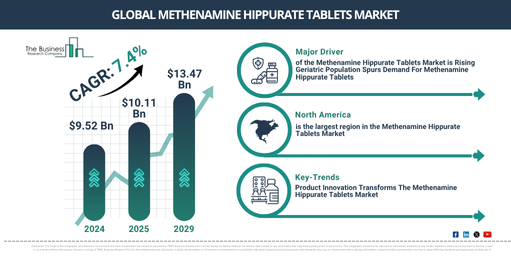
  • Global Methenamine Hippurate Tablets Market Size Projected to Reach $13.47 Billion During the Forecast Period

    Global Methenamine Hippurate Tablets Market Size Projected to Reach $13.47 Billion During the Forecast Period

    Unlock Global Insights – Save 20% on Market Reports with Code ONLINE20

    By How Much Is The Methenamine Hippurate Tablets Market Expected To Expand Between 2025 And 2029?

    The methenamine hippurate tablets market has shown significant expansion in recent years. Its valuation is expected to rise from $9.52 billion in 2024 to $10.11 billion in 2025, reflecting a compound annual growth rate (CAGR) of 6.2%. The past growth in this market can be linked to factors such as its application in traditional UTI treatment, increasing worries about antibiotic resistance, strong clinical validation, established physician prescription patterns, and patients favoring non-antibiotic alternatives.

    The methenamine hippurate tablets market is expected to experience robust expansion over the next few years. It is projected to reach $13.47 billion by 2029, exhibiting a compound annual growth rate (CAGR) of 7.4%. This projected growth throughout the forecast period is attributable to the increasing UTI prevalence, rising antibiotic resistance concerns, advancements in UTI management, a healthcare focus on preventive therapies, and ongoing clinical trials and research. Significant trends anticipated for the forecast period include an increased UTI incidence, a rise in antibiotic resistance, a growing preference for non-antibiotic treatments, an intensified focus on preventive healthcare, and continued research and development.

    Unlock Your Free Sample Report for Exclusive Market Data:

    https://www.thebusinessresearchcompany.com/sample.aspx?id=9412&type=smp

    What Are The Key Drivers Of Growth In The Methenamine Hippurate Tablets Market?

    The methenamine hippurate tablets market is projected to experience growth in the future, driven by an expanding geriatric population. This demographic refers to individuals who are 60 years and above. Elderly patients are more prone to urinary tract infections due to various factors like reduced urine flow, an enlarged prostate, or kidney stones, making methenamine hippurate tablets necessary for addressing these conditions. For instance, according to the World Health Organization, a Switzerland-based specialized agency of the United Nations responsible for international public health, by 2030, one in six people globally will be 60 or older. In 2022, the number of individuals over the age of 60 stood at 1.4 billion. The worldwide population of those aged 60 years or more is expected to double by 2050, reaching 2.1 billion. Furthermore, the number of people aged 80 years or older is anticipated to treble, amounting to 426 million. Consequently, the increasing geriatric population is fueling the expansion of the methenamine hippurate tablets market.

    What Are The Major Segments Identified In The Methenamine Hippurate Tablets Market?

    The methenamine hippurate tablets market covered in this report is segmented –

    1) By Type: 20 Tablets Or Bottle, 6 Tablets Or Bottle

    2) By Distribution Channel: Hospital Pharmacy, Online Pharmacy, Retail Pharmacy

    3) By Application: Uncomplicated UTIs, Healthcare-associated UTIs

    4) By End User: Hospitals, Homecare, Specialty Clinics, Others End Users

    Subsegments:

    1) By 20 Tablets per Bottle: Standard Packaging, Bulk Packaging Options

    2) By 6 Tablets per Bottle: Standard Packaging, Sample Or Trial Packaging

    What Are The Major Trends Driving The Growth Of The Methenamine Hippurate Tablets Market?

    Product innovation has emerged as a significant trend gaining traction within the methenamine hippurate tablets market. Key companies operating in this market are introducing innovative products to bolster their presence. For example, in May 2023, EQL Pharma, a European pharmaceutical firm focused on cost-effective generic and niche generic medicines for pharmacies and hospitals, announced an out-licensing agreement for Memprex (methenamine hippurate) with Laboratoires Majorelle. This agreement aims for distribution in the French market, thereby increasing its accessibility and offering a non-antibiotic choice for preventing UTIs. Laboratoires Majorelle, a leading women’s health company in France, will market and distribute Memprex, providing a non-antibiotic option for preventing urinary tract infections.

    Which Key Market Players Are Investing In Expansion And Innovation Of Methenamine Hippurate Tablets Market?

    Major companies operating in the methenamine hippurate tablets market include Alvogen Lux Holdings S.ÀR.L., Micro Labs Inc., Aurobindo Pharma, Amneal Pharmaceuticals Inc., Viatris Inc., McKesson Corporation, Sun Pharmaceutical Industries Ltd., Cipla Ltd., Dr. Reddy’s Laboratories Ltd., Cadila Healthcare Ltd., Torrent Pharmaceuticals Ltd., Glenmark Pharmaceuticals Ltd., Zydus Pharmaceuticals Ltd., Lupin Ltd., Alkem Laboratories Ltd., Ipca Laboratories Ltd., Granules India Ltd., Teva Pharmaceutical Industries Ltd., Apotex Pharmachem Inc., Sandoz International GmbH

    Download The Full Report For Exclusive Market Findings:

    https://www.thebusinessresearchcompany.com/report/methenamine-hippurate-tablets-global-market-report

    Which Global Regions Are Influencing The Competitive Landscape Of The Methenamine Hippurate Tablets Market?

    North America was the largest region in the methenamine hippurate tablets market in 2024. The regions covered in the methenamine hippurate tablets market report are Asia-Pacific, Western Europe, Eastern Europe, North America, South America, Middle East, Africa

    Request A Customized Version Of The Methenamine Hippurate Tablets Market Report:

    https://www.thebusinessresearchcompany.com/customise?id=9412&type=smp

    Browse Through More Reports Similar to the Global Methenamine Hippurate Tablets Market 2025, By The Business Research Company

    Hormonal Contraceptives Global Market Report 2025

    https://www.thebusinessresearchcompany.com/report/hormonal-contraceptives-global-market-report

    Cough And Cold Preparations Global Market Report 2025

    https://www.thebusinessresearchcompany.com/report/cough-and-cold-preparations-global-market-report

    Smart Pills Global Market Report 2025

    https://www.thebusinessresearchcompany.com/report/smart-pills-global-market-report

    Get in touch with us:

    The Business Research Company: https://www.thebusinessresearchcompany.com/

    Americas +1 310-496-7795

    Asia +44 7882 955267 & +91 8897263534

    Europe +44 7882 955267

    Email us at info@tbrc.info

    Follow us on:

    LinkedIn: https://in.linkedin.com/company/the-business-research-company

    YouTube: https://www.youtube.com/channel/UC24_fI0rV8cR5DxlCpgmyFQ

    Global Market Model: https://www.thebusinessresearchcompany.com/global-market-model
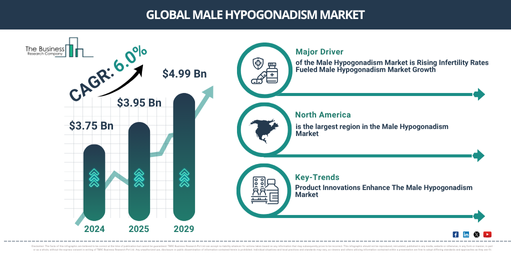
  • Male Hypogonadism Industry Anticipated to Expand at 6% CAGR During the Forecast Period

    Male Hypogonadism Industry Anticipated to Expand at 6% CAGR During the Forecast Period

    Unlock Global Insights – Save 20% on Market Reports with Code ONLINE20

    #What Is The Projected Market Size Of The Male Hypogonadism Market By 2029?

    The market size for male hypogonadism has experienced robust growth in recent years. This market is projected to expand from $3.75 billion in 2024 to $3.95 billion by 2025, reflecting a compound annual growth rate (CAGR) of 5.3%. In the past, this growth has been influenced by factors such as an aging population, improved awareness and diagnosis, various lifestyle factors, the prevalence of chronic illnesses, and increased treatment-seeking behavior.

    The male hypogonadism market is projected to experience substantial expansion in the coming years. Its value is anticipated to reach $4.99 billion by 2029, exhibiting a compound annual growth rate (CAGR) of 6.0%. This growth during the forecast period is attributable to increased awareness, the widespread occurrence of lifestyle-related health issues, therapeutic advancements, a greater focus on men’s well-being, and improved access through telemedicine and general healthcare services. Key trends expected in the same period encompass a heightened focus on psychological and sexual well-being, the investigation of nutraceuticals and lifestyle-based solutions, market penetration into developing economies, joint research efforts, and a strong emphasis on sustained safety and oversight.

    Unlock Your Free Sample Report for Exclusive Market Data:

    https://www.thebusinessresearchcompany.com/sample.aspx?id=9969&type=smp

    Which Drivers Are Supporting Growth Of The Male Hypogonadism Market?

    Rising infertility rates are anticipated to boost the expansion of the male hypogonadism market in the future. Infertility is defined as a state of the male or female reproductive system marked by a failure to achieve conception after at least 12 months of regular, unprotected sexual intercourse. A potential cause of male infertility is male hypogonadism, a condition that can result in reduced sperm production and infertility. Consequently, the growing occurrence of male infertility is projected to fuel the expansion of the male hypogonadism market. For example, data released in February 2024 by the Office for National Statistics, a UK-based government department, showed that in 2022, the total infertility rate (TFR) rose to 1.49 children per woman, up from 1.55 in 2021. Thus, the escalating infertility rate is propelling the growth of the male hypogonadism market.

    What Are The Emerging Segments Gaining Attention In The Male Hypogonadism Market?

    The male hypogonadism market covered in this report is segmented –

    1) By Type: Klinefelters Syndrome, Kallmann Syndrome, Pituitary Disorders, Other Types

    2) By Drug Delivery: Topical Gels, Injectables, Transdermal Patches, Other Drug Deliveries

    3) By Therapy: Testosterone Therapy, Gonadotropin-Releasing Hormone Therapy

    Subsegments:

    1) By Klinefelter’s Syndrome: 47,XXY Syndrome, Other Variants

    2) By Kallmann Syndrome: Isolated Kallmann Syndrome, Syndromic Kallmann Syndrome

    3) By Pituitary Disorders: Hypopituitarism, Pituitary Tumors, Other Pituitary Disorders

    4) By Other Types: Androgen Insensitivity Syndrome, Testicular Dysgenesis Syndrome, Genetic Mutations And Disorders

    Which Trends Are Impacting The Male Hypogonadism Market?

    Product innovation represents a significant and growing trend within the male hypogonadism market. Companies operating in the male hypogonadism market are developing new products to maintain their competitive standing. For instance, in June 2022, Halozyme, a US-based biotechnology company, launched Tlando, an oral therapy for testosterone replacement in male hypogonadism. Tlando is a prescription medication containing testosterone and is notable as the first oral testosterone treatment approved by the FDA. It is administered to adult men who have insufficient or no testosterone as a result of certain medical conditions.

    Who Are The Core Companies Influencing The Male Hypogonadism Market Landscape?

    Major companies operating in the male hypogonadism market include Pfizer Inc., Bayer AG, Eli Lilly and Company Ltd., Endo International plc., Merck & Co. Inc., Ferring Pharmaceuticals, Finox Biotech AG, Teva Pharmaceutical Industries Ltd., AbbVie Inc., Perrigo Company plc, IBSA Institut Biochimique SA, Sun Pharmaceutical Industries Limited, Glenmark Pharmaceuticals Limited, Antares Pharma Inc., Zydus Cadila LLC, Besins Healthcare Ltd., Clarus Therapeutics Holdings Inc., Foresee Pharmaceuticals Co. Ltd., Lipocine Inc., Myovant Sciences Ltd., Sandoz International GmbH, Shionogi & Co. Ltd., TherapeuticsMD Inc., Viking Therapeutics Inc.

    Download The Full Report For Exclusive Market Findings:

    https://www.thebusinessresearchcompany.com/report/male-hypogonadism-global-market-report

    What Are The Regional Market Dynamics Impacting The Male Hypogonadism Industry?

    North America was the largest region in the male hypogonadism market in 2024. Asia-Pacific is expected to be the fastest-growing region in the male hypogonadism market report during the forecast period. The regions covered in the male hypogonadism market report are Asia-Pacific, Western Europe, Eastern Europe, North America, South America, Middle East, Africa

    Request A Customized Version Of The Male Hypogonadism Market Report:

    https://www.thebusinessresearchcompany.com/customise?id=9969&type=smp

    Browse Through More Reports Similar to the Global Male Hypogonadism Market 2025, By The Business Research Company

    Gastrointestinal Bleeding Treatment Devices Global Market Report 2025

    https://www.thebusinessresearchcompany.com/report/gastrointestinal-bleeding-treatment-devices-global-market-report

    Gastrointestinal Devices Global Market Report 2025

    https://www.thebusinessresearchcompany.com/report/gastrointestinal-devices-global-market-report

    Medical Equipment Maintenance Global Market Report 2025

    https://www.thebusinessresearchcompany.com/report/medical-equipment-maintenance-global-market-report

    Get in touch with us:

    The Business Research Company: https://www.thebusinessresearchcompany.com/

    Americas +1 310-496-7795

    Asia +44 7882 955267 & +91 8897263534

    Europe +44 7882 955267

    Email us at info@tbrc.info

    Follow us on:

    LinkedIn: https://in.linkedin.com/company/the-business-research-company

    YouTube: https://www.youtube.com/channel/UC24_fI0rV8cR5DxlCpgmyFQ

    Global Market Model: https://www.thebusinessresearchcompany.com/global-market-model
  • Global Local Anesthesia Drugs Market Projected to Expand at 5.6% CAGR by 2029

    Global Local Anesthesia Drugs Market Projected to Expand at 5.6% CAGR by 2029

    Unlock Global Insights – Save 20% on Market Reports with Code ONLINE20

    How Much Was The Local Anesthesia Drugs Market Worth In 2025, And What Is Its Anticipated Value By 2029?

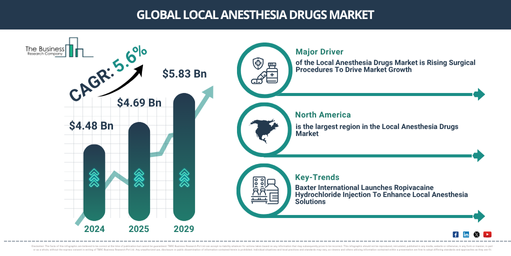
    The local anesthesia drugs market has seen consistent expansion over recent years. Its value is forecast to rise from $4.48 billion in 2024 to $4.69 billion in 2025, achieving a compound annual growth rate (CAGR) of 4.6%. The historical surge in this market can be linked to several drivers, including surgical procedures growth, an aging population, rising awareness, the regulatory environment, economic factors, and the evolution of patient preferences.

    The local anesthesia drugs market is projected to experience substantial expansion over the upcoming years. It is anticipated to reach $5.83 billion by 2029, exhibiting a compound annual growth rate (CAGR) of 5.6%. Drivers for this growth during the forecast period include increasing ambulatory surgical centers (ASCs), emerging markets, personalized medicine adoption, drug repurposing, cost-effectiveness, and global health crises response. Key trends influencing this period encompass technological advancements, market consolidation and partnerships, a heightened focus on patient safety and comfort, the evolving regulatory landscape, and overall global market growth.

    Unlock Your Free Sample Report for Exclusive Market Data:

    https://www.thebusinessresearchcompany.com/sample.aspx?id=8021&type=smp

    Which Drivers Are Shaping The Local Anesthesia Drugs Industry’s Market Share?

    A rise in surgical procedures is anticipated to advance the local anesthesia drugs market. Surgery, a medical field, focuses on the physical and mechanical management of injuries, diseases, and other medical conditions. Globally, surgeries are on the rise, driven by accidents and long-term health issues like cardiovascular conditions, cancers, and orthopedic problems. Consequently, the growing frequency of surgeries boosts the demand for local anesthesia drugs, given their frequent application during these procedures. For example, data from the National Library of Medicine, a US-based biotechnology information entity, indicates that cardiovascular surgeries are projected to grow steadily, reaching an estimated 15,501 cases by 2040, marking a 46.5 % surge. This projected growth significantly exceeds the 4.3% recorded in 2019. Hence, the expanding volume of surgical operations fuels the local anesthesia drugs market.

    What Are The Major Segment Types Covered In The Local Anesthesia Drugs Market?

    The local anesthesia drugs market covered in this report is segmented –

    1) By Type: Bupivacaine, Lidocaine, Benzocaine, Ropivacaine, Prilocaine, Chloroprocaine, Other Types

    2) By Mode Of Administration: Injectable, Surface Anesthetic

    3) By Distribution Channel: Hospital Pharmacy, Pharmacy Stores, Other Channels

    Subsegments:

    1) By Bupivacaine: Injectable Formulations, Topical Formulations

    2) By Lidocaine: Injectable Formulations, Topical Formulations, Transdermal Patches

    3) By Benzocaine: Topical Gel, Ointments, Lozenges

    4) By Ropivacaine: Injectable Formulations

    5) By Prilocaine: Injectable Formulations, Topical Formulations

    6) By Chloroprocaine: Injectable Formulations

    7) By Other Types: Tetracaine, Procaine, Articaine

    What Long-Term Trends Will Shape The Future Growth Of The Local Anesthesia Drugs Industry?

    Leading companies within the local anesthesia drugs market are actively developing ready-to-use formulations to maintain their competitive edge. These ready-to-use formulations in local anesthesia drugs are characterized as pre-prepared solutions or mixtures, conveniently packaged without requiring additional processing, which simplifies the administration of anesthesia during medical procedures. For instance, Baxter International Inc., a US-based healthcare company, launched its Ropivacaine Hydrochloride Injection. This product is offered in ready-to-use, single-dose infusion bags, available in 200 mg/100 mL and 400 mg/200 mL strengths. Ropivacaine is utilized in adults for local or regional anesthesia during surgical operations and for addressing acute pain. The product is specifically designed to provide efficient and effective pain relief in clinical settings.

    Which Major Industry Participants Are Leading The Local Anesthesia Drugs Market Growth?

    Major companies operating in the local anesthesia drugs market are Hikma Pharmaceuticals PLC, Fresenius SE & Co. KGaA, Glenmark Pharmaceuticals Limited, B. Braun Melsungen AG, Pacira BioSciences Inc., Pfizer Inc., Septodont, Teva Pharmaceutical Industries Limited, Aspen Pharmacare Holdings Limited, Sagent Pharmaceuticals Inc., Mylan N.V., Akorn Operating Company LLC, Endo International PLC, Abbott Laboratories, Anesiva Inc., Baxter International Inc., Dentsply Sirona Inc., Jiangsu Hengrui Medicine Co. Ltd., Johnson & Johnson, Lannett Company Inc., Lupin Limited, Alembic Pharmaceuticals, Torrent Pharmaceuticals, Cadila Healthcare, Indoco Remedies, Jubilant Life Sciences, Zydus Cadila, Wockhardt Ltd., Par Pharmaceutical, West-Ward Pharmaceuticals Corp.

    Download The Full Report For Exclusive Market Findings:

    https://www.thebusinessresearchcompany.com/report/local-anesthesia-drugs-global-market-report

    Which Region Shows The Highest Potential For Future Expansion In The Local Anesthesia Drugs Market?

    North America was the largest region in the local anesthesia drugs market in 2024. Asia-Pacific is expected to be the fastest-growing region in the local anesthesia drugs market report during the forecast period. The regions covered in the local anesthesia drugs market report are Asia-Pacific, Western Europe, Eastern Europe, North America, South America, Middle East, Africa.

    Request A Customized Version Of The Local Anesthesia Drugs Market Report:

    https://www.thebusinessresearchcompany.com/customise?id=8021&type=smp

    Browse Through More Reports Similar to the Global Local Anesthesia Drugs Market 2025, By The Business Research Company

    Anesthetics Global Market Report 2025

    https://www.thebusinessresearchcompany.com/report/anesthetics-global-market-report

    Inhalation Anesthesia Global Market Report 2025

    https://www.thebusinessresearchcompany.com/report/inhalation-anesthesia-global-market-report

    Anesthesia Disposables Global Market Report 2025

    https://www.thebusinessresearchcompany.com/report/anesthesia-disposables-global-market-report

    Get in touch with us:

    The Business Research Company: https://www.thebusinessresearchcompany.com/

    Americas +1 310-496-7795

    Asia +44 7882 955267 & +91 8897263534

    Europe +44 7882 955267

    Email us at info@tbrc.info

    Follow us on:

    LinkedIn: https://in.linkedin.com/company/the-business-research-company

    YouTube: https://www.youtube.com/channel/UC24_fI0rV8cR5DxlCpgmyFQ

    Global Market Model: https://www.thebusinessresearchcompany.com/global-market-model
  • Lactose Intolerance Treatment Market to Grow at a CAGR of 7.4% from 2025 to 2029

    Lactose Intolerance Treatment Market to Grow at a CAGR of 7.4% from 2025 to 2029

    Unlock Global Insights – Save 20% on Market Reports with Code ONLINE20

    What Is The Future Market Size Estimation For The Lactose Intolerance Treatment Market Covering 2025–2034?

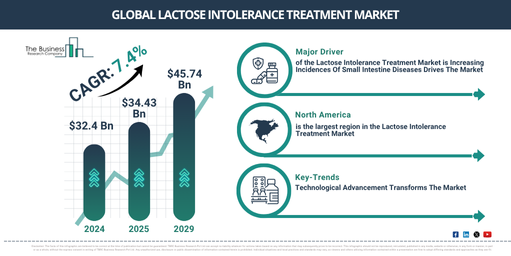
    Recent years have witnessed substantial expansion in the lactose intolerance treatment market size. It is projected to increase from $32.4 billion in 2024 to $34.43 billion in 2025, demonstrating a compound annual growth rate (CAGR) of 6.2%. This historical growth can be ascribed to factors like increased awareness, shifting dietary patterns, a global surge in lactose intolerance cases, developing healthcare infrastructure, consumer inclinations towards natural and alternative products, and government investments.

    The lactose intolerance treatment market is projected to experience substantial expansion over the coming years, reaching $45.74 billion by 2029, with a compound annual growth rate (CAGR) of 7.4%. This anticipated growth during the forecast period is driven by factors such as ongoing research and development efforts, a rise in incidence rates, the adoption of personalized medicine strategies, increasing healthcare spending, the global spread of various dietary habits, and a focus on patient-centric healthcare. Key trends expected during this period involve an escalating demand for dairy alternatives, innovations in diagnostic technologies, the creation of enzyme supplements, a greater focus on nutraceuticals and functional foods, worldwide awareness and educational programs, and market expansion into developing regions.

    Unlock Your Free Sample Report for Exclusive Market Data:

    https://www.thebusinessresearchcompany.com/sample.aspx?id=9478&type=smp

    What Are The Drivers Pushing New Developments In The Lactose Intolerance Treatment Market?

    The anticipated rise in small intestine disease occurrences is projected to stimulate the expansion of the lactose intolerance treatment market moving forward. Small intestine diseases impact the body’s digestive processes, leading to two conditions marked by persistent inflammation in the gastrointestinal tract. Treatments for lactose intolerance are utilized to address small intestine disorders. Lactose itself is broken down by the lactase enzyme into the simpler sugars glucose and galactose within the small intestine. For example, in October 2022, a report from the United European Gastroenterology (UEG), a non-profit organization based in Austria, revealed that over 300 million individuals across Europe are affected by digestive illnesses. The economic impact of digestive diseases represented 0.12% of GDP, equating to a potential expenditure of $20 billion in Europe in 2021. Furthermore, the estimated expense for averting productivity losses in 2019 stood at $11.4 billion. Projections indicate this figure will climb to $34.2 billion for 75% reductions in the future. Consequently, the growing frequency of small intestine diseases is propelling the growth of the lactose intolerance treatment market.

    What Are The Major Segment Categories Driving The Lactose Intolerance Treatment Market Growth?

    The lactose intolerance treatment market covered in this report is segmented –

    1) By Treatment: Food Supplements, Enzyme Lactase Supplements, Probiotics, Other Treatments

    2) By Intolerance Type: Primary Lactose Intolerance, Secondary Lactose Intolerance, Congenital Lactose Intolerance, Developmental Lactose Intolerance

    3) By Route Of Administration: Oral, Injectable

    4) By End Users: Hospitals, Homecare, Specialty Clinics, Other End Users

    Subsegments:

    1) By Food Supplements, Lactose-Free Dairy Products, Fortified Foods

    2) By Enzyme Lactase Supplements, Capsules, Tablets, Chewable Tablets, Liquid Formulations

    3) By Probiotics, Probiotic Yogurts, Probiotic Capsules, Probiotic Powders

    4) By Other Treatments, Dietary Modifications, Prescription Medications

    Which Market Trends Are Creating New Opportunities In The Lactose Intolerance Treatment Industry?

    Technological advancement is a prominent trend gaining traction within the lactose intolerance treatment market. Key companies in this market are concentrating on developing innovative technological solutions to bolster their competitive edge. For instance, in July 2023, Nestlé, a Swiss multinational food and drink processing conglomerate corporation, unveiled a flexible and economical sugar reduction technology. This technology, applicable across diverse product categories, offers advantages beyond just reducing sugar, as it can also be utilized to create low lactose and skimmed milk-based products while simultaneously lowering total sugar levels.

    Who Are The Prominent Global Companies Shaping The Lactose Intolerance Treatment Market?

    Major companies operating in the lactose intolerance treatment market include Abbott Laboratories Inc., Macleods Pharmaceuticals Limited, Ganeden Inc., Deerland Probiotics & Enzymes Inc., Novozymes A/S, Cargill Incorporated, Lupin Pharmaceuticals Inc., Nestlé S.A., Glenmark Pharmaceuticals Limited, Intas Pharmaceuticals Ltd., Wockhardt Ltd., Alkem Laboratories Limited, Teva Pharmaceutical Industries Ltd., Dr. Reddy’s Laboratories Ltd., Torrent Pharmaceuticals Ltd., DuPont Nutrition & Biosciences Inc., Kerry Group plc, Koninklijke DSM N.V., Solvay S.A., Chr. Hansen Holding A/S, Bio-Cat Inc.

    Download The Full Report For Exclusive Market Findings:

    https://www.thebusinessresearchcompany.com/report/lactose-intolerance-treatment-global-market-report

    How Is Lactose Intolerance Treatment Market Demand Varying Across Different Regions?

    North America was the largest region in the lactose intolerance treatment market in 2024. The regions covered in the lactose intolerance treatment market report are Asia-Pacific, Western Europe, Eastern Europe, North America, South America, Middle East, Africa

    Request A Customized Version Of The Lactose Intolerance Treatment Market Report:

    https://www.thebusinessresearchcompany.com/customise?id=9478&type=smp

    Browse Through More Reports Similar to the Global Lactose Intolerance Treatment Market 2025, By The Business Research Company

    Gastrointestinal Bleeding Treatment Devices Global Market Report 2025

    https://www.thebusinessresearchcompany.com/report/gastrointestinal-bleeding-treatment-devices-global-market-report

    Gastrointestinal Devices Global Market Report 2025

    https://www.thebusinessresearchcompany.com/report/gastrointestinal-devices-global-market-report

    Medical Equipment Maintenance Global Market Report 2025

    https://www.thebusinessresearchcompany.com/report/medical-equipment-maintenance-global-market-report

    Get in touch with us:

    The Business Research Company: https://www.thebusinessresearchcompany.com/

    Americas +1 310-496-7795

    Asia +44 7882 955267 & +91 8897263534

    Europe +44 7882 955267

    Email us at info@tbrc.info

    Follow us on:

    LinkedIn: https://in.linkedin.com/company/the-business-research-company

    YouTube: https://www.youtube.com/channel/UC24_fI0rV8cR5DxlCpgmyFQ

    Global Market Model: https://www.thebusinessresearchcompany.com/global-market-model