Blog

  • Skin Health Supplements And Treatment Market Size Forecast: How The Industry Is Expected To Grow From 2026 To 2030

    Skin Health Supplements And Treatment Market Size Forecast: How The Industry Is Expected To Grow From 2026 To 2030

    Backed by market attractiveness analysis, total addressable market sizing, company benchmarking matrices, interactive Excel dashboards, wider supply chain intelligence, emerging startup coverage, and detailed product-level insights, The Business Research Company’s 2026 market reports are designed to offer research that is more actionable and strategically valuable than ever.

    Skin Health Supplements And Treatment Market Value Analysis: What Growth Lies Ahead Over The Forecast Period?

    The skin health supplements and treatment market size has demonstrated robust growth in recent years. This market is projected to expand from $6.35 billion in 2025 to $6.89 billion in 2026, achieving a compound annual growth rate (CAGR) of 8.5%. Historically, this expansion was driven by elements such as limited awareness of skin health supplements, a dependence on traditional topical treatments, a rising incidence of skin-related disorders, an increasing presence of retail pharmacies, and growing consumer disposable income.

    The skin health supplements and treatment market is anticipated to undergo significant expansion in the coming years, with its size projected to reach $9.44 billion in 2030, exhibiting a compound annual growth rate (CAGR) of 8.2%. This expansion during the forecast period is expected to stem from factors such as the development of collagen-based and antioxidant-rich supplements, the growth of personalized skincare treatments, the rise of digital marketing and teleconsultation platforms, heightened government focus on dermatological healthcare, and the increasing prominence of e-commerce and direct-to-consumer channels. Key trends for this period include a surging demand for anti-aging and skin brightening products, a growing adoption of nutritional supplements for skin health, the extended reach of online pharmacies and e-commerce channels, an increasing consumer preference for natural and herbal ingredients, and the integration of clinical and at-home skin treatments.

    Get A Free Sample Report With In-Depth Market Insights:

    https://thebusinessresearchcompany.com/sample_request?id=18041655&type=smp&name=Skin%20Health%20Supplements%20And%20Treatment%20Market%20Report%202026&utm_source=Blogs&utm_medium=Paid&utm_campaign=Oct_PR

    Skin Health Supplements And Treatment Market Growth Drivers: What’s Behind The Acceleration?

    The projected growth of the skin health supplements and treatment market is expected to be fueled by the increasing prevalence of skin disorders. These medical conditions affect the skin’s structure, appearance, or function, often leading to symptoms such as rashes, dryness, inflammation, or discoloration. The rise in skin disorders is linked to escalating environmental pollution, which exposes the skin to harmful chemicals and irritants that can trigger or worsen dermatological conditions. Skin health supplements and treatments provide support for skin disorders through essential nutrients and targeted therapies that help repair, protect, and strengthen the skin barrier both internally and externally. For instance, in January 2025, according to SunSmart, an Australia-based skin cancer prevention program, 3,182 Victorians (1,860 males and 1,320 females) were diagnosed with melanoma in 2023, representing an increase from 2,884 cases in 2022. Thus, the growing occurrence of skin disorders is driving the skin health supplements and treatment market.

    Skin Health Supplements And Treatment Market Segment Landscape: Which Areas Lead Development?

    The skin health supplements and treatment market covered in this report is segmented –

    1) By Product Type: Skin Health Supplements, Skin Health Treatment

    2) By Dosage Form: Tablets, Capsules, Powders, Creams And Lotions, Gummies, Other Dosage Forms

    3) By Distribution Channel: Pharmacies And Drug Stores, Supermarkets And Hypermarkets, Online Pharmacies, Other Distribution Channels

    4) By Application: Anti-Aging, Acne Treatment, Skin Brightening And Hyperpigmentation, Skin Moisturization And Hydration, Ultraviolet (UV) Protection, Other Applications

    Subsegments:

    1) By Skin Health Supplements: Collagen Supplements, Vitamin And Mineral Supplements, Omega-3 Fatty Acids, Probiotic Supplements, Antioxidant Blends, Herbal And Botanical Extracts

    2) By Skin Health Treatment: Anti-Aging Creams And Serums, Acne Treatment Creams, Moisturizers And Hydrating Lotions, Brightening And Pigmentation Correctors, Sunscreens And UV Protection Creams, Exfoliators And Peels

    Skin Health Supplements And Treatment Market Trends: What’s Defining The Industry’s Next Phase?

    Major companies in the skin health supplements and treatment market are concentrating on developing innovative solutions, such as personalized 3D-printed nutraceuticals, to deliver targeted and effective skincare support. Personalized 3D-printed nutraceuticals are customized dietary supplements created with 3D printing technology and tailored to an individual’s specific health or skin requirements, based on personal data like biomarkers, lifestyle, or digital diagnostics. For instance, in January 2023, Neutrogena, a US-based skincare brand, launched 3D-printed, AI-generated skin additives to provide personalized skin health supplements customized for individual needs. The product features unique formulations derived from user skin analysis, is vegan and sugar-free, and offers a 28-day customized gummy supply delivered to support skin goals such as hydration, aging support, and clarity. Skin360 SkinStacks represents a new frontier in ingestible skincare, merging personalization and convenience to meet evolving consumer wellness demands.

    Skin Health Supplements And Treatment Market Industry Leaders And Competitive Landscape

    Major companies operating in the skin health supplements and treatment market are Unilever plc, Bayer AG, Perrigo Company plc, JSHealth Vitamins Pty Ltd., The Nue Co. Inc., Ancient Brands LLC, Moon Juice Ventures LLC, CCA Industries Inc., Sonoma Pharmaceuticals Inc., BioThrive Sciences LLC, Vitl Life Ltd., Versed LLC, Sabbatical Beauty LLC, By Ava Inc., Kinship Skincare Inc., Skinade Ltd.

    View The Full Skin Health Supplements And Treatment Market Report:

    https://thebusinessresearchcompany.com/report/skin-health-supplements-and-treatment-global-market-report?utm_source=Blogs&utm_medium=Paid&utm_campaign=Oct_PR

    Skin Health Supplements And Treatment Market Top Region By Revenue And Market Share

    Asia-Pacific was the largest region in the skin health supplements and treatments market in 2025. Asia-Pacific is expected to be the fastest-growing region in the forecast period. The regions covered in the skin health supplements and treatment market report are Asia-Pacific, South East Asia, Western Europe, Eastern Europe, North America, South America, Middle East, Africa.

    Reach Out To Our Team:

    The Business Research Company: https://www.thebusinessresearchcompany.com/

    Americas: +1 310-496-7795

    Asia: +44 7882 955267 & +91 8897263534

    Europe: +44 7882 955267

    Email us at: marketing@tbrc.info

    Follow us on:

    LinkedIn: https://in.linkedin.com/company/the-business-research-company

    YouTube: https://www.youtube.com/channel/UC24_fI0rV8cR5DxlCpgmyFQ

    Global Market Model: https://www.thebusinessresearchcompany.com/global-market-model

  • Skin Care Supplements Market Reaches $4.23 Billion In 2026: Forecast And Growth Opportunities

    Skin Care Supplements Market Reaches $4.23 Billion In 2026: Forecast And Growth Opportunities

    Featuring market attractiveness scoring, total addressable market sizing, company benchmarking matrices, interactive Excel dashboards, deeper supply chain intelligence, emerging startup tracking, and granular product-level insights, The Business Research Company’s 2026 market reports are built to deliver research that is both more actionable and more strategically valuable.

    Skin Care Supplements Market Size Forecast: How Big Could The Market Get By 2030?

    The skin care supplements market has seen substantial growth over recent years. It is anticipated to expand from $3.06 billion in 2025 to $3.29 billion in 2026, achieving a compound annual growth rate (CAGR) of 7.6%. This historical growth can be ascribed to a heightened awareness of skin health and nutrition, the expansion of the global beauty and wellness industry, an increase in concerns about skin aging, the guidance of dermatologists and beauty experts, and greater engagement of female consumers in skincare routines.

    The skin care supplements market is anticipated to experience substantial growth over the coming years. It is projected to reach $4.24 billion in 2030, exhibiting a compound annual growth rate (CAGR) of 6.5%. This growth during the forecast period can be attributed to several factors, including an escalating demand for anti-aging solutions, a greater inclination towards holistic and preventive skincare, increased male involvement in skincare supplementation, the broadening of e-commerce skincare platforms, and the increasing disposable income among urban populations. Key trends identified for the forecast period encompass a rising demand for beauty-from-within solutions, the increasing popularity of collagen and antioxidant supplements, a heightened consumer focus on preventing skin aging, the expansion of organic and clean-label skincare supplements, and a greater uptake of daily oral skincare regimens.

    Get A Free Sample Report With In-Depth Market Insights:

    https://thebusinessresearchcompany.com/sample_request?id=81870196&type=smp&name=Skin%20Care%20Supplements%20Market%20Report%202026&utm_source=Blogs&utm_medium=Paid&utm_campaign=Oct_PR

    Skin Care Supplements Market Growth Factors Behind Sustained Expansion

    The skin care supplement market is projected to expand, driven by the increasing presence of e-commerce and online accessibility. E-commerce and online accessibility specifically denote the creation of digital platforms that are user-friendly and navigable for people with disabilities, thus guaranteeing equal access to goods and services on the Internet. The growing prevalence of e-commerce and online accessibility is fueled by evolving consumer preferences for convenience and the widespread adoption of digital technologies for shopping. E-commerce empowers skin care supplement brands to penetrate new markets and engage with niche audiences that might have been unattainable through traditional retail channels. Additionally, online platforms offer opportunities for skin care supplement brands to boost their visibility through various digital marketing tactics, such as social media advertising, influencer collaborations, and search engine optimization. For instance, according to the International Trade Administration, a US-based Department of Commerce, retail e-commerce sales in Canada were projected in November 2023 to exceed $40.3 billion by 2025, a significant rise from $2.34 billion in March 2022. Consequently, the expansion of e-commerce and online accessibility is a significant driver of growth for the skin care supplements market.

    Skin Care Supplements Market Segments: Where Is Growth Concentrated?

    The skin care supplements market covered in this report is segmented –

    1) By Product Type: Oral Supplements, Topical Supplements

    2) By Content Type: Organic, Chemical

    3) By Gender: Female, Male

    4) By Distribution Channel: Online, Offline

    5) By Application: Skin Aging, Skin Hydration, Acne And Blemishes, Skin Brightening, Other Applications

    Subsegments:

    1) By Oral Supplements: Collagen Supplements, Vitamins And Minerals, Antioxidant Supplements, Omega-3 And Essential Fatty Acids

    2) By Topical Supplements: Collagen Creams And Serums, Vitamin-Based Creams, Hyaluronic Acid Products, Antioxidant Creams And Serums

    Skin Care Supplements Market Industry Trends Fueling Future Revenue Growth

    Leading entities within the skincare supplement market are concentrating on groundbreaking products, including hydration gummies, to maintain their market standing. These hydration gummies are defined as chewable dietary additions containing electrolytes such as sodium and potassium. Their purpose is to restore bodily fluids and vital minerals, particularly during exercise or periods of fluid loss. An example of this trend is Neutrogena, a US-based cosmetics firm, which introduced Neutrogena Skin Hydration Gummies in November 2023. This particular supplement incorporates moisturizing hyaluronic acid and potent antioxidants in its composition. The gummies work to enhance the skin’s ability to retain moisture and provide defense against external damaging factors. Providing a user-friendly and pleasant enhancement to daily skincare, it contributes to sustaining a well-hydrated and luminous skin appearance.

    Skin Care Supplements Market Key Participants And Competitive Landscape

    Major companies operating in the skin care supplements market are Nestlé S.A., Amway Corporation, Shaklee Corporation, Nature’s Sunshine Products Inc., Vitabiotics Ltd., LifeVantage Corporation, Mannatech Incorporated, Isagenix International LLC, Modere Inc., Plexus Worldwide LLC, Arbonne International LLC, Nu Skin Enterprises Inc., Jeunesse Global Holdings LLC, Oriflame Holding AG, Meiji Holdings Co. Ltd., LG Household & Health Care Ltd., Blackmores Limited, HUM Nutrition, Swisse Wellness Pty Ltd, The Bountiful Company

    View The Full Skin Care Supplements Market Report:

    https://thebusinessresearchcompany.com/report/skin-care-supplements-global-market-report?utm_source=Blogs&utm_medium=Paid&utm_campaign=Oct_PR

    Skin Care Supplements Market Regional Analysis And Top Geography

    North America was the largest region in the skin care supplements market in 2025. Asia-Pacific is expected to be the fastest-growing region in the forecast period. The regions covered in the skin care supplements market report are Asia-Pacific, South East Asia, Western Europe, Eastern Europe, North America, South America, Middle East, Africa.

    Reach Out To Our Team:

    The Business Research Company: https://www.thebusinessresearchcompany.com/

    Americas: +1 310-496-7795

    Asia: +44 7882 955267 & +91 8897263534

    Europe: +44 7882 955267

    Email us at: marketing@tbrc.info

    Follow us on:

    LinkedIn: https://in.linkedin.com/company/the-business-research-company

    YouTube: https://www.youtube.com/channel/UC24_fI0rV8cR5DxlCpgmyFQ

    Global Market Model: https://www.thebusinessresearchcompany.com/global-market-model
  • Skin Cancer Drugs Market Growth In 2026: Market Size, Key Drivers And Future Outlook

    Skin Cancer Drugs Market Growth In 2026: Market Size, Key Drivers And Future Outlook

    Built to provide research that’s more actionable and strategically valuable, The Business Research Company’s 2026 market reports include market attractiveness analysis, total addressable market sizing, company benchmarking matrices, interactive Excel dashboards, broader supply chain intelligence, emerging startup tracking, and in-depth product insights.

    Skin Cancer Drugs Market Revenue Outlook: What CAGR Lies Ahead Through 2030?

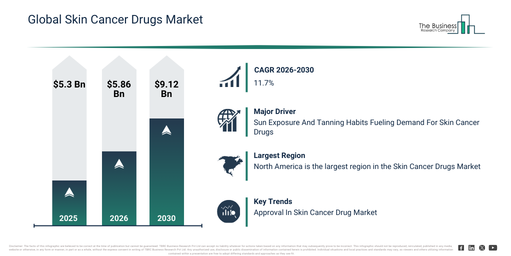
    The skin cancer drugs market size has experienced significant growth in recent years. It is anticipated to expand from $5.3 billion in 2025 to $5.86 billion in 2026, achieving a compound annual growth rate (CAGR) of 10.7%. The historical growth of this market can be attributed to rising UV exposure, an increased incidence of melanoma, greater adoption of chemotherapy, the expansion of hospital oncology infrastructure, and enhanced public awareness campaigns.

    The skin cancer drugs market is projected to experience substantial expansion in the coming years. By 2030, this market is anticipated to reach $9.12 billion, demonstrating a compound annual growth rate (CAGR) of 11.7%. This anticipated growth is primarily driven by breakthroughs in immunotherapy drugs, an escalating need for targeted therapeutic agents, the expanding elderly demographic, wider adoption of precision medicine, and increased funding for cancer research. Key developments during this period encompass a greater acceptance of immunotherapy and targeted medications, a surge in non-melanoma skin cancer cases, a move towards less invasive and topical treatment options, an intensified emphasis on early detection and preventative care, and an increase in the use of multi-drug regimens.

    Get A Free Sample Report With In-Depth Market Insights:

    https://thebusinessresearchcompany.com/sample_request?id=20260846&type=smp&name=Skin%20Cancer%20Drugs%20Market%20Report%202026&utm_source=Blogs&utm_medium=Paid&utm_campaign=Oct_PR

    Skin Cancer Drugs Market Demand Drivers Opening New Revenue Streams

    The anticipated expansion of the skin cancer drug market in the coming years is largely due to individuals’ increased exposure to sunlight and the resulting tanning. Sun exposure describes the duration an individual spends in sunlight, which can have both positive and negative consequences for skin and overall health. Tanning is the darkening or discoloration of the skin, typically caused by extended exposure to sunlight or other sources of ultraviolet (UV) radiation. The prevalence of skin diseases, particularly skin cancer, combined with progress in treatment options and heightened awareness, contributes to the growth of the skin cancer drugs market. For example, in March 2024, information from the Australian Beraeu of Statistics, an Australia-based government agency, showed that One in four (24.6%) people aged 15 years and over in Australia stated they would ‘just burn and not tan’ after 30 minutes of sun exposure. Furthermore, two in five (38.1%) individuals aged 15 years and over regularly used SPF30 or higher sunscreen on most days during late spring and summer 2023–24. Hence, the increased sun exposure and tanning among individuals are a significant driver for the skin cancer drug market.

    Skin Cancer Drugs Market Segment Analysis: What Are The Core Market Categories?

    The skin cancer drugs market covered in this report is segmented –

    1) By Type: Actinic Keratoses (AK), Basal cell carcinoma (BCC), Squamous cell carcinoma (SCC), Melanoma

    2) By Drug Class: Chemotherapy, Immunotherapy, Targeted Agents & Other Drugs

    3) By End Users: Hospitals, Cancer Research Centers, Clinics

    Subsegments:

    1) By Actinic Keratoses (AK): Cryotherapy Treatments, Topical Medications, Photodynamic Therapy (PDT), Laser Therapy

    2) By Basal Cell Carcinoma (BCC): Surgical Excision, Mohs Micrographic Surgery, Radiation Therapy, Topical Therapies

    3) By Squamous Cell Carcinoma (SCC): Surgical Excision, Cryosurgery, Electrosurgery and Curettage, Radiation Therapy

    4) By Melanoma: Surgical Excision, Immunotherapy, Targeted Therapy, Chemotherapy and Radiation

    Skin Cancer Drugs Market Trends Powering Strategic Industry Growth

    Leading firms within the skin cancer drugs market are prioritizing securing product approvals to more effectively address the requirements of their current demand. An increase in product clearances can be linked to a mix of scientific breakthroughs, shifts in regulations, market imperatives, and patient support. As an illustration, during March 2023, Incyte Corporation, a pharmaceutical firm based in the US specializing in skin cancer medications, declared that Zynyz (Retifanlimab-Dlwr) received FDA approval for managing metastatic or recurrent Merkel cell carcinoma (MCC). Zynyz (retifanlimab-dlwr), a monoclonal antibody derived from human cells that targets programmed death receptor-1 (PD-1), has gained approval for treating patients diagnosed with metastatic, recurrent, or locally advanced MCC. The US FDA accepted the Biologics License Application (BLA) for Zynyz for this specific condition via an expedited approval process, which was determined by the tumor response rate and the duration of response (DOR). The ongoing authorization of Zynyz for this application might depend on further confirmation and elucidation of its therapeutic benefits through subsequent confirmatory studies.

    Skin Cancer Drugs Market Top Companies Driving Competitive Growth

    Major companies operating in the skin cancer drugs market are Pfizer Inc., Meda Pharmaceuticals, Roche Holding AG, Merck & Co. Inc., AbbVie Inc., Novartis International AG, Sanofi SA, Bristol Myers Squibb Company, AstraZeneca PLC, GlaxoSmithKline plc, Takeda Pharmaceutical Company Limited, Eli Lilly and Company, Boehringer Ingelheim International GmbH, Mylan N.V., Daiichi Sankyo Company Limited, Bausch Health Companies Inc., Valeant Pharmaceuticals, Sun Pharmaceutical Industries Ltd., Ipsen Pharma, LEO Pharma A/S, Aqua Pharmaceuticals, AB Science, Cellceutix Corporation, Eisai Co. Ltd., Otsuka Pharmaceutical Co. Ltd., Seattle Genetics Inc.

    View The Full Skin Cancer Drugs Market Report:

    https://thebusinessresearchcompany.com/report/Skin-Cancer-Drugs-Global-Market-Report?utm_source=Blogs&utm_medium=Paid&utm_campaign=Oct_PR

    Skin Cancer Drugs Market Geographic Analysis: Where Is Demand Rising Fastest?

    North America was the largest region in the skin cancer drugs market in 2025. Middle East is expected to be the fastest-growing region in the global skin cancer drugs market during the forecast period. The regions covered in the skin cancer drugs market report are Asia-Pacific, South East Asia, Western Europe, Eastern Europe, North America, South America, Middle East, Africa.

    Reach Out To Our Team:

    The Business Research Company: https://www.thebusinessresearchcompany.com/

    Americas: +1 310-496-7795

    Asia: +44 7882 955267 & +91 8897263534

    Europe: +44 7882 955267

    Email us at: marketing@tbrc.info

    Follow us on:

    LinkedIn: https://in.linkedin.com/company/the-business-research-company

    YouTube: https://www.youtube.com/channel/UC24_fI0rV8cR5DxlCpgmyFQ

    Global Market Model: https://www.thebusinessresearchcompany.com/global-market-model
  • Skin Booster Market Size And Forecast 2026–2030: Trends Driving Industry Expansion

    Skin Booster Market Size And Forecast 2026–2030: Trends Driving Industry Expansion

    Backed by market attractiveness analysis, total addressable market sizing, company benchmarking matrices, interactive Excel dashboards, wider supply chain intelligence, emerging startup coverage, and detailed product-level insights, The Business Research Company’s 2026 market reports are designed to offer research that is more actionable and strategically valuable than ever.

    Skin Booster Market Growth Analysis: How Will Revenue Trend Over The Forecast Period?

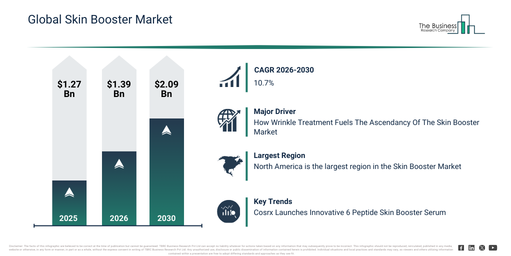
    The skin booster market has seen robust expansion in recent years. It is anticipated to expand from $1.27 billion in 2025 to $1.39 billion in 2026, registering a compound annual growth rate (CAGR) of 10.0%. This market’s historical rise can be attributed to an elevated awareness of aesthetic appearance, the proliferation of dermatology clinics, an uptick in disposable income in urban centers, the sway of social media and beauty standards, and breakthroughs in injectable formulations.

    The skin booster market is poised for significant expansion in the coming years. This market is projected to reach $2.09 billion by 2030, demonstrating a compound annual growth rate (CAGR) of 10.7%. Key factors contributing to this growth during the forecast period include an aging global population seeking anti-aging solutions, a rise in the acceptance of aesthetic treatments among men, the global expansion of medspa chains, the demand for natural-looking and durable results, and ongoing advancements in hyaluronic acid-based products. Prominent trends anticipated within this period encompass a heightened demand for minimally invasive aesthetic procedures, an increasing inclination towards hyaluronic acid-based injectables, a greater embrace of preventive and maintenance skincare regimens, the broadening of medspa and aesthetic clinic networks, and a surge in male involvement in aesthetic treatments.

    Get A Free Sample Report With In-Depth Market Insights:

    https://thebusinessresearchcompany.com/sample_request?id=59189313&type=smp&name=Skin%20Booster%20Market%20Report%202026&utm_source=Blogs&utm_medium=Paid&utm_campaign=Oct_PR

    Skin Booster Market Growth Backed By Core Demand Fundamentals

    The demand for wrinkle treatment is anticipated to propel the future growth of the skin booster market. Wrinkle treatment encompasses procedures utilizing creams, laser therapy, Botox, and other methods to address creases, folds, or ridges in the skin, thereby reducing the appearance of wrinkles to enhance beauty. Skin boosters are commonly employed in wrinkle treatment, involving the injection of hyaluronic acid into the skin to improve its texture, elasticity, and moisture through enhanced hydration and volume, contributing to a more youthful appearance. For instance, in April 2025, according to the British Association of Aesthetic Plastic Surgeons, a UK-based association, cosmetic surgical procedures witnessed a 5% overall increase in 2024, reaching a total of 27,462 interventions, largely spurred by an increase in facial rejuvenation and body contouring treatments. Therefore, the demand for wrinkle treatment is a key driver for the growth of the skin booster market.

    Skin Booster Market Segment Breakdown: Which Categories Lead On Revenue?

    The skin booster market covered in this report is segmented –

    1) By Type: Mesotherapy, Other Types

    2) By Gender: Male, Female

    3) By End-Use: Dermatology Clinics, MedSpa

    Skin Booster Market Growth Trends Reshaping The Competitive Landscape

    Companies in the skin booster market are prioritizing the development of innovative solutions, such as The 6 Peptide Skin Booster Serum, to leverage market trends, enhance brand identity, and broaden their customer reach. The 6 Peptide Skin Booster Serum is crafted to improve overall skin health, incorporating six potent peptides that offer diverse skin advantages. For example, in August 2023, CosRX., a South Korea-based skincare brand, introduced The 6 Peptide Skin Booster Serum as a potent new product for individuals looking to address multiple skin issues simultaneously. This serum aims to tackle various skin concerns and enhance the skin’s general condition. In summary, this skincare product is a versatile and effective option that addresses numerous skin concerns and provides multiple benefits due to its distinct combination of six peptides and other skin-friendly components.

    Skin Booster Market Leading Players And Competitive Positioning

    Major companies operating in the skin booster market are Galderma SA, Merz Pharma GmbH and Co KGaA, IBSA Group, Teoxane Laboratories, Bloomage BioTechnology Corporation Limited, Sinclair Pharma plc, Vivacy Laboratories, Prollenium Medical Technologies Inc, Fidia Farmaceutici SpA, Regenyal Laboratories LLC, Cytocare Laboratories, Skin Tech Pharma Group, Filorga Laboratories, Luminera Derm Ltd, Suneva Medical Inc, Bioxis Pharmaceuticals Inc, Hymagic Corporation, SciVision Biotech Inc, Genyal Laboratories, Cellfill Co Ltd

    View The Full Skin Booster Market Report:

    https://thebusinessresearchcompany.com/report/skin-booster-global-market-report?utm_source=Blogs&utm_medium=Paid&utm_campaign=Oct_PR

    Skin Booster Market Global Footprint: Which Region Leads The Market?

    North America was the largest region in the skin boosters market in 2025. Asia-Pacific is expected to be the fastest-growing region in the global skin booster market during the forecast period. The regions covered in the skin booster market report are Asia-Pacific, South East Asia, Western Europe, Eastern Europe, North America, South America, Middle East, Africa.

    Reach Out To Our Team:

    The Business Research Company: https://www.thebusinessresearchcompany.com/

    Americas: +1 310-496-7795

    Asia: +44 7882 955267 & +91 8897263534

    Europe: +44 7882 955267

    Email us at: marketing@tbrc.info

    Follow us on:

    LinkedIn: https://in.linkedin.com/company/the-business-research-company

    YouTube: https://www.youtube.com/channel/UC24_fI0rV8cR5DxlCpgmyFQ

    Global Market Model: https://www.thebusinessresearchcompany.com/global-market-model
  • Skin Antiseptic Products Market 2026 Outlook: Market Size, CAGR And Key Growth Opportunities

    Skin Antiseptic Products Market 2026 Outlook: Market Size, CAGR And Key Growth Opportunities

    Featuring market attractiveness scoring, total addressable market sizing, company benchmarking matrices, interactive Excel dashboards, deeper supply chain intelligence, emerging startup tracking, and granular product-level insights, The Business Research Company’s 2026 market reports are built to deliver research that is both more actionable and more strategically valuable.

    Skin Antiseptic Products Market Forecast: What Value Will The Market Reach By 2030?

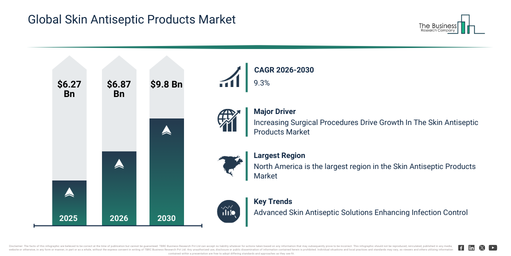
    The skin antiseptic products market size has seen significant growth in recent years. It is forecast to expand from $6.27 billion in 2025 to $6.87 billion in 2026, achieving a compound annual growth rate (CAGR) of 9.6%. The expansion observed historically is attributable to a rise in surgical procedures, increasing hospital-acquired infection rates, heightened awareness regarding hygiene and infection control, the widespread application of alcohol-based antiseptics, and the growth in hospital and outpatient facilities.

    The market for skin antiseptic products is projected to experience substantial expansion over the upcoming years. This market is anticipated to reach $9.8 billion by 2030, exhibiting a compound annual growth rate (CAGR) of 9.3%. Factors contributing to this growth during the forecast timeframe include an increase in outpatient and day-care surgical procedures, greater acceptance of home healthcare, the creation of skin-compatible antiseptic solutions, a heightened regulatory focus on preventing infections, and the enlargement of healthcare infrastructure within developing regions. Key developments expected in the forecast period encompass an escalating need for preoperative and injection site disinfection, wider application of alcohol and chlorhexidine-based antiseptics, increasing uptake of single-use and disposable antiseptic items, extended use of antiseptics in home care environments, and an intensified concentration on infection prevention and control measures.

    Get A Free Sample Report With In-Depth Market Insights:

    https://thebusinessresearchcompany.com/sample_request?id=12155862&type=smp&name=Skin%20Antiseptic%20Products%20Market%20Report%202026&utm_source=Blogs&utm_medium=Paid&utm_campaign=Oct_PR

    Skin Antiseptic Products Market Growth Catalysts And Demand Drivers

    The increasing volume of surgical procedures is anticipated to fuel the expansion of the skin antiseptic products market in the future. Surgery is defined as a medical intervention involving the physical adjustment, extraction, or mending of tissues or organs, often through cuts or other methods. Its primary goals typically include diagnosing conditions, providing treatment, or improving a patient’s well-being. Innovations such as laparoscopic and robotic surgery have made operations less invasive, which in turn shortens recovery periods and motivates more individuals to choose surgical options. Skin antiseptic products play a crucial role by streamlining and improving preoperative surgical steps, managing infection hazards, ensuring adherence to hygiene standards, and safeguarding patient safety during medical interventions. For instance, in May 2025, as reported by the British Association of Aesthetic Plastic Surgeons, a UK-based surgical organization, UK cosmetic surgery recorded 27,462 procedures in 2024, a 5% increase from the previous year, highlighting ongoing growth in the segment. Consequently, the growing frequency of surgeries is a key driver for the skin antiseptic product market.

    Skin Antiseptic Products Market Segmentation: How Does The Market Break Down By Category?

    The skin antiseptic products market covered in this report is segmented –

    1) By Type: Solutions, Swab Sticks, Wipes

    2) By Formulation: Alcohols, Chlorhexidine, Iodine, Octenidine, Other Formulations

    3) By Application: Surgeries, Injections, Other Applications

    4) By End-Use: Hospitals, Outpatient Facilities, Home Care, Research And Manufacturing

    Subsegments:

    1) By Solutions: Alcohol-Based Solutions, Iodine-Based Solutions, Chlorhexidine Solutions, Hydrogen Peroxide Solutions, Benzalkonium Chloride Solutions

    2) By Swab Sticks: Alcohol Swabs, Iodine Swabs, Chlorhexidine Swabs, Antiseptic-Infused Swabs

    3) By Wipes: Alcohol Wipes, Antimicrobial Wipes, Iodine Wipes, Benzalkonium Chloride Wipes, Disposable Antiseptic Wipes

    Skin Antiseptic Products Market Trends Shaping Long-Term Demand

    Companies operating within the skin antiseptic products market are actively developing patient preoperative skin preparation solutions to bolster infection control measures and enhance patient outcomes during surgical procedures. Patient preoperative skin preparations are antiseptic items used to cleanse and disinfect the skin before surgery by either eradicating or hindering the proliferation of bacteria, viruses, and fungi. For example, in April 2023, 3M Health Care Company, a US-based manufacturer and distributor of healthcare solutions and products, launched its 3M SoluPrep S Sterile Antiseptic Solution. This particular antiseptic solution combines chlorhexidine gluconate (2% w/v) and isopropyl alcohol (70% v/v) for presurgical skin preparation. It delivers rapid, broad-spectrum antimicrobial activity that has shown persistence for at least 96 hours following application. The solution is characterized by a Brite Green tint for better visibility on various skin tones, ensuring extensive coverage. Additionally, it features an effective applicator that provides wider coverage with minimal dripping and contains an ingredient to improve incise-drape adherence.

    Skin Antiseptic Products Market Competitive Overview And Top Companies

    Major companies operating in the skin antiseptic products market are Cardinal Health Inc., Johnson And Johnson Services Inc., Kimberly-Clark Corporation, Becton Dickinson And Company, Stryker Corporation, EcoLab Inc., Medline Industries LP., B.Braun Melsungen AG, 3M Health Care Ltd., Cintas Corporation, Smith And Nephew Plc, Coloplast A/S, Convatec Group plc, Mölnlycke Health Care AB, Gojo Industries Inc., Schülke And Mayr GmbH, Purell, Dukal LLC, PDI International, Cleanwell, Medique.

    View The Full Skin Antiseptic Products Market Report:

    https://thebusinessresearchcompany.com/report/skin-antiseptic-products-global-market-report?utm_source=Blogs&utm_medium=Paid&utm_campaign=Oct_PR

    Skin Antiseptic Products Market Regional Split: Which Areas Are Fueling Growth?

    North America was the largest region in the skin antiseptic products market in 2025. Asia-Pacific is expected to be the fastest-growing region in the forecast period. The regions covered in the skin antiseptic products market report are Asia-Pacific, South East Asia, Western Europe, Eastern Europe, North America, South America, Middle East, Africa.

    Reach Out To Our Team:

    The Business Research Company: https://www.thebusinessresearchcompany.com/

    Americas: +1 310-496-7795

    Asia: +44 7882 955267 & +91 8897263534

    Europe: +44 7882 955267

    Email us at: marketing@tbrc.info

    Follow us on:

    LinkedIn: https://in.linkedin.com/company/the-business-research-company

    YouTube: https://www.youtube.com/channel/UC24_fI0rV8cR5DxlCpgmyFQ

    Global Market Model: https://www.thebusinessresearchcompany.com/global-market-model
  • Skeletal Dysplasia Drugs Market Size Growth: From $3.49 Billion In 2026 To $4.3 Billion By 2030

    Skeletal Dysplasia Drugs Market Size Growth: From $3.49 Billion In 2026 To $4.3 Billion By 2030

    Built to provide research that’s more actionable and strategically valuable, The Business Research Company’s 2026 market reports include market attractiveness analysis, total addressable market sizing, company benchmarking matrices, interactive Excel dashboards, broader supply chain intelligence, emerging startup tracking, and in-depth product insights.

    Skeletal Dysplasia Drugs Market Size Outlook: How Quickly Will Revenue Expand Through 2030?

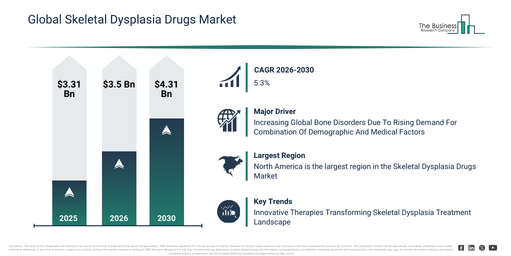
    The skeletal dysplasia drugs market has experienced substantial growth in recent years. It is projected to expand from $3.31 billion in 2025 to $3.5 billion in 2026, achieving a compound annual growth rate (CAGR) of 5.6%. Historically, this expansion has been driven by several factors, including limited treatment options for skeletal dysplasia, the growing prevalence of rare bone disorders, a reliance on hospital pharmacy distribution, a general lack of awareness about dysplasia treatments, and the continued use of traditional symptomatic and supportive therapies.

    The skeletal dysplasia drugs market is projected to experience significant expansion over the next few years. It is expected to reach $4.31 billion in 2030, exhibiting a compound annual growth rate (CAGR) of 5.3%. This anticipated growth is primarily driven by the development of gene and RNA-based therapies, increased investment in orphan drug research, growing collaborations between pharmaceutical and biotech companies, the expansion of hospital and online pharmacy networks, and the adoption of precision medicine approaches. Prominent trends throughout the forecast period include the rising adoption of enzyme replacement therapies, increasing development of monoclonal antibody drugs, growth in rare skeletal dysplasia awareness programs, the expansion of online and retail pharmacy distribution, and a concentrated focus on personalized and targeted therapeutics.

    Get A Free Sample Report With In-Depth Market Insights:

    https://thebusinessresearchcompany.com/sample_request?id=51740410&type=smp&name=Skeletal%20Dysplasia%20Drugs%20Market%20Report%202026&utm_source=Blogs&utm_medium=Paid&utm_campaign=Oct_PR

    Skeletal Dysplasia Drugs Market Opportunity Drivers: What’s Unlocking New Revenue Potential?

    A growing incidence of bone disorders is anticipated to drive the skeletal dysplasia drugs market’s expansion moving forward. Bone disorders are medical conditions that impact the strength, structure, or function of bones, resulting in issues such as weakened bones, deformities, pain, fractures, or limited mobility. The rise in these conditions is primarily attributed to a sedentary lifestyle, where inadequate physical activity reduces bone strength and density, thereby increasing the risk of fractures and degenerative diseases. Skeletal dysplasia drugs work by targeting the underlying genetic or molecular causes affecting bone growth and development, which improves bone formation, strength, and structure, subsequently reducing symptoms like deformities, fractures, and impaired mobility. For instance, in February 2023, the National Library of Medicine, a US-based biomedical library, reported that total hip arthroplasty (THA) and total knee arthroplasty (TKA) procedures are projected to increase by 719,364 and 1,222,988, respectively, by 2040. Moreover, TKAs are anticipated to reach a total of 2,917,959 by 2060, while THAs are expected to total 1,982,099 by the same period. Therefore, the increasing prevalence of bone disorders is propelling the skeletal dysplasia drugs market.

    Skeletal Dysplasia Drugs Market Segment Trends And Revenue Contributors

    The skeletal dysplasia drugs market covered in this report is segmented –

    1) By Treatment: Enzyme Replacement Therapy, Human Monoclonal Antibody, Other Treatments

    2) By Dysplasia Type: Morquio A Syndrome, X-Linked Hypophosphatemia, Hypophosphatasia, Achondroplasia, Fibrodysplasia Ossificans Progressive, Multiple Osteochondromas, Other Dysplasia Types

    3) By Distribution Channel: Hospital Pharmacies, Retail Pharmacies, Online Pharmacies

    Subsegments:

    1) By Enzyme Replacement Therapy (ERT): Alglucosidase Alfa, Idursulfase, Laronidase, Eliglustat, Other Enzyme Replacement Therapy (ERT) Drug

    2) By Human Monoclonal Antibody: Anti-FGF Receptor Antibodies, Anti-TNF-Alpha Antibodies, Anti-IL-6 Receptor Antibodies, Other Human Monoclonal Antibody

    3) By Other Treatments: Small Molecule Therapies, Gene Therapy, RNA-Based Therapies, Symptomatic Treatments, Supportive Therapies

    Skeletal Dysplasia Drugs Market Innovation Trends Shaping Future Development

    Major companies operating in the skeletal dysplasia drugs market are focusing on developing innovative solutions, specifically targeted biological therapies that directly modulate the particular molecular pathways causing abnormal bone growth. This approach enables more effective and safer treatments tailored to underlying genetic defects. Targeted biological therapies are treatments employing biologically derived agents, such as proteins, antibodies, or peptides, to precisely interact with molecular targets involved in a disease’s cause or progression. Their aim is to correct or block abnormal biological processes with greater precision and fewer side effects than traditional therapies. For instance, in October 2023, BioMarin Pharmaceutical Inc., a US-based biotechnology company, launched VOXZOGO (vosoritide) to promote normal bone growth and improve long-term outcomes. It offers children with achondroplasia a targeted therapy designed to stimulate bone growth, thereby helping to increase height, minimize complications, and enhance overall quality of life.

    Skeletal Dysplasia Drugs Market Competitive Landscape: Which Companies Lead The Industry?

    Major companies operating in the skeletal dysplasia drugs market are BridgeBio Pharma Inc., BioMarin Pharmaceutical Inc., Ascendis Pharma A/S, Clementia Pharmaceuticals Inc., QED Therapeutics Inc., InnoSkel SAS, Therachon Holding AG, Pfizer Rare Disease (formerly Pfizer Rare Genetic Diseases), Ipsen Pharma, Chugai Pharmaceutical Co. Ltd., Ultragenyx Pharmaceutical Inc., Takeda Pharmaceutical Company Ltd., PTC Therapeutics Inc., Abeona Therapeutics Inc., Rocket Pharmaceuticals Inc., Sangamo Therapeutics Inc., REGENXBIO Inc., Orchard Therapeutics plc, 4D Molecular Therapeutics Inc., Audentes Therapeutics Inc., LogicBio Therapeutics Inc., Vertex Pharmaceuticals Inc., Anika Therapeutics Inc., Bluebird Bio Inc., Sarepta Therapeutics Inc., Akouos Inc.

    View The Full Skeletal Dysplasia Drugs Market Report:

    https://thebusinessresearchcompany.com/report/skeletal-dysplasia-drugs-global-market-report?utm_source=Blogs&utm_medium=Paid&utm_campaign=Oct_PR

    Skeletal Dysplasia Drugs Market Top Region: Where Does Most Revenue Come From?

    North America was the largest region in the skeletal dysplasia drugs market in 2025. Asia-Pacific is expected to be the fastest-growing region in the forecast period. The regions covered in the skeletal dysplasia drugs market report are Asia-Pacific, South East Asia, Western Europe, Eastern Europe, North America, South America, Middle East, Africa.

    Reach Out To Our Team:

    The Business Research Company: https://www.thebusinessresearchcompany.com/

    Americas: +1 310-496-7795

    Asia: +44 7882 955267 & +91 8897263534

    Europe: +44 7882 955267

    Email us at: marketing@tbrc.info

    Follow us on:

    LinkedIn: https://in.linkedin.com/company/the-business-research-company

    YouTube: https://www.youtube.com/channel/UC24_fI0rV8cR5DxlCpgmyFQ

    Global Market Model: https://www.thebusinessresearchcompany.com/global-market-model

  • Single-Use Chromatography Membrane Market Analysis 2026: Market Size, Growth Trends And Industry Outlook

    Single-Use Chromatography Membrane Market Analysis 2026: Market Size, Growth Trends And Industry Outlook

    Backed by market attractiveness analysis, total addressable market sizing, company benchmarking matrices, interactive Excel dashboards, wider supply chain intelligence, emerging startup coverage, and detailed product-level insights, The Business Research Company’s 2026 market reports are designed to offer research that is more actionable and strategically valuable than ever.

    Single-Use Chromatography Membrane Market Size, Value And Growth Trajectory Through 2030

    The market size for single-use chromatography membranes has experienced rapid expansion recently. Projections indicate it will expand from $1.32 billion in 2025 to $1.52 billion in 2026, achieving a compound annual growth rate (CAGR) of 15.7%. Historically, this growth stemmed from the broader adoption of single-use biomanufacturing practices, higher volumes of biologics production, a greater need for quicker purification cycles, the increased utilization of membrane-based separation technologies, and a decrease in dependence on reusable columns.

    The single-use chromatography membrane market is expected to experience substantial growth in the upcoming years. Its value is projected to reach $2.7 billion in 2030, expanding at a compound annual growth rate (CAGR) of 15.4%. This growth during the forecast period can be attributed to increasing investments in disposable bioprocess solutions, a rising demand for flexible manufacturing platforms, the expansion of vaccine and biologics pipelines, a growing focus on operational efficiency, and an increased regulatory emphasis on contamination control. Key trends during this period include the increasing adoption of disposable chromatography membranes, a rising demand for rapid biomolecule purification, the growing use of single-use bioprocessing systems, the expansion of high-throughput membrane adsorbers, and an enhanced focus on reducing contamination risks.

    Get A Free Sample Report With In-Depth Market Insights:

    https://thebusinessresearchcompany.com/sample_request?id=20872445&type=smp&name=Single-Use%20Chromatography%20Membrane%20Market%20Report%202026&utm_source=Blogs&utm_medium=Paid&utm_campaign=Oct_PR

    Single-Use Chromatography Membrane Market Growth Momentum: What Factors Are Shaping Demand?

    The expanding adoption of personalized medicine is anticipated to boost the single-use chromatography membrane market in the future. Personalized medicine involves tailoring medical interventions to an individual’s distinct genetic, molecular, and clinical profiles, aiming for enhanced precision and efficacy in care. The rise of personalized medicine stems from advancements in genomics, which facilitate the development of treatments customized to a patient’s singular genetic makeup, thereby improving effectiveness and safety. Single-use chromatography membranes contribute to personalized medicine by facilitating the rapid, adaptable, and aseptic purification of patient-specific biologics, including tailored cell or gene therapies, which enhances the efficiency and safety of individualized treatments. As an illustration, in February 2024, the Personalized Medicine Coalition, a US-based non-profit organization, reported that in 2023, the FDA sanctioned 16 novel personalized treatments for rare disease patients, a notable increase from six in 2022. Among the newly approved personalized treatments for 2023 were also seven cancer drugs and three designated for other diseases and conditions. Consequently, the expanding adoption of personalized medicine is fueling the growth within the single-use chromatography membrane market.

    Single-Use Chromatography Membrane Market Segment Analysis Spotlighting Growth Areas

    The single-use chromatography membrane market covered in this report is segmented –

    1) By Product Type: Membrane Adsorbers, Capsules Or Cartridges, Filter Plates, Other Product Types

    2) By Technique: Ion Exchange, Affinity, Hydrophobic Interaction, Other Techniques

    3) By Application: Biopharmaceutical Production, Vaccine Manufacturing, Research And Development, Other Applications

    4) By End-User: Pharmaceutical And Biotechnology Companies, Academic And Research Institutes, Other End Users

    Subsegments:

    1) By Membrane Adsorbers: Ion Exchange, Affinity, Hydrophobic Interaction

    2) By Capsules Or Cartridges: Single Column, Multi Column, Pre Packed

    3) By Filter Plates: Depth Filter, Membrane Filter, Hollow Fiber

    4) By Others Product Types: Tubular Membrane, Spiral Wound, Pleated Membrane

    Single-Use Chromatography Membrane Market Trends Redefining Industry Growth

    Leading companies in the single-use chromatography membrane market are focusing on developing sophisticated strategies, such as mRNA purification, to improve process efficiency, product yield, and therapeutic quality. mRNA purification refers to the method of isolating messenger RNA (mRNA) molecules from a combination of cellular components or reaction products to obtain highly pure mRNA suitable for therapeutic, vaccine, or research purposes. For instance, in December 2024, Repligen Corporation, a US-based life sciences company, launched AVIPure dsRNA Clear OPUS Columns to streamline and accelerate dsRNA purification for biopharmaceutical manufacturing. This product provides a rapid, efficient way to eliminate double-stranded RNA impurities from mRNA therapeutics within just one minute, thereby increasing drug purity and reducing undesirable immune responses. As a single-use, pre-packed chromatography solution, it negates the need for heat or solvents, simplifying workflows while simultaneously supporting scalable production. Its critical function is to enable safer, high-quality mRNA vaccines and therapeutics with cost-effective and smooth integration into biomanufacturing processes.

    Single-Use Chromatography Membrane Market Leading Companies: Who Holds The Strongest Market Presence?

    Major companies operating in the single-use chromatography membrane market are Thermo Fisher Scientific Inc., 3M Company, Danaher Corporation, Merck KGaA, Solventum, Cytiva Life Sciences, W. L. Gore and Associates GORE Membrane Technologies, Sartorius Aktiengesellschaft, AGC Biologics GmbH, Repligen Corporation, GVS Group, i3 Membrane Inc., Cole-Parmer Instrument Company LLC, Restek Corporation, Cobetter Filtration Equipment Company Limited, Membrane Solutions LLC, Izon Science Limited, Sartorius Stedim Biotech S.A., BIA Separations Inc., NATRIX Separations Inc., Purilogics.

    View The Full Single-Use Chromatography Membrane Market Report:

    https://thebusinessresearchcompany.com/report/single-use-chromatography-membrane-global-market-report?utm_source=Blogs&utm_medium=Paid&utm_campaign=Oct_PR

    Single-Use Chromatography Membrane Market Regional Breakdown: Where Is Demand Concentrated?

    North America was the largest region in the single-use chromatography membrane market in 2025. Asia-Pacific is expected to be the fastest-growing region in the forecast period. The regions covered in the single-use chromatography membrane market report are Asia-Pacific, South East Asia, Western Europe, Eastern Europe, North America, South America, Middle East, Africa.

    Reach Out To Our Team:

    The Business Research Company: https://www.thebusinessresearchcompany.com/

    Americas: +1 310-496-7795

    Asia: +44 7882 955267 & +91 8897263534

    Europe: +44 7882 955267

    Email us at: marketing@tbrc.info

    Follow us on:

    LinkedIn: https://in.linkedin.com/company/the-business-research-company

    YouTube: https://www.youtube.com/channel/UC24_fI0rV8cR5DxlCpgmyFQ

    Global Market Model: https://www.thebusinessresearchcompany.com/global-market-model

  • Single-Cell Omics Market Forecast To 2030: Starting From $5.27 Billion In 2026

    Single-Cell Omics Market Forecast To 2030: Starting From $5.27 Billion In 2026

    Featuring market attractiveness scoring, total addressable market sizing, company benchmarking matrices, interactive Excel dashboards, deeper supply chain intelligence, emerging startup tracking, and granular product-level insights, The Business Research Company’s 2026 market reports are built to deliver research that is both more actionable and more strategically valuable.

    Single-Cell Omics Market CAGR Outlook And Future Development

    The single-cell omics market has shown significant growth recently. It is anticipated to increase from $2.39 billion in 2025 to $2.78 billion in 2026, achieving a compound annual growth rate (CAGR) of 16.3%. Key drivers of past growth include advancements in next-generation sequencing, increased academic research funding, expanding cancer research initiatives, the demand for cellular heterogeneity analysis, and improvements in cell isolation technologies.

    The single-cell omics market is projected to experience substantial expansion over the upcoming years. It is forecast to reach $5.27 billion by 2030, exhibiting a compound annual growth rate (CAGR) of 17.4%. This growth throughout the forecast period stems from factors such as the expansion of precision medicine initiatives, the incorporation of artificial intelligence into omics analysis, a rise in pharmaceutical research and development investments, increasing use in clinical diagnostics, and the creation of more affordable single-cell platforms. Key trends identified for this period encompass a growing uptake of multi-omics methodologies, an increasing requirement for high-resolution cellular examination, the broadening of single-cell applications in oncology studies, enhanced utilization of microfluidics for isolating cells, and the establishment of standardized procedures for single-cell analysis.

    Get A Free Sample Report With In-Depth Market Insights:

    https://thebusinessresearchcompany.com/sample_request?id=60913213&type=smp&name=Single-Cell%20Omics%20Market%20Report%202026&utm_source=Blogs&utm_medium=Paid&utm_campaign=Oct_PR

    Single-Cell Omics Market Expansion Drivers: What’s Shaping Future Growth?

    The increasing incidence of cancer is anticipated to drive the expansion of the single-cell omics market in the future. Cancer refers to a group of diseases that can emerge in almost any bodily organ or tissue when abnormal cells multiply without control, extend beyond their typical limits, and either metastasize to other organs or infiltrate adjacent body parts. Single-cell omics data has been extensively utilized for identifying biomarkers for cancer diagnosis, predicting prognosis, and uncovering new therapeutic targets within specific clinical cohorts. For example, the National Institutes of Health, a US-based government agency, reported in May 2024 that around 18.1 million people in the United States were living as cancer survivors as of January 2022. This figure is projected to increase to 22.5 million by 2032. Consequently, the growing occurrence of cancer is fueling the growth of the single-cell omics market.

    Single-Cell Omics Market Segment Performance And Emerging Opportunities

    The single-cell omics market covered in this report is segmented –

    1) By Product: Single-Cell Genomics, Single-Cell Transcriptomics, Single-Cell Proteomics, Single-Cell Metabolomics

    2) By Technology: Cell Isolation Technologies, Sample Preparation Technologies, Analysis Of Next-Generation Sequencing

    3) By Application: Oncology, Cell Biology, Neurology, Immunology

    4) By End-User: Pharmaceutical And Biotechnology Companies, Academic And Research Organizations, Hospital And Diagnostic Laboratories, Other End Users

    Subsegments:

    1) By Single-Cell Genomics: Whole Genome Sequencing (WGS), Targeted Sequencing, Single-Cell DNA Analysis Kits

    2) By Single-Cell Transcriptomics: RNA Sequencing (RNA-seq), Quantitative PCR (qPCR) For Single Cells, Single-Cell Gene Expression Analysis Kits

    3) By Single-Cell Proteomics: Mass Spectrometry-Based Proteomics, Antibody-Based Protein Analysis, Single-Cell Protein Analysis Kits

    4) By Single-Cell Metabolomics: Mass Spectrometry For Metabolites, Nuclear Magnetic Resonance (NMR) Metabolomics, Single-Cell Metabolite Profiling Kits

    Single-Cell Omics Market Strategic Trends: What Defines The Next Growth Phase?

    Leading entities within the single-cell omics market prioritize the creation of sophisticated kits, notably sequencing kits, for use in single-cell applications, aiming to boost their earnings within the sector. These sequencing kits represent pre-assembled collections of reagents and other necessary items crafted for genetic sequencing procedures, thus simplifying laboratory operations. An illustrative example occurred in February 2023 when Singular Genomics Systems, Inc., a US firm utilizing innovative next-generation sequencing (NGS) technology, introduced its Max Read Kits for single-cell sequencing on its G4 Sequencing Platform. The Max Read Kits are engineered to be compatible with widely used 10x Genomics assays and provide the versatility to sequence between 4 and 16 samples in each run. Each flow cell using these kits delivers 800 million reads, maintaining a Q30 quality of 80% to 90%. Additionally, Singular Genomics improves the quality specifications for the F2 and F3 flow cells of the G4 Sequencing Platform, reaching as many as 1.8 billion reads per run on the F3 flow cells for specific applications.

    Single-Cell Omics Market Key Players: Which Companies Lead Industry Competition?

    Major companies operating in the single-cell omics market are Danaher Corporation, Merck KGaA, Becton Dickinson and Company, Thermo Fisher Scientific Inc, Agilent Technologies Inc, Sartorius AG, Illumina Inc, Bio Rad Laboratories Inc, Qiagen NV, Tecan Group Ltd, BGI Genomics Co Ltd, 10x Genomics Inc, Takara Bio Inc, NanoString Technologies Inc, Vizgen, Deepcell, Mission Bio Inc, Standard BioTools Inc, CYTENA GmbH, Single Cell Discoveries

    View The Full Single-Cell Omics Market Report:

    https://thebusinessresearchcompany.com/report/single-cell-omics-global-market-report?utm_source=Blogs&utm_medium=Paid&utm_campaign=Oct_PR

    Single-Cell Omics Market Geographic Landscape: Which Region Dominates Industry Growth?

    North America was the largest region in the single-cell omics market in 2025. Asia-Pacific is expected to be the fastest-growing region in the forecast period. The regions covered in the single-cell omics market report are Asia-Pacific, South East Asia, Western Europe, Eastern Europe, North America, South America, Middle East, Africa.

    Reach Out To Our Team:

    The Business Research Company: https://www.thebusinessresearchcompany.com/

    Americas: +1 310-496-7795

    Asia: +44 7882 955267 & +91 8897263534

    Europe: +44 7882 955267

    Email us at: marketing@tbrc.info

    Follow us on:

    LinkedIn: https://in.linkedin.com/company/the-business-research-company

    YouTube: https://www.youtube.com/channel/UC24_fI0rV8cR5DxlCpgmyFQ

    Global Market Model: https://www.thebusinessresearchcompany.com/global-market-model

  • Silver Ion Wound Spray Market Size In 2026 And Beyond: Understanding Future Growth Potential

    Silver Ion Wound Spray Market Size In 2026 And Beyond: Understanding Future Growth Potential

    Built to provide research that’s more actionable and strategically valuable, The Business Research Company’s 2026 market reports include market attractiveness analysis, total addressable market sizing, company benchmarking matrices, interactive Excel dashboards, broader supply chain intelligence, emerging startup tracking, and in-depth product insights.

    Silver Ion Wound Spray Market Set To Climb From $0.95 Billion In 2026 To $1.46 Billion By 2030

    The silver ion wound spray market size has demonstrated rapid expansion in recent years. It is anticipated to grow from $0.85 billion in 2025 to $0.95 billion in 2026, achieving a compound annual growth rate (CAGR) of 11.7%. The historical drivers for this growth include an increasing incidence of chronic and acute wounds, extensive clinical application of silver antimicrobials, an expansion of hospital wound care protocols, the availability of spray-based medical devices, and heightened infection control awareness.

    The silver ion wound spray market size is anticipated to expand significantly in the forthcoming years. It is projected to reach $1.47 billion in 2030, achieving a compound annual growth rate (CAGR) of 11.4%. This expected growth during the forecast period can be linked to factors such as an escalating demand for sophisticated wound care products, the expansion of home healthcare offerings, a heightened emphasis on preventing antimicrobial resistance, an increasing elderly population, and the growing adoption of easy-to-apply wound care formats. Key trends for the forecast period include the rising acceptance of antimicrobial silver-based wound care, an increasing need for non-invasive wound treatment options, the expanding use of spray-based wound applications, the growth of homecare wound management products, and a reinforced focus on infection prevention.

    Get A Free Sample Report With In-Depth Market Insights:

    https://thebusinessresearchcompany.com/sample_request?id=11063968&type=smp&name=Silver%20Ion%20Wound%20Spray%20Market%20Report%202026&utm_source=Blogs&utm_medium=Paid&utm_campaign=Oct_PR

    Silver Ion Wound Spray Market Development Factors: What’s Supporting Demand?

    A projected rise in surgical interventions is anticipated to drive expansion within the silver ion wound spray market. These procedures involve medical operations conducted to address illnesses, traumas, or anomalies through physical modification, repair, or excision of bodily tissues. The increase in such operations is significantly fueled by the escalating occurrence of chronic illnesses, which frequently necessitate surgery to manage associated issues and enhance patient recovery. Silver ion wound sprays improve surgical care by providing specific antimicrobial defense, rendering them highly suitable for averting infections following operations. By suppressing bacterial proliferation and fostering quicker wound recovery, they diminish the likelihood of complications, thereby elevating patient safety and recuperation. For example, in August 2023, data from The Aesthetic Society, a US-based organization dedicated to plastic surgery and cosmetic medicine, indicated that Americans collectively expended over $11.8 billion on aesthetic treatments, representing a 2% rise from the prior year. Consequently, the growing number of surgical procedures is acting as a catalyst for the silver ion wound spray market’s expansion.

    Silver Ion Wound Spray Market Segment Landscape And Growth Outlook

    The silver ion wound spray market covered in this report is segmented –

    1) By Product Type: Spray Bottles, Aerosol Sprays, Pump Sprays, Other Product Types

    2) By Distribution Channel: Hospital Pharmacies, Retail Pharmacies, Online Pharmacies, Other Distribution Channels

    3) By Application: Hospitals And Clinics, Home Care, Veterinary, Other Applications

    4) By End-User: Adults, Pediatrics, Geriatrics

    Subsegments:

    1) By Spray Bottles: Trigger Sprayers, Fingertip Sprayers, Airless Sprayers

    2) By Aerosol Sprays: Pressurized Aerosols, Non-Pressurized Aerosols

    3) By Pump Sprays: Continuous Spray Pumps, Metered Dose Pumps

    4) By Other Product Types: Roll-On Applicators, Foam Dispensers, Dropper Bottles

    Silver Ion Wound Spray Market Competitive Landscape: Who Leads The Industry?

    Major companies operating in the silver ion wound spray market are CVS Health Corp., Cardinal Health Inc., Walgreens Co., Medline Industries Inc., 3M Company, McKesson Medical-Surgical Inc., Smith & Nephew plc, Coloplast A/S, Mölnlycke Health Care AB, ConvaTec Inc., Hollister Incorporated, Urgo Medical, B. Braun Melsungen AG, Gentell Inc., Winner Medical Co. Ltd., Axio Biosolutions Private Limited, DermaRite Industries LLC, Milliken Healthcare Products LLC, MPM Medical LLC, Urgo Medical.

    View The Full Silver Ion Wound Spray Market Report:

    https://thebusinessresearchcompany.com/report/silver-ion-wound-spray-global-market-report?utm_source=Blogs&utm_medium=Paid&utm_campaign=Oct_PR

    Silver Ion Wound Spray Market Largest Region: Which Geography Holds The Highest Market Share?

    North America was the largest region in the silver ion wound spray market in 2025. Asia-Pacific is expected to be the fastest-growing region in the forecast period. The regions covered in the silver ion wound spray market report are Asia-Pacific, South East Asia, Western Europe, Eastern Europe, North America, South America, Middle East, Africa.

    Reach Out To Our Team:

    The Business Research Company: https://www.thebusinessresearchcompany.com/

    Americas: +1 310-496-7795

    Asia: +44 7882 955267 & +91 8897263534

    Europe: +44 7882 955267

    Email us at: marketing@tbrc.info

    Follow us on:

    LinkedIn: https://in.linkedin.com/company/the-business-research-company

    YouTube: https://www.youtube.com/channel/UC24_fI0rV8cR5DxlCpgmyFQ

    Global Market Model: https://www.thebusinessresearchcompany.com/global-market-model

  • Silica Mineral Supplements Market Reaches $2.71 Billion In 2026: Key Developments Shaping Expansion

    Silica Mineral Supplements Market Reaches $2.71 Billion In 2026: Key Developments Shaping Expansion

    Backed by market attractiveness analysis, total addressable market sizing, company benchmarking matrices, interactive Excel dashboards, wider supply chain intelligence, emerging startup coverage, and detailed product-level insights, The Business Research Company’s 2026 market reports are designed to offer research that is more actionable and strategically valuable than ever.

    Silica Mineral Supplements Market Forecast: Value Set To Climb From $1.89 Billion To $2.71 Billion

    The silica mineral supplements market size has shown significant growth in recent years. It is anticipated to expand from $1.72 billion in 2025 to $1.89 billion in 2026, achieving a compound annual growth rate (CAGR) of 9.8%. The market’s past growth was fueled by factors such as a greater recognition of the benefits of mineral supplementation, mounting concerns regarding an aging population, an escalating need for products supporting joint and bone health, the expansion of nutraceutical retail channels, and refinements in formulation technologies.

    The silica mineral supplements market size is expected to experience substantial growth in the coming years. It is projected to expand to $2.72 billion in 2030, demonstrating a compound annual growth rate (CAGR) of 9.5%. This growth during the forecast period is driven by factors such as the increasing demand for connective tissue health supplements, a rising interest in holistic wellness solutions, the expansion of personalized nutrition approaches, a growing emphasis on bioavailability enhancement, and the increasing adoption of preventive healthcare supplements. Significant trends anticipated for this period include the increasing incorporation of bioavailable silica formulations, a heightened demand for bone and joint health supplements, the growing appeal of liquid and gel-based silica products, the broadening of organic and natural silica sources, and a reinforced focus on beauty-from-within nutrition.

    Get A Free Sample Report With In-Depth Market Insights:

    https://thebusinessresearchcompany.com/sample_request?id=38660091&type=smp&name=Silica%20Mineral%20Supplements%20Market%20Report%202026&utm_source=Blogs&utm_medium=Paid&utm_campaign=Oct_PR

    Silica Mineral Supplements Market Industry Drivers: What’s Behind The Revenue Growth?

    The rising consumer demand for natural and organic supplements is anticipated to boost the expansion of the silica mineral supplements market in the future. These types of supplements are defined as dietary items made from plant, mineral, or other naturally occurring components, free from synthetic additives, preservatives, or artificial substances. This increasing preference stems from consumers’ growing health awareness and their recognition of the advantages of ingredients considered safer, devoid of synthetic components, and environmentally sound. By offering bioavailable silica extracted from natural origins, silica mineral supplements complement natural and organic supplements, aiding in the enhancement of hair, skin, nail, and bone health. As an illustration, in September 2024, HerbalGram, a US-based nonprofit, reported that the total yearly sales of herbal dietary supplements within the US grew from $12.018 billion in 2022 to $12.551 billion in 2023, representing a 4.4% increase. Consequently, the heightened consumer inclination towards natural and organic supplements is fueling the expansion of the silica mineral supplements market.

    Silica Mineral Supplements Market Breakdown By Product Type And Application

    The silica mineral supplements market covered in this report is segmented –

    1) By Product Type: Powdered Silica Supplements, Liquid Silica Supplements, Capsule Or Tablets Silica Supplements, Gel Silica Supplements

    2) By Source Of Silica: Natural Silica, Synthetic Silica, Colloidal Silica, Organic Silica

    3) By Distribution Channel: Online Retail, Offline Retail, Direct Sales, Pharmacies, Health Stores

    4) By Application Area: Bone And Joint Health, Skin And Hair Health, Dental Health, Digestive Health

    5) By End-User: Health-Conscious Individuals, Athletes And Fitness Enthusiasts, Elderly Population, People With Joint And Bone Disorders

    Subsegments:

    1) By Powdered Silica Supplements: Micronized Silica Powder, Organic Silica Powder, Colloidal Silica Powder, High-Purity Silica Powder

    2) By Liquid Silica Supplements: Ionic Silica Liquid, Colloidal Silica Liquid, Organic Silica Solution, Stabilized Silica Drops

    3) By Capsule Or Tablets Silica Supplements: Silica Capsules, Silica Tablets, Silica Softgels, Silica Complex Formulations

    4) By Gel Silica Supplements: Topical Silica Gel, Oral Silica Gel, Bioavailable Silica Gel, Hydrated Silica Gel Formulations

    #Silica Mineral Supplements Market Growth Trends: What’s Shaping The Future Outlook?

    Leading companies in the silica mineral supplements market are concentrating on developing innovative devices, such as mesoporous silica-based oral medical devices, to enhance metabolic health and aid in weight management. These mesoporous silica-based oral medical devices consist of minute silica particles featuring a network of microscopic pores capable of trapping digestive enzymes in the gut, which helps reduce carbohydrate and fat absorption, consequently supporting blood sugar control and weight management. For instance, in January 2024, Sigrid Therapeutics AB, a Sweden-based clinical-stage healthtech company, launched SiPore21, an orally administered product developed on its proprietary SiPore platform. SiPore21 comprises micron-sized mesoporous silica particles with a network of pores that mechanically trap digestive enzymes such as amylase and lipase, thereby curtailing the breakdown and absorption of carbohydrates and fats. Functioning locally in the gut without systemic absorption, this non-drug technology supports blood sugar regulation and weight management. Its versatile design enables applications beyond human supplementation, including veterinary health and oral care. This innovation signifies the expanding market inclination toward advanced, non-invasive silica-based solutions for metabolic health management.

    Silica Mineral Supplements Market Company Landscape And Competitive Strategy

    Major companies operating in the silica mineral supplements market are Swanson Health Products Inc., Life Extension Foundation Buyers Club Inc., Trace Minerals Research LC, Biotics Research Corporation, NutraBio Labs Inc., Advanced Orthomolecular Research Inc. (AOR), NOW Health Group Inc. (NOW Foods), OstroVit Sp. z o.o., GeoSilica Iceland ehf., Nutra Organics Pty Ltd., Eytelia S.A., Eidon Ionic Minerals LLC, Silicium Laboratories LLC, Hakala Labs LLC, Natural Factors Nutritional Products Ltd., Sigrid Therapeutics AB, NutriStart Inc., Ayuzera Pvt. Ltd., Living Silica, Silica Earth Pvt. Ltd.

    View The Full Silica Mineral Supplements Market Report:

    https://thebusinessresearchcompany.com/report/global-silica-mineral-supplements-market-report?utm_source=Blogs&utm_medium=Paid&utm_campaign=Oct_PR

    Silica Mineral Supplements Market Regional Analysis: Which Region Leads By Revenue?

    North America was the largest region in the silica mineral supplements market in 2025. Asia-Pacific is expected to be the fastest-growing region in the forecast period. The regions covered in the silica mineral supplements market report are Asia-Pacific, South East Asia, Western Europe, Eastern Europe, North America, South America, Middle East, Africa.

    Reach Out To Our Team:

    The Business Research Company: https://www.thebusinessresearchcompany.com/

    Americas: +1 310-496-7795

    Asia: +44 7882 955267 & +91 8897263534

    Europe: +44 7882 955267

    Email us at: marketing@tbrc.info

    Follow us on:

    LinkedIn: https://in.linkedin.com/company/the-business-research-company

    YouTube: https://www.youtube.com/channel/UC24_fI0rV8cR5DxlCpgmyFQ

    Global Market Model: https://www.thebusinessresearchcompany.com/global-market-model