Blog

  • How Will The Advanced Therapy Medicinal Products Market Expand At A CAGR Of 19.4% Through 2029?

    How Will The Advanced Therapy Medicinal Products Market Expand At A CAGR Of 19.4% Through 2029?

    Claim your 20% discount on Global Market Reports with code ONLINE20. Limited time only.

    What Is The Present And Forecasted Size Of The Advanced Therapy Medicinal Products Market?

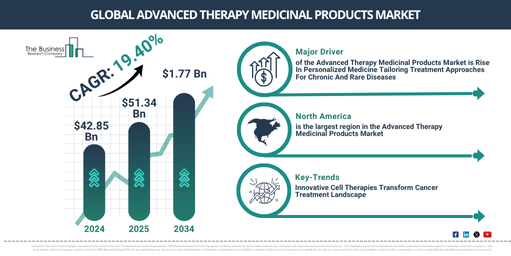
    The market size of advanced therapy medicinal products has experienced a significant surge in the past few years. Projections show that from $42.85 billion in 2024, it is expected to climb to $51.34 billion in 2025, boasting a compound annual growth rate (CAGR) of 19.8%. Factors contributing to the growth during the historical period include an increase in the number of clinical trials for gene and cell therapies, the escalating occurrence of unique and genetic diseases, a growing preference for curative treatments over managing chronic illnesses, improvements in success rates of initial phase clinical studies, and the increasing incidence of chronic and age-related ailments.

    The market size of advanced therapy medicinal products is anticipated to undergo substantial expansion in the forthcoming years, escalating to $104.43 billion in 2029 with a compound annual growth rate (CAGR) of 19.4%. Factors pushing this growth during the forecasted period encompass the escalating demand for precision and personalized medicine methods, a burgeoning pipeline of chimeric antigen receptor t-cell and gene-editing therapies, the rising implementation of precision medicine and genomics, amplified healthcare spending in rising markets, and an increased emphasis on decentralized clinical trial models. Noteworthy tendencies in the forecasted period incorporate the advancement of allogeneic off-the-shelf therapies, the development of non-viral gene delivery vectors, the assimilation of digital twins in therapy simulation, the utilization of blockchain in supply chain tracking, and the innovation of 3D bioprinting for tissue engineering.

    Get A Free Sample Of The Report:

    https://www.thebusinessresearchcompany.com/sample.aspx?id=25689&type=smp

    What Drivers Are Accelerating Expansion Of The Advanced Therapy Medicinal Products Market?

    The anticipated growth of the advanced therapy medicinal products market is being driven by the increasing demand for personalized medicine. This type of medical treatment is customized to an individual’s unique genetic makeup, lifestyle, and environment. The need for personalized medicine is predominantly fueled by the widespread occurrence of chronic diseases, as it allows for bespoke treatments which enhance patient outcomes and minimize side effects. Advanced therapy medicinal products facilitate this by providing custom treatments, including gene, cell, and tissue-engineered therapies designed to target the specific genetic and biological characteristics of individual patients. The Personalized Medicine Coalition, a non-profit organization in the US, announced in February 2024 that in 2023, the FDA approved 16 new personalized treatments for patients with rare diseases, an increase from just six in 2022. The FDA approvals for 2023 also included seven cancer treatments and three for other diseases and conditions. Accordingly, the increasing demand for personalized medicine stimulates the expansion of the advanced therapy medicinal products market.

    What Are The Primary Segmentation Parameters In The Advanced Therapy Medicinal Products Market?

    The advanced therapy medicinal products market covered in this report is segmented –

    1) By Product: Somatic Cell Therapy Medicinal Products, Tissue Engineered Medicinal Products, Gene Therapy Medicinal Products

    2) By Technology: Gene Editing Technologies, Viral Vector Technology, Stem Cell Technology, Automation And Artificial Intelligence-Driven Processes

    3) By Application: Muscular Dystrophies, Alzheimer’s, Hemophilia, Cystic Fibrosis, Other Applications

    4) By Distribution Channel: Hospital Pharmacy, Retail Pharmacy, Online Pharmacy

    5) By End User: Hospitals, Specialty Clinics, Other End Users

    Subsegments:

    1) By Somatic Cell Therapy Medicinal Products: Autologous Cell Therapy, Allogeneic Cell Therapy, Stem Cell Therapy, Dendritic Cell Therapy, Natural Killer Cell Therapy

    2) By Tissue Engineered Medicinal Products: Autologous Tissue-Engineered Products, Allogeneic Tissue-Engineered Products, Scaffold-Based Tissue Engineering, Scaffold-Free Tissue Engineering, Skin Substitutes

    3) By Gene Therapy Medicinal Products: In Vivo Gene Therapy, Ex Vivo Gene Therapy, Viral Vector-Based Gene Therapy, Non-Viral Vector-Based Gene Therapy, Gene Editing Therapies

    Which Emerging Trends Are Reshaping The Advanced Therapy Medicinal Products Market Landscape?

    Leading enterprises in the advanced therapeutic medicinal products marketplace are shifting their attention towards the creation of innovative treatments, such as novel car-t cell therapies. These advanced therapies aim to enhance treatment results in cancer and other severe illnesses by using the patient’s own T cells, which are genetically manipulated to identify and eliminate cancer cells. For example, in May 2022, Novartis AG, a pharmaceutical firm based in Switzerland, was granted approval by the U.S. Food and Drug Administration (FDA) for its car-t cell therapy, Kymriah. This therapy is designed to administer patients suffering from relapsed or refractory follicular lymphoma (FL) post two or more prior systemic treatments. The patient’s own T cells, reengineered to express a chimeric antigen receptor (CAR) that targets the cd19 protein, are utilized in this treatment. This alteration allows the T cells to identify and eradicate malignant B cells. Furthermore, Kymriah includes a 4-1BB costimulatory domain to encourage the expansion and persistence of T cells, thus ensuring a sustained antitumor effect from a single transfusion.

    Which Players Are Shaping The Competitive Landscape Of The Advanced Therapy Medicinal Products Market?

    Major companies operating in the advanced therapy medicinal products market are F. Hoffmann-La Roche Limited., Novartis AG, Bristol-Myers Squibb Company, Takeda Pharmaceutical Company Limited., Lonza Group AG, Catalent Inc., BioMarin Pharmaceutical Inc., AGC Biologics Inc., ViaCyte Inc., Rentschler Biopharma SE, JCR Pharmaceuticals Co. Ltd., Vericel Corporation, UniQure N.V., Fate Therapeutics Inc., WuXi Advanced Therapies Inc., Celonic Group AG, Pharmicell Co. Ltd., Magenta Therapeutics Inc, MEDIPOST Co. Ltd., Kolon TissueGene Inc

    Access The Complete Report Here:

    https://www.thebusinessresearchcompany.com/report/advanced-therapy-medicinal-products-global-market-report

    What Are The Emerging Regional Trends Driving The Advanced Therapy Medicinal Products Market?

    North America was the largest region in the advanced therapy medicinal products market in 2024. Asia-Pacific is expected to be the fastest-growing region in the forecast period. The regions covered in the advanced therapy medicinal products market report are Asia-Pacific, Western Europe, Eastern Europe, North America, South America, Middle East, Africa.

    Customize Your Report Here:

    https://www.thebusinessresearchcompany.com/customise?id=25689&type=smp

    Browse Through More Reports Similar to the Global Advanced Therapy Medicinal Products Market 2025, By The Business Research Company

    Music Therapy Global Market Report 2025

    https://www.thebusinessresearchcompany.com/report/music-therapy-global-market-report

    Infectious Disease Therapeutics Global Market Report 2025

    https://www.thebusinessresearchcompany.com/report/infectious-disease-therapeutics-global-market-report

    Veterinary Dermatology Drugs Global Market Report 2025

    https://www.thebusinessresearchcompany.com/report/veterinary-dermatology-drugs-global-market-report

    About The Business Research Company:

    With over 17500+ reports from 27 industries covering 60+ geographies, The Business Research Company has built a reputation for offering comprehensive, data-rich research and insights. Armed with 1,500,000 datasets, the optimistic contribution of in-depth secondary research, and unique insights from industry leaders, you can get the information you need to stay ahead in the game.

    Get in touch with us:

    The Business Research Company: https://www.thebusinessresearchcompany.com/

    Americas +1 310-496-7795

    Asia +44 7882 955267 & +91 8897263534

    Europe +44 7882 955267

    Email us at info@tbrc.info

    Follow us on:

    LinkedIn: https://in.linkedin.com/company/the-business-research-company

    YouTube: https://www.youtube.com/channel/UC24_fI0rV8cR5DxlCpgmyFQ

    Global Market Model: https://www.thebusinessresearchcompany.com/global-market-model
  • What Is The Forecast Valuation Of The Global Acute Care Telemedicine AD13Market Projected To Reach $66.59 Billion By 2029?

    What Is The Forecast Valuation Of The Global Acute Care Telemedicine AD13Market Projected To Reach $66.59 Billion By 2029?

    Claim your 20% discount on Global Market Reports with code ONLINE20. Limited time only.

    How Big Is The Acute Care Telemedicine Market Today And What Is Its Future Size?

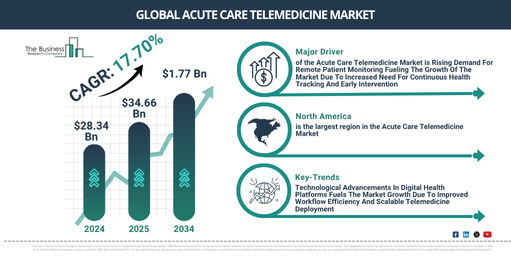
    In recent times, there has been a significant expansion in the size of the acute care telemedicine market. An increase from $28.34 billion in 2024 to $34.66 billion in 2025 is predicted, reflecting a compound annual growth rate (CAGR) of 18.1%. The previous period’s growth can be credited to several factors. These include a higher demand for immediate specialist consultations, an increase in chronic and acute health conditions, a growing deficit of critical care professionals in rural areas, escalating healthcare costs prompting the need for more efficient delivery models, and elevated investment and funding in telehealth infrastructure.

    Anticipations for the acute care telemedicine market over the next several years predict quick expansion, with the market estimated to reach a value of $66.59 billion by 2029, escalating at a compound annual growth rate (CAGR) of 17.7%. The growth in the forecast period is fueled by a rise in demand for round-the-clock emergency medical services, increased regulatory backing and reimbursement policies, an upswing in the implementation of telemedicine carts in emergency departments, heightened demand for managing infectious diseases in acute settings, and a burgeoning use of wearables and remote monitoring systems in emergency care. Significant trends for the forecast period encompass improvements in real-time video communication tools, developments in 5G and swift connectivity infrastructure, advancements in mobile telehealth stations and portable carts, technology-driven distant patient monitoring for acute conditions, and evolutions in clinical workflow automation and tele-triage.

    Get A Free Sample Of The Report:

    https://www.thebusinessresearchcompany.com/sample.aspx?id=25688&type=smp

    Which Key Factors Are Fueling Growth In The Acute Care Telemedicine Market?

    The acute care telemedicine market is predicted to thrive due to the increasing requirement for remote patient monitoring. This term pertains to the application of digital tech to gather and deliver patients’ health information to their healthcare providers from locations beyond conventional healthcare environments for their evaluation and potential care management. The escalating need for remote patient monitoring arises from the escalating incidences of chronic illnesses which necessitate consistent health monitoring and preemptive measures to prevent complications and minimize hospital stay. Acute care telemedicine promotes remote patient monitoring by facilitating immediate evaluations and swift clinical responses towards crucial shifts in a patient’s health status, regardless of their proximity to traditional healthcare environments. For example, ElectroIQ, a tech and electronics enterprise based in the US, reported a 20% growth in sales of remote monitoring devices in comparison to the previous year, due to a heightened interest in at-home healthcare in January 2025. Consequently, the burgeoning demand for remote patient monitoring is spurring the expansion of the acute care telemedicine market.

    How Is The Acute Care Telemedicine Market Segmented Across Key Categories?

    The acute care telemedicine market covered in this report is segmented –

    1) By Product Type: Telehealth Units, Telemedicine Carts, Portable Telemedicine Systems

    2) By Delivery: Clinician To Patient, Clinician To Clinician

    3) By Connectivity: Local Area Network (LAN), Wireless

    4) By Application: Emergency Medicine, Critical Care, Remote Patient Monitoring

    5) By End User: Hospitals, Clinics, Ambulatory Surgical Centers, Other End Users

    Subsegments:

    1) By Telehealth Units: Fixed Telehealth Stations, Wall-Mounted Telehealth Systems, Integrated Telemedicine Workstations

    2) By Telemedicine Carts: Basic Telemedicine Carts, Advanced and High-Acuity Telemedicine Carts, Specialty-Specific Carts

    3) By Portable Telemedicine Systems: Handheld Telemedicine Devices, Mobile App-Based Telehealth Tools, Wearable Telemonitoring Devices

    What Key Trends Are Driving Growth In The Acute Care Telemedicine Market?

    Prominent corporations involved in the acute care telemedicine market are honing their focus on technological upgrades like digital health platforms. Their aim is to boost the efficiency of clinical workflow, coordination of real-time care, and the scalability of telemedicine services over a multitude of acute care settings. In terms of definition, digital health platforms imply the use of comprehensive software solutions which aid in the provision, management, and orchestration of healthcare services through digital instruments. They allow for immediate communication, remote monitoring, data analysis, and simplified clinical workflows. A case in point is Avel eCare, an American telemedicine provider, that introduced Avel eSync, a bespoke clinical workflow platform in May 2024. This platform was created to facilitate easy telemedicine implementation across diverse care settings. It boasts of features like adaptable clinical workflows, sophisticated scheduling tools, secure video functionality, and analytical capabilities for data-backed decision-making. Avel eSync, which is designed to better clinician-to-clinician telemedicine services, empowers healthcare institutions to customize workflows for specialties like emergency care, intensive care unit (ICU), behavioral health, and senior care. They do so while maintaining adherence to licensing, credentialing, and regulatory norms.

    Who Are The Leading Companies Driving The Acute Care Telemedicine Market?

    Major companies operating in the acute care telemedicine market are Koninklijke Philips N.V., Mercy Health, AMN Healthcare Inc., MedStar Health, Teladoc Health, Apollo Hospitals, U.S. Acute Care Solutions LLC, Enghouse Systems Limited, American Well Corporation, ScienceSoft USA Corporation, Health Tap Inc., K Health Inc., Caregility, Eagle Telemedicine, SynergenX Health, RelyMD Inc., Orbit Health, eVisit LLC, Teledigm Health, Vitalchat Inc., GenieMD Inc.

    Access The Complete Report Here:

    https://www.thebusinessresearchcompany.com/report/acute-care-telemedicine-global-market-report

    Which Region Dominates The Acute Care Telemedicine Market Today?

    North America was the largest region in the acute care telemedicine market in 2024. Asia-Pacific is expected to be the fastest-growing region in the forecast period. The regions covered in the acute care telemedicine market report are Asia-Pacific, Western Europe, Eastern Europe, North America, South America, Middle East, Africa.

    Customize Your Report Here:

    https://www.thebusinessresearchcompany.com/customise?id=25688&type=smp

    Browse Through More Reports Similar to the Global Acute Care Telemedicine Market 2025, By The Business Research Company

    Telemedicine Equipment Global Market Report 2025

    https://www.thebusinessresearchcompany.com/report/telemedicine-equipment-global-market-report

    Telemetry Global Market Report 2025

    https://www.thebusinessresearchcompany.com/report/telemetry-global-market-report

    Hospice Care Global Market Report 2025

    https://www.thebusinessresearchcompany.com/report/hospice-care-global-market-report

    About The Business Research Company:

    With over 17500+ reports from 27 industries covering 60+ geographies, The Business Research Company has built a reputation for offering comprehensive, data-rich research and insights. Armed with 1,500,000 datasets, the optimistic contribution of in-depth secondary research, and unique insights from industry leaders, you can get the information you need to stay ahead in the game.

    Get in touch with us:

    The Business Research Company: https://www.thebusinessresearchcompany.com/

    Americas +1 310-496-7795

    Asia +44 7882 955267 & +91 8897263534

    Europe +44 7882 955267

    Email us at info@tbrc.info

    Follow us on:

    LinkedIn: https://in.linkedin.com/company/the-business-research-company

    YouTube: https://www.youtube.com/channel/UC24_fI0rV8cR5DxlCpgmyFQ

    Global Market Model: https://www.thebusinessresearchcompany.com/global-market-model
  • Which Emerging Trends Are Driving The Anti-D Immunoglobulin Market Toward $3.34 Billion By 2029?

    Which Emerging Trends Are Driving The Anti-D Immunoglobulin Market Toward $3.34 Billion By 2029?

    Claim your 20% discount on Global Market Reports with code ONLINE20. Limited time only.

    What CAGR And Valuation Are Anticipated For The Anti-D Immunoglobulin Market?

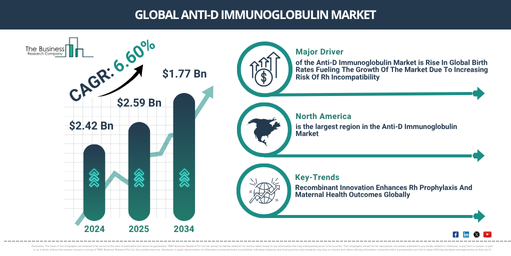
    Recent years have seen a substantial upswing in the size of the anti-D immunoglobulin market. Its projected growth from $2.42 billion in 2024 to $2.59 billion in 2025, with a compound annual growth rate (CAGR) of 6.9%, reflects this trend. The increase in the historic period can be credited to heightened awareness about the risks of rhesus incompatibility, the expansion of national immunization programs, the introduction of maternal and neonatal health policies, an increase in global birth rates, and the rise in blood transfusion procedures.

    In the coming years, the anti-D immunoglobulin market is projected to witness robust expansion, anticipating to reach a market value of $3.34 billion by 2029, with a compound annual growth rate (CAGR) of 6.6%. The spur in growth during the forecast period can be ascribed to the growing demand for prenatal and postnatal care, enhanced focus towards maternal health in developing and transition economies, increments in healthcare infrastructure capital, the expansion of global health coverage programs, and regulatory support for immunoglobulin treatment modalities. Key trends that can be seen during the projected period include advancements in plasma segmentation technology, the emergence of recombinant antibody alternatives, growth in automation within immunoglobulin production, the utilization of high-purity formulation methodologies, and the incorporation of cold chain surveillance systems.

    Get A Free Sample Of The Report:

    https://www.thebusinessresearchcompany.com/sample.aspx?id=25694&type=smp

    What Core Drivers Are Expected To Influence The Anti-D Immunoglobulin Market?

    The surge in birth rates is anticipated to drive the growth of the anti-D immunoglobulin market. Birth rates, which depict the number of live births per 1,000 individuals annually, are on the rise due to limited access to education and family planning facilities, leading to higher fertility rates and increased family sizes. Anti-D immunoglobulin aids this increase in birth rates by averting Rh incompatibility during pregnancy, mitigating the risk of hemolytic disease in newborns and promoting healthier pregnancy outcomes in the future. As an example, the Centers for Disease Control and Prevention, a government agency based in the US, reported 3,622,673 births in 2024 in April 2025, marking a 1% growth from the preceding year. Thus, the growth in birth rates is a significant contributor to the upswing of the anti-D immunoglobulin market. The growth in healthcare infrastructure, due to better access to maternal care services, is also expected to fuel the growth of the anti-D immunoglobulin market. This infrastructure, which encompasses facilities, equipment, personnel, and supporting structures necessary to deliver healthcare services within a population, is expanding due to a growing global population, subsequently spurring a greater demand for medical care and necessitating the establishment of additional hospitals, clinics, and more. The growth of healthcare infrastructure improves access to maternal care, permitting effective screening and timely administration of anti-D immunoglobulin, thus reducing the risk of hemolytic disease in newborns. For instance, the Department of Health and Social Care, a government organization based in the UK, unveiled plans in May 2023 to invest over $27 billion (£20 billion) in developing new hospital facilities. Under the New Hospital Programme, two hospitals are already operational, five are under construction, and over 20 are projected to be in progress or completed by the end of the following year. Consequently, the growth of healthcare infrastructure is greatly influencing the expansion of the anti-D immunoglobulin market.

    What Are The Main Segment Classifications In The Anti-D Immunoglobulin Market?

    The anti-d immunoglobulin market covered in this report is segmented –

    1) By Product Type: Intramuscular Anti-D Immunoglobulin, Intravenous Anti-D Immunoglobulin

    2) By Distribution Channel: Hospital Pharmacies, Retail Pharmacies, Online Pharmacies, Other Distribution Channel

    3) By Application: Hemolytic Disease Of The Newborn, Immune Thrombocytopenic Purpura, Antenatal And Postnatal Prophylaxis, Other Applications

    4) By End-User: Hospitals, Clinics, Blood Banks, Research Laboratories

    Subsegments:

    1) By Intramuscular Anti-D Immunoglobulin: Standard Dose, High Dose, Pre-Filled Syringes, Vials

    2) By Intravenous Anti-D Immunoglobulin: Lyophilized Powder, Liquid Formulation, Single-Use Vials, Multi-Dose Vials

    How Are Industry Trends Steering The Expansion Of The Anti-D Immunoglobulin Market?

    Prominent businesses in the anti-D immunoglobulin market are prioritizing the creation of cutting-edge solutions like recombinant anti-D immunoglobulin. The goal is to widen the reach of safe and reliable prophylaxis for Rh-negative pregnant individuals and enhance maternal health outcomes. Recombinant anti-D immunoglobulin is a laboratory-developed monoclonal antibody aimed at preventing Rh incompatibility among Rh-negative people. It offers a superior alternative to plasma-derived anti-D treatments because it boasts improved consistency, safety, and scalability. For example, in January 2022, an Indian biopharmaceutical firm named Bharat Serums and Vaccines (BSV), debuts the world’s first commercially available recombinant anti-Rho (D) immunoglobulin. This product utilizes innovative recombinant technology, boosting the dependability of the product and lessening variability linked with plasma-derived alternatives. This product is particularly noteworthy in areas with high Rh-negative pregnancy rates as it refines preventive healthcare and lowers the possibility of newborns developing hemolytic disease.

    Which Companies Are Contributing Significantly To The Anti-D Immunoglobulin Market Growth?

    Major companies operating in the anti-d immunoglobulin market are Merck Group, Bayer AG, CSL Behring, Baxter International Inc., Intas Pharmaceuticals Ltd., Octapharma AG, Zydus Lifesciences Limited, Emergent BioSolutions Inc., Kedrion Biopharma Inc., Biotest AG, Sanquin, Taj Pharmaceuticals Limited, Kamada Pharmaceuticals, Bharat Serums and Vaccines Limited, Saol Therapeutics Inc., Aetos Pharma Private Limited, Avin Darou, PV Pharma Healthcare Pvt. Ltd., Sichuan Yuanda Shuyang Pharmaceutical Co. Ltd., Ocean Pharmacoat Pvt. Ltd.

    Access The Complete Report Here:

    https://www.thebusinessresearchcompany.com/report/anti-d-immunoglobulin-global-market-report

    Which Region Holds The Greatest Opportunity For Anti-D Immunoglobulin Market Expansion?

    North America was the largest region in the anti-D immunoglobulin market in 2024. Asia-Pacific is expected to be the fastest-growing region in the forecast period. The regions covered in the anti-d immunoglobulin market report are Asia-Pacific, Western Europe, Eastern Europe, North America, South America, Middle East, Africa.

    Customize Your Report Here:

    https://www.thebusinessresearchcompany.com/customise?id=25694&type=smp

    Browse Through More Reports Similar to the Global Anti-D Immunoglobulin Market 2025, By The Business Research Company

    Immunotoxin Global Market Report 2025

    https://www.thebusinessresearchcompany.com/report/immunotoxin-global-market-report

    Autoimmune Treatment Global Market Report 2025

    https://www.thebusinessresearchcompany.com/report/autoimmune-treatment-global-market-report

    Mammalian Polyclonal Immunoglobulin G Igg Antibody Global Market Report 2025

    https://www.thebusinessresearchcompany.com/report/mammalian-polyclonal-immunoglobulin-g-igg-antibody-global-market-report

    About The Business Research Company:

    With over 17500+ reports from 27 industries covering 60+ geographies, The Business Research Company has built a reputation for offering comprehensive, data-rich research and insights. Armed with 1,500,000 datasets, the optimistic contribution of in-depth secondary research, and unique insights from industry leaders, you can get the information you need to stay ahead in the game.

    Get in touch with us:

    The Business Research Company: https://www.thebusinessresearchcompany.com/

    Americas +1 310-496-7795

    Asia +44 7882 955267 & +91 8897263534

    Europe +44 7882 955267

    Email us at info@tbrc.info

    Follow us on:

    LinkedIn: https://in.linkedin.com/company/the-business-research-company

    YouTube: https://www.youtube.com/channel/UC24_fI0rV8cR5DxlCpgmyFQ

    Global Market Model: https://www.thebusinessresearchcompany.com/global-market-model
  • What Is The Predicted Revenue Outlook For The Global Anti-CD20 Monoclonal Antibodies Market To Surpass $12.05 Billion?

    What Is The Predicted Revenue Outlook For The Global Anti-CD20 Monoclonal Antibodies Market To Surpass $12.05 Billion?

    Claim your 20% discount on Global Market Reports with code ONLINE20. Limited time only.

    What Are The Market Size Estimates For The Anti-CD20 Monoclonal Antibodies Market?

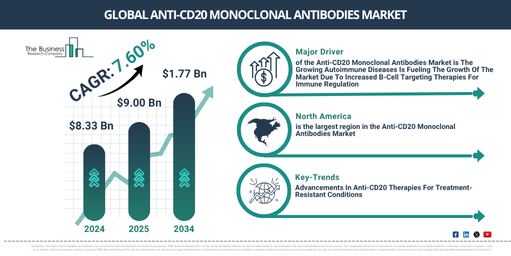
    The market size for anti-CD20 monoclonal antibodies has seen a substantial increase in the recent past. It is projected to inflate from $8.33 billion in 2024 to $9.00 billion come 2025, reflecting a compound annual growth rate (CAGR) of 7.9%. The surge during the historic period is linked to the increasing cases of B-cell malignancies, escalating use in the treatment of autoimmune diseases, a rise in FDA and EMA authorizations for newer anti-CD20 therapies, and a mounting global elderly population.

    There is projected to be a significant expansion in the anti-CD20 monoclonal antibodies market over the coming years, reaching an estimated value of $12.05 billion in 2029, at a compound annual growth rate (CAGR) of 7.6%. The spur in growth during the prediction period could be due to increased strategic partnerships and licensing agreements, wider use in combination therapies, a growing occurrence of refractory or relapsed cases, rise in healthcare expenditure and access in burgeoning markets, and the acceleration in biosimilar development and approvals. Key trends for the forecast period include progress in monoclonal antibody engineering, the incorporation of anti-CD20 antibodies in combination treatments, customization of cancer therapies powered by technology, advances in subcutaneous and long-acting formulations and emergence of bispecific and next-generation antibodies.

    Get A Free Sample Of The Report:

    https://www.thebusinessresearchcompany.com/sample.aspx?id=25693&type=smp

    Which Industry Forces Are Driving The Anti-CD20 Monoclonal Antibodies Market Forward?

    The increase in autoimmune diseases is anticipated to stimulate the expansion of the anti-CD20 monoclonal antibodies market. These diseases arise when the immune system incorrectly perceives the body’s cells as harmful and launches an assault on them. The rise in autoimmune diseases can be attributed to increasing exposure to environmental pollutants, which can negatively affect immune regulation and instigate attacks on the body’s tissues. Anti-CD20 monoclonal antibodies act as a treatment for such diseases by eradicating B cells that contribute to the production of autoantibodies and inflammation, thereby aiding in the regulation of the immune response and curtailing disease symptoms. For example, in June 2024, the Australian Institute of Health and Welfare, a government organization based in Australia, reported that in 2022, approximately 514,000 individuals (2.0%) in Australia were affected by rheumatoid arthritis, a systemic autoimmune disorder, with a prevalence rate of 2.5% among women and 1.6% among men. Consequently, the upsurge in autoimmune diseases is fueling the growth of the anti-CD20 monoclonal antibodies market.

    How Is The Anti-CD20 Monoclonal Antibodies Market Organized By Different Segments?

    The anti-cd20 monoclonal antibodies market covered in this report is segmented –

    1) By Product Type: Rituximab, Obinutuzumab, Ofatumumab, Other Product Types

    2) By Route Of Administration: Intravenous, Subcutaneous

    3) By Distribution Channel: Hospital Pharmacies, Retail Pharmacies, Online Pharmacies

    4) By Application: Non-Hodgkin’s Lymphoma (NHL), Chronic Lymphocytic Leukemia (Cll), Rheumatoid Arthritis, Multiple Sclerosis, Pemphigus Vulgaris, Other Applications

    5) By End-User: Hospitals, Surgical Centers and Diagnostic Centers, Maternity Centers, Ambulatory Care Centers, Research And Academia, Other End-Users

    Subsegments:

    1) By Rituximab: Rituxan, Truxima, Ruxience, Reditux

    2) By Obinutuzumab: Gazyva, Biosimilar Candidates

    3) By Ofatumumab: Arzerra, Kesimpta

    4) By Other Product Types: Ublituximab, Veltuzumab, Ocrelizumab, Mosunetuzumab

    What Current And Upcoming Trends Are Shaping The Anti-CD20 Monoclonal Antibodies Market?

    Prominent businesses within the anti-CD20 monoclonal antibody market are prioritizing the creation of enhanced products such as obinutuzumab. This innovation specifically targets stubborn or recurring B-cell malignancies more effectively. Obinutuzumab, a humanized type II anti-CD20 monoclonal antibody, is designed to target and eradicate specific B cells involved in certain blood cancers and autoimmune diseases. For instance, Roche, a pharmaceutical company based in Switzerland, announced in March 2025 that a supplemental Biologics License Application (sBLA) for Gazyva/Gazyvaro (obinutuzumab) has been accepted by US Food and Drug Administration (FDA). This acceptance is based on positive results from the Phase III REGENCY study which showed improved complete renal response (CRR) when combined with standard therapy, outperforming standard therapy alone. This distinction establishes Gazyva/Gazyvaro as the solitary anti-CD20 monoclonal antibody showing such positive outcomes in the treatment of lupus nephritis, a severe inflammation triggered by lupus that could lead to kidney failure.

    Who Are The Primary Market Leaders In The Anti-CD20 Monoclonal Antibodies Market?

    Major companies operating in the anti-cd20 monoclonal antibodies market are Pfizer Inc., F. Hoffmann-La Roche Ltd., AbbVie Inc., Novartis AG, GlaxoSmithKline plc, Amgen Inc., Teva Pharmaceutical Industries Ltd., Regeneron Pharmaceuticals, Inc., Chugai Pharmaceutical Co. Ltd., Dr. Reddy’s Laboratories, Genmab A/S, Celltrion Inc., Innovent Biologics, Immunomedics, HLL Lifecare Limited, Shanghai Henlius Biotech Inc., TG Therapeutics, Biogen Idec, Aetos Pharma, Nycomed GmbH

    Access The Complete Report Here:

    https://www.thebusinessresearchcompany.com/report/anti-cd20-monoclonal-antibodies-global-market-report

    How Do Regional Dynamics Influence The Anti-CD20 Monoclonal Antibodies Market Performance?

    North America was the largest region in the Anti-CD20 monoclonal antibodies market in 2024. Asia-Pacific is expected to be the fastest-growing region in the forecast period. The regions covered in the anti-cd20 monoclonal antibodies market report are Asia-Pacific, Western Europe, Eastern Europe, North America, South America, Middle East, Africa.

    Customize Your Report Here:

    https://www.thebusinessresearchcompany.com/customise?id=25693&type=smp

    Browse Through More Reports Similar to the Global Anti-CD20 Monoclonal Antibodies Market 2025, By The Business Research Company

    Next Generation Antibody Therapeutics Global Market Report 2025

    https://www.thebusinessresearchcompany.com/report/next-generation-antibody-therapeutics-global-market-report

    Anti Cancer Mabs Global Market Report 2025

    https://www.thebusinessresearchcompany.com/report/anti-cancer-mabs-global-market-report

    Antibody Discovery Global Market Report 2025

    https://www.thebusinessresearchcompany.com/report/antibody-discovery-global-market-report

    About The Business Research Company:

    With over 17500+ reports from 27 industries covering 60+ geographies, The Business Research Company has built a reputation for offering comprehensive, data-rich research and insights. Armed with 1,500,000 datasets, the optimistic contribution of in-depth secondary research, and unique insights from industry leaders, you can get the information you need to stay ahead in the game.

    Get in touch with us:

    The Business Research Company: https://www.thebusinessresearchcompany.com/

    Americas +1 310-496-7795

    Asia +44 7882 955267 & +91 8897263534

    Europe +44 7882 955267

    Email us at info@tbrc.info

    Follow us on:

    LinkedIn: https://in.linkedin.com/company/the-business-research-company

    YouTube: https://www.youtube.com/channel/UC24_fI0rV8cR5DxlCpgmyFQ

    Global Market Model: https://www.thebusinessresearchcompany.com/global-market-model
  • How Is The Androgen Deprivation Therapy Market Expected To Grow At 5.9% CAGR Over 2025–2029?

    How Is The Androgen Deprivation Therapy Market Expected To Grow At 5.9% CAGR Over 2025–2029?

    Claim your 20% discount on Global Market Reports with code ONLINE20. Limited time only.

    How Is The Androgen Deprivation Therapy Market Expected To Grow In Terms Of Size?

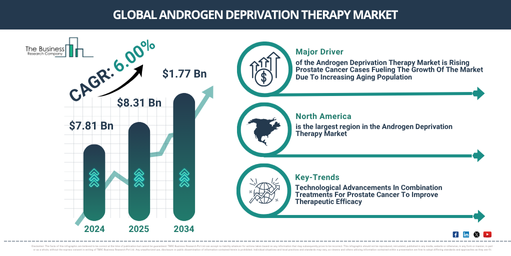
    In recent times, the market size of androgen deprivation therapy has been on an upswing. Projections show robust growth from $7.81 billion in 2024 to $8.31 billion in 2025, with a compound annual growth rate (CAGR) of 6.3%. The historic growth can be credited to factors such as the global rise in prostate cancer incidence, an increasing number of aging males, a high recurrence rate of prostate cancer, improved long-term treatment survival rates, and enhanced awareness about the importance of early prostate cancer screening.

    Anticipated to experience substantial growth in the ensuing years, the Androgen Deprivation Therapy market size is projected to expand to $10.49 billion by 2029, with a Compound Annual Growth Rate (CAGR) of 6.0%. Factors contributing to this growth prediction include the widespread adoption of combination treatments in oncology, an escalating occurrence of hormone-sensitive cancers, increased instances of localized and advanced prostate cancer diagnosis, the extended application of ADT in non-oncological hormonal situations, and rising patient inclination towards non-invasive treatment modalities. Key trends for the forecast period include enhancements in depot formulations and delivery methods, the creation of oral ADT pharmaceuticals, the advent of long-acting ADT injectables, the presentation of novel androgen receptor inhibitors, and technological advancements in digital pathology and diagnostics.

    Get A Free Sample Of The Report:

    https://www.thebusinessresearchcompany.com/sample.aspx?id=25692&type=smp

    What Are The Primary Factors Supporting The Androgen Deprivation Therapy Market Expansion?

    The anticipated surge in prostate cancer cases is projected to stimulate the expansion of the androgen deprivation therapy market in future years. Originating from the prostate gland, a crucial part of the male reproductive system tasked with generating seminal fluid, prostate cancer incidence is uprising largely due to extended life expectancies since advanced age significantly escalates the likelihood of contracting the disease. Androgen Deprivation Therapy (ADT), designed to reduce androgen levels that propel tumor growth, is a fundamental treatment approach for prostate cancer. This is regularly employed during progressive or metastatic stages to hinder the advancement of the disease. For example, a report published by Prostate Cancer UK in January 2025 disclosed that the annual diagnosis of prostate cancer in England escalated from 50,751 cases in 2022 to 55,033 cases in 2023, demonstrating an evident annual upsurge. Consequently, the escalated incidence of prostate cancer facilitates the growth of the androgen deprivation therapy market.

    Which Segmentation Categories Are Highlighted In The Androgen Deprivation Therapy Market Analysis?

    The androgen deprivation therapy market covered in this report is segmented –

    1) By Type: Medicine, Surgery, Other Types

    2) By Route Of Administration: Injectable, Oral

    3) By Patient Demographics: Men Aged 40-60, Men Aged 61-75, Men Above 75

    4) By Application: Prostate Cancer, Other Applications

    5) By End-User: Hospitals, Specialty Clinics, Other End-Users

    Subsegments:

    1) By Medicine: LHRH Agonists, LHRH Antagonists, Anti-Androgens, CYP17 Inhibitors, Steroidal Anti-Androgens, Non-Steroidal Anti-Androgens, Estrogen-Based Therapies, Combination Therapies

    2) By Surgery: Bilateral Orchiectomy, Subcapsular Orchiectomy, Simple Orchiectomy

    3) By Other Types: Radiopharmaceutical Therapy, Gene Therapy, Immunotherapy, Targeted Therapy, Cryotherapy, High-Intensity Focused Ultrasound (HIFU

    Which Market Trends Are Expected To Define The Future Of The Androgen Deprivation Therapy Market?

    Key firms involved in the androgen deprivation therapy market are prioritizing the development of innovative solutions such as combination therapies to enhance treatment results in advanced prostate cancer. Combination therapies employ more than one kind of therapy like hormone treatment and chemotherapy to boost therapeutic efficacy and stall the progression of the illness. For example, in August 2022, Bayer AG, a company specializing in life sciences based in Germany, was granted approval by the U.S Food and Drug Administration for the additional use of darolutamide in conjunction with docetaxel for the treatment of metastatic hormone-sensitive prostate cancer (mHSPC). This newly approved combination therapy aims to improve the survival rates and slow down disease progression in patients with mHSPC – a stage where the cancer has spread but remains responsive to hormone treatment. One noteworthy feature of this treatment is the use of darolutamide – a pill that targets androgen receptors. It attaches tightly to these receptors due to its distinctive molecular structure. This effectively blocks the activity of these receptors, contributing to the prevention of the growth and spread of prostate cancer cells.

    Which Organizations Are At The Forefront Of The Androgen Deprivation Therapy Market?

    Major companies operating in the androgen deprivation therapy market are Pfizer Inc., Johnson & Johnson Services Inc., Merck & Co. Inc., Bayer AG, Bristol-Myers Squibb Company, AstraZeneca PLC, Novartis AG, Astellas Pharma Inc., Ipsen S.A., Dr. Reddy’s Laboratories Ltd., Orion Corporation, Arvinas Inc., Ferring Pharmaceuticals SA, Tolmar Pharmaceuticals Inc., Besins Healthcare S.A., Veru Inc., Kintor Pharmaceutical Limited, Foresee Pharmaceuticals Co. Ltd., Verity Pharmaceuticals Inc., Lawley Pharmaceuticals Pty Ltd.

    Access The Complete Report Here:

    https://www.thebusinessresearchcompany.com/report/androgen-deprivation-therapy-global-market-report

    Which Geographic Regions Are Creating Strong Demand In The Androgen Deprivation Therapy Market?

    North America was the largest region in the androgen deprivation therapy market in 2024. Asia-Pacific is expected to be the fastest-growing region in the forecast period. The regions covered in the androgen deprivation therapy market report are Asia-Pacific, Western Europe, Eastern Europe, North America, South America, Middle East, Africa.

    Customize Your Report Here:

    https://www.thebusinessresearchcompany.com/customise?id=25692&type=smp

    Browse Through More Reports Similar to the Global Androgen Deprivation Therapy Market 2025, By The Business Research Company

    Androgenetic Alopecia Treatment Global Market Report 2025

    https://www.thebusinessresearchcompany.com/report/androgenetic-alopecia-treatment-global-market-report

    Testosterone Booster Global Market Report 2025

    https://www.thebusinessresearchcompany.com/report/testosterone-booster-global-market-report

    Synthetic Hormones Global Market Report 2025

    https://www.thebusinessresearchcompany.com/report/synthetic-hormones-global-market-report

    About The Business Research Company:

    With over 17500+ reports from 27 industries covering 60+ geographies, The Business Research Company has built a reputation for offering comprehensive, data-rich research and insights. Armed with 1,500,000 datasets, the optimistic contribution of in-depth secondary research, and unique insights from industry leaders, you can get the information you need to stay ahead in the game.

    Get in touch with us:

    The Business Research Company: https://www.thebusinessresearchcompany.com/

    Americas +1 310-496-7795

    Asia +44 7882 955267 & +91 8897263534

    Europe +44 7882 955267

    Email us at info@tbrc.info

    Follow us on:

    LinkedIn: https://in.linkedin.com/company/the-business-research-company

    YouTube: https://www.youtube.com/channel/UC24_fI0rV8cR5DxlCpgmyFQ

    Global Market Model: https://www.thebusinessresearchcompany.com/global-market-model

  • Which Factors Will Push The Ambulance Stretchers Market To Achieve $3.5 Billion By 2029?

    Which Factors Will Push The Ambulance Stretchers Market To Achieve $3.5 Billion By 2029?

    Claim your 20% discount on Global Market Reports with code ONLINE20. Limited time only.

    What Is The Projected Valuation Of The Ambulance Stretchers Market In The Coming Years?

    The dimension of the ambulance stretcher market has significantly expanded over the past few years. The market is projected to escalate from a value of $2.07 billion in 2024 to approximately $2.21 billion by 2025, with an impressive Compound Annual Growth Rate (CAGR) of 6.9%. Numerous factors contribute to this historic growth such as heightened demand for patient safety and comfort, increased consciousness regarding pre-hospital emergency medical assistance, escalating urban growth and traffic gridlocks, elevated occurrence of natural calamities and large-scale emergencies, and an overall inflating healthcare expenditure.

    The market size for ambulance stretchers is anticipated to witness robust growth in the coming years, reaching a valuation of $2.84 billion by 2029 with a CAGR of 6.5%. This forthcoming surge in the projected era can be linked with the increasing need for emergency medical services, a growing elderly populace, a rising incidence of chronic diseases, an escalation in ambulance fleet numbers, and high investments in healthcare infrastructure. Highlights of the anticipated trends within this period comprise of advancements in stretcher design technology, the incorporation of electronic lifting mechanisms, progress in lightweight composite materials, improvements in foldable and space-saving stretcher systems, and the introduction of technology-enabled remote patient monitoring features.

    Get A Free Sample Of The Report:

    https://www.thebusinessresearchcompany.com/sample.aspx?id=25691&type=smp

    Which Growth Drivers Are Shaping The Ambulance Stretchers Market Outlook?

    The anticipated growth of the ambulance stretchers market is driven by the increasing frequency of road accidents. These accidents, often unforeseen events or crashes on roads involving one or more vehicles, can lead to physical harm, loss of life, or damage to property. Distractions caused by mobile phone usage while driving escalate the likelihood of accidents, given it divides the driver’s focus. Ambulance stretchers play a key role in these scenarios, ensuring that those injured are safely and efficiently transported from the accident scene to medical facilities. This limits further injuries and allows for immediate medical action. A report from the Transport Accident Commission, a government agency in Australia, revealed that in June 2024, 289 lives were claimed on roads in Victoria, a rise of 8.6% or 23 more deaths than the same period, the prior year. Therefore, the escalating rate of road accidents acts as a catalyst in the expansion of the ambulance stretchers market.

    What Is The Segment Breakdown Of The Ambulance Stretchers Market?

    The ambulance stretchers market covered in this report is segmented –

    1) By Type: Manual Stretchers, Electric Stretchers, Foldable Stretchers, Stretcher Chairs

    2) By Technology: Non-Motorized, Motorized

    3) By Material: Aluminum, Steel, Plastic, Composite Materials

    4) By End Users: Emergency Medical Service Providers, Hospitals, Ambulatory Service Centers, Other End-Users

    Subsegments:

    1) By Manual Stretchers: Wheeled Stretchers, Non-wheeled Stretchers, Scoop Stretchers, Basket Stretchers

    2) By Electric Stretchers: Hydraulic Electric Stretchers, Battery-powered Electric Stretchers, Adjustable Height Electric Stretchers, Self-loading Electric Stretchers

    3) By Foldable Stretchers: Canvas Foldable Stretchers, Aluminum Foldable Stretchers, Pole-Type Foldable Stretchers, Spinal Board Foldable Stretchers

    4) By Stretcher Chairs: Convertible Stretcher Chairs, Stair Climbing Stretcher Chairs, Foldable Stretcher Chairs, Transport Wheelchair Stretchers

    How Are Global Trends Impacting The Development Of The Ambulance Stretchers Market?

    Leading businesses in the ambulance stretcher market are emphasizing on innovating advanced solutions such as self-loading electric stretchers. The objective is to augment patient safety, minimize manual interference by emergency workers, and optimize efficiency during patient relocation. A self-loading electric stretcher signifies a motorized patient transportation equipment with an integrated loading and unloading system. This enables the stretcher to hoist and load itself into an ambulance, eliminating the need for manual lifting by healthcare employees. In December 2023, KARTSANA, S.L., a renowned manufacturing firm based in Spain, introduced the superbrava electric stretcher to boost efficiency and safety in patient handling. The product ensures robustness, safety, and controllability, equipped with a hydraulic hoisting system that can bear up to 320 kg and adaptable multi-position handrails for the comfort and security of the patient. The design aids in seamless, safe patient movement, reducing the burden of emergency medical professionals in critical scenarios.

    Who Are The Major Stakeholders Operating In The Ambulance Stretchers Market?

    Major companies operating in the ambulance stretchers market are Medline Industries LP, Stryker Corporation, Baxter International Inc., Hill-Rom Holdings Inc., Hebei Pukang Medical Instruments Co. Ltd., Ferno-Washington Inc., Spencer Italia S.r.l., Narang Medical Limited, Advin Health Care, Kartsana Medical GmbH, IndoSurgicals Private Limited, Frima Concept SARL, Dragon Industry Co. Ltd., PVS S.p.A., Desco Medical India, Fu Shun Hsing Technology Co. Ltd., Besco Medical Limited, Red Leaf Medical Inc., Sarvottam Appliances Private Limited, EMS Mobil Sistemler A.S

    Access The Complete Report Here:

    https://www.thebusinessresearchcompany.com/report/ambulance-stretchers-global-market-report

    Which Region Is Likely To Register The Fastest Growth In The Ambulance Stretchers Market?

    North America was the largest region in the ambulance stretchers market in 2024. Asia-Pacific is expected to be the fastest-growing region in the forecast period. The regions covered in the ambulance stretchers market report are Asia-Pacific, Western Europe, Eastern Europe, North America, South America, Middle East, Africa.

    Customize Your Report Here:

    https://www.thebusinessresearchcompany.com/customise?id=25691&type=smp

    Browse Through More Reports Similar to the Global Ambulance Stretchers Market 2025, By The Business Research Company

    Air Ambulance Services Global Market Report 2025

    https://www.thebusinessresearchcompany.com/report/air-ambulance-services-global-market-report

    Air Ambulance Services Global Market Report 2025

    https://www.thebusinessresearchcompany.com/report/air-ambulance-services-global-market-report

    Emergency Medical Services Products Global Market Report 2025

    https://www.thebusinessresearchcompany.com/report/emergency-medical-services-products-global-market-report

    About The Business Research Company:

    With over 17500+ reports from 27 industries covering 60+ geographies, The Business Research Company has built a reputation for offering comprehensive, data-rich research and insights. Armed with 1,500,000 datasets, the optimistic contribution of in-depth secondary research, and unique insights from industry leaders, you can get the information you need to stay ahead in the game.

    Get in touch with us:

    The Business Research Company: https://www.thebusinessresearchcompany.com/

    Americas +1 310-496-7795

    Asia +44 7882 955267 & +91 8897263534

    Europe +44 7882 955267

    Email us at info@tbrc.info

    Follow us on:

    LinkedIn: https://in.linkedin.com/company/the-business-research-company

    YouTube: https://www.youtube.com/channel/UC24_fI0rV8cR5DxlCpgmyFQ

    Global Market Model: https://www.thebusinessresearchcompany.com/global-market-model

  • What Key Growth Drivers Are Shaping The Aerosol Drug Delivery Devices Market Forecast Toward $59.45 Billion?

    What Key Growth Drivers Are Shaping The Aerosol Drug Delivery Devices Market Forecast Toward $59.45 Billion?

    Claim your 20% discount on Global Market Reports with code ONLINE20. Limited time only.

    How Much Will The Aerosol Drug Delivery Devices Market Be Worth By 2029?

    The market size for aerosol drug delivery devices has demonstrably expanded in the past few years. Estimated to be valued at $37.92 billion in 2024, it is projected to increase to $41.55 billion in 2025, showcasing a Compound Annual Growth Rate (CAGR) of 9.6%. Factors contributing to this growth during the historical period include heightened occurrences of respiratory conditions, the global surge in the aging population, intensified awareness regarding air quality, increased demand for home healthcare settings, better access to generic inhalation treatments, and supportive reimbursement policies in mature markets.

    The market for aerosol drug delivery devices is poised for impressive expansion in the forthcoming years, with projections seeing it soar to $59.45 billion by 2029 at a compound annual growth rate (CAGR) of 9.4%. This forecasted growth is largely accredited to factors such as the global escalation of chronic respiratory conditions, the incorporation of digital and smart inhaler technologies, amplified investments in drug-device combination product innovation, swift urbanization and worsening pollution affecting emerging economies, increased use of telemedicine and remote patient monitoring. Additionally, key future trends are anticipated to include the advent of connected inhalers featuring built-in adherence monitoring, the rising popularity of dry powder inhalers (DPIs), the creation of propellant-free or environmentally friendly aerosol systems, the miniaturization and portability of nebulizers for both home and travel use, the integration of AI and mobile applications for tracking usage, and a movement towards personalized aerosol therapy.

    Get A Free Sample Of The Report:

    https://www.thebusinessresearchcompany.com/sample.aspx?id=25690&type=smp

    What Market Forces Are Contributing To The Growth Of The Aerosol Drug Delivery Devices Market?

    The rising instances of respiratory ailments are anticipated to boost the expansion of the aerosol drug delivery devices market. Such ailments refer to a range of disorders that impact the lungs and other components of the respiratory system, making breathing difficult. The proliferation of these diseases is largely attributable to escalating levels of air pollution. Pollutants like particulate matter, nitrogen dioxide (NO2), and ozone (O3) aggravate the respiratory tract, leading to chronic illnesses like asthma, bronchitis, and chronic obstructive pulmonary disease (COPD). Aerosol drug delivery devices aid in treating respiratory diseases by delivering medications directly to the lungs. This allows for quicker therapeutic results and increased treatment efficiency. Simultaneously, it reduces systemic side effects and enhances patient adherence through precise and non-invasive administration. As an example, the National Asthma Council, a not-for-profit organization based in Australia, reported that Australia saw 467 fatalities related to asthma in 2022, which included 299 women and 168 men. This is a rise from the 355 deaths reported in 2021. Thus, the rising instances of respiratory diseases are stimulating the expansion of the aerosol drug delivery devices market.

    Which Segments Define The Structure Of The Aerosol Drug Delivery Devices Market?

    The aerosol drug delivery devices market covered in this report is segmented –

    1) By Product Type: Metered Dose Inhalers (MDIs), Dry Powder Inhalers (DPIs), Nebulizers, Smart Inhalers, Other Types

    2) By Component: Delivery Devices, Compressor Units, Medication Containers, Accessories And Consumables

    3) By Application: Asthma, Chronic Obstructive Pulmonary Disease, Cystic Fibrosis, Non-Respiratory Diseases, Diabetes, Analgesia, Parkinson’s Diseases

    4) By Distribution Channel: Hospital Pharmacies, Retail Pharmacies, Online Pharmacies, Other Distribution Channels

    5) By End User: Hospitals, Homecare Settings, Pharmaceutical Companies, Research Institutions, Other End Users

    Subsegments:

    1) By Metered Dose Inhalers (MDIs): Conventional Metered Dose Inhalers, Breath-Actuated Metered Dose Inhalers, Pressurized Metered Dose Inhalers

    2) By Dry Powder Inhalers (DPIs): Single-Dose Dry Powder Inhalers, Multi-Dose Dry Powder Inhalers, Reservoir Dry Powder Inhalers

    3) By Nebulizers: Jet Nebulizers, Ultrasonic Nebulizers, Mesh Nebulizers

    4) By Smart Inhalers: Bluetooth-Enabled Smart Inhalers, Sensor-Based Smart Inhalers, App-Connected Smart Inhalers

    5) By Other Types: Soft Mist Inhalers, Nasal Spray Inhalers, Disposable Inhalers

    What Strategic Shifts And Innovations Are Influencing The Aerosol Drug Delivery Devices Market?

    Prominent companies in the aerosol drug delivery devices market are concentrating on developing advanced technologies, such as spray nozzle chip technology, with an aim to improve precision in drug delivery, enhance nasal cavity coverage, and elevate patient comfort. The spray nozzle chip technology, a micro-engineered component, produces a fine, consistent aerosol mist for delivering medication. For instance, Aero Pump GmbH, a manufacturing company from Germany, cooperated with Resyca B.V., a pharmaceutical company from the Netherlands, to introduce the Ultra Soft Nasal Pump Spray in October 2024. This device makes use of spray nozzle chip technology to distribute a fine and homogenous soft mist, amplifying the accuracy of drug delivery, nasal cavity coverage, and user comfort in treatments such as nose-to-brain therapies and nasal vaccinations. The cutting-edge spray nozzle chip facilitates the generation of slow-moving aerosol particles which can penetrate deeper into the nasal passage, in turn boosting drug absorption in otherwise inaccessible areas such as the olfactory zone.

    Which Firms Are Making The Biggest Impact In The Aerosol Drug Delivery Devices Market?

    Major companies operating in the aerosol drug delivery devices market are Merck & Co. Inc., Novartis AG, AstraZeneca PLC, GSK PLC, Boehringer Ingelheim Pharma GmbH & Co. KG, Medline Industries LP, Koninklijke Philips N.V., Teva Pharmaceutical Industries Ltd., Omron Healthcare Inc., AptarGroup Inc., Chiesi Farmaceutici S.p.A., Cipla Inc., Gerresheimer AG, Drive DeVilbiss Healthcare LLC, Beximco Pharmaceuticals Limited, Sensirion AG, Aerogen Limited, PARI GmbH, Pneuma Respiratory Inc., Iconovo AB.

    Access The Complete Report Here:

    https://www.thebusinessresearchcompany.com/report/aerosol-drug-delivery-devices-global-market-report

    Which Region Is Forecasted To Lead The Aerosol Drug Delivery Devices Market In The Coming Years?

    North America was the largest region in the aerosol drug delivery devices market in 2024. Asia-Pacific is expected to be the fastest-growing region in the forecast period. The regions covered in the aerosol drug delivery devices market report are Asia-Pacific, Western Europe, Eastern Europe, North America, South America, Middle East, Africa.

    Customize Your Report Here:

    https://www.thebusinessresearchcompany.com/customise?id=25690&type=smp

    Browse Through More Reports Similar to the Global Aerosol Drug Delivery Devices Market 2025, By The Business Research Company

    Drug Delivery Devices Global Market Report 2025

    https://www.thebusinessresearchcompany.com/report/drug-delivery-devices-global-market-report

    Injectable Drug Delivery Devices Global Market Report 2025

    https://www.thebusinessresearchcompany.com/report/injectable-drug-delivery-devices-global-market-report

    Connected Drug Delivery Devices Global Market Report 2025

    https://www.thebusinessresearchcompany.com/report/connected-drug-delivery-devices-global-market-report

    About The Business Research Company:

    With over 17500+ reports from 27 industries covering 60+ geographies, The Business Research Company has built a reputation for offering comprehensive, data-rich research and insights. Armed with 1,500,000 datasets, the optimistic contribution of in-depth secondary research, and unique insights from industry leaders, you can get the information you need to stay ahead in the game.

    Get in touch with us:

    The Business Research Company: https://www.thebusinessresearchcompany.com/

    Americas +1 310-496-7795

    Asia +44 7882 955267 & +91 8897263534

    Europe +44 7882 955267

    Email us at info@tbrc.info

    Follow us on:

    LinkedIn: https://in.linkedin.com/company/the-business-research-company

    YouTube: https://www.youtube.com/channel/UC24_fI0rV8cR5DxlCpgmyFQ

    Global Market Model: https://www.thebusinessresearchcompany.com/global-market-model

  • How Will The Advanced Therapy Medicinal Products Market Expand At A CAGR Of 19.4% Through 2029?

    How Will The Advanced Therapy Medicinal Products Market Expand At A CAGR Of 19.4% Through 2029?

    Claim your 20% discount on Global Market Reports with code ONLINE20. Limited time only.

    What Is The Present And Forecasted Size Of The Advanced Therapy Medicinal Products Market?

    The market size of advanced therapy medicinal products has experienced a significant surge in the past few years. Projections show that from $42.85 billion in 2024, it is expected to climb to $51.34 billion in 2025, boasting a compound annual growth rate (CAGR) of 19.8%. Factors contributing to the growth during the historical period include an increase in the number of clinical trials for gene and cell therapies, the escalating occurrence of unique and genetic diseases, a growing preference for curative treatments over managing chronic illnesses, improvements in success rates of initial phase clinical studies, and the increasing incidence of chronic and age-related ailments.

    The market size of advanced therapy medicinal products is anticipated to undergo substantial expansion in the forthcoming years, escalating to $104.43 billion in 2029 with a compound annual growth rate (CAGR) of 19.4%. Factors pushing this growth during the forecasted period encompass the escalating demand for precision and personalized medicine methods, a burgeoning pipeline of chimeric antigen receptor t-cell and gene-editing therapies, the rising implementation of precision medicine and genomics, amplified healthcare spending in rising markets, and an increased emphasis on decentralized clinical trial models. Noteworthy tendencies in the forecasted period incorporate the advancement of allogeneic off-the-shelf therapies, the development of non-viral gene delivery vectors, the assimilation of digital twins in therapy simulation, the utilization of blockchain in supply chain tracking, and the innovation of 3D bioprinting for tissue engineering.

    Get A Free Sample Of The Report:

    https://www.thebusinessresearchcompany.com/sample.aspx?id=25689&type=smp

    What Drivers Are Accelerating Expansion Of The Advanced Therapy Medicinal Products Market?

    The anticipated growth of the advanced therapy medicinal products market is being driven by the increasing demand for personalized medicine. This type of medical treatment is customized to an individual’s unique genetic makeup, lifestyle, and environment. The need for personalized medicine is predominantly fueled by the widespread occurrence of chronic diseases, as it allows for bespoke treatments which enhance patient outcomes and minimize side effects. Advanced therapy medicinal products facilitate this by providing custom treatments, including gene, cell, and tissue-engineered therapies designed to target the specific genetic and biological characteristics of individual patients. The Personalized Medicine Coalition, a non-profit organization in the US, announced in February 2024 that in 2023, the FDA approved 16 new personalized treatments for patients with rare diseases, an increase from just six in 2022. The FDA approvals for 2023 also included seven cancer treatments and three for other diseases and conditions. Accordingly, the increasing demand for personalized medicine stimulates the expansion of the advanced therapy medicinal products market.

    What Are The Primary Segmentation Parameters In The Advanced Therapy Medicinal Products Market?

    The advanced therapy medicinal products market covered in this report is segmented –

    1) By Product: Somatic Cell Therapy Medicinal Products, Tissue Engineered Medicinal Products, Gene Therapy Medicinal Products

    2) By Technology: Gene Editing Technologies, Viral Vector Technology, Stem Cell Technology, Automation And Artificial Intelligence-Driven Processes

    3) By Application: Muscular Dystrophies, Alzheimer’s, Hemophilia, Cystic Fibrosis, Other Applications

    4) By Distribution Channel: Hospital Pharmacy, Retail Pharmacy, Online Pharmacy

    5) By End User: Hospitals, Specialty Clinics, Other End Users

    Subsegments:

    1) By Somatic Cell Therapy Medicinal Products: Autologous Cell Therapy, Allogeneic Cell Therapy, Stem Cell Therapy, Dendritic Cell Therapy, Natural Killer Cell Therapy

    2) By Tissue Engineered Medicinal Products: Autologous Tissue-Engineered Products, Allogeneic Tissue-Engineered Products, Scaffold-Based Tissue Engineering, Scaffold-Free Tissue Engineering, Skin Substitutes

    3) By Gene Therapy Medicinal Products: In Vivo Gene Therapy, Ex Vivo Gene Therapy, Viral Vector-Based Gene Therapy, Non-Viral Vector-Based Gene Therapy, Gene Editing Therapies

    Which Emerging Trends Are Reshaping The Advanced Therapy Medicinal Products Market Landscape?

    Leading enterprises in the advanced therapeutic medicinal products marketplace are shifting their attention towards the creation of innovative treatments, such as novel car-t cell therapies. These advanced therapies aim to enhance treatment results in cancer and other severe illnesses by using the patient’s own T cells, which are genetically manipulated to identify and eliminate cancer cells. For example, in May 2022, Novartis AG, a pharmaceutical firm based in Switzerland, was granted approval by the U.S. Food and Drug Administration (FDA) for its car-t cell therapy, Kymriah. This therapy is designed to administer patients suffering from relapsed or refractory follicular lymphoma (FL) post two or more prior systemic treatments. The patient’s own T cells, reengineered to express a chimeric antigen receptor (CAR) that targets the cd19 protein, are utilized in this treatment. This alteration allows the T cells to identify and eradicate malignant B cells. Furthermore, Kymriah includes a 4-1BB costimulatory domain to encourage the expansion and persistence of T cells, thus ensuring a sustained antitumor effect from a single transfusion.

    Which Players Are Shaping The Competitive Landscape Of The Advanced Therapy Medicinal Products Market?

    Major companies operating in the advanced therapy medicinal products market are F. Hoffmann-La Roche Limited., Novartis AG, Bristol-Myers Squibb Company, Takeda Pharmaceutical Company Limited., Lonza Group AG, Catalent Inc., BioMarin Pharmaceutical Inc., AGC Biologics Inc., ViaCyte Inc., Rentschler Biopharma SE, JCR Pharmaceuticals Co. Ltd., Vericel Corporation, UniQure N.V., Fate Therapeutics Inc., WuXi Advanced Therapies Inc., Celonic Group AG, Pharmicell Co. Ltd., Magenta Therapeutics Inc, MEDIPOST Co. Ltd., Kolon TissueGene Inc

    Access The Complete Report Here:

    https://www.thebusinessresearchcompany.com/report/advanced-therapy-medicinal-products-global-market-report

    What Are The Emerging Regional Trends Driving The Advanced Therapy Medicinal Products Market?

    North America was the largest region in the advanced therapy medicinal products market in 2024. Asia-Pacific is expected to be the fastest-growing region in the forecast period. The regions covered in the advanced therapy medicinal products market report are Asia-Pacific, Western Europe, Eastern Europe, North America, South America, Middle East, Africa.

    Customize Your Report Here:

    https://www.thebusinessresearchcompany.com/customise?id=25689&type=smp

    Browse Through More Reports Similar to the Global Advanced Therapy Medicinal Products Market 2025, By The Business Research Company

    Music Therapy Global Market Report 2025

    https://www.thebusinessresearchcompany.com/report/music-therapy-global-market-report

    Infectious Disease Therapeutics Global Market Report 2025

    https://www.thebusinessresearchcompany.com/report/infectious-disease-therapeutics-global-market-report

    Veterinary Dermatology Drugs Global Market Report 2025

    https://www.thebusinessresearchcompany.com/report/veterinary-dermatology-drugs-global-market-report

    About The Business Research Company:

    With over 17500+ reports from 27 industries covering 60+ geographies, The Business Research Company has built a reputation for offering comprehensive, data-rich research and insights. Armed with 1,500,000 datasets, the optimistic contribution of in-depth secondary research, and unique insights from industry leaders, you can get the information you need to stay ahead in the game.

    Get in touch with us:

    The Business Research Company: https://www.thebusinessresearchcompany.com/

    Americas +1 310-496-7795

    Asia +44 7882 955267 & +91 8897263534

    Europe +44 7882 955267

    Email us at info@tbrc.info

    Follow us on:

    LinkedIn: https://in.linkedin.com/company/the-business-research-company

    YouTube: https://www.youtube.com/channel/UC24_fI0rV8cR5DxlCpgmyFQ

    Global Market Model: https://www.thebusinessresearchcompany.com/global-market-model

  • What Is The Forecast Valuation Of The Global Acute Care Telemedicine AD13Market Projected To Reach $66.59 Billion By 2029?

    What Is The Forecast Valuation Of The Global Acute Care Telemedicine AD13Market Projected To Reach $66.59 Billion By 2029?

    Claim your 20% discount on Global Market Reports with code ONLINE20. Limited time only.

    How Big Is The Acute Care Telemedicine Market Today And What Is Its Future Size?

    In recent times, there has been a significant expansion in the size of the acute care telemedicine market. An increase from $28.34 billion in 2024 to $34.66 billion in 2025 is predicted, reflecting a compound annual growth rate (CAGR) of 18.1%. The previous period’s growth can be credited to several factors. These include a higher demand for immediate specialist consultations, an increase in chronic and acute health conditions, a growing deficit of critical care professionals in rural areas, escalating healthcare costs prompting the need for more efficient delivery models, and elevated investment and funding in telehealth infrastructure.

    Anticipations for the acute care telemedicine market over the next several years predict quick expansion, with the market estimated to reach a value of $66.59 billion by 2029, escalating at a compound annual growth rate (CAGR) of 17.7%. The growth in the forecast period is fueled by a rise in demand for round-the-clock emergency medical services, increased regulatory backing and reimbursement policies, an upswing in the implementation of telemedicine carts in emergency departments, heightened demand for managing infectious diseases in acute settings, and a burgeoning use of wearables and remote monitoring systems in emergency care. Significant trends for the forecast period encompass improvements in real-time video communication tools, developments in 5G and swift connectivity infrastructure, advancements in mobile telehealth stations and portable carts, technology-driven distant patient monitoring for acute conditions, and evolutions in clinical workflow automation and tele-triage.

    Get A Free Sample Of The Report:

    https://www.thebusinessresearchcompany.com/sample.aspx?id=25688&type=smp

    Which Key Factors Are Fueling Growth In The Acute Care Telemedicine Market?

    The acute care telemedicine market is predicted to thrive due to the increasing requirement for remote patient monitoring. This term pertains to the application of digital tech to gather and deliver patients’ health information to their healthcare providers from locations beyond conventional healthcare environments for their evaluation and potential care management. The escalating need for remote patient monitoring arises from the escalating incidences of chronic illnesses which necessitate consistent health monitoring and preemptive measures to prevent complications and minimize hospital stay. Acute care telemedicine promotes remote patient monitoring by facilitating immediate evaluations and swift clinical responses towards crucial shifts in a patient’s health status, regardless of their proximity to traditional healthcare environments. For example, ElectroIQ, a tech and electronics enterprise based in the US, reported a 20% growth in sales of remote monitoring devices in comparison to the previous year, due to a heightened interest in at-home healthcare in January 2025. Consequently, the burgeoning demand for remote patient monitoring is spurring the expansion of the acute care telemedicine market.

    How Is The Acute Care Telemedicine Market Segmented Across Key Categories?

    The acute care telemedicine market covered in this report is segmented –

    1) By Product Type: Telehealth Units, Telemedicine Carts, Portable Telemedicine Systems

    2) By Delivery: Clinician To Patient, Clinician To Clinician

    3) By Connectivity: Local Area Network (LAN), Wireless

    4) By Application: Emergency Medicine, Critical Care, Remote Patient Monitoring

    5) By End User: Hospitals, Clinics, Ambulatory Surgical Centers, Other End Users

    Subsegments:

    1) By Telehealth Units: Fixed Telehealth Stations, Wall-Mounted Telehealth Systems, Integrated Telemedicine Workstations

    2) By Telemedicine Carts: Basic Telemedicine Carts, Advanced and High-Acuity Telemedicine Carts, Specialty-Specific Carts

    3) By Portable Telemedicine Systems: Handheld Telemedicine Devices, Mobile App-Based Telehealth Tools, Wearable Telemonitoring Devices

    What Key Trends Are Driving Growth In The Acute Care Telemedicine Market?

    Prominent corporations involved in the acute care telemedicine market are honing their focus on technological upgrades like digital health platforms. Their aim is to boost the efficiency of clinical workflow, coordination of real-time care, and the scalability of telemedicine services over a multitude of acute care settings. In terms of definition, digital health platforms imply the use of comprehensive software solutions which aid in the provision, management, and orchestration of healthcare services through digital instruments. They allow for immediate communication, remote monitoring, data analysis, and simplified clinical workflows. A case in point is Avel eCare, an American telemedicine provider, that introduced Avel eSync, a bespoke clinical workflow platform in May 2024. This platform was created to facilitate easy telemedicine implementation across diverse care settings. It boasts of features like adaptable clinical workflows, sophisticated scheduling tools, secure video functionality, and analytical capabilities for data-backed decision-making. Avel eSync, which is designed to better clinician-to-clinician telemedicine services, empowers healthcare institutions to customize workflows for specialties like emergency care, intensive care unit (ICU), behavioral health, and senior care. They do so while maintaining adherence to licensing, credentialing, and regulatory norms.

    Who Are The Leading Companies Driving The Acute Care Telemedicine Market?

    Major companies operating in the acute care telemedicine market are Koninklijke Philips N.V., Mercy Health, AMN Healthcare Inc., MedStar Health, Teladoc Health, Apollo Hospitals, U.S. Acute Care Solutions LLC, Enghouse Systems Limited, American Well Corporation, ScienceSoft USA Corporation, Health Tap Inc., K Health Inc., Caregility, Eagle Telemedicine, SynergenX Health, RelyMD Inc., Orbit Health, eVisit LLC, Teledigm Health, Vitalchat Inc., GenieMD Inc.

    Access The Complete Report Here:

    https://www.thebusinessresearchcompany.com/report/acute-care-telemedicine-global-market-report

    Which Region Dominates The Acute Care Telemedicine Market Today?

    North America was the largest region in the acute care telemedicine market in 2024. Asia-Pacific is expected to be the fastest-growing region in the forecast period. The regions covered in the acute care telemedicine market report are Asia-Pacific, Western Europe, Eastern Europe, North America, South America, Middle East, Africa.

    Customize Your Report Here:

    https://www.thebusinessresearchcompany.com/customise?id=25688&type=smp

    Browse Through More Reports Similar to the Global Acute Care Telemedicine Market 2025, By The Business Research Company

    Telemedicine Equipment Global Market Report 2025

    https://www.thebusinessresearchcompany.com/report/telemedicine-equipment-global-market-report

    Telemetry Global Market Report 2025

    https://www.thebusinessresearchcompany.com/report/telemetry-global-market-report

    Hospice Care Global Market Report 2025

    https://www.thebusinessresearchcompany.com/report/hospice-care-global-market-report

    About The Business Research Company:

    With over 17500+ reports from 27 industries covering 60+ geographies, The Business Research Company has built a reputation for offering comprehensive, data-rich research and insights. Armed with 1,500,000 datasets, the optimistic contribution of in-depth secondary research, and unique insights from industry leaders, you can get the information you need to stay ahead in the game.

    Get in touch with us:

    The Business Research Company: https://www.thebusinessresearchcompany.com/

    Americas +1 310-496-7795

    Asia +44 7882 955267 & +91 8897263534

    Europe +44 7882 955267

    Email us at info@tbrc.info

    Follow us on:

    LinkedIn: https://in.linkedin.com/company/the-business-research-company

    YouTube: https://www.youtube.com/channel/UC24_fI0rV8cR5DxlCpgmyFQ

    Global Market Model: https://www.thebusinessresearchcompany.com/global-market-model

  • Uterine Fibroid Embolization Device Market Size, Share & Trends Analysis Report By Product | Forecast to 2029

    Claim your 20% discount on Global Market Reports with code ONLINE20. Limited time only.

    What Are The Future Growth Projections For The Uterine Fibroid Embolization Device Market Size?

    In recent times, there has been a consistent expansion in the market size of the uterine fibroid embolization device. The progression will see the market rise from $5.62 billion in 2024 to $5.89 billion in 2025, representing a compound annual growth rate (CAGR) of 4.7%. Factors contributing to this growth during the historic period include a rising incidence of uterine fibroids, an inclination towards non-surgical alternatives, initiatives aimed at spreading awareness and education, attention on women’s health, a transition in favor of outpatient procedures, as well as training programs for physicians.

    It is predicted that the market size for uterine fibroid embolization devices will witness a consistent expansion in the upcoming years, reaching $6.96 billion by 2029 at a compound annual growth rate (CAGR) of 4.3%. This growth during the projected period could be due to the rising awareness of non-invasive therapies, worldwide improvement of healthcare facilities, increasing commitment to female healthcare, the inclusion of a multidisciplinary approach to care, and the extension of outpatient services. Key trends expected for the forecast period consist of growing adoption of minimally invasive techniques, progressive advancements in embolic agents, tailor-made treatment strategies, a concentrated emphasis on outpatient ufe procedures, the integration of imaging technologies, and ongoing research into bioresorbable embolic agents.

    Get A Free Sample Of The Report:

    https://www.thebusinessresearchcompany.com/sample.aspx?id=13551&type=smp

    Which Factors Are Steering Growth In The Uterine Fibroid Embolization Device Market?

    The escalating preference for minimally invasive surgical procedures is anticipated to catalyze the expansion of the market for uterine fibroid embolization devices. Minimally invasive procedures are those defined by their utilization of tiny incisions or natural body orifices to access and treat internal biological structures with the goal of reducing patient trauma. Essential to these procedures are uterine fibroid embolization devices, crucial implements designed with precision to limit invasiveness by making the smallest incisions possible, mitigating the effect on adjacent tissues. As the demand for less invasive methodologies in medicine grows, these devices are now playing a pivotal role in enhancing patient outcomes. To illustrate, The Aesthetic Society, focused on plastic surgery and cosmetic medicine in the United States, reported in August 2023 that Americans spent over $11.8 billion on aesthetic procedures, a 2% increase from the last year. Thus, the surging preference for minimally invasive operations contributes immensely to the expansion of the uterine fibroid embolization device market.

    How Is The Uterine Fibroid Embolization Device Market Organized By Different Segments?

    The uterine fibroid embolization devicemarket covered in this report is segmented –

    1) By Technology: Surgical Techniques, Laparoscopic Techniques, Ablation Techniques, Embolization Techniques

    2) By Mode Of Treatment: Invasive Treatment, Minimally Invasive Treatment, Non-Invasive Treatment

    3) By End User: Hospitals, Clinics, Ambulatory Surgical Center

    Subsegments:

    1) By Surgical Techniques: Open Surgery, Myomectomy

    2) By Laparoscopic Techniques: Laparoscopic Myomectomy, Laparoscopic Hysterectomy

    3) By Ablation Techniques: Radiofrequency Ablation, Microwave Ablation, Cryoablation

    4) By Embolization Techniques: Transcatheter Arterial Embolization (TAE), Uterine Artery Embolization (UAE)

    What Current And Upcoming Trends Are Shaping The Uterine Fibroid Embolization Device Market?

    Prominent players in the uterine fibroid embolization device market are introducing advanced products such as the TruClear system in response to an increasing demand for less invasive uterine fibroid treatments, thereby enhancing both the safety and effectiveness of such methods. The TruClear system, a mechanical hysteroscopic tissue removal mechanism, is designed for treating intrauterine abnormalities (IUA) by offering a flexible catheter that is implanted into the uterus via the cervix. In November 2022, Medtronic Private Limited, a leading India-based medical equipment firm, debuted the new TruClear system. This system, designed to handle IUA, offers a secure and efficient solution to IUA treatment. With embedded features like a compact, flexible catheter, a revolving nitinol wire loop, uninterrupted inflow and outflow, in-built suction, and high-definition imaging, it makes uterine fibroid therapy more precise and secure.

    Who Are The Most Influential Companies In The Uterine Fibroid Embolization Device Market?

    Major companies operating in the uterine fibroid embolization device market report are Johnson and Johnson Pvt Ltd., Abbott Laboratories, Medtronic plc., Siemens Healthineers Ltd., Koninklijke Philips N.V., Stryker Corporation, Boston Scientific Corporation, GE HealthCare Technologies Inc., Olympus Corporation, Terumo Corporation, Smith and Nephew plc., Ethicon Inc., Hologic Inc., CooperSurgical Inc., Ferring B.V., Cook Medical Inc., Karl Storz GmbH, Merit Medical Systems, CONMED Corporation, Amsino International Inc., Lumenis Ltd., Richard Wolf GmbH, BTG International Ltd., Healthium MedTech Pvt. Ltd., INSIGHTEC Ltd., Hironic Co.Ltd., Minerva Surgical Inc., Gynesonics Inc., Advanced Surgical Concepts PLLC, Hitachi Medical Corporation

    Access The Complete Report Here:

    https://www.thebusinessresearchcompany.com/report/uterine-fibroid-embolization-device-global-market-report

    Which Region Dominates The Uterine Fibroid Embolization Device Market Today?

    North America was the largest region in the uterine fibroid embolization device market in 2024. The regions covered in the uterine fibroid embolization device market report are Asia-Pacific, Western Europe, Eastern Europe, North America, South America, Middle East, Africa.

    Customize Your Report Here:

    https://www.thebusinessresearchcompany.com/customise?id=13551&type=smp

    Browse Through More Reports Similar to the Global Uterine Fibroid Embolization Device Market 2025, By The Business Research Company

    Immunochemistry Diagnostic Devices And Equipment Global Market Report 2025

    https://www.thebusinessresearchcompany.com/report/immunochemistry-diagnostic-devices-and-equipment-global-market-report

    Implantable Drug Delivery Devices Global Market Report 2025

    https://www.thebusinessresearchcompany.com/report/implantable-drug-delivery-devices-global-market-report

    Interventional Cardiology Devices And Equipment Global Market Report 2025

    https://www.thebusinessresearchcompany.com/report/interventional-cardiology-devices-and-equipment-global-market-report

    About The Business Research Company:

    With over 15000+ reports from 27 industries covering 60+ geographies, The Business Research Company has built a reputation for offering comprehensive, data-rich research and insights. Armed with 1,500,000 datasets, the optimistic contribution of in-depth secondary research, and unique insights from industry leaders, you can get the information you need to stay ahead in the game.

    Get in touch with us:

    The Business Research Company: https://www.thebusinessresearchcompany.com/

    Americas +1 310-496-7795

    Asia +44 7882 955267 & +91 8897263534

    Europe +44 7882 955267

    Email us at info@tbrc.info

    Follow us on:

    LinkedIn: https://in.linkedin.com/company/the-business-research-company

    YouTube: https://www.youtube.com/channel/UC24_fI0rV8cR5DxlCpgmyFQ

    Global Market Model: https://www.thebusinessresearchcompany.com/global-market-model