Blog

  • Prostate Cancer Drugs Market 2025–2029: Unveiling Growth Developments with the Latest Updates

    Prostate Cancer Drugs Market 2025–2029: Unveiling Growth Developments with the Latest Updates

    Claim 30% Off Global Market Reports With Code ONLINE30 – Insights on Tariff Effects, Global Trade, and Industry Disruptors

    What Are The Market Size Estimates For The Prostate Cancer Drugs Market?

    The market for prostate cancer drugs has seen significant growth in the past few years. Its size is projected to increase from $18.53 billion in 2024 to $19.51 billion in 2025, showcasing a compound annual growth rate (CAGR) of 5.3%. Factors contributing to the expansion during the historic period include an aging population, a rise in diagnosis rates, innovation in drug development, heightened awareness and education, along with improved reimbursement and insurance policies.

    The market for prostate cancer drugs is predicted to witness a robust expansion in the ensuing years. The market value is projected to reach “$24.63 billion in 2029”, appreciating at a compound annual growth rate (CAGR) of 6.0%. This surge during the forecast period can be credited to factors such as increased prevalence, emerging markets, favorable government schemes, and r&d investments. Key trends anticipated during the forecast period consist of precision medicine, immunotherapy and targeted therapies, personalized medicine, clinical trials and drug pipeline, combination therapies, biomarker-driven treatments, telemedicine, and remote monitoring.

    Get A Free Sample Of The Report:

    https://www.thebusinessresearchcompany.com/sample.aspx?id=2592&type=smp

    What Market Forces Are Contributing To The Growth Of The Prostate Cancer Drugs Market?

    The rise in the male elderly population predominantly prompts market growth for prostate cancer drugs. Prostate cancer has been identified as a prevalent ailment amongst men over the age of 60. The ACL (Administration For Community Living), a government organization based in the US, predicts a 21.6% rise in the aging population by 2040. Reportedly, prostate cancer is more commonly diagnosed in men than women. According to recent data from January 2022 provided by the American Cancer Society, another US-based entity, prostate cancer primarily occurs in older and non-hispanic black men, with around 6 in 10 cases being diagnosed in men aged 65 and above (geriatric population). Hence, the increasing geriatric male population contributes significantly to the expansion of the prostate cancer market.

    What Are The Key Segment Trends Observed In The Prostate Cancer Drugs Market?

    The prostate cancer drugs market covered in this report is segmented –

    1) By Type: Hormone Sensitive Prostate Cancer, Hormone Refractory Prostate Cancer

    2) By Therapy: Hormonal Therapy, Chemotherapy, Immunotherapy, Targeted Therapy

    3) By End User: Hospitals, Clinics, Other End-Users

    Subsegments:

    1) By Hormone Sensitive Prostate Cancer: Early-Stage Prostate Cancer, Locally Advanced Prostate Cancer, Metastatic Prostate Cancer

    2) By Hormone Refractory Prostate Cancer: Castration-Resistant Prostate Cancer (CRPC), Metastatic Castration-Resistant Prostate Cancer (mCRPC)

    Which Disruptive Trends Are Driving Change Across The Prostate Cancer Drugs Market?

    The emergence of combination therapy application to tackle prostate cancer is a noticeable trend in the industry. This is primarily due to the ineffective results exhibited by monotherapy in certain prostate cancer scenarios. Resultingly, enterprises in the prostate cancer medication market are channelling more investment towards combination therapy for prostate cancer treatment. Illustratively, Pfizer has reported their Phase 3 PROSPER trial on patients with non-metastatic (M0) Castration-Resistant Prostate Cancer (CRPC), evidencing that combining XTANDI (enzalutamide) with androgen deprivation therapy (ADT) significantly dropped the chances of metastasis or death by 71% as opposed to the usage of ADT alone. Similarly, alternative combination therapies such as the pairing of radiation therapy and androgen deprivation therapy for recurring prostate cancer, and the co-administration of chemotherapy drug docetaxel (Taxotere) with ADT are also employed for prostate cancer treatment.

    Which Companies Are Contributing Significantly To The Prostate Cancer Drugs Market Growth?

    Major companies operating in the prostate cancer drugs market include Astellas Pharma Inc., AstraZeneca PLC, Johnson & Johnson, Sanofi S.A., Bayer AG, F. Hoffmann-La Roche AG, Abbott Laboratories, Pfizer Inc., Novartis International AG, F. Hoffmann-La Roche Ltd., Tolmar Inc., AbbVie Inc., Siemens Healthineers AG, Genomic Health Inc., OPKO Health Inc., Siemens Healthcare GmbH, MDxHealth SA, Myriad Genetics Inc., Janssen Biotech Inc., Clovis Oncology Inc., Merck Sharp & Dohme Corp., Dendreon Corporation, Ferring Pharmaceuticals Inc., GlaxoSmithKline plc, Ipsen Biopharmaceuticals Inc., Merck & Co. Inc., Eli Lilly and Company Inc., Bausch Health Companies Inc., Bristol-Myers Squibb Company, Takeda Pharmaceutical Company Limited, Novartis AG, Amgen Inc., Biogen Inc., Celgene Corporation, Gilead Sciences Inc., Regeneron Pharmaceuticals Inc., Agios Pharmaceuticals Inc., Exelixis Inc.

    Access The Complete Report Here:

    https://www.thebusinessresearchcompany.com/report/prostate-cancer-drugs-global-market-report

    Which Region Is Forecasted To Lead The Prostate Cancer Drugs Market In The Coming Years?

    North America was the largest region in the prostate cancer drugs market in 2024. Middle East is expected to be the fastest-growing region in the prostate cancer drugs market during the forecast period. The regions covered in the prostate cancer drugs market report are Asia-Pacific, Western Europe, Eastern Europe, North America, South America, Middle East, Africa

    Customize Your Report Here:

    https://www.thebusinessresearchcompany.com/customise?id=2592&type=smp

    About The Business Research Company:

    With over 15000+ reports from 27 industries covering 60+ geographies, The Business Research Company has built a reputation for offering comprehensive, data-rich research and insights. Armed with 1,500,000 datasets, the optimistic contribution of in-depth secondary research, and unique insights from industry leaders, you can get the information you need to stay ahead in the game.

    Get in touch with us:

    The Business Research Company: https://www.thebusinessresearchcompany.com/

    Americas +1 310-496-7795

    Asia +44 7882 955267 & +91 8897263534

    Europe +44 7882 955267

    Email us at info@tbrc.info

    Follow us on:

    LinkedIn: https://in.linkedin.com/company/the-business-research-company

    YouTube: https://www.youtube.com/channel/UC24_fI0rV8cR5DxlCpgmyFQ

    Global Market Model: https://www.thebusinessresearchcompany.com/global-market-model
  • Monoclonal Antibodies (MAs) Market Emerging Trends and Growth Drivers Through 2029 | Reach USD $413.13 Billion

    Monoclonal Antibodies (MAs) Market Emerging Trends and Growth Drivers Through 2029 | Reach USD $413.13 Billion

    Claim 30% Off Global Market Reports With Code ONLINE30 – Insights on Tariff Effects, Global Trade, and Industry Disruptors

    How Is The Monoclonal Antibodies (MAs) Market Expected To Grow In Terms Of Size?

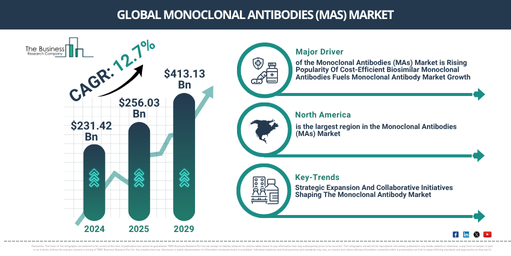
    In the past few years, there has been a significant increase in the market size of monoclonal antibodies (MAbs). The market is projected to expand from $231.42 billion in 2024 to $256.03 billion in 2025, reflecting a compound annual growth rate (CAGR) of 10.6%. The preceding growth can be attributed to several factors such as the increasing prevalence of chronic ailments, growing investments in R&D, enhanced mabs awareness and an expanding aging population.

    Expect a swift expansion in the market size of monoclonal antibodies (MAbs) in the forthcoming years. The market is set to rise to “$413.13 billion in 2029”, witnessing a compound annual growth rate (CAGR) of 12.7%. Factors contributing to this growth span across a wide range, including increasing therapeutic indications, personalized medicine, biosimilars and generics, combination therapies, readiness for pandemics, and biopharmaceutical investments. Key trends shaping the forecast period include advancements in immunotherapy, the adoption of subcutaneous administration, the emergence of next-generation antibodies, new subcutaneous formulations, incorporation of digital health, and advancements in biotechnology.

    Get A Free Sample Of The Report:

    https://www.thebusinessresearchcompany.com/sample.aspx?id=2554&type=smp

    What Drivers Are Accelerating Expansion Of The Monoclonal Antibodies (MAs) Market?

    The rising utilization of cost-effective biosimilar monoclonal antibodies is propelling the growth of the monoclonal antibody market. The objective of biosimilars is to manage the escalating healthcare costs and deal with the economic strain from patient pods and governments, in an effort to decrease medication expenses and broaden the reach of treatment. Biosimilars are drugs that are designed to mirror the properties of an already sanctioned biological drug. A biosimilar monoclonal antibody is 20%-25% cheaper than the original biologic drug. The count of clinical tests for a biosimilar is pretty less compared to the original biologic drug, which accounts for the reason behind their low pricing. In India, an updated biosimilar policy named ‘Guidelines on Similar Biologics’ devised by the Central Drugs Standard Control Organization (CSDCO) is anticipated to provide a significant impetus to the Indian biosimilar drugs industry.

    How Is The Monoclonal Antibodies (MAs) Market Categorized Across Applications And Types?

    The monoclonal antibodies (mas) market covered in this report is segmented –

    1) By Source: Murine, Chimeric, Humanized, Human

    2) By Application: Anti-Cancer, Immunological, Anti-Infective Monoclonal Antibodies (MAs), Neuropharmacological, Cardiovascular And Cerebrovascular, Other Applications

    3) By End Users: Hospitals, Private Clinics, Research Institute

    Subsegments:

    1) By Murine: Fully Murine MAbs, Murine-Derived MAbs

    2) By Chimeric: Chimeric MAbs With Murine Variable Regions, Chimeric MAbs With Human Constant Regions

    3) By Humanized: Humanized MAbs With Minor Murine Components, Fully Humanized MAbs

    4) By Human: Fully Human MAbs, Engineered Human MAbs

    How Are Market Trends Influencing Competition In The Monoclonal Antibodies (MAs) Market?

    In recent times, the monoclonal antibody market has experienced numerous strategic endeavors. Major players in this market are tactically acquiring startups and companies of medium size to increase their range of products and services. Strategic alliances, acquisitions, and partnership agreements permit vendors to increase their current product offerings and geographical reach. For example, Sanofi S.A., a pharmaceutical and healthcare company based in France, announced a strategic alliance with Seagen Inc, a US-based pharmaceutical enterprise specializing in developing innovative, effective monoclonal antibody-based cancer treatments in March 2022. This collaboration will utilize both Seagen’s and Sanofi’s exclusive monoclonal antibody (mAb) and antibody-drug conjugate (ADC) technologies to design, develop, and market ADCs for up to three cancer targets. Moreover, Boehringer Ingelheim, a German research-driven pharmaceutical organization, reported a partnership with MabGenesis, Inc., a Japanese biopharmaceutical firm leading the development of therapeutic monoclonal antibody drugs. This collaboration led to the discovery and development of novel therapeutic monoclonal antibodies for treating various diseases and strategic research and development strategies. Firms within the industry are progressively rearranging their portfolios chasing beneficial inorganic growth opportunities. Additionally, the M&A interest is being driven by robust company balance sheets, liquid debt markets, and continued favorable interest rates worldwide.

    Who Are The Primary Market Leaders In The Monoclonal Antibodies (MAs) Market?

    Major companies operating in the monoclonal antibodies (MAbs) market include Johnson & Johnson, Merck & Co. Inc., AbbVie Inc., Amgen Inc., Novartis International AG, Pfizer Inc., Thermo Fisher Scientific Inc., Eli Lilly and Company, Bristol-Myers Squibb Company, F. Hoffmann-La Roche Ltd., Sanofi S.A., Abbott Laboratories, Novo Nordisk A/S, Daiichi Sankyo Company Ltd., Seattle Genetics Inc., Teva Pharmaceutical Industries Ltd., Shanghai Junshi Biosciences Co. Ltd., GenScript Biotech Corporation, Sigma-Aldrich Co. LLC, AbGenomics Inc., ADC Therapeutics SA, Agensys Inc., Alexion Pharmaceuticals Inc., ALMAC Group Ltd., Ambrx Biopharma Inc., Astellas Pharma Inc., Celgene Corporation, Celldex Therapeutics Inc., Baxter International Inc., Fresenius SE & Co. KGaA, Hikma Pharmaceuticals plc, Jiangsu Hengrui Medicine Co. Ltd., Piramal Enterprises Ltd., Troikaa Pharmaceuticals Ltd., CD BioSciences Inc., Kanto Corporation, Molecular Depot LLC, Epigentek Group Inc., Creative Biolabs Inc., Advanced ChemTech Inc., Diagnostic BioSystems Inc., Tonbo Biosciences Inc., Abraxis LLC, GlaxoSmithKline plc

    Access The Complete Report Here:

    https://www.thebusinessresearchcompany.com/report/monoclonal-antibodies-global-market-report

    What Are The Emerging Regional Trends Driving The Monoclonal Antibodies (MAs) Market?

    North America was the largest region in the monoclonal antibodies (MAbS) market in 2024. The regions covered in the monoclonal antibodies (MABS) market report are Asia-Pacific, Western Europe, Eastern Europe, North America, South America, Middle East, and Africa.

    Customize Your Report Here:

    https://www.thebusinessresearchcompany.com/customise?id=2554&type=smp

    About The Business Research Company:

    With over 15000+ reports from 27 industries covering 60+ geographies, The Business Research Company has built a reputation for offering comprehensive, data-rich research and insights. Armed with 1,500,000 datasets, the optimistic contribution of in-depth secondary research, and unique insights from industry leaders, you can get the information you need to stay ahead in the game.

    Get in touch with us:

    The Business Research Company: https://www.thebusinessresearchcompany.com/

    Americas +1 310-496-7795

    Asia +44 7882 955267 & +91 8897263534

    Europe +44 7882 955267

    Email us at info@tbrc.info

    Follow us on:

    LinkedIn: https://in.linkedin.com/company/the-business-research-company

    YouTube: https://www.youtube.com/channel/UC24_fI0rV8cR5DxlCpgmyFQ

    Global Market Model: https://www.thebusinessresearchcompany.com/global-market-model
  • Lung Cancer Drugs Market Size, Share & Trends Analysis Report By Product | Forecast to 2029

    Lung Cancer Drugs Market Size, Share & Trends Analysis Report By Product | Forecast to 2029

    Claim 30% Off Global Market Reports With Code ONLINE30 – Insights on Tariff Effects, Global Trade, and Industry Disruptors

    What Is The Projected Valuation Of The Lung Cancer Drugs Market In The Coming Years?

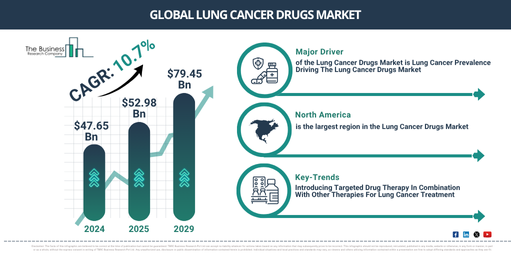
    The market for lung cancer medications has experienced swift expansion in the past few years. It is projected to climb from $47.65 billion in 2024 to $52.98 billion in 2025, with a compound annual growth rate (CAGR) of 11.2%. The surge in the past period can be linked to factors such as epidemiology and demographics, authorizations from regulatory bodies, development of healthcare infrastructure, as well as increased patient awareness and education.

    The market size for lung cancer drugs is predicted to experience significant expansion in the upcoming years. It is forecasted to increase to “$79.45 billion in 2029 with a compound annual growth rate (CAGR) of 10.7%. The predicted growth in the forecast period can be ascribed to factors like health insurance and reimbursement policies, healthcare infrastructure and accessibility, as well as emerging markets. Key trends for the forecast period involve improvements in targeted therapies, immunotherapy, genomic profiling, clinical trials, and research.

    Get A Free Sample Of The Report:

    https://www.thebusinessresearchcompany.com/sample.aspx?id=2567&type=smp

    Which Key Factors Are Fueling Growth In The Lung Cancer Drugs Market?

    The escalating incidence rates of lung cancer significantly contribute to the growth of the market for lung cancer medications. This is predominantly due to the surge in prevalence and incidence rates of lung cancer, which necessitates the demand for effective and rapid treatment medicaments. It also propels the sector to preserve a robust drug pipeline. For example, the American Cancer Society, a US-based voluntary health organization committed to eradicating cancer, reported around 238,340 new instances of lung cancer (with 117,550 in men and 120,790 in women) and roughly 127,070 deaths (67,160 in men and 59,910 in women) in January 2023. Hence, the rising incidence rate of lung cancer is a pivotal factor fueling the enhancement of the market for lung cancer drugs.

    Which Sub-Segments Are Driving Growth Within The Lung Cancer Drugs Market?

    The lung cancer drugs market covered in this report is segmented –

    1) By Drugs: Gemzar, Paraplatin, Taxotere, Navelbine, Avastin, Tarceva, Iressa, Other Drugs

    2) By Disease Type: Small cell lung cancer (SCLC), Non-small cell lung cancer (NSCLC)

    3) By End User: Hospitals, Clinics, Other End-Users

    Subsegments:

    1) By Gemzar: Generic Gemcitabine, Combination Therapies With Gemzar

    2) By Paraplatin: Generic Carboplatin, Combination Therapies With Paraplatin

    3) By Taxotere: Generic Docetaxel, Combination Therapies With Taxotere

    4) By Navelbine: Generic Vinorelbine, Combination Therapies With Navelbine

    5) By Avastin: Biosimilars Of Bevacizumab, Combination Therapies With Avastin

    6) By Tarceva: Generic Erlotinib, Combination Therapies With Tarceva

    7) By Iressa: Generic Gefitinib, Combination Therapies With Iressa

    8) By Other Drugs: Immune Checkpoint Inhibitors (Pembrolizumab, Nivolumab), Targeted Therapies (Osimertinib, Crizotinib), Chemotherapy Drugs (Paclitaxel, Cisplatin)

    What Future-Focused Trends Are Anticipated In The Lung Cancer Drugs Market?

    An emerging trend in the lung cancer drugs market is the combination of targeted drug therapy with other treatments. This involves the integration of immunotherapy drugs with other therapies such as chemotherapy to aid in early detection, prevention, and treatment of the disease. In line with this, pharmaceutical companies are creating targeted drug therapies for enhanced diagnosis and treatment of lung cancer. As an illustration, Merck and Co. formulated a drug named pembrolizumab. When used alongside chemotherapy, this drug boosts the immune system’s ability to identify and combat cancer cells, which has led to a noticeable improvement in the condition of lung cancer patients. This medication has become a significant product for Merck and Co. and is available on the market under the brand name Keytruda.

    Which Organizations Are At The Forefront Of The Lung Cancer Drugs Market?

    Major companies operating in the lung cancer drugs market include Bristol-Myers Squibb Company, Merck & Co. Inc., F. Hoffmann-La Roche Ltd., Novartis AG, Pfizer Inc., GlaxoSmithKline plc, Sanofi S.A., Sun Pharmaceutical Industries Ltd., Celgene Corporation, Mylan N.V., Ono Pharmaceutical Co. Ltd., Teva Pharmaceutical Industries Ltd., Takeda Pharmaceutical Company Limited, Ziopharm Oncology Inc., Menarini Group, AstraZeneca PLC, Shanghai Jinhe Bio-Technology Co. Ltd., Nlyte Software, AbbVie Inc., Bayer AG, Boehringer Ingelheim International GmbH, Daiichi Sankyo Company Limited, Eli Lilly and Company Inc., Johnson & Johnson, Amgen Inc., Array BioPharma Inc., Astellas Pharma Inc., Biogen Inc., Clovis Oncology Inc., Eisai Co. Ltd., Exelixis Inc., Genentech Inc., Gilead Sciences Inc., Incyte Corporation, Ipsen Biopharmaceuticals Inc., Jazz Pharmaceuticals plc, Karyopharm Therapeutics Inc., Kyowa Kirin Co. Ltd., Loxo Oncology Inc., MedImmune LLC

    Access The Complete Report Here:

    https://www.thebusinessresearchcompany.com/report/lung-cancer-drugs-global-market-report

    Which Region Dominates The Lung Cancer Drugs Market Today?

    North America was the largest region in the lung cancer drugs market in 2024. Middle East is expected to be the fastest-growing region in the lung cancer drugs market during the forecast period. The regions covered in the lung cancer drugs market report are Asia-Pacific, Western Europe, Eastern Europe, North America, South America, Middle East, Africa

    Customize Your Report Here:

    https://www.thebusinessresearchcompany.com/customise?id=2567&type=smp

    About The Business Research Company:

    With over 15000+ reports from 27 industries covering 60+ geographies, The Business Research Company has built a reputation for offering comprehensive, data-rich research and insights. Armed with 1,500,000 datasets, the optimistic contribution of in-depth secondary research, and unique insights from industry leaders, you can get the information you need to stay ahead in the game.

    Get in touch with us:

    The Business Research Company: https://www.thebusinessresearchcompany.com/

    Americas +1 310-496-7795

    Asia +44 7882 955267 & +91 8897263534

    Europe +44 7882 955267

    Email us at info@tbrc.info

    Follow us on:

    LinkedIn: https://in.linkedin.com/company/the-business-research-company

    YouTube: https://www.youtube.com/channel/UC24_fI0rV8cR5DxlCpgmyFQ

    Global Market Model: https://www.thebusinessresearchcompany.com/global-market-model
  • What Are The Strategic Insights Behind The Hypolipidemics Market Expansion To $35.99 Billion?

    What Are The Strategic Insights Behind The Hypolipidemics Market Expansion To $35.99 Billion?

    Claim 30% Off Global Market Reports With Code ONLINE30 – Insights on Tariff Effects, Global Trade, and Industry Disruptors

    How Much Will The Hypolipidemics Market Be Worth By 2029?

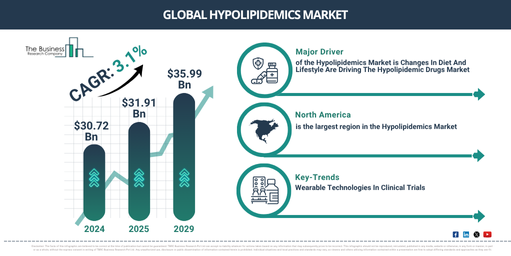
    The market for hypolipidemics has seen regular growth in the past few years. The market scale is projected to increase from $30.72 billion in 2024 to $31.91 billion in 2025, with a compound annual growth rate (CAGR) of 3.9%. The growth during the historical period can be credited to a rise in hyperlipidemia occurrences, changes in lifestyle patterns, an aging population, increased awareness, regular screenings, and the dominance of statins.

    Predictions indicate that the hypolipidemics market is set to experience consistent expansion in the upcoming years. By 2029, it is anticipated to reach an estimated value of $35.99 billion, expanding at a Compound Annual Growth Rate (CAGR) of 3.1%. Contributing factors to this surge during the projection period include the advent of personalized medicine, an increase in the number of patients, emerging economies, government policies, and innovations in combination therapies. The forecast period is poised to witness key trends such as a shift from LDL to non-HDL cholesterol management, embracement of digital health and telemedicine, increasing market consolidation and competition, as well as patient-focused strategies.

    Get A Free Sample Of The Report:

    https://www.thebusinessresearchcompany.com/sample.aspx?id=2435&type=smp

    Which Market Dynamics Are Playing A Critical Role In The Growth Of The Hypolipidemics Market?

    The growth of the hypolipidemic drugs market is being propelled by alterations in people’s eating habits and lifestyle shifts. The increase in unhealthy food intake, along with a growing trend of smoking and drinking, has resulted in an upsurge in cholesterol intake among individuals. For example, the Office for National Statistics, a government department in the UK, reported in July 2023 that over 86% of adults in Great Britain made at least some alterations to their lifestyle due to environmental concerns, as per responses collected between May and June 2023. The demand for hypolipidemic drugs is growing due to the elevated cholesterol levels brought on by lifestyle changes, as these medications help reduce cholesterol levels.

    What Segmentation Insights Are Provided In The Hypolipidemics Market Research?

    The hypolipidemics market covered in this report is segmented –

    1) By Product Type: Cholic Acid Regulator, HMG-CoA Reductase Inhibitors, Adenylate Cyclase Inhibitors, Nicotinic Acid Drugs, Other Types

    2) By Drug Type: Statins, Bile Acid Sequestrants, Cholesterol Absorption Inhibitors, PCSK9 Inhibitors, Other Drug Types

    3) By Application: Hospital, Clinics, Pharmacy, Cardiovasology

    Subsegments:

    1) By Cholic Acid Regulator: Bile Acid Sequestrants, Fibrates

    2) By HMG-CoA Reductase Inhibitors: Atorvastatin, Rosuvastatin, Simvastatin, Lovastatin, Pravastatin, Fluvastatin

    3) By Adenylate Cyclase Inhibitors: Cilostazol, Milrinone

    4) By Nicotinic Acid Drugs: Niacin (Vitamin B3), Extended-release Niacin

    5) By Other Types: Omega-3 Fatty Acid Derivatives, PCSK9 Inhibitors, Ezetimibe, Bempedoic Acid

    Which Notable Trends Are Transforming The Hypolipidemics Market Outlook?

    Businesses operating within this market are steadily increasing their investments in utilizing data from wearable technology to expedite and refine the execution of clinical trials, subsequently minimizing the total expenses involved. By capturing patient data through wearable devices on a constant basis, those funding clinical trials could potentially lessen the necessity for regular on-site visits, which might enhance patient retention rates and overall efficiencies of clinical trials. Employing wearable technology aids in addressing patient recruitment challenges, facilitates patient monitoring, provides precise and real-time data, and allows for more prompt decision-making during a patient’s clinical trial process. Companies in the pharmaceutical sector like Sanofi and Pfizer have begun funding wearable technology to manage hypolipidemia.

    Who Are The Major Stakeholders Operating In The Hypolipidemics Market?

    Major companies operating in the hypolipidemics market include Abbott Laboratories Limited, Apotex Fermentation Inc., Biocon Limited, Cadila Healthcare Limited, Chunghwa Chem Syn& Biotech Co. Ltd., Concord Biotech Limited, Croda Europe Limited, Daiichi Sankyo Company Limited, Dr. Reddy’s Laboratories Ltd., DSM Sinochem Pharma India Pvt. Ltd., Hikal Chemicals Industries Limited, Ipca Laboratories Ltd., Lek Pharmaceuticals D.d, Lupin Limited, Merck Sharp & Dohme B.V, Mylan N.V, Nexchem Pharmaceutical Co. Ltd., Olon S.p.A, Sun Pharmaceutical Industries Limited, Teva Pharmaceutical Industries Ltd., Zhejiang Jiangbei Pharma Co. Ltd., Moehs Iberica S.L. ES, Pfizer Inc., Recordati S.p.A., AstraZeneca Plc, Amgen Plc, Daiichi Sankyo Company Limited, Kowa Company Ltd., Sanofi-Aventis, Novartis AG, Viatris Inc., Pfizer Inc., GlaxoSmithKline plc, Cipla Limited, Torrent Pharmaceuticals Ltd., Zydus Lifesciences Limited, Wockhardt Limited, Alembic Pharmaceuticals Limited, Jubilant Life Sciences Limited, Hetero Drugs Limited, Ind-Swift Laboratories Ltd., Intas Pharmaceuticals Ltd., Unichem Laboratories Ltd.

    Access The Complete Report Here:

    https://www.thebusinessresearchcompany.com/report/hypolipidemics-global-market-report

    Which Regional Markets Are Emerging As Key Hubs For The Hypolipidemics Market?

    North America was the largest region in the hypolipidemic drugs market in 2024. The Middle East is expected to be the fastest-growing region in the hypolipidemic drugs market during the forecast period. The regions covered in the hypolipidemics market report are Asia-Pacific, Western Europe, Eastern Europe, North America, South America, Middle East, Africa

    Customize Your Report Here:

    https://www.thebusinessresearchcompany.com/customise?id=2435&type=smp

    About The Business Research Company:

    With over 15000+ reports from 27 industries covering 60+ geographies, The Business Research Company has built a reputation for offering comprehensive, data-rich research and insights. Armed with 1,500,000 datasets, the optimistic contribution of in-depth secondary research, and unique insights from industry leaders, you can get the information you need to stay ahead in the game.

    Get in touch with us:

    The Business Research Company: https://www.thebusinessresearchcompany.com/

    Americas +1 310-496-7795

    Asia +44 7882 955267 & +91 8897263534

    Europe +44 7882 955267

    Email us at info@tbrc.info

    Follow us on:

    LinkedIn: https://in.linkedin.com/company/the-business-research-company

    YouTube: https://www.youtube.com/channel/UC24_fI0rV8cR5DxlCpgmyFQ

    Global Market Model: https://www.thebusinessresearchcompany.com/global-market-model
  • How Will The Drugs For Hormonal Replacement Therapy Market Reach $16.96 Billion By 2029 Amid Global Shifts?

    How Will The Drugs For Hormonal Replacement Therapy Market Reach $16.96 Billion By 2029 Amid Global Shifts?

    Claim 30% Off Global Market Reports With Code ONLINE30 – Insights on Tariff Effects, Global Trade, and Industry Disruptors

    What Is The Present And Forecasted Size Of The Drugs For Hormonal Replacement Therapy Market?

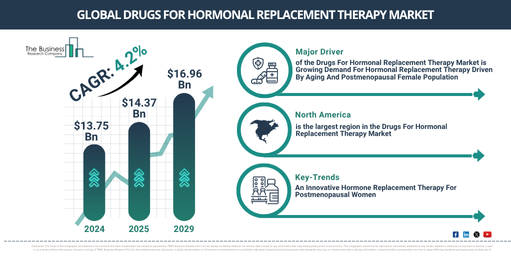
    In recent years, the market size for hormonal replacement therapy drugs has been experiencing a consistent expansion. The predicted growth will take it from $13.75 billion in 2024 to $14.37 billion in 2025, indicating a compound annual growth rate (CAGR) of 4.5%. Various factors contributing to the growth during the historic period include an aging population, enhanced awareness, lifestyle changes, regulatory approvals, and market globalization.

    The market for hormone replacement therapy drugs is expected to grow consistently over the next few years, increasing to a value of $16.96 billion in 2029 and reflecting a compound annual growth rate (CAGR) of 4.2%. The anticipating growth over the forecast period can be associated with the escalating occurrences of hormonal disorders, evolution of healthcare infrastructure, elevation in health awareness, education and empowerment of patients. The expected trends for the forecast period comprise of technological progression, bespoke medicine, extensive research and development, custom hormone therapy, alternative means of delivery, combination treatment options, adoption of telemedicine and telehealth, as well as the evolution of digital health solutions.

    Get A Free Sample Of The Report:

    https://www.thebusinessresearchcompany.com/sample.aspx?id=2575&type=smp

    What External And Internal Drivers Are Influencing The Drugs For Hormonal Replacement Therapy Market?

    The drugs for hormonal replacement therapy market is being propelled by the rising number of elderly and postmenopausal women. These kinds of drugs, which include progesterone, estrogen, and others, are used to address health issues resulting from menopausal conditions. As an example, in March 2024, the United States Census Bureau, a governmental agency in the US, reported that as of July 1, 2022, the number of females aged 85 and older in the United States was around 4.2 million. Consequently, the expanding population of women experiencing menopausal symptoms and the aging demographic help to fuel the growth of the drugs for hormonal replacement therapy market.

    How Does The Drugs For Hormonal Replacement Therapy Market Differ By Segment?

    The drugs for hormonal replacement therapy market covered in this report is segmented –

    1) By Therapy Type: Estrogen Replacement Therapy, Human Growth Hormone (HGH) Replacement Therapy, Thyroid Replacement Therapy, Testosterone Replacement Therapy

    2) By Distribution Channel: Hospital Pharmacies, Retail Pharmacies, Online Pharmacies

    3) By Application: Hypothyroidism, Male Hypogonadism, Growth Hormone Deficiency, Menopause, Other Applications

    Subsegments:

    1) By Estrogen Replacement Therapy: Oral Estrogen Therapy (Estradiol, Conjugated Estrogens), Transdermal Estrogen Therapy (Estradiol Patches), Estrogen Implants, Vaginal Estrogen Therapy (Creams, Tablets, Rings)

    2) By Human Growth Hormone (HGH) Replacement Therapy: Recombinant Human Growth Hormone (Somatropin), Synthetic Growth Hormone Preparations, HGH Injections

    3) By Thyroid Replacement Therapy: Levothyroxine Sodium (Synthetic T4), Liothyronine Sodium (Synthetic T3), Combination Therapy (T4 and T3), Natural Desiccated Thyroid (Armour Thyroid)

    4) By Testosterone Replacement Therapy: Injectable Testosterone (Testosterone Enanthate, Testosterone Cypionate), Transdermal Testosterone (Patches, Gels), Oral Testosterone (Testosterone Undecanoate), Buccal Testosterone, Testosterone Implants

    What New Opportunities Are Emerging From Trends In The Drugs For Hormonal Replacement Therapy Market?

    Leading enterprises in the hormone replacement therapy market are concentrating on generating technologically advanced solutions, such as the new hormone replacement therapy intended for postmenopausal women possessing a uterus. The new hormone replacement therapy (HRT) is an innovative healthcare approach created to replenish or balance the body’s hormone levels, primarily when these levels decrease due to aging or medical conditions. For instance, Pfizer., a pharmaceutical company based in the U.S., introduced DUAVEE® (conjugated estrogens/bazedoxifene) in June 2023. This product focuses on the treatment of moderate to severe vasomotor symptoms related to menopause, like hot flashes, and aims to prevent postmenopausal osteoporosis. The distinctive aspect of this product is its combination of conjugated estrogens and bazedoxifene, a selective estrogen receptor modulator (SERM), as a substitute for progestin. This unique combination aids in decreasing the chances of developing endometrial hyperplasia, which can be a side effect of estrogen-only therapies, ensuring a safer therapeutic option for women who have a uterus and are experiencing menopausal symptoms.

    Which Firms Are Making The Biggest Impact In The Drugs For Hormonal Replacement Therapy Market?

    Major companies operating in the drugs for hormonal replacement therapy market include Novartis AG, Bayer AG, Pfizer Inc., Novo Nordisk AS, Eli Lilly and Company, Abbott Laboratories, Mylan N.V., Merck & Co., Hisamitsu Pharmaceutical Co. Inc., Teva Pharmaceutical Industries Ltd., F. Hoffmann-La Roche Ltd., Noven Pharmaceuticals Inc., Orion Pharma AB, Allergan Plc, QuatRx Pharmaceuticals, Wyeth Ltd., Amgen Inc., Genentech USA Inc., TherapeuticsMD Inc., Viatris Inc., AbbVie Inc., GlaxoSmithKline plc, Sanofi S.A., Johnson & Johnson Services Inc., AstraZeneca plc, Bristol-Myers Squibb Company, Boehringer Ingelheim International GmbH, Takeda Pharmaceutical Company Limited

    Access The Complete Report Here:

    https://www.thebusinessresearchcompany.com/report/drugs-for-hormonal-replacement-therapy-global-market-report

    Which Region Is Leading Innovation In The Drugs For Hormonal Replacement Therapy Market?

    North America was the largest region in the drugs for hormonal replacement therapy market in 2024. The Middle East is expected to be the fastest-growing region in the drugs for hormonal replacement therapy market during the forecast period. The regions covered in the drugs for hormonal replacement therapy market report are Asia-Pacific, Western Europe, Eastern Europe, North America, South America, Middle East, Africa

    Customize Your Report Here:

    https://www.thebusinessresearchcompany.com/customise?id=2575&type=smp

    About The Business Research Company:

    With over 15000+ reports from 27 industries covering 60+ geographies, The Business Research Company has built a reputation for offering comprehensive, data-rich research and insights. Armed with 1,500,000 datasets, the optimistic contribution of in-depth secondary research, and unique insights from industry leaders, you can get the information you need to stay ahead in the game.

    Get in touch with us:

    The Business Research Company: https://www.thebusinessresearchcompany.com/

    Americas +1 310-496-7795

    Asia +44 7882 955267 & +91 8897263534

    Europe +44 7882 955267

    Email us at info@tbrc.info

    Follow us on:

    LinkedIn: https://in.linkedin.com/company/the-business-research-company

    YouTube: https://www.youtube.com/channel/UC24_fI0rV8cR5DxlCpgmyFQ

    Global Market Model: https://www.thebusinessresearchcompany.com/global-market-model
  • What Is The Long-Term Forecast For The Drugs For Benign Prostatic hypertrophy Market Growing At 5% CAGR?

    What Is The Long-Term Forecast For The Drugs For Benign Prostatic hypertrophy Market Growing At 5% CAGR?

    Claim 30% Off Global Market Reports With Code ONLINE30 – Insights on Tariff Effects, Global Trade, and Industry Disruptors

    How Big Is The Drugs For Benign Prostatic hypertrophy Market Today And What Is Its Future Size?

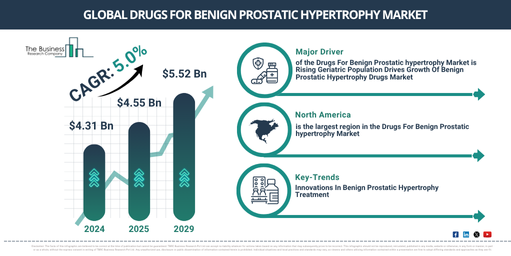
    In recent times, the market size for benign prostatic hypertrophy drugs has experienced significant growth. The market, which is pegged at $4.31 billion in 2024, is expected to grow to be worth $4.55 billion in 2025. This will represent a compound annual growth rate (CAGR) of 5.6%. Factors that have contributed to this growth in the past include an aging population, increased awareness, advancements in drug therapies, and broader healthcare access.

    The market for benign prostatic hypertrophy medication is predicted to witness a consistent expansion in the coming years. The market is set to reach “$5.52 billion in 2029 with a cumulative annual growth rate (CAGR) of 5.0%. Fueling the expansion during the projected period are factors such as the emergence of new markets, development of new drugs, amplified awareness and education, and regulatory approvals. Notable trends anticipated in the forecast period consist of minimally invasive procedures, customized medicine, combined treatment methods, focus on patient-oriented care, telemedicine coupled with digital health, and intensified research and development.

    Get A Free Sample Of The Report:

    https://www.thebusinessresearchcompany.com/sample.aspx?id=2594&type=smp

    What Underlying Factors Are Supporting The Drugs For Benign Prostatic hypertrophy Market Growth?

    The global growth of the benign prostatic hypertrophy drug market is being propelled by the increasing number of elderly men worldwide, given that this condition is commonly observed in men aged 50 and above. For instance, data from the World Health Organization, a specialized health agency based in the US, suggests that by 2030, 1 in 6 individuals globally will be aged 60 or older, and it is anticipated that by 2050, there will be 2.1 billion seniors. The National Institute of Health (NIH) has indicated that Benign Prostatic Hyperplasia affects approximately 50% of men between the ages of 51 and 60, and up to 90% of men over the age of 80.

    Which Segment Accounts For The Largest Share In The Drugs For Benign Prostatic hypertrophy Market?

    The drugs for benign prostatic hypertrophy market covered in this report is segmented –

    1) By Type: Alpha Blocker, 5-alpha Reductase Inhibitor, Phosphodiesterase-5 Inhibitor, Other Types

    2) By Distribution Channel: Hospital Pharmacies, Retail Pharmacies, Online Pharmacies

    3) By End User: Hospital Pharmacies, Retail Pharmacies, Other End-Users

    Subsegments:

    1) By Alpha Blocker: Tamsulosin, Alfuzosin, Doxazosin, Terazosin, Silodosin

    2) By 5-alpha Reductase Inhibitor: Finasteride, Dutasteride

    3) By Phosphodiesterase-5 Inhibitor: Tadalafil, Sildenafil

    4) By Other Types: Anticholinergics, Herbal Supplements (Saw Palmetto), Combination Therapy Drugs (Alpha Blocker + 5-alpha Reductase Inhibitor)

    Which Long-Term Trends Will Play A Crucial Role In The Drugs For Benign Prostatic hypertrophy Market?

    Key players in the benign prostatic hypertrophy medication market are driving their focus towards the creation of groundbreaking solutions, such as Polish drugs, to duly cater the needs of individuals suffering from urological ailments. Regulated for safety, efficiency, and quality by proper health authorities, Polish drugs serve as pharmaceutical tools for diagnosing, treating, averting, or relieving disease symptoms and conditions. In a recent development in June 2023, a pharma firm based in Poland – Adamed Sp. z o.o., introduced a compound drug, solifenacin succinate + tamsulosin hydrochloride. This fixed-dose regimen is designed to effectively address lower urinary tract symptoms (LUTS) related to benign prostatic hyperplasia (BPH). The effectiveness of this combination is amplified by the ability of solifenacin to reduce bladder contractions, and tamsulosin aiding in urination, thereby resulting in better patient results compared to using only tamsulosin.

    Which Players Are Shaping The Competitive Landscape Of The Drugs For Benign Prostatic hypertrophy Market?

    Major companies operating in the drugs for benign prostatic hypertrophy market include Allergan Inc., Astellas Pharma Inc., Boehringer Ingelheim International GmbH, GlaxoSmithKline plc, Teva Pharmaceutical Industries Limited, Sanofi S.A., Nymox Pharmaceutical Corporation, Æterna Zentaris Inc., Pfizer Inc., IntelGenx Technologies Corp., Ipsen S.A., Novartis International AG, Antibe Therapeutics Inc., Bausch Health Companies Inc., Bayer AG, Quest PharmaTech Inc., Bristol-Myers Squibb Company, Endo Pharmaceuticals Inc., Kaken Pharmaceutical Co. Ltd., Impax Laboratories Inc., GemVax & KAEL Inc., Merck & Co. Inc., Kissei Pharmaceutical Co. Ltd., Abbott Laboratories, Allium Medical Solutions Ltd., Asahi Kasei Corporation, Asclepion Laser Technologies GmbH, Boston Scientific Corporation, Biolitec AG, Coloplast A/S, Eli Lilly and Company, Endo International plc, IPG Photonics Corporation, KARL STORZ SE & Co. KG, LISA Laser Products AG, Medifocus Inc., Olympus Corporation, Pharex Health Corporation, PNN Medical A/S, Quanta S.p.A.

    Access The Complete Report Here:

    https://www.thebusinessresearchcompany.com/report/drugs-for-benign-prostatic-hypertrophy-global-market-report

    What Regional Factors Are Accelerating Growth In The Drugs For Benign Prostatic hypertrophy Market?

    North America was the largest region in the drugs for benign prostatic hypertrophy market in 2024. Middle East is expected to be the fastest-growing region in the drugs for benign prostatic hypertrophy market. The regions covered in the drugs for benign prostatic hypertrophy market report are Asia-Pacific, Western Europe, Eastern Europe, North America, South America, Middle East, Africa

    Customize Your Report Here:

    https://www.thebusinessresearchcompany.com/customise?id=2594&type=smp

    About The Business Research Company:

    With over 15000+ reports from 27 industries covering 60+ geographies, The Business Research Company has built a reputation for offering comprehensive, data-rich research and insights. Armed with 1,500,000 datasets, the optimistic contribution of in-depth secondary research, and unique insights from industry leaders, you can get the information you need to stay ahead in the game.

    Get in touch with us:

    The Business Research Company: https://www.thebusinessresearchcompany.com/

    Americas +1 310-496-7795

    Asia +44 7882 955267 & +91 8897263534

    Europe +44 7882 955267

    Email us at info@tbrc.info

    Follow us on:

    LinkedIn: https://in.linkedin.com/company/the-business-research-company

    YouTube: https://www.youtube.com/channel/UC24_fI0rV8cR5DxlCpgmyFQ

    Global Market Model: https://www.thebusinessresearchcompany.com/global-market-model
  • Which Emerging Trends Are Driving The Diuretics Market Toward $0.88 Billion By 2029?

    Which Emerging Trends Are Driving The Diuretics Market Toward $0.88 Billion By 2029?

    Claim 30% Off Global Market Reports With Code ONLINE30 – Insights on Tariff Effects, Global Trade, and Industry Disruptors

    How Will The Diuretics Market Valuation Change Between Now And 2029?

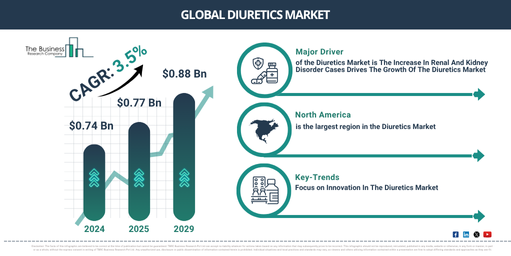
    The market size for diuretics has been experiencing consistent growth over the recent years. It is projected to rise from $0.74 billion in 2024 to $0.77 billion in 2025, signifying a compound annual growth rate (CAGR) of 3.4%. The expansion during the historic period can be associated with factors such as the high occurrence of chronic diseases, an aging demographic, established clinical guidelines, advancements in pharmaceuticals, and a rise in obesity rates.

    In the coming years, the diuretics market is projected to experience stable expansion. The projected growth rate is 3.5% annually, and it’s expected to reach $0.88 billion by 2029. This growth during the forecast period can be linked to an increase in heart failure and hypertension cases, the emergence of new markets, government strategies, and a heightened emphasis on preventative healthcare. Trending developments for the forecast period include personalized medication, innovative medicine creation, telehealth coupled with remote surveillance, and digital health resolutions.

    Get A Free Sample Of The Report:

    https://www.thebusinessresearchcompany.com/sample.aspx?id=2439&type=smp

    Which Demand Drivers Are Strengthening The Diuretics Market?

    The surge in instances of renal and kidney ailments is a major contributing factor to the expansion of the diuretics market. This is mainly because, when the kidneys fail to operate efficiently, the demand for water pills, or diuretic medication, escalates to ensure the proper flow of urine. The upswing in kidney-related disorders is often linked to lifestyle changes, such as the ingestion of unhealthy food laden with high amounts of calcium and other minerals. To illustrate, the Centers for Disease Control and Prevention (CDC), a public health agency based in the U.S., reported that approximately 14% of U.S. adults, roughly 35.5 million people, were diagnosed with chronic kidney diseases in May 2024. Hence, the escalating instances of renal and kidney ailments fuel the growth of the diuretics market.

    What Are The Main Segment Classifications In The Diuretics Market?

    The diuretics market covered in this report is segmented –

    1) By Type: Osmotic Diuretics, Carbonic Anhydrase Inhibitors, Loop Diuretics, Thiazides And Thiazide-Like Diuretics, Aldosterone Antagonists

    2) By Distribution: Hospital Pharmacies, Independent Pharmacies, Retail Pharmacies, Drug Stores, Online Pharmacies

    3) By Application: Hypertension, Glaucoma, Heart Failure, Kidney Stones

    Subsegments:

    1) By Osmotic Diuretics: Mannitol, Glycerin, Urea

    2) By Carbonic Anhydrase Inhibitors: Acetazolamide, Dorzolamide, Brinzolamide

    3) By Loop Diuretics: Furosemide, Bumetanide, Torsemide, Ethacrynic Acid

    4) By Thiazides And Thiazide-Like Diuretics: Hydrochlorothiazide, Chlorthalidone, Indapamide, Metolazone

    5) By Aldosterone Antagonists: Spironolactone, Eplerenone

    How Are Industry Trends Steering The Expansion Of The Diuretics Market?

    Leading companies in the diuretics market are centering their efforts on creating novel products like prescription drugs to boost treatment efficiency and minimize side effects for patients suffering from conditions such as hypertension and heart failure. Prescription drugs indicate medications that require a doctor’s prescription, which guarantees their appropriate use for specific health conditions under expert guidance. For example, in January 2023, India’s Glenmark Pharmaceuticals Limited introduced a generic version of Bumetanide Injection, a diuretic, for treating fluid build-up and swelling linked to congestive heart failure and other health problems. The product comes in two variants: 1 mg/4 mL single-dose vials and 2.5 mg/10 mL multiple-dose vials, each with a concentration of 0.25 mg/mL. This injection effectively treats edema or fluid retention caused by conditions like congestive heart failure, liver disease, and kidney disease by stimulating increased urine production, which eases symptoms such as swelling and difficulty in breathing.

    Who Are The Leading Companies Driving The Diuretics Market?

    Major companies operating in the diuretics market include Merck & Co. Inc., Meda Manufacturing GmbH, Pfizer Inc., GlaxoSmithKline plc., F. Hoffmann-La Roche AG, Aton Pharma Inc., Boehringer Ingelheim International GmbH, Novartis AG, Teva Pharmaceutical Industries Ltd., Sanofi-aventis U.S. LLC, Centaur Pharmaceuticals Pvt Ltd, Validus Pharmaceuticals LLC, Actavis Generics, Paddock Laboratories LLC, Perrigo Pharmaceutical Company, H. Lundbeck Inc., Oak Pharmaceuticals Inc., Akron Pharmaceuticals Inc., Salix Pharmaceuticals Inc., Alembic Pharmaceuticals Limited, Aurobindo Pharma Limited, IPCA Laboratories Limited, Jubilant Cadista Pharmaceuticals Limited, Mylan N.V., Princeton Laboratories Inc., Sciegen Pharma Limited, Unichem Laboratories Limited, AstraZeneca plc, Bayer AG, Bristol-Myers Squibb Company, Cipla Ltd, F Hoffmann-La Roche Ltd, Fresenius Kabi AG, Sandoz International GmbH, Sun Pharmaceutical Industries Ltd, Zydus Lifesciences Ltd., Amneal Pharmaceuticals LLC, Apotex Inc.

    Access The Complete Report Here:

    https://www.thebusinessresearchcompany.com/report/diuretics-drugs-global-market-report

    Which Region Holds The Greatest Opportunity For Diuretics Market Expansion?

    North America was the largest region in the diuretics market in 2024. The Middle East is expected to be the fastest-growing region in the diuretics market during the forecast period. The regions covered in the diuretics market report are Asia-Pacific, Western Europe, Eastern Europe, North America, South America, Middle East, Africa

    Customize Your Report Here:

    https://www.thebusinessresearchcompany.com/customise?id=2439&type=smp

    About The Business Research Company:

    With over 15000+ reports from 27 industries covering 60+ geographies, The Business Research Company has built a reputation for offering comprehensive, data-rich research and insights. Armed with 1,500,000 datasets, the optimistic contribution of in-depth secondary research, and unique insights from industry leaders, you can get the information you need to stay ahead in the game.

    Get in touch with us:

    The Business Research Company: https://www.thebusinessresearchcompany.com/

    Americas +1 310-496-7795

    Asia +44 7882 955267 & +91 8897263534

    Europe +44 7882 955267

    Email us at info@tbrc.info

    Follow us on:

    LinkedIn: https://in.linkedin.com/company/the-business-research-company

    YouTube: https://www.youtube.com/channel/UC24_fI0rV8cR5DxlCpgmyFQ

    Global Market Model: https://www.thebusinessresearchcompany.com/global-market-model
  • What Is The Predicted Revenue Outlook For The Digestive Enzymes Market To Surpass $1.92 Billion?

    What Is The Predicted Revenue Outlook For The Digestive Enzymes Market To Surpass $1.92 Billion?

    Claim 30% Off Global Market Reports With Code ONLINE30 – Insights on Tariff Effects, Global Trade, and Industry Disruptors

    What Are The Future Growth Projections For The Digestive Enzymes Market Size?

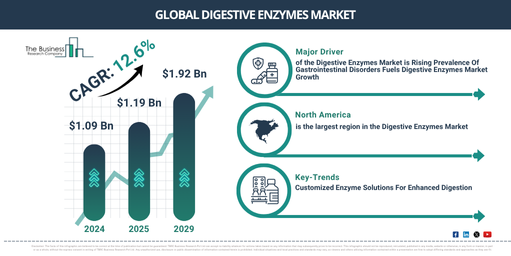
    In recent times, the digestive enzymes market has observed substantial growth. The market, which is valued at $1.09 billion in 2024, is set to expand to $1.19 billion in 2025, registering a compound annual growth rate (CAGR) of 9.7%. Factors such as rising awareness about digestive health, shifting dietary patterns, an aging populace, growth of the nutraceutical industry, expansion of e-commerce and an increase in gastrointestinal disorders, coupled with ongoing research and development, have been vital for the growth observed in the historical period.

    In the near future, the digestive enzymes market is forecasted to undergo swift expansion. The projected size of this market is an impressive “$1.92 billion by 2029, growing at a compound annual growth rate (CAGR) of 12.6%. This expected growth in the forecast period can be linked to several factors such as an increase in health-conscious consumers, the integration into mainstream healthcare, and a preference for plant-based and natural products. The market is forecasted to see novel trends like innovations in enzyme formulations, tailored enzyme formulas, emphasis on clean labels and natural ingredients, personalized nutrition and testing, along with research and innovation.

    Get A Free Sample Of The Report:

    https://www.thebusinessresearchcompany.com/sample.aspx?id=2809&type=smp

    What Growth-Enabling Forces Are Impacting The Digestive Enzymes Market?

    The digestive enzymes market is propelled by the escalating occurrence of gastrointestinal disorders across varied age demographics. These disorders, which stem from a deficiency in digestive enzymes, encompass conditions affecting the gastrointestinal tract, from the mouth, oesophagus, stomach, to the small and large intestines, and the anus. Oral intake of digestive enzymes as dietary supplements or medication is necessitated by these disorders. The augmented frequency of gastrointestinal conditions is associated with lifestyle factors like smoking, diet and genetic predisposition, sanitation standards, overreliance on antibiotics, and shifts in environmental conditions due to industrialisation and urbanisation. A September 2022 survey by the American Gastroenterological Association indicated that between 60 and 70 million Americans are grappling with gastrointestinal diseases which significantly disrupt their daily routines. Additionally, the data revealed that nearly 40% of Americans had to put their normal activities on hold in the past year due to distressing bowel symptoms. FGIDs were found to be more prevalent in women as compared to men. Global data from a broad multinational research deduced that more than 40% of the global populace suffers from FGIDs. Consequently, this elevation in the incidence of digestive diseases is a contributing factor towards the growth of the digestive enzymes market.

    How Is The Digestive Enzymes Market Organized By Different Segments?

    The digestive enzymes market covered in this report is segmented –

    1) By Enzyme Type: Carbohydrates, Protease, Lipase, Other Enzyme Types

    2) By Origin: Animal, Fungi, Microbial, Plant

    3) By Application: Indigestion, Chronic Pancreatitis, Irritable Bowel Syndrome, Other Applications

    4) By Distribution Channel: Retail Stores, Online Stores

    Subsegments:

    1) By Carbohydrates: Amylase, Alpha-Galactosidase, Lactase, Sucrase, Maltase

    2) By Protease: Pepsin, Trypsin, Chymotrypsin, Bromelain, Papain

    3) By Lipase: Pancreatic Lipase, Gastric Lipase, Lingual Lipase

    4) By Other Enzyme Types: Cellulase, Lactase, Phytase, Beta-Glucanase, Xylanase

    What Current And Upcoming Trends Are Shaping The Digestive Enzymes Market?

    Corporations within the digestive enzymes market are channeling their investments into the creation of personalized digestive enzymes. Such specialized enzymes, designed for specific conditions, aid in the digestive process for individuals with digestive sensitivities and can embody multiple enzymes within a single product. These firms focused on digestive enzyme production are striving to provide a more comfortable digestion experience by offering solutions tailored to digest different food types. For instance, Sabinsa, an American company offering herbal extracts, cosmeceuticals, minerals, and dietary supplements, launched a product named DigeZyme. This unique multi-enzyme compound consists of five distinct enzymes – cellulase, lactase, amylase, lipase, and protease, catering to individuals facing difficulties in breaking down carbs, fats, and proteins. The trend of making significant investments in the creation of personalized digestive enzymes is gaining momentum among companies.

    Who Are The Global Leaders Steering The Digestive Enzymes Market Forward?

    Major companies operating in the digestive enzymes market include Garden of Life LLC, Biotics Research Corporation, Klaire Laboratories, Abbott Nutrition, AbbVie Inc., Johnson & Johnson Inc., Amway Corporation, Food State Inc., Matsun Nutrition, Metagenics Inc., Twinlab Corporation, AST Enzymes, Vemo Corp., Advanced Vital Enzymes Pvt. Ltd., Zeus Biotech Limited, Vox Nutrition Inc., Enzyme Bioscience Pvt. Ltd., XYMOGEN Inc., Douglas Laboratories, Thorne Research Inc., Integrative Therapeutics LLC, Pure Encapsulations Inc., Ortho Molecular Products Inc., Designs for Health Inc., Master Supplements Inc., Proteozymes Pvt Ltd., Chr. Hansen Holding A/S, Danone S.A., DSM Nutritional Products AG, DuPont de Nemours Inc., Kerry Group plc, Koninklijke DSM N.V., Lonza Group AG, Nestle S.A., Pfizer Inc., Sanofi S.A., Specialty Enzymes & Biotechnologies Co., Thermo Fisher Scientific Inc., Wacker Chemie AG

    Access The Complete Report Here:

    https://www.thebusinessresearchcompany.com/report/digestive-enzyme-global-market-report

    How Do Regional Dynamics Influence The Digestive Enzymes Market Performance?

    North America was the largest region in the digestive enzymes market in 2024. Middle East is expected to be the largest growing region in the digestive enzymes market report during the forecast period. The regions covered in the digestive enzymes market report are Asia-Pacific, Western Europe, Eastern Europe, North America, South America, Middle East, Africa

    Customize Your Report Here:

    https://www.thebusinessresearchcompany.com/customise?id=2809&type=smp

    About The Business Research Company:

    With over 15000+ reports from 27 industries covering 60+ geographies, The Business Research Company has built a reputation for offering comprehensive, data-rich research and insights. Armed with 1,500,000 datasets, the optimistic contribution of in-depth secondary research, and unique insights from industry leaders, you can get the information you need to stay ahead in the game.

    Get in touch with us:

    The Business Research Company: https://www.thebusinessresearchcompany.com/

    Americas +1 310-496-7795

    Asia +44 7882 955267 & +91 8897263534

    Europe +44 7882 955267

    Email us at info@tbrc.info

    Follow us on:

    LinkedIn: https://in.linkedin.com/company/the-business-research-company

    YouTube: https://www.youtube.com/channel/UC24_fI0rV8cR5DxlCpgmyFQ

    Global Market Model: https://www.thebusinessresearchcompany.com/global-market-model
  • How Is The Dermatitis Market Expected To Grow At 4.8% CAGR Over 2025–2029?

    How Is The Dermatitis Market Expected To Grow At 4.8% CAGR Over 2025–2029?

    Claim 30% Off Global Market Reports With Code ONLINE30 – Insights on Tariff Effects, Global Trade, and Industry Disruptors

    What Is The Current Size And Growth Outlook For The Dermatitis Market?

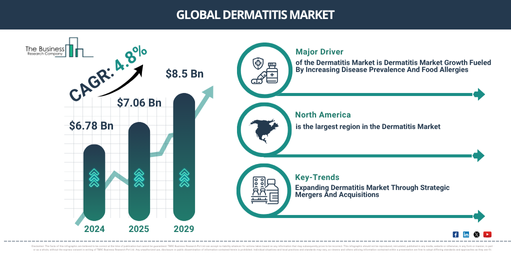
    The market size for dermatitis has experienced a consistent growth over the past few years. It’s projected to escalate from $6.78 billion in 2024 to $7.06 billion in 2025, with a compound annual growth rate (CAGR) of 4.1%. The growth witnessed in the previous years can be credited to the increase in prevalence, advancements in diagnosis, available treatment options, and regulatory approvals.

    Expectations suggest a consistent increase in the dermatitis market size over the coming years, potentially achieving “$8.5 billion by 2029” with an annual compound growth rate (CAGR) of 4.8%. Projects for this expansion within the forecast period are due mainly to heightened patient awareness and environmental influences. Significant trends projected for the forecast period encompass research and development, the rise of telemedicine and digital health, as well as biologics and targeted therapies following the concept of personalized medicine.

    Get A Free Sample Of The Report:

    https://www.thebusinessresearchcompany.com/sample.aspx?id=2413&type=smp

    Which Factors Are Steering Growth In The Dermatitis Market?

    The primary driver for growth in the dermatitis market is the escalating global incidence of the condition. It is estimated that the occurrence of dermatitis in children is between 15-20%, and in adults, it is 1-3%. The upward trend in food allergy cases is expanding the prevalence of dermatitis, thus fueling the demand for medications to treat this condition. As an example, the Global Atopic Dermatitis Atlas (GADA), published by the US-based International Eczema Council (IEC) in October 2022 reported that in 2022, about 223 million people globally had been diagnosed with atopic dermatitis. Among these, around 43 million were in the age bracket of 1 to 4 years.

    Which Segmentation Categories Are Highlighted In The Dermatitis Market Analysis?

    The dermatitis market covered in this report is segmented –

    1) By Drug Class: Corticosteroids, Emollients Or Moisturizers, Antihistamines, Calcineurin Inhibitors, Antibiotics, Immunomodulators, Interleukin Inhibitors

    2) By Distribution Channel: Hospital, Retail Pharmacies, Drug Stores, Online Or Mail Pharmacies

    3) By Application: Cancer, Blood Disorders, Chronic Diseases, Infectious Diseases

    Subsegments:

    1) By Corticosteroids: Topical Corticosteroids, Oral Corticosteroids, Injectable Corticosteroids

    2) By Emollients Or Moisturizers: Creams, Ointments, Lotions, Gels, Other Emollients Or Moisturizers

    3) By Antihistamines: Oral Antihistamines, Topical Antihistamines, Injectable Antihistamines

    4) By Calcineurin Inhibitors: Topical Calcineurin Inhibitors (Tacrolimus, Pimecrolimus), Oral Calcineurin Inhibitors

    5) By Antibiotics: Topical Antibiotics, Oral Antibiotics, Systemic Antibiotics

    6) By Immunomodulators: Topical Immunomodulators, Oral Immunomodulators

    7) By Interleukin Inhibitors: IL-4 Inhibitors, IL-13 Inhibitors, IL-31 Inhibitors, Other Interleukin Inhibitors

    Which Market Trends Are Expected To Define The Future Of The Dermatitis Market?

    There is a noticeable trend in the dermatitis market where increasing mergers and acquisitions (M&As) are taking place. The primary objectives for these M&As are business enlargement and enhanced visibility. In the current era, the role of M&As is quite substantial and expected to continue fostering growth in this market for the upcoming years. Industry vendors are centering their strategies on collaborations and partnerships to broaden their product ranges and augment their market footprint. To mitigate competition and increase their operational scale, companies are consciously working towards M&As. For instance, Pfizer Inc., a pharmaceutical manufacturing company based in the US, acquired Arena Pharmaceuticals, Inc. in March 2022 for an undisclosed amount. Through this acquisition, Pfizer aims to augment its development portfolio of therapeutic candidates across gastroenterology, dermatology, and cardiology fields. Arena Pharmaceuticals, Inc. is a clinical-stage business based in the US, developing treatments for dermatologic diseases like atopic dermatitis (AD).

    Which Companies Hold A Competitive Edge In The 515 Market?

    Major companies operating in the dermatitis market include LEO Pharma AS, Novartis AG, Pfizer Inc., Regeneron Pharmaceuticals Inc., Sanofi S.A., Bayer AG, Encore Dermatology Inc., Meda Pharmaceuticals Inc., Allergan Plc, Bristol-Myers Squibb Co., Anacor Pharmaceutical Inc., Astellas Pharma Inc., Mylan N.V., Valeant Pharmaceutical Inc., Galderma SA, Dow Inc., Connetics Corporation, Fujisawa Pharmaceutical Company Ltd., AbbVie Inc., F. Hoffmann-La Roche Ltd., Valeant Pharmaceuticals International Inc,, GlaxoSmithKline plc, Medimmune Inc., Bausch Health Co. Inc., Nestlé Skin Health India Pvt. Ltd., Aqua Pharmaceuticals Pvt. Ltd., C.H. Boehringer Sohn AG & Co. KG, Biofrontera AG, Zydus Lifesciences Limited

    Access The Complete Report Here:

    https://www.thebusinessresearchcompany.com/report/dermatitis-drugs-global-market-report

    Which Geographic Regions Are Creating Strong Demand In The Dermatitis Market?

    North America was the largest region in the dermatitis market in 2024. Middle East is expected to be the fastest-growing region in the dermatitis market report during the forecast period. The regions covered in the dermatitis market report are Asia-Pacific, Western Europe, Eastern Europe, North America, South America, Middle East, Africa

    Customize Your Report Here:

    https://www.thebusinessresearchcompany.com/customise?id=2413&type=smp

    About The Business Research Company:

    With over 15000+ reports from 27 industries covering 60+ geographies, The Business Research Company has built a reputation for offering comprehensive, data-rich research and insights. Armed with 1,500,000 datasets, the optimistic contribution of in-depth secondary research, and unique insights from industry leaders, you can get the information you need to stay ahead in the game.

    Get in touch with us:

    The Business Research Company: https://www.thebusinessresearchcompany.com/

    Americas +1 310-496-7795

    Asia +44 7882 955267 & +91 8897263534

    Europe +44 7882 955267

    Email us at info@tbrc.info

    Follow us on:

    LinkedIn: https://in.linkedin.com/company/the-business-research-company

    YouTube: https://www.youtube.com/channel/UC24_fI0rV8cR5DxlCpgmyFQ

    Global Market Model: https://www.thebusinessresearchcompany.com/global-market-model
  • Which Factors Will Push The Cellular Immunotherapy Market To Achieve $11.03 Billion By 2029?

    Which Factors Will Push The Cellular Immunotherapy Market To Achieve $11.03 Billion By 2029?

    Claim 30% Off Global Market Reports With Code ONLINE30 – Insights on Tariff Effects, Global Trade, and Industry Disruptors

    What Is The Predicted Market Size Of The Cellular Immunotherapy Industry By 2029?

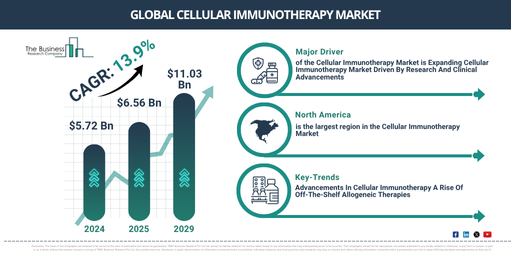
    The market size of cellular immunotherapy has seen rapid expansion in the recent past. It is projected to escalate from a value of $5.72 billion in 2024 to $6.56 billion in 2025, with a Compound Annual Growth Rate (CAGR) standing at 14.7%. Factors such as advancement in cancer therapies, cases of successful clinical outcomes, regulatory accreditations, and an increasing occurrence of targeted diseases have contributed significantly to the growth experienced during the historical period.

    The market size for cellular immunotherapy is projected to expand swiftly in the forthcoming years, reaching an estimated value of “$11.03 billion by 2029, with a compound annual growth rate (CAGR) of 13.9%. The predicted growth during this forecasted period can be credited to several factors, such as the increased focus on solid tumours, advancements in manufacturing processes, improved healthcare facilities, and increased funds allocated for research. Key trends for the forecast period include investment in research and development, data from clinical trials, and the rise of combination therapies.

    Get A Free Sample Of The Report:

    https://www.thebusinessresearchcompany.com/sample.aspx?id=3435&type=smp

    What Core Drivers Are Expected To Influence The Cellular Immunotherapy Market?

    The anticipated expansion of the cellular immunotherapy market is predicted due to the increased research and successful clinical trials in this field. There is a concentrated effort amongst companies to develop novel cellular immunotherapies for a variety of diseases. As an example, the Cancer Research Institute, a non-profit organization based in the United States dedicated to the advancement of immunotherapy for the prevention, treatment, and eradication of all forms of cancer, released a report in June 2022 stating that as of April that same year, the global immuno-oncology pipeline included 2,756 active cell therapy drugs. This reflects an increase of 36% from the landscape analysis conducted in 2021, which revealed the existence of 2,031 drugs, but also demonstrates a decrease in growth from the previous year’s 43%. The remarkable growth in cellular immunotherapy development both at the clinical and preclinical stages in 2020 compared to 2019 is likely to extend the reach of cellular immunotherapy further, consequently driving the generation of higher revenues for the advancement of the market.

    What Is The Segment Breakdown Of The Cellular Immunotherapy Market?

    The cellular immunotherapy market covered in this report is segmented –

    1) By Therapy: Tumor-Infiltrating Lymphocyte (TIL) Therapy, Engineered T Cell Receptor (TCR) Therapy, Chimeric Antigen Receptor (CAR) T Cell Therapy, Natural Killer (NK) Cell Therapy

    2) By Primary Indication: B-cell Malignancies, Prostate Cancer, Renal Cell Carcinoma, Liver Cancer, Non-Hodgkin lymphoma, Other Primary Indications

    3) By Application: Prostate Cancer, Breast Cancer, Skin Cancer, Ovarian Cancer, Brain Tumor, Lung Cancer, Other Applications

    Subsegments:

    1) By Tumour-Infiltrating Lymphocyte (TIL) Therapy: Autologous TIL Therapy, Allogeneic TIL Therapy, Other TIL Therapy

    2) By Engineered T Cell Receptor (TCR) Therapy: Alpha-Beta TCR Therapy, Gamma-Delta TCR Therapy, Other Engineered TCR Therapy

    3) By Chimeric Antigen Receptor (CAR) T Cell Therapy: Autologous CAR T Cell Therapy, Allogeneic CAR T Cell Therapy, CAR T Cell Therapy For Solid Tumors, CAR T Cell Therapy For Hematologic Malignancies, Other CAR T Cell Therapy

    4) By Natural Killer (NK) Cell Therapy: Autologous NK Cell Therapy, Allogeneic NK Cell Therapy, NK Cell Therapy With Engineered Modifications, Other NK Cell Therapy

    How Are Global Trends Impacting The Development Of The Cellular Immunotherapy Market?

    Firms in the cellular immunotherapy market are turning their attention towards creating off-the-shelf allogeneic therapies as a novel and more effective approach to combat cancer. These therapies, unlike autologous treatments, are derived from donor cells rather than the patient’s own cells. Benefits of these non-personalized treatments include cost efficiency, mass production, rapid development, and quality assurance. For example, in May 2022, the Switzerland-based pharmaceutical firm Novartis AG, known for its commitment to discovering, developing, manufacturing, and marketing drugs, received rapid approval from the US Food and Drug Administration (FDA) to use Kymriah (tisagenlecleucel) for treating adult patients with relapsed or refractory (r/r) follicular lymphoma (FL) after two or more courses of systemic therapy. Additionally, Acepodia, an American cell immuno-technology company specialized in next-generation treatment, is set to initiate a phase 1 clinical trial in August 2020 for ACE1702, an allogeneic, off-the-shelf NK cell therapy intended for treating solid tumors.

    Which Firms Are Driving Innovation Within The Cellular Immunotherapy Market?

    Major companies operating in the cellular immunotherapy market include Novartis International AG, Gilead Sciences Inc., Apac Biotech, Dendreon Pharmaceuticals LLC, JW CreaGene Co. Ltd, Green Cross Corp, AstraZeneca plc, Bristol Myers Squibb Company, Pfizer Inc., F. Hoffmann-La Roche Ltd., Adicet Bio Inc., ResTORbio Inc., Celyad SA, Merck KGaA, GlaxoSmithKline plc., Johnson & Johnson, Adaptimmune Therapeutics plc, AVROBIO Inc., Cellular Biomedicine Group Inc., Kite Pharma Inc., Juno Therapeutics Inc., Celgene Corporation, Bluebird Bio Inc., Tmunity Therapeutics Inc., Atara Biotherapeutics Inc., Fate Therapeutics Inc., Precision Biosciences Inc., Allogene Therapeutics Inc., CRISPR Therapeutics AG, Sangamo Therapeutics Inc., Intellia Therapeutics Inc., Editas Medicine Inc., Caribou Biosciences Inc., Mammoth Biosciences Inc., Synthego Corporation

    Access The Complete Report Here:

    https://www.thebusinessresearchcompany.com/report/cellulars-immunotherapy-global-market-report

    Which Region Is Likely To Register The Fastest Growth In The Cellular Immunotherapy Market?

    North America was the largest region in the cellular immunotherapy market in 2024. The regions covered in the cellular immunotherapy market report are Asia-Pacific, Western Europe, Eastern Europe, North America, South America, Middle East, Africa

    Customize Your Report Here:

    https://www.thebusinessresearchcompany.com/customise?id=3435&type=smp

    About The Business Research Company:

    With over 15000+ reports from 27 industries covering 60+ geographies, The Business Research Company has built a reputation for offering comprehensive, data-rich research and insights. Armed with 1,500,000 datasets, the optimistic contribution of in-depth secondary research, and unique insights from industry leaders, you can get the information you need to stay ahead in the game.

    Get in touch with us:

    The Business Research Company: https://www.thebusinessresearchcompany.com/

    Americas +1 310-496-7795

    Asia +44 7882 955267 & +91 8897263534

    Europe +44 7882 955267

    Email us at info@tbrc.info

    Follow us on:

    LinkedIn: https://in.linkedin.com/company/the-business-research-company

    YouTube: https://www.youtube.com/channel/UC24_fI0rV8cR5DxlCpgmyFQ

    Global Market Model: https://www.thebusinessresearchcompany.com/global-market-model