Blog

  • How Will The Pulmonary Arterial Hypertension Market Expand At A CAGR Of 8.5% Through 2029?

    Claim 20% Off Global Market Reports With Code ONLINE20 – Insights on Tariff Effects, Global Trade, and Industry Disruptors

    What Are The Future Growth Projections For The Pulmonary Arterial Hypertension Market Size?

    The market size for pulmonary arterial hypertension has witnessed considerable growth lately. Projections indicate that it will escalate from $8.47 billion in 2024 to $9.15 billion in 2025, with a compound annual growth rate (CAGR) of 8.0%. The significant surge in the past phase can be credited to a rise in knowledge and identification of pulmonary arterial hypertension (PAH), an upswing in healthcare spending, an increase in the elderly population, broadening of treatment methods for pulmonary arterial hypertension, and enhancements in research and development activities in the area of pulmonary hypertension.

    Expectations are high for substantial expansion in the pulmonary arterial hypertension market in the coming years. It is projected to rise to “$12.69 billion in 2029 with an 8.5% compound annual growth rate (CAGR). The surge anticipated within the forecast period can be linked to the embrace of innovative treatments for pulmonary arterial hypertension, amplified emphasis on prompt detection and diagnosis, the expanding pipeline of PAH drugs and therapies, the integration of precision medicine in PAH treatment, and the growth of healthcare infrastructure in emerging markets. Important trends during the forecast period comprise advancements in medical imaging and diagnostic technologies, collaborations and partnerships aimed at drug creation, patient-focused strategies in managing pulmonary arterial hypertension, and increased utilization of combination therapy.

    Get A Free Sample Of The Report:

    https://www.thebusinessresearchcompany.com/sample.aspx?id=5954&type=smp

    Which Industry Forces Are Driving The Pulmonary Arterial Hypertension Market Forward?

    The rising occurrence of pulmonary arterial hypertension (PAH) disease is fuelling the expansion of the pulmonary arterial hypertension market. With more people suffering from PAH diseases and subsequently requiring hospitalization for treatment, there’s an anticipated surge in the need for appropriate medications during the predicted time frame. The National Organization for Rare Disorders, Inc. has published a study that suggests new occurrences of PAH are anticipated to affect between one and two persons per million annually in the USA, representing 500–1000 new cases each year. A comparable incidence rate is projected for Europe.

    What Are The Primary Segmentation Parameters In The Pulmonary Arterial Hypertension Market?

    The pulmonary arterial hypertension market covered in this report is segmented –

    1) By Drug Class: Endothelin Receptor Antagonists (ERAs), PDE-5 Inhibitors, Prostacyclin and Prostacyclin Analogs, SGC Stimulators

    2) By Route Of Administration: Oral, Intravenous Or subcutaneous, Inhalational

    3) By Distribution channel: Retail, Online

    Subsegments:

    1) By Endothelin Receptor Antagonists (ERAs): Bosentan, Ambrisentan, Macitentan

    2) By PDE-5 Inhibitors: Sildenafil, Tadalafil

    3) By Prostacyclin And Prostacyclin Analogs: Epoprostenol, Treprostinil, Iloprost

    4) By SGC Stimulators: Riociguat

    Which Emerging Trends Are Reshaping The Pulmonary Arterial Hypertension Market Landscape?

    In the pulmonary arterial hypertension market, top-tier companies are developing state-of-the-art products like Winrevair, aiming to enhance treatment options and results for patients afflicted with this critical condition. For example, in March 2024, Winrevair was introduced by Merck & Co. Inc., a multinational pharmaceutical corporation based in the US, specifically for treating adults diagnosed with pulmonary arterial hypertension. Winrevair has the distinction of being the first therapy approved by the US-based federal agency, the Food and Drug Administration (FDA), that targets activin signaling for pulmonary arterial hypertension (PAH). This groundbreaking treatment method functions by re-establishing equilibrium between pro- and anti-proliferative signals, thus managing the vascular cell proliferation related to PAH. Consequently, it heralds a new therapeutic category for this condition.

    Who Are The Dominant Players In The Pulmonary Arterial Hypertension Market Today?

    Major companies operating in the pulmonary arterial hypertension market include United Therapeutics Corporation, Acceleron Pharma Inc., Actelion Pharmaceuticals US Inc., Bayer AG, Eli Lilly and Company, Gilead Sciences Inc., GlaxoSmithKline plc, Johnson & Johnson, Liquidia Technologies Inc., Lupin Pharmaceuticals Inc., Natco Pharma Ltd., Pfizer Inc., Sandoz AG, Teva Pharmaceutical Industries Ltd., Zydus Pharmaceutical USA Inc., Allegheny Health Network, Cedars-Sinai Medical Center, Cleveland Clinic, Houston Methodist Hospital, Johns Hopkins Medicine, Massachusetts General Hospital, Mayo Clinic, MedStar Heart & Vascular Institute, National Jewish Health, NewYork-Presbyterian Hospital, Ochsner Medical Center, Royal Brompton & Harefield NHS Foundation Trust, Rush University Medical Center, Stanford Health Care, Swedish Medical Center, Temple University Hospital, University of California Health.

    Access The Complete Report Here:

    https://www.thebusinessresearchcompany.com/report/pulmonary-arterial-hypertension-global-market-report

    What Are The Emerging Regional Trends Driving The Pulmonary Arterial Hypertension Market?

    North America was the largest region in the pulmonary arterial hypertension market in 2024. The regions covered in the pulmonary arterial hypertension market report are Asia-Pacific, Western Europe, Eastern Europe, North America, South America, Middle East, Africa

    Customize Your Report Here:

    https://www.thebusinessresearchcompany.com/customise?id=5954&type=smp

    About The Business Research Company:

    With over 15000+ reports from 27 industries covering 60+ geographies, The Business Research Company has built a reputation for offering comprehensive, data-rich research and insights. Armed with 1,500,000 datasets, the optimistic contribution of in-depth secondary research, and unique insights from industry leaders, you can get the information you need to stay ahead in the game.

    Get in touch with us:

    The Business Research Company: https://www.thebusinessresearchcompany.com/

    Americas +1 310-496-7795

    Asia +44 7882 955267 & +91 8897263534

    Europe +44 7882 955267

    Email us at info@tbrc.info

    Follow us on:

    LinkedIn: https://in.linkedin.com/company/the-business-research-company

    YouTube: https://www.youtube.com/channel/UC24_fI0rV8cR5DxlCpgmyFQ

    Global Market Model: https://www.thebusinessresearchcompany.com/global-market-model
  • What Is The Forecast Valuation Of The Protein Purification and Isolation Market Projected To Reach $15.96 Billion By 2029?

    What Is The Forecast Valuation Of The Protein Purification and Isolation Market Projected To Reach $15.96 Billion By 2029?

    Claim 20% Off Global Market Reports With Code ONLINE20 – Insights on Tariff Effects, Global Trade, and Industry Disruptors

    What Is The Current Size And Growth Outlook For The Protein Purification and Isolation Market?

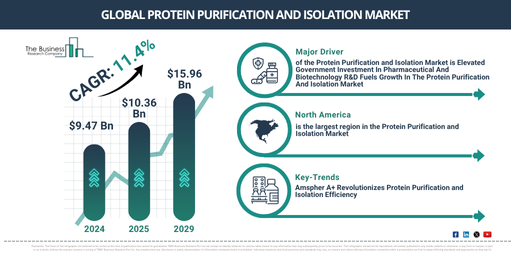
    The size of the protein purification and isolation market has seen robust growth in recent times. The market is projected to expand from $9.47 billion in 2024 to $10.36 billion in 2025, with a compound annual growth rate (CAGR) of 9.4%. The upsurge during the historic phase is a result of augmented research and development in the biopharmaceutical sector, expansion of the biotechnology industry, growing necessity for superior proteins, widening of academic and research institutions, and advancements in chromatography methods.

    The market for protein purification and isolation is set to witness significant expansion in the coming years, with projections pointing to a worth of $15.96 billion in 2029, growing at a compound annual growth rate (CAGR) of 11.4%. Factors contributing to this predicted growth for the said period include the expanding biologics market, increased financial support for life sciences research, a growing demand for personalized medications, the broadening scope of contract manufacturing organizations (CMOs), and the increased need for rapid screen tests. In the forecast period, the market will also likely be characterized by trends such as the use of single-use systems in protein purification, the prevalence of high-throughput purification technologies, a focus on continuous processing, the integration of automation in protein purification processes, and an emphasis on sustainability and eco-friendly practices.

    Get A Free Sample Of The Report:

    https://www.thebusinessresearchcompany.com/sample.aspx?id=7467&type=smp

    What Are The Primary Factors Supporting The Protein Purification and Isolation Market Expansion?

    The surge in governmental expenditure on research and development within the pharmaceuticals and biotech sectors is anticipated to boost the expansion of the protein purification and isolation market. The term research and development imply collating knowledge to innovate new products or find novel means to enhance existing goods and services. Rising investments in research and development can stimulate the creation of superior protein purification methods and offer several additional advantages, such as the purification of hormone growth factors, DNA polymerases, and reverse transcriptase. As an example, in March 2023, the White House – the official residence and office of the US President, proposed a budget assigning over $3.4 billion towards Cancer Moonshot-affiliated R&D, facilitating a variety of research agendas spanning laboratory work, clinical studies, public health, and environmental health across numerous departments and agencies. Out of this amount, $2.9 billion is specifically allocated to the Department of Health and Human Services, augmenting Cancer Moonshot initiatives at the National Cancer Institute and ARPA-H. The budget also gives priority to suicide prevention and mental healthcare for veterans, with an allocation of over $135 million for medical care under the Department of Veterans Affairs. Consequently, the escalating governmental expenditure on research and development within the pharmaceuticals and biotech fields is fueling the expansion of the protein purification and isolation market.

    How Is The Protein Purification and Isolation Market Segmented Across Key Categories?

    The protein purification and isolation market covered in this report is segmented –

    1) By Product: Instruments, Consumables

    2) By Technology: Ultrafiltration, Precipitation, Preparative Chromatography, Electrophoresis, Western Blotting, Dialysis And Diafiltration, Centrifugation

    3) By Application: Drug Screening, Protein-Protein Interaction Studies, Biomarker Discovery, Target Identification, Protein Therapeutics, Disease Diagnostics And Monitoring

    4) By End User: Academic Medical Institutes, Hospitals And Diagnostic Centers, Pharmaceutical And Biotechnology Companies, Contract Research Organizations

    Subsegments:

    1) By Instruments: Chromatography Systems, Centrifuges, Electrophoresis Systems, Filtration Systems, Other Instruments

    2) By Consumables: Resins And Media, Columns, Kits And Reagents, Membranes, Other Consumables

    What Key Trends Are Driving Growth In The Protein Purification and Isolation Market?

    Leading companies in the protein purification and isolation industry are developing sophisticated products like Amspher A+ to improve the productivity and quality of protein separation procedures as well as enhancing the yield and purity in biopharmaceutical applications. To illustrate, JSR Life Sciences, LLC., a Biotechnology company from the US, unveiled Amsphere A+ in September 2024. The incorporation of proprietary protein ligand and advanced polymer technology in Amsphere A+ gives it an edge over its predecessor, Amsphere A3, in terms of binding capacity, alkali stability, and pressure-flow characteristics. These improvements result in increased efficiency in the production process. To sum up, Amsphere A+ denotes a substantial progress in performance.

    Which Companies Are Contributing Significantly To The Protein Purification and Isolation Market Growth?

    Major companies operating in the protein purification and isolation market include Abcam PLC, Agilent Technologies Inc, Thermo Fisher Scientific Inc., Bio-Rad Laboratories Inc., BioVision Inc., Norgen Biotek Corp., GE Healthcare Technologies Inc., GEA Group AG, Expedeon Ltd., Creative Biostructure, Qiagen NV, Geno Technology Inc., The Merck Group, Labome, Promega Corporation, OPRL Biosciences Pvt. Ltd., Purolite LLC, Takara Bio Inc., F. Hoffmann-La Roche Ltd, Sigma-Aldrich Chemicals Private Limited, Cygnus Technologies LLC, Novasep, Kinnakeet Biotechnology LLC, Cambryn Biologics LLC, Worthington Biochemical Corporation, GenScript Biotech Corporation, Creative BioMart, OriGene Technologies Inc., Proteintech Group Inc., Rockland Immunochemicals Inc., Sino Biological Inc.

    Access The Complete Report Here:

    https://www.thebusinessresearchcompany.com/report/protein-purification-and-isolation-global-market-report

    Which Region Dominates The Protein Purification and Isolation Market Today?

    North America was the largest region in the protein purification and isolation market in 2024. The regions covered in the protein purification and isolation market report are Asia-Pacific, Western Europe, Eastern Europe, North America, South America, Middle East, Africa

    Customize Your Report Here:

    https://www.thebusinessresearchcompany.com/customise?id=7467&type=smp

    About The Business Research Company:

    With over 15000+ reports from 27 industries covering 60+ geographies, The Business Research Company has built a reputation for offering comprehensive, data-rich research and insights. Armed with 1,500,000 datasets, the optimistic contribution of in-depth secondary research, and unique insights from industry leaders, you can get the information you need to stay ahead in the game.

    Get in touch with us:

    The Business Research Company: https://www.thebusinessresearchcompany.com/

    Americas +1 310-496-7795

    Asia +44 7882 955267 & +91 8897263534

    Europe +44 7882 955267

    Email us at info@tbrc.info

    Follow us on:

    LinkedIn: https://in.linkedin.com/company/the-business-research-company

    YouTube: https://www.youtube.com/channel/UC24_fI0rV8cR5DxlCpgmyFQ

    Global Market Model: https://www.thebusinessresearchcompany.com/global-market-model
  • Plasma Fractionation Market – Opportunities, Share, Growth and Competitive Analysis and Forecast 2029

    Plasma Fractionation Market – Opportunities, Share, Growth and Competitive Analysis and Forecast 2029

    Claim 20% Off Global Market Reports With Code ONLINE20 – Insights on Tariff Effects, Global Trade, and Industry Disruptors

    What Is The Predicted Market Size Of The Plasma Fractionation Industry By 2029?

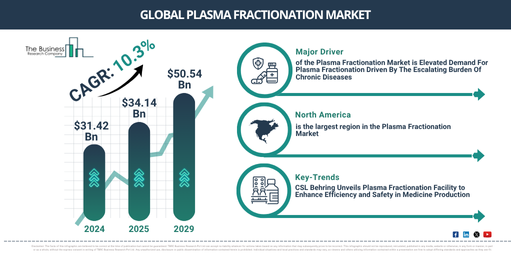
    Over the past few years, the plasma fractionation market has seen substantial growth. The market value is expected to rise from $31.42 billion in 2024 to $34.14 billion in 2025, with a compound annual growth rate (CAGR) of 8.6%. Factors contributing to this growth during the historic period include an increasing occurrence of hemophilia and immunodeficiency disorders, an aging population, a surge in demand for immunoglobulins, and the development of more plasma collection centers. Additionally, the number of surgical procedures have also been on the rise.

    In the coming years, a swift expansion is anticipated for the plasma fractionation market, reaching a projected value of $50.54 billion in 2029, with a 10.3% compound annual growth rate (CAGR). This growth in the forecast range is predicated on a surge in global health care spending, heightened use of plasma-based medicinal products, an increase in R&D investment, the need for plasma in handling neurological conditions, and the enlargement of plasma fractionation facilities. Key trends for the forecast period include the emergence of novel fractionation technologies, a move towards albumin and immunoglobulin treatments, growing demand for specific plasma products, emphasis on pathogen inactivation methodologies, as well as strategic alliances and collaborations within the plasma sector.

    Get A Free Sample Of The Report:

    https://www.thebusinessresearchcompany.com/sample.aspx?id=7543&type=smp

    Which Growth Drivers Are Shaping The Plasma Fractionation Market Outlook?

    The plasma fractionation market is predicted to experience expansive growth due to the rising prevalence of chronic illnesses. Chronic illnesses are typically defined as conditions that persist for at least one year and necessitate continuous medical intervention. Some prevalent examples of these diseases include heart disease, cancer, and diabetes. The administration of plasma products to patients suffering from these chronic conditions not only diminishes morbidity but also enhances their quality of life in a cost-effective manner. This leads to an increased demand for plasma fractionation. To illustrate, a report released by the US-based National Library of Medicine in January 2023 projected that the number of individuals aged 50 and above living with one or more chronic diseases would rise by 99.5% to reach 142.66 million by 2050, a significant increase from 71.522 million in 2020 in the United States. As such, the escalating incidence of chronic diseases is spurring on the growth of the healthcare analytical testing service market. Hence, the anticipated surge in chronic diseases across all age groups is expected to encourage the growth of the plasma fractionation market.

    How Is The Global Plasma Fractionation Market Broken Down By Segment?

    The plasma fractionation market covered in this report is segmented –

    1) By Product: Immunoglobulins, Coagulation Factors, Albumin, Protease Inhibitors

    2) By Application: Immunology, Hematology, Neurology, Critical Care, Hemato-Oncology, Rheumatology

    3) By End User: Hospitals and Clinics, Clinical Research Laboratories, Academic Institutes

    Subsegments:

    1) By Immunoglobulins: Intravenous Immunoglobulin (IVIG), Subcutaneous Immunoglobulin (SCIG)

    2) By Coagulation Factors: Factor VIII, Factor IX, Prothrombin Complex Concentrates (PCC)

    3) By Albumin: Human Albumin, Bovine Serum Albumin (BSA)

    4) By Protease Inhibitors: Alpha-1 Antitrypsin (AAT), C1 Esterase Inhibitor (C1-INH)

    Which Trends Are Likely To Redefine Growth Paths In The Plasma Fractionation Market?

    Main players in the market are coming up with innovative technologies, including state-of-the-art facility treatments that transform donated human plasma into vital medications. They also utilize cutting-edge technology for more secure and efficient processing. For instance, CSL Behring, based in Germany, inaugurated a $470 million plasma fractionation facility in March 2023, which harnesses ground-breaking technology to enhance plasma processing’s safety and efficiency, thereby ensuring the production of higher quality and more reliable medications. The facility contributes to the increased availability of these crucial drugs, thereby satisfying the escalating demand and assuring that more individuals can avail of the life-saving remedies. Thanks to sophisticated automation and self-sanitizing systems, the risk of contamination is decreased and hygienic conditions are improved, thereby augmenting patient safety.

    Who Are The Primary Market Leaders In The Plasma Fractionation Market?

    Major companies operating in the plasma fractionation market include Baxter International Inc., Bio Products Laboratory Limited, Biotest AG, CSL Limited, Grifols S. A, ADMA Biologics Inc., Green Cross Corporation, Hualan Bioengineering Inc., Intas Pharmaceuticals Ltd., Japan Blood Products Organization, Kedrion S. P. A., Kamada Ltd., LFB Biomedicaments S. A. S, Octapharma AG, Sanquin Plasma Products B. V., Shanghai Raas Blood Products Co. Ltd., Takeda Pharmaceutical Company, Terumo BCT, China Biologic Products Holdings Inc., China National Biotec Group, Emergent BioSolutions Inc., Bharat Serum Vaccines Limited, Plasma Therapeutics, Prothya Biosolutions B. V., BioPharma Plasma LLC, BioLife Plasma Services LP

    Access The Complete Report Here:

    https://www.thebusinessresearchcompany.com/report/plasma-fractionation-global-market-report

    Which Regional Markets Are Emerging As Key Hubs For The Plasma Fractionation Market?

    North America was the largest region in the plasma fractionation market in 2024.Asia-Pacific is expected to be the fastest-growing region in the forecast period. The regions covered in the plasma fractionation market report are Asia-Pacific, Western Europe, Eastern Europe, North America, South America, Middle East, Africa

    Customize Your Report Here:

    https://www.thebusinessresearchcompany.com/customise?id=7543&type=smp

    About The Business Research Company:

    With over 15000+ reports from 27 industries covering 60+ geographies, The Business Research Company has built a reputation for offering comprehensive, data-rich research and insights. Armed with 1,500,000 datasets, the optimistic contribution of in-depth secondary research, and unique insights from industry leaders, you can get the information you need to stay ahead in the game.

    Get in touch with us:

    The Business Research Company: https://www.thebusinessresearchcompany.com/

    Americas +1 310-496-7795

    Asia +44 7882 955267 & +91 8897263534

    Europe +44 7882 955267

    Email us at info@tbrc.info

    Follow us on:

    LinkedIn: https://in.linkedin.com/company/the-business-research-company

    YouTube: https://www.youtube.com/channel/UC24_fI0rV8cR5DxlCpgmyFQ

    Global Market Model: https://www.thebusinessresearchcompany.com/global-market-model
  • Pharmaceutical Processing Seals Market 2025–2029: Unveiling Growth Developments with the Latest Updates

    Pharmaceutical Processing Seals Market 2025–2029: Unveiling Growth Developments with the Latest Updates

    Claim 20% Off Global Market Reports With Code ONLINE20 – Insights on Tariff Effects, Global Trade, and Industry Disruptors

    What Are The Market Size Estimates For The Pharmaceutical Processing Seals Market?

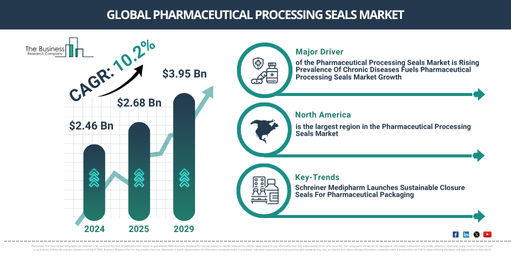
    The pharmaceutical processing seals industry has seen substantial growth in recent years. The market size is projected to increase from $2.46 billion in 2024 to $2.68 billion in 2025, with a compound annual growth rate (CAGR) of 8.7%. Factors contributing to the growth throughout the historical period include a rise in pharmaceutical manufacturing activities, increased production of biopharmaceuticals, a concentrated effort to prevent contamination in manufacturing processes, a surge in demand for pharmaceutical products, and the ongoing advancement of drug formulations.

    Anticipated to experience rapid expansion in the coming years, the market size of pharmaceutical processing seals is predicted to escalate to an estimated $3.95 billion by the year 2029, with a compound annual growth rate (CAGR) of 10.2%. The surge projected over the forecast period can be traced back to factors such as the growing need for specialized biopharmaceutical products, the adoption of innovative manufacturing and processing techniques, the worldwide growth of pharmaceutical production facilities, a focus on quality and compliance in pharmaceutical manufacturing, and an uptick in investments towards research and development in the pharmaceutical sector. Notable trends for the period in question encompass progress in the realm of pharmaceutical processing technologies, the application of single-use systems in pharmaceutical processing, the creation of high-performance and customised sealing solutions, a shift towards eco-friendly manufacturing practices, and use of intelligent seals and IoT technologies.

    Get A Free Sample Of The Report:

    https://www.thebusinessresearchcompany.com/sample.aspx?id=5603&type=smp

    What Drivers Are Accelerating Expansion Of The Pharmaceutical Processing Seals Market?

    The escalating numbers of chronic illnesses are playing a significant role in increasing the demand for pharmaceutical processing seals. A chronic disease, which is a condition lasting three months or longer and often deteriorates over time, highlights diseases like diabetes, cardiovascular diseases, and various cancer types that necessitate extended treatment and management. The growing global prevalence of such diseases is demanding high drug production and distribution levels from pharmaceutical industries. The surge in drug production requires the extensive application of pharmaceutical processing seals to ensure drug safety and efficacy, maintain product quality, and avoid contamination. For example, the National Center for Biotechnology Information (NCBI), a national library of medicine based in the US, projected that by 2050, the global population suffering from chronic diseases would reach 142.66 million, a significant rise from 71.522 million in 2020, as reported in January 2023. Hence, the pharmaceutical processing seals market is growing due to the increasing prevalence of chronic diseases.

    What Are The Key Segment Trends Observed In The Pharmaceutical Processing Seals Market?

    The pharmaceutical processing seals market covered in this report is segmented –

    1) By Type: O-Rings, Gaskets, Lip seals, D Seals, Other Types (Diaphragms And X-rings)

    2) By Material: Metals, PTFE, Silicone, Nitrile Rubber, EPDM, Other materials

    3) By Application: Manufacturing Equipment, Agitators, Mixers, Reactors, Gear Boxes, Other applications

    Subsegments:

    1) By O-Rings: Standard O-Rings, Custom O-Rings, Specialty O-Rings

    2) By Gaskets: Sheet Gaskets, Cut Gaskets, Composite Gaskets

    3) By Lip Seals: Single Lip Seals, Double Lip Seals, Custom Lip Seals

    4) By D Seals: Standard D Seals, Custom D Seals

    5) By Other Types: Diaphragms, X-Rings, Bellows Seals

    Which Disruptive Trends Are Driving Change Across The Pharmaceutical Processing Seals Market?

    Leading businesses in the pharmaceutical processing seals market are pushing the boundaries of innovation by creating upgraded products like eco-friendly closure seals that prioritize environmental sustainability. These environmentally-conscious seals are designed to comply with strict regulatory standards and lessen ecological harm, frequently incorporating materials that can be recycled or are biodegradable to heighten sustainability within pharmaceutical manufacturing operations. For instance, in February 2024, Schreiner MediPharm, a subsidiary of the Germany-based Schreiner Group that specializes in creating innovative healthcare labels, introduced sustainable closure seals. These newly launched seals, which contain up to 90% post-consumer recyclate (PCR) in their film material, are specifically intended for pharmaceutical packaging. In addition to their ecological focus, the seals also offer protection against tampering, a crucial feature given the growing problem of fake drugs.

    Who Are The Major Stakeholders Operating In The Pharmaceutical Processing Seals Market?

    Major companies operating in the pharmaceutical processing seals market include Trelleborg AB, Freudenberg SE, Flowserve Corporation, James Walker & Co. Ltd., Parker-Hannifin Corporation, Compagnie de Saint-Gobain SA, Garlock Sealing Technologies LLC, John Crane Inc., IDEX Corporation, Marco Rubber & Plastic Products Inc., Technetics Group LLC, Sealmatic India Pvt. Ltd., Maffs Seals Pvt. Ltd., Quantech Sealing Systems, EagleBurgmann India Pvt. Ltd., Morgan Advanced Materials plc, Bal Seal Engineering Inc., Apple Rubber Products Inc., PPE Precision Polymer Engineering Inc., Minnesota Rubber and Plastics, Greene Tweed & Co., ElringKlinger Kunststofftechnik GmbH, Parco Inc., Seal & Design Inc., Hi-Tech Seals Inc., Eclipse Engineering Inc., Techno Ad Ltd., A. W. Chesterton Company, M&C TechGroup Germany GmbH, Meccanotecnica Umbra SpA, Vee Packings Inc., Arizona Sealing Devices Inc., CinchSeal Inc., Flexitallic Group, Hennig Gasket & Seals Inc.

    Access The Complete Report Here:

    https://www.thebusinessresearchcompany.com/report/pharmaceutical-processing-seals-global-market-report

    What Regional Factors Are Accelerating Growth In The Pharmaceutical Processing Seals Market?

    North America was the largest region in the pharmaceutical processing seals market in 2024.Asia-Pacific is expected to be the fastest-growing region in the forecast period. The regions covered in the pharmaceutical processing seals market report are Asia-Pacific, Western Europe, Eastern Europe, North America, South America, Middle East, Africa

    Customize Your Report Here:

    https://www.thebusinessresearchcompany.com/customise?id=5603&type=smp

    About The Business Research Company:

    With over 15000+ reports from 27 industries covering 60+ geographies, The Business Research Company has built a reputation for offering comprehensive, data-rich research and insights. Armed with 1,500,000 datasets, the optimistic contribution of in-depth secondary research, and unique insights from industry leaders, you can get the information you need to stay ahead in the game.

    Get in touch with us:

    The Business Research Company: https://www.thebusinessresearchcompany.com/

    Americas +1 310-496-7795

    Asia +44 7882 955267 & +91 8897263534

    Europe +44 7882 955267

    Email us at info@tbrc.info

    Follow us on:

    LinkedIn: https://in.linkedin.com/company/the-business-research-company

    YouTube: https://www.youtube.com/channel/UC24_fI0rV8cR5DxlCpgmyFQ

    Global Market Model: https://www.thebusinessresearchcompany.com/global-market-model
  • Pharmaceutical Drug Delivery Market Emerging Trends and Growth Drivers Through 2029 | Reach USD $2442.16 Billion

    Pharmaceutical Drug Delivery Market Emerging Trends and Growth Drivers Through 2029 | Reach USD $2442.16 Billion

    Claim 20% Off Global Market Reports With Code ONLINE20 – Insights on Tariff Effects, Global Trade, and Industry Disruptors

    How Is The Pharmaceutical Drug Delivery Market Expected To Grow In Terms Of Size?

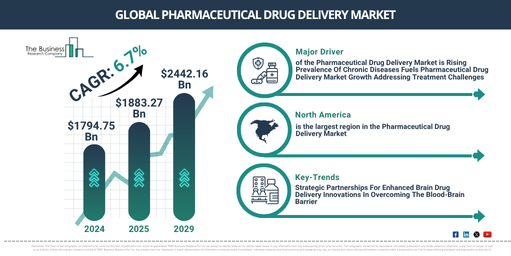
    The industry for pharmaceutical drug delivery has seen a consistent surge in its market size over the past few years. It is projected to expand from its 2024 value of $1794.75 billion to $1883.27 billion in 2025, putting the compound annual growth rate (CAGR) at 4.9%. Reasons behind this growth include higher occurrence of chronic illnesses, escalating demand for biologics, an upward trend in R&D investments by pharmaceutical corporations, growing need for bespoke medicine, and heightened emphasis on patient compliance.

    The market for pharmaceutical drug delivery is anticipated to observe substantial growth in the coming years. The market is projected to reach a value of “$2442.16 billion by 2029, growing at a compound annual growth rate (CAGR) of 6.7%. The expected growth during this period can be credited to the rising need for self-administered drugs, the increasing preference towards home healthcare, the escalating demand for targeted drug delivery, the growing elderly population, and governmental backing for drug delivery technologies. Notable trends for this forecast period incorporate advancements in drug delivery technologies, integration of telemedicine, the use of 3d printing in drug delivery, targeted drug delivery systems, and continual manufacturing procedures.

    Get A Free Sample Of The Report:

    https://www.thebusinessresearchcompany.com/sample.aspx?id=6962&type=smp

    Which Key Factors Are Fueling Growth In The Pharmaceutical Drug Delivery Market?

    An increase in chronic disease cases is projected to boost expansion of the pharmaceutical drug delivery market. Chronic disease prevalence is essentially the tally of chronic disease cases within a population at a given time. Pharmaceutical drug delivery supports chronic disease patients by administering a medicinal drug precisely to the part of the body that requires treatment. For instance, the World Health Organization, which is a specialized agency of the United Nations based in Switzerland, states that non-communicable diseases account for 41 million deaths annually, which is approximately 71% of global mortality, with cardiovascular illness being the leading cause. Consequently, the escalation of chronic diseases is a significant driver for the growth of the pharmaceutical drug delivery market.

    How Is The Pharmaceutical Drug Delivery Market Categorized Across Applications And Types?

    The pharmaceutical drug delivery market covered in this report is segmented –

    1) By Route Of Administration: Oral, Ocular, Pulmonary, Nasal, Injectable, Topical, Other Routes

    2) By Application: Infectious Diseases, Cancer, Cardiovascular Diseases, Diabetes, Respiratory Diseases, Central Nervous System Disorders, Autoimmune Diseases, Other Applications

    3) By End-User: Hospitals, Home Care Settings, ASC Or Clinics, Other End Users

    Subsegments:

    1) By Oral: Tablets, Capsules, Liquids, Powders

    2) By Ocular: Eye Drops, Ocular Inserts, Ocular Implants

    3) By Pulmonary: Metered-Dose Inhalers (MDIs), Dry Powder Inhalers (DPIs), Nebulizers

    4) By Nasal: Nasal Sprays, Nasal Gels, Nasal Powders

    5) By Injectable: Intravenous (IV) Injections, Intramuscular (IM) Injections, Subcutaneous (SC) Injections, Biologics And Biosimilars

    6) By Topical: Creams, Ointments, Gels, Transdermal Patches

    7) By Other Routes: Sublingual, Buccal, Rectal, Intranasal

    How Are Market Trends Influencing Competition In The Pharmaceutical Drug Delivery Market?

    Leading firms in the pharmaceutical drug delivery sector are turning to strategic partnerships to explore innovative transport targets and shuttle molecules for enhancing brain drug delivery. This strategy involves companies harnessing each other’s unique capabilities and resources for reciprocal advantages and progress. For example, in September 2023, Cordance Medical, a medical equipment manufacturing company from the US, partnered strategically with EXACT Therapeutics to facilitate drug delivery to the brain. This venture merges Cordance Medical’s NeuroAccess platform, capable of opening the blood-brain barrier (BBB) without the need for surgery, and EXACT Therapeutics’ Acoustic Cluster Therapy (ACT) technology. The aim of this alliance is to improve treatments for brain illnesses, including tumors and neurodegenerative diseases, by simplifying the process of drug delivery to the brain. EXACT Therapeutics is a clinical-stage biopharmaceutical company from the UK.

    Which Firms Are Making The Biggest Impact In The Pharmaceutical Drug Delivery Market?

    Major companies operating in the pharmaceutical drug delivery market include 3M Company., AbbVie Inc., Amgen Inc., AstraZeneca plc, Bayer AG, Becton Dickinson And Company, C. H. Boehringer Sohn AG & Co. KG, Boston Scientific Corporation, Bristol-Myers Squibb Company, Consort Medical plc, Eli Lilly and Company, Emergent Biosolutions Inc., F. Hoffmann-La Roche AG, GlaxoSmithKline plc, Johnson & Johnson, Kite Pharma Inc., Merck & Co Inc., Nemera France SAS, Novartis AG, Pfizer Inc, Sanofi S. A., SHL Medical AG, Teva Pharmaceuticals Industries Ltd., West Pharmaceutical Services Inc., Aerogen Pharma Limited, AptarGroup Inc., Biocon Ltd., Catalent Inc., Evonik Industries AG, Inovio Pharmaceuticals Inc., Mylan NV, Sensile Medical Inc., Ypsomed Holding AG

    Access The Complete Report Here:

    https://www.thebusinessresearchcompany.com/report/pharmaceutical-drug-delivery-global-market-report

    Which Region Holds The Greatest Opportunity For Pharmaceutical Drug Delivery Market Expansion?

    North America was the largest region in the pharmaceutical drug delivery market in 2024. North America is expected to be the fastest-growing region in the forecast period. The regions covered in the pharmaceutical drug delivery market report are Asia-Pacific, Western Europe, Eastern Europe, North America, South America, Middle East, Africa

    Customize Your Report Here:

    https://www.thebusinessresearchcompany.com/customise?id=6962&type=smp

    About The Business Research Company:

    With over 15000+ reports from 27 industries covering 60+ geographies, The Business Research Company has built a reputation for offering comprehensive, data-rich research and insights. Armed with 1,500,000 datasets, the optimistic contribution of in-depth secondary research, and unique insights from industry leaders, you can get the information you need to stay ahead in the game.

    Get in touch with us:

    The Business Research Company: https://www.thebusinessresearchcompany.com/

    Americas +1 310-496-7795

    Asia +44 7882 955267 & +91 8897263534

    Europe +44 7882 955267

    Email us at info@tbrc.info

    Follow us on:

    LinkedIn: https://in.linkedin.com/company/the-business-research-company

    YouTube: https://www.youtube.com/channel/UC24_fI0rV8cR5DxlCpgmyFQ

    Global Market Model: https://www.thebusinessresearchcompany.com/global-market-model
  • Peptide Antibiotics Market Size, Share & Trends Analysis Report By Product | Forecast to 2029

    Peptide Antibiotics Market Size, Share & Trends Analysis Report By Product | Forecast to 2029

    Claim 20% Off Global Market Reports With Code ONLINE20 – Insights on Tariff Effects, Global Trade, and Industry Disruptors

    What Is The Projected Valuation Of The Peptide Antibiotics Market In The Coming Years?

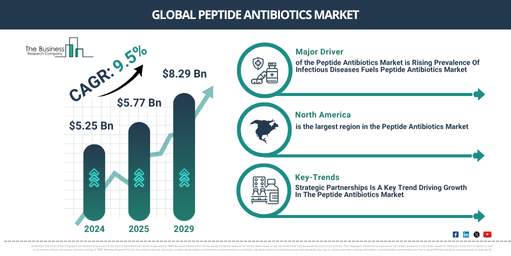
    In recent times, the market size of peptide antibiotics has witnessed significant growth. The market is projected to escalate from $5.25 billion in 2024 to $5.77 billion in 2025, marking a compound annual growth rate (CAGR) of 9.8%. Factors contributing to this growth during the past period include the discovery and improvement of peptide antibiotics, growing antibiotic resistance, an increase in the occurrence of infectious diseases, advancements in peptide synthesis technologies, together with expansion of the pharmaceutical industry.

    The market for peptide antibiotics is anticipated to witness considerable expansion in the approaching years, reaching a whopping $8.29 billion by 2029, demonstrating a compound annual growth rate (CAGR) of 9.5%. Factors propelling this projected growth during the forecasted period comprise increased emphasis on the development of innovative antibiotics, a global rise in antibiotic-resistant infections, broader research and development on antimicrobial peptides, and regulatory backing for new antibiotic approvals. The forecast period will also witness key trends like the exploration of natural sources of antimicrobial peptides, utilization of peptide antibiotics for animal health, focusing on peptide engineering to amplify efficacy, concoction of combination peptide antibiotics, and incorporation of AI and machine learning in the discovery of peptide antibiotics.

    Get A Free Sample Of The Report:

    https://www.thebusinessresearchcompany.com/sample.aspx?id=7780&type=smp

    Which Market Dynamics Are Playing A Critical Role In The Growth Of The Peptide Antibiotics Market?

    The surge in the incidence of various contagious diseases is anticipated to boost the peptide antibiotics market’s expansion. Contagious diseases are conditions caused by harmful organisms like bacteria, fungi, parasites, and more. The primary causes of the increase in contagious diseases include swift urbanization, climate alteration, a rising threat of disease manifestation, and more, all of which have augmented the demand for peptide antibiotics. Peptide antibiotics cause physical damage to the cell membranes, reinforcing their antibacterial performance. For example, as per the World Health Organization, a Switzerland-based global agency, the American region reported dengue cases surpassing seven million by April 2024, a notable increase from the 4.6 million cases reported throughout 2023. Thus, the surge in the occurrence of infectious diseases is fueling the growth of the peptide antibiotics market.

    Which Sub-Segments Are Driving Growth Within The Peptide Antibiotics Market?

    The peptide antibiotics market covered in this report is segmented –

    1) By Type: Ribosomal Synthesized Peptide Antibiotics, Non-Ribosomal Synthesized Peptide Antibiotics

    2) By Drugs: Daptomycin, Dalbavancin, Telavancin, Other Drugs

    3) By Disease Outlook: Skin Infection, HABP Or VABP, Blood Stream Infection, Other Diseases

    4) By Distribution Channel: Hospitals, Homecare, Specialty Clinics, Other Distribution Channels

    Subsegments:

    1) By Ribosomal Synthesized Peptide Antibiotics: Aminoglycosides, Macrolides, Tetracyclines, Lincosamides

    2) By Non-Ribosomal Synthesized Peptide Antibiotics: Bacitracins, Vancomycin, Polymyxins, Cyclic Lipopeptides

    What Future-Focused Trends Are Anticipated In The Peptide Antibiotics Market?

    A growing trend in the peptide antibiotics market is the formation of strategic partnerships. Many leading companies in this market are collaborating with others, aiming to broaden their market reach and mutually benefit from each other’s resources. As an example, in January 2022, American digital cell biology company, Berkeley Lights, formed a partnership with Aanika Biosciences. This collaboration will allow Aanika to utilize Berkeley Lights’ rapid and functional screening service to quickly identify and optimize functional antimicrobial peptides (AMPs) that can eliminate harmful bacteria, including those that lead to foodborne illness outbreaks. Moreover, the Beacon Optofluidic Platform will help identify bacterial harmful peptides, leading to the creation of a unique antibacterial tag, which will subsequently be used in their bacterial spore-based barcoding technology to enhance food supply chain safety. Aanika Biosciences is a biotechnology firm based in the United States.

    Which Players Are Shaping The Competitive Landscape Of The Peptide Antibiotics Market?

    Major companies operating in the peptide antibiotics market include Eli Lilly and Company, GlaxoSmithKline plc, Novartis AG, Pfizer Inc., Merck & Co. Inc., AbbVie Inc., Sandoz International GmbH, Xellia APS, Johnson & Johnson Inc., AstraZeneca PLC, Bayer AG, Bristol-Myers Squibb Company, Lupin Pharmaceuticals Inc., Sun Pharmaceutical Industries Ltd., Teva Pharmaceutical Industries Ltd., Torrent Pharmaceuticals Ltd., Wockhardt Ltd., Zydus Lifesciences Limited, Alkem Laboratories Limited, Allecra Therapeutics GmbH, Antabio, Basilea Pharmaceutica Ltd., BioVersys AG

    Access The Complete Report Here:

    https://www.thebusinessresearchcompany.com/report/peptide-antibiotics-global-market-report

    How Do Regional Dynamics Influence The Peptide Antibiotics Market Performance?

    North America was the largest region in the peptide antibiotics market in 2024. The regions covered in the peptide antibiotics market report are Asia-Pacific, Western Europe, Eastern Europe, North America, South America, Middle East, Africa

    Customize Your Report Here:

    https://www.thebusinessresearchcompany.com/customise?id=7780&type=smp

    About The Business Research Company:

    With over 15000+ reports from 27 industries covering 60+ geographies, The Business Research Company has built a reputation for offering comprehensive, data-rich research and insights. Armed with 1,500,000 datasets, the optimistic contribution of in-depth secondary research, and unique insights from industry leaders, you can get the information you need to stay ahead in the game.

    Get in touch with us:

    The Business Research Company: https://www.thebusinessresearchcompany.com/

    Americas +1 310-496-7795

    Asia +44 7882 955267 & +91 8897263534

    Europe +44 7882 955267

    Email us at info@tbrc.info

    Follow us on:

    LinkedIn: https://in.linkedin.com/company/the-business-research-company

    YouTube: https://www.youtube.com/channel/UC24_fI0rV8cR5DxlCpgmyFQ

    Global Market Model: https://www.thebusinessresearchcompany.com/global-market-model
  • What Are The Strategic Insights Behind The Nanomedicine Market Expansion To $676.38 Billion?

    What Are The Strategic Insights Behind The Nanomedicine Market Expansion To $676.38 Billion?

    Claim 20% Off Global Market Reports With Code ONLINE20 – Insights on Tariff Effects, Global Trade, and Industry Disruptors

    How Much Will The Nanomedicine Market Be Worth By 2029?

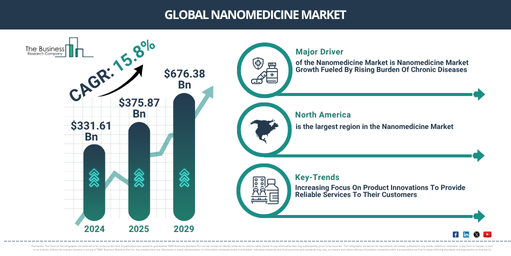
    The scale of the nanomedicine market has experienced a swift expansion over the last few years. The market is predicted to enlarge from $331.61 billion in 2024 to $375.87 billion in 2025, achieving a Compound Annual Growth Rate (CAGR) of 13.3%. Factors underlying this growth during the historic period include the improved knowledge of molecular biology, the escalating occurrence of long-term illnesses, rising demand for specific drug delivery systems, growth of nanoparticle imaging technologies, and an ever-increasing elderly populace.

    The market size of nanomedicine is projected to experience a significant increase in the upcoming years, reaching “$676.38 billion in 2029 with a compound annual growth rate (CAGR) of 15.8%. Factors contributing to this surge during the forecast period include sustained growth in nanotechnology studies, heightened investment in nanomedicine research and development, a greater emphasis on personalized medicine, broader use of nanomedicine in cancer care, and the inclusion of nanomedicine in the treatment of infectious diseases. Predicted trends for the period include the creation of multi-functional nanoparticles for therapeutics and imaging, a focus on nanoparticle-based diagnostics and imaging agents, the application of nanomedicine within regenerative medicine, increased employment of nanomedicine for targeted therapy in neurological ailments, and partnerships and collaborations in nanomedicine research and market introduction.

    Get A Free Sample Of The Report:

    https://www.thebusinessresearchcompany.com/sample.aspx?id=5344&type=smp

    What External And Internal Drivers Are Influencing The Nanomedicine Market?

    The escalating incidence of intricate and enduring illnesses worldwide is anticipated to spur the expansion of the nanomedicine market during the prognostication span. The utility of nanomedicine is progressively amplifying in the therapy of chronic ailments such as heart complications, metabolic diseases, cancer, cognitive disorders, and more, where it promotes quick drug metabolism in the body. To illustrate, Alzheimer’s Disease International, the global federation of Alzheimer’s Associations, reveals that over 50 million people worldwide are currently afflicted with cognitive disorders, with predictions for these figures to double every 2 decades ultimately reaching 80 million by 2030 and 152 million by 2050. Moreover, worldwide cancer cases are anticipated to surge to 28.4 million fresh cases by 2040. This mounting prevalence of chronic diseases is projected to heighten the requirement for potent therapeutic treatments employing nanomedicine, thereby fuelling the growth of the nanomedicine market.

    What Segmentation Insights Are Provided In The Nanomedicine Market Research?

    The nanomedicine market covered in this report is segmented –

    1) By Type: Nanoparticles, Nanoshells, Nanotubes, Nanodevices, Other Types

    2) By Modality: Diagnostics, Treatments

    3) By Application: Clinical Oncology, Infectious Diseases, Clinical Cardiology, Orthopedics, Other Applications

    Subsegments:

    1) By Nanoparticles: Lipid-Based Nanoparticles, Polymeric Nanoparticles, Metallic Nanoparticles, Ceramic Nanoparticles

    2) By Nanoshells: Gold Nanoshells, Silver Nanoshells, Silica Nanoshells

    3) By Nanotubes: Carbon Nanotubes (CNTs), Polymer Nanotubes

    4) By Nanodevices: Nanosensors, Nanorobots, Nanoscale Imaging Devices

    5) By Other Types: Dendrimers, Quantum Dots, Nanocarriers

    Which Notable Trends Are Transforming The Nanomedicine Market Outlook?

    Key players in the nanomedicine market are pushing their revenues by introducing innovative products like dynapro zetastar. This unique tool allows for concurrent dynamic and static light scattering measurements, as well as dynamic and electrophoretic light scattering (DLS/SLS/ELS). In 2023, Waters Corporation, a US-based firm renowned for their analytical laboratory gear and instruments, introduced dynapro zetastar designed for nanoparticle analysis. The application of zetastar provides accurate development of multifaceted biologics, combining multiple light scattering methods, undertaking adaptive data capture, automatically assessing the quality of data, and boosting sensitivity and speed of measurements with incredibly small sample sizes. With its singular flow cell design, the zetastar instrument can be seamlessly connected to an autosampler, improving lab productivity and efficiency by facilitating numerous unattended measurements over several hours, or even over an entire night.

    Who Are The Leading Companies Driving The Nanomedicine Market?

    Major companies operating in the nanomedicine market include Pfizer Inc., Ablynx NV, Amgen Inc., Arrowhead Research Inc., Bio-Gate AG, Celgene Corporation, F. Hoffmann-La Roche AG, GE Healthcare, Gilead Sciences Inc., Merck AG, Nanospectra Biosciences, Nanotherapeutics Inc., NanoViricides Inc, Novartis AG, Sanofi S. A., Abraxis Bioscience Inc., Alnylam Pharmaceuticals Inc., Arrowhead Pharmaceuticals Inc., AuraSense Therapeutics LLC, BIND Therapeutics Inc., Camurus AB, Cerulean Pharma Inc., CytImmune Sciences, Fujifilm Holdings, Nanobiosym Inc., Nanobiotix SA, Nanogen Inc., Nanoparticle BioChem Inc., Nanospective Inc., Nanosphere Health Sciences Inc., Nanosys Inc., PerkinElmer Inc., Selecta Biosciences Inc.

    Access The Complete Report Here:

    https://www.thebusinessresearchcompany.com/report/nanomedicine-global-market-report

    Which Geographic Regions Are Creating Strong Demand In The Nanomedicine Market?

    North America was the largest region in the nanomedicine market in 2024.Asia-Pacific is expected to be the fastest-growing region in the forecast period. The regions covered in the nanomedicine market report are Asia-Pacific, Western Europe, Eastern Europe, North America, South America, Middle East, Africa

    Customize Your Report Here:

    https://www.thebusinessresearchcompany.com/customise?id=5344&type=smp

    About The Business Research Company:

    With over 15000+ reports from 27 industries covering 60+ geographies, The Business Research Company has built a reputation for offering comprehensive, data-rich research and insights. Armed with 1,500,000 datasets, the optimistic contribution of in-depth secondary research, and unique insights from industry leaders, you can get the information you need to stay ahead in the game.

    Get in touch with us:

    The Business Research Company: https://www.thebusinessresearchcompany.com/

    Americas +1 310-496-7795

    Asia +44 7882 955267 & +91 8897263534

    Europe +44 7882 955267

    Email us at info@tbrc.info

    Follow us on:

    LinkedIn: https://in.linkedin.com/company/the-business-research-company

    YouTube: https://www.youtube.com/channel/UC24_fI0rV8cR5DxlCpgmyFQ

    Global Market Model: https://www.thebusinessresearchcompany.com/global-market-model
  • How Will The Naloxone Spray Market Reach $1946.99 Billion By 2029 Amid Global Shifts?

    How Will The Naloxone Spray Market Reach $1946.99 Billion By 2029 Amid Global Shifts?

    Claim 20% Off Global Market Reports With Code ONLINE20 – Insights on Tariff Effects, Global Trade, and Industry Disruptors

    What Is The Present And Forecasted Size Of The Naloxone Spray Market?

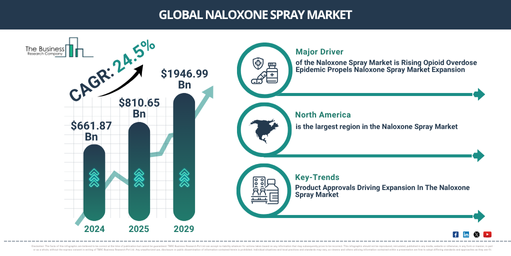
    There has been a significant expansion in the market size of the naloxone spray in the past few years. The market, valued at $661.87 billion in 2024, is projected to reach $810.65 billion in 2025, showing a compound annual growth rate (CAGR) of 22.5%. The considerable growth during the historical period is due to factors such as an elevated incidence of opioid overdose, a rise in opioid drug misuse in developed nations, advancements in medication development, growing consciousness about the significance of naloxone spray, and increasing healthcare spending.

    The market for naloxone spray is forecast to experience rapid expansion in the coming years, swelling to $1946.99 billion by 2029 with a compound annual growth rate (CAGR) of 24.5%. This growth during the projected period can be linked to several factors, such as proactive government actions to distribute naloxone, the broadening of naloxone accessibility programs, increased prescribing rates for opioid analgesics, and continued efforts to fight the opioid crisis. Other leading factors due to transform the market in the projection period are the growing uptake of intranasal naloxone formulations, the creation of user-friendly naloxone devices, the embedding of naloxone education within opioid prescription practices, and the integration of naloxone into community-based harm reduction schemes.

    Get A Free Sample Of The Report:

    https://www.thebusinessresearchcompany.com/sample.aspx?id=5339&type=smp

    What Underlying Factors Are Supporting The Naloxone Spray Market Growth?

    The growth of the naloxone spray market is being fueled by the rising incidence of opioid overdoses. Opioids, which include medications such as tramadol, fentanyl, and morphine, are commonly used in pain management. However, their non-medical use, misuse, extended usage, or usage with no medical supervision may result in opioid addiction, breathing issues, death, or other health complications. For example, the Office for National Statistics, a non-ministerial government department based in Wales, revealed in December 2023 that in 2022, 4,907 deaths in England and Wales were due to drug poisoning, equating to a rate of 84.4 deaths per million population. Males were significantly more affected, with a rate of 114.3 drug-related deaths per million population, a total of 3,240 deaths. Females, on the other hand, had a rate of 55.8 deaths per million population, translating to 1,667 deaths. Hence, the escalating instances of opioid overdoses are propelling the naloxone spray market’s growth.

    How Does The Naloxone Spray Market Differ By Segment?

    The naloxone spray market covered in this report is segmented –

    1) By Dosage: 2 mg Or Actuation, 4 mg Or Actuation

    2) By Distribution Channel: Hospitals, Clinics, Retail Pharmacies, Online Pharmacies, Other distribution channels

    Subsegments:

    1) By 2 Mg Or Actuation: Prescription Naloxone Spray, Over-The-Counter Naloxone Spray

    2) By 4 Mg Or Actuation: Prescription Naloxone Spray, Over-The-Counter Naloxone Spray

    What New Opportunities Are Emerging From Trends In The Naloxone Spray Market?

    The growth of the naloxone spray market is being influenced by the rise in product authorizations. The principal companies that manufacture naloxone sprays are prioritizing the approval of new products in order to diversify their offerings and enhance their naloxone spray operations. To illustrate, Walgreens, a company from the United States, declared the introduction of the Walgreens Brand Naloxone HCl Nasal Spray in May 2024. This over-the-counter product is specifically engineered to counteract the impacts of opioid overdoses quickly, thereby providing a vital resource in the battle against the opioid crisis. Naloxone functions by inhibiting the effects of opioids on the brain, restoring regular breathing, and preventing fatalities if given promptly. In spite of its demonstrated effectiveness, access to naloxone is still restricted in several communities, underlining the significance of this product launch in expanding accessibility and consciousness.

    Who Are The Global Leaders Steering The Naloxone Spray Market Forward?

    Major companies operating in the naloxone spray market include Emergent BioSolutions Inc., Amphastar Pharmaceuticals Inc., Hikma Pharmaceuticals plc, Indivior plc, Nasus Pharma LLC, Opiant Pharmaceuticals Inc., Pfizer Inc., Samarth Pharma Pvt. Ltd., Teva Pharmaceutical Industries Ltd., Adapt Pharma Inc., Cardinal Health Inc., Kaleo Inc., McKesson Corporation, Mundipharma International Limited, NextDistro Inc., Rite Aid Corporation, Novartis International AG, Sandoz International GmbH, Fresenius Kabi USA LLC, West-Ward Pharmaceuticals Corp., Lupin Ltd.

    Access The Complete Report Here:

    https://www.thebusinessresearchcompany.com/report/naloxone-spray-global-market-report

    Which Region Is Likely To Register The Fastest Growth In The Naloxone Spray Market?

    North America was the largest region in the naloxone spray market in 2024.The regions covered in the naloxone spray market report are Asia-Pacific, Western Europe, Eastern Europe, North America, South America, Middle East, Africa

    Customize Your Report Here:

    https://www.thebusinessresearchcompany.com/customise?id=5339&type=smp

    About The Business Research Company:

    With over 15000+ reports from 27 industries covering 60+ geographies, The Business Research Company has built a reputation for offering comprehensive, data-rich research and insights. Armed with 1,500,000 datasets, the optimistic contribution of in-depth secondary research, and unique insights from industry leaders, you can get the information you need to stay ahead in the game.

    Get in touch with us:

    The Business Research Company: https://www.thebusinessresearchcompany.com/

    Americas +1 310-496-7795

    Asia +44 7882 955267 & +91 8897263534

    Europe +44 7882 955267

    Email us at info@tbrc.info

    Follow us on:

    LinkedIn: https://in.linkedin.com/company/the-business-research-company

    YouTube: https://www.youtube.com/channel/UC24_fI0rV8cR5DxlCpgmyFQ

    Global Market Model: https://www.thebusinessresearchcompany.com/global-market-model
  • What Is The Long-Term Forecast For The Microcarrier Market Growing At 11.8% CAGR?

    What Is The Long-Term Forecast For The Microcarrier Market Growing At 11.8% CAGR?

    Claim 20% Off Global Market Reports With Code ONLINE20 – Insights on Tariff Effects, Global Trade, and Industry Disruptors

    How Big Is The Microcarrier Market Today And What Is Its Future Size?

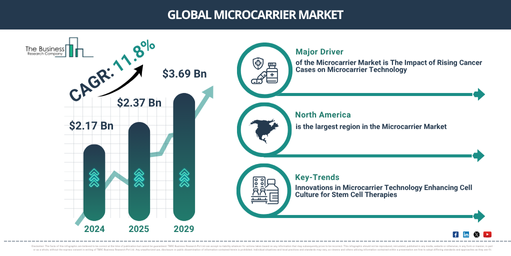
    The dimension of the microcarrier market has experienced robust growth in the past few years. The market is projected to rise from $2.17 billion in 2024 to $2.37 billion in 2025, reflecting a compound annual growth rate (CAGR) of 8.9%. The historical growth trajectory is linked to a burgeoning demand for cell-based vaccines, expanded government efforts, enhanced private investments in cell and gene therapy, the escalating toll of infectious diseases, and increasing research and development endeavors aimed at developing effective therapeutic vaccines.

    The microcarrier market is forecasted to experience a substantial expansion in the coming years, growing to an estimated size of $3.69 billion by 2029, characterized by a compound annual growth rate of 11.8%. This prospective growth in the forecast period may be linked to factors such as the rising incidence of cancer, the amplified demand for cell-based vaccines, the escalating burden of infectious and chronic diseases, increased investment in research and development, and the growing requirement for regenerative medicine. Noteworthy tendencies for the forecast period are progressing towards scalable and high-density microcarriers, moving towards the utilization of single-use microcarrier systems, the incorporation of advanced materials into microcarrier designs, the development of tailored microcarrier solutions for particular cell types, and the heightened focus on sustainability and environmentally friendly microcarrier manufacturing.

    Get A Free Sample Of The Report:

    https://www.thebusinessresearchcompany.com/sample.aspx?id=7759&type=smp

    Which Demand Drivers Are Strengthening The Microcarrier Market?

    The rise in instances of cancer contributes to the expansion of the microcarrier market. One of the main factors contributing to the risk of cancer is longer life expectancy. In addition, the adoption of a western lifestyle, inadequate dietary practices, increased consumption of dairy products, the use of food additives, regular meat consumption, chemical pollution, and lack of physical exercise have all played a role in the global rise in cancer occurrences. This upsurge in cancer cases triggers uncontrolled cell development that exceeds their typical boundaries and can invade any organ or tissue in the body. Microcarriers provide a matrix that encourages the growth of adherent cells in bioreactors, facilitating cancer cell proliferation and microtissue formation to aid the repair and recovery of damaged or degenerated tissues. For example, the American Cancer Society, a nonprofit cancer advocacy organization based in the US, reported in January 2023 that the number of cancer cases increased from 1,898,160 in 2021 to 1,958,310 in 2023, representing a growth rate of 3.16%. As a result, the escalating incidence of cancer drives the growth of the microcarrier market.

    Which Segment Accounts For The Largest Share In The Microcarrier Market?

    The microcarrier market covered in this report is segmented –

    1) By Product: Equipment, Consumables

    2) By Type: Cationic Microcarriers, Collagen-Coated Microcarriers, Protein-Coated Microcarriers, Untreated Microcarriers, Other Microcarriers

    3) By Material Type: Alginate-Based, Collagen-Based, Dextran-Based, Polystyrene-Based, Other Material Type

    4) By Application: Vaccine Manufacturing, Cell Therapy, Other Applications

    5) By End User: Pharmaceutical And Biotechnology Companies, Research Institutes, CROs

    Subsegments:

    1) By Equipment: Bioreactors, Microcarrier Culture Systems, Filtration Systems, Sensors And Monitors

    2) By Consumables: Microcarriers, Media And Supplements, Reagents And Kits, Other Consumables

    Which Long-Term Trends Will Play A Crucial Role In The Microcarrier Market?

    Technological progression is a crucial trend that is gaining traction in the microcarrier market. This market has observed the application of microcarrier bead technology, enabling developers to establish adherent cell cultures in relative densities in single-use bioreactors. This method involves the imprinting of adherent cells onto carriers, which are further developed in SUT reactor designs and scaled to meet the demands of clinical and commercial production. To maintain their standing in the microcarrier industry, key players are concentrating on technological progression. For instance, denovoMATRIX, a biomaterial-producing German designer, launched a novel microcarrier in May 2022 to promote advancements in cell and gene therapy manufacturing. This new microcarrier enhances the access to high-quality mesenchymal stromal cells (MSCs) for stem cell-derived therapies. The product, beadMATRIX, facilitates efficient MSC proliferation and harvest in Xeno/serum-free media, while maintaining high stemness.

    Which Companies Hold A Competitive Edge In The 23 Market?

    Major companies operating in the microcarrier market include Thermo Fisher Scientific Inc., The Merck Group, GE Healthcare Technologies Inc., Corning Incorporated, Lonza Group AG, Microcarrier Global, Sartorius AG, Getinge AB, ChemoMetec, Cesco Bioengineering Co. Ltd., Himedia Laboratories Pvt. LTtd., Esco VacciXcell, Danaher Corporation, Eppendorf AG, Solida Biotech GmbH, CellGenix GmbH, FUJIFILM Irvine Scientific Inc., Stemcell Technologies Inc., Bio-Techne Corporation, InVitria Inc., CytoSMART Technologies BV, Synthace Limited, Cell Guidance Systems Ltd., BioLamina AB, Cell Culture Company LLC, Cell Applications Inc., CellSystems Biotechnologie Vertrieb GmbH, Cellon SA, Repligen corporation, VWR International

    Access The Complete Report Here:

    https://www.thebusinessresearchcompany.com/report/microcarrier-global-market-report

    Which Region Is Forecasted To Lead The Microcarrier Market In The Coming Years?

    North America was the largest region in the microcarrier market in 2024.Asia-Pacific is expected to be the fastest-growing region in the forecast period. The regions covered in the microcarrier market report are Asia-Pacific, Western Europe, Eastern Europe, North America, South America, Middle East, Africa

    Customize Your Report Here:

    https://www.thebusinessresearchcompany.com/customise?id=7759&type=smp

    About The Business Research Company:

    With over 15000+ reports from 27 industries covering 60+ geographies, The Business Research Company has built a reputation for offering comprehensive, data-rich research and insights. Armed with 1,500,000 datasets, the optimistic contribution of in-depth secondary research, and unique insights from industry leaders, you can get the information you need to stay ahead in the game.

    Get in touch with us:

    The Business Research Company: https://www.thebusinessresearchcompany.com/

    Americas +1 310-496-7795

    Asia +44 7882 955267 & +91 8897263534

    Europe +44 7882 955267

    Email us at info@tbrc.info

    Follow us on:

    LinkedIn: https://in.linkedin.com/company/the-business-research-company

    YouTube: https://www.youtube.com/channel/UC24_fI0rV8cR5DxlCpgmyFQ

    Global Market Model: https://www.thebusinessresearchcompany.com/global-market-model
  • Which Emerging Trends Are Driving The Medical Foods Market Toward $32.87 Billion By 2029?

    Which Emerging Trends Are Driving The Medical Foods Market Toward $32.87 Billion By 2029?

    Claim 20% Off Global Market Reports With Code ONLINE20 – Insights on Tariff Effects, Global Trade, and Industry Disruptors

    How Will The Medical Foods Market Valuation Change Between Now And 2029?

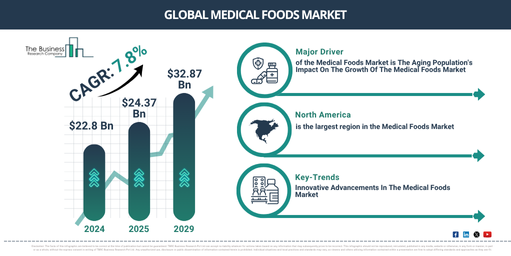
    There has been a robust expansion in the size of the medical foods market in the most recent years. The market is projected to increase from $22.8 billion in 2024 to $24.37 billion in 2025, indicating a compound annual growth rate (CAGR) of 6.9%. Factors contributing to the growth experienced in the past include a surge in chronic diseases, advancements in medical and nutritional research, a growing elderly population, a heightened understanding of nutrition’s role in health management, and regulatory backing for medical foods.

    Predictions indicate a robust growth for the medical foods market in the coming years, potentially reaching $32.87 billion by 2029 with a compound annual growth rate (CAGR) of 7.8%. This projected expansion during the forecast period could be due to an increased attention on preventive healthcare, a rising demand for personalized nutrition, widening applications in dealing with metabolic disorders, advancements in nutrigenomics, and a growing interest in functional foods among consumers. Key trends expected during the forecast period includes the creation of medical food formulations specifically for certain conditions, partnerships between the food and pharmaceutical sectors, the broadening of distribution channels to include e-commerce, the incorporation of digital technologies to facilitate personalized nutrition, and a concentration on clean-label and natural ingredients within medical foods.

    Get A Free Sample Of The Report:

    https://www.thebusinessresearchcompany.com/sample.aspx?id=6353&type=smp

    What Growth-Enabling Forces Are Impacting The Medical Foods Market?

    The rise in the aging population has a strong impact on the expansion of the medical foods market. Aging is a process at the cellular and molecular level, resulting from the accumulation of a variety of biomolecular damage over time. These changes, which can lead to a gradual decrease in functional abilities and heightened risk of diseases and ultimately, death, are not straight-forward or consistent and are only somewhat connected to a person’s actual age. As individuals age, their need for specific nutritional foods, especially medical foods required for managing their health in relation to chronic and age-related diseases, grows. For instance, an October 2022 report by the World Health Organization (WHO), an organization in Switzerland responsible for global public health, predicted that by 2030, one in six people across the globe will be 60 years or older. By 2050, globally, there will be 2.1 billion people aged 60 or older. Hence, the surge in the aging population is projected to stimulate the expansion of the medical foods market.

    What Are The Main Segment Classifications In The Medical Foods Market?

    The medical foods market covered in this report is segmented –

    1) By Type: Pills, Powder, Other Types

    2) By Application: Alzheimer’s Disease, Diabetic Neuropathy, Nutritional Deficiency, ADHD, Other Applications

    3) By Sales Channel: Retail Sales, Online Sales, Institutional Sales

    Subsegments:

    1) By Pills: Tablets, Capsules, Softgels

    2) By Powder: Nutritional Powders, Fiber Powders

    3) By Other Types: Liquid Formulations, Ready-To-Drink Products, Functional Bars And Snacks

    How Are Industry Trends Steering The Expansion Of The Medical Foods Market?

    Leading firms in the medical foods market are focusing on the creation of novel products such as foods for special medical purposes (FSMP) to expand their customer range, boost sales, and enhance their earnings. FSMP are custom-made food products specifically designed for people suffering from certain illnesses, conditions, or disorders. Nestle, a food corporation based in Switzerland, as an example, unveiled Si Yi Su, a specialized medical food product for individuals struggling with tumor-associated conditions, in July 2022. Si Yi Su stands out due to its unique formulation that comprises arginine, fish oil omega-3, nucleotides, and other vital nutritional elements. This composition has been specifically engineered to address inflammation and strengthen the weakened immune system of patients.

    Which Firms Are Driving Innovation Within The Medical Foods Market?

    Major companies operating in the medical foods market include Nestlé SA, Danone SA, Fresenius Kabi AG, Mead Johnson & Company LLC, Primus Pharmaceuticals Inc., Abbott Nutrition Inc., Accera Inc., Ajinomoto Cambrooke Inc., Applied Food Sciences Inc., Cambrooke Therapeutics Inc., Danone Nutricia North America Inc., Health and Happiness (H&H) Group Limited, RFI Ingredients LLC, Solace Nutrition LLC, Targeted Medical Pharma Inc., VAYA Pharma Inc., Baxter Healthcare Corporation, Braun Melsungen AG, DuPont Nutrition & Biosciences, Enteral Nutrition Holdings Inc., Fresenius Medical Care AG & Co. KGaA, Nutricia North America Inc., Otsuka Pharmaceutical Co. Ltd., Koninklijke DSM NV, Total Parenteral Nutrition Solutions Inc.

    Access The Complete Report Here:

    https://www.thebusinessresearchcompany.com/report/medical-foods-global-market-report

    What Are The Emerging Regional Trends Driving The Medical Foods Market?

    North America was the largest region in the medical foods market in 2024.Asia-Pacific is expected to be the fastest-growing region in the forecast period. The regions covered in the medical foods market report are Asia-Pacific, Western Europe, Eastern Europe, North America, South America, Middle East, Africa

    Customize Your Report Here:

    https://www.thebusinessresearchcompany.com/customise?id=6353&type=smp

    About The Business Research Company:

    With over 15000+ reports from 27 industries covering 60+ geographies, The Business Research Company has built a reputation for offering comprehensive, data-rich research and insights. Armed with 1,500,000 datasets, the optimistic contribution of in-depth secondary research, and unique insights from industry leaders, you can get the information you need to stay ahead in the game.

    Get in touch with us:

    The Business Research Company: https://www.thebusinessresearchcompany.com/

    Americas +1 310-496-7795

    Asia +44 7882 955267 & +91 8897263534

    Europe +44 7882 955267

    Email us at info@tbrc.info

    Follow us on:

    LinkedIn: https://in.linkedin.com/company/the-business-research-company

    YouTube: https://www.youtube.com/channel/UC24_fI0rV8cR5DxlCpgmyFQ

    Global Market Model: https://www.thebusinessresearchcompany.com/global-market-model