Blog

  • Global Artificial Intelligence (AI) In Orthopedic Surgery Market Forecast to Reach $0.68 Billion by 2029, Driven by 27.3% CAGR

    Global Artificial Intelligence (AI) In Orthopedic Surgery Market Forecast to Reach $0.68 Billion by 2029, Driven by 27.3% CAGR

    Claim your 30% discount on Global Market Reports with code ONLINE30. Limited time only.

    How Much Is the Global Artificial Intelligence (AI) In Orthopedic Surgery Market Valued at Present and by 2029?

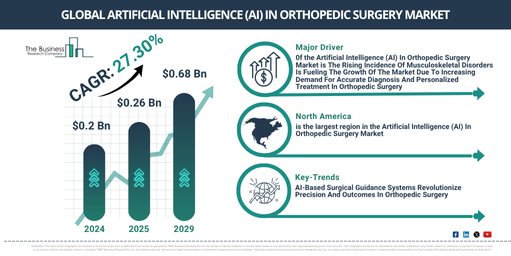
    In recent times, the market size for artificial intelligence (AI) in orthopedic surgery has seen significant growth. It is projected to expand from $0.2 billion in 2024 to $0.26 billion in 2025, demonstrating a compound annual growth rate (CAGR) of 27.7%. The substantial growth experienced in the past period can be accredited to the emergence of digital imaging technology, the increasing number of orthopedic surgeries performed, enhanced computational capacity, the growing accessibility to extensive datasets, and a rise in healthcare investment.

    In the upcoming years, the market size of artificial intelligence (ai) in orthopedic surgery is anticipated to witness significant growth, set to rise to $0.68 billion in 2029 at a compound annual growth rate (CAGR) of 27.3%. This expected growth during the prediction period can be credited to the increasing amalgamation of AI with robotic-assisted orthopedic operations, the expansion of personalized medicine, the emergence of real-time intraoperative AI analysis, the escalating employment of AI for predictive analytics, and the growing partnerships between AI developers. Among the future trends in the forecast period are progressions in imaging analysis, robotic-assisted procedures, AI-powered predictive structures, integration of virtual and augmented reality, and automated systems for patient monitoring.

    Download The Free Sample Report Here:

    https://www.thebusinessresearchcompany.com/sample.aspx?id=24470&type=smp

    #What Drivers Are Influencing Growth In The Artificial Intelligence (AI) In Orthopedic Surgery Market?

    The escalation in the occurrence of musculoskeletal disorders is anticipated to spur the growth of the artificial intelligence (AI) in orthopedic surgery market. A surge in these disorders, which include conditions influencing the muscles, bones, joints, tendons, or ligaments, is mostly caused by sedentary behaviors, leading to muscle weakness and joint strain. AI utilization in orthopedics assists in managing these disorders, by offering accurate early diagnosis through sophisticated image analysis and data patterns. It also provides personalized treatment programs and projects outcomes to improve patient care and recovery processes. In June 2024, data from the Australian Institute of Health and Welfare revealed that in 2022, 7.3 million individuals in Australia, which makes up 29% of the populace, were believed to be suffering from chronic musculoskeletal conditions. These conditions were responsible for or linked to 10,446 fatalities, equaling 40 deaths per 100,000 individuals, accounting for 5.5% of the total annual deaths. Consequently, the escalating prevalence of musculoskeletal disorders is powering the expansion of the artificial intelligence (AI) in orthopedic surgery market.

    What Are The Main Segments Identified In The Artificial Intelligence (AI) In Orthopedic Surgery Market Research?

    The artificial intelligence (AI) in orthopedic surgery market covered in this report is segmented –

    1) By Component Type: Software, Services, Hardware

    2) By Technology: Machine Learning, Natural Language Processing, Computer Vision, Context-Aware Computing

    3) By Anatomy: Knee, Hip, Spine, Other Anatomies

    4) By End-User: Hospitals, Orthopedic Clinics, Other End-Users

    Subsegments:

    1) By Software: Clinical Decision Support Systems (CDSS), Drug Interaction Software, Electronic Health Record (EHR) Integration Modules, Prescription Management Software, Patient Monitoring Software

    2) By Services: Consulting Services, Training and Education, Support and Maintenance, Implementation Services, Drug Distribution Services

    3) By Hardware: Robotic Surgical Systems, Handheld Navigation Devices, Wearable Monitoring Devices, Imaging Systems, Sensors and Actuators, Computing Infrastructure

    What Are The Leading Trends And Opportunities In The Artificial Intelligence (AI) In Orthopedic Surgery Sector?

    Leading enterprises in the AI orthopedic surgery market are shifting their focus towards cultivating advanced solutions such as AI-supported surgical direction systems, to boost surgical precision and enhance patient results. An AI-powered surgical direction system makes use of real-time information, imaging, and forecasting algorithms, offering surgeons accurate navigation and aiding their decision-making process during surgeries. This significantly elevates surgical accuracy and mitigates the possibilities of mistakes. For instance, Proprio, an American company that specializes in AI-driven surgical technology, introduced the Paradigm platform in April 2025, which secured clearance from the FDA. This platform facilitates real-time, three-dimensional, dynamic measurement and visualization of the anatomical structure during surgery. This pioneering step helps surgeons to instantly determine and quantify surgical results, thus removing the requirement of intraoperative X-rays or CT scans and reducing both the time lag and exposure to radiation. This technological advancement holds the potential to revolutionize surgical procedures, predominantly in spinal surgery, offering steady, data-based guidance and escalating patient results.

    Which Companies Play A Key Role In The Development Of The Artificial Intelligence (AI) In Orthopedic Surgery Market?

    Major companies operating in the artificial intelligence (AI) in orthopedic surgery market are Medtronic plc, Stryker Corporation, Zimmer Biomet Holdings Inc., Smith & Nephew PLC, Globus Medical Inc., Brainlab AG, Narayana Hrudayalaya Ltd, Proprio, Augmedics LTD, OrthAlign Inc., Caresyntax, Activ Surgical, THINK Surgical Inc., Perlove Medical, Pixee Medical, Formus Labs, Sensoria Health, Exer Labs Inc., PEEK HEALTH S.A., Monogram Technologies, Alexandra Hospital.

    Get The Full Report Here:

    https://www.thebusinessresearchcompany.com/report/artificial-intelligence-ai-in-orthopedic-surgery-global-market-report

    What Are The Key Regional Developments Shaping The Artificial Intelligence (AI) In Orthopedic Surgery Market?

    North America was the largest region in the AI in orthopedic surgery market in 2024. The regions covered in the artificial intelligence (AI) in orthopedic surgery market report are Asia-Pacific, Western Europe, Eastern Europe, North America, South America, Middle East, Africa.

    Request For A Customized Report:

    https://www.thebusinessresearchcompany.com/customise?id=24470&type=smp

    About The Business Research Company:

    With over 15000+ reports from 27 industries covering 60+ geographies, The Business Research Company has built a reputation for offering comprehensive, data-rich research and insights. Armed with 1,500,000 datasets, the optimistic contribution of in-depth secondary research, and unique insights from industry leaders, you can get the information you need to stay ahead in the game.

    Get in touch with us:

    The Business Research Company: https://www.thebusinessresearchcompany.com/

    Americas +1 310-496-7795

    Asia +44 7882 955267 & +91 8897263534

    Europe +44 7882 955267

    Email us at info@tbrc.info

    Follow us on:

    LinkedIn: https://in.linkedin.com/company/the-business-research-company

    YouTube: https://www.youtube.com/channel/UC24_fI0rV8cR5DxlCpgmyFQ

    Global Market Model: https://www.thebusinessresearchcompany.com/global-market-model
  • Outlook for Artificial Intelligence (AI) Facial Skin Analyzer Market: Key Developments and Future Strategies to 2029

    Outlook for Artificial Intelligence (AI) Facial Skin Analyzer Market: Key Developments and Future Strategies to 2029

    Claim your 30% discount on Global Market Reports with code ONLINE30. Limited time only.

    What Is the Current and Projected Market Size of the Artificial Intelligence (AI) Facial Skin Analyzer Industry?

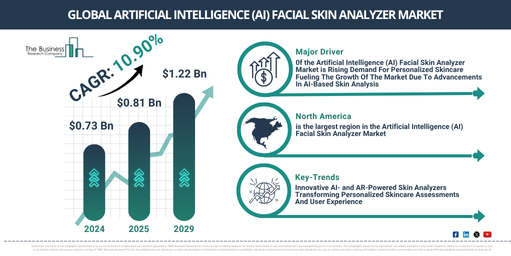
    In recent times, there has been a rapid increase in the size of the market for artificial intelligence (AI) facial skin analyzers. Projections suggest that it will expand from $0.73 billion in 2024 to $0.81 billion in 2025, resulting in a compound annual growth rate (CAGR) of 11.2%. The historic growth pattern can be traced back to factors such as increasing customer inclination towards personalized skincare, widespread usage in dermatology clinics, heightened awareness about skin health, the evolution of beauty tech in retail sectors, and the surge in smart device usage.

    In the coming years, the market size for AI facial skin analyzer is projected to witness swift growth, reaching $1.22 billion in 2029 with a 10.9% Compound Annual Growth Rate (CAGR). This growth projected in the forecast period is a result of factors such as the growing demand for custom skincare solutions, increased use of smart beauty gadgets, AI integration with teledermatology, the significant impact of social media on beauty trends, broadening of e-commerce platforms dealing with skincare tools, and increased consciousness regarding preventative skincare. Key trends within this forecasting period encompass improvements in deep learning algorithms, real-time mobile diagnosis, merging with virtual skincare consultations, custom product suggestions, multi-spectral imaging technology, cloud-based data interpretation, and the evolution in home beauty devices.

    Download The Free Sample Report Here:

    https://www.thebusinessresearchcompany.com/sample.aspx?id=24469&type=smp

    #Which Factors Are Currently Driving The Growth Of The Artificial Intelligence (AI) Facial Skin Analyzer Market?

    The anticipated surge in the artificial intelligence (AI) facial skin analyzer market can be attributed to the increasing need for personalized skincare solutions. Tailored skincare products and regimes catering to the distinct skin characteristics and problems of an individual fall under personalized skincare solutions. The usage of AI and skin examination technologies is augmenting in order to design products aiming at individual skin requirements. AI facial skin analyzers are pivotal in achieving personalized skincare regimes by precisely gauging individual skin conditions and providing data-informed, customised product and treatment suggestions. For instance, sales of skincare solutions escalated from 461.47 units in 2021 to 479.57 units in 2022, indicating consecutive yearly growth, as per the Connecticut Tree Protective Association, a non-profit organization based in the U.S. Hence, the elevated demand for personalized skincare solutions is fuelling the advancement of the artificial intelligence (AI) facial skin analyzer market.

    How Is The Global Artificial Intelligence (AI) Facial Skin Analyzer Market Structured In Terms Of Segments?

    The artificial intelligence (AI) facial skin analyzer market covered in this report is segmented –

    1) By Product Type: Portable, Desktop

    2) By Device Type: Mobile App, Web-Based Platform, Standalone Device

    3) By Technology: Artificial intelligence (AI)-Based, Machine Learning, Deep Learning

    4) By Application: Skincare, Aesthetic Treatments, Cosmetics, Medical Diagnosis

    5) By End User: Healthcare, Personal Care, Other End-Users

    Subsegments:

    1) By Portable: Handheld Skin Analyzers, Smartphone-Compatible Devices, Wearable Skin Analyzers

    2) By Desktop: Multi-Parameter Skin Analyzers, 3D Imaging Skin Analyzers, Clinical-Grade Skin Analyzers

    What Trends Are Currently Influencing Growth In The Artificial Intelligence (AI) Facial Skin Analyzer Market?

    Leading businesses in the AI facial skin analyzer market are prioritizing the development of innovative solutions, like AI and AR skin analyzers, to facilitate real-time, personalized skincare assessments, increase customer interaction, and improve accessibility in both consumer and professional categories. Using intelligent algorithms and enhanced visuals, these AI and AR analyzers evaluate skin health and demonstrate real-time skincare impact, empowering users to make knowledgeable decisions via personalized, interactive analyses. For example, in January 2024, Flipkart Private Limited, a commerce company based in India, launched the ModiFace Powered Skin Analyzer. This AI-based tool integrates effortlessly with Flipkart’s mobile platform, enabling users to execute a facial skin evaluation by simply snapping a selfie and responding to some basic queries. The technology examines crucial skin factors such as pores, wrinkles, pigmentation, acne, and firmness, utilizing sophisticated AI and AR. It then provides specific skincare suggestions customized to each user’s individual skin profile across seven phases, including cleanse, prepare, treat, moisturize, care, targeted, and protect.

    Who Are The Main Participants Shaping The Artificial Intelligence (AI) Facial Skin Analyzer Market Landscape?

    Major companies operating in the artificial intelligence (AI) facial skin analyzer market are Procter and Gamble, Johnson and Johnson, Unilever plc, L’Oréal S.A., Estée Lauder Companies Inc., Beiersdorf AG, Shiseido Company Limited, Amorepacific Corporation, JANUS Pro, Neutrogena Corporation, LUMINI LLC, FotoFinder Systems Inc., Oriflame Cosmetics S.A., Revieve Inc., Canfield Scientific Inc., DermaCompare, HiMirror, SkinVision B.V., Haut.AI, Skintelligent, LeongBeauty

    Get The Full Report Here:

    https://www.thebusinessresearchcompany.com/report/artificial-intelligence-ai-facial-skin-analyzer-global-market-report

    Which Region Currently Holds The Largest Share In The Artificial Intelligence (AI) Facial Skin Analyzer Market?

    North America was the largest region in the artificial intelligence (AI) facial skin analyzer market in 2024. Asia-Pacific is expected to be the fastest-growing region in the forecast period. The regions covered in the artificial intelligence (AI) facial skin analyzer market report are Asia-Pacific, Western Europe, Eastern Europe, North America, South America, Middle East, Africa.

    Request For A Customized Report:

    https://www.thebusinessresearchcompany.com/customise?id=24469&type=smp

    About The Business Research Company:

    With over 15000+ reports from 27 industries covering 60+ geographies, The Business Research Company has built a reputation for offering comprehensive, data-rich research and insights. Armed with 1,500,000 datasets, the optimistic contribution of in-depth secondary research, and unique insights from industry leaders, you can get the information you need to stay ahead in the game.

    Get in touch with us:

    The Business Research Company: https://www.thebusinessresearchcompany.com/

    Americas +1 310-496-7795

    Asia +44 7882 955267 & +91 8897263534

    Europe +44 7882 955267

    Email us at info@tbrc.info

    Follow us on:

    LinkedIn: https://in.linkedin.com/company/the-business-research-company

    YouTube: https://www.youtube.com/channel/UC24_fI0rV8cR5DxlCpgmyFQ

    Global Market Model: https://www.thebusinessresearchcompany.com/global-market-model
  • Key Market Drivers, Trends, and Forecast for the Global Arthroscopic Orthopedic Surgery Instrument Industry

    Key Market Drivers, Trends, and Forecast for the Global Arthroscopic Orthopedic Surgery Instrument Industry

    Claim your 30% discount on Global Market Reports with code ONLINE30. Limited time only.

    How Will the Arthroscopic Orthopedic Surgery Instrument Market Evolve in Terms of Growth and Size by 2029?

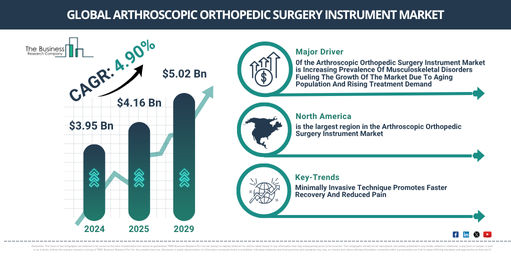
    In recent times, we’ve observed strong growth in the size of the arthroscopic orthopedic surgery instrument market. From $3.95 billion in 2024, the market is projected to expand to $4.16 billion in 2025, marking a compound annual growth rate (CAGR) of 5.1%. Factors that have contributed to this growth during the historic period include the increasing adoption of minimally invasive procedures, a surge in the elderly population, an increase in sports-related injuries and trauma cases, as well as heightened awareness about orthopedic health and rehabilitation.

    In the following years, the market size for arthroscopic orthopedic surgery instruments is projected to witness consistent growth, reaching to $5.02 billion by 2029 with a compound annual growth rate (CAGR) of 4.9%. This growth during the forecast period can be credited to an increased demand for ambulatory surgical procedures, escalating investments in healthcare infrastructure, and a rising prevalence of musculoskeletal conditions. Also, the expanding role of arthroscopy in orthopedic treatments has contributed to this growth. The forecast period is set to witness key trends like advancements in robotic-assisted arthroscopy, improved imaging technology, the introduction of innovative biodegradable arthroscopy instruments, advancements in wireless and smart surgical instruments, and the adoption of 3D printing for personalized tools.

    Download The Free Sample Report Here:

    https://www.thebusinessresearchcompany.com/sample.aspx?id=24468&type=smp

    What factors are expected to fuel Arthroscopic Orthopedic Surgery Instrument market growth in the coming years?

    The rise in musculoskeletal conditions is anticipated to stimulate the expansion of the arthroscopic orthopedic surgery instrument market. These disorders, which encompass issues affecting muscles, bones, joints, tendons, and ligaments, result in pain or hindered movement. The escalation of these disorders can be traced back to the aging population worldwide, given the natural progression of joint degeneration and diminishing bone density with time. Arthroscopic orthopedic surgery instruments contribute significantly to the treatment of these conditions. They allow for less invasive procedures, minimize tissue damage, and facilitate speedy recovery. The instruments also augment surgical accuracy, leading to enhanced patient results and increased efficiency in orthopedic care. For example, in January 2024, the Office for Health Improvement and Disparities, a UK-based government organization, reported that the prevalence of long-standing musculoskeletal conditions among self-reporting individuals aged 16 and above was 18.4% in 2023, a leap from 17.6% in 2022. Consequently, the rising prevalence of musculoskeletal disorders fuels the arthroscopic orthopedic surgery instrument market’s growth.

    What Are The Key Findings From The Segmentation Analysis Of The Arthroscopic Orthopedic Surgery Instrument Market?

    The arthroscopic orthopedic surgery instrument market covered in this report is segmented –

    1) By Type: Arthroscopic Shavers, Arthroscopic Scissors, Arthroscopic Probe, Arthroscopic Graspers, Arthroscopic Scalpels, Arthroscopic Cannulas

    2) By Product Design: Rigid Instruments, Flexible Instruments, Reusable Instruments, Single-Use Instruments

    3) By Application: Knee Surgery, Shoulder Surgery, Hip Surgery, Ankle Surgery, Elbow Surgery

    4) By End-User: Hospitals, Ambulatory Surgical Centers (ASCs), Orthopedic Clinics

    Subsegments:

    1) By Arthroscopic Shavers: Blade Shavers, Burr Shavers, Handpiece Shavers, Disposable Shavers, Reusable Shavers

    2) By Arthroscopic Scissors: Straight Scissors, Curved Scissors, Hook Scissors, Micro Scissors

    3) By Arthroscopic Probe: Straight Probes, Angled Probes, Calibrated Probes, Hook Probes

    4) By Arthroscopic Graspers: Straight Graspers, Curved Graspers, Rotating Graspers, Alligator Graspers, Punch Graspers

    5) By Arthroscopic Scalpels: Retractable Scalpels, Disposable Scalpels, Reusable Scalpels, Mini Scalpels

    6) By Arthroscopic Cannulas: Slotted Cannulas, Threaded Cannulas, Smooth Cannulas, Metal Cannulas, Plastic Cannulas

    Which Trends Are Expected To Shape The Future Of The Arthroscopic Orthopedic Surgery Instrument Market?

    Primary businesses in the arthroscopic orthopedic surgery equipment market, such as Arthrex, are concentrating their efforts on creating cutting-edge innovations. This includes minimally invasive procedures that provide quick recovery, boosting surgical accuracy, enhancing patient results, and thereby reducing the overall healthcare expenditures. Minimally invasive procedures with accelerated recovery are surgical practices that involve minor incisions and specific tools to mitigate tissue destruction. This results in less discomfort, decreased durations of hospital stays, and a more prompt return to regular activities. For example, in January 2024, Arthrex, an American company specializing in minimally invasive surgical technology, introduced TheNanoExperience.com, an online platform focused on the patient. The primary objective of this process is to alleviate pain and speed up recovery, allowing patients to get back to their normal activities quicker. Additionally, it offers comprehensive videos, testimonials, and procedural explanations to assist patients in making educated decisions regarding their healthcare.

    What Are The Most Active Companies In The Arthroscopic Orthopedic Surgery Instrument Market Today?

    Major companies operating in the arthroscopic orthopedic surgery instrument market are Johnson & Johnson, Medtronic plc, Stryker Corporation, Zimmer Biomet Holdings Inc., Olympus Corporation, Smith & Nephew plc, Shenzhen Mindray Bio-Medical Electronics Co. Ltd., Arthrex Inc., Globus Medical Inc., Karl Storz SE & Co. KG, Integra LifeSciences Holdings Corporation, CONMED Corporation, B. Braun Melsungen AG, Gauthier Biomedical Inc., Sklar Surgical Instruments Inc., GPC Medical Ltd., Medicon eG, Millennium Surgical Corp., Devesh Meditech Pvt. Ltd., Rudolf Medical GmbH + Co. KG, Genuine Medica Pvt. Ltd.

    Get The Full Report Here:

    https://www.thebusinessresearchcompany.com/report/arthroscopic-orthopedic-surgery-instrument-global-market-report

    Which Regional Markets Are Attracting The Most Investment In Arthroscopic Orthopedic Surgery Instrument?

    North America was the largest region in the arthroscopic orthopedic surgery instruments market in 2024. Asia-Pacific is expected to be the fastest-growing region in the forecast period. The regions covered in the arthroscopic orthopedic surgery instrument market report are Asia-Pacific, Western Europe, Eastern Europe, North America, South America, Middle East, Africa.

    Request For A Customized Report:

    https://www.thebusinessresearchcompany.com/customise?id=24468&type=smp

    About The Business Research Company:

    With over 15000+ reports from 27 industries covering 60+ geographies, The Business Research Company has built a reputation for offering comprehensive, data-rich research and insights. Armed with 1,500,000 datasets, the optimistic contribution of in-depth secondary research, and unique insights from industry leaders, you can get the information you need to stay ahead in the game.

    Get in touch with us:

    The Business Research Company: https://www.thebusinessresearchcompany.com/

    Americas +1 310-496-7795

    Asia +44 7882 955267 & +91 8897263534

    Europe +44 7882 955267

    Email us at info@tbrc.info

    Follow us on:

    LinkedIn: https://in.linkedin.com/company/the-business-research-company

    YouTube: https://www.youtube.com/channel/UC24_fI0rV8cR5DxlCpgmyFQ

    Global Market Model: https://www.thebusinessresearchcompany.com/global-market-model
  • Strategic Report on Appetite Control And Suppressants Market: Growth Opportunities and Emerging Challenges

    Strategic Report on Appetite Control And Suppressants Market: Growth Opportunities and Emerging Challenges

    Claim your 30% discount on Global Market Reports with code ONLINE30. Limited time only.

    What CAGR Is Anticipated for the Appetite Control And Suppressants Market Through 2029?

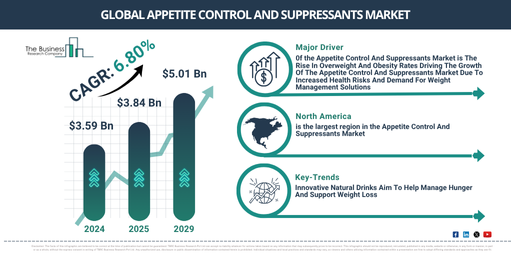
    The market size of appetite control and suppressants has significantly expanded lately. This sector will see an increase from $3.59 billion in 2024 to $3.84 billion in 2025, registering a compound annual growth rate (CAGR) of 7.1%. The impressive growth seen in the historical period is a result of heightened awareness of the health risks associated with obesity, the rising trend of natural and herbal supplements, the increasing occurrence of lifestyle diseases, augmented accessibility to over-the-counter weight loss aids, and the escalating inclination towards low-calorie diets and intermittent fasting.

    Anticipated robust growth is seen in the upcoming years in the appetite control and suppressants market, with an estimate of reaching around $5.01 billion by 2029. This translates to a compound annual growth rate (CAGR) of 6.8%. The surge during the projected period can be linked to the increased emphasis on preventive healthcare and weight control, escalating demand for bespoke nutrition and weight solutions, the adoption of vegan and keto diets, the rising trend of organic and clean-label products, along with the influential power of social media on body perceptions. Major trends for the projected period comprise the development of multi-target suppressants, the combination of appetite suppressants with behavioral therapy, incorporation with virtual health platforms, synthetic appetite suppressant innovations, and long-lasting formulation innovations.

    Download The Free Sample Report Here:

    https://www.thebusinessresearchcompany.com/sample.aspx?id=24467&type=smp

    What Market Forces Are Driving The Appetite Control And Suppressants Sector In 2025 And Beyond?

    The escalating incidences of overweight and obesity issues is anticipated to spur the expansion of the appetite control and suppressants market. Excessive body fat accumulating to levels harmful to health describes the conditions of overweight and obesity. The elevated levels of these conditions are a result of unhealthy eating habits rich in calories, sugars, and harmful fats, coupled with insufficient nutrient consumption. Appetite control and suppressants aid in managing these problems by curbing hunger signals, restricting calorie consumption, and promoting efficient weight regulation. For instance, data from the Centers for Disease Control and Prevention, a government agency in the US, indicated that in 2022, the country reported an adult obesity rate of 35% or more, which showed an increase from 19 in 2021. Consequently, the escalating rates of overweight and obesity problems are catalyzing the development of the appetite control and suppressants market.

    How Is The Global Appetite Control And Suppressants Market Categorized By Segments?

    The appetite control and suppressants market covered in this report is segmented –

    1) By Product Type: Prescription Appetite Suppressants, Over-The-Counter (OTC) Appetite Suppressants, Natural Or Herbal Appetite Suppressants, Meal Replacements And Shakes, Dietary Fiber Supplements

    2) By Form: Tablets And Capsules, Powders, Gummies And Chews, Liquids, Bars

    3) By Distribution Channel: Pharmacies And Drug Stores, Supermarkets And Hypermarkets, Online Retailers, Specialty Stores, Healthcare Providers And Clinics

    4) By End-User: Adults, Geriatric, Adolescents

    Subsegments

    1) By Prescription Appetite Suppressants: Phentermine, Lorcaserin (Belviq), Diethylpropion, Other Prescription Drugs

    2) By Over-The-Counter (OTC) Suppressants: Herbal Supplements, Fiber-Based Suppressants, Caffeine-Based Products, Meal Replacements

    3) By Natural or Herbal Appetite Suppressants: Green Tea Extract, Garcinia Cambogia, Glucomannan, Yerba Mate, Fenugreek, Conjugated Linoleic Acid

    4) Meal Replacements and Shakes: Protein Shakes, Meal Replacement Bars, Low-Calorie Shakes, High-Protein Smoothies, Keto Meal Replacements

    5) Dietary Fiber Supplements: Glucomannan, Psyllium Husk, Methylcellulose, Inulin, Beta-Glucan

    What Long-Term Trends Are Likely To Affect The Appetite Control And Suppressants Market?

    Key players in the appetite control and suppressants sector are prioritizing the creation of pioneering products like natural appetite suppressant beverages in a bid to provide safer and more efficient options for managing weight. These natural appetite suppressant drinks are concoctions derived from herbs, fruits, or fibers and can naturally temper hunger and manage cravings. An example is the introduction of Boost Pre-Meal Hunger Support, a natural appetite suppressant beverage, in December 2024 by Switzerland-based Nestlé S.A., a company renowned in the food and beverage industry. This product mimics the impact of weight reduction medications such as Ozempic and Wegovy. The drink, containing 45 calories and 10 grams of whey protein, is suggested to be taken 10 to 30 minutes prior to meals. The drink’s formula stimulates the body’s natural GLP-1 hormone response, reducing appetite and fostering feelings of fullness. It comprises quick-digesting peptides and whey protein microgels, prolonging satiety and thus making it perfect for individuals on weight reduction plans or those receiving GLP-1-based treatments.

    Which Firms Are Considered Leaders In The Appetite Control And Suppressants Market Space?

    Major companies operating in the appetite control and suppressants market are Nestlé S.A, Pfizer Inc., AbbVie Inc., Eli Lilly and Company, Amgen Inc., Novo Nordisk A/S, Herbalife Nutrition Ltd, Amway Corporation, GNC Holdings, Inc., Medifast Inc, Nature’s Sunshine Products, Inc., The Boots Company PLC, BPI Sports LLC, Grenade (UK) Limited, Currax Pharmaceuticals LLC, VIVUS Inc, Orexigen Therapeutics Inc, NOW Health Group Inc, Nutrabay Retail Private Limited, GAT Sport

    Get The Full Report Here:

    https://www.thebusinessresearchcompany.com/report/appetite-control-and-suppressants-global-market-report

    What Role Do Regional Policies And Investments Play In Appetite Control And Suppressants Market Expansion?

    North America was the largest region in the appetite control and suppressants market in 2024. Asia-Pacific is expected to be the fastest-growing region in the forecast period. The regions covered in the appetite control and suppressants market report are Asia-Pacific, Western Europe, Eastern Europe, North America, South America, Middle East, Africa.

    Request For A Customized Report:

    https://www.thebusinessresearchcompany.com/customise?id=24467&type=smp

    About The Business Research Company:

    With over 15000+ reports from 27 industries covering 60+ geographies, The Business Research Company has built a reputation for offering comprehensive, data-rich research and insights. Armed with 1,500,000 datasets, the optimistic contribution of in-depth secondary research, and unique insights from industry leaders, you can get the information you need to stay ahead in the game.

    Get in touch with us:

    The Business Research Company: https://www.thebusinessresearchcompany.com/

    Americas +1 310-496-7795

    Asia +44 7882 955267 & +91 8897263534

    Europe +44 7882 955267

    Email us at info@tbrc.info

    Follow us on:

    LinkedIn: https://in.linkedin.com/company/the-business-research-company

    YouTube: https://www.youtube.com/channel/UC24_fI0rV8cR5DxlCpgmyFQ

    Global Market Model: https://www.thebusinessresearchcompany.com/global-market-model
  • Industry Trends Show Antimetabolite Drug Market Set to Expand at 4.6% CAGR Until 2029

    Industry Trends Show Antimetabolite Drug Market Set to Expand at 4.6% CAGR Until 2029

    Claim your 30% discount on Global Market Reports with code ONLINE30. Limited time only.

    What Are the Latest Market Insights for the Antimetabolite Drug Industry?

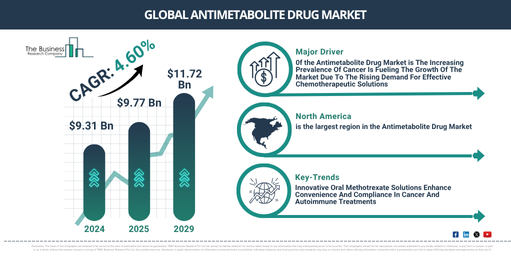
    In recent times, the market size of antimetabolite drugs has seen robust growth. The market which stood at $9.31 billion in 2024 is projected to expand to $9.77 billion in 2025, representing a compound annual growth rate (CAGR) of 5.0%. Factors causing this growth in the precedent period include the escalating cases of cancer, increased utilization of chemotherapy, broadening hospital infrastructure, government-led initiatives against cancer, and intensified efforts in early drug discovery.

    The market size for antimetabolite drugs is predicted to experience consistent expansion in the coming years, elevating to a value of $11.72 billion by 2029, with a Compound Annual Growth Rate (CAGR) of 4.6%. This anticipated growth during the forecast timeline can be credited to increasing acceptance of targeted therapies for cancer, advancement in personalized medication, expansion in the elderly population, government-subsidized healthcare expenditures, escalating rates of cancer screening and investment in the pharmaceutical sector. Crucial trends during the forecasted period comprise development in combination therapy, progress in formulations of oral antimetabolite, increased research and development in the field of oncology, the incorporation of immunotherapy, and a surge in telemedicine support for oncology.

    Download The Free Sample Report Here:

    https://www.thebusinessresearchcompany.com/sample.aspx?id=24466&type=smp

    What Forces Are Driving The Growth Of The Antimetabolite Drug Industry?

    The escalating occurrence of cancer is anticipated to drive the surge of the antimetabolite drug market in the future. Cancer, characterized by rapid, unchecked multiplication of abnormal cells that can harm surrounding tissues and organs, is on the rise mostly due to exposure to carcinogenic substances such as tobacco smoke. This leads to genetic mutations causing uncontrollable cell growth and formation of tumors. Antimetabolite drugs fight cancer by hindering DNA and RNA production, preventing the proliferation of cancer cells. They function by imitating natural metabolites to interrupt essential metabolic pathways, effectively putting a stop to tumor expansion. For example, the World Health Organization, an intergovernmental organization based in Switzerland, projected in February 2024 that by 2050, there would be over 35 million new cases of cancer, a 77% rise compared to the predicted 20 million cases in 2022. Thus, the escalating occurrence of cancer is contributing to the expansion of the antimetabolite drug market.

    What Is The Overview Of Market Segmentation In The Antimetabolite Drug Industry?

    The antimetabolite drug market covered in this report is segmented –

    1) By Type: Purine Analogues, Pyrimidine Analogues, Folic Acid Analogs, Other Types

    2) By Route Of Administration: Oral, Intravenous, Subcutaneous, Topical

    3) By Distribution Channel: Hospital Pharmacy, Retail Pharmacy, Online Pharmacy

    4) By Application: Cancer, Autoimmune Disorders, Organ Transplantation, Infectious Diseases

    5) By End-Use: Hospitals, Clinics, Homecare Settings

    Subsegments:

    1) By Purine Analogues: 6-Mercaptopurine (6-MP), Thioguanine (6-TG), Fludarabine, Cladribine, Pentostatin

    2) Pyrimidine Analogues: 5-Fluorouracil (5-FU), Capecitabine, Cytarabine (Ara-C), Gemcitabine, Decitabine

    3) By Folic Acid Analogs: Methotrexate, Pemetrexed, Raltitrexed, Pralatrexate

    4) By Other Types: Hydroxyurea, Trifluridine Or Tipiracil, Nelarabine, Azacitidine

    What Future Market Trends Are Projected For The Antimetabolite Drug Industry?

    Leading firms in the antimetabolite drug market are concentrating on the creation of sophisticated products like oral methotrexate solution, aiming to offer more flexible and effective cancer treatments. This liquid version of methotrexate simplifies swallowing and ensures precise dosage. It has applications in the treatment of both cancers and autoimmune conditions, inhibiting cell growth and altering the immune system’s functioning. Shorla Oncology, a pharmaceutical company based in Ireland, reported in October 2024 that they were extending Jylamvo, a product sanctioned by the US Food and Drug Administration, a U.S. governmental agency. It is tailored towards children suffering from acute lymphoblastic leukemia and polyarticular juvenile idiopathic arthritis, setting it apart as the sole liquid methotrexate that offers an easy-to-take and pleasing alternative for those battling with pill swallowing. Moreover, it provides an orange-flavored variant accompanied by a specialized dosing syringe for accurate measurement. It also boasts stability at room temperature for up to 90 days post-opening, eliminating the requirement for cooling, and an easy-to-use design making storage, preparation, and compliance simpler for both patients and caregivers.

    Who Are The Primary Players Operating Across The Global Antimetabolite Drug Market?

    Major companies operating in the antimetabolite drug market are Pfizer Inc., Johnson And  Johnson, F Hoffmann-La Roche Ltd., Merck & Co Inc., Bayer AG, Sanofi S.A., Bristol-Myers Squibb Company, AstraZeneca plc, Novartis AG, GlaxoSmithKline Plc, Eli Lilly and Company, Amgen Inc., Teva Pharmaceutical Industries, Fresenius Kabi AG, Aurobindo Pharma, Lupin Pharmaceuticals, Glenmark Pharmaceuticals, Torrent Pharmaceuticals, Natco Pharma, Shorla Oncology

    Get The Full Report Here:

    https://www.thebusinessresearchcompany.com/report/antimetabolite-drug-global-market-report

    Which Region Offers The Most Growth Potential For The Antimetabolite Drug Market Through 2029?

    North America was the largest region in the antimetabolite drug market in 2024. The regions covered in the antimetabolite drug market report are Asia-Pacific, Western Europe, Eastern Europe, North America, South America, Middle East, Africa.

    Request For A Customized Report:

    https://www.thebusinessresearchcompany.com/customise?id=24466&type=smp

    About The Business Research Company:

    With over 15000+ reports from 27 industries covering 60+ geographies, The Business Research Company has built a reputation for offering comprehensive, data-rich research and insights. Armed with 1,500,000 datasets, the optimistic contribution of in-depth secondary research, and unique insights from industry leaders, you can get the information you need to stay ahead in the game.

    Get in touch with us:

    The Business Research Company: https://www.thebusinessresearchcompany.com/

    Americas +1 310-496-7795

    Asia +44 7882 955267 & +91 8897263534

    Europe +44 7882 955267

    Email us at info@tbrc.info

    Follow us on:

    LinkedIn: https://in.linkedin.com/company/the-business-research-company

    YouTube: https://www.youtube.com/channel/UC24_fI0rV8cR5DxlCpgmyFQ

    Global Market Model: https://www.thebusinessresearchcompany.com/global-market-model
  • Competitive and Market Trend Analysis of Anti-Inflammatory Drugs Industry Through 2029

    Competitive and Market Trend Analysis of Anti-Inflammatory Drugs Industry Through 2029

    Claim your 30% discount on Global Market Reports with code ONLINE30. Limited time only.

    What Are the Forecasted Growth Rate and Market Size of the Anti-Inflammatory Drugs Market?

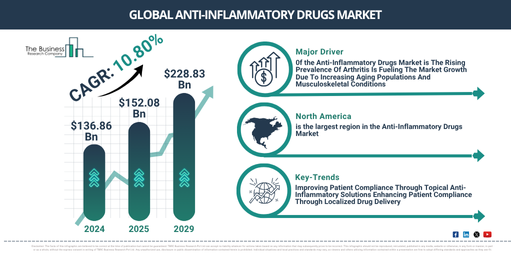
    The market size for anti-inflammatory drugs has seen a fast-paced growth lately. From $136.86 billion in 2024, the market is anticipated to expand to $152.08 billion in 2025, achieving a compound annual growth rate (CAGR) of 11.1%. The rapid growth seen in history can be associated with several factors including a growing senior population, a rising occurrence of chronic inflammation-related diseases, an increase in over-the-counter accessibility, heightened recognition of pain management, and the growth of overall healthcare infrastructure.

    The market for anti-inflammatory drugs is anticipated to experience substantial expansion in the coming years, reaching $228.83 billion by 2029 with a compound annual growth rate (CAGR) of 10.8%. The anticipated growth during this forecast period is attributed to factors such as the rising prevalence of autoimmune diseases, an increasing demand for individualized medicine, a growing elderly population, supportive governmental initiatives, and an increased preference for topical and targeted treatments. Future trends expected to impact the market during this period include innovations in biologic drugs, a shift towards biologics and biosimilars, telemedicine prescriptions, AI integration in drug discovery, research and development in new anti-inflammatory mechanisms, and advancements in targeted anti-inflammatory therapies.

    Download The Free Sample Report Here:

    https://www.thebusinessresearchcompany.com/sample.aspx?id=24465&type=smp

    Which Factor Is Shaping The Future Of The Anti-Inflammatory Drugs Market?

    The growth of the anti-inflammatory drugs market is expected to be stimulated by the rising prevalence of arthritis. Arthritis includes the inflammation of one or more joints, which can lead to pain, swelling, and stiffness that often intensifies with age. This increase in arthritis cases is primarily associated with an aging population since as people grow older, they naturally experience more wear and tear on their joints, which increases the risk of arthritis. Anti-inflammatory medications are crucial in addressing arthritis as they lessen joint inflammation and pain, improving patients’ mobility and making daily activities easier, thereby enhancing their overall life quality. For example, the Office for Health Improvement and Disparities, a UK-based government department, released data in March 2023 stating that in 2022, 17.6% of people aged 16 and above reported long-term musculoskeletal (MSK) conditions like arthritis or continuous back or joint problems. This was an increase from 17.0% in 2021. Consequently, the increasing occurrence of arthritis is fuelling the expansion of the anti-inflammatory drugs market.

    What Is The Segment-Wise Breakdown Of The Anti-Inflammatory Drugs Market?

    The anti-inflammatory drugs market covered in this report is segmented –

    1) By Drug Class: Steroids, Nonsteroidal Anti-Inflammatory Drugs (NSAIDs), Biologics And Biosimilars, Other Drug Classes

    2) By Route of Administration: Parenteral, Oral, Topical, Inhalation

    3) By Applications: Autoimmune Diseases, Respiratory Diseases, Other Diseases

    4) By Distribution Channel: Hospital Pharmacy, Retail Pharmacy, Online Pharmacy

    Subsegments:

    1) By Steroids: Corticosteroids, Mineralocorticoids

    2) By Nonsteroidal Anti-Inflammatory Drugs (NSAIDs): Non-Selective Nonsteroidal Anti-Inflammatory Drugs (NSAIDs), Selective Cyclooxygenase-2 (COX-2) Inhibitors

    3) By Biologics And Biosimilars: Tumor Necrosis Factor (TNF) Inhibitors, Interleukin (IL) Inhibitors, Janus Kinase (JAK) Inhibitors, Other Biologics And Biosimilars

    4) By Other Drug Classes: Disease-Modifying Anti-Rheumatic Drugs (DMARDs), Immunosuppressants, Antihistamines

    Which Trends Are Redefining The Future Landscape Of The Anti-Inflammatory Drugs Industry?

    The focus has shifted towards the creation of groundbreaking topical solutions within the anti-inflammatory drugs market, with numerous prominent firms endeavoring to enhance targeted delivery and patient adherence. A topical solution, which is a liquid-based medication applied right to the skin or affected region, streamlines the delivery of active elements of the anti-inflammatory drugs, reducing inflammation on-site while limiting the systemic side effects. In an illustrative case in December 2022, Lupin Limited, an Indian pharmaceutical firm, launched the authorized generic equivalent of PENNSAID (Diclofenac Sodium Topical Solution, 2% w/w) manufactured by Horizon Pharma Therapeutics, in the United States. This was aimed at boosting its U.S. generic range and augmenting the availability of reasonably priced anti-inflammatory remedies. This non-steroidal anti-inflammatory drug, meant to alleviate osteoarthritis-related knee pain, affords localized relief upon topical application and circumscribes systemic complications commonplace with orally administered NSAIDs.

    Which Companies Hold The Largest Market Share In The Anti-Inflammatory Drugs Sector?

    Major companies operating in the anti-inflammatory drugs market are Merck & Co. Inc., AbbVie Inc., Bayer AG, Novartis AG, Sanofi S.A., Bristol-Myers Squibb Company, AstraZeneca plc, Gilead Sciences Inc., Amgen Inc., Regeneron Pharmaceuticals Inc., Biogen Inc., Vertex Pharmaceuticals Inc., UCB S.A., Sun Pharmaceutical Industries Ltd., Aurobindo Pharma Limited, Dr. Reddy’s Laboratories, Cipla Limited, Cadila Pharmaceuticals, Samsung Bioepis, Lupin Limited

    Get The Full Report Here:

    https://www.thebusinessresearchcompany.com/report/anti-inflammatory-drugs-global-market-report

    How Does Regional Performance Compare Across The Anti-Inflammatory Drugs Industry?

    North America was the largest region in the anti-inflammatory drugs market in 2024. Asia-Pacific is expected to be the fastest-growing region in the forecast period. The regions covered in the anti-inflammatory drugs market report are Asia-Pacific, Western Europe, Eastern Europe, North America, South America, Middle East, Africa.

    Request For A Customized Report:

    https://www.thebusinessresearchcompany.com/customise?id=24465&type=smp

    About The Business Research Company:

    With over 15000+ reports from 27 industries covering 60+ geographies, The Business Research Company has built a reputation for offering comprehensive, data-rich research and insights. Armed with 1,500,000 datasets, the optimistic contribution of in-depth secondary research, and unique insights from industry leaders, you can get the information you need to stay ahead in the game.

    Get in touch with us:

    The Business Research Company: https://www.thebusinessresearchcompany.com/

    Americas +1 310-496-7795

    Asia +44 7882 955267 & +91 8897263534

    Europe +44 7882 955267

    Email us at info@tbrc.info

    Follow us on:

    LinkedIn: https://in.linkedin.com/company/the-business-research-company

    YouTube: https://www.youtube.com/channel/UC24_fI0rV8cR5DxlCpgmyFQ

    Global Market Model: https://www.thebusinessresearchcompany.com/global-market-model
  • Global Antibacterial Orthopedic Implant Market Landscape: Trends and Market Share to 2029

    Global Antibacterial Orthopedic Implant Market Landscape: Trends and Market Share to 2029

    Claim your 30% discount on Global Market Reports with code ONLINE30. Limited time only.

    What Is the Estimated Industry Valuation for the Antibacterial Orthopedic Implant Sector?

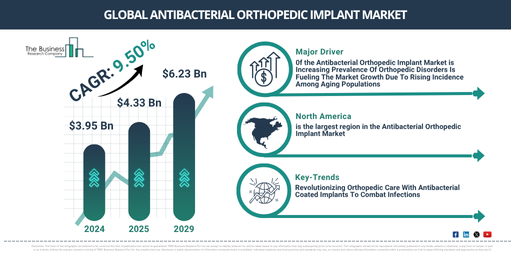
    The market for antibacterial orthopedic implants has expanded significantly in recent years. From a value of $3.95 billion in 2024, it is predicted to rise to $4.33 billion in 2025, reflecting a compound annual growth rate (CAGR) of 9.7%. This growth during the historical period is attributed to factors such as increased orthopedic injuries, a growing elderly population, an increased rate of post-surgical infections, a heightened demand for trauma fixation procedures, and the embrace of minimally invasive orthopedic procedures.

    The market for antibacterial orthopedic implants is anticipated to experience considerable growth in the coming years, with projections suggesting a worth of $6.23 billion by 2029, and a compound annual growth rate (CAGR) of 9.5%. The projected growth during this forecast period stems from the rising demand for implants resistant to infection, an increase in joint replacement procedures, heightened awareness around hospital-induced infections, governmental efforts to control infection, and the uptick in usage of silver-ion based implants. The trend forecast for this period indicates technological innovation in antibacterial coatings, progress in the materials used for implants, the addition of nanotechnology to implant procedures, a move towards biodegradable antibacterial coatings, and the creation of patient-specific 3d-printed implants.

    Download The Free Sample Report Here:

    https://www.thebusinessresearchcompany.com/sample.aspx?id=24464&type=smp

    What Forces Are Driving The Growth Of The Antibacterial Orthopedic Implant Market?

    The growth of the antibacterial orthopedic implant market is set to surge due to the rising prevalence of orthopedic conditions. These conditions, encompassing maladies affecting the musculoskeletal system such as bones, joints, muscles, tendons, and ligaments, are becoming increasingly common largely due to an aging population. Older individuals are naturally more susceptible to orthopedic disorders like osteoarthritis, osteoporosis and joint deterioration resulting from the gradual wear and tear on bones and joints. Antibacterial orthopedic implants can mitigate these issues by warding off post-surgery infections, facilitating a quicker recovery, and boosting the overall effectiveness of implant methods. In support of this, the Office for Health Improvement and Disparities, a government department in the UK, reported in March 2023 that 17.6% of people aged 16 and above disclosed having a chronic musculoskeletal condition like arthritis or consistent back/joint problems in 2022. This is a notable increase from the 17.0% recorded in 2021. Consequently, the escalating prevalence of orthopedic disorders is fueling the expansion of the antibacterial orthopedic implant market.

    How Is The Antibacterial Orthopedic Implant Industry Segmented Across Key Parameters?

    The antibacterial orthopedic implant market covered in this report is segmented –

    1) By Implant Type: Antibacterial Bone Cement, Antibacterial Bone Screws, Antibacterial Bone Plates, Antibacterial Joint Implants, Antibacterial Spinal Implants

    2) By Antibacterial Agent: Silver, Chlorhexidine, Triclosan, Iodine, Vancomycin

    3) By Material Type: Metallic Implants, Polymeric Implants, Ceramic Implants, Composites

    4) By Application: Joint Replacement, Trauma, Spine, Other Applications

    5) By End User: Hospitals, Ambulatory Surgical Centers, Clinics, Academic And Research Institutes, Defense And Military

    Subsegments:

    1) By Antibacterial Bone Cement: High-Viscosity Bone Cement, Low-Viscosity Bone Cement, Medium-Viscosity Bone Cement

    2) By Antibacterial Bone Screws: Titanium-Based Bone Screws, Stainless Steel-Based Bone Screws, Biodegradable Bone Screws

    3) By Antibacterial Bone Plates: Locking Compression Plates (LCP), Dynamic Compression Plates (DCP), Reconstruction Plates, Bone Fixation Plates

    4) By Antibacterial Joint Implants: Antibacterial Hip Implants, Antibacterial Knee Implants, Antibacterial Shoulder Implants, Antibacterial Elbow Implants

    5) By Antibacterial Spinal Implants: Spinal Fusion Implants, Spinal Rods And Screws, Intervertebral Discs, Spinal Spacer Implants

    What Notable Trends Are Shaping The Direction Of The Antibacterial Orthopedic Implant Market?

    Leading corporations within the antibacterial orthopedic implant market are channeling their resources towards producing innovative products like antibacterial coated implants, in an effort to minimize infection risks and enhance patient results. These antibacterial coated implants are essentially standard medical implants that have been coated with an antibacterial substance to inhibit bacterial propagation and decrease infection risks, thereby boosting healing rates and long-term efficacy. In April 2024, Onkos Surgical Inc., a medical equipment manufacturer based in the US, acquired approval from the U.S. Food & Drug Administration (FDA) for its Onkos Surgical antibacterial coated implants, a major achievement for the company. This endorsement allows the company to commercially distribute its technology developed to address the rising tide of bacterial contamination issues in orthopedic implants, particularly in high-risk fields like tumor and revision surgeries. The company’s exclusive coating has been confirmed to be bactericidal, achieving a kill rate of 99.999% in in-vitro tests, thus presenting a potential solution to circumvent critical complications like implant failure, infection, and amputation.

    Which Companies Currently Dominate The Competitive Landscape In The Antibacterial Orthopedic Implant Industry?

    Major companies operating in the antibacterial orthopedic implant market are Stryker Corporation, Zimmer Biomet Holdings Inc., Smith & Nephew plc, DePuy Synthes Inc., Exactech Inc., MicroPort Orthopedics Inc., Tegra Medical LLC, Implantcast GmbH, aap Implantate AG, Accentus Medical Ltd., Onkos Surgical Inc., BONESUPPORT AB, Heraeus Medical GmbH, Promimic AB, Silver Bullet Therapeutics Inc., TEKNIMED S.A.S., BioMedtrix LLC, BioGate AG, Tecres S.p.A., Kyocera Medical Technologies Inc.

    Get The Full Report Here:

    https://www.thebusinessresearchcompany.com/report/antibacterial-orthopedic-implant-global-market-report

    Which Geographic Regions Are Driving Demand In The Antibacterial Orthopedic Implant Market?

    North America was the largest region in the antibacterial orthopedic implant market in 2024. Asia-Pacific is expected to be the fastest-growing region in the forecast period. The regions covered in the antibacterial orthopedic implant market report are Asia-Pacific, Western Europe, Eastern Europe, North America, South America, Middle East, Africa.

    Request For A Customized Report:

    https://www.thebusinessresearchcompany.com/customise?id=24464&type=smp

    About The Business Research Company:

    With over 15000+ reports from 27 industries covering 60+ geographies, The Business Research Company has built a reputation for offering comprehensive, data-rich research and insights. Armed with 1,500,000 datasets, the optimistic contribution of in-depth secondary research, and unique insights from industry leaders, you can get the information you need to stay ahead in the game.

    Get in touch with us:

    The Business Research Company: https://www.thebusinessresearchcompany.com/

    Americas +1 310-496-7795

    Asia +44 7882 955267 & +91 8897263534

    Europe +44 7882 955267

    Email us at info@tbrc.info

    Follow us on:

    LinkedIn: https://in.linkedin.com/company/the-business-research-company

    YouTube: https://www.youtube.com/channel/UC24_fI0rV8cR5DxlCpgmyFQ

    Global Market Model: https://www.thebusinessresearchcompany.com/global-market-model
  • Comprehensive Forecast: Anti-Allergy Medicine Market Share, Growth, and Opportunities Through 2029

    Comprehensive Forecast: Anti-Allergy Medicine Market Share, Growth, and Opportunities Through 2029

    Claim your 30% discount on Global Market Reports with code ONLINE30. Limited time only.

    How Large Is the Anti-Allergy Medicine Market Expected to Be in 2029?

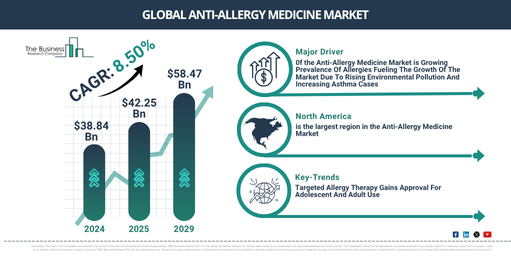
    In the past few years, the anti-allergy medicine market has witnessed substantial growth. This market, valued at $38.84 billion in 2024, is projected to reach $42.25 billion in 2025, indicating a compound annual growth rate (CAGR) of 8.8%. Factors contributing to such historic growth include an increased incidence of allergic diseases, heightened awareness about allergy treatments, elevated use of over-the-counter anti-allergy medicines, development of healthcare infrastructures, and advancements in diagnostic technologies.

    In the forthcoming years, the anti-allergy medicine market is predicted to witness robust growth. By 2029, its value is projected to surge to $58.47 billion, growing at a compound annual growth rate (CAGR) of 8.5%. Factors credited for this prospective growth during the forecast period include a global increase in allergy instances, a burgeoning demand for quick-acting anti-allergy medications, a growing older population, expansion of online pharmaceutical outlets, and heightened government efforts towards allergy awareness. Key trends anticipated during the forecast period involve technological progression in drug delivery systems, novel developments in non-sedating antihistamines, advancements in personalized allergy therapy, efforts in research and development pertaining to biologics for allergies, as well as the incorporation of digital health tools for managing allergies.

    Download The Free Sample Report Here:

    https://www.thebusinessresearchcompany.com/sample.aspx?id=24463&type=smp

    What Are The Contributors To Demand In The Anti-Allergy Medicine Market?

    The anti-allergy medicine market’s growth is anticipated to soar due to the rising occurrence of allergies. These unwanted immune reactions to allergens like pollen, dust mites, food, or pet dander can cause symptoms from simple discomfort to dangerous, potentially fatal responses. Common allergies include hay fever, asthma, eczema, food allergies, and allergic rhinitis. The escalating allergy rate is linked to increased environmental pollution which weakens the immune system, making it more susceptible to common allergens. Anti-allergy drugs play a vital role for people with allergy conditions like hay fever, asthma, and eczema, by providing specific relief from allergens. These medicines minimize the immune system’s exaggerated responses by inhibiting histamines and other triggers, thereby enhancing daily comfort and life quality. For instance, the Centers for Disease Control and Prevention, a government agency based in the US, reported in November 2024 that there was an increase in asthma patients from 24,963,874 in 2021 to 26,799,588 in 2022. Thus, the increasing incidence of allergies propels the growth of the anti-allergy medicine market.

    What Segmentation Categories Are Included In The Anti-Allergy Medicine Market Analysis?

    The anti-allergy medicine market covered in this report is segmented –

    1) By Drug Class: Antihistamines, Corticosteroids, Decongestants, Leukotriene Inhibitors, Mast Cell Stabilizers, Other Drug Classes

    2) By Type Of Allergy: Seasonal Allergies, Perennial Allergies, Food Allergies, Skin Allergies, Insect Sting Allergies

    3) By Formulation: Tablets, Capsules, Syrups, Nasal Sprays, Eye Drops, Injectables

    4) By Application: Online Pharmacy, Hospital, Offline Pharmacy, Clinic, Other Applications

    5) By End User: Children, Adults, Geriatric Population, Pregnant Women

    Subsegments:

    1) By Antihistamines: First-Generation Antihistamines, Second-Generation Antihistamines, Third-Generation Antihistamines

    2) By Corticosteroids: Oral Corticosteroids, Nasal Corticosteroids, Inhaled Corticosteroids, Topical Corticosteroids

    3) By Decongestants: Oral Decongestants, Nasal Spray Decongestants, Topical Decongestants

    4) By Leukotriene Inhibitors: Leukotriene Receptor Antagonists, Leukotriene Synthesis Inhibitors

    5) By Mast Cell Stabilizers: Cromolyn Sodium, Nedocromil Sodium

    6) By Other Drug Classes: Immunotherapy Agents, Biologics, Monoclonal Antibodies

    What Upcoming Trends Are Expected To Impact The Anti-Allergy Medicine Market Globally?

    In the anti-allergy medicine market, leading firms are concentrating on creating cutting-edge therapies and obtaining approvals such as monoclonal antibody therapies, which can offer targeted treatment, enhance effectiveness, lessen side effects, and cater to severe and chronic allergic conditions. These unique therapies are lab-generated proteins in imitation of the immune system’s capacity to counter harmful allergens, effectively targeting and obstructing immune pathways involved in allergic responses and providing enduring precision relief. For example, Galderma SA, a Swiss pharmaceutical company, was given the go-ahead by the FDA in December 2024 for Nemluvio (nemolizumab-ilto), a monoclonal antibody, intended for treating adults and children over 12 with moderate to severe atopic dermatitis in combination with topical corticosteroids and/or calcineurin inhibitors. This product functions as an antagonist for interleukin-31 receptor, blocking IL-31 signaling, a primary driver for inflammation and itch in atopic dermatitis, hence fittingly reducing symptoms and enhancing skin condition.

    Who Are The Top-Ranked Companies In The Anti-Allergy Medicine Market Today?

    Major companies operating in the anti-allergy medicine market are Pfizer Inc., Johnson & Johnson, F. Hoffmann-La Roche AG, Merck & Co. Inc., Bayer AG, Sanofi S.A., AstraZeneca plc, Novartis AG, GSK plc, Amgen Inc., Teva Pharmaceutical Industries Ltd., Regeneron Pharmaceuticals Inc., Perrigo Company plc, Cipla Limited, Dr. Reddy’s Laboratories, Lupin Limited, Zydus Lifesciences Limited, Takeda Pharmaceutical Company Limited, Torrent Pharmaceuticals Ltd., ALK-Abelló A/S, Torii Pharmaceutical Co. Ltd., Biomay Aktiengesellschaft, Kaléo Inc., Immunomic Therapeutics Inc., Circassia Group plc, Sun Pharmaceutical Industries Ltd., Anergis S.A., Aravax Pty Ltd., DBV Technologies S.A., Desentum Oy.

    Get The Full Report Here:

    https://www.thebusinessresearchcompany.com/report/anti-allergy-medicine-global-market-report

    How Is Anti-Allergy Medicine Market Adoption Varying Across Different Regions And Sectors?

    North America was the largest region in the anti-allergy medicine market in 2024. Asia-Pacific is expected to be the fastest-growing region in the forecast period. The regions covered in the anti-allergy medicine market report are Asia-Pacific, Western Europe, Eastern Europe, North America, South America, Middle East, Africa.

    Request For A Customized Report:

    https://www.thebusinessresearchcompany.com/customise?id=24463&type=smp

    About The Business Research Company:

    With over 15000+ reports from 27 industries covering 60+ geographies, The Business Research Company has built a reputation for offering comprehensive, data-rich research and insights. Armed with 1,500,000 datasets, the optimistic contribution of in-depth secondary research, and unique insights from industry leaders, you can get the information you need to stay ahead in the game.

    Get in touch with us:

    The Business Research Company: https://www.thebusinessresearchcompany.com/

    Americas +1 310-496-7795

    Asia +44 7882 955267 & +91 8897263534

    Europe +44 7882 955267

    Email us at info@tbrc.info

    Follow us on:

    LinkedIn: https://in.linkedin.com/company/the-business-research-company

    YouTube: https://www.youtube.com/channel/UC24_fI0rV8cR5DxlCpgmyFQ

    Global Market Model: https://www.thebusinessresearchcompany.com/global-market-model
  • Future Demand and Leading Companies Shaping the Anti-Acne Dermal Patch Market to 2029

    Future Demand and Leading Companies Shaping the Anti-Acne Dermal Patch Market to 2029

    Claim your 30% discount on Global Market Reports with code ONLINE30. Limited time only.

    What Is the Outlook for the Anti-Acne Dermal Patch Market Heading Into 2029?

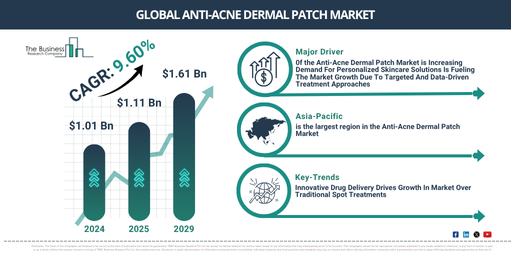
    In recent years, the anti-acne dermal patch market has seen marked growth. The projected growth will see this figure rise from $1.01 billion in 2024 to $1.11 billion in 2025, sporting a compound annual growth rate (CAGR) of 9.9%. The growth experienced in the historical period is due to an increased occurrence of acne in teenagers, higher demand for over-the-counter skin care treatments, a heightened knowledge about skincare cleanliness, an intensified societal pressure surrounding facial acne, and a surge in the use of beauty products causing skin problems.

    In the upcoming years, the anti-acne dermal patch market is projected to experience robust growth, ballooning to $1.61 billion by 2029 with a 9.6% compound annual growth rate (CAGR). This growth during the forecasted period is linked to factors such as the increasing preference for simple skincare regimens, the rise in popularity of vegan and cruelty-free skincare alternatives, the broadening reach of e-commerce platforms, the growing sway of beauty influencers on social media, and a rising demand for non-invasive skin treatments. The same factors will continue to be major trends influencing the market in the forecast period.

    Download The Free Sample Report Here:

    https://www.thebusinessresearchcompany.com/sample.aspx?id=24462&type=smp

    Which Factors Are Pushing The Anti-Acne Dermal Patch Market Forward?

    The anti-acne dermal patch market is anticipated to thrive due to the burgeoning demand for personalized skincare solutions. Personalized skincare encompasses products and regimens that cater specifically to an individual’s distinct skin type, concerns, and lifestyle, crafted through data-backed analysis. The surge in demand predominantly stems from heightened consumer consciousness about their unique skin needs, leading to the pursuit of products specifically designed for their skin type, concerns, and lifestyle to achieve superior and targeted outcomes. The incorporation of anti-acne dermal patches into personalized skincare offers customised treatments based on individual skin issues, diminishes skin irritation and increases the efficacy of treatment by managing ingredient release, precise application, and immediate response to skin conditions. This concurs with the rising trend towards bespoke dermatological care. For example, personal care products and services, as per the Bureau of Labor Statistics, a government agency in the US, witnessed a remarkable augmentation of 12.3% in 2022, following a prior expansion of 19.3% in 2021. Hence, the growing demand for personalized skincare solutions is the driving force behind the expansion of the anti-acne dermal patch market.

    Which Segment Held The Largest Share In The Anti-Acne Dermal Patch Market In 2025?

    The anti-acne dermal patch market covered in this report is segmented –

    1) By Product Type: Hydrocolloid, Microneedle, Other Product Types

    2) By Source: Bovine Collagen, Marine Collagen, Pork Collagen, Chicken Collagen

    3) By Application: Cosmetics And Personal Care, Food And Beverages, Health And Nutrition, Pharmaceuticals, Other Applications

    4) By End-User: Men, Women

    Subsegments:

    1) By Hydrocolloid: With Salicylic Acid, With Tea Tree Oil, Plain Hydrocolloid (Drug-Free), Tinted Hydrocolloid, Waterproof Hydrocolloid

    2) By Microneedle: Hyaluronic Acid-Based, Niacinamide-Based, Retinol-Based, Peptide-Infused, Multi-Ingredient

    3) By Other Product Types: Silicone-Based Patches, Charcoal-Infused Patches, Clay-Based Patches, Transparent Film Patches, Herbal Or Botanical Extract-Based Patches

    How Are Key Trends Driving Expansion In The Anti-Acne Dermal Patch Industry?

    Leading firms in the anti-acne dermal patch market are channeling their efforts towards the creation of progressive solutions such as microdart delivery systems. These are high-end skincare technologies that use minuscule, dissolvable microneedles to carry potent compounds into the skin. These systems enhance acne treatments by piercing the skin’s surface and discharging components that combat acne directly into the troubled region, diminishing inflammation and hastening recovery. For example, Starface, a skincare company based in the US, unveiled its Micro-Cloud patches in January 2023. These patches use microdart delivery technology to combine hydrocolloid protection with calculated amounts of salicylic acid, niacinamide, and hyaluronic acid to tackle imminent breakouts before they fully surface. The microdarts liquefy on application, dispersing acne-combating compounds into the skin to alleviate inflammation, soothe redness, and expedite healing. This cutting-edge method not only stops pimples from surfacing but also provides a more accurate and efficient treatment compared to traditional spot treatments. This showcases the escalating trend among influential companies to incorporate sophisticated delivery systems in anti-acne dermal patches.

    Which Organizations Are Driving Progress In The Anti-Acne Dermal Patch Industry?

    Major companies operating in the anti-acne dermal patch market are 3M Company, Neogen Dermalogy Co. Ltd., Neutrogena Corporation, Redcliffe Hygiene Private Limited, Plix Life Private Limited, Peace Out Skincare Inc., Julep Beauty Inc., Peach and Lily Inc., Dr. Jart+, Innisfree Corporation, Rael Inc., Clearsil LLC, Mountainor Healthcare, Alba Botanica, Patchology LLC, Truly Organic LLC, Starface World Inc., The Inkey List Limited, Gush Beauty, Lely’s Acne Pimple Patches

    Get The Full Report Here:

    https://www.thebusinessresearchcompany.com/report/anti-acne-dermal-patch-global-market-report

    Which Region Is Expected To Experience The Highest Growth In The Anti-Acne Dermal Patch Industry?

    Asia-Pacific was the largest region in the anti-acne dermal patch market in 2024. North America is expected to be the fastest-growing region in the forecast period. The regions covered in the anti-acne dermal patch market report are Asia-Pacific, Western Europe, Eastern Europe, North America, South America, Middle East, Africa.

    Request For A Customized Report:

    https://www.thebusinessresearchcompany.com/customise?id=24462&type=smp

    About The Business Research Company:

    With over 15000+ reports from 27 industries covering 60+ geographies, The Business Research Company has built a reputation for offering comprehensive, data-rich research and insights. Armed with 1,500,000 datasets, the optimistic contribution of in-depth secondary research, and unique insights from industry leaders, you can get the information you need to stay ahead in the game.

    Get in touch with us:

    The Business Research Company: https://www.thebusinessresearchcompany.com/

    Americas +1 310-496-7795

    Asia +44 7882 955267 & +91 8897263534

    Europe +44 7882 955267

    Email us at info@tbrc.info

    Follow us on:

    LinkedIn: https://in.linkedin.com/company/the-business-research-company

    YouTube: https://www.youtube.com/channel/UC24_fI0rV8cR5DxlCpgmyFQ

    Global Market Model: https://www.thebusinessresearchcompany.com/global-market-model
  • 2025–2029 Anhydrous Lactose Market Outlook: Regional Trends and Growth Forecast

    2025–2029 Anhydrous Lactose Market Outlook: Regional Trends and Growth Forecast

    Claim your 30% discount on Global Market Reports with code ONLINE30. Limited time only.

    What Does the Forecast Indicate for the Anhydrous Lactose Market From 2025 to 2029?

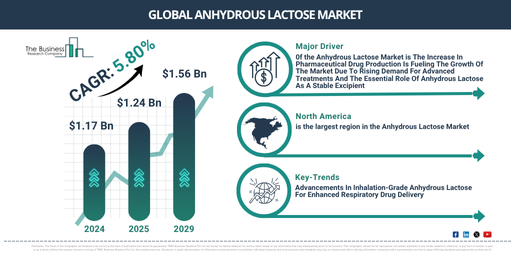
    In the last few years, the anhydrous lactose market has seen significant expansion. The market is set to increase from $1.17 billion in 2024 to $1.24 billion in 2025, with a compound annual growth rate (CAGR) of 6.1%. The historical growth of this market is due to factors such as increasing demand for infant formula production, growth in the pharmaceutical excipient industry, more extensive dairy processing operations, an upsurge in the confectionery and bakery usage, and advancements in the food formulations industry’s shelf-stability requirements.

    In the ensuing years, a substantial growth is anticipated in the market size of anhydrous lactose, escalating to $1.56 billion in 2029 with an annual compound growth rate (CAGR) of 5.8%. The predicted growth in the coming period is due to factors such as the increasing use in sports nutrition and dietary supplements, burgeoning investments in pharmaceutical research and expansions in lactose-free and modified lactose products. Additional contributing elements involve technological progress in lactose refinement and elevating demand in emerging economies. The upcoming period will also witness increased demand for pharmaceutical-grade lactose, improvements in lactose cleansing technology, the expanding application in infant formula, and nutritional products along with the growth of lactose-based excipients for regulated drug release. There’s also a rising trend of using anhydrous lactose in the food and beverage industry to enhance texture.

    Download The Free Sample Report Here:

    https://www.thebusinessresearchcompany.com/sample.aspx?id=24461&type=smp

    What Elements Are Contributing To Growth In The Anhydrous Lactose Market?

    The growth of the anhydrous lactose market is projected to be driven by the rise in pharmaceutical drug manufacturing. This systematic production process of drugs, under tight supervision, is done to ensure the safety, efficacy, and quality of medicines for treatment. The escalating numbers in the aging population are fueling the increase in pharmaceutical drug manufacturing due to an increased need for advanced treatments dealing with chronic diseases effectively. Anhydrous lactose is a go-to choice in pharmaceutical drug production, primarily serving as a filler and binder. The absence of moisture in it improves the durability and lifespan of tablets and capsules, thereby providing consistent drug delivery and quality. For instance, data from the European Federation of Pharmaceutical Industries and Associations (EFPIA), a Belgium-based trade association representing Europe’s pharmaceutical industry, reveals that the total production of pharmaceuticals in Europe reached €390,000 million ($422,803 million) in June 2023, showing an increase from €363,300 million ($393,857 million) in 2022. Consequently, the growth of the anhydrous lactose market is being propelled by the upsurge in pharmaceutical drug production.

    Which Segments Are Detailed In The Global Anhydrous Lactose Market Report?

    The anhydrous lactose market covered in this report is segmented –

    1) By Product Type: Edible Lactose, Pharmaceutical Lactose, Technical Lactose

    2) By Form: Powder, Granules, Tablets

    3) By Distribution Channel: Online Retail, Supermarkets Or Hypermarkets, Specialty Stores, Pharmacies

    4) By Application: Pharmaceutical Excipients, Lyophilized Products, Formula For Baby Food, Other Applications

    5) By End-User: Food Industry, Pharmaceutical Industry, Animal Feed Industry, Cosmetic Industry, Other End-Users

    Subsegments:

    1) By Edible Lactose: Infant Formula, Baked Goods, Confectionery, Dairy Products, Dietary Supplements

    2) By Pharmaceutical Lactose: Direct Compression Grade, Inhalation Grade, Granulation Grade, Spray-Dried Lactose

    3) By Technical Lactose: Animal Feed, Industrial Fermentation, Bioplastics, Cosmetics And Personal Care Products

    Which Emerging Trends And Strategic Shifts Are Shaping The Anhydrous Lactose Market?

    Leading players in the anhydrous lactose market are concentrating their efforts on creating innovative products such as inhalation-grade lactose to improve efficiency in the delivery of drugs for respiratory treatments. Inhalation-grade lactose, a pure form of lactose, is utilized as a medium in dry powder inhalers due to its uniform particle size and smooth flow. It facilitates the effective delivery of active pharmaceutical ingredients (API) to the lungs, providing accurate dosage and enhancing drug efficacy. For instance, DFE Pharma, a German-based firm that supplies pharma and nutraceutical excipient solutions, introduced Lactohale 400, a refined, anhydrous lactose, in July 2022. This addition expands DFE Pharma’s dry powder inhalation (DPI) range and is specifically designed for formulations that require decent flow with some stickiness, with a median particle size of 100 µm. The anhydrous attribute of Lactohale 400 sets it apart from traditional lactose monohydrate carriers, providing unique aerosolization performance and permitting personalization for particular pharmaceutical uses.

    Who Are The Key Contributors To Growth In The Anhydrous Lactose Market?

    Major companies operating in the anhydrous lactose market are Kerry Group, Sigma-Aldrich, Fagron Group, Spectrum Chemical Mfg. Corp., DFE Pharma, Wako Pure Chemical Industries Ltd., Anshul Life Sciences, Salius Pharma Pvt. Ltd., SimSon Pharma Limited, MEGGLE GmbH & Co. KG, VIVAN Life Science, Aurora Industry Co. Ltd, Glentham Life Sciences Limited, Lactalis Ingredients, Colorchem Industries Ltd., Jiangsu Dawning Phramaceutical Co. Ltd., International Ingredients & Excipients Pvt. Ltd., Fengchen Group Co. Ltd, Xi’an Harmonious Natural Biotechnology Co. Ltd., Hexon Laboratories Private Limited

    Get The Full Report Here:

    https://www.thebusinessresearchcompany.com/report/anhydrous-lactose-global-market-report

    Which Region Is Projected To Lead The Anhydrous Lactose Market By 2025?

    North America was the largest region in the anhydrous lactose market in 2024. Asia-Pacific is expected to be the fastest-growing region in the forecast period. The regions covered in the anhydrous lactose market report are Asia-Pacific, Western Europe, Eastern Europe, North America, South America, Middle East, Africa.

    Request For A Customized Report:

    https://www.thebusinessresearchcompany.com/customise?id=24461&type=smp

    About The Business Research Company:

    With over 15000+ reports from 27 industries covering 60+ geographies, The Business Research Company has built a reputation for offering comprehensive, data-rich research and insights. Armed with 1,500,000 datasets, the optimistic contribution of in-depth secondary research, and unique insights from industry leaders, you can get the information you need to stay ahead in the game.

    Get in touch with us:

    The Business Research Company: https://www.thebusinessresearchcompany.com/

    Americas +1 310-496-7795

    Asia +44 7882 955267 & +91 8897263534

    Europe +44 7882 955267

    Email us at info@tbrc.info

    Follow us on:

    LinkedIn: https://in.linkedin.com/company/the-business-research-company

    YouTube: https://www.youtube.com/channel/UC24_fI0rV8cR5DxlCpgmyFQ

    Global Market Model: https://www.thebusinessresearchcompany.com/global-market-model