Blog

  • 2025 Insulin Aspart Market Outlook: Opportunities, Growth Trends, and Strategic Analysis

    2025 Insulin Aspart Market Outlook: Opportunities, Growth Trends, and Strategic Analysis

    Claim your 30% discount on Global Market Reports with code ONLINE30. Limited time only.

    What Is the Estimated Industry Valuation for the Insulin Aspart Sector?

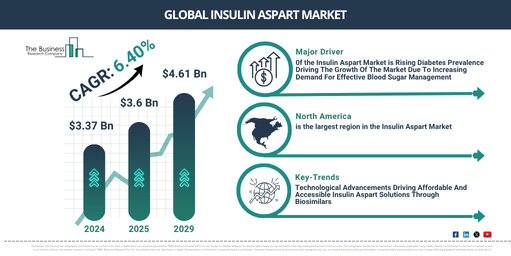
    In recent times, the insulin aspart market has experienced robust growth. The market, which was valued at $3.37 billion in 2024, is projected to expand to $3.6 billion in 2025, indicating a compound annual growth rate (CAGR) of 6.7%. The growth during the historic period was primarily driven by increased global prevalence of diabetes, improved awareness of diabetes control, higher uptake of sophisticated insulin delivery devices, increased global healthcare spending, and a rising preference for quick-acting insulins.

    Expectations are high for the insulin aspart market, with forecasts predicting robust growth in the coming years. By 2029, the market value is projected to reach $4.61 billion, exhibiting a compound annual growth rate (CAGR) of 6.4%. This anticipated growth over the forecast period can be credited to a surge in funding for diabetes research and development activities, an ageing population, enhanced healthcare facilities, an increasing number of type 2 diabetes cases, and a growing preference among patients for tailor-made diabetes management strategies. Other significant trends for the forecast period encompass strides in insulin formulation technologies, the merging of insulin aspart with intelligent insulin delivery equipment, technological breakthroughs in continuous glucose monitoring systems, advancements in personalized medicine, and the evolution of digital health platforms.

    Download The Free Sample Report Here:

    https://www.thebusinessresearchcompany.com/sample.aspx?id=24572&type=smp

    What Forces Are Driving The Growth Of The Insulin Aspart Market?

    The increasing incidence of diabetes is anticipated to spur the insulin aspart market’s growth in the coming times. Diabetes is a long-lasting health condition defined by heightened blood sugar (glucose) levels, resulting from the body’s inability to manufacture or utilize insulin efficiently. The amplified incidence of diabetes can be attributed to inactive lifestyles and unhealthy diets inundated with sugar and processed foods, leading to obesity and insulin resistance. Insulin aspart provides a solution to this growing diabetes problem by offering fast-acting insulin, capably controlling blood sugar surges after meals, and improving overall blood sugar regulation in individuals living with diabetes. For instance, a report released by the Office for Health Improvement and Disparities, a UK government department, in March 2025, revealed that the recorded incidence of type 2 diabetes among adults aged 17 and older in England had increased to 7.0% in March 2024, from 6.8% in March 2023. Thus, the escalating diabetes incidence is propelling the insulin aspart market.

    How Is The Insulin Aspart Industry Segmented Across Key Parameters?

    The insulin aspart market covered in this report is segmented –

    1) By Insulin Type: Human Insulin, Analog Insulin

    2) By Product Type: Vials, Pre-Filled Pens, Cartridges

    3) By Application: Type 1 Diabetes, Type 2 Diabetes, Gestational Diabetes

    4) By End User: Hospitals, Home Care, Specialty Clinics, Diabetes Care Centers, Other End Users

    Subsegments:

    1) By Human Insulin: Regular Insulin, Neutral Protamine Hagedorn (NPH) Insulin, Other Human Insulin Types

    2) By Analog Insulin: Rapid-Acting Analog Insulin, Long-Acting Analog Insulin, Other Analog Insulin Types

    What Notable Trends Are Shaping The Direction Of The Insulin Aspart Market?

    Top firms in the insulin aspart market are emphasizing the development of creative products, such as biosimilars, in order to offer affordable substitutes and widen patient access to superior insulin treatments. A biosimilar is a bio-medical product that closely resembles an already approved reference biologic, and provides no substantial differences in safety, purity, or effectiveness. For example, in November 2023, the India-based pharmaceutical corporation, USV Pvt Ltd, introduced INSUQUICK, the country’s first biosimilar insulin aspart, marking a significant advancement in the nation’s diabetes care. INSUQUICK, a fast-acting insulin analog, is completely made in India leveraging 100% indigenous technology and has faced a thorough clinical program to match international quality criteria. The pens for this product have a clear scale and audible clicks to ensure accurate dosing, and it’s easily available across all major cities and tier I and II towns. By providing a high-quality, domestically produced, and more cost-effective fast-acting insulin alternative, INSUQUICK aims to amplify the treatment accessibility for India’s extensive diabetic populace, signifying a notable stride in boosting diabetes care in the nation.

    Which Companies Currently Dominate The Competitive Landscape In The Insulin Aspart Industry?

    Major companies operating in the insulin aspart market are Sanofi S.A., AstraZeneca plc, Novo Nordisk A/S, Cipla Limited, Lupin Limited, Zhejiang Hisun Pharmaceutical Co Ltd., Biocon Limited, Amphastar Pharmaceuticals Inc., Civica Inc., Wockhardt Limited, Gulf Pharmaceutical Industries PSC (Julphar), GEROPHARM LLC, HEC Pharm Co Ltd., USV Private Limited, Aqlivia Private Limited, Gan & Lee Pharmaceuticals Co Ltd., GeneSys Biologics Private Limited, Biogenomics Limited, MJ Biopharma Private Limited, Paras Biopharmaceuticals Finland Oy.

    Get The Full Report Here:

    https://www.thebusinessresearchcompany.com/report/insulin-aspart-global-market-report

    Which Geographic Regions Are Driving Demand In The Insulin Aspart Market?

    North America was the largest region in the insulin aspart market in 2024. Asia-Pacific is expected to be the fastest-growing region in the forecast period. The regions covered in the insulin aspart market report are Asia-Pacific, Western Europe, Eastern Europe, North America, South America, Middle East, Africa.

    Request For A Customized Report:

    https://www.thebusinessresearchcompany.com/customise?id=24572&type=smp

    About The Business Research Company:

    With over 15000+ reports from 27 industries covering 60+ geographies, The Business Research Company has built a reputation for offering comprehensive, data-rich research and insights. Armed with 1,500,000 datasets, the optimistic contribution of in-depth secondary research, and unique insights from industry leaders, you can get the information you need to stay ahead in the game.

    Get in touch with us:

    The Business Research Company: https://www.thebusinessresearchcompany.com/

    Americas +1 310-496-7795

    Asia +44 7882 955267 & +91 8897263534

    Europe +44 7882 955267

    Email us at info@tbrc.info

    Follow us on:

    LinkedIn: https://in.linkedin.com/company/the-business-research-company

    YouTube: https://www.youtube.com/channel/UC24_fI0rV8cR5DxlCpgmyFQ

    Global Market Model: https://www.thebusinessresearchcompany.com/global-market-model
  • 2025 Insulin Aspart Market Outlook: Opportunities, Growth Trends, and Strategic Analysis

    2025 Insulin Aspart Market Outlook: Opportunities, Growth Trends, and Strategic Analysis

    Claim your 30% discount on Global Market Reports with code ONLINE30. Limited time only.

    What Is the Estimated Industry Valuation for the Insulin Aspart Sector?

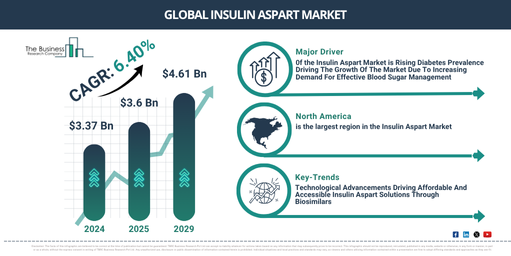
    In recent times, the insulin aspart market has experienced robust growth. The market, which was valued at $3.37 billion in 2024, is projected to expand to $3.6 billion in 2025, indicating a compound annual growth rate (CAGR) of 6.7%. The growth during the historic period was primarily driven by increased global prevalence of diabetes, improved awareness of diabetes control, higher uptake of sophisticated insulin delivery devices, increased global healthcare spending, and a rising preference for quick-acting insulins.

    Expectations are high for the insulin aspart market, with forecasts predicting robust growth in the coming years. By 2029, the market value is projected to reach $4.61 billion, exhibiting a compound annual growth rate (CAGR) of 6.4%. This anticipated growth over the forecast period can be credited to a surge in funding for diabetes research and development activities, an ageing population, enhanced healthcare facilities, an increasing number of type 2 diabetes cases, and a growing preference among patients for tailor-made diabetes management strategies. Other significant trends for the forecast period encompass strides in insulin formulation technologies, the merging of insulin aspart with intelligent insulin delivery equipment, technological breakthroughs in continuous glucose monitoring systems, advancements in personalized medicine, and the evolution of digital health platforms.

    Download The Free Sample Report Here:

    https://www.thebusinessresearchcompany.com/sample.aspx?id=24572&type=smp

    What Forces Are Driving The Growth Of The Insulin Aspart Market?

    The increasing incidence of diabetes is anticipated to spur the insulin aspart market’s growth in the coming times. Diabetes is a long-lasting health condition defined by heightened blood sugar (glucose) levels, resulting from the body’s inability to manufacture or utilize insulin efficiently. The amplified incidence of diabetes can be attributed to inactive lifestyles and unhealthy diets inundated with sugar and processed foods, leading to obesity and insulin resistance. Insulin aspart provides a solution to this growing diabetes problem by offering fast-acting insulin, capably controlling blood sugar surges after meals, and improving overall blood sugar regulation in individuals living with diabetes. For instance, a report released by the Office for Health Improvement and Disparities, a UK government department, in March 2025, revealed that the recorded incidence of type 2 diabetes among adults aged 17 and older in England had increased to 7.0% in March 2024, from 6.8% in March 2023. Thus, the escalating diabetes incidence is propelling the insulin aspart market.

    How Is The Insulin Aspart Industry Segmented Across Key Parameters?

    The insulin aspart market covered in this report is segmented –

    1) By Insulin Type: Human Insulin, Analog Insulin

    2) By Product Type: Vials, Pre-Filled Pens, Cartridges

    3) By Application: Type 1 Diabetes, Type 2 Diabetes, Gestational Diabetes

    4) By End User: Hospitals, Home Care, Specialty Clinics, Diabetes Care Centers, Other End Users

    Subsegments:

    1) By Human Insulin: Regular Insulin, Neutral Protamine Hagedorn (NPH) Insulin, Other Human Insulin Types

    2) By Analog Insulin: Rapid-Acting Analog Insulin, Long-Acting Analog Insulin, Other Analog Insulin Types

    What Notable Trends Are Shaping The Direction Of The Insulin Aspart Market?

    Top firms in the insulin aspart market are emphasizing the development of creative products, such as biosimilars, in order to offer affordable substitutes and widen patient access to superior insulin treatments. A biosimilar is a bio-medical product that closely resembles an already approved reference biologic, and provides no substantial differences in safety, purity, or effectiveness. For example, in November 2023, the India-based pharmaceutical corporation, USV Pvt Ltd, introduced INSUQUICK, the country’s first biosimilar insulin aspart, marking a significant advancement in the nation’s diabetes care. INSUQUICK, a fast-acting insulin analog, is completely made in India leveraging 100% indigenous technology and has faced a thorough clinical program to match international quality criteria. The pens for this product have a clear scale and audible clicks to ensure accurate dosing, and it’s easily available across all major cities and tier I and II towns. By providing a high-quality, domestically produced, and more cost-effective fast-acting insulin alternative, INSUQUICK aims to amplify the treatment accessibility for India’s extensive diabetic populace, signifying a notable stride in boosting diabetes care in the nation.

    Which Companies Currently Dominate The Competitive Landscape In The Insulin Aspart Industry?

    Major companies operating in the insulin aspart market are Sanofi S.A., AstraZeneca plc, Novo Nordisk A/S, Cipla Limited, Lupin Limited, Zhejiang Hisun Pharmaceutical Co Ltd., Biocon Limited, Amphastar Pharmaceuticals Inc., Civica Inc., Wockhardt Limited, Gulf Pharmaceutical Industries PSC (Julphar), GEROPHARM LLC, HEC Pharm Co Ltd., USV Private Limited, Aqlivia Private Limited, Gan & Lee Pharmaceuticals Co Ltd., GeneSys Biologics Private Limited, Biogenomics Limited, MJ Biopharma Private Limited, Paras Biopharmaceuticals Finland Oy.

    Get The Full Report Here:

    https://www.thebusinessresearchcompany.com/report/insulin-aspart-global-market-report

    Which Geographic Regions Are Driving Demand In The Insulin Aspart Market?

    North America was the largest region in the insulin aspart market in 2024. Asia-Pacific is expected to be the fastest-growing region in the forecast period. The regions covered in the insulin aspart market report are Asia-Pacific, Western Europe, Eastern Europe, North America, South America, Middle East, Africa.

    Request For A Customized Report:

    https://www.thebusinessresearchcompany.com/customise?id=24572&type=smp

    About The Business Research Company:

    With over 15000+ reports from 27 industries covering 60+ geographies, The Business Research Company has built a reputation for offering comprehensive, data-rich research and insights. Armed with 1,500,000 datasets, the optimistic contribution of in-depth secondary research, and unique insights from industry leaders, you can get the information you need to stay ahead in the game.

    Get in touch with us:

    The Business Research Company: https://www.thebusinessresearchcompany.com/

    Americas +1 310-496-7795

    Asia +44 7882 955267 & +91 8897263534

    Europe +44 7882 955267

    Email us at info@tbrc.info

    Follow us on:

    LinkedIn: https://in.linkedin.com/company/the-business-research-company

    YouTube: https://www.youtube.com/channel/UC24_fI0rV8cR5DxlCpgmyFQ

    Global Market Model: https://www.thebusinessresearchcompany.com/global-market-model
  • Global Vaccine Technologies Market Landscape: Trends and Market Share to 2029

    Global Vaccine Technologies Market Landscape: Trends and Market Share to 2029

    Claim your 30% discount on Global Market Reports with code ONLINE30. Limited time only.

    What Are the Forecasted Growth Rate and Market Size of the Vaccine Technologies Market?

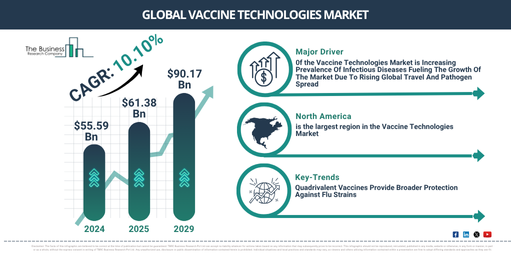
    The market size of vaccine technologies has seen a swift expansion in the past few years. The market value is projected to rise from $55.59 billion in 2024 to $61.38 billion in 2025, maintaining a compound annual growth rate (CAGR) of 10.4%. The market’s surge during the historic period is due to increased cases of infectious diseases, enhanced government support for vaccine research, the eruption of pandemics, rising consciousness on vaccine advantages, and the broadening of immunization initiatives.

    Rapid expansion is anticipated in the vaccine technologies market size in the coming years. It’s projected to reach $90.17 billion in 2029, with a compound annual growth rate (CAGR) of 10.1%. The escalation in the anticipation period is linked to the augmenting demand for mRNA vaccines, escalating investments in personalized vaccines, increasing concentration on cancer vaccines, a higher incidence of chronic diseases, and enhanced consciousness about vaccine safety. Major trends that are expected during the anticipation period are the formulation of mRNA and DNA-based vaccines, expansion of nanoparticle vaccine delivery systems, rise in combination vaccines, growing preference for thermostable vaccines, and the emphasis on needle-free vaccine delivery.

    Download The Free Sample Report Here:

    https://www.thebusinessresearchcompany.com/sample.aspx?id=24735&type=smp

    Which Factor Is Shaping The Future Of The Vaccine Technologies Market?

    The escalation in the count of transmissible diseases is anticipated to surge the advancement of the vaccine technologies market. Transmissible illnesses are inflicted by harmful microorganisms such as bacteria, viruses, fungi and parasites, which can be passed on directly or indirectly from person to person. The augmenting rate of such diseases owes to amplified travel, enabling pathogens to be transported swiftly across borders. Vaccine technologies contribute towards the treatment of infectious diseases by promoting targeted immune responses, thereby aiding in prevention and control of infections. These technologies bolster public health initiatives by curbing disease progression and intensity, thereby enhancing healthcare outcomes overall. For instance, the UK Health Security Agency, a government agency of the UK, reported in February 2024 that the instances of tuberculosis (a contagious bacterial disease that mainly impacts the lungs) in England climbed to 4,850 in 2023, a hike of 10.7% from 4,380 cases in 2022. Hence, the swell in the frequency of infectious diseases is fueling the expansion of the vaccine technologies market.

    What Is The Segment-Wise Breakdown Of The Vaccine Technologies Market?

    The vaccine technologies market covered in this report is segmented –

    1) By Type: Recombinant Or Conjugate Or Subunit, Inactivated, Live Attenuated, Toxoid

    2) By Route Of Administration: Parenteral, Oral, Nasal

    3) By Disease Indication: Infectious Diseases, Non-Infectious Diseases

    4) By Age Group: Pediatric, Adults

    5) By Distribution Channel: Hospital And Retail Pharmacies, Government Suppliers, Other Distribution Channels

    Subsegments:

    1) By Recombinant Or Conjugate Or Subunit: Protein Subunit Vaccines, Virus-Like Particle (VLP) Vaccines, Glycoconjugate Vaccines, Recombinant Vector Vaccines

    2) By Inactivated: Whole-Virus Inactivated Vaccines, Split-Virus Inactivated Vaccines, Purified Inactivated Vaccines

    3) By Live Attenuated: Viral Live Attenuated Vaccines, Bacterial Live Attenuated Vaccines

    4) By Toxoid: Diphtheria Toxoid Vaccines, Tetanus Toxoid Vaccines

    Which Trends Are Redefining The Future Landscape Of The Vaccine Technologies Industry?

    Leading firms in the vaccine technologies market are concentrating on creating innovative solutions like quadrivalent influenza vaccines, to widen the scope of immunization coverage and decrease the likelihood of strain mismatch. Quadrivalent influenza vaccines are designed to shield from four strains of influenza virus, including two influenza A and two influenza B viruses, providing more extensive protection than trivalent vaccines. For example, Zydus Lifesciences, a pharmaceutical company based in India, rolled out VaxiFlu-4, a quadrivalent influenza vaccine, in February 2025. This vaccine provides seasonal defense against four influenza strains, covering both influenza A and B types. The vaccine, which is administered as a single-dose intramuscular injection, is appropriate for both adults and children. It significantly mitigates the impact of seasonal influenza by providing wider strain coverage than conventional trivalent vaccines.

    Which Companies Hold The Largest Market Share In The Vaccine Technologies Sector?

    Major companies operating in the vaccine technologies market are Pfizer Inc., Johnson & Johnson, Merck & Co. Inc, Sanofi S.A., AstraZeneca plc, Novartis AG, GSK plc, Moderna Inc., CSL Limited, Bharat Biotech International Limited, Bavarian Nordic A/S, Takeda Pharmaceutical Company Limited, Sinovac Biotech Ltd., Emergent BioSolutions Inc., Valneva SE, Novavax Inc., Dynavax Technologies Corporation, CureVac N.V., Inovio Pharmaceuticals Inc, Mitsubishi Tanabe Pharma Corporation.

    Get The Full Report Here:

    https://www.thebusinessresearchcompany.com/report/vaccine-technologies-global-market-report

    How Does Regional Performance Compare Across The Vaccine Technologies Industry?

    North America was the largest region in the vaccine technologies market in 2024. Asia-Pacific is expected to be the fastest-growing region in the forecast period. The regions covered in the vaccine technologies market report are Asia-Pacific, Western Europe, Eastern Europe, North America, South America, Middle East, Africa.

    Request For A Customized Report:

    https://www.thebusinessresearchcompany.com/customise?id=24735&type=smp

    About The Business Research Company:

    With over 15000+ reports from 27 industries covering 60+ geographies, The Business Research Company has built a reputation for offering comprehensive, data-rich research and insights. Armed with 1,500,000 datasets, the optimistic contribution of in-depth secondary research, and unique insights from industry leaders, you can get the information you need to stay ahead in the game.

    Get in touch with us:

    The Business Research Company: https://www.thebusinessresearchcompany.com/

    Americas +1 310-496-7795

    Asia +44 7882 955267 & +91 8897263534

    Europe +44 7882 955267

    Email us at info@tbrc.info

    Follow us on:

    LinkedIn: https://in.linkedin.com/company/the-business-research-company

    YouTube: https://www.youtube.com/channel/UC24_fI0rV8cR5DxlCpgmyFQ

    Global Market Model: https://www.thebusinessresearchcompany.com/global-market-model
  • Global Telemedicine Market Forecast to Reach $345.32 Billion by 2029, Driven by 20.2% CAGR

    Global Telemedicine Market Forecast to Reach $345.32 Billion by 2029, Driven by 20.2% CAGR

    Claim your 30% discount on Global Market Reports with code ONLINE30. Limited time only.

    How Much Is the Global Telemedicine Market Valued at Present and by 2029?

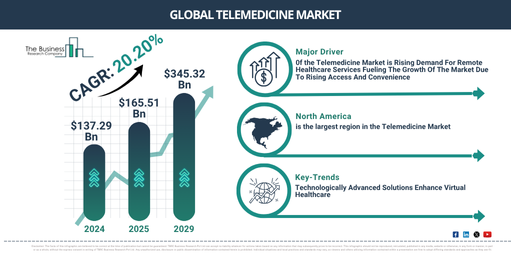
    In recent times, the telemedicine market has seen an extraordinary expansion. The market, which was valued at $137.29 billion in 2024, is expected to increase to $165.51 billion in 2025, with a compound annual growth rate (CAGR) of 20.6%. The surge in growth during the historic period can be linked to factors such as enhanced internet access, a growing tendency among patients to seek convenience, an increase in insurance schemes covering telemedicine, a heightened emphasis on preventive care, and more supportive governmental regulations and assistance.

    Anticipated growth in the telemedicine market is set to be substantial in the coming years. With a compound annual growth rate (CAGR) of 20.2%, by 2029 the market is estimated to reach a value of $345.32 billion. This surge in growth, predicted for the forecast period, is due to increasing needs for distant healthcare services, rising numbers of chronic diseases, increased usage of digital health technologies, an aging population, and escalating support from healthcare providers. The forecast period also highlights notable trends such as advancements in telecommunication technology, the incorporation of artificial intelligence (AI) and machine learning, the creation of wearable health tools, breakthroughs in remote monitoring technology, and the development of software platforms for telemedicine.

    Download The Free Sample Report Here:

    https://www.thebusinessresearchcompany.com/sample.aspx?id=24720&type=smp

    #What Drivers Are Influencing Growth In The Telemedicine Market?

    The telemedicine market’s expansion is anticipated to be fuelled by the growing need for distant health care services. These services involve the provision of medical assistance, consultations, supervision, and support remotely by means of digital telecommunications tools. This encompasses online consultations, telehealth services, electronic prescriptions, mental wellness assistance, and web-based health education. The surge in the adoption of remote health care services is attributed to enhanced healthcare accessibility, which affords patients in distant or inadequately served regions the convenience of receiving prompt medical attention without the necessity to travel. Telemedicine bolsters remote healthcare services by making it possible for virtual consultations to occur in real-time between patients and health care providers. This mitigates the requirement for physical visits and enhances healthcare accessibility, particularly in remote locations. For example, the Australian Digital Health Agency, a government agency based in Australia, reported in May 2024 that from March 2020 to July 2022, over 95,000 practitioners had used telehealth services and supplied 118.2 million telehealth services to 18 million patients. Hence, the escalating need for remote healthcare services is stimulating the expansion of the telemedicine market.

    What Are The Main Segments Identified In The Telemedicine Market Research?

    The telemedicine market covered in this report is segmented –

    1) By Type: Telehospital, Telehome

    2) By Service Type: Real-Time Consultation, Remote Patient Monitoring, Store-And-Forward Telemedicine, Mobile Health Applications

    3) By Technology: Video Conferencing, Mobile Health Applications, Web-based Platforms, Wearable Devices

    4) By Application: Teleradiology, Telepathology, Teledermatology, Telepsychiatry, Telecardiology, Other Applications

    5) By End User: Providers, Payers, Patients, Other End Users

    Subsegments:

    1) By Telehospital: Tele- Intensive Care Unit (ICU), Telepsychiatry, Teleradiology, Telecardiology, Telepathology

    2) By Telehome: Remote Patient Monitoring (RPM), Chronic Disease Management, Mobile Health (mHealth) Applications, Home-Based Tele-Rehabilitation, Virtual Consultations

    What Are The Leading Trends And Opportunities In The Telemedicine Sector?

    Major players in the telemedicine industry are pivoting towards the development of cutting-edge solutions like telemedicine platforms to augment virtually rendered healthcare services such as counseling, mental wellbeing support, and remote patient monitoring. Telemedicine platforms are digitized systems facilitating distant healthcare services which empower patients to interact with healthcare professionals, gain health-related advice, and handle their health parameters online. For example, VS Digital Health Inc., a firm based out of Canada, rolled out VSDHOne in June 2024. This telemedicine platform aids organizations to rapidly establish compliant telemedicine brands at a nationwide level, delivering hassle-free, reachable healthcare throughout all 50 states. This platform ensures smooth virtual consultations, prescription services, and delivery, thereby enhancing patient accessibility and healthcare provider’s efficiency.

    Which Companies Play A Key Role In The Development Of The Telemedicine Market?

    Major companies operating in the telemedicine market are Cisco Systems Inc., Oracle Corporation, Siemens Healthineers AG, Koninklijke Philips NV, GE HealthCare Technologies Inc., Resideo Technologies Inc., Zoom Video Communications Inc., Teladoc Health Inc., Ping An Healthcare and Technology Company Limited, Veradigm LLC, Practo Technologies Private Limited, American Well Corporation, MDlive Inc., Doctor On Demand Inc., AMC Health LLC, SOC Telemed Inc., Eagle Telemedicine LLC, VSee Lab Inc., AMD Global Telemedicine Inc., NXGN Management LLC, Specialist Telemed LLC.

    Get The Full Report Here:

    https://www.thebusinessresearchcompany.com/report/telemedicine-global-market-report

    What Are The Key Regional Developments Shaping The Telemedicine Market?

    North America was the largest region in the telemedicine market in 2024. Asia-Pacific is expected to be the fastest-growing region in the forecast period. The regions covered in the telemedicine market report are Asia-Pacific, Western Europe, Eastern Europe, North America, South America, Middle East, Africa.

    Request For A Customized Report:

    https://www.thebusinessresearchcompany.com/customise?id=24720&type=smp

    About The Business Research Company:

    With over 15000+ reports from 27 industries covering 60+ geographies, The Business Research Company has built a reputation for offering comprehensive, data-rich research and insights. Armed with 1,500,000 datasets, the optimistic contribution of in-depth secondary research, and unique insights from industry leaders, you can get the information you need to stay ahead in the game.

    Get in touch with us:

    The Business Research Company: https://www.thebusinessresearchcompany.com/

    Americas +1 310-496-7795

    Asia +44 7882 955267 & +91 8897263534

    Europe +44 7882 955267

    Email us at info@tbrc.info

    Follow us on:

    LinkedIn: https://in.linkedin.com/company/the-business-research-company

    YouTube: https://www.youtube.com/channel/UC24_fI0rV8cR5DxlCpgmyFQ

    Global Market Model: https://www.thebusinessresearchcompany.com/global-market-model
  • Outlook for Telehealth And Telemedicine Market: Key Developments and Future Strategies to 2029

    Outlook for Telehealth And Telemedicine Market: Key Developments and Future Strategies to 2029

    Claim your 30% discount on Global Market Reports with code ONLINE30. Limited time only.

    What Is the Current and Projected Market Size of the Telehealth And Telemedicine Industry?

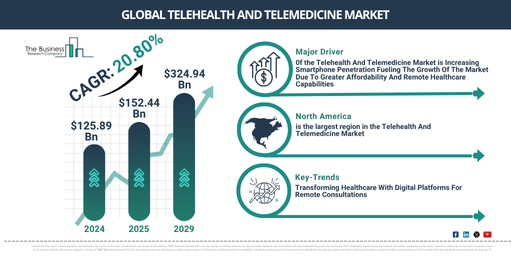
    The market size for telehealth and telemedicine has seen a substantial increase in recent years. The market is predicted to expand from a value of $125.89 billion in 2024 to a projected $152.44 billion in 2025, indicating a compound annual growth rate (CAGR) of 21.1%. This significant growth during the historical period is due to factors such as heightened demand for an overburdened healthcare workforce, escalating healthcare expenses, increasing prevalence of chronic illnesses, growing internet and smartphone usage, and advancements in broadband infrastructure.

    Over the upcoming years, the telehealth and telemedicine market is projected to experience a significant surge, anticipated to reach a market worth of $324.94 billion by 2029 with a compound annual growth rate (CAGR) of 20.8%. This projected growth in the forecast duration could be attributed to factors like the globally aging population, increase in chronic diseases, deployment of 5G and Internet of Things (IoT) technologies, increasing patient familiarity with digital tools, and ascending government incentives. Noteworthy trends for the defined forecast period comprise of the inclusion of artificial intelligence (AI) and machine learning, the broadening of remote patient monitoring, progress in video conferencing technologies, integrating blockchain for data safety, and the usage of cloud-based platforms.

    Download The Free Sample Report Here:

    https://www.thebusinessresearchcompany.com/sample.aspx?id=24719&type=smp

    #Which Factors Are Currently Driving The Growth Of The Telehealth And Telemedicine Market?

    The telehealth and telemedicine market’s expansion is projected to be accelerated by the rising penetration of smartphones. The term “smartphone penetration” denotes the proportion of the population that possesses and utilizes smartphones, indicating the extensive acceptance and application of mobile technology in daily life. The primary reasons for the growth in smartphone penetration include more cost-effective prices and broader access, which make smartphones accessible to a more diverse group of consumers. Smartphones boost telehealth and telemedicine capacity by allowing easy remote access to healthcare services, facilitating instantaneous consultations, oversight, and medical recommendations. They enhance the ease and accessibility of healthcare, particularly for individuals located in remote regions or those with limited mobility. As an illustration, in October 2023, the GSM Association, a non-profit organization based in the UK, revealed that roughly 4.3 billion people (equating to 53% of the global population) were utilizing their smartphones for internet access, with about 80% of mobile internet users now utilizing 4G or 5G smartphones, marking a rise of 330 million people from 2022 to 2023. Consequently, the growth of the telehealth and telemedicine market is being propelled by the rise in smartphone penetration.

    How Is The Global Telehealth And Telemedicine Market Structured In Terms Of Segments?

    The telehealth and telemedicine market covered in this report is segmented –

    1) By Component: Hardware, Software, Services

    2) By Mode of Delivery: Cloud-Based, On-Premise, Web-Based

    3) By Application: Teleconsultation, Tele Intensive Care Unit (TeleICU), Telestroke, Teleradiology, Telepsychiatry, Teledermatology

    4) By End-User: Healthcare Providers, Patients, Payers, Employers, Other End Users

    Subsegments:

    1) By Hardware: Telemedicine Carts, Diagnostic Devices, Digital Imaging Devices, Wearable Devices, Video Conferencing Equipment, Peripheral Devices

    2) By Software: Real-time Communication Software, Remote Patient Monitoring (RRM) Software, Electronic Health Record (EHR) Integration Software, Scheduling And Billing Software, Diagnostic Software, Mobile Health Apps

    3) By Services: Teleconsultation Services, Telemonitoring Services, Store-and-forward Services, Support And Maintenance Services, Training And Education Services, Managed Services

    What Trends Are Currently Influencing Growth In The Telehealth And Telemedicine Market?

    Leading enterprises in the telehealth and telemedicine sector are prioritizing the advancement of technological solutions such as online platforms. These are aimed at improving virtual healthcare provision, streamlining patient-provider communication, and increasing accessibility to health services remotely. An online platform for telehealth and telemedicine acts as a digital bridge connecting patients and healthcare professionals for remote consultations, diagnosis, treatment, and health surveillance through the internet. For example, Pfizer Inc., an American biopharmaceutical firm, unveiled PfizerForAll in August 2024. This complimentary digital health online platform links patients with telehealth professionals, delivers prescribed medication, and aids in the scheduling of vaccinations and diagnostics.

    Who Are The Main Participants Shaping The Telehealth And Telemedicine Market Landscape?

    Major companies operating in the telehealth and telemedicine market are Cisco Systems Inc., Oracle Corporation, Medtronic plc, Koninklijke Philips N.V., Teladoc Health Inc., Monogram Health Inc., Jabra Hearing, GoodRx Holdings Inc., Doximity Inc., Modernizing Medicine Inc., Doctor On Demand Inc., MDLIVE Inc., Azalea Health Innovations Inc., Stealth Agents LLC, Sesame Inc., Apollo TeleHealth Services, TytoCare Ltd., Azova Inc., Push Doctor Ltd., Avel eCare LLC, CureCompanion Inc., CareClix Inc., Curve Health Inc.

    Get The Full Report Here:

    https://www.thebusinessresearchcompany.com/report/telehealth-and-telemedicine-global-market-report

    Which Region Currently Holds The Largest Share In The Telehealth And Telemedicine Market?

    North America was the largest region in the telehealth and telemedicine market in 2024. Asia-Pacific is expected to be the fastest-growing region in the forecast period. The regions covered in the telehealth and telemedicine market report are Asia-Pacific, Western Europe, Eastern Europe, North America, South America, Middle East, Africa.

    Request For A Customized Report:

    https://www.thebusinessresearchcompany.com/customise?id=24719&type=smp

    About The Business Research Company:

    With over 15000+ reports from 27 industries covering 60+ geographies, The Business Research Company has built a reputation for offering comprehensive, data-rich research and insights. Armed with 1,500,000 datasets, the optimistic contribution of in-depth secondary research, and unique insights from industry leaders, you can get the information you need to stay ahead in the game.

    Get in touch with us:

    The Business Research Company: https://www.thebusinessresearchcompany.com/

    Americas +1 310-496-7795

    Asia +44 7882 955267 & +91 8897263534

    Europe +44 7882 955267

    Email us at info@tbrc.info

    Follow us on:

    LinkedIn: https://in.linkedin.com/company/the-business-research-company

    YouTube: https://www.youtube.com/channel/UC24_fI0rV8cR5DxlCpgmyFQ

    Global Market Model: https://www.thebusinessresearchcompany.com/global-market-model
  • Key Market Drivers, Trends, and Forecast for the Global Tardive Dyskinesia Therapeutics Industry

    Key Market Drivers, Trends, and Forecast for the Global Tardive Dyskinesia Therapeutics Industry

    Claim your 30% discount on Global Market Reports with code ONLINE30. Limited time only.

    How Will the Tardive Dyskinesia Therapeutics Market Evolve in Terms of Growth and Size by 2029?

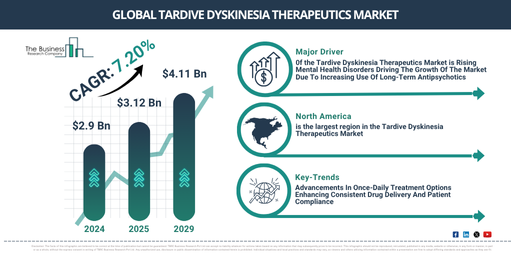
    In recent years, there has been a substantial growth in the size of the tardive dyskinesia therapeutics market. From a market worth $2.9 billion in 2024, it is projected to increase to $3.12 billion in 2025 with a compound annual growth rate (CAGR) of 7.5%. This upward trajectory can be linked to several factors including an increased incidence of tardive dyskinesia, a heightened global count of patients suffering from schizophrenia and bipolar disorder, elevated awareness and diagnosis rates, a growing consumption of both atypical and typical antipsychotic drugs, and an ageing population.

    In the coming years, we can expect an impressive expansion in the market for tardive dyskinesia therapeutics. The market valuation is predicted to reach $4.11 billion by 2029, growing at a compound annual growth rate (CAGR) of 7.2%. This anticipated surge over the forecast period can be ascribed to factors such as an escalating mental health disease load, broadening R&D endeavors, amplified investments by pharma organizations, increasing inclination towards personalized healthcare, and an enhanced health care infrastructure. Looking ahead, major projected trends include alliances between pharmaceutical firms and research institutions for innovative treatments, the creation of extended-release formulas, the introduction of generics, and regulatory benefits like orphan drug designation, as well as technological progress in medicine delivery systems.

    Download The Free Sample Report Here:

    https://www.thebusinessresearchcompany.com/sample.aspx?id=24718&type=smp

    What factors are expected to fuel Tardive Dyskinesia Therapeutics market growth in the coming years?

    Growing instances of mental health disorders are anticipated to fuel the expansion of the tardive dyskinesia therapeutics market in the future. These disorders, characterized by the impact on a person’s thoughts, emotions, behavior, and overall functioning, often lead to substantial distress or complications in everyday life. The move towards digital communications and fast-paced living, resulting in decreased intimate face-to-face interactions, has contributed to rising mental health disorders. This lifestyle shift has increased feelings of loneliness and emotional strain due to heightened social isolation. Tardive dyskinesia therapeutics assist patients with mental disorders by controlling involuntary movements induced by prolonged use of antipsychotic medication, thereby enhancing treatment compliance and overall life quality. For example, the National Alliance On Mental Illness, a US organization, predicted that among individuals aged 18-44 in the U.S., nearly 600,000 hospitalizations per year result from psychosis spectrum and mood disorders by 2024. Hence, the growing prevalence of mental health disorders is acting as a catalyst for the growth of the tardive dyskinesia therapeutics market.

    What Are The Key Findings From The Segmentation Analysis Of The Tardive Dyskinesia Therapeutics Market?

    The tardive dyskinesia therapeutics market covered in this report is segmented –

    1) By Drug: Deutetrabenazine, Valbenazine, Other Drugs

    2) By Product Type: Solid Dosage Forms, Tablets, Capsules, Liquid Dosage Form, Injection

    3) By Application: Antipsychotic-Induced Tardive Dyskinesia, Other Drug-Induced Tardive Dyskinesia, Idiopathic Tardive Dyskinesia

    4) By End-User: Hospitals, Clinics, Specialty Treatment Centers, Homecare Settings

    Sub Segments:

    1) By Deutetrabenazine: Dosage Forms, Line Of Therapy, Distribution Channel

    2) By Valbenazine: Dosage Forms, Patient Age Group, Distribution Channel

    3) By Other Drugs: Drug Class Or Type, Dosage Forms, Treatment Duration

    Which Trends Are Expected To Shape The Future Of The Tardive Dyskinesia Therapeutics Market?

    Leading enterprises in the tardive dyskinesia therapeutics market are prioritising the development of enhanced products such as once-daily treatment alternatives. These are medications or therapies structured to be taken once in a day, streamlining dosage routines and boosting patient consistency. For example, Teva Pharmaceutical Industries Limited, a bio-pharmaceutical firm based in Israel, disclosed the sanction of their AUSTEDO XR tablets for treating adults with tardive dyskinesia and Huntington’s disease chorea by the U.S. Food and Drug Administration (FDA) in May 2024. The recent sanctioning of AUSTEDO XR avails patients with verified efficacy in managing involuntary actions combined with the advantage of a single-pill dosage taken once a day. This new form gives therapeutically clinical doses corroborated by essential clinical tests. It’s also accessible in four varied tablet strengths: 30 mg, 36 mg, 42 mg, and 48 mg.

    What Are The Most Active Companies In The Tardive Dyskinesia Therapeutics Market Today?

    Major companies operating in the tardive dyskinesia therapeutics market are Pfizer Inc., Johnson & Johnson, AbbVie Inc., Novartis AG, Teva Pharmaceutical Industries Ltd., Otsuka Pharmaceutical Co. Ltd., Sun Pharmaceutical Industries Ltd., Dr. Reddy’s Laboratories Ltd., Lundbeck A/S, Amneal Pharmaceuticals Inc., Lupin Pharmaceuticals Inc., Neurocrine Biosciences Inc., Luye Pharma Ltd., Lannett Co. Inc., SteriMax Inc., Zydus Cadila Healthcare Ltd., Adamas Pharmaceuticals Inc., Mitsubishi Tanabe Pharma Corporation, SOM Biotech Ltd., Addex Therapeutics

    Get The Full Report Here:

    https://www.thebusinessresearchcompany.com/report/tardive-dyskinesia-therapeutics-global-market-report

    Which Regional Markets Are Attracting The Most Investment In Tardive Dyskinesia Therapeutics?

    North America was the largest region in the tardive dyskinesia therapeutics market in 2024. Asia-Pacific is expected to be the fastest-growing region in the forecast period. The regions covered in the tardive dyskinesia therapeutics market report are Asia-Pacific, Western Europe, Eastern Europe, North America, South America, Middle East, Africa.

    Request For A Customized Report:

    https://www.thebusinessresearchcompany.com/customise?id=24718&type=smp

    About The Business Research Company:

    With over 15000+ reports from 27 industries covering 60+ geographies, The Business Research Company has built a reputation for offering comprehensive, data-rich research and insights. Armed with 1,500,000 datasets, the optimistic contribution of in-depth secondary research, and unique insights from industry leaders, you can get the information you need to stay ahead in the game.

    Get in touch with us:

    The Business Research Company: https://www.thebusinessresearchcompany.com/

    Americas +1 310-496-7795

    Asia +44 7882 955267 & +91 8897263534

    Europe +44 7882 955267

    Email us at info@tbrc.info

    Follow us on:

    LinkedIn: https://in.linkedin.com/company/the-business-research-company

    YouTube: https://www.youtube.com/channel/UC24_fI0rV8cR5DxlCpgmyFQ

    Global Market Model: https://www.thebusinessresearchcompany.com/global-market-model
  • Strategic Report on Surgical Clip Market: Growth Opportunities and Emerging Challenges

    Strategic Report on Surgical Clip Market: Growth Opportunities and Emerging Challenges

    Claim your 30% discount on Global Market Reports with code ONLINE30. Limited time only.

    What CAGR Is Anticipated for the Surgical Clip Market Through 2029?

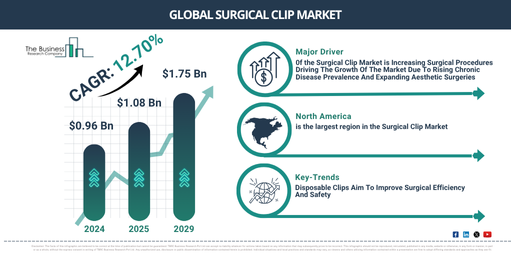
    In recent times, the surgical clip market has seen a swift expansion. The market is projected to increase from $0.96 billion in 2024 to $1.08 billion in 2025, translating to a compound annual growth rate (CAGR) of 13.0%. Factors contributing to this progressive trend during the historic period encompass the escalating prevalence of chronic illnesses, advancements in surgical procedures, heightened awareness of post-surgery complications, as well as the development of hospital infrastructure and surgical facilities. Also, the burgeoning use of cutting-edge imaging and visualization tools have contributed significantly to this growth.

    Expectations are high for the surgical clip market in the upcoming years, with projections suggesting significant growth. The market size is predicted to rise to $1.75 billion by 2029, following a compound annual growth rate of 12.7%. This anticipated growth during the forecasted period can be attributed to a number of factors, including an increase in surgical procedures, the rise of minimally invasive surgeries (MIS), the prevalence of chronic diseases, growing numbers of bariatric and cosmetic surgeries and the prevalence of ambulatory surgical centres. Notable trends for this period include the integration of robotic surgery systems, a shift towards bioabsorbable surgical clips, increased demand for laparoscopic clip appliers, a preference for disposable clips over reusable ones, and the use of digital inventories and smart surgical kits.

    Download The Free Sample Report Here:

    https://www.thebusinessresearchcompany.com/sample.aspx?id=24717&type=smp

    What Market Forces Are Driving The Surgical Clip Sector In 2025 And Beyond?

    The surgical clip market is anticipated to expand due to the surge in surgical procedures. These procedures can include manual or instrument-based techniques employed to diagnose, manage or rectify diseases, injuries or any irregularities. The amplification in surgery volumes is attributed to the growing prevalence of chronic illnesses that necessitate more surgical interventions in order to manage complications and enhance a patient’s quality of life. Surgical clips serve surgical procedures by offering prompt, dependable and minimally invasive solutions to shut or clamp blood vessels and tissues. This aids in controlling bleeding, lowering complication risks, and reducing operation time. For example, the British Association of Aesthetic Plastic Surgeons, a UK-based surgical entity, reported in March 2023 that 31,057 cosmetic surgeries were conducted in 2022, signifying a 102% increase compared to 2021. Consequently, the surge in surgical procedures is fueling the expansion of the surgical clip market.

    How Is The Global Surgical Clip Market Categorized By Segments?

    The surgical clip market covered in this report is segmented –

    1) By Type: Hemostatic Clips, Ligating Clips, Biliary Clips, Tissue Clips, Other Types

    2) By Material: Titanium, Tantalum, Stainless Steel, Polymer, Biocompatible

    3) By Application: General Surgery, Cardiac Surgery, Orthopedic Surgery, Gynecological Surgery, Urological Surgery

    4) By End Use: Hospitals, Ambulatory Surgical Centers, Specialty Clinics, Other End Users

    Subsegments:

    1) By Hemostatic Clips: Metal Hemostatic Clips, Absorbable Hemostatic Clips, Ligating Hemostatic Clips

    2) By Ligating Clips: Metal Ligating Clips, Absorbable Ligating Clips, Polymer Ligating Clips

    3) By Biliary Clips: Titanium Biliary Clips, Polymer Biliary Clips, Absorbable Biliary Clips

    4) By Tissue Clips: Metal Tissue Clips, Absorbable Tissue Clips, Self-locking Tissue Clips

    5) By Other Types: Vascular Clips, Endoscopic Clips, Disposable Surgical Clips, Reusable Surgical Clips

    What Long-Term Trends Are Likely To Affect The Surgical Clip Market?

    Key players in the surgical clip industry are concentrating on launching innovative products, such as disposable hemostasis clips, to improve surgical effectiveness, increased patient safety, and better clinical results. A one-time use hemostasis clip is a surgical instrument meant for a single application that helps to manage bleeding by mechanically clasping blood vessels or tissue during surgical procedures. For example, the Olympus Corporation, a Japanese medical technology firm, introduced Retentia HemoClip in March 2025. This new hemostasis clip is designed to address the requirements of GI endoscopists. It enhances target visibility with its short tail, facilitates easy multiple clip placement, uses marking on the sheath to assist insertion/extraction, and uses an intuitive handle for swift one-step deployment.

    Which Firms Are Considered Leaders In The Surgical Clip Market Space?

    Major companies operating in the surgical clip market are Cardinal Health Inc., Johnson & Johnson, 3M Company, Stryker Corporation, Medline Industries Inc., Medtronic plc , Becton, Dickinson and Company, Boston Scientific Corporation, Olympus Corporation, Smith & Nephew plc, Edwards Lifesciences Corporation, Teleflex Incorporated, Karl Storz SE & Co KG, Cook Medical Incorporated, CONMED Corporation, B. Braun Melsungen AG, Ackermann Medical GmbH & Co. KG, LeMaitre Vascular Inc., Scanlan International Inc., Grena Ltd.

    Get The Full Report Here:

    https://www.thebusinessresearchcompany.com/report/surgical-clip-global-market-report

    What Role Do Regional Policies And Investments Play In Surgical Clip Market Expansion?

    North America was the largest region in the surgical clip market in 2024. Asia-Pacific is expected to be the fastest-growing region in the forecast period. The regions covered in the surgical clip market report are Asia-Pacific, Western Europe, Eastern Europe, North America, South America, Middle East, Africa.

    Request For A Customized Report:

    https://www.thebusinessresearchcompany.com/customise?id=24717&type=smp

    About The Business Research Company:

    With over 15000+ reports from 27 industries covering 60+ geographies, The Business Research Company has built a reputation for offering comprehensive, data-rich research and insights. Armed with 1,500,000 datasets, the optimistic contribution of in-depth secondary research, and unique insights from industry leaders, you can get the information you need to stay ahead in the game.

    Get in touch with us:

    The Business Research Company: https://www.thebusinessresearchcompany.com/

    Americas +1 310-496-7795

    Asia +44 7882 955267 & +91 8897263534

    Europe +44 7882 955267

    Email us at info@tbrc.info

    Follow us on:

    LinkedIn: https://in.linkedin.com/company/the-business-research-company

    YouTube: https://www.youtube.com/channel/UC24_fI0rV8cR5DxlCpgmyFQ

    Global Market Model: https://www.thebusinessresearchcompany.com/global-market-model
  • Industry Trends Show Sunscreens Market Set to Expand at 6.3% CAGR Until 2029

    Industry Trends Show Sunscreens Market Set to Expand at 6.3% CAGR Until 2029

    Claim your 30% discount on Global Market Reports with code ONLINE30. Limited time only.

    What Are the Latest Market Insights for the Sunscreens Industry?

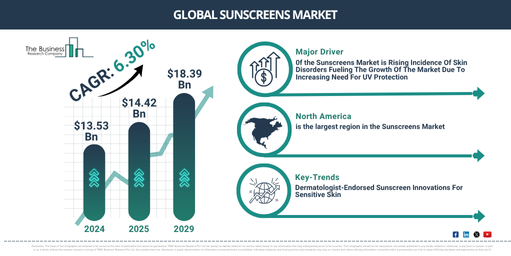
    The size of the sunscreens market has seen significant growth lately. The market, which was worth $13.53 billion in 2024, is predicted to expand to $14.42 billion in 2025, reflecting a compound annual growth rate (CAGR) of 6.5%. The past growth of the market can be credited to increasing consciousness about skin cancer threats, enlargement in the tourism sector, rise in outdoor fun activities, advanced retail penetration, and a surge in female workforce involvement.

    The sunscreens market is predicted to experience significant expansion in the coming years, with its value expected to reach $18.39 billion in 2029, growing at a compound annual growth rate (CAGR) of 6.3%. Factors contributing to this projected growth include an increasing demand for clean, natural, and environmentally friendly sunscreens, a growing interest in anti-aging and preventive skincare, a rise in male grooming trends, the growth of e-commerce, and the increasing popularity of multi-purpose products. Key trends for the forecasted period include the integration of multi-purpose skincare, the use of digital and UV tracking, developments in sunscreen technology, the use of organic and clean products, sustainability, and the creation of sunscreens that are safe for coral reefs.

    Download The Free Sample Report Here:

    https://www.thebusinessresearchcompany.com/sample.aspx?id=24716&type=smp

    What Forces Are Driving The Growth Of The Sunscreens Industry?

    The escalating occurrence of skin disorders is predicted to boost the expansion of the sunscreen market in the future. Skin disorders are medical maladies that impact the form, aesthetics, or functionality of the skin, often manifesting symptoms like redness, rash, lesions, or itching. This growing incidence of skin disorders is largely attributable to increased exposure to environmental toxins and allergens. By shielding sensitive or damaged skin from UV-inflamed pigmentation and additional irritation, sunscreens aid in skin disorder management. For instance, the American Journal of Managed Care, a US-based scholarly journal stated in April 2022 that at least one skin problem was reported by 43% of 40,000 patients in the past year. Additionally, according to the World Health Organization, a health organization based in Switzerland, in March 2023, skin disorders were estimated to affect about 1.8 billion people globally at any point in time. Thus, the escalating incidence of skin disorders is spurring the growth of the sunscreen market.

    What Is The Overview Of Market Segmentation In The Sunscreens Industry?

    The sunscreens market covered in this report is segmented –

    1) By Product Type: Creams, Lotions, Gels, Sprays, Sticks, Oil-based Sunscreens

    2) By SPF Level: Low SPF (less than 15), Medium SPF (15-30), High SPF (31-50), Very High SPF (above 50)

    3) By Distribution Channels: Retail Stores, Online Platforms

    4) By Application Area: Face Sunscreens, Body Sunscreens

    5) By Target Demographics: Children, Adults, Senior Citizens, Sports Enthusiasts, Individuals With Sensitive Skin

    Subsegment:

    1) By Creams: Moisturizing Creams, Anti-aging Creams, Tinted Creams, Mineral-based Creams, Chemical-based Creams

    2) By Lotions: Lightweight Lotions, Hydrating Lotions, Broad-spectrum Lotions, Waterproof Lotions, Sensitive Skin Lotions

    3) By Gels: Aloe Vera Gels, Cooling Gels, Oil-free Gels, Water-based Gels, Mineral-based Gels

    4) By Sprays: Aerosol Sprays, Non-aerosol Sprays, Continuous Sprays, Pump Sprays, Broad-spectrum Sprays

    5) By Sticks: Transparent Sticks, Tinted Sticks, Mineral-based Sticks, Water-resistant Sticks, Sensitive Skin Sticks

    6) By Oil-based Sunscreens: Mineral Oil-based, Synthetic Oil-based, Natural Oil Blends, SPF-enhanced Oils, Water-resistant Oils

    What Future Market Trends Are Projected For The Sunscreens Industry?

    Significant players in the sunscreens market are focusing on innovative sunscreen formulations like tinted mineral sunscreens to enhance their broad-spectrum protection, elevate their cosmetic appeal, and cater to a wide range of skin tones while minimizing skin irritation and environmental impact. Tinted mineral sunscreens are sun protection products that merge mineral-based UV filters such as zinc oxide or titanium dioxide with a subtle tint, offering effective broad-spectrum protection while aiding in the evening of skin tone and reduction of white residue. For instance, in May 2025, Tower 28, a renowned US-based beauty brand famous for its skin-friendly makeup and skincare products, introduced the S.O.S. FaceGuard SPF 30 Sunscreen, a tinted mineral sunscreen developed with zinc oxide, ceramides, and calming agents like allantoin and alpha bisabolol. This product is specially crafted for acne-prone and sensitive skin types, providing a lightweight, non-greasy look and comes with an endorsement from the National Eczema Association.

    Who Are The Primary Players Operating Across The Global Sunscreens Market?

    Major companies operating in the sunscreens market are Johnson & Johnson, The Procter & Gamble Company, Unilever PLC, L’Oréal S.A., The Estée Lauder Companies Inc., Kao Corporation, Beiersdorf Aktiengesellschaft, Shiseido Company Limited, Avon Products Inc., Laboratoire Bioderma SAS, Honasa Consumer Limited, First Aid Only Inc., W.S. Badger Company Inc., Bull Frog Sunscreen Inc., Dot & Key Wellness Private Limited, The Green Beaver Company Inc., Joshua Tree Skin Care Inc., Lifeline First Aid LLC, Live Clean Inc., Mayday Industries Inc.

    Get The Full Report Here:

    https://www.thebusinessresearchcompany.com/report/sunscreens-global-market-report

    Which Region Offers The Most Growth Potential For The Sunscreens Market Through 2029?

    North America was the largest region in the sunscreens market in 2024. Asia-Pacific is expected to be the fastest-growing region in the forecast period. The regions covered in the sunscreens market report are Asia-Pacific, Western Europe, Eastern Europe, North America, South America, Middle East, Africa.

    Request For A Customized Report:

    https://www.thebusinessresearchcompany.com/customise?id=24716&type=smp

    About The Business Research Company:

    With over 15000+ reports from 27 industries covering 60+ geographies, The Business Research Company has built a reputation for offering comprehensive, data-rich research and insights. Armed with 1,500,000 datasets, the optimistic contribution of in-depth secondary research, and unique insights from industry leaders, you can get the information you need to stay ahead in the game.

    Get in touch with us:

    The Business Research Company: https://www.thebusinessresearchcompany.com/

    Americas +1 310-496-7795

    Asia +44 7882 955267 & +91 8897263534

    Europe +44 7882 955267

    Email us at info@tbrc.info

    Follow us on:

    LinkedIn: https://in.linkedin.com/company/the-business-research-company

    YouTube: https://www.youtube.com/channel/UC24_fI0rV8cR5DxlCpgmyFQ

    Global Market Model: https://www.thebusinessresearchcompany.com/global-market-model
  • Competitive and Market Trend Analysis of Stem Cell Umbilical Cord Blood Industry Through 2029

    Competitive and Market Trend Analysis of Stem Cell Umbilical Cord Blood Industry Through 2029

    Claim your 30% discount on Global Market Reports with code ONLINE30. Limited time only.

    What Are the Forecasted Growth Rate and Market Size of the Stem Cell Umbilical Cord Blood Market?

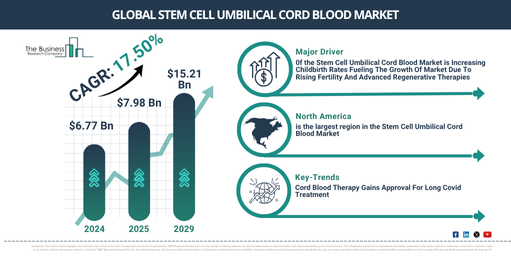
    The market for stem cell umbilical cord blood has seen significant expansion recently. The market size is projected to increase from $6.77 billion in 2024 to $7.98 billion in 2025, evidencing a compound annual growth rate (CAGR) of 17.8%. This upward trajectory during the historical period can be linked to augmented research and development, heightened demand for private banking services, an escalating number of clinical trials, a rising incidence of cancer cases, and an increase in the number of fertility clinics.

    The market size for stem cell umbilical cord blood is predicted to experience swift expansion in the upcoming years, escalating to $15.21 billion by 2029 with a compound annual growth rate (CAGR) of 17.5%. Factors that contribute to this growth during the projected period are the increased prevalence of chronic diseases, rise in childbirth rates, growing demand for stem cell therapies, enhanced government policies and initiatives, along with a heightened focus on regenerative medicine. Significant trends to observe during this forecast period involve advancements in therapeutic applications, improvement in healthcare infrastructure, progress in cryopreservation techniques, and incorporation with gene therapy.

    Download The Free Sample Report Here:

    https://www.thebusinessresearchcompany.com/sample.aspx?id=24715&type=smp

    Which Factor Is Shaping The Future Of The Stem Cell Umbilical Cord Blood Market?

    The surge in birth rates are projected to stimulate the expansion of the stem cell umbilical cord blood market in the future. The number of children born, measuring as live births per 1k individuals in a specific population over a predetermined period – ordinarily a year, defines childbirth rates. The rise in these rates is attributed to the increased accessibility and affordability of fertility therapies, allowing more families to conceive. Critical for newborns, umbilical cord blood stem cells carry hematopoietic stem cells, capable of treating diverse blood, immune, and genetic diseases. These cells are an excellent genetic match for the infant and may potentially assist siblings or other family members. For example, as per the U.S. Centers for Disease Control and Prevention, a federal agency based in the U.S., there was a 1% rise in U.S. births, with the number accelerating from 3,596,017 in 2023 to 3,622,673 in 2024. This uptick in childbirth rates, therefore, serves as a key driver for the stem cell umbilical cord blood market’s growth.

    What Is The Segment-Wise Breakdown Of The Stem Cell Umbilical Cord Blood Market?

    The stem cell umbilical cord blood market covered in this report is segmented –

    1) By Product Type: Cord Blood Stem Cells, Cord Tissue Stem Cells

    2) By Technology: Cryopreservation, Stem Cell Expansion, Cell Separation

    3) By Storage Services: Public Cord Blood Banks, Private Cord Blood Banks, Hybrid Cord Blood Banks

    4) By Application: Hematological Disorders, Metabolic Diseases, Immune System Disorders, Neurological Disorders, Other Applications

    5) By End-User: Hospitals, Research Institutes, Biotechnology Companies, Other End-Users

    Subsegments:

    1) By Cord Blood Stem Cells: Hematopoietic Stem Cells, Mesenchymal Stem Cells, Endothelial Progenitor Cells, Regulatory T Cells, Natural Killer Cells, Dendritic Cells

    2) By Cord Tissue Stem Cells: Mesenchymal Stem Cells, Epithelial Cells, Fibroblasts, Neural Progenitor Cells

    Which Trends Are Redefining The Future Landscape Of The Stem Cell Umbilical Cord Blood Industry?

    Companies which are dominant in the stem cell umbilical cord blood industry are prioritizing the development of groundbreaking therapies and securing approvals. This includes cord blood cell treatment designed to address rare genetic conditions, bolster immune system recovery, and enable regenerative medicine applications. Cord blood cell treatment employs stem cells extracted from umbilical cord blood to rectify a variation of ailments through the restoration or repair of damaged blood, immune, and various tissue systems. For example, StemCyte, a biotechnology firm based in the U.S, achieved the advanced regenerative medicine therapy designation from the U.S. Food and Drug Administration (FDA) in October 2024 for their hematopoietic progenitor cell cord blood therapy (HPC Cord Blood) designed to treat Long COVID-19 syndrome. This cord blood cell therapy uses stem cells from umbilical cord blood to hasten healing and minimize inflammation. It’s demonstrated potential in managing immune and degenerative conditions, and provides a non-invasive, ethically sourced approach to advanced regenerative treatments.

    Which Companies Hold The Largest Market Share In The Stem Cell Umbilical Cord Blood Sector?

    Major companies operating in the stem cell umbilical cord blood market are Takeda Pharmaceutical Company Limited, Global Cord Blood Corporation, Vita 34 AG, Cordlife Group Limited, StemLife Berhad, MediPost Co. Ltd., Smart Cells International Ltd., StemCyte Inc., Celularity Inc., Next Biosciences Pty Ltd, Esperite N.V., Cryo-Cell International Inc., FamiCord Group, Cells4Life Group LLP, Cryoviva Biotech Pvt. Ltd., Americord Registry LLC, ViaCord LLC, China Cord Blood Corporation, CBR Systems Inc., Cord Blood Registry.

    Get The Full Report Here:

    https://www.thebusinessresearchcompany.com/report/stem-cell-umbilical-cord-blood-global-market-report

    How Does Regional Performance Compare Across The Stem Cell Umbilical Cord Blood Industry?

    North America was the largest region in the stem cell umbilical cord blood market in 2024. Europe is expected to be the fastest-growing region in the forecast period. The regions covered in the stem cell umbilical cord blood market report are Asia-Pacific, Western Europe, Eastern Europe, North America, South America, Middle East, Africa.

    Request For A Customized Report:

    https://www.thebusinessresearchcompany.com/customise?id=24715&type=smp

    About The Business Research Company:

    With over 15000+ reports from 27 industries covering 60+ geographies, The Business Research Company has built a reputation for offering comprehensive, data-rich research and insights. Armed with 1,500,000 datasets, the optimistic contribution of in-depth secondary research, and unique insights from industry leaders, you can get the information you need to stay ahead in the game.

    Get in touch with us:

    The Business Research Company: https://www.thebusinessresearchcompany.com/

    Americas +1 310-496-7795

    Asia +44 7882 955267 & +91 8897263534

    Europe +44 7882 955267

    Email us at info@tbrc.info

    Follow us on:

    LinkedIn: https://in.linkedin.com/company/the-business-research-company

    YouTube: https://www.youtube.com/channel/UC24_fI0rV8cR5DxlCpgmyFQ

    Global Market Model: https://www.thebusinessresearchcompany.com/global-market-model
  • Global Spinal Muscular Atrophy Treatment Market Landscape: Trends and Market Share to 2029

    Global Spinal Muscular Atrophy Treatment Market Landscape: Trends and Market Share to 2029

    Claim your 30% discount on Global Market Reports with code ONLINE30. Limited time only.

    What Is the Estimated Industry Valuation for the Spinal Muscular Atrophy Treatment Sector?

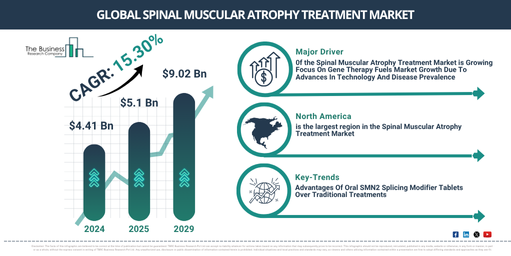
    The market for treatment of spinal muscular atrophy has been developing at an increased rate in the past few years. It is projected to expand from a worth of $4.41 billion in 2024 to a value of $5.1 billion in 2025, with a compound annual growth rate (CAGR) of 15.7%. This considerable growth in the historic phase can be accredited to factors such as a rise in the cases of spinal muscular atrophy, increasing approval for new gene therapy methods, growing cognizance for early detection and treatment, increment in research and development ventures, and the rising provision of newborn screening practices.

    Rapid expansion is anticipated for the spinal muscular atrophy treatment market, with forecasts indicating it will swell to $9.02 billion by 2029, growing at a compound annual growth rate (CAGR) of 15.3%. Factors contributing to this growth during the forecast period include the escalating prevalence of spinal muscular atrophy, the surge in approved, innovative gene therapies, and heightened awareness for early diagnosis and treatment. Additionally, increased investment in research and development coupled with wider reach of newborn screening programs also play a part. Future trends include gene therapy advancement, the inclusion of personalized medicine methods, technologically advanced development of oral treatments, enhancement in newborn screening approaches, and progress in combined therapeutic methodologies.

    Download The Free Sample Report Here:

    https://www.thebusinessresearchcompany.com/sample.aspx?id=24714&type=smp

    What Forces Are Driving The Growth Of The Spinal Muscular Atrophy Treatment Market?

    As interest in gene therapy intensifies, the spinal muscular atrophy treatment market is projected to expand. Gene therapy, a medical method that manipulates a person’s genetic material (either DNA or RNA) to treat or prevent diseases, is increasingly seen as a potential way to directly modify or replace defective genes. This can address the root cause of genetic disorders, offering more long-lasting or permanent therapeutic effects as opposed to conventional treatments. Gene therapy techniques like onasemnogene abeparvovec (Zolgensma) are beneficial for spinal muscular atrophy treatments, providing a one-time, targeted strategy that delivers a functional copy of the SMN1 gene. This significantly enhances motor function and life quality for individuals with SMA. Notably, the American Society of Gene and Cell Therapy reported in January 2024 that the number of gene therapies in Phase III trials rose by 10% in the last quarter of 2023 from the previous quarter, marking the first increase since the third quarter of 2022. Hence, the escalating attention on gene therapy is aiding the growth of the spinal muscular atrophy treatment market.

    How Is The Spinal Muscular Atrophy Treatment Industry Segmented Across Key Parameters?

    The spinal muscular atrophy treatment market covered in this report is segmented –

    1) By Treatment: Medication, Physical Therapy, Surgery, Other Treatments

    2) By Type: Werdnig-Hoffmann Disease, Infant Spinal Muscular Atrophy, Kugelberg-Welander Disease, Adult Spinal Muscular Atrophy

    3) By Route Of Administration: Oral, Parenteral

    4) By Distribution Channel: Hospital Pharmacies, Retail Pharmacies, Other Distribution Channels

    5) By End User: Hospitals, Homecare, Specialty Clinics, Other End Users

    Subsegments:

    1) By Medication: Nusinersen (Spinraza), Onasemnogene Abeparvovec-Xioi (Zolgensma), Risdiplam (Evrysdi), Antisense Oligonucleotides, Spinal Muscular Atrophy (SMN2) Splicing Modifiers, Corticosteroids, Supportive Medications

    2) By Physical Therapy: Occupational Therapy, Respiratory Therapy, Aquatic Therapy, Orthotic Support, Assistive Mobility Devices, Range-Of-Motion Exercises

    3) By Surgery: Spinal Fusion Surgery, Scoliosis Correction Surgery, Orthopedic Surgery, Gastrostomy Tube Placement, Tracheostomy

    4) By Other Treatments: Nutritional Support, Respiratory Support, Psychosocial Support And Counseling, Genetic Counseling, Stem Cell Therapy

    What Notable Trends Are Shaping The Direction Of The Spinal Muscular Atrophy Treatment Market?

    Prominent businesses in the spinal muscular atrophy treatment market are concentrating their efforts on producing innovative versions like survival motor neuron 2 (SMN2) splicing modifier tablets. These potent new drugs are designed to amplify motor function and slow the advancement of the disease. Specifically designed for oral consumption, these SMN2 splicing modifier tablets alter the SMN2 gene’s splicing, thus producing functional SMN protein which is a crucial component for the survival of motor neurons. The tablets play a significant role in treating spinal muscular atrophy (SMA) by boosting the amounts of full-length SMN protein, leading to an improvement in muscle function and stabilizing the progression of the ailment. In February 2025, an example of this was when Genentech, Inc., a biotechnology company based in the United States, was granted approval for its Evrysdi (risdiplam) tablet by the U.S. Food and Drug Administration. This was the first and sole non-invasive SMN2 splicing modifier tablet introduced for treating SMA. The Evrysdi tablet is as effective and safe as the current oral solution, plus it brings added benefits such as storage at room temperature and simplified usage for individuals aged two years or over who weigh above 44 lbs (20 kgs), providing increased convenience and adaptability in the management of the disease.

    Which Companies Currently Dominate The Competitive Landscape In The Spinal Muscular Atrophy Treatment Industry?

    Major companies operating in the spinal muscular atrophy treatment market are F. Hoffmann-La Roche Ltd, Novartis AG, Biogen Inc., Chugai Pharmaceutical Co. Ltd, PTC Therapeutics Inc., Ionis Pharmaceuticals Inc., Ultragenyx Pharmaceutical Inc., Catalyst Pharmaceuticals Inc., BIOCAD INDIA PRIVATE LIMITED, Cytokinetics Incorporated, Voyager Therapeutics Inc., Scholar Rock Holding Corporation, Genethon, Exegenesis Bio Inc, NMD Pharma A/S, Biohaven Pharmaceutical Holding Company Ltd, Alcyone Therapeutics Inc., Vybion Inc., Apteeus SAS, Biophytis SA, Ractigen Therapeutics.

    Get The Full Report Here:

    https://www.thebusinessresearchcompany.com/report/spinal-muscular-atrophy-treatment-global-market-report

    Which Geographic Regions Are Driving Demand In The Spinal Muscular Atrophy Treatment Market?

    North America was the largest region in the spinal muscular atrophy treatment market in 2024. Asia-Pacific is expected to be the fastest-growing region in the forecast period. The regions covered in the spinal muscular atrophy treatment market report are Asia-Pacific, Western Europe, Eastern Europe, North America, South America, Middle East, Africa.

    Request For A Customized Report:

    https://www.thebusinessresearchcompany.com/customise?id=24714&type=smp

    About The Business Research Company:

    With over 15000+ reports from 27 industries covering 60+ geographies, The Business Research Company has built a reputation for offering comprehensive, data-rich research and insights. Armed with 1,500,000 datasets, the optimistic contribution of in-depth secondary research, and unique insights from industry leaders, you can get the information you need to stay ahead in the game.

    Get in touch with us:

    The Business Research Company: https://www.thebusinessresearchcompany.com/

    Americas +1 310-496-7795

    Asia +44 7882 955267 & +91 8897263534

    Europe +44 7882 955267

    Email us at info@tbrc.info

    Follow us on:

    LinkedIn: https://in.linkedin.com/company/the-business-research-company

    YouTube: https://www.youtube.com/channel/UC24_fI0rV8cR5DxlCpgmyFQ

    Global Market Model: https://www.thebusinessresearchcompany.com/global-market-model