Blog

  • Latest Market Developments in Neutralizing Antibody Industry: Forecast 2025–2029

    Latest Market Developments in Neutralizing Antibody Industry: Forecast 2025–2029

    Claim your 30% discount on Global Market Reports with code ONLINE30. Limited time only.

    What Is the Outlook for the Neutralizing Antibody Market Heading Into 2029?

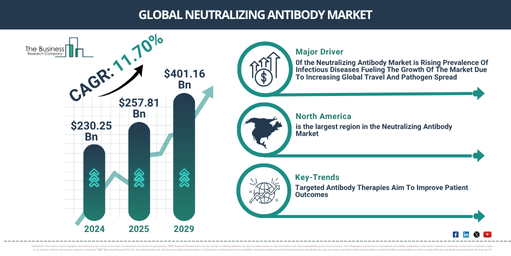
    The increase in the market size of neutralizing antibodies in the past few years has been quite significant. It is projected to expand from $230.25 billion in 2024 to $257.81 billion in 2025, with a compound annual growth rate (CAGR) of 12.0%. Factors such as an upsurge in the approval of biologics, increased funding for antibody research, a higher incidence of chronic viral infections, growing knowledge of immunotherapy, and elevated healthcare expenditure can be credited for the expansion witnessed in the historical period.

    Over the next few years, there is a projection for a swift growth in the market size of neutralizing antibodies. It is anticipated that by 2029, it will escalate to $401.16 billion, with a compound annual growth rate (CAGR) of 11.7%. The growth during the forecast period is likely to be driven by increasing instances of emerging infectious diseases, a rise in autoimmune disorders, an expansive pipeline of antibody-based therapies, the surging demand for precision medicine, and an augmenting demand for targeted therapies. Prominent trends during the projected period include a shift towards the use of bispecific and multispecific antibodies, the application of artificial intelligence (AI) in the discovery of antibodies, the development of antibody-drug conjugates, increased usage of plant-based production of antibodies, and the upswing in personalized immunotherapies.

    Download The Free Sample Report Here:

    https://www.thebusinessresearchcompany.com/sample.aspx?id=24620&type=smp

    Which Factors Are Pushing The Neutralizing Antibody Market Forward?

    The increasing occurrence of infectious diseases is predicted to fuel the expansion of the neutralizing antibody market. Such diseases are illnesses prompted by harmful microorganisms like bacteria, viruses, fungi, or parasites, which are capable of spreading from one person to another directly or indirectly. The escalating frequency of these diseases can be attributed to heightened travel, allowing for the quick transmission of pathogens across borders. Neutralizing antibodies bolster the treatment of these diseases by specifically identifying and neutralizing pathogens – this makes them effective in averting the progression of the disease. They enhance patient outcomes by providing accurate and prompt immune protection. To exemplify, the UK Health Security Agency, a government agency within the UK, reported in February 2024 that tuberculosis cases (a contagious bacterial disease primarily impacting the lungs) in England escalated to 4,850 in 2023 from 4,380 cases a year prior – a rise of 10.7%. As such, the escalating occurrence of infectious diseases is driving the expansion of the neutralizing antibody market.

    Which Segment Held The Largest Share In The Neutralizing Antibody Market In 2025?

    The neutralizing antibody market covered in this report is segmented –

    1) By Antibody Type: Monoclonal Antibodies, Polyclonal Antibodies

    2) By Target Virus: SARS-CoV-2 (COVID-19), Human Immunodeficiency Viruses (HIV), Influenza, Ebola, Zika, Hepatitis C, Other Target Viruses

    3) By Distribution Channel: Direct Sales To End-Users, Distributors, Online Retail, Other Distribution Channels

    4) By Application: Therapeutics, Diagnostics, Research And Development

    5) By End User: Hospitals And Clinics, Research Institutes, Diagnostic Laboratories, Pharmaceutical Companies, Other End Users

    Subsegments:

    1) By Monoclonal Antibodies: Fully Human Monoclonal Antibodies, Humanized Monoclonal Antibodies, Chimeric Monoclonal Antibodies, Murine Monoclonal Antibodies

    2) By Polyclonal Antibodies: Animal-Derived Polyclonal Antibodies, Recombinant Polyclonal Antibodies, Human Polyclonal Antibody Preparations

    How Are Key Trends Driving Expansion In The Neutralizing Antibody Industry?

    Leading enterprises in the neutralizing antibody market are concentrating their efforts on creating sophisticated remedies like targeted therapies, designed to fight off infectious diseases by accurately neutralizing viruses and blocking their access to human cells. Targeted therapies essentially refer to treatments that zoom in on molecular markers or pathways that are vital for the proliferation and survival of disease-causing cells such as cancerous cells or viruses. For instance, U.S.-based pharmaceutical firm Eli Lilly and Company was granted Emergency Use Authorization (EUA) by the U.S. Food and Drug Administration (FDA) for Bebtelovimab, a targeted neutralizing monoclonal antibody therapy against COVID-19, in February 2022. Bebtelovimab is crafted to treat patients with a mild to moderate severity of COVID-19 who are at a high probability of advancing to severe conditions, including hospitalization or death. This authorization facilitates timely treatment in the face of burgeoning viral variants, bolstering efforts to mitigate disease severity and enhance patient outcomes.

    Which Organizations Are Driving Progress In The Neutralizing Antibody Industry?

    Major companies operating in the neutralizing antibody market are Pfizer Inc., Johnson & Johnson, Roche Holding AG, Merck & Co. Inc., AstraZeneca PLC, Sanofi SA, GlaxoSmithKline plc, Eli Lilly and Company, Regeneron Pharmaceuticals Inc., GeNext Genomics, Celltrion Healthcare Co. Ltd, BeiGene Ltd, AbCellera Biologics Inc., BMC Pharmacology and Toxicology, Anthos Therapeutics, Immunome Inc., Sorrento Therapeutics Inc., Tonix Pharmaceuticals, Abwiz Bio, AXIM Biotechnologies.

    Get The Full Report Here:

    https://www.thebusinessresearchcompany.com/report/neutralizing-antibody-global-market-report

    Which Region Is Expected To Experience The Highest Growth In The Neutralizing Antibody Industry?

    North America was the largest region in the neutralizing antibody market in 2024. Asia-Pacific is expected to be the fastest-growing region in the forecast period. The regions covered in the neutralizing antibody market report are Asia-Pacific, Western Europe, Eastern Europe, North America, South America, Middle East, Africa.

    Request For A Customized Report:

    https://www.thebusinessresearchcompany.com/customise?id=24620&type=smp

    About The Business Research Company:

    With over 15000+ reports from 27 industries covering 60+ geographies, The Business Research Company has built a reputation for offering comprehensive, data-rich research and insights. Armed with 1,500,000 datasets, the optimistic contribution of in-depth secondary research, and unique insights from industry leaders, you can get the information you need to stay ahead in the game.

    Get in touch with us:

    The Business Research Company: https://www.thebusinessresearchcompany.com/

    Americas +1 310-496-7795

    Asia +44 7882 955267 & +91 8897263534

    Europe +44 7882 955267

    Email us at info@tbrc.info

    Follow us on:

    LinkedIn: https://in.linkedin.com/company/the-business-research-company

    YouTube: https://www.youtube.com/channel/UC24_fI0rV8cR5DxlCpgmyFQ

    Global Market Model: https://www.thebusinessresearchcompany.com/global-market-model
  • Emerging Trends and Growth Drivers in the Neurogenic Detrusor Overactivity Market Through 2029

    Emerging Trends and Growth Drivers in the Neurogenic Detrusor Overactivity Market Through 2029

    Claim your 30% discount on Global Market Reports with code ONLINE30. Limited time only.

    What Does the Forecast Indicate for the Neurogenic Detrusor Overactivity Market From 2025 to 2029?

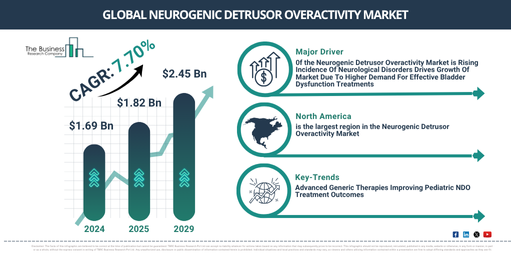
    In recent years, the neurogenic detrusor overactivity market has experienced robust growth. The market is projected to expand from $1.69 billion in 2024 to $1.82 billion in 2025, demonstrating a compound annual growth rate (CAGR) of 7.9%. This growth during the historical period can be accredited to factors such as the rising incidence of neurological disorders, increased awareness among medical professionals, widespread adoption of pharmaceutical therapies, growth in hospital and clinic networks, and higher diagnosis rates.

    The market for neurogenic detrusor overactivity is projected to experience robust growth in the upcoming years. By 2029, the market size is anticipated to reach $2.45 billion, with a compound annual growth rate (CAGR) of 7.7%. The projected growth during the forecast period can be credited to factors such as an escalating elderly population, an increased occurrence of spinal cord injuries, upsurge in healthcare expenses, the rise of minimally invasive treatments, and enhanced patient knowledge and education. The forecast period will also see key trends like progress in stem cell techniques, innovations in drug delivery mechanisms, advancements in neuromodulation devices, research and the evolution of personalized medicine, and enhancements in minimally invasive procedures.

    Download The Free Sample Report Here:

    https://www.thebusinessresearchcompany.com/sample.aspx?id=24619&type=smp

    What Elements Are Contributing To Growth In The Neurogenic Detrusor Overactivity Market?

    The neurogenic detrusor overactivity market is predicted to expand due to the increasing prevalence of neurological disorders. These medical conditions, which affect the brain, nerves, or spinal cord, can cause issues with movement, sensation, cognition, or other bodily functions. As people are living longer, the risk of neurological disorders, and thus age-related brain degeneration, is rising. Neurogenic detrusor overactivity (NDO) is a common bladder dysfunction associated with these disorders, including Parkinson’s disease, multiple sclerosis, and spinal cord injury. These conditions interfere with the normal nerve signals between the brain and bladder, causing involuntary bladder contractions. A 2024 study published by the American Academy of Neurology (AAN), a US-based neurology and neuroscience organization, anticipates there will be roughly 4.9 billion brain disorder cases worldwide by 2050, representing a 22% increase from around 4 billion cases in 2021. Hence, the increase in neurological disorders is fuelling the growth of the neurogenic detrusor overactivity market.

    Which Segments Are Detailed In The Global Neurogenic Detrusor Overactivity Market Report?

    The neurogenic detrusor overactivity market covered in this report is segmented –

    1) By Types: Non-Surgical Treatment, Surgical Treatment, Follow-Up Treatment

    2) By Application: Adult, Child

    3) By End-User: Hospitals, Urology Clinics, Rehabilitation Centers, Private Practices, Long-Term Care Facilities

    Subsegments:

    1) By Non-Surgical Treatment: Antimuscarinic Drugs, Beta-3 Adrenergic Agonists, Behavioral Therapy, Neuromodulation, Clean Intermittent Catheterization, Intravesical Therapies

    2) By Surgical Treatment: Botulinum Toxin Injection, Augmentation Cystoplasty, Urinary Diversion, External Sphincterotomy, Artificial Urinary Sphincter Implantation

    3) By Follow-Up Treatment: Urodynamic Evaluation, Ultrasound Monitoring, Laboratory Tests, Ongoing Catheterization, Repeat Botulinum Toxin Injections, Patient and Caregiver Training, Quality of Life Assessment

    Which Emerging Trends And Strategic Shifts Are Shaping The Neurogenic Detrusor Overactivity Market?

    The central players in the neurogenic detrusor overactivity (NDO) treatment market are concentrating their efforts on the development of advanced generic treatments like beta-3 adrenergic receptor agonists, aiming to provide effective bladder control solutions at a lower cost. Agents like mirabegron work by relaxing the detrusor muscle in the bladder, which increases its capacity and reduces troubling symptoms such as urgency and incontinence. In April 2024, the India-based pharmaceutical firm, Lupin Ltd., was granted approval by the U.S. Food and Drug Administration (USFDA) to introduce Mirabegron, a generic version of Myrbetriq, to the U.S market. Mirabegron, an innovative once-daily oral therapy, provides a practical and effective treatment solution for overactive bladder (OAB) and neurogenic detrusor overactivity (NDO) patients, specifically in pediatric populations. This approval underlines Lupin’s objective of broadening the availability of high-quality, affordable generics in crucial therapeutic areas.

    Who Are The Key Contributors To Growth In The Neurogenic Detrusor Overactivity Market?

    Major companies operating in the neurogenic detrusor overactivity market are Pfizer Inc., Johnson & Johnson Services Inc., AbbVie Inc., Sanofi S. A., Medtronic plc, Teva Pharmaceutical Industries Ltd., Astellas Pharma Inc., Intas Pharmaceuticals Ltd., Macleods Pharmaceuticals Ltd., Sun Pharmaceutical Industries, Apotex Inc., Viatris Inc., Sumitomo Pharma America Inc., Galderma, Ipsen, Coloplast A/S, Aurobindo Pharma Limited, Hisamitsu Pharmaceutical Co. Inc., Kaken Pharmaceutical Co. Ltd., Hugel Inc.

    Get The Full Report Here:

    https://www.thebusinessresearchcompany.com/report/neurogenic-detrusor-overactivity-global-market-report

    Which Region Is Projected To Lead The Neurogenic Detrusor Overactivity Market By 2025?

    North America was the largest region in the neurogenic detrusor overactivity market in 2024. The regions covered in the neurogenic detrusor overactivity market report are Asia-Pacific, Western Europe, Eastern Europe, North America, South America, Middle East, Africa.

    Request For A Customized Report:

    https://www.thebusinessresearchcompany.com/customise?id=24619&type=smp

    About The Business Research Company:

    With over 15000+ reports from 27 industries covering 60+ geographies, The Business Research Company has built a reputation for offering comprehensive, data-rich research and insights. Armed with 1,500,000 datasets, the optimistic contribution of in-depth secondary research, and unique insights from industry leaders, you can get the information you need to stay ahead in the game.

    Get in touch with us:

    The Business Research Company: https://www.thebusinessresearchcompany.com/

    Americas +1 310-496-7795

    Asia +44 7882 955267 & +91 8897263534

    Europe +44 7882 955267

    Email us at info@tbrc.info

    Follow us on:

    LinkedIn: https://in.linkedin.com/company/the-business-research-company

    YouTube: https://www.youtube.com/channel/UC24_fI0rV8cR5DxlCpgmyFQ

    Global Market Model: https://www.thebusinessresearchcompany.com/global-market-model
  • CAGR of 9.2% Projected for Neurodegenerative Disease Market From 2025 to 2029

    CAGR of 9.2% Projected for Neurodegenerative Disease Market From 2025 to 2029

    Claim your 30% discount on Global Market Reports with code ONLINE30. Limited time only.

    How Much Is the Global Neurodegenerative Disease Market Valued at Present and by 2029?

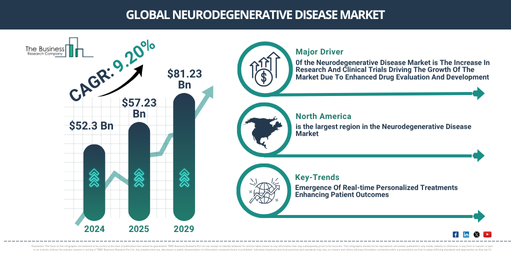
    In recent times, there has been a robust increase in the market size of neurodegenerative diseases. It’s forecasted to rise from $52.3 billion in 2024 to $57.23 billion in 2025, growing at a Compound Annual Growth Rate (CAGR) of 9.4%. This surge over the historical period can be credited to an improvement in diagnostic abilities, growing demand for treatments addressing symptoms, an expansion in clinical research, an increase in collaborations between public and private entities, and a rising pressure due to unfulfilled medical needs.

    Anticipations of substantial expansion are predicted for the neurodegenerative disease market size in the subsequent years. By 2029, it is projected to escalate to $81.23 billion, signifying a compound annual growth rate (CAGR) of 9.2%. This prospective augmentation during the predictive stretch can be credited to factors such as advancements in gene and cell therapy, the growing uptake of digital biomarkers, an increasing inclination towards precision medicine methodologies, an expanding roster of disease-altering drugs, and the rising application of artificial intelligence into the field of neurology. Key trends expected during the forecast period encompass progression in neuroimaging techniques, refined drug delivery systems intended for brain targeting, the formulation of individualized treatment approaches, breakthroughs in biomarker discovery, and advancements in gene editing technologies.

    Download The Free Sample Report Here:

    https://www.thebusinessresearchcompany.com/sample.aspx?id=24618&type=smp

    #What Drivers Are Influencing Growth In The Neurodegenerative Disease Market?

    The neurodegenerative disease market is expected to be propelled by an upsurge in research and clinical trials. Clinical trials involve human subjects in research studies to evaluate the efficacy, safety and potential side effects of new medical devices, drugs or treatments. The amplification in research and clinical trials is largely fueled by the increasing demand for novel treatments to meet growing healthcare demands and optimize patient results. Clinical trials back up neurodegenerative disease research by providing indispensably crucial data on the safety and effectiveness of new treatments, thereby fostering therapeutic development and improving patient results. For example, a report released by the UK-based Association of the British Pharmaceutical Industry (ABPI) in November 2023 stated that the total number of industry clinical trials initiated each year in the UK rose slightly by 4.3%, increasing from 394 trials in 2021 to 411 in 2022. Hence, the upward trend in research and clinical trials is anticipated to propel the expansion of the neurodegenerative disease market.

    What Are The Main Segments Identified In The Neurodegenerative Disease Market Research?

    The neurodegenerative disease market covered in this report is segmented –

    1) By Disease Type: Parkinson’s Disease, Alzheimer’s Disease, Multiple Sclerosis, Huntington Disease, Amyotrophic Lateral Sclerosis

    2) By Drug Type: N-methyl-D-aspartate Receptor antagonists, Cholinesterase Inhibitors, Dopamine Agonists, Immunomodulatory Drugs, Acetylcholinesterase (AChE) Inhibitors, Antagonist, Monoamine Oxidase B (MAO-B) Inhibitor, Catechol-O-Methyltransferase (COMT) Inhibitor, Selective Serotonin Reuptake Inhibitor (SSRIs), Other Drug Types

    3) By Route of Administration: Oral, Injectable, Transdermal, Other Routes Of Administration

    4) By Distribution Channel: Hospital Pharmacies, Retail Pharmacies, Online Pharmacies, Other Distribution Channels

    5) By End-User: Hospital, Retail, Online

    Subsegment:

    1) By Parkinson’s Disease: Idiopathic Parkinson’s Disease, Familial Parkinson’s Disease, Early-Onset Parkinson’s Disease, Parkinsonism

    2) By Alzheimer’s Disease: Early-Onset Alzheimer’s Disease, Late-Onset Alzheimer’s Disease, Familial Alzheimer’s Disease (FAD), Inflammatory Subtype, Non-Inflammatory Subtype, Cortical Subtype

    3) By Multiple Sclerosis (MS): Clinically Isolated Syndrome (CIS), Relapsing-Remitting MS (RRMS), Secondary Progressive MS (SPMS), Primary Progressive MS (PPMS), Progressive-Relapsing MS (PRMS)

    4) By Huntington’s Disease: Adult-Onset Huntington’s Disease, Juvenile Huntington’s Disease

    5) By Amyotrophic Lateral Sclerosis (ALS): Classical ALS, Limb-Onset ALS, Bulbar-Onset ALS, Respiratory-Onset ALS, Primary Lateral Sclerosis (PLS), Progressive Muscular Atrophy (PMA), Juvenile ALS, ALS-Parkinsonism-Dementia Complex (ALS-PDC)

    What Are The Leading Trends And Opportunities In The Neurodegenerative Disease Sector?

    Key players in the neurodegenerative disease market are channeling their efforts into creating novel products such as next-generation adaptive Deep Brain Stimulation (aDBS) systems. These endeavours are driven by the intention to enhance treatment accuracy, augment disease-altering impacts, and uplift the patient’s quality of life. The next-generation adaptive deep brain stimulation (aDBS) systems, being advanced neurostimulation tools, are geared towards offering real-time, tailor-made treatment for Parkinson’s disease. These systems achieve this by dynamically tweaking stimulation parameters depending on neural feedback to maximize therapeutic benefits and mitigate side effects, thereby ensuring improved patient outcomes. For example, in February 2025, Medtronic, a medical technology firm based in the US, obtained approval from the U.S. Food and Drug Administration (USFDA) for the first-ever adaptive deep brain stimulation (aDBS) system for Parkinson’s disease. This approval corresponds to the premarket approval (PMA) application for the Percept RC neurostimulator integrated with BrainSense technology, which auto-adjusts therapy according to a patient’s brain signals. This system is clinically proven to alleviate symptoms for advanced Parkinson’s disease patients, marking a considerable progress in personalized neuromodulation treatments.

    Which Companies Play A Key Role In The Development Of The Neurodegenerative Disease Market?

    Major companies operating in the neurodegenerative disease market are Pfizer Inc., Johnson & Johnson, F. Hoffmann-La Roche Ltd, AbbVie Inc., Sanofi S.A., Novartis AG, Takeda Pharmaceutical Company Limited, Eli Lilly and Company, Merck & Co. Inc., Biogen Inc., Neurocrine Biosciences Inc., Alnylam Pharmaceuticals Inc., Ionis Pharmaceuticals Inc., Cassava Sciences Inc., Denali Therapeutics Inc., Voyager Therapeutics Inc., AC Immune SA, Amylyx Pharmaceuticals Inc., Sage Therapeutics Inc., Alzheon Inc.

    Get The Full Report Here:

    https://www.thebusinessresearchcompany.com/report/neurodegenerative-disease-global-market-report

    What Are The Key Regional Developments Shaping The Neurodegenerative Disease Market?

    North America was the largest region in the neurodegenerative disease market in 2024. Asia-Pacific is expected to be the fastest-growing region in the forecast period. The regions covered in the neurodegenerative disease market report are Asia-Pacific, Western Europe, Eastern Europe, North America, South America, Middle East, Africa.

    Request For A Customized Report:

    https://www.thebusinessresearchcompany.com/customise?id=24618&type=smp

    About The Business Research Company:

    With over 15000+ reports from 27 industries covering 60+ geographies, The Business Research Company has built a reputation for offering comprehensive, data-rich research and insights. Armed with 1,500,000 datasets, the optimistic contribution of in-depth secondary research, and unique insights from industry leaders, you can get the information you need to stay ahead in the game.

    Get in touch with us:

    The Business Research Company: https://www.thebusinessresearchcompany.com/

    Americas +1 310-496-7795

    Asia +44 7882 955267 & +91 8897263534

    Europe +44 7882 955267

    Email us at info@tbrc.info

    Follow us on:

    LinkedIn: https://in.linkedin.com/company/the-business-research-company

    YouTube: https://www.youtube.com/channel/UC24_fI0rV8cR5DxlCpgmyFQ

    Global Market Model: https://www.thebusinessresearchcompany.com/global-market-model
  • Industry Forecast: Netupitant-Palonosetron FDC Market to Generate $555.45 Billion Revenue by 2029

    Industry Forecast: Netupitant-Palonosetron FDC Market to Generate $555.45 Billion Revenue by 2029

    Claim your 30% discount on Global Market Reports with code ONLINE30. Limited time only.

    What Is the Current and Projected Market Size of the Netupitant-Palonosetron FDC Industry?

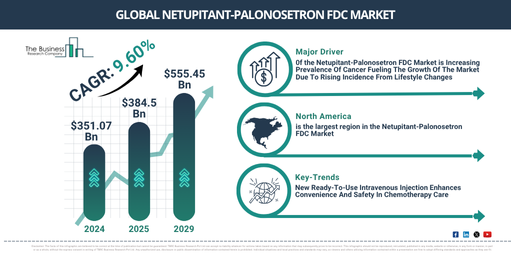
    The market size for the fixed dose combination of netupitant-palonosetron has seen substantial growth in the past years. It’s slated to rise from $351.07 billion in 2024 to $384.5 billion in 2025, with a compound annual growth rate (CAGR) of 9.5%. The previous period’s growth is credited to the escalating utilization of combined antiemetic treatments, heightened consciousness among oncologists, a rise in cancer instances, mounting clinical proofs that vouch for its efficiency and safety, and growing accessibility to cancer therapies in emerging markets.

    In the forthcoming years, the market size for the netupitant-palonosetron fixed dose combination (fdc) is anticipated to experience robust growth, escalating to $555.45 billion in 2029 at a compound annual growth rate (CAGR) of 9.6%. This growth during the projected period is credited to an increasing emphasis on enhancing the quality of life during chemotherapy sessions, a rising inclination towards home-based chemotherapy treatment options, a growing demand for user-friendly antiemetic regimens and effective antiemetic therapies, and an increasing preference for oral fixed-dose combinations over polypharmacy. Key trends for the upcoming forecasting period encompass innovative therapeutic progressions, advanced formulations with dual action, enhancements in formulation propelled by technology, the creation of orally disintegrating dosage forms, and novelty in controlling emesis for multiple days.

    Download The Free Sample Report Here:

    https://www.thebusinessresearchcompany.com/sample.aspx?id=24617&type=smp

    #Which Factors Are Currently Driving The Growth Of The Netupitant-Palonosetron FDC Market?

    The anticipated rise in cancer cases is likely to catalyze the expansion of the netupitant-palonosetron fixed-dose combination (FDC) market. Cancer refers to a range of illnesses characterized by unchecked increase and dissemination of anomalous cells within the body. Lifestyle factors such as unhealthy eating habits, tobacco use, lack of physical activity, and excessive alcohol intake are contributing to the increasing cancer cases. The combination of two potent anti-emetic agents in netupitant-palonosetron fixed-dose combination (FDC) contributes to enhanced cancer care by mitigating both immediate and delayed chemotherapy-induced sickness and throwing up. It increases patient satisfaction and treatment adherence, promoting superior overall results in healthcare. For example, data from the Australian Institute of Health and Welfare, a government institution in Australia, revealed that cancer cases diagnosed in Australia hit 160,570 in 2022 in July 2024, registering an increase of 3,789 cases from 156,781 in 2021. As such, the escalating incidence of cancer is propelling the expansion of the netupitant-palonosetron fixed-dose combination (FDC) market. The growing appetite for oral medications is also expected to fuel the growth of the netupitant-palonosetron fixed-dose combination (FDC) market. Oral medications are those taken via the mouth and assimilated through the digestive system to cure or prevent diverse health problems. The surging demand for these drugs emanates from their ease of use and convenience, enabling patients to self-administer without professional aid. The efficiency of oral medications is enhanced by netupitant-palonosetron FDC, which mitigates nausea and vomiting, subsequently enhancing treatment compliance and outcomes for patients. According to the US-based government authority, the Centers for Disease Control and Prevention, the distribution of oral antivirals surged by 57%, from 643 per 100,000 individuals between April 24 and May 21, 2022, to 1,012 per 100,000 individuals between July 31 and August 28, 2022. Therefore, the increasing demand for oral medications is driving the expansion of the netupitant-palonosetron fixed-dose combination (FDC) market.

    How Is The Global Netupitant-Palonosetron FDC Market Structured In Terms Of Segments?

    The netupitant-palonosetron fdc market covered in this report is segmented –

    1) By Product Type: Netupitant, Palonosetron, Fixed Dose Combination (FDC)

    2) By Route Of Administration: Oral Administration, Intravenous (IV) Administration, Sublingual Administration

    3) By Application: Chemotherapy Induced Nausea And Vomiting (CINV), Postoperative Nausea And Vomiting (PONV), General Nausea Management

    4) By Distribution Channel: Hospitals, Retail Pharmacies, Online Pharmacies, Specialty Clinics

    Subsegments:

    1) By Netupitant: Oral Netupitant, Injectable Netupitant

    2) By Palonosetron: Oral Palonosetron, Injectable Palonosetron

    3) By Fixed Dose Combination: Oral Fixed Dose Combination, Intravenou Fixed Dose Combination

    What Trends Are Currently Influencing Growth In The Netupitant-Palonosetron FDC Market?

    Leading firms in the netupitant-palonosetron fixed dose combination (FDC) sector are prioritizing the creation of advanced product formulations such as ready-to-use intravenous formulations. These efforts aim to increase treatment effectiveness and patient convenience. Ready-to-use intravenous formulations are sterile drug solutions that are pre-prepared, eliminating the requirement for dilution or mixing. This enhances the ease of administration and minimizes the risk of preparation errors for netupitant-palonosetron fixed dose combination (FDC). An example of this is the June 2024 launch of AKYNZEO (fosnetupitant/palonosetron) injection by Helsinn Group, a pharmaceutical company based in Switzerland. This ready-to-use vial is available in the United States and is carefully crafted to streamline both the preparation and administration processes for healthcare providers in clinical settings. The injection does not need reconstitution or dilution and comes with an integrated hanging strap for direct infusion from the vial.

    Who Are The Main Participants Shaping The Netupitant-Palonosetron FDC Market Landscape?

    Major companies operating in the netupitant-palonosetron fdc market are Taiho PharmaceuticalTaiho Pharmaceutical Co. Ltd., Chugai Pharmaceutical Co. Ltd., Eisai Co. Ltd, Dr. Reddy’s Laboratories Ltd., Aurobindo Pharma Limited, Zhejiang Tiantai Pharmaceutical Co. Ltd., Hikma Pharmaceuticals PLC, Glenmark Pharmaceuticals Limited, Helsinn Group, Heron Therapeutics Inc., Metrochem API Private Limited, Mundipharma Pty Ltd, Guangzhou Tosun Pharmaceutical Co. Ltd., Tesaro Inc., Accord Healthcare Ltd., Century Pharmaceuticals Ltd., Specialised Therapeutics Australia Pty Ltd., Aark Pharmaceuticals Ltd., Chemicea Pharmaceuticals Pvt. Ltd., Teva Pharmaceutical Industries Ltd.

    Get The Full Report Here:

    https://www.thebusinessresearchcompany.com/report/netupitant-palonosetron-fdc-global-market-report

    Which Region Currently Holds The Largest Share In The Netupitant-Palonosetron FDC Market?

    North America was the largest region in the netupitant-palonosetron fixed dose combination (FDC) market in 2024. Asia-Pacific is expected to be the fastest-growing region in the forecast period. The regions covered in the netupitant-palonosetron fdc market report are Asia-Pacific, Western Europe, Eastern Europe, North America, South America, Middle East, Africa.

    Request For A Customized Report:

    https://www.thebusinessresearchcompany.com/customise?id=24617&type=smp

    About The Business Research Company:

    With over 15000+ reports from 27 industries covering 60+ geographies, The Business Research Company has built a reputation for offering comprehensive, data-rich research and insights. Armed with 1,500,000 datasets, the optimistic contribution of in-depth secondary research, and unique insights from industry leaders, you can get the information you need to stay ahead in the game.

    Get in touch with us:

    The Business Research Company: https://www.thebusinessresearchcompany.com/

    Americas +1 310-496-7795

    Asia +44 7882 955267 & +91 8897263534

    Europe +44 7882 955267

    Email us at info@tbrc.info

    Follow us on:

    LinkedIn: https://in.linkedin.com/company/the-business-research-company

    YouTube: https://www.youtube.com/channel/UC24_fI0rV8cR5DxlCpgmyFQ

    Global Market Model: https://www.thebusinessresearchcompany.com/global-market-model
  • Neglected Tropical Disease Treatment Market Revenue Outlook: Strategic Insights and Forecast to 2029

    Neglected Tropical Disease Treatment Market Revenue Outlook: Strategic Insights and Forecast to 2029

    Claim your 30% discount on Global Market Reports with code ONLINE30. Limited time only.

    How Will the Neglected Tropical Disease Treatment Market Evolve in Terms of Growth and Size by 2029?

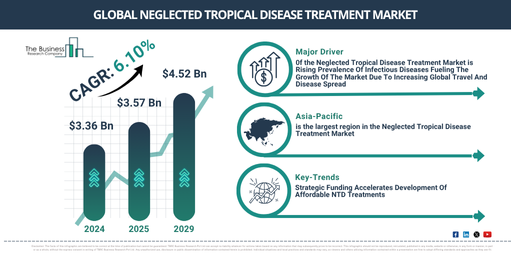
    The market for treating neglected tropical diseases has seen robust expansion in the past years. It is projected to increase from $3.36 billion in 2024 to $3.57 billion in 2025, with a compound annual growth rate (CAGR) of 6.3%. Contributing factors to this growth during the historical period include enhanced attention from governments towards disease eradication programs, a rise in public-private collaboration for medication contributions, an uptick in pharmaceutical donations by worldwide drug producers, amplified research into cost-effective antiparasitic therapies, and escalated investment in the development of vaccines and diagnostics.

    The market size for the treatment of neglected tropical diseases is predicted to significantly enlarge in the forthcoming years. Its value is expected to hit $4.52 billion in 2029, growing at a compound annual growth rate (CAGR) of 6.1%. This growth over the forecast period can be attributed to the increased use of digital tools for disease monitoring, a robust pipeline of new treatments and vaccines, mounting pressure to tackle antimicrobial resistance, enhanced cross-border cooperation for disease eradication, and the rising disease spread due to climate change. Key trends in this period are expected to be the development of localized treatment methods, the creation of cost-effective vaccine platforms, the merger with primary healthcare systems, the amalgamation of disease surveillance networks, and innovation in vector control solutions.

    Download The Free Sample Report Here:

    https://www.thebusinessresearchcompany.com/sample.aspx?id=24616&type=smp

    What factors are expected to fuel Neglected Tropical Disease Treatment market growth in the coming years?

    The increasing occurrence of infectious diseases is anticipated to drive the expansion of the neglected tropical disease treatment market. Infectious diseases, caused by harmful microorganisms such as bacteria, viruses, fungi, or parasites, can transmit directly or indirectly between individuals. The upsurge in these diseases is attributed to the rise in travel, enabling the swift transmission of pathogens across international borders. Neglected tropical disease treatments play a significant role in managing infectious diseases by offering specialized therapies to control and eradicate the spread of diseases. These treatments enhance public health consequences, particularly in susceptible communities, by lowering the disease load and preventing prolonged disabilities. For example, the UK Health Security Agency, a UK government agency, reported in February 2024 that tuberculosis cases in England escalated to 4,850 in 2023, marking a growth of 10.7% from 4,380 cases in 2022. Consequently, the escalating occurrence of infectious diseases is contributing to the growth of the neglected tropical disease treatment market.

    What Are The Key Findings From The Segmentation Analysis Of The Neglected Tropical Disease Treatment Market?

    The neglected tropical disease treatment market covered in this report is segmented –

    1) By Drug Class: Anti-Parasite, Antifungal, Antibiotics, Other Drugs Class

    2) By Disease Type: Leishmaniasis, Schistosomiasis, Lymphatic Filariasis, Chagas Disease, African Trypanosomiasis, Other Disease Types

    3) By Route of Administration: Oral, Parenteral

    4) By Distribution Channel: Hospital Pharmacy, Retail Pharmacy, Online Pharmacy

    5) By End User: Hospital, Specialty Clinics, Homecare Settings, Other End Users

    Subsegments:

    1) By Anti-Parasite: Anthelmintics, Antiprotozoals, Antimalarials, Ectoparasiticides

    2) By Antifungal: Azoles, Polyenes, Allylamines, Echinocandins

    3) By Antibiotics: Tetracyclines, Macrolides, Rifamycins, Sulfonamides

    4) By Other Drug Classes: Antivirals, Corticosteroids, Combination Therapies, Supportive Treatments

    Which Trends Are Expected To Shape The Future Of The Neglected Tropical Disease Treatment Market?

    Companies in the forefront of neglected tropical disease treatment are centering their objectives around strategic capital infusion to boost R&D, increase global availability and enhance innovative treatment strategies. The neglected tropical disease treatment market is being advanced due to these strategic investments which fund research advancements, cultivate partnerships and expedite the creation of effective, affordable treatments for populations lacking adequate healthcare. For example, a Swiss pharmaceutical firm, Novartis AG, in June 2022, allocated a substantial amount of $250 million towards combating neglected tropical diseases (NTDs) and malaria. This allocation is intended to improve the accessibility of treatments in poorer regions and prop up the creation of novel treatments for neglected tropical diseases.

    What Are The Most Active Companies In The Neglected Tropical Disease Treatment Market Today?

    Major companies operating in the neglected tropical disease treatment market are Pfizer Inc., Johnson And Johnson, Merck And Co. Inc., AbbVie Inc., Bayer AG, Novartis AG, Sanofi S.A., AstraZeneca PLC, Abbott Laboratories, GlaxoSmithKline plc, Takeda Pharmaceutical Company Limited, Astellas Pharma Inc., Eisai Co. Ltd., Shionogi And Co. Ltd., Dr. Reddy`s Laboratories Ltd, Cipla Ltd., Eiken Chemical Company Ltd, LifeArc, Atomwise Inc., Medicines Development for Global Health Ltd.

    Get The Full Report Here:

    https://www.thebusinessresearchcompany.com/report/neglected-tropical-disease-treatment-global-market-report

    Which Regional Markets Are Attracting The Most Investment In Neglected Tropical Disease Treatment?

    Asia-Pacific was the largest region in the neglected tropical disease treatment market in 2024. The regions covered in the neglected tropical disease treatment market report are Asia-Pacific, Western Europe, Eastern Europe, North America, South America, Middle East, Africa.

    Request For A Customized Report:

    https://www.thebusinessresearchcompany.com/customise?id=24616&type=smp

    About The Business Research Company:

    With over 15000+ reports from 27 industries covering 60+ geographies, The Business Research Company has built a reputation for offering comprehensive, data-rich research and insights. Armed with 1,500,000 datasets, the optimistic contribution of in-depth secondary research, and unique insights from industry leaders, you can get the information you need to stay ahead in the game.

    Get in touch with us:

    The Business Research Company: https://www.thebusinessresearchcompany.com/

    Americas +1 310-496-7795

    Asia +44 7882 955267 & +91 8897263534

    Europe +44 7882 955267

    Email us at info@tbrc.info

    Follow us on:

    LinkedIn: https://in.linkedin.com/company/the-business-research-company

    YouTube: https://www.youtube.com/channel/UC24_fI0rV8cR5DxlCpgmyFQ

    Global Market Model: https://www.thebusinessresearchcompany.com/global-market-model
  • Future Projections: Needle Destroyer Market to Reach $10.31 Billion by 2029 at 7.1% CAGR

    Future Projections: Needle Destroyer Market to Reach $10.31 Billion by 2029 at 7.1% CAGR

    Claim your 30% discount on Global Market Reports with code ONLINE30. Limited time only.

    What CAGR Is Anticipated for the Needle Destroyer Market Through 2029?

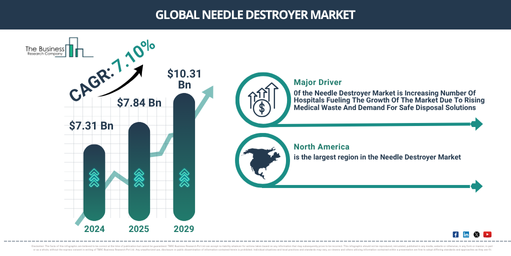
    The market for needle destroyers has substantially expanded over recent years. It is anticipated to increase from a size of $7.31 billion in 2024 to $7.84 billion in 2025, indicating a compound annual growth rate (CAGR) of 7.3%. The expansion observed during the historical period is due to a number of factors including the surge in the volume of medical procedures, escalated demand for portable medical equipment, a higher demand for tackling infections and the rise in the ageing population.

    Expectations are high for a significant expansion in the needle destroyer market over the forthcoming years. The projections suggest this market will reach $10.31 billion by 2029, growing at a compound annual growth rate (CAGR) of 7.1%. Factors contributing to this anticipated growth during the forecast period include an increase in hospital-acquired infections, a higher prevalence of chronic diseases, escalating health and safety concerns, growing apprehension about exposure to blood-borne viruses in the workplace, and an expansion in the number of healthcare facilities. Also, forthcoming trends during the projected period include waste disposal automation, the integration of smart sensors, advanced sterilization techniques, real-time waste monitoring, and leveraging blockchain for waste management purposes.

    Download The Free Sample Report Here:

    https://www.thebusinessresearchcompany.com/sample.aspx?id=24615&type=smp

    What Market Forces Are Driving The Needle Destroyer Sector In 2025 And Beyond?

    The continual growth of hospitals is anticipated to foster the needle destroyer market’s expansion. The increasing number of hospitals can be traced back to the intensifying need for accessible healthcare services due to urbanization and population growth. Needle destroyers, which are primarily utilized in hospitals for safe disposal of used hypodermic needles, contribute significantly to the safety of healthcare facilities by preventing misusage and injury from used needles. According to data from the American Health Care Association in May 2023, there was an incremental growth of 0.591% in the number of hospitals in the United States from 2022, where the total count was 6,093 to 6,129 hospitals in 2023. Consequently, the proliferating number of healthcare facilities is steering the expansion of the needle destroyer market. Hospital-acquired infections (HAIs), or nosocomial infections, are increasingly being cited as critical factors driving the needle destroyer market’s growth forward. These are infections contracted during a hospital visit, which were absent during the time of admission. They typically include surgical site infections (SSIs), catheter-associated urinary tract infections (CAUTIs), and the like. The misuse of antibiotics is a significant contributor to the spread of such infections, leading to the emergence of antibiotic-resistant bacteria. Needle destroyers play a crucial role in reducing such infections by ensuring used needles are destroyed effectively, thereby reducing contamination risks. As an example, the Centers for Disease Control and Prevention reported in November 2024 an increase in surgical site infections by 3% from 2022 to 2023, including an 8% hike in SSIs following abdominal hysterectomy procedures. Hence, the growing prevalence of hospital-acquired infections is nudging the growth of the needle destroyer market.

    How Is The Global Needle Destroyer Market Categorized By Segments?

    The needle destroyer market covered in this report is segmented –

    1) By Product: Electrical Needle Burner, Needle syringe destroyer

    2) By Material Type: Steel, Aluminum, Plastic, Composite Materials

    3) By Distribution Channel: Online Retail, Offline Retail

    4) By Application: Medical Waste Disposal, Industrial Waste Disposal, Household Waste Disposal

    5) By End User: Hospital, Ambulatory Surgical Center, Diagnostic Laboratories, Clinics, Others Healthcare Facilities

    Subsegments:

    1) By Needle Syringe Destroyer: Manual Needle Syringe Destroyer, Electric Needle Syringe Destroyer, Battery-Operated Needle Syringe Destroyer, Dual Function Needle and Syringe Destroyer

    2) By Electrical Needle Burner: Automatic Electrical Needle Burner, Semi-Automatic Electrical Needle Burner, Portable Electrical Needle Burner, Table-Top Electrical Needle Burner

    Which Firms Are Considered Leaders In The Needle Destroyer Market Space?

    Major companies operating in the needle destroyer market are Medtronic plc, Becton, Dickinson and Company, Narang Medical Limited, Saratech Equipments, GPC Medical Ltd., Medi Safe International, Cecon Pollutech Systems Pvt. Ltd., IndoSurgicals Private Limited, Meditech Engineers Pvt. Ltd., Surgitech Industries, Amkay Products Private Limited, LabLine Equipment Pvt. Ltd., Labtech Disposables, Naugra Medical Lab Equipments, United Scientific & Surgicals, Bos Medicare Surgical, Fusion Biotech, Invitro Biotech Ltd., K And L Kyoling, Lab-X SOLUTIONS

    Get The Full Report Here:

    https://www.thebusinessresearchcompany.com/report/needle-destroyer-global-market-report

    What Role Do Regional Policies And Investments Play In Needle Destroyer Market Expansion?

    North America was the largest region in the needle destroyer market in 2024. The regions covered in the needle destroyer market report are Asia-Pacific, Western Europe, Eastern Europe, North America, South America, Middle East, Africa.

    Request For A Customized Report:

    https://www.thebusinessresearchcompany.com/customise?id=24615&type=smp

    About The Business Research Company:

    With over 15000+ reports from 27 industries covering 60+ geographies, The Business Research Company has built a reputation for offering comprehensive, data-rich research and insights. Armed with 1,500,000 datasets, the optimistic contribution of in-depth secondary research, and unique insights from industry leaders, you can get the information you need to stay ahead in the game.

    Get in touch with us:

    The Business Research Company: https://www.thebusinessresearchcompany.com/

    Americas +1 310-496-7795

    Asia +44 7882 955267 & +91 8897263534

    Europe +44 7882 955267

    Email us at info@tbrc.info

    Follow us on:

    LinkedIn: https://in.linkedin.com/company/the-business-research-company

    YouTube: https://www.youtube.com/channel/UC24_fI0rV8cR5DxlCpgmyFQ

    Global Market Model: https://www.thebusinessresearchcompany.com/global-market-model
  • 2025 Nasal Sprays Market Outlook: Opportunities, Growth Trends, and Strategic Analysis

    2025 Nasal Sprays Market Outlook: Opportunities, Growth Trends, and Strategic Analysis

    Claim your 30% discount on Global Market Reports with code ONLINE30. Limited time only.

    What Are the Latest Market Insights for the Nasal Sprays Industry?

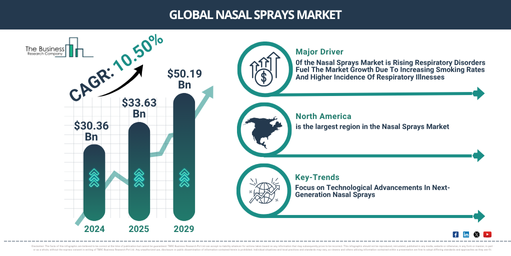
    The market of nasal sprays has experienced swift expansion in the preceding years. The market value is predicted to increase from $30.36 billion in 2024 to $33.63 billion in 2025, with an annual compound growth rate (CAGR) of 10.8%. Factors contributing to the growth observed in the historic period include escalating environmental pollution, heightened usage for vaccine and pain management delivery, rising implementation of nasal sprays in child care, increasing healthcare spending in developing economies, and a growing frequency of seasonal allergies.

    The market for nasal sprays is predicted to experience a significant expansion in the upcoming years, potentially reaching a value of $50.19 billion in 2029, with a compound annual growth rate (CAGR) of 10.5%. Several factors are contributing to this predicted growth within the forecast period, such as the rising frequency of respiratory diseases, an aging demographic, increased consciousness about non-evasive methods for delivering drugs, a growing demand for over-the-counter (OTC) medications, and ongoing improvements in product innovation and drug formulation. The forecast period also anticipates trends like advancements in nasal spray delivery systems, the incorporation of digital health technology, progress in the field of drug formulation science, technological evolution in systemic drug delivery through the nasal pathway, and the utilization of preservative-free technologies.

    Download The Free Sample Report Here:

    https://www.thebusinessresearchcompany.com/sample.aspx?id=24614&type=smp

    What Forces Are Driving The Growth Of The Nasal Sprays Industry?

    The rising occurrence of respiratory diseases is projected to spur the advancement of the nasal sprays market. These diseases negatively affect the lungs’ operation and the process of breathing. The escalating smoking rates indirectly cause respiratory disorders as they damage lung tissue and lower respiratory function. Nasal sprays play a crucial role in these disorders as their ability to convey medicine directly to nasal passages allows for reduced inflammation, congestion clearance, and enhanced airflow. For example, the data from the Bureau of Labor Statistics, a U.S. government organization indicated that in November 2023, there was a significant rise in the illness rate amongst private industry employers in 2022, peaking at 45.2 cases per 10,000 FTE workers, which was up from 37.7 cases in 2021. The primary reason for this surge was an increase in respiratory diseases, which escalated from 27.8 cases per 10,000 FTE workers in 2021 to 35.8 cases in 2022. Hence, the rising occurrence of respiratory diseases is a key factor propelling the growth of the nasal sprays market.

    What Is The Overview Of Market Segmentation In The Nasal Sprays Industry?

    The nasal sprays market covered in this report is segmented –

    1) By Product Type: Steroid Nasal Spray, Antihistamine Nasal Spray, Decongestion Nasal Spray, Saline Nasal Spray, Other Product Types

    2) By Prescription Or Availability: Over The Counter, Prescribed

    3) By Distribution Channel: Retail Pharmacies, Hospital Pharmacies, Online Pharmacies

    4) By Application: Nasal Congestion, Allergic And Non-Allergic Rhinitis, Central Nervous System Disorders, Vaccination, Other Applications

    5) By End-User: Home Care Settings, Hospitals, Clinics, Community Health Care

    Subsegments:

    1) By Steroid Nasal Spray: Fluticasone, Budesonide, Mometasone

    2) By Antihistamine Nasal Spray: Azelastine, Levocabastine, Olopatadine

    3) By Decongestion Nasal Spray: Oxymetazoline, Phenylephrine, Xylometazoline

    4) By Saline Nasal Spray: Isotonic saline, Buffered saline solutions, Hypertonic saline

    5) By Other Product Types: Combination sprays, Anticholinergic sprays, Homeopathic

    What Future Market Trends Are Projected For The Nasal Sprays Industry?

    Leading corporations in the nasal sprays market are directing their attention towards the incorporation of technological advancements such as new-gen nasal sprays. Their aim is to provide superior drug delivery, enhanced bioavailability, and improved patient compliance. The new-generation nasal sprays are sophisticated delivery apparatus with upgraded formulations and tools formulated for specific dosing, increased absorption, swift onset, and superior patient acquiescence compared to traditional nasal sprays. For instance, Haleon Plc, a pharmaceutical company based in the UK, introduced an Otrivin Nasal Mist, a pioneering nasal spray in October 2023. This spray is designed to offer enhanced comfort and usability for people suffering from nasal congestion due to colds, allergies, or sinusitis. It swiftly provides effective relief from nasal congestion by shrinking enlarged blood vessels in the nose which assists in easier breathing within minutes and lasts up to 12 hours. Its soothing microdroplet mist and ergonomic design guarantee comfortable, effortless usage without causing irritation or dripping.

    Who Are The Primary Players Operating Across The Global Nasal Sprays Market?

    Major companies operating in the nasal sprays market are Pfizer Inc., Johnson & Johnson Services, Merck & Co. Inc., Bayer AG, AstraZeneca plc., Novartis AG, GlazoSmithKline plc, Viatris Inc., Teva Pharmaceutical Industries Ltd., Sandoz International GmbH, Catalent Inc., AptarGroup, Cipla Ltd, Emergent, Assertio Therapeutics Inc., Aytu BioPharma Inc., Leeford Healthcare Ltd, Ultratech India Limited, Aishwarya Group, Aurena Laboratories, Innovus Pharmaceuticals Inc.

    Get The Full Report Here:

    https://www.thebusinessresearchcompany.com/report/nasal-sprays-global-market-report

    Which Region Offers The Most Growth Potential For The Nasal Sprays Market Through 2029?

    North America was the largest region in the nasal sprays market in 2024. Asia-Pacific is expected to be the fastest-growing region in the forecast period. The regions covered in the nasal sprays market report are Asia-Pacific, Western Europe, Eastern Europe, North America, South America, Middle East, Africa.

    Request For A Customized Report:

    https://www.thebusinessresearchcompany.com/customise?id=24614&type=smp

    About The Business Research Company:

    With over 15000+ reports from 27 industries covering 60+ geographies, The Business Research Company has built a reputation for offering comprehensive, data-rich research and insights. Armed with 1,500,000 datasets, the optimistic contribution of in-depth secondary research, and unique insights from industry leaders, you can get the information you need to stay ahead in the game.

    Get in touch with us:

    The Business Research Company: https://www.thebusinessresearchcompany.com/

    Americas +1 310-496-7795

    Asia +44 7882 955267 & +91 8897263534

    Europe +44 7882 955267

    Email us at info@tbrc.info

    Follow us on:

    LinkedIn: https://in.linkedin.com/company/the-business-research-company

    YouTube: https://www.youtube.com/channel/UC24_fI0rV8cR5DxlCpgmyFQ

    Global Market Model: https://www.thebusinessresearchcompany.com/global-market-model
  • Global Insights: Myc Proto Oncogene Protein Market Expected to Surpass $3.06 Billion by 2029

    Global Insights: Myc Proto Oncogene Protein Market Expected to Surpass $3.06 Billion by 2029

    Claim your 30% discount on Global Market Reports with code ONLINE30. Limited time only.

    What Are the Forecasted Growth Rate and Market Size of the Myc Proto Oncogene Protein Market?

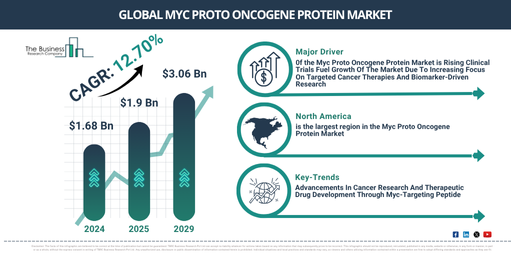
    There has been a speedy expansion in the myc proto oncogene protein market size of late. This market is projected to escalate from $1.68 billion in 2024 to $1.9 billion in 2025, boasting a compound annual growth rate (CAGR) of 12.9%. Factors contributing to this surge during the historic period include the global rise in cancer cases, amplified utilization of biomarker-related diagnostics, mounting academic studies on transcription factors, growth of oncology drug discovery initiatives, and the boosted application of monoclonal antibodies for cancer identification.

    In the forthcoming years, the myc proto oncogene protein market is projected to experience rapid growth, reaching $3.06 billion by 2029, with a compound annual growth rate of 12.7%. This growth during the projection period can be tied to the escalating focus on targeted cancer treatment, increased investment in cancer research, growing popularity of personalized medicine, the proliferation of clinical trials around myc inhibitors, and the rising availability of advanced sequencing technologies. Key trends expected to influence the market during the forecast period encompass technological advancements in gene expression scrutiny, innovative strides in drug delivery mechanisms, AI breakthroughs in biomarker discovery, R&D efforts in peptide-based treatments, and the incorporation of multi-omics platforms into oncology research.

    Download The Free Sample Report Here:

    https://www.thebusinessresearchcompany.com/sample.aspx?id=24613&type=smp

    Which Factor Is Shaping The Future Of The Myc Proto Oncogene Protein Market?

    The growth of the myc proto oncogene protein market is likely to be spurred by the increasing number of clinical trials. These are research initiatives involving human participants that aim to gauge the safety and efficiency of new medical therapies or procedures. The surge in clinical trials is attributed to the concerted efforts by researchers and companies to expedite the production of effective treatments, create reliable safety data, and speed up the introduction of innovative treatments to patients. Particularly focused on combating myc proto-oncogene-related cancers, clinical trials provide crucial insights into effectiveness, safety, and resistance patterns, guiding the design of MYC inhibitors and combination therapies. For instance, data from the US-based National Center for Biotechnology Information in June 2025 indicated a rise in registered studies from 437,497 in 2022 to 520,885 in 2024. This escalating number of clinical trials is fuelling the growth of the myc proto oncogene protein market. The rising rate of cancer cases, due to its significant role in tumor development and potential for targeted treatment, is also steering the expansion of the MYC Protein Market. Cancer, a condition characterized by rampant cell reproduction potentially invading other tissues, is particularly common in seniors, thereby driving up cancer incidences as the population ages. The MYC protein’s overexpression is frequently found in tumors, thereby presenting a viable target for designing potent treatments. For instance, data from the Switzerland-based World Health Organization in February 2024 projected over 35 million new cancer cases by 2050, marking a 77% increase from the estimated 20 million cases in 2022. This rise in cancer prevalence is thus pushing the growth of the myc proto oncogene protein market.

    What Is The Segment-Wise Breakdown Of The Myc Proto Oncogene Protein Market?

    The myc proto oncogene protein market covered in this report is segmented –

    1) By Product Type: Monoclonal Antibodies, Recombinant Proteins, Polymerase Chain Reaction (PCR) Kits, Enzyme-Linked Immunosorbent Assay (ELISA) Kits

    2) By Type: BGA-003, ES-4000, Galarmin, Other Types

    3) By Technology: Gene Expression Profiling, Chromatin Immunoprecipitation Sequencing (ChIP-Seq), Next-Generation Sequencing (NGS), Ribonucleic Acid Interference Techniques

    4) By Application: Cancer Research, Diagnostics, Treatment Development, Biomarker Discovery

    5) By End-User: Academic And Research Institutions, Biotechnology Companies, Pharmaceutical Companies, Hospitals And Diagnostic Laboratories

    Subsegments:

    1) By Monoclonal Antibodies: Therapeutic Monoclonal Antibodies, Diagnostic Monoclonal Antibodies, Research-Grade Monoclonal Antibodies

    2) By Recombinant Proteins: Recombinant Myc Proteins, Recombinant Fusion Proteins, Recombinant Antibody Fragments

    3) By Polymerase Chain Reaction (PCR) Kits: Quantitative PCR (Qpcr) Kits, Reverse Transcription PCR (Rt-Pcr) Kits, Digital PCR Kits

    4) By Enzyme-Linked Immunosorbent Assay (ELISA) Kits: Sandwich ELISA Kits, Competitive ELISA Kits, Indirect ELISA Kits

    Which Trends Are Redefining The Future Landscape Of The Myc Proto Oncogene Protein Industry?

    Leading firms in the myc proto oncogene protein market are making a concerted effort to develop superior therapies, notably myc-targeting peptide therapeutics, in a bid to transform cancer treatment paradigms. This new type of drug aims to hinder the action of the myc oncogene, an abnormally active element in most cancer types and a key player in tumor evolution and growth. In January 2025, for instance, Spanish biotech firm Peptomyc S.L. began a Phase 2 clinical study for their myc-inhibitor medication, OMO-103, on patients suffering from advanced osteosarcoma. OMO-103 is a pioneering myc-targeting peptide, purposely designed to obstruct myc’s function within cancerous cells, demonstrating a manageable safety record coupled with significant anti-tumor effects. The goal of this study is to evaluate the medication’s safety, its clinical potency, and pharmacodynamics. This represents a notable advancement in targeted treatment for hard-to-cure cancers like osteosarcoma.

    Which Companies Hold The Largest Market Share In The Myc Proto Oncogene Protein Sector?

    Major companies operating in the myc proto oncogene protein market are Arvinas Incorporated, Arrakis Therapeutics Incorporated, RayBiotech Incorporated, Erasca Incorporated, Anima Biotech Incorporated, RDP Pharma AG, Peptomyc Sociedad Limitada, Kintor Pharmaceutical Limited, Immunostep Biotech, Cothera Bioscience Proprietary Limited, Escend Pharmaceuticals Incorporated, Gibson Oncology Limited Liability Company, MecRx Proprietary Limited, Moleculin Biotech Incorporated, Escend Pharmaceuticals Incorporated, Linnane Pharma Aktiebolag, PYC Therapeutics Limited, Sapience Therapeutics Incorporated, Peptomyc Sociedad Limitad, Aptose Biosciences Incorporated.

    Get The Full Report Here:

    https://www.thebusinessresearchcompany.com/report/myc-proto-oncogene-protein-global-market-report

    How Does Regional Performance Compare Across The Myc Proto Oncogene Protein Industry?

    North America was the largest region in the myc proto oncogene protein market in 2024. Asia-Pacific is expected to be the fastest-growing region in the forecast period. The regions covered in the myc proto oncogene protein market report are Asia-Pacific, Western Europe, Eastern Europe, North America, South America, Middle East, Africa.

    Request For A Customized Report:

    https://www.thebusinessresearchcompany.com/customise?id=24613&type=smp

    About The Business Research Company:

    With over 15000+ reports from 27 industries covering 60+ geographies, The Business Research Company has built a reputation for offering comprehensive, data-rich research and insights. Armed with 1,500,000 datasets, the optimistic contribution of in-depth secondary research, and unique insights from industry leaders, you can get the information you need to stay ahead in the game.

    Get in touch with us:

    The Business Research Company: https://www.thebusinessresearchcompany.com/

    Americas +1 310-496-7795

    Asia +44 7882 955267 & +91 8897263534

    Europe +44 7882 955267

    Email us at info@tbrc.info

    Follow us on:

    LinkedIn: https://in.linkedin.com/company/the-business-research-company

    YouTube: https://www.youtube.com/channel/UC24_fI0rV8cR5DxlCpgmyFQ

    Global Market Model: https://www.thebusinessresearchcompany.com/global-market-model
  • Competitive and Market Trend Analysis of Stem Cell Umbilical Cord Blood Industry Through 2029

    Competitive and Market Trend Analysis of Stem Cell Umbilical Cord Blood Industry Through 2029

    Claim your 30% discount on Global Market Reports with code ONLINE30. Limited time only.

    What Are the Forecasted Growth Rate and Market Size of the Stem Cell Umbilical Cord Blood Market?

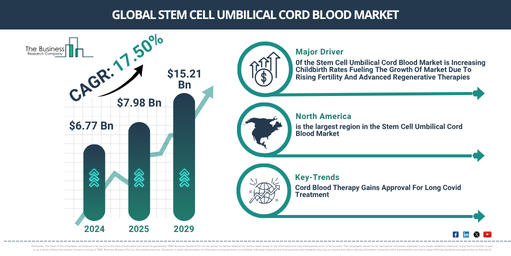
    The market for stem cell umbilical cord blood has seen significant expansion recently. The market size is projected to increase from $6.77 billion in 2024 to $7.98 billion in 2025, evidencing a compound annual growth rate (CAGR) of 17.8%. This upward trajectory during the historical period can be linked to augmented research and development, heightened demand for private banking services, an escalating number of clinical trials, a rising incidence of cancer cases, and an increase in the number of fertility clinics.

    The market size for stem cell umbilical cord blood is predicted to experience swift expansion in the upcoming years, escalating to $15.21 billion by 2029 with a compound annual growth rate (CAGR) of 17.5%. Factors that contribute to this growth during the projected period are the increased prevalence of chronic diseases, rise in childbirth rates, growing demand for stem cell therapies, enhanced government policies and initiatives, along with a heightened focus on regenerative medicine. Significant trends to observe during this forecast period involve advancements in therapeutic applications, improvement in healthcare infrastructure, progress in cryopreservation techniques, and incorporation with gene therapy.

    Download The Free Sample Report Here:

    https://www.thebusinessresearchcompany.com/sample.aspx?id=24715&type=smp

    Which Factor Is Shaping The Future Of The Stem Cell Umbilical Cord Blood Market?

    The surge in birth rates are projected to stimulate the expansion of the stem cell umbilical cord blood market in the future. The number of children born, measuring as live births per 1k individuals in a specific population over a predetermined period – ordinarily a year, defines childbirth rates. The rise in these rates is attributed to the increased accessibility and affordability of fertility therapies, allowing more families to conceive. Critical for newborns, umbilical cord blood stem cells carry hematopoietic stem cells, capable of treating diverse blood, immune, and genetic diseases. These cells are an excellent genetic match for the infant and may potentially assist siblings or other family members. For example, as per the U.S. Centers for Disease Control and Prevention, a federal agency based in the U.S., there was a 1% rise in U.S. births, with the number accelerating from 3,596,017 in 2023 to 3,622,673 in 2024. This uptick in childbirth rates, therefore, serves as a key driver for the stem cell umbilical cord blood market’s growth.

    What Is The Segment-Wise Breakdown Of The Stem Cell Umbilical Cord Blood Market?

    The stem cell umbilical cord blood market covered in this report is segmented –

    1) By Product Type: Cord Blood Stem Cells, Cord Tissue Stem Cells

    2) By Technology: Cryopreservation, Stem Cell Expansion, Cell Separation

    3) By Storage Services: Public Cord Blood Banks, Private Cord Blood Banks, Hybrid Cord Blood Banks

    4) By Application: Hematological Disorders, Metabolic Diseases, Immune System Disorders, Neurological Disorders, Other Applications

    5) By End-User: Hospitals, Research Institutes, Biotechnology Companies, Other End-Users

    Subsegments:

    1) By Cord Blood Stem Cells: Hematopoietic Stem Cells, Mesenchymal Stem Cells, Endothelial Progenitor Cells, Regulatory T Cells, Natural Killer Cells, Dendritic Cells

    2) By Cord Tissue Stem Cells: Mesenchymal Stem Cells, Epithelial Cells, Fibroblasts, Neural Progenitor Cells

    Which Trends Are Redefining The Future Landscape Of The Stem Cell Umbilical Cord Blood Industry?

    Companies which are dominant in the stem cell umbilical cord blood industry are prioritizing the development of groundbreaking therapies and securing approvals. This includes cord blood cell treatment designed to address rare genetic conditions, bolster immune system recovery, and enable regenerative medicine applications. Cord blood cell treatment employs stem cells extracted from umbilical cord blood to rectify a variation of ailments through the restoration or repair of damaged blood, immune, and various tissue systems. For example, StemCyte, a biotechnology firm based in the U.S, achieved the advanced regenerative medicine therapy designation from the U.S. Food and Drug Administration (FDA) in October 2024 for their hematopoietic progenitor cell cord blood therapy (HPC Cord Blood) designed to treat Long COVID-19 syndrome. This cord blood cell therapy uses stem cells from umbilical cord blood to hasten healing and minimize inflammation. It’s demonstrated potential in managing immune and degenerative conditions, and provides a non-invasive, ethically sourced approach to advanced regenerative treatments.

    Which Companies Hold The Largest Market Share In The Stem Cell Umbilical Cord Blood Sector?

    Major companies operating in the stem cell umbilical cord blood market are Takeda Pharmaceutical Company Limited, Global Cord Blood Corporation, Vita 34 AG, Cordlife Group Limited, StemLife Berhad, MediPost Co. Ltd., Smart Cells International Ltd., StemCyte Inc., Celularity Inc., Next Biosciences Pty Ltd, Esperite N.V., Cryo-Cell International Inc., FamiCord Group, Cells4Life Group LLP, Cryoviva Biotech Pvt. Ltd., Americord Registry LLC, ViaCord LLC, China Cord Blood Corporation, CBR Systems Inc., Cord Blood Registry.

    Get The Full Report Here:

    https://www.thebusinessresearchcompany.com/report/stem-cell-umbilical-cord-blood-global-market-report

    How Does Regional Performance Compare Across The Stem Cell Umbilical Cord Blood Industry?

    North America was the largest region in the stem cell umbilical cord blood market in 2024. Europe is expected to be the fastest-growing region in the forecast period. The regions covered in the stem cell umbilical cord blood market report are Asia-Pacific, Western Europe, Eastern Europe, North America, South America, Middle East, Africa.

    Request For A Customized Report:

    https://www.thebusinessresearchcompany.com/customise?id=24715&type=smp

    About The Business Research Company:

    With over 15000+ reports from 27 industries covering 60+ geographies, The Business Research Company has built a reputation for offering comprehensive, data-rich research and insights. Armed with 1,500,000 datasets, the optimistic contribution of in-depth secondary research, and unique insights from industry leaders, you can get the information you need to stay ahead in the game.

    Get in touch with us:

    The Business Research Company: https://www.thebusinessresearchcompany.com/

    Americas +1 310-496-7795

    Asia +44 7882 955267 & +91 8897263534

    Europe +44 7882 955267

    Email us at info@tbrc.info

    Follow us on:

    LinkedIn: https://in.linkedin.com/company/the-business-research-company

    YouTube: https://www.youtube.com/channel/UC24_fI0rV8cR5DxlCpgmyFQ

    Global Market Model: https://www.thebusinessresearchcompany.com/global-market-model
  • Global Spinal Muscular Atrophy Treatment Market Landscape: Trends and Market Share to 2029

    Global Spinal Muscular Atrophy Treatment Market Landscape: Trends and Market Share to 2029

    Claim your 30% discount on Global Market Reports with code ONLINE30. Limited time only.

    What Is the Estimated Industry Valuation for the Spinal Muscular Atrophy Treatment Sector?

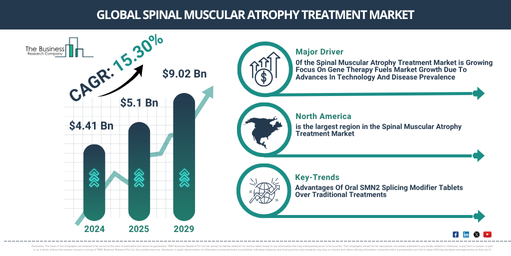
    The market for treatment of spinal muscular atrophy has been developing at an increased rate in the past few years. It is projected to expand from a worth of $4.41 billion in 2024 to a value of $5.1 billion in 2025, with a compound annual growth rate (CAGR) of 15.7%. This considerable growth in the historic phase can be accredited to factors such as a rise in the cases of spinal muscular atrophy, increasing approval for new gene therapy methods, growing cognizance for early detection and treatment, increment in research and development ventures, and the rising provision of newborn screening practices.

    Rapid expansion is anticipated for the spinal muscular atrophy treatment market, with forecasts indicating it will swell to $9.02 billion by 2029, growing at a compound annual growth rate (CAGR) of 15.3%. Factors contributing to this growth during the forecast period include the escalating prevalence of spinal muscular atrophy, the surge in approved, innovative gene therapies, and heightened awareness for early diagnosis and treatment. Additionally, increased investment in research and development coupled with wider reach of newborn screening programs also play a part. Future trends include gene therapy advancement, the inclusion of personalized medicine methods, technologically advanced development of oral treatments, enhancement in newborn screening approaches, and progress in combined therapeutic methodologies.

    Download The Free Sample Report Here:

    https://www.thebusinessresearchcompany.com/sample.aspx?id=24714&type=smp

    What Forces Are Driving The Growth Of The Spinal Muscular Atrophy Treatment Market?

    As interest in gene therapy intensifies, the spinal muscular atrophy treatment market is projected to expand. Gene therapy, a medical method that manipulates a person’s genetic material (either DNA or RNA) to treat or prevent diseases, is increasingly seen as a potential way to directly modify or replace defective genes. This can address the root cause of genetic disorders, offering more long-lasting or permanent therapeutic effects as opposed to conventional treatments. Gene therapy techniques like onasemnogene abeparvovec (Zolgensma) are beneficial for spinal muscular atrophy treatments, providing a one-time, targeted strategy that delivers a functional copy of the SMN1 gene. This significantly enhances motor function and life quality for individuals with SMA. Notably, the American Society of Gene and Cell Therapy reported in January 2024 that the number of gene therapies in Phase III trials rose by 10% in the last quarter of 2023 from the previous quarter, marking the first increase since the third quarter of 2022. Hence, the escalating attention on gene therapy is aiding the growth of the spinal muscular atrophy treatment market.

    How Is The Spinal Muscular Atrophy Treatment Industry Segmented Across Key Parameters?

    The spinal muscular atrophy treatment market covered in this report is segmented –

    1) By Treatment: Medication, Physical Therapy, Surgery, Other Treatments

    2) By Type: Werdnig-Hoffmann Disease, Infant Spinal Muscular Atrophy, Kugelberg-Welander Disease, Adult Spinal Muscular Atrophy

    3) By Route Of Administration: Oral, Parenteral

    4) By Distribution Channel: Hospital Pharmacies, Retail Pharmacies, Other Distribution Channels

    5) By End User: Hospitals, Homecare, Specialty Clinics, Other End Users

    Subsegments:

    1) By Medication: Nusinersen (Spinraza), Onasemnogene Abeparvovec-Xioi (Zolgensma), Risdiplam (Evrysdi), Antisense Oligonucleotides, Spinal Muscular Atrophy (SMN2) Splicing Modifiers, Corticosteroids, Supportive Medications

    2) By Physical Therapy: Occupational Therapy, Respiratory Therapy, Aquatic Therapy, Orthotic Support, Assistive Mobility Devices, Range-Of-Motion Exercises

    3) By Surgery: Spinal Fusion Surgery, Scoliosis Correction Surgery, Orthopedic Surgery, Gastrostomy Tube Placement, Tracheostomy

    4) By Other Treatments: Nutritional Support, Respiratory Support, Psychosocial Support And Counseling, Genetic Counseling, Stem Cell Therapy

    What Notable Trends Are Shaping The Direction Of The Spinal Muscular Atrophy Treatment Market?

    Prominent businesses in the spinal muscular atrophy treatment market are concentrating their efforts on producing innovative versions like survival motor neuron 2 (SMN2) splicing modifier tablets. These potent new drugs are designed to amplify motor function and slow the advancement of the disease. Specifically designed for oral consumption, these SMN2 splicing modifier tablets alter the SMN2 gene’s splicing, thus producing functional SMN protein which is a crucial component for the survival of motor neurons. The tablets play a significant role in treating spinal muscular atrophy (SMA) by boosting the amounts of full-length SMN protein, leading to an improvement in muscle function and stabilizing the progression of the ailment. In February 2025, an example of this was when Genentech, Inc., a biotechnology company based in the United States, was granted approval for its Evrysdi (risdiplam) tablet by the U.S. Food and Drug Administration. This was the first and sole non-invasive SMN2 splicing modifier tablet introduced for treating SMA. The Evrysdi tablet is as effective and safe as the current oral solution, plus it brings added benefits such as storage at room temperature and simplified usage for individuals aged two years or over who weigh above 44 lbs (20 kgs), providing increased convenience and adaptability in the management of the disease.

    Which Companies Currently Dominate The Competitive Landscape In The Spinal Muscular Atrophy Treatment Industry?

    Major companies operating in the spinal muscular atrophy treatment market are F. Hoffmann-La Roche Ltd, Novartis AG, Biogen Inc., Chugai Pharmaceutical Co. Ltd, PTC Therapeutics Inc., Ionis Pharmaceuticals Inc., Ultragenyx Pharmaceutical Inc., Catalyst Pharmaceuticals Inc., BIOCAD INDIA PRIVATE LIMITED, Cytokinetics Incorporated, Voyager Therapeutics Inc., Scholar Rock Holding Corporation, Genethon, Exegenesis Bio Inc, NMD Pharma A/S, Biohaven Pharmaceutical Holding Company Ltd, Alcyone Therapeutics Inc., Vybion Inc., Apteeus SAS, Biophytis SA, Ractigen Therapeutics.

    Get The Full Report Here:

    https://www.thebusinessresearchcompany.com/report/spinal-muscular-atrophy-treatment-global-market-report

    Which Geographic Regions Are Driving Demand In The Spinal Muscular Atrophy Treatment Market?

    North America was the largest region in the spinal muscular atrophy treatment market in 2024. Asia-Pacific is expected to be the fastest-growing region in the forecast period. The regions covered in the spinal muscular atrophy treatment market report are Asia-Pacific, Western Europe, Eastern Europe, North America, South America, Middle East, Africa.

    Request For A Customized Report:

    https://www.thebusinessresearchcompany.com/customise?id=24714&type=smp

    About The Business Research Company:

    With over 15000+ reports from 27 industries covering 60+ geographies, The Business Research Company has built a reputation for offering comprehensive, data-rich research and insights. Armed with 1,500,000 datasets, the optimistic contribution of in-depth secondary research, and unique insights from industry leaders, you can get the information you need to stay ahead in the game.

    Get in touch with us:

    The Business Research Company: https://www.thebusinessresearchcompany.com/

    Americas +1 310-496-7795

    Asia +44 7882 955267 & +91 8897263534

    Europe +44 7882 955267

    Email us at info@tbrc.info

    Follow us on:

    LinkedIn: https://in.linkedin.com/company/the-business-research-company

    YouTube: https://www.youtube.com/channel/UC24_fI0rV8cR5DxlCpgmyFQ

    Global Market Model: https://www.thebusinessresearchcompany.com/global-market-model