Blog

  • Emerging Trends and Growth Drivers in the Medical Antibacterial Curtain Market Through 2029

    Emerging Trends and Growth Drivers in the Medical Antibacterial Curtain Market Through 2029

    Claim your 30% discount on Global Market Reports with code ONLINE30. Limited time only.

    How Much Is the Global Medical Antibacterial Curtain Market Valued at Present and by 2029?

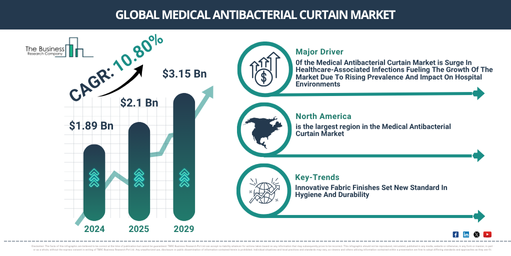
    The market for medical antibacterial curtains has experienced swift expansion in recent years. The market is expected to grow from a value of $1.89 billion in 2024 to $2.1 billion in 2025, with a Compound Annual Growth Rate (CAGR) of 11.0%. This upward trend during the historical period is due to a heightened awareness of infections acquired in hospitals, an increase in the importance of hygiene in healthcare environments, adherence to infection control regulations, growth in hospital admissions, the enhancement of healthcare infrastructure, elevated usage of reusable hospital furniture, an increase in transmissible diseases, the introduction of disposable medical items, a need for cost-effective infection control, and initiatives to modernize hospitals.

    The market for medical antibacterial curtains is predicted to experience a swift expansion in the upcoming years, reaching a size of $3.15 billion in 2029 with a compound annual growth rate (CAGR) of 10.8%. Factors contributing to the growth during the forecast period are an increase in surgical procedures, an aging population, heightened government expenditure on health infrastructure, stricter guidelines for infection prevention, a growing inclination towards disposable curtains, need for eco-friendly and reusable materials, an increase in outpatient units and ambulatory care facilities, the necessity for regular curtain replacement, an expansion of private healthcare chains, and enhanced awareness about infection control post-pandemic. The forecast period is also expected to see major trends such as the introduction of antimicrobial nanocoatings, silver and copper infused textiles, the innovation of smart curtains equipped with contamination detectors, automation in curtain management systems, the use of flame-resistant antibacterial fabrics, biodegradable antimicrobial substances, self-sanitizing curtain technologies, UV-sanitizable fabric surfaces, integration with patient monitoring systems, and ethical manufacturing methods.

    Download The Free Sample Report Here:

    https://www.thebusinessresearchcompany.com/sample.aspx?id=24598&type=smp

    #What Drivers Are Influencing Growth In The Medical Antibacterial Curtain Market?

    The escalation in healthcare-associated infections (HAIs) is presumed to boost the development of the medical antibacterial curtain market in the future. HAIs are infections obtained by patients while undergoing treatment in healthcare facilities. The surge in healthcare-associated infections is underlined by contributing factors like prolonged hospital admissions, increasing the vulnerability to infectious agents. Medical antibacterial curtains aid in decreasing healthcare-associated infections by inhibiting the growth and dispersion of detrimental bacteria on contact surfaces, ensuring a sanitary and secure hospital atmosphere. For example, as per the European Centre for Disease Prevention and Control, a government agency based in Sweden, in May 2024, around 4.3 million patients per year had HAIs during 2022-2023, with respiratory infections accounting for 29.3%. Consequently, the upsurge in healthcare-associated infections (HAIs) fuels the expansion of the medical antibacterial curtain market.

    What Are The Main Segments Identified In The Medical Antibacterial Curtain Market Research?

    The medical antibacterial curtain market covered in this report is segmented –

    1) By Type: Disposable, Reusable

    2) By Material Type: Polyester, Polypropylene, Polyethylene, Other Material Types

    3) By Application: Hospital Rooms, Operating Theaters, Patient Recovery Areas, Intensive Care Units (ICU)

    4) By Sales Channel: Direct Sales, Online Retailers, Distributors, Wholesale

    5) By End-User: Hospitals, Clinics, Nursing Homes, Home Healthcare Settings

    Subsegment:

    1) By Disposable: Non-woven Fabric Curtains, Polypropylene Curtains, Antimicrobial PVC Curtains, PEVA or EVA Curtains

    2) By Reusable: Polyester Curtains, Cotton Blend Curtains, Treated Fabric Curtains, Mesh-Top Curtains

    What Are The Leading Trends And Opportunities In The Medical Antibacterial Curtain Sector?

    The medical antibacterial curtain market is centred around prominent organizations that aim to develop innovative strategies such as topical fabric finishes. These are geared towards enhancing antimicrobial potency, increasing the durability of curtains after several washes, and minimising healthcare-related infection risks, all while promoting sustainability. Topical fabric finishes essentially involve antimicrobial treatments coated on fabric surfaces to prevent bacterial growth and improve cleanliness. As an example, in October 2022, a biotechnological firm from the US, Noble Biomaterials, launched a new product, ‘Ionic Botanical’, which acts as an antimicrobial and anti-odour treatment for fabrics. This inventive formulation is plant-based and has been created to restrict bacterial multiplication on textiles. Designed to be eco-friendly and durable, it affords prolonged protection even with numerous washes and seeks to revolutionize fabric treatment procedures in areas like healthcare and sportswear. ‘Ionic Botanical’ is a major progressive stride in the field of sustainable antimicrobial solutions.

    Which Companies Play A Key Role In The Development Of The Medical Antibacterial Curtain Market?

    Major companies operating in the medical antibacterial curtain market are Herculite Products Inc., Zhangjiagang Medi Medical Equipment Co. Ltd, Panaz Ltd., EcoMed, Sotexpro, Reynard Health Supplies, Silentia AB, Elers Medical, Endurocide Limited, Marlux, Lorton Group, ØRN HEALTH, Curtain Tracks Store, Hygenica Ltd., Mactrac, Medica Pacifica Pte Ltd, QSD Inc., Hytex Group Pty Ltd., Iskus Health Ltd., Behrens Group.

    Get The Full Report Here:

    https://www.thebusinessresearchcompany.com/report/medical-antibacterial-curtain-global-market-report

    What Are The Key Regional Developments Shaping The Medical Antibacterial Curtain Market?

    North America was the largest region in the medical antibacterial curtain market in 2024. Asia-Pacific is expected to be the fastest-growing region in the forecast period. The regions covered in the medical antibacterial curtain market report are Asia-Pacific, Western Europe, Eastern Europe, North America, South America, Middle East, Africa.

    Request For A Customized Report:

    https://www.thebusinessresearchcompany.com/customise?id=24598&type=smp

    About The Business Research Company:

    With over 15000+ reports from 27 industries covering 60+ geographies, The Business Research Company has built a reputation for offering comprehensive, data-rich research and insights. Armed with 1,500,000 datasets, the optimistic contribution of in-depth secondary research, and unique insights from industry leaders, you can get the information you need to stay ahead in the game.

    Get in touch with us:

    The Business Research Company: https://www.thebusinessresearchcompany.com/

    Americas +1 310-496-7795

    Asia +44 7882 955267 & +91 8897263534

    Europe +44 7882 955267

    Email us at info@tbrc.info

    Follow us on:

    LinkedIn: https://in.linkedin.com/company/the-business-research-company

    YouTube: https://www.youtube.com/channel/UC24_fI0rV8cR5DxlCpgmyFQ

    Global Market Model: https://www.thebusinessresearchcompany.com/global-market-model
  • CAGR of 10.2% Projected for Medical Antibacterial Coating Market From 2025 to 2029

    Claim your 30% discount on Global Market Reports with code ONLINE30. Limited time only.

    What Is the Current and Projected Market Size of the Medical Antibacterial Coating Industry?

    The market size of medical antibacterial coatings has experienced significant expansion in recent years. It is projected to increase from $5.62 billion in 2024 to $6.21 billion in 2025, displaying a compound annual growth rate (CAGR) of 10.5%. Elements contributing to the expansion during the historical duration include higher instances of infections obtained in hospitals, escalated use of catheters and implants, an aging population, increase in surgical procedures, concerns over antibiotic resistance, necessity for sterile settings, regulatory attention on controlling infections, awareness regarding sanitation in the healthcare sector, growth of healthcare infrastructure, and utilization of silver-based coatings.

    The market for medical antibacterial coatings is predicted to experience swift expansion in the approaching years. The market is expected to increase to a value of $9.16 billion by 2029, with a compound annual growth rate (CAGR) of 10.2%. This expansion in the predicted period is credited to the expansion in outpatient surgical centers, the escalating burden of chronic illnesses, a rising need for minimally invasive tools, an emphasis on patient safety, growth of home-based healthcare, higher usage of disposable medical products, more stringent policies on infection control, healthcare facility investments, an aging population in developed markets, and a demand for long-lasting coating solutions. Key trends in the forecast period encompass nanotechnology-guided coatings, bio-based anti-infective agents, multi-functional coatings, smart-release coating systems, incorporation of silver nanoparticles, polymeric biocidal coatings, plasma coating techniques, incorporation of antimicrobial peptides, combined antimicrobial strategies, and self-cleaning antimicrobial surfaces.

    Download The Free Sample Report Here:

    https://www.thebusinessresearchcompany.com/sample.aspx?id=24597&type=smp

    #Which Factors Are Currently Driving The Growth Of The Medical Antibacterial Coating Market?

    The medical antibacterial coating market is set to burgeon propelled by the increasing cases of hospital-acquired infections (HAIs). These infections, as the name implies, are obtained by patients during their stay at a healthcare facility and were not present upon their admission. A number of factors, including crowded hospitals, contribute to the escalating cases of HAIs, as these situations make it easier for pathogens to be transmitted among susceptible patients. Using medical antibacterial coating can help mitigate hospital-acquired infections, as it stalls the growth and transmission of harmful microorganisms on medical equipment and surfaces, thereby improving cleanliness and ensuring patient safety. An example of this is revealed in a 2025 report by the Australian Institute of Health and Welfare, a government agency in Australia, which showed that of the 12.1 million hospital admissions, 150,000 had complications arising from healthcare-associated infections (37%), followed by delirium (13%), heart problems (12%), and lung issues (10%). It is therefore clear to see why the rising trend of hospital-acquired infections is fueling the growth of the medical antibacterial coating market.

    How Is The Global Medical Antibacterial Coating Market Structured In Terms Of Segments?

    The medical antibacterial coating market covered in this report is segmented –

    1) By Coating Type: Silver-Based, Copper-Based, Polymer-Based, Other Coating Types

    2) By Application: Implantable Devices, Surgical Instruments, Catheters, Other Applications

    3) By End-User: Hospitals, Ambulatory Surgical Centers, Diagnostic Centers, Other End-Users

    Subsegments:

    1) By Silver-based Coatings: Silver Nitrate Coatings, Silver Sulfadiazine Coatings, Nano-silver Coatings, Silver-Zinc Coatings

    2) By Copper-based Coatings: Copper Oxide Coatings, Copper-Silver Alloy Coatings, Nano-copper Coatings, Copper-Chitosan Coatings

    3) By Polymer-based Coatings: Polyethylene Glycol (PEG)-based Coatings, Polysaccharide-based Coatings, Polyurethane-based Coatings, Polylactic Acid (PLA)-based Coatings

    4) By Other Coating Types: Zinc-based Coatings, Titanium Dioxide (TiO2) Coatings, Chlorhexidine Coatings, Quaternary Ammonium Compound (QAC) Coatings

    What Trends Are Currently Influencing Growth In The Medical Antibacterial Coating Market?

    The medical antibacterial coating market is dominated by major corporations that focus on cutting-edge and innovative solutions such as non-eluting bactericidal coating. This approach aims to reduce risks associated with implant-related infections and boost patient results following critical surgical procedures, without adding to antibiotic resistance. The non-eluting bactericidal coating is a surface treatment that destroys bacteria upon contact without the need to release antimicrobial agents into the body. For example, the American medical technology firm, Onkos Surgical, received FDA De Novo approval in April 2024 for their groundbreaking antibacterial-coated orthopedic implants. These implants have been developed to fight off bacterial contamination, a severe risk involved in permanent implant procedures. This can be particularly dangerous in fields such as orthopedic oncology and revision arthroplasty where the patient’s immunity is usually compromised. The focus of this coating technology is to decrease the risk of infection without the dependency on antibiotics, thereby significantly enhancing the safety of high-risk patients undergoing complicated orthopedic operations.

    Who Are The Main Participants Shaping The Medical Antibacterial Coating Market Landscape?

    Major companies operating in the medical antibacterial coating market are BASF SE, The Sherwin-Williams Company, PPG Industries Inc., Royal DSM N.V., Akzo Nobel N.V., Nippon Paint Holdings Co. Ltd., RPM International Inc., Axalta Coating Systems Ltd., Hempel A/S, Specialty Coating Systems Inc., Sciessent LLC, Bactiguard Holding AB, Sono-Tek Corporation, Harland Medical Systems Inc., Plastic Coatings Limited, Covalon Technologies Ltd., BioCote Limited, AST Products Inc., Mitsubishi Chemical Group Corporation, Hydromer Inc.

    Get The Full Report Here:

    https://www.thebusinessresearchcompany.com/report/medical-antibacterial-coating-global-market-report

    Which Region Currently Holds The Largest Share In The Medical Antibacterial Coating Market?

    North America was the largest region in the medical antibacterial coating market in 2024. The regions covered in the medical antibacterial coating market report are Asia-Pacific, Western Europe, Eastern Europe, North America, South America, Middle East, Africa.

    Request For A Customized Report:

    https://www.thebusinessresearchcompany.com/customise?id=24597&type=smp

    About The Business Research Company:

    With over 15000+ reports from 27 industries covering 60+ geographies, The Business Research Company has built a reputation for offering comprehensive, data-rich research and insights. Armed with 1,500,000 datasets, the optimistic contribution of in-depth secondary research, and unique insights from industry leaders, you can get the information you need to stay ahead in the game.

    Get in touch with us:

    The Business Research Company: https://www.thebusinessresearchcompany.com/

    Americas +1 310-496-7795

    Asia +44 7882 955267 & +91 8897263534

    Europe +44 7882 955267

    Email us at info@tbrc.info

    Follow us on:

    LinkedIn: https://in.linkedin.com/company/the-business-research-company

    YouTube: https://www.youtube.com/channel/UC24_fI0rV8cR5DxlCpgmyFQ

    Global Market Model: https://www.thebusinessresearchcompany.com/global-market-model
  • Industry Forecast: Mastocytosis Drug Market to Generate $1.68 Billion Revenue by 2029

    Industry Forecast: Mastocytosis Drug Market to Generate $1.68 Billion Revenue by 2029

    Claim your 30% discount on Global Market Reports with code ONLINE30. Limited time only.

    How Will the Mastocytosis Drug Market Evolve in Terms of Growth and Size by 2029?

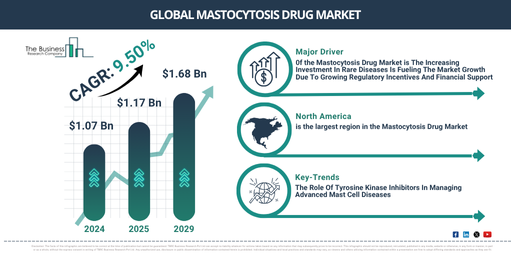
    The market size of mastocytosis drugs has seen a robust increase in recent years. The current market value hovering around $1.07 billion in 2024, is projected to surge to $1.17 billion by 2025, showing a compound annual growth rate (CAGR) of 9.8%. This robust growth trajectory during the historic period can be traced back to factors such as an aging population, a higher incidence of blood cancer, a rise in the adoption of biologic and immunotherapies, increased spending on healthcare, and a growing prevalence of mastocytosis.

    The market for mastocytosis medication is anticipated to witness substantial expansion in the coming years, reaching a worth of $1.68 billion by 2029, with a compound annual growth rate (CAGR) of 9.5%. This predicted growth during the forecast period is primarily due to an increased emphasis on treating rare diseases, the advent of personalized medicine, a rising number of allergies and immune disorders, a growing prevalence of supportive treatments, and a larger number of drugs in the development pipeline. The outlook for the forecast period is also influenced by remarkable breakthroughs in medical and genetic research, the creation of targeted treatments, the embracing of combination therapies, and technological progress in drug delivery methodologies.

    Download The Free Sample Report Here:

    https://www.thebusinessresearchcompany.com/sample.aspx?id=24596&type=smp

    What factors are expected to fuel Mastocytosis Drug market growth in the coming years?

    The mastocytosis drug market is set to expand, driven by the growing investment in rare diseases. These diseases are known to impact only a tiny part of the population, less than 200,000 in the US and 1 in 2,000 in Europe. The growth in investment in these rare diseases comes from increasing regulatory incentives like orphan drug designations, extended market exclusivity, and tax credits. These incentives reduce development risks and boost profitability for pharmaceutical firms. By offering targeted treatment, mastocytosis drugs not only reduce the symptoms but also add to the greater therapeutic advancements for other rare diseases that share similar immune and cellular pathways. For example, in April 2024, Global Genes, a US nonprofit organization, reported that during the first quarter of 2024, companies developing drugs for rare diseases had accumulated funds amounting to $7.1 billion through public equity and debt funding, a massive increase of 307% compared to the $1.8 billion garnered during the same timeframe in 2023. Consequently, the mastocytosis drug market is being stimulated by the increasing investment in rare diseases.

    What Are The Key Findings From The Segmentation Analysis Of The Mastocytosis Drug Market?

    The mastocytosis drug market covered in this report is segmented –

    1) By Drug Type: Antihistamines, Corticosteroids, Mast Cell Stabilizers

    2) By Disease Type: Systemic Mastocytosis, Cutaneous Mastocytosis, Mast Cell Activation Syndrome

    3) By Route Of Administration: Oral, Intravenous, Subcutaneous

    4) By Distribution Channel: Hospital Pharmacy, Online Pharmacy, Retailers, Other Distribution Channels

    5) By End Users: Hospitals, Homecare, Specialty Clinics, Other End Users

    Subsegments:

    1) By Antihistamines: H1-Receptor Antagonists, H2-Receptor Antagonists

    2) By Corticosteroids: Topical Corticosteroids, Oral Corticosteroids, Intravenous Corticosteroids

    3) By Mast Cell Stabilizers: Cromolyn sodium, Ketotifen, Nedocromil

    Which Trends Are Expected To Shape The Future Of The Mastocytosis Drug Market?

    Leading enterprises in the mastocytosis drug industry are concentrating on creating innovative medications such as tyrosine kinase inhibitors, with the goal of enhancing treatment efficiency and delivering customized therapies for individuals affected by advanced mast cell illnesses. By obstructing enzymes that cause irregular cell growth, a tyrosine kinase inhibitor can help reduce symptoms like rashes and inflammation in mastocytosis by curbing the excessive multiplication of mast cells. For example, Blueprint Medicines Corporation, an American biotech firm, was granted approval by the U.S. Food and Drug Administration in May 2023 for Ayvakit (avapritinib) to treat adults with indolent systemic mastocytosis (ISM). This authorization signifies a remarkable progression in ISM treatment, a scarce and long-term disorder identified by mast cell overproduction. Ayvakit is a targeted selective inhibitor strategy for handling symptoms and disease, focusing on the KIT D816V mutation found commonly in ISM patients.

    What Are The Most Active Companies In The Mastocytosis Drug Market Today?

    Major companies operating in the mastocytosis drug market are Pfizer Inc., Johnson & Johnson, Bayer AG, Sanofi S.A., Novartis AG, GSK plc, Teva Pharmaceutical Industries Limited, Alcon Inc., Bausch Health Companies Inc., Genentech Inc., Lupin Limited, Blueprint Medicines Corporation, Don Valley Pharma (Pvt.) Ltd., Vivan Life Sciences Private Limited, AB Science S.A., Medoz Pharmaceutical Private Limited, Zumax Biocare Private Limited, Hi-Cure Biotech Private Limited, Zenomed Healthcare Private Limited, Biosynth AG

    Get The Full Report Here:

    https://www.thebusinessresearchcompany.com/report/mastocytosis-drug-global-market-report

    Which Regional Markets Are Attracting The Most Investment In Mastocytosis Drug?

    North America was the largest region in the mastocytosis drug market in 2024. Asia-Pacific is expected to be the fastest-growing region in the forecast period. The regions covered in the mastocytosis drug market report are Asia-Pacific, Western Europe, Eastern Europe, North America, South America, Middle East, Africa.

    Request For A Customized Report:

    https://www.thebusinessresearchcompany.com/customise?id=24596&type=smp

    About The Business Research Company:

    With over 15000+ reports from 27 industries covering 60+ geographies, The Business Research Company has built a reputation for offering comprehensive, data-rich research and insights. Armed with 1,500,000 datasets, the optimistic contribution of in-depth secondary research, and unique insights from industry leaders, you can get the information you need to stay ahead in the game.

    Get in touch with us:

    The Business Research Company: https://www.thebusinessresearchcompany.com/

    Americas +1 310-496-7795

    Asia +44 7882 955267 & +91 8897263534

    Europe +44 7882 955267

    Email us at info@tbrc.info

    Follow us on:

    LinkedIn: https://in.linkedin.com/company/the-business-research-company

    YouTube: https://www.youtube.com/channel/UC24_fI0rV8cR5DxlCpgmyFQ

    Global Market Model: https://www.thebusinessresearchcompany.com/global-market-model
  • Lysosomal Enzyme Market Revenue Outlook: Strategic Insights and Forecast to 2029

    Lysosomal Enzyme Market Revenue Outlook: Strategic Insights and Forecast to 2029

    Claim your 30% discount on Global Market Reports with code ONLINE30. Limited time only.

    What CAGR Is Anticipated for the Lysosomal Enzyme Market Through 2029?

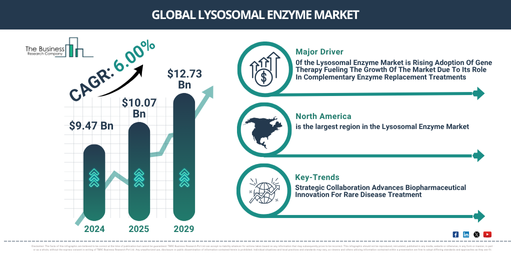
    In recent times, the lysosomal enzyme market has experienced significant growth. The market, which is anticipated to expand from $9.47 billion in 2024 to $10.07 billion in 2025, is projected to have a compound annual growth rate (CAGR) of 6.3%. This growth during the historical period can be traced back to multiple factors such as the increasing instances of lysosomal storage disorders, heightened awareness and diagnosis rates, rising investment in research for rare diseases, supportive regulatory environments, development in biotechnological capabilities, and improved accessibility to orphan drugs.

    The market for lysosomal enzymes is predicted to experience significant expansion in the upcoming years, with its value projected to reach $12.73 billion by 2029, growing at a compound annual growth rate (CAGR) of 6.0%. This anticipated growth during the forecast period is linked to factors such as increased research investments in rare diseases, the growth of gene therapy, the broadening of newborn screening programs, the rising acceptance of enzyme replacement therapies, the emergence of biopharmaceutical innovations, and a supportive regulatory environment for orphan drugs. Key trends that will mark the forecast period comprise the integration of gene therapy, the innovation of enzyme replacement mechanisms, specific drug delivery systems, diagnostics guided by biomarkers, individualized treatment methods, improved techniques for blood-brain barrier penetration, and the widening of therapeutic applications.

    Download The Free Sample Report Here:

    https://www.thebusinessresearchcompany.com/sample.aspx?id=24595&type=smp

    What Market Forces Are Driving The Lysosomal Enzyme Sector In 2025 And Beyond?

    The lysosomal enzymes market is predicted to expand due to the escalating usage of gene therapy. Gene therapy, a medical approach that manipulates or substitutes genes in an individual’s cells to combat or avert diseases, is increasingly being embraced. The expanding use of gene therapy is mainly because of enhancements in delivery vectors and proven long-term effectiveness which have rendered gene therapy a practical and possibly restorative solution for genetic disorders. To manage symptoms and stabilize patients while the gene therapy takes effect, gene therapy often necessitates primary or supporting enzyme replacement therapies. This maintains the demand for lysosomal enzyme products. For instance, as per the American Society of Gene & Cell Therapy in April 2024, a non-profit organization based in the US, there was a 10% increase in the number of phase III gene therapy clinical trials in 2023, which marked the first quarterly rise in 2022. Thus, the rising adoption of gene therapy will act as a catalyst for the growth of the lysosomal enzymes market.

    How Is The Global Lysosomal Enzyme Market Categorized By Segments?

    The lysosomal enzyme market covered in this report is segmented –

    1) By Type: Acid Alpha-Glucosidase, Acid Sphingomyelinase, Beta-Glucocerebrosidase, Hexosaminidase

    2) By Indication: Gaucher Disease, Mucopolysaccharidosis, Pompe Disease, Other Indications

    3) By Source: Recombinant Enzymes, Natural Enzymes, Synthetic Enzymes

    4) By Application: Enzyme Replacement Therapy, Research And Development, Diagnostics, Gene Therapy

    5) By End-Use: Hospitals, Diagnostic Laboratories, Research Institutions, Pharmaceutical Companies

    Subsegments:

    1) By Acid Alpha-Glucosidase: Pompe Disease Enzymes, Glycogen Storage Disease Type II Enzymes

    2) By Acid Sphingomyelinase: Niemann-Pick Disease Type A, Niemann-Pick Disease Type B

    3) By Beta-Glucocerebrosidase: Gaucher Disease Type I, Gaucher Disease Type II, Gaucher Disease Type III

    4) By Hexosaminidase: Tay-Sachs Disease Enzymes, Sandhoff Disease Enzymes

    What Long-Term Trends Are Likely To Affect The Lysosomal Enzyme Market?

    Top-tier businesses in the lysosomal enzymes market are adopting a strategy of forging strategic partnerships to broaden diagnostic capabilities and speed up novel therapy development. Strategic partnerships entail mutually beneficial agreements between two or several organizations to merge resources or competencies, thereby meeting shared objectives and boosting competitive edge. For instance, a notable biotech firm from Spain joined hands with Biosidus, a similar business from Argentina, in February 2024, to produce the vital enzyme ingredient Agalsidase Beta. This strategic tie-up symbolizes a pivotal progress in the creation and manufacturing of treatment for rare disorders, particularly Fabry disease, resulting from lysosomal enzyme deficiency. This partnership signifies an impressive benchmark in the regional treatment of rare conditions, underscoring firms’ dedication to worldwide health and accessible innovation in biopharmaceuticals.

    Which Firms Are Considered Leaders In The Lysosomal Enzyme Market Space?

    Major companies operating in the lysosomal enzyme market are Pfizer Inc., Sanofi SA, Takeda Pharmaceutical Company Limited, Eli Lilly and Company, BioMarin Pharmaceutical Inc., Amicus Therapeutics Inc., JCR Pharmaceuticals Co. Ltd., Sangamo Therapeutics Inc., Protalix BioTherapeutics Inc., Orchard Therapeutics Plc, Alexion Pharmaceuticals Inc., ISU Abxis Co. Ltd., Chiesi Farmaceutici S.p.A., GC Pharma Co. Ltd., Genzyme Corp., Shire plc, Greenovation Biotech GmbH, Oxyrane, Avrobio Inc., Ultragenyx Pharmaceutical Inc.

    Get The Full Report Here:

    https://www.thebusinessresearchcompany.com/report/lysosomal-enzyme-global-market-report

    What Role Do Regional Policies And Investments Play In Lysosomal Enzyme Market Expansion?

    North America was the largest region in the lysosomal enzymes market in 2024. Asia-Pacific is expected to be the fastest-growing region in the forecast period. The regions covered in the lysosomal enzyme market report are Asia-Pacific, Western Europe, Eastern Europe, North America, South America, Middle East, Africa.

    Request For A Customized Report:

    https://www.thebusinessresearchcompany.com/customise?id=24595&type=smp

    About The Business Research Company:

    With over 15000+ reports from 27 industries covering 60+ geographies, The Business Research Company has built a reputation for offering comprehensive, data-rich research and insights. Armed with 1,500,000 datasets, the optimistic contribution of in-depth secondary research, and unique insights from industry leaders, you can get the information you need to stay ahead in the game.

    Get in touch with us:

    The Business Research Company: https://www.thebusinessresearchcompany.com/

    Americas +1 310-496-7795

    Asia +44 7882 955267 & +91 8897263534

    Europe +44 7882 955267

    Email us at info@tbrc.info

    Follow us on:

    LinkedIn: https://in.linkedin.com/company/the-business-research-company

    YouTube: https://www.youtube.com/channel/UC24_fI0rV8cR5DxlCpgmyFQ

    Global Market Model: https://www.thebusinessresearchcompany.com/global-market-model
  • Future Projections: Lung Cancer Surgery Equipment Market to Reach $4.79 Billion by 2029 at 6.5% CAGR

    Future Projections: Lung Cancer Surgery Equipment Market to Reach $4.79 Billion by 2029 at 6.5% CAGR

    Claim your 30% discount on Global Market Reports with code ONLINE30. Limited time only.

    What Are the Latest Market Insights for the Lung Cancer Surgery Equipment Industry?

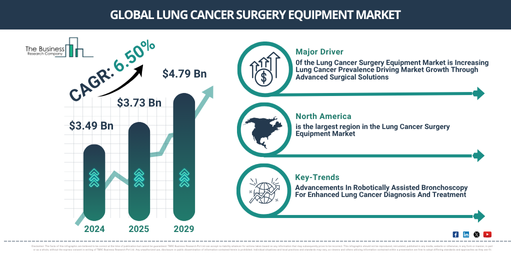
    The market size for lung cancer surgery equipment has been expanding methodically in the past few years. The market is projected to increase from $3.49 billion in 2024 to $3.73 billion in 2025, demonstrating a compound annual growth rate (CAGR) of 6.7%. The historical growth has been linked to factors such as the escalating prevalence of smoking, improving rates of early diagnosis, enhanced survival outcomes post-surgery, rising numbers of lobectomy procedures, government-initiated cancer screening programs, expanding hospital infrastructure, the presence of proficient thoracic surgeons, an increase in open thoracotomy surgeries, the scarcity of surgery substitutes, and financial assistance for cancer surgeries.

    Significant expansion is expected for the lung cancer surgery equipment market in the forthcoming years, with projections estimating its value at $4.79 billion in 2029 and a compound annual growth rate (CAGR) of 6.5%. Factors predicted to drive market growth include growing incidence of lung cancer in non-smokers, an aging worldwide population, the rise of minimally invasive surgical methods, increasing demand for robotic-assisted thoracic surgery, expansion of healthcare spending, enhancement of post-surgery recovery times, increased thoracic procedures performed on an outpatient basis, favorable regulatory conditions, wider awareness due to lung cancer initiatives, and expanding insurance coverage in emerging markets. Key anticipated trends encompass the adoption of robotic-assisted surgical systems, the employment of artificial intelligence in surgical planning, the incorporation of 3D imaging in surgeries, the creation of smaller thoracoscopic devices, better visualization systems, the evolution of remote surgical methods, real-time intra-surgical navigation, the utilization of intelligent staplers and implements, the customization of surgical tools through 3D printing, and the application of AI in post-operative monitoring systems.

    Download The Free Sample Report Here:

    https://www.thebusinessresearchcompany.com/sample.aspx?id=24594&type=smp

    What Forces Are Driving The Growth Of The Lung Cancer Surgery Equipment Industry?

    The escalating incidence of lung cancer is projected to fuel the expansion of the lung cancer surgery equipment market. Lung cancer, typically caused by smoking or detrimental environmental exposure, occurs when abnormal cells proliferate uncontrollably in the lungs. The number of lung cancer cases is primarily increasing due to heightened exposure to risk factors such as tobacco smoke, air pollution, and workplace carcinogens, along with an aging population. Lung cancer surgical equipment is employed for diagnosing, extracting cancerous tissue, and facilitating post-surgery care via precise surgery and patient supervision. For instance, as per Cancer Council, a non-profit organization located in Australia, it was reported in February 2025 that there were approximately 15,122 lung cancer diagnoses in 2024, the average age of diagnosis being 72. In terms of frequency, lung cancer is the fifth most common cancer diagnosed in Australia, with about one in every 20 Australians anticipated to receive a diagnosis before the age of 85. Consequently, the escalating incidence of lung cancer is propelling the expansion of the lung cancer surgery equipment market.

    What Is The Overview Of Market Segmentation In The Lung Cancer Surgery Equipment Industry?

    The lung cancer surgery equipment market covered in this report is segmented –

    1) By Product Type: Surgical Instruments, Access Devices, Imaging Equipment, Electrosurgical Devices, Biopsy Devices, Patient Monitoring Equipment

    2) By Surgery Type: Lobectomy Surgery, Pneumonectomy Surgery, Wedge Resection, Video-Assisted Thoracoscopic Surgery (VATS), Robotic-Assisted Surgery

    3) By Application: Diagnosis, Treatment, Aftercare And Rehabilitation

    4) By End User: Hospitals, Surgical Clinics, Ambulatory Surgical Centers, Research And Academic Institutes

    Subsegments:

    1) By Surgical Instruments: Scalpels, Forceps, Retractors, Scissors, Sutures

    2) By Access Devices: Trocars, Catheters, Guidewires, Introducers

    3) By Imaging Equipment: CT Scanners, MRI Machines, PET Scanners, X-Ray Systems, Ultrasound Devices

    4) By Electrosurgical Devices: Electrosurgical Generators, Electrosurgical Probes, Electrosurgical Electrodes, Smoke Evacuation Systems

    5) By Biopsy Devices: Needle Biopsy Devices, Core Biopsy Devices, Vacuum-Assisted Biopsy Devices, Endoscopic Biopsy Devices

    6) By Patient Monitoring Equipment: Pulse Oximeters, ECG Monitors, Respiratory Monitors, Blood Pressure Monitors, Temperature Monitors

    What Future Market Trends Are Projected For The Lung Cancer Surgery Equipment Industry?

    Leading firms in the lung cancer surgery equipment industry are concentrating on the creation of robotic bronchoscopy devices to augment the accuracy and safety of tumor identification and biopsy, gain access to elusive lung nodules, and facilitate early and precise lung cancer diagnosis. Robotic bronchoscopy is a sophisticated medical practice that leverages robotic technology for directing a bronchoscope, a slim, bendable tube, into the lungs with increased accuracy and control compared to conventional manual methods. For instance, in March 2025, Johnson and Johnson, an American pharmaceutical business, revealed its MONARCH QUEST system, a groundbreaking robotic bronchoscopy innovation, which obtained U.S. FDA 510(k) clearance. This system, the latest iteration of the MONARCH Platform, aims to enhance lung cancer diagnosis through less invasive operations. It collaborates with the GE HealthCare OEC 3D mobile CBCT Imaging System, which enables real-time, intraprocedural 3D imaging possible. This collaboration helps in the precise targeting of lung nodules, particularly the ones present at inaccessible lung areas.

    Who Are The Primary Players Operating Across The Global Lung Cancer Surgery Equipment Market?

    Major companies operating in the lung cancer surgery equipment market are Johnson & Johnson, Medtronic plc, Siemens Healthcare AG, Fujifilm Limited, GE Healthcare Technologies Inc., Boston Scientific Corporation, Zimmer Biomet Inc., Olympus Corporation, Intuitive Surgical Inc., Teleflex Incorporated, KARL STORZ GmbH & Co. KG, Integra LifeSciences Corporation, Elekta AB, Accuray Incorporated, Richard Wolf GmbH, Angiodynamics Inc., B. Braun Melsungen AG, Quantum Surgical SAS, Sontec Instruments Inc., Novadaq Technologies Inc.

    Get The Full Report Here:

    https://www.thebusinessresearchcompany.com/report/lung-cancer-surgery-equipment-global-market-report

    Which Region Offers The Most Growth Potential For The Lung Cancer Surgery Equipment Market Through 2029?

    North America was the largest region in the lung cancer surgery equipment market in 2024. Asia-Pacific is expected to be the fastest-growing region in the forecast period. The regions covered in the lung cancer surgery equipment market report are Asia-Pacific, Western Europe, Eastern Europe, North America, South America, Middle East, Africa.

    Request For A Customized Report:

    https://www.thebusinessresearchcompany.com/customise?id=24594&type=smp

    About The Business Research Company:

    With over 15000+ reports from 27 industries covering 60+ geographies, The Business Research Company has built a reputation for offering comprehensive, data-rich research and insights. Armed with 1,500,000 datasets, the optimistic contribution of in-depth secondary research, and unique insights from industry leaders, you can get the information you need to stay ahead in the game.

    Get in touch with us:

    The Business Research Company: https://www.thebusinessresearchcompany.com/

    Americas +1 310-496-7795

    Asia +44 7882 955267 & +91 8897263534

    Europe +44 7882 955267

    Email us at info@tbrc.info

    Follow us on:

    LinkedIn: https://in.linkedin.com/company/the-business-research-company

    YouTube: https://www.youtube.com/channel/UC24_fI0rV8cR5DxlCpgmyFQ

    Global Market Model: https://www.thebusinessresearchcompany.com/global-market-model
  • 2025 Lung Cancer Liquid Biopsy Market Outlook: Opportunities, Growth Trends, and Strategic Analysis

    2025 Lung Cancer Liquid Biopsy Market Outlook: Opportunities, Growth Trends, and Strategic Analysis

    Claim your 30% discount on Global Market Reports with code ONLINE30. Limited time only.

    What Are the Forecasted Growth Rate and Market Size of the Lung Cancer Liquid Biopsy Market?

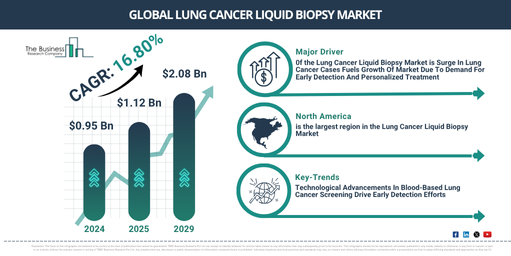
    Recently, the lung cancer liquid biopsy market has experienced significant expansion. The market size is set to increase from $0.95 billion in 2024 to $1.12 billion in 2025, with a compound annual growth rate (CAGR) of 17.0%. The expansion seen in the historic period can be linked to a rising number of smokers and pollution-induced lung conditions, the escalating utilization of liquid biopsy in monitoring treatments, increased investment in oncology research, a growing demand for speedy and cost-efficient diagnostics, along with an increase in clinical trials.

    In the coming years, the lung cancer liquid biopsy market is projected to experience accelerated growth. With a compound annual growth rate (CAGR) of 16.8%, it’s anticipated to increase to $2.08 billion by 2029. The expansion during the forecast period is attributed to factors such as the rising incidences of lung cancer, an escalating demand for minimally invasive diagnostic methods, an increasing preference for personalized treatment, heightened awareness about early detection of cancer, and a growing elderly population at risk of developing cancer. Notable emerging trends within this period include improvements in circulating tumor DNA (ctDNA) analysis techniques, advancements in exosome-based liquid biopsy technology, innovative progresses in microfluidics for isolating circulating tumor cells, the incorporation of artificial intelligence and machine learning for biomarker understanding, and technological advances in multiplex biomarker analysis.

    Download The Free Sample Report Here:

    https://www.thebusinessresearchcompany.com/sample.aspx?id=24593&type=smp

    Which Factor Is Shaping The Future Of The Lung Cancer Liquid Biopsy Market?

    The rise in lung cancer cases is anticipated to boost the expansion of the lung cancer liquid biopsy market. Lung cancer, often triggered by smoking and environmental hazards, is a condition marked by the uncontrolled proliferation of abnormal cells in the lungs. The escalation of lung cancer is primarily due to persistent tobacco use, as smoking exposes the lungs to carcinogens that instigate anomalous cell growth. Lung cancer liquid biopsy facilitates by identifying cancer-related genomic mutations and tumor DNA in a blood sample, thus permitting early detection, choice of treatment, and the monitoring of disease development or treatment response. For example, the American Cancer Society (cancer.org), a non-profit entity committed to eradicating cancer, reported that as of January 1, 2022, 654,620 individuals in the U.S had a record of lung cancer, with a significant number living with metastatic disease. Approximately 80% were 65 years or older, and 55% were diagnosed within the last five years due to poor survival rates. Thus, the surge in lung cancer incidents is fueling the rise of the lung cancer liquid biopsy market.

    What Is The Segment-Wise Breakdown Of The Lung Cancer Liquid Biopsy Market?

    The lung cancer liquid biopsy market covered in this report is segmented –

    1) By Product: Instruments, Sconsumables Kits And Reagents, Software And Services

    2) By Technology: Multi Gene-Parallel Analysis (Ngs), Single Gene Analysis (Pcr Microarrays)

    3) By Biomarker: Cell-Free Deoxyribonucleic Acid, Circulating Tumor Deoxyribonucleic Acid, Extracellular Vesicles, Circulating Tumor Cells, Other Biomarkers

    4) By Clinical Application: Therapy Selection, Treatment Monitoring, Early Cancer Screening, Recurrence Monitoring, Other Applications

    5) By End User: Diagnostics And Imaging Centres, Hospitals, Academics And Research Centres, Other End Users

    Subsegments:

    1) By Instruments: Pcr Instruments, Microarray Instruments, Next-Generation Sequencing (Ngs) Instruments

    2) By Consumables Kits And Reagents: Sample Collection Kits, Amplification Reagents, Sequencing Reagents

    3) By Software And Services: Data Analysis Software, Cloud-Based Services, Bioinformatics Tools

    Which Trends Are Redefining The Future Landscape Of The Lung Cancer Liquid Biopsy Industry?

    Leading firms in the lung cancer liquid biopsy market are concentrating on innovating and advancing technology, such as blood-derived lung cancer screening tests. These innovations aim to boost capacities for early detection, enhance diagnostic accuracy, and allow non-invasive, real-time tracking of tumor growth and the efficacy of treatments. A blood-derived lung cancer screening test is a non-intrusive method that examines biomarkers in the blood to detect early-stage lung cancer. For example, in October 2023, the American biotech company DELFI Diagnostics Inc. introduced FirstLook Lung. This is a blood-based liquid biopsy test constructed to help with the initial detection of lung cancer. It uses fragmentomics to find early lung cancer with high sensitivity and a negative predictive value of 99.8%, making it a suitable and easy-to-access first option for those at risk. The goal of the test is to augments early detection rates, raise rates of screening, and efficiently allocate imaging resources to those who need them most.

    Which Companies Hold The Largest Market Share In The Lung Cancer Liquid Biopsy Sector?

    Major companies operating in the lung cancer liquid biopsy market are F. Hoffmann-La Roche Ltd, Thermo Fisher Scientific Inc., Biocept Inc., Agilent Technologies Inc., Eurofins Scientific, Illumina Inc., Sysmex Corporation, Bio-Rad Laboratories Inc., QIAGEN N.V., Exact Sciences Corp, Natera Inc., Myriad Genetics Inc., NeoGenomics Laboratories Inc., Guardant Health Inc., MDxHealth SA, Exosome Diagnostics Inc., Menarini Silicon Biosystems S.p.A., Inivata Ltd, Lucence Diagnostics Pte Ltd, LungLife AI Inc., Biodesix Inc., Oncocyte Corporation

    Get The Full Report Here:

    https://www.thebusinessresearchcompany.com/report/lung-cancer-liquid-biopsy-global-market-report

    How Does Regional Performance Compare Across The Lung Cancer Liquid Biopsy Industry?

    North America was the largest region in the lung cancer liquid biopsy market in 2024. Asia-Pacific is expected to be the fastest-growing region in the forecast period. The regions covered in the lung cancer liquid biopsy market report are Asia-Pacific, Western Europe, Eastern Europe, North America, South America, Middle East, Africa.

    Request For A Customized Report:

    https://www.thebusinessresearchcompany.com/customise?id=24593&type=smp

    About The Business Research Company:

    With over 15000+ reports from 27 industries covering 60+ geographies, The Business Research Company has built a reputation for offering comprehensive, data-rich research and insights. Armed with 1,500,000 datasets, the optimistic contribution of in-depth secondary research, and unique insights from industry leaders, you can get the information you need to stay ahead in the game.

    Get in touch with us:

    The Business Research Company: https://www.thebusinessresearchcompany.com/

    Americas +1 310-496-7795

    Asia +44 7882 955267 & +91 8897263534

    Europe +44 7882 955267

    Email us at info@tbrc.info

    Follow us on:

    LinkedIn: https://in.linkedin.com/company/the-business-research-company

    YouTube: https://www.youtube.com/channel/UC24_fI0rV8cR5DxlCpgmyFQ

    Global Market Model: https://www.thebusinessresearchcompany.com/global-market-model
  • Global Insights: Lumbosacral Radicular Pain Management Market Expected to Surpass $1.11 Billion by 2029

    Global Insights: Lumbosacral Radicular Pain Management Market Expected to Surpass $1.11 Billion by 2029

    Claim your 30% discount on Global Market Reports with code ONLINE30. Limited time only.

    What Is the Estimated Industry Valuation for the Lumbosacral Radicular Pain Management Sector?

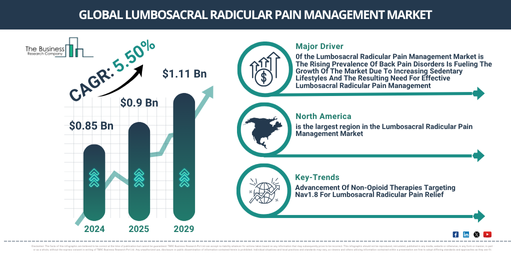
    The market size for managing lumbosacral radicular pain has seen substantial expansion in the recent past. Anticipated to surge from $0.85 billion in 2024 to $0.9 billion in 2025, it is expected to display a compound annual growth rate (CAGR) of 5.8%. Several factors are responsible for the growth observed in the historical period, including increased incidents of lumbar disc herniation, heightened awareness about spinal disorders, the escalating population of the elderly, advancements in diagnostic imaging methods, and the growing adoption of non-invasive pain management treatments.

    The market size for managing lumbosacral radicular pain is anticipated to experience robust growth over the coming years, ballooning to $1.11 billion by 2029, with a CAGR of 5.5%. This expansion over the forecasted period can be credited to advancements in minimally invasive surgical procedures, growing use of biologic therapies, an increased emphasis on personalized pain management, the escalating demand for outpatient pain clinics, as well as the incorporation of digital health and telemedicine into pain management. Significant trends for the forecast period entail progress in minimally invasive spine surgeries, improvements in neurostimulation devices, the use of biologic therapies such as platelet-rich plasma, AI-guided diagnostics and personalized treatment strategies, coupled with the invention of cutting-edge non-opioid analgesics.

    Download The Free Sample Report Here:

    https://www.thebusinessresearchcompany.com/sample.aspx?id=24592&type=smp

    What Forces Are Driving The Growth Of The Lumbosacral Radicular Pain Management Market?

    An increase in cases of back pain disorders is anticipated to boost the lumbosacral radicular pain management market. These disorders of back pain include different conditions that disrupt the functionality of the spine, muscles, or nerves in the back, leading to discomfort or pain. The escalation in these disorders is a result of sedentary lifestyles which leads to weakened back muscles, poor posture, and enduring pain. The goal of lumbosacral radicular pain management is to alleviate irritation of the nerve root in the lower back, thus reducing pain and inflammation, restoring mobility, and enhancing life quality. For example, in June 2024, data from the Australian Institute of Health and Welfare, a government agency in Australia, revealed that in 2022, over half (52%) of all hospital admissions for back issues were due to back or spine pain. In this category, lower back pain held the majority share at 27%, followed by neck pain at 6.2% and radiculopathy at 6.0%. Furthermore, back problems escalated in 2023 to become the third highest contributor to the total health burden, accounting for 4.3%. As a result, the escalating cases of back pain disorders act as a driving force for the growth of the lumbosacral radicular pain management market.

    How Is The Lumbosacral Radicular Pain Management Industry Segmented Across Key Parameters?

    The lumbosacral radicular pain management market covered in this report is segmented –

    1) By Medication: Non-Steroidal Anti-Inflammatory Drugs, Opioids, Antidepressants, Anticonvulsants, Steroids

    2) By Physical Therapy: Manual Therapy, Exercise Therapy, Electrotherapy, Thermal Therapy, Hydrotherapy

    3) By Route Of Administration: Oral, Topical

    4) By End-User: Hospital Pharmacy, Retail Pharmacy, Online Pharmacy

    Subsegments:

    1) By Non-Steroidal Anti-Inflammatory Drugs: Ibuprofen, Naproxen, Diclofenac, Celecoxib, Etoricoxib

    2) By Opioids: Tramadol, Oxycodone, Morphine, Hydrocodone, Fentanyl

    3) By Antidepressants: Amitriptyline, Nortriptyline, Duloxetine, Desvenlafaxine, Venlafaxine

    4) By Anticonvulsants: Gabapentin, Pregabalin, Carbamazepine, Lamotrigine, Topiramate

    5) By Steroids: Dexamethasone, Methylprednisolone, Prednisone, Triamcinolone, Hydrocortison

    What Notable Trends Are Shaping The Direction Of The Lumbosacral Radicular Pain Management Market?

    Leading businesses in the lumbosacral radicular pain management market are concentrating on the creation of cutting-edge treatments such as investigational oral NaV1.8 pain signal inhibitors, with the aim of providing long-lasting pain relief without the use of opioids. This experimental oral NaV1.8 inhibitor is a medication still in the trial phase, and its main function is to target the NaV1.8 sodium channel, which transmits pain through sensory nerves. For example, in December 2024, the American biotech firm Vertex Pharmaceuticals publicized the results from its Phase 2 trial of Suzetrigine for painful lumbosacral radiculopathy (LSR). The research met its primary aim, demonstrating a clinically relevant and statistically significant decrease in pain from the baseline in those who were given Suzetrigine. Furthermore, Suzetrigine was generally well-received and no severe side effects were noted. Vertex intends to evaluate the efficacy of the drug better in future Phase 3 studies by countering the high placebo response.

    Which Companies Currently Dominate The Competitive Landscape In The Lumbosacral Radicular Pain Management Industry?

    Major companies operating in the lumbosacral radicular pain management market are Pfizer Inc., Johnson & Johnson Services Inc., Bayer AG, Sanofi SA, Bristol-Myers Squibb, AstraZeneca plc, Novartis AG, GSK plc, Medtronic plc, Eli Lilly and Company, Amgen Inc, Koninklijke Philips NV, Stryker Corporation, Teva Pharmaceutical Industries Ltd, Boston Scientific Corporation, Dr Reddy’s Laboratories Ltd, NuVasive Inc., Nobel Biocare Holdings AG, Ultradent Products Inc., Nevro Corp., Zynex Inc., Eliem Therapeutics, Vertebral Technologies Inc., Semnur Pharmaceuticals Inc.

    Get The Full Report Here:

    https://www.thebusinessresearchcompany.com/report/lumbosacral-radicular-pain-management-global-market-report

    Which Geographic Regions Are Driving Demand In The Lumbosacral Radicular Pain Management Market?

    North America was the largest region in the lumbosacral radicular pain management market in 2024. Asia-Pacific is expected to be the fastest-growing region in the forecast period. The regions covered in the lumbosacral radicular pain management market report are Asia-Pacific, Western Europe, Eastern Europe, North America, South America, Middle East, Africa.

    Request For A Customized Report:

    https://www.thebusinessresearchcompany.com/customise?id=24592&type=smp

    About The Business Research Company:

    With over 15000+ reports from 27 industries covering 60+ geographies, The Business Research Company has built a reputation for offering comprehensive, data-rich research and insights. Armed with 1,500,000 datasets, the optimistic contribution of in-depth secondary research, and unique insights from industry leaders, you can get the information you need to stay ahead in the game.

    Get in touch with us:

    The Business Research Company: https://www.thebusinessresearchcompany.com/

    Americas +1 310-496-7795

    Asia +44 7882 955267 & +91 8897263534

    Europe +44 7882 955267

    Email us at info@tbrc.info

    Follow us on:

    LinkedIn: https://in.linkedin.com/company/the-business-research-company

    YouTube: https://www.youtube.com/channel/UC24_fI0rV8cR5DxlCpgmyFQ

    Global Market Model: https://www.thebusinessresearchcompany.com/global-market-model
  • Industry Forecast: Smart Thermometers Market to Generate $1.64 Billion Revenue by 2029

    Industry Forecast: Smart Thermometers Market to Generate $1.64 Billion Revenue by 2029

    Claim your 30% discount on Global Market Reports with code ONLINE30. Limited time only.

    What CAGR Is Anticipated for the Smart Thermometers Market Through 2029?

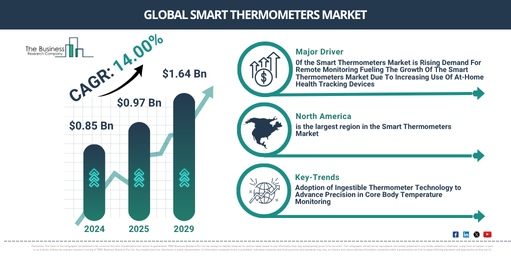
    In recent times, the smart thermometers market has experienced a rapid expansion. It is projected to increase from a value of $0.85 billion in 2024 to $0.97 billion in 2025, boasting a compound annual growth rate (CAGR) of 14.2%. The historical growth of this market is due to factors such as growing awareness around personal health monitoring, an upsurge in the utilization of connected medical devices, heightened concerns for pediatric health, early adaptation of wearable health technology, and the necessity for precise temperature tracking during flu seasons.

    In the coming years, the intelligent thermometer market is anticipated to witness swift expansion. The projected compound annual growth rate (CAGR) is 14.0%, raising the market size to $1.64 billion by 2029. This growth throughout the forecast period can be linked to a swelling elderly populace, escalating demand for remote patient monitoring, the growing integration with telehealth platforms, burgeoning e-commerce platforms selling health devices, and an increased occurrence of infectious diseases. Dominant trends seen in the forecast period are improved sensor accuracy through technological advancements, wireless connectivity innovations, advancements in the design of wearable thermometers, research and expansion in non-invasive thermometry, and integration with artificial intelligence for data analysis.

    Download The Free Sample Report Here:

    https://www.thebusinessresearchcompany.com/sample.aspx?id=24707&type=smp

    What Market Forces Are Driving The Smart Thermometers Sector In 2025 And Beyond?

    The smart thermometers market is anticipated to grow due to increasing demand for remote health monitoring solutions. Remote health monitoring involves the use of technologies and systems for gathering, transmitting, and examining health data from patients beyond traditional clinical environments. The popularity of remote health monitoring solutions is growing with improvements in wearable and smart medical tools, which can provide real-time, continuous health tracking for patients. This facilitates early detection and customized care. Smart thermometers augment remote health monitoring by giving patients the capability to conveniently and precisely monitor their temperature at home and instantly share the information with healthcare practitioners for prompt diagnosis and treatment. For example, Vivalink, a US firm that provides digital healthcare services, stated in August 2023 that a recent survey showed a rise in remote patient monitoring (RPM) by clinicians to 81%, from a mere 20% in 2021, accounting for a 305% increase. Furthermore, 84% of existing RPM users are planning to extend its use in 2024. Thus, the growing demand for remote health monitoring solutions is propelling the smart thermometers market’s expansion.

    How Is The Global Smart Thermometers Market Categorized By Segments?

    The smart thermometers market covered in this report is segmented –

    1) By Product Type: Infrared Thermometers, Contact Thermometers, Smart Wearable Thermometers, Smartphone-Compatible Thermometers, Digital Thermometers

    2) By Connectivity: Bluetooth-Enabled Thermometers, Wi-Fi-Enabled Thermometers, Near Field Communication Thermometers

    3) By Application: Clinical Diagnostics, Fitness And Wellness Monitoring, Clinical Research, Telemedicine

    4) By Industry Vertical: Medical, Food industry, Industrial, Laboratory, Other Industry Verticals

    Subsegments:

    1) By Infrared Thermometers: Non-Contact Forehead Thermometers, In-Ear Infrared Thermometers, Industrial-Grade Infrared Thermometers, Medical-Grade Infrared Thermometers

    2) By Contact Thermometers: Oral Thermometers, Rectal Thermometers, Axillary Thermometers, Probe-Based Digital Thermometers

    3) By Smart Wearable Thermometer: Continuous Body Temperature Monitoring Patches, Smart Baby Thermometers, Fitness Band Thermometers, Thermometer-Integrated Smartwatches

    4) By Smartphone-Compatible Thermometers: App-Enabled Infrared Thermometers, Thermometers With Bluetooth Or Wi-Fi Connectivity, Plug-In Thermometer Probes, Wireless Ear Thermometers With App Sync

    5) By Digital Thermometers: Flexible Tip Digital Thermometers, Rigid Tip Digital Thermometers, Waterproof Digital Thermometers, Dual-Scale Digital Thermometers

    What Long-Term Trends Are Likely To Affect The Smart Thermometers Market?

    Significant players in the smart thermometer market are concentrating their efforts on the creation of ingestible thermometers to boost accuracy in temperature monitoring and compliance by patients. An ingestible thermometer is defined as a small, pill-shaped electronic gadget that continuously monitors the core body temperature, wirelessly transmitting real-time data to an external monitor for precise internal temperature tracking. For example, BodyCap S.A.S., a French medical equipment producer, introduced the revolutionary eCelsius Performance Connect System in February 2024, designed for sports and occupational health research, with connectivity to smartphones and tablets supplied by Insight SiP’s ISP1807-LR RF module. This revolutionary eCelsius Performance Connect System boasts an ingestible capsule style enabling a reliable, direct internal measurement of the core body temperature. Its sub-gigahertz radio communication ensures dependable transmission from within the body to an outside wearable device. It furnishes Bluetooth connectivity with extended monitoring duration. The low-power RF module boosts the gadget’s battery life and elevates user convenience for extended usage.

    Which Firms Are Considered Leaders In The Smart Thermometers Market Space?

    Major companies operating in the smart thermometers market are Honeywell International Inc., OMRON Corporation, Koninklijke Philips N.V., TP-Link Technologies Co Ltd., Testo SE & Co. KGaA , Traeger Pellet Grills LLC, Braun GmbH, Beurer GmbH , Withings S.A.S., Microlife Corporation AG, Exergen Corporation, iHealth Labs Inc., ThermoPro Inc., ThermoWorks Inc., Govee , VAVA , Vicks Humidifiers , Healthy Together, SensorPush LLC, INKBIRD

    Get The Full Report Here:

    https://www.thebusinessresearchcompany.com/report/smart-thermometers-global-market-report

    What Role Do Regional Policies And Investments Play In Smart Thermometers Market Expansion?

    North America was the largest region in the smart thermometers market in 2024. Asia-Pacific is expected to be the fastest-growing region in the forecast period. The regions covered in the smart thermometers market report are Asia-Pacific, Western Europe, Eastern Europe, North America, South America, Middle East, Africa.

    Request For A Customized Report:

    https://www.thebusinessresearchcompany.com/customise?id=24707&type=smp

    About The Business Research Company:

    With over 15000+ reports from 27 industries covering 60+ geographies, The Business Research Company has built a reputation for offering comprehensive, data-rich research and insights. Armed with 1,500,000 datasets, the optimistic contribution of in-depth secondary research, and unique insights from industry leaders, you can get the information you need to stay ahead in the game.

    Get in touch with us:

    The Business Research Company: https://www.thebusinessresearchcompany.com/

    Americas +1 310-496-7795

    Asia +44 7882 955267 & +91 8897263534

    Europe +44 7882 955267

    Email us at info@tbrc.info

    Follow us on:

    LinkedIn: https://in.linkedin.com/company/the-business-research-company

    YouTube: https://www.youtube.com/channel/UC24_fI0rV8cR5DxlCpgmyFQ

    Global Market Model: https://www.thebusinessresearchcompany.com/global-market-model

  • Smart Pill Dispenser Market Revenue Outlook: Strategic Insights and Forecast to 2029

    Smart Pill Dispenser Market Revenue Outlook: Strategic Insights and Forecast to 2029

    Claim your 30% discount on Global Market Reports with code ONLINE30. Limited time only.

    What Are the Latest Market Insights for the Smart Pill Dispenser Industry?

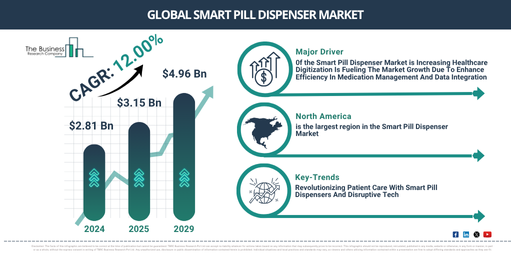
    In the last few years, the smart pill dispenser market has seen swift expansion. The market is projected to expand from $2.81 billion in 2024 to $3.15 billion in 2025, growing at a compound annual growth rate (CAGR) of 12.2%. The market’s growth in the past years is accredited to factors like the aging population, increasing cases of medication non-adherence, a surge in chronic diseases, swift adoption in developed nations, and the rise of home healthcare.

    Expectations are high for a swift expansion in the smart pill dispenser market over the coming years, with predictions of growth to $4.96 billion by 2029, reflecting a compound annual growth rate (CAGR) of 12.0%. This projected increase during the forecast period can be traced back to several factors, including a growing demand for remote patient monitoring, integration with telehealth platforms, escalating usage of IoT in healthcare, a heightened emphasis on patient-centric care, and a burgeoning elderly population. Voice-enabled smart dispensers, integration with mobile applications, AI-driven medication reminders, cloud-oriented medication tracking, and subscription-oriented dispenser models are key trends to watch for in this predicted growth period.

    Download The Free Sample Report Here:

    https://www.thebusinessresearchcompany.com/sample.aspx?id=24706&type=smp

    What Forces Are Driving The Growth Of The Smart Pill Dispenser Industry?

    The surge in the digital integration within the healthcare field is anticipated to fuel the expansion of the smart pill dispenser market in the future. Healthcare digitization involves incorporating digital technology into healthcare systems to amplify the delivery, administration, and efficacy of medical facilities. Escalating healthcare digitization is mainly powered by the increasing requirement for proficient patient data management, with healthcare providers striving to optimize data storage, access, and dissemination to bolster care coordination, minimize mistakes, and augment patient outcomes. The smart pill dispenser contributes to healthcare digitization by automating medication administration, enhancing compliance, and facilitating instantaneous data exchange between patients and providers. For instance, according to FAIR Health Inc., a not-for-profit organization based in the US, there was a 7.3% nationwide increase in the utilization of telehealth, surging from 5.5% of medical claim lines in December 2022 to 5.9% in January 2023. Hence, multiplying healthcare digitization is driving the growth of the smart pill dispenser market.

    What Is The Overview Of Market Segmentation In The Smart Pill Dispenser Industry?

    The smart pill dispenser market covered in this report is segmented –

    1) By Type: Portable, Desktop, Smart Pill Dispenser

    2) By Technology: Bluetooth Enabled, Wi-Fi Connectivity, Internet Of Things (IoT)-Based Solutions, Radio Frequency Identification (RFID) Technology

    3) By Application: Home Healthcare, Hospitals, Assisted Living Facilities, Other Applications

    4) By End User: Home Care Settings, Nursing Homes And Assisted Living Facilities, Pharmacies, Hospitals

    Subsegments:

    1) By Portable: Wearable Pill Dispensers, Pocket-Sized Dispensers, Travel-Friendly Pill Organizers, Battery-Operated Dispensers

    2) By Desktop: Countertop Dispensers, Wall-Mounted Units, Multi-Compartment Dispensers, Alternating Current-Powered Dispensers

    3) By Smart Pill Dispenser: Bluetooth-Enabled Dispensers, Wi-Fi-Connected Dispensers, App-Integrated Dispensers, Voice-Assisted Dispensers, Automatic Dispensing With Alerts

    What Future Market Trends Are Projected For The Smart Pill Dispenser Industry?

    Leading businesses in the smart pill dispenser market are increasingly capitalizing on cutting-edge technologies like disruptive technology to boost medication compliance and enhance patient results. Such technology causes massive shifts or replacements in existing systems and aids smart pill dispensers by automating the task of medication organization, enabling distant monitoring, and improving adherence using intelligent notifications and AI-based customization. For example, in January 2024, a US health technology firm named PillSafe introduced an innovative, patented “smart” pill bottle, also named PillSafe. This bottle employs a patented pill allocation control system that distributes medication exclusively at intervals prescribed by a doctor. A pharmacist fills the bottle with medicine, secures the top, and sets up the gadget following the doctor’s orders.

    Who Are The Primary Players Operating Across The Global Smart Pill Dispenser Market?

    Major companies operating in the smart pill dispenser market are Koninklijke Philips N.V., Omnicell Inc., Lepu Medical Technology (Beijing) Co. Ltd., Swisslog Healthcare, Axplora, Tunstall Healthcare Group Ltd., MedMinder Systems Inc., Capsa Healthcare LLC, Hero Health Inc., Yuyama Co. Ltd, AdhereTech, MOBI Technologies Inc., TabTimer Pty Ltd, Medipense Inc., PillDrill Inc, E-pill LLC, Dose Health LLC, PharmaCell Medication Systems Ltd., PharmRight Corporation, Pivotell Ltd.

    Get The Full Report Here:

    https://www.thebusinessresearchcompany.com/report/smart-pill-dispenser-global-market-report

    Which Region Offers The Most Growth Potential For The Smart Pill Dispenser Market Through 2029?

    North America was the largest region in the smart pill dispenser market in 2024. Asia-Pacific is expected to be the fastest-growing region in the forecast period. The regions covered in the smart pill dispenser market report are Asia-Pacific, Western Europe, Eastern Europe, North America, South America, Middle East, Africa.

    Request For A Customized Report:

    https://www.thebusinessresearchcompany.com/customise?id=24706&type=smp

    About The Business Research Company:

    With over 15000+ reports from 27 industries covering 60+ geographies, The Business Research Company has built a reputation for offering comprehensive, data-rich research and insights. Armed with 1,500,000 datasets, the optimistic contribution of in-depth secondary research, and unique insights from industry leaders, you can get the information you need to stay ahead in the game.

    Get in touch with us:

    The Business Research Company: https://www.thebusinessresearchcompany.com/

    Americas +1 310-496-7795

    Asia +44 7882 955267 & +91 8897263534

    Europe +44 7882 955267

    Email us at info@tbrc.info

    Follow us on:

    LinkedIn: https://in.linkedin.com/company/the-business-research-company

    YouTube: https://www.youtube.com/channel/UC24_fI0rV8cR5DxlCpgmyFQ

    Global Market Model: https://www.thebusinessresearchcompany.com/global-market-model

  • Future Projections: Smart Infusion Pumps Market to Reach $12.68 Billion by 2029 at 9.3% CAGR

    Claim your 30% discount on Global Market Reports with code ONLINE30. Limited time only.

    What Are the Forecasted Growth Rate and Market Size of the Smart Infusion Pumps Market?

    Over the past few years, the smart infusion pumps market has seen impressive growth. The market, which was worth $8.1 billion in 2024, is expected to reach $8.88 billion in 2025 with a compound annual growth rate (CAGR) of 9.6%. This growth in the previous period is due to factors such as the increasing incidence of chronic diseases, the rising need for accurate drug delivery, a surge in hospital admissions, a concentrated emphasis on patient safety, regulatory backing for innovative devices, and the incorporation of smart healthcare systems.

    There is an anticipated robust growth in the smart infusion pumps market over the next few years, reaching a size of $12.68 billion in 2029, with a compound annual growth rate (CAGR) of 9.3%. This projected growth is a result of various factors including the rising demand for EHR integrated systems, an increased implementation of cloud-based drug management, a heightened focus on personal medication delivery, more utilization in home healthcare scenarios, increased efforts to minimize medication errors via automation, and broadening use in managing chronic diseases. Additionally, significant trends projected for the forecast period include the implementation of cloud-integrated drug libraries, improved wireless connections, more efficient cassette-based delivery systems, AI assisted dose calculations, real-time remote monitoring capacities, improved compatibility with electronic health records (EHRs), and portable and ambulatories’ miniaturization.

    Download The Free Sample Report Here:

    https://www.thebusinessresearchcompany.com/sample.aspx?id=24705&type=smp

    Which Factor Is Shaping The Future Of The Smart Infusion Pumps Market?

    The smart infusion pumps industry’s expansion is projected to be driven by a rise in chronic diseases. These are long-lasting health issues that gradually develop and typically require ongoing care or management. The increase in sedentary lifestyles, leading to conditions such as obesity, diabetes, and cardiovascular diseases, are causing chronic diseases to surge. Smart infusion pumps play a crucial role in managing these diseases by providing accurate, automated medication doses which minimizes human errors and enhances long-term treatment results. For example, the Belgium-based non-profit organization, International Diabetes Federation (IDF), reported in April 2025 that approximately 589 million adults between 20-79 years old worldwide are living with diabetes. This number is expected to dramatically increase to 853 million by 2050. Consequently, the rise in chronic diseases is fueling the smart infusion pumps market’s growth.

    What Is The Segment-Wise Breakdown Of The Smart Infusion Pumps Market?

    The smart infusion pumps market covered in this report is segmented –

    1) By Type: Large Volumetric Infusion Pumps, Patient Controlled Analgesia Pumps, Syringe Infusion Systems, Electronic- Ambulatory Infusion Systems, Implantable Infusion Systems, MRI-Compatible IV Infusion Pump Systems, Disposable Elastomeric Infusion Systems, Other Types

    2) By Technology: Smart Pump Technology, Digital Infusion Systems, Wireless Infusion Systems, Standard Infusion Pumps, Closed-Loop Systems

    3) By Application: Chemotherapy Or Oncology, Pediatrics Or Neonatology, Gastroenterology, Hematology, Diabetes, Other Applications

    4) By End User: Hospitals, Ambulatory Surgical Centers, Home Care, Specialty Clinics, Other End User

    Subsegments:

    1) By Large Volumetric Infusion Pumps: Single Channel Pumps, Multi-Channel Pumps, Stand-Alone Systems, Integrated Systems

    2) By Patient Controlled Analgesia (PCA) Pumps: Disposable PCA Pumps, Electronic PCA Pumps

    3) By Syringe Infusion Systems: Motor-Driven Syringe Systems, Spring-Driven Syringe Systems

    4) By Electronic-Ambulatory Infusion Systems: Programmable Ambulatory Pumps, Non-Programmable Ambulatory Pumps

    5) By Implantable Infusion Systems: Intrathecal Drug Delivery Pumps, Insulin Delivery Pumps

    6) By MRI-Compatible IV Infusion Pump Systems: Shielded MRI-Compatible Pumps, Non-Shielded MRI-Compatible Pumps

    7) By Disposable Elastomeric Infusion Systems: Continuous Flow Pumps, Patient-Controlled Flow Pumps

    8) By Other Types: Enteral Feeding Pumps, Insulin Infusion Pumps, Chemotherapy Infusion Pumps

    Which Trends Are Redefining The Future Landscape Of The Smart Infusion Pumps Industry?

    Big players in the smart infusion pumps market are concentrating their efforts on creating innovative solutions, such as, cassette-based infusion pumps. These solutions aim to increase the accuracy of medication delivery, upgrade patient safety and make drug administration procedures more efficient in clinical environments. Cassette-based infusion pumps, a type of infusion pump that uses a detachable cassette, have proven reliable in delivering fluids or medications with precision. An example of this is when ICU Medical Inc., an American medical technology company, received 510(k) regulatory clearance from U.S. Food and Drug Administration (FDA) in August 2023 for its Plum Duo infusion pump equipped with cloud-based LifeShield software. It provides dual-channel delivery which promotes the concurrent administration of two compatible intravenous treatments, thereby improving workflow productivity and patient care. It also carries advanced drug library integration and programmability, reducing the chances of medication mistakes. The LifeShield software heightens the pump’s effectiveness through real-time supervision, data-driven findings, and support in making clinical decisions, thereby ensuring higher infusion safety and adherence to hospital norms.

    Which Companies Hold The Largest Market Share In The Smart Infusion Pumps Sector?

    Major companies operating in the smart infusion pumps market are F. Hoffmann-La Roche Ltd, Fresenius Kabi AG, Medtronic plc, Becton Dickinson and Company (BD), Boston Scientific Corporation, Baxter International Inc., Terumo Corporation, Mindray Medical International Limited, Moog Inc., ICU Medical Inc., Insulet Corporation, Avanos Medical Inc., JMS Co. Ltd., Vygon SA, B. Braun Melsungen AG, Med One Capital Funding LLC, Eitan Group, Heka Healthcare B.V., PROMECON GmbH, Micrel Medical Devices SA

    Get The Full Report Here:

    https://www.thebusinessresearchcompany.com/report/smart-infusion-pumps-global-market-report

    How Does Regional Performance Compare Across The Smart Infusion Pumps Industry?

    North America was the largest region in the smart infusion pumps market in 2024. Asia-Pacific is expected to be the fastest-growing region in the forecast period. The regions covered in the smart infusion pumps market report are Asia-Pacific, Western Europe, Eastern Europe, North America, South America, Middle East, Africa.

    Request For A Customized Report:

    https://www.thebusinessresearchcompany.com/customise?id=24705&type=smp

    About The Business Research Company:

    With over 15000+ reports from 27 industries covering 60+ geographies, The Business Research Company has built a reputation for offering comprehensive, data-rich research and insights. Armed with 1,500,000 datasets, the optimistic contribution of in-depth secondary research, and unique insights from industry leaders, you can get the information you need to stay ahead in the game.

    Get in touch with us:

    The Business Research Company: https://www.thebusinessresearchcompany.com/

    Americas +1 310-496-7795

    Asia +44 7882 955267 & +91 8897263534

    Europe +44 7882 955267

    Email us at info@tbrc.info

    Follow us on:

    LinkedIn: https://in.linkedin.com/company/the-business-research-company

    YouTube: https://www.youtube.com/channel/UC24_fI0rV8cR5DxlCpgmyFQ

    Global Market Model: https://www.thebusinessresearchcompany.com/global-market-model