Blog

  • From Insight to Impact: Strategic Growth Mapping in the Nontuberculous Mycobacterial Infection Market

    Claim your 30% discount on Global Market Reports with code ONLINE30. Limited time only.

    How Has the Nontuberculous Mycobacterial Infection Market Growth Performance Trended Historically, And What Lies Ahead?

    In recent times, the market size of nontuberculous mycobacterial infection has observed steady growth. Forecasts predict that its value will increase from $14.25 billion in 2024 to $14.96 billion in 2025, representing a compound annual growth rate (CAGR) of 5.0%. Factors such as enhanced diagnostics, an aging population, increased awareness of cystic fibrosis, and the use of immunosuppressive drugs are believed to have contributed to this notable growth during the historic period.

    The market size for nontuberculous mycobacterial infection is anticipated to witness significant expansion in the upcoming years. It is projected to reach$19.37 billion in 2029″ with a compound annual growth rate (CAGR) of 6.7%. The escalated growth during the forecast period can be accredited to the development of antimicrobial drugs, increased awareness about ntm, advancements in genetic research, and the spread of telehealth and remote monitoring. The forecast period is also expected to witness major trends like personalized treatment, regulatory focus, combination therapies, and the utilisation of digital health resources.

    Download a free sample to assess the report’s scope and structure:

    https://www.thebusinessresearchcompany.com/sample.aspx?id=13020&type=smp

    What are the Fundamental Drivers and Innovations Shaping the Nontuberculous Mycobacterial Infection Market?

    The projected growth of the nontuberculous mycobacterial infection market is largely driven by the increasing prevalence of chronic obstructive pulmonary disease (COPD). COPD is a long-term respiratory ailment identified by consistent and often escalating lung airflow restriction. The presence of nontuberculous mycobacterial (NTM) infections tends to be more detrimental to COPD patients, causing a significant drop in forced expiratory volume in one second (FEV1) and an escalated exacerbation rate. The vulnerability of the immune system and the damage to lung tissue due to COPD can make it more susceptible to NTM bacterial infections. For example, a report by The Scottish Public Health Observatory (ScotPHO) in March 2023 revealed a steady increase in COPD rates between 2021 and 2022, with the male incidence rate rising from 83.2 to 97.6 per 100,000 persons and the female rate from 72.6 to 97.3. Hence, the escalating occurrence of COPD is observed to be a key driver in the growth of the nontuberculous mycobacterial infection market.

    How Is the Nontuberculous Mycobacterial Infection Market Segmented?

    The nontuberculous mycobacterial infectionmarket covered in this report is segmented –

    1) By Drug Class: Macrolides; Rifampin; Aminoglycoside; Other Drug Classes

    2) By Route Of Administration: Oral; Parenteral; Other Routes

    3) By Distribution Channel: Hospital Pharmacies; Retail Pharmacies; Online Pharmacies

    Subsegments:

    1) By Macrolides: Azithromycin; Clarithromycin

    2) By Rifampin: Rifampin; Rifabutin

    3) By Aminoglycoside: Amikacin; Streptomycin

    4) By Other Drug Classes: Ethambutol; Clofazimine; Linezolid

    Request customized data on this market:

    https://www.thebusinessresearchcompany.com/customise?id=13020&type=smp

    Which Regions Are Driving the Next Phase of the Nontuberculous Mycobacterial Infection Market Growth?

    North America was the largest region in the nontuberculous mycobacterial infection market in 2024. North America is expected to be the fastest-growing region in the forecast period. The regions covered in nontuberculous mycobacterial infection market report are Asia-Pacific, Western Europe, Eastern Europe, North America, South America, Middle East and Africa.

    What Key Trends Are Shaping the Future of the Nontuberculous Mycobacterial Infection Market?

    Leading firms in the nontuberculous mycobacterial infection market have adopted innovative approval techniques such as fast track designation for the authorization of drugs to maintain their market stature. The Fast Track designation from the FDA is a specifically designed process to accelerate both the development and review phases of drugs targeted at serious illnesses with a considerable void in medical amenities. For example, in July 2022, the U.S. federal agency, the Food and Drug Administration, granted NUZYRA Fast Track Designation to handle nontuberculous mycobacterial (NTM) lung disease due to Mycobacterium avium complex (MAC). NUZYRA (omadacycline) is a uniquely-developed broad-spectrum antibiotic reserved for treating severe bacterial infections, including the ones caused by resistant strains. This particular designation speeds up the development and review procedures of the NUZYRA antibiotic, addressing considerable unmet medical requirements.

    View the full report here:

    https://www.thebusinessresearchcompany.com/report/nontuberculous-mycobacterial-infection-global-market-report

    How Is the Nontuberculous Mycobacterial Infection Market Defined and What Are Its Core Parameters?

    A nontuberculous mycobacterial (NTM) infection is an infectious disease caused by various species of mycobacteria other than mycobacterium tuberculosis, which is responsible for tuberculosis (TB). The role of nontuberculous mycobacterial (NTM) infections is primarily related to their impact on human health and their interaction with the immune system.

    Purchase the full report and get a swift delivery:

    https://www.thebusinessresearchcompany.com/purchaseoptions.aspx?id=13020

    About The Business Research Company:

    With over 15000+ reports from 27 industries covering 60+ geographies, The Business Research Company has built a reputation for offering comprehensive, data-rich research and insights. Armed with 1,500,000 datasets, the optimistic contribution of in-depth secondary research, and unique insights from industry leaders, you can get the information you need to stay ahead in the game.

    Get in touch with us:

    The Business Research Company: https://www.thebusinessresearchcompany.com/

    Americas +1 310-496-7795

    Europe +44 7882 955267

    Asia & Others +44 7882 955267 & +91 8897263534

    Email us at info@tbrc.info

    Follow us on:

    LinkedIn: https://in.linkedin.com/company/the-business-research-company

    YouTube: https://www.youtube.com/channel/UC24_fI0rV8cR5DxlCpgmyFQ

    Global Market Model: https://www.thebusinessresearchcompany.com/global-market-model
  • Non-Small Cell Lung Cancer (NSCLC)Market Overview 2025–2034: CAGR Trends, Long-Term Growth Paths, and Business Implications

    Non-Small Cell Lung Cancer (NSCLC)Market Overview 2025–2034: CAGR Trends, Long-Term Growth Paths, and Business Implications

    Claim your 30% discount on Global Market Reports with code ONLINE30. Limited time only.

    What Are the Projected Market Size and Growth Rates for the Non-Small Cell Lung Cancer (NSCLC) Market From 2025 To 2029?

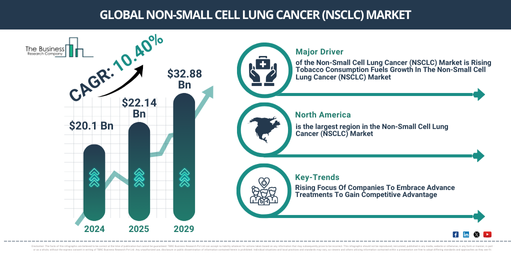
    The market size of non-small cell lung cancer (nsclc) has experienced rapid expansion in recent years. It is set to increase from $20.1 billion in 2024 to $22.14 billion in 2025, demonstrating a compound annual growth rate (CAGR) of 10.1%. The growth observed in the historical period is a product of advancements in immunotherapy, genomic profiling, and precision medicine, the extension of clinical trials, as well as initiatives aimed at smoking cessation.

    The market size for non-small cell lung cancer (nsclc) is anticipated to experience a significant increase in the coming years. The value is predicted to reach$32.88 billion” by 2029, with a compound annual growth rate (CAGR) of 10.4%. The surge during the forecast period can be associated with the development of new combination therapies, the use of artificial intelligence (AI), advancements in personalized vaccines, international research collaborations, and patient-focused care. The forecast period will also witness major trends like the incorporation of telemedicine in the field of oncology, adoption of liquid biopsy technologies, progress in diagnostic technologies, a surge in minimally invasive surgery methods, and the usage of immune checkpoint inhibitors.

    Download a free sample to assess the report’s scope and structure:

    https://www.thebusinessresearchcompany.com/sample.aspx?id=13232&type=smp

    What Are the Primary Drivers Supporting the Market Growth of the Non-Small Cell Lung Cancer (NSCLC) Market?

    The growing trend of tobacco usage is predicted to drive the expansion of the non-small cell lung cancer (NSCLC) market. When individuals utilise tobacco products through habits such as smoking, chewing, or snuffing, nicotine and several other chemicals are introduced into the body. This tobacco smoke is laden with carcinogens that can harm the deoxyribonucleic acid (DNA) found in lung cells, causing mutations and uncontrolled proliferation of cancerous cells, including those of non-small-cell lung cancer (NSCLC). For example, the 2024 National Youth Tobacco Survey released in October 2024 by the US Food and Drug Administration (USFDA), a US federal agency, reported that 1.1% of all students (roughly 2.25 million) were using tobacco products currently. Furthermore, 10.1% of high school students (around 1.58 million) and 5.4% of middle school students (roughly 640,000) were also current tobacco users. In addition, about 760,000 students (or 2.8%) reported current use of any combustible tobacco product, and approximately 840,000 (or 3.0%) admitted to using multiple tobacco products. Hence, this uptrend in tobacco consumption is propelling the non-small cell lung cancer (NSCLC) market’s growth.

    Which Primary Segments of the Non-Small Cell Lung Cancer (NSCLC) Market Are Driving Growth and Industry Transformations?

    The non-small cell lung cancer (nsclc)market covered in this report is segmented –

    1) By Type: Squamous Cell Carcinoma; Large Cell Carcinoma; Adenocarcinoma; Other Types

    2) By Therapy: Radiotherapy; Laserthearpy; Photodynamic Therapy (PDT); Other Therapies

    3) By Distribution Channel: Hospital Pharmacy; Online Pharmacy; Other Distribution Channels

    Subsegments:

    1) By Squamous Cell Carcinoma: Keratinizing Squamous Cell Carcinoma; Non-Keratinizing Squamous Cell Carcinoma

    2) By Large Cell Carcinoma: Undifferentiated Large Cell Carcinoma; Large Cell Neuroendocrine Carcinoma

    3) By Adenocarcinoma: Invasive Adenocarcinoma; Bronchioloalveolar Carcinoma

    4) By Other Types: Mixed Cell Type Carcinoma; Sarcomatoid Carcinoma

    Request customized data on this market:

    https://www.thebusinessresearchcompany.com/customise?id=13232&type=smp

    Which Regions Are Key Players in the Growth of the #What Are the Primary Drivers Supporting the Market Growth of the Non-Small Cell Lung Cancer (NSCLC) Market?# Market?

    North America was the largest region in the non-small cell lung cancer (NSCLC) market in 2024. Asia-Pacific is expected to be the fastest-growing region in the forecast period. The regions covered in the non-small cell lung cancer (NSCLC) market report are Asia-Pacific, Western Europe, Eastern Europe, North America, South America, Middle East, Africa

    What Are the Most Significant Market Trends in the Non-Small Cell Lung Cancer (NSCLC) Market?

    Top firms in the non-small cell lung cancer (NSCLC) market are investing in the development of various treatments, including monotherapy options, to gain a competitive advantage. Monotherapy involves the use of a single drug or therapeutic approach for treating a disease or condition, circumventing the need for multiple interventional methods. For example, in June 2022, the Switzerland-based pharmaceutical corporation Novartis AG received endorsement from the Belgium-based governing entity, the European Commission (EC), for the usage of Tabrecta (capmatinib) in treating adult patients suffering from advanced NSCLC with METex14 skipping. This provides innovative targeted therapy for NSCLC patients in Europe with advanced stages of the disease and METex14 skipping mutations, following prior treatment. It currently stands as the more prevalent targeted treatment for advanced NSCLC caused by METex14 skipping mutations.

    View the full report here:

    https://www.thebusinessresearchcompany.com/report/non-small-cell-lung-cancer-nsclc-global-market-report

    What Parameters Are Used to Define the Non-Small Cell Lung Cancer (NSCLC) Market?

    Non-small cell lung cancer (NSCLC) is a type of epithelial lung cancer that develops in the tissues of the lungs and is characterized by the abnormal growth of cells. It is primarily caused by long-term smoking, genetic mutations, air pollution, and secondhand smoke.

    Purchase the full report and get a swift delivery:

    https://www.thebusinessresearchcompany.com/purchaseoptions.aspx?id=13232

    About The Business Research Company:

    With over 15000+ reports from 27 industries covering 60+ geographies, The Business Research Company has built a reputation for offering comprehensive, data-rich research and insights. Armed with 1,500,000 datasets, the optimistic contribution of in-depth secondary research, and unique insights from industry leaders, you can get the information you need to stay ahead in the game.

    Get in touch with us:

    The Business Research Company: https://www.thebusinessresearchcompany.com/

    Americas +1 310-496-7795

    Europe +44 7882 955267

    Asia & Others +44 7882 955267 & +91 8897263534

    Email us at info@tbrc.info

    Follow us on:

    LinkedIn: https://in.linkedin.com/company/the-business-research-company

    YouTube: https://www.youtube.com/channel/UC24_fI0rV8cR5DxlCpgmyFQ

    Global Market Model: https://www.thebusinessresearchcompany.com/global-market-model

  • Non-Emergency Medical Transportation Outlook 2034: Key Drivers, Trends, and Market Frontiers

    Non-Emergency Medical Transportation Outlook 2034: Key Drivers, Trends, and Market Frontiers

    Claim your 30% discount on Global Market Reports with code ONLINE30. Limited time only.

    What Is the Estimated Market Size of the Non-Emergency Medical Transportation Market In 2029?

    In recent times, there has been significant expansion in the non-emergency medical transportation market. The size upsurges from a staggering $9.52 billion in 2024 to a larger $10.18 billion in 2025, achieving a compound annual growth rate (CAGR) of 7.0%. This growth during the observed period can be credited to factors such as the rising elderly population, healthcare projects funded by the government, transportation for private-pay patients, emphasis on patient-oriented care, and the uptake of telehealth.

    Predictions indicate significant expansion within the non-emergency medical transportation market in the upcoming years. The market size is projected to reach approximately $13.71 billion by 2029, with a compound annual growth rate (CAGR) of 7.7%. This anticipated growth during the forecast period is attributable to factors such as modifications in regulations, improvements in medical procedures, increased access to healthcare in rural areas, enhancements in transportation infrastructure, and advancements in community health initiatives. Foreseen trends within this period include the incorporation of technology, provision of patient-oriented solutions, partnerships with ride-hailing services, the use of predictive analytics for determining demand strategies, and the introduction of flexible payment arrangements.

    Download a free sample to assess the report’s scope and structure:

    https://www.thebusinessresearchcompany.com/sample.aspx?id=13715&type=smp

    How Are Key Drivers in the Industry Acting as Catalysts for the Growth of theNon-Emergency Medical Transportation Market?

    The growth of the non-emergency medical transportation market is projected to be fuelled by the increasing prevalence of chronic illnesses. These enduring health issues often require ongoing medical care and can disrupt daily activities. Non-emergency medical transportation is vital for those suffering from chronic ailments, as it facilitates consistent medical visits, treatments and other healthcare services. This contributes to ongoing disease management and helps improve overall health. The National Institutes of Health, a US government organization, predicted in January 2023 that by 2035, at least one chronic condition will afflict 35.66% (range: 33.36–36.04) of adults aged over 50. This figure is projected to surge to 47.81% (range: 46.09–49.71) by the year 2050. Consequently, the escalating prevalence of chronic illnesses is fueling the expansion of the non-emergency medical transportation market.

    Which Segments in the Non-Emergency Medical Transportation Offer the Most Growth?

    The non-emergency medical transportationmarket covered in this report is segmented –

    1) By Type: Courier Services; Insurance Backed Patient Transportation; Private Pay Patient Transportation

    2) By Product Type: Ambulatory Vans; Minivans; Wheelchair-Lift-Equipped Vehicles; Stretcher Vans

    3) By Application: Dialysis; Routine Doctor Visits; Mental Health Related Appointments; Rehabilitation; Other Applications

    4) By End User: Airport Shuttle; Hospital Medical Laboratories; Nursing Care Facilities

    Subsegments:

    1) By Courier Services: Medical Supply Delivery; Prescription Delivery; Laboratory Specimen Transport

    2) By Insurance Backed Patient Transportation: Medicaid Funded Transportation; Medicare Funded Transportation; Private Insurance Transportation

    3) By Private Pay Patient Transportation: Individual Out-Of-Pocket Payments; Subscription-Based Services; Ride-Hailing Services For Medical Appointments

    Request customized data on this market:

    https://www.thebusinessresearchcompany.com/customise?id=13715&type=smp

    What Are the Fastest-Growing Geographies in the #How Are Key Drivers in the Industry Acting as Catalysts for the Growth of theNon-Emergency Medical Transportation Market?# Market?

    North America was the largest region in the non-emergency medical transportation market in 2024. The regions covered in the non-emergency medical transportation market report are Asia-Pacific, Western Europe, Eastern Europe, North America, South America, Middle East, Africa.

    What Are the Current Market Growth and Trends in the Non-Emergency Medical Transportation Industry?

    Major businesses in the non-emergency medical transportation (NEMT) market are concentrating their efforts on initiating NEMT programs in a bid to raise service quality, enhance patient care results, boost trip deliveries, and decrease complaints and escalated incidents. The NEMT scheme offers transport facilities for those needing help to travel to and from health appointments, but not needing emergency services. For instance, MTM, a leading US non-emergency medical transportation provider, launched an elevate program in June 2022 to preempt any possible escalated trip problems. By adopting a forward-thinking approach towards trips for its elevate program members, MTM provides peerless service dedicated to intricate trips and members with distinct transport needs. The elevate program’s emphasis has positively impacted trip delivery for critical members and decreased complaints and escalated events for the company’s clientele.

    View the full report here:

    https://www.thebusinessresearchcompany.com/report/non-emergency-medical-transportation-global-market-report

    What Are the Key Elements That Define the Non-Emergency Medical Transportation Market?

    Non-emergency medical transportation (NEMT) refers to transportation services provided to individuals who are not in an emergency but require assistance in getting to their medical appointments, pharmacies, or other healthcare services. Non-emergency medical transportation is critical in solving transportation issues experienced by people with medical requirements, providing them with a secure, cost-effective and dependable way to obtain necessary healthcare services.

    Purchase the full report and get a swift delivery:

    https://www.thebusinessresearchcompany.com/purchaseoptions.aspx?id=13715

    About The Business Research Company:

    With over 15000+ reports from 27 industries covering 60+ geographies, The Business Research Company has built a reputation for offering comprehensive, data-rich research and insights. Armed with 1,500,000 datasets, the optimistic contribution of in-depth secondary research, and unique insights from industry leaders, you can get the information you need to stay ahead in the game.

    Get in touch with us:

    The Business Research Company: https://www.thebusinessresearchcompany.com/

    Americas +1 310-496-7795

    Europe +44 7882 955267

    Asia & Others +44 7882 955267 & +91 8897263534

    Email us at info@tbrc.info

    Follow us on:

    LinkedIn: https://in.linkedin.com/company/the-business-research-company

    YouTube: https://www.youtube.com/channel/UC24_fI0rV8cR5DxlCpgmyFQ

    Global Market Model: https://www.thebusinessresearchcompany.com/global-market-model

  • Neuropathic Pain Market Outlook 2025: Mapping Growth, Innovation, and Regional Shifts

    Neuropathic Pain Market Outlook 2025: Mapping Growth, Innovation, and Regional Shifts

    Claim your 30% discount on Global Market Reports with code ONLINE30. Limited time only.

    What Are the Key Projections for the CAGR of the Neuropathic Pain Market Size From 2025 to 2034?

    In the past few years, the market size for neuropathic pain has been showing robust growth. The market which is valued at $5.35 billion in 2024, is projected to increase to $5.78 billion in 2025, indicating a compound annual growth rate (CAGR) of 7.9%. This escalation in the market during the historical era is due to the heightened demand for neuropathic pain medications, the prevalence of chronic pain, rising demand for prescribed therapies, and government interventions.

    Forecasts indicate that the neuropathic pain industry is poised for significant expansion in the coming years. The predicted growth will propel the market to a worth of $7.78 billion by 2029, representing a compound annual growth rate (CAGR) of 7.7%. Varying factors such as increased understanding of neuropathic pain, an aging global populace, a well-developed healthcare sector, and availability of pain treatments are contributing to this anticipated growth. The time span of the forecast sees trends such as improved diagnostic processes, advancements in pain management techniques, evolution in medical research, the approval of new medications, and decisive strategic initiatives.

    Download a free sample to assess the report’s scope and structure:

    https://www.thebusinessresearchcompany.com/sample.aspx?id=12922&type=smp

    What External and Internal Drivers Are Contributing to the Growth of theNeuropathic Pain Market?

    The neuropathic pain market is anticipated to expand due to the increasing incidence of chronic pain. Chronic pain is a long-lasting pain that continues beyond the anticipated healing period of an injury or illness and normally persists for at least three to six months or longer. The escalating occurrence of chronic pain, inclusive of neuropathic conditions, necessitates effective therapies, thus stimulating research, creativity, and funds into better therapeutic solutions to improve symptom mitigation and life quality. For instance, the Scottish Health Survey 2022, issued by the Scotland-based Scottish Government, stated in December 2023 that in 2022, over a third (38%) of Scotland’s adult population suffered from pain or discomfort lasting for three months or longer, with a higher rate among women (43%) compared to men (33%). As such, the neuropathic pain market’s expansion is driven by the increased incidence of chronic pain.

    What Segment Types Define the Neuropathic Pain Market Structure?

    The neuropathic painmarket covered in this report is segmented –

    1) By Treatment: Medications; Multimodal Therapy

    2) By Diagnosis: Imaging; Blood Tests And Physical Examination

    3) By Indication: Diabetic Neuropathy; Spinal Stenosis; Chemotherapy-Induced Peripheral Neuropathy; Other Indications

    4) By End User: Hospitals; Clinics; Home Healthcare; Ambulatory Surgical Centers; Other End Users

    Subsegments:

    1) By Medications: Anticonvulsants; Antidepressants; Opioids; Topical Treatments; Non-Steroidal Anti-Inflammatory Drugs (NSAIDs)

    2) By Multimodal Therapy: Combination Of Medications; Physical Therapy; Psychological Therapy; Lifestyle Modifications; Complementary Therapies

    Request customized data on this market:

    https://www.thebusinessresearchcompany.com/customise?id=12922&type=smp

    Which Geographic Areas Hold the Strongest Growth Potential in the Neuropathic Pain Market?

    North America was the largest region in the neuropathic pain market in 2024. Asia-Pacific is expected to be the fastest-growing region in the forecast period. The regions covered in neuropathic pain market report are Asia-Pacific, Western Europe, Eastern Europe, North America, South America, Middle East and Africa.

    What Long-Term Trends Are Transforming the Competitive Landscape of the Neuropathic Pain Market?

    Numerous leading firms in the neuropathic pain sector are embracing the use of artificial intelligence to enable advanced diagnosis, personalized treatment, real-time patient monitoring, drug development, and data-backed insights, all with the goal of improving patient results and optimizing pain management strategies. For example, Nevro Corp., a medical device company based in the United States, unveiled the Senza HFX iQ spinal cord stimulation (SCS) system in March 2023. This cutting-edge technology utilizes artificial intelligence to individualize pain management for each patient. The system, including the HFX iQ Implantable Pulse Generator (IPG), HFX Trial Stimulator, Charger, and HFX App, is architected to address non-surgical back pain and painful diabetic neuropathy by adapting to patients’ reactions and inputs. It operates on a unique algorithm derived from expansive patient data and enables patients to modify their pain relief regime via an app on their smartphones. The system’s digital setup allows for data gathering and potential updates. Aiming to boost pain relief through uniformity and personalization, the technology represents a notable progression in SCS therapy.

    View the full report here:

    https://www.thebusinessresearchcompany.com/report/neuropathic-pain-global-market-report

    What Is the Definition of the Neuropathic Pain Market?

    Neuropathic pain is chronic pain caused by damage or dysfunction in the nervous system and characterized by burning, tingling, shooting, or electric shock-like sensations. Neuropathic pain can be challenging to treat and may be caused by nerve injuries, diabetes, multiple sclerosis, nerve compression, neural degeneration and central nervous system disorders.

    Purchase the full report and get a swift delivery:

    https://www.thebusinessresearchcompany.com/purchaseoptions.aspx?id=12922

    About The Business Research Company:

    With over 15000+ reports from 27 industries covering 60+ geographies, The Business Research Company has built a reputation for offering comprehensive, data-rich research and insights. Armed with 1,500,000 datasets, the optimistic contribution of in-depth secondary research, and unique insights from industry leaders, you can get the information you need to stay ahead in the game.

    Get in touch with us:

    The Business Research Company: https://www.thebusinessresearchcompany.com/

    Americas +1 310-496-7795

    Europe +44 7882 955267

    Asia & Others +44 7882 955267 & +91 8897263534

    Email us at info@tbrc.info

    Follow us on:

    LinkedIn: https://in.linkedin.com/company/the-business-research-company

    YouTube: https://www.youtube.com/channel/UC24_fI0rV8cR5DxlCpgmyFQ

    Global Market Model: https://www.thebusinessresearchcompany.com/global-market-model

  • Neurofibromatosis Treatment Market in Focus: Forecasting Growth Drivers, Scaling Potential, and Global Opportunities

    Neurofibromatosis Treatment Market in Focus: Forecasting Growth Drivers, Scaling Potential, and Global Opportunities

    Claim your 30% discount on Global Market Reports with code ONLINE30. Limited time only.

    How Has The Neurofibromatosis Treatment Market Growth Evolved From 2024 To 2025, And What’s Ahead?

    Over recent years, the market size of neurofibromatosis treatment has seen swift growth. This market is projected to rise from $13.09 billion in 2024 to $14.83 billion in 2025, exhibiting a compound annual growth rate (CAGR) of 13.3%. Factors such as an aging population, advancements in ophthalmology, patient-focused care, and increased global access to healthcare contribute to this longstanding growth.

    The market for treating neurofibromatosis is set to experience significant expansion in the coming years. It’s projected to reach a market valuation of$24.25 billion in 2029, increasing at a compound annual growth rate (CAGR) of 13.1%. The upsurge in this market during the forecast period can be linked to factors such as research and drug development, the use of telemedicine and remote monitoring, educating patients and providing support, and conducive reimbursement policies. Key trends expected to shape the forecast period encompass vision rehabilitation services, models of collaborative care, application of data analytics and AI, along with optic nerve prostheses and implants.

    Download a free sample to assess the report’s scope and structure:

    https://www.thebusinessresearchcompany.com/sample.aspx?id=12996&type=smp

    What Are the Core Market Drivers Propelling Growth in the Neurofibromatosis Treatment Industry?

    The increase in healthcare spending is anticipated to drive the expansion of the neurofibromatosis treatment market in the future. The term healthcare infrastructure encompasses all expenses or disbursements related to medical care, prevention initiatives, public health endeavors, rehabilitation, community health efforts, and health research. The funding put into healthcare greatly impacts the development of neurofibromatosis treatments because they necessitate a variety of medical procedures, like surgeries, biopsies, and imaging tests (such as MRI and CT scans). This investment not only covers common medical services but also caters to the treatment of neurofibrosis and more. For example, per a May 2024 report by the UK’s government body, the Office for National Statistics, overall healthcare spending increased by 5.6% in nominal terms between 2022 and 2023, a marked rise compared to the mere 0.9% growth reported in 2022. Thus, the escalating healthcare expenditure is fueling the progression of the neurofibromatosis treatment market.

    How Is the Neurofibromatosis Treatment Market Segmented?

    The neurofibromatosis treatmentmarket covered in this report is segmented –

    1) By Type: Neurofibromatosis 1 (NF1); Neurofibromatosis 2 (NF2); Schwannomatosis

    2) By Treatment: Medications; Surgery; Radiation Therapy; Other Treatments

    3) By End-Users: Hospitals; Clinics; Other End Users

    Subsegments:

    1) By Neurofibromatosis 1 (NF1): Surgical Interventions; Medication for Symptom Management; Genetic Counseling

    2) By Neurofibromatosis 2 (NF2): Surgical Interventions; Radiation Therapy; Medication for Symptom Management

    3) By Schwannomatosis: Surgical Interventions; Pain Management Therapies; Genetic Counseling

    Request customized data on this market:

    https://www.thebusinessresearchcompany.com/customise?id=12996&type=smp

    Which Regions Are Driving the Next Phase of the Neurofibromatosis Treatment Market Growth?

    North America was the largest region in the neurofibromatosis treatment market in 2024. The regions covered in neurofibromatosis treatment market report are Asia-Pacific, Western Europe, Eastern Europe, North America, South America, Middle East and Africa.

    What Key Market Trends and Innovations Are Shaping the Future of the Neurofibromatosis Treatment Industry?

    Key firms in the neurofibromatosis treatment industry are focusing on the creation of new, inventive drugs and exploratory targeted treatments such as MEK inhibitors to maintain their market standing. A MEK inhibitor is a type of targeted treatment that impedes the MEK enzyme included in the MAPK signaling pathway. This approach is utilized to manage cancers and genetic diseases like neurofibromatosis by halting cell expansion and tumor evolution. For example, in March 2024, SpringWorks Therapeutics, Inc., an American biopharmaceutical firm, completed its offer of a novel drug application to the FDA for Mirdametinib, intended to treat both children and adults with NF1-PN. Mirdametinib is an exclusive MEK inhibitor created to target specific routes involved in the development of neurofibromas. The FDA’s review procedure will assess the safety and effectiveness of this treatment, potentially leading to substantial improvements in treatment outcomes for individuals afflicted with NF1-PN.

    View the full report here:

    https://www.thebusinessresearchcompany.com/report/neurofibromatosis-treatment-global-market-report

    How Is the Neurofibromatosis Treatment Market Defined and What Are Its Core Parameters?

    Neurofibromatosis treatment refers to the treatment of a genetic disorder that causes tumors to grow on nerve tissue, which can form anywhere in the body, including the brain, spinal cord and nerves. Neurofibromatosis treatment is used to manage symptoms, slow down the progression of the disease and prevent complications.

    Purchase the full report and get a swift delivery:

    https://www.thebusinessresearchcompany.com/purchaseoptions.aspx?id=12996

    About The Business Research Company:

    With over 15000+ reports from 27 industries covering 60+ geographies, The Business Research Company has built a reputation for offering comprehensive, data-rich research and insights. Armed with 1,500,000 datasets, the optimistic contribution of in-depth secondary research, and unique insights from industry leaders, you can get the information you need to stay ahead in the game.

    Get in touch with us:

    The Business Research Company: https://www.thebusinessresearchcompany.com/

    Americas +1 310-496-7795

    Europe +44 7882 955267

    Asia & Others +44 7882 955267 & +91 8897263534

    Email us at info@tbrc.info

    Follow us on:

    LinkedIn: https://in.linkedin.com/company/the-business-research-company

    YouTube: https://www.youtube.com/channel/UC24_fI0rV8cR5DxlCpgmyFQ

    Global Market Model: https://www.thebusinessresearchcompany.com/global-market-model

  • Strong CAGR to Propel in the Neuralgia Treatment Market and Beyond upto $3.13 Billion by 2029

    Strong CAGR to Propel in the Neuralgia Treatment Market and Beyond upto $3.13 Billion by 2029

    Claim your 30% discount on Global Market Reports with code ONLINE30. Limited time only.

    What is the Projected CAGR for the Neuralgia Treatment Market Size from 2025 to 2034?

    The market for neuralgia treatments has seen robust expansion in the recent past. Its size is projected to increase from $2.3 billion in 2024 to $2.43 billion in 2025, reflecting a compound annual growth rate (CAGR) of 5.7%. The surge observed in the historical phase can be linked to factors such as the increase in neuralgia cases, heightened awareness of neuropathic pain, rise in chronic pain conditions, availability of substantial disposable income, and government initiatives.

    In the coming years, the market for neuralgia treatment is predicted to undergo robust growth. The market is forecasted to expand to$3.13 billion by 2029, at a compound annual growth rate (CAGR) of 6.5%. This growth during the forecast period is largely due to factors such as an aging population, the advent of new therapies, rising instances of diabetes, and high expenditures in healthcare. Noteworthy trends predicted for the forecast period involves improvement in pain management, revolution in product offerings, integration of digital health, and development of advanced drug delivery systems.

    Download a free sample to assess the report’s scope and structure:

    https://www.thebusinessresearchcompany.com/sample.aspx?id=12921&type=smp

    Which Primay Drivers Are Accelerating Growth in the Neuralgia Treatment Market?

    The increasing occurrence of long-lasting illnesses like diabetes is projected to stimulate the expansion of the neuralgia treatment market. These chronic diseases, which persist for over a year and require ongoing medical attention, or restrict daily activities, or both, contribute to market growth. Diabetes, a long-lasting metabolic disease marked by elevated blood sugar levels, can lead to nerve damage — a condition that can be managed with neuralgia treatment. For example, in September 2023, the World Health Organization, a specialized Switzerland-based agency of the United Nations, reported 41 million deaths globally, accounting for 74% of deaths caused by non-communicable diseases (NCDs) or chronic illnesses annually. Consequently, the surging occurrence of chronic diseases like diabetes is fuelling the expansion of the neuralgia treatment market.

    Which Primary Segments of the Neuralgia Treatment Market Are Driving Growth and Industry Transformations?

    The neuralgia treatmentmarket covered in this report is segmented –

    1) By Treatment: Drug Based; Surgeries

    2) By Indication: Diabetic Neuropathy; Intercostal Neuralgia; Occipital Neuralgia; Peripheral Neuralgia; Postherpetic Neuralgia

    3) By Distribution channels: Drug Stores; Hospital Pharmacies; Online Pharmacies; Retail Pharmacies

    4) By End-Use: Hospitals And Clinics; Ambulatory Surgery Centers; Other End-Users

    Subsegments:

    1) By Drug Based: Anticonvulsants; Antidepressants; Opioids; Topical Treatments; Non-Steroidal Anti-Inflammatory Drugs (NSAIDs)

    2) By Surgeries: Nerve Block Procedures; Decompression Surgery; Neurectomy; Spinal Cord Stimulation

    Request customized data on this market:

    https://www.thebusinessresearchcompany.com/customise?id=12921&type=smp

    Which Regions Are Key Players in the Growth of the #Which Primay Drivers Are Accelerating Growth in the Neuralgia Treatment Market?# Market?

    North America was the largest region in the neuralgia treatment market in 2024. Asia-Pacific is expected to be the fastest-growing region in the forecast period. The regions covered in neuralgia treatment market report are Asia-Pacific, Western Europe, Eastern Europe, North America, South America, Middle East and Africa.

    Which Technological Trends Are Reshaping the Neuralgia Treatment Industry Dynamics?

    Leading enterprises in the neuralgia treatment market are striving to create novel products and solutions to maintain their market standing. For example, in April 2023, GlaxoSmithKline Pharmaceuticals Ltd., an Indian pharmaceutical firm, introduced Shingrix in India, marking the world’s introduction of the first non-live and recombinant subunit vaccine. Shingrix, created to guard against shingles and post-herpetic neuralgia in adults aged 50 years and above, is given intramuscularly in two doses. The vaccine merges antigen glycoprotein E with adjuvant system AS01B to elicit a powerful and prolonged immunologic reaction that can negate the immune system’s age-related degeneration. Clinical trials suggest it can prevent shingles in adults with a 97% effectiveness rating, and it also guards effectively against post-herpetic neuralgia, a painful aftermath of shingles.

    View the full report here:

    https://www.thebusinessresearchcompany.com/report/neuralgia-treatment-global-market-report

    What Parameters Are Used to Define the Neuralgia Treatment Market?

    Neuralgia treatment refers to treating a medical condition characterized by chronic pain that affects the nerves and can be caused by injury, infection, or underlying medical conditions. Neuralgia treatment is used to manage symptoms, slow the progression of the Neuralgia and prevent complications.

    Purchase the full report and get a swift delivery:

    https://www.thebusinessresearchcompany.com/purchaseoptions.aspx?id=12921

    About The Business Research Company:

    With over 15000+ reports from 27 industries covering 60+ geographies, The Business Research Company has built a reputation for offering comprehensive, data-rich research and insights. Armed with 1,500,000 datasets, the optimistic contribution of in-depth secondary research, and unique insights from industry leaders, you can get the information you need to stay ahead in the game.

    Get in touch with us:

    The Business Research Company: https://www.thebusinessresearchcompany.com/

    Americas +1 310-496-7795

    Europe +44 7882 955267

    Asia & Others +44 7882 955267 & +91 8897263534

    Email us at info@tbrc.info

    Follow us on:

    LinkedIn: https://in.linkedin.com/company/the-business-research-company

    YouTube: https://www.youtube.com/channel/UC24_fI0rV8cR5DxlCpgmyFQ

    Global Market Model: https://www.thebusinessresearchcompany.com/global-market-model

  • Nasopharyngeal Carcinoma Treatment Market Valuation Expected To Reach $1.65 Billion By 2029, Growing At A Rate Of 6.6%

    Nasopharyngeal Carcinoma Treatment Market Valuation Expected To Reach $1.65 Billion By 2029, Growing At A Rate Of 6.6%

    Claim your 30% discount on Global Market Reports with code ONLINE30. Limited time only.

    What Is the Current and Projected Market Size of the Nasopharyngeal Carcinoma Treatment Market Through 2034?

    The market for nasopharyngeal carcinoma treatment has seen substantial growth in the past few years. The industry, worth $1.21 billion in 2024, is projected to increase to $1.27 billion in 2025, with a compound annual growth rate (CAGR) of 5.1%. The expansion in the historic phase has been driven by increased cases in endemic regions, progression in radiation therapy, enhancement in diagnostic procedures, increased consciousness and screening initiatives, and joint research efforts.

    In the upcoming years, the market size for nasopharyngeal carcinoma treatment is projected to experience robust growth. It is anticipated to reach $1.65 billion by 2029, with a compound annual growth rate (CAGR) of 6.6%. Various factors underpinning this growth in the forecast period include the advent of targeted therapies, precision medicine strategies, increased access to treatments globally, successful clinical trials, and an ongoing emphasis on early detection. Key market trends forecasted in this period encompass the adoption of combination therapies, emphasis on supportive care and quality of life, the incorporation of artificial intelligence (AI) into treatment planning, increased clinical trials and research endeavours, along with improved imaging technologies promoting early detection.

    Download a free sample to assess the report’s scope and structure:

    https://www.thebusinessresearchcompany.com/sample.aspx?id=13126&type=smp

    Which Factors and External Forces Are Driving Demand in the Nasopharyngeal Carcinoma Treatment Market?

    The anticipated growth in the nasopharyngeal carcinoma treatment market is being spurred by the increase in tobacco usage. Tobacco, in this context, is usually derived from the cured leaves of the Nicotiana tabacum and Nicotiana rustica plants and is generally utilized for smoking, snuffing, or chewing, or as a key ingredient in numerous tobacco goods such as cigars, cigarettes, pipe tobacco, and smokeless tobacco commodities like chewing tobacco and snuff. The propensity to develop nasopharyngeal carcinoma is elevated due to tobacco use, thus necessitating various effective treatment alternatives, such as surgery, radiation therapies, chemotherapy, and targeted treatments. Statistics Canada, a governmental agency in Canada, reported in July 2023 that the production of cigarettes escalated by 2.2% in comparison to June 2023, with a 2.6% rise in cigarette sales, reaching 1.4 billion units in June compared to May. Consequently, the surging tobacco consumption rate is contributing to the nasopharyngeal carcinoma treatment market’s growth.

    Which Segments in the Nasopharyngeal Carcinoma Treatment Offer the Most Growth?

    The nasopharyngeal carcinoma treatmentmarket covered in this report is segmented –

    1) By Types: Non-Keratinizing Undifferentiated Carcinoma; Non-Keratinizing Differentiated Carcinoma; Keratinizing Squamous Cell Carcinoma

    2) By Drug: Ellence; Taxotere; Bleomycin; Methotrexate

    3) By Therapy: Chemotherapy; Immunotherapy; Radiation Therapy; Other Therapies

    4) By Distribution Channel: Hospital Pharmacies; Retail Pharmacies; Online Pharmacies

    Subsegments:

    1) By Non-Keratinizing Undifferentiated Carcinoma: Poorly Differentiated Type; Well-Differentiated Type

    2) By Non-Keratinizing Differentiated Carcinoma: Differentiated Type

    3) By Keratinizing Squamous Cell Carcinoma: Keratinizing Type

    Request customized data on this market:

    https://www.thebusinessresearchcompany.com/customise?id=13126&type=smp

    What Are the Fastest-Growing Geographies in the #Which Factors and External Forces Are Driving Demand in the Nasopharyngeal Carcinoma Treatment Market?# Market?

    North America was the largest region in the nasopharyngeal carcinoma treatment market in 2024. Asia Pacific is expected to be the fastest-growing region in the forecast period. The regions covered in the nasopharyngeal carcinoma treatment market report are Asia-Pacific, Western Europe, Eastern Europe, North America, South America, Middle East, Africa

    Which Cutting-Edge Market Trends Are Expected to Drive theNasopharyngeal Carcinoma Treatment Market’s Growth?

    Key players in the nasopharyngeal carcinoma treatment market are concentrating their efforts on the creation of technologically progressive solutions, including Loqtorzi, to meet significant industry needs. Loqtorzi, an oral regimen for chronic lymphocytic leukemia (CLL) and small lymphocytic lymphoma (SLL), targets tumor growth and reduces side effects, while also being used in conjunction with other treatments to increase efficacy. For example, in January 2024, LOQTORZI (toripalimab-tpzi) was introduced by Coherus BioSciences, a biopharmaceutical company from the United States. This was the first treatment for nasopharyngeal carcinoma (NPC) to be approved by the FDA across all treatment lines. This anti-PD-1 monoclonal antibody is recommended for use in conjunction with chemotherapy for initial treatment, and also as a singular treatment for patients who have advanced following platinum-based chemotherapy. Clinical trials have demonstrated that LOQTORZI significantly enhances progression-free survival and overall survival. The medicine is currently accessible through select specialty distributors. Moreover, Coherus is working to boost patient access and knowledge with programs like NPCFacts.com, signifying a considerable advancement in the treatment alternatives for this aggressive form of cancer.

    View the full report here:

    https://www.thebusinessresearchcompany.com/report/nasopharyngeal-carcinoma-treatment-global-market-report

    What Are the Key Elements That Define the Nasopharyngeal Carcinoma Treatment Market?

    Nasopharyngeal carcinoma (NPC) is a type of cancer originating in the nasopharynx, the upper part of the throat, or the area behind the nose. Nasopharyngeal carcinoma (NPC) treatment refers to the various medical interventions and therapies used to manage and combat cancerous growth in the nasopharynx. Nasopharyngeal carcinoma (NPC) treatment goals include achieving remission, managing symptoms, and improving the patient’s overall well-being.

    Purchase the full report and get a swift delivery:

    https://www.thebusinessresearchcompany.com/purchaseoptions.aspx?id=13126

    About The Business Research Company:

    With over 15000+ reports from 27 industries covering 60+ geographies, The Business Research Company has built a reputation for offering comprehensive, data-rich research and insights. Armed with 1,500,000 datasets, the optimistic contribution of in-depth secondary research, and unique insights from industry leaders, you can get the information you need to stay ahead in the game.

    Get in touch with us:

    The Business Research Company: https://www.thebusinessresearchcompany.com/

    Americas +1 310-496-7795

    Europe +44 7882 955267

    Asia & Others +44 7882 955267 & +91 8897263534

    Email us at info@tbrc.info

    Follow us on:

    LinkedIn: https://in.linkedin.com/company/the-business-research-company

    YouTube: https://www.youtube.com/channel/UC24_fI0rV8cR5DxlCpgmyFQ

    Global Market Model: https://www.thebusinessresearchcompany.com/global-market-model
  • Myelodysplastic Syndrome Market Forecast Reaching $4.18 Billion by 2029 at 10.1% CAGR

    Myelodysplastic Syndrome Market Forecast Reaching $4.18 Billion by 2029 at 10.1% CAGR

    Claim your 30% discount on Global Market Reports with code ONLINE30. Limited time only.

    What is the Anticipated CAGR of the Myelodysplastic Syndrome Market, and What Factors Will Drive It?

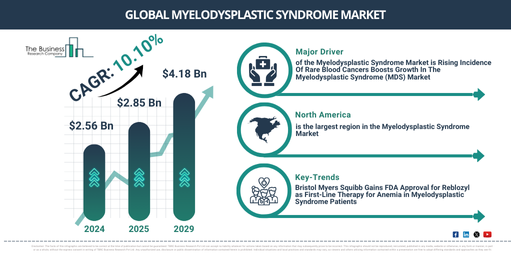
    In the past few years, the myelodysplastic syndrome market has expanded swiftly. Predictions indicate an increase from $2.56 billion in 2024 to $2.85 billion in 2025, presenting an 11.0% compound annual growth rate (CAGR). The growth during the historic period is due to a rise in the incidence of myelodysplastic syndrome, enhanced understanding of its treatment, an escalation in healthcare expenditures, and government initiatives.

    The market size for myelodysplastic syndrome is predicted to experience a swift expansion in the upcoming years, escalating to $4.18 billion by 2029 with a compound annual growth rate (CAGR) of 10.1%. The anticipated growth in the period of forecast could be related to factors such as an older demographic, the use of combination treatments, investments in hematological research, and individualized medicine. Noteworthy trends expected during the forecast period encompass novel therapies for myelodysplastic syndrome, advancements in diagnostic equipment and methods, clinical examinations, and joint research.

    Download a free sample to assess the report’s scope and structure:

    https://www.thebusinessresearchcompany.com/sample.aspx?id=12920&type=smp

    Which Major Market Drivers Are Expected to Boost the Growth Potential of the Myelodysplastic Syndrome Market?

    The growth of the myelodysplastic syndrome (MDS) market is likely to be accelerated by the rising occurrence of rare blood cancers. These are hematologic malignancies with a low prevalence in the population and originate from the cells within the bone marrow, lymph nodes, and other parts of the blood and immune system. The aim of myelodysplastic syndrome (MDS) treatment is to control the condition by boosting the production of blood cells and treating related symptoms to stop the blood cancer from advancing in the bone marrow. For example, in September 2024, the Leukemia and Lymphoma Society, a professional organization based in the U.S., stated that every three minutes, there is a new diagnosis of leukemia, lymphoma, or myeloma in the US. They forecasted that 187,740 individuals would be diagnosed with these cancers in 2024, which accounts for 9.4% of the projected 2,001,140 new cancer cases in the US. Hence, the escalating rate of blood cancer fuels the growth of the myelodysplastic syndrome (MDS) market.

    Which Key Market Segments Comprise the Myelodysplastic Syndrome Market and Drive Its Revenue Growth?

    The myelodysplastic syndromemarket covered in this report is segmented –

    1) By Type: Myelodysplastic Syndrome With Unilineage Dysplasia; Myelodysplastic Syndrome With Multilineage Dysplasia; Myelodysplastic Syndrome With Ring Sideroblasts; Other Types

    2) By Drug: Azacitidine; Lenalidomide; Decitabine; Deferasirox

    3) By Treatment: Supportive Therapy; Growth Factors; Chemotherapy; Stem Cell Transplant; Other Treatments

    4) By Route Of Administration: Oral; Injectable; Other Routes Of Administrations

    5) By End-Users: Hospitals; Homecare; Specialty Centers; Other End-Users

    Subsegments:

    1) By Myelodysplastic Syndrome With Unilineage Dysplasia: Type Of Dysplasia; Patient Demographics

    2) By Myelodysplastic Syndrome With Multilineage Dysplasia: Severity Of Dysplasia; Patient Demographics

    3) By Myelodysplastic Syndrome With Ring Sideroblasts: Percentage Of Ring Sideroblasts; Treatment Options

    4) By Other Types: Specific Types; Treatment Options

    Request customized data on this market:

    https://www.thebusinessresearchcompany.com/customise?id=12920&type=smp

    Which Areas Are Leading Regions in the Myelodysplastic Syndrome Market Expansion Across the Globe?

    North America was the largest region in the myelodysplastic syndrome market in 2024. The regions covered in myelodysplastic syndrome (MDS) market report are Asia-Pacific, Western Europe, Eastern Europe, North America, South America, Middle East and Africa.

    What Are the Key Market Trends in theMyelodysplastic Syndrome Market Over the Coming Years?

    Leading firms in the myelodysplastic syndrome (MDS) market are creating novel therapies to solidify their market presence. For example, Bristol Myers Squibb, a pharmaceutical giant based in the US, received FDA authorization for Reblozyl (luspatercept-aamt) in August 2023. This approval marks it as an initial treatment option for anemia in patients classified as ESA-naïve adults with low- to intermediate-risk myelodysplastic syndromes (MDS), who might necessitate ongoing RBC transfusions. As per results from the Phase 3 COMMANDS trial, Reblozyl outperformed epoetin alfa in achieving RBC transfusion independence and increasing hemoglobin levels thus addressing anemia earlier across a wider patient spectrum.

    View the full report here:

    https://www.thebusinessresearchcompany.com/report/myelodysplastic-syndrome-global-market-report

    How Is the Myelodysplastic Syndrome Market Conceptually Defined?

    Myelodysplastic syndrome (MDS) is a group of disorders characterized by the malfunctioning or abnormal development of bone marrow cells, leading to ineffective blood cell production. Myelodysplastic syndrome treatment improves blood cell counts, alleviates symptoms and delays disease progression. Myelodysplastic syndrome (MDS) can progress to acute myeloid leukemia (AML), a more aggressive form of blood cancer.

    Purchase the full report and get a swift delivery:

    https://www.thebusinessresearchcompany.com/purchaseoptions.aspx?id=12920

    About The Business Research Company:

    With over 15000+ reports from 27 industries covering 60+ geographies, The Business Research Company has built a reputation for offering comprehensive, data-rich research and insights. Armed with 1,500,000 datasets, the optimistic contribution of in-depth secondary research, and unique insights from industry leaders, you can get the information you need to stay ahead in the game.

    Get in touch with us:

    The Business Research Company: https://www.thebusinessresearchcompany.com/

    Americas +1 310-496-7795

    Europe +44 7882 955267

    Asia & Others +44 7882 955267 & +91 8897263534

    Email us at info@tbrc.info

    Follow us on:

    LinkedIn: https://in.linkedin.com/company/the-business-research-company

    YouTube: https://www.youtube.com/channel/UC24_fI0rV8cR5DxlCpgmyFQ

    Global Market Model: https://www.thebusinessresearchcompany.com/global-market-model

  • $29.52 Billion Forecast for Muscle Wasting Disorders Market by 2029, Backed by Demand and Innovation

    Claim your 30% discount on Global Market Reports with code ONLINE30. Limited time only.

    What Are the Key Milestones in the Muscle Wasting Disorders Market’s Growth Trajectory From 2025 To 2034?

    The market size for muscle wasting disorders has seen a swift expansion in the recent past. From 2024’s $15.06 billion, it is projected to rise to $17.49 billion in 2025, indicating a compound annual growth rate (CAGR) of 16.1%. The market expansion during the historic phase is due to the surge in the elderly population, escalating occurrence of chronic illnesses, advances in R&D, heightened awareness about early detection, and the introduction of novel therapeutic methods.

    The market size for muscle wasting disorders is projected to experience significant growth in the upcoming years, expanding to an estimated $29.52 billion by 2029 with an impressive compound annual growth rate (CAGR) of 14.0%. This forthcoming growth can be ascribed to various factors such as supportive regulatory environment, initiatives for patient advocacy, development in healthcare infrastructure, clinical trials becoming more global, and the incorporation of personalized medicine approaches. Foreseen trends within this period encompass the adoption of telemedicine, technological progress in diagnostics, innovative products, alliances and collaborations, advancements in therapeutic methods, research into molecular mechanisms, and innovation in the biopharmaceutical sphere.

    Download a free sample to assess the report’s scope and structure:

    https://www.thebusinessresearchcompany.com/sample.aspx?id=13706&type=smp

    What Are the Core Growth Drivers Propelling the Muscle Wasting Disorders Market Forward?

    The rise in the adoption of a sedentary lifestyle is projected to fuel the expansion of the muscle wasting disorders market in the future. Essentially, a sedentary lifestyle is characterized by minimal to zero physical movement or activity. This form of lifestyle can bring detrimental effects on muscle functionality, thus resulting in decreased muscle strength and endurance, fostering muscle wasting conditions, and making it increasingly challenging for people to preserve their muscle mass and functionality. For example, in 2022, as stated by the World Health Organization, a Swiss-based global institution, more than 80% of teenagers and 27% of adults failed to meet the physical activity guidelines endorsed by the World Health Organization. Therefore, the escalating trend in leading sedentary lifestyles is instigating the growth of the muscle wasting disorders market.

    What Segment Types Define the Muscle Wasting Disorders Market Structure?

    The muscle wasting disordersmarket covered in this report is segmented –

    1) By Treatment Type: Medications; Physical Therapy; Nutritional Therapy; Surgery; Gene Therapy; Other Treatment Types

    2) By Disorder Type: Muscular Dystrophy; Amyotrophic Lateral Sclerosis (ALS); Other Disorder Types

    3) By End-User: Hospitals; Rehab Centers; Specialty Clinics; Other End-Users

    Subsegments:

    1) By Medications: Anabolic Steroids; Hormonal Treatments; Anti-Inflammatory Drugs; Immunomodulatory Agents

    2) By Physical Therapy: Resistance Training; Stretching Exercises; Aerobic Conditioning; Rehabilitation Programs

    3) By Nutritional Therapy: Protein Supplements; Nutritional Counseling; Dietary Modifications; Micronutrient Supplements

    4) By Surgery: Surgical Interventions For Muscle Repair; Orthopedic Surgeries; Procedures For Underlying Conditions

    5) By Gene Therapy: Gene Replacement Therapy; CRISPR-Based Approaches; RNA Interference Techniques

    6) By Other Treatment Types: Complementary Therapies; Psychological Support; Assistive Devices

    Request customized data on this market:

    https://www.thebusinessresearchcompany.com/customise?id=13706&type=smp

    Which Geographic Areas Hold the Strongest Growth Potential in the Muscle Wasting Disorders Market?

    North America was the largest region in the muscle wasting disorder market in 2024. Asia-Pacific is expected to be the fastest-growing region in the forecast period. The regions covered in the muscle wasting disorders market report are Asia-Pacific, Western Europe, Eastern Europe, North America, South America, Middle East, Africa.

    Which Emerging Trends that Are Influencing theMuscle Wasting Disorders Industry Evolution?

    Key players in the muscle wasting disorders market are progressing towards creating innovative solutions, such as groundbreaking gene therapy, to accommodate the needs of patients with muscle wasting disorders. This unique gene therapy is a medical innovation aimed at delivering the therapeutic effect by changing gene expression or modifying the biological attributes of live cells. For example, in June 2023, Sarepta Therapeutics, an American biotech firm, unveiled Elevidys, the inaugural gene therapy endorsed by the U.S. Food and Drug Administration (FDA) to treat Duchenne muscular dystrophy (DMD) in pediatric patients aged 4 to 5 years old. Elevidys, a recombinant gene therapy, is engineered to inject a gene into the body that results in a diminished protein comprising selected domains of the dystrophin protein found in healthy muscle cells. The therapy is administered through a solitary intravenous infusion.

    View the full report here:

    https://www.thebusinessresearchcompany.com/report/muscle-wasting-disorders-global-market-report

    What Is the Definition of the Muscle Wasting Disorders Market?

    Muscle wasting disorders, or muscle atrophy or muscle wasting, refer to a condition characterized by a diverse group of conditions that cause the progressive loss of muscle mass and strength. This can occur as a result of various factors, including disuse, aging, malnutrition, neurodegenerative diseases, and certain medical conditions.

    Purchase the full report and get a swift delivery:

    https://www.thebusinessresearchcompany.com/purchaseoptions.aspx?id=13706

    About The Business Research Company:

    With over 15000+ reports from 27 industries covering 60+ geographies, The Business Research Company has built a reputation for offering comprehensive, data-rich research and insights. Armed with 1,500,000 datasets, the optimistic contribution of in-depth secondary research, and unique insights from industry leaders, you can get the information you need to stay ahead in the game.

    Get in touch with us:

    The Business Research Company: https://www.thebusinessresearchcompany.com/

    Americas +1 310-496-7795

    Europe +44 7882 955267

    Asia & Others +44 7882 955267 & +91 8897263534

    Email us at info@tbrc.info

    Follow us on:

    LinkedIn: https://in.linkedin.com/company/the-business-research-company

    YouTube: https://www.youtube.com/channel/UC24_fI0rV8cR5DxlCpgmyFQ

    Global Market Model: https://www.thebusinessresearchcompany.com/global-market-model

  • Global MRI Contrast Media Market Projected to Reach $2.06 Billion by 2029 at a CAGR of 5.5%

    Global MRI Contrast Media Market Projected to Reach $2.06 Billion by 2029 at a CAGR of 5.5%

    Claim your 30% discount on Global Market Reports with code ONLINE30. Limited time only.

    How Has The MRI Contrast Media Market Size Shifted, And What Is the Outlook Through 2034?

    The market size for MRI contrast media has seen substantial growth in recent years, expanding from $1.56 billion in 2024 to an expected $1.66 billion in 2025, with a compound annual growth rate (CAGR) of 6.2%. Numerous factors have contributed to this growth during the historic period, including an escalating demand for early diagnoses, heightened quest for diagnostic precision and improved patient outcomes, expanding public awareness, the evolution of combined imaging modalities, and the discovery of new applications for contrast agents.

    The MRI contrast media market is projected to experience substantial growth in the upcoming years, reaching $2.06 billion by 2029 at a CAGR of 5.5%. This predicted growth during the forecast period can be attributed to an increase in cancer diagnoses, a rising incidence of chronic illnesses, heightened investments and activity in research and development, escalating healthcare expenses, and broadening applications of MRI. Key trends for the forecast period encompass advancements through collaborative research, technological progression, product innovation, the development of safer and more efficacious contrast agents, and product revolutions by pharmaceutical and biotech companies.

    Download a free sample to assess the report’s scope and structure:

    https://www.thebusinessresearchcompany.com/sample.aspx?id=14964&type=smp

    What are the Fundamental Drivers and Innovations Shaping the MRI Contrast Media Market?

    The increase in cancer incidences is predicted to fuel the development of the MRI contrast media market in the future. The escalation in cancer incidences can be attributed to an amalgamation of demographic, lifestyle, environmental, genetic, and healthcare factors. The use of gadolinium-based compound contrast agents during MRI scans enhances imaging by modifying the magnetic properties of tissues, thereby assisting in identifying, assessing, and describing tumors, as well as evaluating their encroachment on adjacent tissues. For instance, the World Health Organization (WHO), a Switzerland-based intergovernmental organization, published a report in February 2024 indicating that the global number of new cancer cases had hit 20 million in 2022, leading to 9.7 million deaths. These estimates suggest a substantial increase in cancer incidences by 2050, with over 35 million new cases forecasted, signaling a 77% leap from the assumed 20 million cases in 2022. Consequently, the escalation in cancer incidences is spearheading the expansion of the MRI contrast media market.

    How Is the MRI Contrast Media Market Segmented?

    The mri contrast mediamarket covered in this report is segmented –

    1) By Product: Extracellular Contrast Agents; Blood-Pool Agent; Hepatobiliary Agents

    2) By Application: Neurological Disorders; Musculoskeletal Disorders; Cardiovascular Disorders; Cancer Detection; Other Applications

    3) By End-User: Hospitals; Diagnostic And Imaging Centers; Research Institutes; Other End Users

    Subsegments:

    1) By Extracellular Contrast Agents: Gadolinium-Based Contrast Agents (GBCA); Non-Gadolinium-Based Contrast Agents

    2) By Blood-Pool Agent: Macromolecular Agents; Nanoparticle-Based Agents

    3) By Hepatobiliary Agents: Hepatocyte-Specific Agents; Biliary-Specific Agents

    Request customized data on this market:

    https://www.thebusinessresearchcompany.com/customise?id=14964&type=smp

    Which Regions Are Driving the Next Phase of the MRI Contrast Media Market Growth?

    North America was the largest region in the MRI contrast media market in 2024. The regions covered in the MRI contrast media market report are Asia-Pacific, Western Europe, Eastern Europe, North America, South America, Middle East, Africa.

    What Key Trends Are Shaping the Future of the MRI Contrast Media Market?

    Key players in the MRI contrast media market, such as macrocyclic gadolinium-based contrast agents (GBCA), are honing their focus on the creation and distribution of superior products to boost the effectiveness and safety of MRI imaging processes. A macrocyclic gadolinium-based contrast agent (GBCA) is a kind of contrast agent used predominantly in MRI medical imaging. For example, Guerbet, a provider of MRI contrast media based in France, announced the launch of Elucirem (gadopiclenol) injection in February 2023. The standout characteristic of Elucirem (gadopiclenol) injection is its highly stable macrocyclic gadolinium-based contrast agent (GBCA) that possesses the highest relaxivity within its class for MRI. This distinct formulation of gadopiclenol is especially significant for its capacity to detect and provide a clear view of lesions with abnormal vascularity in different areas of both the central nervous system (inclusive of the brain, spine, and related tissues) and the body (encompassing the head and neck, thorax, abdomen, pelvis, and musculoskeletal system).

    View the full report here:

    https://www.thebusinessresearchcompany.com/report/mri-contrast-media-global-market-report

    How Is the MRI Contrast Media Market Defined and What Are Its Core Parameters?

    MRI contrast media refer to substances used in magnetic resonance imaging (MRI) to enhance the visibility of internal body structures. These contrast agents work by altering the magnetic properties of tissues, thereby improving the contrast in the resulting images.

    Purchase the full report and get a swift delivery:

    https://www.thebusinessresearchcompany.com/purchaseoptions.aspx?id=14964

    About The Business Research Company:

    With over 15000+ reports from 27 industries covering 60+ geographies, The Business Research Company has built a reputation for offering comprehensive, data-rich research and insights. Armed with 1,500,000 datasets, the optimistic contribution of in-depth secondary research, and unique insights from industry leaders, you can get the information you need to stay ahead in the game.

    Get in touch with us:

    The Business Research Company: https://www.thebusinessresearchcompany.com/

    Americas +1 310-496-7795

    Europe +44 7882 955267

    Asia & Others +44 7882 955267 & +91 8897263534

    Email us at info@tbrc.info

    Follow us on:

    LinkedIn: https://in.linkedin.com/company/the-business-research-company

    YouTube: https://www.youtube.com/channel/UC24_fI0rV8cR5DxlCpgmyFQ

    Global Market Model: https://www.thebusinessresearchcompany.com/global-market-model