Blog

  • Critical Market Drivers Shaping the Outlook for 5-Alpha Reductase Deficiency Market from 2025-2034: Research And Development Activities Propel Advancements In The 5-Alpha Reductase Deficiency Market

    Critical Market Drivers Shaping the Outlook for 5-Alpha Reductase Deficiency Market from 2025-2034: Research And Development Activities Propel Advancements In The 5-Alpha Reductase Deficiency Market

    Claim your 30% discount on Global Market Reports with code ONLINE30. Limited time only.

    How Has The 5-Alpha Reductase Deficiency Market Size Shifted, And What Is the Outlook Through 2034?

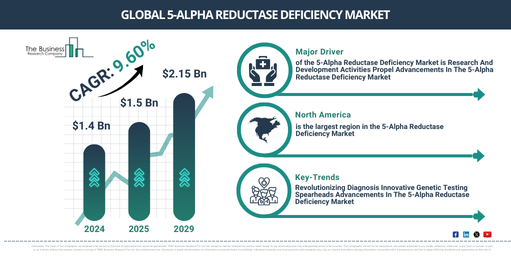
    The market for 5-alpha reductase deficiency has experienced significant expansion in the past few years. Its growth is projected to increase from $1.4 billion in 2024 to $1.5 billion in 2025, with a compound annual growth rate (CAGR) of 7.2%. Factors such as research and development, regulatory landscape, improvements in healthcare infrastructure, heightened awareness through education, and health insurance coverage have contributed to the growth observed in the historical period.

    A significant surge in growth is projected for the 5-alpha reductase deficiency market in the coming years, with an estimated value mounting to $2.15 billion by 2029, moving at a compound annual growth rate (CAGR) of 9.6%. The expected increase during the projection period is owing to developments in therapeutic techniques, breakthroughs in genetic research, precision medicine, worldwide health drives, and the inclusion of gene therapies. The forecast period will also witness trends like improved treatment methods, advancements in diagnosis, patient-focused strategies, changes in regulations, market accessibility and affordability.

    Download a free sample to assess the report’s scope and structure:

    https://www.thebusinessresearchcompany.com/sample.aspx?id=9438&type=smp

    What Are the Core Growth Drivers Propelling the 5-Alpha Reductase Deficiency Market Forward?

    The escalating number of explorations and advancements being carried out in the field of genomics are playing a crucial role in propelling the growth of the 5-alpha reductase deficiency market. Studying a person’s entire genetic sequence, including the interactions of those genes with each other and the environment, is referred to as genomics. It is utilized to diagnose 5-alpha reductase deficiency by identifying particular gene mutations causing the condition. So, investigations and advancements in the sector of genomics will support the discovery and treatment of this disease. For instance, the World Health Organization (WHO) issued a report in July 2022 titled ‘Accelerating Access to Genomics for Global Health,’ revealing that the proportion of countries capable of performing genomic surveillance increased from 54% to 68% between March 2021 and January 2022. Consequently, the escalating number of investigations and advancements in genomics will fuel the 5-alpha reductase deficiency market.

    What Segment Types Define the 5-Alpha Reductase Deficiency Market Structure?

    The 5-alpha reductase deficiencymarket covered in this report is segmented –

    1) By Diagnosis: Chromosome Analysis; Gene Sequencing; Hormone Tests; Imaging Tests; Genetic Screening; Other Diagnosis

    2) By Treatment: Surgery; Vaginoplasty; Feminizing Genitoplasty; Hormone Replacement Therapy; Other Treatments

    3) By End-Users: Hospitals; Specialty Clinics; Other End-Users

    Subsegments:

    1) By Chromosome Analysis: Karyotyping; Fluorescence In Situ Hybridization (FISH)

    2) By Gene Sequencing: Targeted Gene Panels; Whole Exome Sequencing

    3) By Hormone Tests: Testosterone Levels; Dihydrotestosterone (DHT) Levels

    4) By Imaging Tests: Ultrasound; MRI

    5) By Genetic Screening: Carrier Testing; Newborn Screening

    6) By Other Diagnosis: Clinical Evaluation; Family History Assessment

    Request customized data on this market:

    https://www.thebusinessresearchcompany.com/customise?id=9438&type=smp

    Which Geographic Areas Hold the Strongest Growth Potential in the 5-Alpha Reductase Deficiency Market?

    North America was the largest region in the 5-alpha reductase deficiency market in 2024. The regions covered in the 5-alpha reductase deficiency market report are Asia-Pacific, Western Europe, Eastern Europe, North America, South America, Middle East, Africa

    Which Emerging Trends that Are Influencing the5-Alpha Reductase Deficiency Industry Evolution?

    The key trend in the 5-alpha reductase deficiency market is the creation of innovative genetic testing for the diagnosis of rare diseases. Major market players are concentrating on the development of novel genetic testing that can more efficiently and earlier diagnose unique diseases such as 5-alpha reductase deficiency. These advancements provide major players with a competitive advantage in the market. For example, in June 2022, Avesthagen Limited, an integrated systems biology platform company based in the US, released a new series of genetic tests. The genome panels included in this portfolio provide a highly detailed, disease-focused analysis for rare genetic diseases.

    View the full report here:

    https://www.thebusinessresearchcompany.com/report/5-alpha-reductase-deficiency-global-market-report

    What Is the Definition of the 5-Alpha Reductase Deficiency Market?

    5-alpha reductase deficiency is a disorder which affects male sexual development both before and during puberty. Dihydrotestosterone, a crucial hormone for male sexual development, is not sufficiently produced in people suffering from 5-alpha reductase deficiency.

    Purchase the full report and get a swift delivery:

    https://www.thebusinessresearchcompany.com/purchaseoptions.aspx?id=9438

    About The Business Research Company:

    With over 15000+ reports from 27 industries covering 60+ geographies, The Business Research Company has built a reputation for offering comprehensive, data-rich research and insights. Armed with 1,500,000 datasets, the optimistic contribution of in-depth secondary research, and unique insights from industry leaders, you can get the information you need to stay ahead in the game.

    Get in touch with us:

    The Business Research Company: https://www.thebusinessresearchcompany.com/

    Americas +1 310-496-7795

    Europe +44 7882 955267

    Asia & Others +44 7882 955267 & +91 8897263534

    Email us at info@tbrc.info

    Follow us on:

    LinkedIn: https://in.linkedin.com/company/the-business-research-company

    YouTube: https://www.youtube.com/channel/UC24_fI0rV8cR5DxlCpgmyFQ

    Global Market Model: https://www.thebusinessresearchcompany.com/global-market-model

  • Key Factors Fueling the Growth of the 3D Imaging Market in 2025: Increasing Usage Of Smartphone Boosts The 3D Imaging Market

    Claim your 30% discount on Global Market Reports with code ONLINE30. Limited time only.

    How Has the 3D Imaging Market Growth Performance Trended Historically, And What Lies Ahead?

    The size of the 3D imaging market has seen an exponential growth in the past few years. It is predicted to increase from $34.14 billion in 2024 to $41.97 billion in 2025, with a compound annual growth rate (CAGR) of 23.0%. The past growth can be credited to the growing use in the healthcare sector, higher demand in the manufacturing and industrial sectors, visualization in architecture and construction, designing and prototyping in the automotive industry, and preservation of cultural heritage.

    Predictions for the 3D imaging market value foresee a significant surge in the years approaching, escalating to$101.46 billion by 2029″ with a CAGR of 24.7%. The expected increase during this prediction period is associated with enhancements in medical imaging, their utility in geological and environmental sciences, applications in safety and surveillance, the rise of autonomous vehicles, the creation of innovative cities, as well as applications in precision farming. The forecast period also anticipates certain trends such as increasing demand for 3D content in fields like entertainment and gaming, expanded usage in automotive design and production, widespread adoption in Geographic Information Systems (GIS), surging demand for 3D cameras and sensors, the application of lidar technology in mapping and surveying, and the emergence of compact, handheld 3D scanners.

    Download a free sample to assess the report’s scope and structure:

    https://www.thebusinessresearchcompany.com/sample.aspx?id=7988&type=smp

    What are the Fundamental Drivers and Innovations Shaping the 3D Imaging Market?

    The growth of the 3D imaging market is anticipated to be fueled by the augmented use of smartphones. A smart device refers to any gadget that can connect to an app, the internet, a local network, or another device via a wireless connection. The heightened user experiences, increased awareness of the benefits of smart device technology, and an upsurge in reliable internet connections have resulted in a rise in smart devices. This novel imaging technology allows for the 3D capture of objects via smartphones, which can then be used to view the same object from different locations. For example, a report published by Uswitch Limited, a UK-based online and telephone comparison and switching service, stated in February 2023 that in 2022, there were 71.8 million active mobile connections, a 3.8% increase from 2021. By 2025, there will be 68.3 million people residing in the UK, and 95% of them will own smartphones. Hence, the escalated use of smartphones is propelling the growth of the 3D imaging market.

    How Is the 3D Imaging Market Segmented?

    The 3D imagingmarket covered in this report is segmented –

    1) By Component: Solutions; Hardware; Services

    2) By Deployment Mode: Cloud; On – premises

    3) By Application: 3D Modeling; 3D Scanning; Layout And Animation; 3D Rendering; Image Reconstruction

    4) By Vertical: Aerospace And Defense; Automotive And Transportation; Manufacturing; Healthcare And Life Sciences; Architecture And Construction; Media And Entertainment; Retail And Consumer Goods; Other Verticals

    Subsegments:

    1) By Solutions: Software (3D Modeling); Cloud-Based Solutions; Application-Specific Solutions

    2) By Hardware: 3D Scanners; Cameras; Display Systems (3D Monitors, Projectors); Sensors

    3) By Services: Consulting Services; Integration Services; Support And Maintenance; Training And Education

    Request customized data on this market:

    https://www.thebusinessresearchcompany.com/customise?id=7988&type=smp

    Which Regions Are Driving the Next Phase of the 3D Imaging Market Growth?

    North America was the largest region in the 3D imaging market in 2024. Asia-Pacific is expected to be the fastest-growing region in the 3D imaging market report forecast period. The regions covered in the 3D imaging market report are Asia-Pacific, Western Europe, Eastern Europe, North America, South America, Middle East, Africa.

    What Key Trends Are Shaping the Future of the 3D Imaging Market?

    Prominent enterprises within the 3D imaging market are concentrating on the development of 3D facial imaging systems, a move intended to upgrade biometric security, enhance medical diagnostics, and provide precise facial recognition for diverse sectors including healthcare, security, entertainment, and retail. 3D facial imaging system is an innovative technology that records the accurate form, lines, and attributes of a person’s face by formulating a three-dimensional image. It employs artificial intelligence to supply real-time information regarding various skin conditions, such as wrinkles, pores, red spots, brown patches, and skin texture in general. For instance, in April 2024, Aura, a subsidiary of Hexagon AB, a technology company based in Sweden, unveiled the Aura 3D Imaging System. This system generates a comprehensive 3D computerized replica of a patient’s face and neck using a single image capture, which allows for a detailed visual representation for evaluation and discussion. The Aura 3D Imaging System, created for user-friendly operation, enables clinic personnel to manage it with a bare minimum of training.

    View the full report here:

    https://www.thebusinessresearchcompany.com/report/3d-imaging-global-market-report

    How Is the 3D Imaging Market Defined and What Are Its Core Parameters?

    3D imaging refers to a method for developing or producing the appearance of depth in a picture that involves converting two-dimensional data into a three-dimensional representation to give the impression of depth. It is utilized for a variety of functions in a variety of applications because it is ecologically safe, easily transmitted, and convenient. This is a useful tool for quality control procedures in businesses.

    Purchase the full report and get a swift delivery:

    https://www.thebusinessresearchcompany.com/purchaseoptions.aspx?id=7988

    About The Business Research Company:

    With over 15000+ reports from 27 industries covering 60+ geographies, The Business Research Company has built a reputation for offering comprehensive, data-rich research and insights. Armed with 1,500,000 datasets, the optimistic contribution of in-depth secondary research, and unique insights from industry leaders, you can get the information you need to stay ahead in the game.

    Get in touch with us:

    The Business Research Company: https://www.thebusinessresearchcompany.com/

    Americas +1 310-496-7795

    Europe +44 7882 955267

    Asia & Others +44 7882 955267 & +91 8897263534

    Email us at info@tbrc.info

    Follow us on:

    LinkedIn: https://in.linkedin.com/company/the-business-research-company

    YouTube: https://www.youtube.com/channel/UC24_fI0rV8cR5DxlCpgmyFQ

    Global Market Model: https://www.thebusinessresearchcompany.com/global-market-model
  • Major Trends and Emerging Patterns in the Virology Specimen Collection Market: Technological Advancements Shaping Virology Specimen Collection Market

    Major Trends and Emerging Patterns in the Virology Specimen Collection Market: Technological Advancements Shaping Virology Specimen Collection Market

    Claim your 30% discount on Global Market Reports with code ONLINE30. Limited time only.

    What Are the Projected Market Size and Growth Rates for the Virology Specimen Collection Market From 2025 To 2029?

    The market scale of virology specimen collection has seen a robust expansion in the past years. It is projected to escalate from $6.6 billion in 2024 to $6.96 billion in 2025 with a compound annual growth rate (CAGR) of 5.5%. Factors contributing to the growth during the historical period include disease outbreaks and pandemics, research on infectious diseases, public health campaigns, quality control and regulations, as well as remote and at-home testing.

    The market size of virology specimen collection is projected to experience robust expansion in the forthcoming years, with a predicted growth to$8.77 billion in 2029 at a compound annual growth rate (CAGR) of 5.9%. Factors such as global health readiness, infrastructure for pandemic response, surveillance and tracking schemes, as well as government financial support and grants, and the increase in quick diagnostic tests contribute to this growth. Key trends predicted during this forecast period encompass self-collection kits, point-of-care specimen collection, integrated specimen collection devices, and the rise of digital health platforms, telemedicine, and e-health.

    Download a free sample to assess the report’s scope and structure:

    https://www.thebusinessresearchcompany.com/sample.aspx?id=6642&type=smp

    What Are the Primary Drivers Supporting the Market Growth of the Virology Specimen Collection Market?

    The upward trend in blood donations is fueling the expansion of the virology specimen collection market. As the collection of blood samples heightens, the usage of the virology specimen collection method for detecting viruses in these samples also escalifies. For instance, the World Health Organization (WHO), a Switzerland-based agency of the United Nations dedicated to global public health, reported in June 2023 that roughly 118.54 million blood donations were gathered globally. About 40% of these were sourced from high-income countries, constituting approximately 16% of the global population. Nearly 13,300 blood centers across 169 countries have collectively reported 106 million donations. Consequently, as blood donations continue to mount, an increased demand for the virology specimen collection market is anticipated.

    Which Primary Segments of the Virology Specimen Collection Market Are Driving Growth and Industry Transformations?

    The virology specimen collectionmarket covered in this report is segmented –

    1) By Product Type: Blood Collection Kits; Specimen Collection Tubes; Viral Transport Media; Swabs

    2) By Sample: Blood Samples; Nasopharyngeal Samples; Throat Samples; Nasal Samples; Cervical Samples; Oral Samples; Other Samples

    3) Method: Manual; Automated

    4) Application: Diagnostic; Therapeutic

    Subsegments:

    1) By Blood Collection Kits: Vacuum Blood Collection Tubes; Syringe Blood Collection Kits

    2) By Specimen Collection Tubes: EDTA Tubes; Serum Separation Tubes; Heparin Tubes

    3) By Viral Transport Media: Liquid Media; Dry Media

    4) By Swabs: Nasopharyngeal Swabs; Oropharyngeal Swabs; Urethral Swabs

    Request customized data on this market:

    https://www.thebusinessresearchcompany.com/customise?id=6642&type=smp

    Which Regions Are Key Players in the Growth of the #What Are the Primary Drivers Supporting the Market Growth of the Virology Specimen Collection Market?# Market?

    North America was the largest region in the virology specimen collection market share in 2024. Asia-Pacific is expected to be the fastest-growing region in the forecast period. The regions covered in the virology specimen collection market report include Asia-Pacific, Western Europe, Eastern Europe, North America, South America, Middle East and Africa.

    What Are the Most Significant Market Trends in the Virology Specimen Collection Market?

    Progress in technology is moulding the landscape of the virology specimen collection market. Innovations spanning from automated specimen isolation to real-time amplification technology have facilitated the creation and launch of systems for a vast majority of viruses with clinical relevance. These technologies also assist in garnering clinically pertinent details that can aid in ideal antiviral treatment choices. For instance, in August 2023, the Finland-based health tech organization Nightingale Health Plc, rolled out a remote blood collection kit for use in medical research and clinical trials. The Nightingale Kit, along with its self-collection tool, allows research participants to extract blood samples by themselves. This breakthrough greatly maximizes versatility and offers research opportunities previously limited due to logistical and geographical factors. Furthermore, Nightingale Health provides an economical and seamless blend of sample collection and analysis, making remote blood collection easy to incorporate in research.

    View the full report here:

    https://www.thebusinessresearchcompany.com/report/virology-specimen-collection-global-market-report

    What Parameters Are Used to Define the Virology Specimen Collection Market?

    A virology specimen is a blood sample taken for examination of specimens in order to look for any type of infection. The virus isolation specimens should be collected within four days of the onset of sickness, as virus shedding reduces significantly after that. Virus cultures are not useful for specimens taken more than 7 days after the onset of sickness, with a few exceptions to be used by government health authorities, hospitals, clinicians, and laboratories that are collecting relevant clinical samples for diagnosis.

    Purchase the full report and get a swift delivery:

    https://www.thebusinessresearchcompany.com/purchaseoptions.aspx?id=6642

    About The Business Research Company:

    With over 15000+ reports from 27 industries covering 60+ geographies, The Business Research Company has built a reputation for offering comprehensive, data-rich research and insights. Armed with 1,500,000 datasets, the optimistic contribution of in-depth secondary research, and unique insights from industry leaders, you can get the information you need to stay ahead in the game.

    Get in touch with us:

    The Business Research Company: https://www.thebusinessresearchcompany.com/

    Americas +1 310-496-7795

    Europe +44 7882 955267

    Asia & Others +44 7882 955267 & +91 8897263534

    Email us at info@tbrc.info

    Follow us on:

    LinkedIn: https://in.linkedin.com/company/the-business-research-company

    YouTube: https://www.youtube.com/channel/UC24_fI0rV8cR5DxlCpgmyFQ

    Global Market Model: https://www.thebusinessresearchcompany.com/global-market-model
  • Key Developments and Trends Steering the Trauma Care Centers Market Forward: Research And Development Activities Transform Trauma Care Centers Market

    Key Developments and Trends Steering the Trauma Care Centers Market Forward: Research And Development Activities Transform Trauma Care Centers Market

    Claim your 30% discount on Global Market Reports with code ONLINE30. Limited time only.

    What Is the Estimated Market Size of the Trauma Care Centers Market In 2029?

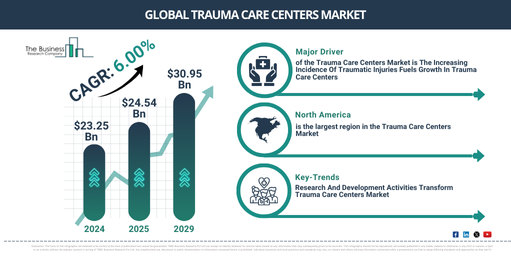
    The industry of trauma care centers has seen significant growth in recent years. The market value will rise from $23.25 billion in 2024 to $24.54 billion in 2025, exhibiting a compound annual growth rate (CAGR) of 5.5%. Factors contributing to the past growth include advancements in emergency medical services (ems), protocols in triage and trauma centers, enhancement of trauma training programs, innovative strides in trauma surgery, and collaborations with law enforcement.

    The market size of trauma care centers is predicted to exhibit robust growth in the coming years, expanding to$30.95 billion by 2029 with compound annual growth rate (CAGR) of 6.0%. The growth during the projected period can be credited to elements such as geriatric trauma care, services for pediatric trauma, sophisticated diagnostic tools, initiatives in public health and worldwide expansion of trauma centers. The period of the forecast will likely see major trends like cutting-edge imaging technologies, the integration of telemedicine, training & simulation for trauma, multidisciplinary teams for trauma and care based on data.

    Download a free sample to assess the report’s scope and structure:

    https://www.thebusinessresearchcompany.com/sample.aspx?id=7540&type=smp

    How Are Key Drivers in the Industry Acting as Catalysts for the Growth of theTrauma Care Centers Market?

    The surge in emergency department visits due to traumatic injuries is predicted to boost the expansion of the trauma care center market. Traumatic injuries are sudden, severe physical injuries that necessitate immediate medical intervention. The escalating number of such emergency department visits necessitates improved quality services from trauma care centers, hence increasing their demand. For example, as per a December 2023 report by the U.S. Bureau of Labor Statistics, a US government agency, there were 5,486 fatal work-related injuries recorded in 2022, a 5.7% increase from the previous year’s 5,190. Consequently, the escalating visits to emergency departments due to traumatic injuries are stimulating the growth of the trauma care centers market.

    Which Segments in the Trauma Care Centers Offer the Most Growth?

    The trauma care centersmarket covered in this report is segmented –

    1) By Facility: In-house; Standalone

    2) By Trauma: Falls; Traffic-Related Injuries; Stab or Wound or Cut; Burn Injury; Brain Injury; Other Injuries

    3) By Service: Inpatient; Outpatient; Rehabilitation

    Subsegments:

    1) By In-house: Hospital-Based Trauma Units; Emergency departments With Trauma Services; Specialized Trauma Surgical Centers

    2) By Standalone: Independent Trauma Care Clinics; Urgent Care Facilities With Trauma Capabilities; Freestanding Emergency Medical Centers

    Request customized data on this market:

    https://www.thebusinessresearchcompany.com/customise?id=7540&type=smp

    What Are the Fastest-Growing Geographies in the #How Are Key Drivers in the Industry Acting as Catalysts for the Growth of theTrauma Care Centers Market?# Market?

    North America was the largest region in the trauma care centers market in 2024. Asia-Pacific is expected to be the fastest-growing region in the forecast period. The regions covered in the trauma care centers market report include Asia-Pacific, Western Europe, Eastern Europe, North America, South America, Middle East and Africa.

    What Are the Current Market Growth and Trends in the Trauma Care Centers Industry?

    The trend of focusing on research and development tasks in the trauma care centers market is becoming increasingly significant. Several health care companies or institutions in the trauma care sector are devoting their efforts to research and development endeavors to consolidate their market foothold and provide the most effective care for trauma casualties. For example, in April 2023, the Boston University School of Public Health initiated the Center for Trauma and Mental Health (CTMH), concentrating on the development and research of public health methodologies to tackle the health effects of trauma. The center aims to holistically comprehend various stressful and traumatic incidences and their subsequent effects. This hub fosters interdisciplinary academic pursuits and encourages collaborative efforts within the school to address the immense societal issues engendered by trauma. It also aims to nurture a community which includes researchers, educators, and practitioners committed to dealing with multiple forms of trauma.

    View the full report here:

    https://www.thebusinessresearchcompany.com/report/trauma-care-centers-global-market-report

    What Are the Key Elements That Define the Trauma Care Centers Market?

    Trauma care centres refer to a centre in the hospital that is equipped with specialized staff who can take care of trauma cases. The main objective of the trauma system is to provide the right service to the right patients.

    Purchase the full report and get a swift delivery:

    https://www.thebusinessresearchcompany.com/purchaseoptions.aspx?id=7540

    About The Business Research Company:

    With over 15000+ reports from 27 industries covering 60+ geographies, The Business Research Company has built a reputation for offering comprehensive, data-rich research and insights. Armed with 1,500,000 datasets, the optimistic contribution of in-depth secondary research, and unique insights from industry leaders, you can get the information you need to stay ahead in the game.

    Get in touch with us:

    The Business Research Company: https://www.thebusinessresearchcompany.com/

    Americas +1 310-496-7795

    Europe +44 7882 955267

    Asia & Others +44 7882 955267 & +91 8897263534

    Email us at info@tbrc.info

    Follow us on:

    LinkedIn: https://in.linkedin.com/company/the-business-research-company

    YouTube: https://www.youtube.com/channel/UC24_fI0rV8cR5DxlCpgmyFQ

    Global Market Model: https://www.thebusinessresearchcompany.com/global-market-model
  • Market Trends Influencing Strategic Decisions in the Teleradiology Industry: Strategic Partnerships And Collaborations Among Market Players

    Market Trends Influencing Strategic Decisions in the Teleradiology Industry: Strategic Partnerships And Collaborations Among Market Players

    Claim your 30% discount on Global Market Reports with code ONLINE30. Limited time only.

    How Fast Is The Teleradiology Market Expected to Grow Between 2025 And 2029?

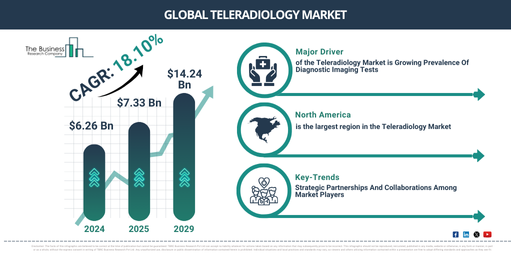
    In recent years, the size of the teleradiology market has seen a swift expansion. It’s projected to increase from $6.26 billion in 2024 to $7.33 billion in 2025, demonstrating a compound annual growth rate (CAGR) of 17.2%. The significant growth during the historic period can be credited to a shortage of radiologists, quality and speed of diagnosis, supportive healthcare regulations, enhanced image transmission, and advancements in medical imaging technology.

    In the coming years, it is predicted that the teleradiology market will witness swift expansion. The market will escalate to a value of $14.24 billion by 2029, showcasing a compound annual growth rate (CAGR) of 18.1%. Factors contributing to this forecasted growth include global health crises, the rise of telemedicine, international radiology services, customized patient care, and accessibility of healthcare in rural areas. Significant forthcoming trends encompass AI-facilitated diagnostics, cloud-powered teleradiology, radiology-as-a-service (raas), integration of telecardiology, and specialized teleradiology services.

    Download a free sample to assess the report’s scope and structure:

    https://www.thebusinessresearchcompany.com/sample.aspx?id=6502&type=smp

    What Are the Major Market Drivers Behind the Rising Adoption of Teleradiology Market?

    The surge in imaging procedures is projected to stimulate expansion in the teleradiology market. These procedures are specific tests that provide comprehensive images of various internal body parts, enabling healthcare professionals to scrutinize and recommend appropriate treatments. Teleradiology deploys imaging to identify symptoms and disease causes, also tracking patient health by sending radiological images from one location to another via the internet. This surge necessitates the transmission of imaging copies to health professionals or radiologists for evaluation, thereby fuelling the necessity for teleradiology solutions. For example, an article from the US National Library of Medicine highlighted that the rate of computed tomography (CT) examinations is growing by 4% annually worldwide, amounting to nearly 300 million CT scans every year. As such, the burgeoning number of imaging procedures will spur the progression of the teleradiology market.

    Which Key Market Segments Comprise the Teleradiology Market and Drive Its Revenue Growth?

    The teleradiologymarket covered in this report is segmented –

    1) By Modality: X-Ray; MRI; CT Scan; Ultrasound Systems

    2) By Technology: Web Based; Cloud Based

    3) By Component: Hardware; Software

    4) By End User: Hospitals; Diagnostic Centers; Other End Users

    Subsegments:

    1) By X-Ray: Digital X-Ray; Computed Radiography (CR); Fluoroscopy

    2) By MRI (Magnetic Resonance Imaging): Closed MRI Systems; Open MRI Systems; Functional MRI (fMRI)

    3) By CT Scan (Computed Tomography): Standard CT Scans; Spiral Or Helical CT Scans; Cone Beam CT Scans

    4) By Ultrasound Systems: Diagnostic Ultrasound; 3D Or 4D Ultrasound; Doppler Ultrasound

    Request customized data on this market:

    https://www.thebusinessresearchcompany.com/customise?id=6502&type=smp

    Which Areas Are Leading Regions in the Teleradiology Market Expansion Across the Globe?

    North America was the largest region in the teleradiology market in 2024. The regions covered in the teleradiology market report include Asia-Pacific, Western Europe, Eastern Europe, North America, South America, Middle East and Africa.

    What Are the Strategic Trends Steering theTeleradiology Market Direction?

    In the teleradiology sector, a growing trend is the form of collaborations and partnerships. The emphasis for major enterprises in this industry is on building partnerships and collaborations that can facilitate the development of innovative solutions, augment teleradiology services, and consolidate their market standing. These mutual arrangements allow companies to pool resources, expertise, and technological know-how in a bid to innovate and achieve market superiority. For example, in April 2022, Tele-Radiology Solutions (TRS), a tele-radiology firm based in the US, revealed its partnership contract with Andhra Med Tech Zone (AMTZ), an Indian modern healthcare services tech park. The partnership aims to set up a dedicated hub to supply remote radiology image reads overseen by expert radiologists and bolstered by cutting-edge artificial intelligence technology. The aim of this collaboration is for TRS and AMTZ to expand their reach to government-run hospitals throughout India, state-operated rural health centers (including those under the National Health Mission), and hospitals managed by public-sector corporations where TRS will distribute remote radiology services.

    View the full report here:

    https://www.thebusinessresearchcompany.com/report/teleradiology-global-market-report

    How Is the Teleradiology Market Conceptually Defined?

    Teleradiology refers to the transmission of radiological pictures from one site to another. Teleradiology is the process of analyzing medical pictures while a radiologist is not physically present in the area where the images are created. It is used in hospitals, mobile imaging firms, urgent care clinics, and even certain private practices. The main reason for using teleradiology is that having a radiologist on-site is expensive.

    Purchase the full report and get a swift delivery:

    https://www.thebusinessresearchcompany.com/purchaseoptions.aspx?id=6502

    About The Business Research Company:

    With over 15000+ reports from 27 industries covering 60+ geographies, The Business Research Company has built a reputation for offering comprehensive, data-rich research and insights. Armed with 1,500,000 datasets, the optimistic contribution of in-depth secondary research, and unique insights from industry leaders, you can get the information you need to stay ahead in the game.

    Get in touch with us:

    The Business Research Company: https://www.thebusinessresearchcompany.com/

    Americas +1 310-496-7795

    Europe +44 7882 955267

    Asia & Others +44 7882 955267 & +91 8897263534

    Email us at info@tbrc.info

    Follow us on:

    LinkedIn: https://in.linkedin.com/company/the-business-research-company

    YouTube: https://www.youtube.com/channel/UC24_fI0rV8cR5DxlCpgmyFQ

    Global Market Model: https://www.thebusinessresearchcompany.com/global-market-model

  • Top Trends Driving Innovation and Change in the Telepsychiatry Market: Innovations With AI-Driven Virtual Clinic

    Top Trends Driving Innovation and Change in the Telepsychiatry Market: Innovations With AI-Driven Virtual Clinic

    Claim your 30% discount on Global Market Reports with code ONLINE30. Limited time only.

    What Are the Key Projections for the CAGR of the Telepsychiatry Market Size From 2025 to 2034?

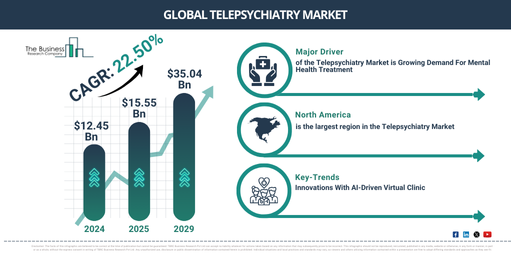
    The market size of telepsychiatry has seen remarkable growth in the past few years. The market which was worth $12.45 billion in 2024, is projected to escalate to $15.55 billion in 2025, marking a Compound Annual Growth Rate (CAGR) of 25.0%. The expansion in the historical phase is credited to increased awareness regarding mental health, a lack of skilled professionals in mental health, accessible healthcare in rural areas, regulations pertaining to telehealth, and proven efficiency.

    In the forthcoming years, the telepsychiatry market size will witness a disproportionate rise, maturing to a massive$35.04 billion in 2029 at a compound annual growth rate (CAGR) of 22.5%. Factors like mental health crises, telepsychiatry implementation in schools, research and results in telepsychiatry, employee mental health, and global health issues contribute to the growth in the projected period. The prediction period is also characterized by major trends like the increased uptake of telepsychiatry services, the management of medication from afar, the use of digital mental health applications, telepsychiatry software, artificial intelligence, and machine learning.

    Download a free sample to assess the report’s scope and structure:

    https://www.thebusinessresearchcompany.com/sample.aspx?id=6936&type=smp

    What External and Internal Drivers Are Contributing to the Growth of theTelepsychiatry Market?

    The surge in requirements for mental health care is likely to fuel the expansion of the telepsychiatry market. Mental health encompasses a person’s emotional, cognitive, and behavioral wellbeing. There is a significant upsurge in the need for treatment of depression and anxiety, as reported by psychologists. For example, according to the American Psychiatric Association, a non-profit organization in the US, in May 2024, there was an increase in anxiety levels among 43% of adults compared to the preceding year, marking an upshift from 37% in 2023 and 32% in 2022. Hence, the burgeoning demand for mental health services is propelling the growth of the telepsychiatry market.

    What Segment Types Define the Telepsychiatry Market Structure?

    The telepsychiatrymarket covered in this report is segmented –

    1) By Type: Routine Telepsychiatry; Forensic Telepsychiatry; Crisis Telepsychiatry; In-Home Telepsychiatry

    2) By Age Group: Adult; Pediatric and Adolescent; Geriatric

    3) By End-Use: Community Mental Health Centers; Specialty Care Settings; Skilled Nursing Facilities; Homecare; Other End-Users

    Subsegments:

    1) By Routine Telepsychiatry: Outpatient Services; Follow-Up Appointments; Medication Management

    2) By Forensic Telepsychiatry: Competency Evaluations; Risk Assessments; Court-Ordered Evaluations

    3) By Crisis Telepsychiatry: Emergency Consultations; Crisis Intervention Services; 24/7 Telehealth Hotlines

    4) By In-Home Telepsychiatry: Home-Based Assessments; Personalized Treatment Plans; Family Therapy Sessions

    Request customized data on this market:

    https://www.thebusinessresearchcompany.com/customise?id=6936&type=smp

    Which Geographic Areas Hold the Strongest Growth Potential in the Telepsychiatry Market?

    North America was the largest region in the telepsychiatry market in 2024. The regions covered in the telepsychiatry market report include Asia-Pacific, Western Europe, Eastern Europe, North America, South America, Middle East and Africa.

    What Long-Term Trends Are Transforming the Competitive Landscape of the Telepsychiatry Market?

    Leading corporations in the telepsychiatry sector are pioneering advancements like artificial intelligence in a bid to augment patient care, precision in diagnostics, and streamline mental health services delivery, ultimately making treatment more efficient and accessible for those in need. Artificial Intelligence (AI) is essentially the mimicry of human cognitive processes by computer systems. For instance, in September 2024, Iris Telehealth, an American telepsychiatry enterprise for health systems and clinics, launched two platforms named Virtual Clinic and Iris Insights. The intent was to improve accessibility to behavioral health services with the help of cutting-edge technology. Iris Insights is a platform driven by AI that improves the operational efficiency of behavioral health programs. The design of Virtual Clinic is such that it provides a care model centered around the patients, which blends effortlessly into the existing healthcare workflows.

    View the full report here:

    https://www.thebusinessresearchcompany.com/report/telepsychiatry-global-market-report

    What Is the Definition of the Telepsychiatry Market?

    Telepsychiatry refers to the delivery and assistance of clinical psychiatric care, including medical care, providing patient education, health information services, and self-care through telecommunications and digital communication technologies.

    Purchase the full report and get a swift delivery:

    https://www.thebusinessresearchcompany.com/purchaseoptions.aspx?id=6936

    About The Business Research Company:

    With over 15000+ reports from 27 industries covering 60+ geographies, The Business Research Company has built a reputation for offering comprehensive, data-rich research and insights. Armed with 1,500,000 datasets, the optimistic contribution of in-depth secondary research, and unique insights from industry leaders, you can get the information you need to stay ahead in the game.

    Get in touch with us:

    The Business Research Company: https://www.thebusinessresearchcompany.com/

    Americas +1 310-496-7795

    Europe +44 7882 955267

    Asia & Others +44 7882 955267 & +91 8897263534

    Email us at info@tbrc.info

    Follow us on:

    LinkedIn: https://in.linkedin.com/company/the-business-research-company

    YouTube: https://www.youtube.com/channel/UC24_fI0rV8cR5DxlCpgmyFQ

    Global Market Model: https://www.thebusinessresearchcompany.com/global-market-model

  • Emerging Trends Redefining the Stem Cell Assay Market Landscape: Digital Platform Enhance Patient Access To Prescription Medications

    Claim your 30% discount on Global Market Reports with code ONLINE30. Limited time only.

    How Has The Tele-Intensive Care Market Growth Evolved From 2024 To 2025, And What’s Ahead?

    The market size of tele-intensive care has seen swift expansion in the recent past. The prediction suggests an increase from $6.55 billion in 2024 to $7.71 billion in 2025 with a compound annual growth rate (CAGR) of 17.8%. The preceding growth in this sector was majorly driven by factors such as aging population, lack of intensive care professionals, access to healthcare in rural areas, decreased healthcare expenditure, and real-time monitoring.

    The market size of tele-intensive care is predicted to experience a remarkable expansion in the forthcoming years, rising to$17.26 billion in 2029 with a compound annual growth rate (CAGR) of 22.3%. Factors such as global health emergencies, management of chronic diseases, supervision of remote patients, regulations related to telemedicine, and enhancement in healthcare infrastructure are anticipated to contribute to growth in the forecast period. The forecast period is also expected to see prominent trends like artificial intelligence (AI) and predictive analysis, integration of telehealth, virtual reality (VR) simulations, tele-icu for domestic healthcare, and mobile tele-icu applications.

    Download a free sample to assess the report’s scope and structure:

    https://www.thebusinessresearchcompany.com/sample.aspx?id=7081&type=smp

    What Are the Core Market Drivers Propelling Growth in the Tele-Intensive Care Industry?

    The escalation in the occurrence of chronic diseases is fueling the expansion of the tele-intensive care market. Chronic diseases, a broad term that encompasses a wide range of illnesses that can affect any part of the body and potentially spread to adjacent areas and other organs, are often causes of mortality. Tele-intensive care is deployed for continuous monitoring, remote assessment and managing devices like pacemakers and defibrillators, among others, and for the ongoing tracking of chronic patients. For example, according to the Macmillan Cancer Support, a leading UK charity, as of June 2022, there are 3 million cancer patients in the UK. This figure is projected to rise to nearly 3.5 million by 2025 and further spike to 4 million by 2030. As such, the escalating prevalence of chronic diseases among the population is likely to boost the expansion of the tele-intensive care market in the future.

    How Is the Tele-Intensive Care Market Segmented?

    The tele-intensive caremarket covered in this report is segmented –

    1) By Type: Centralized Models; Decentralized Models; Other Types

    2) By Component: Hardware Computer System; Software

    3) By Type of Management: Intensivist; Open; Co-Managed; Open with Consultant; Other Management Types

    Subsegments:

    1) By Centralized Models: Remote Monitoring Centers; Integrated Tele-ICU Services; Centralized Decision Support Systems

    2) By Decentralized Models: Bedside Telemedicine Systems; Distributed Tele-ICU Services; Localized Remote Patient Monitoring

    3) By Other Types: Hybrid Models; Mobile Tele-ICU Solutions; Specialized Telemedicine Platforms For Specific Conditions

    Request customized data on this market:

    https://www.thebusinessresearchcompany.com/customise?id=7081&type=smp

    Which Regions Are Driving the Next Phase of the Tele-Intensive Care Market Growth?

    Asia-Pacific was the largest region in the tele-intensive care market in 2024. Asia-Pacific is expected to be the fastest growing region in the forecast period. The regions covered in the tele-intensive care market report include Asia-Pacific, Western Europe, Eastern Europe, North America, South America, Middle East and Africa.

    What Key Market Trends and Innovations Are Shaping the Future of the Tele-Intensive Care Industry?

    Leading firms in the tele-intensive care sector are implementing sophisticated digital technologies to boost patient surveillance, increase interaction among medical professionals, and enable timely interventions. This digitalization not only results in superior patient results but also ensures more effective resource utilization. A digital platform, an online framework that enables users to produce, share, and trade information, goods, or services, is being widely adopted. For example, Eli Lilly, a pharmaceutical corporation from the United States, launched a digital platform termed LillyDirect in January 2024. LillyDirect is constructed to directly sell certain prescription medications for conditions such as diabetes, obesity, and migraines to customers. This platform brings together patients and autonomous telehealth providers, helping patients get prescriptions and receive medicines through a user-friendly home delivery service. The primary objective of this effort is to streamline the Patient’s journey, enhance healthcare availability, and offer cost-effective solutions to qualifying patients.

    View the full report here:

    https://www.thebusinessresearchcompany.com/report/tele-intensive-care-global-market-report

    How Is the Tele-Intensive Care Market Defined and What Are Its Core Parameters?

    Tele-intensive care is defined as remote technology that connects patients in distance intensive care units (ICUs) through real-time audio, visual, and electronic means, through which health information is exchanged from one site to another via electronic communications to track a patient’s clinical health status with off-site clinical resources.

    Purchase the full report and get a swift delivery:

    https://www.thebusinessresearchcompany.com/purchaseoptions.aspx?id=7081

    About The Business Research Company:

    With over 15000+ reports from 27 industries covering 60+ geographies, The Business Research Company has built a reputation for offering comprehensive, data-rich research and insights. Armed with 1,500,000 datasets, the optimistic contribution of in-depth secondary research, and unique insights from industry leaders, you can get the information you need to stay ahead in the game.

    Get in touch with us:

    The Business Research Company: https://www.thebusinessresearchcompany.com/

    Americas +1 310-496-7795

    Europe +44 7882 955267

    Asia & Others +44 7882 955267 & +91 8897263534

    Email us at info@tbrc.info

    Follow us on:

    LinkedIn: https://in.linkedin.com/company/the-business-research-company

    YouTube: https://www.youtube.com/channel/UC24_fI0rV8cR5DxlCpgmyFQ

    Global Market Model: https://www.thebusinessresearchcompany.com/global-market-model

  • Stem Cell Assay Market 2025-2034: Key Highlights, Growth Dynamics, and Emerging Trends

    Stem Cell Assay Market 2025-2034: Key Highlights, Growth Dynamics, and Emerging Trends

    Claim your 30% discount on Global Market Reports with code ONLINE30. Limited time only.

    What is the Projected CAGR for the Stem Cell Assay Market Size from 2025 to 2034?

    There has been an exponential growth in the stem cell assay market size in the past few years. The market, which is projected to rise from $2.36 billion in 2024 to $2.84 billion in 2025, is expected to experience a compound annual growth rate (CAGR) of 20.5%. Factors contributing to this growth during the historical period include advancements in biotechnology, progress in drug discovery and development, research in regenerative medicine, disease modeling, as well as public and private investments.

    In the coming years, we can anticipate a significant surge in the stem cell assay market size. It’s forecasted to escalate to$6.35 billion in 2029″ growing at a compound annual growth rate (CAGR) of 22.2%. This expected increase during the forecast period is primarily due to factors like personalized medicine, cell therapy, organoid and tissue engineering, artificial intelligence and machine learning, along with emerging technologies and regulatory and ethical issues. Key trends for the forecast period will be 3D cell culture models, high-throughput screening, more personalized medicine, crispr-cas9 and genome editing, along with drug safety and toxicity testing.

    Download a free sample to assess the report’s scope and structure:

    https://www.thebusinessresearchcompany.com/sample.aspx?id=7701&type=smp

    Which Primay Drivers Are Accelerating Growth in the Stem Cell Assay Market?

    The rise in chronic diseases is anticipated to fuel the expansion of the stem cell assay market. Chronic disease signifies a condition or sickness that typically lasts for three months or longer, and its severity can increase with time. Stem cells possess the ability to treat a variety of diseases, including chronic ones. They contribute to the creation of new antibodies and specialized cells that aid in the treatment of chronic diseases such as cancer. For example, in 2022, The World Cancer Research Fund International, a UK-based association, reported 50,700 lung cancer cases in the United Kingdom, recording a rate of 30.1 per 100,000 people. The same year, 16,855 women died from lung cancer in the UK, recording a death rate of 17.4 per 100,000. Further, in March 2024, The Government of the United Kingdom, a UK-based website, indicated that for the fiscal year ending in 2023, more than 1,862,500 people in England, which is 3% of the population, received a GP diagnosis of coronary heart disease (CHD). Therefore, the rise in chronic diseases enhances the growth of the stem cell assay market.

    Which Primary Segments of the Stem Cell Assay Market Are Driving Growth and Industry Transformations?

    The stem cell assaymarket covered in this report is segmented –

    1) By Type: Cell Viability And Toxicity Assays; Cell Apoptosis Assays; Cell Function Assays; Cell Identification Assays; Isolation And Purification Assays; Cell Differentiation Assay; Other Types

    2) By Product: Instruments; Detection kit

    3) By Application: Regenerative Medicine And Therapy Development; Drug Discovery And Development; Clinical Research

    4) By End User: Government Research Institutes; Private Research Institutes; Industry Research

    Subsegments:

    1) By Cell Viability and Toxicity Assays: MTT Assay; Resazurin Assay; ATP Assay; LDH Release Assay

    2) By Cell Apoptosis Assays: Caspase Activity Assays; Annexin V Staining Assays; TUNEL Assay; Cell Death Detection Assays

    3) By Cell Function Assays: Proliferation Assays; Migration and Invasion Assays; Differentiation Assays

    4) By Cell Identification Assays: Flow Cytometry-Based Assays; Surface Marker Characterization; Immunocytochemistry Assays

    5) By Isolation and Purification Assays: Magnetic-Activated Cell Sorting (MACS); Fluorescence-Activated Cell Sorting (FACS); Density Gradient Centrifugation

    6) By Cell Differentiation Assay: Lineage-Specific Differentiation Assays; Gene Expression Analysis During Differentiation

    7) By Other Types: 3D Culture Assays; High-Content Screening Assays; Biomarker Discovery Assays

    Request customized data on this market:

    https://www.thebusinessresearchcompany.com/customise?id=7701&type=smp

    Which Regions Are Key Players in the Growth of the #Which Primay Drivers Are Accelerating Growth in the Stem Cell Assay Market?# Market?

    North America was the largest region in the stem cell assay market share in 2024. Asia-Pacific is expected to be the fastest-growing region in the forecast period. The regions covered in the stem cell assay market report include Asia-Pacific, Western Europe, Eastern Europe, North America, South America, Middle East and Africa.

    Which Technological Trends Are Reshaping the Stem Cell Assay Industry Dynamics?

    The surge in product development is a notable trend in the stem cell assay market. Prominent companies in this arena are launching fresh products to maintain their market dominance. To illustrate, in May 2022, Beckman Coulter Life Sciences, a healthcare organisation from the United States, unveiled the AQUOS STEM System that aids in the advancement of hematopoietic stem cells. This system diminishes hands-on time by a staggering 95% through an automatic modular methodology, reduces error-prone procedures by 87.5%, and expedites turnaround times. The AQUIOS CL Flow Cytometer, which integrates sample preparation and analysis on a singular compact platform, powers the system.

    View the full report here:

    https://www.thebusinessresearchcompany.com/report/stem-cell-assay-global-market-report

    What Parameters Are Used to Define the Stem Cell Assay Market?

    Stem cells refer to cells which have the rare capacity to renew themselves and develop into specialized cell types. They act like the building blocks of all living things. Stem cell assay is developed for studying human stem cell growth to analyze the biological activities of stem cells in a controlled environment.

    Purchase the full report and get a swift delivery:

    https://www.thebusinessresearchcompany.com/purchaseoptions.aspx?id=7701

    About The Business Research Company:

    With over 15000+ reports from 27 industries covering 60+ geographies, The Business Research Company has built a reputation for offering comprehensive, data-rich research and insights. Armed with 1,500,000 datasets, the optimistic contribution of in-depth secondary research, and unique insights from industry leaders, you can get the information you need to stay ahead in the game.

    Get in touch with us:

    The Business Research Company: https://www.thebusinessresearchcompany.com/

    Americas +1 310-496-7795

    Europe +44 7882 955267

    Asia & Others +44 7882 955267 & +91 8897263534

    Email us at info@tbrc.info

    Follow us on:

    LinkedIn: https://in.linkedin.com/company/the-business-research-company

    YouTube: https://www.youtube.com/channel/UC24_fI0rV8cR5DxlCpgmyFQ

    Global Market Model: https://www.thebusinessresearchcompany.com/global-market-model

  • Soft Tissue Repair Growth Trajectory: Key Forecasts and Strategic Insights

    Soft Tissue Repair Growth Trajectory: Key Forecasts and Strategic Insights

    Claim your 30% discount on Global Market Reports with code ONLINE30. Limited time only.

    What Is the Current and Projected Market Size of the Soft Tissue Repair Market Through 2034?

    Over the past few years, the size of the soft tissue repair market has seen consistent growth. It’s projected to expand from $12.74 billion in 2024 to $13.74 billion in 2025, with a compound annual growth rate (CAGR) of 7.9%. The market’s past growth can be traced back to factors such as the rising number of sports-related injuries, increase in aging population and degenerative diseases, growth in healthcare spending, improvement in healthcare accessibility, and a heightened awareness and demand for cosmetic procedures.

    In the next few years, the market for soft tissue repair is predicted to exhibit substantial growth, escalating to$17.06 billion by 2029 at a compound annual growth rate (CAGR) of 5.6%. Factors stimulating this growth within the predicted timeframe include a strong focus on educating patients and their rehabilitation, a growing geriatric population with chronic illnesses, the rise of regenerative medicine and tissue engineering, increased spending on healthcare, and a surge in medical tourism. Other trends expected to shape this sector are the incorporation of digitization and artificial intelligence (AI), collaborations and alliances, the utilization of customized and 3D-printed implants, robotic surgical practices, and wearable health tracking systems.

    Download a free sample to assess the report’s scope and structure:

    https://www.thebusinessresearchcompany.com/sample.aspx?id=4111&type=smp

    Which Factors and External Forces Are Driving Demand in the Soft Tissue Repair Market?

    The steady rise in sports-related injuries has significantly contributed to the expansion of the soft tissue repair market during the historical period. These injuries typically occur during sports activities or exercise, with soft tissue damage being the most common type. Soft tissues are those that support, surround, or connect other organs and structures within the body. For example, the National Safety Council, a non-profit organization based in the US, observed a 20% rise in reported sports and recreational injuries in 2021, after witnessing a record low in 2020, followed by a further 12% hike in 2022. According to this organization, exercise equipment-induced injuries were highest, accounting for approximately 409,000 cases in 2021, among all sports categories. The second prominent cause was bicycles and accessories, causing 375,797 injuries in the US. Therefore, the surge in sports-associated injuries has fueled the growth of the soft tissue repair market.

    Which Segments in the Soft Tissue Repair Offer the Most Growth?

    The soft tissue repairmarket covered in this report is segmented –

    1) By Product: Fixation Devices; Tissue Patch or Mesh; Laparoscopic Instruments

    2) By Application: Hernia Repair; Dural Repair; Skin Repair; Vaginal Sling Procedures; Orthopedic Repair; Dental Repair; Breast Reconstruction Repair

    3) By End User: Hospitals; Clinics; Research and Academic Institutes; Other End Users

    Subsegments:

    1) By Fixation Devices: Suture Anchors; Tacks and Staples; Bioabsorbable Fixation Devices; Screws and Plates

    2) By Tissue Patch or Mesh: Synthetic Mesh; Biological Mesh; Composite Mesh; Expandable Mesh

    3) By Laparoscopic Instruments: Laparoscopic Graspers; Laparoscopic Scissors; Laparoscopic Needle Holders; Laparoscopic Trocars and Cannulas

    Request customized data on this market:

    https://www.thebusinessresearchcompany.com/customise?id=4111&type=smp

    What Are the Fastest-Growing Geographies in the #Which Factors and External Forces Are Driving Demand in the Soft Tissue Repair Market?# Market?

    North America was the largest region in the soft tissue repair market in 2024. Asia-Pacific region is predicted to record fastest growth over the forecast period. The regions covered in the soft tissue repair market report include Asia-Pacific, Western Europe, Eastern Europe, North America, South America, Middle East and Africa.

    Which Cutting-Edge Market Trends Are Expected to Drive theSoft Tissue Repair Market’s Growth?

    Major players in the soft tissue repair market are concentrating on forming strategic alliances to broaden their range of products. These strategic partnerships are a mechanism in which companies use the advantages and resources of each other for mutual benefit and accomplishment. For example, in August 2023, 3D Systems, an American company specializing in diverse products and services such as 3D printers, print materials, software, on-demand manufacturing services, and healthcare solutions, joined forces with Theradaptive to enhance their offerings in orthopedic and soft tissue repair using revolutionary regenerative therapies. As part of this collaboration, 3D Systems’ 3D printed medical tools will be layered with Theradaptive’s protein-centric material-binding variations to stimulate bone and tissue growth. Theradaptive is a biopharmaceutical entity committed to innovating new therapies for improving quality of life.

    View the full report here:

    https://www.thebusinessresearchcompany.com/report/soft-tissue-repair-global-market-report

    What Are the Key Elements That Define the Soft Tissue Repair Market?

    Soft tissue repair is defined as the replacement of wounded or damaged tissues with healthy tissues. The soft tissue repair market manufacture soft tissue repair products.

    Purchase the full report and get a swift delivery:

    https://www.thebusinessresearchcompany.com/purchaseoptions.aspx?id=4111

    About The Business Research Company:

    With over 15000+ reports from 27 industries covering 60+ geographies, The Business Research Company has built a reputation for offering comprehensive, data-rich research and insights. Armed with 1,500,000 datasets, the optimistic contribution of in-depth secondary research, and unique insights from industry leaders, you can get the information you need to stay ahead in the game.

    Get in touch with us:

    The Business Research Company: https://www.thebusinessresearchcompany.com/

    Americas +1 310-496-7795

    Europe +44 7882 955267

    Asia & Others +44 7882 955267 & +91 8897263534

    Email us at info@tbrc.info

    Follow us on:

    LinkedIn: https://in.linkedin.com/company/the-business-research-company

    YouTube: https://www.youtube.com/channel/UC24_fI0rV8cR5DxlCpgmyFQ

    Global Market Model: https://www.thebusinessresearchcompany.com/global-market-model

  • Continuous Glucose Monitor System Market Forecast 2025–2034: Trends Reshaping Demand, Investment, and Innovation

    Continuous Glucose Monitor System Market Forecast 2025–2034: Trends Reshaping Demand, Investment, and Innovation

    Claim your 30% discount on Global Market Reports with code ONLINE30. Limited time only.

    What is the Anticipated CAGR of the Continuous Glucose Monitoring Devices Market, and What Factors Will Drive It?

    There has been significant growth in the market size of continuous glucose monitoring devices in the recent past. The market is predicted to inflate from $8.41 billion in 2024 to $9.79 billion in 2025, representing a compound annual growth rate (CAGR) of 16.4%. Factors that have contributed to the expansion in the past consist of bettering patient safety and health results, higher demand for instruments for diabetes control, increased adoption of CGM devices, a surge in the count of diabetes patients, as well as augmented faith in patients.

    The market for continuous glucose monitoring devices is anticipated to experience a swift expansion in the ensuing years, reaching a valuation of $18.18 billion by 2029 with a compound annual growth rate (CAGR) of 16.7%. This growth through the forecast period is likely credited to factors like heightened healthcare expenditure, improved awareness, growing diabetes occurrences, increased incidence of diabetes, and growing preference for continuous glucose monitoring devices. Key trends predicted to shape the market during the forecast period are technological developments, innovative endeavours in CGM technology, strategic mergers and acquisitions, gaining regulatory approvals, and entering partnerships and collaborations.

    Download a free sample to assess the report’s scope and structure:

    https://www.thebusinessresearchcompany.com/sample.aspx?id=20733&type=smp

    What Are the Primary Drivers Supporting the Market Growth of the Continuous Glucose Monitoring Devices Market?

    The continuous glucose monitoring devices market is anticipated to expand owing to the rising prevalence of diabetes. This disease, characterized by poor regulation of blood sugar levels due to inadequate insulin or insulin resistance, is increasingly common. Factors such as unhealthy diets, inactive lifestyles, obesity, aging populations, and genetic predisposition significantly contribute to the rise in diabetes. Continuous glucose monitoring (CGM) devices positively contribute to diabetes management by offering real-time data on blood glucose levels, thereby allowing for prompt modifications to treatment and lifestyle. For example, the Office for Health Improvement & Disparities, a government department in the UK, revealed that between March 2022 and March 2023, the number of individuals with type 1 diabetes who received all eight recommended care processes grew by 22%, and by 21% for type 2 diabetes. Moreover, the percentage of individuals reaching target HbA1c levels increased to 37.9%, the highest figure ever recorded by the National Diabetes Audit (NDA). Consequently, the escalating prevalence of diabetes is fueling the expansion of the continuous glucose monitoring devices market.

    Which Primary Segments of the Continuous Glucose Monitoring Devices Market Are Driving Growth and Industry Transformations?

    The continuous glucose monitoring devicesmarket covered in this report is segmented –

    1) By Component: Transmitters, Sensors, Receivers

    2) By Connectivity: Bluetooth, 4G

    3) By Demography: Child Population, Adult Population

    4) By Application: Gestational Diabetes, Type-2 Diabetes, Type-1 Diabetes

    5) By End-Use: Hospitals, Homecare Settings, Other End Users

    Subsegments:

    1) By Transmitters: Bluetooth-Enabled Transmitters, Wireless Transmitters, Integrated Transmitter-Receiver Systems

    2) By Sensors: Enzyme-Based Sensors, Electrochemical Sensors, Non-Invasive Sensors

    3) By Receivers: Mobile Device Integration (Smartphone Receivers), Standalone Receivers, Cloud-Based Data Sync Receivers

    Request customized data on this market:

    https://www.thebusinessresearchcompany.com/customise?id=20733&type=smp

    Which Regions Are Key Players in the Growth of the #What Are the Primary Drivers Supporting the Market Growth of the Continuous Glucose Monitoring Devices Market?# Market?

    North America was the largest region in the continuous glucose monitoring devices market in 2024. Asia-Pacific is expected to be the fastest-growing region in the forecast period. The regions covered in the continuous glucose monitoring devices market report are Asia-Pacific, Western Europe, Eastern Europe, North America, South America, Middle East, Africa.

    What Are the Most Significant Market Trends in the Continuous Glucose Monitoring Devices Market?

    Key players in the continuous glucose monitoring (CGM) device market, are focusing on developing innovative technologies, such as non-prescription continuous glucose monitors. These advancements aim to improve accessibility, accuracy, and ease of use in monitoring blood glucose levels. Over-the-counter CGM devices permit users to consistently track their blood sugar levels without the necessity of a doctor’s prescription. For example, in September 2024, Abbott Laboratories, a reputable medical device company from the US, introduced the Lingo CGM system. This device is intended to provide users with real-time glucose data. With continuous glucose tracking, it gives users immediate information regarding their glucose levels throughout the day. Its design is sophisticated yet user-friendly with clear displays and can be easily integrated with mobile applications for trend analysis and alerts.

    View the full report here:

    https://www.thebusinessresearchcompany.com/report/continuous-glucose-monitoring-devices-global-market-report

    What Parameters Are Used to Define the Continuous Glucose Monitoring Devices Market?

    Continuous glucose monitoring (CGM) devices track blood sugar levels in real time via a sensor under the skin. They provide continuous data, trend insights, and alerts for highs and lows, helping manage diabetes effectively. These devices reduce the need for frequent finger pricks and enhance glucose control.

    Purchase the full report and get a swift delivery:

    https://www.thebusinessresearchcompany.com/purchaseoptions.aspx?id=20733

    About The Business Research Company:

    With over 15000+ reports from 27 industries covering 60+ geographies, The Business Research Company has built a reputation for offering comprehensive, data-rich research and insights. Armed with 1,500,000 datasets, the optimistic contribution of in-depth secondary research, and unique insights from industry leaders, you can get the information you need to stay ahead in the game.

    Get in touch with us:

    The Business Research Company: https://www.thebusinessresearchcompany.com/

    Americas +1 310-496-7795

    Europe +44 7882 955267

    Asia & Others +44 7882 955267 & +91 8897263534

    Email us at info@tbrc.info

    Follow us on:

    LinkedIn: https://in.linkedin.com/company/the-business-research-company

    YouTube: https://www.youtube.com/channel/UC24_fI0rV8cR5DxlCpgmyFQ

    Global Market Model: https://www.thebusinessresearchcompany.com/global-market-model