Blog

  • Strategic Report on Precision Oncology Market: Growth Opportunities and Emerging Challenges

    Strategic Report on Precision Oncology Market: Growth Opportunities and Emerging Challenges

    Claim your 30% discount on Global Market Reports with code ONLINE30. Limited time only.

    Claim your 30% discount on Global Market Reports with code ONLINE30. Limited time only.

    How Much Is the Global Precision Oncology Market Valued at Present and by 2029?

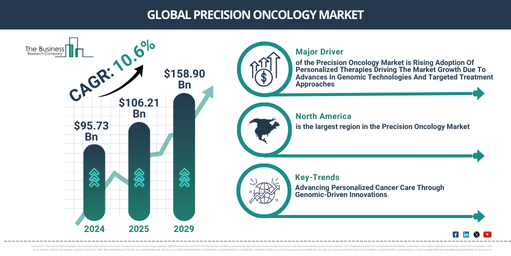
    In the past few years, the size of the precision oncology market has witnessed rapid expansion. The market, estimated at $95.73 billion in 2024, is anticipated to escalate to $106.21 billion in 2025, with a compound annual growth rate (CAGR) of 11.0%. Factors contributing to growth during the historic phase include an increase in the approval of companion diagnostics, emphasis on the discovery and validation of biomarkers, growth in funding for oncology research and innovation, a higher number of clinical trials related to precision oncology, and an increased inclination towards less invasive diagnostic methods.

    In the coming years, the precision oncology market is projected to witness substantial growth, with its size anticipated to reach $158.90 billion by 2029, progressing at a compound annual growth rate (CAGR) of 10.6%. Factors contributing to this predicted growth during the forecast period include the rising number of cancer cases, the surging acceptance of genomics-based diagnostics, increased awareness among patients and medical professionals, the expanding use of next-generation sequencing and the growing need for targeted cancer treatments. Key trends for the forecast period are advancements in liquid biopsy technologies, the sophisticated use of single-cell sequencing in tumour analysis, the creation of decentralized testing platforms, innovations in radio genomics for treatment planning and progress in personalised cancer vaccines.

    Download The Free Sample Report Here:

    https://www.thebusinessresearchcompany.com/sample.aspx?id=27395&type=smp

    #What Drivers Are Influencing Growth In The Precision Oncology Market?

    The growth of the precision oncology market is anticipated to surge due to the escalating comprehension and transition towards personalized therapies. These therapies are designed to fit a person’s genomic structure, biomarkers, and particular disease traits to amplify their efficacy and minimize their side effects. Progressions in genomic technologies are fostering the augmentation of personalized therapies by enabling the exact detection of mutations that cause diseases, which further permits the development of more successful and targeted treatments. Precision oncology bolsters personalized therapies through the utilization of genomic and molecular profiling, thereby calibrating cancer treatment to conform to a patient’s specific tumor genetics. As an example, according to GOV.UK, in February 2023, the Health and Social Care Secretary from a UK-based government bureau inked a Memorandum of Understanding (MoU) with BioNTech SE to boost cancer vaccine research in England with the goal to provide 10,000 personalized therapy doses to patients in the UK by 2030. Hence, the mounting comprehension and transition towards personalized therapies are propelling the expansion of the precision oncology market.

    What Are The Main Segments Identified In The Precision Oncology Market Research?

    The precision oncology market covered in this report is segmented

    1) By Type: Genomic Sequencing, Immunotherapy

    2) By Product Type: Genetic Tests, Biomarker-Based Tests, Therapeutics

    3) By Cancer Type: Breast Cancer, Lung Cancer, Colorectal Cancer, Prostate Cancer, Skin Cancer, Stomach Cancer, Other Cancers

    4) By Technology: Next-Generation Sequencing, Bioinformatics, Molecular Imaging, Liquid Biopsy

    5) By End-users: Hospitals, Research Laboratories, Pharmaceutical Companies, Diagnostic Centers

    Subsegments:

    1) By Genomic Sequencing: Whole Genome Sequencing, Whole Exome Sequencing, Targeted Gene Sequencing

    2) By Immunotherapy: Immune Checkpoint Inhibitors, Cancer Vaccines, Adoptive Cell Therapy

    What Are The Leading Trends And Opportunities In The Precision Oncology Sector?

    Leading firms in the precision oncology market are utilizing inventive strategies, such as the molecular tumor board, to facilitate bespoke treatment decisions—melding genomic data with clinical context. The molecular tumor board is essentially a group of specialists tasked with examining and interpreting intricate genomic and molecular test results to provide precision-guided cancer treatments tailored to each patient’s specific tumor traits. For example, in December 2024, Aster DM Healthcare Ltd., a healthcare provider in the UAE, launched a precision oncology clinic as part of three personalized cancer care initiatives aimed at revolutionizing treatment using data-driven, genomic-centric methods. This clinic offers tailored cancer treatments derived from the patient’s tumor genetic makeup, allowing for more accurate and potent therapies with fewer side effects. This strategy boosts treatment success rates, reduces toxicity, and enhances the patient’s quality of life by tailoring treatments to the unique molecular attributes of an individual’s cancer.

    Which Companies Play A Key Role In The Development Of The Precision Oncology Market?

    Major companies operating in the precision oncology market are Pfizer Inc., F. Hoffmann-La Roche Ltd., Bayer AG, Bristol Myers Squibb Company, Thermo Fisher Scientific Inc., AstraZeneca plc., Novartis AG, Eli Lilly and Company, Amgen Inc., Agilent Technologies Inc., Illumina Inc., Sysmex Corporation, Qiagen N.V., Exact Sciences Corporation, NeoGenomics Laboratories Inc., Myriad Genetics Inc., Invitae Corporation, Caris Life Sciences, Foundation Medicine Inc., NanoString Technologies Inc., Personalis Inc., Strata Oncology Inc.

    Get The Full Report Here:

    https://www.thebusinessresearchcompany.com/report/precision-oncology-global-market-report

    What Are The Key Regional Developments Shaping The Precision Oncology Market?

    North America was the largest region in the precision oncology market in 2024. Asia-Pacific is expected to be the fastest-growing region in the forecast period. The regions covered in the precision oncology market report are Asia-Pacific, Western Europe, Eastern Europe, North America, South America, Middle East, Africa.

    Request For A Customized Report:

    https://www.thebusinessresearchcompany.com/customise?id=27395&type=smp

    About The Business Research Company:

    With over 15000+ reports from 27 industries covering 60+ geographies, The Business Research Company has built a reputation for offering comprehensive, data-rich research and insights. Armed with 1,500,000 datasets, the optimistic contribution of in-depth secondary research, and unique insights from industry leaders, you can get the information you need to stay ahead in the game.

    Get in touch with us:

    The Business Research Company: https://www.thebusinessresearchcompany.com/

    Americas +1 310-496-7795

    Asia +44 7882 955267 & +91 8897263534

    Europe +44 7882 955267

    Email us at info@tbrc.info

    Follow us on:

    LinkedIn: https://in.linkedin.com/company/the-business-research-company

    YouTube: https://www.youtube.com/channel/UC24_fI0rV8cR5DxlCpgmyFQ

    Global Market Model: https://www.thebusinessresearchcompany.com/global-market-model

  • Industry Trends Show Precision Medicine Software Market Set to Expand at 15% CAGR Until 2029

    Industry Trends Show Precision Medicine Software Market Set to Expand at 15% CAGR Until 2029

    Claim your 30% discount on Global Market Reports with code ONLINE30. Limited time only.

    Claim your 30% discount on Global Market Reports with code ONLINE30. Limited time only.

    What Is the Current and Projected Market Size of the Precision Medicine Software Industry?

    The market for precision medicine software has experienced swift expansion in the past few years. The market is projected to enlarge from $2.12 billion in 2024 to $2.45 billion in 2025, indicating a compound annual growth rate (CAGR) of 15.4%. Factors contributing to this growth during the historical period include the increased use of electronic health records (EHRs), escalation in genomic sequencing initiatives, augmented investments in the biotechnology and personalized medicine sectors, advancement in cancer genomics and targeted therapy investigations, and amplified collaboration between the healthcare and technology industries.

    Expectations suggest substantial escalation in the precision medicine software market in the coming years, with estimated growth to $4.29 billion by 2029 at a Compound Annual Growth Rate (CAGR) of 15.0%. The impetus for this growth over the anticipated period arises from the increased demand for personalized treatment strategies, the heightened focus on rare disease studies and medication development, the surge in direct-to-consumer genetic testing, and the reinforced efforts towards regulatory support and data standardization. The projected growth period reveals prevailing trends such as the broadening partnership between multi-omics data, the transition towards cloud-based platforms, priority on real-time clinical decision assistance, progression of consolidated and privacy-securing data models, and the employment of digital twins for individualized treatment scheming.

    Download The Free Sample Report Here:

    https://www.thebusinessresearchcompany.com/sample.aspx?id=27394&type=smp

    #Which Factors Are Currently Driving The Growth Of The Precision Medicine Software Market?

    The burgeoning need for personalized therapeutic measures is anticipated to fuel the development of the precision medicine software market. Customized treatment involves customizing medical attention to suit an individual’s specific genetic constitution, lifestyle, and medical history to achieve better results. The escalating need for customized treatment stems from advancements in genomic technologies that accurately identify genetic variances and provide treatments tailored for individuals. Precision medicine software facilitates personalized therapy by analyzing data from genetics, clinical, and lifestyle factors to personalize healthcare strategies. It improves diagnostic precision and treatment efficacy, thereby facilitating more focused and effective care for patients. For example, in February 2024, the U.S. Food and Drug Administration (FDA) approved 26 new personalized medicines in 2023, as reported by the Personalized Medicine Coalition (PMC), an American nonprofit entity – a stark rise from the 12 approved in 2022. Thus, the swelling demand for personalized treatment is crucial in accelerating the expansion of the precision medicine software market.

    How Is The Global Precision Medicine Software Market Structured In Terms Of Segments?

    The precision medicine software market covered in this report is segmented

    1) By Software Type: Clinical Decision Support Systems (CDSS), Genomic Data Analysis Tools, Data Integration And Management Software, Patient Management Software, Bioinformatics Tools

    2) By Technology: Artificial Intelligence And Machine Learning, Big Data Analytics, Blockchain Technology, Internet of Medical Things (IoMT), Clustered Regularly Interspaced Short Palindromic Repeats (CRISPR) And Gene Editing Tools

    3) By Deployment: Cloud, On-Premise

    4) By Application: Oncology, Central Nervous System, Immunology, Cardiovascular, Other Applications

    5) By End User: Healthcare Providers, Research Centers And Government Institutes, Pharmaceutical And Biotechnology Companies, Other End Users

    Subsegments:

    1) By Clinical Decision Support Systems (CDSS): Diagnostic Decision Support, Therapeutic Decision Support, Clinical Guidelines And Protocols, Drug-Drug Interaction Alerts, Risk Assessment Modules

    2) By Genomic Data Analysis Tools: Variant Calling And Annotation Tools, Genome Alignment Software, Gene Expression Analysis, Next-Generation Sequencing (NGS) Data Analysis, Pathway Analysis Tools

    3) By Data Integration And Management Software: Electronic Health Record (EHR) Integration, Laboratory Information Management Systems (LIMS), Clinical Data Warehousing, Data Cleaning And Normalization, Metadata Management

    4) By Patient Management Software: Appointment Scheduling, Patient Registry Software, Care Coordination Tools, Patient Engagement Platforms, Remote Monitoring Systems

    5) By Bioinformatics Tools: Sequence Analysis Software, Structural Bioinformatics Tools, Functional Genomics Platforms, Molecular Modeling And Simulation, Proteomics And Metabolomics Tools

    What Trends Are Currently Influencing Growth In The Precision Medicine Software Market?

    Key players in the precision medicine software industry are prioritizing the creation of cutting-edge solutions, such as digital healthcare, to expedite the production of digital health products, subsequently reducing both expenditure and time. Digital healthcare pertains to deploying digital tools and technologies to enhance, administer, and optimize health services and results. For instance, Huma Therapeutics Ltd, a digital health firm based in the UK, in July 2024, unveiled Cloud Platform. This platform was constructed to universalize digital-centric healthcare by facilitating swift, code-free building and introduction of regulated healthcare applications powered by AI. This platform comes with pre-configured components, establishes connections with devices and complies with significant regulatory standards (FDA Class II, EU MDR IIb, Saudi FDA C), thereby empowering organizations of all sizes to offer efficient, economical digital health answers. The Huma cloud platform propels digital health progression, extends access, and backs preventative, AI-guided care and research.

    Who Are The Main Participants Shaping The Precision Medicine Software Market Landscape?

    Major companies operating in the precision medicine software market are Koninklijke Philips N.V., Palantir Technologies Inc., Tempus Labs Inc., Myriad Genetics Inc., Foundation Medicine Inc., Guardant Health Inc., Color Genomics Inc., NantHealth Inc., SOPHiA GENETICS SA, Aignostics GmbH, MVision AI Oy, Fabric Genomics Inc., QUIBIM S.L., Syapse Inc., PierianDx Inc., 2bPrecise LLC, SimBioSys Inc., Navignostics AG, xCures Inc., LifeOmic Holdings LLC.

    Get The Full Report Here:

    https://www.thebusinessresearchcompany.com/report/precision-medicine-software-global-market-report

    Which Region Currently Holds The Largest Share In The Precision Medicine Software Market?

    North America was the largest region in the precision medicine software market in 2024. The regions covered in the precision medicine software market report are Asia-Pacific, Western Europe, Eastern Europe, North America, South America, Middle East, Africa.

    Request For A Customized Report:

    https://www.thebusinessresearchcompany.com/customise?id=27394&type=smp

    About The Business Research Company:

    With over 15000+ reports from 27 industries covering 60+ geographies, The Business Research Company has built a reputation for offering comprehensive, data-rich research and insights. Armed with 1,500,000 datasets, the optimistic contribution of in-depth secondary research, and unique insights from industry leaders, you can get the information you need to stay ahead in the game.

    Get in touch with us:

    The Business Research Company: https://www.thebusinessresearchcompany.com/

    Americas +1 310-496-7795

    Asia +44 7882 955267 & +91 8897263534

    Europe +44 7882 955267

    Email us at info@tbrc.info

    Follow us on:

    LinkedIn: https://in.linkedin.com/company/the-business-research-company

    YouTube: https://www.youtube.com/channel/UC24_fI0rV8cR5DxlCpgmyFQ

    Global Market Model: https://www.thebusinessresearchcompany.com/global-market-model

  • Competitive and Market Trend Analysis of Post-Marketing Pharmacovigilance And Medical Information Industry Through 2029

    Competitive and Market Trend Analysis of Post-Marketing Pharmacovigilance And Medical Information Industry Through 2029

    Claim your 30% discount on Global Market Reports with code ONLINE30. Limited time only.

    Claim your 30% discount on Global Market Reports with code ONLINE30. Limited time only.

    How Will the Post-Marketing Pharmacovigilance And Medical Information Market Evolve in Terms of Growth and Size by 2029?

    The market size for post-marketing pharmacovigilance and medical information has seen significant growth in the past few years and is expected to increase from $6.16 billion in 2024 to $6.90 billion in 2025. This represents a compound annual growth rate (CAGR) of 11.9%. The historic growth of this sector is a result of the rising implementation of Artificial Intelligence in pharmacovigilance procedures, growing demand for contracted drug safety services, increased complexity in biopharmaceutical products, a heightened emphasis on patient-reported outcomes, and more collaborations between regulatory authorities and the industry.

    The market size for post-marketing pharmacovigilance and medical information is projected to experience accelerated growth in the coming years, swelling to $10.68 billion by 2029 at a compound annual growth rate of 11.6%. The growth foreseen in this period can be attributed to factors such as progress in drug safety analytics tools, increased usage of cloud-based pharmacovigilance solutions, frequent introductions of novel therapeutics, heightened focus on proactive risk management strategies, and an expansion in pharmacovigilance obligations in emerging markets. Key trends in the forecast period include the evolution in automated adverse event detection, the emergence of integrated pharmacovigilance platforms, breakthroughs in real-time safety data monitoring, advancements in patient engagement tools for safety reporting, and the development of predictive analytics for assessing drug risk.

    Download The Free Sample Report Here:

    https://www.thebusinessresearchcompany.com/sample.aspx?id=27393&type=smp

    What factors are expected to fuel Post-Marketing Pharmacovigilance And Medical Information market growth in the coming years?

    The escalating occurrence of negative effects from medications is anticipated to drive the expansion of the post-marketing pharmacovigilance and medical information market. When a drug is used at its prescribed level for prevention, diagnosis, or treatment, adverse drug reactions, essentially harmful or unintended effects, can occur. As the elderly population requiring treatment for multiple chronic conditions increases, so does the likelihood of adverse drug reactions due to the concurrent usage of various medications. This raises the probability of unexpected side effects and detrimental drug interactions. Through detection, tracking, and information sharing about possible side effects post-medication launch, post-marketing pharmacovigilance and medical information promote the management of these adverse effects, thereby ensuring the safety and efficacy of the medication. To illustrate, Navikenz, a US AI-focused IT services company, reported in January 2023 that the US sees an estimated 200,000 to 400,000 deaths annually due to adverse drug reactions, a toll higher than that of stroke and diabetes combined. Approximately 2.7 million cases each year result in over 100,000 hospitalizations and progress to more than 15,000 deaths. Hence, the escalating occurrence of adverse drug reactions is bolstering the expansion of the post-marketing pharmacovigilance and medical information market.

    What Are The Key Findings From The Segmentation Analysis Of The Post-Marketing Pharmacovigilance And Medical Information Market?

    The post-marketing pharmacovigilance and medical information market covered in this report is segmented

    1) By Type: Spontaneous Reporting, Intensified Adverse Drug Reaction (ADR) Reporting, Targeted Spontaneous Reporting, Cohort Event Monitoring, Electronic Health Record (EHR) Mining

    2) By Product: Books, Online Media, Journals

    3) By End User: Hospitals, Research Organizations, Other End-Users

    Subsegments:

    1) By Spontaneous Reporting: Consumer Reporting, Healthcare Professional Reporting, Regulatory Authority Reporting, Pharmaceutical Company Reporting, Digital App-Based Reporting

    2) By Intensified Adverse Drug Reaction (ADR) Reporting: Hospital-Based Surveillance, Program-Specific Monitoring, Disease-Specific Monitoring, Product-Specific Monitoring, Real-Time Monitoring Systems

    3) By Targeted Spontaneous Reporting: Risk Population-Based Reporting, Therapeutic Class-Based Reporting, Adverse Drug Reaction Focused Reporting, Region-Specific Reporting, Healthcare Setting-Specific Reporting

    4) By Cohort Event Monitoring: Prospective Cohort Monitoring, Retrospective Cohort Monitoring, Active Follow-Up Monitoring, New Drug User Monitoring, Disease Registry-Linked Monitoring

    5) By Electronic Health Record (EHR) Mining: Natural Language Processing-Based Mining, Artificial Intelligence (AI) And Machine Learning Algorithms, Rule-Based Signal Detection, Longitudinal Patient Data Analysis, Integrated Hospital Data Systems

    Which Trends Are Expected To Shape The Future Of The Post-Marketing Pharmacovigilance And Medical Information Market?

    Leading corporations in the post-marketing pharmacovigilance and medical information industry are concentrating on creating state-of-the-art solutions such as AI-powered pharmacovigilance workflows. These workflows are designed to increase the effectiveness of adverse event identification and provide real-time safety monitoring for improved patient results. They leverage artificial intelligence to mechanize drug safety monitoring, resulting in expedited event detection and better adherence to regulatory norms. For instance, in January 2024, PubHive Ltd., a UK-based cloud-based Software-as-a-service (SaaS) firm, rolled out a centralized Summary of Product Characteristics (SmPC) management intended for life science firms and research organizations. The platform amalgamates key drug safety data into a singular, accessible repository and mechanizes literature surveillance and regulatory reporting. It also encourages team synergy and seamless compliance through the application of advanced AI. This allows pharmacovigilance squads to run more productively and proactively, thereby guaranteeing patient safety and observance of regulatory requirements.

    What Are The Most Active Companies In The Post-Marketing Pharmacovigilance And Medical Information Market Today?

    Major companies operating in the post-marketing pharmacovigilance and medical information market are Cencora Inc., Cardinal Health Inc., Accenture plc, Sanofi S.A., Thermo Fisher Scientific Inc., Capgemini SE, Merck & Co. Inc., Cognizant Technology Solutions Corporation, IQVIA Holdings Inc., HCL Technologies Limited, Laboratory Corporation of America Holdings, ICON plc, WuXi AppTec Co. Ltd., Syneos Health Inc., Genpact Limited, Charles River Laboratories International Inc., Parexel International Corporation, Avalere Health LLC, Quanticate Limited, Inizio Consulting LLC.

    Get The Full Report Here:

    https://www.thebusinessresearchcompany.com/report/post-marketing-pharmacovigilance-and-medical-information-global-market-report

    Which Regional Markets Are Attracting The Most Investment In Post-Marketing Pharmacovigilance And Medical Information?

    North America was the largest region in the post-marketing pharmacovigilance and medical information market in 2024. Asia-Pacific is expected to be the fastest-growing region in the forecast period. The regions covered in the post-marketing pharmacovigilance and medical information market report are Asia-Pacific, Western Europe, Eastern Europe, North America, South America, Middle East, Africa.

    Request For A Customized Report:

    https://www.thebusinessresearchcompany.com/customise?id=27393&type=smp

    About The Business Research Company:

    With over 15000+ reports from 27 industries covering 60+ geographies, The Business Research Company has built a reputation for offering comprehensive, data-rich research and insights. Armed with 1,500,000 datasets, the optimistic contribution of in-depth secondary research, and unique insights from industry leaders, you can get the information you need to stay ahead in the game.

    Get in touch with us:

    The Business Research Company: https://www.thebusinessresearchcompany.com/

    Americas +1 310-496-7795

    Asia +44 7882 955267 & +91 8897263534

    Europe +44 7882 955267

    Email us at info@tbrc.info

    Follow us on:

    LinkedIn: https://in.linkedin.com/company/the-business-research-company

    YouTube: https://www.youtube.com/channel/UC24_fI0rV8cR5DxlCpgmyFQ

    Global Market Model: https://www.thebusinessresearchcompany.com/global-market-model

  • Global Portable Bioprocessing Bioreactors Market Landscape: Trends and Market Share to 2029

    Global Portable Bioprocessing Bioreactors Market Landscape: Trends and Market Share to 2029

    Claim your 30% discount on Global Market Reports with code ONLINE30. Limited time only.

    Claim your 30% discount on Global Market Reports with code ONLINE30. Limited time only.

    What CAGR Is Anticipated for the Portable Bioprocessing Bioreactors Market Through 2029?

    In recent years, there has been a swift expansion in the market size of portable bioprocessing bioreactors. It is estimated to rise from $2.49 billion in 2024 to a higher value of $2.80 billion in 2025, marking a compound annual growth rate (CAGR) of 12.8%. Factors such as the amplified requirement for on-site biopharmaceutical production, the growing inclination towards personalized medicine, the increasing requirement for decentralized and point-of-care bioprocessing, as well as escalated investments in biotechnology research and development have contributed to this historical growth. Additionally, the escalating prevalence of infectious diseases propelling bioprocessing innovations has also played a significant role.

    The market for portable bioprocessing bioreactors is anticipated to experience fast-paced growth in the forthcoming years, reaching $4.48 billion in 2029 with a compound annual growth rate (CAGR) of 12.4%. This expected growth within the prediction period is due to various factors such as the rising preference for continuous bioprocessing techniques, increasing need for portable bioprocessing in remote and less-resourced locations, and a greater focus on environmentally-friendly bioprocessing methods. Increasing investment in cell and gene therapy manufacturing and growing interest in sustainable bioprocessing techniques also contribute to this trend. Noteworthy trends during this forecast period involve the improvement of mobile biomanufacturing units, further miniaturization of bioreactor systems, progress in real-time tracking, and data analysis. Other trends include the incorporation of intelligent sensors for process improvement, and advancements in disposable bioreactor technologies.

    Download The Free Sample Report Here:

    https://www.thebusinessresearchcompany.com/sample.aspx?id=27392&type=smp

    What Market Forces Are Driving The Portable Bioprocessing Bioreactors Sector In 2025 And Beyond?

    The portable bioprocessing bioreactors market is predicted to witness a surge due to the escalating demand for gene therapies. Gene therapy is a revolutionary medical procedure that modifies or substitutes faulty genes to treat or avert diseases. The demand for this technique is climbing due to the progress in genetic sequencing and diagnostics that allows the precise pinpointing of genes that are the cause of diseases for specially designed treatment. Portable bioprocessing bioreactors contribute to the acceleration of gene therapies providing adaptable on-site manufacturing with scalable and controlled conditions. This minimizes processing time and complexity, enhancing the pace and effectiveness of generating customized treatments. For example, as mentioned by the American Society of Gene & Cell Therapy (ASGCT), a non-profit organization based in the US, the Food and Drug Administration (FDA) sanctioned six gene therapy products in 2023 which was an increase from five in 2022. Consequently, the escalating demand for gene therapies is fueling the expansion of the portable bioprocessing bioreactors market.

    How Is The Global Portable Bioprocessing Bioreactors Market Categorized By Segments?

    The portable bioprocessing bioreactors market covered in this report is segmented

    1) By Product Type: Single-Use Bioreactors, Stainless Steel Bioreactors, Glass Bioreactors, Multi-Use Bioreactors, Smart Bioreactors

    2) By Mode Of Operation: Batch Bioreactors, Fed-Batch Bioreactors, Continuous Bioreactors, Perfusion Bioreactors

    3) By Capacity: 100L–500L, 50L–100L, 10L–50L, 1L–10L

    4) By Application: Cell Therapy And Regenerative Medicine, Vaccine And Biologic Development, Biopharmaceutical Production, Biologics And Biosimilars Manufacturing, Tissue Engineering

    5) By End-User: Academic And Research Institutions, Biopharmaceutical Companies, Contract Research Organizations (CROs), Food And Beverage Manufacturers, Chemical And Petrochemical Industries

    Subsegments:

    1) By Single-Use Bioreactors: Disposable Bags, Stirred Tank, Rocking Motion, Fixed Bed, Wave Bioreactors

    2) By Stainless Steel Bioreactors: Jacketed, Half Pipe, Coil, External, Internal

    3) By Glass Bioreactors: Jacketed, Non-Jacketed, Double Jacketed

    4) By Multi-Use Bioreactors: Airlift, Bubble Column

    5) By Smart Bioreactors: Automated Control, Sensor Integrated, Remote Monitoring, Data Analytics Enabled

    What Long-Term Trends Are Likely To Affect The Portable Bioprocessing Bioreactors Market?

    Key players in the portable bioprocessing bioreactors market are concentrating their efforts on creating technology-forward products, including single-use bioreactors, to improve flexibility and optimize cell therapy production. Notably, single-use bioreactors are disposable units that utilize pre-sterilized plastic bags in place of reusable containers, thereby facilitating quicker setup, lower risk of contamination, and cheaper cleaning expenses in biomanufacturing processes. For instance, in April 2025, U.S. based biotech firm Thermo Fisher Scientific, introduced the 5L DynaDrive single-use bioreactor, an innovative portable bioprocessing system aimed at enhancing scalability and process control for cell culture applications. This bioreactor allows for smooth enlarging from 1 to 5,000 liters, all while retaining a consistent reactor design and film quality, leading to an increased productivity of 27% in comparison to traditional glass bioreactors. It presents a compact, easy-to-use benchtop design and incorporates biobased films in conjunction with BioTitan retention devices to minimize product loss and encourage green practices.

    Which Firms Are Considered Leaders In The Portable Bioprocessing Bioreactors Market Space?

    Major companies operating in the portable bioprocessing bioreactors market are Thermo Fisher Scientific Inc., Merck KGaA, GE Healthcare, Avantor Fluid Handling LLC, Cytiva Bioscience Holding Ltd., Sartorius AG, Getinge AB, Pall Corporation, ZETA Holding GmbH, Tecnic S.r.l., IKA-Werke GmbH & Co. KG, PBS Biotech Inc., Fabtech Technologies Ltd, Culture Biosciences Inc., Distek Inc., Solida Biotech Inc., Biosan Laboratories Ltd., CerCell A/S, FermEx Inc., Uma Pharmatech Machinery Pvt. Ltd.

    Get The Full Report Here:

    https://www.thebusinessresearchcompany.com/report/portable-bioprocessing-bioreactors-global-market-report

    What Role Do Regional Policies And Investments Play In Portable Bioprocessing Bioreactors Market Expansion?

    North America was the largest region in the portable bioprocessing bioreactors market in 2024. Asia-Pacific is expected to be the fastest-growing region in the forecast period. The regions covered in the portable bioprocessing bioreactors market report are Asia-Pacific, Western Europe, Eastern Europe, North America, South America, Middle East, Africa.

    Request For A Customized Report:

    https://www.thebusinessresearchcompany.com/customise?id=27392&type=smp

    About The Business Research Company:

    With over 15000+ reports from 27 industries covering 60+ geographies, The Business Research Company has built a reputation for offering comprehensive, data-rich research and insights. Armed with 1,500,000 datasets, the optimistic contribution of in-depth secondary research, and unique insights from industry leaders, you can get the information you need to stay ahead in the game.

    Get in touch with us:

    The Business Research Company: https://www.thebusinessresearchcompany.com/

    Americas +1 310-496-7795

    Asia +44 7882 955267 & +91 8897263534

    Europe +44 7882 955267

    Email us at info@tbrc.info

    Follow us on:

    LinkedIn: https://in.linkedin.com/company/the-business-research-company

    YouTube: https://www.youtube.com/channel/UC24_fI0rV8cR5DxlCpgmyFQ

    Global Market Model: https://www.thebusinessresearchcompany.com/global-market-model

  • Comprehensive Forecast: Point-Of-Care-Testing (POCT) Market Share, Growth, and Opportunities Through 2029

    Comprehensive Forecast: Point-Of-Care-Testing (POCT) Market Share, Growth, and Opportunities Through 2029

    Claim your 30% discount on Global Market Reports with code ONLINE30. Limited time only.

    Claim your 30% discount on Global Market Reports with code ONLINE30. Limited time only.

    What Are the Latest Market Insights for the Point-Of-Care-Testing (POCT) Industry?

    In recent times, there has been a significant expansion in the point-of-care-testing (POCT) market. The market is projected to swell from $45.45 billion in 2024 to about $50.79 billion in 2025, with a compound annual growth rate (CAGR) of 11.8%. The expansion of the market during the historical period is due to the growing emphasis on personalized medicine, escalating investments in healthcare infrastructure, an increase in emergency care instances, a surging application of point-of-care molecular testing, and the escalating integration of AI in diagnostics.

    Anticipated speedy expansion in the upcoming years is predicted for the point-of-care-testing (POCT) market, with projections placing its value at $78.19 billion by 2029, yielding a compound annual growth rate (CAGR) of 11.4%. This projected growth could be fueled by various factors such as a mounting demand for individualized healthcare, increasingly prevalent telehealth and remote monitoring, improved healthcare availability in developing markets, wider application in non-standard environments, and ascending popularity of wearable diagnostic tools. Notable trends forecasted for this period include advancements in multiplex testing platforms, the creation of portable molecular diagnostic devices, innovation in smartphone-dependent diagnostic instruments, progress in data connectivity and integration, and the emergence of AI-driven POCT solutions.

    Download The Free Sample Report Here:

    https://www.thebusinessresearchcompany.com/sample.aspx?id=27391&type=smp

    What Forces Are Driving The Growth Of The Point-Of-Care-Testing (POCT) Industry?

    The escalated uptake of telemedicine is anticipated to spur the expansion of the point-of-care-testing (POCT) market. Telemedicine pertains to the act of providing healthcare services remotely, utilizing digital communication technologies like video calls, phone calls, or secure messages. Telemedicine’s popularity is on the rise due to the growing need for accessible, quick, and contactless medical services, significantly sped up by the COVID-19 outbreak. Point-of-care testing (POCT) aids telemedicine by offering swift, trustworthy diagnostic outcomes that can be instantly communicated with remote health service providers. For example, a Rock Health survey in February 2023, involving 8,014 participants from July 12 to August 22, 2022, revealed that 76% of individuals above 55 years have utilized telemedicine, and 80% of all surveyed individuals admitted to accessing care through telemedicine at least once in their lives, an increase of 8% from 72% in 2021. Therefore, the skyrocketing uptake of telemedicine is propelling the point-of-care-testing (POCT) market’s growth.

    What Is The Overview Of Market Segmentation In The Point-Of-Care-Testing (POCT) Industry?

    The point-of-care-testing (POCT) market covered in this report is segmented

    1) By Type: Blood Glucose Testing, Infectious Diseases Testing, Cardiac Markers Testing, Coagulation Testing, Pregnancy And Fertility Testing, Blood Gas Or Electrolytes Testing, Urinalysis Testing, Other Types

    2) By Mode Of Purchase: Over-The-Counter Products, Prescribed Based Products

    3) By Technology: Immunoassays, Molecular Diagnostics, Microbial Detection, Polymerase Chain Reaction (PCR) Testing, Biochemical Testing

    4) By End-User: Clinical Laboratories, Ambulatory Care Facilities And Physician Offices, Pharmacies, Retail Clinics And E-Comm Platforms, Hospitals, Critical Care Centres, Urgent Care Centres, Home Care And Self-Testing, Other End-Users

    Subsegments:

    1) By Blood Glucose Testing: Self-Monitoring Blood Glucose Devices, Continuous Glucose Monitoring Devices, Flash Glucose Monitoring Devices

    2) By Infectious Diseases Testing: Human Immunodeficiency Virus (HIV) Testing, Hepatitis Testing, Influenza Testing, COVID-19 Testing, Other Infectious Diseases Testing

    3) By Cardiac Markers Testing: Troponin Testing, Creatine Kinase-MB (CK-MB) Testing, Myoglobin Testing, B-type Natriuretic Peptide (BNP) Testing

    4) By Coagulation Testing: Prothrombin Time (PT) Testing, Activated Partial Thromboplastin Time (aPTT) Testing, International Normalized Ratio (INR) Testing

    5) By Pregnancy And Fertility Testing: Pregnancy Test Kits, Ovulation Test Kits, Fertility Hormone Testing

    6) By Blood Gas Or Electrolytes Testing: Arterial Blood Gas Testing, Venous Blood Gas Testing, Electrolyte Testing

    7) By Urinalysis Testing: Urine Chemistry Analysis, Microscopic Urine Analysis, Urine Culture Testing

    8) By Other Types: Drug Abuse Testing, Allergy Testing, Cholesterol Testing, Thyroid Function Testing

    What Future Market Trends Are Projected For The Point-Of-Care-Testing (POCT) Industry?

    Leading businesses in the point-of-care-testing (POCT) industry are concentrating on introducing unique products like blood glucose control solutions to enhance diagnostic precision, swiftness, and patient outcomes in near-patient contexts. Blood glucose control solutions encompass systems, devices, and tools that monitor, manage, and adjust blood sugar levels to treat conditions such as diabetes. For example, F. Hoffmann-La Roche AG, a pharmaceutical organization based in Switzerland, introduced the Cobas pulse system in January 2022. This system is a revolutionary combined platform that merges cutting-edge point-of-care blood glucose tests with smart device capabilities. It seamlessly links with hospital IT systems for automatic result transmission and immediate clinical data access. This device incorporates healthcare apps to improve decision-making support and streamline workflow right at the patient’s bedside.

    Who Are The Primary Players Operating Across The Global Point-Of-Care-Testing (POCT) Market?

    Major companies operating in the point-of-care-testing (POCT) market are Johnson & Johnson, F. Hoffmann-La Roche Ltd., Thermo Fisher Scientific Inc., Abbott Laboratories, Danaher Corporation, Siemens Healthineers AG, Becton Dickinson and Company, Zoetis Inc., BioMérieux SA, QuidelOrtho Corporation, Sysmex Corporation, Bio-Rad Laboratories Inc., QIAGEN NV, Nova Biomedical Corporation, LifeScan Inc., Ascensia Diabetes Care Holdings AG, Trividia Health Inc., Trinity Biotech Plc, SiPhox Inc., and Sinocare Inc.

    Get The Full Report Here:

    https://www.thebusinessresearchcompany.com/report/point-of-care-testing-poct-global-market-report

    Which Region Offers The Most Growth Potential For The Point-Of-Care-Testing (POCT) Market Through 2029?

    North America was the largest region in the point-of-care testing (POCT) market in 2024. Asia-Pacific is expected to be the fastest-growing region in the forecast period. The regions covered in the point-of-care-testing (POCT) market report are Asia-Pacific, Western Europe, Eastern Europe, North America, South America, Middle East, Africa.

    Request For A Customized Report:

    https://www.thebusinessresearchcompany.com/customise?id=27391&type=smp

    About The Business Research Company:

    With over 15000+ reports from 27 industries covering 60+ geographies, The Business Research Company has built a reputation for offering comprehensive, data-rich research and insights. Armed with 1,500,000 datasets, the optimistic contribution of in-depth secondary research, and unique insights from industry leaders, you can get the information you need to stay ahead in the game.

    Get in touch with us:

    The Business Research Company: https://www.thebusinessresearchcompany.com/

    Americas +1 310-496-7795

    Asia +44 7882 955267 & +91 8897263534

    Europe +44 7882 955267

    Email us at info@tbrc.info

    Follow us on:

    LinkedIn: https://in.linkedin.com/company/the-business-research-company

    YouTube: https://www.youtube.com/channel/UC24_fI0rV8cR5DxlCpgmyFQ

    Global Market Model: https://www.thebusinessresearchcompany.com/global-market-model
  • Future Demand and Leading Companies Shaping the Point-of-Care Technology Market to 2029

    Future Demand and Leading Companies Shaping the Point-of-Care Technology Market to 2029

    Claim your 30% discount on Global Market Reports with code ONLINE30. Limited time only.

    Claim your 30% discount on Global Market Reports with code ONLINE30. Limited time only.

    What Are the Forecasted Growth Rate and Market Size of the Point-of-Care Technology Market?

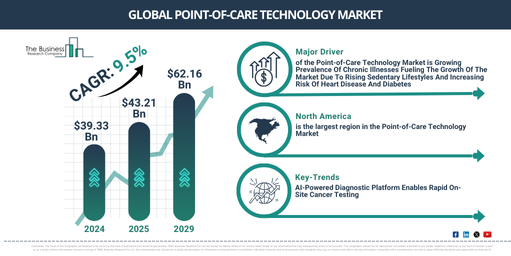
    There has been a notable expansion in the size of the point-of-care technology market in the past few years. It is estimated to jump from $39.33 billion in 2024 to $43.21 billion in 2025, marking a compound annual growth rate (CAGR) of 9.9%. Several factors have contributed to the growth in the historic period, including the steady decentralization of health service delivery, the escalating need for immediate diagnoses in emergency situations, the growing demand for quick infection tests, the increased deployment of mobile testing facilities, and the heightened attention given to cost-effective diagnostic procedures.

    Expectations are high for robust expansion of the point-of-care technology market in the forthcoming years, with projections looking at a significant increase to $62.16 billion in 2029. This growth, reflecting a compound annual growth rate (CAGR) of 9.5%, can be credited to several factors. These include the surge in telemedicine platforms, shift towards personalized and predictive healthcare, the expanding usage in home-based health monitoring, and growing government support for decentralized testing. The period of forecast also anticipates several significant trends, including the progression of artificial intelligence-augmented diagnostic algorithms, the introduction of portable multiplex testing tools, innovations in wearable health monitoring devices, advancements in integrating cloud-based data, and the creation of home-based telehealth ecosystems.

    Download The Free Sample Report Here:

    https://www.thebusinessresearchcompany.com/sample.aspx?id=27390&type=smp

    Which Factor Is Shaping The Future Of The Point-of-Care Technology Market?

    The increased incidence of chronic diseases is anticipated to fuel the expansion of the point-of-care technology market. Chronic diseases are long-lasting health issues that typically necessitate sustained care and lifestyle modifications. Sedentary living is escalating these diseases, as lengthy periods of sitting and lack of physical activity intensify the chances of heart ailments and diabetes. Point-of-care technology, with its quick, onsite diagnostic testing, is highly suitable for settings like clinics, homes, and remote care facilities in managing chronic diseases. Real-time results not only eliminate treatment delays but also enhance patient monitoring and general healthcare convenience. For example, the National Health Service, a UK governmente department, reported that in June 2024, 3,615,330 patients registered with a general practitioner (GP) were identified with non-diabetic hyperglycemia or pre-diabetes in 2023, witnessing an 18% jump from the 3,065,825 cases in 2022. Thus, the increasing prevalence of chronic diseases is driving the point-of-care technology market’s growth.

    What Is The Segment-Wise Breakdown Of The Point-of-Care Technology Market?

    The point-of-care technology market covered in this report is segmented

    1) By Product Type: Diagnostics Devices, Monitoring Devices, Therapeutic Devices, Data Management Systems

    2) By Ownership Model: Standalone Solutions, Integrated Solutions, Cloud-Based Solutions

    3) By Technology: Microfluidics, Polymerase Chain Reaction (PCR), Immunoassays

    4) By Application: Infectious Disease Testing, Glucose Monitoring, Cardiometabolic Monitoring, Pregnancy And Fertility Testing, Other Applications

    5) By End-User: Hospitals, Clinics, Homecare Settings, Ambulatory Surgical Centers

    Subsegments:

    1) By Diagnostics Devices: Blood Glucose Monitoring Devices, Infectious Disease Testing Devices, Cardiac Marker Testing Devices, Coagulation Testing Devices, Pregnancy And Fertility Testing Devices, Urinalysis Testing Devices, Hematology Testing Devices, Cholesterol Testing Devices

    2) By Monitoring Devices: Vital Signs Monitoring Devices, Continuous Glucose Monitoring Devices, Cardiac Monitoring Devices, Respiratory Monitoring Devices

    3) By Therapeutic Devices: Insulin Delivery Devices, Nebulizers, Dialysis Machines, Infusion Pumps

    4) By Data Management Systems: Point Of Care (POC) Data Integration Systems, Point Of Care (POC) Middleware Solutions, Point Of Care (POC) Data Analytics Platforms

    Which Trends Are Redefining The Future Landscape Of The Point-of-Care Technology Industry?

    Leading corporations within the point-of-care technology sector are orchestration strategies for the innovation and development of advanced technology solutions, specifically AI-powered diagnostic systems. These are designed to elevate the speed, precision and ease of access in detecting illnesses. The AI-powered diagnostics utilize artificial intelligence to swiftly evaluate medical data, thus facilitating instantaneous, on-site examination for critical conditions such as cancer. To illustrate, Avitia Inc., a point-of-care diagnostic firm based in Canada, introduced an AI-driven platform in February 2025 for rapid point-of-care testing for cancer. This platform merges machine learning algorithms with compact diagnostic equipment, empowering healthcare professionals to provide quick and accurate cancer screening beyond the conventional lab environment. As a result of this breakthrough, turnaround times have been slashed, early identification has improved, and the requirement for complex infrastructure has decreased, thereby facilitating easier access to advanced diagnostic facilities in rural or underserved locations.

    Which Companies Hold The Largest Market Share In The Point-of-Care Technology Sector?

    Major companies operating in the point-of-care technology market are F. Hoffmann-La Roche AG, Thermo Fisher Scientific Inc., Abbott Laboratories, Danaher Corporation, Siemens Healthineers AG, Hologic Inc., bioMérieux SA, Quidel Corporation, Sysmex Corporation, Cepheid Inc., Radiometer Medical ApS, Nova Biomedical, Sekisui Diagnostics LLC, Abaxis Inc., BHR Biosynex, EKF Diagnostics Holdings plc, Acon Laboratories Inc., Trinity Biotech plc, Chembio Diagnostics Inc., Arkray Inc., Orchard Software Corporation, Point of Care Biomedical Private Limited.

    Get The Full Report Here:

    https://www.thebusinessresearchcompany.com/report/point-of-care-technology-global-market-report

    How Does Regional Performance Compare Across The Point-of-Care Technology Industry?

    North America was the largest region in the point-of-care technology market in 2024. Asia-Pacific is expected to be the fastest-growing region in the forecast period. The regions covered in the point-of-care technology market report are Asia-Pacific, Western Europe, Eastern Europe, North America, South America, Middle East, Africa.

    Request For A Customized Report:

    https://www.thebusinessresearchcompany.com/customise?id=27390&type=smp

    About The Business Research Company:

    With over 15000+ reports from 27 industries covering 60+ geographies, The Business Research Company has built a reputation for offering comprehensive, data-rich research and insights. Armed with 1,500,000 datasets, the optimistic contribution of in-depth secondary research, and unique insights from industry leaders, you can get the information you need to stay ahead in the game.

    Get in touch with us:

    The Business Research Company: https://www.thebusinessresearchcompany.com/

    Americas +1 310-496-7795

    Asia +44 7882 955267 & +91 8897263534

    Europe +44 7882 955267

    Email us at info@tbrc.info

    Follow us on:

    LinkedIn: https://in.linkedin.com/company/the-business-research-company

    YouTube: https://www.youtube.com/channel/UC24_fI0rV8cR5DxlCpgmyFQ

    Global Market Model: https://www.thebusinessresearchcompany.com/global-market-model

  • 2025–2029 Point-Of-Care Data Management Software Market Outlook: Regional Trends and Growth Forecast

    2025–2029 Point-Of-Care Data Management Software Market Outlook: Regional Trends and Growth Forecast

    Claim your 30% discount on Global Market Reports with code ONLINE30. Limited time only.

    Claim your 30% discount on Global Market Reports with code ONLINE30. Limited time only.

    What Is the Estimated Industry Valuation for the Point-Of-Care Data Management Software Sector?

    In recent times, the market size of point-of-care data management software has seen swift development. The market is projected to increase from $1.81 billion in 2024 to $2.06 billion in 2025, exhibiting a compound annual growth rate (CAGR) of 13.4%. Factors such as an increased utilization of point-of-care testing within clinical procedures, a heightened requisition for quick diagnostic determinations, expanding use of electronic health profiles in primary healthcare, growing cognizance regarding the advantages of distributed diagnostics, and a surging requirement for remote observation systems in rural medical services have fuelled the growth observed during the historical timeframe.

    The size of the point-of-care data management software market is anticipated to expand rapidly in the upcoming years, reaching a value of $3.35 billion by 2029, with a CAGR of 13.0%. The expected increase during the predicted time frame can be connected to the escalating need for immediate access to patient data, a growing dependency on telemedicine for diagnostic purposes, a heightened emphasis on interoperability amongst healthcare systems, larger investments towards medical data security, and an urgent need for proactive diagnostics in preventative healthcare. Potential trends for this period are expected to showcase advancements in AI-powered point-of-care analytics, progress in creating interoperable data exchange standards, progress in blockchain technology for health data security, comprehensive real-time integration for diagnostics, and the development of wearable-compatible data management platforms.

    Download The Free Sample Report Here:

    https://www.thebusinessresearchcompany.com/sample.aspx?id=27389&type=smp

    What Forces Are Driving The Growth Of The Point-Of-Care Data Management Software Market?

    The spike in usage of digital health documentation is seen as a catalyst propelling the expansion of the point-of-care data management software market in the future. Electronic Health Records (EHRs), which are secure digital chronicles encompassing a patient’s medical history, interventions, and test results for effortless sharing among healthcare professionals, are seeing an upsurge in adoption. This rise can be attributed to an escalating demand for effective patient data management that encourages seamless accessibility, heightened precision, and superior coordination of care. Point-of-care data management software accentuates the functionality of electronic health record systems by facilitating real-time data collection and smooth integration, making it the perfect fit for clinics and bedside diagnostics. It eliminates the need for manually inputting data by automatically renewing patient records, thereby boosting clinical effectiveness and decision-making processes. As reported by the Department of Health and Social Care, a UK government department, as of June 2022, 90% of National Health Service (NHS) trusts had started using electronic health records by December 2023 and this number is projected to hit 100% by March 2025. As a result, the escalating adoption of electronic health records is fueling the expansion of the point-of-care data management software market.

    How Is The Point-Of-Care Data Management Software Industry Segmented Across Key Parameters?

    The point-of-care data management software market covered in this report is segmented

    1) By Type: Standalone Software, Integrated Software

    2) By Deployment Mode: Cloud-Based, On-Premises, Hybrid Solutions

    3) By Technology: Artificial Intelligence, Machine Learning, Blockchain, Internet Of Things (IoT), Big Data Analytics

    4) By Applications: Infectious Disease Devices, Glucose Monitoring, Coagulation Monitoring, Urinalysis, Cardiometabolic Monitoring, Cancer Markers, Hematology, Other Point-Of-Care Applications

    5) By End User: Hospitals, Clinics, Ambulatory Care Center, Home Healthcare, Diagnostic Laboratories

    Subsegments:

    1) By Standalone Software: Device-Specific Data Management Systems, Modular Clinical Information Systems, Laboratory Data Analysis Tools, Remote Patient Monitoring Software

    2) By Integrated Software: Hospital Information System Integrated Platforms, Electronic Health Record Embedded Solutions, Cloud-Based Interoperable Platforms, Multi-Device Connectivity And Data Integration Systems

    What Notable Trends Are Shaping The Direction Of The Point-Of-Care Data Management Software Market?

    Top firms in the point-of-care data management software market, such as EKF Diagnostics Holdings plc, are prioritizing the development of innovative technological platforms like middleware connectivity solutions. These advancements facilitate real-time clinical decision-making by flawlessly incorporating data from numerous diagnostic devices. These middleware platforms serve as liaisons between point-of-care apparatuses and hospital information management systems, enabling smooth exchange and integration of data. An example of these advancements was seen in May 2022, when EKF Diagnostics Holdings plc, a healthcare company based in the UK, introduced EKF Link. This innovative middleware connectivity solution enables secure management and centralized amalgamation of point-of-care analyzer data. Equipped with the ability to connect, supervise, and manage several POC analyzers in real-time from a single consolidated platform, EKF Link also offers features like remote configuration of instruments, management of operators and reports, quality control monitoring, and flawless integration with hospital or laboratory IT infrastructures using standard procedures like HL7 and LIS2A.

    Which Companies Currently Dominate The Competitive Landscape In The Point-Of-Care Data Management Software Industry?

    Major companies operating in the point-of-care data management software market are F. Hoffmann-La Roche Ltd., Oracle Health Inc., Thermo Fisher Scientific Inc., Abbott Point of Care Inc., Danaher Corporation, Siemens Healthineers AG, GE HealthCare Technologies Inc., Athenahealth Inc., InterSystems Corporation, eClinicalWorks LLC, Medical Information Technology Inc., NextGen Healthcare Inc., Randox Laboratories Ltd., Greenway Health LLC, Care Cloud Inc., CureMD.com Inc., Telcor Inc., Orchard Software Corporation, HealthEC LLC, Sunquest Information Systems Inc.

    Get The Full Report Here:

    https://www.thebusinessresearchcompany.com/report/point-of-care-data-management-software-global-market-report

    Which Geographic Regions Are Driving Demand In The Point-Of-Care Data Management Software Market?

    North America was the largest region in the point-of-care data management software market in 2024. Asia-Pacific is expected to be the fastest-growing region in the forecast period. The regions covered in the point-of-care data management software market report are Asia-Pacific, Western Europe, Eastern Europe, North America, South America, Middle East, Africa.

    Request For A Customized Report:

    https://www.thebusinessresearchcompany.com/customise?id=27389&type=smp

    About The Business Research Company:

    With over 15000+ reports from 27 industries covering 60+ geographies, The Business Research Company has built a reputation for offering comprehensive, data-rich research and insights. Armed with 1,500,000 datasets, the optimistic contribution of in-depth secondary research, and unique insights from industry leaders, you can get the information you need to stay ahead in the game.

    Get in touch with us:

    The Business Research Company: https://www.thebusinessresearchcompany.com/

    Americas +1 310-496-7795

    Asia +44 7882 955267 & +91 8897263534

    Europe +44 7882 955267

    Email us at info@tbrc.info

    Follow us on:

    LinkedIn: https://in.linkedin.com/company/the-business-research-company

    YouTube: https://www.youtube.com/channel/UC24_fI0rV8cR5DxlCpgmyFQ

    Global Market Model: https://www.thebusinessresearchcompany.com/global-market-model
  • Latest Market Developments in Point Of Care Hematology Diagnostics Industry: Forecast 2025–2029

    Latest Market Developments in Point Of Care Hematology Diagnostics Industry: Forecast 2025–2029

    Claim your 30% discount on Global Market Reports with code ONLINE30. Limited time only.

    Claim your 30% discount on Global Market Reports with code ONLINE30. Limited time only.

    How Large Is the Point Of Care Hematology Diagnostics Market Expected to Be in 2029?

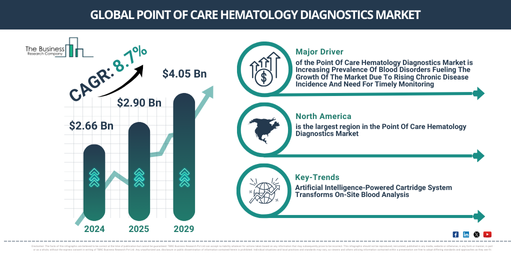
    There has been substantial growth in the size of the point of care hematology diagnostics market in recent times, with projections showing an increase from $2.66 billion in 2024 to $2.90 billion in 2025, suggesting a compound annual growth rate (CAGR) of 9.1%. The historical growth can be linked to factors like the increasing incidence of hematological disorders, the emergence of decentralized healthcare facilities, an amplified emphasis on early detection of diseases, increased healthcare spending in developing markets, and the rising utilization of portable diagnostic devices.

    The market size of point of care hematology diagnostics is projected to experience significant expansion in the coming years, estimated to reach $4.05 billion by 2029 with a compound annual growth rate (CAGR) of 8.7%. This anticipated growth in the forecast period is due to factors such as the increased uptake of personalized medicine, the rising demand for immediate clinical decisions and home healthcare diagnostics, an escalated prevalence of blood-related disorders, and heightened awareness surrounding preventive healthcare. Key trends expected during the forecast span incorporate advancements in hematology analyzer connectivity features, improvements in sample preparation approaches, the incorporation of artificial intelligence into diagnostic instruments, developments in single-cell analysis techniques, the integration of cloud-based data platforms, and progressions in lab-on-a-chip solutions.

    Download The Free Sample Report Here:

    https://www.thebusinessresearchcompany.com/sample.aspx?id=27388&type=smp

    What Are The Contributors To Demand In The Point Of Care Hematology Diagnostics Market?

    The escalation in the occurrence of blood disorders is set to fuel the expansion of the point-of-care hematology diagnostics market in the future. Blood disorders encompass those ailments that disturb the constituents of blood such as red blood cells, white blood cells, platelets, or plasma. The primary cause of this rise in blood disorders is the mounting prevalence of chronic maladies that gravely affect the health of the blood and necessitate continuous tracking. The point-of-care hematology diagnostics offer prompt and precise results at or near the patient care site, thereby facilitating speedy clinical judgments and better disease administration. For example, the Perth Blood Institute, a non-profit entity based in Australia reported that in April 2024, people diagnosed with hemophilia, a hereditary blood disorder characterized by the blood’s inability to clot properly leading to extended bleeding, edged up to 257,146 in 2022 from 233,577 in 2021. Consequently, the escalating occurrence of blood disorders is driving the point-of-care hematology diagnostics market’s expansion.

    What Segmentation Categories Are Included In The Point Of Care Hematology Diagnostics Market Analysis?

    The point of care hematology diagnostics market covered in this report is segmented

    1) By Type: Complete Blood Count, Coagulation Testing, Hemoglobin Testing, Anemia Diagnosis, Other Types

    2) By Product: Consumables, Systems

    3) By Mode Of Prescription: Prescription Based Product, Over-The-Counter Based Product

    4) By End User: Diagnostic Centers, Hospitals, Blood Banks, Transfusion Centers, Other End Users

    Subsegments:

    1) By Complete Blood Count: White Blood Cell Count, Red Blood Cell Count, Platelet Count, Hematocrit, Hemoglobin Concentration, Mean Corpuscular Volume (MCV)

    2) By Coagulation Testing: Prothrombin Time (PT), Activated Partial Thromboplastin Time (aPTT), International Normalized Ratio (INR), D-Dimer Test, Fibrinogen Level

    3) By Hemoglobin Testing: Total Hemoglobin, Glycated Hemoglobin (HbA1c), Oxyhemoglobin, Carboxyhemoglobin, Methemoglobin

    4) By Anemia Diagnosis: Iron Studies, Vitamin B12 Levels, Folate Levels, Reticulocyte Count, Ferritin Test, Transferrin Saturation

    5) By Other Types: Blood Typing And Crossmatching, Erythrocyte Sedimentation Rate, Malaria Parasite Detection, Sickle Cell Screening, C-Reactive Protein Testing

    What Upcoming Trends Are Expected To Impact The Point Of Care Hematology Diagnostics Market Globally?

    Leading entities in the point-of-care hematology diagnostics market are working towards creating products that are technologically superior, such as AI-powered hematology analyzers that use cartridges, with the aim to provide quick, precise, and local blood analysis for enhanced patient care. These cartridge-based AI-powered hematology analyzers are compact diagnostic tools that employ single-use reagent cartridges and artificial intelligence algorithms to effectively and correctly analyze blood samples at the care location. For instance, Zoetis Inc., a veterinary health firm based in the US, introduced Vetscan OptiCell, an AI-powered hematology analyzer that utilizes cartridges, specifically for veterinary usage in September 2024. This revolutionary system provides swift, reference laboratory-grade complete blood count (CBC) results within minutes at the point of care, while also reducing maintenance and time spent on it. It comes with state-of-the-art AI-controlled image analysis and viscoelastic focusing technology that accurately aligns cells for clear imaging, thus enabling precise blood cell categorization and automated anomaly detection, ensuring efficient and trustworthy veterinary diagnostics.

    Who Are The Top-Ranked Companies In The Point Of Care Hematology Diagnostics Market Today?

    Major companies operating in the point of care hematology diagnostics market are F. Hoffmann-La Roche Ltd., Thermo Fisher Scientific Inc., Abbott Laboratories, Danaher Corporation, Siemens Healthineers AG, Shenzhen Mindray Bio-Medical Electronics Co. Ltd., Sysmex Corporation, HORIBA Ltd., Nova Biomedical Corp., S.D. Sight Diagnostics Ltd., EKF Diagnostics Holdings plc., Medsource Ozone Biomedicals Pvt. Ltd., BioSystems S.A., Chengdu Seamaty Technology Co. Ltd., Drucker Diagnostics LLC, Diamond Diagnostics Inc., DIAGON Kft., BioMedomics Inc., Norma Instruments Zrt., PixCell Medical Technologies Ltd.

    Get The Full Report Here:

    https://www.thebusinessresearchcompany.com/report/point-of-care-hematology-diagnostics-global-market-report

    How Is Point Of Care Hematology Diagnostics Market Adoption Varying Across Different Regions And Sectors?

    North America was the largest region in the point of care hematology market in 2024. Asia-Pacific is expected to be the fastest-growing region in the forecast period. The regions covered in the point of care hematology diagnostics market report are Asia-Pacific, Western Europe, Eastern Europe, North America, South America, Middle East, Africa.

    Request For A Customized Report:

    https://www.thebusinessresearchcompany.com/customise?id=27388&type=smp

    About The Business Research Company:

    With over 15000+ reports from 27 industries covering 60+ geographies, The Business Research Company has built a reputation for offering comprehensive, data-rich research and insights. Armed with 1,500,000 datasets, the optimistic contribution of in-depth secondary research, and unique insights from industry leaders, you can get the information you need to stay ahead in the game.

    Get in touch with us:

    The Business Research Company: https://www.thebusinessresearchcompany.com/

    Americas +1 310-496-7795

    Asia +44 7882 955267 & +91 8897263534

    Europe +44 7882 955267

    Email us at info@tbrc.info

    Follow us on:

    LinkedIn: https://in.linkedin.com/company/the-business-research-company

    YouTube: https://www.youtube.com/channel/UC24_fI0rV8cR5DxlCpgmyFQ

    Global Market Model: https://www.thebusinessresearchcompany.com/global-market-model
  • Emerging Trends and Growth Drivers in the Point Of Care Devices Market Through 2029

    Emerging Trends and Growth Drivers in the Point Of Care Devices Market Through 2029

    Claim your 30% discount on Global Market Reports with code ONLINE30. Limited time only.

    Claim your 30% discount on Global Market Reports with code ONLINE30. Limited time only.

    What Is the Outlook for the Point Of Care Devices Market Heading Into 2029?

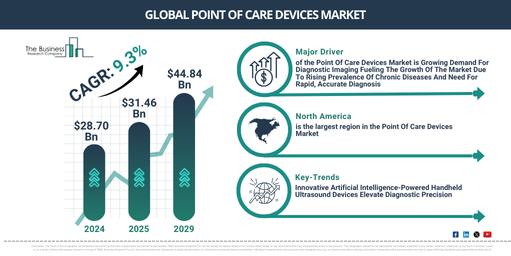
    The market size for point of care devices has seen substantial growth in the past few years. The current size of $28.70 billion in 2024 is set to increase to $31.46 billion in 2025, with a compound annual growth rate (CAGR) of 9.6%. The growth throughout the historical period can be linked to an increase in early disease detection awareness, a rise in the use of portable healthcare devices, a growing necessity for decentralized testing, increased government schemes for healthcare accessibility, and an overall increase in global health expenditure.

    The market size for point of care devices is predicted to experience substantial growth in the forthcoming years, reaching a value of $44.84 billion in 2029 with a compound annual growth rate (CAGR) of 9.3%. This projected growth within the forecast period is a result of various factors such as the rising uptake of wireless and connected devices, increased focus on point-of-care testing in isolated regions, a heightened emphasis on affordable diagnostics, significant investments in healthcare infrastructure, an increased incidence of infectious diseases, and a growing demand for multi-parameter testing devices. Key trends noted within the forecast period include the progress in lab-on-a-chip technology, the emergence of diagnostic platforms powered by artificial intelligence, advances in smartphone-integrated testing devices, the enhancement of multiplex testing capabilities, and the creation of cloud-connected point-of-care systems.

    Download The Free Sample Report Here:

    https://www.thebusinessresearchcompany.com/sample.aspx?id=27387&type=smp

    Which Factors Are Pushing The Point Of Care Devices Market Forward?

    An increased need for diagnostic imaging is anticipated to boost the expansion of the point-of-care devices market. Diagnostic imaging involves methods and procedures that produce visual depictions of the internal structure of the body, facilitating clinical assessment and medical intervention. The demand for such imaging is on the rise, primarily due to the increasing presence of chronic diseases that require accurate and early diagnosis. Point-of-care devices augment diagnostic imaging with their compact and portable features, making them perfect for use in remote healthcare situations, clinics, and bedside care. They expedite processing times, producing quick and precise imaging outcomes, which, in turn, enhance clinical decision-making and efficiency in patient care. As an example, a National Library of Medicine survey study conducted in February 2025 showed that among 348,214,053 insured individuals, including those with Medicare fee-for-service, Medicare Advantage, Medicaid, and commercial insurance, from 2018 to 2022, it’s projected that imaging utilization would rise from 16.9% to 26.9% in 2055 relative to 2023. As a result, the accelerating demand for diagnostic imaging is driving the growth of the point-of-care devices market.

    Which Segment Held The Largest Share In The Point Of Care Devices Market In 2025?

    The point of care devices market covered in this report is segmented

    1) By Type Of Device: Diagnostic Devices, Therapeutic Devices, Monitoring Devices, Treatment Devices, Support Devices

    2) By Technology: Biochemical Technology, Microfluidics, Immunoassay Technology, Nucleic Acid Testing, Wearable Technology

    3) By Application: Cardiology, Diabetes Management, Infectious Diseases, Oncology, Pediatrics

    4) By Distribution Channel: Direct Sales, Distributors, Online Sales, Retail Pharmacies, Healthcare Institutions

    5) By End User: Hospitals, Clinics, Home Care Settings, Diagnostic Laboratories, Emergency Medical Services (EMS)

    Subsegments:

    1) By Diagnostic Devices: Blood Glucose Monitors, Hematology Analyzers, Coagulation Analyzers, Urinalysis Devices, Molecular Diagnostics

    2) By Therapeutic Devices: Infusion Pumps, Respiratory Therapy Devices, Pain Management Devices, Wound Care Devices, Dialysis Devices

    3) By Monitoring Devices: Vital Signs Monitors, Cardiac Monitors, Pulse Oximeters, Temperature Monitors, Respiratory Monitors

    4) By Treatment Devices: Defibrillators, Surgical Devices, Laser Therapy Devices, Physical Therapy Devices

    5) By Support Devices: Sample Collection Devices, Specimen Transport Devices, Data Management Devices, Calibration And Maintenance Devices

    How Are Key Trends Driving Expansion In The Point Of Care Devices Industry?

    Leading businesses in the point-of-care devices market are investing in the creation of technologically superior solutions like AI-assisted handheld ultrasound systems, aimed at enhancing diagnostic precision and mobility. The AI-boosted handheld ultrasound systems are movable imaging instruments, employing AI algorithms to aid in generating and interpreting ultrasound imagery, thereby expediting and refining diagnosis accuracy. For example, Koninklijke Philips N.V., a healthcare technology firm from the Netherlands, unveiled the Compact 5000 Series, an AI-backed point-of-care ultrasound apparatus, in October 2023. This transportable tool provides exceptional imaging quality and incorporates state-of-the-art AI-guided automation for measurements and efficient workflows, thereby ensuring prompt and precise diagnosis in a variety of healthcare environments. It flaunts user-friendly controls, is compatible with several transducers, and seamlessly integrates with telemedicine platforms, thereby supporting collaborative remote clinical treatment.

    Which Organizations Are Driving Progress In The Point Of Care Devices Industry?

    Major companies operating in the point of care devices market are Johnson & Johnson, F. Hoffmann-La Roche AG, Thermo Fisher Scientific Inc., Abbott Laboratories, Danaher Corporation, Siemens Healthineers AG, Becton, Dickinson and Company, Hologic Inc., BioMérieux SA, Quidel Corporation, OraSure Technologies Inc., Nova Biomedical Corporation, Sekisui Diagnostics LLC, Abaxis Inc., EKF Diagnostics Holdings plc, Trinity Biotech plc, Chembio Diagnostics Inc., PTS Diagnostics LLC, MeMed, Alere Inc., Diagnostics For All Inc.

    Get The Full Report Here:

    https://www.thebusinessresearchcompany.com/report/point-of-care-devices-global-market-report

    Which Region Is Expected To Experience The Highest Growth In The Point Of Care Devices Industry?

    North America was the largest region in the point of care devices market in 2024. Asia-Pacific is expected to be the fastest-growing region in the forecast period. The regions covered in the point of care devices market report are Asia-Pacific, Western Europe, Eastern Europe, North America, South America, Middle East, Africa.

    Request For A Customized Report:

    https://www.thebusinessresearchcompany.com/customise?id=27387&type=smp

    About The Business Research Company:

    With over 15000+ reports from 27 industries covering 60+ geographies, The Business Research Company has built a reputation for offering comprehensive, data-rich research and insights. Armed with 1,500,000 datasets, the optimistic contribution of in-depth secondary research, and unique insights from industry leaders, you can get the information you need to stay ahead in the game.

    Get in touch with us:

    The Business Research Company: https://www.thebusinessresearchcompany.com/

    Americas +1 310-496-7795

    Asia +44 7882 955267 & +91 8897263534

    Europe +44 7882 955267

    Email us at info@tbrc.info

    Follow us on:

    LinkedIn: https://in.linkedin.com/company/the-business-research-company

    YouTube: https://www.youtube.com/channel/UC24_fI0rV8cR5DxlCpgmyFQ

    Global Market Model: https://www.thebusinessresearchcompany.com/global-market-model

  • CAGR of 10.2% Projected for Plasmonic Laser Ablation Device Market From 2025 to 2029

    CAGR of 10.2% Projected for Plasmonic Laser Ablation Device Market From 2025 to 2029

    Claim your 30% discount on Global Market Reports with code ONLINE30. Limited time only.

    Claim your 30% discount on Global Market Reports with code ONLINE30. Limited time only.

    What Does the Forecast Indicate for the Plasmonic Laser Ablation Device Market From 2025 to 2029?

    The market for plasmonic laser ablation devices has experienced swift growth in recent years. The market, which is estimated at $1.35 billion in 2024, is predicted to rise to $1.50 billion in 2025, indicating a compound annual growth rate (CAGR) of 10.6%. The expansion seen during the historical period can be credited to factors such as the increasing instances of cancer and chronic illnesses, growth in investments in medical research and clinical trials, the rising incorporation of plasmonic in biomedical uses, increased application in material science and nanotechnology, and a growing emphasis on patient safety and recovery.

    Anticipated growth in the plasmonic laser ablation device market is projected to be substantial over the next few years, with estimates reaching a value of $2.21 billion by 2029, reflecting a compound annual growth rate (CAGR) of 10.2%. This growth trajectory during the forecast period is primarily driven by increased utilization of femtosecond and nanosecond laser pulses, higher demands for day-care and outpatient surgeries, an escalating inclination towards precision medicine, enhanced adoption for cosmetic and dermatological procedures, and growing need for image-guided surgical technologies. The forecast period is also expected to witness significant developments such as advancements in nanosecond and femtosecond laser technologies, incorporation of real-time imaging systems, innovative developments in biocompatible nanoparticle formulations, progress in surface plasmon resonance (SPR) monitoring, and advancements in photothermal and photomechanical effects.

    Download The Free Sample Report Here:

    https://www.thebusinessresearchcompany.com/sample.aspx?id=27386&type=smp

    What Elements Are Contributing To Growth In The Plasmonic Laser Ablation Device Market?

    An increased preference for minimally invasive procedures is predicted to spur the growth of the plasmonic laser ablation device market. These medical techniques use small incisions or natural openings and specialized tools, resulting in less pain, scarring, and shortened recovery time. The quick recovery associated with these procedures allows patients to promptly resume their normal activities, reducing the risk of complications. These innovative devices are used in minimally invasive procedures to precisely and locally remove tissue, minimizing thermal damage to adjacent areas. Consequently, the size of the incision shrinks and healing is expedited. As an illustration, data from the American Society of Plastic Surgeons show that roughly 25.4 million minimally invasive procedures were conducted in 2023, a 7% increase from the preceding year, indicating that this growing demand is propelling the plasmonic laser ablation device market growth. Furthermore, the upward trajectory of healthcare expenditure is anticipated to fuel the expansion of the plasmonic laser ablation device market. This expenditure encompasses the cumulative investment in medical services, treatments, and health-related resources by individuals, governments, and institutions. The rise attributed to an aging population needing more frequent and costly care for chronic and age-related ailments. The increased funding unlocks the potential for the development and uptake of transformative technologies like plasmonic laser ablation devices. For example, projections from the Centers for Medicare and Medicaid Services (CMS) suggest that annual healthcare spend will grow by 5.1% annually from 2021 to 2030, amassing about $6.8 trillion by 2030. This trend is driving the growth of the plasmonic laser ablation device market.

    Which Segments Are Detailed In The Global Plasmonic Laser Ablation Device Market Report?

    The plasmonic laser ablation device market covered in this report is segmented

    1) By Type: Yttrium Aluminum Garnet Laser, Carbon Dioxide Laser, Other Types

    2) By Device Type: Pulsed Plasmonic Laser Ablation Devices, Continuous Wave Plasmonic Laser Ablation Devices, Femtosecond Plasmonic Laser Ablation Devices, Nanosecond Plasmonic Laser Ablation Devices

    3) By Technology: Surface Plasmon Resonance (SPR) Technology, Nanoparticle Mediated Laser Ablation, Optical Coherence Tomography (OCT)

    4) By Application: Medical Applications, Material Processing, Research And Development

    5) By End-User: Hospitals, Research Institutes, Manufacturing Industries, Other Users

    Subsegments:

    1) By Yttrium Aluminum Garnet: Nanosecond Yttrium Aluminum Garnet Laser, Picosecond Yttrium Aluminum Garnet Laser, Q-switched Yttrium Aluminum Garnet Laser

    2) By Carbon Dioxide (CO2) Laser: Continuous Wave Carbon Dioxide Laser, Pulsed Carbon Dioxide Laser, rational Carbon Dioxide Laser

    3) By Other Types: Femtosecond Laser, Excimer Laser, Ultrafast Laser

    Who Are The Key Contributors To Growth In The Plasmonic Laser Ablation Device Market?

    Major companies operating in the plasmonic laser ablation device market are Mitsubishi Electric Corporation, Boston Scientific Corporation, Trumpf Group, Coherent Corp., Han’s Laser Technology Industry Group Co. Ltd., Lumentum Holdings Inc., Thorlabs Inc., Edmund Optics Inc, Jenoptik AG, Universal Laser Systems Inc., Cincinnati Incorporated, Epilog Laser, RPMC Lasers, Dongguan Mactron Technology Co. Ltd., Aesthetic World, Astanza Laser LLC, Boss Laser LLc, Quantum Composers, Laser Photonics Corporation, Medioxra LLP.

    Get The Full Report Here:

    https://www.thebusinessresearchcompany.com/report/plasmonic-laser-ablation-device-global-market-report

    Which Region Is Projected To Lead The Plasmonic Laser Ablation Device Market By 2025?

    North America was the largest region in the plasmonic laser ablation device market in 2024. Asia-Pacific is expected to be the fastest-growing region in the forecast period. The regions covered in the plasmonic laser ablation device market report are Asia-Pacific, Western Europe, Eastern Europe, North America, South America, Middle East, Africa.

    Request For A Customized Report:

    https://www.thebusinessresearchcompany.com/customise?id=27386&type=smp

    About The Business Research Company:

    With over 15000+ reports from 27 industries covering 60+ geographies, The Business Research Company has built a reputation for offering comprehensive, data-rich research and insights. Armed with 1,500,000 datasets, the optimistic contribution of in-depth secondary research, and unique insights from industry leaders, you can get the information you need to stay ahead in the game.

    Get in touch with us:

    The Business Research Company: https://www.thebusinessresearchcompany.com/

    Americas +1 310-496-7795

    Asia +44 7882 955267 & +91 8897263534

    Europe +44 7882 955267

    Email us at info@tbrc.info

    Follow us on:

    LinkedIn: https://in.linkedin.com/company/the-business-research-company

    YouTube: https://www.youtube.com/channel/UC24_fI0rV8cR5DxlCpgmyFQ

    Global Market Model: https://www.thebusinessresearchcompany.com/global-market-model