Blog

  • Industry Trends Show Nicotine Addiction Treatment Market Set to Expand at 10.1% CAGR Until 2029

    Industry Trends Show Nicotine Addiction Treatment Market Set to Expand at 10.1% CAGR Until 2029

    Claim your 30% discount on Global Market Reports with code ONLINE30. Limited time only.

    Claim your 30% discount on Global Market Reports with code ONLINE30. Limited time only.

    What Is the Current and Projected Market Size of the Nicotine Addiction Treatment Industry?

    In recent years, the market size for nicotine addiction treatment has witnessed significant expansion. Its anticipated growth is from $3.52 billion in 2024 to $3.84 billion in 2025, with a compound annual growth rate (CAGR) of 9.1%. The growth in the previous period is credited to developments in scientific research, public health measures, innovative treatment modalities, changes in cultural attitudes, and advocacy from healthcare professionals.

    Anticipating swift expansion in the ensuing years, the nicotine addiction treatment market size is set to swell to “$5.64 billion in 2029 with a compound annual growth rate (CAGR) of 10.1%.” This growth for the projected period can be ascribed to various factors such as government laws and policies, clinical research and innovation, consumer habits and trends, market rivalry and business strategies, and integration of the healthcare system. Notable trends during the forecast period encompass individualized treatment plans, technology-driven interventions, substitute therapies and products, telemedicine and remote assistance, along with the incorporation of behavioral support.

    Download The Free Sample Report Here:

    https://www.thebusinessresearchcompany.com/sample.aspx?id=9316&type=smp

    #Which Factors Are Currently Driving The Growth Of The Nicotine Addiction Treatment Market?

    An increasing number of teenagers succumbing to tobacco addiction is expected to stimulate the expansion of the nicotine addiction treatment market. Tobacco addiction or nicotine dependency is essentially a craving to use tobacco, packed with the extremely addictive chemical nicotine, in cigarette form. The inclination to start smoking early in life is attributed to its ability to relieve anxiety, uplift mood, and deal with depression. The escalating tobacco addiction results in a substantial need for nicotine addiction treatment. As an example, in October 2024, the Centers for Disease Control and Prevention, a government public health agency in the US, reported that in 2024, 1 in every 29 middle school students (equivalent to 3.5%) confessed to having used electronic cigarettes in the past month. Hence, the growing prevalence of tobacco addiction in teenagers acts as a catalyst for the progress of the nicotine addiction treatment market.

    How Is The Global Nicotine Addiction Treatment Market Structured In Terms Of Segments?

    The nicotine addiction treatment market covered in this report is segmented –

    1) By Type: Pharmacological, Therapies, Other Types

    2) By Distribution Channel: Hospital Pharmacy, Retail Pharmacy, Online Pharmacy

    3) By End-User: Generation Z, Millennials, Generation X, Silent Generation

    Subsegments:

    1) By Pharmacological: Nicotine Replacement Therapies (NRTs), Prescription Medications

    2) By Therapies: Behavioral Therapy, Cognitive Behavioral Therapy (CBT), Group Therapy, Hypnotherapy

    3) By Other Types: Mobile Applications, Support Groups, Online Counseling Services

    What Long-Term Trends Are Likely To Affect The Nicotine Addiction Treatment Market?

    The introduction of novel approaches is becoming a significant trend in the nicotine addiction treatment market. Key players in this market are striving to introduce innovative solutions in order to maintain their market foothold. For example, in February 2022, the World Health Organization (WHO), a specialized agency of the United Nations headquartered in Switzerland and dealing with international public health issues, introduced the ‘Quit Tobacco App’. This app, the first of its kind to address all tobacco products, is designed to support individuals in giving up smoking by helping them recognize triggers, establish goals, manage cravings, and maintain concentration. Innovative strategies, such as this app, are urgently required to support individuals in giving up tobacco consumption, a habit they are aware is detrimental but struggle to quit for various reasons.

    Who Are The Main Participants Shaping The Nicotine Addiction Treatment Market Landscape?

    Major companies operating in the nicotine addiction treatment market include Cipla Limited, Pfizer Inc., Glenmark Pharmaceuticals Limited, Johnson & Johnson Private Limited, Japan Tobacco Inc., British American Tobacco PLC, Imperial Brands PLC, GlaxoSmithKline plc, Perrigo Company PLC, NJOY LLC, Takeda Pharmaceutical Company Limited, Dr. Reddy’s Laboratories Limited, Cerecor Inc., Embera NeuroTherapeutics Inc., Hager Biosciences LLC, RTI International, Novartis International AG, Sanofi S.A., Sandoz International GmbH, Boehringer Ingelheim International GmbH, Alkermes plc, Teva Pharmaceutical Industries Ltd.

    Get The Full Report Here:

    https://www.thebusinessresearchcompany.com/report/nicotine-addiction-treatment-global-market-report

    Which Region Currently Holds The Largest Share In The Nicotine Addiction Treatment Market?

    North America was the largest region in the nicotine addiction treatment market in 2024. The regions covered in the nicotine addiction treatment market report are Asia-Pacific, Western Europe, Eastern Europe, North America, South America, Middle East, Africa

    Request For A Customized Report:

    https://www.thebusinessresearchcompany.com/customise?id=9316&type=smp

    About The Business Research Company:

    With over 15000+ reports from 27 industries covering 60+ geographies, The Business Research Company has built a reputation for offering comprehensive, data-rich research and insights. Armed with 1,500,000 datasets, the optimistic contribution of in-depth secondary research, and unique insights from industry leaders, you can get the information you need to stay ahead in the game.

    Get in touch with us:

    The Business Research Company: https://www.thebusinessresearchcompany.com/

    Americas +1 310-496-7795

    Asia +44 7882 955267 & +91 8897263534

    Europe +44 7882 955267

    Email us at info@tbrc.info

    Follow us on:

    LinkedIn: https://in.linkedin.com/company/the-business-research-company

    YouTube: https://www.youtube.com/channel/UC24_fI0rV8cR5DxlCpgmyFQ

    Global Market Model: https://www.thebusinessresearchcompany.com/global-market-model
  • Competitive and Market Trend Analysis of Muscle Relaxant Drugs Industry Through 2029

    Competitive and Market Trend Analysis of Muscle Relaxant Drugs Industry Through 2029

    Claim your 30% discount on Global Market Reports with code ONLINE30. Limited time only.

    Claim your 30% discount on Global Market Reports with code ONLINE30. Limited time only.

    How Will the Muscle Relaxant Drugs Market Evolve in Terms of Growth and Size by 2029?

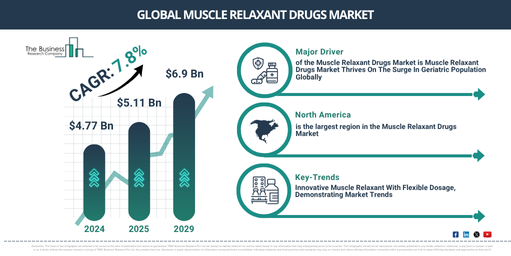
    The market for muscle relaxant medications has seen significant expansion in the recent past. The market is projected to increase from $4.77 billion in 2024 to $5.11 billion in 2025, showing a compound annual growth rate (CAGR) of 7.0%. The upswing during the historical phase is attributed to changes in treatment methods, better management of chronic pain, innovation in pharmaceutical drug formulations, a rise in surgical procedures, as well as an increase in the practice of physical rehabilitation.

    In the coming years, the market for muscle relaxant drugs is anticipated to exhibit substantial growth, reaching $6.9 billion in 2029, with a compound annual growth rate (CAGR) of 7.8%. Factors such as the use of multipronged strategies for pain management, an aging global population along with chronic diseases, advances in targeted therapies, a shift towards non-drug pain relief methods, and modern pain management treatments are driving this growth. Key trends for the forecast period include improvements in the side effect characteristics of these drugs, the application of personalized medicine, research into alternative treatments, the incorporation of muscle relaxants in established pain management protocols, and the emergence of botulinum toxin injections.

    Download The Free Sample Report Here:

    https://www.thebusinessresearchcompany.com/sample.aspx?id=8751&type=smp

    What factors are expected to fuel Muscle Relaxant Drugs market growth in the coming years?

    The growth of the muscle relaxant drugs market is anticipated to be fueled by the increasing geriatric population. This pertains to individuals aged 65 and above. Muscle relaxant drugs primarily serve to sedate and alleviate the pain experienced by older adults who are more prone to musculoskeletal conditions. To illustrate, the World Health Organization, a Switzerland-based global public health entity, stated in October 2022 that the worldwide population of those aged 60 years is expected to surge from 1 billion in 2020 to 1.4 billion by 2022. Additionally, by 2030, one in six individuals globally will be over 60 years of age. As such, the surge in the geriatric population contributes to the expansion of the muscle relaxant drugs market.

    What Are The Key Findings From The Segmentation Analysis Of The Muscle Relaxant Drugs Market?

    The muscle relaxant drugs market covered in this report is segmented –

    1) By Drug Type: Facial Muscle Relaxant Drugs, Skeletal Muscle Relaxant Drugs, Neuromuscular Blocking Agents

    2) By Formulation: Cyclobenzaprine, Carisoprodol, Chlorzoxazone, Metaxalone, Methocarbamol, Baclofen, Tizanidine, Orphenadrine, Dantrolene

    3) By Route Of Administration: Oral, Injectable, Spray, Ointment

    4) By End-User: Hospitals, Homecare, Specialty Clinics, Other End-Users

    Subsegments:

    1) By Facial Muscle Relaxant Drugs: Botulinum Toxin, Dysport, Xeomin

    2) By Skeletal Muscle Relaxant Drugs: Centrally Acting Muscle Relaxants, Peripherally Acting Muscle Relaxants

    3) By Neuromuscular Blocking Agents: Non-Depolarizing Agents, Depolarizing Agents

    What Future Market Trends Are Projected For The Muscle Relaxant Drugs Industry?

    In the muscle relaxant drug market, a key trend that’s gaining traction is product innovation. Leading companies in this market are creating novel drugs for specific medical uses, including generic versions of muscle relaxant drugs and muscle relaxants for animals. Other innovations aim to provide flexible and customized dosing options. These endeavors are part of the companies’ strategies to maintain their foothold in the market. For example, Amneal Pharmaceuticals Inc., an integrated specialty pharmaceutical firm in the US, rolled out LYVISPAH in June 2022. This specialty baclofen oral granule product, available in 5 mg, 10 mg, and 20 mg doses, has been approved by the US Food and Drug Administration as a treatment for spasticity linked to multiple sclerosis and various spinal cord disorders. LYVISPAH, offered in 5 mg, 10 mg, and 20 mg single-dose packets, provides a flexible and customized treatment for muscle rigidity, spasms, and pain related to multiple sclerosis. The quick-dissolving granules, which are flavored, provide an alternative for spasticity patients who struggle with pill swallowing. The product can be given in three ways: direct mouth administration with or without water, blending with liquids or food, or via an enteral feeding tube.

    What Are The Most Active Companies In The Muscle Relaxant Drugs Market Today?

    Major companies operating in the muscle relaxant drugs market are Pfizer Inc., Ipsen Pharma SA, Teijin Limited, Par Pharmaceutical Companies Inc., Orient Phaarma Co. Ltd., Novartis AG, Accord Healthcare Ltd., Amneal Pharmaceuticals LLC, Fresenius Kabi India Pvt. Ltd., Aurobindo Pharma Ltd., Mylan NV, Hikma Pharmaceuticals PLC, Akorn Incorporated, Merck & Co. Inc., Teva Pharmaceuticals Industries Ltd., Lifesciences Limited, Neurana Pharmaceuticals Inc., Dr. Reddy’s Laboratories, Lannett Company Inc., Unichem Laboratories, SteriMax Inc., Endo Pharmaceuticals Inc., Abbvie Inc., Merz Pharmaceuticals LLC, Vertical Pharmaceuticals LLC, Mallinckrodt Pharmaceuticals, Eisai Co. Ltd., Metacel Pharmaceuticals LLC, Sun Pharmaceutical Industries Ltd., Cadila Healthcare Ltd., Torrent Pharmaceuticals Ltd., Alembic Pharmaceuticals Ltd., Wockhardt Ltd., Glenmark Pharmaceuticals Ltd., Cipla Ltd., Lupin Ltd., Intas Pharmaceuticals Ltd., Alkem Laboratories Ltd.

    Get The Full Report Here:

    https://www.thebusinessresearchcompany.com/report/muscle-relaxant-drugs-global-market-report

    Which Regional Markets Are Attracting The Most Investment In Muscle Relaxant Drugs?

    North America was the largest region in the muscle relaxant drugs market share in 2024. The regions covered in the muscle relaxant drugs market report are Asia-Pacific, Western Europe, Eastern Europe, North America, South America, Middle East, Africa.

    Request For A Customized Report:

    https://www.thebusinessresearchcompany.com/customise?id=8751&type=smp

    About The Business Research Company:

    With over 15000+ reports from 27 industries covering 60+ geographies, The Business Research Company has built a reputation for offering comprehensive, data-rich research and insights. Armed with 1,500,000 datasets, the optimistic contribution of in-depth secondary research, and unique insights from industry leaders, you can get the information you need to stay ahead in the game.

    Get in touch with us:

    The Business Research Company: https://www.thebusinessresearchcompany.com/

    Americas +1 310-496-7795

    Asia +44 7882 955267 & +91 8897263534

    Europe +44 7882 955267

    Email us at info@tbrc.info

    Follow us on:

    LinkedIn: https://in.linkedin.com/company/the-business-research-company

    YouTube: https://www.youtube.com/channel/UC24_fI0rV8cR5DxlCpgmyFQ

    Global Market Model: https://www.thebusinessresearchcompany.com/global-market-model

  • Global Minimal Residual Disease Testing Market Landscape: Trends and Market Share to 2029

    Global Minimal Residual Disease Testing Market Landscape: Trends and Market Share to 2029

    Claim your 30% discount on Global Market Reports with code ONLINE30. Limited time only.

    Claim your 30% discount on Global Market Reports with code ONLINE30. Limited time only.

    What CAGR Is Anticipated for the Minimal Residual Disease Testing Market Through 2029?

    In recent times, we have seen quick expansion in the minimal residual disease testing market size. The market is projected to rise from $1.59 billion in 2024 to $1.8 billion in 2025, exhibiting a compound annual growth rate (CAGR) of 12.9% . The notable growth in the past can be traced back to progress in cancer research, increasing demand for treatment monitoring, robust clinical evidence, regulatory assistance, and enhancement in patient outcomes.

    In the coming years, the market size for minimal residual disease testing is projected to experience swift growth. The market is forecasted to reach ” $2.91 billion in 2029 with a compound annual growth rate (CAGR) of 12.8%. This growth can be credited to the rise in cancer cases, advancements in treatments, trends of precision medicine, the drive for early diagnoses, and the integration of healthcare systems. Key trends for the forecasted period include the incorporation of liquid biopsy methods, emphasis on early detection of recurrence, expansion of MRD testing in clinical experimental trials, increasing acceptability in child oncology, and collaborations in research and development.

    Download The Free Sample Report Here:

    https://www.thebusinessresearchcompany.com/sample.aspx?id=9970&type=smp

    What Market Forces Are Driving The Minimal Residual Disease Testing Sector In 2025 And Beyond?

    The rising incidence of cancer is anticipated to fuel the expansion of the minimal residual disease testing market. This medical condition occurs when a few cells in the body multiply uncontrollably and invade other parts of the body. Minimal residual disease testing is a highly sensitive technique used mainly for identifying stages of cancer; it enables the detection of cancer cells in the human body. This technique allows cancer patients to halt the disease at an early stage, thus stimulating the growth of the minimal residual disease testing market. For example, according to 2022 data from the American Cancer Society Inc., a nonprofit organization based in the US, about 1.9 million new cancer cases are expected to be identified, causing an estimated 609,360 cancer-associated deaths in the US in 2022. Consequently, the rising prevalence of cancer is a significant driving factor in the growth of the minimal residual disease testing market.

    How Is The Global Minimal Residual Disease Testing Market Categorized By Segments?

    The minimal residual disease testing market covered in this report is segmented –

    1) By Test Type: DNA – Based Test, RNA- Based Test, Immunological Test

    2) By Technology: Flow Cytometry, Polymerase Chain Reaction (PCR), Next-Generation Sequencing (NGS), Other Technologies

    3) By Application: Hematological Malignancies, Leukemia, Lymphoma, Solid Tumors, Other Application

    4) By End User: Hospitals And Specialty Clinics, Diagnostic Laboratories, Academic And Research Institutes, Other End Users

    Subsegments:

    1) By DNA-Based Test: Polymerase Chain Reaction (PCR) Tests, Next-Generation Sequencing (NGS), Digital PCR

    2) By RNA-Based Test: Reverse Transcription PCR (RT-PCR), RNA Sequencing, Quantitative PCR (qPCR)

    3) By Immunological Test: Flow Cytometry, Enzyme-Linked Immunosorbent Assay (ELISA), Immunohistochemistry

    Which Trends Are Redefining The Future Landscape Of The Minimal Residual Disease Testing Industry?

    The introduction of innovative products is an emerging trend in the minimal residual disease testing market. Prominent companies in this market are constantly developing groundbreaking products to maintain their market dominance. For example, in 2022, Twist Bioscience, a company specialized in synthetic biology and genomics based in the United States, introduced the Twist MRD Panel. This product will significantly aid research and development in cancer screening for minimal residual disease (MRD). The Twist MRD Panel is a tailor-made panel of genes that identify extremely low levels of residual cancer cells in a patient’s bloodstream. Its design is highly adaptable and can be incorporated into a typical next-generation sequencing (NGS) process, which can discover minimal residual disease (MRD) within just five days.

    Which Firms Are Considered Leaders In The Minimal Residual Disease Testing Market Space?

    Major companies operating in the minimal residual disease testing market include Natera Inc., Guardant Health Inc., Laboratory Corporation of America Holdings, QIAGEN NV, F. Hoffmann-La Roche Ltd., Bio-Techne Corporation, Bio-Rad Laboratories Inc., Sysmex Corporation, Exact Sciences Corporation, GRAIL LLC, Veracyte Inc., Cergentis B.V, Mdxhealth SA, NeoGenomics Laboratories Inc., Adaptive Biotechnologies, OPKO Health Inc., Thermo Fisher Scientific Inc., Siemens Healthineers AG, PerkinElmer Inc., Agilent Technologies Inc., ArcherDx Inc., Asuragen Inc., Becton, Dickinson and Company, Cepheid Inc., Fluidigm Corporation, Illumina Inc., Invitae Corporation, Janssen Diagnostics LLC, Luminex Corporation, Menarini Silicon Biosystems S.p.A.

    Get The Full Report Here:

    https://www.thebusinessresearchcompany.com/report/minimal-residual-disease-testing-global-market-report

    What Role Do Regional Policies And Investments Play In Minimal Residual Disease Testing Market Expansion?

    North America was the largest region in the minimal residual disease testing market in 2024. The regions covered in the minimal residual disease testing market report are Asia-Pacific, Western Europe, Eastern Europe, North America, South America, Middle East, Africa

    Request For A Customized Report:

    https://www.thebusinessresearchcompany.com/customise?id=9970&type=smp

    About The Business Research Company:

    With over 15000+ reports from 27 industries covering 60+ geographies, The Business Research Company has built a reputation for offering comprehensive, data-rich research and insights. Armed with 1,500,000 datasets, the optimistic contribution of in-depth secondary research, and unique insights from industry leaders, you can get the information you need to stay ahead in the game.

    Get in touch with us:

    The Business Research Company: https://www.thebusinessresearchcompany.com/

    Americas +1 310-496-7795

    Asia +44 7882 955267 & +91 8897263534

    Europe +44 7882 955267

    Email us at info@tbrc.info

    Follow us on:

    LinkedIn: https://in.linkedin.com/company/the-business-research-company

    YouTube: https://www.youtube.com/channel/UC24_fI0rV8cR5DxlCpgmyFQ

    Global Market Model: https://www.thebusinessresearchcompany.com/global-market-model
  • Comprehensive Forecast: Methenamine Hippurate Tablets Market Share, Growth, and Opportunities Through 2029

    Comprehensive Forecast: Methenamine Hippurate Tablets Market Share, Growth, and Opportunities Through 2029

    Claim your 30% discount on Global Market Reports with code ONLINE30. Limited time only.

    Claim your 30% discount on Global Market Reports with code ONLINE30. Limited time only.

    What Are the Latest Market Insights for the Methenamine Hippurate Tablets Industry?

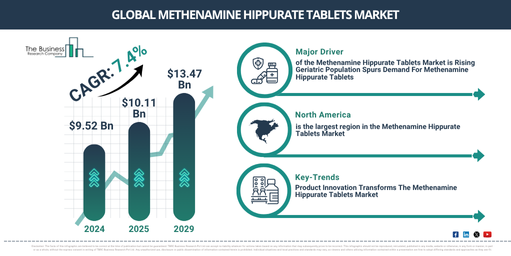
    In recent times, there has been a significant expansion in the market size of methenamine hippurate tablets. The market is predicted to increase from $9.52 billion in 2024 to $10.11 billion in 2025, showcasing a compound annual growth rate (CAGR) of 6.2%. The surge in growth during the historic period can be credited to traditional UTI treatment methods, worries over antibiotic resistance, clinical confirmations, the prescription habits of physicians, and a patient inclination for non-antibiotic alternatives.

    In the coming years, the market size for methenamine hippurate tablets is projected to experience substantial growth, reaching “$13.47 billion in 2029 with a compound annual growth rate (CAGR) of 7.4%. Factors contributing to this growth during the forecast period include the rising incidence of UTIs, heightened concerns about antibiotic resistance, advancements in managing UTIs, a healthcare emphasis on preventive treatments, as well as clinical studies and research. The forecast period is expected to see trends such as an increase in UTI cases, the escalation of antibiotic resistance, a preference for non-antibiotic remedies, preventive healthcare attention, and research and development efforts.

    Download The Free Sample Report Here:

    https://www.thebusinessresearchcompany.com/sample.aspx?id=9412&type=smp

    What Forces Are Driving The Growth Of The Methenamine Hippurate Tablets Industry?

    The growth of the methenamine hippurate tablets market is anticipated to be spurred by a rising elderly population. This designates individuals aged 60 and above, who are more prone to urinary tract infections due to factors such as reduced urine flow, prostate enlargement, or kidney stones. Hence, there is a need for methenamine hippurate tablets to treat these conditions. For example, the World Health Organization, a specialized body of the United Nations based in Switzerland and oversees international public health, predicts that by 2030, one in six people worldwide will be 60 or older. As of 2022, there were 1.4 billion individuals over the age of 60. By 2050, the global number of individuals aged 60 or above will have doubled to 2.1 billion. Those who are 80 or older are expected to triple in number, reaching 426 million. Thus, the escalating population of the elderly is fuelling the expansion of the methenamine hippurate tablets market.

    What Is The Overview Of Market Segmentation In The Methenamine Hippurate Tablets Industry?

    The methenamine hippurate tablets market covered in this report is segmented –

    1) By Type: 20 Tablets Or Bottle, 6 Tablets Or Bottle

    2) By Distribution Channel: Hospital Pharmacy, Online Pharmacy, Retail Pharmacy

    3) By Application: Uncomplicated UTIs, Healthcare-associated UTIs

    4) By End User: Hospitals, Homecare, Specialty Clinics, Others End Users

    Subsegments:

    1) By 20 Tablets per Bottle: Standard Packaging, Bulk Packaging Options

    2) By 6 Tablets per Bottle: Standard Packaging, Sample Or Trial Packaging

    What Notable Trends Are Shaping The Direction Of The Methenamine Hippurate Tablets Market?

    The introduction of innovative products is a leading trend in the methenamine hippurate tablets market that is gaining traction. To solidify their standing in the market, major corporations in the methenamine hippurate tablets sector are launching novel products. For example, EQL Pharma, a European pharmaceutical firm that focuses on developing and selling economically viable generic medications and unique generics to pharmacies and hospitals, announced the off-licensing of Memprex (methenamine hippurate) to Laboratoires Majorelle for the French market in May 2023. This move broadens its accessibility and provides a non-antibiotic alternative for UTI prevention. Laboratoires Majorelle, a well-known company in the sphere of women’s health in France, will market and distribute Memprex, providing a non-antibiotic UTI prevention option.

    Who Are The Primary Players Operating Across The Global Methenamine Hippurate Tablets Market?

    Major companies operating in the methenamine hippurate tablets market include Alvogen Lux Holdings S.ÀR.L., Micro Labs Inc., Aurobindo Pharma, Amneal Pharmaceuticals Inc., Viatris Inc., McKesson Corporation, Sun Pharmaceutical Industries Ltd., Cipla Ltd., Dr. Reddy’s Laboratories Ltd., Cadila Healthcare Ltd., Torrent Pharmaceuticals Ltd., Glenmark Pharmaceuticals Ltd., Zydus Pharmaceuticals Ltd., Lupin Ltd., Alkem Laboratories Ltd., Ipca Laboratories Ltd., Granules India Ltd., Teva Pharmaceutical Industries Ltd., Apotex Pharmachem Inc., Sandoz International GmbH

    Get The Full Report Here:

    https://www.thebusinessresearchcompany.com/report/methenamine-hippurate-tablets-global-market-report

    Which Region Offers The Most Growth Potential For The Methenamine Hippurate Tablets Market Through 2029?

    North America was the largest region in the methenamine hippurate tablets market in 2024. The regions covered in the methenamine hippurate tablets market report are Asia-Pacific, Western Europe, Eastern Europe, North America, South America, Middle East, Africa

    Request For A Customized Report:

    https://www.thebusinessresearchcompany.com/customise?id=9412&type=smp

    About The Business Research Company:

    With over 15000+ reports from 27 industries covering 60+ geographies, The Business Research Company has built a reputation for offering comprehensive, data-rich research and insights. Armed with 1,500,000 datasets, the optimistic contribution of in-depth secondary research, and unique insights from industry leaders, you can get the information you need to stay ahead in the game.

    Get in touch with us:

    The Business Research Company: https://www.thebusinessresearchcompany.com/

    Americas +1 310-496-7795

    Asia +44 7882 955267 & +91 8897263534

    Europe +44 7882 955267

    Email us at info@tbrc.info

    Follow us on:

    LinkedIn: https://in.linkedin.com/company/the-business-research-company

    YouTube: https://www.youtube.com/channel/UC24_fI0rV8cR5DxlCpgmyFQ

    Global Market Model: https://www.thebusinessresearchcompany.com/global-market-model
  • Future Demand and Leading Companies Shaping the Male Hypogonadism Market to 2029

    Future Demand and Leading Companies Shaping the Male Hypogonadism Market to 2029

    Claim your 30% discount on Global Market Reports with code ONLINE30. Limited time only.

    Claim your 30% discount on Global Market Reports with code ONLINE30. Limited time only.

    What Are the Forecasted Growth Rate and Market Size of the Male Hypogonadism Market?

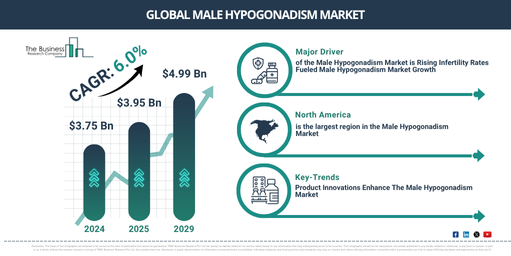
    The market for male hypogonadism has seen significant expansion in the past few years. The projection for growth is from $3.75 billion in 2024 to $3.95 billion in 2025, marking a 5.3% compound annual growth rate (CAGR). Factors such as the aging population, increased awareness and diagnosis options, lifestyle conditions, chronic diseases, and treatment-seeking behavior have contributed to the growth during the historic period.

    In the coming years, robust growth is expected in the male hypogonadism market. The market is anticipated to hit “$4.99 billion by 2029, growing at a compound annual rate of 6.0%. Factors contributing to this growth during the forecast period include an increase in awareness, the prevalence of lifestyle-related illnesses, therapy innovations, a focus on men’s health, telemedicine, and accessible healthcare. Future trends projected for this period encompass increased focus on psychological and sexual health, exploration of nutraceuticals and lifestyle interventions, the expansion of the market in emerging economies, collaborative research efforts, and a focus on long-term safety and monitoring.

    Download The Free Sample Report Here:

    https://www.thebusinessresearchcompany.com/sample.aspx?id=9969&type=smp

    Which Factor Is Shaping The Future Of The Male Hypogonadism Market?

    Expectations for the advancement of the male hypogonadism market are bolstered by an uptick in infertility rates. Infertility is a condition where either the male or female reproductive system is impaired, preventing conception after a year or more of regular, unprotected sexual relations. A potential cause of male infertility is male hypogonadism, which can lower sperm production and lead to infertility. Consequently, a rising occurrence of male infertility is predicted to propel the expansion of the male hypogonadism market. For example, as per the Office for National Statistics, a government department in the UK, in February 2024, the total fertility rate (TFR) rose to 1.49 children per woman in 2022, from 1.55 in 2021. Hence, a spike in the infertility rate is stimulating the male hypogonadism market’s growth.

    What Is The Segment-Wise Breakdown Of The Male Hypogonadism Market?

    The male hypogonadism market covered in this report is segmented –

    1) By Type: Klinefelters Syndrome, Kallmann Syndrome, Pituitary Disorders, Other Types

    2) By Drug Delivery: Topical Gels, Injectables, Transdermal Patches, Other Drug Deliveries

    3) By Therapy: Testosterone Therapy, Gonadotropin-Releasing Hormone Therapy

    Subsegments:

    1) By Klinefelter’s Syndrome: 47,XXY Syndrome, Other Variants

    2) By Kallmann Syndrome: Isolated Kallmann Syndrome, Syndromic Kallmann Syndrome

    3) By Pituitary Disorders: Hypopituitarism, Pituitary Tumors, Other Pituitary Disorders

    4) By Other Types: Androgen Insensitivity Syndrome, Testicular Dysgenesis Syndrome, Genetic Mutations And Disorders

    What Upcoming Trends Are Expected To Impact The Male Hypogonadism Market Globally?

    One significant trend gaining traction in the male hypogonadism market is product innovation. To maintain their market standing, businesses in this sector are developing new product offerings. For example, Halozyme, a biotech company from the U.S, introduced Tlando to the market in June 2022. This oral testosterone replacement therapy medication for male hypogonadism is revolutionary being the first of its kind to secure FDA approval. Tlando, which has testosterone as its main ingredient, is utilized to address low or absent testosterone levels in adult men caused by certain medical conditions.

    Which Companies Hold The Largest Market Share In The Male Hypogonadism Sector?

    Major companies operating in the male hypogonadism market include Pfizer Inc., Bayer AG, Eli Lilly and Company Ltd., Endo International plc., Merck & Co. Inc., Ferring Pharmaceuticals, Finox Biotech AG, Teva Pharmaceutical Industries Ltd., AbbVie Inc., Perrigo Company plc, IBSA Institut Biochimique SA, Sun Pharmaceutical Industries Limited, Glenmark Pharmaceuticals Limited, Antares Pharma Inc., Zydus Cadila LLC, Besins Healthcare Ltd., Clarus Therapeutics Holdings Inc., Foresee Pharmaceuticals Co. Ltd., Lipocine Inc., Myovant Sciences Ltd., Sandoz International GmbH, Shionogi & Co. Ltd., TherapeuticsMD Inc., Viking Therapeutics Inc.

    Get The Full Report Here:

    https://www.thebusinessresearchcompany.com/report/male-hypogonadism-global-market-report

    How Does Regional Performance Compare Across The Male Hypogonadism Industry?

    North America was the largest region in the male hypogonadism market in 2024. Asia-Pacific is expected to be the fastest-growing region in the male hypogonadism market report during the forecast period. The regions covered in the male hypogonadism market report are Asia-Pacific, Western Europe, Eastern Europe, North America, South America, Middle East, Africa

    Request For A Customized Report:

    https://www.thebusinessresearchcompany.com/customise?id=9969&type=smp

    About The Business Research Company:

    With over 15000+ reports from 27 industries covering 60+ geographies, The Business Research Company has built a reputation for offering comprehensive, data-rich research and insights. Armed with 1,500,000 datasets, the optimistic contribution of in-depth secondary research, and unique insights from industry leaders, you can get the information you need to stay ahead in the game.

    Get in touch with us:

    The Business Research Company: https://www.thebusinessresearchcompany.com/

    Americas +1 310-496-7795

    Asia +44 7882 955267 & +91 8897263534

    Europe +44 7882 955267

    Email us at info@tbrc.info

    Follow us on:

    LinkedIn: https://in.linkedin.com/company/the-business-research-company

    YouTube: https://www.youtube.com/channel/UC24_fI0rV8cR5DxlCpgmyFQ

    Global Market Model: https://www.thebusinessresearchcompany.com/global-market-model

  • 2025–2029 Local Anesthesia Drugs Market Outlook: Regional Trends and Growth Forecast

    2025–2029 Local Anesthesia Drugs Market Outlook: Regional Trends and Growth Forecast

    Claim your 30% discount on Global Market Reports with code ONLINE30. Limited time only.

    Claim your 30% discount on Global Market Reports with code ONLINE30. Limited time only.

    What Is the Estimated Industry Valuation for the Local Anesthesia Drugs Sector?

    In the past few years, the market size for local anesthesia drugs has seen consistent growth. The projections indicate an increase from $4.48 billion in 2024 to $4.69 billion in 2025, showcasing a compound annual growth rate (CAGR) of 4.6%. Factors contributing to this growth during the historic period include an increase in surgical procedures, an aging population, heightened awareness, regulatory factors, economic influences, and shifting patient preferences.

    The market size for local anesthesia drugs is anticipated to experience robust growth in the succeeding years. The predicted increase is expected to reach a value of $5.83 billion by 2029, marking a compound annual growth rate (CAGR) of 5.6%. Several factors contributing to the growth in the predicted period include the rise of ambulatory surgical centers (ASCs), the emergence of new markets, the adoption of personalized medicine, drug repositioning, cost efficiency, and response to global health crises. The forecast period also reveals several trends such as technological advancements, market mergers and collaborations, emphasis on patient safety and comfort, changes in regulatory scenery, and worldwide market expansion.

    Download The Free Sample Report Here:

    https://www.thebusinessresearchcompany.com/sample.aspx?id=8021&type=smp

    What Forces Are Driving The Growth Of The Local Anesthesia Drugs Market?

    The anticipated surge in surgical procedures is predicted to bolster the local anesthesia drugs market. Surgery, a medical field dealing with the physical and mechanical remediation of injuries, diseases, and other health problems, is on an upward trend globally. This is attributed to the rise in accidents and chronic diseases like cardiovascular conditions, cancer, and orthopedic disorders. Consequently, more surgeries translate into increased demand for local anesthesia drugs, as these medications are widely used in surgical operations. For instance, projections by the National Library of Medicine, a US-centric biotechnology information institution, forecast a continuous rise in cardiovascular surgeries, predicting a demand of 15,501 cases by 2040 – a surge of 46.5 %. This predicted growth significantly outpaces the growth recorded in 2019 (4.3%). Therefore, the growing count of surgeries is driving the local anesthesia drugs market forward.

    How Is The Local Anesthesia Drugs Industry Segmented Across Key Parameters?

    The local anesthesia drugs market covered in this report is segmented –

    1) By Type: Bupivacaine, Lidocaine, Benzocaine, Ropivacaine, Prilocaine, Chloroprocaine, Other Types

    2) By Mode Of Administration: Injectable, Surface Anesthetic

    3) By Distribution Channel: Hospital Pharmacy, Pharmacy Stores, Other Channels

    Subsegments:

    1) By Bupivacaine: Injectable Formulations, Topical Formulations

    2) By Lidocaine: Injectable Formulations, Topical Formulations, Transdermal Patches

    3) By Benzocaine: Topical Gel, Ointments, Lozenges

    4) By Ropivacaine: Injectable Formulations

    5) By Prilocaine: Injectable Formulations, Topical Formulations

    6) By Chloroprocaine: Injectable Formulations

    7) By Other Types: Tetracaine, Procaine, Articaine

    How Are Key Trends Driving Expansion In The Local Anesthesia Drugs Industry?

    Prominent businesses in the local anesthesia drugs market, such as Baxter International Inc., are focusing on the creation of ready-to-use formulations to maintain their market standing. These ready-to-use formulations of local anesthesia drugs refer to pre-made solutions or blends that are conveniently packed and do not require any additional preparation, thereby making the delivery of anesthesia in medical procedures easier. For example, Baxter International Inc., a healthcare company based in the U.S., introduced a Ropivacaine Hydrochloride Injection that is ready-for-use and comes in single-dose infusion bags. The strengths available are 200 mg/100 mL and 400 mg/200 mL. Ropivacaine is intended for adult use for regional or local anesthesia during surgeries and for acute pain management. This product has been developed for effective and efficient pain relief in clinical environments.

    Which Companies Currently Dominate The Competitive Landscape In The Local Anesthesia Drugs Industry?

    Major companies operating in the local anesthesia drugs market are Hikma Pharmaceuticals PLC, Fresenius SE & Co. KGaA, Glenmark Pharmaceuticals Limited, B. Braun Melsungen AG, Pacira BioSciences Inc., Pfizer Inc., Septodont, Teva Pharmaceutical Industries Limited, Aspen Pharmacare Holdings Limited, Sagent Pharmaceuticals Inc., Mylan N.V., Akorn Operating Company LLC, Endo International PLC, Abbott Laboratories, Anesiva Inc., Baxter International Inc., Dentsply Sirona Inc., Jiangsu Hengrui Medicine Co. Ltd., Johnson & Johnson, Lannett Company Inc., Lupin Limited, Alembic Pharmaceuticals, Torrent Pharmaceuticals, Cadila Healthcare, Indoco Remedies, Jubilant Life Sciences, Zydus Cadila, Wockhardt Ltd., Par Pharmaceutical, West-Ward Pharmaceuticals Corp.

    Get The Full Report Here:

    https://www.thebusinessresearchcompany.com/report/local-anesthesia-drugs-global-market-report

    Which Geographic Regions Are Driving Demand In The Local Anesthesia Drugs Market?

    North America was the largest region in the local anesthesia drugs market in 2024. Asia-Pacific is expected to be the fastest-growing region in the local anesthesia drugs market report during the forecast period. The regions covered in the local anesthesia drugs market report are Asia-Pacific, Western Europe, Eastern Europe, North America, South America, Middle East, Africa.

    Request For A Customized Report:

    https://www.thebusinessresearchcompany.com/customise?id=8021&type=smp

    About The Business Research Company:

    With over 15000+ reports from 27 industries covering 60+ geographies, The Business Research Company has built a reputation for offering comprehensive, data-rich research and insights. Armed with 1,500,000 datasets, the optimistic contribution of in-depth secondary research, and unique insights from industry leaders, you can get the information you need to stay ahead in the game.

    Get in touch with us:

    The Business Research Company: https://www.thebusinessresearchcompany.com/

    Americas +1 310-496-7795

    Asia +44 7882 955267 & +91 8897263534

    Europe +44 7882 955267

    Email us at info@tbrc.info

    Follow us on:

    LinkedIn: https://in.linkedin.com/company/the-business-research-company

    YouTube: https://www.youtube.com/channel/UC24_fI0rV8cR5DxlCpgmyFQ

    Global Market Model: https://www.thebusinessresearchcompany.com/global-market-model

  • Latest Market Developments in Lactose Intolerance Treatment Industry: Forecast 2025–2029

    Claim your 30% discount on Global Market Reports with code ONLINE30. Limited time only.

    Claim your 30% discount on Global Market Reports with code ONLINE30. Limited time only.

    How Large Is the Lactose Intolerance Treatment Market Expected to Be in 2029?

    The market size for treating lactose intolerance has significantly expanded in the past years. The climb is projected from $32.4 billion in 2024 to $34.43 billion in 2025, maintaining a compound annual growth rate (CAGR) of 6.2%. The historic growth can be primarily ascribed to heightened awareness, shifting food habits, an international surge in instances of lactose intolerance, an evolving healthcare infrastructure, a leaning towards natural and alternative products from consumers and governmental financial support.

    The market size for lactose intolerance treatment is predicted to experience robust expansion in the coming years. The market is set to mushroom to “$45.74 billion by 2029, with a compound annual growth rate (CAGR) of 7.4%.” The predicted growth during the forecast period can be credited to ongoing research and development, escalating incidence rates, the adoption of personalized medicine, increased spending on healthcare, the globalization of dietary habits, and patient-focused healthcare. The forecast period is expected to witness an upsurge in demand for dairy substitutes, technological progress in diagnostic tools, the invention of enzyme supplements, the proliferation of nutraceuticals and functional foods, global initiatives towards awareness and education, and expansion in developing markets.

    Download The Free Sample Report Here:

    https://www.thebusinessresearchcompany.com/sample.aspx?id=9478&type=smp

    What Are The Contributors To Demand In The Lactose Intolerance Treatment Market?

    The surge in cases of small intestine ailments is projected to fuel the expansion of the market for lactose intolerance treatment. These conditions, which cause ongoing inflammation in the gastrointestinal tract, fall under the umbrella of digestive system diseases that are addressed using lactose intolerance treatment. This treatment makes use of lactose, a substance that’s broken down by lactase into simpler sugars, namely glucose and galactose, in the small intestine. The United European Gastroenterology (UEG), a non-profit organization based in Austria, issued a report in October 2022 revealing that over 300 million individuals across Europe are grappling with digestive illnesses. These digestive maladies represented 0.12% of GDP, equating to an approximate cost of $20 billion in Europe in 2021. Furthermore, the projected cost to circumvent productivity losses in 2019 stood at $11.4 billion, with projections of an escalation to $34.2 billion for 75% reductions in the future. Consequently, the escalating occurrences of small intestine diseases are propelling the expansion of the lactose intolerance treatment market.

    What Segmentation Categories Are Included In The Lactose Intolerance Treatment Market Analysis?

    The lactose intolerance treatment market covered in this report is segmented –

    1) By Treatment: Food Supplements, Enzyme Lactase Supplements, Probiotics, Other Treatments

    2) By Intolerance Type: Primary Lactose Intolerance, Secondary Lactose Intolerance, Congenital Lactose Intolerance, Developmental Lactose Intolerance

    3) By Route Of Administration: Oral, Injectable

    4) By End Users: Hospitals, Homecare, Specialty Clinics, Other End Users

    Subsegments:

    1) By Food Supplements, Lactose-Free Dairy Products, Fortified Foods

    2) By Enzyme Lactase Supplements, Capsules, Tablets, Chewable Tablets, Liquid Formulations

    3) By Probiotics, Probiotic Yogurts, Probiotic Capsules, Probiotic Powders

    4) By Other Treatments, Dietary Modifications, Prescription Medications

    Which Emerging Trends And Strategic Shifts Are Shaping The Lactose Intolerance Treatment Market?

    The growth of technological innovations is a prevailing trend observed in the lactose intolerance treatment industry. Top-tier companies in this sector are emphasizing the development of high-tech solutions to solidify their market dominance. For instance, Nestlé, a multinational corporation based in Switzerland specializing in food and drink processing, unveiled a flexible, economical sugar reduction technology in July 2023. This technology, which can be utilized across various product categories, offers advantages beyond just reducing sugar content. It’s also effective for creating low lactose and skimmed milk-based products while lessening the total amount of sugars.

    Who Are The Top-Ranked Companies In The Lactose Intolerance Treatment Market Today?

    Major companies operating in the lactose intolerance treatment market include Abbott Laboratories Inc., Macleods Pharmaceuticals Limited, Ganeden Inc., Deerland Probiotics & Enzymes Inc., Novozymes A/S, Cargill Incorporated, Lupin Pharmaceuticals Inc., Nestlé S.A., Glenmark Pharmaceuticals Limited, Intas Pharmaceuticals Ltd., Wockhardt Ltd., Alkem Laboratories Limited, Teva Pharmaceutical Industries Ltd., Dr. Reddy’s Laboratories Ltd., Torrent Pharmaceuticals Ltd., DuPont Nutrition & Biosciences Inc., Kerry Group plc, Koninklijke DSM N.V., Solvay S.A., Chr. Hansen Holding A/S, Bio-Cat Inc.

    Get The Full Report Here:

    https://www.thebusinessresearchcompany.com/report/lactose-intolerance-treatment-global-market-report

    How Is Lactose Intolerance Treatment Market Adoption Varying Across Different Regions And Sectors?

    North America was the largest region in the lactose intolerance treatment market in 2024. The regions covered in the lactose intolerance treatment market report are Asia-Pacific, Western Europe, Eastern Europe, North America, South America, Middle East, Africa

    Request For A Customized Report:

    https://www.thebusinessresearchcompany.com/customise?id=9478&type=smp

    About The Business Research Company:

    With over 15000+ reports from 27 industries covering 60+ geographies, The Business Research Company has built a reputation for offering comprehensive, data-rich research and insights. Armed with 1,500,000 datasets, the optimistic contribution of in-depth secondary research, and unique insights from industry leaders, you can get the information you need to stay ahead in the game.

    Get in touch with us:

    The Business Research Company: https://www.thebusinessresearchcompany.com/

    Americas +1 310-496-7795

    Asia +44 7882 955267 & +91 8897263534

    Europe +44 7882 955267

    Email us at info@tbrc.info

    Follow us on:

    LinkedIn: https://in.linkedin.com/company/the-business-research-company

    YouTube: https://www.youtube.com/channel/UC24_fI0rV8cR5DxlCpgmyFQ

    Global Market Model: https://www.thebusinessresearchcompany.com/global-market-model
  • Emerging Trends and Growth Drivers in the Intravenous Immunoglobulin Market Through 2029

    Claim your 30% discount on Global Market Reports with code ONLINE30. Limited time only.

    Claim your 30% discount on Global Market Reports with code ONLINE30. Limited time only.

    What Is the Outlook for the Intravenous Immunoglobulin Market Heading Into 2029?

    There has been a significant growth in the intravenous immunoglobulin market over the recent years. It is predicted to inflate from $14.66 billion in 2024 to $15.57 billion in 2025 with a compound annual growth rate (CAGR) of 6.2%. The growth during the historical period can be credited to the treatment of primary immunodeficiency disorders, handling of neurological disorders, increase in elderly population, advancement in plasma fractionation techniques, expanded indications in neurology, treatment of infectious diseases, and pediatric immunodeficiency treatment.

    It is anticipated that the intravenous immunoglobulin market will experience robust expansion in the upcoming years. It is projected to inflate to “$21.53 billion by 2029, with a compound annual growth rate (CAGR) of 8.4%. The various factors contributing to the growth during the forecast period include a surge in autoimmune disorders, continuous exploration in immunology, escalating healthcare expenses, an increase in cancer rates, progress in immunoglobulin products, and tailored medical treatments. Key developments predicted in the forecast period comprise treatment for primary immunodeficiency disorders (PIDD), swift technological advancements, strategic alliances and partnerships, improvements in production processes, usages in neurology and hematology, and progress in immunotherapy.

    Download The Free Sample Report Here:

    https://www.thebusinessresearchcompany.com/sample.aspx?id=8538&type=smp

    Which Factors Are Pushing The Intravenous Immunoglobulin Market Forward?

    The surge in the aging population is projected to propel the intravenous immunoglobulin market. Essentially, the geriatric demographic represents individuals who are more than 65 years old. Immunity tends to decline with age and there’s a shortage of antibodies. Hence, this older age group requires immunoglobulins for supplementing their antibodies. This necessity increases the demand for intravenous immunoglobulins, thus advancing the intravenous immunoglobulin market. For instance, future projections from the Population Reference Bureau, a non-profit organization in Kenya, suggest that by January 2024, the American population aged 65 and above would rise from 58 million in 2022 to 82 million by 2050, marking a 47% growth. The same reports predict a rise in this age group’s share in the total population from 17% to 23%. Consequently, the growing geriatric population is set to stimulate the expansion of the intravenous immunoglobulin market.

    Which Segment Held The Largest Share In The Intravenous Immunoglobulin Market In 2025?

    The intravenous immunoglobulin market covered in this report is segmented –

    1) By Type: IgG (Immunoglobulin G), IgM (Immunoglobulin M), IgA (Immunoglobulin A), IgE (Immunoglobulin E), IgD (Immunoglobulin D)

    2) By Distribution Channel: Hospital Pharmacy, Retail Pharmacy, Other Distribution Channels

    3) By Application: Hypogammaglobulinemia, Chronic Inflammatory Demyelinating Polyneuropathy (CIDP), Primary Immunodeficiency Diseases, Myasthenia Gravis, Multifocal Motor Neuropathy, Other Applications

    4) By End-User: Hospitals, Clinics, Home Care

    Subsegments:

    1) By Immunoglobulin G (IgG): Normal IgG, Specific IgG

    2) By Immunoglobulin M (IgM): Normal IgM, Specific IgM

    3) By Immunoglobulin A (IgA): Normal IgA, Specific IgA

    4) By Immunoglobulin E (IgE): Normal IgE, Specific IgE

    5) By Immunoglobulin D (IgD): Normal IgD, Specific IgD

    What Are The Leading Trends And Opportunities In The Intravenous Immunoglobulin Sector?

    The intravenous immunoglobulin market is seeing an uptick in product innovation, as top companies strive to develop new products and consolidate their market position. Notably, treatments for immunodeficiency diseases, such as liquid immune globulin formulations, are at the forefront of this innovation. For example, in December 2023, GC Pharma, a company based in South Korea, introduced Alyglo, a product endorsed by the US Food and Drug Administration (FDA). This ready-to-use, sterile liquid formulation comprises 10% immunoglobulin G (IgG), which includes at least 96% human IgG derived from pooled human plasma – thus delivering 100mg/ml protein. The formulation is intended for adults aged 17 years and older suffering from primary humoral immunodeficiency (PI), as well as diseases such as congenital agammaglobulinemia, common variable immunodeficiency (CVID), Wiskott-Aldrich syndrome, severe combined immunodeficiency (SCID).

    Which Organizations Are Driving Progress In The Intravenous Immunoglobulin Industry?

    Major companies operating in the intravenous immunoglobulin market are Bio Products Laboratory Limited, Biotest AG, China Biologic Products Holdings Inc., CSL Behring, Grifols S.A., Kedrion SpA, Shanghai RAAS Blood Products Co. Ltd., Octapharma AG, Takeda Pharmaceutical Company Limited, Baxter International Inc., LFB Biotechnologies SAS, BDI Pharma Inc., Hualan Biological Engineering Inc., ADMA Biologics Inc., Bharat Serums and Vaccines Limited, Sanquin Plasma Products B.V., Prothya Biosolutions B.V., Sichuan Yuanda Shuyang Pharmaceutical Co. Ltd., Pfizer Inc., Kedrion Biopharma, Intas Pharmaceuticals, Octapharma Pharmazeutika Produktionsges.m.b.H., GC Pharma, Grifols Biologicals Inc., Kamada Ltd., LFB USA, Octapharma Plasma Inc., Panacea Biotec Ltd.

    Get The Full Report Here:

    https://www.thebusinessresearchcompany.com/report/intravenous-immunoglobulin-global-market-report

    Which Region Is Expected To Experience The Highest Growth In The Intravenous Immunoglobulin Industry?

    North America was the largest region in the intravenous immunoglobulin market in 2024. Asia-Pacific is expected to be the fastest-growing region in the forecast period. The regions covered in the intravenous immunoglobulin market report are Asia-Pacific, Western Europe, Eastern Europe, North America, South America, Middle East, Africa.

    Request For A Customized Report:

    https://www.thebusinessresearchcompany.com/customise?id=8538&type=smp

    About The Business Research Company:

    With over 15000+ reports from 27 industries covering 60+ geographies, The Business Research Company has built a reputation for offering comprehensive, data-rich research and insights. Armed with 1,500,000 datasets, the optimistic contribution of in-depth secondary research, and unique insights from industry leaders, you can get the information you need to stay ahead in the game.

    Get in touch with us:

    The Business Research Company: https://www.thebusinessresearchcompany.com/

    Americas +1 310-496-7795

    Asia +44 7882 955267 & +91 8897263534

    Europe +44 7882 955267

    Email us at info@tbrc.info

    Follow us on:

    LinkedIn: https://in.linkedin.com/company/the-business-research-company

    YouTube: https://www.youtube.com/channel/UC24_fI0rV8cR5DxlCpgmyFQ

    Global Market Model: https://www.thebusinessresearchcompany.com/global-market-model

  • CAGR of 11.7% Projected for Intratumoral Cancer Therapies Market From 2025 to 2029

    CAGR of 11.7% Projected for Intratumoral Cancer Therapies Market From 2025 to 2029

    Claim your 30% discount on Global Market Reports with code ONLINE30. Limited time only.

    Claim your 30% discount on Global Market Reports with code ONLINE30. Limited time only.

    What Does the Forecast Indicate for the Intratumoral Cancer Therapies Market From 2025 to 2029?

    The market size for intratumoral cancer treatments has seen a swift escalation in the past few years. It is forecasted to accelerate from a value of $140 billion in 2024 to $156.96 billion in 2025, indicating a compound annual growth rate (CAGR) of 12.1%. This substantial growth during the historical timeframe can be linked to factors such as progression in cancer research, a rise in cancer cases, the rising need for precision medicine, clinical research and initiatives, and existing unmet medical needs.

    Projected to expand rapidly in the coming years, the market for intratumoral cancer therapies is anticipated to reach “$243.95 billion by 2029, accelerating at a compound annual growth rate (CAGR) of 11.7%. Several factors, including advances in immunotherapy, a surge in precision medicine adoption, expansion of clinical trials, heightened attention to rare cancers, and regulatory support and clearance, contribute to the expected growth within the forecast period. The period will likely witness emerging trends such as the study of intratumoral immunomodulators, the incorporation of image-guided therapies, the application of hyperthermia in intratumoral treatments, clinical trials probing combination therapies, and regulatory backing for intratumoral therapies.

    Download The Free Sample Report Here:

    https://www.thebusinessresearchcompany.com/sample.aspx?id=9979&type=smp

    What Elements Are Contributing To Growth In The Intratumoral Cancer Therapies Market?

    The rise in cancer cases is anticipated to drive the expansion of the intratumoral cancer therapies market. Cancer, defined by the uncontrolled multiplication and dissemination of abnormal cells, is a collective term for various diseases. Intratumoral cancer therapies aid in the detection and treatment of cancer, minimizing off-target toxicities, dose-limiting toxicities, and undesirable immune stimulation side effects in cancer patients. As an example, the American Cancer Society, a US-based non-profit cancer advocacy group, reported in January 2023 that cancer incidents escalated to 1,958,310 in 2023, which signifies a 3.16% increase from 1,898,160 cases in 2021. Consequently, the surge in cancer prevalence is propelling the expansion of the intratumoral cancer therapies market.

    Which Segments Are Detailed In The Global Intratumoral Cancer Therapies Market Report?

    The intratumoral cancer therapies market covered in this report is segmented –

    1) By Technology: Monoclonal Antibodies, Vaccines, Checkpoint Inhibitors, Cell Therapies, Immunes System Modulator, Adoptive Cell Transfer, Cytokines

    2) By Application: Lung Cancer, Breast Cancer, Melanoma, Prostate Cancer, Head And Neck Cancer, Other Applications

    3) By End Users: Hospitals, Cancer Research Centers, Clinics

    Subsegments:

    1) By Monoclonal Antibodies: Naked Monoclonal Antibodies, Conjugated Monoclonal Antibodies, Bispecific Monoclonal Antibodies

    2) By Vaccines: Preventive Cancer Vaccines, Therapeutic Cancer Vaccines

    3) By Checkpoint Inhibitors: PD-1 Or PD-L1 Inhibitors, CTLA-4 Inhibitors

    4) By Cell Therapies: CAR T-Cell Therapy, TCR Therapy

    5) By Immune System Modulators: Immune Checkpoint Inhibitors, Toll-Like Receptor Agonists

    6) By Adoptive Cell Transfer: Tumor-Infiltrating Lymphocytes (TILs), Peripheral Blood Lymphocytes (PBLs)

    7) By Cytokines: Interleukins, Interferons, Tumor Necrosis Factor (TNF)

    What Trends Are Currently Influencing Growth In The Intratumoral Cancer Therapies Market?

    Technological advancements are emerging as a major trend in the intratumoral cancer treatments market. To maintain a competitive edge, firms in this market are resorting to novel technologies. For example, in March 2022, Evonik, an American specialty chemical manufacturing firm, introduced a unique microparticle technology known as EUDRATEC SoluFlow. This invention aims to enhance the solubility of active medicinal elements in oral drug formulations used in cancer treatments. This revolutionary technology enables the use of chemicals, previously considered insoluble, in the development of a broader range of oral medications.

    Who Are The Key Contributors To Growth In The Intratumoral Cancer Therapies Market?

    Major companies operating in the intratumoral cancer therapies market include Amgen Inc., AstraZeneca plc, Bayer AG, Bristol-Myers Squibb Company, Pfizer Inc., Novartis AG, Johnson & Johnson, Eli Lilly and Company, F. Hoffmann-la Roche, Takeda Pharmaceutical Company Ltd., GSK plc, Ziopharm Oncology Inc., Celldex Therapeutics Inc., Astellas Pharma Inc., Sirnaomics, Checkmate Pharmaceuticals Inc., Immunovative Therapies Ltd., Idera Pharmaceuticals Inc., Daiichi Sankyo, Philogen S.p.A., Apexigen Inc., Merck Group, OncoSec Medical Incorporated, DNAtrix, Istari Oncology Inc., Nanobiotix, Exicure Inc., Karyopharm Therapeutics Inc., Dechra Pharmaceuticals PLC, Torigen Pharmaceuticals Inc., Elekta, Virbac, Norbrook Laboratories, Regeneus Ltd., QBiotics Group, VetDC

    Get The Full Report Here:

    https://www.thebusinessresearchcompany.com/report/intratumoral-cancer-therapies-global-market-report

    Which Region Is Projected To Lead The Intratumoral Cancer Therapies Market By 2025?

    North America was the largest region in the intratumoral cancer therapies market in 2024. The regions covered in the intratumoral cancer therapies market report are Asia-Pacific, Western Europe, Eastern Europe, North America, South America, Middle East, Africa

    Request For A Customized Report:

    https://www.thebusinessresearchcompany.com/customise?id=9979&type=smp

    About The Business Research Company:

    With over 15000+ reports from 27 industries covering 60+ geographies, The Business Research Company has built a reputation for offering comprehensive, data-rich research and insights. Armed with 1,500,000 datasets, the optimistic contribution of in-depth secondary research, and unique insights from industry leaders, you can get the information you need to stay ahead in the game.

    Get in touch with us:

    The Business Research Company: https://www.thebusinessresearchcompany.com/

    Americas +1 310-496-7795

    Asia +44 7882 955267 & +91 8897263534

    Europe +44 7882 955267

    Email us at info@tbrc.info

    Follow us on:

    LinkedIn: https://in.linkedin.com/company/the-business-research-company

    YouTube: https://www.youtube.com/channel/UC24_fI0rV8cR5DxlCpgmyFQ

    Global Market Model: https://www.thebusinessresearchcompany.com/global-market-model

  • Industry Forecast: Inhaled Antibiotics Market to Generate $2.33 Billion Revenue by 2029

    Industry Forecast: Inhaled Antibiotics Market to Generate $2.33 Billion Revenue by 2029

    Claim your 30% discount on Global Market Reports with code ONLINE30. Limited time only.

    Claim your 30% discount on Global Market Reports with code ONLINE30. Limited time only.

    How Much Is the Global Inhaled Antibiotics Market Valued at Present and by 2029?

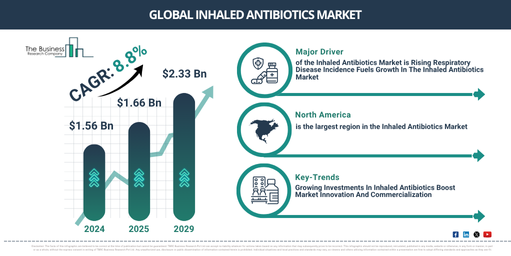
    The market size of inhaled antibiotics has seen a robust growth in the past few years. The market value is expected to increase from $1.56 billion in 2024 to $1.66 billion in 2025, with a compound annual growth rate (CAGR) of 6.6%. Consequently, this growth during the historic period is the result of regulation support and approval, the transition from systemic to targeted delivery, escalation in antibiotic resistance, and an upsurge in respiratory infections.

    The market for inhaled antibiotics is anticipated to witness robust expansion in the coming years, ballooning to “$2.33 billion by 2029 with an annual compounded growth rate (CAGR) of 8.8%. This projected growth over the forecast period can be associated with the increasing funding in research & development, broadening of clinical uses, amplified focus on individualized treatments, advancements in medicine formulations, and persistent concerns over antibiotic resistance. In the same forecast period, we can expect ongoing innovations in formulas, a more patient-aligned strategy, augmented research in respiratory health, a shift towards more targeted therapies and progress in drug delivery systems.

    Download The Free Sample Report Here:

    https://www.thebusinessresearchcompany.com/sample.aspx?id=8738&type=smp

    #What Drivers Are Influencing Growth In The Inhaled Antibiotics Market?

    The escalating prevalence of respiratory illnesses is expected to drive the expansion of the inhaled antibiotics market. Diseases affecting the lungs and airways, thereby impeding routine breathing, are classified as respiratory ailments. In patients suffering from cystic fibrosis, inhaled antibiotics improve lung efficiency, delay the degradation of lung functions, prolong the intervals between exacerbations, and improve the overall quality of life. For example, in the first half of 2023, the UK Health Security Agency, a government organization based in the UK, reported a 7% increase in Tuberculosis (TB) cases in England compared to the same period in 2022, according to the September 2023 reports. As a result, the inhaled antibiotics market is being propelled by the upsurge in respiratory disease occurrences.

    What Are The Main Segments Identified In The Inhaled Antibiotics Market Research?

    The inhaled antibiotics market covered in this report is segmented –

    1) By Product Type: Aerosol Or Metered Dose Inhaler, Dry Powder Formulation, Spray, Other Types

    2) By Application: Pneumonia, Asthma, Bronchitis, Other Applications

    3) By End-User: Hospitals, Other End Users

    Subsegments:

    1) By Aerosol Or Metered Dose Inhaler: Levofloxacin Inhalation Solution, Tobramycin Inhalation Solution, Aztreonam Inhalation Solution

    2) By Dry Powder Formulation: Dry Powder Tobramycin, Dry Powder Colistin

    3) By Spray: Antibiotic Nasal Sprays, Inhaled Antibiotic Solutions

    4) By Other Types: Nebulized Antibiotics, Intranasal Antibiotics

    What Long-Term Trends Are Likely To Affect The Inhaled Antibiotics Market?

    There is a growing trend in the inhaled antibiotics market towards increased investment in the research and development of these drugs. Many leading pharmaceutical firms are financially supporting the creation of inhaled antibiotics in order to maintain their competitive stance. For example, in August 2023, Spexis AG, a biopharmaceutical company based in Switzerland, pledged $2.5 million to fund the commercialisation of colistimethate sodium in the U.S. – an inhaled antibiotic designed to treat cystic fibrosis patients with Pseudomonas aeruginosa infections. The investment helps underpin expected commercialisation costs of around $90 million, with the potential for peak sales to reach as high as $300 million. Additionally, it facilitates the kick-off of the Phase III trial for the antibiotic’s safety and effectiveness in treating cystic fibrosis.

    Which Companies Play A Key Role In The Development Of The Inhaled Antibiotics Market?

    Major companies operating in the inhaled antibiotics market are Gilead Sciences Inc., Lupin Limited, Insmed Inc., Savara Inc., Joincare Pharmaceutical Group Industry Co. Ltd., Pharmaxis Ltd., Teva Pharmaceutical Industries Ltd., Raptor Pharmaceutical Corporation, Altan Pharma Limited, Cipla Limited, Novartis AG, Bayer AG, Pfizer Inc., Aridis Pharmaceuticals, Bayer HealthCare, Nektar Therapeutics, Parion Sciences Inc., Zambon Group, Transave Inc., Alitair Pharmaceuticals, Synspira Therapeutics Inc., AIT Therapeutics Inc., Polyphor AG, OptiNose Inc.

    Get The Full Report Here:

    https://www.thebusinessresearchcompany.com/report/inhaled-antibiotics-global-market-report

    What Are The Key Regional Developments Shaping The Inhaled Antibiotics Market?

    North America was the largest region in the inhaled antibiotics market share in 2024. The regions covered in the inhaled antibiotics market report are Asia-Pacific, Western Europe, Eastern Europe, North America, South America, Middle East, Africa.

    Request For A Customized Report:

    https://www.thebusinessresearchcompany.com/customise?id=8738&type=smp

    About The Business Research Company:

    With over 15000+ reports from 27 industries covering 60+ geographies, The Business Research Company has built a reputation for offering comprehensive, data-rich research and insights. Armed with 1,500,000 datasets, the optimistic contribution of in-depth secondary research, and unique insights from industry leaders, you can get the information you need to stay ahead in the game.

    Get in touch with us:

    The Business Research Company: https://www.thebusinessresearchcompany.com/

    Americas +1 310-496-7795

    Asia +44 7882 955267 & +91 8897263534

    Europe +44 7882 955267

    Email us at info@tbrc.info

    Follow us on:

    LinkedIn: https://in.linkedin.com/company/the-business-research-company

    YouTube: https://www.youtube.com/channel/UC24_fI0rV8cR5DxlCpgmyFQ

    Global Market Model: https://www.thebusinessresearchcompany.com/global-market-model