Blog

  • Global Multidrug Resistant Bacteria Market Landscape: Trends and Market Share to 2029

    Global Multidrug Resistant Bacteria Market Landscape: Trends and Market Share to 2029

    Claim your 30% discount on Global Market Reports with code ONLINE30. Limited time only.

    Claim your 30% discount on Global Market Reports with code ONLINE30. Limited time only.

    What CAGR Is Anticipated for the Multidrug Resistant Bacteria Market Through 2029?

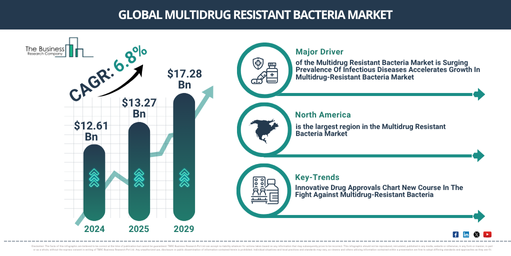
    The market size for multidrug-resistant bacteria has observed robust growth in the past few years. The market is projected to expand from $12.61 billion in 2024 to $13.27 billion in 2025, recording a compound annual growth rate (CAGR) of 5.2%. Factors like the antibiotic resistance crisis, progress in drug discovery, regulatory incentives, and public health initiatives have largely contributed to the growth in the historical period.

    The market size for multidrug resistant bacteria is projected to expand significantly in the coming years, reaching “$17.28 billion in 2029 with a compound annual growth rate (CAGR) of 6.8%. The predicted growth in the forecasted period can be traced back to antibiotic stewardship programs, worldwide resistance spread, phage therapy, and alternative treatments with both public and private investment. Key trends anticipated during this period include precision medicine for infectious diseases, combination therapies, ongoing surveillance and monitoring, and global collaboration.

    Download The Free Sample Report Here:

    https://www.thebusinessresearchcompany.com/sample.aspx?id=13044&type=smp

    What Market Forces Are Driving The Multidrug Resistant Bacteria Sector In 2025 And Beyond?

    The rise in infectious diseases is anticipated to fuel the expansion of the multidrug-resistant bacteria market in the future. These diseases are caused by harmful microorganisms, including bacteria, viruses, fungi, or parasites. Multidrug-resistant bacteria are intrinsically linked with infectious diseases due to their capacity to trigger infections that are tough to cure with regular antibiotics. Such bacteria have evolved to resist numerous antibiotics, thereby reducing their vulnerability to the medicines typically used against bacterial infections. As per an article by the Centers for Disease Control and Prevention, a public health agency in the US, in November 2023, the count of tuberculosis patients in the USA saw an increase from 8,320 in 2022 to 9,615 in 2023, indicating an increase of 1,295 cases. Thus, the escalating prevalence of infectious diseases is set to steer the growth of the multidrug-resistant bacteria market.

    The multidrug resistant bacteria market covered in this report is segmented –

    1) By Disease: Urinary Tract Infection, Intra-Abdominal Infections, Blood Stream Infections, Clostridium Difficile Infections, Acute Bacterial Skin And Skin Structure Infections, Hospital Acquired Bacterial Pneumonia, Acquired Bacterial Pneumonia, Other Diseases

    2) By Drug Class: Oxazolidinones, Lipoglycopeptides, Tetracyclines, Cephalosporins, Combination Therapies, Other Drug Classes

    3) By Route Of Administration: Oral, Parenteral, Other Routes Of Administration

    4) By End-User: Hospitals, Specialty Clinics, Homecare, Other End-Users

    Subsegments:

    1) By Urinary Tract Infection: Cystitis, Pyelonephritis

    2) By Intra-Abdominal Infections: Appendicitis, Peritonitis

    3) By Blood Stream Infections: Bacteremia, Sepsis

    4) By Clostridium Difficile Infections: Mild CDI, Severe CDI

    5) By Acute Bacterial Skin And Skin Structure Infections: Cellulitis, Abscesses

    6) By Hospital Acquired Bacterial Pneumonia: Ventilator-Associated Pneumonia, Hospital-Acquired Pneumonia

    7) By Acquired Bacterial Pneumonia: Community-Acquired Pneumonia, Aspiration Pneumonia

    By Other Diseases: Bone and Joint Infections, Endocarditis

    What Future Market Trends Are Projected For The Multidrug Resistant Bacteria Industry?

    Major firms in the multidrug-resistant bacteria market are focusing their efforts on the creation of innovative drugs and securing necessary approval to cater to a novel consumer segment. Securing approval for drugs that combat multidrug-resistant bacteria is crucial in halting the progression of antibiotic resistance. For example, in May 2023, US biotech firm Entasis Therapeutics Inc. was granted FDA approval for Xacduor, a combination antibiotic designed to tackle hospital-acquired bacterial pneumonia (HABP) and ventilator-associated bacterial pneumonia (VAP) originating from acinetobacter baumannii. This bacteria can be particularly difficult to manage. Xacduor is made up of ceftolozane, a cephalosporin antibiotic, and tedizolid phosphate, a new drug in the oxazolidinone class. The drug offers an alternative for patients with Acinetobacter baumannii who have shown no positive response to other forms of treatment. It is administered as an injection, coupling the antibiotic beta-lactam sulbactam with broad-spectrum durlobactam, a beta-lactamase inhibitor; this combination effectively lowers acinetobacter resistance and boosts the efficacy of the antibiotic.

    Which Firms Are Considered Leaders In The Multidrug Resistant Bacteria Market Space?

    Major players in the multidrug resistant bacteria market are Pfizer Inc., Johnson And Johnson Private Limited, F. Hoffmann-La Roche Ltd., Merck And Co. Inc., Bayer AG, Novartis AG, Sanofi S.A., Bristol-Myers Squibb Company, AstraZeneca PLC, GlaxoSmithKline PLC, Eli Lilly and Company, Boehringer Ingelheim International GmbH, Gilead Sciences Inc., Teva Pharmaceutical Industries Ltd., Mylan N.V., Dr. Reddy’s Laboratories Ltd., Lupin Pharmaceuticals Inc., BioMarin Pharmaceuticals Inc., Zydus Lifesciences Limited, Glenmark Pharmaceuticals Ltd., Sun Pharmaceutical Industries Ltd., Alkem Laboratories, Wockhardt Ltd., Basilea Pharmaceutica Ltd., Paratek Pharmaceuticals Inc., Theravance Biopharma Inc., Melinta Therapeutics Inc., Armata Pharmaceuticals Inc., Tetraphase Pharmaceuticals Inc.

    https://www.thebusinessresearchcompany.com/report/multidrug-resistant-bacteria-global-market-report

    What Role Do Regional Policies And Investments Play In Multidrug Resistant Bacteria Market Expansion?

    North America was the largest region in the multidrug-resistant bacteria market in 2024. The regions covered in multidrug-resistant bacteria market report are Asia-Pacific, Western Europe, Eastern Europe, North America, South America, Middle East and Africa.

    Request For A Customized Report:

    https://www.thebusinessresearchcompany.com/customise?id=13044&type=smp

    About The Business Research Company:

    With over 15000+ reports from 27 industries covering 60+ geographies, The Business Research Company has built a reputation for offering comprehensive, data-rich research and insights. Armed with 1,500,000 datasets, the optimistic contribution of in-depth secondary research, and unique insights from industry leaders, you can get the information you need to stay ahead in the game.

    Get in touch with us:

    The Business Research Company: https://www.thebusinessresearchcompany.com/

    Americas +1 310-496-7795

    Asia +44 7882 955267 & +91 8897263534

    Europe +44 7882 955267

    Email us at info@tbrc.info

    Follow us on:

    LinkedIn: https://in.linkedin.com/company/the-business-research-company

    YouTube: https://www.youtube.com/channel/UC24_fI0rV8cR5DxlCpgmyFQ

    Global Market Model: https://www.thebusinessresearchcompany.com/global-market-model
  • Comprehensive Forecast: Migraine Drugs Market Share, Growth, and Opportunities Through 2029

    Comprehensive Forecast: Migraine Drugs Market Share, Growth, and Opportunities Through 2029

    Claim your 30% discount on Global Market Reports with code ONLINE30. Limited time only.

    Claim your 30% discount on Global Market Reports with code ONLINE30. Limited time only.

    What Are the Latest Market Insights for the Migraine Drugs Industry?

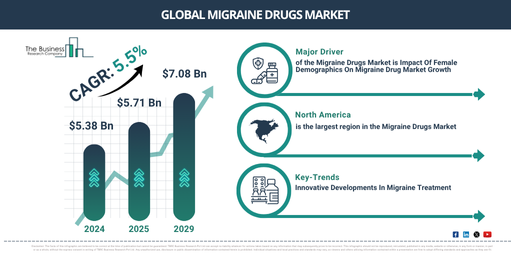
    The market size for migraine medications has gradually expanded over the past few years. The market, previously worth $5.38 billion in 2024, is projected to escalate to $5.71 billion in 2025, reflecting a compound annual growth rate (CAGR) of 6.2%. The historical growth of this sector can be accredited to progressive strides made in drug formulations, heightened consciousness and diagnosis, stress and lifestyle factors, the proliferation of generic drugs, and the advent of CGRP inhibitors.

    Forecasts suggest robust expansion in the migraine medication market in the coming years. It is projected to skyrocket to “$7.08 billion by 2029, demonstrating a compound annual growth rate (CAGR) of 5.5%. The surge during the anticipated period can be credited to personalized medical applications, distanced healthcare consultations, health policy and insurance inclusions, mounting global migraine implications, and combined treatment methods. Dominant developments anticipated during this period encompass targeted therapy solutions, distanced medical consultations, patient-focused methods, digital health treatments, biosimilar application in migraine management, and clinical investigations and experiments.

    Download The Free Sample Report Here:

    https://www.thebusinessresearchcompany.com/sample.aspx?id=13484&type=smp

    What Forces Are Driving The Growth Of The Migraine Drugs Industry?

    The escalating number of females worldwide is projected to bolster the progress of the migraine drugs market in the coming years. The term ‘female population’ pertains to all females of different age groups residing within a country or region during a particular timeframe. Migraines are notably more prevalent in females than males, a situation attributed to a mix of genetic, hormonal, and environmental aspects. As an example, the World Population Prospects 2022, disseminated by the US-based intergovernmental organization United Nations, suggests that the global female populace in 2022 is likely around 4.00 billion, accounting for 49.75% of the global populace. It is furthermore projected that the number of females will surpass males by 2049. Consequently, the surge in the female populace is fueling the expansion of the migraine drugs market.

    The migraine drugs market covered in this report is segmented –

    1) By Drug Class: Triptans, Betablockers, Angiotensin Blockers, Tricyclics, Anticonvulsants

    2) By Route of Administration: Oral, Injectable, Other Routes

    3) By End-User: Hospitals And Clinics, Retail Pharmacy, Online Pharmacy, Other End Users

    Subsegments:

    1) By Triptans: Sumatriptan, Rizatriptan, Zolmitriptan, Eletriptan

    2) By Beta Blockers: Propranolol, Metoprolol, Timolol

    3) By Angiotensin Blockers: Candesartan, Losartan

    4) By Tricyclics: Amitriptyline, Nortriptyline

    5) By Anticonvulsants: Topiramate, Valproate

    Which Trends Are Redefining The Future Landscape Of The Migraine Drugs Industry?

    Key players in the migraine drugs market, such as Zavzpret, are focusing on the innovation of new products to meet the needs of their patients and to maintain a competitive position in the market. Zavzpret, a nasal spray medication, has been developed to provide acute treatment for migraines in adults, with or without aura. In March 2023, Zavzpret received the endorsement of the Food and Drug Administration, a federal US agency, thus becoming the first exclusively approved zavegepant (a CGRP receptor antagonist) nasal spray for acute migraine treatment. Zavzpret is a pioneering treatment method, focusing primarily on the calcitonin gene-related peptide (CGRP). The introduction of Zavzpret offers a revolutionary treatment solution for those suffering from migraines, particularly those who experience nausea and vomiting during attacks or those at risk of cardiovascular complications due to the use of triptans.

    Who Are The Primary Players Operating Across The Global Migraine Drugs Market?

    Major companies operating in the migraine drugs market report are Pfizer Inc., Johnson & Johnson Services Inc., Bayer AG, Merck & Co. Inc., AbbVie Inc., AbbVie Inc., Sanofi SA, Novartis AG, AstraZeneca, Abbott Laboratories, GlaxoSmithKline plc., Eli Lilly and Company, Amgen Inc., Otsuka Holdings Co. Ltd., Teva Pharmaceutical Industries Ltd., Bausch Health Companies Inc., Eisai Co. Ltd., Dr Reddy’s Laboratories Ltd., H. Lundbeck A/S, Amneal Pharmaceuticals Inc., Endo Pharmaceuticals Inc., Neurelis Inc., ALDER BIOPHARMACEUTICALS INC., eNeura Inc., Winston Pharmaceuticals Ltd.

    https://www.thebusinessresearchcompany.com/report/migraine-drugs-global-market-report

    Which Region Offers The Most Growth Potential For The Migraine Drugs Market Through 2029?

    North America was the largest region in the migraine market in 2024. Asia-Pacific is expected to be the fastest-growing region in the forecast period. The regions covered in the migraine drugs market report are Asia-Pacific, Western Europe, Eastern Europe, North America, South America, Middle East, Africa.

    Request For A Customized Report:

    https://www.thebusinessresearchcompany.com/customise?id=13484&type=smp

    About The Business Research Company:

    With over 15000+ reports from 27 industries covering 60+ geographies, The Business Research Company has built a reputation for offering comprehensive, data-rich research and insights. Armed with 1,500,000 datasets, the optimistic contribution of in-depth secondary research, and unique insights from industry leaders, you can get the information you need to stay ahead in the game.

    Get in touch with us:

    The Business Research Company: https://www.thebusinessresearchcompany.com/

    Americas +1 310-496-7795

    Asia +44 7882 955267 & +91 8897263534

    Europe +44 7882 955267

    Email us at info@tbrc.info

    Follow us on:

    LinkedIn: https://in.linkedin.com/company/the-business-research-company

    YouTube: https://www.youtube.com/channel/UC24_fI0rV8cR5DxlCpgmyFQ

    Global Market Model: https://www.thebusinessresearchcompany.com/global-market-model
  • Future Demand and Leading Companies Shaping the Machine Learning (ML) in The Pharmaceutical Industry Market to 2029

    Future Demand and Leading Companies Shaping the Machine Learning (ML) in The Pharmaceutical Industry Market to 2029

    Claim your 30% discount on Global Market Reports with code ONLINE30. Limited time only.

    Claim your 30% discount on Global Market Reports with code ONLINE30. Limited time only.

    What Are the Forecasted Growth Rate and Market Size of the Machine Learning (ML) in The Pharmaceutical Industry Market?

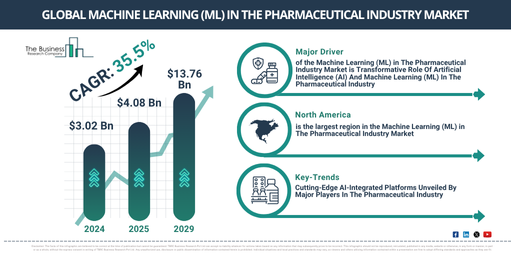
    In recent times, the market size for machine learning (ML) within the pharmaceutical industry has witnessed tremendous growth. It’s projected to elevate from $3.02 billion in 2024 to $4.08 billion in 2025, registering a compound annual growth rate (CAGR) of 34.9%. The significant growth during the historic period is due to the rising adoption of federated learning, expedited timelines for drug discovery, improved drug safety and pharmacovigilance, along with the growth in the realm of precision medicine applications.

    The market size of machine learning (ML) in the pharmaceutical industry is projected to experience a substantial surge in the upcoming years. It is estimated to reach “$13.76 billion by 2029 with a compound annual growth rate (CAGR) of 35.5%“. This projected growth during the forecast period can be credited to the escalating complexity of biological data, the rise in computational power, enhanced industry awareness and education, and the emergence of patient-focused healthcare solutions. Key trends predicted to drive this growth in the forecast period include collaborations and partnerships between AI and pharma, therapy approaches that are drug-agnostic, ML system interoperability, decentralization of clinical trials, and discovery of biomarkers driven by AI.

    Download The Free Sample Report Here:

    https://www.thebusinessresearchcompany.com/sample.aspx?id=13872&type=smp

    Which Factor Is Shaping The Future Of The Machine Learning (ML) in The Pharmaceutical Industry Market?

    There’s a rising uptake of artificial intelligence (AI) which is propelling the use of machine learning (ML) in the pharmaceutical sector. AI, a computer software simulating human cognitive function to carry out intricate tasks like analysis, reasoning, and learning, often works in tandem with ML. ML, which is a part of AI, employs algorithms trained on data to create models capable of executing complex tasks. The application of AI and ML in pharmaceutical technology and drug delivery design offers prompt solutions to intricate problems. This technology could revolutionize the drug delivery process, advance decision-making methodologies, and manage large data quantities for more efficient decisions. As an illustration, Forbes, an American business magazine, reported in June 2023 that around 432,000 UK firms, roughly one in six, have put at least one AI technology into operation. Furthermore, 68% of large businesses, 33% of medium-sized firms, and 15% of small businesses have also implemented at least one AI technology. Hence, the upward trend in the use of artificial intelligence (AI) is likely to spearhead machine learning (ML) in the pharmaceutical industry.

    The machine learning (ml) in the pharmaceutical industry market covered in this report is segmented –

    1) By Component: Solution, Services

    2) By Component: Cloud, On-premise

    3) By Enterprise Size: Small and Medium Enterprises (SMEs), Large Enterprises

    Subsegments:

    1) By Solution: Drug Discovery Platforms, Predictive Analytics Tools, Clinical Trial Optimization Solutions, Patient Data Management Systems, Personalized Medicine Applications

    2) By Services: Consulting Services, Implementation And Integration Services, Data Analysis And Modeling Services, Training And Support Services, Managed Services

    What Trends Are Currently Influencing Growth In The Machine Learning (ML) in The Pharmaceutical Industry Market?

    Leading businesses in the pharmaceutical sector that utilize machine learning (ML) are emphasizing the creation of intuitive software solutions such as drug discovery software to boost their potential in discovering new drugs. Drug discovery software is a general term referring to a range of specific tools and platforms implemented during the process of discovering and developing new pharmaceutical drugs. For example, in December 2023, Merck & Co. Inc., a pharmaceutical company based in the United States, introduced the AIDDISON drug discovery software. It’s the pioneering software-as-a-service platform combining drug discovery and synthesis attributes with generative AI, machine learning, and computer-assisted drug design. This platform aids labs in identifying appropriate drug candidates from an extensive chemical space, virtually screening compounds from a pool of over 60 billion chemical targets, and appraising synthesis routes for a safer, more affordable, and larger yield manufacturing of drugs.

    Which Companies Hold The Largest Market Share In The Machine Learning (ML) in The Pharmaceutical Industry Sector?

    Major companies operating in the machine learning (ML) in the pharmaceutical industry market report are Amazon.com Inc., Alphabet Inc., Microsoft Corporation, Dell Technologies Inc., Hitachi Ltd., International Business Machines Corporation, Cisco Systems Inc., Oracle Corporation, Honeywell International Inc., Hewlett Packard Enterprise, NVIDIA Corporation, Thales SA, Atos SE, Hexagon AB, Palantir Technologies Inc., Verient Systems Inc., Alteryx Inc., Comet ML Inc., GAVS Technologies, NEC Corporation, Veritone Inc., H2O.ai Inc., Sparkcognition Inc., Akira AI, Deep Genomics Inc., Cloud Pharmaceuticals Inc., Atomwise Inc., Cyclica Inc., BioSymetrics Inc., Neptune Labs

    https://www.thebusinessresearchcompany.com/report/machine-learning-ml-in-the-pharmaceutical-industry-global-market-report

    How Does Regional Performance Compare Across The Machine Learning (ML) in The Pharmaceutical Industry Industry?

    North America was the largest region in the machine learning in the pharmaceutical industry market in 2024. Asia-Pacific is expected to be the fastest-growing region in the forecast period. The regions covered in the machine learning (ML) in the pharmaceutical industry market report are Asia-Pacific, Western Europe, Eastern Europe, North America, South America, Middle East, Africa.

    Request For A Customized Report:

    https://www.thebusinessresearchcompany.com/customise?id=13872&type=smp

    About The Business Research Company:

    With over 15000+ reports from 27 industries covering 60+ geographies, The Business Research Company has built a reputation for offering comprehensive, data-rich research and insights. Armed with 1,500,000 datasets, the optimistic contribution of in-depth secondary research, and unique insights from industry leaders, you can get the information you need to stay ahead in the game.

    Get in touch with us:

    The Business Research Company: https://www.thebusinessresearchcompany.com/

    Americas +1 310-496-7795

    Asia +44 7882 955267 & +91 8897263534

    Europe +44 7882 955267

    Email us at info@tbrc.info

    Follow us on:

    LinkedIn: https://in.linkedin.com/company/the-business-research-company

    YouTube: https://www.youtube.com/channel/UC24_fI0rV8cR5DxlCpgmyFQ

    Global Market Model: https://www.thebusinessresearchcompany.com/global-market-model
  • 2025–2029 Liver Health Supplements Market Outlook: Regional Trends and Growth Forecast

    2025–2029 Liver Health Supplements Market Outlook: Regional Trends and Growth Forecast

    Claim your 30% discount on Global Market Reports with code ONLINE30. Limited time only.

    Claim your 30% discount on Global Market Reports with code ONLINE30. Limited time only.

    What Is the Estimated Industry Valuation for the Liver Health Supplements Sector?

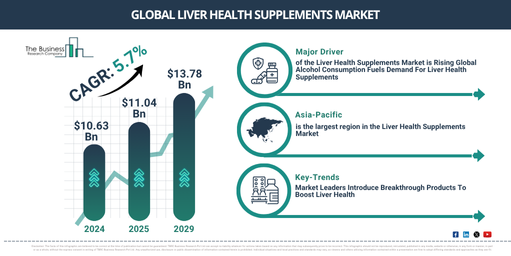
    The market size for liver health supplements has been experiencing consistent growth in the last few years. The market is set to expand from a valuation of $10.63 billion in 2024 to $11.04 billion in 2025, with a compound annual growth rate (CAGR) of 3.8%. The expansion during the historic period is fuelled by the increasing occurrence of liver diseases, enhanced awareness about liver health, growing older population, and changes in diet and lifestyle.

    The market size of liver health supplements is projected to witness considerable expansion in the upcoming years, growing to “$13.78 billion by 2029 at a compound annual growth rate (CAGR) of 5.7%. Several factors contributing to this surge include the rise of self-care conscious individuals, non-alcoholic fatty liver disease prevalence, tailored dietary regimens, the increasing influence of e-commerce and a holistic approach to health. The period of forecast also signifies a rise in the development and research of liver health supplements, an inclination towards natural and herbal ingredients, transparent clinical studies, detoxification products and innovation in nutraceuticals.

    Download The Free Sample Report Here:

    https://www.thebusinessresearchcompany.com/sample.aspx?id=12953&type=smp

    What Forces Are Driving The Growth Of The Liver Health Supplements Market?

    The liver health supplements market is set for growth, fueled by the increasing intake of alcohol. This refers to the act of drinking alcoholic drinks that contain the active component, ethanol. Liver health supplements can offer essential support to those with high consumption of alcohol, helping the liver—our body’s detoxification organ—in its role of eliminating toxins. Key ingredients such as milk thistle, dandelion root, and kudzu root can boost liver health by aiding detoxification and minimizing inflammation. As an example, the Australian Institute of Health and Welfare reported in February 2024 that about 31% of individuals aged 14 and above, totaling 6.6 million people, had alcohol intake levels posing health risks in 2022-2023. Hence, the increasing consumption of alcohol is fueling the expansion of the liver health supplements market.

    The liver health supplements market covered in this report is segmented –

    1) By Product: Vitamin And Minerals, Herbal Supplements, Other Products

    2) By Nature: Organic, Conventional

    3) By Form: Dry, Tablets, Powder, Liquid

    4) By Distribution Channel: Hospital Pharmacies, Retail Pharmacies, Online Pharmacies

    Subsegments:

    1) By Vitamin And Minerals: Vitamin E, Vitamin C, B-complex Vitamins, Minerals

    2) By Herbal Supplements: Milk Thistle, Dandelion Root, Turmeric, Artichoke Extract

    3) By Other Products: Amino Acids, Probiotics, Fatty Acids

    What Upcoming Trends Are Expected To Impact The Liver Health Supplements Market Globally?

    Leading corporations in the liver health supplements market are introducing innovative products to maintain their market presence. A surge in inventive supplements is noticeable as they aid in the proliferation of new liver cells, thereby enhancing liver function. For example, Evogen Nutrition, a wellness nutrition company from the United States, unveiled Evogen Liver Longer in March 2023, a fresh dietary supplement that bolsters the liver. The supplement comes with a comprehensive liver health plan and includes a host of liver-supporting ingredients such as tauroursodeoxycholic acid (TUDCA), siphons and milk thistle extract. These constituents deliver potent antioxidant support for safeguarding and enhancing liver function.

    Which Companies Currently Dominate The Competitive Landscape In The Liver Health Supplements Industry?

    Major companies operating in the liver health supplements market are The Archer-Daniels-Midland Company, Sanofi SA, Amway Corp., Balchem Corporation, Himalaya Wellness Company, NOW Foods Inc., Metagenics Inc., Aker BioMarine ASA, Enzymedica Inc., Jarrow Formulas Inc., Garden of Life, Designs for Health Inc., Nature’s Way Products LLC, Swanson Healthcare Products Inc., Irwins Natural, Integria Healthcare Pty Ltd., Integrative Therapeutics Inc., Premier Research Labs, Gaia Herbs Inc., Pure Encapsulations Inc., Solgar Inc., Renew Life, NutraBio, Nature’s Bounty Inc., Nutralife Health Products Inc., Organifi, Terry Naturally Vitamins, Natures Craft, Source Naturals Inc., America’s Finest Inc.

    https://www.thebusinessresearchcompany.com/report/liver-health-supplements-global-market-report

    Which Geographic Regions Are Driving Demand In The Liver Health Supplements Market?

    Asia-Pacific was the largest region in the liver health supplements market in 2024. North America is expected to be the fastest-growing region in the forecast period. The regions covered in liver health supplements market report are Asia-Pacific, Western Europe, Eastern Europe, North America, South America, Middle East and Africa.

    Request For A Customized Report:

    https://www.thebusinessresearchcompany.com/customise?id=12953&type=smp

    About The Business Research Company:

    With over 15000+ reports from 27 industries covering 60+ geographies, The Business Research Company has built a reputation for offering comprehensive, data-rich research and insights. Armed with 1,500,000 datasets, the optimistic contribution of in-depth secondary research, and unique insights from industry leaders, you can get the information you need to stay ahead in the game.

    Get in touch with us:

    The Business Research Company: https://www.thebusinessresearchcompany.com/

    Americas +1 310-496-7795

    Asia +44 7882 955267 & +91 8897263534

    Europe +44 7882 955267

    Email us at info@tbrc.info

    Follow us on:

    LinkedIn: https://in.linkedin.com/company/the-business-research-company

    YouTube: https://www.youtube.com/channel/UC24_fI0rV8cR5DxlCpgmyFQ

    Global Market Model: https://www.thebusinessresearchcompany.com/global-market-model
  • Latest Market Developments in Lentiviral Vector Industry: Forecast 2025–2029

    Latest Market Developments in Lentiviral Vector Industry: Forecast 2025–2029

    Claim your 30% discount on Global Market Reports with code ONLINE30. Limited time only.

    Claim your 30% discount on Global Market Reports with code ONLINE30. Limited time only.

    How Large Is the Lentiviral Vector Market Expected to Be in 2029?

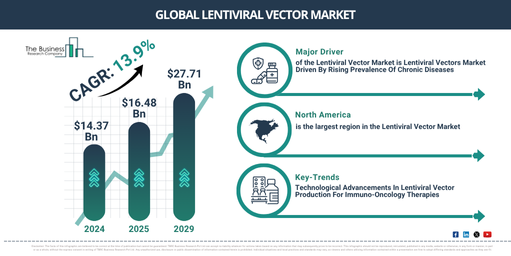
    In the past few years, the lentiviral vector market has seen substantial growth. The market is projected to increase from $14.37 billion in 2024 to $16.48 billion in 2025, with a compound annual growth rate (CAGR) of 14.7%. The growth during the historic period is a reflection of the prevalence of genetic disorders, demand for gene delivery, expansion of biotech and pharma industries, investment in clinical trials, and regulatory approvals.

    In the coming years, the lentiviral vector market is projected to experience swift expansion, expected to reach a market size of “$27.71 billion in 2029, boasting a Compound Annual Growth Rate (CAGR) of 13.9%. The predicted growth during this period is due to factors like the rise in personalized medicine, advancements in gene editing, increasing demand for therapy for rare diseases, adoption of lentiviral vector, financing of genomic medicine, and an emphasis on manufacturing scalability. The forecast period is set to witness significant trends including an upsurge in research and development, integration into CAR-T cell therapy, creation of next-generation vectors, implementation in vaccine development, and evolution of production technologies.

    Download The Free Sample Report Here:

    https://www.thebusinessresearchcompany.com/sample.aspx?id=14742&type=smp

    What Are The Contributors To Demand In The Lentiviral Vector Market?

    A rise in chronic disease occurrences, which are long-standing health issues that slowly progress over time and often last a lifetime, are anticipated to boost the lentiviral vectors market. The increasing instances of chronic diseases can be attributed to factors such as aging populations, unhealthy lifestyle patterns, urban development, and environmental influences. Lentiviral vectors can efficiently and adaptively contribute to the development of chronic disease treatments and vaccines, hence, addressing unfulfilled clinical demands and enhancing patient health outcomes. As per information in September 2024, by the British Heart Foundation, a cardiovascular investigation charity based in the UK, approximately 7.6 million individuals suffer from cardiac and circulatory diseases in the UK, with about 4 million men and 3.6 million women having these illnesses. These conditions cause nearly 27% of all demises in the UK, resulting in about 170,000 deaths per annum, approximating to 480 fatalities daily, implying one death every three minutes. Thus, the rising occurrence of chronic diseases is propelling the growth of the lentiviral vectors market.

    The lentiviral vector market covered in this report is segmented –

    1) By Product Type: Kits, Reagents And Consumables

    2) By Indication: Cancer, Genetic Disorder, Infectious Disease, Veterinary Disease, Other Indications

    3) By End User: Biotechnology Companies, Pharmaceutical Companies, Contract Research Organization (CRO), Academic And Research Institutes

    Subsegments:

    1) By Kits: Lentiviral Transduction Kits, Lentiviral Packaging Kits, Lentiviral Vector Production Kits

    2) By Reagents and Consumables: Lentiviral Packaging Reagents, Lentiviral Vector Concentration Reagents, Transfection Reagents for Lentiviral Vectors

    How Are Key Trends Driving Expansion In The Lentiviral Vector Industry?

    Key players in the lentiviral vectors market, such as LentiSure, are investing in the development of LV vector production platforms to improve the efficiency and effectiveness of lentivirus vector production for use in cell-based immuno-oncology therapies. LentiSure, a LV vector production platform, is engineered to maximize productivity and reliability in vector creation. It is extensively utilized in manufacturing lentiviral vectors for cell-based immuno-oncology therapies. For example, in May 2023, Yposkesi sk pharmteco, a viral vector production company based in France, introduced LentiSure, an innovative platform designed to optimize the production of lentiviral (LV) vectors. It aims to enhance lentivirus production’s resilience and efficiency. The platform meets the increasing need for robust and economically scalable viral-vector manufacturing technologies required in cell and gene therapies. It provides consistent product quality with an average titer at cell culture harvest of 10e7 IG/mL bioreactor volume, guaranteeing superior productivity and successful outcomes for cell therapy developers.

    Who Are The Top-Ranked Companies In The Lentiviral Vector Market Today?

    Major companies operating in the lentiviral vector market are Pfizer Inc., AbbVie Inc., Bayer AG, Sanofi SA, Bristol Myers Squibb Company, Thermo Fisher Scientific Inc., AstraZeneca plc, Novartis AG, GlaxoSmithKline plc (GSK), Eli Lilly and Company, Agilent Technologies Inc., Amgen Inc., Merck KGaA, Lonza Group Ag, Cytiva, Charles River Laboratories, Bio-Rad Laboratories Inc., Promega Corporation, Takara Bio Inc., Sino Biological Inc., OriGene Technologies Inc., Applied Biological Materials Inc., Oxford Biomedica, Sirion-Biotech GmbH, Yposkesi

    https://www.thebusinessresearchcompany.com/report/lentiviral-vector-global-market-report

    How Is Lentiviral Vector Market Adoption Varying Across Different Regions And Sectors?

    North America was the largest region in the lentiviral vector market in 2024. Asia-Pacific is expected to be the fastest-growing region in the forecast period. The regions covered in the lentiviral vector market report are Asia-Pacific, Western Europe, Eastern Europe, North America, South America, Middle East and Africa.

    Request For A Customized Report:

    https://www.thebusinessresearchcompany.com/customise?id=14742&type=smp

    About The Business Research Company:

    With over 15000+ reports from 27 industries covering 60+ geographies, The Business Research Company has built a reputation for offering comprehensive, data-rich research and insights. Armed with 1,500,000 datasets, the optimistic contribution of in-depth secondary research, and unique insights from industry leaders, you can get the information you need to stay ahead in the game.

    Get in touch with us:

    The Business Research Company: https://www.thebusinessresearchcompany.com/

    Americas +1 310-496-7795

    Asia +44 7882 955267 & +91 8897263534

    Europe +44 7882 955267

    Email us at info@tbrc.info

    Follow us on:

    LinkedIn: https://in.linkedin.com/company/the-business-research-company

    YouTube: https://www.youtube.com/channel/UC24_fI0rV8cR5DxlCpgmyFQ

    Global Market Model: https://www.thebusinessresearchcompany.com/global-market-model
  • Emerging Trends and Growth Drivers in the Lab Automation In Drug Discovery Market Through 2029

    Emerging Trends and Growth Drivers in the Lab Automation In Drug Discovery Market Through 2029

    Claim your 30% discount on Global Market Reports with code ONLINE30. Limited time only.

    Claim your 30% discount on Global Market Reports with code ONLINE30. Limited time only.

    What Is the Outlook for the Lab Automation In Drug Discovery Market Heading Into 2029?

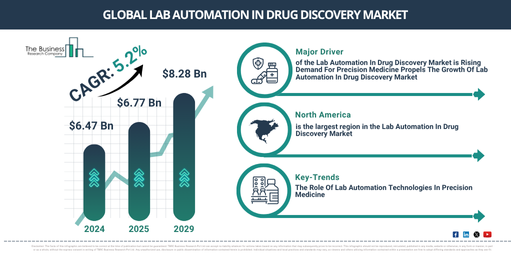
    The market size for lab automation in drug discovery has consistently expanded over the recent years. Starting from a base of $6.47 billion in 2024, the market is anticipated to balloon to $6.77 billion in 2025, reflecting a compound annual growth rate (CAGR) of 4.7%. Factors that have contributed to this progressive growth in the historic timespan comprise of increased intricacy in drug discovery, the push for enhanced efficiency and cost-lowering, the pressing requirement for high-throughput screening, growing labor costs, and the demand to quicken the pace of drug development timelines.

    Expectations are high for the lab automation in drug discovery sector as it’s projected to experience robust expansion in the forthcoming years. The predicted industry worth will reach “$8.28 billion by 2029, with an annual growth rate of 5.2%. This uplift during the forecast period can be linked to the broadening drug portfolios of pharmaceutical firms, the surge in precision medicine and personalized treatments, intensified focus on rare ailments and orphan drugs, increased demand for remote and decentralized clinical studies, and the advent of microfluidics alongside lab-on-a-chip technologies. The forecast period is also expected to witness the widespread adoption of adaptable and modular automation solutions, the increased use of cloud platforms for managing and sharing data, growth of automation in developing markets, the emergence of virtual drug discovery companies utilizing automation and digital tools, and the creation of standardized protocols and interoperable systems.

    Download The Free Sample Report Here:

    https://www.thebusinessresearchcompany.com/sample.aspx?id=14410&type=smp

    Which Factors Are Pushing The Lab Automation In Drug Discovery Market Forward?

    The surge in the requirement for precision medicine is anticipated to fuel the expansion of lab automation within the drug discovery sector. Precision medicine, or personalized medicine, takes into account the specific genetic, environmental, and lifestyle variations of each individual in medical treatment and prevention strategies. Lab automation expedites research and enhances the regularity of experiments, enhancing the efficacy of precision medicine and drug discovery processes. As a result, it facilitates the generation of more efficient medications and diagnostics tailored to single patients. For example, in October 2022, the Personalized Medicine Coalition (PMC), a US-focused organization advocating the comprehension and utilization of individual medicine, expects the launch of over 75,000 genetic testing products and 300 custom medicines for multiple cancer types, genetic rare diseases, and various chronic and infectious diseases. Thus, the escalating need for precision medicine is stimulating the rise of lab automation in the drug discovery market.

    The lab automation in drug discovery market covered in this report is segmented –

    1) By Type: Automated Liquid Handlers, Automated Plate Handlers, Robotic Arms, Automated Storage And Retrieval Systems, Other Types

    2) By Component: Instruments, Software, Services

    3) By Application: High-Throughput Screening, Compound Management, Sample Preparation, Other Applications

    4) By End-User: Biotechnology And Pharmaceutical Industries, Research Institutes, Other End-Users

    Subsegments:

    1) By Automated Liquid Handlers: Automated Liquid Handlers, Multi-Channel Pipettes, Reagent Dispensing Systems, Automated Titrators, Liquid Handling Workstations

    2) By Automated Plate Handlers: Automated Plate Handlers, Microplate Stacker Systems, Plate Transportation Systems, Plate Sorting Systems

    3) By Robotic Arms: Robotic Arms, Cartesian Robots, SCARA Robots, Articulated Robots, Delta Robots

    4) By Automated Storage And Retrieval Systems (ASRS): Automated Storage and Retrieval Systems (ASRS), Vertical Lift Modules (VLM), Automated Guided Vehicles (AGVs), Carousel-Based Systems, High-Density Storage Systems

    5) By Other Types: Automated Sample Preparation Systems, Laboratory Information Management Systems (LIMS), Microarray Processors, Automated Screening Systems

    Which Emerging Trends And Strategic Shifts Are Shaping The Lab Automation In Drug Discovery Market?

    Leading firms in the drug discovery lab automation sector are shifting their attention towards the creation of cutting-edge solutions, like rapid idea-to-data solutions, in order to establish a dominant position in the market. A rapid idea-to-data solution is essentially an efficient process or platform that enables both individuals and corporations to rapidly translate their ideas or concepts into actionable data-driven results or insights. To exemplify, Strateos Inc., an American biotech company, unveiled a rapid idea-to-data solution tailored for small molecule discovery on its cloud lab automation-as-a-service platform in April 2022. This lab automation tool is specifically engineered for small-molecule discovery within drug development. The flexible, on-demand Strateos Cloud Lab Automation-as-a-Service Platform incorporates interconnected robotic automation with 23 workcells and a multitude of instruments. The platform supports streamlined lead generation and optimization, regulated by a software infrastructure that enables users to formulate compounds of interest in the cloud. This allows for automatic assembly and testing utilizing various methods like cell-based, biochemical, and structured-activity relationship (SAR) evaluations.

    Which Organizations Are Driving Progress In The Lab Automation In Drug Discovery Industry?

    Major companies operating in the lab automation in drug discovery market are Thermo Fisher Scientific Inc., Abbott Diagnostics, Roche Holdings Inc., Beckman Coulter, Siemens Healthineers, Becton Dickinson and Company, Agilent Technologies Inc., PerkinElmer Inc., Endress+Hauser, Shimadzu Corporation, Waters Corporation, Bio-Rad Laboratories Inc., QIAGEN, Beckhoff Automation GmbH & Co. KG, Eppendorf AG, Tecan Group Ltd., Brooks Automation Inc., Hamilton Company, AbCellera Biologics Inc., Hudson Robotics Inc., OpenTrons Labworks Inc., Quanterix Corporation, The Technology Partnership, HighRes Biosolutions Inc., Biosero Inc., Peak Analysis and Automation Ltd., Aurora Biomed Inc., Arctoris, Inveox GmbH, Synthace, Synchron Lab Automation

    https://www.thebusinessresearchcompany.com/report/lab-automation-in-drug-discovery-global-market-report

    Which Region Is Expected To Experience The Highest Growth In The Lab Automation In Drug Discovery Industry?

    North America was the largest region in the lab automation in drug discovery market in 2024. Asia-Pacific is expected to be the fastest-growing region in the forecast period. The regions covered in the lab automation in drug discovery market report are Asia-Pacific, Western Europe, Eastern Europe, North America, South America, Middle East, Africa.

    Request For A Customized Report:

    https://www.thebusinessresearchcompany.com/customise?id=14410&type=smp

    About The Business Research Company:

    With over 15000+ reports from 27 industries covering 60+ geographies, The Business Research Company has built a reputation for offering comprehensive, data-rich research and insights. Armed with 1,500,000 datasets, the optimistic contribution of in-depth secondary research, and unique insights from industry leaders, you can get the information you need to stay ahead in the game.

    Get in touch with us:

    The Business Research Company: https://www.thebusinessresearchcompany.com/

    Americas +1 310-496-7795

    Asia +44 7882 955267 & +91 8897263534

    Europe +44 7882 955267

    Email us at info@tbrc.info

    Follow us on:

    LinkedIn: https://in.linkedin.com/company/the-business-research-company

    YouTube: https://www.youtube.com/channel/UC24_fI0rV8cR5DxlCpgmyFQ

    Global Market Model: https://www.thebusinessresearchcompany.com/global-market-model
  • Industry Forecast: Ischemic Heart Disease (IHD) Drugs Market to Generate $7.7 Billion Revenue by 2029

    Industry Forecast: Ischemic Heart Disease (IHD) Drugs Market to Generate $7.7 Billion Revenue by 2029

    Claim your 30% discount on Global Market Reports with code ONLINE30. Limited time only.

    Claim your 30% discount on Global Market Reports with code ONLINE30. Limited time only.

    How Much Is the Global Ischemic Heart Disease (IHD) Drugs Market Valued at Present and by 2029?

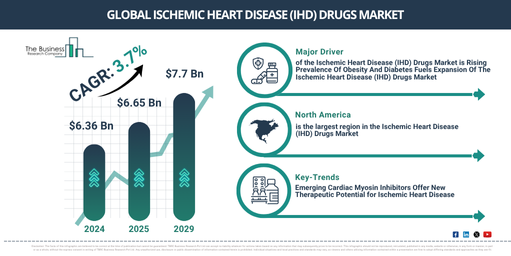
    The market for drugs treating ischemic heart disease (IHD) has been demonstrating consistent growth over the past few years. The size of the market is projected to rise from $6.36 billion in 2024 to $6.65 billion in 2025, maintaining a compound annual growth rate (CAGR) of 4.5%. Several factors such as the increasing global incidence of ischemic heart disease, enhanced awareness and diagnostic methods, modifications in lifestyle and diet, governmental actions promoting cardiovascular health, partnerships for clinical trial testing, and insurance and reimbursement policies have played significant roles in the historical growth of this market.

    In the next few years, the ischemic heart disease (IHD) drugs market is projected to experience consistent growth, reaching “$7.7 billion by 2029, with a compound annual growth rate (CAGR) of 3.7%“. This growth during the forecast period is linked to factors like the ageing population, personalized medicine methodologies, preventative cardiovascular measures, worldwide healthcare policies and initiatives, and international research partnerships. The period is also expected to witness trends such as a shift towards precision medicine methods, the introduction of innovative anti-atherogenic agents, advancements in lipid-lowering treatment, the inclusion of anti-inflammatory agents, and the creation of antithrombotic and antiplatelet drugs.

    Download The Free Sample Report Here:

    https://www.thebusinessresearchcompany.com/sample.aspx?id=13467&type=smp

    #What Drivers Are Influencing Growth In The Ischemic Heart Disease (IHD) Drugs Market?

    The surge in obesity and diabetes rates is predicted to stimulate the ischemic heart disease (IHD) drugs market’s expansion. Metabolic diseases such as diabetes, characterized by elevated blood sugar over a prolonged period, and obesity, defined by excessive body fat accumulation that impairs health, result in higher demand for ischemic heart disease drugs. These drugs help manage cardiovascular risk factors like hypertension and dyslipidemia, thus decreasing the probability of ischemic heart disease. The World Obesity Federation, a UK organization dedicated to combating obesity worldwide, projected in 2022 that by 2030, one billion people, including 1 in 5 women and 1 in 7 men, will be obese. Furthermore, according to the National Health Service, another UK government body, the NHS in 2023 identified an extra 549,000 individuals in England at risk of type 2 diabetes. Hence, the total number of people with non-diabetic hyperglycemia, also known as pre-diabetes, registered with a GP soared to 3,615,330 which is near about 20% rise compared to 3,065,825 in 2022. Therefore, the escalating prevalence of obesity and diabetes propels the growth of the ischemic heart disease (IHD) drugs market.

    The ischemic heart disease (ihd) drugs market covered in this report is segmented –

    1) By Drug Class: Anti-Dyslipidemic Drugs, Calcium Channel Blockers, Beta-Blockers, Angiotensin-converting enzyme (ACE) Inhibitors, Angiotensin II Receptor Blockers (ARBs), Vasodilators, Antithrombotic Agents

    2) By Disease Class: Angina Pectoris, Myocardial Infarction

    3) By End User: Hospital Pharmacy, Retail Pharmacy, Online Pharmacy

    Subsegments:

    1) By Anti-Dyslipidemic Drugs: Statins, Fibrates, Niacin, Cholesterol Absorption Inhibitors

    2) By Calcium Channel Blockers: Dihydropyridines, Non-Dihydropyridines

    3) By Beta-Blockers: Cardioselective Beta-Blockers, Non-Selective Beta-Blockers, Vasodilating Beta-Blockers

    4) By Angiotensin-Converting Enzyme (ACE) Inhibitors: Enalapril, Lisinopril, Ramipril

    5) By Angiotensin II Receptor Blockers (ARBs): Losartan, Valsartan, Irbesartan

    6) By Vasodilators: Nitroglycerin, Isosorbide Dinitrate, Hydralazine

    7) By Antithrombotic Agents: Antiplatelet Drugs, Anticoagulants

    What Trends Are Currently Influencing Growth In The Ischemic Heart Disease (IHD) Drugs Market?

    Leading organizations in the Ischemic Heart Disease (IHD) drugs market are upping their game by focusing on the development of innovative myosin inhibitors to establish competitive dominance in the industry. These inhibitors are drugs designed to diminish myosin activity in cardiac muscles, thereby lessening force of contraction. They come particularly handy for conditions such as Hypertrophic Cardiomyopathy (HCM) where extreme muscle thickening compromises the functioning of the heart. For instance, in April 2022, US-based pharmaceutical major Bristol Myers Squibb introduced Camzyos (mavacamten), the inaugural cardiac myosin inhibitor given the nod for treatment of adult patients showing symptoms of New York Heart Association class II-III obstructive hypertrophic cardiomyopathy (HCM). This new drug aims to enhance functional capacity and symptoms, functioning as an allosteric and reversible inhibitor tailored for cardiac myosin. This reduces hypercontractility and left ventricular hypertrophy, and amplifies cardiac filling pressures, thereby aiding in the reduction of dynamic left ventricular outflow tract (LVOT) obstruction.

    Which Companies Play A Key Role In The Development Of The Ischemic Heart Disease (IHD) Drugs Market?

    Major companies operating in the ischemic heart disease (ihd) drugs market report are Pfizer Inc., F. Hoffmann-La Roche Ltd., Merck & Co. Inc., AbbVie Inc., Bayer AG, Novartis AG, Sanofi S.A., Bristol-Myers Squibb Company, AstraZeneca PLC, GSK PLC, Eli Lilly and Company, Boehringer Ingelheim International GmbH, Viatris Inc., Baxter International Inc., Teva Pharmaceutical Industries Ltd., Sandoz Inc., Sun Pharmaceutical Industries Limited, Dr. Reddy’s Laboratories Ltd., Cipla Limited, Lupin Limited, Recordati S.p.A., Zydus Lifesciences Limited, Glenmark Pharmaceuticals Ltd., Aurobindo Pharma Limited, Alembic Pharmaceuticals Ltd., Eagle Pharmaceuticals Inc., Accord Healthcare Limited, Macleods Pharmaceuticals Ltd., WG Critical Care LLC, Novitium Pharma LLC

    https://www.thebusinessresearchcompany.com/report/ischemic-heart-disease-ihd-drugs-global-market-report

    What Are The Key Regional Developments Shaping The Ischemic Heart Disease (IHD) Drugs Market?

    North America was the largest region in the ischemic heart disease (IHD) drugs market in 2024. Asia-Pacific is expected to be the fastest-growing region in the forecast period. The regions covered in the ischemic heart disease (ihd) drugs market report are Asia-Pacific, Western Europe, Eastern Europe, North America, South America, Middle East, Africa.

    Request For A Customized Report:

    https://www.thebusinessresearchcompany.com/customise?id=13467&type=smp

    About The Business Research Company:

    With over 15000+ reports from 27 industries covering 60+ geographies, The Business Research Company has built a reputation for offering comprehensive, data-rich research and insights. Armed with 1,500,000 datasets, the optimistic contribution of in-depth secondary research, and unique insights from industry leaders, you can get the information you need to stay ahead in the game.

    Get in touch with us:

    The Business Research Company: https://www.thebusinessresearchcompany.com/

    Americas +1 310-496-7795

    Asia +44 7882 955267 & +91 8897263534

    Europe +44 7882 955267

    Email us at info@tbrc.info

    Follow us on:

    LinkedIn: https://in.linkedin.com/company/the-business-research-company

    YouTube: https://www.youtube.com/channel/UC24_fI0rV8cR5DxlCpgmyFQ

    Global Market Model: https://www.thebusinessresearchcompany.com/global-market-model
  • Generic Central Nervous System Drugs Market Revenue Outlook: Strategic Insights and Forecast to 2029

    Generic Central Nervous System Drugs Market Revenue Outlook: Strategic Insights and Forecast to 2029

    Claim your 30% discount on Global Market Reports with code ONLINE30. Limited time only.

    Claim your 30% discount on Global Market Reports with code ONLINE30. Limited time only.

    What Is the Outlook for the Generic Central Nervous System Drugs Market Heading Into 2029?

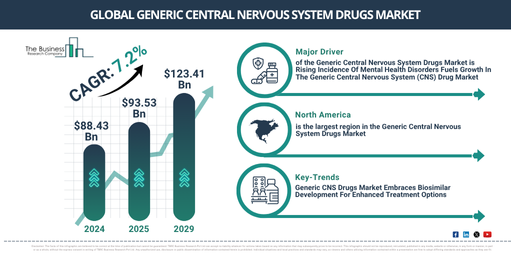
    The market size for generic drugs pertaining to the central nervous system has seen substantial growth in the past years. It is projected to ascend from $88.43 billion in 2024 to $93.53 billion in 2025, with a compound annual growth rate (CAGR) estimated at 5.8%. Factors such as the rise in the number of surgeries, robust expansion in emerging markets, boost in pharmaceutical research and development, older population, and surge in healthcare spending have contributed to growth during the historic period.

    Over the forthcoming years, the general central nervous system drugs market is predicted to experience robust expansion, poised to increase to “$123.41 billion in 2029 with a 7.2% compound annual growth rate (CAGR).” This anticipated surge within the forecast period is due to factors such as enhanced government initiatives towards mental health awareness, escalated healthcare spending, a growing elderly population, and a dynamic drug pipeline. The forecast period trends encompass investment in wearable technology, the incorporation of biomarkers in CNS advancement, adjustment of existing drugs, focusing on drug pipeline investments, adopting 3D printing in drug production, and the emphasis on fostering partnerships with renowned research institutions and well-established companies.

    Download The Free Sample Report Here:

    https://www.thebusinessresearchcompany.com/sample.aspx?id=9315&type=smp

    Which Factors Are Pushing The Generic Central Nervous System Drugs Market Forward?

    The rise in mental health disorders is set to stimulate the expansion of the generic central nervous system (CNS) drug market in the future. These disorders cause significant impairment in a person’s cognitive abilities, emotional handling or behavioral patterns, often associated with distress or dysfunctional behavior in key aspects of life. Generic CNS drugs are pivotal in managing these disorders as they provide accessible and cost-effective treatment choices. For instance, the Health and Social Care Information Centre, a UK federal entity providing data, information, and computer systems for professionals, doctors, and administrators in the social and healthcare sectors, reported in November 2022 that the percentage of 17- to 19-year-olds presumed to have a mental disorder increased from 17.4% in 2021 to 25.7% in 2022. Consequently, the escalating prevalence of mental health disorders is fuelling the growth of the generic CNS drug market.

    The generic central nervous system drugs market covered in this report is segmented –

    1) By Type: Multiple Sclerosis (MS), Anti-Psychotic, Analgesics, Anti-Parkinson Drugs, Anesthetics, Anti-Epileptics, Anti-Depressants, Other Types

    2) By Drug Classification: Branded Drugs, Generic Drugs

    3) By Disease: Neurovascular Diseases, CNS Trauma, Mental Health, Neurodegenerative Diseases, Infectious Diseases, CNS Cancer

    4) By Route Of Administration: Oral, Intravenous, Intranasal Or Inhalation, Other Route Of Administrations

    5) By Mode Of Purchase: Over-The-counter drugs, Prescription-Based Drugs

    6) By Distribution Channel: Hospital Pharmacies, Retail Pharmacies, Other Distribution Channels

    Subsegments:

    1) By Multiple Sclerosis (MS): Interferons, Glatiramer Acetate, Sphingosine-1 Phosphate Receptor Modulators, Monoclonal Antibodies

    2) By Anti-Psychotic: Atypical Antipsychotics, Typical Antipsychotics

    3) By Analgesics: Non-Opioid Analgesics, Opioid Analgesics, Combination Analgesics

    4) By Anti-Parkinson Drugs: Dopamine Agonists, MAO-B Inhibitors, COMT Inhibitors, Anticholinergics

    5) By Anesthetics: General Anesthetics, Local Anesthetics

    6) By Anti-Epileptics: Sodium Channel Blockers, GABA Enhancers, Glutamate Modulators, Other Mechanisms

    7) By Anti-Depressants: Selective Serotonin Reuptake Inhibitors (SSRIs), Serotonin-Norepinephrine Reuptake Inhibitors (SNRIs), Tricyclic Antidepressants (TCAs), Monoamine Oxidase Inhibitors (MAOIs), Atypical Antidepressants

    8) By Other Types: Cognitive Enhancers, Anxiolytics, Sleep Aids

    How Are Key Trends Driving Expansion In The Generic Central Nervous System Drugs Industry?

    Key players in the generic central nervous system drugs market are prioritizing the creation of biosimilars for disorders related to the central nervous system (CNS). The emergence and approval of biosimilars for some biologic drugs utilized in CNS disorders are becoming increasingly prevalent, offering a less expensive alternative to patented biological drugs. For example, Sandoz, a pharmaceutical firm based in Switzerland, launched natalizumab-sztn in October 2023. This marks the inaugural biosimilar for the treatment of various forms of relapsing multiple sclerosis (MS), such as clinically isolated syndrome, relapsing-remitting MS, and active secondary progressive MS. MS, a chronic and progressive autoimmune illness, primarily influences the central nervous system. The bulk of individuals afflicted with the disease experience cycles of remission and relapse, causing a decrease in their quality of life. This treatment, however, will be prohibited for patients diagnosed with progressive multifocal leukoencephalopathy (PML) and those who have previously suffered from PML.

    Which Organizations Are Driving Progress In The Generic Central Nervous System Drugs Industry?

    Major companies operating in the generic central nervous system drugs market include Biogen Inc., Johnson & Johnson, Hoffmann-La Roche Ltd, Novartis AG, UCB, Sanofi, Pfizer Inc., Merck KGaA, Sumitomo Dainippon Pharma, AbbVie, Recipharm AB, Neuraxpharm, Sun Pharmaceutical limited, Ranbaxy Laboratories, Merz Pharma GmbH & Co. KGaAare, AstraZeneca, Apotex, Gilead Sciences, Bayer, GlaxoSmithKline, Amgen, Abbott Laboratories, Janssen Pharmaceutica, Teva Canada, Accord Healthcare Inc., Acerus Pharmaceuticals Corporation, Amgen, EMS Pharma, Hypermarcas, Eurofarma, Teuto Brasileiro, Biolab Farmaceutica, Cristalia, União Quimica, Boehringer Ingelheim, Eli Lilly and Company, Adcock Ingram

    https://www.thebusinessresearchcompany.com/report/generic-central-nervous-system-drugs-global-market-report

    Which Region Is Expected To Experience The Highest Growth In The Generic Central Nervous System Drugs Industry?

    North America was the largest region in the generic central nervous system drugs market in 2024. The regions covered in the generic central nervous system drugs market report are Asia-Pacific, Western Europe, Eastern Europe, North America, South America, Middle East, Africa.

    Request For A Customized Report:

    https://www.thebusinessresearchcompany.com/customise?id=9315&type=smp

    About The Business Research Company:

    With over 15000+ reports from 27 industries covering 60+ geographies, The Business Research Company has built a reputation for offering comprehensive, data-rich research and insights. Armed with 1,500,000 datasets, the optimistic contribution of in-depth secondary research, and unique insights from industry leaders, you can get the information you need to stay ahead in the game.

    Get in touch with us:

    The Business Research Company: https://www.thebusinessresearchcompany.com/

    Americas +1 310-496-7795

    Asia +44 7882 955267 & +91 8897263534

    Europe +44 7882 955267

    Email us at info@tbrc.info

    Follow us on:

    LinkedIn: https://in.linkedin.com/company/the-business-research-company

    YouTube: https://www.youtube.com/channel/UC24_fI0rV8cR5DxlCpgmyFQ

    Global Market Model: https://www.thebusinessresearchcompany.com/global-market-model
  • Interstitial Cystitis Drugs Market Revenue Outlook: Strategic Insights and Forecast to 2029

    Interstitial Cystitis Drugs Market Revenue Outlook: Strategic Insights and Forecast to 2029

    Claim your 30% discount on Global Market Reports with code ONLINE30. Limited time only.

    Claim your 30% discount on Global Market Reports with code ONLINE30. Limited time only.

    What Is the Current and Projected Market Size of the Interstitial Cystitis Drugs Industry?

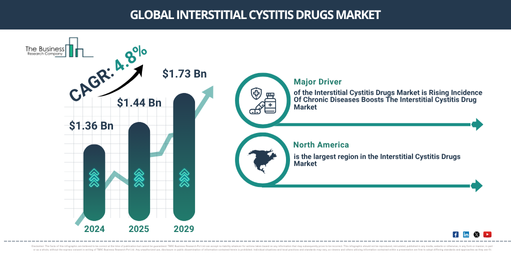
    Over the past few years, there has been substantial growth in the market size for interstitial cystitis drugs. The sector will expand from $1.36 billion in 2024 to $1.44 billion in 2025, indicating a compound annual growth rate (CAGR) of 5.6%. Mounting disease awareness, advancements in diagnostic methods, pharmaceutical industry contributions, escalation in healthcare spending, cooperative research initiatives, as well as patient backing and support groups are factors that have fuelled the growth during the historical period.

    It is projected that the interstitial cystitis drugs market will maintain a stable expansion in the ensuing years, with an expected surge to “$1.73 billion by 2029, increasing at a compound annual growth rate (CAGR) of 4.8%“. This growth in the projected period is due to increasing focus on less common diseases, progress in biopharmaceutical innovation, regulatory encouragement for orphan drugs, and an increasing global disease load. Other contributing factors include a patient-centred focus in healthcare, and sustained collaborative research initiatives. Key trends to look out for during the predicted period include improvements in diagnostic methods, the rise of targeted treatments, patient-focused approaches, joint research initiatives, progress in surgical approaches, and the development of biomarkers.

    Download The Free Sample Report Here:

    https://www.thebusinessresearchcompany.com/sample.aspx?id=13461&type=smp

    #Which Factors Are Currently Driving The Growth Of The Interstitial Cystitis Drugs Market?

    The increase in chronic illnesses is predicted to accelerate the expansion of the interstitial cystitis drug market. Chronic illnesses are long-lasting medical conditions that endure over an extended period, frequently throughout an individual’s lifetime. Cystitis medications are used to treat urinary tract infections by targeting and eradicating the bacteria causing the infection. These medications address the root infection in the urinary tract, reducing symptoms like painful urination, frequent urination, and urgency triggered by various chronic illnesses, including urinary tract infections (UTIs). For instance, the National Institute of Health, a US-based public health research organization, stated in January 2023 that urinary tract infections accounted for over 1 million emergency department visits in the US, taking the seventh position for the most frequent reason for such visits. Of these incidents, 22% (220,000) were categorized as complicated urinary tract infections (UTIs), and approximately 100,000 patients were hospitalized annually. As such, the escalating prevalence of chronic illnesses is fuelling the growth of the interstitial cystitis drug market.

    The interstitial cystitis drugs market covered in this report is segmented –

    1) By Drugs: Pentosan Polysulfate Sodium, Dimethyl Sulfoxide, Other Drugs

    2) By Type: Oral Therapy, Intravesical Therapy

    3) By Distribution Channel: Hospital Pharmacies, Retail Pharmacies, Online Pharmacies

    Subsegments:

    1) By Pentosan Polysulfate Sodium: Oral Pentosan Polysulfate Sodium, Injectable Pentosan Polysulfate Sodium

    2) By Dimethyl Sulfoxide (DMSO): Intravesical DMSO (Bladder Instillation)

    3) By Other Drugs: Amitriptyline, Hydroxyzine, Cimetidine, Gabapentin

    Who Are The Main Participants Shaping The Interstitial Cystitis Drugs Market Landscape?

    Major companies operating in the interstitial cystitis drugs market report are Pfizer Inc., Johnson & Johnson, Merck & Co. Inc., AbbVie Inc., Bayer AG, Novartis AG, Sanofi SA, GlaxoSmithKline PLC, Eli Lilly and Company, Amgen Inc., Viatris Inc., Teva Pharmaceutical Industries Ltd., Astellas Pharma Inc., Boehringer Ingelheim International GmbH, UCB S.A., Sun Pharmaceutical Industries Ltd., Perrigo Company PLC, Cipla Limited, Ferring B.V., Grunenthal Pharma, Kyorin Pharmaceutical Co. Ltd., Seikagaku Corporation, UroGen Pharma, Alivio Therapeutics, Imbrium Therapeutics, Urigen Pharmaceuticals, Lipella Pharmaceuticals, GlycoMira Therapeutics Inc.

    https://www.thebusinessresearchcompany.com/report/interstitial-cystitis-drugs-global-market-report

    Which Region Currently Holds The Largest Share In The Interstitial Cystitis Drugs Market?

    North America was the largest region in the interstitial cystitis drugs market in 2024. Asia-Pacific is expected to be the fastest-growing region in the forecast period. The regions covered in the interstitial cystitis drugs market report are Asia-Pacific, Western Europe, Eastern Europe, North America, South America, Middle East, Africa.

    Request For A Customized Report:

    https://www.thebusinessresearchcompany.com/customise?id=13461&type=smp

    About The Business Research Company:

    With over 15000+ reports from 27 industries covering 60+ geographies, The Business Research Company has built a reputation for offering comprehensive, data-rich research and insights. Armed with 1,500,000 datasets, the optimistic contribution of in-depth secondary research, and unique insights from industry leaders, you can get the information you need to stay ahead in the game.

    Get in touch with us:

    The Business Research Company: https://www.thebusinessresearchcompany.com/

    Americas +1 310-496-7795

    Asia +44 7882 955267 & +91 8897263534

    Europe +44 7882 955267

    Email us at info@tbrc.info

    Follow us on:

    LinkedIn: https://in.linkedin.com/company/the-business-research-company

    YouTube: https://www.youtube.com/channel/UC24_fI0rV8cR5DxlCpgmyFQ

    Global Market Model: https://www.thebusinessresearchcompany.com/global-market-model
  • Future Projections: Gene Therapy Market to Reach $31.48 Million by 2029 at 17.8% CAGR

    Future Projections: Gene Therapy Market to Reach $31.48 Million by 2029 at 17.8% CAGR

    Claim your 30% discount on Global Market Reports with code ONLINE30. Limited time only.

    Claim your 30% discount on Global Market Reports with code ONLINE30. Limited time only.

    What Does the Forecast Indicate for the Gene Therapy Market From 2025 to 2029?

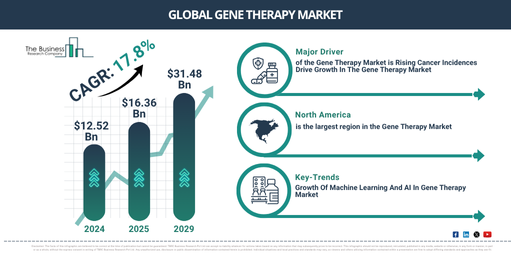
    There has been a significant expansion in the gene therapy market over the recent years. The market, which stood at $12.52 billion in 2024, will escalate to $16.36 billion by 2025, marking a compound annual growth rate (CAGR) of 30.7%. The remarkable growth during the historical period can be attributed to factors such as increasing pharmaceutical R&D spendings, a surge in public-private collaborations, government funding and a rise in instances of spinal muscular atrophy.

    In the coming years, the gene therapy market is predicted to experience significant expansion. It is projected to reach a value of “$31.48 billion in 2029, growing at a compound annual growth rate (CAGR) of 17.8%.” Factors influencing this trend include escalating cancer incidences, an expanding elderly population, increase in pharmaceutical research and development expenditure, and a heightened focus on gene therapy. Major forthcoming trends include procuring necessary regulatory approvals to improve business operations, strategic collaborations and partnerships to bolster commercial activities, strategic acquisitions to broaden operational capabilities, and business expansion for enhancing operational proficiency.

    Download The Free Sample Report Here:

    https://www.thebusinessresearchcompany.com/sample.aspx?id=3395&type=smp

    What Elements Are Contributing To Growth In The Gene Therapy Market?

    There has been a substantial uptick in cases of cancer and other such critical diseases, necessitating the need for potent treatment methods and fuels the growth of the gene therapy market. The global escalation in cancer incidence is projected to influence gene therapy market expansion in the upcoming period. For example, the American Cancer Society provided data in January 2022, suggesting that there will probably be 1.9 million new cancer diagnoses and an estimated 609,360 cancer-related fatalities in the US, which is approximately 1,670 deaths on daily basis. The four cancers that are most commonly diagnosed worldwide – lung, prostate, bowel, and female breast cancer, make up for about 43 percent of all newly diagnosed cancer cases worldwide. Thus, the global surge in cancer occurrence is expected to stimulate demand in the gene therapy market in the near future. Gene therapy, which involves the introduction of new genes into cancerous cells or nearby tissue to provoke cell death or reduce cancer growth, is a highly effective treatment in oncology.

    The gene therapy market covered in this report is segmented –

    1) By Gene Therapy Type: Germline Therapy, Somatic Cell Therapy

    2) By Vector: Viral Vector, Non-Viral Vector

    3) By Application: Oncology, Orphan Disease, Knee Osteoarthritis, Neurological Disorders

    4) By End Users: Biopharmaceutical Companies, Research Institutes, Other End Users

    Subsegments:

    1) By Germline Therapy: Inherited Disease Treatment, Genetic Modification Of Embryos, Gene Editing Techniques, Ethical And Regulatory Considerations

    2) By Somatic Cell Therapy: Cancer Gene Therapy, Monogenic Disorder Treatment, Gene Replacement Therapy, RNA-Based Therapies, Gene Editing Techniques

    Which Emerging Trends And Strategic Shifts Are Shaping The Gene Therapy Market?

    The gene therapy market is increasingly integrating artificial intelligence (AI) and machine learning into its operations. AI imitates human cognitive abilities within computers, while machine learning is a subset of this field. These technologies aid organizations in the gene therapy sector in conducting comprehensive data analysis, drawing connections between tumor and immune cell interactions, and providing more precise assessments of tissue samples that are usually contested among various analysts. For instance, Form Bio, an American software firm specializing in life-sciences, released FORMsightAI in May 2023. This new AI-driven solution predicts and optimizes the production results of cell and gene therapy constructs. FORMsightAI is a comprehensive solution that blends advanced, flexible AI models with Form Bio’s foundational platform and the expertise of a talented team of computational life scientists with experience in biology, bioinformatics, and data science. It tackles prevalent problems encountered by cell and gene therapy developers regarding construct truncations and manufacturing contaminate, which are significant contributors to low production yields, increased market entry timelines, and therapeutic safety issues.

    Who Are The Key Contributors To Growth In The Gene Therapy Market?

    Major companies operating in the gene therapy market include UniQure NV, REGENXBIO Inc., Bristol-Myers Squibb, BioMarin Pharmaceuticals Inc., Jazz Pharmaceuticals Inc., Biocon, Cipla, EdiGene Inc, Takeda Pharmaceutical, Daiichi Sankyo Company, Mitsubishi Tanabe Pharma, Merck, GE Healthcare, Lonza, Pfizer, Cellular Biomedicine Group, GenScript, Albumedix Ltd, Catalent, Freeline Therapeutics, DiNAQOR AG, Vivet Therapeutics, Allergan, Amgen, Biocad, Celgene Corporation, Johnson & Johnson, Eli Lilly and Company, AstraZeneca, Bayer AG, Juno Therapeutics, Allogene Therapeutics, Bluebird Bio, Regen BioPharma, Bellicum, Biotchpharma, BrainStorm Cell Therapeutics, Pluristem, Sanofi

    https://www.thebusinessresearchcompany.com/report/genes-therapy-global-market-report

    Which Region Is Projected To Lead The Gene Therapy Market By 2025?

    North America was the largest region in the gene therapy market in 2024. The regions covered in the gene therapy market report are Asia-Pacific, Western Europe, Eastern Europe, North America, South America, Middle East, Africa

    Request For A Customized Report:

    https://www.thebusinessresearchcompany.com/customise?id=3395&type=smp

    About The Business Research Company:

    With over 15000+ reports from 27 industries covering 60+ geographies, The Business Research Company has built a reputation for offering comprehensive, data-rich research and insights. Armed with 1,500,000 datasets, the optimistic contribution of in-depth secondary research, and unique insights from industry leaders, you can get the information you need to stay ahead in the game.

    Get in touch with us:

    The Business Research Company: https://www.thebusinessresearchcompany.com/

    Americas +1 310-496-7795

    Asia +44 7882 955267 & +91 8897263534

    Europe +44 7882 955267

    Email us at info@tbrc.info

    Follow us on:

    LinkedIn: https://in.linkedin.com/company/the-business-research-company

    YouTube: https://www.youtube.com/channel/UC24_fI0rV8cR5DxlCpgmyFQ

    Global Market Model: https://www.thebusinessresearchcompany.com/global-market-model