Blog

  • In-Vitro Lung Model Market Analysis 2026: Market Size, Growth Trends And Industry Outlook

    In-Vitro Lung Model Market Analysis 2026: Market Size, Growth Trends And Industry Outlook

    Backed by market attractiveness analysis, total addressable market sizing, company benchmarking matrices, interactive Excel dashboards, wider supply chain intelligence, emerging startup coverage, and detailed product-level insights, The Business Research Company’s 2026 market reports are designed to offer research that is more actionable and strategically valuable than ever.

    In-Vitro Lung Model Market Growth From $0.65 Billion In 2026 To $1.28 Billion By 2030 At A CAGR Of 18.6%

    The in-vitro lung model market has experienced substantial growth in recent years. It will grow from $0.54 billion in 2025 to $0.65 billion in 2026 at a compound annual growth rate (CAGR) of 21.0%. This historical growth can be attributed to several factors, including the limitations of animal models in respiratory research, the persistent use of two-dimensional lung cell cultures, escalating respiratory disease research activity, an expansion in academic lung biology research, and the early adoption of organoid-based research methods.

    The in-vitro lung model market size is anticipated to see substantial growth in the upcoming years. It is projected to expand to $1.29 billion in 2030, demonstrating a compound annual growth rate (CAGR) of 18.6%. The growth expected during this forecast period is attributable to the increasing demand for predictive preclinical lung models, a heightened focus on minimizing animal testing, the expansion of respiratory drug development pipelines, growing investment in advanced in-vitro research tools, and the demand for more physiologically relevant lung disease models. Key trends in the forecast period encompass the increasing adoption of three-dimensional lung models in drug research, the growing use of lung-on-a-chip platforms for disease modeling, a rising preference for human-relevant in-vitro lung testing systems, the expansion of in-vitro lung models in toxicology and safety studies, and a greater integration of in-vitro lung models into preclinical research pipelines.

    Get A Free Sample Report With In-Depth Market Insights:

    https://thebusinessresearchcompany.com/sample_request?id=83973013&type=smp&name=In-Vitro%20Lung%20Model%20Market%20Report%202026&utm_source=Blogs&utm_medium=Paid&utm_campaign=Oct_PR

    In-Vitro Lung Model Market Growth Drivers: What’s Behind The Acceleration?

    The projected expansion of the in vitro lung model market is linked to the growing volume of clinical studies. These studies involve investigations aimed at assessing the safety, efficacy, and results of novel treatments, pharmaceuticals, and diagnostic instruments in human subjects. The surge in clinical investigations stems from evolving healthcare requirements, a heightened desire for advanced medical interventions, and the quest for innovative approaches to intricate health issues. The in vitro lung model market provides critical support for clinical research by supplying regulated environments conducive to drug assessment, toxicity analysis, disease representation, and the examination of lung-specific biological reactions. As an illustration, in January 2024, ClinicalTrials.gov, a US-based clinical trial registry, reported 477,230 registered clinical trials worldwide by the close of 2023, marking a rise from the 437,508 trials documented in 2022. Consequently, the increasing prevalence of clinical studies is a significant impetus for the in vitro lung model market.

    In-Vitro Lung Model Market Segments: Where Is Growth Concentrated?

    The in-vitro lung model market covered in this report is segmented –

    1) By Type: Two-Dimensional (2D) Model, Three-Dimensional (3D) Model

    2) By Application: Drug Discovery And Toxicology Studies, Physiological Research, Three-Dimensional (3D) Model Development, Other Applications

    3) By End-User: Academic Research Institutes, Pharmaceutical And Biotechnology Companies, Other End-Users

    Subsegments:

    1) By Two-Dimensional (2D) Model: Monolayer Cell Cultures, Co-cultures

    2) By Three-Dimensional (3D) Model: Spheroids, Organoids, Lung-On-A-chip Models

    In-Vitro Lung Model Market Trends: What’s Defining The Industry’s Next Phase?

    Major companies within the in vitro lung model market are prioritizing the development of advanced 3D respiratory tissue models. This initiative aims to enhance their physiological relevance, improve predictive accuracy, and strengthen preclinical testing capabilities. A 3D respiratory tissue model describes a three-dimensional structure cultivated in a laboratory setting, comprising primary or specialized respiratory cells grown in conditions that allow them to mimic the architecture and function of human airway tissues, including mucus production, ciliary movement, and barrier integrity. As an example, in April 2023, MatTek Corporation, a US-based biotechnology company, introduced EpiNasal. This innovation is a 3D respiratory tissue model constructed from primary human nasal epithelial cells, which replicates functional features of nasal epithelium such as goblet cells, active tight junctions, and beating cilia. It provides researchers with a highly relevant platform for evaluating the effects of pharmaceuticals, chemicals, pathogens, and consumer products on human respiratory tissues.

    In-Vitro Lung Model Market Key Participants And Competitive Landscape

    Major companies operating in the in-vitro lung model market are Thermo Fisher Scientific Inc., Lonza Group AG, PerkinElmer Inc., Charles River Laboratories International Inc., Epithelix, STEMCELL Technologies, American Type Culture Collection (ATCC), BioIVT, InSphero, Emulate Inc., PhoenixBio Co. Ltd., Newcells Biotech, CN Bio Innovations Ltd., Mimetas, Cyfuse Biomedical K.K., 3D Biotek LLC, AlveoliX AG, Hesperos Inc., SynVivo Inc., VITROCELL Systems GmbH

    View The Full In-Vitro Lung Model Market Report:

    https://thebusinessresearchcompany.com/report/in-vitro-lung-model-global-market-report?utm_source=Blogs&utm_medium=Paid&utm_campaign=Oct_PR

    In-Vitro Lung Model Market Leading Geography: Which Region Contributes The Most Revenue?

    North America was the largest region in the in-vitro lung model market in 2025. Asia-Pacific is expected to be the fastest-growing region in the forecast period. The regions covered in the in-vitro lung model market report are Asia-Pacific, South East Asia, Western Europe, Eastern Europe, North America, South America, Middle East, Africa.

    Reach Out To Our Team:

    The Business Research Company: https://www.thebusinessresearchcompany.com/

    Americas: +1 310-496-7795

    Asia: +44 7882 955267 & +91 8897263534

    Europe: +44 7882 955267

    Email us at: marketing@tbrc.info

    Follow us on:

    LinkedIn: https://in.linkedin.com/company/the-business-research-company

    YouTube: https://www.youtube.com/channel/UC24_fI0rV8cR5DxlCpgmyFQ

    Global Market Model: https://www.thebusinessresearchcompany.com/global-market-model

  • Investigational New Drug Contract Development And Manufacturing Organization (CDMO) Market Forecast To 2030: Starting From $8.17 Billion In 2026

    Investigational New Drug Contract Development And Manufacturing Organization (CDMO) Market Forecast To 2030: Starting From $8.17 Billion In 2026

    Featuring market attractiveness scoring, total addressable market sizing, company benchmarking matrices, interactive Excel dashboards, deeper supply chain intelligence, emerging startup tracking, and granular product-level insights, The Business Research Company’s 2026 market reports are built to deliver research that is both more actionable and more strategically valuable.

    Investigational New Drug Contract Development And Manufacturing Organization (CDMO) Market Expansion Outlook: What Revenue Opportunities Are Ahead?

    The investigational new drug contract development and manufacturing organization (cdmo) market has experienced strong expansion in recent years. It is anticipated to grow from $5.91 billion in 2025 to $6.33 billion in 2026, at a compound annual growth rate (CAGR) of 7.1%. The growth observed in the past can be attributed to factors such as the limited availability of CDMOs for investigational drugs, an increasing demand for small molecule synthesis, a reliance on conventional manufacturing services, growing clinical trial volumes, and the early adoption of regulatory support services.

    The investigational new drug contract development and manufacturing organization (cdmo) market size is anticipated to experience substantial expansion in the upcoming years. Its valuation is projected to reach $8.17 billion by 2030, reflecting a compound annual growth rate (CAGR) of 6.6%. This growth during the forecast period can be attributed to the broadening of gene and cell therapy manufacturing capabilities, a heightened demand for monoclonal antibodies and recombinant proteins, increased investment in advanced formulation technologies, the implementation of scalable manufacturing platforms, and a rise in global biotechnology research collaborations. Significant trends expected in this period include an escalating demand for early-stage drug development services, the expansion of clinical trial material supply services, a stronger emphasis on regulatory compliance and quality standards, the development of biologics and advanced therapies, and the adoption of custom manufacturing solutions for both small and large molecules.

    Get A Free Sample Report With In-Depth Market Insights:

    https://thebusinessresearchcompany.com/sample_request?id=65848155&type=smp&name=Investigational%20New%20Drug%20Contract%20Development%20And%20Manufacturing%20Organization%20%28CDMO%29%20Market%20Report%202026&utm_source=Blogs&utm_medium=Paid&utm_campaign=Oct_PR

    Investigational New Drug Contract Development And Manufacturing Organization (CDMO) Market Growth Factors Behind Sustained Expansion

    The expansion of clinical trials is projected to fuel the advancement of the investigational new drug contract development and manufacturing organization (CDMO) market in the coming period. These trials are meticulously structured research endeavors that involve human volunteers to assess the safety and efficacy of medical treatments, procedures, or interventions within controlled environments. This increase in clinical trials primarily stems from the escalating need for novel therapies, with the rising prevalence of chronic and intricate diseases compelling pharmaceutical and biotechnology firms to create and evaluate new remedies. Investigational new drug CDMOs facilitate clinical trials by optimizing the production and formulation of drugs ready for testing, thereby guaranteeing a prompt and compliant provision of investigational products for every stage of a study. As an illustration, in December 2024, data from the Association of the British Pharmaceutical Industry, a UK-based pharmaceutical trade body, indicated that the overall number of industry-backed clinical trials commenced in the United Kingdom rose from 411 in 2022 to 426 in 2023. Concurrently, Phase III trial starts saw an increase of 16.5 percent during this identical timeframe, moving from 182 to 212. Consequently, the expanding volume of clinical trials is stimulating the development of the investigational new drug contract development and manufacturing organization (CDMO) market.

    Investigational New Drug Contract Development And Manufacturing Organization (CDMO) Market Segment Analysis: What Are The Core Market Categories?

    The investigational new drug contract development and manufacturing organization (cdmo) market covered in this report is segmented –

    1) By Product: Small Molecules, Large Molecules

    2) By Formulation Type: Solid Formulations, Liquid Formulations, Injectable Formulations

    3) By Service Type: Clinical Trial Material Supply, Regulatory Support Services, Manufacturing Services

    4) By End-User: Biotechnology Companies, Academic And Research Institutes, Other End-Users

    Subsegments:

    1) By Small Molecules: Synthetic Small Molecules, Semi-synthetic Small Molecules, Peptide-based Small Molecules, Oligonucleotides

    2) By Large Molecules: Monoclonal Antibodies (mAbs), Recombinant Proteins, Vaccines, Cell Therapy Products, Gene Therapy Products, RNA-based Therapeutics

    Investigational New Drug Contract Development And Manufacturing Organization (CDMO) Market Industry Trends Fueling Future Revenue Growth

    Leading companies in the investigational new drug contract development and manufacturing organization (CDMO) market are concentrating on strategic alliances to bolster their development capabilities and accelerate entry into clinical trials. Such strategic partnerships denote formal arrangements between two or more entities that collaborate to achieve common objectives, utilizing each other’s strengths, resources, or specialized knowledge for mutual benefits while maintaining their distinct autonomy. For example, in August 2023, Sartorius AG, a Germany-based life science company, collaborated with Repligen Corporation, a US-based life sciences company, to unveil an integrated system combining the BIOSTAT STR and XCell ATF technologies for upstream process intensification. This joint effort seeks to optimize biopharmaceutical production by enhancing both efficiency and scalability. The undertaking underscores Sartorius’ ongoing innovation in bioprocessing solutions, reaffirming its dedication to the advancement of the biomanufacturing industry.

    Investigational New Drug Contract Development And Manufacturing Organization (CDMO) Market Top Companies Driving Competitive Growth

    Major companies operating in the investigational new drug contract development and manufacturing organization (cdmo) market are Thermo Fisher Scientific Inc., Fresenius Kabi AG, Lonza Group Ltd., Catalent Inc., Samsung Biologics Co. Ltd., Fareva SA, Recipharm AB, PCI Pharma Services, Vetter Pharma, Delpharm, Kindeva Drug Delivery LP, Ajinomoto Bio-Pharma Services, Cenexi SAS, Grand River Aseptic Manufacturing Inc., INCOG BioPharma Services, Aurigene Pharmaceutical Services, Jubilant HollisterStier LLC, Symbiosis Pharmaceutical Services Ltd., Afton Scientific Corp., Amaran Biotech Inc.

    View The Full Investigational New Drug Contract Development And Manufacturing Organization (CDMO) Market Report:

    https://thebusinessresearchcompany.com/report/investigational-new-drug-contract-development-and-manufacturing-organization-cdmo-global-market-report?utm_source=Blogs&utm_medium=Paid&utm_campaign=Oct_PR

    Investigational New Drug Contract Development And Manufacturing Organization (CDMO) Market Regional Outlook: Where Is Opportunity Concentrated?

    North America was the largest region in the investigational new drug contract development and manufacturing organization (CDMO) market in 2025. Asia-Pacific is expected to be the fastest-growing region in the forecast period. The regions covered in the investigational new drug contract development and manufacturing organization (cdmo) market report are Asia-Pacific, South East Asia, Western Europe, Eastern Europe, North America, South America, Middle East, Africa.

    Reach Out To Our Team:

    The Business Research Company: https://www.thebusinessresearchcompany.com/

    Americas: +1 310-496-7795

    Asia: +44 7882 955267 & +91 8897263534

    Europe: +44 7882 955267

    Email us at: marketing@tbrc.info

    Follow us on:

    LinkedIn: https://in.linkedin.com/company/the-business-research-company

    YouTube: https://www.youtube.com/channel/UC24_fI0rV8cR5DxlCpgmyFQ

    Global Market Model: https://www.thebusinessresearchcompany.com/global-market-model
  • Intravenous Iron Drugs Market Size In 2026 And Beyond: Understanding Future Growth Potential

    Intravenous Iron Drugs Market Size In 2026 And Beyond: Understanding Future Growth Potential

    Built to provide research that’s more actionable and strategically valuable, The Business Research Company’s 2026 market reports include market attractiveness analysis, total addressable market sizing, company benchmarking matrices, interactive Excel dashboards, broader supply chain intelligence, emerging startup tracking, and in-depth product insights.

    Intravenous Iron Drugs Market Growth Potential: How Will Market Size Shift Through 2030?

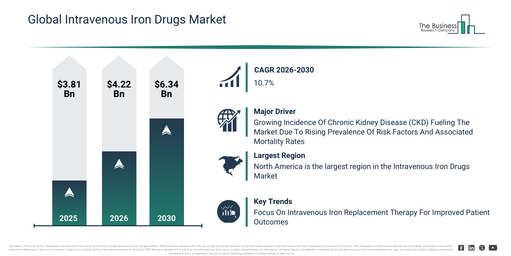
    The market for intravenous iron drugs has experienced substantial growth in recent years. It is anticipated to expand from $3.81 billion in 2025 to $4.22 billion in 2026, reflecting a compound annual growth rate (CAGR) of 10.8%. The historical rise in this market can be linked to the significant prevalence of iron deficiency anemia, challenges associated with oral iron absorption, structured hospital protocols for anemia management, increased adoption in dialysis centers, and the demonstrated clinical efficacy of IV iron therapies.

    The intravenous iron drugs market size is expected to experience significant growth in the upcoming years. It is projected to reach $6.34 billion in 2030, demonstrating a compound annual growth rate (CAGR) of 10.7%. The anticipated growth during this period is attributable to the rising burden of chronic diseases, an expanding population of dialysis patients, an increase in cancer-related anemia cases, the demand for rapid hemoglobin correction, and the broadening of outpatient infusion services. Key trends for the forecast period include an increasing application in the management of iron deficiency anemia, a growing adoption among patients with chronic kidney disease, a developing preference over oral iron therapies, the expansion of single-dose iron formulations, and higher utilization in oncology and gastroenterology.

    Get A Free Sample Report With In-Depth Market Insights:

    https://thebusinessresearchcompany.com/sample_request?id=95513183&type=smp&name=Intravenous%20Iron%20Drugs%20Market%20Report%202026&utm_source=Blogs&utm_medium=Paid&utm_campaign=Oct_PR

    Intravenous Iron Drugs Market Demand Drivers Opening New Revenue Streams

    The increasing occurrence of chronic kidney disease (CKD) is projected to propel the expansion of the intravenous iron drugs market moving forward. Chronic kidney disease (CKD) signifies the progressive deterioration of kidney function over time, leading to the kidneys’ diminished capacity to effectively filter waste and excess fluids from the blood. This rise in CKD cases is attributed to escalating rates of diabetes and hypertension, which contribute to kidney damage over time. Intravenous iron drugs aid chronic kidney disease patients by replenishing iron stores, rectifying anemia, and enhancing hemoglobin levels, which in turn improves oxygen transport and lessens the requirement for erythropoiesis-stimulating agents. For instance, in July 2025, according to Hamadan University of Medical Sciences, a Iran-based university, the global number of newly diagnosed chronic kidney diseases is projected to rise to 25.06 million by 2030. Hence, the increasing prevalence of chronic kidney disease (CKD) is driving the growth of the intravenous iron drugs market.

    Intravenous Iron Drugs Market Segment Breakdown: Which Categories Lead On Revenue?

    The intravenous iron drugs market covered in this report is segmented –

    1) By Product Type: Iron Dextran, Iron Sucrose, Ferric Carboxymaltose, Other Product Types

    2) By Indication: Chronic Kidney Disease, Inflammatory Bowel Disease, Cancer, Other Diseases

    3) By Distribution Channel: Hospital Pharmacy, Retail Pharmacy, Online Pharmacy

    Subsegments:

    1) By Iron Dextran: Low Molecular Weight Iron Dextran, High Molecular Weight Iron Dextran

    2) By Iron Sucrose: Standard Iron Sucrose Injection, Iron Sucrose Complex

    3) By Ferric Carboxymaltose: Single-Dose Ferric Carboxymaltose, Multiple-Dose Ferric Carboxymaltose

    4) By Other Product Types: Ferumoxytol, Ferric Derisomaltose, Sodium Ferric Gluconate

    Intravenous Iron Drugs Market Trends Powering Strategic Industry Growth

    Leading companies active in the intravenous iron drugs market are prioritizing the creation of novel therapies, such as intravenous (IV) iron replacement therapy, to enhance effectiveness, safety, and patient outcomes. Intravenous (IV) iron replacement therapy functions as a medical procedure that delivers iron directly into the bloodstream through an intravenous infusion. This treatment addresses iron deficiency and anemia, particularly beneficial for patients who struggle to tolerate or adequately absorb oral iron supplements. For instance, in June 2023, Daiichi Sankyo Company Limited, a Japan-based pharmaceutical entity specializing in advanced drug development and healthcare provisions, declared that the U.S. Food and Drug Administration (FDA) had sanctioned Injectafer (ferric carboxymaltose injection) for the management of iron deficiency in adult patients suffering from heart failure classified as New York Heart Association class II/III, with the aim of boosting exercise capacity. Injectafer is a broadly applied intravenous iron treatment, noted for its rapid replenishment of iron levels in individuals who are intolerant to or do not respond well to oral iron supplements.

    Intravenous Iron Drugs Market Leading Players And Competitive Positioning

    Major companies operating in the intravenous iron drugs market are Pharmacosmos A/S, American Regent Inc., Fresenius SE & Co. KGaA, Sandoz Group AG, Hikma Pharmaceuticals plc, Rockwell Medical Inc., Daiichi Sankyo Company Ltd., CSL Limited, Teva Pharmaceutical Industries Ltd., Sun Pharmaceutical Industries Ltd., Dr. Reddy’s Laboratories Ltd., Zydus Lifesciences Limited, Vifor Pharma Management Ltd., Galenica Ltd., Aspen Pharmacare Holdings Limited, Lupin Limited, Aurobindo Pharma Limited, Jiangsu Hengrui Pharmaceutical Co. Ltd., Kissei Pharmaceutical Co. Ltd., Nanjing Hicin Pharmaceutical Co. Ltd

    View The Full Intravenous Iron Drugs Market Report:

    https://thebusinessresearchcompany.com/report/intravenous-iron-drugs-global-market-report?utm_source=Blogs&utm_medium=Paid&utm_campaign=Oct_PR

    Intravenous Iron Drugs Market Geographic Landscape: Which Region Leads Industry Growth?

    North America was the largest region in the intravenous iron drugs market in 2025. Asia-Pacific is expected to be the fastest-growing region in the forecast period. The regions covered in the intravenous iron drugs market report are Asia-Pacific, South East Asia, Western Europe, Eastern Europe, North America, South America, Middle East, Africa.

    Reach Out To Our Team:

    The Business Research Company: https://www.thebusinessresearchcompany.com/

    Americas: +1 310-496-7795

    Asia: +44 7882 955267 & +91 8897263534

    Europe: +44 7882 955267

    Email us at: marketing@tbrc.info

    Follow us on:

    LinkedIn: https://in.linkedin.com/company/the-business-research-company

    YouTube: https://www.youtube.com/channel/UC24_fI0rV8cR5DxlCpgmyFQ

    Global Market Model: https://www.thebusinessresearchcompany.com/global-market-model
  • Intravenous Immunoglobulin Market Reaches $23.43 Billion In 2026: Key Developments Shaping Expansion

    Intravenous Immunoglobulin Market Reaches $23.43 Billion In 2026: Key Developments Shaping Expansion

    Backed by market attractiveness analysis, total addressable market sizing, company benchmarking matrices, interactive Excel dashboards, wider supply chain intelligence, emerging startup coverage, and detailed product-level insights, The Business Research Company’s 2026 market reports are designed to offer research that is more actionable and strategically valuable than ever.

    Intravenous Immunoglobulin Market Value Analysis: What Growth Lies Ahead Over The Forecast Period?

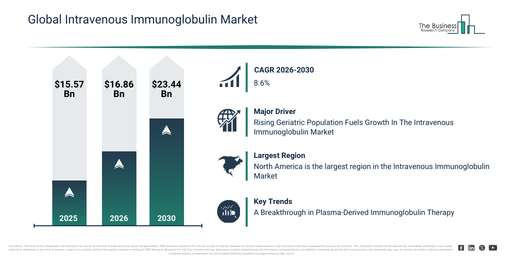
    The intravenous immunoglobulin market has experienced significant growth in recent years. This market is set to expand from $15.57 billion in 2025 to $16.86 billion in 2026, achieving a compound annual growth rate (CAGR) of 8.3%. Historically, this growth can be attributed to several factors including an increasing prevalence of primary immunodeficiency diseases, innovations in immunoglobulin purification techniques, a rise in hospital-based IVIG administration, growing public awareness concerning autoimmune disorders, and the expansion of IVIG production capacities.

    The intravenous immunoglobulin market is projected to experience robust expansion over the coming years. This market is anticipated to reach a valuation of $23.44 billion by 2030, demonstrating a compound annual growth rate (CAGR) of 8.6%. Factors contributing to this growth during the projection period include the rising need for home-based IVIG treatment, the creation of biosimilar IVIG products, the incorporation of automated infusion systems, a broadening range of applications in neurological conditions, and the expansion of immunoglobulin therapies in developing markets. Key trends identified for the forecast timeframe encompass personalized immunoglobulin treatment, IVIG administration at home, the evolution and uptake of biosimilars, improved purification and safety measures, and automated infusion systems.

    Get A Free Sample Report With In-Depth Market Insights:

    https://thebusinessresearchcompany.com/sample_request?id=8538&type=smp&name=Intravenous%20Immunoglobulin%20Market%20Report%202026&utm_source=Blogs&utm_medium=Paid&utm_campaign=Oct_PR

    Intravenous Immunoglobulin Market Growth Backed By Core Demand Fundamentals

    The expanding geriatric population is poised to advance the intravenous immunoglobulin market. This demographic, defined as individuals over 65 years old, often experiences compromised immune function and a scarcity of antibodies as they age, requiring immunoglobulins to supplement their antibody levels. This directly boosts the demand for intravenous immunoglobulins. For instance, in January 2024, the Population Reference Bureau, a Kenya-based Nonprofit organization, reported that the population of Americans aged 65 and older is projected to surge from 58 million in 2022 to 82 million by 2050, marking a 47% increase. Furthermore, this age group’s proportion of the total population is expected to climb from 17% to 23% during the identical period. Hence, the increasing geriatric population will undoubtedly stimulate the growth of the intravenous immunoglobulin market.

    Intravenous Immunoglobulin Market Segmentation: How Does The Market Break Down By Category?

    The intravenous immunoglobulin market covered in this report is segmented –

    1) By Type: IgG (Immunoglobulin G), IgM (Immunoglobulin M), IgA (Immunoglobulin A), IgE (Immunoglobulin E), IgD (Immunoglobulin D)

    2) By Distribution Channel: Hospital Pharmacy, Retail Pharmacy, Other Distribution Channels

    3) By Application: Hypogammaglobulinemia, Chronic Inflammatory Demyelinating Polyneuropathy (CIDP), Primary Immunodeficiency Diseases, Myasthenia Gravis, Multifocal Motor Neuropathy, Other Applications

    4) By End-User: Hospitals, Clinics, Home Care

    Intravenous Immunoglobulin Market Growth Trends Reshaping The Competitive Landscape

    Key companies operating in the intravenous immunoglobin market are concentrating on bringing innovative products to market, such as plasma-derived medicines, and securing their endorsement from federal bodies, including the US FDA, to gain a competitive advantage. The release of an FDA-approved advanced IVIG solution represents the U.S. Food and Drug Administration’s endorsement of a new intravenous immunoglobulin (IVIG) therapy designed for treating specific medical ailments. For example, in June 2024, Biotest AG, a Germany-based supplier of plasma proteins and products, publicly announced its initial U.S. Food and Drug Administration (FDA) approval for Yimmugo, designated for addressing primary immunodeficiencies. Yimmugo, acting as an intravenous immunoglobulin, incorporates pooled human plasma-derived immunoglobulin G (IgG), which is essential for providing immune support to patients with PIDs. This approval emerges amidst a rising need for plasma-derived treatments, underscoring the requirement for effective therapeutic options for individuals with weakened immune systems. Yimmugo further enhances Grifols’ existing collection of intravenous and subcutaneous immunoglobulins, thereby offering more alternatives for patients who rely on these vital medications.

    Intravenous Immunoglobulin Market Competitive Overview And Top Companies

    Major companies operating in the intravenous immunoglobulin market are Bio Products Laboratory Limited, Biotest AG, China Biologic Products Holdings Inc., CSL Behring, Grifols S.A., Kedrion SpA, Shanghai RAAS Blood Products Co. Ltd., Octapharma AG, Takeda Pharmaceutical Company Limited, Baxter International Inc., LFB Biotechnologies SAS, BDI Pharma Inc., Hualan Biological Engineering Inc., ADMA Biologics Inc., Bharat Serums and Vaccines Limited, Sanquin Plasma Products B.V., Prothya Biosolutions B.V., Sichuan Yuanda Shuyang Pharmaceutical Co. Ltd., Pfizer Inc., Kedrion Biopharma, Intas Pharmaceuticals, Octapharma Pharmazeutika Produktionsges.m.b.H., GC Pharma, Grifols Biologicals Inc., Kamada Ltd., LFB USA, Octapharma Plasma Inc., Panacea Biotec Ltd.

    View The Full Intravenous Immunoglobulin Market Report:

    https://thebusinessresearchcompany.com/report/intravenous-immunoglobulin-global-market-report?utm_source=Blogs&utm_medium=Paid&utm_campaign=Oct_PR

    Intravenous Immunoglobulin Market Largest Region: Which Geography Holds The Biggest Share?

    North America was the largest region in the intravenous immunoglobulin market in 2025. Asia-Pacific is expected to be the fastest-growing region in the forecast period. The regions covered in the intravenous immunoglobulin market report are Asia-Pacific, South East Asia, Western Europe, Eastern Europe, North America, South America, Middle East, Africa.

    Reach Out To Our Team:

    The Business Research Company: https://www.thebusinessresearchcompany.com/

    Americas: +1 310-496-7795

    Asia: +44 7882 955267 & +91 8897263534

    Europe: +44 7882 955267

    Email us at: marketing@tbrc.info

    Follow us on:

    LinkedIn: https://in.linkedin.com/company/the-business-research-company

    YouTube: https://www.youtube.com/channel/UC24_fI0rV8cR5DxlCpgmyFQ

    Global Market Model: https://www.thebusinessresearchcompany.com/global-market-model
  • Intratumoral Cancer Therapies Market Growth Outlook For 2026: Drivers, Trends And Future Opportunities

    Intratumoral Cancer Therapies Market Growth Outlook For 2026: Drivers, Trends And Future Opportunities

    Featuring market attractiveness scoring, total addressable market sizing, company benchmarking matrices, interactive Excel dashboards, deeper supply chain intelligence, emerging startup tracking, and granular product-level insights, The Business Research Company’s 2026 market reports are built to deliver research that is both more actionable and more strategically valuable.

    Intratumoral Cancer Therapies Market Size Forecast: How Big Could The Market Get By 2030?

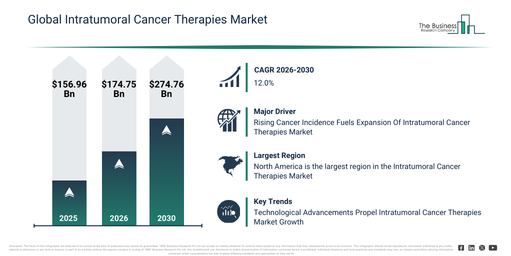
    The intratumoral cancer therapies market has seen rapid growth in recent years. This market is expected to increase from $156.96 billion in 2025 to $174.75 billion in 2026, achieving a compound annual growth rate (CAGR) of 11.3%. The expansion observed during prior periods can be attributed to several factors, including restricted treatment specificity, a significant dependence on chemotherapy, insufficient adoption of immunotherapy, traditional tumor injection methods, and disparities in regional healthcare infrastructure.

    The intratumoral cancer therapies market size is anticipated to undergo substantial expansion in the upcoming years. This market is projected to reach $274.76 billion in 2030, exhibiting a compound annual growth rate (CAGR) of 12.0%. The expansion during the forecast period is attributed to increased adoption of precision medicine, the growing use of immuno-oncology therapies, technological advancements in injection devices, heightened collaboration with biotech firms, and expanding cancer research funding. Prominent trends for the forecast period include targeted intratumoral drug delivery, combination therapy approaches, personalized cancer treatment, minimally invasive administration techniques, and enhanced tumor microenvironment modulation.

    Get A Free Sample Report With In-Depth Market Insights:

    https://thebusinessresearchcompany.com/sample_request?id=13739931&type=smp&name=Intratumoral%20Cancer%20Therapies%20Market%20Report%202026&utm_source=Blogs&utm_medium=Paid&utm_campaign=Oct_PR

    Intratumoral Cancer Therapies Market Growth Catalysts And Demand Drivers

    The expanding occurrence of cancer is projected to fuel the advancement of the intratumoral cancer therapies market in the future. Cancer refers to various conditions marked by the uncontrolled proliferation and dissemination of abnormal cells within the body. Intratumoral cancer therapies are employed for both the diagnosis and treatment of cancer, aiding in the prevention of off-target toxicities, dose-limiting toxicities, and immune stimulation-related adverse effects in patients. As an illustration, in January 2023, the American Cancer Society, a U.S.-based nonprofit cancer advocacy organization, estimated around 1,958,310 new cancer diagnoses for 2023 in the United States. This marks an increase of approximately 2.1% from the approximately 1,918,160 new cases recorded in 2022. Consequently, the rising prevalence of cancer is a key factor propelling the expansion of the intratumoral cancer therapies market.

    Intratumoral Cancer Therapies Market Segment Trends And Revenue Contributors

    The intratumoral cancer therapies market covered in this report is segmented –

    1) By Technology: Monoclonal Antibodies, Vaccines, Checkpoint Inhibitors, Cell Therapies, Immunes System Modulator, Adoptive Cell Transfer, Cytokines

    2) By Application: Lung Cancer, Breast Cancer, Melanoma, Prostate Cancer, Head And Neck Cancer, Other Applications

    3) By End Users: Hospitals, Cancer Research Centers, Clinics

    Subsegments:

    1) By Monoclonal Antibodies: Naked Monoclonal Antibodies, Conjugated Monoclonal Antibodies, Bispecific Monoclonal Antibodies

    2) By Vaccines: Peptide-Based Vaccines, Protein-Based Vaccines, DNA Vaccines

    3) By Checkpoint Inhibitors: PD-1 Or PD-L1 Inhibitors, CTLA-4 Inhibitors

    4) By Cell Therapies: CAR T-Cell Therapy, TCR Therapy

    5) By Immune System Modulators: Immune Checkpoint Inhibitors, Toll-Like Receptor Agonists

    6) By Adoptive Cell Transfer: Tumor-Infiltrating Lymphocytes (TILs), Peripheral Blood Lymphocytes (PBLs)

    7) By Cytokines: Interleukins, Interferons, Tumor Necrosis Factor (TNF)

    Intratumoral Cancer Therapies Market Trends Shaping Long-Term Demand

    Leading companies in the intratumoral cancer therapies market are concentrating on developing innovative solutions, such as advanced oncolytic virus platforms, to address the increasing demand for precise tumor eradication, heightened immune activation, and next-generation localized cancer treatments. Oncolytic virus therapies are engineered viral constructs designed to selectively replicate within tumor cells, causing direct tumor lysis while simultaneously stimulating systemic anti-tumor immunity, thereby offering a more targeted and immune-potentiating alternative to traditional chemotherapy and radiation. For instance, in November 2024, Replimune Group, Inc., a U.S.-based clinical-stage biotechnology company, announced that its lead candidate RP1 (vusolimogene oderparepvec), an engineered herpes simplex virus armed with a fusogenic protein and GM-CSF, received Breakthrough Therapy Designation from the FDA, and its Biologics License Application was submitted under the Accelerated Approval pathway. This technology enables intratumoral delivery of an oncolytic virus that directly destroys tumor cells and amplifies systemic immune responses, representing a significant advancement in cancer treatment.

    Intratumoral Cancer Therapies Market Competitive Landscape: Which Companies Lead The Industry?

    Major companies operating in the intratumoral cancer therapies market are Amgen Inc., AstraZeneca plc, Bayer AG, Bristol-Myers Squibb Company, Pfizer Inc., Novartis AG, Johnson & Johnson, Eli Lilly and Company, F. Hoffmann-la Roche, Takeda Pharmaceutical Company Ltd., GSK plc, Ziopharm Oncology Inc., Celldex Therapeutics Inc., Astellas Pharma Inc., Sirnaomics, Checkmate Pharmaceuticals Inc., Immunovative Therapies Ltd., Idera Pharmaceuticals Inc., Daiichi Sankyo, Philogen S.p.A., Apexigen Inc., Merck Group, OncoSec Medical Incorporated, DNAtrix, Istari Oncology Inc., Nanobiotix, Exicure Inc., Karyopharm Therapeutics Inc., Torigen Pharmaceuticals Inc.

    View The Full Intratumoral Cancer Therapies Market Report:

    https://thebusinessresearchcompany.com/report/intratumoral-cancer-therapies-global-market-report?utm_source=Blogs&utm_medium=Paid&utm_campaign=Oct_PR

    Intratumoral Cancer Therapies Market Regional Analysis: Which Geography Leads On Revenue?

    North America was the largest region in the intratumoral cancer therapies market in 2025. The regions covered in the intratumoral cancer therapies market report are Asia-Pacific, South East Asia, Western Europe, Eastern Europe, North America, South America, Middle East, Africa.

    Reach Out To Our Team:

    The Business Research Company: https://www.thebusinessresearchcompany.com/

    Americas: +1 310-496-7795

    Asia: +44 7882 955267 & +91 8897263534

    Europe: +44 7882 955267

    Email us at: marketing@tbrc.info

    Follow us on:

    LinkedIn: https://in.linkedin.com/company/the-business-research-company

    YouTube: https://www.youtube.com/channel/UC24_fI0rV8cR5DxlCpgmyFQ

    Global Market Model: https://www.thebusinessresearchcompany.com/global-market-model

  • Intranasal Corticosteroids Market Size Forecast From 2026 To 2030: Key Industry Trends

    Intranasal Corticosteroids Market Size Forecast From 2026 To 2030: Key Industry Trends

    Built to provide research that’s more actionable and strategically valuable, The Business Research Company’s 2026 market reports include market attractiveness analysis, total addressable market sizing, company benchmarking matrices, interactive Excel dashboards, broader supply chain intelligence, emerging startup tracking, and in-depth product insights.

    Intranasal Corticosteroids Market Revenue Outlook: What CAGR Lies Ahead Through 2030?

    The intranasal corticosteroids market size has experienced robust expansion in recent years. Projections indicate an increase from $6.78 billion in 2025 to $7.31 billion in 2026, demonstrating a compound annual growth rate (CAGR) of 7.8%. Factors contributing to this historical growth include limited knowledge of intranasal corticosteroids, a dependence on hospital pharmacies for drug dissemination, a rising occurrence of nasal allergies, a preference for traditional treatment approaches, and restricted availability of online pharmacies.

    The intranasal corticosteroids market is projected to experience substantial expansion in the coming years, with its size reaching $9.74 billion in 2030, demonstrating a compound annual growth rate (CAGR) of 7.4%. This anticipated growth during the forecast period is attributed to heightened healthcare awareness, the proliferation of retail and online pharmacies, an increasing incidence of chronic rhinitis and nasal polyps, the adoption of combination therapies, and the development of patient-friendly spray devices. Key trends for the forecast period include a rising prevalence of allergic rhinitis and nasal disorders, an increase in the adoption of prescription intranasal corticosteroids, a surge in over-the-counter intranasal corticosteroid use, the expansion of hospital and homecare distribution channels, and an emphasis on patient-centric treatment and ease of administration.

    Get A Free Sample Report With In-Depth Market Insights:

    https://thebusinessresearchcompany.com/sample_request?id=38182478&type=smp&name=Intranasal%20Corticosteroids%20Market%20Report%202026&utm_source=Blogs&utm_medium=Paid&utm_campaign=Oct_PR

    Intranasal Corticosteroids Market Opportunity Drivers: What’s Unlocking New Revenue Potential?

    The rising occurrence of allergic rhinitis is anticipated to stimulate future expansion within the intranasal corticosteroids market. This condition constitutes an allergic response leading to inflammation within the nasal passages, frequently initiated by airborne irritants like pollen, dust mites, mold, or pet dander. Its growing prevalence largely stems from escalating environmental pollution, which exposes people to airborne allergens and irritants, thus prompting allergic reactions in their nasal passages. Intranasal corticosteroids assist in managing allergic rhinitis through the reduction of nasal passage inflammation, thereby alleviating symptoms including sneezing, congestion, and a runny nose. For example, data from October 2023, provided by the National Library of Medicine, a US-based biomedical library, indicates that allergic rhinitis impacts more than 400 million individuals globally, with estimated prevalence rates of 10% to 30% in adults and exceeding 40% in children. Consequently, the increasing prevalence of allergic rhinitis acts as a significant driver for the intranasal corticosteroid market.

    Intranasal Corticosteroids Market Segment Analysis Spotlighting Growth Areas

    The intranasal corticosteroids market covered in this report is segmented –

    1) By Drug Types: Prescribed Drugs, Over-The-Counter Drugs

    2) By Application: Allergic Rhinitis, Nasal Polyps, Sinusitis, Other Applications

    3) By Distribution Channel: Hospital Pharmacies, Retail Pharmacies, Online Pharmacies, Other Distribution Channel

    4) By End User: Hospitals, Clinics, Homecare, Healthcare Providers

    Subsegments:

    1) By Prescribed Drugs: Fluticasone Propionate, Mometasone Furoate, Budesonide, Beclomethasone Dipropionate, Ciclesonide

    2) By Over-The-Counter Drugs: Triamcinolone Acetonide, Fluticasone Furoate, Budesonide Over-The-Counter Drugs

    Intranasal Corticosteroids Market Innovation Trends Shaping Future Development

    Leading companies within the intranasal corticosteroids market are prioritizing the development of innovative formulations, such as nasal sprays, to optimize targeted drug delivery and improve patient adherence. These liquid medications are administered directly into the nose via a spray nozzle to address conditions including allergies, congestion, or inflammation. They facilitate rapid drug absorption through the nasal mucosa, offering quick relief with minimal systemic effects. For instance, in March 2024, OptiNose Inc., a US-based pharmaceutical company, obtained approval from the U.S. Food and Drug Administration (FDA) for XHANCE, which is the first and only treatment specifically indicated for adults suffering from chronic rhinosinusitis (CRS) without nasal polyps. This nasal spray incorporates a unique exhalation delivery system, allowing the medication to reach deep into the nasal cavity, thereby effectively treating CRS in adults, with or without nasal polyps. Each spray dispenses 93 mcg of fluticasone propionate, and the device operates by requiring the user to blow into a mouthpiece while simultaneously releasing the spray into the nostril, ensuring precise delivery and enhanced symptom relief.

    Intranasal Corticosteroids Market Leading Companies: Who Holds The Strongest Market Presence?

    Major companies operating in the intranasal corticosteroids market are GlaxoSmithKline plc, Teva Pharmaceutical Industries Ltd., Sandoz Group AG, Haleon plc, Intas Pharmaceuticals Limited, Organon Pharma (UK) Limited, Sun Pharmaceutical Industries Ltd., Apotex Inc., Perrigo Company plc, Aurobindo Pharma Limited, Cipla Ltd., Hikma Pharmaceuticals plc, Zydus Lifesciences Ltd., Glenmark Pharmaceuticals Limited, OptiNose US Inc., Taro Pharmaceutical Industries Ltd., Maya Biotech Private Limited, AdvaCare Pharma USA, Lupin Ltd., Xenone Healthcare Private Limited.

    View The Full Intranasal Corticosteroids Market Report:

    https://thebusinessresearchcompany.com/report/intranasal-corticosteroids-global-market-report?utm_source=Blogs&utm_medium=Paid&utm_campaign=Oct_PR

    Intranasal Corticosteroids Market Geographic Spread And Regional Opportunities

    North America was the largest region in the intranasal corticosteroids market in 2025. Asia-Pacific is expected to be the fastest-growing region in the forecast period. The regions covered in the intranasal corticosteroids market report are Asia-Pacific, South East Asia, Western Europe, Eastern Europe, North America, South America, Middle East, Africa.

    Reach Out To Our Team:

    The Business Research Company: https://www.thebusinessresearchcompany.com/

    Americas: +1 310-496-7795

    Asia: +44 7882 955267 & +91 8897263534

    Europe: +44 7882 955267

    Email us at: marketing@tbrc.info

    Follow us on:

    LinkedIn: https://in.linkedin.com/company/the-business-research-company

    YouTube: https://www.youtube.com/channel/UC24_fI0rV8cR5DxlCpgmyFQ

    Global Market Model: https://www.thebusinessresearchcompany.com/global-market-model

  • Interventional Lung Solutions Market 2026: Market Size, Growth Drivers And Emerging Opportunities

    Interventional Lung Solutions Market 2026: Market Size, Growth Drivers And Emerging Opportunities

    Backed by market attractiveness analysis, total addressable market sizing, company benchmarking matrices, interactive Excel dashboards, wider supply chain intelligence, emerging startup coverage, and detailed product-level insights, The Business Research Company’s 2026 market reports are designed to offer research that is more actionable and strategically valuable than ever.

    Interventional Lung Solutions Market Growth Analysis: How Will Revenue Trend Over The Forecast Period?

    The interventional lung solutions market has experienced significant expansion in recent years. It is anticipated to grow from $2.47 billion in 2025 to $2.68 billion in 2026, achieving a compound annual growth rate (CAGR) of 8.3%. This historical growth can be attributed to factors such as the increasing prevalence of COPD and lung cancer, the limitations of surgical lung interventions, ongoing advancements in bronchoscopy technology, the growing adoption of minimally invasive procedures by hospitals, and rising healthcare expenditure.

    The interventional lung solutions market is anticipated to exhibit substantial growth in the coming years. It is projected to attain a size of $3.66 billion by 2030, advancing at a compound annual growth rate (CAGR) of 8.1%. This expansion during the forecast period can be attributed to several factors, including an increase in the aging population suffering from respiratory diseases, the rising adoption of robotic-assisted interventions, the broadening scope of outpatient pulmonary procedures, a heightened focus on early lung cancer diagnosis, and technological advancements in navigation bronchoscopy. Key trends expected over the forecast period encompass the increasing embrace of minimally invasive pulmonary procedures, greater utilization of robotic bronchoscopy systems, escalating demand for lung volume reduction devices, the expansion of image-guided interventional lung therapies, and a growing preference for disposable bronchoscopes.

    Get A Free Sample Report With In-Depth Market Insights:

    https://thebusinessresearchcompany.com/sample_request?id=39220697&type=smp&name=Interventional%20Lung%20Solutions%20Market%20Report%202026&utm_source=Blogs&utm_medium=Paid&utm_campaign=Oct_PR

    Interventional Lung Solutions Market Growth Momentum: What Factors Are Shaping Demand?

    The growing incidence of respiratory illnesses is anticipated to fuel the expansion of the interventional lung solutions market moving ahead. These conditions encompass various medical ailments impacting the lungs and airways, leading to impaired breathing and disrupted respiratory function. The escalating occurrence of respiratory diseases stems from higher levels of air pollution, which cause continuous exposure to detrimental airborne particles and irritants. Interventional lung solutions aid in managing these diseases through minimally invasive procedures designed to enhance lung function and alleviate symptoms for individuals with chronic pulmonary conditions. For example, as reported by BioMed Central Ltd, a UK-based journal website, in May 2025, the worldwide prevalence of chronic obstructive pulmonary disease is estimated at 10.3%, with projections indicating 600 million individuals will be affected by 2050. Furthermore, approximately 262 million people globally are currently impacted by asthma. Consequently, the rising prevalence of respiratory diseases acts as a key driver for the interventional lung solutions market.

    Interventional Lung Solutions Market Segment Performance And Emerging Opportunities

    The interventional lung solutions market covered in this report is segmented –

    1) By Product Type: Bronchoscopes, Endobronchial Ultrasound Needles, Pleuroscopes, Airway Stents, Other Product Types

    2) By Technology: Robotic Surgery, Laser Therapy, Electromagnetic Navigation Bronchoscopy

    3) By Procedure: Bronchoscopy, Thoracoscopy, Pleuroscopy, Other Procedures

    4) By Application: Lung Cancer Treatment, Chronic Obstructive Pulmonary Disease

    5) By End-User: Hospitals, Ambulatory Surgical Centers, Specialty Clinics, Other End-Users

    Subsegments:

    1) BY Bronchoscopes: Flexible Bronchoscopes, Rigid Bronchoscopes, Disposable Bronchoscopes

    2) By Endobronchial Ultrasound Needles: Transbronchial Aspiration Needles, Biopsy Needles

    3) By Pleuroscopes: Flexible Pleuroscopes, Semi-Rigid Pleuroscopes

    4) By Airway Stents: Metallic Stents, Silicone Stents, Hybrid Stents

    5) By Other Product Types: Bronchial Thermoplasty Devices, Lung Volume Reduction Devices, Electromagnetic Navigation Systems, Cryotherapy And Ablation Devices

    Interventional Lung Solutions Market Trends Redefining Industry Growth

    Major companies operating in the interventional lung solutions market are concentrating on developing innovative technologies, such as the Ion Endoluminal System, to enhance the accuracy of lung cancer diagnostics, enable less invasive procedures, and improve patient outcomes through advanced navigation and biopsy capabilities. The Ion Endoluminal System is a robotic-assisted platform built for minimally invasive lung procedures, allowing precise airway navigation to reach small or hard-to-access lung nodules. As an example, in April 2024, H. Lee Moffitt Cancer Center and Research Institute Foundation Inc., a US-based non-profit institution, launched a new Ion Robotic Bronchoscopy platform, which strengthened their interventional pulmonology program with advanced fiber-optic technology and a minimally invasive catheter system. This technology employs fiber optics and the smallest catheter on the market to access all regions of the lung. This platform features an ultra-thin, highly flexible catheter with 180° articulation, integrated real-time vision, and shape-sensing technology, facilitating precise navigation and biopsy of hard-to-reach peripheral lung nodules. This system offers unprecedented stability and accuracy for tissue sampling, enabling physicians to reach all 18 lung segments and enhancing early lung cancer detection.

    Interventional Lung Solutions Market Key Players: Which Companies Lead Industry Competition?

    Major companies operating in the interventional lung solutions market are Johnson and Johnson, Siemens AG, Medtronic plc, FUJIFILM Holdings Corporation, GE Healthcare Technologies Inc., Boston Scientific Corporation, Olympus Corporation, Intuitive Surgical Inc., Smiths Medical Inc., Cook Medical Inc., Merit Medical Systems Inc., Penumbra Inc., Vygon SA, AngioDynamics Inc., Vapotherm Inc., Pulmonx Corporation, Broncus Medical Inc., Thirona B.V., Body Vision Medical Ltd., EndoMed Systems GmbH

    View The Full Interventional Lung Solutions Market Report:

    https://thebusinessresearchcompany.com/report/interventional-lung-solutions-global-market-report?utm_source=Blogs&utm_medium=Paid&utm_campaign=Oct_PR

    Interventional Lung Solutions Market Top Region By Revenue And Market Share

    North America was the largest region in the interventional lung solutions market in 2025. Asia-Pacific is expected to be the fastest-growing region in the forecast period. The regions covered in the interventional lung solutions market report are Asia-Pacific, South East Asia, Western Europe, Eastern Europe, North America, South America, Middle East, Africa.

    Reach Out To Our Team:

    The Business Research Company: https://www.thebusinessresearchcompany.com/

    Americas: +1 310-496-7795

    Asia: +44 7882 955267 & +91 8897263534

    Europe: +44 7882 955267

    Email us at: marketing@tbrc.info

    Follow us on:

    LinkedIn: https://in.linkedin.com/company/the-business-research-company

    YouTube: https://www.youtube.com/channel/UC24_fI0rV8cR5DxlCpgmyFQ

    Global Market Model: https://www.thebusinessresearchcompany.com/global-market-model
  • Interstitial Cystitis Drugs Market Set To Expand From $1.81 Billion In 2026: Growth Outlook Through 2030

    Interstitial Cystitis Drugs Market Set To Expand From $1.81 Billion In 2026: Growth Outlook Through 2030

    Featuring market attractiveness scoring, total addressable market sizing, company benchmarking matrices, interactive Excel dashboards, deeper supply chain intelligence, emerging startup tracking, and granular product-level insights, The Business Research Company’s 2026 market reports are built to deliver research that is both more actionable and more strategically valuable.

    Interstitial Cystitis Drugs Market Forecast: What Value Will The Market Reach By 2030?

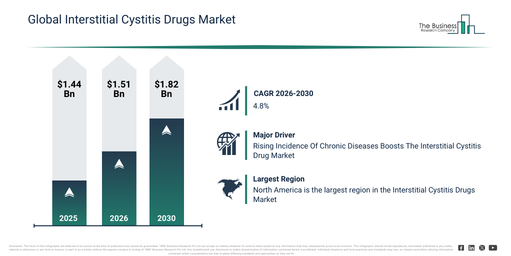
    The interstitial cystitis drugs market size has experienced consistent growth in recent years. This market is projected to expand from $1.44 billion in 2025 to $1.51 billion in 2026, exhibiting a compound annual growth rate (CAGR) of 4.8%. Historically, the market’s expansion was influenced by factors such as limited awareness of ic, reliance on conventional therapies, high prevalence of misdiagnosis, restricted r&d funding, and low adoption of intravesical therapy.

    The interstitial cystitis drugs market is projected to experience consistent expansion over the upcoming years. Its valuation is anticipated to reach $1.82 billion in 2030, exhibiting a compound annual growth rate (CAGR) of 4.8%. This expansion during the projection period stems from factors such as the increasing embrace of targeted therapies, greater investment in IC research, a rise in bladder disorder prevalence, innovations in drug delivery technology, and the development of healthcare infrastructure. Key trends anticipated during this period encompass individualized treatment methods, non-invasive drug delivery solutions, the evolution of combination therapies, improved bladder lining repair interventions, and a heightened emphasis on symptom control.

    Get A Free Sample Report With In-Depth Market Insights:

    https://thebusinessresearchcompany.com/sample_request?id=51888144&type=smp&name=Interstitial%20Cystitis%20Drugs%20Market%20Report%202026&utm_source=Blogs&utm_medium=Paid&utm_campaign=Oct_PR

    Interstitial Cystitis Drugs Market Expansion Drivers: What’s Shaping Future Growth?

    The interstitial cystitis drug market is anticipated to expand due to the increasing prevalence of chronic diseases. These long-term health conditions typically last for a person’s entire life. Medications for cystitis work by identifying and eradicating the bacteria that cause urinary tract infections. These treatments resolve the core infection in the urinary tract, thereby easing symptoms like painful urination, frequent urination, and urgency, which are often associated with various chronic conditions such as urinary tract infections (UTIs). As an illustration, data from the National Institute of Health, a US-based public health research agency, revealed that in January 2023, urinary tract infections led to over 1 million emergency department visits in the US, ranking as the seventh most frequent cause. Among these, 22% (220,000) were classified as complicated urinary tract infections (UTIs), with approximately 100,000 patients requiring annual hospital admissions. Consequently, the increasing occurrence of chronic diseases is fueling the expansion of the interstitial cystitis drug market. Increased pharmaceutical drug production is projected to boost the interstitial cystitis drug market in the future. This production involves the entire manufacturing journey of pharmaceutical items, including the creation, formulation, and packaging of medicines intended for therapeutic use. Various elements contribute to the heightened demand for drug manufacturing within the pharmaceutical sector, such as an aging demographic, ongoing research and development, public health campaigns, and the need for generic drugs. Enhanced drug production improves treatment choices for interstitial cystitis by fostering the creation of new therapies that address the rising demand for effective medications, spurred by greater understanding and detection of the condition. Better manufacturing capacities allow for quick adjustments to market requirements, ensuring patients can access the most current treatments. For instance, in June 2023, the European Federation of Pharmaceutical Industries and Associations (EFPIA), a Belgium-based trade association representing the European pharmaceutical industry, reported that Europe’s overall pharmaceutical output was €390,000 million ($422,803 million) in 2023, an increase from €363,300 million ($393,857 million) in 2022. Therefore, the rising incidence of chronic diseases is driving the growth of the interstitial cystitis drug market.

    Interstitial Cystitis Drugs Market Segment Landscape And Growth Outlook

    The interstitial cystitis drugs market covered in this report is segmented –

    1) By Drugs: Pentosan Polysulfate Sodium, Dimethyl Sulfoxide, Other Drugs

    2) By Type: Oral Therapy, Intravesical Therapy

    3) By Distribution Channel: Hospital Pharmacies, Retail Pharmacies, Online Pharmacies

    Subsegments:

    1) By Pentosan Polysulfate Sodium: Oral Pentosan Polysulfate Sodium, Injectable Pentosan Polysulfate Sodium

    2) By Dimethyl Sulfoxide (DMSO): Intravesical DMSO (Bladder Instillation)

    3) By Other Drugs: Amitriptyline, Hydroxyzine, Cimetidine, Gabapentin

    Interstitial Cystitis Drugs Market Competitive Landscape: Who Leads The Industry?

    Major companies operating in the interstitial cystitis drugs market are Pfizer Inc., Johnson & Johnson , Merck & Co. Inc., AbbVie Inc., Bayer AG, Novartis AG, Sanofi SA, GlaxoSmithKline PLC, Eli Lilly and Company, Amgen Inc., Viatris Inc., Teva Pharmaceutical Industries Ltd., Astellas Pharma Inc., Boehringer Ingelheim International GmbH, UCB S.A., Sun Pharmaceutical Industries Ltd., Perrigo Company PLC, Cipla Limited, Ferring B.V., Grunenthal Pharma, Kyorin Pharmaceutical Co. Ltd, Seikagaku Corporation, UroGen Pharma, Alivio Therapeutics, Lipella Pharmaceuticals, GlycoMira Therapeutics Inc.

    View The Full Interstitial Cystitis Drugs Market Report:

    https://thebusinessresearchcompany.com/report/interstitial-cystitis-drugs-global-market-report?utm_source=Blogs&utm_medium=Paid&utm_campaign=Oct_PR

    Interstitial Cystitis Drugs Market Regional Analysis And Top Geography

    North America was the largest region in the interstitial cystitis drugs market in 2025. Asia-Pacific is expected to be the fastest-growing region in the forecast period. The regions covered in the interstitial cystitis drugs market report are Asia-Pacific, South East Asia, Western Europe, Eastern Europe, North America, South America, Middle East, Africa.

    Reach Out To Our Team:

    The Business Research Company: https://www.thebusinessresearchcompany.com/

    Americas: +1 310-496-7795

    Asia: +44 7882 955267 & +91 8897263534

    Europe: +44 7882 955267

    Email us at: marketing@tbrc.info

    Follow us on:

    LinkedIn: https://in.linkedin.com/company/the-business-research-company

    YouTube: https://www.youtube.com/channel/UC24_fI0rV8cR5DxlCpgmyFQ

    Global Market Model: https://www.thebusinessresearchcompany.com/global-market-model

  • InterLeukin6 IL6 Inhibitor Market Size And Growth In 2026: Key Factors Shaping Future Demand

    InterLeukin6 IL6 Inhibitor Market Size And Growth In 2026: Key Factors Shaping Future Demand

    Built to provide research that’s more actionable and strategically valuable, The Business Research Company’s 2026 market reports include market attractiveness analysis, total addressable market sizing, company benchmarking matrices, interactive Excel dashboards, broader supply chain intelligence, emerging startup tracking, and in-depth product insights.

    InterLeukin6 IL6 Inhibitor Market Size Outlook: How Quickly Will Revenue Expand Through 2030?

    The interleukin6 il6 inhibitor market has experienced swift expansion in recent years. This market is projected to expand from $35.77 billion in 2025 to $39.44 billion in 2026, exhibiting a compound annual growth rate (CAGR) of 10.3%. Factors contributing to its historical growth include an increase in rheumatoid arthritis prevalence, advancements in monoclonal antibody development, expansion of biologics manufacturing, improved diagnosis of inflammatory diseases, and the growth of specialty pharmacies.

    The interleukin6 (IL-6) inhibitor market is anticipated to experience substantial growth over the coming years, with projections indicating it will reach a value of $58.33 billion by 2030, exhibiting a compound annual growth rate (CAGR) of 10.3%. This expansion during the forecast period is primarily driven by the increasing occurrence of autoimmune disorders, broader applications within oncology, a rise in biologics approvals, augmented healthcare spending, and the adoption of personalized immunotherapy. Key trends influencing this period include the rising acceptance of targeted immunotherapies, an increased utilization of IL-6 inhibitors in autoimmune conditions, the expansion of biologic drug development pipelines, growing clinical applications in inflammatory and cytokine-driven conditions, and an elevated demand for advanced injectable biologics.

    Get A Free Sample Report With In-Depth Market Insights:

    https://thebusinessresearchcompany.com/sample_request?id=52658888&type=smp&name=InterLeukin6%20IL6%20Inhibitor%20Market%20Report%202026&utm_source=Blogs&utm_medium=Paid&utm_campaign=Oct_PR

    InterLeukin6 IL6 Inhibitor Market Development Factors: What’s Supporting Demand?

    An anticipated expansion of the interleukin-6 (IL-6) inhibitor market is linked to the growing occurrence of neurological disorders. These disorders encompass conditions impacting the brain, spinal cord, and peripheral nerves, thereby affecting cognitive, motor, and sensory capabilities. Factors contributing to this increase include an aging demographic, advancements in diagnostic methods, and lifestyle elements like persistent stress and inactive habits. The interleukin-6 (IL-6) inhibitor market aids neurological patient care through its ability to diminish inflammation and irregular immune responses within the central nervous system, which assists in relieving symptoms and impeding disease progression. For example, data from March 2023, sourced from the US-based National Library of Medicine, indicated approximately 0.0067 billion Americans aged 65 and older had Alzheimer’s dementia in 2023, with projections suggesting a potential increase to 0.0138 billion by 2060. Consequently, the expanding incidence of neurological conditions is fueling the expansion of the interleukin-6 (IL-6) inhibitor market.

    InterLeukin6 IL6 Inhibitor Market Breakdown By Product Type And Application

    The interleukin6 il6 inhibitor market covered in this report is segmented –

    1) By Drug Type: Tocilizumab, Siltuximab, Sylvant

    2) By Route Of Administration: Intravenous (IV), Subcutaneous (SC), Other Route Of Administration

    3) By Indication: Rheumatoid Arthritis, Oncology, Systemic Juvenile Idiopathic Arthritis, Giant Cell Arteritis, COVID-19-Related Cytokine Storm, Other Indications

    4) By Distribution Channel: Retail Pharmacies, Hospital Pharmacies, Specialty Pharmacies, Online Pharmacies, Other Distribution Channels

    Subsegments:

    1) By Tocilizumab: Injectable Tocilizumab, Intravenous Tocilizumab, Subcutaneous Tocilizumab

    2) By Siltuximab: Injectable Siltuximab, Monotherapy Siltuximab, Combination Therapy Siltuximab

    3) By Sylvant: Injectable Sylvant, Sylvant For Multicentric Castleman Disease, Sylvant In Combination Treatments

    InterLeukin6 IL6 Inhibitor Market Transformation Trends: What Innovations Are Driving Change?

    Major companies in the interleukin-6 (IL-6) inhibitor market are concentrating on developing advanced solutions, such as the first approved tocilizumab biosimilar, to expand treatment options, improve accessibility, and enhance patient outcomes. This initial approved tocilizumab biosimilar is a highly similar version of the reference biologic Actemra, engineered to block the IL-6 receptor and reduce inflammation in conditions like rheumatoid arthritis and juvenile idiopathic arthritis, while providing comparable safety, efficacy, and quality at a more affordable cost. For instance, in November 2023, Fresenius Kabi, a Germany-based healthcare company, launched Tyenne, a tocilizumab biosimilar for various inflammatory and immune-mediated conditions. It features flexible administration options, including subcutaneous delivery through prefilled syringes and autoinjectors, as well as intravenous administration via vials, offering clinicians customizable treatment choices and providing European patients with a high-quality, accessible alternative to the originator therapy.

    InterLeukin6 IL6 Inhibitor Market Company Landscape And Competitive Strategy

    Major companies operating in the interleukin6 il6 inhibitor market are F. Hoffmann-La Roche Ltd, Genentech Inc., Chugai Pharmaceutical Co. Ltd., Johnson & Johnson, Regeneron Pharmaceuticals Inc., Sanofi S.A., Celltrion Inc., Novartis AG, GlaxoSmithKline plc, Amgen Inc., Merck KGaA, Astellas Pharma Inc., Galapagos N.V., AbbVie Inc., Bristol Myers Squibb Company, Eli Lilly and Company, Pfizer Inc., AstraZeneca PLC, Takeda Pharmaceutical Company Limited, Kyowa Kirin Co. Ltd.

    View The Full InterLeukin6 IL6 Inhibitor Market Report:

    https://thebusinessresearchcompany.com/report/interleukin6-il6-inhibitor-global-market-report?utm_source=Blogs&utm_medium=Paid&utm_campaign=Oct_PR

    InterLeukin6 IL6 Inhibitor Market Geographic Analysis: Where Is Demand Rising Fastest?

    Asia-Pacific was the largest region in the interleukin6 IL6 inhibitor market in 2025. North America is expected to be the fastest-growing region in the forecast period. The regions covered in the interleukin6 il6 inhibitor market report are Asia-Pacific, South East Asia, Western Europe, Eastern Europe, North America, South America, Middle East, Africa.

    Reach Out To Our Team:

    The Business Research Company: https://www.thebusinessresearchcompany.com/

    Americas: +1 310-496-7795

    Asia: +44 7882 955267 & +91 8897263534

    Europe: +44 7882 955267

    Email us at: marketing@tbrc.info

    Follow us on:

    LinkedIn: https://in.linkedin.com/company/the-business-research-company

    YouTube: https://www.youtube.com/channel/UC24_fI0rV8cR5DxlCpgmyFQ

    Global Market Model: https://www.thebusinessresearchcompany.com/global-market-model
  • Meditation Software Market Forecast To Reach $7.64 Billion By 2030: Key Growth Drivers And Industry Trends

    Meditation Software Market Forecast To Reach $7.64 Billion By 2030: Key Growth Drivers And Industry Trends

    Backed by market attractiveness analysis, total addressable market sizing, company benchmarking matrices, interactive Excel dashboards, wider supply chain intelligence, emerging startup coverage, and detailed product-level insights, The Business Research Company’s 2026 market reports are designed to offer research that is more actionable and strategically valuable than ever.

    Meditation Software Market Revenue Outlook: What CAGR Lies Ahead Through 2030?

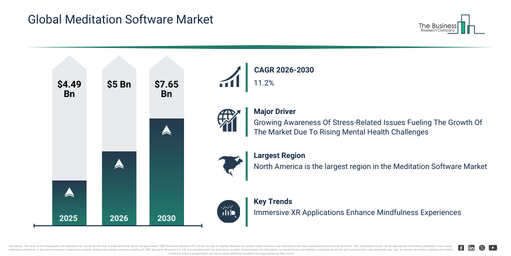
    The meditation software market has shown significant expansion in recent years. Its valuation is projected to increase from $4.49 billion in 2025 to $5 billion in 2026, at a compound annual growth rate (CAGR) of 11.4%. Key drivers for this market’s historical development include escalating stress levels associated with modern living, the pervasive use of smartphones, enhanced public consciousness regarding mental well-being, the development of digital health applications, and the broadening of subscription-based wellness offerings.

    The meditation software market size is anticipated to experience significant expansion over the next few years. It will grow to $7.65 billion in 2030 at a compound annual growth rate (CAGR) of 11.2%. This growth during the forecast period is propelled by factors such as the rise in workplace mental health programs, the increasing application of AI-driven personalization, the growing adoption of digital therapeutics, the expansion of remote and hybrid work models, and the increasing acceptance of preventive mental healthcare. Prominent trends expected in the forecast period include the expanding adoption of guided meditation applications, the increasing use of personalized mindfulness programs, the rising integration of meditation apps with wearables, the broadening of corporate wellness meditation platforms, and the increasing demand for tools dedicated to stress and anxiety management.

    Get A Free Sample Report With In-Depth Market Insights:

    https://thebusinessresearchcompany.com/sample_request?id=84585199&type=smp&name=Meditation%20Software%20Market%20Report%202026&utm_source=Blogs&utm_medium=Paid&utm_campaign=Oct_PR

    Meditation Software Market Industry Drivers: What’s Behind The Revenue Growth?

    The increasing understanding of stress-related problems is anticipated to fuel the expansion of the meditation software market in the future. These issues encompass physical, emotional, or psychological difficulties stemming from undue stress. A heightened consciousness regarding stress-related challenges is emerging, with workplaces progressively acknowledging stress’s influence on staff productivity and overall welfare, prompting the implementation of mental health initiatives and support structures. Meditation software assists in addressing stress-related issues through providing guided sessions, breathing drills, and mindfulness methods, which serve to tranquilize the mind, alleviate apprehension, decrease cortisol levels, and foster emotional equilibrium. To illustrate, a May 2024 report from the American Psychiatric Association, a US-based professional organization, indicated that in 2024, 43% of adults reported feeling more anxious compared to the prior year, an increase from 37% in 2023 and 32% in 2022. Consequently, the rising recognition of stress-related concerns is propelling the expansion of the meditation software market.

    Meditation Software Market Segment Breakdown: Which Categories Lead On Revenue?

    The meditation software market covered in this report is segmented –

    1) By Type Of Meditation: Guided Meditation, Mindfulness Meditation, Transcendental Meditation, Zen Meditation, Yoga Meditation

    2) By Platform: Mobile Applications, Web-Based Platforms, Desktop Applications, Wearable Devices, Smart Speakers

    3) By Features Offered: Scheduled Reminders, Progress Tracking, Personalized Content, Community Features, Offline Accessibility

    4) By Subscription Model: Freemium Models, Monthly Subscription, Annual Subscription, One-Time Purchase, In-App Purchases

    5) By Target Audience: Individuals, Corporate Clients, Therapists And Counselors, Yoga Studios And Health Coaches, Educational Institutions

    Subsegments:

    1) By Guided Meditation: Sleep-Focused Meditation, Stress And Anxiety Relief, Healing And Recovery Sessions, Productivity And Focus, Self-Improvement And Affirmations

    2) By Mindfulness Meditation: Breath Awareness, Body Scan Meditation, Emotion Regulation, Present Moment Awareness, Mindful Eating

    3) By Transcendental Meditation: Personalized Mantra Sessions, Silent Mantra Repetition, Advanced Transcendental Meditation Techniques, Transcendental Meditation For Stress Management, Transcendental Meditation For Cognitive Enhancement

    4) By Zen Meditation: Zazen, Koan Practice, Walking Meditation, Breathing And Posture Guidance, Zen Mindfulness Practices

    5) By Yoga Meditation: Kundalini Meditation, Chakra Meditation, Yoga Nidra, Pranayama-Based Meditation, Bhakti And Mantra Meditation

    #Meditation Software Market Growth Trends: What’s Shaping The Future Outlook?

    Leading firms within the meditation software market are prioritizing immersive functionalities, including extended-reality (XR) meditation applications. These software solutions leverage virtual reality (VR) or mixed reality (MR) to facilitate meditation, exploration, play, and breathwork for users within intricately designed spatial environments. As an illustration, in March 2024, Headspace, a US-based digital mental health firm, launched Headspace XR, a mindfulness application designed for virtual reality on Meta Quest. This app incorporates mood-enhancing games aimed at emotional balance, personalized guided meditation sessions led by Headspace instructors, and physical and breathing exercises intended to foster a stronger mind-body link.

    Meditation Software Market Leading Players And Competitive Positioning

    Major companies operating in the meditation software market are Headspace Inc, Calm.com Inc., Aura Health Inc., Committee for Children, Mindvalley LLC, Insight Timer, Breethe, Abide, Mindfulness Everywhere Ltd., Ipnos Software Inc., Deep Relax, Smiling Mind, Inner Explorer, Stop Breathe & Think PBC, The Mindfulness App, Ten Percent Happier, Insights Network Inc., Meditation Moments B.V., Sattva Inc., Meditopia Inc.

    View The Full Meditation Software Market Report:

    https://thebusinessresearchcompany.com/report/meditation-software-global-market-report?utm_source=Blogs&utm_medium=Paid&utm_campaign=Oct_PR

    Meditation Software Market Largest Region: Which Geography Holds The Biggest Share?

    North America was the largest region in the meditation software market in 2025. Asia-Pacific is expected to be the fastest-growing region in the forecast period. The regions covered in the meditation software market report are Asia-Pacific, South East Asia, Western Europe, Eastern Europe, North America, South America, Middle East, Africa.

    Reach Out To Our Team:

    The Business Research Company: https://www.thebusinessresearchcompany.com/

    Americas: +1 310-496-7795

    Asia: +44 7882 955267 & +91 8897263534

    Europe: +44 7882 955267

    Email us at: marketing@tbrc.info

    Follow us on:

    LinkedIn: https://in.linkedin.com/company/the-business-research-company

    YouTube: https://www.youtube.com/channel/UC24_fI0rV8cR5DxlCpgmyFQ

    Global Market Model: https://www.thebusinessresearchcompany.com/global-market-model