Blog

  • Biochips Market 2025-2034: Key Highlights, Growth Dynamics, and Emerging Trends

    Biochips Market 2025-2034: Key Highlights, Growth Dynamics, and Emerging Trends

    Claim your 30% discount on Global Market Reports with code ONLINE30. Limited time only.

    How Has the Biochips Market Growth Performance Trended Historically, And What Lies Ahead?

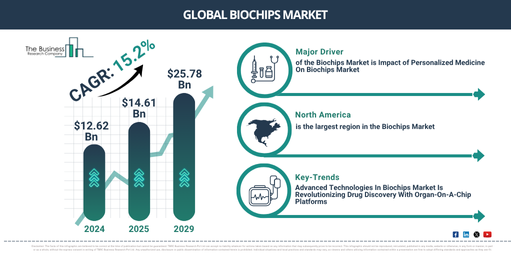
    There has been rapid expansion in the size of the biochips market in the last few years. Projected to rise from $12.62 billion in 2024 to $14.61 billion in 2025, it boasts a compound annual growth rate (CAGR) of 15.7%. Several factors have spurred growth during the historical period, including the upsurge in demand for personalized medicine, the high occurrence of chronic diseases, innovative technology, the widened scope in drug discovery, increased investment in research and development, and favorable regulatory structures.

    Expectations are high for a swift expansion in the biochips market in the upcoming years. It’s predicted to extend its value to $25.78 billion by 2029, accomplishing a compound annual growth rate (CAGR) of 15.2%. This forecasted growth can be credited to several factors such as the growing application of point-of-care diagnostics, increasing use in drug discovery, surging need for personalized healthcare, advancements in microfluidics technology, rising investment in research and development activities, burgeoning collaboration between biotech firms and academic institutions, and the emergence of new openings in the agricultural biotechnology sector. Important trends predicted for this period are continuing progression in microfluidics, a focus on the development of biochips for applications in liquid biopsy, growing interest for multiplex assays for simultaneous multi-analyte detection, the incorporation of artificial intelligence into data interpretation, and the emergence of innovative biochip platforms.

    Download a free sample to assess the report’s scope and structure:

    https://www.thebusinessresearchcompany.com/sample.aspx?id=15737&type=smp

    How Are Key Drivers in the Industry Acting as Catalysts for the Growth of theBiochips Market?

    The surge in the usage of personalized medicines is projected to stimulate the expansion of the biochips market in the future. Tailoring medical therapy to specific individual aspects such as genetics or lifestyle defines personalized medicine, which is designed to maximize efficacy and diminish negative reactions. The escalating demand for personalized medicines is fueled by its capability to offer more successful treatments, progress in genomics, intensifying disease intricacy, and governmental backing. Biochips contribute to personalized medicine by facilitating accurate and customized treatment strategies based on a person’s genetic makeup. For example, in February 2024, as stated by the US-based non-profit organization, the Personalized Medicine Coalition, the FDA granted approval for 16 new personalized therapies for patients suffering from rare diseases in 2023, in contrast to six accepted in 2022. Therefore, the rising uptake of personalized medicines is fueling the growth of the biochips market.

    Which Segments in the Biochips Offer the Most Growth?

    The biochipsmarket covered in this report is segmented –

    1) By Type: Deoxyribonucleic Acid (DNA) Chips, Protein Chips, Lab-On-Chip, Tissue Arrays, Cell Arrays

    2) By Technology: Microarrays, Microfluidics

    3) By Application: Drug Discovery And Development, Agriculture, Genomics, Disease Diagnostics, Proteomics, Other Applications

    4) By End-User: Biotechnology And Pharmaceutical Companies, Academic And Research Institutes, Hospitals And Diagnostic Centers, Other End-Users

    Subsegments:

    1) By Deoxyribonucleic Acid (Dna) Chips: Gene Expression Chips, Snp (Single Nucleotide Polymorphism) Chips, Dna Microarrays

    2) By Protein Chips: Antibody Arrays, Protein Microarrays, Peptide Arrays

    3) By Lab-On-Chip: Microfluidic Devices, Biosensors

    4) By Tissue Arrays: Tumor Tissue Arrays, Normal Tissue Arrays

    5) By Cell Arrays: Cell-Based Biochips, Cell Signaling Arrays

    Request customized data on this market:

    https://www.thebusinessresearchcompany.com/customise?id=15737&type=smp

    What Are the Fastest-Growing Geographies in the #How Are Key Drivers in the Industry Acting as Catalysts for the Growth of theBiochips Market?# Market?

    North America was the largest region in the biochips market in 2024. Asia-Pacific is expected to be the fastest-growing region in the forecast period. The regions covered in the biochips market report are Asia-Pacific, Western Europe, Eastern Europe, North America, South America, Middle East, Africa.

    What Are the Current Market Growth and Trends in the Biochips Industry?

    Key players in the biochips industry are focusing on the development of innovative technologies such as organ-on-a-chip platforms, aiming to bring about a radical change in the discovery and development of drugs. Organ-on-a-chip platforms are sophisticated microfluidic devices designed to mimic human organ physiology and function in a miniaturized system. For instance, in April 2024, Boston Micro Fabrication (BMF), a nanotechnology research company in the US, introduced BMF Biotechnology Inc. BMF Biotechnology Inc. focuses on biochips or organ-on-a-chip platforms that are designed to grow large-scale tissues in vitro. This invention accelerates the development of new drugs and cosmetics by offering a testing and research platform outside the human body.

    View the full report here:

    https://www.thebusinessresearchcompany.com/report/biochips-global-market-report

    What Are the Key Elements That Define the Biochips Market?

    Biochips are miniaturized devices containing an array of biological molecules, such as deoxyribonucleic acid (DNA), proteins, or cells, immobilized on a solid substrate. They combine biological elements with electronic systems to examine and handle biological data and are commonly used in medical diagnostics, genetic sequencing, and other biotechnological fields.

    Purchase the full report and get a swift delivery:

    https://www.thebusinessresearchcompany.com/purchaseoptions.aspx?id=15737

    About The Business Research Company:

    With over 15000+ reports from 27 industries covering 60+ geographies, The Business Research Company has built a reputation for offering comprehensive, data-rich research and insights. Armed with 1,500,000 datasets, the optimistic contribution of in-depth secondary research, and unique insights from industry leaders, you can get the information you need to stay ahead in the game.

    Get in touch with us:

    The Business Research Company: https://www.thebusinessresearchcompany.com/

    Americas +1 310-496-7795

    Europe +44 7882 955267

    Asia & Others +44 7882 955267 & +91 8897263534

    Email us at info@tbrc.info

    Follow us on:

    LinkedIn: https://in.linkedin.com/company/the-business-research-company

    YouTube: https://www.youtube.com/channel/UC24_fI0rV8cR5DxlCpgmyFQ

    Global Market Model: https://www.thebusinessresearchcompany.com/global-market-model
  • Biochemistry Analyzer Market Trends 2025-2034: Growth, Strategic Insights, and Opportunities Ahead

    Claim your 30% discount on Global Market Reports with code ONLINE30. Limited time only.

    What Are the Projected Market Size and Growth Rates for the Biochemistry Analyzer Market From 2025 To 2029?

    The market size of the biochemistry analyzer has seen significant growth in the past few years. Its value is predicted to increase from $4.31 billion in 2024 to $4.58 billion in 2025, with a compound annual growth rate (CAGR) of 6.2%. The historical growth can be attributed to a surge in chronic diseases, advancements in healthcare infrastructure, increased research and development activities, a high demand for precise diagnostics, an older population, and government interventions.

    The market for biochemistry analyzers is predicted to experience considerable growth in the coming years, expanding to a worth of $5.91 billion by 2029 with a compound annual growth rate of 6.6%. Factors contributing to this growth during the predicted period include the rise of personalized medicine, growth in emerging markets, advancements in analytical methods, an emphasis on preventive healthcare, the incorporation of AI and machine learning, an uptick in research funding, and the need for cost-effective solutions. Key trends expected during the forecast period involve the integration of technology, miniaturization and portability, increased automation, personalized diagnostic methods, incorporation with healthcare IT systems, augmented usage of molecular diagnostics, and a focus on sustainability.

    Download a free sample to assess the report’s scope and structure:

    https://www.thebusinessresearchcompany.com/sample.aspx?id=18255&type=smp

    What Are the Major Market Drivers Behind the Rising Adoption of Biochemistry Analyzer Market?

    The biochemistry analyzer market is anticipated to grow due to an increase in cardiovascular disorders. Heart and blood vessel issues, collectively referred to as cardiovascular diseases, often involve blocked or contracted vessels leading to serious complications like heart attack, stroke, and peripheral artery disease (PAD). Lifestyle factors such as increasing old age population, lack of physical activity, unhealthy eating habits, and prevalent obesity contribute to the escalation of such diseases. Biochemistry analyzers play a critical role in diagnosing and treating cardiovascular disorders by accurately and promptly measuring essential biomarkers. This assists doctors in monitoring patient health, identifying risk factors, and designing effective treatment plans. For example, the American Heart Association reported in January 2024, that deaths due to cardiovascular diseases increased to 931,578, a slight increase from 928,741 in 2023. Additionally, the age-related death rate caused by heart disease also saw a modest rise, reaching 233.3 per 100,000 in 2024 from 224.4 per 100,000 in 2023, amounting to a 4.0% increase. Hence, the growing cases of cardiovascular disorders are significantly driving the demand in the biochemistry analyzer market.

    Which Key Market Segments Comprise the Biochemistry Analyzer Market and Drive Its Revenue Growth?

    The biochemistry analyzermarket covered in this report is segmented –

    1) By Product Type: Semi-Automated, Fully-Automated

    2) By Modality: Bench Top, Floor-Standing

    3) By Application: Clinical Diagnostics, Bioreactor Byproduct Detection, Drug Development, Other Application

    4) By End User: Hospitals, Diagnostic Centers, Pharmaceutical Companies, Biotechnology Companies, Academic Research Institutes, Contract Research Organizations

    Subsegments:

    1) By Semi-Automated: Benchtop Semi-Automated Biochemistry Analyzers, Compact Semi-Automated Biochemistry Analyzers

    2) By Fully-Automated: High-Throughput Fully-Automated Biochemistry Analyzers, Modular Fully-Automated Biochemistry Analyzers

    Request customized data on this market:

    https://www.thebusinessresearchcompany.com/customise?id=18255&type=smp

    Which Areas Are Leading Regions in the Biochemistry Analyzer Market Expansion Across the Globe?

    Europe was the largest region in the biochemistry analyzer market in 2024. The regions covered in the biochemistry analyzer market report are Asia-Pacific, Western Europe, Eastern Europe, North America, South America, Middle East, Africa.

    What Are the Strategic Trends Steering theBiochemistry Analyzer Market Direction?

    Leading entities active in the biochemistry analyzer industry are placing emphasis on the innovation of immunoassay analyzer platforms to boost diagnostic precision and minimise the necessity for maintenance. These platforms utilise immunoassay methods to examine specific biomarkers in biological samples, delivering exceptional accuracy and sensitivity in identifying an array of conditions, thus bolstering diagnostic effectiveness and facilitating all-encompassing patient care. As an example, in May 2023, Beckman Coulter Inc., an American clinical diagnostics firm, introduced the DxI 9000 Access Immunoassay Analyzer, a highly advanced platform fashioned to augment laboratory performance. This pioneering analyzer possesses the capacity to execute up to 215 tests every hour per square meter and integrates ground-breaking innovations like PrecisionVision Technology for instantaneous data accuracy, ZeroDaily Maintenance to minimise maintenance needs, and IntelliServe for anticipatory remote service and diagnostics. The DxI 9000 escalates assay sensitivity using the Lumi-Phos PRO Substrate and aids in swiftly and accurately diagnosing heart failure via its NT-proBNP assay. The design of this system is specifically to cater to the escalating requirements for promptness, dependability and precision in clinical labs.

    View the full report here:

    https://www.thebusinessresearchcompany.com/report/biochemistry-analyzer-global-market-report

    How Is the Biochemistry Analyzer Market Conceptually Defined?

    A biochemistry analyzer is a medical laboratory instrument used to measure the concentration of various biochemical substances in biological samples. It performs tests to analyze enzymes, electrolytes, proteins, and other biochemical compounds. The analyzer works by analyzing samples through chemical reactions and producing results quickly and accurately.

    Purchase the full report and get a swift delivery:

    https://www.thebusinessresearchcompany.com/purchaseoptions.aspx?id=18255

    About The Business Research Company:

    With over 15000+ reports from 27 industries covering 60+ geographies, The Business Research Company has built a reputation for offering comprehensive, data-rich research and insights. Armed with 1,500,000 datasets, the optimistic contribution of in-depth secondary research, and unique insights from industry leaders, you can get the information you need to stay ahead in the game.

    Get in touch with us:

    The Business Research Company: https://www.thebusinessresearchcompany.com/

    Americas +1 310-496-7795

    Europe +44 7882 955267

    Asia & Others +44 7882 955267 & +91 8897263534

    Email us at info@tbrc.info

    Follow us on:

    LinkedIn: https://in.linkedin.com/company/the-business-research-company

    YouTube: https://www.youtube.com/channel/UC24_fI0rV8cR5DxlCpgmyFQ

    Global Market Model: https://www.thebusinessresearchcompany.com/global-market-model
  • Bilirubin Blood Test Market Insights: In-Depth Look at Growth Trends, Market Size, and Opportunities for 2025-2034

    Claim your 30% discount on Global Market Reports with code ONLINE30. Limited time only.

    What Is the Estimated Market Size of the Bilirubin Blood Test Market In 2029?

    There has been significant growth in recent years in the market size of the bilirubin blood test. It’s projected to expand from a value of $1.37 billion in 2024 to around $1.46 billion in 2025, with a compound annual growth rate (CAGR) of 6.9%. Factors contributing to the historic growth include rising cases of liver diseases, advancements in neonatal care and technology, enhanced health consciousness, the development of healthcare infrastructure, regulatory clearances and guidelines, as well as a surge in the implementation of point-of-care testing.

    In the forthcoming years, the bilirubin blood test market is projected to witness substantial growth, reaching a market size of $1.94 billion by 2029 with a compound annual growth rate (CAGR) of 7.4%. This anticipated growth during the forecast period can be linked to a rising need for early diagnosis, the expansion of diagnostic labs, an increased occurrence of chronic conditions, the development of emerging markets, the application of advanced analytics, and an increase in research funding. Key trends to look out for during this period encompass the introduction of non-invasive testing procedures, the amalgamation with digital health solutions, advancements in home testing kits, improvements in test precision and speed, individualized medicine strategies, intelligent diagnostic apparatus, and the creation of portable devices.

    Download a free sample to assess the report’s scope and structure:

    https://www.thebusinessresearchcompany.com/sample.aspx?id=18522&type=smp

    What External and Internal Drivers Are Contributing to the Growth of theBilirubin Blood Test Market?

    The bilirubin blood test market is projected to expand due to the escalating prevalence of liver diseases. Conditions impairing liver function, known as liver diseases, can be elicited by various factors such as infections, alcohol misuse, or metabolic conditions. The rise in liver disease instances is connected to growing obesity rates, excessive alcohol intake, viral infections, and poor lifestyle choices, all of which collectively cause liver dysfunction and harm. The performance of the liver significantly influences bilirubin levels in the body, and bilirubin blood tests are crucial for diagnosing and tracking liver function. These tests provide vital information about patients’ health, assisting healthcare professionals in effectively managing and treating liver-related conditions. For example, in April 2024, the European Centre for Disease Prevention and Control, a health agency based in Sweden, recorded 28,855 instances of hepatitis B virus (HBV) infection across 30 EU/EEA Member States in 2022. This represented an increase of 78% from the 16,187 cases in 2021. Furthermore, the 2022 case count, amounting to 28,420, indicates a crude rate of 8.5 instances per 100,000 individuals. Accordingly, the rising incidences of liver diseases are fueling the growth of the bilirubin blood test market.

    What Segment Types Define the Bilirubin Blood Test Market Structure?

    The bilirubin blood testmarket covered in this report is segmented –

    1) By Test Type: Total Serum Bilirubin Test, Indirect Or Unconjugated Bilirubin Test, Direct Or Conjugated Bilirubin Test

    2) By Age Group: Adults, Pediatrics, Infants

    3) By Application: Hospital, Clinic, Other Applications

    Subsegments:

    1) By Total Serum Bilirubin Test: Routine Screening, Liver Function Assessment, Newborn Jaundice Detection

    2) By Indirect Or Unconjugated Bilirubin Test: Hemolytic Anemia Diagnosis, Gilbert’s Syndrome Detection, Monitoring For Preliver Conditions

    3) By Direct Or Conjugated Bilirubin Test: Bile Duct Obstruction Diagnosis, Hepatitis And Liver Disease Monitoring, Post-Liver Condition Assessment

    Request customized data on this market:

    https://www.thebusinessresearchcompany.com/customise?id=18522&type=smp

    Which Geographic Areas Hold the Strongest Growth Potential in the Bilirubin Blood Test Market?

    North America was the largest region in the bilirubin blood test market in 2024. The regions covered in the bilirubin blood test market report are Asia-Pacific, Western Europe, Eastern Europe, North America, South America, Middle East, Africa.

    What Long-Term Trends Are Transforming the Competitive Landscape of the Bilirubin Blood Test Market?

    In an attempt to broaden their impact and improve their services, key players in the bilirubin blood test market are implementing strategic alliances as part of their business plan. Essentially, such a partnership implies an alliance between two or more firms who merge their resources, skills, and initiatives in order to meet shared targets or objectives. For instance, in December 2023, Calmark Sweden AB, a biotechnological medical diagnostic solutions enterprise based in Israel, struck an exclusive distribution deal with Techno Orbits in Saudi Arabia for the distribution of Calmark’s bilirubin test created specifically for newborns. Techno Orbits will be responsible for distributing and selling the product by utilizing its existing distribution chain and collaborations, which includes the Ministry of Health. The initiative targets the smooth integration of Calmark’s bilirubin test into the Saudi market, with regulatory registration slated to be completed within a 3 to 6 month period.

    View the full report here:

    https://www.thebusinessresearchcompany.com/report/bilirubin-blood-test-global-market-report

    What Is the Definition of the Bilirubin Blood Test Market?

    The bilirubin blood test refers to a diagnostic procedure used to measure the levels of bilirubin in the blood. This test helps in assessing liver function and diagnosing conditions such as jaundice and liver disease. It is essential for evaluating bilirubin metabolism and detecting abnormalities related to liver health.

    Purchase the full report and get a swift delivery:

    https://www.thebusinessresearchcompany.com/purchaseoptions.aspx?id=18522

    About The Business Research Company:

    With over 15000+ reports from 27 industries covering 60+ geographies, The Business Research Company has built a reputation for offering comprehensive, data-rich research and insights. Armed with 1,500,000 datasets, the optimistic contribution of in-depth secondary research, and unique insights from industry leaders, you can get the information you need to stay ahead in the game.

    Get in touch with us:

    The Business Research Company: https://www.thebusinessresearchcompany.com/

    Americas +1 310-496-7795

    Europe +44 7882 955267

    Asia & Others +44 7882 955267 & +91 8897263534

    Email us at info@tbrc.info

    Follow us on:

    LinkedIn: https://in.linkedin.com/company/the-business-research-company

    YouTube: https://www.youtube.com/channel/UC24_fI0rV8cR5DxlCpgmyFQ

    Global Market Model: https://www.thebusinessresearchcompany.com/global-market-model
  • Balloon Valvuloplasty Device Market Outlook 2025–2034: Identifying Growth Drivers, Technology Trends, and Policy Impact

    Balloon Valvuloplasty Device Market Outlook 2025–2034: Identifying Growth Drivers, Technology Trends, and Policy Impact

    Claim your 30% discount on Global Market Reports with code ONLINE30. Limited time only.

    How Fast Is The Balloon Valvuloplasty Device Market Expected to Grow Between 2025 And 2029?

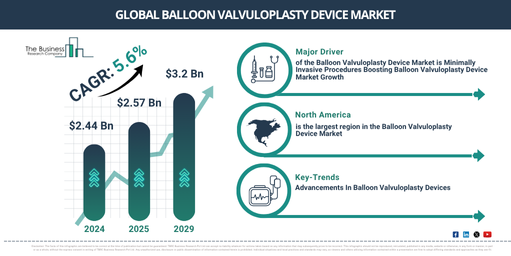
    In recent years, there has been a marked increase in the market size of the balloon valvuloplasty device. The predicted growth is from $2.44 billion in 2024 to approximately $2.57 billion in 2025, representing a compound annual growth rate (CAGR) of 5.3%. The surge in growth during the historic period is attributed to a number of factors, including increased healthcare spending, expanded healthcare infrastructure, enhanced awareness and diagnostic capacities, a preference for outpatient environments, the rise of telemedicine which has improved accessibility, and a focus on bettering the quality of life for patients.

    The market for balloon valvuloplasty devices is projected to experience significant growth in the upcoming years, reaching $3.2 billion in 2029 with a compound annual growth rate (CAGR) of 5.6%. This robust growth predicted over the forecast period can be tied back to rising instances of heart valve ailments in older populations globally, heightened uptake of less intrusive treatments for heart valve issues, accelerated sanctioning and clearances for innovative balloon valvuloplasty devices, and a focus on cost-effective healthcare solutions. Key trends during the forecast period include the application of improved imaging techniques for accurate diagnosis, the use of personalized medicine strategies, increased investment in research and development, the expansion of regenerative methods in managing cardiovascular disease, and the incorporation of digital health technologies.

    Download a free sample to assess the report’s scope and structure:

    https://www.thebusinessresearchcompany.com/sample.aspx?id=17090&type=smp

    What Are the Core Market Drivers Propelling Growth in the Balloon Valvuloplasty Device Industry?

    The balloon valvuloplasty device market is expected to experience significant growth due to the increasing preference for minimally invasive procedures. These types of procedures involve performing medical techniques via small incisions or natural body openings, resulting in less trauma and leading to quicker recovery compared to conventional surgeries. The appeal of minimally invasive procedures lies in their shorter recovery periods, fewer risks of complications, and less post-operative pain compared to traditional surgeries. In the context of minimally invasive surgical procedures, balloon valvuloplasty devices are utilized to broaden narrowed heart valves, enhance blood flow, and alleviate symptoms. For example, in January 2024, Intuitive Surgical Inc., a US-based corporation that manufactures robotic products, announced that it had installed 415 da Vinci surgical systems (robotic surgical systems that facilitate a minimally invasive surgical procedure) in the fourth quarter of 2023, which is a 12% rise compared to 2022. So, the increasing preference for minimally invasive procedures is fueling the expansion of the balloon valvuloplasty device market.

    How Is the Balloon Valvuloplasty Device Market Segmented?

    The balloon valvuloplasty devicemarket covered in this report is segmented –

    1) By Product Type: Standard Balloon, Cutting Balloon, Scoring Balloon, High-Pressure Balloon, Low-Pressure Balloon

    2) By Age Group: Pediatric, Adult

    3) By End-use: Hospitals, Ambulatory Surgical Centers, Specialty Clinics, Other End Uses

    Subsegments:

    1) By Standard Balloon: Non-Compliant Balloons, Compliant Balloons

    2) By Cutting Balloon: Single-Cutting Balloon, Multi-Cutting Balloon

    3) By Scoring Balloon: Single-Score Balloons, Dual-Score Balloons

    4) By High-Pressure Balloon: Non-Compliant High-Pressure Balloons, Compliant High-Pressure Balloons

    5) By Low-Pressure Balloon: Semi-Compliant Low-Pressure Balloons, Non-Compliant Low-Pressure Balloons

    Request customized data on this market:

    https://www.thebusinessresearchcompany.com/customise?id=17090&type=smp

    Which Regions Are Driving the Next Phase of the Balloon Valvuloplasty Device Market Growth?

    North America was the largest region in the balloon valvuloplasty device market in 2024. Asia-Pacific is expected to be the fastest-growing region in the forecast period. The regions covered in the balloon valvuloplasty device market report are Asia-Pacific, Western Europe, Eastern Europe, North America, South America, Middle East, Africa.

    What Key Market Trends and Innovations Are Shaping the Future of the Balloon Valvuloplasty Device Industry?

    Leading firms active in the balloon valvuloplasty device market are zeroing in on the development of cutting-edge products such as Pacing Guidewires in a bid to stay ahead of competition. A pacing guidewire is a specific type of wire utilized to achieve temporary cardiac pacing during operations, ensuring a steady heart rhythm whilst the balloon catheter is in the process of insertion and inflation to widen the constricted valve. One example is the instance in June 2023 when Teleflex Incorporated, an American medical device company, secured approval from the Food and Drug Administration (FDA) for their Wattson Temporary Pacing Guidewire. This innovative device is tailored for use in procedures like transcatheter aortic valve replacement (TAVR) and balloon aortic valvuloplasty (BAV). The Wattson Temporary Pacing Guidewire provides dual functionality by supporting both valve delivery and ventricular bipolar pacing during these structural heart operations. It’s uniquely flexible distal pigtail shape, coupled with multiple electrodes and bipolar design, are all engineered to minimize the probability of ventricular perforation while simultaneously providing trustworthy electrical capture during accelerated pacing.

    View the full report here:

    https://www.thebusinessresearchcompany.com/report/balloon-valvuloplasty-device-global-market-report

    How Is the Balloon Valvuloplasty Device Market Defined and What Are Its Core Parameters?

    A balloon valvuloplasty device is a medical instrument used to treat heart valve stenosis by inserting a balloon into the narrowed valve and inflating it to widen the opening, improving blood flow. This non-surgical procedure is minimally invasive and aims to relieve symptoms such as chest pain and shortness of breath, enhancing cardiac function and patient quality of life.

    Purchase the full report and get a swift delivery:

    https://www.thebusinessresearchcompany.com/purchaseoptions.aspx?id=17090

    About The Business Research Company:

    With over 15000+ reports from 27 industries covering 60+ geographies, The Business Research Company has built a reputation for offering comprehensive, data-rich research and insights. Armed with 1,500,000 datasets, the optimistic contribution of in-depth secondary research, and unique insights from industry leaders, you can get the information you need to stay ahead in the game.

    Get in touch with us:

    The Business Research Company: https://www.thebusinessresearchcompany.com/

    Americas +1 310-496-7795

    Europe +44 7882 955267

    Asia & Others +44 7882 955267 & +91 8897263534

    Email us at info@tbrc.info

    Follow us on:

    LinkedIn: https://in.linkedin.com/company/the-business-research-company

    YouTube: https://www.youtube.com/channel/UC24_fI0rV8cR5DxlCpgmyFQ

    Global Market Model: https://www.thebusinessresearchcompany.com/global-market-model
  • Emerging Growth Drivers in the Baby Thermometers Market Landscape: Rising Birth Rates Fuel Demand In The Baby Thermometers Market

    Emerging Growth Drivers in the Baby Thermometers Market Landscape: Rising Birth Rates Fuel Demand In The Baby Thermometers Market

    Claim your 30% discount on Global Market Reports with code ONLINE30. Limited time only.

    What Are the Key Projections for the CAGR of the Baby Thermometers Market Size From 2025 to 2034?

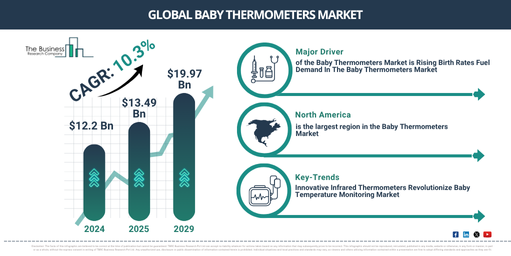
    The market for baby thermometers has experienced rapid expansion in recent times, with an anticipated increase from $12.2 billion in 2024 to $13.49 billion in 2025, reflecting a compound annual growth rate (CAGR) of 10.6%. This growth during the historical period can be linked to amplified attention on health and hygiene following the COVID-19 outbreak, improved market permeation of products for baby care, multi-dimensional growth and larger retail channels, worries about infectious illnesses, as well as supportive regulations and standards for products catering to baby care.

    Anticipations are high for the baby thermometers market to undergo fast-paced expansion in the subsequent years. The market is poised to escalate to a value of $19.97 billion by 2029, registering a compound annual growth rate (CAGR) of 10.3%. The predicted advancement in the coming period can be credited to enhancements in healthcare architecture, proliferation of e-commerce platforms, rising birth rates from mature parents, expansion of telehealth and telemedicine services and increased focus on product safety and precision. Key trends likely to be seen in the forecasting span include the invention of new thermometer technology, perpetual product evolution, an increasing inclination towards digital health products, incorporation of thermometers with distance monitoring technologies and integration with wearable technology.

    Download a free sample to assess the report’s scope and structure:

    https://www.thebusinessresearchcompany.com/sample.aspx?id=16622&type=smp

    Which Primay Drivers Are Accelerating Growth in the Baby Thermometers Market?

    Expectations are high for the baby thermometers market to expand due to increasing birth rates. The term ‘birth rates’ refers to the tally of live births within a specified period, typically a year, per 1,000 people in a population. Various factors contribute to this surge in birth rates, including quality healthcare which reduces infant death, changes in societal norms favoring larger families, economic stability facilitating planned parenthood, and government regulations aimed at encouraging childbirth and fostering family growth. The importance of baby thermometers cannot be understated as they are crucial in maintaining optimal health conditions for newborns by offering rapid and precise temperature readings, thus facilitating early detection of fever or potential ailments. Prompt medical attention can be sought if required based on these readings. For instance, a report published by National Vital Statistics Reports in April 2024 reveals that female birth rates saw a 1% to 5% increase among women in the 25-29 and 35-44 age group, while women in the 45-49 age bracket witnessed a 12% increase. These statistics from the US-based National Vital Statistics System (or NVSS, an inter-governmental system) further establish the strong link between increasing birth rates and the growth of the baby thermometers market.

    Which Primary Segments of the Baby Thermometers Market Are Driving Growth and Industry Transformations?

    The baby thermometersmarket covered in this report is segmented –

    1) By Type: Rectal, Oral, Infrared, Ear Canal, Pacifier, Armpit

    2) By Thermometer Type: Digital Baby Thermometers, Infrared Baby Thermometers, Pacifier Baby Thermometers, Smart Baby Thermometers

    3) By Connectivity: Non-Connected Baby Thermometers, Connected Baby Thermometers

    4) By Distribution Channel: Retail Store, Online Store, Supermarket, Pharma Store

    5) By Application: Home Use, Clinical Use, Travel And Portable Use, Other Applications

    Subsegments:

    1) By Rectal Thermometers: Digital Rectal Thermometers, Flexible Tip Rectal Thermometers, Disposable Rectal Thermometers, Fast-Read Rectal Thermometers, Waterproof Rectal Thermometers

    2) By Oral Thermometers: Digital Oral Thermometers, Flexible Tip Oral Thermometers, Quick-Read Oral Thermometers, Non-Contact Oral Thermometers, Oral Thermometers With Memory Recall

    3) By Infrared Thermometers: Non-Contact Infrared Thermometers, Forehead Infrared Thermometers, Temporal Artery (Forehead) Infrared Thermometers, Dual-Mode Infrared Thermometers (Forehead And Ear), Touchless Infrared Thermometers

    4) By Ear Canal Thermometers: Digital Ear Thermometers, Infrared Ear Thermometers, Disposable Ear Thermometer Covers, Fast-Reading Ear Thermometers, Pediatric-Specific Ear Thermometers

    5) By Pacifier Thermometers: Digital Pacifier Thermometers, Flexible Tip Pacifier Thermometers, Bpa-Free Pacifier Thermometers, Pacifier Thermometers With Memory Function, Thermometer Pacifiers For Infants

    6) By Armpit (Axillary) Thermometers: Digital Axillary Thermometers, Mercury-Free Axillary Thermometers, Flexible Tip Armpit Thermometers, Fast-Reading Axillary Thermometers, Pediatric-Specific Axillary Thermometers

    Request customized data on this market:

    https://www.thebusinessresearchcompany.com/customise?id=16622&type=smp

    Which Regions Are Key Players in the Growth of the #Which Primay Drivers Are Accelerating Growth in the Baby Thermometers Market?# Market?

    North America was the largest region in the baby thermometers market in 2024. Asia-Pacific is expected to be the fastest-growing region in the forecast period. The regions covered in the baby thermometers market report are Asia-Pacific, Western Europe, Eastern Europe, North America, South America, Middle East, Africa.

    Which Technological Trends Are Reshaping the Baby Thermometers Industry Dynamics?

    Leading corporations in the infant thermometers market are developing and introducing innovative products, such as infrared thermometers, to solidify their competitive position in the arena. Infrared thermometers employ a touchless technology in order to measure temperature often by scanning the forehead or ear, offering both quick and sanitary readings. These are widely implemented in both medical institutions and residential environments for fast and non-invasive temperature checks. As an example, in July 2023, a U.S. based remote patient monitoring (RPM) solution provider, Tenovi, rolled out a cellular-capable Infrared Thermometer. This newly launched infrared thermometer is an FDA approved instrument that allows patients to instantaneously deliver real-time temperature data to healthcare professionals. The cellular capability of the infrared thermometer facilitates direct data transmission and distantly-managed patient monitoring by integrating infrared temperature assessment with cellular connectivity. In large-scale environments such as medical establishments, manufacturing operations, and field work locations, this cellular feature enables seamless data recording and centralized access via cloud-based systems. Many models are constructed for durability, offering protection against dust and water, as well as resilience to high temperature environments, ensuring reliable performance under various conditions.

    View the full report here:

    https://www.thebusinessresearchcompany.com/report/baby-thermometers-global-market-report

    What Parameters Are Used to Define the Baby Thermometers Market?

    Baby thermometers are specialized devices designed to accurately measure the body temperature of infants and young children. They are often designed with features such as flexible tips, quick read times, and non-invasive methods (e.g., forehead or ear thermometers) to ensure comfort and safety while providing reliable readings.

    Purchase the full report and get a swift delivery:

    https://www.thebusinessresearchcompany.com/purchaseoptions.aspx?id=16622

    About The Business Research Company:

    With over 15000+ reports from 27 industries covering 60+ geographies, The Business Research Company has built a reputation for offering comprehensive, data-rich research and insights. Armed with 1,500,000 datasets, the optimistic contribution of in-depth secondary research, and unique insights from industry leaders, you can get the information you need to stay ahead in the game.

    Get in touch with us:

    The Business Research Company: https://www.thebusinessresearchcompany.com/

    Americas +1 310-496-7795

    Europe +44 7882 955267

    Asia & Others +44 7882 955267 & +91 8897263534

    Email us at info@tbrc.info

    Follow us on:

    LinkedIn: https://in.linkedin.com/company/the-business-research-company

    YouTube: https://www.youtube.com/channel/UC24_fI0rV8cR5DxlCpgmyFQ

    Global Market Model: https://www.thebusinessresearchcompany.com/global-market-model
  • Strategic Growth Drivers Shaping the Automatic Pill Dispenser Market Outlook 2025- 2034:Growing Demand For Automatic Pill Dispensers Driven By Rising Dementia Cases

    Strategic Growth Drivers Shaping the Automatic Pill Dispenser Market Outlook 2025- 2034:Growing Demand For Automatic Pill Dispensers Driven By Rising Dementia Cases

    Claim your 30% discount on Global Market Reports with code ONLINE30. Limited time only.

    How Has The Automatic Pill Dispenser Market Growth Evolved From 2024 To 2025, And What’s Ahead?

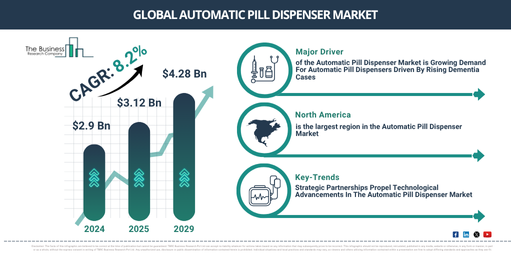
    There has been significant growth in the automatic pill dispenser market size in the past few years. The market’s worth is set to increase from $2.9 billion in 2024 to $3.12 billion in 2025, showcasing a compound annual growth rate (CAGR) of 7.7%. The factors that contributed to this growth during the historic period include an aging population, lack of medication adherence, rise in chronic diseases, regulatory backing, and promotional campaigns.

    The market size of the automatic pill dispenser is forecasted to witness robust growth in the subsequent years, reaching a value of $4.28 billion in 2029 with an 8.2% compound annual growth rate (CAGR). This expansion during the forecast period is linked to advancements in AI and robotics, the rising popularity of tailored healthcare solutions, a surge in remote patient monitoring, the emergence of digital health start-ups, and the growth of telehealth services. Key trends projected over this period include the convergence with smart home systems, customisation powered by AI, the merger with telemedicine, voice-activated features, and capabilities for remote surveillance.

    Download a free sample to assess the report’s scope and structure:

    https://www.thebusinessresearchcompany.com/sample.aspx?id=18233&type=smp

    Which Factors and External Forces Are Driving Demand in the Automatic Pill Dispenser Market?

    The continued rise in dementia cases is expected to significantly contribute to the expansion of the automatic pill dispenser market. Essentially, dementia is a syndrome that severely affects an individual’s memory, cognitive abilities, and social skills to the extent of interfering with their daily activities. Conditions such as Alzheimer’s disease, vascular problems, and Lewy body dementia are some of its causes. The growing number of dementia patients is principally due to an aging demographic, heightened awareness, and enhanced diagnosis processes. Automated pill dispensers play a critical role in dementia care, ensuring that patients receive their medications accurately and on schedule, thereby minimizing the possibility of skipped or erroneous dosage. As per the data from the National Health Service England, a governmental department in the UK, the total count of individuals diagnosed with dementia in September 2022 was 451,992; this was an increase of 1,450 from the previous month. As of September 30, 2022, 62.2% of those aged 65 and above, who are presumed to have dementia, had received a coded diagnosis, a slight rise from 62.1% in August 2022. Consequently, the escalating dementia instances are propelling the growth of the automatic pill dispenser market.

    Which Segments in the Automatic Pill Dispenser Offer the Most Growth?

    The automatic pill dispensermarket covered in this report is segmented –

    1) By Type: Centralized Automatic Dispenser, Decentralized Automatic Dispenser, Other Types

    2) By Indication: Physical Disability, Neurodegenerative Disorders And Dementia, Other Indications

    3) By Application: Hospital Pharmacy, Retail Pharmacy, Home Healthcare

    Subsegments:

    1) By Centralized Automatic Dispenser: Hospital-Based Pill Dispensers, Pharmacy-Based Pill Dispensers, Large-Scale Healthcare Facility Dispensers

    2) By Decentralized Automatic Dispenser: Home-Based Pill Dispensers, Nursing Home-Based Pill Dispensers, Point-Of-Care Dispensers (Clinics, Small Healthcare Units)

    3) By Other Types: Mobile Pill Dispensers, Pill Dispensers With Medication Tracking Features, Custom-Designed Dispensers For Specific Applications

    Request customized data on this market:

    https://www.thebusinessresearchcompany.com/customise?id=18233&type=smp

    What Are the Fastest-Growing Geographies in the #Which Factors and External Forces Are Driving Demand in the Automatic Pill Dispenser Market?# Market?

    North America was the largest region in the automatic pill dispenser market in 2024. Asia-Pacific is expected to be the fastest-growing region in the forecast period. The regions covered in the automatic pill dispenser market report are Asia-Pacific, Western Europe, Eastern Europe, North America, South America, Middle East, Africa.

    Which Cutting-Edge Market Trends Are Expected to Drive theAutomatic Pill Dispenser Market’s Growth?

    Major firms in the automatic pill dispenser market are utilizing a strategic partnership approach to boost their technological potential and broaden their market presence. A strategic partnership involves companies utilizing one another’s strengths and resources for mutual benefit and achievement. As an example, in February 2022, Dignio AS, a digital remote care solutions provider based in Norway, collaborated with AceAge Inc., a Canadian healthcare technology firm, to introduce the Karie smart pill dispenser to the Norwegian market. The Karie smart pill device is developed to dispense, remind, connect, and secure medication, fostering patient medication compliance and independence. This partnership is a component of Dignio’s connected care solution, encompassing web-based software and user-friendly patient applications.

    View the full report here:

    https://www.thebusinessresearchcompany.com/report/automatic-pill-dispenser-global-market-report

    What Are the Key Elements That Define the Automatic Pill Dispenser Market?

    An automatic pill dispenser is a device designed to organize and dispense medication dosages at scheduled times. It helps users manage their medication regimen, reducing the risk of missed or incorrect doses. These dispensers often feature alarms or notifications to remind users when it’s time to take their pills.

    Purchase the full report and get a swift delivery:

    https://www.thebusinessresearchcompany.com/purchaseoptions.aspx?id=18233

    About The Business Research Company:

    With over 15000+ reports from 27 industries covering 60+ geographies, The Business Research Company has built a reputation for offering comprehensive, data-rich research and insights. Armed with 1,500,000 datasets, the optimistic contribution of in-depth secondary research, and unique insights from industry leaders, you can get the information you need to stay ahead in the game.

    Get in touch with us:

    The Business Research Company: https://www.thebusinessresearchcompany.com/

    Americas +1 310-496-7795

    Europe +44 7882 955267

    Asia & Others +44 7882 955267 & +91 8897263534

    Email us at info@tbrc.info

    Follow us on:

    LinkedIn: https://in.linkedin.com/company/the-business-research-company

    YouTube: https://www.youtube.com/channel/UC24_fI0rV8cR5DxlCpgmyFQ

    Global Market Model: https://www.thebusinessresearchcompany.com/global-market-model
  • Major Drivers Propelling the Growth oh theAutomated Suturing Devices Market Forward: Growing Number Of Accidents And Trauma Cases Expected To Drive Automated Suturing Devices Growth

    Major Drivers Propelling the Growth oh theAutomated Suturing Devices Market Forward: Growing Number Of Accidents And Trauma Cases Expected To Drive Automated Suturing Devices Growth

    Claim your 30% discount on Global Market Reports with code ONLINE30. Limited time only.

    What is the Projected CAGR for the Automated Suturing Devices Market Size from 2025 to 2034?

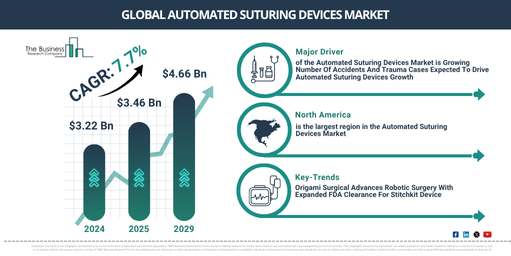
    The market for automated suturing devices has witnessed significant expansion recently. The value of the market is predicted to increase from $3.22 billion in 2024 to $3.46 billion in 2025, reflecting a compound annual growth rate (CAGR) of 7.4%. The historical growth of this market has been driven by several factors including an increase in surgical procedures, progress in minimally invasive surgeries, a rise in chronic diseases, technological advancements, an ageing population, enhanced healthcare infrastructure and a boost in cosmetic surgeries.

    The market for automated suturing devices is predicted to experience robust growth in the upcoming years, reaching $4.66 billion in 2029 with a compound annual growth rate (CAGR) of 7.7%. The projected growth during this period is due to several factors such as an increase in the number of injuries and trauma cases, rising acceptance of robotic surgery, efforts to minimise surgical complications, elevated healthcare expenditure, rise in outpatient surgeries, governmental initiatives, and the expansion of awareness and training programs. Significant trends anticipated during this period include integration with robotic systems, creation of advanced suturing devices, downsizing of devices, utilisation of biodegradable sutures, inclusion of AI and machine learning, improved ergonomics and user-friendly designs, and market penetration into emerging markets.

    Download a free sample to assess the report’s scope and structure:

    https://www.thebusinessresearchcompany.com/sample.aspx?id=18781&type=smp

    Which Major Market Drivers Are Expected to Boost the Growth Potential of the Automated Suturing Devices Market?

    The automated suturing devices market is expected to be driven by an increase in accidents and trauma cases. These cases are unforeseen incidents or events resulting in physical harm to people. This growth in incidents can be linked to a number of factors including expanding urbanization, more use of vehicles, dangerous work environments, and high-risk activities. These devices significantly improve the effectiveness of surgical procedures for such cases and also enhance patient outcomes, decrease surgery duration, and lessen the likelihood of complications. Take the example of a report by the Australian organization, Bureau of Infrastructure and Transport Research Economics (BITRE) released in May 2023, which indicated that road accident deaths in 2022 numbered 1,194, signifying a rise of 5.8 percent from 2021. Hence, the increased frequency of accidents and trauma cases is projected to push the growth of the automated suturing devices market.

    Which Key Market Segments Comprise the Automated Suturing Devices Market and Drive Its Revenue Growth?

    The automated suturing devicesmarket covered in this report is segmented –

    1) By Type: Reusable, Disposable

    2) By Application: Open Heart Surgery, Minimally Invasive Surgery, Trauma, Other Applications

    3) By End Use: Hospitals, Ambulatory Surgical Centers, Other End Uses

    Subsegments:

    1) By Reusable: Handheld Reusable Suturing Devices, Automated Stapling Devices (Reusable)

    2) By Disposable: Handheld Disposable Suturing Devices, Disposable Stapling Devices, Disposable Surgical Suturing Kits

    Request customized data on this market:

    https://www.thebusinessresearchcompany.com/customise?id=18781&type=smp

    Which Areas Are Leading Regions in the Automated Suturing Devices Market Expansion Across the Globe?

    North America was the largest region in the automated suturing devices market in 2024. Asia-Pacific is expected to be the fastest-growing region in the forecast period. The regions covered in the automated suturing devices market report are Asia-Pacific, Western Europe, Eastern Europe, North America, South America, Middle East, Africa.

    What Are the Key Market Trends in theAutomated Suturing Devices Market Over the Coming Years?

    In the automated suturing devices market, predominant companies are channeling their efforts into innovating technologically superior products such as suture delivery canisters, with an aim to improve surgical safety and efficiency. By securely containing discarded needles, suture delivery canisters help to minimize needle loss and decrease manual handling, thereby amplifying overall safety. For instance, Origami Surgical Inc., a medical device manufacturer based in the US, was granted an extended FDA approval for its StitchKit device in February 2023. This approval validates the use of StitchKit through an 8mm trocar incision in robotic-assisted surgeries, coping with the trend of smaller port sizes as surgical procedures lean towards smaller 8mm trocars. StitchKit comes furnished with all necessary sutures and a SHARPS container for safe disposal of needles, decreasing the risks of needle loss and exposed needle transfers, thereby enhancing safety. At the conclusion of the surgical procedure, the StitchKit can be conveniently extracted using a retrieval string, along with the trocar, simplifying the process and positively influencing surgical results.

    View the full report here:

    https://www.thebusinessresearchcompany.com/report/automated-suturing-devices-global-market-report

    How Is the Automated Suturing Devices Market Conceptually Defined?

    Automated suturing devices are advanced surgical instruments designed to perform suturing tasks with minimal manual intervention. They utilize automated mechanisms to place and secure sutures, enhancing precision, efficiency, and consistency during surgical procedures. These devices are employed to streamline suturing processes, reduce operation time, and improve overall patient outcomes by minimizing human error and optimizing suture placement.

    Purchase the full report and get a swift delivery:

    https://www.thebusinessresearchcompany.com/purchaseoptions.aspx?id=18781

    About The Business Research Company:

    With over 15000+ reports from 27 industries covering 60+ geographies, The Business Research Company has built a reputation for offering comprehensive, data-rich research and insights. Armed with 1,500,000 datasets, the optimistic contribution of in-depth secondary research, and unique insights from industry leaders, you can get the information you need to stay ahead in the game.

    Get in touch with us:

    The Business Research Company: https://www.thebusinessresearchcompany.com/

    Americas +1 310-496-7795

    Europe +44 7882 955267

    Asia & Others +44 7882 955267 & +91 8897263534

    Email us at info@tbrc.info

    Follow us on:

    LinkedIn: https://in.linkedin.com/company/the-business-research-company

    YouTube: https://www.youtube.com/channel/UC24_fI0rV8cR5DxlCpgmyFQ

    Global Market Model: https://www.thebusinessresearchcompany.com/global-market-model
  • Critical Market Drivers Shaping the Outlook for Automated Immunoassay Analyzers Market from 2025-2034: Rising Number Of Hospitals Fueling Demand For Automated Immunoassay Analyzers

    Critical Market Drivers Shaping the Outlook for Automated Immunoassay Analyzers Market from 2025-2034: Rising Number Of Hospitals Fueling Demand For Automated Immunoassay Analyzers

    Claim your 30% discount on Global Market Reports with code ONLINE30. Limited time only.

    What Is the Current and Projected Market Size of the Automated Immunoassay Analyzers Market Through 2034?

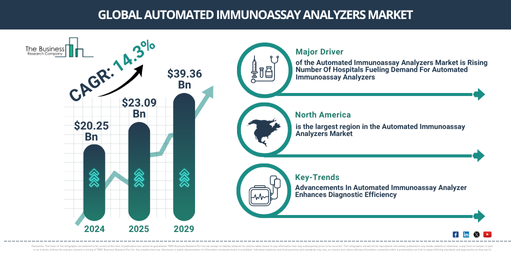
    The market size for automated immunoassay analyzers has seen rapid expansion in recent years. The value is projected to increase from $20.25 billion in 2024 to $23.09 billion in 2025, reflecting a compound annual growth rate (CAGR) of 14.0%. Factors contributing to this growth during the historic period include rising demand for quick and accurate diagnostic tests, the growing prevalence of chronic illnesses such as diabetes and cancer which require regular monitoring, enhancements in immunoassay technologies that increase testing efficiency and accuracy, development of healthcare infrastructure in emerging economies, improved accessibility to diagnostic tools, and increased investment in research and development by leading healthcare firms aiming to innovate and enhance diagnostic solutions.

    The market size of automated immunoassay analyzers is predicted to experience a steep increase in the upcoming years, expanding to $39.36 billion by 2029 with a compound annual growth rate (CAGR) of 14.3%. Factors contributing to this growth in the forecast period include advancements in automation technologies enhancing the efficiency and accuracy of analyzers, an increase in the prevalence of infectious diseases, rising interest in personalized medicine which requires more refined immunoassay solutions, and the growing global healthcare spending which promotes the affordability and accessibility of evolved diagnostic tools. Moreover, the integration of technology with digital health solutions enhances the analyzers’ functionality and data management. Key trends in the forecast period comprise the amplified adoption of multiplex immunoassays, which allow for the detection of multiple analytes at once, an expansion in point-of-care testing (POCT) technologies providing swift on-site diagnostic capabilities, the introduction of AI and machine learning applications to improve accuracy and predictive analytics in immunoassays, increasing use of cutting-edge bioinformatics tools for data interpretation in immunoassay testing, and the growing market appearance of user-friendly, portable analyzers suitable for a range of healthcare settings and applications.

    Download a free sample to assess the report’s scope and structure:

    https://www.thebusinessresearchcompany.com/sample.aspx?id=18232&type=smp

    What Are the Core Growth Drivers Propelling the Automated Immunoassay Analyzers Market Forward?

    The growth of the automated immunoassay analyzers market is anticipated to be driven by the rising number of hospitals. This increase in hospitals is a result of burgeoning healthcare needs from a growing and ageing community. Automated immunoassay analyzers improve the hospital’s efficiency and precision by quickly processing a vast number of diagnostic tests for several diseases and conditions. As an example, the American Health Care Association, a non-profit organization in the US, reported in May 2023 that the number of hospitals in the US rose to 6,129 from 6,093 in the previous year, a growth of 0.59%. As a result, the expansion of the automated immunoassay analyzers market is propelled by the growing number of hospitals.

    What Segment Types Define the Automated Immunoassay Analyzers Market Structure?

    The automated immunoassay analyzersmarket covered in this report is segmented –

    1) By Product: Immunofluorescence, Chemiluminescence, Enzyme Linked Fluorescent System (ELISA), Multiplexed Assay System, Radioimmunoassay

    2) By Application: Infectious Diseases, Endocrinology, Drug Monitoring, Cardiology, Oncology, Allergy Testing, Other Applications

    3) By End-User: Hospitals, Diagnostic Laboratories, Research And Academic Laboratories, Pharmaceutical And Biotechnology Companies, Other End-Users

    Subsegments:

    1) By Immunofluorescence: Fluorescent Labeling Kits, Fluorescent Detectors And Readers, Immunofluorescence Reagents

    2) By Chemiluminescence: Chemiluminescent Labels And Reagents, Chemiluminescence Detectors And Readers, Chemiluminescent Assay Kits

    3) By Enzyme Linked Fluorescent System (ELISA): ELISA Kits (Capture And Detection Kits), ELISA Microplates And Plates Coating Systems, Enzyme Substrates And Detection Reagents

    4) By Multiplexed Assay System: Multiplexed Assay Kits, Multi-Analyte Detection Systems, Multiplexing Software And Data Analysis Tools

    5) By Radioimmunoassay (RIA): Radioactive Isotope Kits, Gamma Counters, Radiolabeled Reagents

    Request customized data on this market:

    https://www.thebusinessresearchcompany.com/customise?id=18232&type=smp

    Which Geographic Areas Hold the Strongest Growth Potential in the Automated Immunoassay Analyzers Market?

    North America was the largest region in the automated immunoassay analyzer market in 2024. Asia-Pacific is expected to be the fastest-growing region in the forecast period. The regions covered in the automated immunoassay analyzers market report are Asia-Pacific, Western Europe, Eastern Europe, North America, South America, Middle East, Africa.

    Which Emerging Trends that Are Influencing theAutomated Immunoassay Analyzers Industry Evolution?

    Leading corporations in the automated immunoassay analyzers market are concentrating their efforts on creating advanced products, like compact immunoassay analyzers, in order to obtain a competitive edge. These compact immunoassay analyzers are reduced-size, transportable instruments engineered to perform immunoassay examinations which identify particular biomarkers in biological specimens. These devices are particularly advantageous in healthcare settings where space and mobility may be scarce. For instance, in July 2023, Siemens Healthineers, a healthcare firm based in Germany, introduced the Atellica CI Analyzer – a compact laboratory examination system created to enhance efficiency in both immunoassay and clinical chemistry evaluations. By integrating these two examination techniques into one platform, the Atellica CI Analyzer fulfills the increasing demand for multifunctional systems capable of executing a variety of examinations effectively. This product’s characteristics are in line with current market preferences, adeptly tackling the obstacles labs encounter in providing accurate and timely diagnostic results. Certain features like random access sampling, micro-volume aspiration, as well as automated maintenance and quality control scheduling aid laboratories in achieving more uniform and predictable sample processing durations.

    View the full report here:

    https://www.thebusinessresearchcompany.com/report/automated-immunoassay-analyzers-global-market-report

    What Is the Definition of the Automated Immunoassay Analyzers Market?

    Automated immunoassay analyzers refer to advanced laboratory instruments designed to perform immunoassays with minimal human intervention. These analyzers utilize automated processes to detect and measure specific proteins, hormones, and other substances in biological samples, improving accuracy and efficiency in diagnostic testing. They are widely used in clinical laboratories for disease diagnosis, monitoring, and research applications.

    Purchase the full report and get a swift delivery:

    https://www.thebusinessresearchcompany.com/purchaseoptions.aspx?id=18232

    About The Business Research Company:

    With over 15000+ reports from 27 industries covering 60+ geographies, The Business Research Company has built a reputation for offering comprehensive, data-rich research and insights. Armed with 1,500,000 datasets, the optimistic contribution of in-depth secondary research, and unique insights from industry leaders, you can get the information you need to stay ahead in the game.

    Get in touch with us:

    The Business Research Company: https://www.thebusinessresearchcompany.com/

    Americas +1 310-496-7795

    Europe +44 7882 955267

    Asia & Others +44 7882 955267 & +91 8897263534

    Email us at info@tbrc.info

    Follow us on:

    LinkedIn: https://in.linkedin.com/company/the-business-research-company

    YouTube: https://www.youtube.com/channel/UC24_fI0rV8cR5DxlCpgmyFQ

    Global Market Model: https://www.thebusinessresearchcompany.com/global-market-model

  • Key Factors Fueling the Growth of the Automated Hospital Beds Market in 2025: Impact Of Increasing Accidents On The Automated Hospital Bed Market

    Key Factors Fueling the Growth of the Automated Hospital Beds Market in 2025: Impact Of Increasing Accidents On The Automated Hospital Bed Market

    Claim your 30% discount on Global Market Reports with code ONLINE30. Limited time only.

    What is the Anticipated CAGR of the Automated Hospital Beds Market, and What Factors Will Drive It?

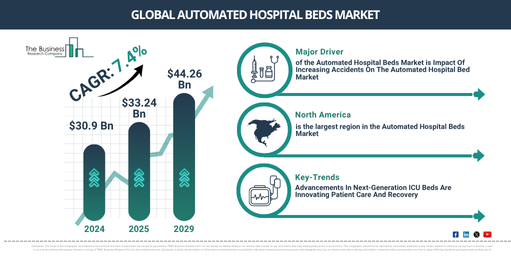
    The market for automated hospital beds has seen a robust expansion in the past few years. The market is anticipated to enlarge from a worth of $30.9 billion in 2024 to reach $33.24 billion in 2025, projecting a compound annual growth rate (CAGR) of 7.6%. Factors such as an increase in the elderly population, the surge in home healthcare services, growth in the occurrence rates of long-term diseases, an upswing in telemedicine, and the augment in surgical procedures have contributed to the remarkable growth in the previous term.

    Expectations are high for a robust expansion in the automated hospital beds market in the upcoming years, with projections pointing to $44.26 billion by 2029, representing a compound annual growth rate (CAGR) of 7.4%. The anticipated growth in this forecast period is credited to the surging occurrence of accidents, a rising commitment to patient-centred medical care, an ageing global population, an upward trend in healthcare spending, and a pivot towards home healthcare solutions. Key trends slated to shape this forecast period involve advancements in technology, integration with the Internet of Things, artificial intelligence and machine learning inclusions, enriched remote monitoring capacities, telemedicine integration, and the adaptation of robotics to facilitate patient transfers.

    Download a free sample to assess the report’s scope and structure:

    https://www.thebusinessresearchcompany.com/sample.aspx?id=16594&type=smp

    What are the Fundamental Drivers and Innovations Shaping the Automated Hospital Beds Market?

    The escalating rate of road mishaps is predicted to fuel the expansion of the automated hospital bed market. The surge in road accidents can be attributed to the rise in traffic congestion, distractions due to mobile usage while driving, lack of adequate infrastructure upkeep, and non-compliance with traffic norms. Automated hospital beds are designed to improve patient care and safety during such incidents. They come with features such as customizable height for seamless patient transfer and treatment, automated positioning to avoid bedsores, and remote control for swift adjustments, ensuring prompt medical care and comfort. For example, data from the Bureau of Infrastructure and Transport Research Economic (BITRE), an Australian department of infrastructure, transport, and regional development, showed that in 2023, a distressing total of 1,266 lives were lost due to road accidents in Australia. This was a 7.3% rise compared to the year ending in December 2022. Therefore, the surging volume of road mishaps is acting as a catalyst for the automated hospital bed market.

    How Is the Automated Hospital Beds Market Segmented?

    The automated hospital bedsmarket covered in this report is segmented –

    1) By Type: Semi-Automatic Hospital Beds, Fully Automatic Hospital Beds

    2) By Technology: Basic Automated Hospital Beds, Smart Automated Hospital Beds

    3) By Application: Critical Care, Acute Care, Long Term Care

    4) By End User: Hospitals And Clinics, Reproductive Care Centers, Dentistry, Home Care, Other End-Users

    Subsegments:

    1) By Semi-Automatic Hospital Beds: Electric-Spring Hybrid Beds, Manual Adjustment With Electric Controls, Beds With Adjustable Backrests And Leg Supports, Semi-automatic Icu Beds

    2) By Fully Automatic Hospital Beds: Fully Electric Icu Beds, Fully Electric Critical Care Beds, Advanced Pressure Relief Beds, High-End Electric Beds With Zero Gravity Function, Fully Adjustable Pediatric And Geriatric Beds

    Request customized data on this market:

    https://www.thebusinessresearchcompany.com/customise?id=16594&type=smp

    Which Regions Are Driving the Next Phase of the Automated Hospital Beds Market Growth?

    North America was the largest region in the automated hospital beds market in 2024. The regions covered in the automated hospital beds market report are Asia-Pacific, Western Europe, Eastern Europe, North America, South America, Middle East, Africa.

    What Key Trends Are Shaping the Future of the Automated Hospital Beds Market?

    Prominent players in the automated hospital beds market are bringing forth next-generation Intensive Care Unit (ICU) beds to level up patient oversight and cater to the escalating need for sophisticated medical technology. These state-of-the-art ICU beds are engineered to enhance patient prognosis and make care more efficient within ICUs. For instance, Baxter International Inc., a healthcare corporation based in the United States, introduced a state-of-the-art Hillrom Progressa+ bed specific for ICU in May 2023. Designed to revolutionize patient care and hasten recovery, the Progressa+ bed provides advanced pulmonary aid through in-bed percussion, vibrations, and perpetual lateral rotation treatment to mitigate complications caused by immobility. The bed also boasts enhanced access for intubation and medical procedures. Additionally, it promotes early patient mobility through an integrated lift system and a single-touch FullChair, safely and seamlessly making patient movement possible and lessening the likelihood of care providers getting hurt.

    View the full report here:

    https://www.thebusinessresearchcompany.com/report/automated-hospital-beds-global-market-report

    How Is the Automated Hospital Beds Market Defined and What Are Its Core Parameters?

    Automated hospital beds are advanced medical beds equipped with motorized mechanisms for adjustments such as height, backrest angle, and leg elevation. They often featured with remote controls for easy operation, enhancing patient comfort and caregiver efficiency. These beds may include additional functions such as integrated scales, bed exit alarms, and pressure redistribution systems to improve patient care and safety. Automated hospital beds are designed to support medical treatments and enhance the overall hospital experience.

    Purchase the full report and get a swift delivery:

    https://www.thebusinessresearchcompany.com/purchaseoptions.aspx?id=16594

    About The Business Research Company:

    With over 15000+ reports from 27 industries covering 60+ geographies, The Business Research Company has built a reputation for offering comprehensive, data-rich research and insights. Armed with 1,500,000 datasets, the optimistic contribution of in-depth secondary research, and unique insights from industry leaders, you can get the information you need to stay ahead in the game.

    Get in touch with us:

    The Business Research Company: https://www.thebusinessresearchcompany.com/

    Americas +1 310-496-7795

    Europe +44 7882 955267

    Asia & Others +44 7882 955267 & +91 8897263534

    Email us at info@tbrc.info

    Follow us on:

    LinkedIn: https://in.linkedin.com/company/the-business-research-company

    YouTube: https://www.youtube.com/channel/UC24_fI0rV8cR5DxlCpgmyFQ

    Global Market Model: https://www.thebusinessresearchcompany.com/global-market-model

  • Major Trends and Emerging Patterns in the Automated Compounding Devices Market: Innovations In IV Robotic Technology For Hospital Pharmacies

    Major Trends and Emerging Patterns in the Automated Compounding Devices Market: Innovations In IV Robotic Technology For Hospital Pharmacies

    Claim your 30% discount on Global Market Reports with code ONLINE30. Limited time only.

    What Are the Key Milestones in the Automated Compounding Devices Market’s Growth Trajectory From 2025 To 2034?

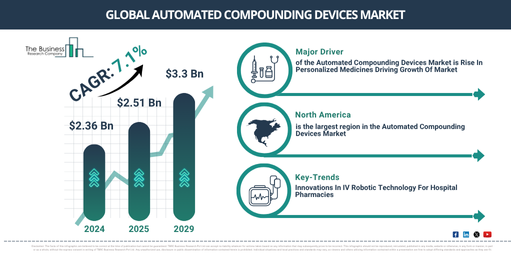
    The market size of automated compounding devices has seen robust growth over the past few years. The market, which was valued at $2.36 billion in 2024, is projected to reach $2.51 billion in 2025, representing a compound annual growth rate (CAGR) of 6.6%. The significant growth during this historic period is linked to a surge in chronic diseases, an older population, development in the healthcare infrastructure, new governance norms, and a rising number of medication errors.

    The market for automated compounding devices is projected to experience robust expansion in the upcoming years, reaching a value of $3.3 billion by 2029, with a compound annual growth rate (CAGR) of 7.1%. Factors contributing to the growth during the forecast period include escalating cancer rates, worldwide healthcare development, heightened attention on patient safety, regulatory backing, and an escalating emphasis on sustainability. Key trends forecasted for this period are telemedicine, remote healthcare, progress in artificial intelligence, the digital transformation of healthcare, and real-time monitoring.

    Download a free sample to assess the report’s scope and structure:

    https://www.thebusinessresearchcompany.com/sample.aspx?id=18231&type=smp

    What Are the Primary Drivers Supporting the Market Growth of the Automated Compounding Devices Market?

    The growth of the automated compounding devices market is expected to be propelled by the rising count of personalized medicines. Personalized medicine is a healthcare approach that adjusts medical decisions, procedures, interventions, and treatments according to the unique specifics of each patient. This surge in personalized medicines can be attributed to improved genetics knowledge, specific patient data, and regulatory backing. Automated compounding devices (ACDs) are vital in personalized medicine as they facilitate the meticulous and exact preparation of custom drug compounds that are adjusted to meet individual patient requirements. These devices mechanize the task of mixing multiple pharmaceutical components in precise ratios, which is crucial for generating customized treatment plans. For example, the Personalized Medicine Coalition, a non-profit organization based in the USA, stated in February 2024 that the FDA granted approval for 16 new personalized therapies for patients suffering from rare diseases in 2023, a significant increase from six in 2022. Hence, the rising prevalence of personalized medicines is fueling the expansion of the automated compounding devices market.

    Which Primary Segments of the Automated Compounding Devices Market Are Driving Growth and Industry Transformations?

    The automated compounding devicesmarket covered in this report is segmented –

    1) By Component: Automated Compounding Systems Equipment, Automated Compounding Systems Software

    2) By Product Type: Intravenous Compounding Systems, Oral Compounding Systems, Total Parenteral Nutrition (TPN) Compounding Systems

    3) By Mode Of Operation: Fully Automated Compounding Systems, Semi-Automated Compounding Systems

    4) By End-User: Hospitals, Ambulatory Surgical Centers, Other End Users

    Subsegments:

    1) By Automated Compounding Systems Equipment: Compounding Workstations, Compounding Pumps, Mixing Chambers, Scales And Balances, Dispensing Units, Vial And Syringe Filling Systems, Other Related Equipment (Filtration Devices)

    2) By Automated Compounding Systems Software: Prescription Management Software, Workflow Management Software, Monitoring And Control Software, Data Analytics And Reporting Software, Safety And Compliance Software, Integration Software For Hospital Or Pharmacy Management Systems

    Request customized data on this market:

    https://www.thebusinessresearchcompany.com/customise?id=18231&type=smp

    Which Regions Are Key Players in the Growth of the #What Are the Primary Drivers Supporting the Market Growth of the Automated Compounding Devices Market?# Market?

    North America was the largest region in the automated compounding devices market in 2024. Asia-Pacific is expected to be the fastest-growing region in the forecast period. The regions covered in the automated compounding devices market report are Asia-Pacific, Western Europe, Eastern Europe, North America, South America, Middle East, Africa.

    What Are the Most Significant Market Trends in the Automated Compounding Devices Market?

    Key players in the automated compounding device market are making strides to minimize medication errors and boost patient safety by utilizing advanced technologies such as robotic compounding technology. This strategy aims to deepen customer trust, align with regulatory standards, and secure a leading edge in the competition. Robotic compounding technology automates the methodical production and blending of drug compounds through high-tech robotic systems, magnifying precision, productivity, and safety in drug preparation. For example, Omnicell Inc., a healthcare technology firm in the US, introduced the IVX Station, an innovative automated compounding device, in March 2022. This cutting-edge solution is designed to extend the reach of IV robotic technology in the wider market, improving patient safety, precision, cost-effectiveness, supply chain operations, and regulatory adherence. The IVX Station has three times the speed of existing IV robotic systems, features a fail-safe design to limit downtime and retains a compact size suitable for pharmacy tasks.

    View the full report here:

    https://www.thebusinessresearchcompany.com/report/automated-compounding-devices-global-market-report

    What Parameters Are Used to Define the Automated Compounding Devices Market?

    Automated compounding devices refer to specialized equipment designed to automate the preparation of medications, including intravenous (IV) solutions, in healthcare settings. These devices ensure precise and efficient compounding, enhancing patient safety and reducing the risk of human error in medication preparation.

    Purchase the full report and get a swift delivery:

    https://www.thebusinessresearchcompany.com/purchaseoptions.aspx?id=18231

    About The Business Research Company:

    With over 15000+ reports from 27 industries covering 60+ geographies, The Business Research Company has built a reputation for offering comprehensive, data-rich research and insights. Armed with 1,500,000 datasets, the optimistic contribution of in-depth secondary research, and unique insights from industry leaders, you can get the information you need to stay ahead in the game.

    Get in touch with us:

    The Business Research Company: https://www.thebusinessresearchcompany.com/

    Americas +1 310-496-7795

    Europe +44 7882 955267

    Asia & Others +44 7882 955267 & +91 8897263534

    Email us at info@tbrc.info

    Follow us on:

    LinkedIn: https://in.linkedin.com/company/the-business-research-company

    YouTube: https://www.youtube.com/channel/UC24_fI0rV8cR5DxlCpgmyFQ

    Global Market Model: https://www.thebusinessresearchcompany.com/global-market-model